Skip to content
Recipes

All recipes

Vegetarian, or something you can't eat? Set your diet once and we'll hide recipes that don't fit.

Tarte à la tomate et à la moutardeTomato and mustard tart

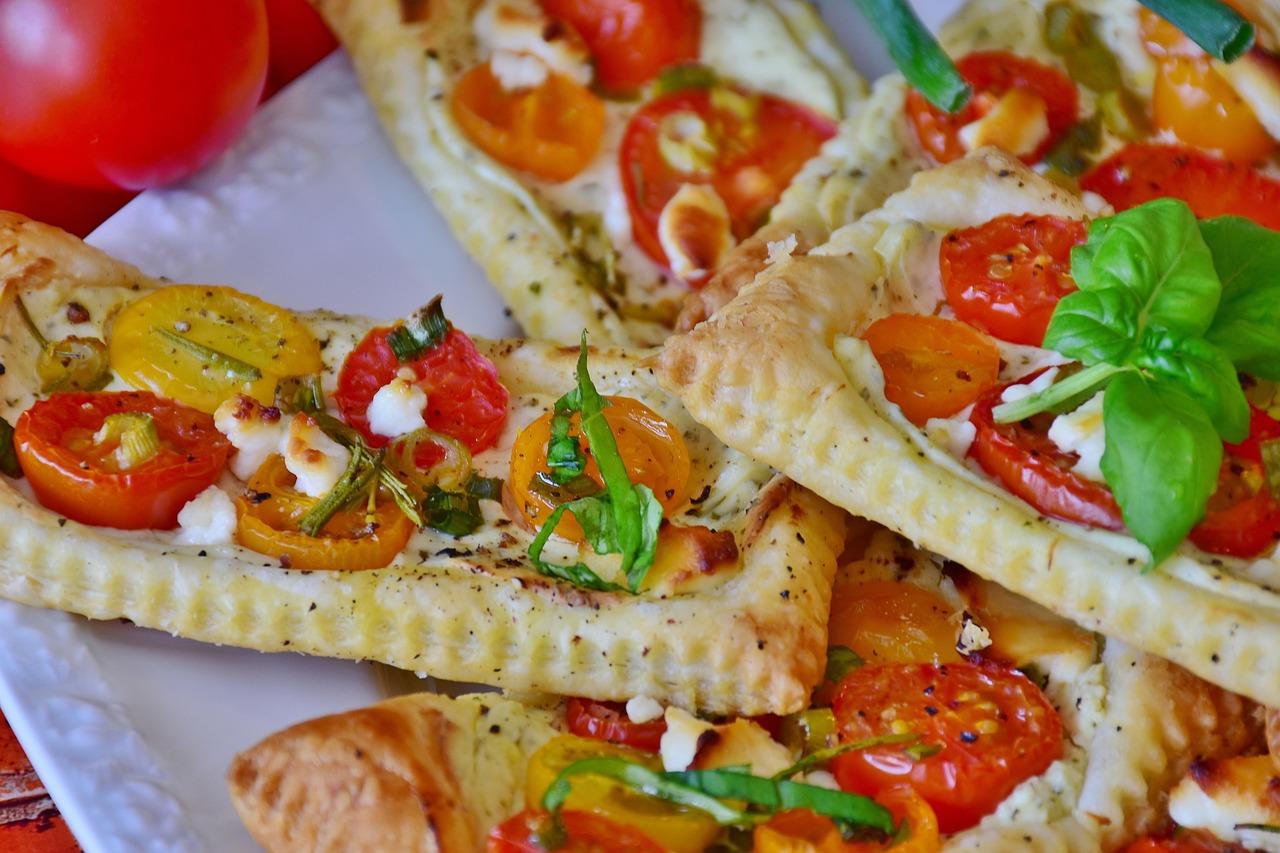
Tarte à la tomate is a summer favourite all over Burgundy, home of Dijon mustard, made from July to September for picnics, light lunches and apéritif. A crisp shortcrust case is spread thickly with mustard and grated cheese, covered with overlapping tomato slices and herbs and baked until the tomatoes are jammy; the mustard mellows into a warm, tangy layer. Comté and Gruyère are usually made with animal rennet; use a vegetarian hard cheese if you prefer. The common mistake is using watery tomatoes, which make the pastry soggy. Chef's tip: salt and drain the tomato slices on kitchen paper for 15 minutes before laying them on the tart.

by KrazyBadal 0 views
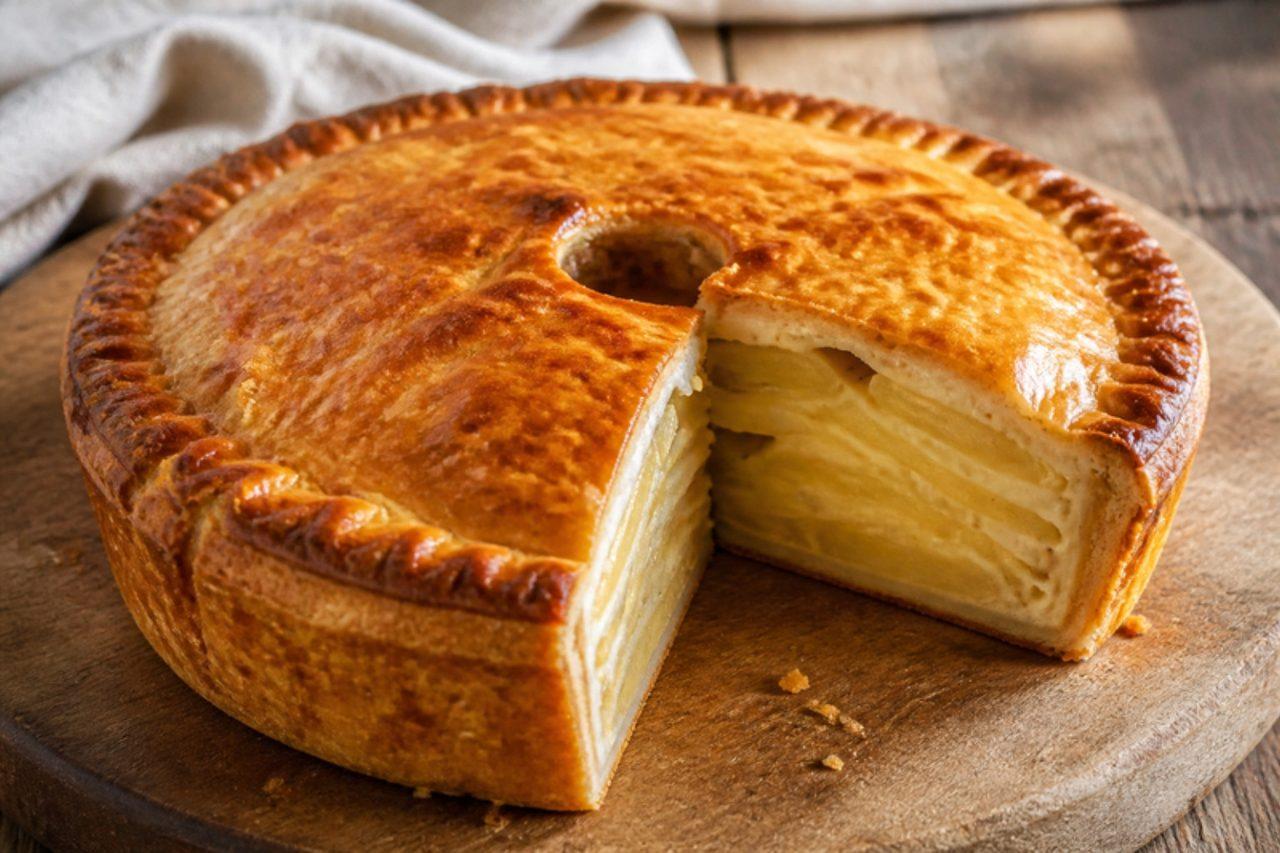
Pâté aux pommes de terrePotato and cream pastry pie

Pâté aux pommes de terre is the farmhouse pie of the Limousin, the Berry and the Allier in central France, baked for Sunday lunch and village fêtes and served warm with a green salad. Thin slices of potato with onion, garlic and parsley are baked inside puff pastry, and when the pie comes out of the oven a lid is lifted and thick crème fraîche is poured in to soak through the potatoes. The common mistake is slicing the potatoes too thick, so they are still hard when the pastry is done. Chef's tip: slice the potatoes 2 mm thick and cook the pie for the full hour; the potatoes must be soft before the cream goes in.

by KrazyBadal 0 views
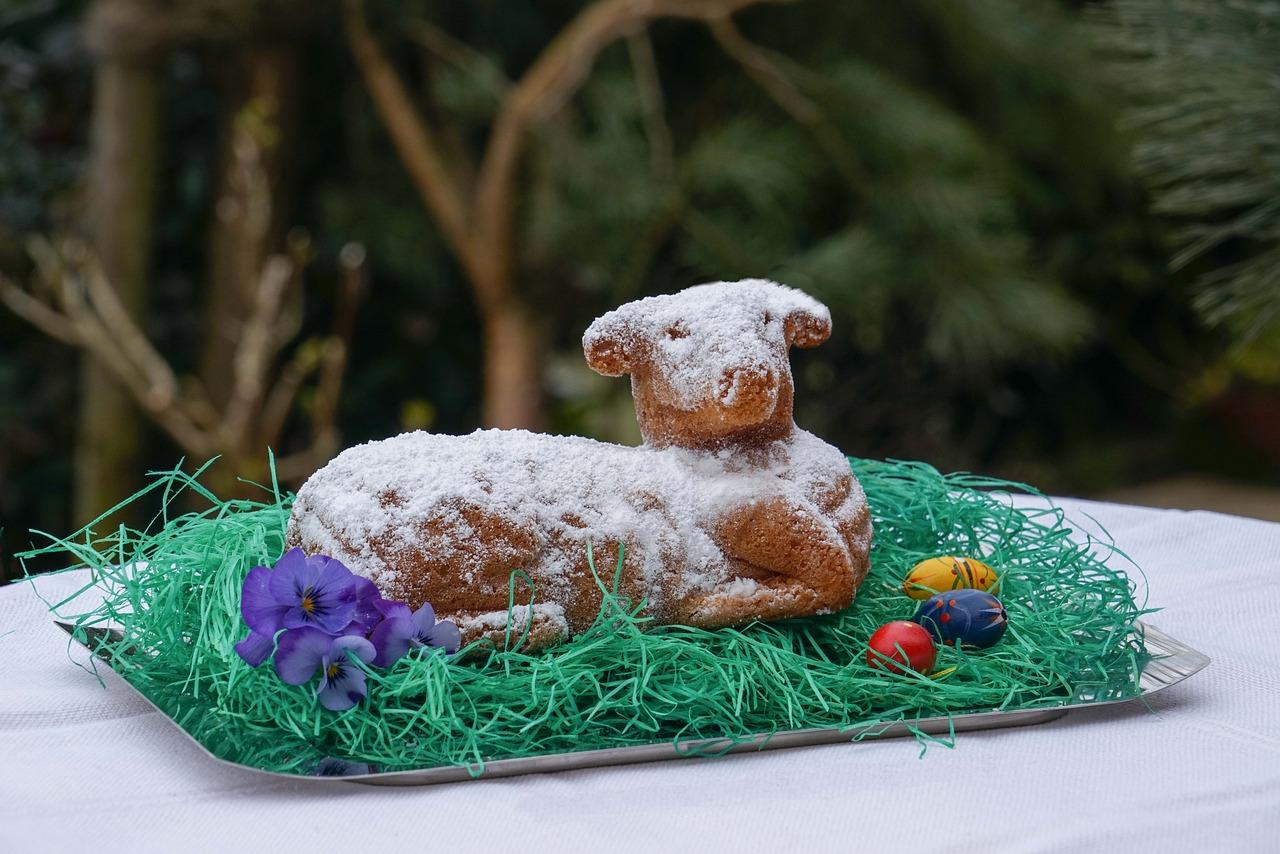
Agneau pascalLamb-shaped Easter cake

The lammele, or agneau pascal, is the Easter cake of Alsace, a light sponge baked in a lamb-shaped earthenware mould from Soufflenheim and dusted with icing sugar, with a little paper flag tied round its neck. It is bought from bakeries in Strasbourg and Colmar or made at home for Easter Sunday breakfast. No lamb meat is involved; it is a vegetarian cake. The common mistake is not greasing the mould well enough, so the head sticks. Chef's tip: brush the mould with soft butter, chill, then dust with flour, so every detail comes out clean.

by KrazyBadal 0 views
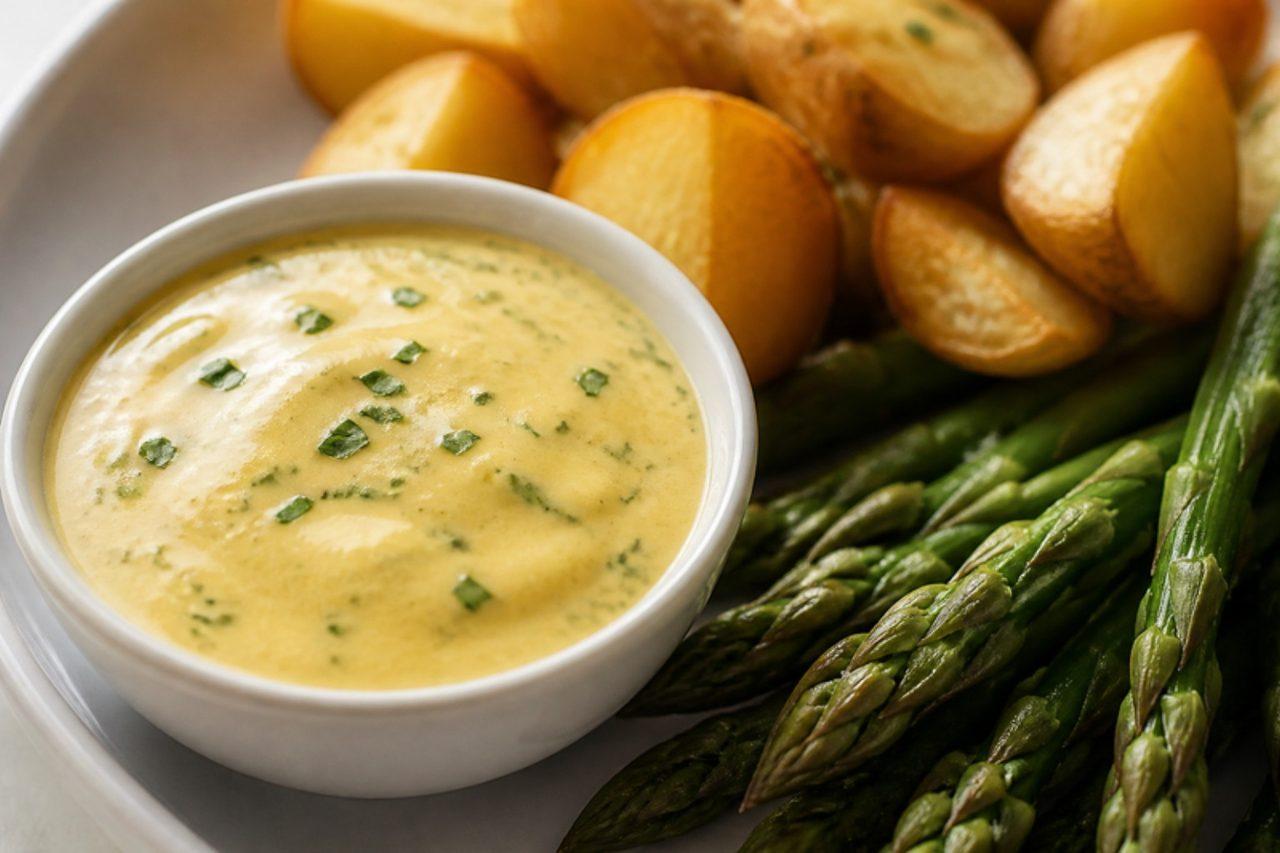
Sauce béarnaiseTarragon butter sauce

Sauce béarnaise was created in the 1830s at a restaurant in Saint-Germain-en-Laye near Paris and named after the Béarn region, home of King Henri IV, and it is still the sauce French families serve with steak and frites on special evenings. Egg yolks are whisked over gentle heat with a sharp reduction of vinegar, shallot and tarragon, then thickened with warm butter into a glossy, tangy sauce. The yolks are only lightly cooked, so use pasteurised egg yolks if serving anyone pregnant, very young, elderly or with a weakened immune system. The common mistake is too much heat, which scrambles the yolks. Chef's tip: if the sauce starts to look grainy, whisk in a teaspoon of cold water off the heat at once.

by KrazyBadal 0 views
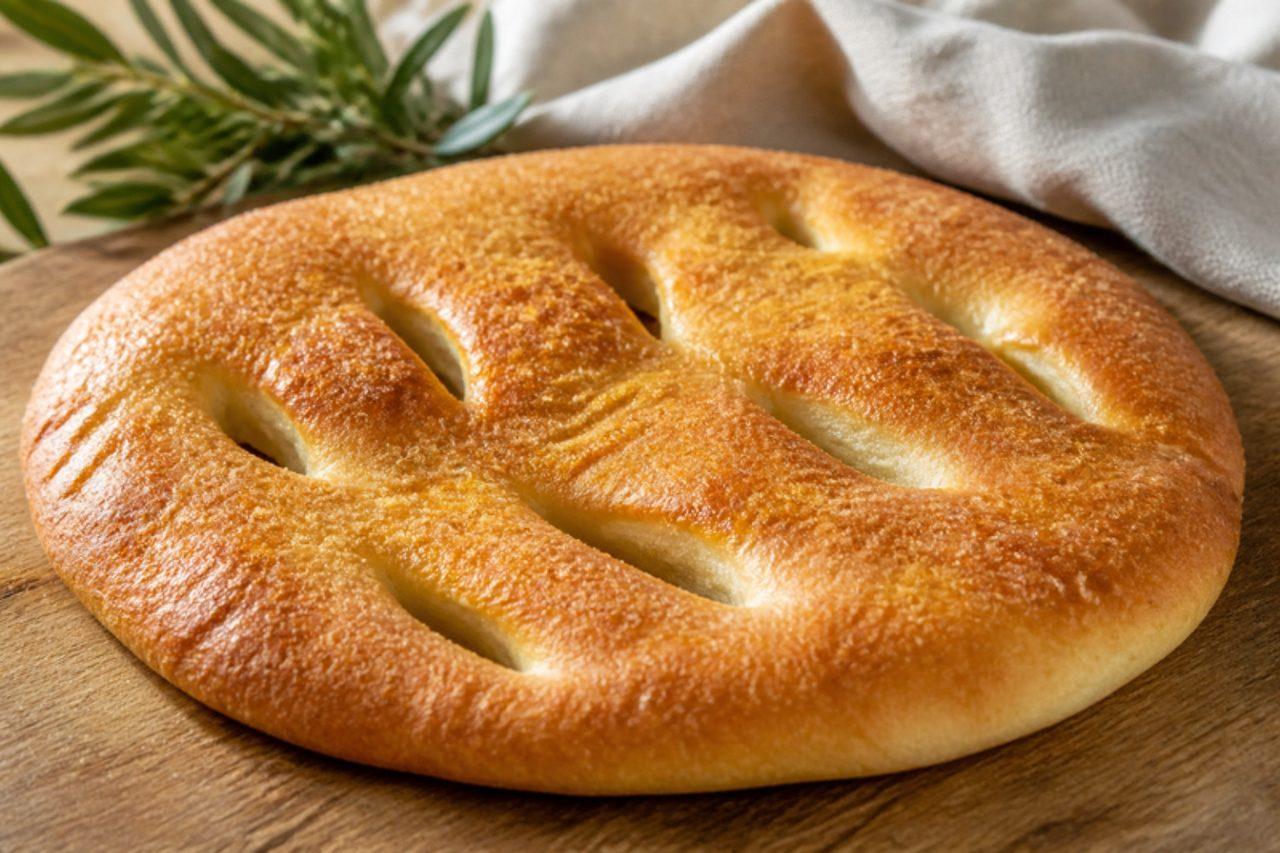
Pompe à l'huileOlive oil orange flatbread

The pompe à l'huile is the centrepiece of the thirteen desserts of Christmas Eve in Provence, a flat, slashed sweet bread made with olive oil and scented with orange-blossom water. Tradition says it must be torn by hand, never cut, or you will be ruined in the year to come, and it is eaten after the gros souper on 24 December. The common mistake is using a harsh, peppery olive oil, which overpowers it. Chef's tip: use a mild, fruity olive oil and brush more over the warm loaf.

170 minFrenchBakingVegan
by KrazyBadal 0 views
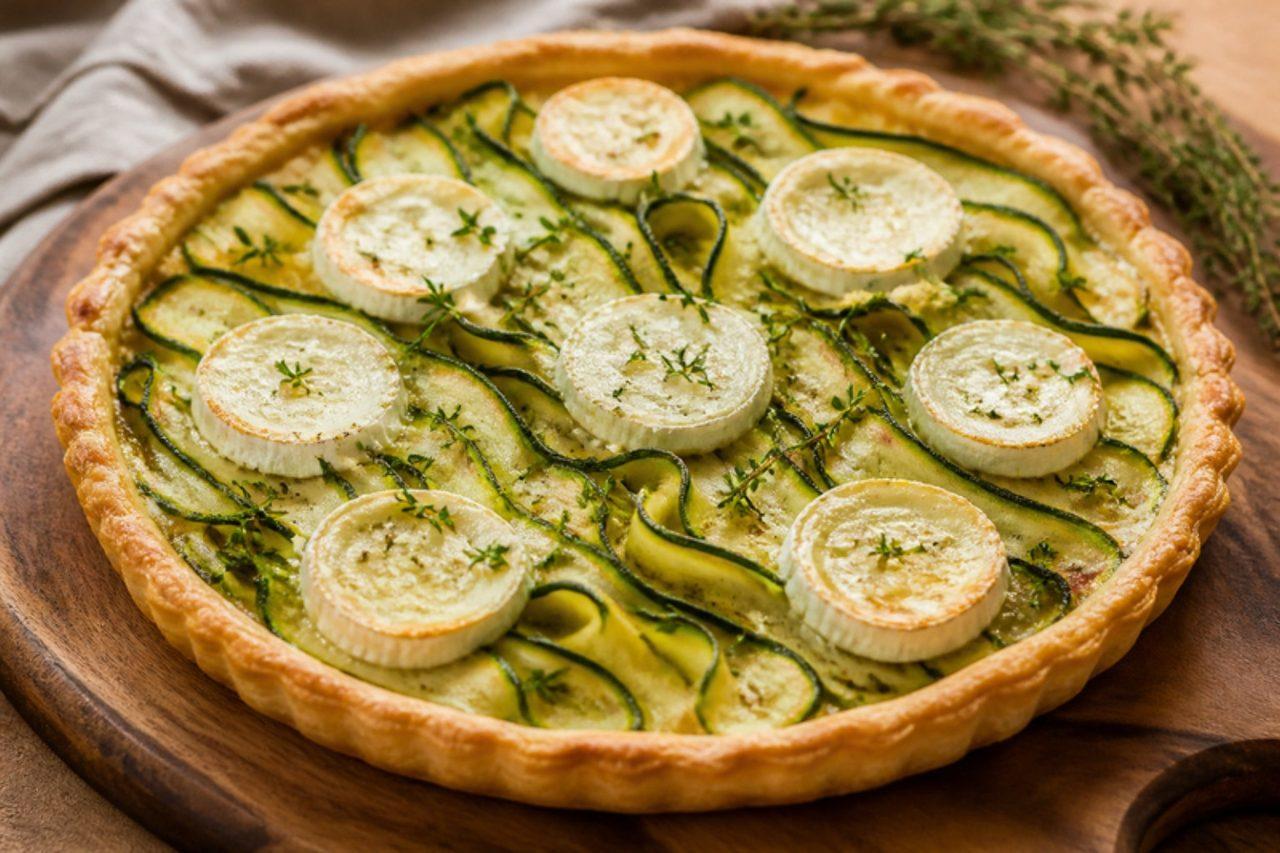
Tarte courgette et chèvreCourgette and goat's cheese tart

Tarte courgette-chèvre is a modern French classic, the tart everyone brings to summer picnics, family barbecues and school fêtes from June to September. Lightly fried courgette slices and rounds of fresh goat's cheese are set in a savoury egg and cream custard in a crisp case, with thyme and a little honey to round off the tang. Many French goat's cheeses use animal rennet; choose one labelled vegetarian if needed, and a pasteurised one for anyone pregnant or with a weakened immune system. The common mistake is adding raw courgettes, which weep into the custard. Chef's tip: blind-bake the case for 15 minutes first so the base stays crisp.

by KrazyBadal 0 views
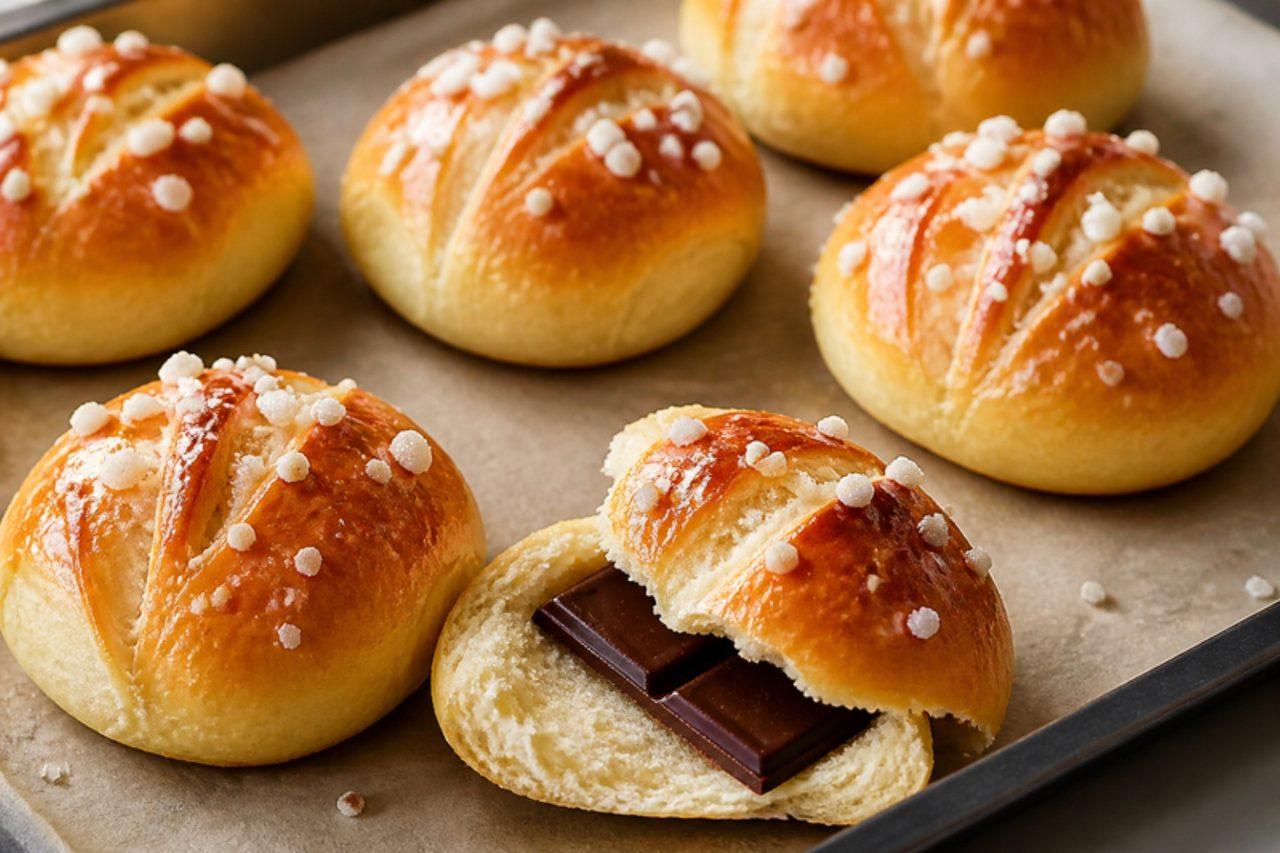
Pain au laitSoft milk rolls

Pain au lait is the soft, slightly sweet milk roll French children take to school for goûter at four o'clock, split and filled with a bar of chocolate or spread with jam. The dough is enriched with milk, butter and a little egg, shaped into small oval rolls, snipped along the top with scissors and sprinkled with pearl sugar. The common mistake is overbaking, which gives a crust; they should stay pale gold and pillowy. Chef's tip: brush them with egg twice, before and after proving, for the glossy bakery finish.

175 minFrenchBaking
by KrazyBadal 0 views
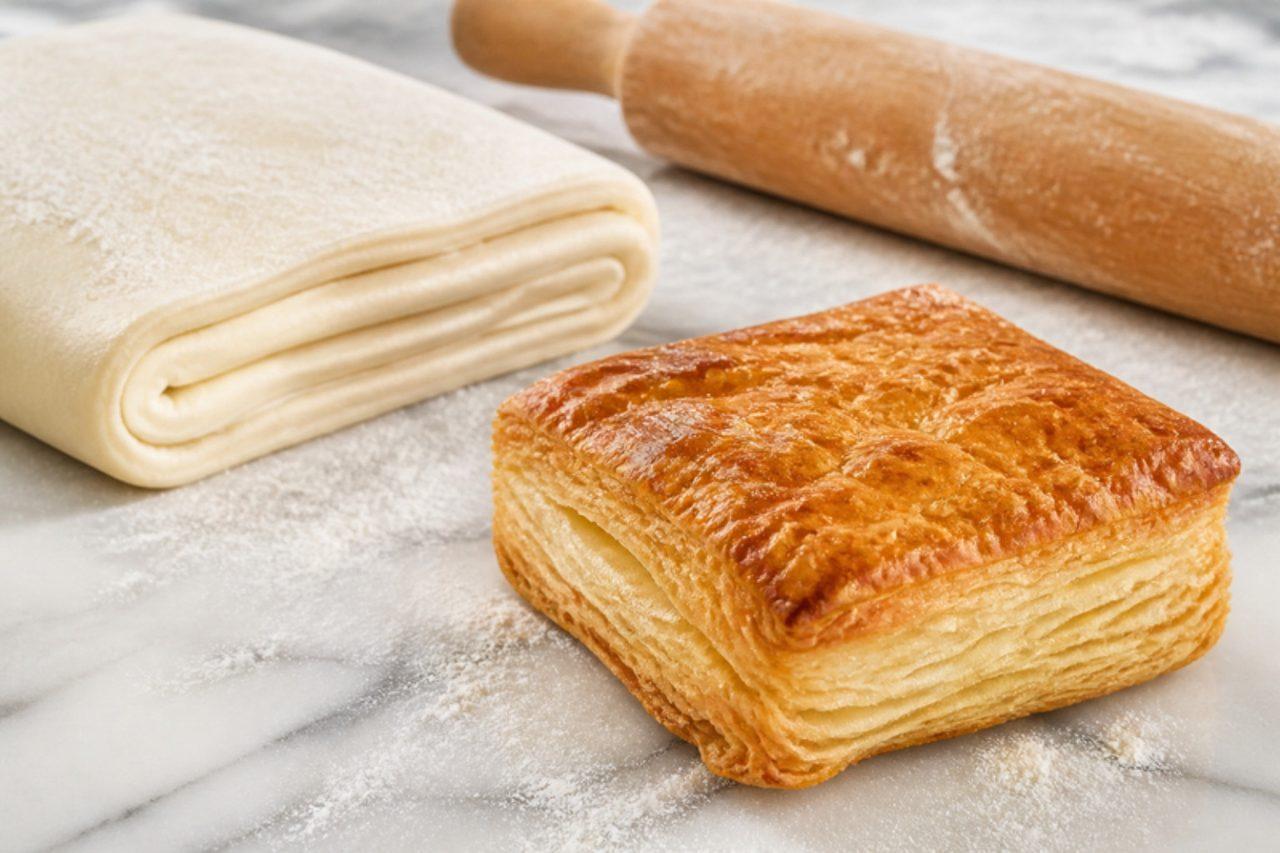
Pâte feuilletéePuff pastry

Pâte feuilletée is the queen of French pastries, the flaky dough behind galettes des rois, mille-feuilles, vol-au-vents and palmiers, still made by hand in pâtisseries all over France. A simple dough is wrapped around a flat block of cold butter, then rolled and folded six times, so that in the oven the water in the butter turns to steam and lifts hundreds of layers. It takes time rather than skill. The common mistake is letting the butter get warm and soft, which smears the layers together. Chef's tip: chill the dough for 30 minutes after every two turns, and work in a cool kitchen.

300 minFrenchBasics
by KrazyBadal 0 views
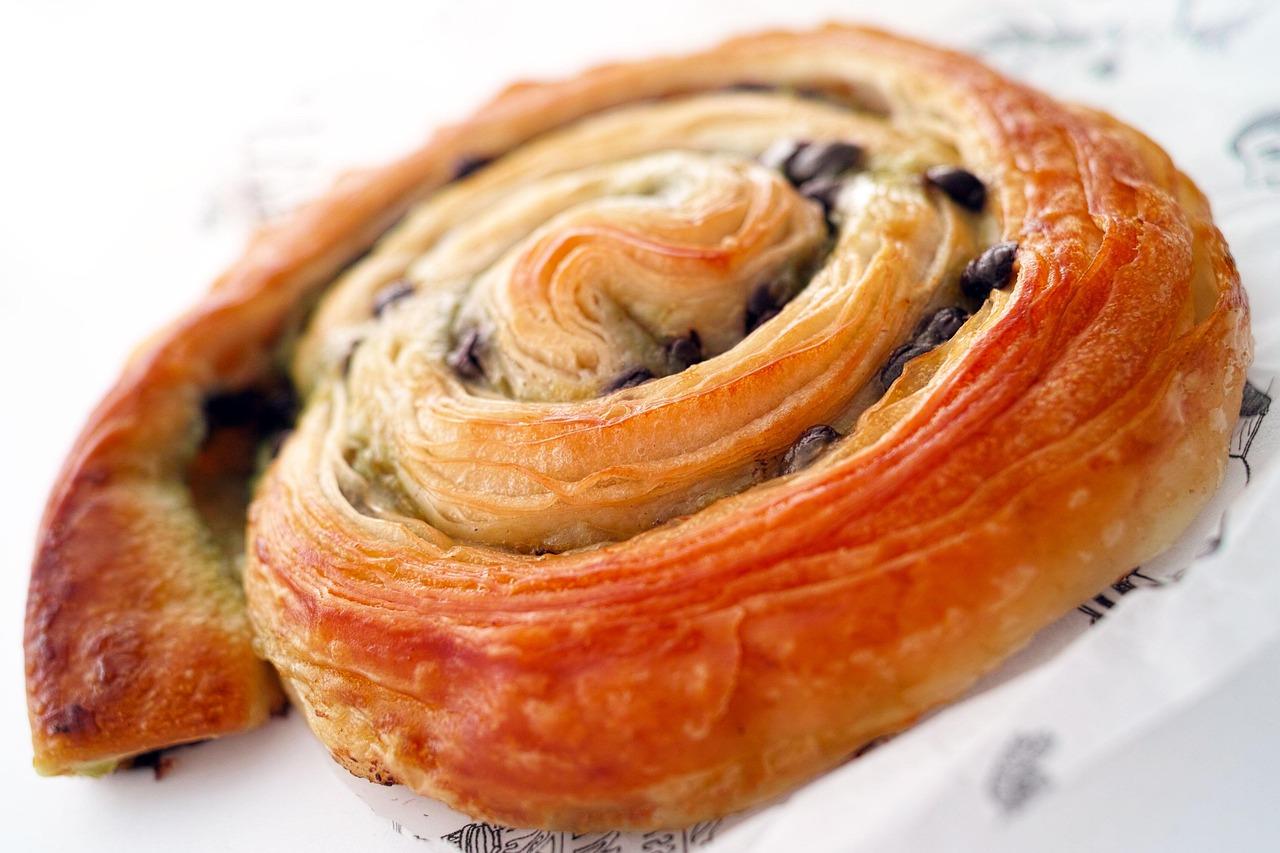
Pain aux raisinsRaisin custard swirl pastry

Pain aux raisins, called escargot in some bakeries for its snail-shell spiral, is the third great pastry of the French breakfast counter, alongside the croissant and pain au chocolat. Croissant dough is spread with vanilla crème pâtissière, scattered with plump raisins, rolled up and sliced into spirals, then baked and brushed with syrup until glossy. The common mistake is spreading the cream too thick, so it oozes out and the spirals open. Chef's tip: soak the raisins in hot tea or orange juice for 30 minutes so they are juicy and do not burn.

680 minFrenchBaking
by KrazyBadal 0 views

Brioche à têteTopknot brioche

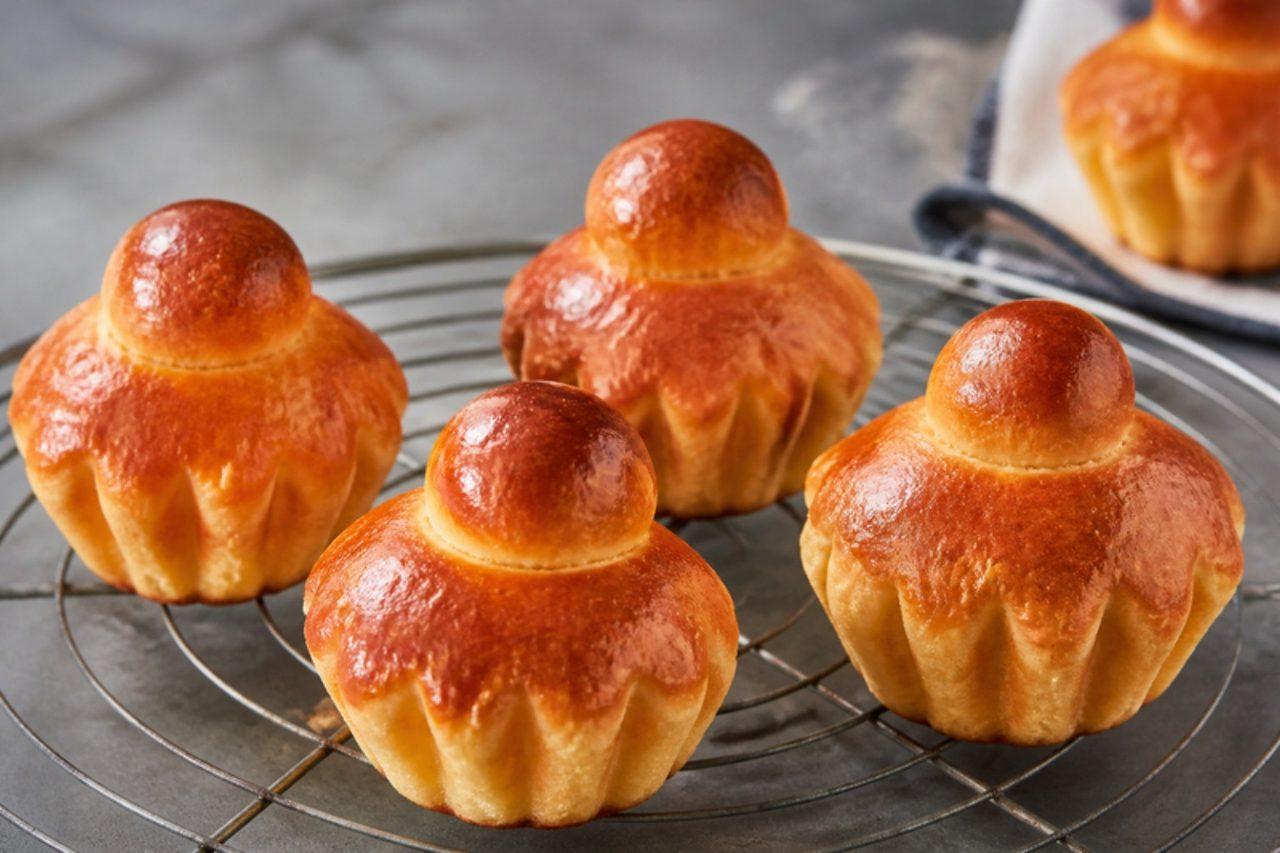
Brioche à tête, the brioche parisienne, is the little fluted bun with a round head that sits in every French bakery window, eaten for Sunday breakfast, dunked in hot chocolate or served with jam at goûter. The dough is very rich in eggs and butter, kneaded long until silky, then chilled overnight, which makes it easy to shape and gives a deep flavour. The common mistake is adding the butter too fast, which leaves a greasy dough. Chef's tip: add the butter a little at a time while the mixer runs, and wait until each piece disappears before adding the next.

620 minFrenchBaking
by KrazyBadal 0 views

OranaisApricot custard pastry

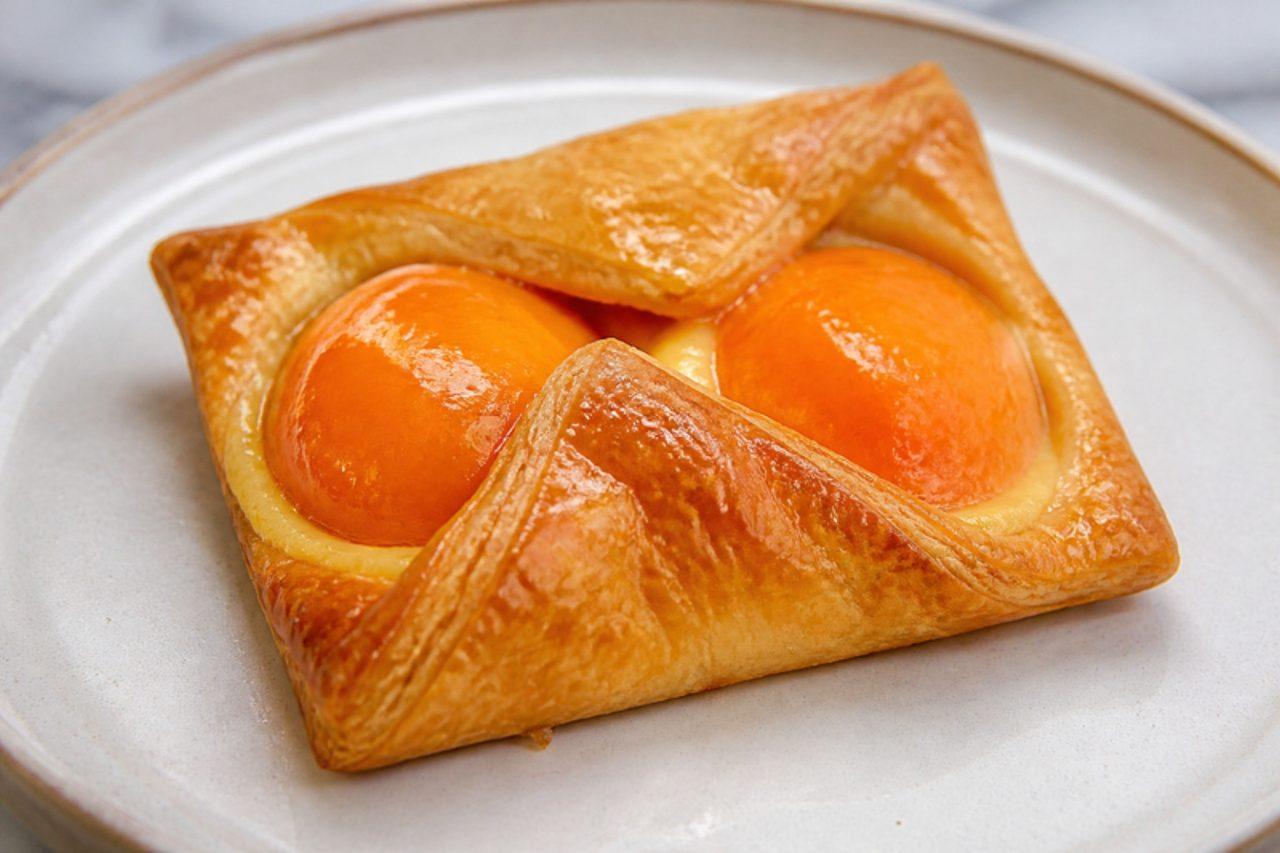
The oranais, also called abricotine, is a French bakery pastry that is said to come from the city of Oran in Algeria, brought back by returning pieds-noirs in the 1960s, and it is now found in boulangeries all over France for breakfast and goûter. A square of puff or croissant dough has its corners folded over a spoonful of pastry cream and two apricot halves, so it looks like a pair of eyes. The common mistake is using wet canned apricots, which make the pastry soggy. Chef's tip: drain the apricots on kitchen paper and glaze them with warm apricot jam after baking for a jewel-like shine.

by KrazyBadal 0 views

Langues de chatCat's tongue biscuits

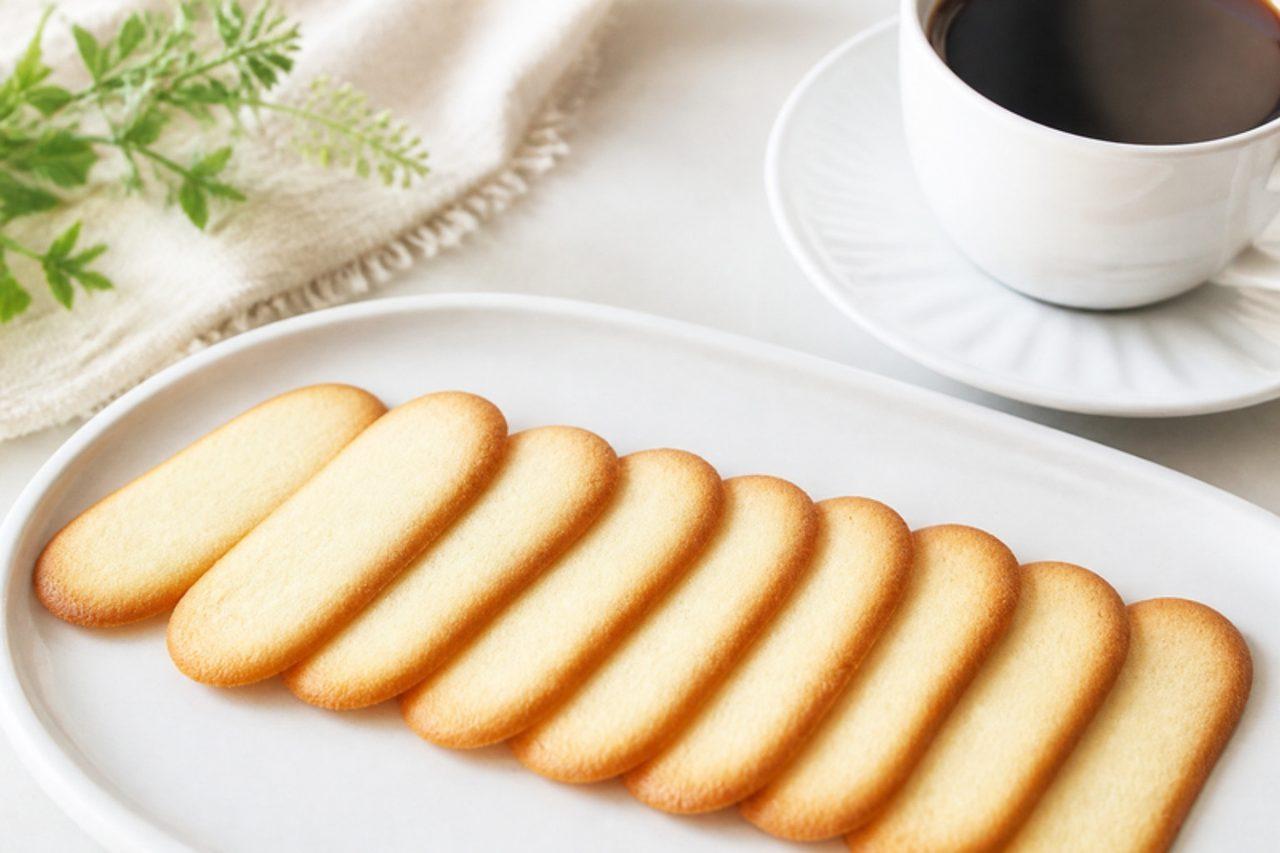
Langues de chat, "cat's tongues", are long, thin butter biscuits with golden edges, served with coffee, ice cream or a bowl of chocolate mousse in French homes and cafés; they keep well in a tin and children love them. A simple batter of butter, sugar, egg white and flour is piped in strips and baked until the edges just brown. The common mistake is piping them too close together; they spread. Chef's tip: tap the tray firmly on the worktop after piping so the strips flatten evenly.

by KrazyBadal 0 views

Crêpes dentelleCrisp lace crêpe biscuits

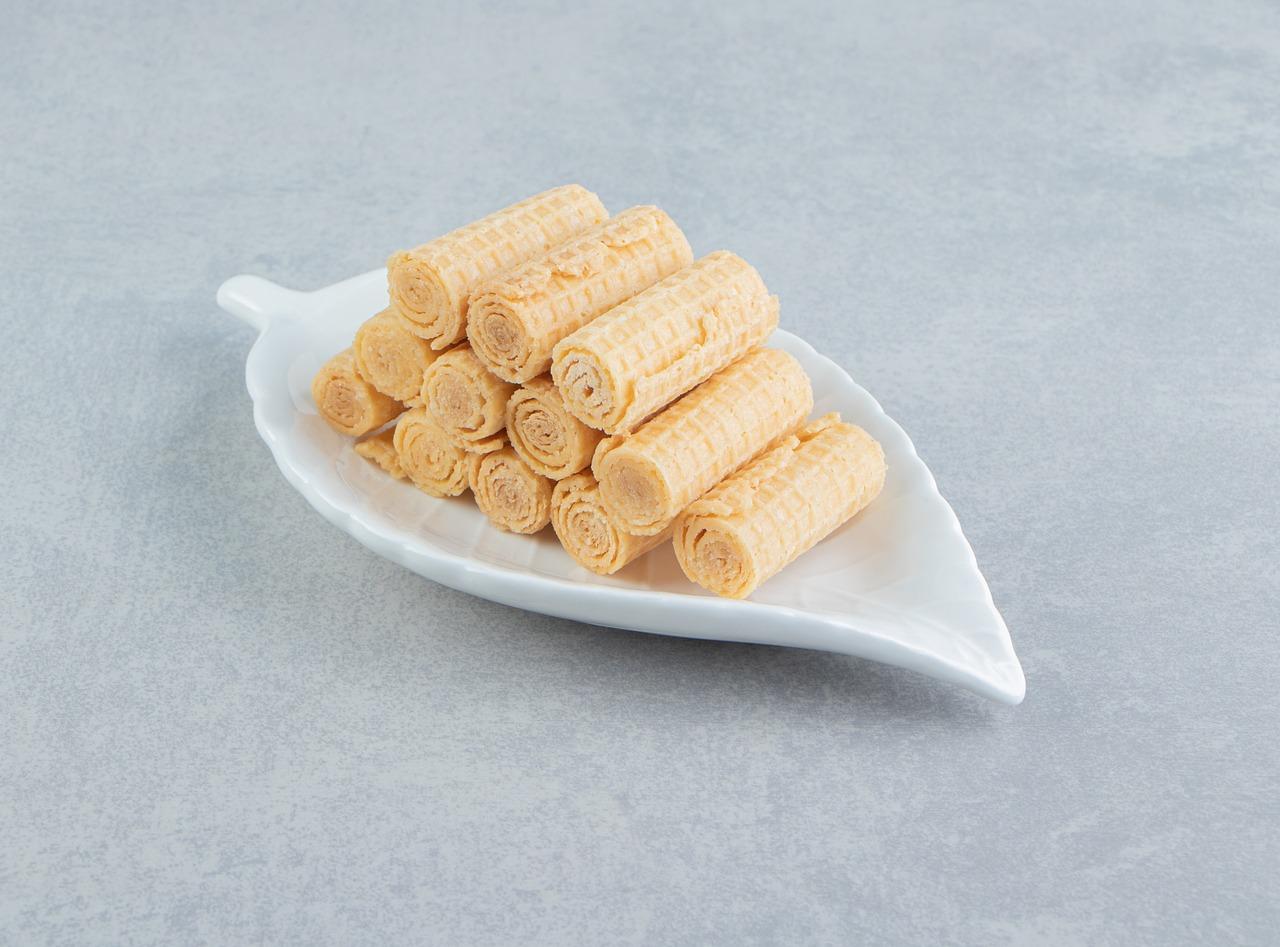
Crêpes dentelle, "lace crêpes", are a speciality of Quimper in Brittany, said to have been invented by a baker there in 1886 who burnt a crêpe and rolled it up; they are wafer-thin, crisp, buttery rolled biscuits, sold in tins all over Brittany and eaten with coffee or crumbled over ice cream. The common mistake is spreading the batter too thick, so they will not crisp. Chef's tip: spread the batter so thin you can see the tray through it, and roll each one as soon as it comes out of the oven.

by KrazyBadal 0 views

Gâteau nantaisAlmond rum-free lemon cake

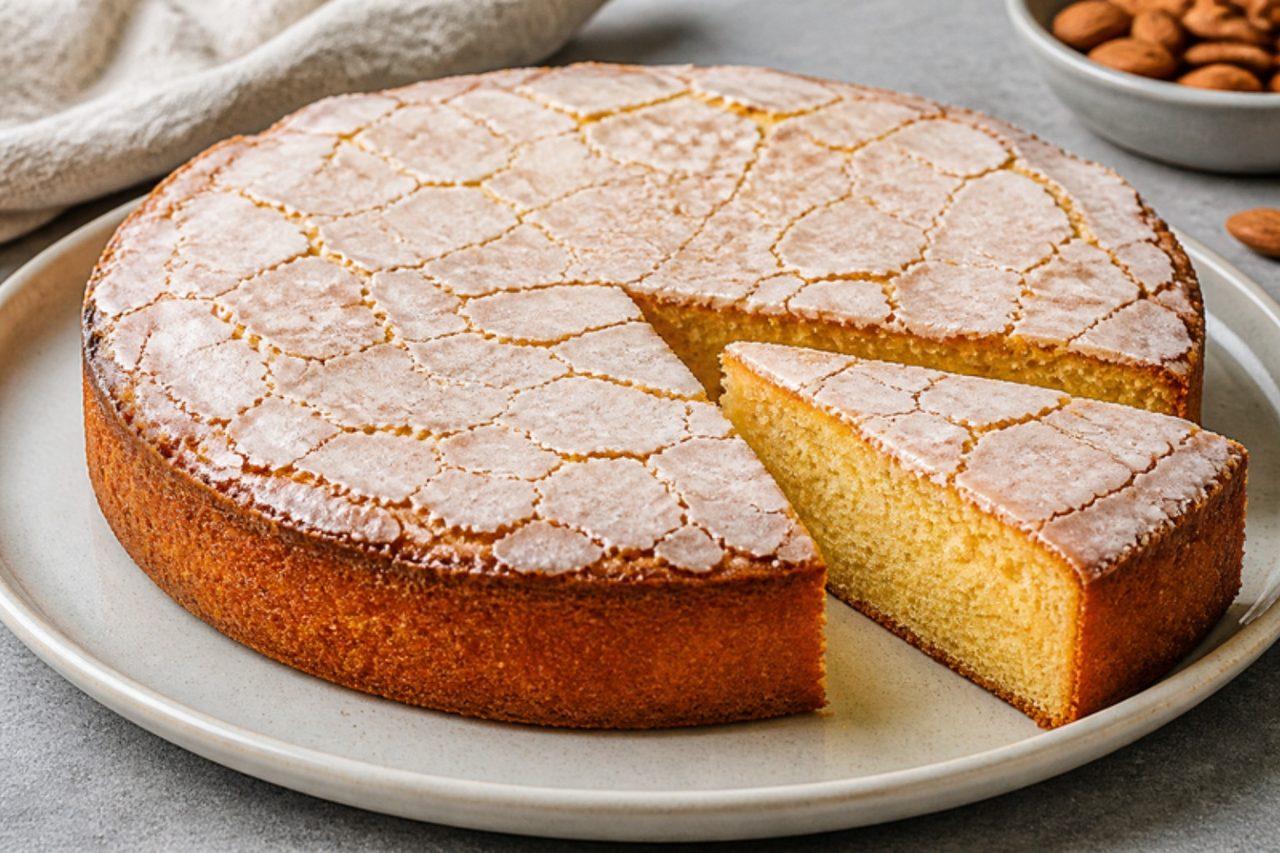
The gâteau nantais comes from Nantes in the Loire, created in 1820 by a local baker when the city's port imported sugar and rum from the Caribbean; it is a dense, moist almond cake with a crackly white glaze, eaten at goûter and family lunches. Traditionally the cake is soaked in rum and the glaze flavoured with it; this version uses lemon juice for both so all ages can eat it, and adults can add 2 tablespoons of rum to the glaze. The common mistake is overbaking, which dries it. Chef's tip: soak the cake while it is still warm.

by KrazyBadal 0 views

Crème de marronsSweet chestnut spread

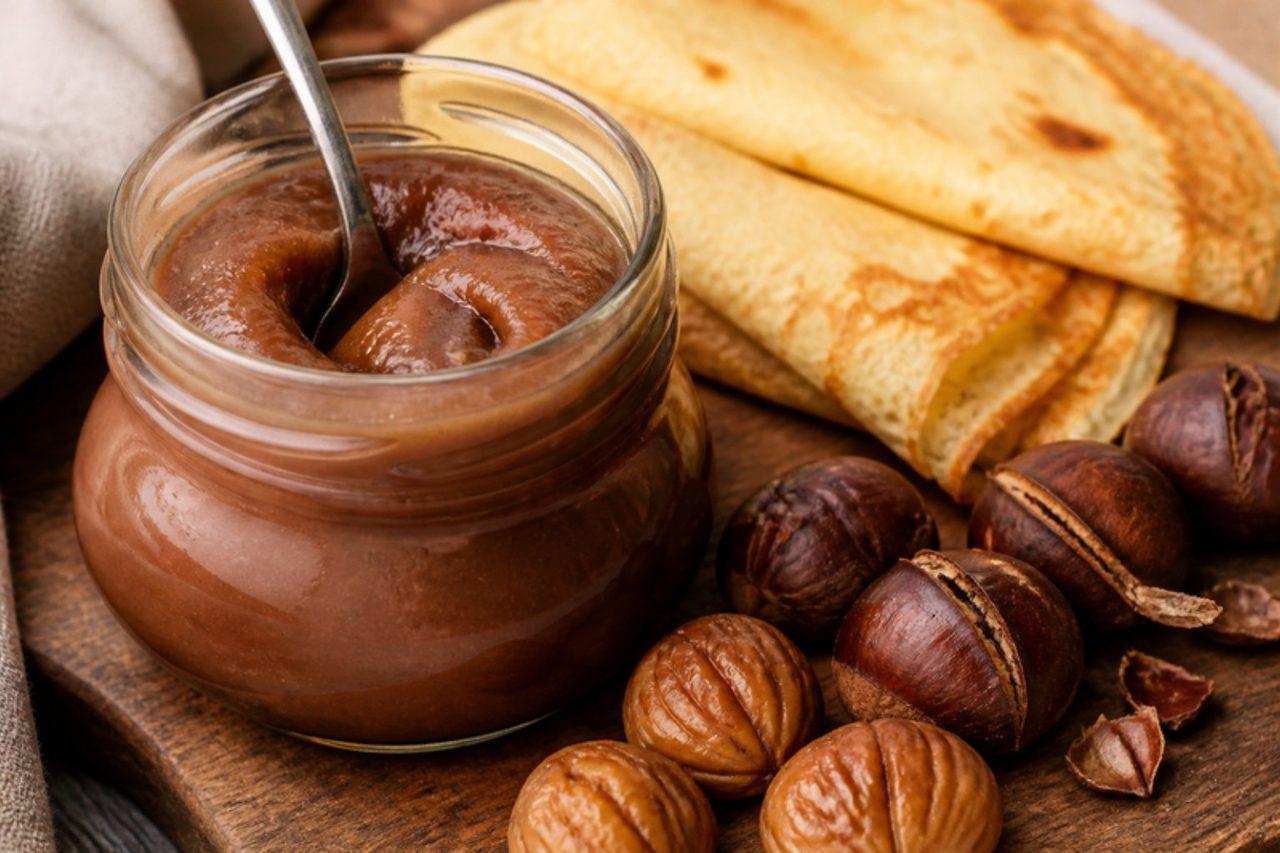
Crème de marrons, sweet chestnut cream, was invented in Privas in the Ardèche in the 1880s to use up broken chestnuts from making marrons glacés, and it is now a French store-cupboard classic: spread on crêpes at Candlemas, stirred into fromage blanc, or piled into a Mont Blanc dessert. This home version uses cooked, peeled chestnuts. The common mistake is not blending it smooth enough. Chef's tip: blend while still warm, and push it through a sieve for a silky finish.

by KrazyBadal 0 views

Confiture de tomates vertesGreen tomato jam

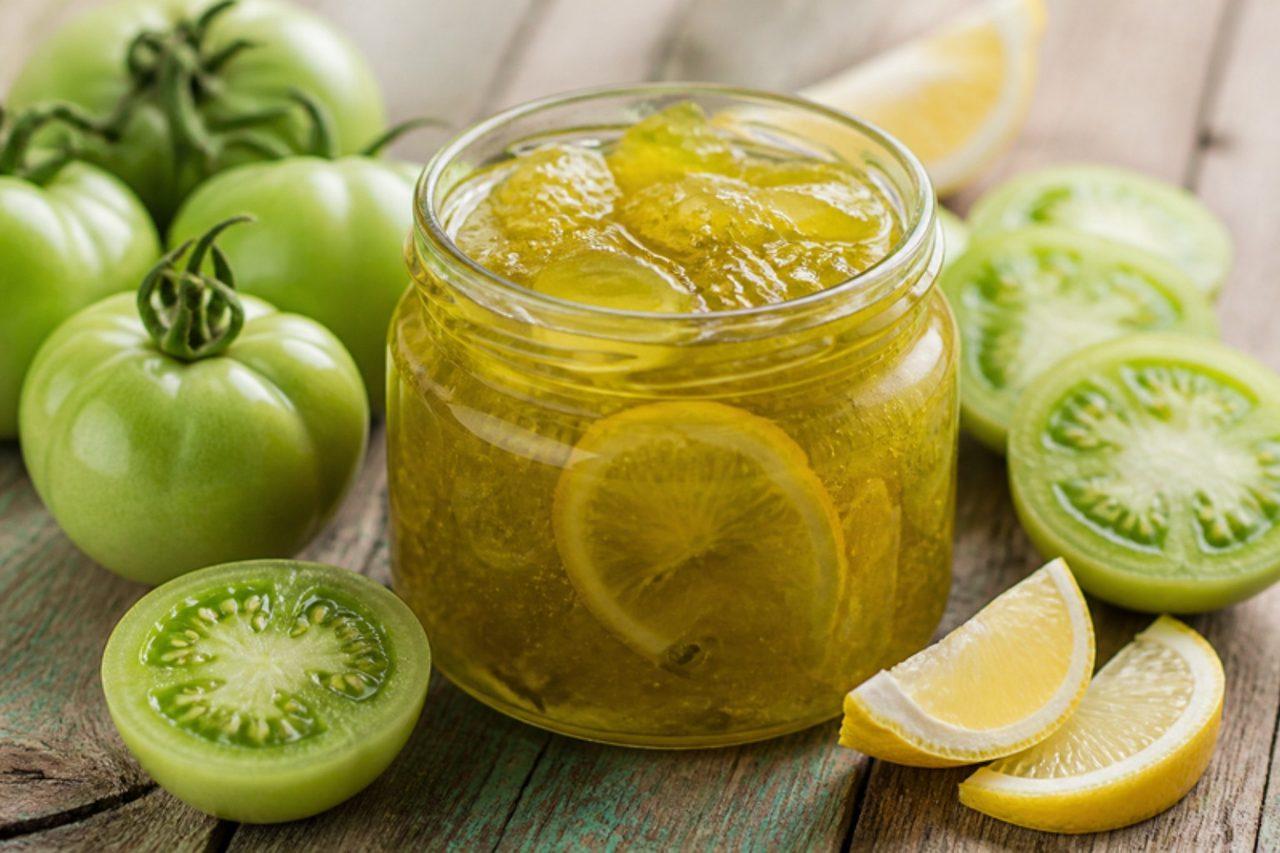
Green tomato jam is the thrifty end-of-summer preserve of French kitchen gardens, made in October in the south-west and Provence with the tomatoes that will never ripen before the frost; it tastes surprisingly like a mix of melon and lemon and is served with breakfast or with cheese. The common mistake is cutting the tomatoes too big, so they stay hard. Chef's tip: slice them thinly and leave them overnight in the sugar; they turn translucent when cooked.

by KrazyBadal 0 views

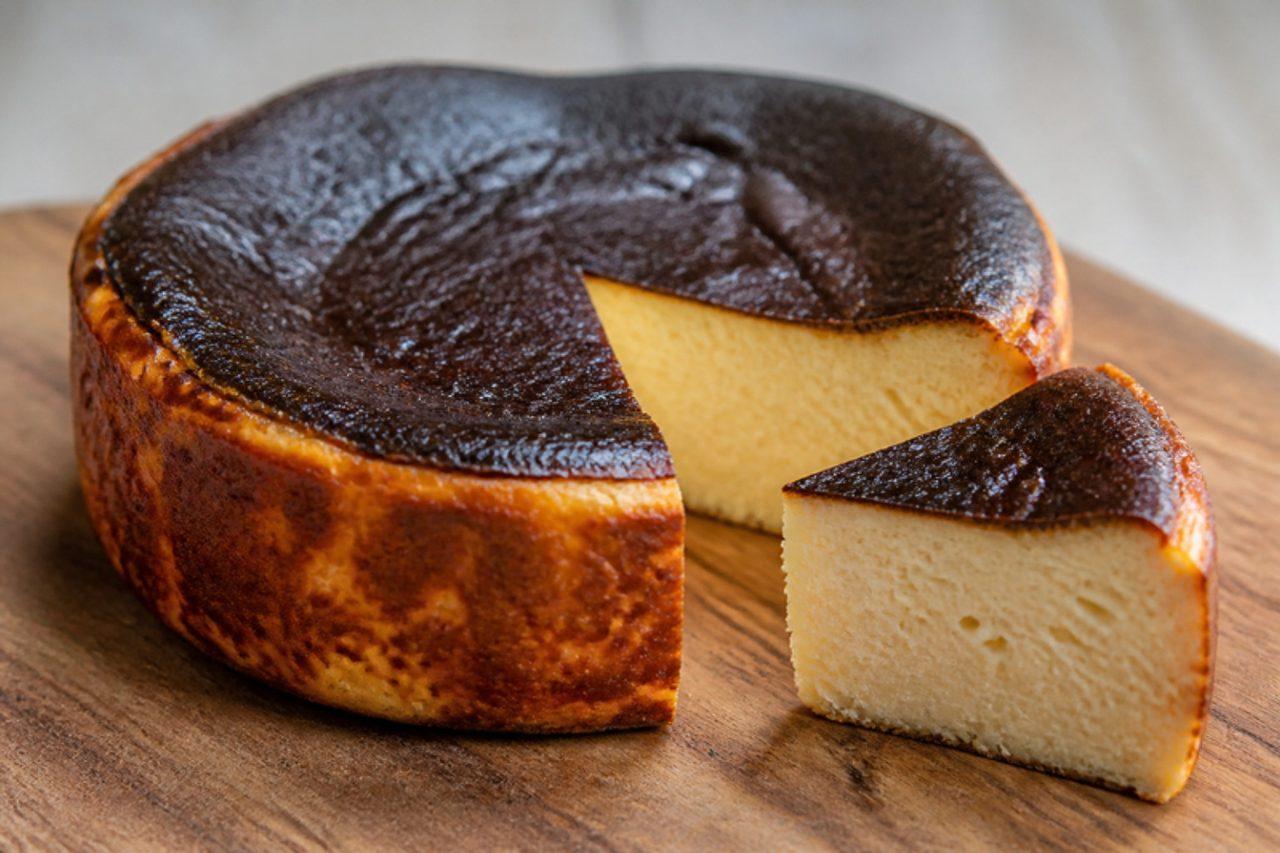
Torteau fromagerGoat's cheese cake

The torteau fromager is the cake of the Poitou-Charentes, a tall, light goat's cheese cake with a dramatically burnt, almost black dome, sold at markets around Poitiers and served at Sunday lunch and weddings. Fresh goat's cheese is beaten with egg yolks and sugar, folded with whisked whites and baked in a pastry-lined dome mould at a high heat, which gives the dark crust. Use pasteurised fresh goat's cheese. The common mistake is opening the oven early, which makes it fall. Chef's tip: do not worry about the black top; it is meant to be that way and tastes of caramel.

by KrazyBadal 0 views

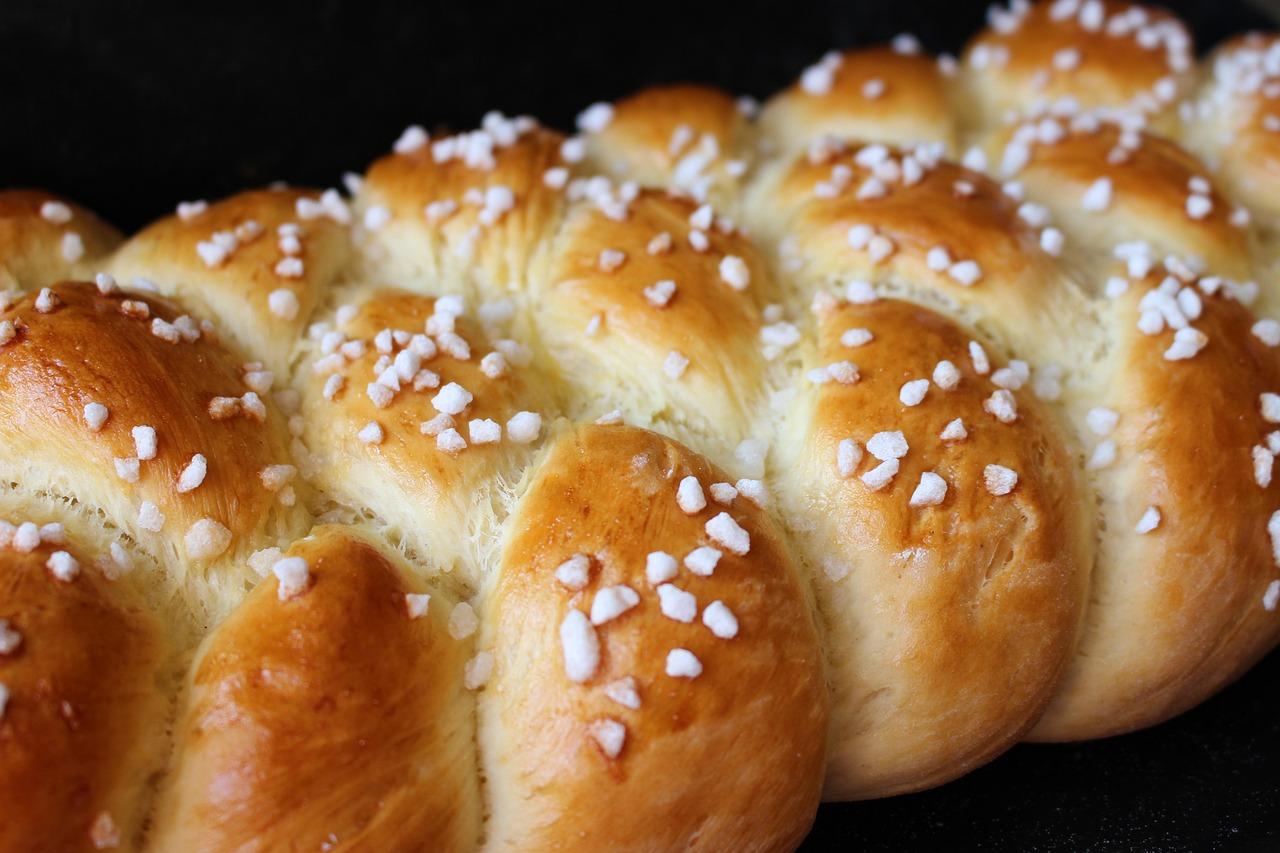
Brioche vendéenneBraided Easter brioche

The brioche vendéenne is the plaited Easter brioche of the Vendée on the Atlantic coast, once baked for Easter Sunday and for weddings, where it was carried into the dance on a huge board. It is softer and lighter than Parisian brioche, scented with vanilla and orange-blossom water, and has protected status (IGP). The common mistake is plaiting too tightly, so it splits in the oven. Chef's tip: plait loosely and give it a long, slow final prove.

330 minFrenchBaking
by KrazyBadal 0 views

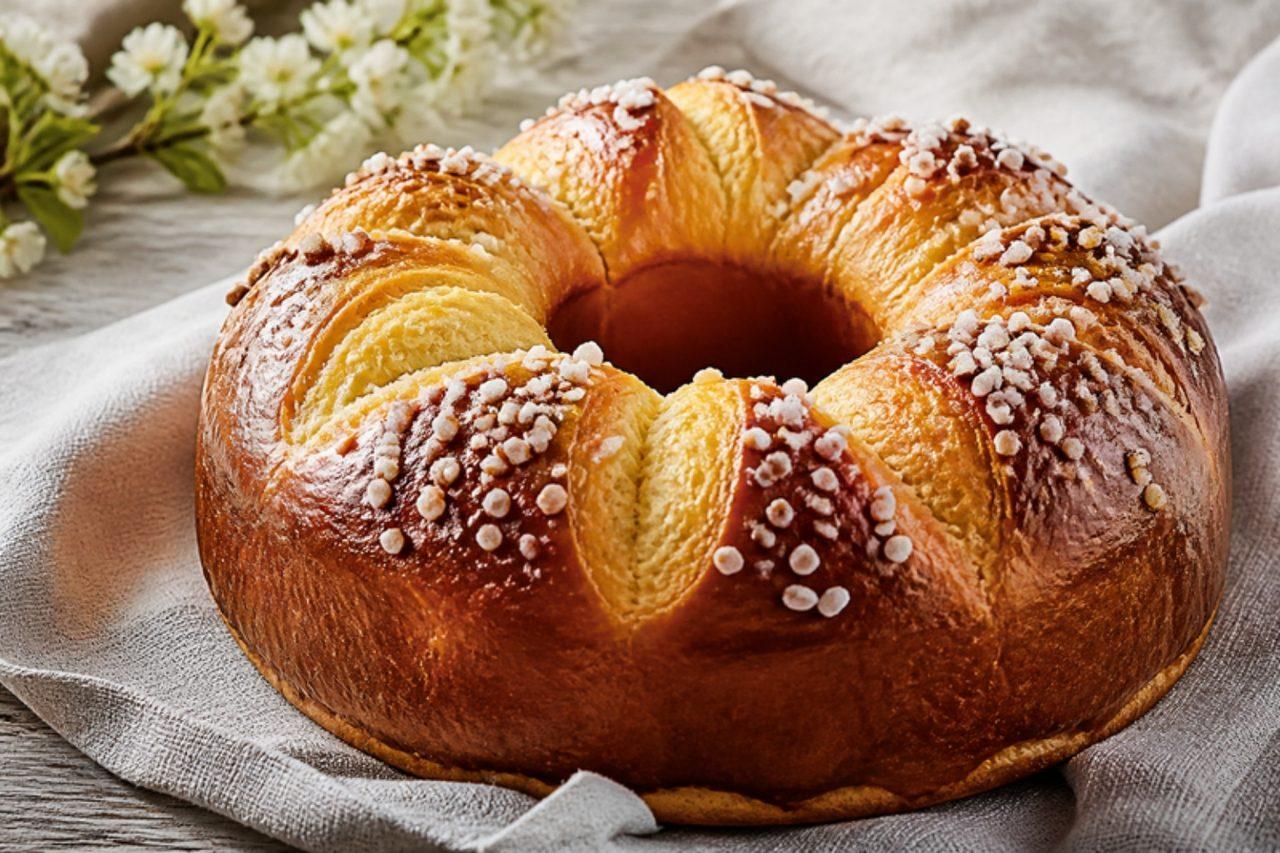
Pogne de RomansOrange blossom brioche crown

The pogne is the Easter brioche of Romans-sur-Isère and Valence in the Drôme, a high crown of soft dough fragrant with orange-blossom water, traditionally made for Easter and eaten with the local ravioles, or at breakfast with butter. Its name comes from "poigne", the fistful of dough the baker grabs. The common mistake is underproving; it needs a long, slow rise to be light. Chef's tip: make the starter the night before; it gives the pogne its gentle, rich flavour.

635 minFrenchBaking
by KrazyBadal 0 views

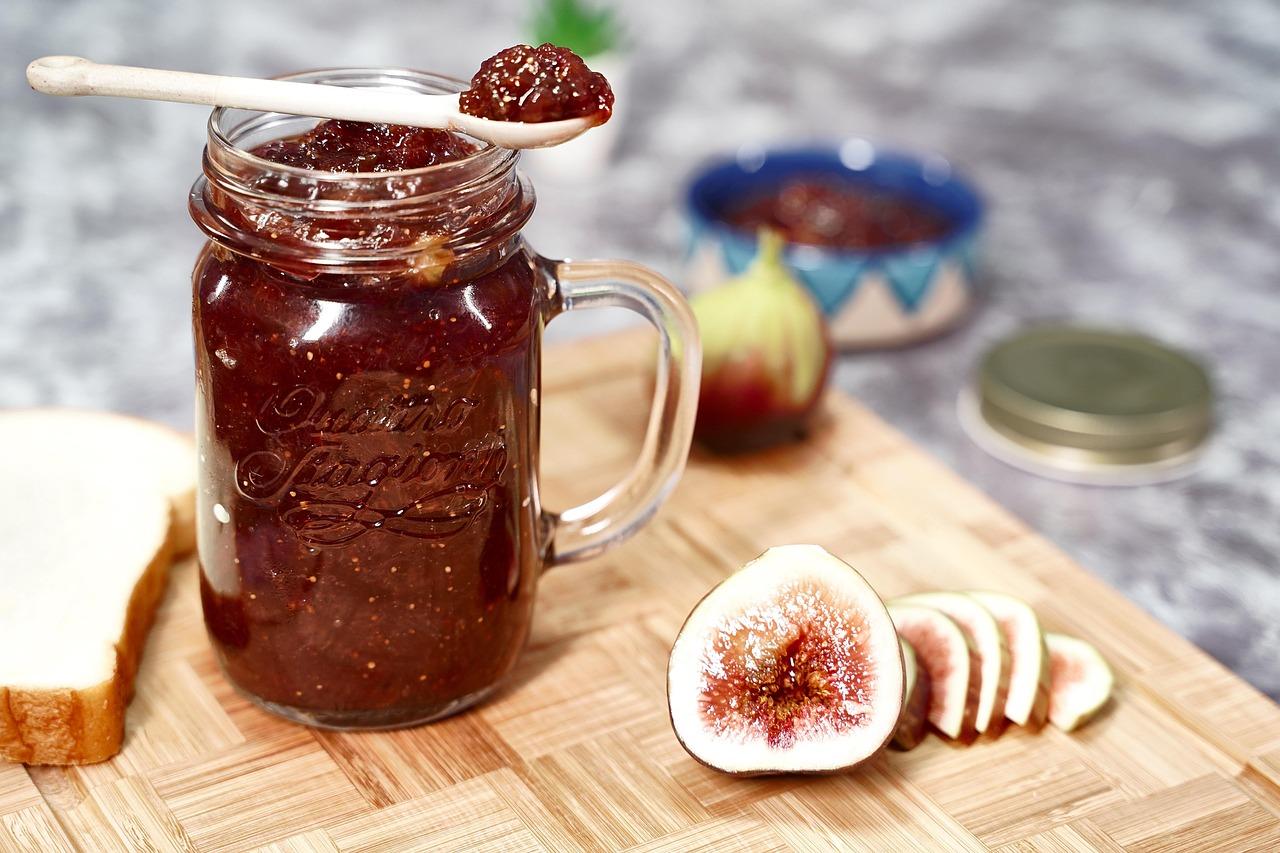
Confiture de figuesFig jam

Fig jam is made in late summer in Provence and the south-west, when the trees are heavy with violet figs, and it is served with breakfast and, very often, with cheese, especially goat's cheese and ewe's cheese from the Pyrenees. The figs are cooked with lemon and vanilla until thick and glossy. The common mistake is undercooking it, so it stays runny. Chef's tip: figs are low in pectin, so add a grated apple or use jam sugar.

by KrazyBadal 0 views

Gâteau marbréMarble loaf cake

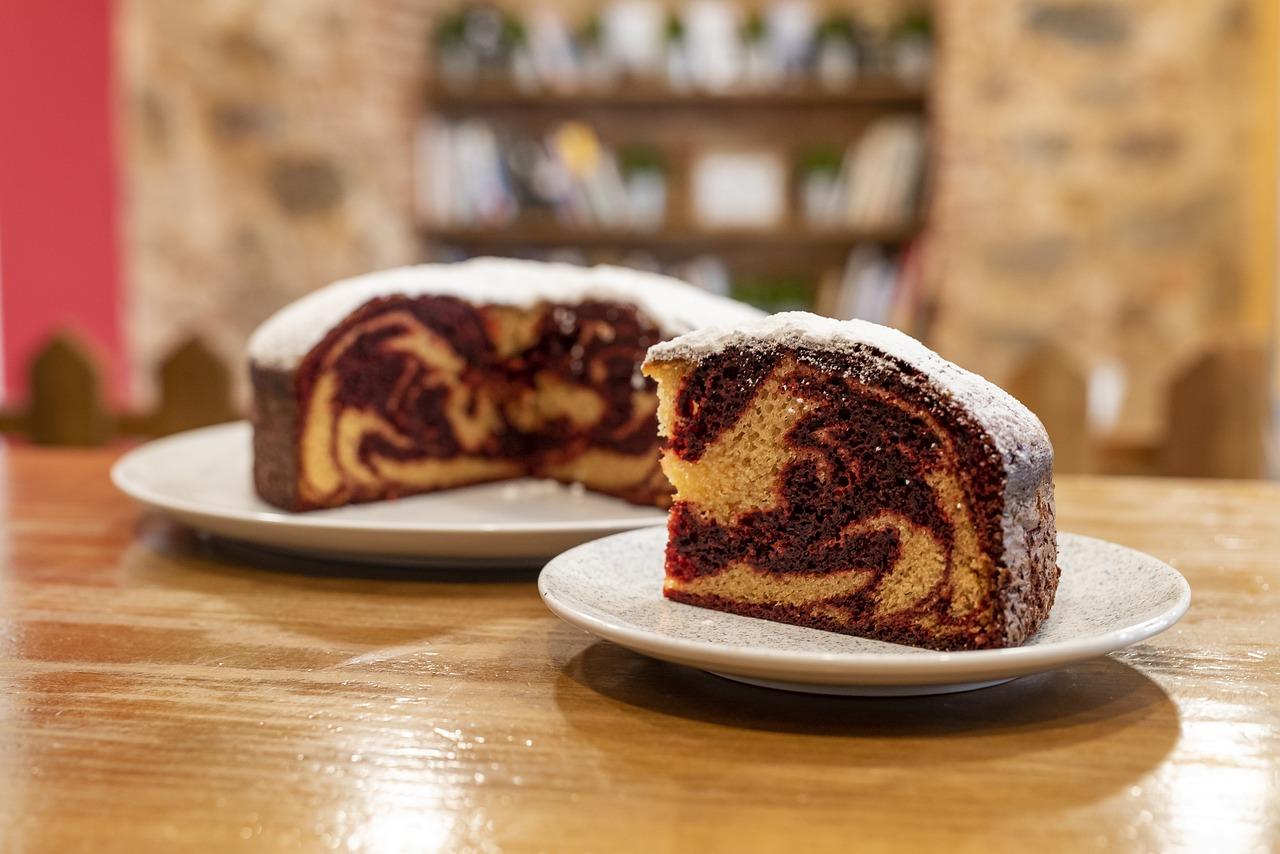
Gâteau marbré is the marble cake of French childhood, a vanilla and chocolate loaf with swirls through every slice, packed in school bags for goûter and sold in supermarkets everywhere as a lunchbox cake. Homemade, it is soft, buttery and quick. The common mistake is swirling too much, which turns the cake brown all through. Chef's tip: layer the two batters in the tin and drag a knife through just two or three times.

by KrazyBadal 0 views

ChouquettesSugar choux puffs

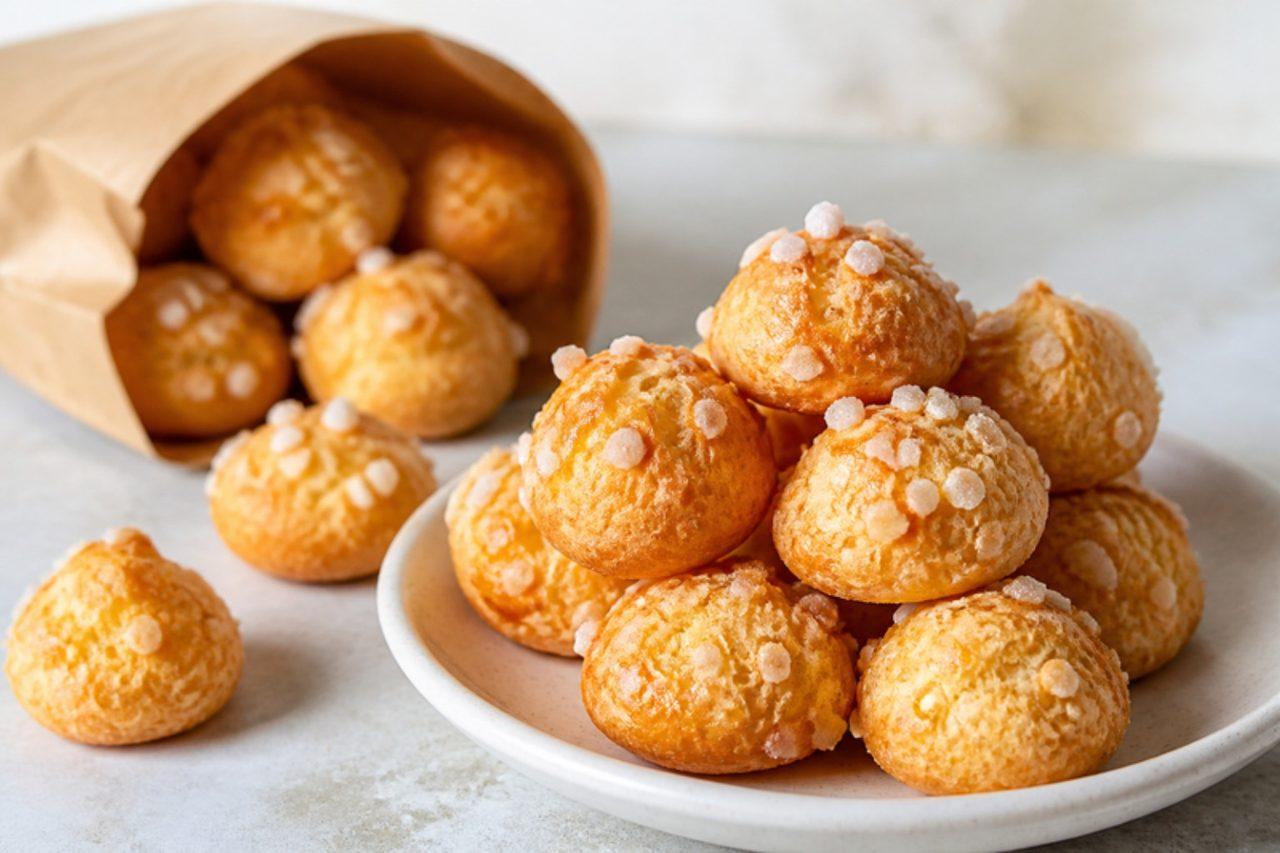
Chouquettes are the small, hollow choux puffs studded with pearl sugar that French bakeries sell by weight in paper bags, a favourite treat bought on the way home from school and shared between brothers and sisters. They are made with the same choux dough as éclairs but left unfilled. The common mistake is opening the oven too soon, so they collapse. Chef's tip: press the pearl sugar in well after glazing, so it does not roll off.

by KrazyBadal 0 views

Sauce viergeRaw tomato and olive oil sauce

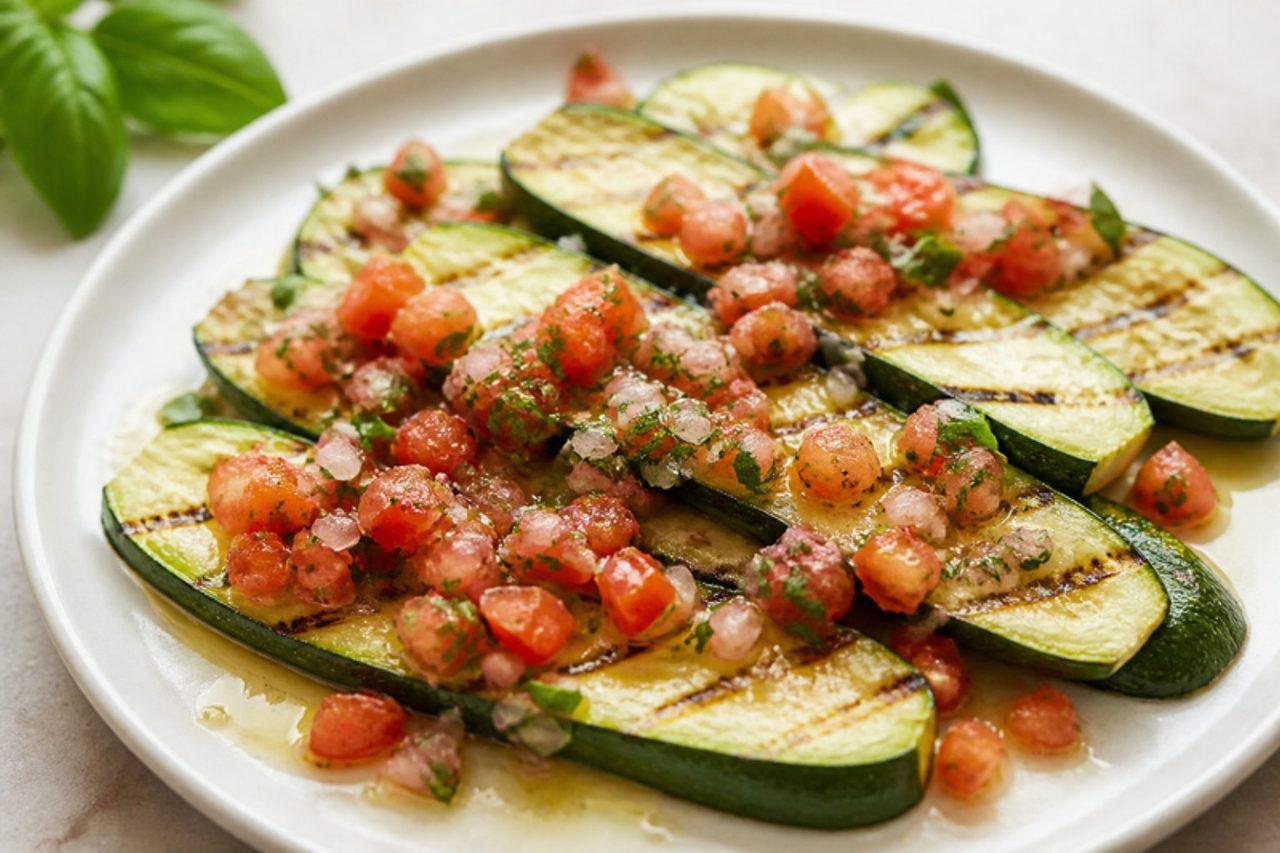
Sauce vierge is the fresh summer sauce of Provence, made popular by chefs on the Côte d'Azur in the 1980s and now spooned over grilled fish, vegetables and pasta in homes from July to September. Diced ripe tomato, shallot and basil are gently warmed in good olive oil with lemon and coriander seed, just enough to release the flavours without cooking them. The common mistake is heating it too much, which turns it into a cooked tomato sauce. Chef's tip: use the ripest tomatoes you can find and leave the sauce to infuse for 20 minutes before serving.

by KrazyBadal 0 views

Pâte sucréeSweet tart pastry

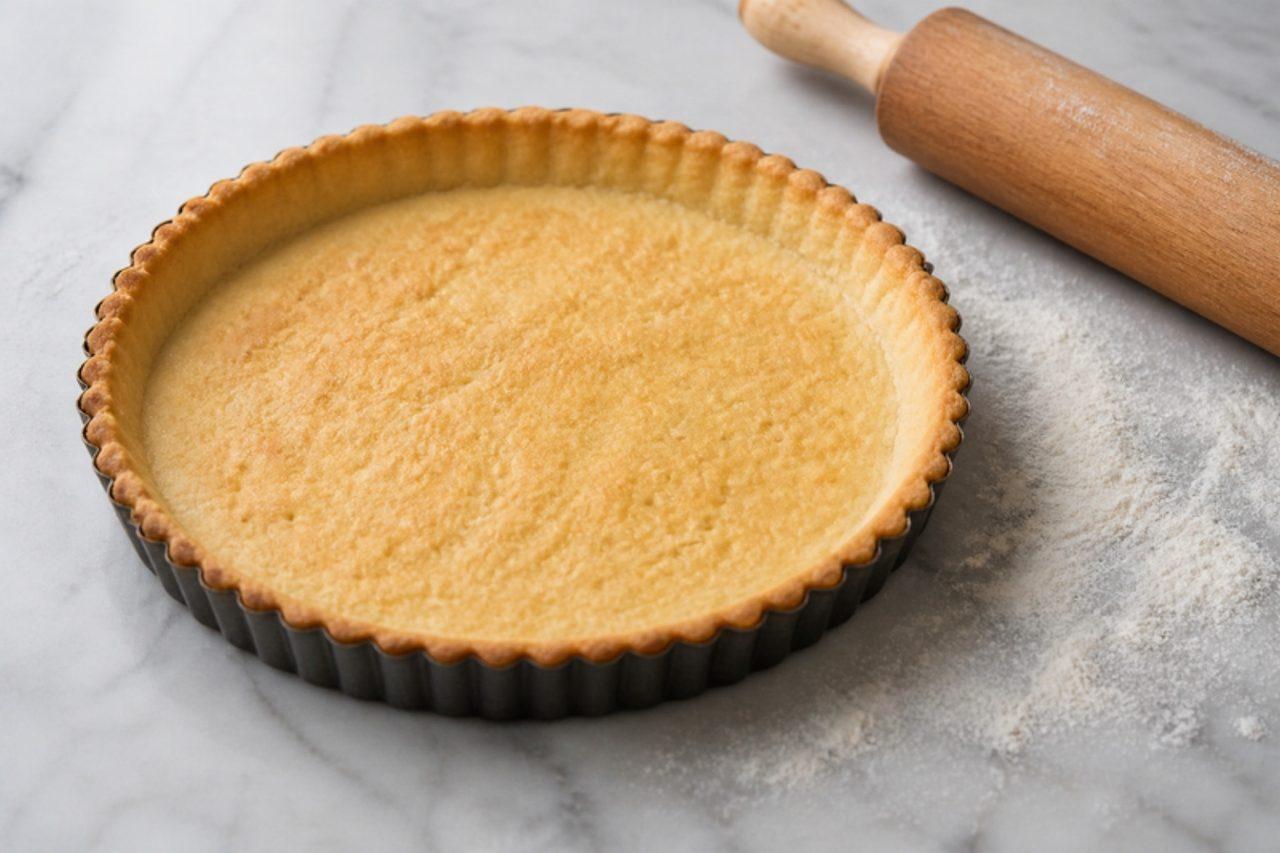
Pâte sucrée is the sweet pastry of French pâtisseries, the crisp, biscuit-like case under every lemon tart, strawberry tart and chocolate tart in the bakery windows from Paris to Marseille. Butter is creamed with icing sugar and egg, then flour and ground almonds are mixed in just until the dough comes together, giving a short, tender crust that holds its shape. The common mistake is working the dough too much, which makes it tough and shrink in the oven. Chef's tip: roll the pastry between two sheets of baking paper straight from mixing, then chill it flat; it is much easier to handle and never cracks.

110 minFrenchBasics
by KrazyBadal 0 views

Showing 24 of 119 recipes

Show more recipes

Page 1 of 5