Skip to content
Recipes

All recipes

Vegetarian, or something you can't eat? Set your diet once and we'll hide recipes that don't fit.

TopfengolatschenSweet quark puff pastry squares

A Topfengolatsche is what Viennese office workers grab from the bakery on the way in, and what grandparents order with a Melange in a coffee house on a Sunday afternoon. The corners of a puff pastry square are folded over a lemony, vanilla-scented filling of Topfen (Austrian quark) with plump raisins, and the top gets a thin white glaze. It is flaky, light and not too sweet. Raisins are sometimes soaked in rum; warm water or orange juice works just as well, and the recipe below is alcohol-free. Wet quark is the classic problem, because it turns the filling runny and it leaks out in the oven. Chef's tip: hang the quark in a sieve lined with a clean cloth for an hour, or squeeze it, until it is as thick as soft cream cheese.

by KrazyBadal 0 views

Bizcochos de CayambeTwice-baked butter biscuits

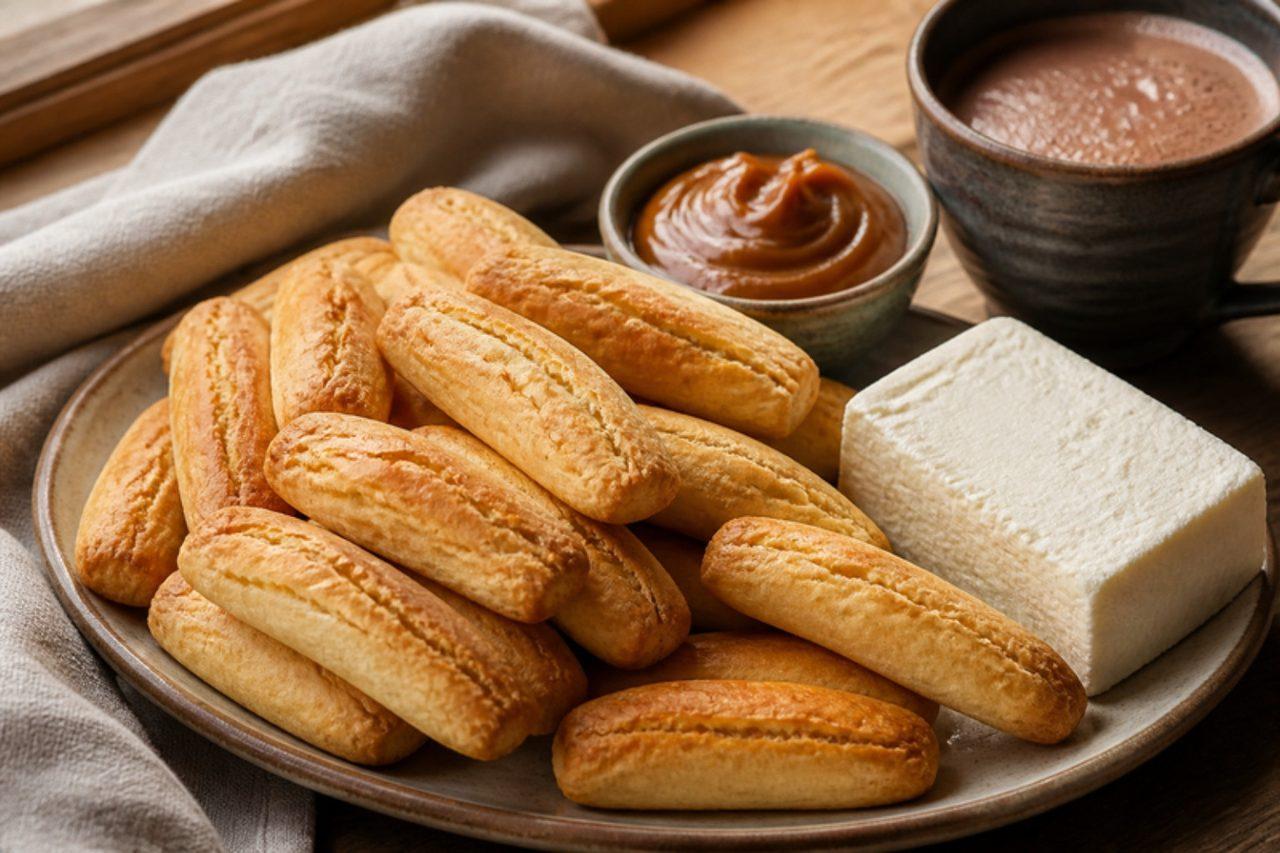
Drive north from Quito towards the snow-capped Cayambe volcano and the roadside is lined with bakeries selling paper bags of bizcochos, small finger-shaped biscuits baked twice until they shatter. Families stop there on weekend trips and order them with a slab of soft, salty queso de hoja, a cup of hot chocolate and a spoonful of dulce de leche (manjar) for spreading. The dough is a lightly yeasted butter dough, rolled into thin sticks, baked once until pale gold and then dried slowly until crisp right through, with a flaky, crumbly bite. A sealed jar keeps them for weeks. Chef's tip: the second bake is about drying, not browning, so keep the oven low; a hot second bake is the usual mistake and leaves them dark outside and chewy inside.

130 minAndeanBaking
by KrazyBadal 0 views

Gyeongju breadRed bean pastries

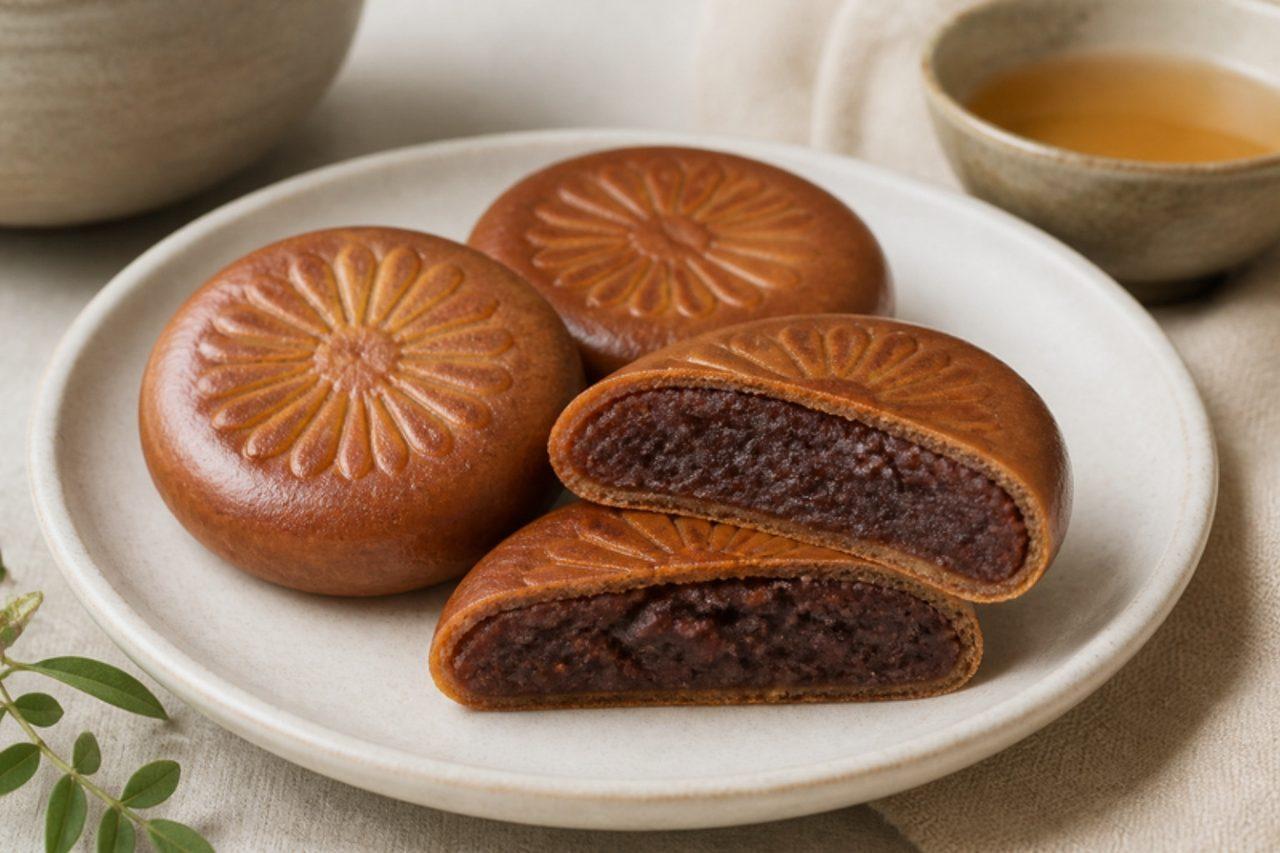
Near the grassy royal tombs of Gyeongju, the ancient Silla capital, a baker in Hwangnam-dong began making these small round pastries in 1939, and the city's shops have sold them by the boxful ever since. Gyeongju bread (황남빵, also called Gyeongju-ppang) is mostly filling: a generous ball of coarse red bean paste in a skin so thin it looks painted on, stamped with a flower pattern and glazed until shiny brown. It tastes gently sweet and nutty, soft and moist rather than bready, and it is the souvenir every visitor carries home, eaten with barley tea or green tea. The usual mistake is a dough shell that is too thick, which bakes into a cookie and hides the bean flavour; aim for roughly one part dough to two and a half parts filling. Chef's tip: press the pattern in with a small cookie stamp or the back of a citrus press dipped in flour, while the buns are cold and firm, so the design stays sharp.

by KrazyBadal 0 views

Kärntner ReindlingCinnamon raisin yeast cake

Carinthia's Easter loaf takes its name from the Reindl, the round, deep pan it is baked in, and in southern Austria no Easter basket goes to church without one. Inside the golden yeast crust is a spiral of butter, cinnamon sugar and plump raisins, so every slice shows a dark swirl. Locals eat it two ways: sweet with coffee on Easter morning, or alongside the savoury Easter platter with horseradish. Many bakers soak the raisins in rum overnight; warm water or tea works just as well and keeps it alcohol-free. A dry, crumbly Reindling usually means too much flour went in during kneading, so keep the dough soft and only lightly floured. Chef's tip: butter the pan well and dust it with sugar, which caramelises into a thin crunchy shell.

by KrazyBadal 0 views

SikhyeSweet rice punch

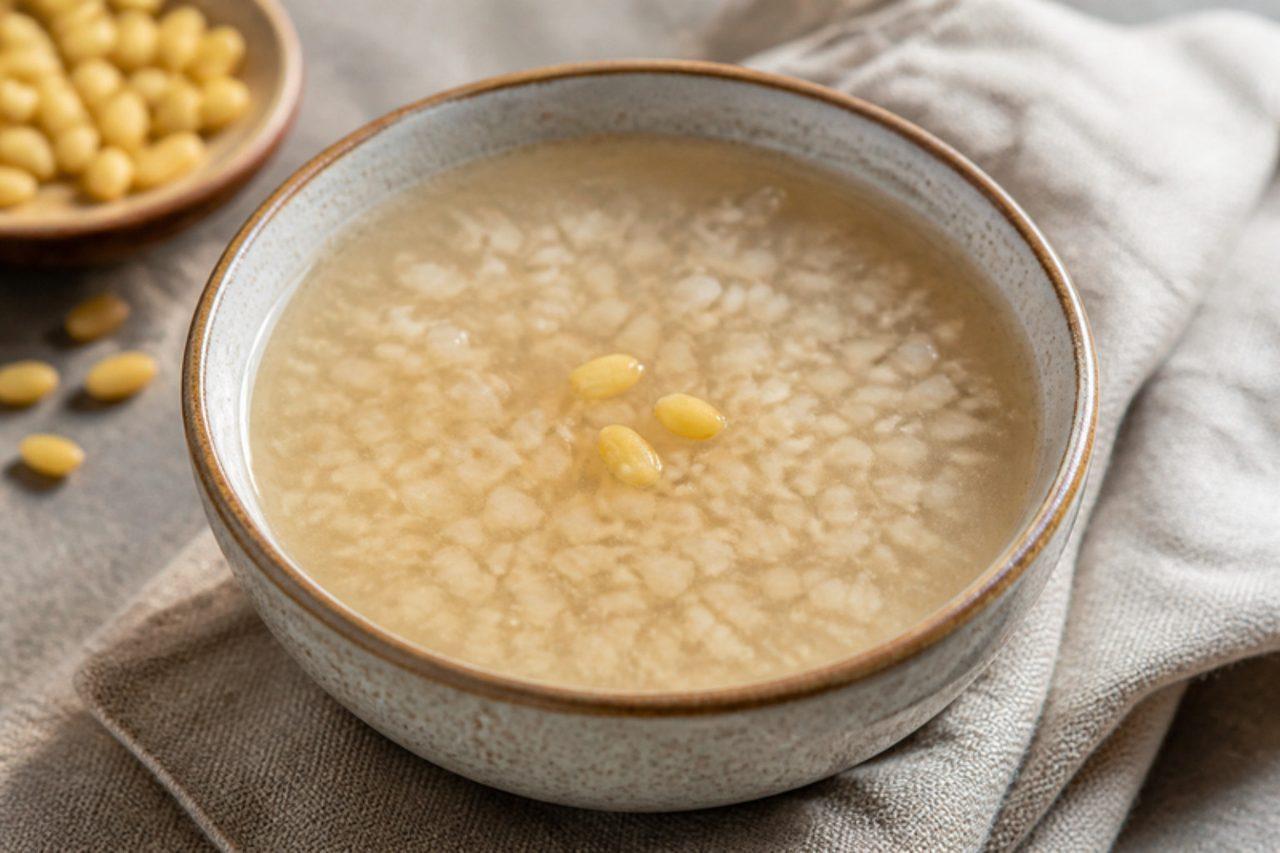
Every Korean jjimjilbang (bathhouse) sells sikhye in little cans, and every grandmother makes a big pot of it before Seollal and Chuseok to sip after the heavy holiday meal, because it is believed to help digestion. Barley malt water and cooked rice are kept warm for several hours until enzymes turn the rice starch into sugar and the grains float up to the top, then the drink is boiled with ginger and chilled until icy. It is mild, lightly sweet and nutty, with soft rice grains to slurp. The usual mistake is letting it get too hot while it ferments: above about 65 °C the enzymes stop working and the grains never float. Contains barley (gluten). Chef's tip: use the rice cooker's 'keep warm' setting; it holds the perfect temperature on its own.

320 minKoreanDrinksVegan
by KrazyBadal 0 views

HoppangRed bean steamed buns

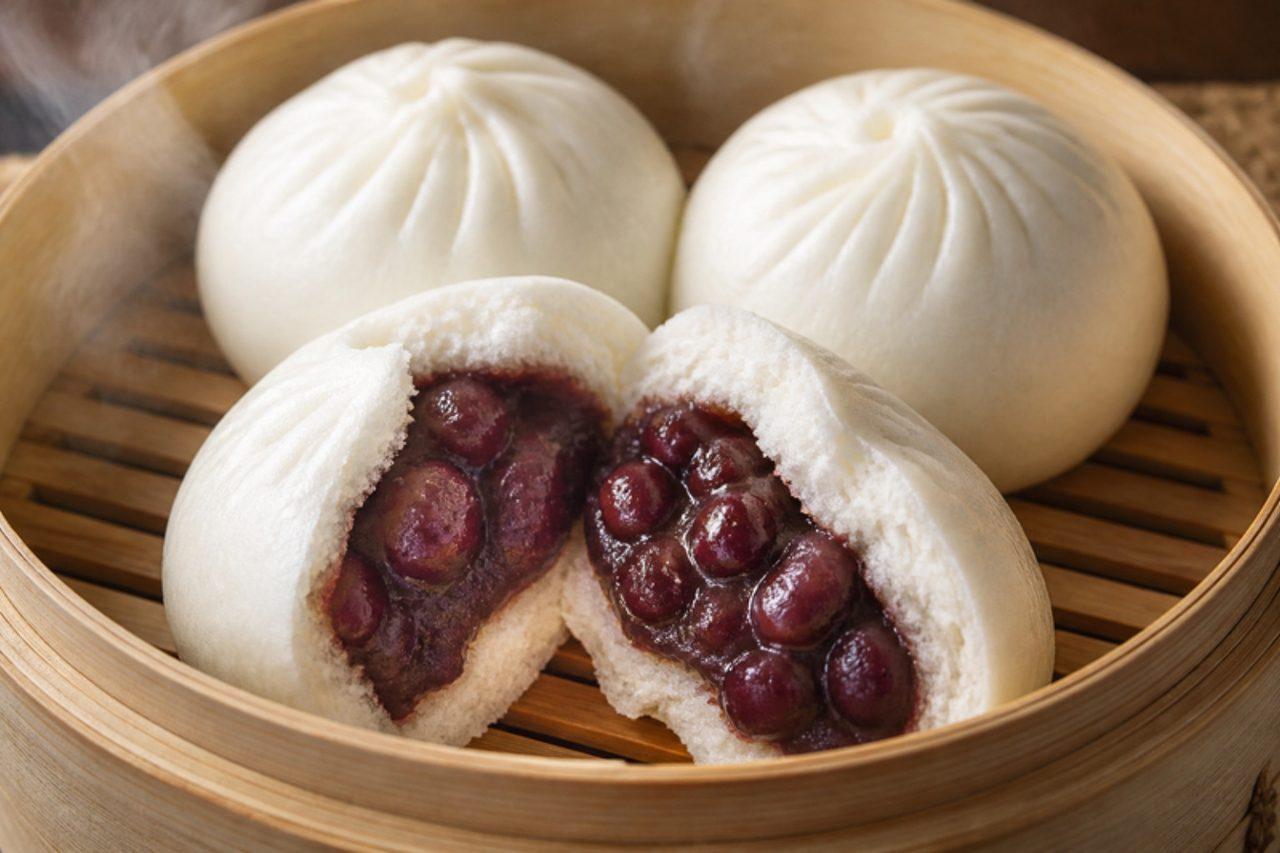
When the first cold snap hits, Korean convenience stores bring out glass steamer cabinets full of hoppang, and office workers grab one for breakfast on the way to the subway. The bun is soft, slightly sweet yeasted dough wrapped around a thick, smooth red bean paste, steamed until pillowy and eaten piping hot. Making them at home takes a morning but they freeze perfectly. The usual mistake is opening the lid too early or steaming over too fierce a heat: the buns collapse and wrinkle, so keep a steady medium heat and leave them to rest 5 minutes before lifting the lid. Contains wheat. Chef's tip: let the shaped buns rise on squares of baking paper; you can move them into the steamer without squashing them.

120 minKoreanBakingVegan
by KrazyBadal 0 views

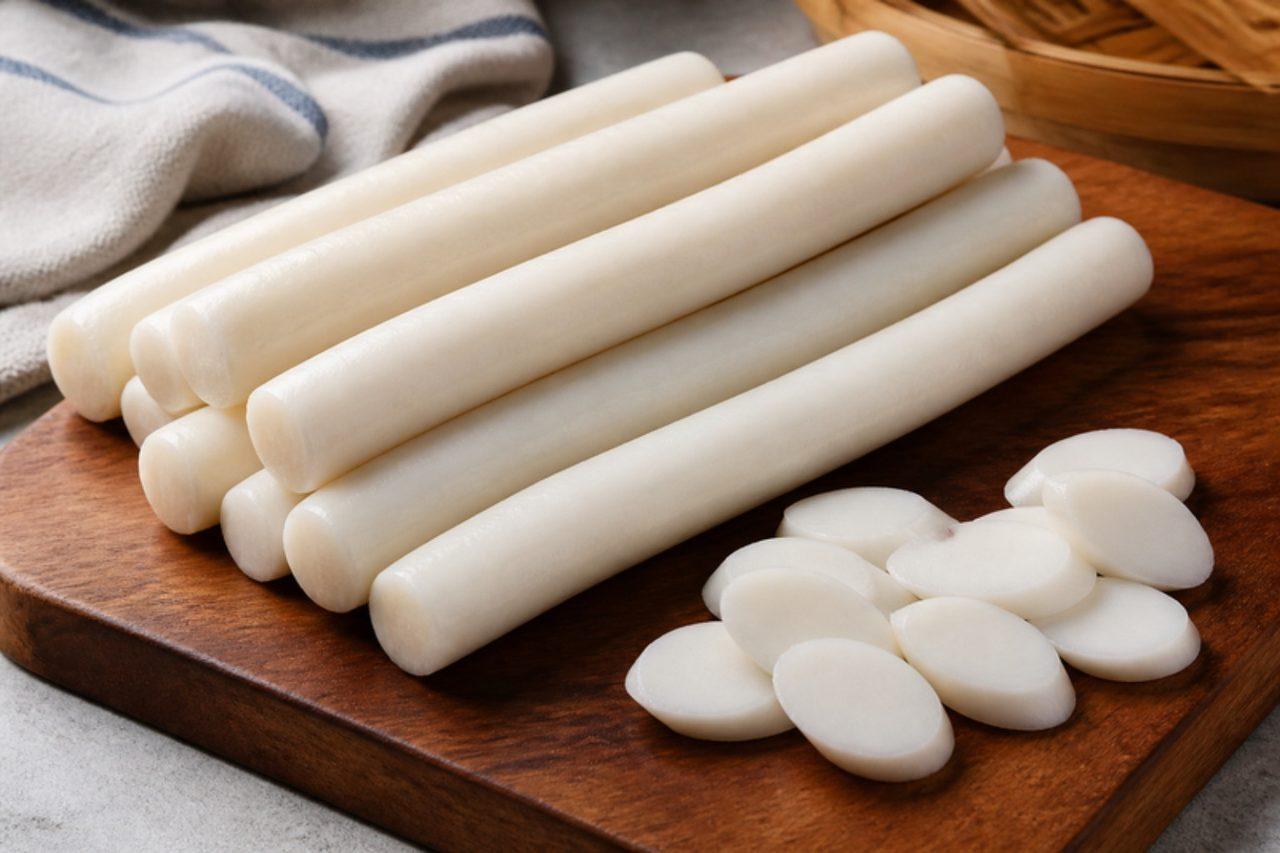
GaraetteokLong cylinder rice cakes

Garaetteok are the long white rice-cake logs that Korean mills churn out before Seollal, when families queue with their own rice to have them pressed and then slice them into ovals for tteokguk, the New Year soup. The length is meant to wish for a long life. Freshly made, they are soft and chewy and eaten warm, dipped in honey or toasted over a grill; once they firm up they are sliced for soup or cut into sticks for tteokbokki. Making them at home is simple, though the logs come out a little less glossy than machine-pressed ones. The usual mistake is rolling the dough when it has cooled: it must be hot to stay smooth. Rice cakes are chewy and sticky, a known choking risk: cut them into small pieces for young children and older people and eat them sitting down. Chef's tip: leave the logs to firm overnight before slicing on the diagonal; they cut cleanly instead of squashing.

by KrazyBadal 0 views

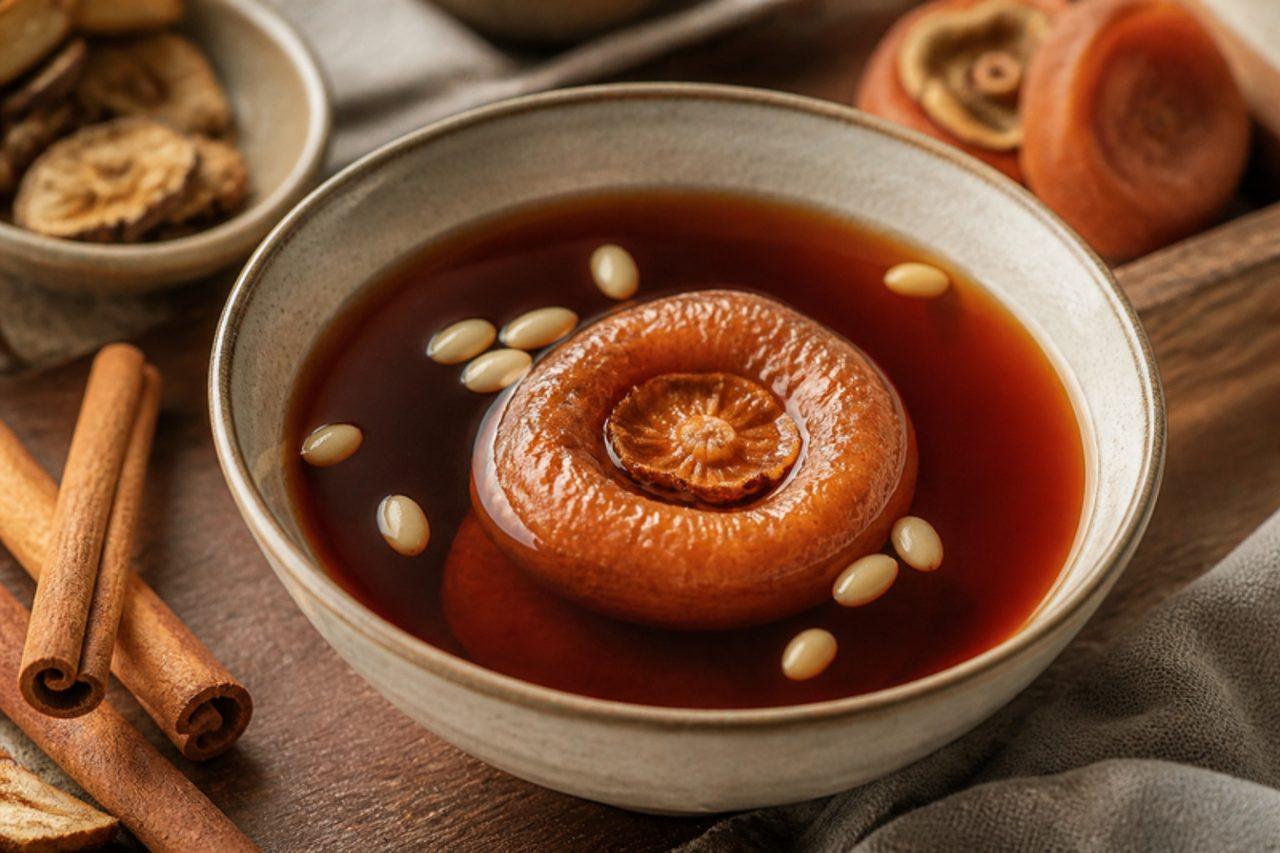
SujeonggwaCinnamon persimmon punch

After a big Seollal feast in Seoul, sujeonggwa comes out ice-cold in small bowls, dark red-brown and fragrant with cinnamon and ginger, with a soft dried persimmon and a few pine nuts floating in each one. It is the punch of the New Year season, made a day or two ahead and kept on a cold balcony. The cinnamon and ginger are boiled separately and then combined, which keeps each flavour clean. The common mistake is boiling the cinnamon too long or too hard: it turns bitter and cloudy, so keep it to a gentle simmer. Contains pine nuts. Chef's tip: soak the dried persimmons in the cooled punch only a few hours before serving, so they soften without falling apart.

by KrazyBadal 0 views

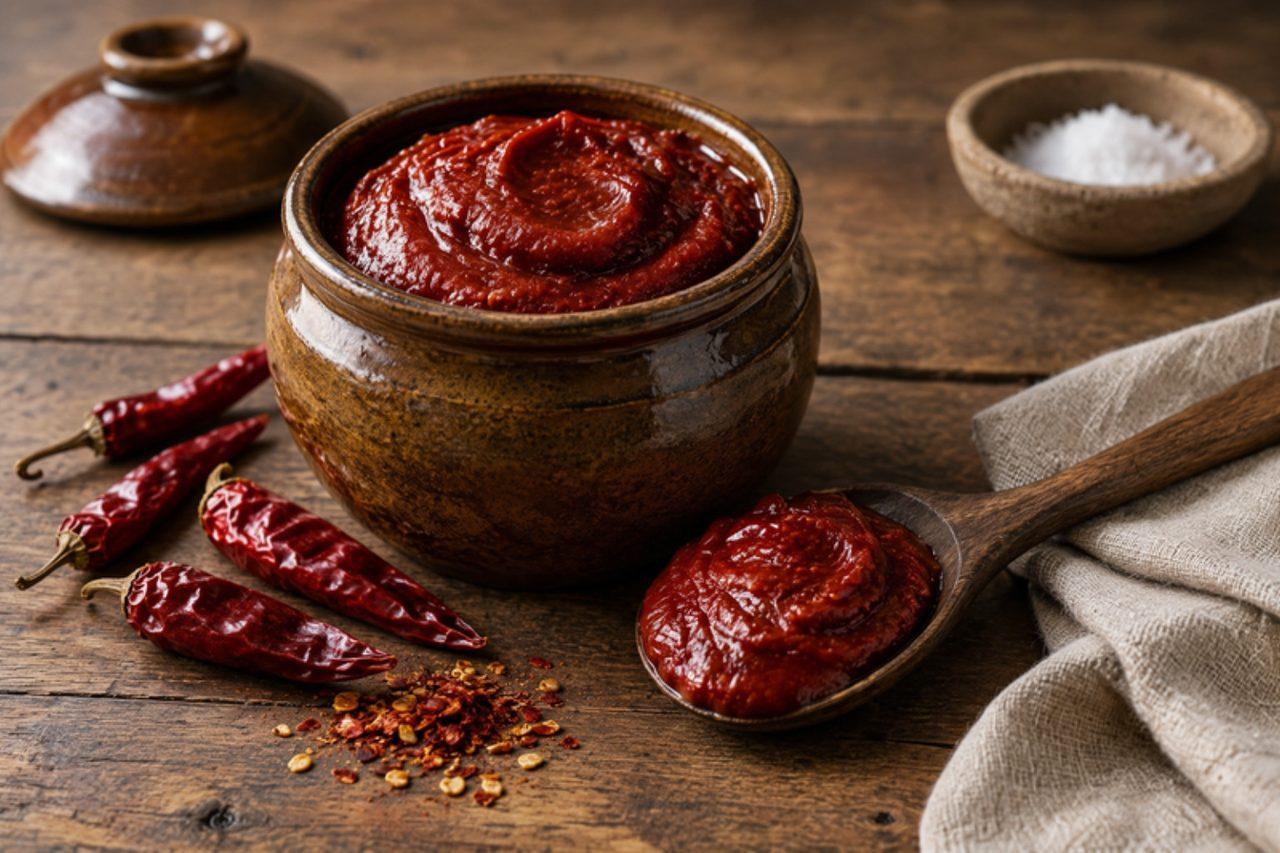
Homemade gochujangChilli bean paste

Sunchang, a small county in North Jeolla, is so tied to gochujang that it holds a jang festival every October, but the paste itself is traditionally made in the cold weeks of late winter, when there are no flies and it can ferment slowly in glazed onggi jars on the sunny jangdokdae terrace. Glutinous rice flour is broken down by barley malt into a sweet, runny porridge, boiled down, then beaten with fine chilli powder, fermented soybean (meju) powder, rice syrup and salt. Young, it is bright, sweet and fiery; after two or three months it darkens to brick red and gains a round, savoury depth, thick enough to hold a ridge on the spoon. It goes into bibimbap, tteokbokki, ssamjang, stews and marinades all year. Common mistake: adding the chilli and salt while the porridge is still hot, which dulls the colour and can make the paste turn sour; wait until it is lukewarm. It is ready when it is glossy, deep red, and smells sweet and earthy with no sharp, boozy note. Chef's tip: hold the malt and rice at 55–60 °C on a rice cooker's keep-warm setting; any hotter and the malt enzymes stop working, so the porridge never thins.

210 minKoreanBasicsVeganSpicy
by KrazyBadal 0 views

Wiener MelangeCoffee with milk and foam

In Vienna you never simply order 'a coffee'; you order by name, and the Melange is the one most Viennese ask for. It arrives in a large cup on a small silver tray with a glass of water and often a tiny chocolate, and you may sit over it for an hour with the newspapers at Café Prückel or Hawelka, mid-morning or after lunch. Traditionally it is a mild, longer espresso (a Verlängerter) with roughly equal hot milk and a soft cap of milk foam; it is gentler than a cappuccino and the foam is looser and creamier. Expect a round, nutty, slightly sweet cup with little bitterness. The common mistake is overheating the milk: once it passes about 70 °C it smells cooked and loses its sweetness and the foam turns big-bubbled and dry. Stop when the jug is too hot to hold for more than a second or two. It is ready when the foam sits in a smooth, glossy dome about a finger thick and the coffee shows as a brown ring at the edge. One cup has about the caffeine of a single espresso. Chef's tip: always serve the glass of water alongside, as Vienna does; it is drunk first to clear the palate.

by KrazyBadal 0 views

Ssanghwa-cha (herbal tonic tea)

Ssanghwa-cha is the strongest thing on the menu of an old Korean dabang. From the 1960s these smoky tea rooms served it in thick ceramic cups, dark as coffee, with pine nuts, slivered jujube and walnut floating on top; in winter some still slide a raw egg yolk in, which this recipe leaves out. The brew comes from Korean herbal tradition, where ssanghwa-tang is drunk to warm up and recover from tiredness after hard work or a cold. It tastes earthy and bitter at first, then sweet from licorice and jujube, with warmth from cinnamon and ginger and a celery-like perfume from angelica. Herbal shops sell the roots in pre-measured packs. The common mistake is boiling it hard: the liquid reduces too fast and turns harsh. Keep a gentle simmer with the lid ajar for two hours. It is ready when it is very dark brown, reduced to about a third and smells of cinnamon and roots. Because it contains licorice and angelica, skip it if you are pregnant or breastfeeding, have high blood pressure, or take blood thinners or other medicines unless your doctor agrees. Chef's tip: a second, lighter brew from the same roots is good with honey.

135 minKoreanDrinksVeganGluten free
by KrazyBadal 0 views

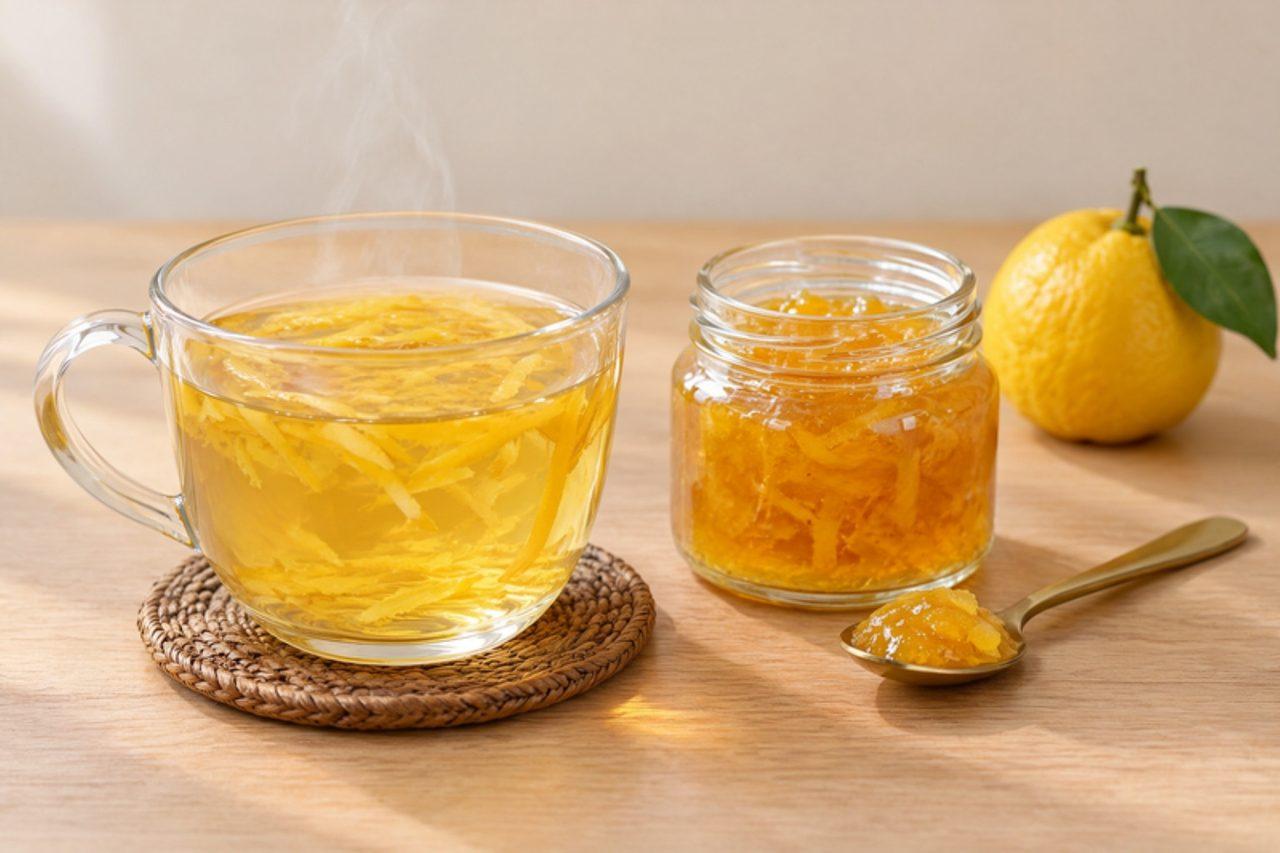
Yuja-cha (citron tea)

Goheung, on the southern coast of South Jeolla, is Korea's yuja country: in November the groves turn gold and families slice the knobbly citrons for yuja-cheong, the honeyed preserve that becomes tea all winter. From December to March a spoonful in hot water is offered to guests, to students cramming late and to anyone with a scratchy throat, as it is traditionally drunk for colds. The tea is sweet, floral and sharp, with soft, chewy strands of peel that you eat at the end with a spoon. The common mistake is leaving the fruit damp or the pith too thick: wet fruit lets mould in, and thick white pith makes the preserve bitter. Scrub, dry completely and pare away any pith thicker than a few millimetres. The cheong is ready after a day or two, when the sugar has dissolved into a clear, glossy syrup around the peel. Keep it in the fridge for up to three months, always with a dry spoon; throw it away if you see fuzzy mould, smell alcohol or it bubbles. No yuja? Japanese yuzu is the same fruit; otherwise use 2 lemons and 2 mandarins. Chef's tip: soak the seeds in a little of the honey and add that liquid back for a silkier syrup.

by KrazyBadal 0 views

Sungnyung (scorched rice tea)

Before electric rice cookers, every Korean pot of rice left a golden crust, nurungji, stuck to the bottom. Rather than waste it, cooks poured in water and simmered it while the family ate, and the warm, cloudy sungnyung was drunk at the end of the meal in place of tea. Older Koreans still describe it as the taste of home, and many Seoul restaurants that cook rice in stone pots finish by pouring water over the crust at the table. It tastes of toasted grain and has a faint natural sweetness, with soft pieces of crust to spoon up at the bottom. Without a stone pot you can make the crust from leftover rice in a frying pan. The common mistake is rushing the crust over high heat: it blackens on the outside and turns the drink bitter while the middle stays soft. Keep the heat low and patient, and aim for even golden-brown. The crust is ready when it lifts away from the pan in one sheet and smells like popcorn; the sungnyung is ready when the water is milky and pale gold. Chef's tip: make extra crust, dry it completely and keep it in a jar, so you can make sungnyung in ten minutes any evening.

by KrazyBadal 0 views

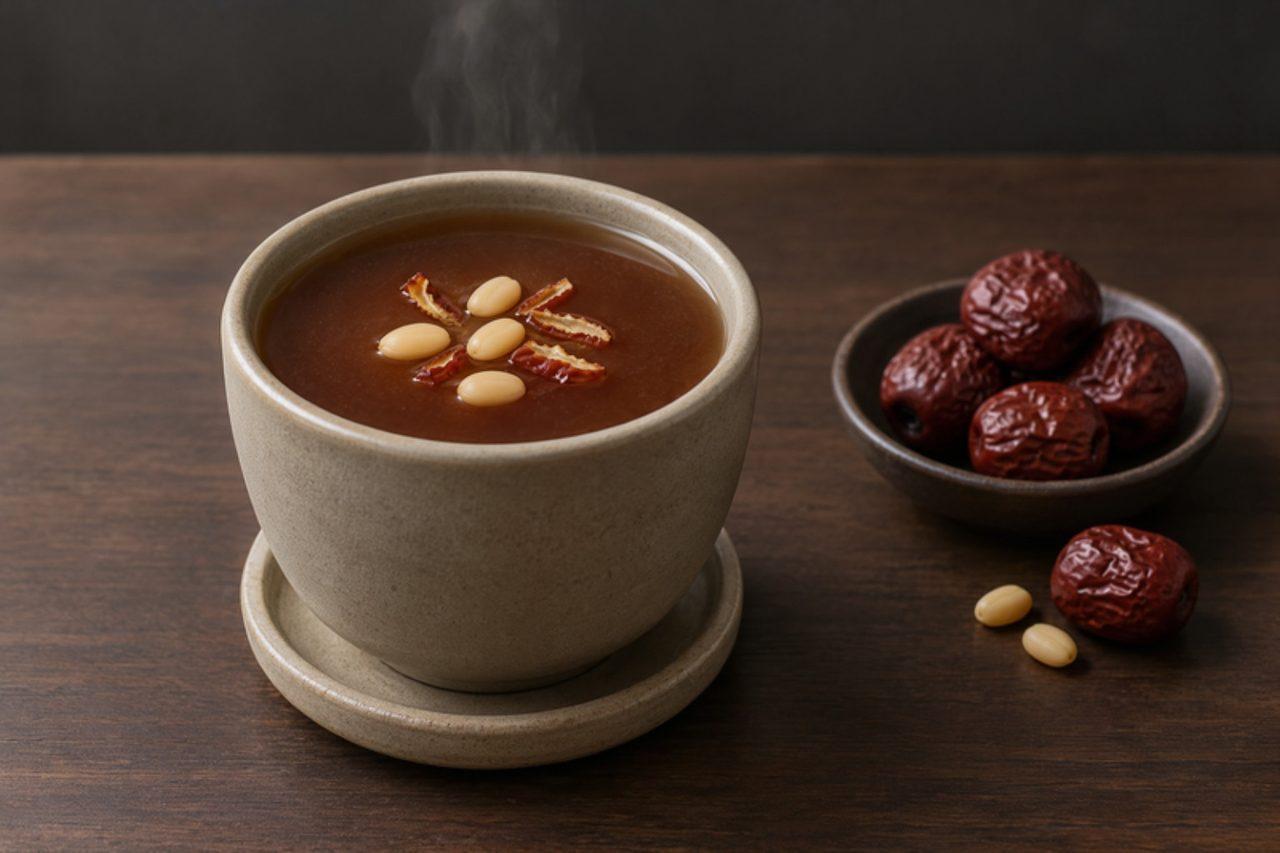
Daechu-cha (jujube tea)

Boeun county in North Chungcheong is famous for its large, sweet jujubes, harvested each October and sold at a lively autumn festival. Once dried, they become daechu-cha, the deep amber tea Korean traditional teahouses in Insadong and Jeonju serve from late autumn to early spring, topped with pine nuts. Long, slow simmering with ginger and a stick of cinnamon draws out a flavour like dates, caramel and baked apple; pressing the softened flesh through a sieve gives the tea its velvety, almost soup-thick body. It is traditionally drunk to warm up on cold nights. The common mistake is simply boiling whole jujubes and straining: the skins stay sealed, the tea comes out thin and pale, and most of the sweetness is thrown away. Slit each jujube, simmer until the flesh slides off the stone, then mash the pulp through the sieve. It is ready when the liquid has reduced by about half, is dark amber and lightly coats a spoon. Keep it covered in the fridge for up to 5 days and reheat gently. Chef's tip: a few slices of fresh ginger added in the last 20 minutes give a brighter heat than ginger boiled for the whole time.

110 minKoreanDrinksGluten free
by KrazyBadal 0 views

Maesil-cha (green plum tea)

In early June the hillsides of Gwangyang are picked clean of hard green maesil, and Korean kitchens across the country fill with jars of plums buried in sugar. Over about a hundred days the sugar draws out the fruit's juice and becomes maesil-cheong, a golden syrup that is both a cooking ingredient and a drink. Iced, it is the summer cooler; hot, it is traditionally drunk after a heavy meal for digestion. It tastes bright and tart, like green apple and apricot, rounded by the sugar. The common mistake is putting damp plums or plums with stalks into the jar: water and stalk ends invite mould and unwanted fermentation. Pick out each stalk with a toothpick and dry the fruit completely. The syrup is ready when the plums have shrivelled and float in clear amber liquid. A little foaming early on is normal, but if it smells strongly of alcohol, grows fuzzy mould or turns slimy, discard it. Remove the plums at 100 days, because their stones contain natural compounds best kept out of a long-stored syrup. Chef's tip: use half white and half light brown sugar for a rounder, toffee-edged syrup.

by KrazyBadal 0 views

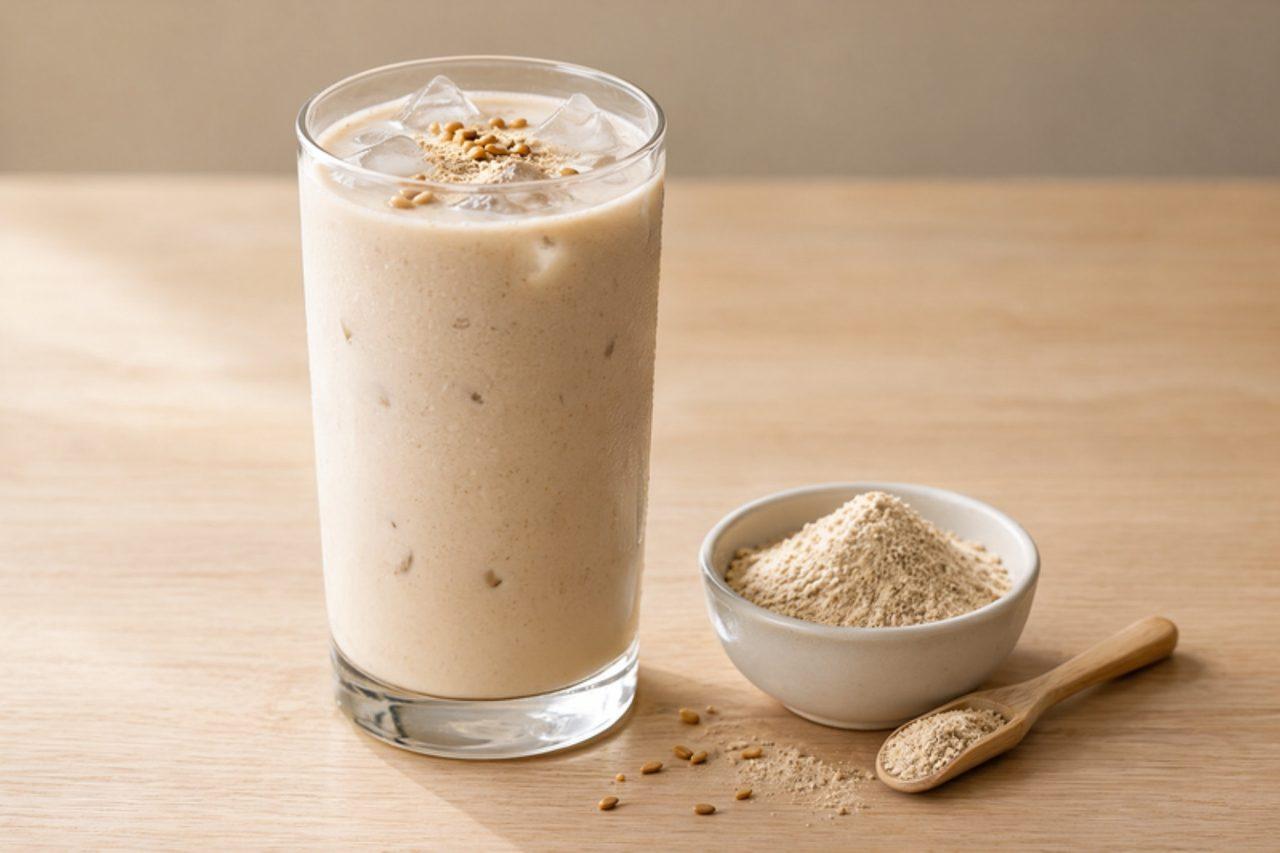
Misutgaru (multigrain powder drink)

Misutgaru began as travellers' food, a powder of roasted grains that kept for weeks and could be stirred into water on the road. Today it is the drink of Korean summer: mothers shake it with cold milk for breakfast before school, office workers buy it as misutgaru latte from cafés, and farmers drink it at midday in the fields of July. The powder is a mix of roasted barley, glutinous and brown rice, black and yellow soybeans, and sesame, and it tastes of toasted cereal and peanut, lightly sweet, with a thick, creamy body that fills you up like a light meal. The common mistake is tipping the powder into a full glass of milk and stirring: it floats, clumps into dry balls and never fully mixes. Shake it in a jar with a little liquid first, or blend it, then add the rest. It is ready when the drink is smooth, beige and frothy with no dry flecks, and slightly thickened after a minute's rest. Use water or soy milk for a dairy-free version, and note that the barley means it is not gluten free. Chef's tip: a pinch of salt makes the grain flavour taste rounder and less flat.

by KrazyBadal 0 views

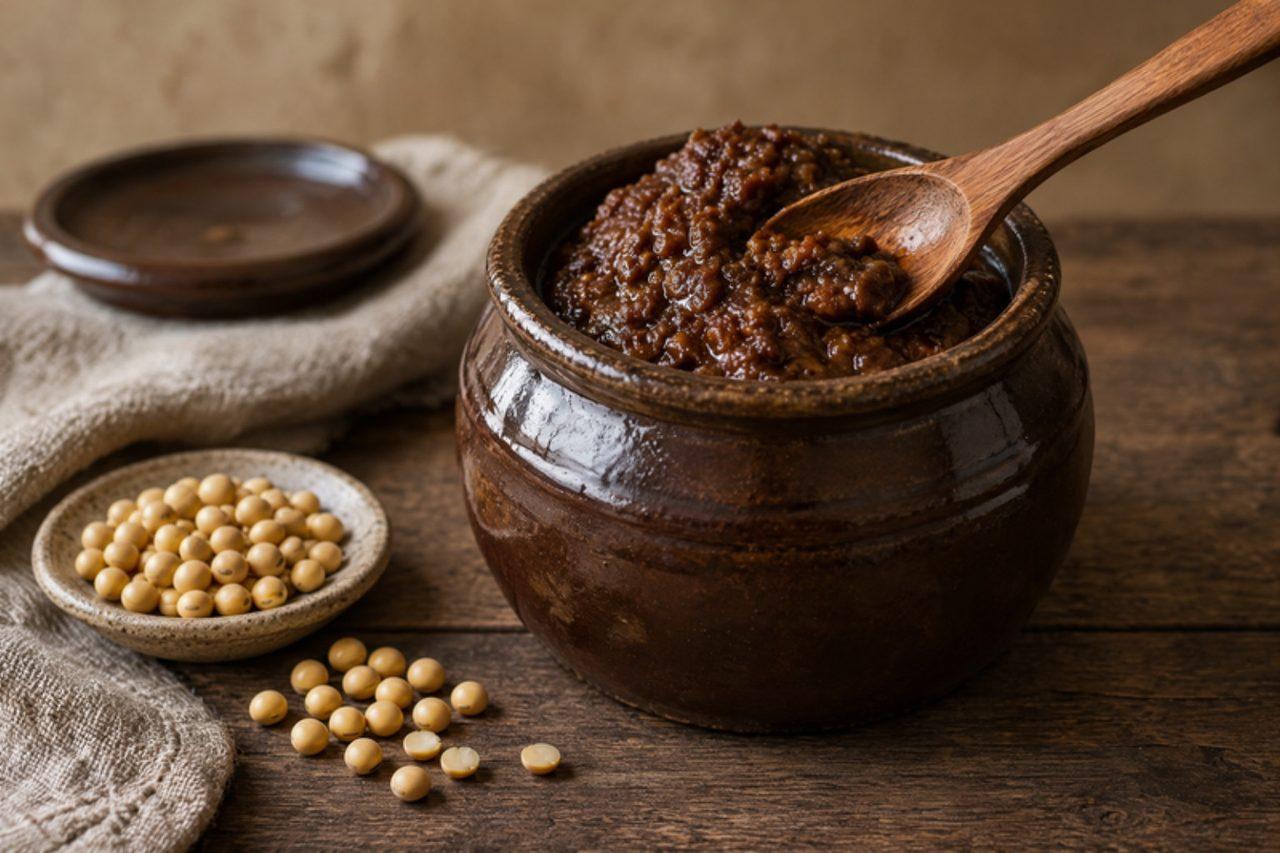
Homemade doenjangFermented soybean paste

Doenjang starts in late autumn, after the soybean harvest, when Korean households used to boil beans in a cauldron, pound them into bricks and hang the meju from the rafters on straw ropes to grow a white, sweet-smelling bloom over the winter. In early spring, on a clear dry day, the bricks are dropped into salt brine in an onggi jar with dried chillies, jujubes and a red-hot piece of charcoal. Some six to eight weeks later the dark liquid is drawn off and boiled into soup soy sauce (guk-ganjang), and the softened bricks are mashed into doenjang, which ripens through the summer. It is chunkier, saltier and funkier than miso, with a nutty, almost smoky depth: the backbone of doenjang-jjigae, ssamjang and spinach namul. Common mistake: making the brick too thick or drying it in a warm, still room, so the centre rots before it dries; keep it about 6 cm thick and hang it where air moves. The paste is ready when it is mid-brown, smells of toasted nuts and soy, and tastes salty-sweet rather than sharp. Chef's tip: you can buy dried meju blocks from Korean grocers and start at the brining step.

300 minKoreanBasicsVeganGluten free
by KrazyBadal 0 views

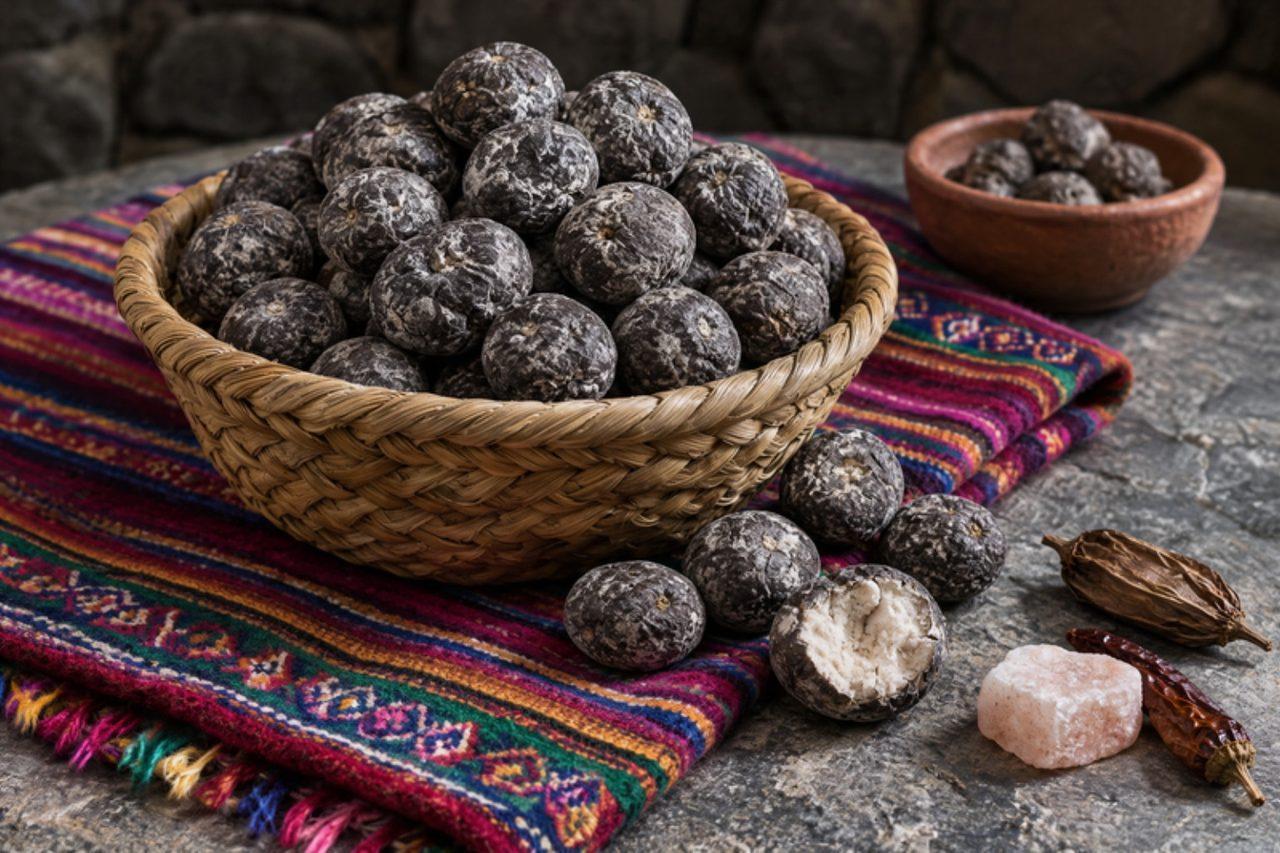
Chuño

On the Altiplano around Lake Titicaca, in June and July when the nights drop to -10 °C and the days are bright and dry, Aymara and Quechua families spread small, bitter potatoes on the grass to make chuño, a technique far older than the Inca. The potatoes freeze at night and thaw in the sun for several days, then are trodden barefoot to squeeze out the water and rub off the skins, and dried for a couple of weeks more. The result is light, wrinkled, grey-black chuño negro that keeps for years; soaked in running stream water instead, the same potatoes become white tunta. Rehydrated and boiled, chuño is firm, slightly chewy and spongy, with an earthy, faintly mineral, almost fermented taste; it goes into chairo soup, into chuño phuti, or beside grilled meat with spicy llajwa. Skipping the long soak is the big mistake: it stays bitter and gritty, so soak it for at least 12 hours, changing the water. Dried chuño is ready when it is rock hard, very light and rattles in a bag. Chef's tip: without Andean frosts, a freezer and a low oven make a fair version; the method is below.

by KrazyBadal 0 views

Colada moradaPurple corn and berry drink

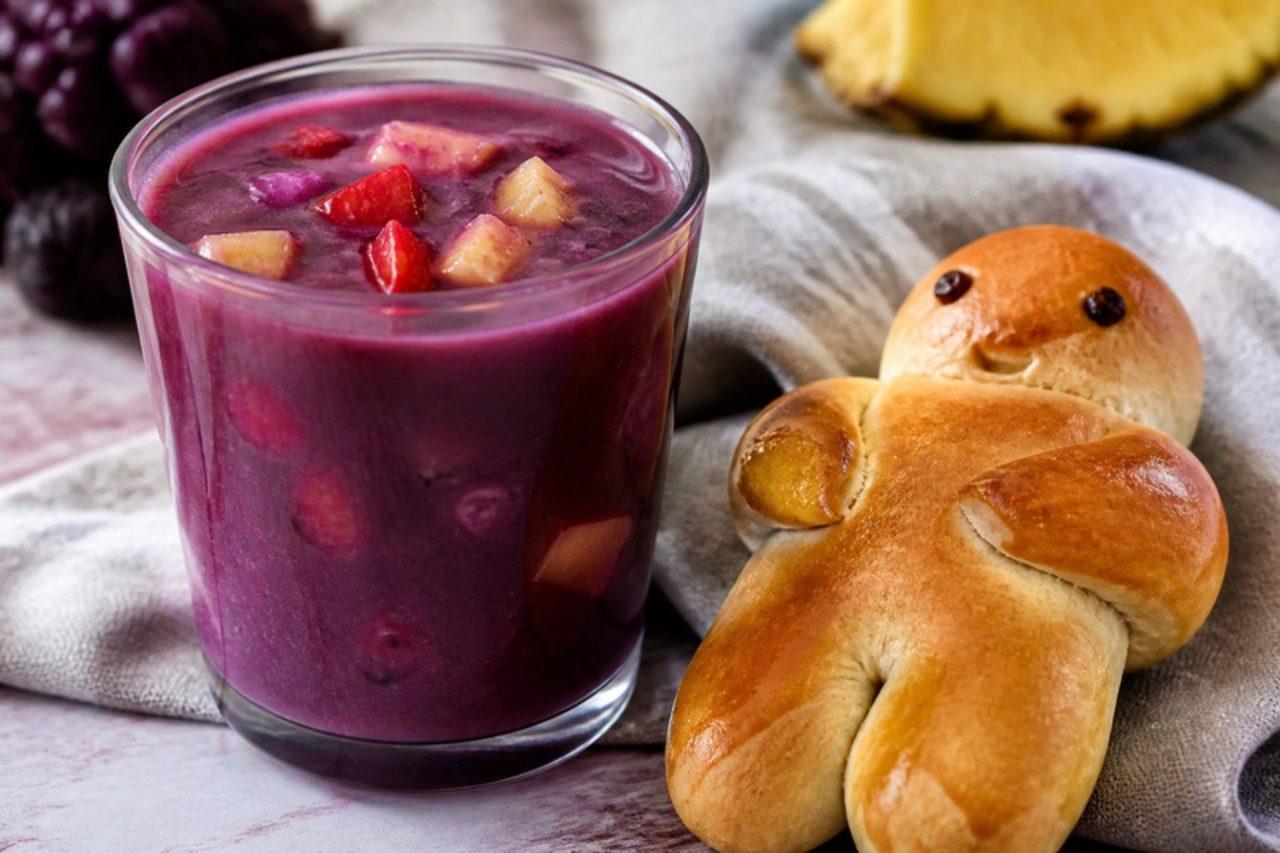
Every year in the days before 2 November, the Día de los Difuntos, Quito's kitchens and bakeries fill with the smell of colada morada: a warm, spoon-thick drink of purple corn flour cooked with blackberries, blueberries, pineapple and a bundle of fragrant herbs and spices. It is deep violet, sweet-tart and full of chopped fruit, and it is always served with guaguas de pan, the bread babies, often shared with family at the cemetery. The most common mistake is stirring the corn flour straight into hot liquid, which makes lumps: whisk it into cold water first. Chef's tip: lemon verbena and lemongrass give the authentic perfume; if you can find naranjilla or a few orange leaves, add them to the spice pot too.

100 minAndeanDrinksVeganGluten free
by KrazyBadal 0 views

Guaguas de panSweet bread babies

Guagua means baby in Kichwa, and in late October Quito's bakeries line their windows with these swaddled bread figures, each with a sugar-iced face and blanket, made to eat with colada morada for the Day of the Dead on 2 November. The bread is soft, buttery and lightly sweet, often hiding a strip of guava paste, and children love decorating them. The common mistake is shaping thin heads and arms, which brown and dry long before the body is baked; keep the shapes plump. Chef's tip: let the shaped figures rise fully before baking, so they puff into round, friendly babies rather than cracking at the seams.

by KrazyBadal 0 views

GuayusaHolly leaf infusion

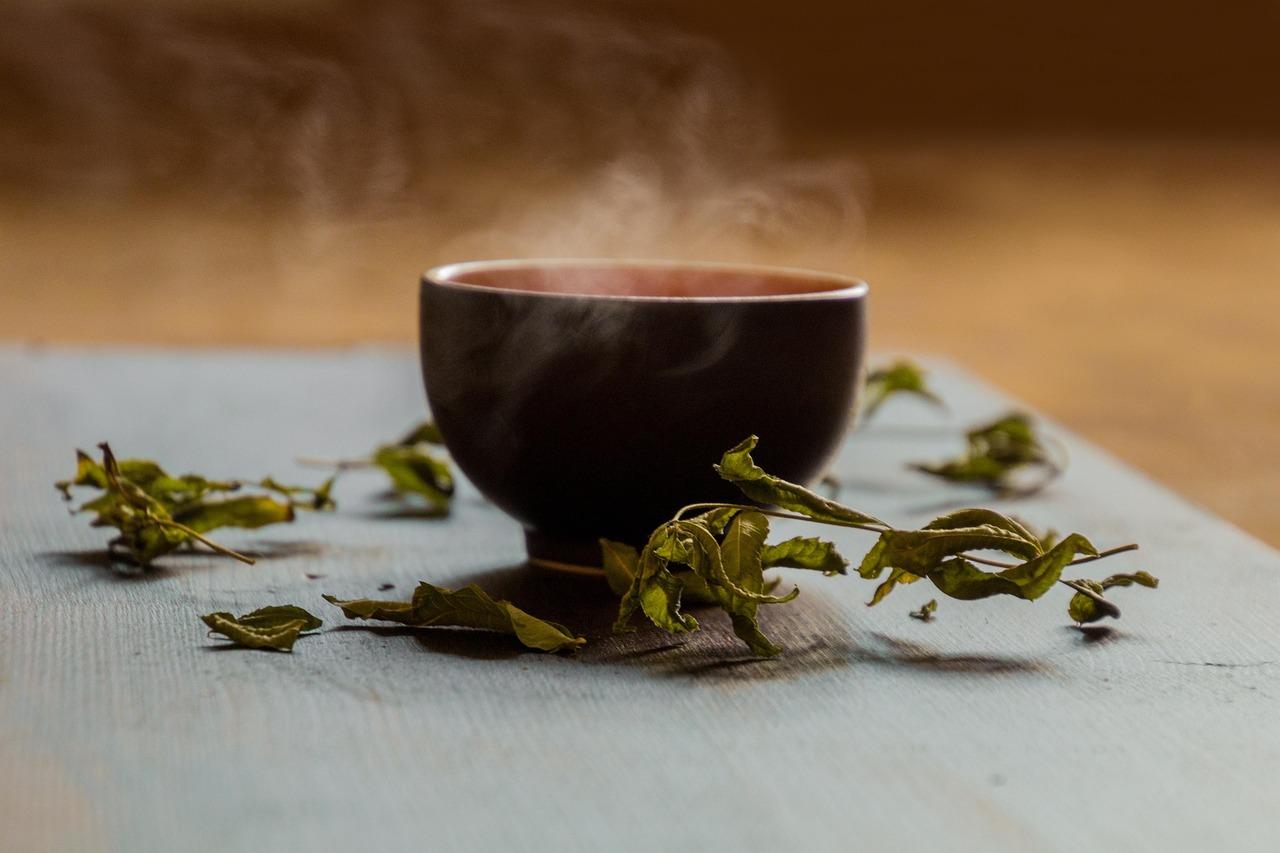
In Kichwa villages along the Napo river around Tena, families rise before dawn, gather around the fire and share a pot of guayusa: an infusion of the large leaves of an Amazon holly tree, passed round while people talk over dreams and plan the day. It tastes smooth, grassy and faintly sweet, with none of the bitterness of black tea, and it carries a steady lift of caffeine, so it is not one for young children or late evenings. Dried guayusa is sold loose in health-food and tea shops. A common mistake is treating it like delicate green tea and steeping it for just a minute; it needs a gentle simmer to draw out its flavour. Chef's tip: add a strip of lemongrass or a slice of ginger for a fragrant twist, and sweeten, if at all, with a little panela.

by KrazyBadal 0 views

Horchata lojanaHerbal flower infusion

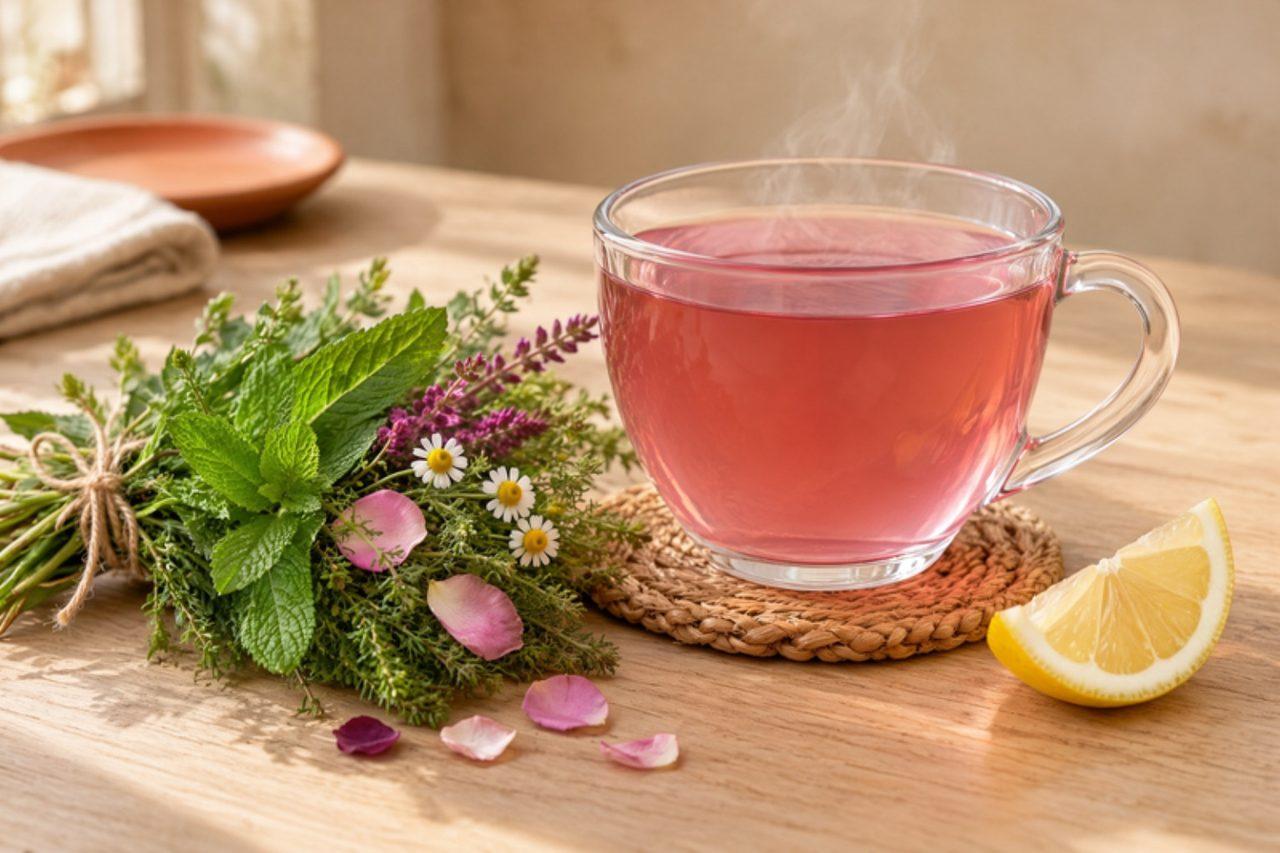
In Loja and the valleys of Vilcabamba and Malacatos, horchata has nothing to do with rice: it is a pink herbal infusion of anything up to twenty garden plants, drunk hot at breakfast and after lunch, or cold from the fridge on warm afternoons. Markets sell the herbs in bundles: cedrón, hierbaluisa, toronjil, mint, chamomile, mallow, and the red-leaved escancel and ataco (red amaranth) that give the colour. It tastes lemony, floral and faintly silky, and turns from ruby to bright pink the moment lemon juice goes in. The common mistake is boiling all the herbs hard, which makes it bitter and grassy; only the tough flaxseed and lemongrass simmer, and the soft leaves steep off the heat. It is ready when the liquid is deep red-pink and smells of lemon and flowers. Abroad, Latin shops sell dried mixes; dried hibiscus gives the colour if you lack amaranth. It is traditionally drunk to settle the stomach; if you are pregnant or on medication, check with a doctor before drinking it daily. Chef's tip: add lemon at the table, glass by glass, to watch the colour change.

by KrazyBadal 0 views

MocochinchiDried peach and cinnamon drink

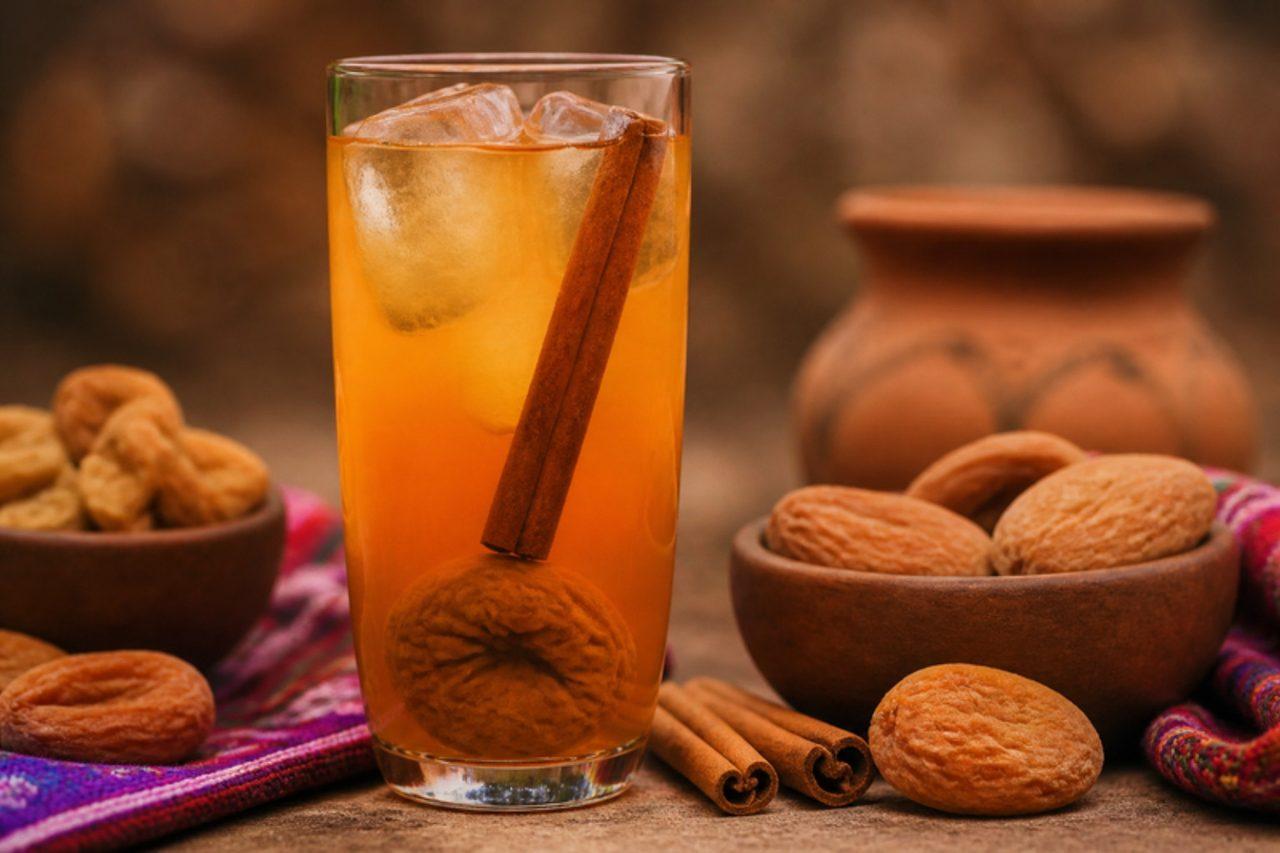
Walk through any Bolivian plaza on a warm afternoon and someone will be selling mocochinchi from a big glass jar: a cool, amber drink of sun-dried peaches simmered with cinnamon and cloves, served with a whole wrinkled peach at the bottom of the glass to eat at the end. It is the classic drink with lunch from Cochabamba to Tarija. People often skip the overnight soak, and then the peaches stay leathery and the drink tastes thin. Chef's tip: rub the soaked peaches between your hands under water to clean off dust and loosen the skins, which also releases more flavour.

by KrazyBadal 0 views

MorochoCracked white corn drink

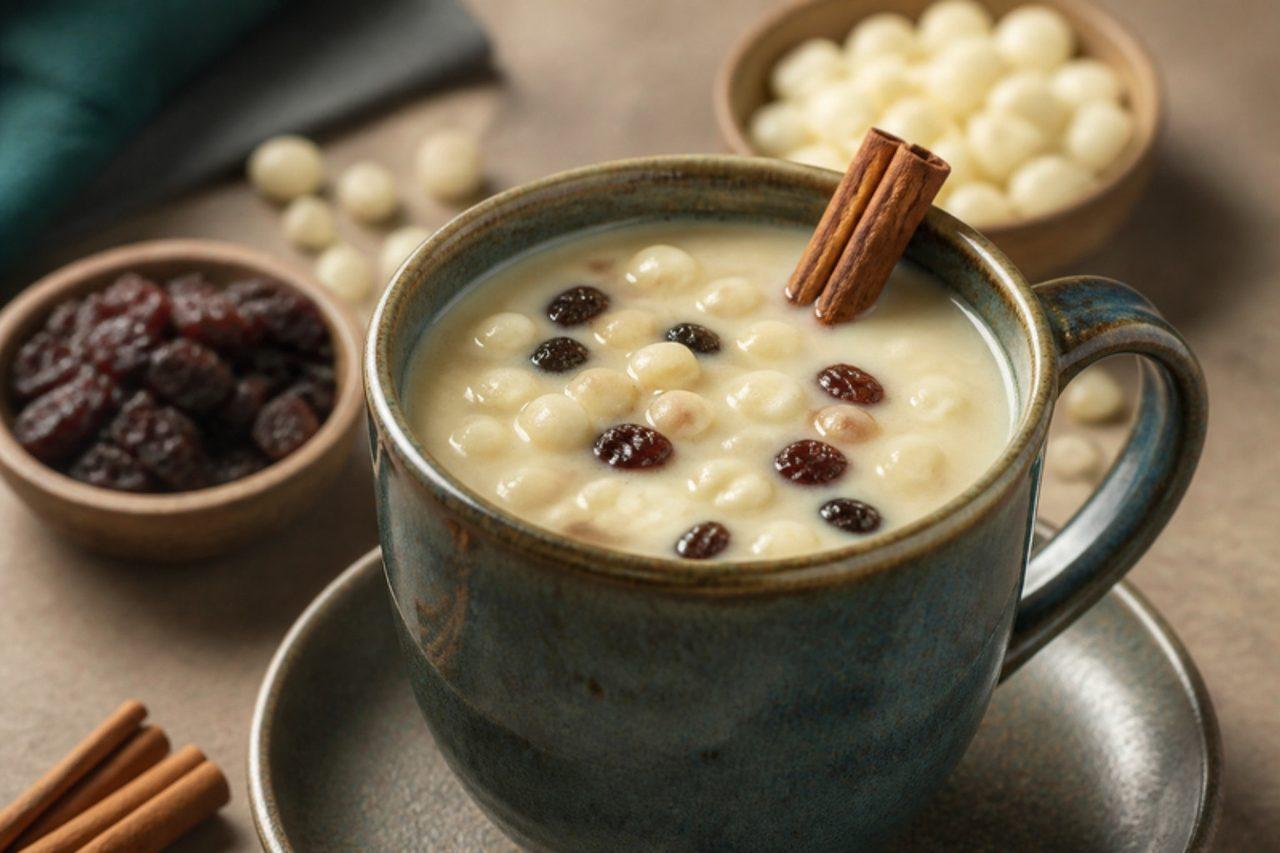
Morocho is what Quiteños drink on a chilly evening at a market stall, often with a crisp empanada de morocho alongside: cracked white corn simmered for an hour with milk, cinnamon and cloves until it turns into a thick, creamy drink you half sip, half spoon, studded with plump raisins. It tastes like a gently spiced rice pudding made with corn. The usual mistake is adding the milk too early and not stirring, so it catches and scorches on the bottom of the pan. Chef's tip: soak the corn overnight; it cooks faster and more evenly and turns properly creamy.

by KrazyBadal 0 views

Showing 24 of 48 recipes

Show more recipes

Page 1 of 2