Skip to content
Recipes

All recipes

Vegetarian, or something you can't eat? Set your diet once and we'll hide recipes that don't fit.

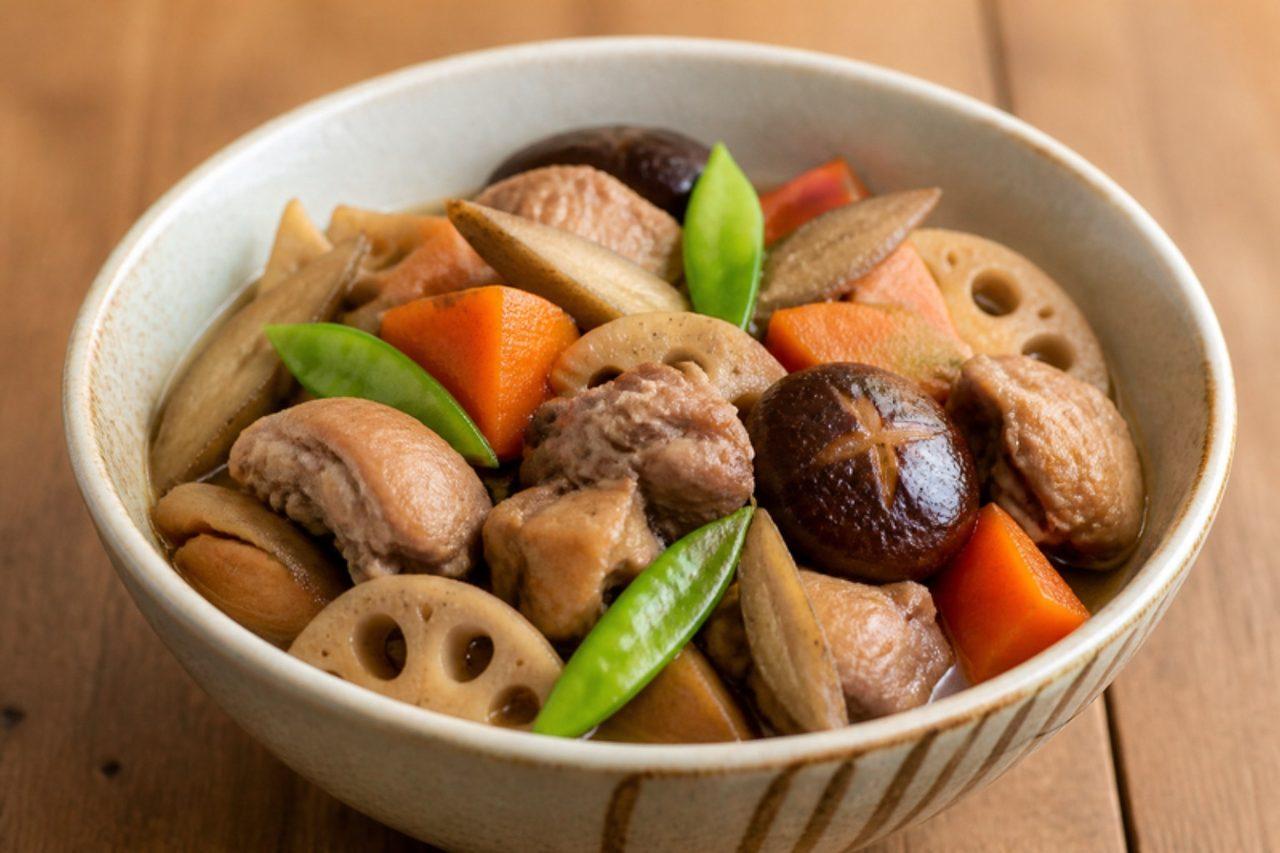
Chikuzenni (Fukuoka simmered chicken and root vegetables)

Chikuzen is the old name for the Fukuoka area of northern Kyushu, where this sweet-savoury simmer of chicken and root vegetables is called gameni and turns up at every family gathering; across Japan it is packed into the New Year osechi boxes and eaten cold. The chicken and vegetables are first stir-fried in oil, then simmered in dashi with soy, sugar, sake and mirin until the liquid reduces to a glaze. The sake and mirin simmer for 20 minutes, so the alcohol cooks off; use water and extra sugar for an alcohol-free version. The common mistake is stirring too much, which breaks the taro and lotus root into mush; shake the pan instead. Chef's tip: let it cool in the pot; the vegetables soak up flavour as it cools, so it is even better the next day.

by KrazyBadal 0 views

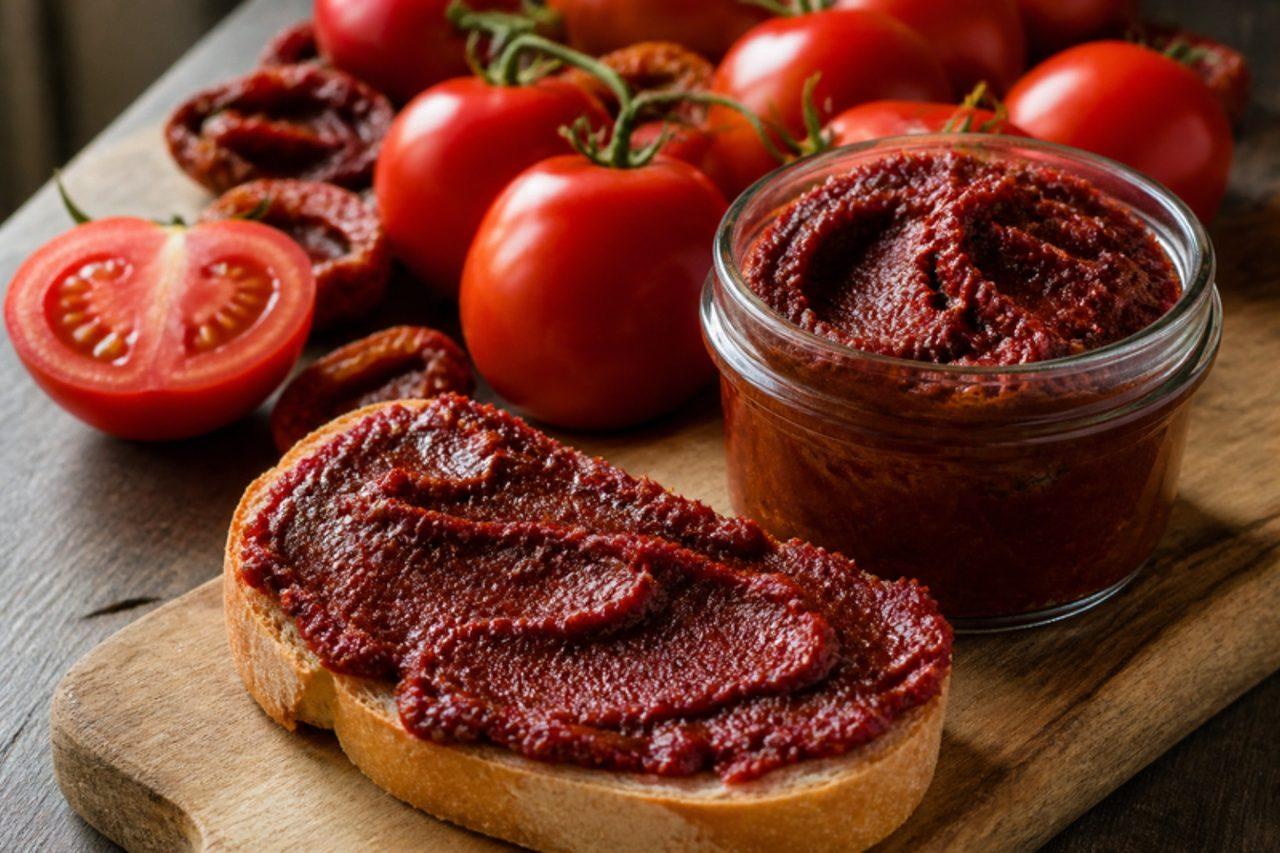
StrattuSun-dried tomato paste

In late August in western Sicily, around Trapani and Palermo, tomato purée is spread on large wooden boards and left in the hot sun for several days, stirred by hand until it turns into a thick, dark-red paste that smells of sun and sweet tomatoes. Strattu, short for "estratto", is used a spoonful at a time to give depth to sauces and stews. This home version dries the passata slowly in a low oven over a day. Chef's tip: spread the purée thin, no more than 1 cm, and stir it every hour; thick layers dry on top and stay wet underneath.

by KrazyBadal 0 views

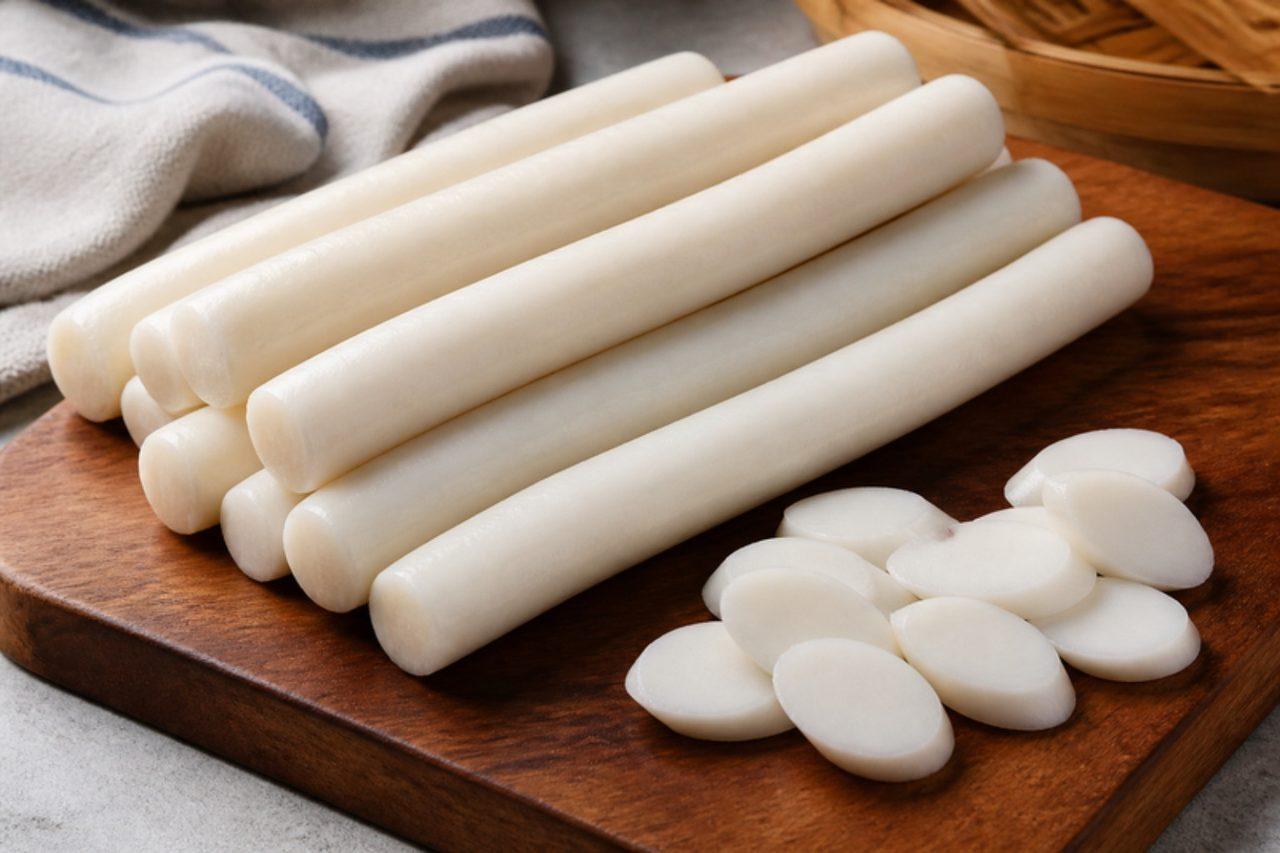
GaraetteokLong cylinder rice cakes

Garaetteok are the long white rice-cake logs that Korean mills churn out before Seollal, when families queue with their own rice to have them pressed and then slice them into ovals for tteokguk, the New Year soup. The length is meant to wish for a long life. Freshly made, they are soft and chewy and eaten warm, dipped in honey or toasted over a grill; once they firm up they are sliced for soup or cut into sticks for tteokbokki. Making them at home is simple, though the logs come out a little less glossy than machine-pressed ones. The usual mistake is rolling the dough when it has cooled: it must be hot to stay smooth. Rice cakes are chewy and sticky, a known choking risk: cut them into small pieces for young children and older people and eat them sitting down. Chef's tip: leave the logs to firm overnight before slicing on the diagonal; they cut cleanly instead of squashing.

by KrazyBadal 0 views

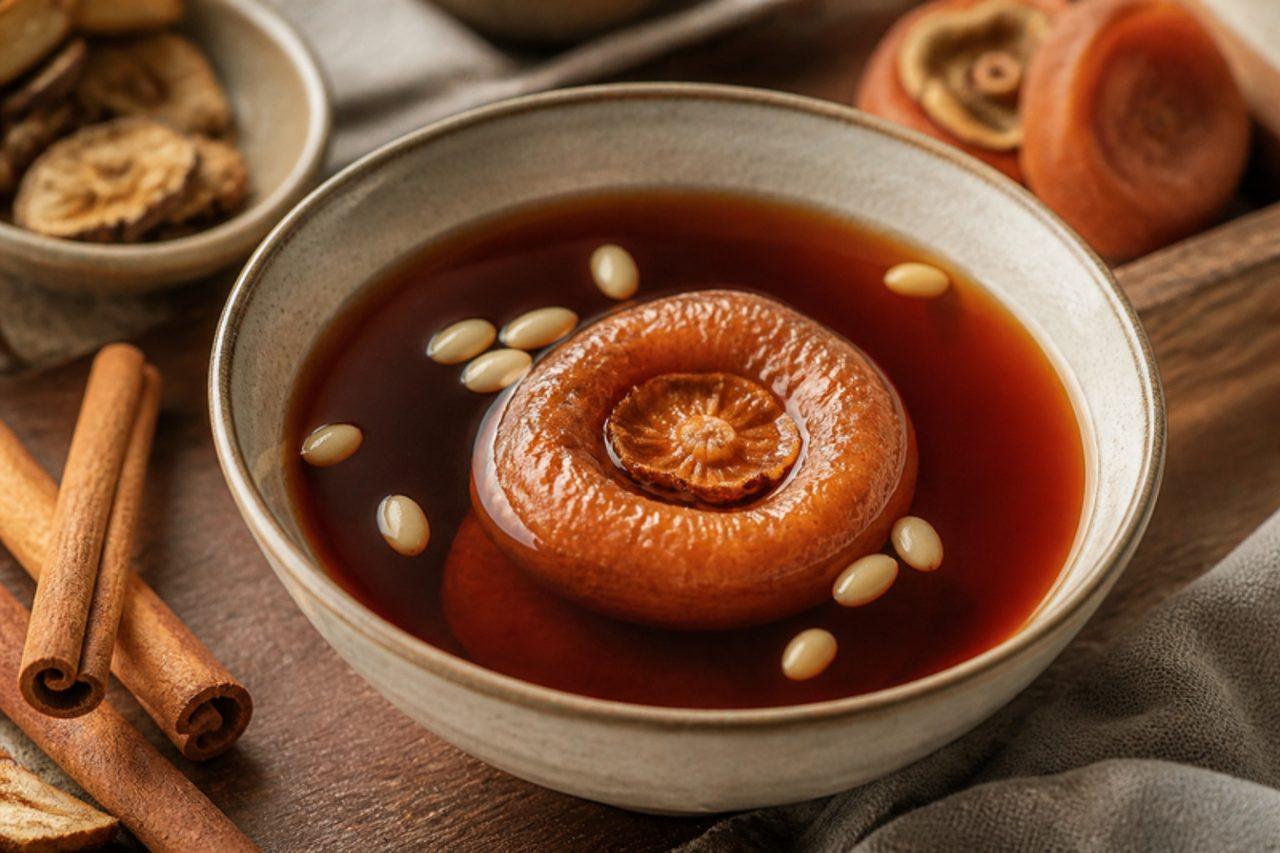
SujeonggwaCinnamon persimmon punch

After a big Seollal feast in Seoul, sujeonggwa comes out ice-cold in small bowls, dark red-brown and fragrant with cinnamon and ginger, with a soft dried persimmon and a few pine nuts floating in each one. It is the punch of the New Year season, made a day or two ahead and kept on a cold balcony. The cinnamon and ginger are boiled separately and then combined, which keeps each flavour clean. The common mistake is boiling the cinnamon too long or too hard: it turns bitter and cloudy, so keep it to a gentle simmer. Contains pine nuts. Chef's tip: soak the dried persimmons in the cooled punch only a few hours before serving, so they soften without falling apart.

by KrazyBadal 0 views

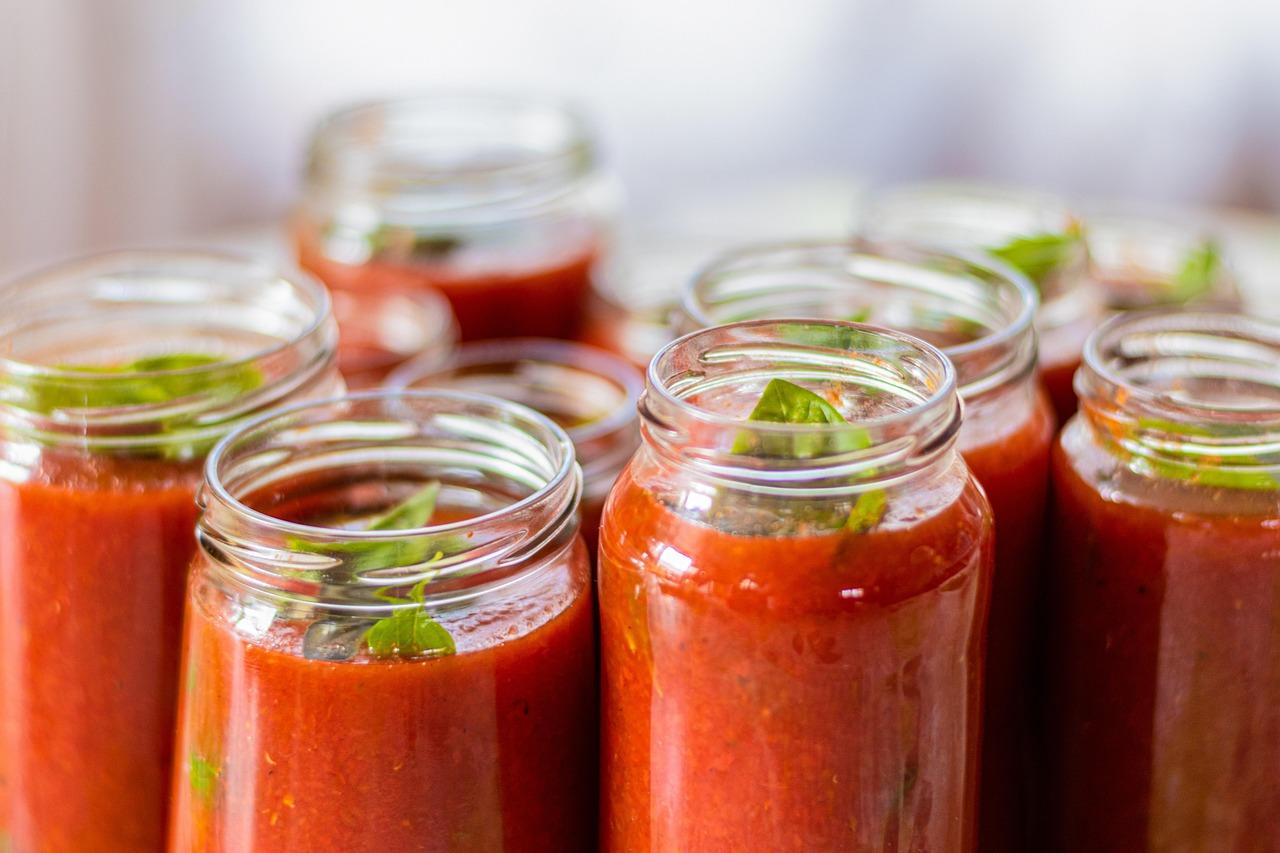
Passata di pomodoroBottled tomato purée

At the end of August, all over southern and central Italy, families gather for the "giornata della salsa", the day of the sauce: crates of ripe plum tomatoes are washed, cooked, passed through a hand-cranked mill and bottled in hundreds, with a basil leaf in each bottle. The passata lasts until the next summer and is used for every ragù and pizza. For home bottling, add lemon juice to each jar and process in a water bath, as tomatoes alone are not acidic enough to be safe at room temperature. Chef's tip: use only fully ripe, deep red plum tomatoes; underripe tomatoes give a pale, sour passata.

by KrazyBadal 0 views

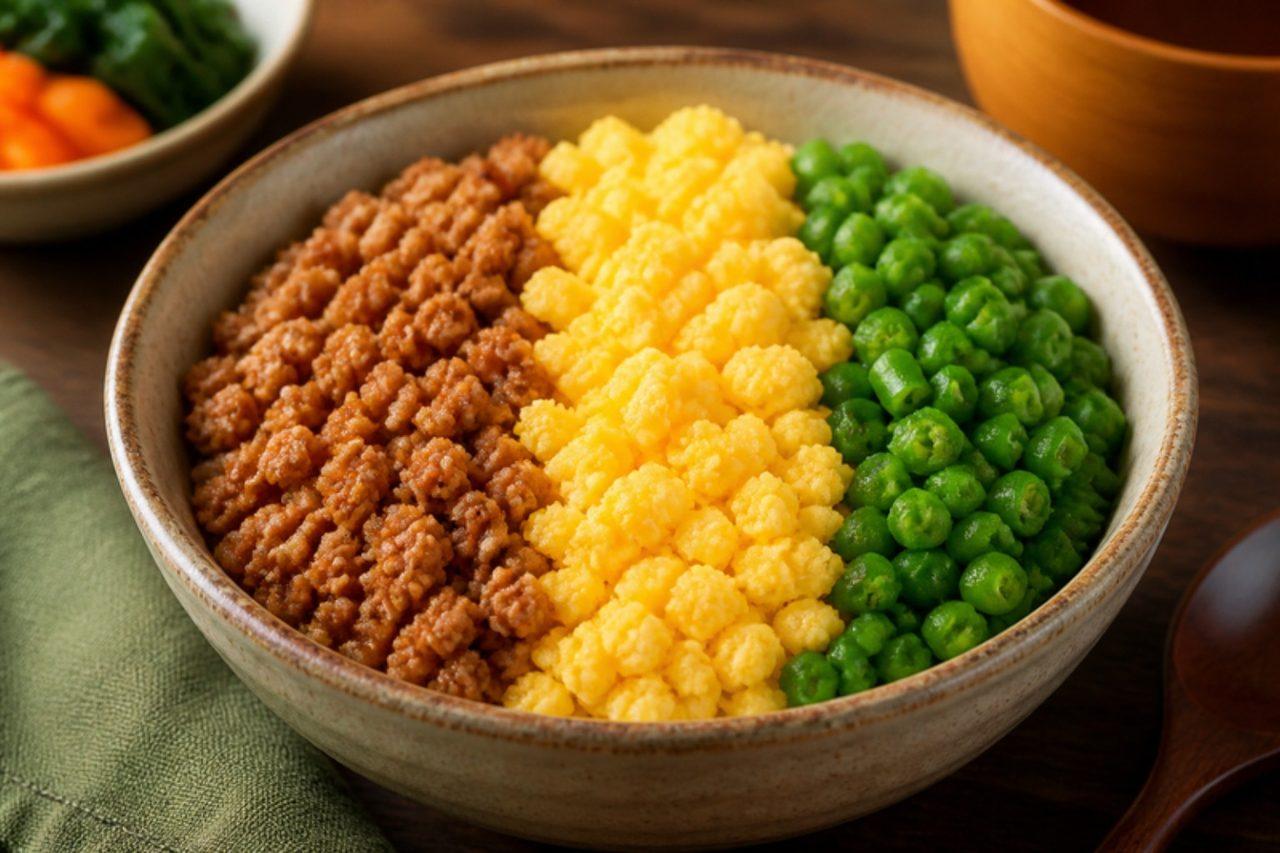
Sanshoku soboro don (three-colour rice bowl)

Japanese mothers have packed sanshoku soboro bento for school trips and sports days for generations: brown soy-simmered chicken mince, yellow sweet scrambled egg and green beans laid in three neat stripes over rice. It is cheap, colourful and loved by children, and it travels well cold. The chicken is cooked with a splash of sake and mirin that simmers right off; use water and a pinch more sugar for an alcohol-free version. The common mistake is clumpy soboro: stir the mince with four chopsticks held together over a low heat from the start, and it breaks into fine, fluffy crumbs. Chicken must reach 74 °C with no pink. Chef's tip: take the eggs off the heat while still slightly wet; they finish cooking in the hot pan and stay soft.

by KrazyBadal 0 views

KkanpunggiGarlic chilli fried chicken

Kkanpunggi is a Korean-Chinese classic from the restaurants of Incheon and Seoul, its name borrowed from the Chinese 'gan peng ji', dry-fried chicken. Bite-sized chicken pieces are fried twice until crunchy, then tossed in a wok with garlic, chillies and a sharp, sweet soy-vinegar sauce that clings without making them soggy. Order it with fried rice or eat it with cold drinks. The marinade uses rice wine, which cooks off completely in the frying; skip it or use water with a little extra ginger for an alcohol-free version. The common mistake is using too much sauce: kkanpunggi should be glazed, not swimming. Chef's tip: let the sauce bubble down to a few sticky spoonfuls before the chicken goes in, then toss for no more than 30 seconds.

by KrazyBadal 0 views

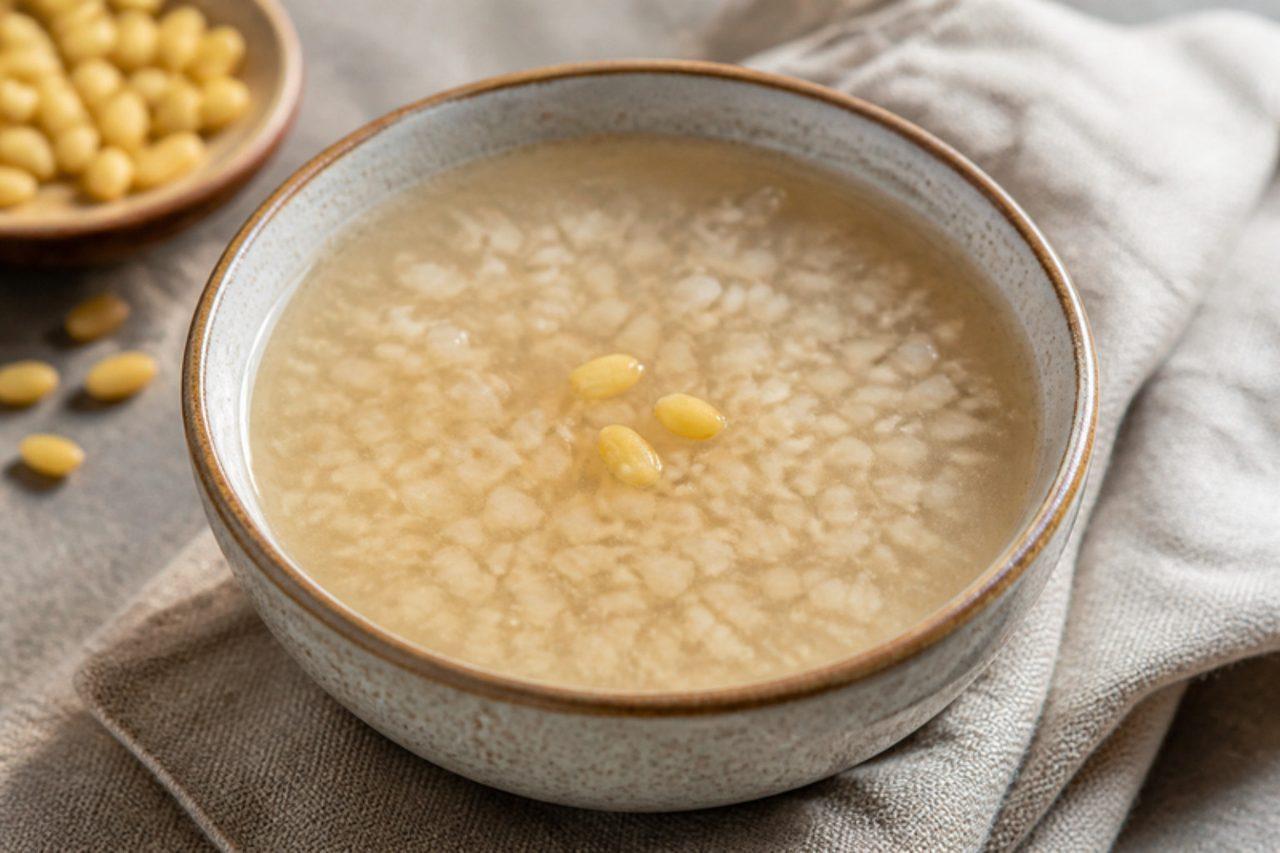
SikhyeSweet rice punch

Every Korean jjimjilbang (bathhouse) sells sikhye in little cans, and every grandmother makes a big pot of it before Seollal and Chuseok to sip after the heavy holiday meal, because it is believed to help digestion. Barley malt water and cooked rice are kept warm for several hours until enzymes turn the rice starch into sugar and the grains float up to the top, then the drink is boiled with ginger and chilled until icy. It is mild, lightly sweet and nutty, with soft rice grains to slurp. The usual mistake is letting it get too hot while it ferments: above about 65 °C the enzymes stop working and the grains never float. Contains barley (gluten). Chef's tip: use the rice cooker's 'keep warm' setting; it holds the perfect temperature on its own.

320 minKoreanDrinksVegan
by KrazyBadal 0 views

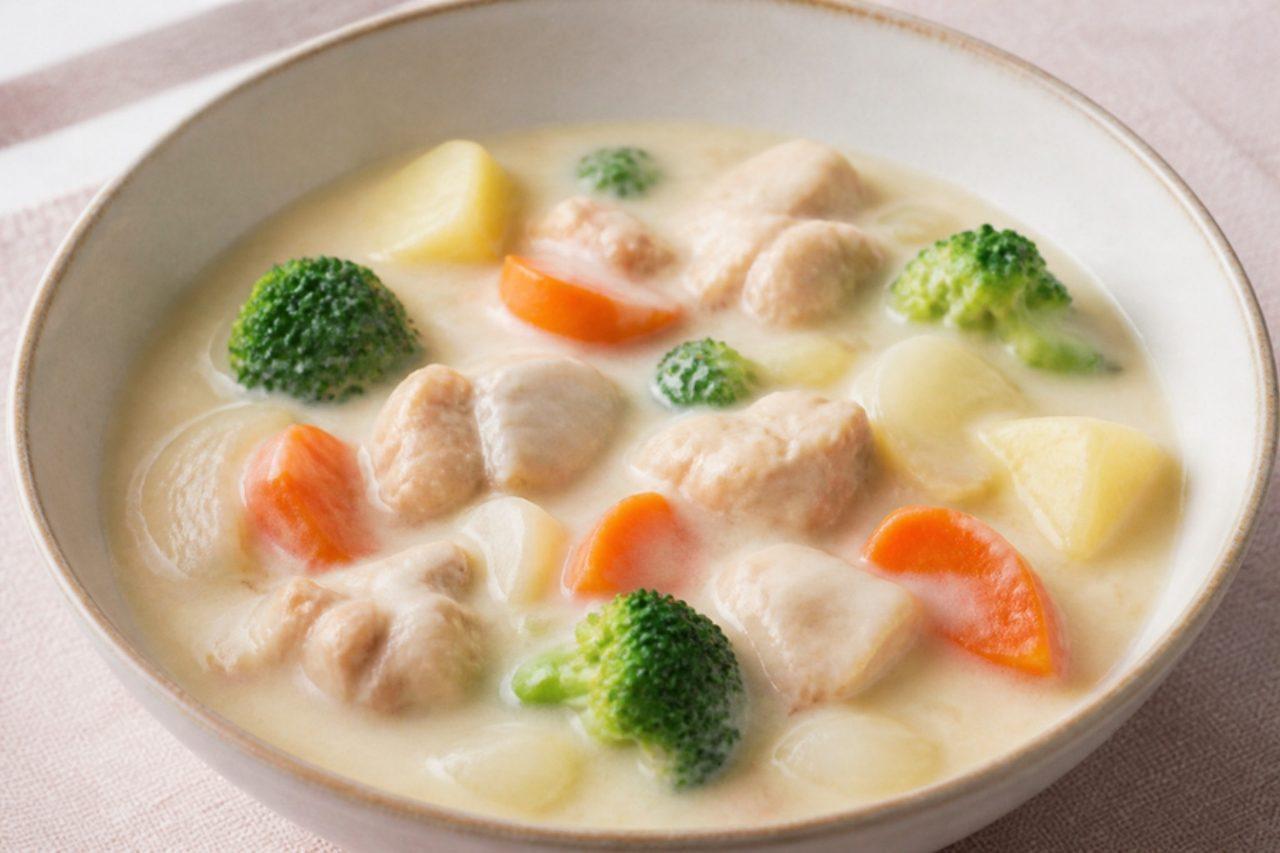
Japanese cream stew (chicken white stew)

When the first cold evenings arrive in Hokkaido, where dairy farming is king, and then across the rest of Japan, home cooks make cream stew: chunks of chicken thigh, potato, carrot and onion simmered in stock and finished with a silky milk sauce, eaten with rice or bread. It was a school lunch favourite after the war and is still one of the gentlest, most child-friendly Japanese dinners. This version makes the roux from scratch instead of using a block. A common mistake is adding cold milk to a fast boil, which can make it split; stir it in over a low heat. Chef's tip: add the broccoli only in the last 3 minutes so it stays bright green.

by KrazyBadal 0 views

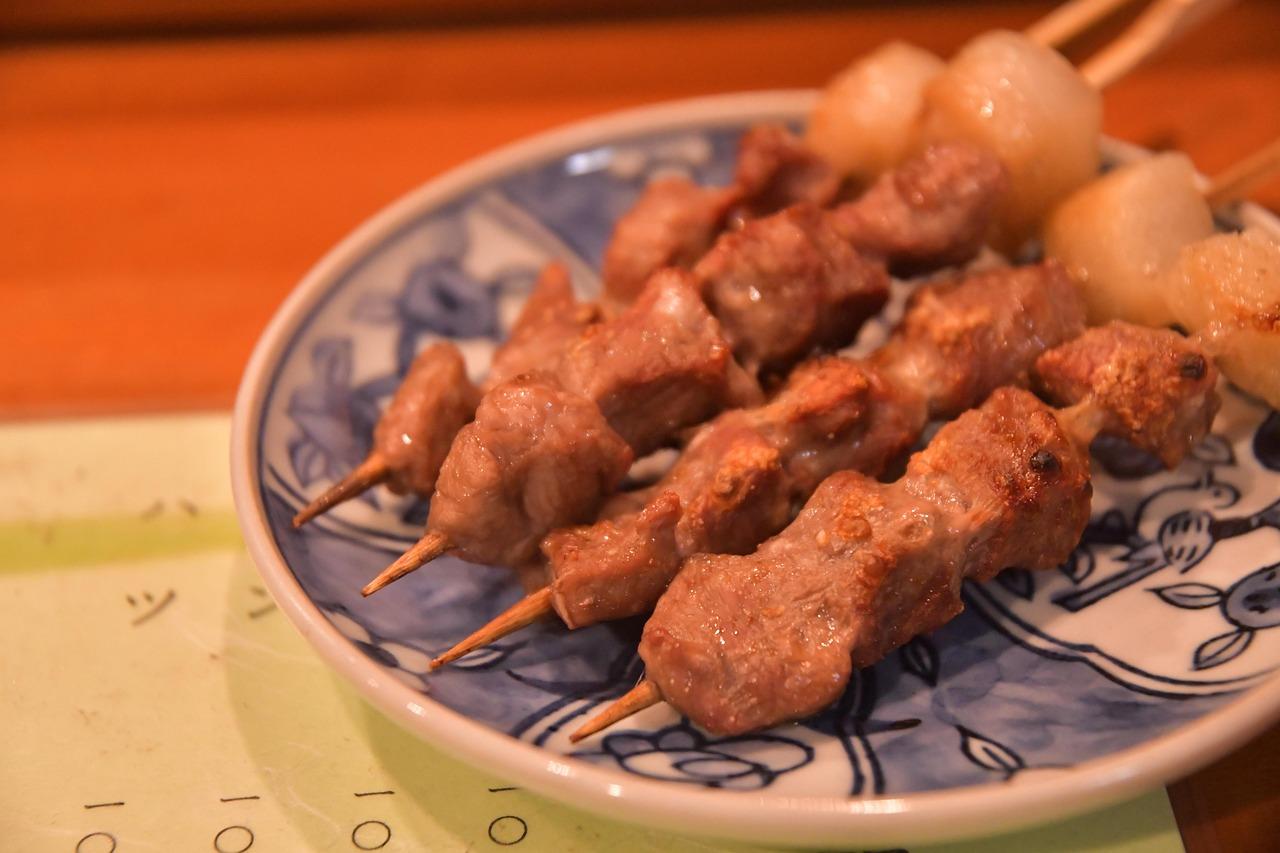
Yakitori (grilled chicken skewers with tare)

Yakitori smoke drifts from the tiny stalls under the railway arches at Tokyo's Yurakucho and around Shinjuku's Omoide Yokocho every evening, where office workers stand shoulder to shoulder eating skewers straight off the charcoal. This recipe makes negima, the classic alternating chunks of chicken thigh and spring onion, brushed with tare, a glaze of soy, mirin, sake and sugar that is boiled down so the alcohol cooks off (use water and extra sugar for an alcohol-free version). An oven grill or barbecue both work. The common mistake is brushing on the glaze from the start, which burns before the chicken is cooked; grill first, glaze at the end. Chef's tip: thread the pieces snugly but not squashed, and keep the skin side on the outside so it crisps.

by KrazyBadal 0 views

Danyachi amtiPeanut curry

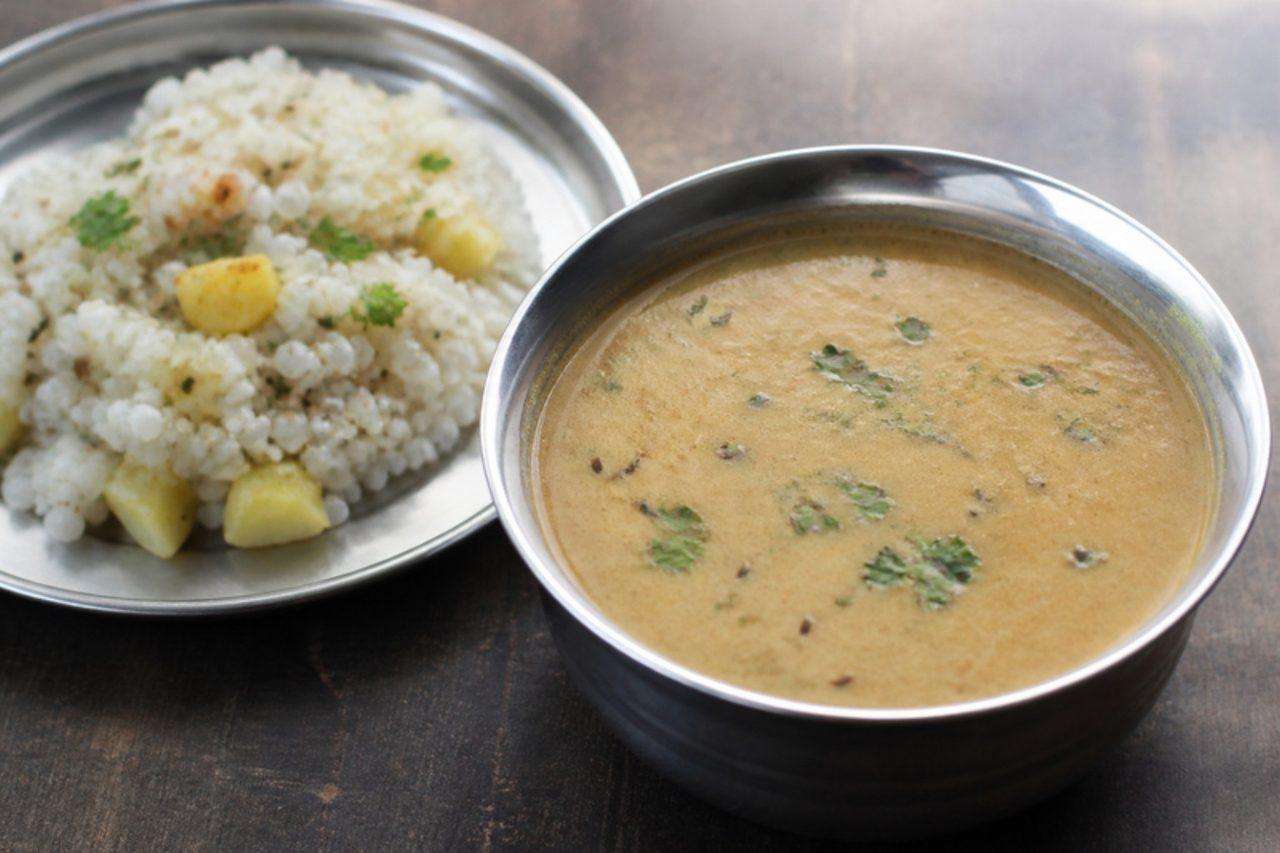
On fast days in Maharashtra, when dal is off the menu, danyachi amti takes its place. Roasted peanuts are ground smooth with green chilli, then simmered with water, a cumin tadka, kokum and a little jaggery into a pale, creamy curry with a sour, slightly sweet and spicy taste. It is ladled over sabudana khichdi or vari tandul (barnyard millet) bhagar, loosening them and adding protein to a fasting meal, and it goes well with upvasachi batata bhaji on the side. Use sendha namak so it suits the fast; ghee is the usual fat in many homes, oil keeps it vegan. It thickens a lot as it stands, so thin it with hot water before serving. Chef's tip: grind the peanut paste really smooth and whisk it into the water before heating; a coarse grind leaves the amti gritty and it splits as it boils.

by KrazyBadal 0 views

Kaju curryCashew curry

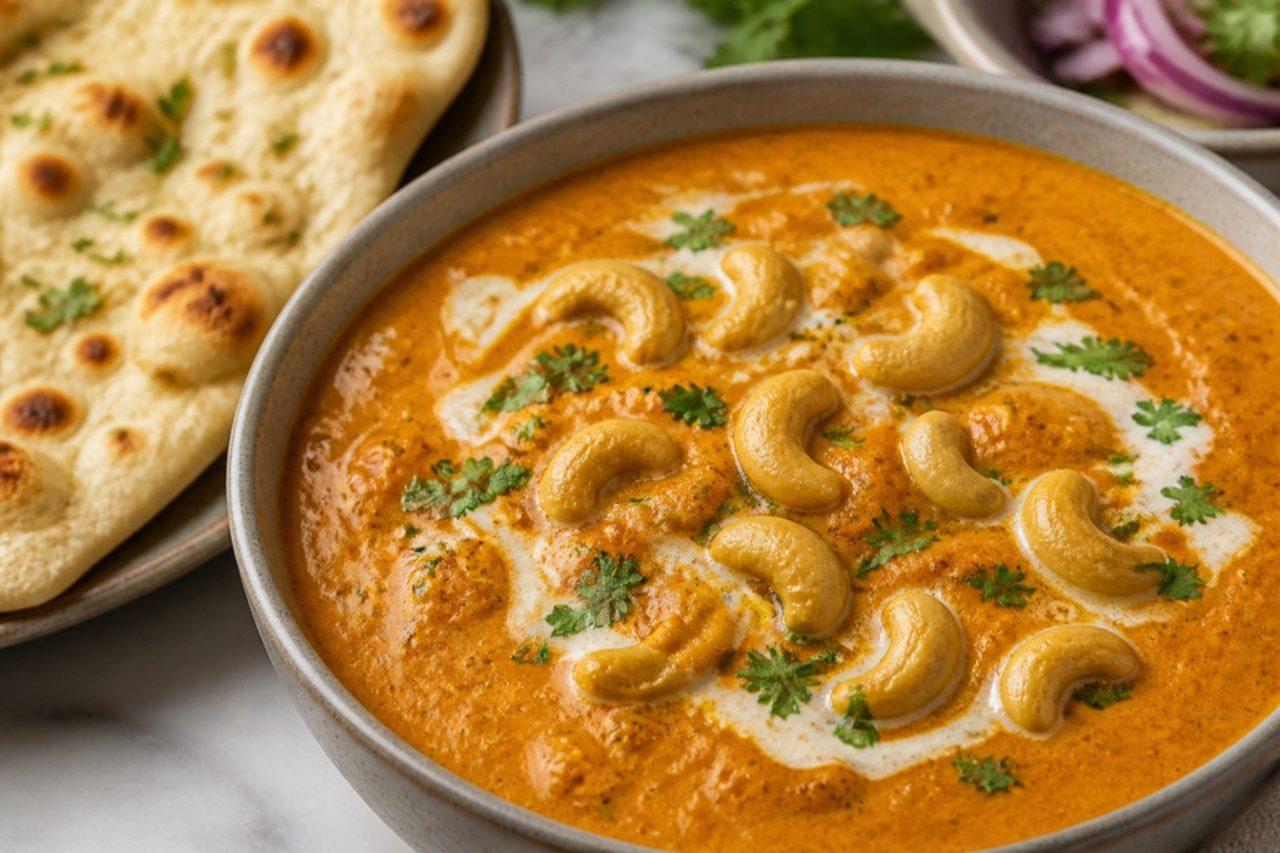
Walk along any wedding buffet in Pune, Mumbai or Ahmedabad and there is usually a chafing dish of kaju curry near the paneer, with guests going back for seconds. Whole cashews are fried in ghee until golden, which makes them crunchy outside and buttery inside, then folded into a rich onion and tomato gravy thickened with more cashews, finished with cream and kasuri methi. The gravy is orange, smooth and rounded with a touch of sweetness; it should taste of roasted nuts and gentle spice, not fire. Gujarati restaurants often serve a spicier Kathiyawadi version, but the wedding style here is the mild one. Eat it with butter naan, tandoori roti or jeera rice. Common mistake: adding the fried cashews too early; they soak up the gravy and turn soft, so fold them in just before serving. Chef's tip: keep a few fried cashews back and scatter them on top at the table so every spoonful has some crunch.

by KrazyBadal 0 views

Navratan kormaNine-jewel vegetable korma

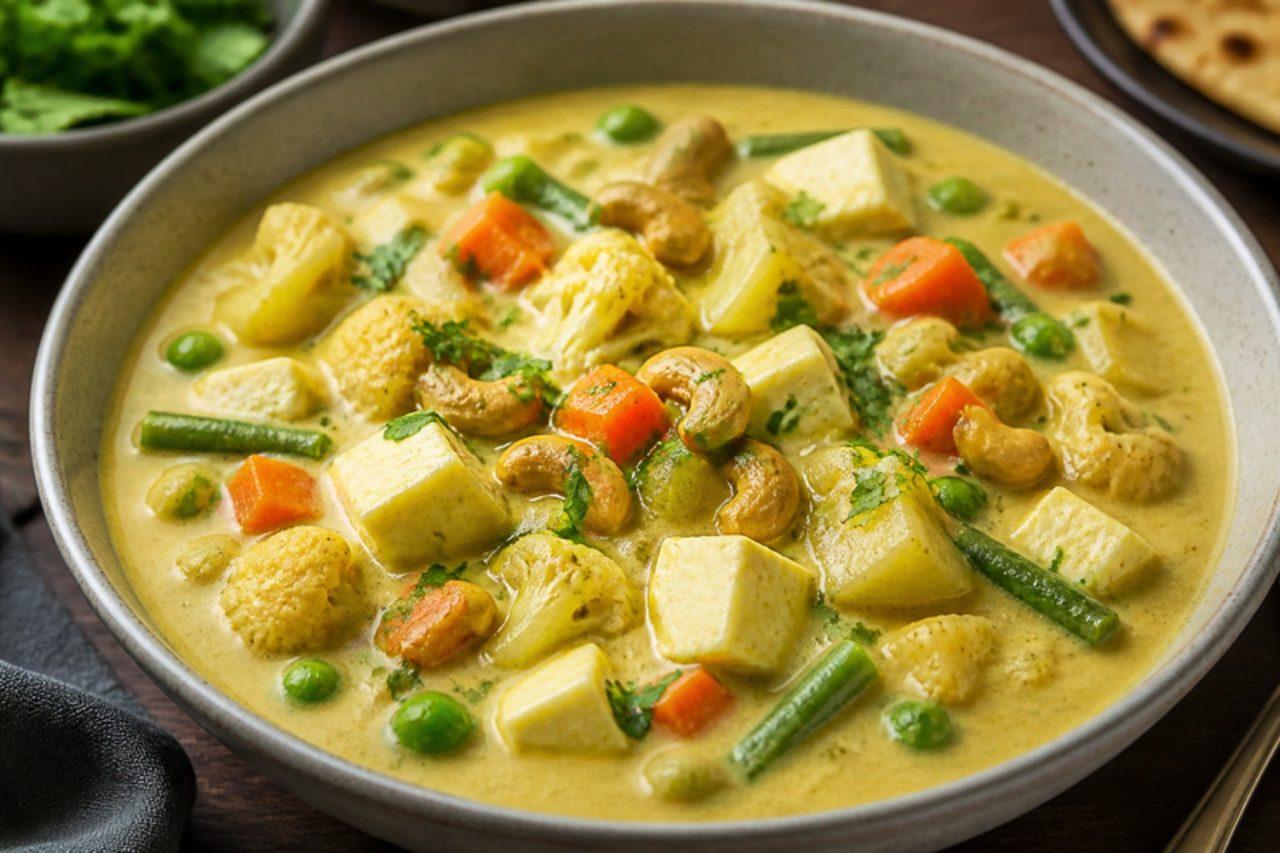
Legend ties the name to the nine gems (navratna) of Akbar's court, and the dish lives up to it: nine kinds of vegetables, paneer, fruit and nuts in an ivory gravy that is mild, rich and a little sweet. It is a fixture of North Indian wedding buffets and restaurant menus, often the one curry children and spice-shy guests head straight for. The gravy is a Mughlai white base, made from onions boiled (not browned) and ground with cashews, cooked gently in ghee with whole spices, yogurt and cream. Each vegetable is cooked separately so it stays bright and holds its shape, and pineapple and raisins go in at the end for little bursts of sweetness. Serve it with jeera rice, naan or laccha paratha and a sharp onion salad on the side. Common mistake: browning the onions; they colour the gravy beige and make it taste like any other curry. Keep the heat gentle once the yogurt is in, so it does not split. Chef's tip: a pinch of white pepper and a drop of kewra water at the end give the restaurant flavour without adding chilli heat.

by KrazyBadal 0 views

Bengali boriSun-dried lentil dumplings

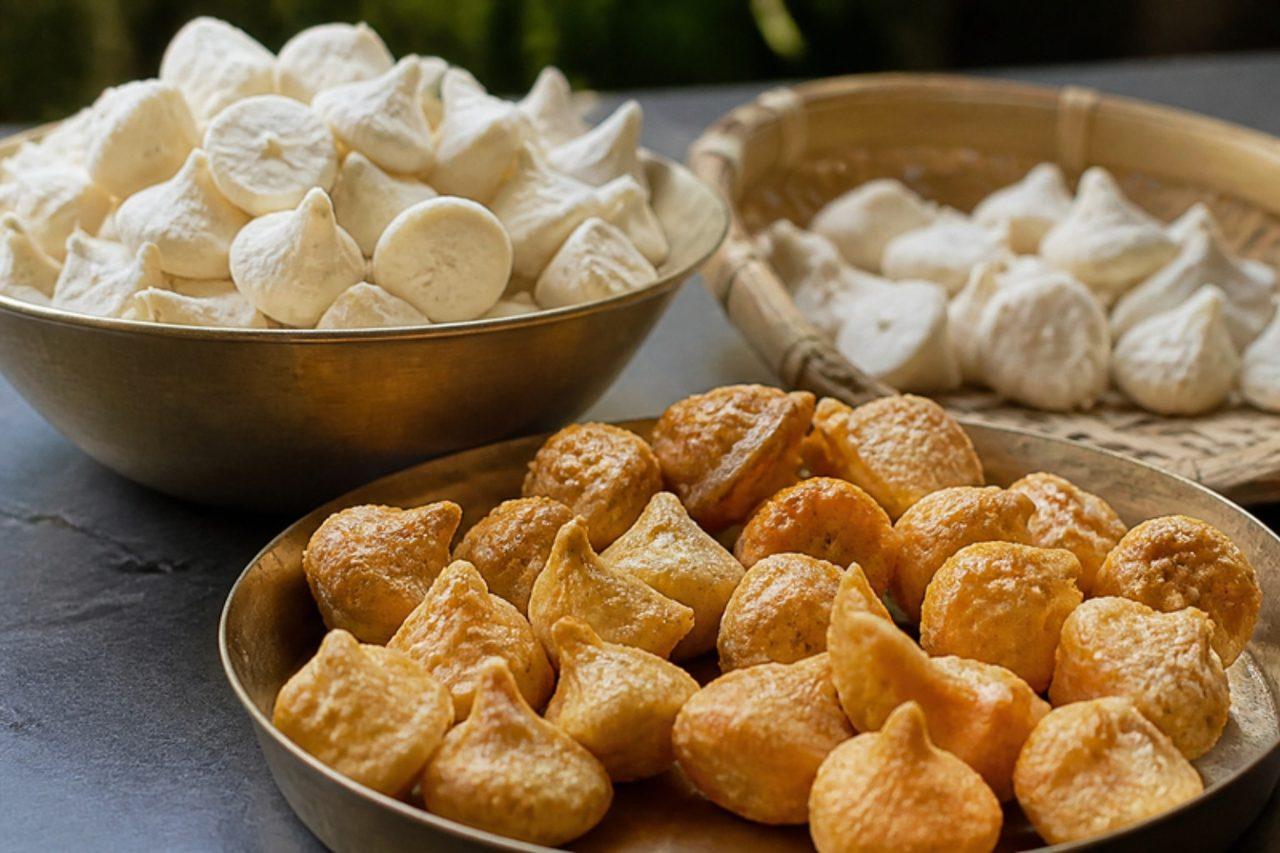
Winter mornings in rural Bengal used to mean bori-making: the household gathered on the roof with a big bowl of freshly ground, hand-whipped urad dal and dropped little peaked dollops onto cloth in neat rows. In Medinipur the women even pipe them into lace-like gohona bori, a folk art of its own. The everyday kind is simpler, a cone the size of a marble, sun-dried until rock hard. Fried in mustard oil, a bori turns crisp and golden outside and slightly spongy inside, and it soaks up gravy beautifully. A handful goes into shukto, into a maacher jhol with potatoes, into lau ghonto (bottle gourd) or into a simple vegetable chorchori. Common mistake: grinding the dal with too much water; the paste then spreads flat on the cloth instead of holding a peak. Chef's tip: check the whipped paste by dropping a little into a bowl of water. If it floats, it has enough air and the bori will be light; if it sinks, keep beating.

by KrazyBadal 0 views

Kali gajar ki kanjiFermented black carrot drink

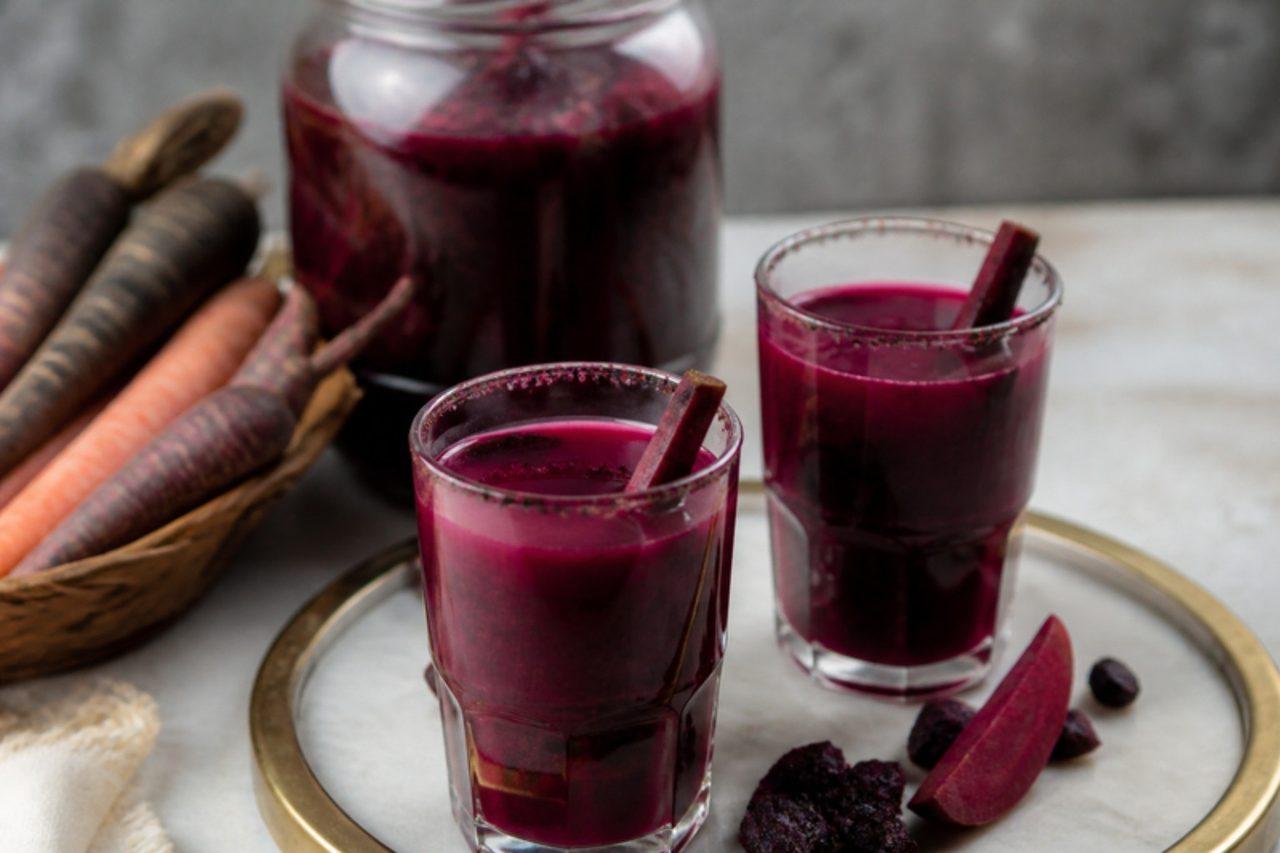
When the last black carrots of winter reach Punjabi and UP markets in February and March, kitchens start a jar of kanji. The carrots are cut into fingers, steeped in water with crushed mustard seed, salt and chilli, and left in the sun for a few days until the liquid turns deep purple, sour and sharp enough to tickle your nose. It is drunk by the glass before meals around Holi as a digestive and a spring tonic, and the soft, tangy carrot sticks are eaten too. The flavour is like a lively pickle brine, earthy from the carrots and peppery from mustard. Use a glass or ceramic jar that you have washed and dried completely, keep the vegetables under the water, stir with a clean dry spoon, and discard if mould or an unpleasant smell appears. Chef's tip: a small beetroot deepens the colour if your carrots are more red than black, but don't overdo it or the kanji tastes earthy and sweet.

by KrazyBadal 0 views

AmchurDry mango powder

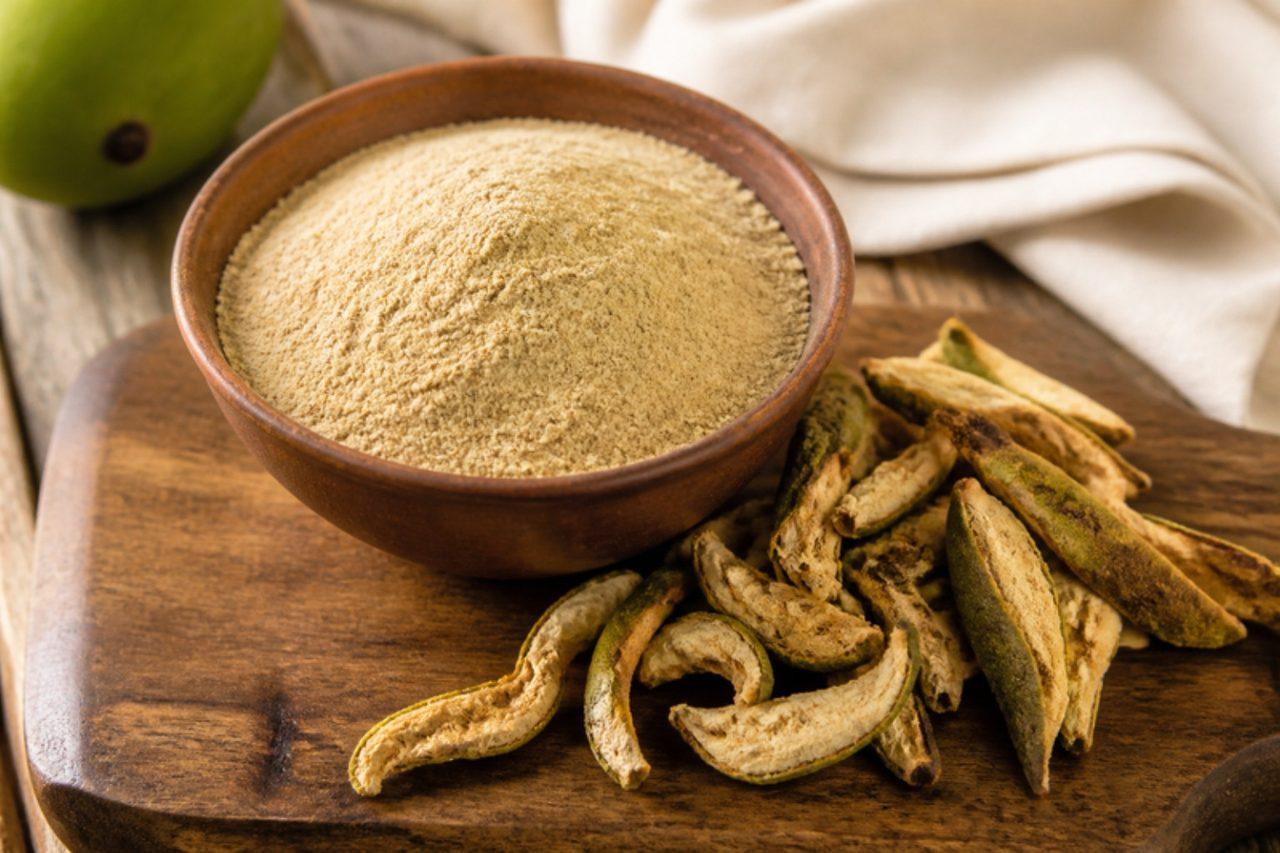
Every Punjabi and UP kitchen keeps a jar of amchur next to the jeera and haldi, and the homemade version smells far fresher and sourer than most shop powder. In villages around Saharanpur and Malihabad, the raw mangoes that fall in early-summer storms are peeled, sliced and spread out to dry, and the brittle slices (amchur khatai) are either stored whole or ground. Amchur gives a fruity, mouth-puckering sourness without any liquid, which is why it goes into dry dishes where tomato or tamarind would make things soggy: bhindi masala, stuffed karela, samosa and kachori fillings, chole, chaat masala and pav bhaji masala. A kilo of mangoes gives roughly 100 g of powder. Common mistake: grinding slices that still bend; even slight moisture makes the powder clump into hard lumps in the jar. Chef's tip: choose small, rock-hard, very sour green mangoes with white flesh, not ones starting to turn yellow; riper fruit dries into a brown, sweetish powder.

by KrazyBadal 0 views

Lentilles de CilaosMountain lentils

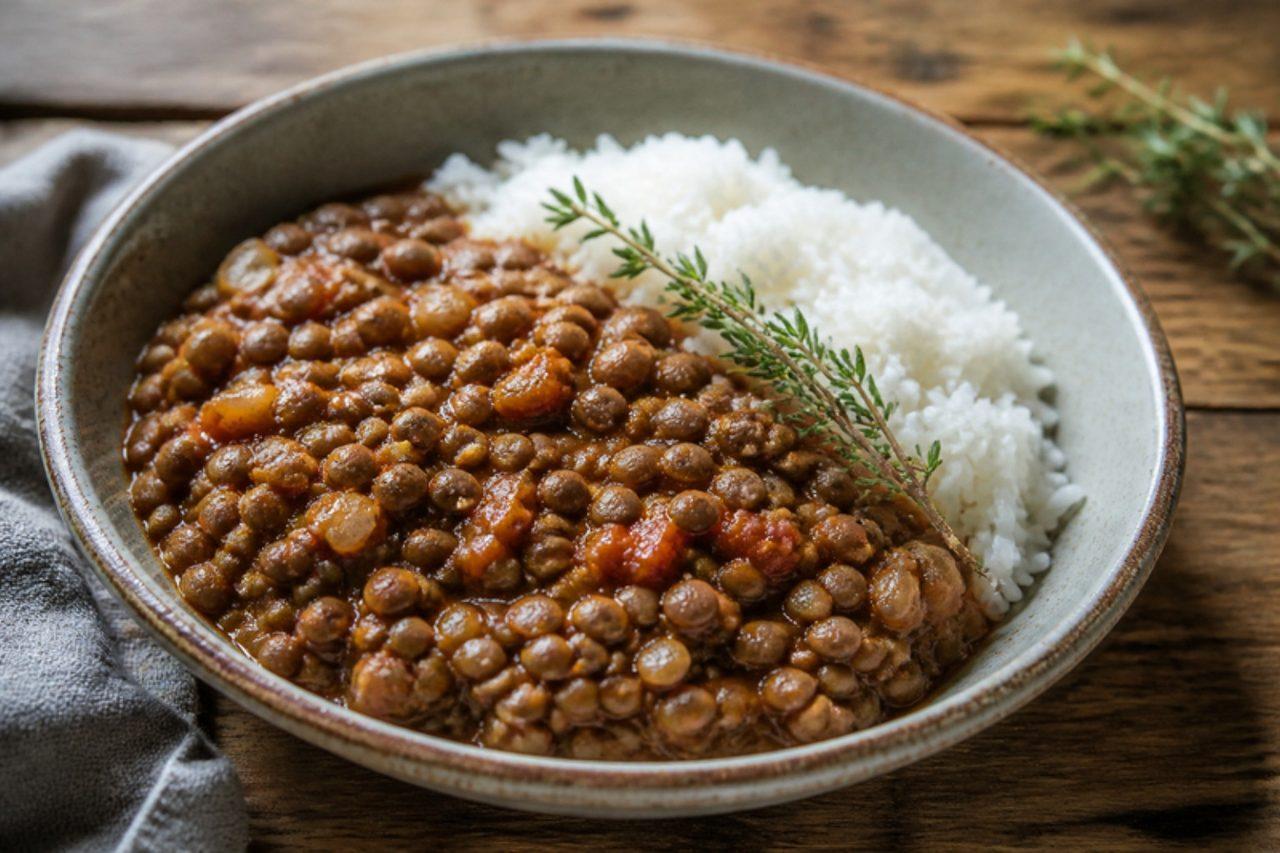
High in the volcanic cirque of Cilaos, farmers grow tiny brown-green lentils on terraces, and the whole island prizes them: they hold their shape, taste nutty and mineral, and turn up beside every kind of cari, with a mound of white rice and a spoon of rougail. The village holds a lentil festival each autumn, and a pot of lentilles is a fixture of family Sunday lunches across Réunion. Outside the island, use small French green or brown lentils, which behave in the same way. Don't let them boil hard; a fierce boil splits the skins and turns the pot into mush, so keep it at a gentle bubble. Chef's tip: take the time to brown the onions properly before the lentils go in, because that slow, sweet browning is what gives the sauce its depth.

by KrazyBadal 0 views

Cari ti jacquesYoung jackfruit curry

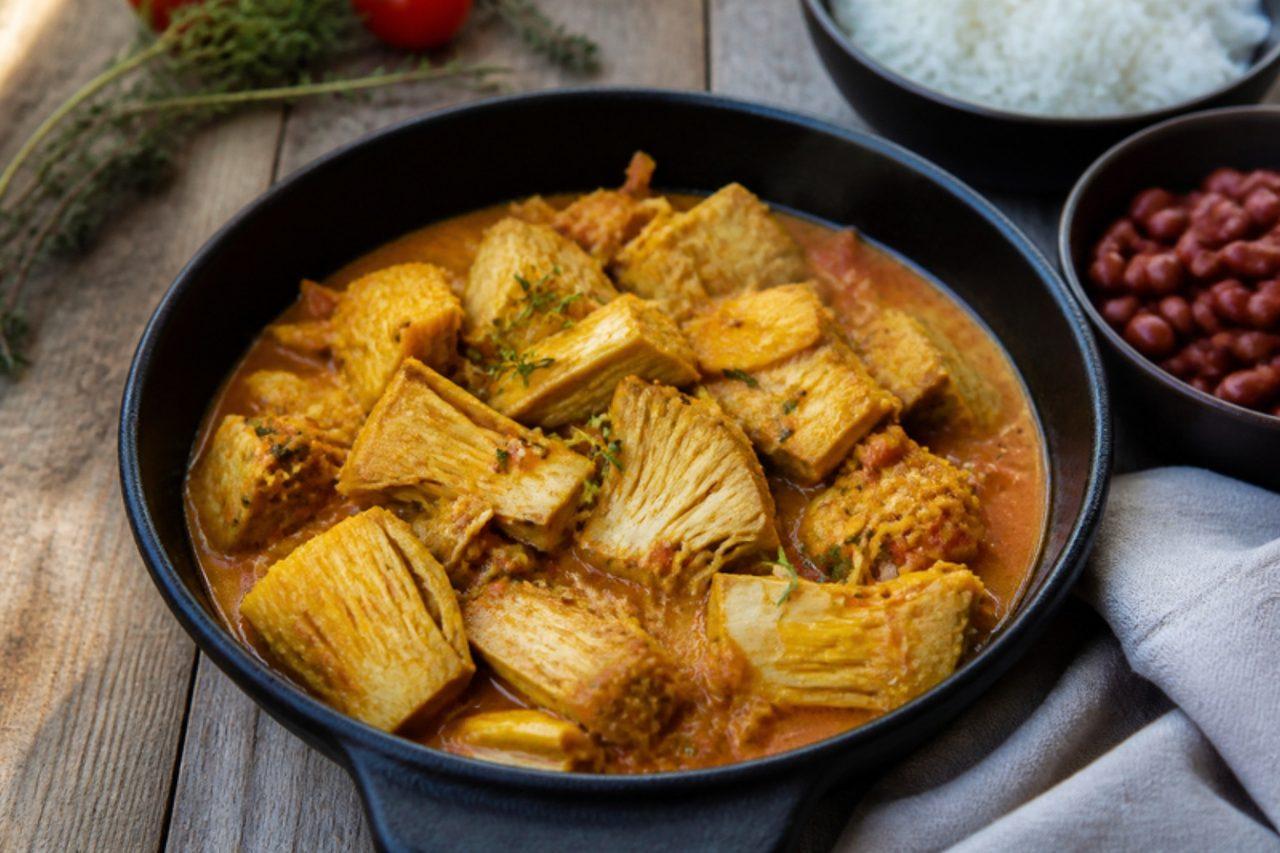
When the jackfruit trees around Saint-Louis and Saint-Joseph drop their small green fruit, Réunion cooks turn them into cari ti jacques, long-simmered until the flesh shreds into soft, meaty strands soaked in turmeric, tomato, garlic and thyme. The island's classic version is cooked with smoked pork, but this one leaves the meat out entirely and lets the tomato and slow cooking carry it, with a pinch of smoked paprika for the smoky note. Serve it with white rice, beans or lentils and a sharp rougail. The common mistake is stopping too early: jackfruit that is only just tender tastes rubbery, and it needs a full hour for the pieces to fall apart when pressed. Chef's tip: if you use tinned young jackfruit, rinse it well and squeeze it gently, as the brine tastes sour and metallic.

by KrazyBadal 0 views

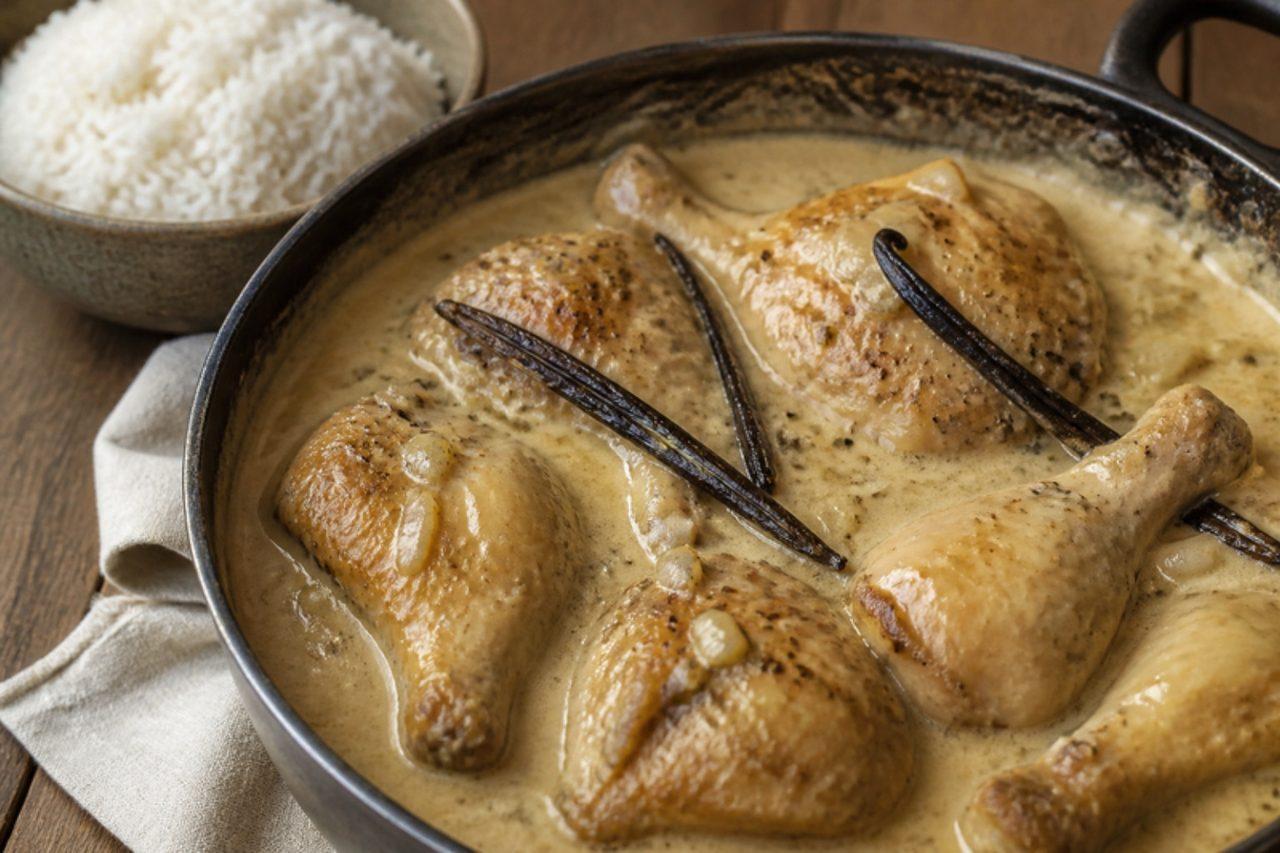
Poulet à la vanilleVanilla chicken

The east coast around Saint-André and Bras-Panon grows the island's famous Bourbon vanilla, and this gentle braise is how families there show it off when guests come for lunch. Chicken pieces are browned with onion, garlic and ginger, then simmered with split pods until the sauce smells of warm vanilla, and a spoon of cream at the end turns it pale gold and silky. It is savoury, not sweet, with the vanilla rounding out the onion. Serve it with white rice and a simple green salad. A common mistake is scraping out the seeds and throwing the pod away: most of the flavour is in the pod, so simmer it in the sauce. Chef's tip: never let the sauce boil once the cream is in, or it can split; keep it just below a simmer.

by KrazyBadal 0 views

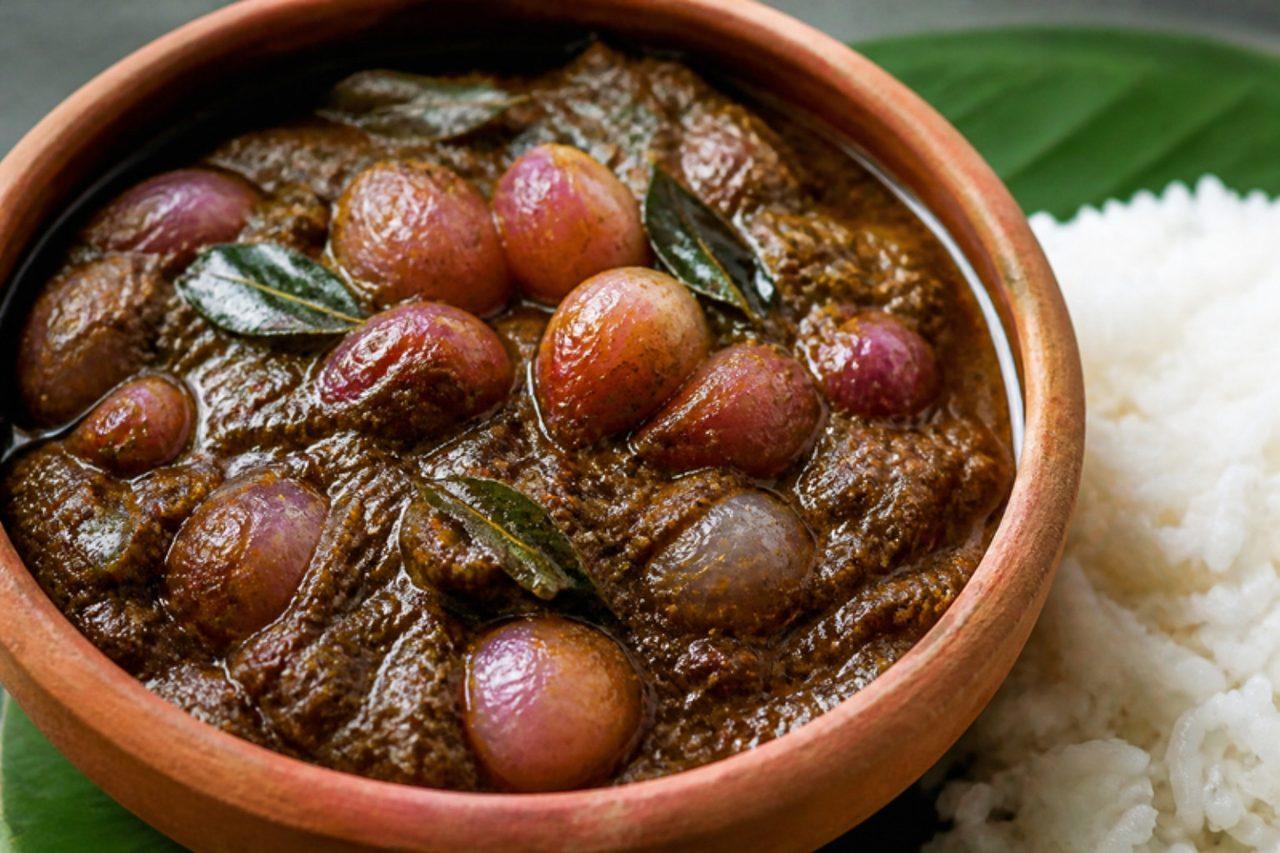
Ulli theeyalShallots in roasted coconut gravy

Theeyal comes from the word for burnt, and the colour gives it away: grated coconut and coriander seeds are roasted together in a dry pan until deep brown, then ground into a paste that turns a sour tamarind gravy almost black. Ulli (shallot) theeyal is the version most Malayali grandmothers make for Onam and for ordinary weekday lunches in Palakkad and Thrissur, with dozens of whole small onions softened in coconut oil until sweet. It tastes smoky, sour and slightly sweet all at once, and it is thick enough to cling to rice. Serve with hot matta rice, a thoran and papadam. The mistake everyone makes once is burning the coconut: it must be roasted on a low flame and taken off when it is the colour of strong coffee, never black. Gluten-free with gluten-free asafoetida. Chef's tip: grind the roasted coconut while it is still warm, so the oil releases and the paste turns smooth and glossy.

by KrazyBadal 0 views

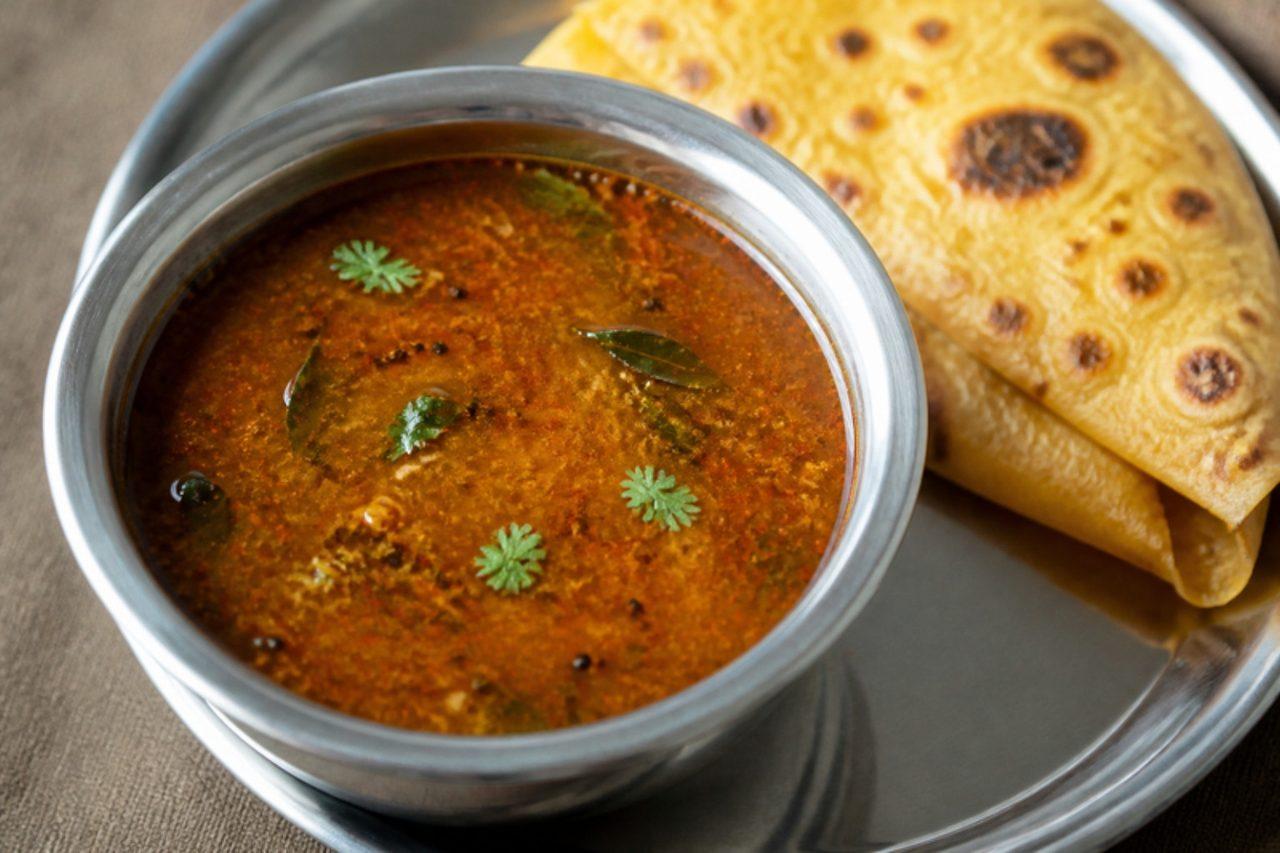
Katachi amtiSweet-sour chana dal stock curry

When Maharashtrian homes cook chana dal for the puran on Holi, the cooking liquid is drained off before the dal is sweetened, and nothing goes to waste: that starchy, nutty stock, the kat, becomes katachi amti. Tempered with mustard, cumin and curry leaves, then simmered with roasted dry coconut, goda masala, tamarind and jaggery, it turns into a thin, hot, sweet-and-sour dal that is poured over puran poli or drunk from a bowl alongside it. The spice balances the rich sweet bread perfectly, which is why the two always appear together on Holi and Gudi Padwa thalis. If you are not making puran poli, cook 150 g chana dal in 1 litre of water until soft, drain off the liquid for this and use the dal for something else. Use gluten-free asafoetida and a goda masala made without wheat for a gluten-free amti. Chef's tip: keep it thin, like rasam; it is meant to soak into the poli, not sit on it.

by KrazyBadal 0 views

MoshOat and milk drink

In Guatemalan homes, mosh is what a mother hands a child on a chilly highland morning in Quetzaltenango or Huehuetenango: rolled oats cooked long and thin with water, milk, cinnamon and sugar, so it's drunk from a mug rather than eaten with a spoon. The common mistake is making it too thick like porridge; it should pour easily, so keep adding hot milk or water as the oats swell. Chef's tip: whisk it hard for a minute at the end; it breaks up the oats and makes the drink smooth and frothy.

by KrazyBadal 0 views

Beijing douzhiFermented mung bean drink

Douzhi is the most famous acquired taste in Beijing: a hot, grey-green, sour drink made from the liquid left when mung beans are ground for starch, then fermented. Old Beijingers sip it at breakfast with crisp jiaoquan rings and shredded salted mustard pickles, and visitors either love it or never try it twice. At home you make a small batch by blending mung beans, settling out the starch and fermenting the cloudy water for a day. The mistake is letting it boil hard: it separates into watery and thick layers, so keep it at a gentle bubble. It must smell cleanly sour like yogurt; throw it away if it smells rotten, has mould, or turns pink or slimy. Chef's tip: stir it continuously as it heats and add a splash of the thinner liquid at the end, which keeps the classic smooth, slightly thick texture.

1440 minChineseDrinksVeganGluten free
by KrazyBadal 0 views

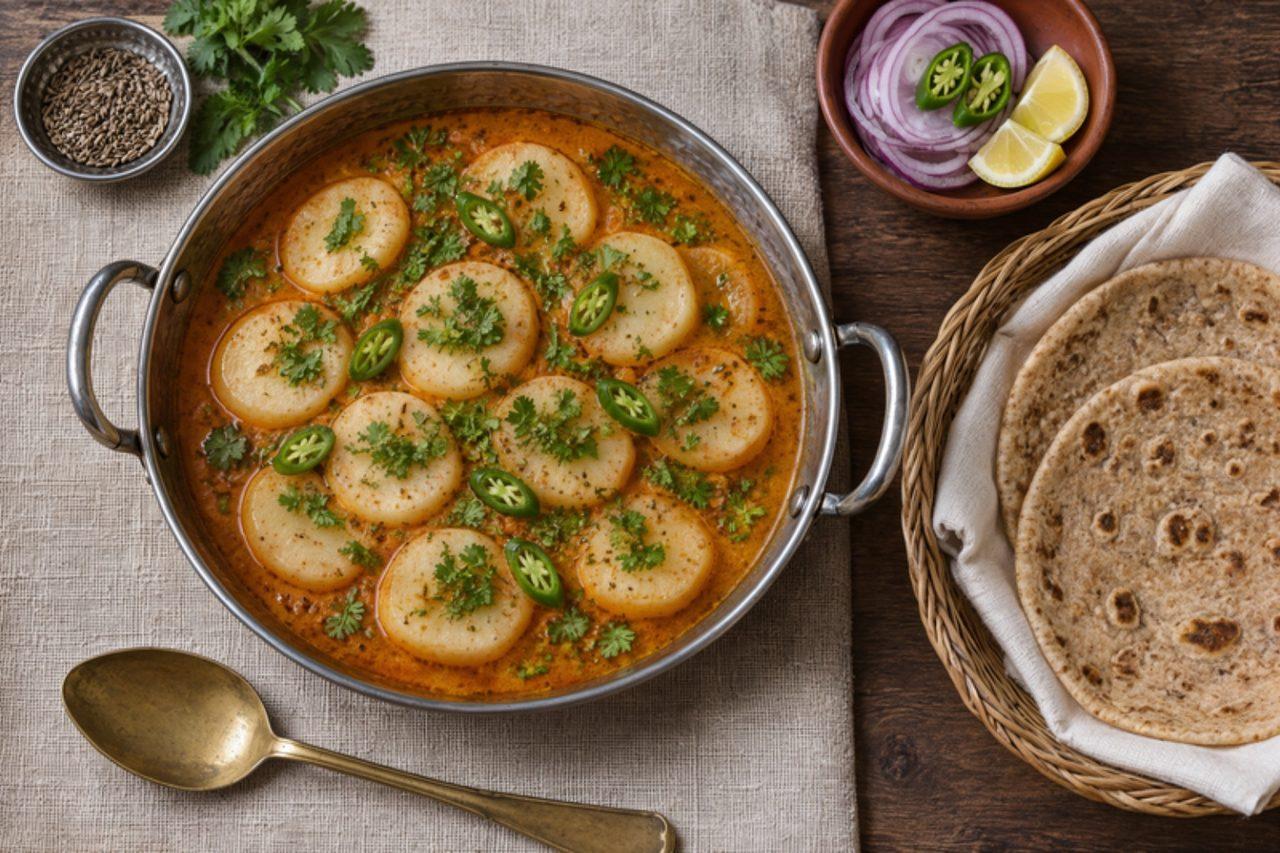
Arvi ka salanColocasia in tangy gravy

Arvi ka salan is a Lahore and Karachi home curry, cooked on weekday evenings when the vegetable seller has a basket of small, hairy colocasia roots. The roots are boiled, peeled and simmered in a loose, sour gravy of onion, tomato, ajwain and a squeeze of lemon, so the slightly slippery arvi soaks up the spice and turns creamy at the centre. Eat it with hot roti or plain rice and a little raw onion. The usual mistake is undercooking the arvi: half-cooked colocasia leaves an itchy, scratchy feeling in the throat, so it must be soft all the way through. Chef's tip: once the boiled arvi is peeled, press each piece flat with your palm before it goes into the gravy, so the rough edges thicken the sauce.

by KrazyBadal 0 views

Showing 24 of 1,174 recipes

Show more recipes

Page 1 of 49