Skip to content
Recipes

All recipes

Vegetarian, or something you can't eat? Set your diet once and we'll hide recipes that don't fit.

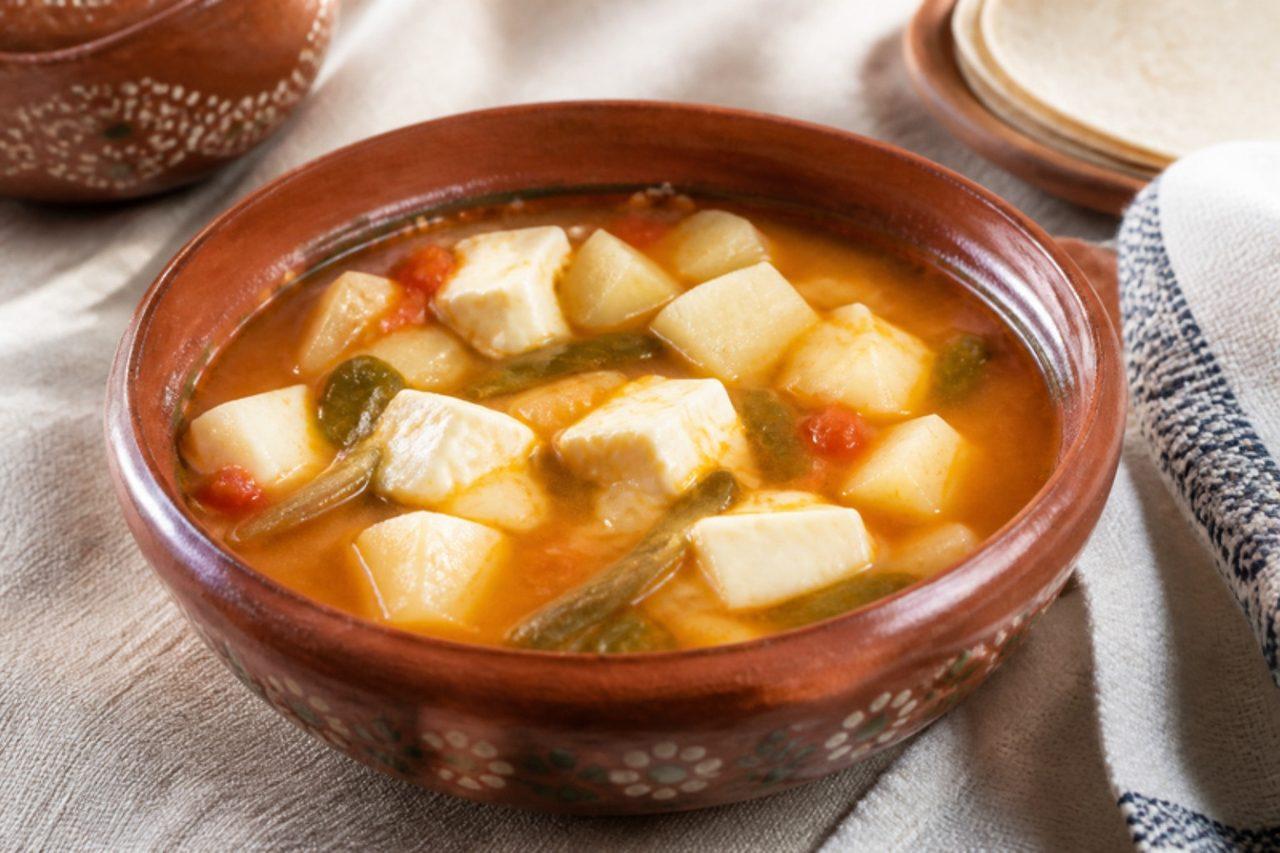
Caldo de queso sonorense (Sonoran cheese soup)

In Hermosillo and across Sonora, caldo de queso is the soup cooked on cool desert evenings: a light tomato broth with potato and strips of roasted green Anaheim chile, poured over cubes of fresh cheese that soften into chewy, milky pieces in the bowl. It is eaten with flour tortillas, Sonora's own, and a squeeze of lime. The common mistake is boiling the cheese in the pot, where it melts into strings and sticks to the bottom; add it at the end, off the boil. Queso fresco and Oaxaca cheese are often made with animal rennet, so look for a vegetarian queso fresco, or use paneer, which keeps its shape the same way. Chef's tip: blister the chiles in a dry pan until black, then sweat them in a bowl under a plate for 5 minutes and the skins slip off.

by KrazyBadal 0 views

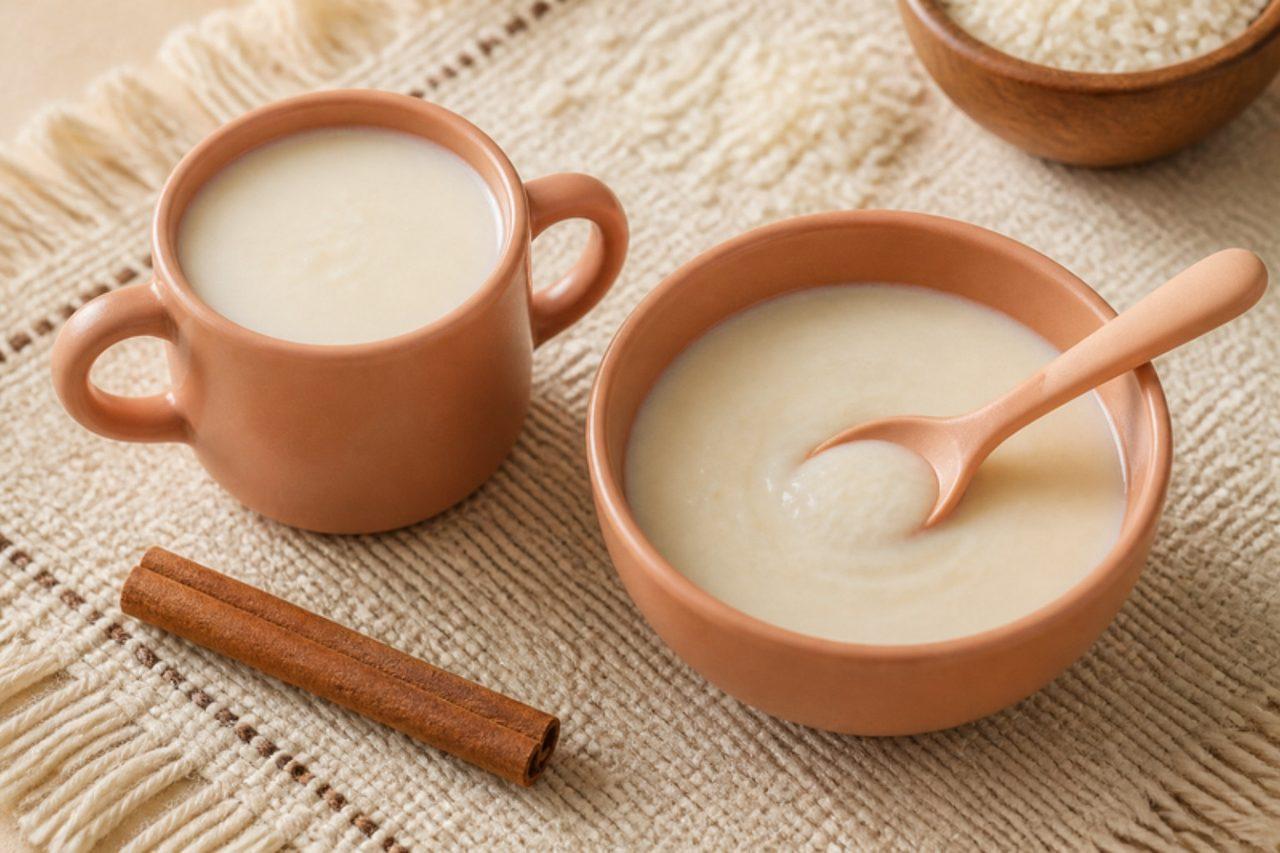
Rice atole for babies (atole de arroz)

Atole is the warm, thick drink Mexicans have sipped since before the conquest, and in many homes the first version a baby tastes is atole de arroz, ground rice cooked with a stick of true cinnamon. For grown-ups it is sweetened with piloncillo and drunk at breakfast or on cold evenings around Día de Muertos; for babies the sugar stays out and it is thickened enough to eat from a spoon. It contains milk; there is no egg, gluten, nuts, soya, sesame or fish. Chef's tip: grind the rice yourself in a spice grinder; shop-bought rice flour works, but freshly ground rice tastes sweeter.

by KrazyBadal 0 views

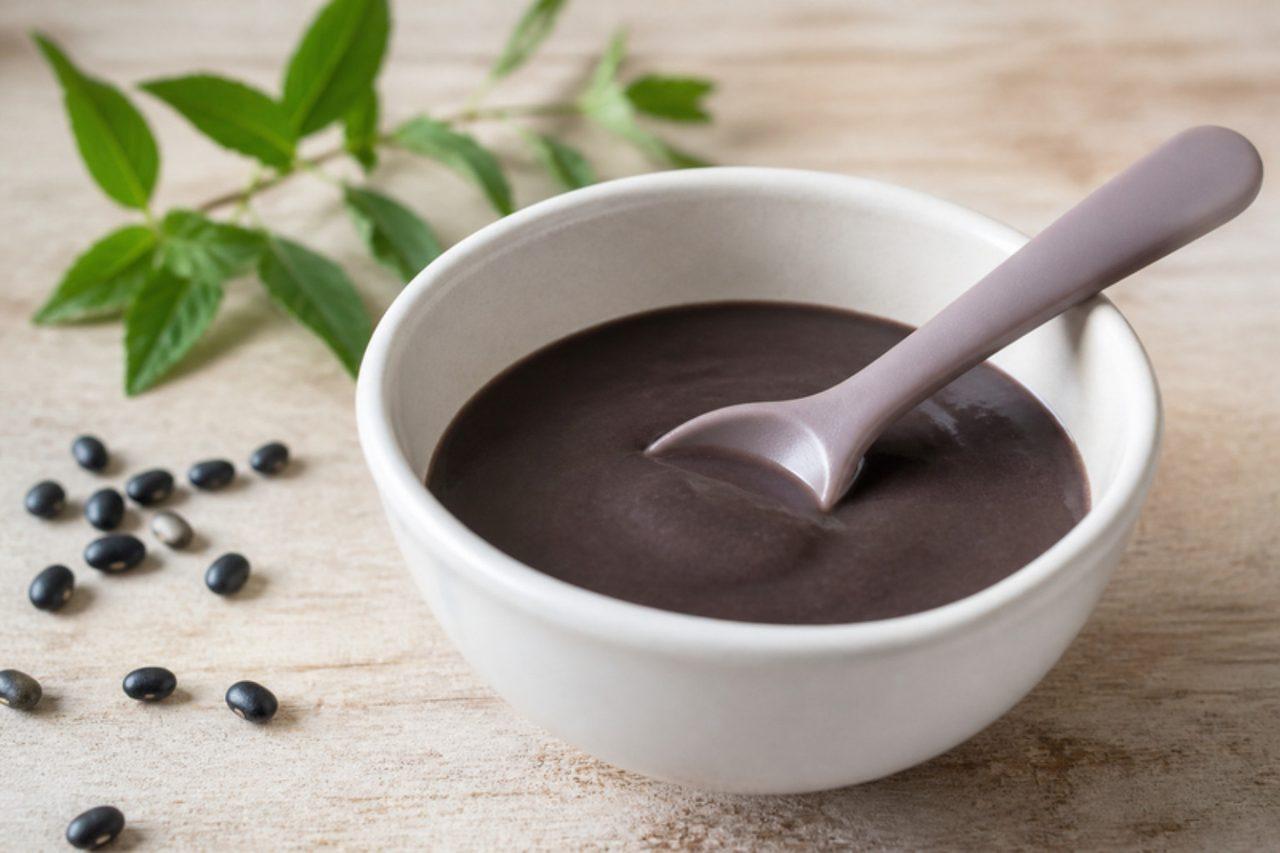
Bean broth for babies (caldito de frijol)

Mexican families nearly always have a pot of frijoles de la olla on the stove, and before the salt goes in a cup of caldito is set aside for the baby. Black or pinto beans are cooked slowly with a piece of onion until they collapse; the broth is offered first on its own and, a week or two later, thickened with the sieved bean flesh into a smooth, earthy purée. Families from Oaxaca to Monterrey give it at midday, the time of the main meal. It has none of the common allergens (milk, egg, gluten, peanut, tree nuts, soya, sesame, fish). Chef's tip: soak the beans overnight and change the water; they cook more evenly and are easier on small tummies.

130 minMexicanSoupsVeganGluten free
by KrazyBadal 0 views

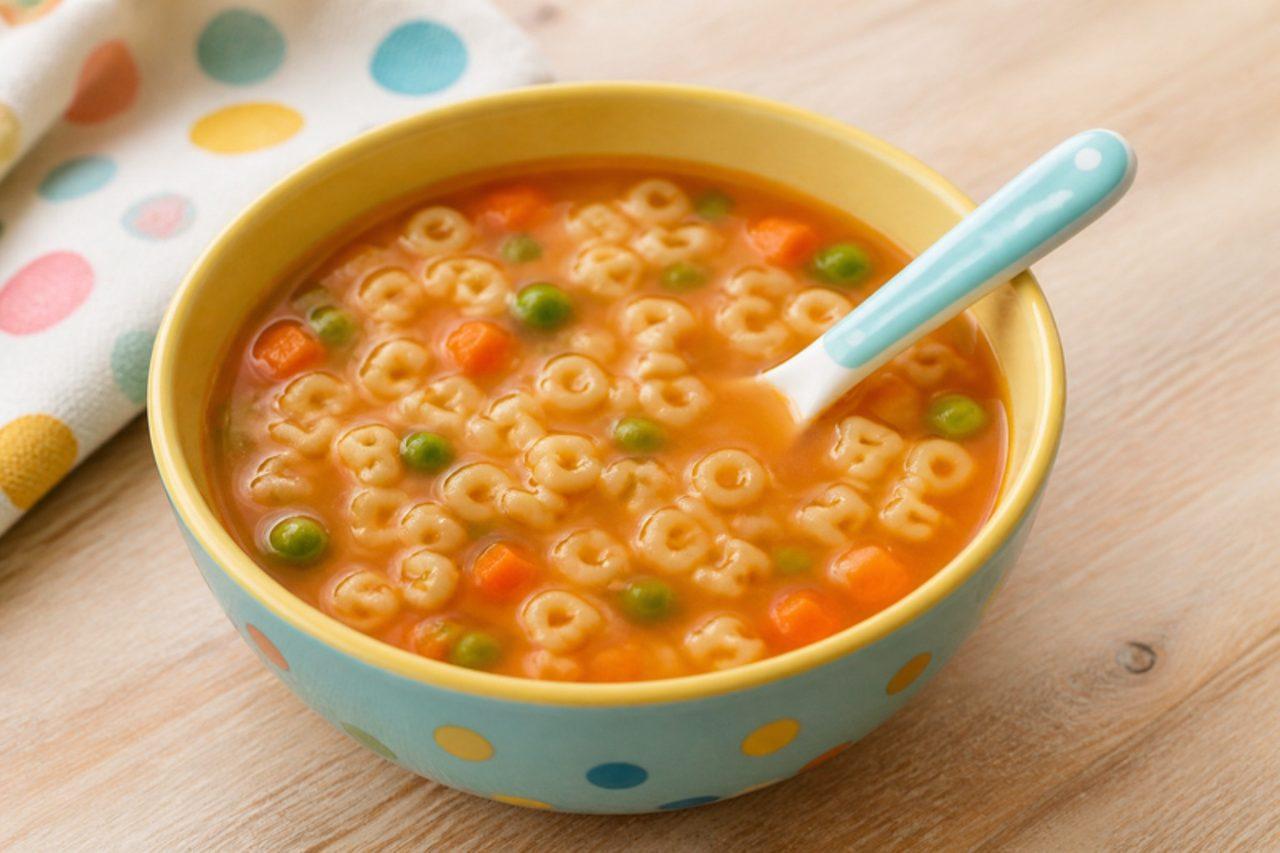
Sopa de letras (Mexican alphabet soup)

Sopa de letras is the soup almost every Mexican child grows up on, served as the 'sopa aguada' course at the midday meal: tiny letter-shaped pasta, toasted golden in oil, then simmered in a broth of blended tomato, onion and garlic with soft diced carrot. For toddlers it is made with a no-salt vegetable stock, so the sweetness of the tomato comes through. It contains gluten (wheat); it has no milk, egg, nuts, soya, sesame or fish. Chef's tip: toast the pasta until it smells nutty and turns light gold; that is where the flavour comes from.

by KrazyBadal 0 views

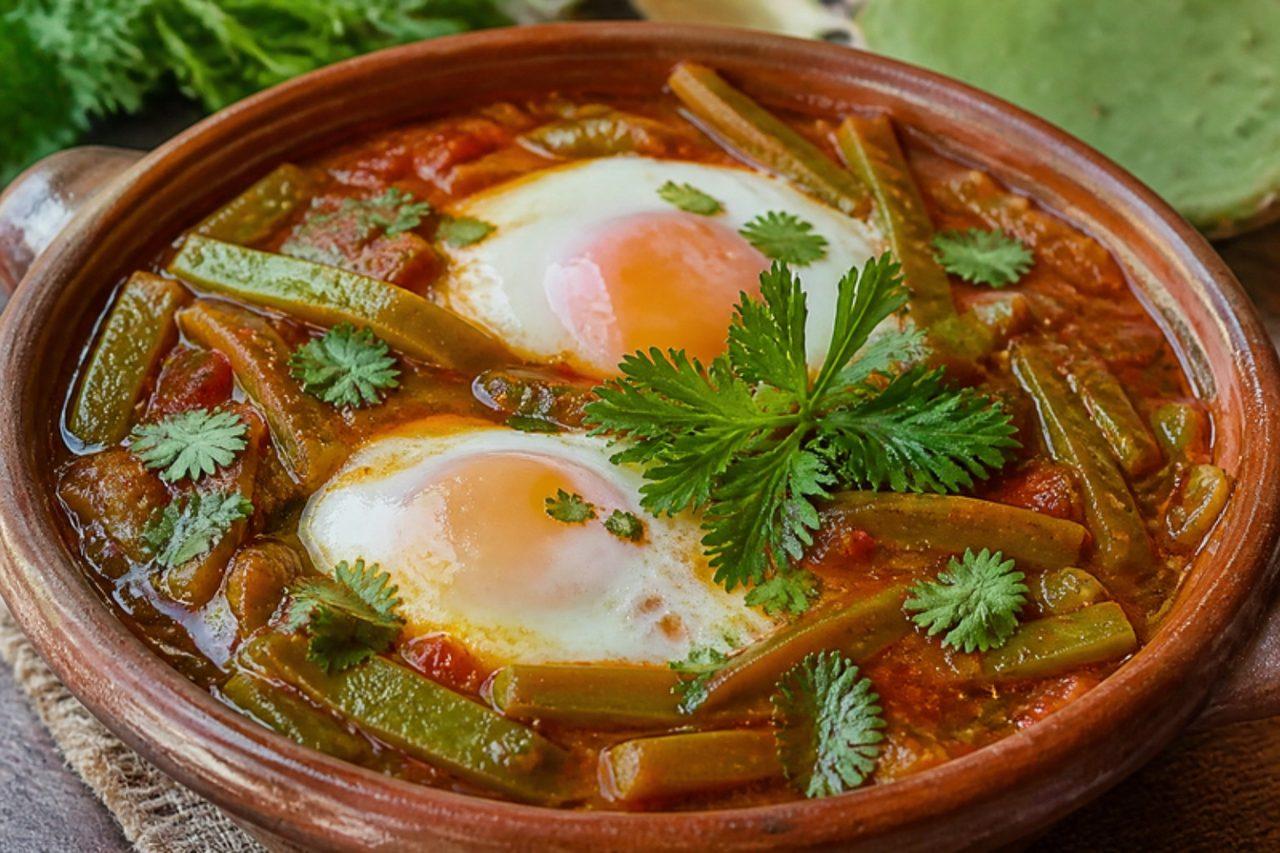
Nopales navegantesCactus in chilli broth with eggs

The name means 'sailing cactus', for the strips of nopal floating in a light red broth, and the dish is a standby of Lent in Hidalgo and the State of Mexico, when cooks want something warming and meatless. Eggs are cracked straight into the simmering caldo to poach, and the bowl is finished with fresh cheese, coriander and lime. It is light, cheap and ready in about forty minutes. Use a vegetarian cheese if you avoid animal rennet. Chef's tip: boil the nopales separately first and rinse well, so their slippery juice doesn't thicken the broth.

by KrazyBadal 0 views

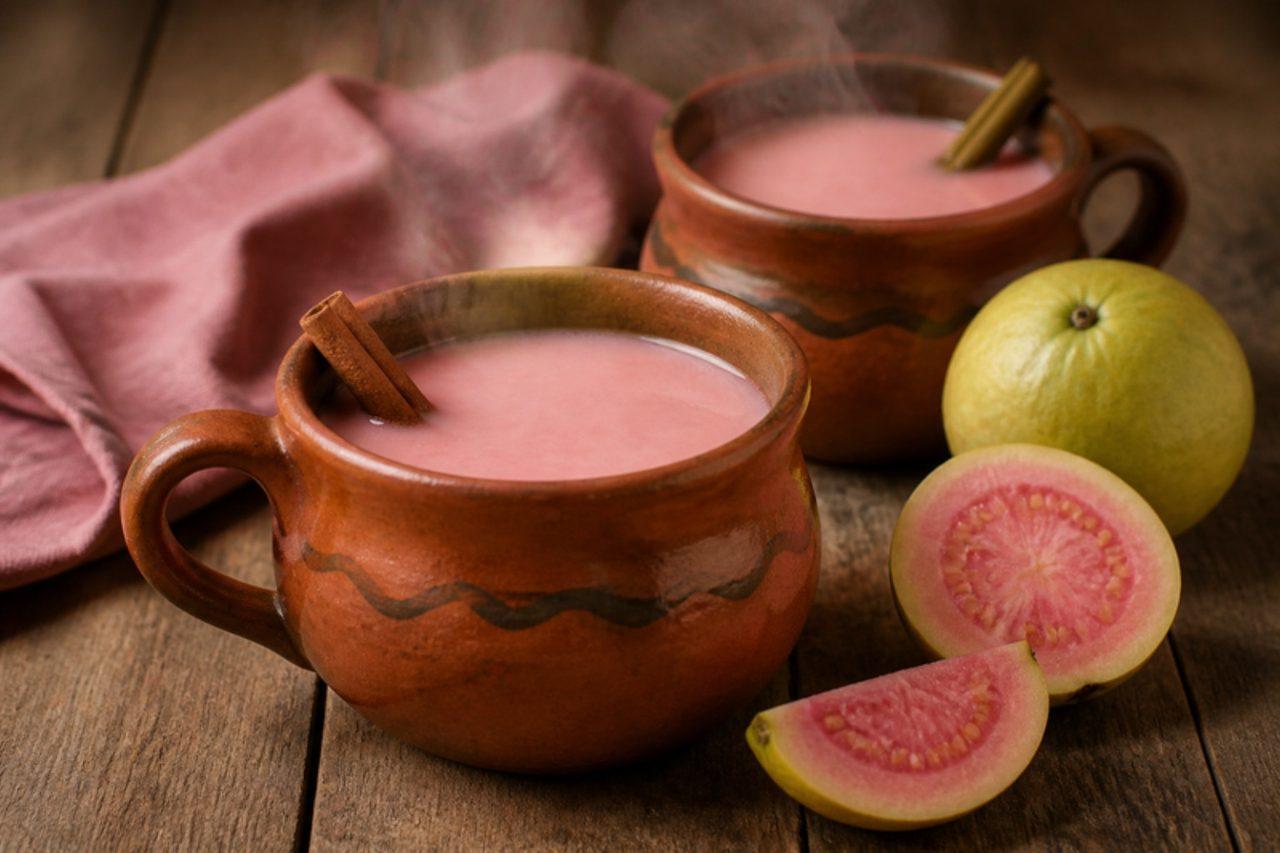
Atole de guayabaGuava masa drink

In the cold months, when guavas from Aguascalientes and Michoacán perfume the markets, street vendors in Mexico City ladle atole de guayaba from big steaming pots beside the tamal cart. Ripe guava is blended with milk, strained and thickened with cornflour into a pink, creamy, fragrant drink. It contains dairy. Chef's tip: add the blended guava only once the milk is thickened and off the boil, so the milk doesn't curdle.

by KrazyBadal 0 views

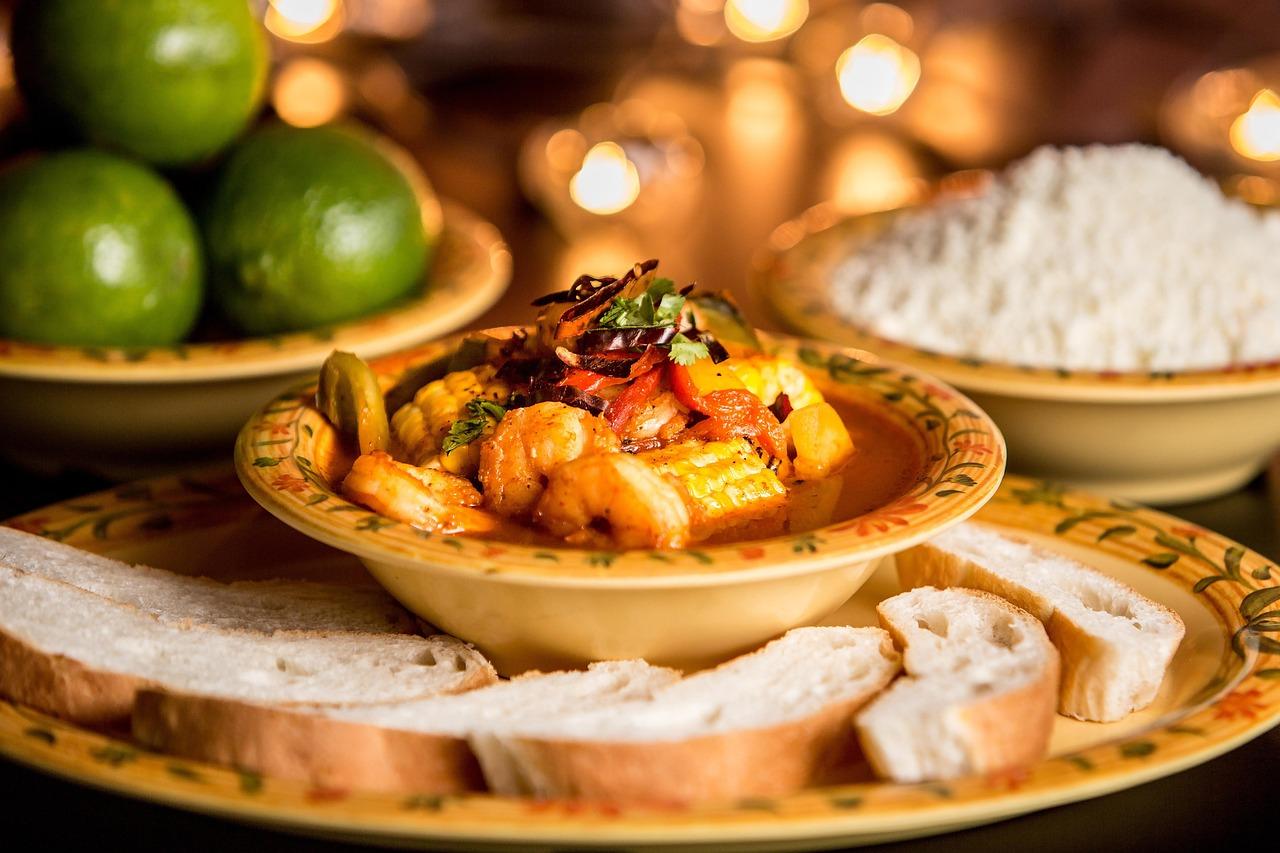
Caldo de camarónSpicy shrimp broth

At beach stalls in Mazatlán and Veracruz and in market fondas in Mexico City, a steaming, brick-red caldo de camarón is the cure for a long night and the Lenten Friday lunch of choice. The broth gets its depth from shrimp shells and dried guajillo chillies, and shell-on prawns, carrot, potato and courgette are cooked in it briefly at the end. Serve with lime, chopped onion and coriander, and tostadas. Chef's tip: add the prawns only in the last 3 minutes; they keep cooking in the bowl and toughen quickly.

by KrazyBadal 0 views

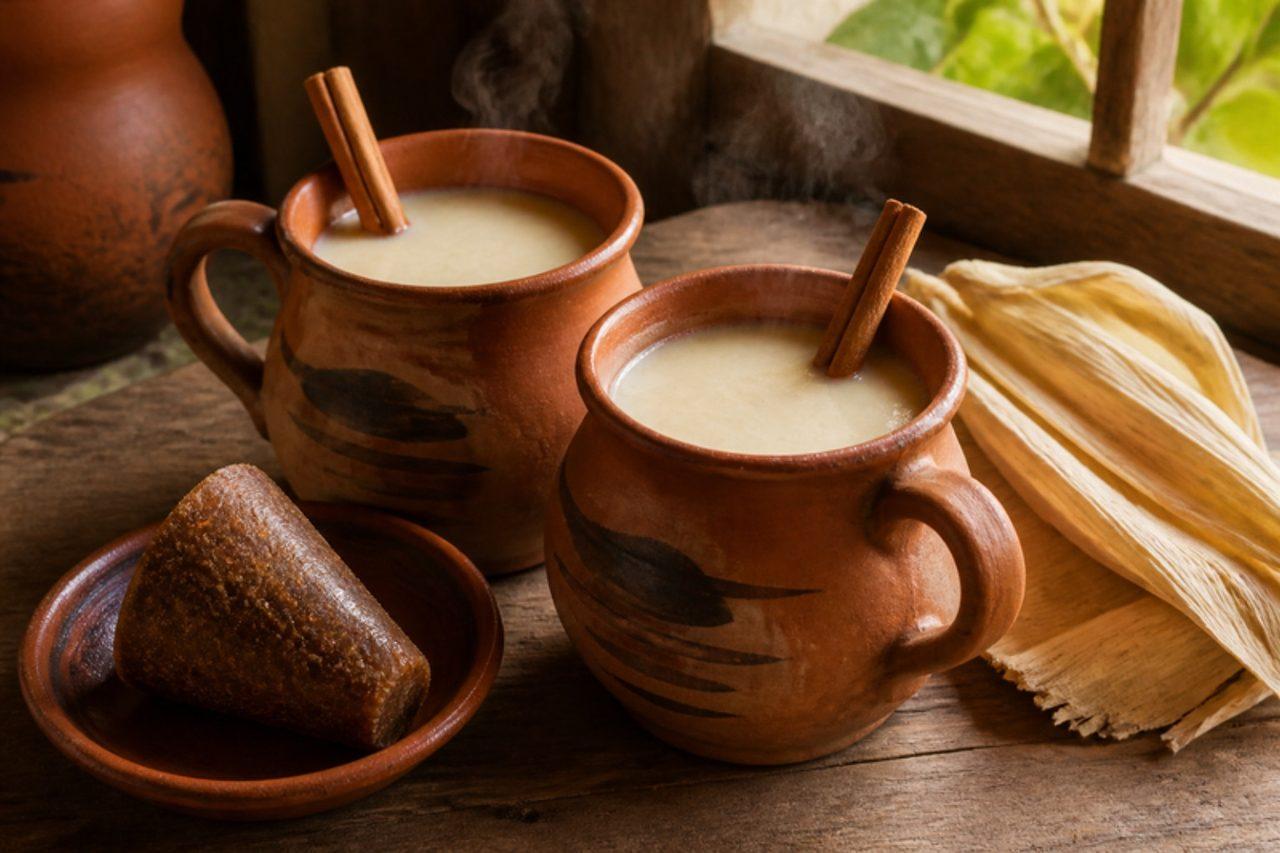
Atole blancoWarm masa drink

Long before coffee arrived, atole was the morning drink of central and southern Mexico, and in villages of Oaxaca, Puebla and Tlaxcala plain atole blanco is still drunk hot with tamales at breakfast or on cold evenings. Fresh masa is whisked into water and cooked until it thickens to a silky, gently sweet drink with a toasty corn taste. Made with water it is vegan. Chef's tip: strain the masa before cooking, so the atole is smooth with no lumps.

by KrazyBadal 0 views

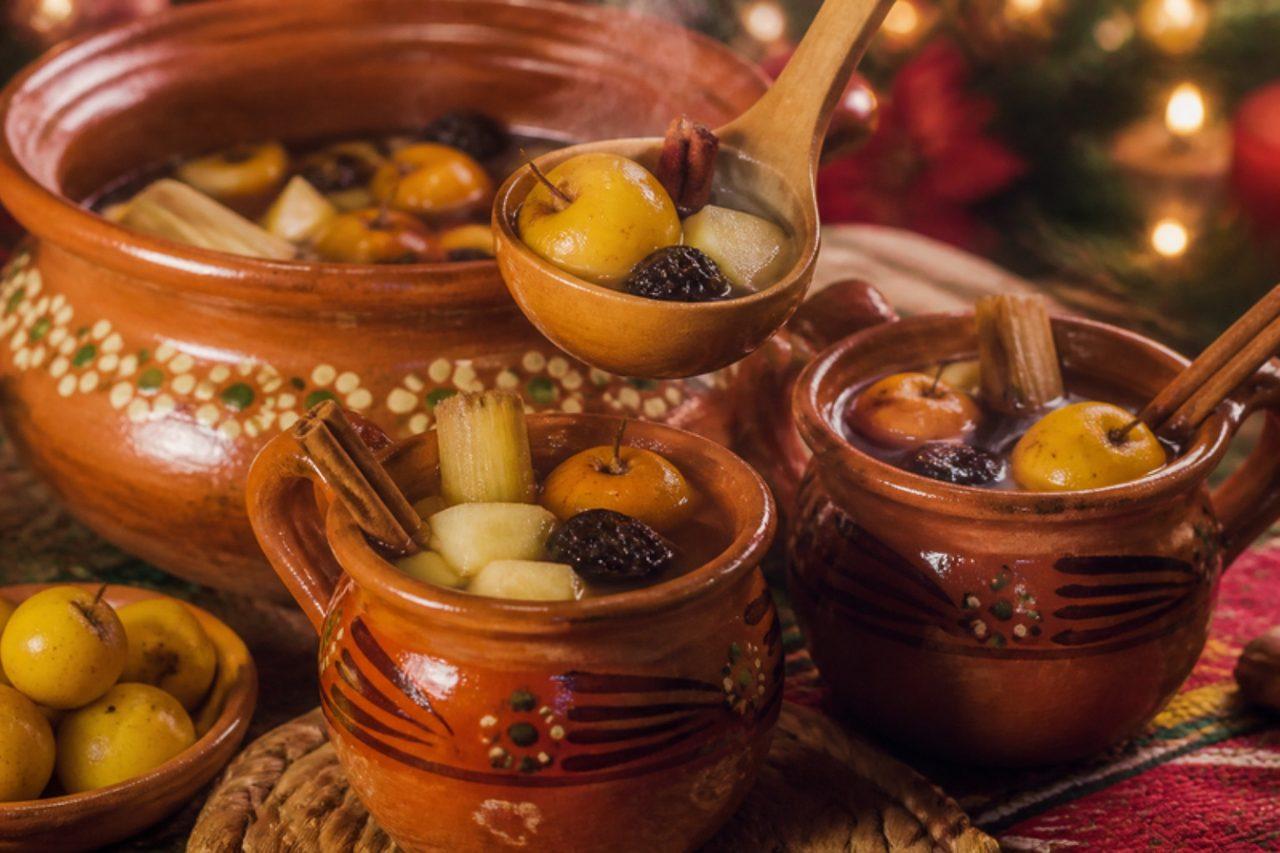
Ponche navideñoHot Christmas fruit punch

During the nine nights of posadas from 16 to 24 December, neighbours in central Mexico walk the streets singing for shelter, and the reward at the last door is a cup of steaming ponche ladled from a clay pot. Whole fruits, tejocotes, guavas, apple, prunes, sticks of sugarcane, simmer with hibiscus, cinnamon and piloncillo until the punch is fragrant and amber, and everyone fishes the soft fruit out with a spoon. This recipe is alcohol-free and good for all ages; some adults add a splash of rum to their own cup, but none is used here. Chef's tip: add the guavas late, as they collapse if cooked too long.

by KrazyBadal 0 views

Caldo de habasDried fava bean soup

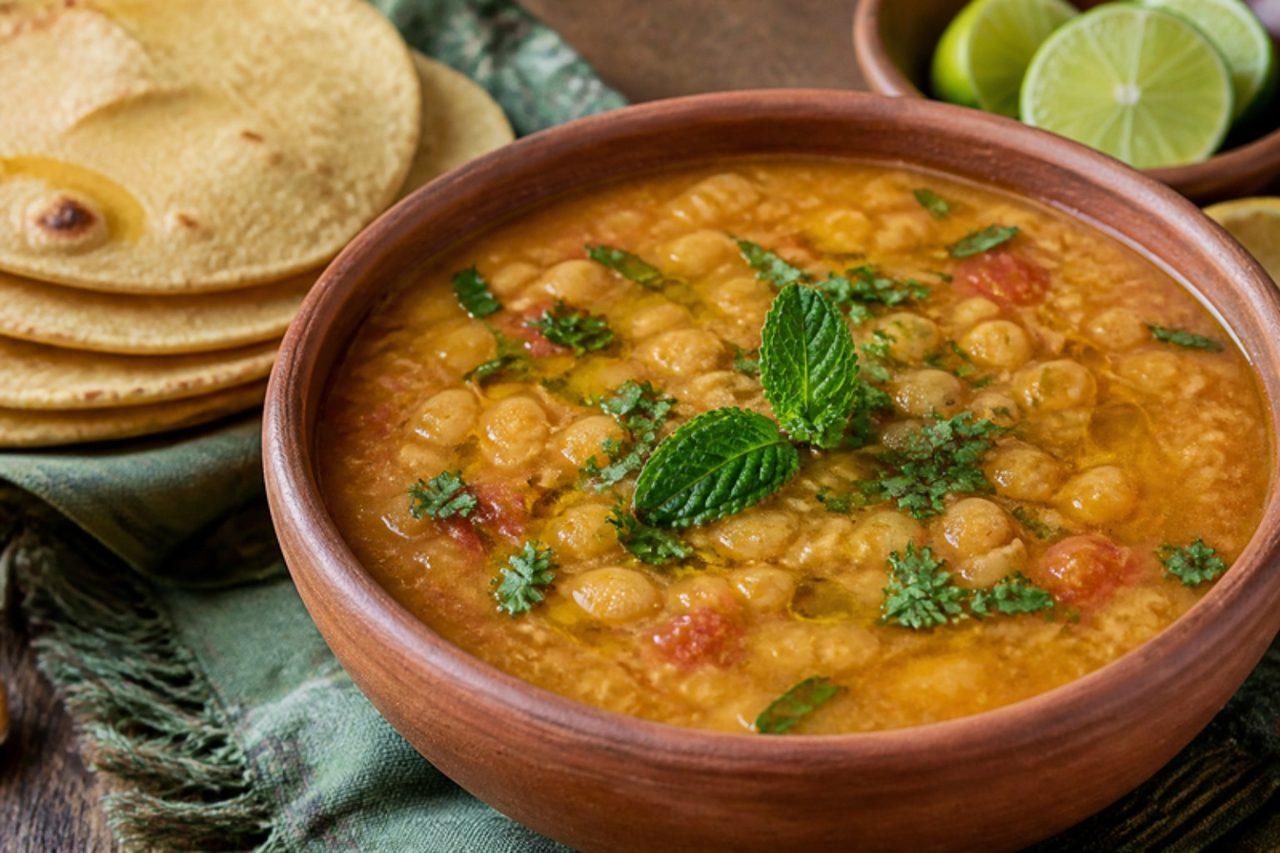
Few dishes say Good Friday in Mexico City, Hidalgo and Tlaxcala like a bowl of thick, golden caldo de habas, made from peeled dried fava beans cooked down until they almost dissolve. Tomato, onion and garlic give it body, cumin warmth and a handful of fresh mint lifts it, with lime and a pinch of chilli flakes at the table. Cheap, filling and protein-rich, it suits any cold weekday. Look for yellow, peeled split favas at Latin or Middle Eastern shops. Chef's tip: add the mint only at the very end, or it turns grey and loses its scent.

by KrazyBadal 0 views

Sopa de flor de calabazaSquash blossom soup

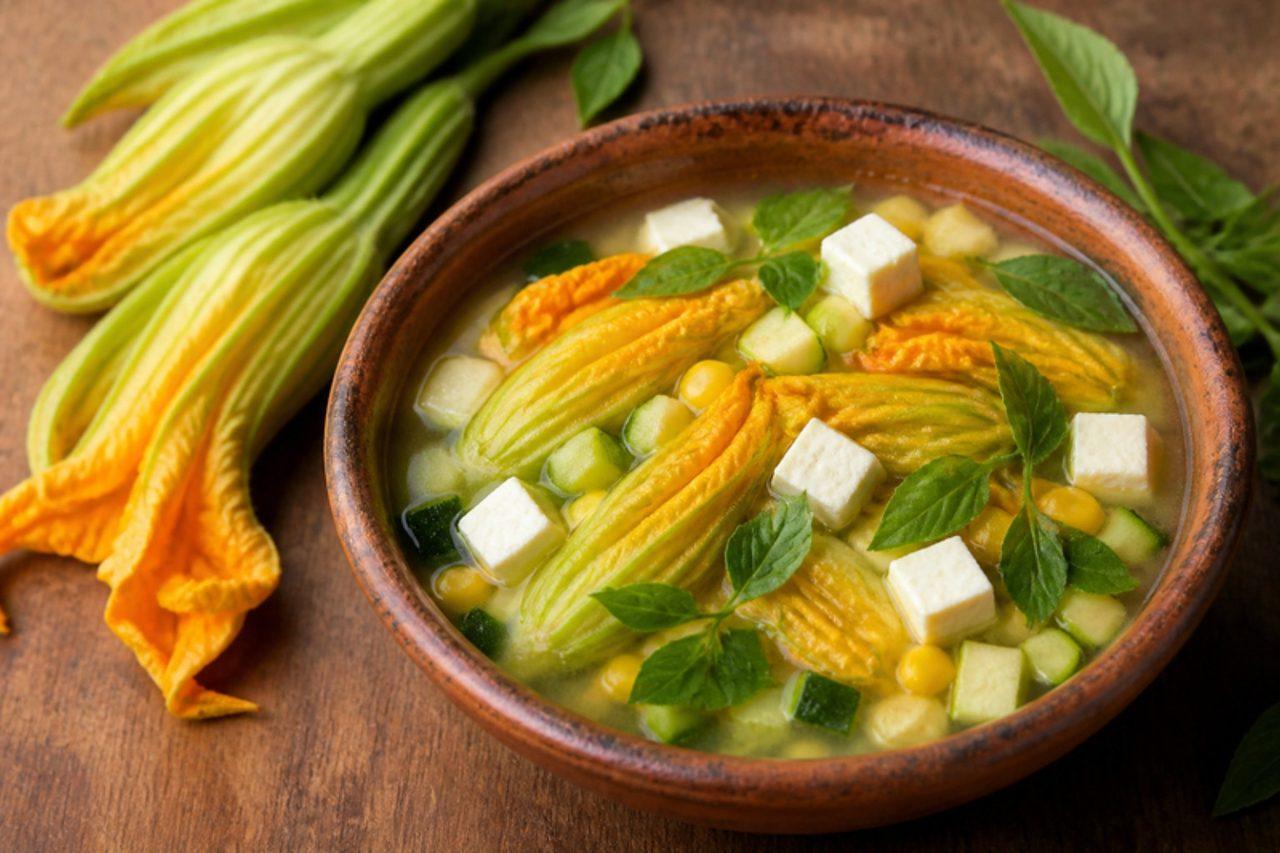
From July to September, when the summer rains fill Mexico City's markets with armfuls of orange squash blossoms, home cooks turn them into this light, golden soup. Half the blossoms are blended with onion into the base and the rest go in whole at the end, with diced courgette, sweetcorn and a sprig of epazote. The result is delicate and floral, a good first course before something rich. Serve with crumbled queso fresco; it is usually made with animal rennet, so look for a vegetarian one. Chef's tip: buy blossoms in the morning and use them the same day, as they wilt within hours.

by KrazyBadal 0 views

Agua de melónCantaloupe drink

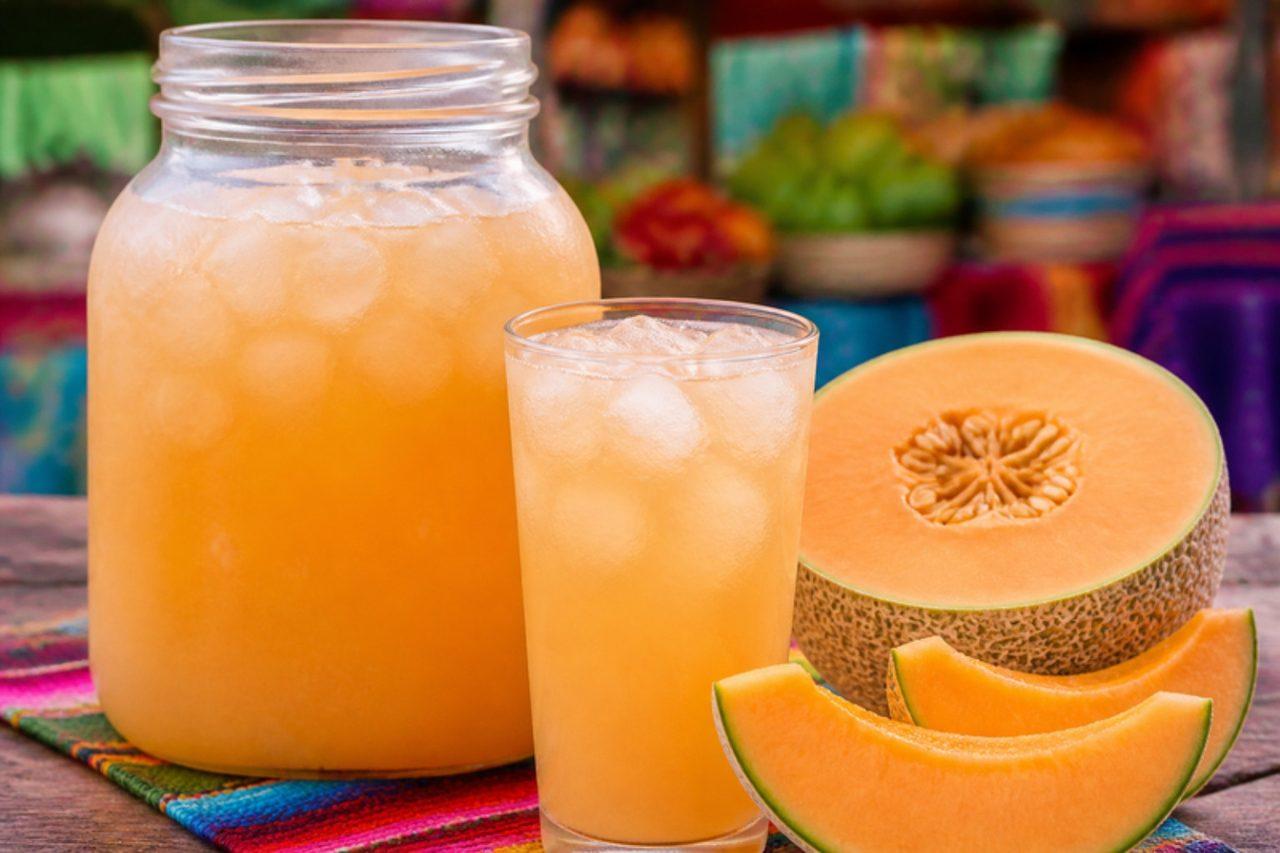
Mexican market juice stalls make agua de melón with the ripest, most fragrant cantaloupes, and many cooks blend in the seeds and the soft pulp around them, which adds a creamy body and a nutty flavour. It's served in tall glasses on hot afternoons from Guanajuato to Veracruz and is a favourite with kids. Chef's tip: smell the stalk end of the melon before you buy it; if it smells sweet, the drink will too.

by KrazyBadal 0 views

Sopa de milpaCorn and squash soup

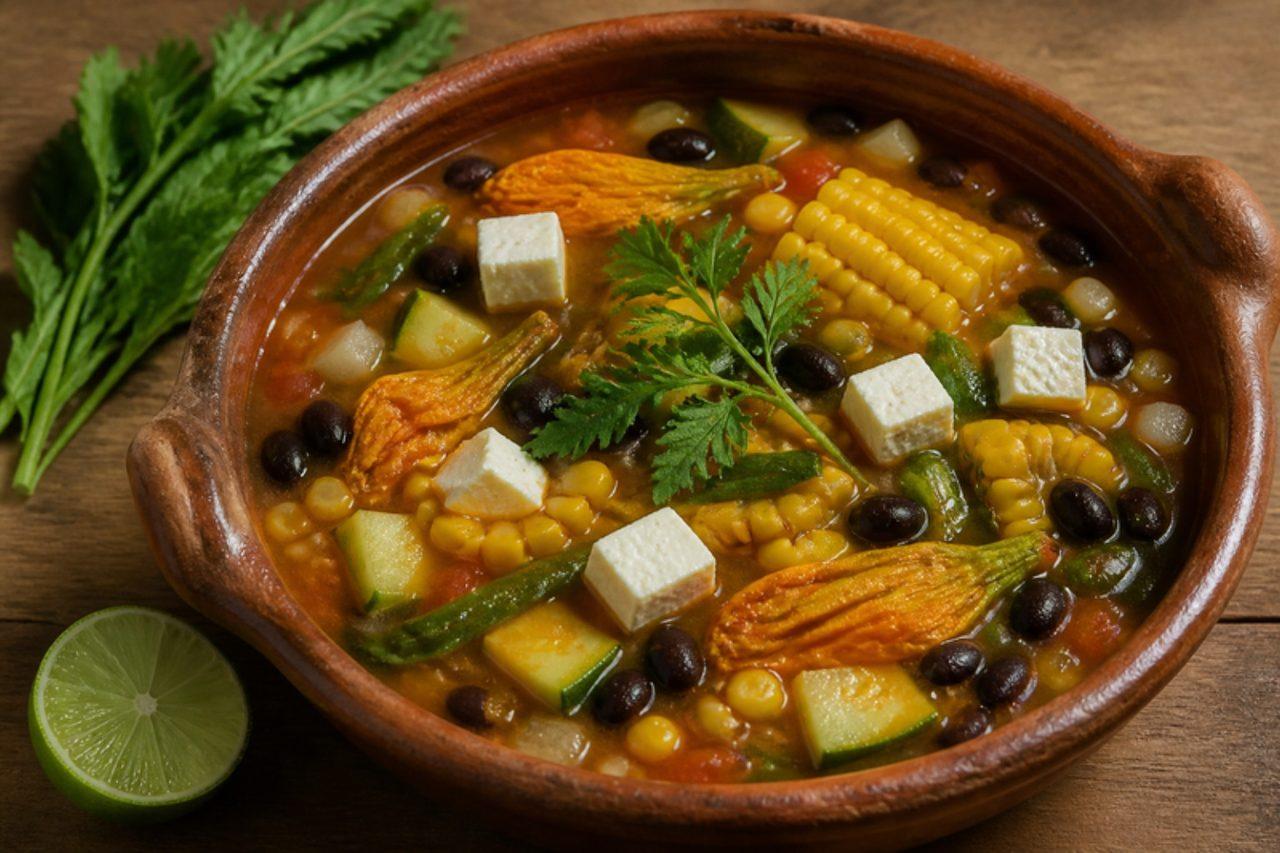
A milpa is the traditional Mexican field where corn, beans and squash grow side by side, and this soup puts the summer harvest from that field into one pot. A light tomato broth carries chunks of corn, courgette, roasted poblano strips, a handful of black beans and squash blossoms, with epazote for its earthy, herbal note. In Central Mexico it's a healthy everyday lunch in the rainy season. Top it with cubes of panela cheese, which is usually made with animal rennet; choose a vegetarian one. Chef's tip: cut the corn into rounds rather than taking off the kernels, so everyone gets a sweet piece to gnaw.

by KrazyBadal 0 views

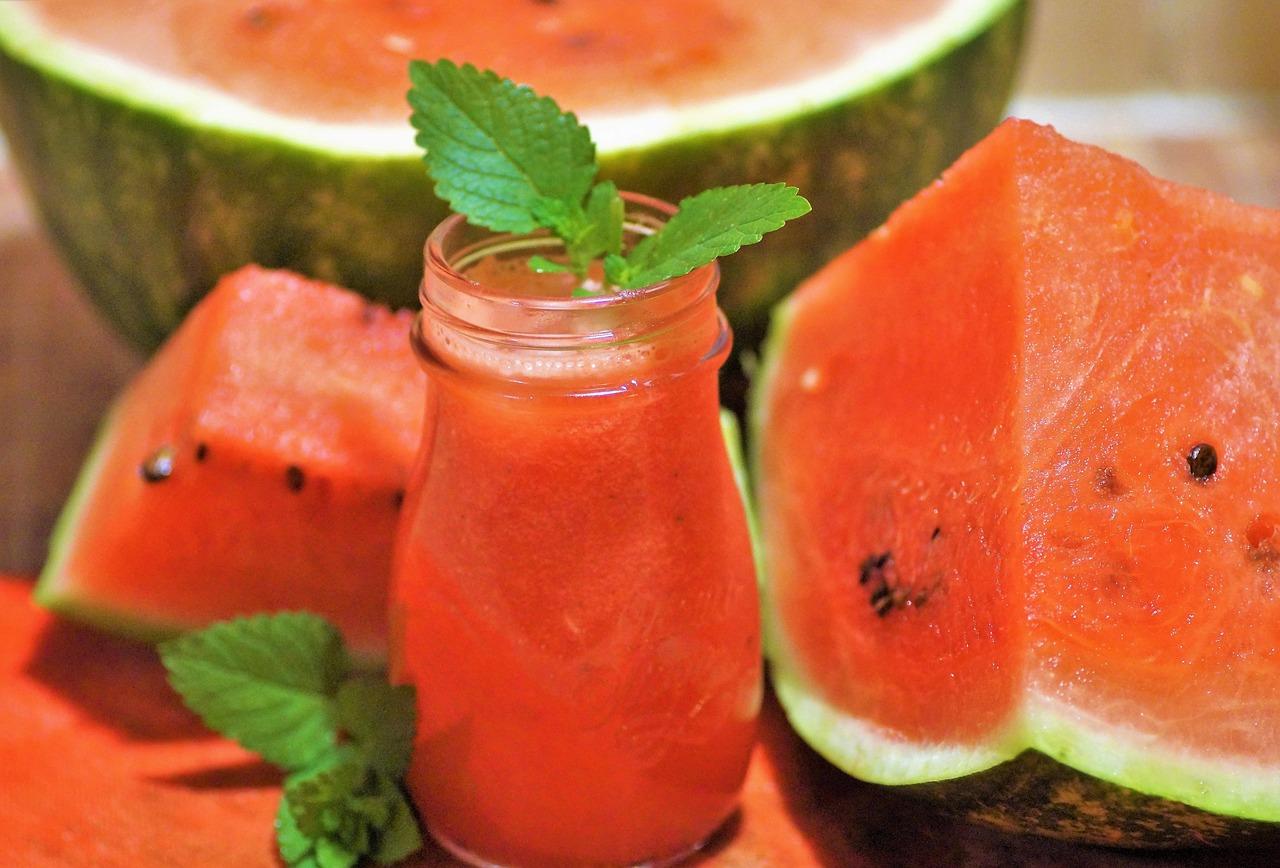
Agua de sandíaWatermelon drink

When watermelons are piled high in the markets of Jalisco and Sonora in summer, almost every taquería has a jar of bright pink agua de sandía next to the horchata. It needs only ripe watermelon, water, a squeeze of lime and a touch of sugar, and children love it. Chef's tip: a very ripe melon may need no sugar at all, so taste before you sweeten.

by KrazyBadal 0 views

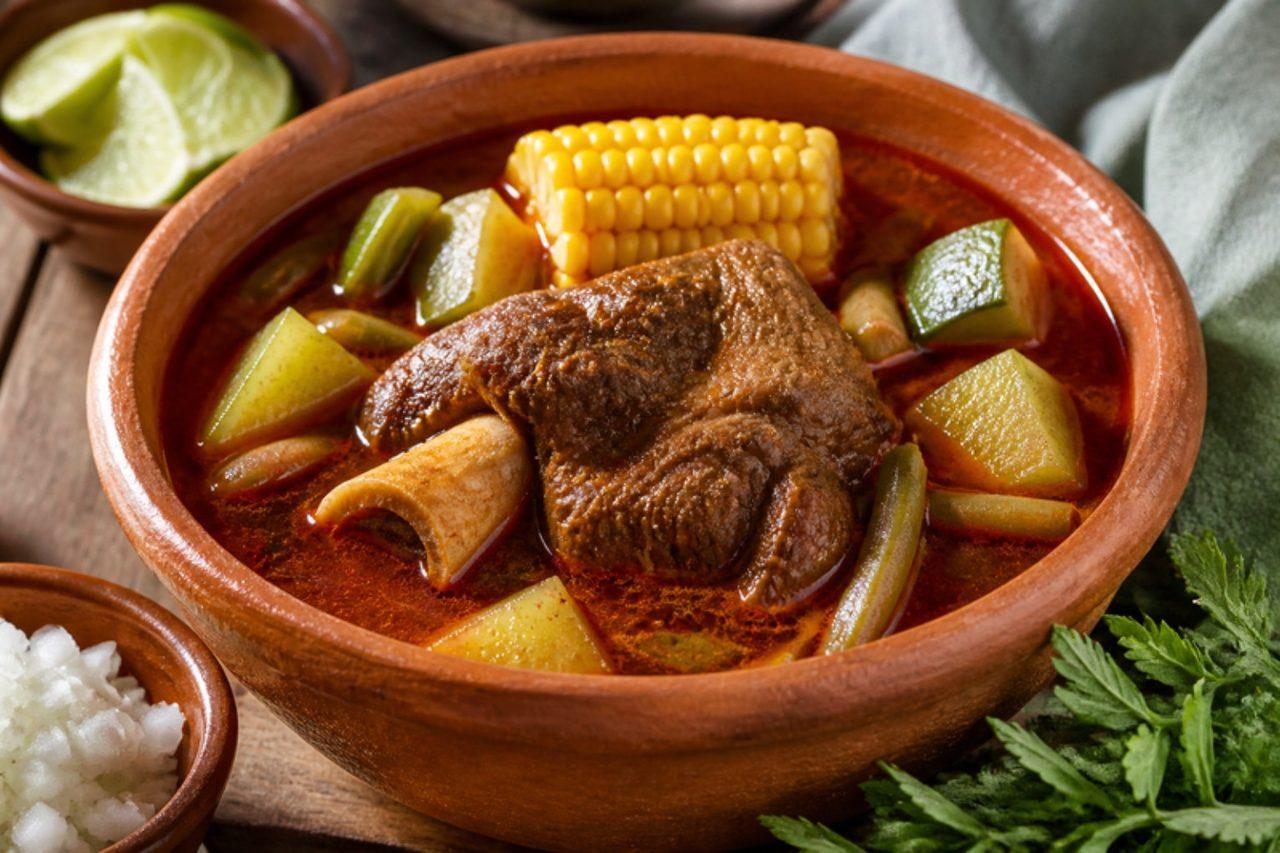
Mole de ollaBeef and vegetable mole soup

Despite its name, mole de olla is not a thick mole but a brick-red soup, made in big clay pots on chilly days in Mexico City, Hidalgo and Morelos. Beef shank simmers until soft, then a guajillo-ancho broth carries chunks of corn on the cob, chayote, courgette, green beans and potatoes, finished with a sprig of epazote. It is served in deep bowls with chopped onion, chiles and lime, and tortillas for dunking. Chef's tip: keep the marrow bones in the pot; they enrich the broth and are a cook's treat on toast.

140 minMexicanSoupsGluten free
by KrazyBadal 0 views

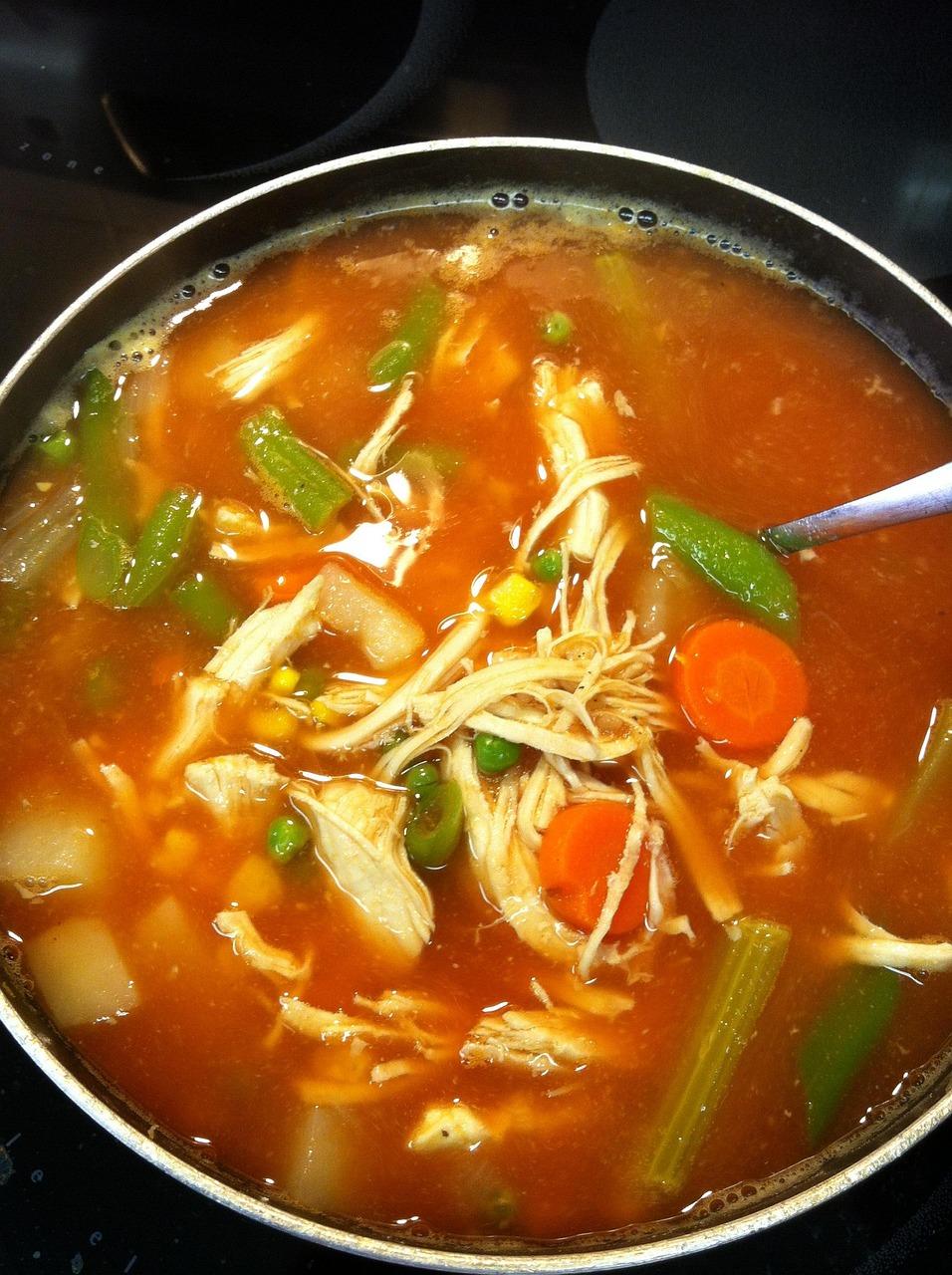
Caldo tlalpeñoChipotle chicken and chickpea soup

Tlalpan, on the southern edge of Mexico City, was once the last stop for travellers heading to Cuernavaca, and its roadside inns fed them this chicken soup. Chipotle gives the broth a brick-red, smoky warmth, and chickpeas, carrots and green beans make it a meal. It goes to the table with cubes of avocado, mild cheese and lime. Chef's tip: add the chipotle a little at a time and taste; the heat builds as the soup simmers.

by KrazyBadal 0 views

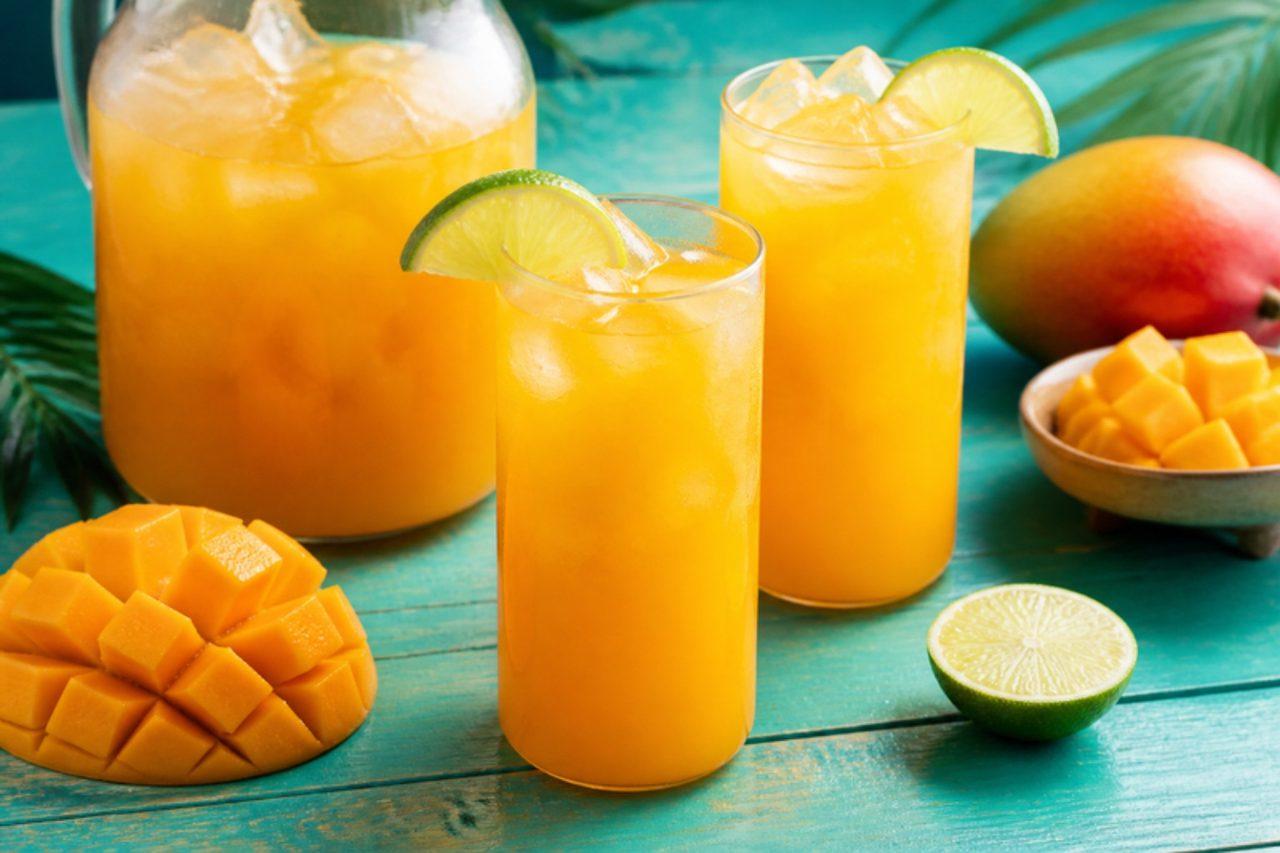
Agua de mangoMango drink

In April and May, when Ataulfo mangoes from Chiapas and Manila mangoes from Veracruz flood the markets, agua de mango becomes the drink of every comida corrida. It is thick, golden and very fruity, sharpened with lime. Chef's tip: use soft, fully ripe yellow mangoes with wrinkled skin; they need far less sugar and give a smooth, fibre-free drink.

by KrazyBadal 0 views

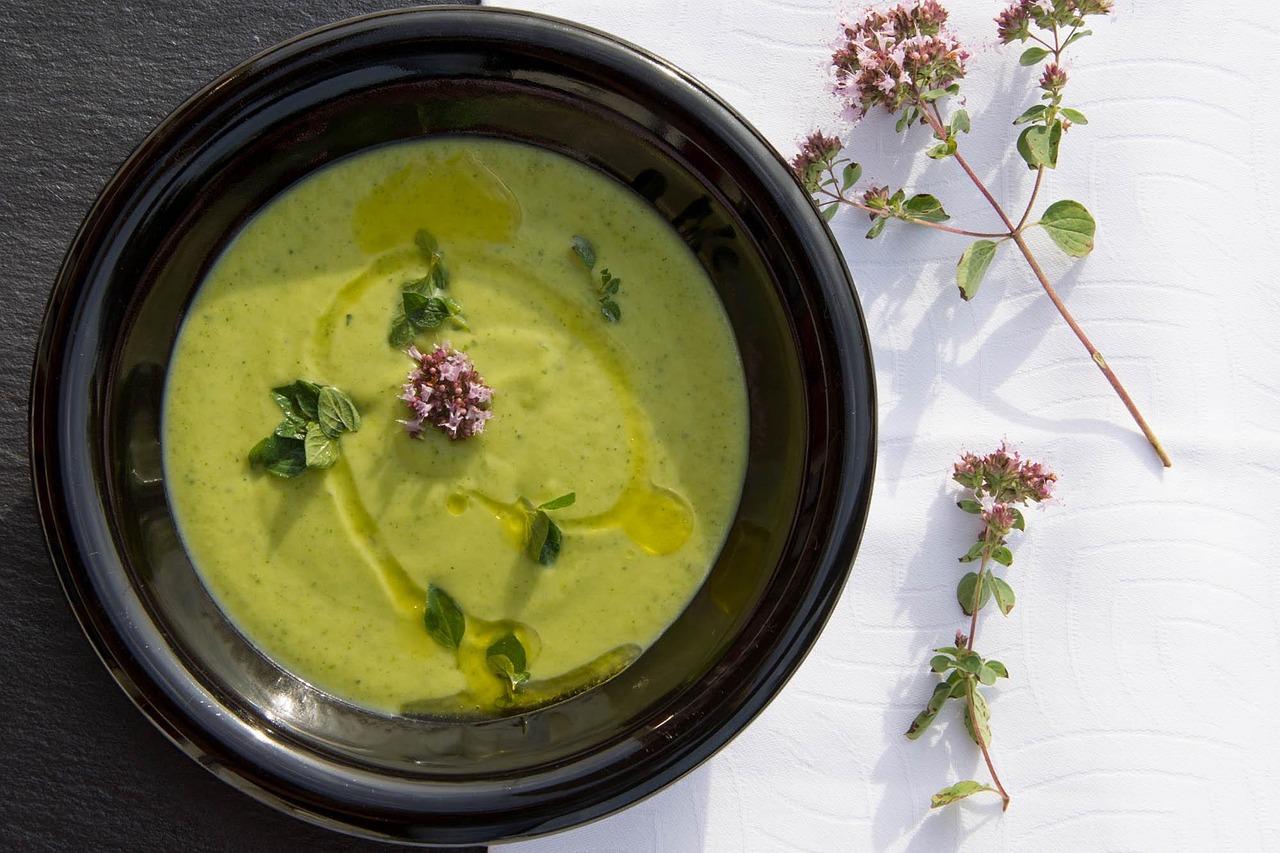
Crema de chile poblanoCreamy poblano soup

In Puebla, where poblano chiles take their name, this pale-jade soup appears at family lunches and on the menu of almost every cocina económica. Roasted chiles are blended with onion, a little corn and milk, then enriched with cream, so the flavour is smoky and mellow with just a flicker of heat. Serve it with crisp tortilla strips or a few corn kernels on top. Chef's tip: roast a couple of extra chiles while the grill is hot; the strips keep for four days and lift any taco or quesadilla.

by KrazyBadal 0 views

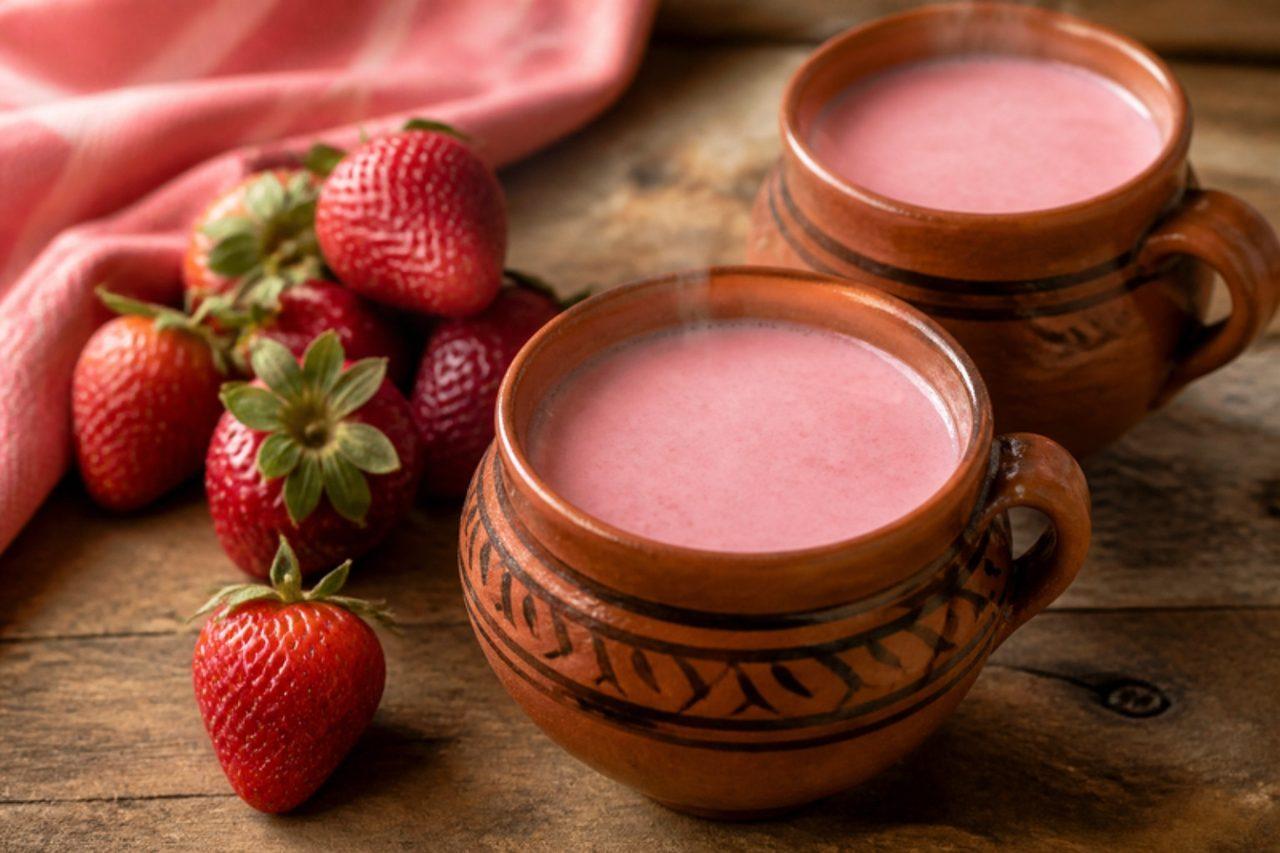
Atole de fresaStrawberry masa drink

Pink, warm and sweet, atole de fresa is a children's favourite in Mexico City and Irapuato, the strawberry capital of Guanajuato, sold in polystyrene cups alongside tamales for breakfast. Fresh strawberries are blended with milk and thickened with a little masa, which gives a gentle corn flavour under the fruit. It contains dairy. Chef's tip: blend the strawberries raw and add them at the end, so the drink keeps its bright colour.

by KrazyBadal 0 views

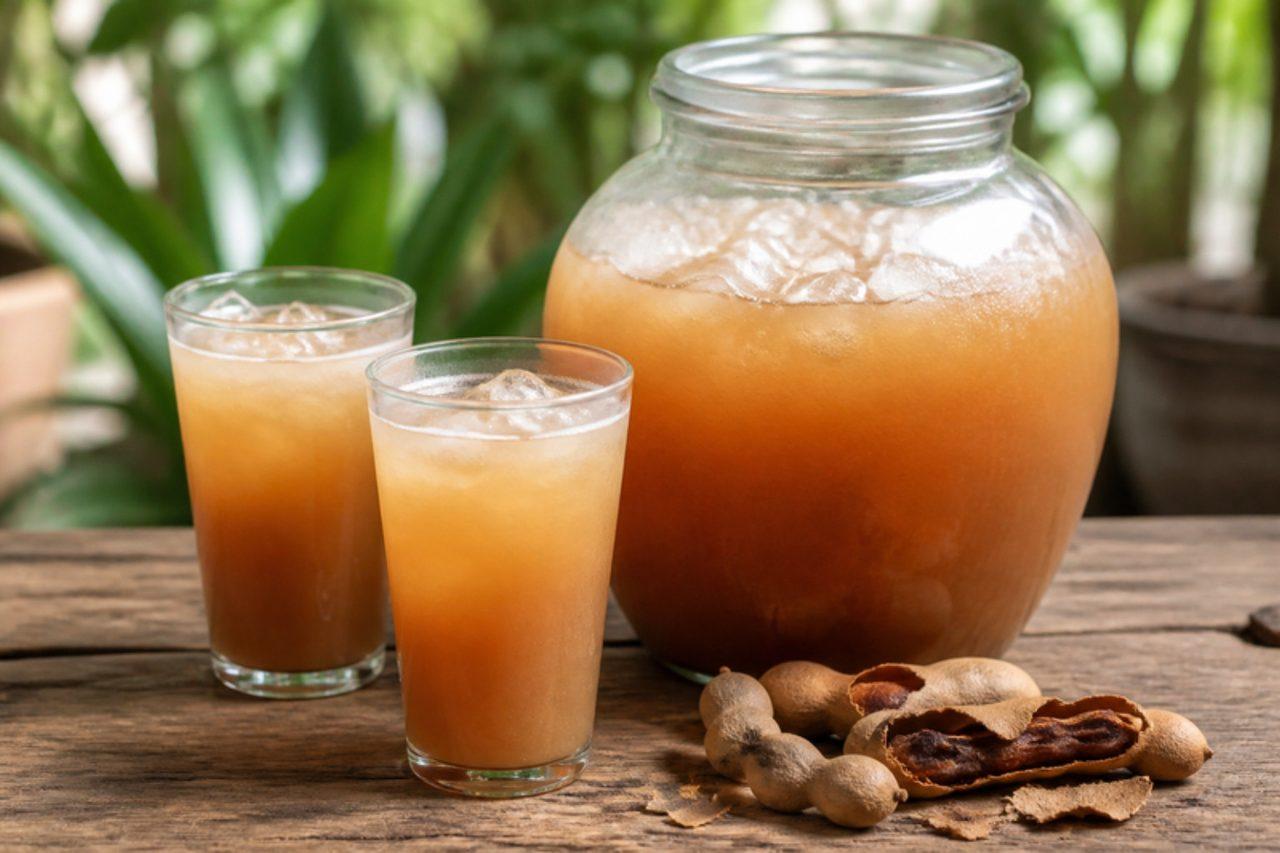
Agua de tamarindoTamarind drink

Brown, cloudy and gloriously tart, agua de tamarindo fills the big glass vitroleros at taquerías and fondas across Mexico, especially in hot Guerrero, Colima and the Yucatán, and it is the drink most people reach for with a plate of tacos de guisado. The pods are peeled, simmered and rubbed through a sieve, so it tastes far fresher than paste or concentrate. Chef's tip: soak the pulp in the hot cooking water before you rub it, which loosens every bit from the seeds.

by KrazyBadal 0 views

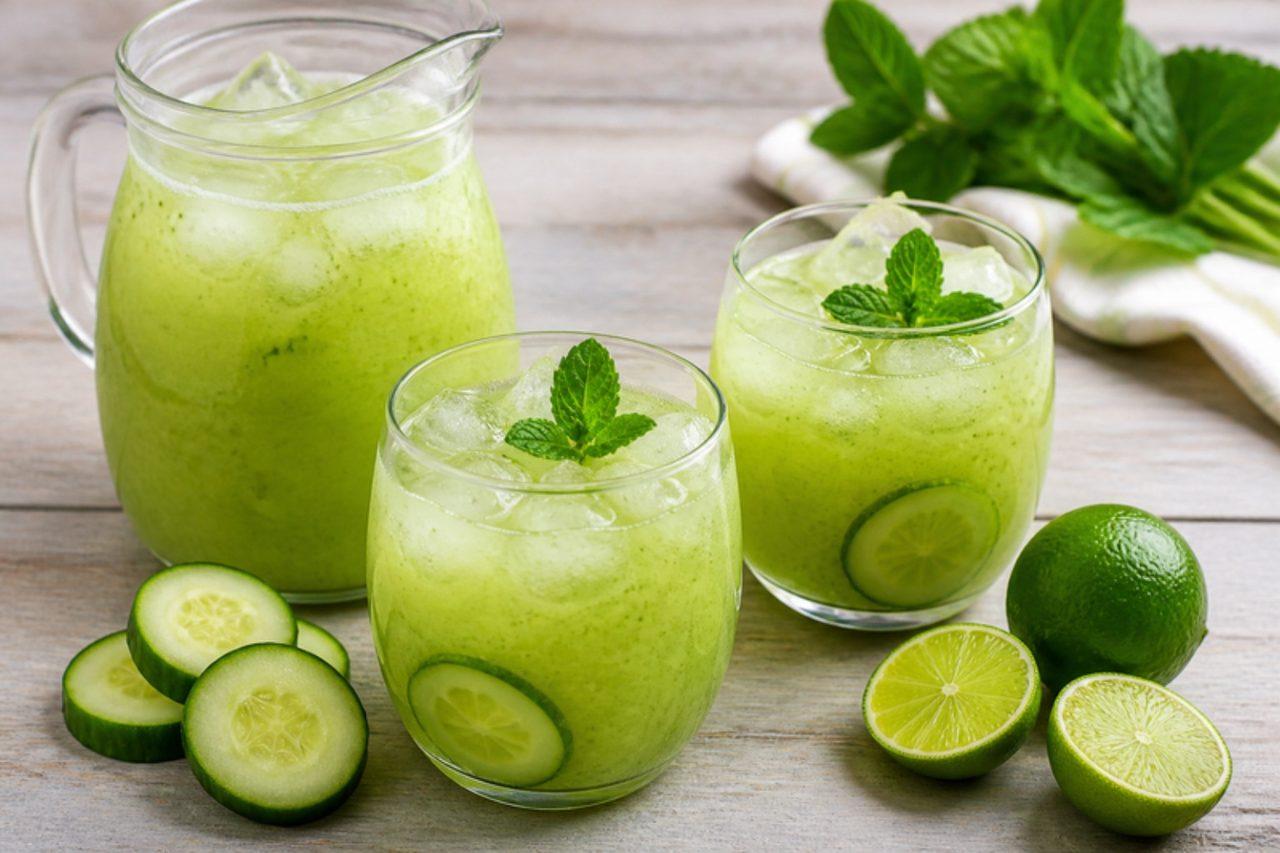
Agua de pepino con limónCucumber lime drink

Pale green and very refreshing, agua de pepino is the cooler sold from market juice stands in Mexico City and Oaxaca when the afternoon heat builds, and families blend a jug for comida on hot days. Cucumber, lime and a few mint leaves give a clean, light taste with very little sugar. Chef's tip: leave some of the peel on the cucumber for colour, but strain the drink so it stays silky.

by KrazyBadal 0 views

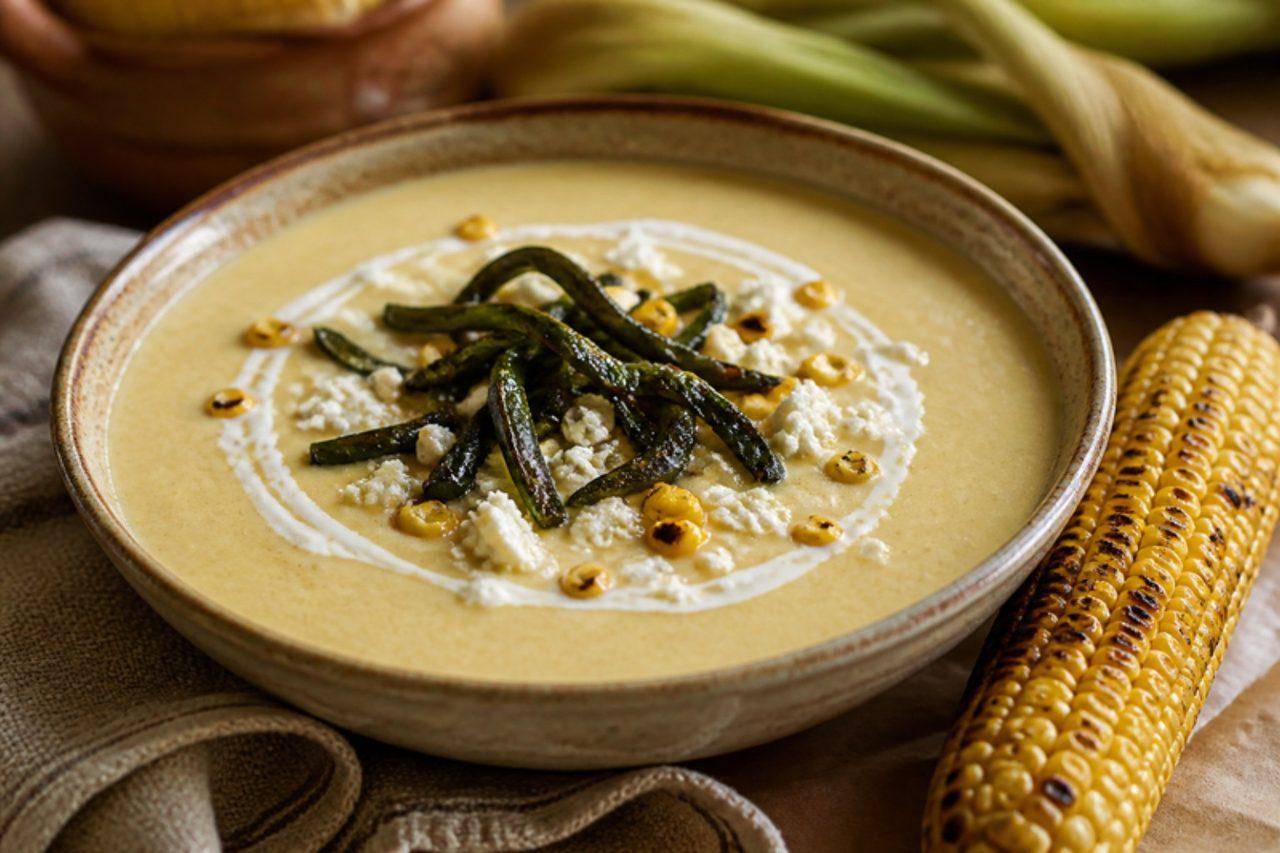
Crema de eloteCreamy corn soup

Market fondas around Mexico City and Puebla ladle this pale-gold soup as the opening course of the comida corrida, the set lunch served from about two until four in the afternoon. Fresh kernels are simmered in milk with a little onion, blended until silky and finished with ribbons of roasted poblano, a few cubes of queso fresco and a swirl of crema. Sweet corn comes first, then a gentle green heat from the chile. Queso fresco is usually made with animal rennet, so choose one labelled vegetarian or use a mild vegetarian feta. Chef's tip: scrape the bare cobs with the back of a knife; that milky pulp thickens the soup without any flour.

by KrazyBadal 0 views

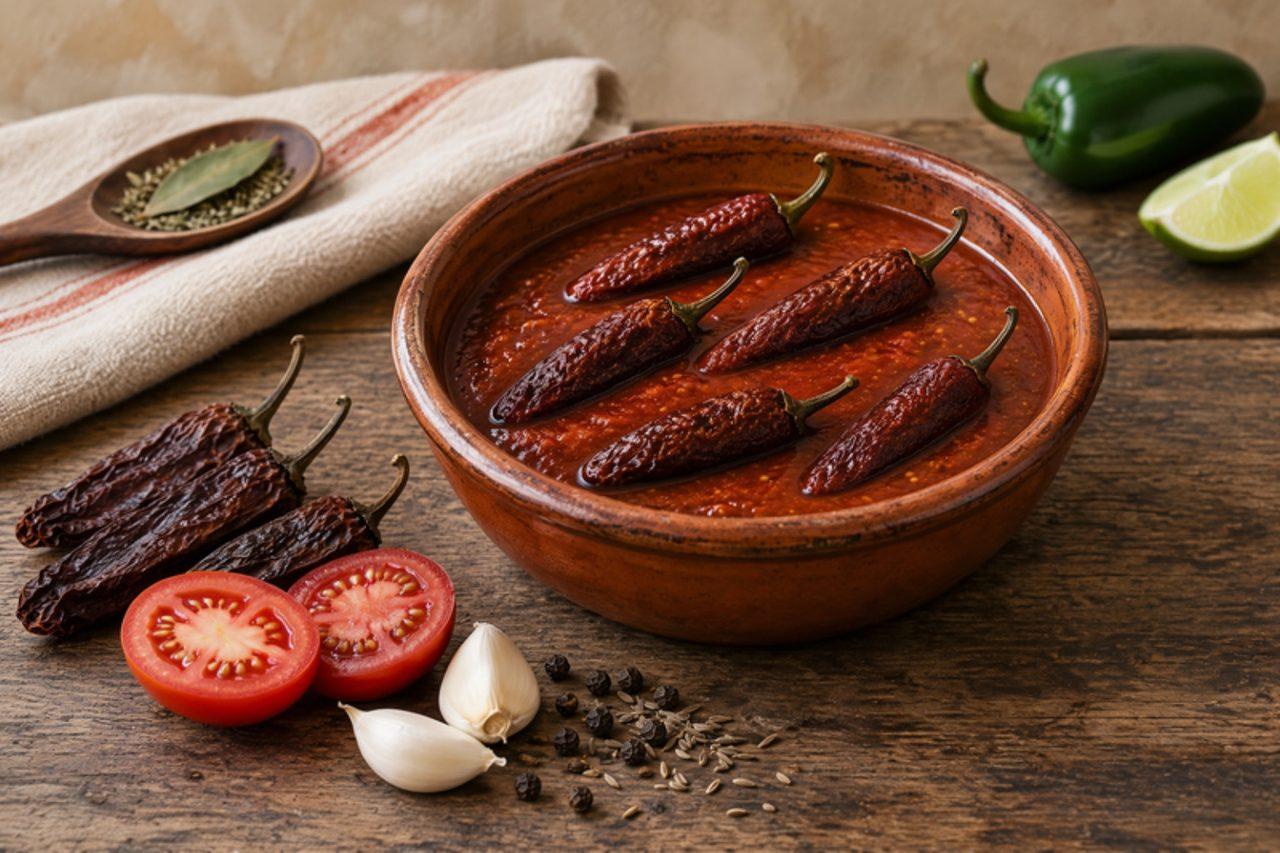
Chipotles en adoboSmoked jalapenos in adobo sauce

Chipotles are ripe jalapeños smoked slowly over wood until leathery; in Puebla and Veracruz the reddish, plump mora type is the everyday one, and the tan, leathery meco is prized for its deeper smoke. Simmered in a sweet-sour adobo of tomato, onion, garlic, vinegar and piloncillo, they become the soft, glossy chillies that go into tinga poblana, albóndigas en chipotle, bean soups and a quick chipotle mayonnaise. Homemade, they are smokier and less sugary than the tinned kind, with sauce that is brick red, tangy and thick enough to coat a spoon. Common mistake: toasting the dried chillies too long; a few seconds a side is enough, because scorched chillies make the whole jar bitter. This is a low-acid chilli preserve, so it is kept in the fridge or freezer, never canned in a water bath. It is ready when the chipotles are plump and soft enough to crush with a spoon and the adobo has reduced to a glossy sauce. Chef's tip: blend one or two chillies with their sauce and freeze it in an ice-cube tray, so you can add a single cube to a pot.

by KrazyBadal 1 views

Agua de tuna (prickly pear drink)

Late summer is tuna season across the central highlands, from Hidalgo and the Estado de México down to Puebla's Teotihuacán valley, and that is when the big vitroleros in markets and taquerías turn shocking pink. Agua de tuna is just the cactus fruit blended with water, lime and a little sugar, strained, and poured over ice with lunch. Red tunas give a vivid colour and a taste between watermelon and pear; green ones make a paler, more herbal drink. It should be light and thirst-quenching, never syrupy. The commonest mistake is blending too long: the hard seeds crack and the agua turns gritty and slightly bitter. Pulse briefly, just enough to free the pulp, then strain well. It is ready when the liquid runs smooth through the sieve and tastes clearly of fruit with only a lift of lime. Handle unpeeled tunas with tongs or gloves: even 'cleaned' ones keep tiny glochids. Chef's tip: chill the peeled fruit before blending; cold pulp keeps its colour bright and needs less ice to dilute it.

by KrazyBadal 0 views

Showing 24 of 63 recipes

Show more recipes

Page 1 of 3