Skip to content
Recipes

All recipes

Vegetarian, or something you can't eat? Set your diet once and we'll hide recipes that don't fit.

Shirini danmarkiCinnamon cardamom pastry swirls

In Tehran, nobody arrives empty-handed on a Nowruz visit: the custom is a cardboard box of shirini from the neighbourhood bakery, and soft, glazed shirini danmarki swirls are always tucked in among the cookies. This home version uses an enriched yeast dough rolled thin, spread with cinnamon-cardamom butter, rolled up and sliced into spirals that bake tender and flaky-edged. Serve them with tea in small glasses while the haft-sin table is laid. The common mistake is rushing the rise in a hot spot, which makes the buns dense and yeasty; a warm kitchen and patience give the lightest crumb. Chef's tip: chill the filled roll for 15 minutes before slicing, so the spirals stay round instead of squashing flat.

by KrazyBadal 0 views

Pajagua mascadaBeef and cassava patties

Pajagua mascada is a Paraguayan street-food classic that appears on every table for the San Juan festival on 24 June, when bonfires burn and the night is full of games and traditional food. Minced beef is mixed with mashed cassava, onion, garlic and a little egg and flour, shaped into flat patties and fried until crisp. The name comes from Guaraní and refers to the 'chewing' of old Paraguayan cooks, who made it from leftover meat. Chef's tip: dry the boiled cassava well and remove its woody core, which keeps the patties light and crunchy.

by KrazyBadal 0 views

Nan-e keshmeshiSaffron raisin cookies

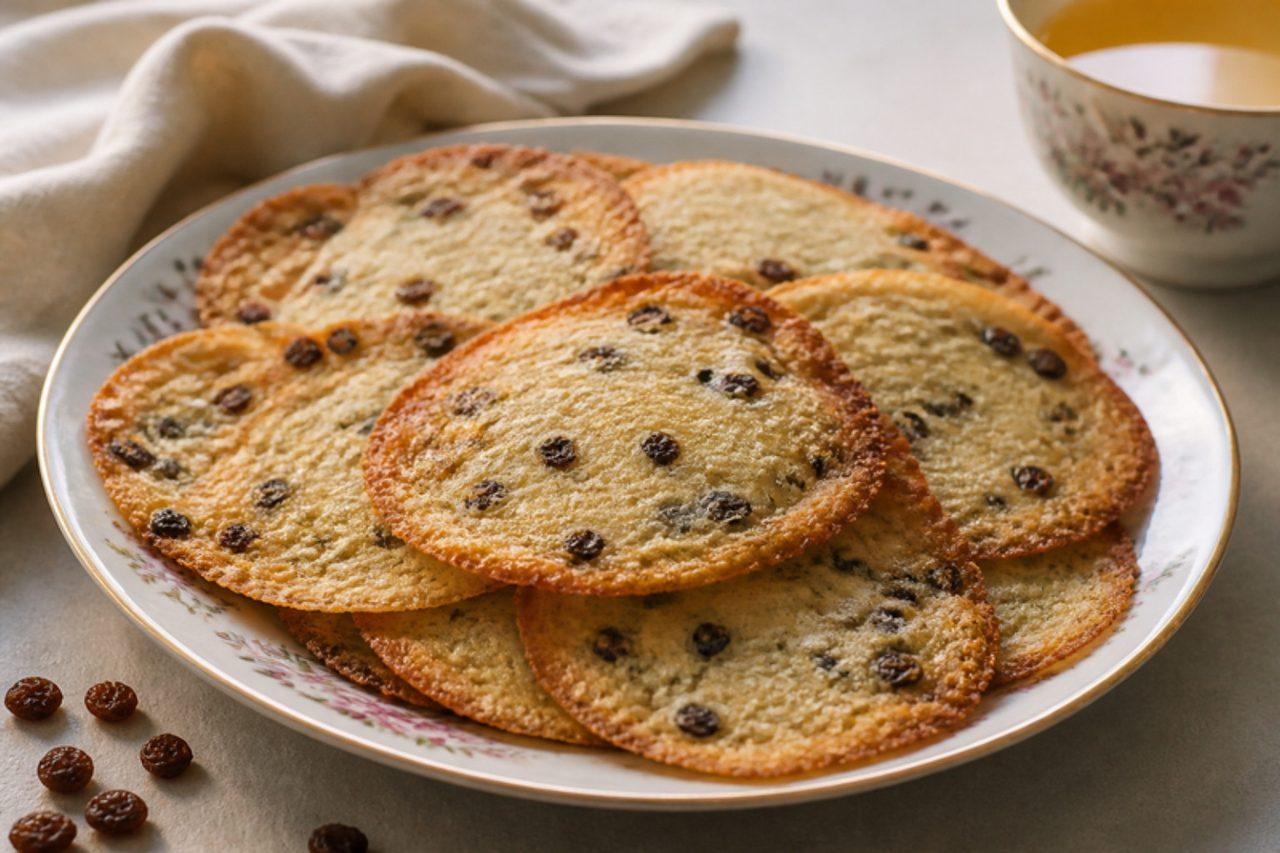
Ask an Iranian child which Nowruz sweet they reach for first and many will say nan-e keshmeshi, the little raisin cookies with crisp golden rims and soft, chewy centres. Confectioners in Tehran make them by the thousand in the run-up to the spring new year, and they turn up again whenever there is tea and company. The dough is a simple butter-sugar-egg batter warmed with saffron and vanilla, spooned out in small dabs that spread thin in the oven. Spooning them too big or too close is the common slip: they run into each other and bake into one sheet. Chef's tip: soak the raisins in hot water for 10 minutes and dry them well first; plump raisins stay juicy instead of burning on the surface.

by KrazyBadal 0 views

Kak-e KermanshahiThin buttered sugar sheets

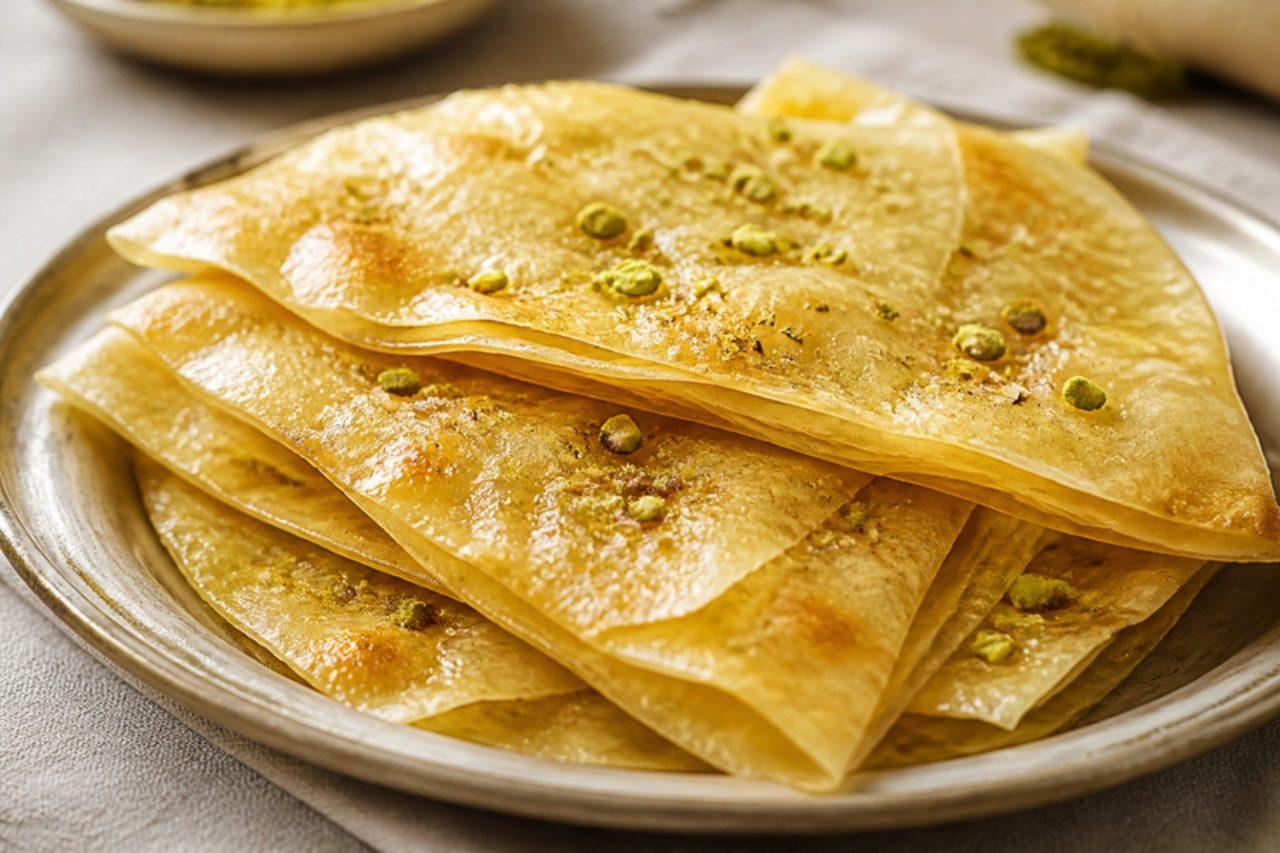
Kermanshah, in Iran's Kurdish west, is famous for its ghee, and kak is the sweet that shows it off: dough rolled so thin you can read through it, baked crisp in seconds, then brushed with melted ghee and showered with sugar before the sheets are folded and stacked. Shops in the city's bazaar sell them in tall boxes, and families bring them out for guests and at Nowruz with glasses of black tea. They are traditionally made with Kermanshahi ghee, a nutty sheep's-milk ghee; ordinary ghee or clarified butter works well. The classic mistake is rolling too thickly: anything over a millimetre bakes up like a cracker, not a crisp, glassy sheet. Chef's tip: roll on a lightly oiled counter rather than flour, and stretch the last bit over the backs of your hands, as the Kermanshah bakers do; excess flour scorches on the hot tray.

by KrazyBadal 0 views

Nan-e badamiAlmond cardamom cookies

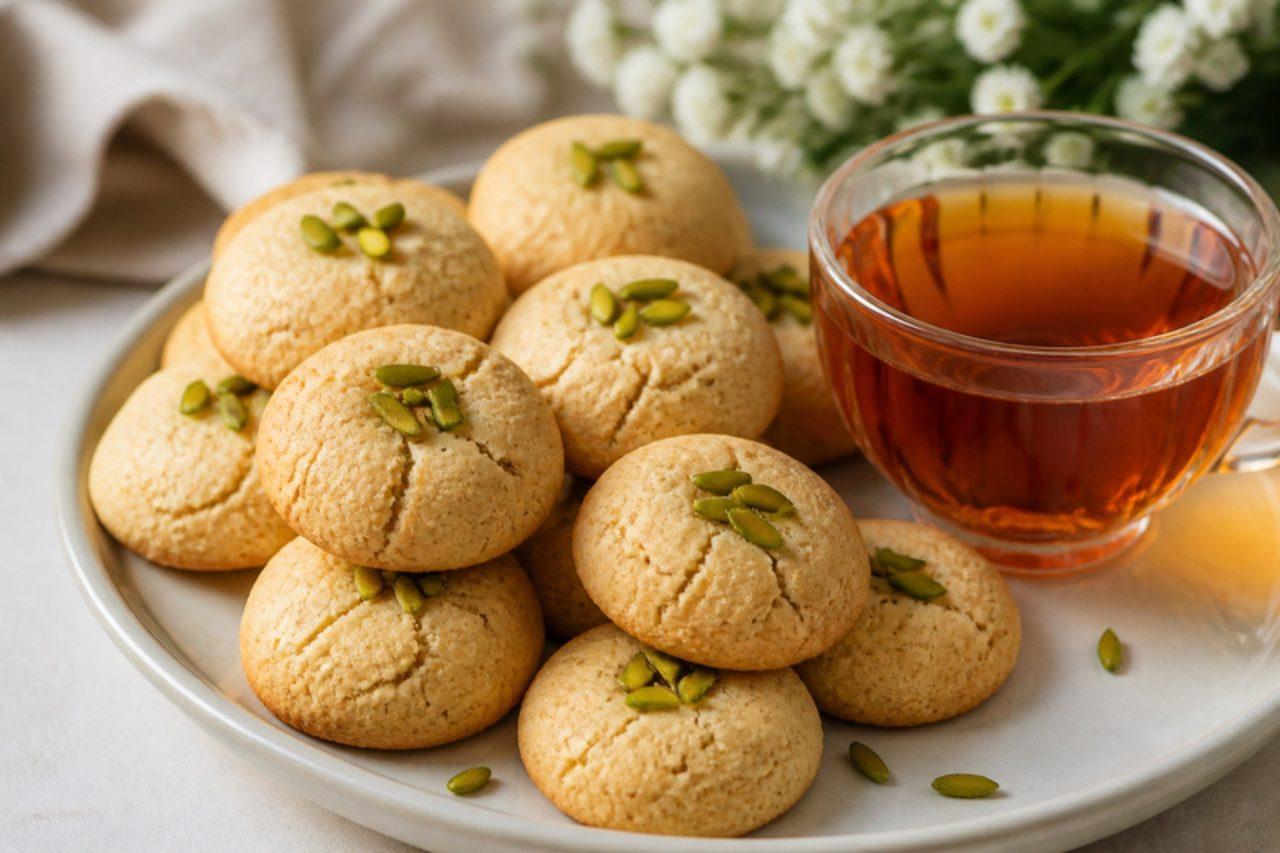
Tabriz and Yazd both claim the best nan-e badami, and in the weeks before Nowruz pastry shops across Iran fill trays with these small almond cookies for the new-year table. Made from ground almonds, sugar and egg white with no flour at all, they have a thin crisp shell and a moist, chewy middle, perfumed with cardamom and rose water and topped with a sliver of pistachio. Offer them with tea when guests make their Nowruz visits; they also keep well enough to make a week ahead. Over-whisking is the easy error: the whites only need to be frothy, not stiff, or the cookies puff and crack like meringues. Chef's tip: let the shaped cookies sit uncovered for 20 minutes before baking so a skin forms; that skin is what gives the neat, crackled top.

by KrazyBadal 0 views

Nan-e khameiCream puffs

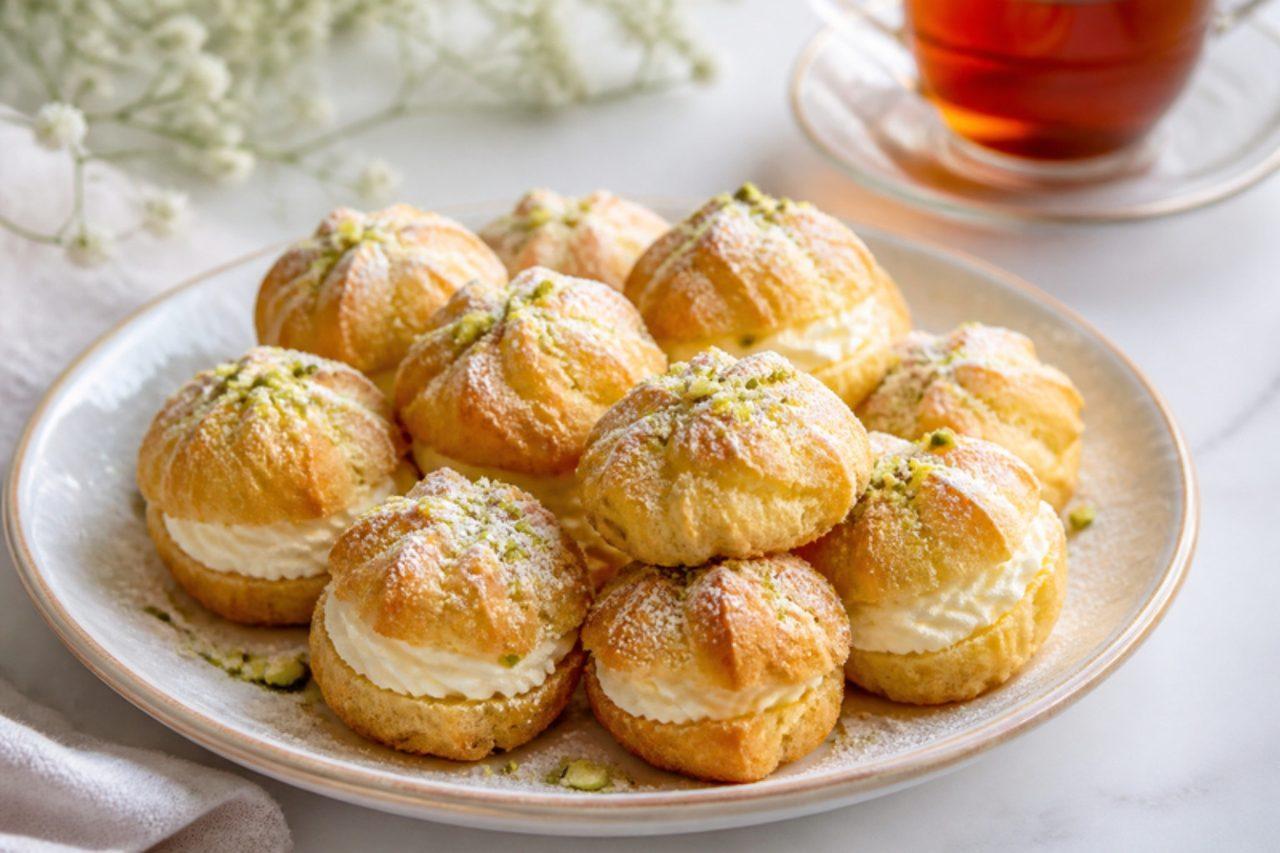
Tehran's pastry shops, the qanadi on every busy street, sell nan-e khamei by the boxful: small golden choux puffs split and filled with softly whipped cream, dusted with icing sugar. Families buy a box to take when visiting relatives, for birthdays and above all for the Nowruz new-year table, and they are eaten with glasses of black tea. The shells are crisp and hollow, the cream barely sweet and sometimes lifted with a drop of rose water, and a few chopped pistachios on top add colour. Filling them too early is the usual mistake, as the cream softens the shells within hours, so fill them shortly before serving. Chef's tip: whip the cream in a chilled bowl and stop at soft peaks with a little hold; it pipes smoothly and doesn't turn grainy.

by KrazyBadal 0 views

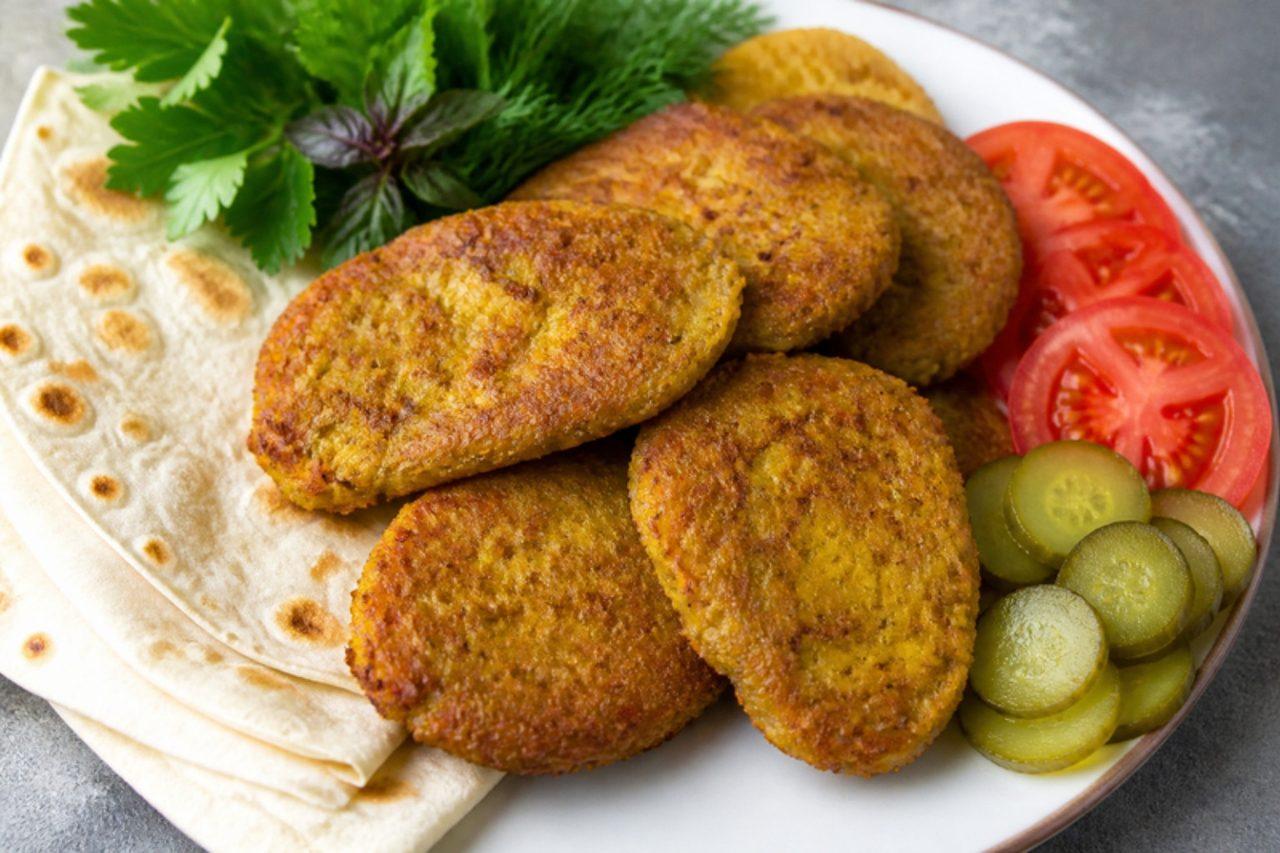
Persian kotlet (beef and potato patties)

Kotlet is the dish Iranian families make in big batches for school lunches, road trips and Friday picnics in the park: minced beef mixed with grated potato, onion, egg and turmeric, shaped into flat ovals and fried until deep brown and crisp at the edges. They are eaten tucked into lavash or a soft roll with tomato, cucumber pickles and herbs, warm at home and cold the next day. They contain egg and gluten (breadcrumbs). Chef's tip: squeeze the grated onion and potato hard in a cloth; that water is what makes kotlet fall apart in the pan.

by KrazyBadal 0 views

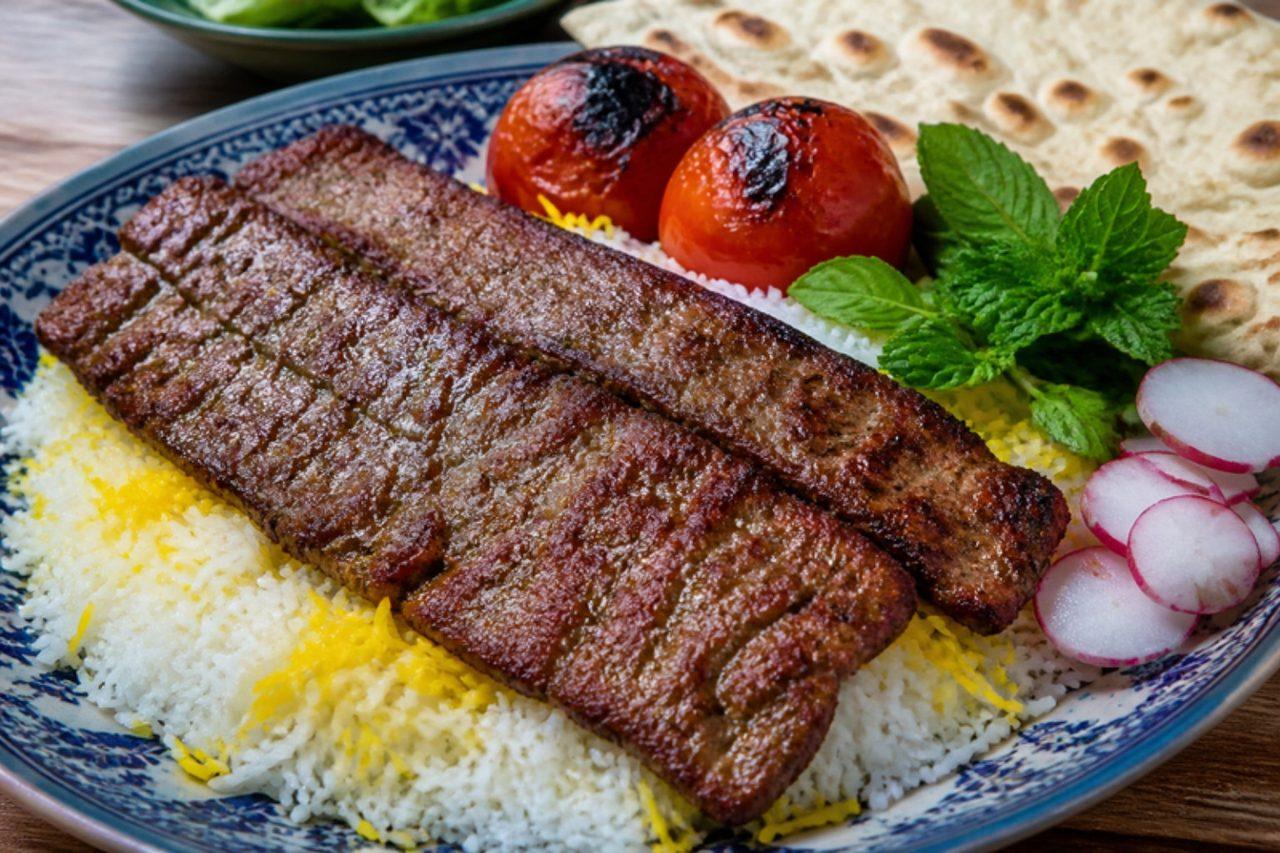
Kabab bonabMinced lamb kebab

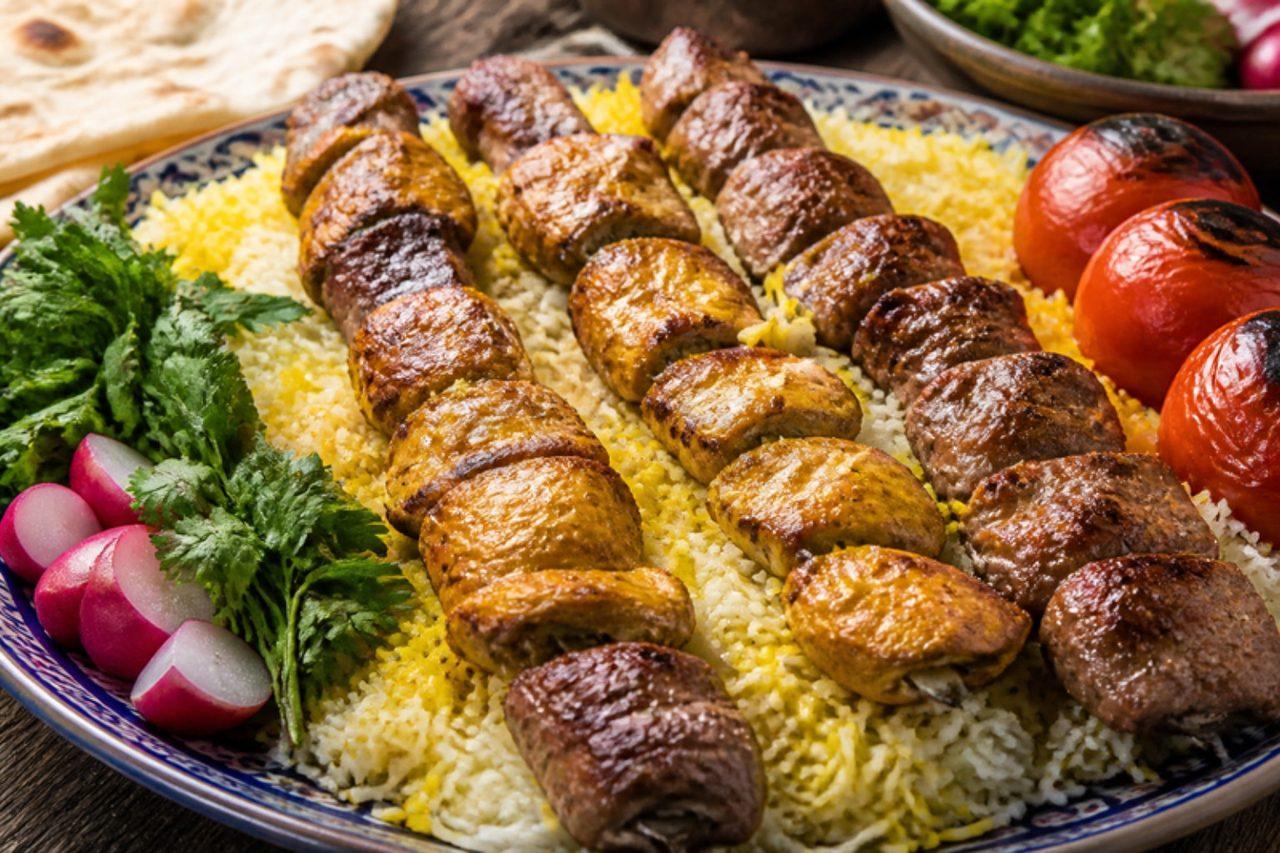
The town of Bonab in East Azerbaijan gave its name to this kebab, which is longer, wider and juicier than koobideh, and Tabriz kebab houses still serve it at lunchtime with whole grilled tomatoes and a bowl of buttery rice. Coarsely minced lamb with plenty of grated onion is kneaded until sticky, pressed onto very wide skewers and grilled quickly over coals. Serve it with chelow or lavash, raw onion and sumac. The common failure is mince that is too lean, which falls off the skewer; you need about 25% fat. Chef's tip: knead the mince for a full 5 minutes and chill it for 30 minutes before shaping; that is what makes it cling to the skewer.

by KrazyBadal 0 views

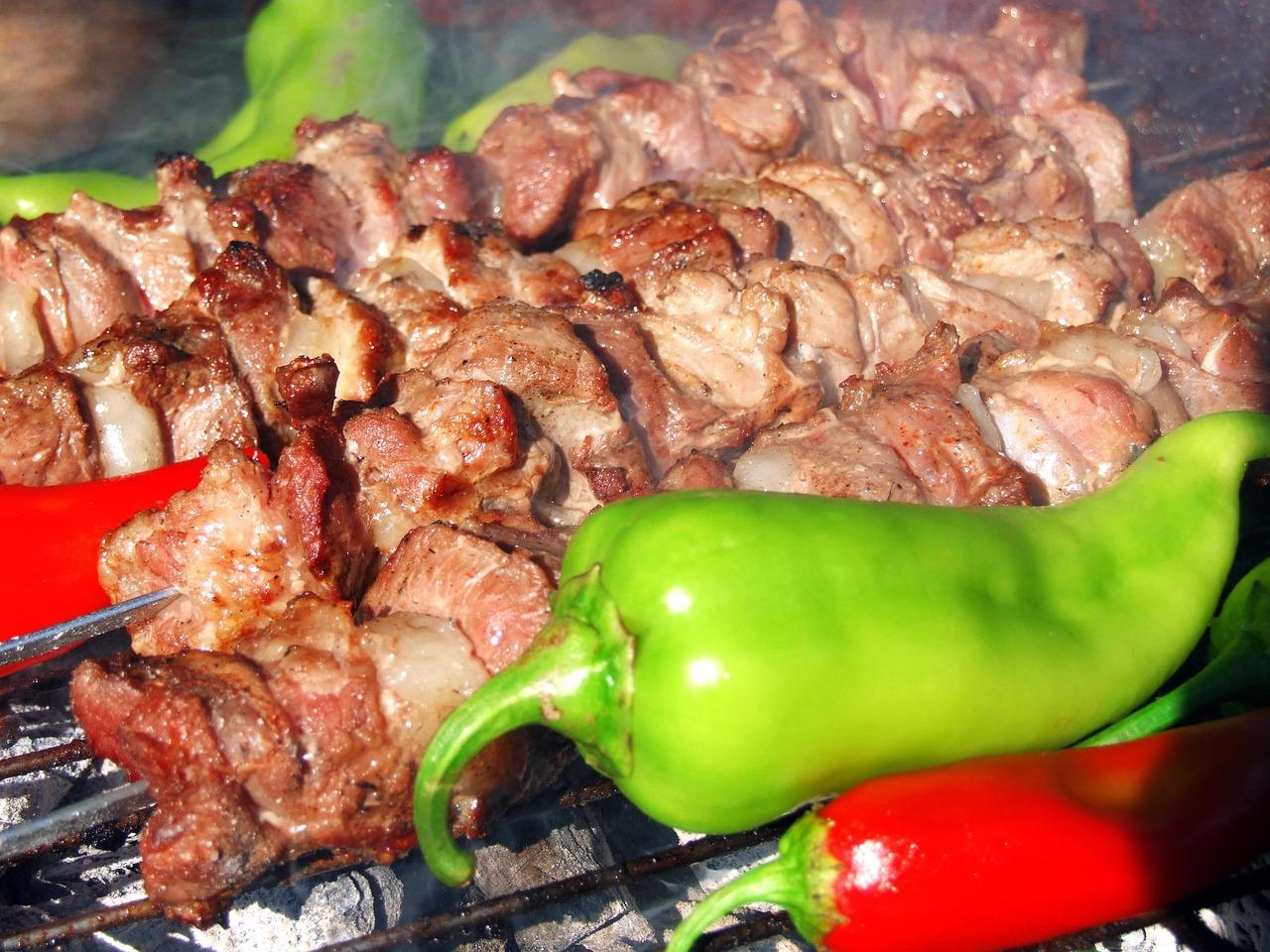
Chenjeh kababSaffron lamb kebab

Chenjeh, chunks of lamb grilled on wide flat skewers, is the kebab of the roadside restaurants on the road to Mashhad and the Friday grills of Tehran, where whole families queue for it with bread and grilled tomatoes. The meat marinates in grated onion, yogurt and saffron until tender, then cooks fast over hot coals so it is charred outside and juicy within. Serve it with chelow and butter, or lavash, sumac and grilled tomatoes. The usual mistake is cutting the pieces too small, so they dry out before they char; 3–4 cm cubes are right. Chef's tip: strain the grated onion and use only its juice in the marinade, so no onion bits burn on the grill.

175 minPersianMeatGluten free
by KrazyBadal 0 views

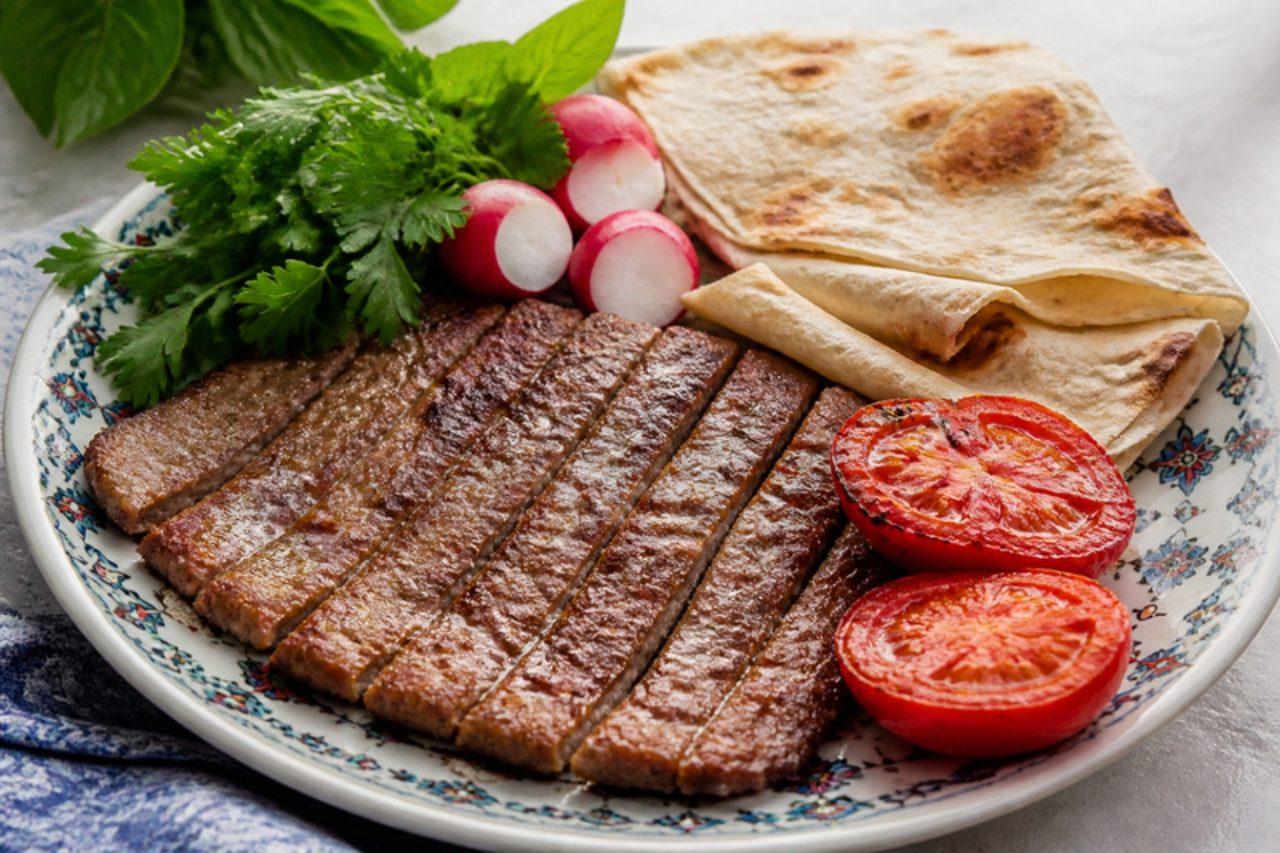
Kabab tabeiPan-fried minced meat kebab

Kabab tabei is the kebab Iranian students make in a frying pan when there is no grill, and the quick weeknight dinner in flats all over Tehran: minced meat with grated onion and turmeric pressed flat across the pan, cut into strips and fried in its own juices. It tastes like koobideh without the charcoal and is ready in half an hour. Serve it with chelow or bread, pan-fried tomatoes and raw onion. The mistake is a cold pan, which makes the meat stew; heat it well first and don't move the slab until it has browned. Chef's tip: once the first side is cooked, tip in halved tomatoes around the meat; they soften in the juices and become the sauce.

by KrazyBadal 0 views

Kabab bakhtiariLamb and chicken kebab

Named after the Bakhtiari tribes of the Zagros mountains but really a creation of Iran's big city kebab houses, kabab bakhtiari puts lamb fillet and saffron chicken side by side on the same skewer, so each person gets both. It is a celebration order in Tehran and Isfahan restaurants, served with buttered chelow and grilled tomatoes. Each meat has its own marinade: onion and pepper for the lamb, saffron, lemon and yogurt for the chicken. The common mistake is cutting both meats to the same size; chicken needs slightly smaller pieces so it cooks through as the lamb reaches pink. Chef's tip: press the lamb and chicken pieces tightly together on the skewer so the juices pass between them as they grill.

165 minPersianMeatGluten free
by KrazyBadal 0 views

Chilcano de piscoPisco and ginger ale highball

When Lima's grey winter finally lifts and summer reaches the beaches south of the city, the chilcano takes over from the pisco sour: lighter, longer and made for an afternoon. Peru even gives it a Semana del Chilcano each January, and it is poured at weekend lunches with chifa or fried fish. This is a highball for adults only: pisco poured over a tall glass of ice with fresh lime and ginger ale, finished with a few drops of bitters. It should taste crisp and fizzy, with the ginger and lime lifting the floral grape notes of the pisco rather than hiding them. The common mistake is using too little ice and warm ginger ale, which gives a sweet, diluted drink that goes flat in minutes. Fill the glass to the top with ice and keep the ginger ale in the fridge until the last second. It is ready when the glass is frosty, the bubbles race up the sides and the bitters drift through the top as a pink haze. Light it may be, but drink responsibly. Chef's tip: try a fruit-infused pisco, made by steeping passion fruit or mandarin peel in the bottle for a few days; Limeños love a chilcano de maracuyá.

by KrazyBadal 0 views

Tas kababLayered meat, potato and quince stew

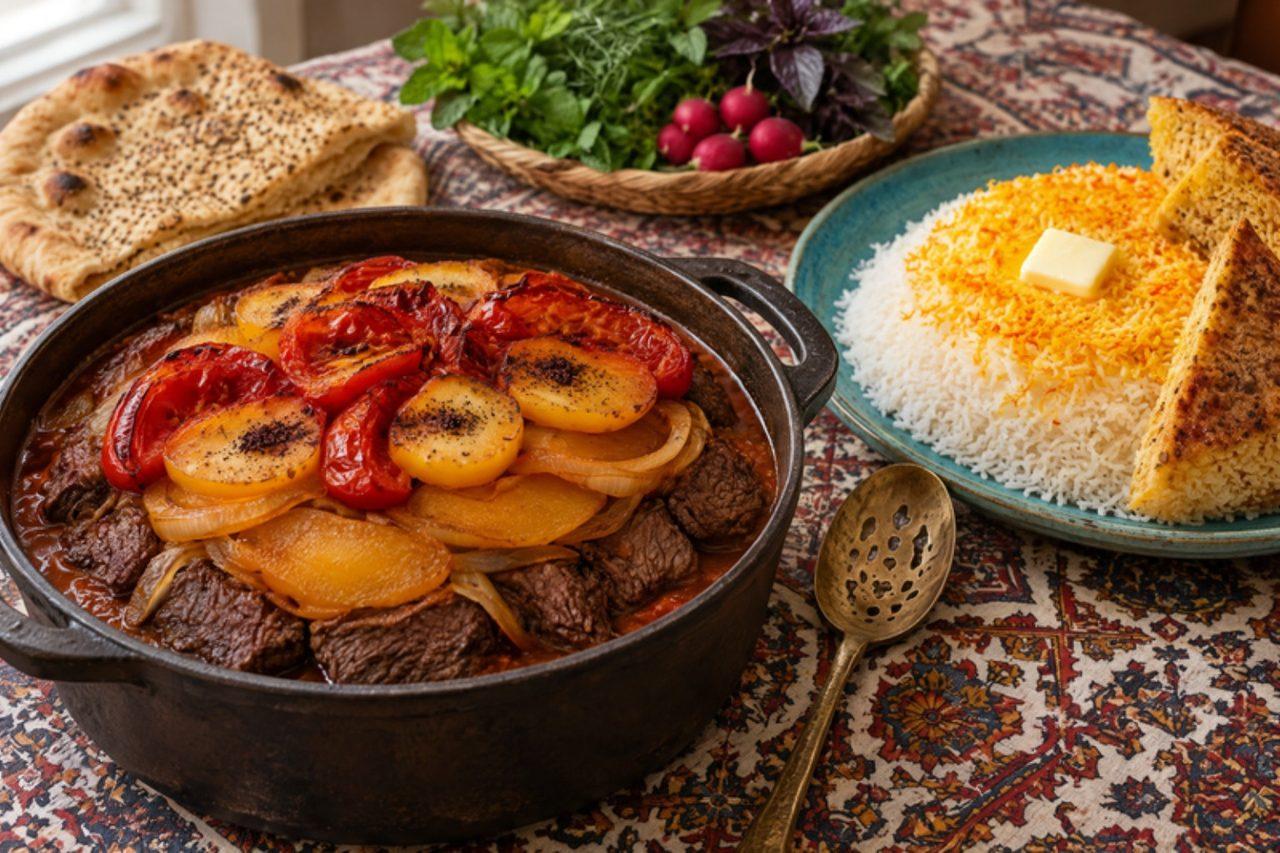
Tas kabab is a quiet home dish from Iran, cooked in autumn and winter when quinces are in the bazaars and a pot can sit on a low flame through the afternoon. Thin slices of beef or lamb are layered with onion, potato, carrot, tomato and quince, seasoned with turmeric, cinnamon and saffron, then left covered with very little water so everything cooks in its own juices into a sweet-sour, tender stew. Serve with plain rice or bread and a bowl of yoghurt. The usual mistake is adding too much water: it boils instead of steaming and the layers turn into soup. Chef's tip: wrap the lid in a clean tea towel so the drops of steam don't fall back and dilute the juices.

150 minPersianMeatGluten free
by KrazyBadal 0 views

Mate de muñaAndean mint tea

Muña is the minty shrub that grows wild on the slopes around Cusco, Puno and the Sacred Valley, and highland cooks reach for it after a heavy meal of chicharrón or when visitors are struggling with the altitude. Market herb sellers sell it in fresh bunches, and hotels and homes leave it in a flask for anyone coming in from the cold evenings. Steeped simply in hot water, it smells somewhere between spearmint, oregano and pennyroyal, with a cooling, slightly peppery taste and a pale green-gold colour. It is traditionally drunk to settle the stomach. The usual mistake is boiling the leaves hard for a long time, which turns the tea brown and bitter. Pour water just off the boil over the sprigs, cover, and let it steep. It is ready when the cup is pale gold and the aroma rises as soon as you lift the lid. Outside Peru, look for dried muña in Latin shops; failing that, use mostly spearmint with a little fresh oregano. Muña is strong: avoid large amounts in pregnancy, and check with a doctor if you take regular medication. Chef's tip: cover the cup while it steeps so the scented oils stay in the tea.

by KrazyBadal 0 views

Sharbat-e rivas (rhubarb sherbet)

For a few weeks in spring, after Nowruz, sellers come down from the Alborz foothills, the mountains of Khorasan and Kurdistan with bundles of rivas, the thick-stalked wild rhubarb. People peel and eat the stalks raw with salt, cook them into khoresh, and boil the rest into syrup to keep the taste of the season into summer. Sharbat-e rivas is pink, sharp and refreshing, like sour cherry and green apple together, softened by sugar and lifted by mint. The common mistake is boiling the rhubarb hard and pressing it through the sieve, which makes the syrup cloudy, brownish and stringy; simmer gently and let it drip on its own. Use only the stalks, never the leaves, which are poisonous. The syrup is ready when it is clear, rose-coloured and coats a spoon in a thin film; it keeps for two weeks in a clean bottle in the fridge, and should be thrown away if it fizzes, smells of alcohol or grows mould. Garden rhubarb is a good substitute for rivas; the reddest stalks give the prettiest colour. Chef's tip: a strip of lemon peel in the pot brightens the colour and stops the syrup tasting flat.

by KrazyBadal 0 views

Chai nabat (saffron rock candy tea)

Pilgrims leaving Mashhad carry home boxes of saffron nabat, crystals of rock candy grown on a string and tinted gold with Khorasani saffron. Across Iran a glass of chai nabat is what you are handed when you feel unwell, after a shock, after an exam, or late at night when the evening meal sits heavy; it is traditionally drunk to settle the stomach and warm you up. The tea is brewed strong in a teapot that sits on top of the kettle, then poured clear and amber into small glasses, and the nabat stick is stirred until it softens the tea with a gentle, honeyed sweetness and a faint saffron aroma. Black tea has a moderate amount of caffeine, so give children a weaker glass. A common mistake is boiling the leaves or letting them steep on direct heat, which turns the tea bitter and murky; Persian tea is "dam" — brewed gently on steam. It is ready when the leaves have sunk, the tea is clear and reddish-amber and it smells of bergamot or cardamom. Chef's tip: hold the glass up to the light; if you can't see through it, top it up with hot water, as Iranians do.

by KrazyBadal 0 views

Jugo surtidoMixed fruit juice

Step up to any juguería in Lima's Mercado de Surquillo or a barrio market at breakfast time and order a surtido: the juicer drops papaya, banana, pineapple and freshly squeezed orange into a tall blender, sometimes a slice of cooked beetroot for colour or a splash of milk, and pours you a big glass with the rest left in the jug for your 'yapa', the free refill. It is thick but still pourable, sweet from ripe fruit with a sharp orange edge, the kind of drink that stands in for breakfast before a long day. The common mistake is adding lots of ice and water, which makes it thin and frothy rather than velvety. Use cold fruit and freshly squeezed orange juice as the liquid. It is ready when it coats the glass and no lumps of banana are left. This version is fruit only; stalls also make it with milk if you prefer. Drink it straight away: papaya and banana go brown and bitter within half an hour. Chef's tip: use very ripe papaya with orange flesh; under-ripe papaya tastes of nothing and gives a faintly bitter aftertaste.

by KrazyBadal 0 views

Sharbat-e bidmeshk (willow blossom sherbet)

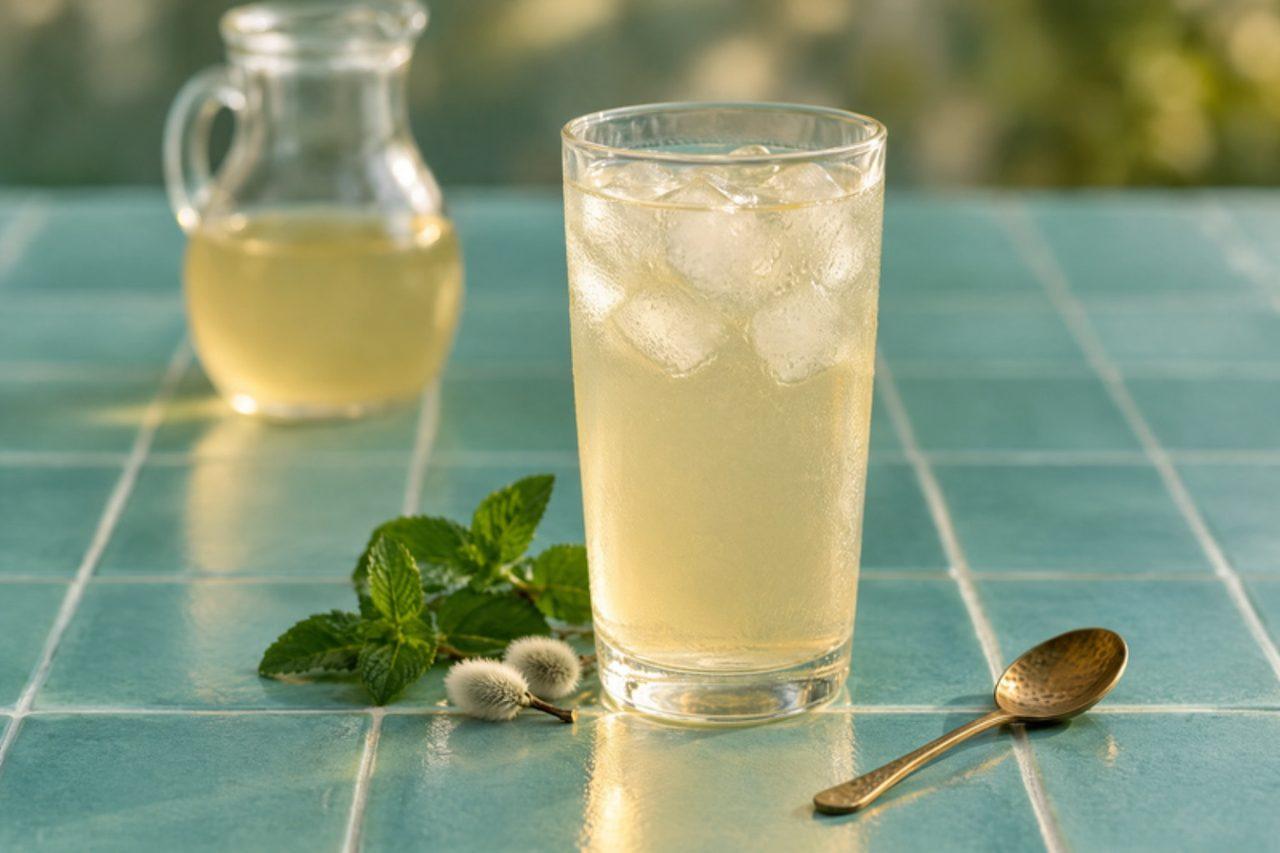
Kashan and the villages of Qamsar and Niasar are famous for distilling flowers in spring: rose water in May, and before that araq-e bidmeshk, the distillate of the fuzzy catkins of the musk willow. In summer, when the desert heat settles over the old houses, the same bottles go into sharbat-e bidmeshk, a pale syrup diluted with icy water and served to guests in tall glasses, sometimes with swollen basil seeds. It is traditionally drunk to calm the nerves and cool the body. The taste is delicate, sweet and haunting, somewhere between honeysuckle, musk and fresh hay. The common mistake is adding the distillate to hot syrup; the heat drives the scent away within minutes, so cool the syrup completely first. The syrup is ready when it is clear and pours like thin honey, and the finished sherbet should smell floral the moment you lift the glass. Look for the distillate in Iranian shops; there is no true substitute, though rose water with a few drops of orange-blossom water makes a pleasant but different drink. Chef's tip: a squeeze of lemon in the syrup stops it crystallising in the fridge, where it keeps for a month.

by KrazyBadal 0 views

Jugo de macaWarm maca drink

Before dawn at markets in Huancayo, Cusco and Lima, juice ladies ladle hot jugo de maca from big pots for workers on their way in: maca root, a turnip relative grown above 4,000 metres in the Junín highlands, simmered with milk, cinnamon and cloves and sweetened with honey or sugar. It tastes malty and toasty, a bit like butterscotch. The common mistake is stirring the powder straight into hot milk, which leaves gritty lumps; whisk it into a little cold milk first. Maca is not usually advised in pregnancy, so ask your doctor first if you are pregnant. Chef's tip: use gelatinised (cooked) maca powder if you can find it; it dissolves smoothly and is gentler on the stomach.

by KrazyBadal 0 views

DiziLamb and chickpea stew

Dizi, also called abgoosht, is Tehran's working lunch, served at old teahouses and bazaar canteens in individual stone pots, and cooked at home on cold Fridays. Lamb on the bone, chickpeas, white beans, potatoes, tomato and dried lime cook gently for hours. At the table you pour off the broth and soak torn sangak or lavash bread in it (tilit), then pound the meat, beans and potato into a coarse paste (goosht kubideh) to eat with herbs, raw onion and pickles. The usual mistake is adding the potatoes at the start: they collapse and cloud the broth. Slow-cooker: after the beans' hard boil, cook everything except the potatoes on low for 10 hours, adding them for the last 2. Chef's tip: pierce the dried limes so they flavour the broth without turning it bitter, and lift them out before pounding.

245 minPersianMeatGluten free
by KrazyBadal 0 views

Refresco de coconaCocona cooler

In Iquitos, Pucallpa and the river towns of Loreto, heat and humidity make a cold refresco part of every lunch, and cocona is one of the favourites sold from plastic jugs at the Belén market. The fruit looks like a fuzzy orange tomato and tastes between tomato, lemon and apricot: very sour, aromatic and juicy. Blended with water and sugar it makes a tangy, golden drink with a light pulp, served with juane or tacacho con cecina. The usual mistake is skipping the fuzz: cocona skin is covered in fine hairs that make the drink scratchy, so rub them off under running water before you start. Blend only briefly, too, so the many seeds do not crack. It is ready when the refresco is opaque orange, sour first and sweet after, with no grit. Outside the Amazon, look for frozen cocona pulp in Latin American shops; naranjilla (lulo) pulp is the closest substitute. Chef's tip: a pinch of salt makes the fruit taste sweeter and fruitier without more sugar.

by KrazyBadal 0 views

Pisco sour

Lima drinks its pisco sour as the aperitif before a long ceviche lunch, and celebrates it every year on the first Saturday of February; the recipe took shape in the city's bars in the 1920s. It is for adults only and stronger than its pillowy look suggests. Underneath a thick white foam you get sharp Peruvian lime, a clean sweetness and the floral, grapey warmth of quebranta pisco, with the bitters adding a spicy smell to every sip. The texture should be silky, almost creamy, never thin. The classic mistake is squeezing the limes too hard or too early: the oil from the pith turns the drink bitter within half an hour. Halve the limes, press each half gently by hand just before mixing and stop when the juice slows. The egg white is raw, so use pasteurised egg white for anyone pregnant, for babies, older people or anyone unwell, or swap in 30 ml aquafaba. It is ready when the foam stands about 1 cm high and is firm enough to hold the drops of bitters on its surface. Sip one slowly and drink responsibly. Chef's tip: shake once without ice first to whip the egg white, then again with ice; the foam will be twice as thick.

by KrazyBadal 0 views

Sharbat-e zaferan (saffron sherbet)

Big steel urns of golden saffron sherbet are poured for guests at Iranian weddings and engagement parties, and the same drink is handed out on the street as nazri during Muharram and at memorial gatherings, when families offer something sweet and cool in the name of the departed. Saffron from Khorasan is ground with a sugar cube, bloomed in a little water and stirred into syrup with rose water and lemon. The result is honey-sweet and floral, with saffron's faint bitterness and hay-like perfume at the end, and a colour that should be a clear, sunny orange-gold. The usual mistake is dropping whole threads straight into cold water, which gives a pale, patchy drink and wastes expensive saffron; grind it first and let it bloom for at least 10 minutes. You know the bloom is ready when the water is a deep red-orange and smells strongly of saffron. Taste before serving: it should be sweet but finish clean, with the lemon just noticeable. Chef's tip: an ice cube placed on the ground saffron and left to melt slowly gives the deepest colour of all, an old Iranian trick.

by KrazyBadal 0 views

BusecaTripe and white bean stew

Buseca arrived in Montevideo with Italian immigrants from Lombardy and became a classic winter dish of Uruguayan bodegones and family kitchens, eaten on cold June and July days. Honeycomb tripe is simmered until tender, then stewed with white beans, pork chorizo, bacon, peppers, tomato and paprika into a thick, warming stew served with crusty bread. Buy tripe that is already cleaned and blanched (dressed). The usual mistake is undercooking the tripe: it needs a full 2 hours, until it's soft enough to cut with a spoon. Slow-cooker option: after step 4, cook on low for 8 hours. Chef's tip: a little grated lemon zest and parsley stirred in at the end lifts the rich, gelatinous sauce.

by KrazyBadal 0 views

Showing 24 of 74 recipes

Show more recipes

Page 1 of 4