Skip to content
Recipes

All recipes

Vegetarian, or something you can't eat? Set your diet once and we'll hide recipes that don't fit.

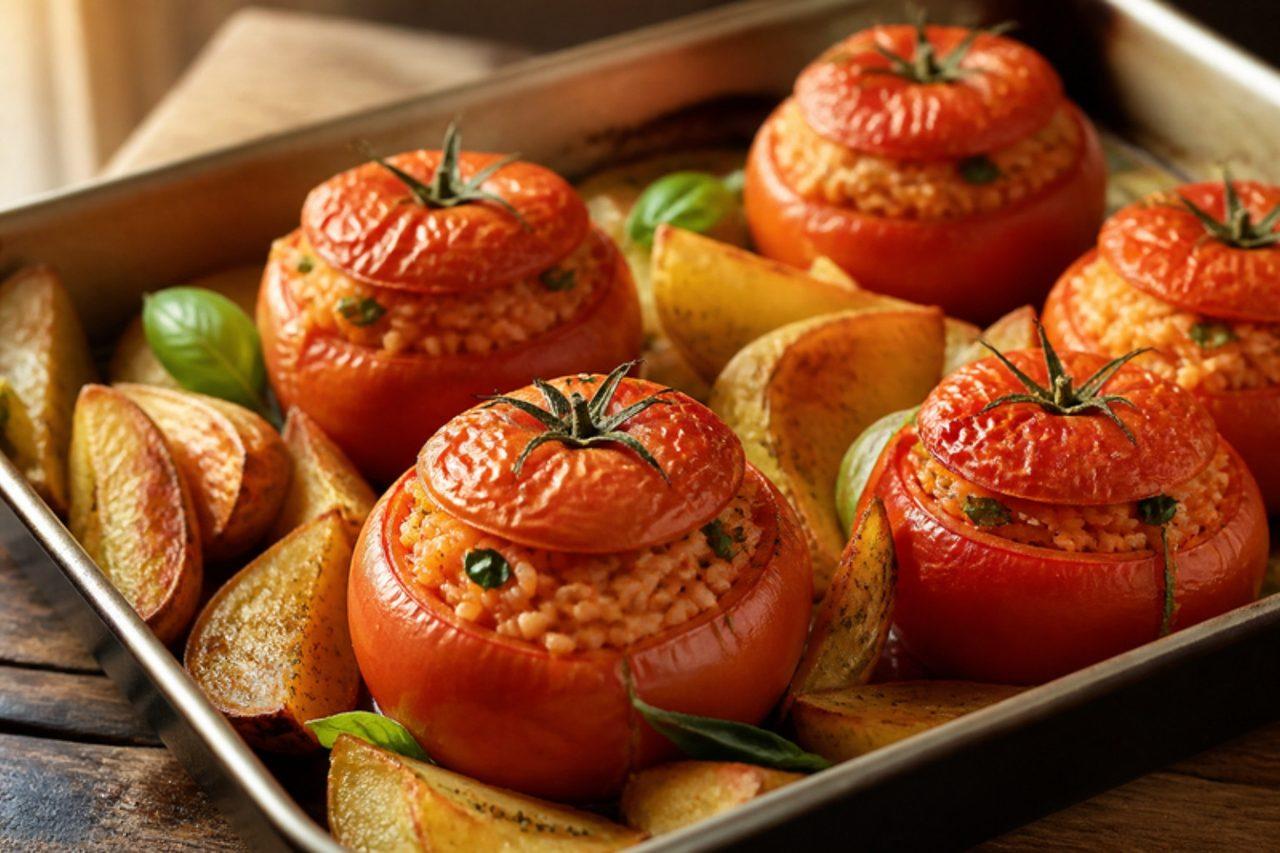
Pomodori col risoRice-stuffed tomatoes

Every Roman bakery and rosticceria has a tray of pomodori col riso in summer: big round tomatoes, hollowed out and filled with raw rice soaked in their own pulp with garlic, basil and olive oil, then baked with wedges of potato that soak up the juices. Romans eat them warm or at room temperature for lunch on hot days, often on Ferragosto (15 August). Chef's tip: let the rice soak in the tomato pulp for at least an hour before filling; it softens and then cooks evenly inside the tomatoes.

by KrazyBadal 0 views

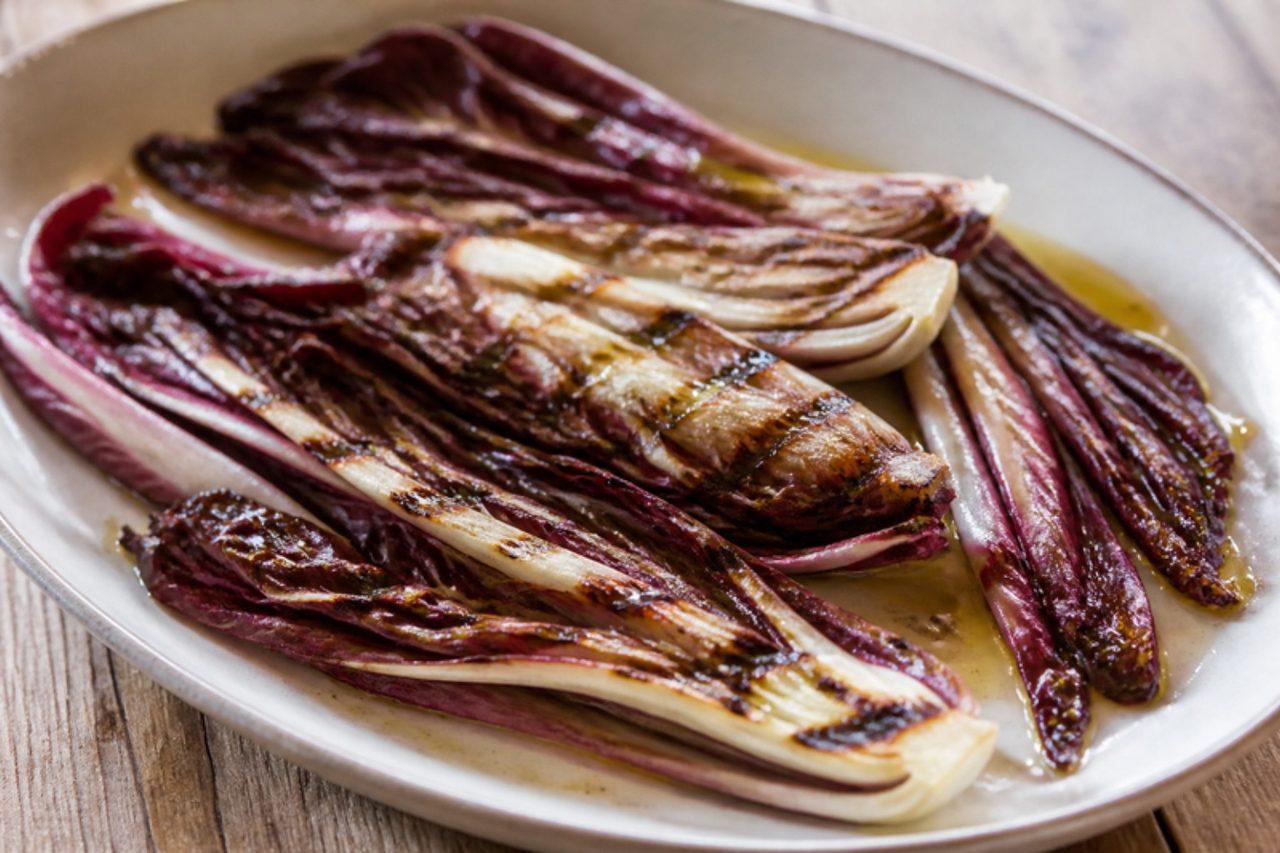
Radicchio trevigiano ai ferriGrilled radicchio

Treviso, north of Venice, is famous for its radicchio tardivo, long crimson leaves with white ribs that are harvested in December and forced in cold spring water until they are crisp and only gently bitter. In the Veneto it is often grilled on a griddle over the fire, dressed with olive oil, salt and a few drops of vinegar, and served next to grilled meat or polenta. The heat softens the bitterness and adds a smoky sweetness. Chef's tip: cut the heads lengthways through the root so the leaves stay joined and don't fall through the grill.

by KrazyBadal 0 views

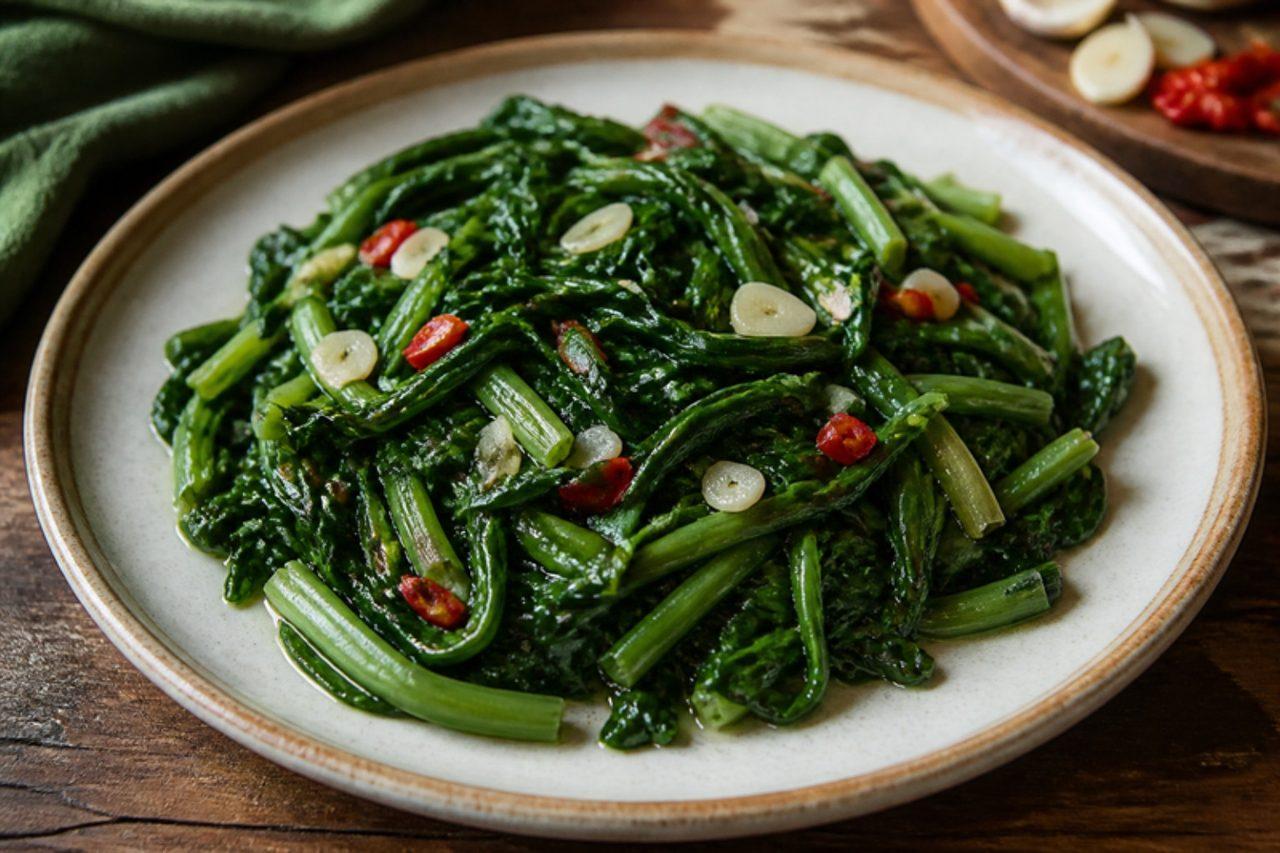
Cicoria ripassataSautéed bitter chicory

In Rome and across Puglia, cicoria is the bitter green that arrives at every market from autumn to spring, often gathered wild in the fields. It is boiled first to soften its bitterness, then "ripassata", passed through the pan again with garlic, chilli and olive oil. Roman trattorie serve it next to roast lamb or saltimbocca, and in Puglia it is the classic partner for fava bean purée. Chef's tip: boil the chicory in plenty of well-salted water and then squeeze it hard; most of the harsh bitterness goes down the drain with the water.

by KrazyBadal 0 views

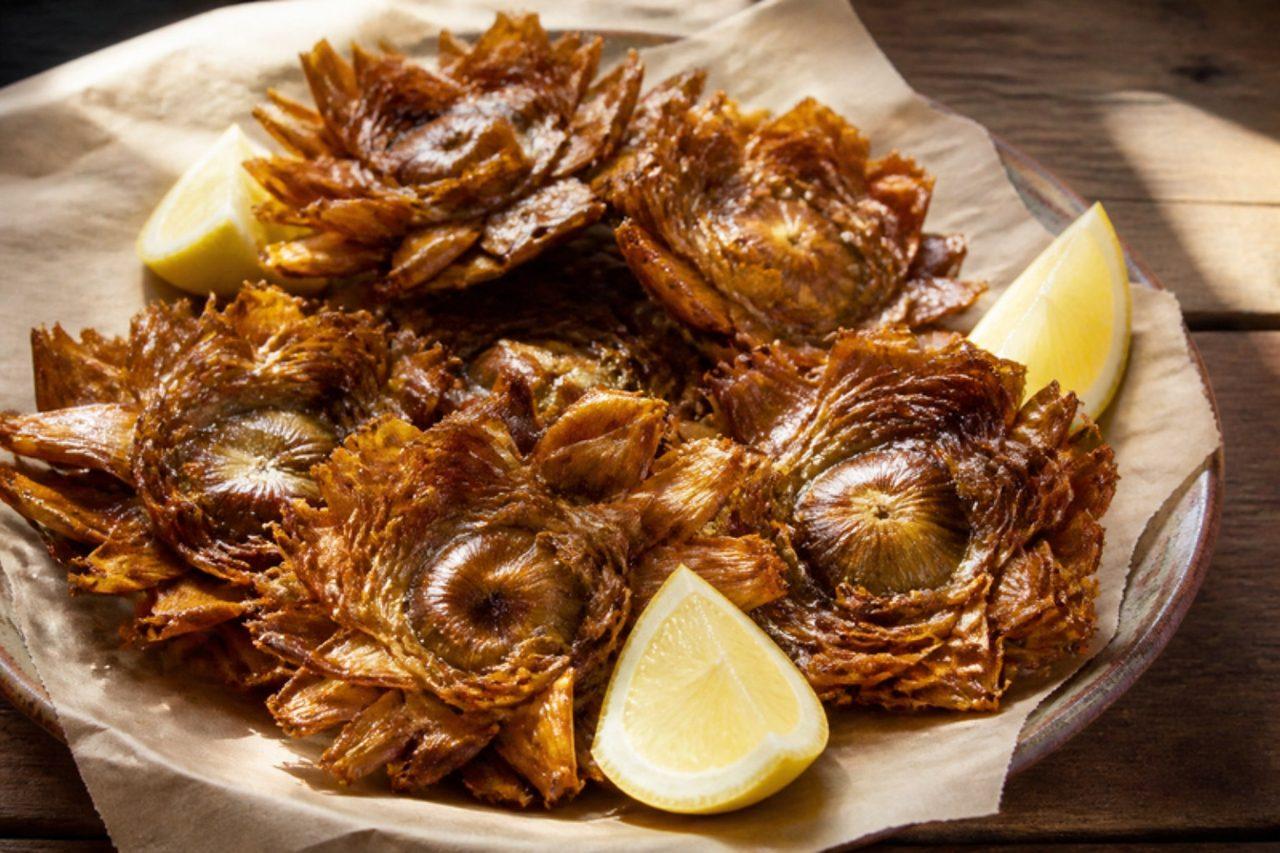
Carciofi alla giudiaCrisp fried artichokes

Carciofi alla giudia come from Rome's old Jewish Ghetto, where for centuries the restaurants along Via del Portico d'Ottavia have fried them from February to April, when the round Roman romanesco artichokes are in season. The artichokes are trimmed, fried once slowly until tender, then opened like flowers and fried again in hotter oil until the leaves are bronze and crunchy like crisps, while the heart stays soft. Chef's tip: before the second fry, flick a few drops of cold water into the oil from your fingers, standing well back; Roman cooks say the spatter is what makes the leaves extra crisp. Do this carefully.

by KrazyBadal 0 views

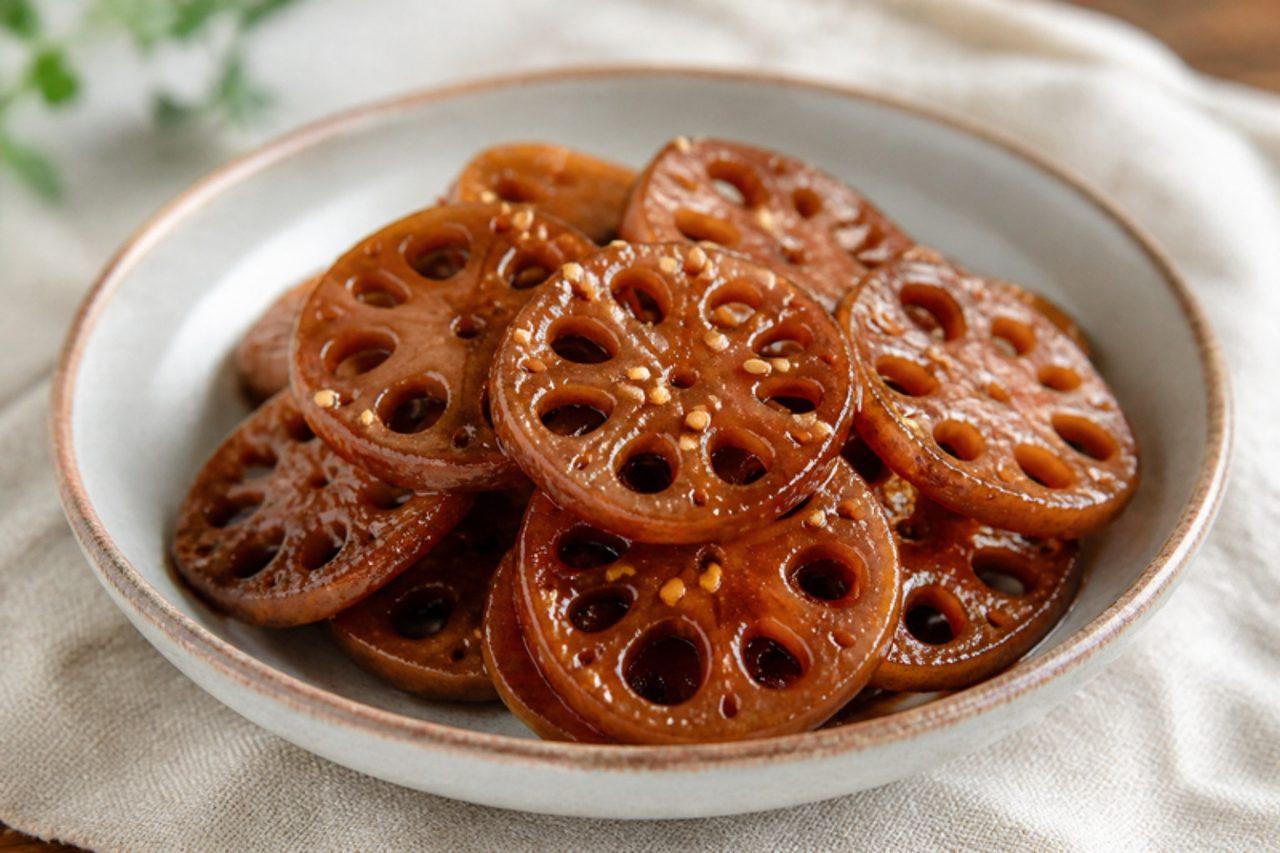
Yeongeun jorimSoy-braised lotus root

Yeongeun jorim is a winter banchan from the lotus ponds of South Jeolla, where Muan county is famous for its lotus fields, and it is now made in homes all over Korea for lunchboxes and holiday tables. Slices of lotus root are blanched in vinegared water, then simmered in soy and syrup until they turn dark, glossy and chewy with a lingering crunch. The holes make every slice look like lace. The common mistake is skipping the vinegar blanch, which leaves the slices grey and starchy. Chef's tip: stop cooking while there are still a couple of spoonfuls of sauce in the pan; the glaze thickens as it cools and turns sticky rather than hard.

by KrazyBadal 0 views

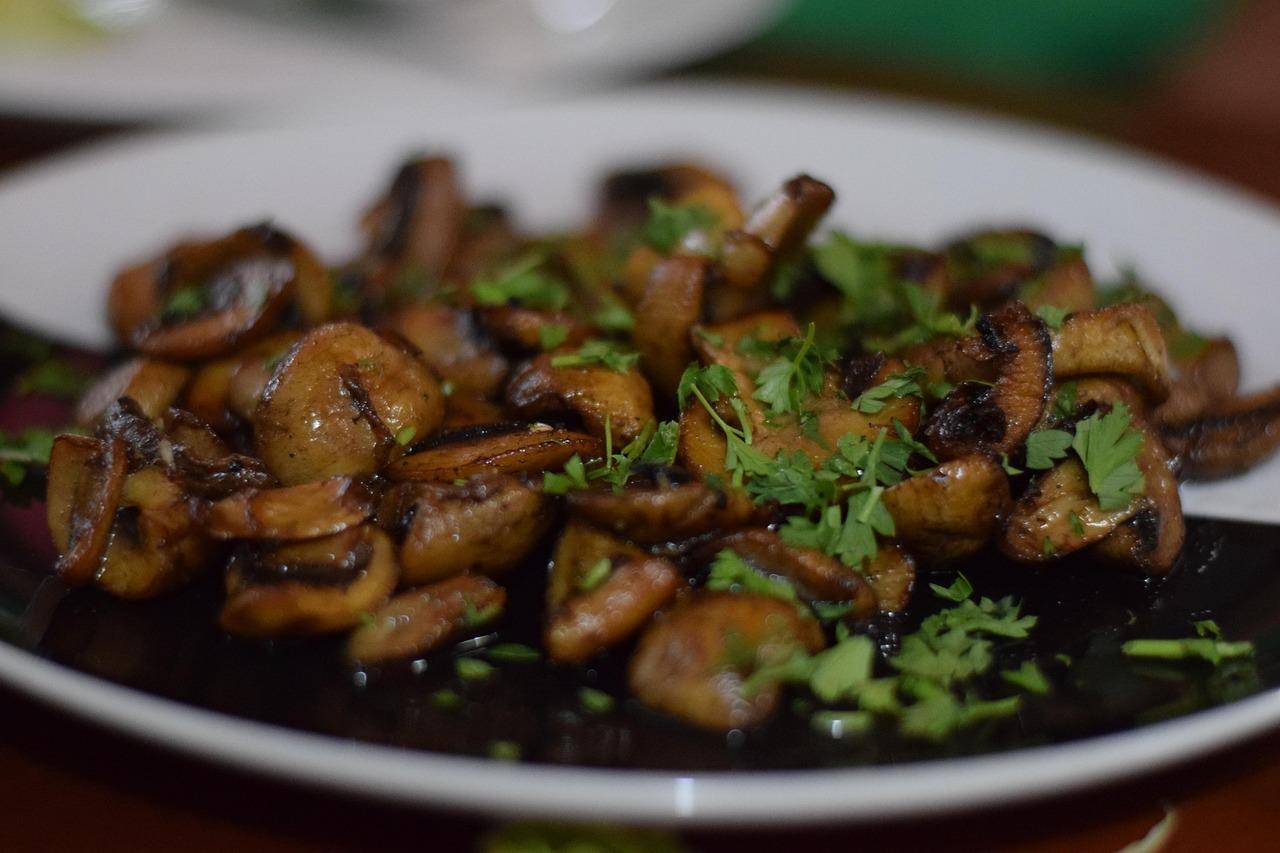
Funghi trifolatiGarlic sautéed mushrooms

"Trifolati" means cooked like truffles: sliced thin and sautéed in olive oil with garlic and parsley. In autumn, when the woods of Piedmont and Tuscany fill with mushroom hunters, trattorie from Alba to the Casentino serve them as a side next to roast meat, on polenta or on toasted bread. Any mix of mushrooms works: porcini, chanterelles, oyster or chestnut mushrooms. Chef's tip: don't salt the mushrooms until the end; salt draws out their water early and they stew instead of browning.

by KrazyBadal 0 views

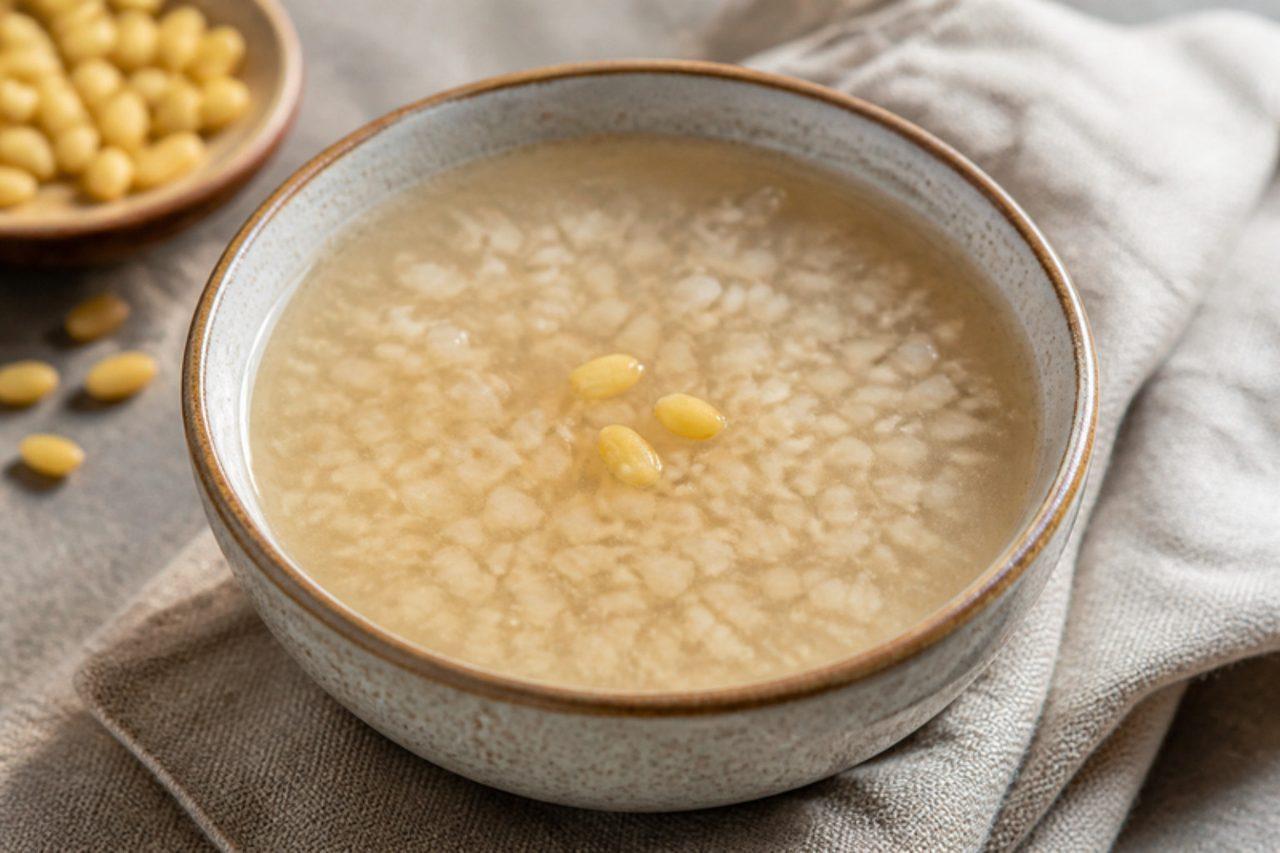
SikhyeSweet rice punch

Every Korean jjimjilbang (bathhouse) sells sikhye in little cans, and every grandmother makes a big pot of it before Seollal and Chuseok to sip after the heavy holiday meal, because it is believed to help digestion. Barley malt water and cooked rice are kept warm for several hours until enzymes turn the rice starch into sugar and the grains float up to the top, then the drink is boiled with ginger and chilled until icy. It is mild, lightly sweet and nutty, with soft rice grains to slurp. The usual mistake is letting it get too hot while it ferments: above about 65 °C the enzymes stop working and the grains never float. Contains barley (gluten). Chef's tip: use the rice cooker's 'keep warm' setting; it holds the perfect temperature on its own.

320 minKoreanDrinksVegan
by KrazyBadal 0 views

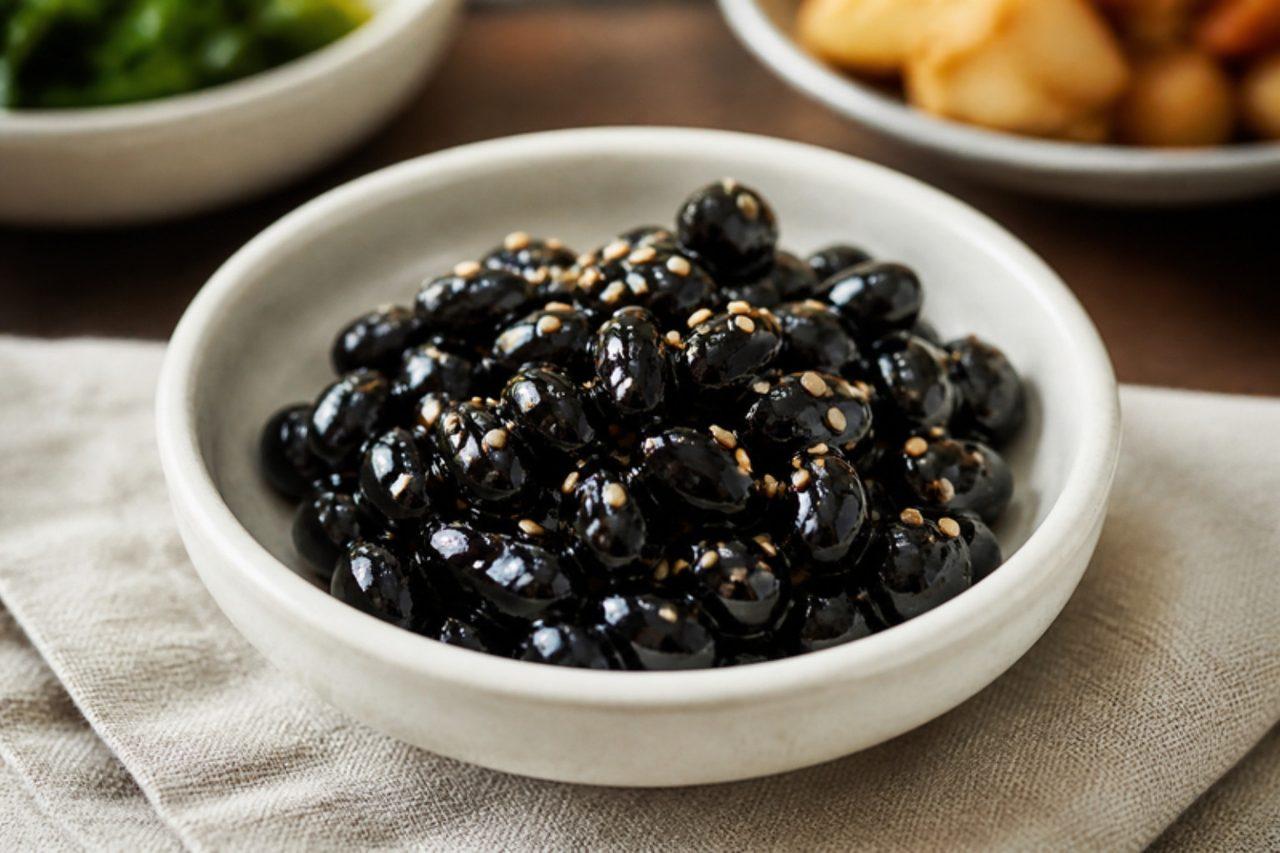
KongjabanSoy-braised black soybeans

Kongjaban is the shiny black bean banchan that sits in a small dish on Korean tables from Gwangju to Seoul and fills countless lunchboxes, because one batch keeps for a week. Dried black soybeans are soaked, simmered in soy and sugar and finished with rice syrup until each bean is chewy, sweet-salty and gleaming. It is a good source of plant protein and children usually love it. The common mistake is adding the syrup too early: it scorches before the beans are tender and makes them hard. Chef's tip: keep the lid off while the beans cook; the steam escaping helps the skins stay intact and wrinkled rather than bursting.

by KrazyBadal 0 views

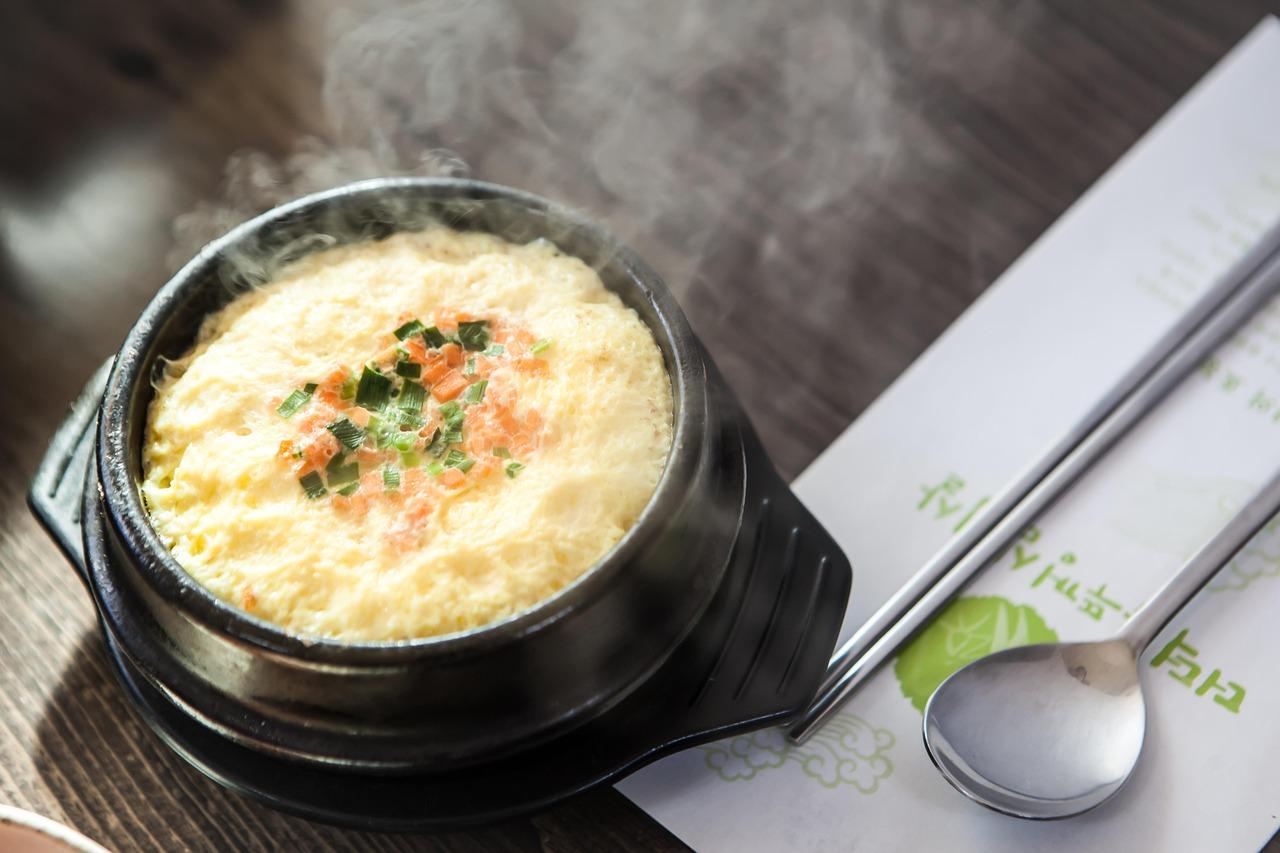
Gyeran jjimSteamed egg

At Korean barbecue restaurants in Seoul and Busan, a bubbling stone pot of gyeran jjim arrives puffed high above the rim to soothe mouths burned by grilled meat and kimchi. At home it is a soft, savoury egg custard eaten with rice, especially by children. This vegetarian version uses kelp water instead of the usual salted shrimp or anchovy stock. The common mistake is keeping the heat high once the egg starts to set, which scorches the bottom and makes the top tough and full of holes. Chef's tip: stir constantly for the first minute as it heats, then cover with an upturned bowl over the lowest flame; trapped steam is what makes it rise like a soufflé.

by KrazyBadal 0 views

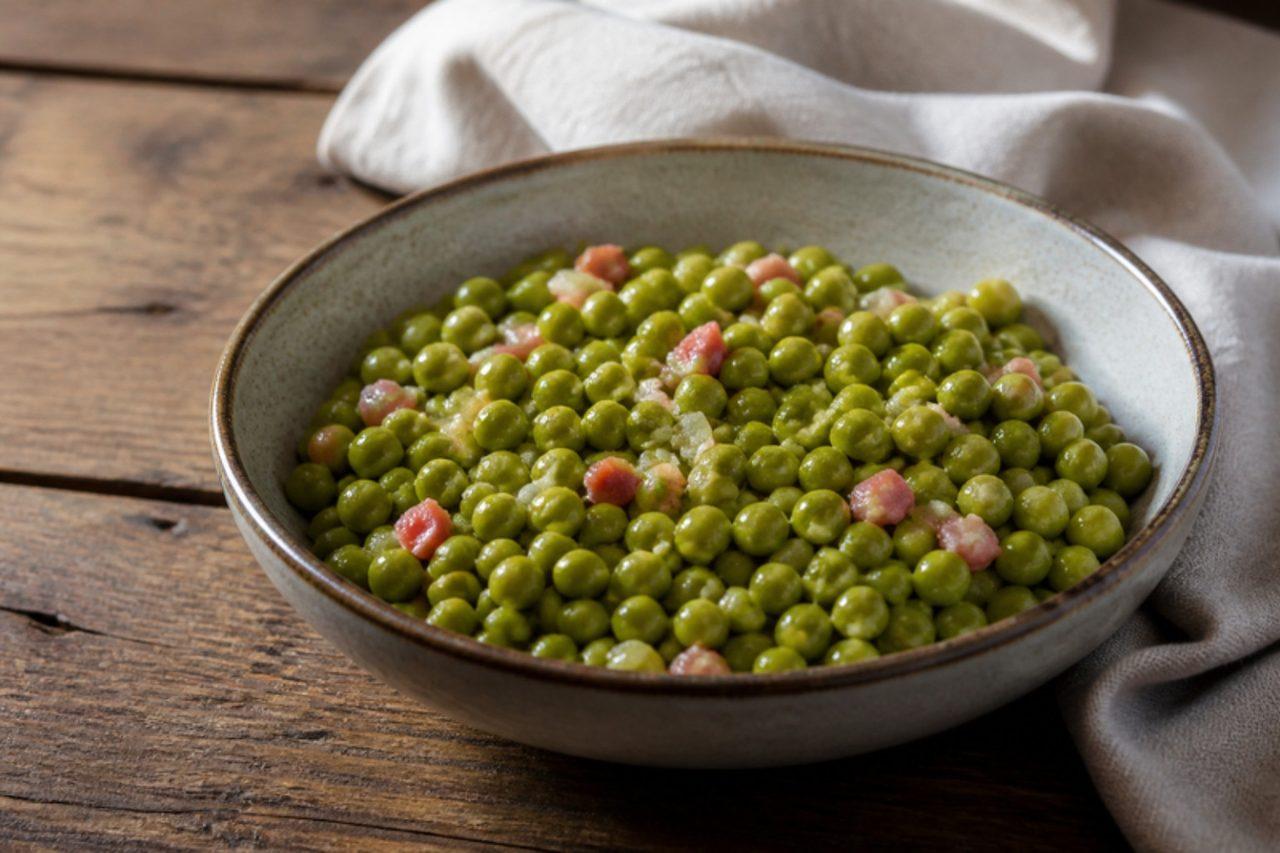
Piselli alla romanaPeas with prosciutto

In April, Roman markets like Campo de' Fiori are piled with sweet young peas from the fields around the city, and piselli alla romana is how they are cooked at home: stewed quickly with soft onion and little cubes of prosciutto (cured pork ham), with a splash of water. It is served as a side with lamb at Easter, or on toast. Frozen petits pois work well the rest of the year. Chef's tip: add the prosciutto at the end; cooked too long, it turns hard and salty.

by KrazyBadal 0 views

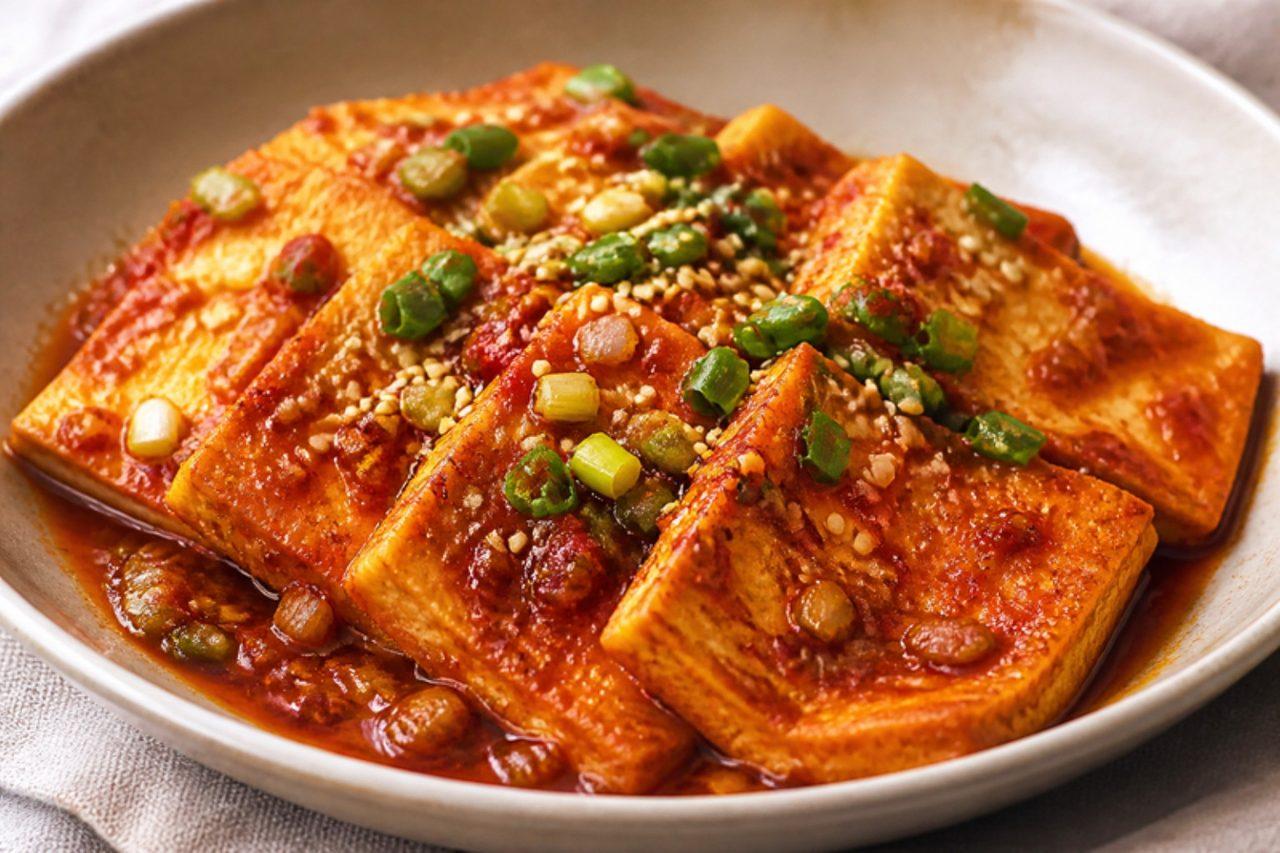
Dubu jorimBraised tofu in spicy soy

Dubu jorim is the tofu side dish Korean mothers pack into school lunchboxes and set out at home dinners from Busan to Seoul, because it is cheap, filling and even better the next day. Thick slices of firm tofu are fried golden, then simmered in a garlicky soy and chilli sauce until they soak it up and turn glossy. Eat it warm with rice or cold from the fridge. The common mistake is moving the tofu too soon in the pan: it tears and never forms the golden skin that holds the sauce. Chef's tip: salt the tofu slices lightly and leave them on kitchen paper for 10 minutes before frying; drier tofu browns faster and spits less.

by KrazyBadal 0 views

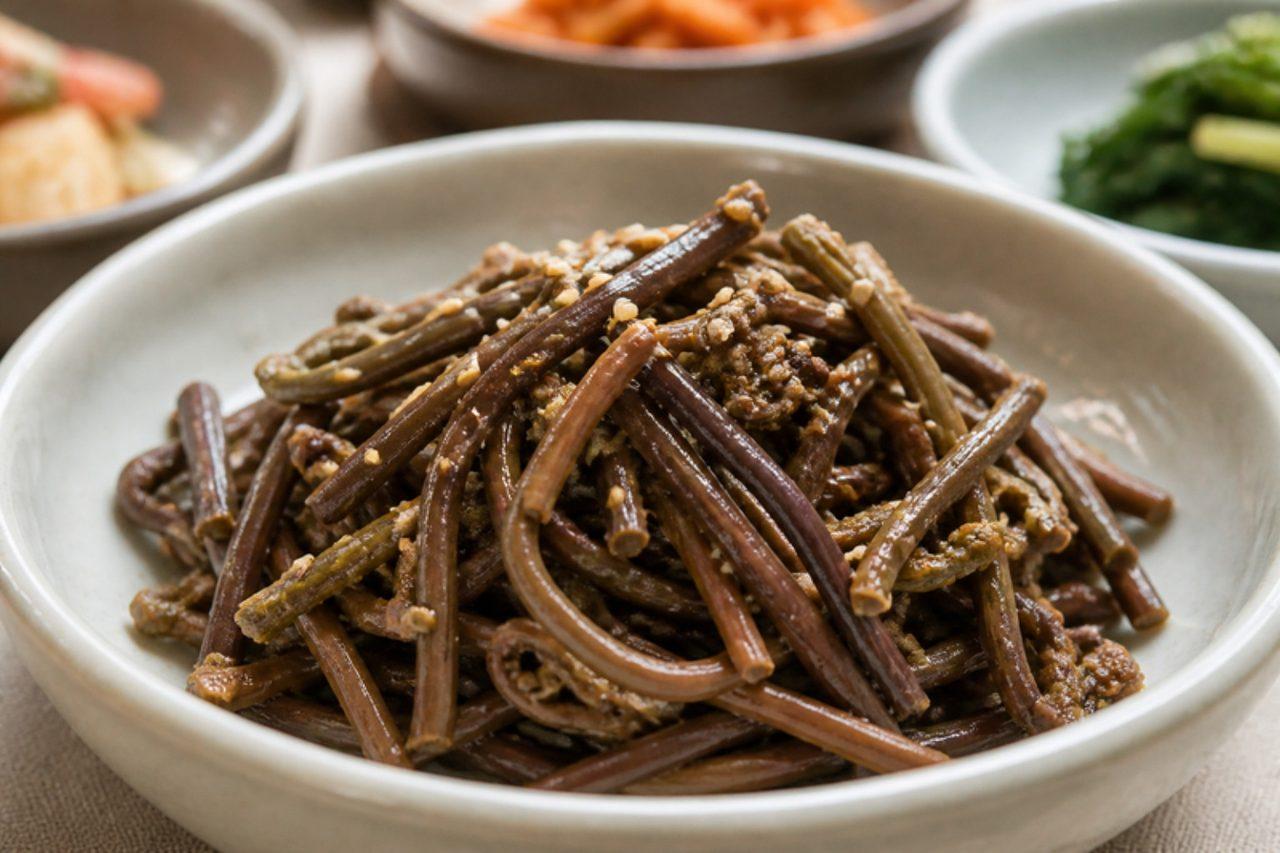
Gosari namulBraised bracken fern

Gosari namul is the earthy brown namul on every Korean holiday table, from Jeju, where families still pick young bracken on the island's hills in April, to Seoul, where it is bought dried for Seollal and Chuseok. Rehydrated fern stems are simmered soft, then stir-fried in perilla oil with soy and garlic until they are tender and meaty with a smoky, woodsy taste. It is also a core topping for bibimbap and yukgaejang. Always cook bracken thoroughly; never eat it raw. The common mistake is under-boiling the stems, which leaves them tough and slightly bitter. Chef's tip: after boiling, leave the stems soaking in fresh water for an hour, changing it once; it draws out the last bitterness and leaves a cleaner flavour.

105 minKoreanSidesVegan
by KrazyBadal 0 views

Doraji muchimBellflower root salad

Doraji muchim comes from Korea's mountain provinces, where bellflower root has been dug for centuries and sung about in the Gyeonggi folk song 'Doraji taryeong'. Today it is a festive banchan for Seollal and a spring side dish across the country: shredded roots, rubbed with salt to tame their bitterness, are dressed with gochujang, vinegar and sugar until crunchy, sweet, sour and gently hot. The common mistake is skipping the salt scrub, which leaves the roots harsh and bitter enough to put people off. Chef's tip: after scrubbing and rinsing, taste a strand; if it still bites, soak it in cold water for another 15 minutes.

by KrazyBadal 0 views

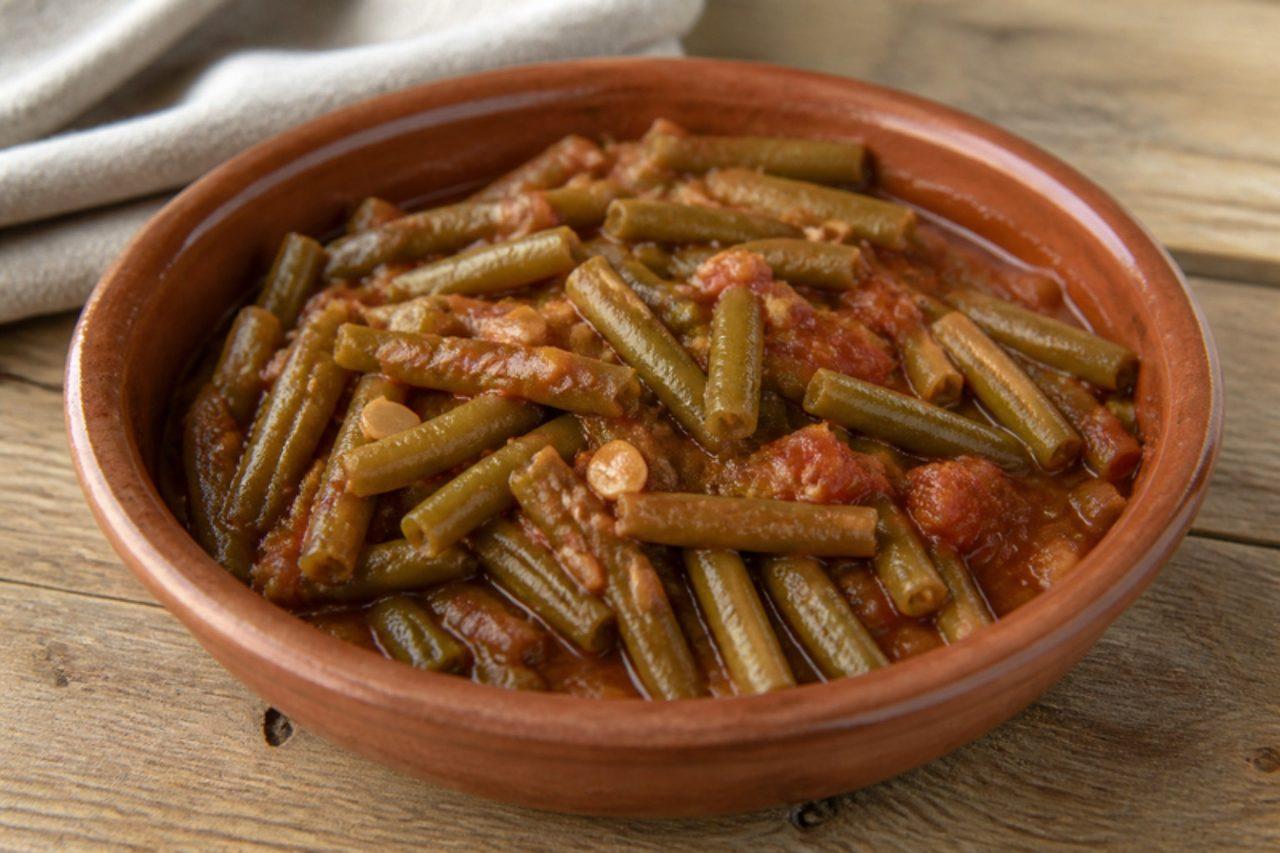
Fagiolini in umidoBraised green beans in tomato

In Tuscany, vegetables are often cooked "in umido", slowly in a little tomato until they are soft and full of flavour, rather than crisp. Florentine families make fagiolini in umido in summer with flat runner beans or green beans, garlic, a spoonful of tomato and plenty of olive oil, and serve them warm or cold next to roast chicken or boiled meat. They are even better reheated the next day. Chef's tip: don't rush them; the beans should be fully soft and soaked in sauce, not bright green and crunchy.

by KrazyBadal 0 views

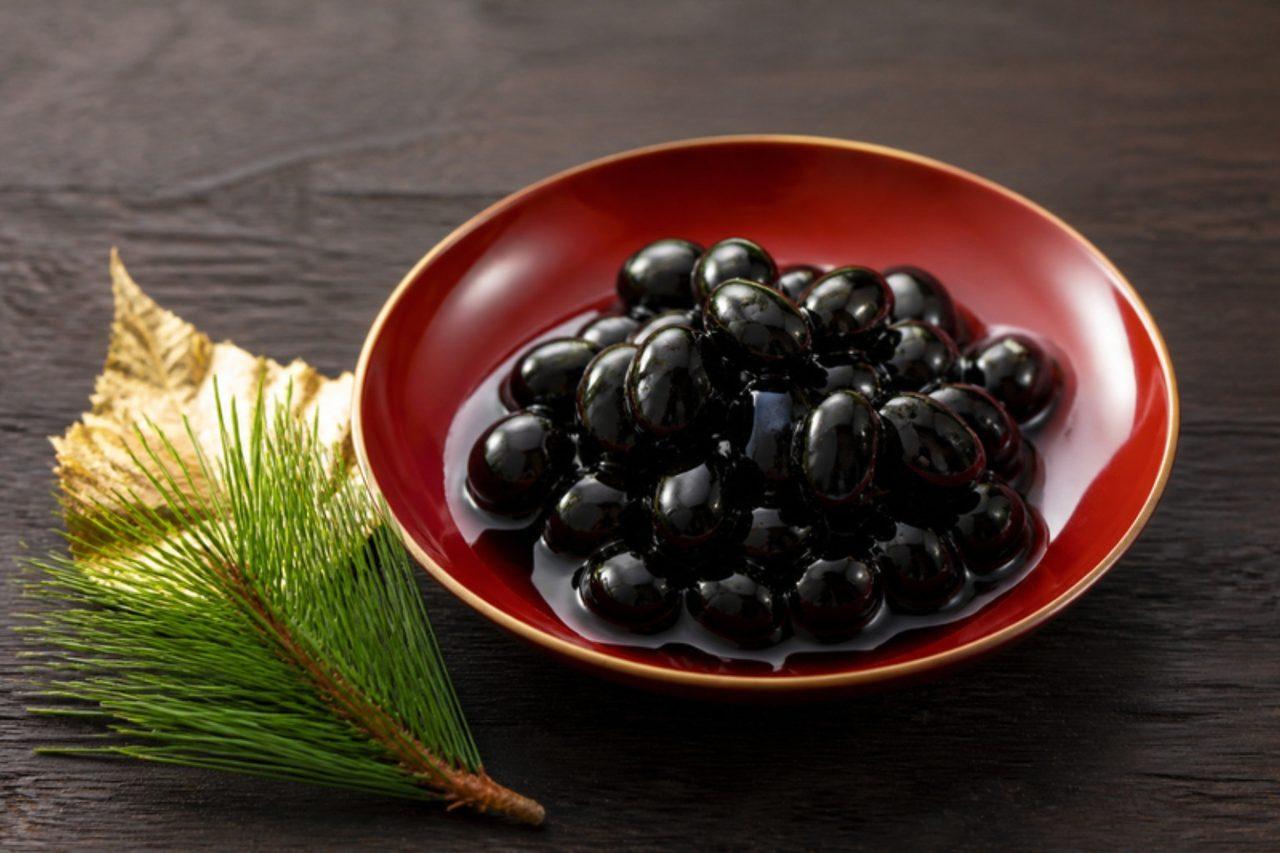
KuromameSweet black soybeans

No osechi box, the lacquered stack of cold dishes Japanese families share over the first three days of January, is complete without kuromame: plump black soybeans simmered so slowly in syrup that they stay whole, wrinkle-free and shining like jet. The word 'mame' also means hard work and good health, so eating them wishes for a diligent year. They are soft, sweet and gently savoury, with a deep bean flavour. The common mistake is letting the beans touch the air while cooking, which wrinkles their skins; keep them submerged under a drop-lid the whole time and top up with water. Chef's tip: soak the dry beans directly in the hot seasoned syrup overnight rather than in plain water, which seasons them from the inside and keeps the skins smooth.

by KrazyBadal 0 views

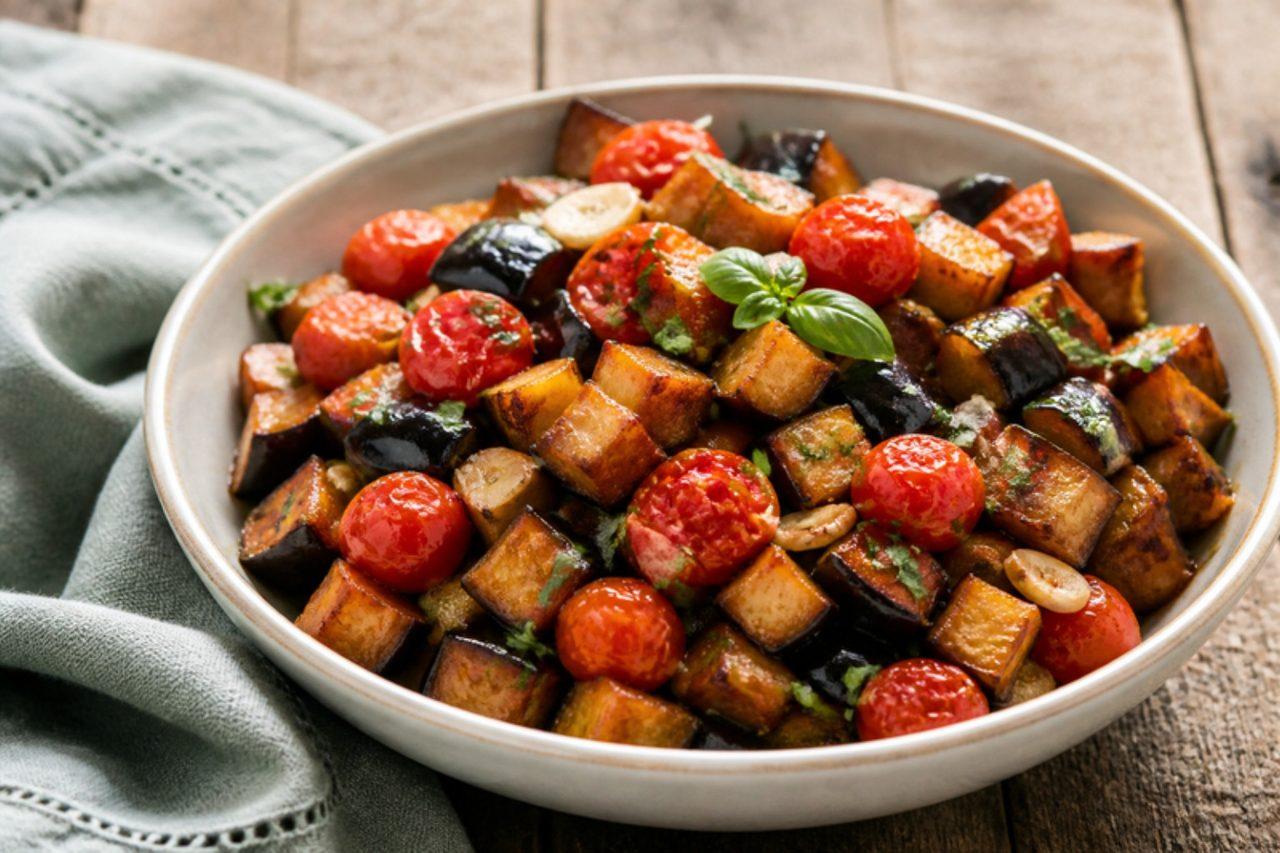
Melanzane a funghettoFried aubergine with tomatoes

Neapolitans call this aubergine "a funghetto" because the small fried cubes look and taste a little like sautéed mushrooms. It is a summer side dish from Naples and the Amalfi Coast, made when aubergines are cheap and glossy: cubes fried until golden, then tossed with a quick sauce of cherry tomatoes, garlic and basil. It is served warm or cold next to grilled meat or fish, or piled on bread. Chef's tip: salt the aubergine cubes and leave them in a colander for 30 minutes, then pat dry; they soak up less oil and fry crisp.

by KrazyBadal 0 views

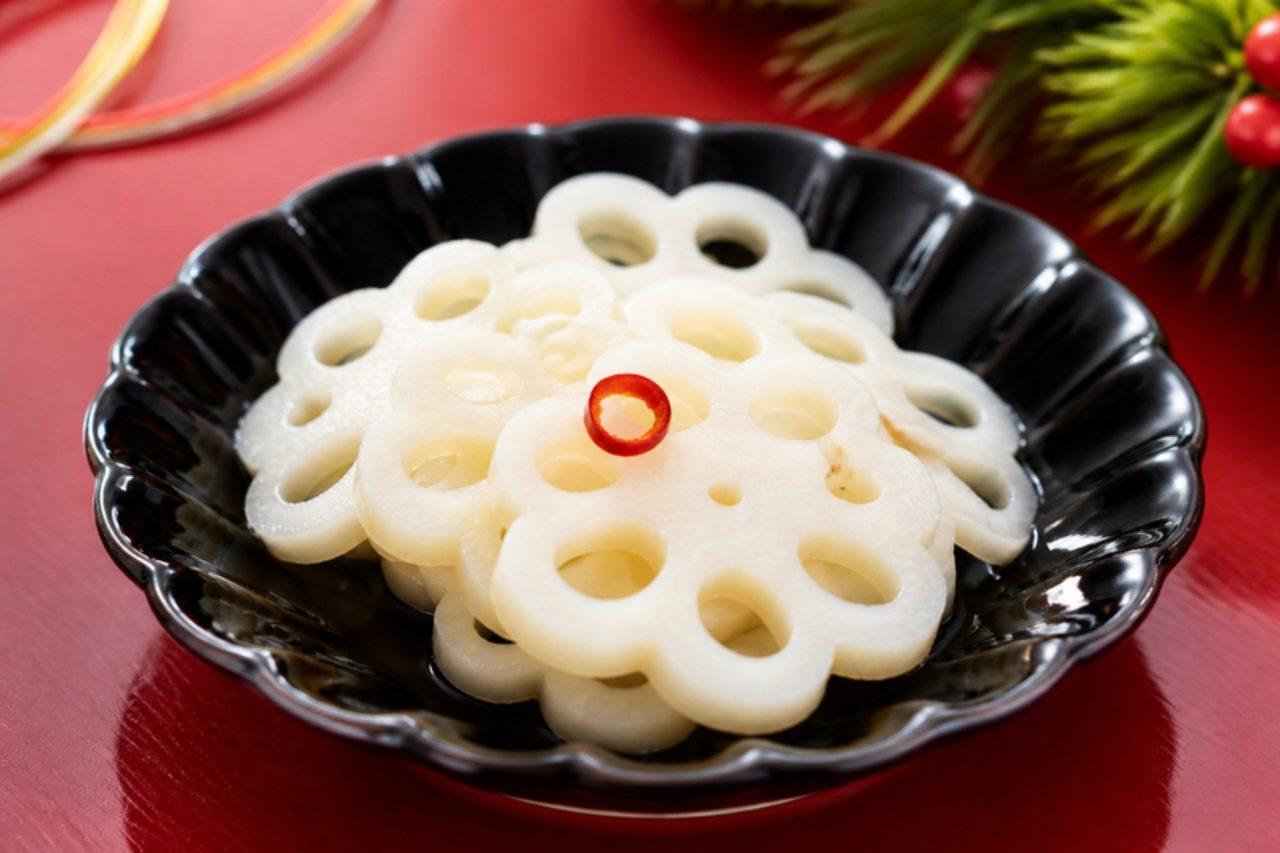
Su-renkonPickled lotus root

Lotus root is full of holes you can see straight through, so in Japan it stands for a clear view of the year ahead, and these crunchy, snow-white slices of sweet-vinegared lotus are a fixture of osechi boxes on New Year's Day. Often cut into flower shapes, they taste bright and lightly sweet with a satisfying crispness. The common mistake is boiling the slices for too long: more than 2 minutes and they turn starchy instead of crunchy. Chef's tip: add a splash of vinegar to the boiling water as well as to the pickle, which keeps the lotus root brilliantly white.

by KrazyBadal 0 views

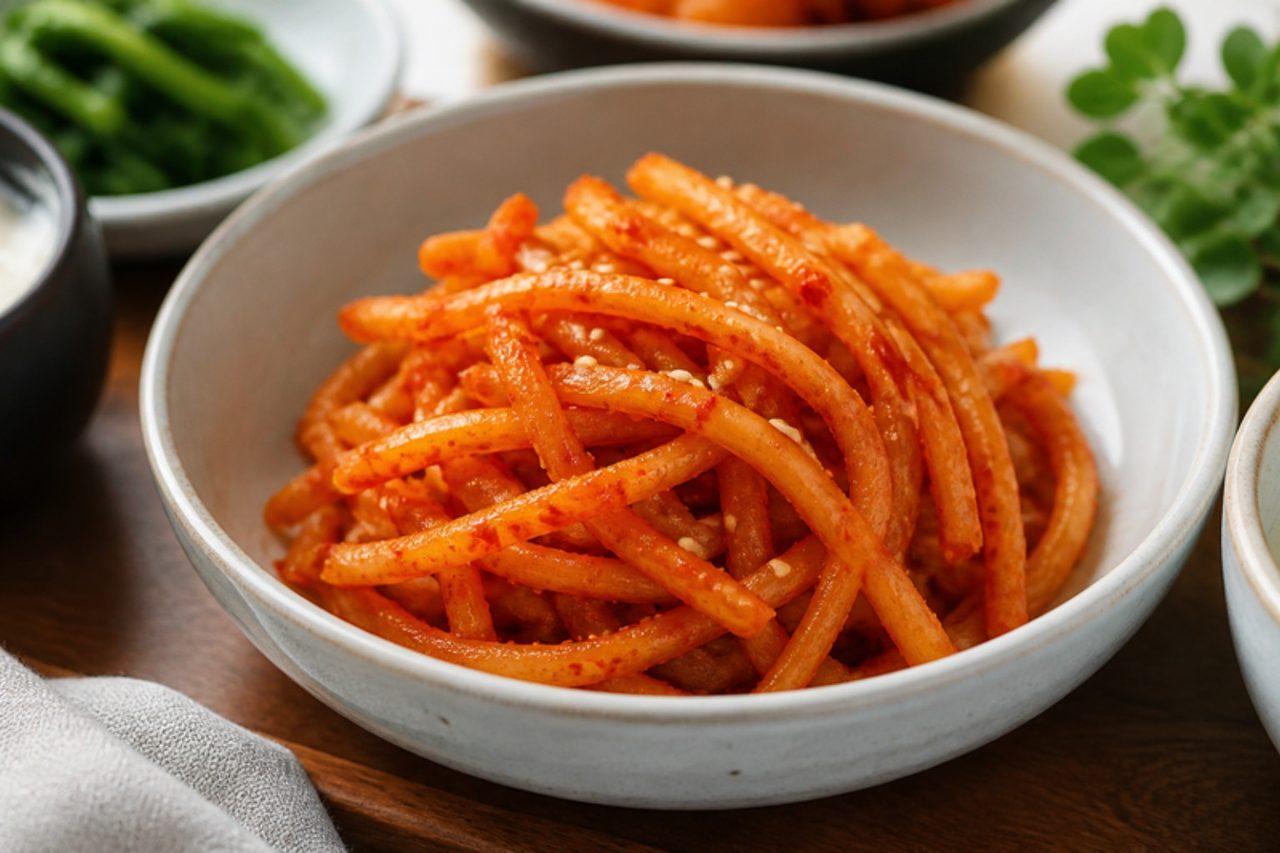
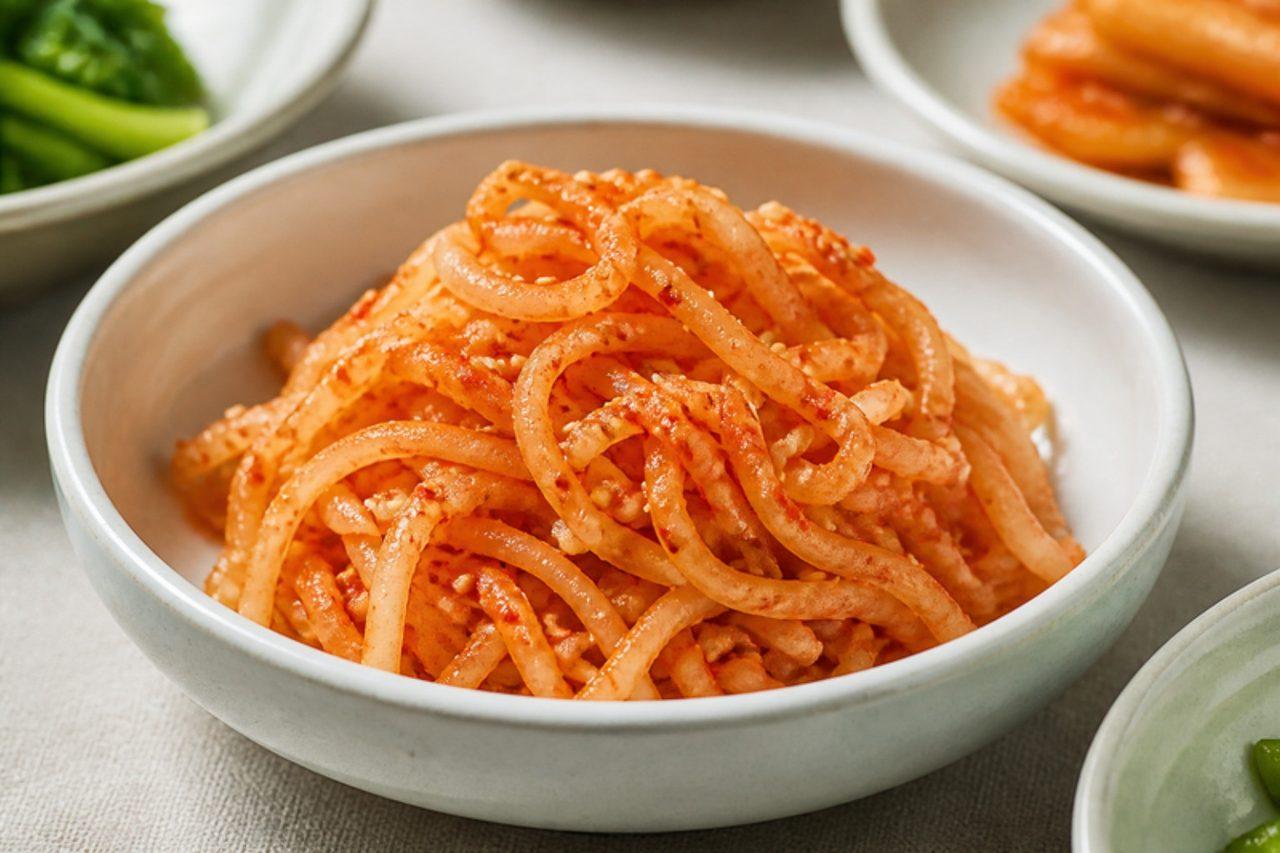
MusaengchaeSpicy radish salad

Musaengchae is the quick radish salad Korean cooks make when the big autumn radishes from Gyeonggi farms come in, and it appears on the side of bibimbap bowls and pork platters all winter. Fine matchsticks of radish are reddened with gochugaru, then seasoned sweet, sour and salty, so every forkful is cold, crisp and lively. This version leaves out the fish sauce, so it is fully vegan. The common mistake is salting the radish before the chilli: the salt draws out water first and the colour ends up pale and patchy. Chef's tip: toss the radish with the chilli flakes on their own first and leave it for 5 minutes; it takes on a deep, even red before anything else goes in.

by KrazyBadal 0 views

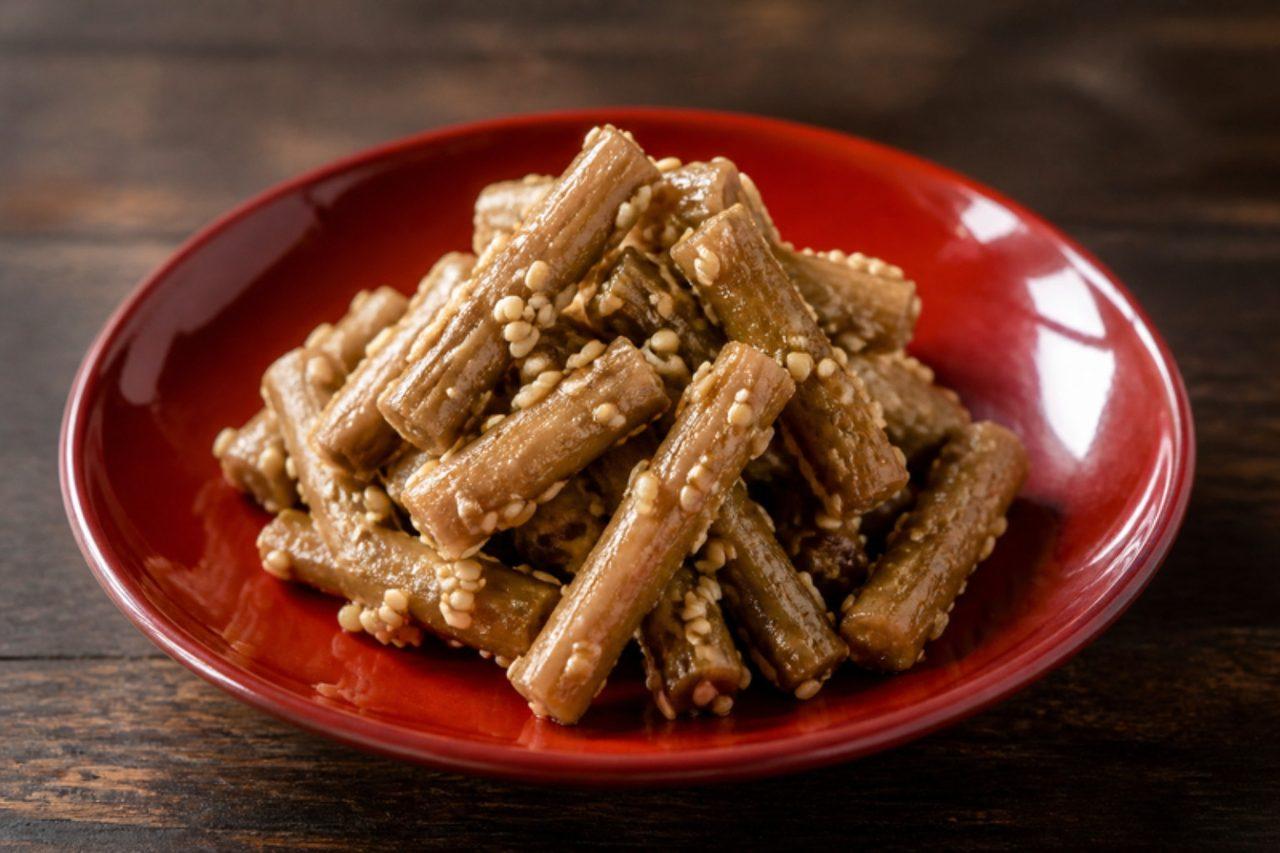
Tataki goboSesame burdock salad

In Kansai homes around Osaka and Kyoto, osechi always includes tataki gobo: burdock root boiled, then beaten with a rolling pin so it splits open, and dressed in a thick ground-sesame vinegar. The long, deep-rooted burdock stands for a family that is settled and lasting. The pounding gives rough, fibrous edges that soak up the nutty, tangy dressing, so each bite is earthy, sweet and sharp. The common mistake is overcooking the burdock until soft; it should still be pleasantly firm before you pound it. Chef's tip: dress the burdock while it is still warm, when the fibres open up and drink in the sesame vinegar.

by KrazyBadal 0 views

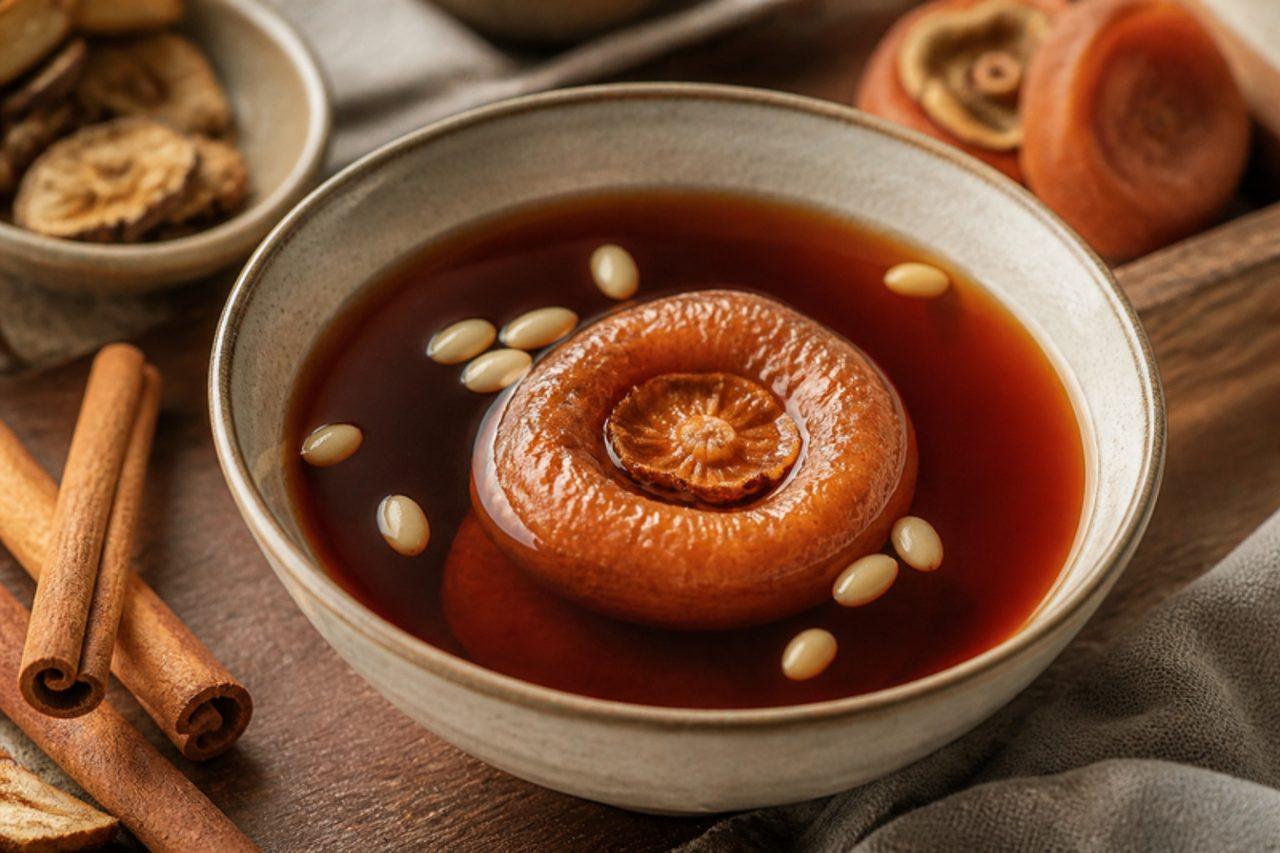
SujeonggwaCinnamon persimmon punch

After a big Seollal feast in Seoul, sujeonggwa comes out ice-cold in small bowls, dark red-brown and fragrant with cinnamon and ginger, with a soft dried persimmon and a few pine nuts floating in each one. It is the punch of the New Year season, made a day or two ahead and kept on a cold balcony. The cinnamon and ginger are boiled separately and then combined, which keeps each flavour clean. The common mistake is boiling the cinnamon too long or too hard: it turns bitter and cloudy, so keep it to a gentle simmer. Contains pine nuts. Chef's tip: soak the dried persimmons in the cooled punch only a few hours before serving, so they soften without falling apart.

by KrazyBadal 0 views

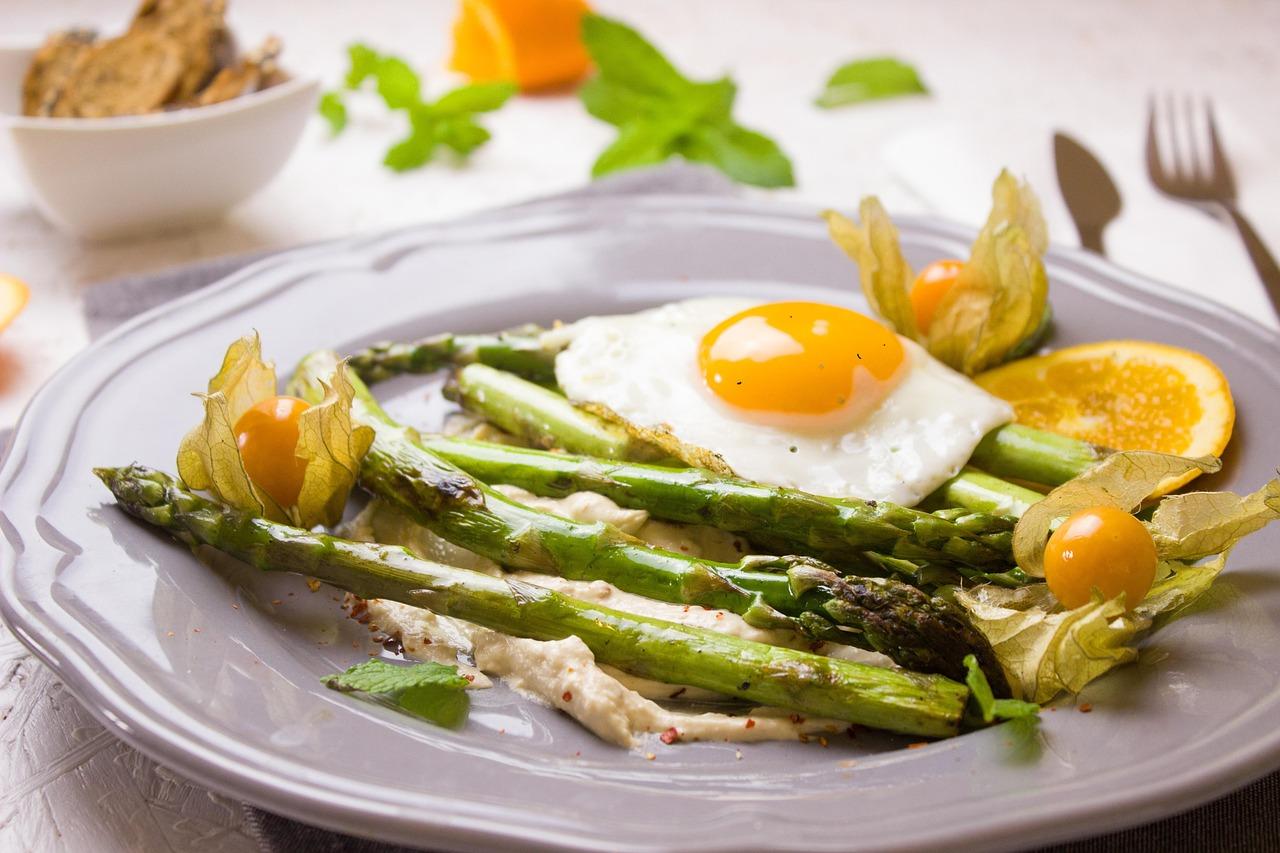
Asparagi alla milaneseAsparagus with fried egg

In Milan in April, when the first fat green asparagus come down from the farms of Lombardy, they are served "alla milanese": boiled until just tender, laid on a plate with melted butter and Parmigiano, and topped with a fried egg whose runny yolk becomes the sauce. It is a light lunch or a spring starter in old Milanese trattorie. Parmigiano is made with animal rennet; a vegetarian hard cheese works. For pregnant women, young children and older people, cook the yolk until firm. Chef's tip: tie the asparagus in a bundle and stand it upright in the pan so the thick stems boil while the tender tips steam.

by KrazyBadal 0 views

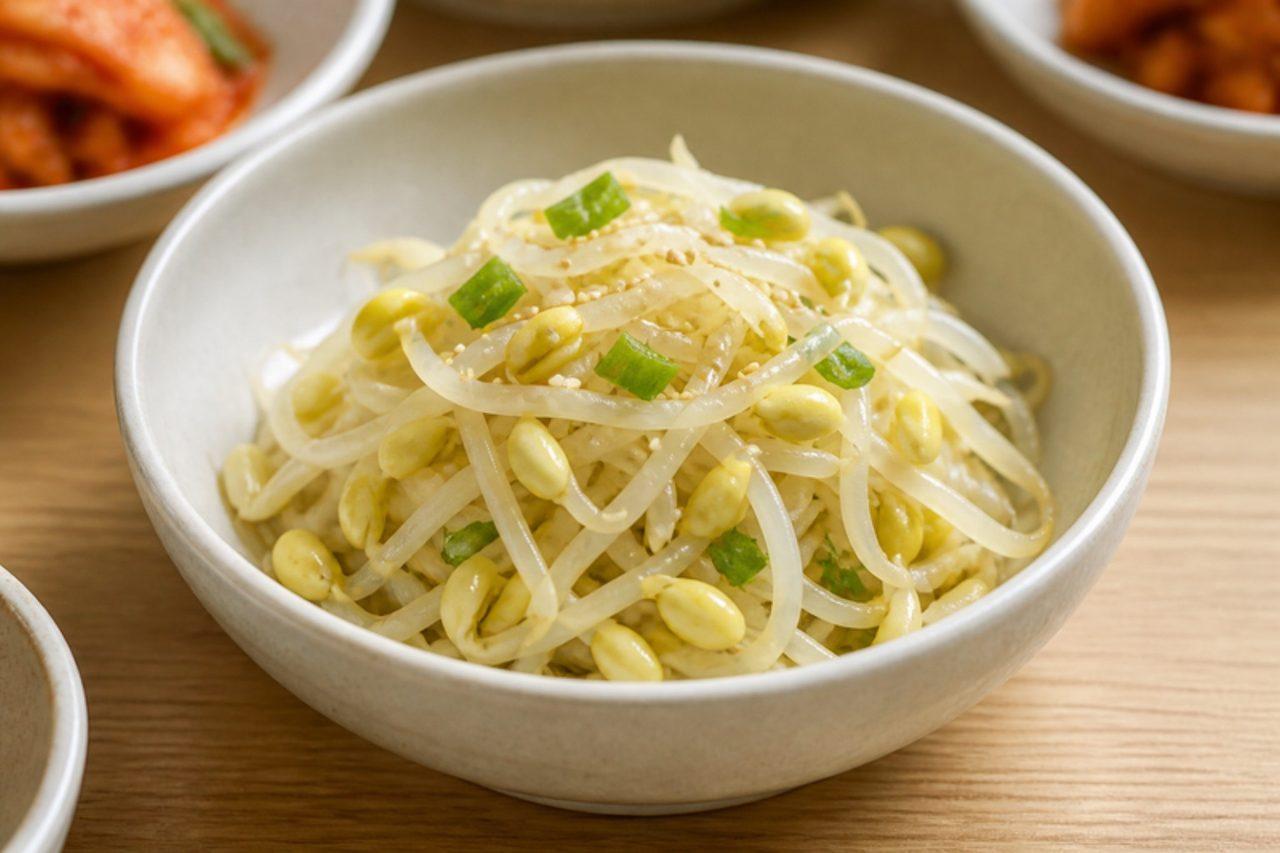
Sukju namulSeasoned bean sprouts

Sukju namul is the most delicate of Korea's sprout dishes, set out on every ancestral-rite table at Chuseok and on everyday trays in Seoul homes because it takes five minutes and costs very little. Mung bean sprouts are blanched for barely a minute, then dressed with salt, a little garlic and sesame oil, so they stay juicy and crunchy with a clean, nutty taste. It belongs in bibimbap too. The common mistake is overcooking: mung bean sprouts go limp and stringy within seconds of being done, so pull them while they still squeak. Chef's tip: plunge them straight into iced water after blanching and squeeze gently; they keep their snap for a whole day.

by KrazyBadal 0 views

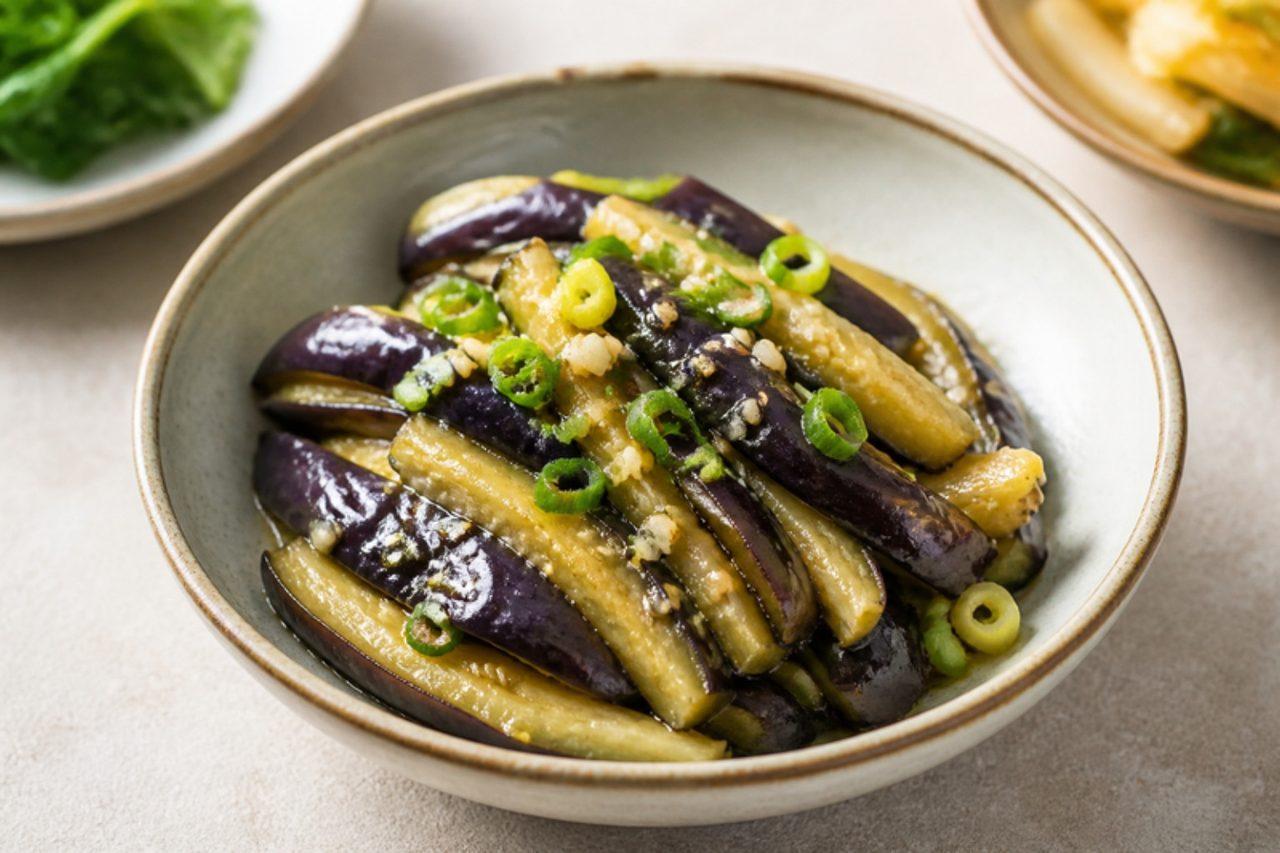
Gaji namulSeasoned steamed aubergine

In late summer, when aubergines pile up at Seoul's Gyeongdong market for next to nothing, gaji namul turns up beside the rice at almost every home dinner. Long strips of aubergine are steamed until silky, then torn and dressed with soy, garlic, spring onion and toasted sesame, so they taste mellow, savoury and faintly sweet. It is one of the gentlest banchan, good for anyone who finds kimchi too fierce. The usual mistake is dressing the aubergine while it is still hot and dripping: the seasoning slides off and the dish turns watery, so let it steam dry and cool first. Chef's tip: tear the strips by hand along the grain rather than slicing them; the rough edges hold far more dressing.

by KrazyBadal 0 views

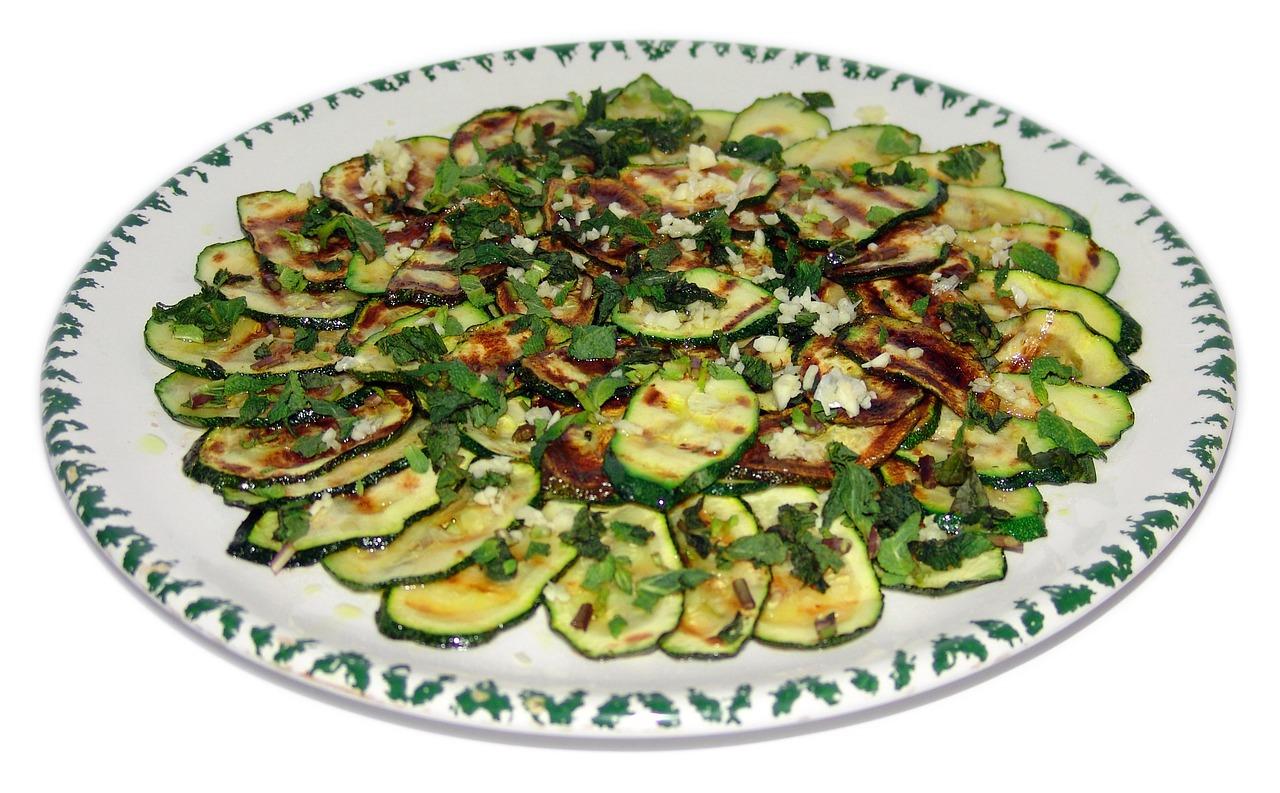
Zucchine alla scapeceMarinated fried courgettes

Scapece is an old way of preserving fried food with vinegar, brought to Naples from Spain (escabeche). In Neapolitan homes, courgette slices are fried until golden, then layered with garlic, fresh mint and a splash of wine vinegar and left for a few hours. The dish is a summer classic, served at room temperature as part of a Sunday antipasto spread or alongside grilled meat, and it gets better the next day. Chef's tip: dry the courgette slices in the sun or on a rack for an hour before frying, as Neapolitan grandmothers do; dry slices fry crisp and golden instead of steaming.

by KrazyBadal 0 views

Showing 24 of 1,113 recipes

Show more recipes

Page 1 of 47