Skip to content
Recipes

All recipes

Vegetarian, or something you can't eat? Set your diet once and we'll hide recipes that don't fit.

BusecaTripe and white bean stew

Buseca arrived in Montevideo with Italian immigrants from Lombardy and became a classic winter dish of Uruguayan bodegones and family kitchens, eaten on cold June and July days. Honeycomb tripe is simmered until tender, then stewed with white beans, pork chorizo, bacon, peppers, tomato and paprika into a thick, warming stew served with crusty bread. Buy tripe that is already cleaned and blanched (dressed). The usual mistake is undercooking the tripe: it needs a full 2 hours, until it's soft enough to cut with a spoon. Slow-cooker option: after step 4, cook on low for 8 hours. Chef's tip: a little grated lemon zest and parsley stirred in at the end lifts the rich, gelatinous sauce.

by KrazyBadal 0 views

Morcilla dulceSweet blood sausage with walnuts

No Uruguayan parrilla is complete without morcilla dulce: a soft pork blood sausage sweetened with sugar and scented with orange peel, studded with walnuts and raisins, grilled until the skin crisps and served first, as part of the achuras, while the beef is still cooking. It is pork throughout: pork blood, pork back fat and natural pork casings. Making it at home is a project. Buy fresh pork blood with an anticoagulant added from a butcher who supplies it for sausage making, keep it chilled below 4 °C and use it within a day. The common mistake is poaching at a rolling boil, which bursts the casings. Chef's tip: keep the water at 80–85 °C, just shivering, and prick a sausage after 25 minutes: it is done when brown, not red, juice comes out.

by KrazyBadal 0 views

Postre MassiniCustard sponge with burnt sugar top

Montevideo's birthday cake of choice since the early twentieth century, the Massini is two thin layers of sponge sandwiching a thick filling of whipped cream folded with egg-yolk custard, crowned with a thin glassy crust of torched yolk and sugar. Bakeries across Uruguay sell it on Sundays. Traditional versions sometimes add a sweet fortified wine to the custard; this one is alcohol-free. The custard is cooked to a safe 71 °C. The common mistake is assembling with warm custard, which melts the cream into a puddle. Chef's tip: if you don't have a blowtorch, put the sugared top under a very hot grill for a minute and watch it closely.

by KrazyBadal 0 views

Escabeche de pescadoFried fish in sweet-sour onion sauce

In Lima, escabeche de pescado belongs to the criollo kitchen of the old city: it turns up on Friday lunch menus, on buffet tables, and above all in Lent and Holy Week, when families eat fish and this dish can be made the day before. Fish is fried until golden, then covered in a warm sauce of thick-cut red onion softened in oil with garlic, ají amarillo, ají panca, cumin and vinegar, and left to cool so the flavours soak in. It is served cold or at room temperature with boiled sweet potato, hard-boiled egg and purple botija olives. It tastes tangy, sweet and gently fruity-hot, with crunchy onion over tender fish. The fish here is fully cooked, but because it is a cold seafood dish, pregnant people, babies, older people and anyone with weak immunity should eat it well chilled and within 2 days. Common mistake: stewing the onions until limp; they should only lose their raw bite. It is ready when the sauce has soaked a little into the fish and smells of vinegar and toasted chilli. Chef's tip: use thick fillets of corvina or bonito; thin fillets break under the sauce.

by KrazyBadal 0 views

Ají amarillo pasteYellow chilli paste

In Lima's markets ají amarillo is sold fresh all year, and most Peruvian cooks keep a tub of this paste in the fridge the way others keep tomato purée: it is the golden base of causa limeña, ají de gallina, papa a la huancaína, chupe and the sauce for tiraditos. The chillies are seeded, de-veined and blanched in three changes of water, which tames the heat and the raw grassiness, then peeled and blended with oil into a thick, silky, saffron-orange paste. It tastes fruity and sunny, almost like apricot and passion fruit, with a rounded, medium heat. Abroad, buy whole frozen ají amarillo from Latin grocers; dried ají mirasol, soaked, gives a darker, earthier paste. Common mistake: skipping the peeling; the thin skins leave papery flecks and a bitter edge. It is ready when it is completely smooth and holds a soft peak like thick hummus. This is a low-acid paste: keep it in the fridge for a week or freeze it, never on the shelf. Chef's tip: freeze it in an ice-cube tray; one cube is about a tablespoon, just right for a pot of ají de gallina.

by KrazyBadal 0 views

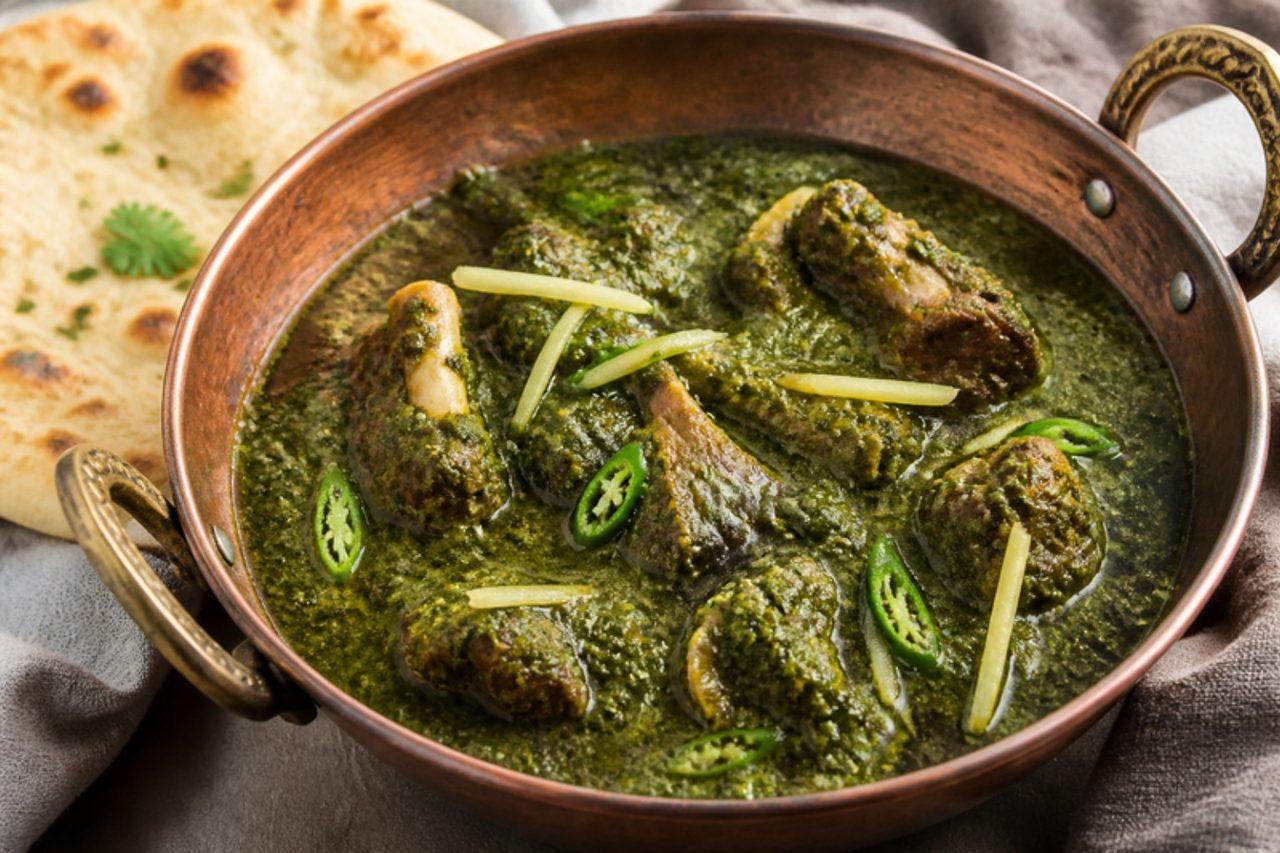
Palak goshtMutton and spinach curry

When the winter spinach comes in around Gujranwala and Sheikhupura, bunches of it are piled on carts by the armful, and palak gosht is what many Punjabi kitchens make with them. The spinach is cooked into the mutton until it collapses into a dark green, garlicky gravy, loose but not soupy, with flecks of ginger and the warmth of green chilli rather than a lot of red spice. It is eaten with makki ki roti or plain chapati and a glass of lassi. Puréeing the spinach to a smooth paste is a frequent misstep; Punjabi cooks chop it and let it melt so you can still see the leaves. Chef's tip: add a knob of butter or ghee and a pinch of dried fenugreek leaves at the end, which rounds off the iron edge of the spinach.

by KrazyBadal 0 views

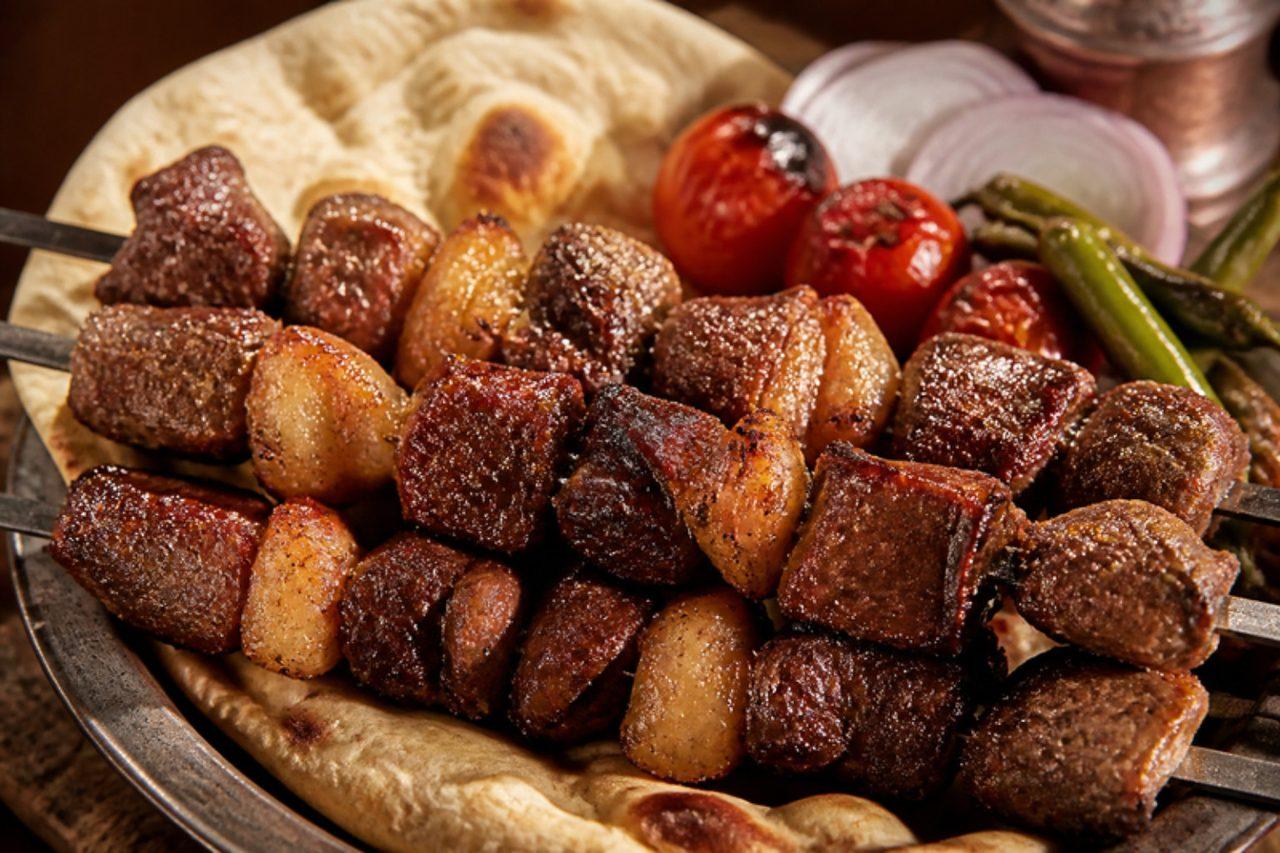
Namak mandi tikkaSalt-seasoned grilled lamb

Namak Mandi, the old salt market inside Peshawar's walled city, is now a street of smoke and sizzling skewers, and its tikka is famous because it needs almost nothing: chunks of lamb threaded between cubes of dumba tail fat, salted and grilled over charcoal until the fat melts and bastes the meat. You eat it at a long table off a sheet of hot naan, with raw tomato wedges, onion and green chilli, and pots of green tea afterwards. It tastes of lamb, salt and smoke and nothing else, which is the point. Over-marinating is what goes wrong, oddly enough: piling on spices or yogurt hides the meat, and salting too early draws out moisture, so salt just before grilling. Chef's tip: if your butcher has no tail fat, use well-marbled shoulder and thread a few pieces of the lamb's own fat between the cubes.

by KrazyBadal 0 views

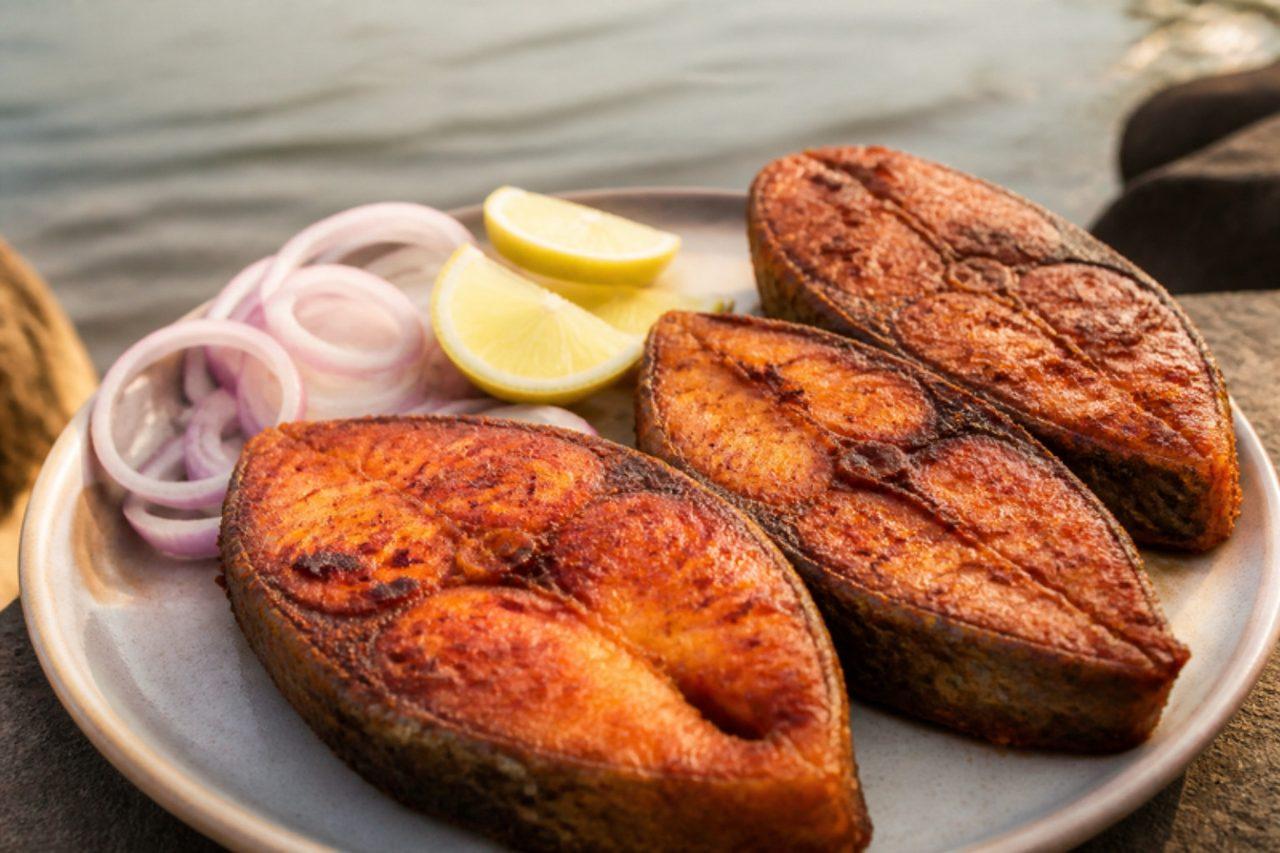
Palla machhiFried hilsa fish

Every monsoon, when the Indus floods and the palla swim upriver past Kotri barrage, roadside stalls between Hyderabad and Thatta fry the oily, silver fish in front of you, and people drive out from Karachi just to eat it. Palla is the Sindhi name for hilsa, a rich fish with a sweet, almost buttery flesh and a forest of fine bones, so you eat it slowly, with your fingers, alongside plain rice, a smear of dal and lemon. The masala is simple and red: chilli, turmeric, garlic and a little ajwain. Turning the steaks too early is the classic way to lose the crust, so let them fry undisturbed until they release from the pan on their own. Chef's tip: if you cannot find hilsa, shad, mackerel or thick sardine fillets take the same masala well, and they are far less bony.

by KrazyBadal 0 views

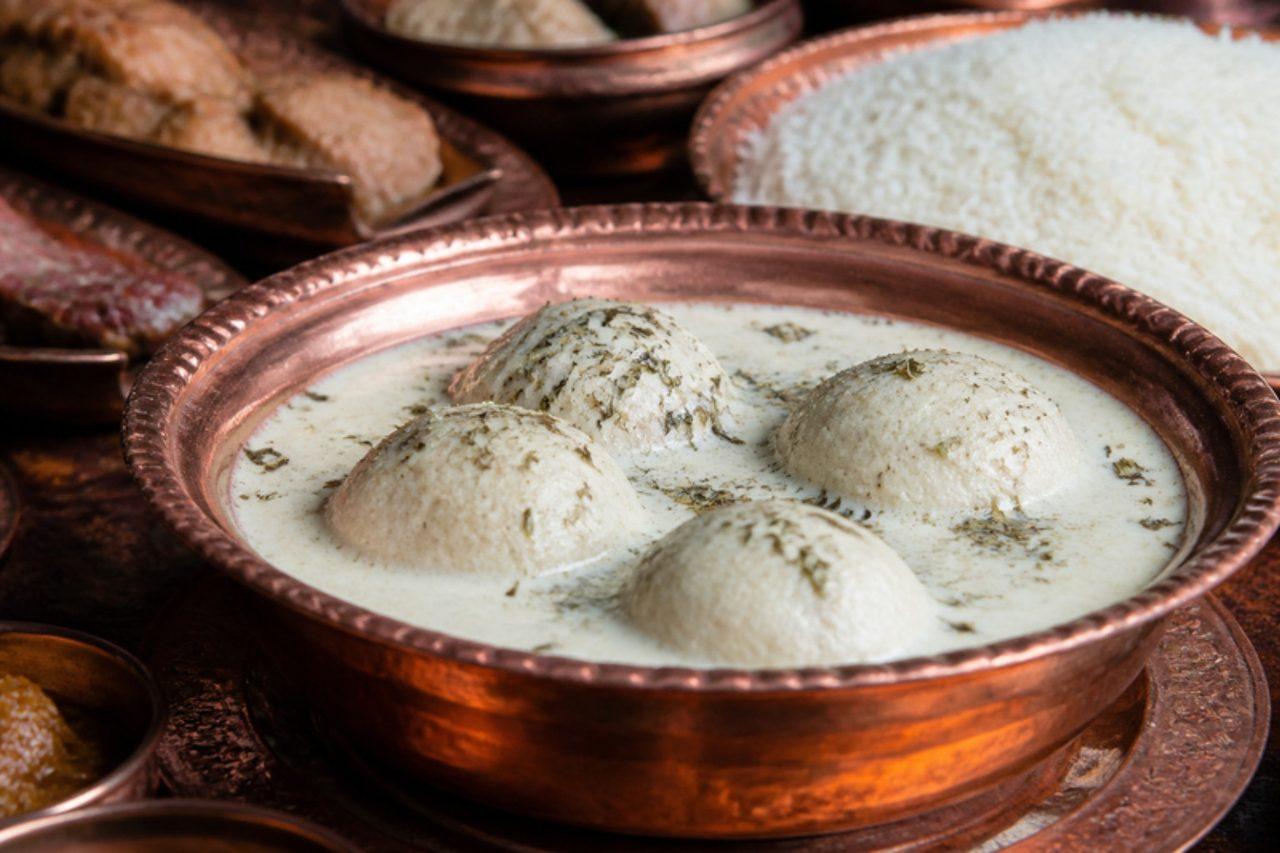
GushtabaMutton balls in yogurt gravy

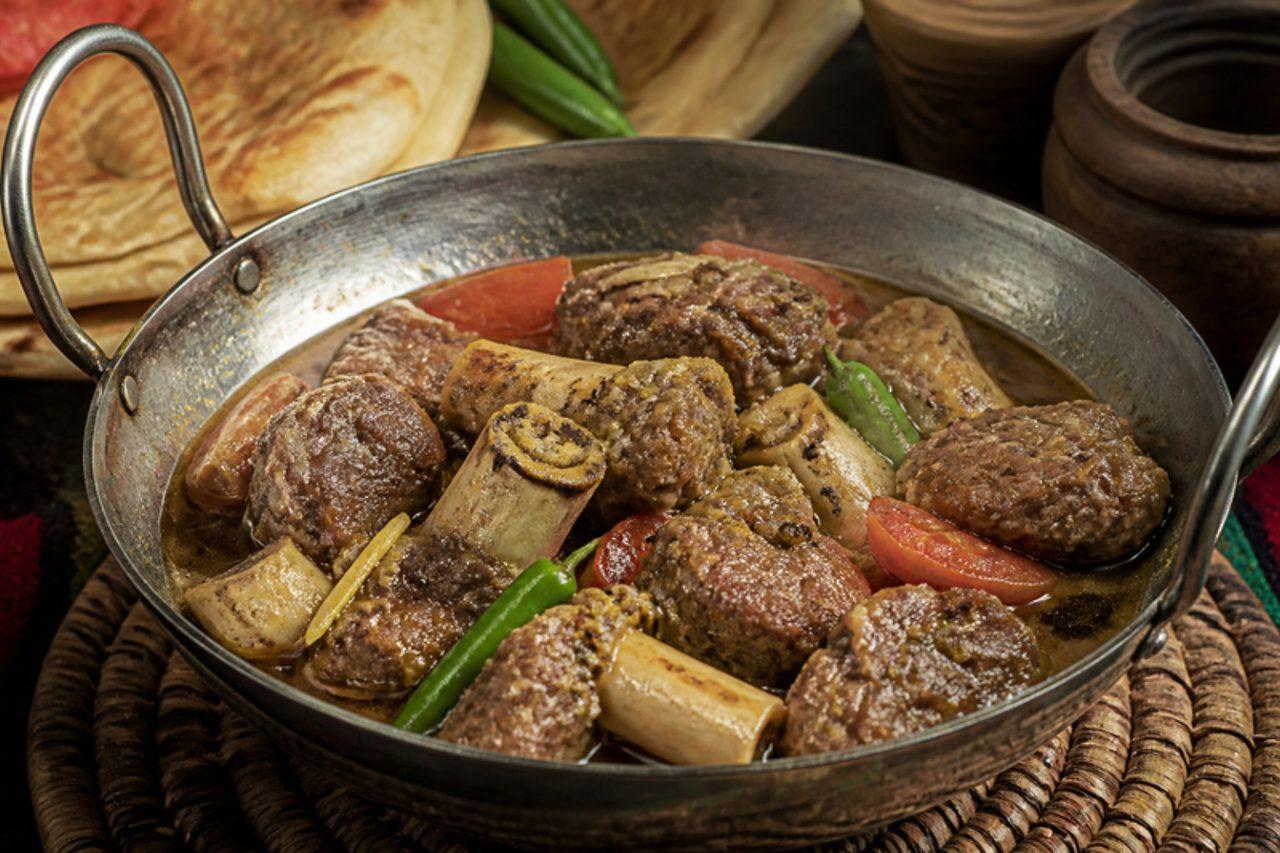
No Kashmiri wedding feast ends without gushtaba. After hours of wazwan courses, the waza (master cook) brings out these large, pale balls of mutton pounded with fat until silky, swimming in a creamy yogurt gravy scented with fennel, dry ginger and cardamom, and its arrival tells guests the meal is over. Families of Kashmiri descent in Muzaffarabad, Mirpur and Rawalpindi still serve it at weddings and on special Fridays, with plain steamed rice. Good gushtaba is so smooth that it barely holds together on the spoon. Using lean meat is what lets people down: without about a quarter fat the balls turn grainy and hard. Chef's tip: traditionally the meat is pounded on a stone for an hour; at home, process it in short bursts with chilled fat and ice-cold water, stopping to scrape down, until it looks like a sticky, shiny paste.

by KrazyBadal 0 views

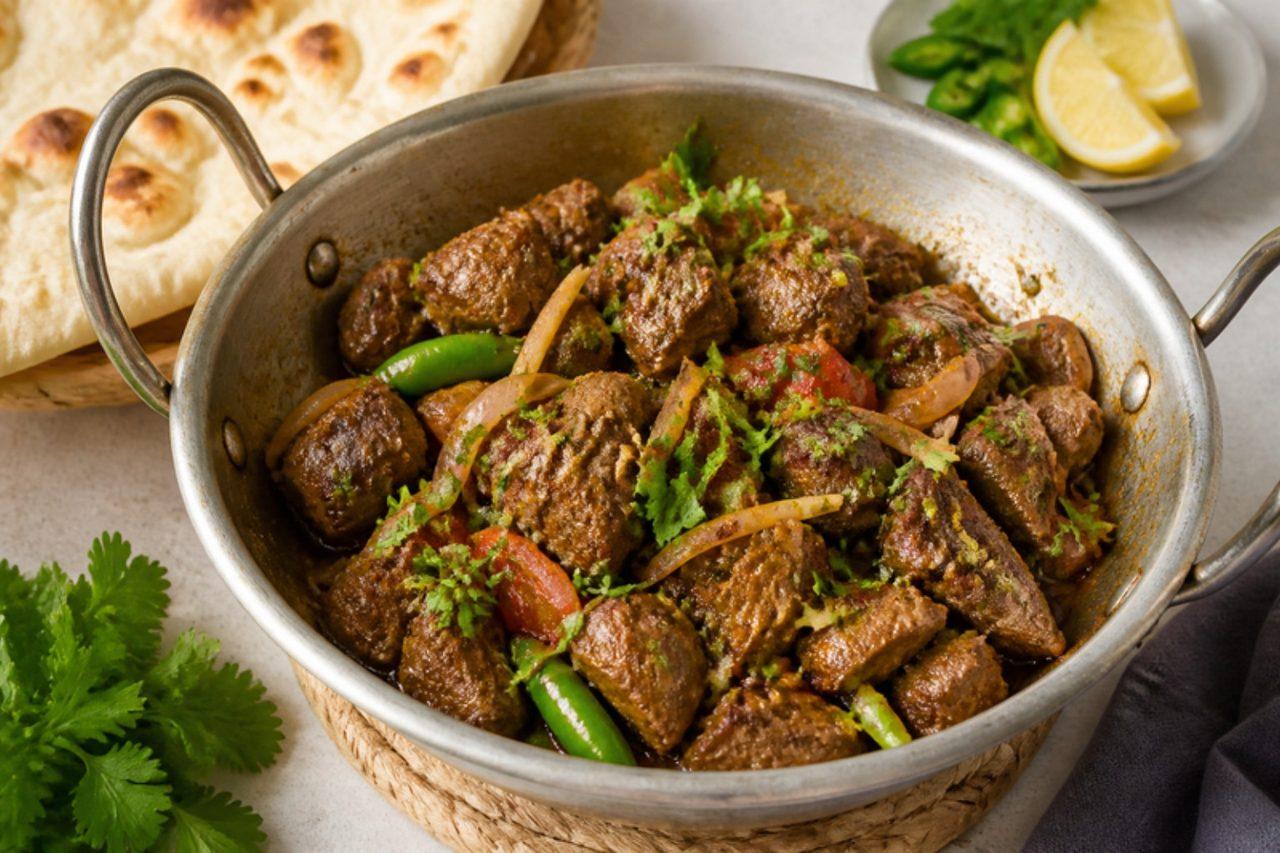
Kata-kat

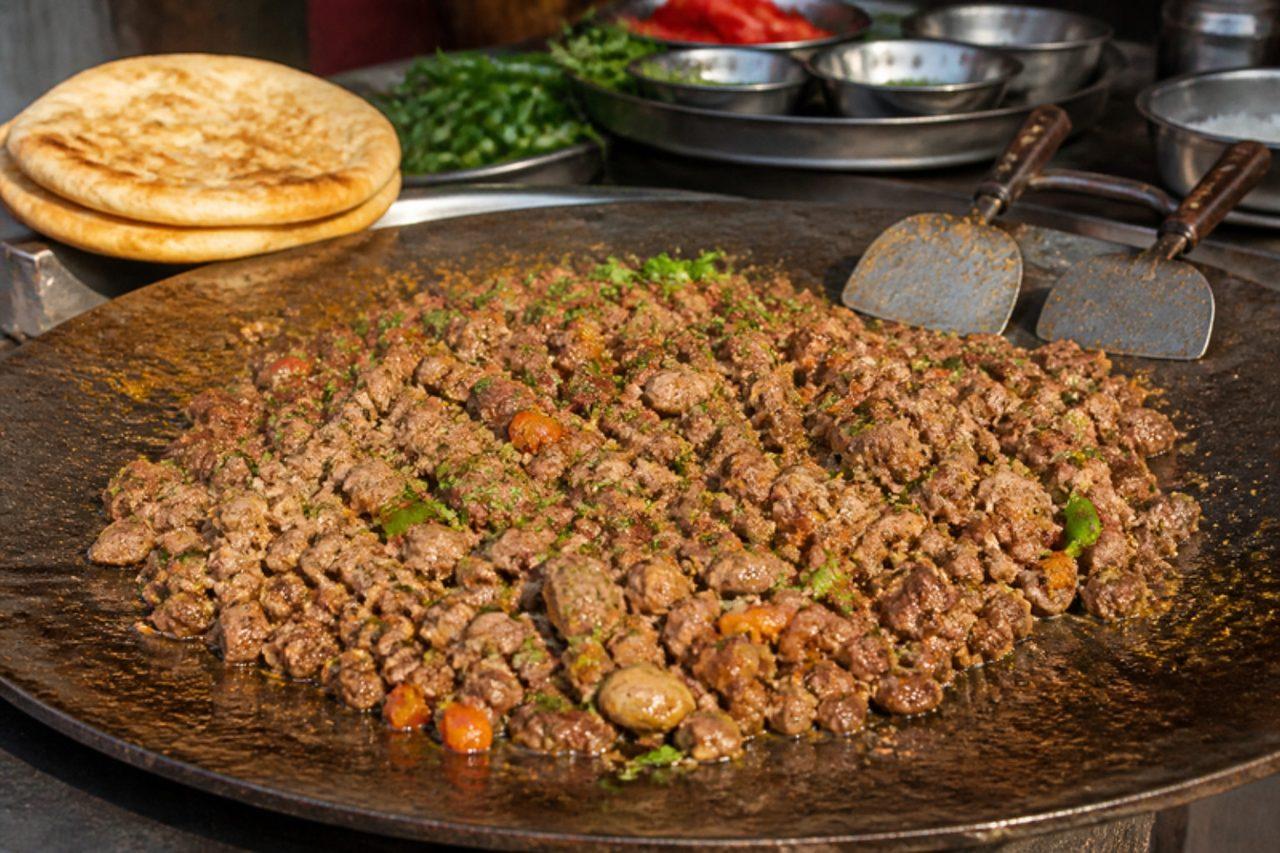
You hear kata-kat before you see it: on Karachi's Burns Road and around Lahore's Gawalmandi, the cook stands over a tawa a metre wide, chopping kidneys, hearts and meat with two heavy steel blades in a clattering rhythm that gives the dish its name. Butter, tomatoes, green chillies and spice go in by the handful, and the mix is cooked down until rich and sticky, then scooped up with naan late at night. Traditional versions include brains, cooked in at the end; here they are optional. The danger is undercooking the offal while the meat is still chewy, so start the meat first and add kidney and heart later, cooking until there is no pink at all. Chef's tip: soak the kidneys in salted water for 20 minutes after removing the white core, which takes away any strong smell.

by KrazyBadal 0 views

Lagan ni seekhBaked spiced mince with egg

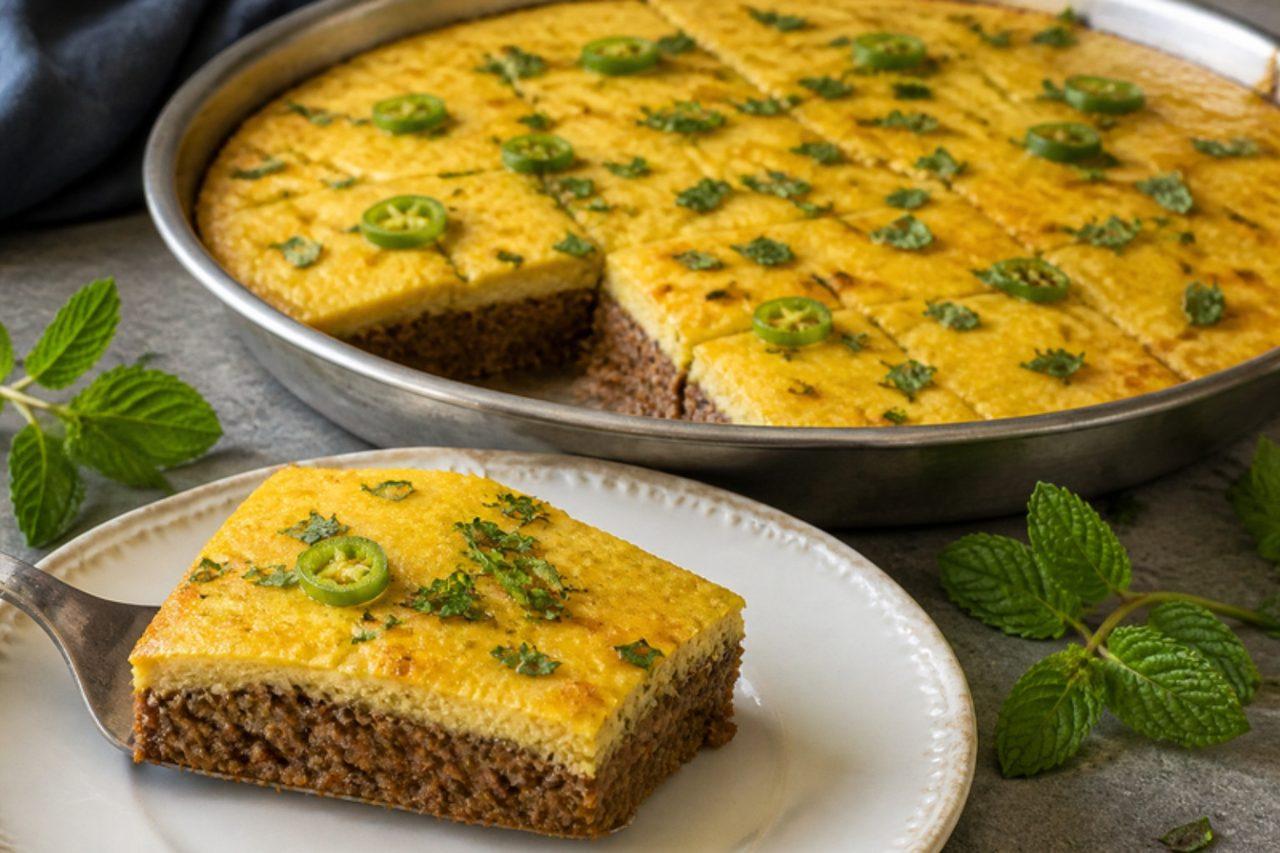
At a Dawoodi Bohra thaal in Karachi's Saddar or Burhani Park, the meal opens with a pinch of salt and a sweet, and lagan ni seekh is often among the first savoury dishes passed round the big shared tray: a "seekh kebab baked in a lagan", the shallow pan that names it. Spiced mince with fried onion, green chilli and mint is pressed into a dish, covered with beaten egg and baked until the top puffs and turns golden, then cut into squares. It is eaten warm with paratha or just as it is, and it is a favourite at Eid and wedding feasts. Skipping the step of cooking the mince dry first is the mistake to avoid; raw mince releases water under the egg and the squares go soggy. Chef's tip: lay a few rings of tomato and green chilli on the egg before baking, the way Bohra aunties do, so every square has a bright top.

by KrazyBadal 0 views

Marchwangan kormaFiery red mutton korma

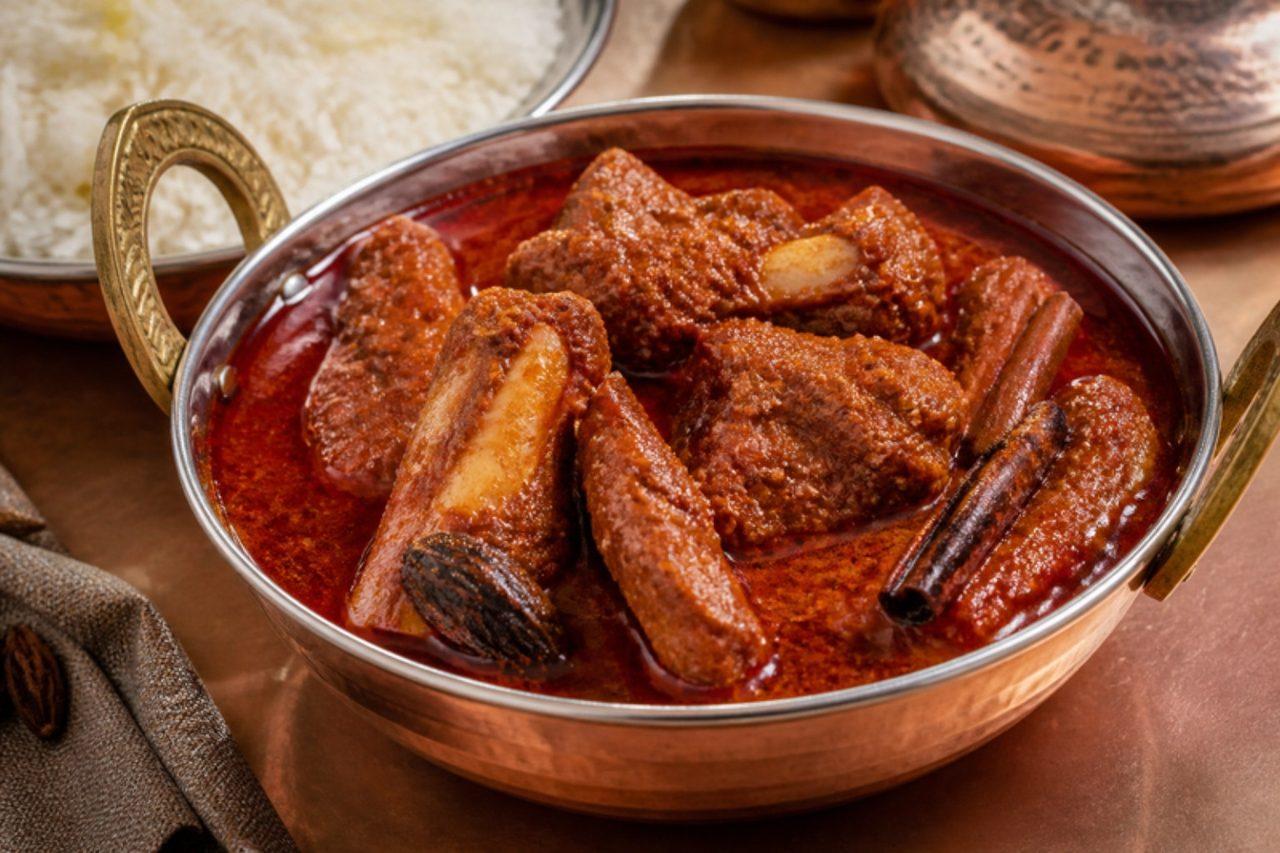
The name says it all: marchwangan means chilli, and this is the wazwan's hottest course, mutton cooked in a deep crimson gravy of Kashmiri chillies, mustard oil, fennel, dry ginger and a breath of cinnamon, with a spoonful of tamarind for sharpness. Kashmiri chillies bring colour more than ferocity, so you need a lot of them, and a few hotter dried chillies give the real kick. It is served at weddings and family feasts in Azad Kashmir and by Kashmiri households in Lahore and Rawalpindi with plain rice, alongside milder dishes like gushtaba to cool the palate. Scorching the chilli paste is how it goes wrong; it turns bitter and brown, so fry it on a moderate heat with a splash of water. Chef's tip: soak the whole dried chillies in hot water and blend them rather than using only powder, for a smoother, glossier gravy.

by KrazyBadal 0 views

Namkeen goshtSalted lamb in its own fat

Pashtun cooking has a proud streak of minimalism, and namkeen gosht (salted meat) shows it best: lamb on the bone cooked slowly in a karahi or heavy pot in its own fat with salt, then finished with tomatoes and green chillies, and nothing else bar a crack of black pepper. In Peshawar and the tribal districts it is made in big pots for jirga gatherings and Eid, and on cold Swat evenings it is what the family eats with thick naan and a plate of raw onion. The meat ends up meltingly tender, the gravy is a glossy reduction of fat and juices. Adding water too early is the misstep; the lamb should first release and fry in its own liquid. Chef's tip: choose fatty pieces like ribs and shoulder; lean leg alone will turn dry and stringy with this method.

by KrazyBadal 0 views

Nargisi koftaEgg-stuffed mince koftas

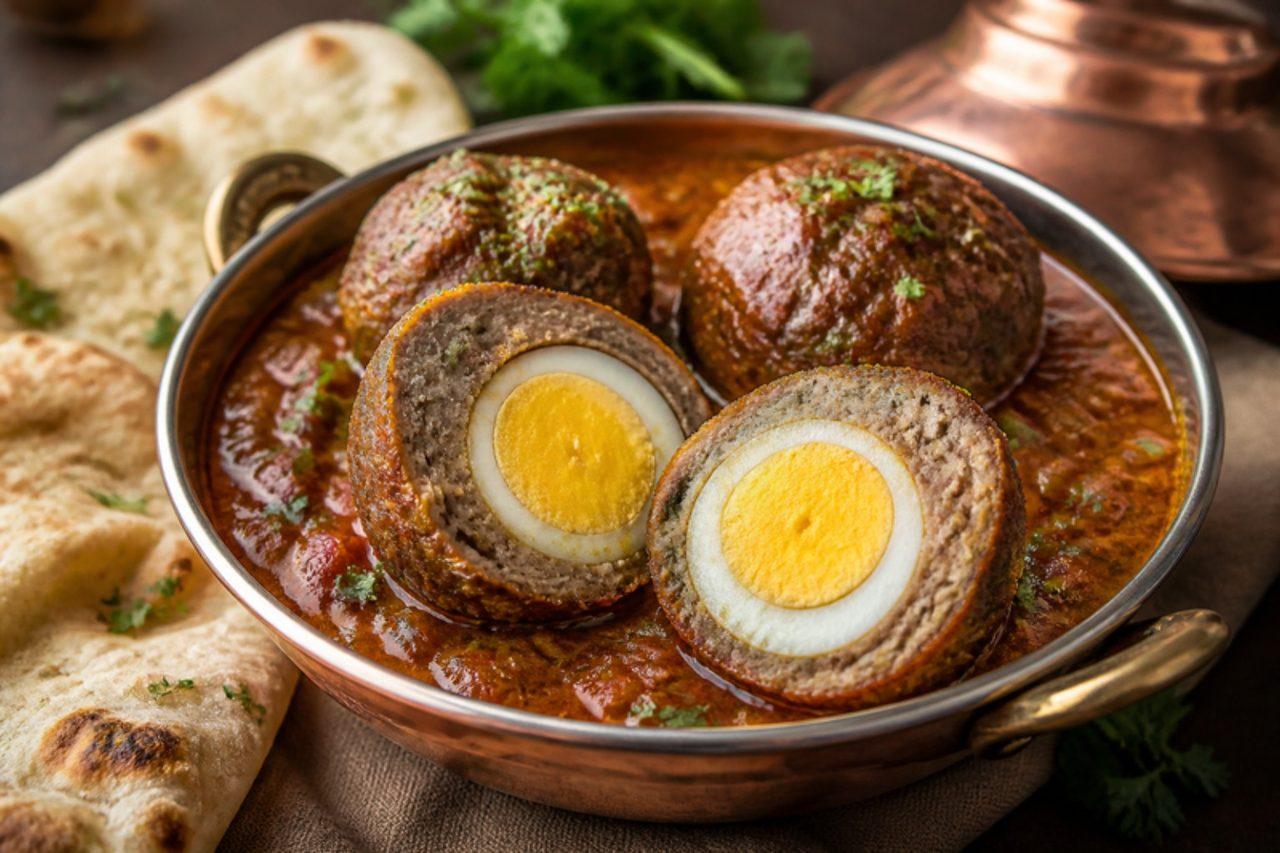
Cut a nargisi kofta in half and you see why it is named after the narcissus flower: a white and yellow egg ringed with a band of browned, spiced mince, sitting in a deep red gravy. The dish came down from Mughal kitchens to Pakistani wedding menus and Eid dinners, and it is still the showpiece many families make for guests, served with naan, sheermal or pulao. The meat casing is soft and fragrant with garam masala, and the gravy rich with yogurt, onion and a little cream. Shells that crack open in the pan are the common grief; dust the eggs in gram flour first so the mince grips, and keep the casing an even thickness. Chef's tip: halve the koftas only on the serving dish, just before they go to the table, with a sharp, wet knife for a clean cut.

by KrazyBadal 0 views

Khaddi kebabRoast spiced lamb over rice

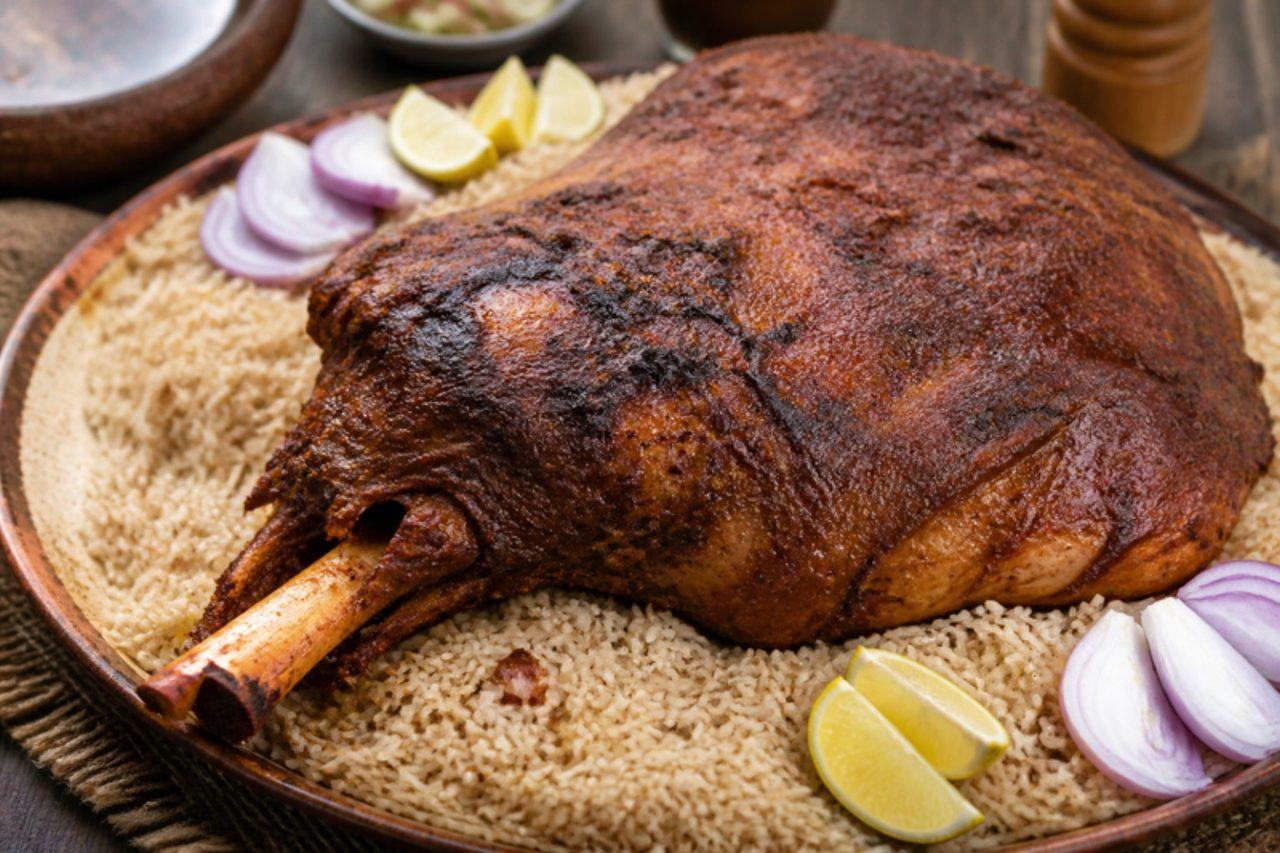
A khaddi, in Baloch country, is a pit dug in the ground and lined with hot stones; a whole goat or lamb, rubbed with salt and spices and stuffed with rice, is lowered in, covered with earth and left for hours, then dug out for weddings and tribal feasts. Few home cooks have a pit, so this version roasts a bone-in lamb shoulder low and slow under foil, then sets it on a tray of part-cooked rice so the rice drinks the dripping juices, the same marriage of meat and rice the pit gives. The meat should pull apart with a spoon and the rice taste deeply of lamb. Stuffing raw rice inside a big joint is where cooks go wrong at home: the centre stays underdone and is not safe, so cook the rice under the meat instead. Chef's tip: roast the lamb the day before, chill it in its juices and lift off the hard fat, then reheat with the rice; it carves more neatly too.

by KrazyBadal 0 views

Dal goshtMutton and chickpea stew

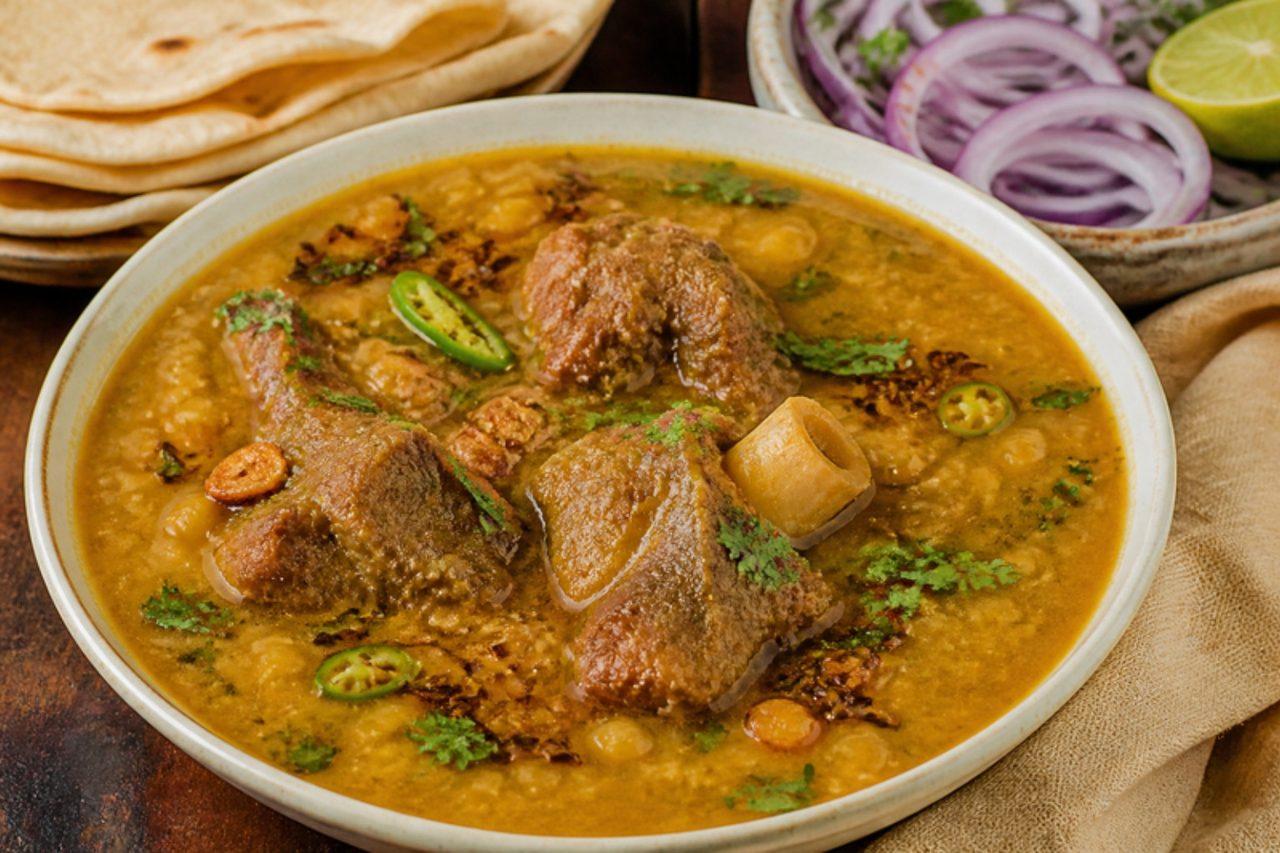
Stretching a kilo of mutton to feed a big family is an old Pakistani household skill, and dal gosht is its most loved result: chana dal cooked with the meat until the lentils melt into a thick, golden, peppery gravy that is half curry, half stew. It turns up for Friday lunch in Punjab and for everyday dinners in Karachi Urdu-speaking homes, eaten with hot chapati, rice and a sharp salad of onion and tomato. Done right, some dal stays whole while the rest thickens the gravy. A common slip is adding raw dal to the pot at the same time as the meat; dal cooks faster, so it collapses into paste before the mutton is tender. Chef's tip: finish with a tarka of ghee, cumin and fried garlic for a Sunday version, or leave it plain with oil for an everyday pot that stays dairy free.

by KrazyBadal 0 views

Dabba goshtMutton and macaroni bake

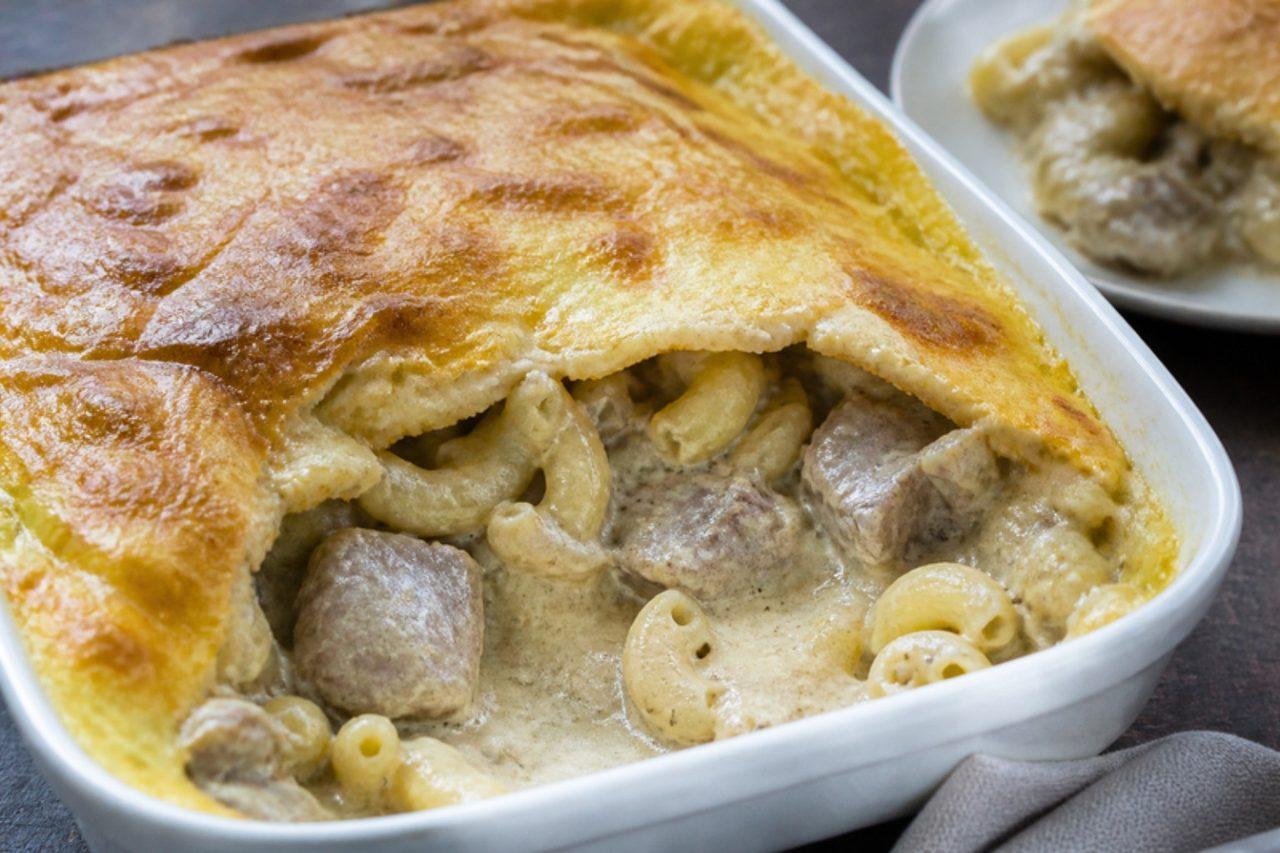
Only a Dawoodi Bohra kitchen would put macaroni into a mutton curry and bake it under a lid of egg, and dabba gosht is the triumphant result, made in Karachi for weddings, Eid and the big communal meals of Muharram. Boneless mutton is simmered until tender in a pale gravy of yogurt and ground cashew, mixed with soft elbow macaroni, poured into a dabba (a tin or deep dish), covered with whisked eggs and baked until golden on top. Inside it is creamy and mild with black pepper and cardamom; the crust is soft and set. The pitfall is overcooking the pasta before it goes in, because it keeps drinking sauce in the oven; boil it two minutes short. Chef's tip: keep the sauce looser than you think it should be when you assemble, as it thickens a lot under the egg.

by KrazyBadal 0 views

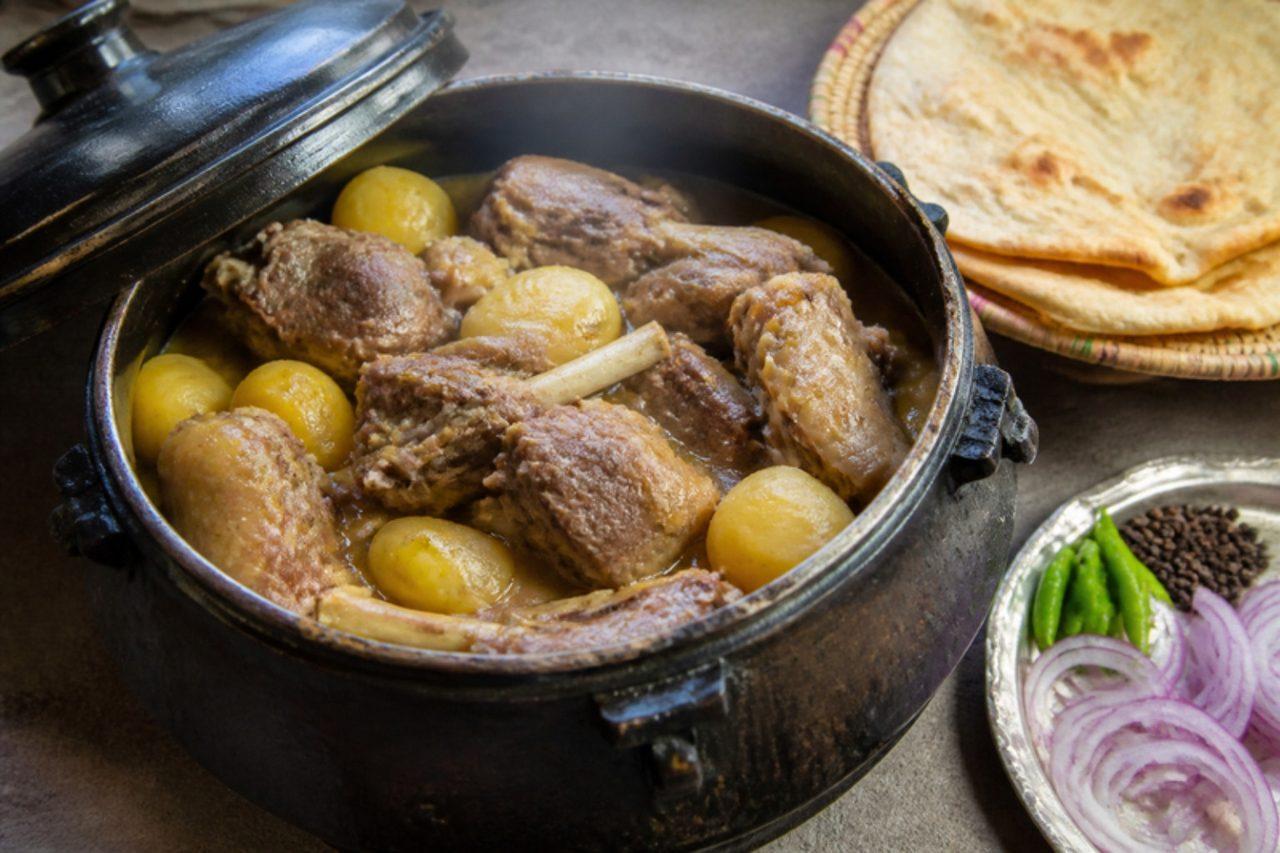
DumpukhtSealed pot lamb on the bone

In Khyber Pakhtunkhwa, especially around Eid-ul-Adha when there is fresh lamb in every house, dumpukht is the slow, quiet dish: big pieces of lamb on the bone, a little tail fat, onions, salt and pepper, sealed in a heavy deg and left to steam in their own juices for hours. Nothing is browned, nothing is spiced loudly; the meat simply turns soft and sweet, with a clear, fatty broth at the bottom of the pot that is spooned over Peshawari naan or eaten with plain rice. It is the Pashtun idea of luxury: good meat, patience and fire. The trap is a loose lid, since escaping steam means the pot dries out and the meat stews dry; seal it with foil under the lid or a strip of dough. Chef's tip: lay a few whole potatoes in with the meat; they cook in the juices and are fought over at the table.

by KrazyBadal 0 views

Bakra Eid kalejiStir-fried goat liver

The first thing cooked in countless Pakistani homes on the morning of Eid-ul-Adha, just after the sacrifice, is kaleji: the goat's liver, still very fresh, sliced and stir-fried in a karahi with onion, tomato, ginger and green chilli, then eaten at once with hot paratha or naan while the rest of the meat is being divided. The dish is quick and fierce, tender in the middle, sharp with chilli and lemon. Outside Eid, butchers in every city sell goat or lamb liver for the same breakfast. Overcooking makes liver rubbery, but undercooking is not safe, so cut it into even pieces and cook until it reaches 71 °C with no pink left; it will still be tender. Chef's tip: add the salt only at the very end, as salting liver early draws out moisture and toughens it.

by KrazyBadal 0 views

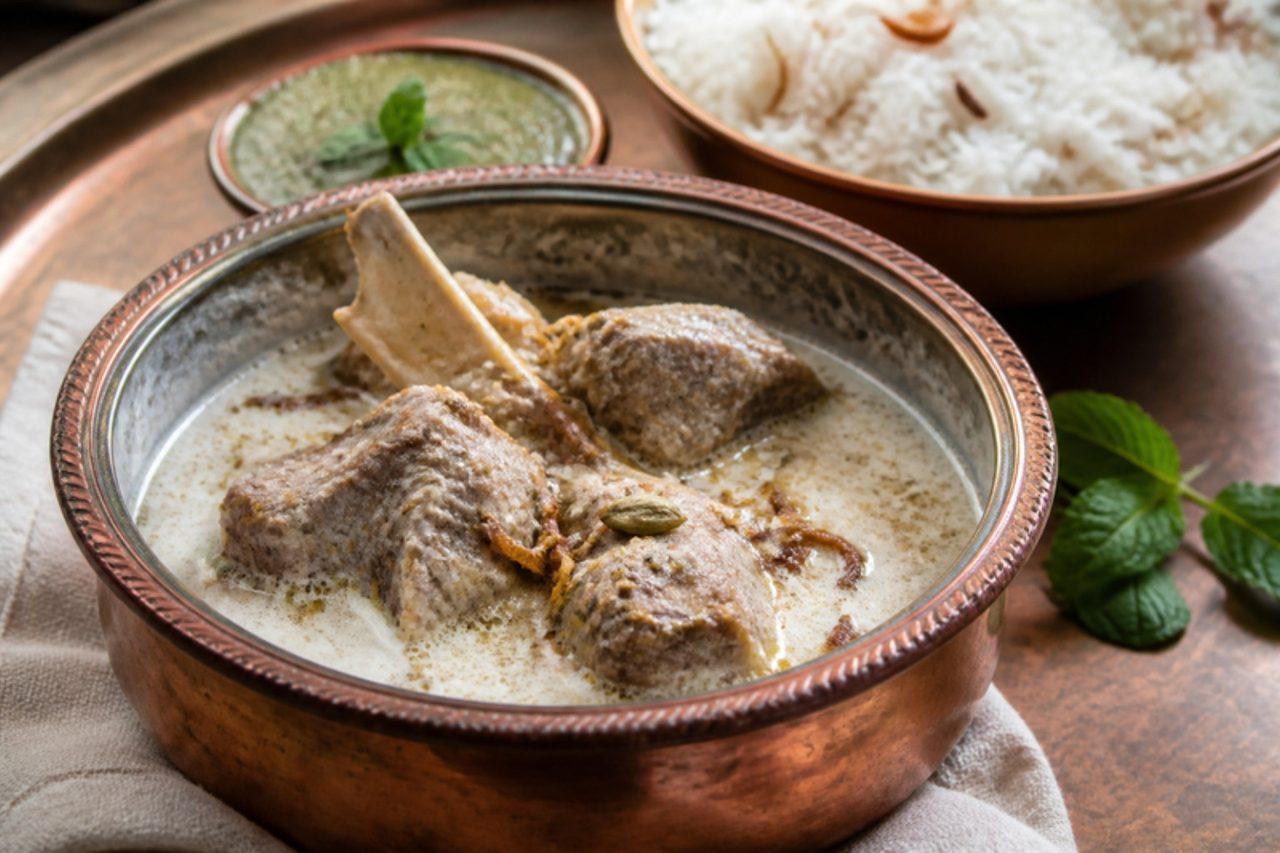
Aab goshtMutton in spiced milk

Pale, gentle and fragrant with green cardamom, aab gosht is the Kashmiri kitchen's answer to anyone who thinks the cuisine is all chilli. Mutton on the bone is first boiled with whole spices, then finished in reduced milk with fennel and dry ginger until the sauce turns ivory and thick, almost like a savoury kheer. It is a wazwan dish and a family favourite for Sunday lunch among Kashmiri households in Muzaffarabad and Lahore, eaten over plain rice with a sharp green chutney on the side for contrast. Boiling the milk hard is what ruins it, since it catches on the base and leaves a scorched taste through the whole pot. Chef's tip: reduce the milk in a separate wide pan while the meat cooks, then combine them; it thickens faster and is far less likely to burn.

by KrazyBadal 0 views

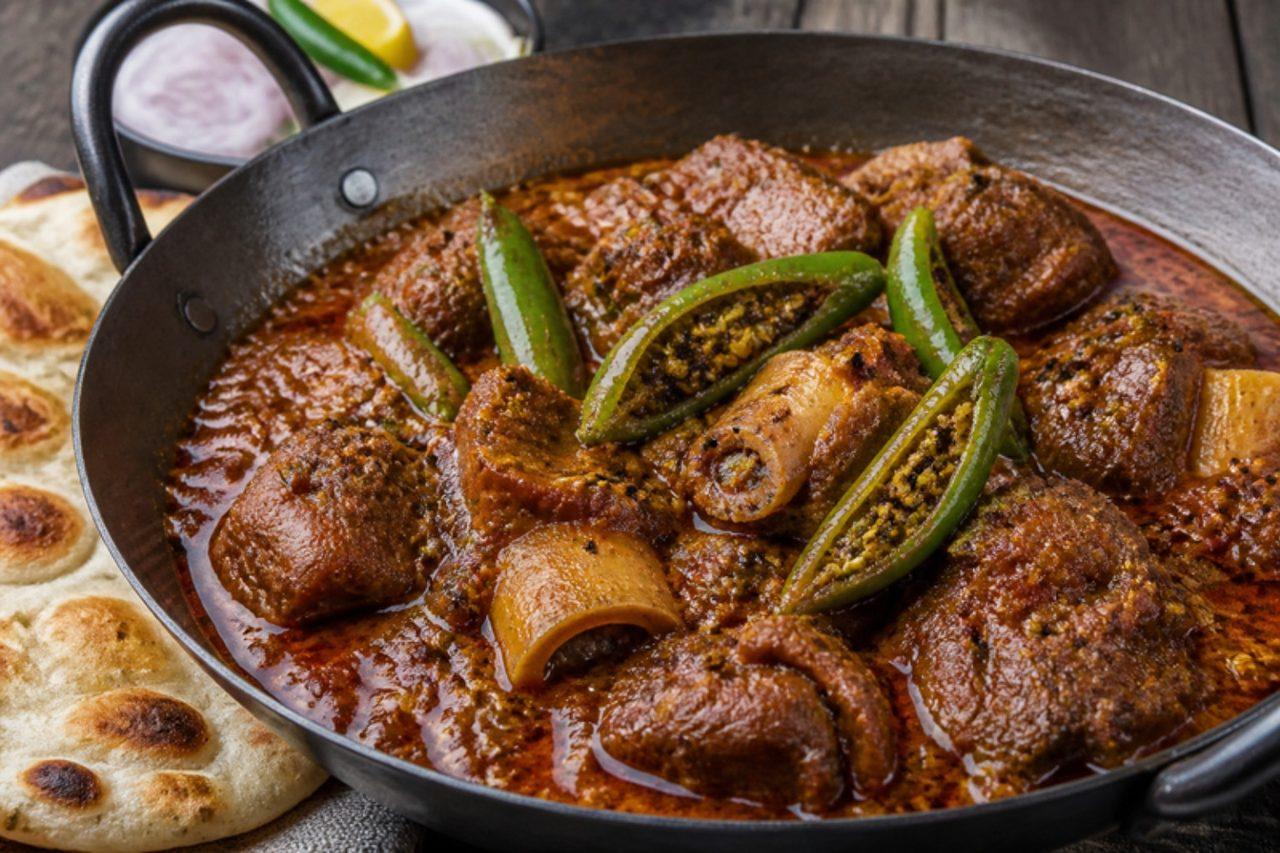
Achar goshtPickle-spiced mutton curry

Sour, hot and pungent, achar gosht borrows its whole flavour from a jar of pickle: fennel, nigella, fenugreek, mustard seed and cumin fried in mustard oil, with lemon and long green chillies stuffed with the same spices. It belongs to the Urdu-speaking kitchens of Karachi and Hyderabad, where it is made for dinner guests and shared at office lunches, and it is eaten with naan or tandoori roti, never with a delicate pulao. The gravy is thick and clings to the meat, glistening with oil. The step people rush is roasting the pickling spices; they must be toasted and coarsely crushed, not used whole, or the curry tastes raw and seedy. Chef's tip: mustard oil gives the true pickle tang; heat it until it smokes, then let it cool for a minute before adding anything, so it loses its harsh edge.

by KrazyBadal 0 views

Aloo goshtMutton and potato curry

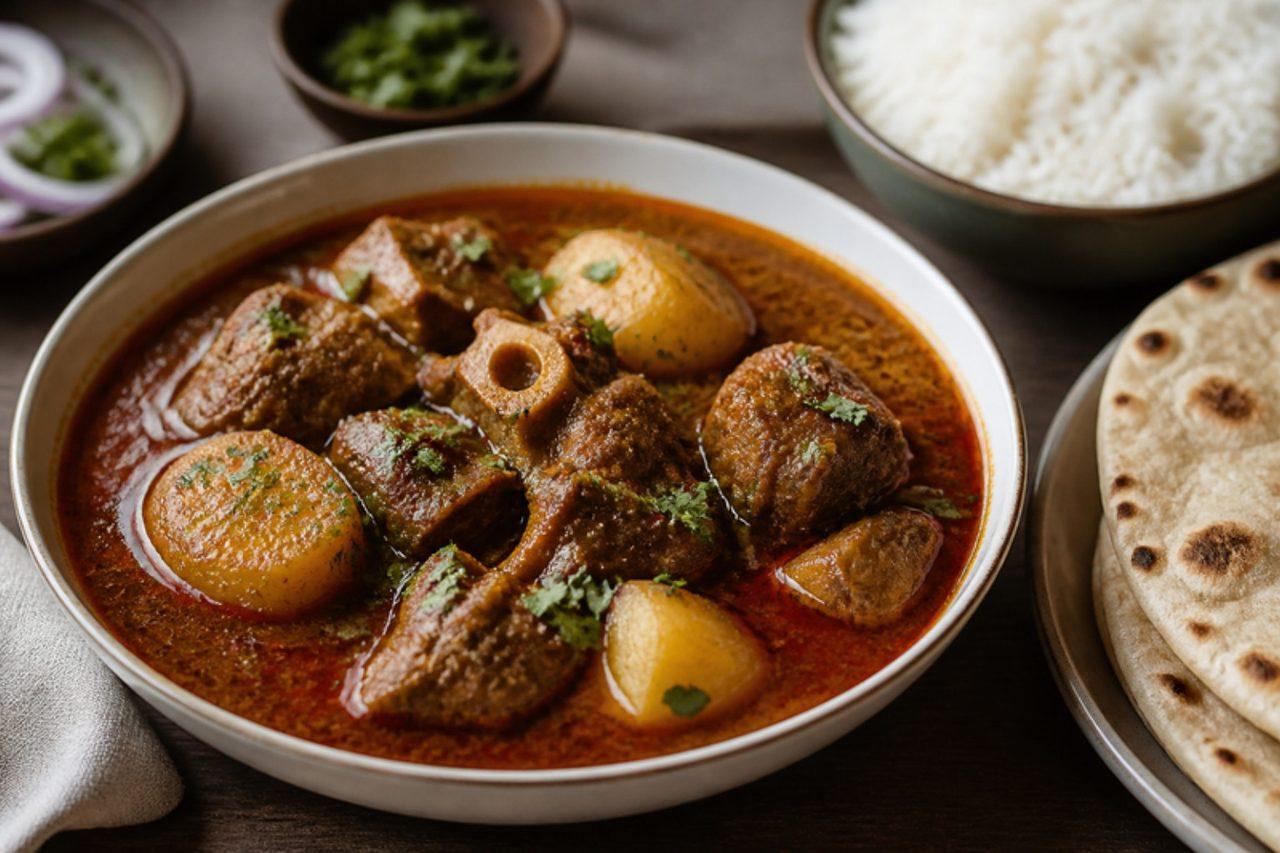
If one curry stands for a weekday dinner in a Pakistani house, from Rawalpindi flats to Karachi's Nazimabad, it is aloo gosht: mutton on the bone and halved potatoes in a loose, peppery shorba meant to be soaked up with chapati or poured over plain rice. Nothing about it is fancy; its comfort comes from a long bhuna of onion, tomato and spice before any water goes in, so the thin gravy still tastes deep. The potatoes go in once the meat is half done and come out soft at the edges, having drunk the gravy. Adding them at the start leaves them falling apart while the meat is still chewy, so wait. Chef's tip: when the masala is fully fried, add the water boiling hot, not cold, so the meat keeps cooking and the shorba stays clear rather than greasy.

by KrazyBadal 0 views

Bihari kebabPapaya-marinated beef strips

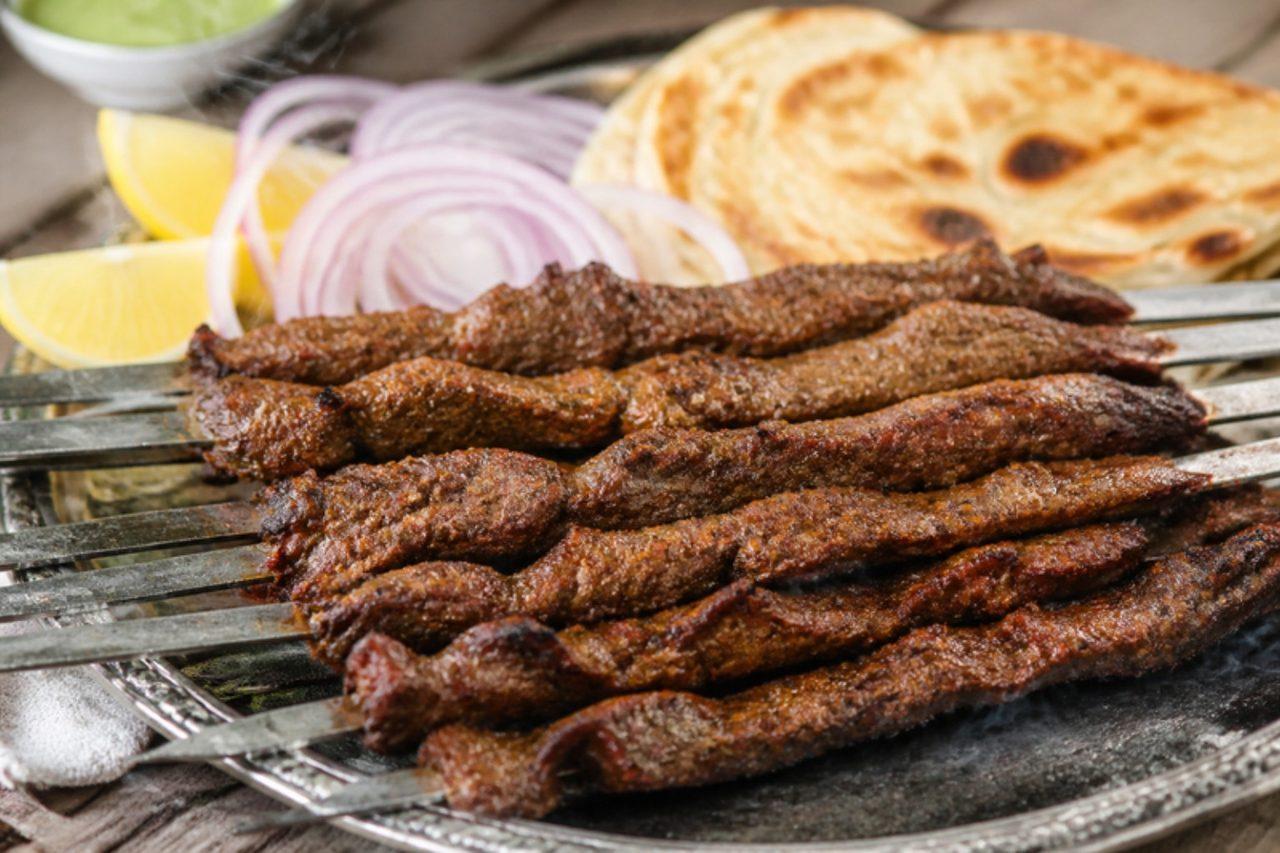
Migrants from Bihar who settled in Karachi after 1947 brought this kebab with them, and it has become one of the city's signature grills, served from the smoky stalls of Burns Road, Hussainabad and Boat Basin. Thin ribbons of beef are beaten flat, marinated with raw papaya paste to tenderise them, mustard oil, browned onion and a heady spice mix, then threaded onto skewers and grilled fast over coals, finished with a puff of charcoal smoke. They are soft enough to pull apart with your fingers and are eaten with paratha, sliced onion and mint chutney. Leaving the papaya on too long is the risk, because it keeps working and turns the meat mushy; four to six hours in the fridge is plenty. Chef's tip: slice the beef while it is half-frozen, across the grain, and you will get even, paper-thin strips with ease.

by KrazyBadal 0 views

Bhindi goshtMutton and okra curry

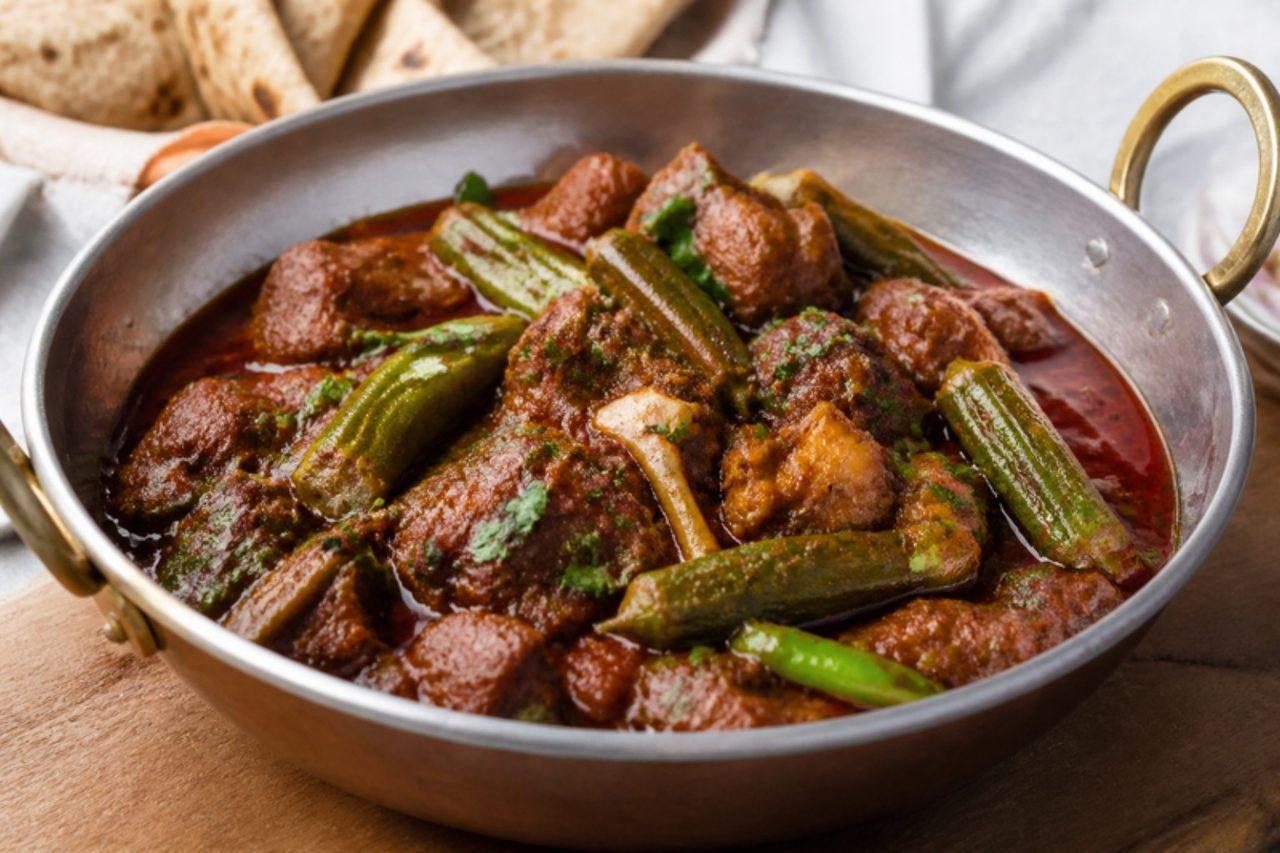
Summer in Punjab means okra in every bazaar, and the moment small, tender pods appear, households start making bhindi gosht for lunch: a dry-ish mutton curry with whole fried okra folded through at the end, tasting of tomato, green chilli and a little dried mango. It is eaten with chapati and a bowl of plain yogurt or raita on the side, and leftovers are even better packed in a tiffin the next day. The okra should be tender and bright, not slimy. That stringy texture comes from washing the okra and cutting it while wet, so wash and dry it completely before you trim it. Chef's tip: fry the okra separately until its edges blister, then add it to the meat only in the last ten minutes; it keeps its shape and the gravy stays clean.

by KrazyBadal 0 views

Showing 24 of 52 recipes

Show more recipes

Page 1 of 3