Skip to content
Recipes

All recipes

Vegetarian, or something you can't eat? Set your diet once and we'll hide recipes that don't fit.

Coctel de camarónPrawn cocktail

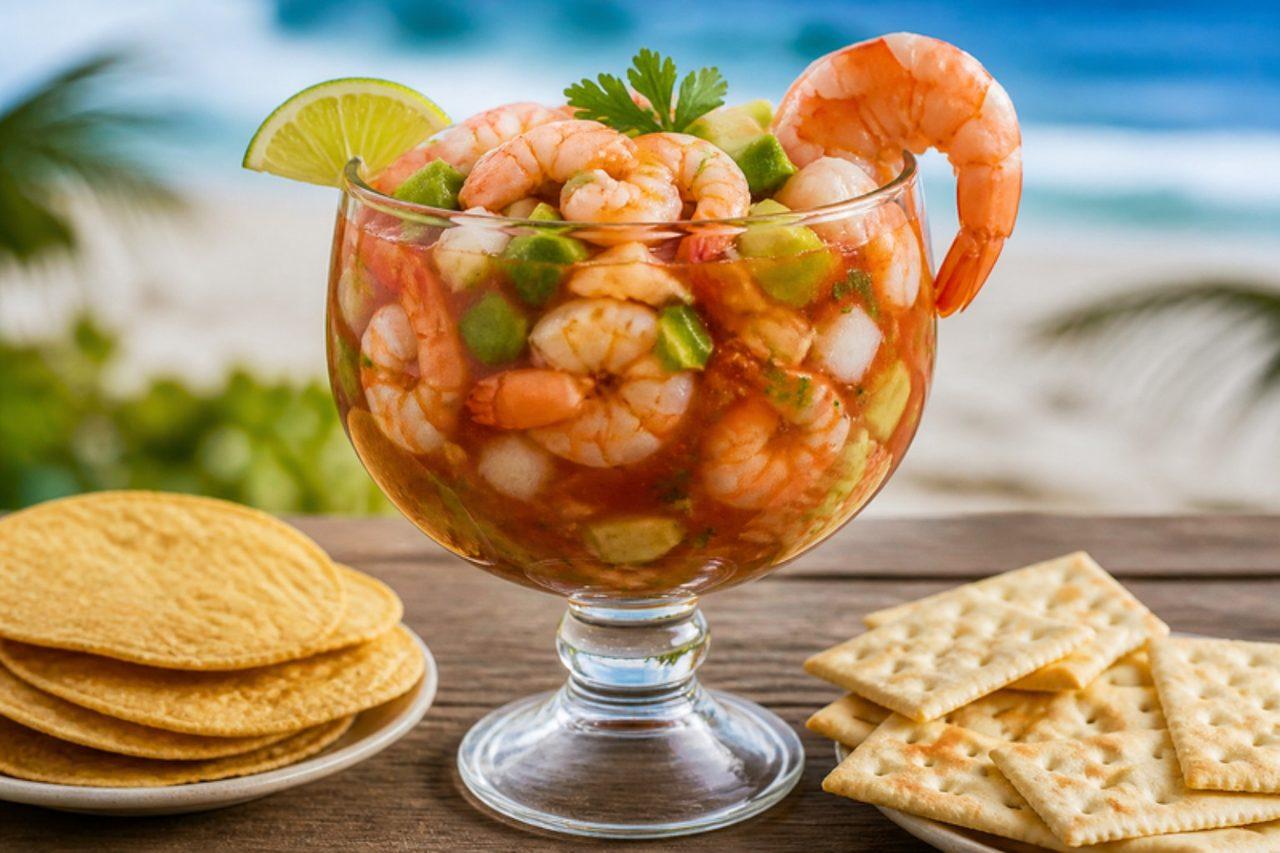
Beach stands from Veracruz to Mazatlán serve this cocktail in tall sundae glasses, the prawns swimming in a cold, tangy tomato-lime juice with onion, cucumber, coriander and avocado. It's eaten with a spoon and crisp tostadas, often with a splash of hot sauce, on a hot day by the sea. The prawns are cooked first; it isn't a ceviche. Chef's tip: save the poaching liquid, chill it and add a few spoonfuls to the sauce for a deeper seafood flavour.

by KrazyBadal 0 views

Pescado zarandeadoGrilled marinated whole fish

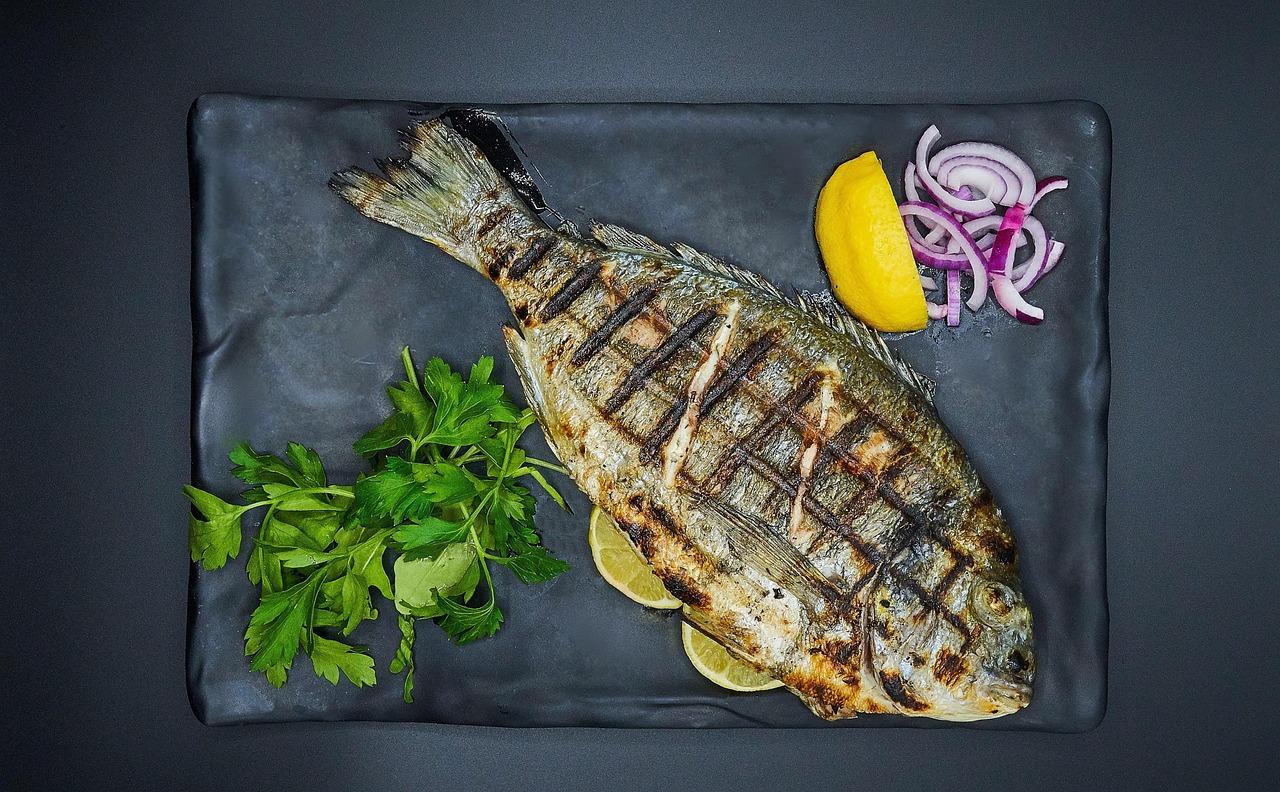
On the beaches of Nayarit, from San Blas to the island of Mexcaltitán, cooks clamp butterflied snapper in a hinged grill basket and shake it over mangrove charcoal; 'zarandear' means to shake. The flesh is brushed with a paste of guajillo and chipotle chiles, citrus and a little mayonnaise, which chars at the edges while the fish stays moist. Bring it to the table whole and let everyone pull off pieces into tortillas with lime, red onion and cucumber. You can ask the fishmonger to take the head off. Chef's tip: oil the grill basket well, or the skin sticks.

by KrazyBadal 0 views

Tortitas de camarónShrimp fritters

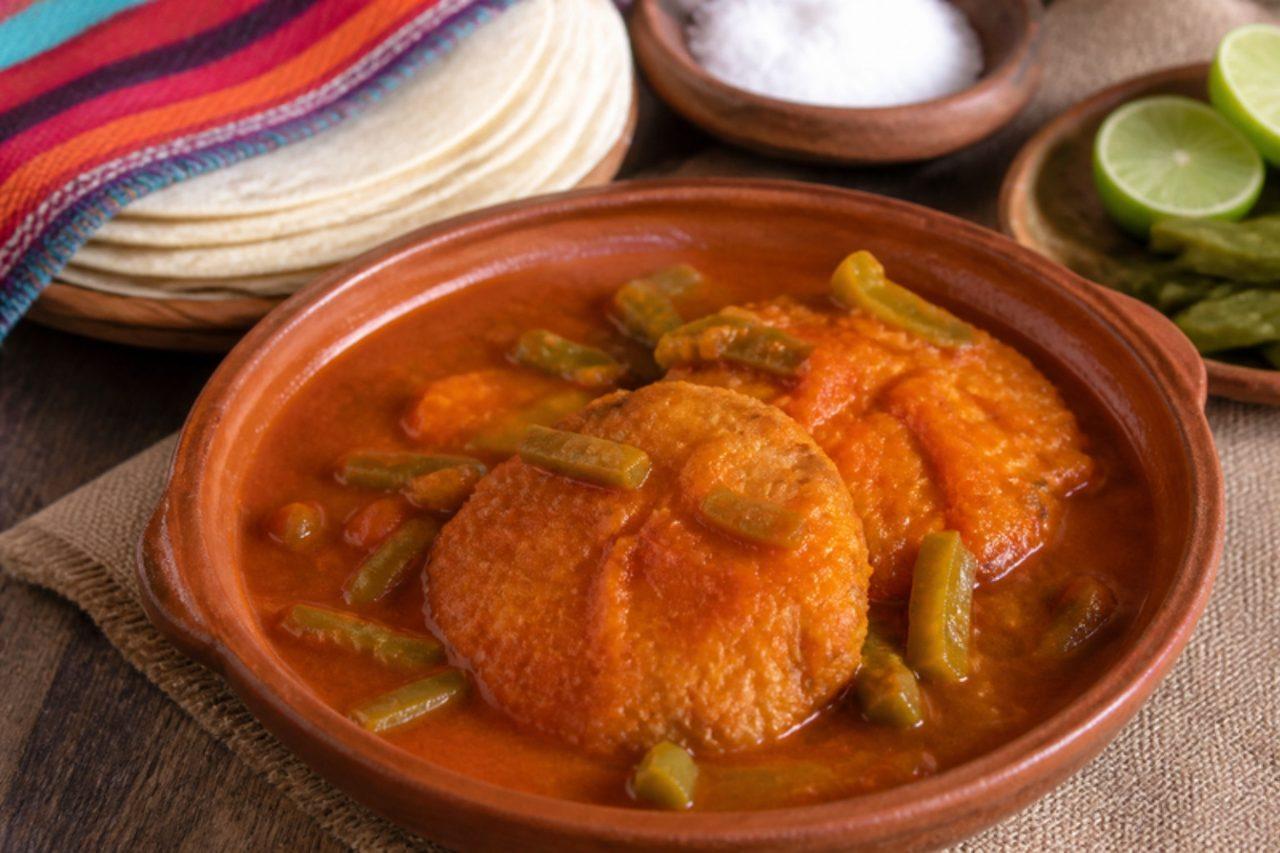
Friday lunch during Lent in Mexico City, Puebla and Oaxaca often means tortitas de camarón: airy fritters of beaten egg and ground dried shrimp, fried golden and then simmered in a guajillo-ancho sauce with tender nopales. The dried shrimp gives a deep, briny savouriness that a little goes a long way with. Buy them at Mexican or Asian grocers; they should smell of the sea, not of ammonia, and be pink-orange, not grey. Chef's tip: grind the shrimp with heads and legs removed, then sieve the powder, so no sharp bits end up in the batter.

by KrazyBadal 0 views

Bacalao navideñoSalt cod stew

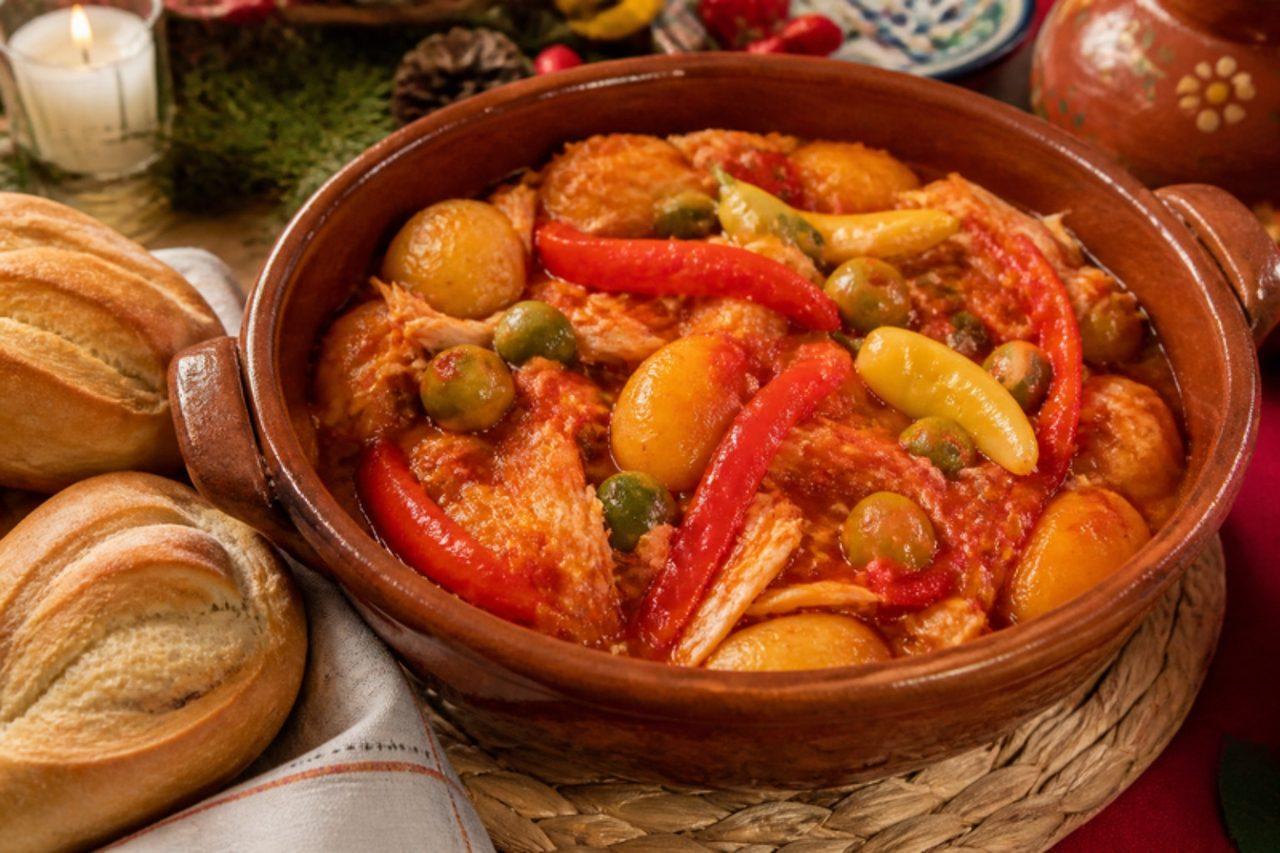
Mexican families inherited bacalao from Spain, but the version on the Christmas Eve table in Mexico City, Guadalajara and Puebla has gone its own way. Instead of the Basque sauce of dried choricero peppers with whole cod pieces, the cod here is soaked, finely shredded and cooked down for an hour with a lot of fresh tomato, olive oil, almonds, green olives, capers and pickled güero chiles until thick enough to pile into bolillo rolls. It tastes even better the next day, which is when the leftover tortas are eaten. Chef's tip: soak the cod in the fridge for 36–48 hours, changing the water four times a day, and taste a flake before cooking; it should be pleasantly salty, not briny.

130 minMexicanFishGluten free
by KrazyBadal 0 views

Tacos gobernadorShrimp and cheese tacos

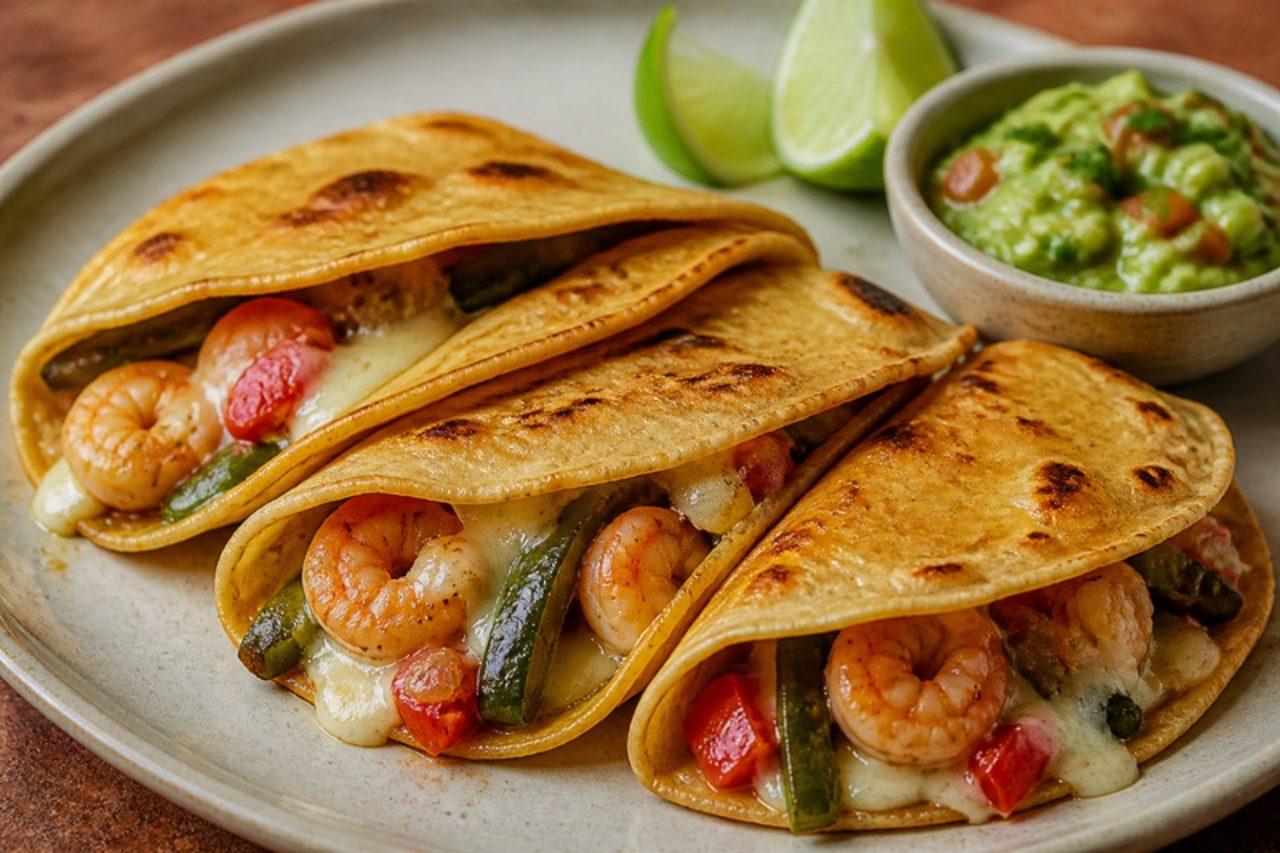
Mazatlán's seafood restaurants claim the 'governor's taco' was created in the 1980s for a visiting state governor, and it is now a fixture along the Sinaloa coast: shrimp sautéed with onion, poblano and tomato, folded into a griddled tortilla with plenty of melted cheese until crisp and gooey. Serve with avocado, lime and a hot sauce. Chef's tip: buy shrimp that smell of the sea, never of ammonia, and cook them the same day.

by KrazyBadal 0 views

Pescado en hoja santaFish wrapped in hoja santa

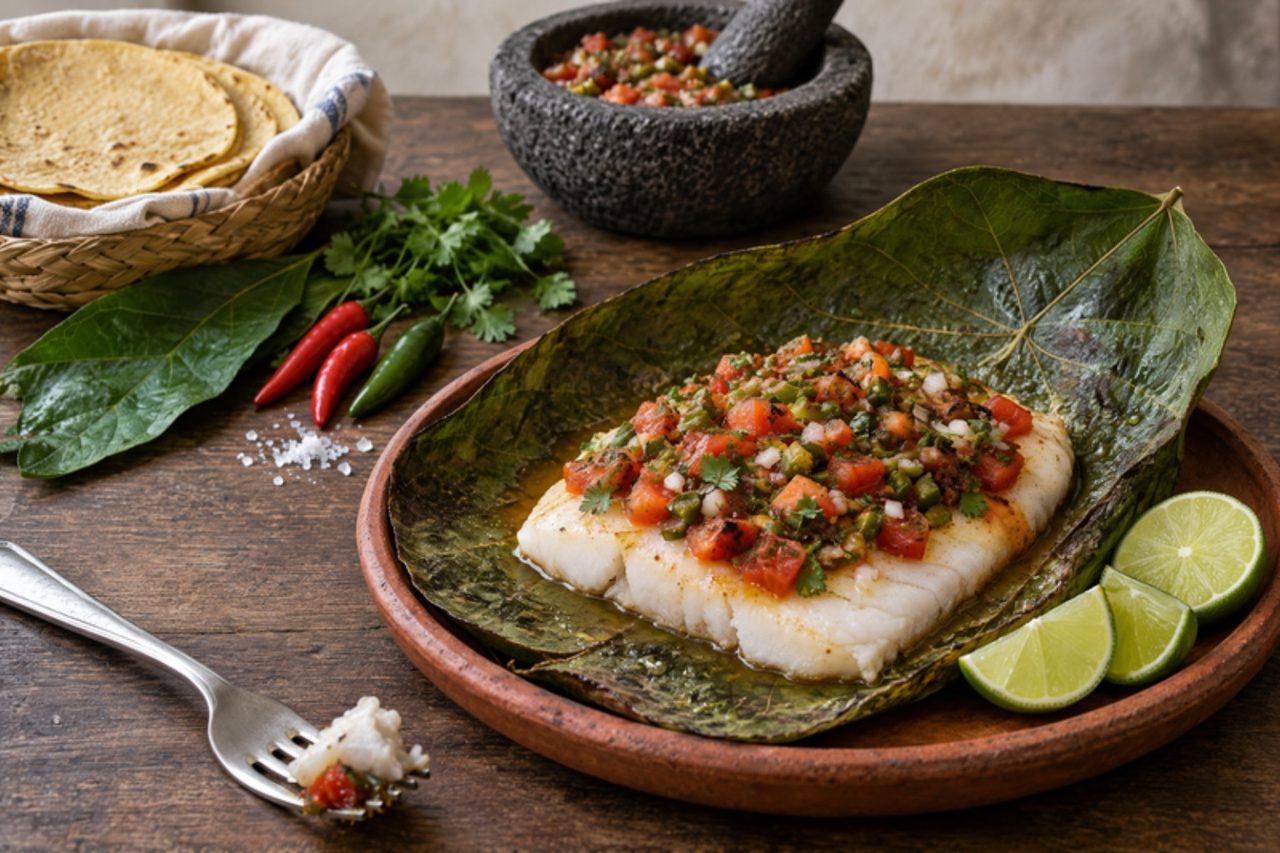
Hoja santa is a big, heart-shaped leaf with a sweet aniseed and pepper scent, and in Veracruz and Oaxaca cooks wrap fish in it for a weekday lunch or a Lenten Friday meal. Fillets are seasoned, topped with tomato, onion, jalapeño and garlic, folded into the leaves and baked or steamed so the fish takes on the perfume. Suitable as part of a balanced diet: lean, high-protein fish with vegetables and no flour. About 230 kcal and 7 g carbohydrate per portion; serve with salad or a couple of corn tortillas. The usual mistake is wrapping too loosely, so the juices run out and the fish dries. If you cannot find hoja santa, use banana leaf with a few fennel fronds or tarragon sprigs. Chef's tip: pass each leaf over a gas flame for a second; it softens and folds without tearing.

by KrazyBadal 0 views

Chipotles en adoboSmoked jalapenos in adobo sauce

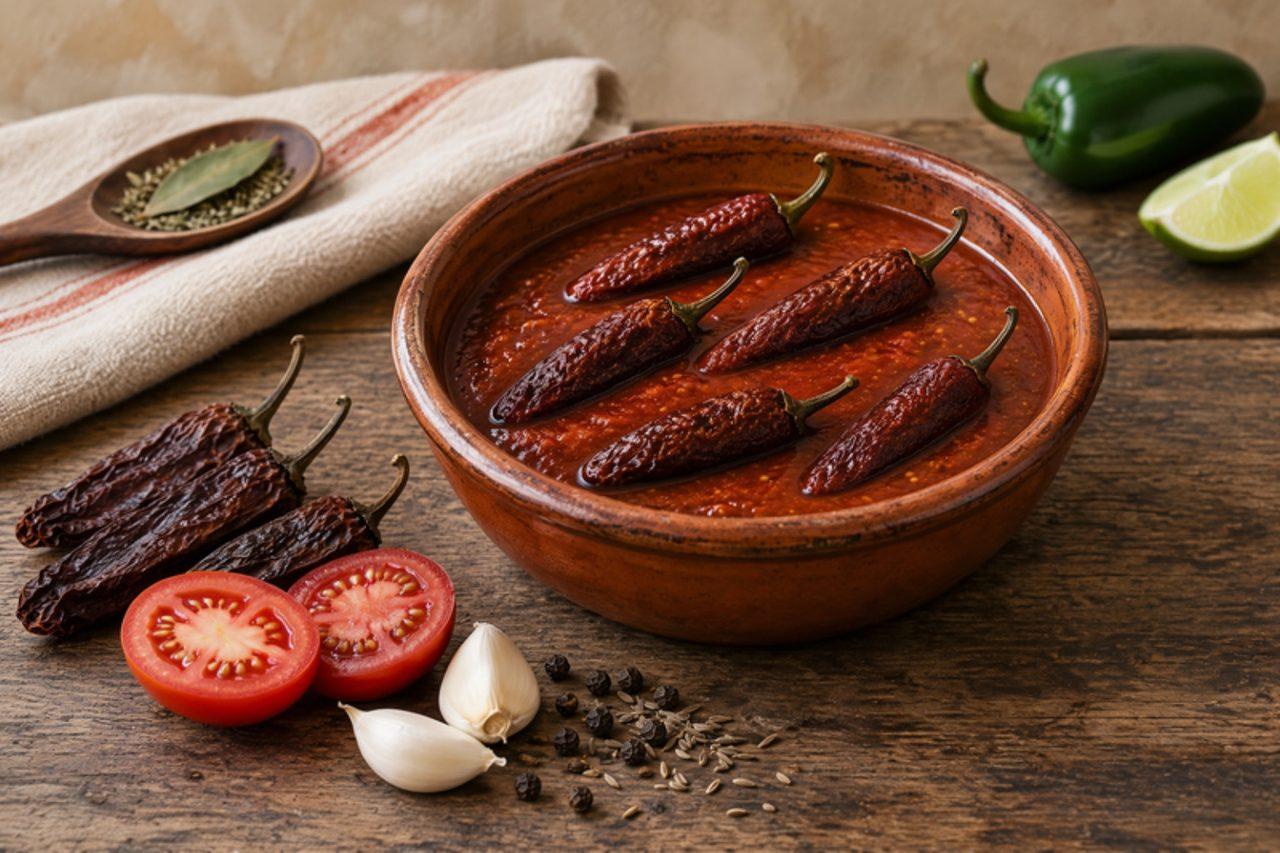
Chipotles are ripe jalapeños smoked slowly over wood until leathery; in Puebla and Veracruz the reddish, plump mora type is the everyday one, and the tan, leathery meco is prized for its deeper smoke. Simmered in a sweet-sour adobo of tomato, onion, garlic, vinegar and piloncillo, they become the soft, glossy chillies that go into tinga poblana, albóndigas en chipotle, bean soups and a quick chipotle mayonnaise. Homemade, they are smokier and less sugary than the tinned kind, with sauce that is brick red, tangy and thick enough to coat a spoon. Common mistake: toasting the dried chillies too long; a few seconds a side is enough, because scorched chillies make the whole jar bitter. This is a low-acid chilli preserve, so it is kept in the fridge or freezer, never canned in a water bath. It is ready when the chipotles are plump and soft enough to crush with a spoon and the adobo has reduced to a glossy sauce. Chef's tip: blend one or two chillies with their sauce and freeze it in an ice-cube tray, so you can add a single cube to a pot.

by KrazyBadal 1 views

Ají amarillo pasteYellow chilli paste

In Lima's markets ají amarillo is sold fresh all year, and most Peruvian cooks keep a tub of this paste in the fridge the way others keep tomato purée: it is the golden base of causa limeña, ají de gallina, papa a la huancaína, chupe and the sauce for tiraditos. The chillies are seeded, de-veined and blanched in three changes of water, which tames the heat and the raw grassiness, then peeled and blended with oil into a thick, silky, saffron-orange paste. It tastes fruity and sunny, almost like apricot and passion fruit, with a rounded, medium heat. Abroad, buy whole frozen ají amarillo from Latin grocers; dried ají mirasol, soaked, gives a darker, earthier paste. Common mistake: skipping the peeling; the thin skins leave papery flecks and a bitter edge. It is ready when it is completely smooth and holds a soft peak like thick hummus. This is a low-acid paste: keep it in the fridge for a week or freeze it, never on the shelf. Chef's tip: freeze it in an ice-cube tray; one cube is about a tablespoon, just right for a pot of ají de gallina.

by KrazyBadal 0 views

Escabeche de pescadoFried fish in sweet-sour onion sauce

In Lima, escabeche de pescado belongs to the criollo kitchen of the old city: it turns up on Friday lunch menus, on buffet tables, and above all in Lent and Holy Week, when families eat fish and this dish can be made the day before. Fish is fried until golden, then covered in a warm sauce of thick-cut red onion softened in oil with garlic, ají amarillo, ají panca, cumin and vinegar, and left to cool so the flavours soak in. It is served cold or at room temperature with boiled sweet potato, hard-boiled egg and purple botija olives. It tastes tangy, sweet and gently fruity-hot, with crunchy onion over tender fish. The fish here is fully cooked, but because it is a cold seafood dish, pregnant people, babies, older people and anyone with weak immunity should eat it well chilled and within 2 days. Common mistake: stewing the onions until limp; they should only lose their raw bite. It is ready when the sauce has soaked a little into the fish and smells of vinegar and toasted chilli. Chef's tip: use thick fillets of corvina or bonito; thin fillets break under the sauce.

by KrazyBadal 0 views

Choros a la chalacaCold mussels with corn salsa

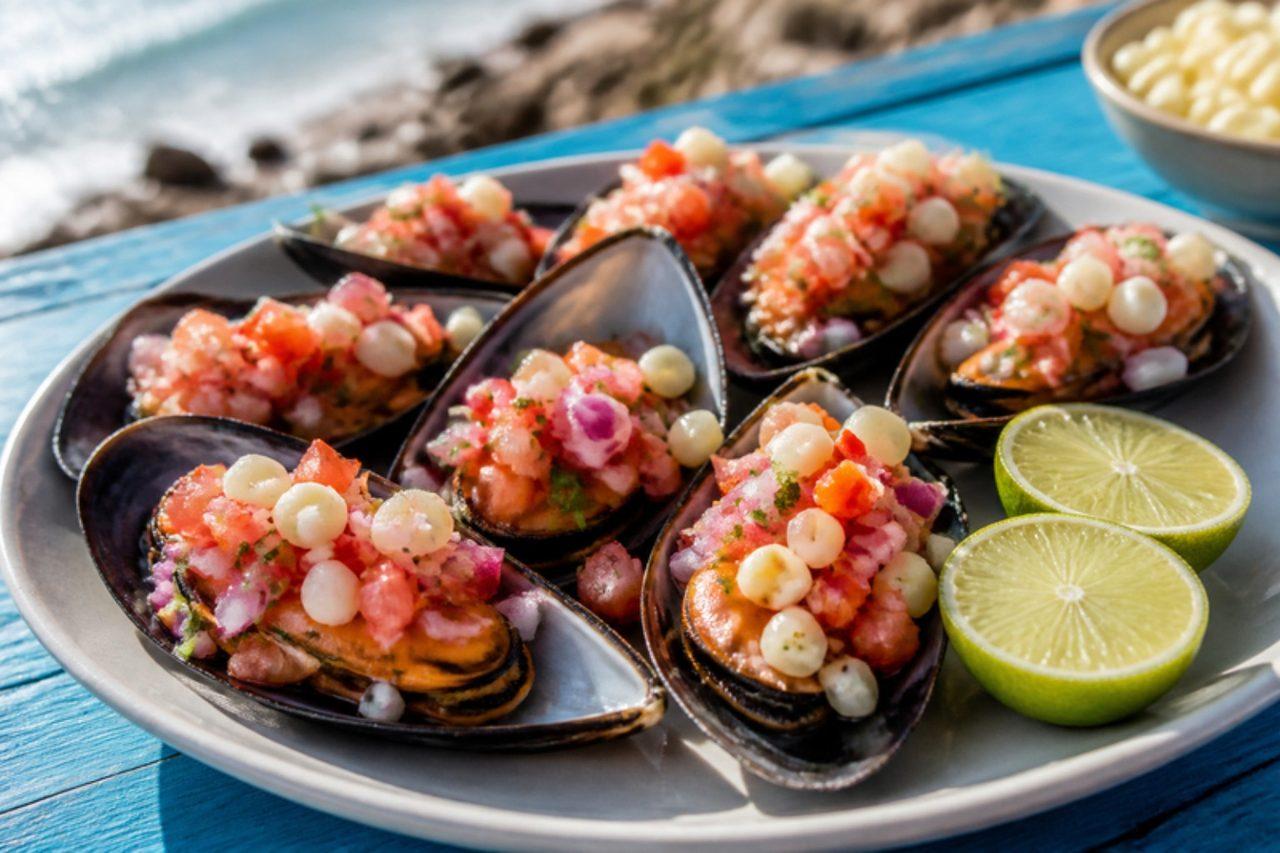
Named for the people of Callao, Lima's port, choros a la chalaca are what you order with friends at a seafront cevichería on a hot afternoon: steamed mussels, chilled, each on its half shell under a bright, wet salsa of red onion, tomato, Andean corn, rocoto and lime. Cool, sweet, briny and sharp, they are eaten with your fingers in two bites, often before a ceviche or a jalea. Here the mussels are fully steamed open first, so nothing is served raw. People often overcook them while waiting for the last stubborn shells, which leaves the rest rubbery; lift them out as soon as each one opens. Chef's tip: dress the salsa no more than 15 minutes ahead, and spoon a little of the juice onto every mussel; that juice is the whole point of the dish.

by KrazyBadal 0 views

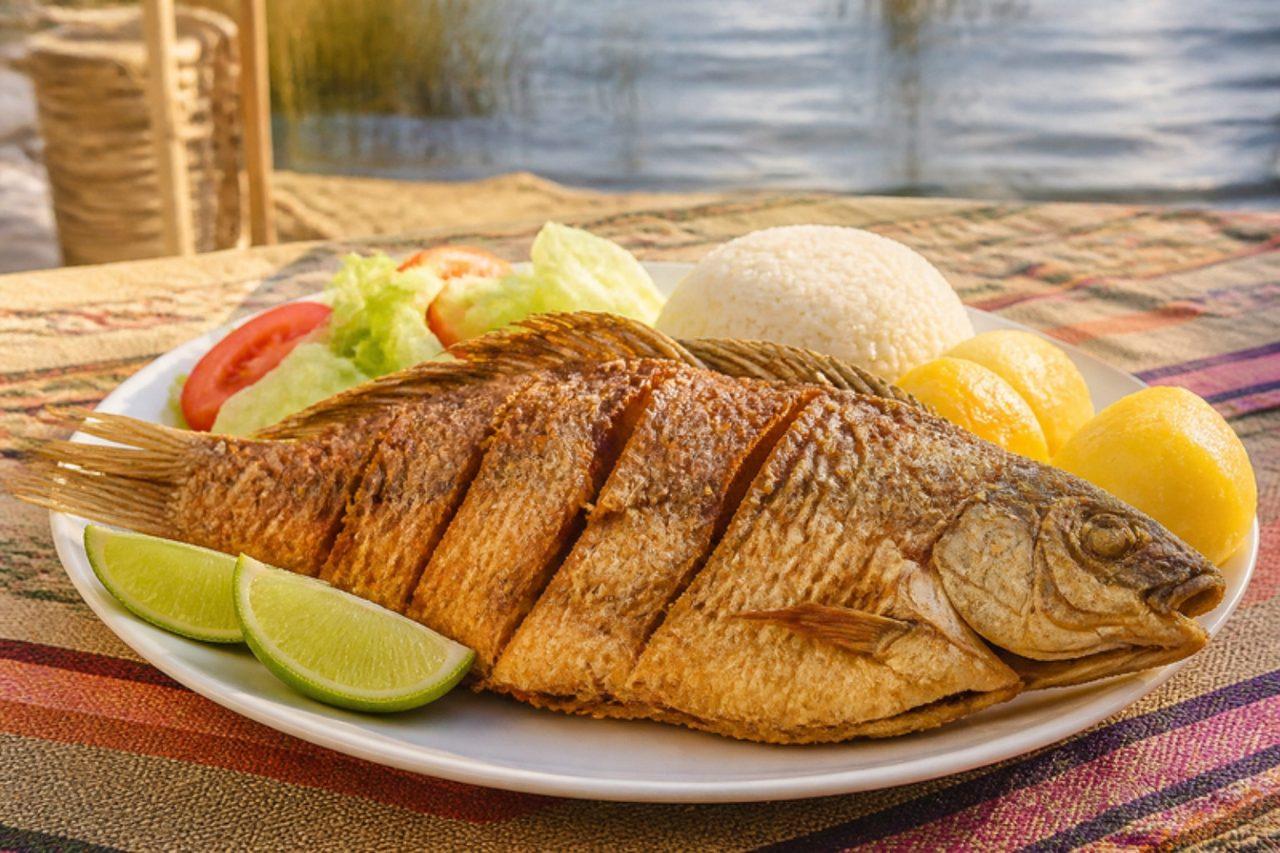
Trucha fritaFried trout with potatoes and rice

Rainbow trout farmed in the cold, clear water of Lake Titicaca is what you eat in Puno, at lakeside restaurants and on the floating islands: a whole fish, dusted in flour and fried until the skin crackles, with boiled Andean potatoes, rice, a simple salad and lime. The flesh is pink-white, sweet and moist; nothing else is needed. Ask your fishmonger to gut and scale the trout. The most common mistake is moving the fish too early, which tears the skin; leave it until it releases from the pan by itself. Chef's tip: slash the thick part of each side twice before flouring, so the fish cooks evenly and the skin crisps right up to the head.

by KrazyBadal 0 views

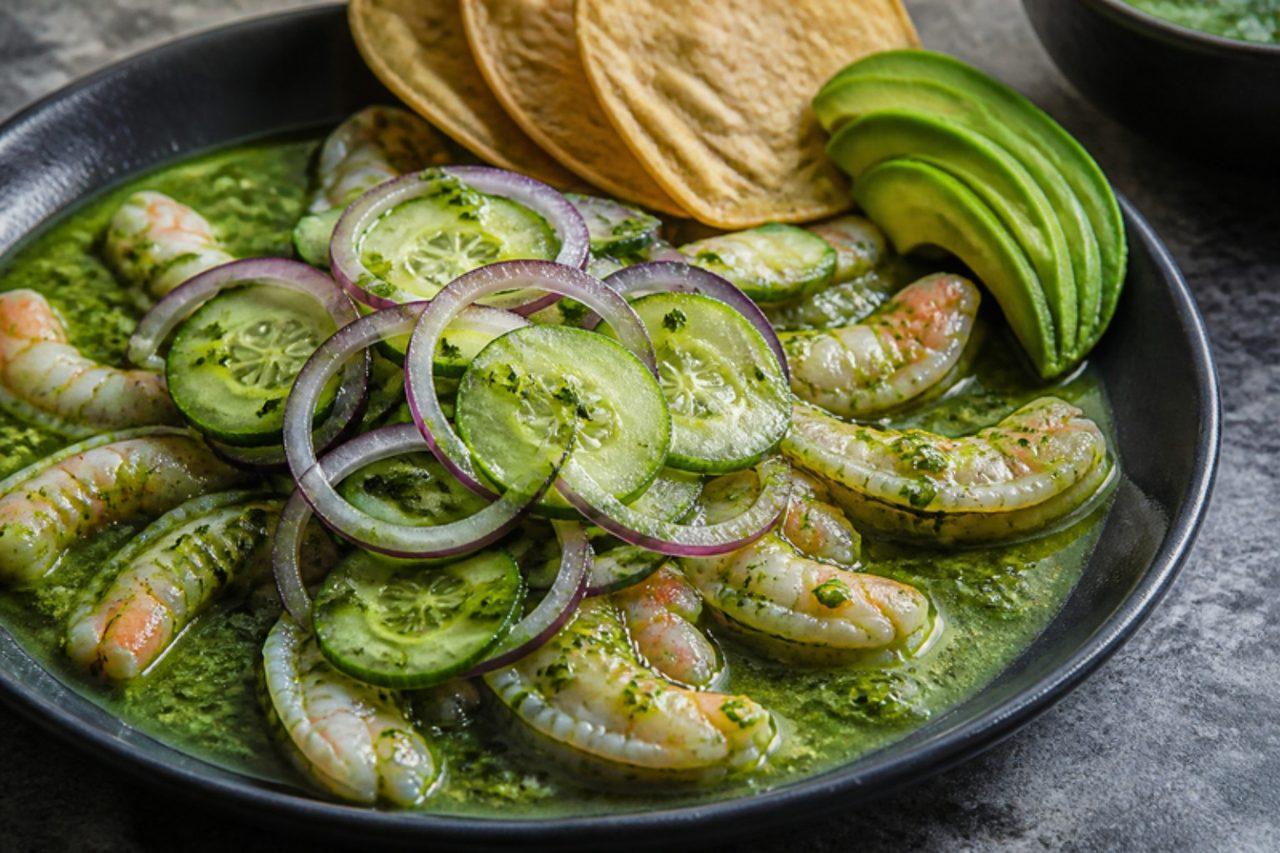
AguachilePrawns in lime and chilli water

Along the Sinaloa coast, from Mazatlán to Culiacán, aguachile is the cold plate that starts a long seafood lunch at the beachside palapas, eaten straight from a stone molcajete with tostadas and a cold drink. The classic version is raw prawns cured only in lime, and that raw version is the risky one: lime juice does not kill bacteria or parasites the way heat does. This safer version poaches the prawns for a minute or two until just pink and opaque, chills them and then dresses them, so you keep the snap and the fierce, grassy chilli heat. Even so, treat any cold seafood dish with care: the raw classic is not for pregnant women, young children or anyone with a weakened immune system. Serve with crisp corn tostadas and slices of avocado. Chef's tip: blend the chilli water with ice-cold water and pour it on at the last minute, so it stays vivid green and the prawns stay crisp.

by KrazyBadal 0 views

Cajeta de CelayaGoat milk caramel

Celaya, in the Bajío of Guanajuato, has made cajeta for centuries, once packing it into little wooden boxes (cajetes) that gave it its name. It is caramel cooked from goat's milk, so it is looser and has a gentle tang compared with the cow's-milk dulce de leche of Argentina. Mexicans spread it on crêpes and churros, pour it over ice cream, sandwich it between obleas (wafers) and turn it into glorias. A splash of rum-flavoured 'envinada' cajeta exists, but this one is plain and alcohol-free. Chef's tip: use a pan at least three times the volume of the milk; it foams high when the bicarbonate goes in.

by KrazyBadal 0 views

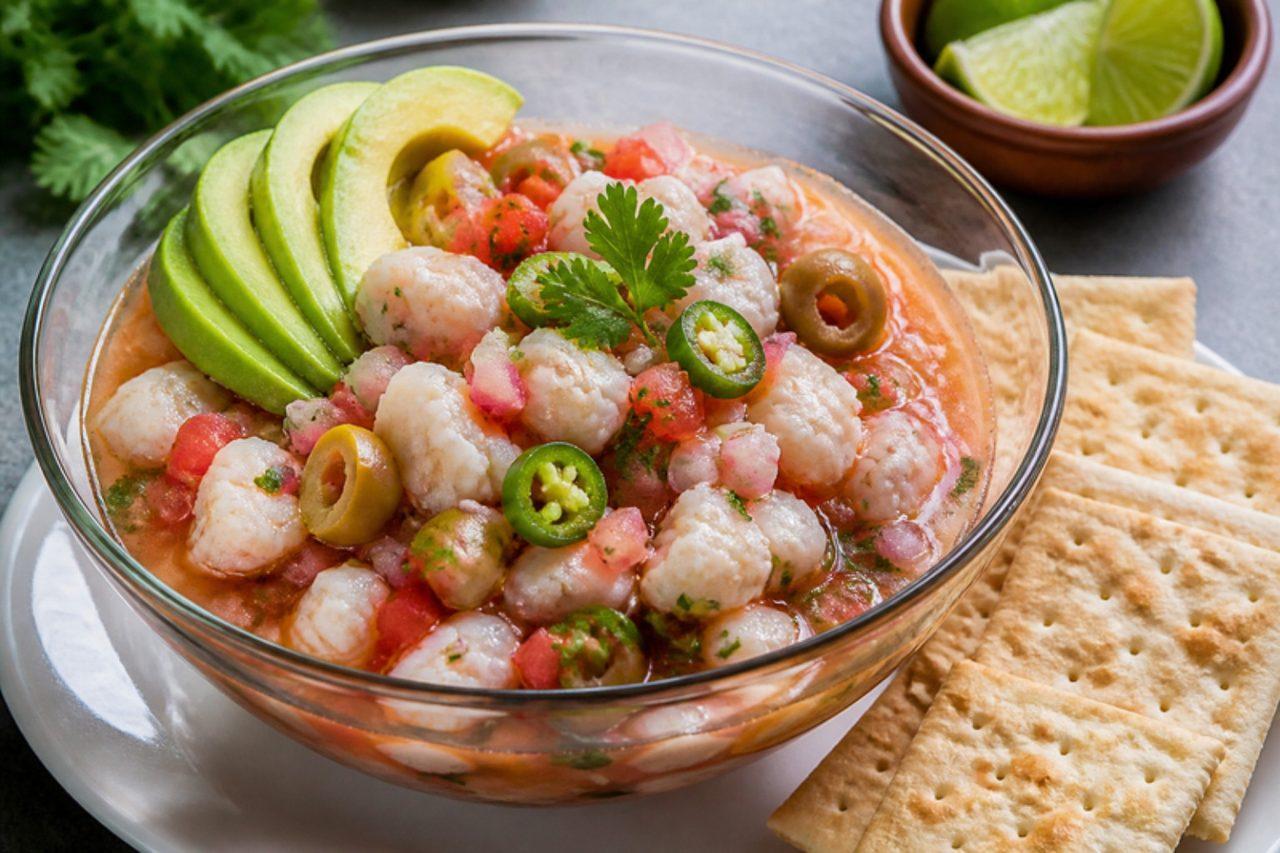
Ceviche acapulqueñoLime-marinated fish with tomato and orange

On the beaches of Acapulco, vendors sell ceviche in tall glasses with saltine crackers and tostadas: small cubes of white fish in lime with tomato, onion, green olives, chilli, a sweet streak of ketchup and fresh orange juice, eaten cold on a hot afternoon. The classic version is raw fish 'cooked' only by lime, which does not kill bacteria or parasites, so that version is not for pregnant women, young children or anyone with a weakened immune system. This safer recipe gently poaches the fish until just opaque, then chills it and dresses it in the same tangy, sweet-sharp mixture, so it keeps the firm, fresh texture. Serve with tostadas, crackers and slices of avocado. Chef's tip: dice the vegetables very small and the same size as the fish, so every spoonful has a bit of everything.

by KrazyBadal 0 views

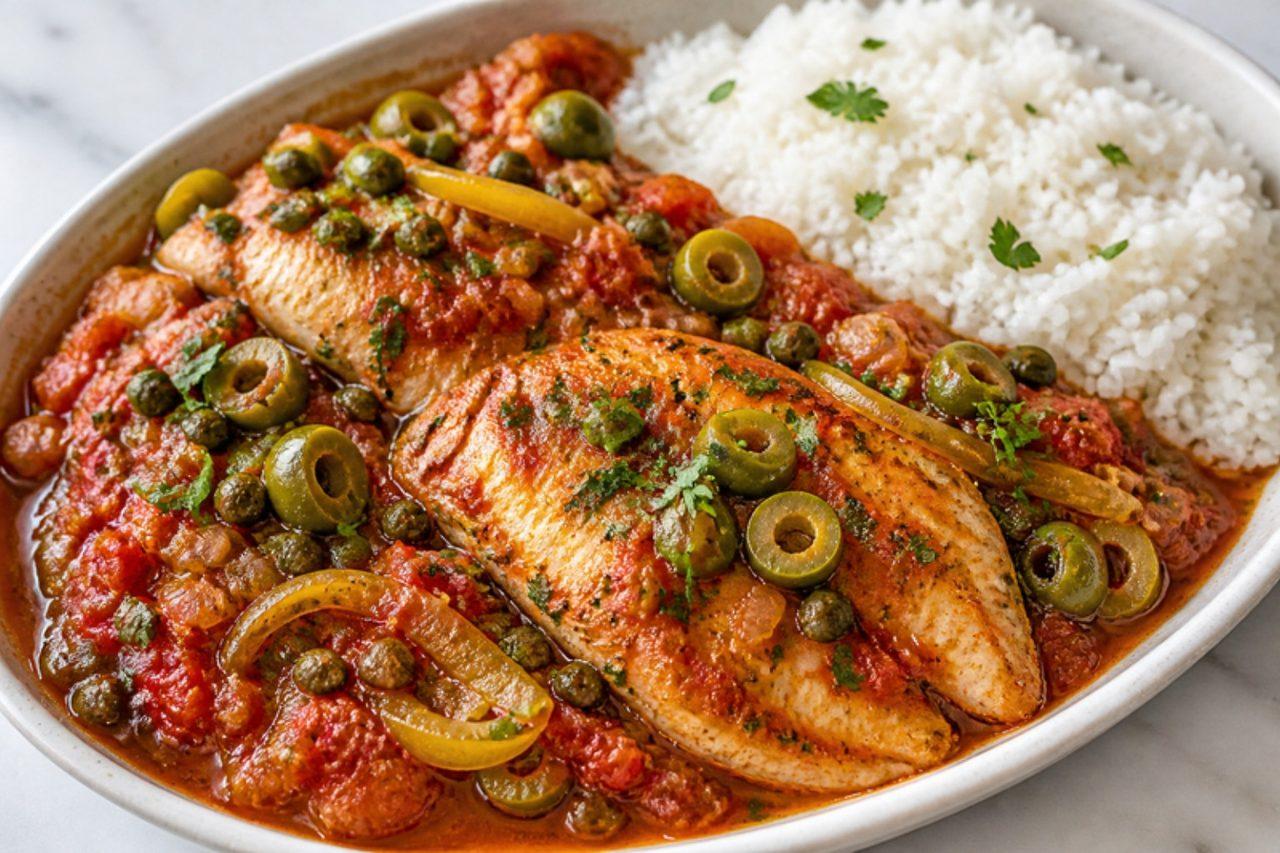
Huachinango a la veracruzanaRed snapper in tomato sauce

In the port of Veracruz, fish a la veracruzana shows the city's centuries of trade with Spain: red snapper baked in a sauce of tomato, onion and garlic with green olives, capers, bay and herbs, sharpened with pickled yellow chillies. It is served at seafront restaurants on Sundays and is a favourite on Christmas Eve, when many families eat fish. The sauce is tangy, briny and gently hot, and the fish stays moist under it. Serve it with plain white rice to soak up the sauce. Chef's tip: cook the sauce down until thick before the fish goes in; the fish releases juices as it bakes and will thin it out.

by KrazyBadal 0 views

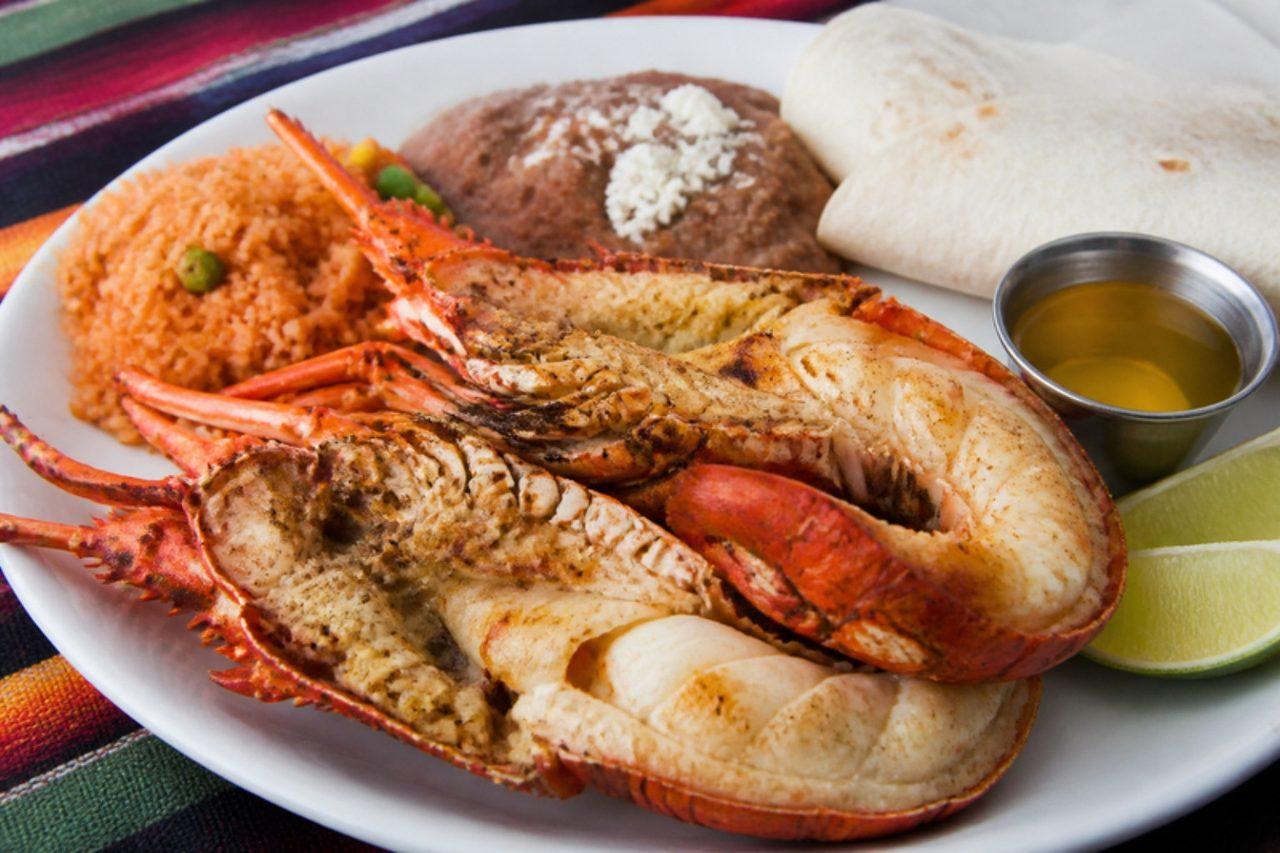
Langosta estilo Puerto NuevoFried split lobster with tortillas

In the fishing village of Puerto Nuevo, south of Rosarito on the Baja coast, dozens of family restaurants serve lobster the same way: split in half, fried in hot pork lard until the shell blisters and the flesh is sweet and just firm, then brought to the table with refried beans, red rice, salsa, melted butter, lime and stacks of soft flour tortillas for making lobster tacos. The local lobster is the clawless spiny kind, but any lobster or raw lobster tails work; frozen raw tails are an easy route. Live lobsters should be bought from a reputable fishmonger, kept cold in the fridge under a damp cloth and cooked the same day. Chef's tip: fry the halves flesh-side down first and don't move them, so the meat gets a light golden crust.

by KrazyBadal 0 views

Machaca de pescadoShredded fish with tomato and pepper

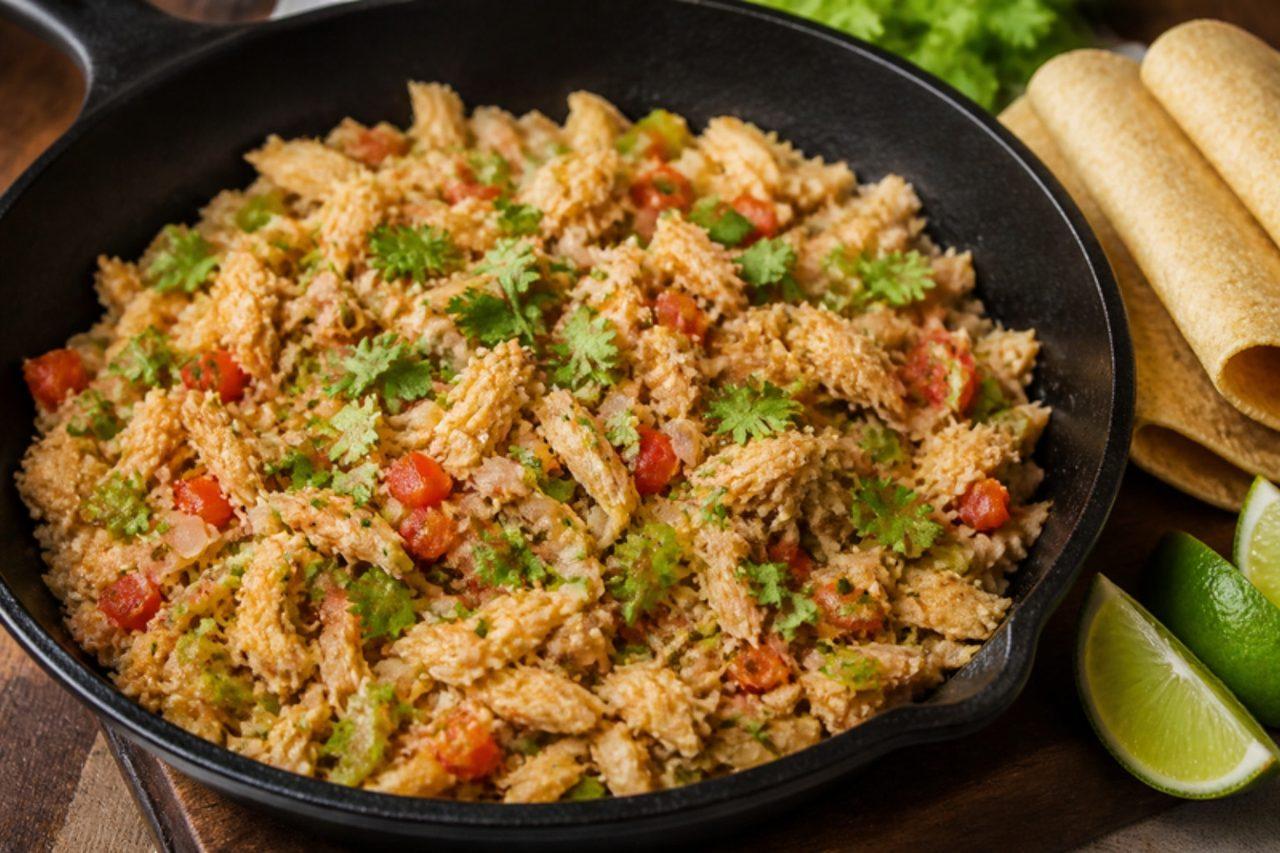
On the waterfront in La Paz, Baja California Sur, machaca de pescado is the sea's answer to beef machaca: firm fish is poached, shredded and fried with onion, pepper, tomato and chilli until almost dry and full of flavour. Fishermen's families once made it with shark or smoked marlin, and today it fills breakfast burritos, tacos and tostadas in cafés along the malecón. Any firm white fish such as cod, hake or mahi-mahi works well. It is savoury, lightly spicy and tender. Serve it with corn tortillas, rice or refried beans. Chef's tip: squeeze the shredded fish in your hands to get rid of excess water before it hits the pan, so it fries rather than stews.

by KrazyBadal 0 views

Pejelagarto asadoGrilled fish with green salsa

In Tabasco, pejelagarto, a prehistoric-looking freshwater gar from the rivers and lagoons, is skewered and grilled whole over wood in its armoured skin, then eaten with tortillas, lime and fierce chile amashito at roadside stands around Villahermosa. The fish is almost never sold outside the region, so this is a practical version using any firm white fish, such as snapper, sea bass or thick hake fillets, grilled until smoky and served with a bright green tomatillo salsa. Serrano or bird's eye chillies stand in for amashito. Serve with warm corn tortillas for tacos. Chef's tip: oil the fish, not the grill bars, and leave it alone for the first few minutes so the skin releases by itself.

by KrazyBadal 0 views

Tikin xicAchiote fish in banana leaf

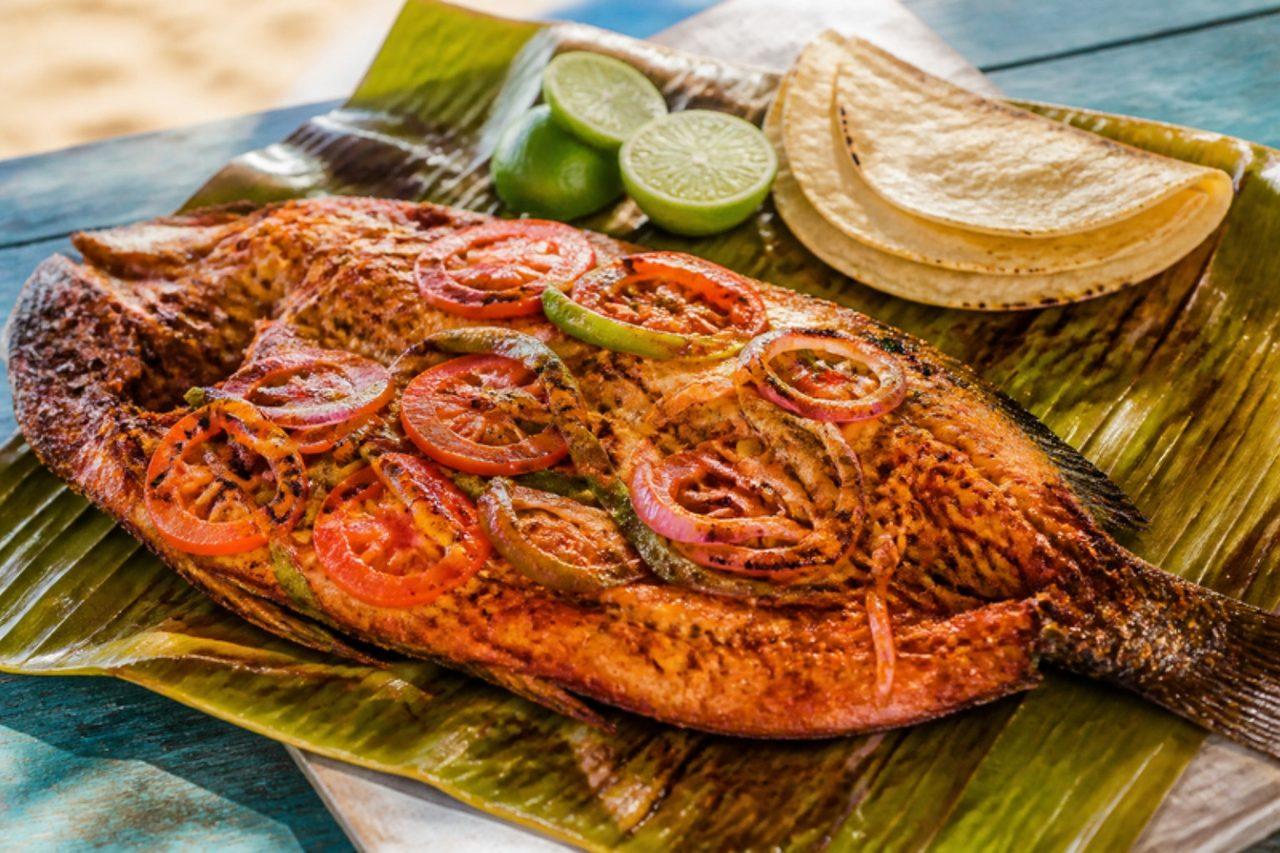
Beach restaurants on the coasts of Quintana Roo and Campeche cook tikin xic over charcoal: a butterflied whole fish, or thick fillets, rubbed with brick-red achiote and bitter orange, laid on banana leaves under tomato, onion and pepper and grilled until smoky. The flesh stays moist and turns a deep orange, tangy and earthy rather than hot. Seville orange is the traditional sour; orange and lime juice together stand in well. Serve it with corn tortillas, rice, pickled red onion and habanero salsa so everyone can make tacos at the table. Chef's tip: cook the fish skin side down without turning; the banana leaf protects it and keeps the achiote from scorching.

by KrazyBadal 0 views

Thimpu de carachiPoached fish with potatoes

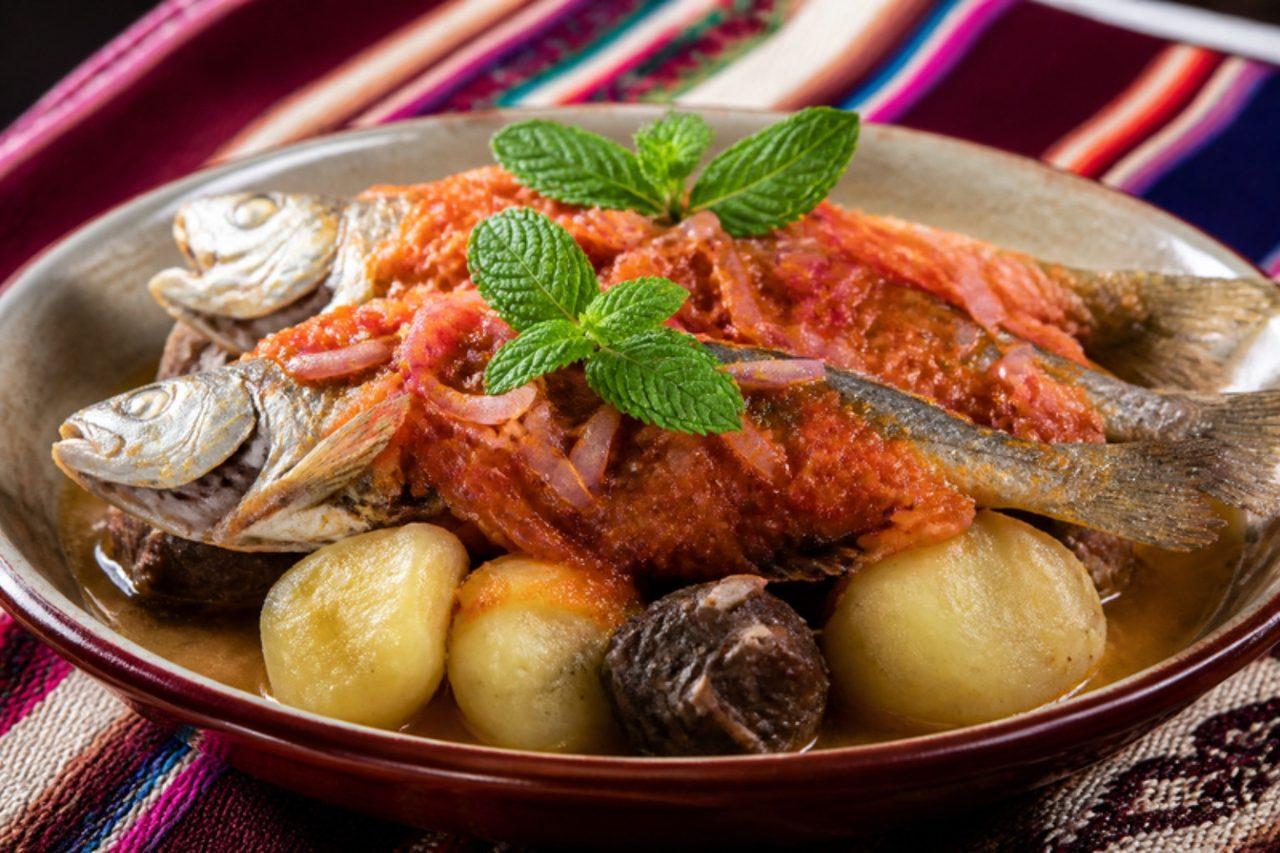
Around the shores of Lake Titicaca, thimpu is weekday food and Lent food alike: carachi, a small native lake fish, laid over potatoes and chuño (freeze-dried Andean potato) and gently poached, then drenched at the table with a hot sauce of onion fried with ají. The fish is soft and delicate, the chuño earthy and pleasantly chewy, and the sauce brings colour and fire. Outside Puno, small whole trout, tilapia or perch, or thick trout fillets, work well. Chuño needs an overnight soak (plan for it) and is sold in Andean and Latin shops; swap in extra waxy potatoes if you can't find it. The trap here is boiling the fish hard so it falls apart; keep the water at a bare shiver. Chef's tip: make the sauce while the fish poaches and spoon it on boiling hot, so it sizzles over the plate.

by KrazyBadal 0 views

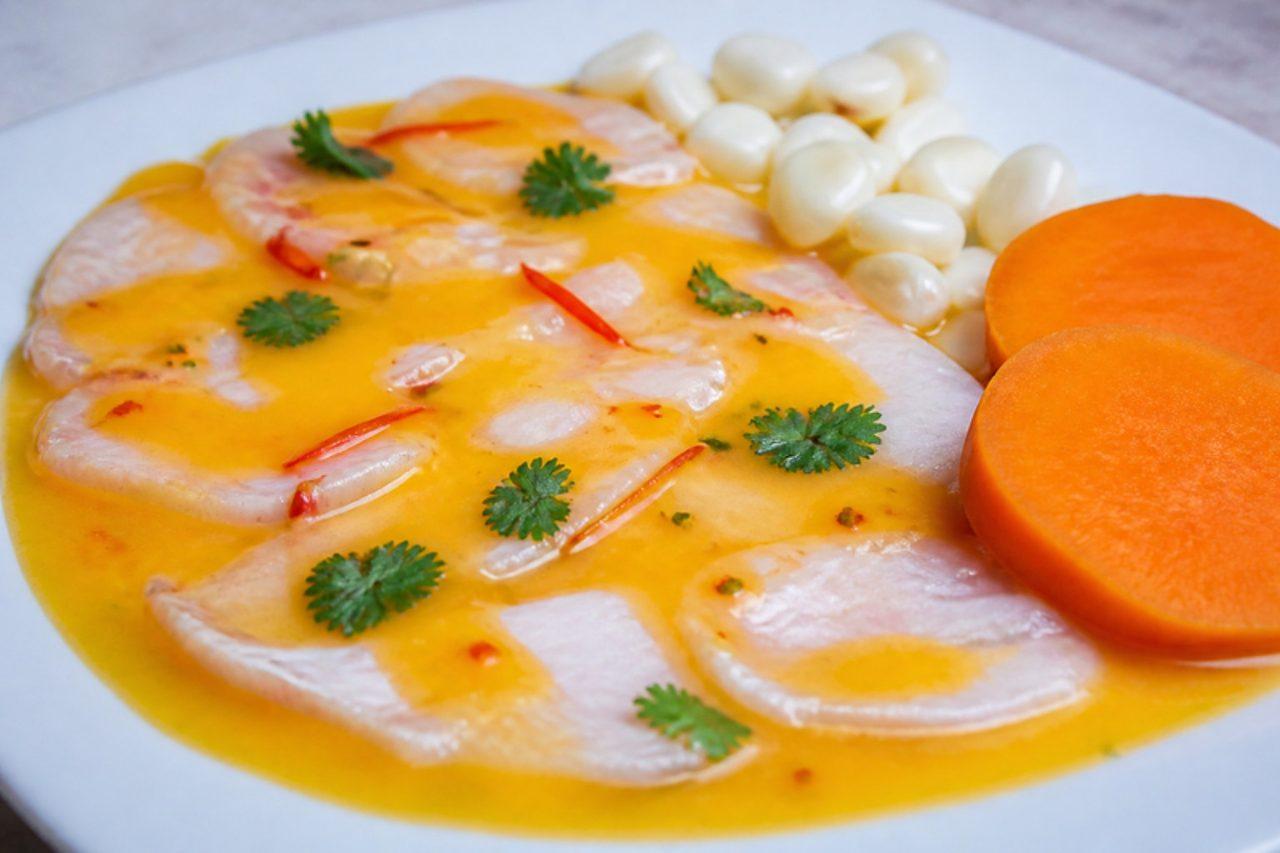
TiraditoSliced fish in ají amarillo sauce

Lima's Japanese-Peruvian cooks turned ceviche on its head with tiradito: instead of cubes soaked in lime, the fish is cut thin like sashimi, laid flat and dressed at the last minute, so it stays silky with only the surface turning white. The sauce here is the classic golden one, ají amarillo blended with lime, garlic and ginger, fruity and medium hot. It is served as a starter in cevicherías and upmarket Miraflores restaurants with boiled sweet potato and corn. Because the fish is eaten almost raw, this version uses sashimi-grade fish frozen at −20 °C for 24 hours first (allow for that), kept cold and eaten the moment it is dressed; it is not for pregnant women, young children or anyone with a weakened immune system. The mistake people make is dressing it ahead: after ten minutes the lime cooks it through and it turns chalky. Chef's tip: chill the plates in the freezer for 10 minutes before you lay out the fish; it keeps the slices firm while you work.

by KrazyBadal 0 views

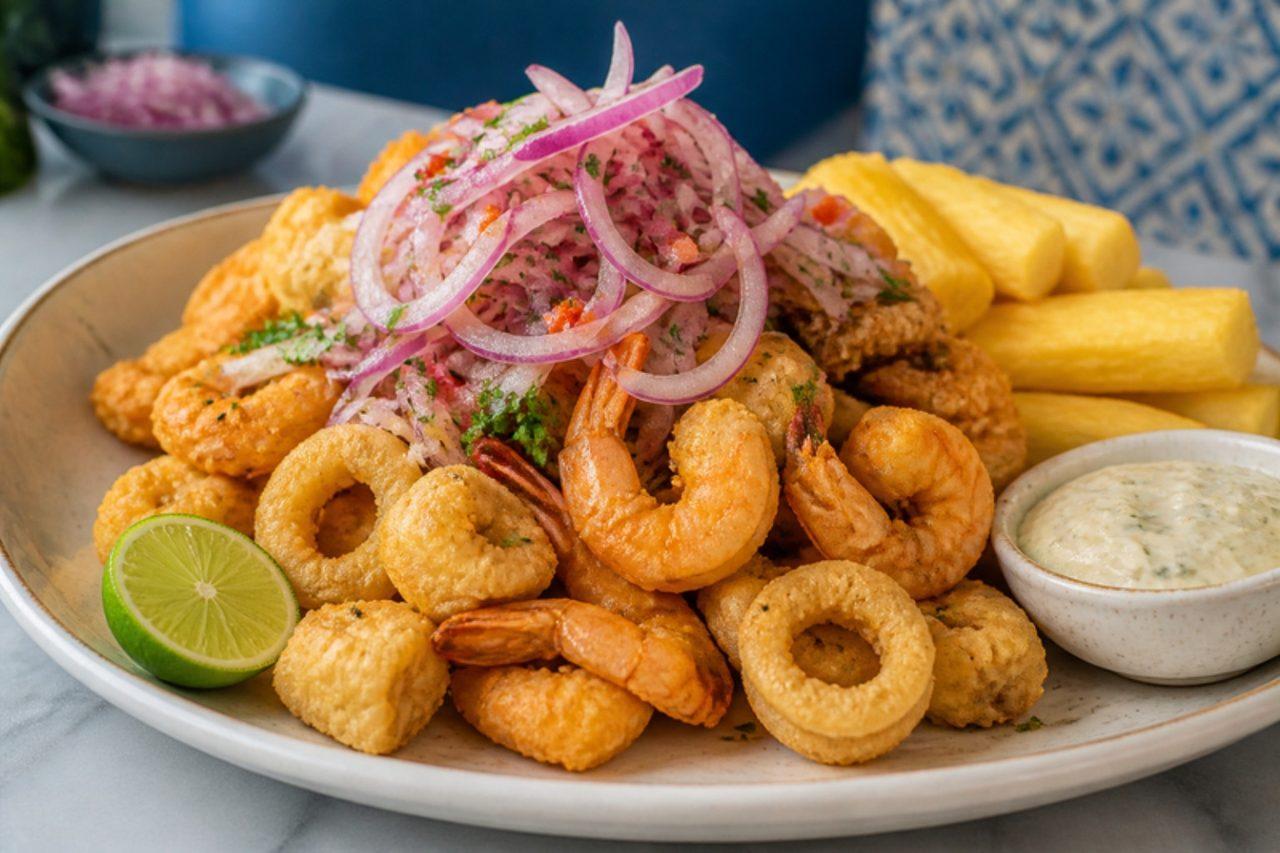
Jalea mixtaMixed fried seafood with cassava

Ordered to share at a Lima cevichería on a Sunday, jalea mixta arrives as a tall golden pile: chunks of white fish, squid rings and prawns, all in a light, crackly coat, on top of fried cassava and buried under a fresh tangle of salsa criolla. The contrast is the point, hot and crunchy underneath, cold, sour and sharp on top, with tartar sauce or ají on the side and cold drinks all round. A frequent mistake is crowding the oil, which drops its temperature and gives you a soggy, greasy coat; fry in small batches and let the oil come back up between them. Chef's tip: boil the cassava first and let it steam dry before frying; it turns fluffy inside and shatteringly crisp outside.

by KrazyBadal 0 views

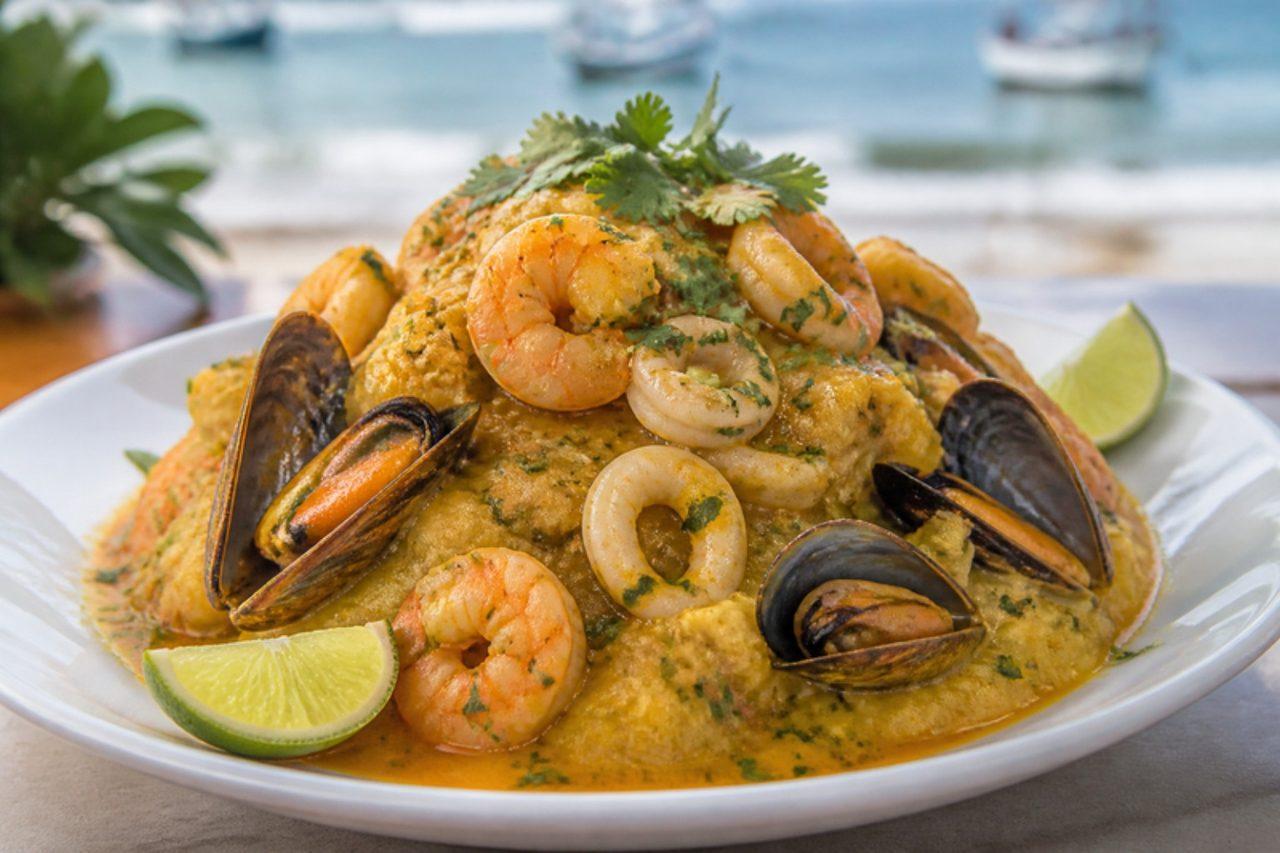
MajariscoPlantain mash with seafood

Its name blends 'majado' (mashed plantain) and 'marisco' (seafood), and along the coast of Piura and Tumbes, near the Ecuadorian border, it's what cevicherías and beach restaurants serve when you want something hot and filling. Mashed green plantain is folded into a sauce of garlic, onion, ají and seafood juices, with prawns, squid and mussels running through it, so every forkful is creamy, garlicky and briny. Serve it with lime and salsa criolla. Mussels must be alive: tap any open ones and discard those that don't close, and discard any that stay shut after cooking. Overcooking the seafood is the most frequent mistake; it goes in at the end, just until pink and opaque. Chef's tip: keep the mussel cooking liquid and use it to loosen the mash; it's pure seafood flavour.

by KrazyBadal 0 views

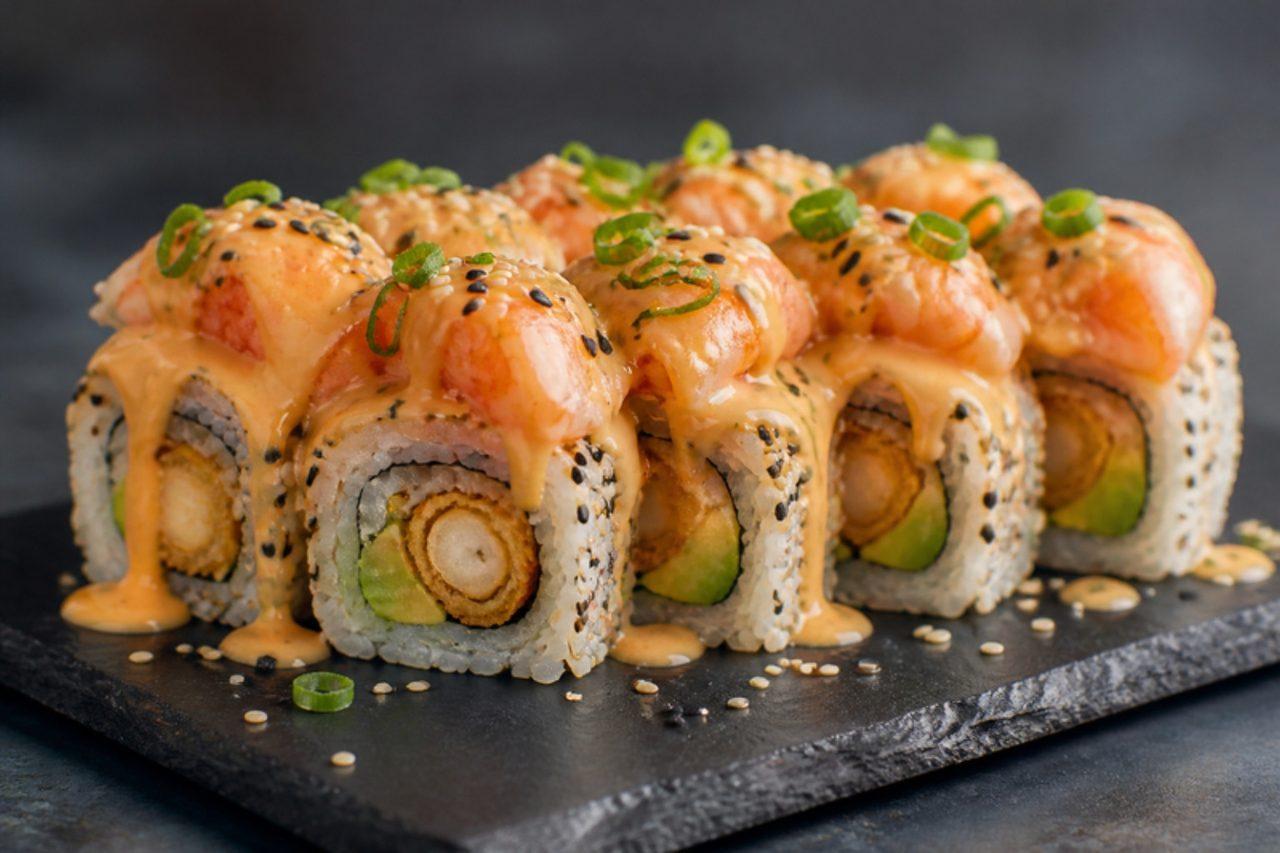
Maki acevichadoPrawn tempura rolls with ceviche sauce

Lima's Nikkei sushi bars invented the acevichado and it has become the roll every Peruvian orders: prawn tempura and avocado rolled in rice, topped with thin slices of fish and drenched in a creamy, lime-sharp sauce built from leche de tigre, ají amarillo and mayonnaise. Crisp, warm, cold and tangy in one bite, it is party food and Friday-night takeaway alike. For a safer topping, use sashimi-grade fish frozen at −20 °C for 24 hours first, keep it cold and eat the rolls at once; you can also sear the slices with a blowtorch or use cooked prawns instead. Even so, the raw-fish topping is not for pregnant women, young children or anyone with a weakened immune system. Overfilling is the usual mistake: the roll won't close and the rice splits. Chef's tip: use a pasteurised-egg mayonnaise and wet your hands with vinegared water so the rice doesn't stick.

by KrazyBadal 0 views

Showing 24 of 29 recipes

Show more recipes

Page 1 of 2