
Skip to content
Recipes

All recipes

Vegetarian, or something you can't eat? Set your diet once and we'll hide recipes that don't fit.

Chilcano de piscoPisco and ginger ale highball

When Lima's grey winter finally lifts and summer reaches the beaches south of the city, the chilcano takes over from the pisco sour: lighter, longer and made for an afternoon. Peru even gives it a Semana del Chilcano each January, and it is poured at weekend lunches with chifa or fried fish. This is a highball for adults only: pisco poured over a tall glass of ice with fresh lime and ginger ale, finished with a few drops of bitters. It should taste crisp and fizzy, with the ginger and lime lifting the floral grape notes of the pisco rather than hiding them. The common mistake is using too little ice and warm ginger ale, which gives a sweet, diluted drink that goes flat in minutes. Fill the glass to the top with ice and keep the ginger ale in the fridge until the last second. It is ready when the glass is frosty, the bubbles race up the sides and the bitters drift through the top as a pink haze. Light it may be, but drink responsibly. Chef's tip: try a fruit-infused pisco, made by steeping passion fruit or mandarin peel in the bottle for a few days; Limeños love a chilcano de maracuyá.

by KrazyBadal 0 views

Ají amarillo pasteYellow chilli paste

In Lima's markets ají amarillo is sold fresh all year, and most Peruvian cooks keep a tub of this paste in the fridge the way others keep tomato purée: it is the golden base of causa limeña, ají de gallina, papa a la huancaína, chupe and the sauce for tiraditos. The chillies are seeded, de-veined and blanched in three changes of water, which tames the heat and the raw grassiness, then peeled and blended with oil into a thick, silky, saffron-orange paste. It tastes fruity and sunny, almost like apricot and passion fruit, with a rounded, medium heat. Abroad, buy whole frozen ají amarillo from Latin grocers; dried ají mirasol, soaked, gives a darker, earthier paste. Common mistake: skipping the peeling; the thin skins leave papery flecks and a bitter edge. It is ready when it is completely smooth and holds a soft peak like thick hummus. This is a low-acid paste: keep it in the fridge for a week or freeze it, never on the shelf. Chef's tip: freeze it in an ice-cube tray; one cube is about a tablespoon, just right for a pot of ají de gallina.

by KrazyBadal 0 views

Mate de muñaAndean mint tea

Muña is the minty shrub that grows wild on the slopes around Cusco, Puno and the Sacred Valley, and highland cooks reach for it after a heavy meal of chicharrón or when visitors are struggling with the altitude. Market herb sellers sell it in fresh bunches, and hotels and homes leave it in a flask for anyone coming in from the cold evenings. Steeped simply in hot water, it smells somewhere between spearmint, oregano and pennyroyal, with a cooling, slightly peppery taste and a pale green-gold colour. It is traditionally drunk to settle the stomach. The usual mistake is boiling the leaves hard for a long time, which turns the tea brown and bitter. Pour water just off the boil over the sprigs, cover, and let it steep. It is ready when the cup is pale gold and the aroma rises as soon as you lift the lid. Outside Peru, look for dried muña in Latin shops; failing that, use mostly spearmint with a little fresh oregano. Muña is strong: avoid large amounts in pregnancy, and check with a doctor if you take regular medication. Chef's tip: cover the cup while it steeps so the scented oils stay in the tea.

by KrazyBadal 0 views

Pisco sour

Lima drinks its pisco sour as the aperitif before a long ceviche lunch, and celebrates it every year on the first Saturday of February; the recipe took shape in the city's bars in the 1920s. It is for adults only and stronger than its pillowy look suggests. Underneath a thick white foam you get sharp Peruvian lime, a clean sweetness and the floral, grapey warmth of quebranta pisco, with the bitters adding a spicy smell to every sip. The texture should be silky, almost creamy, never thin. The classic mistake is squeezing the limes too hard or too early: the oil from the pith turns the drink bitter within half an hour. Halve the limes, press each half gently by hand just before mixing and stop when the juice slows. The egg white is raw, so use pasteurised egg white for anyone pregnant, for babies, older people or anyone unwell, or swap in 30 ml aquafaba. It is ready when the foam stands about 1 cm high and is firm enough to hold the drops of bitters on its surface. Sip one slowly and drink responsibly. Chef's tip: shake once without ice first to whip the egg white, then again with ice; the foam will be twice as thick.

by KrazyBadal 0 views

Escabeche de pescadoFried fish in sweet-sour onion sauce

In Lima, escabeche de pescado belongs to the criollo kitchen of the old city: it turns up on Friday lunch menus, on buffet tables, and above all in Lent and Holy Week, when families eat fish and this dish can be made the day before. Fish is fried until golden, then covered in a warm sauce of thick-cut red onion softened in oil with garlic, ají amarillo, ají panca, cumin and vinegar, and left to cool so the flavours soak in. It is served cold or at room temperature with boiled sweet potato, hard-boiled egg and purple botija olives. It tastes tangy, sweet and gently fruity-hot, with crunchy onion over tender fish. The fish here is fully cooked, but because it is a cold seafood dish, pregnant people, babies, older people and anyone with weak immunity should eat it well chilled and within 2 days. Common mistake: stewing the onions until limp; they should only lose their raw bite. It is ready when the sauce has soaked a little into the fish and smells of vinegar and toasted chilli. Chef's tip: use thick fillets of corvina or bonito; thin fillets break under the sauce.

by KrazyBadal 0 views

TereréIced yerba mate

In Asunción the hottest part of the day stops for tereré: a horn or cup packed with yerba mate, topped up again and again with ice water infused with crushed herbs, and passed round the group through a metal straw. It was recognised by UNESCO as part of Paraguay's cultural heritage, and the herbs (yuyos) change with the season and the drinker's mood. Yerba mate contains caffeine, so it isn't one for small children. The common mistake is pouring water straight into loose yerba, which then clogs the straw; tilt the yerba to one side first. Chef's tip: for tereré ruso, swap the water for cold orange or grapefruit juice.

by KrazyBadal 0 views

Cocido quemadoBurnt sugar mate drink

Cocido is how Paraguay starts the day: in Asunción, in the villages of Guairá and Itapúa, and in school kitchens, a pot of burnt yerba is brewed and poured into cups with chipa, the cheesy cassava bread, or with a hard galleta. The old way is to drop a glowing piece of charcoal into a pot with yerba and sugar and stir until the sugar burns. On a home stove you caramelise them together in a dry pan instead, which is safer and gives the same smoky, toffee-like taste. The drink is clear amber-brown, with roasted, slightly bitter mate notes over burnt-sugar sweetness; with milk added it becomes cocido con leche, creamy and coffee-coloured. Yerba mate contains caffeine, so treat it like a cup of coffee. The common mistake is letting the sugar go black: it turns acrid and bitter. Pull it off the heat when the caramel is deep amber and the yerba smells toasted, not burnt. It is ready when the liquid is a clear dark amber and tastes of toffee and smoke. Chef's tip: the water will spit fiercely when it hits the hot caramel, so pour it in from the side, at arm's length.

by KrazyBadal 0 views

Jugo de macaWarm maca drink

Before dawn at markets in Huancayo, Cusco and Lima, juice ladies ladle hot jugo de maca from big pots for workers on their way in: maca root, a turnip relative grown above 4,000 metres in the Junín highlands, simmered with milk, cinnamon and cloves and sweetened with honey or sugar. It tastes malty and toasty, a bit like butterscotch. The common mistake is stirring the powder straight into hot milk, which leaves gritty lumps; whisk it into a little cold milk first. Maca is not usually advised in pregnancy, so ask your doctor first if you are pregnant. Chef's tip: use gelatinised (cooked) maca powder if you can find it; it dissolves smoothly and is gentler on the stomach.

by KrazyBadal 0 views

Jugo surtidoMixed fruit juice

Step up to any juguería in Lima's Mercado de Surquillo or a barrio market at breakfast time and order a surtido: the juicer drops papaya, banana, pineapple and freshly squeezed orange into a tall blender, sometimes a slice of cooked beetroot for colour or a splash of milk, and pours you a big glass with the rest left in the jug for your 'yapa', the free refill. It is thick but still pourable, sweet from ripe fruit with a sharp orange edge, the kind of drink that stands in for breakfast before a long day. The common mistake is adding lots of ice and water, which makes it thin and frothy rather than velvety. Use cold fruit and freshly squeezed orange juice as the liquid. It is ready when it coats the glass and no lumps of banana are left. This version is fruit only; stalls also make it with milk if you prefer. Drink it straight away: papaya and banana go brown and bitter within half an hour. Chef's tip: use very ripe papaya with orange flesh; under-ripe papaya tastes of nothing and gives a faintly bitter aftertaste.

by KrazyBadal 0 views

Refresco de coconaCocona cooler

In Iquitos, Pucallpa and the river towns of Loreto, heat and humidity make a cold refresco part of every lunch, and cocona is one of the favourites sold from plastic jugs at the Belén market. The fruit looks like a fuzzy orange tomato and tastes between tomato, lemon and apricot: very sour, aromatic and juicy. Blended with water and sugar it makes a tangy, golden drink with a light pulp, served with juane or tacacho con cecina. The usual mistake is skipping the fuzz: cocona skin is covered in fine hairs that make the drink scratchy, so rub them off under running water before you start. Blend only briefly, too, so the many seeds do not crack. It is ready when the refresco is opaque orange, sour first and sweet after, with no grit. Outside the Amazon, look for frozen cocona pulp in Latin American shops; naranjilla (lulo) pulp is the closest substitute. Chef's tip: a pinch of salt makes the fruit taste sweeter and fruitier without more sugar.

by KrazyBadal 0 views

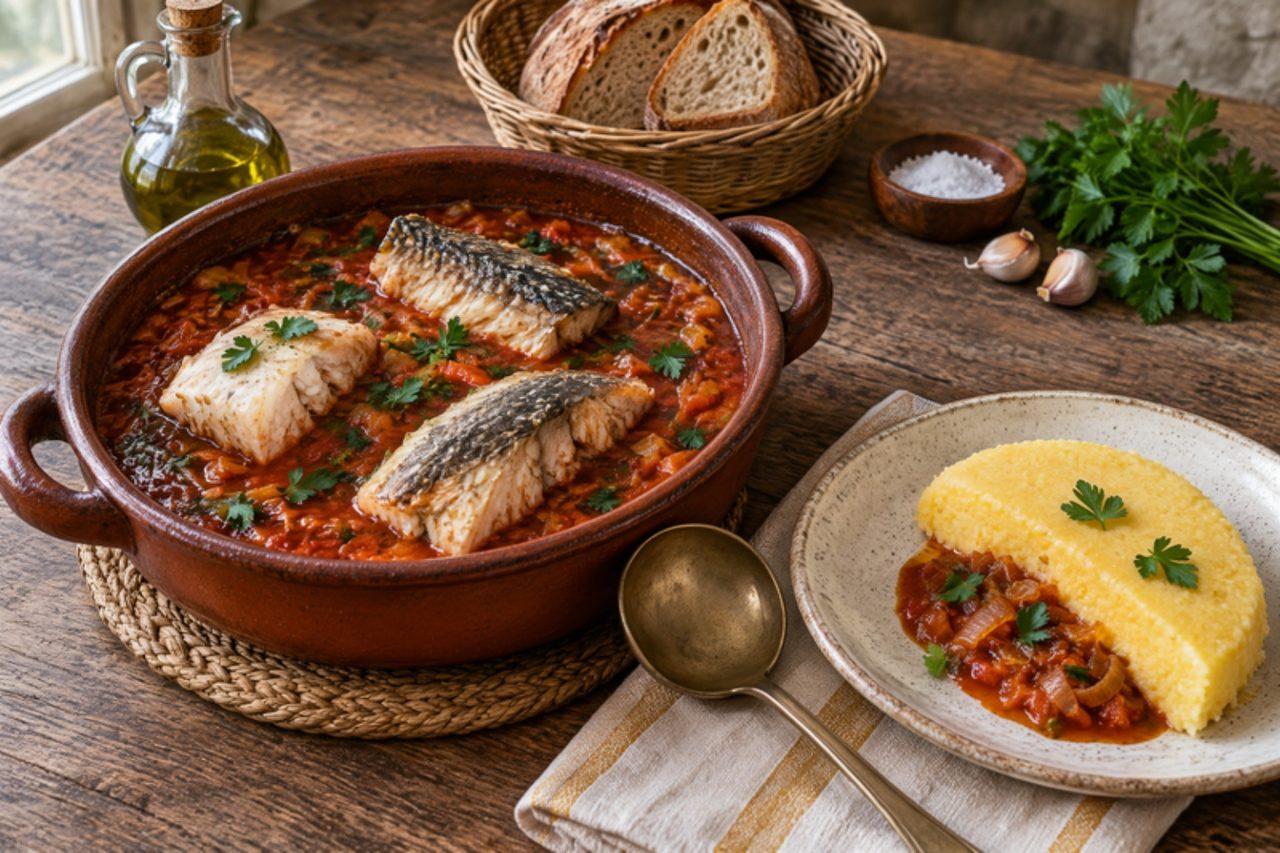
BrudetFisherman's fish stew

Brudet (or brodetto) is the fisherman's stew of the Dalmatian coast and islands, cooked in Split, Hvar and Korčula with whatever the morning's catch brings, and eaten for Friday lunch and summer suppers. Thick fish steaks on the bone stew slowly in olive oil with onion, garlic, tomato and a dash of wine vinegar, and the pot is shaken, never stirred. It is high in protein and suitable as part of a balanced diet; polenta is the classic partner, but grilled courgettes, chard or a small portion of soft polenta keep the carbohydrate down. About 330 kcal and 10 g carbohydrate per portion. The usual mistake is stirring with a spoon, which breaks the fish into shreds. Chef's tip: use at least three kinds of fish, mixing firm and softer ones, for a deeper broth.

60 minBalkanFishGluten free
by KrazyBadal 0 views

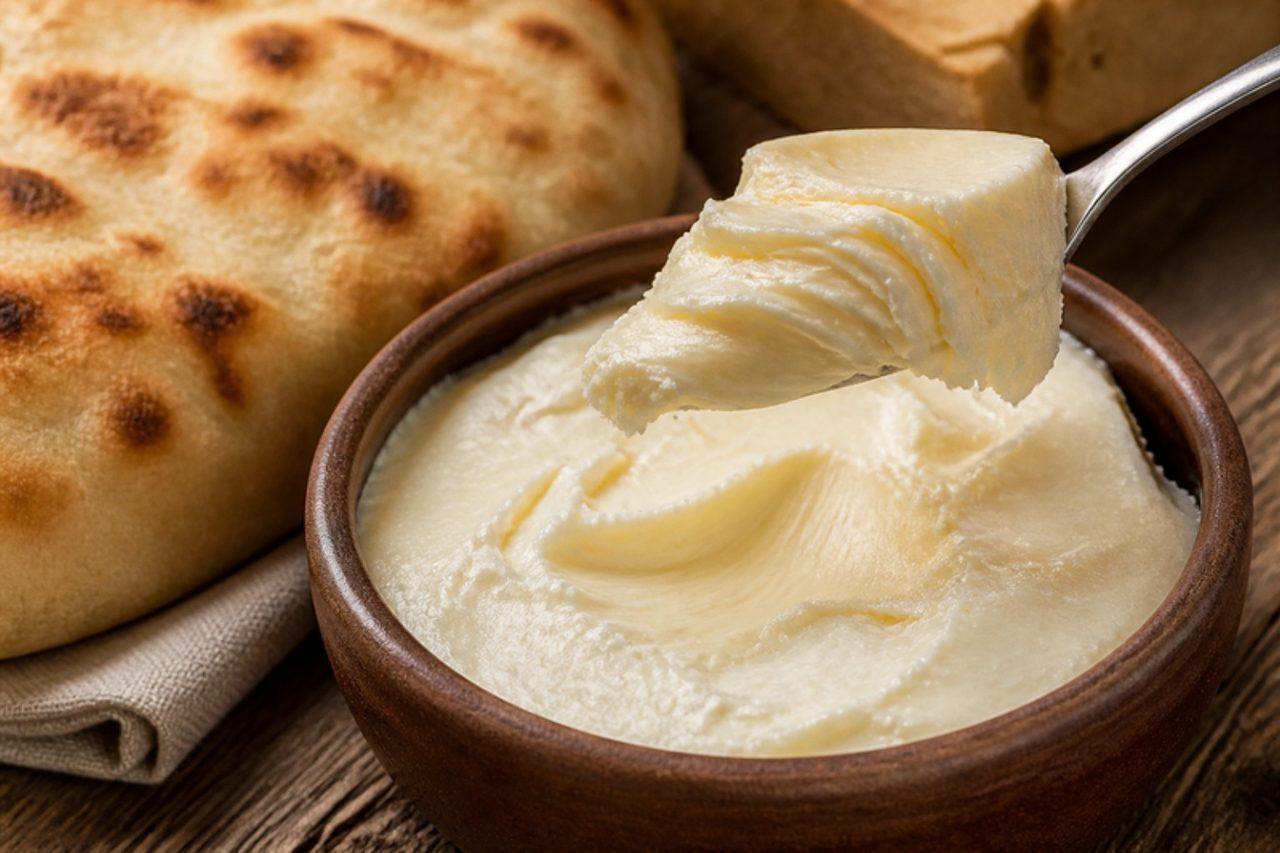
KajmakClotted milk cream

At the Zlatibor and Čačak markets, women sell kajmak from wide tubs, cut in soft ivory folds that taste of cooked milk, butter and a little salt. It is made by slowly heating rich milk, letting it settle in shallow pans and lifting off the thick skin that forms as it cools, then layering those skins with salt. This home version uses pasteurised milk and cream and stays in the fridge throughout; the long-aged, raw-milk kajmak of the villages is not something to copy at home. Spread it on warm lepinja or proja, or stir it into hot potatoes. A common mistake is letting the milk boil: the bubbles tear the skin and you end up with flecks instead of a thick sheet. Chef's tip: keep the skimmed milk left underneath for porridge, proja or pancakes; nothing goes to waste.

1440 minBalkanBasicsGluten free
by KrazyBadal 0 views

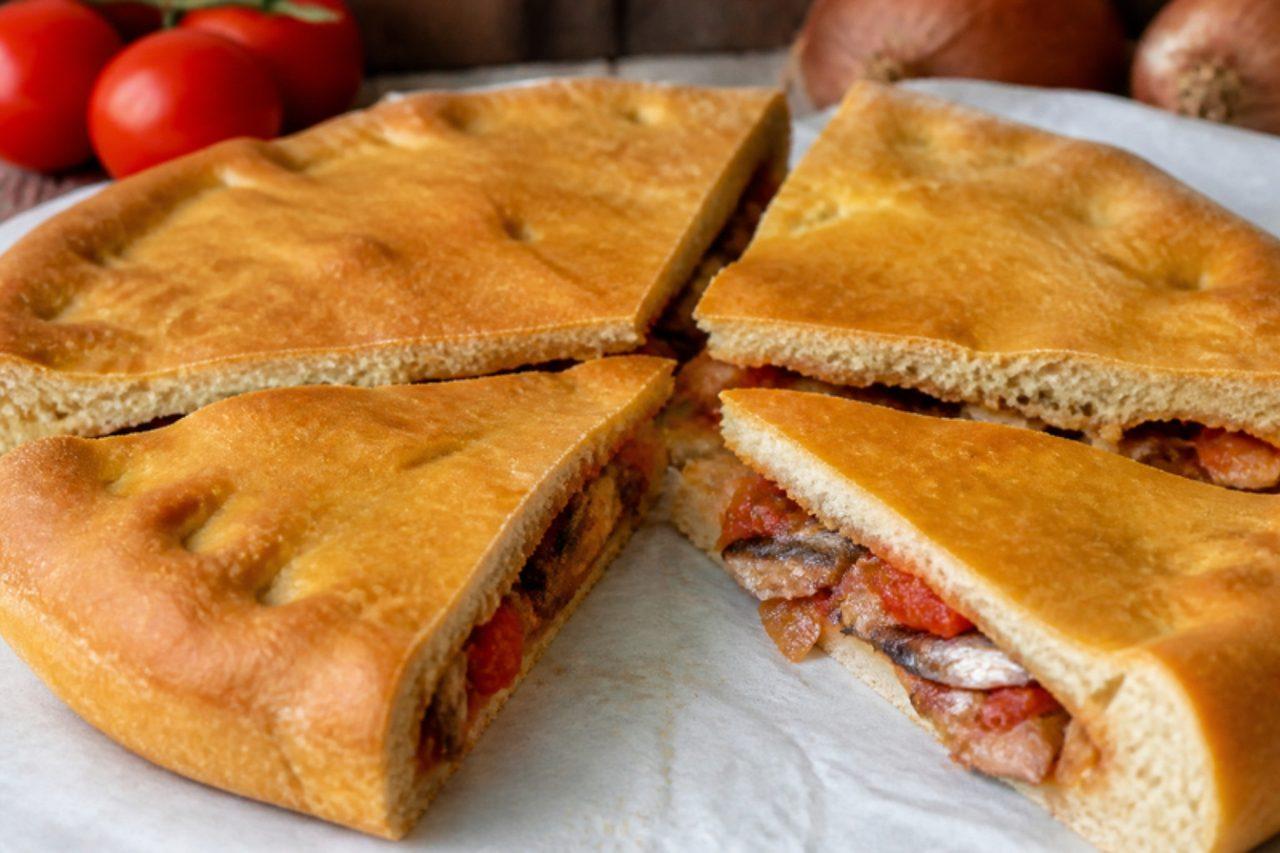
Viška pogačaAnchovy and onion bread pie

Vis, the most far-flung inhabited island of Croatia, has a fishing town, Komiža, that gave the world this pie: two thin layers of olive-oil bread dough wrapped around onions stewed until jammy with tomato, and fillets of salted anchovy or sardine. Fishermen took wedges of it to sea, and it still turns up at island festivals and in bakeries, eaten warm or at room temperature with a tomato salad. The salted fish is bought ready-cured from a good fishmonger and is baked inside the pie until piping hot. Where most people go wrong is a wet filling: the onions and tomato must cook down until thick and jammy, or the bottom crust goes soggy. Keep leftovers in the fridge and eat within 2 days. Chef's tip: soak the salted fillets in cold water for 15 minutes to take the harsh edge off the salt, and don't add any more salt to the filling.

120 minBalkanFish
by KrazyBadal 0 views

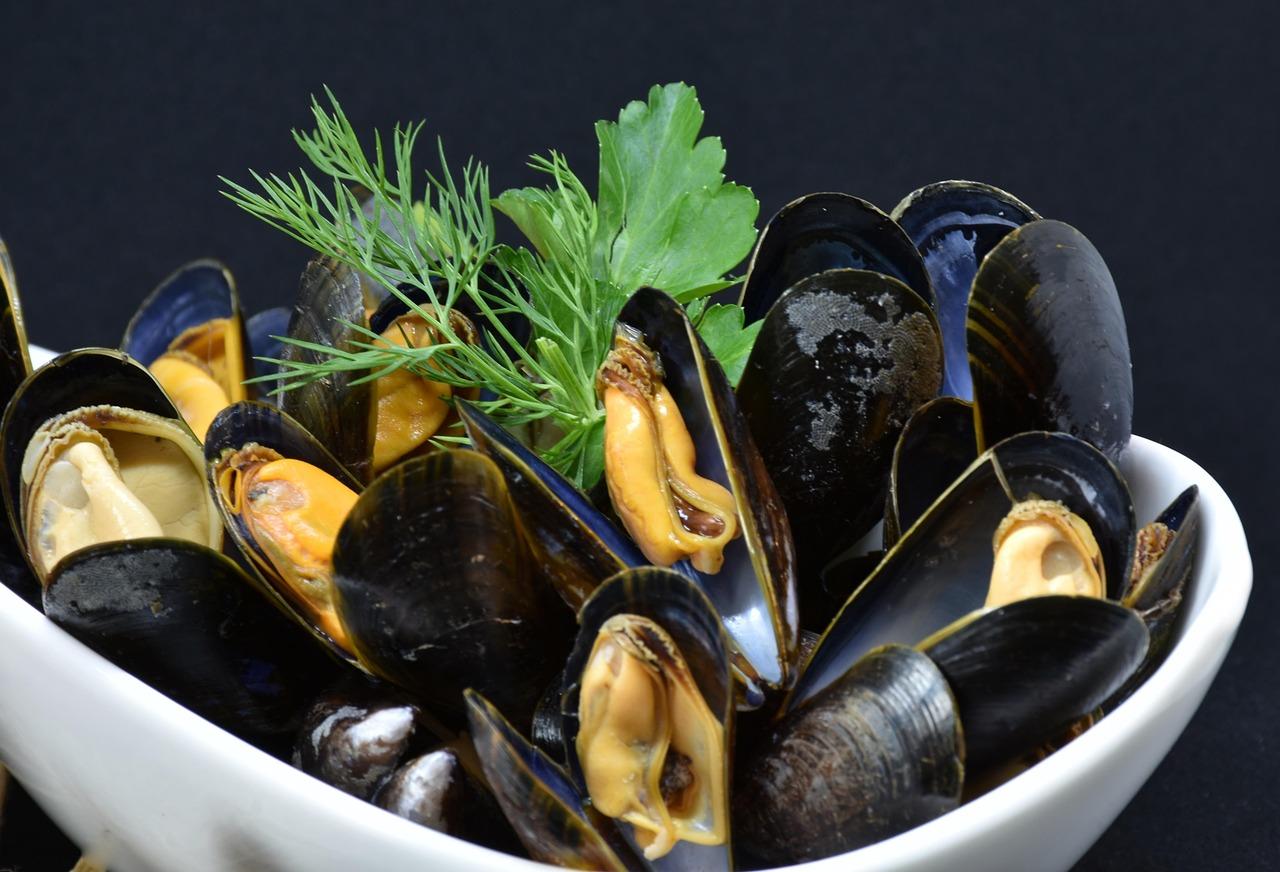
BuzaraMussels in garlic and white wine

Summer lunch on the Dalmatian coast often starts with a steaming pot of buzara, especially near Ston, where mussels and oysters are farmed in the bay. Na bijelo, the white style, means mussels opened in olive oil, garlic, parsley and white wine, with a spoon of breadcrumbs thrown in at the end to thicken the juices into a light, garlicky sauce. Serve with plenty of crusty bread for mopping and a bowl for empty shells. The wine cooks off but leaves flavour; for an alcohol-free version use the same amount of fish or vegetable stock with a tablespoon of white wine vinegar. Overcooking is where most people go wrong: pull the pot off as soon as most shells have opened, or the mussels turn rubbery. Chef's tip: shake the pot rather than stirring, so the mussels tumble without breaking their shells.

22 minBalkanFish
by KrazyBadal 0 views

Ohridska pastrmkaBaked trout with garlic and parsley

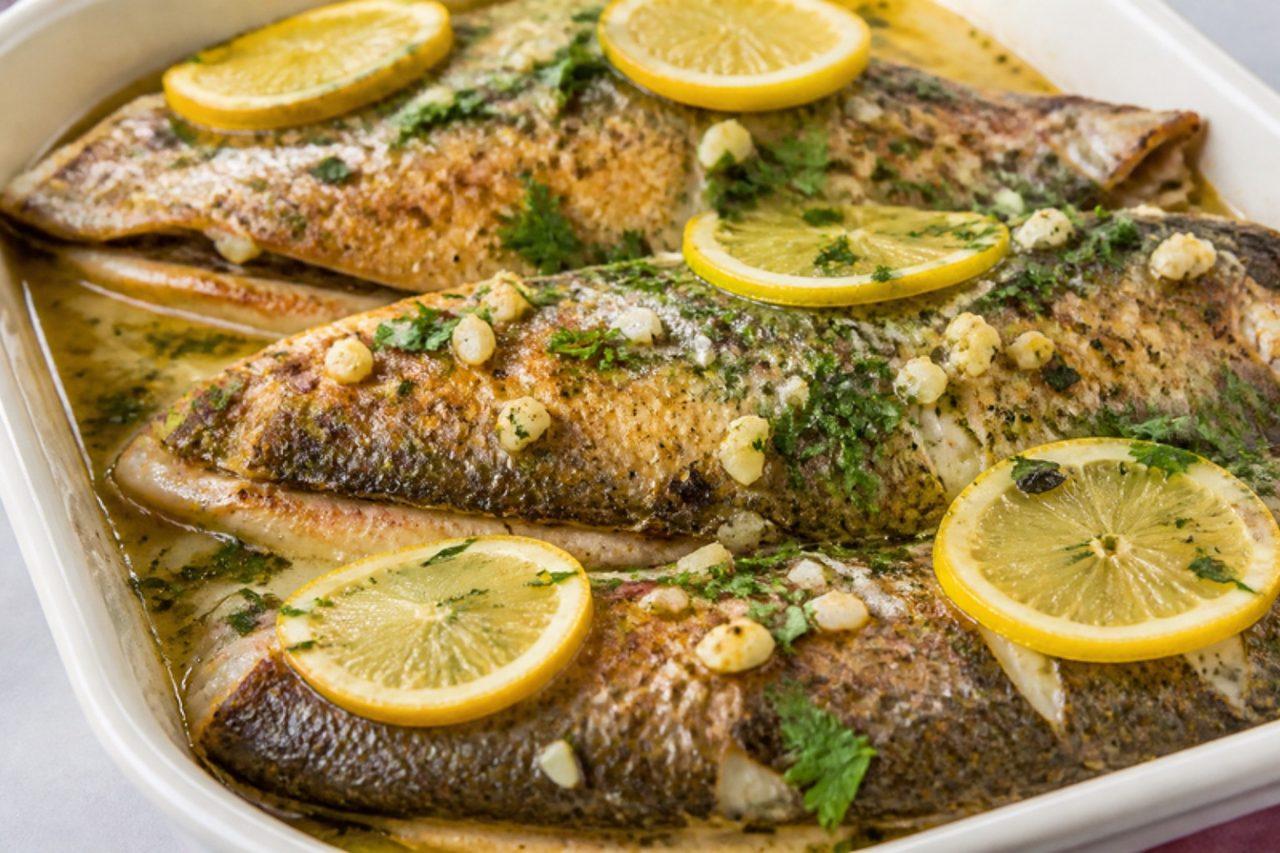
Lakeside restaurants in Ohrid, North Macedonia, are known for trout cooked simply with garlic, parsley and good oil, eaten on a terrace above the water. The famous Ohrid trout itself is now protected and should not be bought, so use farmed rainbow or brown trout fillets: the flesh comes out pink, tender and juicy, with a crisp garlicky crust of breadcrumb-free herbs. Serve with boiled potatoes dressed with oil and a tomato salad. A common mistake is overbaking: trout fillets are thin and go dry in minutes. Chef's tip: mix the garlic and parsley with the oil and a pinch of salt half an hour ahead so the garlic mellows.

25 minBalkanFishGluten free
by KrazyBadal 0 views

Hobotnica ispod pekeBell-roasted octopus and potatoes

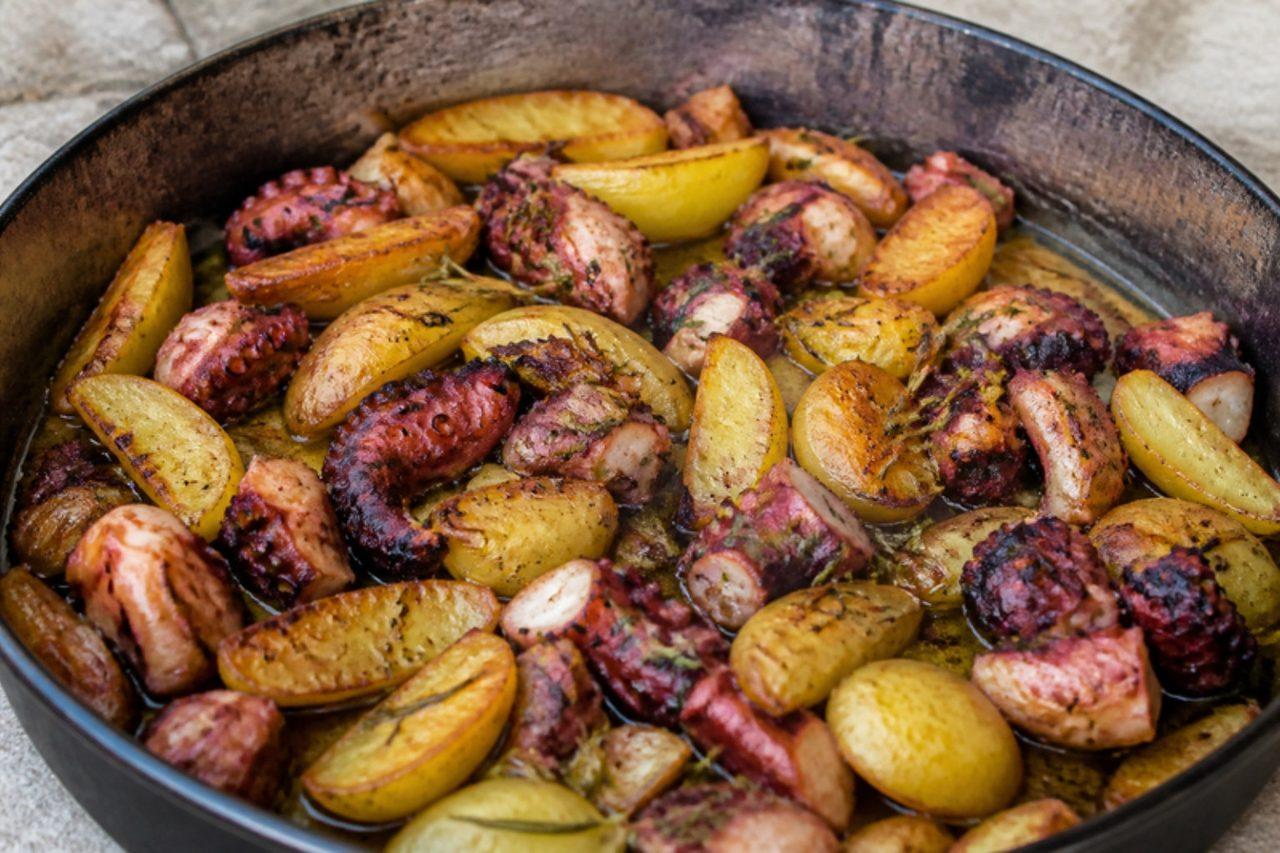
Order octopus under the peka in a Dalmatian konoba on Korčula or Hvar and you will often be asked to ring ahead, because it cooks for hours under an iron bell buried in embers. Octopus, potatoes, onion, garlic, rosemary and lots of olive oil steam in their own juices, then crisp at the edges, so the octopus becomes tender and sweet and the potatoes soak up the pink, briny juices. At home, a heavy cast-iron casserole in a hot oven does the job; many cooks add a splash of white wine, but this version needs none. Bring it to the table in the pot with bread and a green salad. Adding water is the usual slip, as the octopus releases plenty of liquid and extra just boils it. Chef's tip: buy frozen octopus, or freeze fresh for a couple of days, as the freezing tenderises it; thaw it overnight in the fridge.

120 minBalkanFishGluten free
by KrazyBadal 0 views

Trucha a la mantecaTrout with brown butter

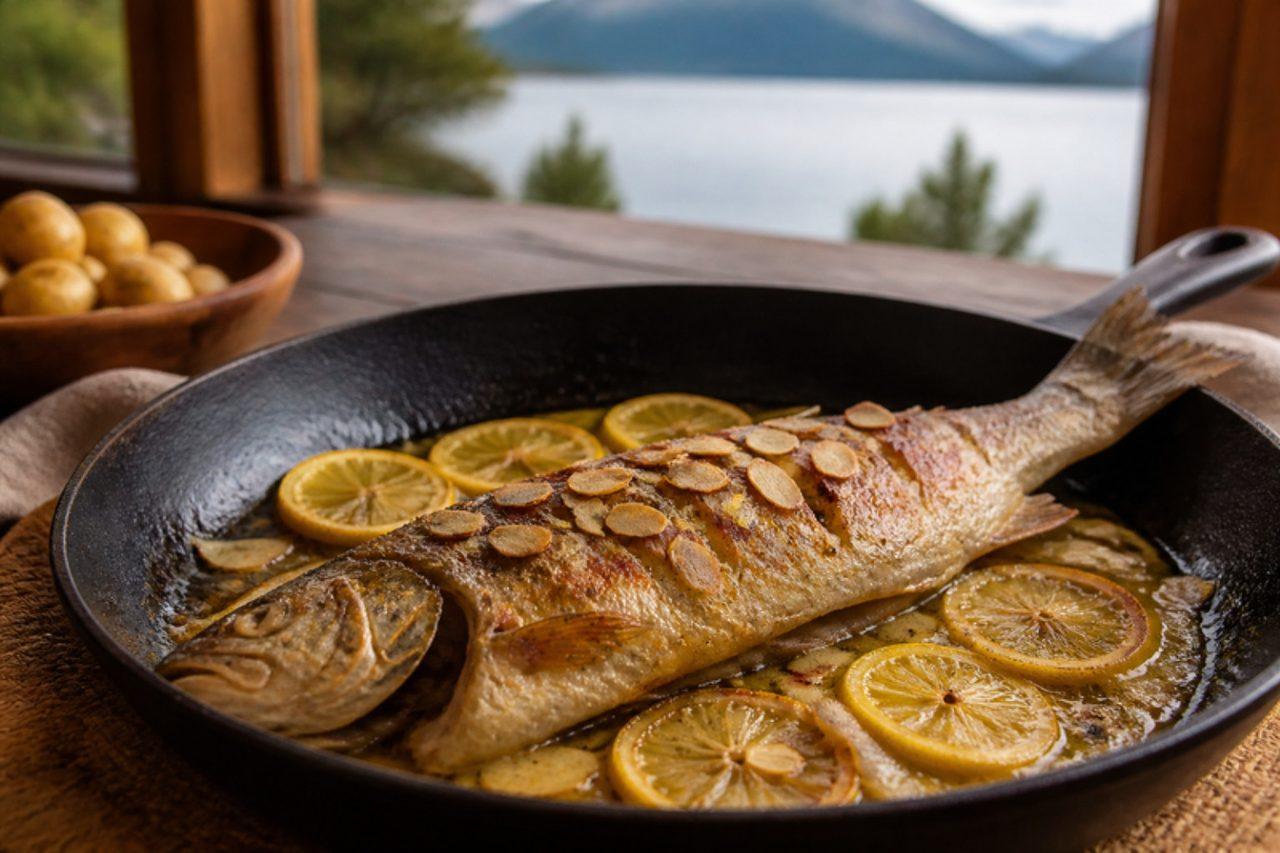
Restaurants on the shores of Nahuel Huapi, in Bariloche and Villa La Angostura, put rainbow trout from the cold Andean lakes on almost every menu, and this butter version is the one locals order most. Fillets are fried with crisp skin, then drenched in butter browned with flaked almonds and sharpened with lemon. Serve with boiled new potatoes and a green salad. Any trout or char works. People commonly start the fish in butter, which burns before the skin crisps; fry it in a film of oil and make the brown butter after. Chef's tip: dry the skin really well and dust it with rice flour; it gives a thin, glassy crust without any gluten.

by KrazyBadal 0 views

ChampúsMote corn and pineapple drink

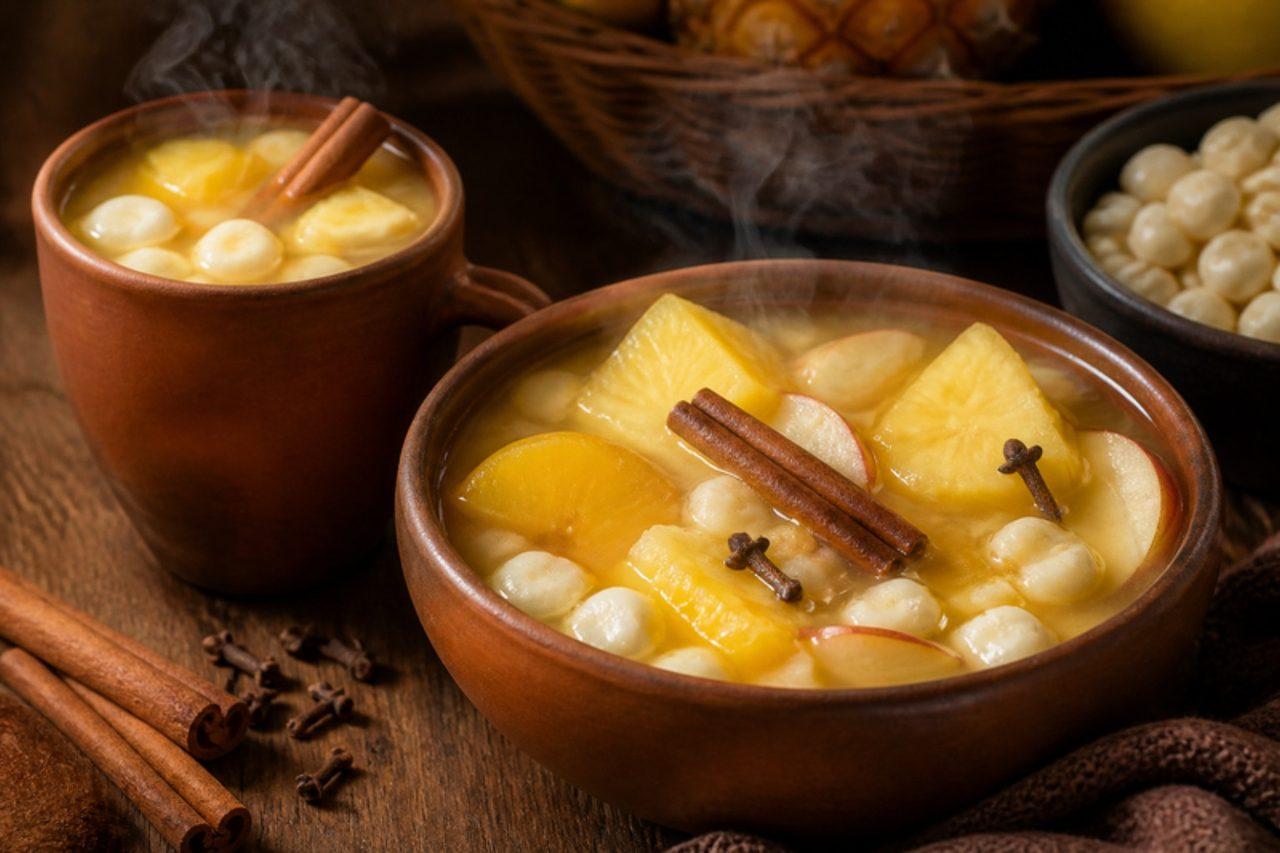
When Lima's grey winter sets in, from June to September, champús sellers set up on street corners with big pots of this thick, fruity drink, ladled warm into glasses and eaten as much as drunk. It's made from mote (hulled white corn), simmered with pineapple, quince or apple, soursop, chancaca and warm spices, then thickened lightly with corn flour, so every spoonful has soft fruit and chewy corn in a spiced, molasses-sweet base. It is close in spirit to mazamorra morada but paler and tangier. The mistake people make is adding the thickener straight into the hot pot, where it forms lumps; always slake it in cold water first and pour it in while stirring. Canned or jarred hominy saves hours; frozen soursop (guanábana) pulp is in Latin shops and can be left out. Serve warm in glasses with spoons. Chef's tip: simmer the pineapple peel and core with the spices for the first 20 minutes, then strain them out; they give much of the flavour.

by KrazyBadal 0 views

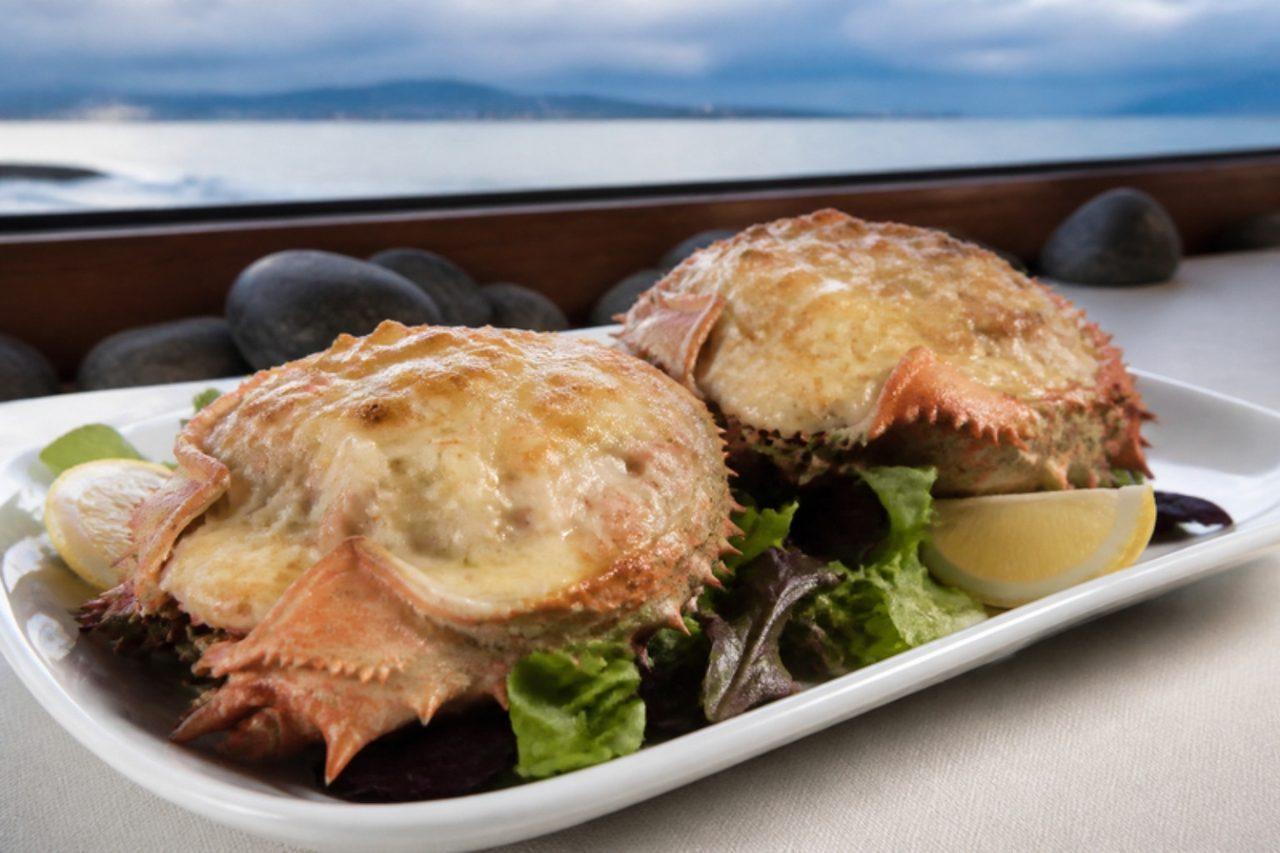
Centolla gratinadaBaked king crab with cheese

Centolla, the southern king crab hauled from the cold waters of the Beagle Channel, is Ushuaia's pride, and seafood restaurants along the harbour serve it gratinada: sweet chunks of leg meat in a light white sauce, crowned with cheese and browned under a fierce grill. It is rich, so serve it in small dishes as a starter with lemon and a green salad, plus crusty bread for anyone who can eat gluten. Buy cooked, frozen king crab legs or meat and thaw them in the fridge overnight; if you ever cook crab yourself, it must be alive when it goes into the pot. A frequent mistake is a sauce so thick and cheesy that the delicate crab disappears; keep it pourable and the cheese thin. Chef's tip: fold the crab in gently at the end, in big pieces, and let the oven only heat it; it is already cooked and turns stringy if it boils.

by KrazyBadal 0 views

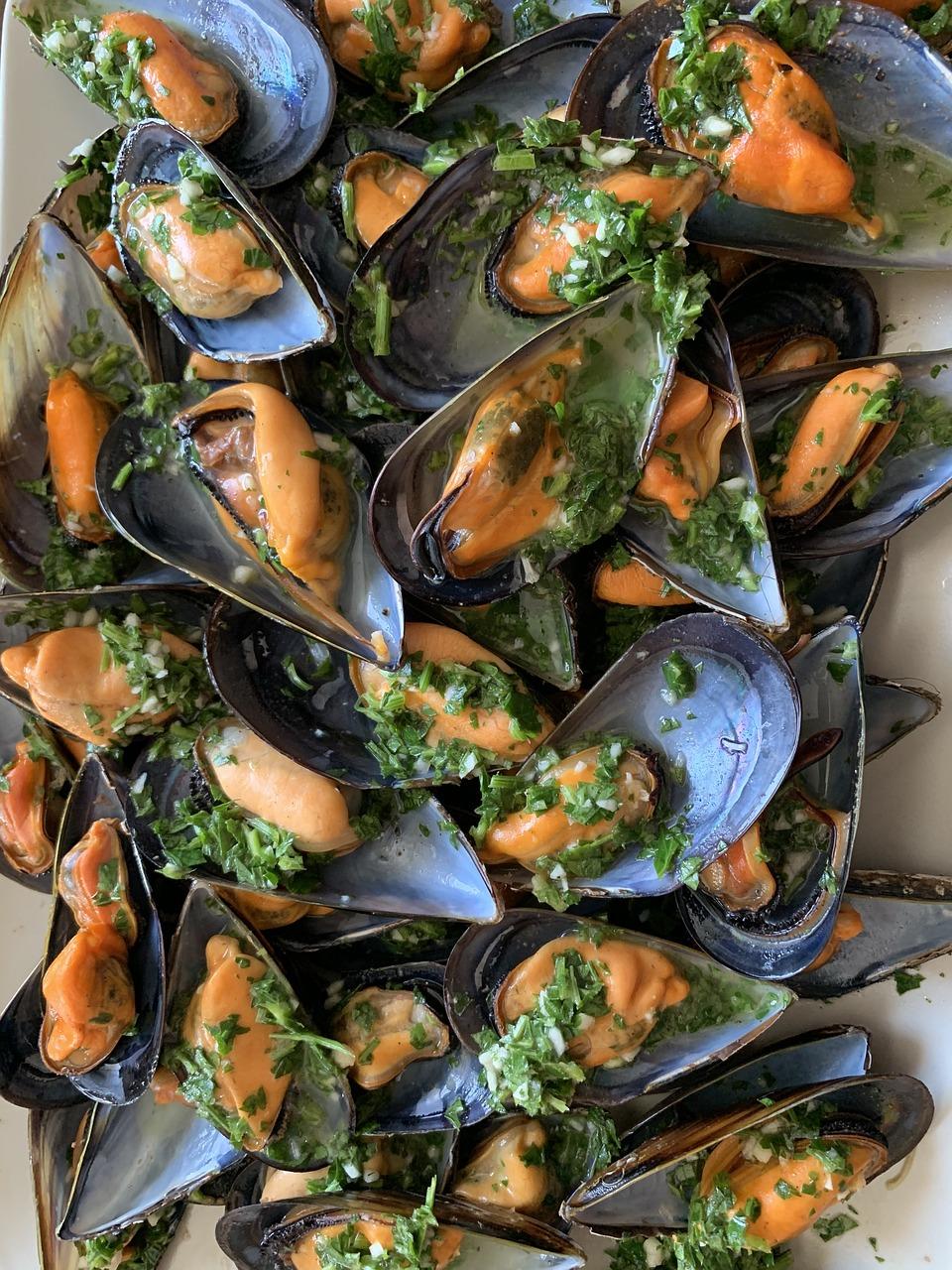
Mejillones a la provenzalMussels with garlic and parsley

On the Atlantic coast around Puerto Madryn and the Golfo Nuevo, mussels from cold Patagonian waters are farmed and gathered in quantity, and seafood places along the rambla steam them a la provenzal, which in Argentina means lots of garlic and parsley. A splash of dry white wine goes into the pot; the alcohol mostly cooks off, but you can swap it for fish stock with a little lemon for an alcohol-free pot that tastes just as good. Serve with bread or chips to mop up the briny juices. Cooking mussels too long is the usual slip: they shrink and turn rubbery, so lift the lid as soon as most have opened. Before cooking, throw away any mussel with a broken shell or one that stays open when tapped; after cooking, discard any that stay shut. Chef's tip: keep the garlic in gently warm oil until it just smells sweet; brown garlic turns bitter and dominates the mussels.

by KrazyBadal 0 views

SubmarinoHot milk with chocolate bar

Café tables in Buenos Aires have their own way with hot chocolate: the waiter brings a tall glass of frothy, steaming milk on a saucer with a slim bar of dark chocolate, and you drop the bar in yourself and watch it sink like a submarine. Stirred with a long spoon, it melts into a rich, not-too-sweet drink, and it is the classic order with medialunas on a cold winter afternoon or after school. At home it takes five minutes, and children love the moment of dropping the bar in. The common letdown is milk that is only warm: the chocolate sits in a lump at the bottom. Heat it until it is steaming and just starting to rise, but not boiling. Chef's tip: froth the hot milk with a whisk or milk frother before pouring; the foam on top is part of the café ritual and keeps the drink hot while the chocolate melts.

by KrazyBadal 0 views

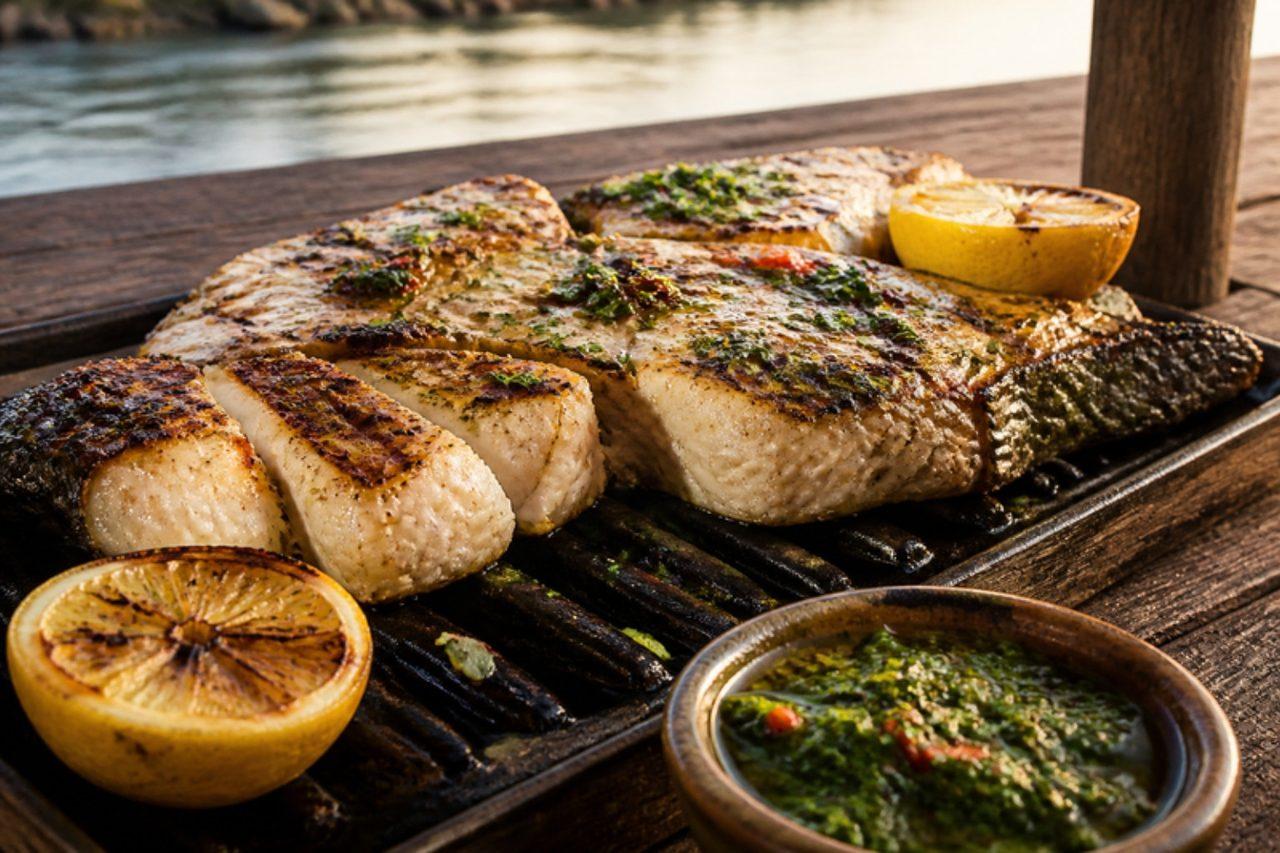
Surubí a la parrillaGrilled catfish steaks

The surubí, a big spotted catfish of the Paraná, has firm, almost meaty white flesh with no fine bones, which is why riverside parrillas in Corrientes, Goya and Esquina cut it into thick steaks and throw it on the grill like beef. A short soak in lemon, garlic and oil, plenty of salt, and live coals are all it asks. Serve with boiled cassava or potatoes, salsa criolla and a cold lemonade. Outside Argentina, buy thick steaks of another firm catfish, or of monkfish or swordfish. The usual mistake is trying to flip the fish too soon: it tears and sticks until a crust has formed and it lets go of the grate by itself. Chef's tip: oil the fish rather than the grill, and rub the hot bars with half a lemon just before the steaks go on.

by KrazyBadal 0 views

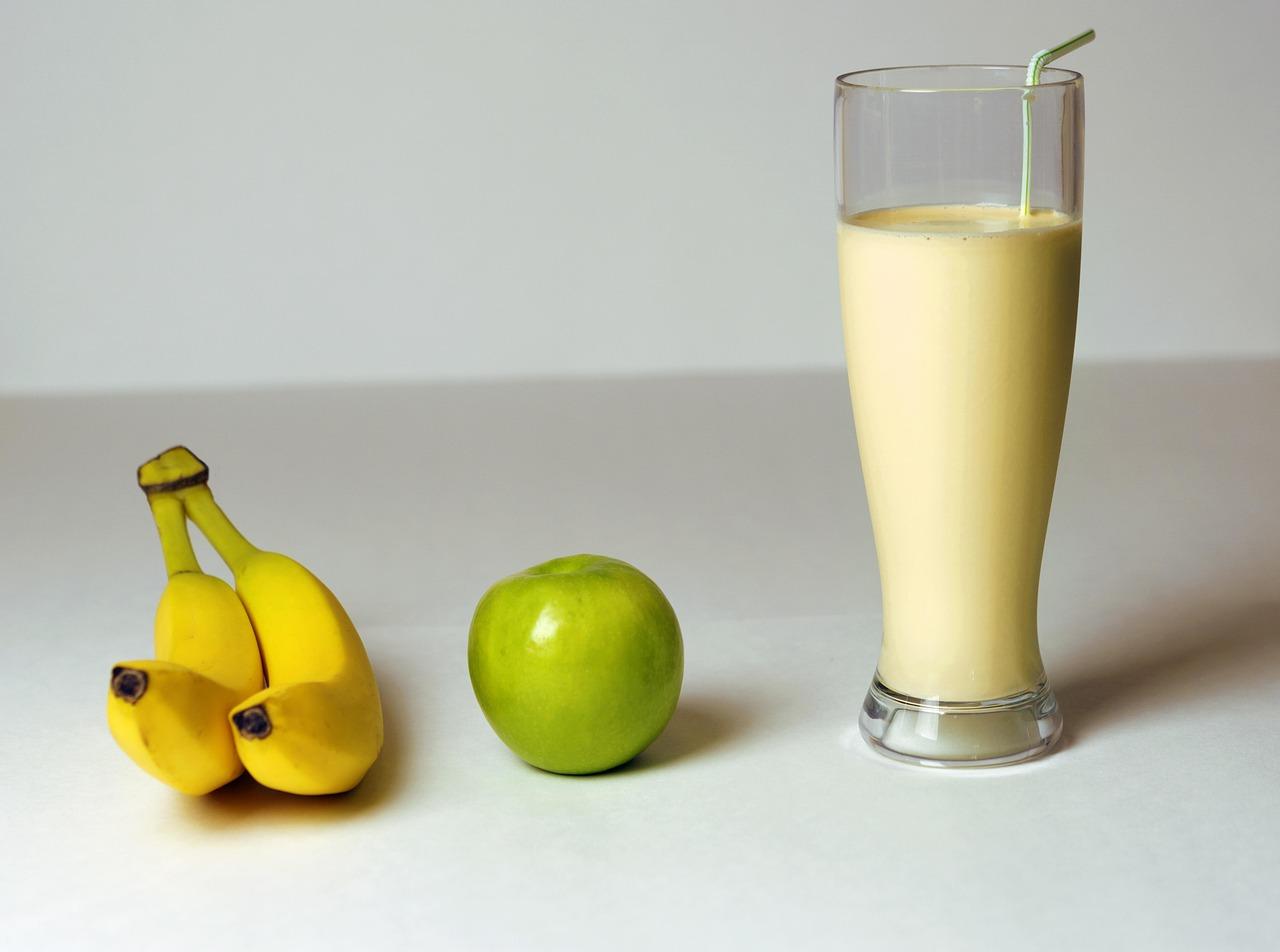
Licuado de bananaBanana milk shake

Order a licuado in any Argentine café or bar and you will get a tall glass of fruit blended with milk (con leche) or water (con agua), and banana with milk is the one nearly everyone grows up on. It is breakfast for teenagers in a hurry, a merienda with tostados, and the drink parents in Buenos Aires make when the fruit bowl has spotty bananas. It should be thick, cold and smooth, with a light froth, sweet mainly from ripe fruit. Using under-ripe bananas is the mistake: they taste chalky and need lots of sugar, so wait for brown freckles. Chef's tip: slice and freeze the bananas the night before and you can skip the ice; the shake comes out colder and thicker without being watered down.

by KrazyBadal 0 views

AguajinaAguaje palm fruit drink

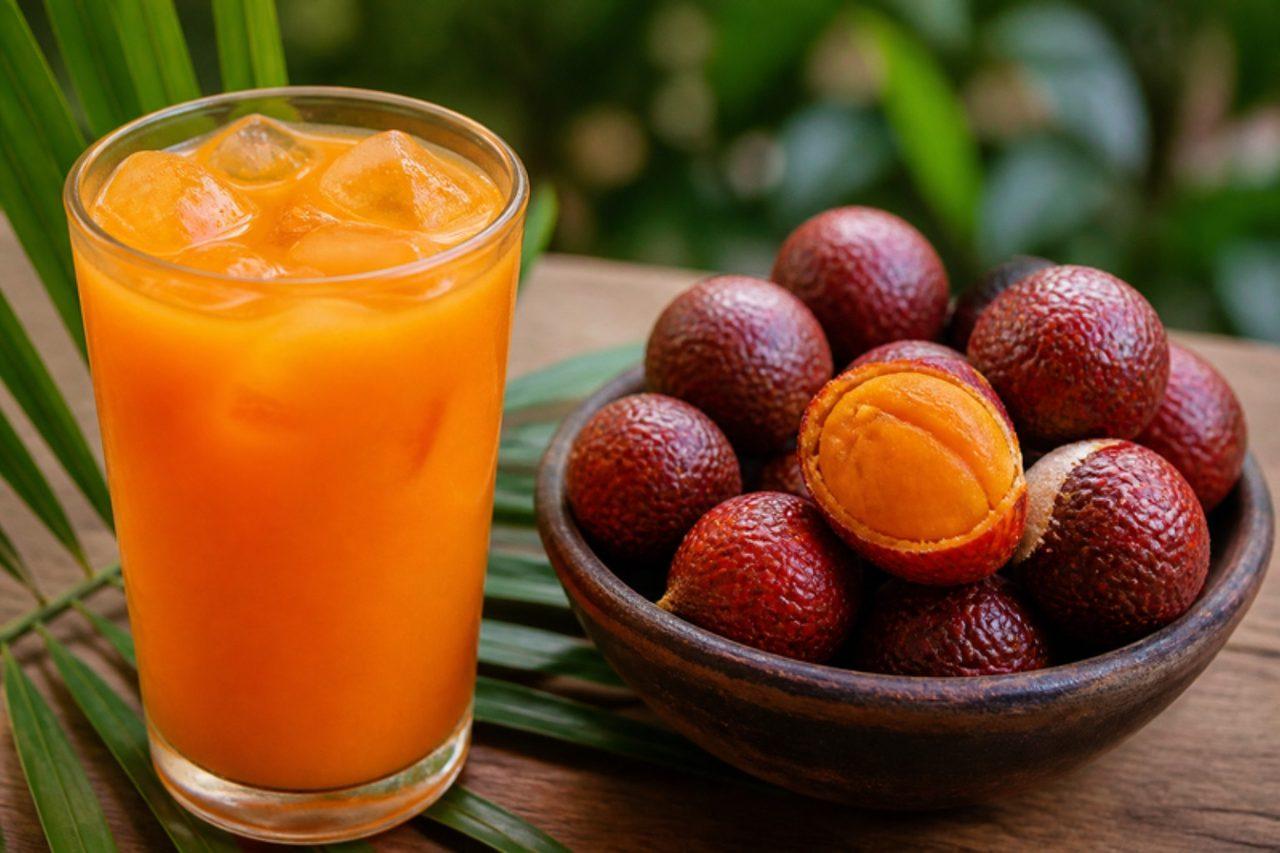
Aguaje is the scaly, chestnut-red fruit of the moriche palm that grows in the flooded forests around Iquitos, and its orange flesh ends up in ice lollies, ice cream and, above all, aguajina, the cold drink sold in plastic cups at every corner and in Belén market. The taste is unusual and loved locally: tangy, a little like apricot and carrot, with a rich, slightly oily body. Fresh aguaje must be softened in warm water for an hour before its thin layer of pulp can be scraped off; outside Peru, frozen aguaje pulp from Latin American shops is the realistic choice and gives a good result. A common slip is adding all the sugar before tasting: the pulp's sourness varies from pack to pack, so sweeten at the end. Serve very cold with lunch or on a hot afternoon. Chef's tip: blend the pulp with only part of the water first, so it breaks down fully, then stir in the rest.

by KrazyBadal 0 views

Showing 24 of 42 recipes

Show more recipes

Page 1 of 2