Skip to content
Recipes

All recipes

Vegetarian, or something you can't eat? Set your diet once and we'll hide recipes that don't fit.

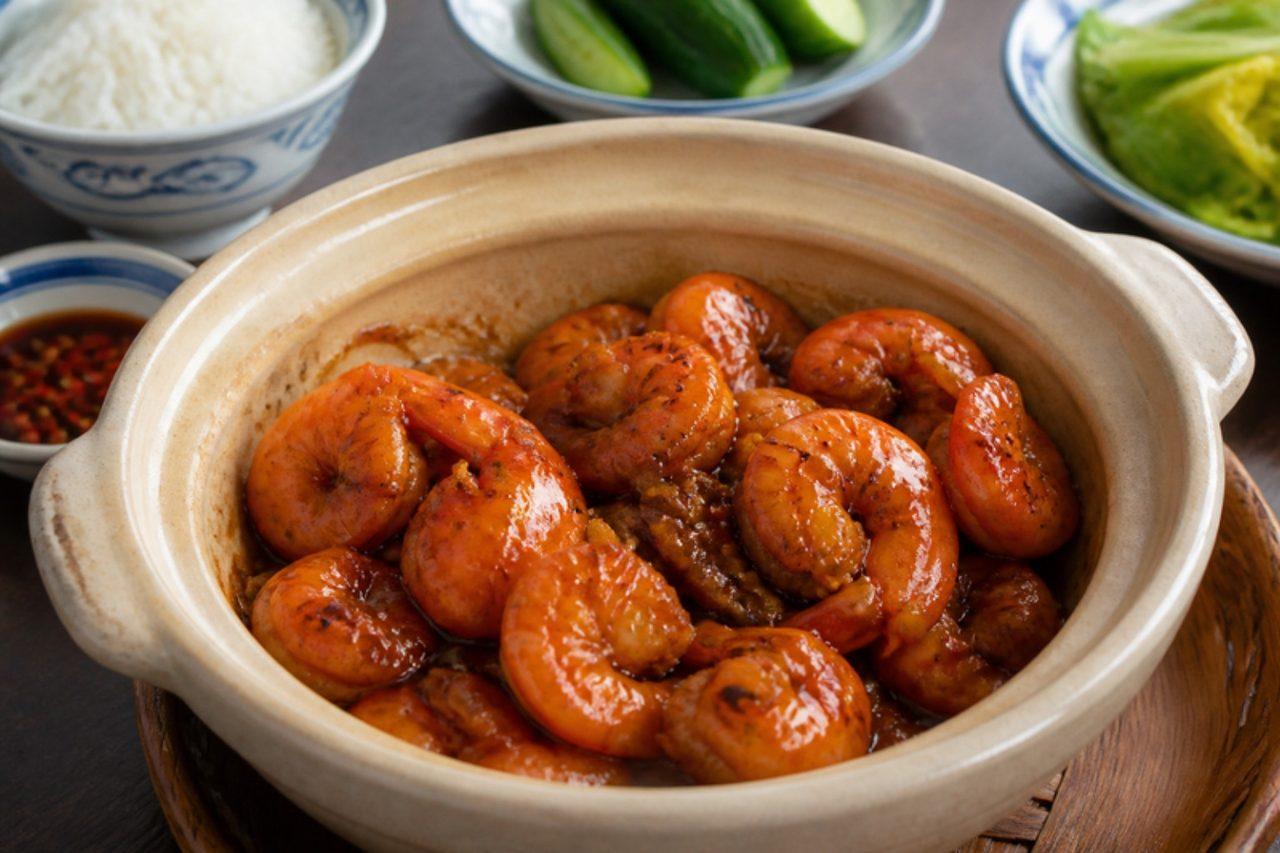
Tôm rim (caramelised prawns)

Tôm rim is a homely dish cooked in kitchens from Hanoi to the Mekong Delta and eaten at the family rice tray with boiled greens and a clear soup: prawns simmered down in fish sauce, sugar and shallot until the liquid turns to a sticky, salty-sweet glaze. The mistake is walking away in the last few minutes, when the sauce goes from glaze to burnt very quickly. Chef's tip: leave the shells on if your prawns are small, as many Vietnamese cooks do; they turn crisp and caramelised and add flavour.

by KrazyBadal 0 views

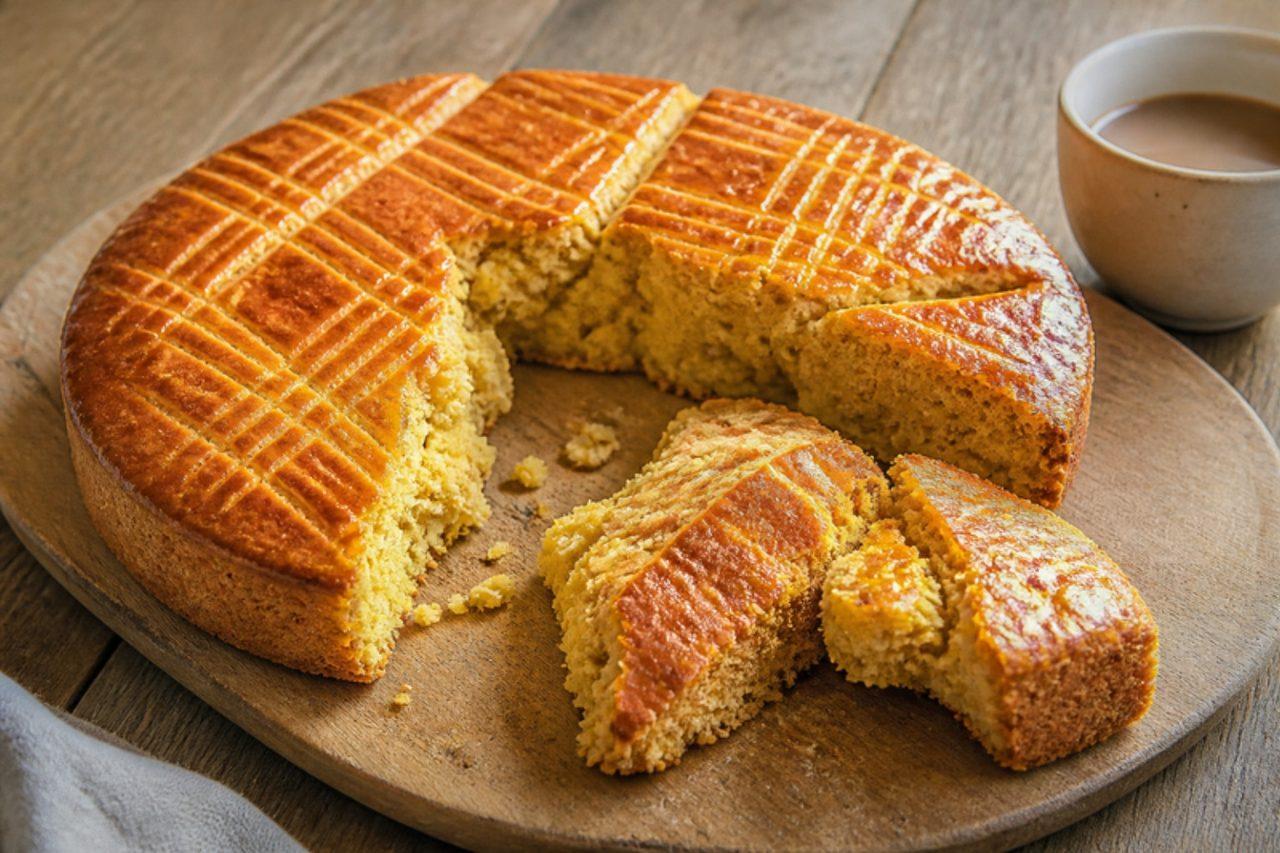
Broyé du PoitouGiant butter biscuit

From the Poitou-Charentes region of western France, broyé is one huge, thick butter biscuit baked in a round and carried whole to the table. Tradition says you break it in the middle with a firm blow of the fist, and everyone grabs a jagged piece; farmhouse cooks served it at weddings and family lunches, and it still ends meals there with coffee or a glass of local pineau. It is crisp at the edges, slightly tender in the middle and tastes of salted butter. Some families add chopped candied angelica from Niort. The top is glazed with egg yolk for its shine; milk gives a softer sheen if you prefer no egg wash. Chef's tip: mark the top with a fork in a diamond pattern and press quite deep, because the lines spread as it bakes; a pale broyé is the common mistake, so bake on until it is evenly golden all over.

by KrazyBadal 0 views

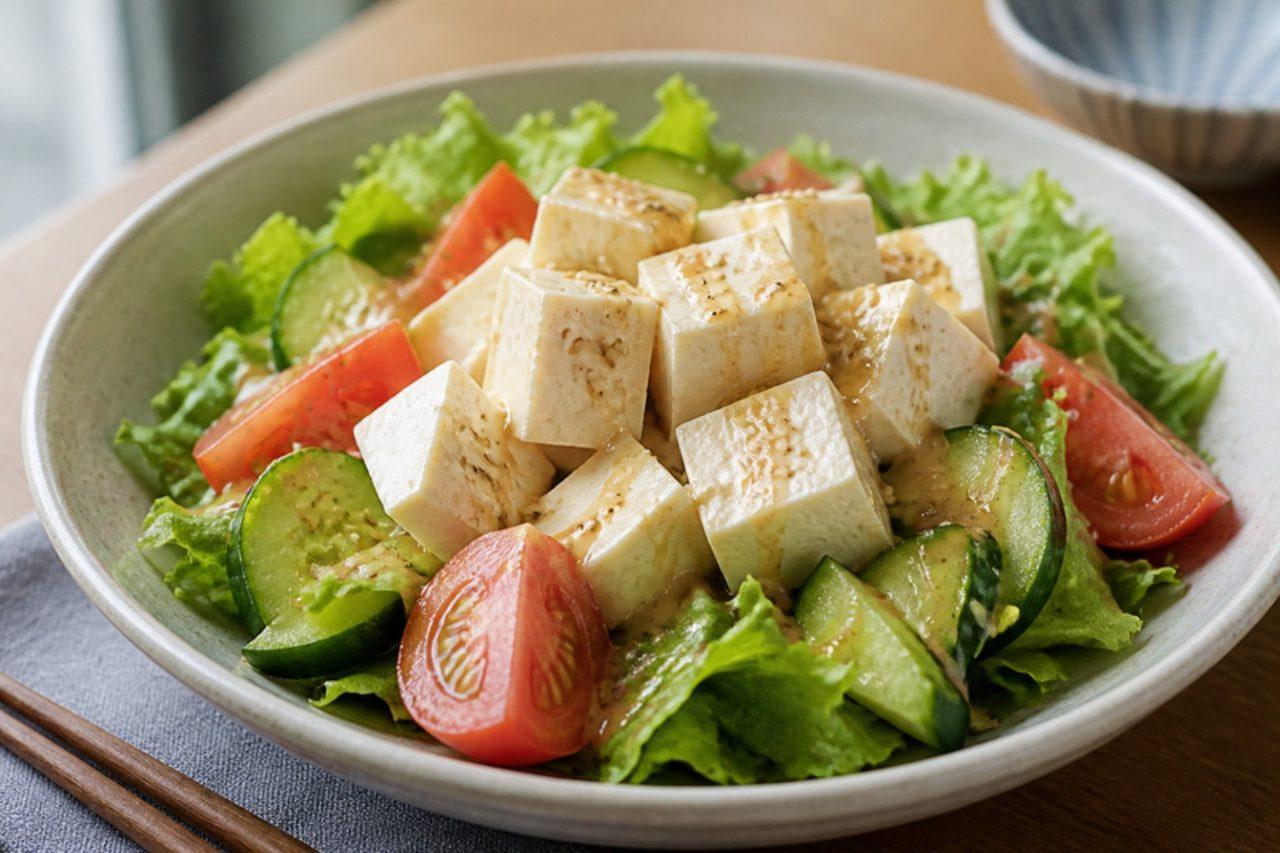
Japanese tofu salad

Tofu sarada is a fixture on Japanese izakaya menus and family dinner tables everywhere from Tokyo to Fukuoka, especially in the humid summer months. Cool cubes of tofu sit on crisp lettuce, tomato and cucumber under a sesame-soy dressing sharpened with rice vinegar and ginger, with a few strands of wakame if you have them. It makes a light dinner with rice and miso soup. The usual mistake is not draining the tofu, so its water dilutes the dressing into a bland pool. Many shop-bought wafu dressings contain bonito; this home-made one is vegan. Chef's tip: dress the salad at the table so the leaves stay crisp.

by KrazyBadal 0 views

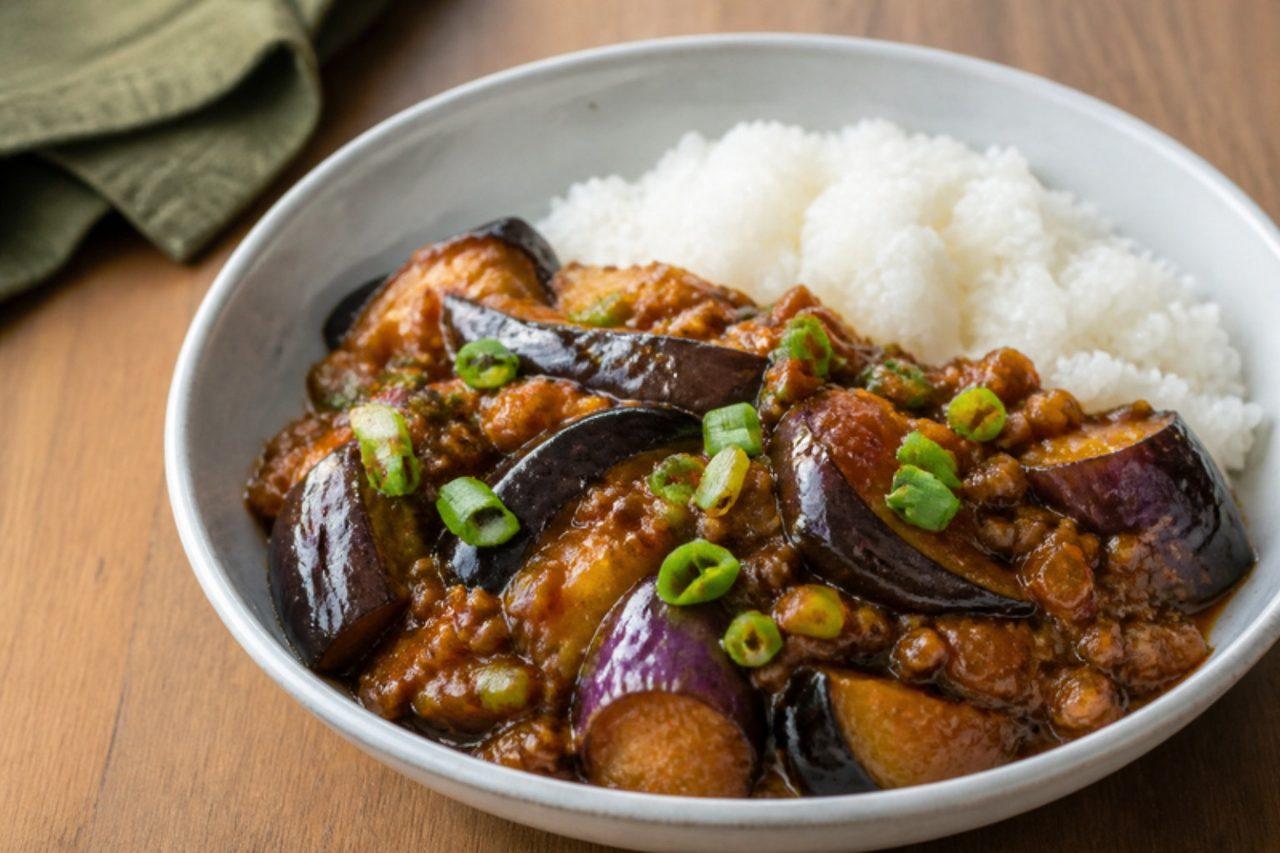
Mabo nasu (Japanese mapo aubergine)

Mabo nasu is the Japanese home take on a Sichuan dish, cooked across Japan on weeknights when aubergines are cheap in summer: soft aubergine and minced pork in a glossy, mild sauce of doubanjiang, miso and soy, eaten over white rice. This is a pork dish. The usual mistake is under-cooking the aubergine, which stays spongy and drinks the sauce; fry it until it is collapsing and shiny first. Chef's tip: stir the cornflour slurry in off the heat, then bring it back to a bubble, so it thickens smoothly without lumps.

by KrazyBadal 0 views

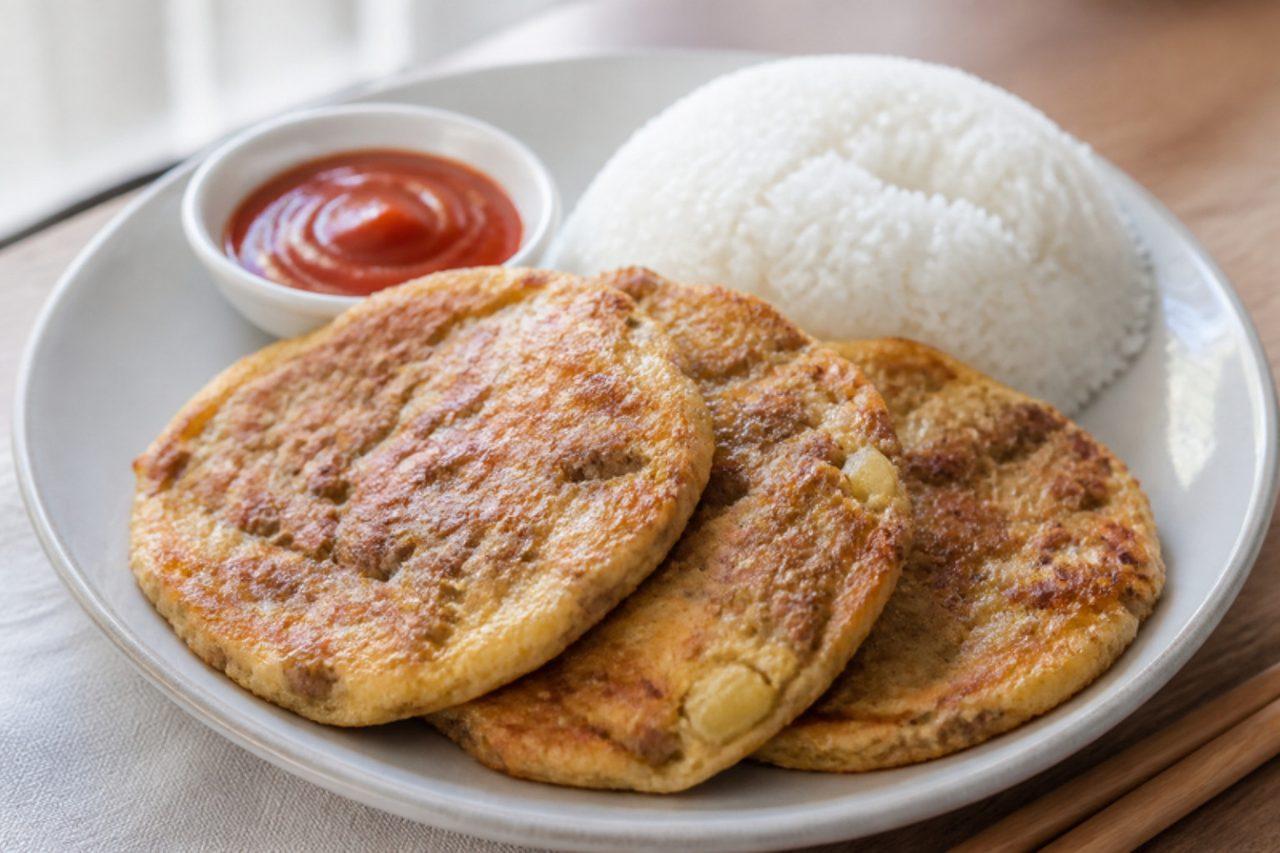
Tortang ginilingMinced pork and potato omelette

Tortang giniling are small, thick omelettes packed with minced pork that has first been sautéed with garlic, onion, tomato and tiny cubes of potato. All over the Philippines they are a thrifty baon (packed lunch) and weeknight dish, eaten hot with rice and a dip of banana ketchup or vinegar with chilli. Most cooks get into trouble by adding the egg while the filling is still raw or wet, which gives soggy patties and undercooked pork, so cook the pork through and let the pan juices dry off first. Chef's tip: fry each torta in a small saucepan or a ladleful at a time in a frying pan, so they stay thick and fluffy rather than spreading thin.

by KrazyBadal 0 views

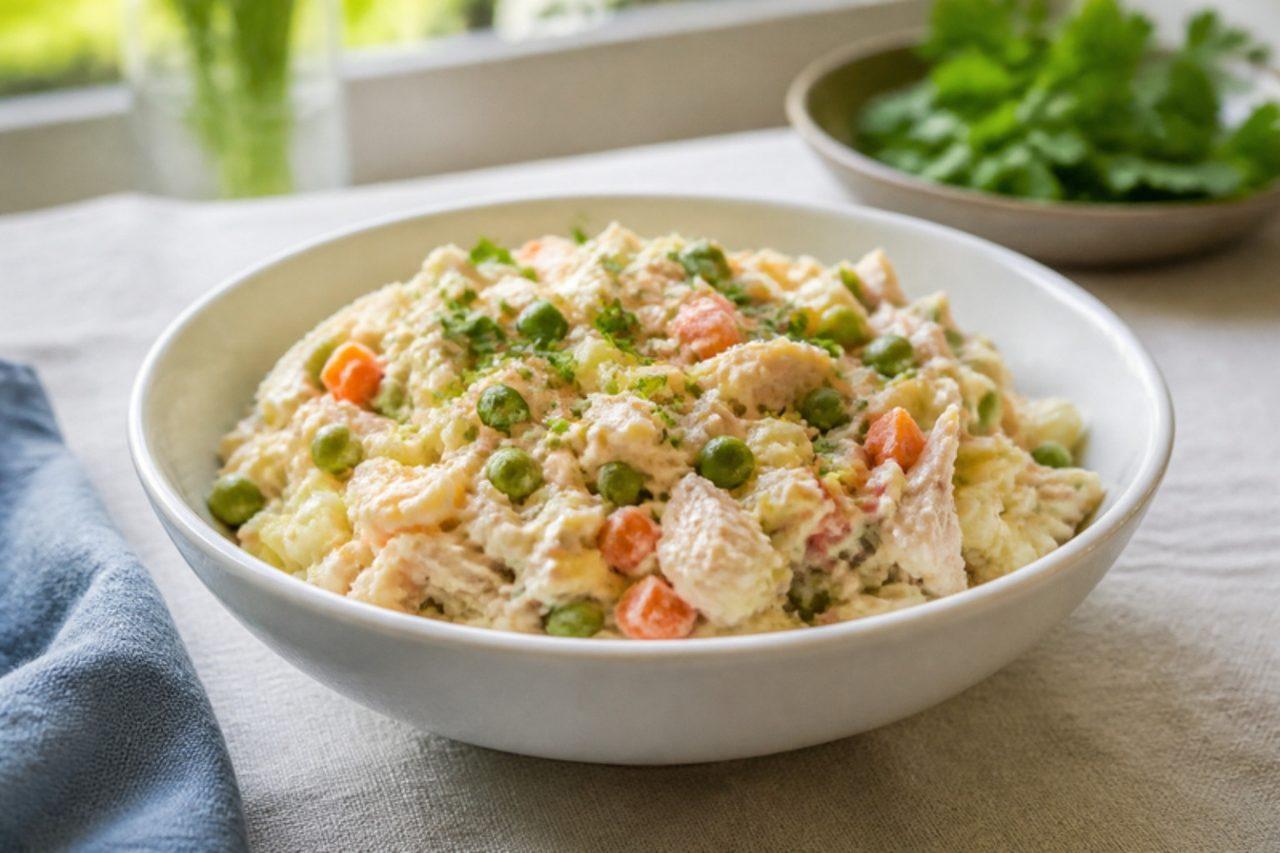
Salpicón de aveCold chicken salad

Salpicón de ave is the cold supper of Argentine summers, made in Buenos Aires flats and on estancias alike when it is too hot to cook much, and a favourite way to use the chicken from a puchero or Sunday roast. Shredded chicken is mixed with diced pepper, tomato, spring onion, sweetcorn and boiled egg, bound with mayonnaise sharpened with lemon and mustard, and served chilled with crusty bread or on lettuce. The common mistake is dressing it while the chicken is still hot, which melts the mayonnaise into an oily puddle; let everything cool first. Chef's tip: dress the chicken with the lemon juice and a pinch of salt before the mayonnaise goes in, so the meat itself is seasoned, not just its coating.

by KrazyBadal 0 views

CapuchinosYolk sponge cones in spiced syrup

Named for the pointed hoods of Capuchin friars, these little cones of yolk sponge sit in neat rows in Havana dulcerías, glistening with syrup and sold by the half dozen for birthdays and Sunday visits. They're baked in small cone moulds, then dropped into warm syrup scented with lime peel, cinnamon and star anise until heavy and soaked through, so they are moist, eggy and very sweet. The syrup is often spiked with rum or anise liqueur; this one stays alcohol-free. A syrup boiled too thick won't soak in and leaves a sticky crust, so keep it at a light, pourable stage. No cone moulds? Bake them in a mini muffin tin; they just won't have the hood shape. Chef's tip: soak the sponges while they're still warm and the syrup is warm too; both at the same temperature, the syrup goes right to the centre.

by KrazyBadal 0 views

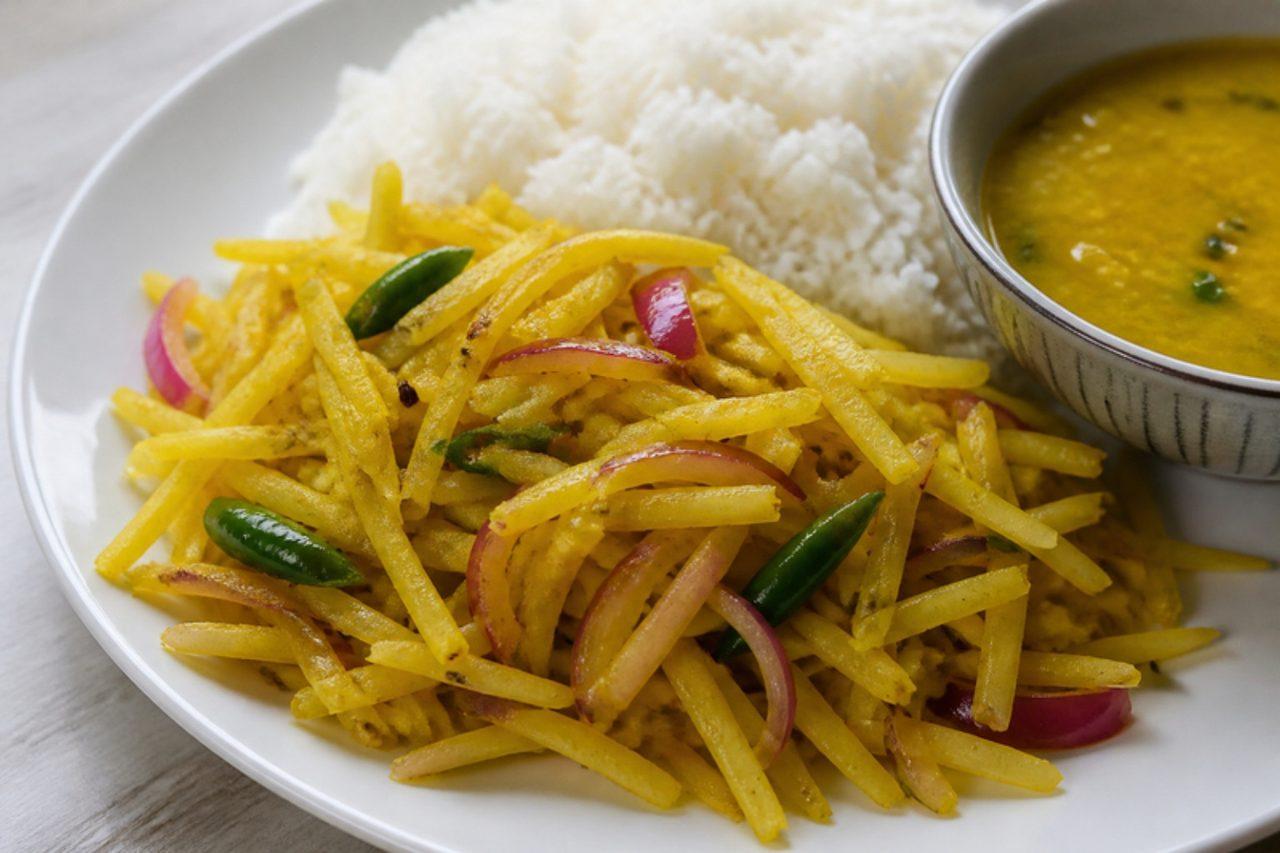
Alu bhajiMatchstick potato stir-fry

Across Bangladesh, alu bhaji is the simplest side on the table: potatoes cut into thin matchsticks and stir-fried in mustard oil with onion, nigella seeds, turmeric and green chilli until tender with crisp golden tips. It is a breakfast with paratha, a lunch with rice and daal, and a favourite with children. The common mistake is skipping the rinse, so the starch glues the matchsticks into a clump that breaks as you stir. Chef's tip: cut the strips no thicker than a pencil; they cook through in the time the edges take to brown.

by KrazyBadal 0 views

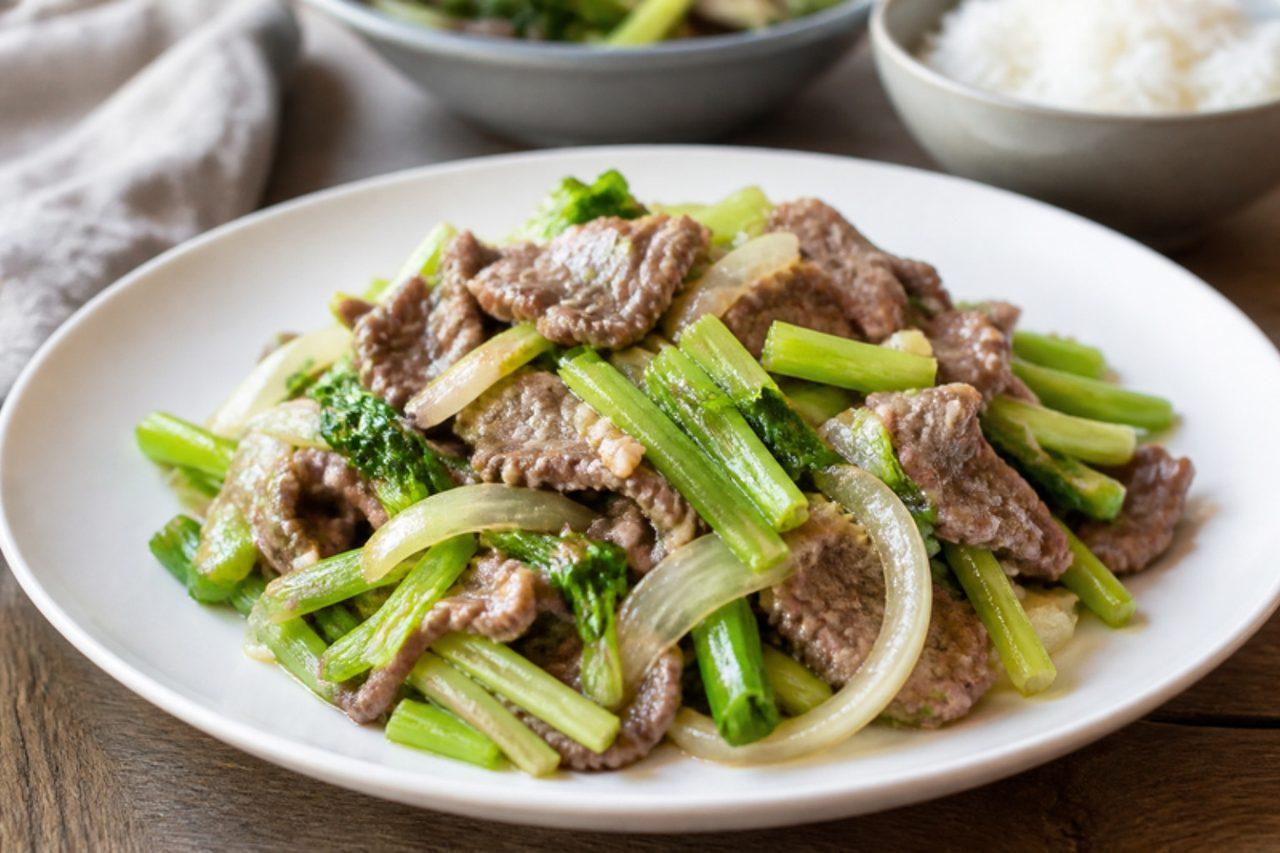
Bò xào cần tây (beef and celery stir-fry)

Bò xào cần tây is a weeknight stir-fry found on family tables all over Vietnam: thin slices of beef, seasoned with fish sauce and pepper, flashed in a hot wok with crunchy celery, onion and plenty of garlic, then eaten with rice. The usual mistake is cooking the beef and celery together from the start, so the beef stews while the celery softens; sear the beef first, take it out, and add it back at the end. Chef's tip: slice the beef across the grain and as thin as you can, so it is tender after only a minute in the pan.

by KrazyBadal 0 views

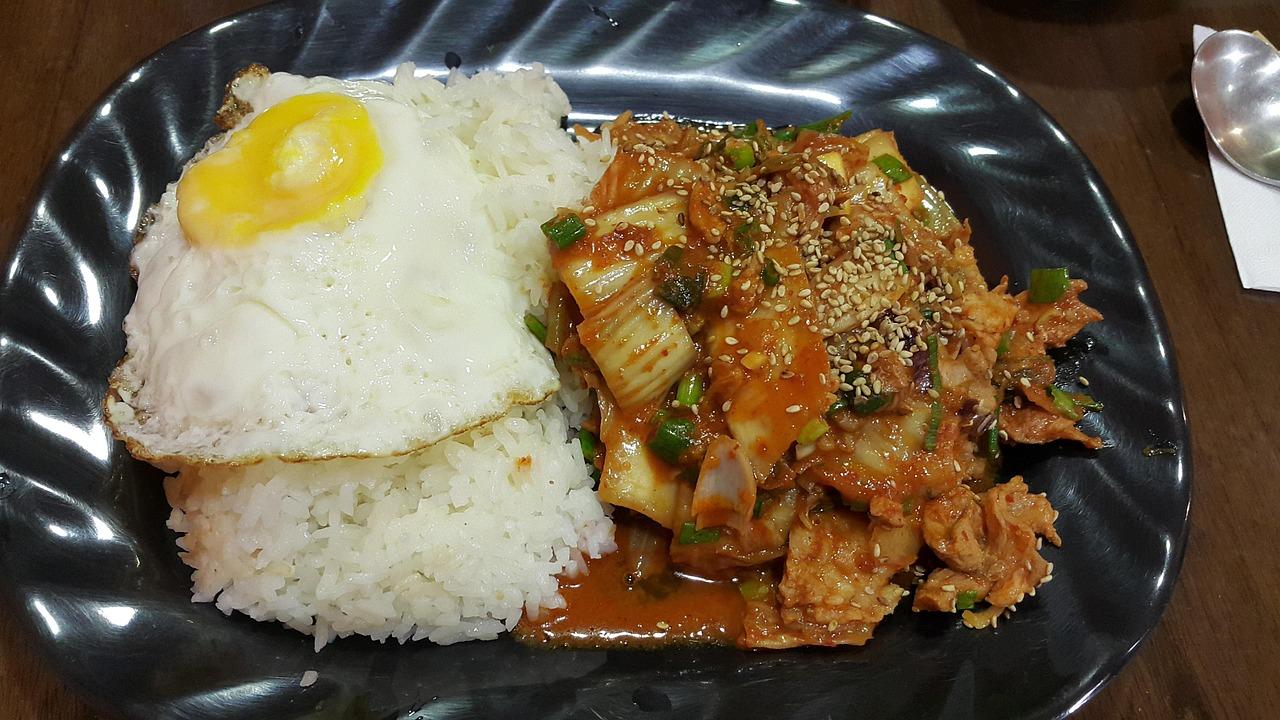
Buta kimchi (pork and kimchi stir-fry)

Buta kimchi is a Japanese izakaya and home favourite, cooked in Tokyo flats in the time it takes the rice to finish: thin slices of pork belly or shoulder fried until the fat crisps, then tossed with sour, spicy kimchi and onion. This is a pork dish. The common mistake is using fresh, young kimchi; well-fermented, sour kimchi gives the deep flavour, and fresh kimchi just tastes of raw cabbage. Chef's tip: add a splash of the kimchi juice at the very end for an instant sauce.

by KrazyBadal 0 views

Ikan goreng kunyit (turmeric fried fish)

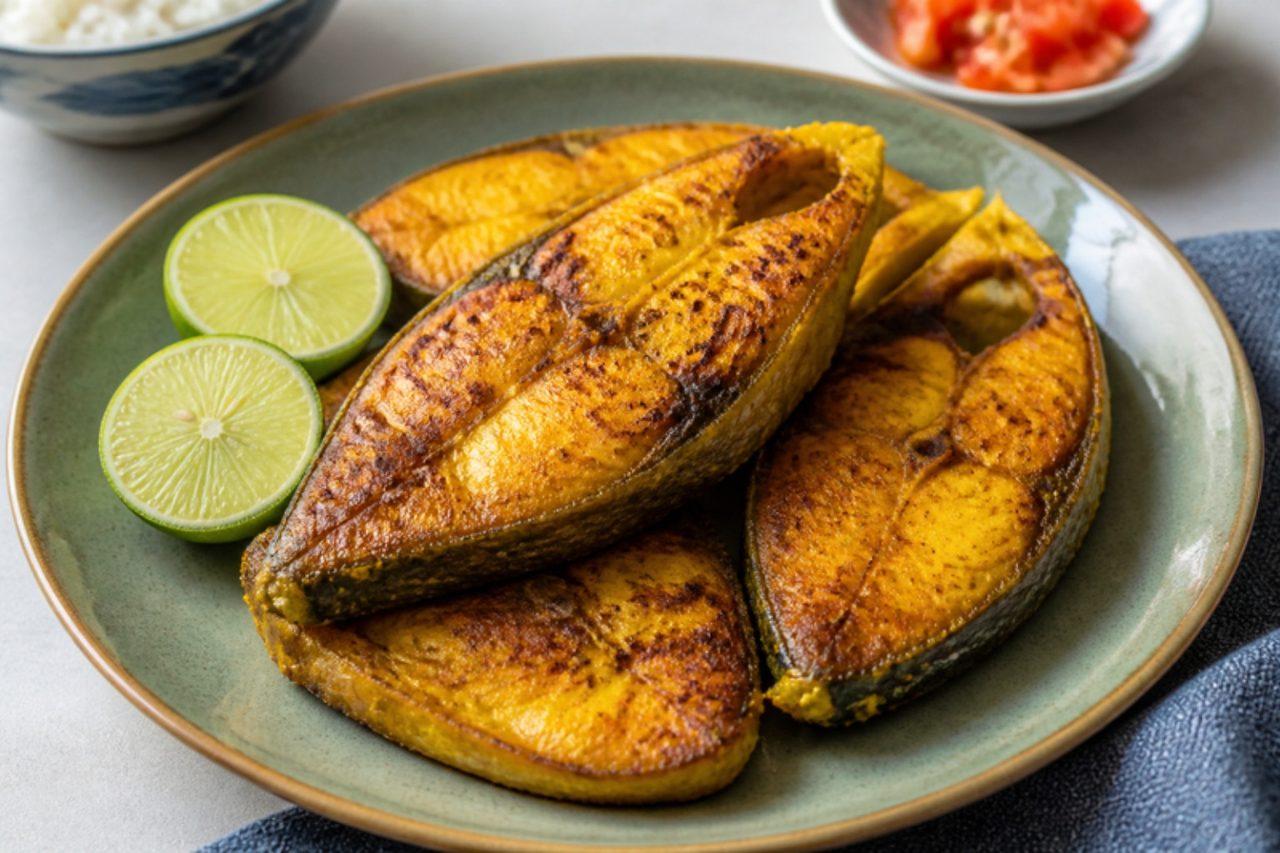
Ikan goreng kunyit is cooked in Malay kampung kitchens and city flats alike for a simple lunch or dinner with rice, sambal and vegetables: small whole fish or thick steaks rubbed with turmeric, salt and a little chilli, then fried until golden and crisp at the edges. The mistake is moving the fish too soon; leave it until it releases from the pan on its own, or the crust tears and sticks. Chef's tip: score the fish to the bone so the turmeric seasons the flesh and it cooks evenly.

by KrazyBadal 0 views

Bistek TagalogSoy and calamansi beef with onions

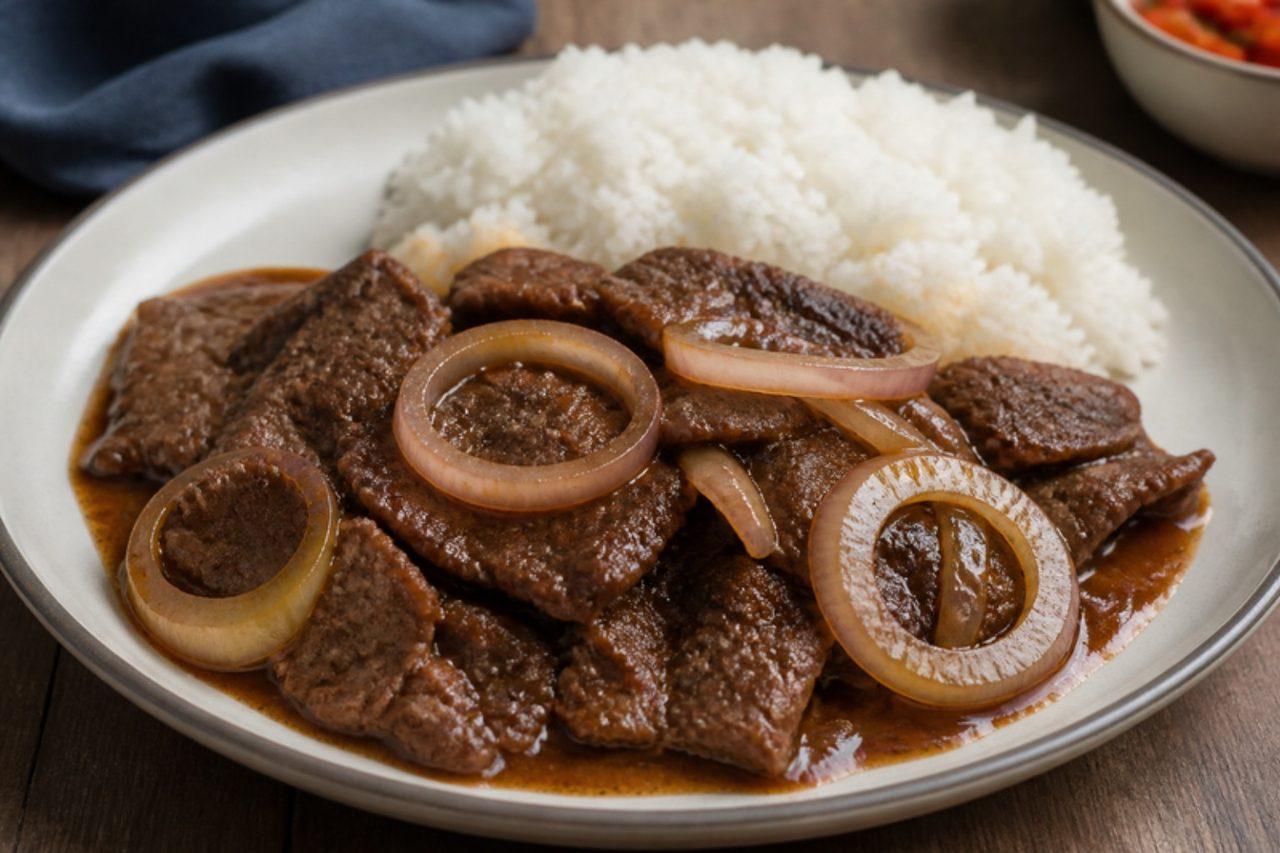
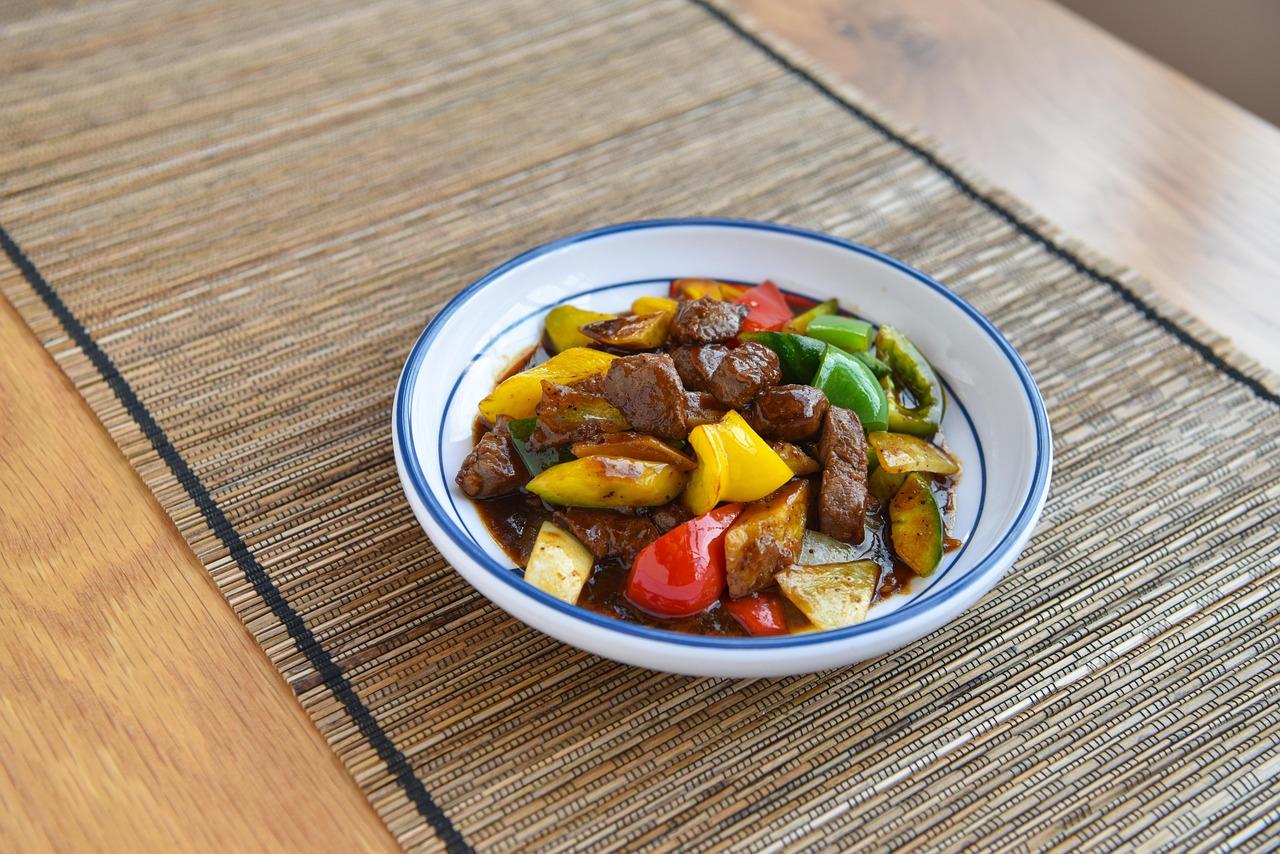
Bistek Tagalog is the Luzon home cook's answer to steak and onions: thin slices of beef soaked briefly in soy sauce and sour calamansi, seared hot, then bathed in their own glossy, salty-tart sauce with tumbles of soft onion rings. In Manila and the Tagalog provinces it turns up on weeknight tables with a mound of steamed white rice to catch every drop of sauce. The commonest mistake is crowding the pan, which stews the beef grey and tough instead of browning it, so sear in two batches. Calamansi is sold frozen in Asian shops; a mix of lime and lemon juice is a fair stand-in. Chef's tip: slice the beef across the grain while it is still very cold from the fridge, and it will be both thinner and more tender.

by KrazyBadal 0 views

Tagliata di manzoSliced seared steak with rocket

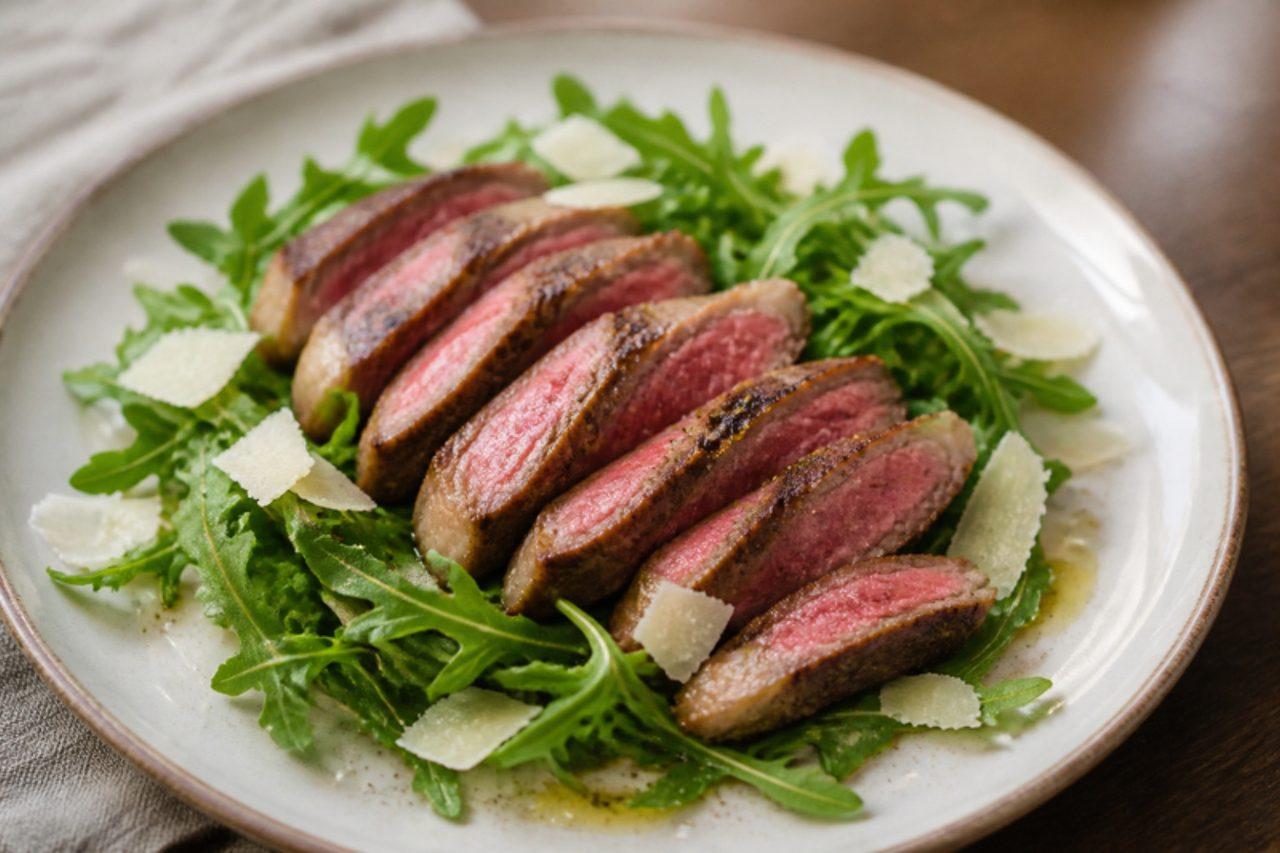
Tagliata simply means 'cut', and in Tuscan trattorie from Florence to the Chianti hills it is a thick steak seared hard, rested, then sliced and fanned over a bed of peppery rocket with shavings of parmesan, olive oil and coarse salt. It is a quick, generous dinner for two or three, and the warm meat juices dress the leaves as you eat. The big mistake is slicing straight from the pan: the juices run out onto the board, so give the steak a proper rest. Rare and medium-rare are safe for a whole-muscle steak because any bacteria sit on the seared surface; for pregnant people, young children or anyone vulnerable, cook it to 63 °C or beyond. Chef's tip: dry the steak well with kitchen paper and salt it 10 minutes before cooking for a deep brown crust.

by KrazyBadal 0 views

PyttipannaPotato and meat hash

Pyttipanna, 'small pieces in a pan', is Sweden's great leftover dish: diced potatoes, onion and whatever cooked meat is left from Sunday (roast beef, ham or sausage, often pork) fried together until crisp, then served with a fried egg on top and pickled beetroot on the side. It is a weekday lunch in every Swedish home and canteen, and a well-known hangover breakfast. The mistake that leaves it pale and steamed is putting everything in the pan at once; the potatoes need a head start to brown before the meat goes in. Reheat the leftover meat until it is steaming hot right through (74 °C). Chef's tip: cut potatoes, onion and meat into the same 1 cm dice, so every forkful has a bit of each.

by KrazyBadal 0 views

Jamaican ginger cake

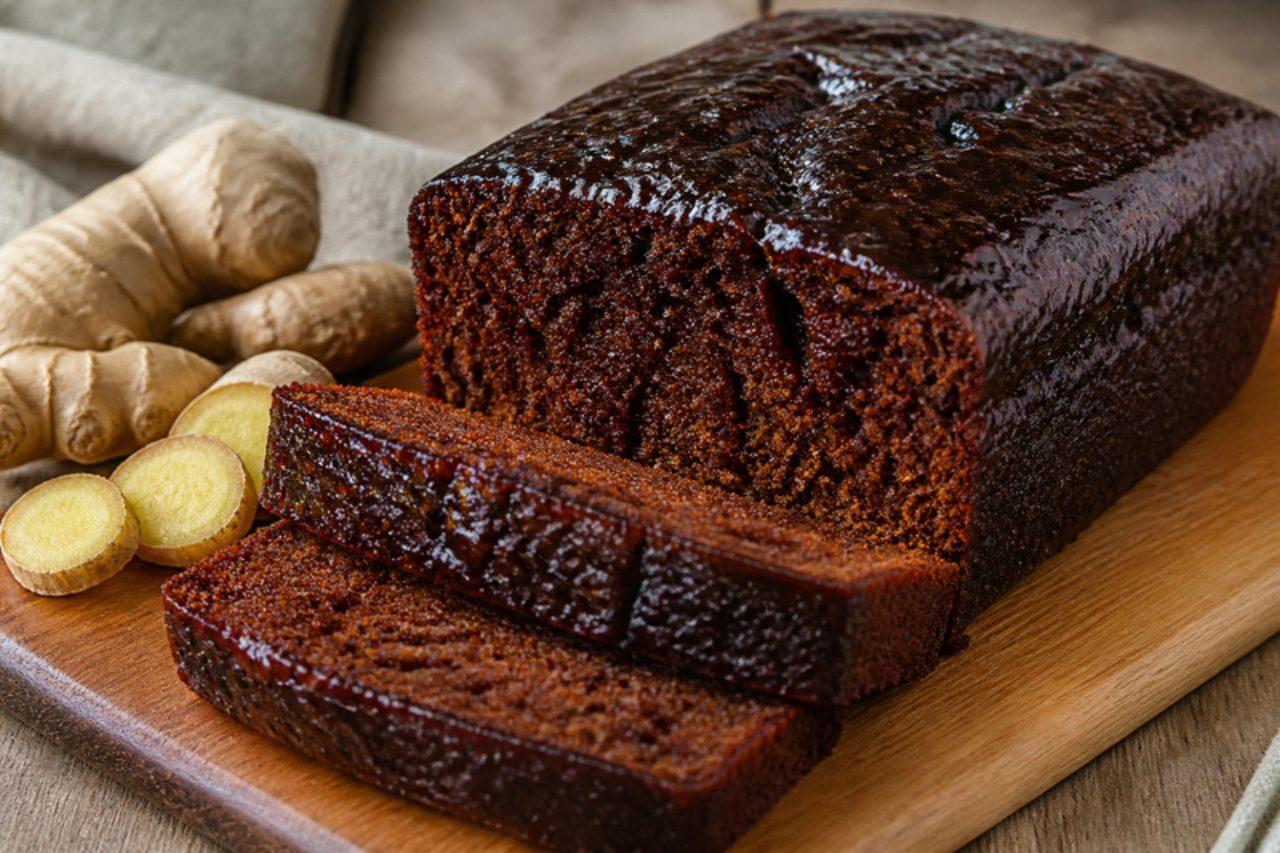
Jamaica grows some of the world's most pungent ginger in the hills of Clarendon and St Mary, and island ginger cake shows it off: a dark, sticky loaf made with molasses, a big knob of freshly grated root, and allspice (pimento), another Jamaican crop. Corner shops sell it in wrapped slabs for school lunches and road trips, and at home it comes out with afternoon tea or a cup of hot cocoa. The heat is real but warm, not harsh. Overbaking is the easy mistake: a few minutes too long and it loses its stickiness, so take it out once a skewer comes out clean even if the top still feels slightly tacky. Chef's tip: wrap the cooled cake and leave it a day before slicing; the top turns properly sticky and the ginger mellows.

by KrazyBadal 0 views

Torta de natasBoiled milk skin cake

Dairy farms in Boyacá and Cundinamarca boil their fresh milk every morning, and the thick, creamy skin that forms on top (the natas) gets lifted off and saved in a jar in the fridge. After a week or so there's enough for a torta de natas, a rich, close-crumbed cake with a buttery, slightly tangy flavour, served at onces (afternoon tea) with aguapanela or a tinto. Natas are mostly milk fat, so the cake needs no butter. If you don't boil raw milk, clotted cream loosened with a little milk is a fair stand-in. Over-beating natas is the trap: they can split into butter and whey, so beat only until smooth. Chef's tip: collect natas from whole milk simmered gently and cooled undisturbed; the slower it cools, the thicker the skin.

by KrazyBadal 0 views

Hyderabadi fruit biscuitsTutti-frutti butter biscuits

Boxes of these pink-and-green flecked biscuits leave Hyderabad in every suitcase: visitors queue at the old bakeries near Charminar and the airport shops stock tins of them. Each one is short and crumbly, buttery, with a faint pineapple scent and chewy bits of candied papaya (tutti-frutti) scattered through. They are eggless, rich with butter and a little custard powder, and go with a cup of Irani chai or a glass of cold milk. The usual slip is mixing the tutti-frutti in wet or sticky, so it bleeds colour and clumps; toss it in a spoon of flour first. Chef's tip: shape the dough into a square log and chill it until firm, then slice; a firm log gives neat, sharp-edged biscuits like the bakery ones.

by KrazyBadal 0 views

Bò lúc lắc (Vietnamese shaking beef)

Bò lúc lắc, shaking beef, is a Saigon dish from the French-influenced south, ordered at family dinners and celebrations: cubes of tender steak seared in a smoking pan and shaken with garlic and onion, then tipped over peppery watercress and tomato with a lime, salt and pepper dip. The mistake almost everyone makes is crowding the pan, which boils the meat grey instead of searing it; cook in two batches. Chef's tip: let the cubes sit untouched for a full minute before the first shake to build a dark crust.

by KrazyBadal 0 views

Saumon en papilloteSalmon baked in paper parcel

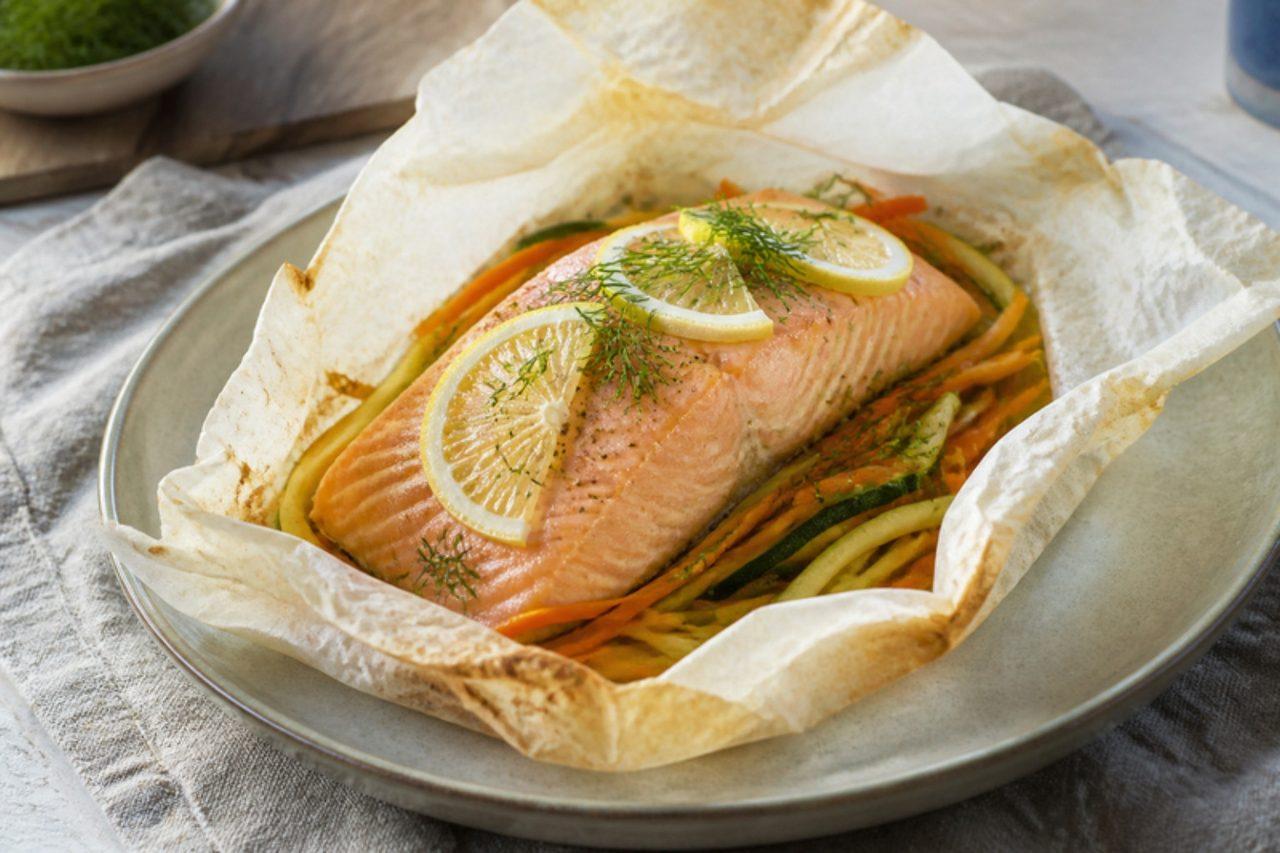
Saumon en papillote is everyday French home cooking at its lightest: a fillet of salmon sealed in baking paper with ribbons of courgette and carrot, lemon and dill, so it steams in its own juices in the oven. Across France it is a favourite midweek dinner because there is almost no washing-up, and each person opens their own fragrant parcel at the table, ideally with boiled new potatoes or rice. The usual mistake is cutting the vegetables too thick, so the fish overcooks while they stay raw; slice them very thin. Chef's tip: fold and crimp the paper edges tightly all the way round, or the steam escapes and the salmon dries out.

25 minFrenchFishGluten free
by KrazyBadal 0 views

Haricots verts persillésGreen beans with garlic and parsley

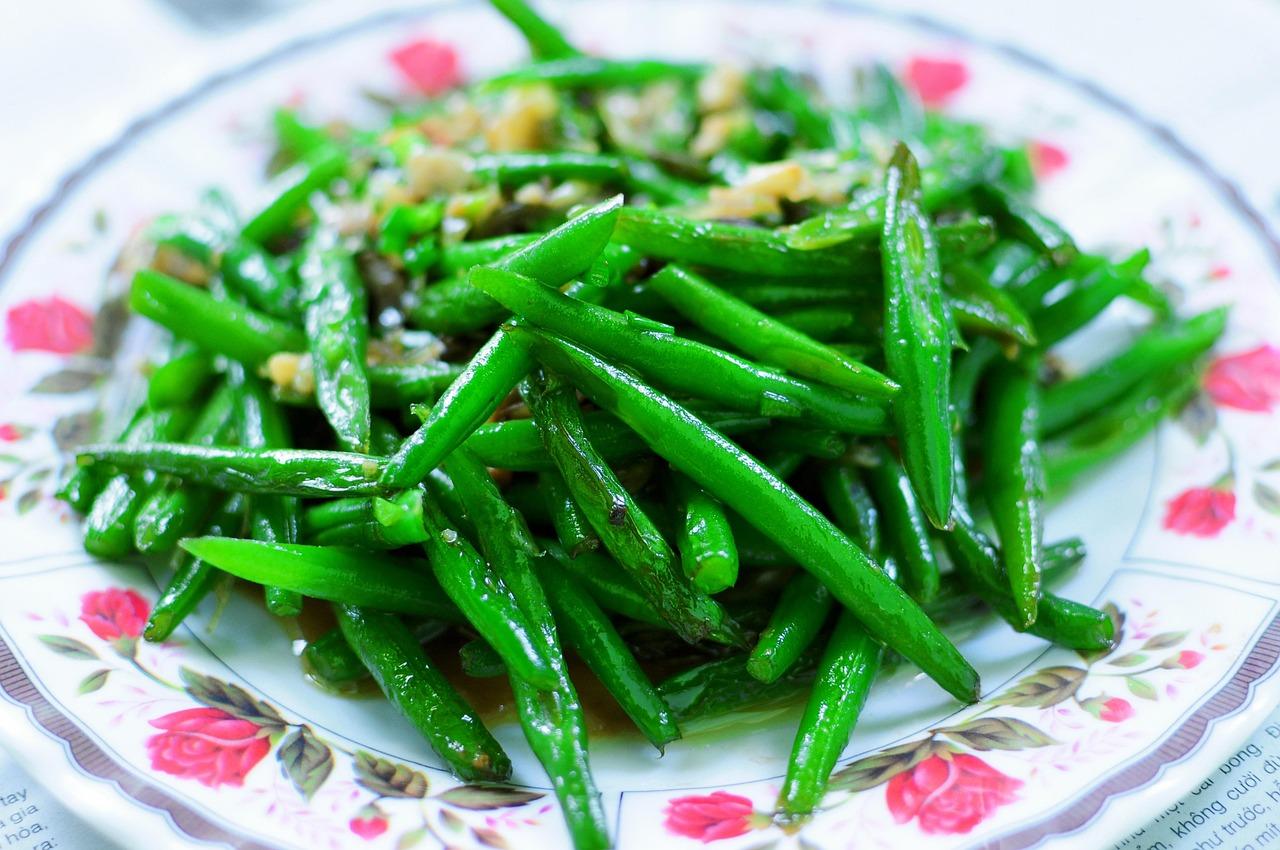
Haricots verts persillés are the green beans that sit beside roast chicken, an omelette or a plate of potatoes in homes all over France, especially in June and July when fine beans are at their best. They are blanched until just tender, then tossed in foaming butter with a little garlic and lots of chopped parsley, so they stay bright green with a slight snap. Using olive oil instead of butter makes them vegan. The most common mistake is cooking the beans in too little water, so it stops boiling and they turn olive-grey; use a big pot of well-salted water. Chef's tip: cool the beans in iced water after blanching if you want to make them ahead, then warm them in the butter just before serving.

by KrazyBadal 0 views

Korv StroganoffSausage in tomato cream sauce

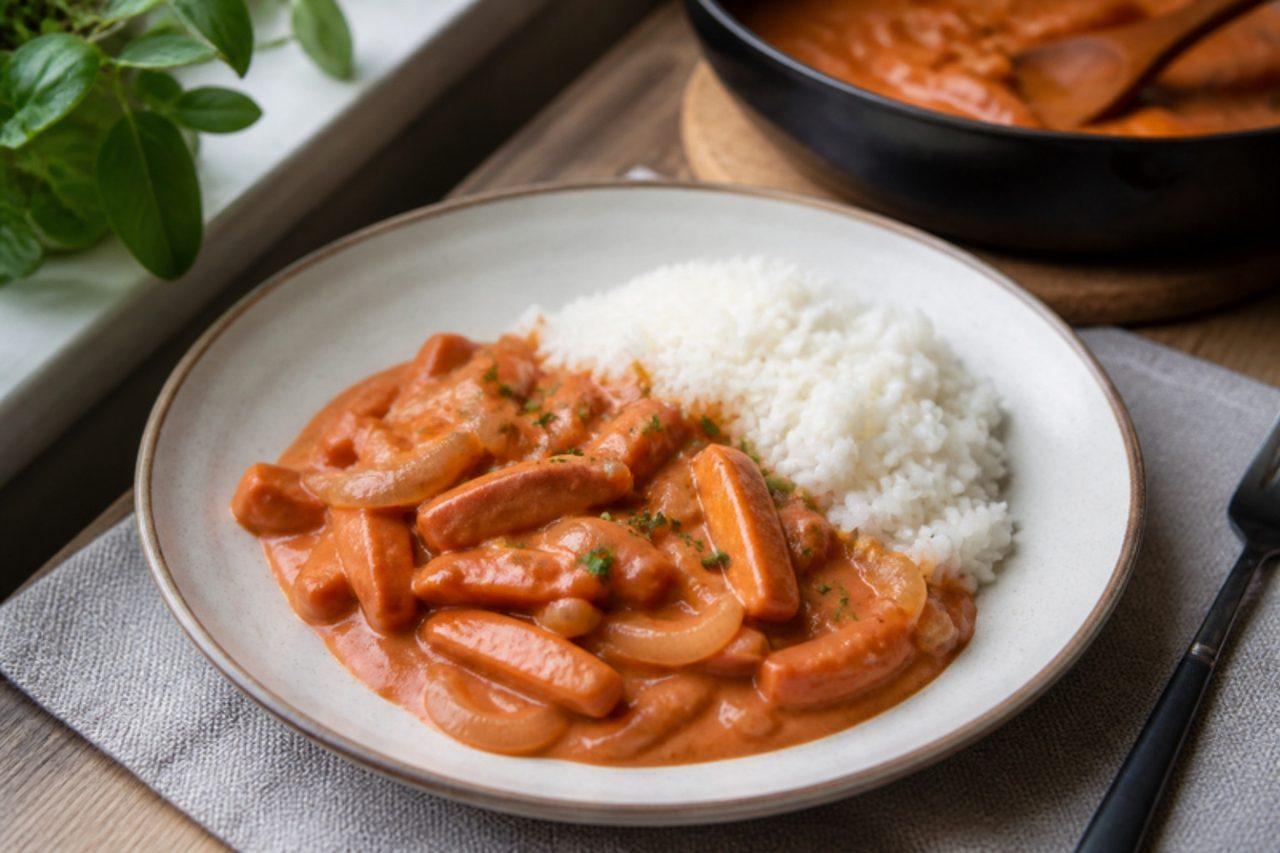
Korv Stroganoff is Swedish family food from the 1970s that children still ask for: strips of falukorv, a mild, smooth pork-and-beef sausage, browned with onion and simmered in a pink sauce of tomato purée, mustard and cream. It is a 25-minute weeknight dinner across Sweden, served over boiled rice with a grated carrot or cucumber salad. Falukorv is already cooked, so it only needs heating until piping hot; the common mistake is boiling the cream sauce hard, which can split it and toughen the sausage. Check the sausage label if you need it gluten free; Polish kielbasa or a mild smoked sausage works if you can't find falukorv. Chef's tip: brown the sausage strips properly before adding liquid, because that caramelised edge is where the flavour comes from.

by KrazyBadal 0 views

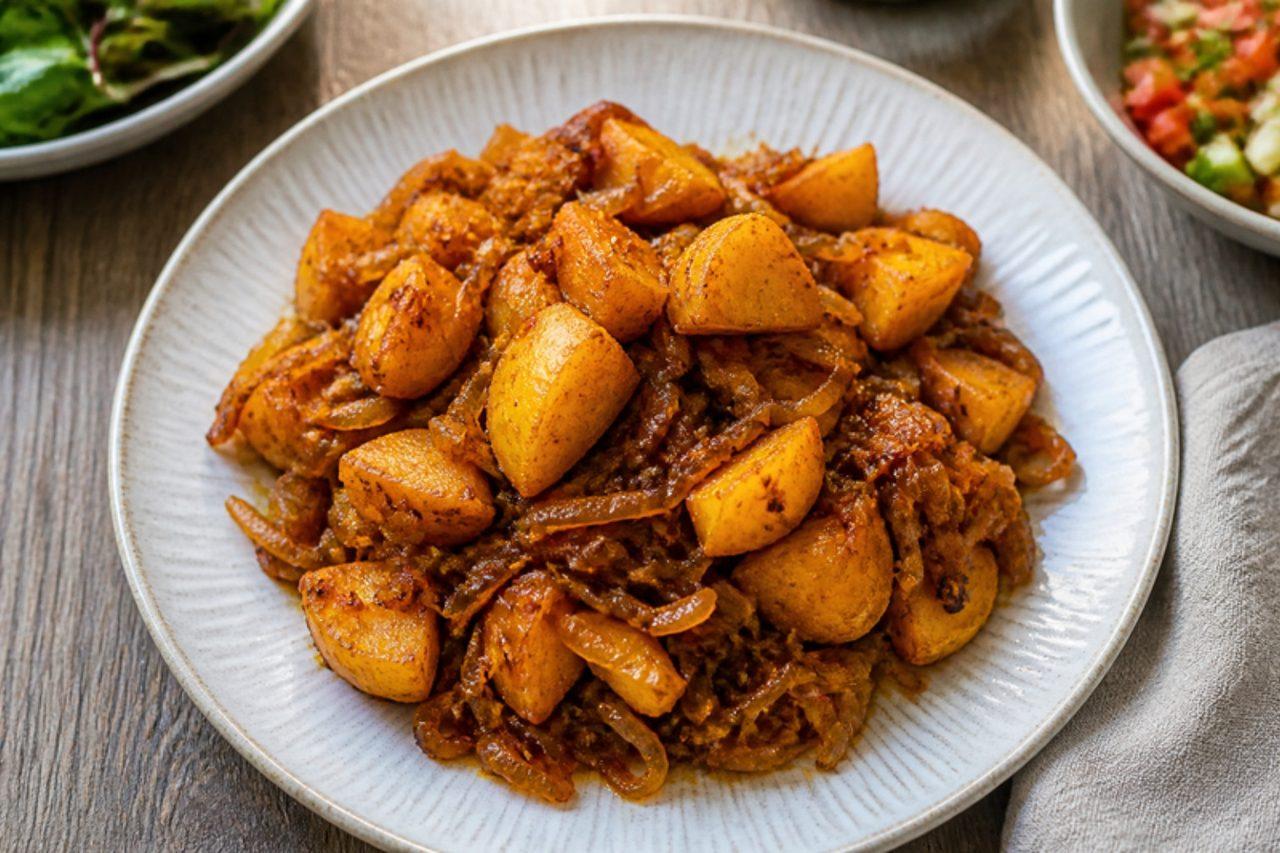
Dopiazeh alooPotatoes fried with onion and tomato

Dopiazeh means 'two onions', and in Shiraz this potato dish lives up to the name: cubed potatoes are fried with a generous heap of golden onions, turmeric and tomato paste until the edges catch and the sauce clings to every piece. Shirazi families eat it as a side with rice and kebab or, on busy evenings, as the main dish rolled up in flatbread with yogurt or fresh herbs. The usual mistake is crowding the pan, so the potatoes steam and break up instead of browning; use your widest pan. Chef's tip: fry the tomato paste in the oil for a full minute before adding water, so it turns brick red and loses its raw edge.

by KrazyBadal 0 views

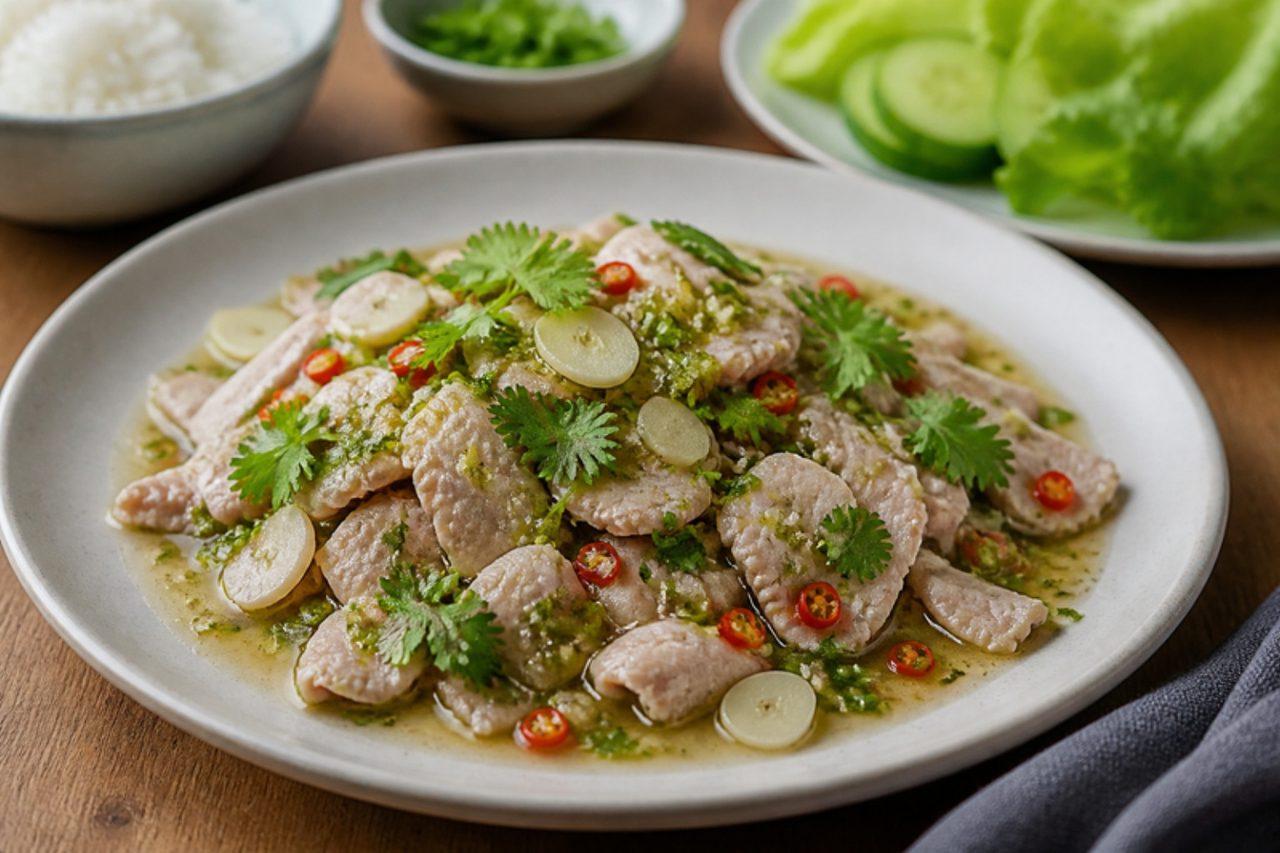
Moo manao (pork in lime and chilli dressing)

Moo manao is a drinking snack and dinner side from central Thailand, served in Bangkok bars and at home with sticky rice: thin slices of pork, blanched until just cooked, laid on ice-cold cabbage or lettuce and drowned in a fierce dressing of lime, raw garlic, bird's eye chilli and fish sauce. This is a pork dish. The mistake is boiling the pork for too long, which makes the thin slices tough and dry; poach them only until they turn white all through. Chef's tip: plunge the cooked slices into iced water for a few seconds, so they stay tender and take the dressing well.

17 minThaiMeatGluten freeSpicy
by KrazyBadal 0 views

ZaletiCornmeal raisin biscuits

Their name comes from the Venetian word for 'little yellow ones', after the polenta flour that gives them their colour and slightly gritty bite. Bakers in Venice and the Veneto make them all year, though they are especially popular at Carnival, dipped in a glass of sweet wine or eaten with a morning cappuccino. The dough is buttery and lemony, studded with plump raisins. Traditionally the raisins are soaked in grappa or rum; here they are soaked in warm water with a little lemon juice, and the spirit is an option for adults. Chef's tip: use fine cornmeal, not coarse polenta, or the biscuits crumble; and stop mixing as soon as the flour disappears, because overworking makes them dense rather than short.

by KrazyBadal 0 views

Showing 24 of 4,319 recipes

Show more recipes

Page 1 of 180