Skip to content
WhatToEat.Today

All recipes

85

Vegetarian, or something you can't eat? Set your diet once and we'll hide recipes that don't fit.

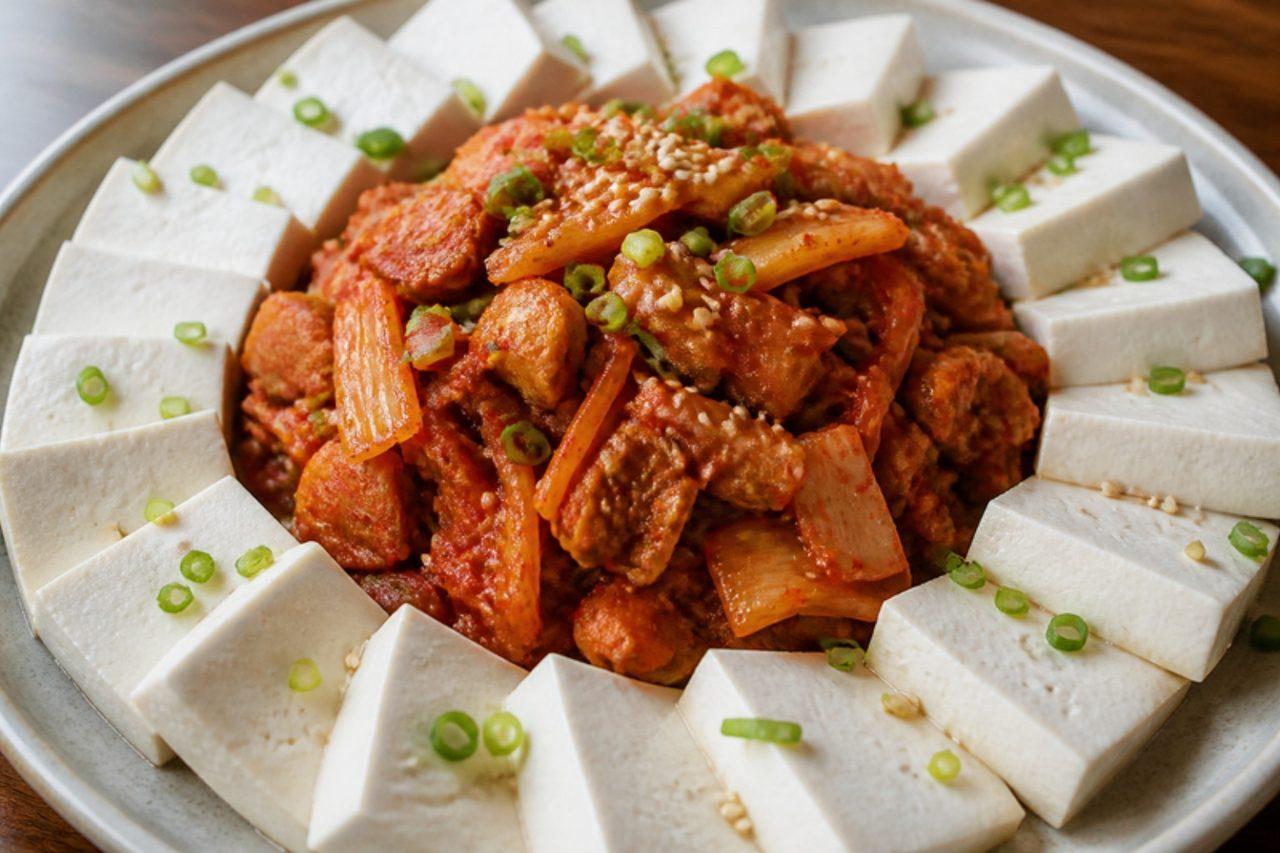
Dubu kimchiTofu with stir-fried pork kimchi

Dubu kimchi is a favourite at Seoul's tent bars and at home dinner tables across Korea: soft blocks of blanched tofu served beside sour, spicy kimchi that has been stir-fried with thin slices of pork until glossy. You pick up a slice of mild tofu with a little kimchi on top, so every bite is cool and hot at once. It's eaten as an evening dinner with rice, or as something to share with friends over drinks. The mistake is using freshly made kimchi; it stays crunchy and flat, while well-fermented, sour kimchi caramelises and turns deeply savoury. Chef's tip: add a spoonful of the kimchi juice at the end for extra tang.

15 minKoreanMeatSpicy
by KrazyBadal 0 views
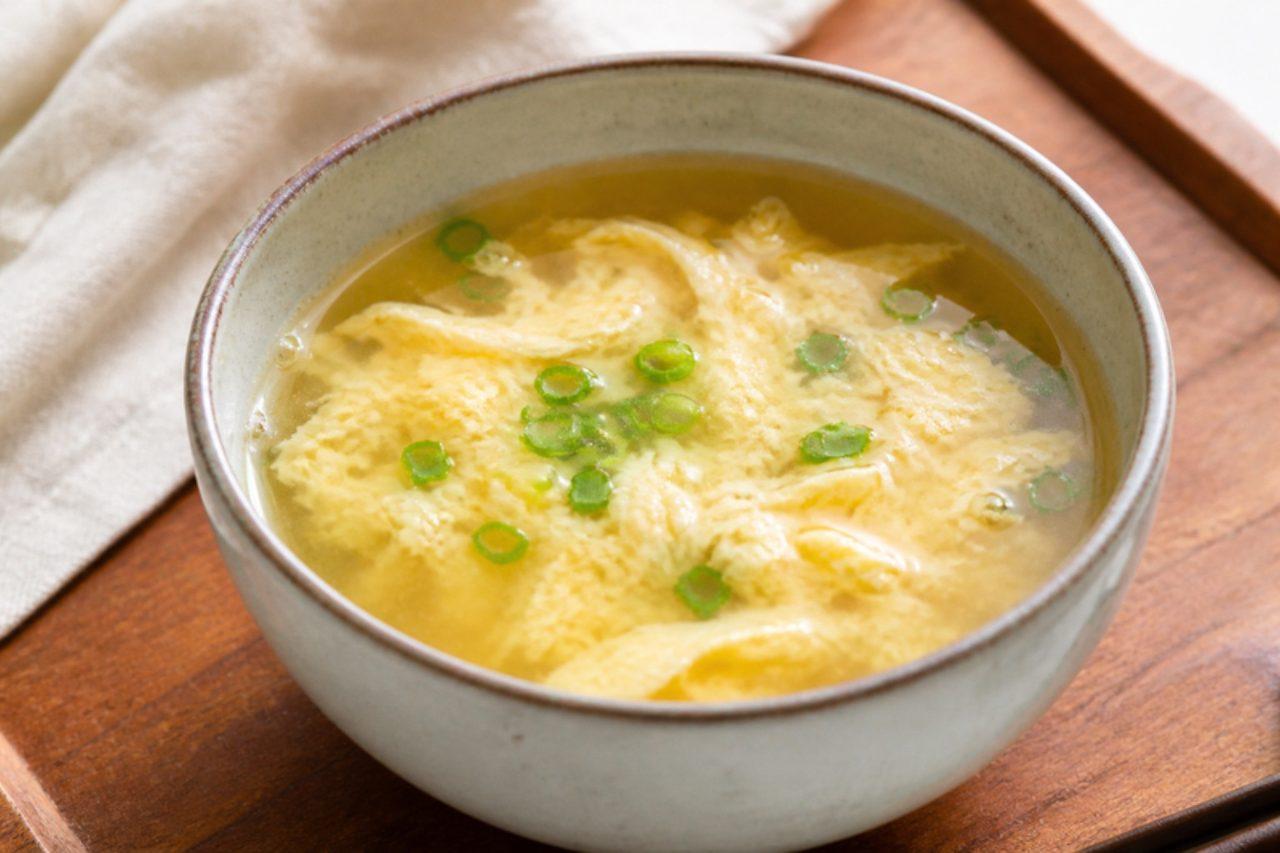
Gyeran gukEgg ribbon soup

Gyeran guk is the gentle soup Korean families make on a busy weeknight or for anyone feeling under the weather: soft ribbons of egg and spring onion drifting in a clear broth seasoned with soup soy sauce. Many homes use an anchovy stock; this one uses a quick kelp broth so it stays vegetarian. Serve it with rice and a couple of banchan. The common mistake is stirring the egg the moment it goes in, which clouds the soup into tiny grains; pour it in a thin stream and wait 20 seconds before giving one gentle stir. Chef's tip: take the kelp out just as the water starts to boil, because boiled kelp turns the broth slimy and bitter.

by KrazyBadal 0 views
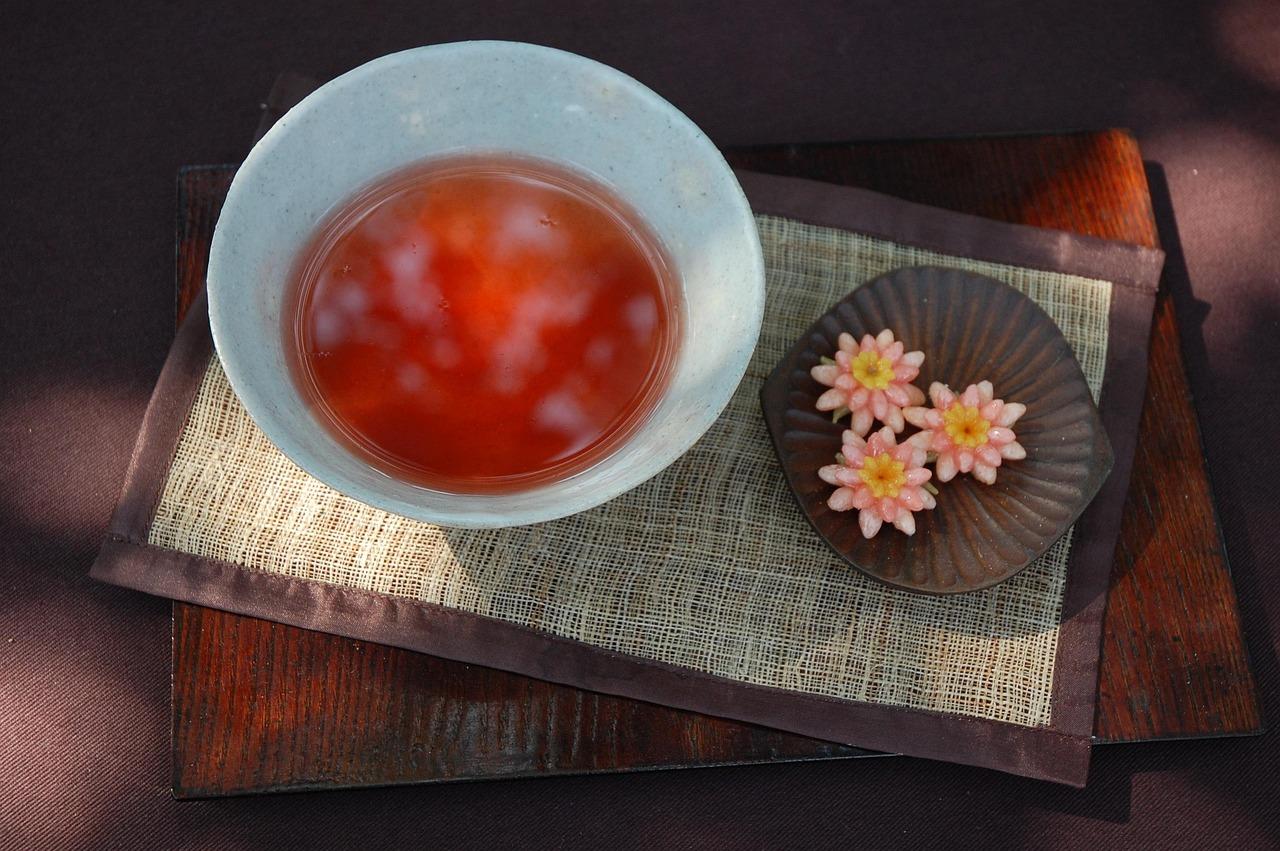
Omija hwachae (five-flavour berry punch)

Across Korea, Dano marks the start of the hot season, and a bowl of hwachae is the old way to cool down. Omija means 'five flavours': the dried schisandra berries are sour, sweet, salty, bitter and pungent at once, and steeping them gives a ruby-pink drink that is tart and bright, said to refresh the body against summer fatigue. Honey is the traditional sweetener; sugar syrup keeps this version vegan and entirely alcohol-free. Float thin pear flowers and a few pine nuts on top and serve it beside tteok or yakgwa. Chef's tip: steep the berries in cold water only, because hot water pulls out their bitterness and the colour turns murky.

by KrazyBadal 0 views
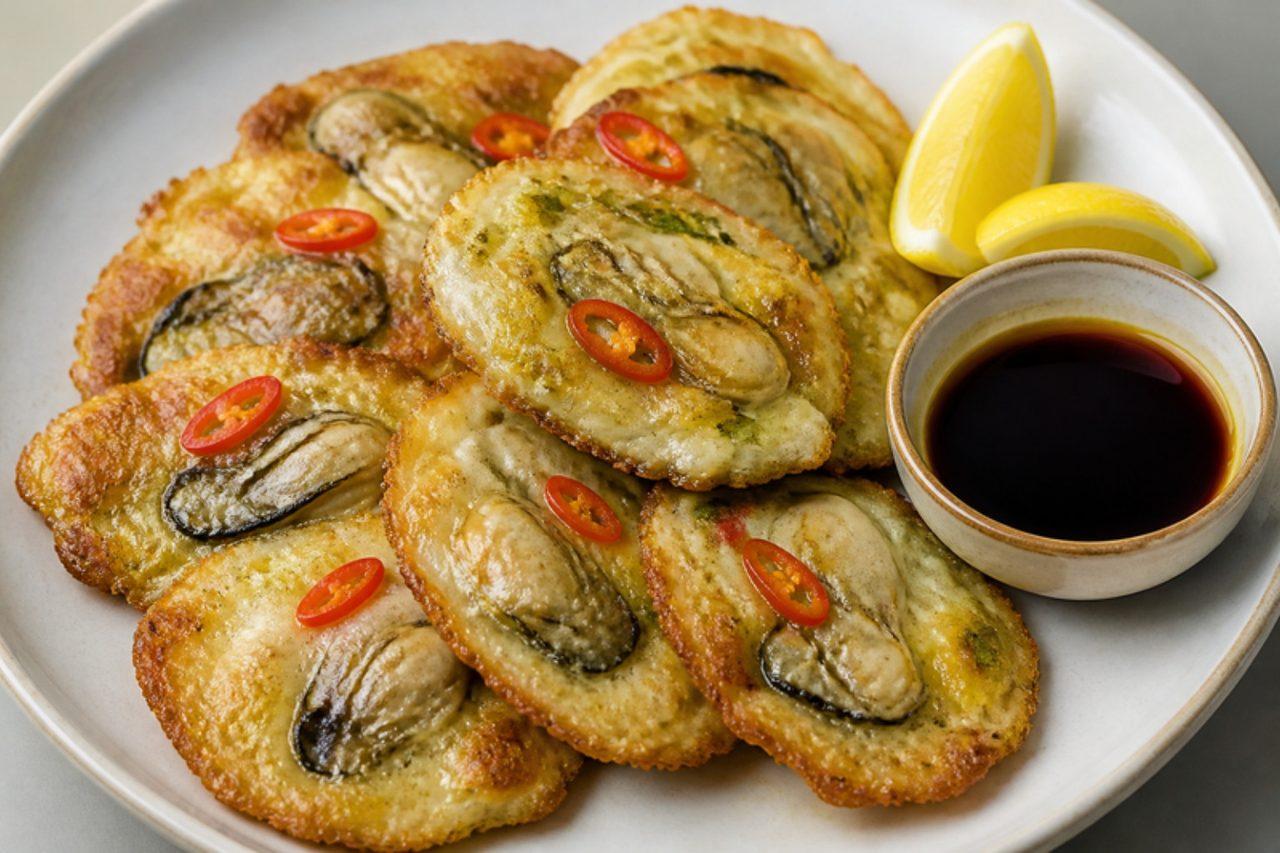
Gul jeon (oyster pancakes)

Oysters are at their sweetest in midwinter, just as Seollal arrives, and the farms around Tongyeong on Korea's south coast supply most of the country, so gul jeon are a treasured New Year treat. They are a quick, small luxury on a jeon platter that is otherwise mostly vegetables and pork, a taste of the sea brought to the family table for the new year. Each oyster is wrapped in a thin, tender egg coat, so the outside is golden and soft while the inside is briny, sweet and juicy. Use shucked fresh oysters from a tub or the fishmonger, and serve them hot with a soy-vinegar dip, a squeeze of lemon and steamed rice. Chef's tip: pat the oysters really dry, or the flour turns gluey and the oil spits.

20 minKoreanFish
by KrazyBadal 0 views
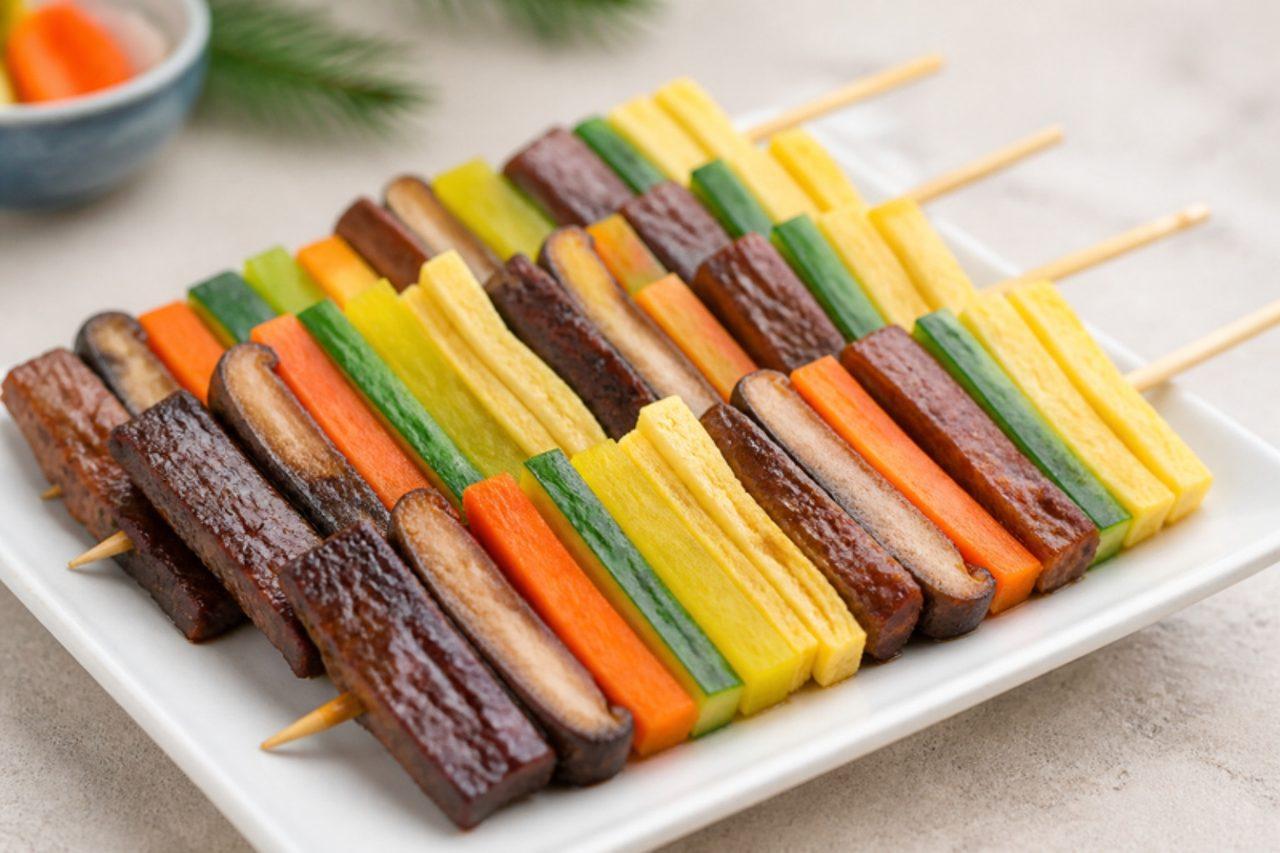
Hwayangjeok (colourful skewers)

Hwayangjeok, made across Korea for Chuseok and Seollal, means something like 'flower-bright skewers': strips of seasoned beef, shiitake, carrot, yellow pickled radish, cucumber and egg are cooked separately and threaded side by side, so each skewer shows the five traditional colours (obangsaek) that stand for balance and good fortune on the ancestral table. Every bite mixes savoury, sweet soy beef with crunchy, tangy radish and soft egg. They are served at room temperature as part of the holiday spread, with rice, soup and other jeon. Chef's tip: cut every ingredient to the same length and thickness before you start; that is what makes the stripes look sharp.

60 minKoreanMeat
by KrazyBadal 0 views
Torantang (taro soup)

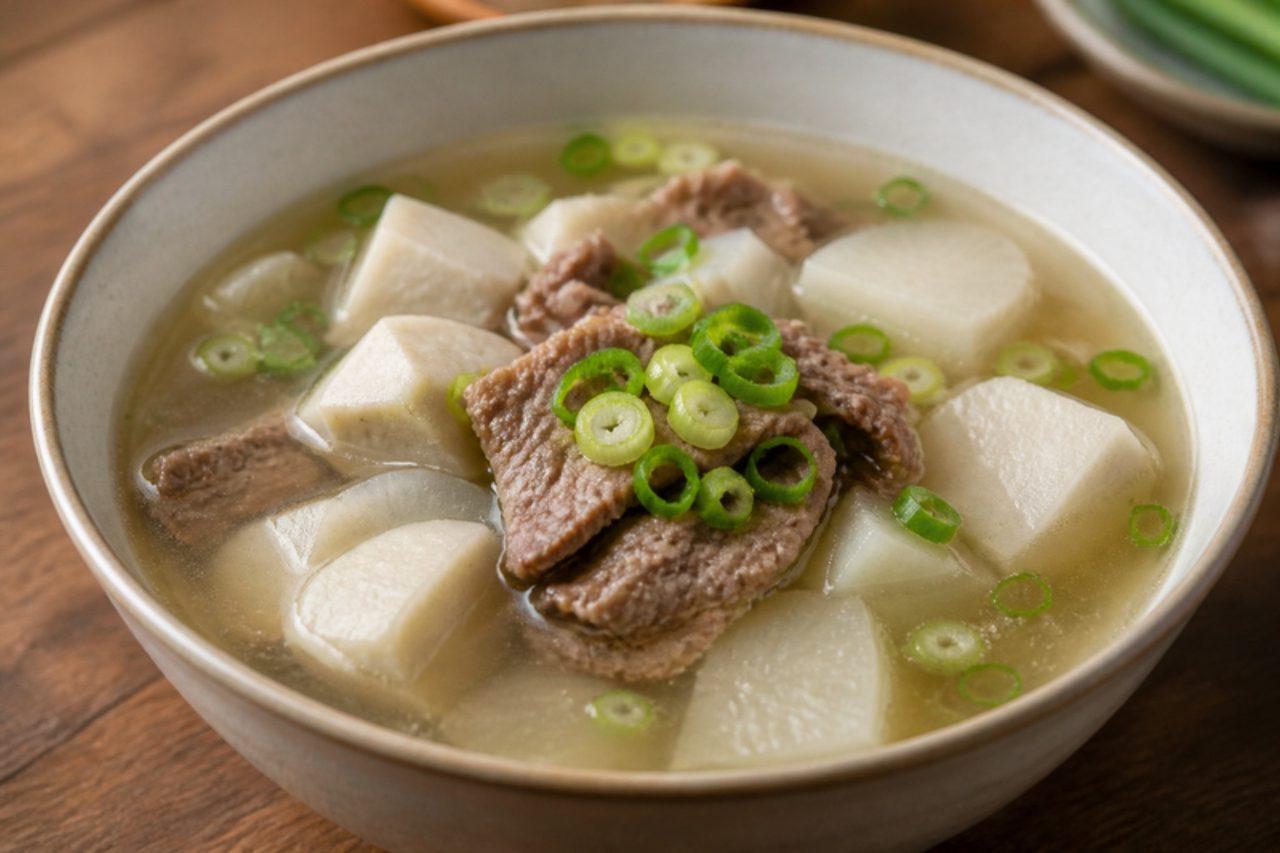
Torantang is the soup of Chuseok all over Korea: taro is dug up just as the harvest moon festival arrives, and its name, 'egg of the earth', makes it a natural thanks for the year's crops. Elders also say it settles the stomach after days of rich jeon and rice cakes. The broth is clean and gently beefy with a sea-sweet depth from kelp, and the taro turns silky and creamy, almost like a soft potato. Serve it piping hot with rice, kimchi and the holiday jeon. Chef's tip: wear gloves when peeling taro, which makes bare skin itch, and parboil it before it goes into the soup so the broth stays clear.

by KrazyBadal 0 views
Saeu jeon (shrimp pancakes)Prawn pancakes

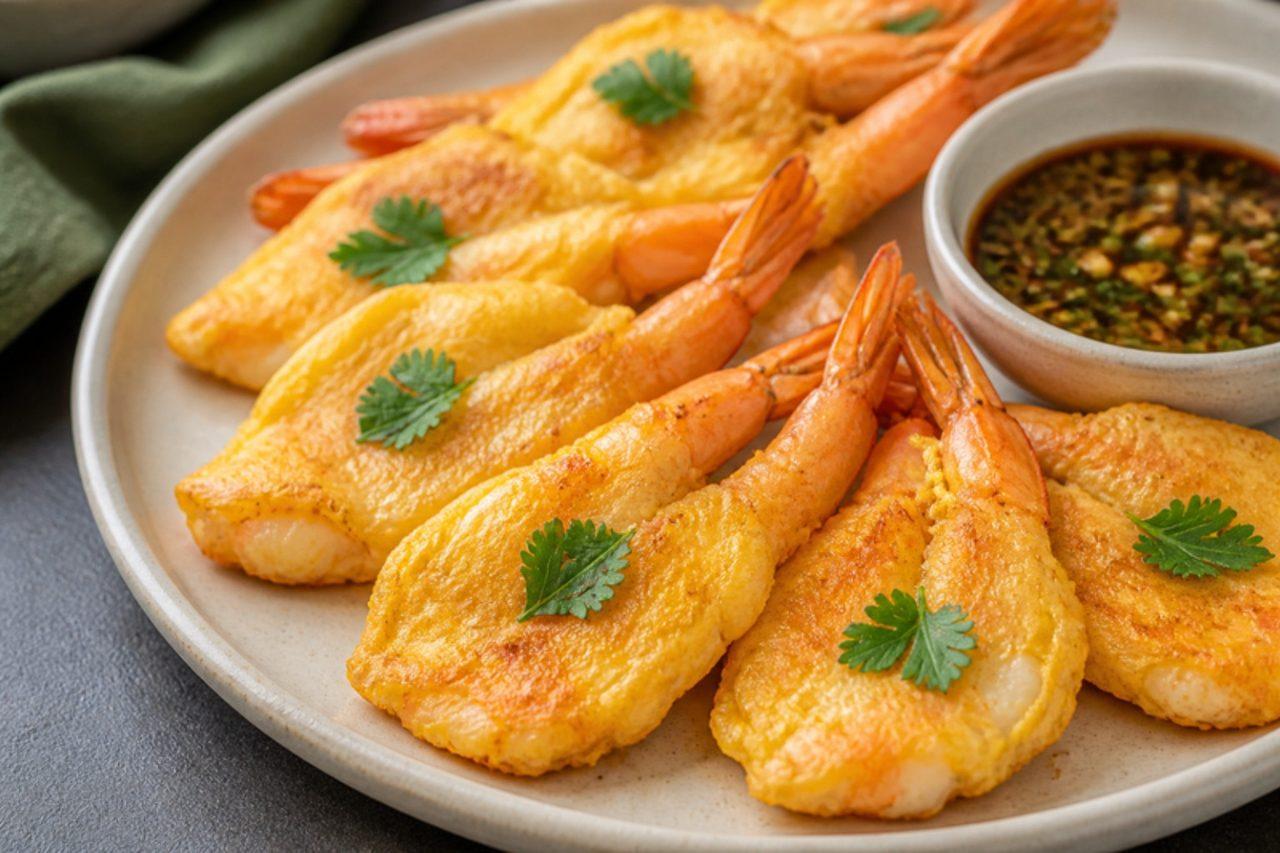
Saeu jeon are a celebratory addition to the jeon platter for Seollal and Chuseok in homes all over Korea; prawns, with their bent backs, have long stood for a wish to live until you are old and stooped. Butterflied and pressed flat, each prawn turns into a neat golden fan with a pink tail, sweet and tender inside a soft egg coat. Children love them, and they disappear faster than anything else on the table. Serve with a soy-vinegar dip, japchae and rice. Chef's tip: make a few shallow cuts across the inner belly before flattening; it stops the prawns curling up in the pan.

25 minKoreanFish
by KrazyBadal 0 views
Miyeok oi naenggukChilled seaweed and cucumber soup

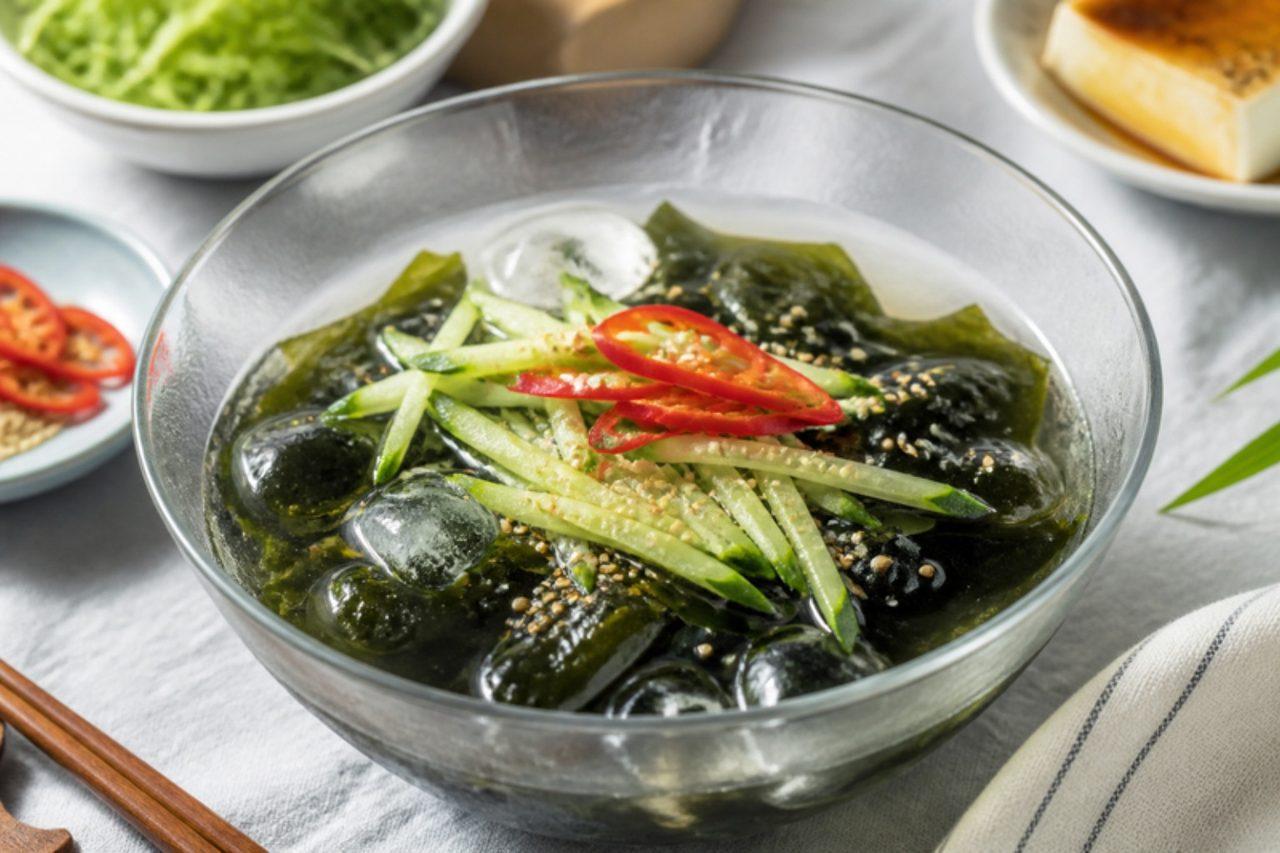
On the hottest days of a Korean summer, from Seoul apartments to farmhouses in Jeolla, this icy cold soup comes to the table with rice and spicy side dishes to cool everyone down. Soft wakame and crunchy cucumber float in a clear, tangy broth of vinegar, a little sugar and soup soy sauce, often with ice cubes bobbing on top. It is very light, with about 2 g of protein per portion, so serve it beside tofu or egg dishes. The common mistake is leaving the dried wakame to soak too long: it swells hugely and turns mushy. Ten minutes is enough. Chef's tip: season the broth slightly stronger than tastes right, because the ice you add at the end will dilute it.

by KrazyBadal 0 views
Gaji naenggukChilled aubergine soup

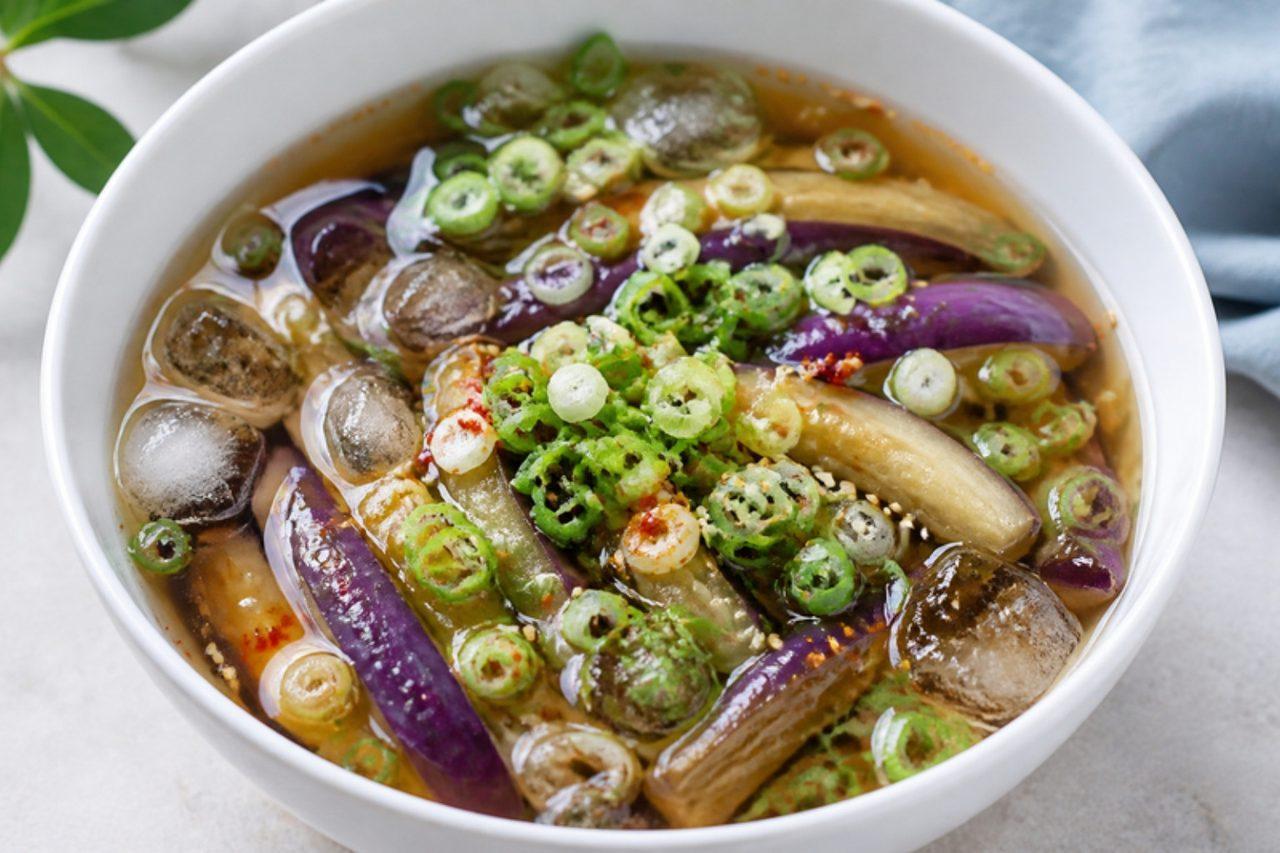
Gaji naengguk is a midsummer cold soup from Korean home kitchens, made in July and August when aubergines are cheap and nobody wants anything hot. The aubergine is steamed until silky, torn into strips and seasoned with garlic and soy, then dropped into an ice-cold, tangy broth. It tastes clean and refreshing, with a soft, almost slippery texture. Each bowl has only about 2 g of protein, so pair it with tofu or bean dishes. The usual mistake is cutting the aubergine with a knife after steaming: torn strips soak up the seasoning far better. Chef's tip: let the steamed aubergine cool completely before mixing it with the broth, or it warms the soup and loses its bite.

by KrazyBadal 0 views

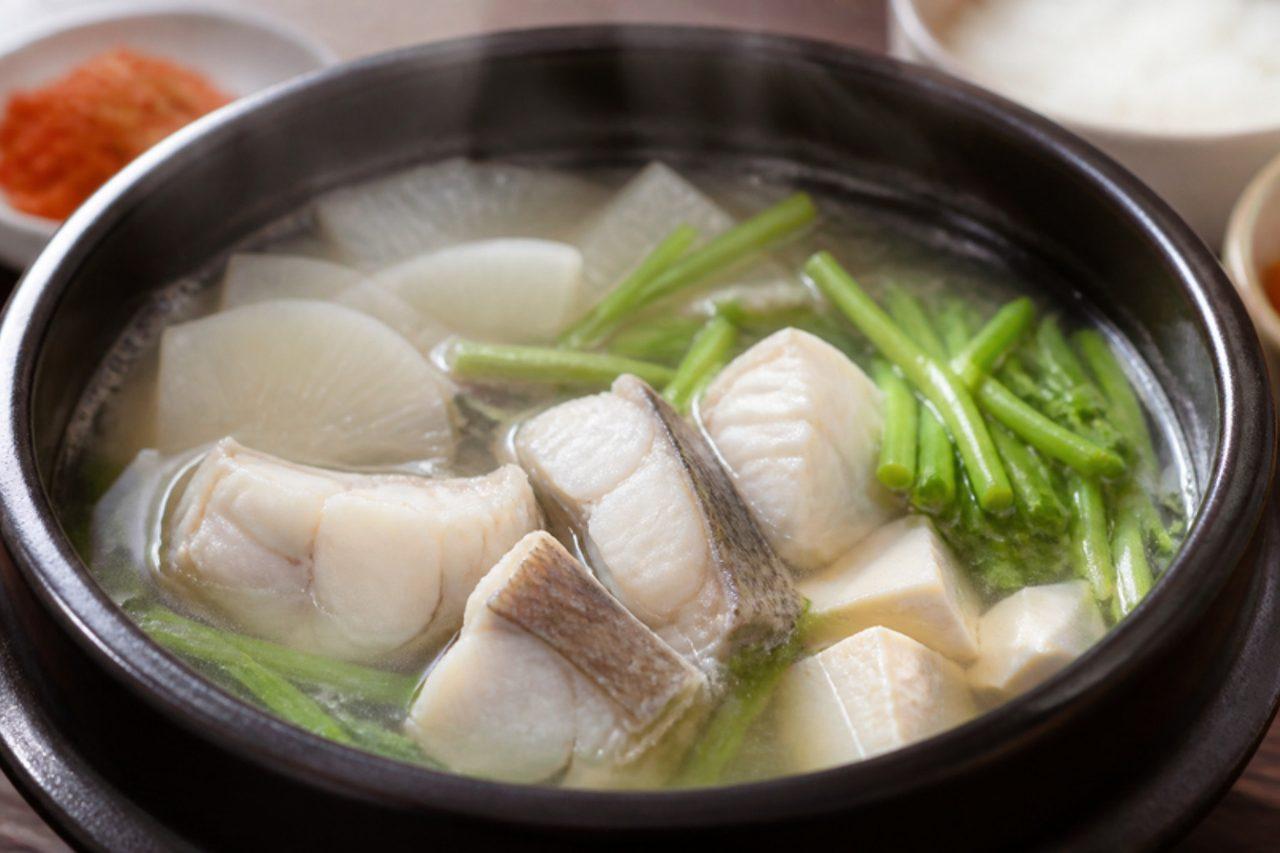
Daegu jiriClear cod soup

In Busan and the fishing towns along Korea's south coast, daegu jiri is the clear, unspicy cod soup that people order in winter, and famously the morning after a long night out. Chunks of cod simmer in an anchovy and kelp broth with soft radish, tofu and garlic, then a big handful of minari (water dropwort) goes in at the end for a fresh, peppery lift. It tastes clean and gently savoury, with about 32 g of protein a bowl from the cod and tofu. The common mistake is stirring after the fish goes in, which breaks it into shreds; just shake the pot. Chef's tip: let the radish simmer in the broth first until it turns translucent, because it gives the soup its sweetness.

by KrazyBadal 0 views

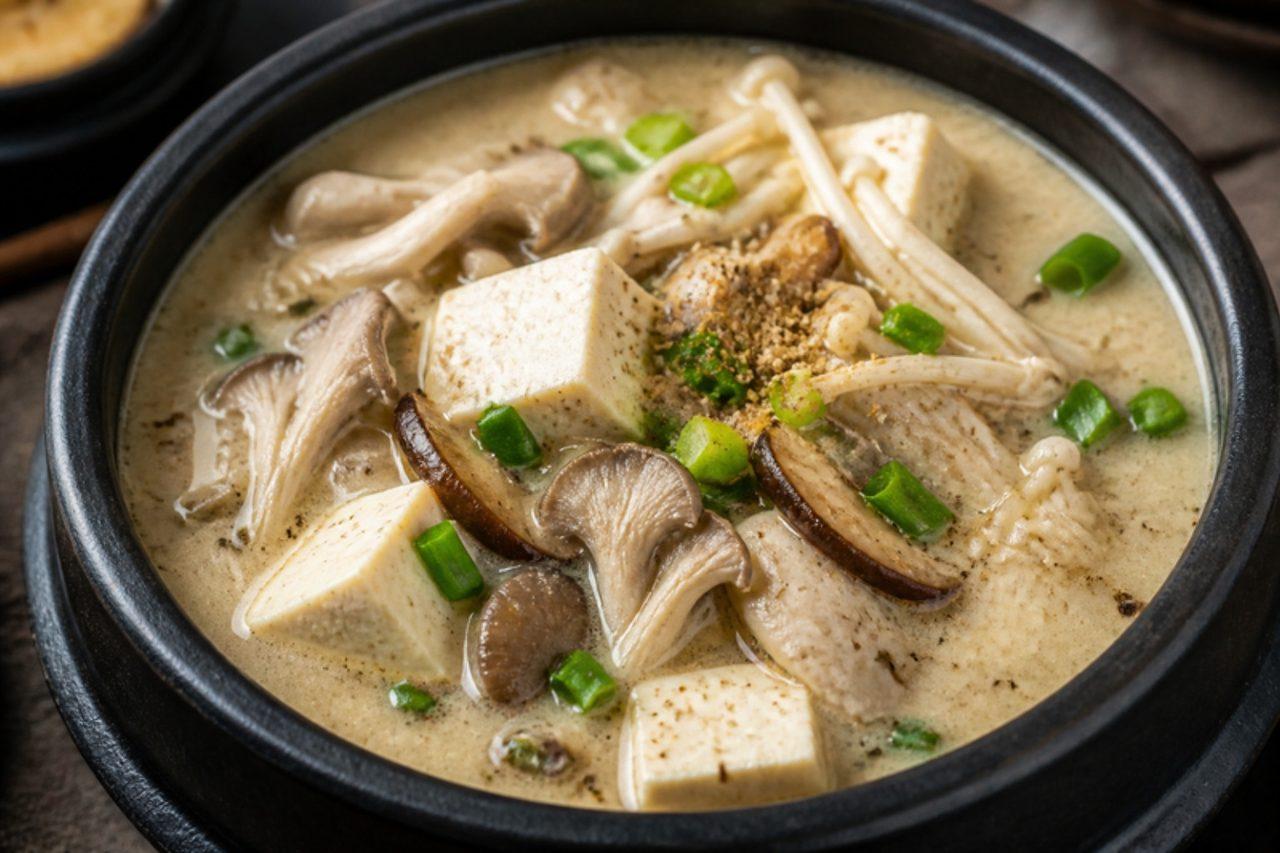
Beoseot deulkkae tangMushroom and perilla seed soup

This creamy, nutty soup is cooked in Korean homes and temple-style restaurants all through autumn and winter, when the first wild mushrooms arrive and people want something warming and gentle. Ground perilla seeds and a spoon of glutinous rice flour turn a plain broth thick and pale, with mixed mushrooms and soft tofu simmered through it. With the perilla and a block of firm tofu, a bowl gives about 24 g of protein, making it a proper main course with rice. The most common mistake is adding the perilla powder too early and boiling it hard, which makes the soup gritty and bitter; stir it in near the end. Chef's tip: buy perilla seed powder that has been skinned (it is paler), for the smoothest, creamiest soup.

by KrazyBadal 0 views

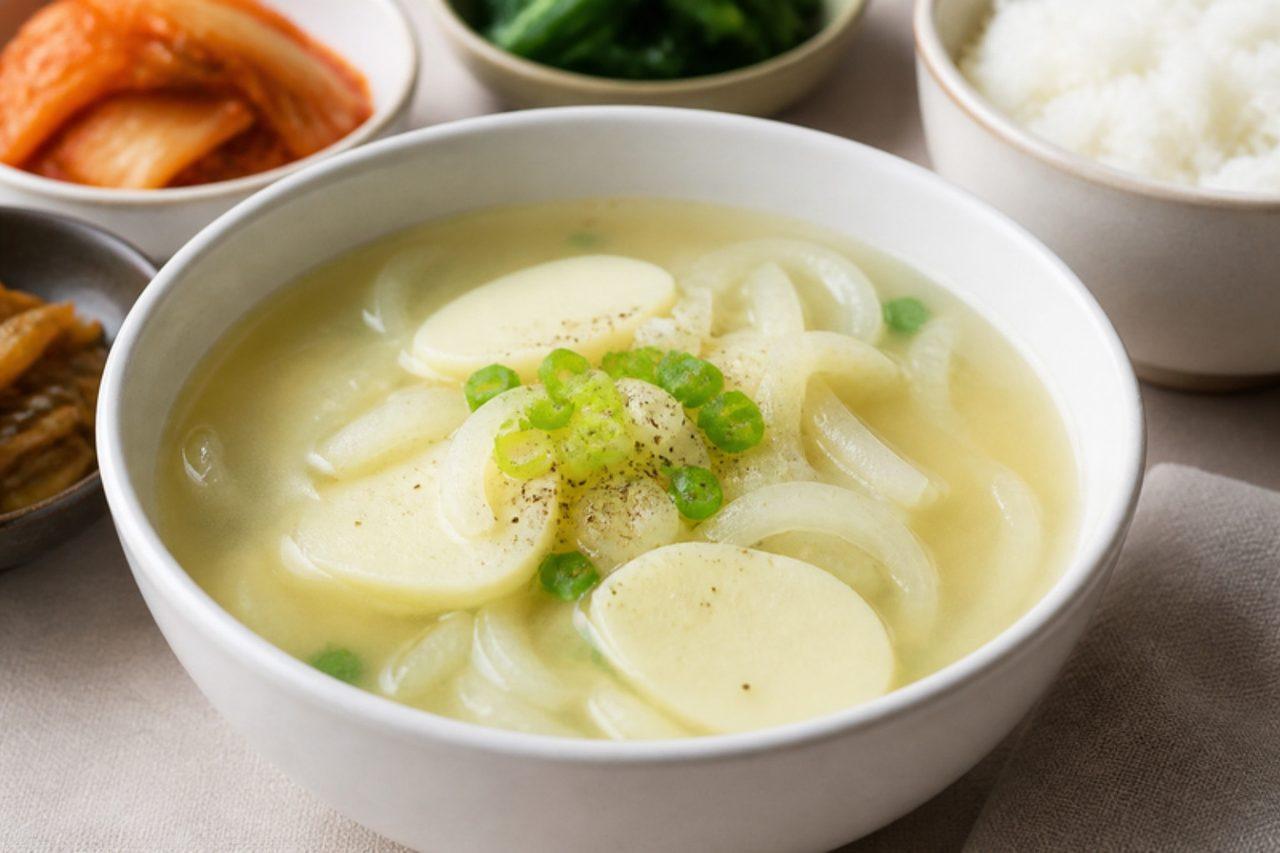
Gamja gukPotato and onion soup

Gamja guk is the plain, comforting potato soup that Korean mothers make on busy mornings and quiet evenings all year round, served with rice and kimchi. Thin slices of potato and onion simmer in a clear broth until soft, finished with spring onion and a little garlic. Most homes use an anchovy and kelp stock; this is the vegetarian version, with kelp and dried shiitake. It is mild and soothing, with about 4 g of protein per bowl; crack an egg into the pot at the end, or serve tofu alongside, for more. The common mistake is cutting the potatoes too thick, so the outside crumbles before the middle is cooked; slice them evenly, about 5 mm. Chef's tip: soak the sliced potato in cold water for 5 minutes to rinse away surface starch and keep the broth clear.

by KrazyBadal 0 views

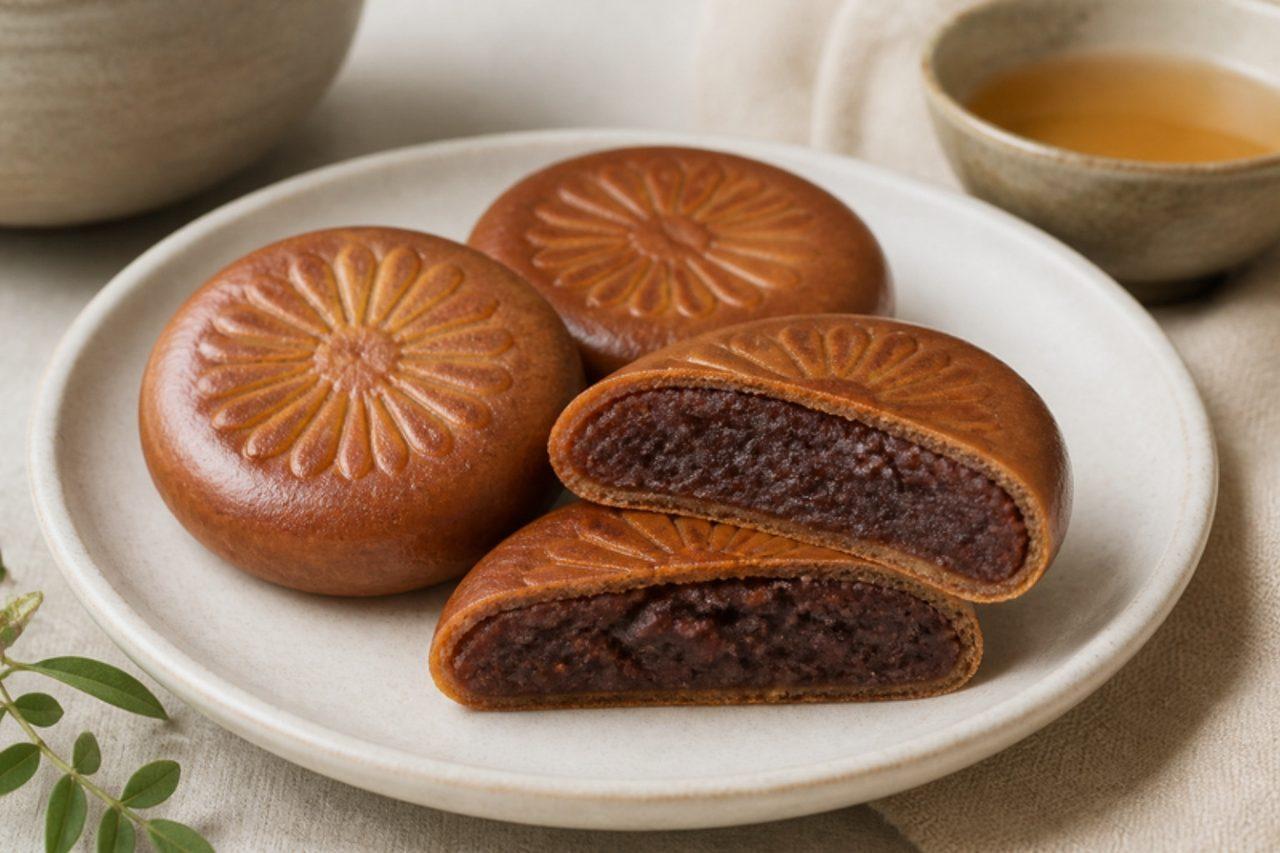
Gyeongju breadRed bean pastries

Near the grassy royal tombs of Gyeongju, the ancient Silla capital, a baker in Hwangnam-dong began making these small round pastries in 1939, and the city's shops have sold them by the boxful ever since. Gyeongju bread (황남빵, also called Gyeongju-ppang) is mostly filling: a generous ball of coarse red bean paste in a skin so thin it looks painted on, stamped with a flower pattern and glazed until shiny brown. It tastes gently sweet and nutty, soft and moist rather than bready, and it is the souvenir every visitor carries home, eaten with barley tea or green tea. The usual mistake is a dough shell that is too thick, which bakes into a cookie and hides the bean flavour; aim for roughly one part dough to two and a half parts filling. Chef's tip: press the pattern in with a small cookie stamp or the back of a citrus press dipped in flour, while the buns are cold and firm, so the design stays sharp.

by KrazyBadal 0 views

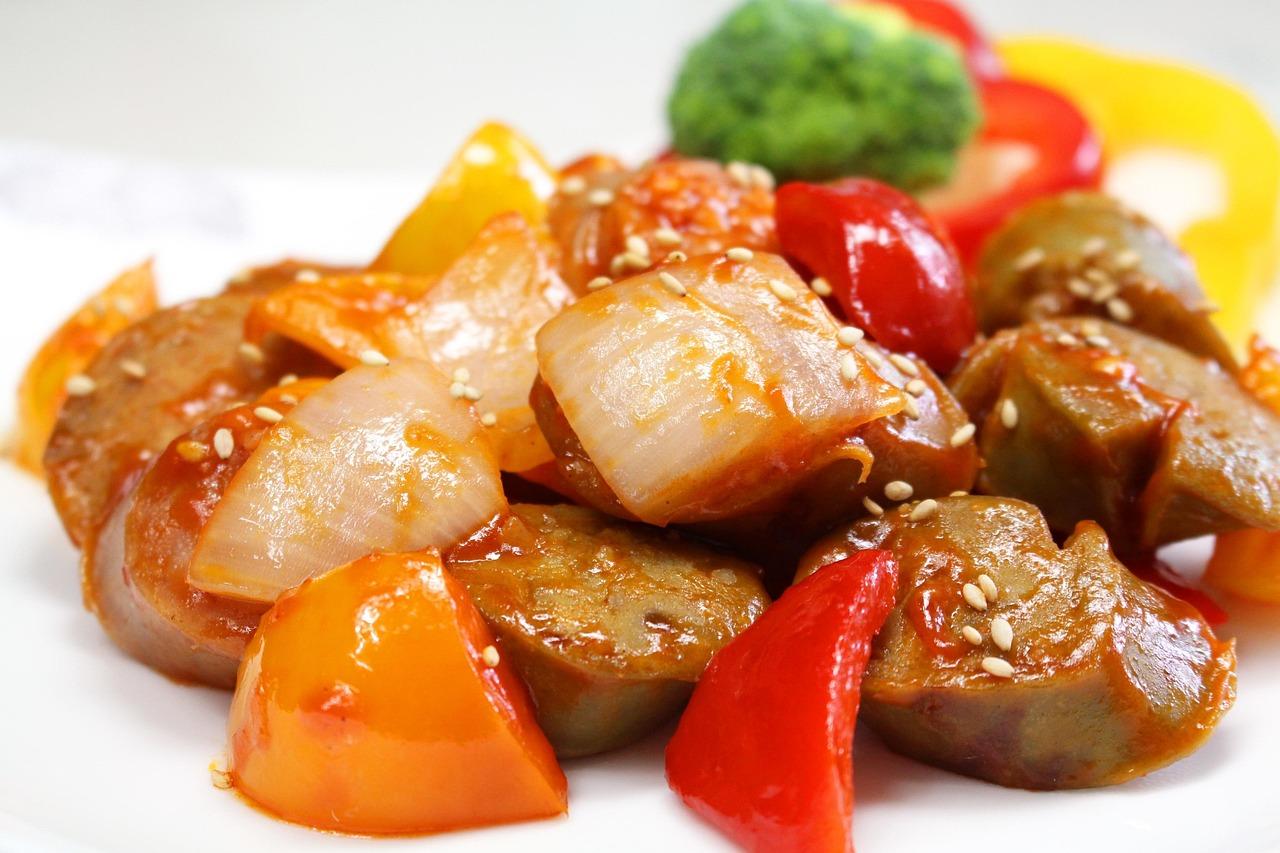
Soya bokkeum (sausage and vegetable stir-fry)

The name joins 'sausage' and 'vegetables' (yachae), and soya bokkeum is a staple banchan in Korean children's lunchboxes and on cheap and cheerful dinner tables: scored sausages and colourful peppers stir-fried in a glossy ketchup and soy glaze. It is sweet, a little tangy and tastes as good cold as hot. Adults often add a spoonful of gochujang. It contains soya and wheat (soy sauce) and sesame; check your sausages for milk. Chef's tip: score the sausages diagonally; the cuts open up in the pan and catch the sauce.

15 minKoreanMeat
by KrazyBadal 0 views

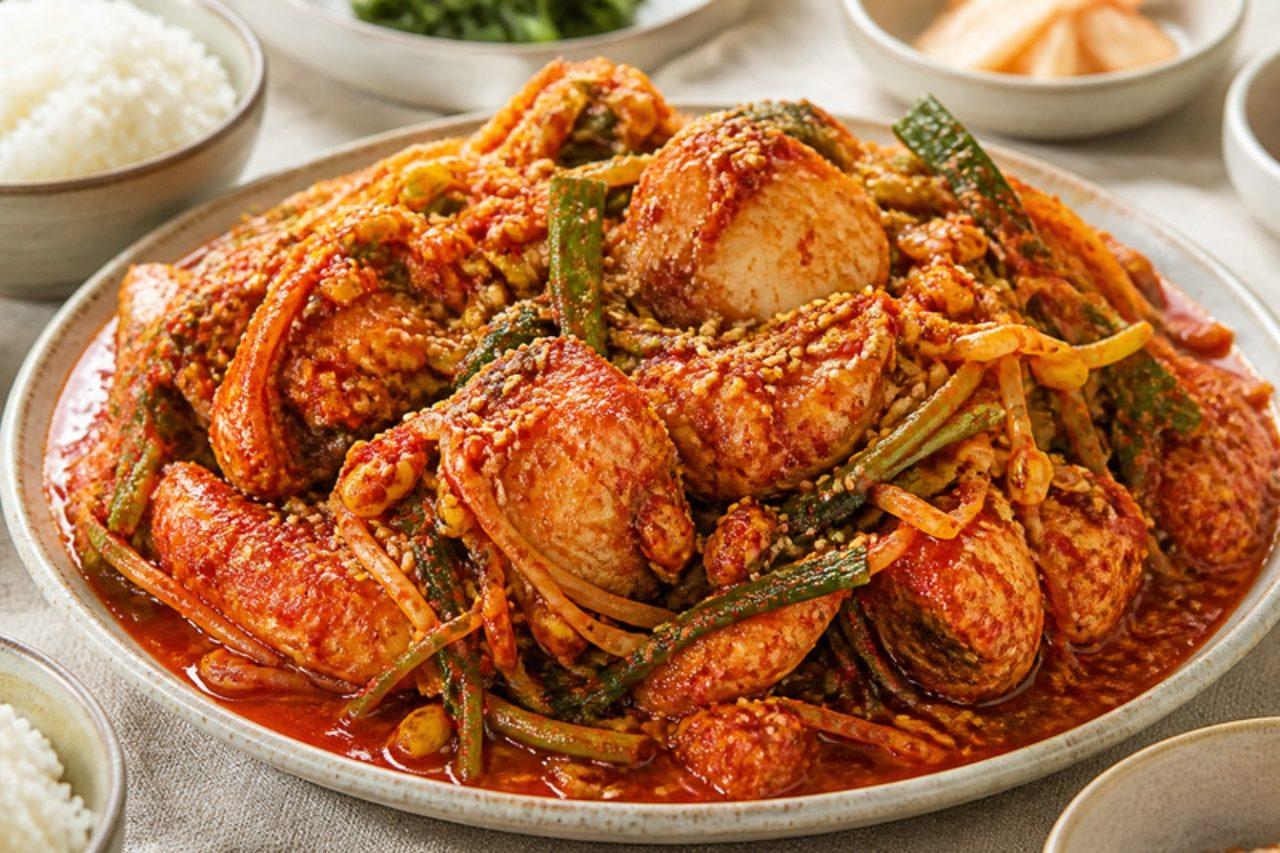
AgujjimSpicy steamed monkfish

Agu-jjim was invented in the 1960s in the port of Masan in South Gyeongsang, where fishermen's taverns started braising the ugly monkfish they used to throw back, and Masan's "agu-jjim street" is still full of restaurants serving it on huge platters to share. Chunks of firm monkfish are cooked with a mountain of crunchy soybean sprouts and minari in a fiery gochugaru sauce, thickened with starch until glossy. It is spicy, juicy and low in fat. A portion is about 240 kcal. The common mistake is cooking the bean sprouts too long; they should stay crisp, so add them only for the last few minutes. Chef's tip: steam the monkfish before saucing; it releases a lot of water, which you pour off so the sauce stays thick and red.

45 minKoreanFishSpicy
by KrazyBadal 0 views

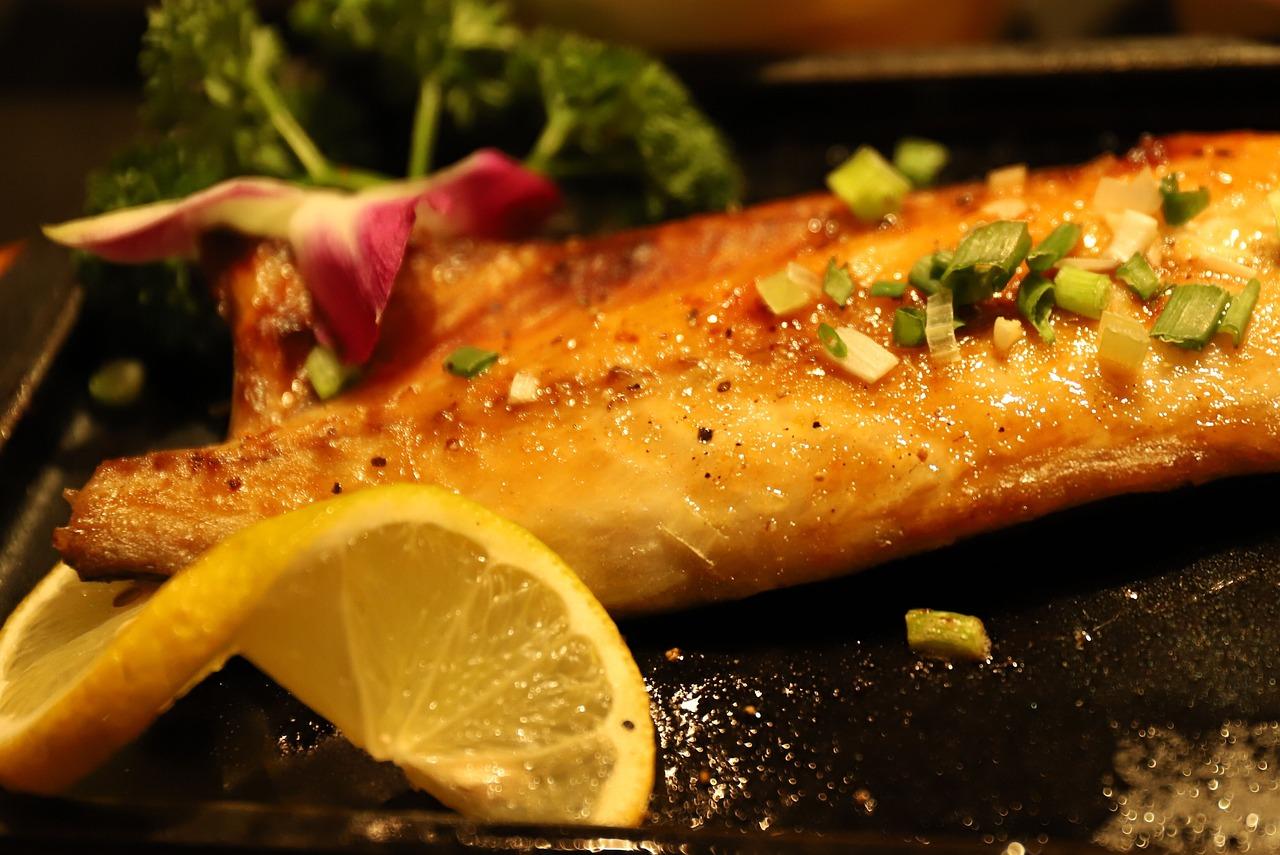
Godeungeo guiGrilled mackerel

Andong, far inland, is oddly famous for its mackerel: the fish was salted on the coast and carried over the mountains, arriving perfectly seasoned, and Andong gangodeungeo is still sold that way. Across Korea, a salted mackerel fillet pan-grilled until the skin crackles is a staple of home dinners and set-meal restaurants, served with rice, doenjang soup and kimchi. Mackerel is an oily fish, so this is filling rather than low calorie: about 340 kcal a portion. The most common mistake is moving the fish too soon; leave it skin side down until the skin releases on its own, or it tears and sticks. Chef's tip: dust the skin very lightly with flour or starch before grilling, or simply pat it bone-dry; you'll get a crisp, glassy skin.

22 minKoreanFishGluten free
by KrazyBadal 0 views

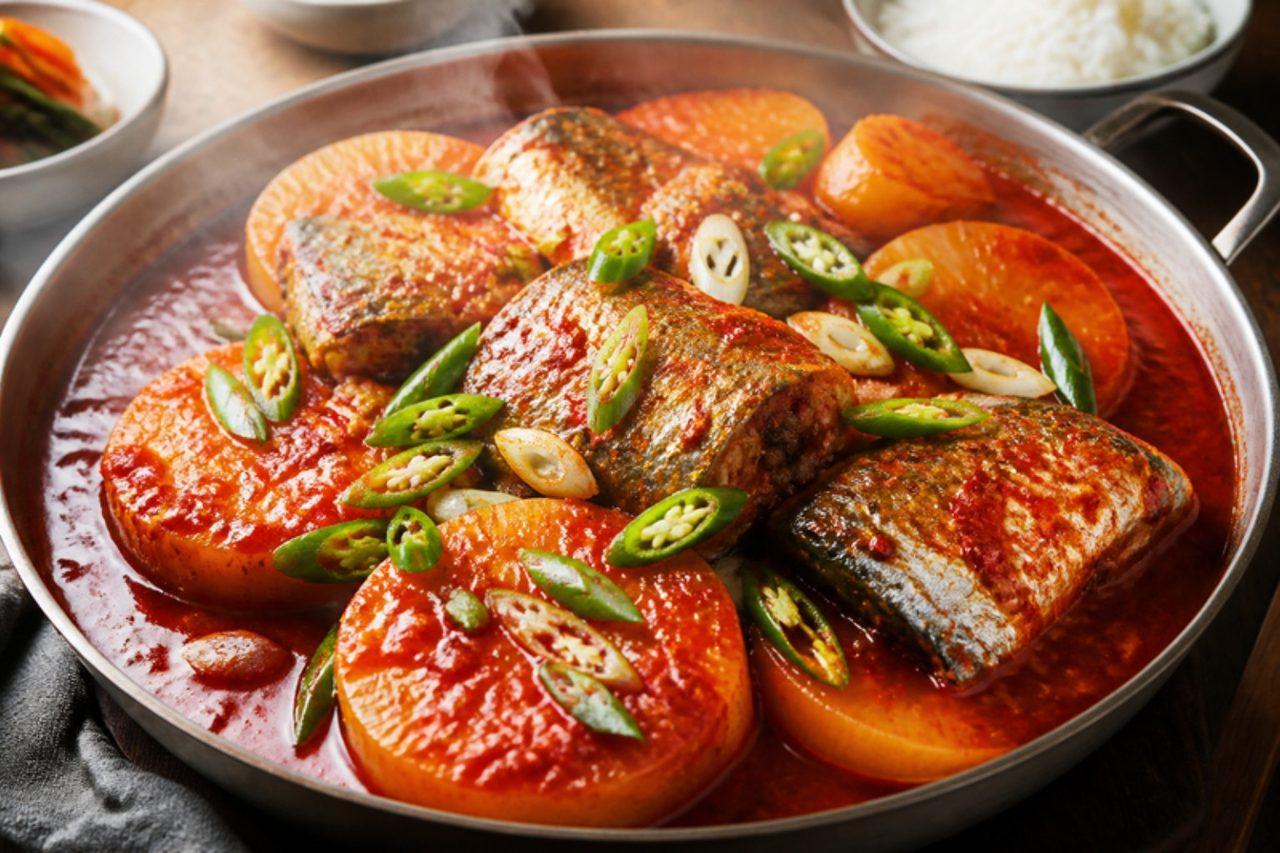
Galchi jorimBraised hairtail with radish

On Jeju island, the silvery hairtail caught on long lines at night by boats off Seogwipo is the pride of the local restaurants, and galchi-jorim is how islanders eat it most: pieces of the long, thin fish braised over thick slices of radish and potato in a bright red sauce of gochugaru, soy and garlic until the radish soaks up all the flavour. It is spicy, sweet and savoury and eaten with lots of rice. A portion is about 260 kcal. Hairtail has a soft, fine flesh and fine bones that lift away when cooked. The common mistake is stirring the pot, which breaks the delicate fish; spoon the sauce over instead. Chef's tip: put the radish on the bottom of the pan and the fish on top; the radish protects the fish from the heat and drinks up the sauce.

40 minKoreanFishSpicy
by KrazyBadal 0 views

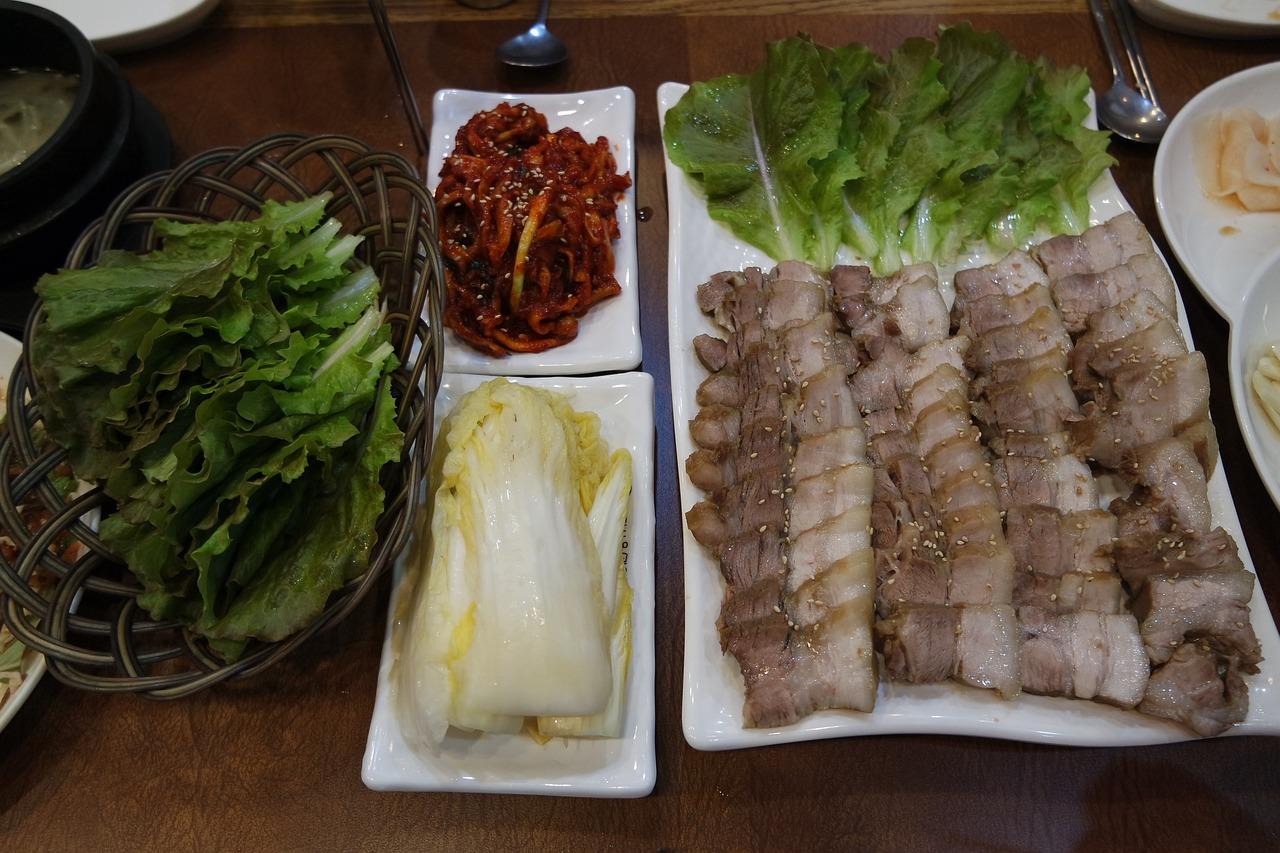
BossamBoiled pork wraps

Bossam started as the dish Korean families made on kimjang day in November, when the whole street gathered to make the winter's kimchi: a slab of pork belly was boiled while everyone worked, sliced and wrapped in the salted cabbage leaves with the fresh, spicy radish filling. Today Seoul's bossam restaurants around Jangchung-dong serve it all year, and it is a favourite takeaway. This is a pork dish, and pork belly is rich, so it is not a low-calorie choice: about 450 kcal a portion. Boiling the pork in water with doenjang, onion, garlic and ginger renders out much of the fat and leaves it tender with no smell. The most common mistake is slicing it hot; rest it for 10 minutes or it falls apart. Chef's tip: let the pork cool in the broth for 10 minutes before lifting it out; it stays much juicier.

90 minKoreanMeat
by KrazyBadal 0 views

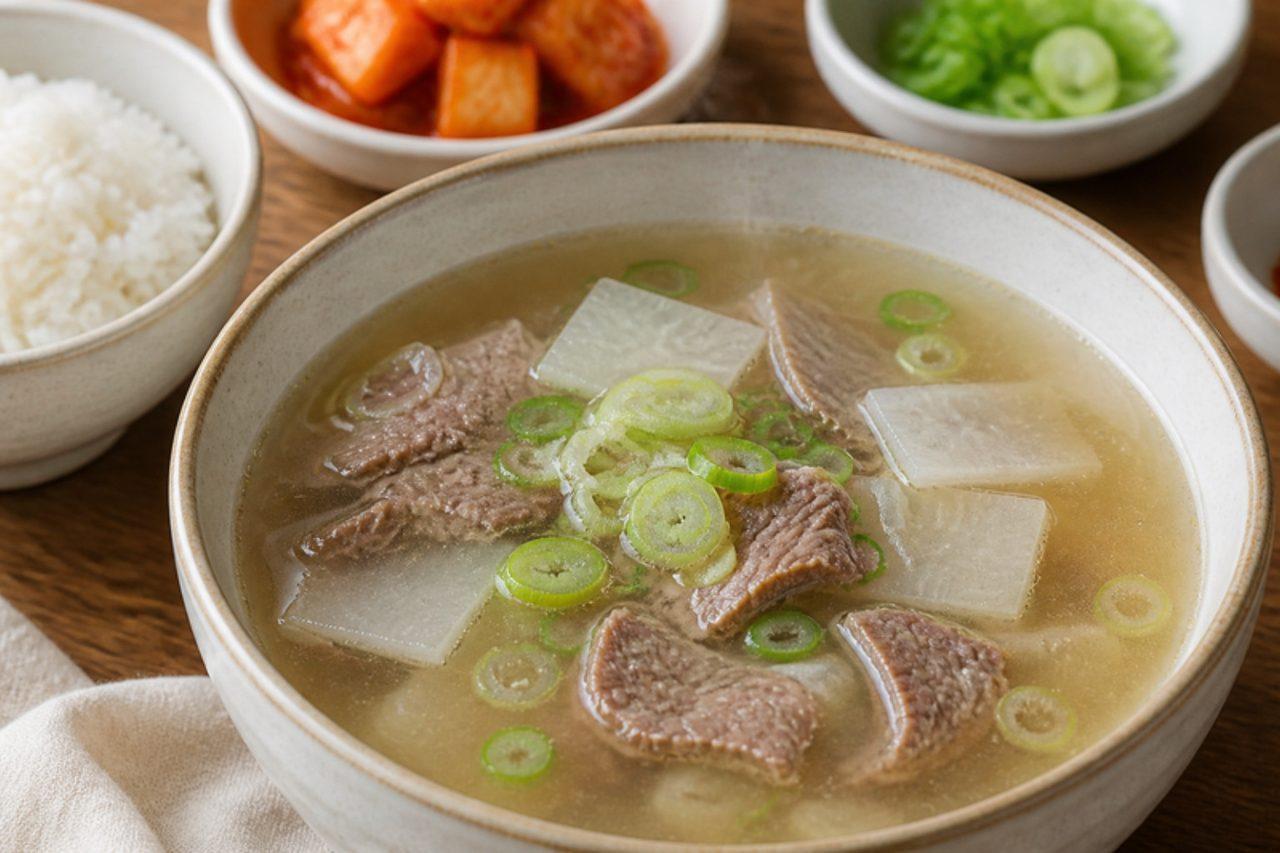
Sogogi mugukBeef and radish soup

Sogogi muguk is the soup of ordinary Korean mornings and of the ancestral memorial table in Gyeongsang homes, where a clear version is offered on rites days: thin slices of beef brisket or round sautéed in sesame oil with squares of Korean radish, then simmered in water until the radish turns translucent and the broth sweet and beefy. It is seasoned only with soup soy sauce, garlic and salt and eaten with rice and kimchi. A bowl is about 160 kcal. The common mistake is skipping the sauté: frying the beef and radish together in sesame oil first is what makes the broth rich without hours of simmering. Chef's tip: cut the radish into thin, flat squares, not chunks; they cook quickly and release their sweetness into the soup.

by KrazyBadal 0 views

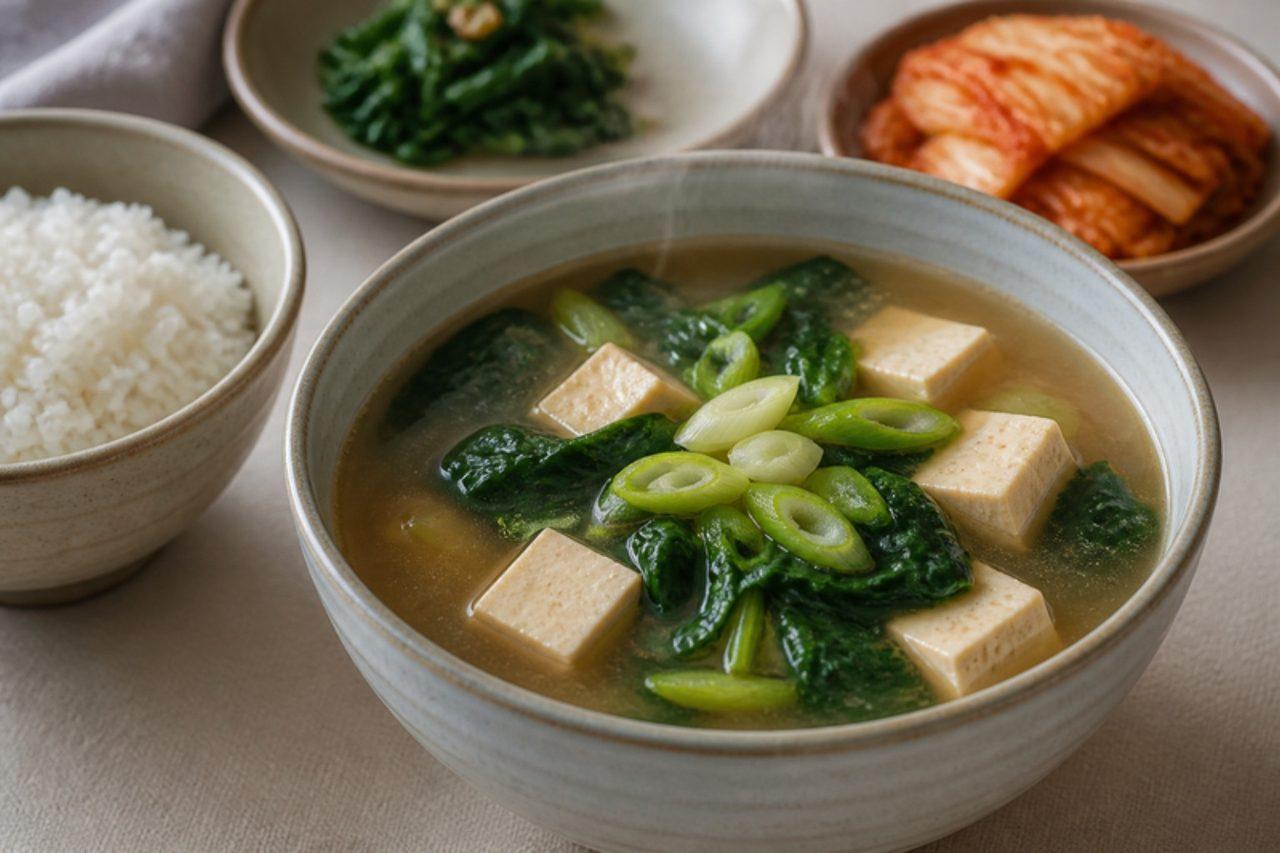
Sigeumchi doenjang gukSpinach soybean paste soup

Spinach doenjang-guk is one of the soups that appears most often on Korean breakfast and dinner tables in winter, when the short, sweet Pohang spinach called pohang-cho arrives from the east coast: a clear, savoury broth of fermented soybean paste with spinach, tofu and spring onion, eaten with rice and kimchi. It is usually made with anchovy stock; this version uses kelp and dried shiitake, so it is vegetarian. A bowl is about 60 kcal. The common mistake is boiling the doenjang hard for a long time, which makes it bitter and dulls its fragrance; dissolve it in, then simmer gently. Chef's tip: push the doenjang through a small sieve into the pot; it dissolves without lumps and leaves the husky bits behind.

by KrazyBadal 0 views

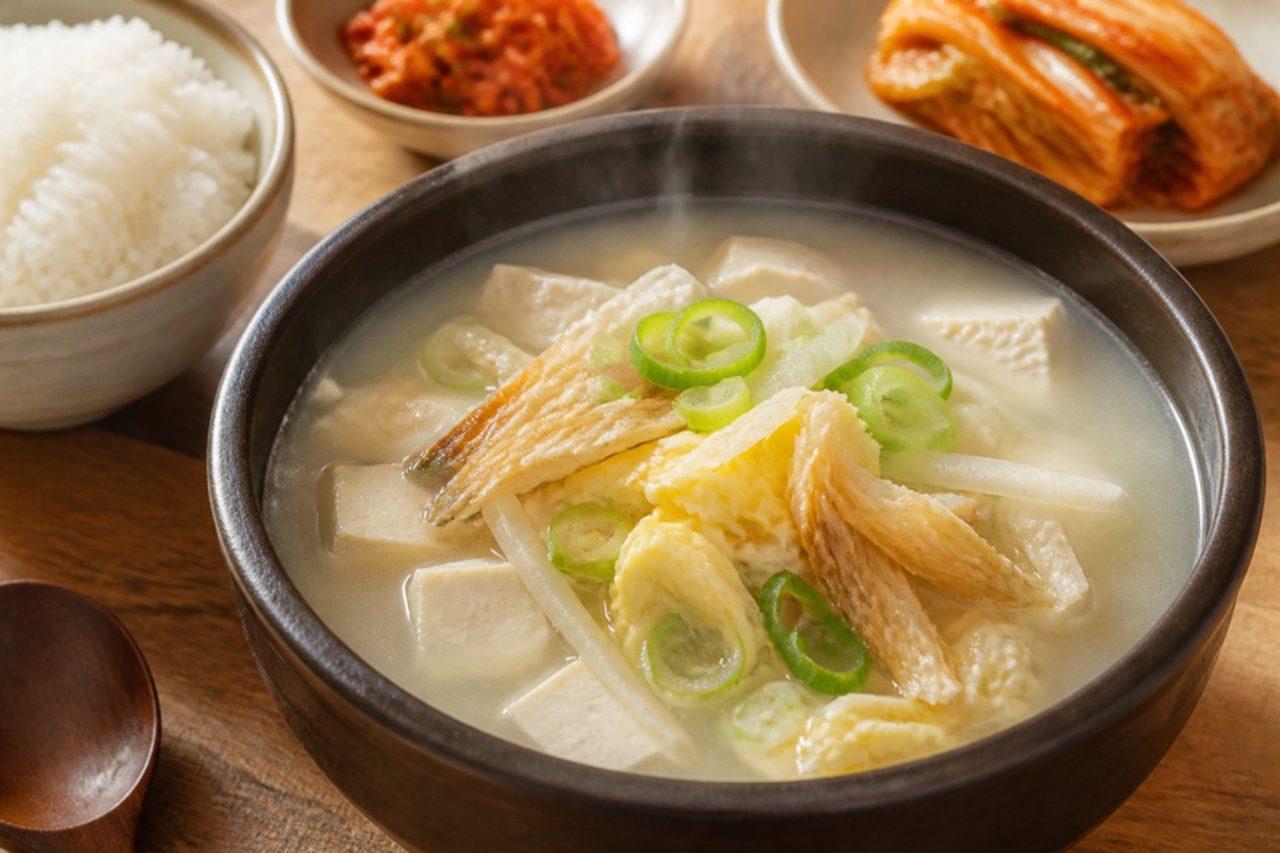
Bugeo gukDried pollack soup

In Seoul, little restaurants near Mugyo-dong have served bugeo-guk since dawn for decades to office workers recovering from the night before, and at home it is the light, fortifying soup for any cold morning: shreds of air-dried Alaska pollack fried briefly in sesame oil, then simmered with radish and tofu into a milky, savoury broth, with beaten egg swirled in at the end. It is clean and comforting. Fish and egg are the allergens. A bowl is about 130 kcal. The most common mistake is using the dried shreds straight from the bag; soak and squeeze them first, or they stay tough and the soup is salty. Chef's tip: fry the pollack in sesame oil until it smells toasty before adding water; it is what turns the broth white and rich.

by KrazyBadal 0 views

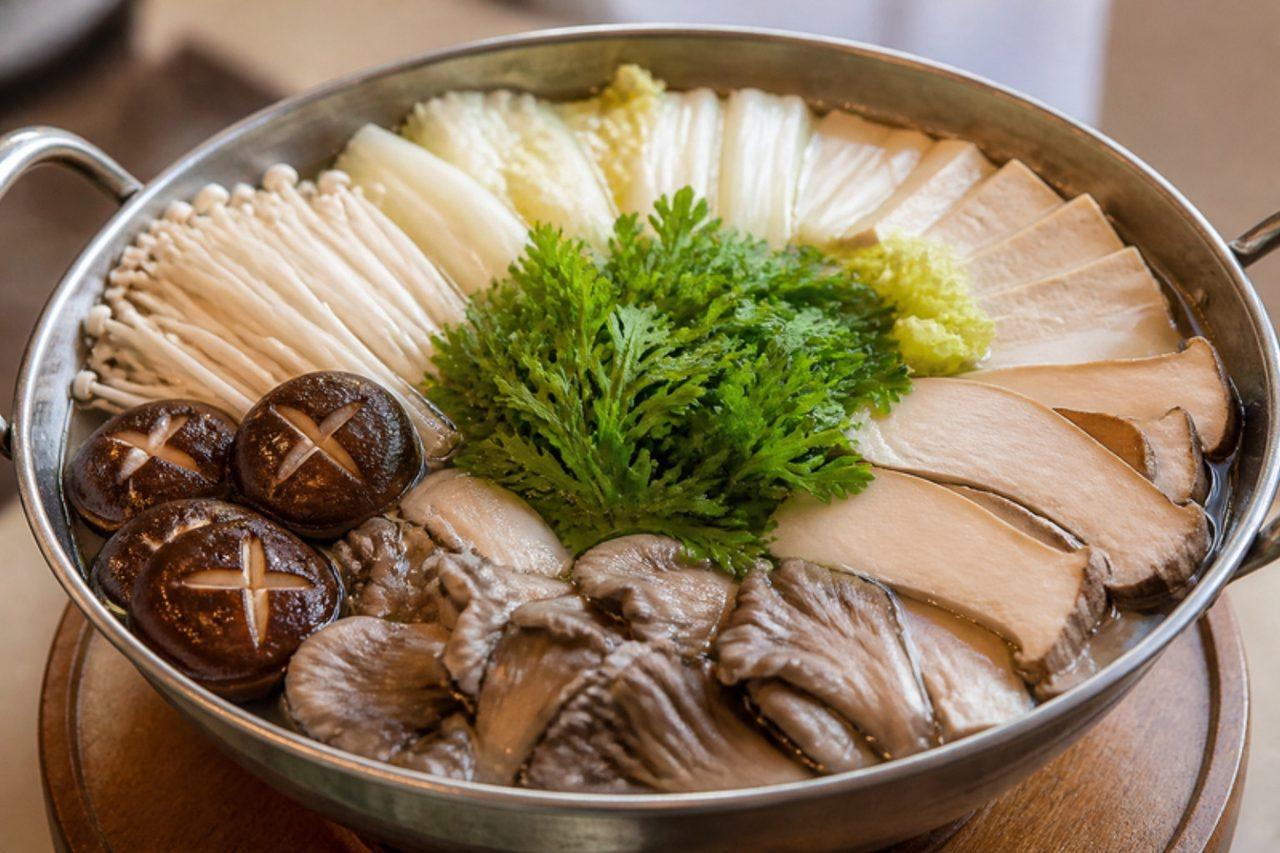
Beoseot jeongolMushroom hot pot

Beoseot jeongol is the mushroom hot pot that Korean temple kitchens and mountain restaurants around Odaesan and Songnisan serve in autumn, when wild mushrooms come down from the slopes. Fans of shiitake, oyster, enoki and king oyster mushrooms are arranged with tofu, cabbage and greens in a shallow pot and cooked at the table in a clear kelp and shiitake broth. It tastes deep, clean and woodsy, with no garlic or onion in the temple way. The common mistake is boiling it hard from the start, which turns the broth cloudy and the enoki stringy. Chef's tip: save the shiitake soaking water and add it to the broth; it doubles the savoury depth without any seasoning.

by KrazyBadal 0 views

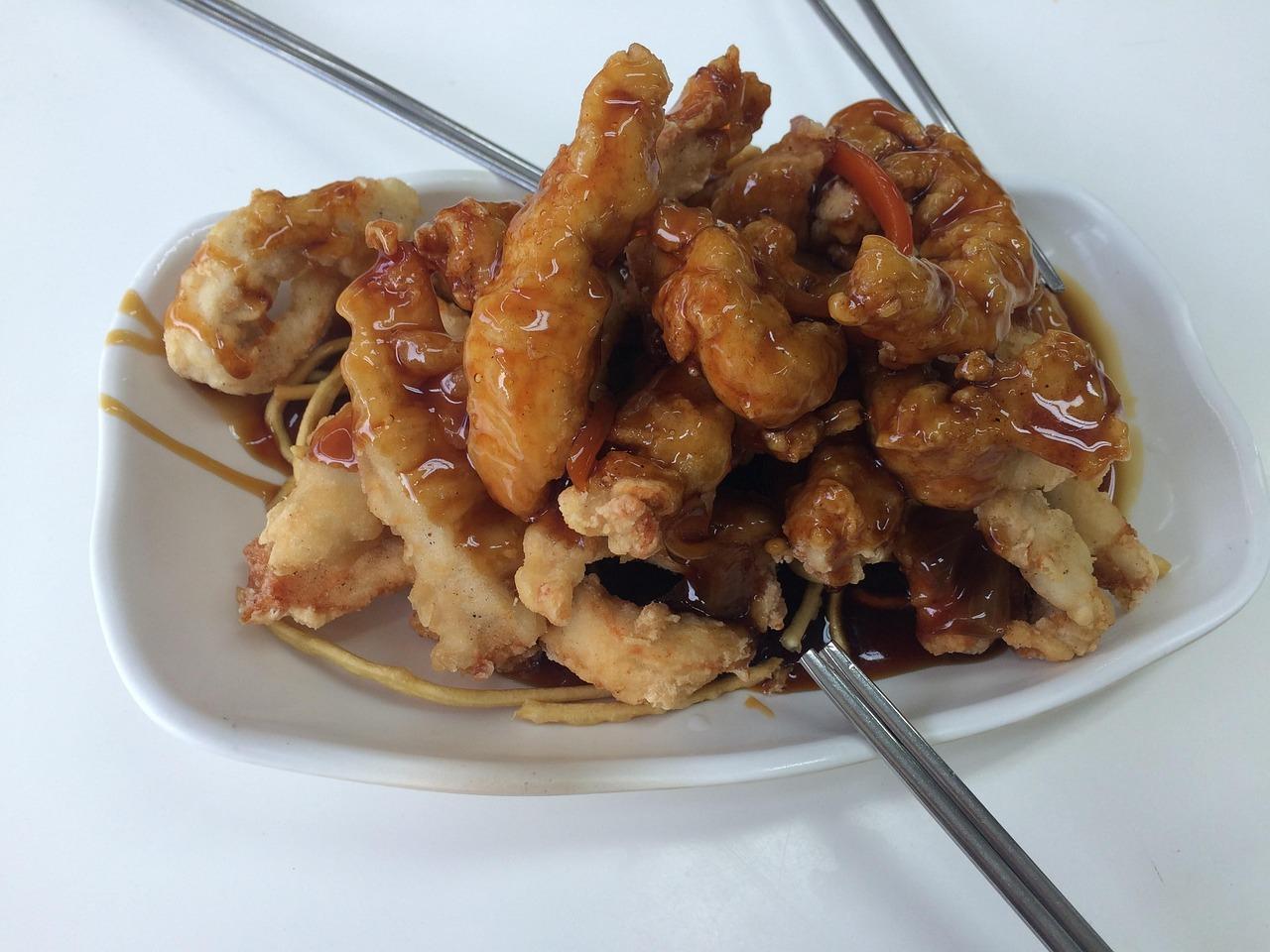
TangsuyukSweet and sour pork

Tangsuyuk is the star of Korean-Chinese restaurants, ordered with jajangmyeon for graduations and family celebrations since Chinese cooks settled in Incheon's Chinatown over a century ago. Strips of pork are coated in a thick potato-starch batter and fried twice until they shatter, then served with a glossy sweet-and-sour sauce full of vegetables and fruit. The pork marinade uses a spoonful of rice wine, which cooks off in the frying; leave it out or use extra ginger juice for an alcohol-free version. Koreans argue happily over pouring the sauce on (bumeok) or dipping (jjikmeok). The common mistake is pouring the sauce over too early: the crust softens in minutes. Chef's tip: soak the potato starch in water for an hour and pour off the water; the wet starch left behind gives the crunchiest batter.

105 minKoreanMeat
by KrazyBadal 0 views

TteokgukRice cake soup

On the morning of Seollal, the Lunar New Year, families across Korea eat a bowl of tteokguk, and the saying goes that you only turn a year older once you have finished it. Thin ovals of white rice cake are simmered in a clear beef broth seasoned with soup soy sauce, then topped with strips of egg, shredded beef, spring onion and toasted laver. It is mild, comforting and chewy. Rice cakes are very sticky: cut pieces small and supervise young children and older people closely, as they can be a choking risk. The common mistake is boiling the rice cakes too long, until they turn mushy and the soup thick and gluey. Chef's tip: soak dried rice cake slices in cold water for 20 minutes before cooking; they cook evenly in 3 minutes and stay chewy.

by KrazyBadal 0 views

Showing 24 of 85 recipes

Show more recipes

Page 1 of 4