Skip to content
WhatToEat.Today

All recipes

19

Vegetarian, or something you can't eat? Set your diet once and we'll hide recipes that don't fit.

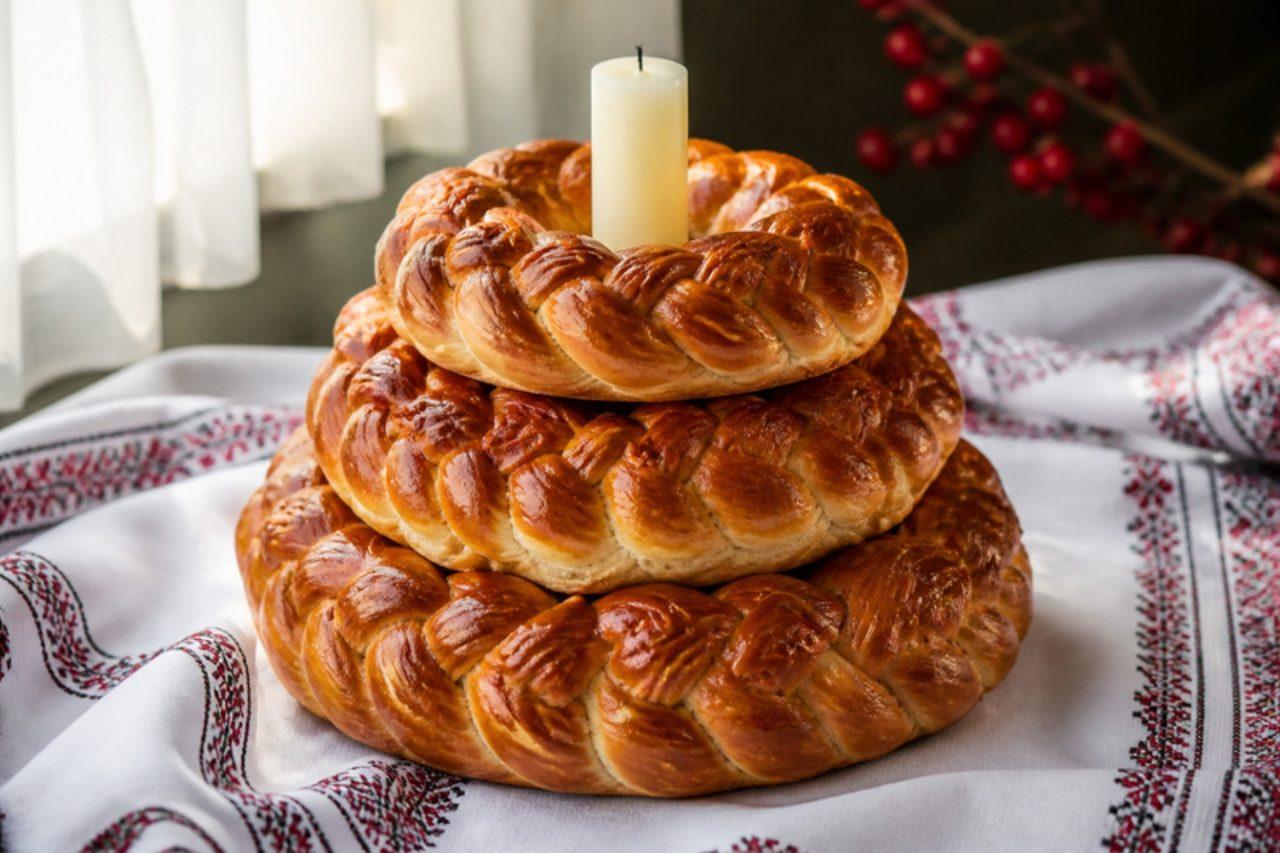
KolachBraided Christmas ring bread

Kolach is the bread at the centre of the Ukrainian Christmas Eve table: three braided rings of rich white dough stacked on top of each other, for the Holy Trinity, with a candle set in the middle. It stays there all through the Holy Supper and is shared afterwards. The dough is lightly sweet with egg and butter, and the braids bake to a deep, glossy brown. A single ring is fine for a smaller household. Chef's tip: braid the strands loosely, as they need room to swell; tight braids tear open in the oven.

by KrazyBadal 0 views
Ukrainian paskaEaster bread

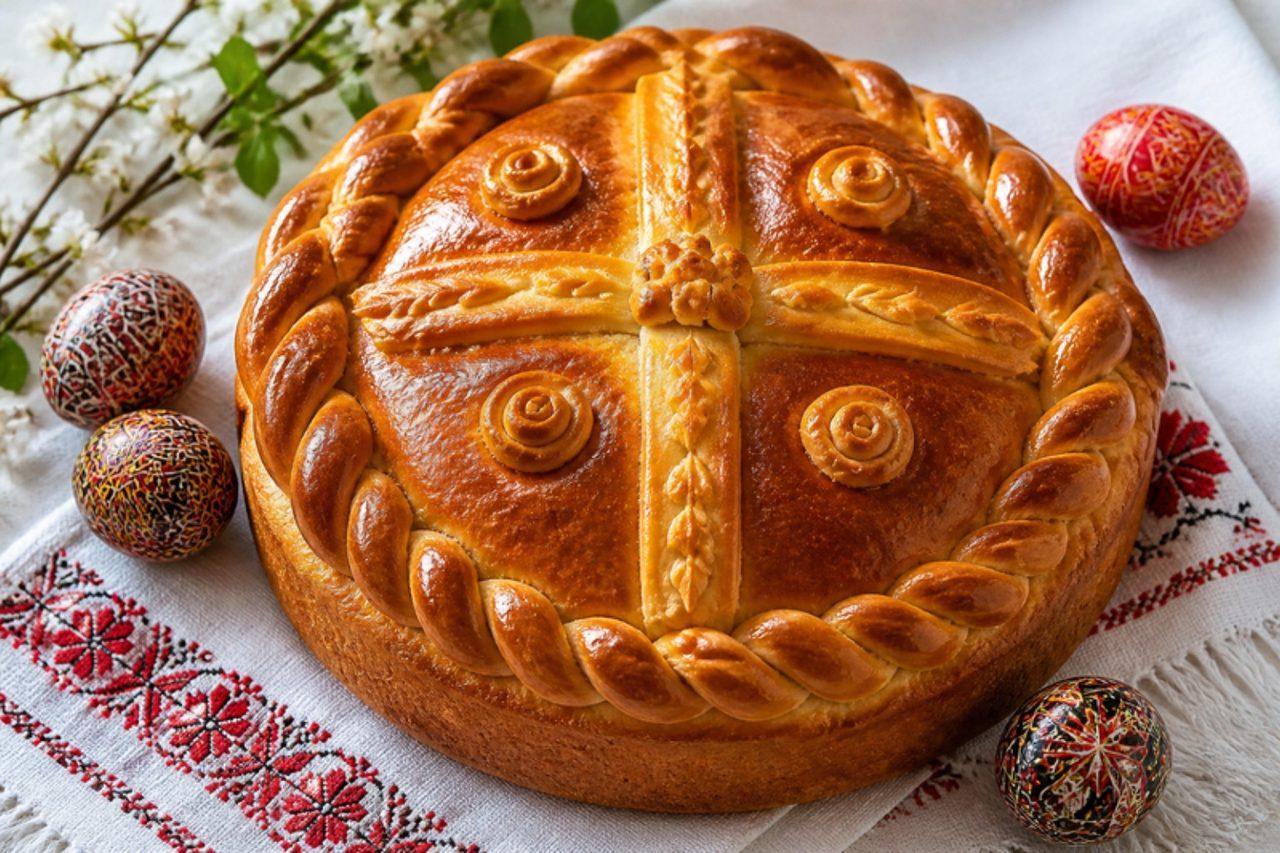
In the villages of western and central Ukraine, Easter Saturday means carrying a basket to church with a paska nestled among the painted pysanky, butter and salt, to be blessed and then broken first thing on Easter Sunday morning. Unlike the tall, white-iced kulich of Russia, this paska is a wide, round loaf with a glossy egg-washed top and no icing: the decoration is made of dough, usually a cross laid over the centre, a braid around the rim and small rosettes or birds in between. The crumb is golden and soft, rich with yolks and butter and lightly scented with lemon zest and vanilla. Slice it with butter, sweet farmer's-cheese spread or a cup of tea. Some families knead in rum-soaked raisins; this version leaves them optional and soaks them in tea. Decorations made from the soft loaf dough puff up and blur, which is the usual disappointment, so firm that portion with extra flour. Chef's tip: brush the loaf twice, once before the final proof and again just before baking, for a deep mirror-like shine that shows off the cross and braid.

by KrazyBadal 0 views
KorovaiCeremonial wedding bread

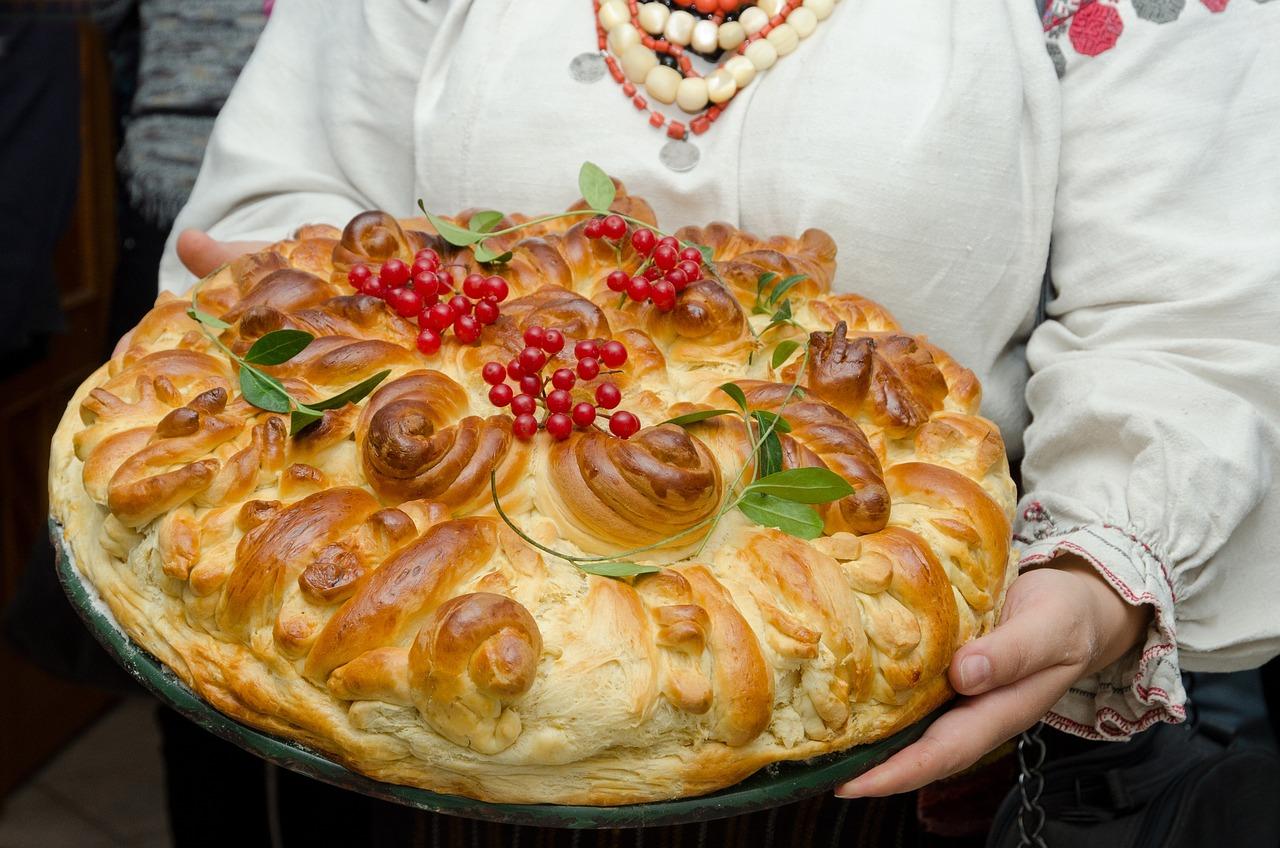
A Ukrainian wedding once began days ahead, when married women of the village gathered to bake the korovai and sang over the dough. The finished bread is a great round loaf ringed with a braid and covered in dough pine cones, flowers and pairs of birds for the couple, often finished with sprigs of greenery and red guelder-rose berries. It is carried in on an embroidered rushnyk cloth, and at the end of the feast it is cut and shared with every guest. The crumb is soft and lightly sweet, good with honey, butter or tea the next morning. Expect it to take a whole afternoon. The trap is using the same soft dough for the decorations: they puff up and lose their shape, so firm up that portion with extra flour. Chef's tip: stick each decoration on with a dab of water and press it in a little, then chill the decorated loaf for 10 minutes before baking so the details stay crisp.

by KrazyBadal 0 views
Fried gobies

Odesa's beloved bychky, the little big-headed gobies of the Black Sea, are sold by the bucket at Pryvoz market and fried in sunflower oil in kitchens and beach cafés all summer. Dusted with seasoned flour and fried hard, they come out crunchy and golden, with sweet white flesh and bones so small they are eaten whole. Serve with lemon, a tomato and cucumber salad, bread and plenty of dill. Most people go wrong by using too little oil, so the fish stick and the coating flakes away; you want a good centimetre in the pan. Outside the Black Sea region, smelt, sprats or small whiting work the same way. Chef's tip: for the crunchiest result, ask for the heads to be removed and the fish gutted, salt them 10 minutes in the fridge, then dry them very well before flouring.

by KrazyBadal 0 views
Domashnia kovbasaGarlic pork sausage

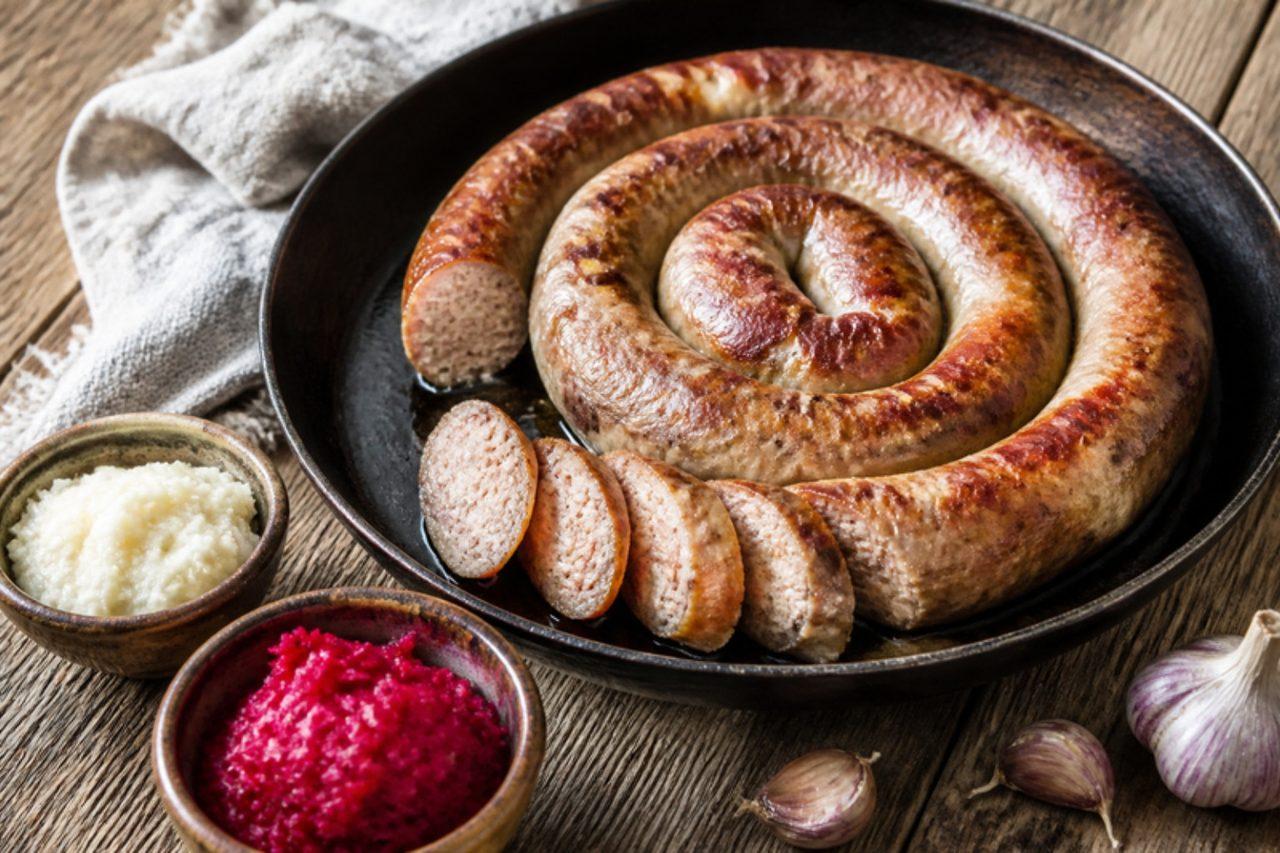
Across Galicia and the Carpathian villages, the smell of homemade pork sausage baking with garlic means Christmas or Easter is near; the coils go into the Easter basket to be blessed and come out sliced for the festive breakfast. Hand-cut pork shoulder and belly are mixed with lots of garlic, black pepper and allspice, stuffed loosely into natural casings, coiled and baked until the skin crackles and the juices run. It is juicy, coarse and garlicky, served hot with horseradish and beetroot or cold the next day. This is a fresh, cooked sausage, not a dried or cured one, so it must be cooked through and kept in the fridge. The usual mistake is stuffing the casing too tightly, so it bursts in the oven. Chef's tip: keep the meat and fat very cold while you cut and mix, ideally half-frozen; the fat stays in distinct pieces and the sausage stays juicy.

by KrazyBadal 0 views

RohalykySour cream crescent cookies

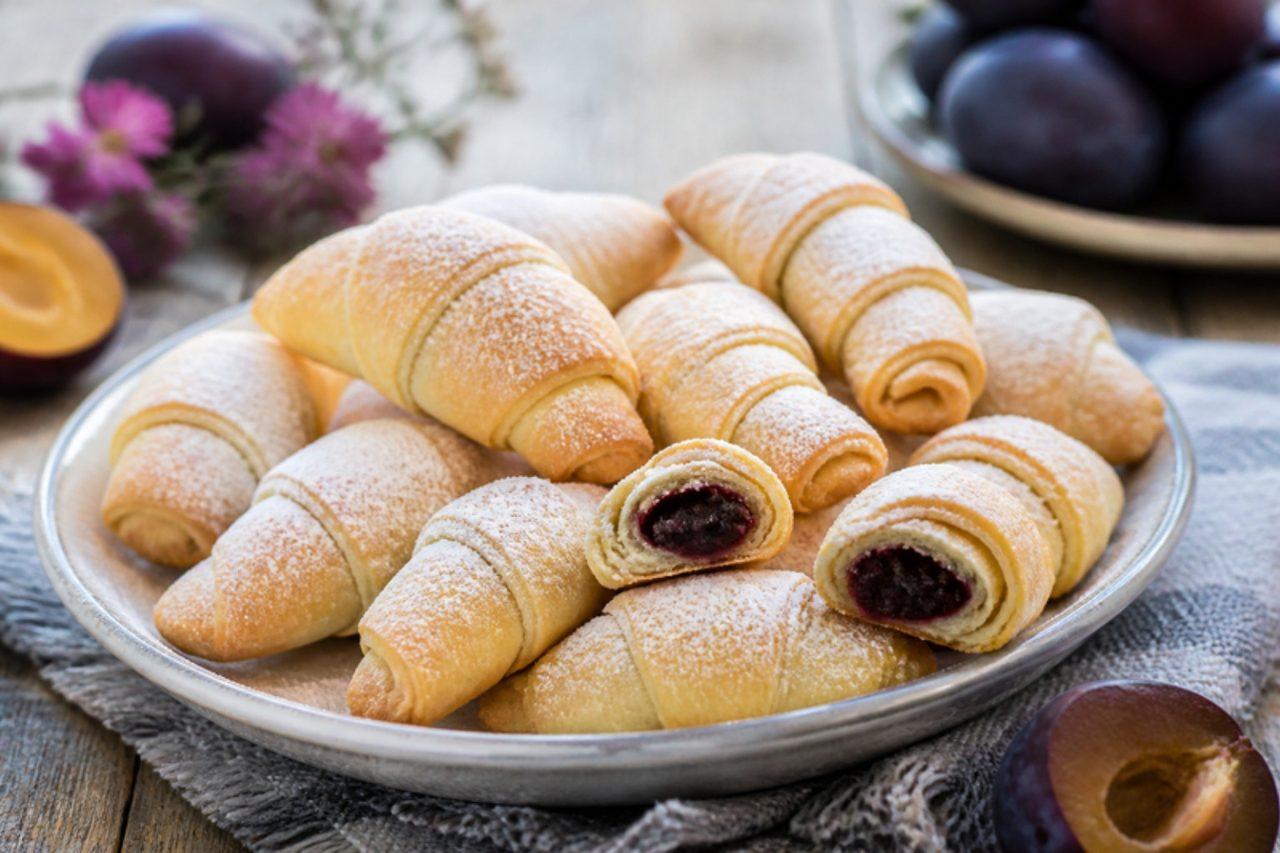
Around Christmas and Easter, tins of rohalyky pile up on the sideboards of Ivano-Frankivsk and Ternopil: little horns of tender dough wrapped around thick plum butter or sugared walnuts, then buried in icing sugar. The dough is made with sour cream and lots of butter, so it bakes flaky and light rather than crunchy, and the filling stays sticky inside. They keep for a week in a tin and are offered to every guest with tea or coffee. Where most people go wrong is using runny jam, which bubbles out and burns on the tray; you need very thick povydlo-style plum butter or a jam that holds its shape on a spoon. Chef's tip: keep half the dough in the fridge while you roll the other half; warm dough tears and the crescents lose their neat layers.

by KrazyBadal 0 views

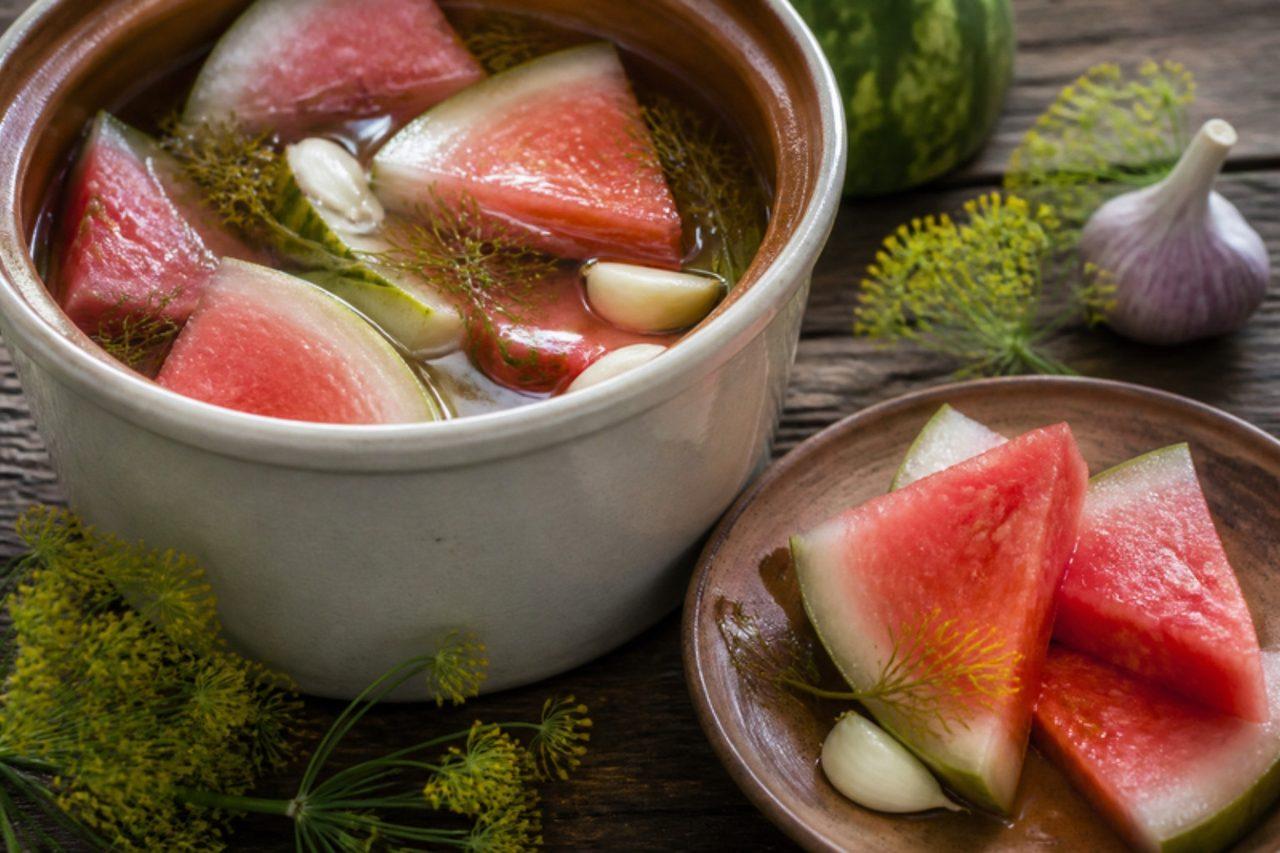
Pickled watermelon

When the melon fields of Kherson and Mykolaiv end their season, the small, late watermelons that never got properly sweet go into barrels of brine. A few weeks later they come out fizzy, salty and sour, with the pink flesh still faintly sweet and the rind crisp like a pickled cucumber. Southern families eat them through the winter with boiled potatoes, buckwheat or a plate of fried mushrooms. A big glass jar works just as well as a barrel for wedges. The classic error is using a ripe, soft watermelon, which turns to mush in the brine; pick small, firm ones with pale pink flesh. Keep everything under the brine and throw out the batch if fuzzy or coloured mould appears or it smells rotten rather than sour. Chef's tip: slip a horseradish or cherry leaf into the jar; the tannins keep the rind crunchy for weeks.

by KrazyBadal 0 views

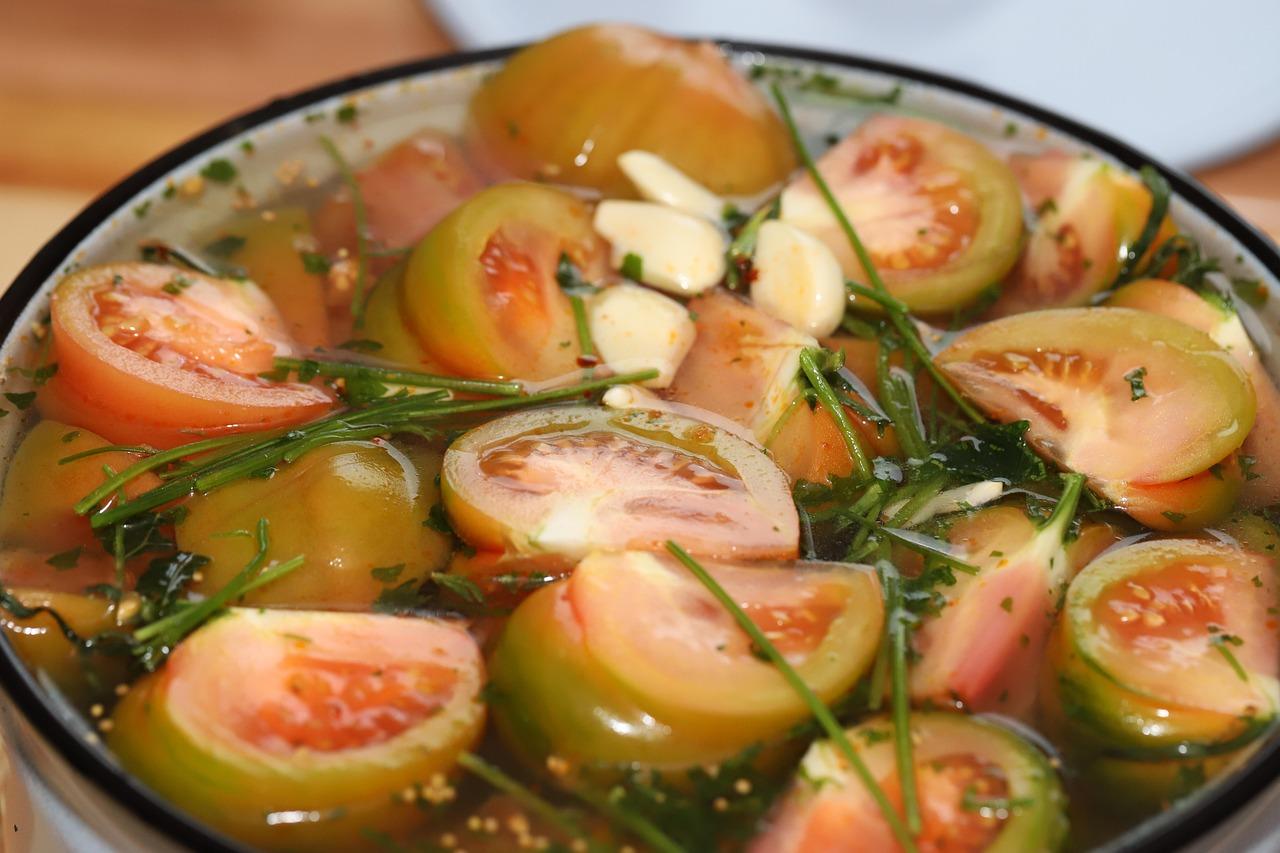
Pickled green tomatoes

In southern Ukraine the first cold nights of October leave every garden full of hard green tomatoes that will never ripen, and rather than waste them, cooks around Odesa and Kherson slit each one and stuff it with a punchy paste of garlic, dill, parsley and hot chilli. A week in brine turns them sour and fizzy, with a crunch and a slow burn from the chilli. They are the pickle everyone reaches for at the winter table, next to potatoes fried with onions or a bowl of buckwheat. Most people go wrong by cutting the tomatoes right through, so the filling falls out; slice only two-thirds of the way. As with any ferment, keep everything below the brine and discard the jar if it grows fuzzy or coloured mould or smells rotten. Chef's tip: pick tomatoes that are just starting to blush pale; fully hard dark-green ones stay bitter.

by KrazyBadal 0 views

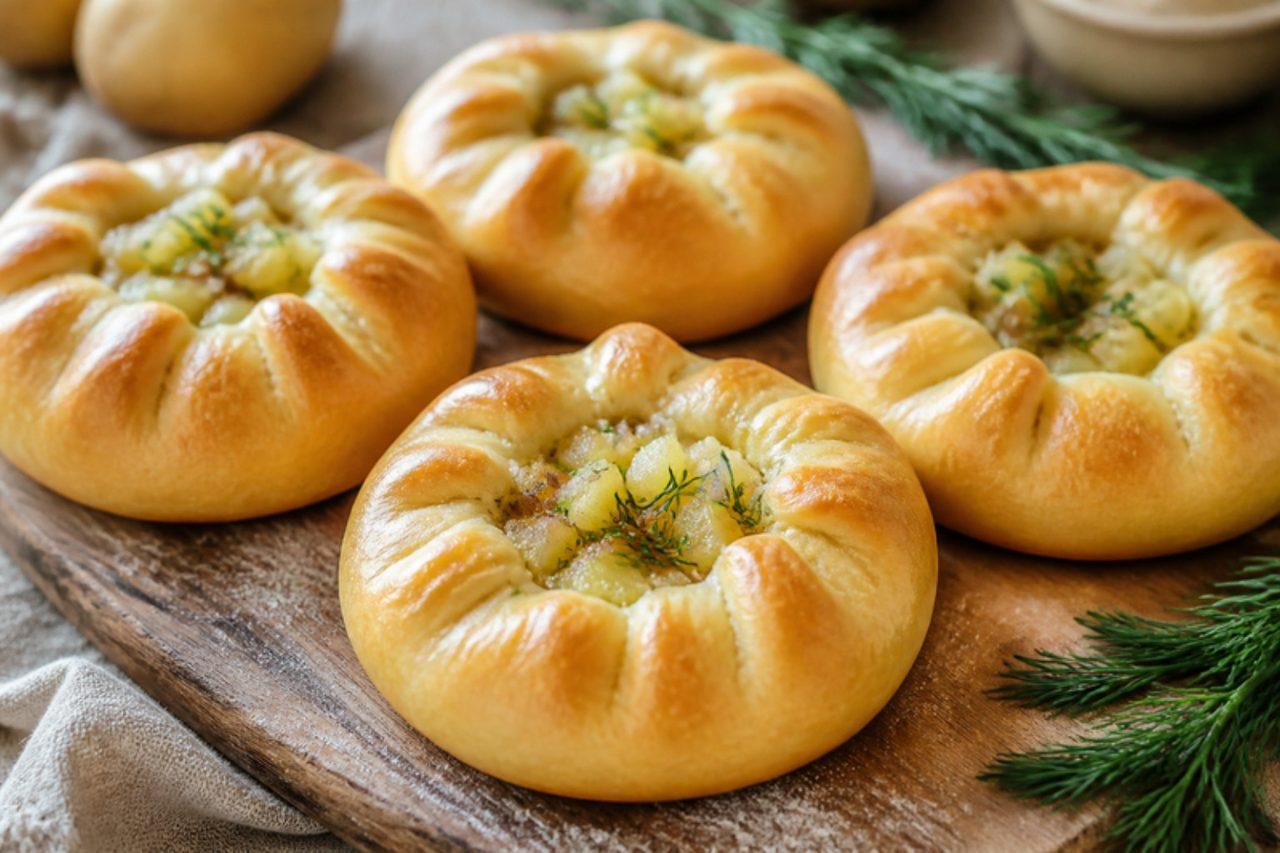
KnyshiPotato-filled yeast buns

On Poltava farms knyshi came out of the stove alongside the bread on baking day: rounds of soft milk dough with their edges pinched up like a little open basket, so the filling shows in the middle. Potato mashed with plenty of onion fried in sunflower oil and a handful of dill is the everyday version, and the buns are eaten warm with a bowl of soup or cold on the way to the fields. Some cooks fill them with curd cheese or poppy seed instead, especially for Christmas Eve. The dough should be pillowy and the potato soft and peppery. Most people go wrong by spooning in warm, wet mash, which steams the dough from inside and makes it soggy; let the filling cool fully. Chef's tip: brush the baked buns with melted butter the moment they come out of the oven, then cover with a towel for 10 minutes so the crust turns soft and silky.

by KrazyBadal 0 views

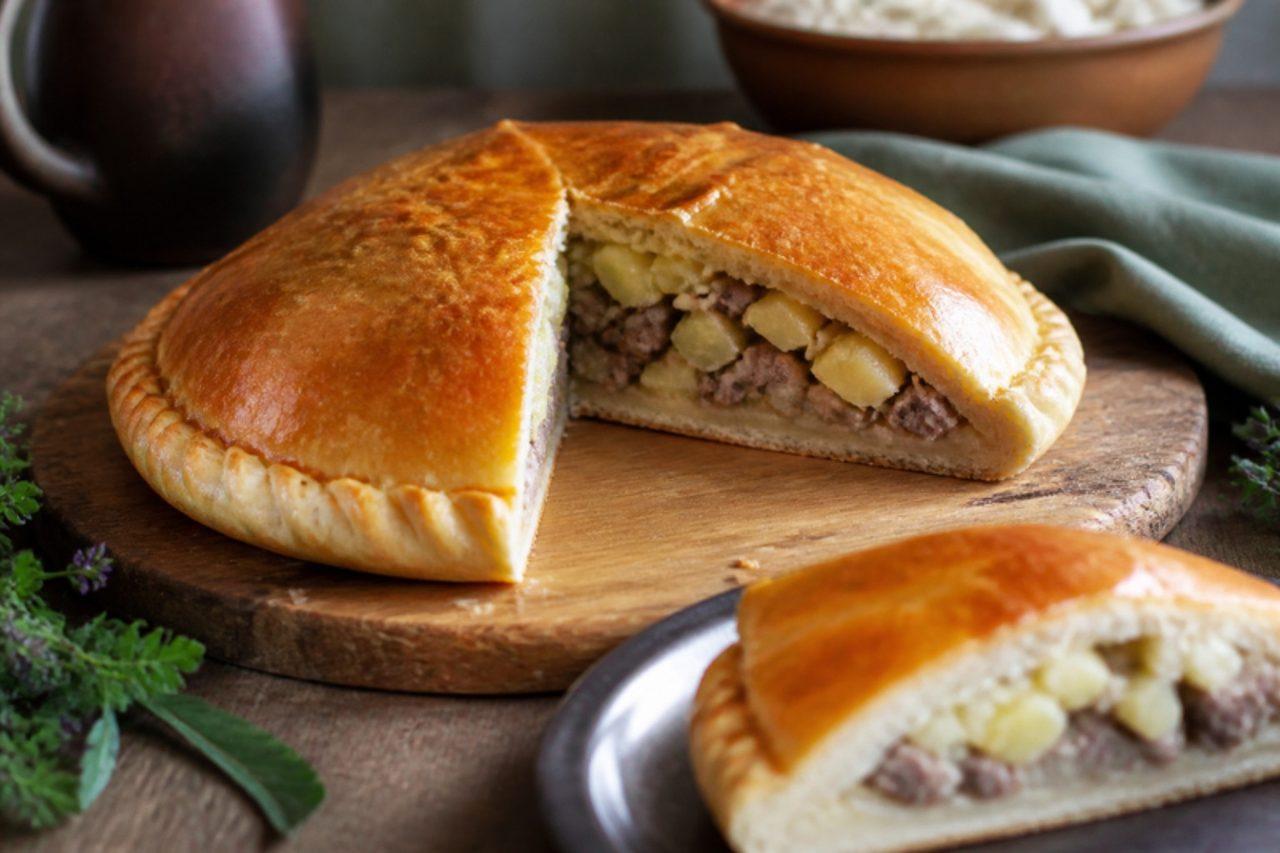
KobeteLamb and potato pie

Kobete is the grand pie of Crimean Tatar celebrations, a tall golden dome cut at the table like a cake, its name thought to come from an old word for a pastry dome. Inside, small cubes of raw lamb, potato and onion are seasoned with black pepper and baked slowly in a soft, buttery yoghurt pastry, so the meat cooks in its own juices into a peppery broth that soaks the potato. Chicken versions are common too. Serve warm with a sharp salad or ayran. People tend to cut the meat too big; in a sealed pie, large chunks stay chewy while the crust burns. Allow time for the long bake and a short rest before slicing. Chef's tip: pour a ladle of hot stock through the steam hole halfway through baking, which keeps the filling juicy and tells you, by the bubbling, that it is cooking well inside.

by KrazyBadal 0 views

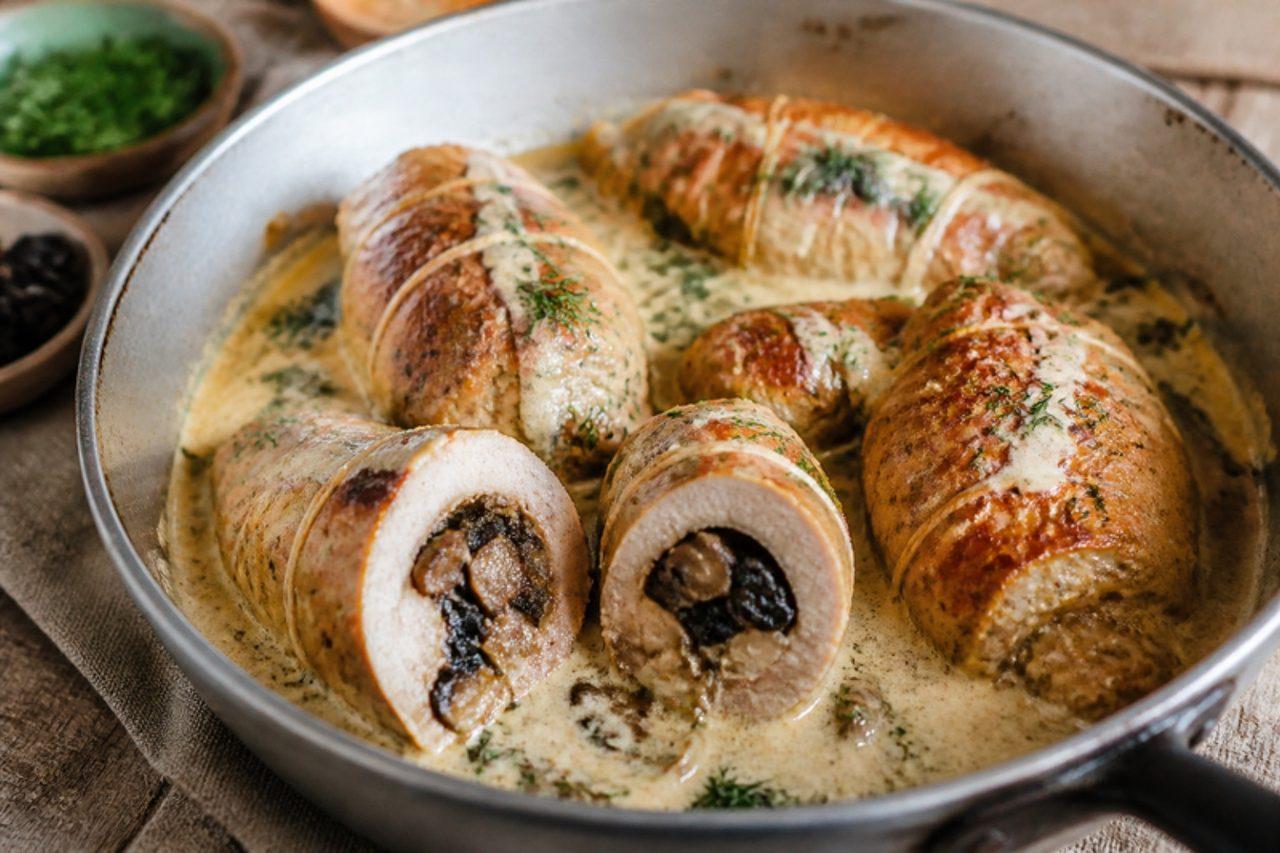
KruchenykyPork rolls with mushrooms and prunes

Kruchenyky, literally 'little twists', are the festive rolls of central Ukraine, made for name days, weddings and the big family table around Poltava and Kyiv. Thin slices of pork are pounded, wrapped around a filling of fried mushrooms and onion with chopped prunes, tied, browned and then braised gently in sour cream until the meat is tender and the sauce turns pale gold, sweet-savoury and lightly tangy. Some cooks use beef; pork neck or loin is the most common choice. Serve with buckwheat, mashed potato or boiled potatoes with dill. Boiling the sauce hard after the sour cream goes in is the slip that splits it into grainy flecks; keep it at a lazy bubble. Chef's tip: let the mushroom filling cool before rolling, otherwise the warm filling makes the thin meat sweat and the rolls refuse to hold together.

by KrazyBadal 0 views

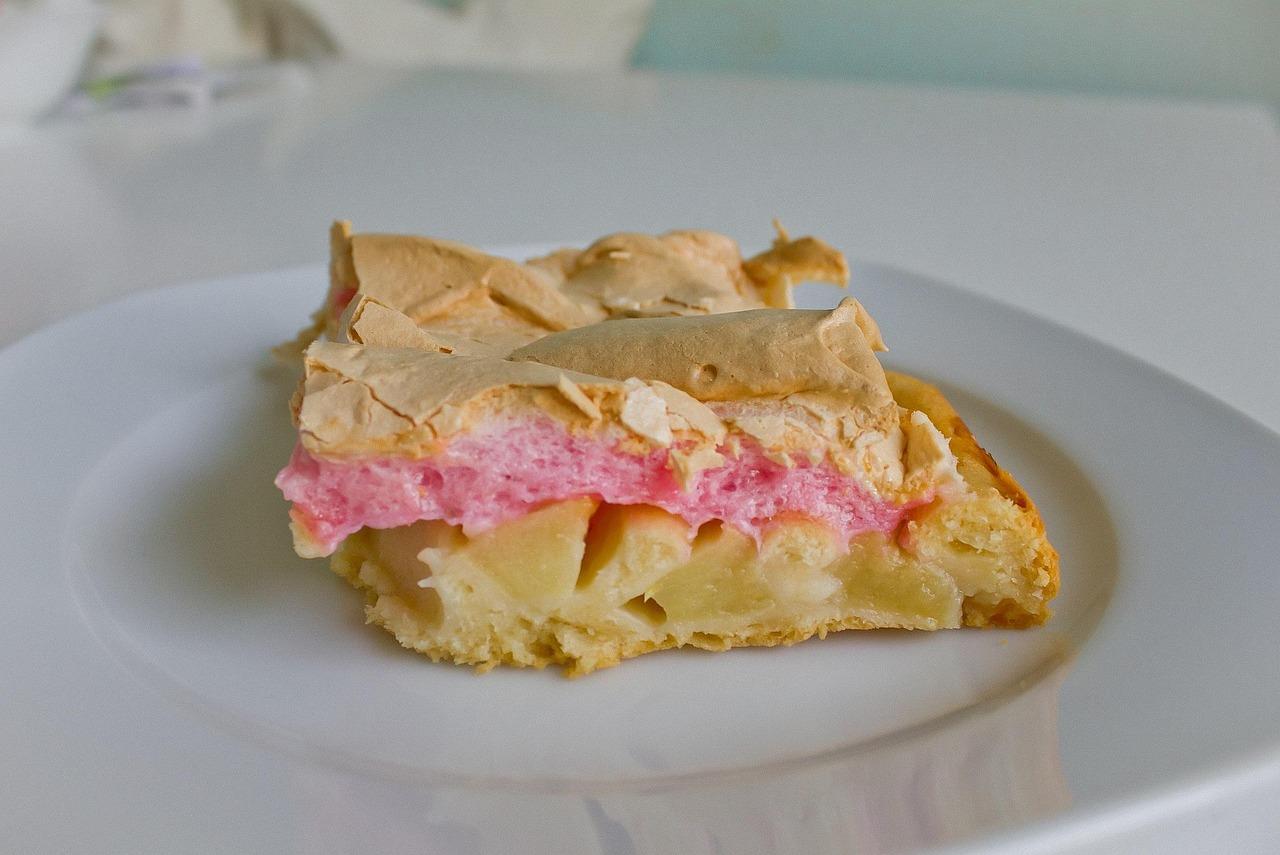
PliatskyApple and walnut meringue tray cake

Walk into any Lviv cukiernia and the glass counter is lined with pliatsky, the flat tray cakes Galicians buy by the square for Sunday coffee and name-day visits. This one is a house favourite across the region: a crumbly butter shortcrust spread with sharp blackcurrant jam, piled with cinnamon apple and topped with a crisp-crusted, marshmallowy walnut meringue. Each slice should have three distinct layers that still look neat when cut. Serve at room temperature with coffee or a glass of cold milk. The classic error is putting raw, juicy apple straight on the pastry, which turns the base soggy; cook it briefly first and let it drain. Chef's tip: grate half the cold butter into the flour rather than rubbing it in, and the base bakes up short and sandy like the ones from the Lviv cake shops.

by KrazyBadal 0 views

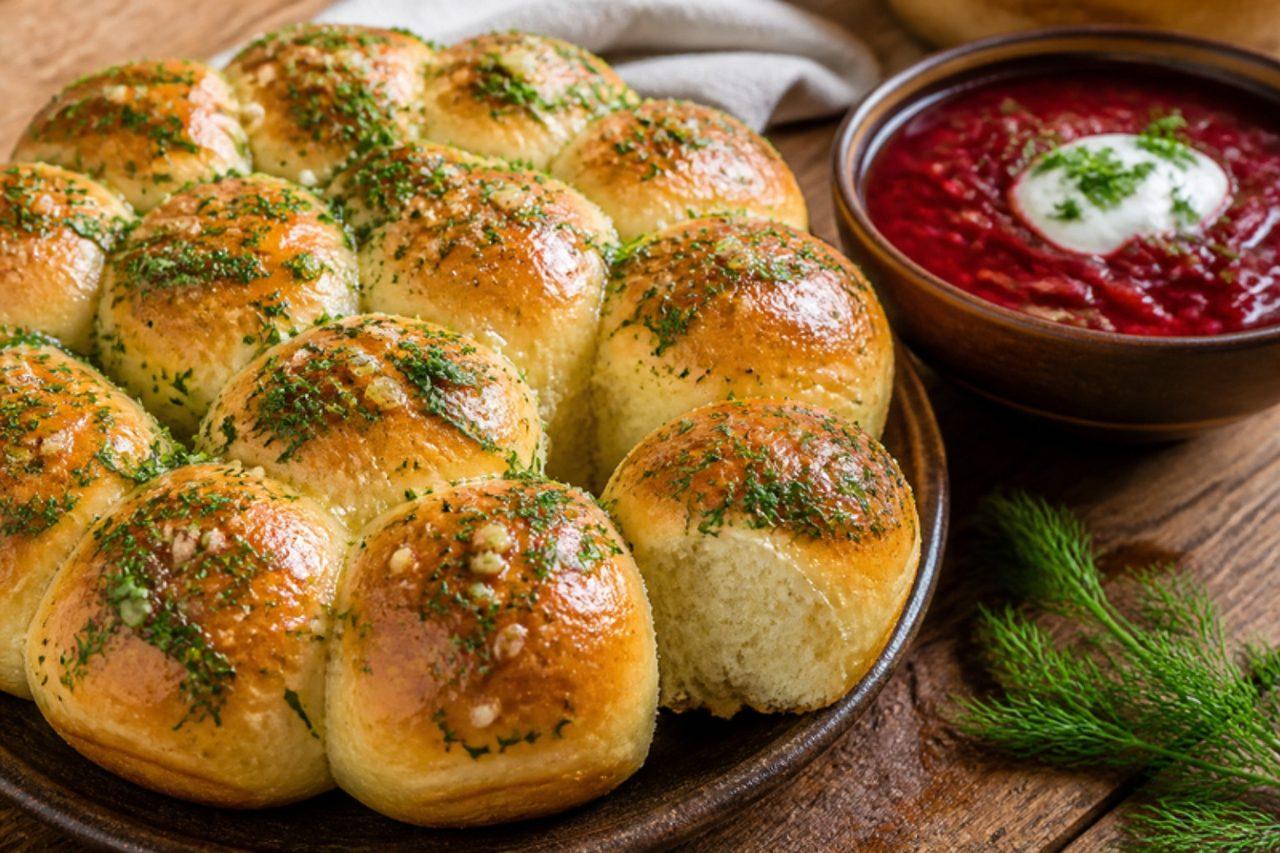
PampushkyGarlic bread rolls

Pampushky are the small, pillowy yeast rolls that arrive in a basket next to borshch in any Ukrainian restaurant, from Kyiv to Poltava, glistening with a raw garlic and dill dressing. They are baked tightly packed in one tin so they pull apart with soft sides and golden tops, and the sharp garlic is the perfect partner for sweet, sour beetroot soup. Sweet pampushky, fried and dusted with sugar, also exist; this is the savoury baked kind. Chef's tip: brush on the garlic oil while the rolls are still hot from the oven, so they drink it in; common mistake is brushing them before baking, which burns the garlic bitter.

by KrazyBadal 0 views

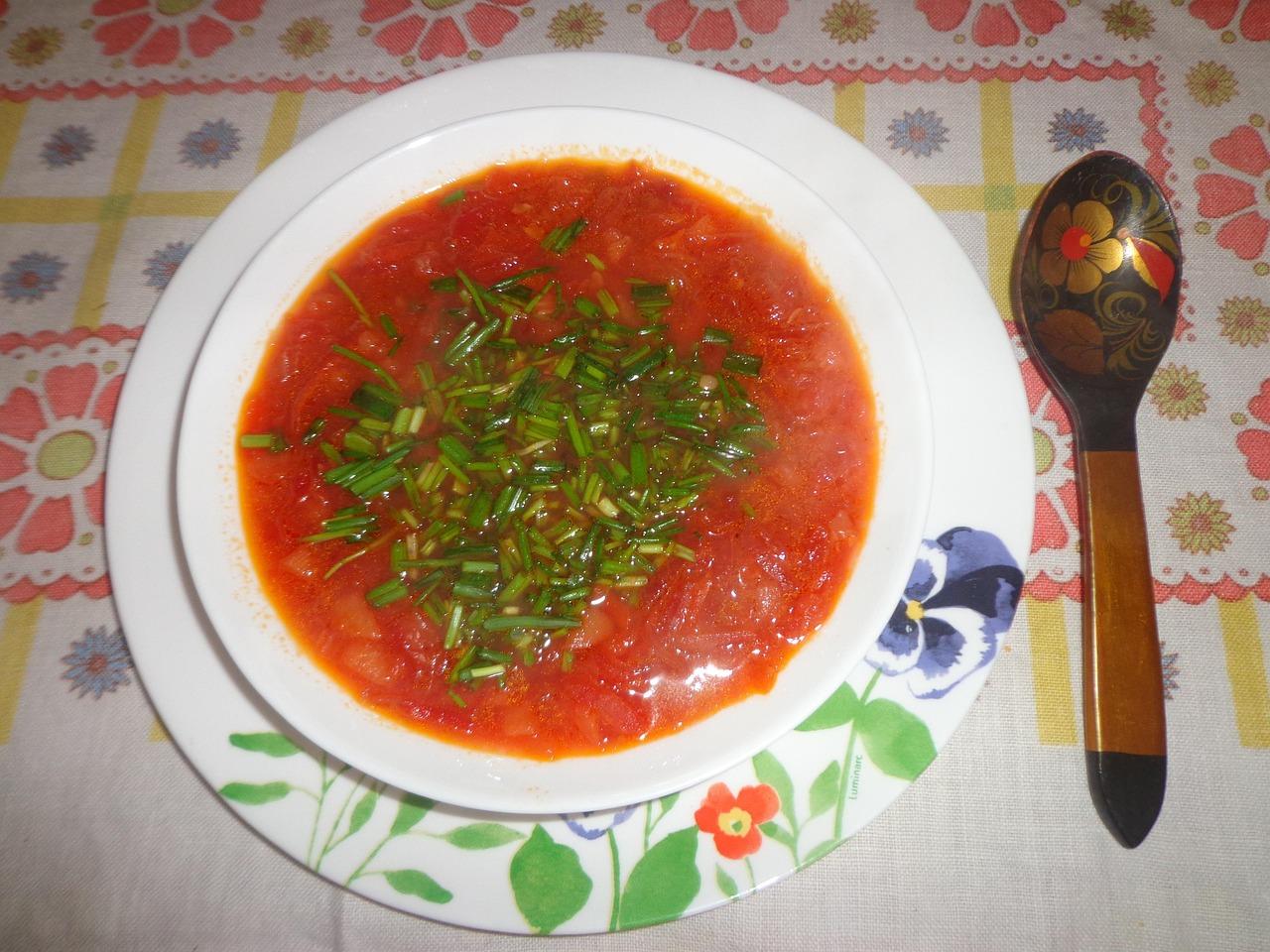
Ukrainian borscht

Borshch is the soup Ukrainians measure every kitchen by: a deep ruby pot of beetroot, cabbage, potato and beans, soured just enough and finished with garlic and dill. Every region argues for its own version, from Poltava's with beans to Kyiv's with apples, and in 2022 the cooking of Ukrainian borshch was added to UNESCO's list of culture in need of urgent safeguarding. Traditionally it is simmered on a pork or beef bone stock; this version uses a well-seasoned vegetable stock and white beans, which is how many families cook it during Lent anyway. Serve it hot with a spoon of sour cream and garlic pampushky, and know that it tastes even better the next day. Chef's tip: fry the grated beetroot with a splash of vinegar before it goes into the pot; the acid fixes the red colour, so the soup stays bright instead of fading to brown.

by KrazyBadal 0 views

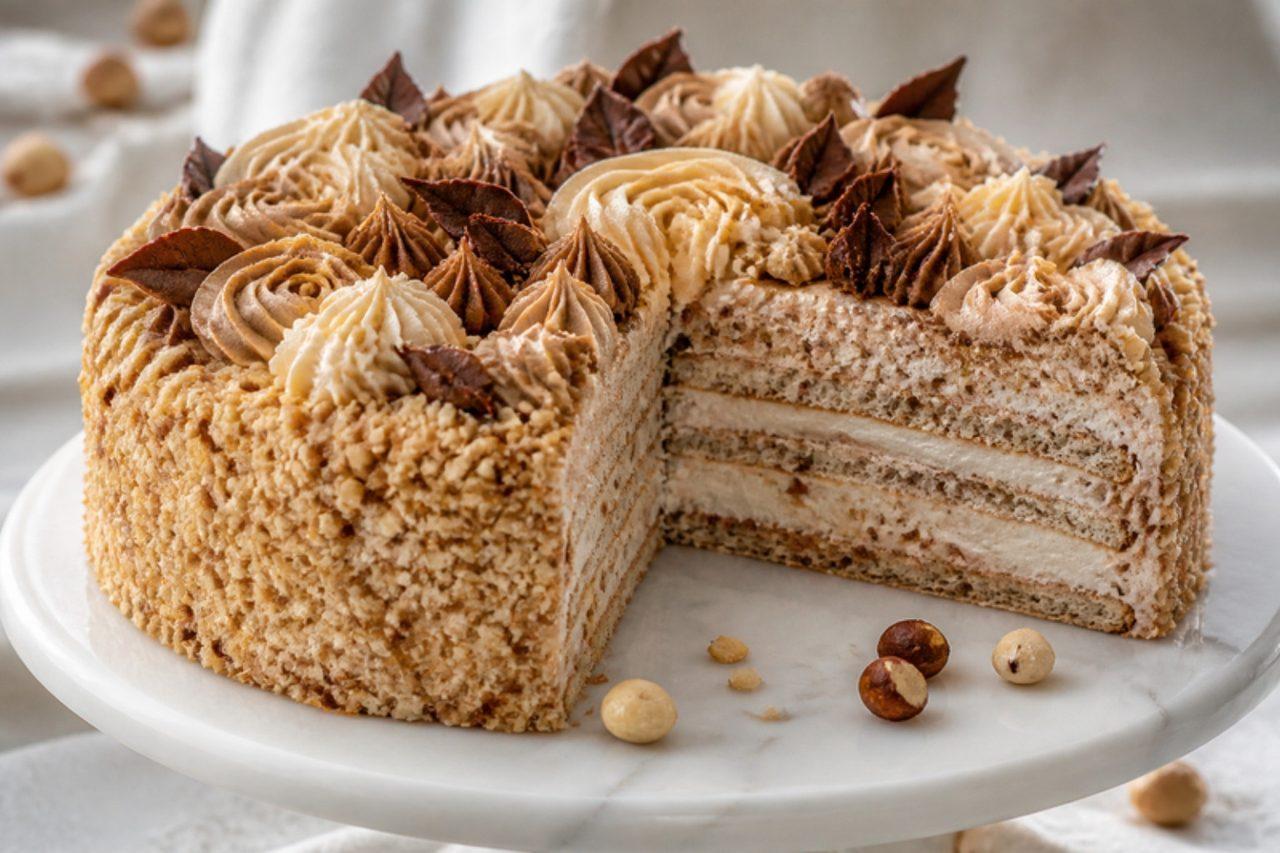
Kyiv cakeHazelnut meringue cake

Kyiv cake was created in 1956 at the Karl Marx confectionery factory in Kyiv, and for decades a round box tied with string, bought at the station kiosk, was the souvenir every visitor carried home from the capital. Two crisp, chewy layers of nut meringue are sandwiched with a rich vanilla and cocoa buttercream and decorated with more cream. It contains no flour, so it is naturally gluten free, and no gelatine. Our home version uses hazelnuts, as the original did before cashews became the norm. Chef's tip: dry the meringue long and slow and let it cool in the switched-off oven; common mistake is pulling it out too early, when it is still soft inside, and then it turns sticky and collapses under the cream.

by KrazyBadal 0 views

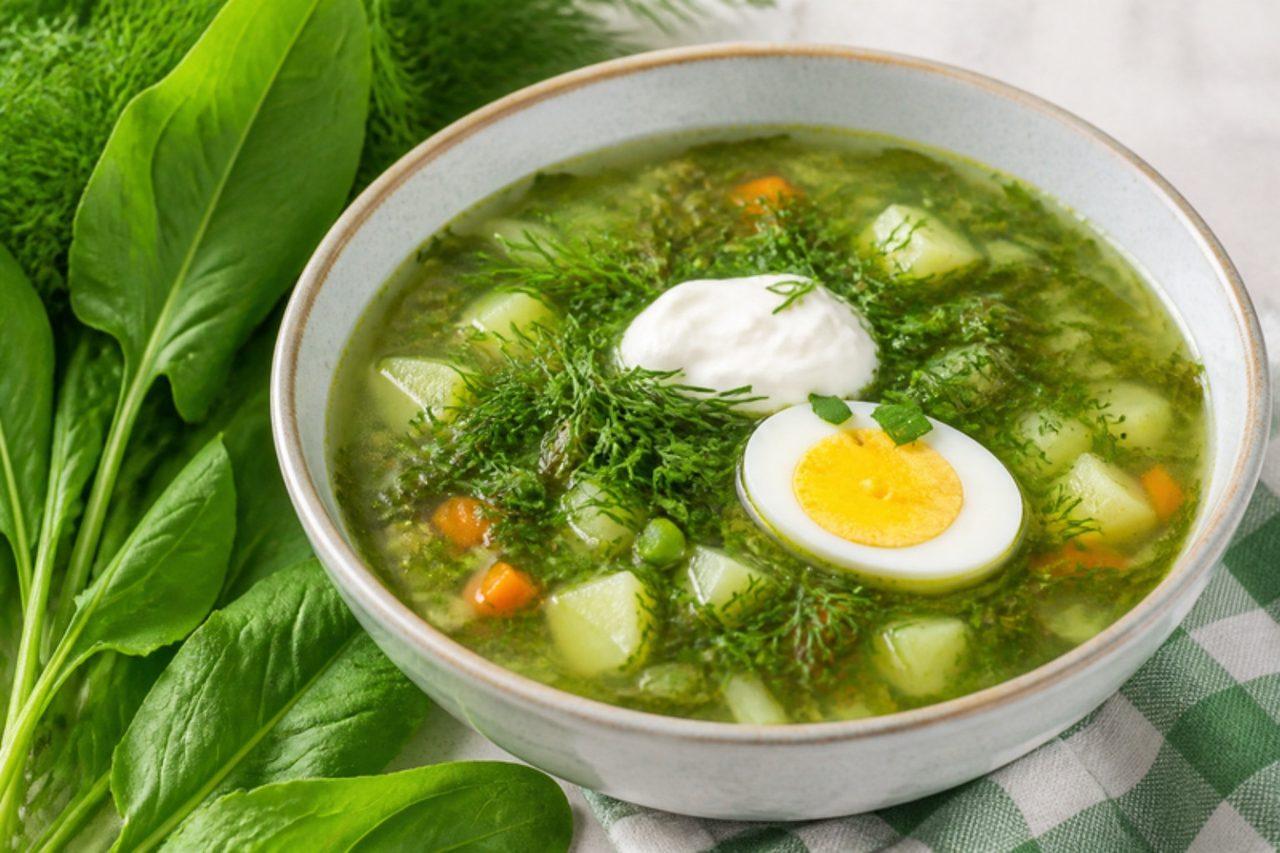
Green borschtSorrel soup with egg

When the first sorrel comes up in village gardens around Chernihiv and Sumy in May, Ukrainian grandmothers stop making red borshch and switch to green: a light, lemony soup of sorrel, potato and herbs, served with halved boiled eggs. It is the soup of early summer and of Trinity Sunday, eaten hot with sour cream or chilled on a warm day. Sorrel gives it a clean sourness, so no vinegar is needed. This version uses vegetable stock instead of the chicken or pork stock some families use. Chef's tip: add the sorrel only in the last two minutes; it turns olive green the moment it hits the heat, but if it boils longer it collapses into stringy khaki threads.

by KrazyBadal 0 views

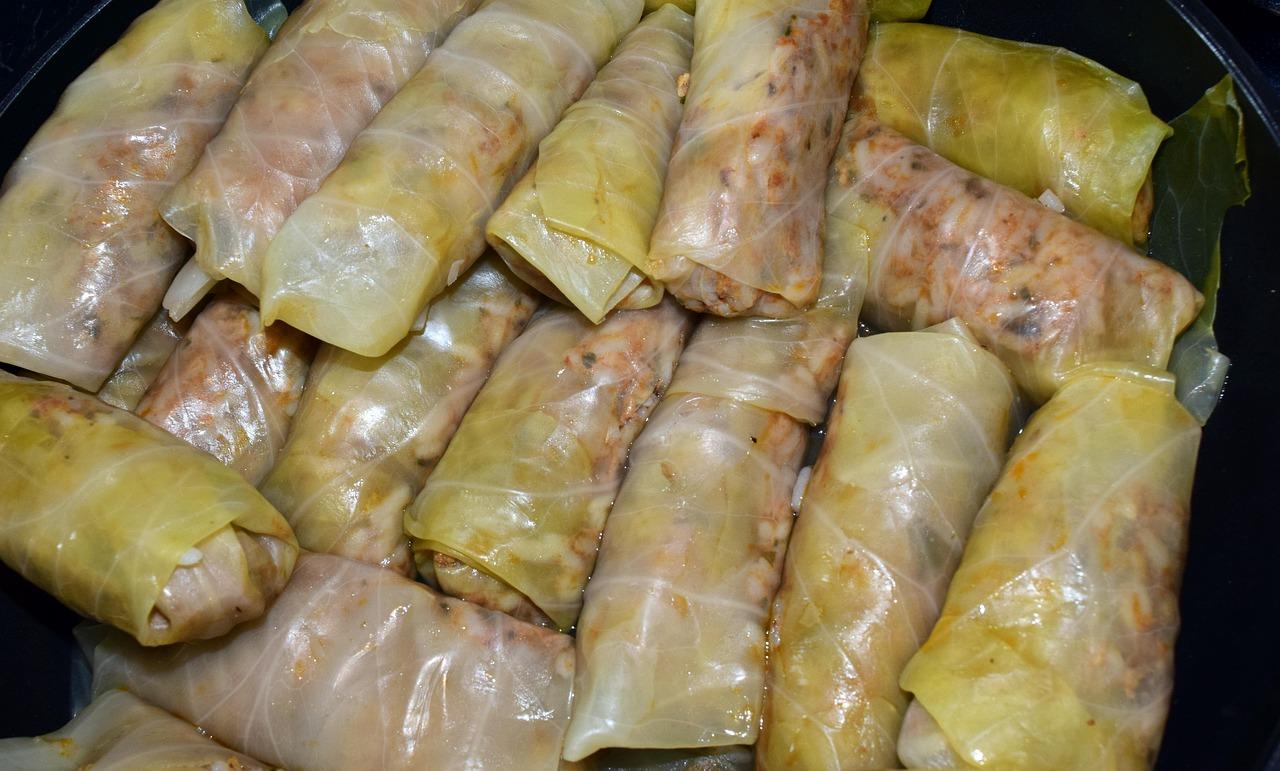
HolubtsiCabbage rolls with pork and rice

Holubtsi, 'little doves', are the cabbage rolls of Ukrainian family feasts, made by the trayful for weddings, christenings and Christmas in homes from Lviv to Poltava. This version contains pork: tender cabbage leaves wrap a mix of pork and beef mince, rice, onion and carrot, and the rolls bake slowly in a tomato and soured cream sauce. Serve with more soured cream and dill. Chef's tip: core the cabbage and simmer the whole head, peeling off leaves as they soften; they come away without tearing.

by KrazyBadal 0 views

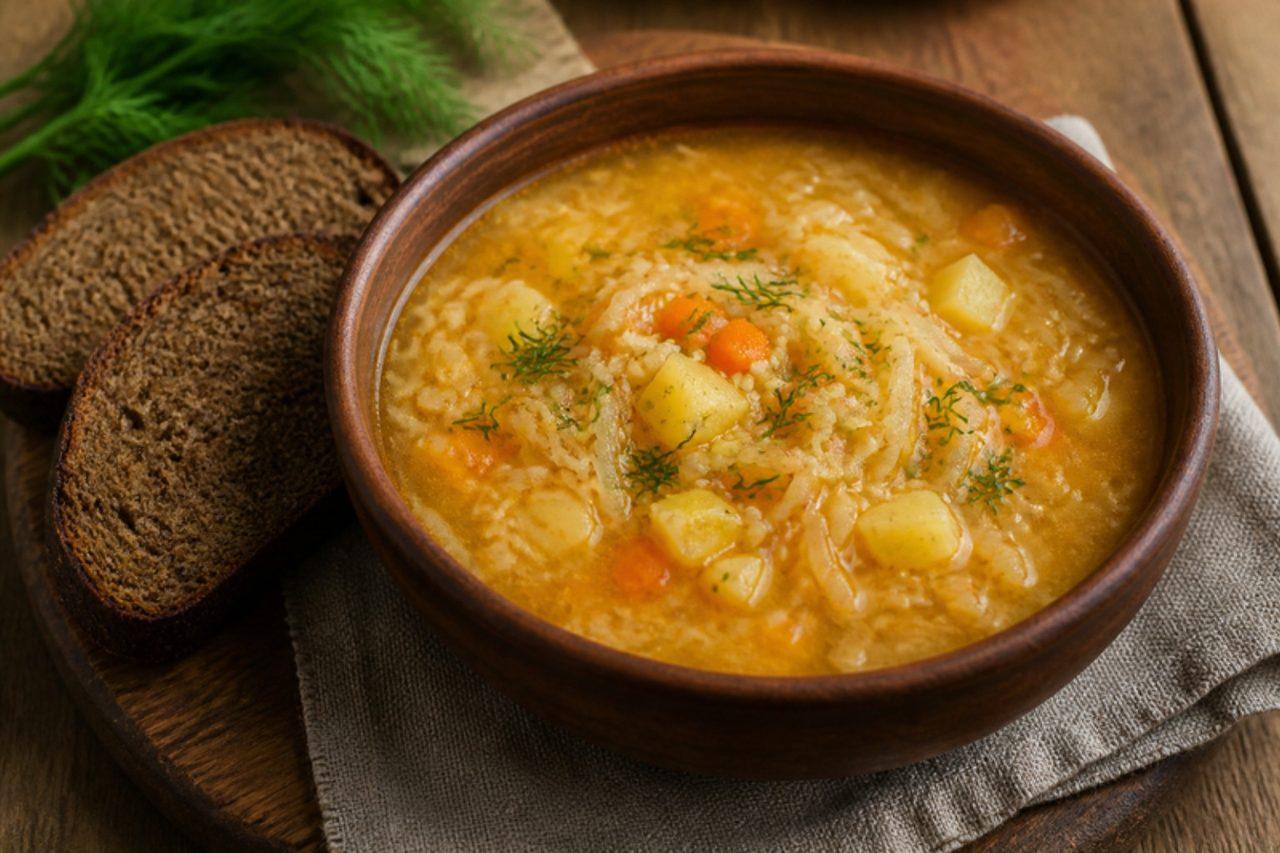
KapusniakSauerkraut and millet soup

Kapusniak is the sour, warming sauerkraut soup of western Ukraine, cooked through the long winters in Lviv and the Galician villages, when barrels of home-fermented cabbage stand in every cellar. Potato and a handful of millet make it filling, and a spoon of tomato paste and smoked paprika round out the tang. It is famous as the soup for the morning after a wedding or New Year party, and is often cooked with smoked pork; this vegan version gets its depth from a well-browned zazharka instead. Chef's tip: taste your sauerkraut first and rinse it only if it is very salty or sharp, because the brine is where the flavour lives. Common mistake: adding the sauerkraut together with the potatoes; the acid stops them softening, so let the potatoes cook first.

by KrazyBadal 0 views

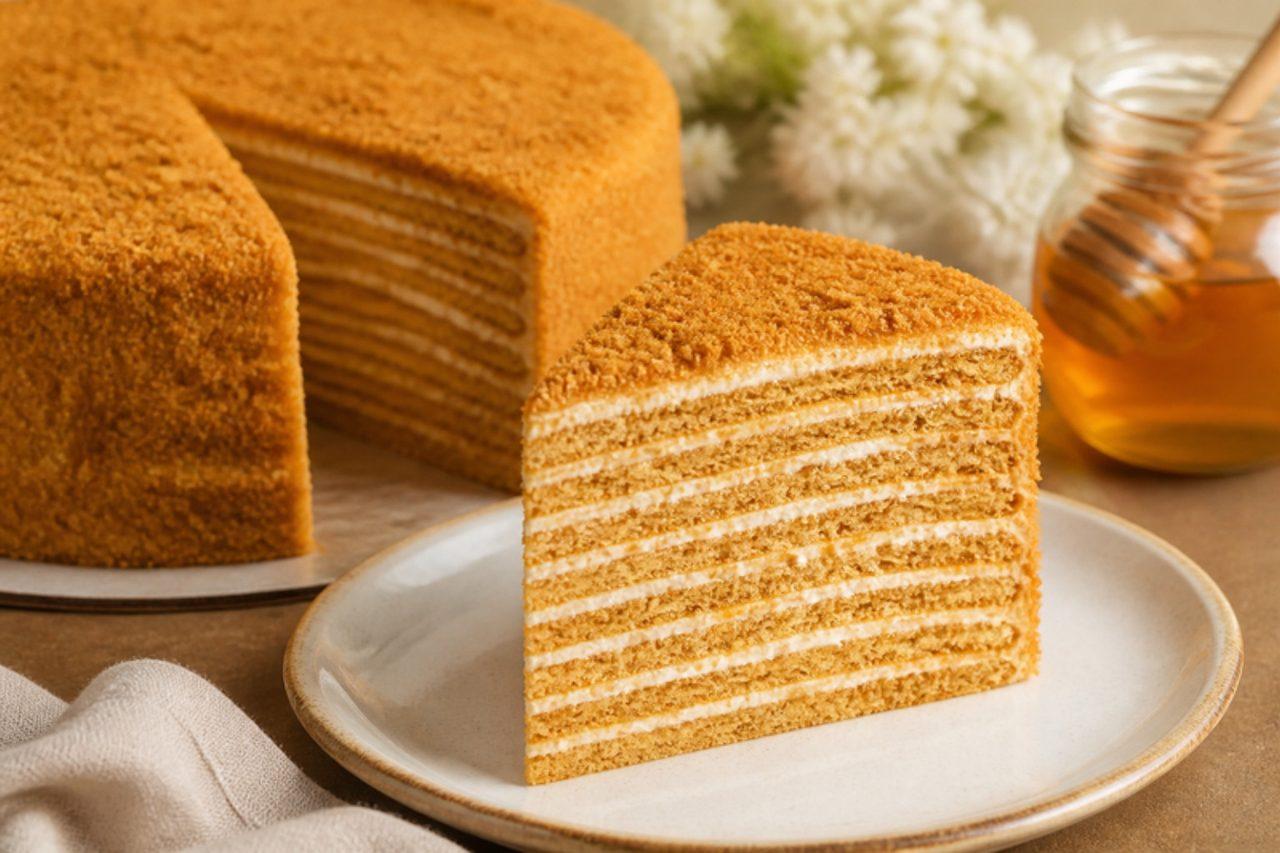
MedovikHoney layer cake

Medovik, the honey cake, is the birthday and name-day cake of countless Ukrainian homes, from Dnipro to Zaporizhzhia, and is shared with kitchens across the former Soviet Union. Eight thin layers of honey-caramel dough are baked like biscuits, then stacked with a tangy sour-cream frosting and left overnight, when they soften into a tender, moist cake. The crumbs from trimming coat the outside. Because it is made with honey and eggs, it is vegetarian but not vegan. Chef's tip: cook the honey, sugar and butter until it turns a deep amber before the bicarbonate goes in; that caramel is the whole flavour of the cake. Common mistake: cutting it the same day, before the layers have soaked up the cream, when it is still dry and hard.

by KrazyBadal 0 views