Skip to content
WhatToEat.Today

All recipes

76

Vegetarian, or something you can't eat? Set your diet once and we'll hide recipes that don't fit.

Blodpudding with lingonberriesFried blood pudding with lingonberries

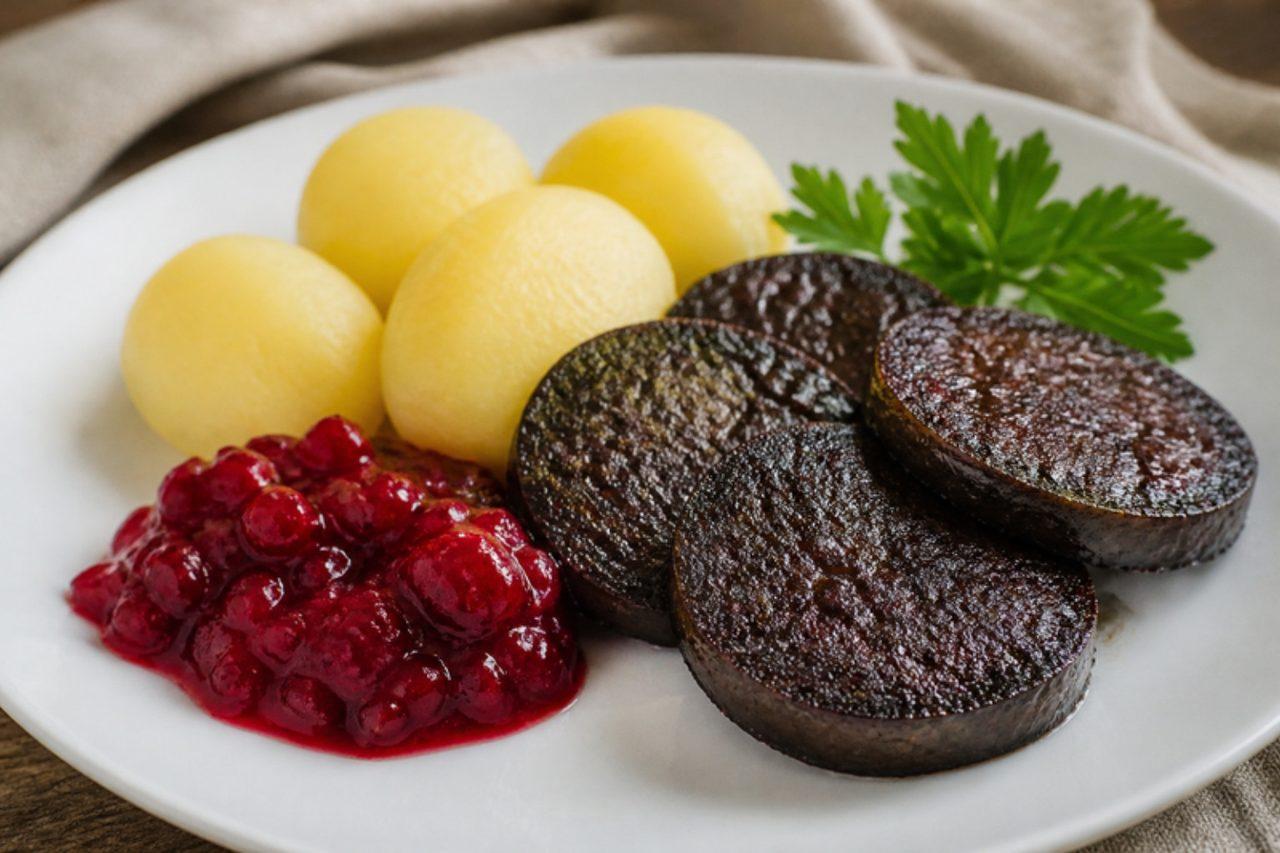
Blodpudding is a weeknight supper in northern Sweden and a school-lunch classic in Finland (where it is veripalttu's milder cousin): slices of ready-made blood pudding, made from pork blood, rye flour and spices, fried until crisp at the edges and eaten with sweet-sharp lingonberry jam. It contains pork blood and often pork fat, so it is not for vegetarians. Serve it with boiled potatoes or crispbread and a glass of milk, as Swedes do. The common mistake is cutting the slices too thin, so they crumble in the pan. Chef's tip: fry in butter over a steady medium heat and leave the slices alone until a dark crust forms; flipping early makes them stick.

by KrazyBadal 0 views
MatjessillMatjes herring with potatoes

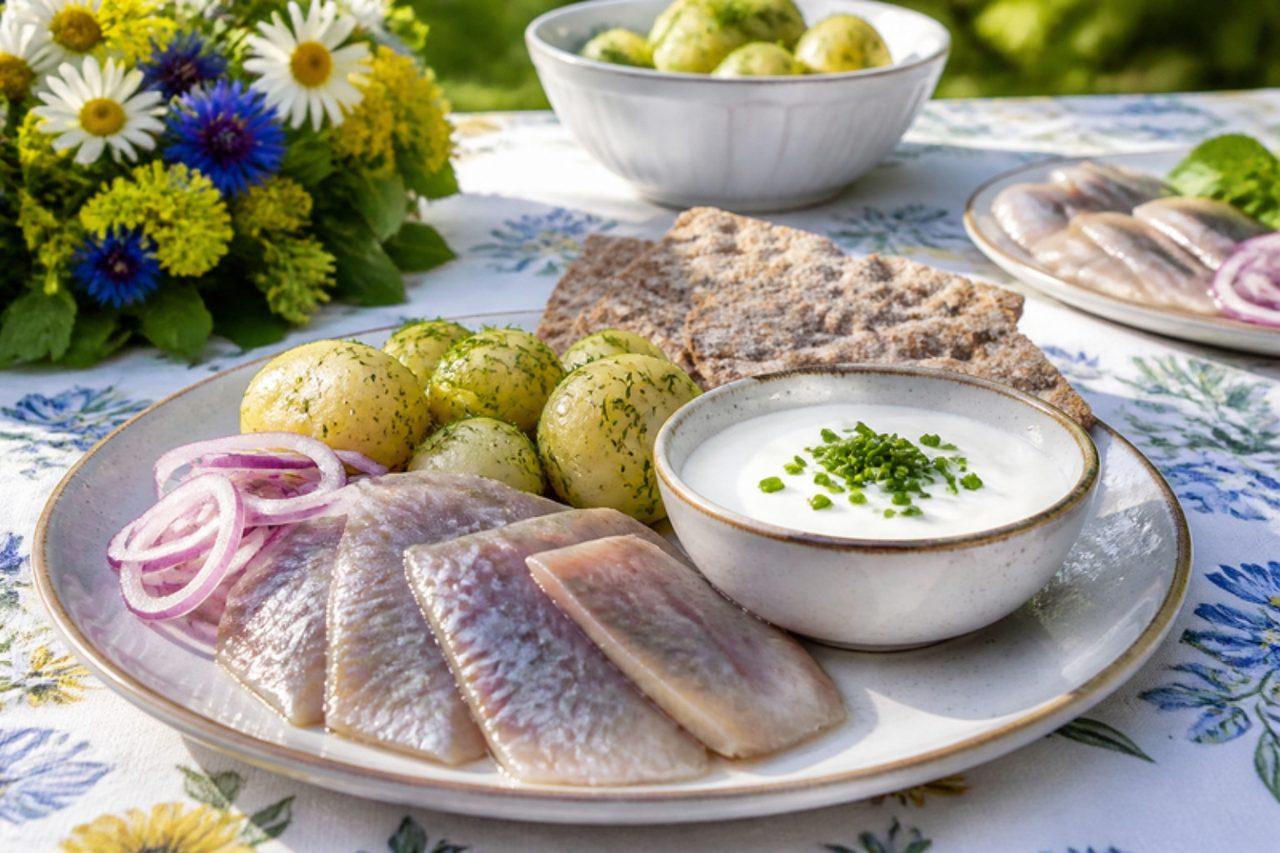
No Swedish Midsummer table is complete without sill, and matjessill, the mild, sweet-cured herring, is the favourite: it is laid out on the long table in the garden with gräddfil (sour cream), chopped chives, red onion and a bowl of steaming new potatoes boiled with crown dill. Everyone eats it with crispbread and a little cheese before the strawberries. The herring is bought ready cured in jars or tins, so the only cooking is the potatoes. Cured herring is not cooked, so it is not for pregnant women, young children or anyone with a weakened immune system; buy it from a chilled, sealed pack, keep it in the fridge and serve it within its use-by date. For a safer, cooked option, serve the same plate with hot-smoked or pan-fried fresh herring, cooked until opaque and flaking. Chef's tip: drain the herring well and pat it dry so its brine does not water down the sour cream.

by KrazyBadal 0 views

SpekematCured meat platter

Spekemat is the Norwegian summer celebration table: on 17 May, at confirmations and on light Midsummer evenings at the cabin, platters of thin-sliced cured meats come out with crisp flatbrød, soft lefse, sour cream (rømme), scrambled eggs and cucumber salad. The classics are fenalår (salt-cured, air-dried leg of lamb), spekeskinke (cured pork ham) and morr or other cured sausage. All are bought ready cured and are not cooked, so the platter is not for pregnant women, young children or anyone with a weakened immune system; keep the meats chilled and put them out no more than 2 hours before eating. For a safer version for those guests, serve slices of cooked ham and roast lamb instead. Chef's tip: slice the meat as thin as paper, across the grain, and let it sit out for 15 minutes before serving so the fat softens and the flavour comes through.

by KrazyBadal 0 views

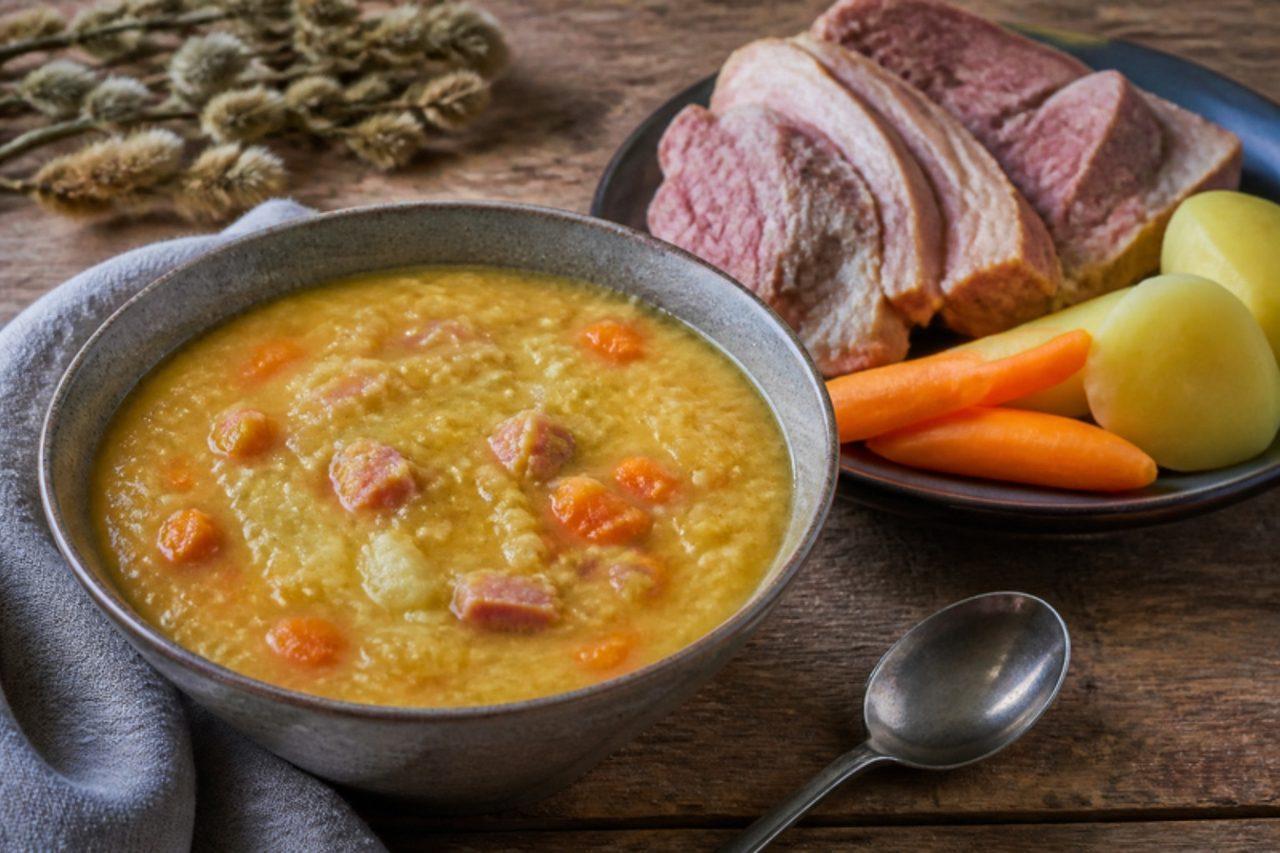
Saltkjöt og baunirSalted lamb with split pea soup

Sprengidagur, 'bursting day', is Iceland's Shrove Tuesday, and the custom is to eat salted lamb and split-pea soup until you can eat no more before Lent begins. Salted lamb is simmered in a thick yellow split-pea soup with onion, carrot, swede and potato, then the meat is sliced and served alongside the soup. The common mistake is skipping the soak, so the meat is too salty to eat; soak it overnight in the fridge. Chef's tip: cook the meat in the soup itself so its flavour seasons the peas, and only add salt at the end, after tasting.

by KrazyBadal 0 views

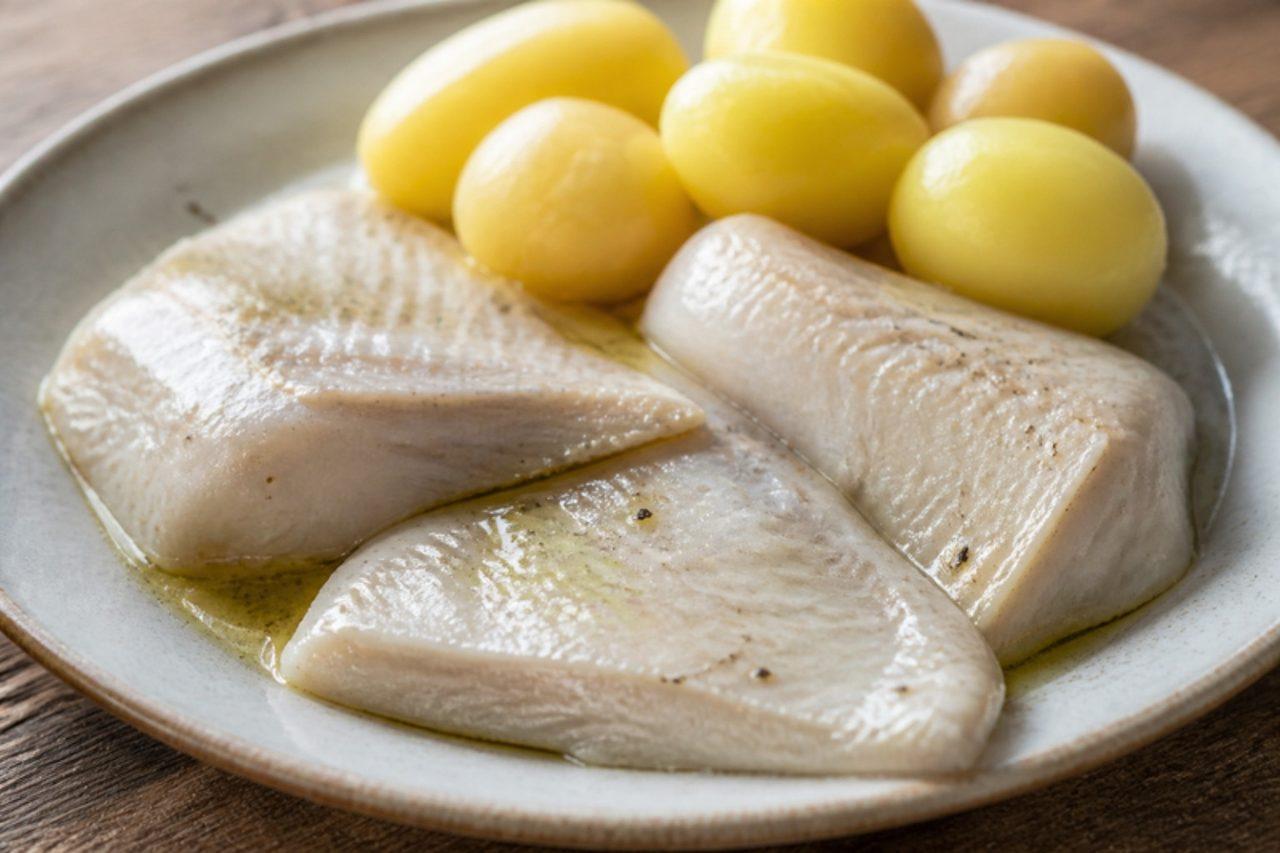
Kæst skataFermented skate

St Thorlak's Day (Þorláksmessa), 23 December, honours Iceland's patron saint, and in the Westfjords and now across the country it is the day for kæst skata: fermented skate, boiled and eaten with potatoes and melted, salty sheep's tallow (hamsatólg) or butter. Its ammonia smell is famous, which is why many families cook it in the garage or eat at a restaurant, then have it the next day as a bracing start to Christmas. Buy skate already fermented from an Icelandic fishmonger; don't try to ferment it at home. Chef's tip: cook it in a lidded pot with a window open, and boil the potatoes in a separate pot.

by KrazyBadal 0 views

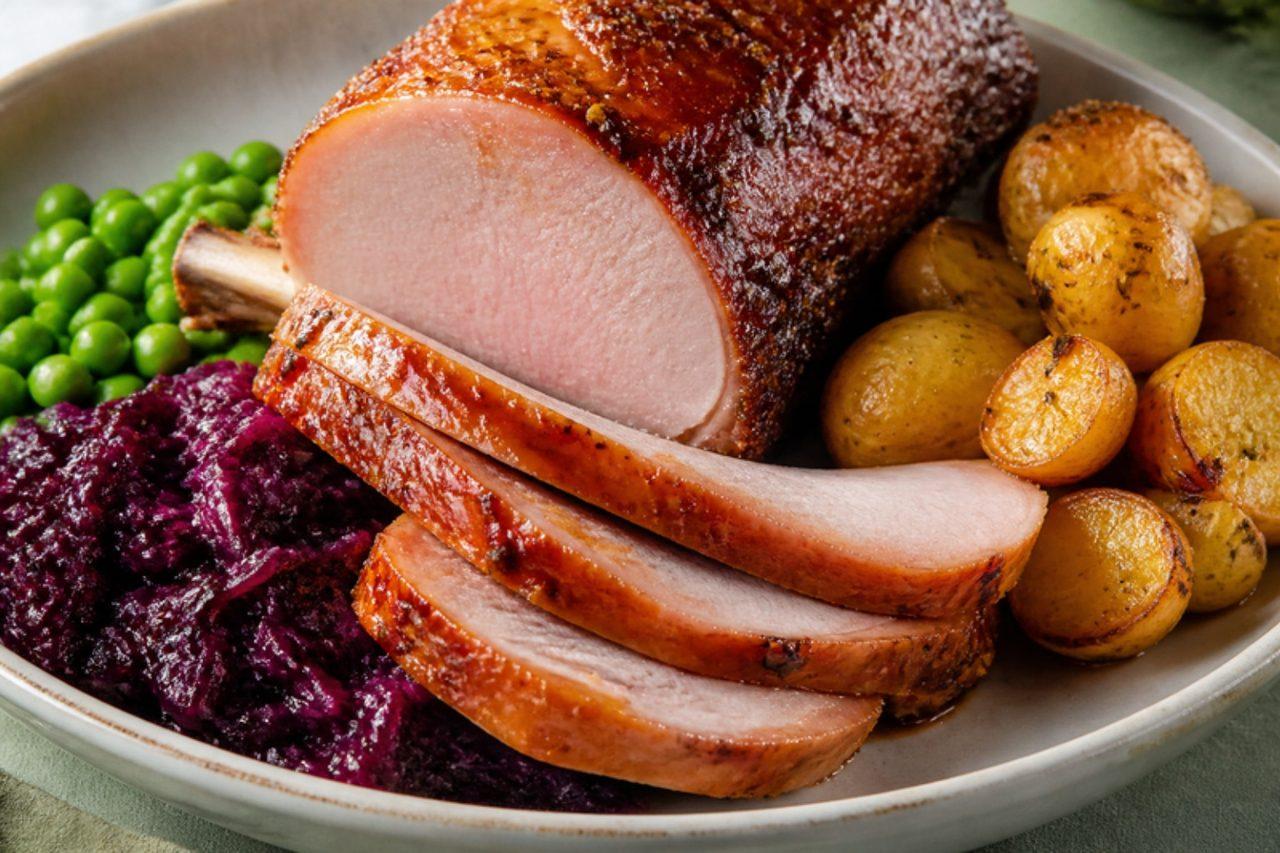
HamborgarhryggurGlazed smoked pork loin

Hamborgarhryggur, 'Hamburg-style loin', is the most common Christmas Eve centrepiece in Iceland, served at six o'clock when the church bells ring Christmas in. It is a cured and lightly smoked pork loin on the bone, simmered gently, then glazed with brown sugar and mustard and baked until shiny. It comes to the table with caramelised potatoes, red cabbage, green peas and a creamy sauce. Use a smoked pork loin (Kassler) from a butcher. Chef's tip: keep the poaching water just trembling, not boiling, so the cured meat stays juicy.

by KrazyBadal 0 views

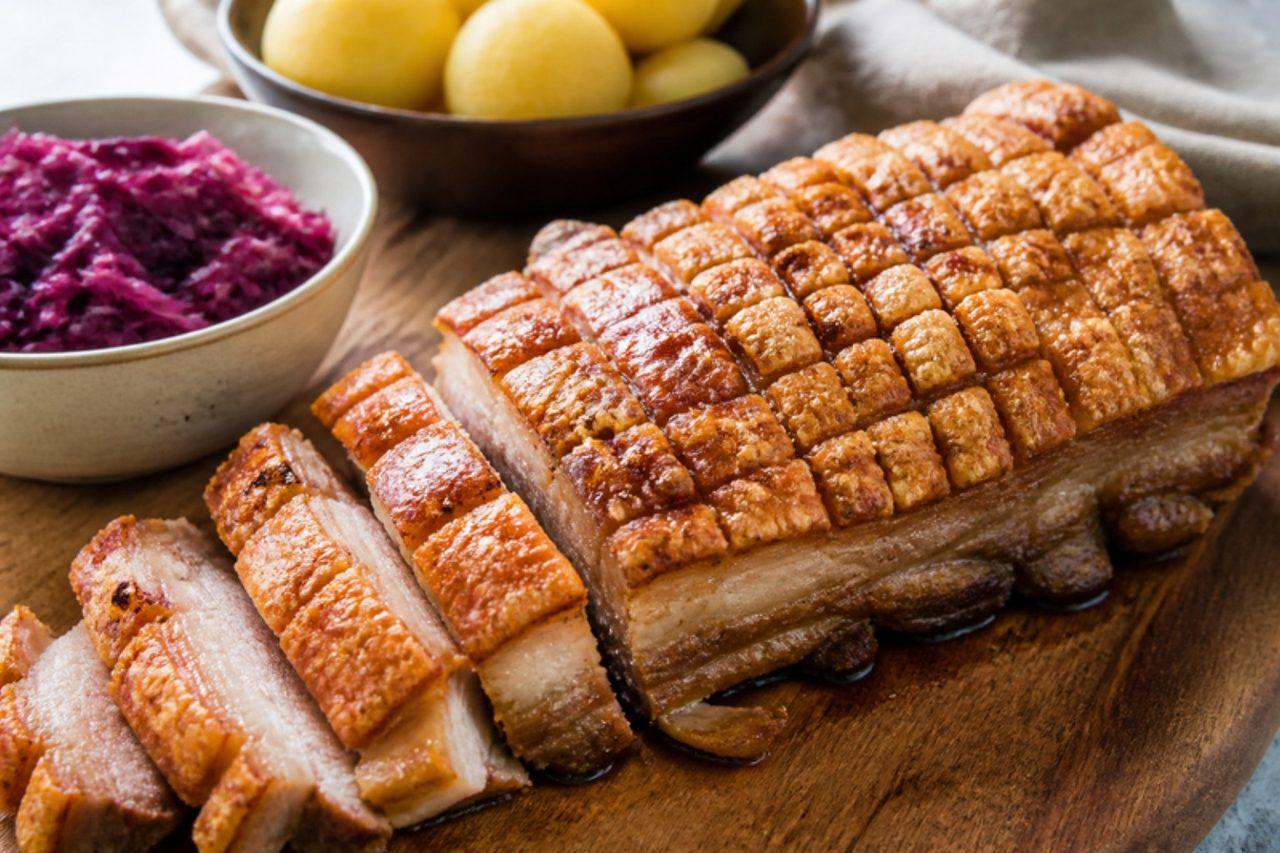
JuleribbeRoast pork belly with crackling

In much of Norway, Christmas Eve means ribbe: a slab of pork belly with the ribs left in, roasted until the scored rind puffs into crackling and the meat beneath is soft and juicy. It is served with medisterkaker, tangy caraway sauerkraut, red cabbage, boiled potatoes and gravy from the pan. Butchers sell ribbe ready scored in squares at Christmas. Chef's tip: salt the rind and leave it uncovered in the fridge for 1–2 days; a dry rind is the secret of the crackling.

by KrazyBadal 0 views

MaksalaatikkoLiver and rice casserole

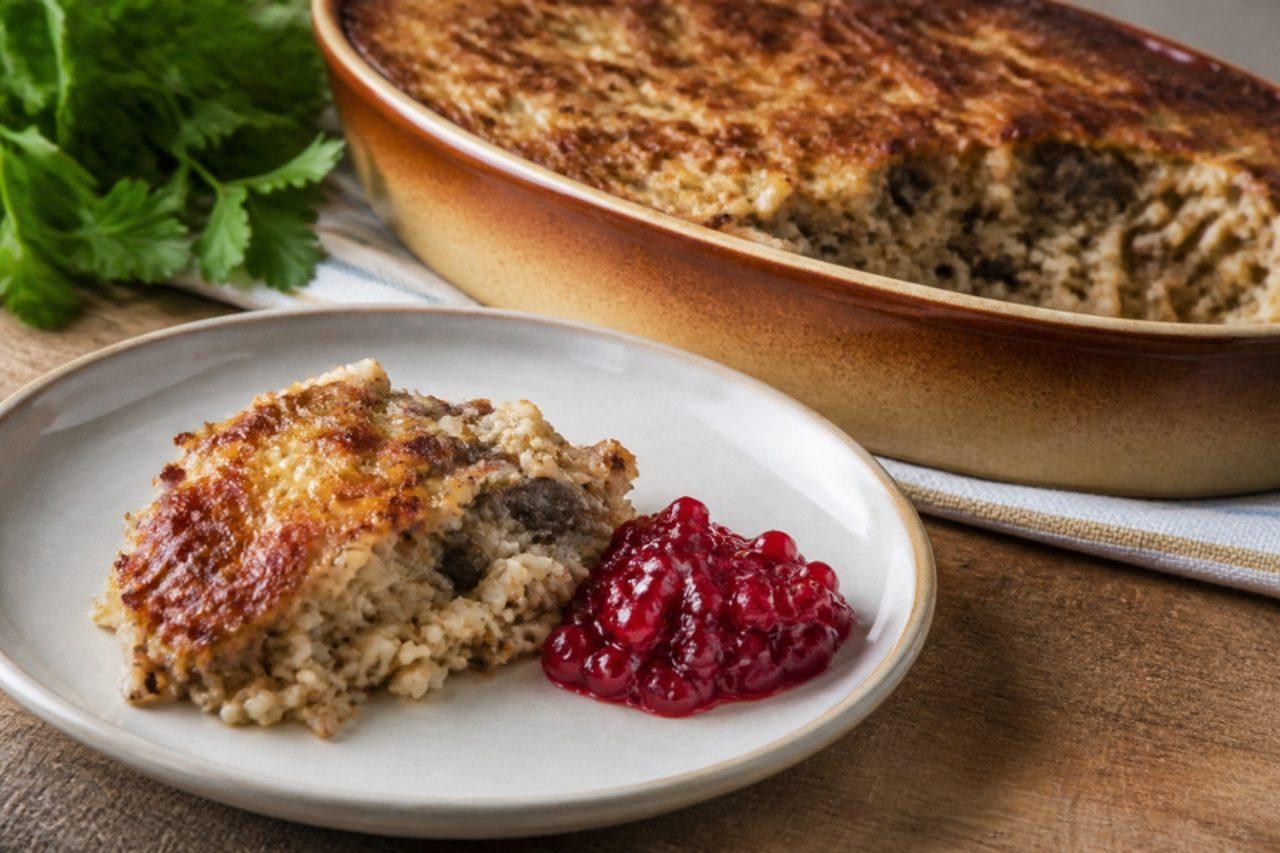
Maksalaatikko is a baked casserole of rice, milk, minced liver, onion, raisins and a little syrup, and it is one of the old dishes on the Finnish Christmas table, eaten all year too. It sounds unusual, but the liver softens into a mild, savoury custard and the raisins and syrup give a gentle sweetness, all cut by sharp lingonberry jam. This version uses pork or calf's liver, minced or very finely chopped; pork liver is the most traditional. Chef's tip: soak the minced liver in milk while the rice cooks, which mellows the flavour.

by KrazyBadal 0 views

Imelletty perunalaatikkoSweet baked potato casserole

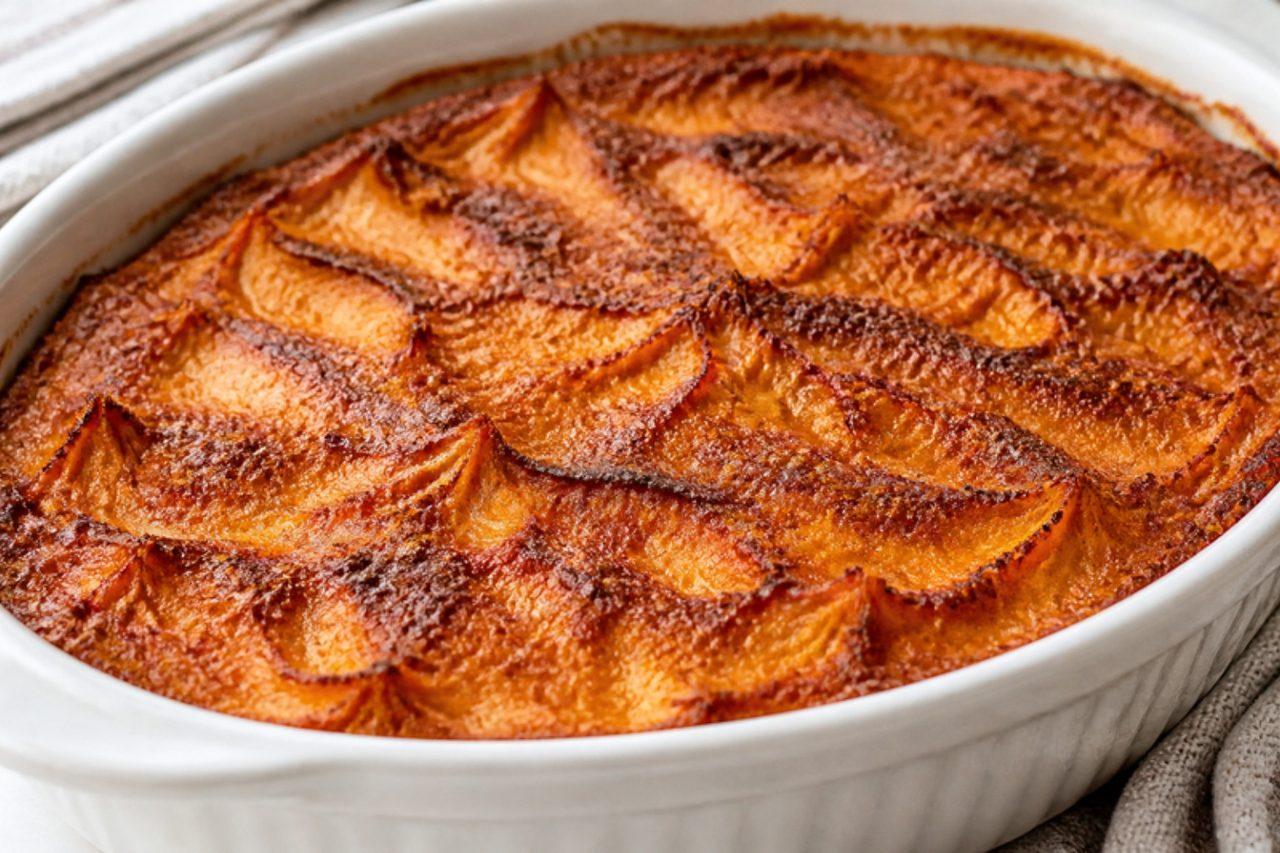
Imelletty perunalaatikko is the most traditional of the Finnish Christmas casseroles, made in the days before Christmas Eve. Mashed potato is mixed with a little flour and left warm for hours, so the potatoes' own enzymes turn starch into sugar ('imelletty' means sweetened), and then it is baked slowly until the top is a deep caramel brown. The result tastes gently sweet with no added sugar and is eaten with ham, herring or, on a vegetarian table, with mushroom salad and beetroot. Chef's tip: keep the mash at hand-warm (about 55 °C) while it sweetens; too hot and the enzymes die, too cool and nothing happens.

by KrazyBadal 0 views

PorkkanalaatikkoCarrot and rice casserole

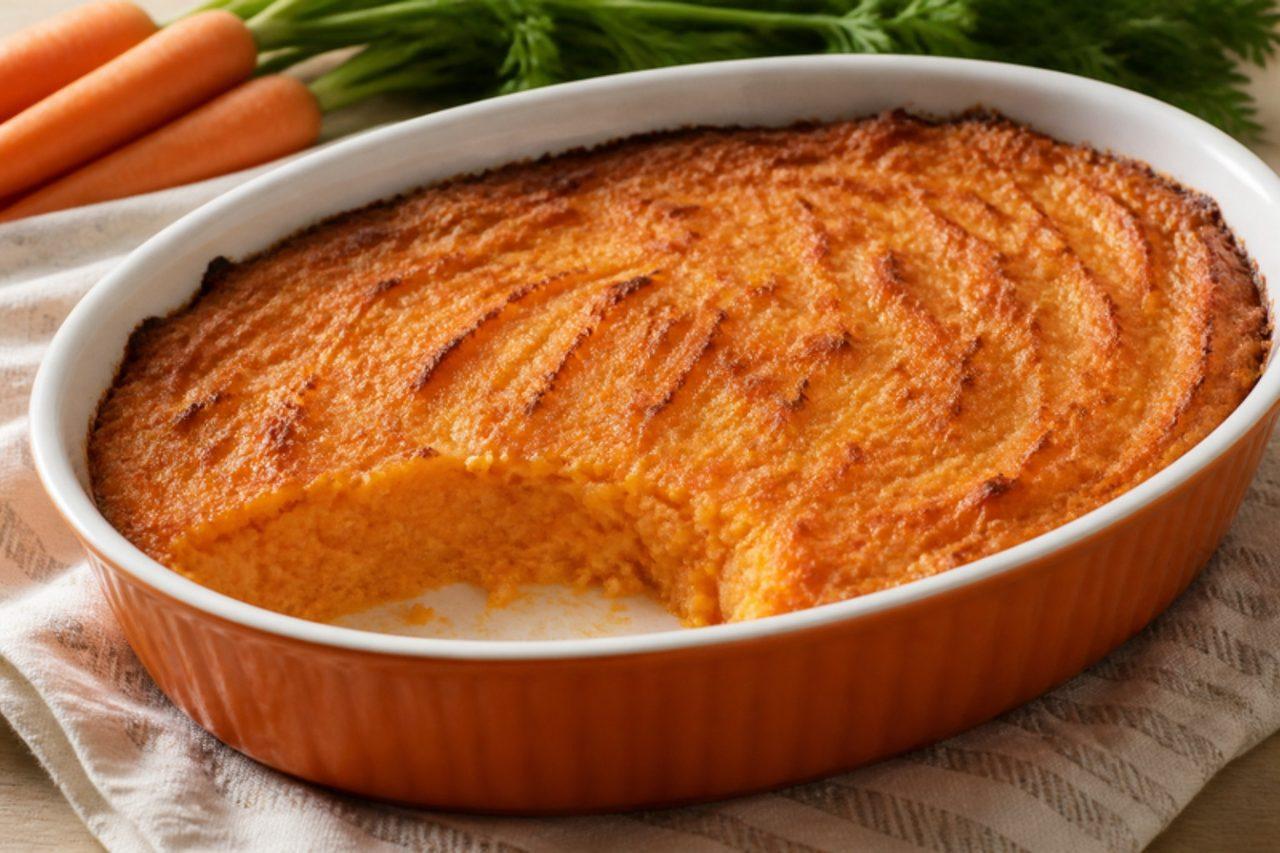
A Finnish Christmas Eve table is set with a row of oven-baked casseroles called laatikot, and porkkanalaatikko, the carrot one, is the children's favourite. Grated carrots are folded into soft rice porridge with milk, egg and a spoon of golden syrup, then baked until the top is caramel-brown with a ring of crisp edge. It is served hot beside the ham or, in vegetarian homes, with beetroot salad and potatoes. It can be made a day ahead and reheated. Chef's tip: use the rice porridge cold, so it holds the egg mixture and the casserole sets into soft, sliceable layers instead of a runny mash.

by KrazyBadal 0 views

RjúpurPtarmigan in cream sauce

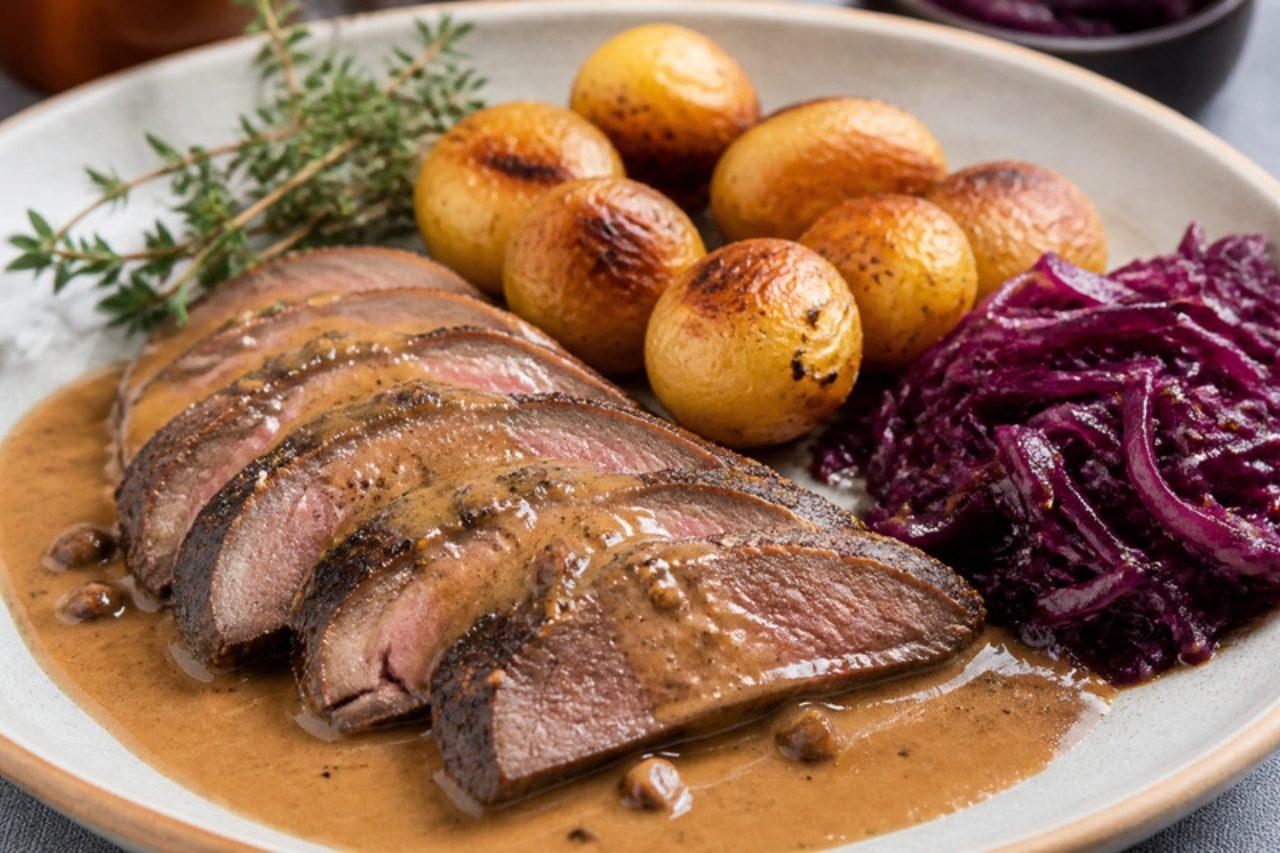
For many Icelandic families, rjúpa (rock ptarmigan) is the true Christmas Eve dish, a small wild bird with dark, gamey meat that is hunted in autumn under strict seasonal limits and kept frozen for the holiday. The breasts are browned, then braised gently in stock made from the legs and carcass, and the sauce is finished with cream and a spoon of redcurrant jelly. Serve with caramelised potatoes and red cabbage. Outside Iceland, use partridge, pigeon or pheasant breasts. Chef's tip: make the stock from the legs and carcasses the day before; it is what gives the sauce its deep game flavour.

by KrazyBadal 0 views

MedisterkakerSpiced pork patties

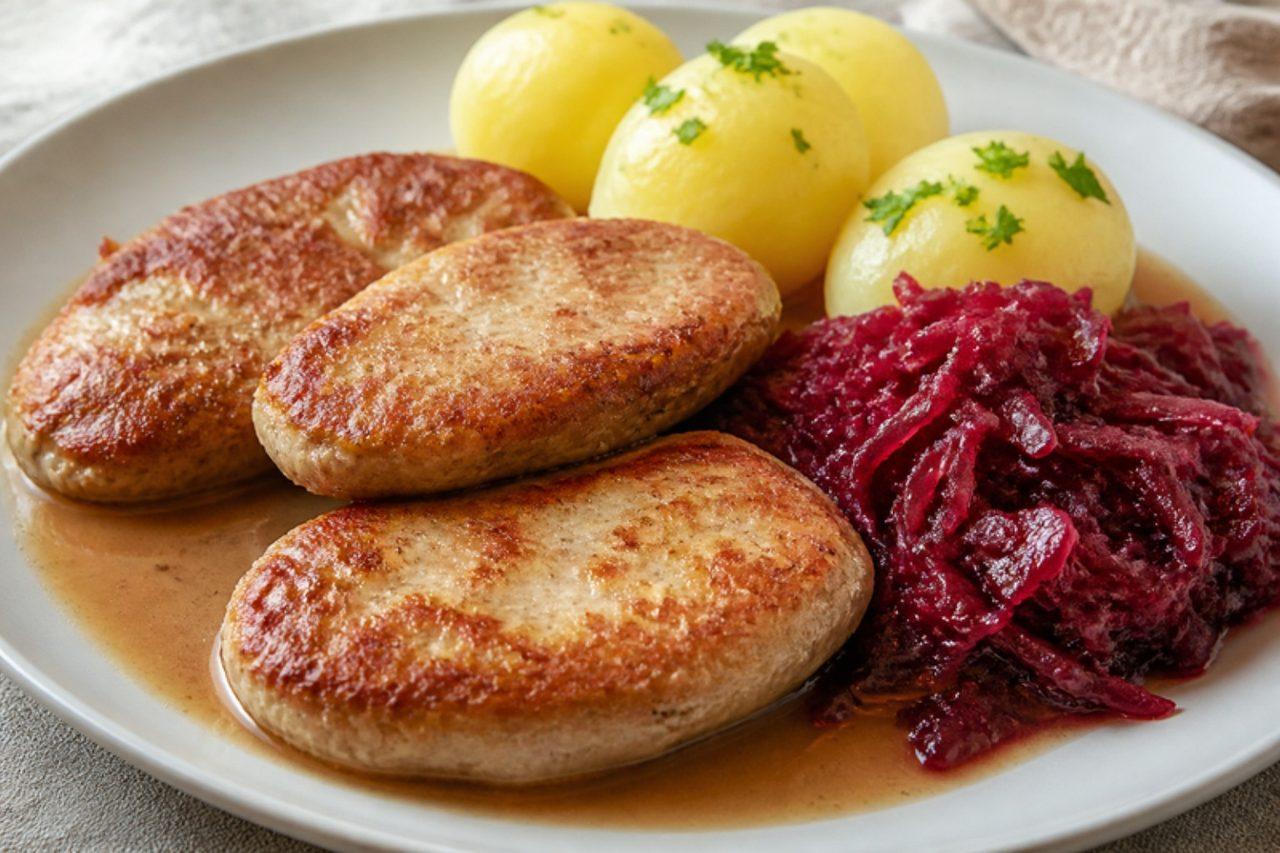
On Christmas Eve in eastern Norway the main dish is ribbe, crackling pork belly, and on the same platter come medisterkaker: soft, pale pork patties seasoned with nutmeg, ginger and white pepper, fried in butter and then simmered gently in the ribbe juices. They are made from medisterfarse, a fine pork mince lightened with milk and potato starch, and are just as popular on ordinary weeknights with brown gravy. Chef's tip: beat the mince with the milk a little at a time until light and sticky, as this is what makes the patties so tender.

by KrazyBadal 0 views

NässelsoppaNettle soup

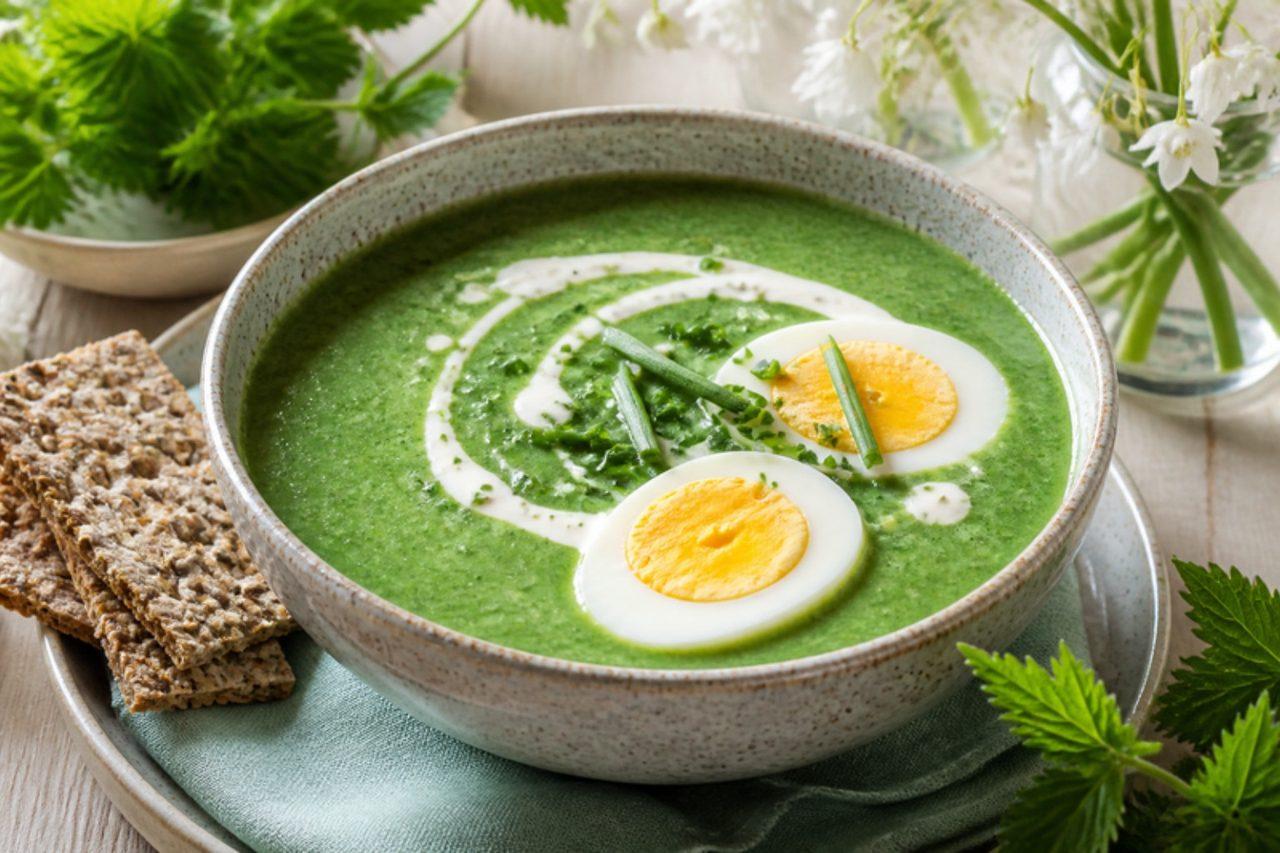
In Sweden the first young nettles of April and May go straight into nässelsoppa, a smooth, grassy green soup often served at Easter or on Walpurgis Night with halved boiled eggs. It tastes a little like spinach with a mineral edge, and is eaten with crispbread and butter. A bowl with one egg gives about 10 g of protein, so it is a light soup, not a high-protein meal; add a second egg each if you want it more filling. Wear gloves to pick and wash nettles: blanching removes the sting completely. The most common mistake is cooking the nettles too long, which turns the soup khaki and dull; add them at the end and blend straight away. Chef's tip: pick only the top four to six leaves of young plants before they flower; older leaves are tough and gritty.

by KrazyBadal 0 views

KålsoppaCabbage and root vegetable soup

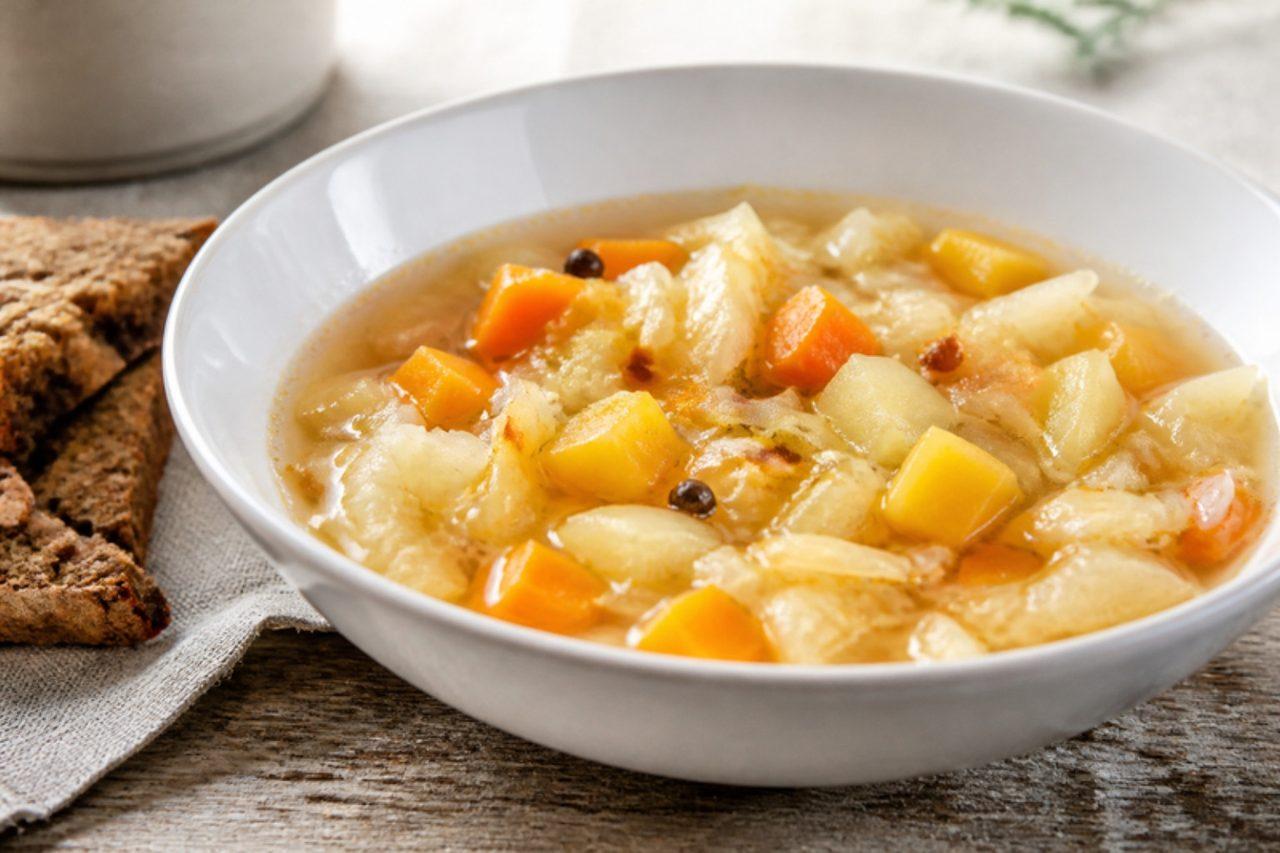
Kålsoppa is old-fashioned Swedish home cooking, the soup of cold autumn and winter evenings in Skåne and the countryside, when white cabbage and root vegetables fill the cellar. The cabbage is first browned in a little oil with a pinch of syrup, which gives the broth its gentle sweetness and golden colour, then simmered with carrot, swede and potato and seasoned with whole allspice. Many families float small meatballs in it; this is the vegetarian version without them. It has about 4 g of protein per bowl; serve with crispbread and a hard cheese, or add white beans, for more. The common mistake is rushing the browning: the cabbage needs a good 10 minutes of slow frying to caramelise. Chef's tip: crush the allspice berries lightly before adding them, so their warm, clove-like scent fills the soup.

by KrazyBadal 0 views

RotmosMashed swede and carrot

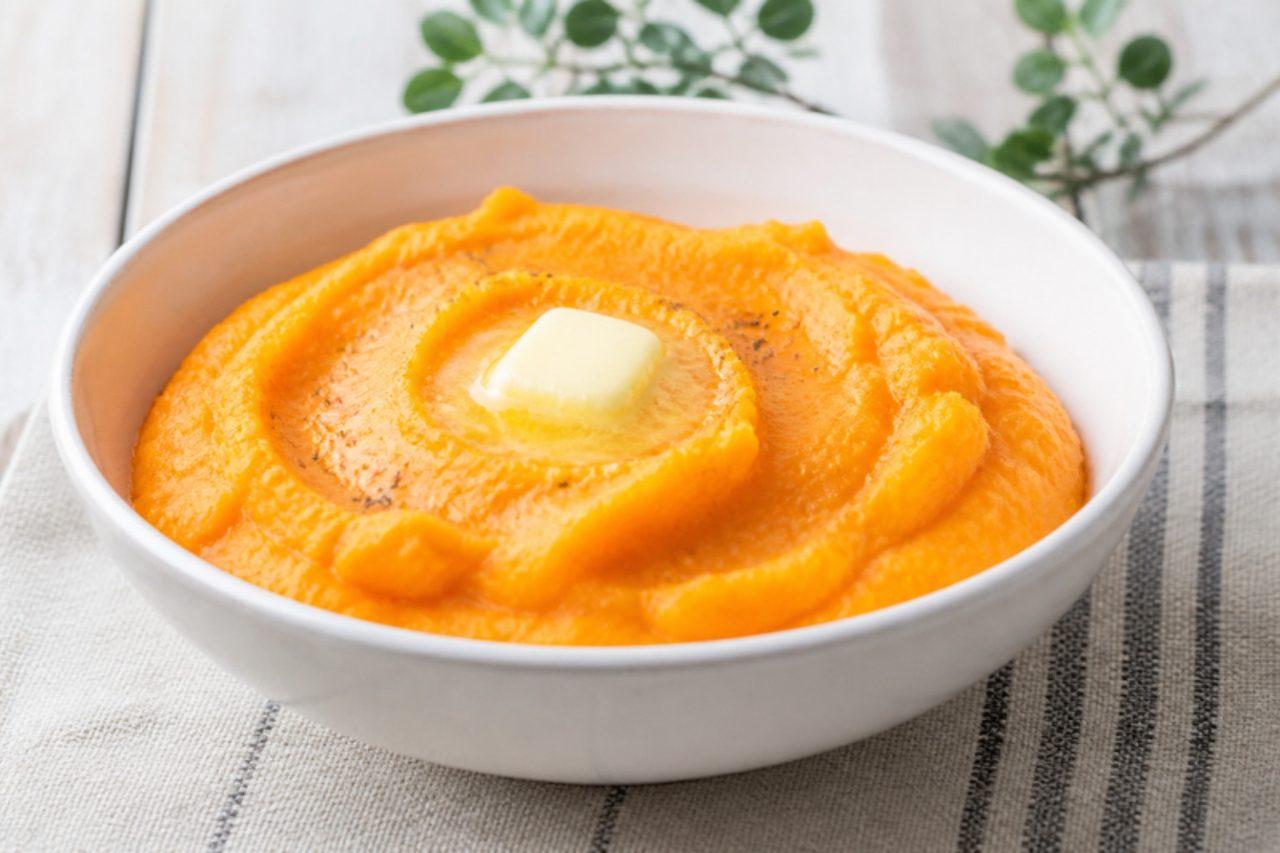
Rotmos, literally 'root mash', is a Swedish winter staple, cooked from Skåne to Norrland when the cellars are full of swede, and served beside sausages or boiled pork at home dinners, and on Thursdays with pea soup. Swede gives the mash its golden colour and gently peppery sweetness, potato makes it smooth, and a little butter and allspice round it out. It is a vegetarian side with about 3 g of protein per portion; try it with fried halloumi or a bean stew. The common mistake is mashing it straight from the pan: watery roots give a sloppy mash, so steam-dry them first. Chef's tip: leave the mash a little coarse; Swedes like to see flecks of swede and carrot rather than a smooth purée.

by KrazyBadal 0 views

Kokt torskPoached cod with potatoes

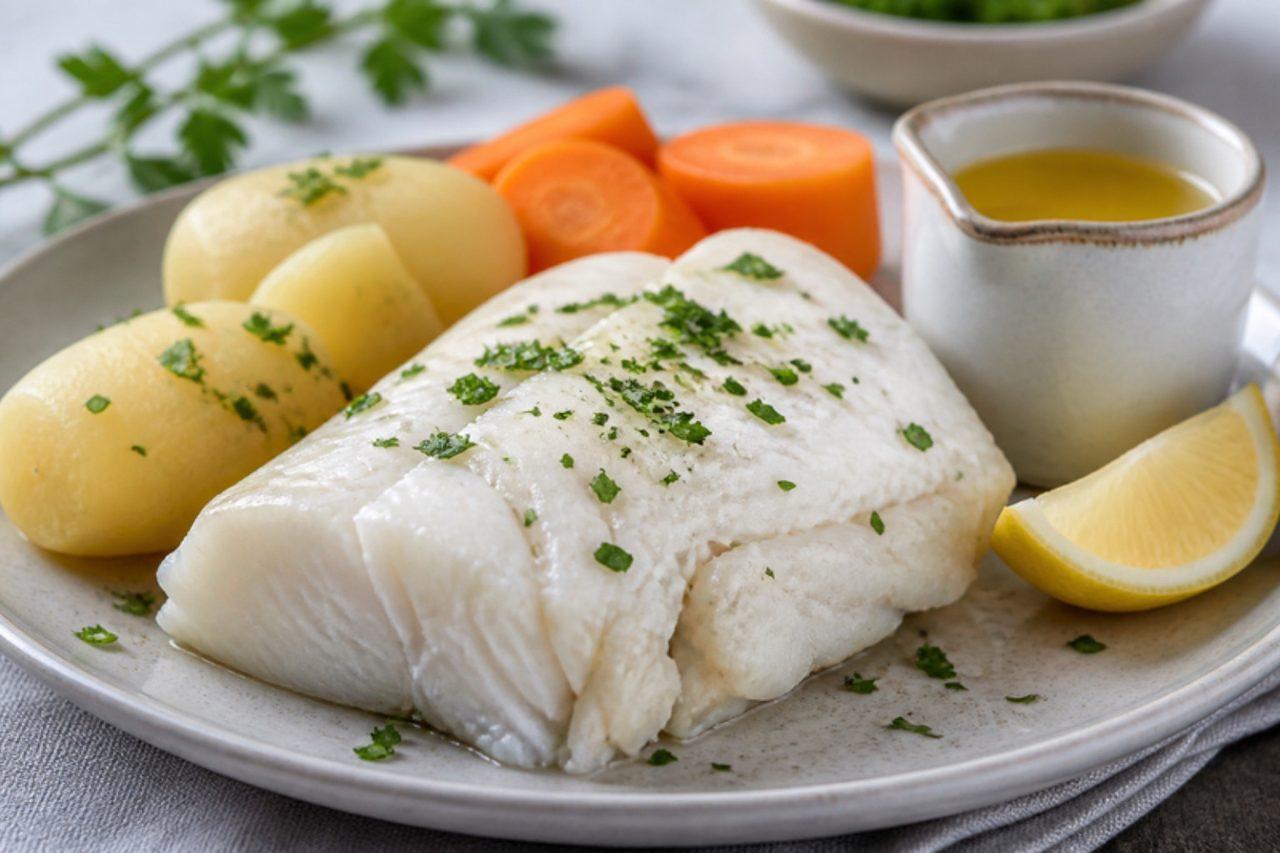
From January to April, when the spawning skrei cod arrive at the Lofoten Islands, Norwegian homes eat kokt torsk at least once a week: thick cod loins poached in well-salted water, served plainly with boiled potatoes, carrots and a little melted butter. It is clean, gentle food, and the whole plate comes to around 430 kcal with about 40 g of protein, almost all from the cod. The common mistake is boiling the fish: the water should barely tremble, which Norwegians say makes it "smile", or the flakes tighten and turn woolly. Cook it until it is opaque and the flakes separate at a light press, about 60–63 °C in the thickest part. Chef's tip: salt the poaching water as heavily as the sea, about 60 g to a litre; it seasons the cod all the way through in the few minutes it cooks.

by KrazyBadal 0 views

Stuvade makaronerCreamy macaroni

Stuvade makaroner is a Swedish childhood classic, cooked on weekday evenings all over the country: small macaroni simmered in milk with butter and a grating of nutmeg until thick and creamy, served beside meatballs, sausages or, for a vegetarian plate, fried halloumi or eggs and a spoonful of lingonberries. It is mild, comforting and made in one pan. The most common mistake is cooking on too high a heat, so the milk catches and burns on the bottom; keep it at a gentle simmer and stir often. Chef's tip: boil the macaroni in water for 3 minutes first, then finish in the milk, so it cooks evenly without the sauce turning gluey.

by KrazyBadal 0 views

Korv StroganoffSausage in tomato cream sauce

Korv Stroganoff is Swedish family food from the 1970s that children still ask for: strips of falukorv, a mild, smooth pork-and-beef sausage, browned with onion and simmered in a pink sauce of tomato purée, mustard and cream. It is a 25-minute weeknight dinner across Sweden, served over boiled rice with a grated carrot or cucumber salad. Falukorv is already cooked, so it only needs heating until piping hot; the common mistake is boiling the cream sauce hard, which can split it and toughen the sausage. Check the sausage label if you need it gluten free; Polish kielbasa or a mild smoked sausage works if you can't find falukorv. Chef's tip: brown the sausage strips properly before adding liquid, because that caramelised edge is where the flavour comes from.

by KrazyBadal 0 views

PyttipannaPotato and meat hash

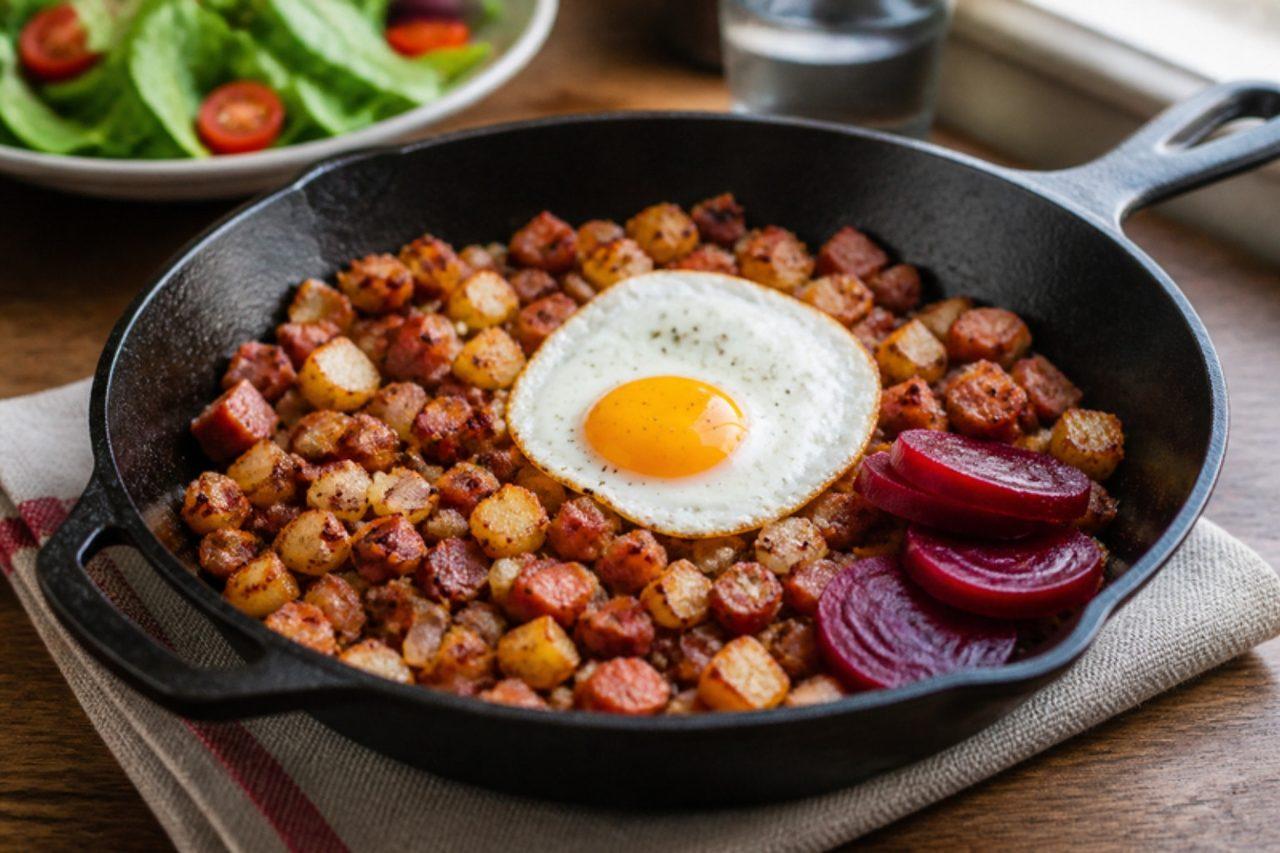
Pyttipanna, 'small pieces in a pan', is Sweden's great leftover dish: diced potatoes, onion and whatever cooked meat is left from Sunday (roast beef, ham or sausage, often pork) fried together until crisp, then served with a fried egg on top and pickled beetroot on the side. It is a weekday lunch in every Swedish home and canteen, and a well-known hangover breakfast. The mistake that leaves it pale and steamed is putting everything in the pan at once; the potatoes need a head start to brown before the meat goes in. Reheat the leftover meat until it is steaming hot right through (74 °C). Chef's tip: cut potatoes, onion and meat into the same 1 cm dice, so every forkful has a bit of each.

by KrazyBadal 0 views

Välling (Swedish oat and milk drink)

Välling, a thin gruel of cereal and milk, has been the Swedish child's bedtime drink for generations, and many families still make their own for toddlers once they move on to cow's milk at around a year old. It is smooth, warm and lightly oaty, with no added sugar or honey. It contains milk and gluten (oats are often processed with wheat; use certified gluten-free oats if needed); there is no egg, nuts, soya, sesame or fish. Chef's tip: blend the oats to a fine flour first, so the drink is silky and flows easily from a beaker.

by KrazyBadal 0 views

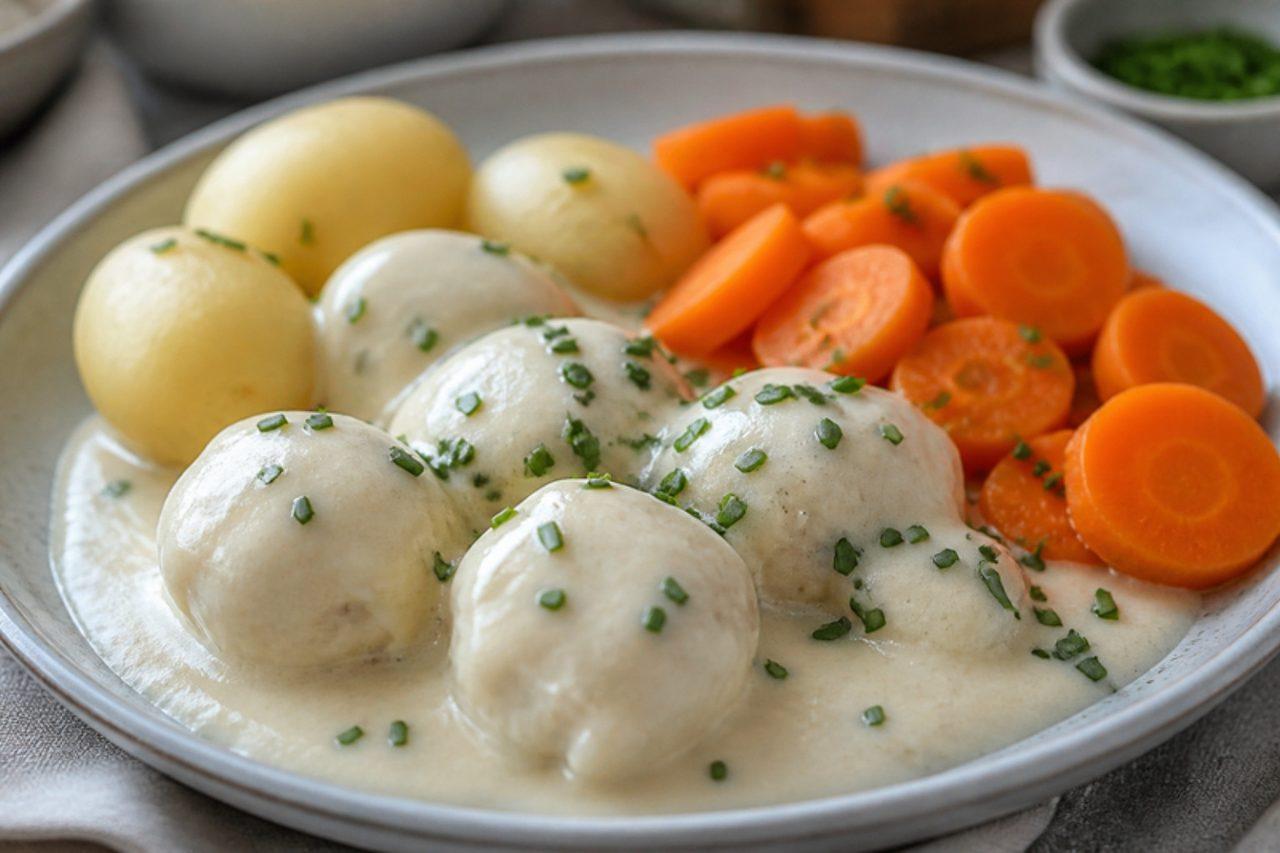
Fiskeboller i hvit saus (fish balls in white sauce)

Fiskeboller i hvit saus, pale, pillowy fish balls in a white sauce with carrots and boiled potatoes, is the gentle midweek dinner of Norwegian childhood. Making the fish balls at home means you control the salt and can be sure every bone is out: they are just white fish, milk, potato starch and a little nutmeg, poached until soft and springy. It contains fish, milk and gluten (wheat flour in the sauce). Chef's tip: keep the fish and milk cold while blending, and the fish balls come out light rather than rubbery.

by KrazyBadal 0 views

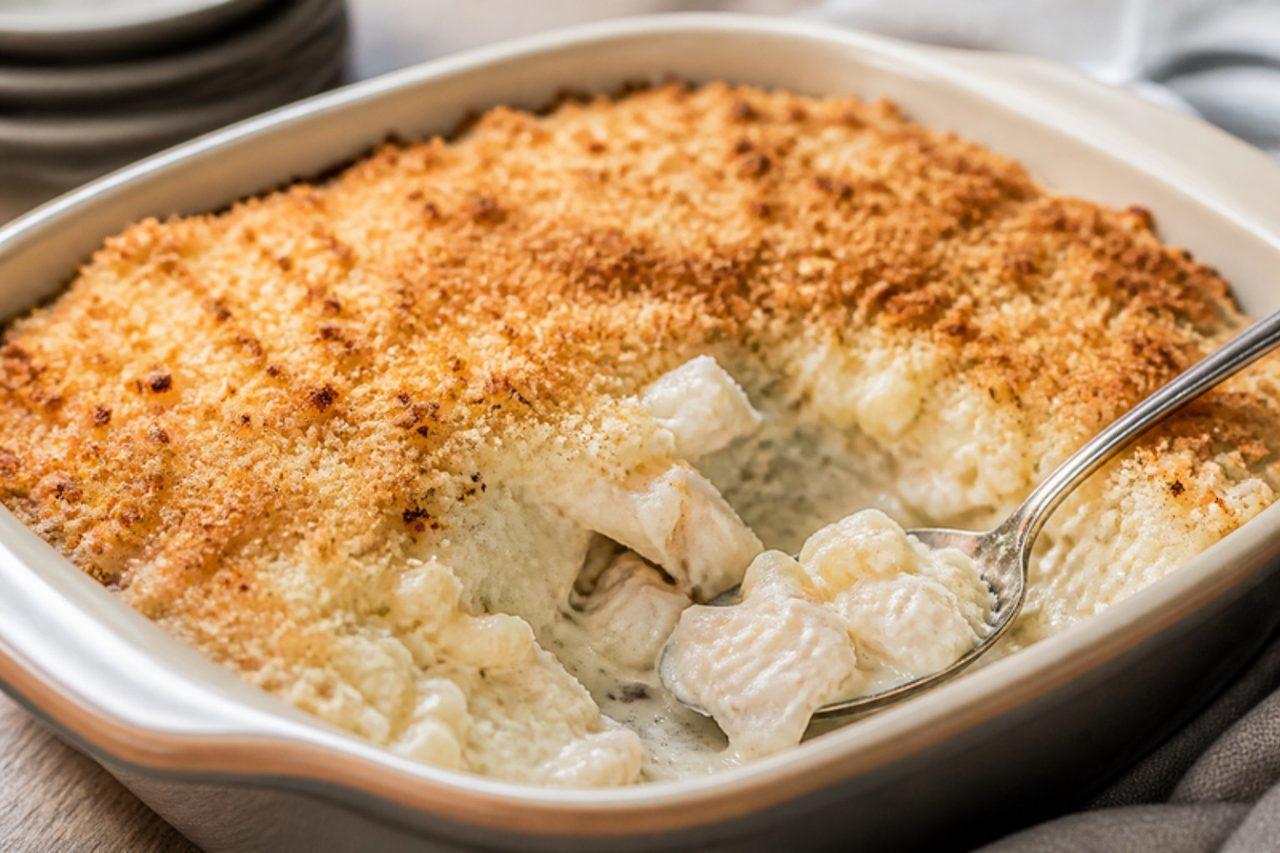
Fiskegrateng (Norwegian fish and macaroni gratin)

Fiskegrateng, a baked gratin of flaked white fish and macaroni in a thick nutmeg-scented white sauce, is classic Norwegian family food and a favourite way to get children to eat fish, served with grated raw carrot on the side. It is soft, creamy and mild, with a crisp crumb on top, and this version uses no added salt for toddlers from a year old. It contains fish, milk, egg and gluten (pasta, flour and breadcrumbs). Chef's tip: let the white sauce cool a little before whisking in the egg yolks, so they thicken it smoothly instead of scrambling.

by KrazyBadal 0 views

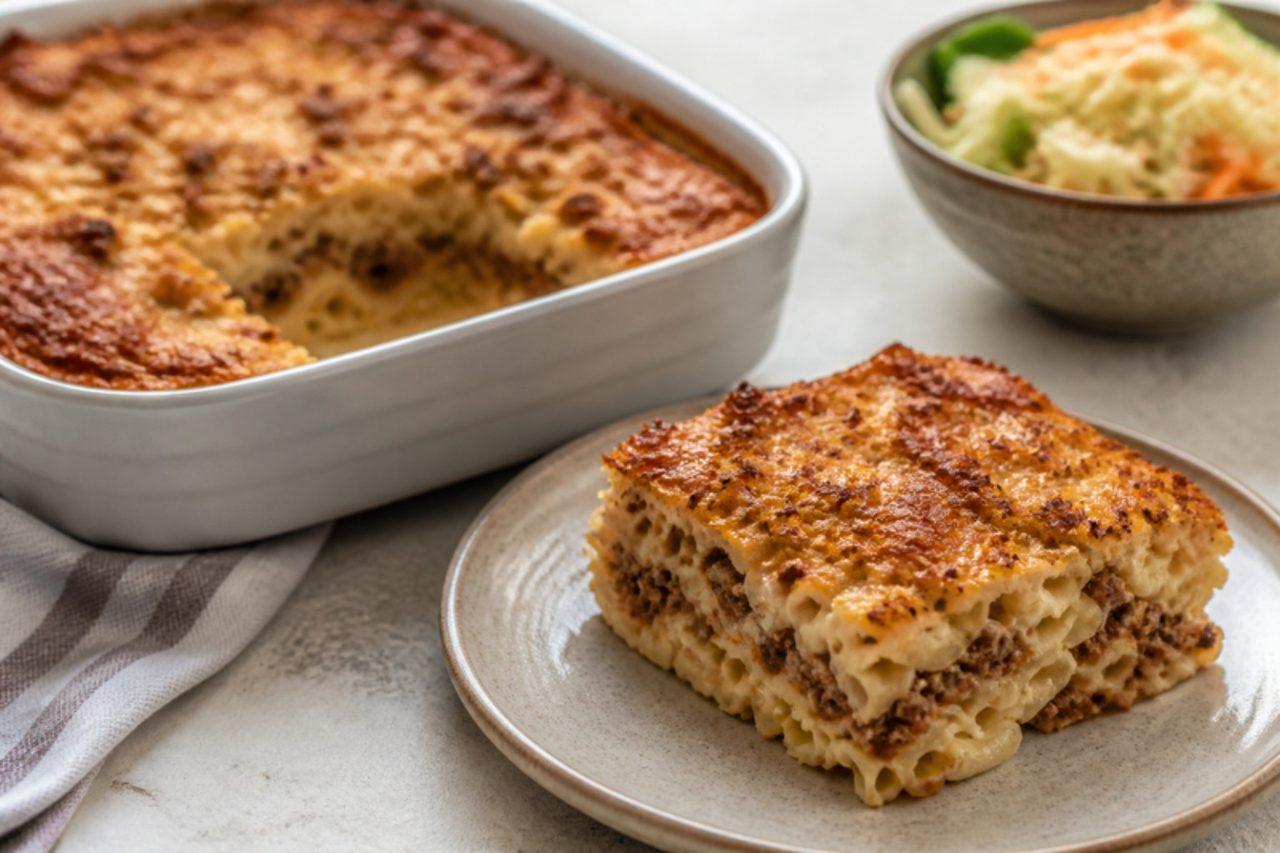
Makaronilaatikko (Finnish macaroni and beef bake)

Makaronilaatikko, macaroni and minced beef baked in an egg-and-milk custard, is the dish Finnish children vote for again and again, at home and in school canteens, often eaten with a dab of ketchup. It bakes until the top is golden and slightly crunchy and the inside soft and custardy, ideal for toddlers from a year old. This version adds no salt, only white pepper, so adults can season at the table. It contains gluten (wheat pasta), egg and milk. Chef's tip: bake it until a knife in the middle comes out clean; a wobbly centre means the custard isn't set.

by KrazyBadal 0 views

PariserbøfBeef patty on toast

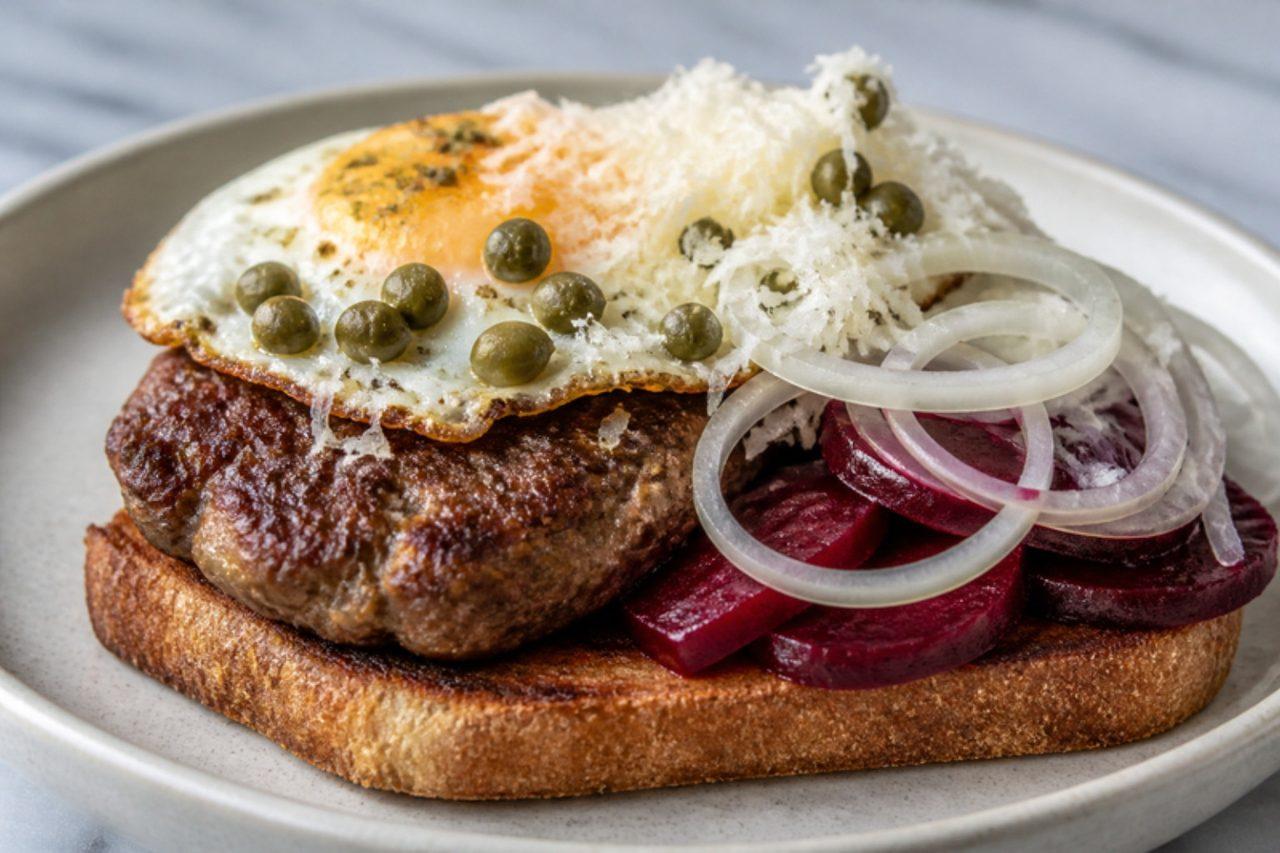
Pariserbøf is an old Copenhagen lunch-house favourite: a thick beef patty seared in butter on a slice of fried white bread, crowned with an egg yolk in a ring of raw onion, with capers, grated horseradish and pickled beetroot. Traditionally the beef is left almost raw in the centre and the yolk is raw. That classic way is not for pregnant women, young children or anyone with a weakened immune system. This safer home version cooks the mince through to 71 °C and tops it with a soft fried egg cooked until the white and yolk edges are set (or use a pasteurised yolk). A common mistake is pressing the patty in the pan, which squeezes out the juice. Chef's tip: shape the patties wider than the bread, as they shrink as they cook.

by KrazyBadal 0 views
Showing 24 of 76 recipes

Show more recipes

Page 1 of 4