Skip to content
Recipes

All recipes

Vegetarian, or something you can't eat? Set your diet once and we'll hide recipes that don't fit.

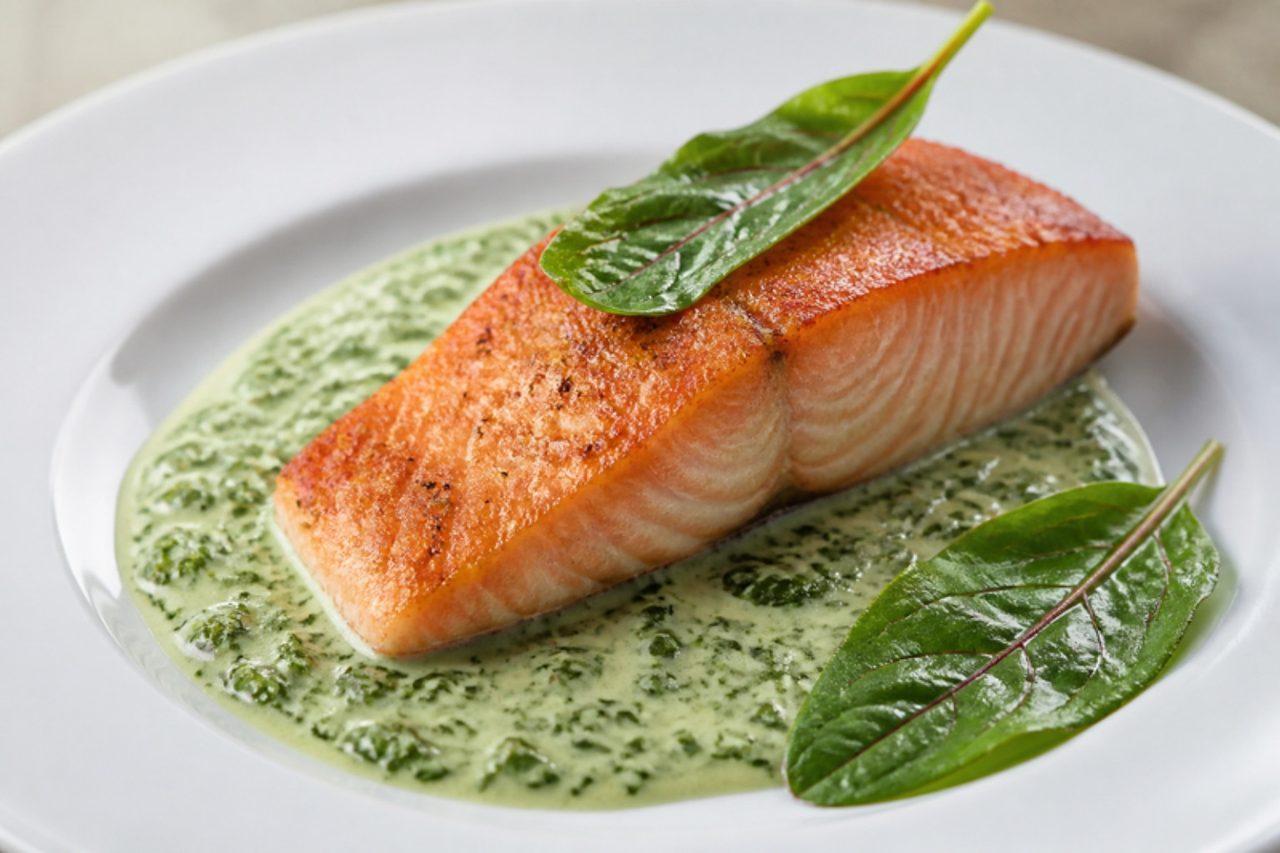
Saumon à l'oseilleSalmon with sorrel sauce

Saumon à l'oseille was created in the 1960s at the Troisgros brothers' famous restaurant in Roanne, north of Lyon, and it soon became a dinner-party classic in French homes. Thin escalopes of salmon are cooked for barely a minute and laid on a pale green cream sauce sharpened with sorrel, whose lemony bite cuts the richness of the fish. This home version uses a quick fish stock and no wine, so it is alcohol-free. The common mistake is overcooking the salmon; the thin escalopes are done the moment they turn pale. Chef's tip: add the sorrel at the very end and take it off the heat at once; it collapses in seconds and turns khaki if boiled.

25 minFrenchFishGluten free
by KrazyBadal 0 views

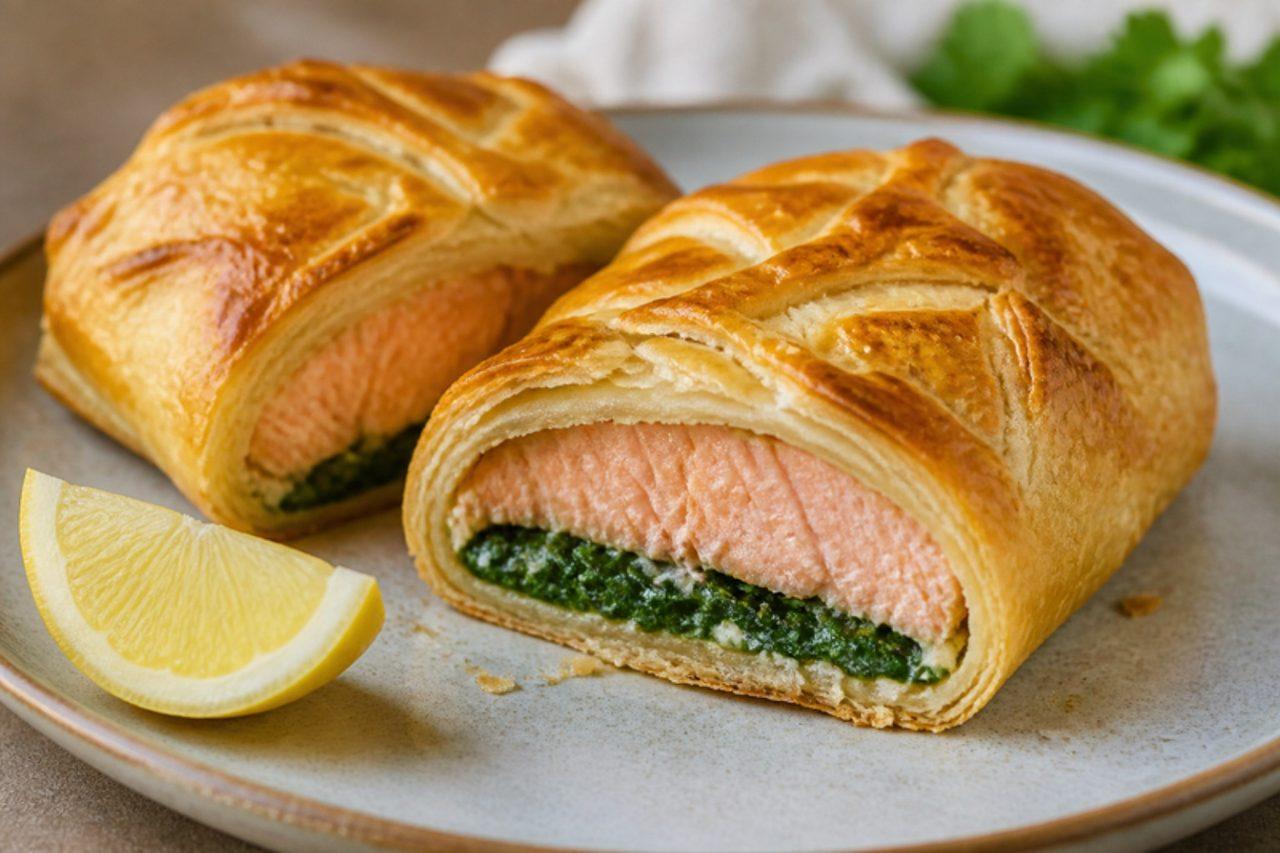
Feuilleté de saumonSalmon in puff pastry

Feuilleté de saumon is a French family dinner-party favourite and a classic for Christmas Eve and New Year's Eve, when a whole salmon fillet is wrapped in puff pastry with a layer of creamy spinach and baked until golden, then sliced at the table. Served with a lemony butter sauce or crème fraîche and a green salad, it looks grand but is simple to make. The common mistake is wet spinach, which turns the pastry soggy underneath; squeeze it bone dry. Chef's tip: rest the pastry parcel for 5 minutes before slicing; the salmon finishes cooking and the slices stay neat.

60 minFrenchFish
by KrazyBadal 0 views

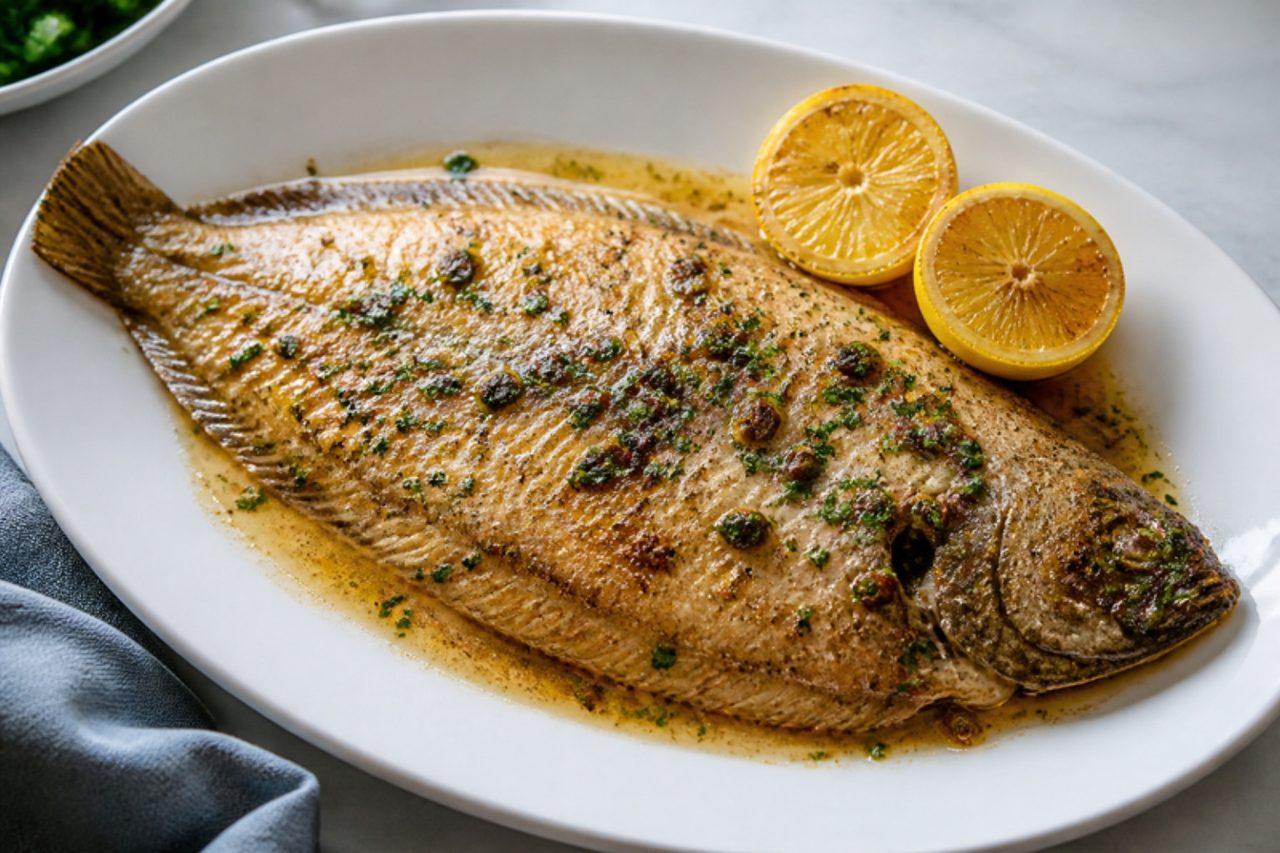
Sole meunièreSole in browned butter

Sole meunière, "in the style of the miller's wife", is the fish dish of old Paris brasseries and Normandy seaside restaurants, served on Fridays and for special lunches with boiled potatoes. The sole is dusted in flour and cooked in foaming butter until golden, then bathed in nutty browned butter with lemon juice and parsley. The common mistake is a pan that is too crowded or not hot enough, so the flour turns soggy instead of crisp. Chef's tip: cook the fish in clarified butter or butter with a little oil, then make a fresh batch of browned butter for the sauce; it stays golden, not burnt.

25 minFrenchFish
by KrazyBadal 0 views

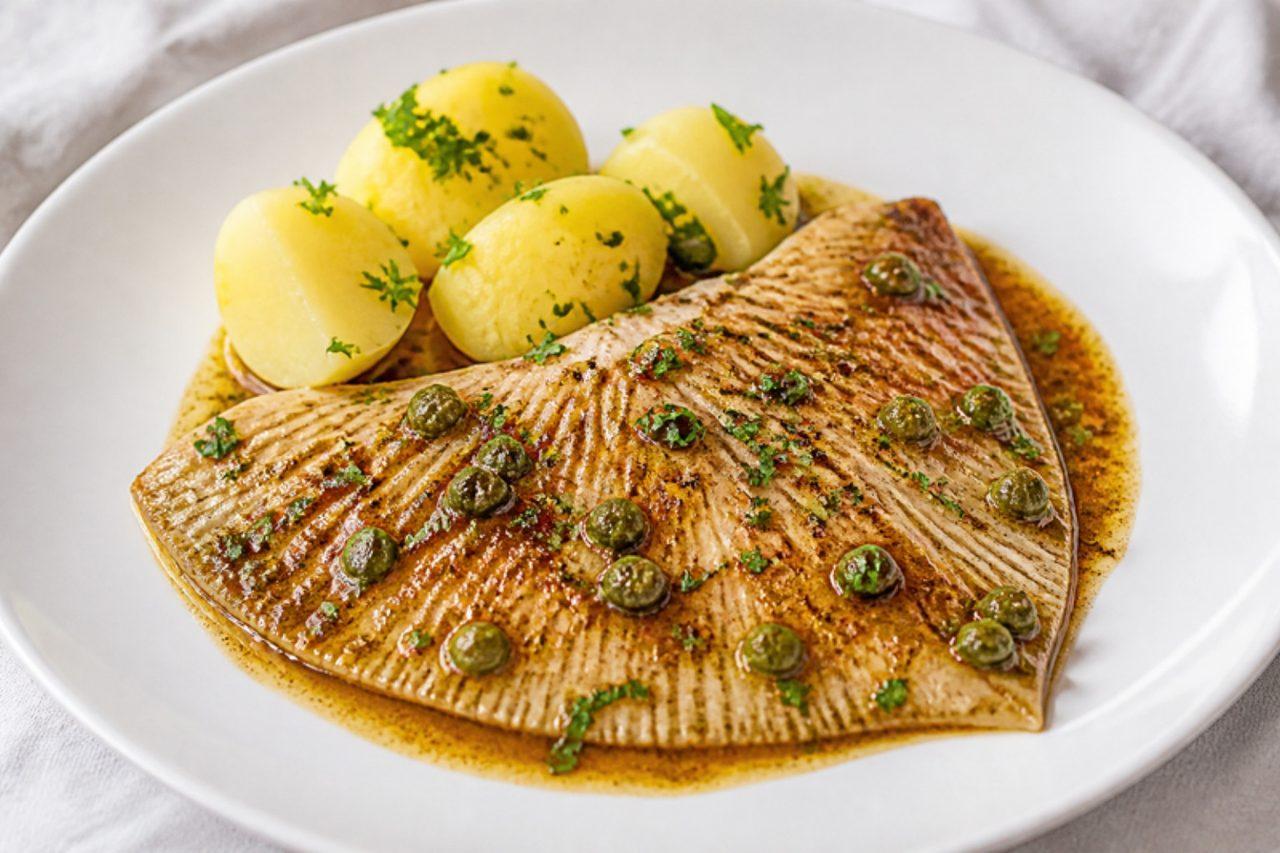
Raie au beurre noirSkate in brown butter

Raie au beurre noir is a much-loved bistro and home dish all along the French coasts and in Paris, served on Fridays with boiled potatoes. The skate wing is poached gently in a vinegary court-bouillon until the soft, ribbed flesh slides off its cartilage, then it is covered with butter cooked until deep brown and nutty, sharpened with capers and a splash of vinegar. Despite the name, the butter should be dark hazelnut, never black and burnt. The common mistake is overcooking the skate, which turns it stringy. Chef's tip: buy skate very fresh; any smell of ammonia means it is old.

30 minFrenchFishGluten free
by KrazyBadal 0 views

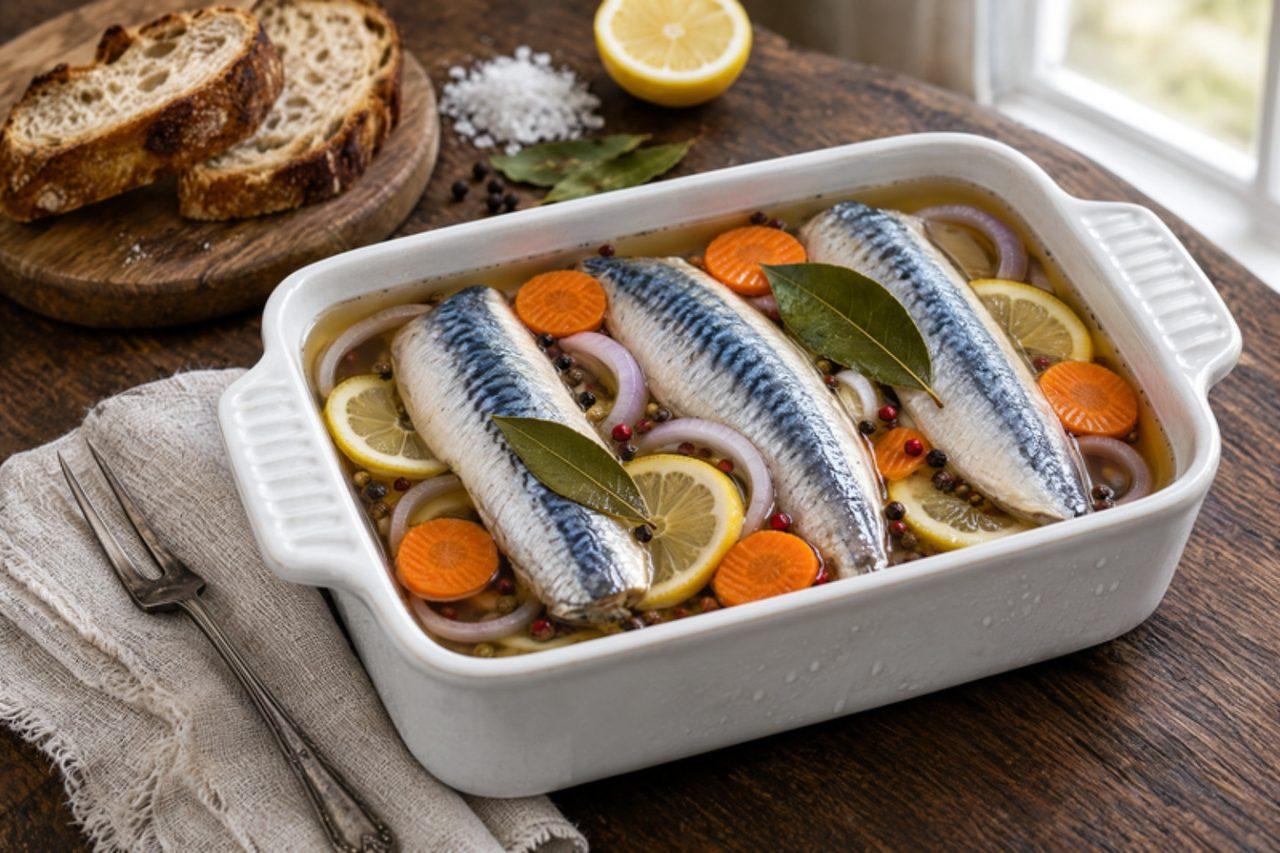
Maquereaux au vin blancMackerel in white wine

In Brittany and Normandy, mackerel in white wine is a summer starter and picnic dish, made when the boats come in heavy with silver fish in June and July; cafés serve it cold with bread and butter. Fillets are laid in a dish and a hot marinade of white wine, vinegar, carrot, onion, coriander seed and bay is poured over to cook them gently, then they chill for a day. Oily fish, high in protein and suitable as part of a balanced diet; serve with a green salad or a few boiled new potatoes. About 300 kcal and 4 g carbohydrate per portion. It cooks with wine, which boils for 5 minutes; for an alcohol-free version use vegetable stock and add 2 extra tablespoons of vinegar. The usual mistake is using fish that is not very fresh: the eyes should be bright and the flesh firm. Chef's tip: check the thickest fillet after the hot marinade; if it is not opaque, simmer the dish on the hob for 2 minutes.

30 minFrenchFishGluten free
by KrazyBadal 0 views

BourrideFish stew with garlic sauce

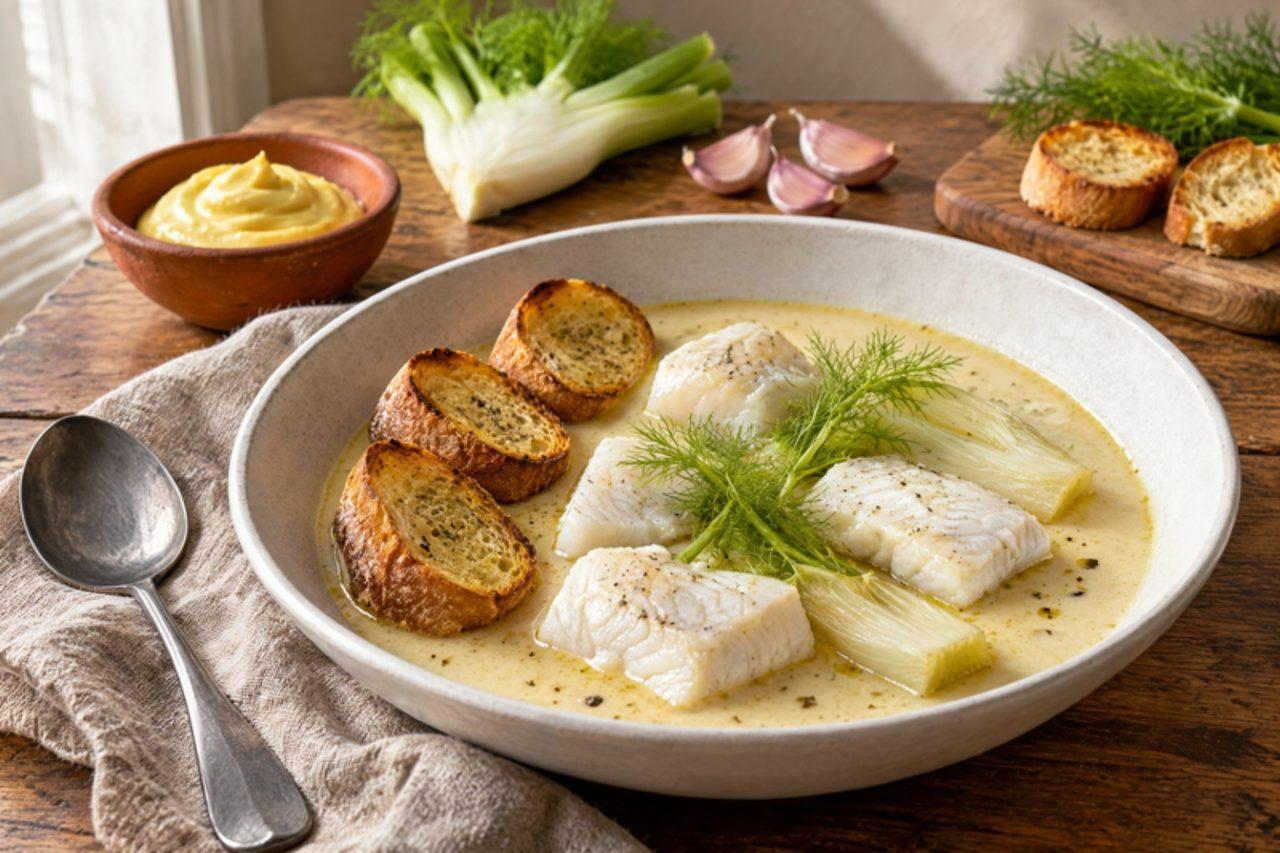
Bourride is the fish stew of Sète and the Provençal coast, a quieter, creamier cousin of bouillabaisse eaten for Friday lunch and summer dinners by the sea. Firm white fish poaches in a broth of fennel, leek, orange peel and thyme, then the broth is thickened with a rich garlic aïoli until it turns silky and pale gold. It is high in protein and suitable as part of a balanced diet; skip the traditional bread or keep it to one thin slice, and serve with steamed greens. About 400 kcal and 8 g carbohydrate per portion. The usual mistake is letting the broth boil after the aïoli goes in, which splits it like scrambled egg. Chef's tip: use pasteurised egg yolks, and stir the broth over a low heat until it coats a spoon and reaches about 72 °C.

50 minFrenchFishGluten free
by KrazyBadal 1 views

Escabeche de pescadoFried fish in sweet-sour onion sauce

In Lima, escabeche de pescado belongs to the criollo kitchen of the old city: it turns up on Friday lunch menus, on buffet tables, and above all in Lent and Holy Week, when families eat fish and this dish can be made the day before. Fish is fried until golden, then covered in a warm sauce of thick-cut red onion softened in oil with garlic, ají amarillo, ají panca, cumin and vinegar, and left to cool so the flavours soak in. It is served cold or at room temperature with boiled sweet potato, hard-boiled egg and purple botija olives. It tastes tangy, sweet and gently fruity-hot, with crunchy onion over tender fish. The fish here is fully cooked, but because it is a cold seafood dish, pregnant people, babies, older people and anyone with weak immunity should eat it well chilled and within 2 days. Common mistake: stewing the onions until limp; they should only lose their raw bite. It is ready when the sauce has soaked a little into the fish and smells of vinegar and toasted chilli. Chef's tip: use thick fillets of corvina or bonito; thin fillets break under the sauce.

by KrazyBadal 0 views

FlammlachsPlank-roasted salmon

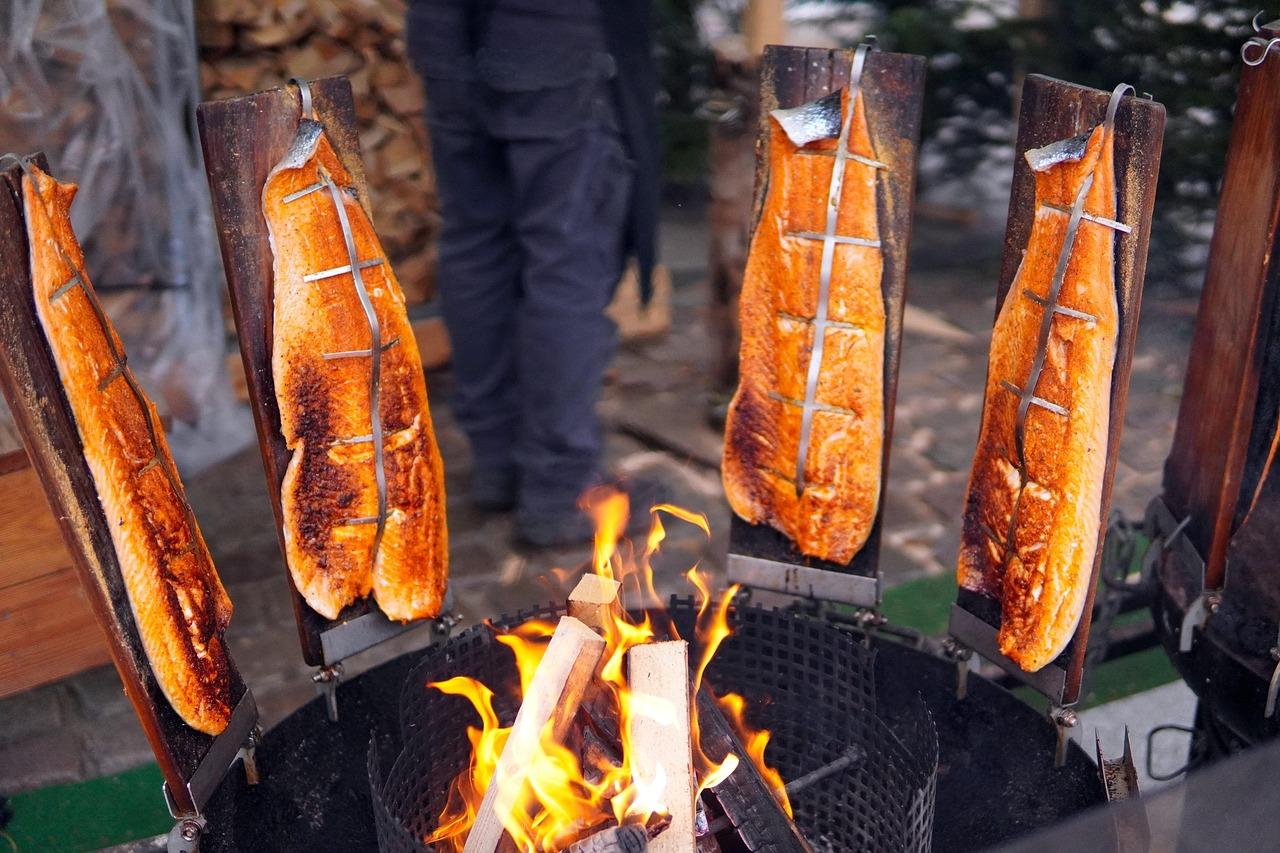
At German Christmas markets, from Nuremberg to Cologne, whole sides of salmon are nailed to wooden boards and stood around an open beech fire until smoky and just cooked, then served in a roll or on a plate with a mustard-dill sauce. At home you get close with a soaked wooden plank on a covered barbecue, or in a hot oven with a little smoked salt. A short dry brine in the fridge seasons the fish right through. Chef's tip: take the salmon off while the very centre is only just opaque; it carries on cooking on the hot plank.

50 minGermanFishGluten free
by KrazyBadal 0 views

Grand aïoliSalt cod and vegetables with aioli

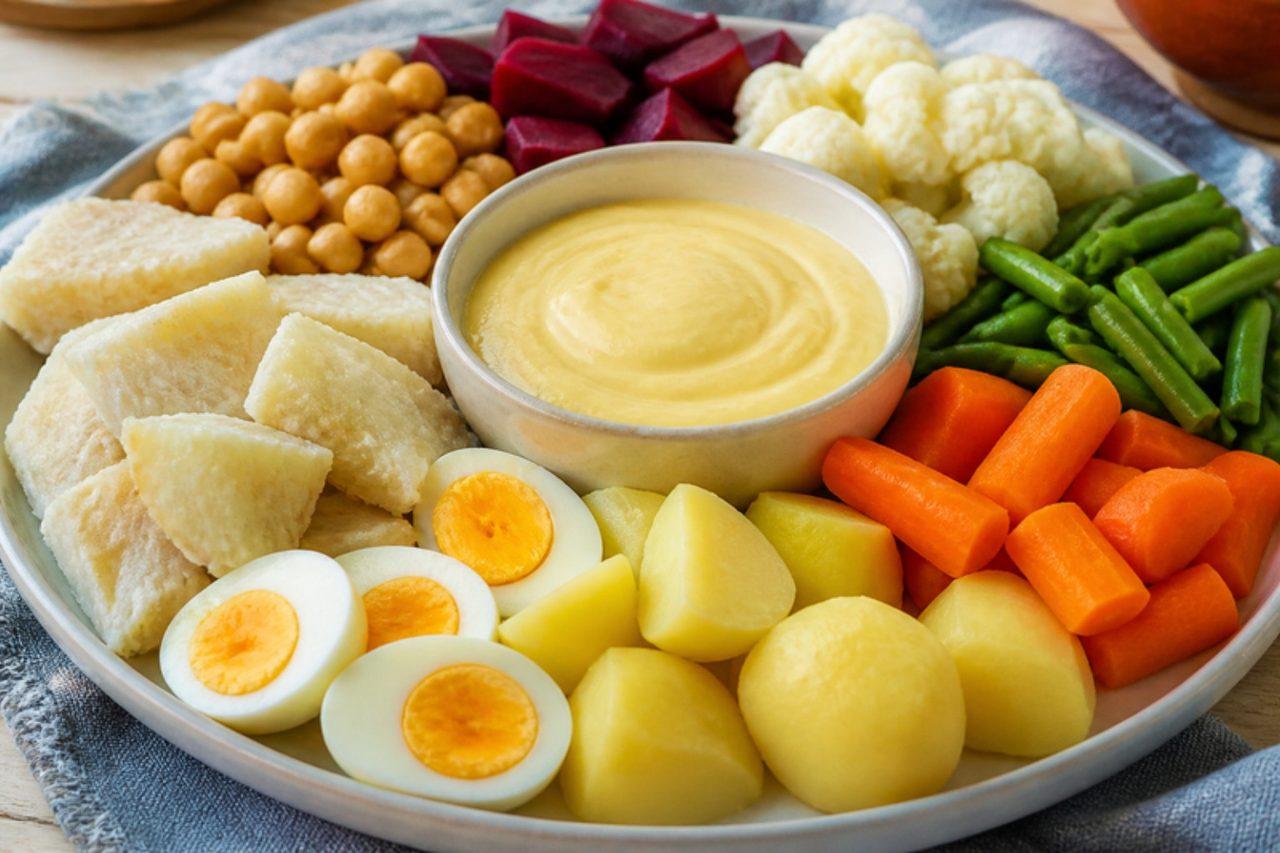
Across Provence, a grand aïoli is the lunch for Fridays, the meatless day, and for summer village fêtes, when long tables are laid under the plane trees and the platters go round. Poached salt cod, boiled potatoes, carrots, green beans, beetroot and hard-boiled eggs are piled up around a bowl of aïoli, the pungent, golden garlic mayonnaise that gives the meal its name. It is plain food made thrilling by that sauce, so use your best olive oil. The salt cod needs 24–36 hours soaking in the fridge, so start early. Because the aïoli is made with raw egg yolk, use pasteurised egg yolks if you are serving pregnant women, young children, older people or anyone with a weakened immune system. Chef's tip: start the aïoli with a pinch of salt and pounded garlic, and add the oil drop by drop until it thickens.

85 minFrenchFishGluten free
by KrazyBadal 0 views

Hamburger PannfischFish and potatoes in mustard sauce

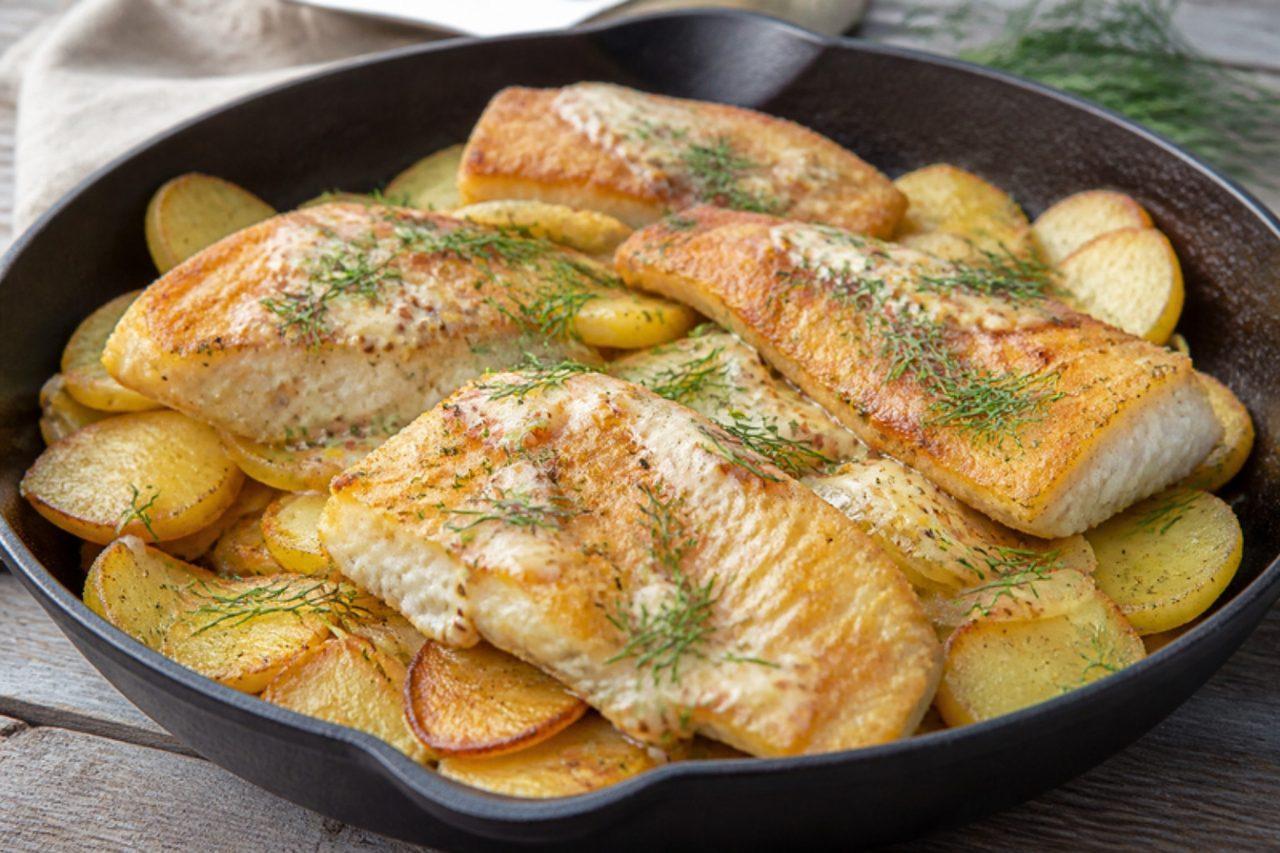
Pannfisch began as the thrifty Monday supper of Hamburg's harbour families, made from the odds and ends of the weekend's fish and the cold potatoes from Sunday. Chunks of white fish are fried golden and laid over crisp Bratkartoffeln, with a creamy mustard sauce poured round, and today it is a fixture of the fish restaurants along the Elbe. Use whatever firm white fish is good: cod, saithe, haddock or plaice. Chef's tip: boil the potatoes the day before and chill them; cold potatoes fry crisp instead of breaking up.

45 minGermanFish
by KrazyBadal 0 views

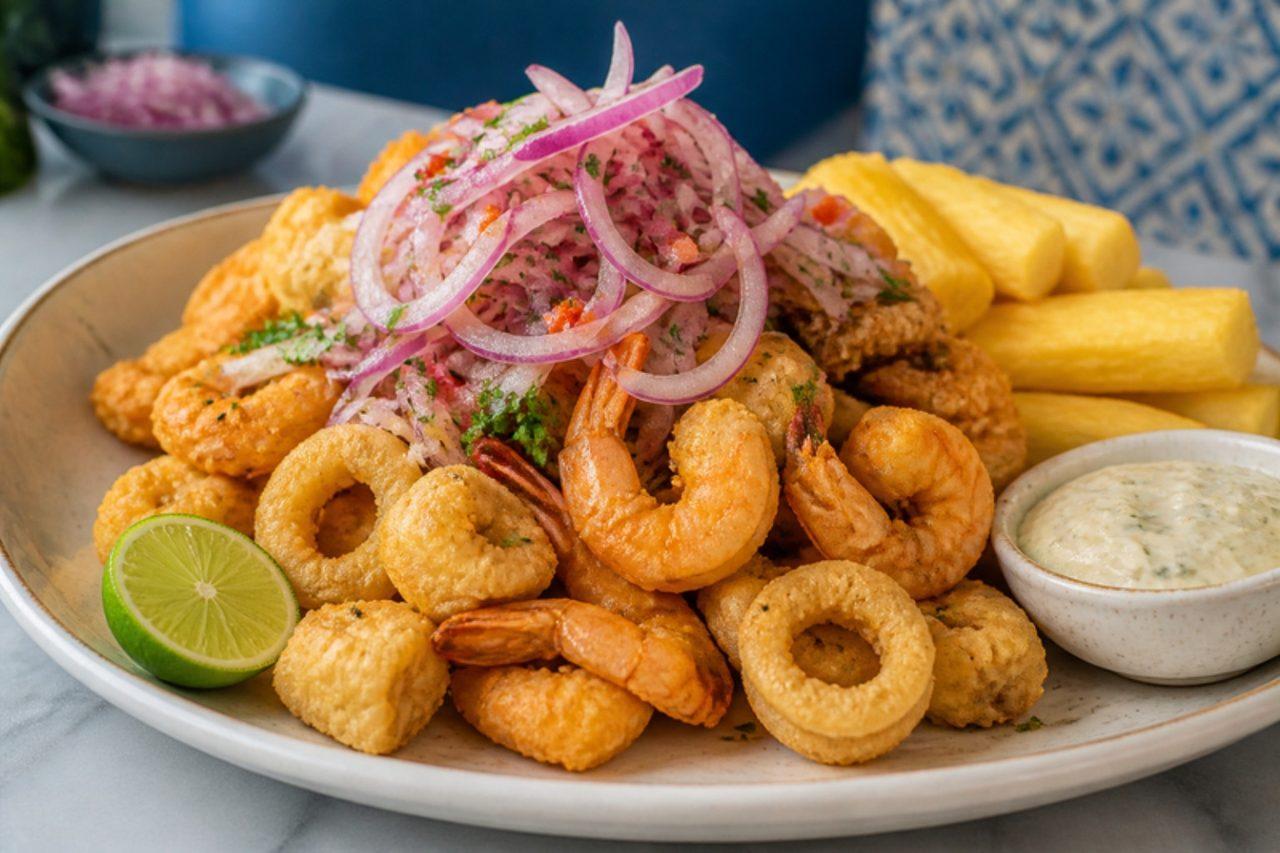
Jalea mixtaMixed fried seafood with cassava

Ordered to share at a Lima cevichería on a Sunday, jalea mixta arrives as a tall golden pile: chunks of white fish, squid rings and prawns, all in a light, crackly coat, on top of fried cassava and buried under a fresh tangle of salsa criolla. The contrast is the point, hot and crunchy underneath, cold, sour and sharp on top, with tartar sauce or ají on the side and cold drinks all round. A frequent mistake is crowding the oil, which drops its temperature and gives you a soggy, greasy coat; fry in small batches and let the oil come back up between them. Chef's tip: boil the cassava first and let it steam dry before frying; it turns fluffy inside and shatteringly crisp outside.

by KrazyBadal 0 views

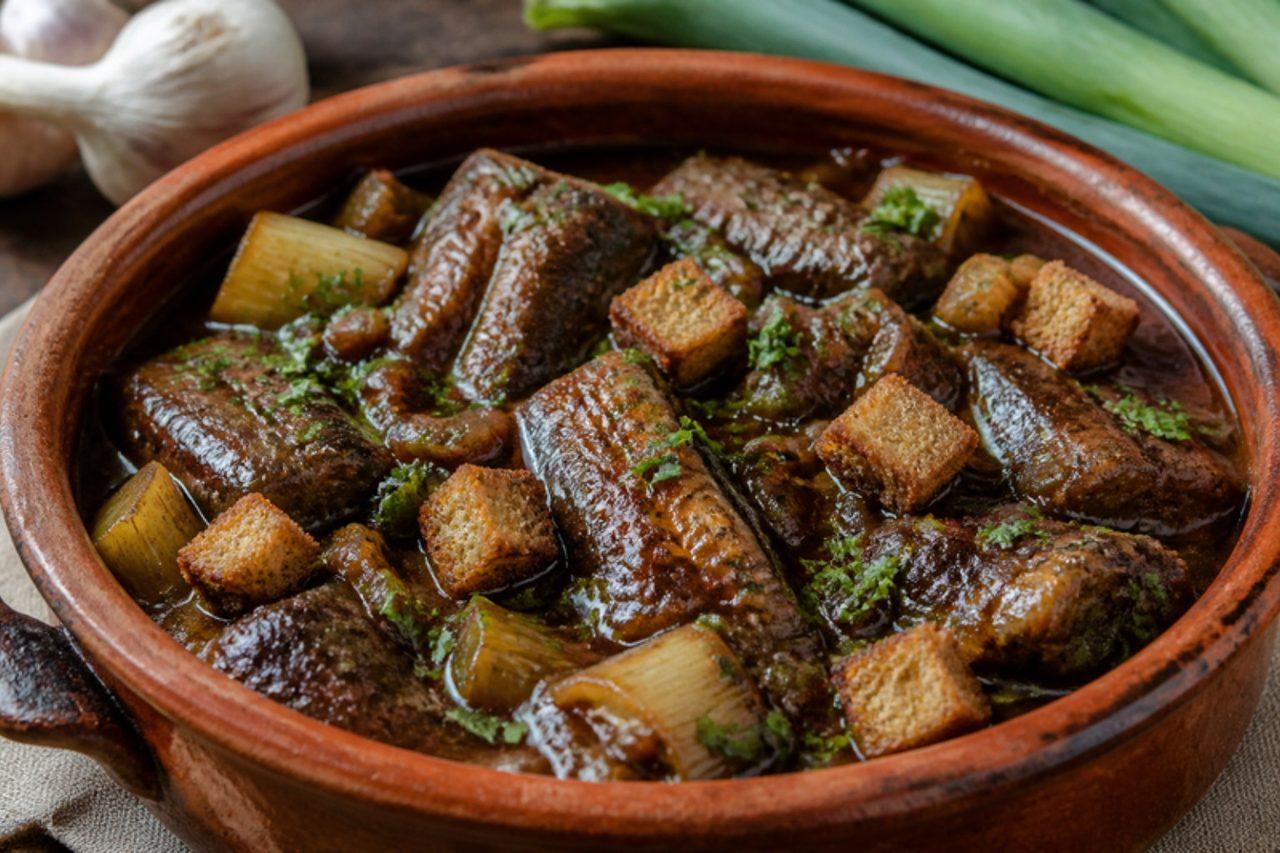
Lamproie à la bordelaise (with eel)Eel and leek red wine stew

In the Gironde, the spring run of lampreys up the Garonne and Dordogne is celebrated in Sainte-Terre and the villages of the Entre-deux-Mers, where the fish is stewed slowly in red wine with masses of leeks. Lamprey is rare, seasonal and protected in many places, so this is a practical version made with eel (or firm monkfish), which gives the same rich, dark, glossy stew; traditionally the sauce is thickened with the lamprey's own blood, and here a little roux and a square of dark chocolate do that job. It tastes deep and winey, with sweet melting leeks. The dish uses red wine; the ingredient note gives an alcohol-free version. Serve with garlic croutons or boiled potatoes. Chef's tip: ask the fishmonger to skin and cut the eel, and keep it cold until the moment it goes into the sauce.

110 minFrenchFish
by KrazyBadal 0 views

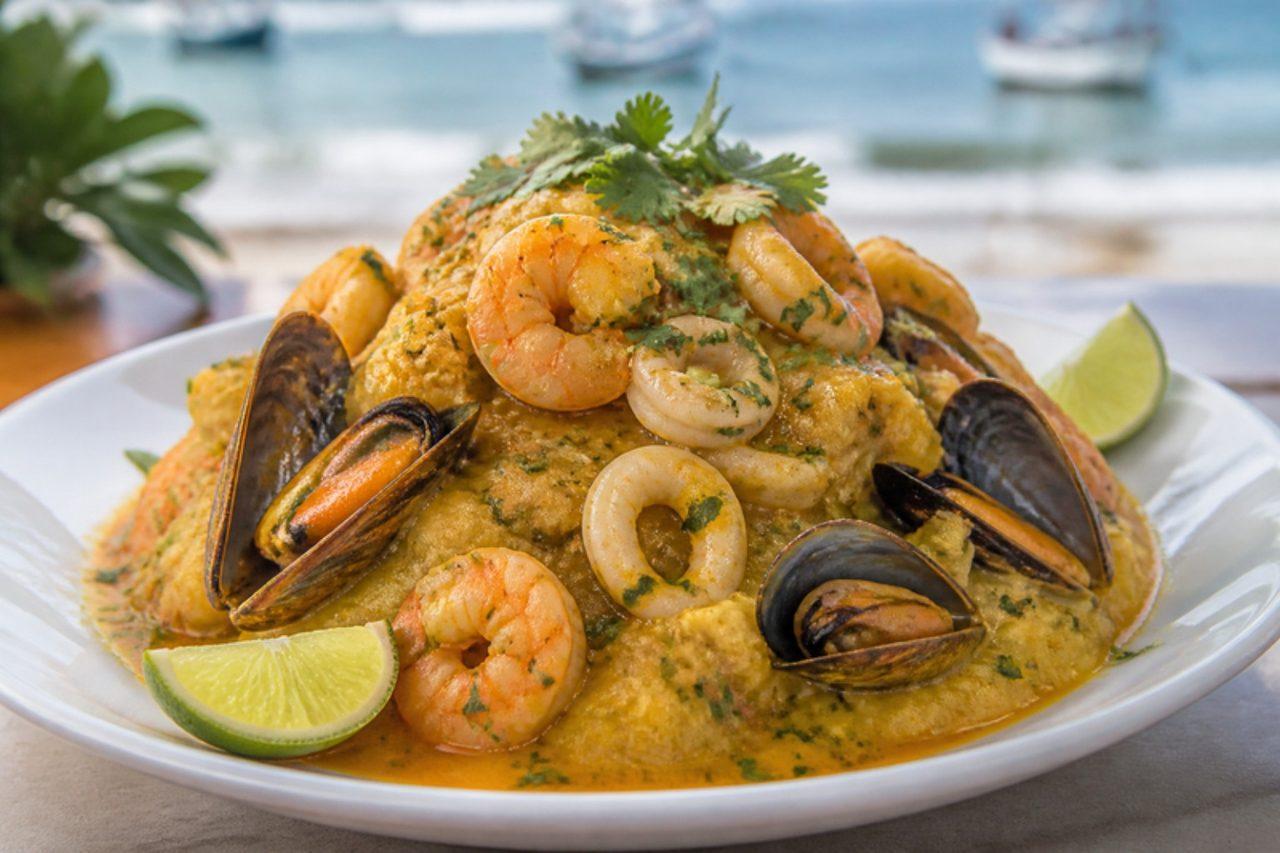
MajariscoPlantain mash with seafood

Its name blends 'majado' (mashed plantain) and 'marisco' (seafood), and along the coast of Piura and Tumbes, near the Ecuadorian border, it's what cevicherías and beach restaurants serve when you want something hot and filling. Mashed green plantain is folded into a sauce of garlic, onion, ají and seafood juices, with prawns, squid and mussels running through it, so every forkful is creamy, garlicky and briny. Serve it with lime and salsa criolla. Mussels must be alive: tap any open ones and discard those that don't close, and discard any that stay shut after cooking. Overcooking the seafood is the most frequent mistake; it goes in at the end, just until pink and opaque. Chef's tip: keep the mussel cooking liquid and use it to loosen the mash; it's pure seafood flavour.

by KrazyBadal 0 views

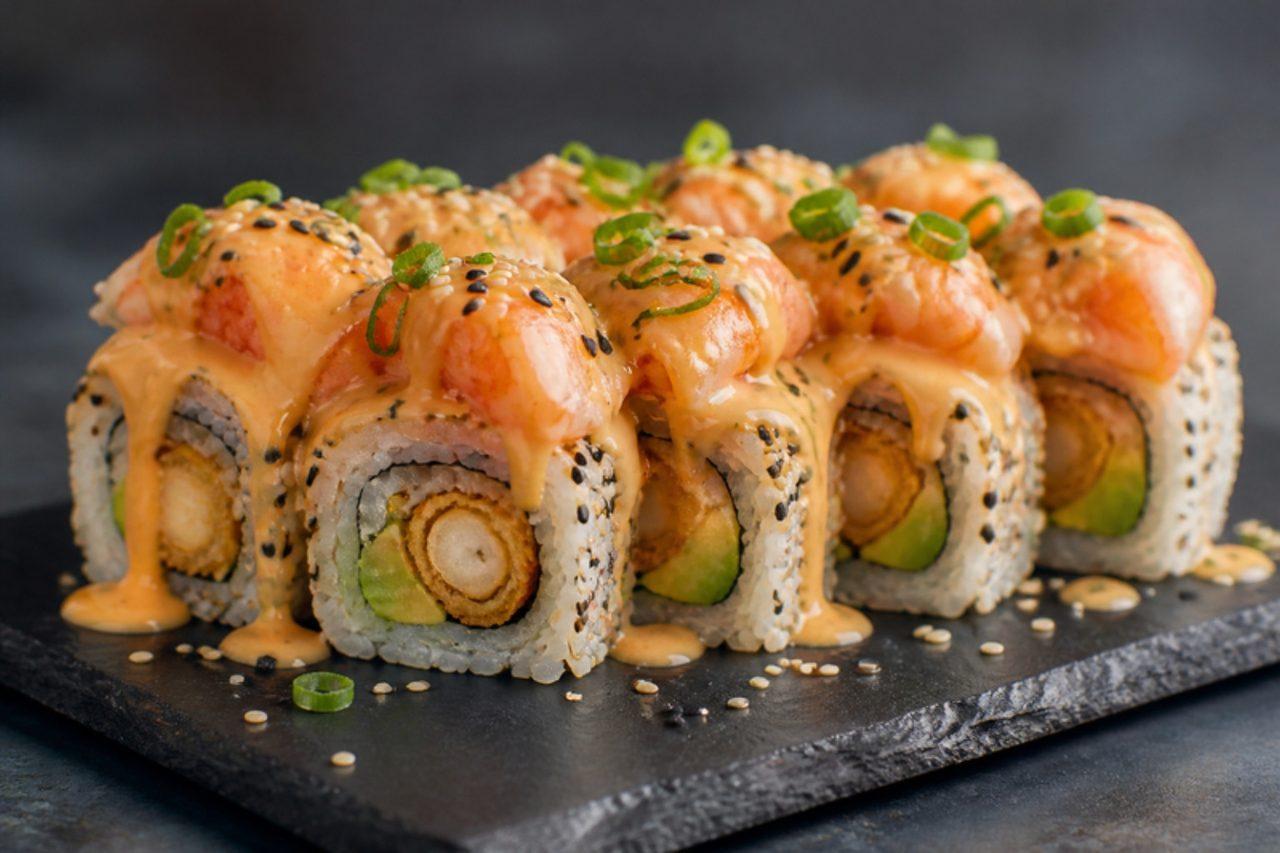
Maki acevichadoPrawn tempura rolls with ceviche sauce

Lima's Nikkei sushi bars invented the acevichado and it has become the roll every Peruvian orders: prawn tempura and avocado rolled in rice, topped with thin slices of fish and drenched in a creamy, lime-sharp sauce built from leche de tigre, ají amarillo and mayonnaise. Crisp, warm, cold and tangy in one bite, it is party food and Friday-night takeaway alike. For a safer topping, use sashimi-grade fish frozen at −20 °C for 24 hours first, keep it cold and eat the rolls at once; you can also sear the slices with a blowtorch or use cooked prawns instead. Even so, the raw-fish topping is not for pregnant women, young children or anyone with a weakened immune system. Overfilling is the usual mistake: the roll won't close and the rice splits. Chef's tip: use a pasteurised-egg mayonnaise and wet your hands with vinegared water so the rice doesn't stick.

by KrazyBadal 0 views

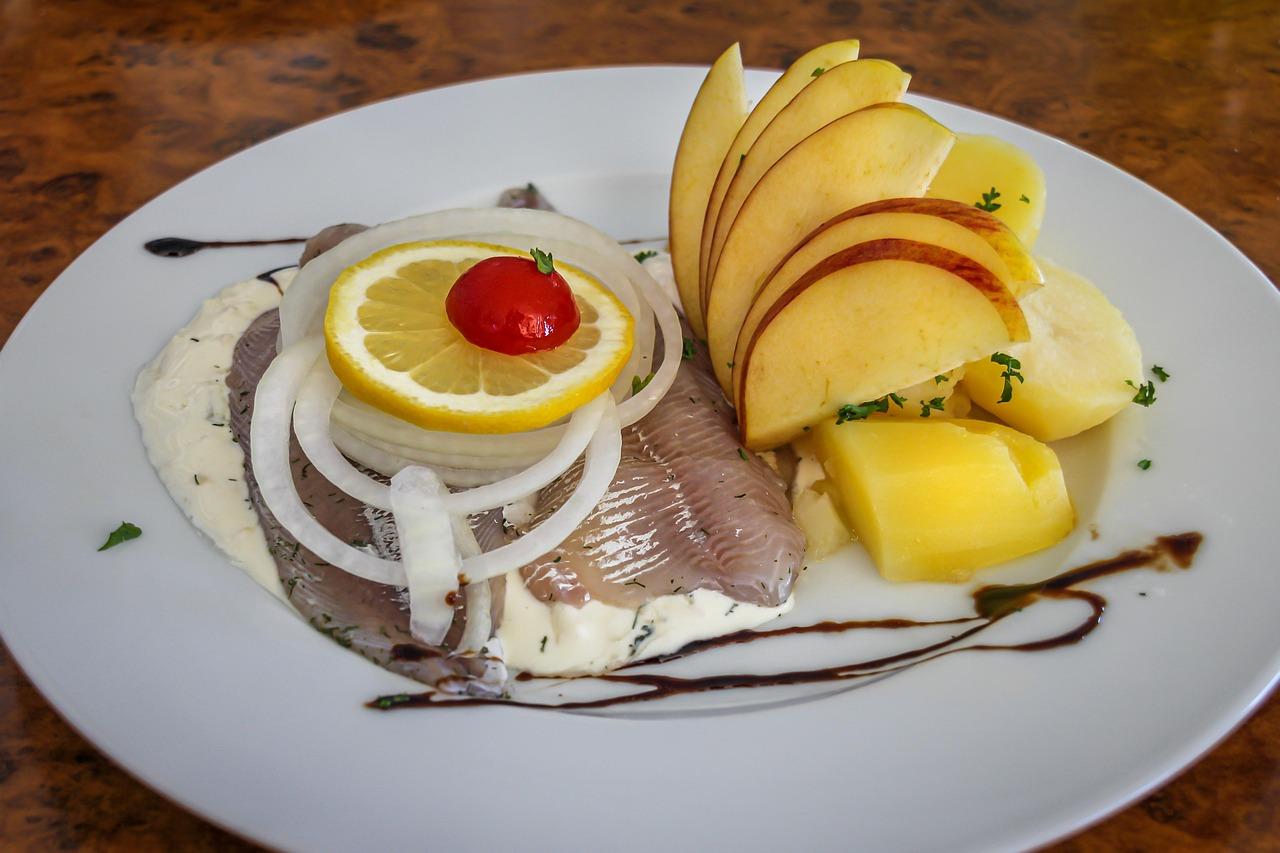
Matjes HausfrauenartHerring in apple cream sauce

Matjes nach Hausfrauenart, 'housewife's matjes', is the early-summer plate of northern Germany, eaten when the new season's young herring arrives in June, from Glückstadt on the Elbe to the cafés of Emden. Mild, buttery matjes fillets are covered in a cool sauce of sour cream and yoghurt with crisp apple, onion and gherkin, and served with hot boiled new potatoes in their skins and sometimes green beans. Matjes is cured raw herring, so buy commercially prepared, previously frozen fillets from the chilled counter and keep them cold; it is not for pregnant women, young children or anyone with a weakened immune system. Chef's tip: make the sauce first and let it chill for 20 minutes so the apple and onion flavour it before the fish goes in.

30 minGermanFishGluten free
by KrazyBadal 0 views

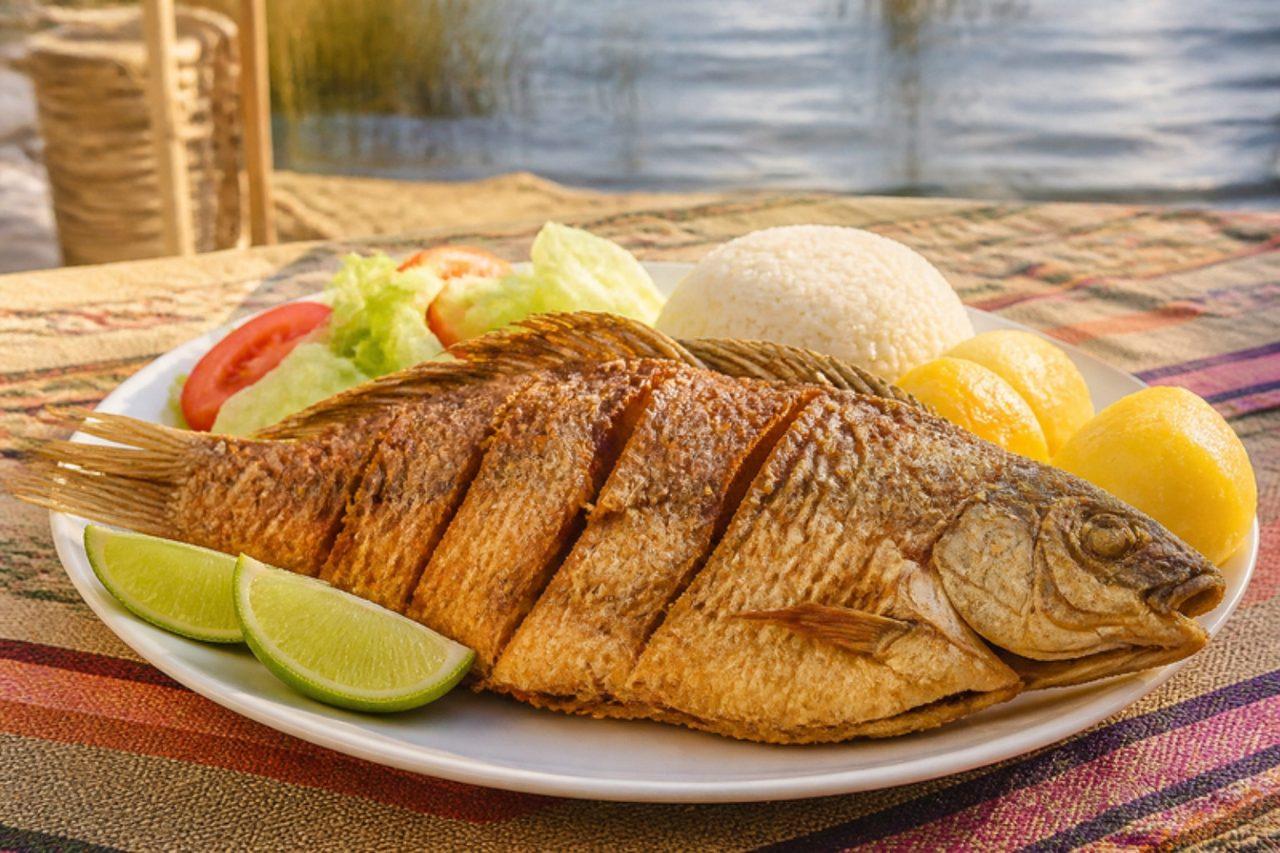
Trucha fritaFried trout with potatoes and rice

Rainbow trout farmed in the cold, clear water of Lake Titicaca is what you eat in Puno, at lakeside restaurants and on the floating islands: a whole fish, dusted in flour and fried until the skin crackles, with boiled Andean potatoes, rice, a simple salad and lime. The flesh is pink-white, sweet and moist; nothing else is needed. Ask your fishmonger to gut and scale the trout. The most common mistake is moving the fish too early, which tears the skin; leave it until it releases from the pan by itself. Chef's tip: slash the thick part of each side twice before flouring, so the fish cooks evenly and the skin crisps right up to the head.

by KrazyBadal 0 views

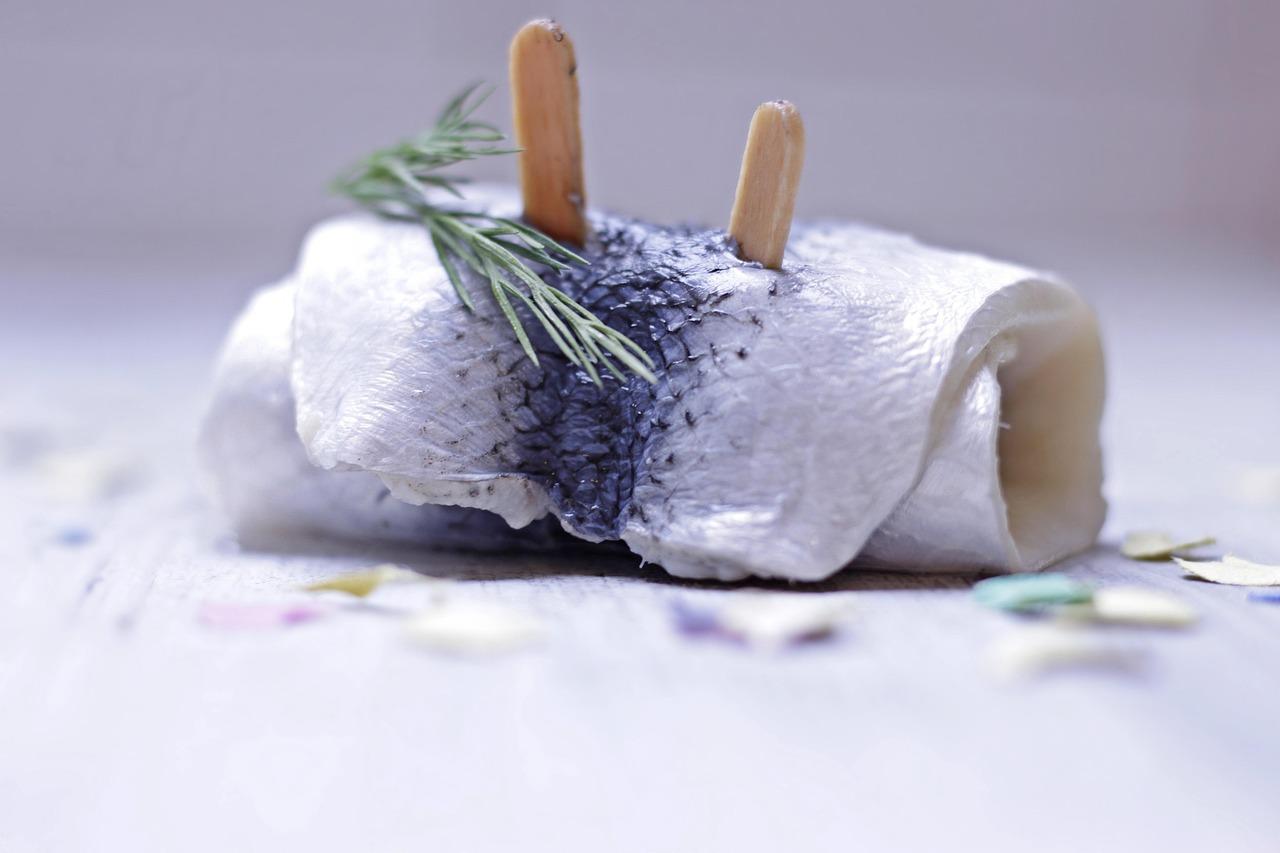
Rollmops

Rollmops are the pickled herring rolls of the North Sea and Baltic coasts, pinned with a wooden pick around gherkin and onion and kept in a jar of spiced vinegar; in Berlin and Hamburg they are the classic morning-after breakfast and a fixture of New Year's Day tables. Making them at home takes a week of fridge time but very little work. Because the fish is never cooked, use herring that has been frozen at −20 °C for at least 24 hours (most fresh 'sashimi-grade' or commercially frozen fillets qualify; ask your fishmonger), and keep everything chilled. Rollmops are not for pregnant women, young children or anyone with a weakened immune system. Chef's tip: let the jars rest a full five days; the vinegar needs that long to firm the flesh and soften the tiny bones.

60 minGermanFishGluten free
by KrazyBadal 0 views

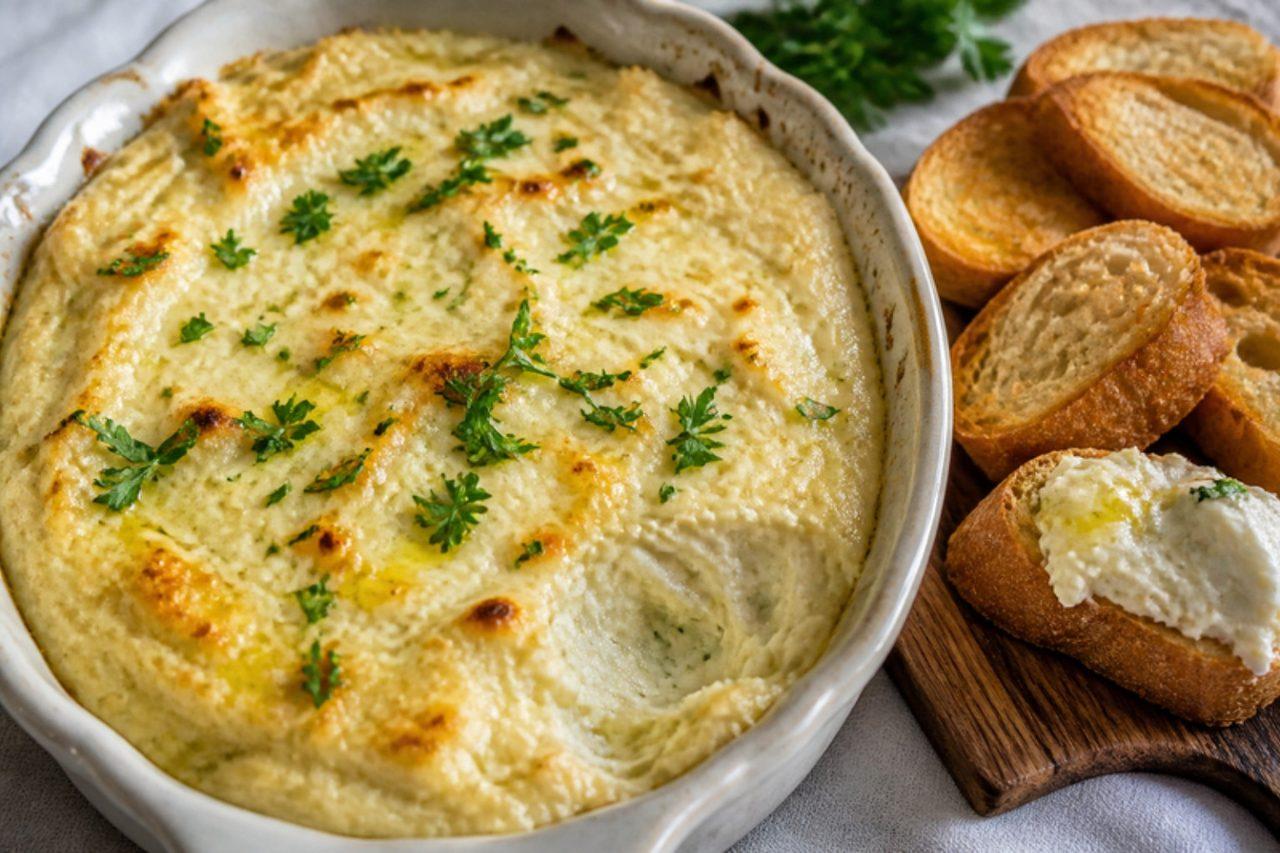
Brandade de morueWhipped salt cod with garlic

Brandade is Nîmes' great Lenten dish, served on Fridays, on Christmas Eve and as a spread on toast in the bars around the Roman arena during the ferias. Salt cod is poached, then beaten with warm olive oil and milk until it turns into a pale, fluffy, garlicky cream with a gentle salty depth. Nîmes purists make it with fish, oil and milk only; many cooks elsewhere fold in a little mashed potato for a softer texture, which is optional here. The cod needs 24–36 hours of soaking in the fridge first, so plan ahead. Spread it on toasted bread, or bake it in a dish until golden and serve with a green salad. Chef's tip: keep both the oil and the milk warm as you beat them in, so the brandade stays smooth and never splits.

65 minFrenchFish
by KrazyBadal 0 views

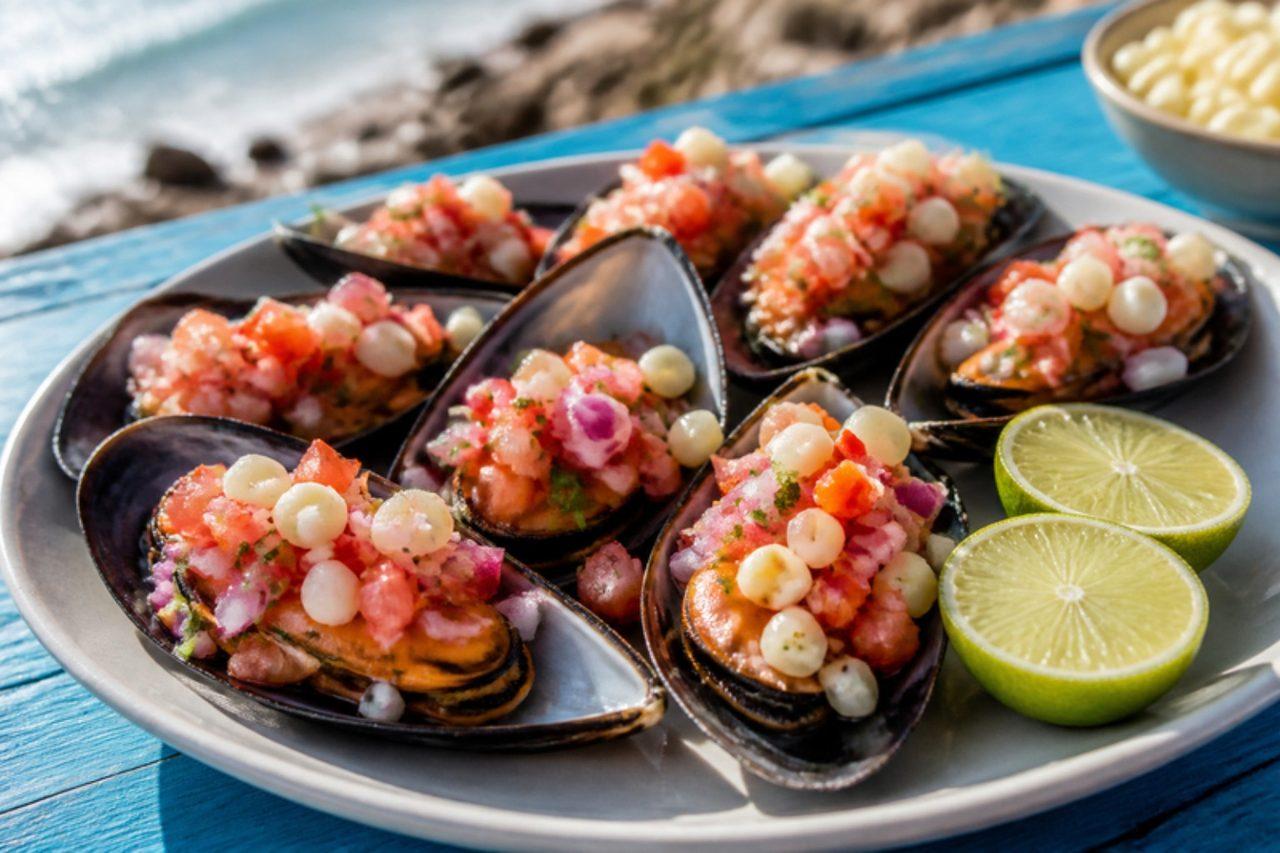
Choros a la chalacaCold mussels with corn salsa

Named for the people of Callao, Lima's port, choros a la chalaca are what you order with friends at a seafront cevichería on a hot afternoon: steamed mussels, chilled, each on its half shell under a bright, wet salsa of red onion, tomato, Andean corn, rocoto and lime. Cool, sweet, briny and sharp, they are eaten with your fingers in two bites, often before a ceviche or a jalea. Here the mussels are fully steamed open first, so nothing is served raw. People often overcook them while waiting for the last stubborn shells, which leaves the rest rubbery; lift them out as soon as each one opens. Chef's tip: dress the salsa no more than 15 minutes ahead, and spoon a little of the juice onto every mussel; that juice is the whole point of the dish.

by KrazyBadal 0 views

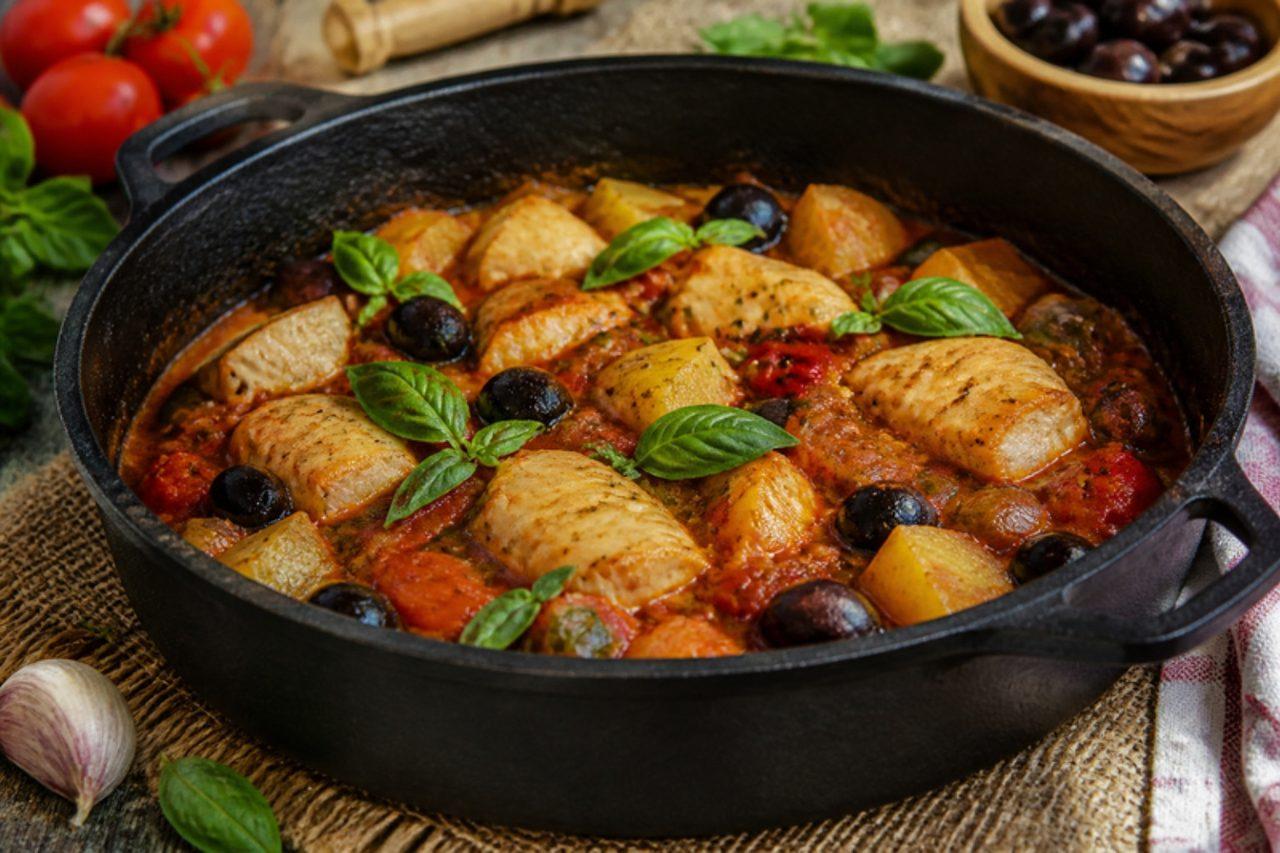
Estocaficada (stockfish niçois)Dried cod stew with tomato

Estocaficada is the old winter dish of Nice's port and old town, where Norwegian stockfish arrived in exchange for olive oil and wine centuries ago; it is still cooked for family Friday lunches and at the city's food festivals. Air-dried cod is rehydrated and stewed slowly with tomatoes, onions, peppers, black olives and potatoes, giving a rich, rust-red stew with a deep, almost meaty flavour. True stockfish is hard to find outside specialist shops and needs 4–5 days of soaking, so this recipe uses salt cod, which is easier and gives a gentler result; the note explains both. Serve in deep plates with crusty bread for the sauce. Chef's tip: add the cod at the end and keep it at a gentle simmer so it stays in juicy flakes rather than turning rubbery.

105 minFrenchFishGluten free
by KrazyBadal 0 views

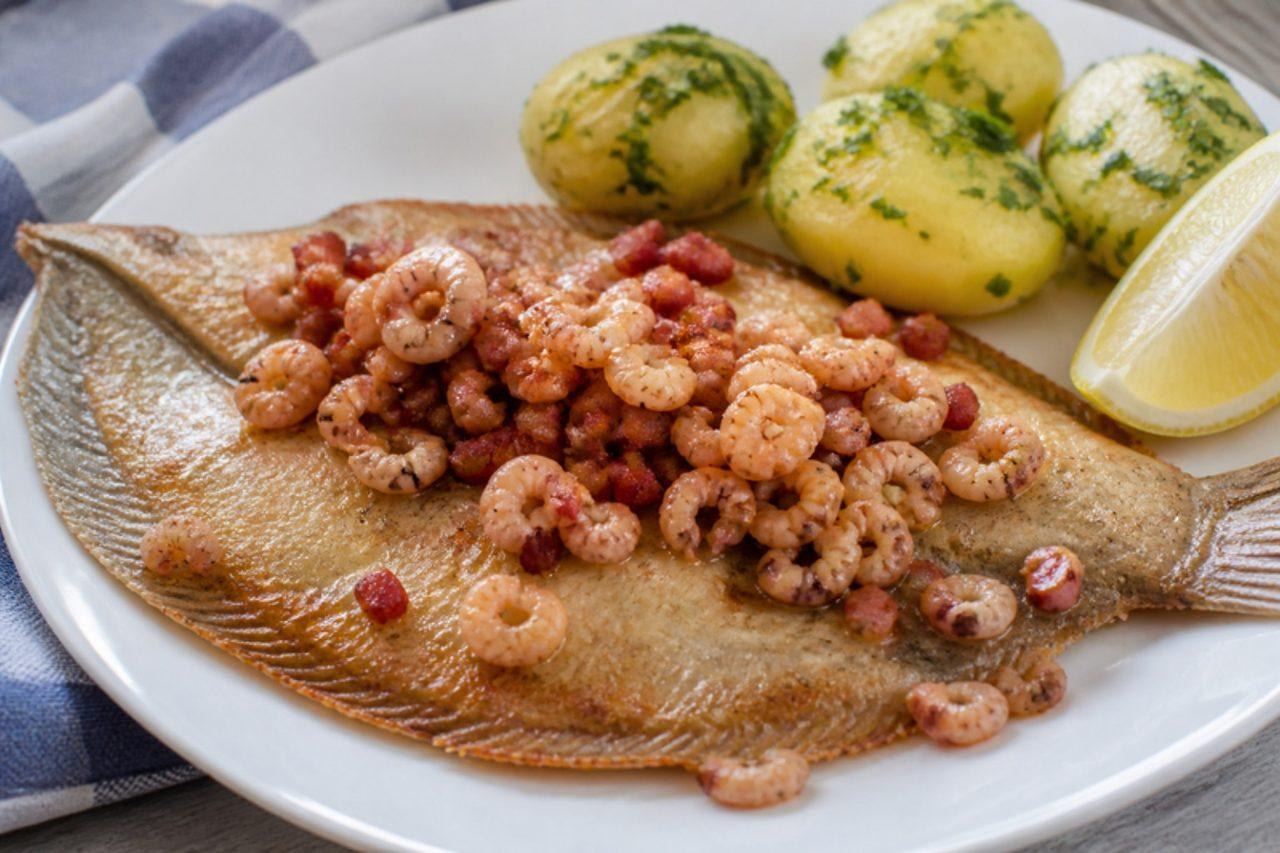
Finkenwerder ScholleFried plaice with bacon and shrimps

Finkenwerder was a fishing village on an Elbe island, and the way its fishermen cooked plaice is now Hamburg's signature fish dish, eaten from May to autumn when plaice is plump. A whole fish is dusted and fried in butter, then covered with crisp cubes of smoked pork belly bacon and a handful of tiny brown North Sea shrimps warmed in the same pan, and served with parsley potatoes and cucumber salad. The bacon is pork; leave it out and add capers for a pork-free plate. Chef's tip: score the dark skin side lightly twice so the fish stays flat in the pan and cooks evenly to the bone.

40 minGermanFishGluten free
by KrazyBadal 0 views

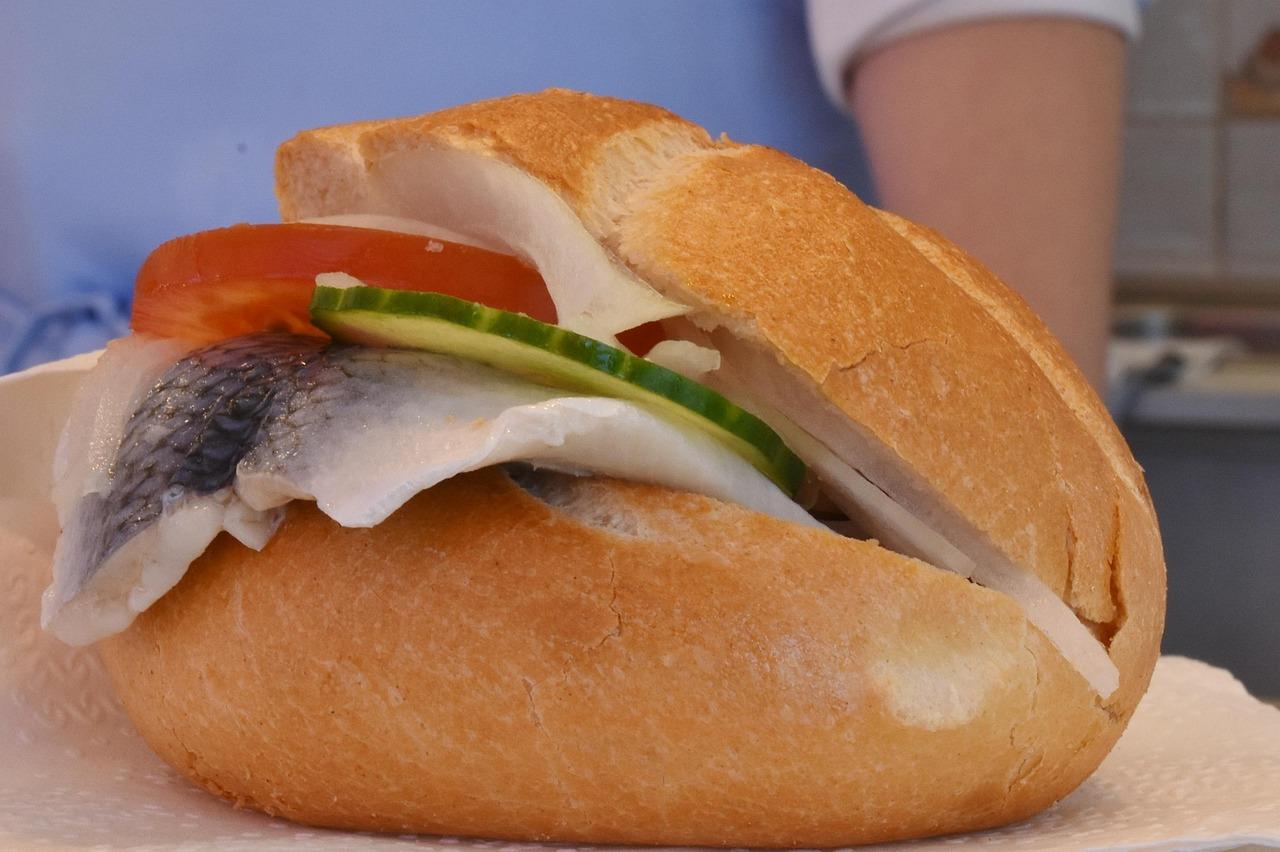
FischbrötchenHerring roll with onion and gherkin

Fischbrötchen are what people eat standing up at the Landungsbrücken piers in Hamburg, on the Sunday fish market, or from a kiosk on the dyke at any North Sea harbour. A crusty white roll is filled with sharp marinated herring, raw onion rings, gherkin and a little crisp lettuce, and eaten in a few bites with the wind in your face. The herring is cured, not cooked, so use commercially prepared Bismarck-style marinated herring from the chilled counter, which has been frozen before curing as the law requires; it is not for pregnant women, young children or anyone with a weakened immune system. Chef's tip: slice the onion paper-thin and rinse it in cold water for a minute so it stays crunchy but stops shouting over the fish.

10 minGermanFish
by KrazyBadal 0 views

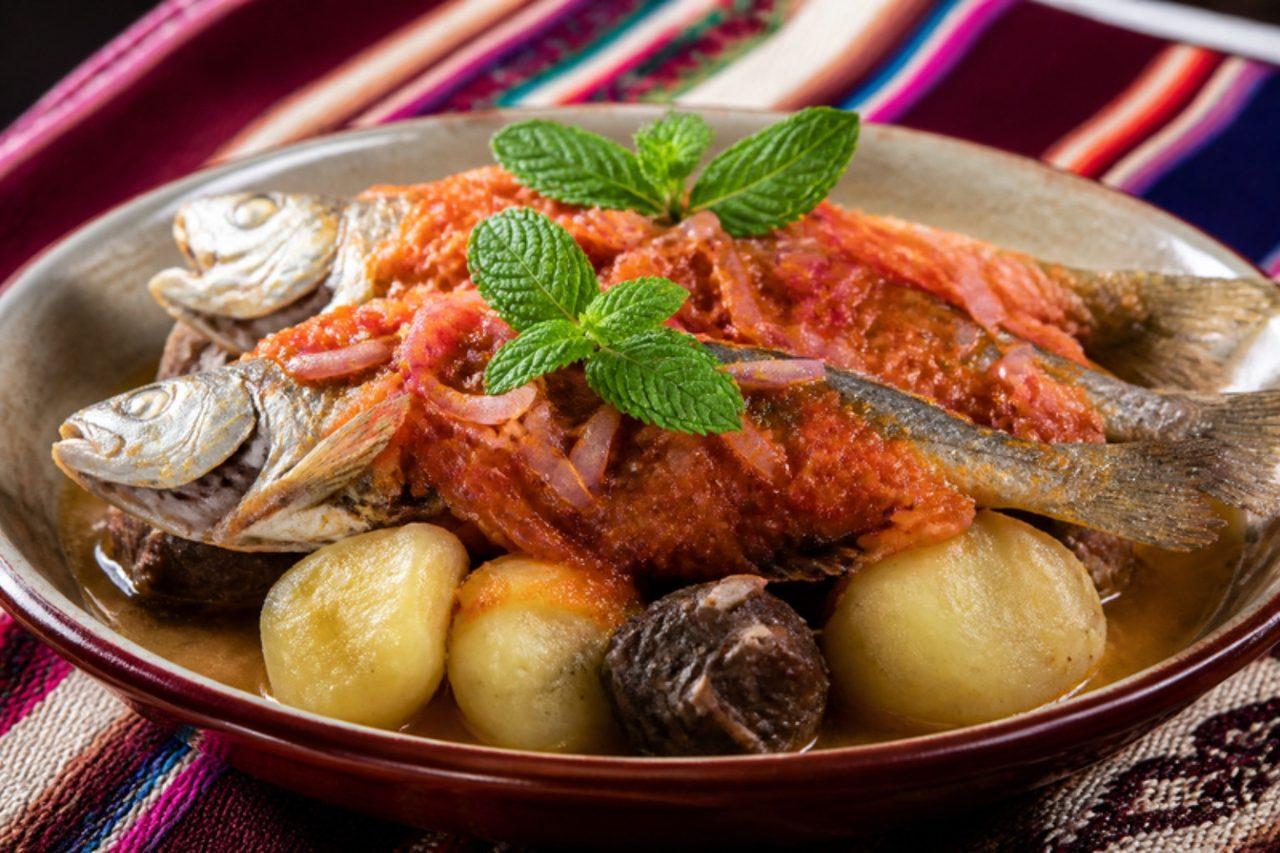
Thimpu de carachiPoached fish with potatoes

Around the shores of Lake Titicaca, thimpu is weekday food and Lent food alike: carachi, a small native lake fish, laid over potatoes and chuño (freeze-dried Andean potato) and gently poached, then drenched at the table with a hot sauce of onion fried with ají. The fish is soft and delicate, the chuño earthy and pleasantly chewy, and the sauce brings colour and fire. Outside Puno, small whole trout, tilapia or perch, or thick trout fillets, work well. Chuño needs an overnight soak (plan for it) and is sold in Andean and Latin shops; swap in extra waxy potatoes if you can't find it. The trap here is boiling the fish hard so it falls apart; keep the water at a bare shiver. Chef's tip: make the sauce while the fish poaches and spoon it on boiling hot, so it sizzles over the plate.

by KrazyBadal 0 views

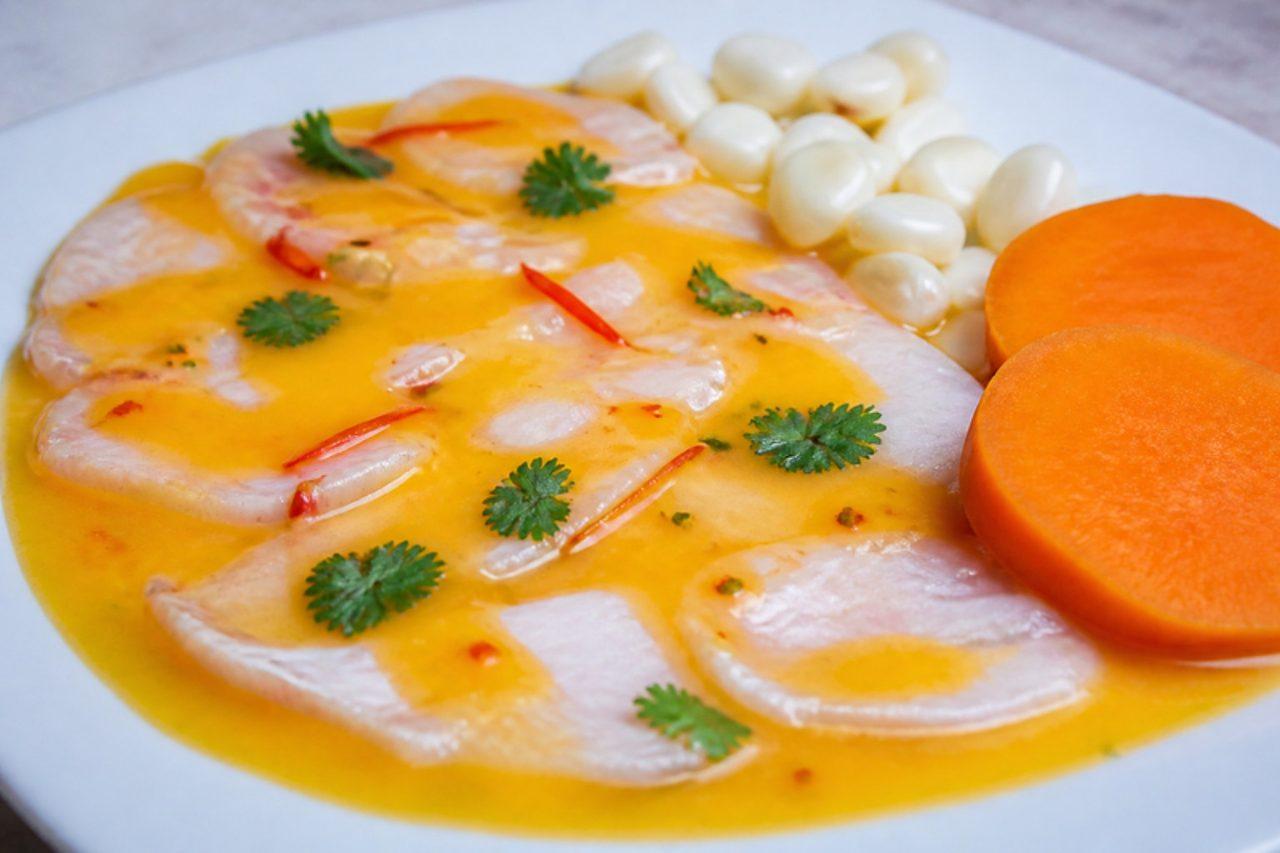
TiraditoSliced fish in ají amarillo sauce

Lima's Japanese-Peruvian cooks turned ceviche on its head with tiradito: instead of cubes soaked in lime, the fish is cut thin like sashimi, laid flat and dressed at the last minute, so it stays silky with only the surface turning white. The sauce here is the classic golden one, ají amarillo blended with lime, garlic and ginger, fruity and medium hot. It is served as a starter in cevicherías and upmarket Miraflores restaurants with boiled sweet potato and corn. Because the fish is eaten almost raw, this version uses sashimi-grade fish frozen at −20 °C for 24 hours first (allow for that), kept cold and eaten the moment it is dressed; it is not for pregnant women, young children or anyone with a weakened immune system. The mistake people make is dressing it ahead: after ten minutes the lime cooks it through and it turns chalky. Chef's tip: chill the plates in the freezer for 10 minutes before you lay out the fish; it keeps the slices firm while you work.

by KrazyBadal 0 views

Showing 24 of 32 recipes

Show more recipes

Page 1 of 2