Skip to content
Recipes

All recipes

Vegetarian, or something you can't eat? Set your diet once and we'll hide recipes that don't fit.

Bara brith

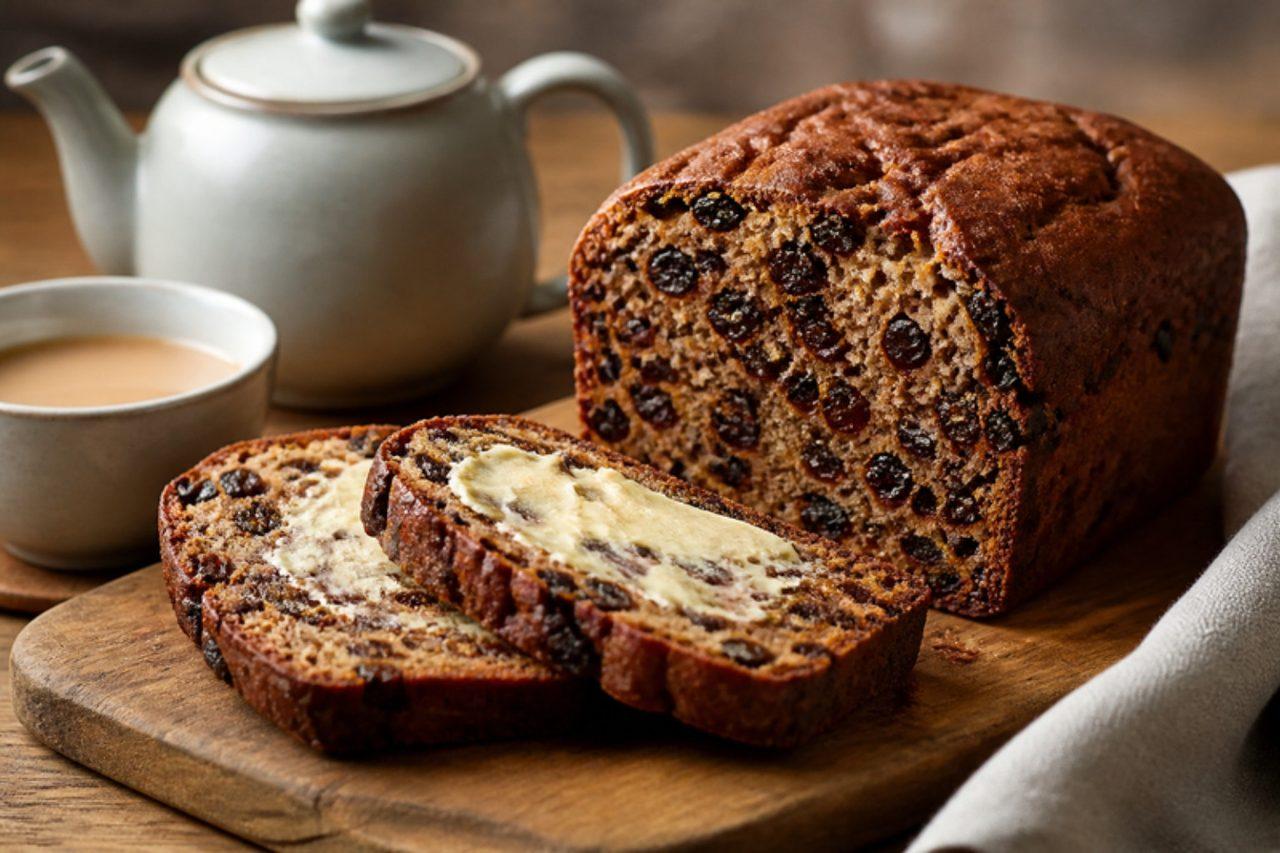
Bara brith means 'speckled bread', and this is the fruit loaf of Welsh farmhouses and tea rooms from Snowdonia to the Gower. Dried fruit is soaked overnight in strong black tea, then mixed with sugar, egg, flour and spice, so it is moist, dark and keeps well without any butter in the mix. Slice it thickly and spread with salted Welsh butter. Chef's tip: wrap it and wait a day before cutting; it gets stickier and slices cleaner.

by KrazyBadal 0 views

Fegato alla veneziana

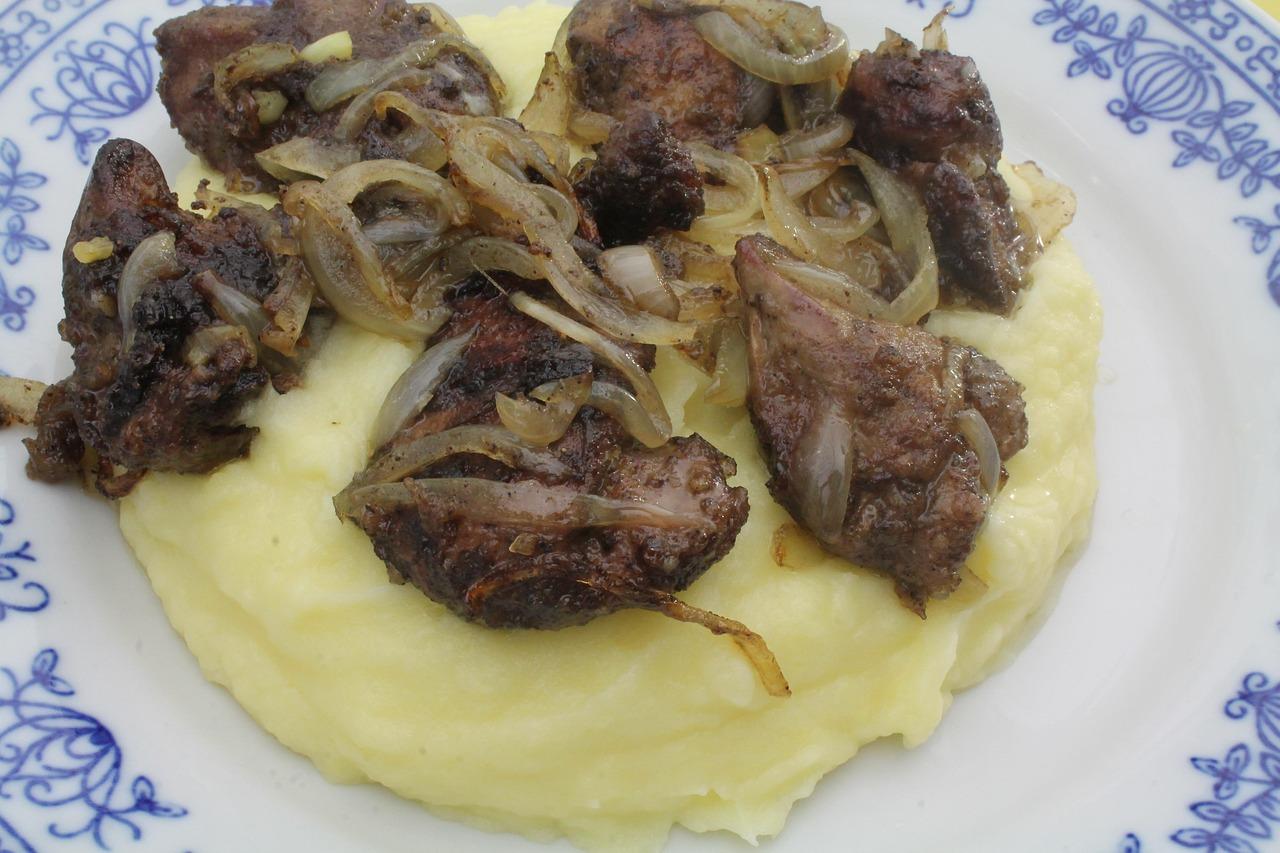
Fegato alla veneziana is one of the oldest dishes in Venice and still a weekday staple in the trattorie around the Rialto market. Mountains of onions are cooked gently until soft and sweet, then thin strips of calf's liver are tossed through them for barely two minutes, so the liver stays tender against the jammy onions, with a splash of vinegar and parsley to finish. The classic partner is soft white or yellow polenta, which soaks up the buttery juices. Chef's tip: slice the liver into thin strips, no thicker than your little finger, so it cooks through in moments without going tough.

by KrazyBadal 0 views

Pasticciotto

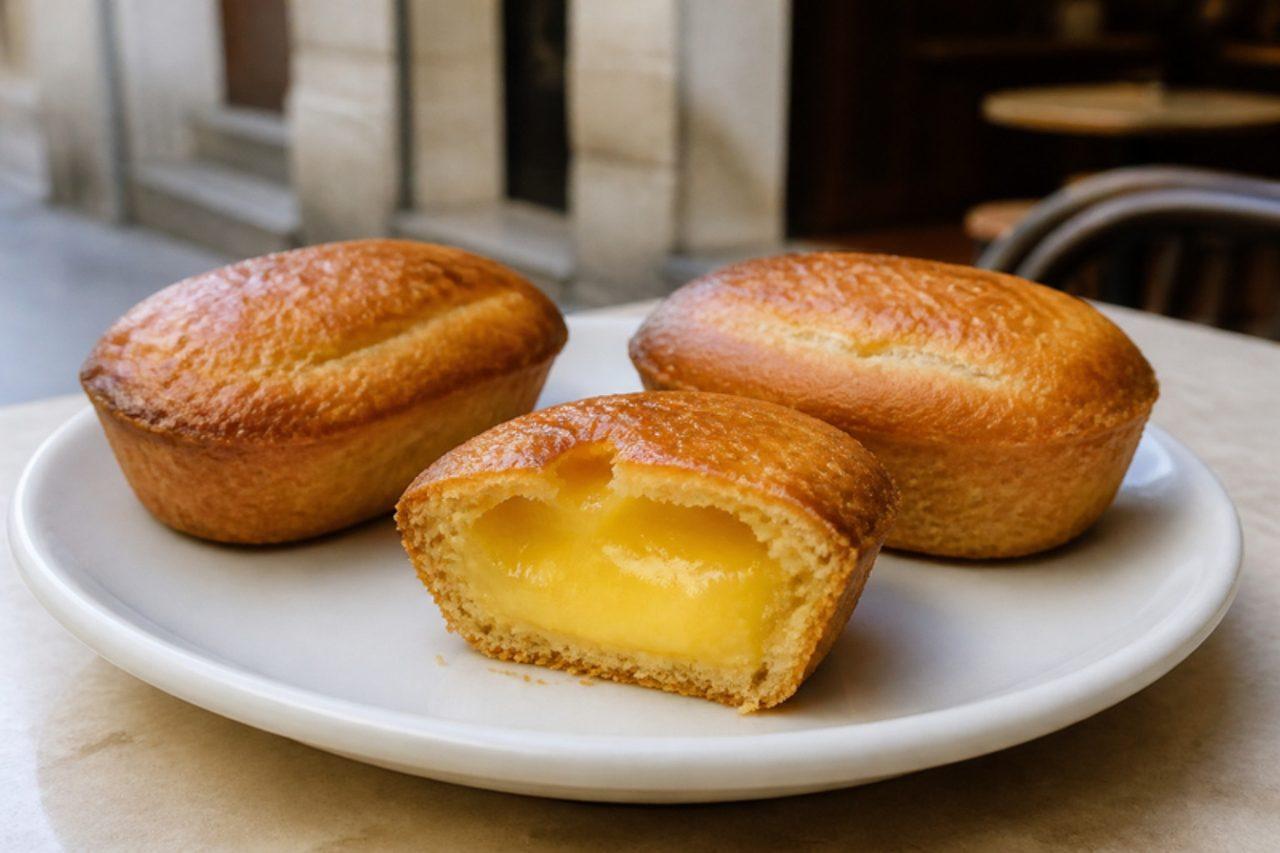
In Lecce the day starts at the bar with a pasticciotto still warm from the oven: a little oval of crumbly, golden shortcrust split open to reveal thick lemon-scented custard. It is said to come from a pastry shop in nearby Galatina in the 1700s, and the whole Salento eats it at breakfast, after Sunday Mass and with a caffè in ghiaccio in summer. The traditional pastry is made with lard; this version uses butter, which keeps it short and crisp. Chef's tip: make the custard first and chill it well; cold, thick custard stays put inside the pastry while it bakes.

by KrazyBadal 0 views

Black Country faggots

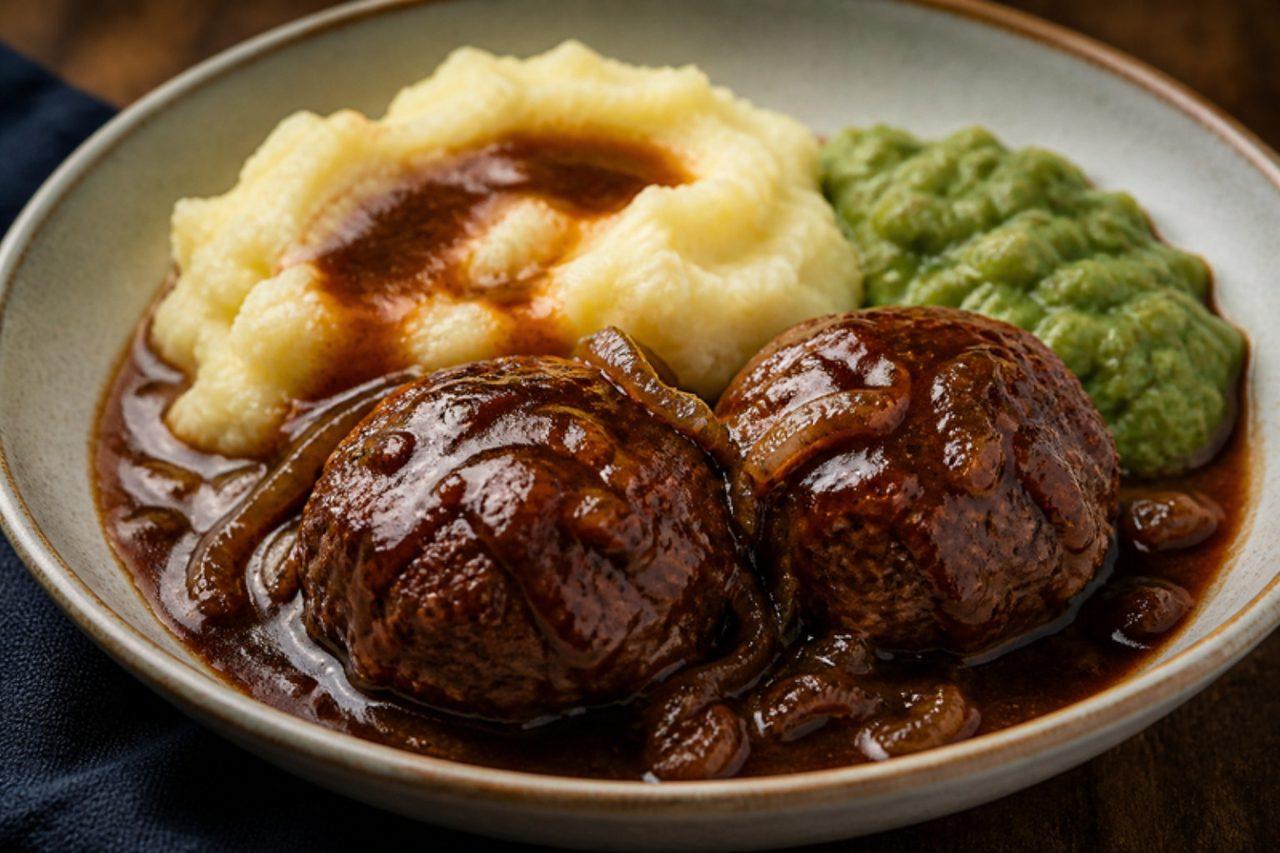
Faggots are the thrifty meatballs of the Black Country, the industrial towns west of Birmingham, sold by butchers and served at chip shops with mushy peas and gravy. They are made from pork liver, pork belly and onion with breadcrumbs, sage and mace, and baked in a deep onion gravy. This is a pork dish. Chef's tip: wrap each faggot in caul fat if your butcher has it; it bastes them and holds them together.

by KrazyBadal 0 views

Tatws pum munud

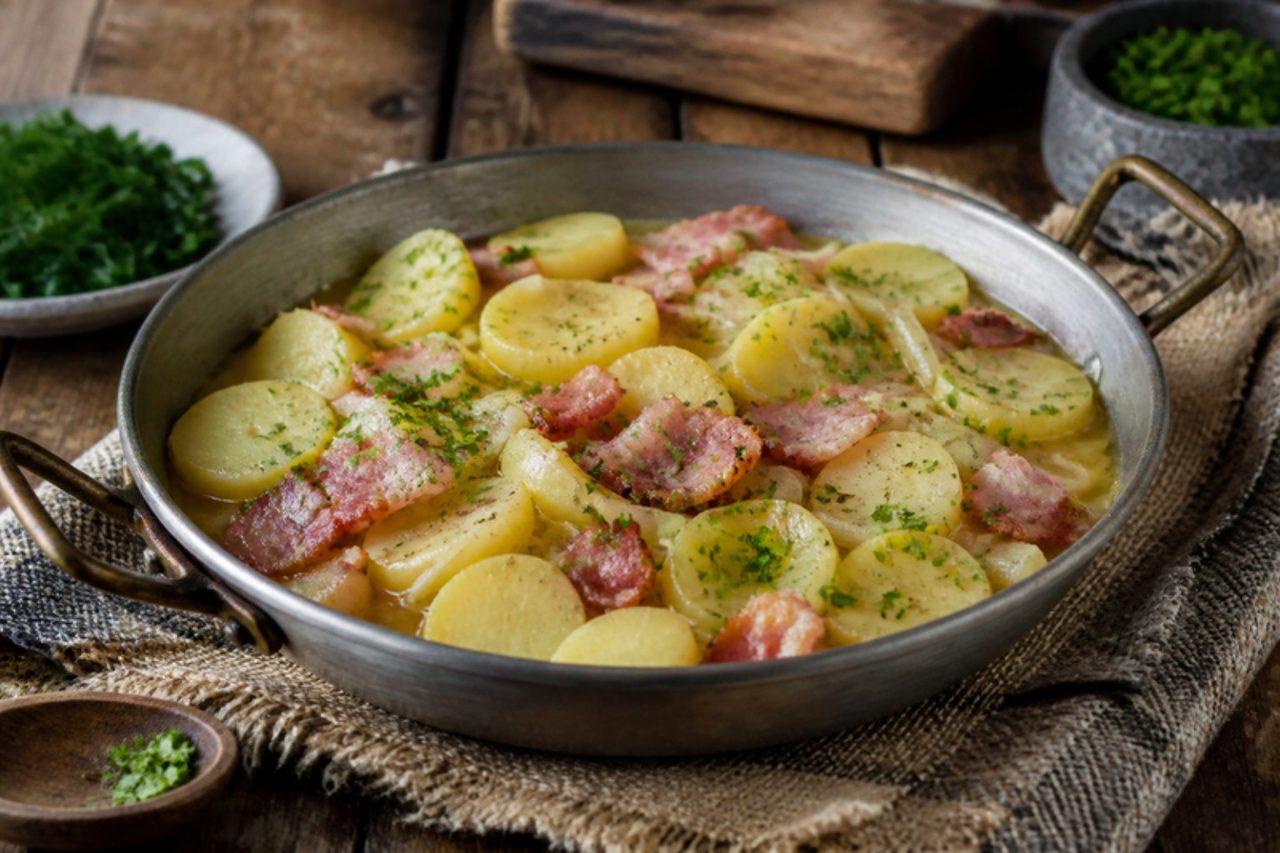
Tatws pum munud means 'five-minute potatoes' in Welsh, a joke, since it takes half an hour, but it was the quick, cheap one-pot supper of North Wales quarry and farm families. Sliced potatoes and onions are simmered on a bed of smoked bacon (pork) in stock until the potatoes are soft and the bottom layer catches and turns golden. Chef's tip: don't stir; shake the pan instead so the layers stay intact and the bottom crisps.

by KrazyBadal 0 views

Patlıcan kebabı

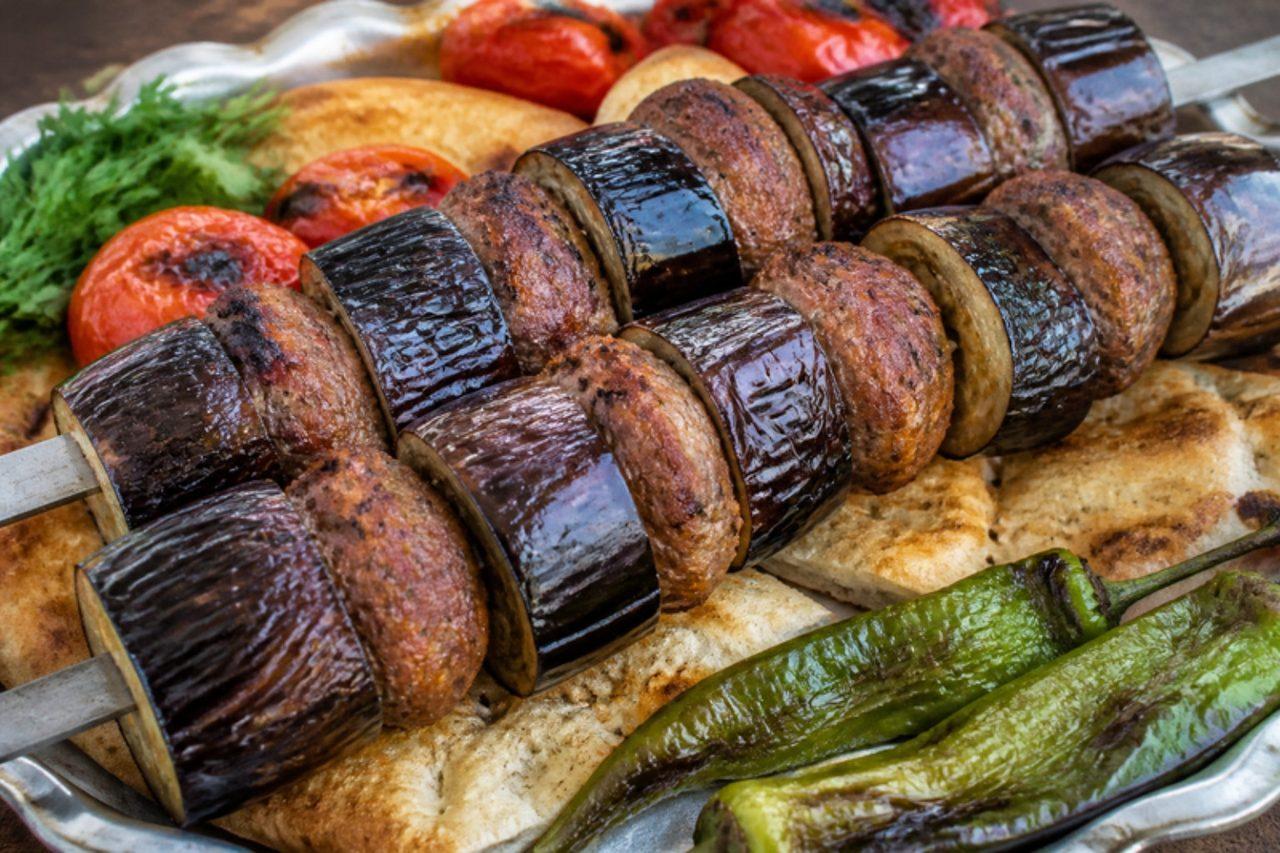
Late summer in southeastern Turkey, from Urfa to Gaziantep, means patlıcan kebabı: thick rounds of unpeeled aubergine threaded between small patties of spiced lamb, so the fat from the meat bastes the aubergine as it chars. Served on lavaş, the aubergine is pressed with a spoon into the bread and the whole thing is eaten with onions and green chillies. Use small, firm aubergines that won't split on the skewer. Common mistake: cutting the aubergine thinner than the meat; it burns before the köfte is cooked. Chef's tip: peel the charred aubergine skin off on the plate, but leave it on while grilling.

by KrazyBadal 0 views

Rabo de toro

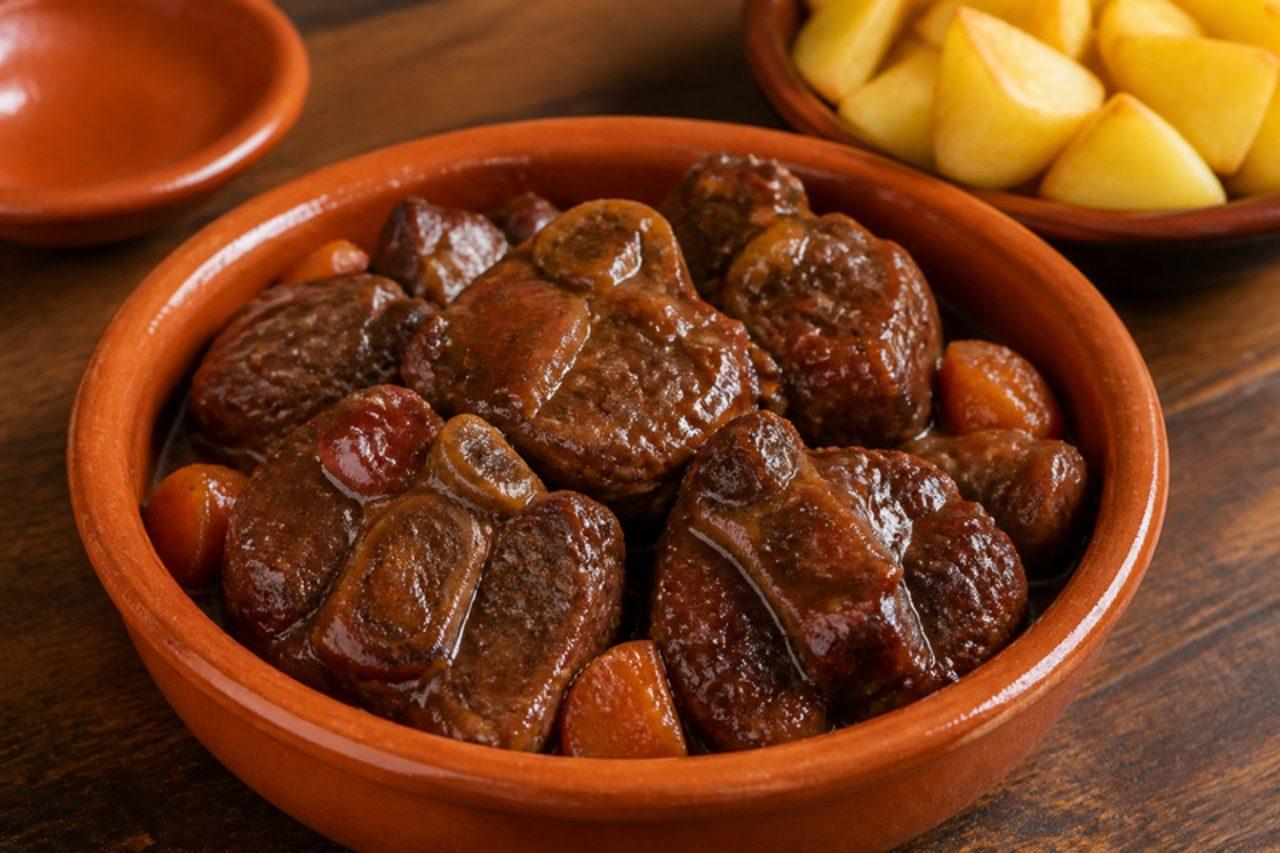
Córdoba claims rabo de toro as its own, and its taverns near the Mezquita serve it all year, though it is most at home on a cold winter Sunday. Once it was made with the tails of bulls from the ring; now it is beef or veal oxtail, browned and braised for hours in red wine with vegetables until the meat slips off the bone into a glossy, sticky sauce. This recipe uses wine; the alcohol-free option is in the ingredient list. Chef's tip: make it a day ahead, chill it and lift off the set fat; the sauce is cleaner and the flavour deeper.

240 minSpanishMeat
by KrazyBadal 0 views

Mirabelle plum tart

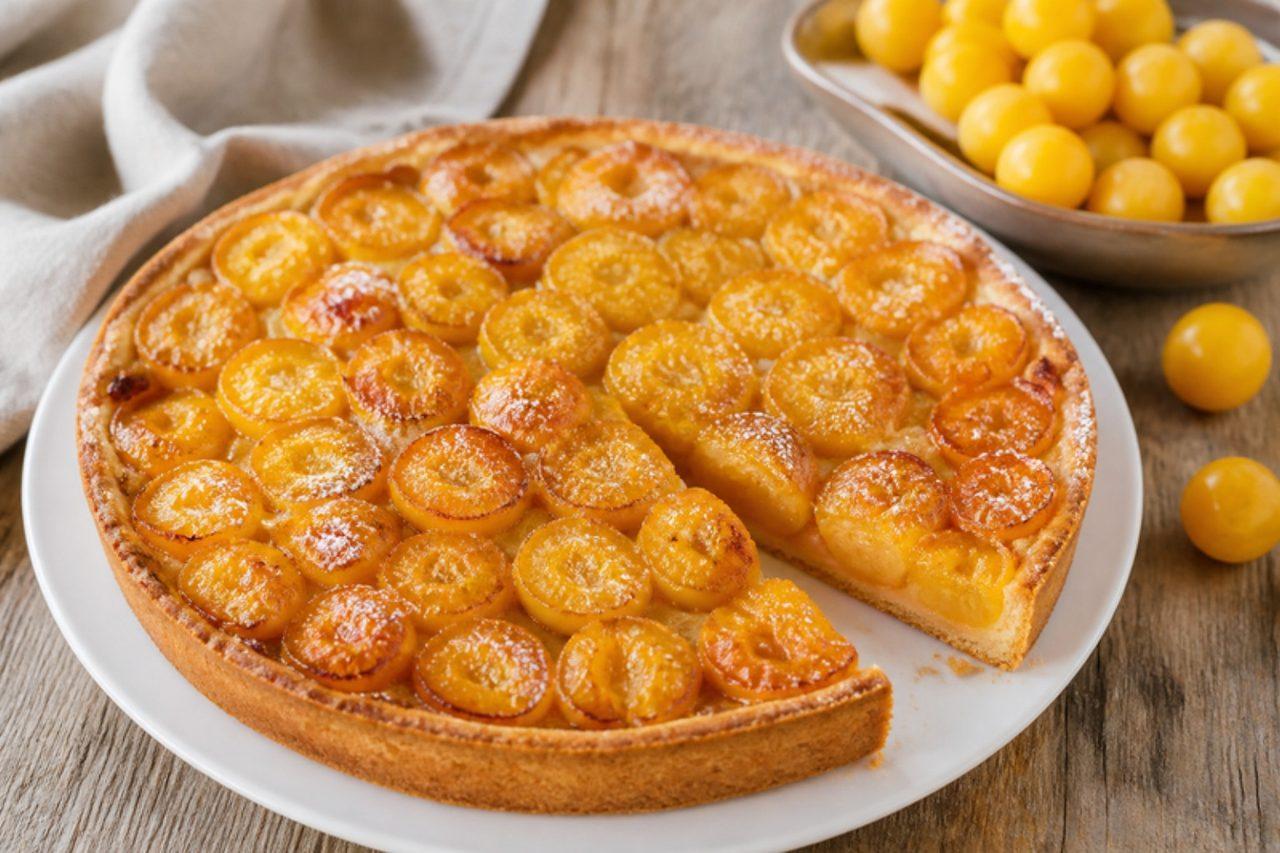
Lorraine grows most of the world's mirabelles, small golden plums with a blush of red that ripen for only a few weeks from mid-August, when Metz holds its Mirabelle festival and every pâtisserie in Nancy fills its window with this tart. The plums are halved and packed tightly into a crisp shortcrust, sometimes over a thin layer of almond or semolina to soak up the juice, and they bake into a jammy, honey-sweet layer. Families eat it warm or cold for Sunday dessert or at four-o'clock goûter. Out of season, use small yellow plums or halved apricots. Chef's tip: stand the halves upright and overlapping, cut side up; they shrink as they bake, and a tight layer stops the tart looking bare.

by KrazyBadal 0 views

Gâteau breton

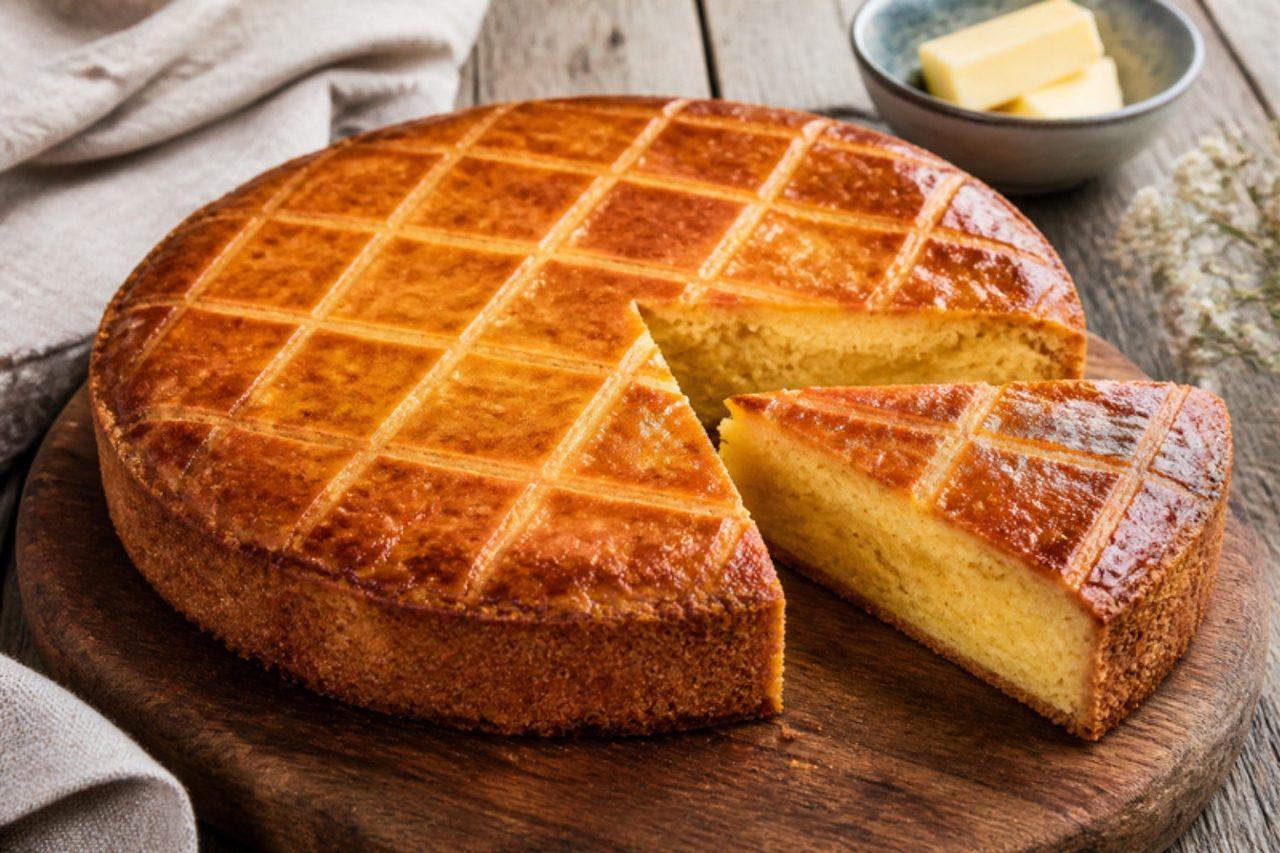
Somewhere between a shortbread and a cake, gâteau breton is the big round that Breton bakeries cut into wedges for the road, and families buy one for the weekend or a picnic at the coast near Concarneau or Lorient. It is made from almost as much salted butter as flour, with lots of egg yolks, and baked thick so the edges are crisp and the middle is dense, moist and fudgy. The top is glazed and marked with a criss-cross pattern using a fork. Plain is traditional; some bakers add a layer of prune purée in the middle. Chef's tip: chill the dough in the tin before baking; it holds its pattern and bakes up with a sharp, shiny crust.

by KrazyBadal 0 views

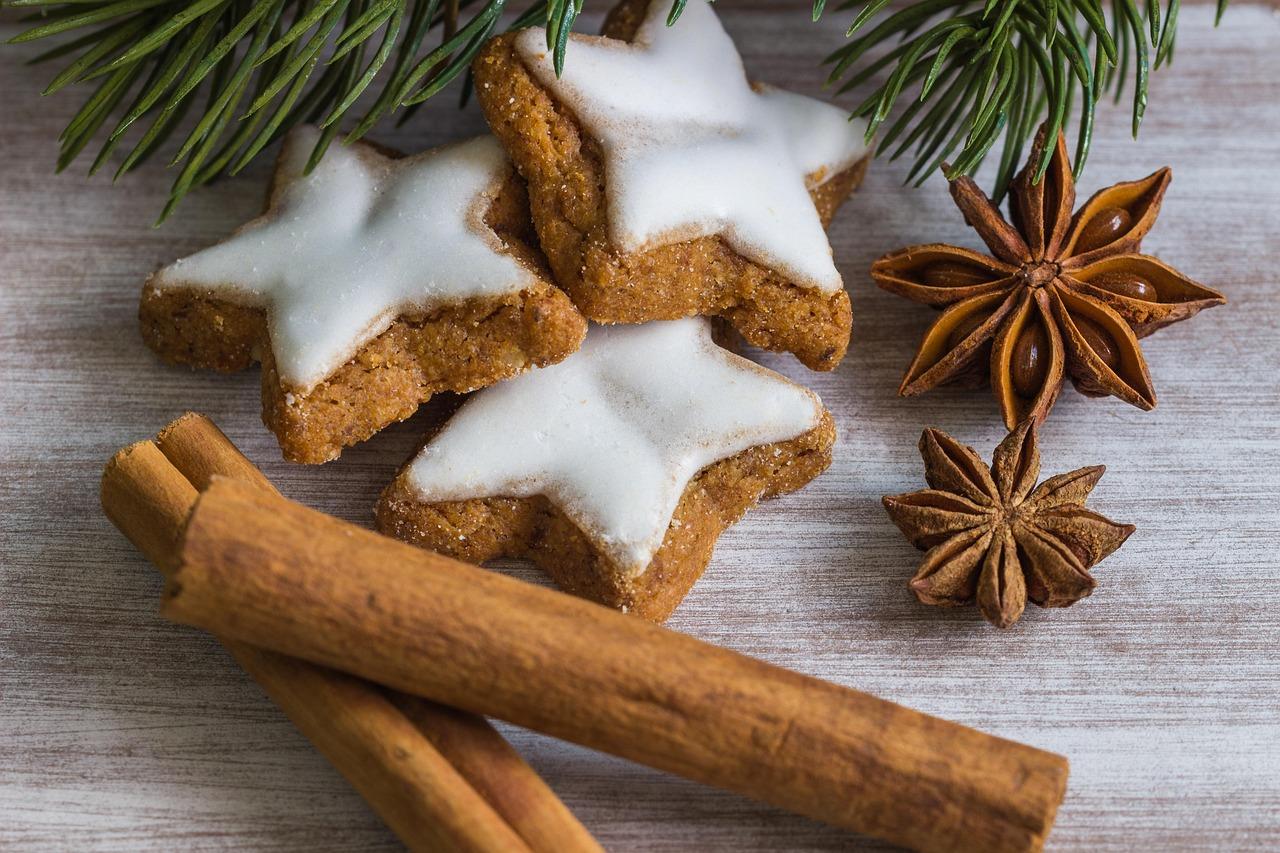
Bredele: Alsatian cinnamon stars

From the start of Advent, kitchens across Alsace turn out bredele, dozens of kinds of little Christmas biscuits kept in tins and offered to every visitor until New Year, while the markets in Strasbourg and Kaysersberg sell them by the bag. Cinnamon stars are among the most loved: chewy almond and cinnamon biscuits with a crisp white meringue top, and no flour at all. They take patience rather than skill and keep for weeks, so families make them early in December. The same dough also works rolled into small balls. Chef's tip: spread the meringue on the rolled sheet before you cut the stars, rather than icing each biscuit; it is far quicker and gives a clean, sharp edge.

by KrazyBadal 0 views

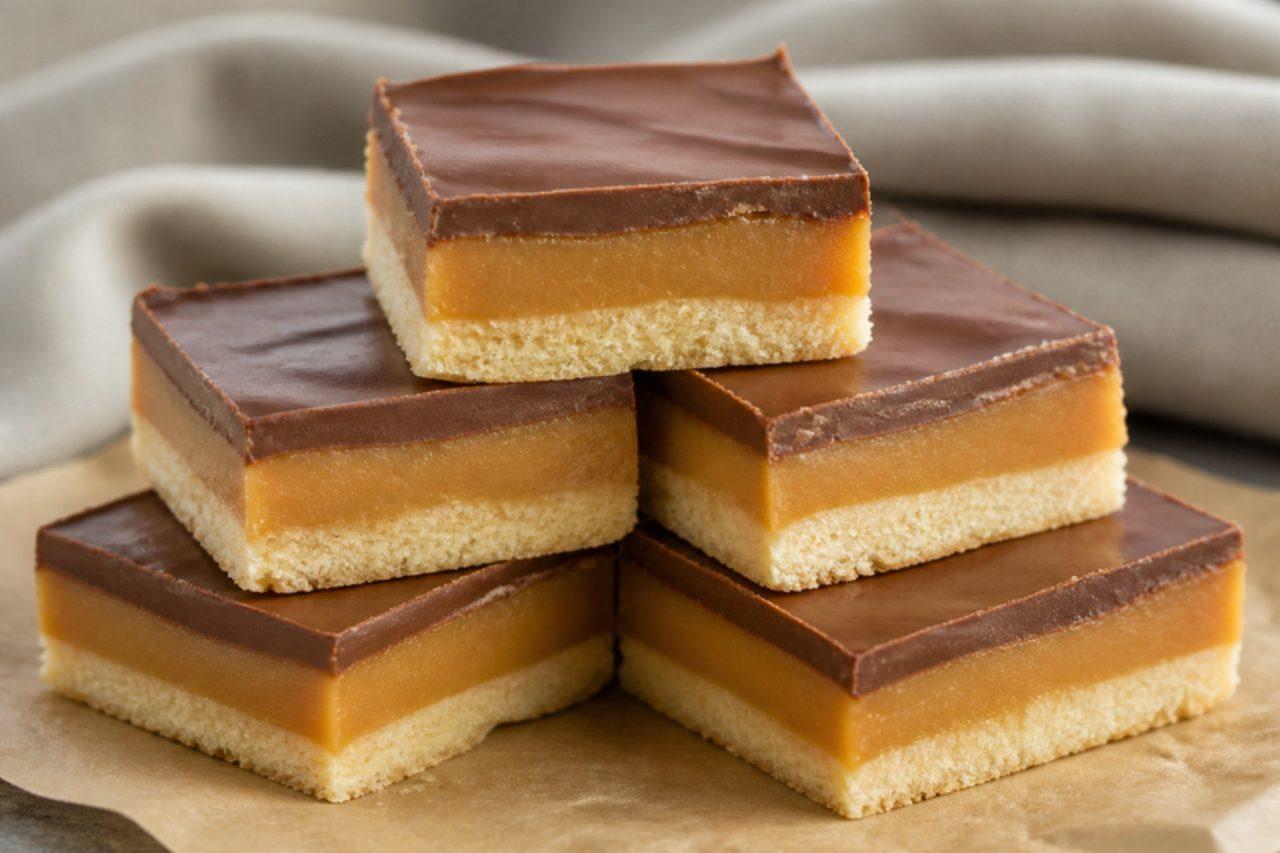
Millionaire's shortbread

Millionaire's shortbread, called caramel shortcake in much of Scotland and caramel squares across the water in Belfast, is the traybake of school bake sales, cafés and church teas. A crisp shortbread base is covered with thick condensed-milk caramel and a layer of chocolate, rich enough to justify the name. Chef's tip: keep stirring the caramel the whole time it bubbles; it catches on the bottom in seconds.

by KrazyBadal 0 views

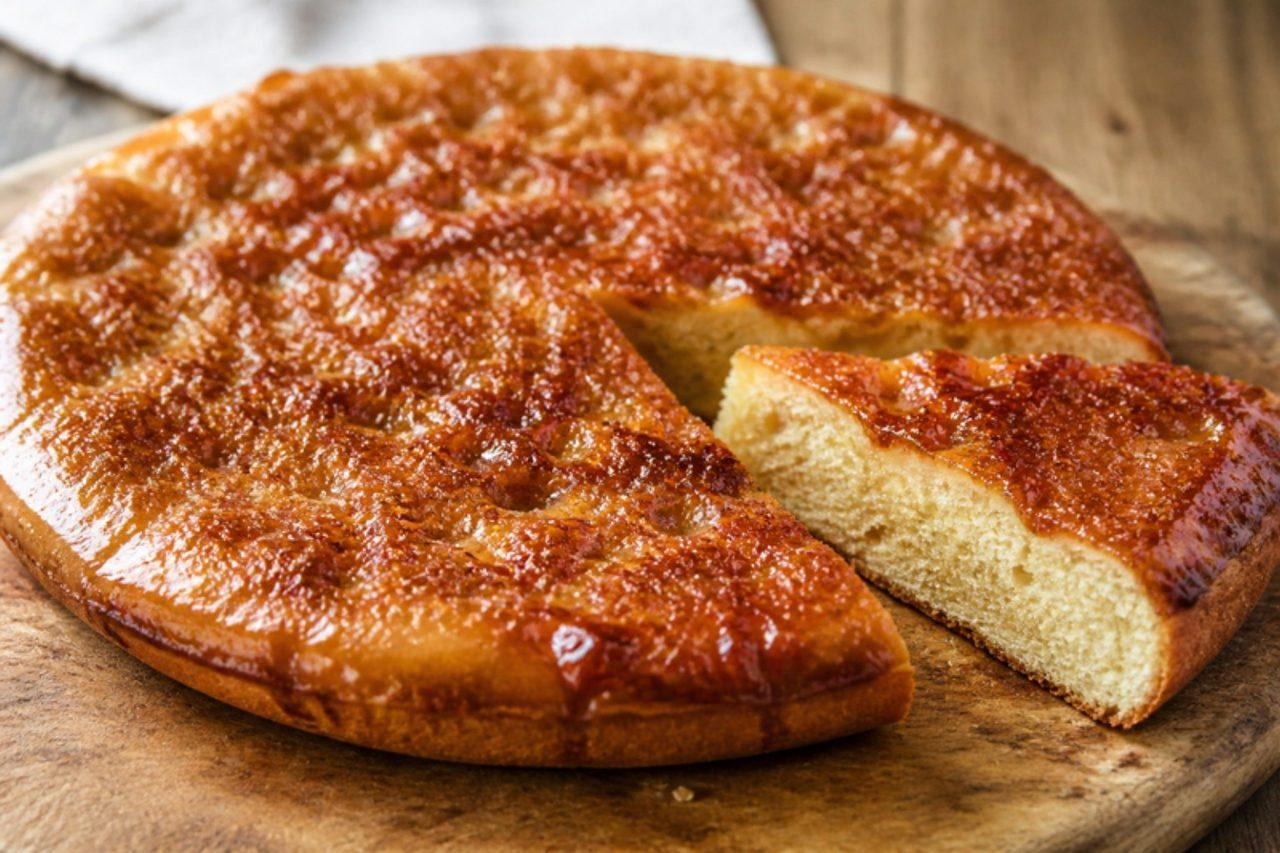
Tarte au sucre lilloise

In Lille and across the Nord, a sugar tart is not pastry at all but a flat round of soft brioche dough, dimpled and covered with brown cassonade sugar, butter and a little egg and cream, which bakes into a sticky, caramelised top over a fluffy base. Families buy it from the boulangerie for Sunday breakfast and goûter, or bake one when guests come for coffee. The Nord's own beet sugar, vergeoise, gives it a deep, almost molasses flavour; soft dark brown sugar is the closest swap. Chef's tip: press deep dimples into the risen dough with your fingertips before adding the topping; the sugar and cream collect in them and bake into little pools of caramel.

by KrazyBadal 0 views

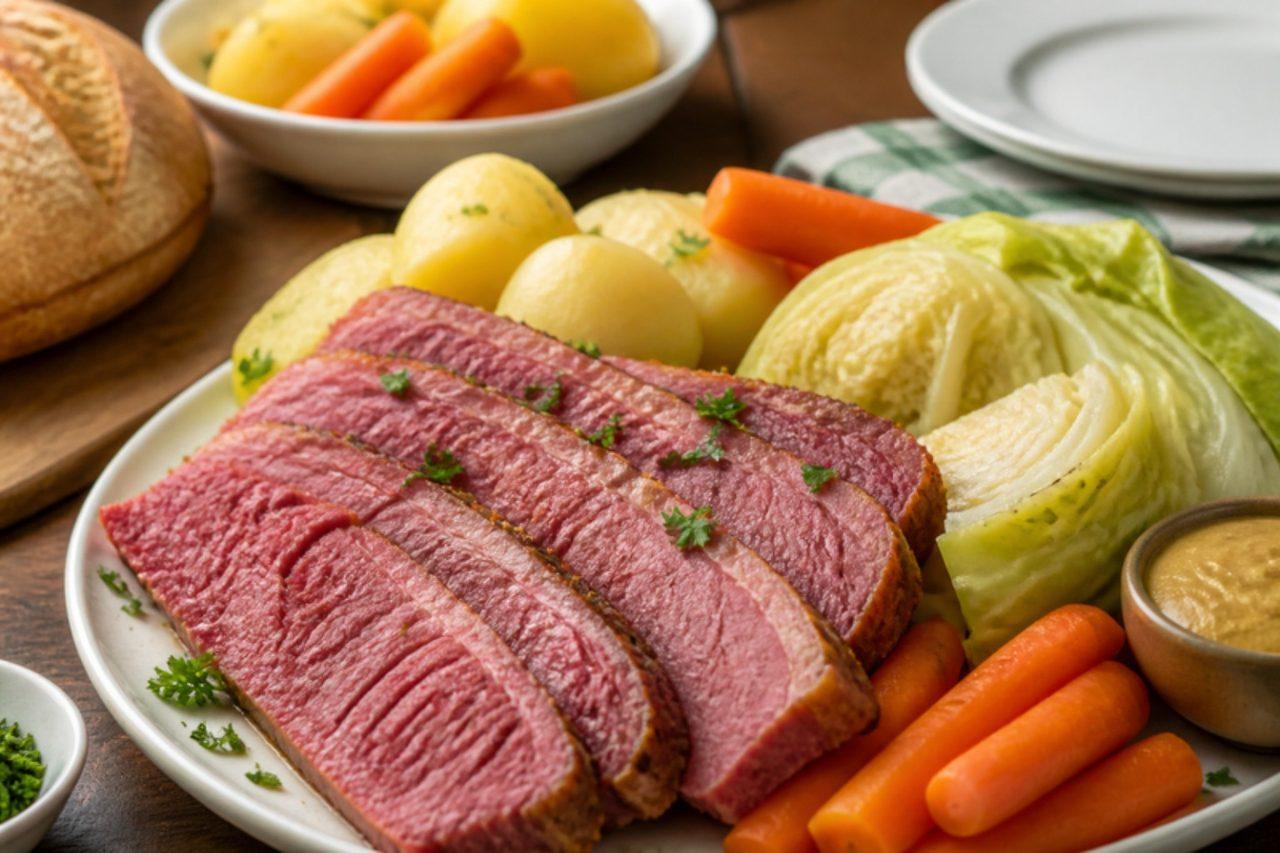
Corned beef and cabbage

In Boston, Irish families made corned beef the centre of St Patrick's Day, swapping the bacon joint of home for the cheaper brisket sold by Jewish butchers, and New Englanders still call the whole pot a boiled dinner. Salt-cured beef brisket is simmered for hours with spices, then potatoes, carrots and wedges of cabbage cook in the same broth. Serve with grainy mustard. Chef's tip: slice the beef across the grain, thinly; cut along the grain it looks stringy and chews tough.

230 minAmericanMeat
by KrazyBadal 0 views

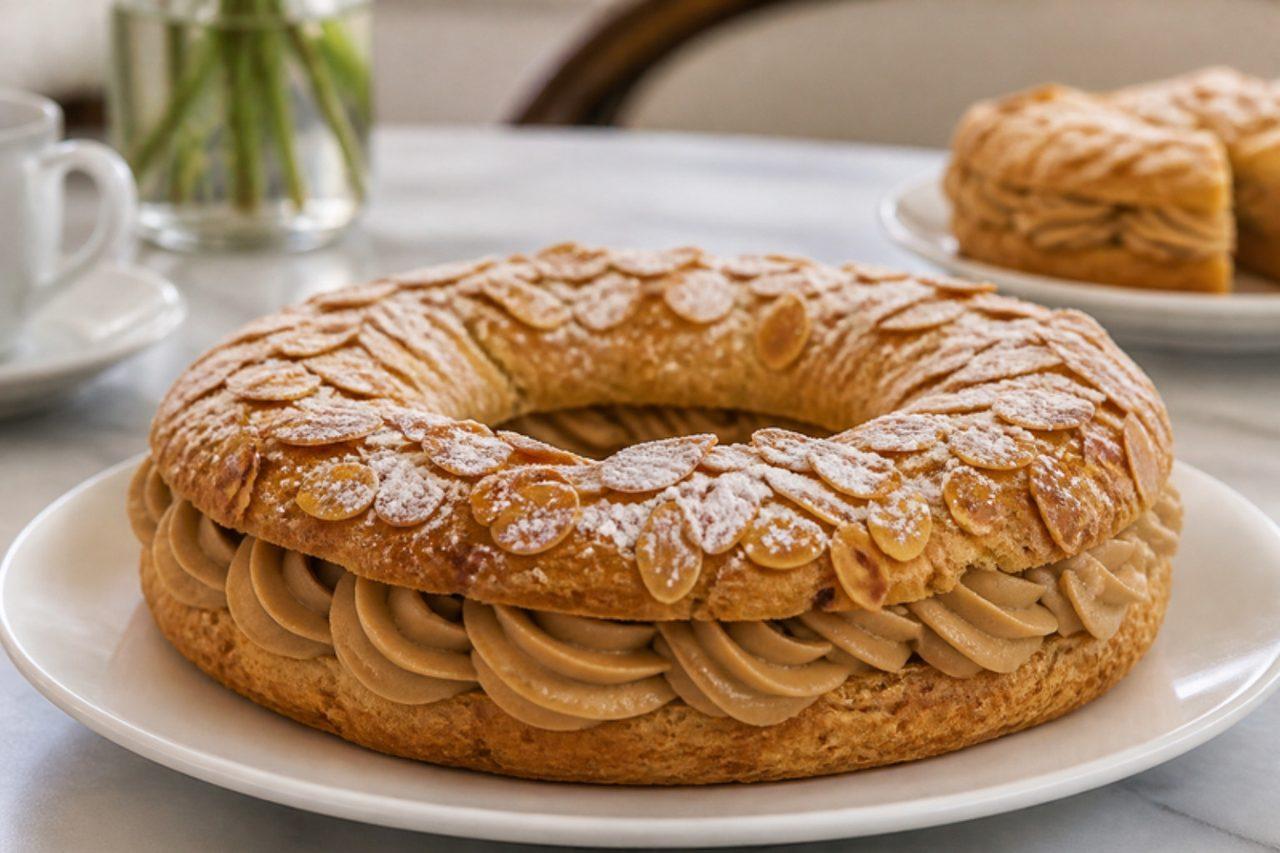
Paris-Brest

A Maisons-Laffitte pâtissier created this ring of choux pastry in 1910 to honour the Paris–Brest–Paris bicycle race, shaping it like a wheel, and it has been a fixture of Paris pâtisseries ever since. The ring is baked crisp, scattered with flaked almonds, split and piped full of a rich hazelnut-praline buttercream, then dusted with icing sugar. It is a celebration cake for birthdays and Sunday lunches, best eaten the day it is filled. Smooth hazelnut praline paste is sold in baking shops; or blend toasted hazelnuts with caramel. Chef's tip: let the baked ring dry in the switched-off oven with the door ajar; a dry shell stays crisp under the cream instead of going soft.

120 minFrenchBaking
by KrazyBadal 0 views

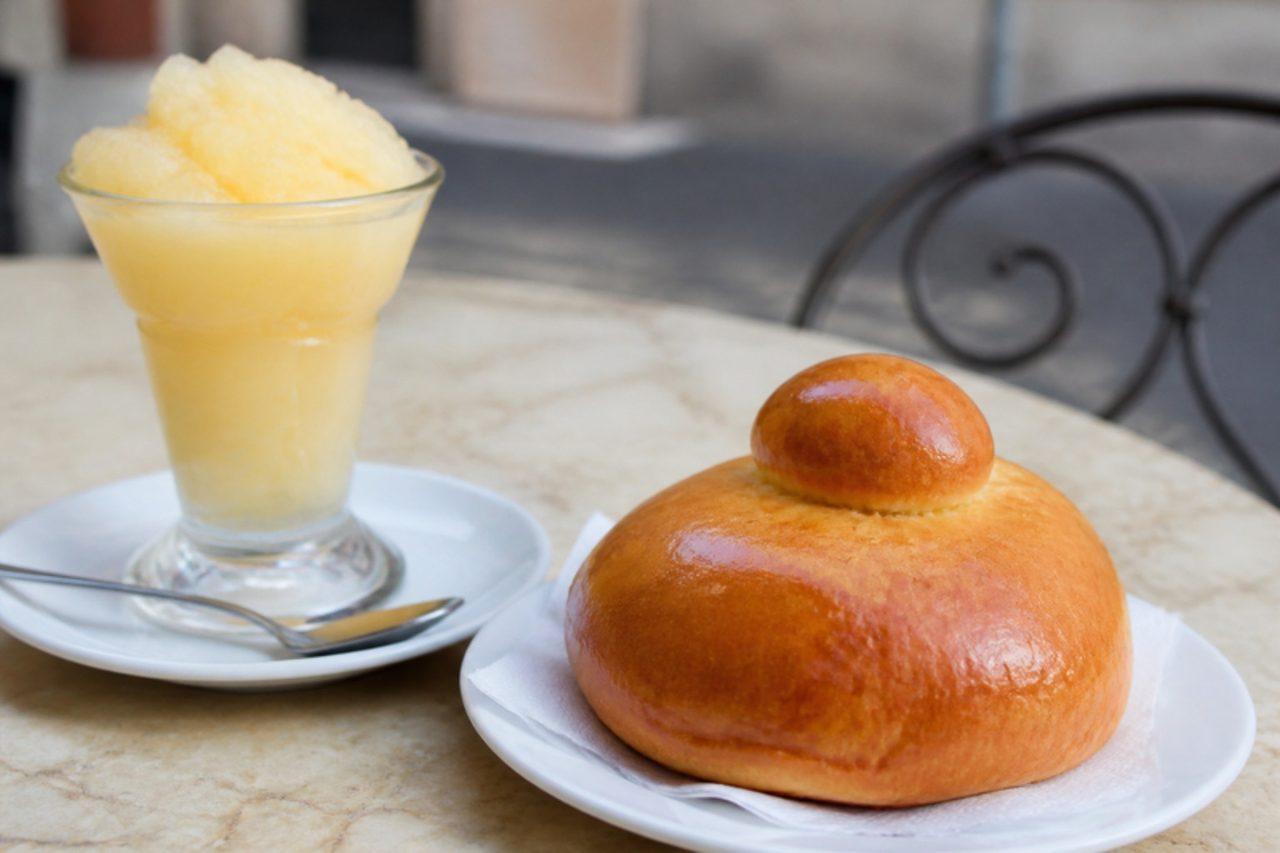
Brioche col tuppo

On summer mornings in Catania, breakfast is a glass of granita, almond, coffee, lemon or black mulberry, with a warm brioscia col tuppo beside it. The brioche is a soft, sweet, orange-scented bun with a little ball of dough on top, the tuppo, named after the bun women once wore their hair in. You tear off the tuppo first, dip it in the granita, then work through the rest. Bakeries in eastern Sicily sometimes enrich the dough with lard; this version uses butter. Chef's tip: give the dough a long, slow rise; it is what makes the crumb so light and stringy. Serve it with granita al limone.

by KrazyBadal 0 views

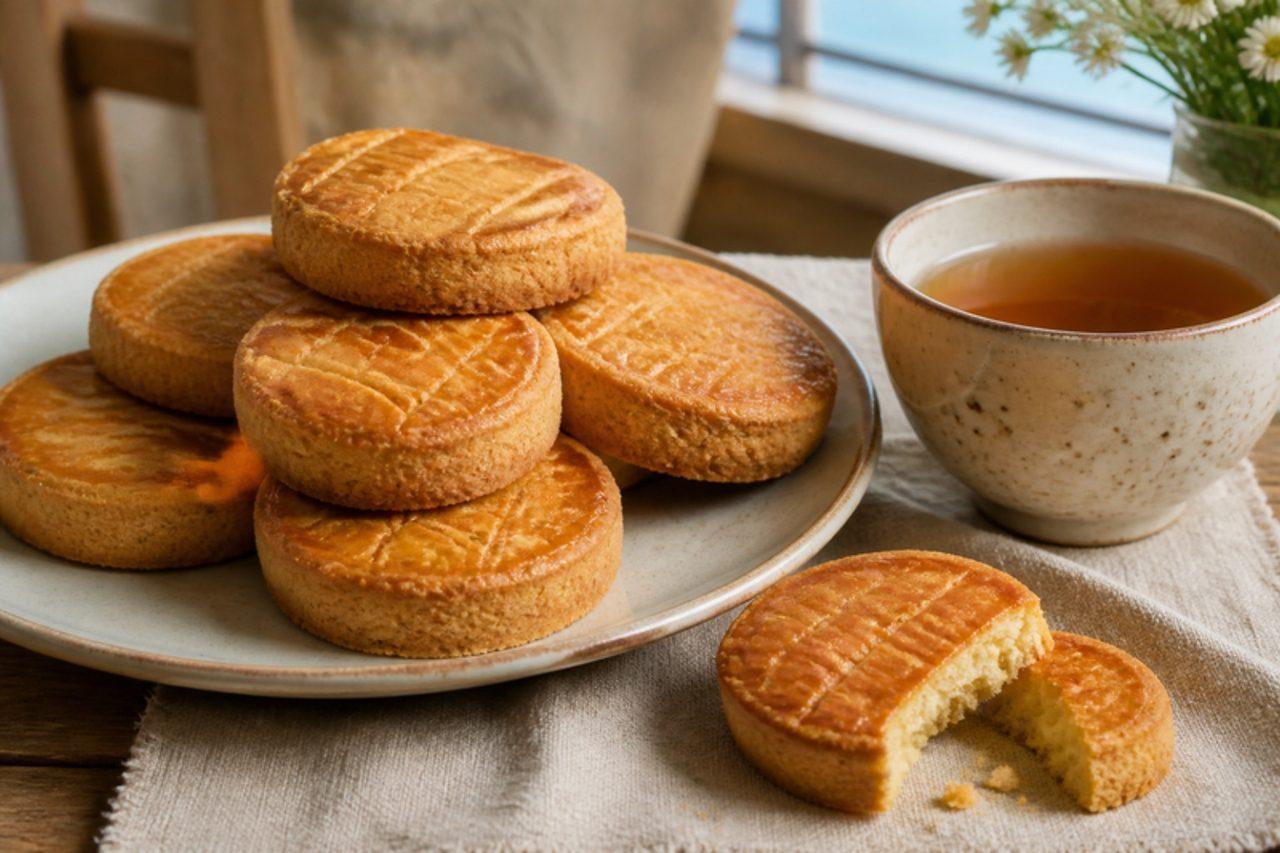
Palets bretons

Palets are the thick cousin of the thin Breton galette biscuit: chunky rounds as wide as a small cookie and nearly a centimetre high, crisp on the outside and crumbly within, tasting strongly of salted butter. Bakeries in Pont-Aven and all along the Finistère coast sell them in tins, and Breton families serve them with coffee, with a bowl of cider-poached apples or crumbled over ice cream. Baking them in muffin tins or metal rings keeps their shape and straight edges. Chef's tip: use proper salted butter rather than adding salt to unsalted; the flavour is rounder and the dough handles better.

by KrazyBadal 0 views

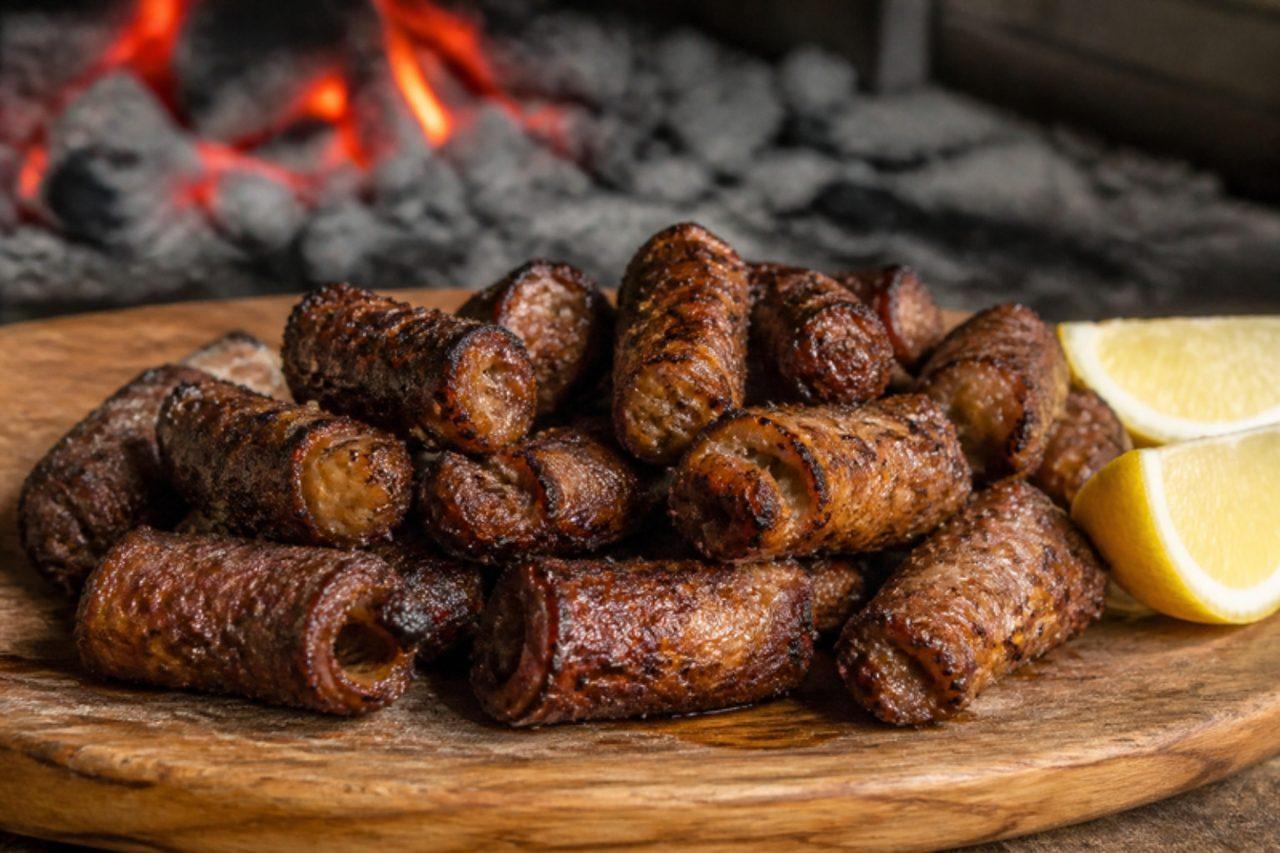
Chinchulines

No proper Sunday asado in Buenos Aires province or the interior is complete without a round of achuras, and chinchulines are the boldest of them: beef small intestine, coiled on the grill and cooked slowly until the outside crackles like pork scratchings and the inside stays soft and rich with its own fat. Pass them round on a board with lemon and bread as a starter while the bigger cuts cook. Buy them already cleaned from a butcher or a Latin American meat counter, and rinse them again well at home. The usual mistake is too much heat: the outside burns long before the inside cooks. Offal must be cooked right through, with no soft, raw-looking parts. Chef's tip: simmer them briefly before grilling; it cleans them further, shortens the time on the coals and gives you a much more even crunch.

by KrazyBadal 0 views

Kougelhopf

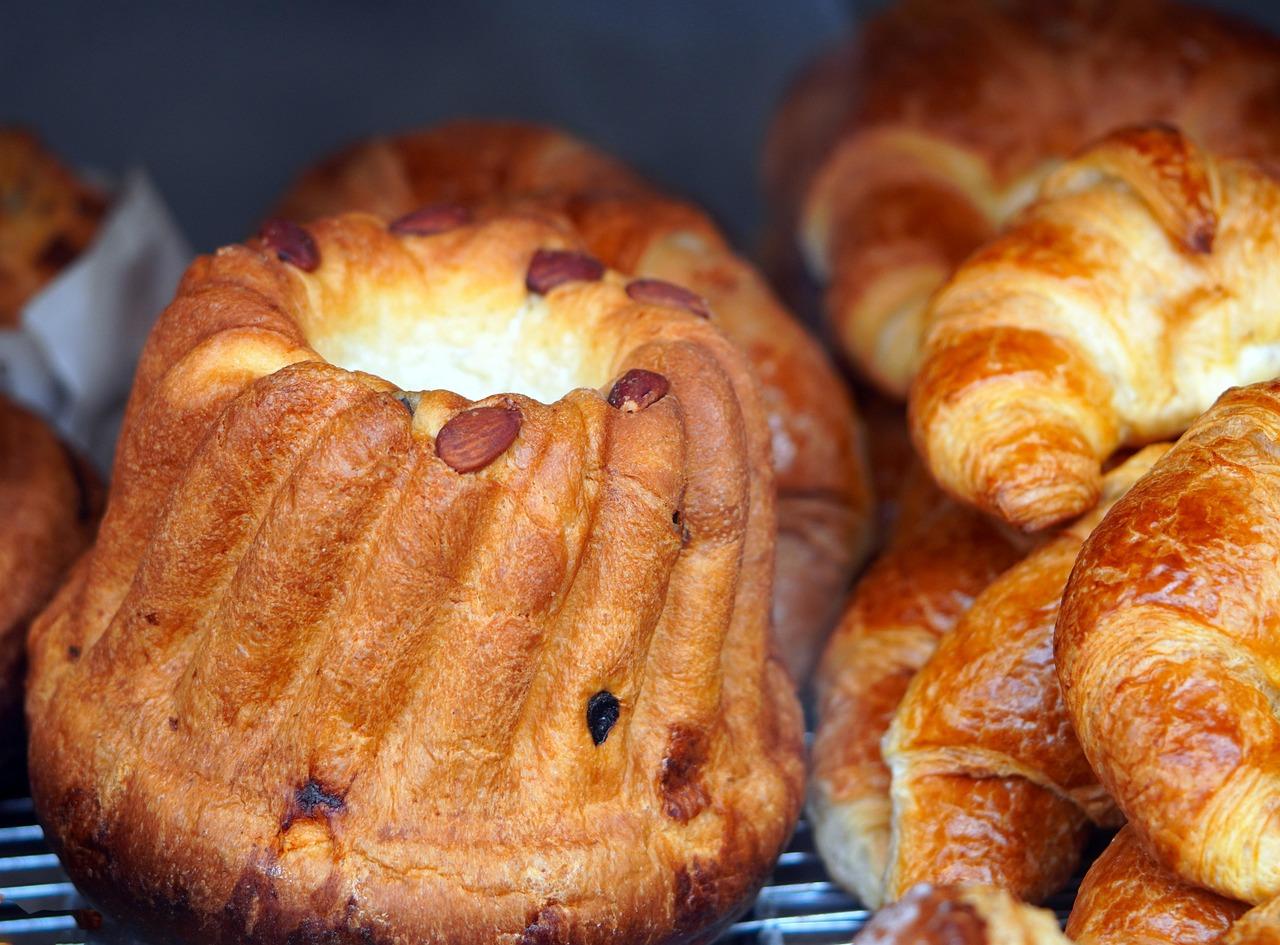
Walk into any bakery in Colmar, Ribeauvillé or Strasbourg on a Sunday morning and the kougelhopf sits in the window, tall and fluted, wearing a snowfall of icing sugar and a crown of whole almonds. Alsatian families buy or bake one for weekend breakfast with coffee, and slices that go stale are toasted the next day. The crumb sits halfway between brioche and cake: soft, buttery and only lightly sweet, studded with plump raisins. Many bakers soak the raisins in kirsch (cherry brandy); this recipe uses warm black tea, which plumps them just as well without alcohol. You need a kougelhopf or bundt tin of about 22 cm. Chef's tip: chill the buttered tin for 10 minutes and press the almonds into the grooves before the dough goes in, so they stay put and toast as the cake bakes.

by KrazyBadal 0 views

Welsh cakes

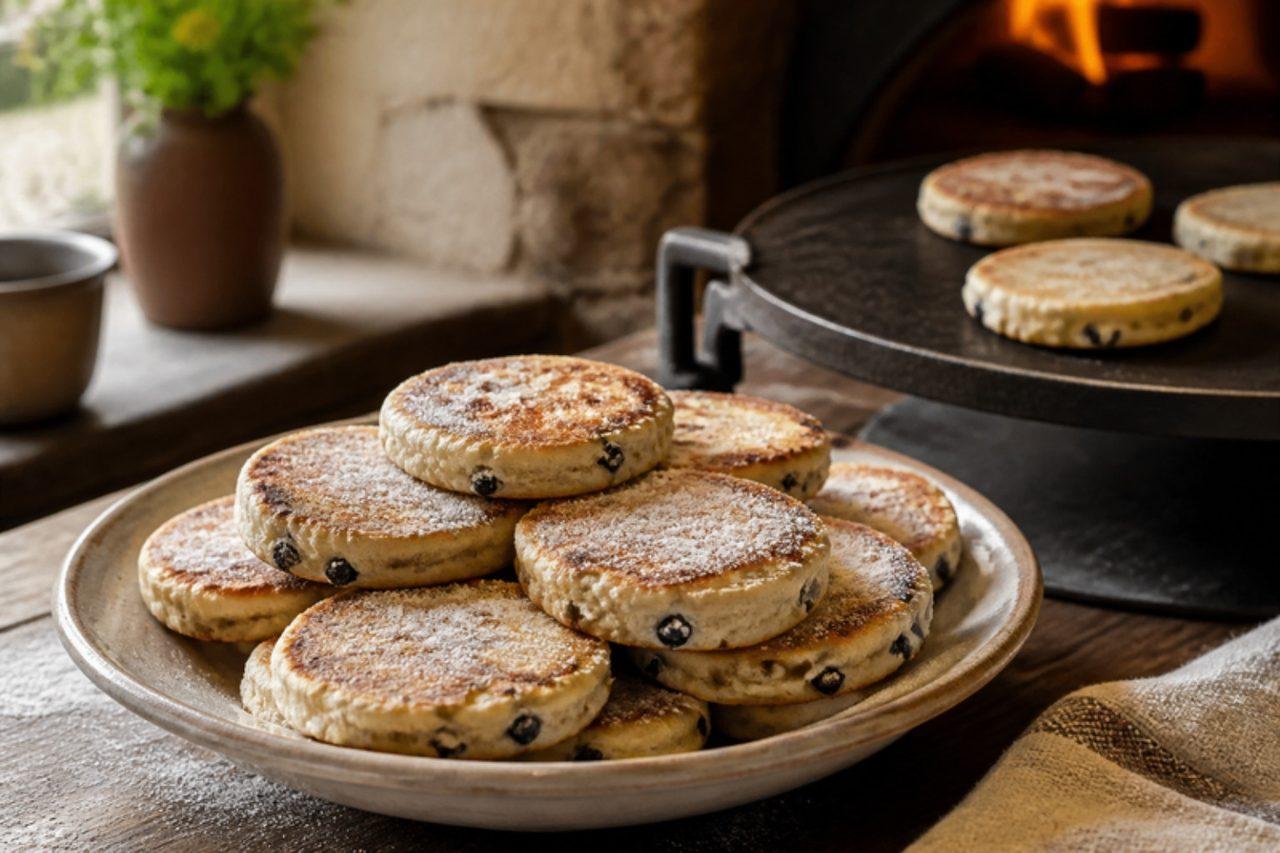
Welsh cakes, picau ar y maen or 'cakes on the stone', are cooked on a cast-iron bakestone in kitchens across Wales and sold warm at markets and rugby matches, and they are a must on St David's Day, 1 March. The dough is like a rich scone with currants and mixed spice, and they are dusted with sugar while hot. Chef's tip: keep the heat medium-low; they need time for the middle to cook before the outside darkens.

by KrazyBadal 0 views

Mamona

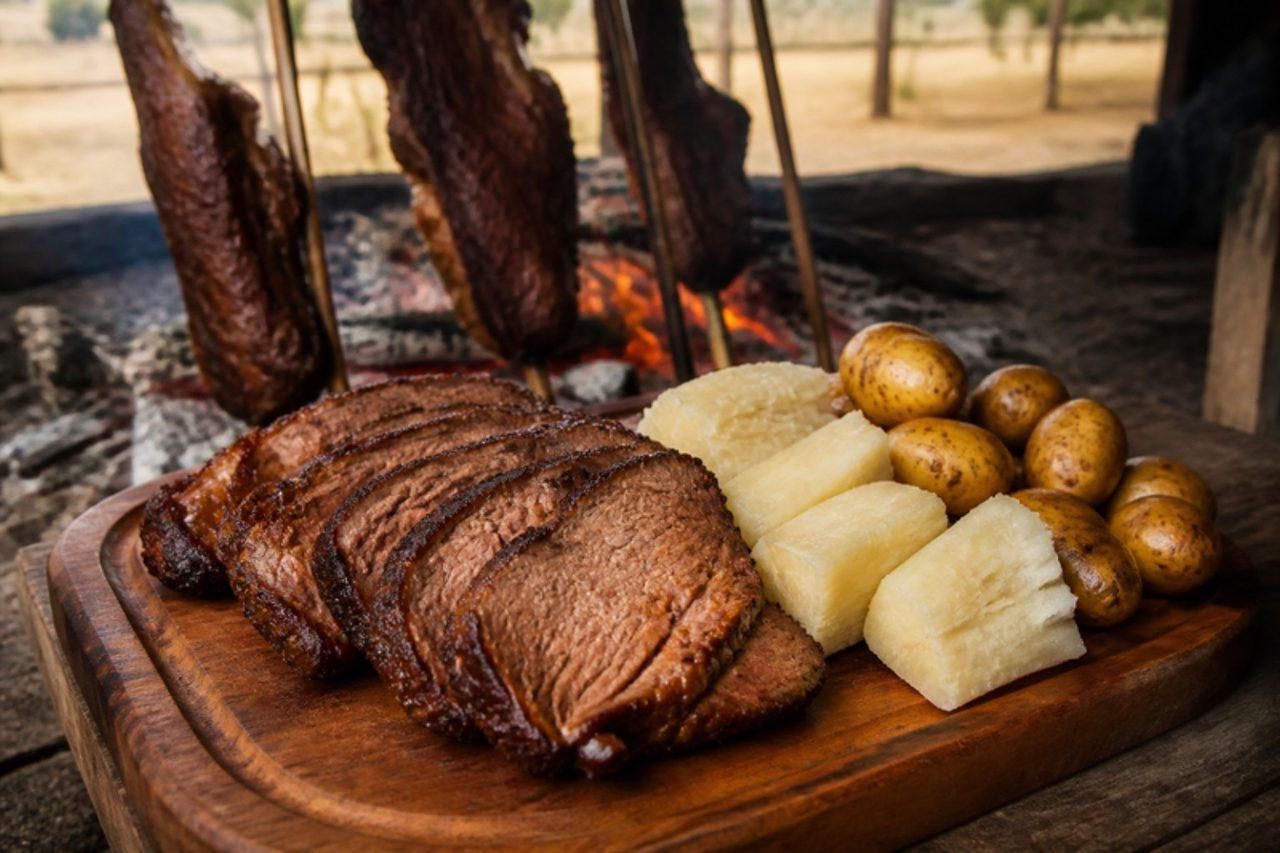
Cattle ranches of Meta and Casanare celebrate with mamona: a young steer cut into huge traditional pieces (rib slab, flank, shoulder) threaded on long wooden stakes and leaned around a wood fire for five hours or more, seasoned with nothing but coarse salt. The Villavicencio restaurants that specialise in it serve the meat with cassava, small boiled potatoes, plantain and ají, and some cooks splash beer over it, which you can skip. The beef ends up smoky and dripping on the inside with a salty, crusty bark. This home version uses a covered kettle barbecue with indirect heat, a whole slab of short ribs and a thick piece of flank. The usual blunder is putting the meat right over the coals; mamona cooks beside the fire, never over it. Chef's tip: let the salt sit on the meat in the fridge for a few hours before cooking; it seasons deeper and helps the crust form.

by KrazyBadal 0 views

Rosquillas de San Isidro

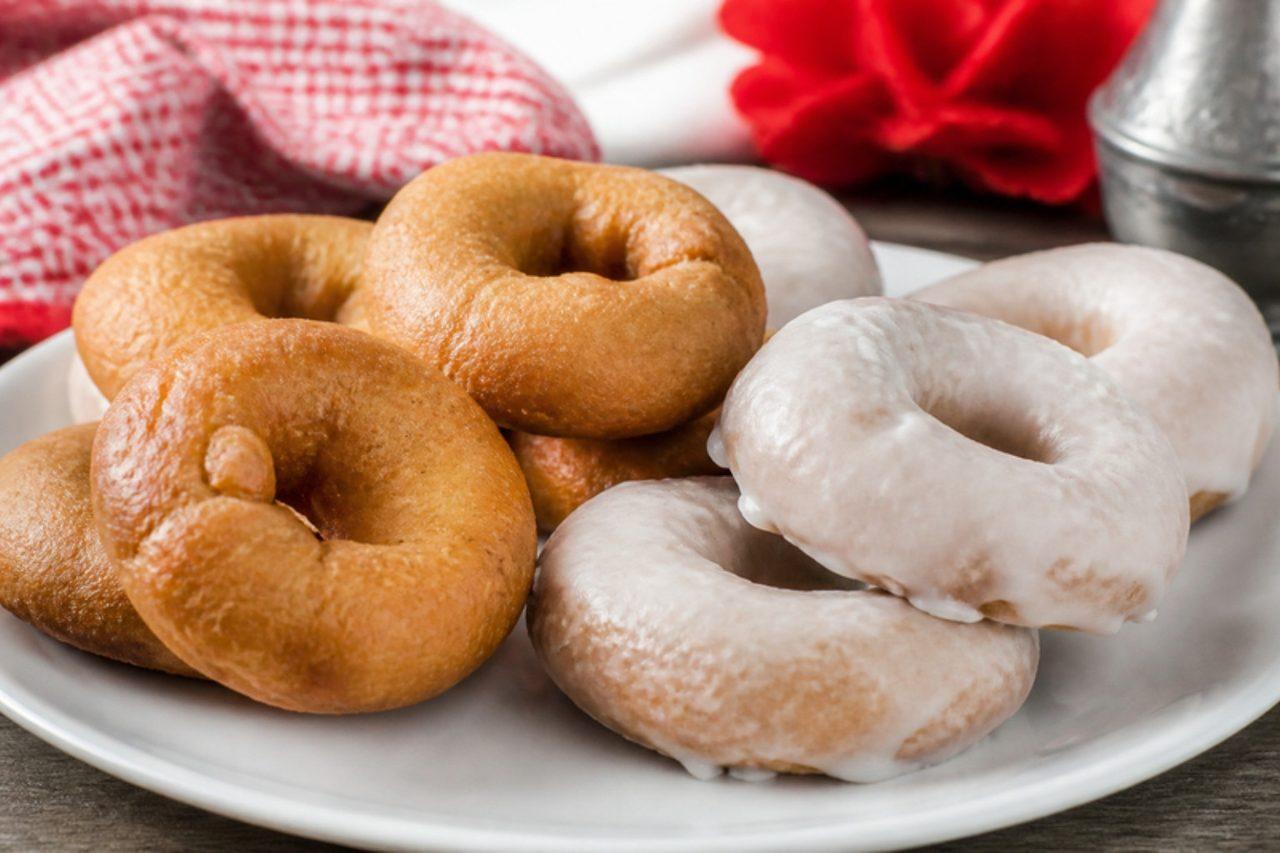
Every 15 May, crowds head to the Pradera de San Isidro on Madrid's southern edge for the patron saint's festival, and stalls sell rosquillas by the dozen: plain "tontas" (silly ones) and iced "listas" (clever ones). Many families now bake them at home that week. Old recipes ice the listas with raw egg white; this one uses a lemon and icing-sugar glaze, which is safer and sets just as white. Chef's tip: oil your hands to shape the rings; the dough is soft and sticky by design.

by KrazyBadal 0 views

Butifarra soledeña

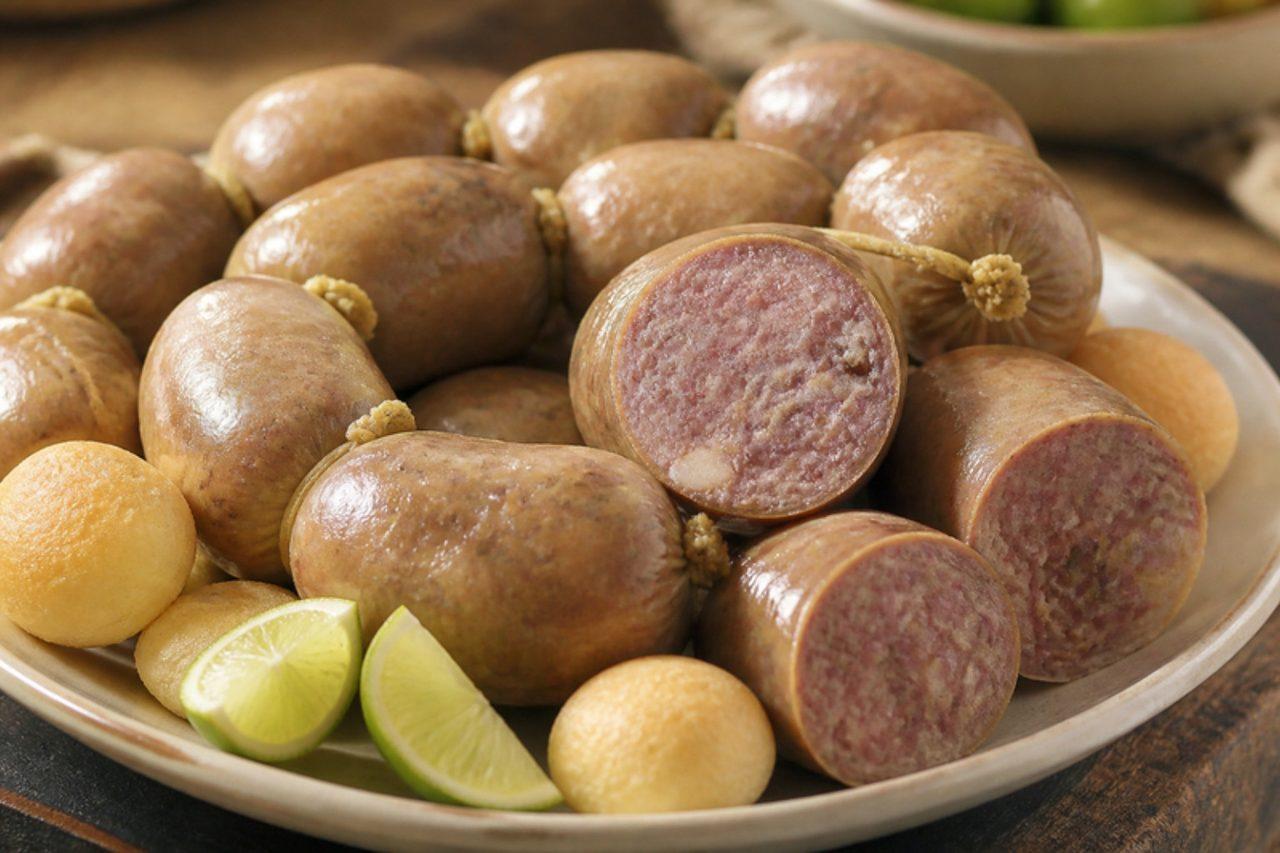
Around Barranquilla, the street call of 'butifarra, butifarra' comes from vendors pushing carts out of Soledad, the town that made these little sausages famous; there's even a festival for them every July. They are small, round links of beef and pork seasoned with nothing more than salt and plenty of black pepper, boiled rather than grilled, so they stay tender, juicy and pale. Sellers squeeze lime over them and hand them out with a bollo de yuca, a firm steamed cassava roll. They are simple, peppery and a little sour from the lime. Using lean meat is the usual mistake: without the pork fat they turn dry and grainy. Chef's tip: tie the links into small, round balls about 4 cm across and boil them gently; a rolling boil splits the casings.

by KrazyBadal 0 views

Carne oreada

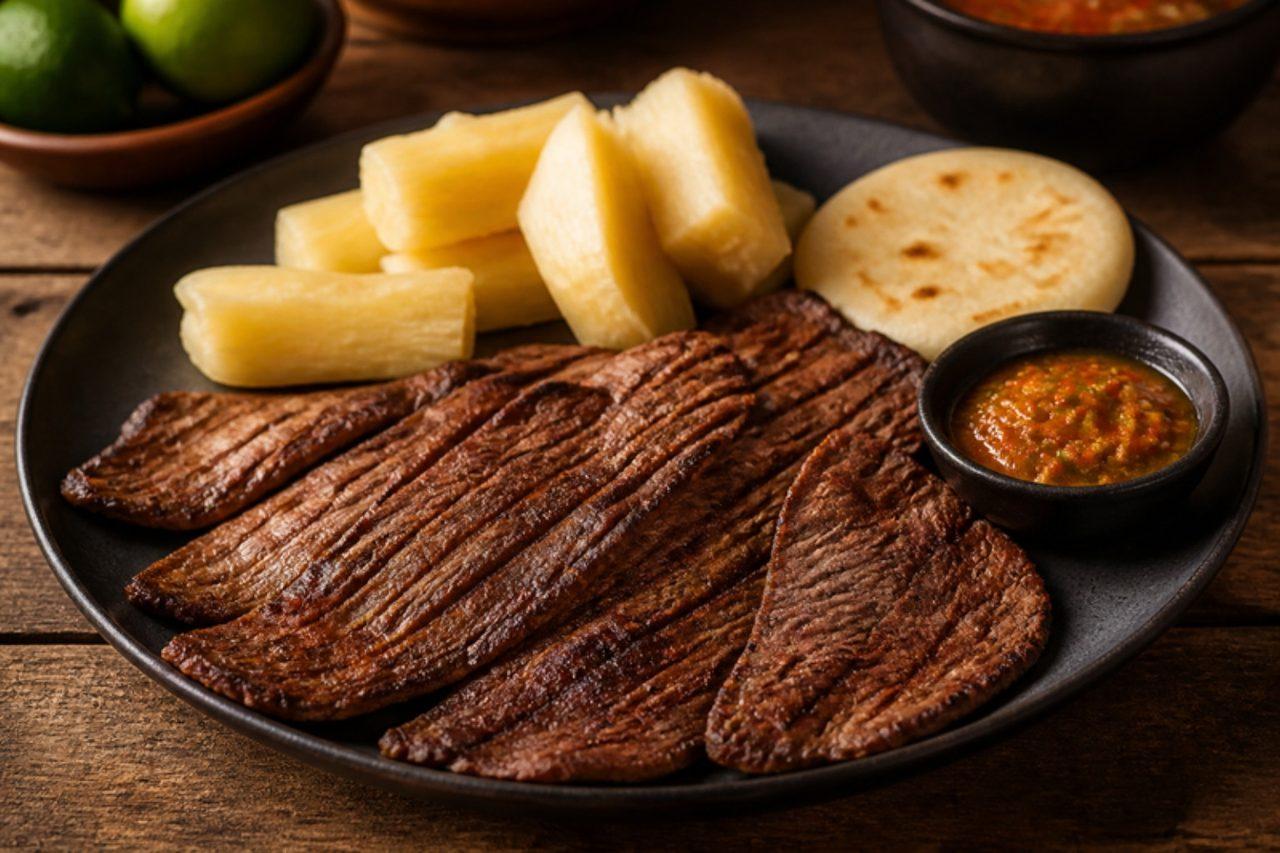
Before refrigerators, Santander cooks preserved beef by marinating thin sheets of it with panela, salt, garlic and cumin and hanging it in the sun and breeze until the surface dried. Carne oreada is still sold in the markets of Bucaramanga and San Gil, and grilled at home or in asaderos with arepa santandereana, cassava and guacamole. The meat comes out chewy-tender with a sweet, salty, caramelised edge and a concentrated, almost cured beef flavour. Sun-drying isn't safe in most home settings, so this version dries the meat on a rack uncovered in the fridge for 1–2 days, which gives the same firm, dark surface. Grilling it too long is the frequent fault, as the thin meat goes leathery; it needs only a few minutes a side over high heat. Chef's tip: some cooks splash a little beer into the marinade, but orange juice gives a similar tang without alcohol.

by KrazyBadal 0 views

Frito pastuso

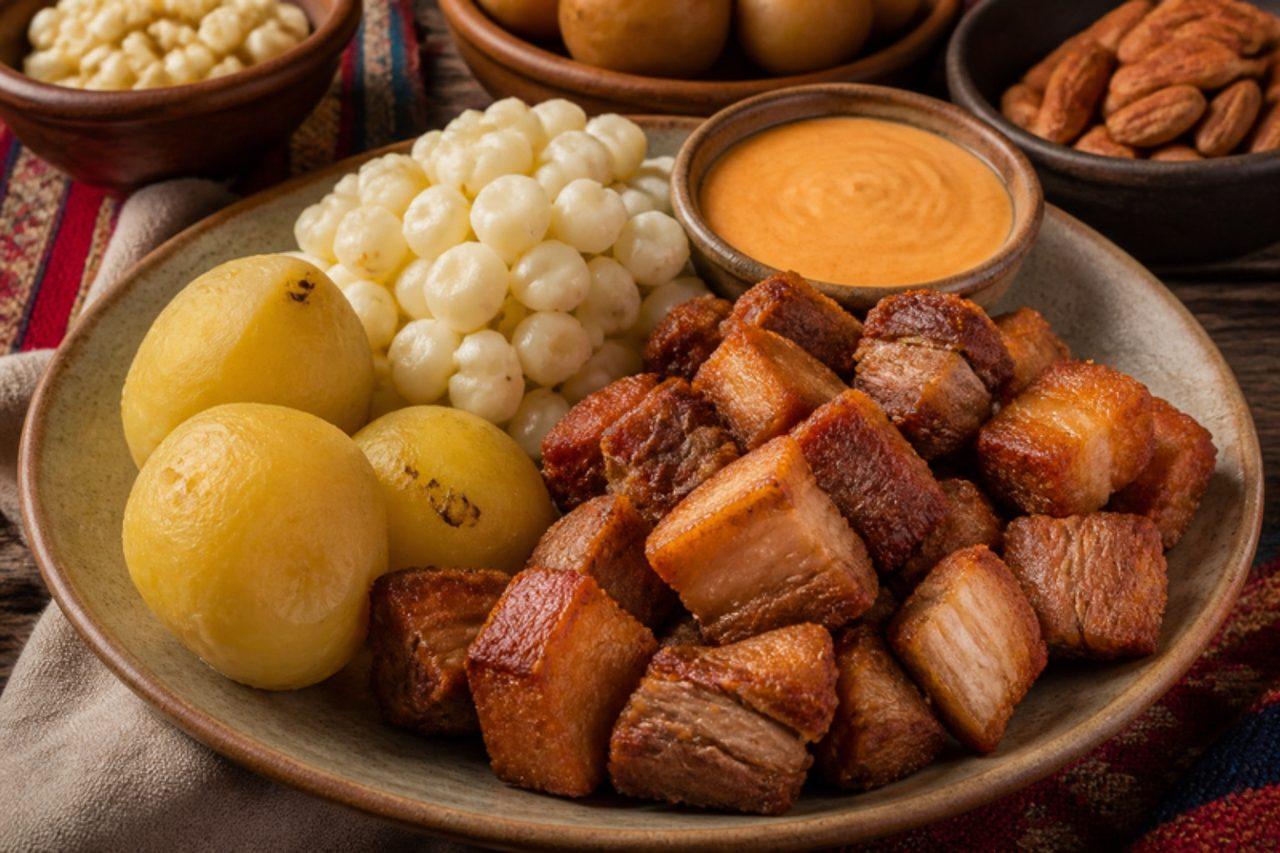
In Pasto and the high Nariño towns close to Ecuador, frito pastuso is a weekend plate found at market counters and family lunches: chunks of pork leg simmered with garlic and cumin until the water evaporates, then fried in their own fat until browned and crisp at the edges, served with small boiled yellow potatoes, mote (white hominy), toasted corn and a smooth ají de maní, the region's peanut and chilli sauce. The pork is salty and crusty, the potatoes soft, and the peanut sauce brings a gentle heat. Contains peanuts. The mistake people make is cutting the pork too small, so it dries out before it browns; keep the chunks generous, about 4 cm. Chef's tip: marinate the pork overnight in the fridge; the garlic and cumin get right into the meat and the fried edges caramelise better.

by KrazyBadal 0 views

Showing 24 of 921 recipes

Show more recipes

Page 2 of 39