Skip to content
WhatToEat.Today

All recipes

183

Vegetarian, or something you can't eat? Set your diet once and we'll hide recipes that don't fit.

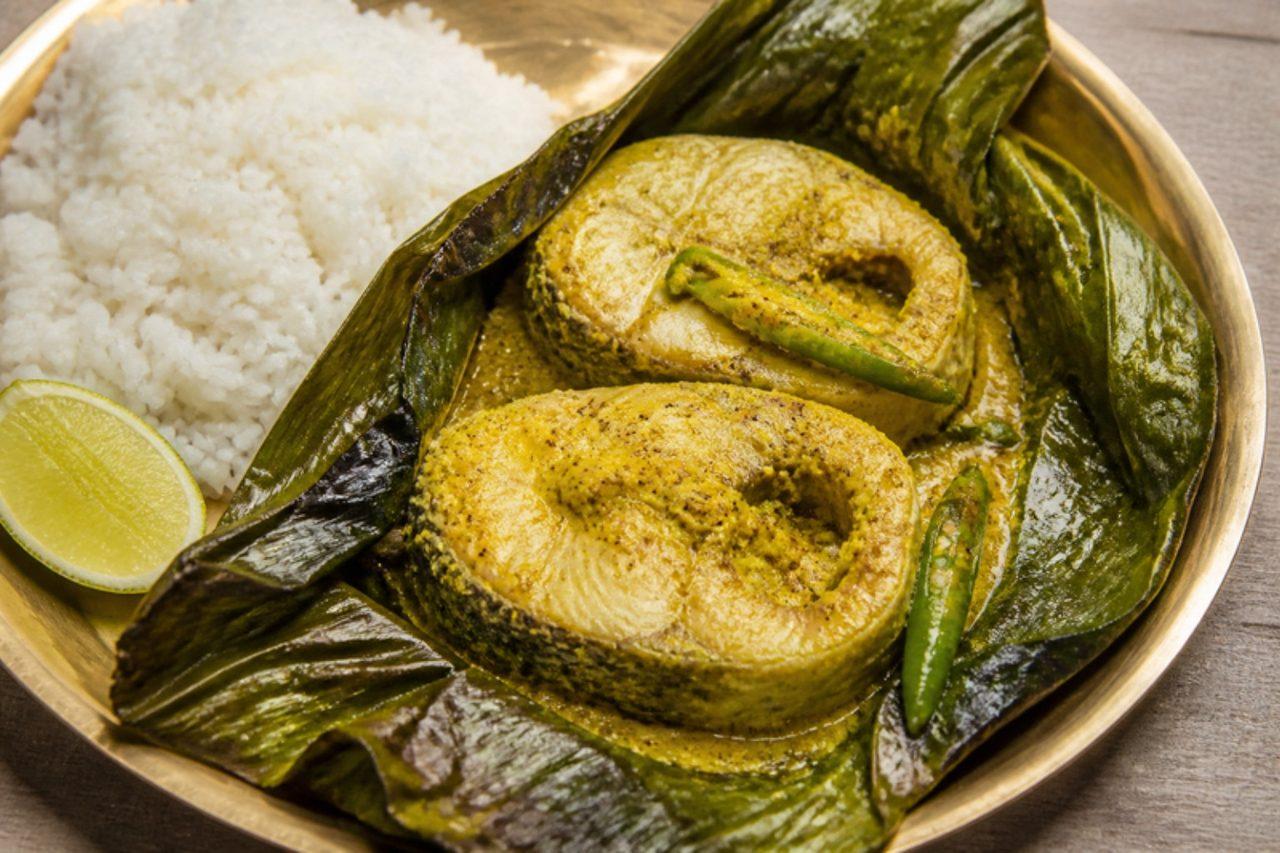
Patot diya masMustard fish in banana leaf

On Uruka, the night before Magh Bihu, young people build a bhelaghar hut and a tall mejî bonfire in the harvested fields and cook a feast outdoors, and parcels of fish in banana leaf tucked into the embers are part of it. Patot diya mas is the simplest of them: small river fish or firm steaks rubbed with raw mustard paste, green chilli, turmeric and a good splash of mustard oil, wrapped and roasted until the leaf blackens and the fish steams in its own juices. It is sharp, hot and fragrant, and goes with plain rice. Common mistake: grinding the mustard with hot water or for too long, which turns it bitter; grind it cold with a pinch of salt and a green chilli. Food safety: marinate the fish in the fridge, and cook until the flesh is opaque all the way through and flakes easily with a fork. Chef's tip: on a stove, a dry cast-iron pan with a lid gives the same smoky leaf flavour as the bonfire.

40 minIndianFishGluten freeSpicy
by KrazyBadal 0 views

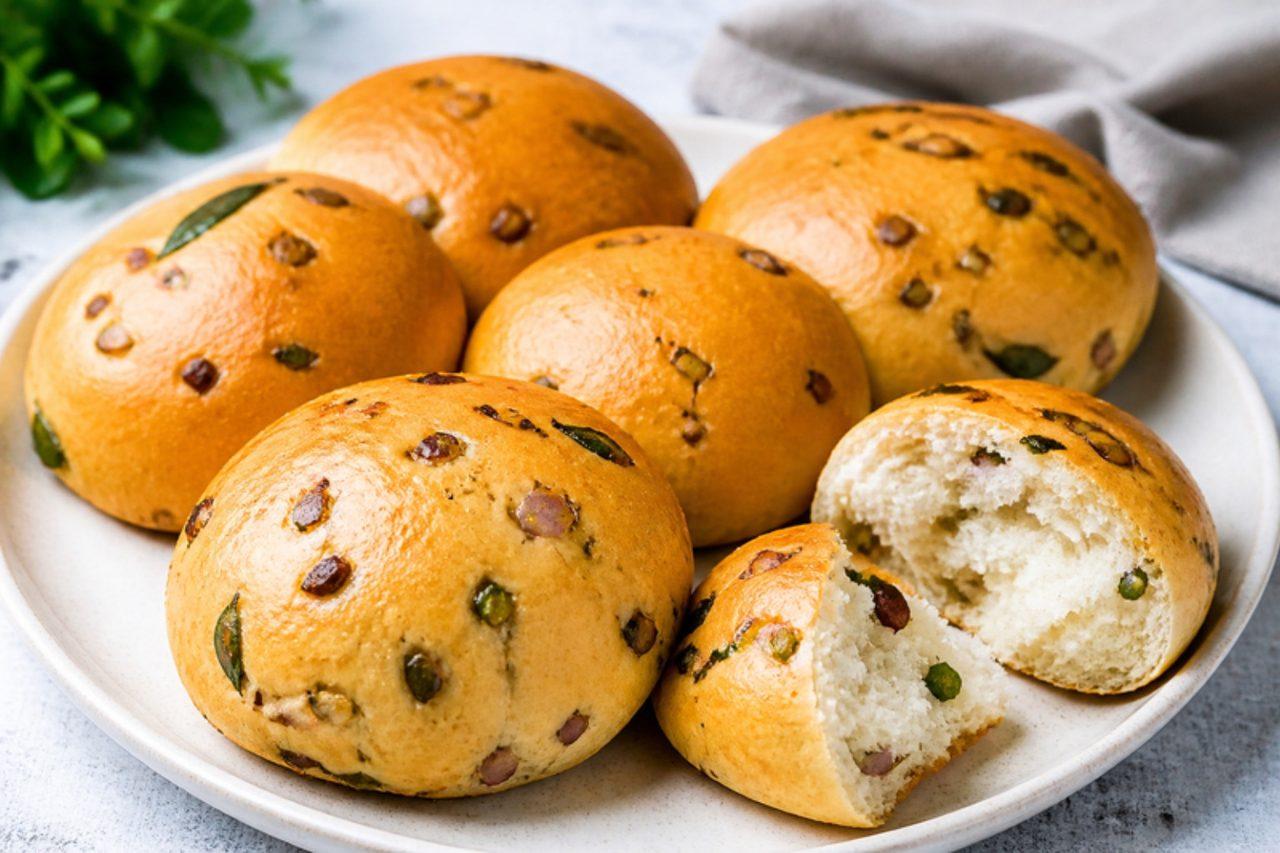
Khara bunOnion and chilli bakery buns

Every Iyengar bakery in Bengaluru has a tray of khara buns by the counter, the savoury cousin of the sweet bun, eaten warm with strong filter coffee or packed for an evening snack. The soft, milky dough is speckled with raw onion, green chilli, ginger, coriander and curry leaves, which steam inside the bun and give it a gentle heat and a lovely smell. The common mistake is adding the chopped onion at the start of kneading: its juice slackens the dough and it turns sticky. Knead the dough smooth first, then work in the vegetables at the end. Chef's tip: brush the buns with butter the moment they come out of the oven and cover them with a cloth for 10 minutes; the steam keeps the crust soft like the bakery ones.

by KrazyBadal 0 views

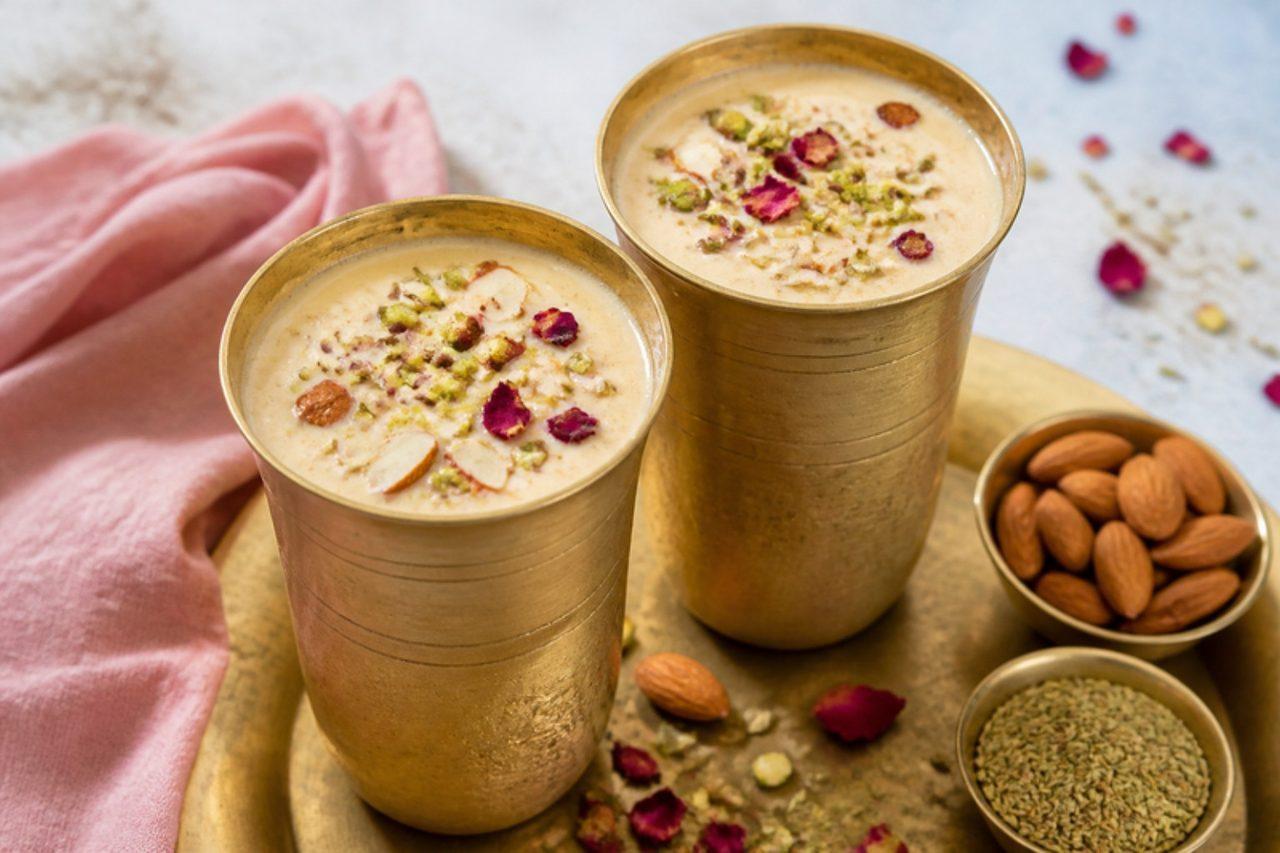
ThandaiAlmond, fennel and rose milk

On Mahashivratri the ghats and temples of Varanasi fill with brass pots of thandai, a cooling milk ground with almonds, melon seeds, fennel, poppy seeds, black pepper and rose, poured as an offering to Shiva and then shared with everyone queuing for darshan. In the city's lanes it is sometimes made with bhang (cannabis); this version is made entirely without it and contains no alcohol, so the whole family can drink it. It tastes nutty, floral and gently peppery, and is thick enough to coat the glass. Most people who keep the Shivratri fast take it, since it holds only milk, nuts, seeds and spices, but check your own family's rules: some leave out poppy seeds, and poppy seeds are restricted in a few countries, so skip them if you need to. Common mistake: grinding the soaked nuts and seeds with too little water, which leaves a gritty paste; keep blending until it feels smooth between your fingertips, then strain. Chef's tip: make the paste the night before and keep it in the fridge; the flavour deepens and you only need to whisk it into cold milk on the day.

by KrazyBadal 0 views

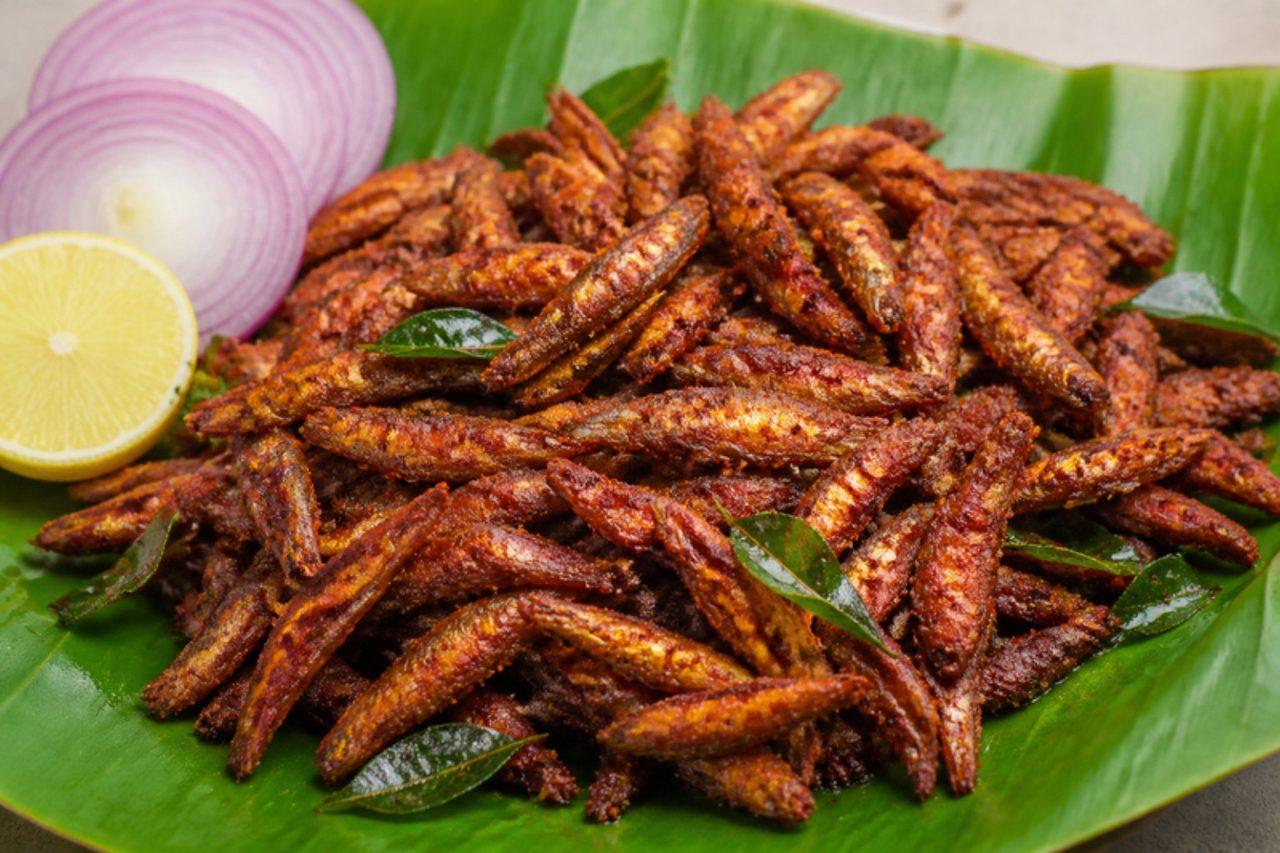
Nethili varuvalFried masala anchovies

Nethili varuval is the Sunday fish fry of Chettinad and the Tamil coast from Rameswaram to Tuticorin, made with tiny fresh anchovies that are cheap, fast to clean and fried whole until crunchy enough to eat bones and all. A paste of chilli, ginger, garlic, fennel and lemon coats them, with a dusting of rice flour for crunch. They are eaten hot with rasam or sambar rice, or as a snack. The commonest mistake is crowding the pan, which steams the fish instead of crisping it; fry them in a single layer with space around each. Chef's tip: squeeze out every drop of water after cleaning and let the anchovies sit in the masala for only 15 minutes; longer and the salt draws out moisture.

30 minIndianFishGluten free
by KrazyBadal 0 views

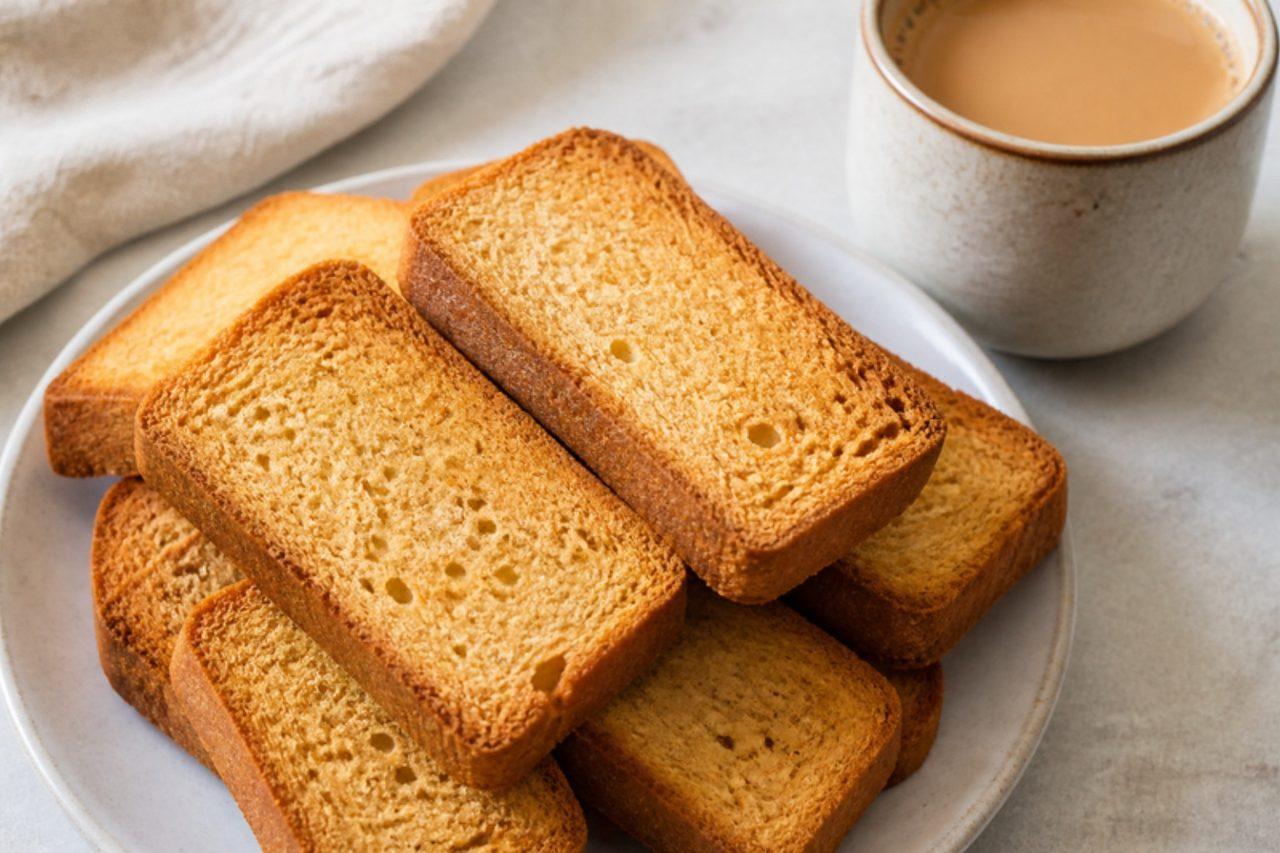
PaapeTwice-baked tea rusks

No Punjabi kitchen is without a tin of paape. They are dunked in the first cup of tea at dawn and again at four o'clock, carried to the fields, and offered to every guest who drops in. Bakeries across Punjab bake a sweet, light loaf, slice it and dry it slowly until it snaps, and this home version does exactly the same. The common mistake is slicing the loaf while it is still warm: it squashes, and the rusks dry out dense and gummy. Let it cool completely, ideally overnight. Chef's tip: dry the slices at a low temperature until the centre snaps cleanly; any softness in the middle and they go stale within days.

by KrazyBadal 0 views

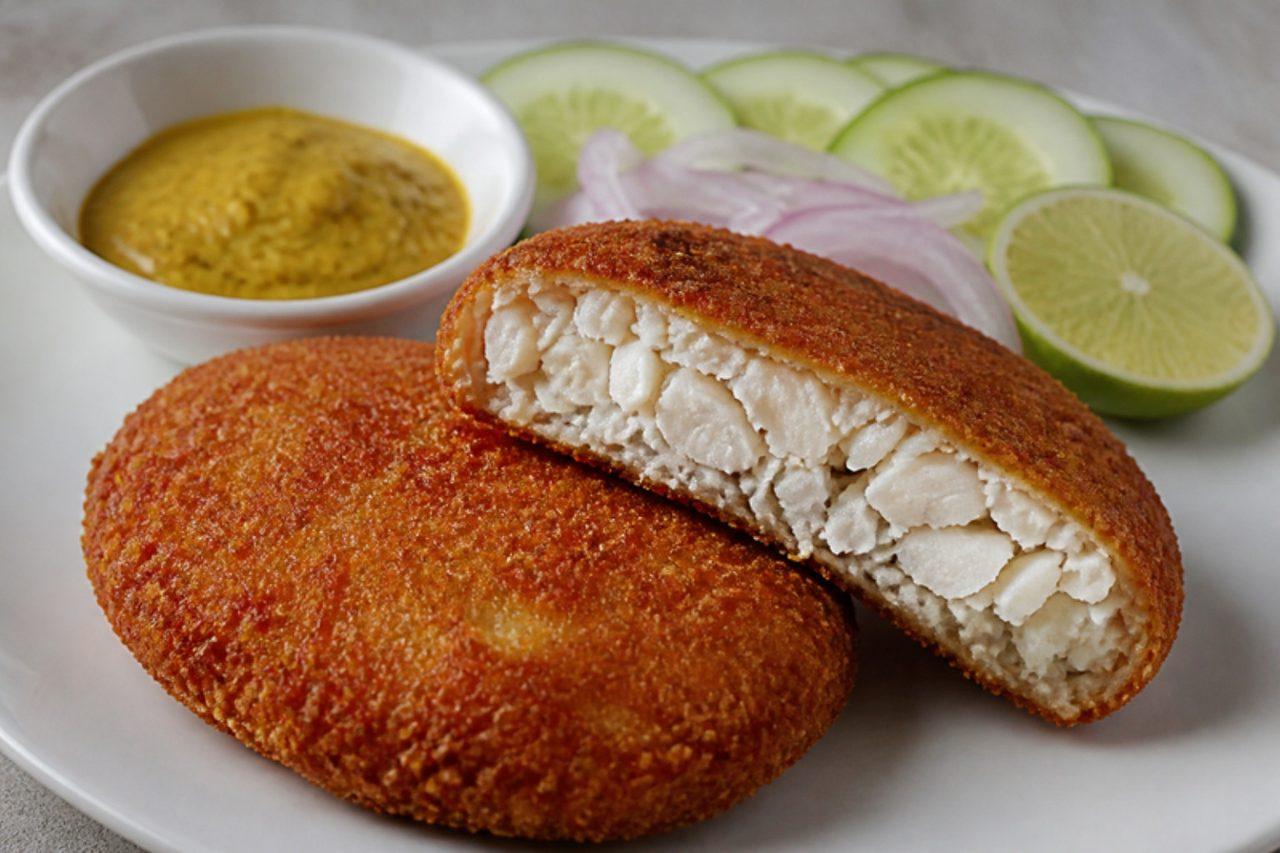
Kolkata fish fryCrumbed fish fillets

The Kolkata fish fry was born in the city's old cabins and became the essential snack of Durga Puja nights, when families finish pandal-hopping at a restaurant table with fish fry, kasundi and a heap of raw onion salad. Fillets of bhetki (barramundi) are marinated in a paste of green chilli, ginger, garlic, coriander and lime, dipped in egg and pressed into breadcrumbs, then deep-fried until golden. The inside should be juicy and green-flecked. Common mistake: cutting the fillets too thick, so the crumb burns before the middle cooks; aim for about 1.5 cm and fry at a steady 170 °C until the fish is opaque all the way through and flakes when pressed. Chef's tip: chill the crumbed fillets for 30 minutes before frying so the coating sets and does not fall away in the oil.

40 minIndianFish
by KrazyBadal 0 views

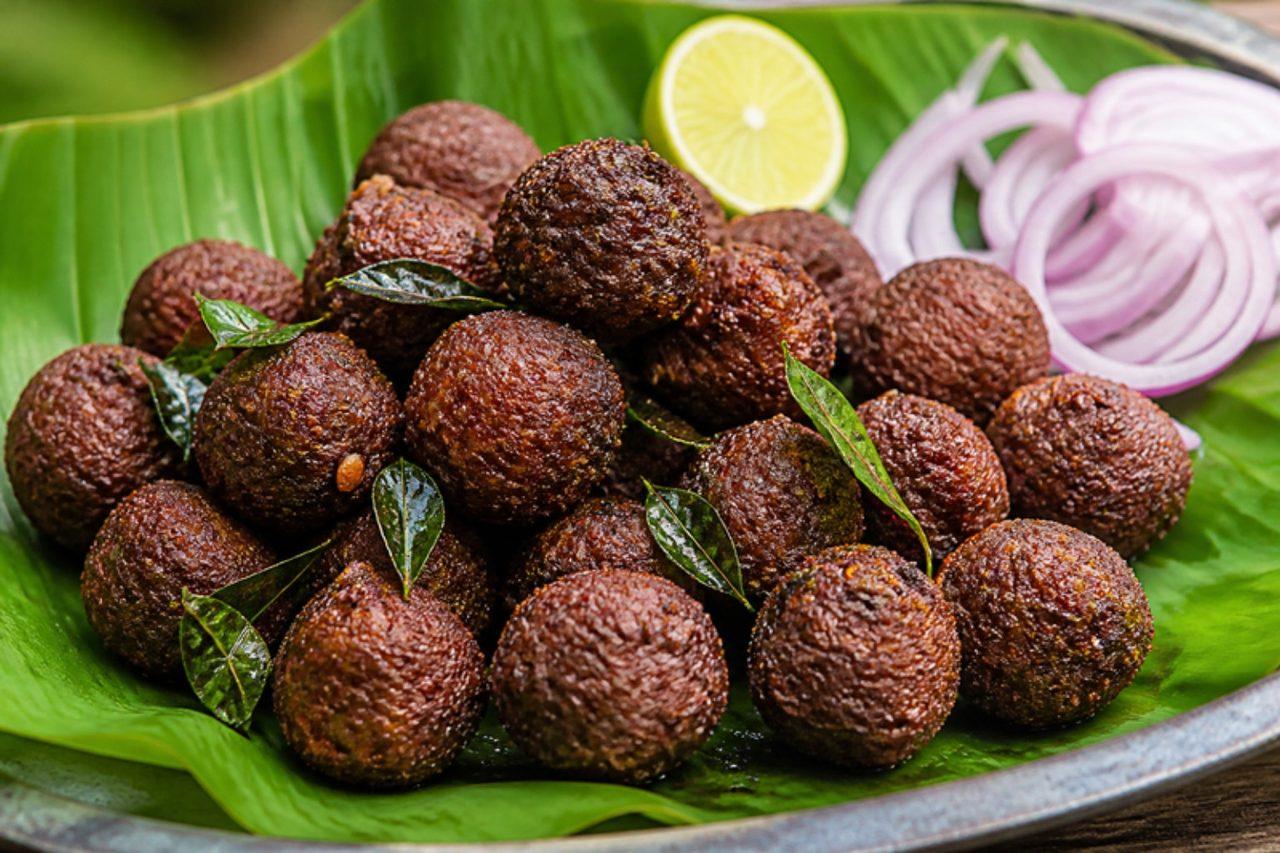
Kola urundaiFried minced mutton balls

Kola urundai is the meat ball of Chettinad, served at Sunday lunch and at weddings in Karaikudi beside the mutton kuzhambu and rice. Lean mutton mince is cooked dry with fennel, then ground very fine with roasted gram, coconut, shallots and whole spices, rolled into small balls and fried until dark and crusty outside and tender within. They are eaten hot as a starter or with rasam rice. A common mistake is leaving the mixture too wet, so the balls crack and fall apart in the oil; the roasted gram is there to bind it, so add a little more if needed. Chef's tip: grind the cooked mince in short pulses until it becomes a smooth, sticky paste; coarse mince never holds a neat ball.

70 minIndianMeatGluten freeSpicy
by KrazyBadal 0 views

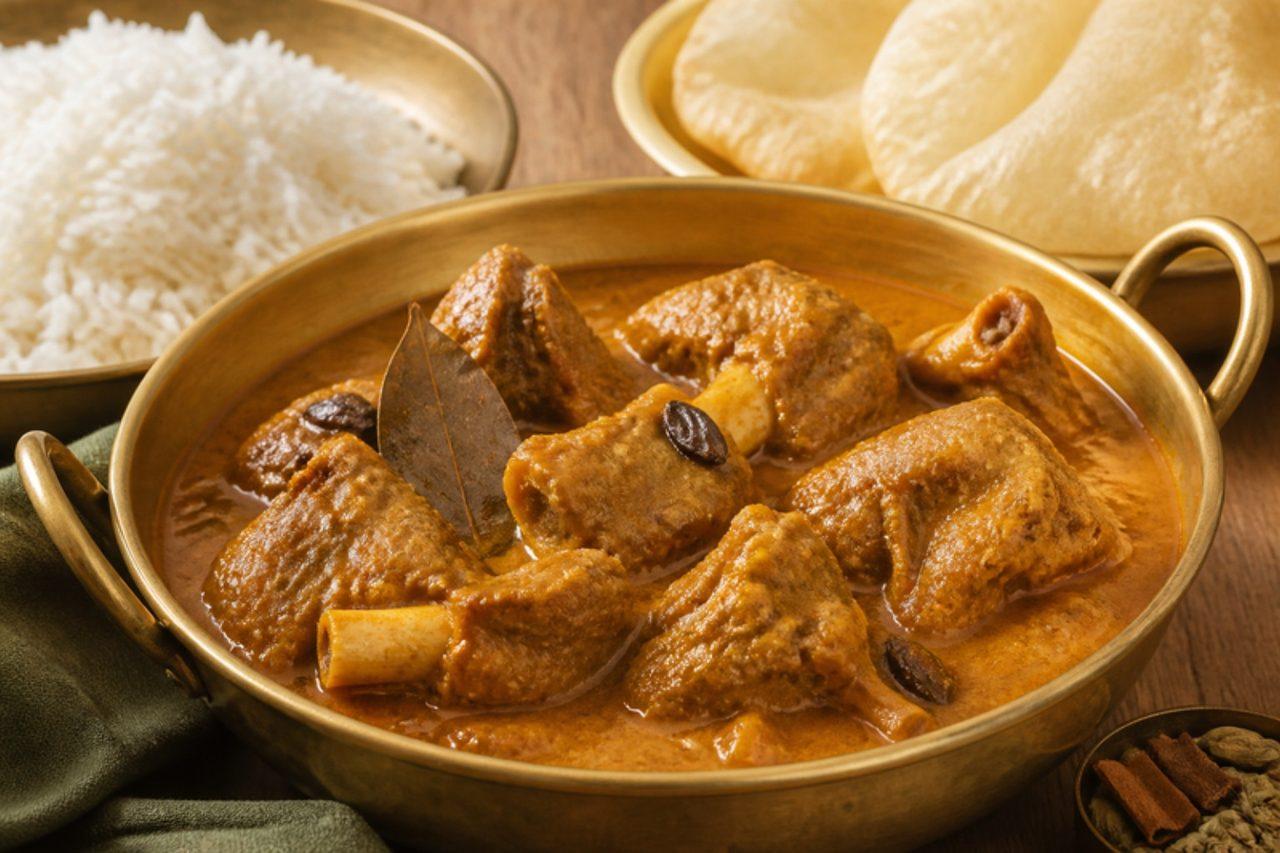
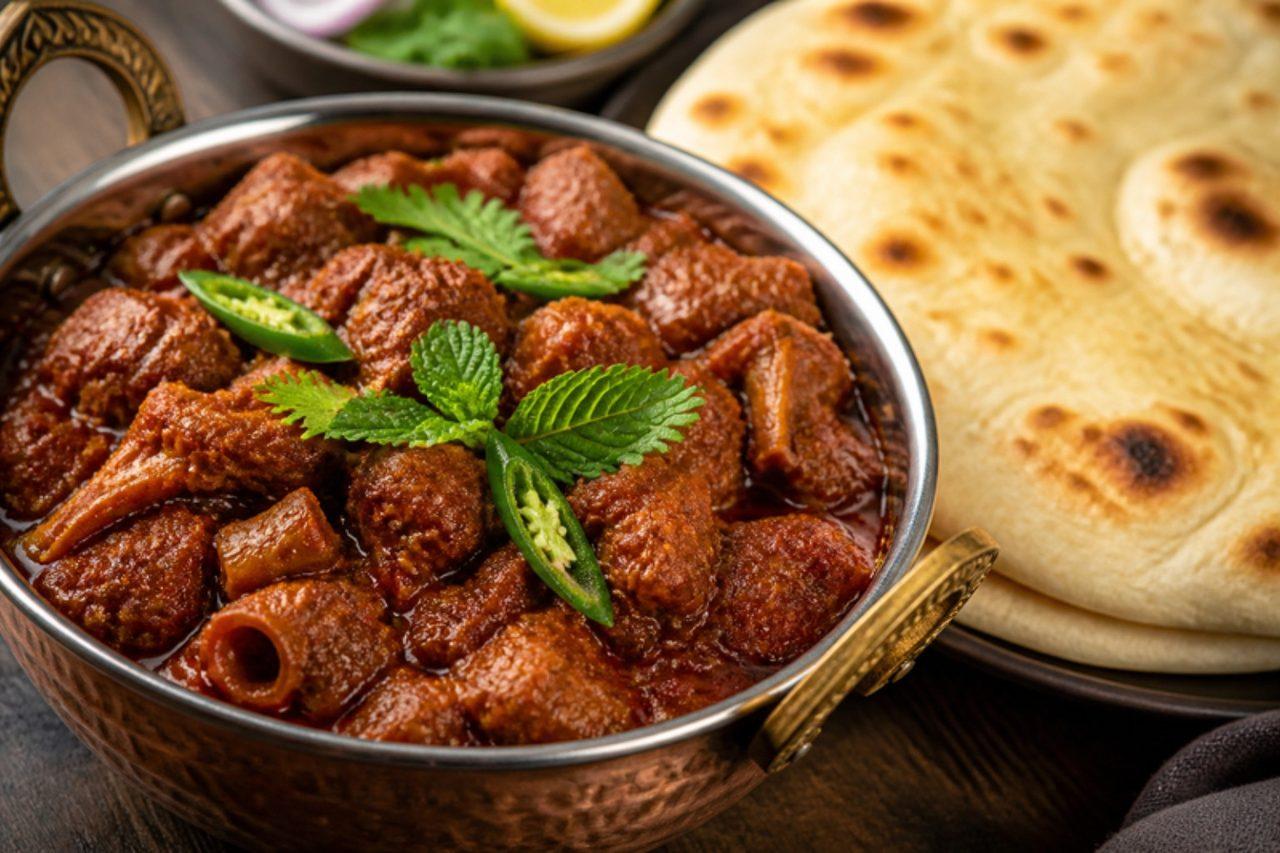
Niramish mangshoGoat curry without onion or garlic

Niramish mangsho is a Bengali paradox: 'vegetarian meat'. It is goat curry made without onion or garlic, the way it has long been cooked as an offering in some Bengali households on Kali Puja and on Durga Navami, when the meat is treated as bhog. Here the mutton (goat) is bought ready-cut from the butcher and marinated in yoghurt and ginger, then slow-cooked with whole spices, cumin and a little sugar into a dark, aromatic, surprisingly clean-tasting curry. Serve it with luchi or plain rice. Common mistake: rushing the bhuna (slow frying); keep cooking the marinated meat until the yoghurt disappears and the oil separates and turns red, or the curry tastes sour and raw. The meat is done when it pulls easily from the bone and reaches 71 °C in the thickest part. Chef's tip: a spoon of ghee and a pinch of the hand-ground Bengali garam masala at the very end gives the curry its festive perfume.

110 minIndianMeatGluten free
by KrazyBadal 0 views

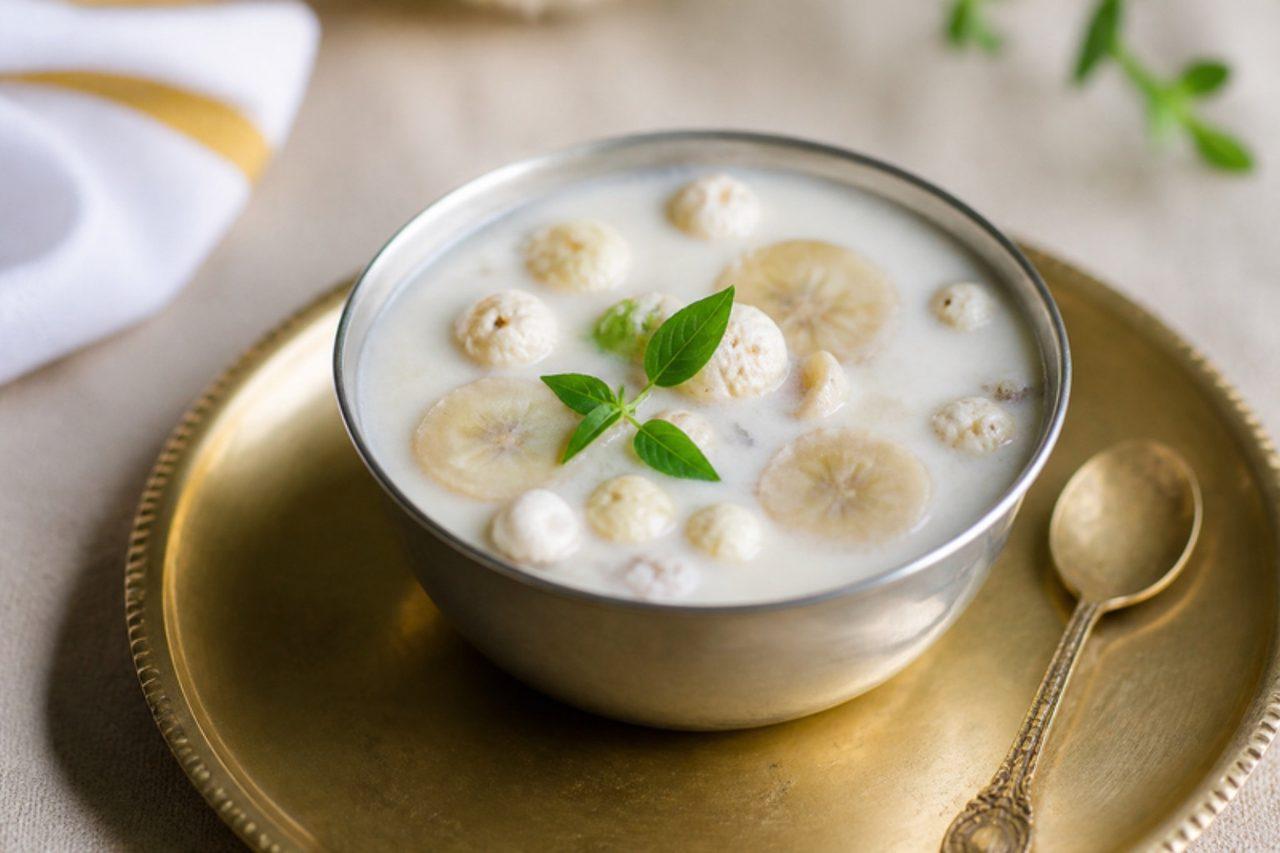
PanchamritMilk, curd, ghee and honey offering

Panchamrit, the 'five nectars', is poured over the image of baby Krishna at the midnight abhishek on Janmashtami and then given out to everyone in the room in a spoonful cupped in the palm. It is made across India for pujas, from Gujarat to Bengal, with five fixed parts: milk, curd, ghee, honey and sugar, plus tulsi leaves and sometimes a few makhana or chopped banana in the north. It tastes sweet, creamy and a little tangy. Common mistake: using hot milk or sour curd, which makes it split and thin; everything should be cool and the curd fresh, and it is ready when it is smooth and pourable like thin custard. Many families treat it as fasting food for the day, but traditions differ on honey and cooked milk, so follow your own household. Chef's tip: stir the honey into a little of the milk first so it loosens before it goes into the cold curd, otherwise it sets in sticky lumps.

by KrazyBadal 0 views

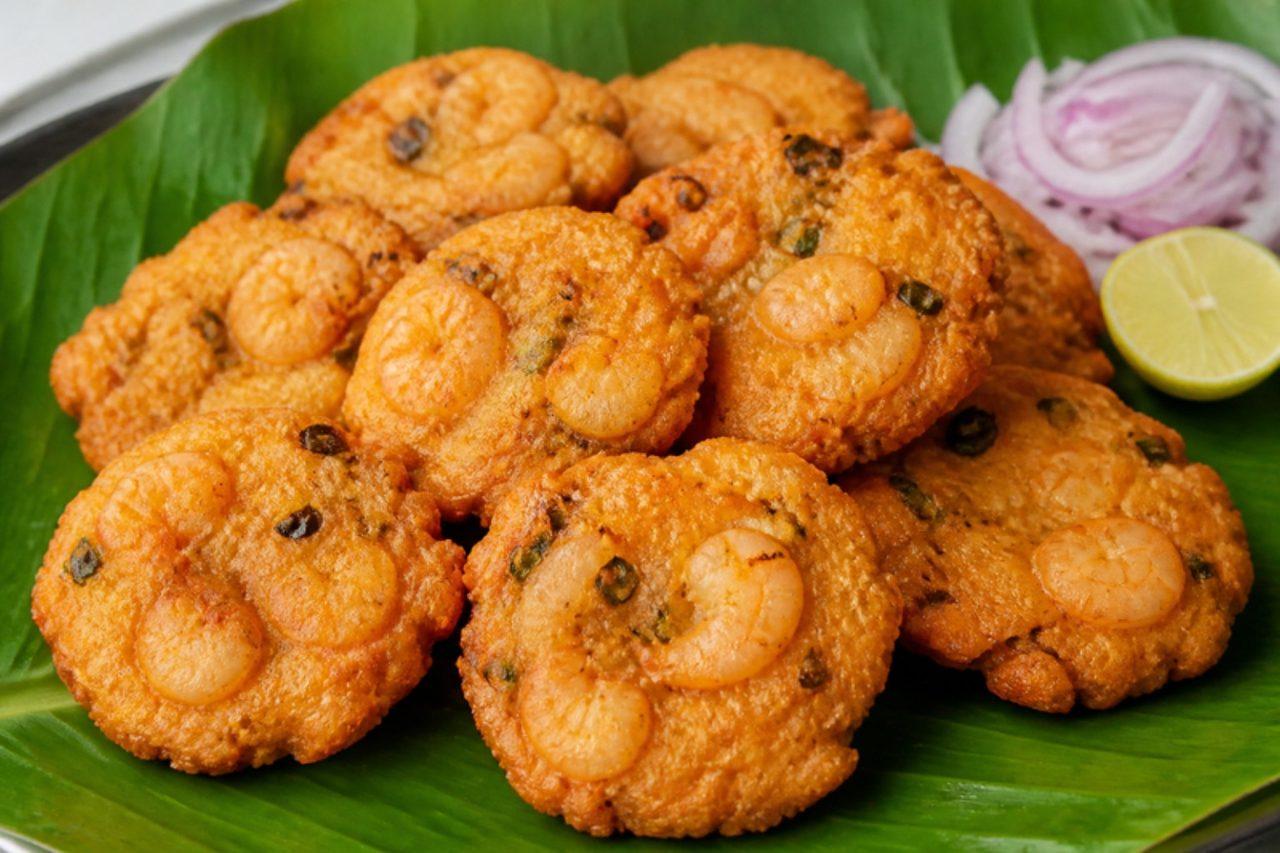
Eral vadaiPrawn and chana dal fritters

Eral vadai is the prawn masala vadai sold on the beaches of Rameswaram, Tuticorin and Nagapattinam, and fried in Chettinad homes when the fish seller brings small prawns. It is the classic coarse chana dal vadai with onion, fennel, green chilli and curry leaves, packed with chopped prawns and sometimes topped with one whole prawn pressed into the centre. They are crunchy, juicy and best eaten hot with a mint or coconut chutney at tea time. A common mistake is grinding the dal too smooth or with too much water, which makes the vadai dense and oily; aim for a rough, almost dry grind. Chef's tip: pat the prawns completely dry and chop them small, or their juice will loosen the batter.

50 minIndianFishGluten free
by KrazyBadal 0 views

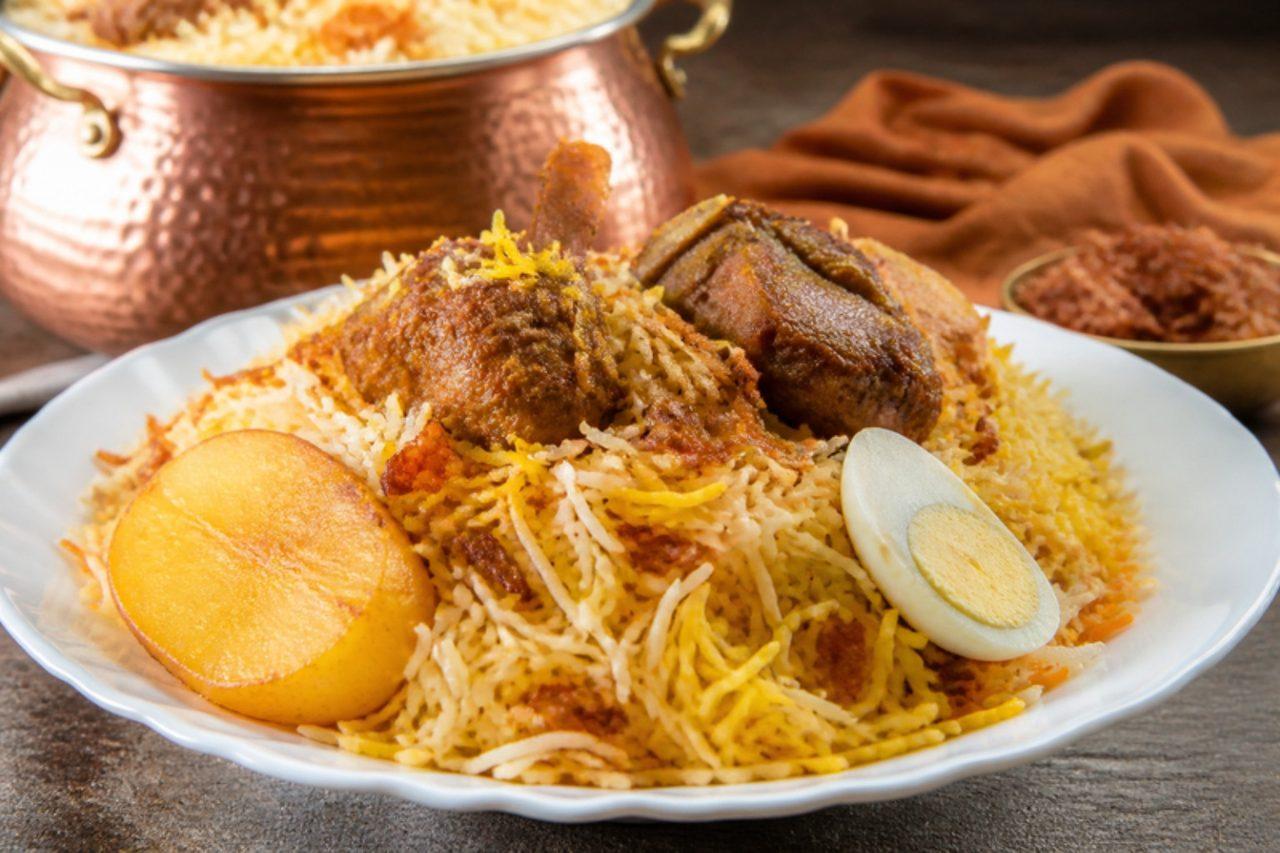
Kolkata biryaniMutton, potato and egg biryani

Kolkata biryani came with the exiled Nawab of Awadh to Metiabruz in the 19th century and grew its own character: light on chilli, perfumed with kewra, rose water and saffron, and famous for its golden potato. During Durga Puja the city's biryani shops have queues round the block, and many families make a big handi at home for Navami. Mutton (goat) is marinated in yoghurt, cooked tender, then layered with part-cooked long-grain rice, fried potatoes and boiled eggs and sealed for dum. Common mistake: boiling the rice fully before layering; drain it at about 70 per cent cooked (it should still break with a small hard core) or it turns mushy on dum. The mutton must reach 71 °C and be tender before it goes under the rice. Chef's tip: fry the potatoes in the marinade's spices first; they soak up the meat juices on dum and many people think they are the best part.

150 minIndianMeatGluten free
by KrazyBadal 0 views

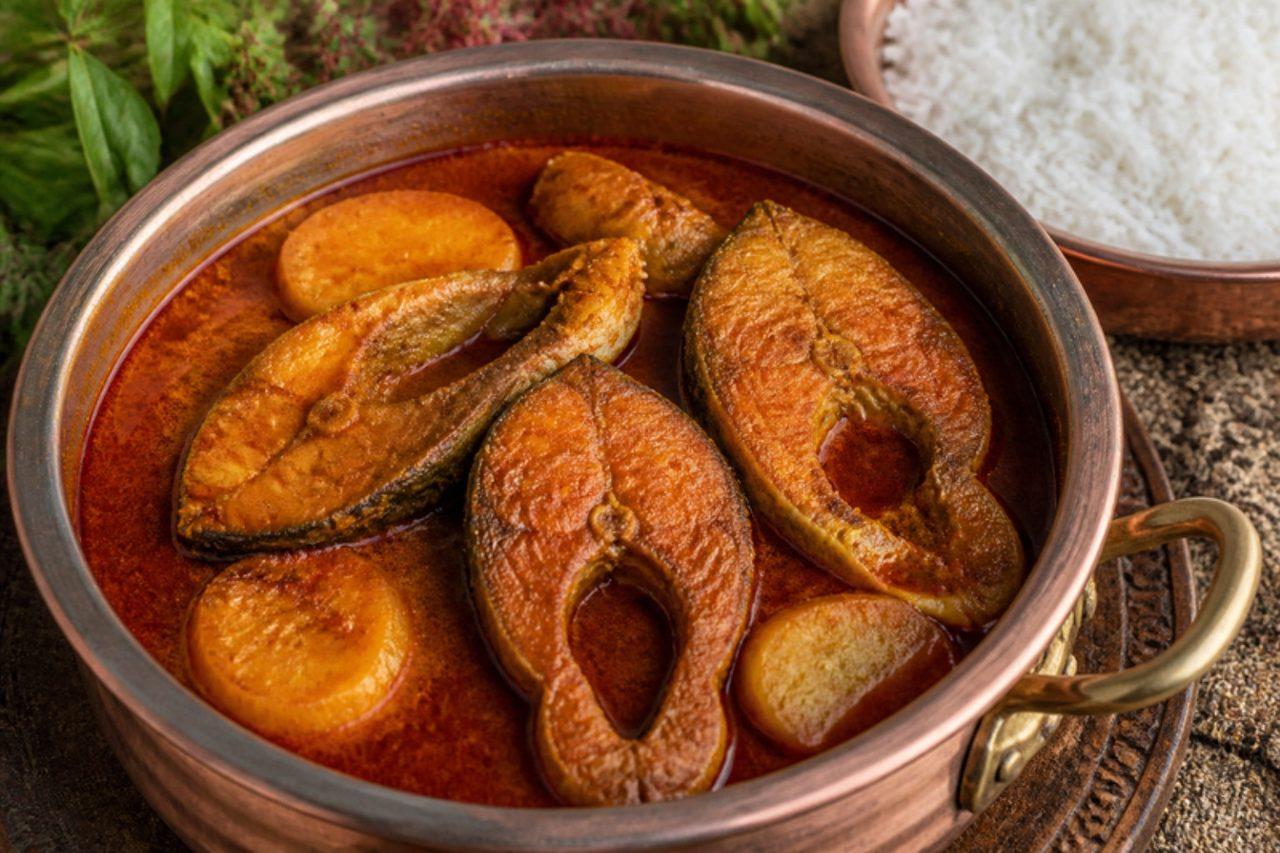
Gaad te mujjFish with radish in fennel gravy

For Kashmiri Pandits, Herath, their name for Mahashivratri, is a feast rather than a fast, and many homes cook fish, often paired with white radish in this deep red curry called gaad te mujj. The fish is fried in pungent mustard oil, the radish is browned until sweet, and both simmer in a thin gravy coloured with Kashmiri chilli and scented with fennel, dry ginger and asafoetida, with no onion, garlic or tomato, in true Pandit style. Expect a hot, aromatic broth, soft radish and flaky fish; serve with plain rice. Use firm steaks such as carp or trout. Common mistake: boiling the fish hard in the gravy, which breaks it up; simmer gently and stop as soon as the flesh is opaque all the way through and flakes when pressed with a fork. Chef's tip: heat the mustard oil until it just smokes, then let it cool for a minute before frying; this takes away its raw bite.

60 minIndianFishGluten freeSpicy
by KrazyBadal 0 views

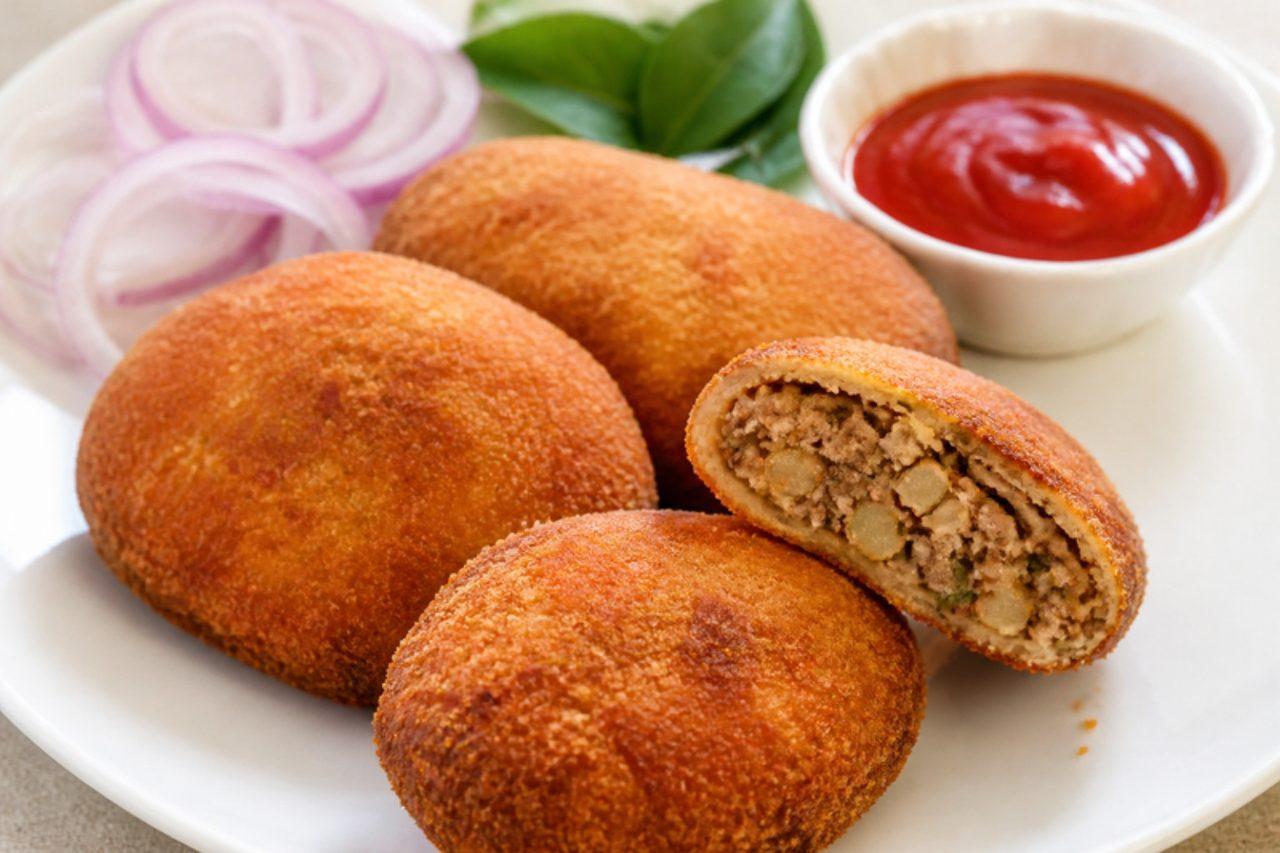
Kerala beef cutlet

Beef cutlets are a fixture of Kerala bakery counters and of Syrian Christian Christmas and wedding tables, where they are served with sliced onion salad and tomato sauce. The beef is cooked dry with ginger, garlic, green chilli and lots of black pepper, mashed with potato, shaped into ovals and fried in a crunchy breadcrumb coat. They are peppery, savoury and crisp, good hot or at room temperature. The mistake is a wet filling: if the mince still has juice in the pan, the cutlets split and soak up oil. Cook the meat until completely dry. Chef's tip: shape the cutlets a day ahead and chill or freeze them on a tray; cold cutlets hold their shape perfectly in the oil.

75 minIndianMeat
by KrazyBadal 0 views

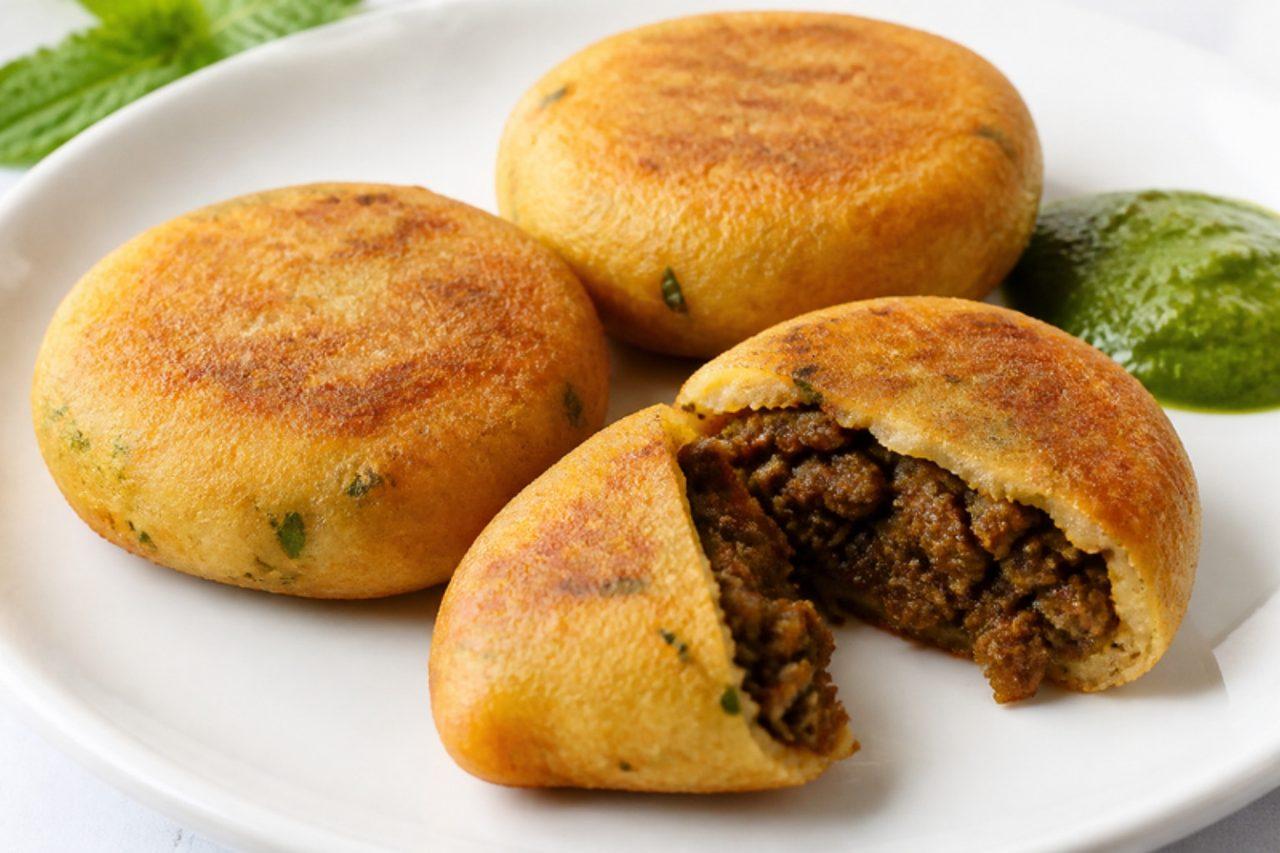
Parsi kheema patticeMutton-stuffed potato patties

Kheema pattice are a fixture of Parsi tea tables in Surat, Navsari and Mumbai, and turn up again at wedding receptions and Navjote parties. A shell of seasoned mashed potato is wrapped around dry, gingery mutton mince with mint and coriander, then dipped in beaten egg and shallow fried so the outside is crisp and golden and the inside soft. They are eaten warm with tomato ketchup or a sweet-sour chutney. The common mistake is a wet filling: if the kheema still has liquid in the pan it seeps through the potato and the pattice split in the oil. Chef's tip: chill the shaped pattice for 20 minutes before frying; they hold their shape much better.

75 minIndianMeat
by KrazyBadal 0 views

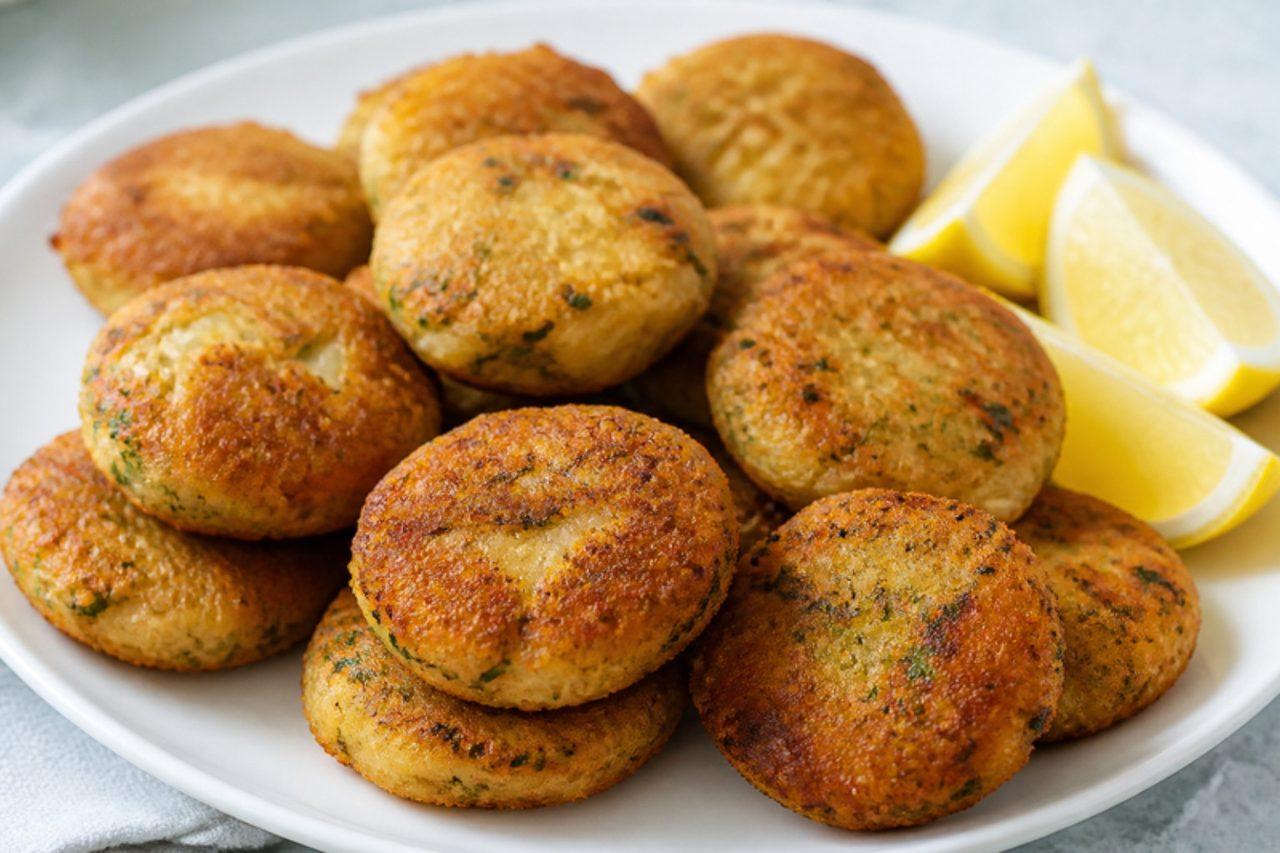
Kolmi na kavabPrawn and potato patties

Kolmi na kavab are small, juicy prawn patties from the Parsi kitchens of South Gujarat, where fresh kolmi (prawns) come in from the creeks around Navsari and Valsad. Chopped prawns are bound with mashed potato, green chilli, ginger, garlic and lots of coriander, dipped in egg and fried until golden; they are a favourite starter at Parsi parties and a Sunday lunch side with dal and rice. They taste sweet from the prawns, sharp from chilli and lime. The common mistake is mincing the prawns to a paste in a processor, which makes the kavab rubbery; chop them by hand so there are small pieces to bite on. Chef's tip: squeeze the chopped prawns in a cloth before mixing, as extra water makes the mixture too soft to shape.

45 minIndianFish
by KrazyBadal 0 views

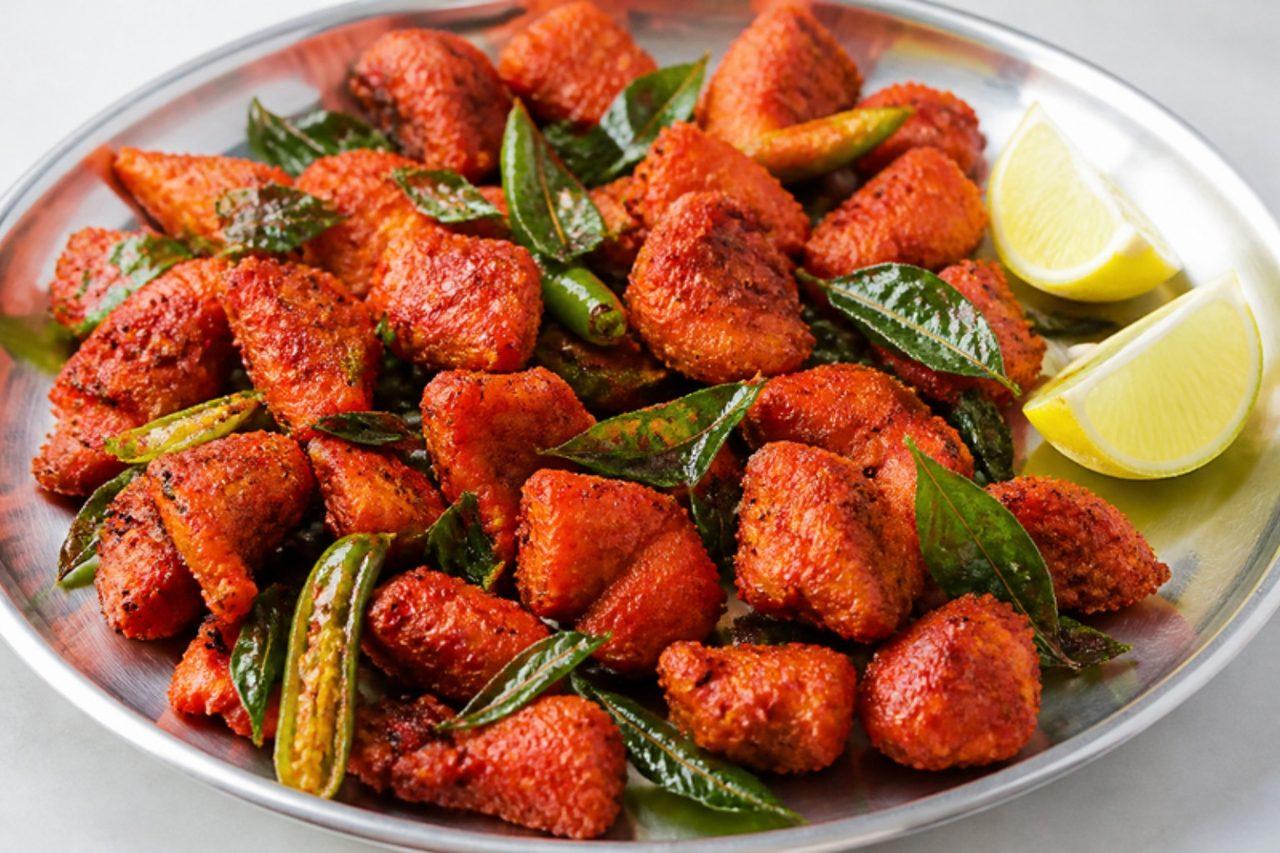
Apollo fishChilli batter fried fish

Apollo fish is a Hyderabad restaurant starter from the bar-and-biryani houses of Abids and Secunderabad, and nobody agrees on why it is named after the hospital across town. Boneless white fish is marinated, fried crisp in a red chilli batter and then tossed in a hot pan with garlic, green chilli, curry leaves and a little yogurt, so each piece is spicy, tangy and clings with sauce. It is eaten hot as a starter, often before biryani. The usual mistake is adding the yogurt to a very hot pan, where it splits into grainy flecks; take the pan off the heat for a moment first. Chef's tip: use a firm fish such as basa, murrel, seer or tilapia and cut it into even 3 cm pieces so they fry in the same time.

45 minIndianFishSpicy
by KrazyBadal 0 views

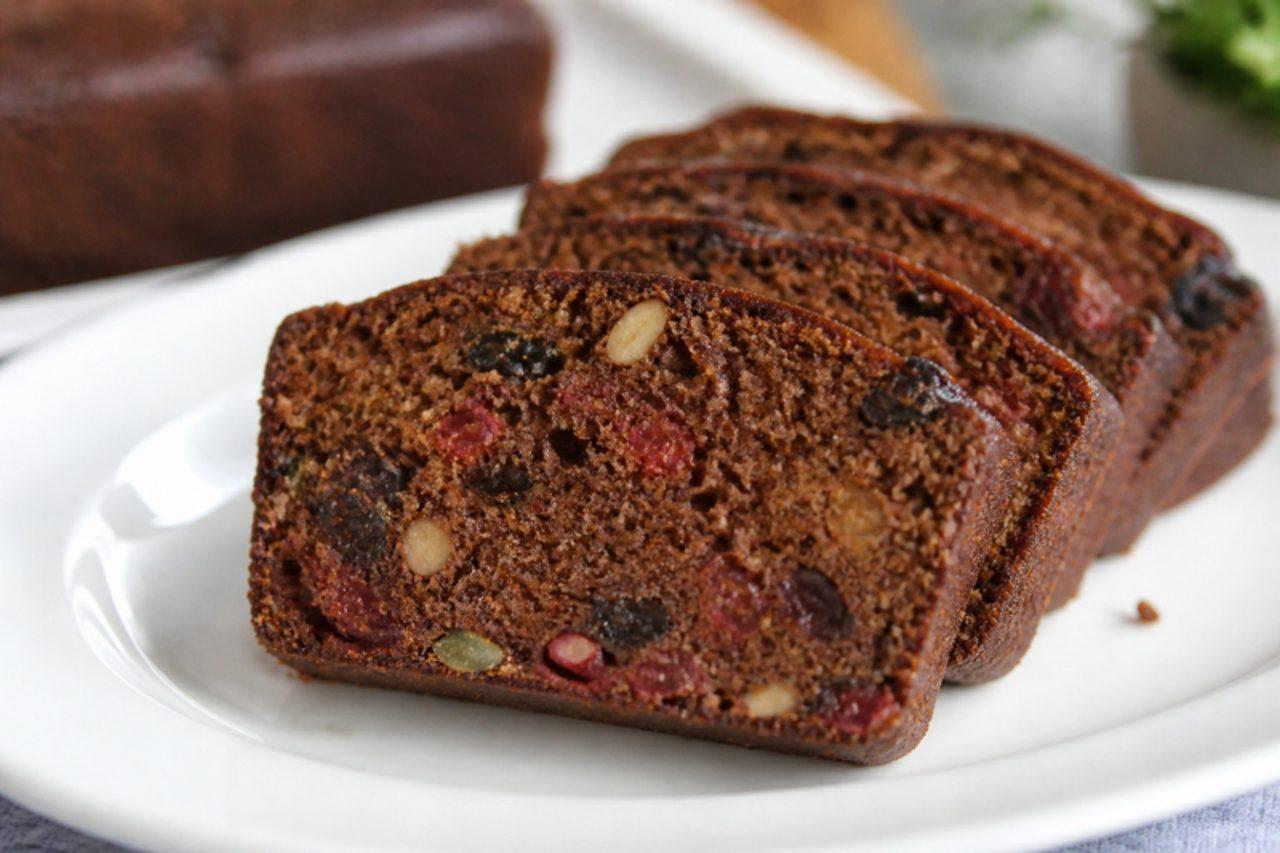
Kerala plum cake

Come December every bakery in Kerala, from Thalassery, where the first one was baked, to Kochi, stacks its shelves with plum cake, and families give slices to neighbours over Christmas and New Year. Its deep brown colour and slightly bitter-sweet edge come from caramelised sugar syrup, and it is packed with dried fruit and warm spices. This alcohol-free version soaks the fruit in grape or orange juice. The common mistake is burning the caramel: once it goes past dark amber it turns acrid and the whole cake tastes bitter. Pull it off the heat the moment it is the colour of strong tea. Chef's tip: bake low and slow at 150°C with a tray of water on the shelf below; the cake rises evenly without a cracked, dry top.

135 minIndianBaking
by KrazyBadal 0 views

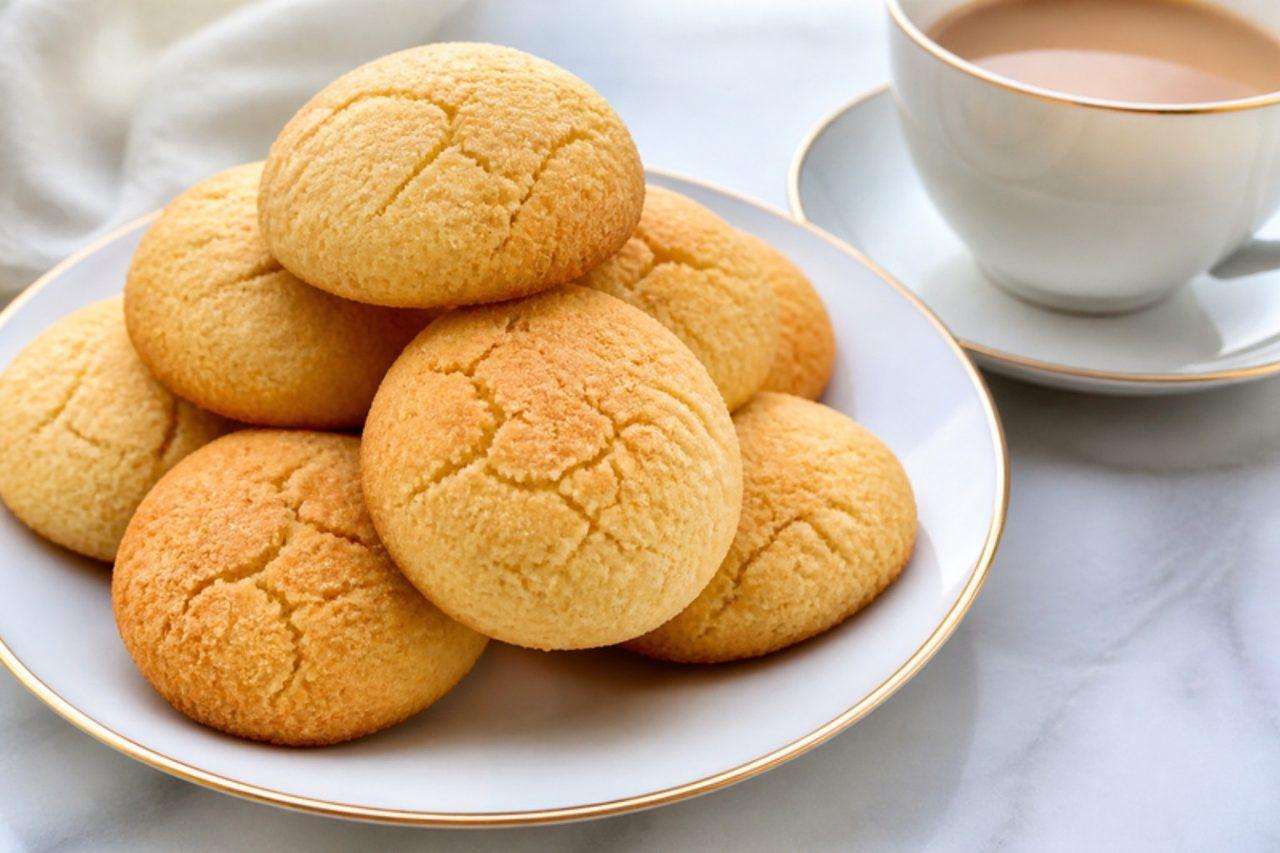
Parsi batasaSalted butter tea biscuits

Batasa come from the wood-fired Parsi bakeries of Navsari, Udvada and Surat, where they are baked low and slow until dry and pale gold, then sold by the tin for morning chai. They are domed, flaky-crumbly and buttery, with just a whisper of salt and sugar, and they are made to be dunked. Bakeries traditionally raise the dough with toddy; this home version uses yogurt and a little baking powder for the same light, short crumb. The usual mistake is baking them hot and fast, which browns the outside while the inside stays soft; batasa need a long, gentle bake to dry right through. Chef's tip: switch the oven off at the end and leave the biscuits inside with the door ajar for 20 minutes so they crisp completely.

100 minIndianBaking
by KrazyBadal 0 views

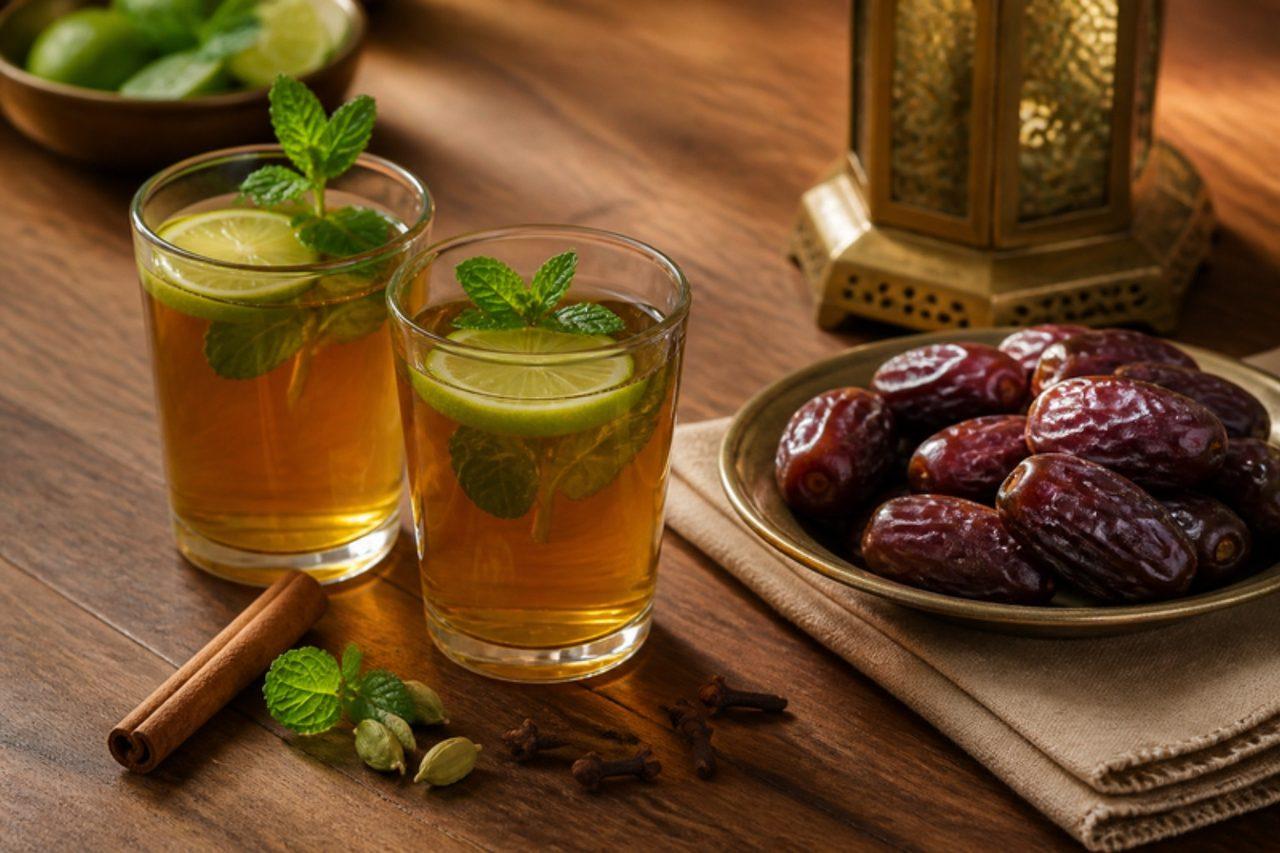
SulaimaniSpiced lemon black tea

In Kozhikode, sulaimani is the clear amber tea poured after a heavy biryani, and in Ramadan it is the glass that follows the dates at iftar. A little loose black tea is brewed with cardamom, clove and cinnamon, then sweetened and sharpened with fresh lime so it is light, warming and gently fragrant. Chef's tip: steep the tea for only two minutes; sulaimani should be bright and clear, never strong and bitter.

by KrazyBadal 0 views

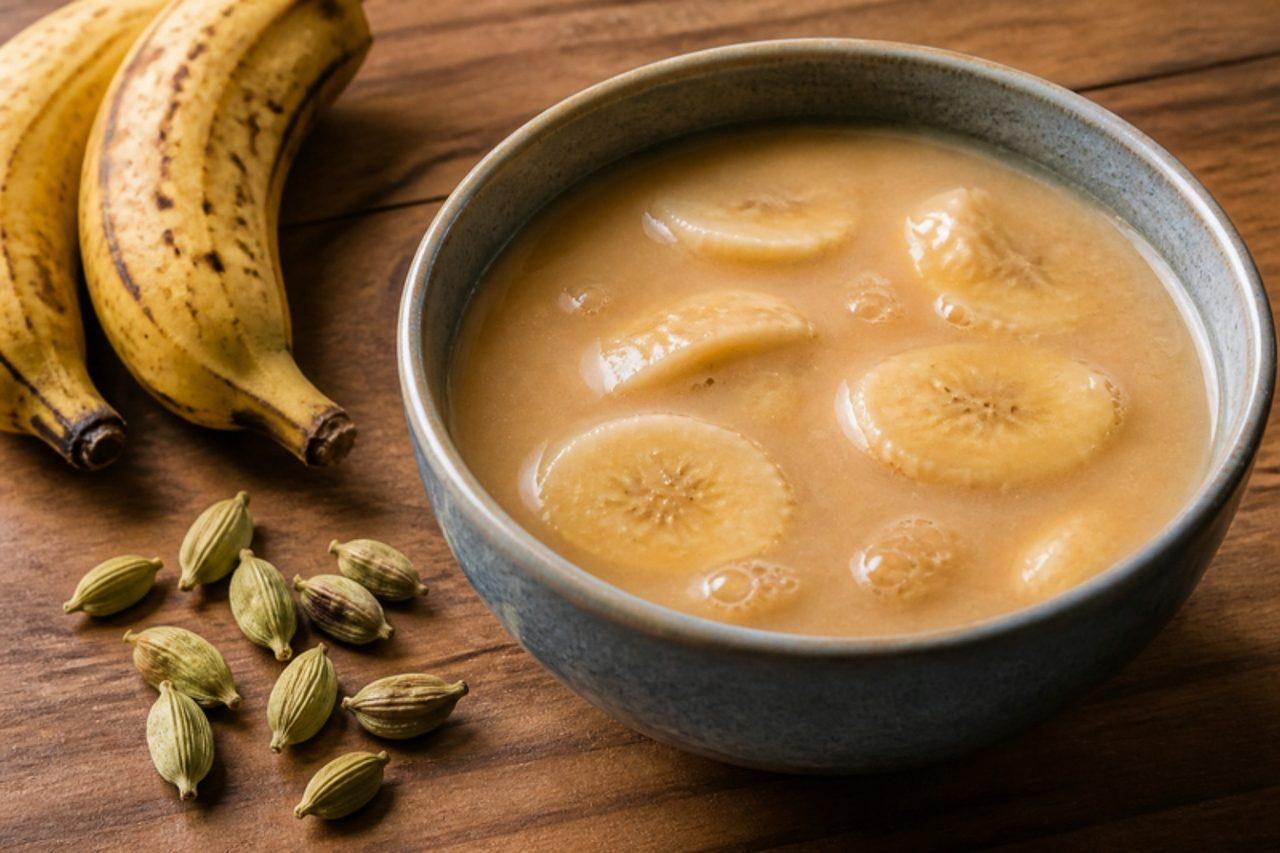
Pesaha paalCoconut milk and jaggery drink

Pesaha paal ('Passover milk') is the sweet dip served with Pesaha appam at the Maundy Thursday supper in Kerala's Syrian Christian homes. Coconut milk is simmered with melted jaggery, a little roasted rice flour to thicken it, cardamom and dried ginger until it becomes a warm, silky drink. The family dips pieces of the blessed appam into it after the evening prayers. It is vegan and gluten free, and ready in half an hour. Chef's tip: strain the jaggery syrup before adding the coconut milk, as jaggery often carries grit.

by KrazyBadal 0 views

Hyderabadi chaknaSpiced tripe and offal

In old Hyderabad, chakna is made on Eid al-Adha from the parts of the sacrificed goat that need the most care: tripe, intestines and a little liver and kidney, cut small and slow-cooked in a spicy, tangy masala with plenty of ginger, garlic and tamarind. It is rich, chewy and full of flavour, eaten with sheermal or rice. Buy the tripe ready-cleaned from a halal butcher. Chef's tip: pressure-cook or simmer the tripe until really tender before it ever meets the masala; it won't soften further in the sauce.

190 minIndianMeatGluten freeSpicy
by KrazyBadal 0 views

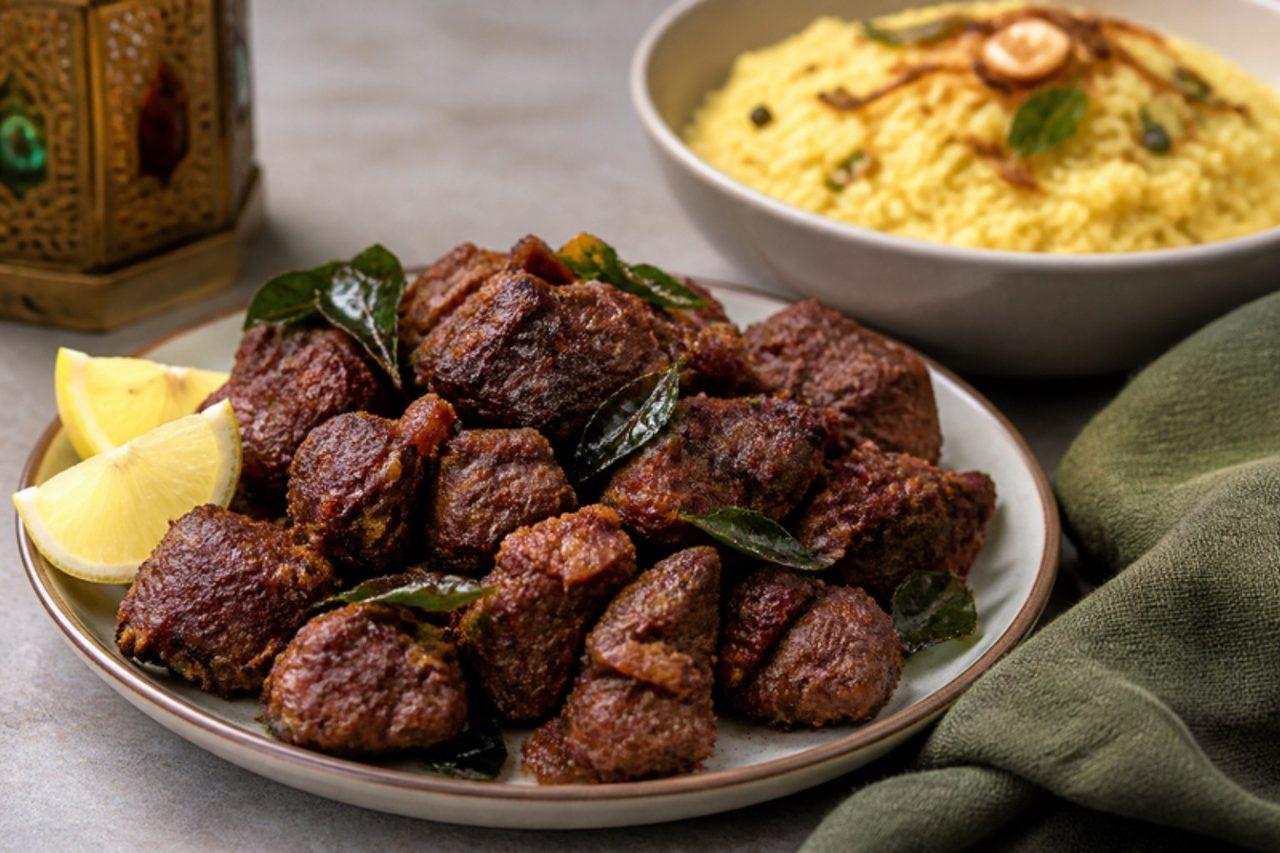
Talawa goshtBoiled and fried mutton

Talawa gosht means fried meat, and in Hyderabad it is one of the first dishes made from the fresh mutton of Eid al-Adha. Bite-sized pieces are boiled with ginger, garlic and whole spices until tender, then fried hard in oil until crisp and dark at the edges, and eaten with khichdi, khatta or dalcha. Chef's tip: boil until the water has almost gone; the meat should be dry before it fries, or it will spit and steam rather than crisp.

95 minIndianMeatGluten free
by KrazyBadal 0 views

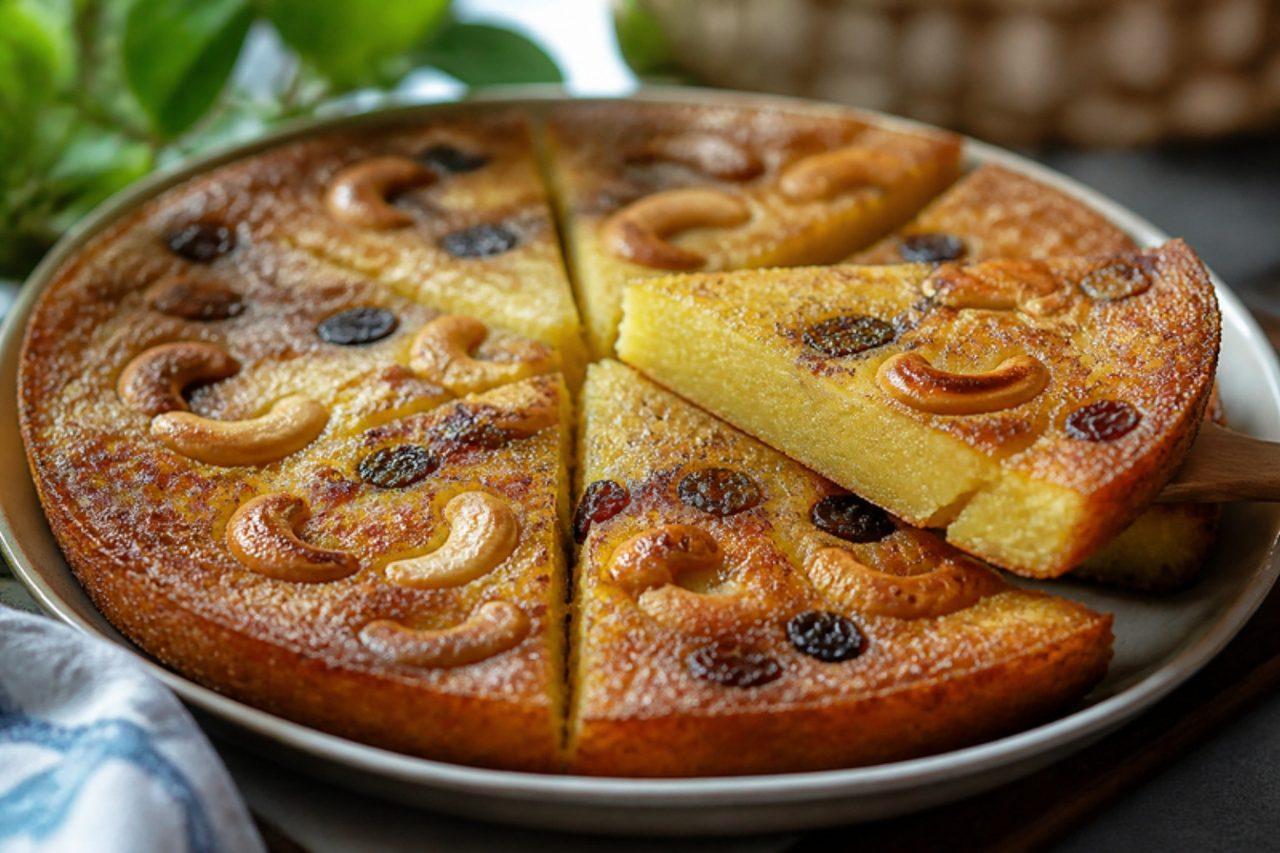
KaipolaBanana and egg cake

Kaipola is a Malabar Ramadan favourite, set on the iftar table in Kozhikode and Thalassery between the fried snacks and the sweets. Very ripe nendran bananas are blended with eggs, sugar and cardamom and slowly baked in a covered pan over ghee-fried cashews and raisins, so it comes out soft and custardy, with a caramel-brown base. Chef's tip: use bananas with black-speckled skins; underripe ones make it dry and bland.

by KrazyBadal 0 views

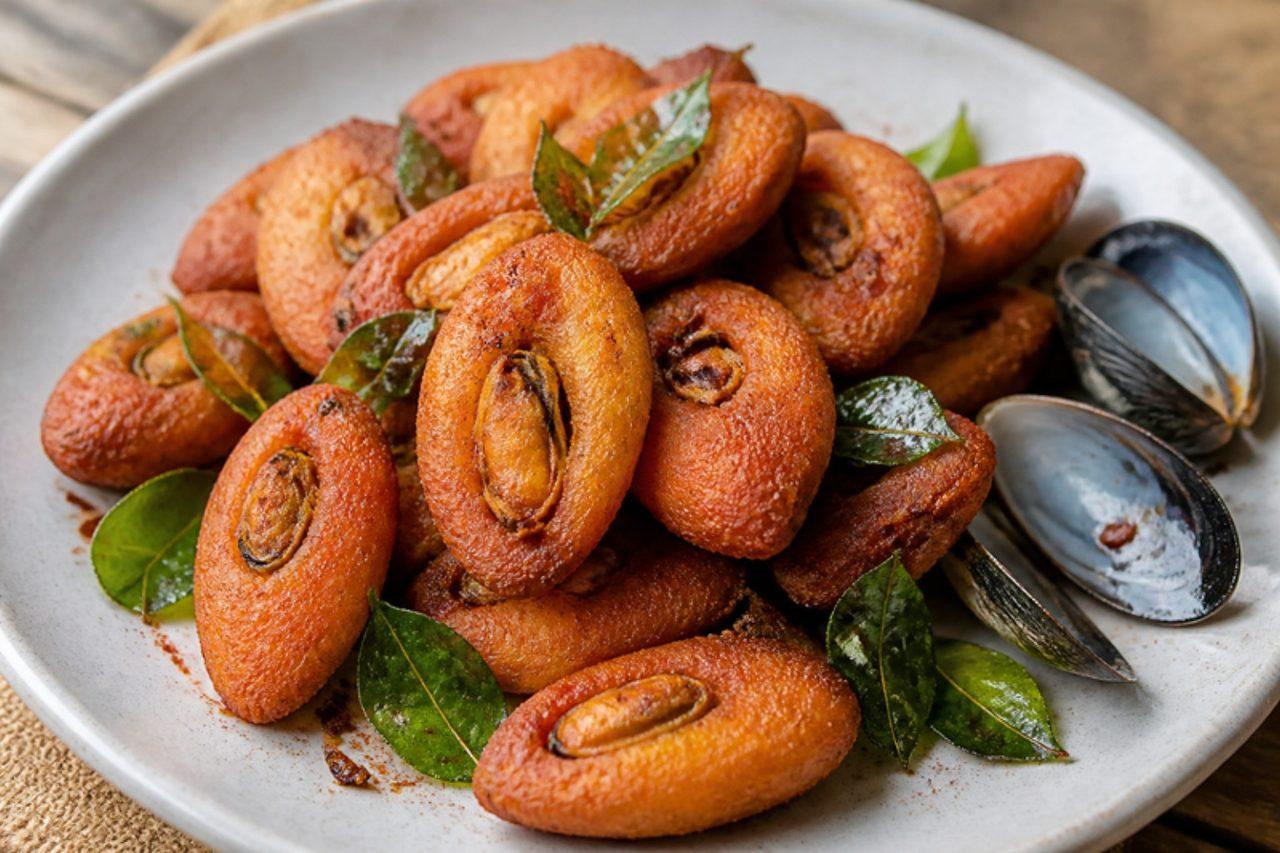
ArikadukkaRice-stuffed fried mussels

Arikadukka, 'rice mussels', is a Thalassery speciality made for Ramadan iftar and family feasts on the Malabar coast. Each mussel is opened in its shell and packed with a soft dough of rice flour, coconut, shallot and fennel, then steamed, pulled out of the shell and fried in a red chilli masala. The result is a chewy, savoury dumpling with the sweet mussel inside. Chef's tip: choose the biggest mussels you can find; small ones are fiddly and leave no room for the dough.

85 minIndianFishGluten freeSpicy
by KrazyBadal 0 views

Showing 24 of 183 recipes

Show more recipes

Page 1 of 8