Skip to content
Recipes

All recipes

Vegetarian, or something you can't eat? Set your diet once and we'll hide recipes that don't fit.

ParihuelaSpicy seafood soup

Parihuela is the big weekend seafood soup of Callao and the Peruvian coast, eaten at long Sunday lunches in cevicherías and praised as a cure for tiredness and late nights. A deep red broth of ají panca, ají amarillo, tomato and fish stock is loaded with chunks of fish, prawns, squid and mussels. A portion gives about 30 g of protein, from the fish and shellfish, for roughly 300 kcal. Some cooks add chicha de jora or beer; this version has none. The common mistake is adding all the seafood at once: squid and prawns turn rubbery while the fish cooks, so they go in last. Before cooking, discard any mussels that stay open when tapped, and after cooking discard any that stay shut. Chef's tip: fry the chilli pastes in the oil until they darken and smell sweet; that toasted ají is what gives parihuela its depth.

by KrazyBadal 0 views

Chicharrón de pescadoCrisp fried fish chunks

Up and down the Peruvian coast, from Chorrillos in Lima to the beaches of Piura, chicharrón de pescado is the crunchy plate ordered alongside ceviche at a long seafood lunch: bite-size chunks of firm white fish marinated briefly in garlic and lime, dusted in flour and fried, then served with fried cassava, salsa criolla and tartar or rocoto sauce. Using frozen peeled cassava keeps it to half an hour. The common mistake is leaving the fish in the lime too long: after about ten minutes the acid starts to 'cook' the outside and the coating slips off. Chef's tip: toss the floured pieces in a sieve to shake off every bit of loose flour; a thin coat fries crisp, a thick one turns pasty.

by KrazyBadal 0 views

Pejerrey arrebozadoBattered fish fillets with onion salsa

Pejerrey arrebozado is a Lima classic from the cevicherías and home kitchens of the coast, eaten at lunch on a plate with white rice, a heap of sharp salsa criolla and sometimes boiled potato. The pejerrey, a small silverside, is opened into butterflied fillets, dipped in a light egg-and-flour batter and fried golden. Outside Peru, use small fillets of whiting, sole, haddock or tilapia. The batter here uses sparkling water, not beer, so it is alcohol free. The common mistake is frying in oil that isn't hot enough: the batter drinks the oil and turns greasy, so test with a drop of batter first. Chef's tip: make the salsa criolla first and let the onion sit in lime for ten minutes; it softens its bite and turns a pretty pink.

by KrazyBadal 0 views

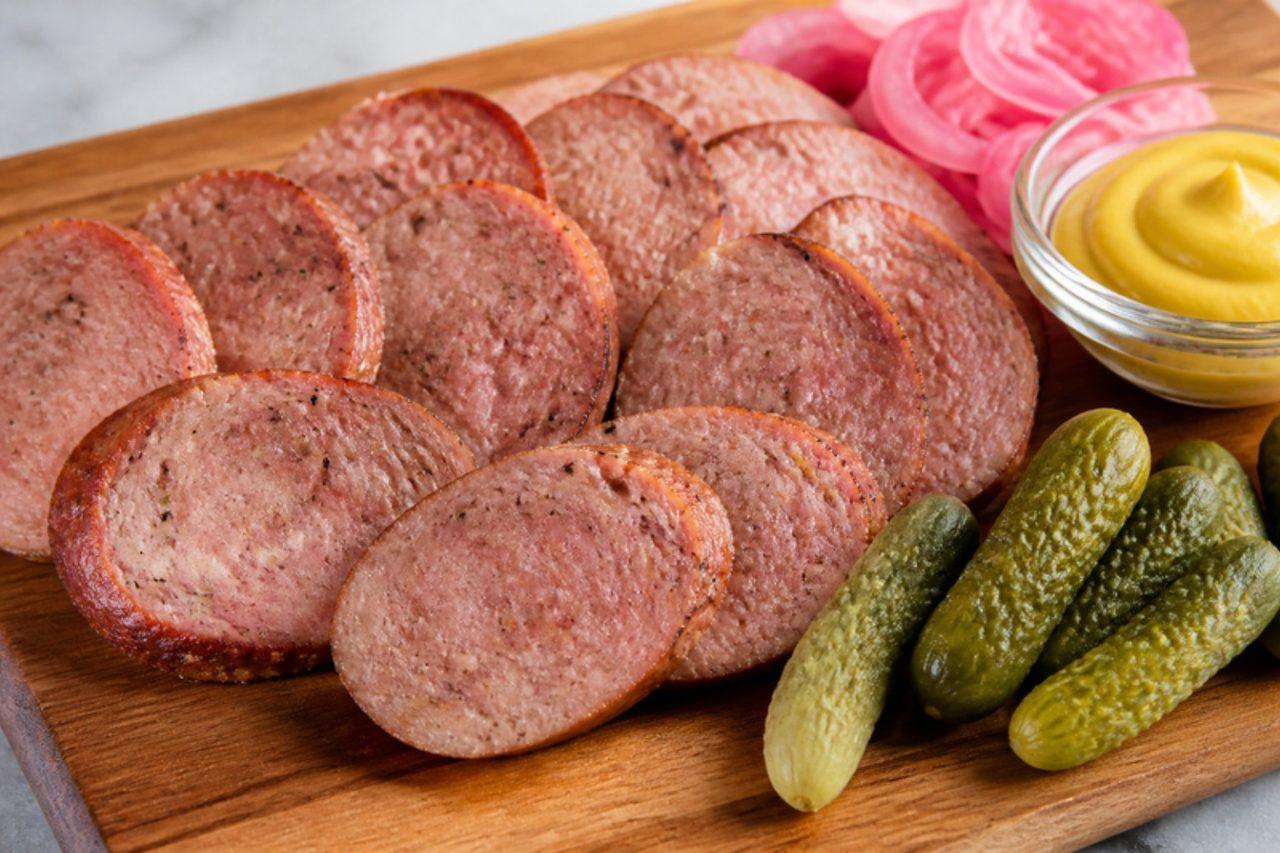
OssenworstSpiced beef sausage

Ossenworst is Amsterdam's own borrel sausage, made since the seventeenth century from lean beef spiced with cloves, nutmeg, mace and white pepper, and sliced thin at cafés in the Jordaan with mustard, pickled onions and gherkins. The traditional sausage is raw and lightly cured, so it is best bought from a specialist Amsterdam butcher, and like all raw meat it is not for pregnant women, young children or anyone with a weakened immune system. This home version keeps the same spicing but is gently poached until the centre reaches 71 °C, then chilled and sliced, which makes it safe for everyone. A common mistake is boiling it hard, which makes it dry and crumbly. Chef's tip: keep the water at about 80 °C, never bubbling, and check the core with a thermometer.

80 minDutchMeatGluten free
by KrazyBadal 0 views

RookworstSmoked pork sausage

Rookworst, the horseshoe-shaped smoked pork sausage of the Netherlands, is sliced into thick warm coins for borrel boards in winter and served on cocktail sticks at Friday drinks and football nights, always with a pot of strong yellow mustard. It is also the sausage laid on top of stamppot. Rookworst is sold ready-cooked, so it only needs heating through gently. The common mistake is boiling it, which splits the skin and lets the juices escape. Chef's tip: warm it in water that is just steaming, then serve it within minutes so the slices stay juicy.

22 minDutchMeatGluten free
by KrazyBadal 0 views

Morcilla dulceSweet blood sausage with walnuts

No Uruguayan parrilla is complete without morcilla dulce: a soft pork blood sausage sweetened with sugar and scented with orange peel, studded with walnuts and raisins, grilled until the skin crisps and served first, as part of the achuras, while the beef is still cooking. It is pork throughout: pork blood, pork back fat and natural pork casings. Making it at home is a project. Buy fresh pork blood with an anticoagulant added from a butcher who supplies it for sausage making, keep it chilled below 4 °C and use it within a day. The common mistake is poaching at a rolling boil, which bursts the casings. Chef's tip: keep the water at 80–85 °C, just shivering, and prick a sausage after 25 minutes: it is done when brown, not red, juice comes out.

by KrazyBadal 0 views

Ají amarillo pasteYellow chilli paste

In Lima's markets ají amarillo is sold fresh all year, and most Peruvian cooks keep a tub of this paste in the fridge the way others keep tomato purée: it is the golden base of causa limeña, ají de gallina, papa a la huancaína, chupe and the sauce for tiraditos. The chillies are seeded, de-veined and blanched in three changes of water, which tames the heat and the raw grassiness, then peeled and blended with oil into a thick, silky, saffron-orange paste. It tastes fruity and sunny, almost like apricot and passion fruit, with a rounded, medium heat. Abroad, buy whole frozen ají amarillo from Latin grocers; dried ají mirasol, soaked, gives a darker, earthier paste. Common mistake: skipping the peeling; the thin skins leave papery flecks and a bitter edge. It is ready when it is completely smooth and holds a soft peak like thick hummus. This is a low-acid paste: keep it in the fridge for a week or freeze it, never on the shelf. Chef's tip: freeze it in an ice-cube tray; one cube is about a tablespoon, just right for a pot of ají de gallina.

by KrazyBadal 0 views

Escabeche de pescadoFried fish in sweet-sour onion sauce

In Lima, escabeche de pescado belongs to the criollo kitchen of the old city: it turns up on Friday lunch menus, on buffet tables, and above all in Lent and Holy Week, when families eat fish and this dish can be made the day before. Fish is fried until golden, then covered in a warm sauce of thick-cut red onion softened in oil with garlic, ají amarillo, ají panca, cumin and vinegar, and left to cool so the flavours soak in. It is served cold or at room temperature with boiled sweet potato, hard-boiled egg and purple botija olives. It tastes tangy, sweet and gently fruity-hot, with crunchy onion over tender fish. The fish here is fully cooked, but because it is a cold seafood dish, pregnant people, babies, older people and anyone with weak immunity should eat it well chilled and within 2 days. Common mistake: stewing the onions until limp; they should only lose their raw bite. It is ready when the sauce has soaked a little into the fish and smells of vinegar and toasted chilli. Chef's tip: use thick fillets of corvina or bonito; thin fillets break under the sauce.

by KrazyBadal 0 views

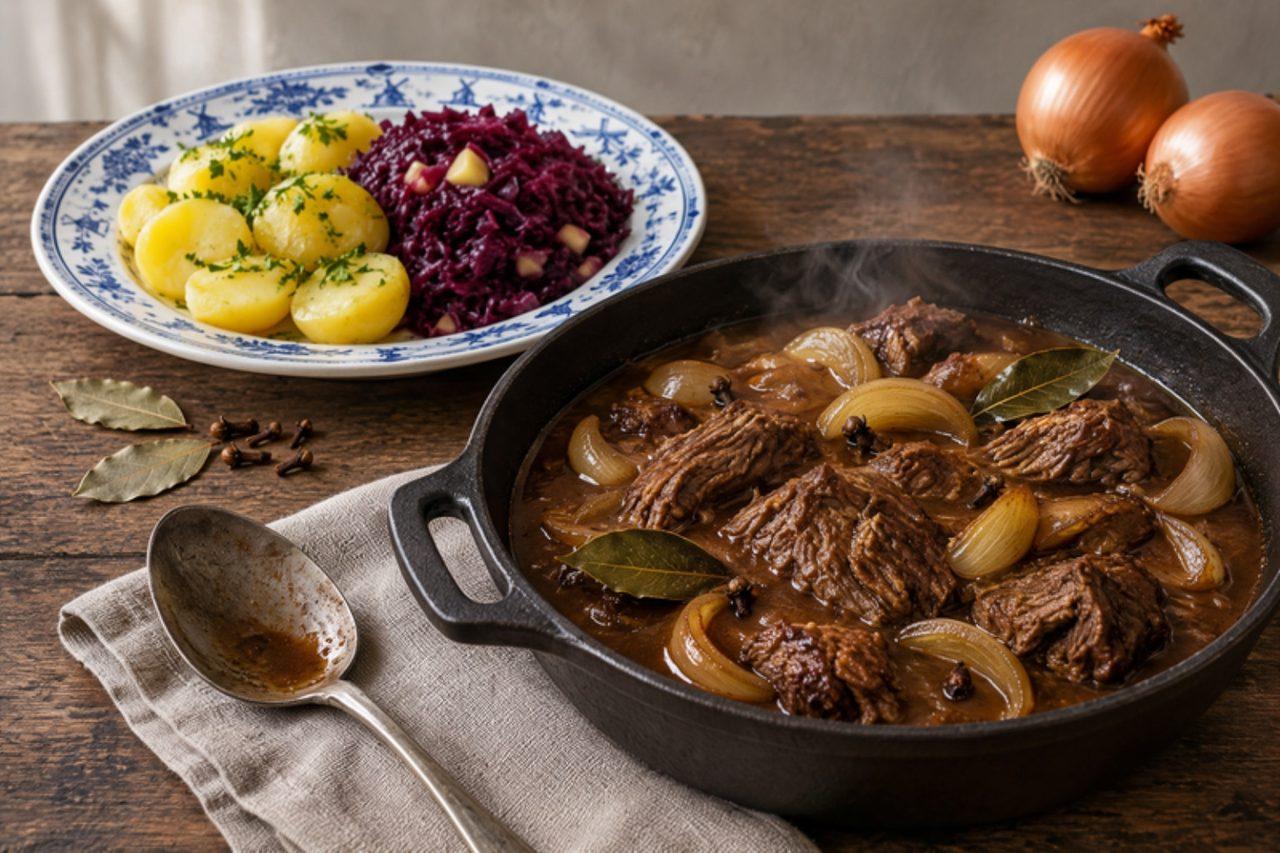
HacheeBeef and onion stew

Hachee is the Dutch stoofpotje that grandmothers in Friesland, Groningen and Brabant leave murmuring on the back of the stove on cold Sundays: beef braised with almost as much onion as meat, plus bay leaves, cloves and a splash of vinegar, until it falls apart into a dark, sweet-sour gravy. It goes on boiled potatoes with red cabbage, or with stamppot, and leftovers are eaten on toast. The usual mistake is rushing the onions: they need a good 15 minutes to turn deep golden, or the gravy stays pale and sharp. Slow-cooker option: after browning, cook on low for 8 hours. Chef's tip: stir in a spoon of dark syrup or apple butter at the end only if the vinegar tastes too sharp; taste first, as good onions often make it unnecessary.

190 minDutchMeat
by KrazyBadal 0 views

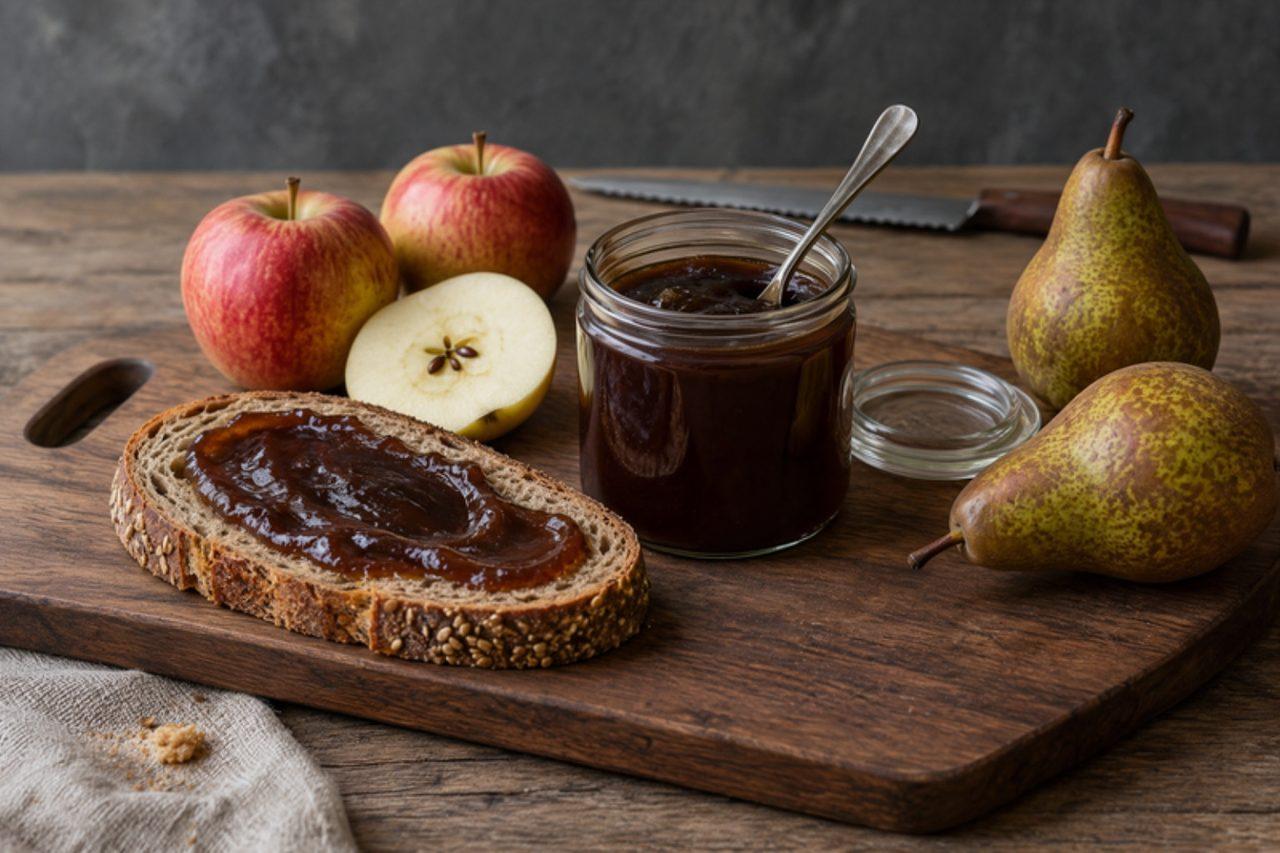
AppelstroopApple syrup

In Dutch and Belgian Limburg, appelstroop is spread on brown bread at breakfast, often under a slice of Gouda, and it goes into the Limburg sour stew zoervleis. It is nothing but apples (with a few pears) cooked to a pulp, pressed and boiled down for hours into a glossy, almost black syrup that tastes sweet, sharp and faintly of caramel. The common mistake is stopping too early: until it coats a cold plate and holds a line, it is apple juice, not stroop. Chef's tip: in the last half hour stir constantly and lower the heat, because the thick syrup catches and burns in seconds.

260 minDutchBasicsVeganGluten free
by KrazyBadal 0 views

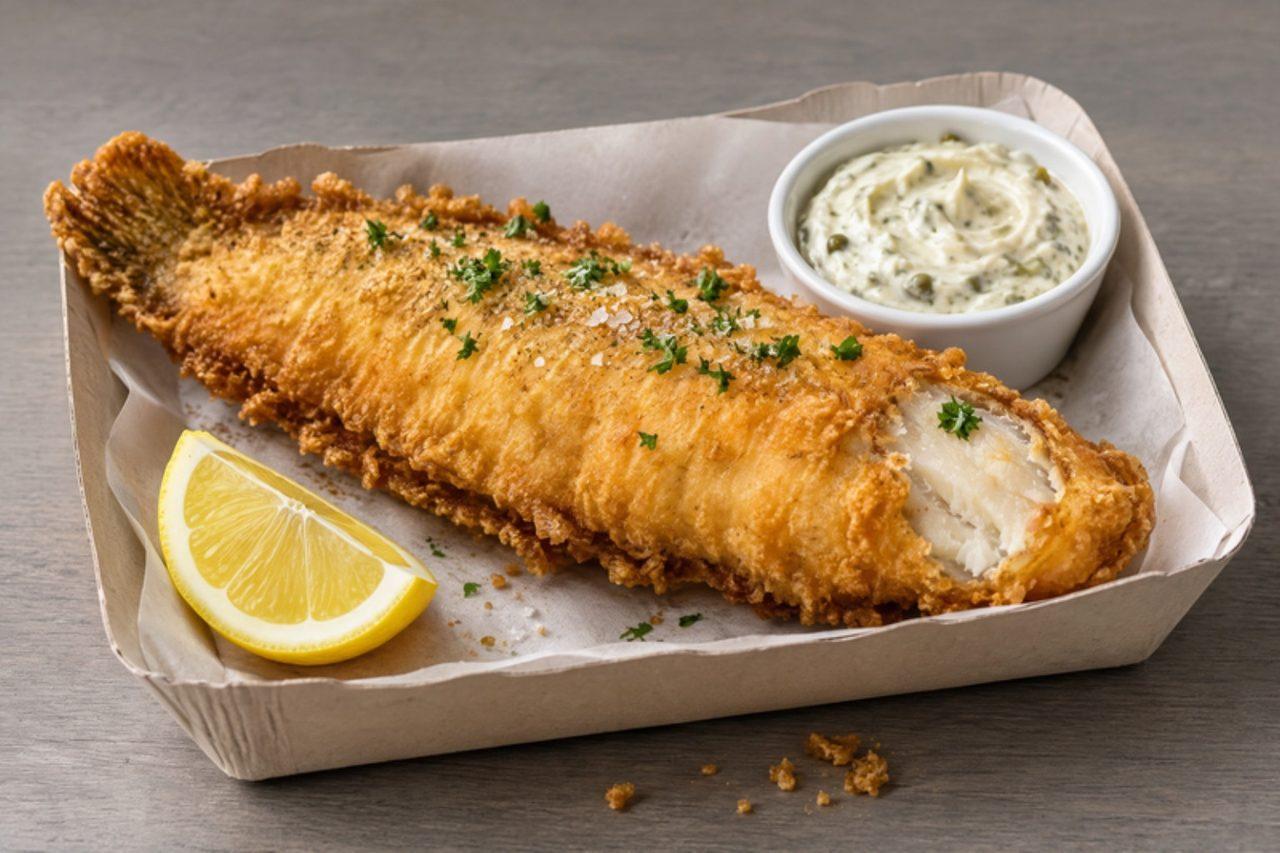
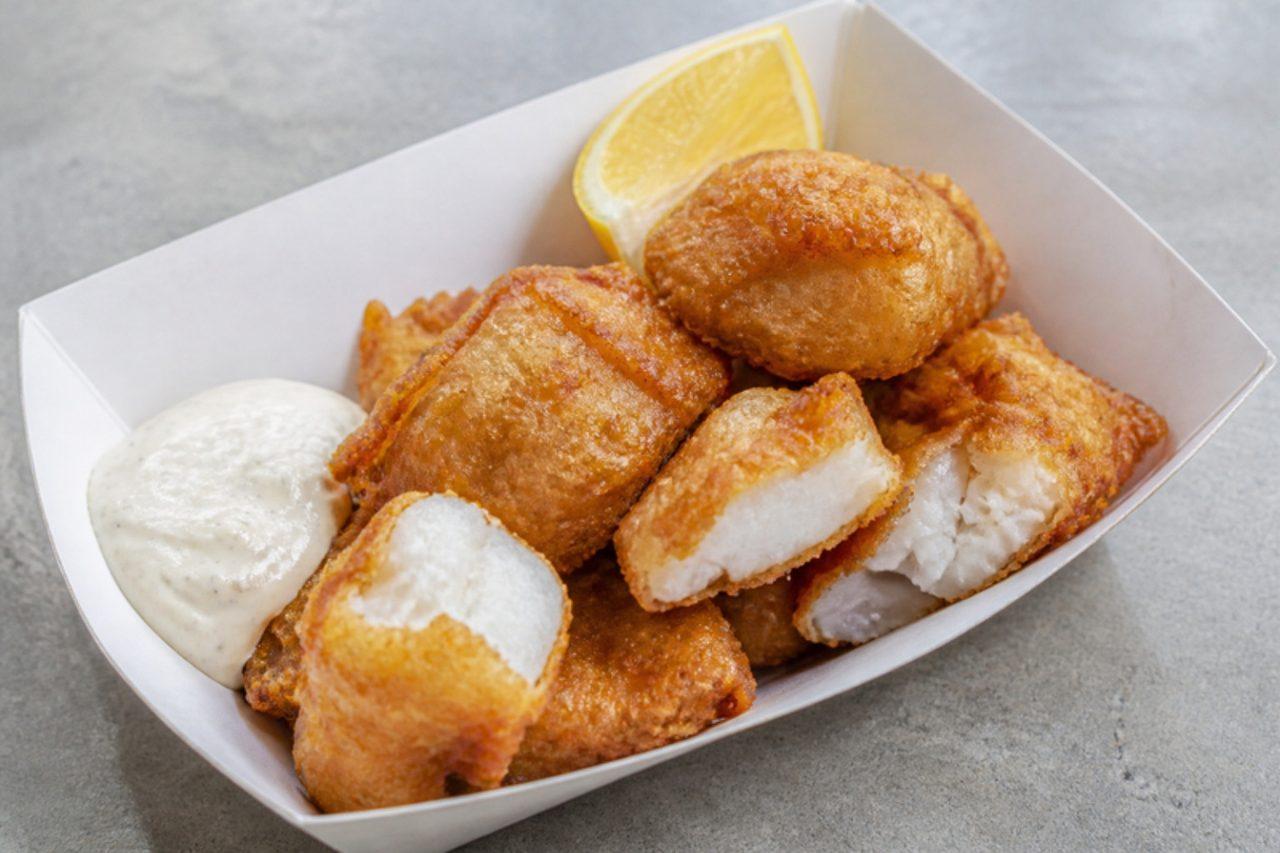
LekkerbekjeBattered fried whiting

Lekkerbekje means "little treat", and at the haringkarren and fish stalls of the Albert Cuyp and Dappermarkt it is the other big seller next to raw herring: a whole fillet of whiting (or cod) dipped in batter and fried until the coating crackles. It comes in a paper tray with a lemon wedge and a spoon of remoulade, and Amsterdammers eat it for lunch on market days, standing at the counter. The batter here uses sparkling water instead of beer for lightness. Chef's tip: keep the batter ice-cold and mix it only just before frying; the cold against the hot oil is what makes it shatter.

25 minDutchFish
by KrazyBadal 0 views

Mandi'o chyryryFried cassava with onion and egg

Mandi'o chyryry means 'fried cassava' in Guaraní, and it is what rural Paraguayan families make from yesterday's boiled mandi'o: chunks crushed and fried in a big pan with onion until crisp in places, then scrambled with eggs. It comes out for breakfast with cocido or for a quick supper, and costs next to nothing. Use sweet cassava, the kind sold in supermarkets. The mistake is stirring constantly, which turns it to mush; let the cassava sit and brown. Chef's tip: the best chyryry starts with cold, day-old boiled cassava, which fries crisper than freshly boiled.

by KrazyBadal 0 views

BusecaTripe and white bean stew

Buseca arrived in Montevideo with Italian immigrants from Lombardy and became a classic winter dish of Uruguayan bodegones and family kitchens, eaten on cold June and July days. Honeycomb tripe is simmered until tender, then stewed with white beans, pork chorizo, bacon, peppers, tomato and paprika into a thick, warming stew served with crusty bread. Buy tripe that is already cleaned and blanched (dressed). The usual mistake is undercooking the tripe: it needs a full 2 hours, until it's soft enough to cut with a spoon. Slow-cooker option: after step 4, cook on low for 8 hours. Chef's tip: a little grated lemon zest and parsley stirred in at the end lifts the rich, gelatinous sauce.

by KrazyBadal 0 views

KibbelingBattered white fish chunks

Kibbeling is the fish snack of Dutch markets and harbours, sold in paper trays from fish vans at Saturday markets from Volendam to Rotterdam: bite-sized chunks of cod or pollock coated in a spiced batter and fried until crisp, with a pot of garlic sauce or remoulade. It began as a way to use the cheeks of cod. A common mistake is a thick batter, which turns bready and greasy. Chef's tip: season the batter well with a little curry powder and paprika, the market-van secret, and fry at 180 °C until golden; the fish is done when opaque and flaking.

25 minDutchFish
by KrazyBadal 0 views

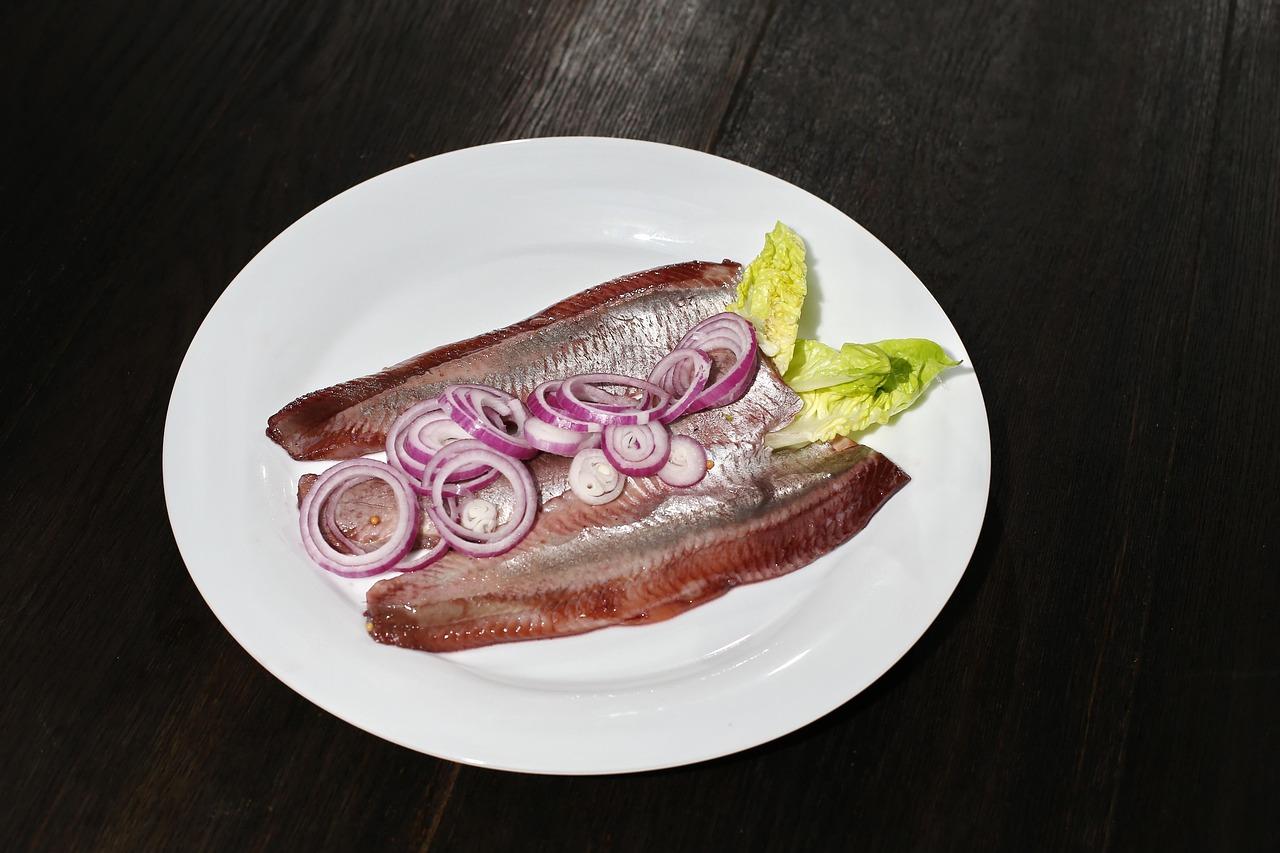
Hollandse nieuwe haringYoung herring with onion

Every June, the first barrel of Hollandse nieuwe, the new season's young herring, is auctioned in Scheveningen and the herring stalls of Amsterdam, Rotterdam and The Hague fly their flags: the fish is mild, fatty and lightly salted, sold cleaned with the tail on and eaten raw, either lowered head-back into the mouth by the tail or cut into pieces on a paper tray with chopped raw onion and gherkin. Dutch law requires the herring to be frozen first, which kills parasites; buy it ready-cleaned from a fishmonger. It is not cooked, so it is not for pregnant women, young children or anyone with a weakened immune system. A common mistake is keeping it at room temperature; serve it ice-cold. Chef's tip: eat it within a few hours of buying, on a cold plate, for the clean, sweet taste.

10 minDutchFishGluten free
by KrazyBadal 0 views

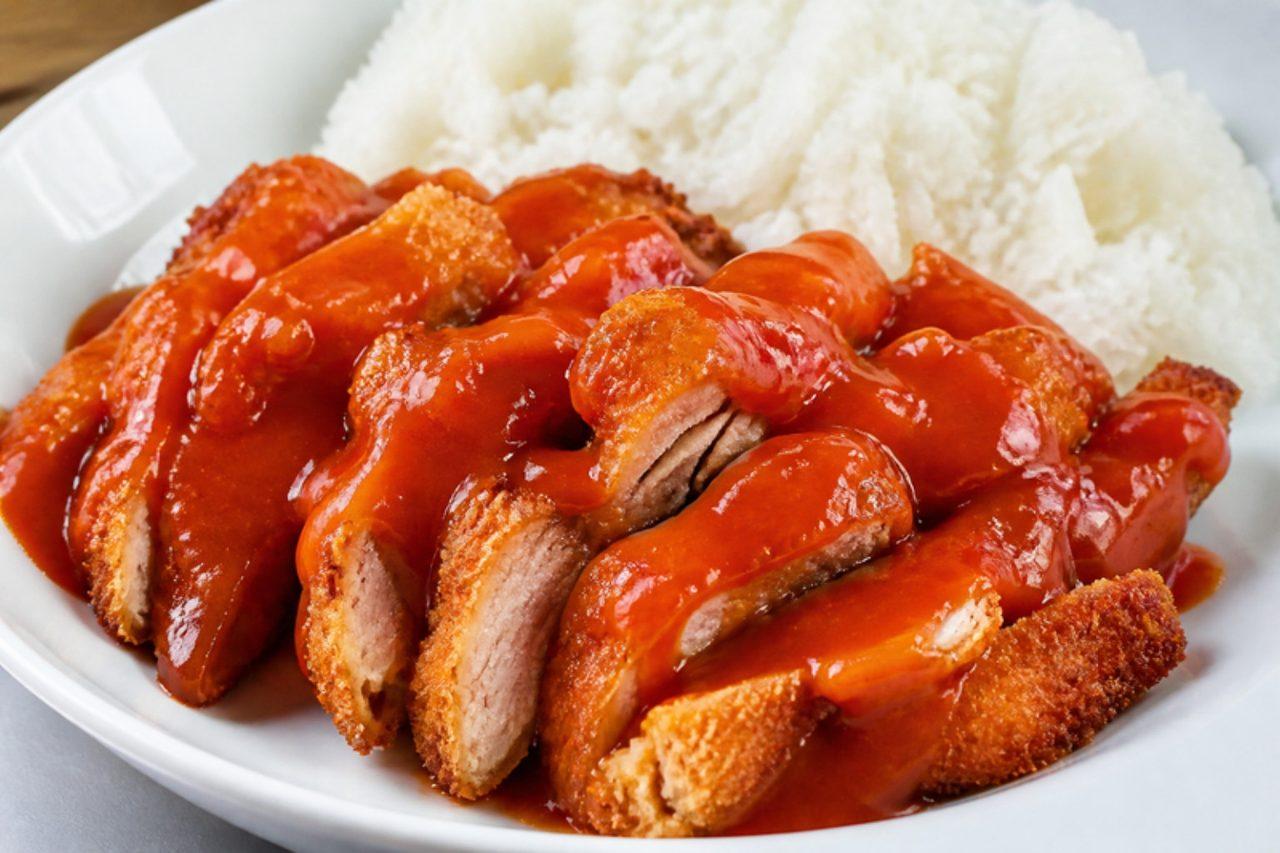
Babi pangangCrispy pork in sweet-sour sauce

Babi pangang is one of the most ordered dishes in the 'Chinees-Indisch' restaurants found in every Dutch town: crisp-skinned roast pork belly, sliced and smothered in a bright red, sweet-sour sauce with tomato, ginger and pickled vegetables, served with rice or nasi goreng. This is a pork dish. A common mistake is pouring the sauce over too early, which turns the crackling soft. Chef's tip: dry the skin overnight in the fridge and roast it hot at the end, then pour the sauce around, not over, the pork at the table. Whole pork joints are safe at 63 °C plus a rest; belly is best cooked longer, until tender.

105 minDutchMeat
by KrazyBadal 0 views

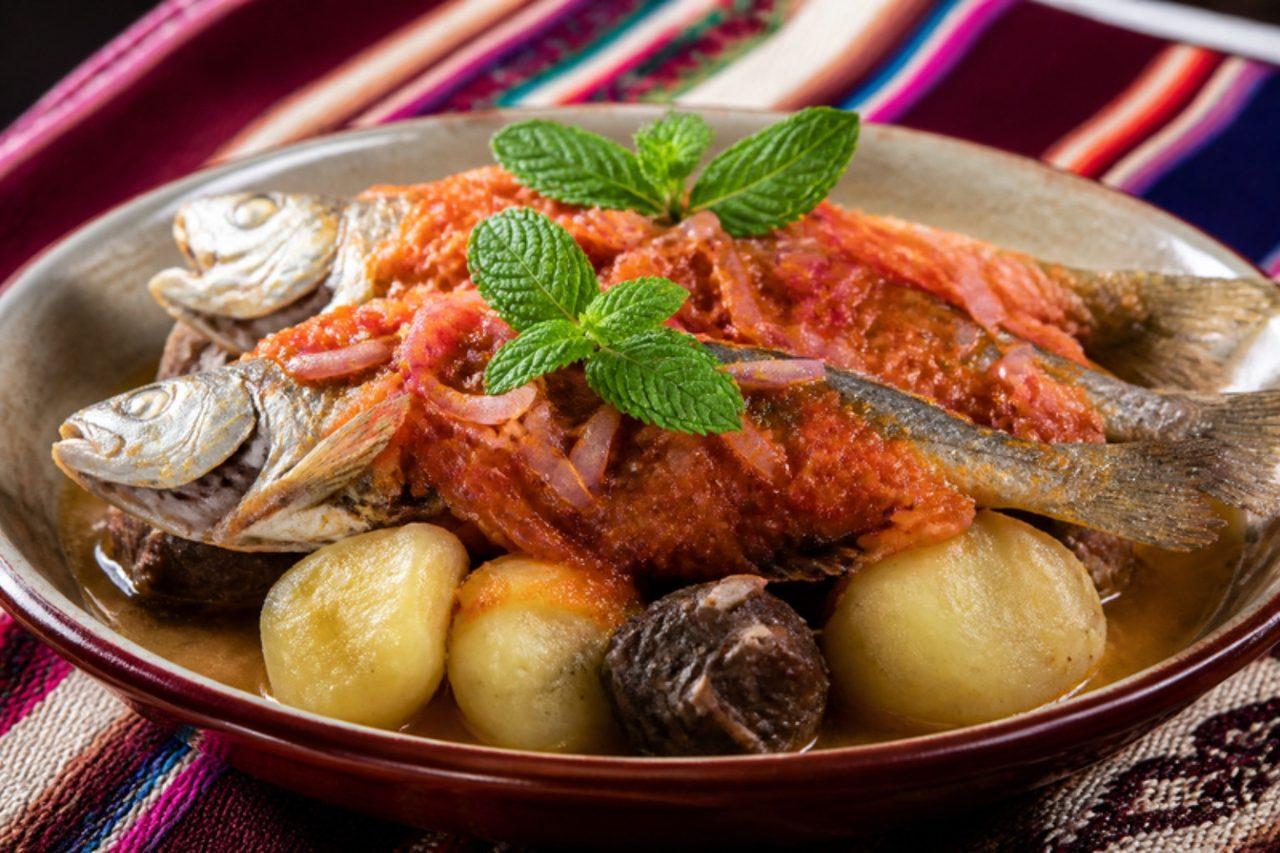
Thimpu de carachiPoached fish with potatoes

Around the shores of Lake Titicaca, thimpu is weekday food and Lent food alike: carachi, a small native lake fish, laid over potatoes and chuño (freeze-dried Andean potato) and gently poached, then drenched at the table with a hot sauce of onion fried with ají. The fish is soft and delicate, the chuño earthy and pleasantly chewy, and the sauce brings colour and fire. Outside Puno, small whole trout, tilapia or perch, or thick trout fillets, work well. Chuño needs an overnight soak (plan for it) and is sold in Andean and Latin shops; swap in extra waxy potatoes if you can't find it. The trap here is boiling the fish hard so it falls apart; keep the water at a bare shiver. Chef's tip: make the sauce while the fish poaches and spoon it on boiling hot, so it sizzles over the plate.

by KrazyBadal 0 views

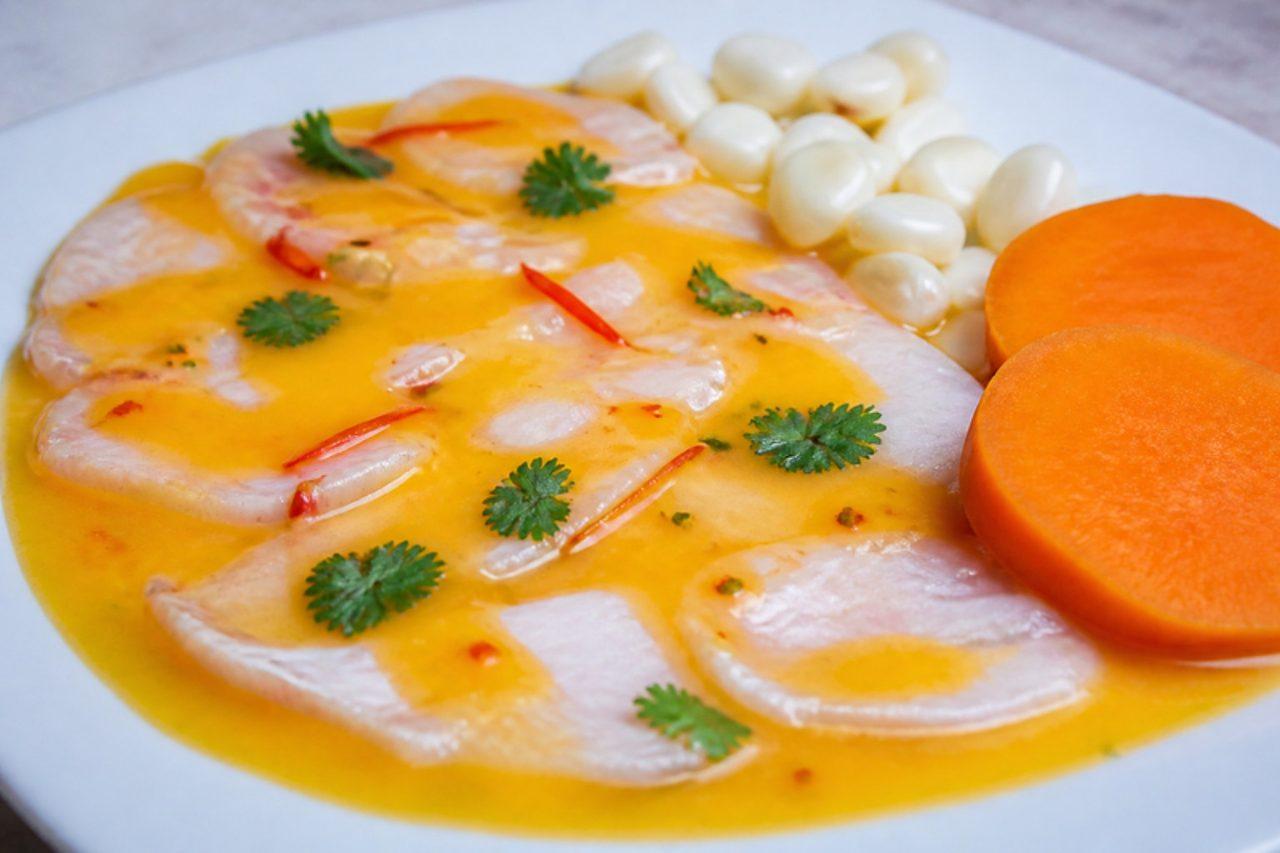
TiraditoSliced fish in ají amarillo sauce

Lima's Japanese-Peruvian cooks turned ceviche on its head with tiradito: instead of cubes soaked in lime, the fish is cut thin like sashimi, laid flat and dressed at the last minute, so it stays silky with only the surface turning white. The sauce here is the classic golden one, ají amarillo blended with lime, garlic and ginger, fruity and medium hot. It is served as a starter in cevicherías and upmarket Miraflores restaurants with boiled sweet potato and corn. Because the fish is eaten almost raw, this version uses sashimi-grade fish frozen at −20 °C for 24 hours first (allow for that), kept cold and eaten the moment it is dressed; it is not for pregnant women, young children or anyone with a weakened immune system. The mistake people make is dressing it ahead: after ten minutes the lime cooks it through and it turns chalky. Chef's tip: chill the plates in the freezer for 10 minutes before you lay out the fish; it keeps the slices firm while you work.

by KrazyBadal 0 views

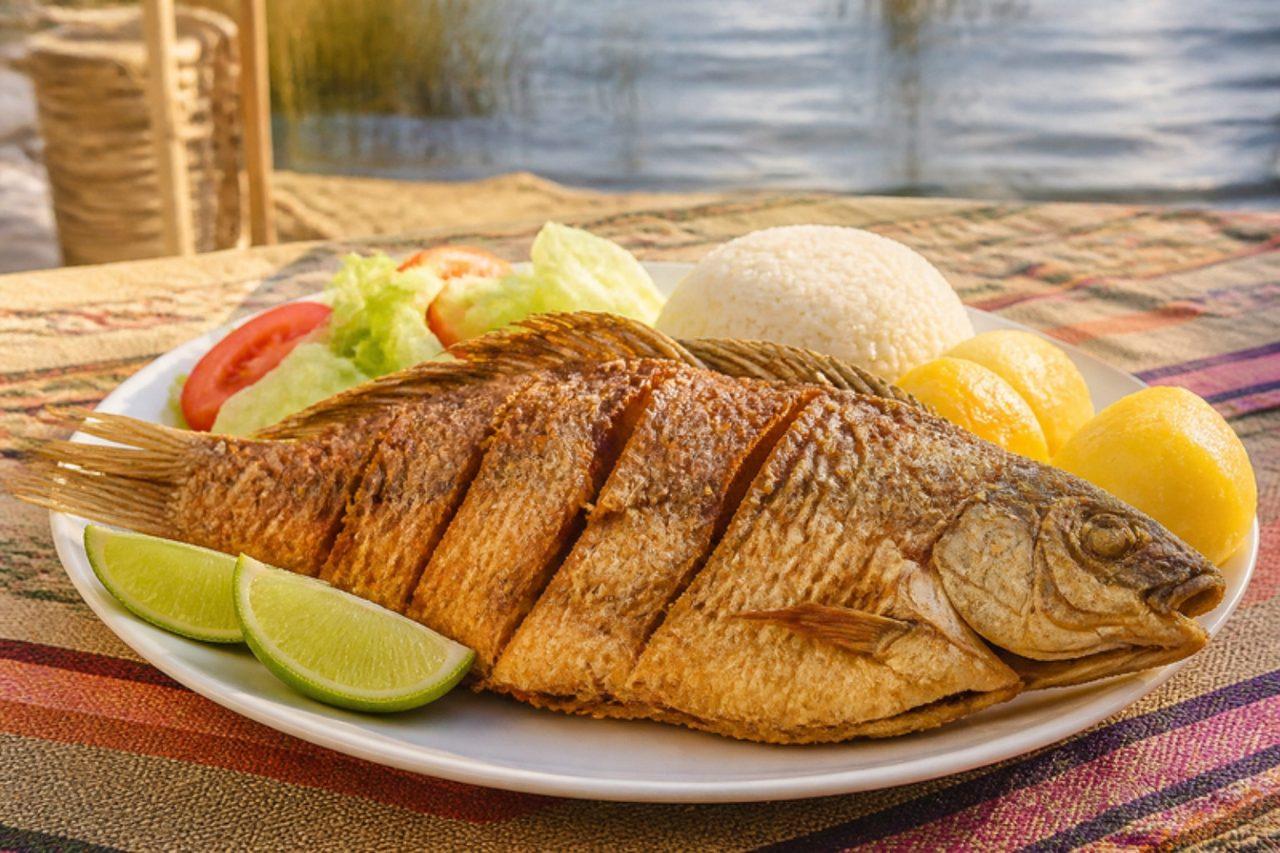
Trucha fritaFried trout with potatoes and rice

Rainbow trout farmed in the cold, clear water of Lake Titicaca is what you eat in Puno, at lakeside restaurants and on the floating islands: a whole fish, dusted in flour and fried until the skin crackles, with boiled Andean potatoes, rice, a simple salad and lime. The flesh is pink-white, sweet and moist; nothing else is needed. Ask your fishmonger to gut and scale the trout. The most common mistake is moving the fish too early, which tears the skin; leave it until it releases from the pan by itself. Chef's tip: slash the thick part of each side twice before flouring, so the fish cooks evenly and the skin crisps right up to the head.

by KrazyBadal 0 views

HuatiaEarth-baked potatoes

After the potato harvest in May and June, families in Puno, Cusco and across the highlands build a huatia in the field: a little dome of dry earth clods heated with dried brush until the clods glow, then knocked down over freshly dug potatoes and oca so they bake slowly underground. Opened an hour later, the potatoes are smoky, floury and so soft their skins split, and the oca turns sweet and tangy. Everyone eats them with their hands, with salt, chilli sauce and fresh cheese. This recipe gives an oven method for home cooks: a lidded pot bedded with coarse salt and herbs, which traps heat and steam much like the earth. If you do try a real huatia outdoors, use a clear patch of ground away from anything that can catch fire and keep water nearby. Don't uncover the pot early to check: the steam escapes and the potatoes turn leathery. Fresh oca is sold in some markets as New Zealand yam; small sweet potatoes will do. Chef's tip: choose potatoes of a similar size so they all finish together, and serve with uchucuta.

by KrazyBadal 0 views

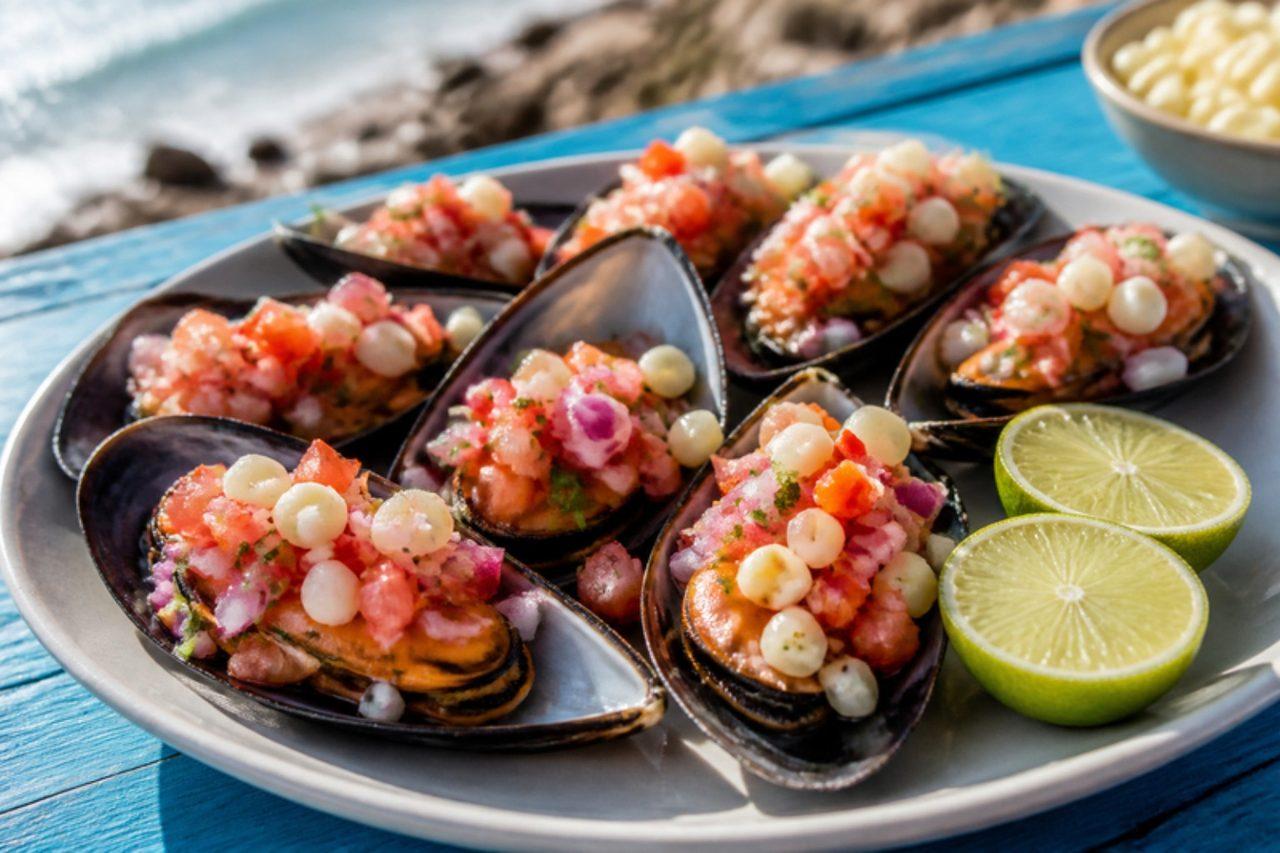
Choros a la chalacaCold mussels with corn salsa

Named for the people of Callao, Lima's port, choros a la chalaca are what you order with friends at a seafront cevichería on a hot afternoon: steamed mussels, chilled, each on its half shell under a bright, wet salsa of red onion, tomato, Andean corn, rocoto and lime. Cool, sweet, briny and sharp, they are eaten with your fingers in two bites, often before a ceviche or a jalea. Here the mussels are fully steamed open first, so nothing is served raw. People often overcook them while waiting for the last stubborn shells, which leaves the rest rubbery; lift them out as soon as each one opens. Chef's tip: dress the salsa no more than 15 minutes ahead, and spoon a little of the juice onto every mussel; that juice is the whole point of the dish.

by KrazyBadal 0 views

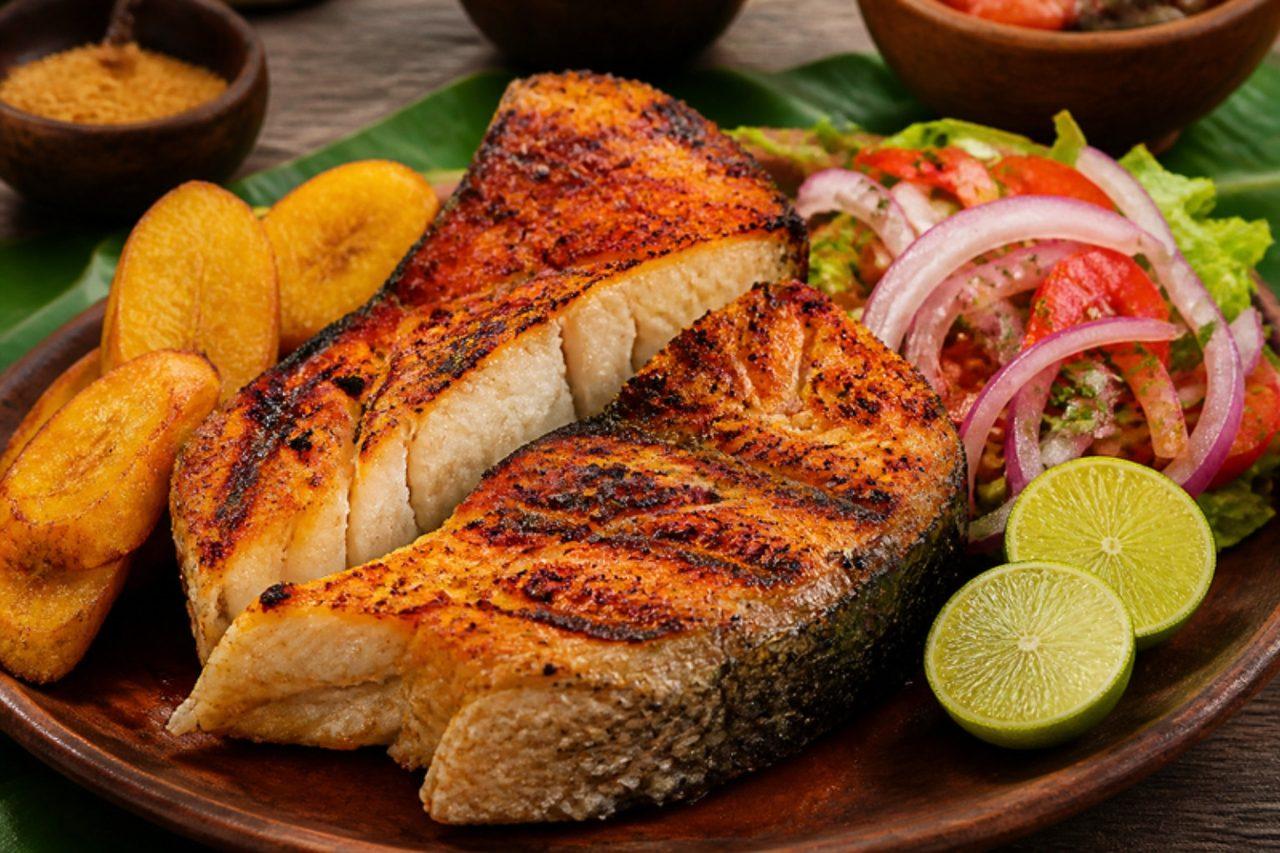
Paiche a la parrillaGrilled paiche steaks

Paiche (arapaima), one of the largest freshwater fish on earth, has thick, white, almost boneless flesh, and in Iquitos it is farmed and cut into meaty steaks that sizzle on the grills of riverside restaurants. Marinated briefly in garlic, lime, cumin and achiote, it chars on the outside and stays juicy and mild inside, a little like cod but firmer. Serve it with a tomato and onion salad, rice, or tacacho (mashed fried plantain balls). Frozen farmed paiche is sold in some fishmongers; thick cod, halibut or hake loin are good stand-ins. Leaving it in lime too long is the big mistake: the acid starts to 'cook' the surface and it sticks and tears on the grill, so 15 minutes is plenty. Chef's tip: oil the fish, not the grill, and don't move it for the first 3 minutes so it forms a crust and releases cleanly.

by KrazyBadal 0 views

Pulpo al olivoOctopus with olive mayonnaise

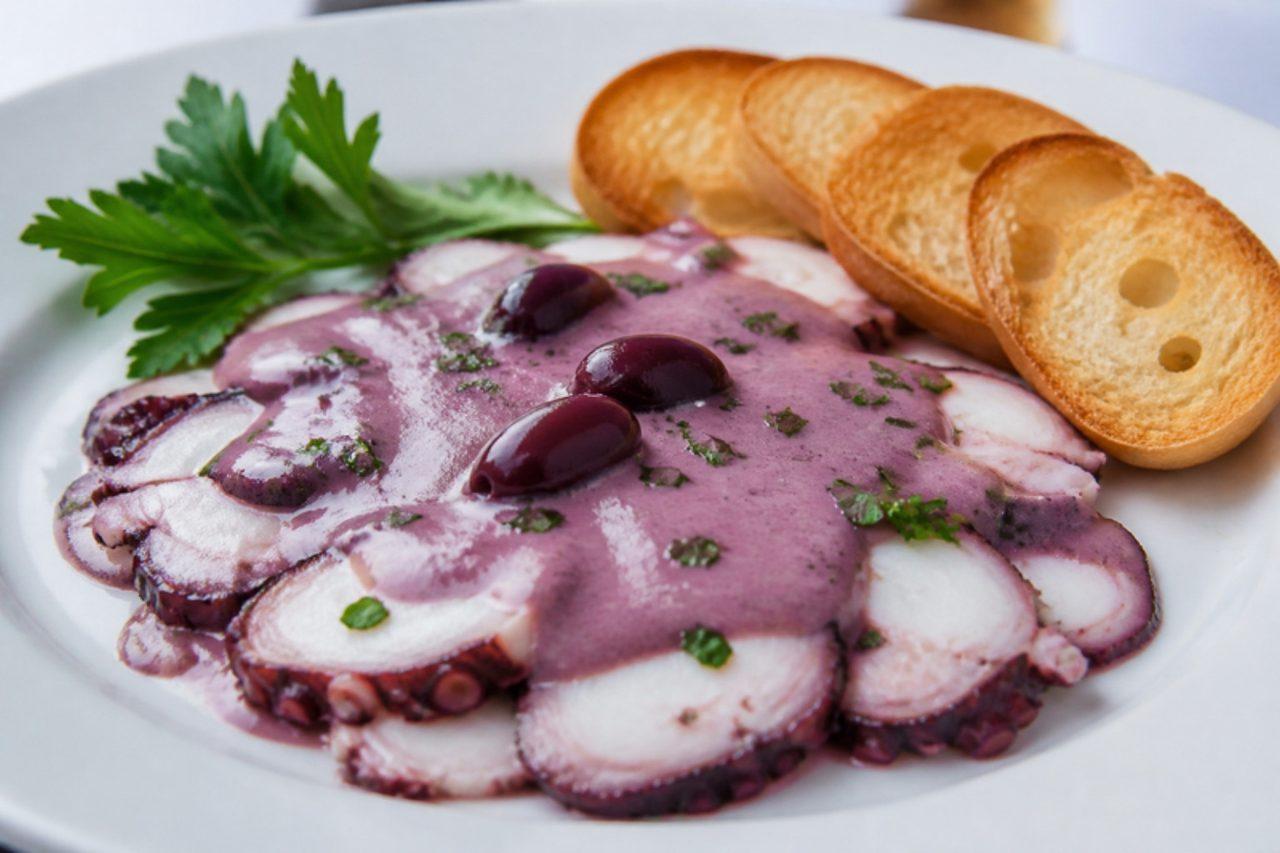
Created in Lima in the 1950s by a Japanese-Peruvian chef, pulpo al olivo is now a fixture of Nikkei restaurants and smart cevicherías: paper-thin rounds of tender, cold octopus covered with a smooth violet mayonnaise of Botija olives, the big, dark, fruity olives of the southern coast. It is cool, rich and briny, eaten as a starter with lime and a drizzle of olive oil. Allow 1 hour for chilling after cooking. Tough octopus is the usual let-down, and the fix is simple: use frozen octopus (freezing tenderises it) and simmer gently, never at a rolling boil. Because the sauce is an egg emulsion, make it with a pasteurised egg, or use a good ready-made mayonnaise. Chef's tip: slice the octopus while it's cold and firm; warm octopus slices raggedly.

by KrazyBadal 0 views

Seco de chabeloPlantain mash with dried beef

Piura's picanterías, near the dry northern border, serve this rough, savoury mash at lunch: green plantains, roasted or boiled and pounded, mixed with fried strips of carne seca (salted dried beef) and a quick sofrito of onion, tomato and ají amarillo. It is dense, salty and smoky, with the plantain's starchy sweetness, and is eaten with salsa criolla and fried ripe plantain or chifles (plantain crisps). The legend says it was invented for a soldier called Chabelo in the War of the Pacific. Use carne seca or cecina from Latin shops, or unseasoned beef jerky. Pounding the plantains smooth is the classic mistake: chabelo should be lumpy and rustic. Chef's tip: soak the dried beef in warm water for 30 minutes and taste a piece; if it's still very salty, change the water and soak again.

by KrazyBadal 0 views

Showing 24 of 32 recipes

Show more recipes

Page 1 of 2