Skip to content
Recipes

All recipes

Vegetarian, or something you can't eat? Set your diet once and we'll hide recipes that don't fit.

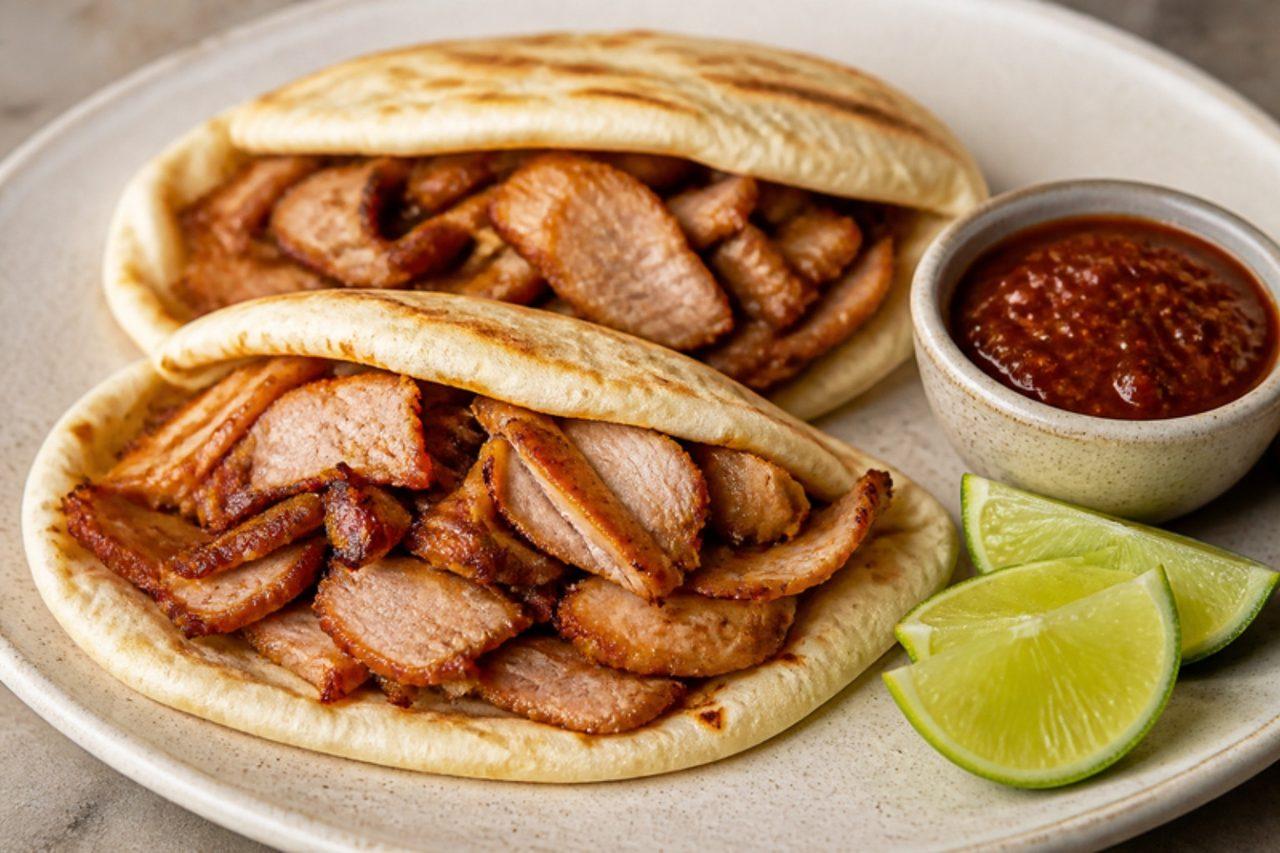
Tacos árabesSpit-roast pork tacos

Lebanese and Iraqi immigrants who settled in Puebla in the early twentieth century brought the shawarma spit, and Puebla answered with tacos árabes: thin slices of pork marinated in lime, vinegar, herbs and cumin, roasted on a vertical spit and wrapped in soft pan árabe, a thick pitta-like flatbread. This home version stacks the pork on a skewer in the oven. It is served with a smoky chipotle salsa and lime. Chef's tip: marinate the pork overnight in the fridge for the most tender, tangy result.

135 minMexicanMeat
by KrazyBadal 0 views

Panqueca de carneBeef-filled pancakes

Brazilian panquecas are thin pancakes, closer to crêpes, rolled around a savoury filling and baked under tomato sauce and cheese, a much-loved weekend lunch for families and a favourite with children. Beef mince filling is the classic, cooked with onion, garlic, tomato and parsley. The vegetarian alternative is spinach and ricotta, made the same way with vegetarian cheeses. Chef's tip: make the pancakes ahead and stack them with baking paper between; they assemble in minutes.

by KrazyBadal 0 views

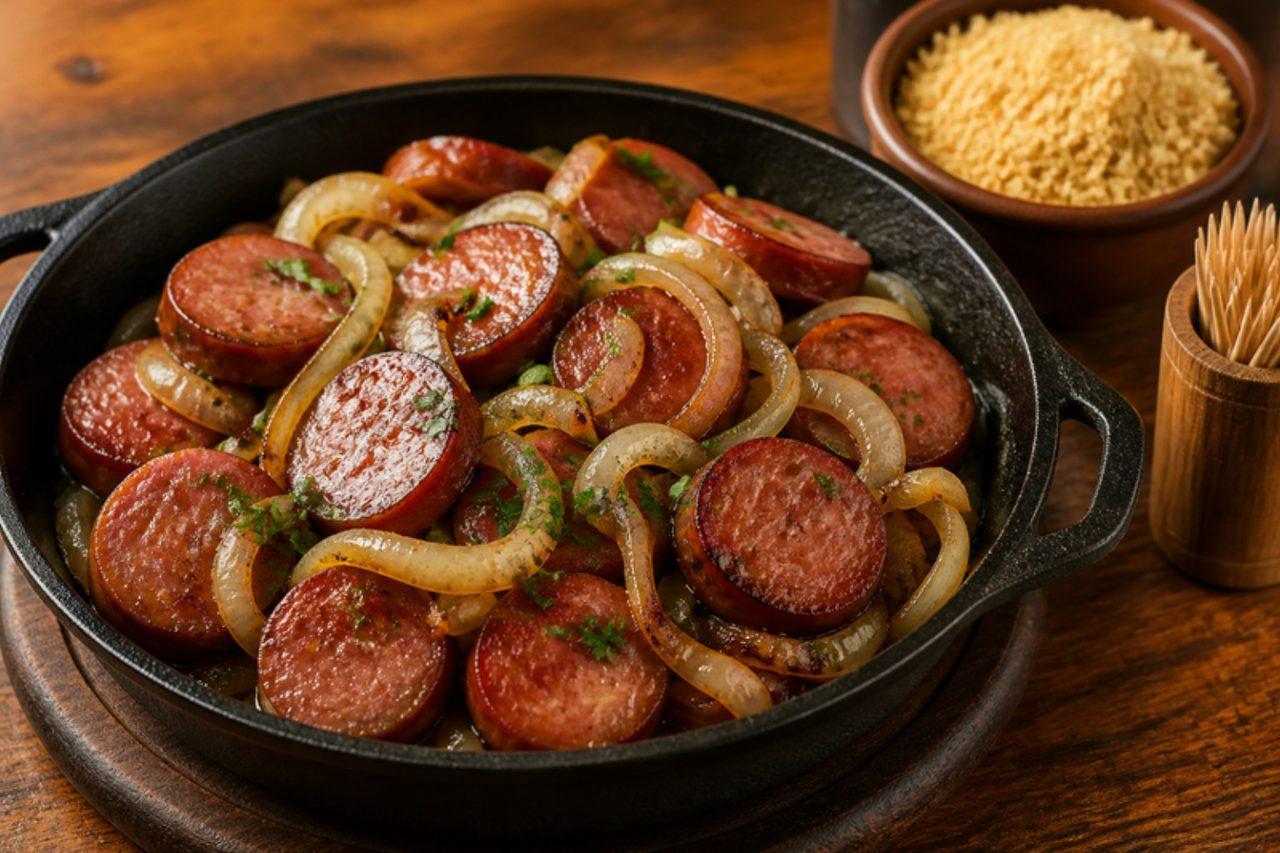
Calabresa aceboladaSausage with onions

Calabresa is Brazil's smoked pork sausage, mildly spiced with chilli and fennel, and in bars across the country a sizzling plate of it fried with onions lands on the table with toothpicks, farofa or bread and a round of drinks. At home it is a ten-minute snack or a quick lunch with rice and beans. The sausage edges caramelise in their own fat, then the onions soften in it until sweet but still with a little bite. Chef's tip: slice the sausage on a sharp diagonal so each piece has more surface to brown.

by KrazyBadal 0 views

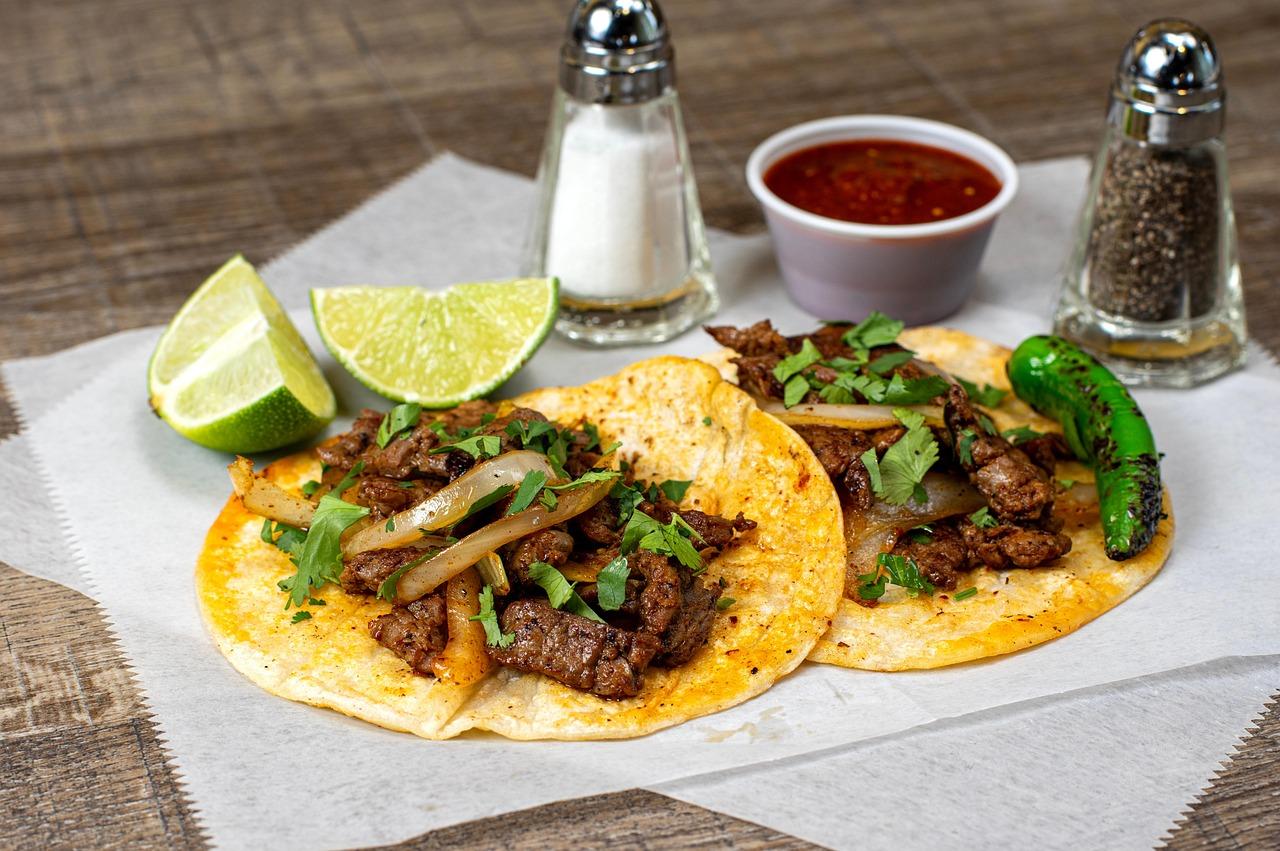
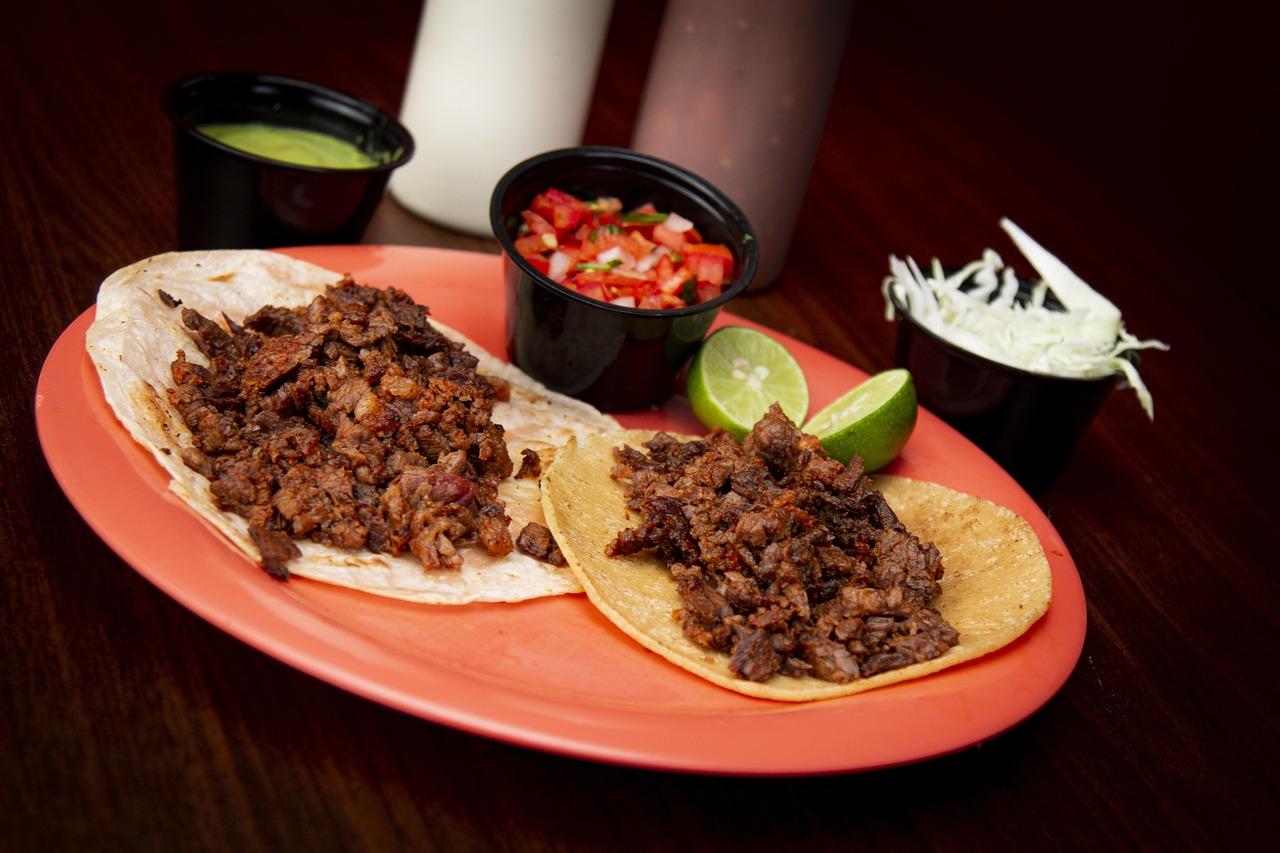
Tacos de suaderoBeef brisket tacos

Suadero is the soul of late-night taquerías in Mexico City, from Coyoacán to the Centro, where thin beef from between the belly and leg bubbles for hours in fat on a domed griddle called a choricera. It turns silky inside and crisp at the edges, then is chopped into tiny doubled tortillas with onion, cilantro and fiery salsa. At home, beef brisket or flank works well, slowly simmered then crisped; the fat is traditionally pork lard, or use beef dripping. Chef's tip: chop the meat small and crisp it in a hot pan just before serving, as taqueros do.

180 minMexicanMeatGluten free
by KrazyBadal 0 views

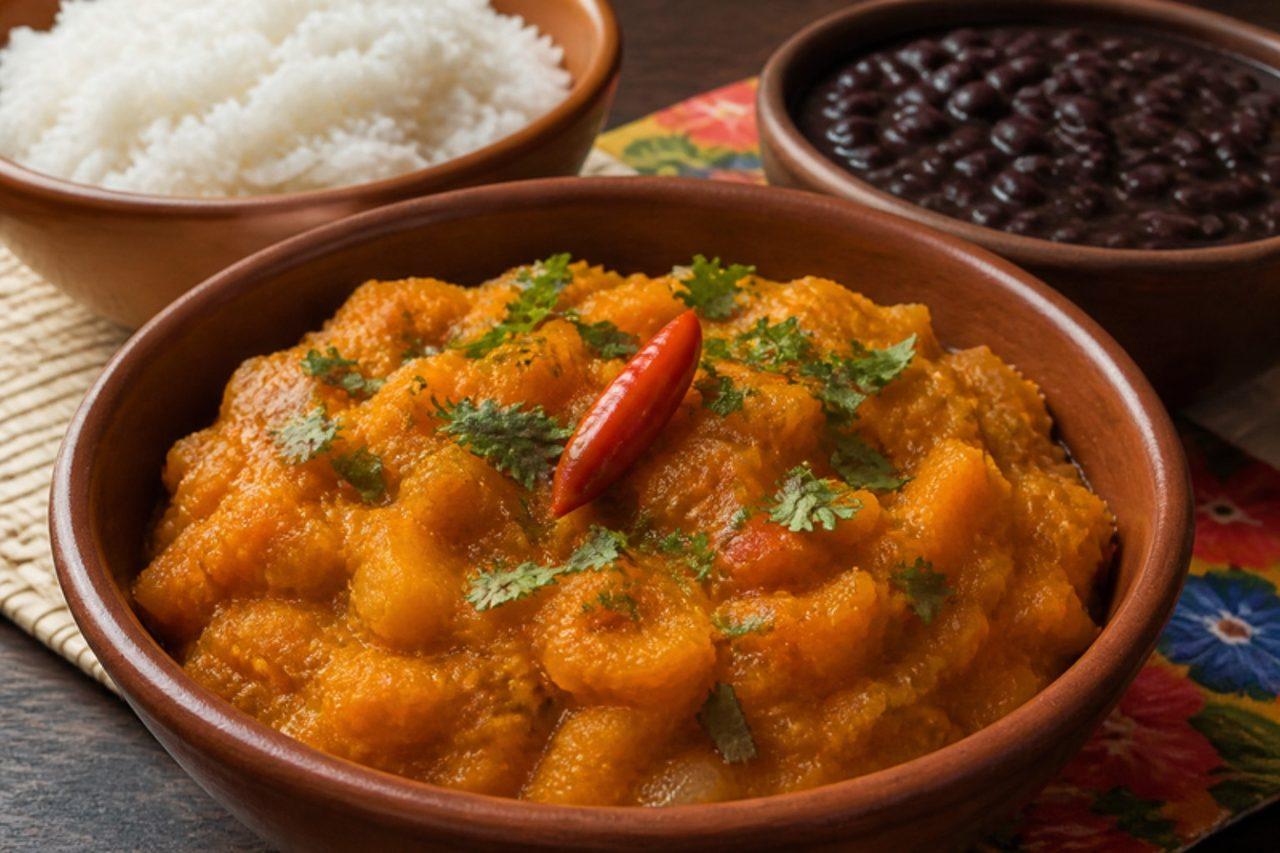
QuibebePumpkin purée

In Bahia and across the Brazilian Northeast, quibebe is the soft orange purée of pumpkin that sits beside carne-seca, fried fish or a plate of rice and beans. The name comes from a Kimbundu word from Angola, a reminder of the African roots of the region's cooking. Pumpkin is stewed with onion, garlic and tomato until it collapses, then mashed roughly and finished with lots of fresh coriander. This is the vegan version; many families stir in shredded carne-seca, salted dried beef. Chef's tip: use a dense, dry pumpkin such as kabocha or crown prince for the richest texture.

by KrazyBadal 0 views

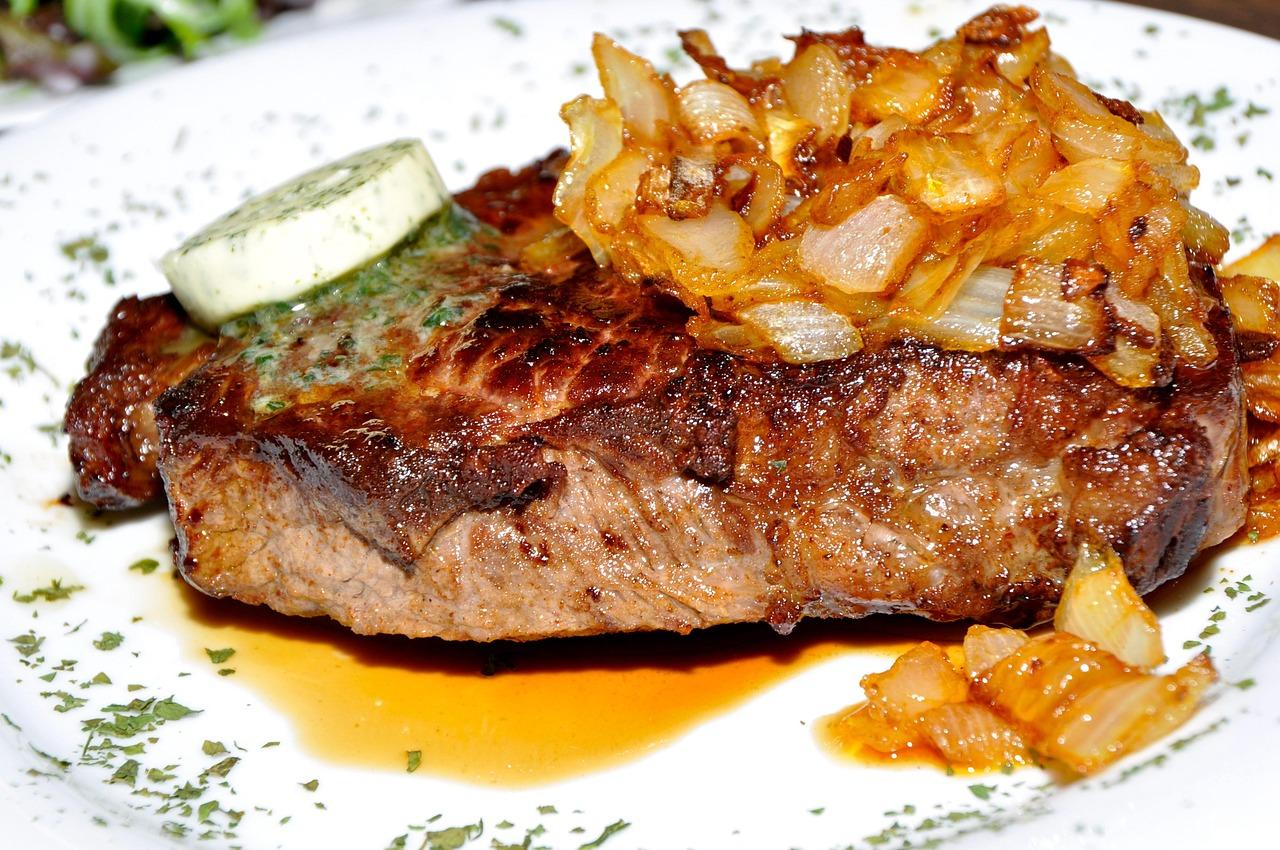
Bife aceboladoSteak with onions

Ask for a prato feito in any Brazilian lanchonete and there's a good chance the meat will be bife acebolado: a thin, garlicky steak seared hard and buried under soft, golden onions. It sits beside white rice, beans, a little salad and often a fried egg. The onions soak up the pan juices and are half the pleasure. Chef's tip: deglaze the pan with a splash of water after the onions; those browned bits are the sauce.

by KrazyBadal 0 views

Pierna adobadaAdobo roast pork leg

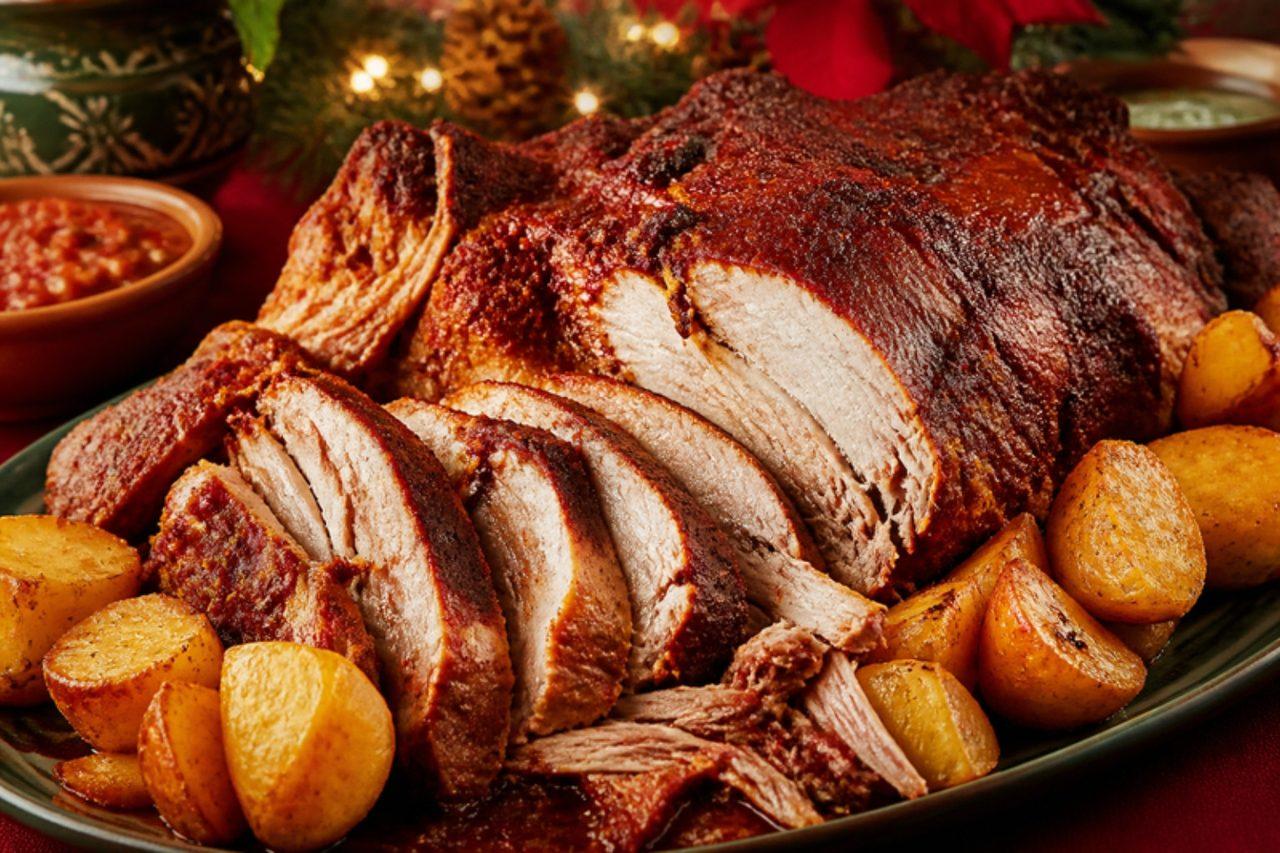
From Puebla to Monterrey, a dark red leg of pork comes out of the oven on 24 or 31 December, its adobo of ancho and guajillo chiles, garlic, vinegar and orange caramelised into a sticky crust. It is sliced at the table with apple salad and Christmas rice, and the leftovers fill tortas for days. This recipe uses a smaller boneless leg or shoulder joint of pork that fits a home oven; it marinates overnight in the fridge and roasts low and slow. Chef's tip: baste with the pan juices every half hour once the foil comes off, so the adobo glazes rather than burns.

300 minMexicanMeatGluten free
by KrazyBadal 0 views

MucbipolloChicken and pork tamal pie

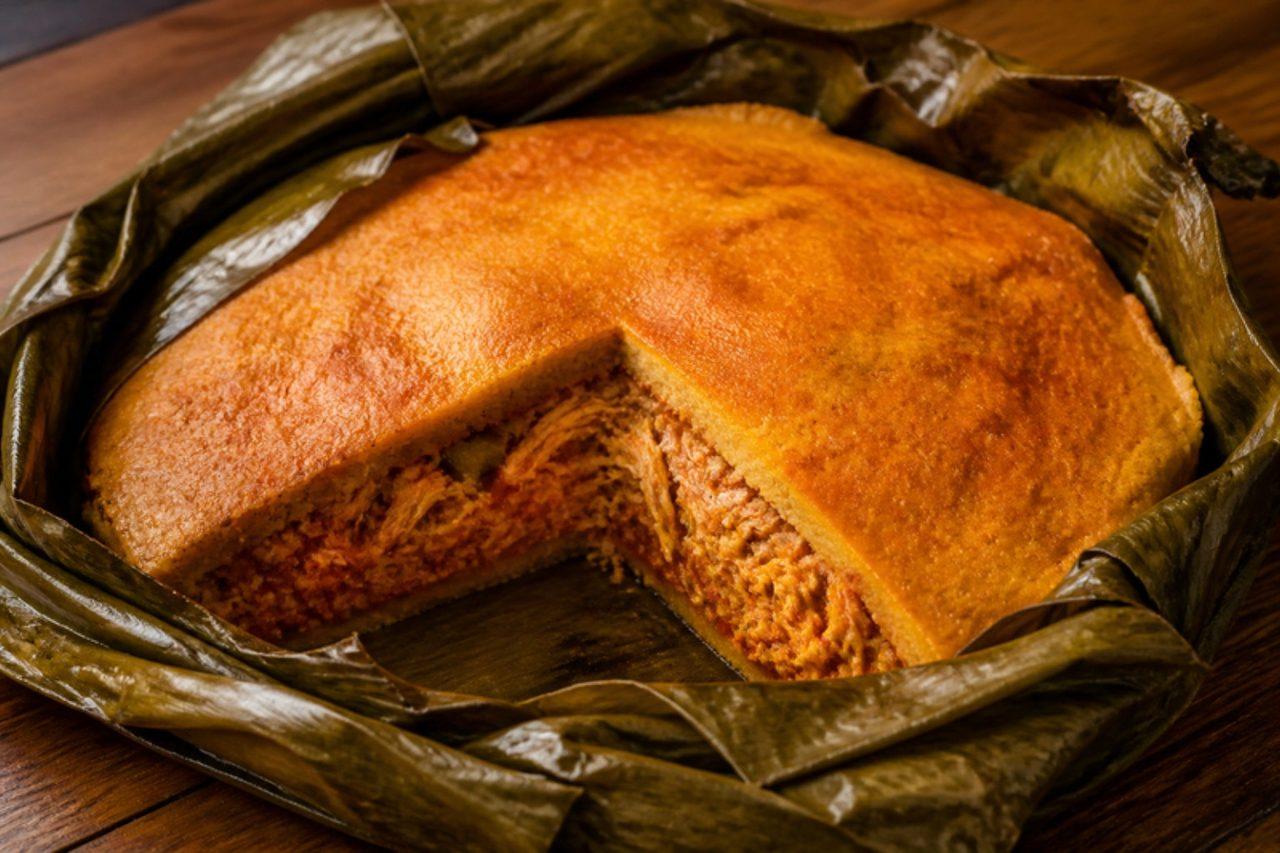
Across the Yucatán Peninsula, the Maya feast of Hanal Pixán, 'food for the souls', at the end of October is marked by mucbipollo: a huge tamal pie, traditionally buried in a pit oven (pib) to bake, then set on the altar and shared the next day. A thick lard-enriched masa shell holds chicken and pork shoulder stewed in achiote, tomato and epazote, bound with a thickened broth called kol. This version uses a home oven and a deep tin lined with banana leaves. It contains pork. Chef's tip: make the kol thick enough to coat a spoon, or the filling floods the masa and the crust turns gummy.

240 minMexicanMeatGluten free
by KrazyBadal 0 views

Pipián verdeGreen pumpkin seed sauce

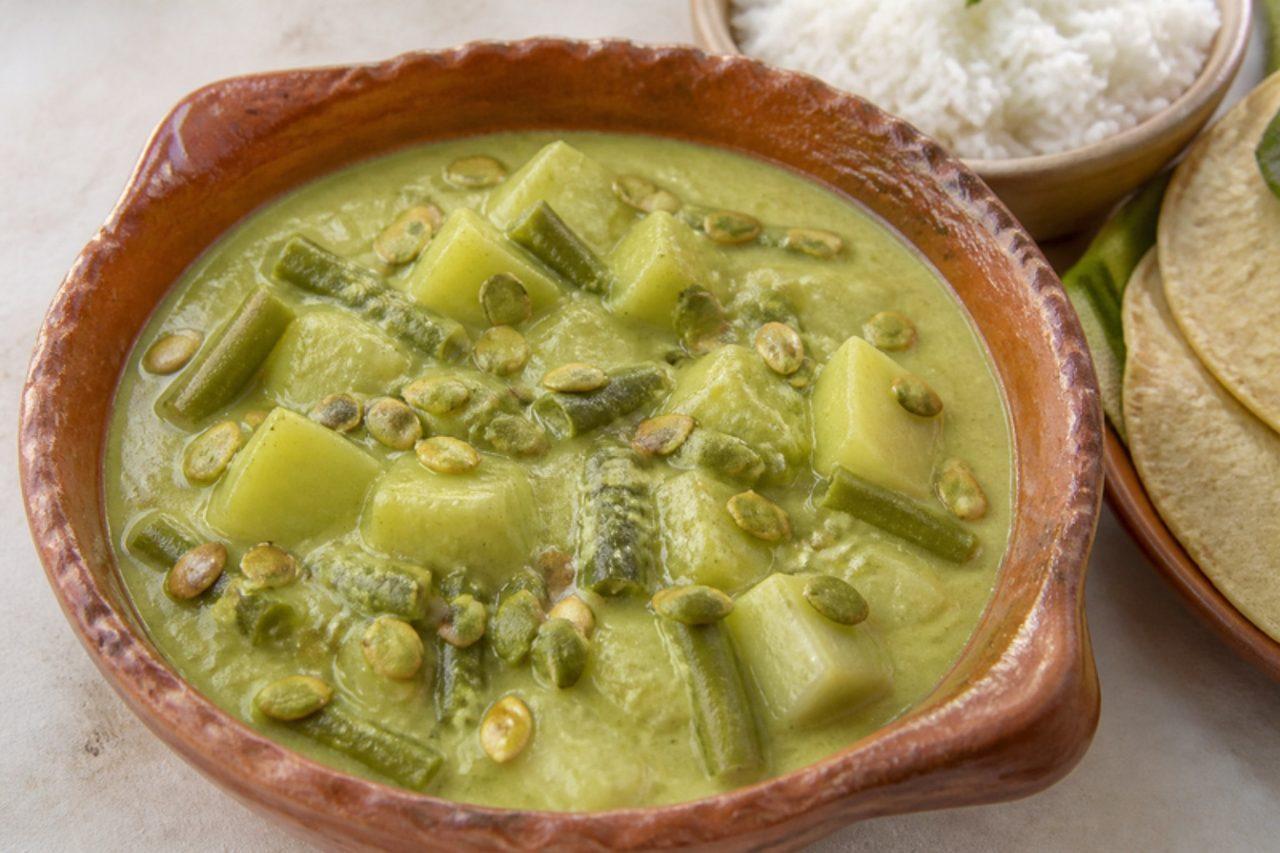
Pipián verde is one of the oldest sauces in central Mexico, thickened with ground pumpkin seeds long before chocolate moles appeared, and in Puebla it is often served during Lent with vegetables. Toasted seeds are blended with tomatillo, green chiles, herbs and lettuce leaves into a pale jade sauce that tastes nutty and gently tangy. Here it coats tender chayote and green beans; the same sauce is also made with poached chicken. Serve with rice and warm tortillas. Chef's tip: once the seed paste is in the pan, keep it at a lazy simmer, because boiling makes the sauce grainy and split.

by KrazyBadal 0 views

Giò lụa (Vietnamese pork roll)

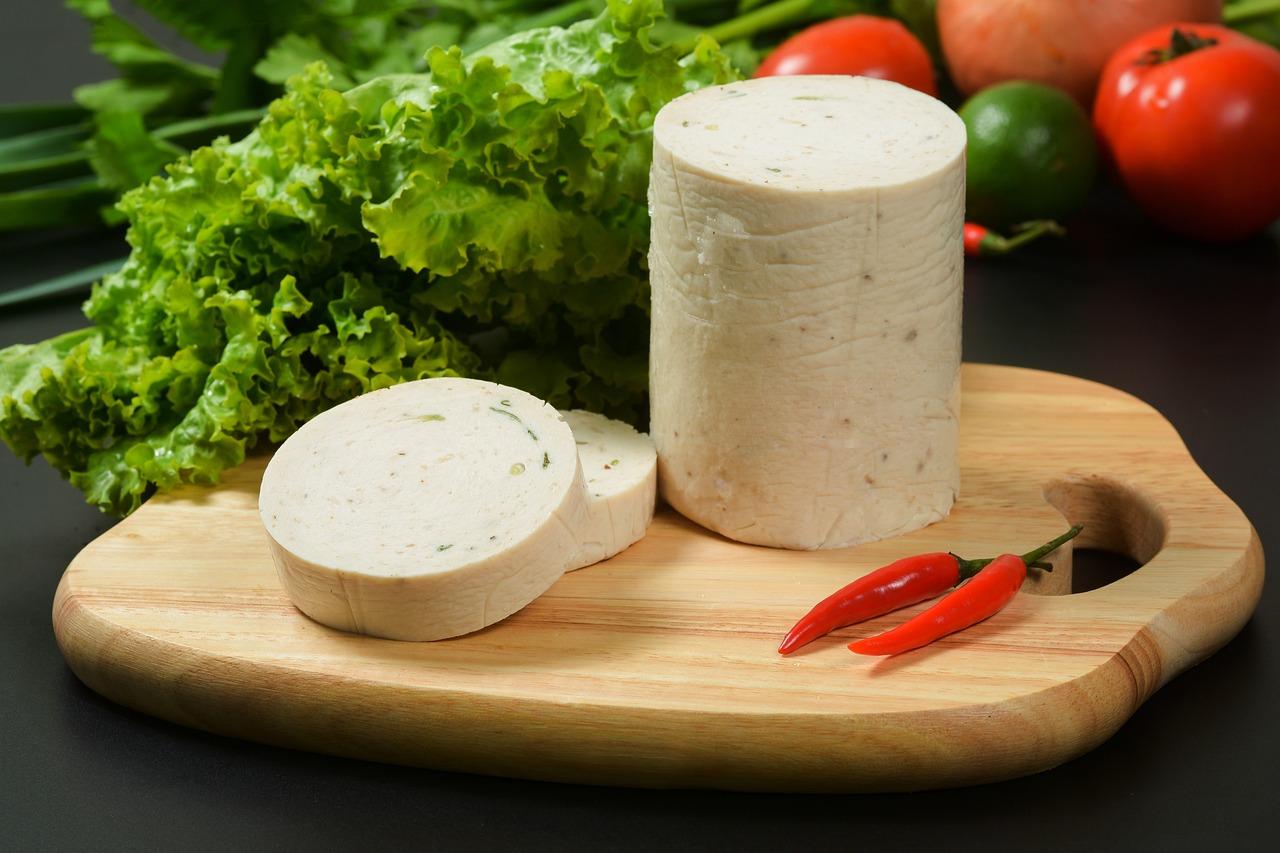
Ước Lễ village near Hanoi is famous for giò lụa, and no northern Tết tray is complete without a pale, springy pork roll cut into wedges beside sticky rice and pickled onions. Lean pork is pounded or blended ice-cold with fish sauce into a smooth, elastic paste, wrapped tightly in banana leaves and boiled until set. Slices are silky, bouncy and delicately peppery; they go into bánh mì, bánh cuốn and noodle soups all year. This home version uses a food processor. Chef's tip: keep the pork paste near freezing as you blend; if it warms up it turns grainy and crumbly instead of smooth and bouncy.

by KrazyBadal 0 views

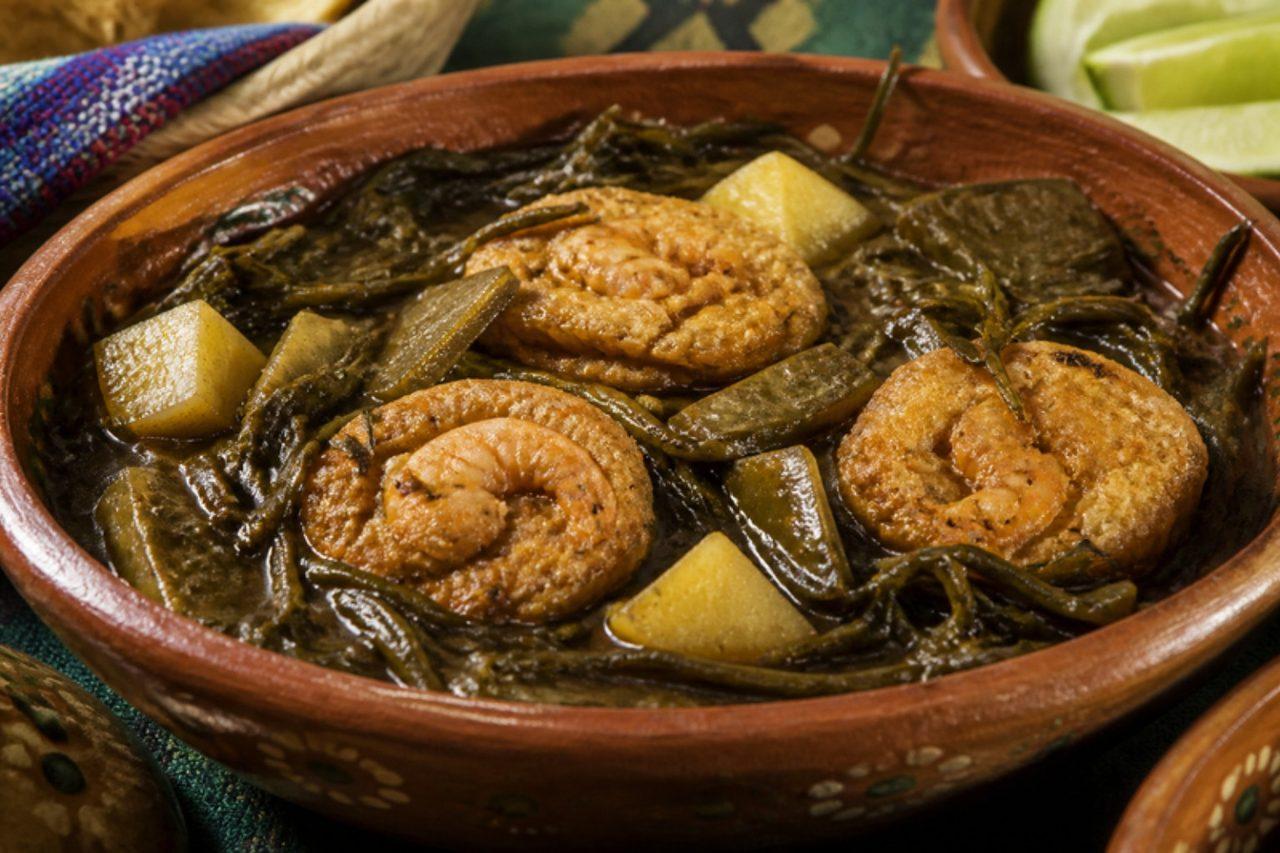
RomeritosSeepweed in mole

In Mexico City and the towns around it, Christmas Eve without romeritos is unthinkable: tender sprigs of seepweed (romerito) simmered in dark mole with little potatoes and cactus, crowned with fritters of dried shrimp and egg. It is eaten again at Lent, when meatless dishes rule. Find romeritos at Mexican grocers in December; samphire tips or tender spinach stems are the closest swap. A ready mole paste keeps this to an afternoon. For a vegetarian version, leave out the shrimp tortitas and use vegetable stock. Chef's tip: blanch the romeritos briefly and squeeze them well, or their bitterness and water flood the mole.

by KrazyBadal 0 views

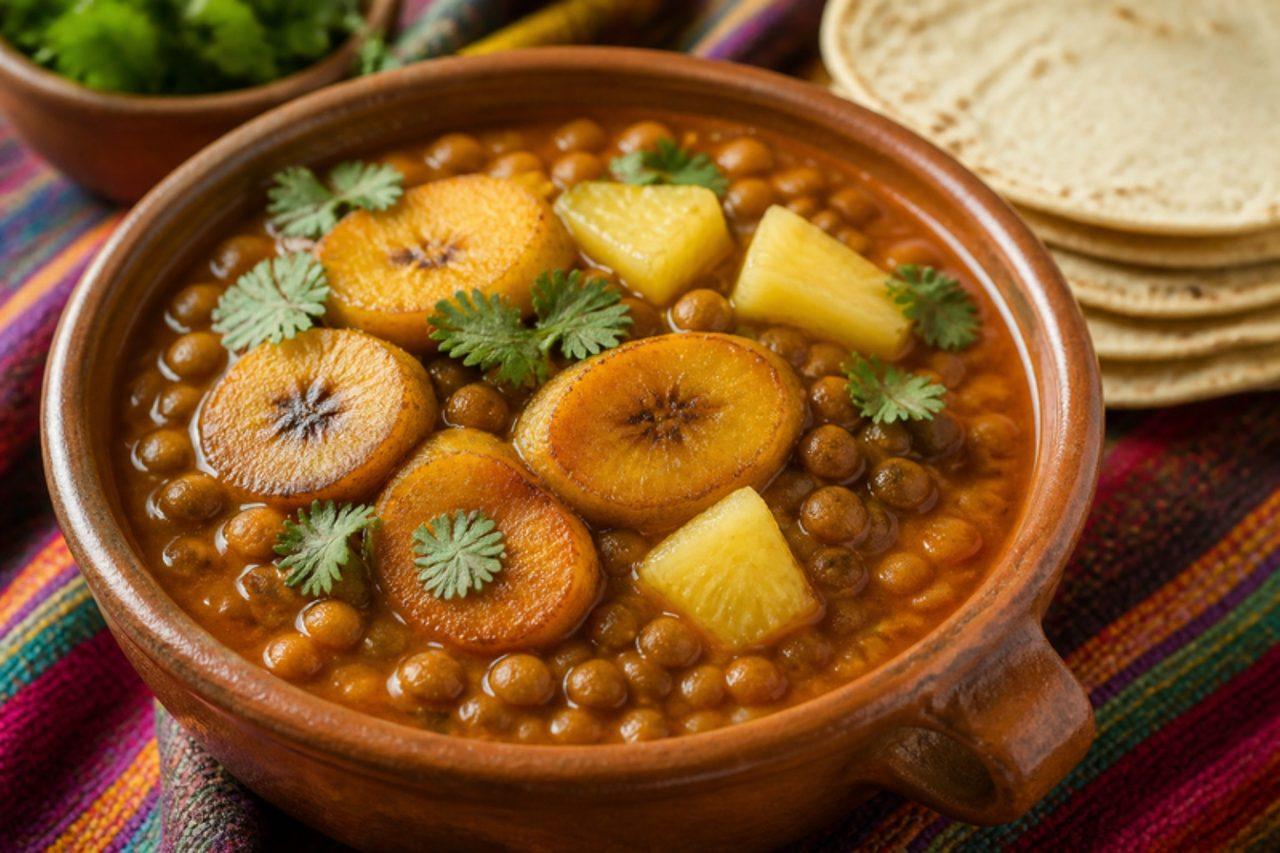
Lentejas con piña y plátanoLentils with pineapple and plantain

Sweet and savoury share a pot in this Lent favourite from Puebla and Mexico City kitchens: brown lentils simmered in a tomato and garlic broth, finished with chunks of pineapple and slices of fried ripe plantain. It sounds unusual but tastes balanced and comforting, and many families eat it on the Fridays before Easter with white rice and tortillas. Chef's tip: use a plantain with a black-speckled skin; green ones stay starchy and never sweeten.

by KrazyBadal 0 views

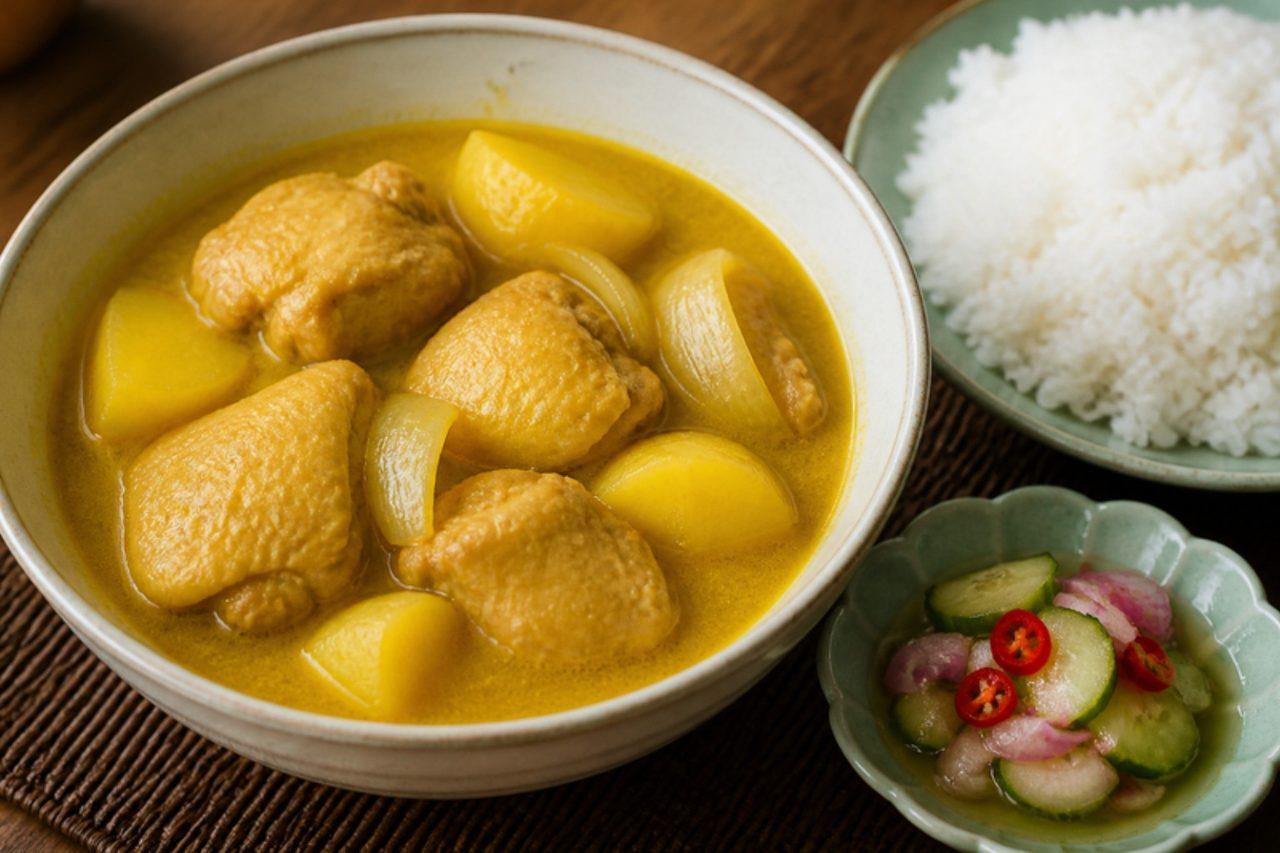
Gaeng kari gai (Thai yellow chicken curry)

Thai yellow curry came to Bangkok through Muslim and Indian traders, and you still find it at curry-over-rice shops near the old mosques of Bang Rak, ladled out with a sharp cucumber relish called ajad. It is the gentlest of the Thai curries: turmeric and curry powder in coconut milk, with chicken, waxy potatoes and onion that soak up the sauce, and children usually like it. For a vegetarian version, use 400 g fried tofu and extra potato, a shrimp-free paste and light soy sauce instead of fish sauce. Chef's tip: fry the paste in the thick coconut cream until the oil separates before adding anything else; skipping this is why many home yellow curries taste raw and powdery.

by KrazyBadal 0 views

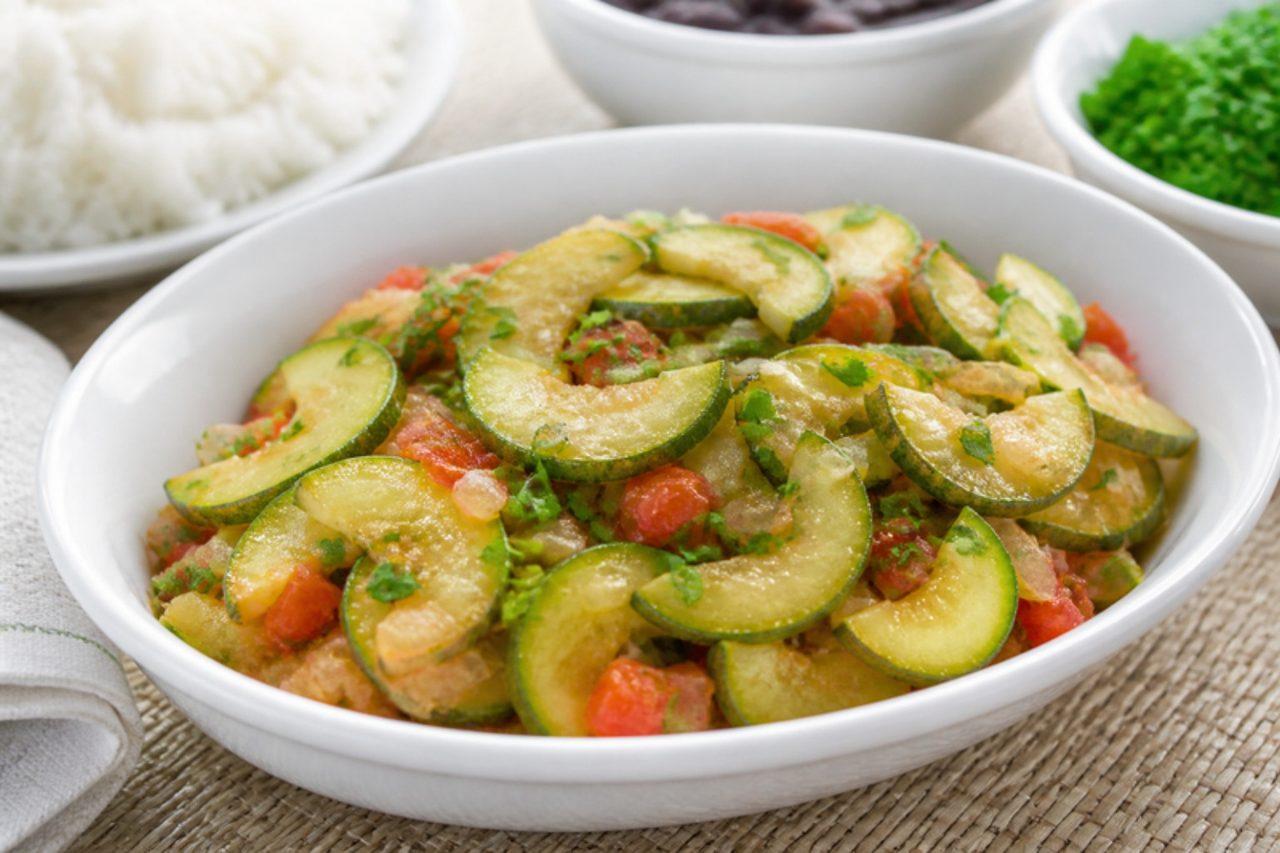
Abobrinha refogadaSautéed courgette

Refogado, the base of onion and garlic softened in oil, is how Brazilian home cooks start almost every dish. Courgette cooked this way is a staple vegetable on the prato feito, the everyday lunch plate of rice, beans, a meat and a salad, all over the country. The courgette should be tender but still hold its shape, glossy with tomato and full of herbs. Chef's tip: use small, firm courgettes; big ones are watery and full of seeds.

by KrazyBadal 0 views

Lombo de porco assadoRoast pork loin

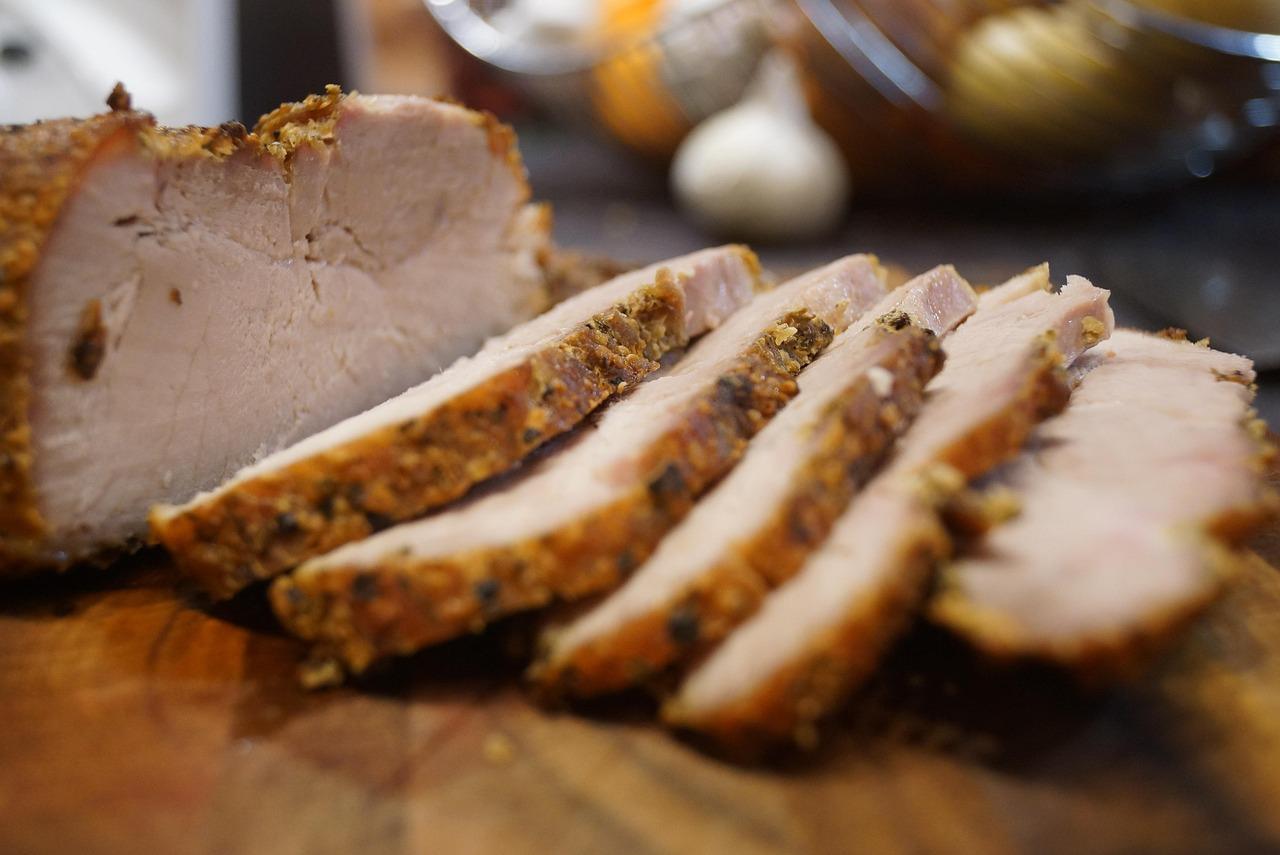
Brazilians like pork on the Réveillon table because a pig roots forward as it feeds, a sign of progress in the new year, while chicken and turkey scratch backwards. This boneless pork loin is soaked overnight in garlic, lime, orange and paprika, then roasted over potatoes and onions that drink up the juices. It is the centrepiece of many New Year's Eve dinners in São Paulo and Minas Gerais, sliced thin with farofa and rice. Chef's tip: take the pork out at 63 °C in the centre and let it rest; it stays juicy and slightly pink.

by KrazyBadal 0 views

Cà tím nướng mỡ hành (grilled aubergine with scallion oil)Grilled aubergine with spring onion oil

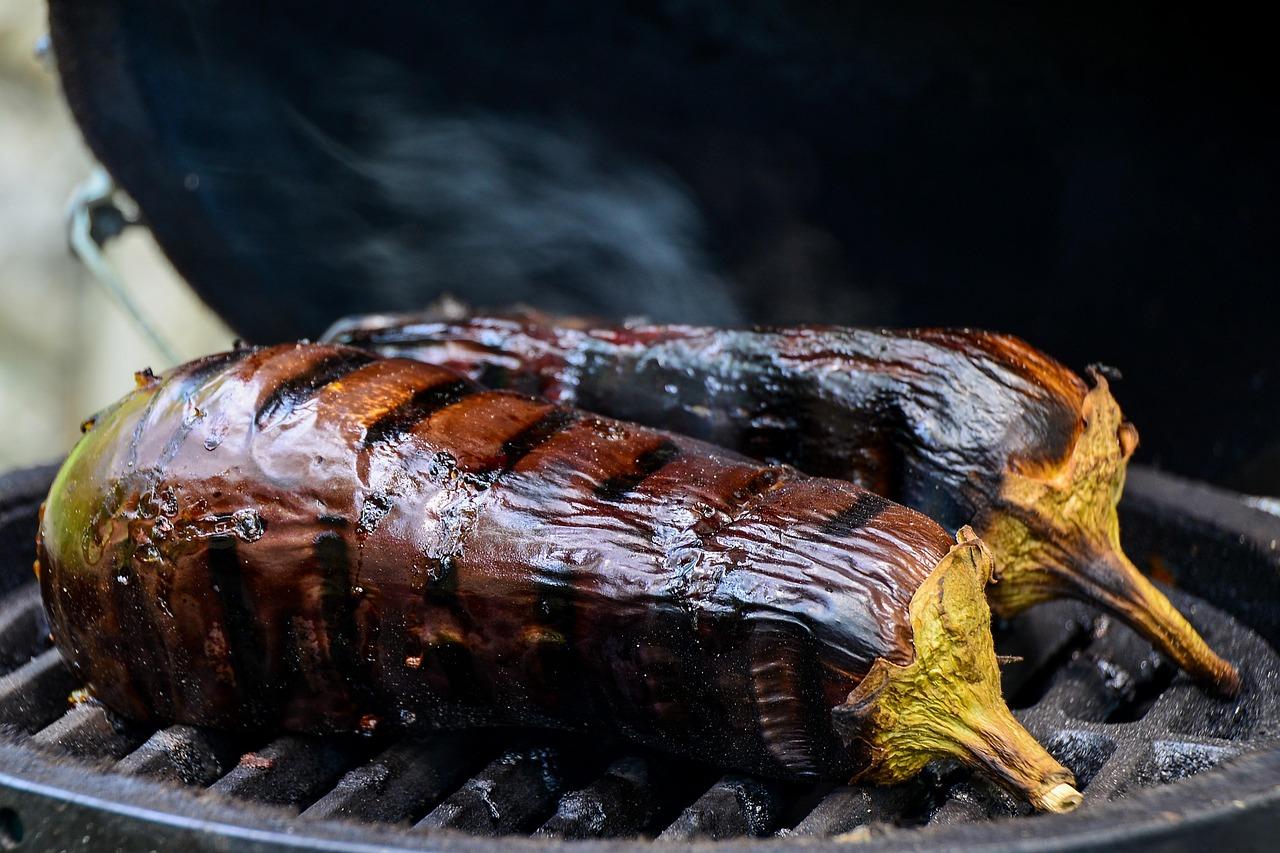
Saigon's nhậu (drinking-snack) joints grill long purple aubergines over charcoal until they collapse, peel them by hand and drown them in hot scallion oil and nước chấm. At home in the south it turns up beside caramelised dishes and rice on weeknights. This vegan version swaps fish sauce for a tamari dressing; the smoky, silky flesh and the green onion oil still carry the dish. Chef's tip: grill the aubergines until the skin is blackened all over and the whole thing slumps; undercooked aubergine is spongy and won't peel.

by KrazyBadal 0 views

Filé à parmegianaBreaded beef with tomato and cheese

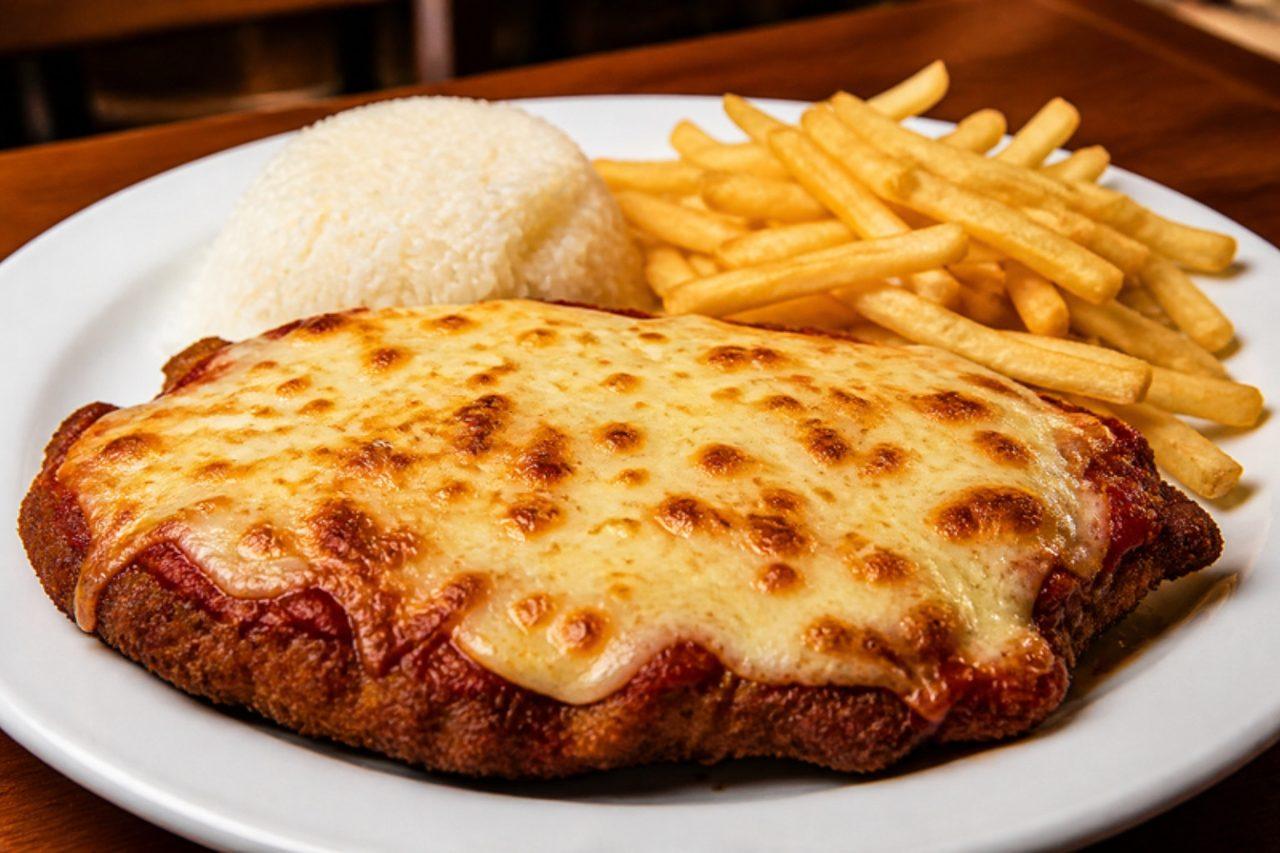
Born in the Italian-run restaurants of São Paulo and now a pride of Rio's botecos, filé à parmegiana is served in portions big enough for two, with white rice and chips. Beef fillet is pounded thin, breaded and fried, then covered in tomato sauce and mozzarella and baked until bubbling. It's crisp underneath, gooey on top and very generous. For a vegetarian version, use thick slices of aubergine, salted and patted dry, with vegetarian cheeses. Chef's tip: pound the meat evenly so it fries in the time it takes the crust to turn golden.

by KrazyBadal 0 views

Barbacoa de borregoSlow-cooked lamb

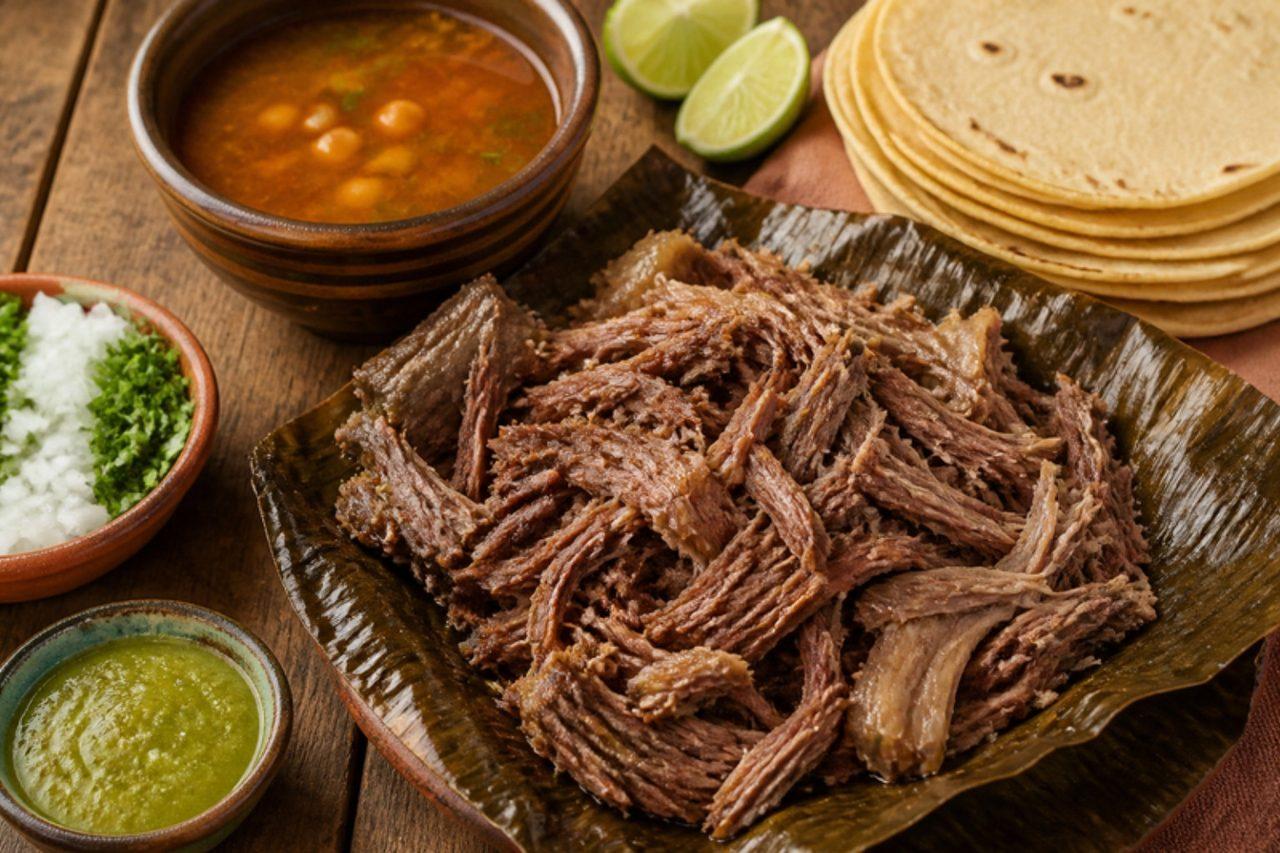
In Actopan and the towns of Hidalgo, Sunday starts with barbacoa: lamb wrapped in maguey leaves and cooked overnight in an earth pit, with a pot underneath catching the juices for a rich consommé of chickpeas, rice and guajillo. This home version wraps lamb shoulder in banana leaves and cooks it low and slow in the oven over the consommé. The meat is pulled into tacos with onion, cilantro and salsa, and the broth is sipped alongside. Chef's tip: seal the pot well with foil under the lid so no steam escapes; the lamb should cook in its own vapour.

450 minMexicanMeatGluten free
by KrazyBadal 0 views

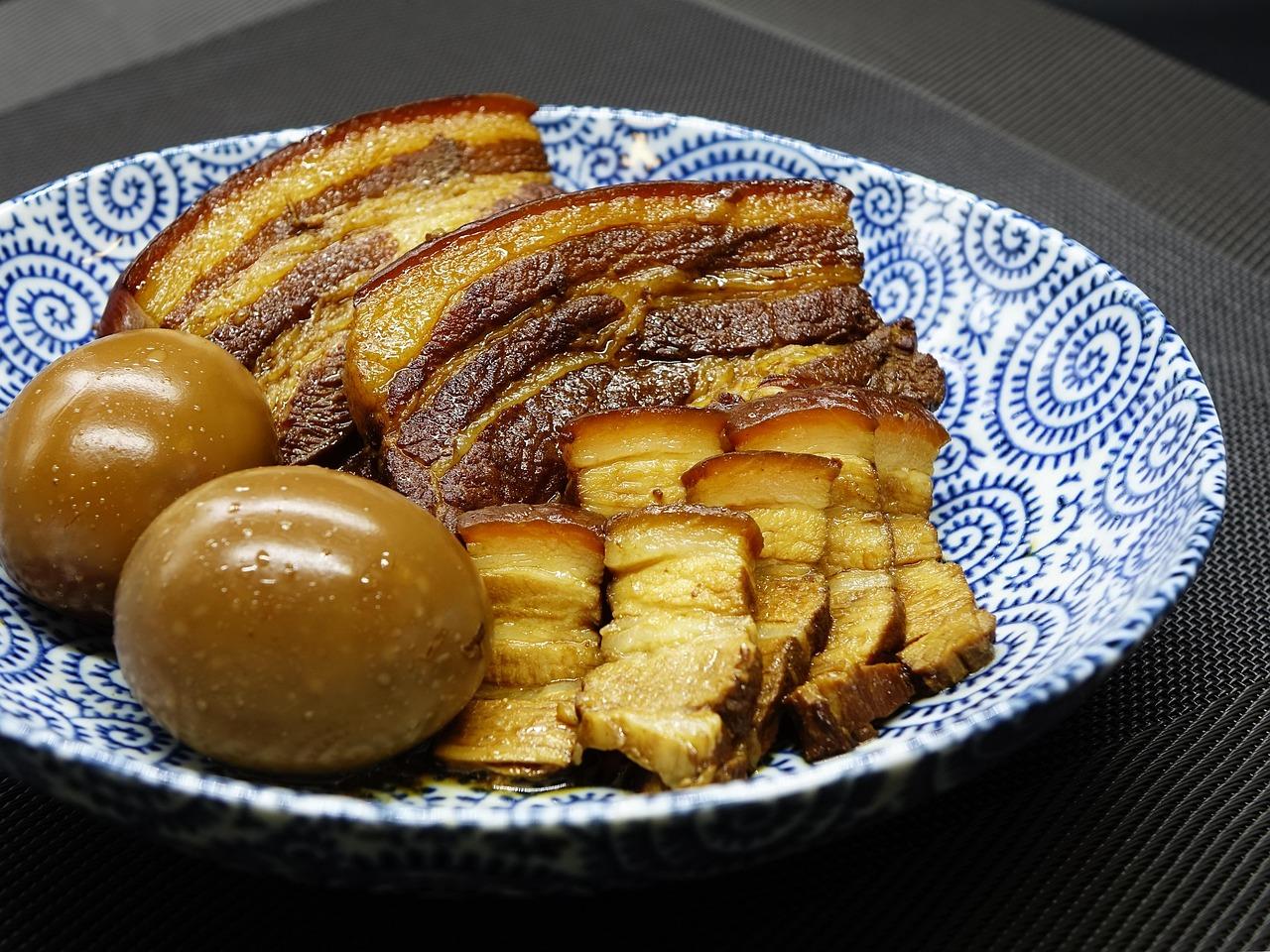
Thịt kho trứng (caramelised pork belly and eggs)

In southern Vietnam the New Year does not feel like Tết without a big pot of thịt kho trứng on the stove: chunks of pork belly and peeled boiled eggs simmered slowly in coconut water, fish sauce and a dark caramel until the fat is jelly-soft and the eggs are stained mahogany. Families cook it a day or two ahead and reheat it throughout the holiday, when its flavour only deepens. It is eaten with plain rice, pickled dưa món or củ kiệu, and bitter melon soup. For a vegetarian table, firm tofu and eggs can be braised in the same way with soy sauce. Chef's tip: blanch the pork first and keep the simmer lazy; a hard boil makes cloudy, greasy sauce and dry, tough meat.

by KrazyBadal 0 views

Tacos de carne asadaGrilled steak tacos

In Monterrey, Hermosillo and across the north, a Sunday carne asada means friends around the grill, thin skirt or flank steak seasoned simply with citrus, garlic and salt, cooked over hot coals and chopped straight onto tortillas. Grilled spring onions, guacamole and a smoky salsa go alongside. Use corn tortillas, or the soft flour tortillas of Sonora if gluten is no concern. Chef's tip: keep the marinade to 1–4 hours in the fridge; the citrus starts to toughen the meat after that.

by KrazyBadal 0 views

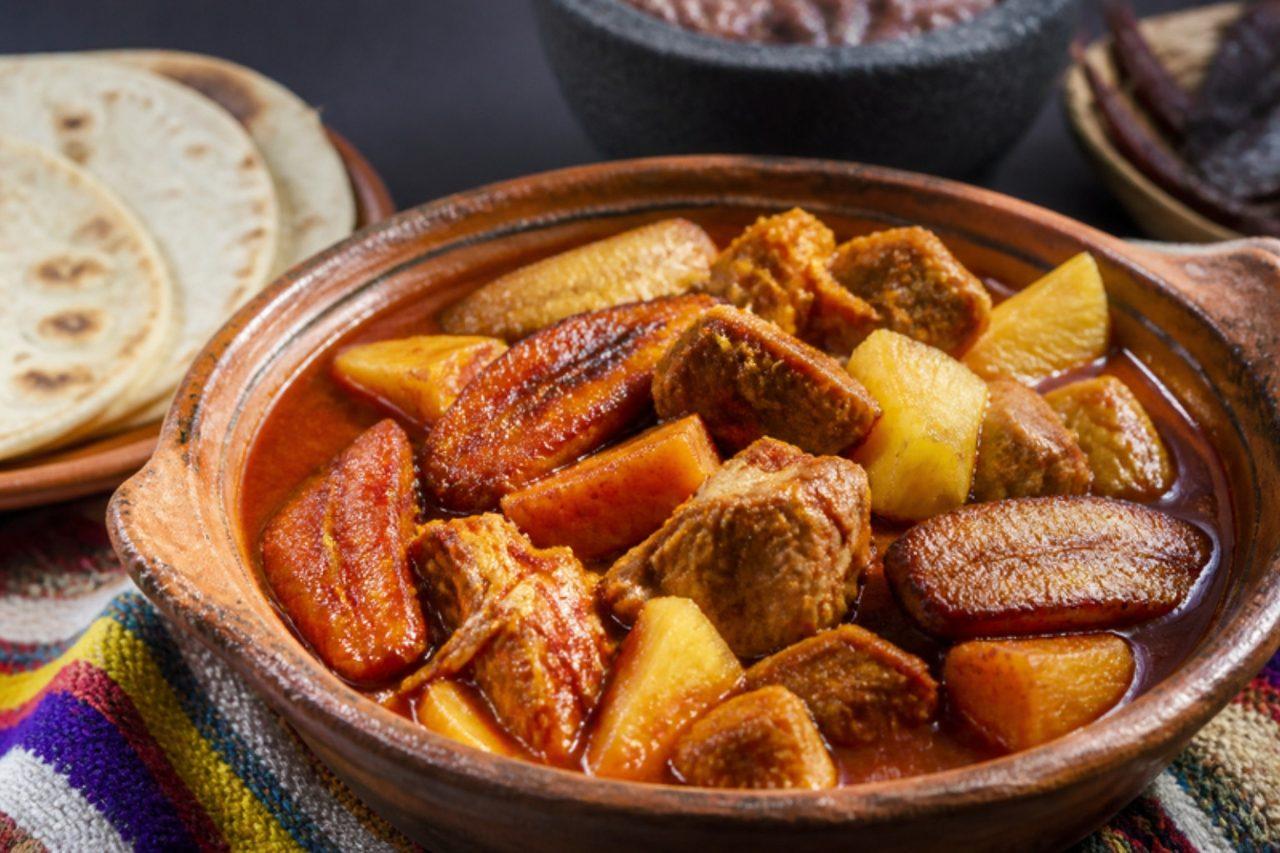
ManchamantelesPork and chicken fruit stew

Its name means 'tablecloth stainer', and the deep red ancho sauce lives up to it at Sunday lunches in Mexico City, Puebla and Oaxaca, where it has been made in convent kitchens since colonial times. This version uses pork shoulder and chicken thighs, simmered in a sauce thickened with almonds and sesame, then sweetened with chunks of pineapple, ripe plantain and sweet potato. It tastes fruity, mildly hot and rich. Serve with white rice and tortillas. Chef's tip: add the fruit near the end so it holds its shape and keeps its tang.

120 minMexicanMeatGluten free
by KrazyBadal 0 views

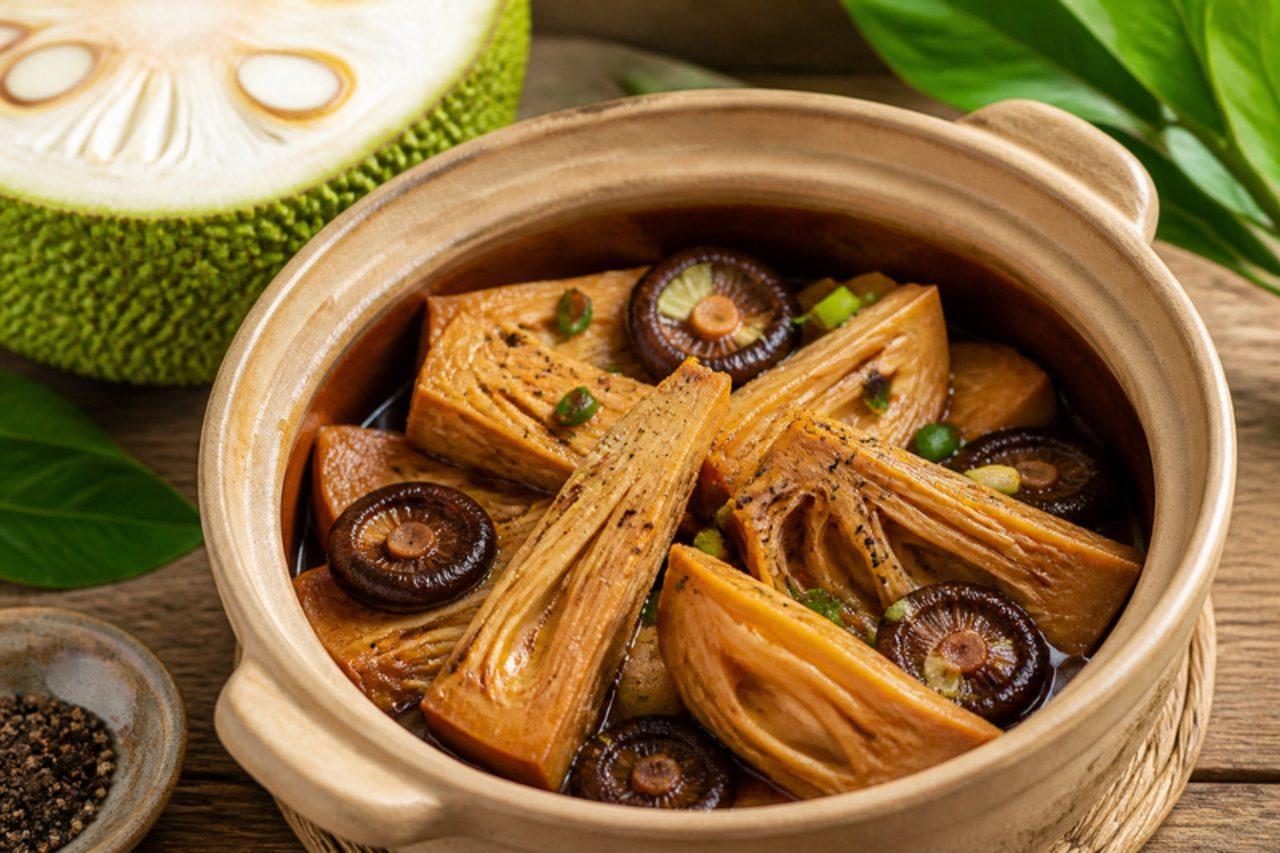
Mít non kho (braised young jackfruit)

In Quảng Nam and Huế, where jackfruit trees shade nearly every garden, cooks pick the fruit while it is still green and hard and braise it like pork. The flesh soaks up a dark caramel and coconut-water sauce and turns tender and stringy, with a mild, savoury, almost meaty chew. Pagoda kitchens serve it during the Vu Lan month and on fasting days, alongside rice and a plate of boiled greens. Ordinary homes often add pork belly or fish sauce; this temple-style pot keeps it plant-based. Chef's tip: oil your hands and knife before cutting fresh jackfruit, or use tinned young jackfruit in brine; the sap is sticky like glue and is the usual reason people give up.

by KrazyBadal 0 views

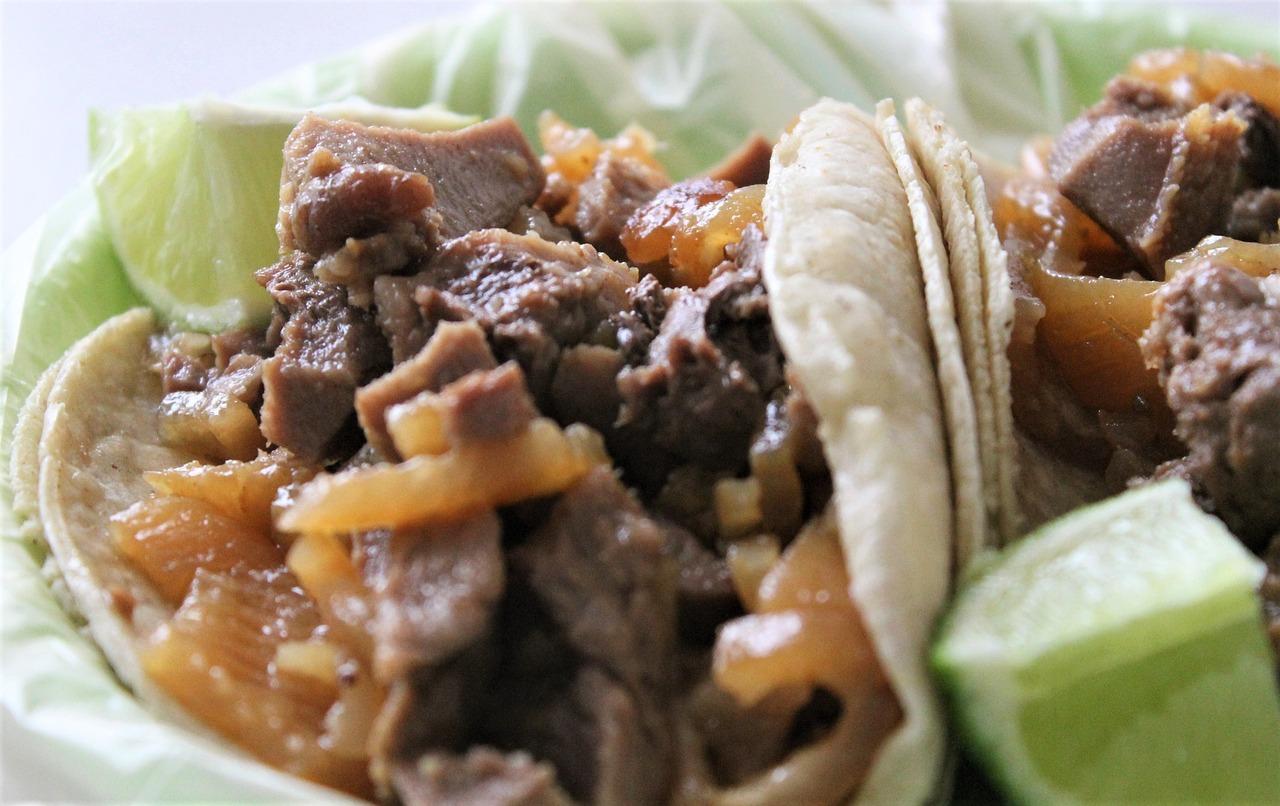
Tacos de lenguaBeef tongue tacos

Tongue tacos are prized in the taquerías of Mexico City, Puebla and Guadalajara for their melting, rich texture, and they are a classic Saturday treat. The tongue is simmered for hours with onion, garlic and bay, peeled while warm, diced and seared until golden, then served in small tortillas with sharp salsa verde, onion and cilantro. Chef's tip: peel the skin while the tongue is still hot; once cold it sticks stubbornly.

210 minMexicanMeatGluten free
by KrazyBadal 0 views

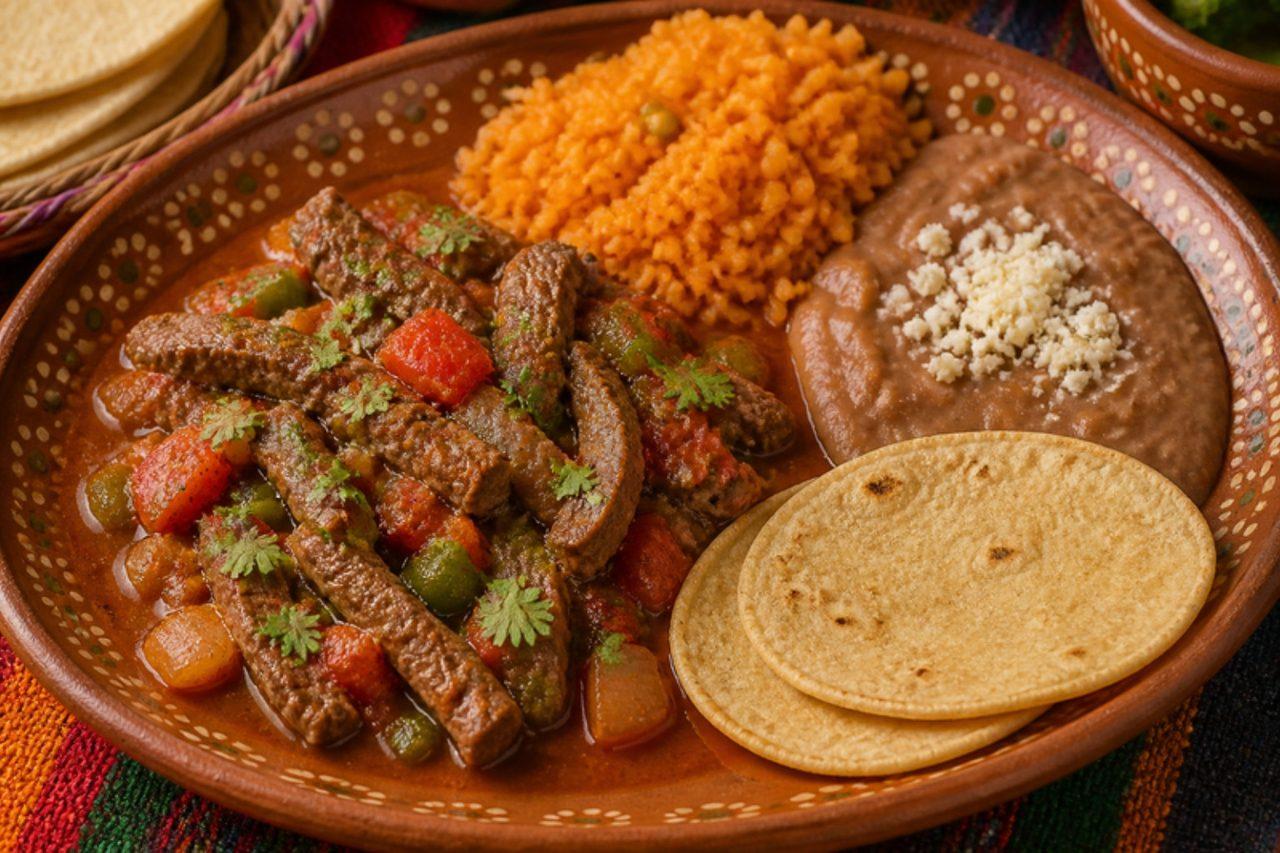
Bistec a la mexicanaBeef in tomato and chile

Red tomato, white onion and green chile give this dish the colours of the Mexican flag, which is why anything 'a la mexicana' is so loved. Fondas across the country make it every day from thin-cut beef, browned hard and then stewed until tender in a quick, juicy sauce. Serve it with arroz rojo, refried beans and a stack of hot tortillas. Chef's tip: ask the butcher for 'bistec' cut thin from top round, or freeze a piece for 30 minutes so you can slice it thinly yourself.

by KrazyBadal 0 views

Showing 24 of 1,753 recipes

Show more recipes

Page 1 of 74