Skip to content
WhatToEat.Today

All recipes

25

Vegetarian, or something you can't eat? Set your diet once and we'll hide recipes that don't fit.

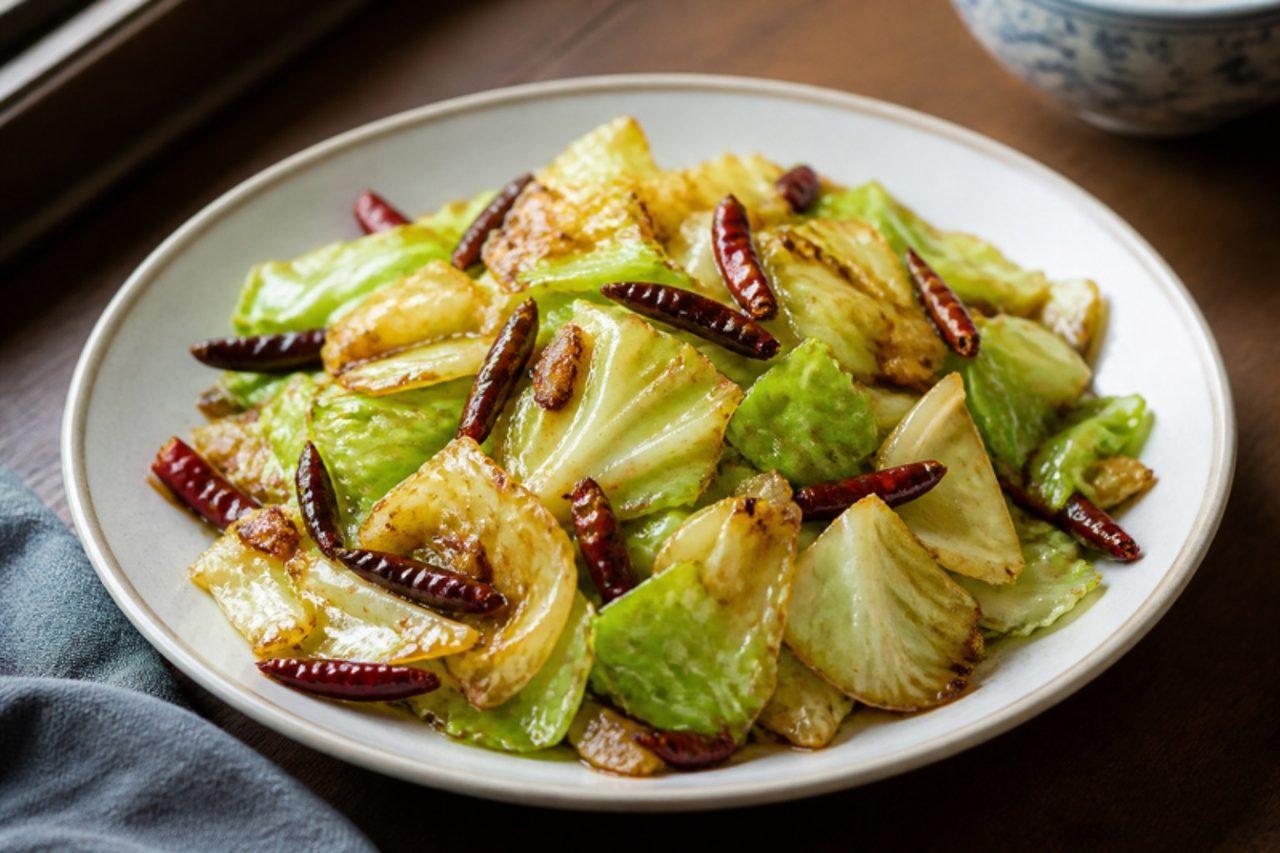
Hand-torn cabbage

Shou si bao cai is a Hunan restaurant classic that every Changsha family also cooks at home: cabbage leaves torn by hand, then flash-fried in a roaring wok with garlic and dried chillies and splashed with black vinegar until smoky, sweet and still crunchy. It goes alongside rice and a meat or tofu dish at dinner. The mistake is putting wet leaves into a lukewarm pan: the cabbage stews and goes limp instead of charring at the edges. Chef's tip: tear rather than cut, because the ragged edges catch the heat and the sauce better than clean knife cuts.

by KrazyBadal 0 views

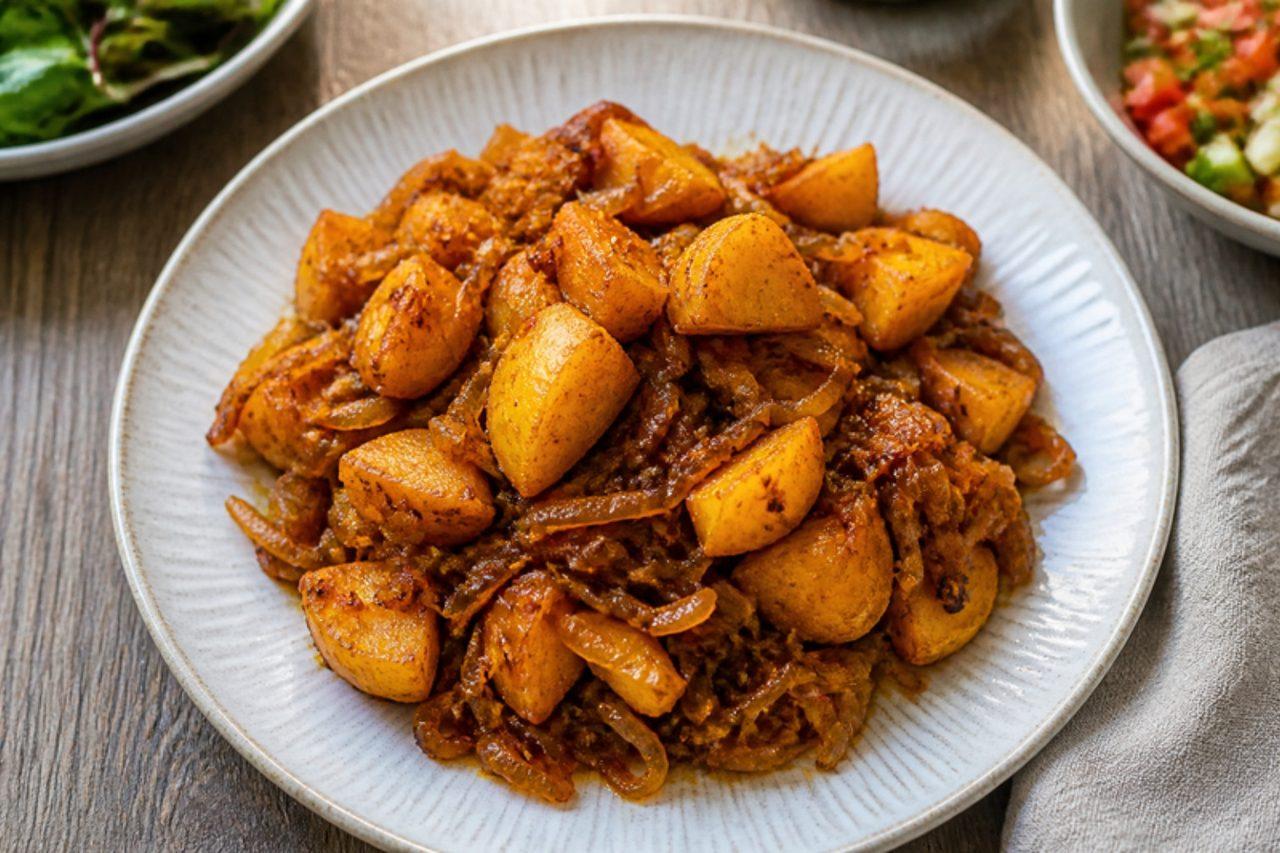
Dopiazeh alooPotatoes fried with onion and tomato

Dopiazeh means 'two onions', and in Shiraz this potato dish lives up to the name: cubed potatoes are fried with a generous heap of golden onions, turmeric and tomato paste until the edges catch and the sauce clings to every piece. Shirazi families eat it as a side with rice and kebab or, on busy evenings, as the main dish rolled up in flatbread with yogurt or fresh herbs. The usual mistake is crowding the pan, so the potatoes steam and break up instead of browning; use your widest pan. Chef's tip: fry the tomato paste in the oil for a full minute before adding water, so it turns brick red and loses its raw edge.

by KrazyBadal 0 views

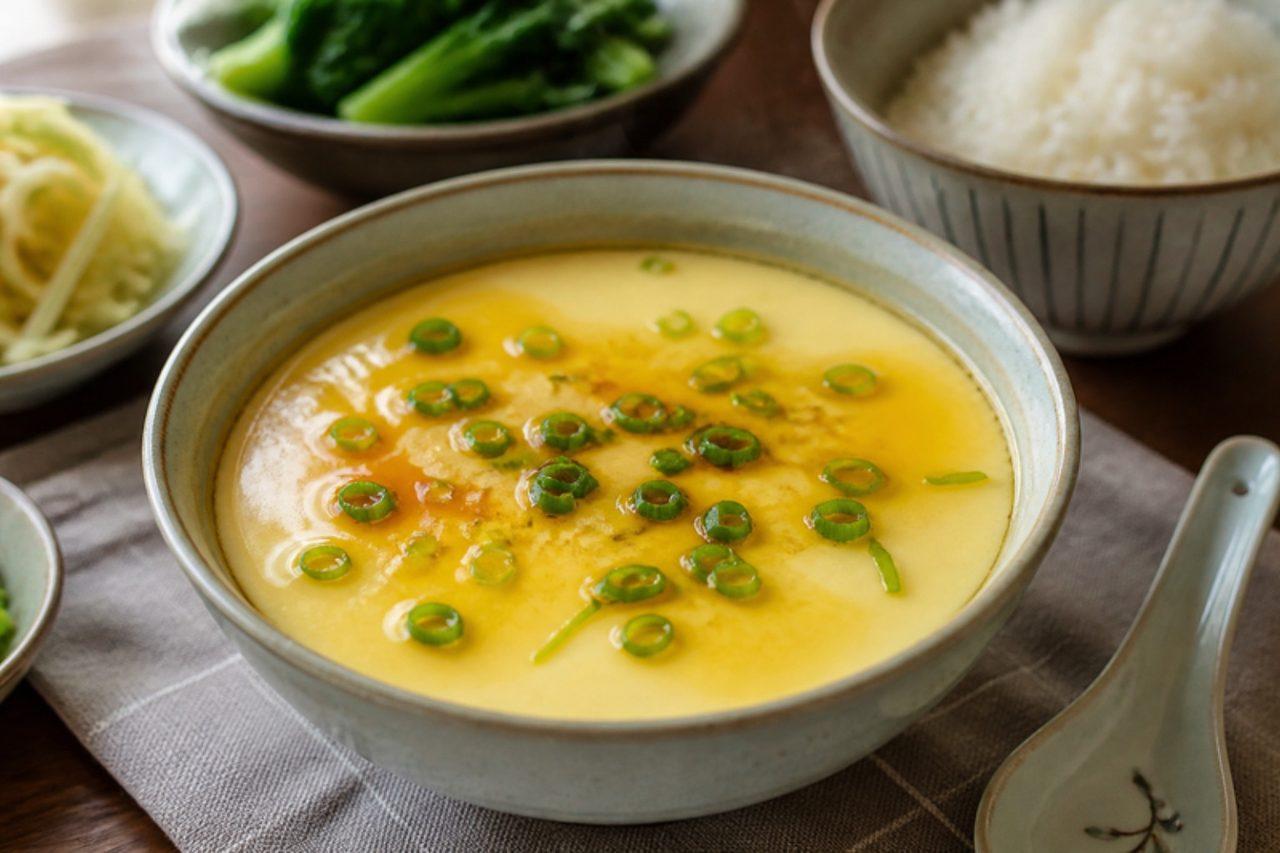
Ji dan gengSteamed egg custard

Ji dan geng is the first "real food" many Chinese children remember: a bowl of steamed egg so smooth it shivers, made by grandmothers from Shanghai to Chengdu for a toddler's lunch, a sick day or a quick side at dinner, and eaten with a spoon over rice. Eggs are beaten with warm water, steamed gently, then finished with a few drops of soy and sesame oil and some spring onion. Eggs are an allergen, and for toddlers under one, leave out the soy. A bowl is about 110 kcal. The most common mistake is using cold water and a fierce heat, which gives a pitted, spongy custard; use warm water and a gentle steam. Chef's tip: cover the bowl with a plate or cling film while it steams, so no condensation drips onto the surface and the top stays like glass.

by KrazyBadal 0 views

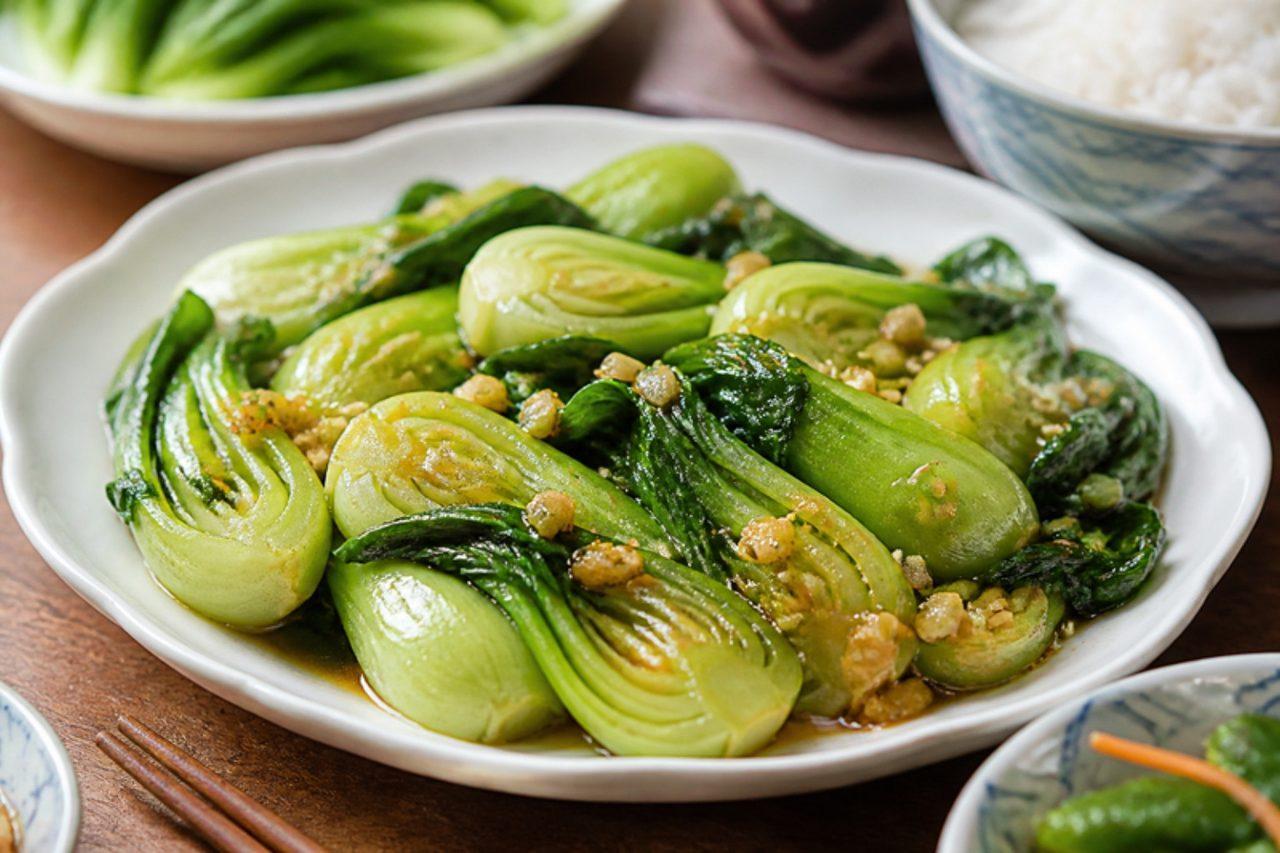
Garlic bok choy

Order a plate of greens in any home kitchen or small restaurant in Guangzhou or Shanghai and it will most likely be this: baby bok choy or xiao bai cai tossed in a smoking wok with a heap of chopped garlic, a pinch of salt and a splash of water, on the table in four minutes. The stems stay juicy and crisp, the leaves silky, and the garlic sweet. It goes with every meal. A portion is about 50 kcal. The most common mistake is a wet, crowded wok, which stews the greens to khaki; dry them well and cook in batches if your pan is small. Chef's tip: add half the garlic at the start and half at the end; you get both mellow, toasty garlic and a fresh punch.

by KrazyBadal 0 views

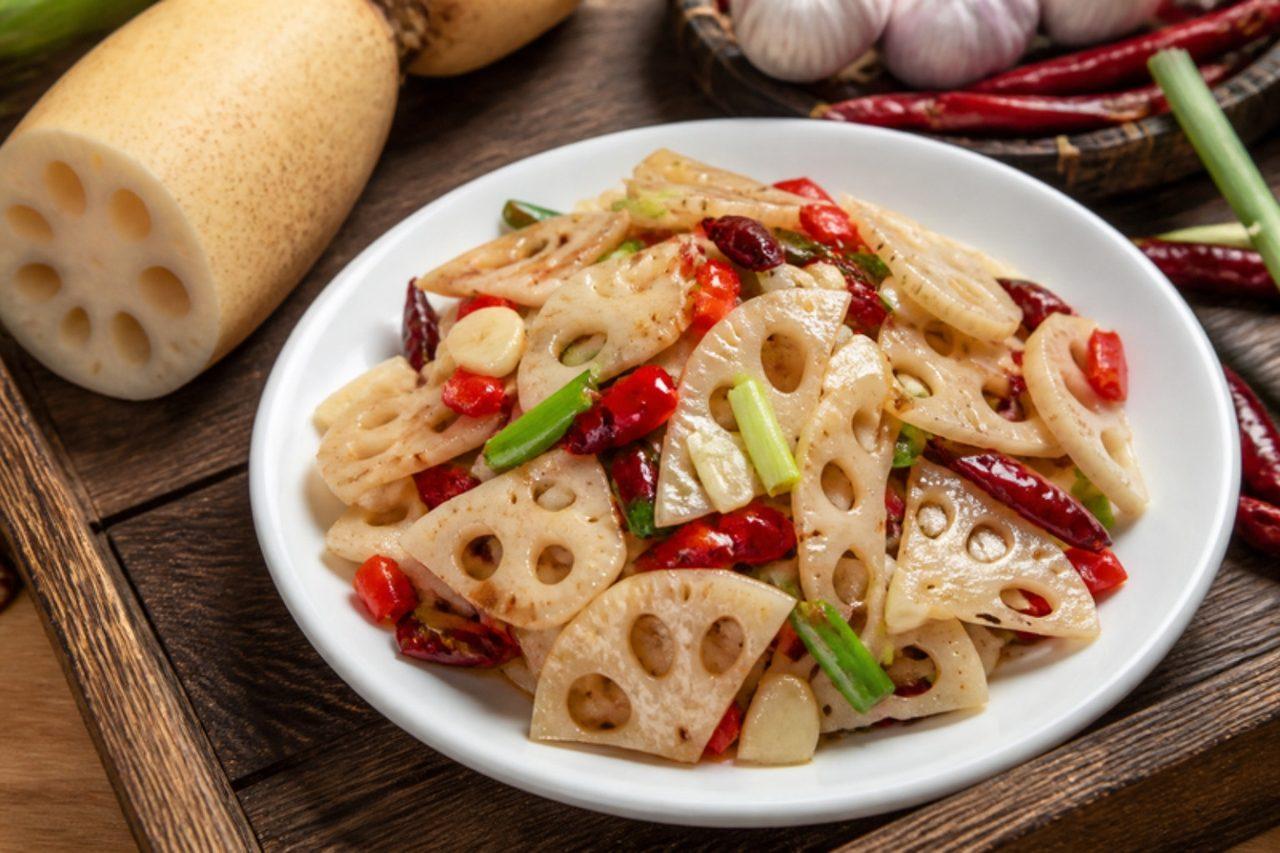
Hot and sour lotus root

Hubei is lotus country, its lakes around Wuhan full of the plant, and Hubei and Sichuan cooks dice the crisp root and flash-fry it with chilli and vinegar for a side dish that crunches like water chestnut. It is sour first, then hot, then garlicky, and it wakes up a table of rich braises in a Wuhan home or a Chengdu fly restaurant. Serve it hot or at room temperature with rice. The common mistake is cooking the lotus too long so it turns starchy and dull; it needs only a few minutes. Chef's tip: drop the cut pieces straight into water with a splash of vinegar, which stops them turning grey and rinses off surface starch so they stay crisp.

by KrazyBadal 0 views

Shi xiang cai (ten-treasure vegetables)

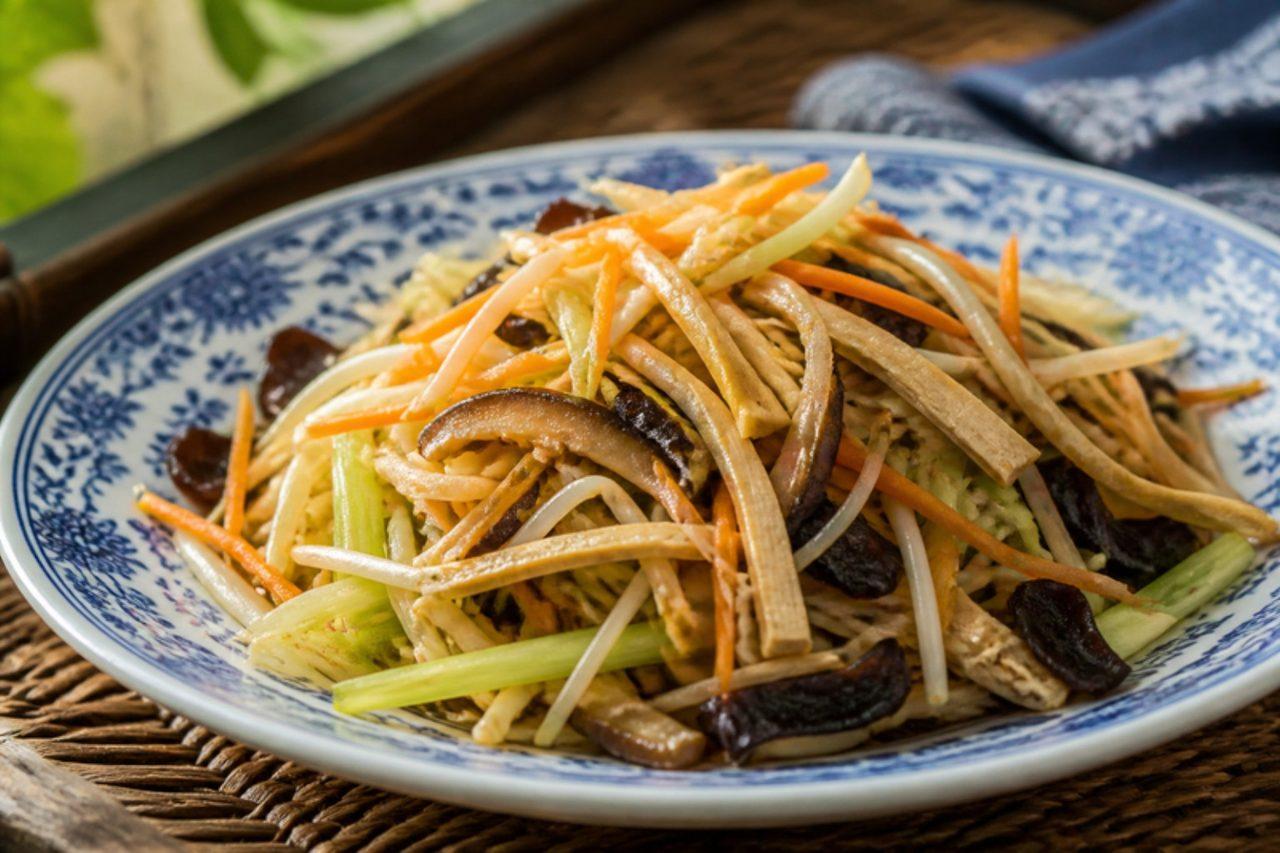
Shanghai families make a big tub of shi xiang cai on the last days of the old year, and it sits on the table, cold, through the first fortnight of New Year as a fresh, crunchy counterweight to all the braised meat. Ten ingredients, each shredded as fine as matchsticks and stir-fried separately, are tossed together with soy, sugar and sesame oil: soybean sprouts, carrot, celery, wood ear, shiitake, lily buds, bamboo, pressed tofu, preserved mustard tuber and red pepper. Throwing everything into the wok at once is the mistake; each vegetable cooks at its own speed, and only separate frying keeps them crisp. Chef's tip: the finer and more even the shreds, the more it tastes like the real thing.

by KrazyBadal 0 views

Kao fu (braised wheat gluten)

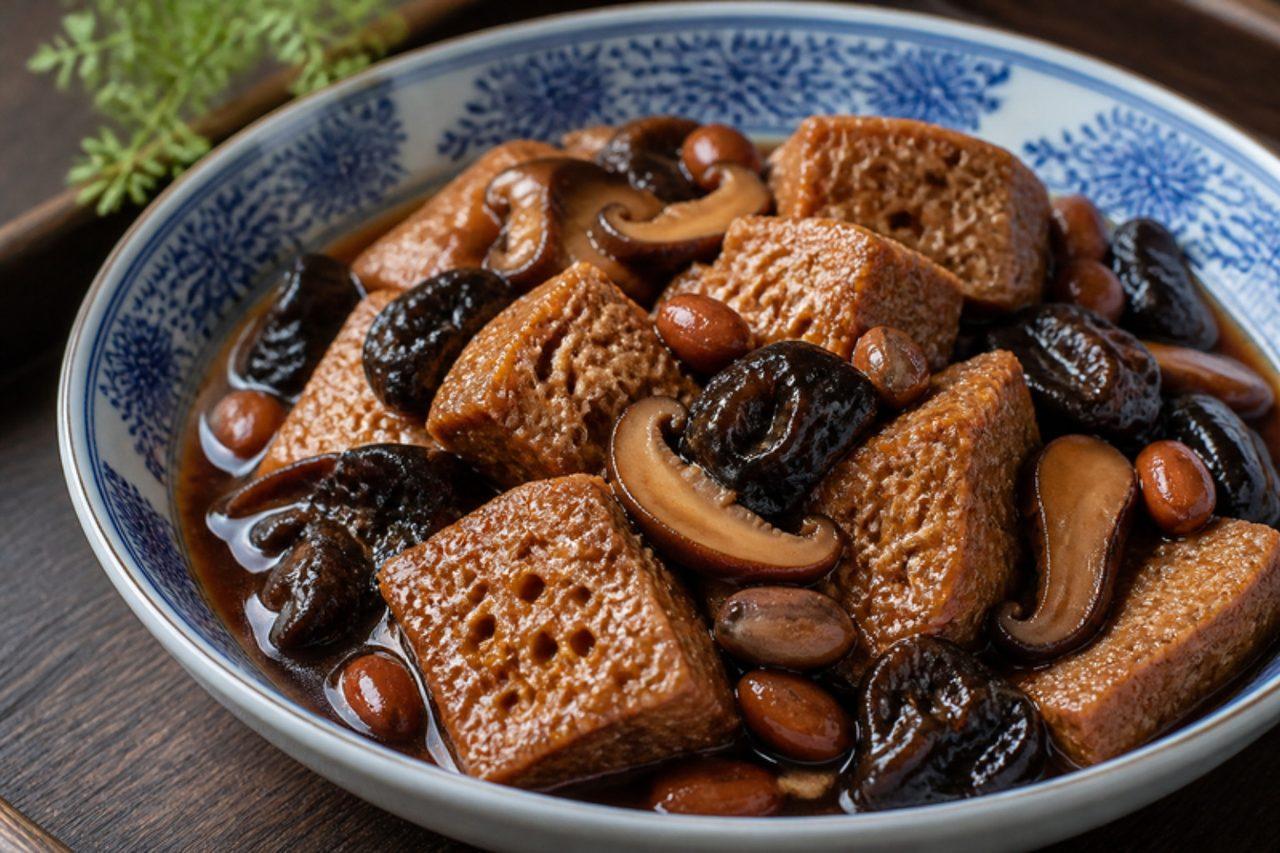
Every Shanghainese family puts a bowl of kao fu on the table for Chinese New Year, and the city's temple canteens serve it all year as a cold dish. The spongy wheat-gluten cubes drink up a dark, glossy braise of soy and rock sugar, with crunchy wood ear, meaty shiitake and soft peanuts in every mouthful. It tastes better the next day, eaten cold or just above room temperature with rice or congee. Most people get it wrong by cutting the gluten with a knife; tear it by hand so the rough edges soak up more sauce. Chef's tip: squeeze the boiled gluten hard, like a sponge, before frying, or it spits in the oil and stays bland inside.

by KrazyBadal 0 views

Suan la baicaiHot and sour cabbage

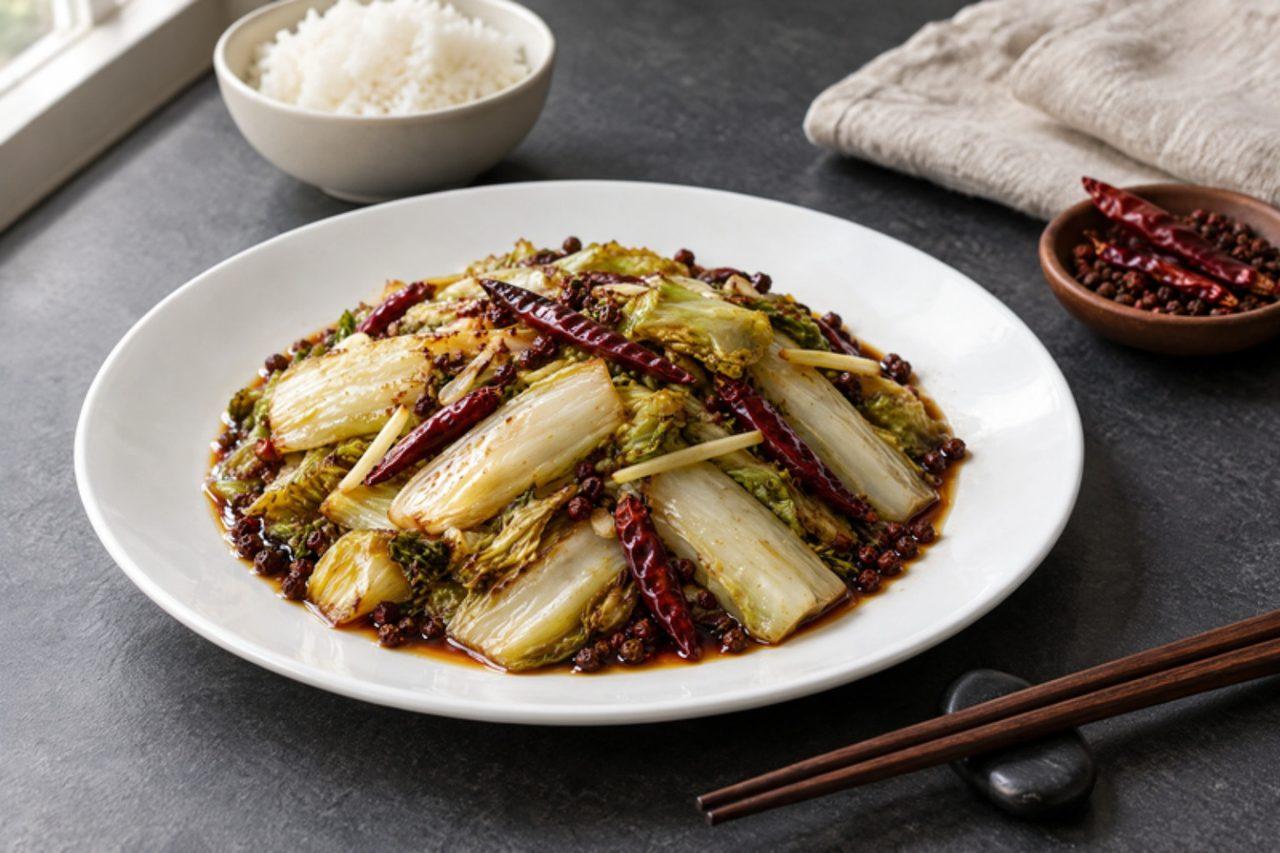
Hot-and-sour napa cabbage is a cheap, fast winter dish cooked in Sichuan home kitchens and right across northern China when cabbages are stacked outside every door. The thick white stems are stir-fried first over a fierce flame with dried chillies and Sichuan pepper, then the leaves go in, and a splash of black vinegar is sizzled round the edge of the wok for a sharp, smoky tang. Serve it with tofu or eggs and a small bowl of rice. It is suitable as part of a balanced diet. About 80 kcal and 8 g carbohydrate per portion. The usual mistake is cooking over a low heat, which stews the cabbage in its own water; the wok must be very hot. A pinch of sugar is traditional; it is optional, and a sweetener can be used instead. Chef's tip: slice the stems on a sharp angle so they cook as fast as the leaves.

by KrazyBadal 0 views

Mandi'o chyryryFried cassava with onion and egg

Mandi'o chyryry means 'fried cassava' in Guaraní, and it is what rural Paraguayan families make from yesterday's boiled mandi'o: chunks crushed and fried in a big pan with onion until crisp in places, then scrambled with eggs. It comes out for breakfast with cocido or for a quick supper, and costs next to nothing. Use sweet cassava, the kind sold in supermarkets. The mistake is stirring constantly, which turns it to mush; let the cassava sit and brown. Chef's tip: the best chyryry starts with cold, day-old boiled cassava, which fries crisper than freshly boiled.

by KrazyBadal 0 views

Suan rong xilanhuaGarlic broccoli

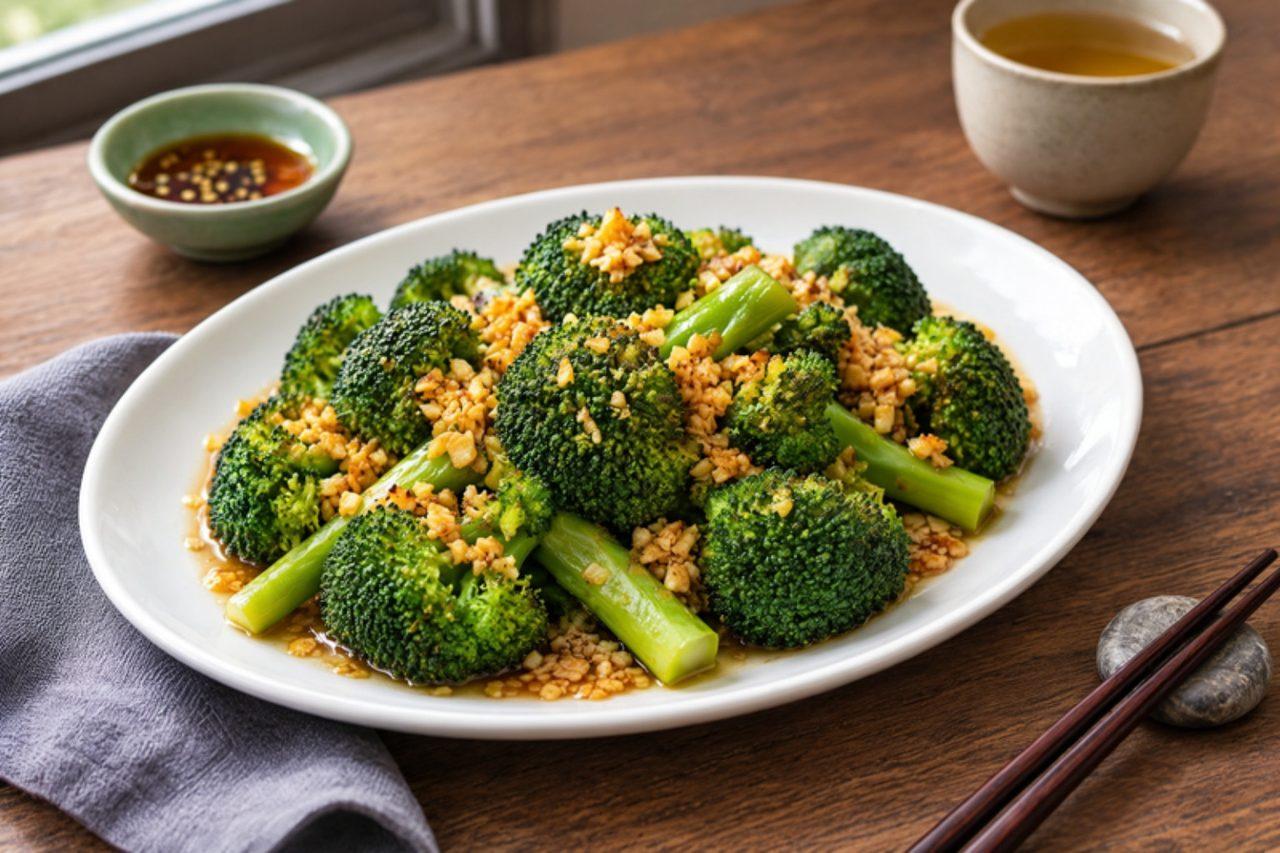
Garlic broccoli is on the menu of almost every Chinese home kitchen and family restaurant, from Guangzhou to Shanghai, as the quick green dish at a weekday dinner. The florets are blanched just until bright, then tossed in a hot wok with a big spoon of minced garlic and a splash of water, so they stay crisp, glossy and full of garlic flavour. Serve with tofu, fish or eggs and a modest portion of rice. It is suitable as part of a balanced diet. About 90 kcal and 8 g carbohydrate per portion. The usual mistake is adding the garlic to very hot oil before the broccoli, where it burns and turns bitter. Chef's tip: add a few drops of oil to the blanching water; it keeps the broccoli shiny and green.

by KrazyBadal 0 views

Shānyào ní (Chinese yam purée)

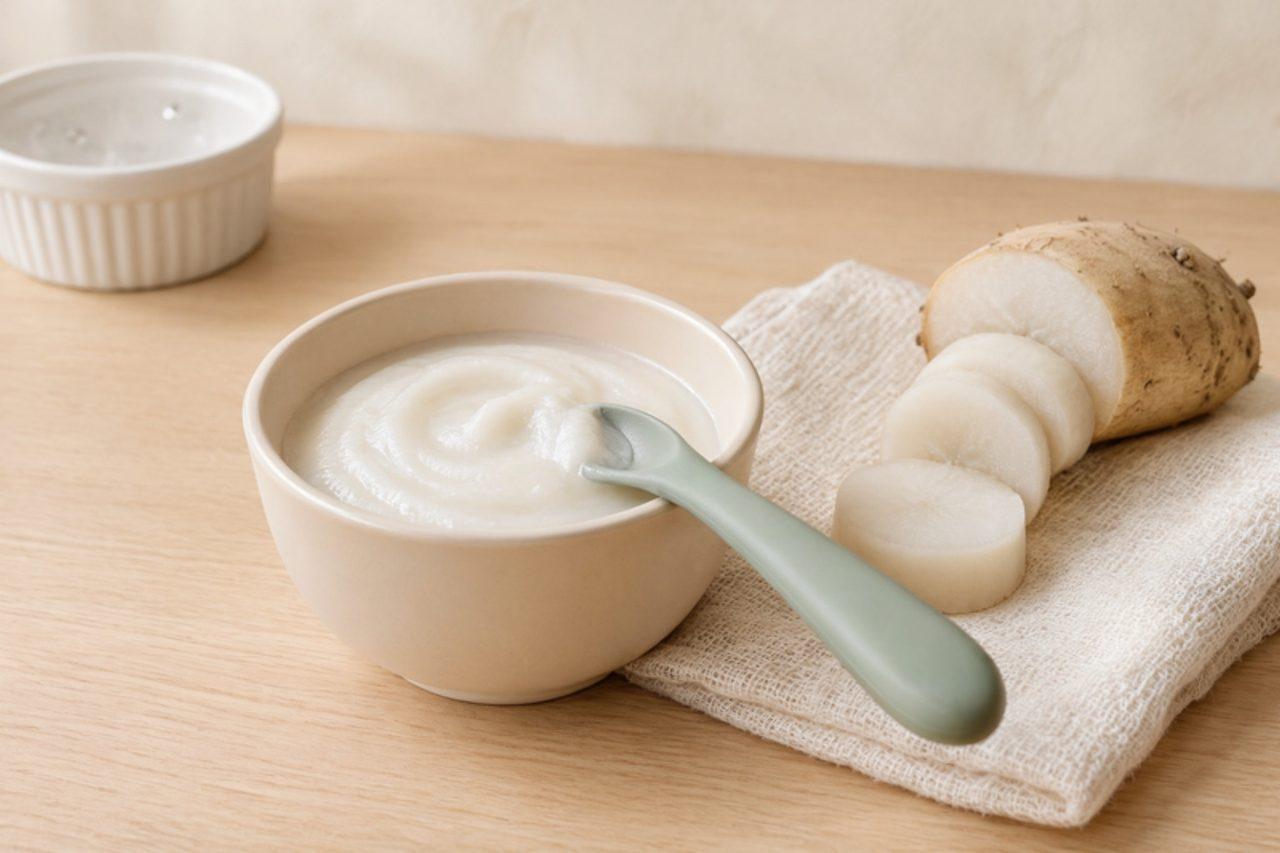
Chinese yam (shānyào, the long, hairy-skinned root sold in bundles in markets from Beijing to Guangzhou) is valued in Chinese homes as easy on the tummy, and steamed shānyào ní is one of the classic first purées offered at six months. Once steamed, the crisp, slippery flesh turns floury and pale, and pressed through a sieve it gives a smooth, slightly sweet, potato-like purée. Nothing else is added: no salt, sugar or honey for babies. It is free of the major allergens. Chef's tip: wear gloves or oil your hands before peeling; the raw sap makes skin itch, but cooking destroys it completely.

by KrazyBadal 0 views

Qingchao jiaobaiStir-fried water bamboo

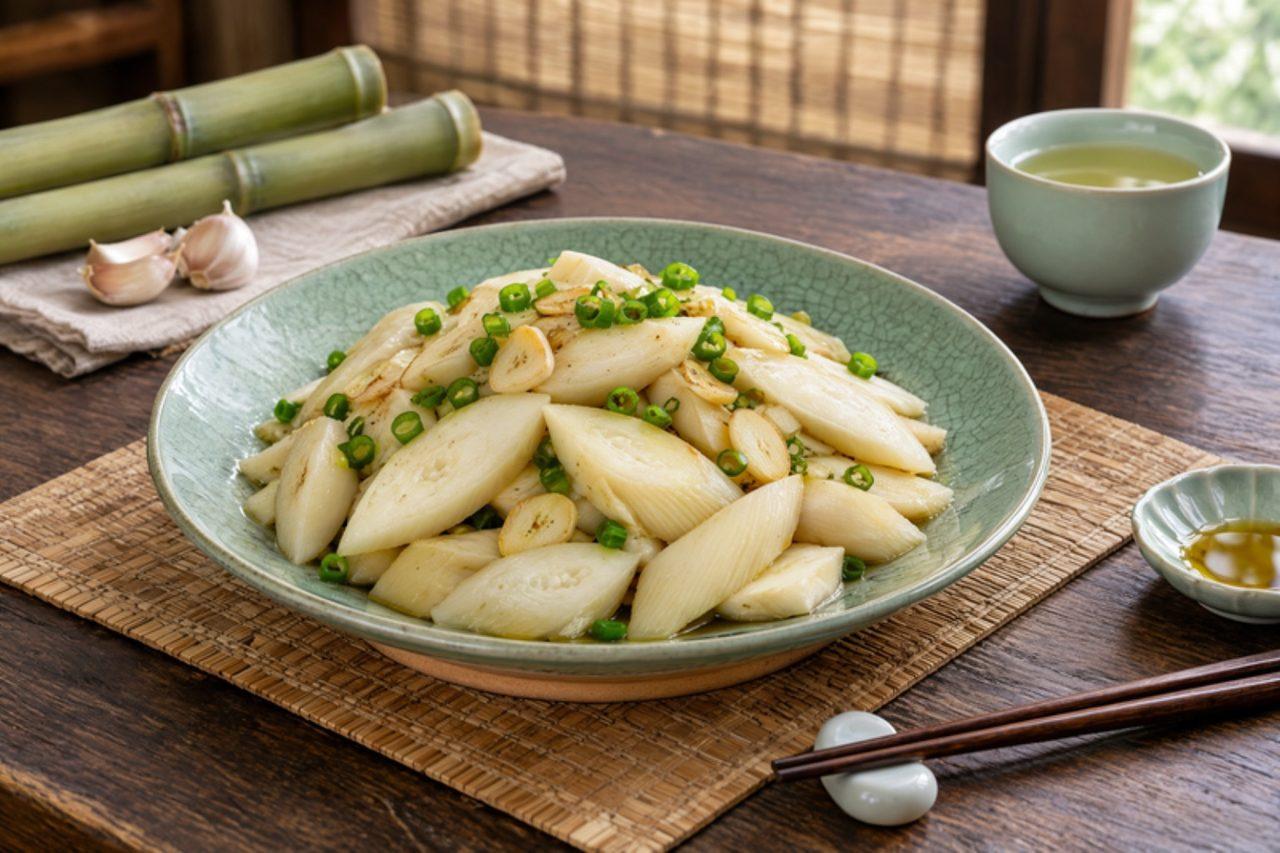
Jiaobai (water bamboo, Manchurian wild rice stem) is a summer and early-autumn vegetable of the lakes around Suzhou, Wuxi and Hangzhou, and 'clear-fried' jiaobai is how Jiangnan home cooks show off its sweet, juicy crunch. The pale stems are cut into thin slices or strips and stir-fried briefly with garlic, a splash of soy and a pinch of salt, so they stay crisp and taste faintly like bamboo shoot and corn. Serve with tofu, fish or eggs and a little rice. It is suitable as part of a balanced diet. About 60 kcal and 6 g carbohydrate per portion. The usual mistake is overcooking, which makes it soft and loses the crunch; two or three minutes is enough. Asian grocers sell it fresh or vacuum-packed. Chef's tip: choose plump, white stems with no black specks inside, which show an older stem.

by KrazyBadal 0 views

Mushy peas

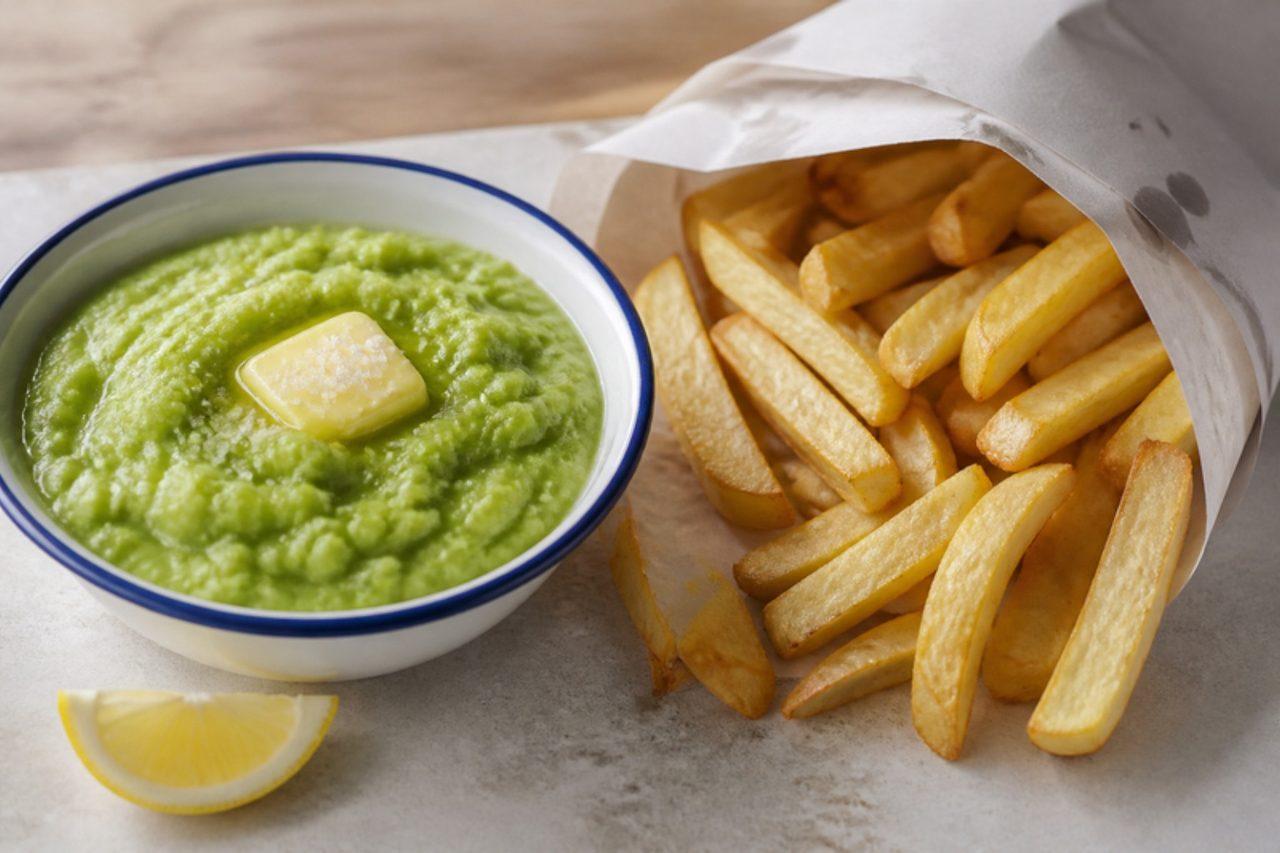
No fish and chip shop in the North of England is complete without a tub of mushy peas, and in Nottingham and Leeds they are sold with mint sauce from pea stalls at fairs. Dried marrowfat peas are soaked overnight with a little bicarbonate of soda, which softens their skins, and then simmered until they break down into a thick, savoury green mash. Chef's tip: rinse the soaked peas very well, or the bicarbonate leaves a soapy taste.

by KrazyBadal 0 views

Orkney clapshotSwede and potato mash

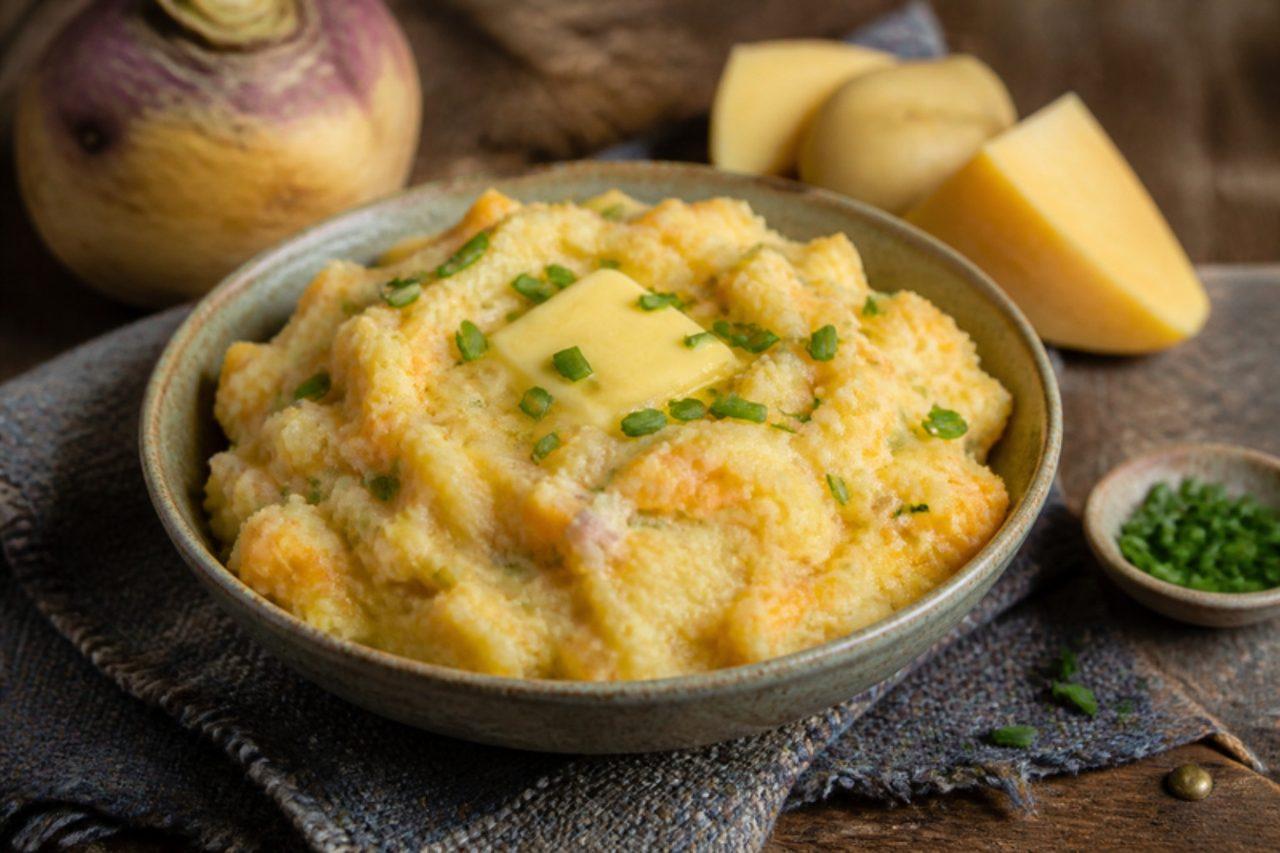
Clapshot is the Orkney way with neeps and tatties: equal amounts of swede and potato mashed together with butter, chives and plenty of pepper, rather than served side by side. Islanders eat it with oatcakes and cheese, with mince, or alongside haggis on Burns Night. It is sweet, earthy and soft-orange. Chef's tip: dry the boiled vegetables in the hot pan before mashing, or the swede makes it watery.

by KrazyBadal 0 views

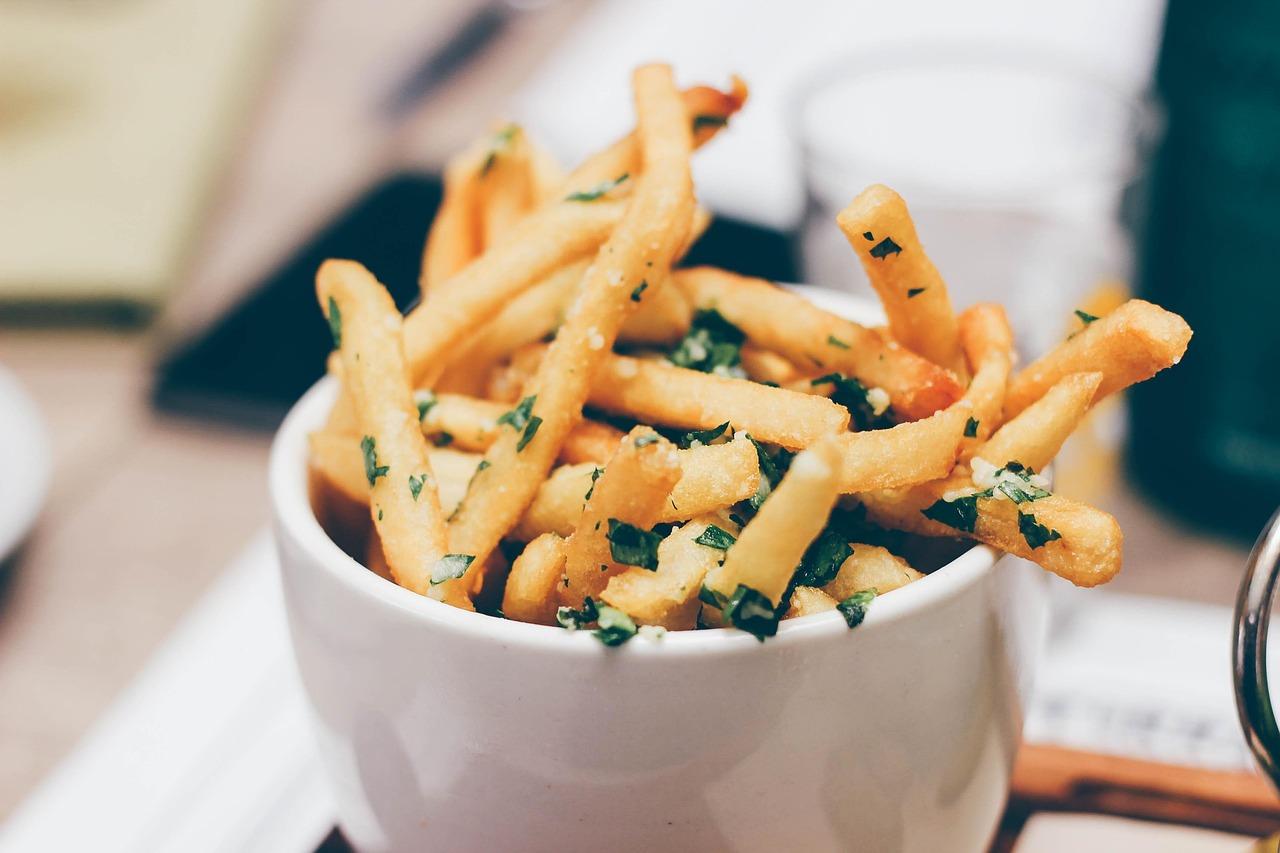
Papas a la provenzalFries with garlic and parsley

Bodegones, the old-school Buenos Aires canteens with jamón hanging from the ceiling and waiters in white jackets, serve mountains of papas fritas, and the upgrade everyone orders is "a la provenzal": crisp chips tossed while still sizzling in a mix of finely chopped raw garlic and parsley. The heat of the potatoes takes the edge off the garlic, so it turns fragrant rather than fiery, and the parsley stays bright green. They go with milanesas, grilled steak or a plate of fried eggs. Adding the garlic to the frying oil is the error many make: it burns in seconds and turns bitter; it goes on only after frying. This method fries the chips twice for a crunch that lasts; for an oven version, toss the chips with 3 tbsp oil and roast at 220 °C for 35 minutes, turning once, then dress them the same way. Chef's tip: rinse and dry the cut potatoes very well; surface starch and water are what make chips limp.

by KrazyBadal 0 views

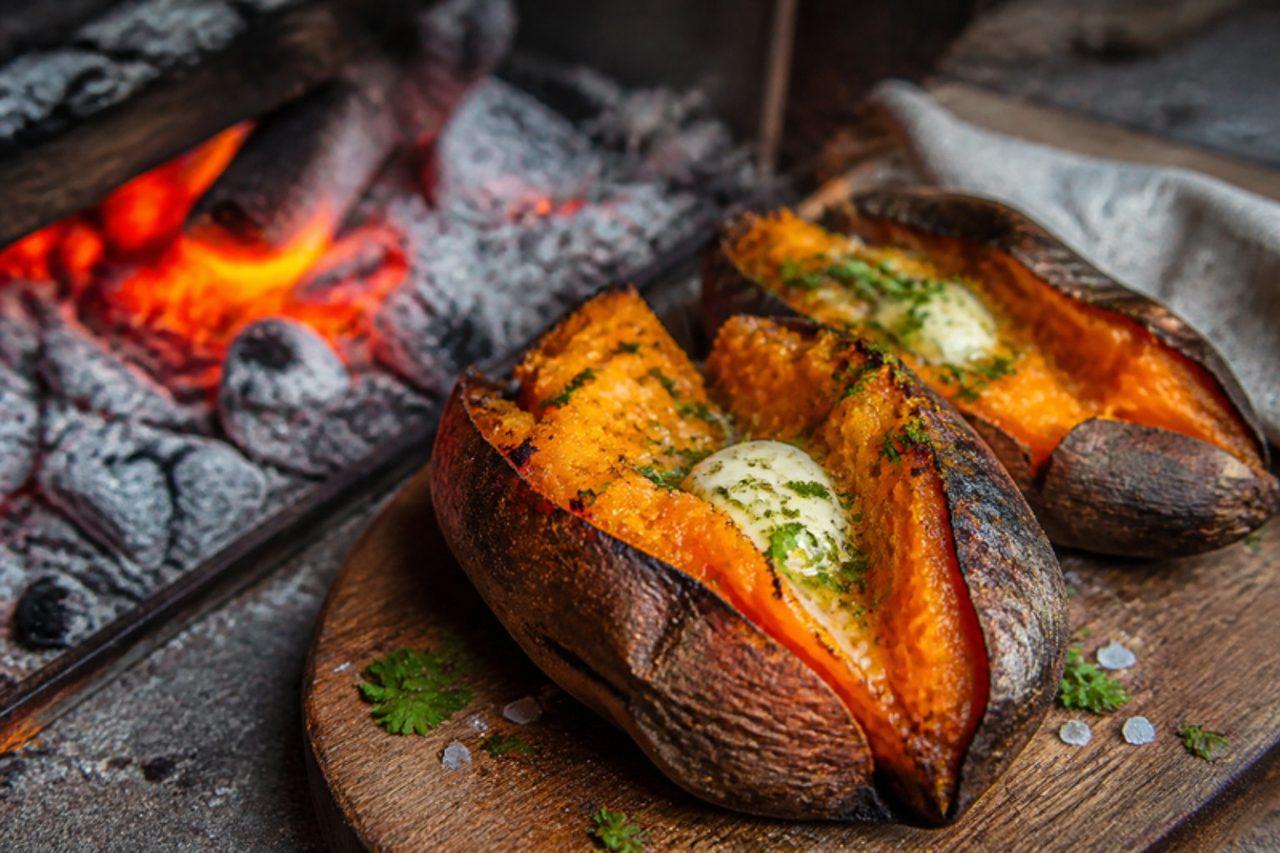
Batatas al rescoldoEmber-roasted sweet potatoes

Long after the meat comes off, the fire of an Argentine asado still has work to do. Sweet potatoes pushed into the glowing embers (el rescoldo) at the start of the cook come out an hour later with charred, papery skins and flesh that is soft, sticky and almost caramelised, with a smoky edge. They are split open at the table, filled with butter and coarse salt and eaten as a side to the asado or as supper by the fire on a camping trip. Burying them in live flames is the trap: the skin blackens right through while the inside stays hard, so wait for a bed of settled embers and ash. Wrapping them in foil gives softer skins and less risk if you are new to it, and an oven at 200 °C does a fine job indoors. Chef's tip: choose sweet potatoes of the same thickness, around 250 g each, so they cook evenly together.

by KrazyBadal 0 views

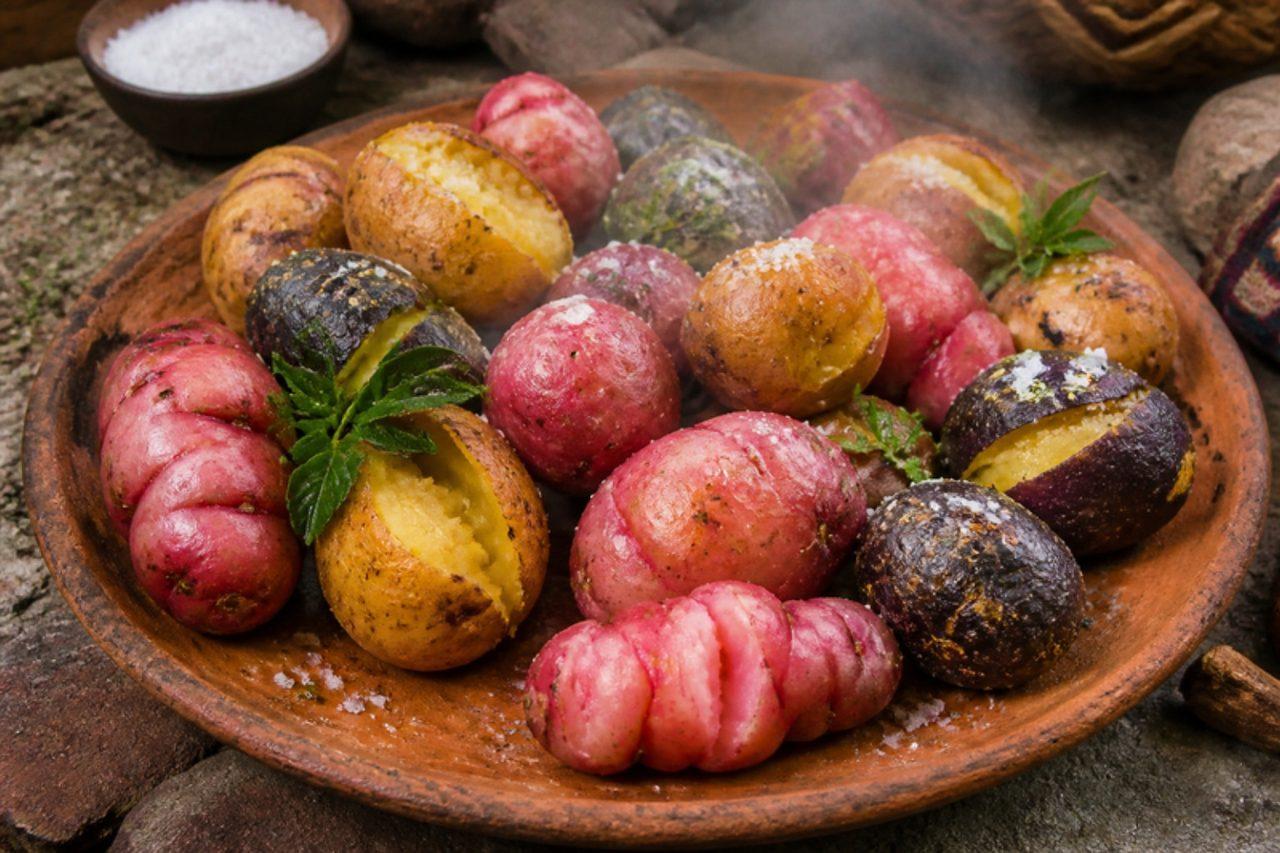
HuatiaEarth-baked potatoes

After the potato harvest in May and June, families in Puno, Cusco and across the highlands build a huatia in the field: a little dome of dry earth clods heated with dried brush until the clods glow, then knocked down over freshly dug potatoes and oca so they bake slowly underground. Opened an hour later, the potatoes are smoky, floury and so soft their skins split, and the oca turns sweet and tangy. Everyone eats them with their hands, with salt, chilli sauce and fresh cheese. This recipe gives an oven method for home cooks: a lidded pot bedded with coarse salt and herbs, which traps heat and steam much like the earth. If you do try a real huatia outdoors, use a clear patch of ground away from anything that can catch fire and keep water nearby. Don't uncover the pot early to check: the steam escapes and the potatoes turn leathery. Fresh oca is sold in some markets as New Zealand yam; small sweet potatoes will do. Chef's tip: choose potatoes of a similar size so they all finish together, and serve with uchucuta.

by KrazyBadal 0 views

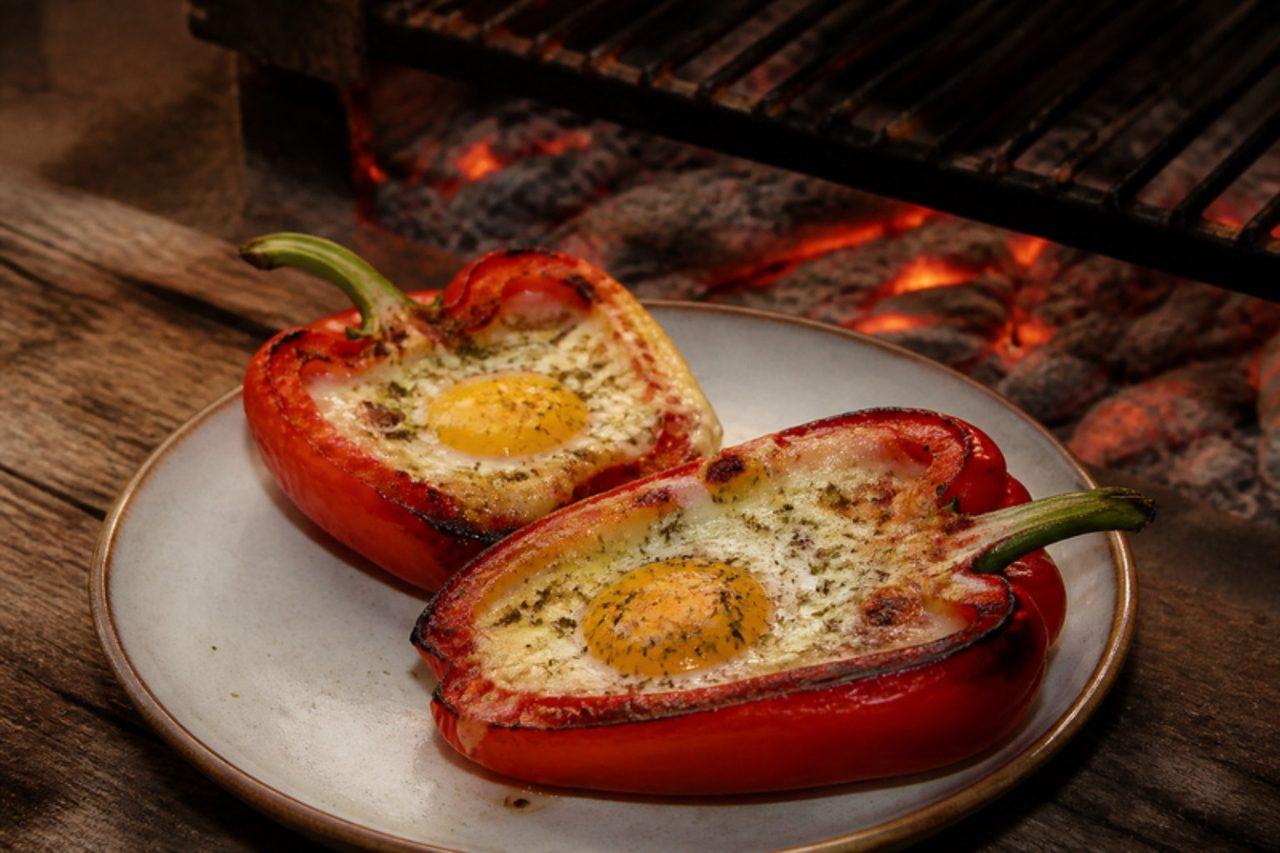
Morrones con huevo a la parrillaGrilled peppers with egg and cheese

While the meat rests on the cooler side of the parrilla, many asadores put halved red peppers cut side up over the coals, let them soften and char, then crack an egg into each one with a piece of cheese and a pinch of oregano. The pepper becomes a little dish: sweet, smoky and juicy, with a just-set egg and molten cheese in the middle. It is one of the classic starters at an Argentine asado, eaten with bread before the steak arrives, and it makes a good vegetarian main for anyone who skips the meat. The mistake is cracking the egg into a raw pepper: the egg overcooks before the pepper softens, so grill the shells first. Cook until the white is completely set. Queso cremoso or mozzarella is usually made with animal rennet; pick a vegetarian one if needed. Chef's tip: cover the peppers with a foil tent or a lid once the egg goes in; the trapped heat sets the top of the egg without burning the base.

by KrazyBadal 0 views

Yorkshire puddings

In Yorkshire the pudding was once served first, on its own with gravy, to fill people up before the meat; today these puffed, crisp-edged cups sit beside the roast at Sunday lunch all over England. The batter is nothing but eggs, flour and milk, and the trick is in the heat: smoking-hot fat in the tin and a hot oven. Serve with onion gravy for a vegetarian roast. Chef's tip: rest the batter for at least 30 minutes, which helps the puddings rise tall and even.

by KrazyBadal 1 views

Pease pudding

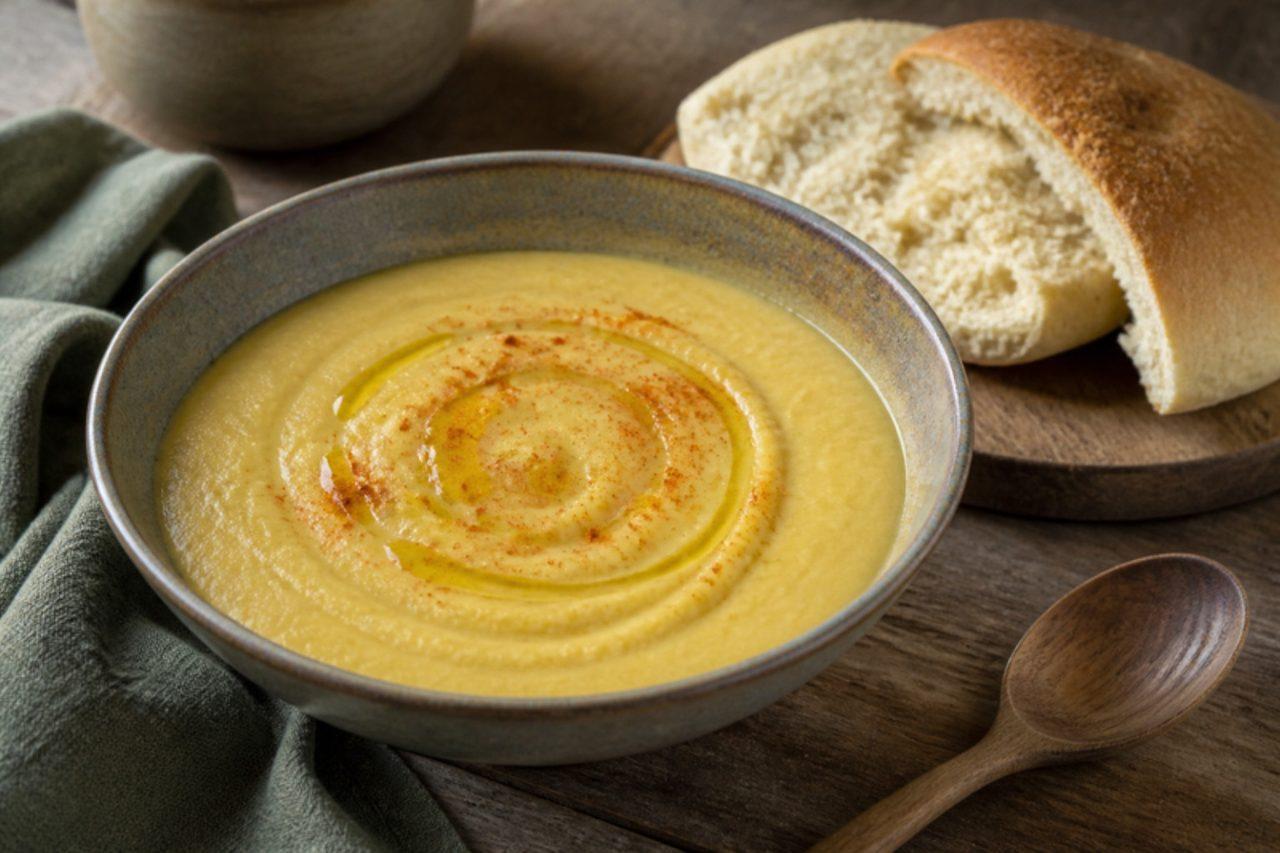
Pease pudding is the thick yellow split pea spread of Newcastle and the North East, eaten in a stottie cake with ham or simply with buttered bread, and the 'pease pudding hot, pease pudding cold' of the nursery rhyme. It was traditionally boiled in a cloth beside a ham; this plant-based version is simmered with onion, bay and a little smoked paprika for the savoury depth. Chef's tip: soak the split peas overnight; unsoaked peas take hours and cook unevenly.

100 minBritishSidesVeganGluten free
by KrazyBadal 0 views

Sichuan dry-fried green beans

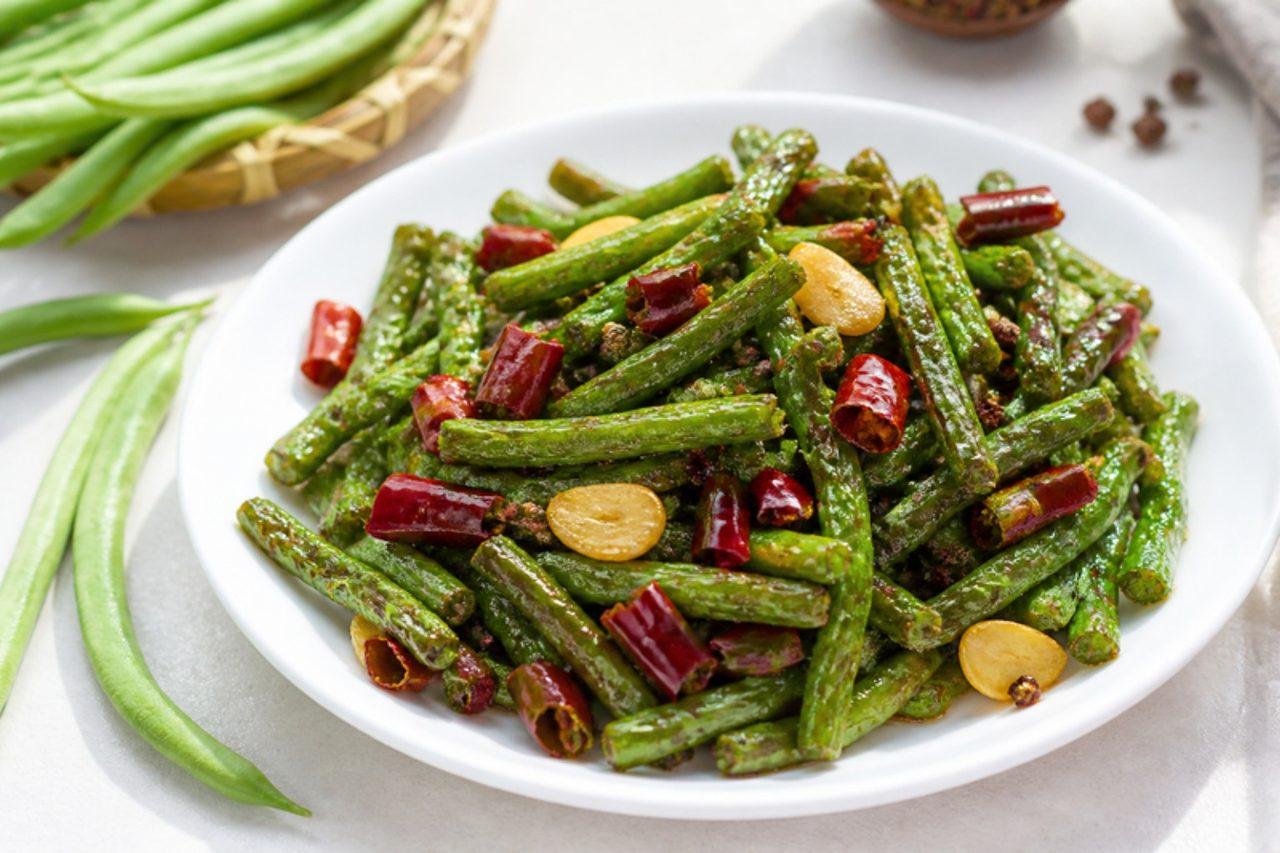
Gan bian si ji dou, 'dry-fried four-season beans', is a fixture of Sichuan restaurant menus and home tables alike. The beans are fried until their skins wrinkle and blister, then tossed in a hot, dry wok with chilli, Sichuan pepper and salty preserved mustard greens (ya cai) from Yibin. Nothing is saucy: every bean is coated and slightly chewy. Restaurants usually add pork; this vegetarian version leans on the ya cai for depth. Chef's tip: dry the beans completely after washing, or they will spit and steam instead of blistering.

by KrazyBadal 0 views

TacachoMashed roasted green plantain balls

Tacacho is the breakfast of the Peruvian Amazon, from Tarapoto to Iquitos: green plantains roasted over coals, mashed with fat and salt and shaped into balls. There it comes with cecina (smoked pork) and is mashed with lard and crackling; this vegan tacacho uses good oil and a pinch of smoked paprika for the same savoury, smoky depth. The balls are dense, chewy and starchy, crisp at the edges where the plantain charred, and they are eaten hot with a fiery chilli sauce or alongside stews. Use plantains that are fully green and firm. Chef's tip: mash the plantains while they are still very hot; as green plantain cools its starch sets and it won't bind into a smooth ball.

by KrazyBadal 2 views

Gai lan with vegetarian oyster sauceChinese broccoli with mushroom sauce

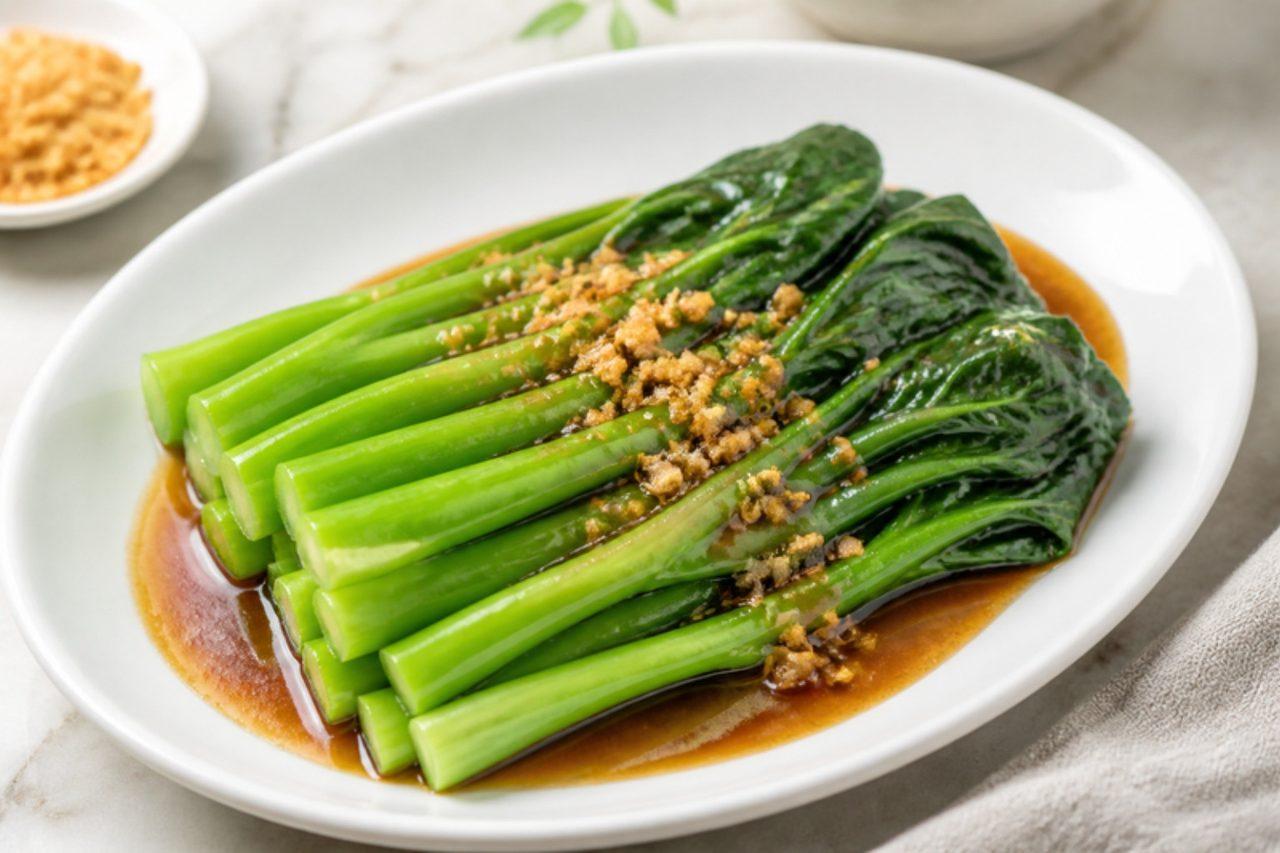
Every Cantonese table needs a plate of greens, and gai lan (Chinese broccoli) is the favourite in Guangdong homes and Hong Kong cha chaan teng. The stems are thick, sweet and slightly bitter, the leaves soft. Restaurants blanch it and pour oyster sauce on top; here a mushroom-based vegetarian oyster sauce gives the same dark gloss and savouriness. Chef's tip: add a spoon of oil and a pinch of sugar to the blanching water; the oil keeps the greens bright and shiny, and the sugar softens the bitterness.

by KrazyBadal 0 views

Hot and sour potato shreds

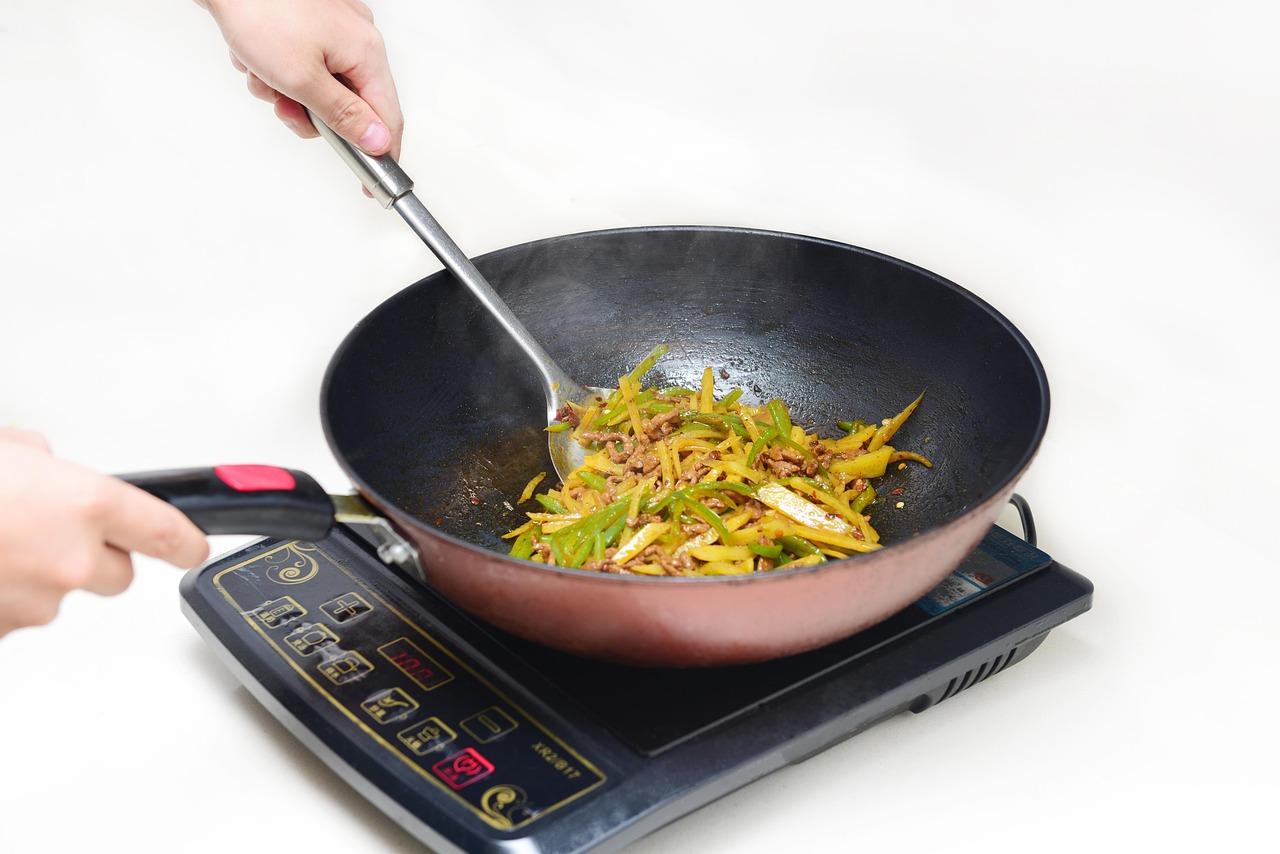
In Chengdu this is the dish a family orders when the table already has something rich: a heap of potato cut as fine as matchsticks, cooked for barely two minutes so it stays crunchy, sharp with vinegar and warm with dried chilli. Over the border in Shanxi the same dish is made with the province's dark aged vinegar (lǎo chéncù) and less chilli, and it tastes deeper and slightly sweet; both versions are given here. It goes with plain rice and any braised tofu or bean dish. Chef's tip: rinse the cut potato until the water runs clear, because that washed-off starch is what turns the shreds gluey in the wok.

by KrazyBadal 0 views

Showing 24 of 25 recipes

Show more recipes

Page 1 of 2