Skip to content
WhatToEat.Today

All recipes

14

Vegetarian, or something you can't eat? Set your diet once and we'll hide recipes that don't fit.

KantarelltoastChanterelle toast

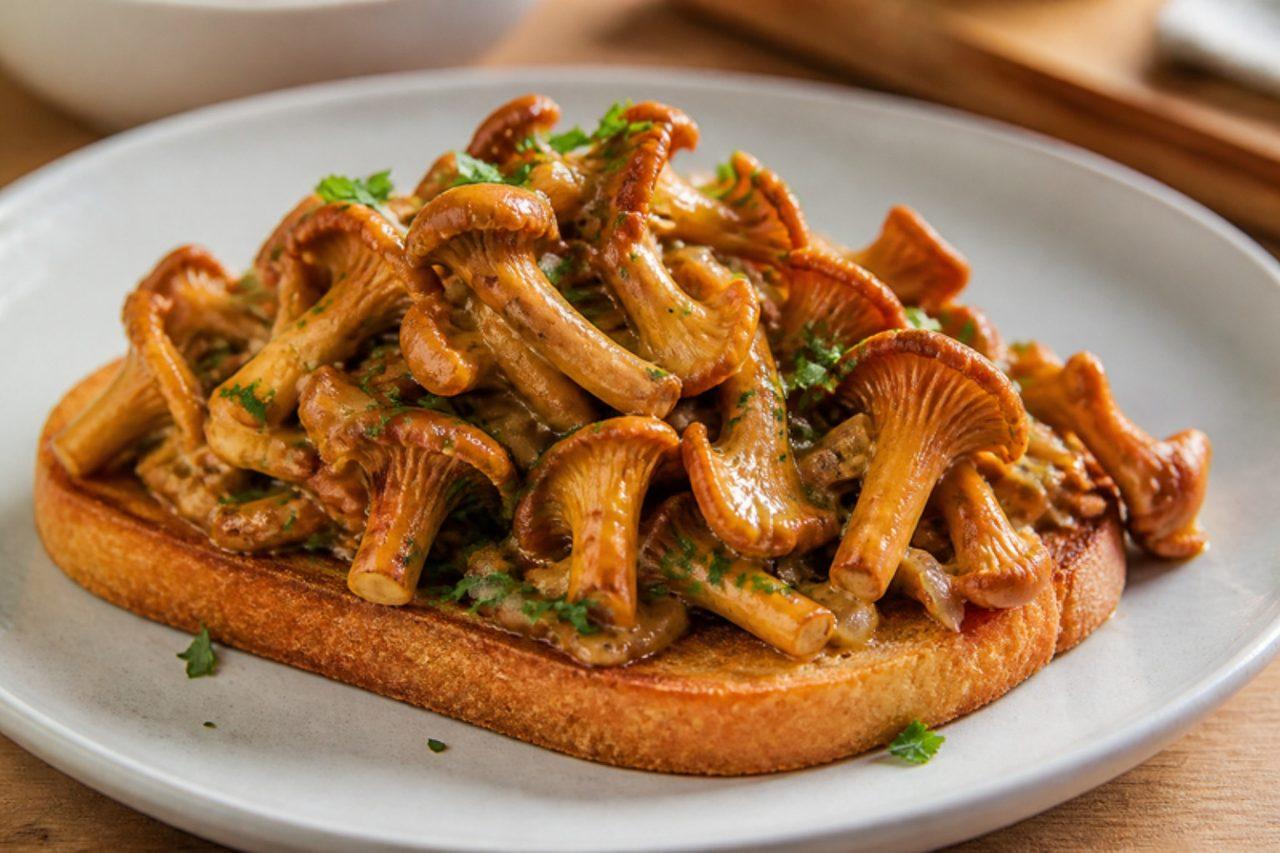
Kantarelltoast is the dish Swedes wait all year for: in August and September, after a day picking golden chanterelles in the forests from Småland to Norrland, they fry them in butter with shallot, add a splash of cream and pile them on toast for a quick supper or starter. The mushrooms are peppery and almost apricot-scented, and the cream turns them silky. If you forage, only eat mushrooms you are certain of; shop-bought chanterelles are safest. The most common mistake is washing chanterelles under the tap, which makes them soggy; brush them clean and dry-fry them first to drive off their water. Chef's tip: a little grated Västerbotten-style hard cheese on top is classic, but check it is made with vegetarian rennet.

by KrazyBadal 0 views
GubbröraEgg and anchovy spread

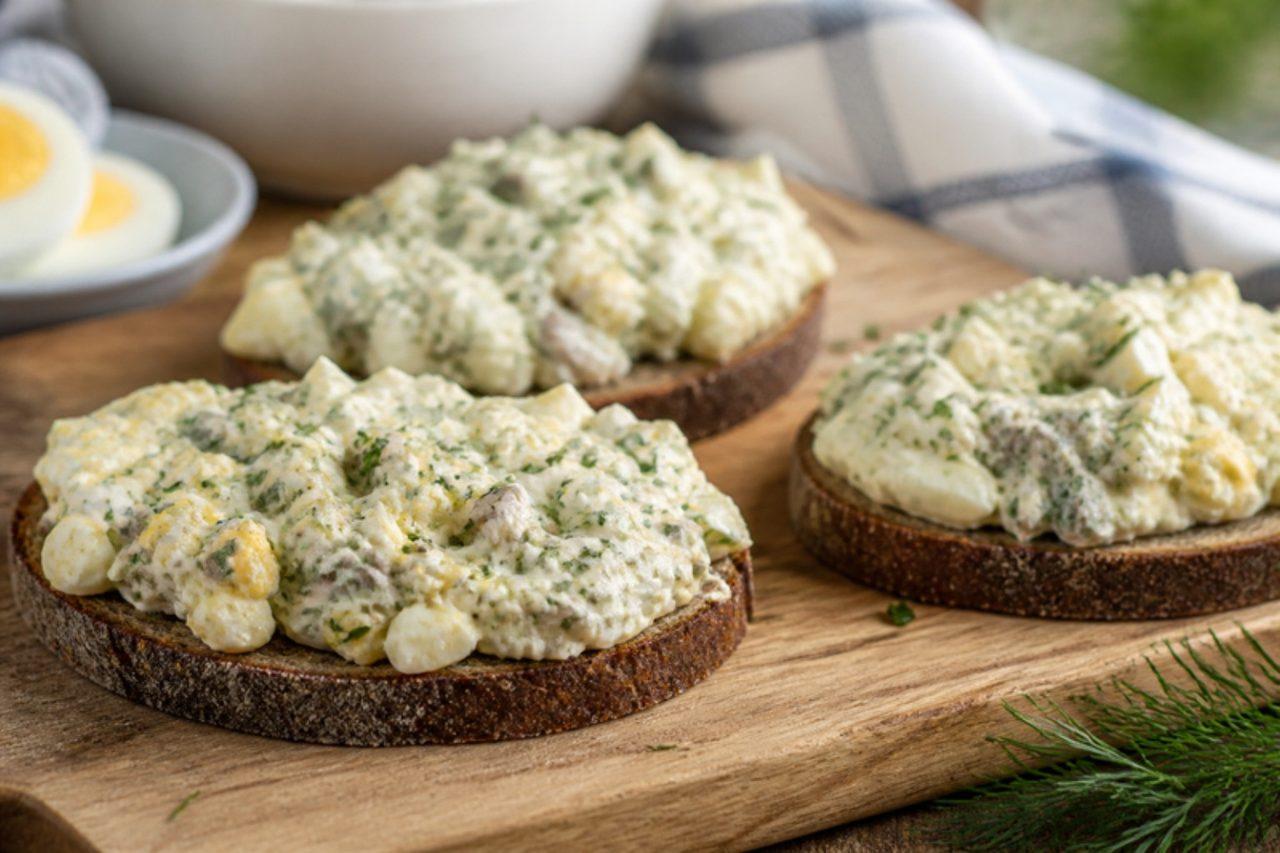
Gubbröra, 'old man's mix', is a Swedish classic for the smörgåsbord and the Friday-night snack plate: chopped hard-boiled eggs folded with Swedish anchovies, red onion, dill and chives in sour cream, piled onto dark rye bread or crispbread. It is found on Midsummer and Christmas tables but is quick enough for a light supper any evening. Swedish 'ansjovis' are sprats cured in a sweet spiced brine, milder than Mediterranean salted anchovies; if you use those, halve the amount. The usual mistake is mixing the eggs while still warm, which turns the whole thing into a sloppy paste, so cool them in iced water first. Chef's tip: chop eggs and anchovies by hand into rough 5 mm pieces for a spread with texture.

by KrazyBadal 0 views

Røræg og purløgScrambled egg and chive sandwich

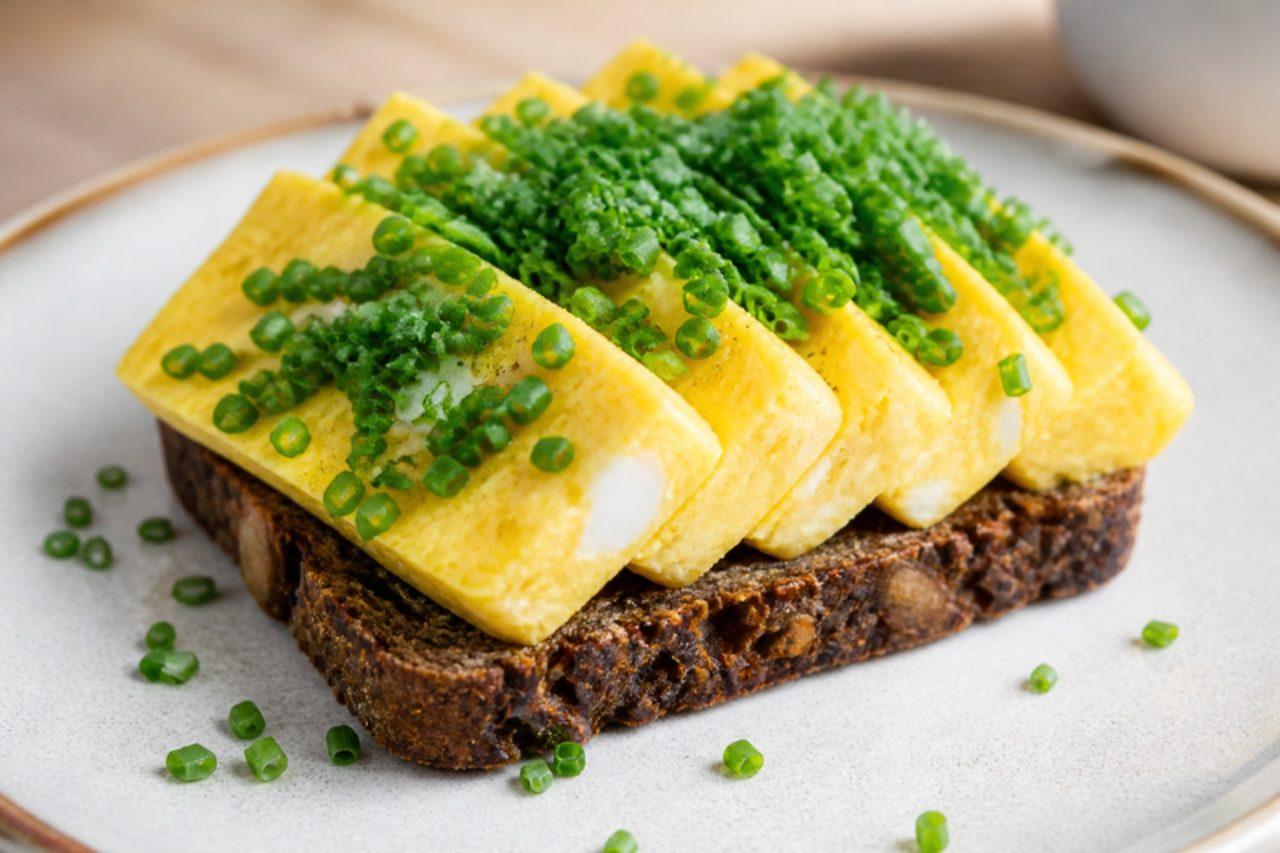
In Copenhagen lunch cellars and on Danish Easter tables, a slice of buttered rye topped with cool, set scrambled egg and a thick green blanket of chives is one of the gentlest smørrebrød of all. The egg is cooked slowly with a little milk, then left to cool so it can be cut into neat slices rather than spooned on loose. It is eaten with a knife and fork, usually early in the lunch order before the fish and meat. A common mistake is cooking the eggs over a high heat, which makes them weep water onto the bread. Chef's tip: set the egg in a small buttered dish in a low oven or water bath, chill it, then slice it like a firm custard.

by KrazyBadal 0 views

Payaguá mascadaCassava and beef patties

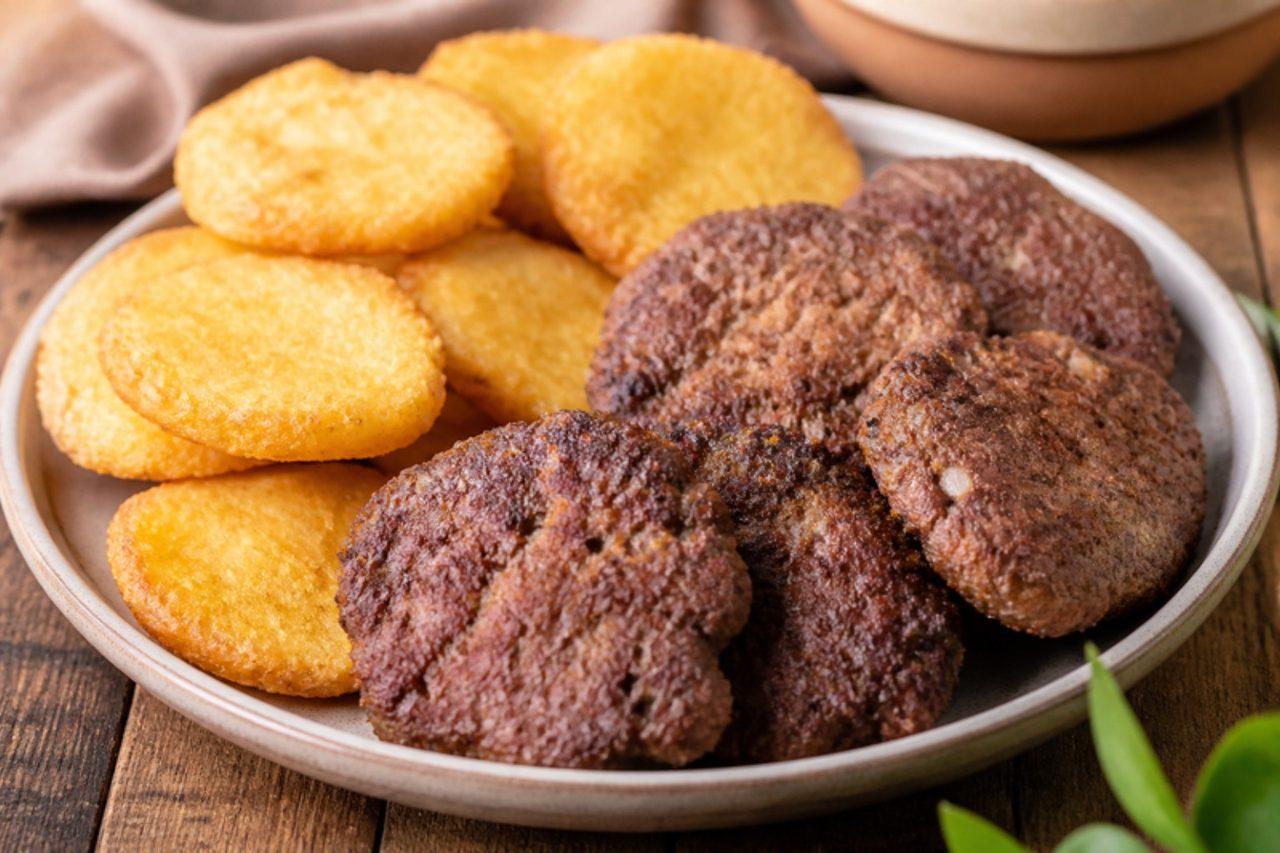
Payaguá mascada is an Asunción family supper and a favourite for using up boiled cassava: mashed mandioca kneaded with minced beef, onion and garlic, shaped into flat cakes and fried until crusty, then eaten with a tomato salad or with mandioca on the side. Use sweet cassava. A common mistake is using watery, freshly boiled cassava, which makes patties that fall apart in the pan. Chef's tip: let the boiled cassava steam dry in the colander for ten minutes before mashing.

by KrazyBadal 0 views

LampreadoCassava starch cheese fritters

Paraguayan grandmothers fry lampreado on Sunday evenings to eat with a mug of cocido, the toasted yerba mate drink: small pan-fried cakes of cassava starch, egg, milk and grated cheese with a little onion, crisp at the edges and stretchy inside. Some families also make it with leftover meat, but this version is all cheese. Queso Paraguay is set with animal rennet; a vegetarian Parmesan-style cheese plus mozzarella works well. The trap is a batter that is too thick, which gives heavy, gluey cakes. Chef's tip: the batter should drop slowly off a spoon like thick pancake batter; add milk a spoonful at a time until it does.

by KrazyBadal 0 views

Buñuelos de algasSea lettuce fritters

On the beaches of Rocha, from La Paloma to Punta del Diablo, vendors walk the sand with baskets of hot buñuelos de algas: puffy, salty fritters speckled green with sea lettuce, eaten with a squeeze of lemon. Use dried sea lettuce or mixed seaweed flakes from a shop, or fresh sea lettuce only from a seller who harvests clean water; never pick it from a harbour or near drains. The usual mistake is frying in oil that isn't hot enough, so the fritters soak it up and turn greasy. Chef's tip: rest the batter for 15 minutes so the seaweed softens and the fritters puff more.

by KrazyBadal 0 views

ÆggemadEgg and tomato rye sandwich

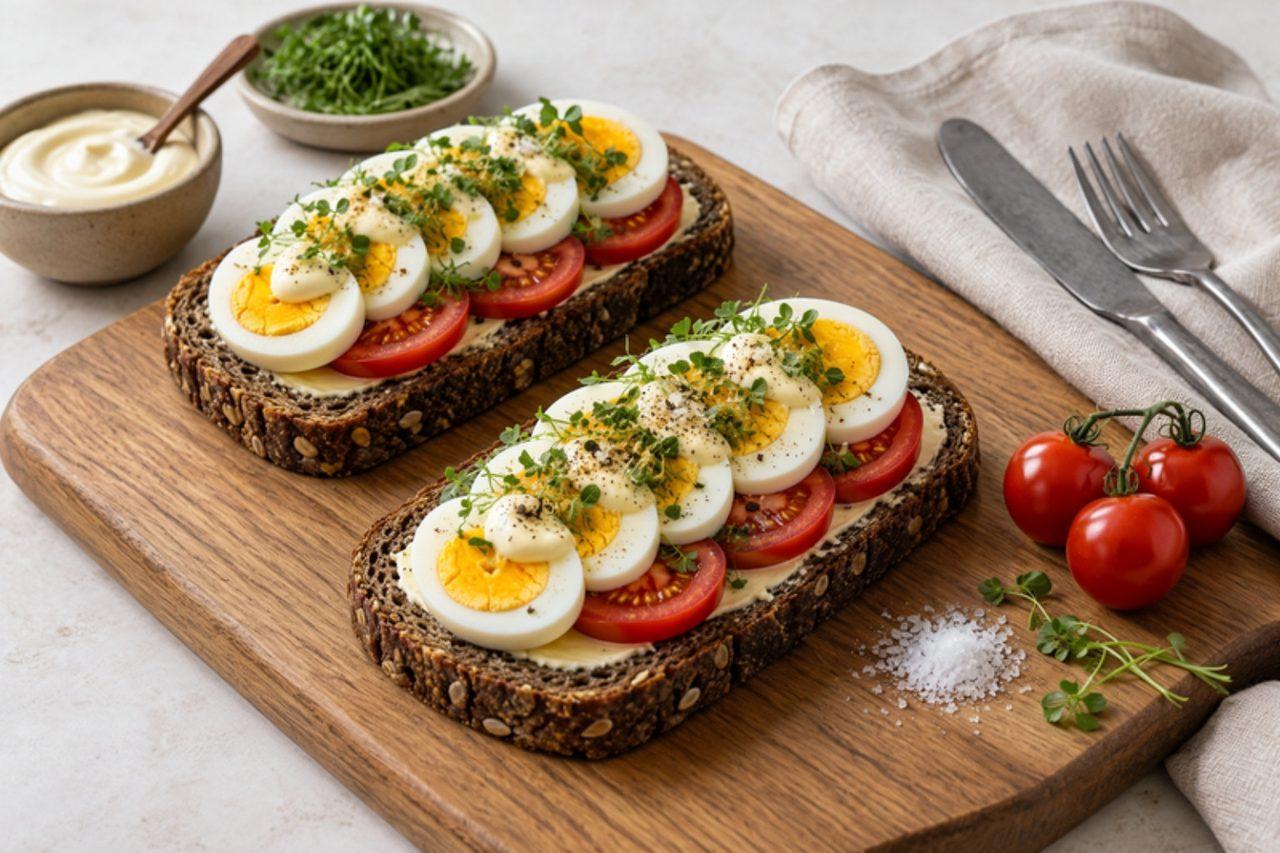
The Danish madpakke (packed lunch) is a stack of rugbrød slices, each with its own pålæg, and æggemad is the one that shows up in every family's box: dense rye, a smear of butter or mayonnaise, rounds of hard-boiled egg and tomato, and a tuft of cress. In the box, the slices are separated by baking paper so the toppings don't smudge. The common mistake is undercooking the eggs, so the yolk smears and the slices fall apart; for lunchboxes, the yolk must be fully set. Chef's tip: slice the egg with an egg slicer or a wet knife once it is completely cold, and the rounds stay neat.

by KrazyBadal 0 views

SmörgåstårtaSavoury sandwich cake

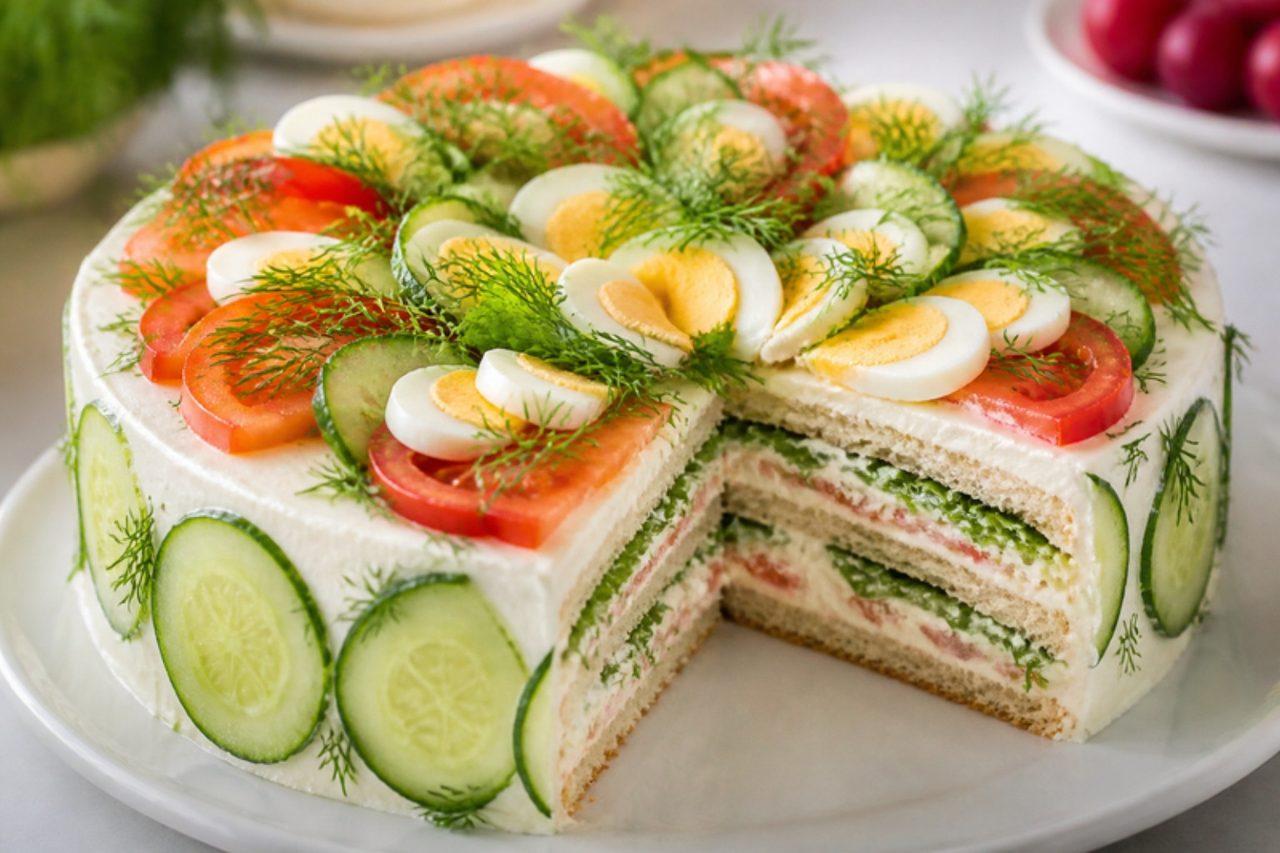
Smörgåstårta is what Swedes bring out for christenings, graduations and big birthdays: a 'sandwich cake' of soft bread layers filled with creamy egg, cheese and vegetable fillings, frosted with cream cheese and smetana and decorated as lavishly as a gateau with cucumber, radish, tomato and dill. In Stockholm bakeries the classic is layered with prawns and smoked salmon; this version keeps it vegetarian with egg mayonnaise, herby cheese and avocado. A common mistake is using fresh, very soft bread, which turns soggy; slightly firm sandwich bread holds the layers. Chef's tip: assemble it the night before and chill it under cling film; it firms up and slices neatly, then decorate just before serving.

by KrazyBadal 0 views

Toast SkagenPrawn toast with dill mayonnaise

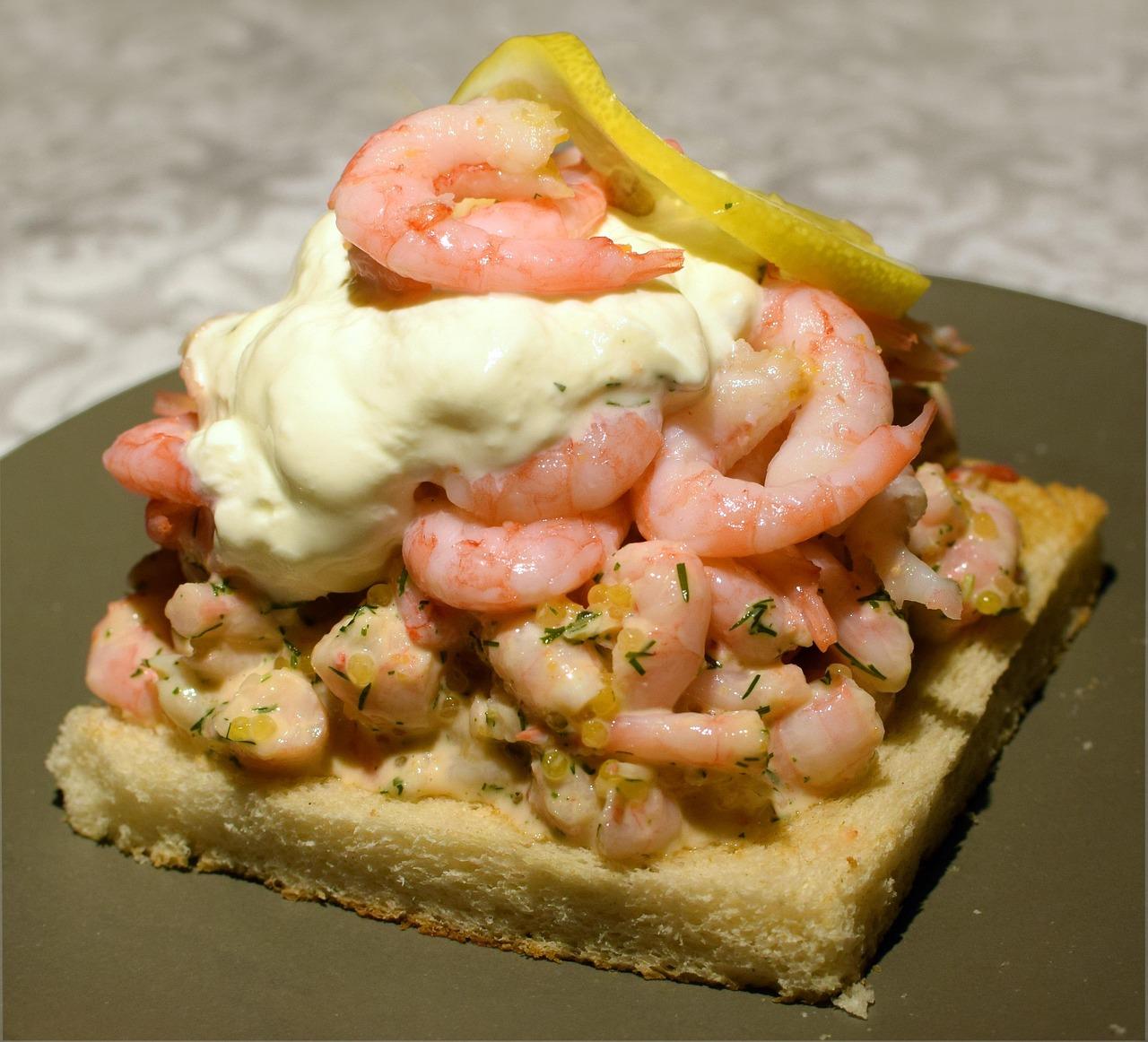
Toast Skagen was created in the 1950s by the Stockholm restaurateur Tore Wretman, named after the fishing port of Skagen at the tip of Denmark where he had sailed; it is still the starter Swedes order at old-fashioned Stockholm restaurants and make for birthdays at home. Peeled prawns are folded into a dill, lemon and mayonnaise dressing, piled on bread fried in butter and crowned with a spoon of fish roe. The roe is cured and uncooked, so it is not for pregnant women, young children or anyone with a weakened immune system; leave it off for them. A common mistake is using watery thawed prawns, which make the dressing thin. Chef's tip: drain the prawns well on kitchen paper, and fry the bread only at the last minute so it is still crisp when the topping goes on.

by KrazyBadal 0 views

Torta fritaFried dough discs

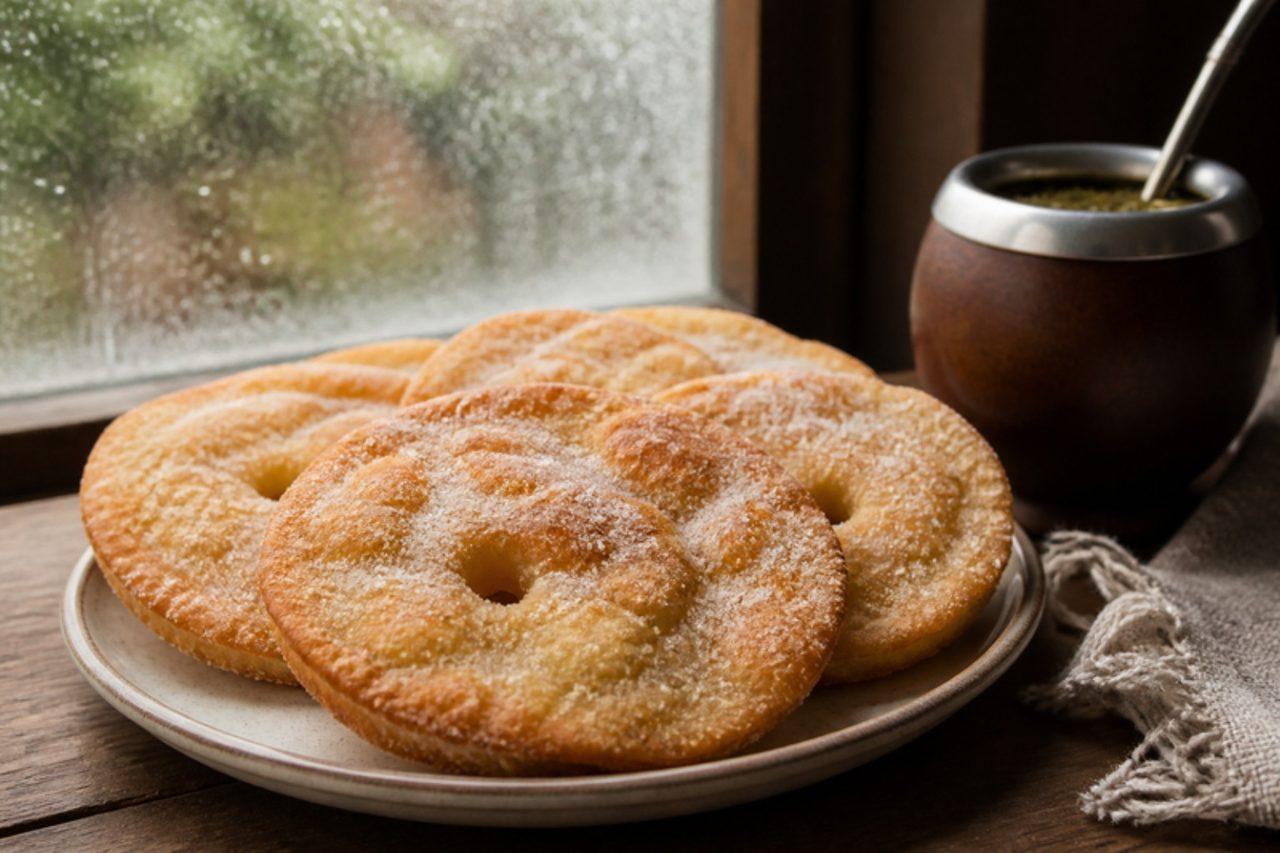
In Uruguay, a grey rainy afternoon has one answer: torta frita and mate. These thin discs of dough, pierced with a hole in the middle, are fried until puffed and golden and either sprinkled with sugar or eaten plain, still hot, between sips passed around the circle. In Montevideo you'll smell them from street stalls on wet days; at home they're made with butter or beef fat, here with butter. Chef's tip: the hole in the middle isn't decoration; it lets the centre cook through at the same speed as the edges.

by KrazyBadal 0 views

KarjalanpiirakkaRye pastries with rice filling

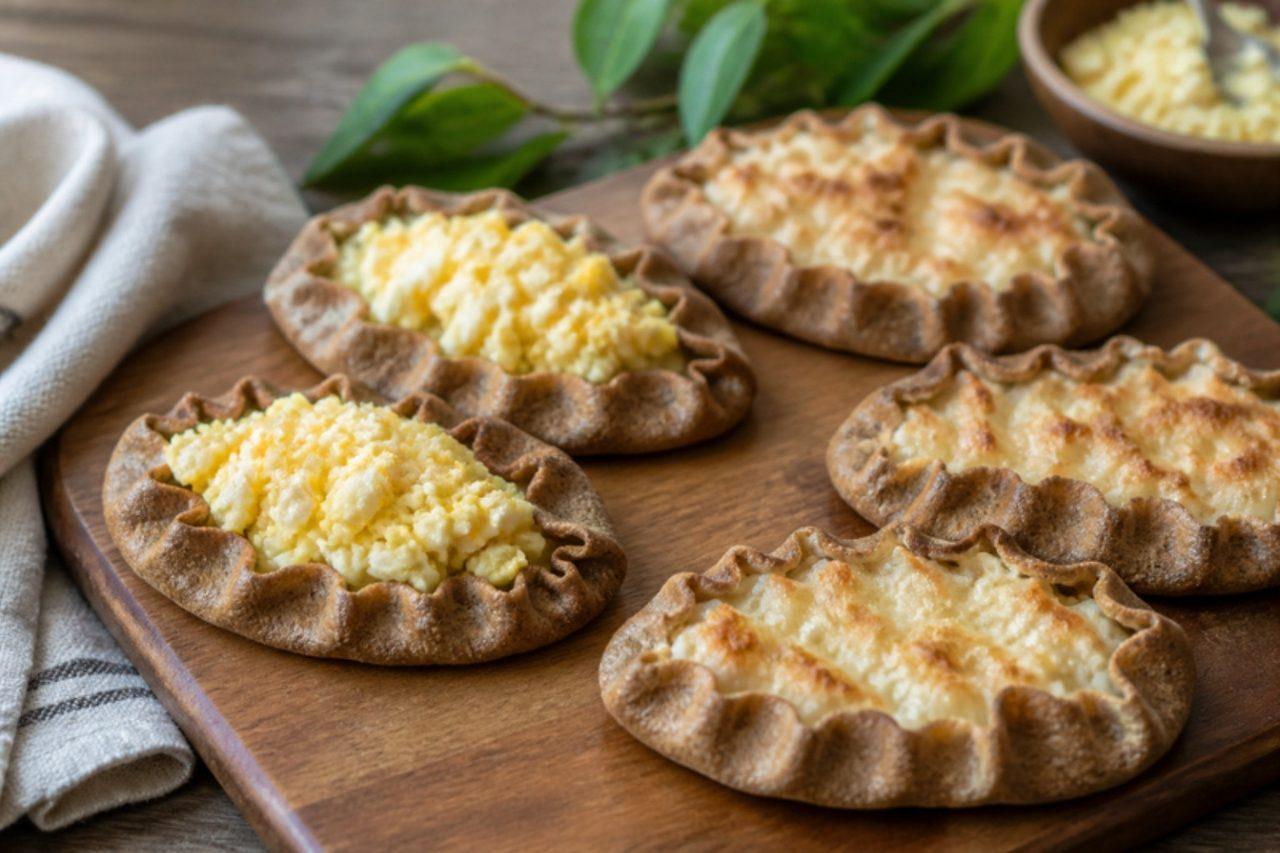
Karjalanpiirakka come from Karelia, the borderland of eastern Finland, and are now baked in every Finnish home and sold in every Helsinki market hall. The open, oval pies have a crust of rye dough rolled paper-thin and crimped by hand around a filling of creamy rice porridge. Straight from a very hot oven they are brushed with butter and milk to soften, then eaten warm with munavoi, egg butter: chopped hard-boiled egg mashed into soft butter. Finns eat them for breakfast, at coffee tables and at weddings and funerals alike. The crimping looks fiddly but goes quickly after the first few. Chef's tip: make the rice porridge a day ahead; cold porridge is stiff enough to spread neatly and won't soak the thin crust.

by KrazyBadal 0 views

Pastel mandi'oCassava turnovers with beef

Pastel mandi'o are the golden half-moons sold at bus stations and street stalls all over Paraguay, especially in Asunción and around Holy Week: a soft dough of cooked cassava (mandi'o in Guaraní) and a little corn flour, wrapped round minced beef with onion, pepper, boiled egg and cumin, then fried. The mistake is a wet cassava dough that sticks and tears; drain the cassava well and add starch until it is smooth and pliable. Chef's tip: shape them between two sheets of cling film, which stops the soft dough sticking to the worktop.

by KrazyBadal 0 views

Tamia (Arabian fritters)Sesame-coated chickpea fritters

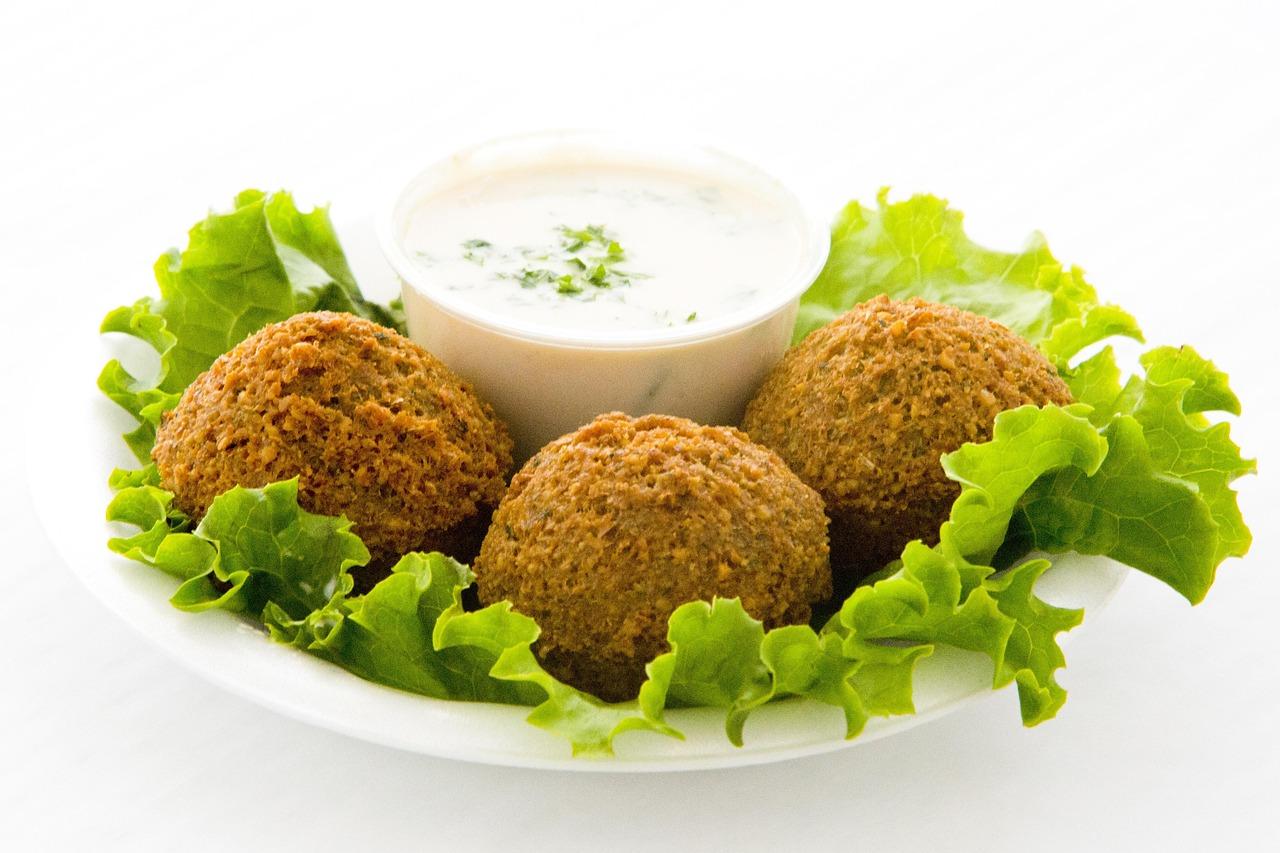
Tamia is the Egyptian cousin of falafel: soaked raw chickpeas are ground with dill, coriander, onion, garlic, chilli and cumin, shaped into small patties, coated with sesame seeds and deep-fried until crisp and golden outside and green and fluffy inside. Serve hot with coconut and tamarind chutneys, or tuck them into pitta with salad.

by KrazyBadal 0 views

Falafel in pitta

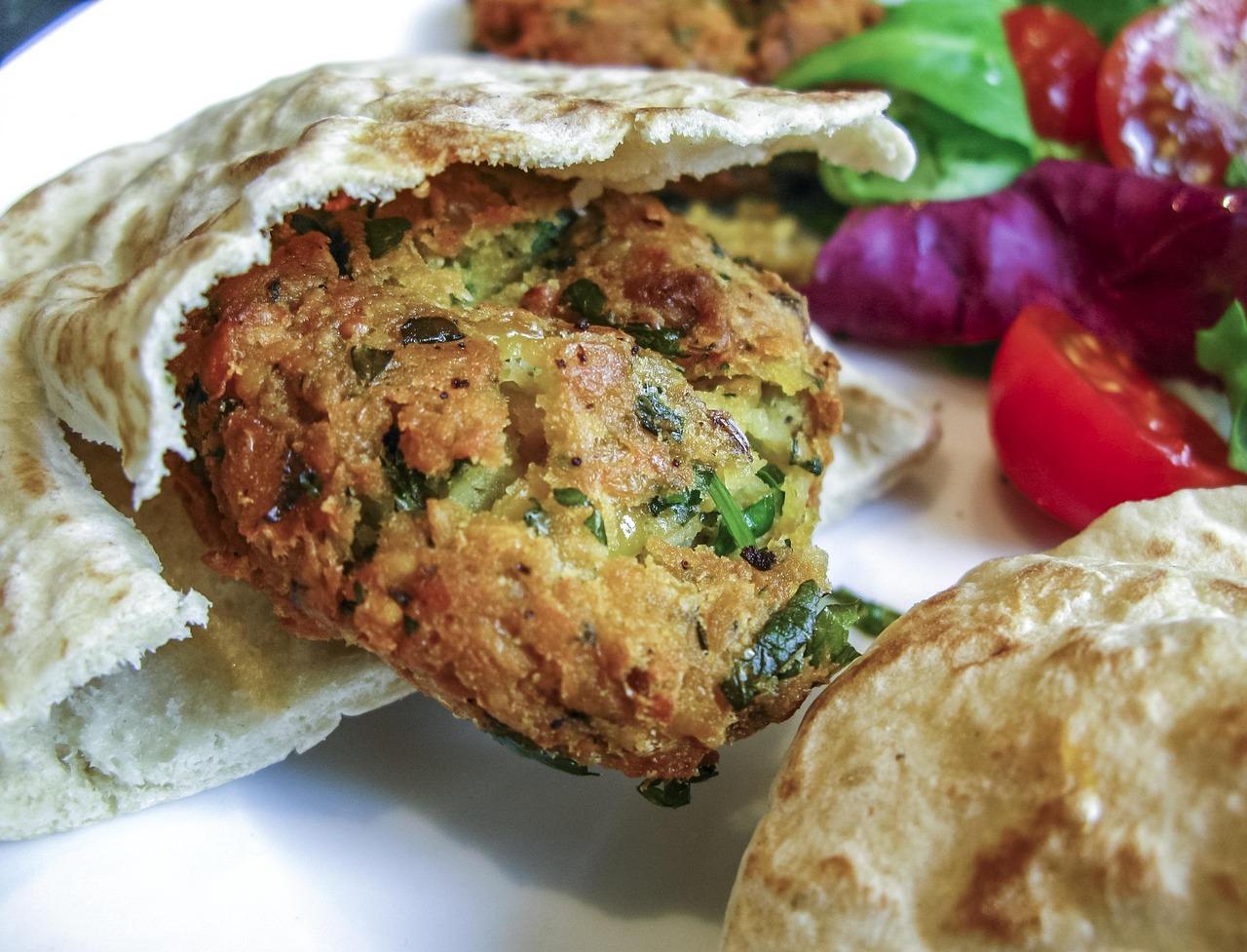
A full falafel meal: crisp chickpea fritters flavoured with fenugreek, spinach, chilli and ginger are stuffed into pitta pockets spread with hummus and tahini, then packed with a crunchy cabbage, cucumber and carrot salad and a fiery home-made red chilli sauce. Serve with green, red and tamarind chutneys.

by KrazyBadal 0 views