Skip to content
WhatToEat.Today

All recipes

84

Vegetarian, or something you can't eat? Set your diet once and we'll hide recipes that don't fit.

Sweet potato casserole

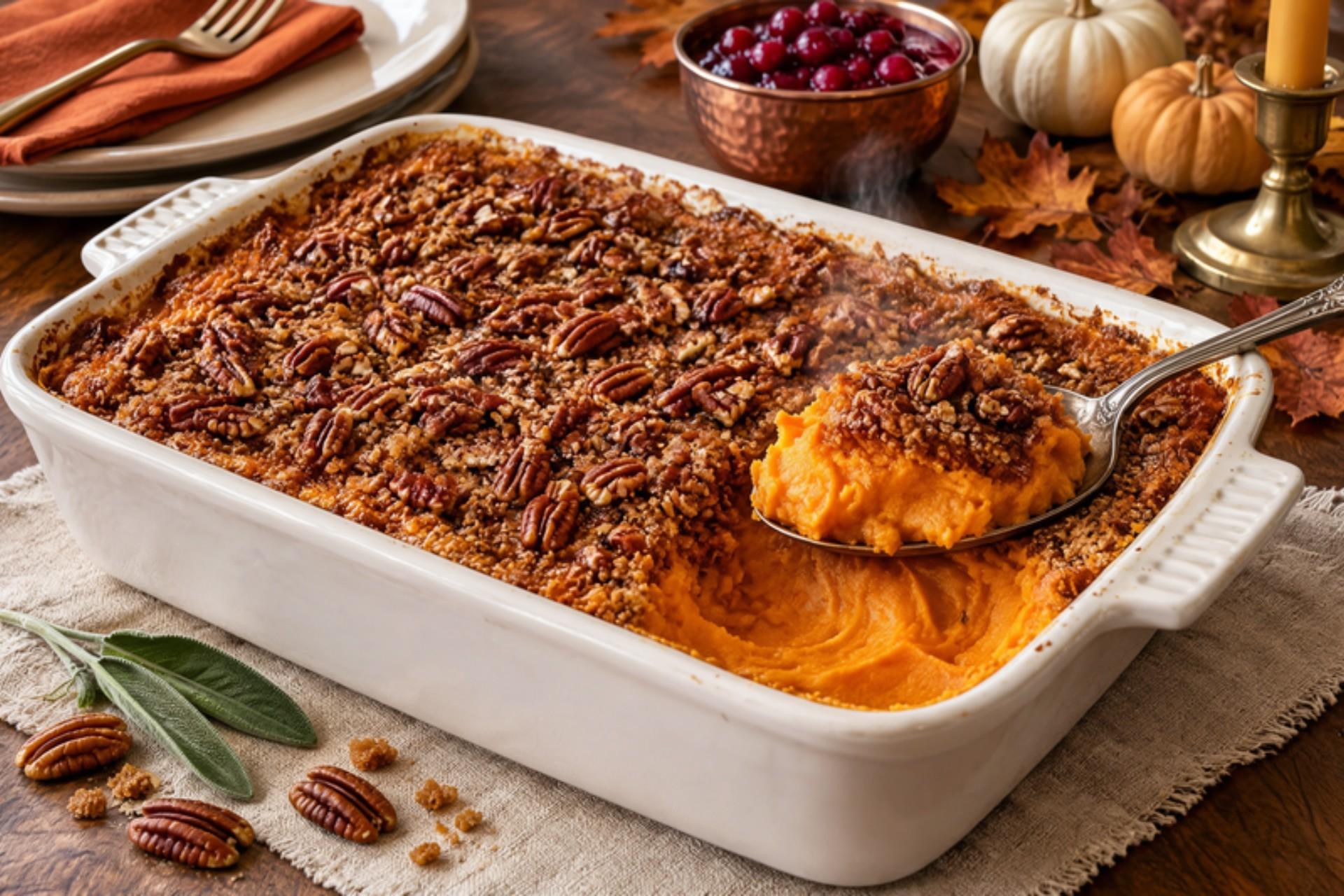
Sweet potato casserole is a Southern Thanksgiving side dish from Georgia to Louisiana, and it now sits beside the turkey on tables right across the United States, as well as at Christmas dinner. Roasted sweet potatoes are whipped with butter, a little brown sugar, egg and warm spices, then baked under a crisp pecan streusel. Some families top it with marshmallows instead; if you do, buy vegetarian ones made without gelatine. It contains tree nuts (pecans), milk, egg and wheat. The common mistake is boiling the potatoes, which makes the mash watery and bland; roasting them in their skins concentrates the sweetness and colour. Doneness: the filling should be set and hot right through and the topping golden and crunchy. Chef's tip: roast the potatoes a day ahead and keep them in the fridge; cold, peeled flesh whips smoothly and saves time on the big day.

by KrazyBadal 0 views

Club sandwich

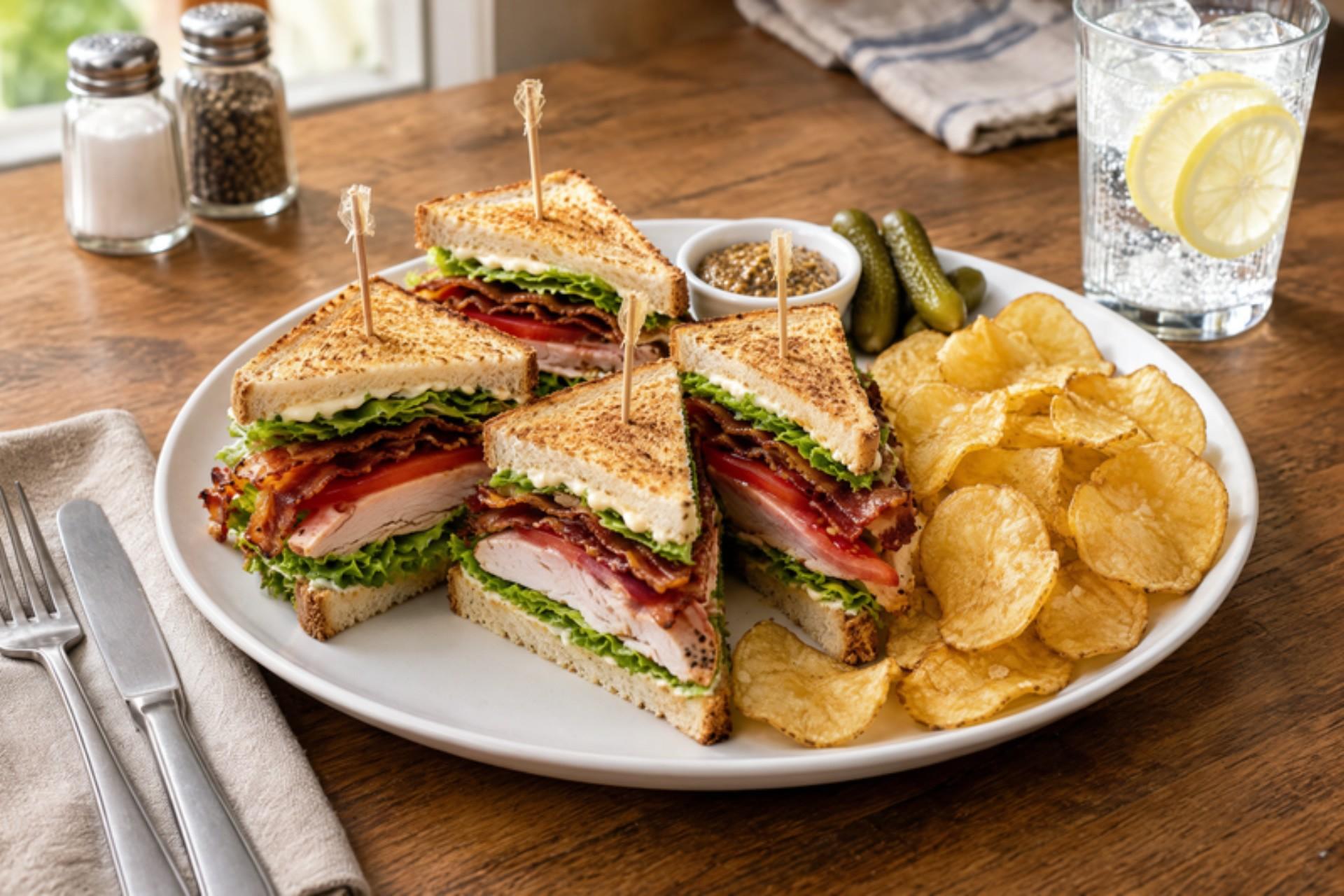
The club sandwich was born in the gentlemen's clubs and grand hotels of New York in the late 1800s and is still on every American hotel room-service menu and diner board. Three slices of toast hold two layers: roast turkey or chicken with mayonnaise in one, crisp pork bacon with lettuce and tomato in the other, held with cocktail sticks and cut into neat triangles. The common mistake is building it on untoasted bread, which goes soggy and slides apart. Toast all three slices until firm and golden, cook the bacon until crisp and rigid, and pat the tomato dry. Serve with chips or crisps and a dill pickle. Chef's tip: spread mayonnaise right to the edges of the middle slice on both sides; it glues the layers so the quarters stand up tall when you cut them.

by KrazyBadal 0 views

Shrimp scampi

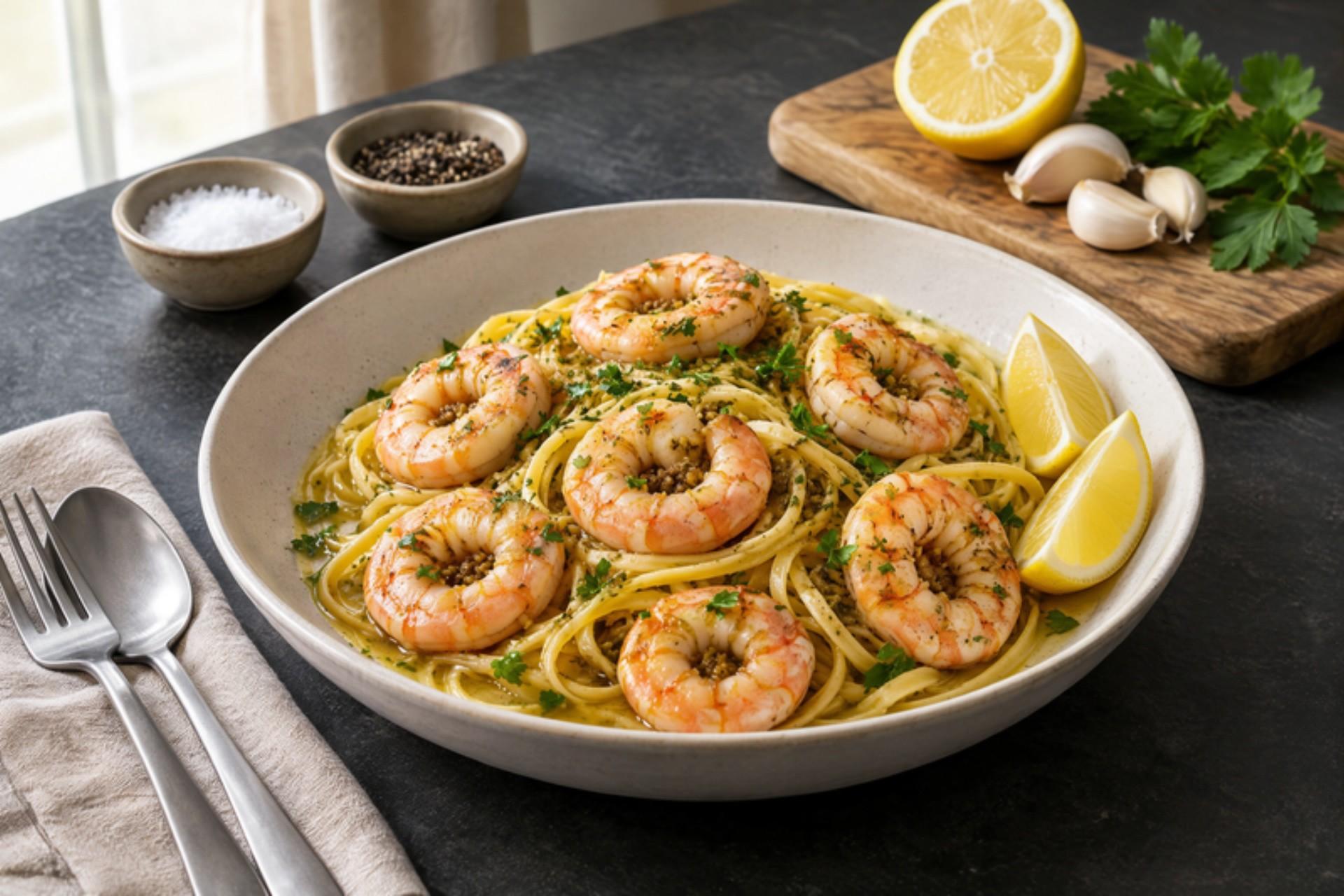
Shrimp scampi is an Italian-American restaurant classic from the East Coast, especially New York and New Jersey, a quick weeknight pasta or a Friday-night date dish. Large prawns are seared briefly, then tossed with plenty of garlic, chilli flakes, butter, white wine, lemon and parsley, and twirled through linguine so the glossy sauce clings to every strand. The dish uses wine, which is simmered briefly so some alcohol remains; for an alcohol-free version use the same amount of chicken or vegetable stock with an extra tsp of lemon juice. The usual mistake is overcooking the prawns into rubbery curls: they need only 2–3 minutes until pink and opaque all the way through. Buy raw prawns that smell of the sea; throw away any that smell of ammonia or feel slimy. Chef's tip: add the butter off the heat in cold cubes and swirl the pan; it emulsifies into a creamy sauce instead of turning greasy.

by KrazyBadal 0 views

BLT sandwich

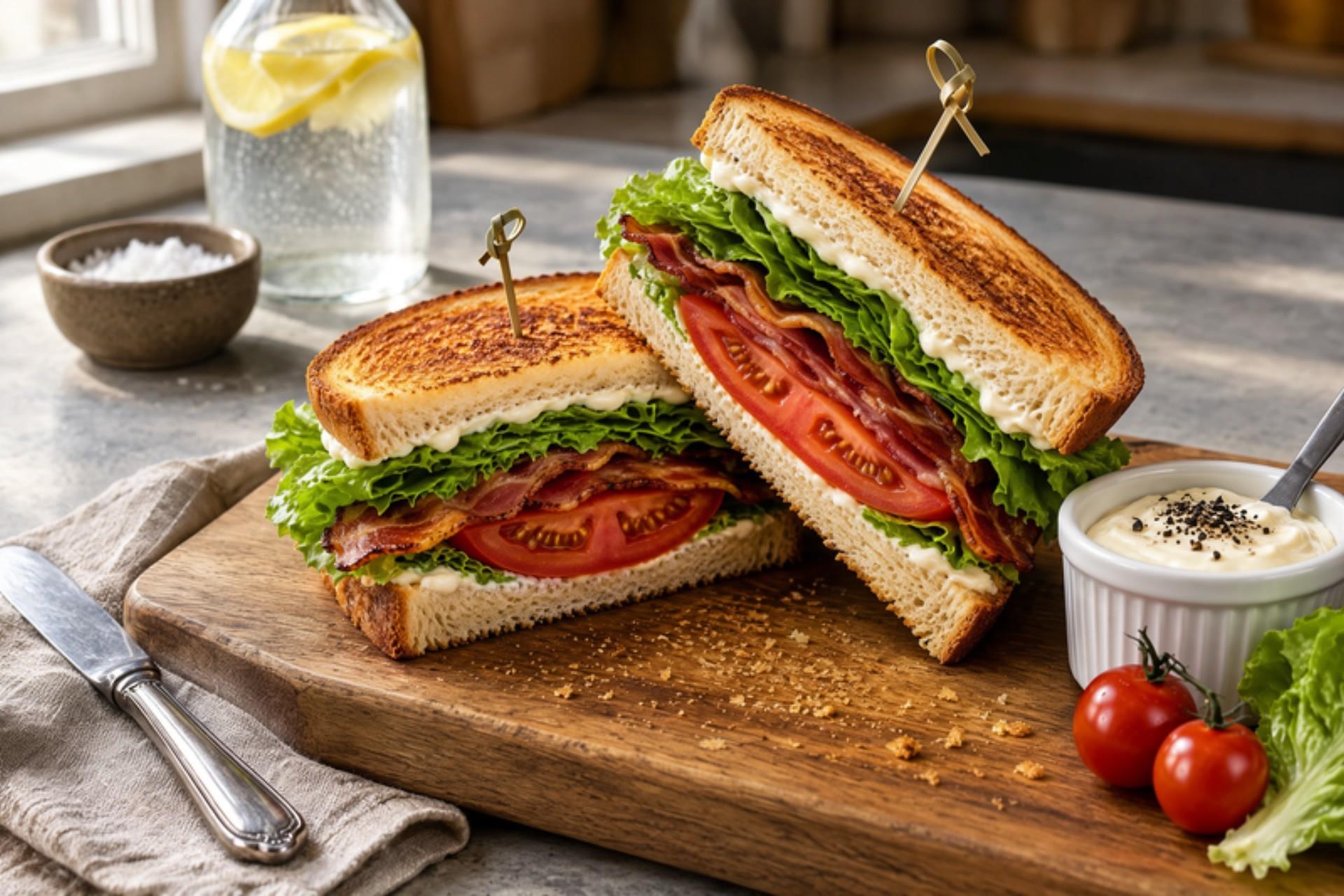
The BLT is the lunch-counter sandwich of every American diner from New York to Los Angeles, at its best in late summer when tomatoes are ripe and heavy. It contains pork: thick rashers of streaky smoked bacon cooked until crisp, layered with crunchy lettuce and thick tomato slices on toasted bread spread generously with mayonnaise. The usual mistake is using limp, pale bacon: it chews like leather and goes soggy. Cook it slowly until it is evenly browned, rigid and stops bubbling, then drain it. Salt the tomato slices lightly so they taste of summer. Serve with crisps and a pickle. Chef's tip: bake the bacon on a rack in the oven at 200 °C; it cooks flat and evenly crisp with no spitting pan.

by KrazyBadal 0 views

Chicken noodle soup

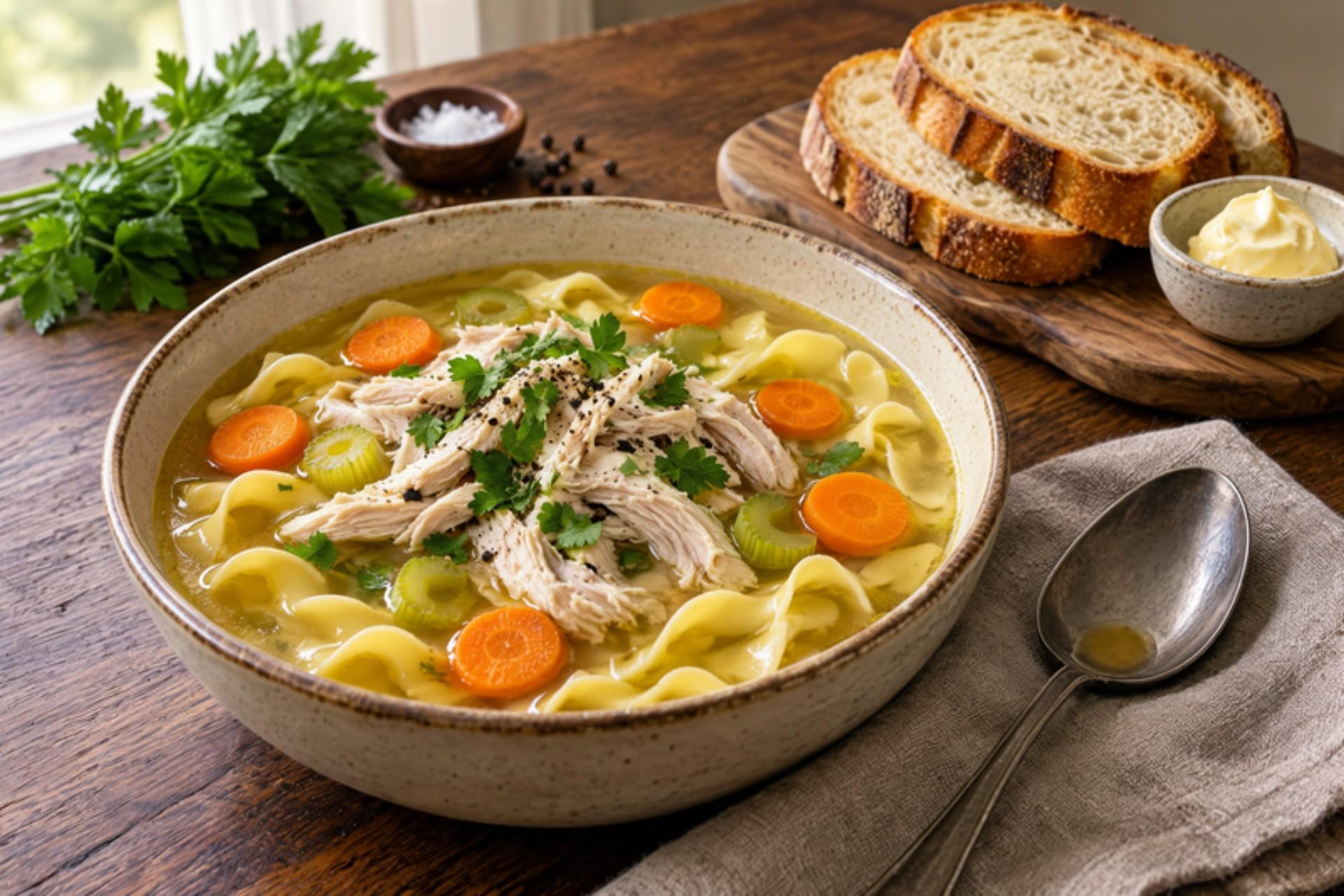
Chicken noodle soup is what American families cook when someone has a cold or the first snow falls, from Brooklyn delis to Minnesota kitchens. Bone-in chicken thighs simmer with onion, carrot and celery to make a quick golden broth, then the meat is shredded back in with wide egg noodles. The common mistake is boiling the noodles in the soup hours ahead: they swell, turn mushy and drink the broth. Cook them just before serving, or separately if you plan leftovers. The chicken is done when it reaches 74 °C and pulls easily from the bone. Serve with crackers or crusty bread. Chef's tip: finish each bowl with a squeeze of lemon and a handful of dill or parsley; the brightness makes a plain broth taste homemade.

by KrazyBadal 0 views

Classic diner cheeseburger

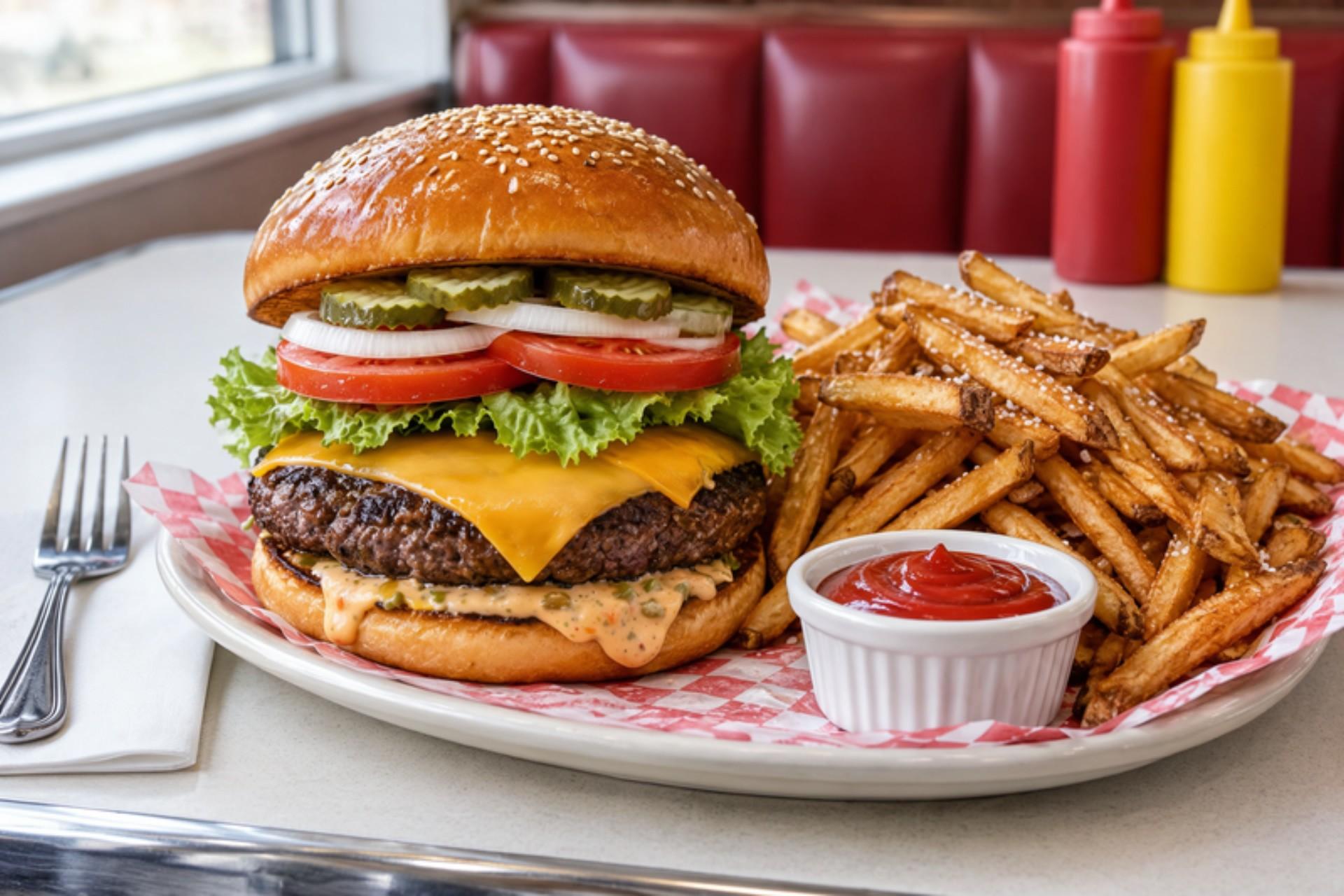
The cheeseburger is the backbone of American roadside diners and summer cookouts, from Los Angeles drive-ins to New Jersey lunch counters. This one is the thick diner style: a loosely packed beef patty seasoned only with salt and pepper, seared hard on a hot griddle, topped with slices of melting cheese and stacked with lettuce, tomato, onion, pickles and a tangy burger sauce in a toasted bun. The usual mistake is overworking the mince and pressing the patty in the pan: it squeezes out the juice and turns tight and dry. Shape gently, press a dimple in the centre so it stays flat, and flip only once. Beef mince must be cooked through to 71 °C, when the juices run clear. Chef's tip: season the patties only on the outside, right before they hit the pan; salt mixed into the mince turns it springy like sausage.

by KrazyBadal 0 views

Classic meatloaf

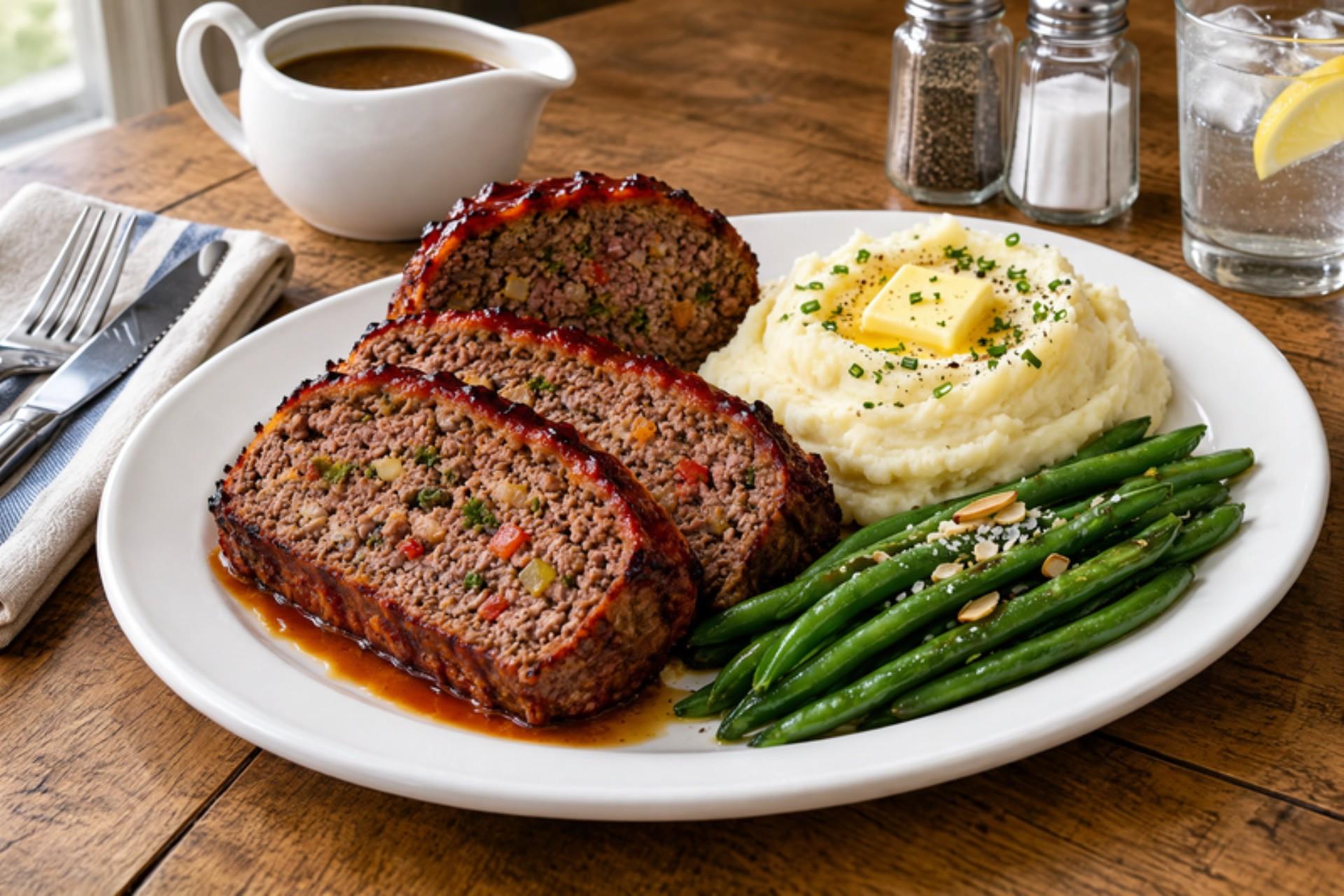
Meatloaf is the Midwest's great weeknight and Sunday-supper dish, served in Ohio and Iowa farmhouse kitchens and in diners from Chicago to Cleveland, always with mashed potatoes, green beans and gravy or ketchup. This version uses beef mince softened with milk-soaked bread and grated onion, baked free-form on a tray so every side gets a sticky, tangy ketchup and brown-sugar glaze. The common mistake is packing the mixture hard in a deep tin: it steams, sits in its own fat and turns dense and rubbery. Mix lightly with your fingertips, shape it loosely on a lined tray and bake until the centre reads 71 °C on a thermometer; the juices run clear and the slices hold together after a 10-minute rest. Leftovers make the best cold meatloaf sandwiches the next day. Chef's tip: brush on half the glaze at the start and the rest for the last 15 minutes, so you get a deep caramelised layer under a glossy fresh one.

by KrazyBadal 0 views

Sloppy joes

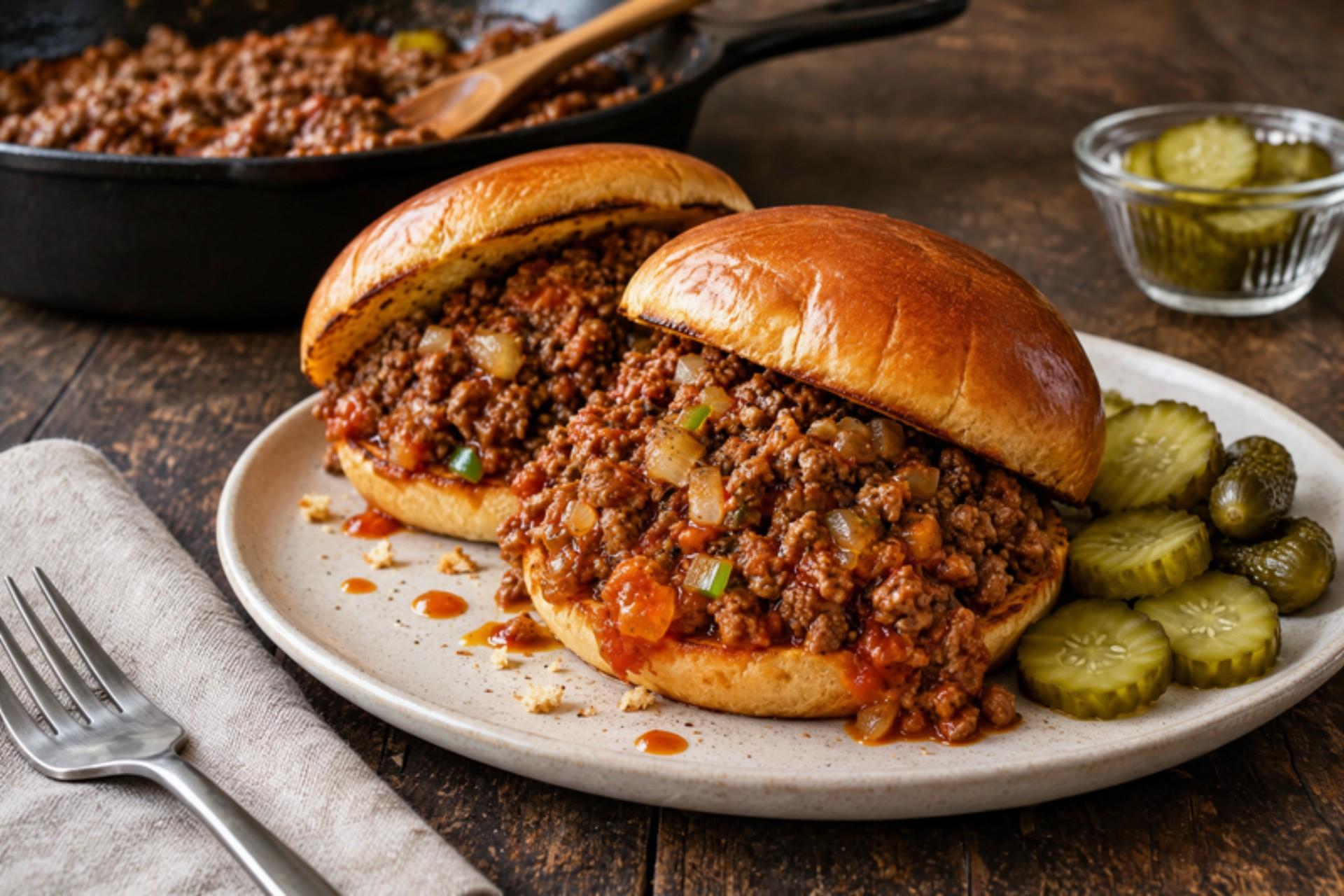
Sloppy joes are a mid-century American family supper, beloved at school cafeterias, scout camps and quick Friday dinners from Iowa to Ohio. Beef mince is browned with onion and green pepper, then simmered in a sweet, tangy tomato sauce until it is thick enough to heap into a soft burger bun without soaking straight through. The usual mistake is leaving it too wet: the bun collapses at the first bite. Simmer until a spoon dragged across the pan leaves a clear trail for a second or two. Brown the mince until no pink remains; it should reach 71 °C. Serve with coleslaw, pickles or crisps, and have napkins ready. Chef's tip: toast the cut sides of the buns in a dry pan first; the crisp surface holds back the sauce long enough to finish the sandwich.

by KrazyBadal 0 views

Brown sugar glazed ham

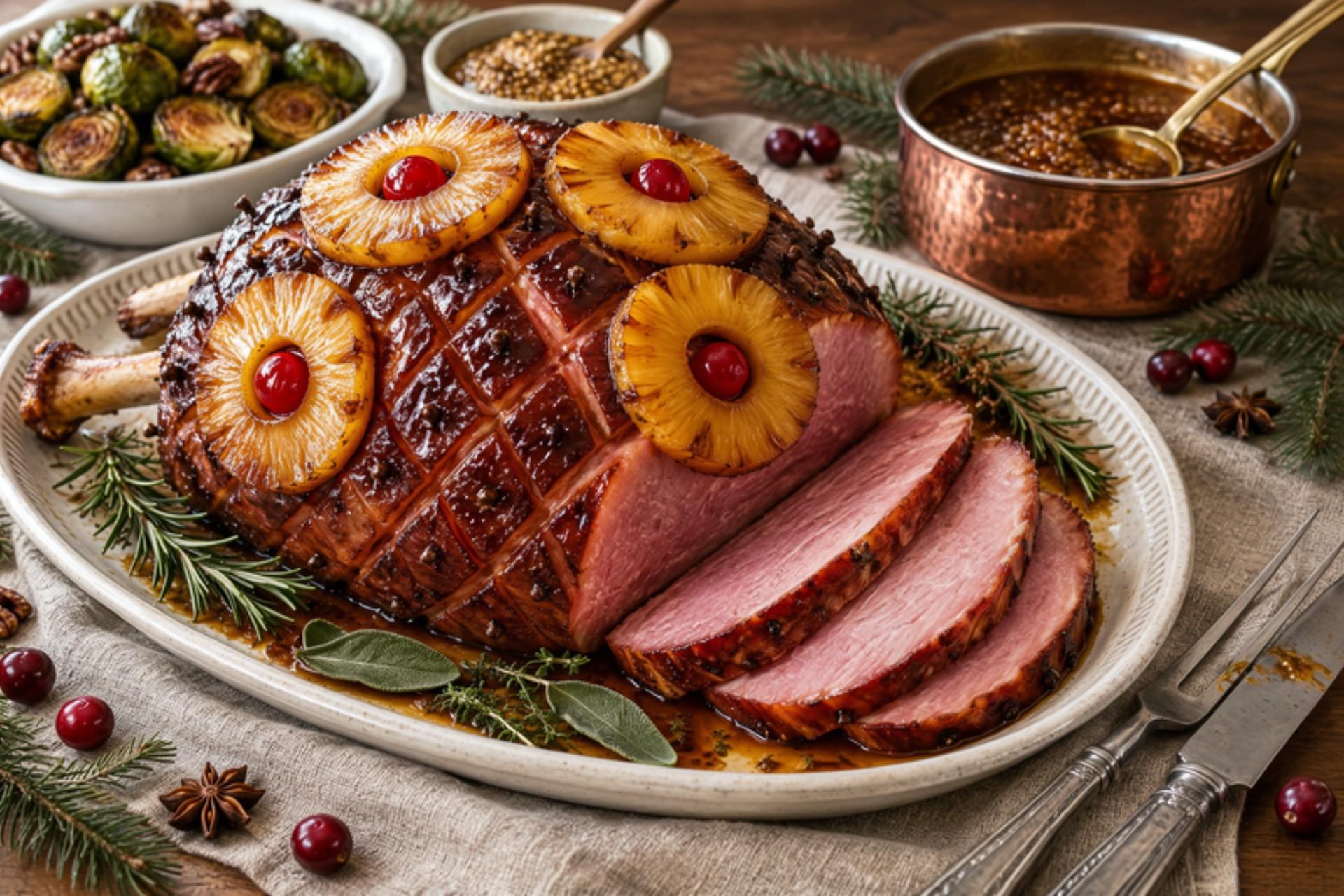
A glazed ham is the centrepiece of Easter lunch and Christmas dinner across the American South and Midwest, carved at the table with scalloped potatoes, green beans and soft rolls, and turned into sandwiches and split-pea soup for days afterwards. It is pork: a fully cooked, bone-in smoked ham is warmed slowly under foil, then brushed with a glossy brown sugar, Dijon and pineapple glaze and baked until lacquered and sticky. The common mistake is glazing from the start: the sugar burns black long before the centre is hot. Heat the ham first and glaze only for the last 30 minutes. Heat until the centre reads 63 °C, then rest for 15 minutes before carving. Chef's tip: score the fat in a 2 cm diamond pattern only through the fat, not into the meat; the glaze pools in the cuts and caramelises into crisp, sweet edges.

165 minAmericanMeatGluten free
by KrazyBadal 0 views

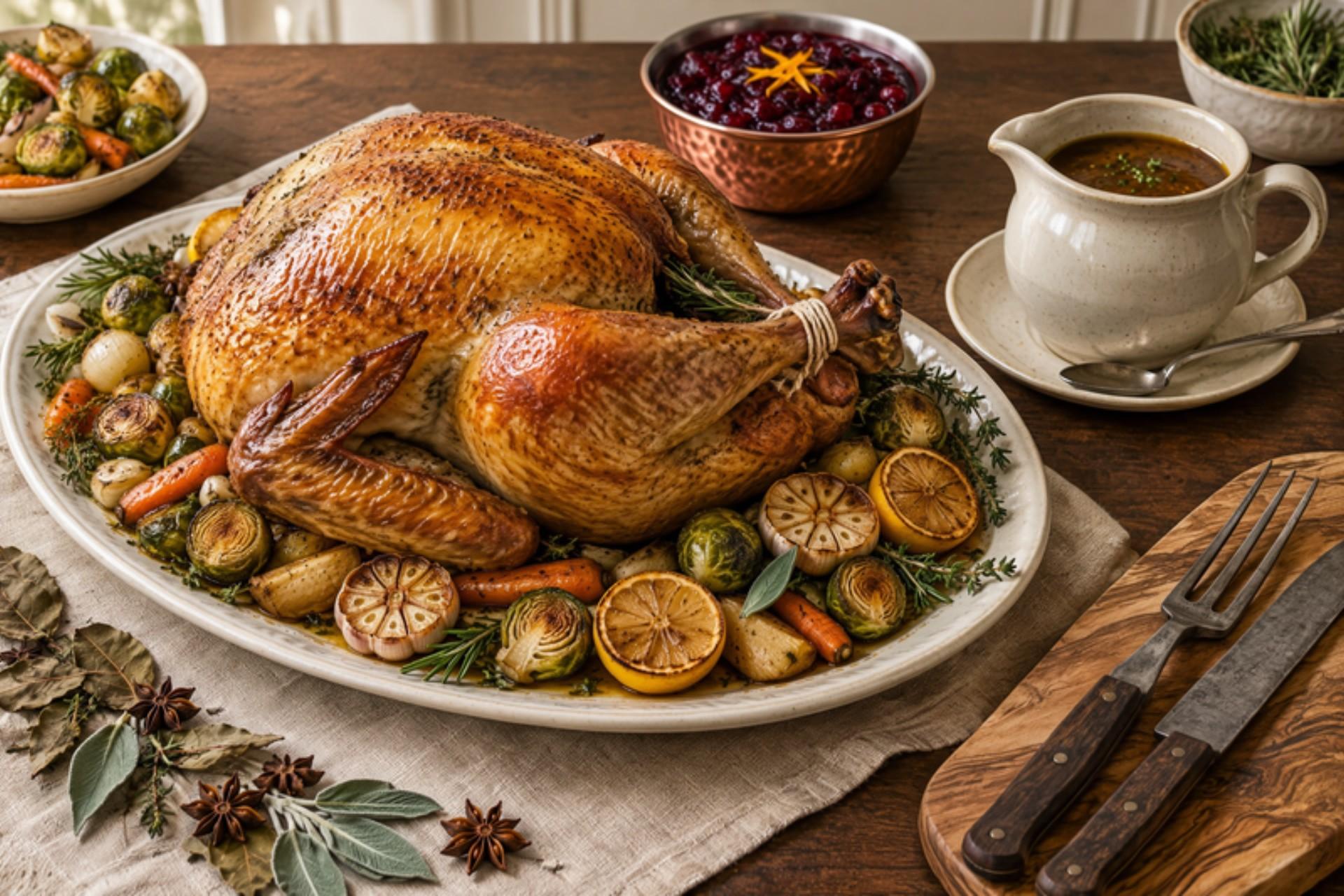
Thanksgiving roast turkey

On the fourth Thursday of November, from Massachusetts to California, the roast turkey is the centre of the Thanksgiving table, carved beside stuffing, cranberry sauce, mashed potatoes and pumpkin pie. This recipe dry-brines a 5–6 kg bird with salt in the fridge for two days, then roasts it with herb butter under the skin for juicy meat and crackling golden skin. The commonest mistake is roasting by the clock and either serving it underdone or cooking the breast to sawdust. Use a thermometer: it is safe when the thickest part of the thigh, not touching bone, reads 74 °C and the juices run clear. Thaw a frozen bird in the fridge (allow 24 hours per 2 kg) and never stuff the cavity; bake the stuffing separately. Chef's tip: leave the salted turkey uncovered in the fridge for the last night; the skin dries like parchment and roasts shatteringly crisp.

240 minAmericanMeat
by KrazyBadal 0 views

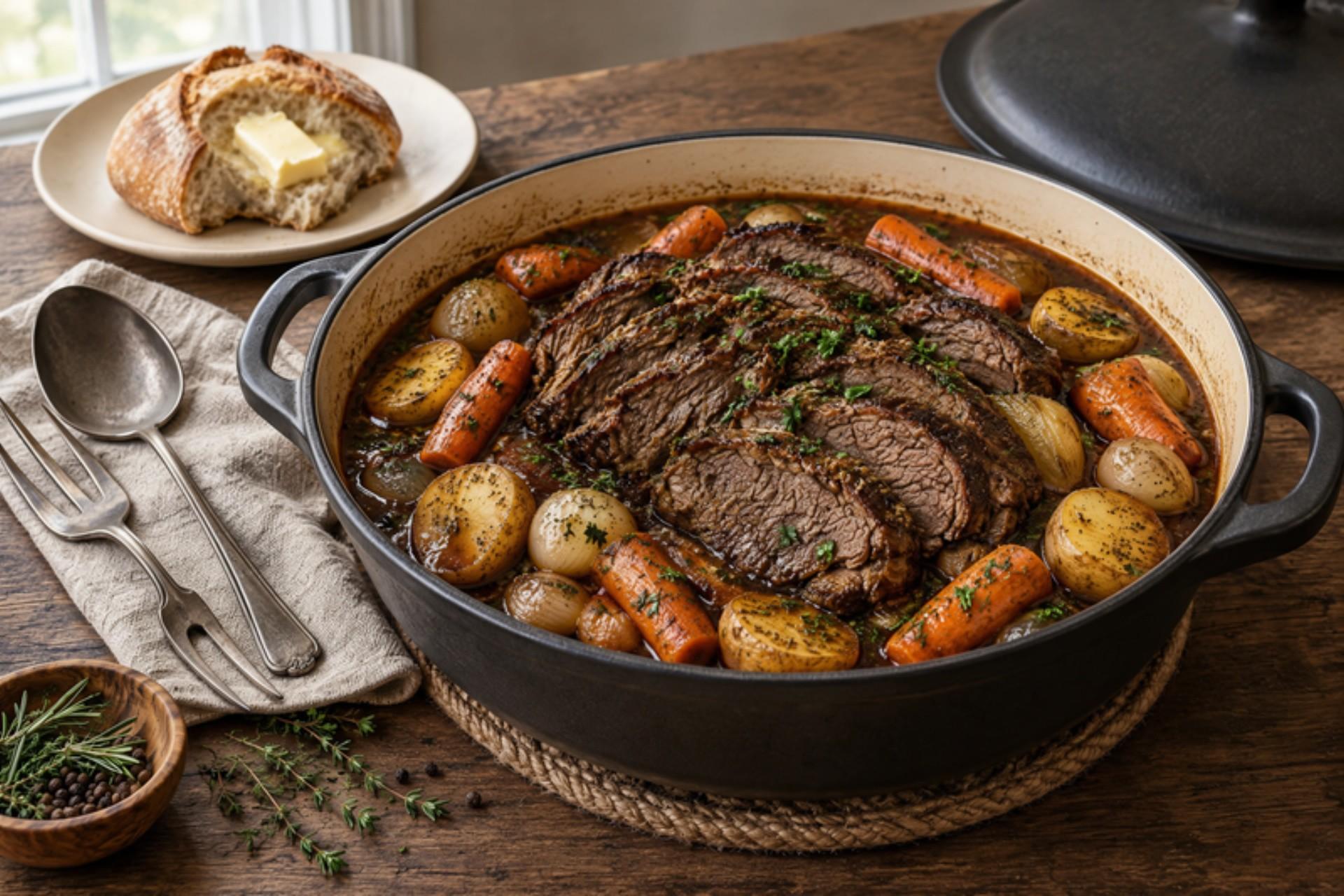
Yankee pot roast

Yankee pot roast is the Sunday dinner of New England, simmering through the afternoon in Vermont farmhouses and Boston family kitchens while the windows steam up on a cold day. A whole chuck roast is browned hard, then braised low with onions, carrots and potatoes until it falls apart under a fork, and the liquid turns into a dark, beefy gravy. The usual mistake is pulling it too soon: chuck at 'cooked' temperature is still tough and stringy, and only softens after about three hours, when the connective tissue melts. It is done when a fork twists easily into the meat and the slices pull apart. Serve with the vegetables, gravy and a hunk of bread; leftovers become hash or sandwiches. Chef's tip: dry the beef very well and brown it in two stages, fat side first, until it is the colour of a dark crust of bread; that crust is where all the gravy's flavour comes from.

235 minAmericanMeat
by KrazyBadal 0 views

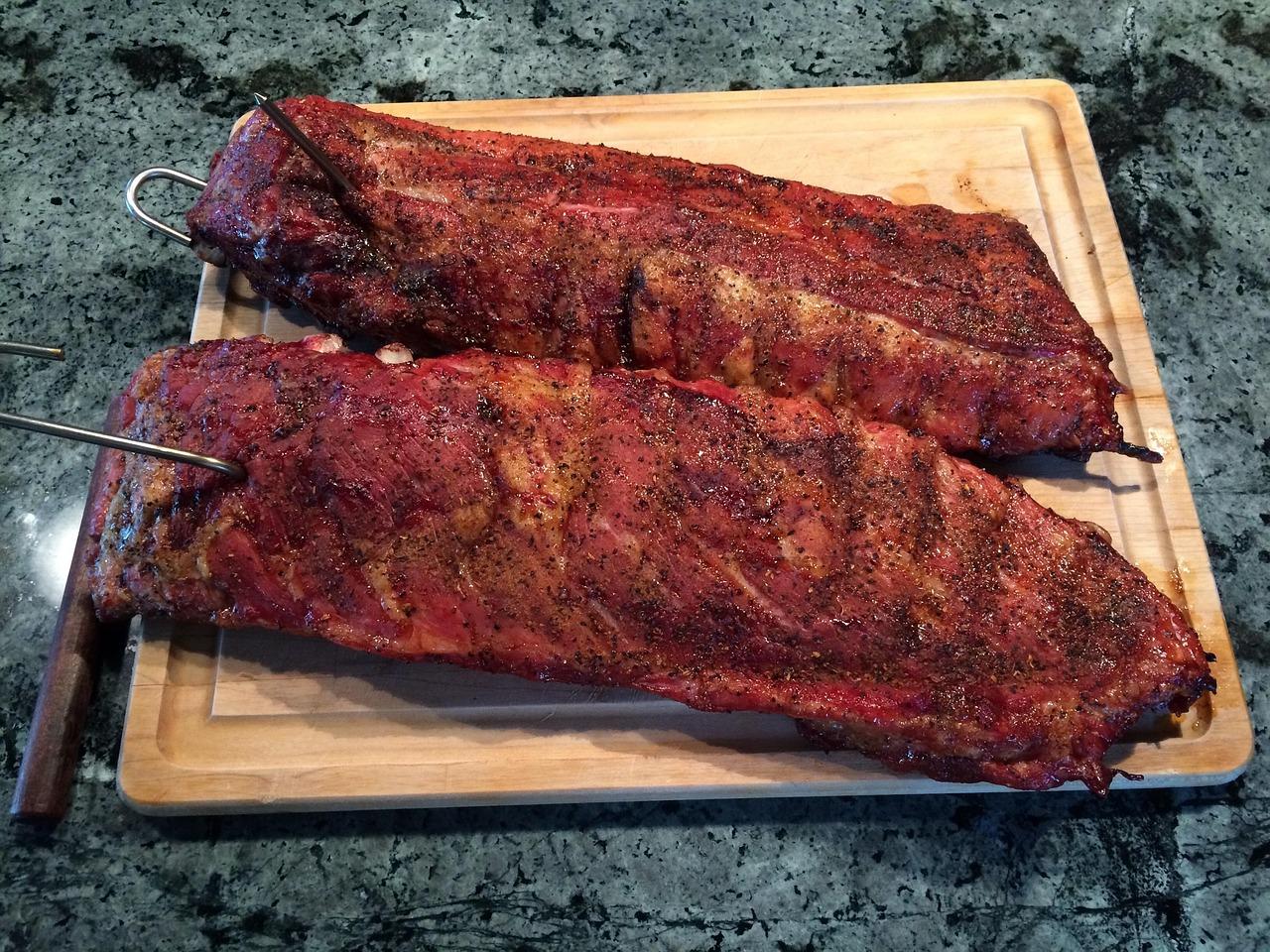
Memphis dry-rub ribs

Memphis is famous for pork ribs served 'dry': coated in a spice rub of paprika, garlic and chilli and slow-cooked until tender, then dusted with more rub instead of sauce. Basement rib joints downtown and the World Championship Barbecue Cooking Contest every May keep the style alive. This oven method gets close to the smoked version. Chef's tip: peel the papery membrane off the back of the ribs before rubbing; it blocks the seasoning and turns leathery.

230 minAmericanMeatGluten freeSpicy
by KrazyBadal 0 views

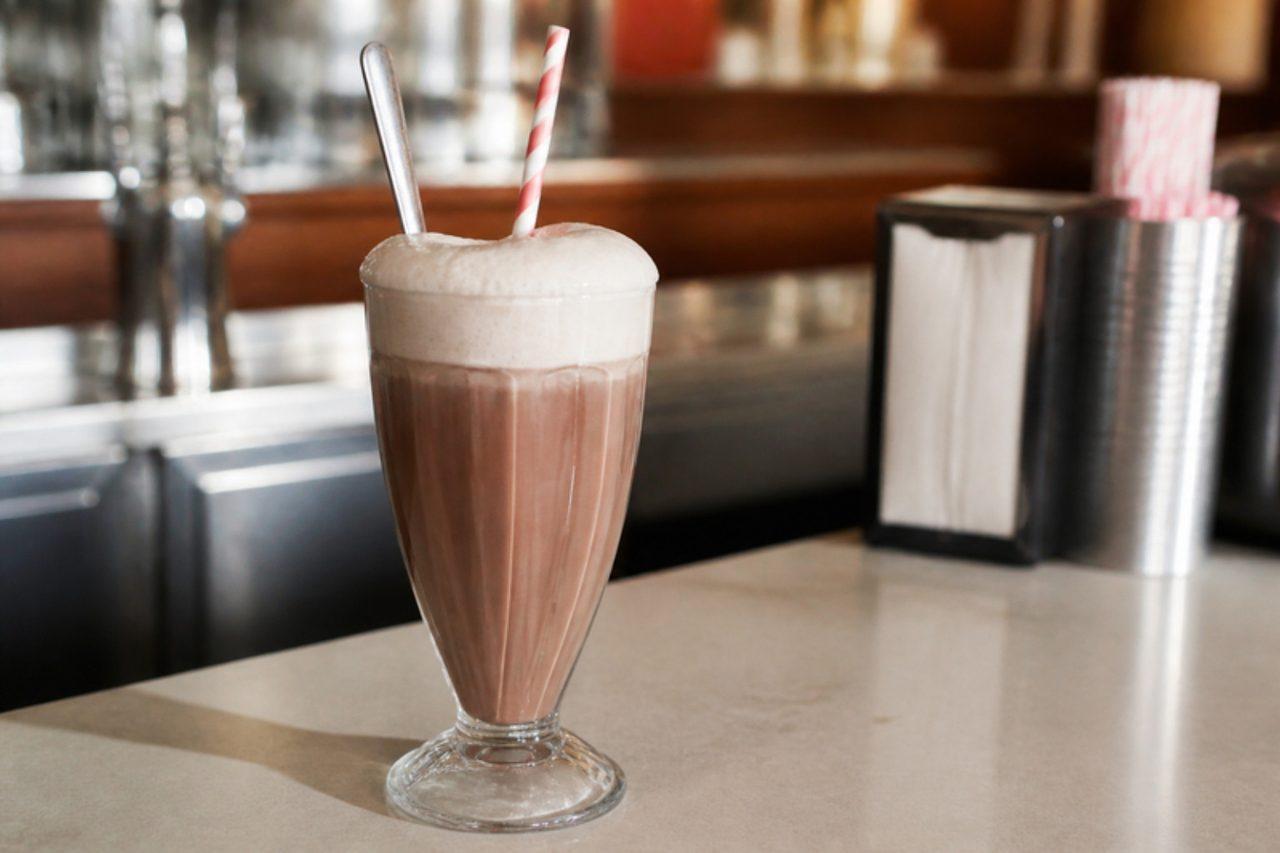
Chocolate egg cream

The egg cream contains neither egg nor cream: it is the old soda-fountain drink of Brooklyn and the Lower East Side, made of cold milk, chocolate syrup and a hard jet of seltzer that whips up a tall white foam. It was sold for pennies at candy stores and corner luncheonettes, and New Yorkers still argue about the right order to pour. Chef's tip: everything, glass included, must be ice-cold, or the foam collapses.

by KrazyBadal 0 views

Palm Springs date shake

The Coachella Valley around Palm Springs and Indio grows most of America's dates, and roadside date farms along the desert highway have sold this shake to thirsty drivers since the 1930s. Soft Medjool dates are blended with vanilla ice cream and milk into a thick, caramel-flavoured shake. Chef's tip: soak the chopped dates in a little warm milk for 10 minutes first, so they blend completely smooth instead of leaving chewy bits in the straw.

by KrazyBadal 0 views

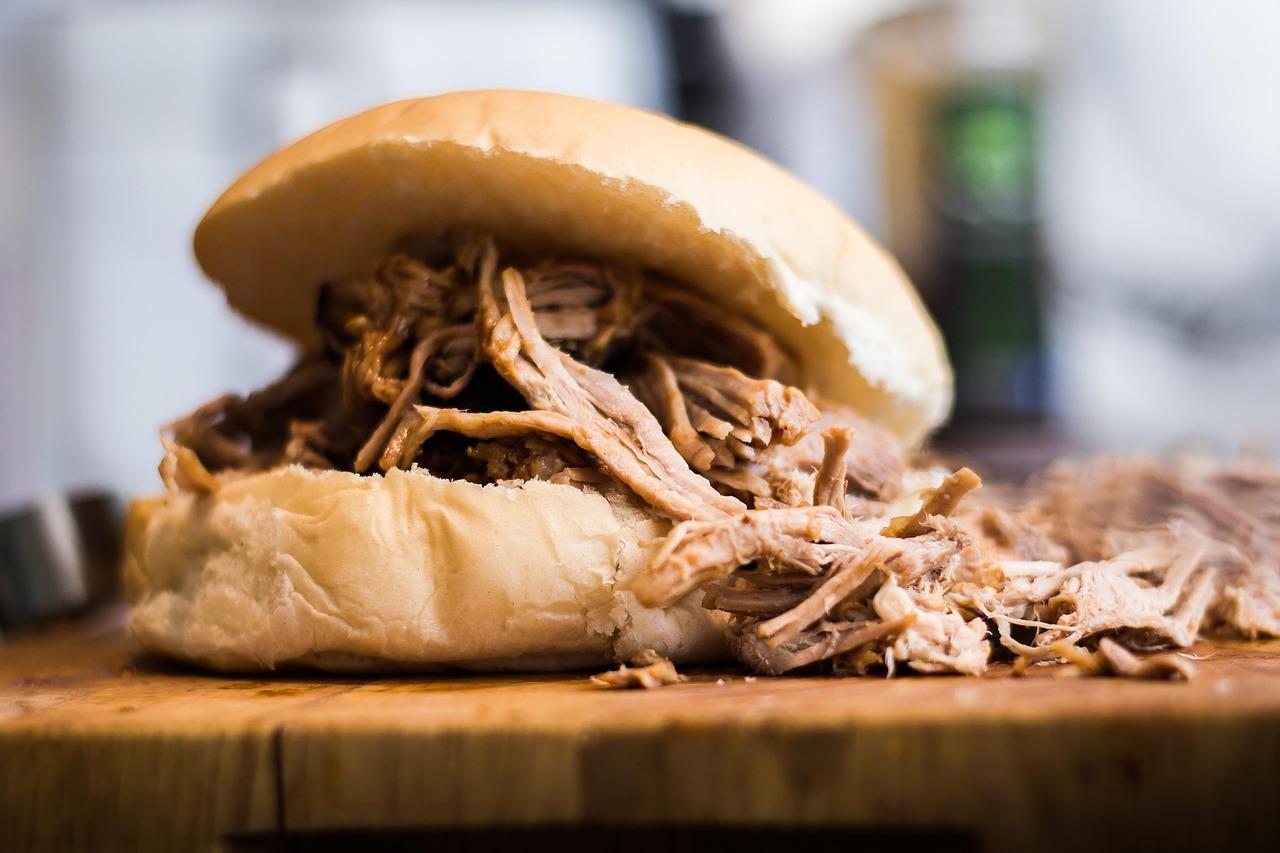
Eastern Carolina pulled pork

In eastern North Carolina barbecue means pork, slow-smoked whole hog or shoulder chopped and dressed with a thin sauce of cider vinegar, chilli flakes and pepper, with no tomato at all. It is served at pit-cooked joints around Ayden and Goldsboro with slaw and hushpuppies, and piled into soft buns at cookouts. This oven version slow-roasts a pork shoulder until it pulls apart. Chef's tip: dress the meat with the sauce while it's still warm, so it soaks right in.

440 minAmericanMeatGluten free
by KrazyBadal 0 views

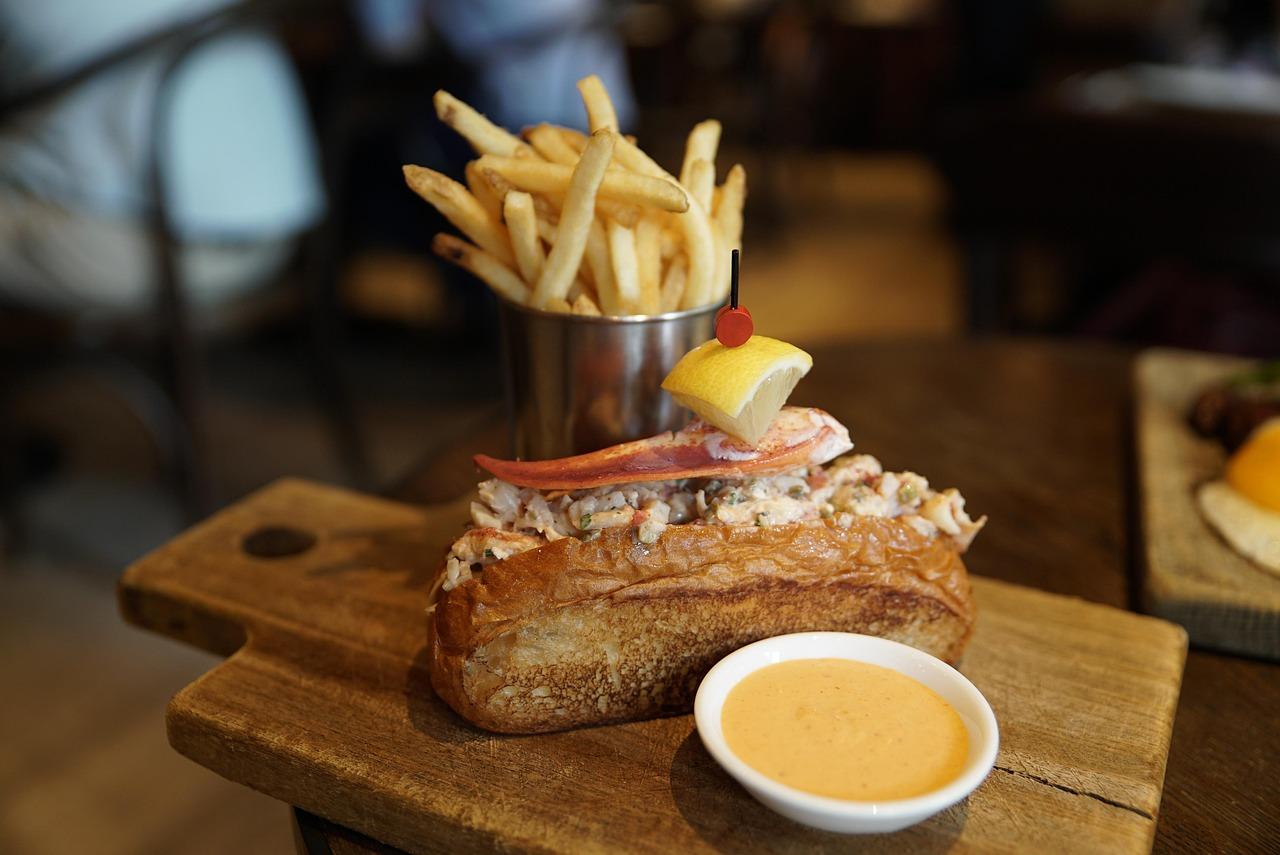
New England lobster roll

From Kittery to Bar Harbor, roadside lobster shacks on the Maine coast serve this every summer: big chunks of sweet lobster meat, barely dressed with mayonnaise, lemon and celery, piled into a hot-dog bun toasted in butter. Over the border in Connecticut they serve it warm with melted butter instead, and both camps think the other is wrong. Chef's tip: dress the lobster lightly, just enough to gloss it; the meat should be the star, not the mayonnaise.

by KrazyBadal 0 views

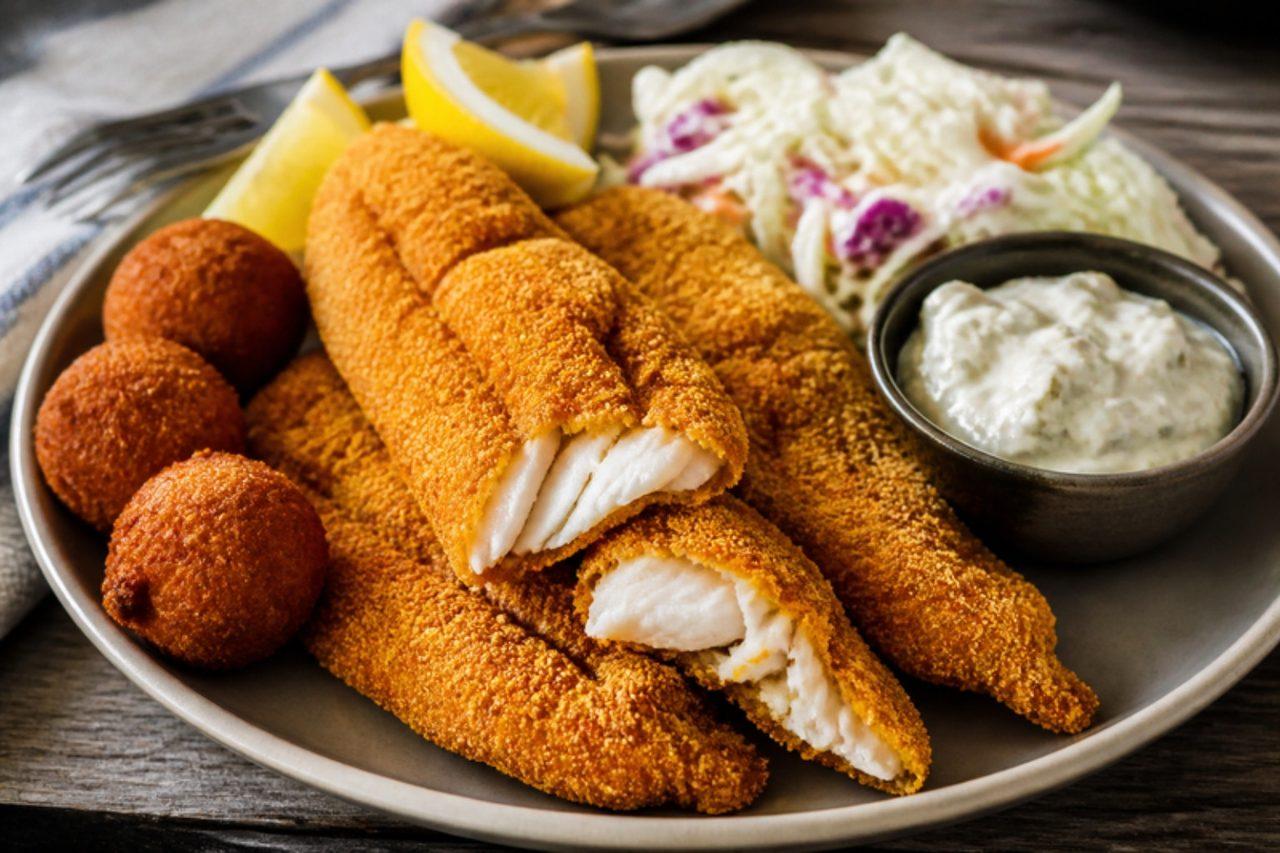
Southern fried catfish

Fried catfish is the Friday night fish-fry and Delta church supper of Mississippi and Arkansas, where much of America's catfish is farmed. Fillets are soaked in seasoned milk or buttermilk, rolled in cornmeal and fried until the crust crackles and the mild, sweet fish inside flakes apart. Serve with hushpuppies, slaw and lemon. Chef's tip: cut thick fillets in half lengthways so they cook in the same time as the crust browns.

by KrazyBadal 0 views

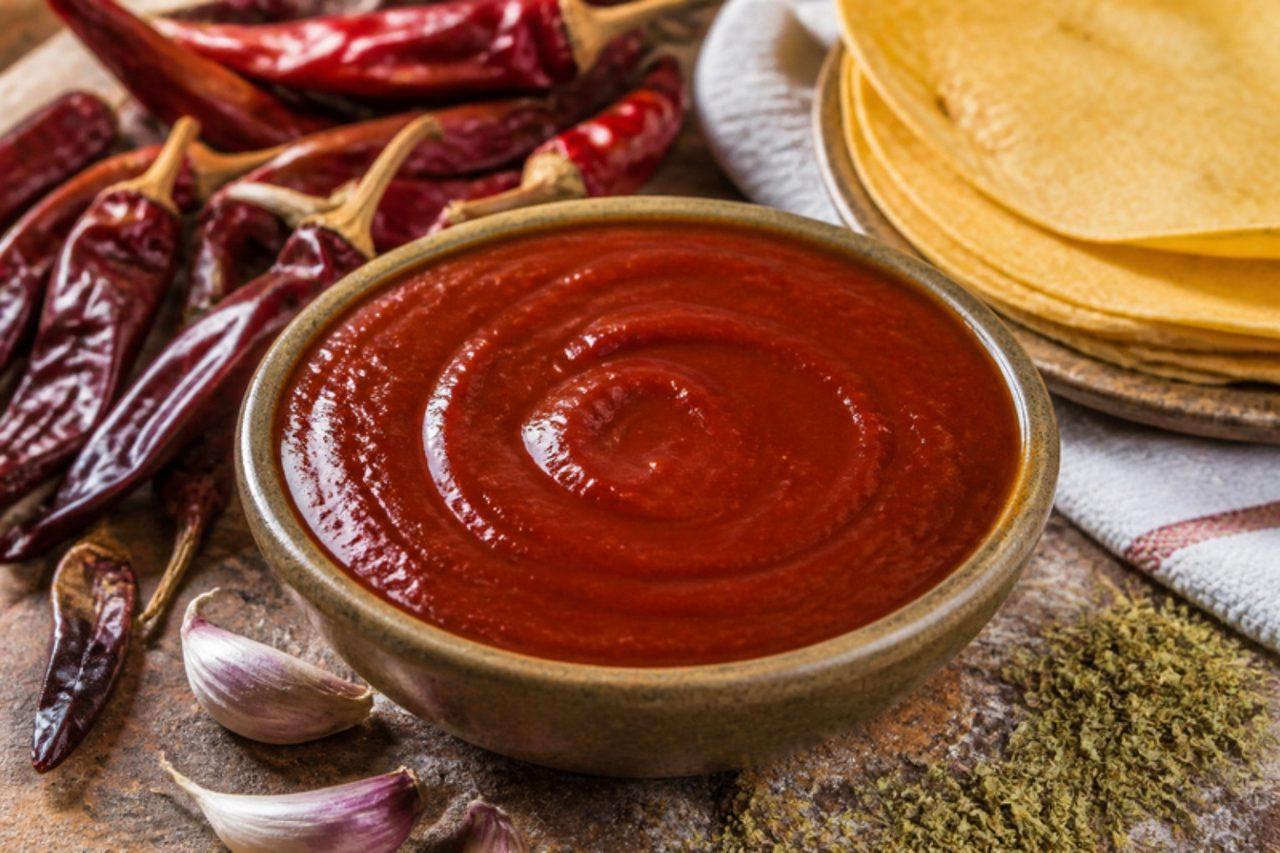
New Mexico red chile sauce

Ask for 'red or green?' in any New Mexico café and red means this sauce, made from the sun-dried chile pods that hang in long ristras outside adobe houses in Chimayó and Hatch every autumn. The pods are toasted, soaked and blended into a smooth, brick-red sauce that is earthy and gently sweet rather than smoky, poured over enchiladas, eggs, beans and burritos. Chef's tip: toast the pods for only a few seconds a side; burnt chile makes the sauce bitter.

by KrazyBadal 0 views

Green bean casserole from scratch

Green bean casserole was invented in a test kitchen in the 1950s and spread across the Midwest via church cookbooks; today it is on most American Thanksgiving tables. This version skips the tins: fresh beans in a homemade mushroom cream sauce, topped with crisp shallots you fry yourself. Chef's tip: blanch the beans only until bright green and still squeaky, because they cook again in the oven.

by KrazyBadal 0 views

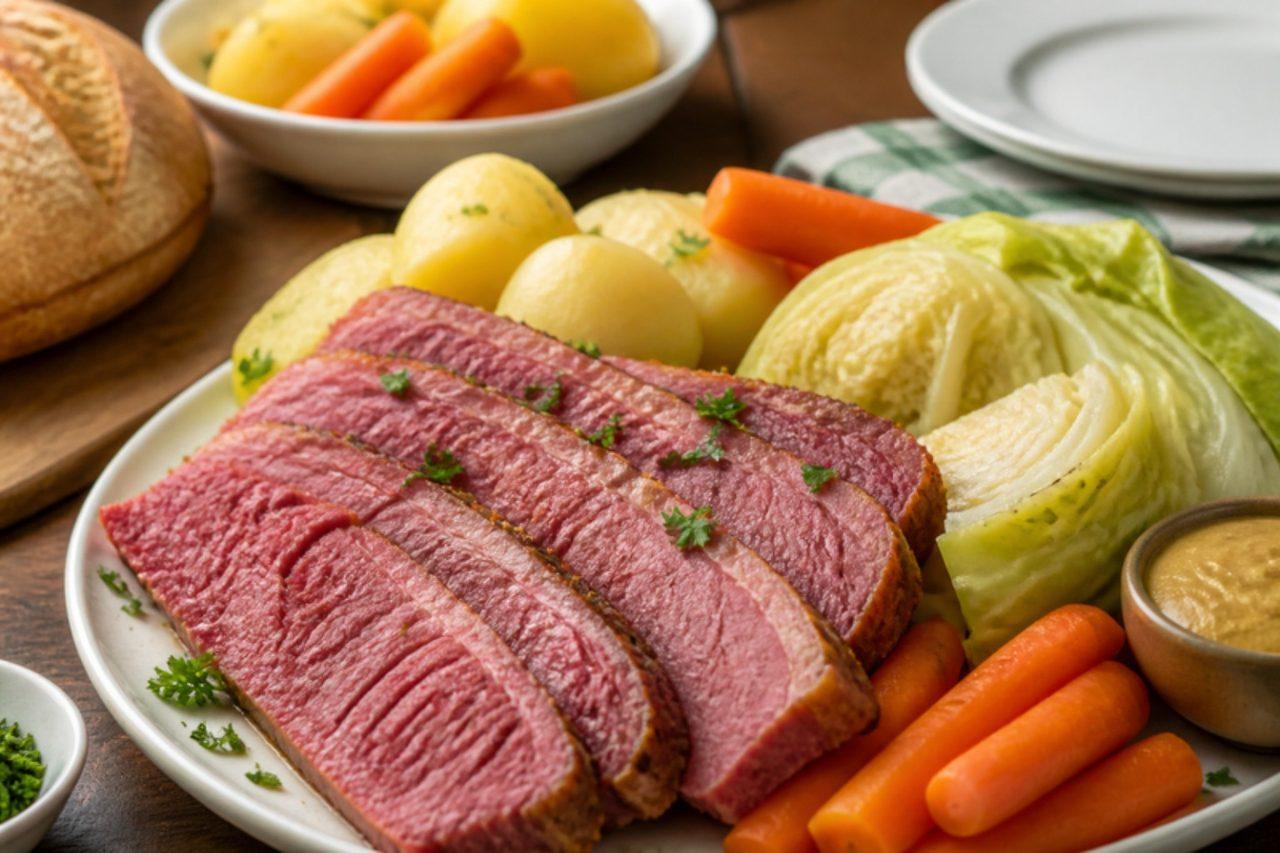
Corned beef and cabbage

In Boston, Irish families made corned beef the centre of St Patrick's Day, swapping the bacon joint of home for the cheaper brisket sold by Jewish butchers, and New Englanders still call the whole pot a boiled dinner. Salt-cured beef brisket is simmered for hours with spices, then potatoes, carrots and wedges of cabbage cook in the same broth. Serve with grainy mustard. Chef's tip: slice the beef across the grain, thinly; cut along the grain it looks stringy and chews tough.

230 minAmericanMeat
by KrazyBadal 0 views

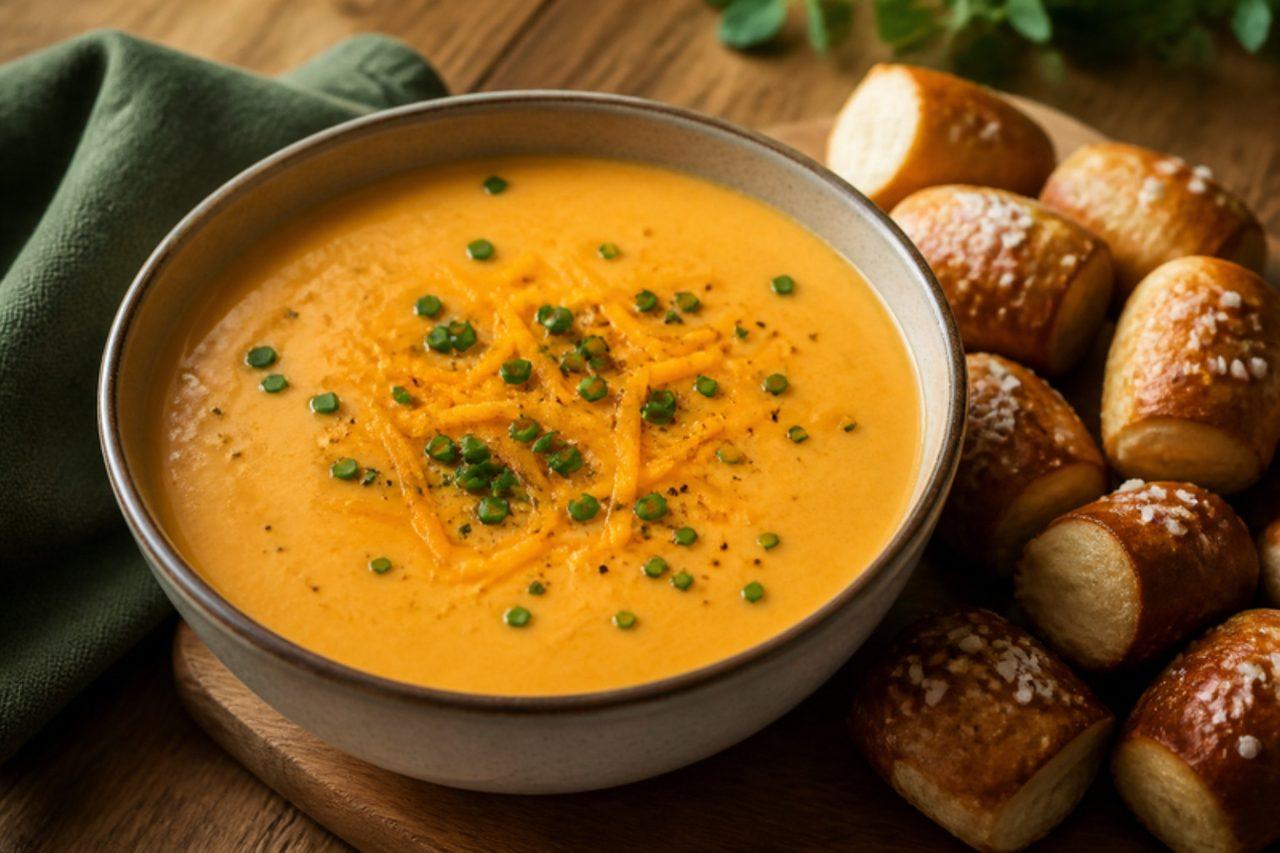
Wisconsin beer cheese soup

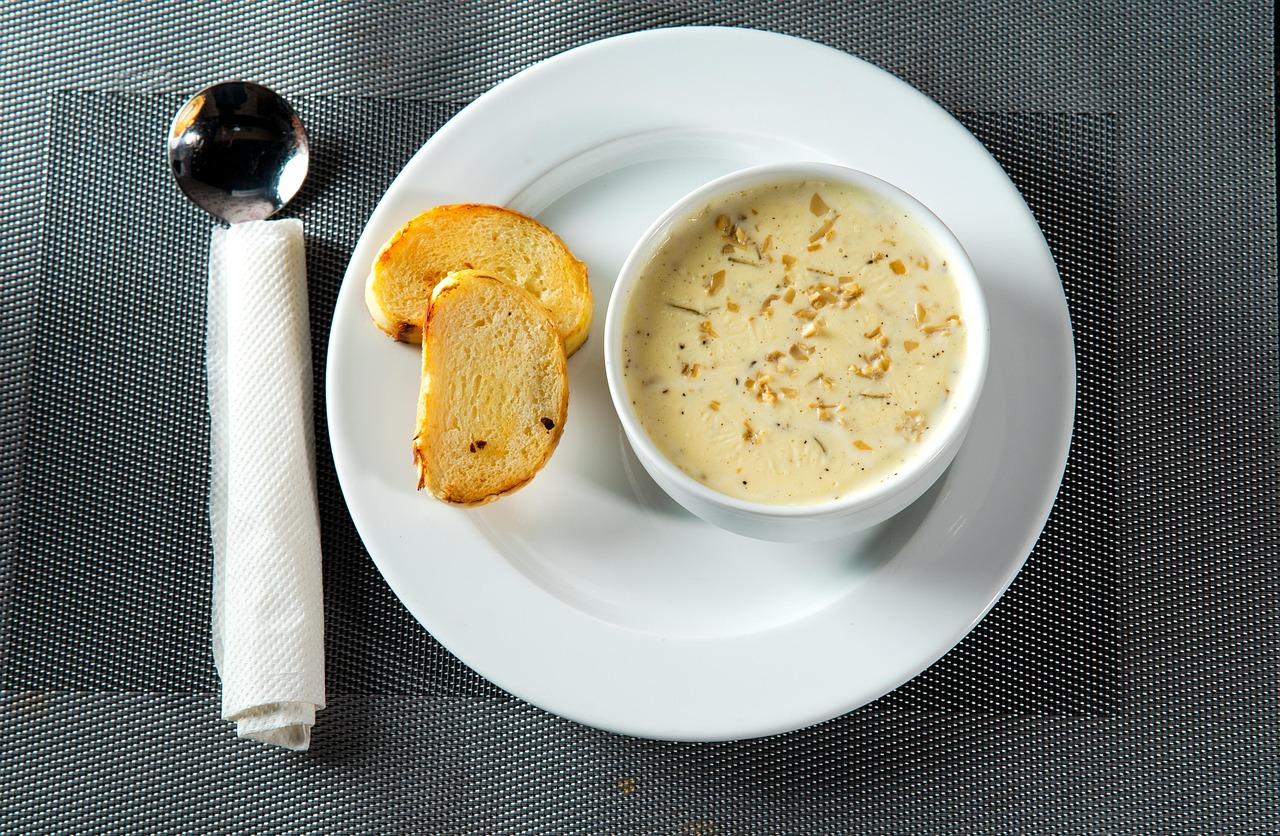
Beer cheese soup is a Wisconsin tavern and Packers game-day classic, made with the state's sharp cheddar and a local lager and served with soft pretzels or popcorn on top. It is thick, silky and tangy, with a little mustard and smoked paprika. It contains beer; most of the alcohol cooks off but not all, so for an alcohol-free version use alcohol-free lager or extra stock with 1 tsp cider vinegar. Aged cheddar is often made with animal rennet, so use a vegetarian cheddar. Chef's tip: add the cheese off the heat, a handful at a time, or it turns grainy.

by KrazyBadal 0 views

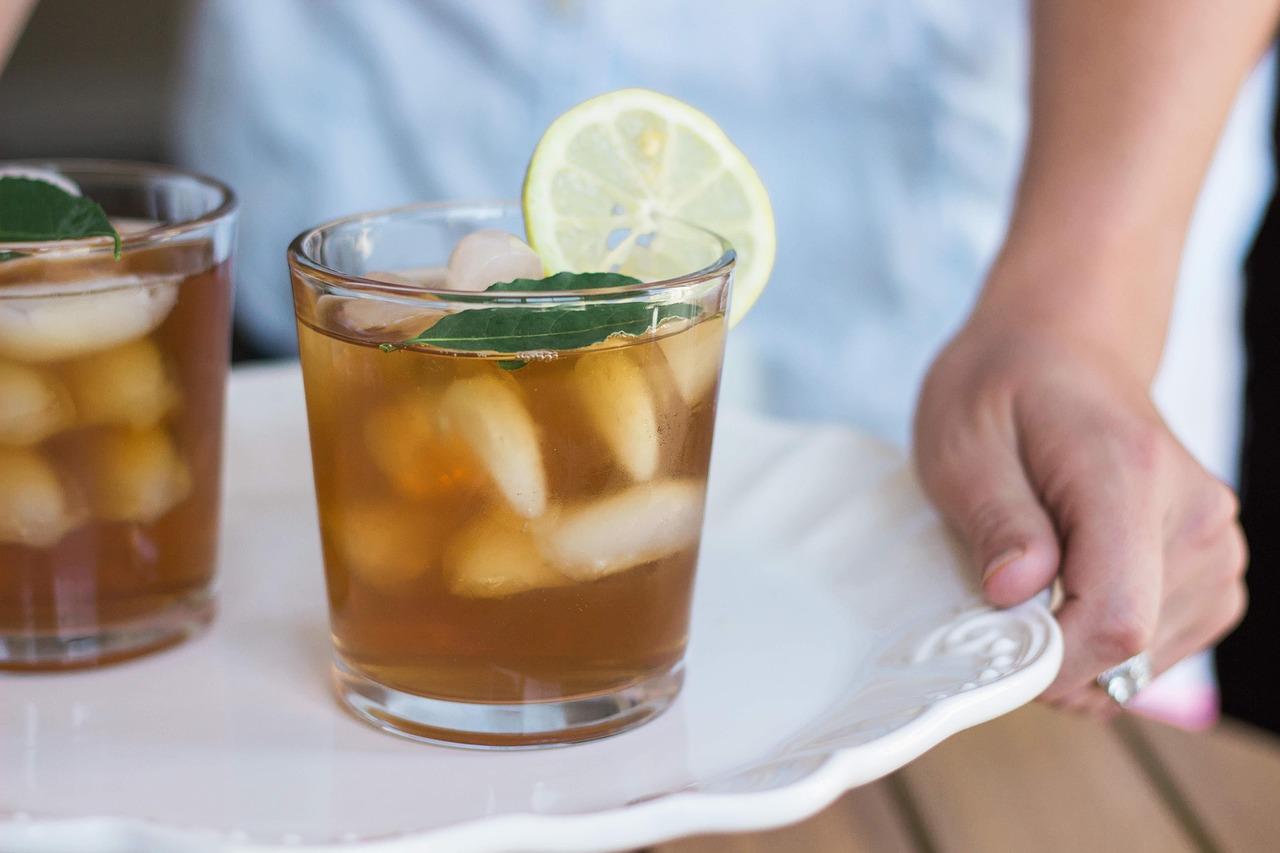
Southern sweet tea

Sweet tea is the house wine of the South, poured by the jug at every barbecue joint, meat-and-three and Sunday lunch from South Carolina to Texas. Strong black tea is sweetened while hot so the sugar dissolves completely, then cooled and poured over plenty of ice with lemon. A pinch of bicarbonate is an old trick that softens bitterness and keeps it clear. Chef's tip: let the tea cool to room temperature before chilling; putting it straight in the fridge hot makes it go cloudy.

by KrazyBadal 0 views

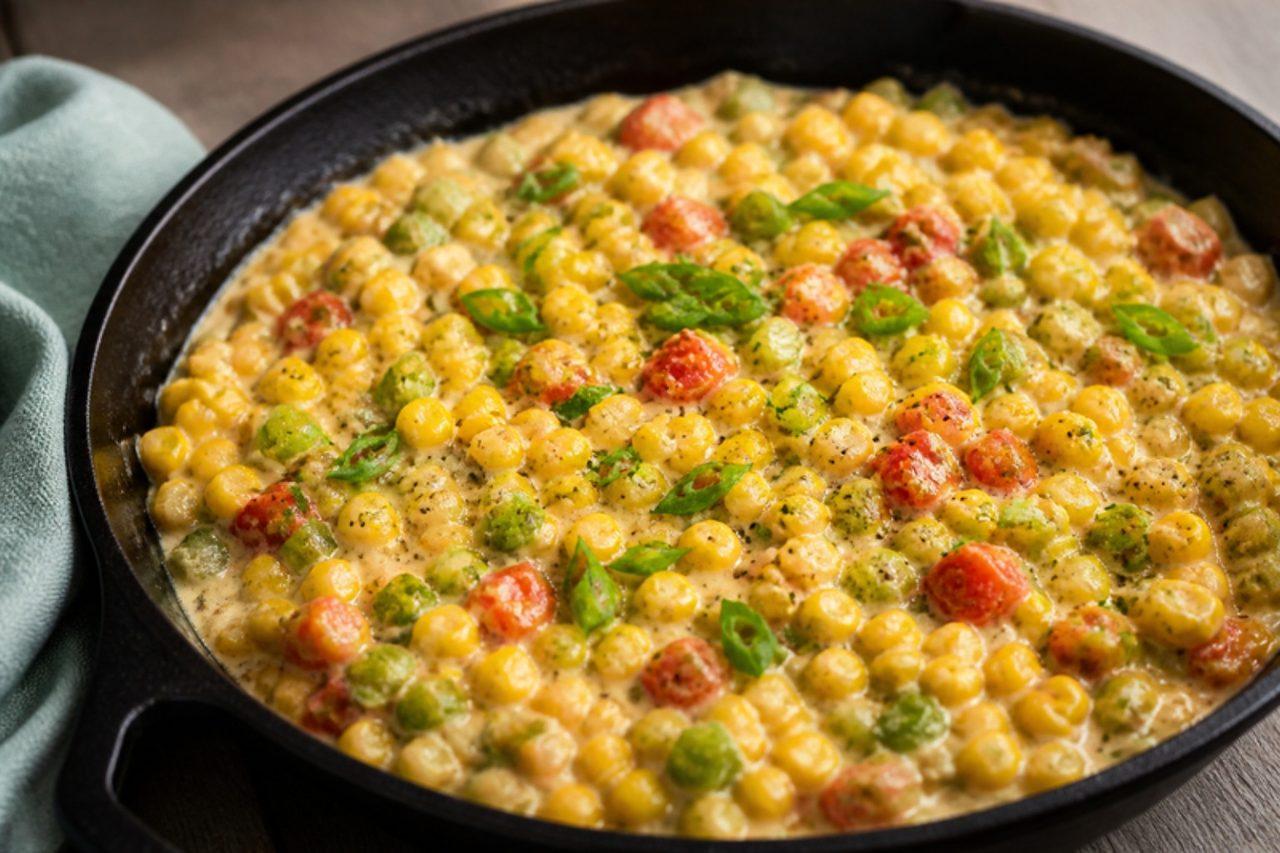
Cajun maque choux

Maque choux (say 'mock shoe') is a Cajun side of fresh corn smothered with the 'holy trinity' of onion, celery and green pepper, made in the bayou country of south-west Louisiana when the corn comes in during June and July. Cooks scrape the cobs for their milk and simmer everything with butter and a splash of cream until sweet and silky. Many add bacon; this version is meat-free. Serve with rice and beans or grilled vegetables. Chef's tip: let the corn catch slightly on the bottom of the pan before stirring; those browned bits are the flavour.

by KrazyBadal 0 views

New England corn chowder

When the sweetcorn stands in late summer at farm stands from Maine to Connecticut, corn chowder is what goes on the stove. It is a milky, chunky soup of corn, potato and onion, thickened by simmering the stripped cobs in the stock. Many cooks start it with salt pork; this vegetarian version gets its depth from butter, smoked paprika and the cob stock instead. Chef's tip: scrape the bare cobs with the back of a knife to get the sweet corn 'milk' into the pot.

by KrazyBadal 0 views

Showing 24 of 84 recipes

Show more recipes

Page 1 of 4