Skip to content
WhatToEat.Today

All recipes

39

Vegetarian, or something you can't eat? Set your diet once and we'll hide recipes that don't fit.

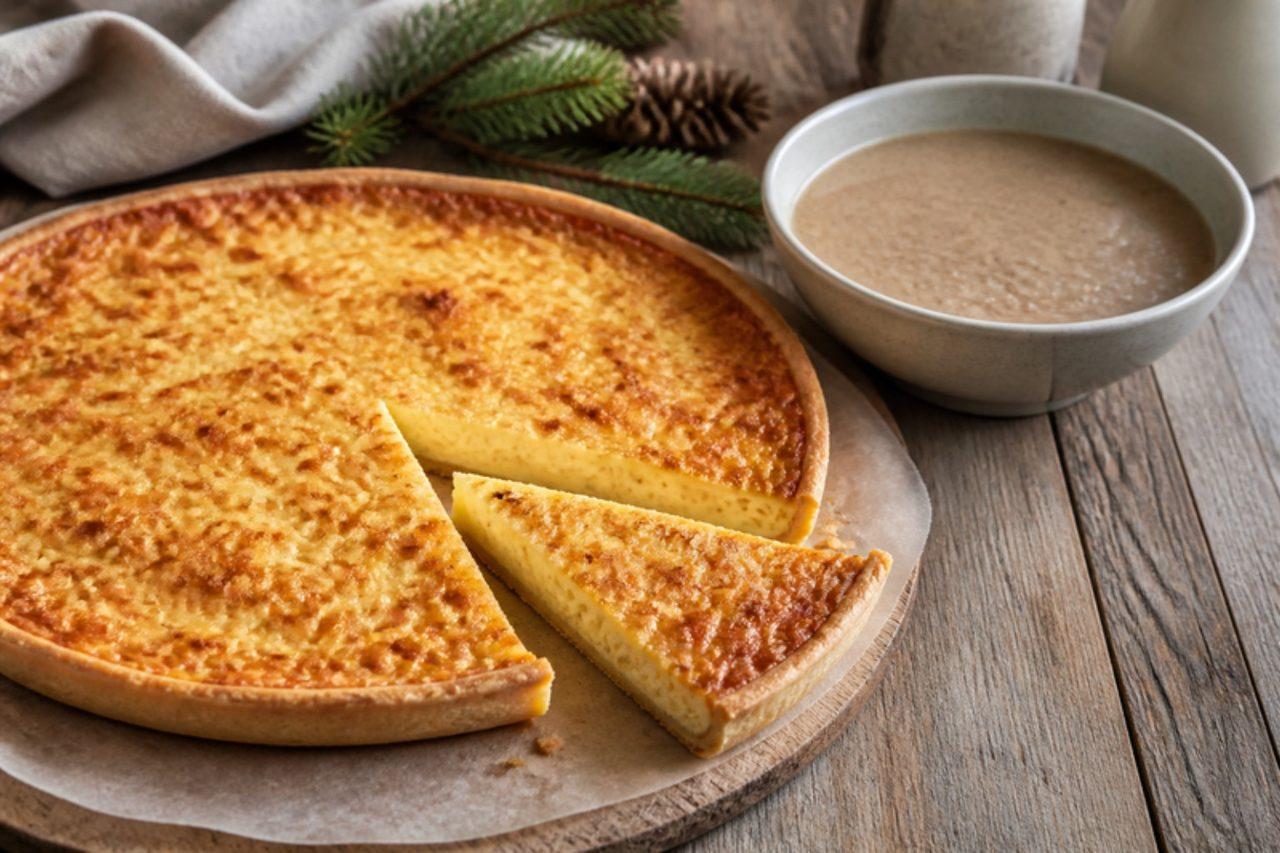
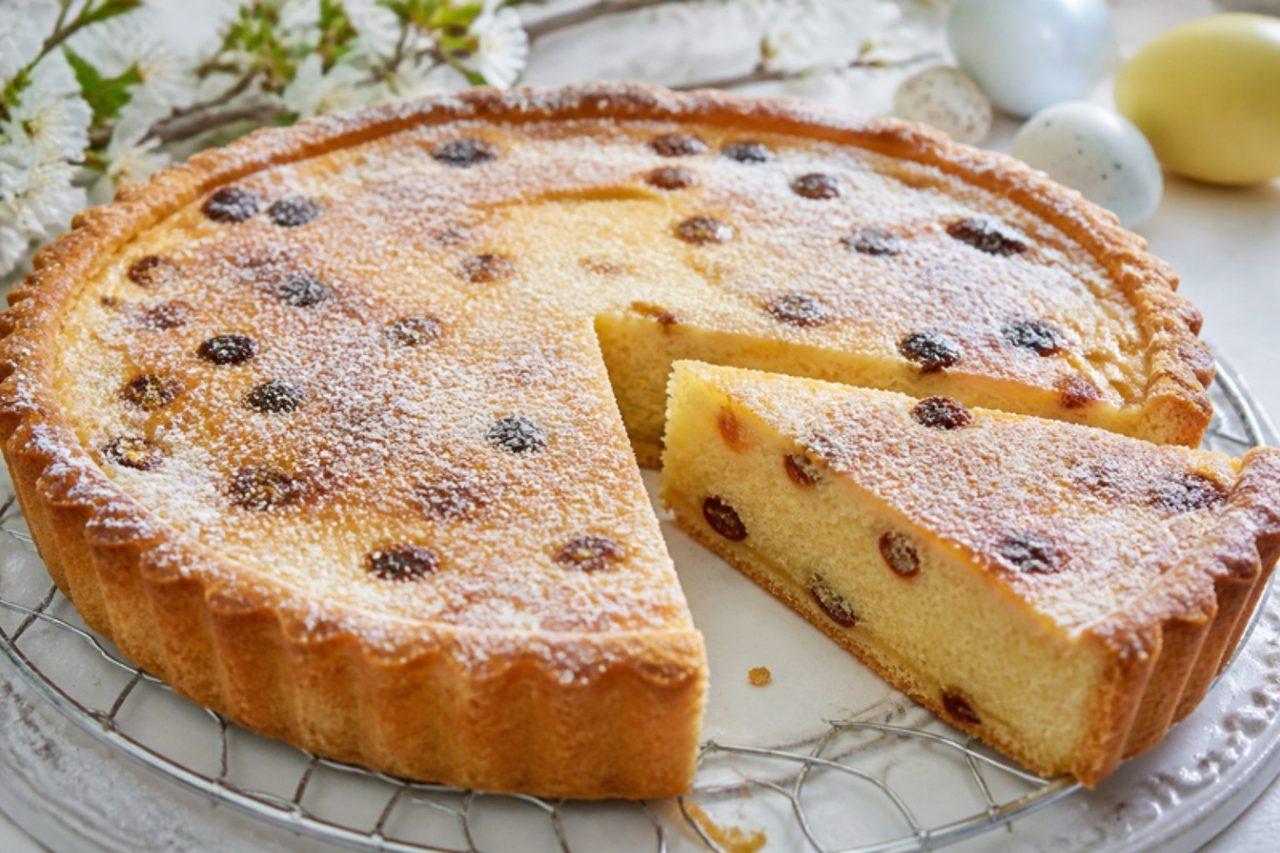
OsterfladenSemolina and almond Easter tart

Osterfladen is the Easter tart of Basel and northern Switzerland, baked on Holy Saturday and eaten on Easter Sunday. A shortcrust case holds a creamy filling of semolina (or rice) cooked in milk, folded with ground almonds, raisins, lemon zest and whipped egg white, which bakes into a light, sliceable custard under a dusting of icing sugar. Some bakers soak the raisins in kirsch; here they are soaked in warm water, so it is alcohol-free. Chef's tip: fold the egg whites in gently and last, as they are what makes the filling light.

by KrazyBadal 0 views

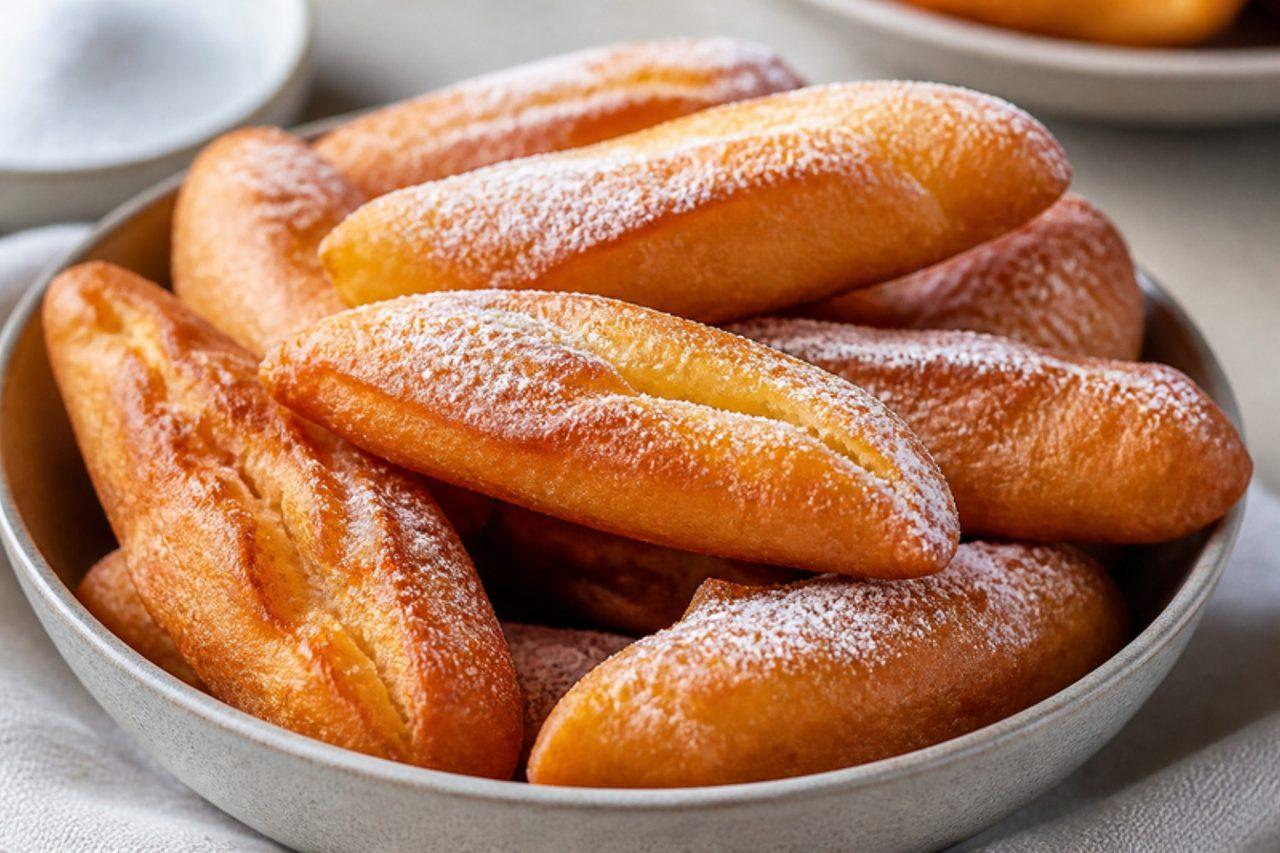
Fasnachts-SchenkeliFried lemon dough fingers

Schenkeli ('little thighs') are fried for Fasnacht, the Carnival weeks that lead up to Lent in Switzerland, when bakeries in Basel, Lucerne and Zurich sell them by the bagful beside Fasnachtschüechli. The dough is rich with butter, eggs and lemon zest, rolled into finger-length logs and fried until they have a crisp, cracked golden shell and a soft, cakey middle. Some recipes add a splash of kirsch to the dough; this one doesn't. Chef's tip: fry them at a moderate temperature, as they need time to cook through and the signature cracks form only if they aren't browned too fast.

by KrazyBadal 0 views

KäsewäheCheese tart

At four in the morning on Basel's Morgestraich, when the lanterns go out and Fasnacht begins, the restaurants fill with drummers and pipers eating Mehlsuppe and slices of hot Käsewähe. The tart is a thin buttery pastry base filled with grated Gruyère or Emmentaler set in a nutmeg-scented custard of egg and milk, baked until puffed and golden. Traditional Swiss hard cheeses are made with animal rennet; use a vegetarian Alpine-style hard cheese if you need to. The common mistake is a soggy base, so bake the pastry blind first. Chef's tip: toss the grated cheese with a spoon of flour, which stops it sinking into a rubbery layer.

by KrazyBadal 0 views

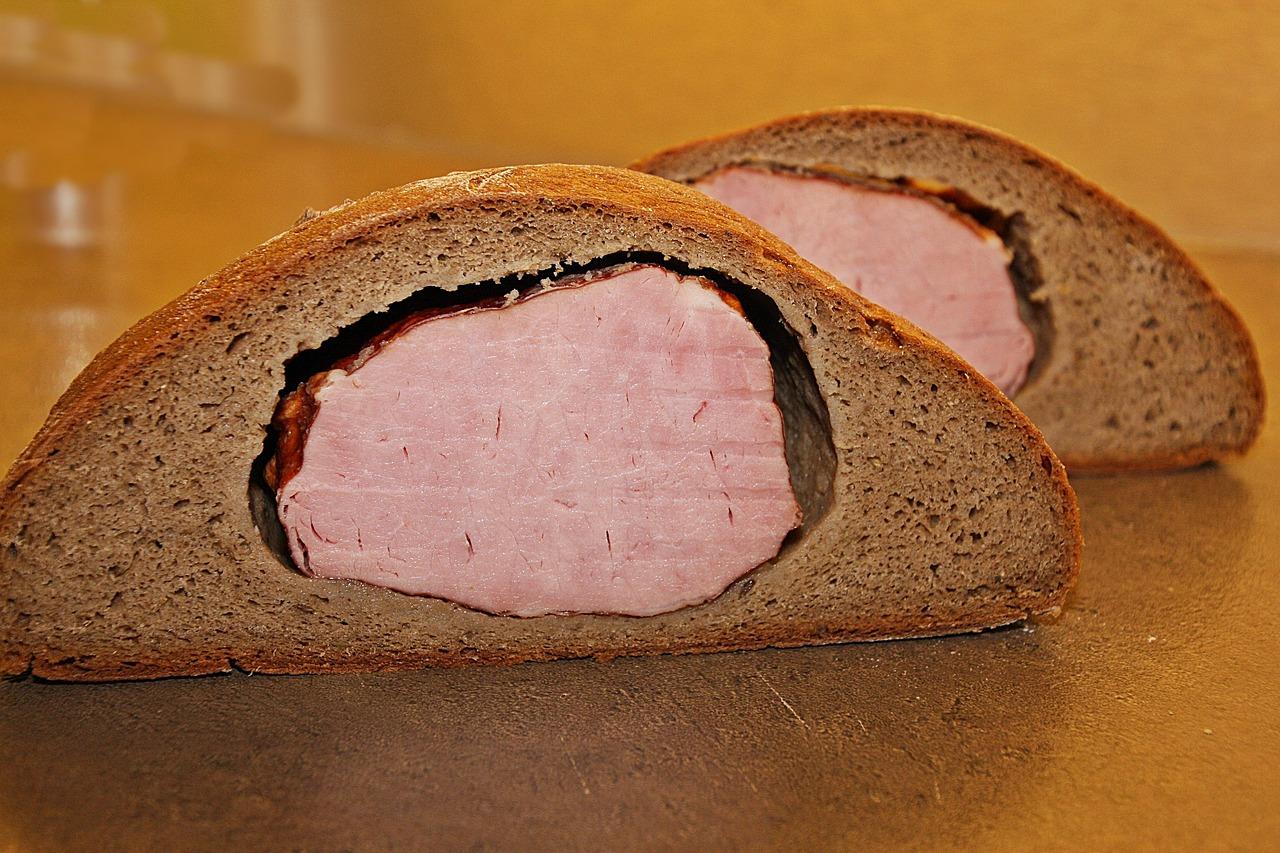
Schinkli im BrotteigHam baked in bread crust

Schinkli im Brotteig, a small smoked pork ham baked inside a bread crust, is a much-loved Christmas Eve dish in German-speaking Switzerland because it can be prepared ahead and goes into the oven while the family opens presents. The dough seals in the ham's juices and soaks them up as it bakes, and the ham is sliced with the crust and served with potato salad, mustard and pickles. Buy a ready-cooked smoked ham (Schüfeli or Schinkli) of about 1 kg. Chef's tip: dry the ham well before wrapping it, or the dough turns soggy inside.

120 minSwissMeat
by KrazyBadal 0 views

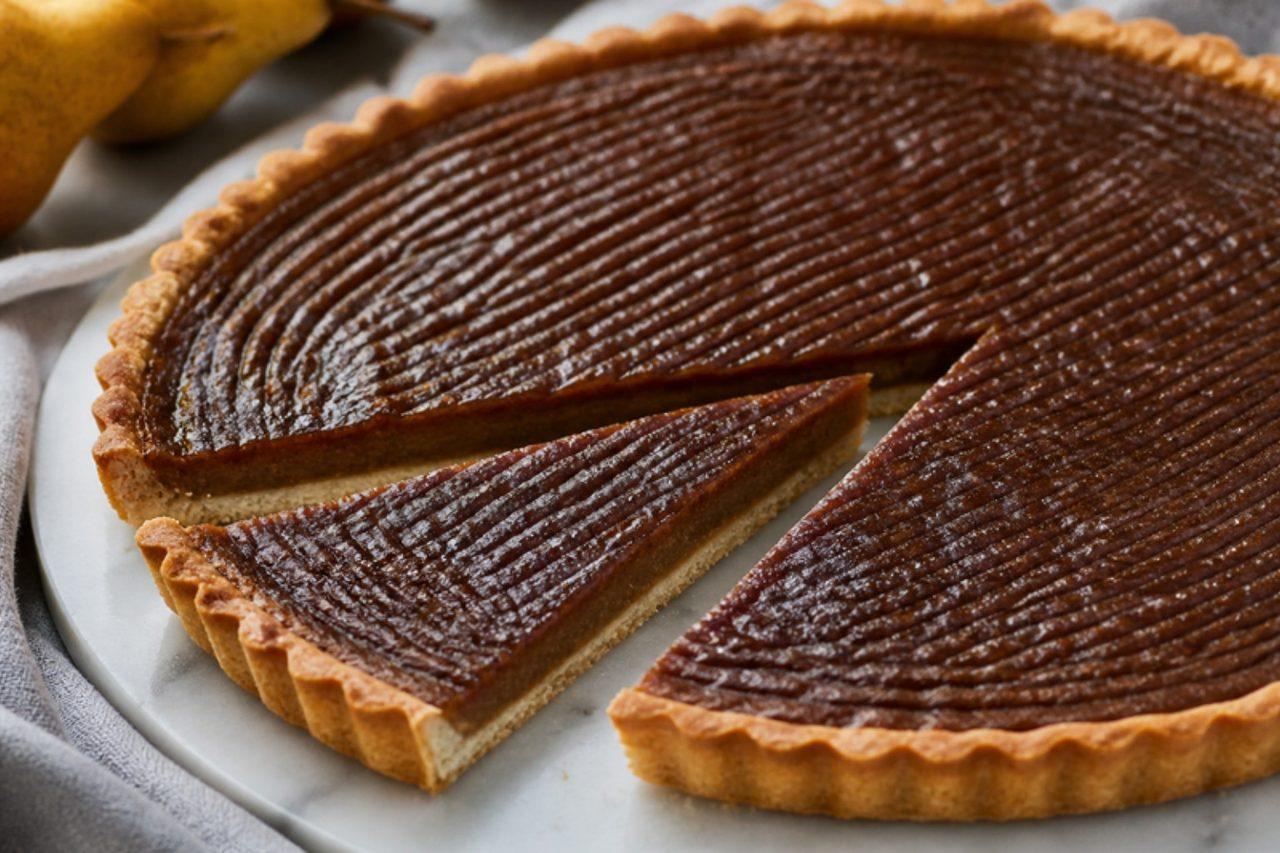
SchlorzifladenDried pear tart

Schlorzifladen comes from the Toggenburg valley in the canton of St Gallen in eastern Switzerland, where dried pears (schlorzi) were a winter staple. The thin, crisp tart is filled with a thick, dark purée of cooked dried pears spiced with cinnamon, and baked for Christmas and village feast days. Some versions have a rice or cream layer on top; this is the simple pear one. Pear brandy is sometimes added, but this version uses lemon juice instead and is alcohol-free. Chef's tip: cook the pear purée until it is stiff enough to hold a spoon upright, or it soaks the pastry.

120 minSwissBaking
by KrazyBadal 0 views

Gâteau du VullySweet cream yeast cake

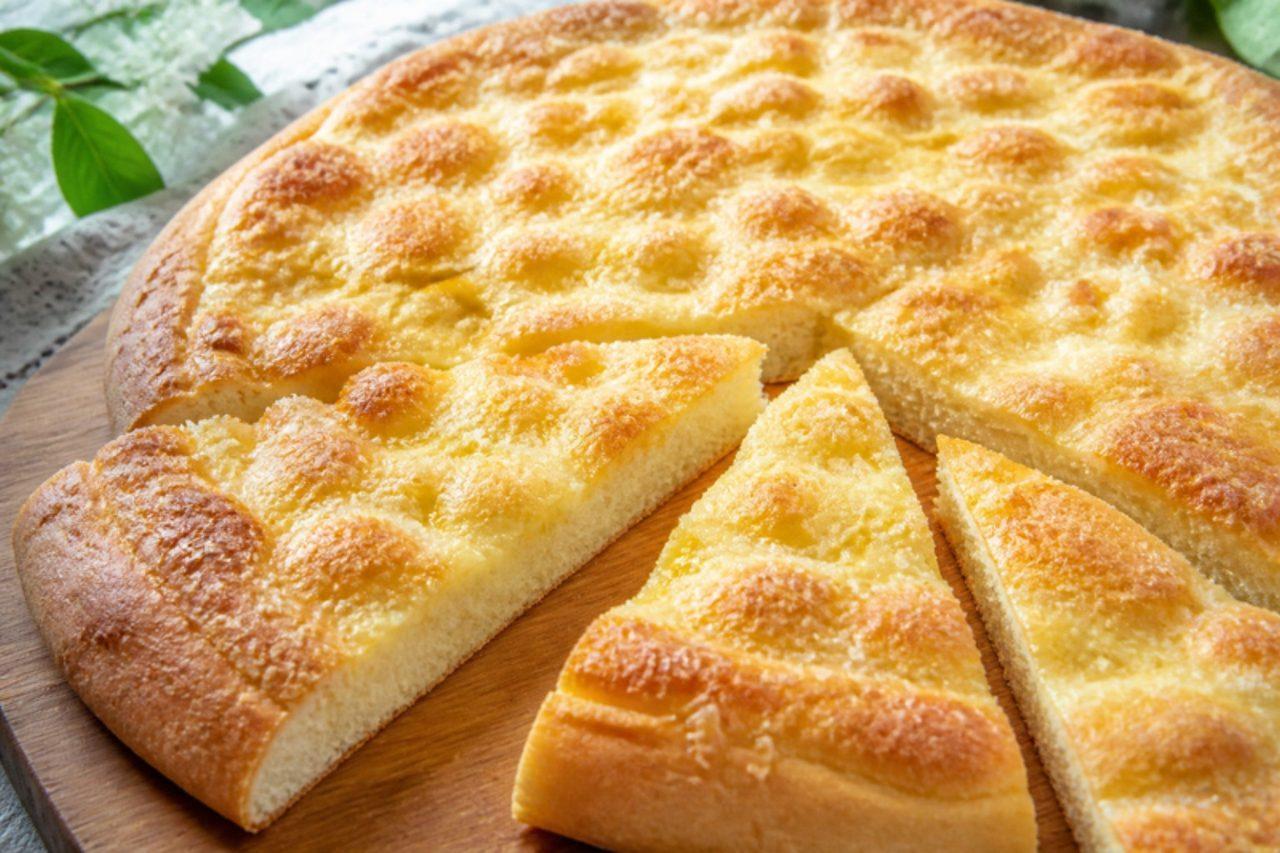
On the slopes of Mont Vully between Lake Murten and Lake Neuchâtel, bakers fill their windows with this flat yeast cake on Sundays and at the autumn harvest festival in Môtier and Praz. A soft, buttery dough is dimpled all over, sprinkled thickly with sugar and doused with cream, which bakes into a caramel-like crust that dips into the hollows. A savoury cousin is topped with bacon and caraway; this is the sweet one. Chef's tip: press really deep dimples with your fingertips right before baking, so pools of cream and sugar stay in place instead of sliding off.

125 minSwissBaking
by KrazyBadal 0 views

MailänderliLemon butter cookies

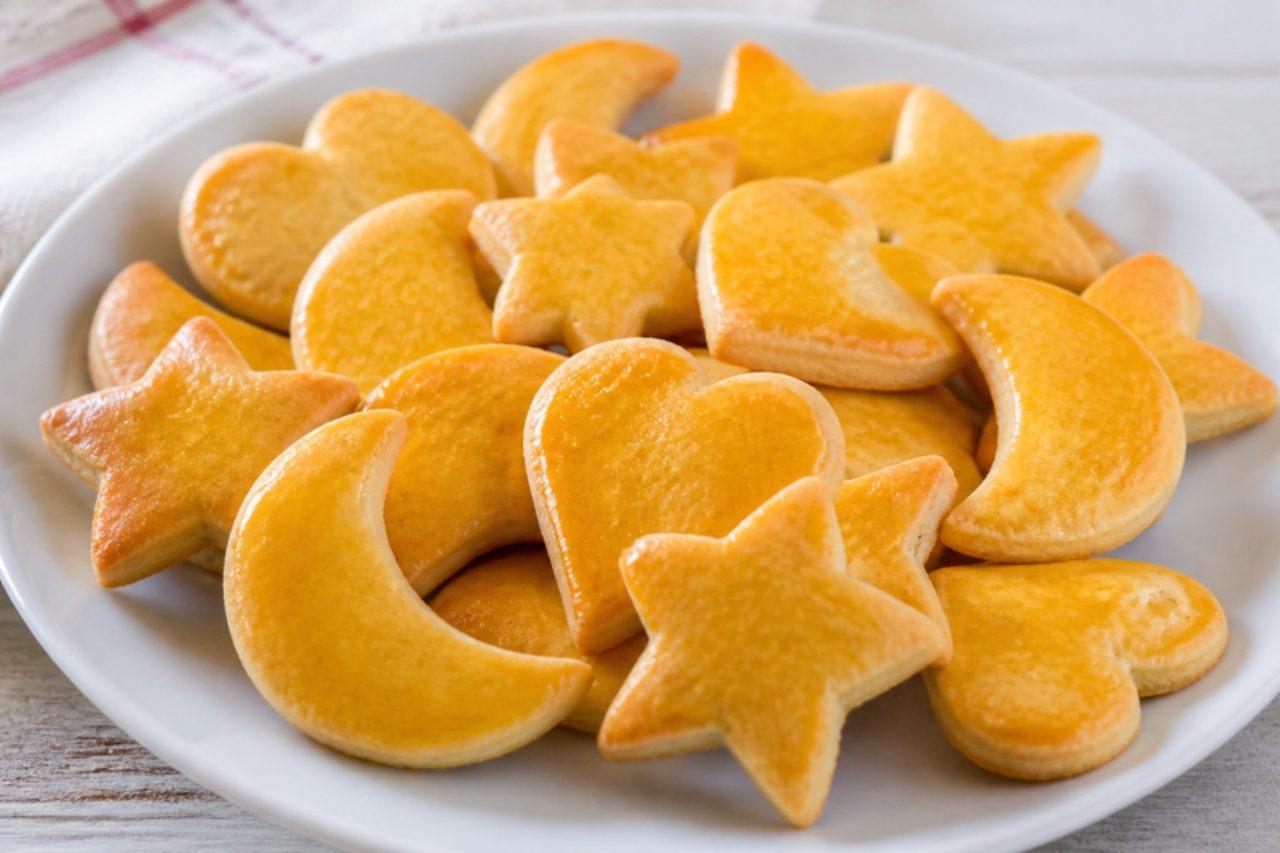
Come December, almost every Swiss household bakes Mailänderli, the simplest and best-loved of the Weihnachtsguetzli: buttery, lemon-scented biscuits cut into stars, hearts and moons and painted with egg yolk so they bake to a deep shine. Children across German-speaking Switzerland help cut them out, and tins of them are swapped with neighbours and eaten all through Advent. Chef's tip: rest the dough in the fridge overnight, or for at least 2 hours; warm dough spreads and the shapes lose their sharp edges.

by KrazyBadal 0 views

Willisauer RingliSugar ring biscuits

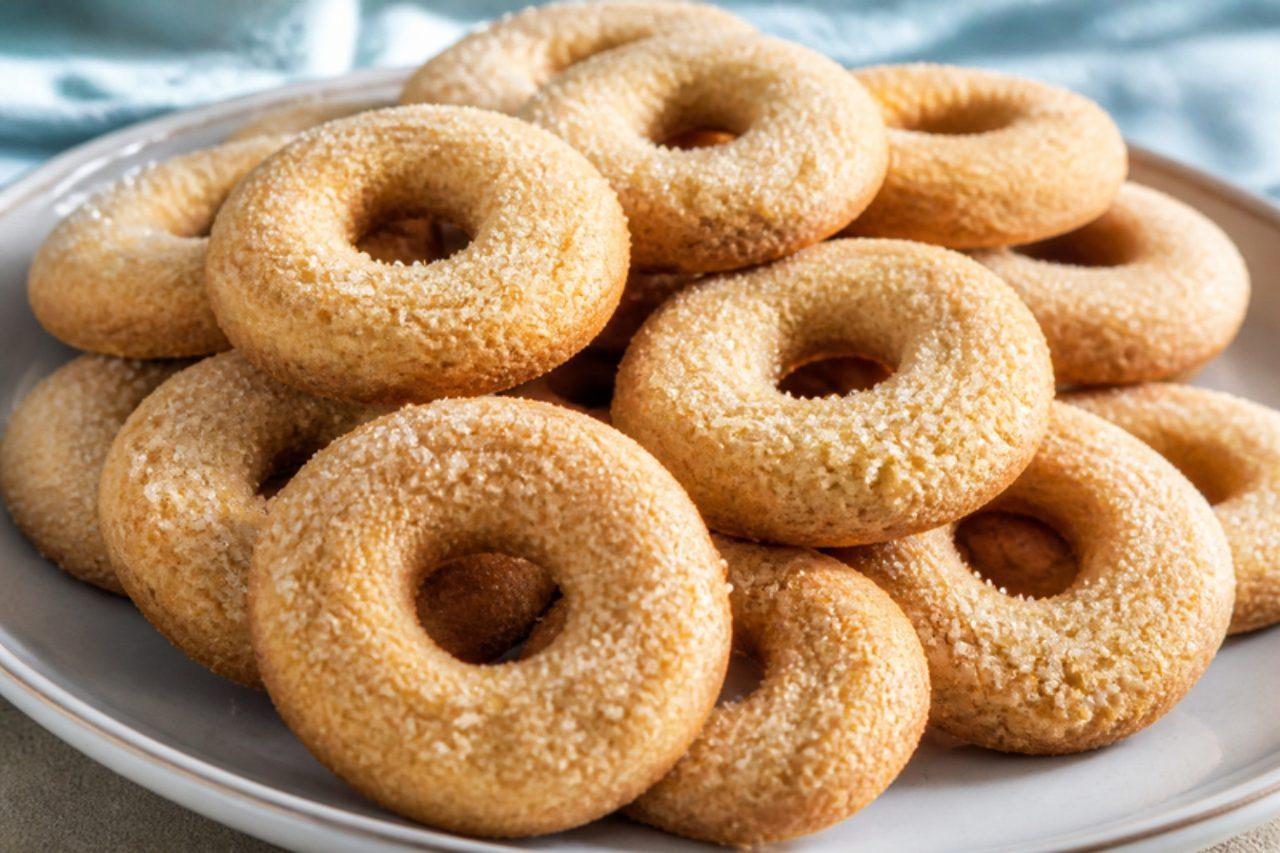
The little town of Willisau in the canton of Lucerne has been making these rock-hard sugar rings since the 1800s, and Swiss children have been nibbling them on hikes and car journeys ever since, sucking them slowly like sweets. They are made from little more than sugar, flour, egg and lemon, and dried before baking so they set with a smooth, pale, glassy crust. The bakery recipe is a well-kept secret; this home version gets the same snap. Chef's tip: don't skip the overnight drying, which forms the crust that gives Ringli their famous crunch.

by KrazyBadal 0 views

Appenzeller BiberAlmond-filled gingerbread

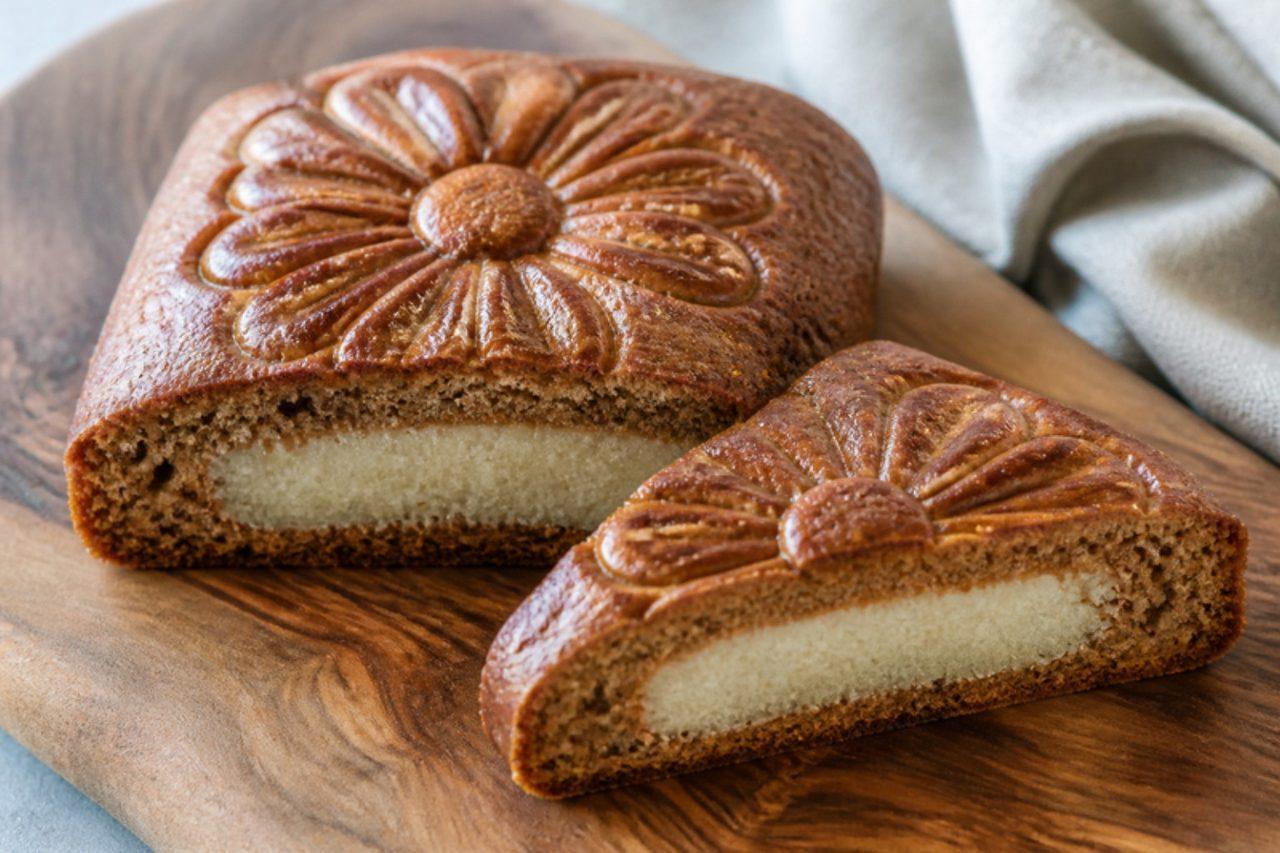
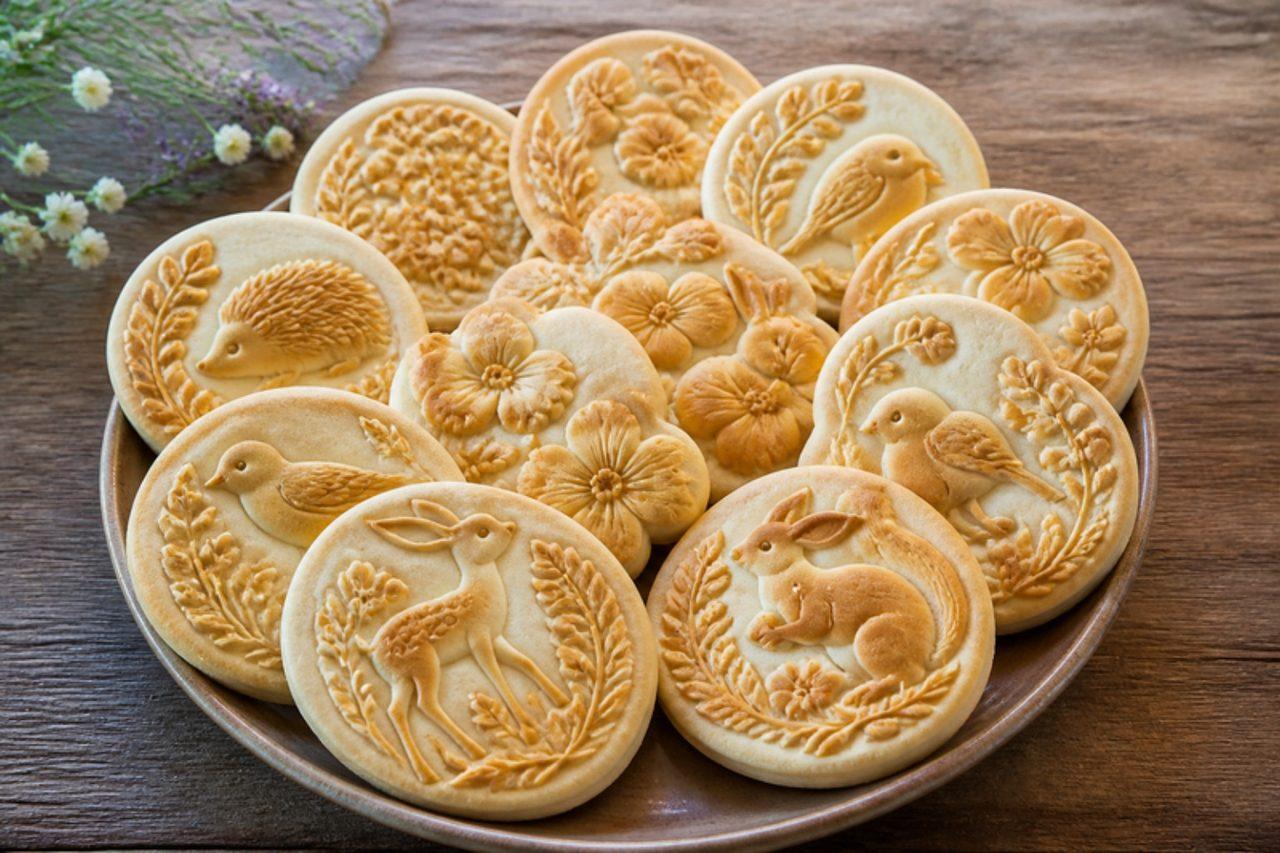
In the green hills of Appenzell, Biber are the sweet that marks Christmas, New Year and christenings, and bakers in Appenzell town stamp them with wooden moulds of cows, bears and the traditional alpine ascent. The dough is a dark, spicy honey gingerbread wrapped around a layer of almond paste, baked until it glows chestnut brown. They keep well and are sliced or eaten whole with coffee. Chef's tip: leave the dough to rest for at least a day if you can; honey doughs get smoother and spicier with time and crack less when stamped.

by KrazyBadal 0 views

TotenbeinliAlmond biscuits

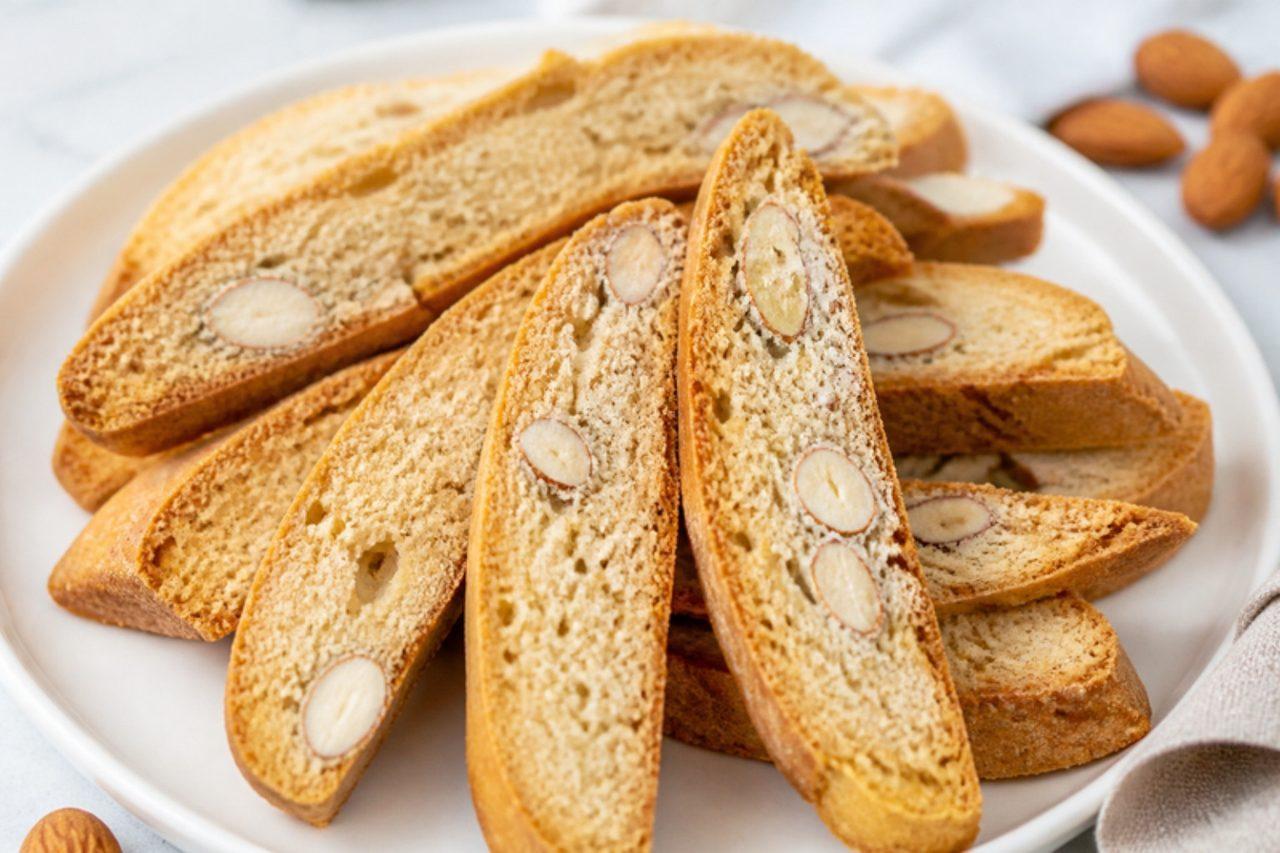
The name means 'little dead men's bones', but there is nothing gloomy about these crunchy almond biscuits from Graubünden, sold in the bakeries of Chur and the Engadin and dunked in coffee or a glass of milk on winter afternoons. Whole almonds are folded into a buttery, cinnamon-scented dough, baked in logs, then sliced and baked again, a little like biscotti but richer. Chef's tip: slice the logs while still warm with a serrated knife and a gentle sawing motion; cold logs crumble and the almonds tear out.

by KrazyBadal 0 views

AnisbrötliAnise cookies

Anisbrötli and their claw-shaped cousins Chräbeli are among the oldest Swiss Christmas biscuits, baked in Basel, Aargau and Zurich from Advent onwards and packed into tins beside Mailänderli and Brunsli. The egg and sugar dough is pressed into springerle moulds or cut into shapes, then left to dry overnight, so in the oven the bottom puffs up into a little 'foot' while the top stays white and smooth. Inside they are chewy and fragrant with anise. Chef's tip: beat the eggs and sugar for the full 10 minutes; under-whipped batter gives flat cookies with no foot.

by KrazyBadal 0 views

TirggelHoney biscuits

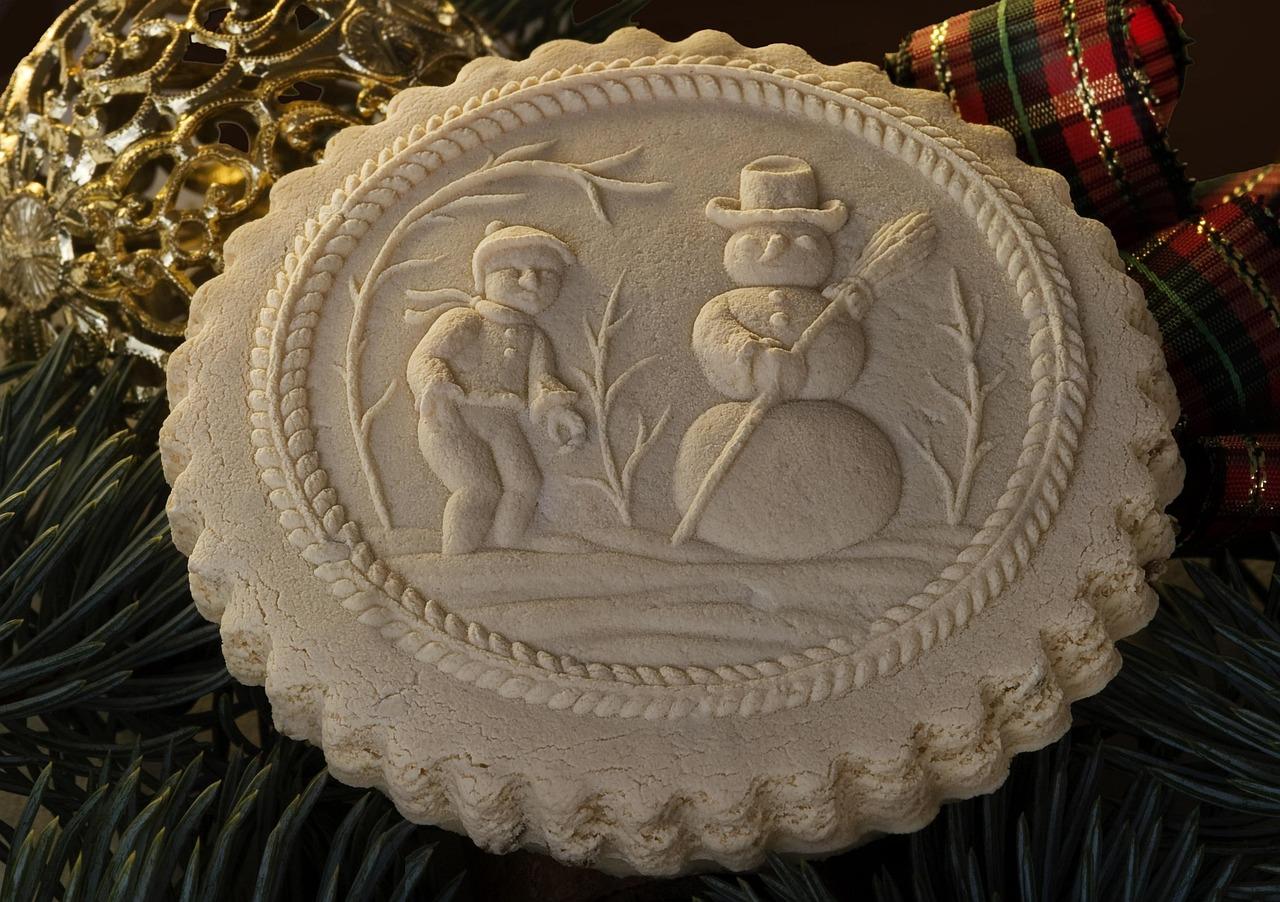
Tirggel have been baked in Zurich since the Middle Ages and are still sold at the Christmas markets on the Bahnhofstrasse and the old-town bakeries: wafer-thin honey biscuits pressed into carved moulds of guild scenes, animals and town views, then baked with heat from the top only so the raised picture turns golden while the back stays pale. They are hard and meant to be broken into pieces and let melt on the tongue. Wooden or silicone springerle moulds work at home. Chef's tip: bake them under the top heat only, or on the highest shelf with a tray below; full heat browns the whole biscuit and the picture disappears.

by KrazyBadal 0 views

NussgipfelHazelnut crescents

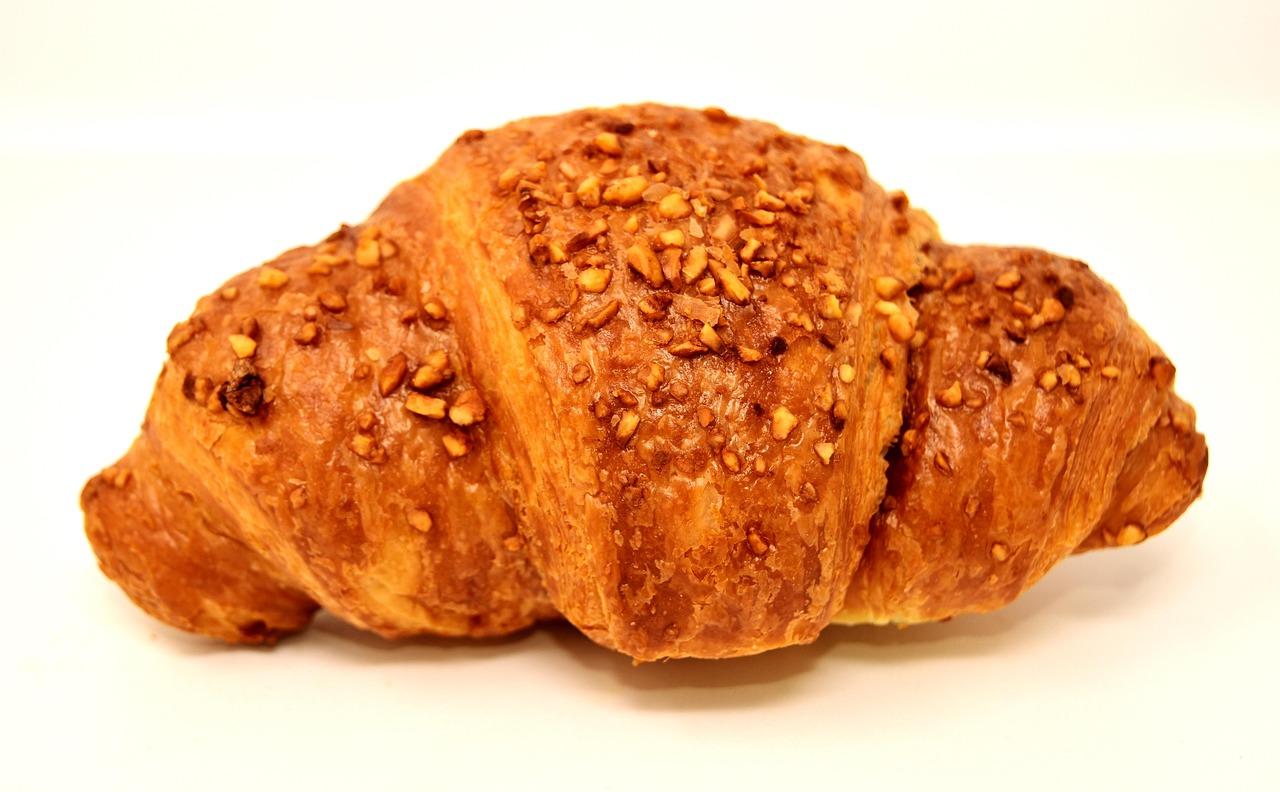
In Swiss train-station bakeries and village tearooms the Nussgipfel is the pastry commuters grab with their morning coffee: a crisp, flaky crescent wrapped around a sweet filling of ground hazelnuts and cinnamon, glazed so it shines. Bakers in Bern and Lucerne make their own laminated dough, but at home good all-butter puff pastry gives an excellent result in about an hour and a half. Chef's tip: chill the shaped crescents for 15 minutes before baking; warm pastry slumps and the filling leaks out.

by KrazyBadal 0 views

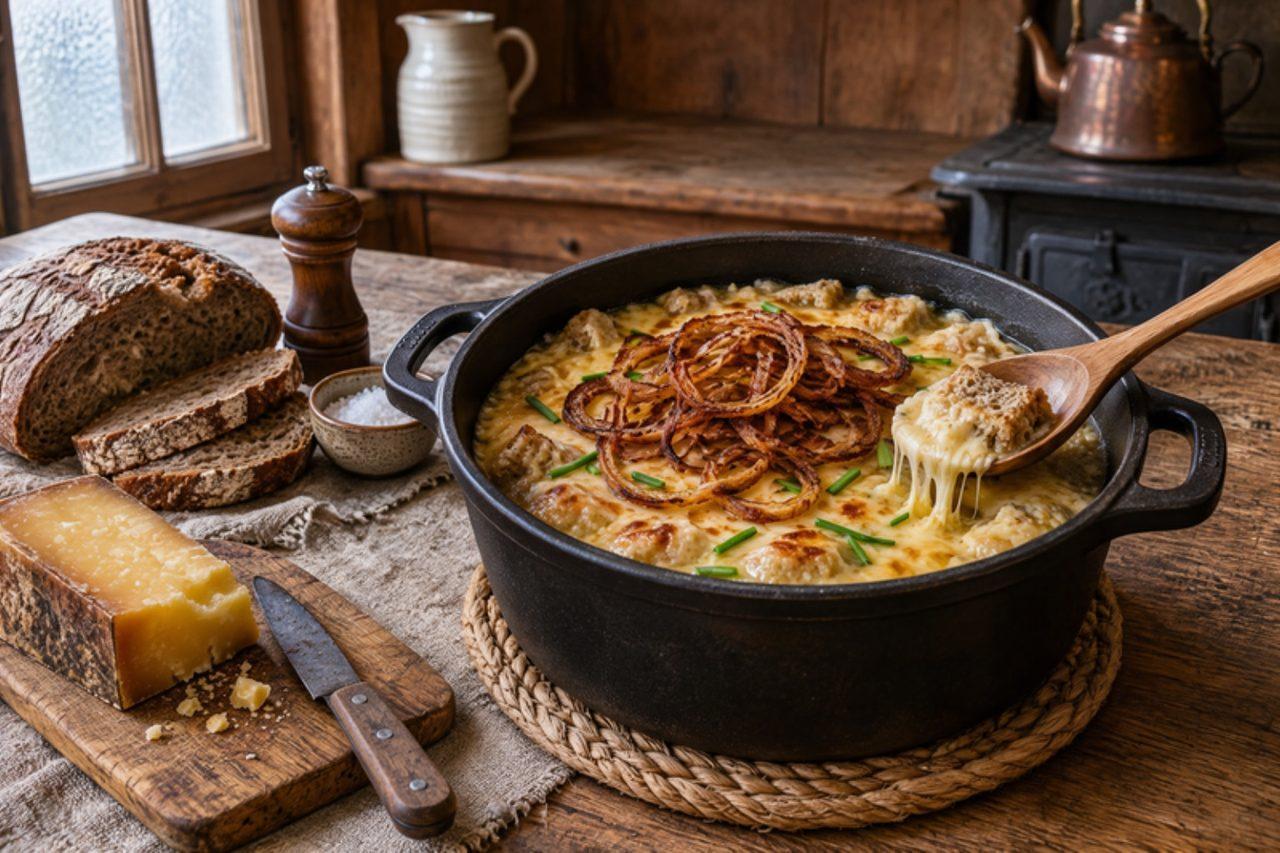
ChässuppeBread and cheese soup

Chässuppe comes from the farmhouses of Central Switzerland, from Unterwalden to the Entlebuch, where it was a thrifty way to use up hard bread and the end of a wheel of cheese. It is a winter supper, especially on carnival and Advent evenings: bread and grated mountain cheese are soaked in hot broth and stirred into a thick, almost spoonable soup, then topped with butter-fried onions. Serve with a green salad and a mug of hot tea. Most Swiss mountain cheeses are made with animal rennet; for a vegetarian pot, choose a hard cheese labelled vegetarian with a nutty, Alpine-style flavour. The usual mistake is letting it boil once the cheese is in, which makes it stringy and oily. Chef's tip: soak the bread in the broth for 10 minutes before heating, so it melts into the soup instead of staying in lumps.

40 minSwissSoups
by KrazyBadal 0 views
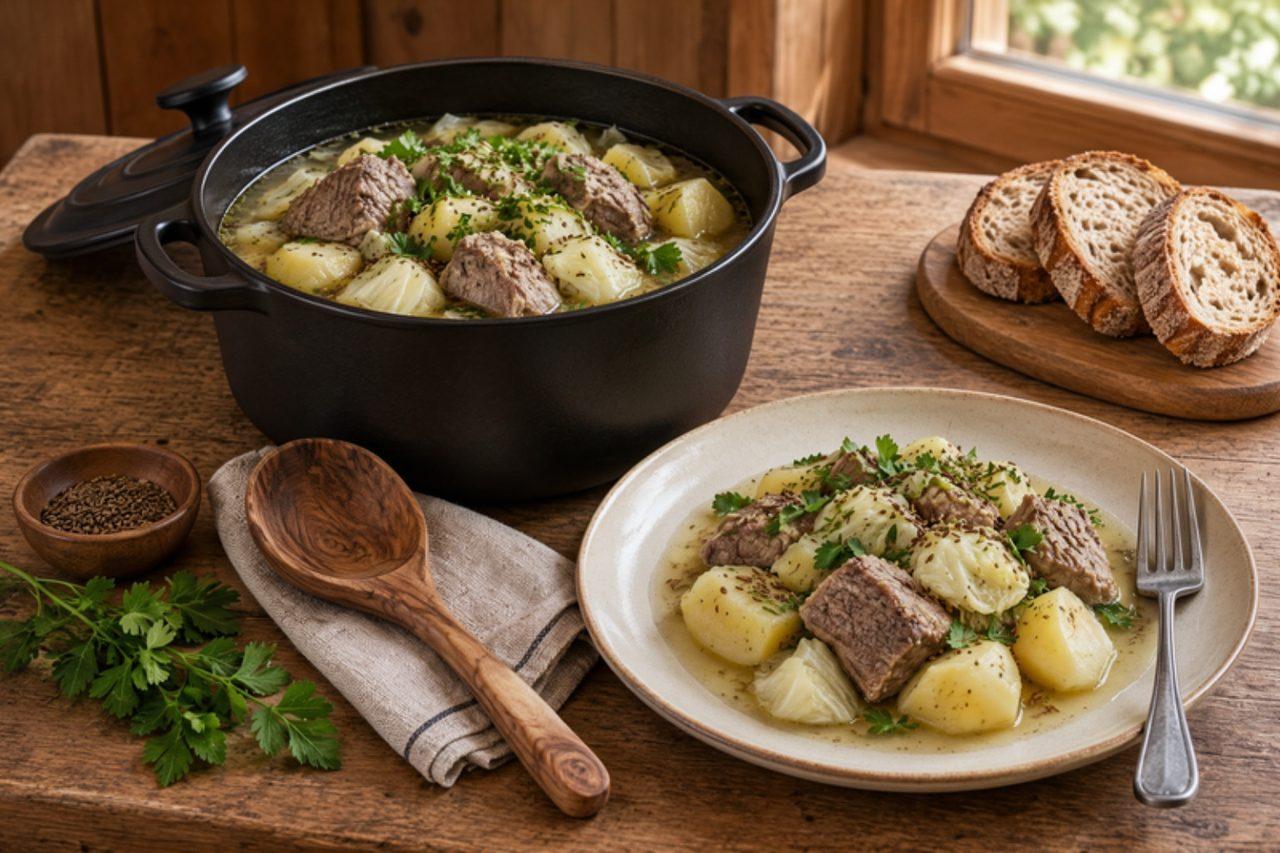
HafechabisLamb and cabbage pot

Hafechabis, literally 'pot cabbage', is the autumn one-pot of the Lucerne, Schwyz and Uri valleys, made when the cabbages come in and the lambs come down from the alps. Lamb shoulder, white cabbage, onions and potatoes are layered in a heavy pot with caraway and left to cook gently in their own juices with a little stock, until the cabbage is silky and the lamb tender. Serve it straight from the pot with mustard and crusty bread. The usual mistake is adding too much liquid: the cabbage gives off plenty of its own, and a flooded pot tastes boiled rather than braised. Slow-cooker option: layer as below and cook on low for 7 hours. Chef's tip: brown the lamb properly first, as the caramelised fat is what flavours every layer of cabbage.

125 minSwissMeatGluten free
by KrazyBadal 0 views
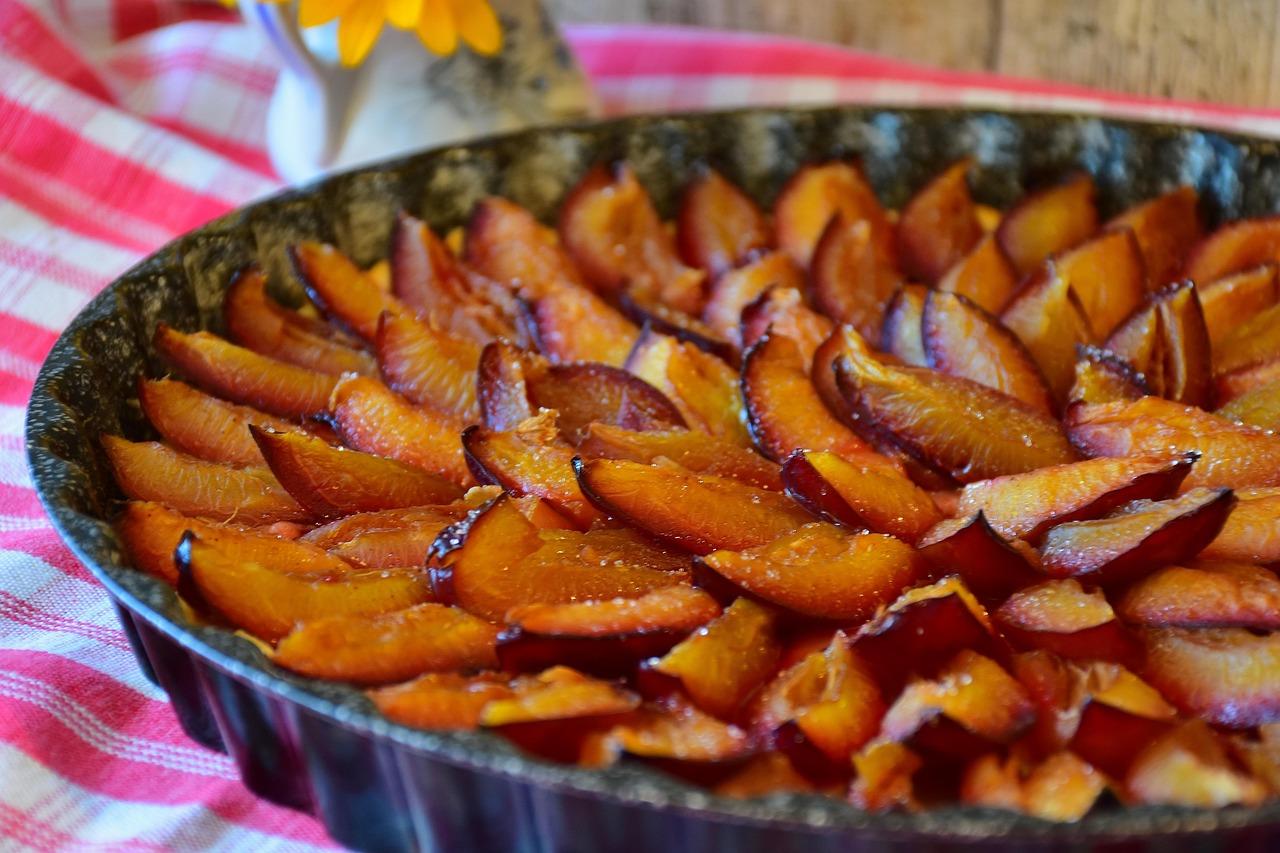
FrüchtewäheFruit custard tart

The Wähe is the open tart of German-speaking Switzerland, known as Kuchen or Fladen depending on the canton: a thin pastry base covered with sliced apples, plums, apricots or cherries, then a simple custard of cream, egg and sugar poured around the fruit and baked until set. Swiss families eat it as a light supper on Fridays, sometimes after a bowl of soup, and fruit Wähe is often dusted with cinnamon sugar. A common mistake is skipping the ground nuts on the base, which lets the fruit juice soak the pastry. Chef's tip: scatter ground hazelnuts on the pastry first; they soak up the juice and keep the base crisp.

by KrazyBadal 0 views
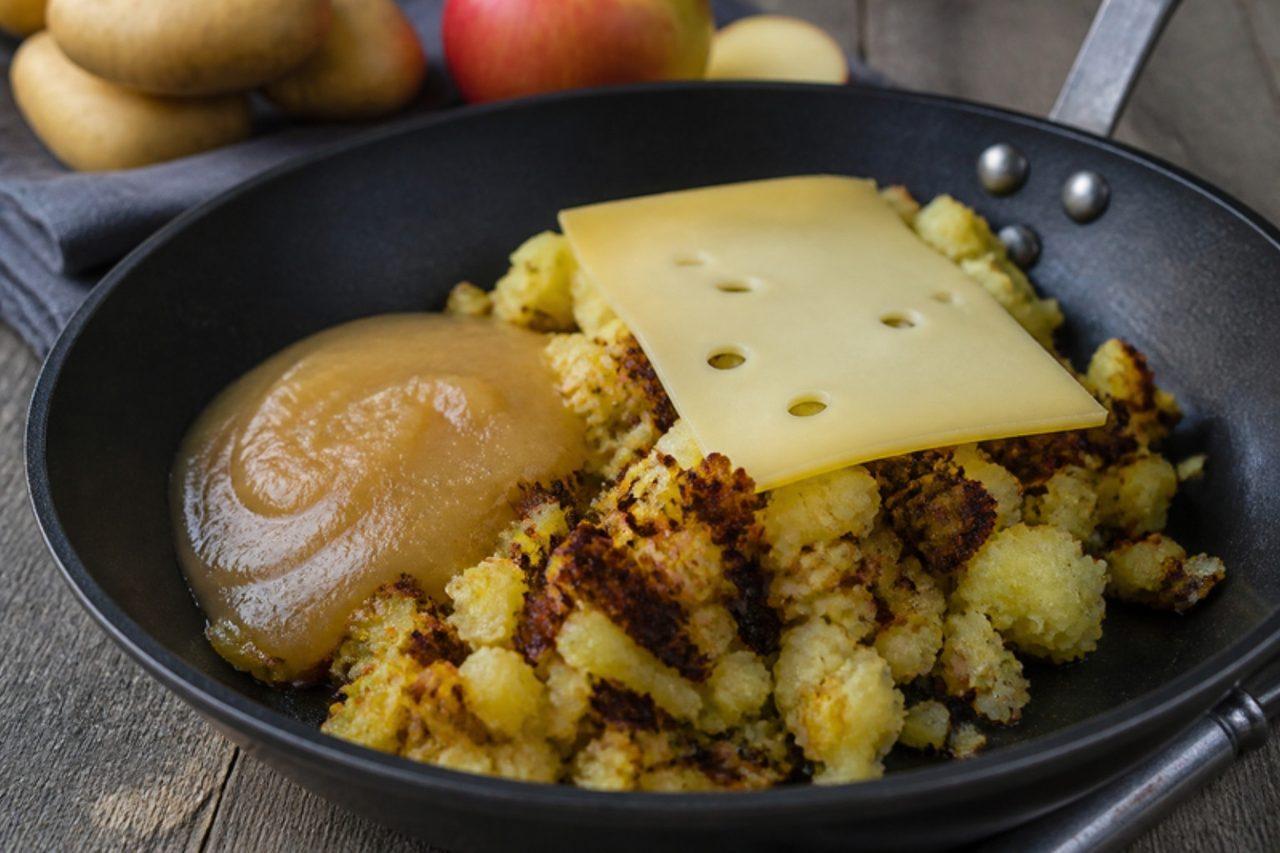
MalunsRoasted potato crumbs

Maluns is the peasant dish of the Prättigau and Surselva valleys of Graubünden: potatoes boiled the day before, grated, mixed with flour and roasted slowly in plenty of butter, turning constantly with a spatula, until they break down into golden, crisp little crumbs. It is eaten with apple sauce, a slice of Alpine cheese and a cup of milky coffee. A common mistake is using freshly boiled potatoes, which turn sticky; they must be cold and a day old. Chef's tip: keep turning and scraping for the full 40 minutes; patience is what makes maluns crisp. Alpine cheese is usually made with animal rennet; choose a vegetarian one.

60 minSwissSides
by KrazyBadal 0 views
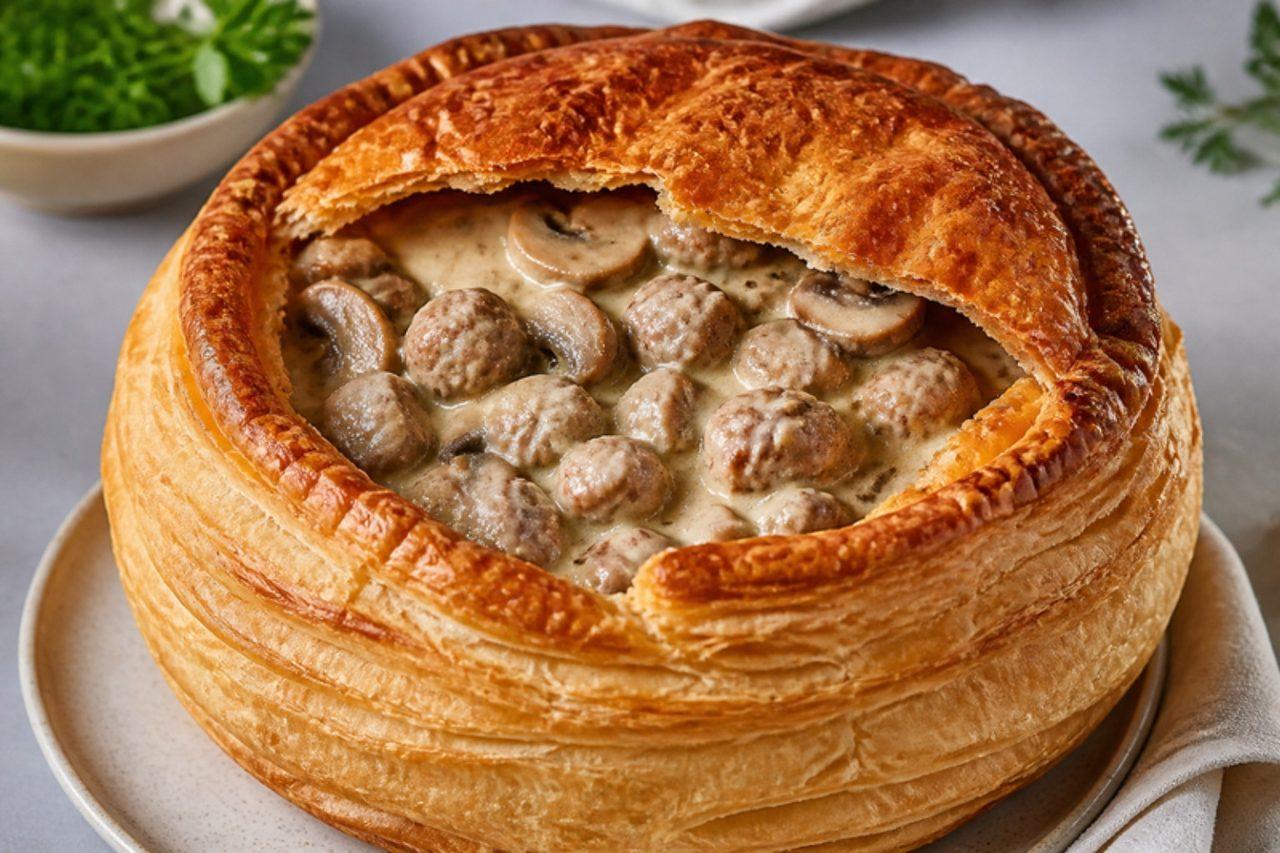
Luzerner ChügelipasteteVeal ball pastry shell

Chügelipastete is the Sunday and Christmas dish of Lucerne, a showpiece brought to the table whole: a big, tall puff pastry shell, like a giant vol-au-vent, filled with little veal meatballs (chügeli), sweetbreads or diced veal and mushrooms in a creamy white sauce, sometimes with raisins. Lucerne bakeries sell the shells ready-made. A common mistake is filling the pastry too early, which makes it soggy. Chef's tip: fill the warm shell at the very last moment and serve the extra sauce on the side. Veal meatballs must reach 71 °C.

120 minSwissMeat
by KrazyBadal 0 views
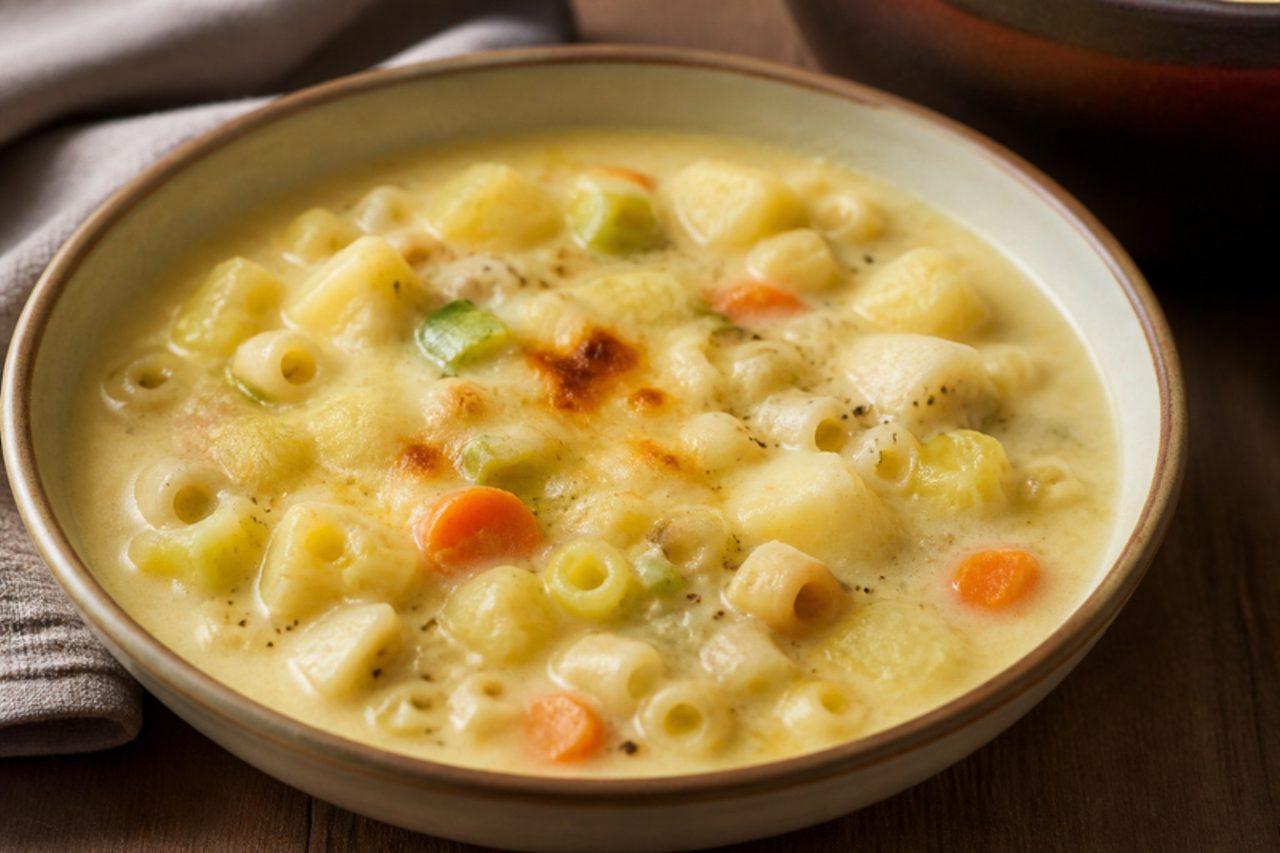
Soupe de chaletVegetable, pasta and cheese soup

Soupe de chalet comes from the mountain huts of the Fribourg Alps, around Gruyères and the Jaun valley, where herdsmen spending the summer with their cows made a hearty soup from what they had: potatoes, leeks, spinach and whatever the garden gave, small pasta, milk and cream from the herd, finished with a handful of melting Gruyère. Today it is the comfort food of Fribourg's autumn and the Désalpe, when the herds come down. Gruyère is made with animal rennet, so use a vegetarian Swiss-style cheese. A common mistake is boiling it hard once the milk goes in, which can split it. Chef's tip: add the cheese to each bowl rather than to the pot, so it melts into strings as you eat.

45 minSwissSoups
by KrazyBadal 0 views
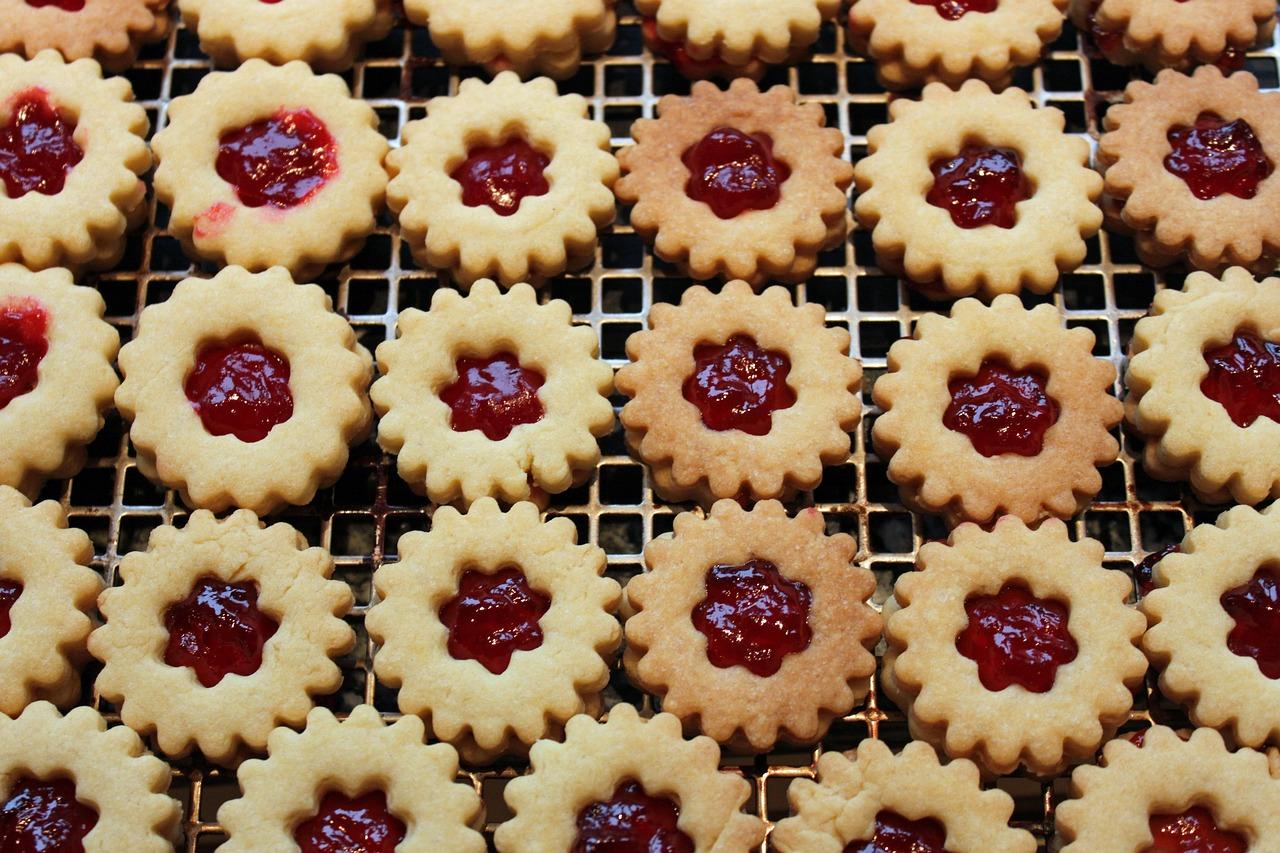
SpitzbubenJam-filled butter biscuits

Spitzbuben, 'rascals', are the jam-filled sandwich biscuits Swiss families bake every December: two thin, crumbly butter biscuits, the top one with a little window cut in it, stuck together with raspberry or redcurrant jam so it shines through, and dusted with icing sugar. They are made by the tin-load for Christmas and keep well. A common mistake is rolling the dough too thick, which makes heavy, doughy biscuits. Chef's tip: chill the dough well and roll it 3 mm thick between sheets of baking paper; dust the tops with icing sugar before sandwiching so the jam window stays clean.

by KrazyBadal 0 views
Torta di paneBread cake with cocoa and raisins

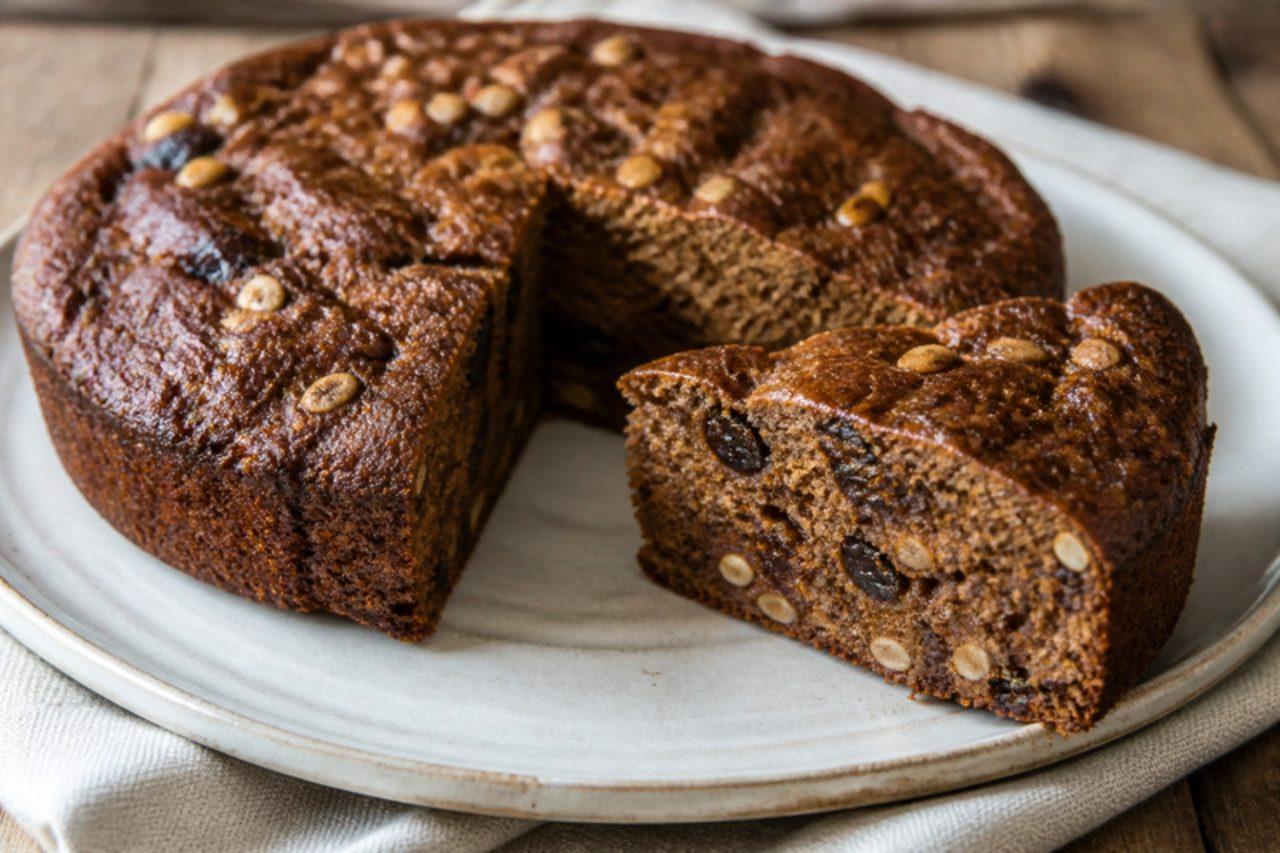
Torta di pane is the thrifty cake of Ticino, Switzerland's Italian-speaking south, made in every family and sold in bakeries in Lugano and Locarno: stale bread soaked overnight in milk, then mixed with cocoa, eggs, sugar, raisins, pine nuts, candied peel and lemon zest and baked into a dense, moist cake with a crisp top. Each family's recipe differs, and some add amaretti or a splash of grappa (this one has none). A common mistake is not soaking the bread long enough, which leaves dry lumps. Chef's tip: soak overnight and mash well, then let the cake cool completely before slicing; it firms up.

by KrazyBadal 0 views
Zuger KirschtorteKirsch meringue sponge cake

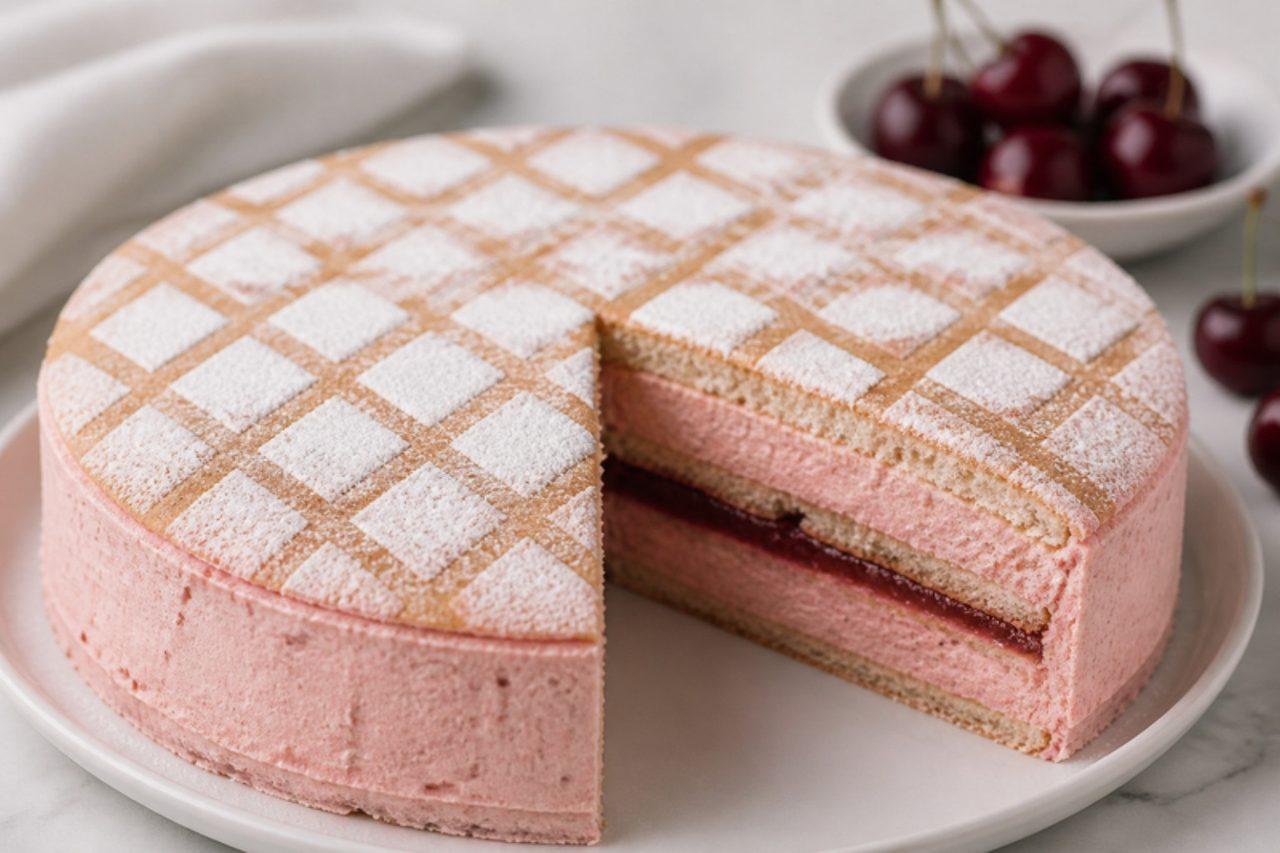
The Zuger Kirschtorte was created in 1915 by the confectioner Heinrich Höhn in Zug, a lakeside town at the heart of Swiss cherry country, and it is still sold in the town's cake shops: two crisp almond meringue discs sandwiching a light sponge soaked in kirsch syrup, all held together with pink-tinted buttercream and coated in toasted almonds and icing sugar. This cake contains alcohol (kirsch, a cherry brandy); for an alcohol-free version, use the cherry juice swap in the ingredient note. A common mistake is soaking the sponge until soggy; it should be moist but hold its shape. Chef's tip: bake the meringue discs until dry and crisp, so they stay crunchy against the soft buttercream.

100 minSwissBaking
by KrazyBadal 0 views

CervelatGrilled sausage

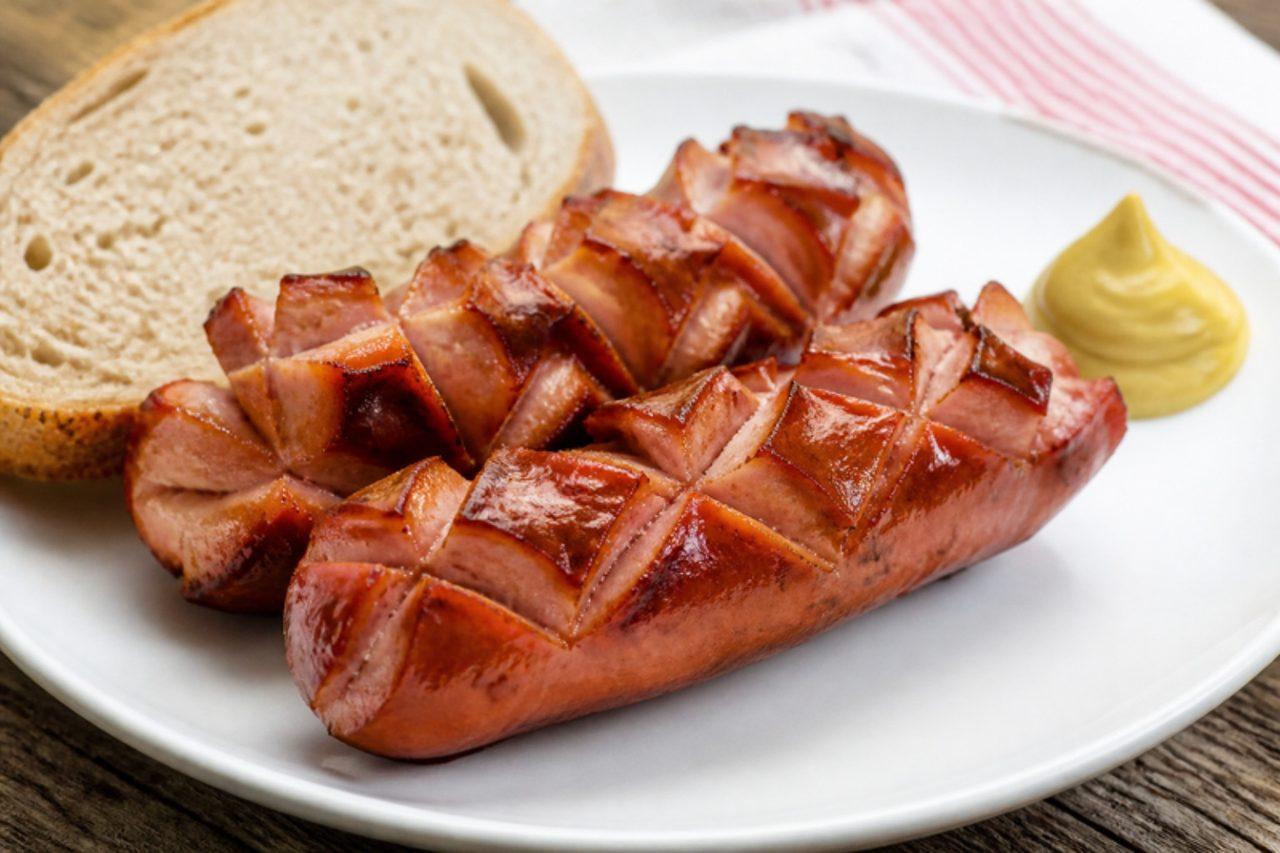
The cervelat, a short, fat, smoked sausage of beef and pork, is called Switzerland's national sausage, and it is what every Swiss child grills on a stick over a campfire on 1 August, National Day, on school trips and on mountain hikes: the ends are cut into a cross so they curl open like a flower as they cook, and it is eaten with bread and mustard. This sausage contains pork. Cervelat is bought ready-cooked and smoked; grilling heats it through and crisps it. A common mistake is grilling over flames, which burns the skin black before the inside is hot. Chef's tip: grill over glowing embers and turn often until the scored ends open out; heat until piping hot, 71 °C.

15 minSwissMeat
by KrazyBadal 1 views

Fondue chinoise

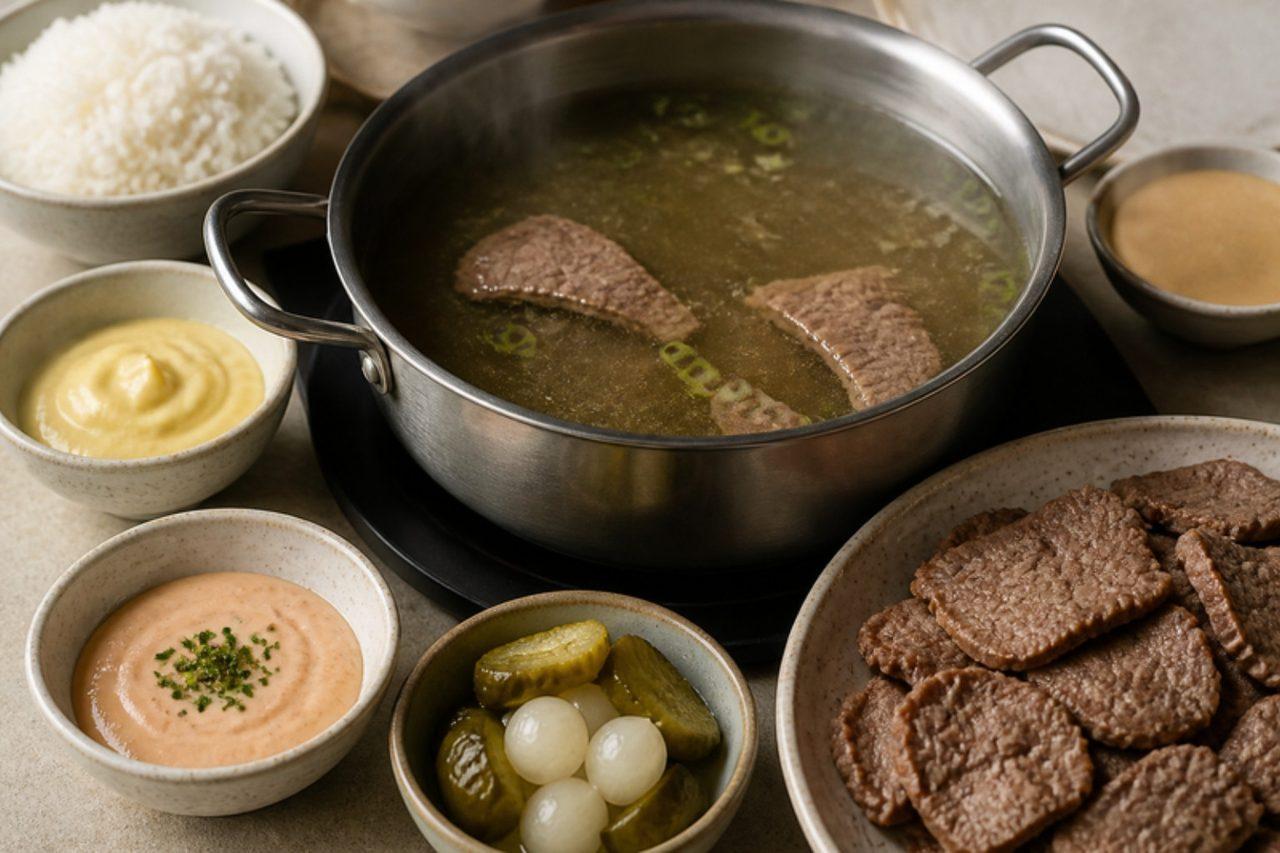
Despite its name, fondue chinoise is a fixture of the Swiss Christmas and New Year table: a pot of simmering broth set on a burner in the middle of the table, into which everyone dips paper-thin slices of beef on long forks, cooks them for a few seconds and eats them with a spread of sauces, rice or potato chips, pickles and salads. It came to Switzerland via travellers to Asia in the 20th century. The broth is often made with white wine; this one uses stock only. A common mistake is slicing the meat thick, which takes too long and tightens. Chef's tip: half-freeze the beef for an hour so it slices paper-thin. Cook each slice until no longer pink, then eat; never use the same fork for raw and cooked meat.

45 minSwissMeat
by KrazyBadal 0 views

Showing 24 of 39 recipes

Show more recipes

Page 1 of 2