Skip to content
Recipes

All recipes

Vegetarian, or something you can't eat? Set your diet once and we'll hide recipes that don't fit.

Dowina (Kurdish yogurt soup)

Dowina, called ash-e doogh in Persian, is warming spring food in Kurdish homes around Newroz, when yogurt is plentiful and the first herbs are cut from the garden. Rice and chickpeas simmer in a tangy, lightly thickened yogurt broth, finished with fresh dill, coriander and a sizzle of dried mint in oil. It is eaten warm, never boiling hot, with flatbread. The common mistake is to heat the yogurt too fast without stirring, which makes it split into grainy curds. Chef's tip: whisk an egg yolk and a spoonful of rice flour into the yogurt before it goes on the heat; it holds the soup smooth all the way to the simmer.

by KrazyBadal 0 views
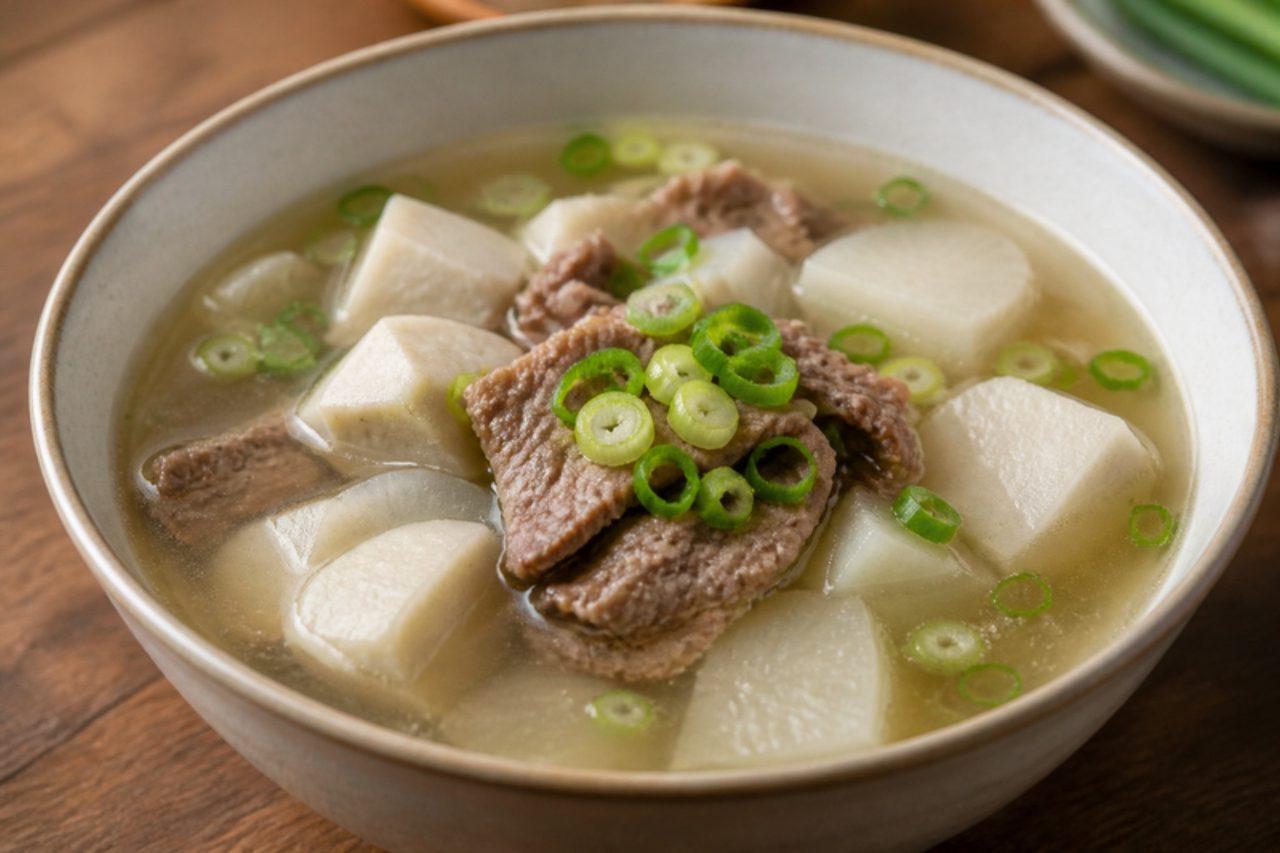

Torantang (taro soup)

Torantang is the soup of Chuseok all over Korea: taro is dug up just as the harvest moon festival arrives, and its name, 'egg of the earth', makes it a natural thanks for the year's crops. Elders also say it settles the stomach after days of rich jeon and rice cakes. The broth is clean and gently beefy with a sea-sweet depth from kelp, and the taro turns silky and creamy, almost like a soft potato. Serve it piping hot with rice, kimchi and the holiday jeon. Chef's tip: wear gloves when peeling taro, which makes bare skin itch, and parboil it before it goes into the soup so the broth stays clear.

by KrazyBadal 0 views

Beoseot deulkkae tangMushroom and perilla seed soup

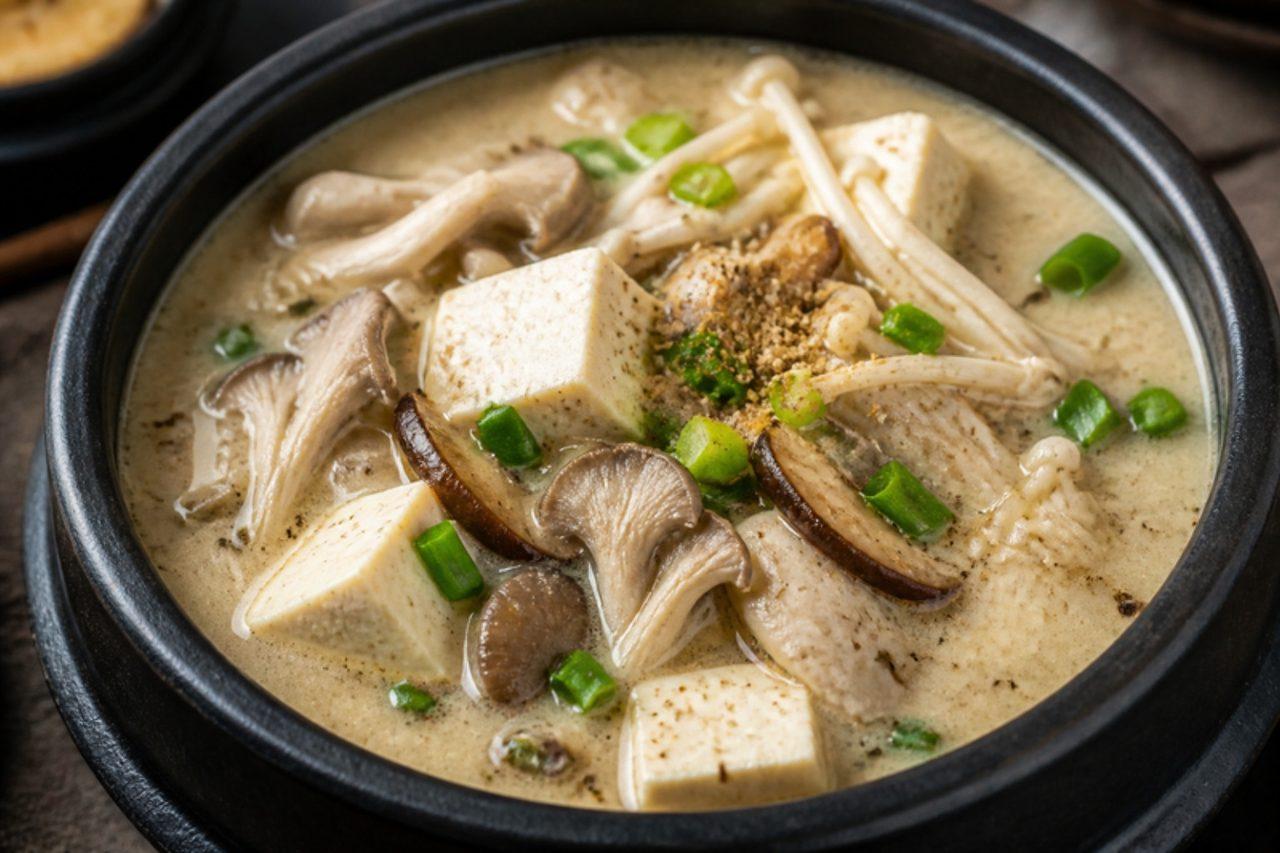
This creamy, nutty soup is cooked in Korean homes and temple-style restaurants all through autumn and winter, when the first wild mushrooms arrive and people want something warming and gentle. Ground perilla seeds and a spoon of glutinous rice flour turn a plain broth thick and pale, with mixed mushrooms and soft tofu simmered through it. With the perilla and a block of firm tofu, a bowl gives about 24 g of protein, making it a proper main course with rice. The most common mistake is adding the perilla powder too early and boiling it hard, which makes the soup gritty and bitter; stir it in near the end. Chef's tip: buy perilla seed powder that has been skinned (it is paler), for the smoothest, creamiest soup.

by KrazyBadal 0 views

Daegu jiriClear cod soup

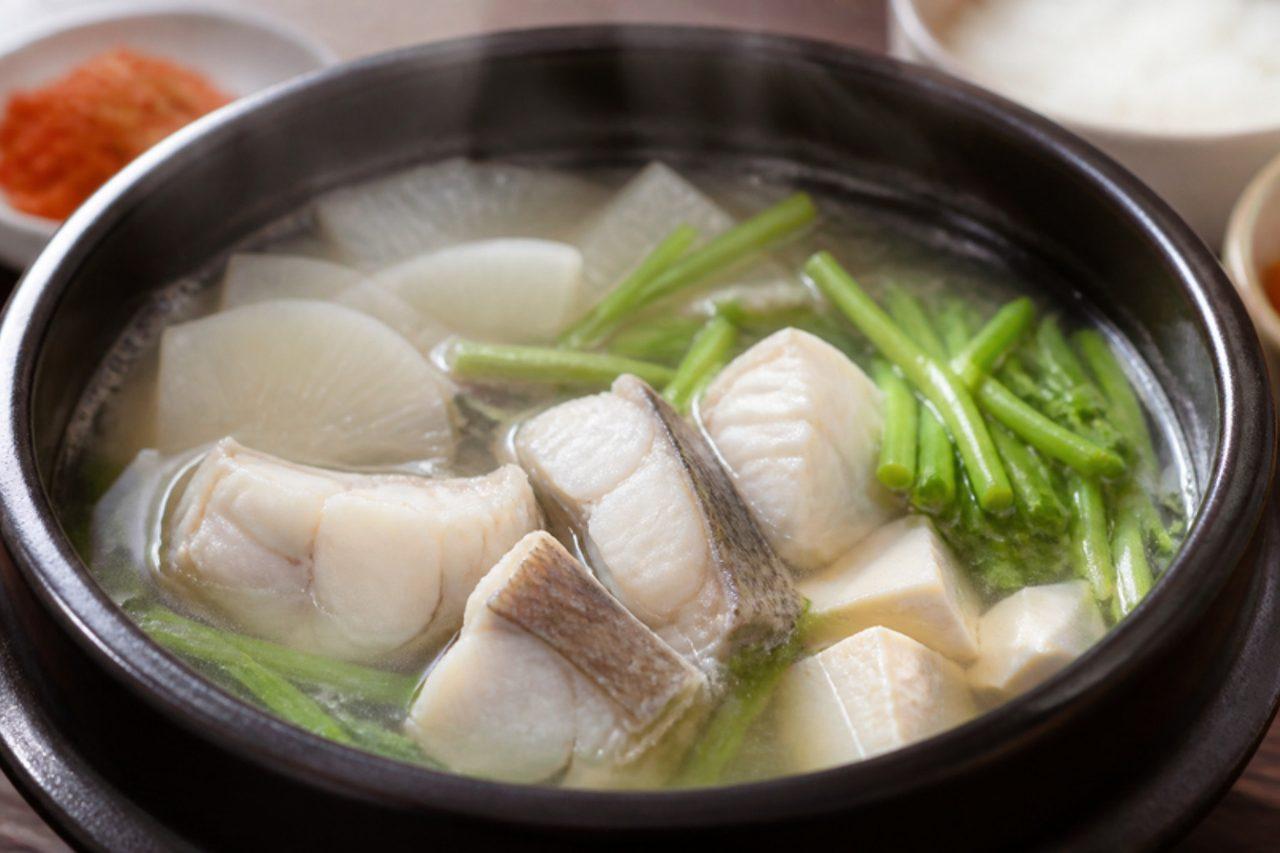
In Busan and the fishing towns along Korea's south coast, daegu jiri is the clear, unspicy cod soup that people order in winter, and famously the morning after a long night out. Chunks of cod simmer in an anchovy and kelp broth with soft radish, tofu and garlic, then a big handful of minari (water dropwort) goes in at the end for a fresh, peppery lift. It tastes clean and gently savoury, with about 32 g of protein a bowl from the cod and tofu. The common mistake is stirring after the fish goes in, which breaks it into shreds; just shake the pot. Chef's tip: let the radish simmer in the broth first until it turns translucent, because it gives the soup its sweetness.

by KrazyBadal 0 views

Gaji naenggukChilled aubergine soup

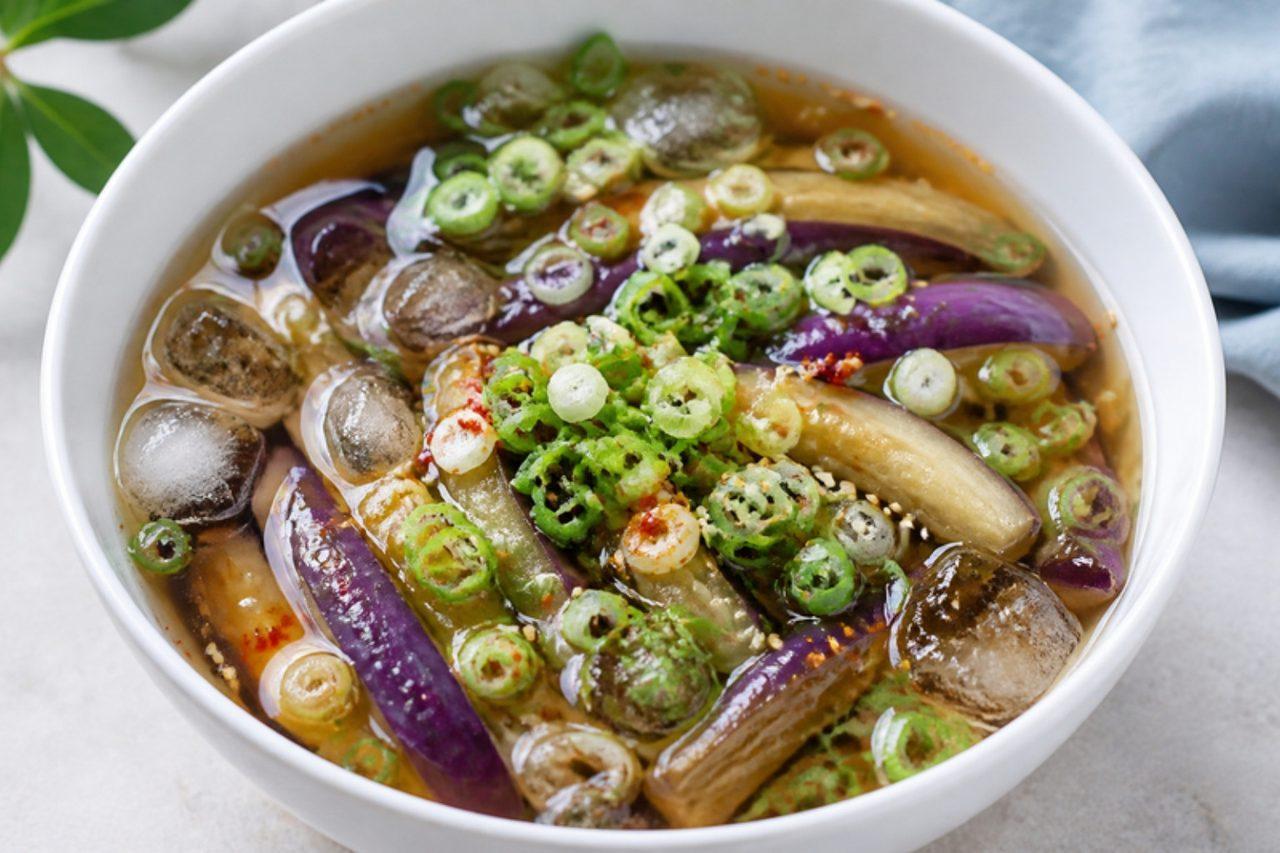
Gaji naengguk is a midsummer cold soup from Korean home kitchens, made in July and August when aubergines are cheap and nobody wants anything hot. The aubergine is steamed until silky, torn into strips and seasoned with garlic and soy, then dropped into an ice-cold, tangy broth. It tastes clean and refreshing, with a soft, almost slippery texture. Each bowl has only about 2 g of protein, so pair it with tofu or bean dishes. The usual mistake is cutting the aubergine with a knife after steaming: torn strips soak up the seasoning far better. Chef's tip: let the steamed aubergine cool completely before mixing it with the broth, or it warms the soup and loses its bite.

by KrazyBadal 0 views

Gamja gukPotato and onion soup

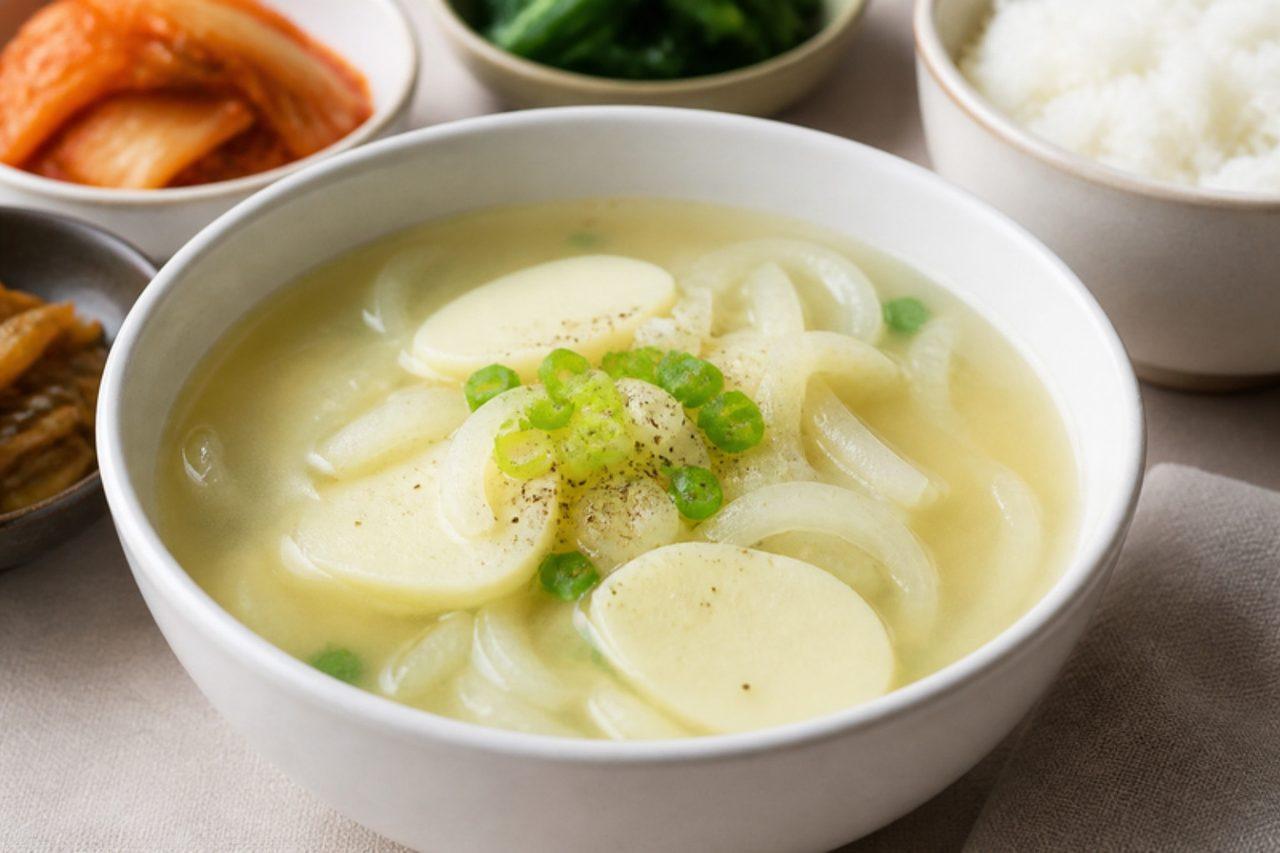
Gamja guk is the plain, comforting potato soup that Korean mothers make on busy mornings and quiet evenings all year round, served with rice and kimchi. Thin slices of potato and onion simmer in a clear broth until soft, finished with spring onion and a little garlic. Most homes use an anchovy and kelp stock; this is the vegetarian version, with kelp and dried shiitake. It is mild and soothing, with about 4 g of protein per bowl; crack an egg into the pot at the end, or serve tofu alongside, for more. The common mistake is cutting the potatoes too thick, so the outside crumbles before the middle is cooked; slice them evenly, about 5 mm. Chef's tip: soak the sliced potato in cold water for 5 minutes to rinse away surface starch and keep the broth clear.

by KrazyBadal 0 views

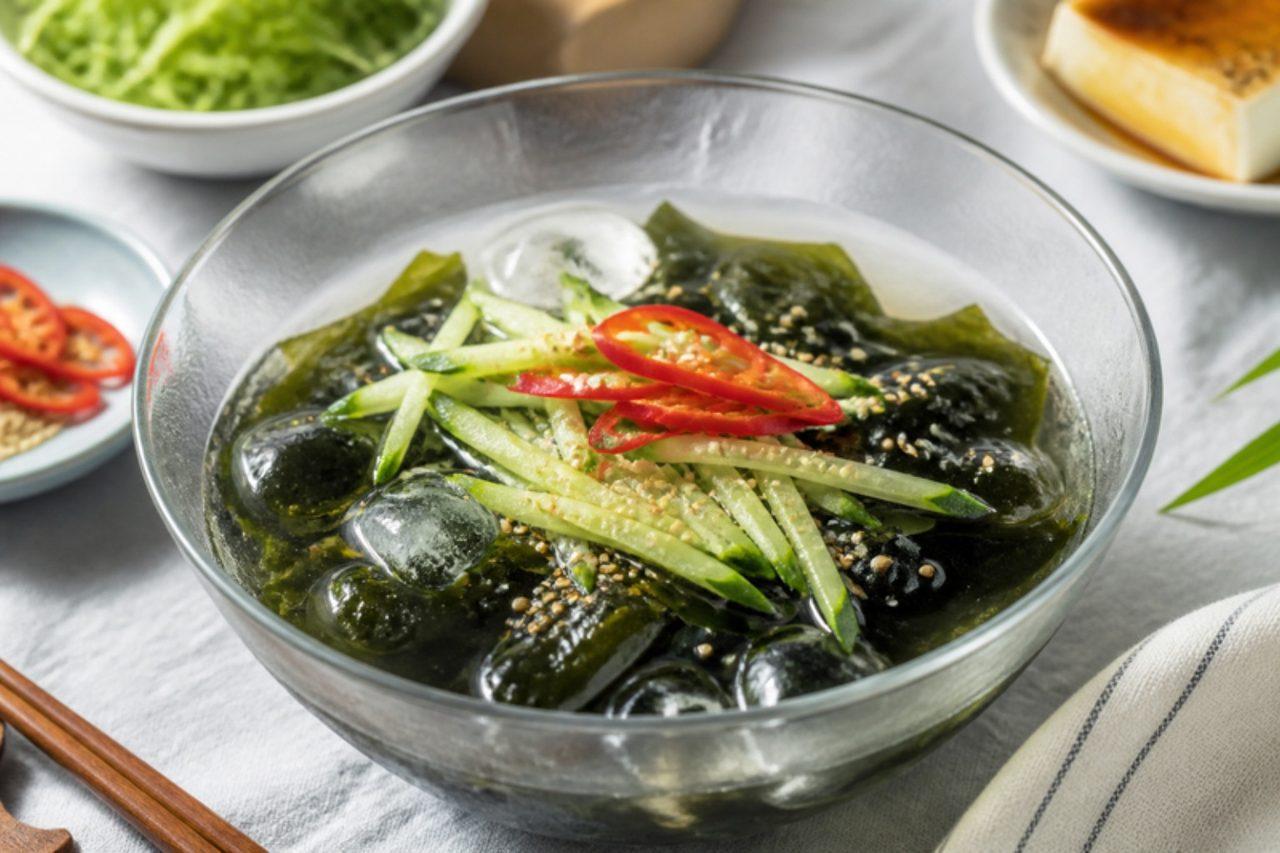
Miyeok oi naenggukChilled seaweed and cucumber soup

On the hottest days of a Korean summer, from Seoul apartments to farmhouses in Jeolla, this icy cold soup comes to the table with rice and spicy side dishes to cool everyone down. Soft wakame and crunchy cucumber float in a clear, tangy broth of vinegar, a little sugar and soup soy sauce, often with ice cubes bobbing on top. It is very light, with about 2 g of protein per portion, so serve it beside tofu or egg dishes. The common mistake is leaving the dried wakame to soak too long: it swells hugely and turns mushy. Ten minutes is enough. Chef's tip: season the broth slightly stronger than tastes right, because the ice you add at the end will dilute it.

by KrazyBadal 0 views

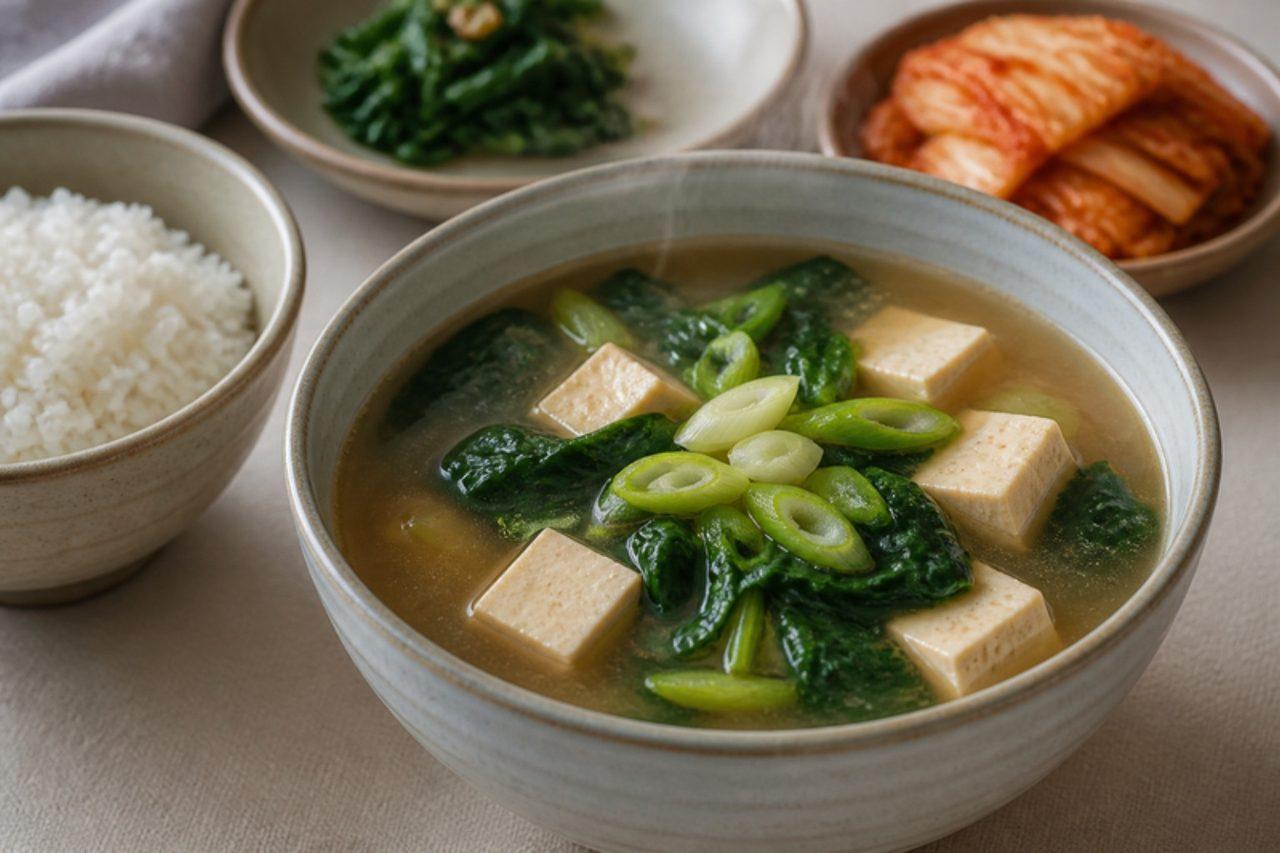
Sigeumchi doenjang gukSpinach soybean paste soup

Spinach doenjang-guk is one of the soups that appears most often on Korean breakfast and dinner tables in winter, when the short, sweet Pohang spinach called pohang-cho arrives from the east coast: a clear, savoury broth of fermented soybean paste with spinach, tofu and spring onion, eaten with rice and kimchi. It is usually made with anchovy stock; this version uses kelp and dried shiitake, so it is vegetarian. A bowl is about 60 kcal. The common mistake is boiling the doenjang hard for a long time, which makes it bitter and dulls its fragrance; dissolve it in, then simmer gently. Chef's tip: push the doenjang through a small sieve into the pot; it dissolves without lumps and leaves the husky bits behind.

by KrazyBadal 0 views

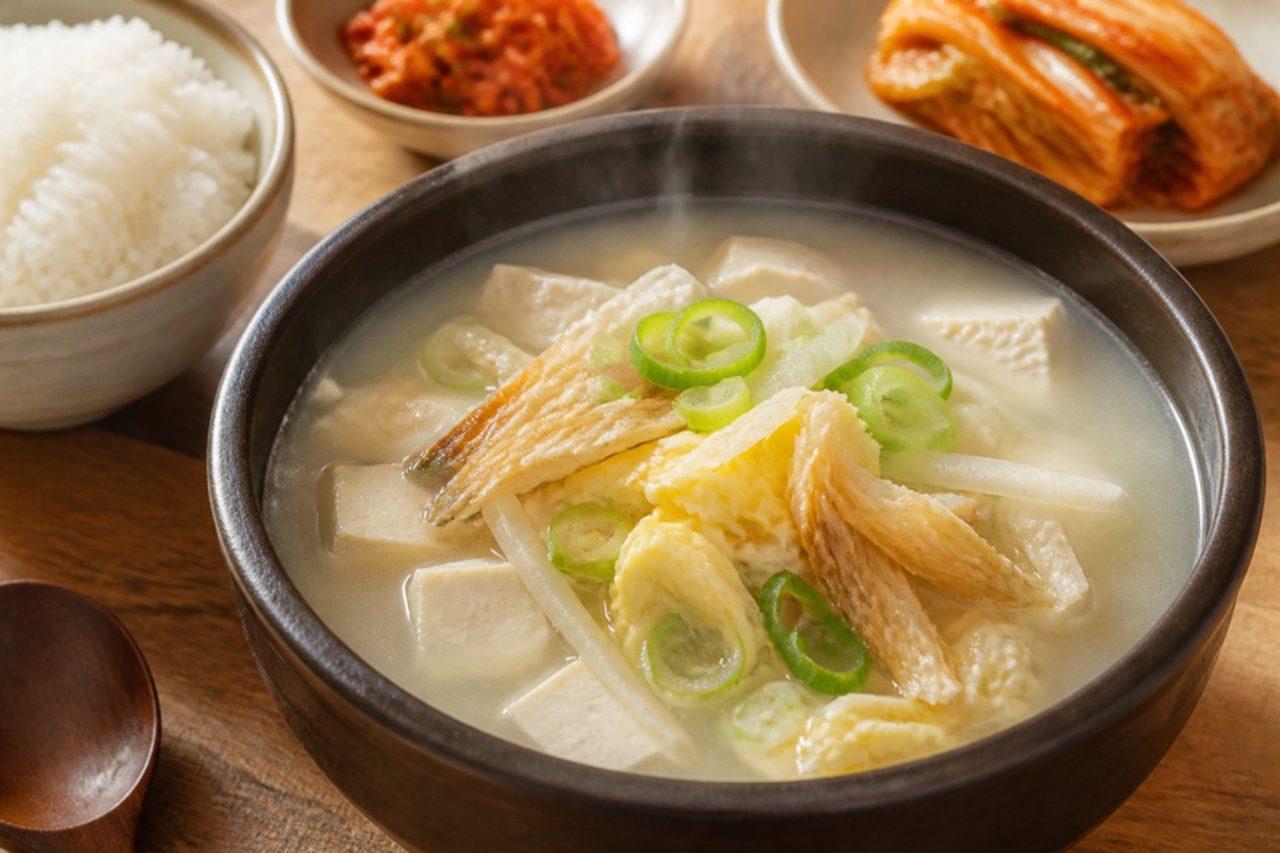
Bugeo gukDried pollack soup

In Seoul, little restaurants near Mugyo-dong have served bugeo-guk since dawn for decades to office workers recovering from the night before, and at home it is the light, fortifying soup for any cold morning: shreds of air-dried Alaska pollack fried briefly in sesame oil, then simmered with radish and tofu into a milky, savoury broth, with beaten egg swirled in at the end. It is clean and comforting. Fish and egg are the allergens. A bowl is about 130 kcal. The most common mistake is using the dried shreds straight from the bag; soak and squeeze them first, or they stay tough and the soup is salty. Chef's tip: fry the pollack in sesame oil until it smells toasty before adding water; it is what turns the broth white and rich.

by KrazyBadal 0 views

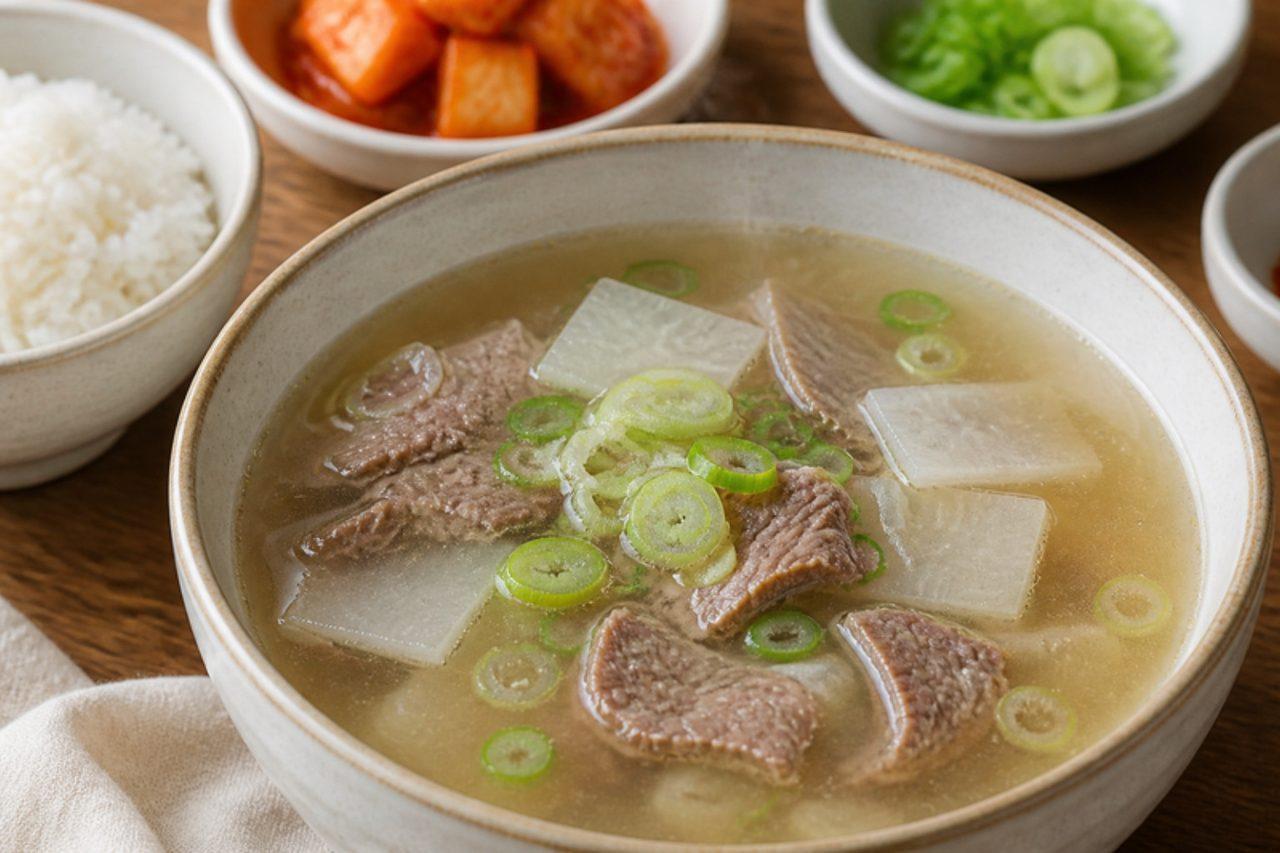
Sogogi mugukBeef and radish soup

Sogogi muguk is the soup of ordinary Korean mornings and of the ancestral memorial table in Gyeongsang homes, where a clear version is offered on rites days: thin slices of beef brisket or round sautéed in sesame oil with squares of Korean radish, then simmered in water until the radish turns translucent and the broth sweet and beefy. It is seasoned only with soup soy sauce, garlic and salt and eaten with rice and kimchi. A bowl is about 160 kcal. The common mistake is skipping the sauté: frying the beef and radish together in sesame oil first is what makes the broth rich without hours of simmering. Chef's tip: cut the radish into thin, flat squares, not chunks; they cook quickly and release their sweetness into the soup.

by KrazyBadal 0 views

TteokgukRice cake soup

On the morning of Seollal, the Lunar New Year, families across Korea eat a bowl of tteokguk, and the saying goes that you only turn a year older once you have finished it. Thin ovals of white rice cake are simmered in a clear beef broth seasoned with soup soy sauce, then topped with strips of egg, shredded beef, spring onion and toasted laver. It is mild, comforting and chewy. Rice cakes are very sticky: cut pieces small and supervise young children and older people closely, as they can be a choking risk. The common mistake is boiling the rice cakes too long, until they turn mushy and the soup thick and gluey. Chef's tip: soak dried rice cake slices in cold water for 20 minutes before cooking; they cook evenly in 3 minutes and stay chewy.

by KrazyBadal 0 views

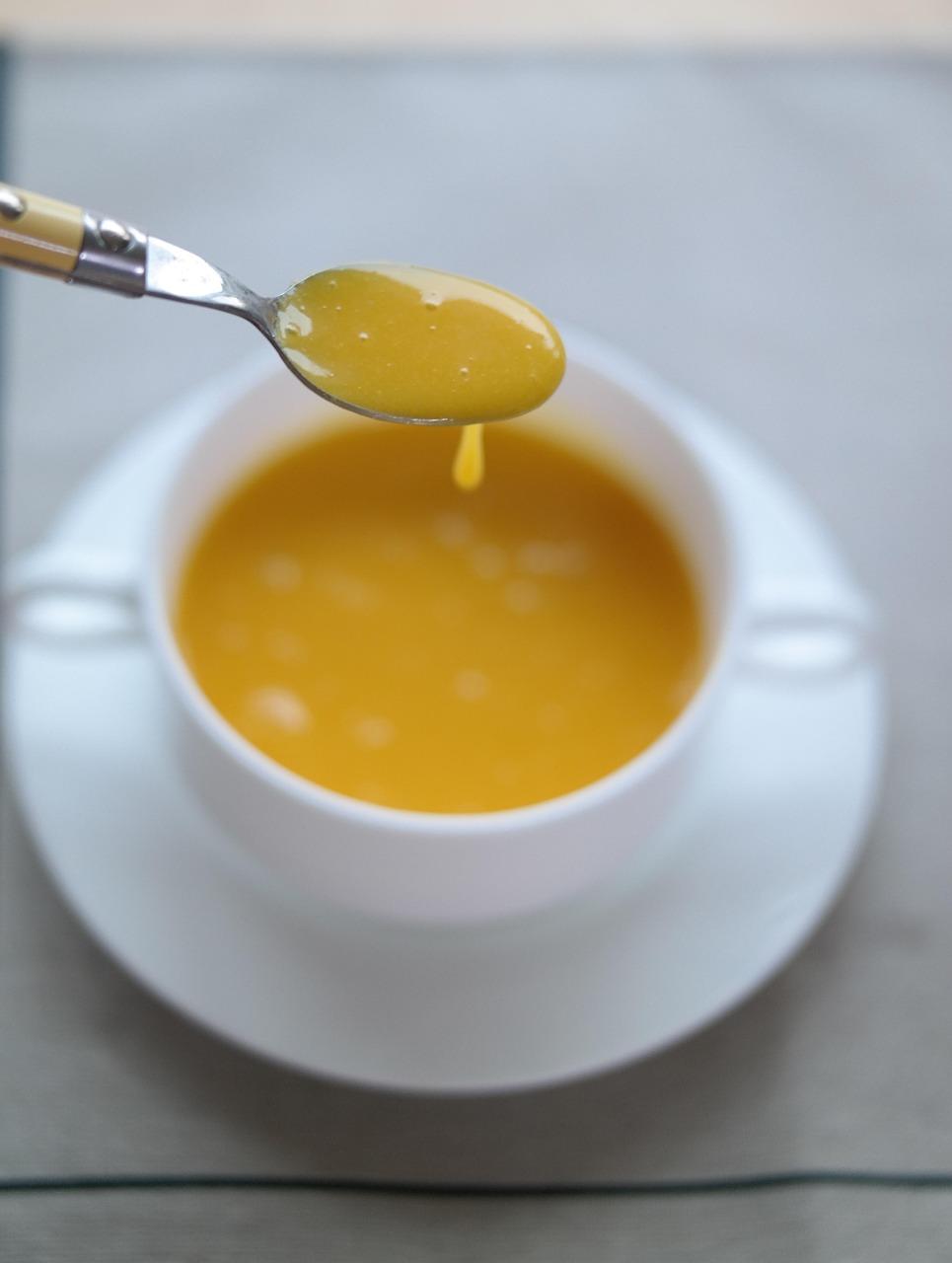
Hobak jukPumpkin porridge

Hobak juk is the golden pumpkin porridge sold in thermos-sized portions at Seoul's Gwangjang market and cooked in temple kitchens through the cold months, when stored pumpkins are at their sweetest. Steamed pumpkin is blended smooth, thickened with glutinous rice flour and dotted with chewy little rice-cake balls, giving a velvety, naturally sweet bowl that is soothing for convalescents and children alike. The rice balls are soft and sticky, so cut them small for young children to avoid choking. The common mistake is adding the rice-flour slurry in one go to boiling porridge, which makes lumps. The optional pine-nut topping is a tree-nut allergen; leave it off for anyone with a nut allergy. Chef's tip: roast or steam the pumpkin rather than boiling it in water; less water means a deeper colour and sweeter taste.

by KrazyBadal 0 views

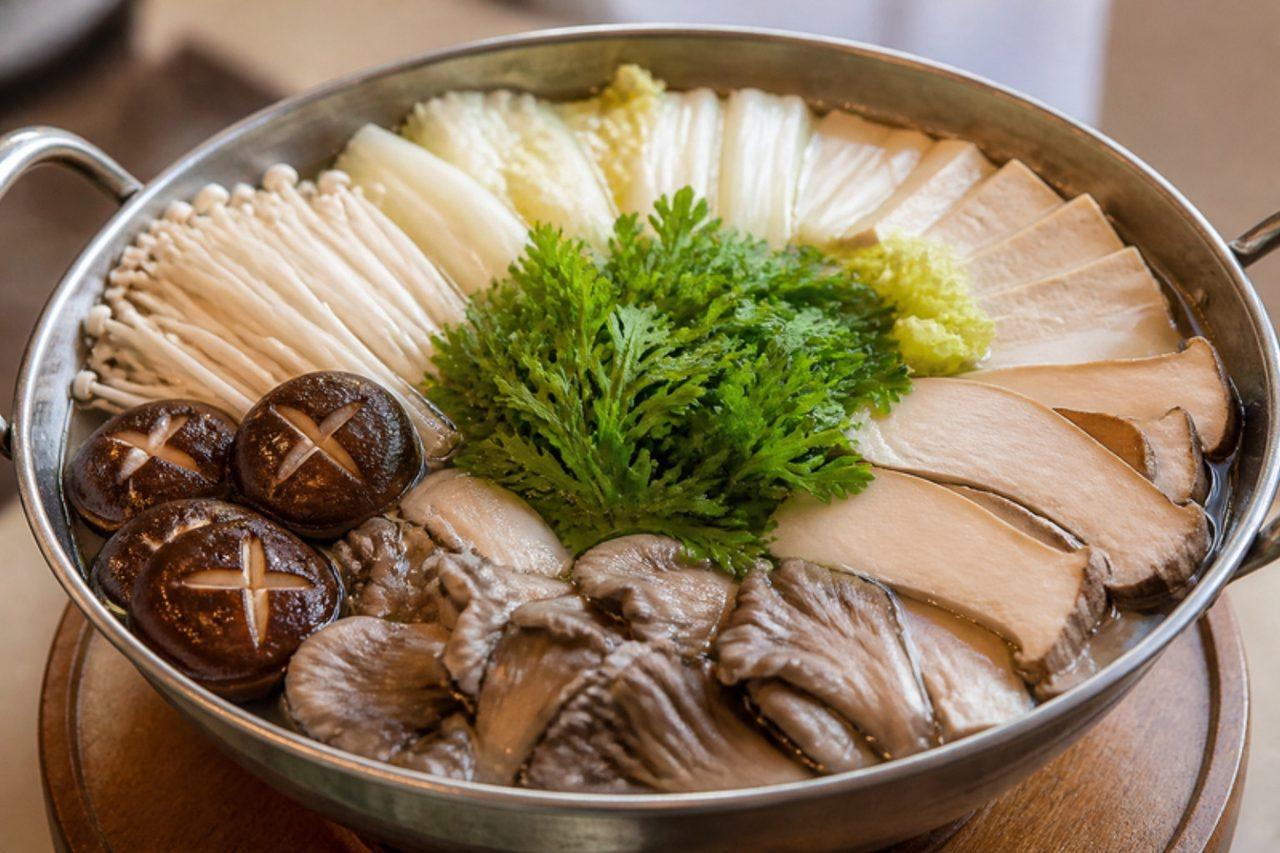
Beoseot jeongolMushroom hot pot

Beoseot jeongol is the mushroom hot pot that Korean temple kitchens and mountain restaurants around Odaesan and Songnisan serve in autumn, when wild mushrooms come down from the slopes. Fans of shiitake, oyster, enoki and king oyster mushrooms are arranged with tofu, cabbage and greens in a shallow pot and cooked at the table in a clear kelp and shiitake broth. It tastes deep, clean and woodsy, with no garlic or onion in the temple way. The common mistake is boiling it hard from the start, which turns the broth cloudy and the enoki stringy. Chef's tip: save the shiitake soaking water and add it to the broth; it doubles the savoury depth without any seasoning.

by KrazyBadal 0 views

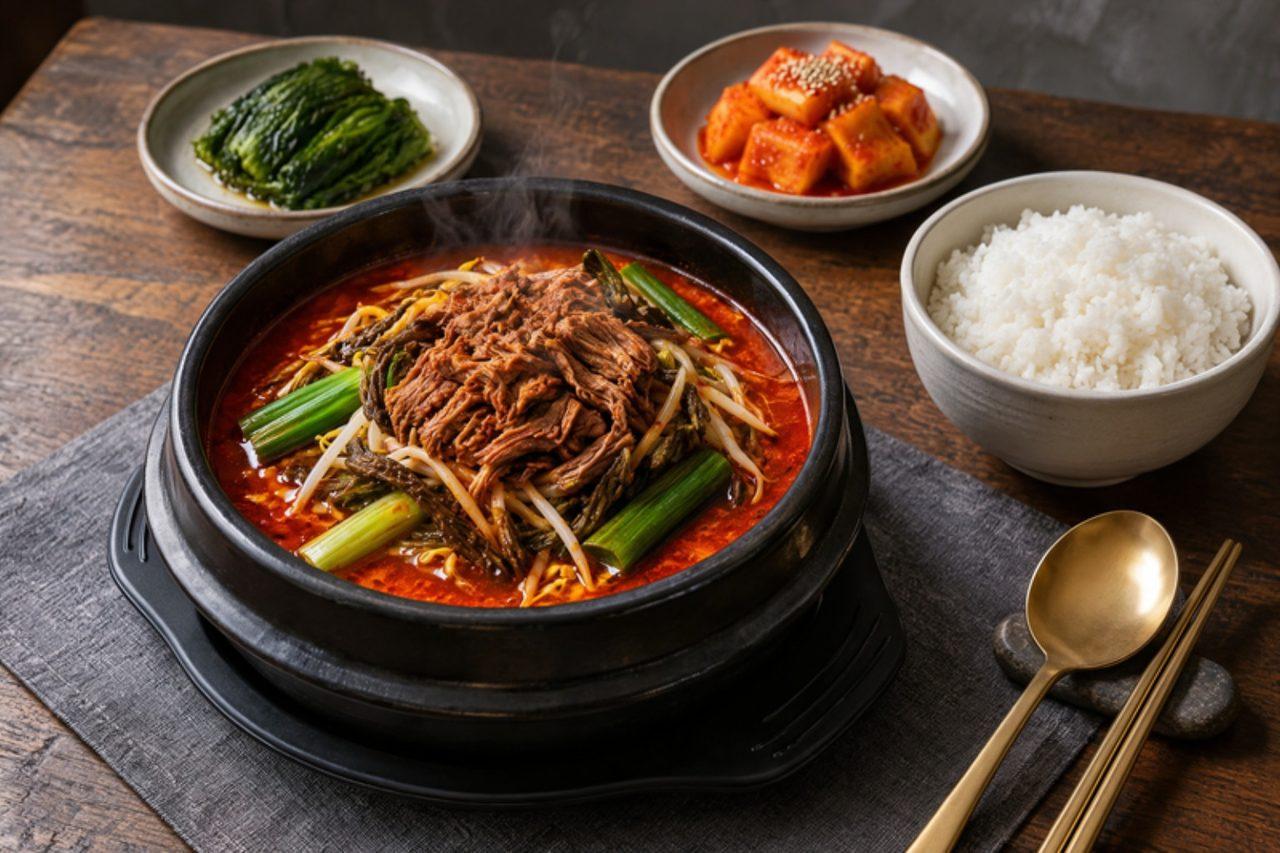
YukgaejangSpicy shredded beef soup

Yukgaejang is the red, chilli-slicked beef soup Koreans eat on the hottest days of summer to sweat out the heat, and it is also the soup served to mourners at funerals all over the country. Beef brisket is simmered for a couple of hours, shredded by hand and tossed with chilli flakes, garlic and soy, then returned to the broth with soaked bracken (gosari), bean sprouts and armfuls of leek. The flavour is deep and beefy with a slow chilli burn. Serve with a bowl of rice and kimchi. The usual mistake is adding the chilli flakes straight to the soup, where they taste raw and dusty; cooking them first in oil turns them sweet and red. A pressure cooker gets the brisket tender in 40 minutes. Chef's tip: shred the beef along the grain with your fingers rather than slicing it, so every strand soaks up the seasoning.

180 minKoreanSoupsSpicy
by KrazyBadal 0 views

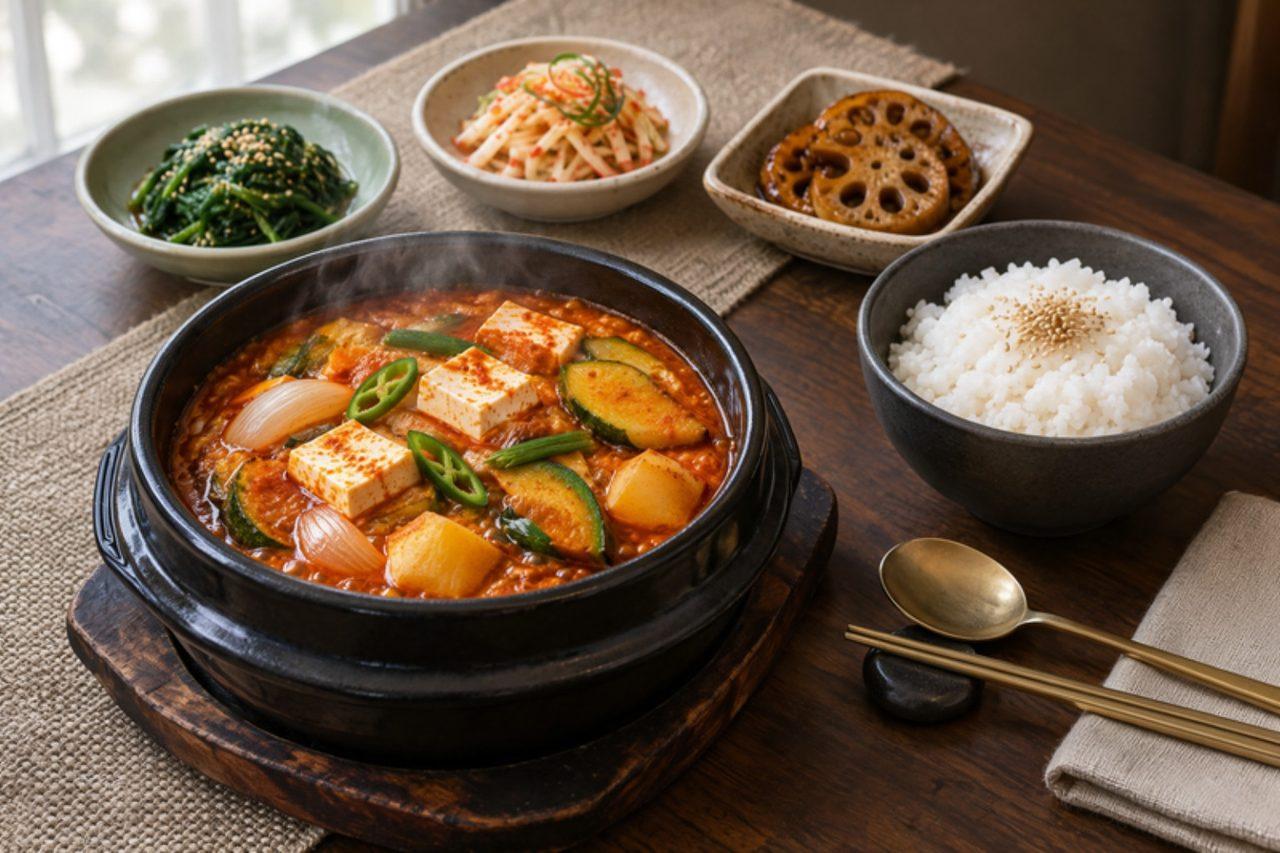
Hobak jjigaeCourgette and tofu stew

Hobak jjigae is the late-summer stew of Korean home kitchens, made when the garden throws up more courgettes (aehobak) than anyone can eat, and it lands on the table in its own pot next to rice and kimchi on any ordinary weeknight. Potato and soft tofu soften in a red, gently spicy broth of gochujang and kelp, and the courgette turns silky without falling apart. Most cooks start with anchovy stock; this one uses dried kelp and shiitake so it stays vegan. The usual mistake is adding the courgette with the potato, which leaves it mushy and grey by the time the potato is cooked. Chef's tip: a final splash of soup soy sauce (guk-ganjang) seasons the broth more deeply than salt without darkening it.

by KrazyBadal 0 views

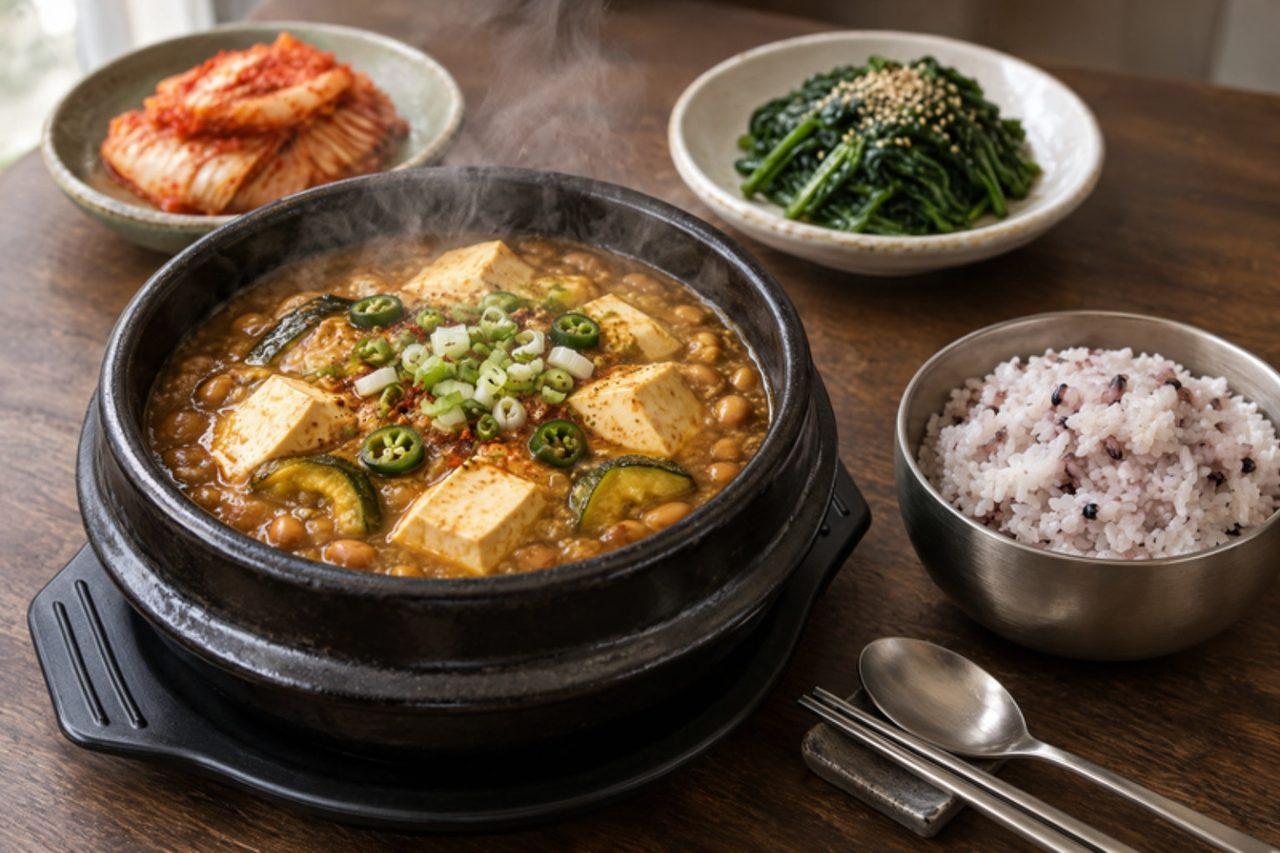
Cheonggukjang jjigaeFermented soybean stew

Cheonggukjang is a sticky, quick-fermented soybean paste made over two or three days in a warm room, and in Korean homes it becomes a bubbling winter stew, cooked in an earthenware pot and set in the middle of the table with rice and banchan. Its smell is famously strong, but the taste is nutty and deeply savoury, with tofu, courgette, onion and greens simmered in an anchovy-kelp stock. Suitable as part of a balanced diet: it is high in plant protein and fibre. About 230 kcal and 14 g carbohydrate per portion; eat it with a small bowl of mixed-grain rice. The usual mistake is boiling the cheonggukjang for a long time, which makes it bitter and dulls its flavour; it goes in for the last few minutes. Chef's tip: mash a spoon of doenjang in with it for a rounder, saltier base.

by KrazyBadal 0 views

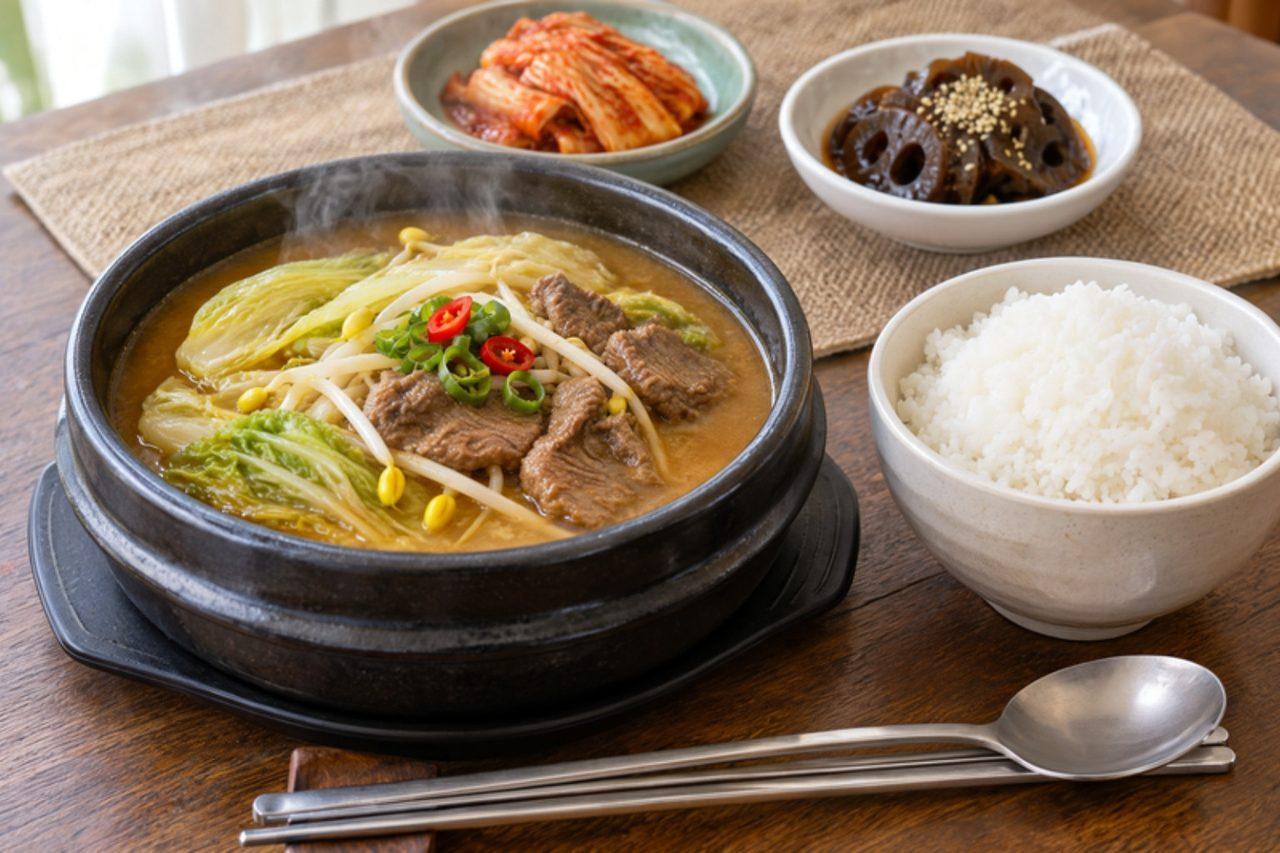
Haejang-gukCabbage and bean sprout soup

Haejang-guk means "soup to chase a hangover", and in Seoul and every Korean city the 24-hour haejang-guk houses fill at dawn with office workers and night-shift drivers. This version is the everyday ugeoji style: outer napa cabbage leaves and bean sprouts simmered with doenjang and chilli in a beef bone broth, with tender beef shin, eaten with a bowl of rice. The common mistake is skipping the soak and first boil of the bones, which leaves the broth murky and metallic. Chef's tip: squeeze the blanched cabbage leaves and rub them with the doenjang and chilli before they go into the pot, so the seasoning clings to every leaf.

120 minKoreanSoupsSpicy
by KrazyBadal 0 views

Pira caldoCreamy fish soup with cheese

Along the Paraguay River from Asunción to Concepción, pira caldo is the fishermen's soup, said to restore strength after a long night: chunks of firm river fish poached in a broth of onion, peppers and tomato fried in fat, then made creamy with milk and melted fresh cheese. Surubí or other catfish is traditional; any firm white fish such as hake or pollock works. The mistake most people make is boiling the soup after the milk and cheese go in, which splits it. Chef's tip: fry the vegetables until they are very soft and sweet before adding the water; that is where the flavour comes from.

by KrazyBadal 0 views

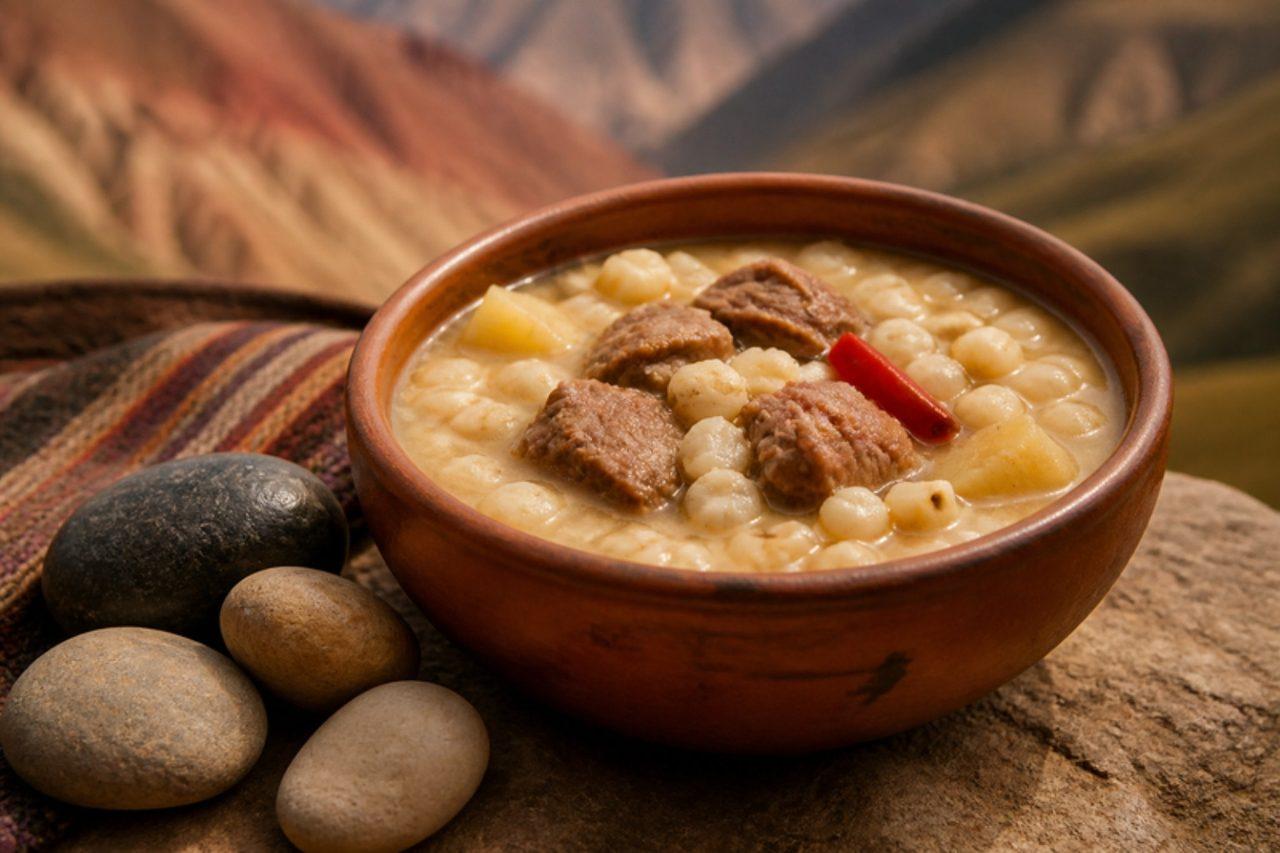
CalapurcaHominy and meat soup

Nobody hurries calapurca. In the villages of the Quebrada de Humahuaca, especially around Carnival and the August Pachamama rites, cooks heat stones in the fire until they glow and then drop them into a clay pot of soup made from dried maize, beef and lamb (or llama), potatoes and chilli, so it boils up in a hiss of steam and takes on a faintly smoky taste. Bowls are passed around the gathering with a sprinkle of fresh herbs. The stones are a ritual best left to people who know which ones are safe, because wet or river stones can crack or burst when heated, so this home version simply simmers on the stove. Look for dried white hominy (mote, or pozole corn) in Latin American shops; it needs soaking overnight. The usual problem is undercooked corn: it needs a good 2 hours before the meat goes in. Chef's tip: for a hint of the smoky flavour, char the onion and a dried chilli in a dry pan before adding them.

by KrazyBadal 0 views

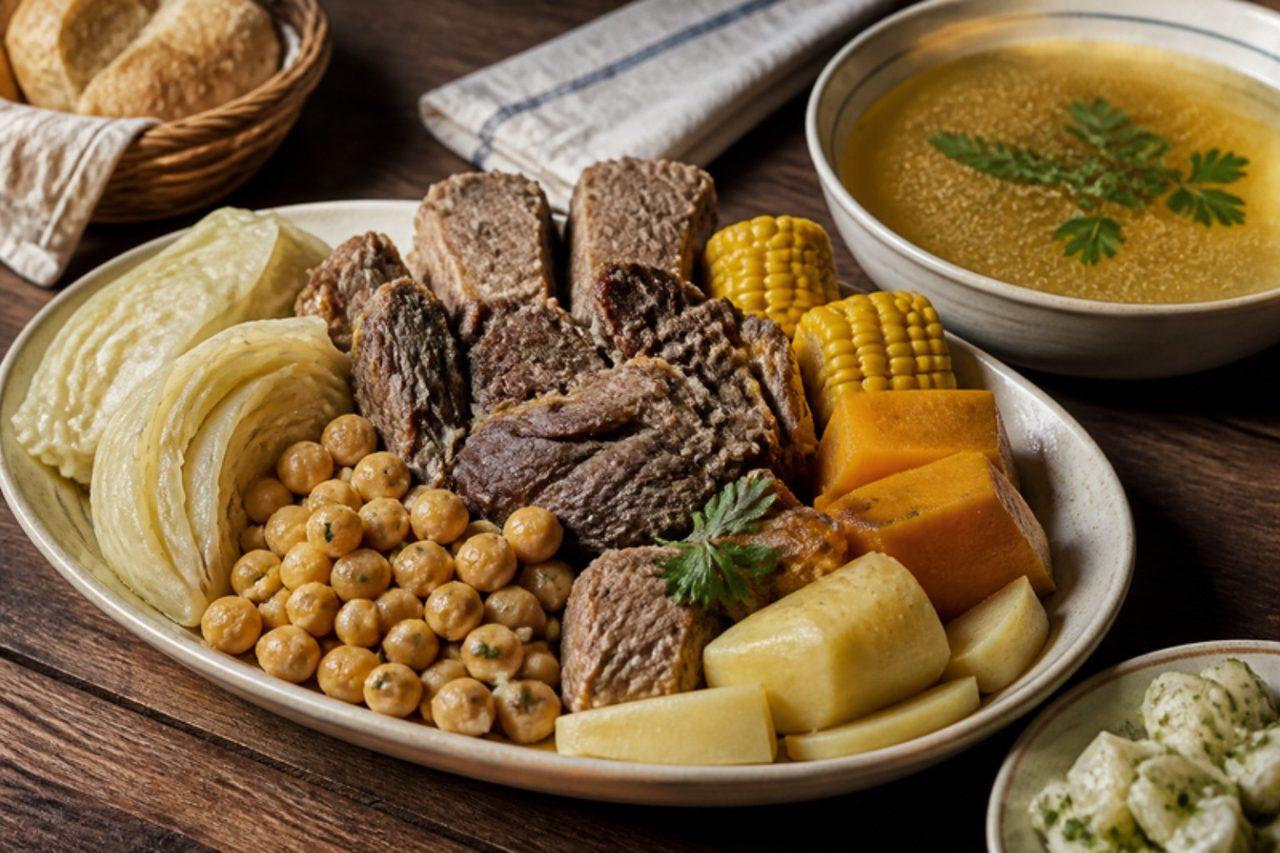
PucheroBoiled beef and vegetable stew

Winter Sundays in the towns of Buenos Aires Province mean a big pot of puchero bubbling from mid-morning: beef shin and brisket on the bone, a marrow bone, chickpeas, corn on the cob, squash, sweet potato, potato, carrots and cabbage, all simmered together. The meal comes in two courses, as in the Spanish cocido it descends from: first the golden broth, often with fine noodles or rice, then a platter of meat and vegetables doused with olive oil, salt and a spoon of salsa criolla. It is gentle and clean-tasting rather than rich. Many families add chorizo colorado or pancetta (pork); this version keeps to beef. Plan for the chickpeas to soak overnight. Boiling it hard is the classic mistake, which clouds the broth and toughens the meat; it should barely shiver. Chef's tip: add the vegetables in stages, longest-cooking first, so the cabbage and squash hold their shape instead of dissolving.

by KrazyBadal 0 views

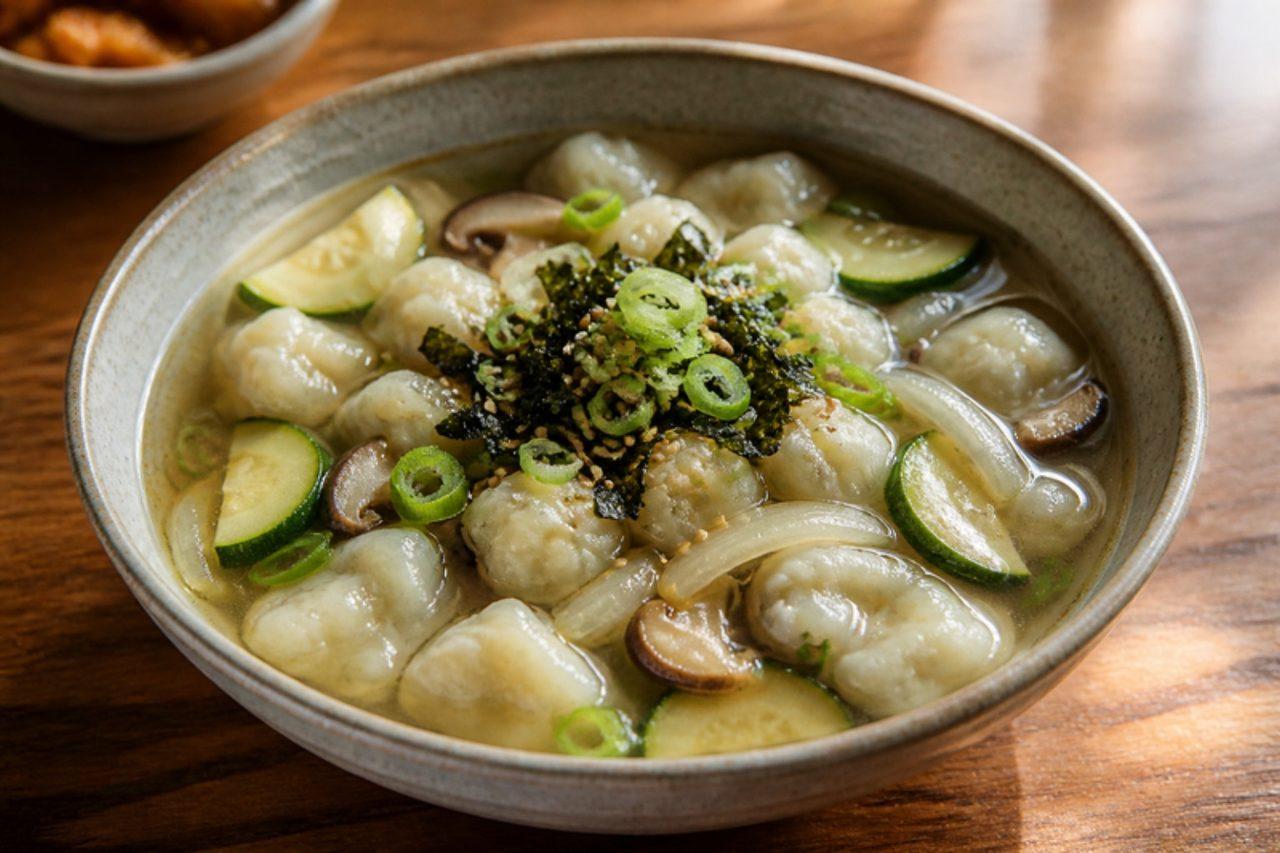
Gamja ongsimiPotato dumpling soup

Ongsimi (옹심이) means 'little bird egg' in the Gangwon dialect, and it describes the small, chewy dumplings that Gangneung cooks make from grated potato and its own starch. Gangwon's mountains grow more potatoes than rice, and ongsimi restaurants around Gangneung still serve the dumplings in plain anchovy or kelp broth with courgette, sometimes with knife-cut noodles added. This version uses kelp and shiitake, so it is vegan and gluten free if you season with tamari. The dumplings are translucent, slippery and springy, nothing like gnocchi. Chef's tip: let the potato water stand until the white starch settles at the bottom, then add every bit of that starch back to the grated potato; it is what makes the dumplings chewy.

by KrazyBadal 0 views

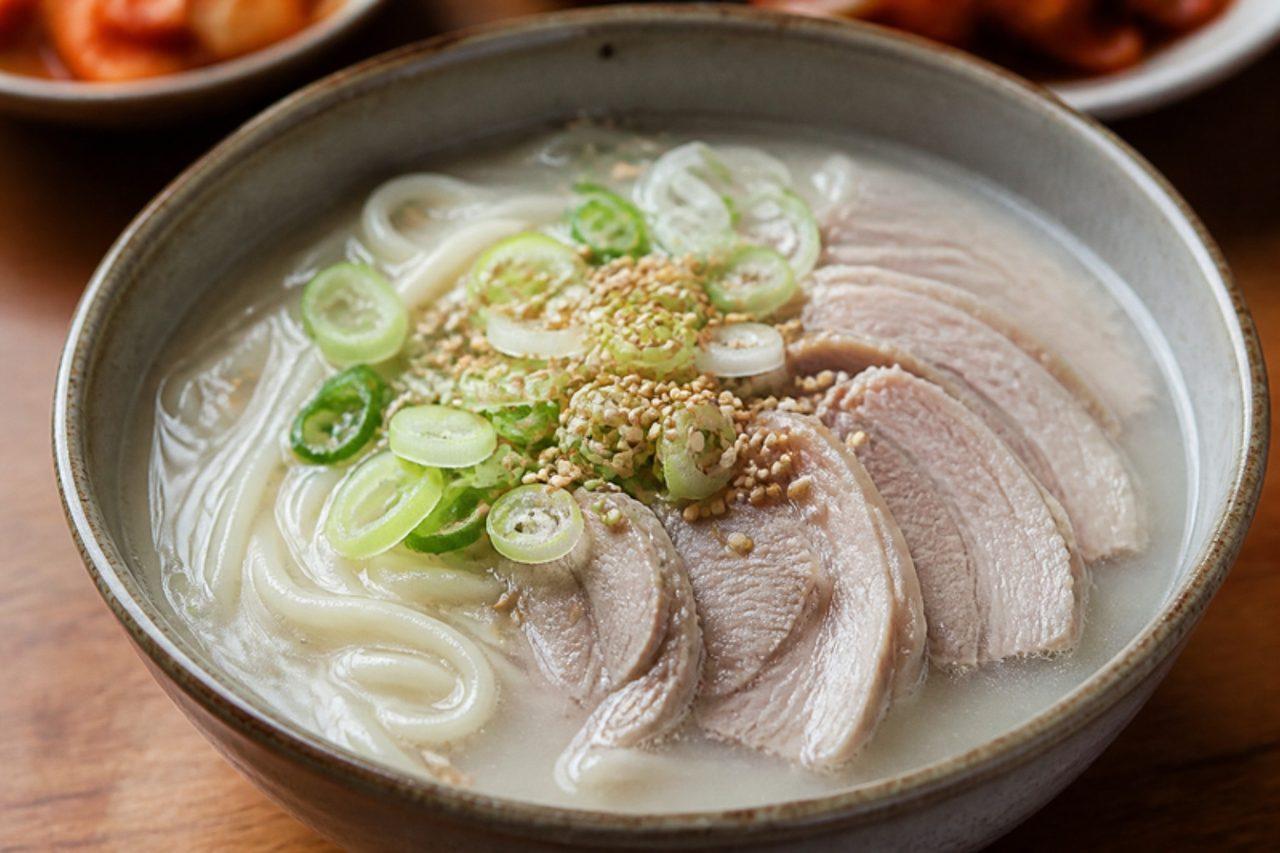
Gogi guksuPork noodle soup

Gogi guksu goes back to Jeju's village feasts, where a pig was slaughtered for a wedding or funeral and its bones were boiled into broth for noodles to feed everyone. In Jeju City there is now a street of noodle restaurants near Samseonghyeol shrine, popular for a quick lunch and with visitors fresh off the plane. The broth is cloudy and rich, the noodles are thick and chewy, and the slices of boiled pork on top are often from the island's black pigs. Diners add chilli flakes and spring onion as they like. Chef's tip: dip the cooked noodles into the hot broth in a sieve for 20 seconds before they go in the bowl; they heat through without going soft.

180 minKoreanSoups
by KrazyBadal 0 views

Vegetarian vori voriCornmeal dumpling and vegetable soup

Vori vori is the soup Paraguayan grandmothers make on cold June and July evenings: a golden broth full of bori, small balls of cornmeal and cheese that swell soft as they simmer. The name is a Guaraní take on the Spanish 'bolita' (little ball). It's usually made with hen; this version gets its colour and body from pumpkin, carrot and a sofrito with saffron or turmeric. Chef's tip: shape the balls no bigger than a hazelnut; they double in size and larger ones stay raw inside.

by KrazyBadal 0 views

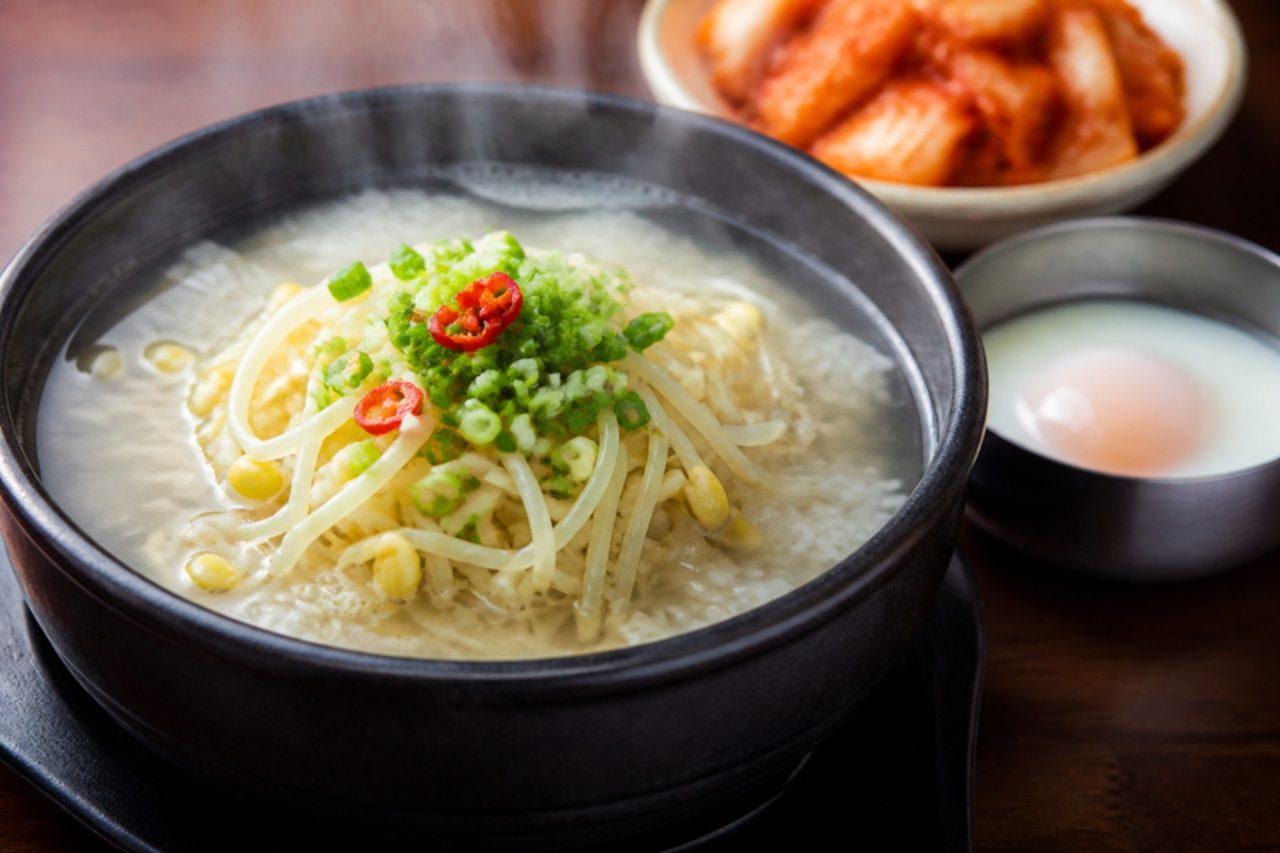
Jeonju kongnamul gukbapBean sprout rice soup

Jeonju, the North Jeolla city known for bibimbap, starts its day with kongnamul gukbap (콩나물국밥): a scalding clay bowl of clear soybean-sprout broth over rice, sharp with garlic and chilli, served before dawn to market traders and, famously, to anyone with a hangover. Many Jeonju shops bring a half-cooked egg in a separate cup, which you season with a little broth and crumbled seaweed and slurp first. The usual broth is anchovy based, with salted shrimp at the table; here it is kelp, shiitake and soup soy sauce. Chef's tip: keep the lid on while the sprouts cook and don't open it until they are done; lifting it early is said to give them a raw, grassy smell.

by KrazyBadal 0 views

Showing 24 of 34 recipes

Show more recipes

Page 1 of 2