Skip to content
Recipes

All recipes

Vegetarian, or something you can't eat? Set your diet once and we'll hide recipes that don't fit.

Dowina (Kurdish yogurt soup)

Dowina, called ash-e doogh in Persian, is warming spring food in Kurdish homes around Newroz, when yogurt is plentiful and the first herbs are cut from the garden. Rice and chickpeas simmer in a tangy, lightly thickened yogurt broth, finished with fresh dill, coriander and a sizzle of dried mint in oil. It is eaten warm, never boiling hot, with flatbread. The common mistake is to heat the yogurt too fast without stirring, which makes it split into grainy curds. Chef's tip: whisk an egg yolk and a spoonful of rice flour into the yogurt before it goes on the heat; it holds the soup smooth all the way to the simmer.

by KrazyBadal 0 views


Potage cultivateurFarmer's vegetable soup

Potage cultivateur is the farmhouse soup of France, made in kitchens from Normandy to the Auvergne on cold evenings and eaten as a light supper with bread. The vegetables are cut into small, thin squares (the 'paysanne' cut), sweated slowly in butter, then simmered in water, so the broth stays clear and every spoonful has carrot, turnip, leek and potato. The old versions add bacon; this one is vegetarian. It is light, with about 4 g of protein per bowl; add a handful of white beans or serve with cheese on toast for more (choose a vegetarian cheese if you avoid animal rennet). The most common mistake is browning the vegetables: they should sweat gently until soft and shiny, never coloured. Chef's tip: cut every vegetable the same size, about 1 cm square and 3 mm thick, so they all cook in the same time.

by KrazyBadal 0 views

Velouté de courgettesSmooth courgette soup

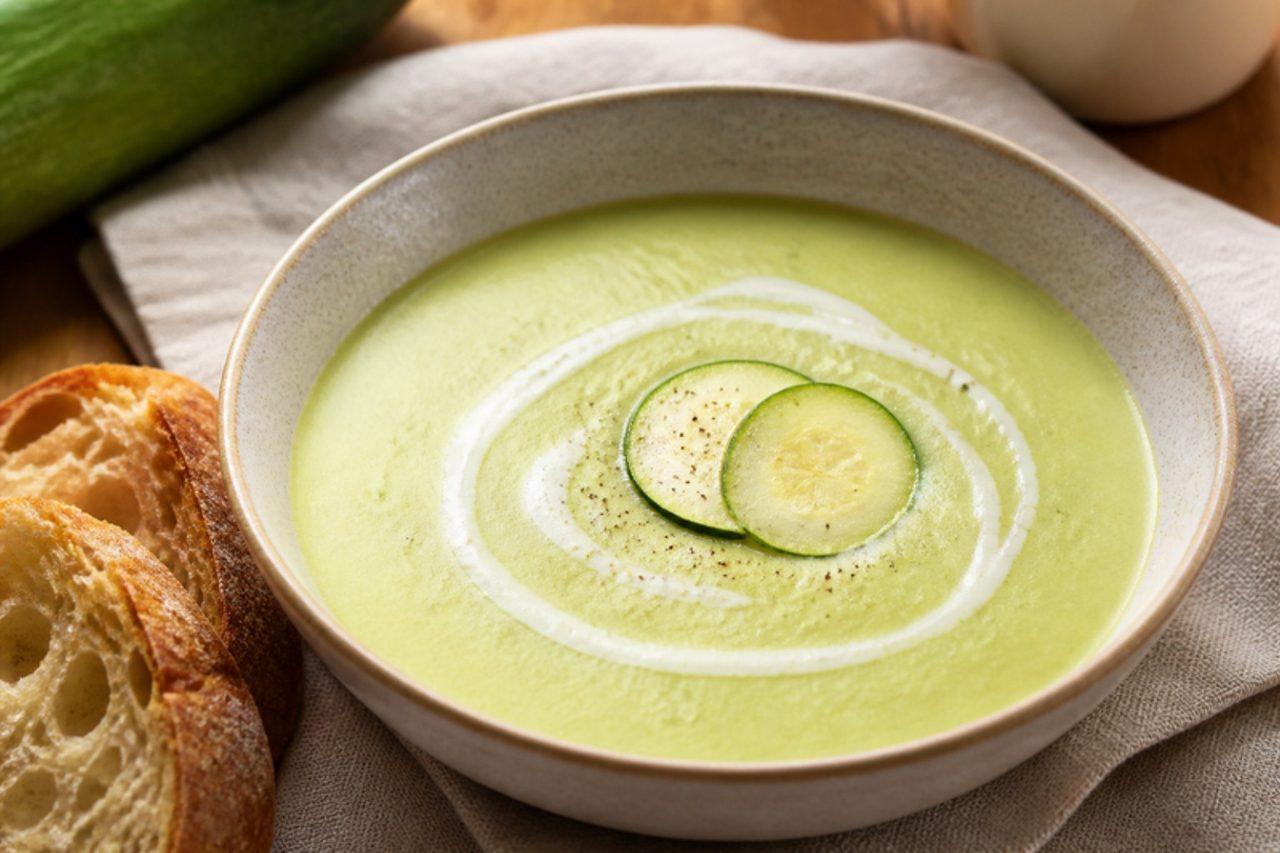
French families make velouté de courgettes on summer and early-autumn evenings, when courgettes are cheap and plentiful, often blending in a few wedges of soft triangle cheese or a spoon of cream so children drink it happily. It is pale green, silky and mild, and ready in under half an hour; serve it with crusty bread and a piece of cheese. Some soft cheeses are made with animal rennet, so check the label or use a vegetarian cream cheese. The most common mistake is boiling the courgettes too long, which turns the soup a dull khaki; simmer only until just tender. Chef's tip: leave some of the green skin on but peel in stripes, so the colour stays bright without any bitterness.

by KrazyBadal 0 views

Chorba khodra (light Moroccan vegetable soup)

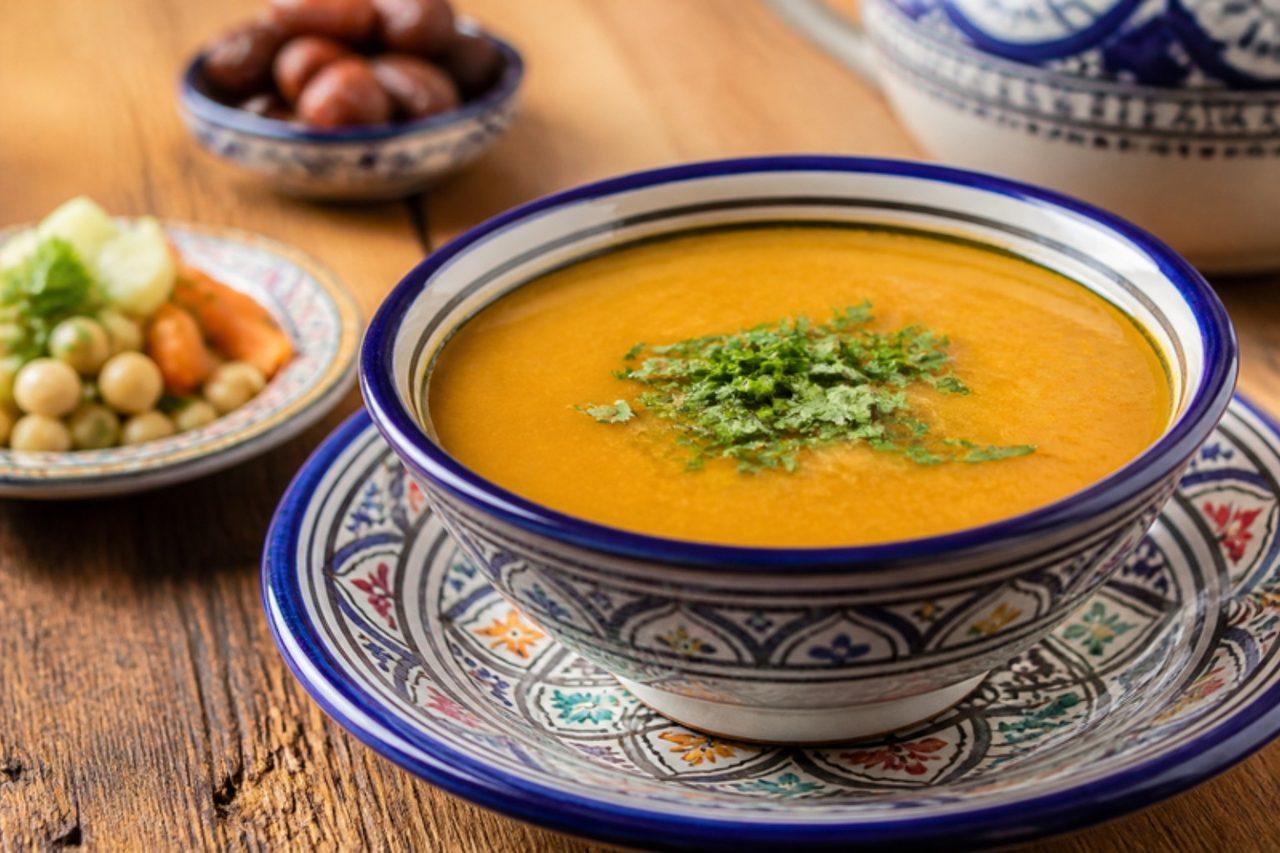
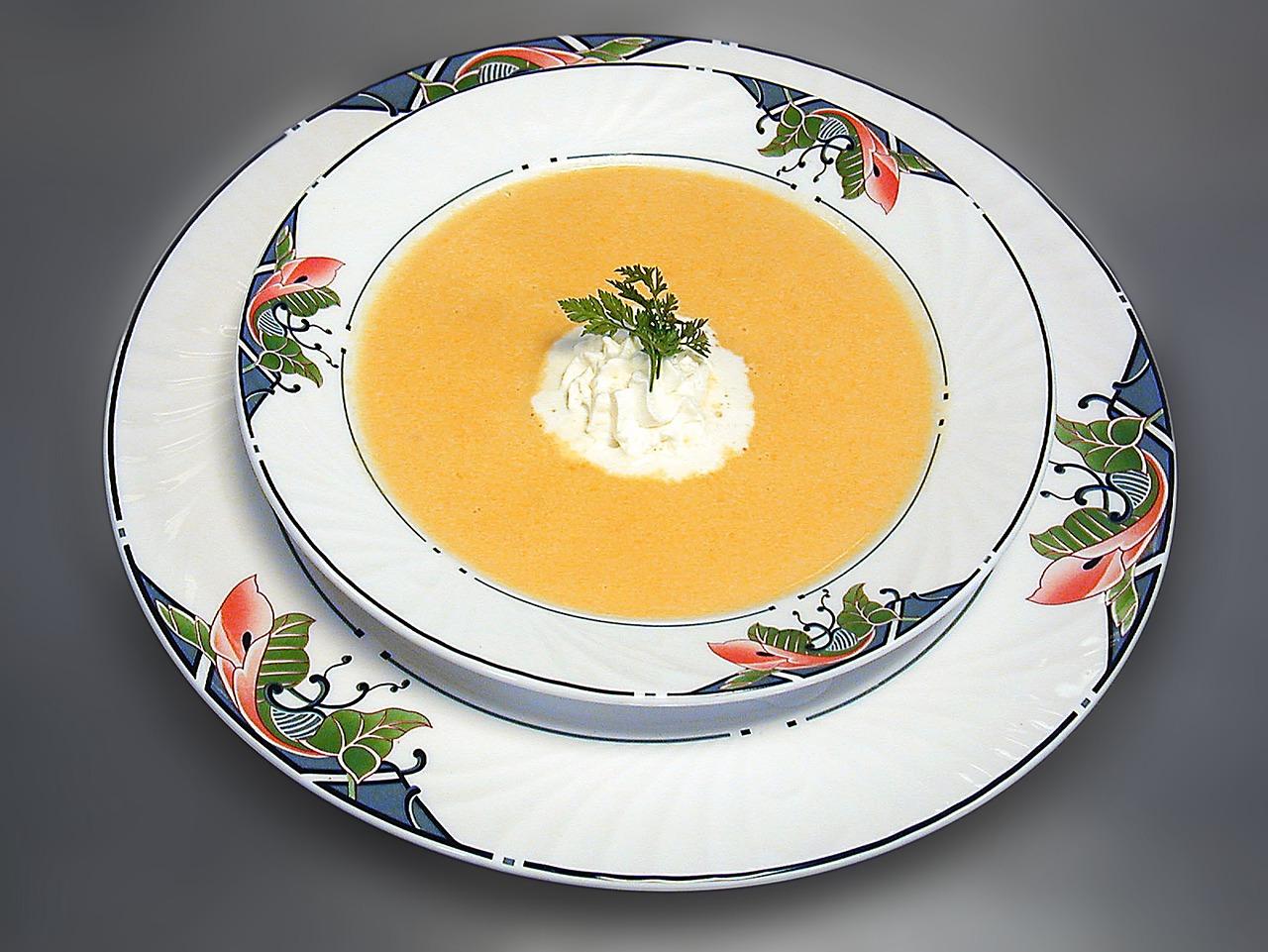
Chorba khodra is the everyday soup of Moroccan homes from Tangier to Agadir, served for supper on cold evenings and to anyone feeling unwell. Carrots, courgettes, potato, turnip and celery simmer with onion, tomato, coriander, parsley, ginger and a little turmeric, then get blended into a smooth, light orange soup thickened with a spoon of fine vermicelli or semolina. Serve with bread and a lemon wedge. Most people boil it too long so the herbs turn dull; add the fresh herbs in the last 10 minutes. Chef's tip: a teaspoon of smen or olive oil stirred in right before serving gives it the roundness of the restaurant version. Contains wheat (vermicelli).

by KrazyBadal 0 views

Soupe à l'oseilleSorrel and potato soup

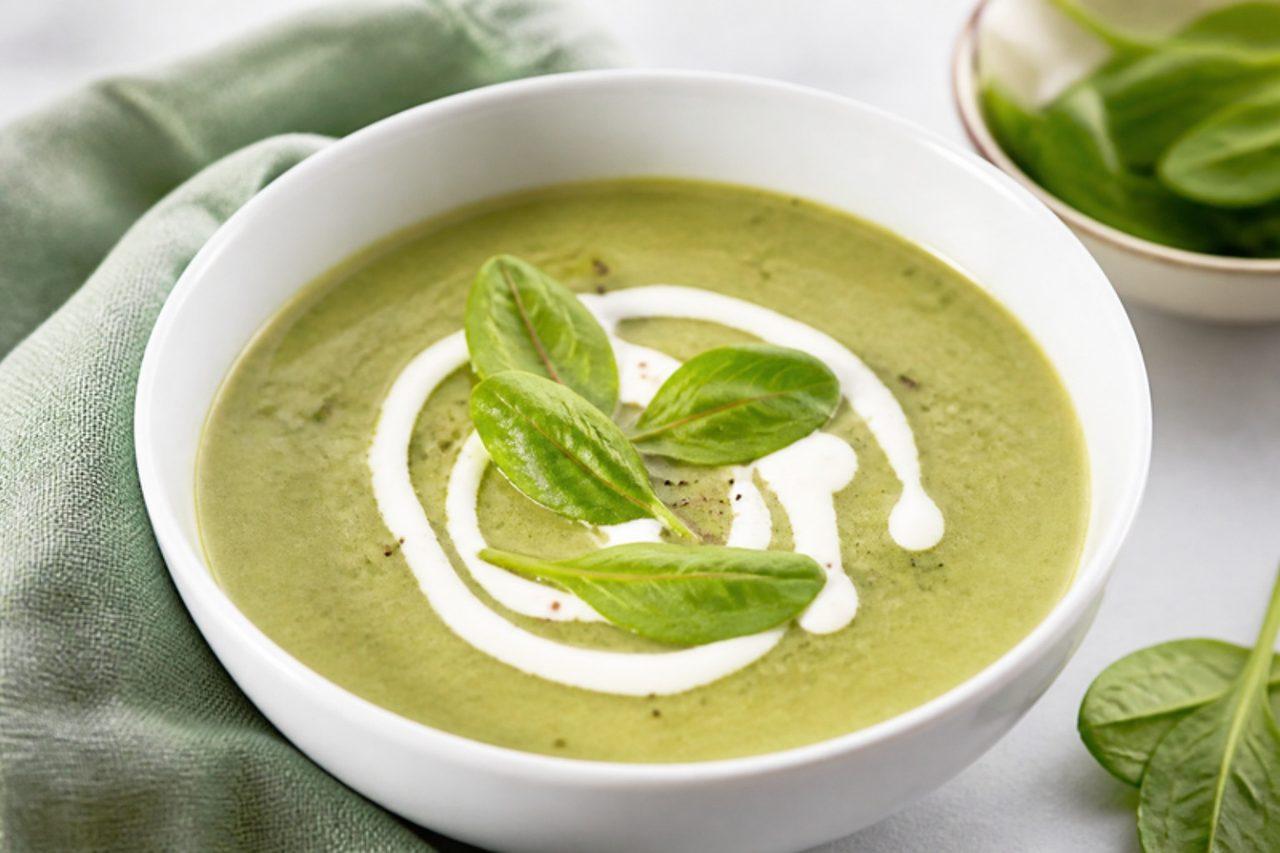
Soupe à l'oseille is an old country soup made in French homes in spring and early summer, when sorrel grows back in the vegetable garden, and served at supper with bread. The lemony leaves melt in butter into a khaki purée, then simmer with potatoes and are finished with an egg yolk and cream, which softens the sharpness into a silky, tangy soup. The common mistake is letting the soup boil after adding the yolk, which scrambles it. Chef's tip: cut the sorrel into ribbons and melt it in butter first; it collapses in a minute and releases all its flavour.

by KrazyBadal 0 views

Velouté de potironCreamy pumpkin soup

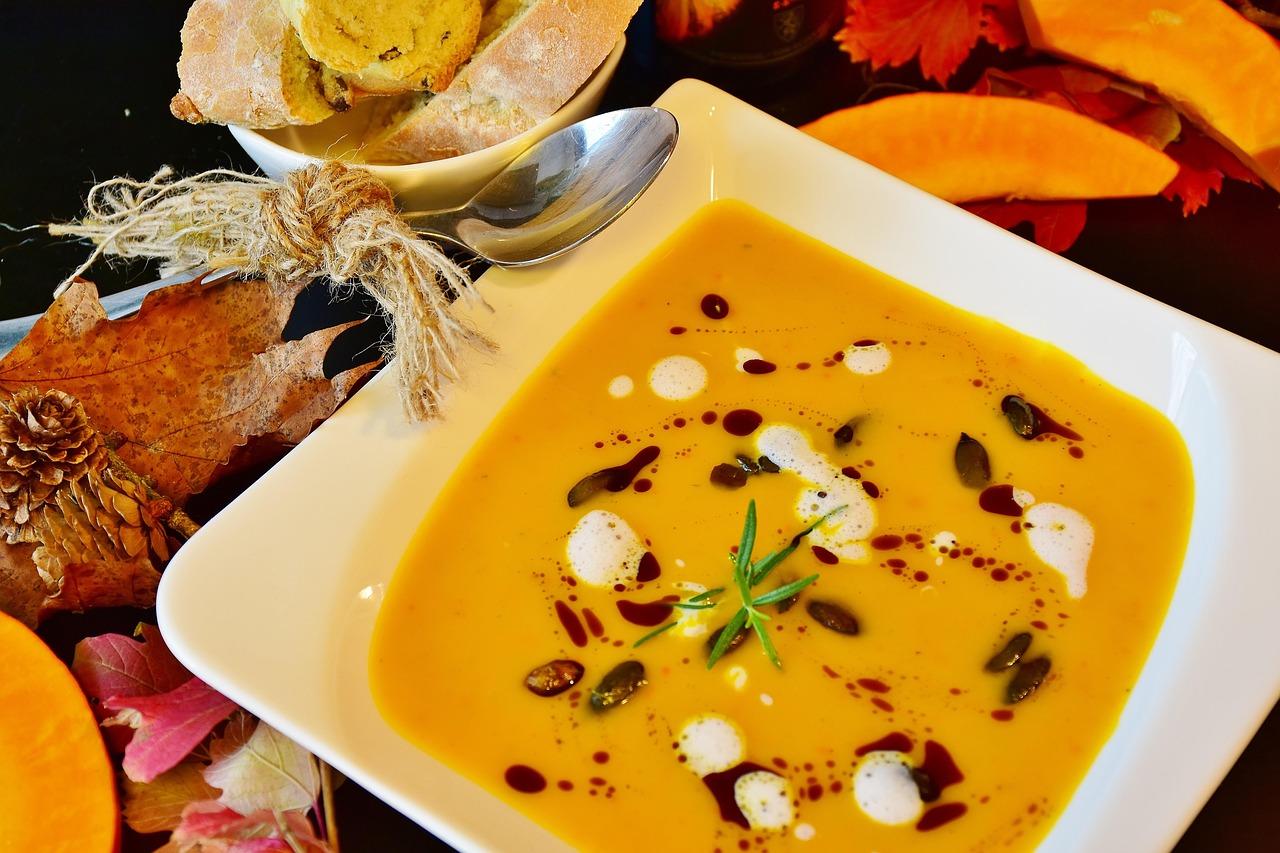
Velouté de potiron is the soup French families make all autumn, from the October markets piled with orange pumpkins right through to Christmas, often served as a starter for Sunday lunch or a simple supper with bread and cheese. The pumpkin is simmered with onion and potato in vegetable stock, then blended until velvety and finished with a spoonful of crème fraîche. The common mistake is too much stock, which makes it thin and bland; you can always add more after blending. Chef's tip: a small potato gives body without masking the sweet pumpkin flavour.

by KrazyBadal 0 views

Aigo boulidoGarlic and sage broth

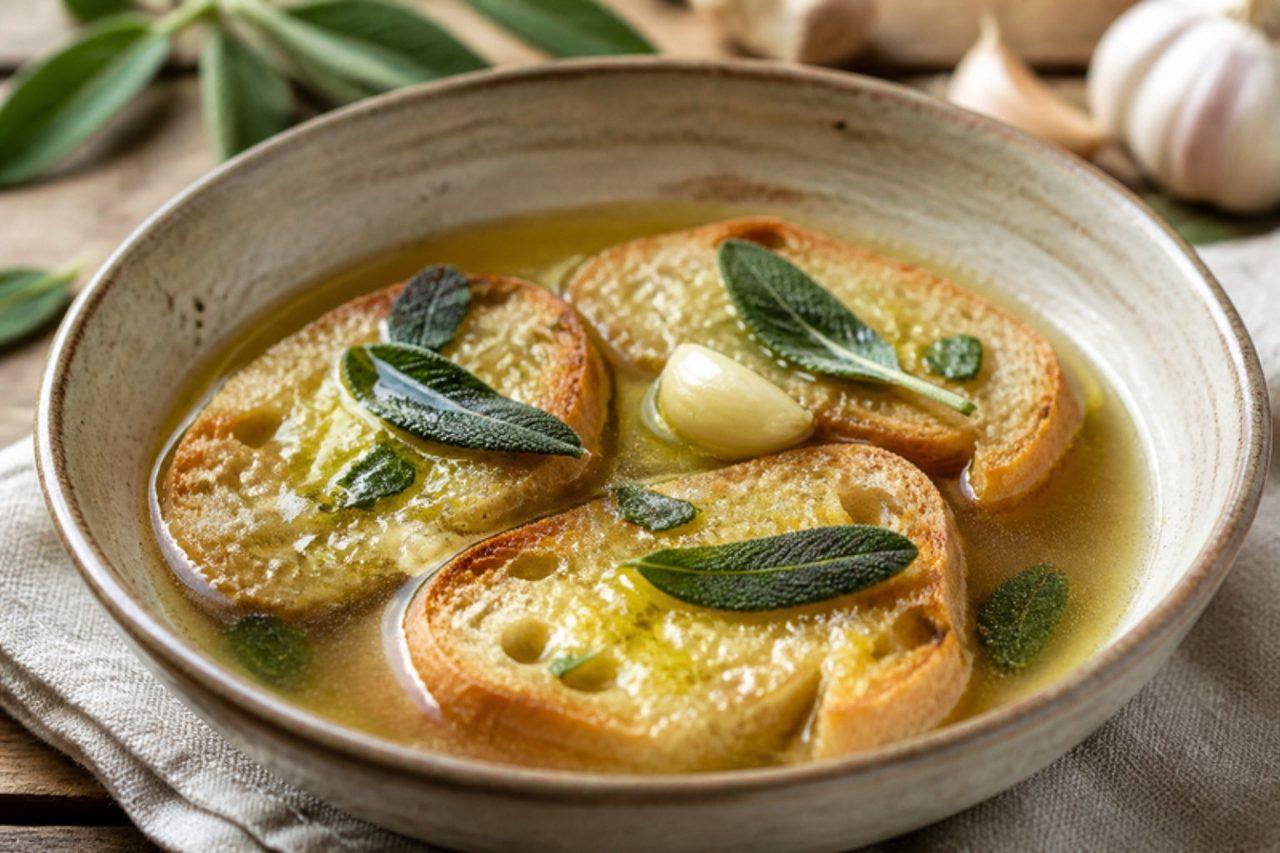
Aigo boulido, "boiled water" in Provençal, is the old cure-all of Provence, a simple broth of garlic and sage served after the indulgent Christmas Eve gros souper and whenever someone feels run-down; the saying goes that it saves your life. The garlic simmers until mellow and sweet, then the broth is poured over slices of bread drizzled with olive oil and often thickened with an egg yolk. The common mistake is boiling the sage for too long, which makes the broth bitter. Chef's tip: add the sage only for the last 5 minutes and lift it out before serving.

by KrazyBadal 0 views

Velouté de champignonsCreamy mushroom soup

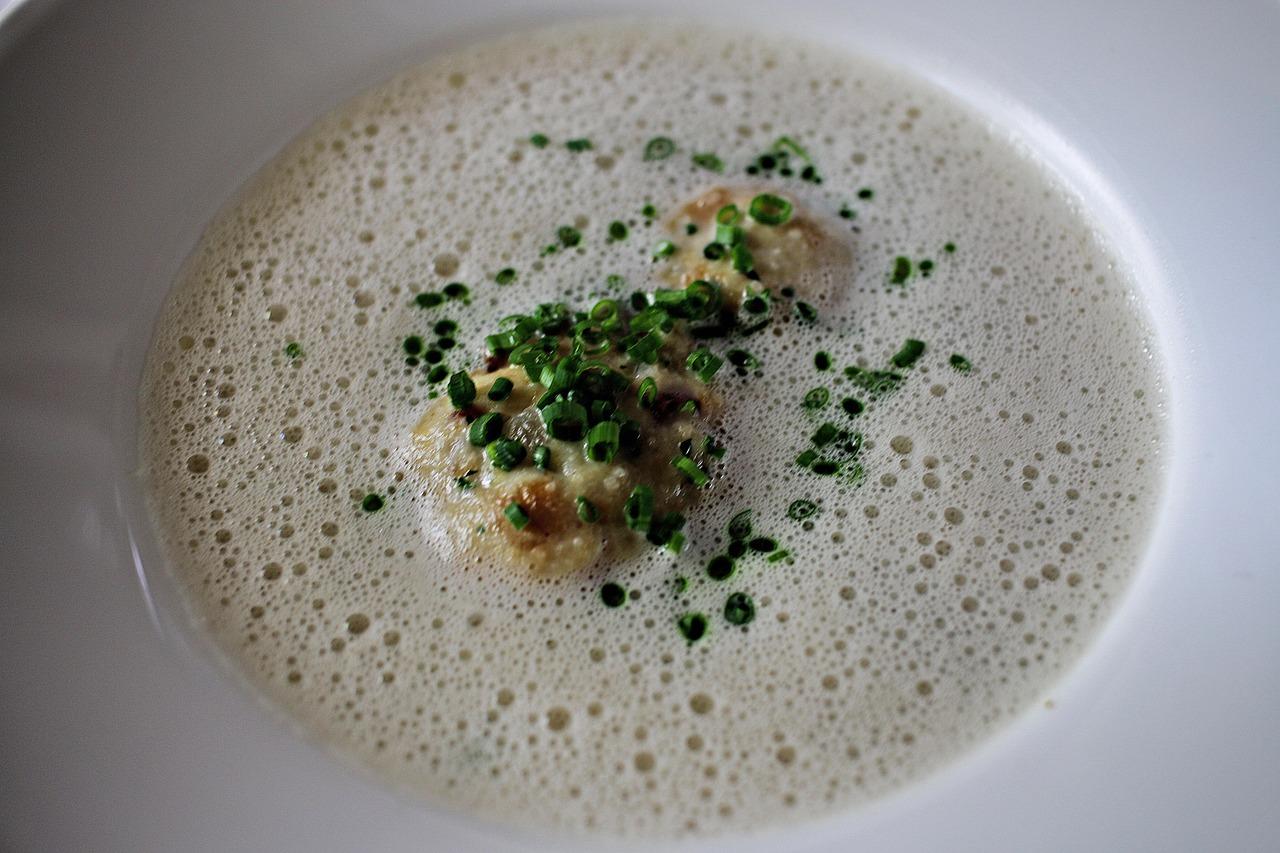
Velouté de champignons is the cosy autumn soup of French homes and village restaurants, made when the woods are full of mushrooms in October and November, although ordinary button mushrooms make a very good version all year. The mushrooms are browned well with shallots and thyme, simmered in stock and blended with cream into a smooth, earthy soup. The common mistake is stewing the mushrooms instead of browning them, which gives a grey, flat-tasting soup. Chef's tip: keep back a few sliced mushrooms, fry them crisp in butter and scatter them on top.

by KrazyBadal 0 views

Velouté de châtaignesChestnut soup

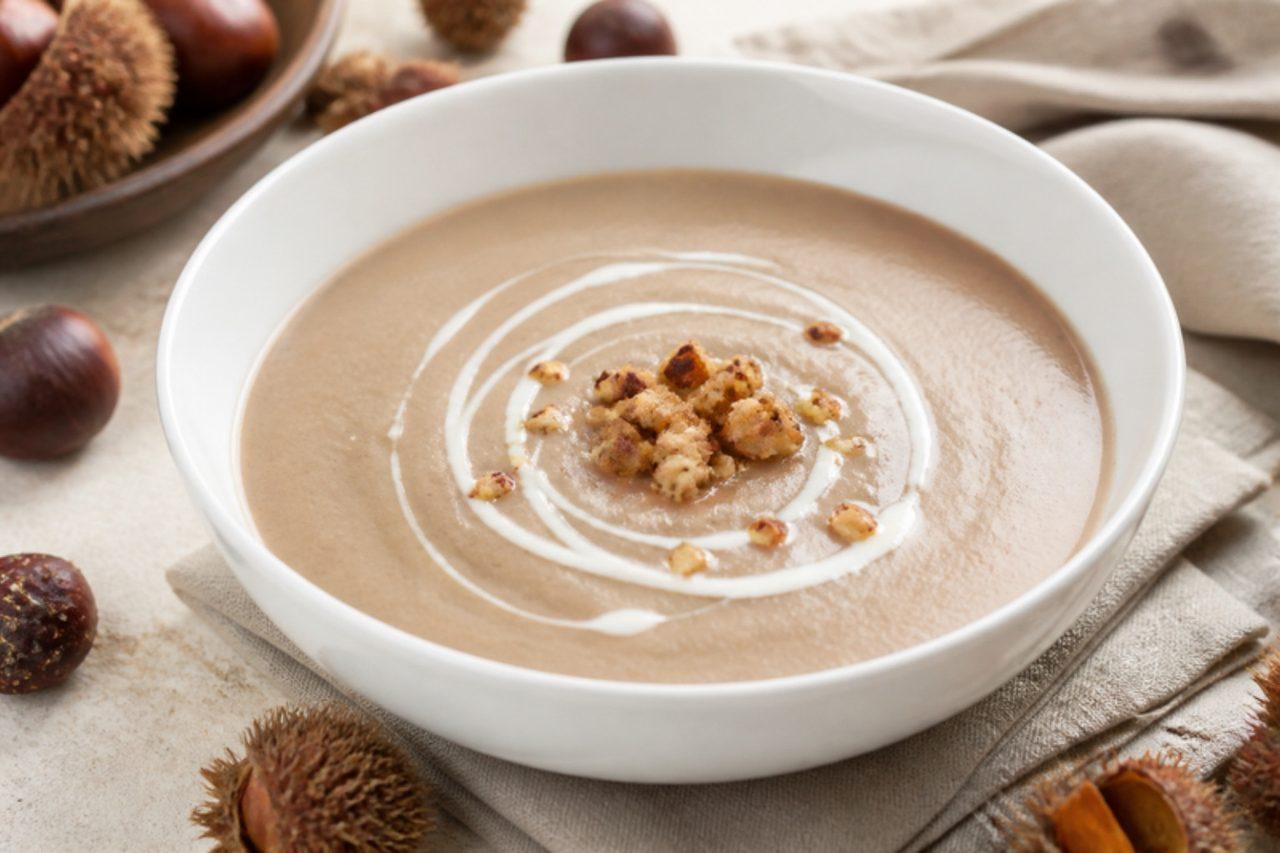
Velouté de châtaignes is the autumn and Christmas soup of the Ardèche, the hilly region where chestnut trees cover the slopes and chestnuts were once the main winter food. Cooked chestnuts simmer with onion, celery and a little potato until soft, then are blended into a thick, nutty, faintly sweet soup finished with cream. It makes a festive starter for a December dinner. The common mistake is making it too thick; chestnuts absorb a lot of liquid, so thin it with stock until it pours. Chef's tip: use vacuum-packed cooked chestnuts; they save an hour of peeling and taste excellent.

by KrazyBadal 0 views

Potage CrécyCarrot soup

Potage Crécy is named after Crécy-la-Chapelle, east of Paris, once famous for its sweet carrots, and any French dish "à la Crécy" contains carrots. It is a gentle family soup served at supper all year round, loved by children for its colour and sweetness. The carrots are sweated in butter, then simmered with a spoonful of rice, which gives the soup a velvety body once blended. The common mistake is browning the carrots, which makes the soup taste bitter rather than sweet. Chef's tip: a pinch of sugar and a few croutons fried in butter turn it into a proper Parisian potage.

by KrazyBadal 0 views

Potage cressonnièreWatercress and potato soup

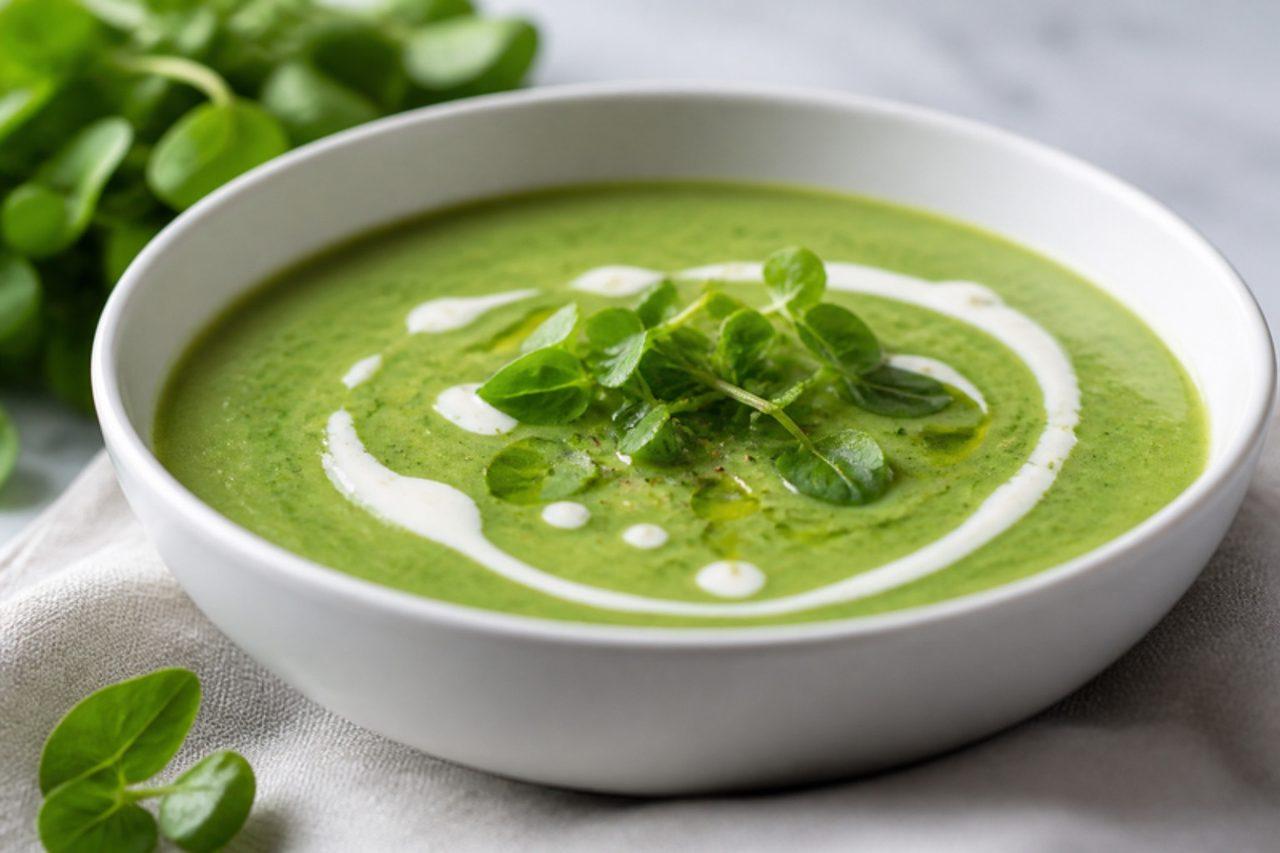
Potage cressonnière comes from the Île-de-France, where watercress has been grown in the clear spring-fed beds of the Essonne valley for centuries and sold in Paris markets. It is a light, peppery soup of watercress and potato, eaten at supper through autumn and spring, often with a little cream stirred in. The common mistake is boiling the watercress leaves, which drains their colour and bite; add them only at the end. Chef's tip: cook the stalks with the potatoes for flavour and keep the tender leaves for the last 2 minutes.

by KrazyBadal 0 views

Bisque de homardLobster bisque

Bisque de homard is the luxurious soup of Brittany and Normandy seafood restaurants and French festive dinners, made by roasting lobster shells hard and simmering them with vegetables, tomato and a splash of cognac until the stock tastes intensely of the sea, then finishing it with cream. This home version uses two cooked lobsters, so there is no need to handle live shellfish; the meat goes back in at the end. The cognac is flamed and simmered, which drives off most of the alcohol but not all; leave it out and add 1 tsp lemon juice for an alcohol-free version. The common mistake is not crushing the shells, which leaves the flavour locked inside. Chef's tip: smash the roasted shells with a rolling pin before simmering; the bisque will be twice as rich.

by KrazyBadal 0 views

Velouté d'aspergesAsparagus soup

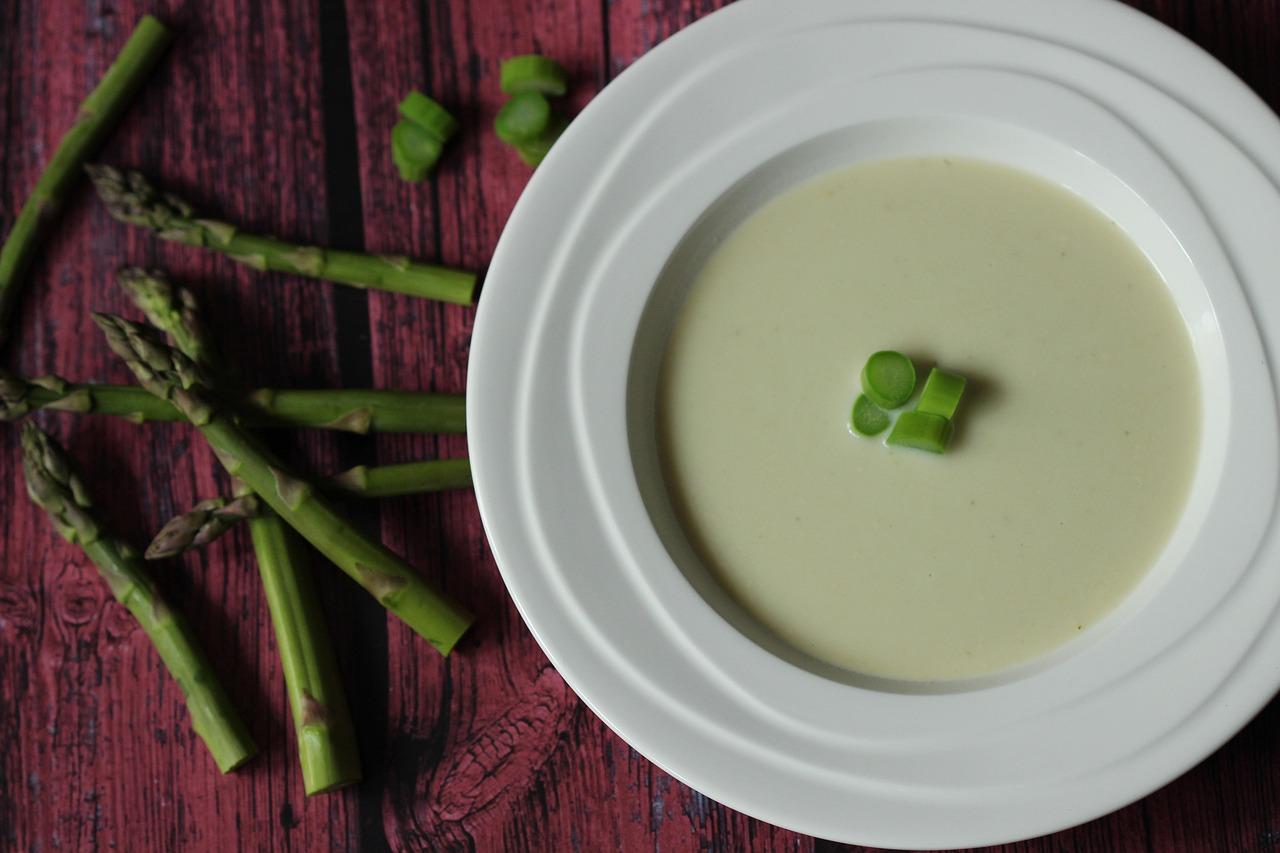
Velouté d'asperges is a spring soup from the Loire valley and Alsace, the two great asparagus regions of France, made in April and May when white and green asparagus are sold in bundles at every market. The woody ends and peelings are simmered into a quick stock, the stalks are cooked in it and blended with cream, and the tender tips are kept whole to float on top. The common mistake is throwing the peelings away, when they carry most of the flavour. Chef's tip: strain the soup through a fine sieve after blending; asparagus fibres can make it stringy.

by KrazyBadal 0 views

Crème Du BarryCream of cauliflower soup

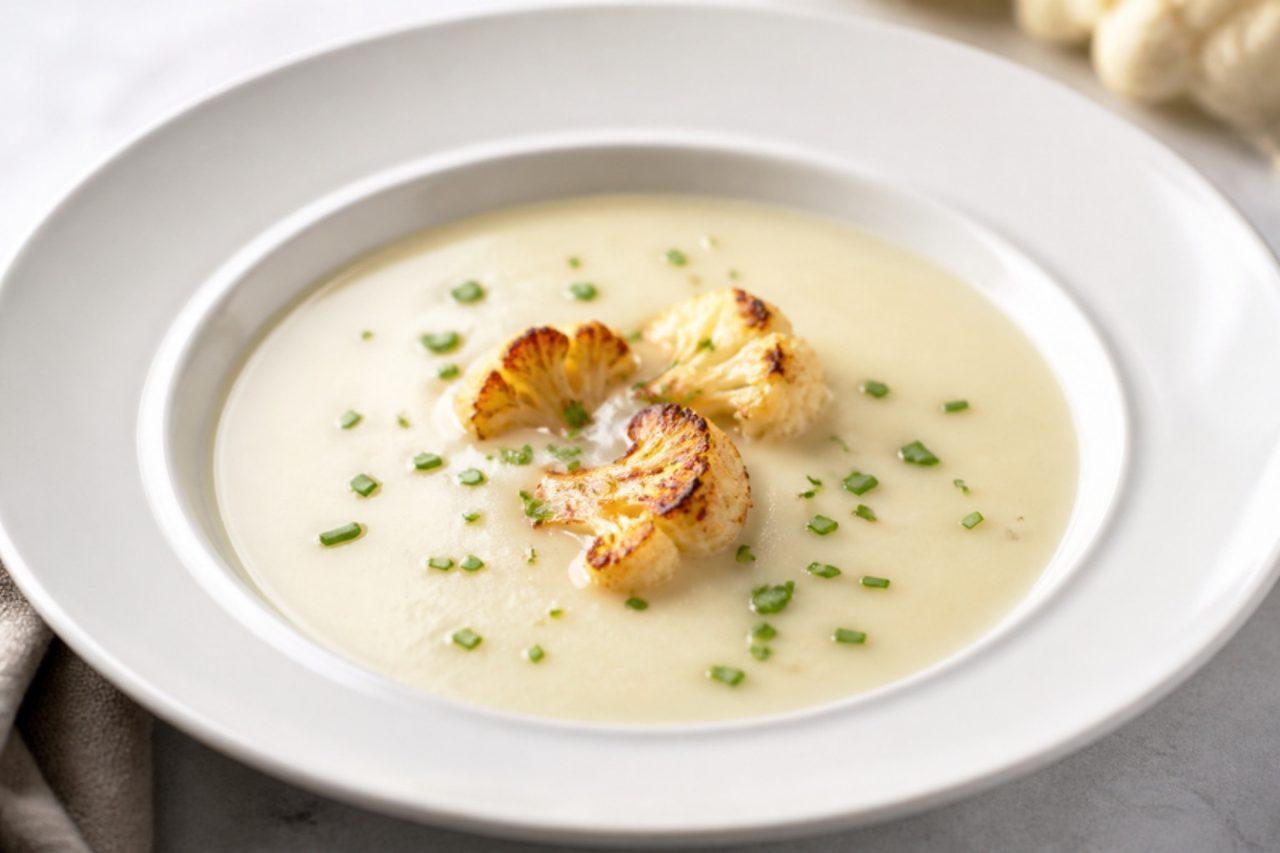
Crème Du Barry is a Parisian cauliflower soup named after Madame du Barry, the last favourite of King Louis XV, and any dish "Du Barry" in French cookery contains cauliflower. It is a soft, pale, comforting winter soup served as a starter at family dinners and in classic restaurants, made from cauliflower simmered with potato and leek and blended with cream. The common mistake is overcooking the cauliflower until it smells cabbagey; it needs only 20 minutes. Chef's tip: keep a few tiny florets back, roast them until golden and use them as a garnish.

by KrazyBadal 0 views

Potage Saint-GermainFresh pea soup

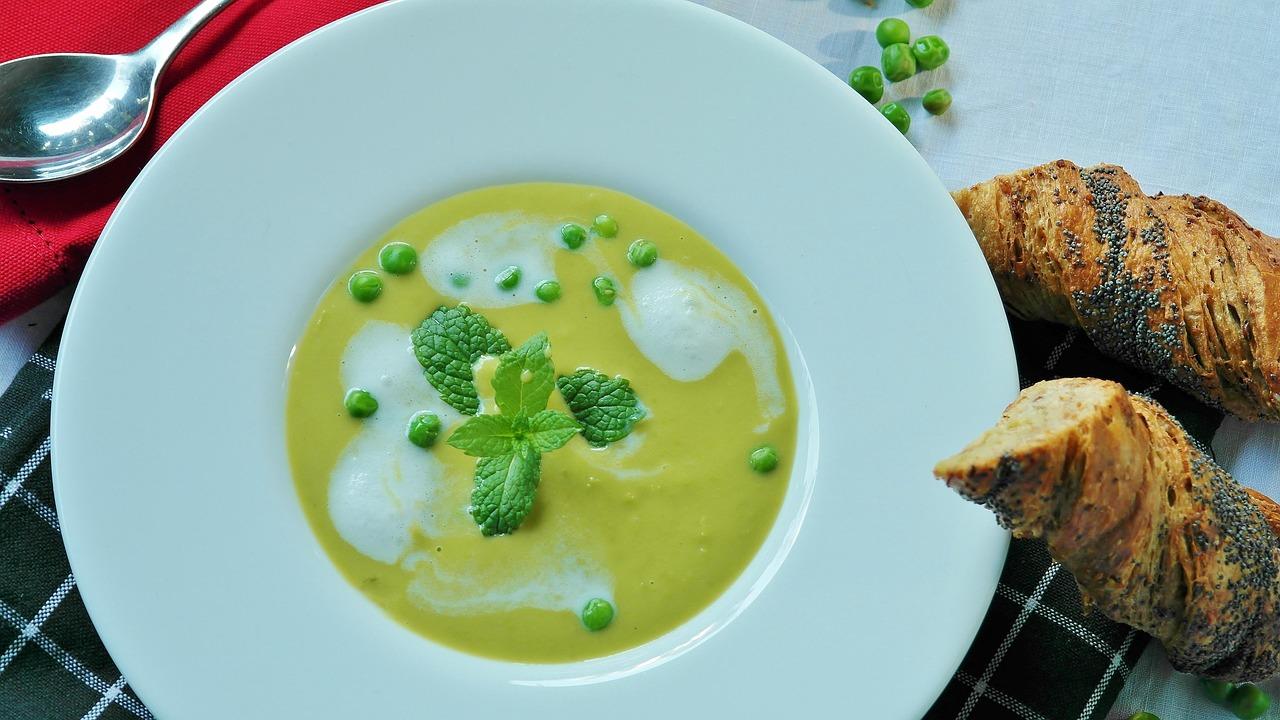
Potage Saint-Germain is a Parisian classic named after the Saint-Germain district, a bright green spring soup served at the start of family dinners in May and June when fresh peas arrive, though frozen peas make an excellent version all year. Peas are simmered briefly with lettuce, spring onions and mint, then blended smooth so the soup tastes fresh and sweet. The common mistake is cooking the peas too long, which turns the soup khaki and dull. Chef's tip: cool the blended soup quickly in a bowl set over iced water if you are not serving it at once; it keeps its vivid colour.

by KrazyBadal 0 views

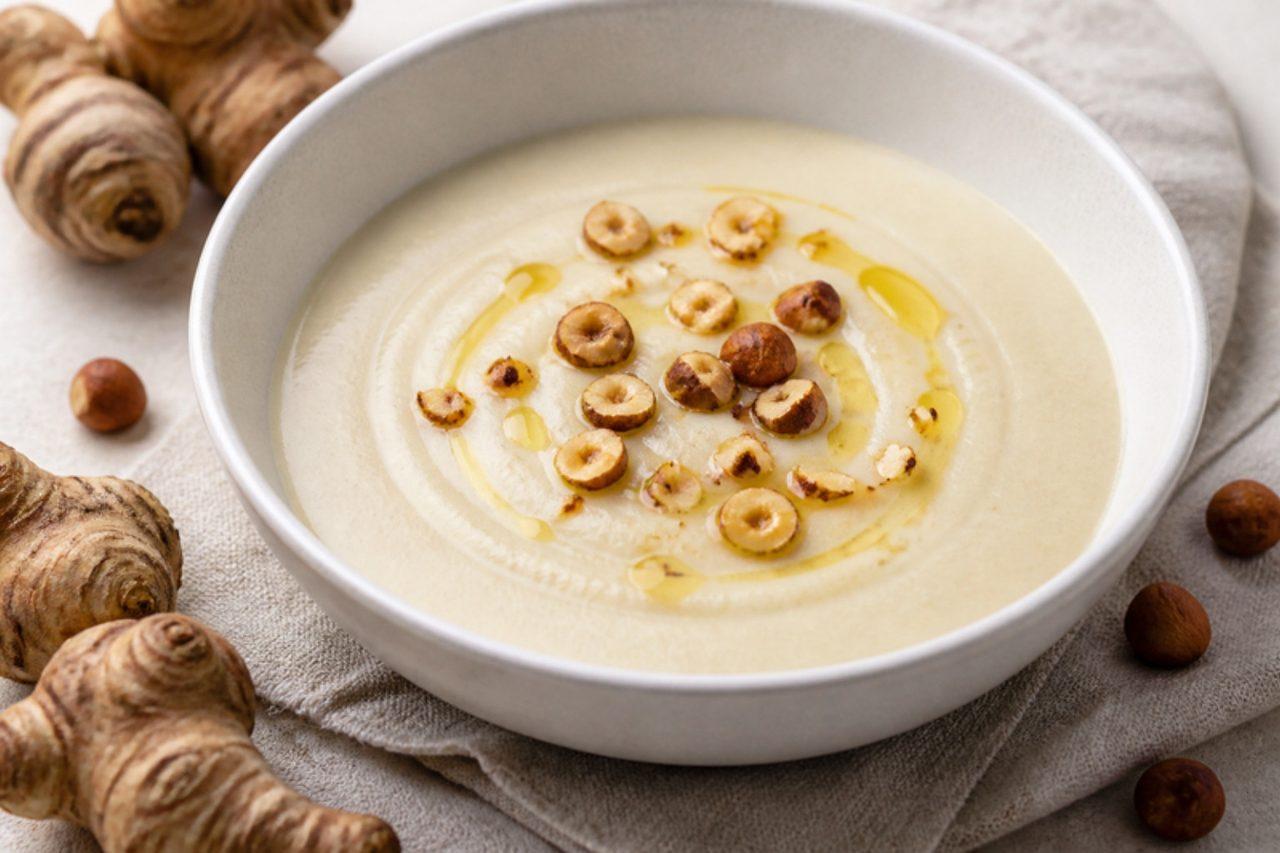
Velouté de topinamboursJerusalem artichoke soup

Velouté de topinambours is a winter soup French cooks rediscovered in the last twenty years; the knobbly Jerusalem artichoke was wartime food for older generations and is now a favourite at markets and bistros from November to March. Simmered with leek and potato and blended smooth, it has a sweet, nutty flavour close to artichoke and hazelnut. The common mistake is leaving the peeled roots in the air, where they turn grey; drop them straight into lemon water. Chef's tip: finish each bowl with a few drops of hazelnut or walnut oil to bring out the nutty taste.

by KrazyBadal 0 views

Pira caldoCreamy fish soup with cheese

Along the Paraguay River from Asunción to Concepción, pira caldo is the fishermen's soup, said to restore strength after a long night: chunks of firm river fish poached in a broth of onion, peppers and tomato fried in fat, then made creamy with milk and melted fresh cheese. Surubí or other catfish is traditional; any firm white fish such as hake or pollock works. The mistake most people make is boiling the soup after the milk and cheese go in, which splits it. Chef's tip: fry the vegetables until they are very soft and sweet before adding the water; that is where the flavour comes from.

by KrazyBadal 0 views

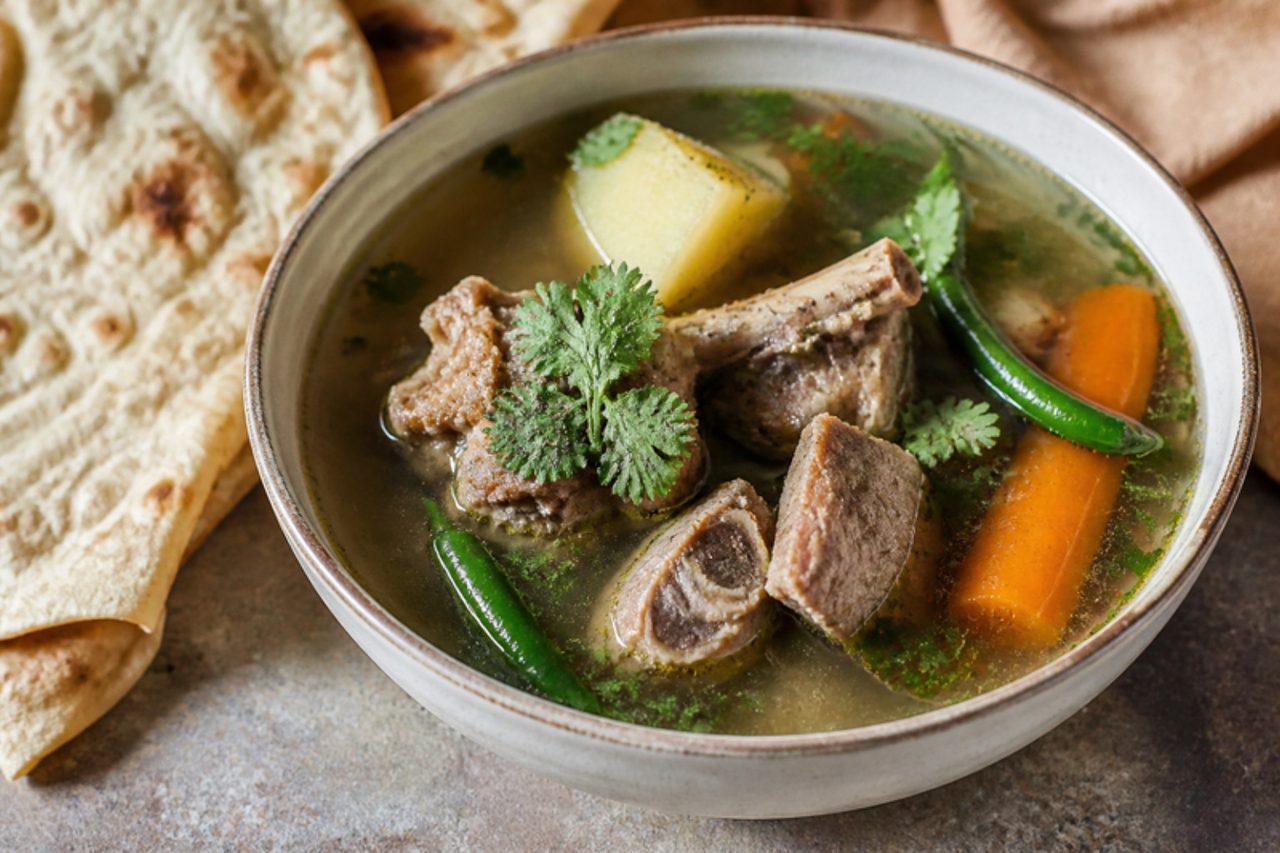
Fah-fah (Djiboutian spicy goat soup)

Djibouti City's cafés and Somali-speaking homes across the Horn claim fah-fah as a national dish: a clear but deeply flavoured goat broth simmered on the bone with garlic, cumin and black pepper, filled with potatoes and carrots and sharpened at the end with plenty of green chilli and coriander. It is often eaten at lunch or as a restorative supper, and is especially loved during the cool season and Ramadan, with canjeero torn into the bowl to soak. The broth should be clean-tasting and spicy rather than thick. Letting the soup boil hard makes it cloudy and greasy, so skim well and keep it at a gentle simmer. Don't skip skimming the broth at the start, or the soup stays cloudy and tastes muddy. Chef's tip: add the chilli and coriander only in the final minutes so they stay bright and green.

110 minSomaliSoupsGluten freeSpicy
by KrazyBadal 0 views

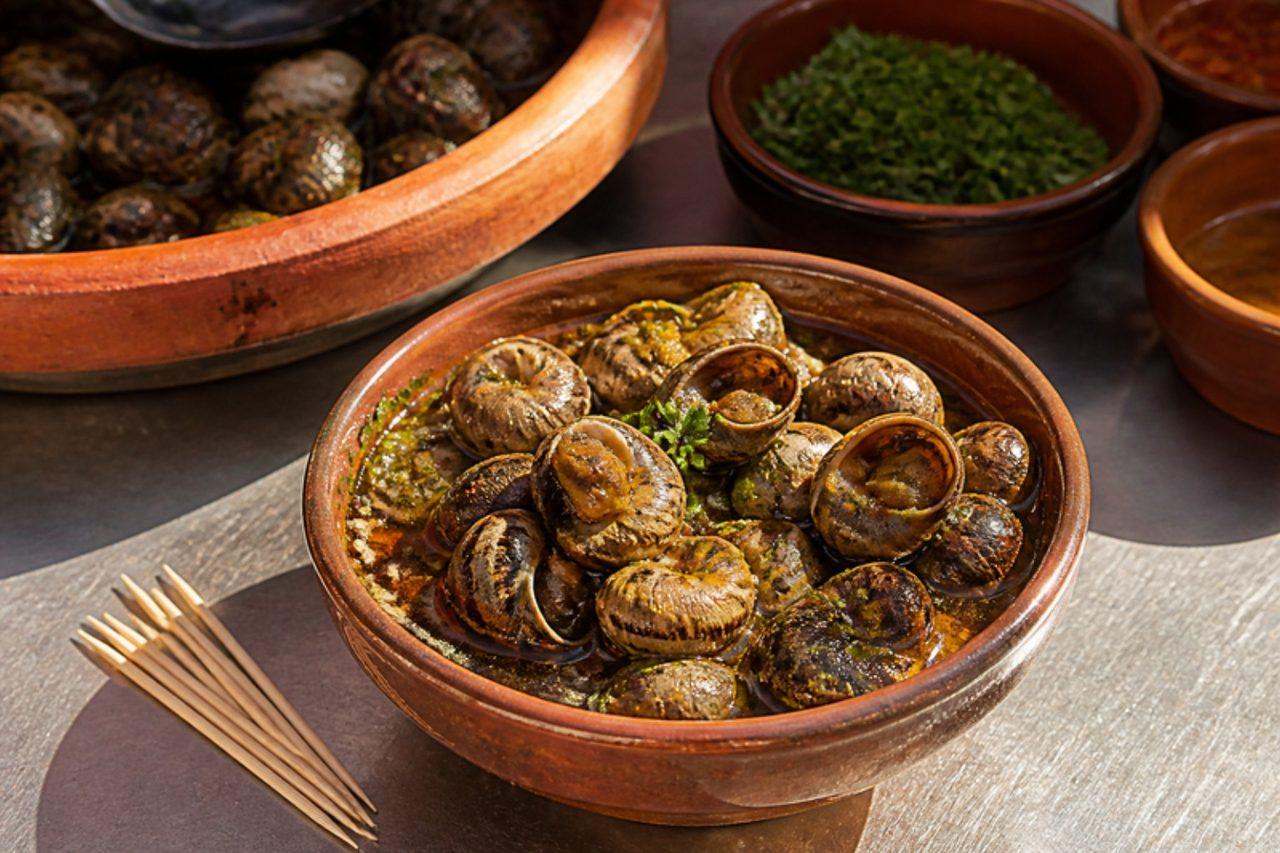
BabboucheSpiced snail broth

After dark in Marrakech's great square, the babbouche stalls are recognisable by their steaming cauldrons and the toothpicks laid out by every bowl. Small land snails simmer in a dark broth of liquorice root, aniseed, thyme, caraway, bitter orange peel, chilli and a bundle of herbs that sellers say has fifteen ingredients, believed to soothe the stomach and warm you on a cold night. You pick the snails out with a toothpick, then drink the peppery, herbal, faintly sweet broth. At home, buy live snails sold for cooking, already purged by a reputable seller, discard any with broken shells or that do not move or retract when touched, and cook them through for at least 45 minutes. Chef's tip: keep the spices in a muslin bag; the broth stays clear and you avoid crunching on seeds.

by KrazyBadal 2 views

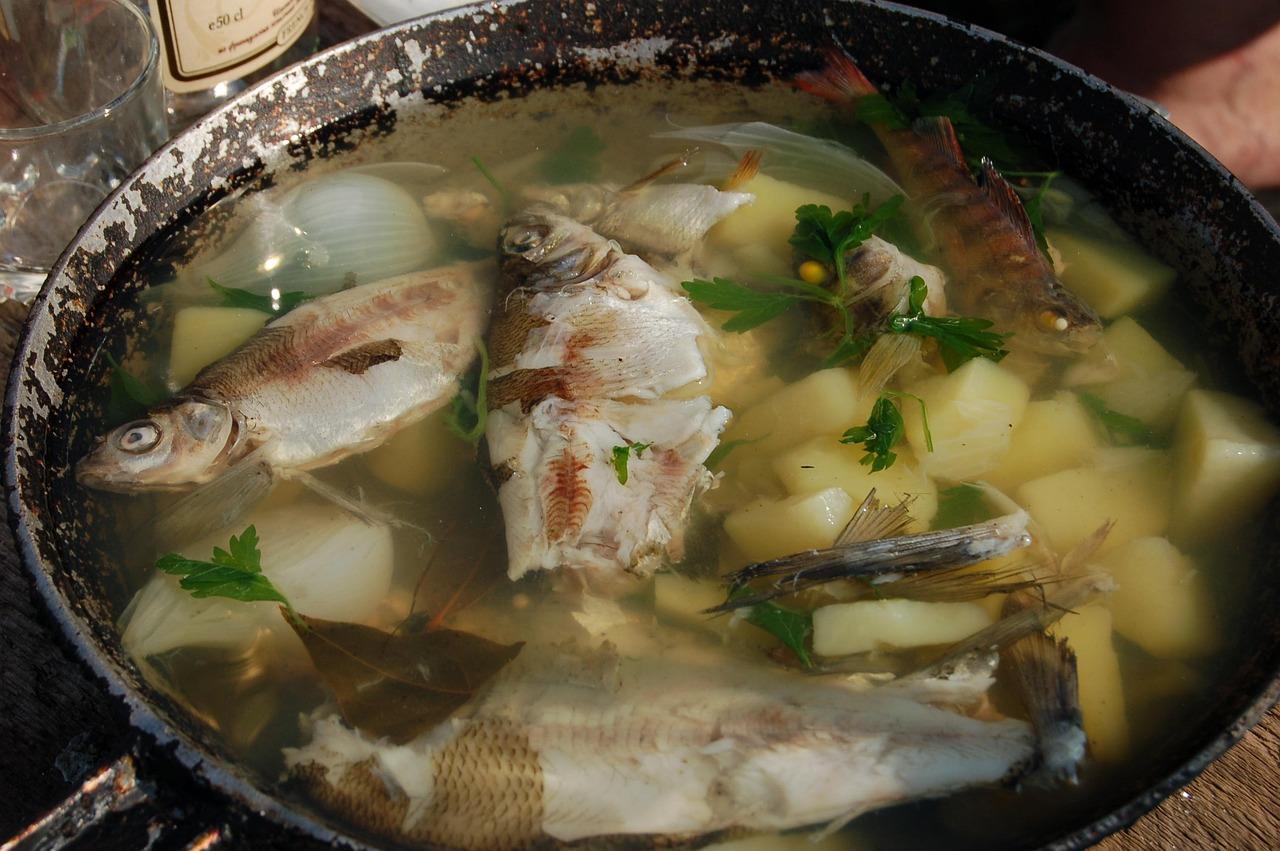
CotriadeFish and potato soup

Cotriade is the Breton answer to bouillabaisse, plainer and kinder on the purse, made in the ports of the south coast from Concarneau to Quiberon with whatever the boats could not sell. Chunks of several fish, both firm and oily, are poached with potatoes and onions in a thyme-scented broth, then served in two parts: the broth poured over toasted bread, and the fish and potatoes moistened with a sharp mustardy vinaigrette. The contrast of the soft, buttery broth and the bright dressing is the whole point. Serve it with good bread and salted butter. Chef's tip: add the firm fish first and the delicate ones last, so nothing falls to pieces in the pot.

by KrazyBadal 0 views

Soupe de poissons with rouilleFish soup with rouille

Not to be confused with bouillabaisse, where whole pieces of fish are served, soupe de poissons is the smooth, rust-coloured soup made all along the coast from Marseille to Sète from small rockfish too bony to eat any other way. The fish are fried with fennel, tomato, garlic and saffron, simmered and then pressed through a food mill, giving a velvety soup tasting deeply of the sea. In harbourside restaurants it arrives with a tray of toasted croutons, a pot of fiery garlic rouille and grated cheese, and everyone builds their own bowl. This rouille is thickened with potato and bread, with no raw egg. Chef's tip: press the cooked fish hard through the mill or sieve; the flavour is in the pulp, not just the liquid.

100 minFrenchSoups
by KrazyBadal 0 views

Hssoua belboula (barley soup with milk)

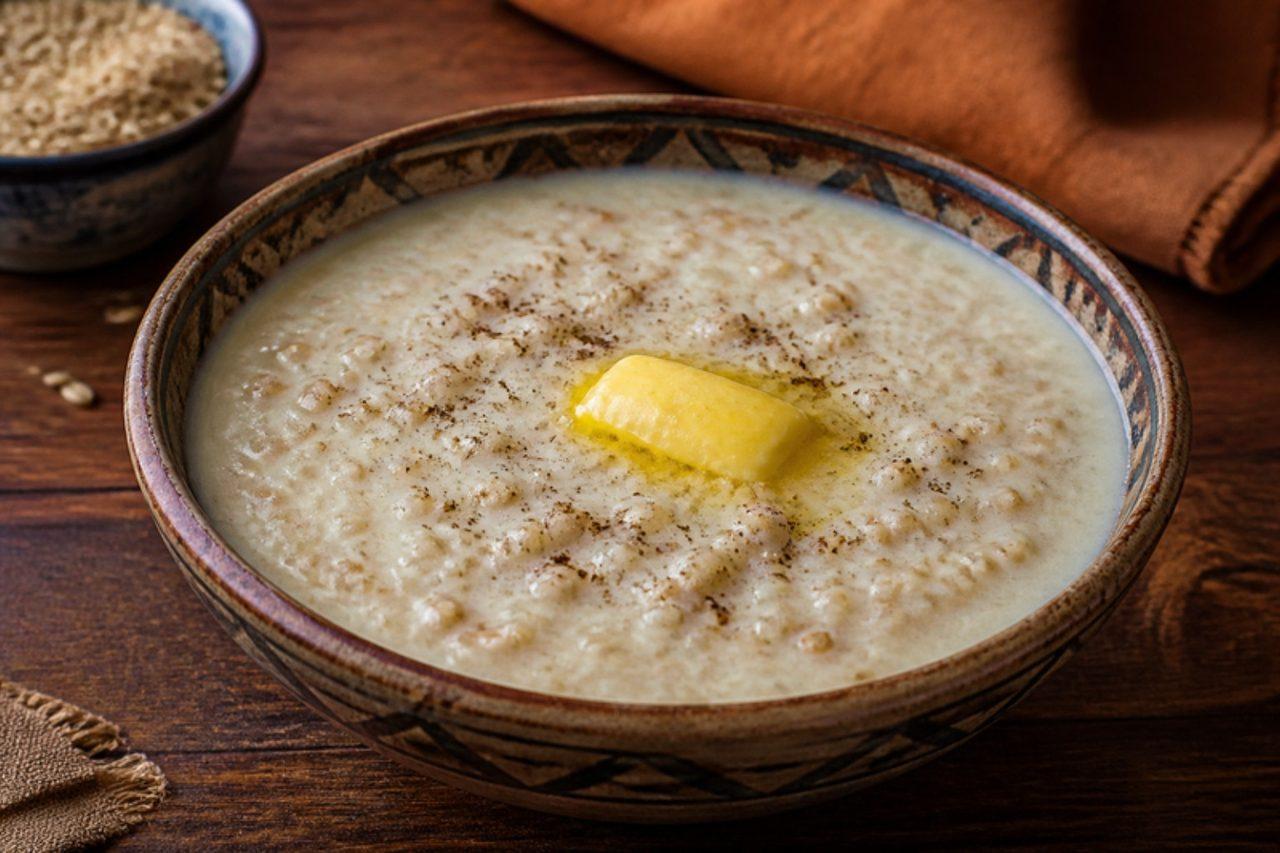
Few things are as soothing on a cold morning in Fez or Marrakech as a bowl of hssoua belboula, the pale, porridge-like soup of cracked barley cooked in water and then milk. Many families eat it for breakfast in winter or as a light supper, and it often appears on the Ramadan table too. It is mild and gently savoury, with a whisper of cumin and a knob of butter melting on top, and the barley grains stay soft but slightly chewy. Serve it piping hot with a little extra cumin to sprinkle, plus dates or bread on the side. A common slip is adding the milk too early and boiling hard, which catches on the bottom and scorches the soup. Chef's tip: rinse the barley grits in a sieve until the water runs almost clear; it washes away loose flour so the soup is creamy rather than gluey.

by KrazyBadal 0 views

GarbureCabbage and bean duck soup

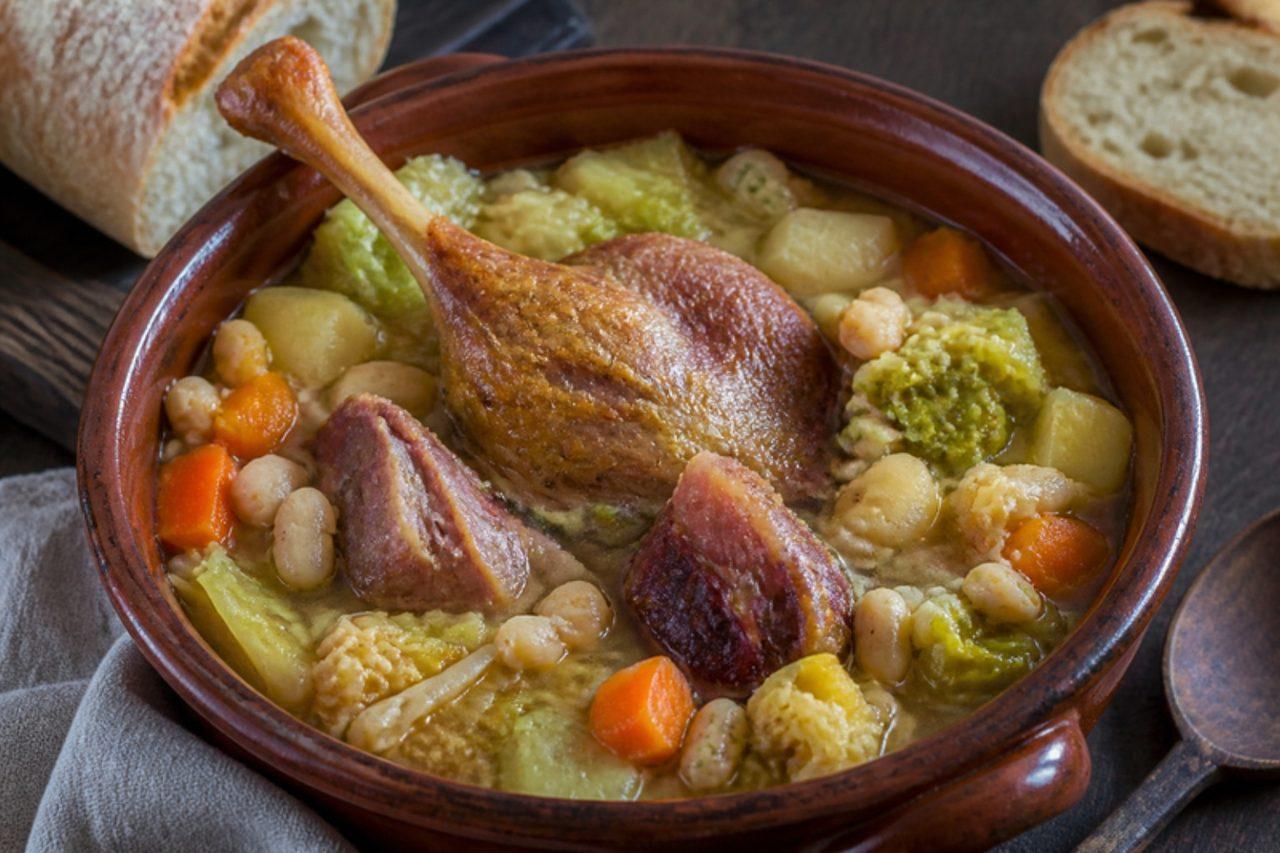
Shepherds in the Béarn valleys and farmers across Gascony have eaten garbure through the cold months for centuries, and it is still the centrepiece of village rugby-club suppers and winter fêtes. It is a soup so thick that, as people in Pau like to say, the ladle should almost stand up in it: white beans, cabbage, potatoes, leeks and turnips cooked down slowly, finished with pieces of duck confit warmed through in the pot. A ham hock is often added too; that version is a pork dish as well as a duck one, so leave it out if you need to. Serve it in deep bowls with thick slices of country bread. Chef's tip: hold back the salt until the very end, because confit duck and ham hock both season the soup as they warm.

180 minFrenchSoupsGluten free
by KrazyBadal 0 views

Vegetarian vori voriCornmeal dumpling and vegetable soup

Vori vori is the soup Paraguayan grandmothers make on cold June and July evenings: a golden broth full of bori, small balls of cornmeal and cheese that swell soft as they simmer. The name is a Guaraní take on the Spanish 'bolita' (little ball). It's usually made with hen; this version gets its colour and body from pumpkin, carrot and a sofrito with saffron or turmeric. Chef's tip: shape the balls no bigger than a hazelnut; they double in size and larger ones stay raw inside.

by KrazyBadal 0 views

Showing 24 of 30 recipes

Show more recipes

Page 1 of 2