Skip to content
WhatToEat.Today

All recipes

28

Vegetarian, or something you can't eat? Set your diet once and we'll hide recipes that don't fit.

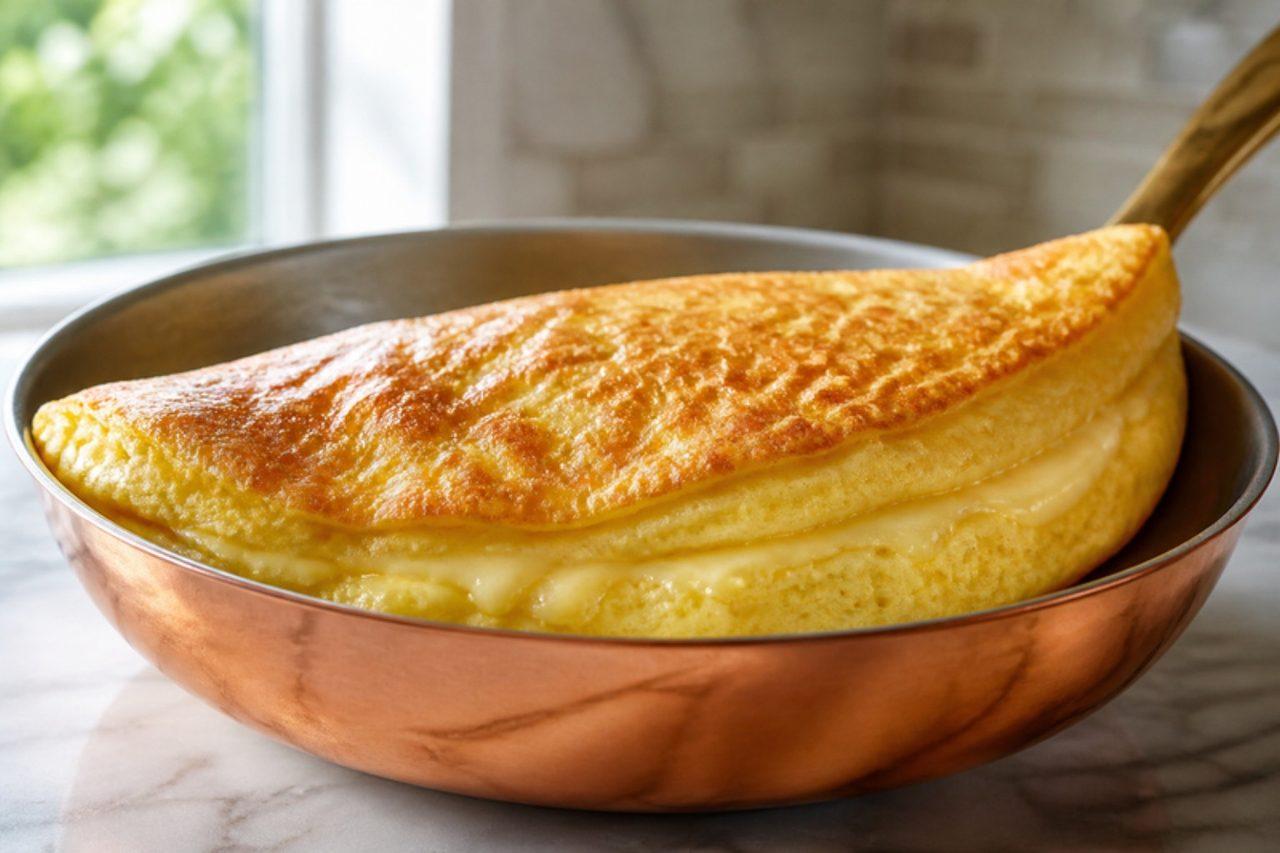
Mont-Saint-Michel soufflé omelette

On the tidal island of Mont-Saint-Michel in Normandy, pilgrims and travellers have long been fed a tall, cloud-like omelette named after Annette Poulard, the nineteenth-century innkeeper who served it to hungry visitors. At home it makes a quick, rather showy supper: the eggs are whisked so much air goes in that the omelette rises in the pan, golden underneath and soft and foamy inside, folded over and eaten with a green salad. The common mistake is whipping the whites until they are stiff and dry; they then won't fold into the yolks and the omelette weeps liquid. Chef's tip: stir a spoonful of the whites into the yolks first to loosen them, then fold in the rest in two goes.

by KrazyBadal 0 views

BohémienneAubergine and tomato stew

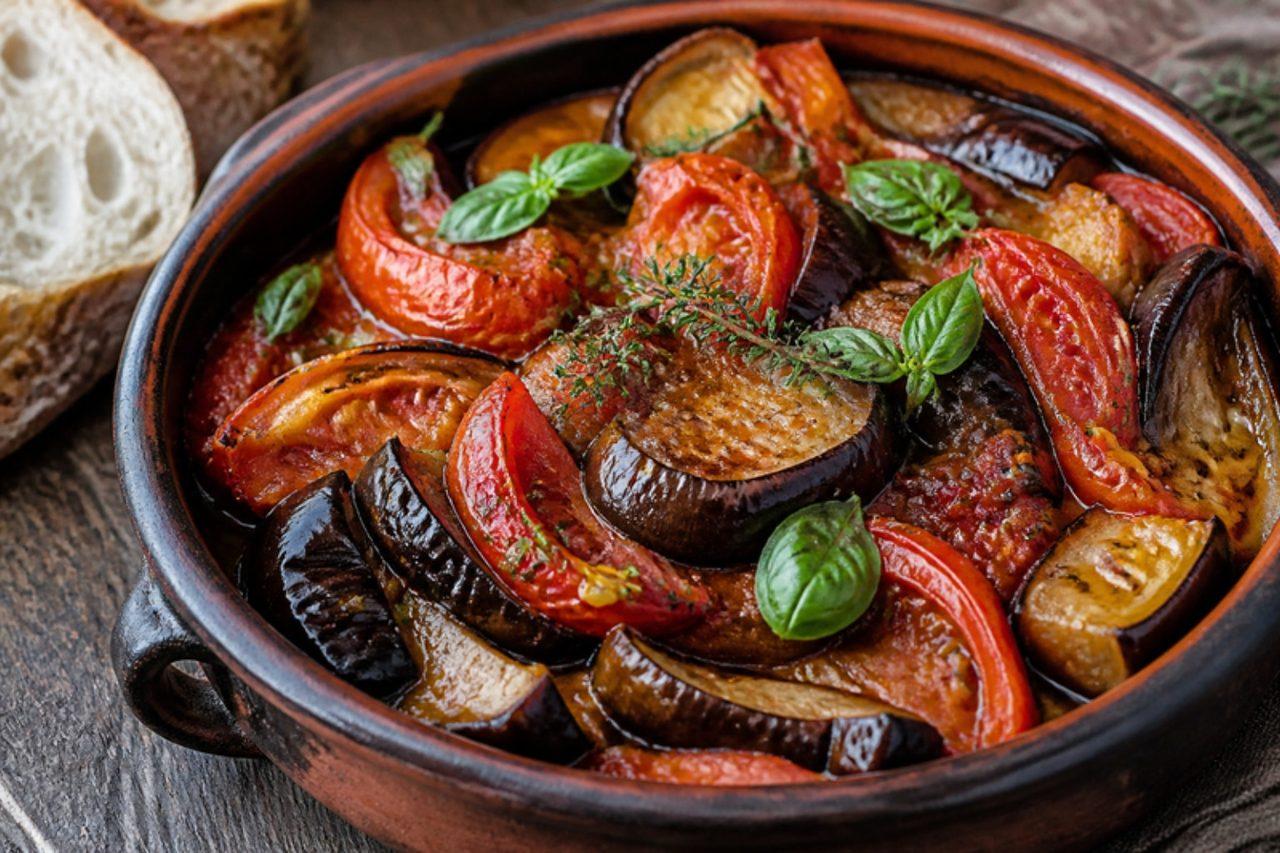
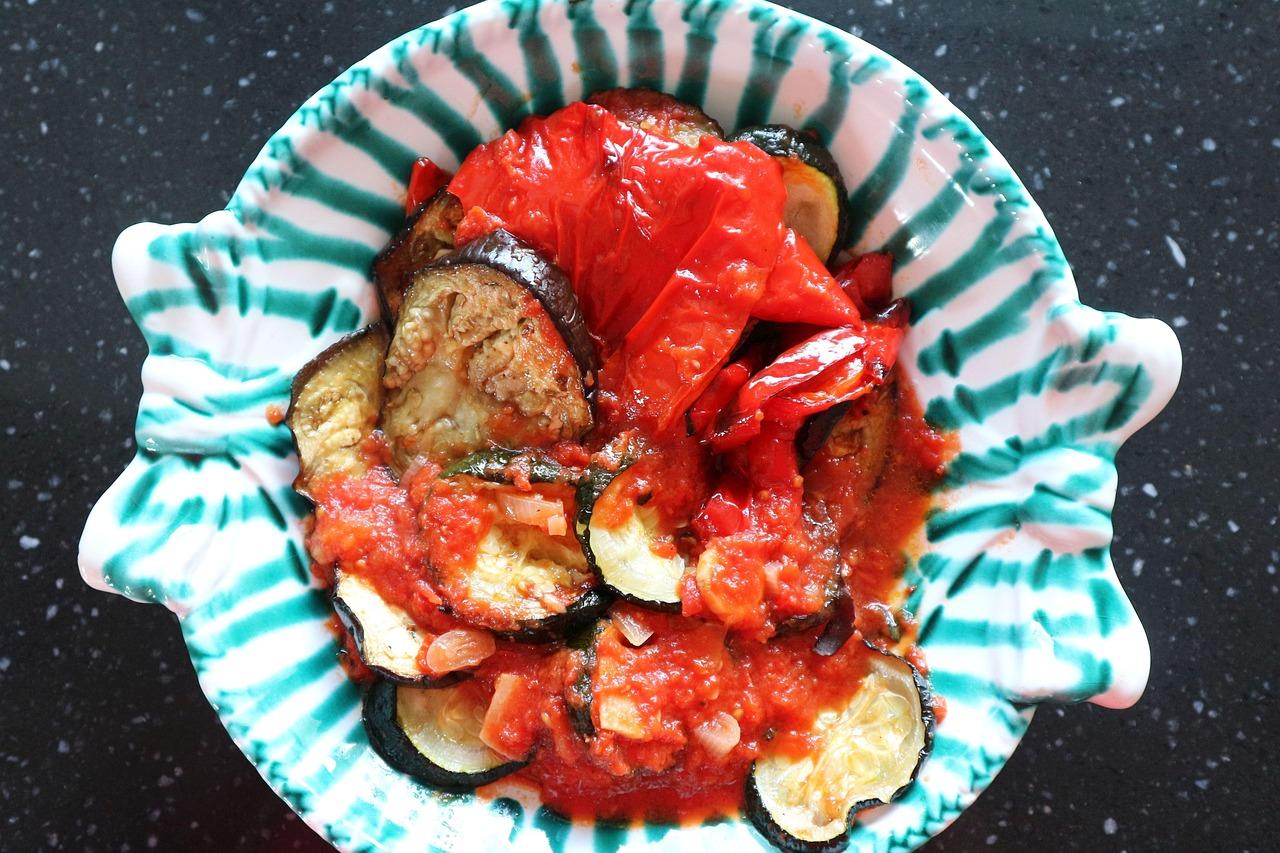
Bohémienne is the older, simpler cousin of ratatouille, cooked in Avignon and the Vaucluse villages at the end of summer when aubergines and tomatoes are cheap and ripe. Just those two vegetables, with onion, garlic and plenty of olive oil, are stewed slowly until they melt into a soft, jammy confit that is eaten warm with bread, cold on toast, or beside an omelette. It is vegan and light, with about 3 g of protein per portion. The common mistake is hurrying it over a high heat: the aubergine catches before it softens, so keep the heat low and stir gently. Chef's tip: salt the aubergine cubes for 20 minutes and pat them dry; they then take up less oil and keep a silky texture.

by KrazyBadal 0 views

Artichauts à la barigouleBraised artichokes

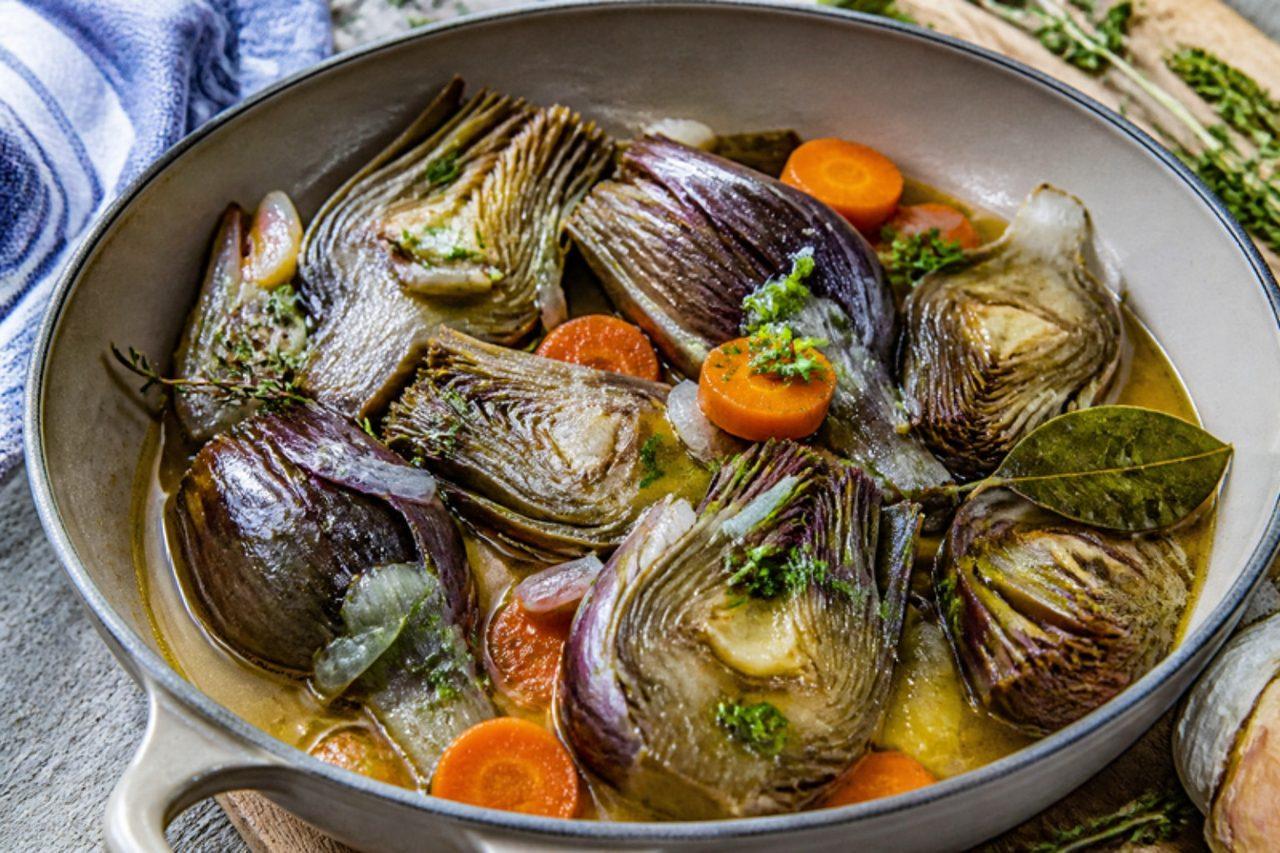
In Provence, artichauts à la barigoule is cooked in spring when the small violet artichokes come into the markets of Aix, Avignon and Marseille, and it is served warm as a starter or as a light main with bread. The trimmed artichokes are braised in olive oil with carrot, onion, garlic and herbs until tender in a fragrant, slightly tart liquor. The traditional braise uses white wine; this version is alcohol-free, using vegetable stock sharpened with white wine vinegar and lemon. It is vegan, with about 5 g of protein per portion, from the artichokes. The common mistake is trimming too timidly: any dark green leaf left on stays tough and stringy, so keep going until only the pale, tender leaves remain. Chef's tip: rub each artichoke with lemon as you trim and drop it straight into lemon water, or it will go brown within minutes.

by KrazyBadal 0 views

Croûte aux champignonsCreamy mushrooms on toast

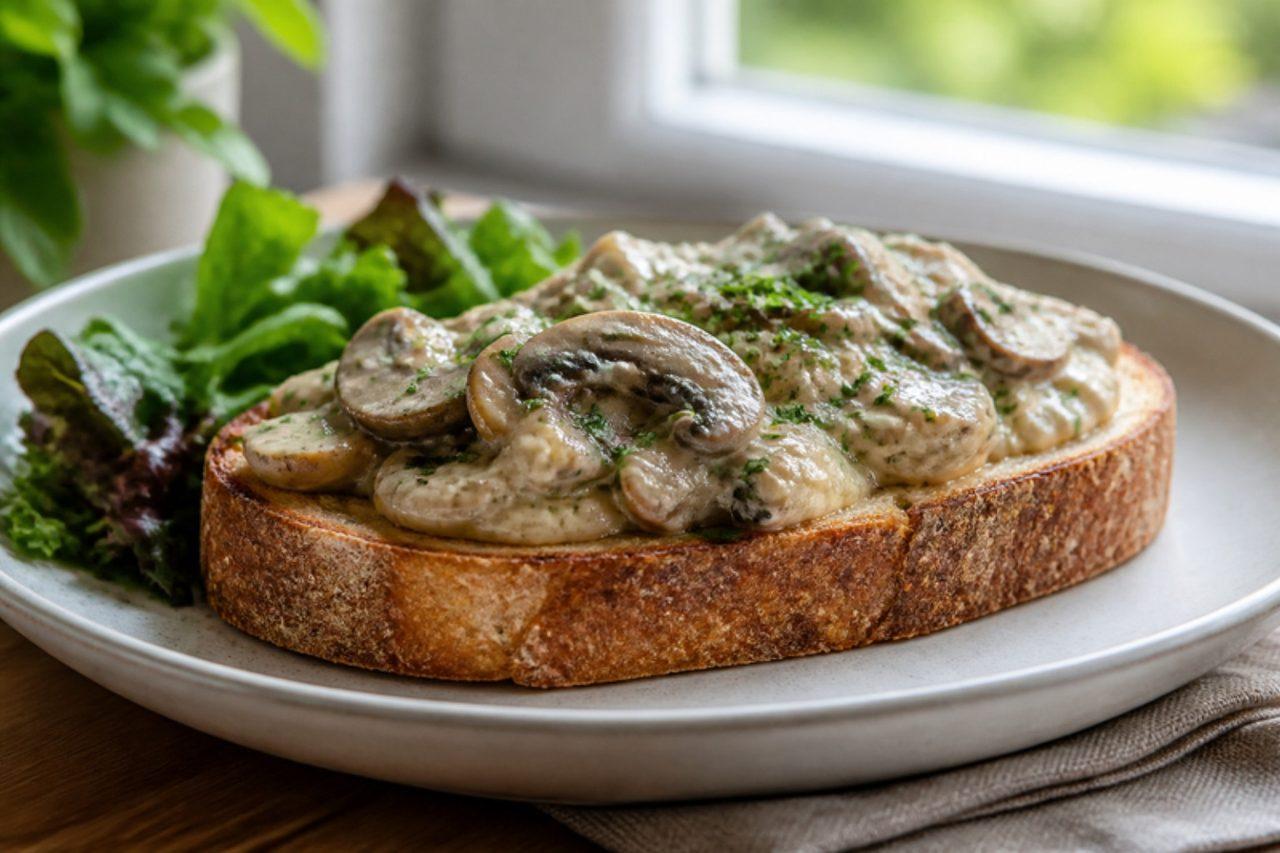
In the mountain villages of Savoie and the Jura, croûte aux champignons is a quick supper in autumn and through ski season: thick toasted bread topped with mushrooms cooked down in butter, a splash of dry white wine and cream, sometimes with a little melted local cheese on top. It is rich and earthy, and a green salad alongside is all it needs. The recipe uses white wine, which mostly cooks off but not entirely; for an alcohol-free version use vegetable stock with a squeeze of lemon. The most common mistake is pouring in the cream before the mushrooms have browned and the wine has reduced, which gives a thin, grey sauce. Chef's tip: rub the hot toast with a cut garlic clove so every bite is fragrant.

by KrazyBadal 0 views

Tian de courgettes au rizCourgette and rice bake

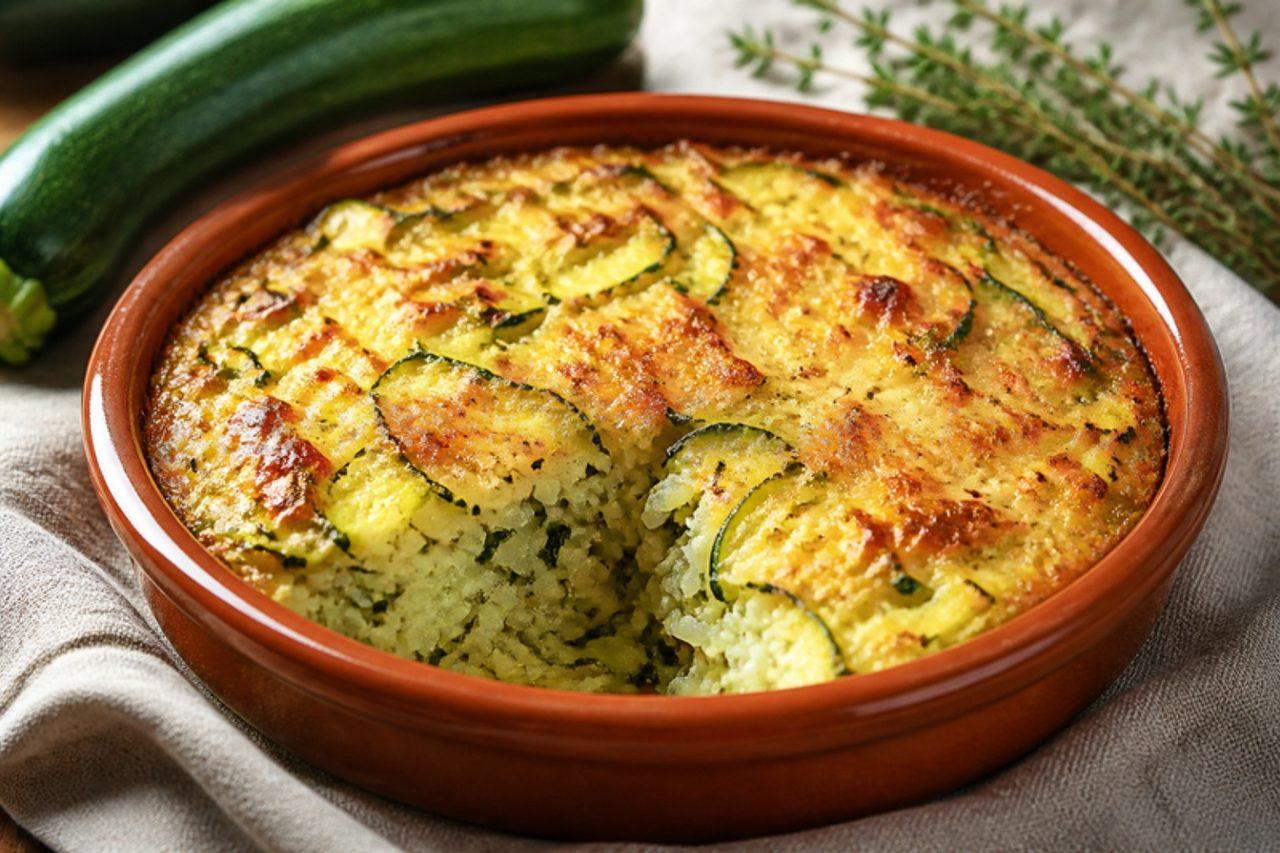
In the hill villages of Provence a tian is both the glazed earthenware dish and whatever is baked in it, and this courgette and rice version is the summer family supper of the Vaucluse and the country behind Nice, served warm or cold with a salad. Grated courgettes and onion are softened in olive oil, mixed with cooked rice, eggs and cheese, and baked until set and golden, rather like a thick savoury cake. The common mistake is not squeezing the grated courgettes, which makes the tian wet. Chef's tip: use leftover cooked rice; it holds the tian together better than freshly cooked rice.

by KrazyBadal 0 views

Papeton d'auberginesAubergine flan

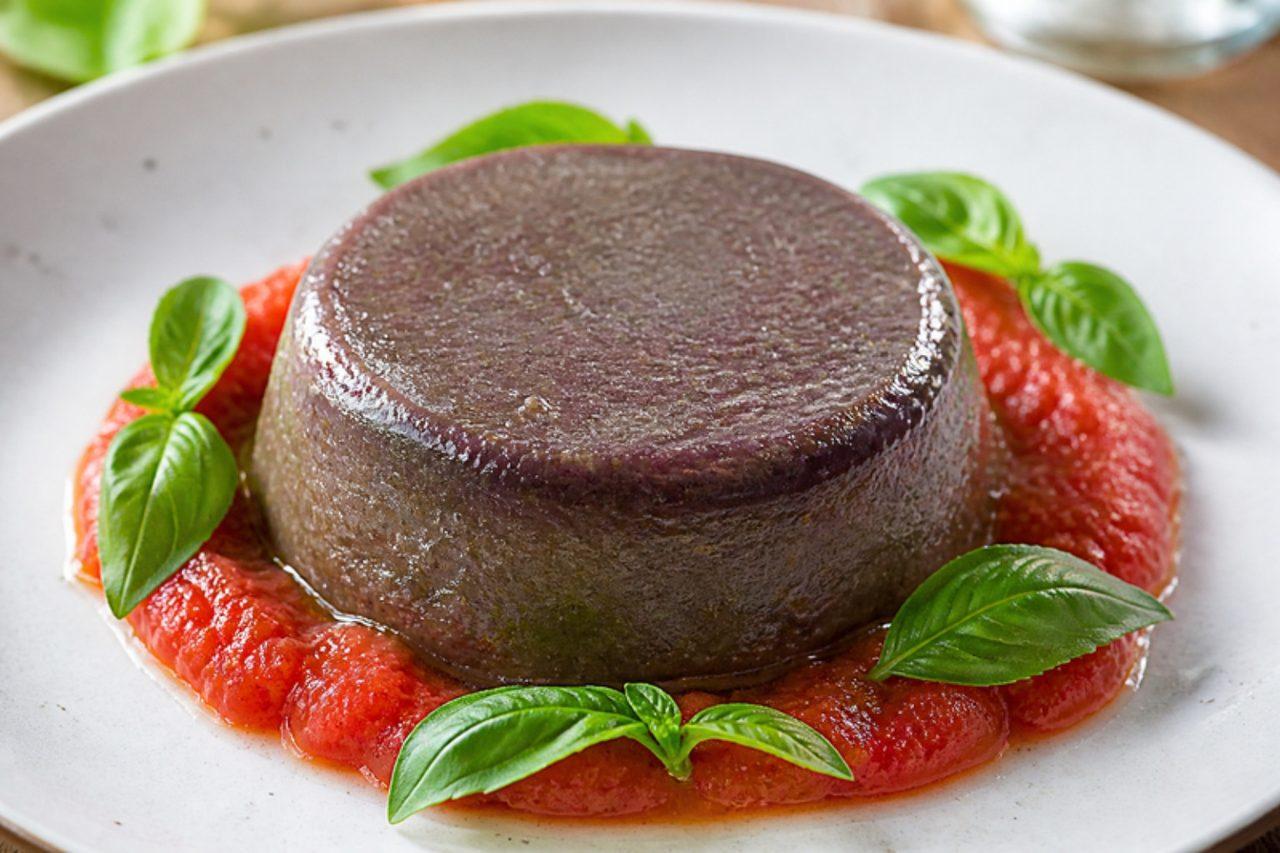
Papeton d'aubergines is a speciality of Avignon in Provence, said to have been made for the popes who lived there in the 14th century, and today it is a summer lunch or supper dish served warm or cold with a fresh tomato coulis. Aubergines are cooked in olive oil with garlic until soft, mashed, mixed with eggs and milk and baked in a mould into a delicate savoury flan. The common mistake is under-cooking the aubergine, which keeps it bitter and spongy. Chef's tip: let the papeton cool for 15 minutes in the mould before turning it out; it sets firm and holds its shape.

by KrazyBadal 0 views

Gratin de blettesSwiss chard gratin

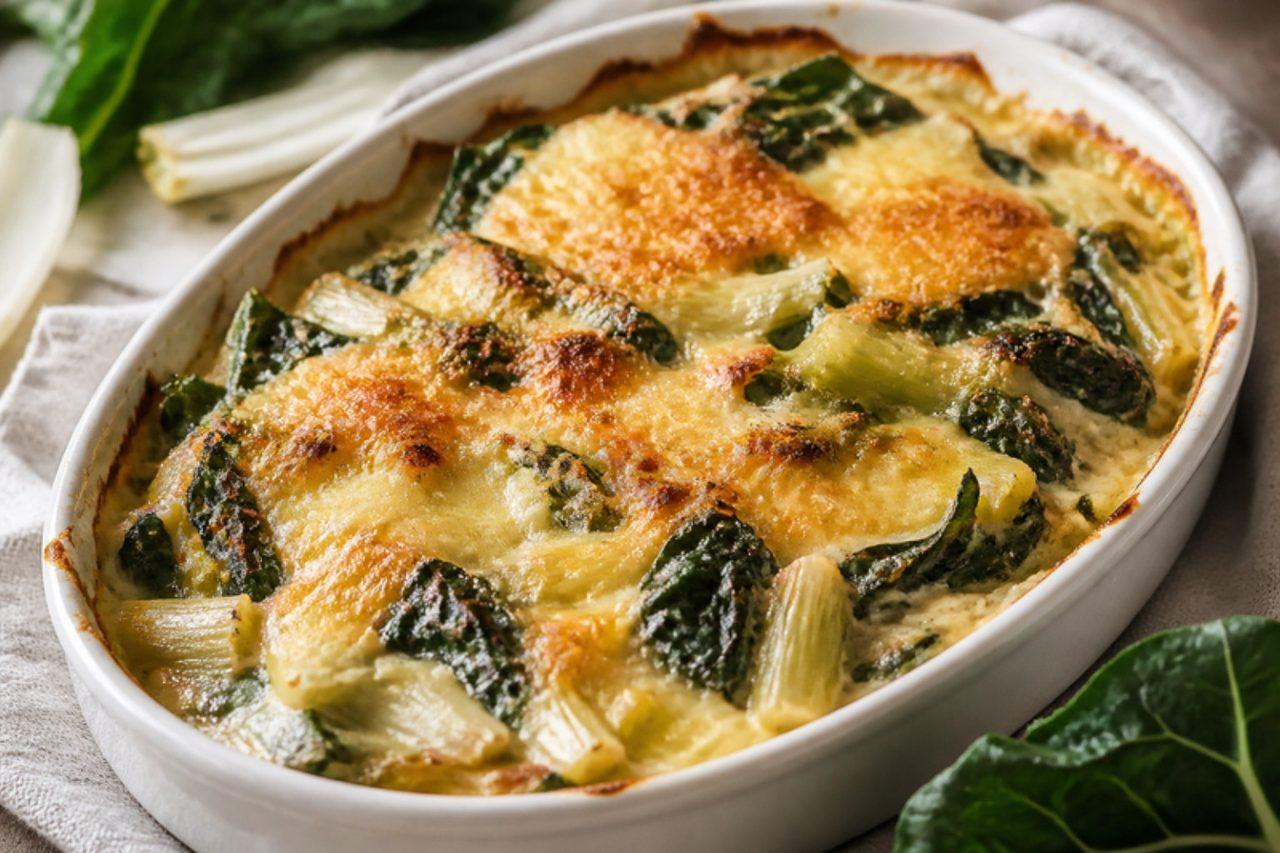
Gratin de blettes is a thrifty winter favourite in Lyon and across Provence, where Swiss chard is a staple of every market garden and both the white ribs and the green leaves are used. The stalks are boiled until tender, the leaves wilted, and everything is folded into a nutmeg béchamel and baked under crisp breadcrumbs. It is served as a side with roasts or on its own for supper. The common mistake is not cooking the stalks long enough, which leaves them stringy. Chef's tip: peel the strings off the backs of the wide stalks like celery; the gratin will be silky.

by KrazyBadal 0 views

Gratin de courgettes

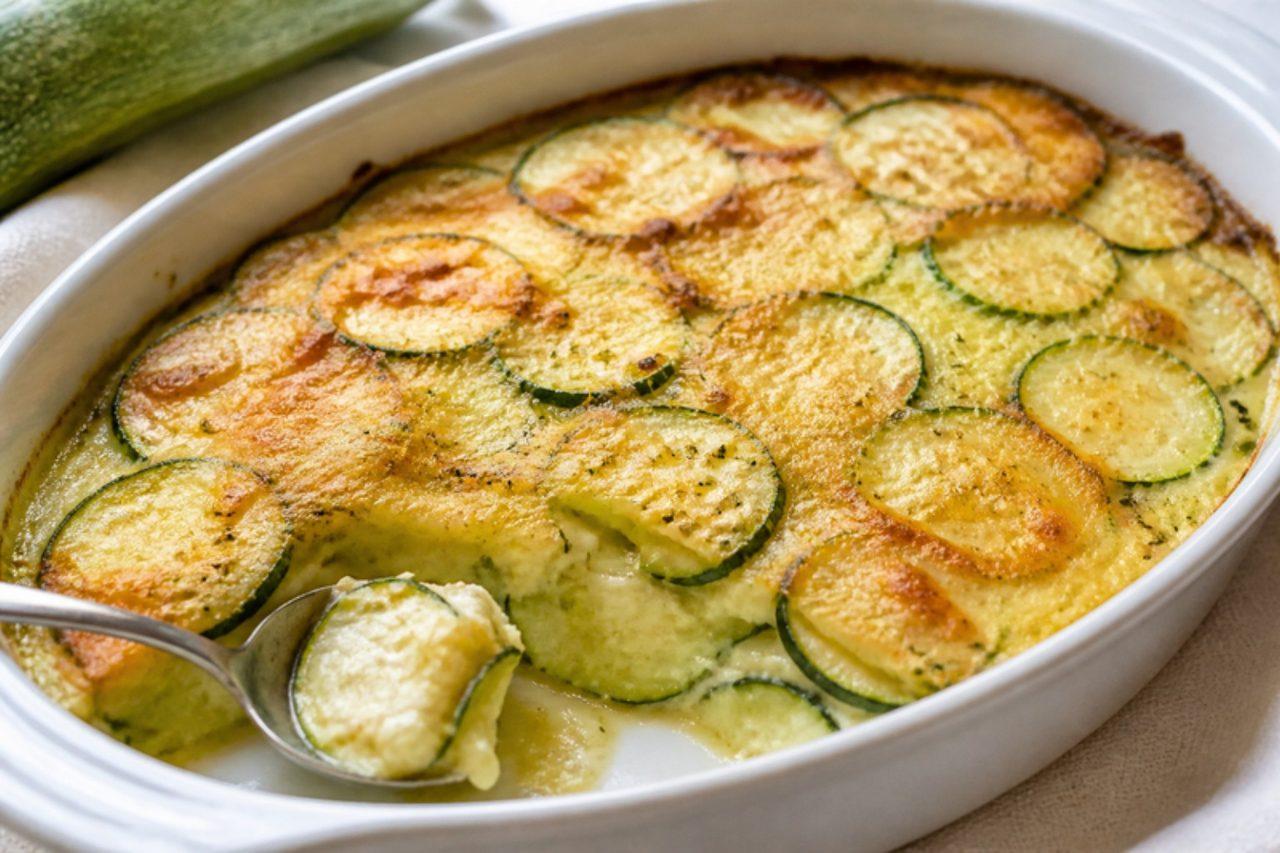
Gratin de courgettes is the summer family gratin of French home kitchens, made from July to September when gardens and markets overflow with courgettes, and served alongside grilled meat or simply with a green salad. The courgettes are sliced and softened first so they lose their water, then baked in a light custard of eggs and cream under grated cheese until puffed and golden. Gruyère and Comté are traditionally made with animal rennet; use a vegetarian hard cheese if you prefer. The common mistake is skipping the pre-cooking, which floods the dish with watery juices. Chef's tip: let the gratin rest for 10 minutes before cutting; the custard firms up and slices cleanly.

by KrazyBadal 0 views

Gratin de poireauxLeek gratin

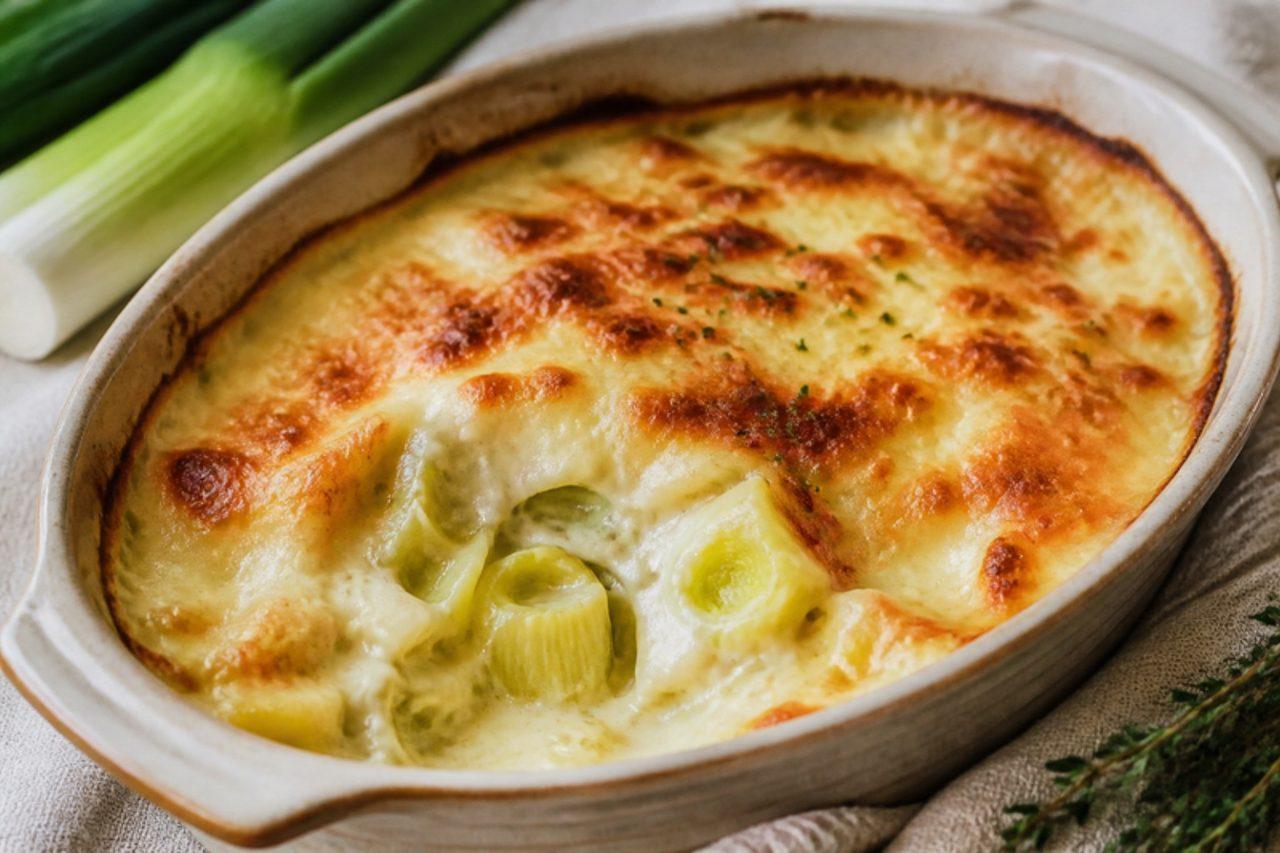
Gratin de poireaux is the winter comfort dish of northern France, from Picardy to Flanders, where leeks grow through the cold months and turn up at almost every family supper. The leeks are gently braised in butter until sweet, laid in a dish, covered with a nutmeg béchamel and grated Comté and baked until golden. Comté is made with animal rennet and raw milk; use a vegetarian or pasteurised hard cheese if needed. The common mistake is leaving grit in the leeks; wash them well between the layers. Chef's tip: braise the leeks covered with a splash of water before baking; they turn silky and never squeak.

by KrazyBadal 0 views

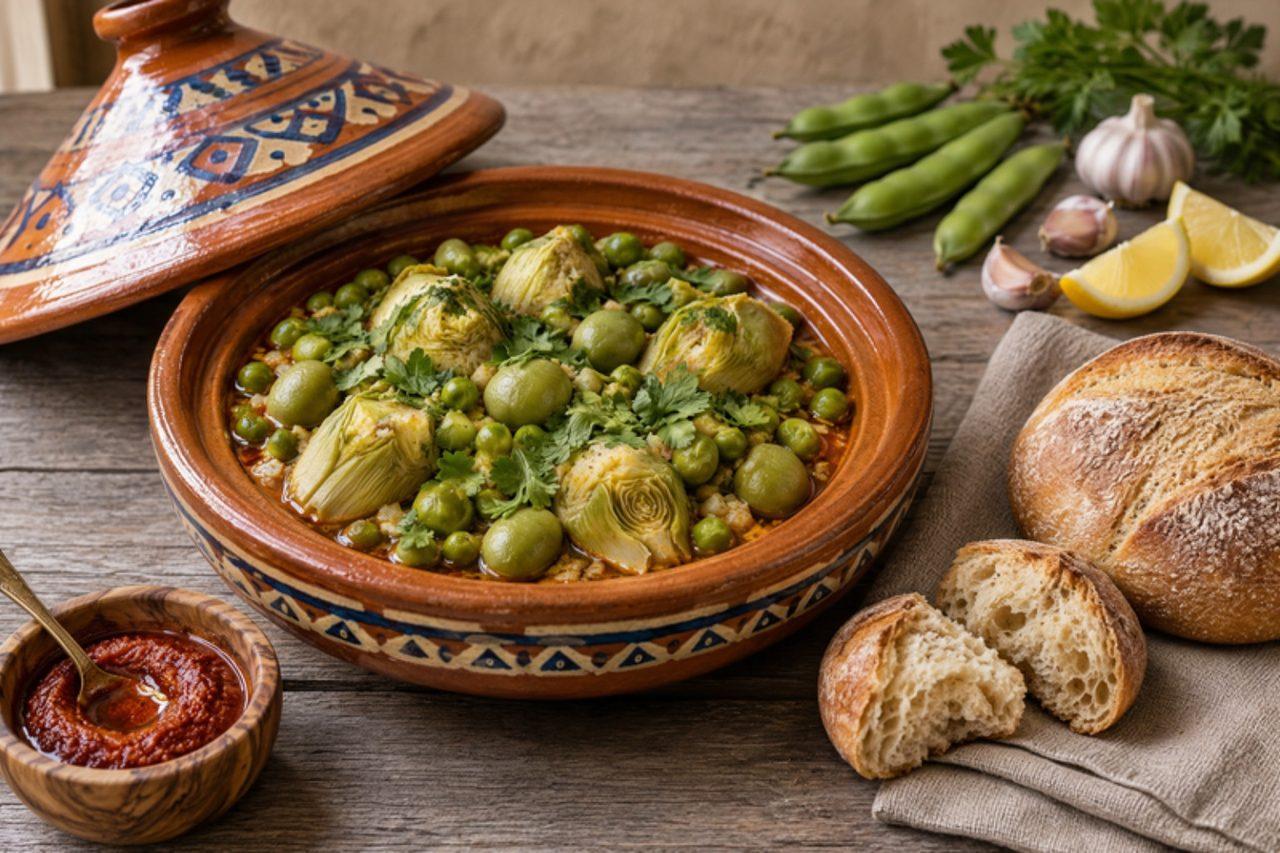
TbikhaBroad bean, pea and artichoke stew

Tbikha is cooked in Tunisian homes in March and April, when market stalls in Tunis, Sfax and the Cap Bon are heaped with fresh broad beans, peas and baby artichokes. The vegetables are stewed together in a little olive oil with garlic, tomato, harissa and caraway until tender, then finished with lots of coriander and dill. It is eaten warm with crusty bread to mop up the reddish, garlicky juices, and often with a few olives on the side. The usual mistake is overcooking the peas into khaki mush: they go in for the last few minutes only. Chef's tip: drop the trimmed artichokes into lemony water as you prepare them so they stay pale and don't turn bitter.

by KrazyBadal 0 views

MbaipyCheesy polenta

Mbaipy (say 'mbai-PU') is Guaraní country cooking at its plainest: coarse corn flour stirred into milk and onion fried in oil until it thickens into a soft, spoonable porridge, finished with cubes of fresh cheese that melt into strings. In the Paraguayan countryside it is a cheap winter supper; cooks often stir in shredded chicken to make mbaipy so'o, but this is the meat-free version eaten on fasting days and in plenty of homes. Queso Paraguay is made with animal rennet, so use a vegetarian mozzarella or fresh cheese if you need to. The usual mistake is tipping the corn flour in all at once, which makes lumps that never cook out. Chef's tip: let it sit, covered, off the heat for five minutes before serving; it firms up slightly and the corn swells fully.

by KrazyBadal 0 views

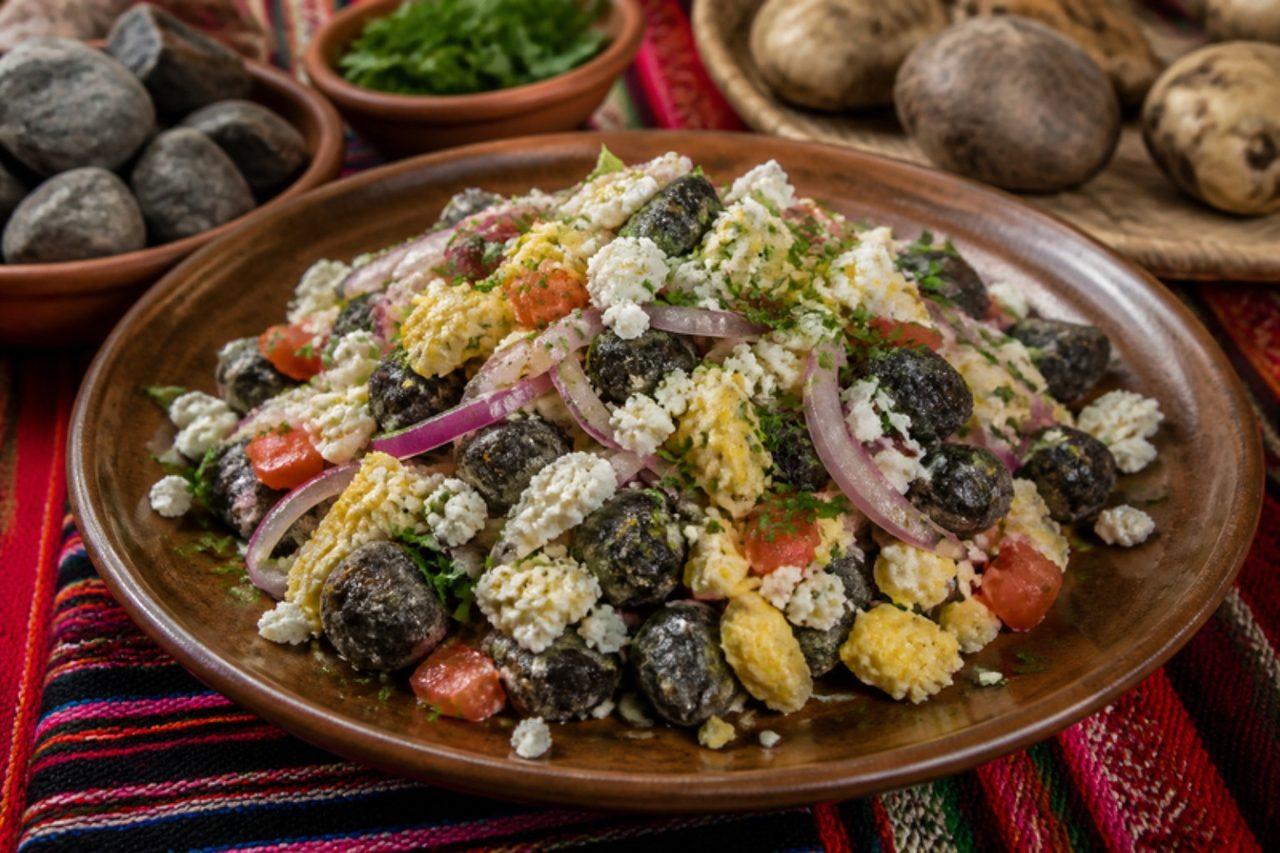
Chuño phutiFreeze-dried potatoes with egg and cheese

Chuño are potatoes freeze-dried the ancient way on the Altiplano: left out on frosty nights, trampled to squeeze out the water and dried in the high sun, so they keep for years. In Puno and across the border in Bolivia, they are soaked, crumbled and fried with onion, then scrambled with egg and fresh cheese to make phuti, a hearty breakfast or supper eaten with a hot tea. The texture is dense and slightly chewy, and the flavour earthy and a little tangy. Chuño is sold dried in Andean shops; it must soak overnight (ideally 24 hours, with the water changed) and then be peeled, which adds time before you start. The mistake is not soaking or rinsing enough: under-soaked chuño smells strong and stays hard in the middle. Serve with a fresh tomato salsa or uchucuta. Fresh cheese is usually made with animal rennet, so use a vegetarian one if needed. Chef's tip: squeeze the soaked chuño hard between your palms before crumbling; the drier it is, the better it fries.

by KrazyBadal 0 views

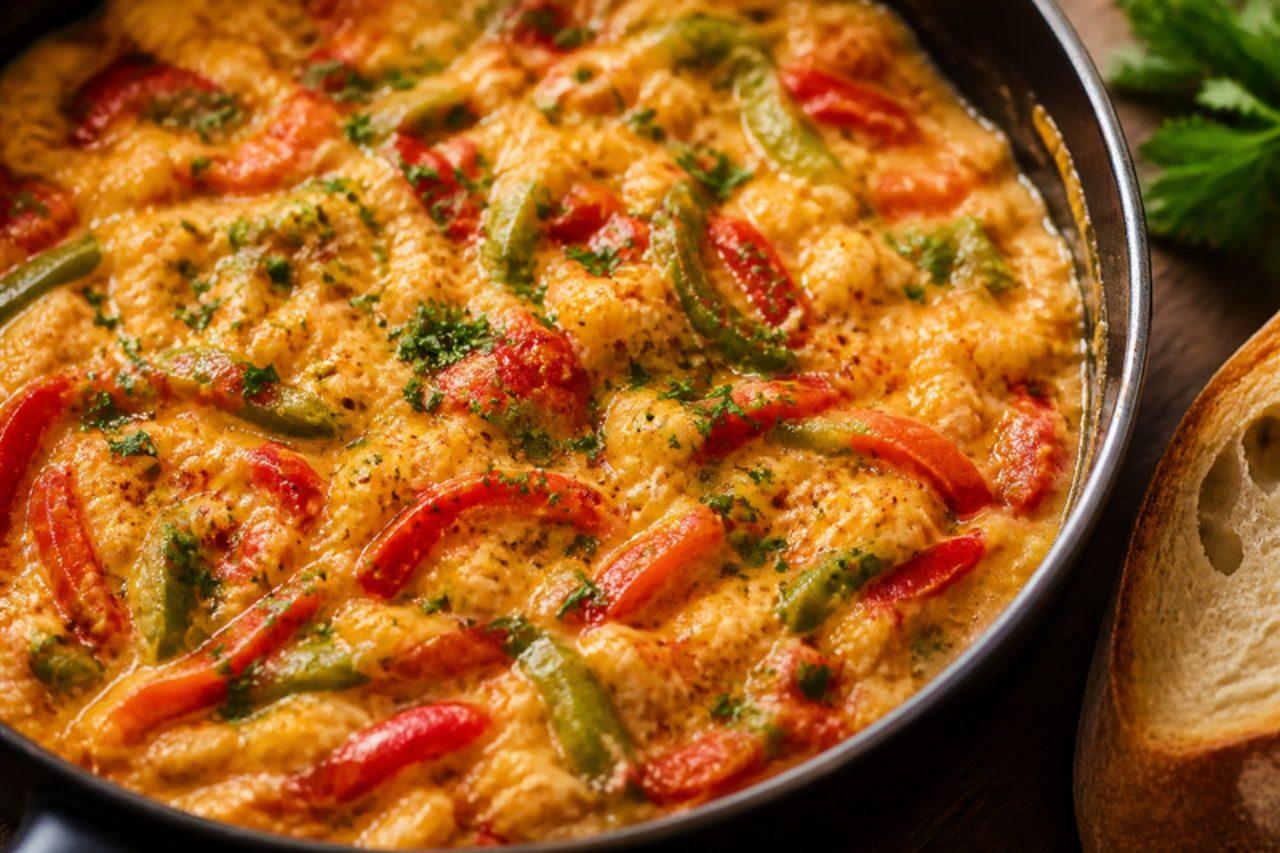
PiperadePepper and tomato stew

Red, white and green, the colours of the Basque flag, sit in one pan in piperade, the summer dish of Bayonne, Espelette and the villages of the French Basque Country. Green peppers, onions and ripe tomatoes are stewed in olive oil until soft and sweet, then warmed with the region's mild, fruity Espelette pepper. Basque families eat it at lunch with crusty bread, spooned beside rice, or with eggs softly scrambled into it; restaurants often add a slice of Bayonne ham, which this version leaves out. Chef's tip: cook it slowly and let the liquid reduce; a good piperade is jammy, not watery.

by KrazyBadal 0 views

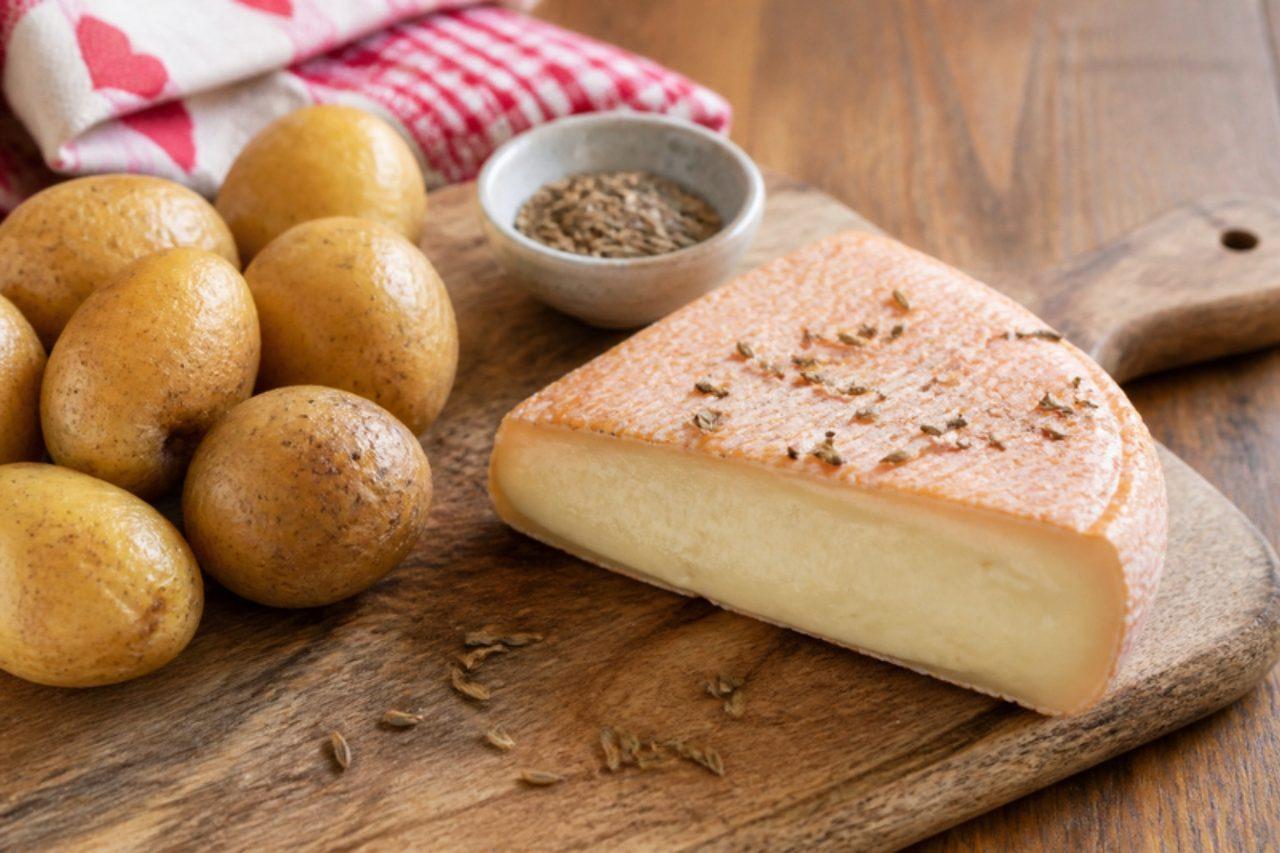
Munster with cumin and potatoes

High in the Vosges above Munster, the farm-inns called fermes-auberges serve their pungent washed-rind cheese in the simplest way: a wedge laid over hot potatoes in their skins, with a little dish of cumin seeds for sprinkling. Alsatians eat it as a winter supper or as the cheese course after a walk in the hills, with a green salad and a glass of something cold. The cheese smells strong but tastes mild and milky once warm, and cumin is its traditional partner. Most Munster is made with animal rennet; for a vegetarian meal choose a vegetarian washed-rind cheese, or a ripe vegetarian brie or reblochon-style cheese. Chef's tip: toast the cumin seeds in a dry pan for a minute before serving; they go from dusty to nutty and lift the whole plate.

by KrazyBadal 0 views

KapchiBroad beans in cheese sauce

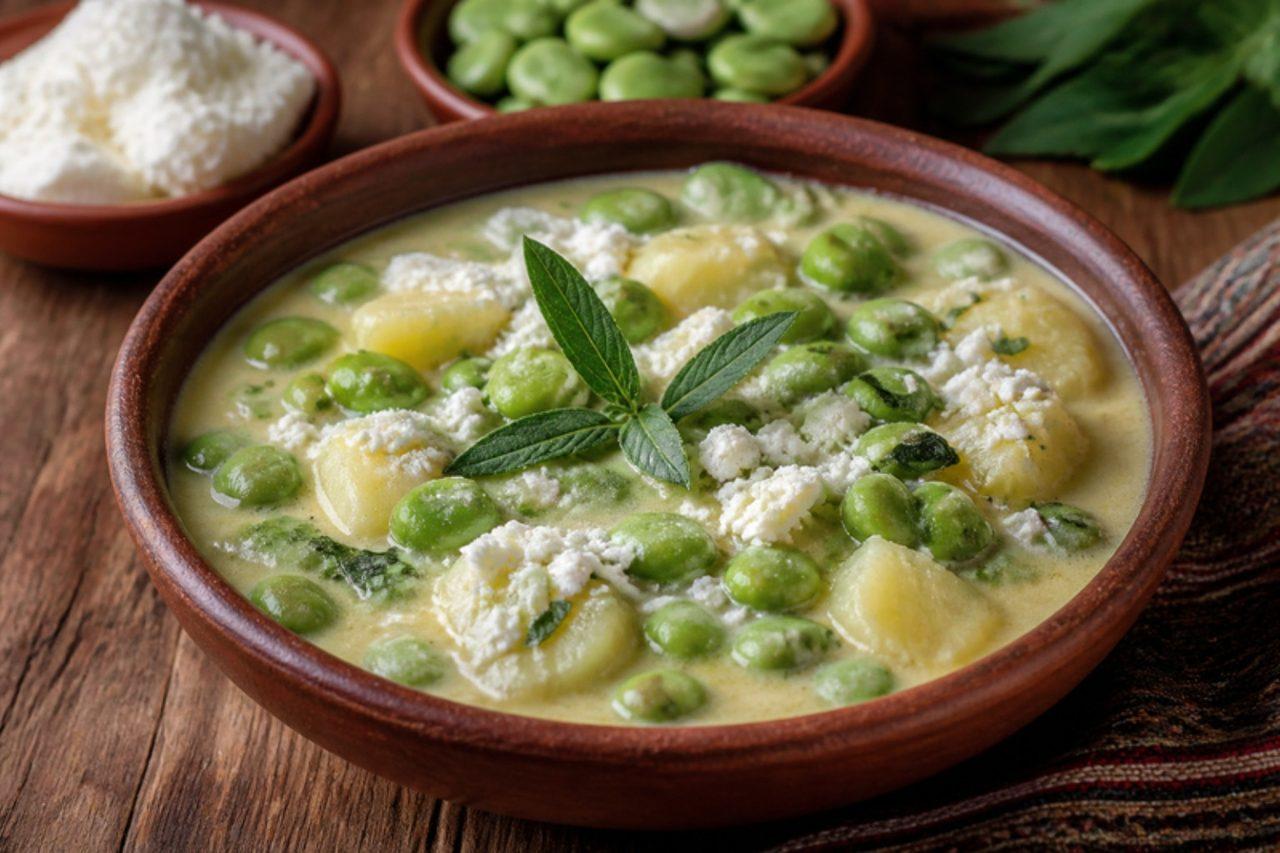
Kapchi (sometimes spelled capchi) comes from the Quechua for something like 'dressed' or 'creamed', and around Cusco it turns up when the fresh broad beans are in season: green habas, potatoes and soft fresh cheese simmered with milk until the sauce turns thick and pale, with ají and a handful of huacatay. Market stalls in San Pedro sell it with rice, and families make it at Easter as a meatless dish. It is gentle and creamy with a herby, slightly minty finish, and the beans stay sweet and tender. The trap is boiling the sauce once the cheese is in; it splits into curds and goes watery, so keep it at a bare simmer. Serve with white rice or boiled potatoes and a spoon of uchucuta. The same recipe works with sliced mushrooms instead of beans, which Cusco cooks also do. Queso fresco is usually set with animal rennet, so pick a vegetarian fresh cheese if you need to. Chef's tip: peel the beans of their pale inner skins after blanching; it takes ten minutes and makes the dish far silkier.

by KrazyBadal 0 views

Pastel de papaLayered potato and cheese bake

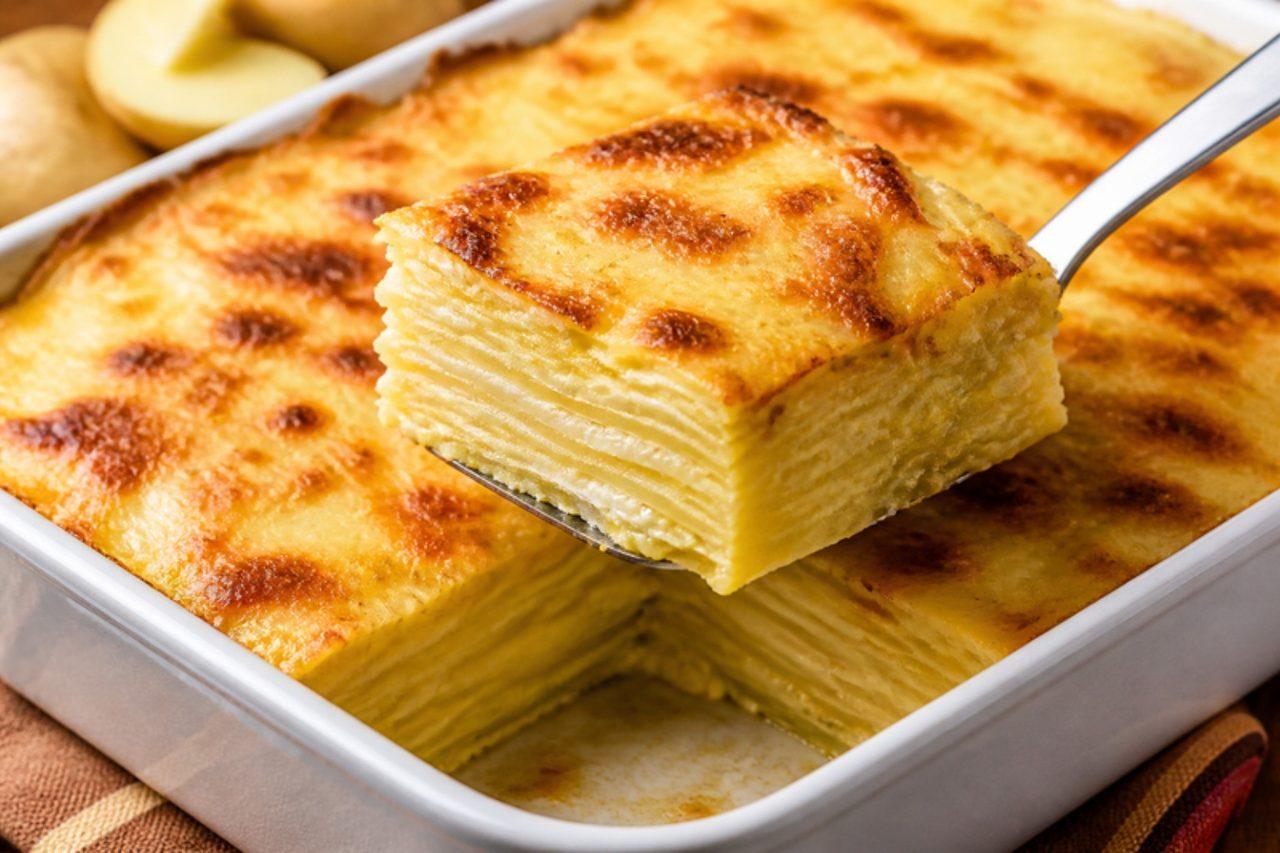
On a plate in an Arequipa picantería, pastel de papa is the soft, golden square that sits next to a fiery rocoto relleno and cools your mouth between bites. Thin slices of parboiled potato are layered with fresh cheese and a seasoned egg and evaporated-milk custard, then baked until the top puffs and browns. It is richer and more set than a French gratin, firm enough to cut cleanly, and it makes a fine vegetarian main with a salad of tomato and onion or a spoon of uchucuta. The way it goes wrong is slicing the potatoes too thick or under-boiling them, which leaves them crunchy while the custard overcooks; cut them 3–4 mm thin and parboil them just until bendy. Arequipa cooks use paria or queso fresco, which are normally made with animal rennet; a vegetarian melting cheese such as a microbial-rennet mozzarella or mild cheddar works well. Chef's tip: let the bake rest for 15 minutes after it leaves the oven so the custard settles and the slices hold.

by KrazyBadal 0 views

Pesque de quinuaCreamy quinoa with cheese

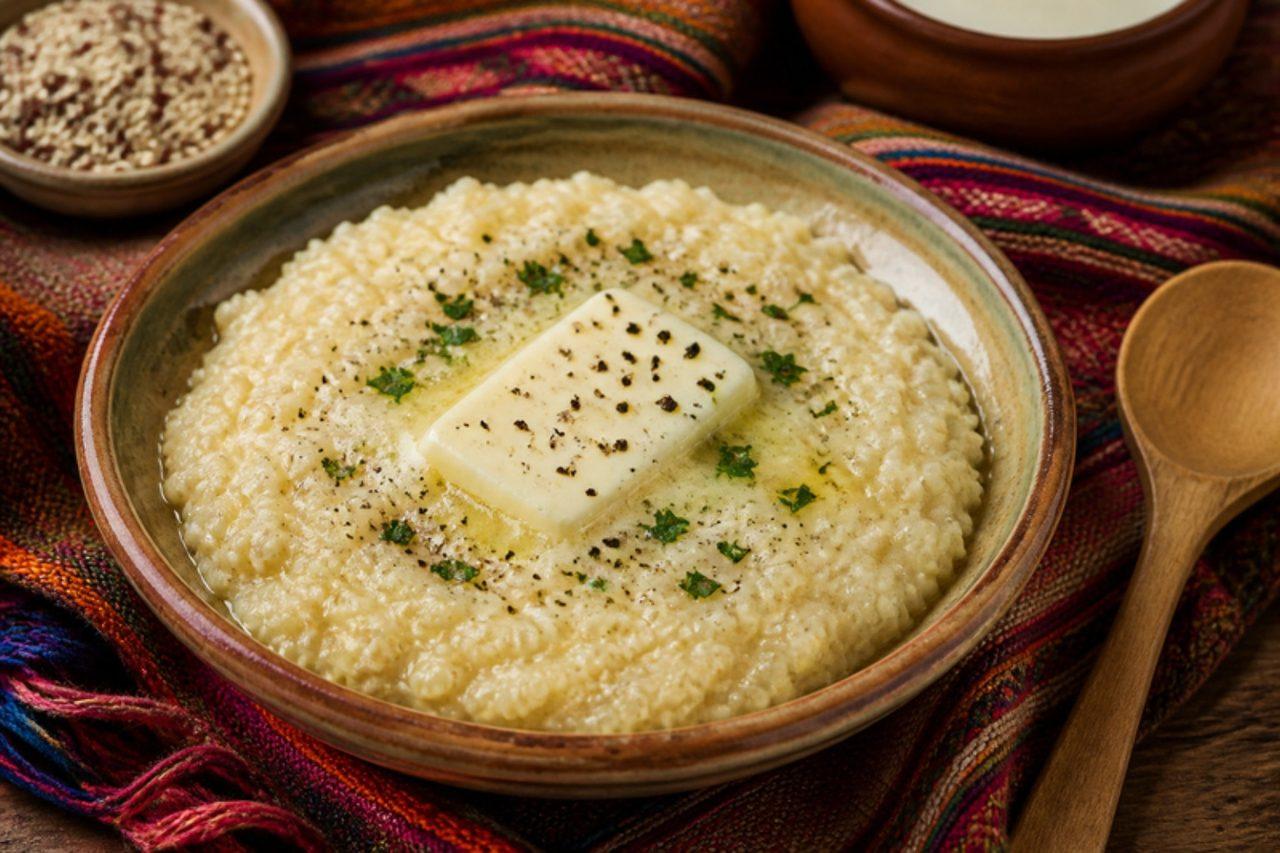
Up on the Altiplano around Lake Titicaca, where quinoa grows at almost 4,000 metres, pesque is everyday food: quinoa cooked until it collapses, then beaten with milk, a knob of butter and crumbled fresh cheese until it looks like a loose, savoury risotto. Puno families eat it for a warming lunch or supper, often with a glass of milk poured over or a fried egg on top, and in the cold dry air it is exactly what the body wants. It is soft, nutty and mildly salty. The step people skip is rinsing the quinoa, and the natural saponins then leave a soapy, bitter edge; rub it under running water until the foam stops. Serve with a tomato salad or a spoon of uchucuta for some heat. Andean fresh cheese is usually set with animal rennet, so choose a vegetarian fresh cheese if needed. Chef's tip: cook the quinoa in a little more water than usual and leave it a few minutes longer than for a salad, so it turns creamy and the grains burst.

by KrazyBadal 0 views

Petits farcis niçoisStuffed vegetables with rice and herbs

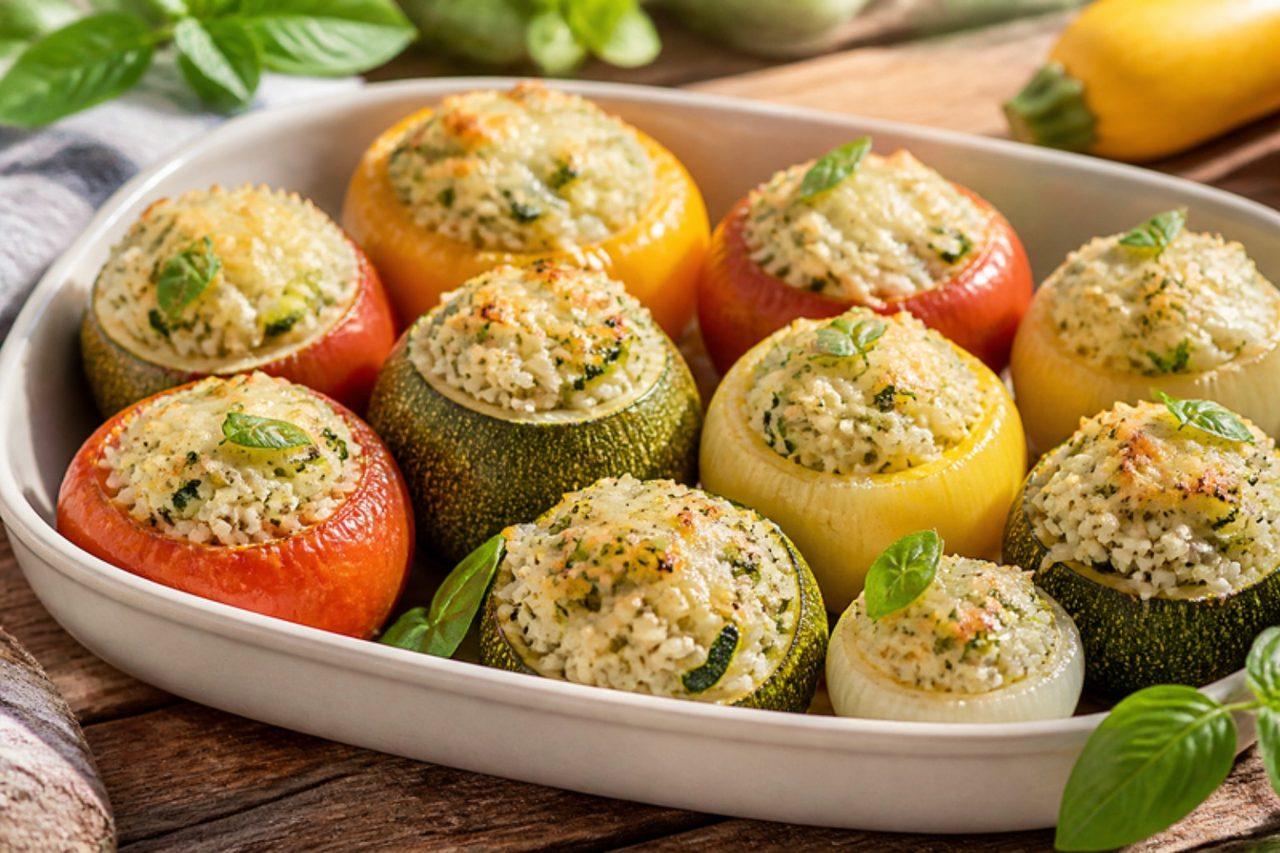
From June to September the traiteurs around the cours Saleya market in Nice sell trays of petits farcis: round courgettes, tomatoes and onions hollowed out, refilled and baked until wrinkled and caramelised at the edges. Niçois families often use up leftover daube in the stuffing; this meatless version, common on Fridays and at summer picnics, uses rice, herbs, the vegetables' own flesh and Parmesan. Parmesan is made with animal rennet, so use a vegetarian hard cheese if that matters to you. They are as good at room temperature the next day as hot from the oven. Chef's tip: choose vegetables of a similar size, so they all finish cooking at the same moment.

by KrazyBadal 0 views

Tajine malsoukaBaked egg and cheese pie

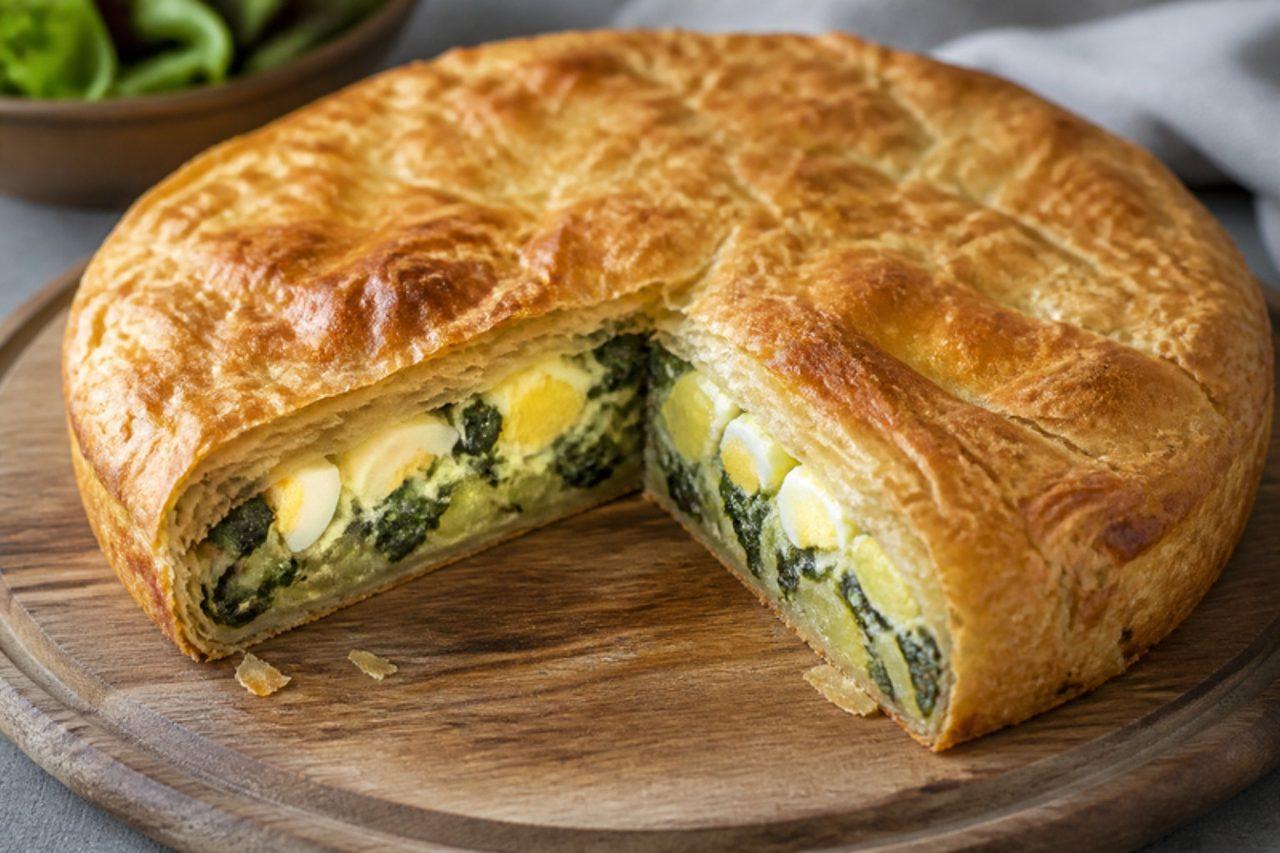
In Tunisia a tajine is not a stew but a thick baked frittata, and tajine malsouka is the festive one: eggs, cheese and filling baked between layers of malsouka pastry so the top and bottom turn crisp and golden. It is served at Ramadan, weddings and Eid, cut into squares. Chicken is the usual filling; here spinach, potato and white beans give it body. Chef's tip: brush every pastry sheet with butter, edge to edge; dry corners burn in the oven.

by KrazyBadal 0 views

Ratatouille

Ratatouille comes from Nice, where it was a peasant stew of whatever the late-summer garden gave: aubergines, courgettes, peppers, onions and very ripe tomatoes, simmered in olive oil with garlic and thyme. Cooks in Nice argue about method, but the most respected version fries each vegetable on its own first, so each keeps its colour and shape before they are brought together in one pot. It's eaten warm with rice, cold the next day with bread, or as a side to an omelette. Chef's tip: brown the aubergine in batches and don't crowd the pan; piling it in is the common mistake that makes it steam into a grey mush.

by KrazyBadal 0 views

Tian provençalBaked layered summer vegetables

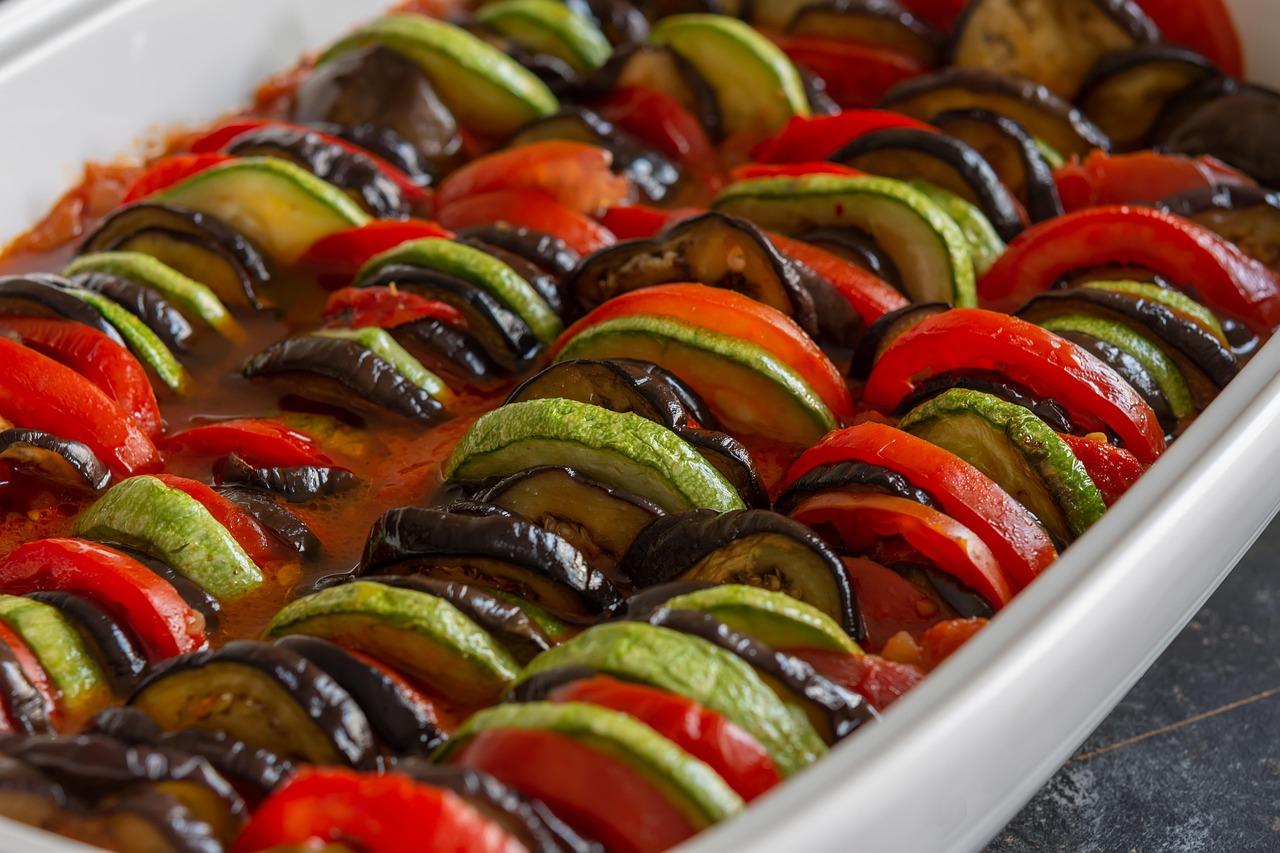
A tian is named after the shallow earthenware dish Provençal cooks use to bake vegetables, and the most famous version lines up thin slices of courgette, aubergine, tomato and onion in tight rows like roof tiles. In Provence it's a Sunday side for the whole family and a light supper with a green salad in summer. The vegetables roast in their own juices with olive oil, garlic and thyme until soft, sweet and lightly browned on top. Unlike ratatouille, nothing is fried first, so it is lighter and more delicate. Chef's tip: choose vegetables of the same width and slice them all 3–4 mm thick; uneven slices are the common mistake and cook unevenly, some raw, some collapsed.

by KrazyBadal 0 views

Vegetable saltadoWok-fried vegetables

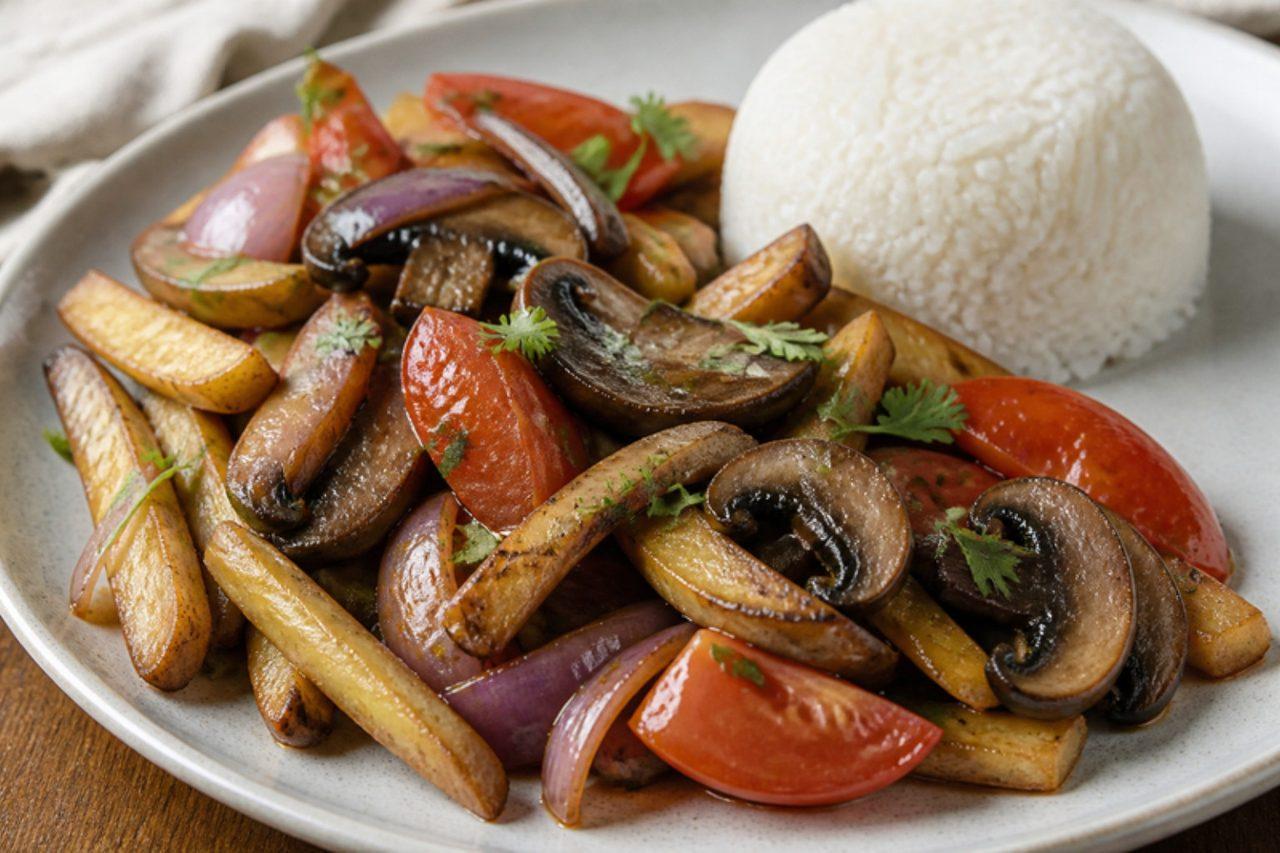
Saltado comes from Lima's chifa tradition, the cooking of Chinese-Peruvian families who brought the wok to Peru in the nineteenth century. The famous version is lomo saltado with beef; this saltado de verduras uses meaty mushrooms in its place. Thick wedges of red onion and tomato are tossed over a fierce flame with garlic, ají amarillo, soy sauce and a splash of vinegar until just wilted, so the vegetables keep their shape and the pan juices turn smoky and savoury. It is always served with both chips and white rice, which soak up those juices. Chef's tip: cook in two batches if your pan is small; a crowded wok steams the vegetables instead of searing them, and the tomatoes collapse into soup.

by KrazyBadal 0 views

Rocoto rellenoStuffed rocoto peppers

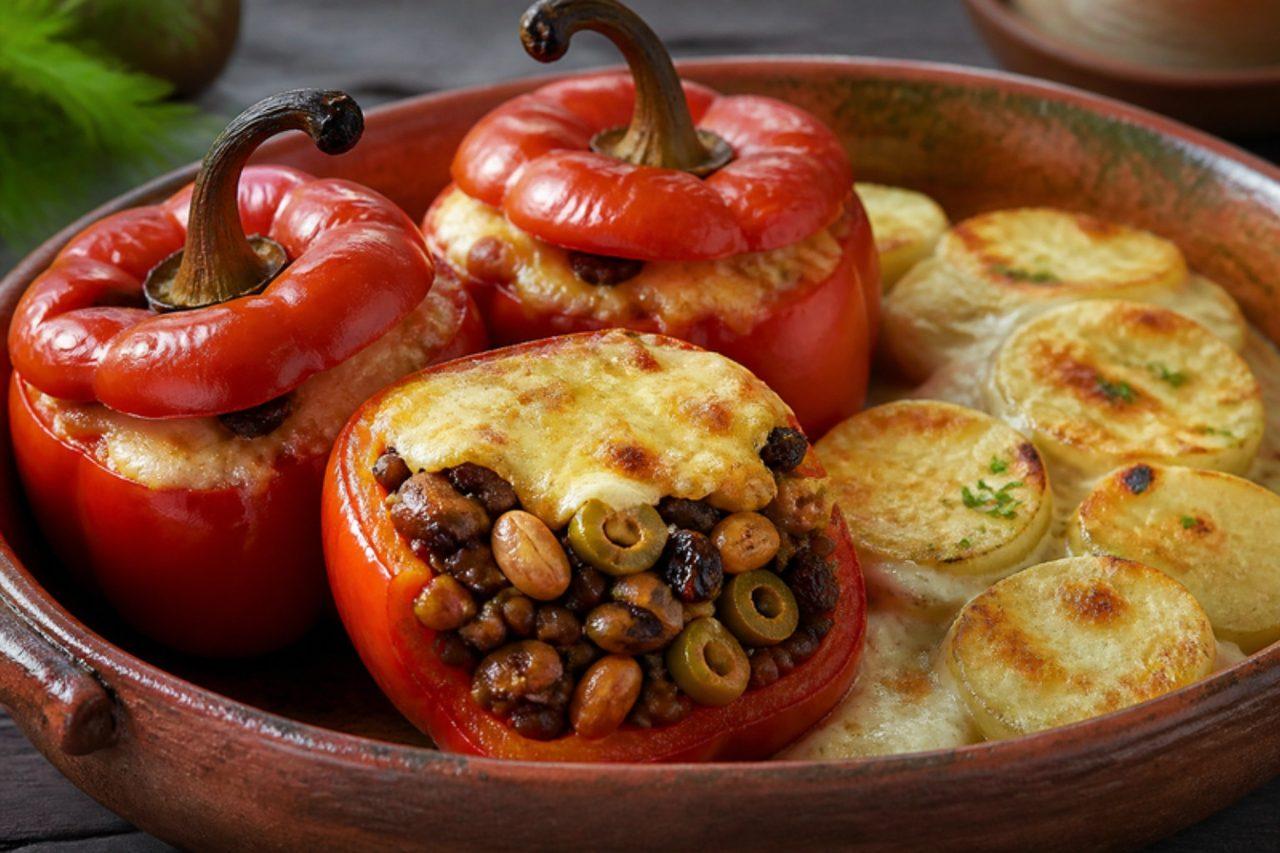
Rocoto relleno is the pride of Arequipa's picanterías: fiery rocoto peppers stuffed with a sweet-savoury filling, topped with cheese and baked over sliced potato in an egg and milk custard. The traditional filling is minced beef; this vegetarian version uses mushrooms and lentils fried with ají panca, cumin, peanuts, raisins, olives and boiled egg, which gives the same rich, spiced, slightly sweet bite. The peppers are first blanched several times in fresh water with sugar and vinegar to tame their heat, which is the real skill of the dish. If you can't find rocotos, use small red bell peppers and add a little habanero to the filling. Chef's tip: taste a sliver of rocoto after the second blanching; stop when it is hot but pleasant, and blanch once more if it still burns.

by KrazyBadal 0 views

Soufflé au fromageCheese soufflé

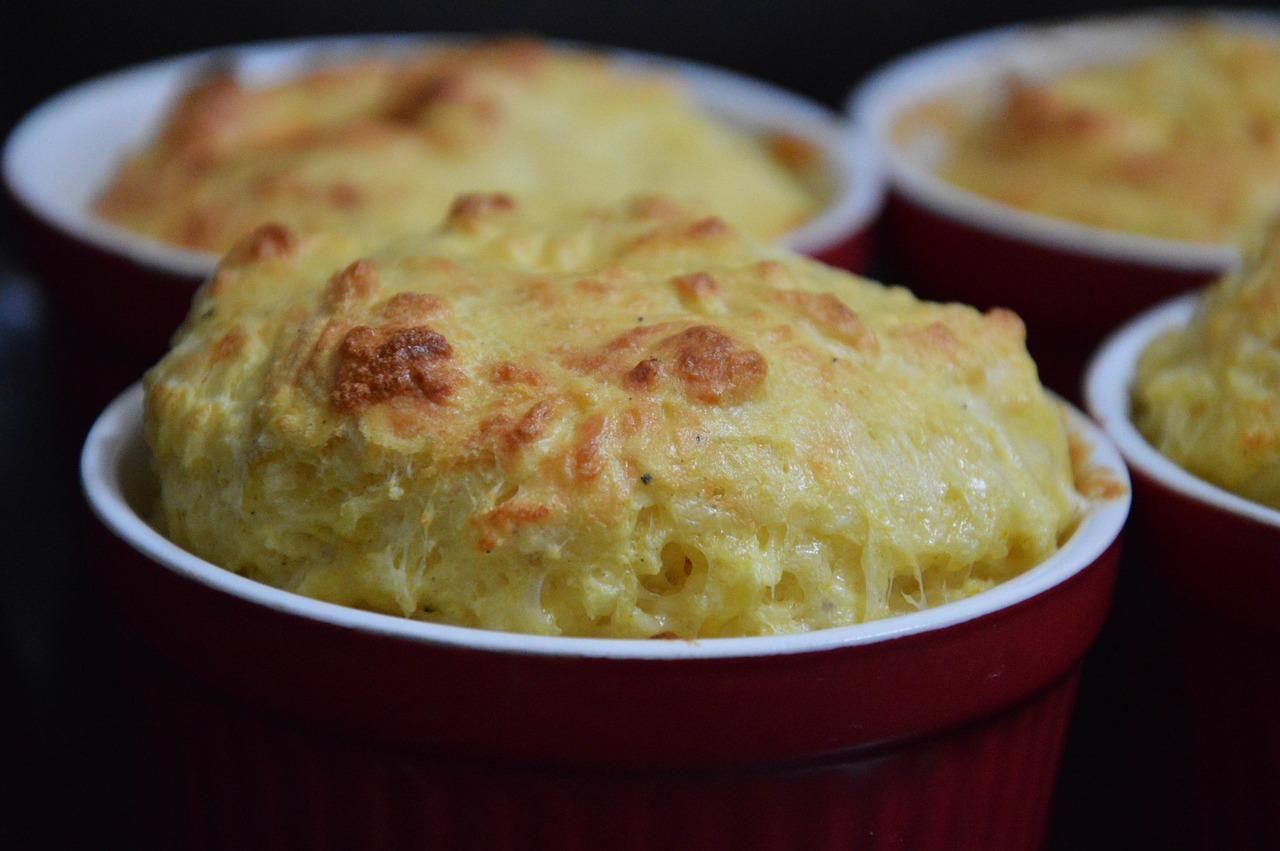
The cheese soufflé is a French bistro classic and a favourite family starter or light supper all over France, often served with a green salad and a glass of white wine. A thick cheese sauce is lightened with whisked egg whites and baked until it rises tall above the dish, golden and crusty outside and soft, almost creamy in the middle. It sounds hard but it's mostly about timing. We thicken the sauce with cornflour so it's gluten free (classic recipes use plain flour). Comté and Gruyère are made with animal rennet, so use a vegetarian alternative. Chef's tip: fold the whites in gently with a big spoon, in three goes; stirring hard is the common mistake that knocks out the air so it never rises.

by KrazyBadal 0 views

Showing 24 of 28 recipes

Show more recipes

Page 1 of 2