Skip to content
Recipes

All recipes

Vegetarian, or something you can't eat? Set your diet once and we'll hide recipes that don't fit.

HrudkaEgg and milk cheese

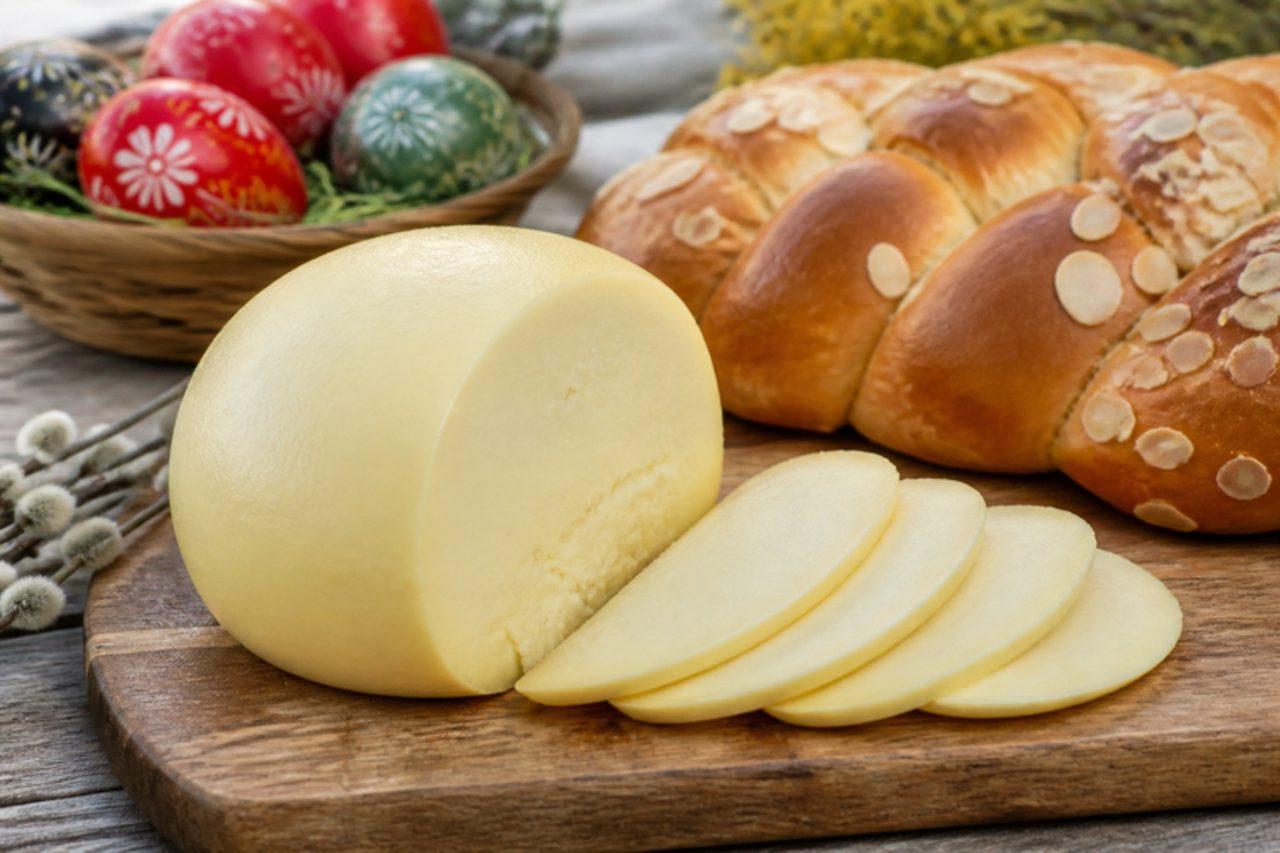
Hrudka (also called sirok or egg cheese) is made in eastern Slovakia and among Rusyn and Slovak families abroad for Easter. Eggs and milk are stirred over a low heat until they separate into soft curds, then the curds are tied tightly in a cloth into a ball and hung to drain overnight. The pale-yellow, mild, slightly sweet 'cheese' is taken to church in the Easter basket on Holy Saturday and sliced at Easter breakfast with ham, bread and horseradish. It needs no rennet, so it is naturally vegetarian. Chef's tip: keep the heat low and stir constantly; high heat makes rubbery curds.

by KrazyBadal 0 views

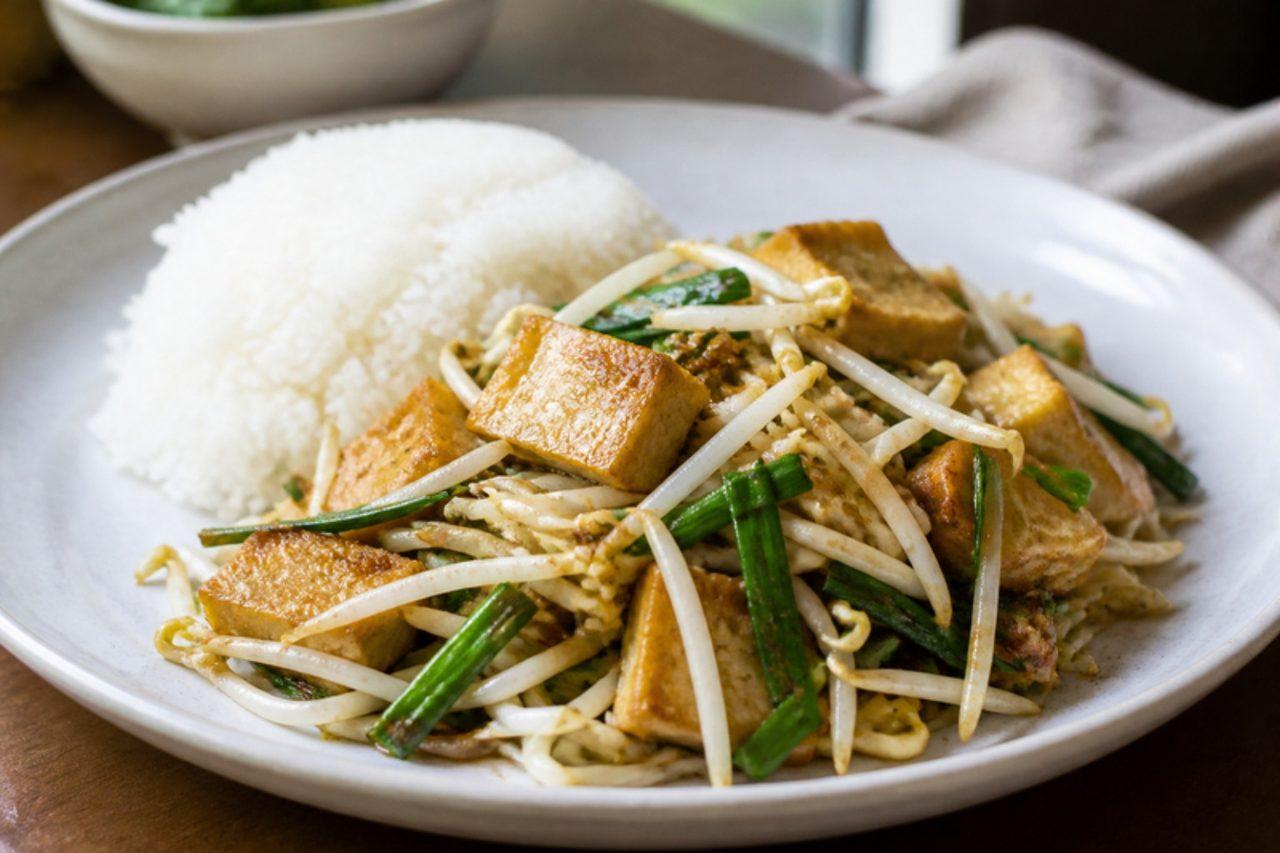
Pad thua ngok tao hoo (Thai bean sprouts and tofu stir-fry)

This plain, fast stir-fry is a fixture of home kitchens and made-to-order rice stalls across central Thailand, where it is eaten as one of two or three dishes shared over jasmine rice at dinner. Firm tofu is browned first, then the sprouts go in for barely a minute so they stay juicy and snap when you bite them. Thai cooks often season it with oyster sauce and fish sauce; this version uses soy and a mushroom-based sauce so it is vegan. The mistake almost everyone makes is cooking the sprouts too long, which turns them limp and watery. Chef's tip: pick off the stringy tails of the sprouts if you have five spare minutes; it makes the dish noticeably crisper.

by KrazyBadal 0 views

ErdäpfelstrudelSavoury potato strudel

Austrians, especially in the Mühlviertel of Upper Austria and the Waldviertel, make savoury strudels as often as sweet ones, and Erdäpfelstrudel is a farmhouse favourite for a meatless Friday or a cold evening. Thin pastry wraps a filling of potatoes, fried onion, sour cream, marjoram and parsley, baked until crisp and golden and sliced with a green salad or a dill and sour-cream dip. Bought filo makes it easy at home. The mistake to avoid is a wet filling, which turns the pastry soggy underneath. Chef's tip: cool the filling completely before rolling; warm filling makes the layers stick and tear.

by KrazyBadal 0 views

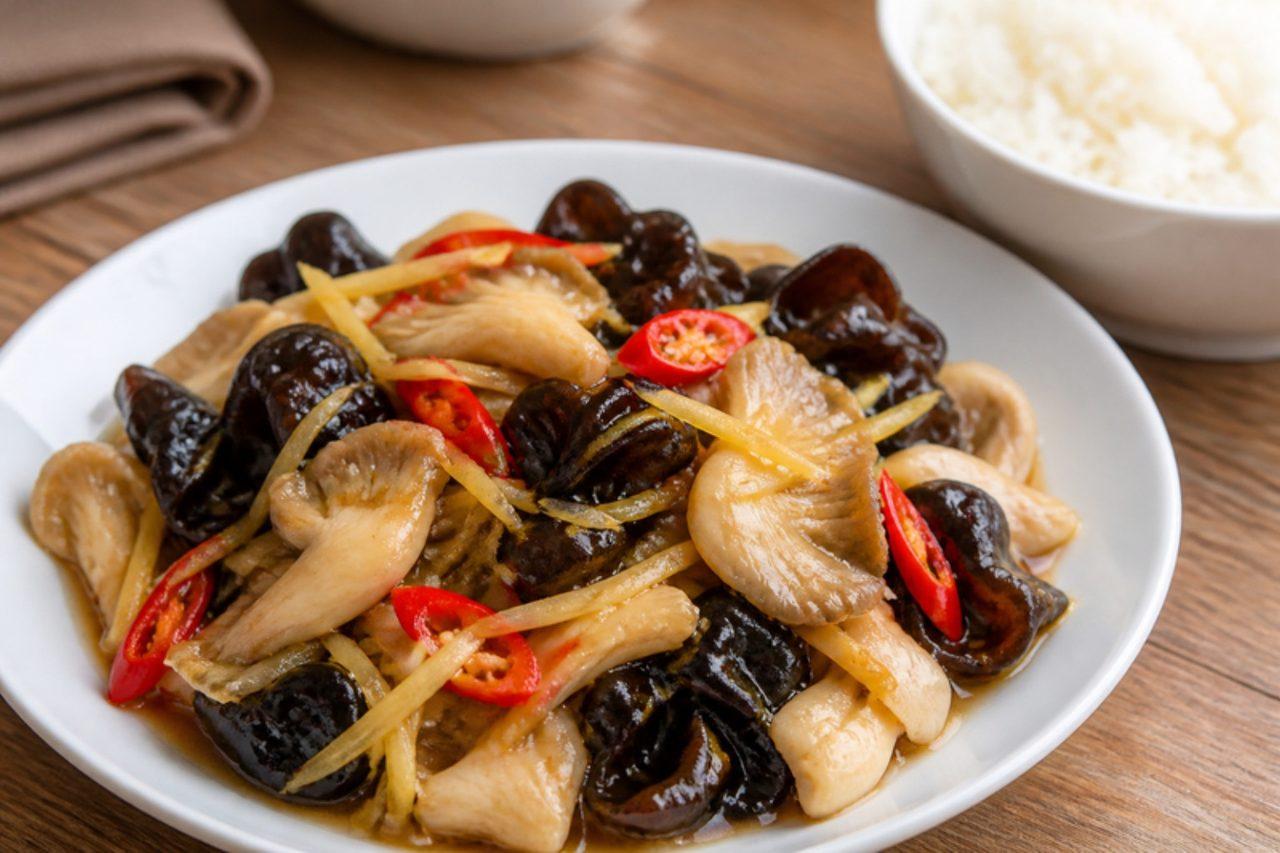
Pad khing jay (ginger mushroom stir-fry)

Ginger does the work garlic usually would in this festival favourite from the jay kitchens of Phuket and Bangkok's Yaowarat, where it is ladled over rice from steel trays under yellow flags. Crunchy wood ear and soft oyster mushrooms soak up a glossy sauce of fermented soybean paste and soy, and fine matchsticks of young ginger give heat and fragrance. No garlic, onion or spring onion go in, as jay rules forbid them. Chef's tip: old, fibrous ginger is the mistake here; choose plump young ginger with thin, pinkish skin so you can eat it by the forkful.

by KrazyBadal 0 views

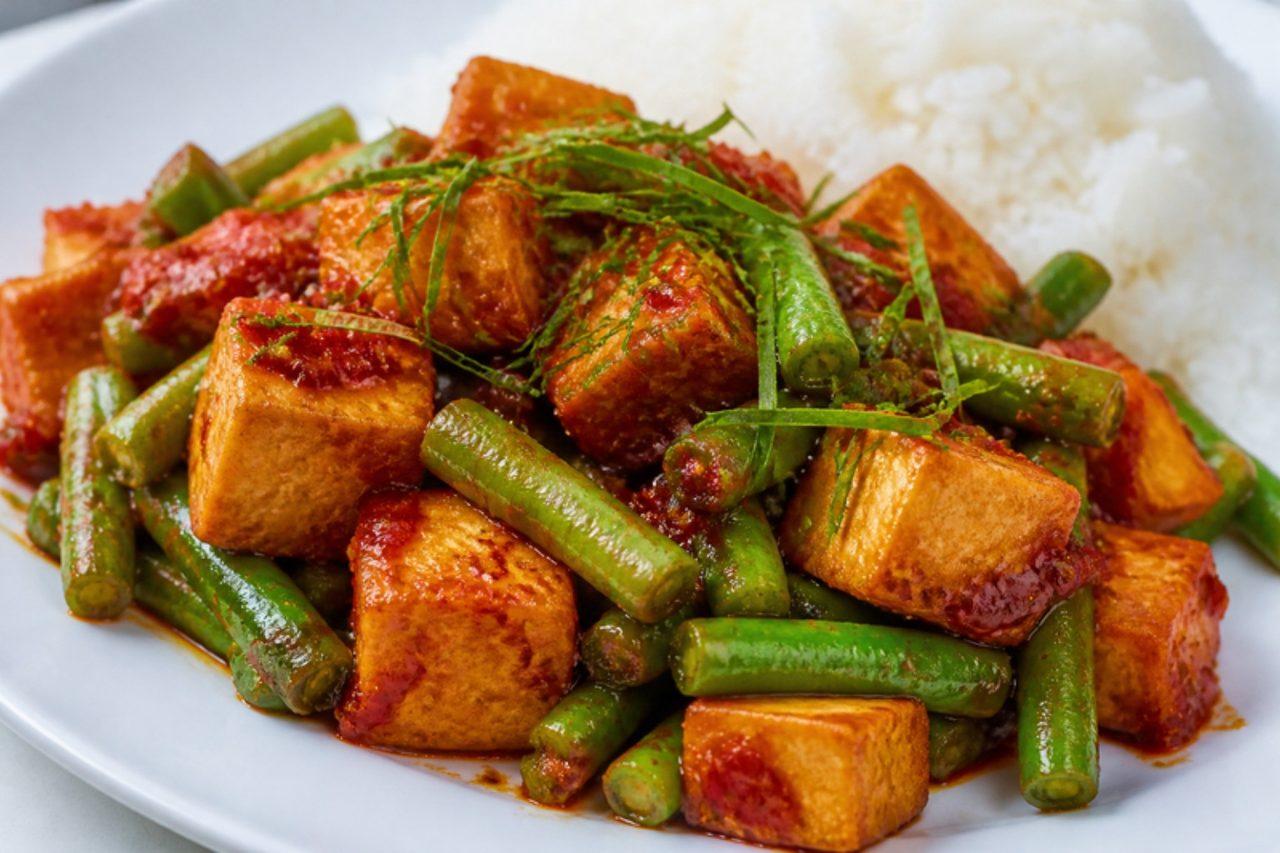
Pad prik khing tao hoo (dry red curry tofu with long beans)Tofu and long bean stir-fry

Unlike soupy curries, prik khing is fried in oil until the paste clings to every bean, and in central Thai homes it is a lunch dish eaten with plenty of rice. For the jay festival the shop-bought paste, which carries garlic, shallot and shrimp paste, is swapped for this quick home paste of dried chilli, lemongrass, galangal and lime zest, so it stays vegan and free of alliums. Palm sugar and torn lime leaves round it off. Chef's tip: adding water to loosen the paste is the classic mistake; fry it in oil until it smells toasty and the dish stays dry and sticky.

by KrazyBadal 0 views

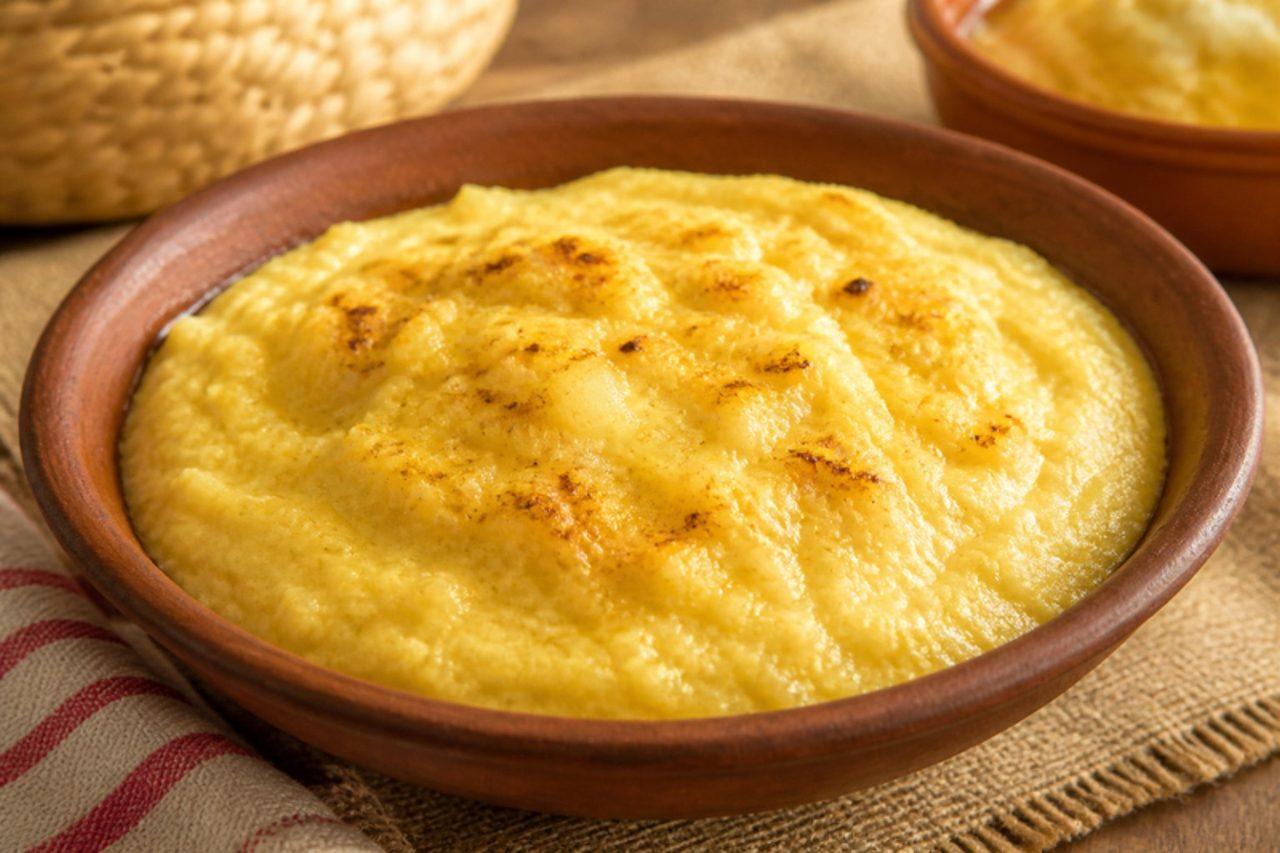
MbaipyCheesy polenta

Mbaipy (say 'mbai-PU') is Guaraní country cooking at its plainest: coarse corn flour stirred into milk and onion fried in oil until it thickens into a soft, spoonable porridge, finished with cubes of fresh cheese that melt into strings. In the Paraguayan countryside it is a cheap winter supper; cooks often stir in shredded chicken to make mbaipy so'o, but this is the meat-free version eaten on fasting days and in plenty of homes. Queso Paraguay is made with animal rennet, so use a vegetarian mozzarella or fresh cheese if you need to. The usual mistake is tipping the corn flour in all at once, which makes lumps that never cook out. Chef's tip: let it sit, covered, off the heat for five minutes before serving; it firms up slightly and the corn swells fully.

by KrazyBadal 0 views

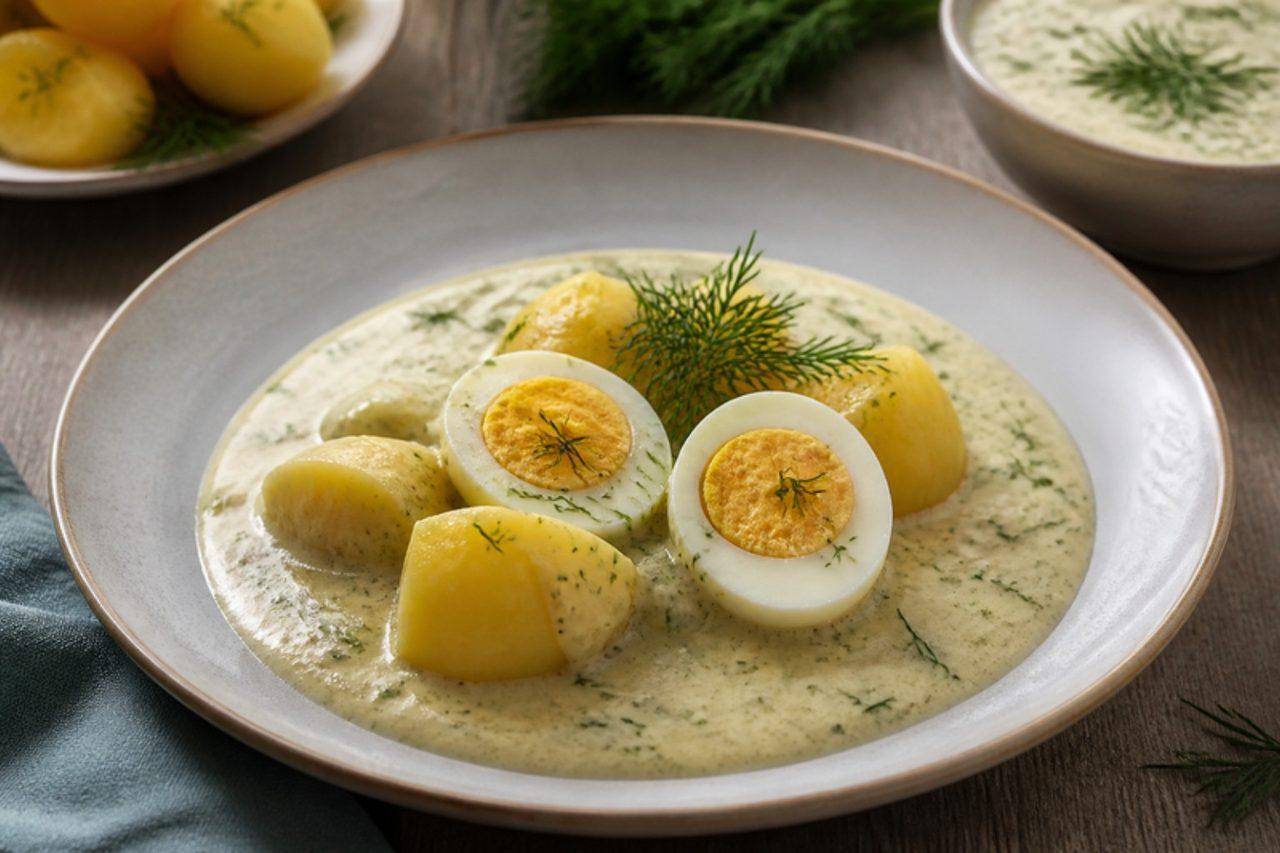
KoprovkaDill sauce with potatoes and eggs

Summer in a Czech garden means dill gone wild between the cucumbers, and koprovka is where most of it ends up. This pale green, gently sour cream sauce is a staple of Bohemian home cooking and of workplace canteens, where it is served over boiled potatoes with halved hard-boiled eggs (or with bread dumplings). It should be smooth, silky and only lightly thick, balanced between cream, a little vinegar and a pinch of sugar. Where it usually goes wrong is boiling the dill: it turns grey and loses its fresh smell, so stir it in at the end, off the heat. Chef's tip: keep the dill stalks, chop them very finely and simmer them in the sauce, then add the soft fronds at the end for a double hit of flavour.

by KrazyBadal 0 views

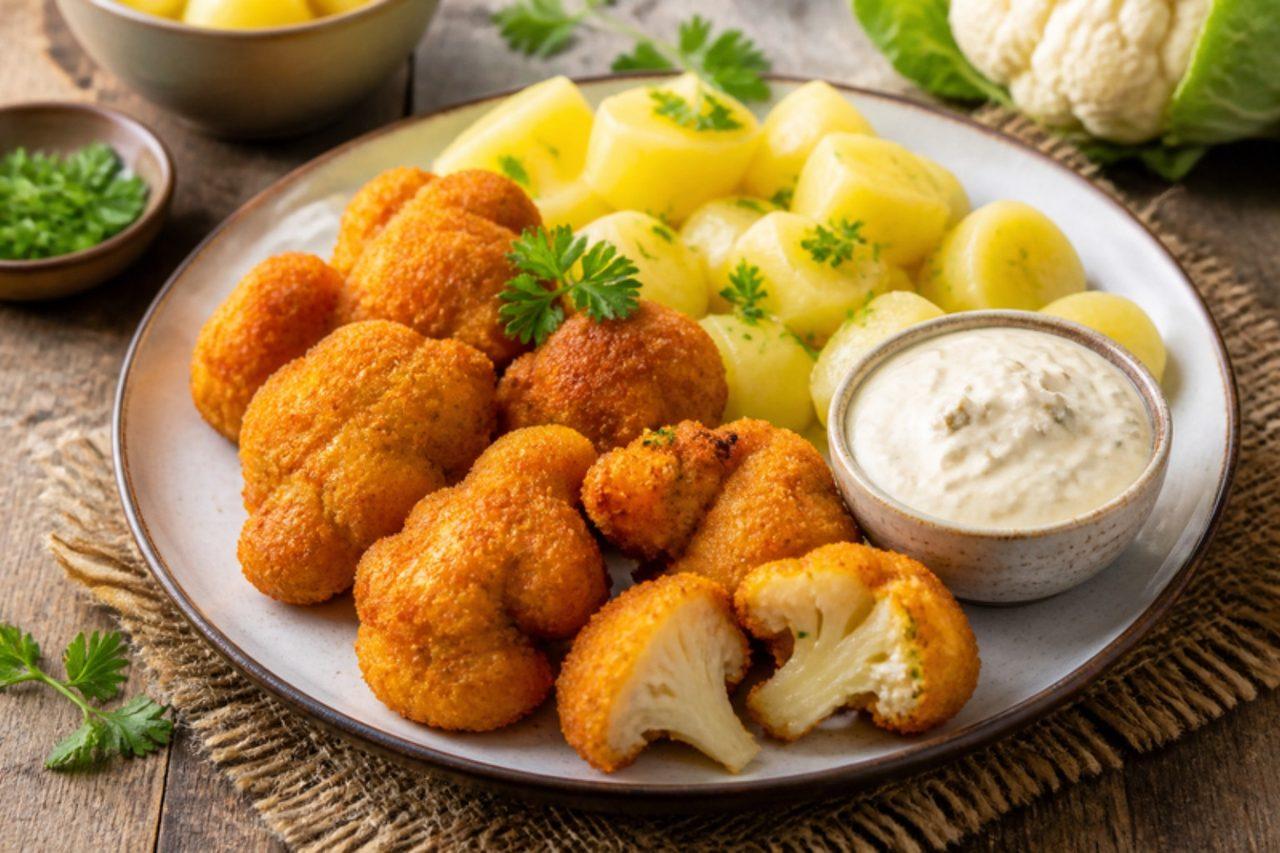
Smažený květákFried breaded cauliflower

Order a vegetarian meal in a Czech pub and there is a fair chance you will get smažený květák: fat cauliflower florets in a crunchy breadcrumb coat, with buttery parsley potatoes and a dollop of tatarka, the pickle-studded tartar sauce. Children love it, and many families in Bohemia make it on Fridays. The florets are blanched first so the inside is tender and sweet under the crust. Where most people go wrong is breading wet cauliflower: the coating slips off in the oil. Dry the florets well on a towel and let them cool before you dip them. Chef's tip: press the crumbs on firmly with your palm, then rest the breaded florets for 10 minutes so the coat sets and fries up evenly.

by KrazyBadal 0 views

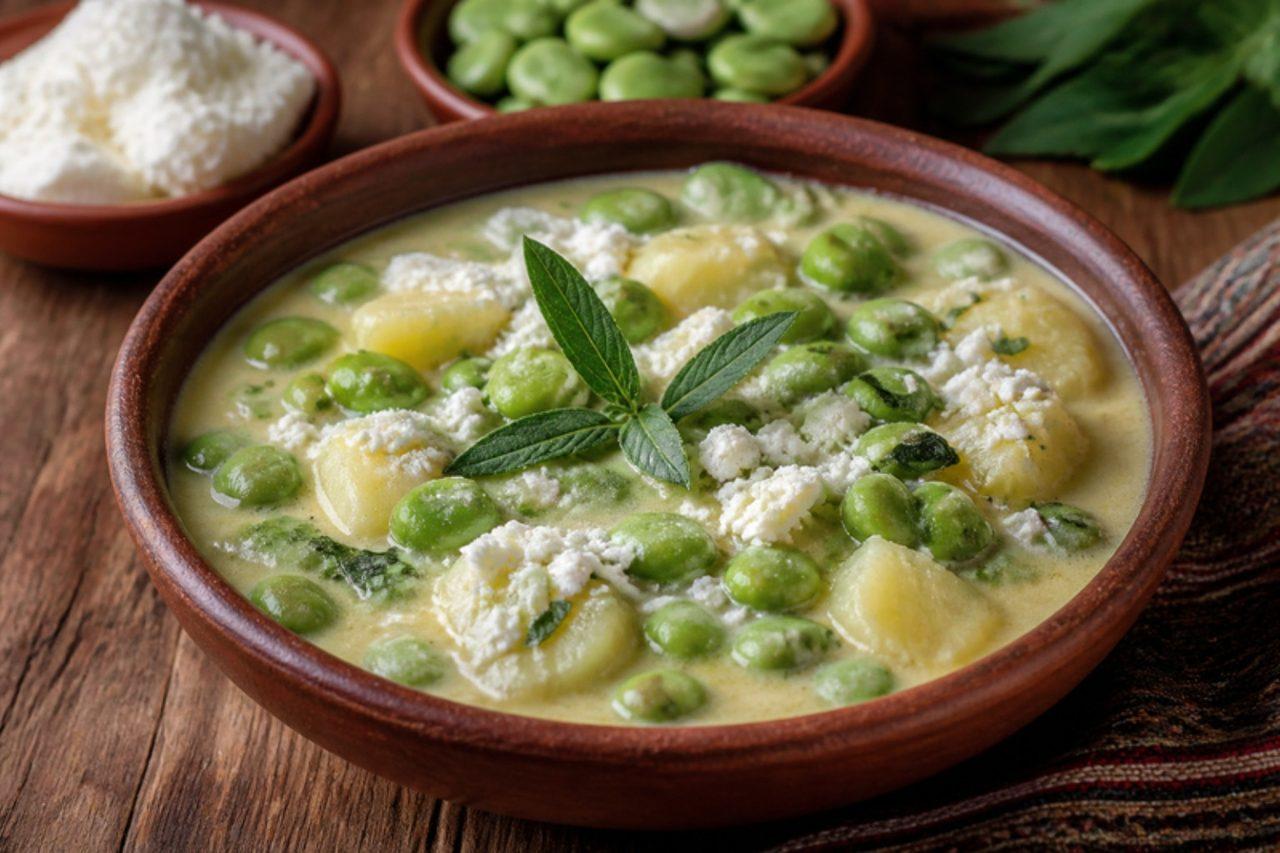
KapchiBroad beans in cheese sauce

Kapchi (sometimes spelled capchi) comes from the Quechua for something like 'dressed' or 'creamed', and around Cusco it turns up when the fresh broad beans are in season: green habas, potatoes and soft fresh cheese simmered with milk until the sauce turns thick and pale, with ají and a handful of huacatay. Market stalls in San Pedro sell it with rice, and families make it at Easter as a meatless dish. It is gentle and creamy with a herby, slightly minty finish, and the beans stay sweet and tender. The trap is boiling the sauce once the cheese is in; it splits into curds and goes watery, so keep it at a bare simmer. Serve with white rice or boiled potatoes and a spoon of uchucuta. The same recipe works with sliced mushrooms instead of beans, which Cusco cooks also do. Queso fresco is usually set with animal rennet, so pick a vegetarian fresh cheese if you need to. Chef's tip: peel the beans of their pale inner skins after blanching; it takes ten minutes and makes the dish far silkier.

by KrazyBadal 0 views

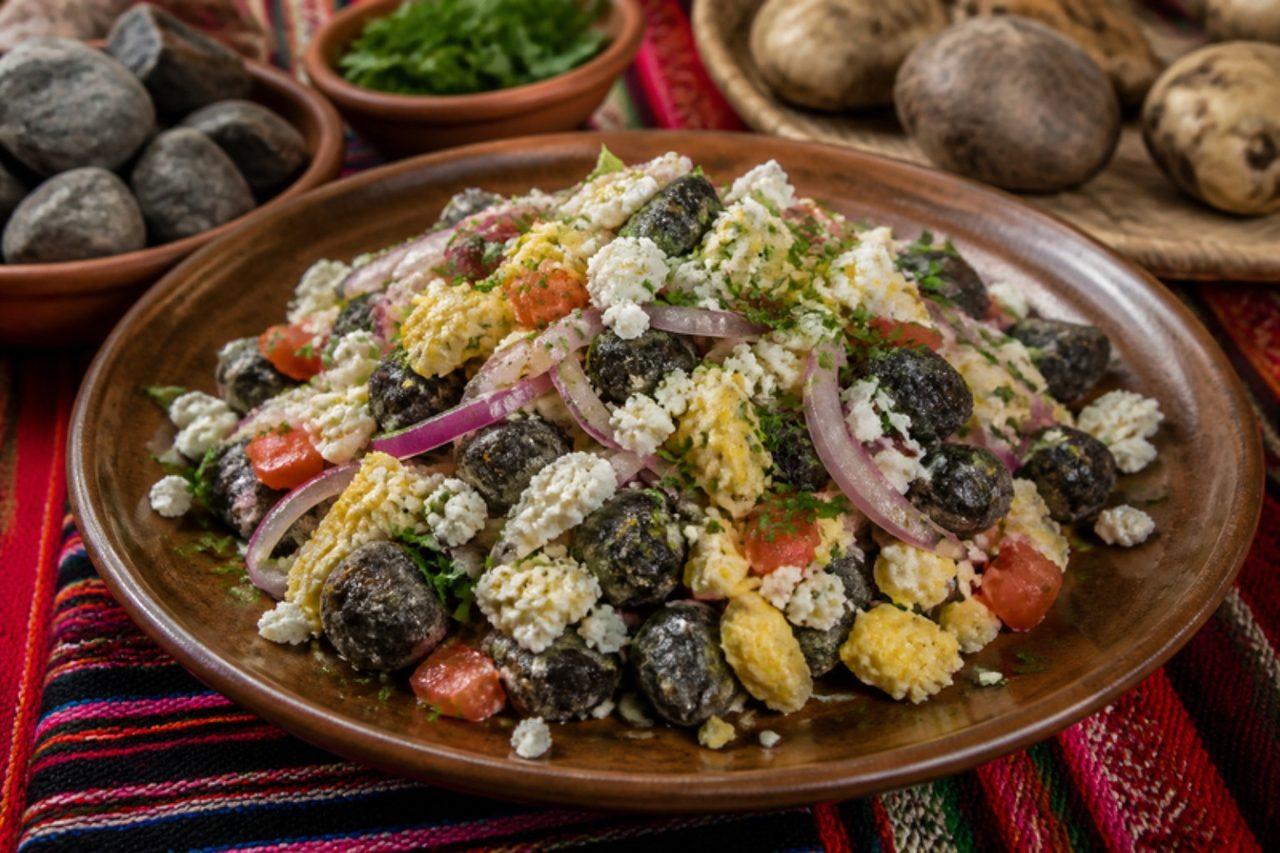
Chuño phutiFreeze-dried potatoes with egg and cheese

Chuño are potatoes freeze-dried the ancient way on the Altiplano: left out on frosty nights, trampled to squeeze out the water and dried in the high sun, so they keep for years. In Puno and across the border in Bolivia, they are soaked, crumbled and fried with onion, then scrambled with egg and fresh cheese to make phuti, a hearty breakfast or supper eaten with a hot tea. The texture is dense and slightly chewy, and the flavour earthy and a little tangy. Chuño is sold dried in Andean shops; it must soak overnight (ideally 24 hours, with the water changed) and then be peeled, which adds time before you start. The mistake is not soaking or rinsing enough: under-soaked chuño smells strong and stays hard in the middle. Serve with a fresh tomato salsa or uchucuta. Fresh cheese is usually made with animal rennet, so use a vegetarian one if needed. Chef's tip: squeeze the soaked chuño hard between your palms before crumbling; the drier it is, the better it fries.

by KrazyBadal 0 views

EiernockerlSoft dumplings with scrambled eggs

Eiernockerl is what Viennese grandmothers cook when the larder is nearly bare: a loose flour batter is scraped in little nubs into boiling water, then tossed in foaming butter and set with beaten eggs. In Vienna it turns up on weekday lunch tables and in old-fashioned Beisln, usually with a green salad in a sharp vinegar dressing on the side. The nockerl should be soft and slightly chewy, the egg just set and glossy, with lots of chives. A common mistake is cooking the eggs until dry and grainy; take the pan off the heat while they still look a little wet. Chef's tip: let the batter rest for 10 minutes before you cut it into the water, so the flour swells and the nockerl hold their shape.

by KrazyBadal 0 views

Pastel de papaLayered potato and cheese bake

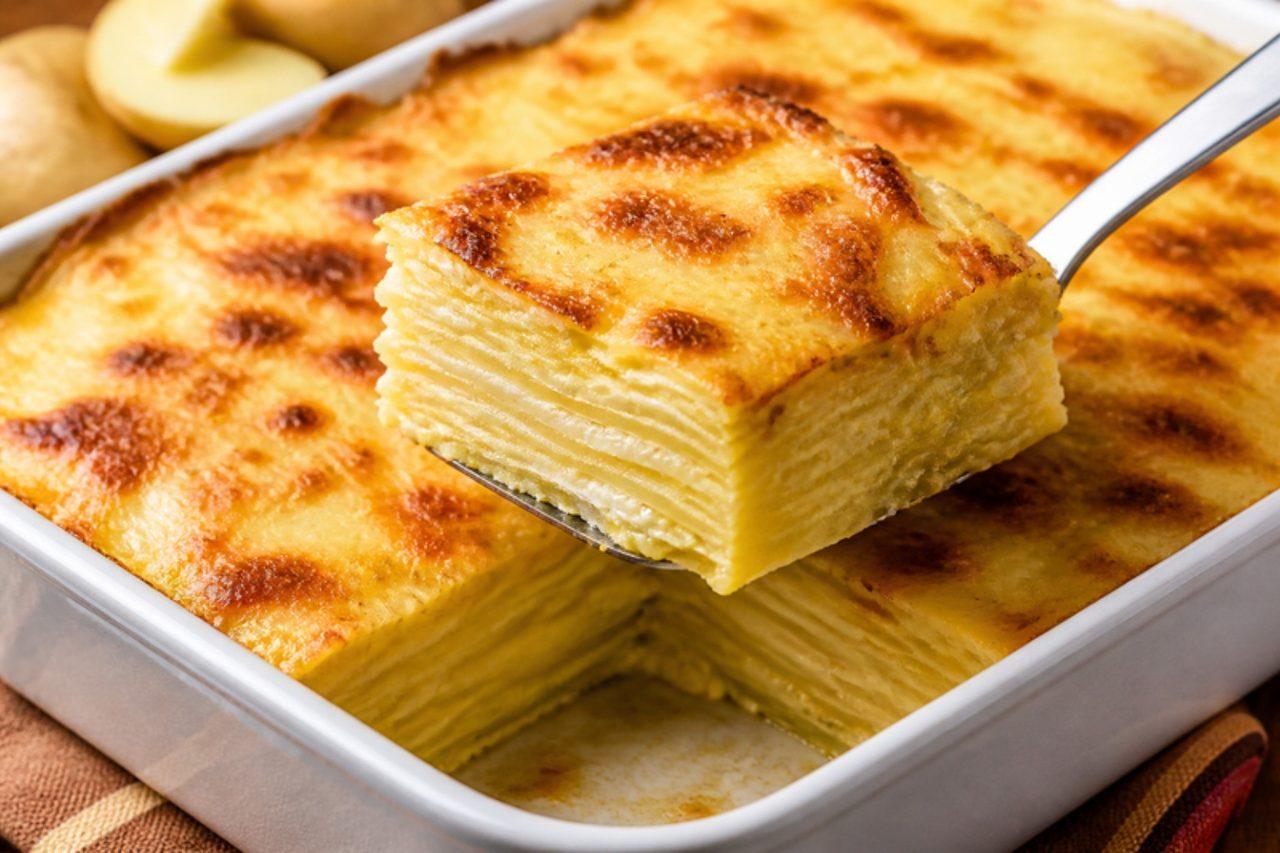
On a plate in an Arequipa picantería, pastel de papa is the soft, golden square that sits next to a fiery rocoto relleno and cools your mouth between bites. Thin slices of parboiled potato are layered with fresh cheese and a seasoned egg and evaporated-milk custard, then baked until the top puffs and browns. It is richer and more set than a French gratin, firm enough to cut cleanly, and it makes a fine vegetarian main with a salad of tomato and onion or a spoon of uchucuta. The way it goes wrong is slicing the potatoes too thick or under-boiling them, which leaves them crunchy while the custard overcooks; cut them 3–4 mm thin and parboil them just until bendy. Arequipa cooks use paria or queso fresco, which are normally made with animal rennet; a vegetarian melting cheese such as a microbial-rennet mozzarella or mild cheddar works well. Chef's tip: let the bake rest for 15 minutes after it leaves the oven so the custard settles and the slices hold.

by KrazyBadal 0 views

Pesque de quinuaCreamy quinoa with cheese

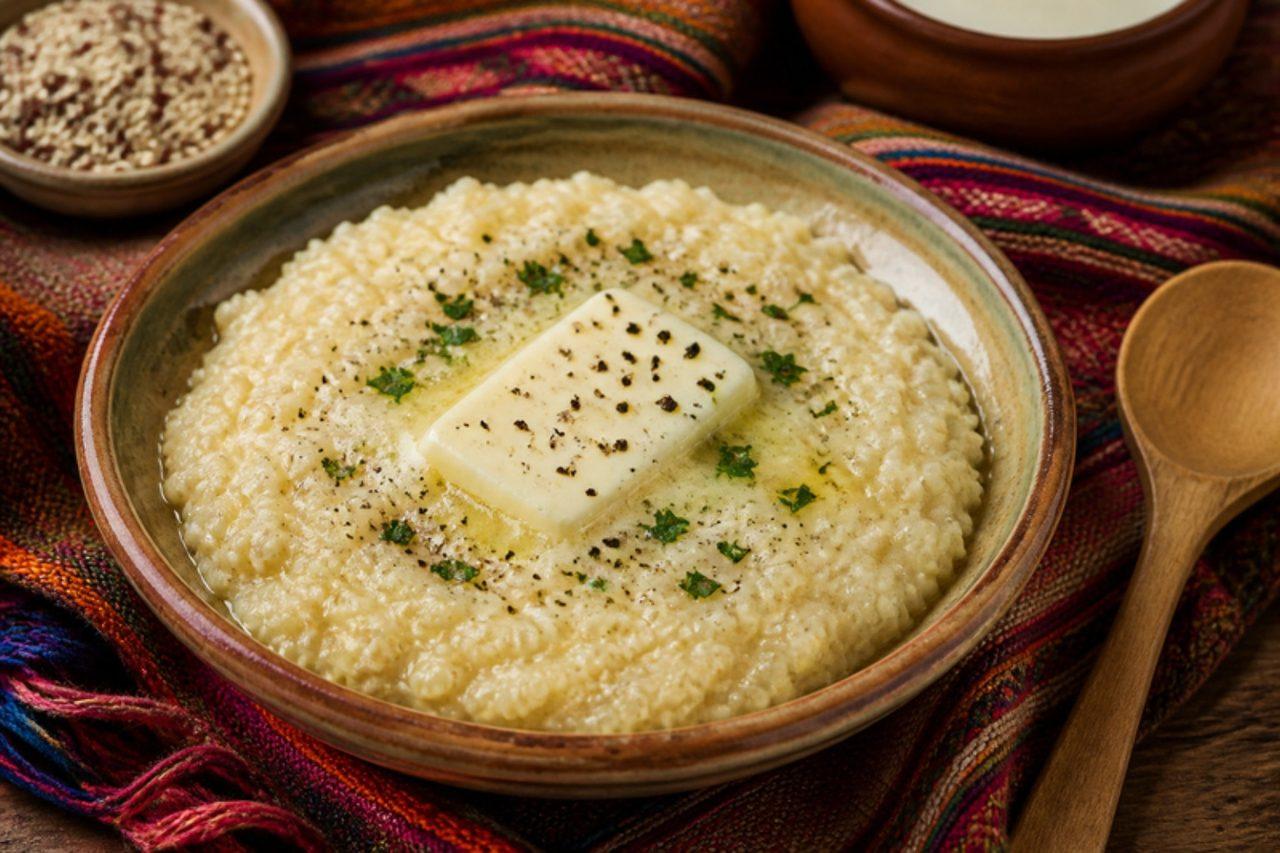
Up on the Altiplano around Lake Titicaca, where quinoa grows at almost 4,000 metres, pesque is everyday food: quinoa cooked until it collapses, then beaten with milk, a knob of butter and crumbled fresh cheese until it looks like a loose, savoury risotto. Puno families eat it for a warming lunch or supper, often with a glass of milk poured over or a fried egg on top, and in the cold dry air it is exactly what the body wants. It is soft, nutty and mildly salty. The step people skip is rinsing the quinoa, and the natural saponins then leave a soapy, bitter edge; rub it under running water until the foam stops. Serve with a tomato salad or a spoon of uchucuta for some heat. Andean fresh cheese is usually set with animal rennet, so choose a vegetarian fresh cheese if needed. Chef's tip: cook the quinoa in a little more water than usual and leave it a few minutes longer than for a salad, so it turns creamy and the grains burst.

by KrazyBadal 0 views

Vegetable saltadoWok-fried vegetables

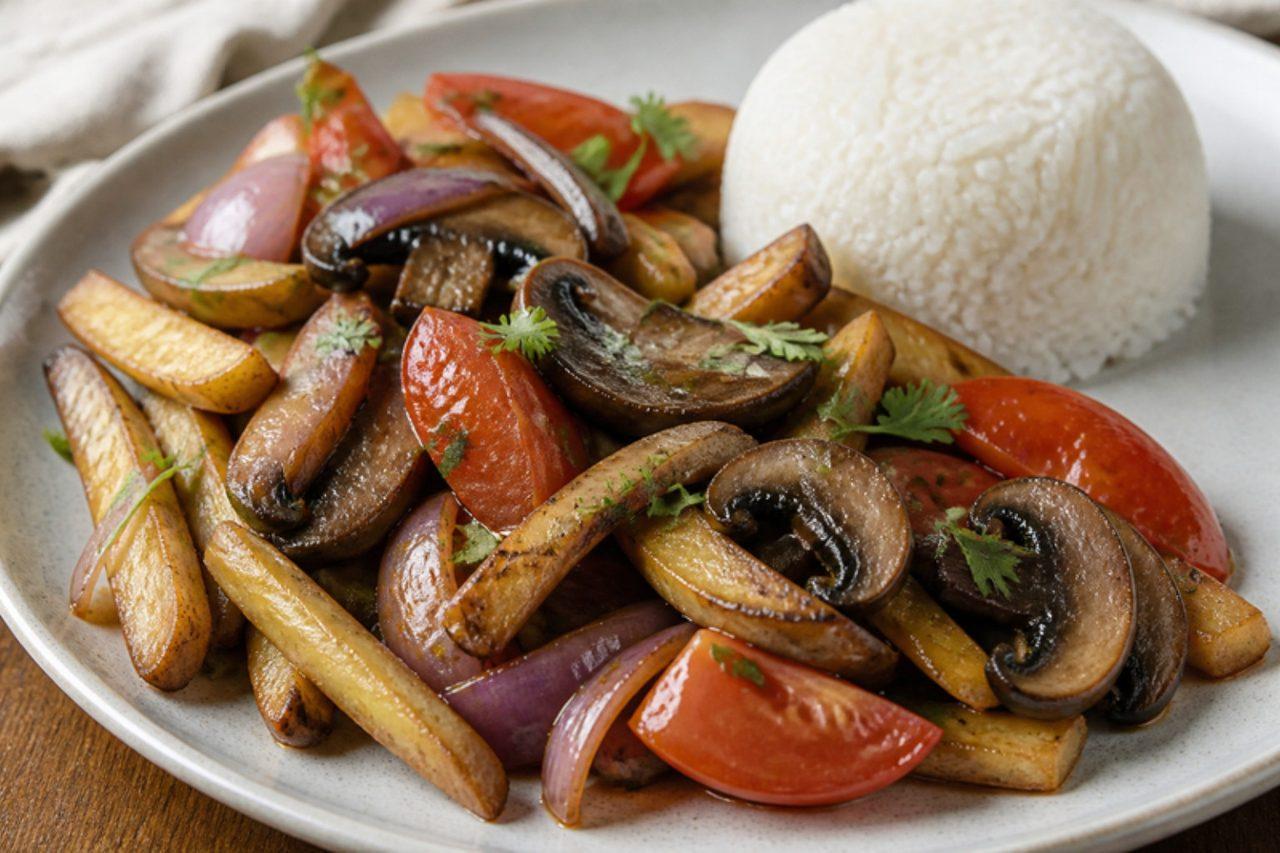
Saltado comes from Lima's chifa tradition, the cooking of Chinese-Peruvian families who brought the wok to Peru in the nineteenth century. The famous version is lomo saltado with beef; this saltado de verduras uses meaty mushrooms in its place. Thick wedges of red onion and tomato are tossed over a fierce flame with garlic, ají amarillo, soy sauce and a splash of vinegar until just wilted, so the vegetables keep their shape and the pan juices turn smoky and savoury. It is always served with both chips and white rice, which soak up those juices. Chef's tip: cook in two batches if your pan is small; a crowded wok steams the vegetables instead of searing them, and the tomatoes collapse into soup.

by KrazyBadal 0 views

Rocoto rellenoStuffed rocoto peppers

Rocoto relleno is the pride of Arequipa's picanterías: fiery rocoto peppers stuffed with a sweet-savoury filling, topped with cheese and baked over sliced potato in an egg and milk custard. The traditional filling is minced beef; this vegetarian version uses mushrooms and lentils fried with ají panca, cumin, peanuts, raisins, olives and boiled egg, which gives the same rich, spiced, slightly sweet bite. The peppers are first blanched several times in fresh water with sugar and vinegar to tame their heat, which is the real skill of the dish. If you can't find rocotos, use small red bell peppers and add a little habanero to the filling. Chef's tip: taste a sliver of rocoto after the second blanching; stop when it is hot but pleasant, and blanch once more if it still burns.

by KrazyBadal 0 views

Bryndzové haluškyPotato dumplings with sheep's cheese

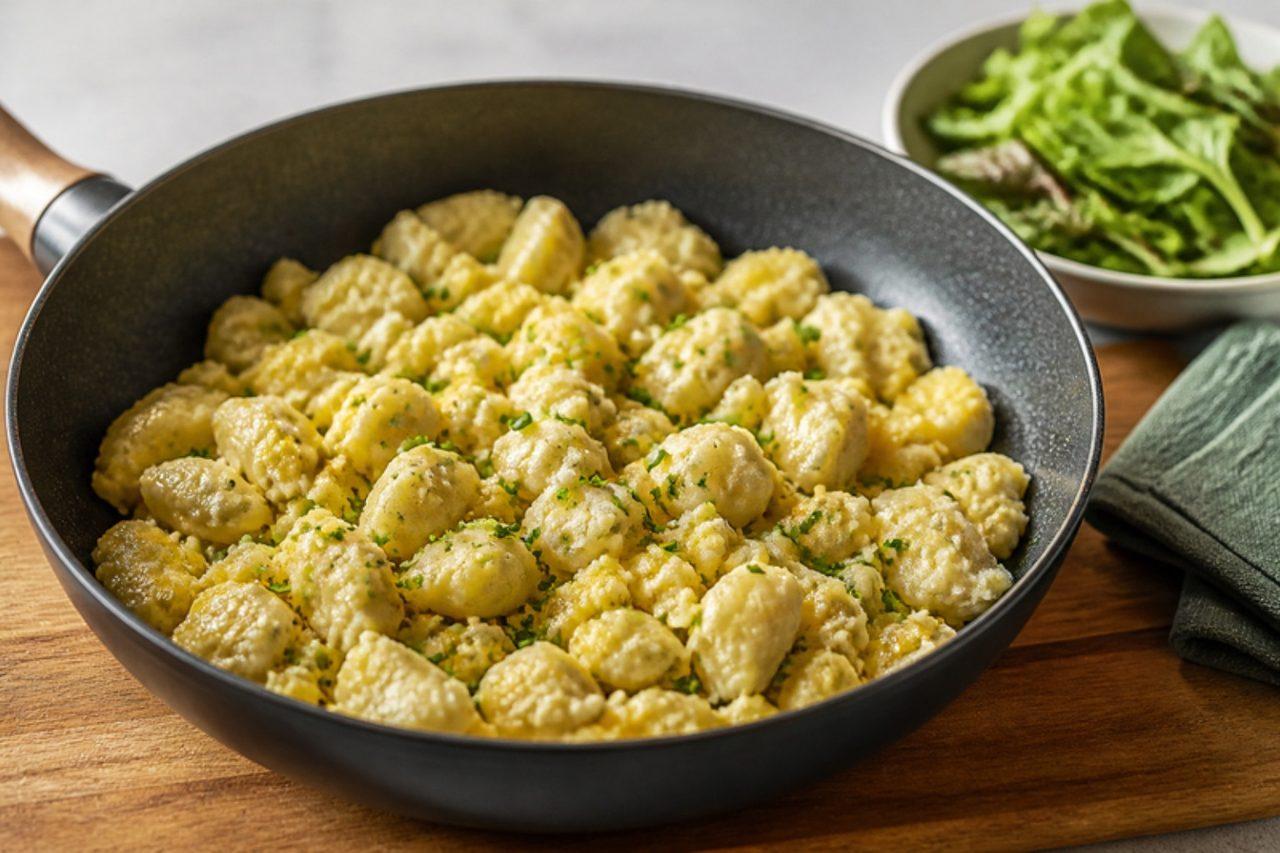
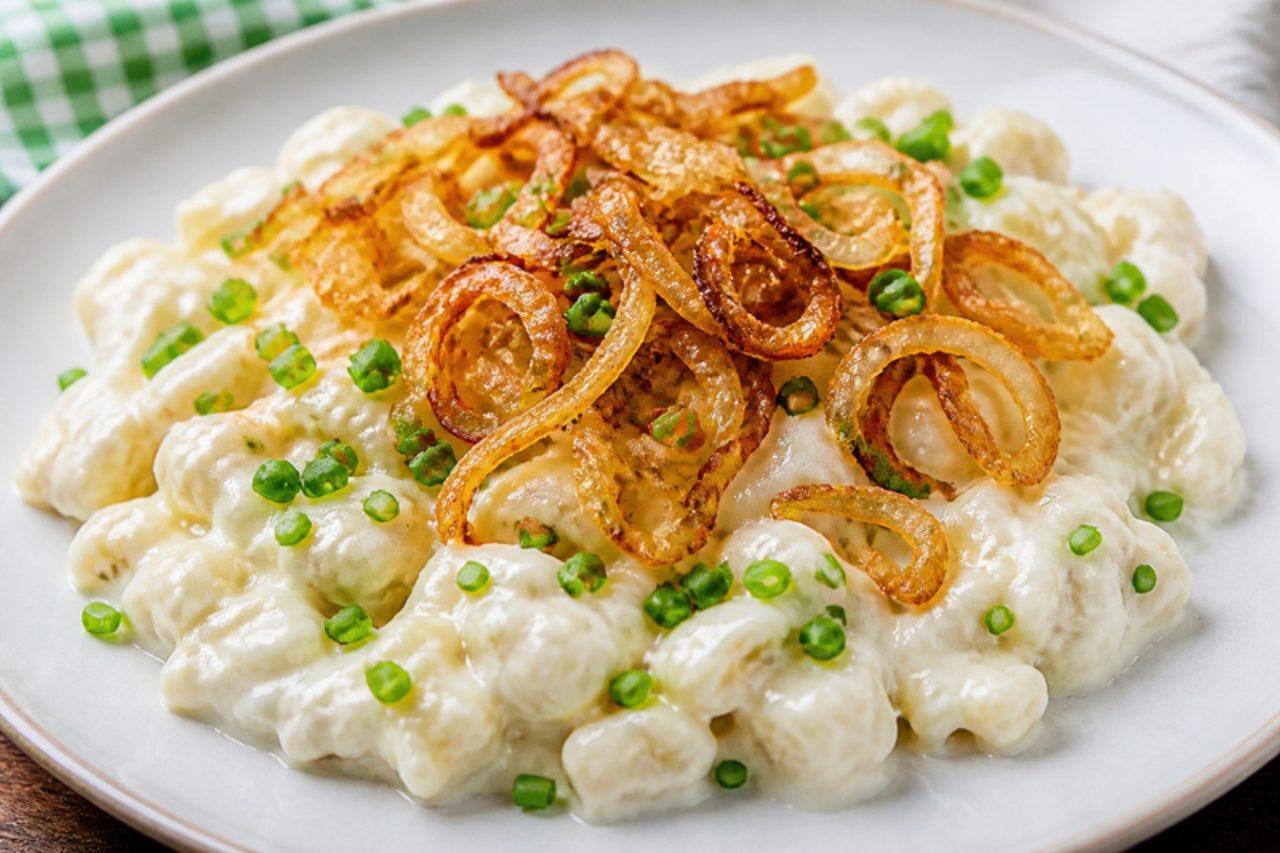
Bryndzové halušky is Slovakia's national dish, cooked in every koliba (timber shepherd's restaurant) in the Liptov and Orava valleys and fought over each summer at the halušky-eating contest in Turecká. Little grated-potato dumplings are tossed while hot with bryndza, a tangy, spreadable sheep's cheese, and finished with a sour milk drink called žinčica. The traditional topping is crisp smoked bacon; here golden fried onions bring the same savoury crunch, and meat-eaters can add bacon on their own plates. Chef's tip: grate the potatoes at the last moment and work fast; grated potato left standing turns grey and watery and the dumplings go heavy.

by KrazyBadal 0 views

Chipa guasuFresh corn and cheese bake

Chipa guasu (Guaraní for 'big chipa') is sopa paraguaya's softer cousin, made from fresh corn instead of cornmeal. The kernels are grated or blended into a milky purée and baked with onion, cheese and whipped eggs into a tender, gently sweet bake that rises and wobbles. It's a summer dish at Paraguayan asados and fiestas patronales (saints' days), eaten beside grilled meat or simply with a tomato salad. Chef's tip: fold in the whisked egg whites last; it's what makes chipa guasu light and puffed rather than dense.

by KrazyBadal 0 views

Smažený sýrBreaded fried cheese

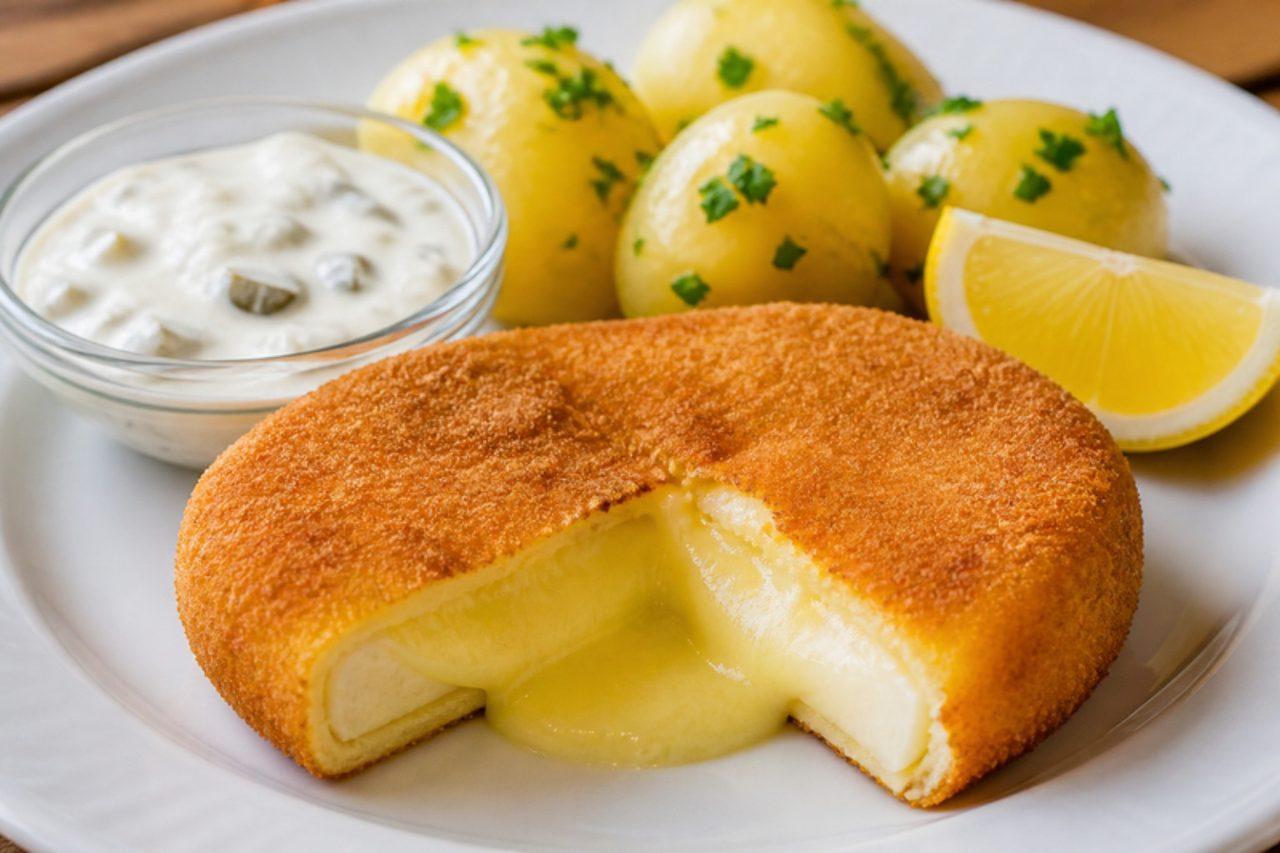
Smažený sýr, a thick slab of breaded Edam fried until molten, is the dish every Czech student orders at a Prague hospoda and the one vegetarian main that turns up on nearly every menu from Brno to the Šumava mountain huts. It comes with tatarská omáčka (tartare sauce) and either boiled potatoes or chips, and a cold pivo on the side. The joy is the crunch giving way to stretchy, salty cheese. Chef's tip: chill the breaded slices for 20 minutes and double-coat them, otherwise the cheese bursts out into the oil before the crumb is golden.

by KrazyBadal 0 views