Skip to content
Recipes

All recipes

Vegetarian, or something you can't eat? Set your diet once and we'll hide recipes that don't fit.

TopfengolatschenSweet quark puff pastry squares

A Topfengolatsche is what Viennese office workers grab from the bakery on the way in, and what grandparents order with a Melange in a coffee house on a Sunday afternoon. The corners of a puff pastry square are folded over a lemony, vanilla-scented filling of Topfen (Austrian quark) with plump raisins, and the top gets a thin white glaze. It is flaky, light and not too sweet. Raisins are sometimes soaked in rum; warm water or orange juice works just as well, and the recipe below is alcohol-free. Wet quark is the classic problem, because it turns the filling runny and it leaks out in the oven. Chef's tip: hang the quark in a sieve lined with a clean cloth for an hour, or squeeze it, until it is as thick as soft cream cheese.

by KrazyBadal 0 views

Kulche birinjiRice flour cardamom cookies

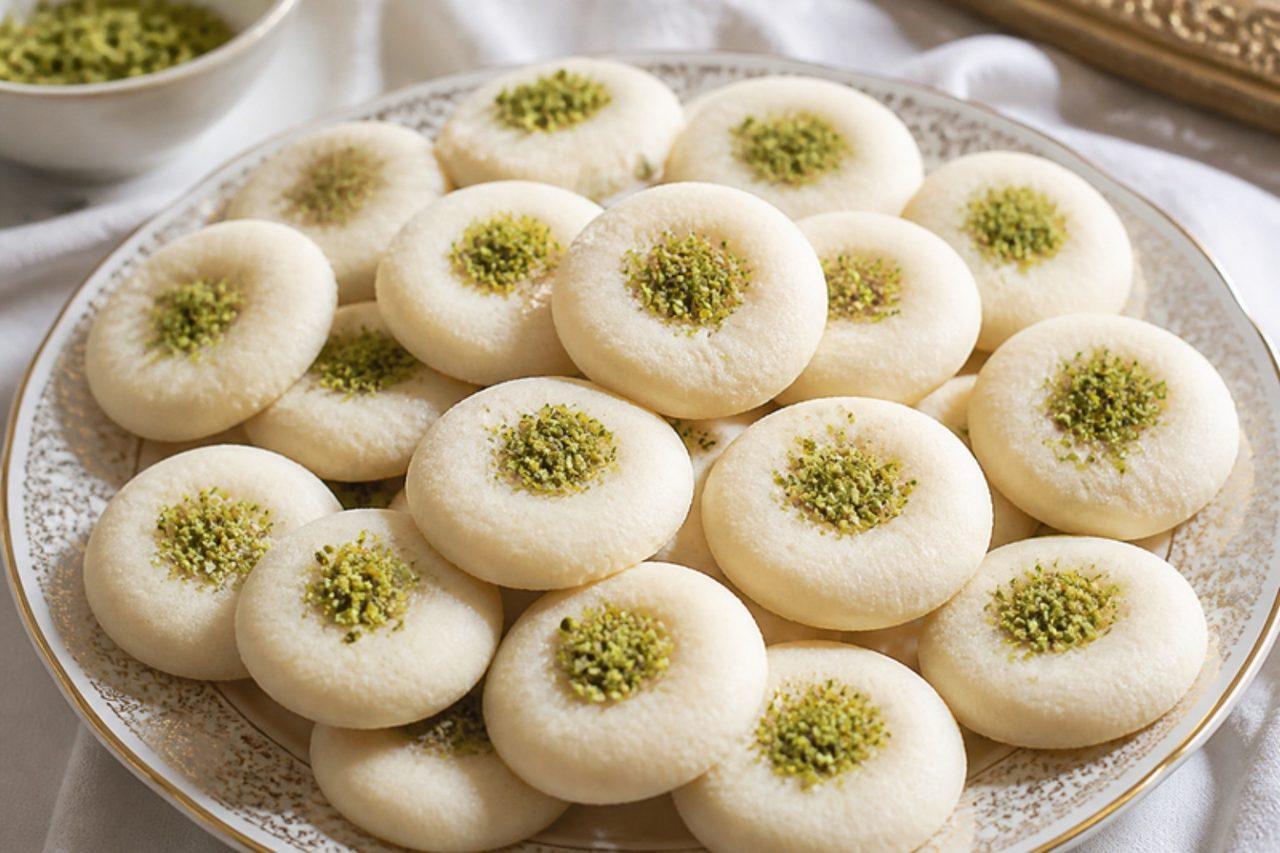
On the morning of Eid, or when Nowruz comes round in March, Afghan households set out a dish of kulche birinji next to the sugared almonds and dried fruit for every visitor. These small, snow-white rounds are made from rice flour, powdered sugar and ghee, scented with cardamom and sometimes rose water, and they dissolve on the tongue almost as soon as you bite. A pinch of ground pistachio pressed into the centre of each gives colour. Serve them with green tea, the way they are offered in Kabul. They are naturally gluten free and eggless. Browning is the common mistake: they should come out as pale as they went in, just firm on the base. Chef's tip: let the dough rest for 20 minutes after mixing so the rice flour drinks up the ghee; it becomes far easier to roll smooth, crack-free balls.

by KrazyBadal 0 views

Kärntner ReindlingCinnamon raisin yeast cake

Carinthia's Easter loaf takes its name from the Reindl, the round, deep pan it is baked in, and in southern Austria no Easter basket goes to church without one. Inside the golden yeast crust is a spiral of butter, cinnamon sugar and plump raisins, so every slice shows a dark swirl. Locals eat it two ways: sweet with coffee on Easter morning, or alongside the savoury Easter platter with horseradish. Many bakers soak the raisins in rum overnight; warm water or tea works just as well and keeps it alcohol-free. A dry, crumbly Reindling usually means too much flour went in during kneading, so keep the dough soft and only lightly floured. Chef's tip: butter the pan well and dust it with sugar, which caramelises into a thin crunchy shell.

by KrazyBadal 0 views

ErdäpfelstrudelSavoury potato strudel

Austrians, especially in the Mühlviertel of Upper Austria and the Waldviertel, make savoury strudels as often as sweet ones, and Erdäpfelstrudel is a farmhouse favourite for a meatless Friday or a cold evening. Thin pastry wraps a filling of potatoes, fried onion, sour cream, marjoram and parsley, baked until crisp and golden and sliced with a green salad or a dill and sour-cream dip. Bought filo makes it easy at home. The mistake to avoid is a wet filling, which turns the pastry soggy underneath. Chef's tip: cool the filling completely before rolling; warm filling makes the layers stick and tear.

by KrazyBadal 0 views

SholaSticky rice with mung beans

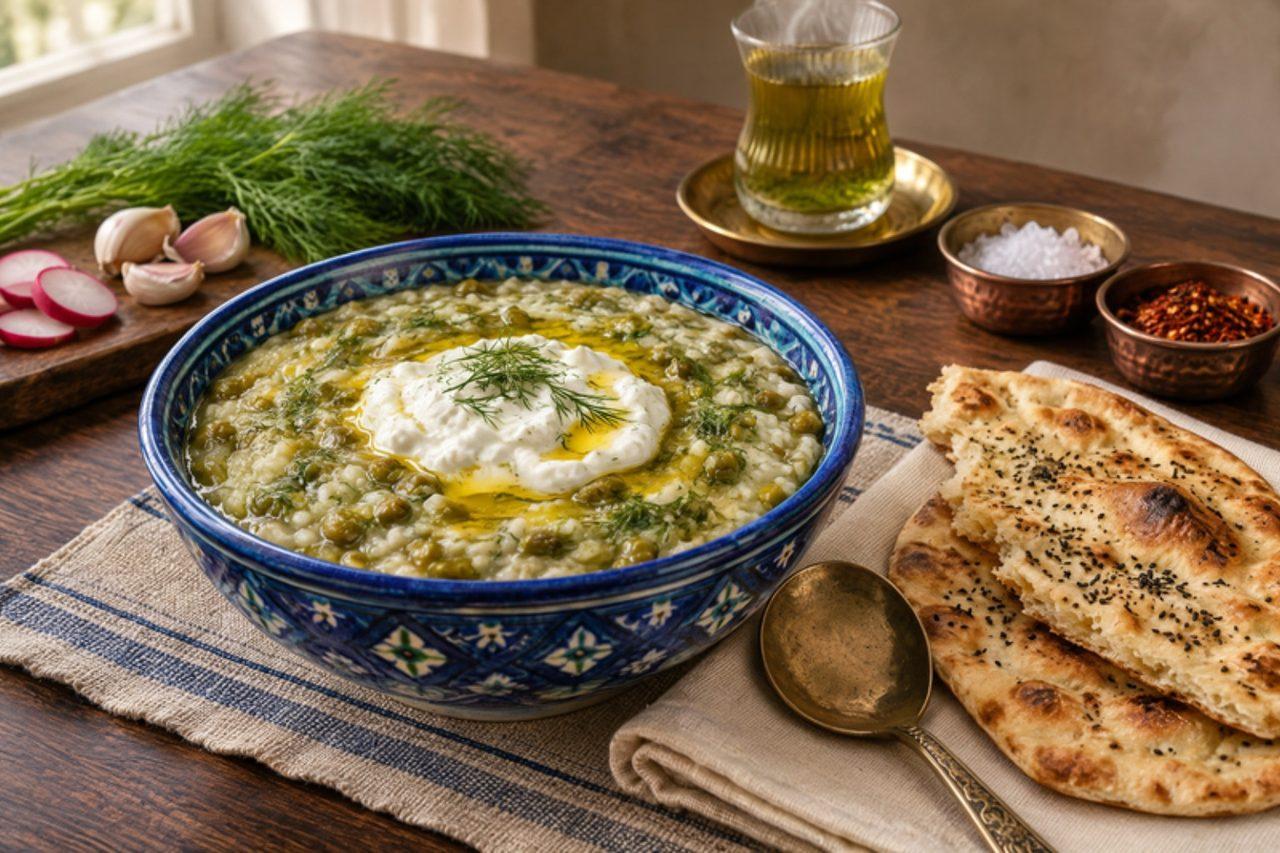
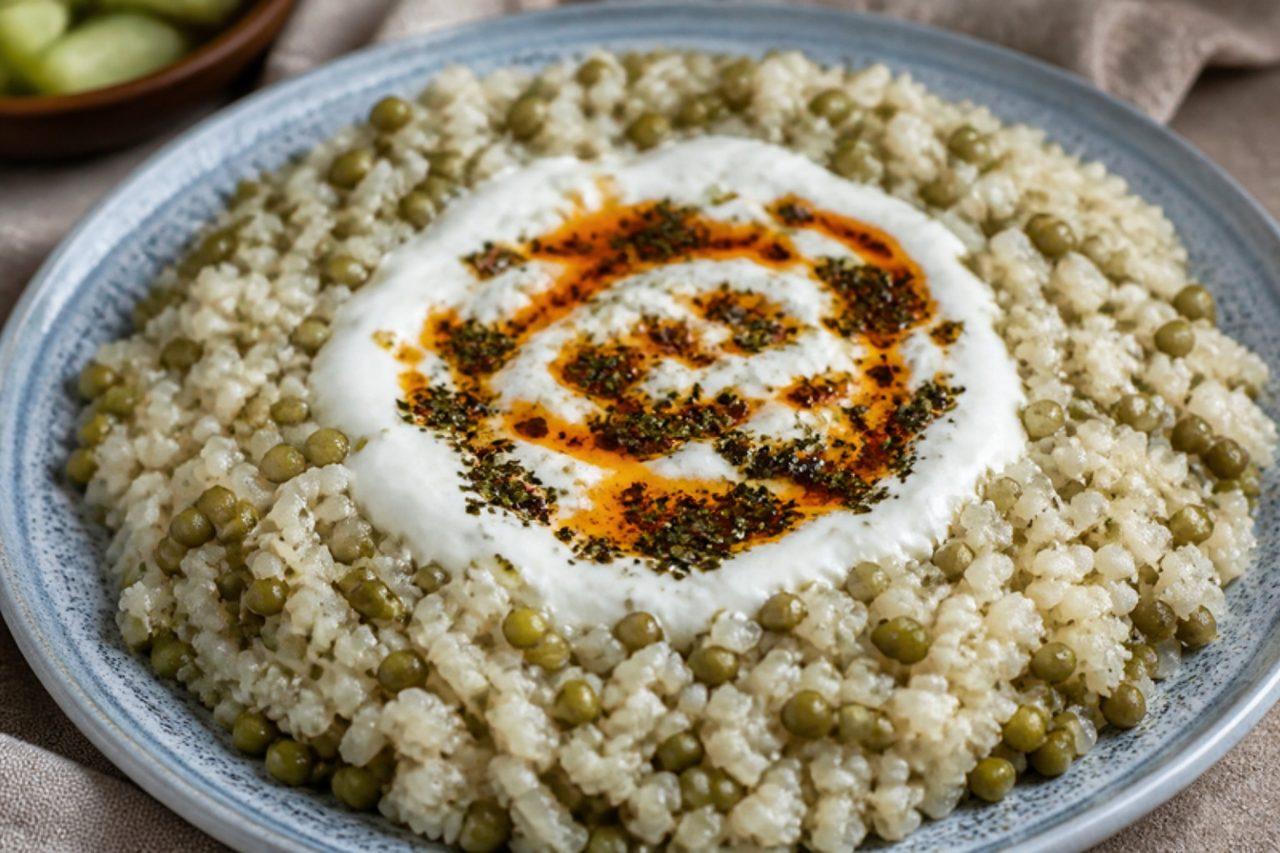
In Kabul and across northern Afghanistan, shola is the pot that comes out on cold evenings, for a family invalid, or when a household wants to share food with neighbours on a Thursday night. Short-grain rice and whole mung beans are simmered together until they collapse into a soft, porridge-like risotto, scented with dill, cumin and a little turmeric. It is spooned into bowls and topped with garlicky yoghurt, a trickle of hot oil and dried mint; in the villages crumbled qurut (dried yoghurt) goes on top instead. The usual mistake is adding the rice at the same time as the beans: mung beans need a head start, or the rice turns to glue before they are tender. Chef's tip: stir the last ten minutes with a wooden spoon and keep the heat low, because shola catches on the bottom just as it thickens.

by KrazyBadal 0 views

VerhackertsSmoked bacon and garlic spread

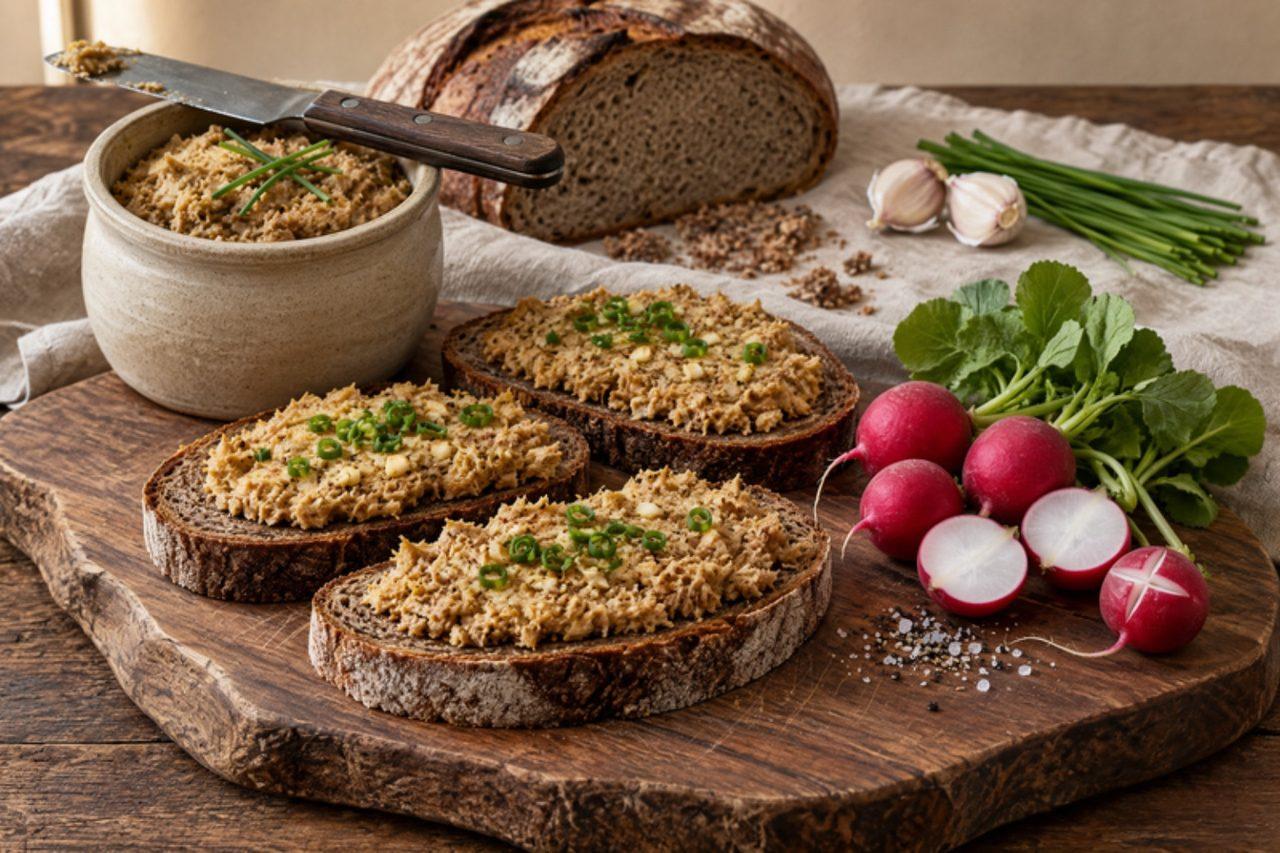
In Styria, in the wine taverns (Buschenschanken) of the south and on farmhouse breakfast tables, verhackerts is spread thickly on dark rye bread with the morning coffee or at the mid-morning Jause: smoked pork bacon and back fat chopped so finely it becomes a paste, seasoned with garlic, salt and pepper. Traditionally it is made from raw cured, cold-smoked Styrian Speck and eaten without cooking; that raw version is not for pregnant women, young children or anyone with a weakened immune system. This safer home version cooks the minced bacon gently until the meat is cooked through (71 °C) before it is chilled into a spread. Serve on rye bread, or gluten-free bread if needed. The common mistake is browning the bacon; it should only render and turn opaque, or the spread goes crumbly instead of smooth. Chef's tip: mince it while the bacon is fridge-cold, almost frozen, so the fat stays in clean little pieces rather than smearing.

by KrazyBadal 0 views

Ei im GlasSoft-boiled eggs in a glass

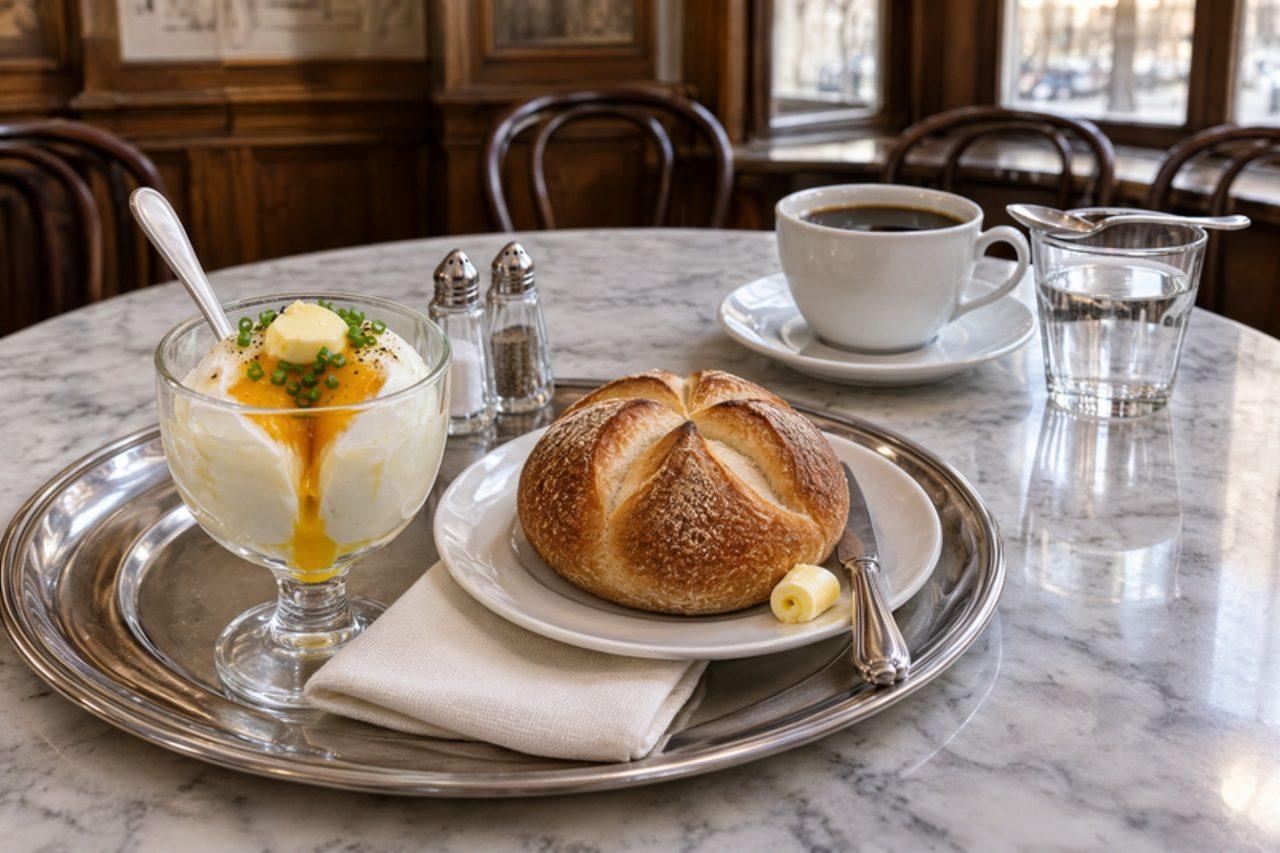
In the old coffee houses of Vienna, the breakfast menu still lists Ei im Glas: two very soft-boiled eggs, scooped warm from their shells into a small glass, with a knob of butter, chives, salt and pepper. You stir it into a golden, custardy mess and eat it with a crisp Semmel roll (gluten-free bread if you need it) and a Melange coffee. The mistake almost everyone makes is boiling the eggs a minute too long, so the yolk sets and the dish turns into plain egg salad. Chef's tip: warm the glass with hot water while the eggs cook, so the butter melts on contact and the eggs stay hot to the last spoonful.

by KrazyBadal 0 views

Qorma-e-lubiaRed kidney bean stew

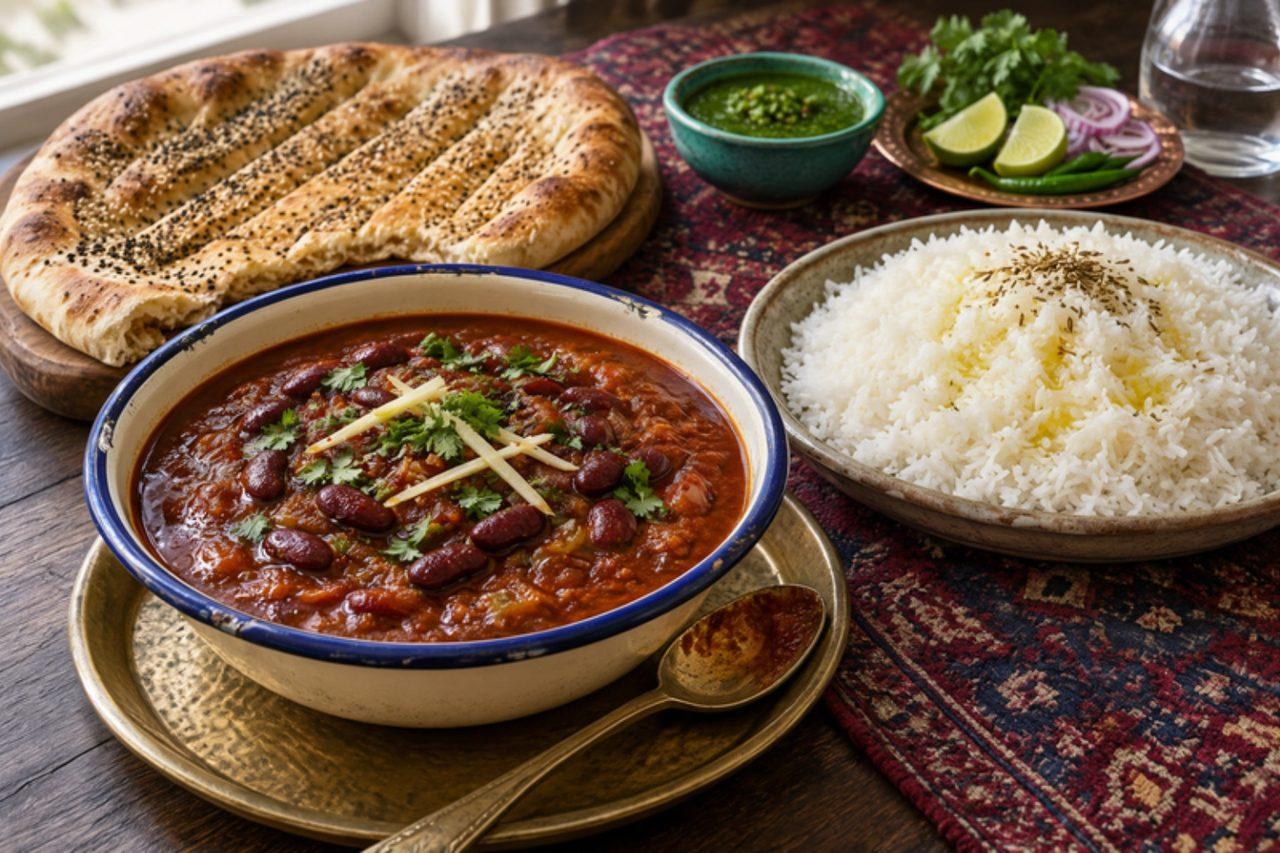
Qorma-e-lubia is everyday Afghan home cooking, made in Kabul and Herat kitchens for weekday lunches and sold from big pots at roadside eating houses with fresh naan. Red kidney beans simmer slowly in a sauce built on deeply browned onion, tomato, garlic and ground coriander until it turns rich and brick-red. Eat it with naan, or with plain challow rice and a salad of tomato and onion. The usual mistake is putting dried kidney beans straight into a slow cooker: they must be boiled hard for 10 minutes first, or they can make you ill. Slow-cooker option: after browning and the hard boil, cook on low for 8 hours. Chef's tip: brown the onions until properly dark, about 15 minutes; that colour is where the stew's depth comes from.

by KrazyBadal 0 views

GrießschmarrnTorn fried semolina pudding

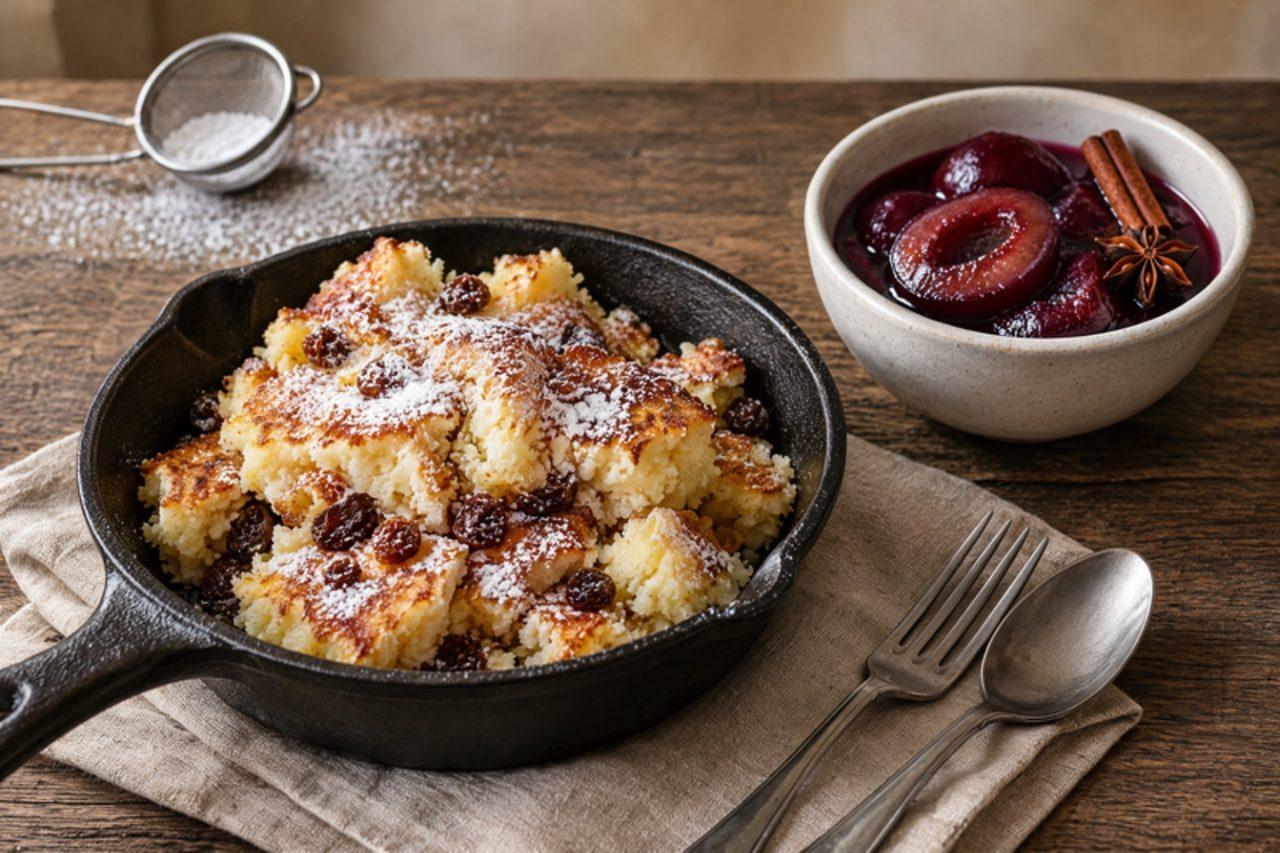
Across Austria and Bavaria, Grießschmarrn is the farmhouse breakfast or light Sunday lunch that grandmothers made from what was always in the larder: semolina, milk, eggs and butter. The semolina is soaked in hot milk until thick, then fried slowly and torn apart with two spatulas into buttery, crisp-edged crumbs, dusted with icing sugar and served with plum or apple compote. The common mistake is turning it too often over a high heat: the crumbs need time on a medium flame to form a golden crust, or they stay pale and pasty. Chef's tip: let the semolina mixture rest for 15 minutes before frying, so the grains swell fully and the Schmarrn crisps instead of sticking.

by KrazyBadal 0 views

Wiener MelangeCoffee with milk and foam

In Vienna you never simply order 'a coffee'; you order by name, and the Melange is the one most Viennese ask for. It arrives in a large cup on a small silver tray with a glass of water and often a tiny chocolate, and you may sit over it for an hour with the newspapers at Café Prückel or Hawelka, mid-morning or after lunch. Traditionally it is a mild, longer espresso (a Verlängerter) with roughly equal hot milk and a soft cap of milk foam; it is gentler than a cappuccino and the foam is looser and creamier. Expect a round, nutty, slightly sweet cup with little bitterness. The common mistake is overheating the milk: once it passes about 70 °C it smells cooked and loses its sweetness and the foam turns big-bubbled and dry. Stop when the jug is too hot to hold for more than a second or two. It is ready when the foam sits in a smooth, glossy dome about a finger thick and the coffee shows as a brown ring at the edge. One cup has about the caffeine of a single espresso. Chef's tip: always serve the glass of water alongside, as Vienna does; it is drunk first to clear the palate.

by KrazyBadal 0 views

EinspännerBlack coffee with whipped cream

The Einspänner is named after the one-horse carriages of old Vienna: coachmen waiting outside in winter supposedly liked their coffee under a lid of cream that kept it hot and stopped it slopping. Today it is served in a handled glass at classic coffee houses, a strong black mocha (a double espresso or Großer Brauner without milk) topped with a thick layer of cold, lightly sweetened whipped cream and a pinch of icing sugar. You do not stir it: you sip the hot, bitter coffee through the cold, sweet cream, so each mouthful is two temperatures and two textures. It is an afternoon or late-morning coffee, often with a slice of Sachertorte. The common mistake is runny cream that sinks and turns the drink into a milky latte; whip it until it just holds a peak and spoon it on gently so it floats. It is ready when the cream stands at least 2 cm above the coffee and slowly sinks at the edges. It is strong: a double shot of caffeine in one glass. Chef's tip: pour the coffee in first and wait ten seconds before adding the cream, so the crema settles and helps support the cap.

by KrazyBadal 0 views

SchnitzelsemmelSchnitzel in a bread roll

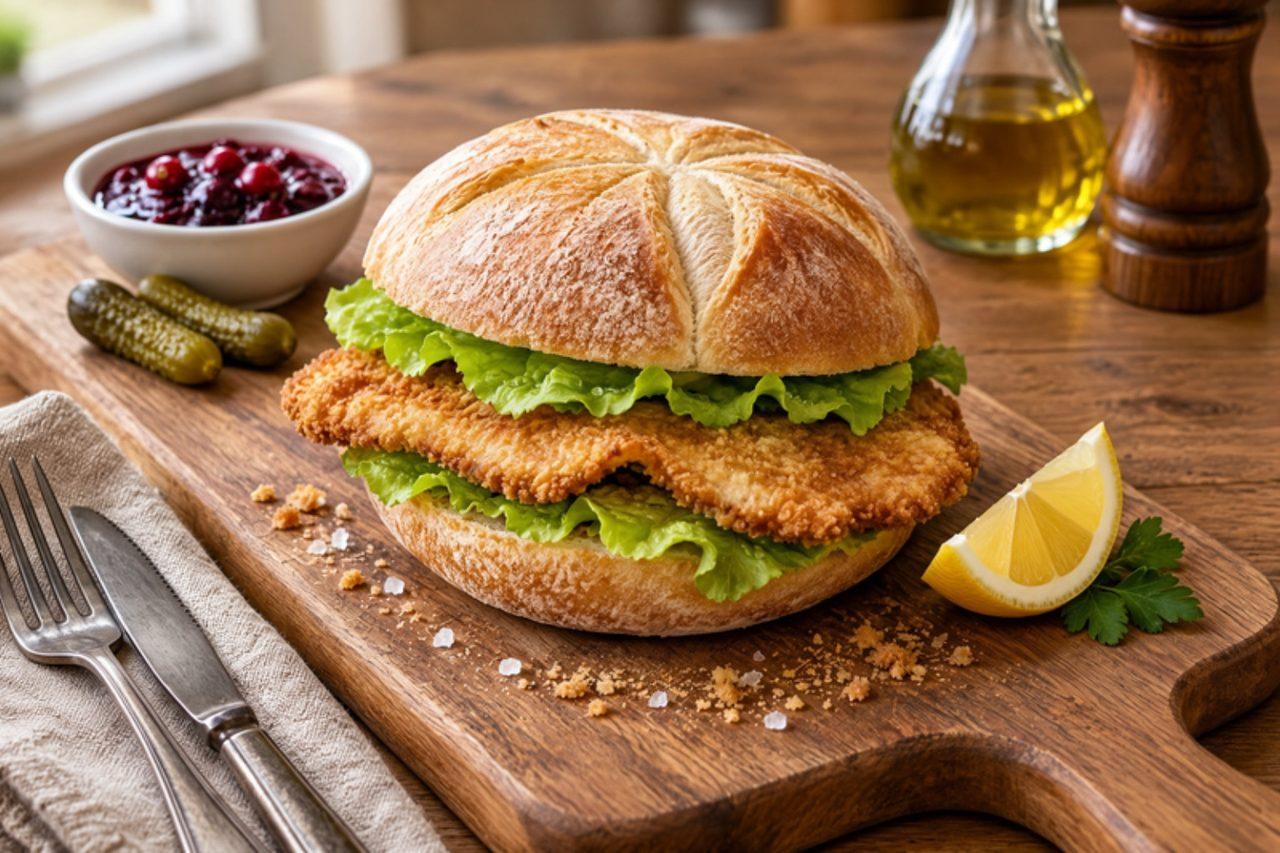
Austrians setting off on a train journey, a ski day or a building-site shift pack a Schnitzelsemmel: a crisp Kaisersemmel roll holding a cold, golden pork schnitzel (veal for special days), a leaf of lettuce and a squeeze of lemon, sometimes with a smear of mustard or a gherkin. Leftover Sunday schnitzels are made for it. The common mistake is pressing the breadcrumbs on hard; they should sit loosely so they puff up and ripple away from the meat as it fries. Chef's tip: shake the pan constantly while frying so hot fat washes over the top, and the crust soufflés into those famous waves.

by KrazyBadal 0 views

Kebab-e-murghYogurt-marinated chicken skewers

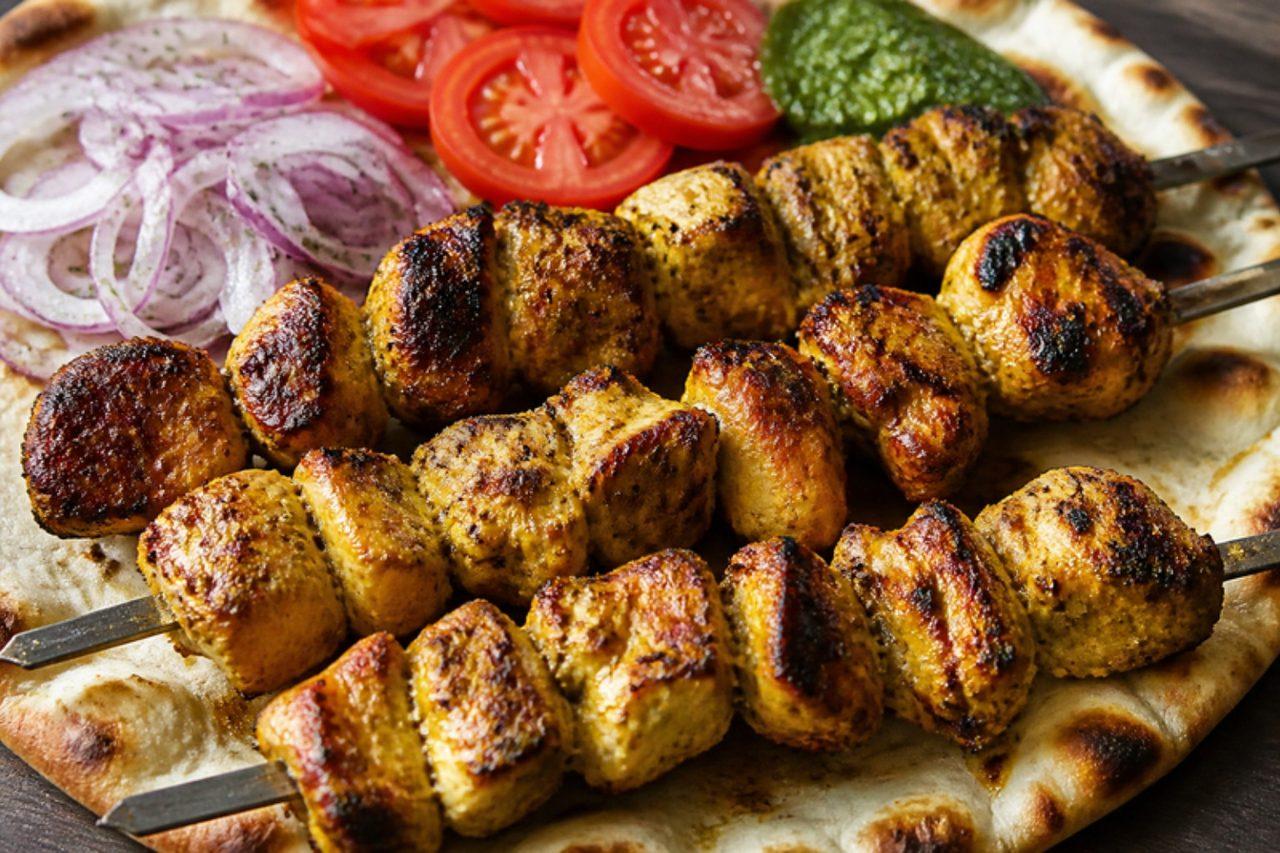
Along Kabul's kebab streets, cooks fan long rows of skewers over charcoal troughs, and chicken kebab-e-murgh has become as popular as lamb, especially with families. The meat is soaked in yogurt with a lot of garlic, lemon and chilli, which keeps it juicy and gives it a tangy, slightly charred crust; it is served on a sheet of naan that catches the drips, with sliced raw onion, tomato and green chutney. At home a hot grill pan or barbecue does the job well. Breast meat cut too small dries out before it chars, so use boneless thighs in generous chunks. Chef's tip: thread the pieces close together but not squashed, which keeps the centres moist while the edges blacken.

by KrazyBadal 0 views

KhajurFried dough cookies

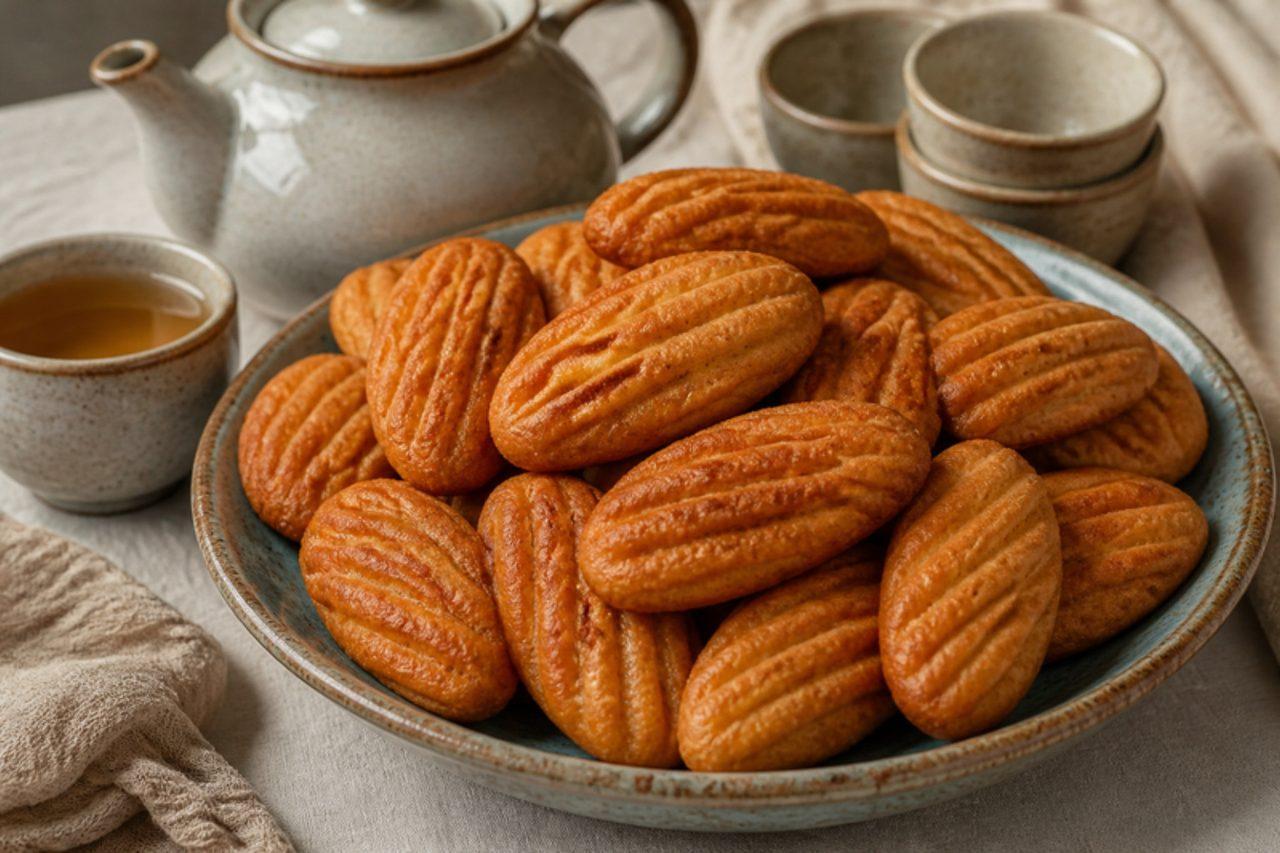
Khajur take their name from dates, which their plump oval shape resembles, but there is no fruit in them: they are little cardamom-scented dough cookies, pressed onto a sieve or the back of a grater for a ridged pattern and fried until deep gold. Afghan families fry great batches before Eid and Nowruz and pack them into tins to offer guests with tea, and Kabul bakeries sell them by the kilo. They are crunchy on the outside with a soft, cakey middle and only gently sweet. Oil that is too hot is the classic error, browning them in a minute while the centres stay raw and doughy; keep it moderate and patient. Chef's tip: fry one test khajur first and break it open, then adjust the heat before frying the rest.

by KrazyBadal 0 views

Kichiri qurootRice and mung beans

Ask Afghans what their grandmother cooked on cold winter evenings and kichiri quroot comes up again and again: a soft mound of short-grain rice and mung beans cooked until creamy and sticky, with a well pressed into the top and filled with qurut, the salty sauce made from dried yogurt balls. Hot oil with dried mint is poured over just before it reaches the table, and the rice is eaten with a spoon from a shared plate. Families in Kabul often serve it with a pan of meatballs in tomato sauce on the side; this is the meatless version, which is just as common on a quiet night. If you rinse all the starch away it will never turn sticky, so wash the rice only once. Chef's tip: if you can't find qurut, thick strained yogurt with a pinch of salt and garlic gives you something close.

by KrazyBadal 0 views

Kandahari tikkaGrilled lamb chunks

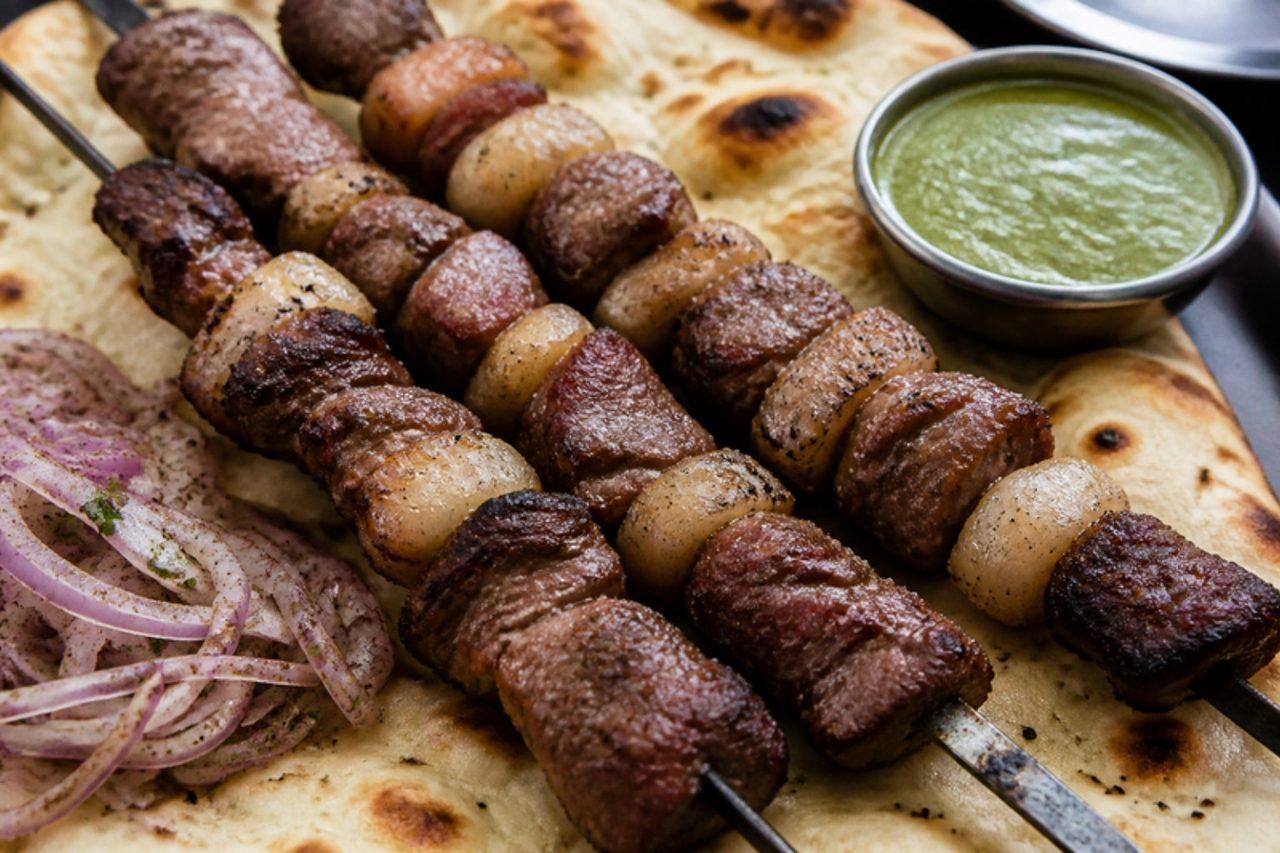
Kandahar's tikka houses pride themselves on doing very little to the meat: chunks of lamb, threaded on wide iron skewers with small pieces of tail fat between them, are rubbed with grated onion, salt and black pepper and grilled over fierce charcoal until the fat drips and flares. The result is smoky, juicy and peppery, with crisp edges and a clean lamb flavour, and it is served on hot naan with raw onion, tomato and a sharp green chutney. Over-marinating in onion is a common misstep, as the juice softens the surface into mush after a day; two to four hours is plenty. Chef's tip: let the skewers rest for 2 minutes on the naan before eating, so the bread soaks up the juices.

27 minAfghanMeatGluten free
by KrazyBadal 0 views

Afghan dopiazaLamb with onions and split peas
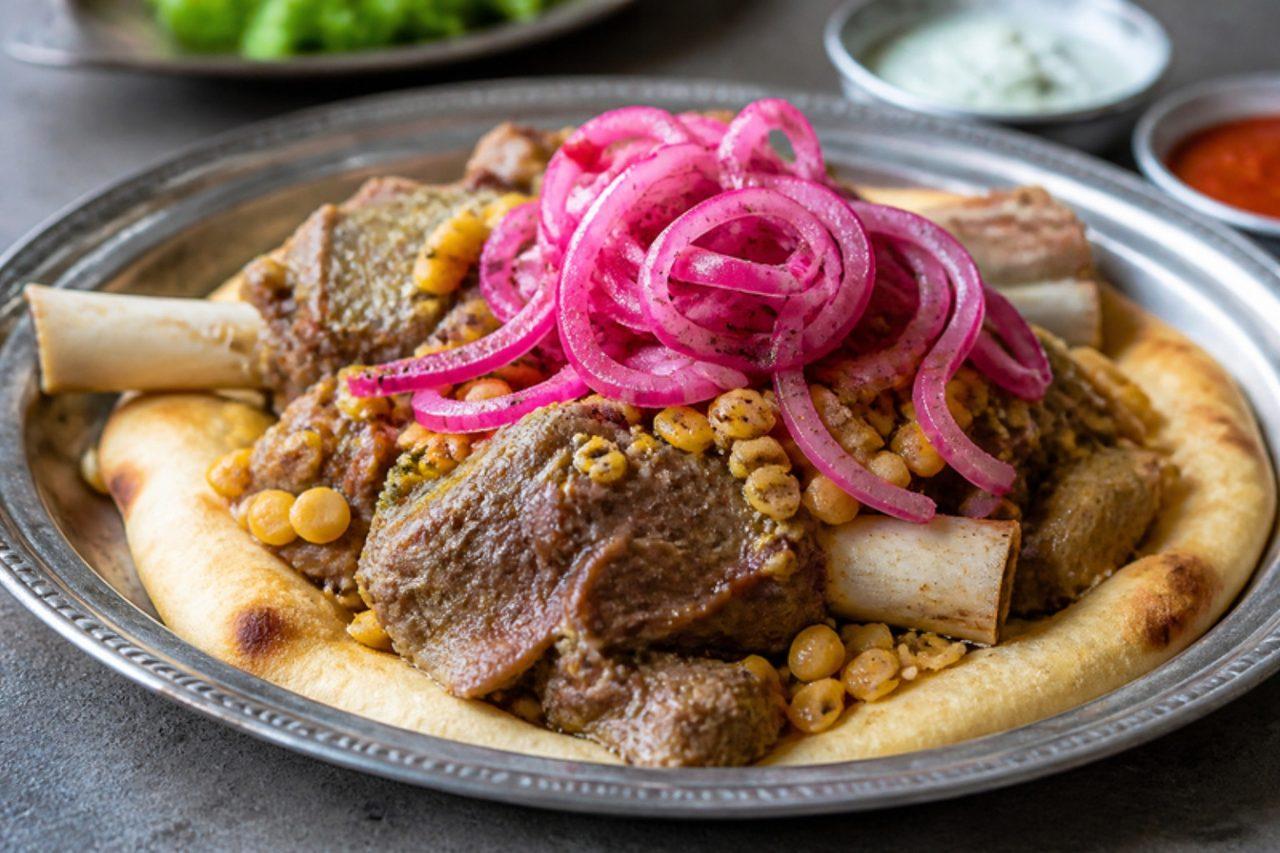
Afghan dopiaza has little in common with the Indian curry of the same name: in Kabul and Mazar it is a dish of chaikhanas and lunch restaurants, where a slab of naan is laid on the plate, covered with chunks of lamb braised with onion until soft, then topped with boiled yellow split peas and a tangle of red onions that have been sitting in vinegar until they turn pink. The juices soak into the bread, the onions are sharp and crunchy, the split peas earthy, and the whole thing is eaten with the fingers. Split peas cooked to mush ruin the contrast, so boil them only until just tender and drain at once. Chef's tip: soak the sliced onions in vinegar at least 30 minutes ahead; they lose their harshness and turn a beautiful bright pink.

120 minAfghanMeat
by KrazyBadal 0 views

Kishmish panirFresh cheese with raisins

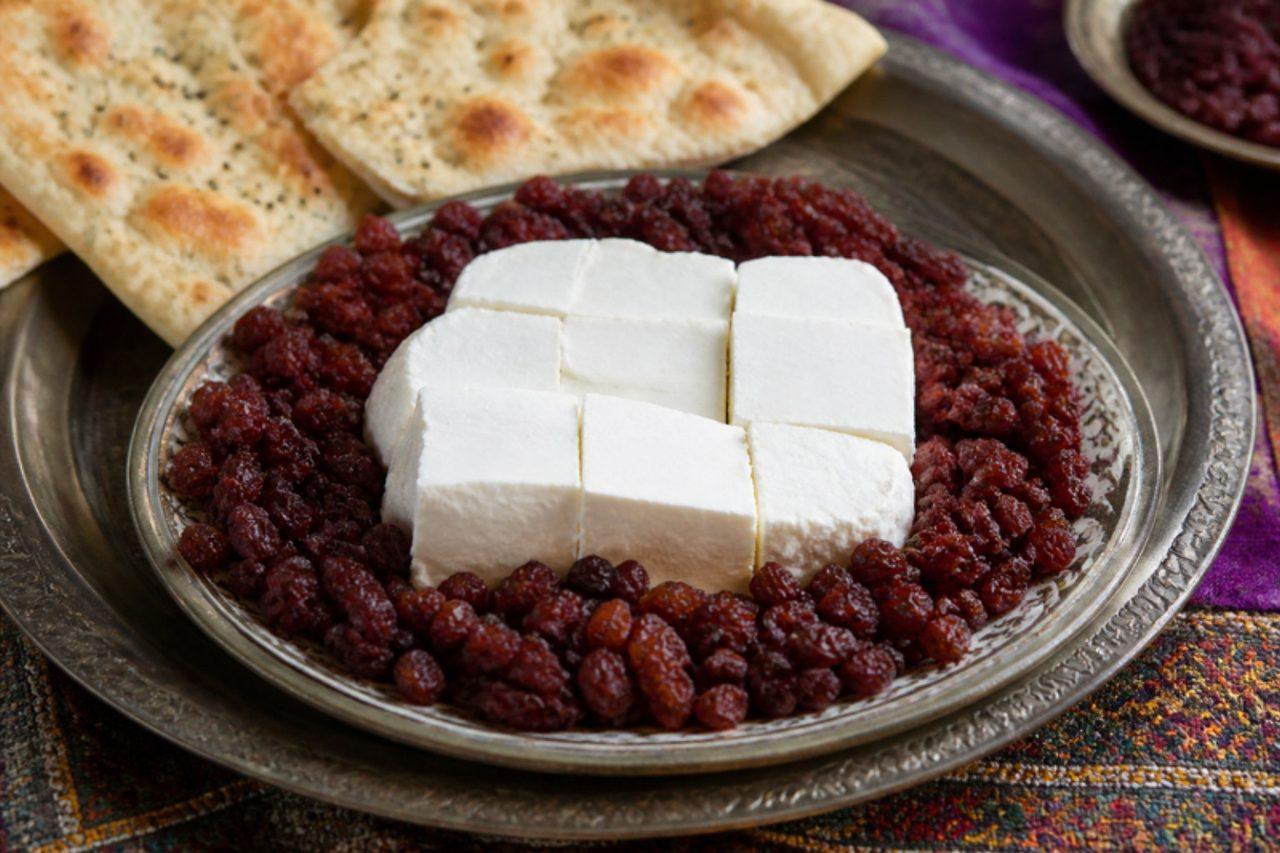
Spring in Kabul is announced by sellers who appear on street corners with trays of soft white panir laid on leaves and a heap of dark red raisins beside it, and kishmish panir becomes the snack of the season. The cheese is unripened and barely salted, milky and springy like a just-set curd, and the chewy, sweet-tart raisins are eaten alongside it in alternate mouthfuls, usually with a piece of naan and a glass of green tea. Afghan panir is set with rennet, traditionally animal rennet, so use a vegetarian (microbial) rennet to keep it vegetarian, and always start with pasteurised milk. The batch that refuses to set has nearly always been made with UHT or ultra-filtered milk, which will not curdle with rennet. Chef's tip: soak the raisins in cold water for half an hour first; they plump up and stop tasting dusty.

by KrazyBadal 0 views

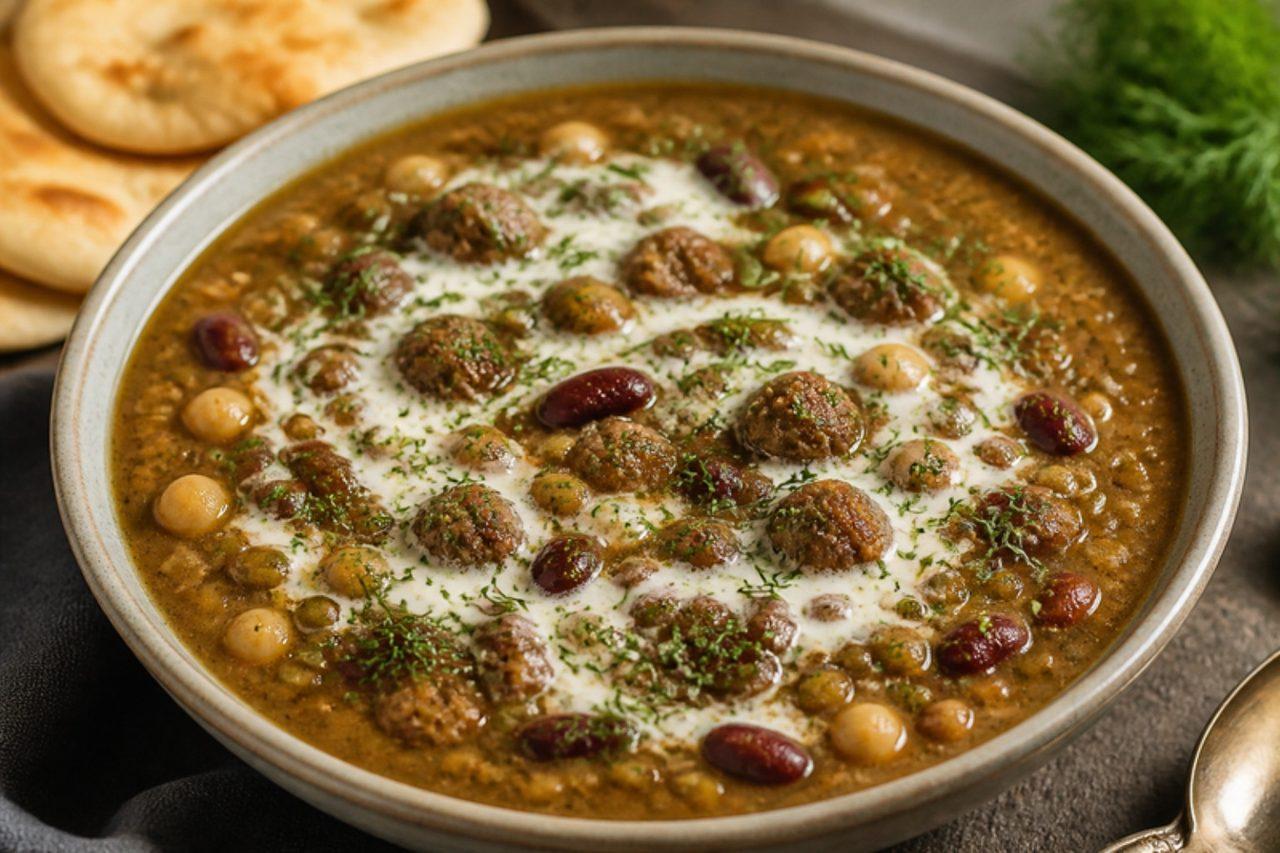
MashawaBean soup with meatballs

When winter closes the roads around Mazar-i-Sharif and Kunduz, mashawa is the pot that simmers longest on the bukhari stove: a thick, tangy soup of mung beans, chickpeas and kidney beans, with tiny meatballs poached in it and a spoonful of qurut, salty dried yogurt, stirred through at the end. Dill and dried mint make it smell like a summer garden, and a little chilli warms it up; it is eaten with naan as a full meal, and Kabul families make it too. Bean soups like this stick to the pan and scorch easily once the beans soften, which leaves a bitter taste, so stir from the bottom often. Chef's tip: keep the meatballs no bigger than a hazelnut; they cook quickly and you get one in every spoonful.

by KrazyBadal 0 views

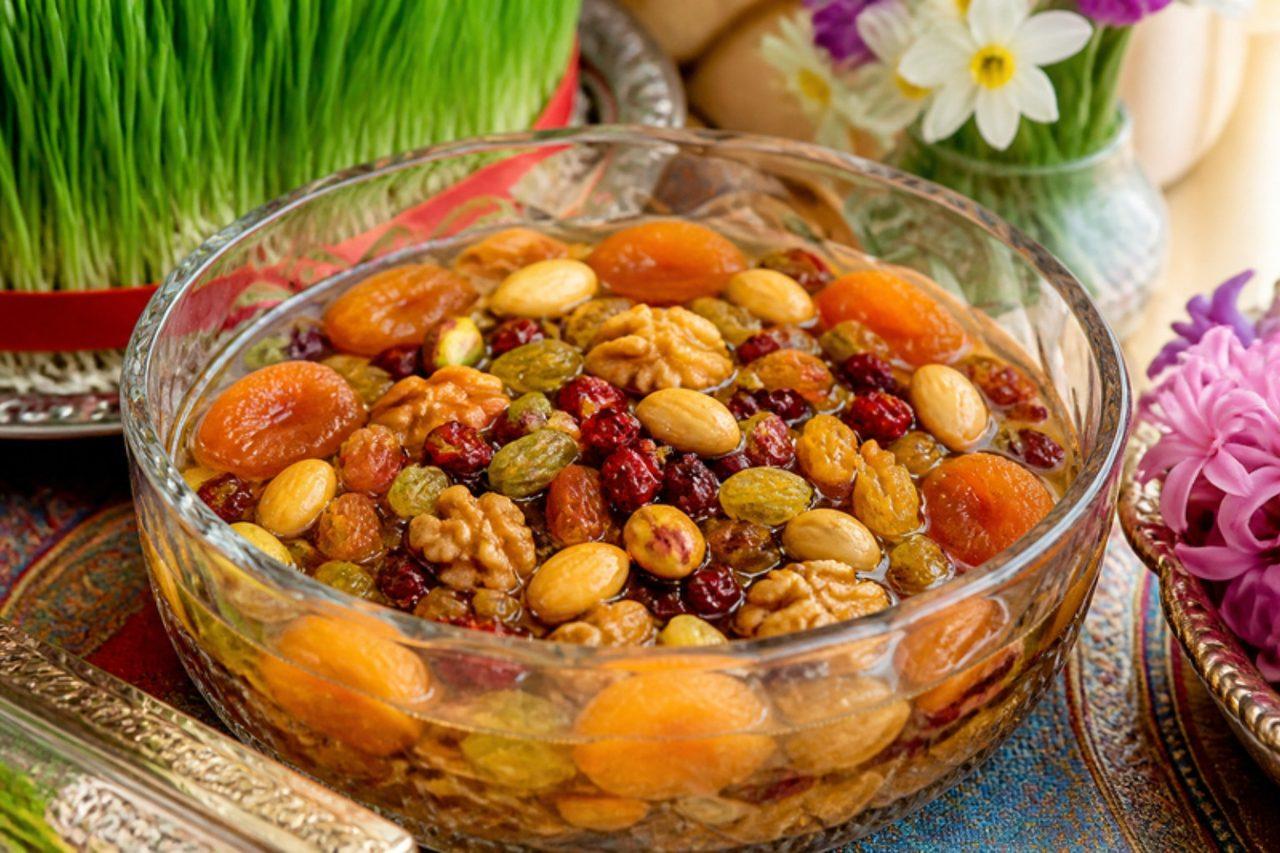
Haft mewaSeven dried fruit compote

Haft mewa is the first thing many Afghan families offer visitors on Nowruz, the spring new year on 21 March, and in Mazar-i-Sharif and Kabul it sits in a big glass bowl on every table set for the holiday. Seven kinds of dried fruit and nuts, typically green and red raisins, apricots, walnuts, almonds, pistachios and senjed (dried oleaster berries), are steeped in water for two days until the fruit swells and releases its sugar into a pale amber syrup, while the nuts soften to a fresh, milky crunch. It is ladled into small bowls with plenty of liquid and eaten with a spoon. Skipping the peeling of the almonds is the most common shortcut, and it leaves bitter, papery skins floating in the syrup. Chef's tip: use cooled boiled water for the soak and keep the bowl in the fridge, which keeps the syrup clear and sweet.

by KrazyBadal 0 views

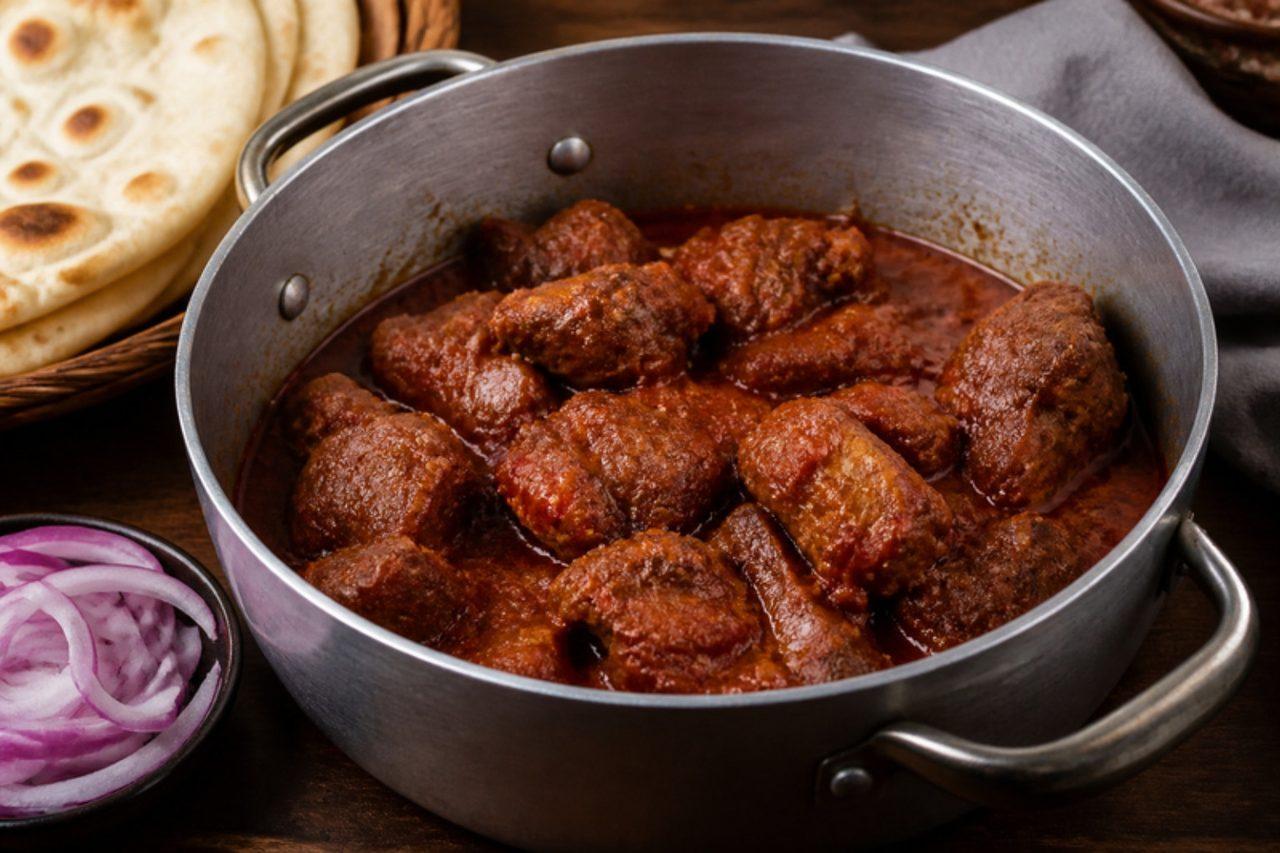
Kabab-e-daygiPot-cooked lamb kebab

Daygi means from the pot, and this is the kebab Kabul families make when there is no grill or the weather is too cold for one: chunks of lamb browned hard, then left to cook slowly with onions, tomato, garlic and green chilli in a covered deg, with barely any water, until the meat is soft and coated in a thick, concentrated sauce. It is a Friday lunch and party dish, set out with stacks of naan, raw onion and radishes and a bowl of yogurt. The flavour is deep and meaty with black pepper and coriander seed. Adding water early to stop it sticking just boils the lamb; trust the onions and tomatoes to give up their juice and keep the heat low. Chef's tip: uncover for the final 10 minutes and let the sauce fry in the rendered fat, which gives the glossy finish that makes it a kebab rather than a stew.

120 minAfghanMeatGluten free
by KrazyBadal 0 views

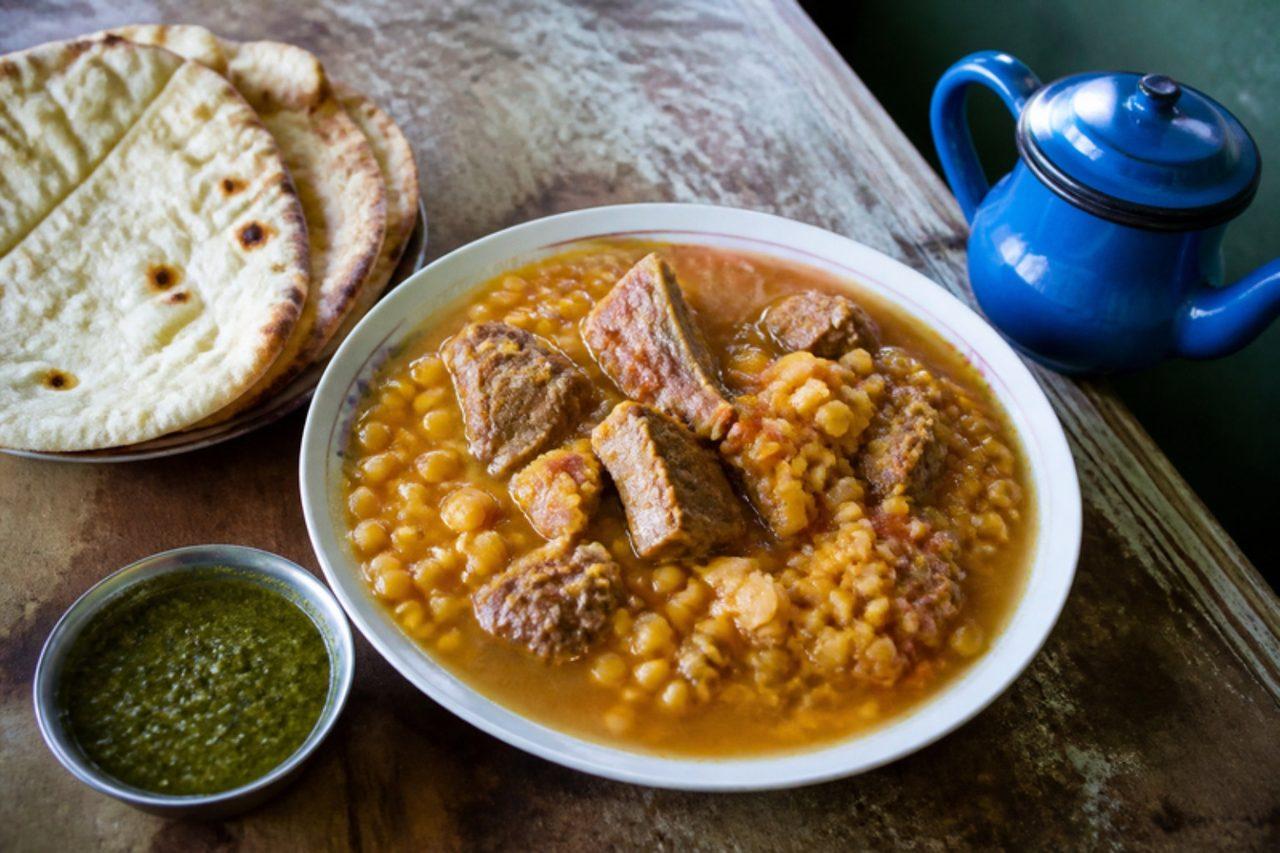
ChainakiTeapot lamb with split peas

In the teahouses of northern and central Afghanistan, from Mazar to the Salang road, every traveller who orders chainaki gets his own small metal teapot packed with lamb, onion, split peas and water, set in the embers beside the samovar from morning until lunch. When it is ready, the broth is poured off over torn naan in a bowl and the soft meat eaten after, with raw onion and green chilli. The taste is simple and pure: clean lamb, sweet onion, a little turmeric and pepper. Rushing it on a high flame toughens the meat and boils the broth cloudy, so the heat should be so low that the liquid only trembles. Chef's tip: a small heavy lidded casserole in a low oven gives exactly the same result as the teapot, with no risk of it boiling dry.

165 minAfghanMeatGluten free
by KrazyBadal 0 views

Kandahari pomegranate juice

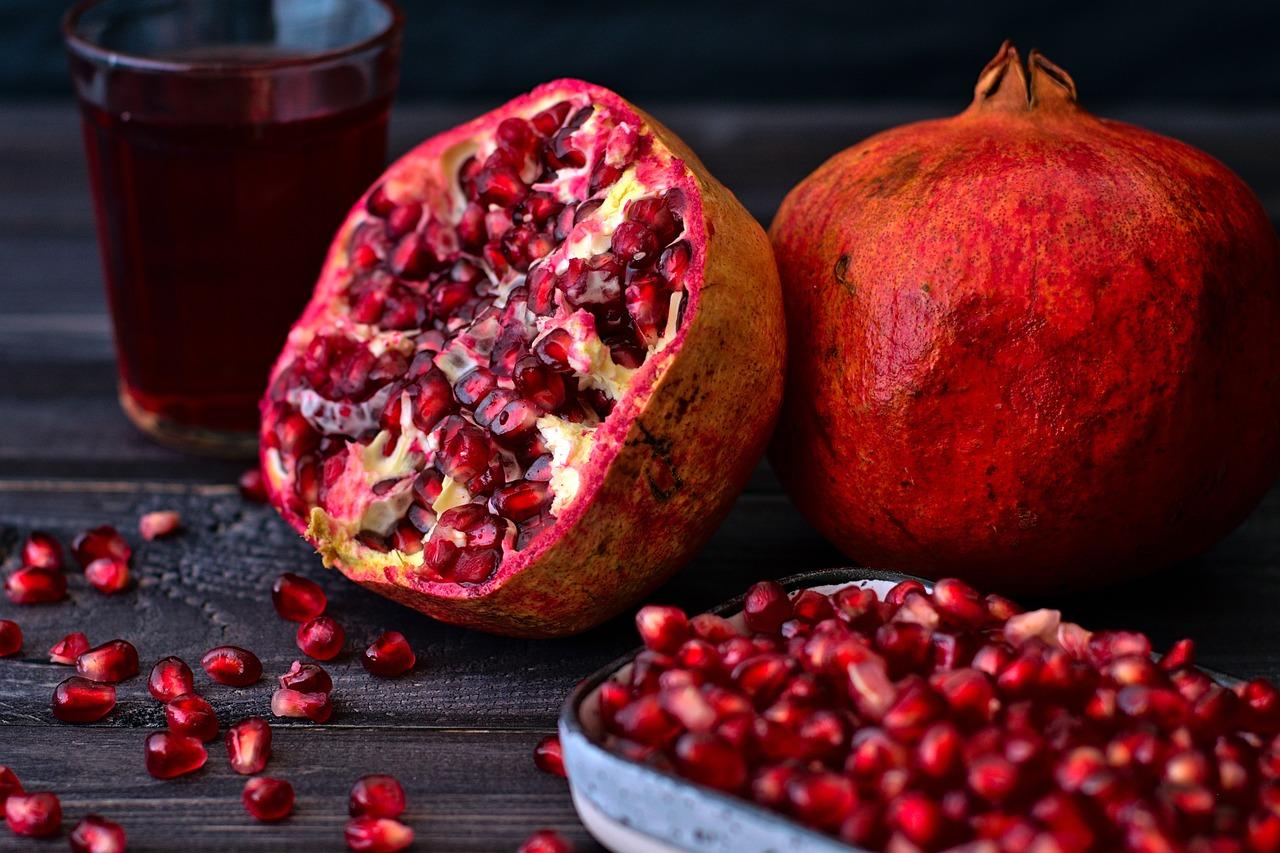
Kandahar's pomegranates, heavy fruits with dark ruby seeds and soft pips, are the pride of southern Afghanistan, and in October and November juice stalls in the city's bazaars press them to order in big iron hand presses. The juice is deep red, sweet with a clean sour finish and a faint tannic grip, drunk on its own in a tall glass, often with a pinch of salt. At home you can get almost the same thing with a citrus press or a blender. The bitterness that ruins many homemade glasses comes from crushing the white pith and hard pips, so blend the seeds only for a few seconds, or press the halves gently. Chef's tip: roll each whole pomegranate firmly on the worktop before cutting it, which bursts many of the seeds inside and makes juicing faster.

by KrazyBadal 0 views

Afghan green chutney

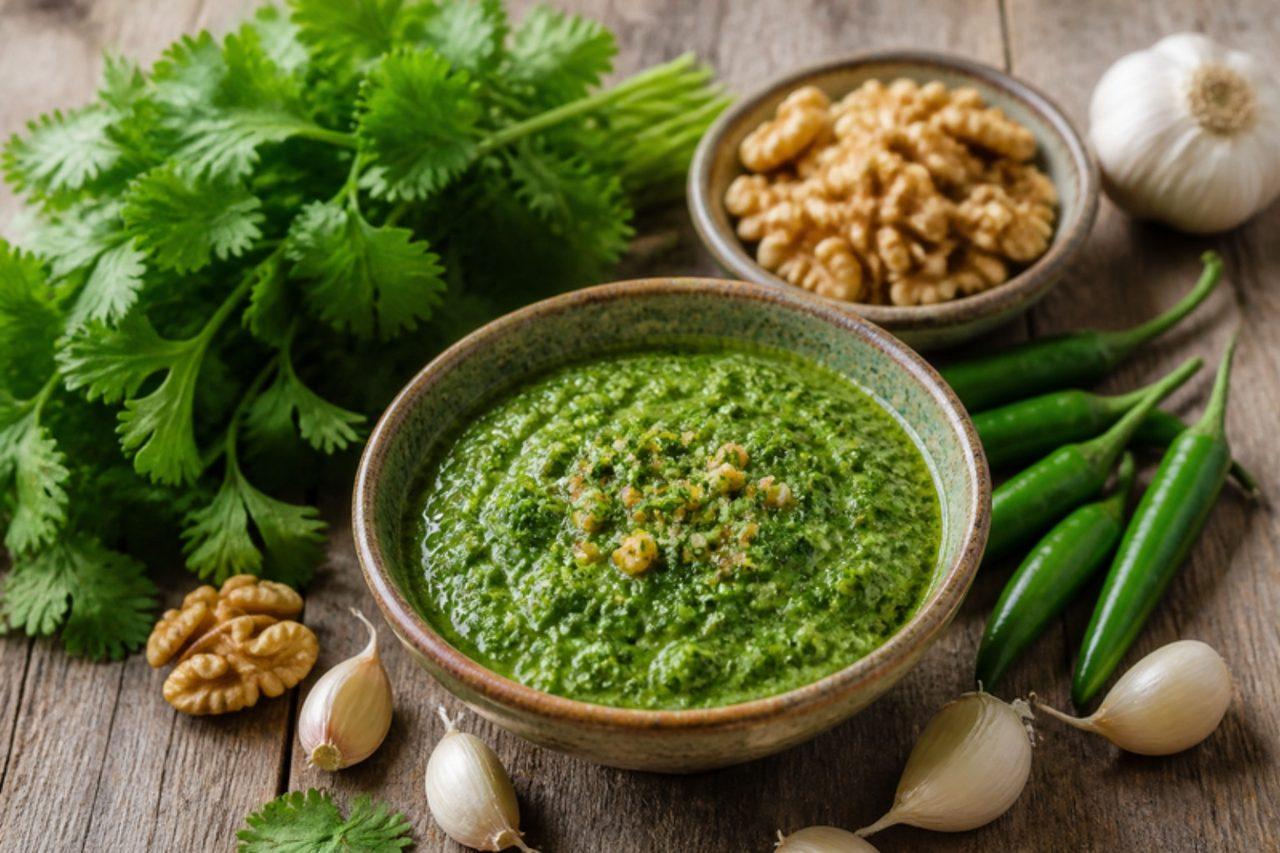
No Afghan table of kebab or palaw feels complete without a little bowl of green chutni, the sharp, fiery relish spooned beside the rice, onto bolani and over grilled meat from Kabul to Kandahar. Unlike many South Asian green chutneys, the Afghan one leans on vinegar rather than lime and is thickened with walnuts, so it is slightly creamy, bright green and properly hot, with a pungent hit of raw garlic. Households make a jar at a time and keep it in the fridge through the week. People often blitz it into a thin juice; pulse it instead so you can still see flecks of leaf and nut. Chef's tip: keep the coriander stalks in, as they have more flavour than the leaves and help the chutney stay green for days.

by KrazyBadal 0 views

Showing 24 of 106 recipes

Show more recipes

Page 1 of 5