Skip to content
WhatToEat.Today

All recipes

238

Vegetarian, or something you can't eat? Set your diet once and we'll hide recipes that don't fit.

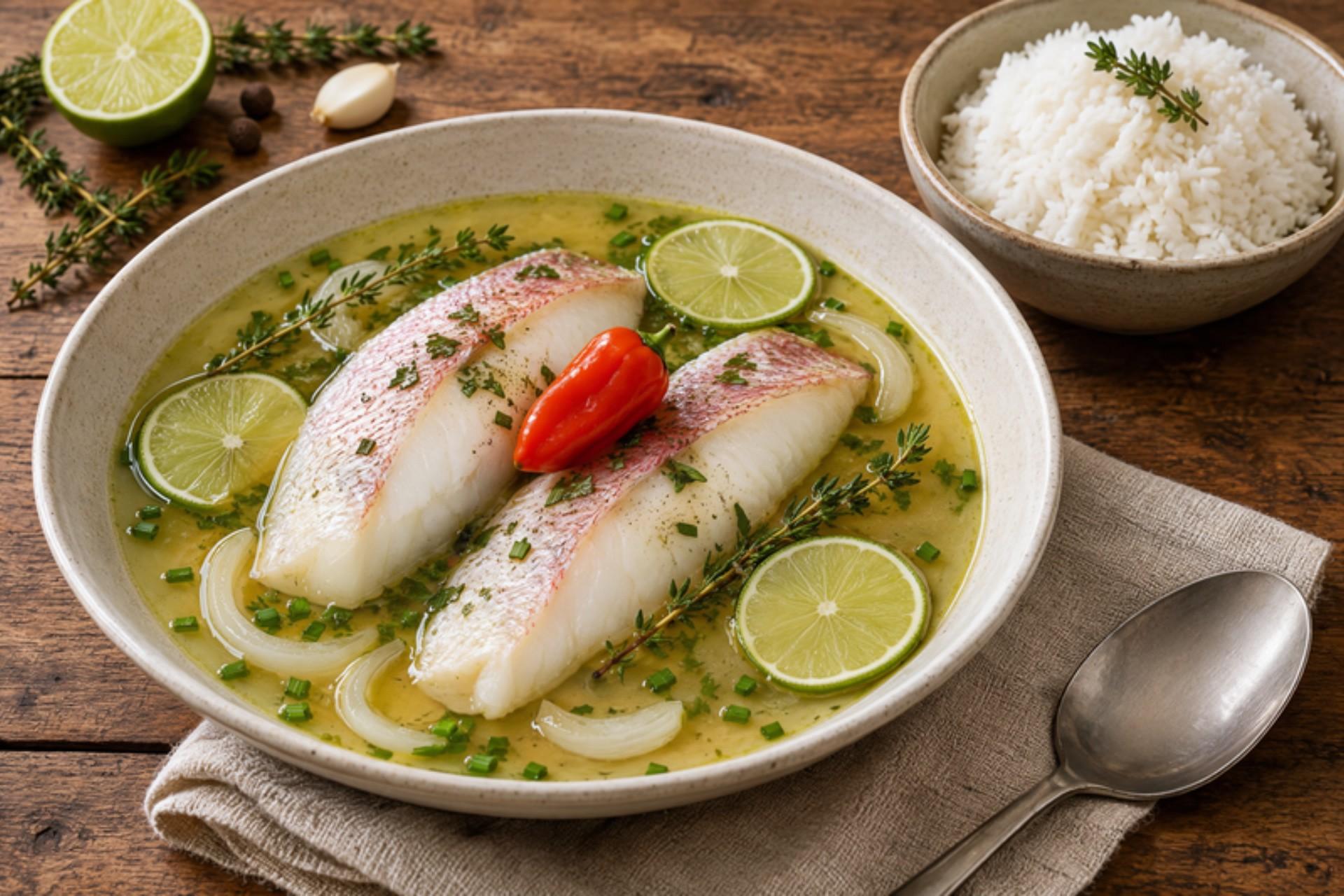
Blaff de poissonFish in lime broth

Blaff is the fisherman's breakfast and lunch of Martinique and Guadeloupe, cooked in Sainte-Anne or Deshaies with fish bought straight off the boats in the morning. The name is said to echo the splash the fish makes as it drops into the boiling broth. Red snapper steaks are marinated in lime, garlic and hot pepper, then poached briefly in a clear broth fragrant with bois d'Inde (allspice berries), thyme, chive and a whole hot pepper. It contains fish. The common mistake is boiling the fish hard or too long, so it falls apart and dries out; it needs only a gentle simmer. It is done when the flesh is opaque all the way through and flakes easily from the bone. Serve with white rice or boiled green bananas. Chef's tip: squeeze in fresh lime just before serving to wake up the broth.

by KrazyBadal 0 views

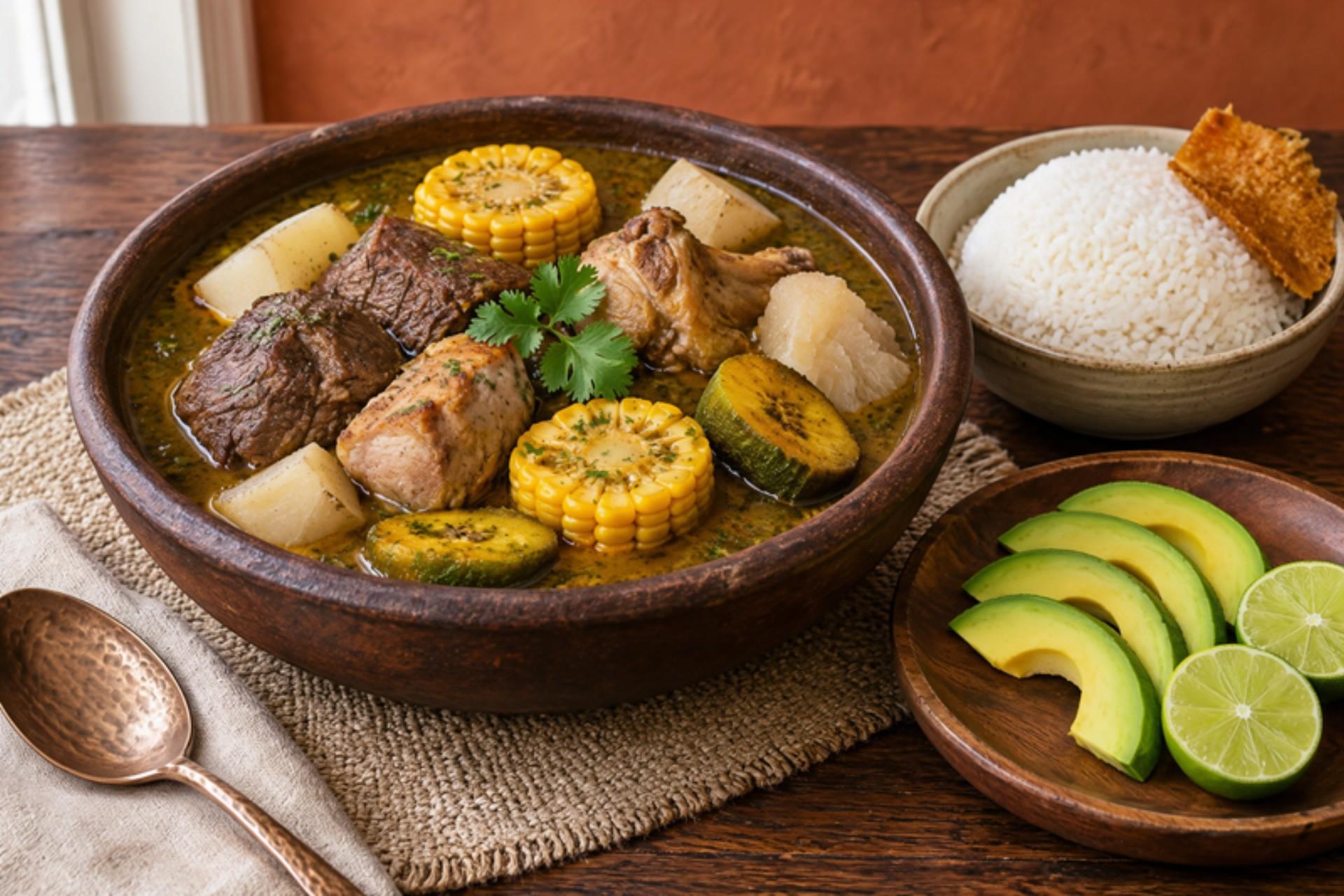
Sancocho dominicanoMeat and root vegetable stew

Sancocho is the dish Dominicans make for a crowd: birthdays, New Year's Eve, rainy Sundays and the morning after a party, from Santo Domingo to Washington Heights. Several meats (here beef, pork ribs and chicken; the festive sancocho de siete carnes uses seven) simmer with oregano, garlic and coriander, then cassava, yautía, green plantain, yam, squash and corn cook down until the broth turns thick and golden. This recipe contains pork. The common mistake is adding all the vegetables at once, so the squash melts while the plantain stays hard; add them in order of firmness. Cassava must always be peeled, cored and cooked until completely soft, never eaten raw. It is done when the meats are tender, the chicken has reached 74 °C and the pork 71 °C, and the broth coats a spoon. Serve with white rice and avocado. Chef's tip: let some of the squash dissolve completely; it is what thickens a real sancocho.

by KrazyBadal 0 views

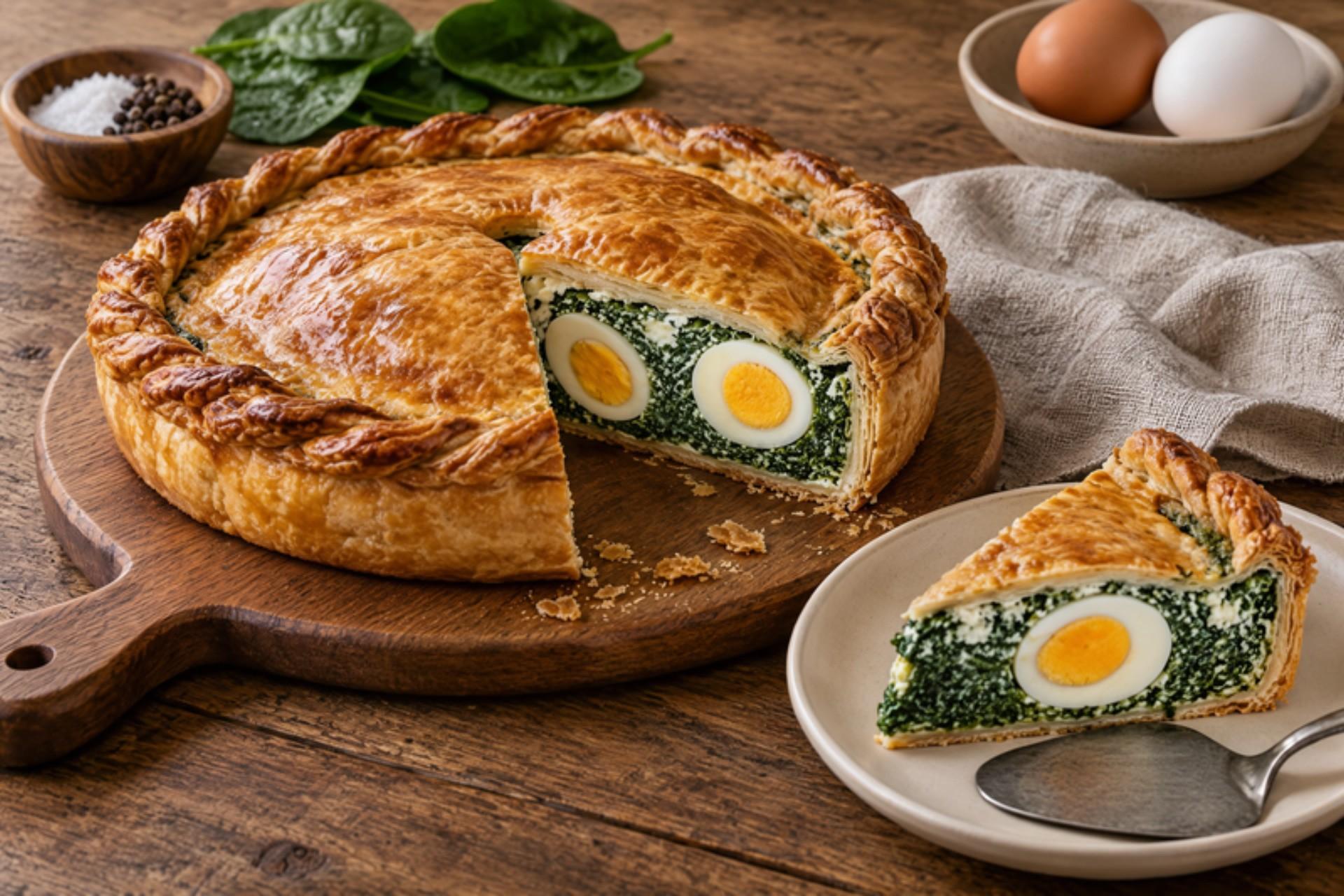
Tarta pascualinaSpinach and egg pie

Tarta pascualina came to Buenos Aires and Montevideo with Ligurian immigrants, and it is still baked for Easter (Pascua, hence the name), though most porteños now buy or make it any weekday for a light supper with a tomato salad. A crisp, olive-oil crust holds chard or spinach bound with ricotta and cheese, with whole eggs baked into hollows so every slice shows a ring of yolk. The usual mistake is not squeezing the greens: the filling floods and the base goes soggy. Wring them in a clean tea towel until no more water drips. Hard cheeses such as Parmesan are usually made with animal rennet; use a vegetarian hard cheese if you prefer. Chef's tip: bake the tart on the lowest shelf on a hot baking sheet so the bottom crust browns as well as the top.

by KrazyBadal 0 views

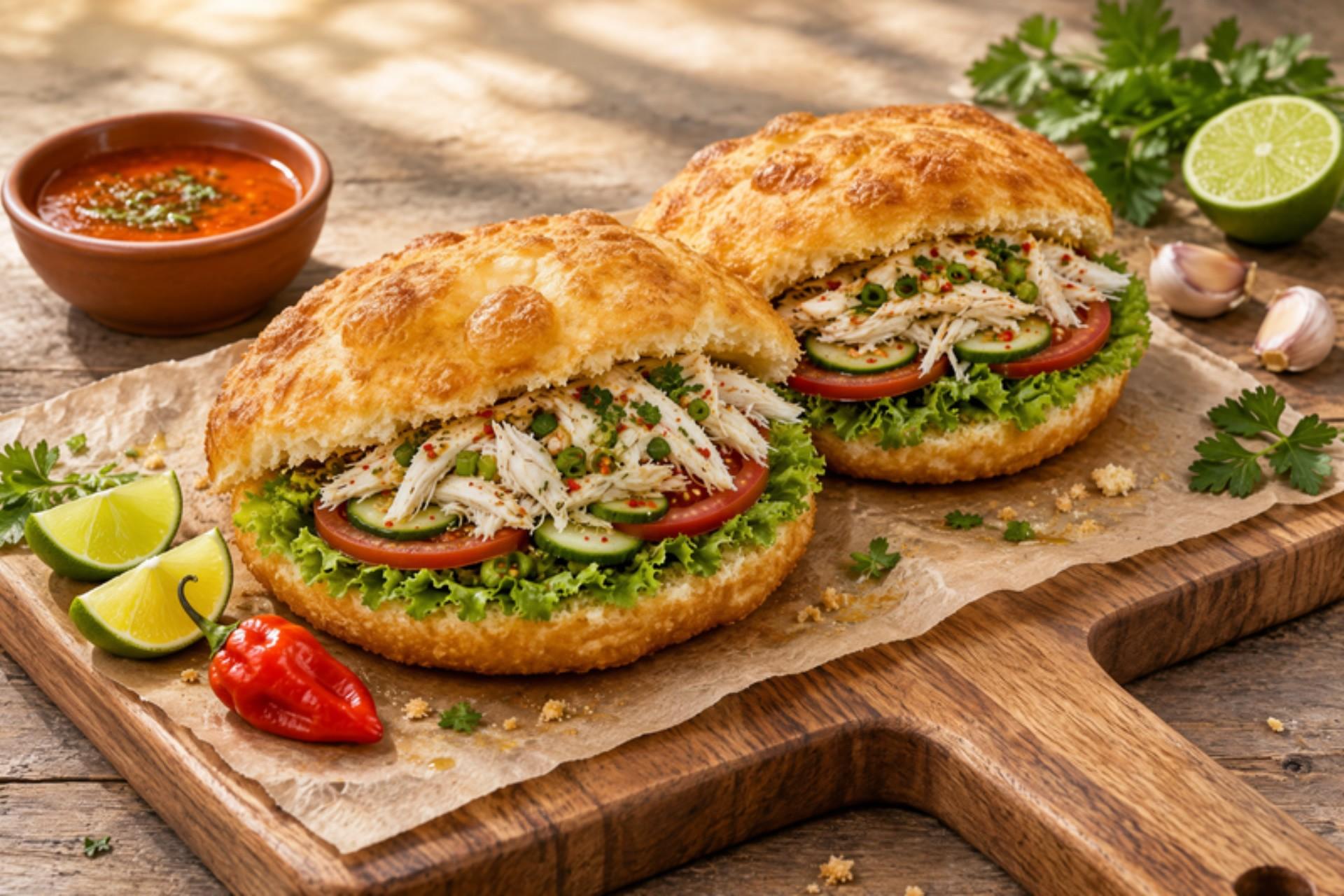
Bokit morueFried bread with salt cod

The bokit is Guadeloupe's street sandwich, fried to order at roadside vans in Pointe-à-Pitre, Le Gosier and Sainte-Rose, eaten late at night after a party or at the beach on a Sunday. A simple dough is rolled into rounds and deep-fried until it puffs like a pillow, then split and filled; the classic filling is chiquetaille de morue, shredded salt cod with lime, onion, garlic and hot pepper, with lettuce, tomato and cucumber. It contains fish and wheat. The common mistake is under-soaking the cod, which makes it harsh and salty: soak it in the fridge for 24 hours, changing the water three or four times. The bokit is done when puffed, golden on both sides and hollow-sounding, and the cod is poached until it flakes. Chef's tip: roll the dough thin and even, about 5 mm, so it balloons in the oil and opens neatly like a pitta.

by KrazyBadal 0 views

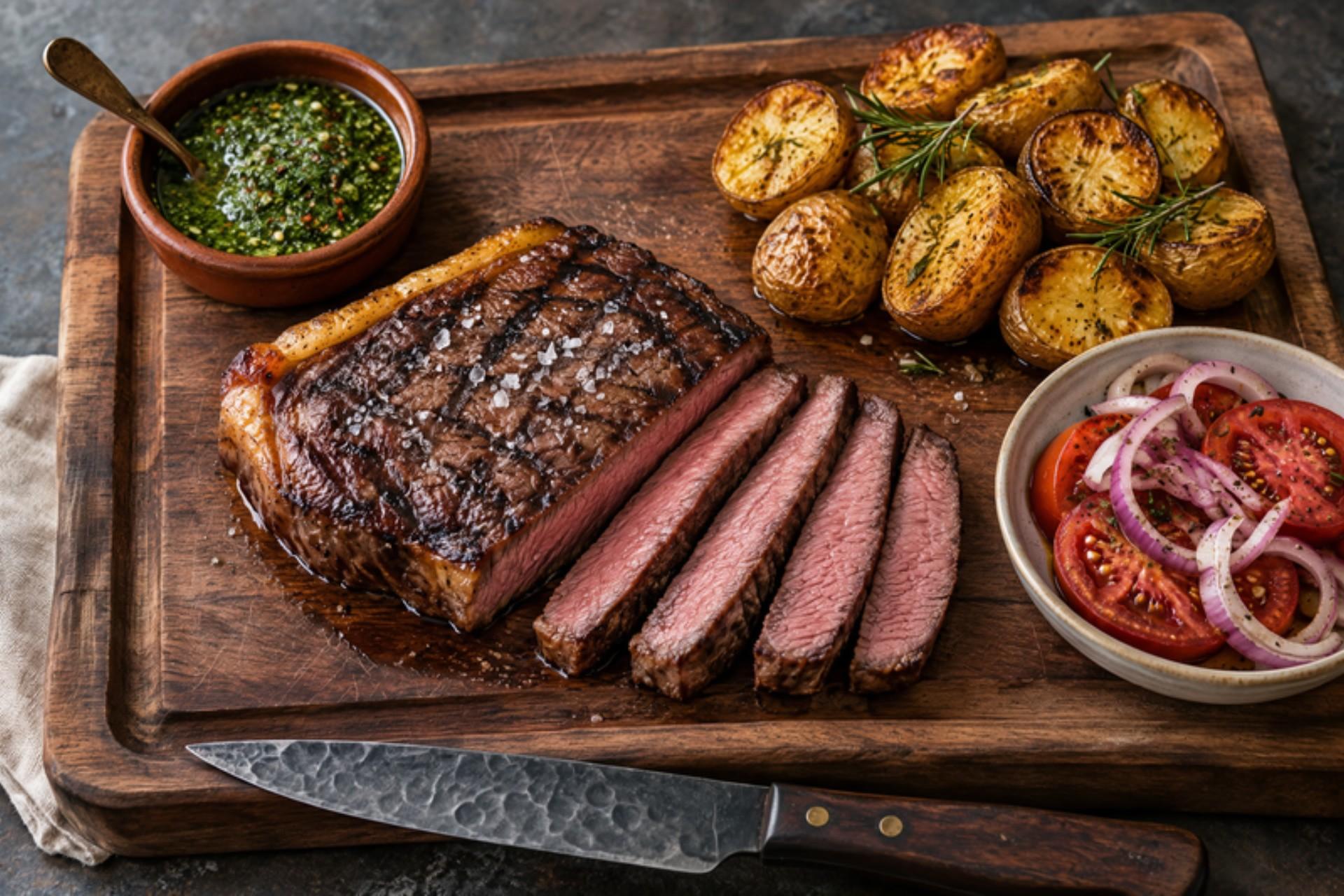
Bife de chorizoGrilled sirloin steak with chimichurri

Bife de chorizo, despite the name, has nothing to do with sausage: it is the thick sirloin (strip loin) steak that every parrilla in Buenos Aires grills, from the steakhouses of Palermo to the roadside grills of the pampas, and it is the Saturday-night order for anyone who wants beef and nothing else. It is cut at least 3 cm thick, seasoned only with coarse salt and grilled over hot embers, then served with chimichurri and a simple tomato and onion salad. The common mistake is cooking it straight from the fridge and turning it constantly; it greys outside and stays raw in the middle. Bring it to room temperature for 30 minutes and turn it only once. Chef's tip: salt the steak with coarse salt only just before it goes on the grill, and cut into it only after a 5-minute rest.

by KrazyBadal 0 views

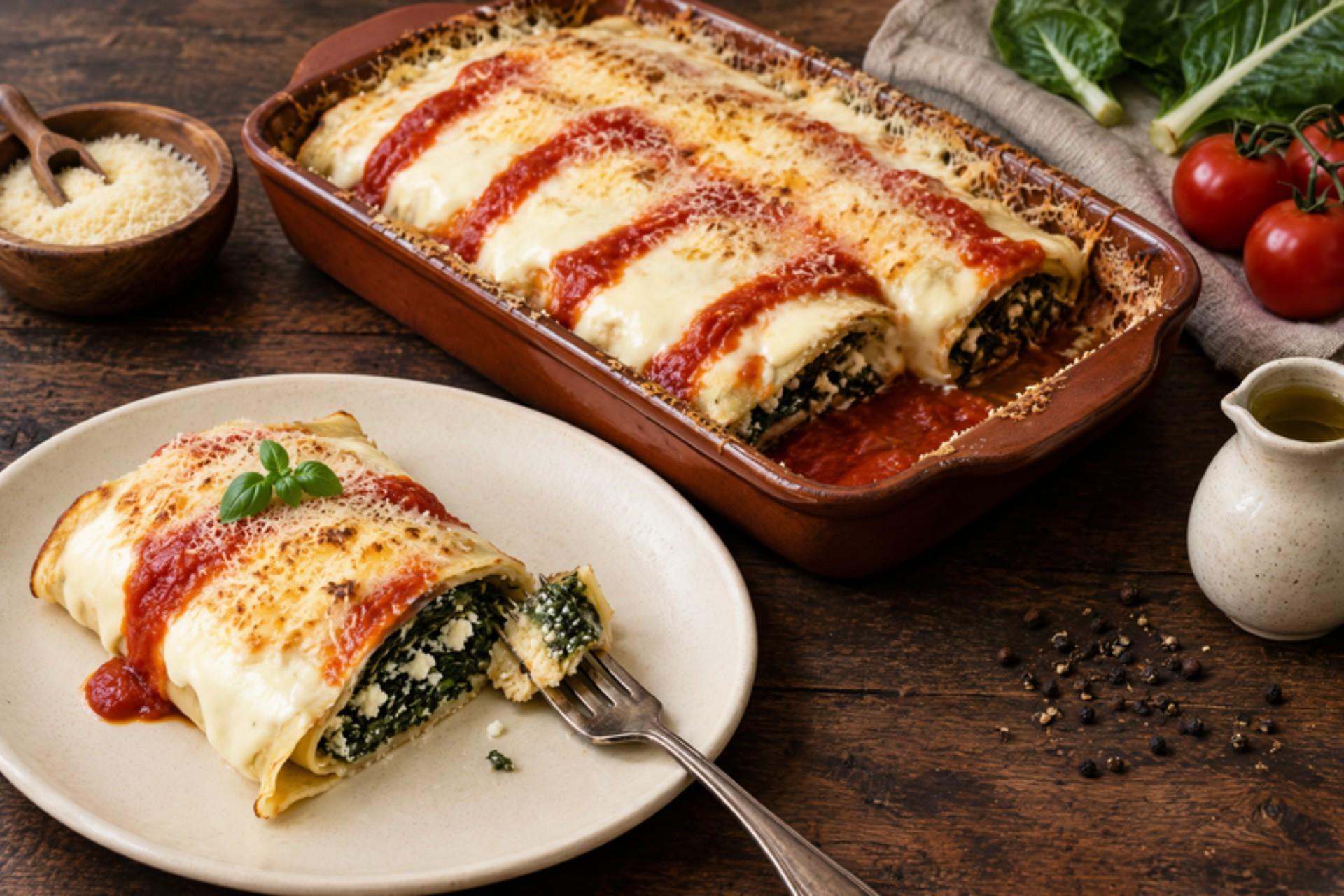
Canelones de verduraSpinach and ricotta crêpe cannelloni

In Argentina, Sunday lunch at the nonna's house in Rosario or Buenos Aires often means canelones, a legacy of Italian immigrants made the Río de la Plata way: thin crêpes instead of pasta tubes, rolled around chard and ricotta, then baked under tomato sauce and béchamel. They are often served on the 29th of the month or for Christmas too. The common mistake is thick crêpes: they turn stodgy. The batter should be as thin as single cream and the pancakes almost see-through. Hard cheeses are usually made with animal rennet; use a vegetarian hard cheese if you prefer. Chef's tip: roll the canelones and chill them for an hour before saucing; they hold their shape better in the oven.

by KrazyBadal 0 views

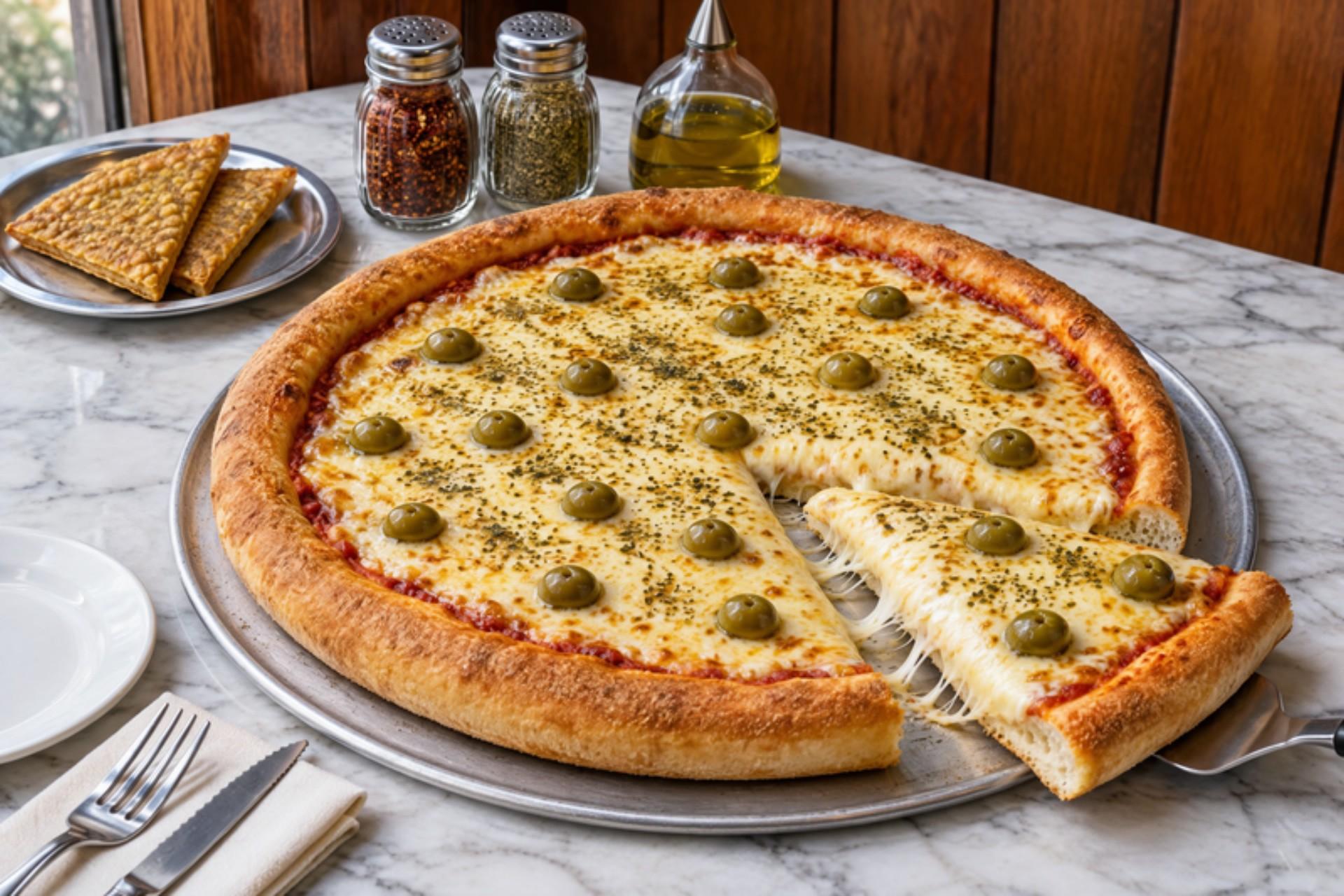
Pizza de muzzarellaThick-crust mozzarella pizza

The pizza de muzzarella, or simply muzza, is the pride of Buenos Aires' old pizzerías along Avenida Corrientes, eaten standing at the counter after the theatre, often with a slice of fainá on top. Unlike a Neapolitan pizza it has a thick, soft, bready base baked in a round metal pan, a thin smear of oregano tomato sauce and a deep layer of mozzarella that bubbles and browns, finished with green olives. The common mistake is using fresh mozzarella balls: they release water and the pizza swims. Use firm, low-moisture mozzarella grated or sliced thick. Many mozzarellas use animal rennet; choose a vegetarian one if you prefer. Chef's tip: give the dough a second rise in the oiled pan, so the base bakes airy inside and fried-crisp underneath.

by KrazyBadal 0 views

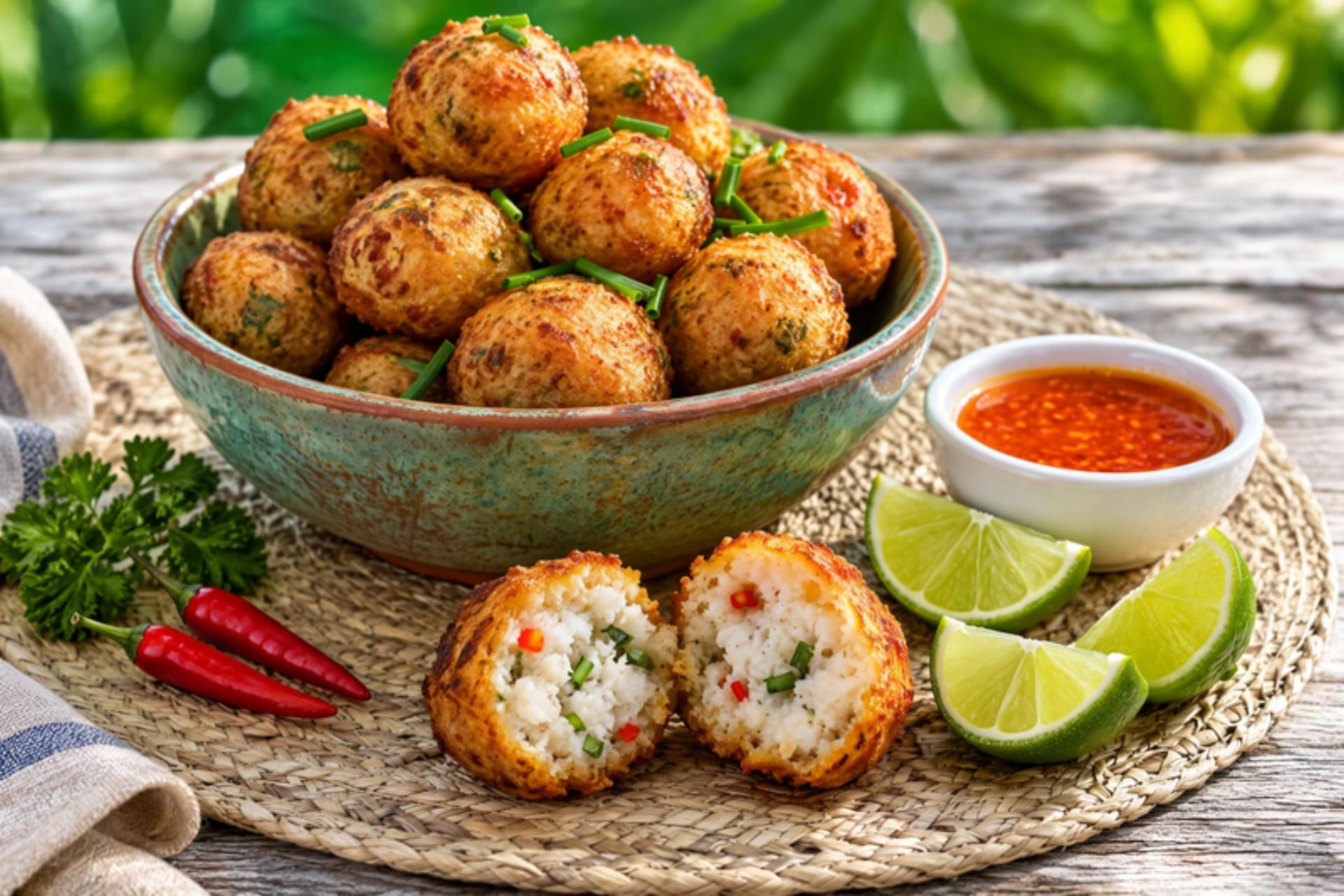
Accras de morueSalt cod fritters

No Christmas, christening or Sunday apéritif in Martinique or Guadeloupe starts without a bowl of accras de morue, the light, puffy salt-cod fritters sold hot from paper cones at Fort-de-France's markets. Desalted cod is flaked into a batter scented with chive, parsley, thyme, garlic and a little fiery piment, then dropped by the spoonful into hot oil. A vegetable version is already on the site; this is the classic with fish. It contains fish and wheat. The usual mistake is not soaking the cod long enough, which makes the accras painfully salty: soak it in the fridge for 24 hours, changing the water three or four times. They are done when puffed, deep golden all over and cooked through, with the fish piping hot. Chef's tip: let the batter rest for an hour so it thickens and the fritters puff into airy rounds.

by KrazyBadal 0 views

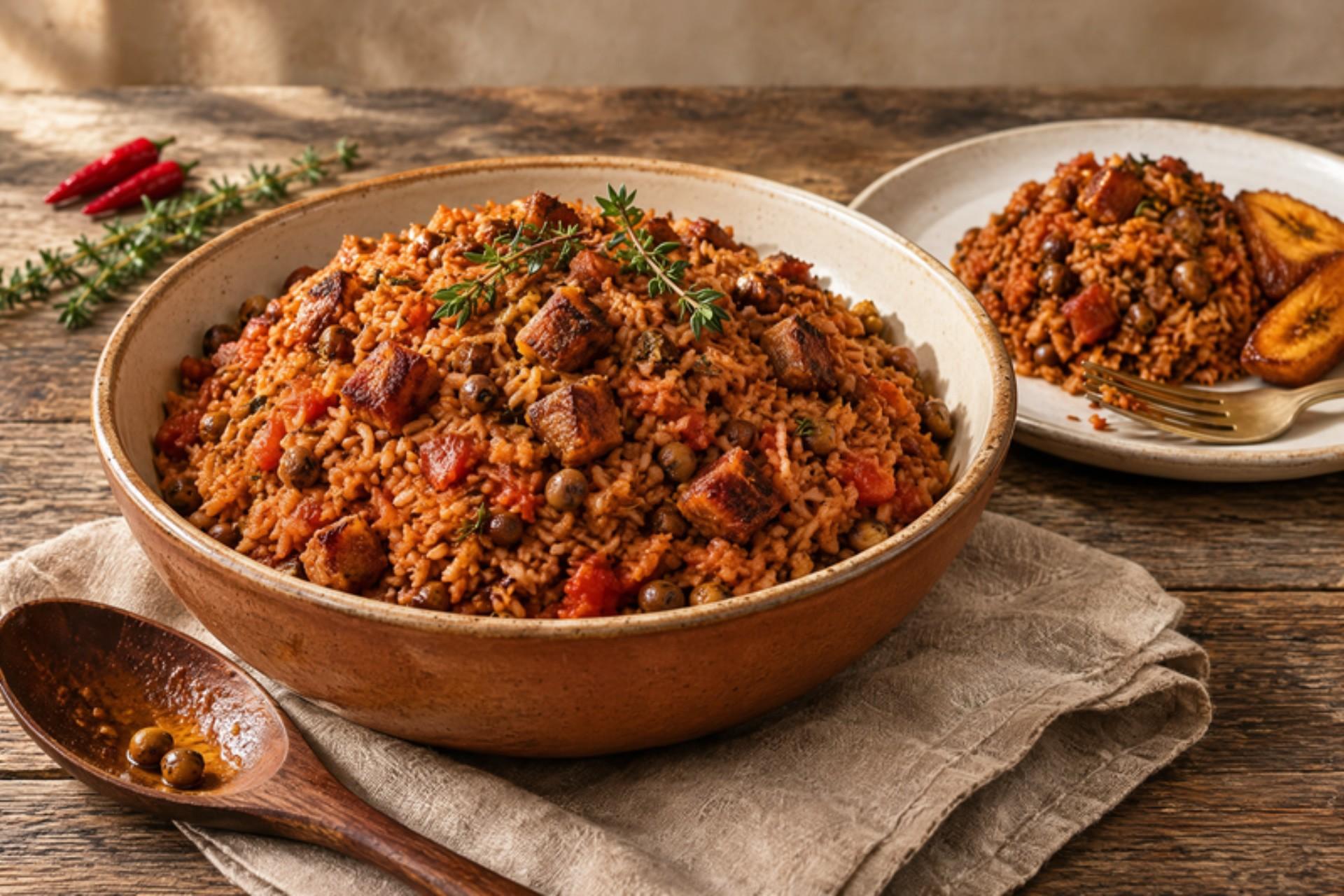
Bahamian peas and rice

Peas 'n' rice is on almost every plate in the Bahamas, from Nassau fish fry shacks at Arawak Cay to Sunday dinner in Eleuthera, served with fried chicken, steamed fish or cracked conch. Unlike Jamaican rice and peas there is no coconut: pigeon peas and rice are cooked in a rich base of browned salt pork, onion, sweet pepper, tomato paste and thyme, which gives the rice its signature brown-red colour. This recipe contains pork (salt pork or bacon). The usual mistake is stirring once the rice is in, which breaks the grains and makes it gummy; cover tightly and leave it alone. It is done when the liquid has gone and the grains are tender and separate. Chef's tip: let the tomato paste fry in the pork fat until it darkens to brick red before adding water; that is where the colour and depth come from.

by KrazyBadal 0 views

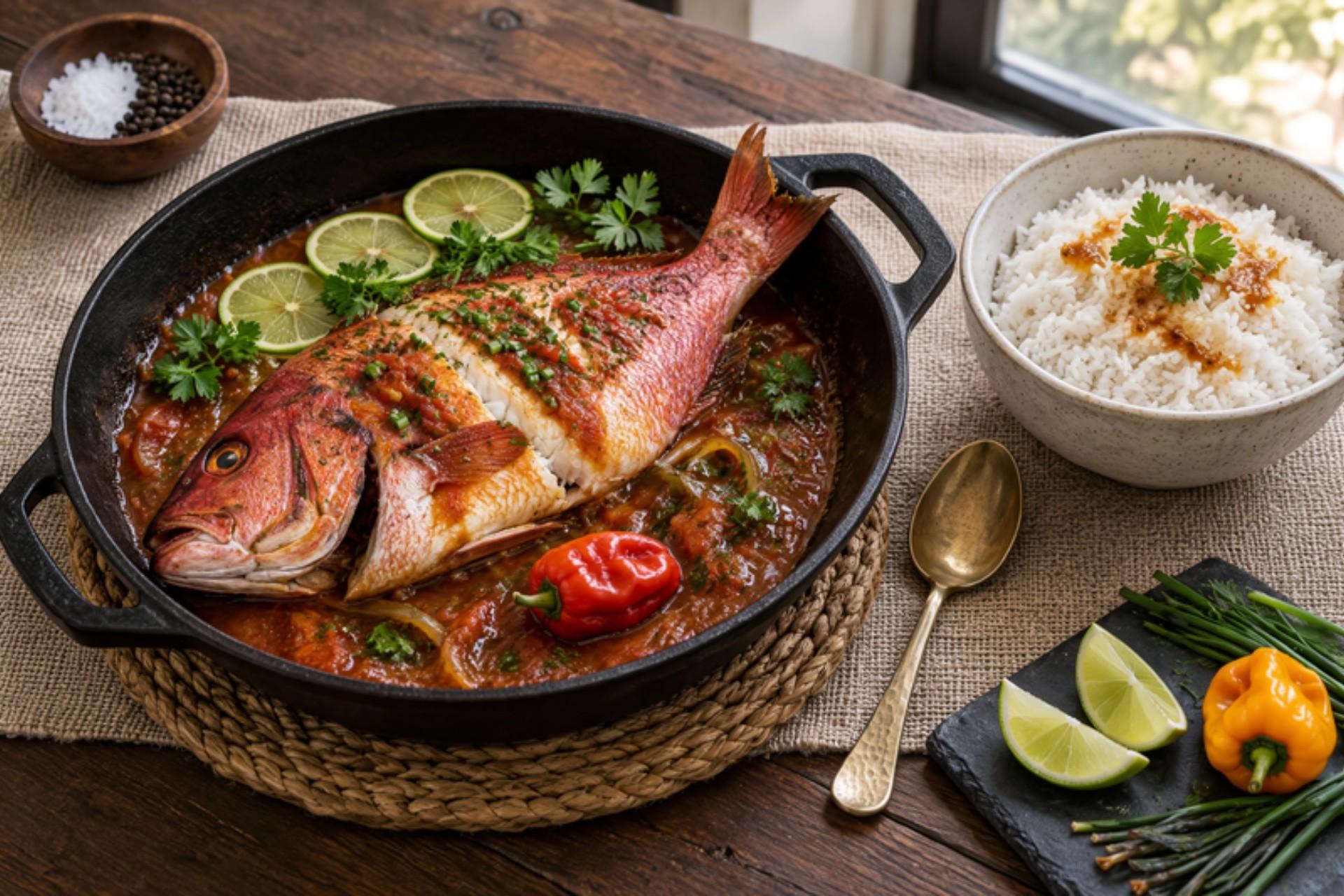
Court-bouillon de poissonSnapper in tomato sauce

In Martinique court-bouillon is not a poaching liquid but a rich red fish stew, cooked for Sunday lunch in Le Robert or Le Vauclin and served with white rice, red beans and a slice of breadfruit or yam. Red snapper is marinated with lime, garlic and hot pepper, then simmered in a sauce of tomato, onion, garlic, chive and thyme coloured with a little roucou (annatto) oil. It contains fish. The usual mistake is stirring the pot once the fish is in, which breaks the pieces; shake the pan gently instead. It is done when the fish is opaque through and flakes at the bone and the sauce is thick enough to cling. Chef's tip: finish with a spoonful of uncooked garlic, chive and lime stirred in at the end, the way Martiniquais cooks do, for a fresh, sharp lift.

by KrazyBadal 0 views

Bahamian johnnycake

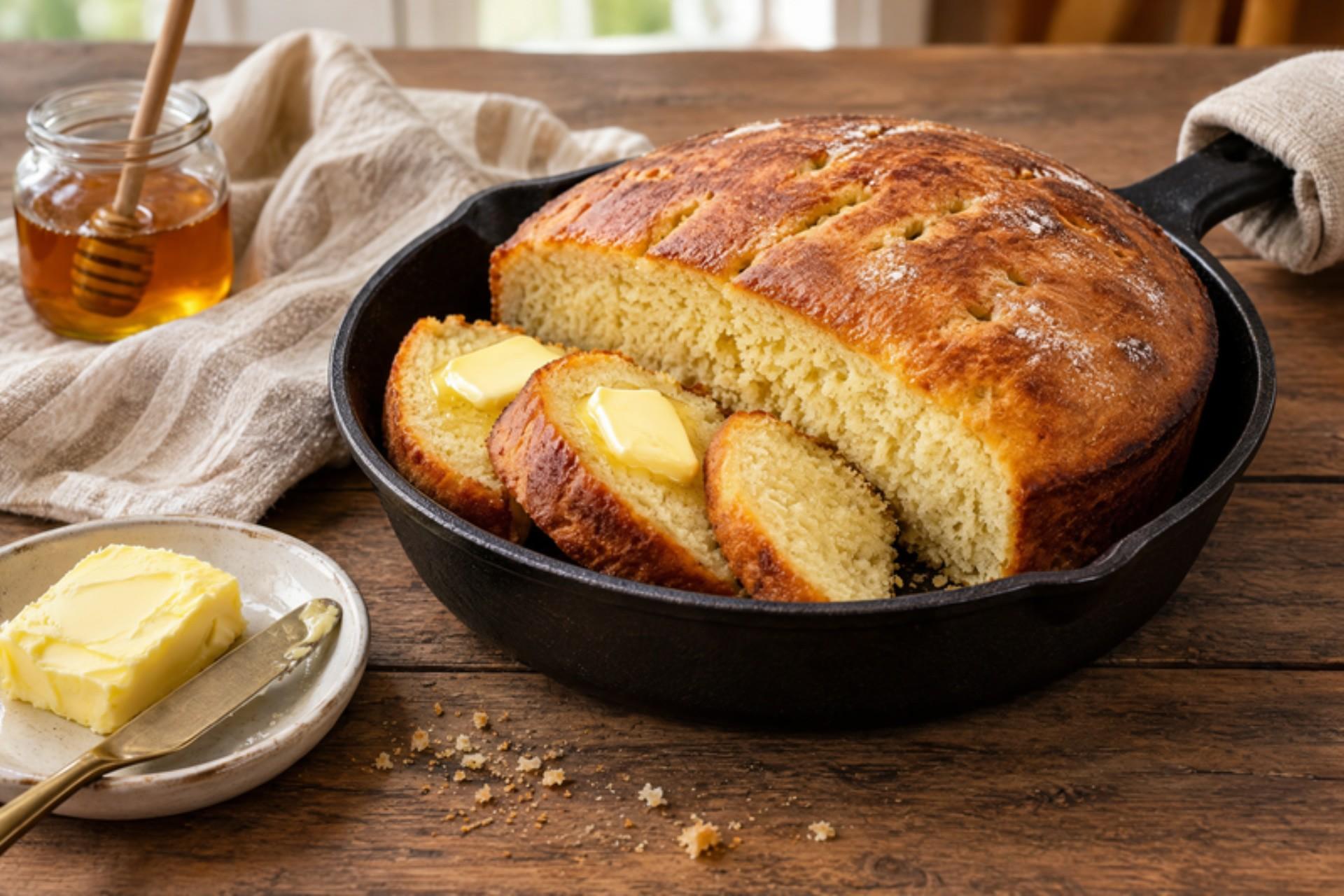
In the Bahamas johnnycake is not a pancake but a golden pan bread, baked in a skillet or tin and sliced warm in Nassau homes and Out Island kitchens, at breakfast with stew fish or alongside conch chowder and peas and rice. The dough is a rich, lightly sweet mix of flour, butter, milk and a little sugar, closer to a soft scone than a yeast bread. It contains wheat and milk. The common mistake is kneading it like bread, which makes it tough; mix just until it comes together. It is done when the top is deep golden and a skewer in the centre comes out clean, and the bottom sounds hollow when tapped. Chef's tip: brush the top with melted butter the moment it comes out of the oven for a soft, shiny crust.

by KrazyBadal 0 views

Revuelto de zapallitosCourgettes scrambled with egg and cheese

Revuelto de zapallitos is a weeknight dinner in Buenos Aires homes and all over Argentina in summer, when the little round courgettes called zapallitos are cheap: diced courgette and onion cooked down in oil, scrambled with eggs and finished with grated cheese. It is eaten with bread or as a side to a salad. Grated hard cheese like reggianito or Parmesan is usually made with animal rennet, so use a vegetarian hard cheese for a vegetarian dinner. The common mistake is adding the eggs before the courgettes have given up their water, which turns the scramble wet and grey. Chef's tip: salt the courgettes as they go in, so they release their juice early and it cooks away.

by KrazyBadal 0 views

Tostado de jamón y quesoPressed ham and cheese sandwich

The tostado is what Buenos Aires orders in a café at merienda or as a light late dinner, and what Uruguayan kids get made at home: thin crustless pan de miga layered with cooked pork ham and mild cheese, buttered outside and pressed until crisp and oozing. The common mistake is too much filling; this sandwich is meant to be thin, so the cheese melts before the bread burns. Chef's tip: if you have no sandwich press, weigh it down in the pan with a second heavy pan so it toasts flat and even.

by KrazyBadal 0 views

AllerheiligenstriezelBraided sweet loaf

In Bavaria and Austria, godparents give their godchildren an Allerheiligenstriezel on All Saints' Day, 1 November: a large braided loaf of sweet yeast dough, brushed with egg and scattered with almonds or pearl sugar. The braid is said to recall the old custom of cutting a plait of hair in mourning, and the size of the loaf once showed how generous the godparent was. It is lightly sweet, with lemon and vanilla, and is eaten sliced with butter or jam. Some recipes add rum-soaked raisins; these are soaked in warm water instead. Chef's tip: braid four strands for an impressive, high loaf.

by KrazyBadal 0 views

Lengua a la vinagretaBeef tongue with vinaigrette

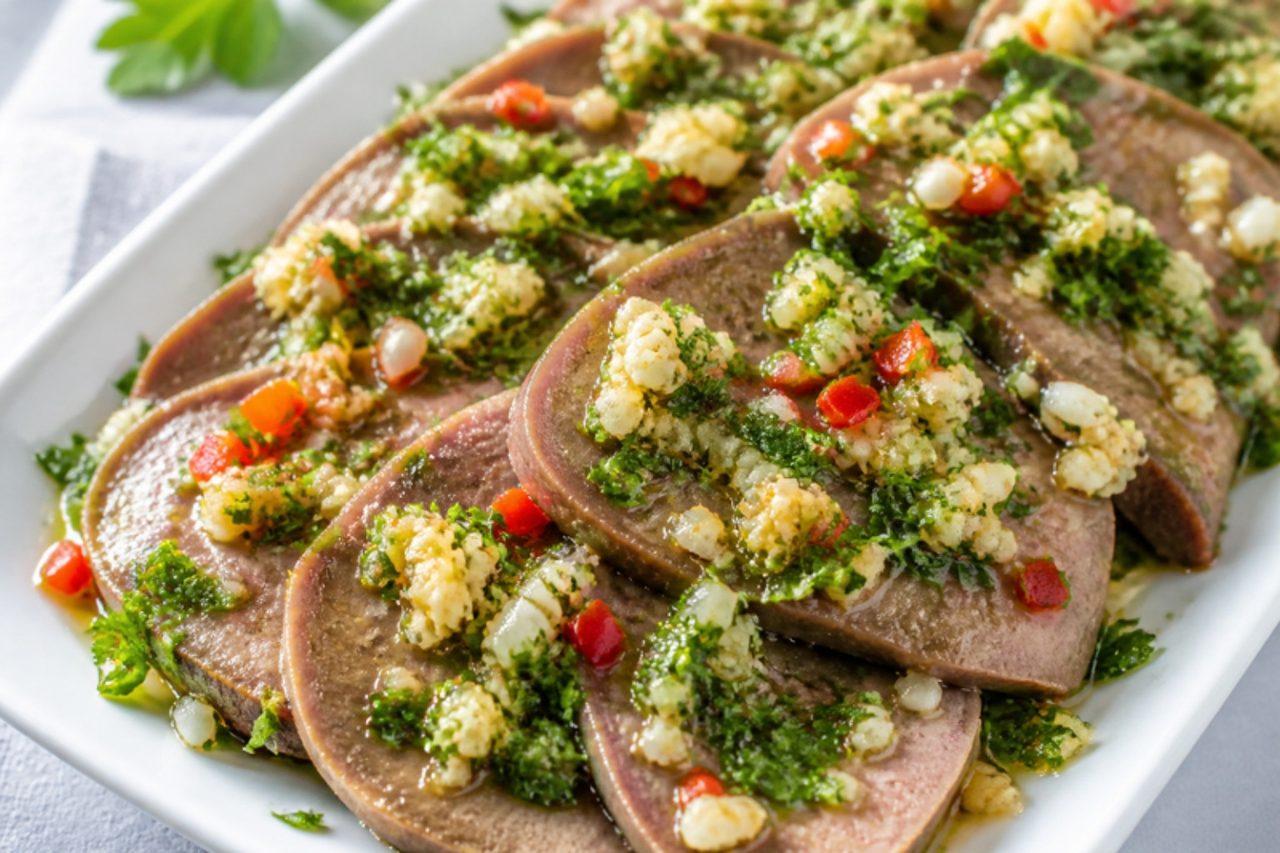
Argentina's Nochebuena is a hot summer night, so the table is full of cold dishes, and lengua a la vinagreta is one of the classics: beef tongue simmered until tender, peeled, sliced and covered with a sharp vinaigrette of parsley, garlic, red pepper, onion and chopped hard-boiled egg. It is made a day ahead and served chilled with vitel toné and Russian salad. Chef's tip: peel the tongue while it is still hot, as the skin comes away easily then and clings once it cools.

by KrazyBadal 0 views

Kulche khetayeeCardamom pistachio shortbread

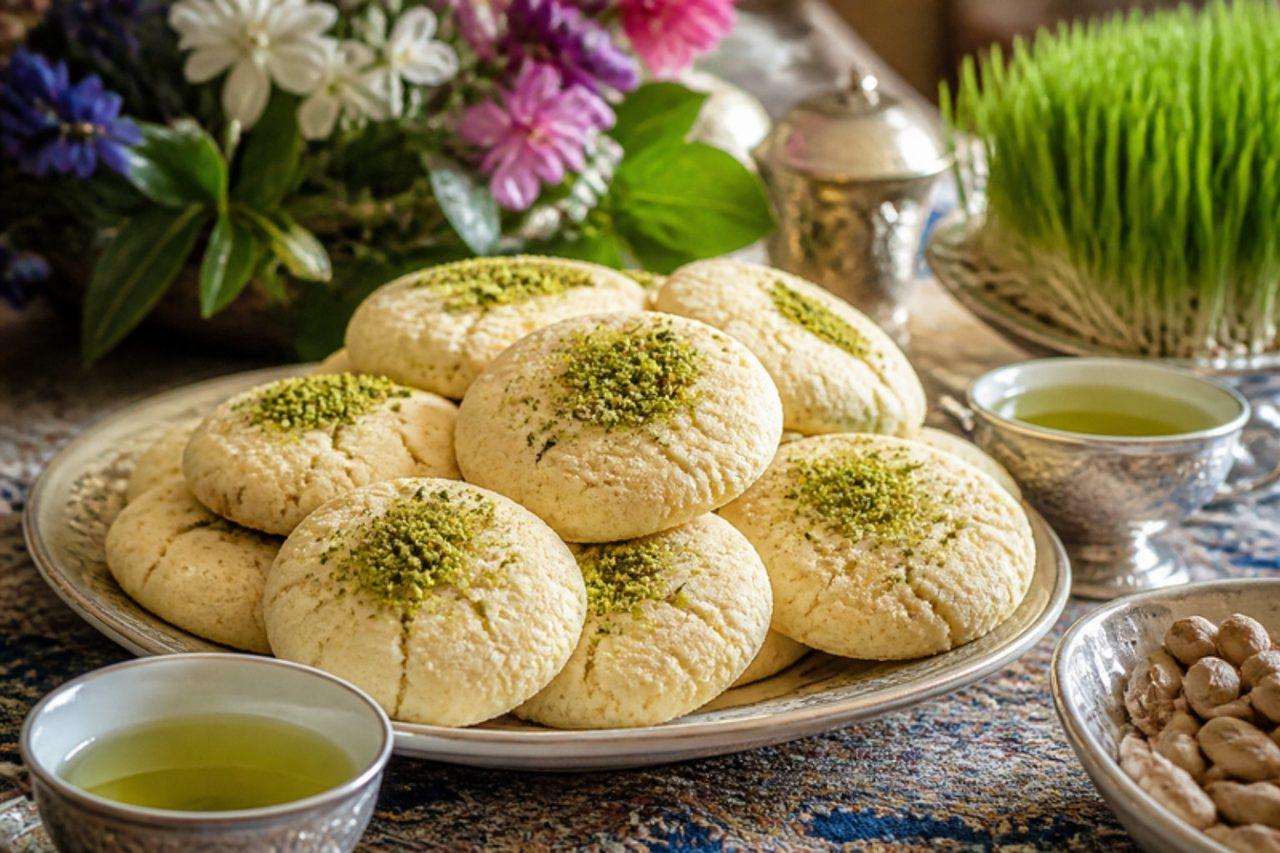
When guests come to an Afghan home over Nowruz or the days of Eid, they are poured green tea and offered a plate of kulche khetayee, crumbly round shortbreads that dissolve on the tongue. In Kabul the dough is made with clarified butter or oil, icing sugar and cardamom, and each biscuit is topped with a pinch of ground pistachio before baking very gently so they stay pale. The common mistake is baking too hot: the biscuits should be cream-coloured, not golden, or they lose their melting texture. Chef's tip: let them cool fully on the tray, because they are too fragile to move while warm.

by KrazyBadal 0 views

OsterpinzeEaster anise brioche

Osterpinze is the Easter bread of Styria, Carinthia and the area around Trieste, a soft, golden brioche dome with three deep cuts on top for the Holy Trinity, so that it opens into a crown as it bakes. The dough is rich with egg yolks and butter and flavoured with anise and lemon; old recipes add a splash of white wine, left out here. It is blessed in the Easter basket on Holy Saturday and eaten on Easter morning with ham, horseradish and eggs, or with butter and jam. Chef's tip: make the three cuts with scissors just before baking, deep enough to reach halfway down, so the crown opens wide.

by KrazyBadal 0 views

Quinotos en almíbar (Argentine kumquats in syrup)

In Buenos Aires and the river provinces of the Litoral, kumquat trees ripen in the middle of winter, between June and August, and the fruit goes straight into jars of syrup. Grandmothers' pantries held quinotos for the whole year, brought out for birthdays and long Sunday lunches. Each little fruit turns glossy orange and translucent, with a soft, bittersweet skin and a sharp, juicy centre. Spoon them over vanilla ice cream, serve them with a slice of fresh cheese in the style of postre vigilante, or eat them straight from the jar. Many bar menus offer them steeped in spirits; this version keeps only the syrup. Naturally egg-free, the quinotos rely on sugar syrup to preserve them, while pectin from the peel gives the syrup a light, jammy body. Chef's tip: blanch the fruit three times from cold water; the common mistake is skipping this, which leaves the skins tough and bitter.

by KrazyBadal 0 views

Moro de guandules con cocoPigeon pea and coconut rice

No Dominican Christmas Eve (Nochebuena) table is without moro de guandules: rice cooked with green pigeon peas in a savoury sofrito, and in the Samaná and east-coast style with coconut milk. It arrives beside the roast pork or chicken and the Russian salad, but it is so full of flavour that it stands alone as a vegan main. The crust at the bottom of the pot, the concón, is the prize. Chef's tip: don't lift the lid while the rice steams; when the liquid drops to the level of the rice, cover tightly and leave it alone.

by KrazyBadal 0 views

Turrón de maníPeanut nougat

On an Argentine Christmas Eve, after midnight toasts, the 'mesa dulce' appears with pan dulce, garrapiñadas and turrón de maní: a chewy white nougat of honey, sugar, whipped egg white and roasted peanuts, often set between two sheets of rice paper. Families make it in the days before Nochebuena. The egg white is cooked by the hot syrup. It is gluten free if you use gluten-free wafer paper or none. Chef's tip: work fast once the syrup is in, as the nougat stiffens as it cools and gets hard to spread.

by KrazyBadal 0 views

Helado de dulce de leche (Buenos Aires dulce de leche ice cream)

Dulce de leche is the flavour Buenos Aires heladerías are judged by, and on a summer night the queues at neighbourhood ice-cream shops stretch out onto the pavement well after dinner. Locals order it plain, with a ripple of extra dulce de leche (dulce de leche granizado adds chocolate flakes), often by the kilo to take home. It is dense, chewy and deeply caramel. This home version is egg-free with no custard: a little cornflour cooked into the milk thickens it the way yolks would, and the dulce de leche itself is milk and sugar cooked down, its sugar and milk solids keeping crystals tiny so it stays smooth and scoopable. Churn it, or still-freeze and stir it every 45 minutes. Chef's tip: chill the extra dulce de leche before rippling it in; the common mistake is folding in a warm one, which melts into the ice cream instead of leaving ribbons.

by KrazyBadal 0 views

Kulche birinjiRice flour cardamom cookies

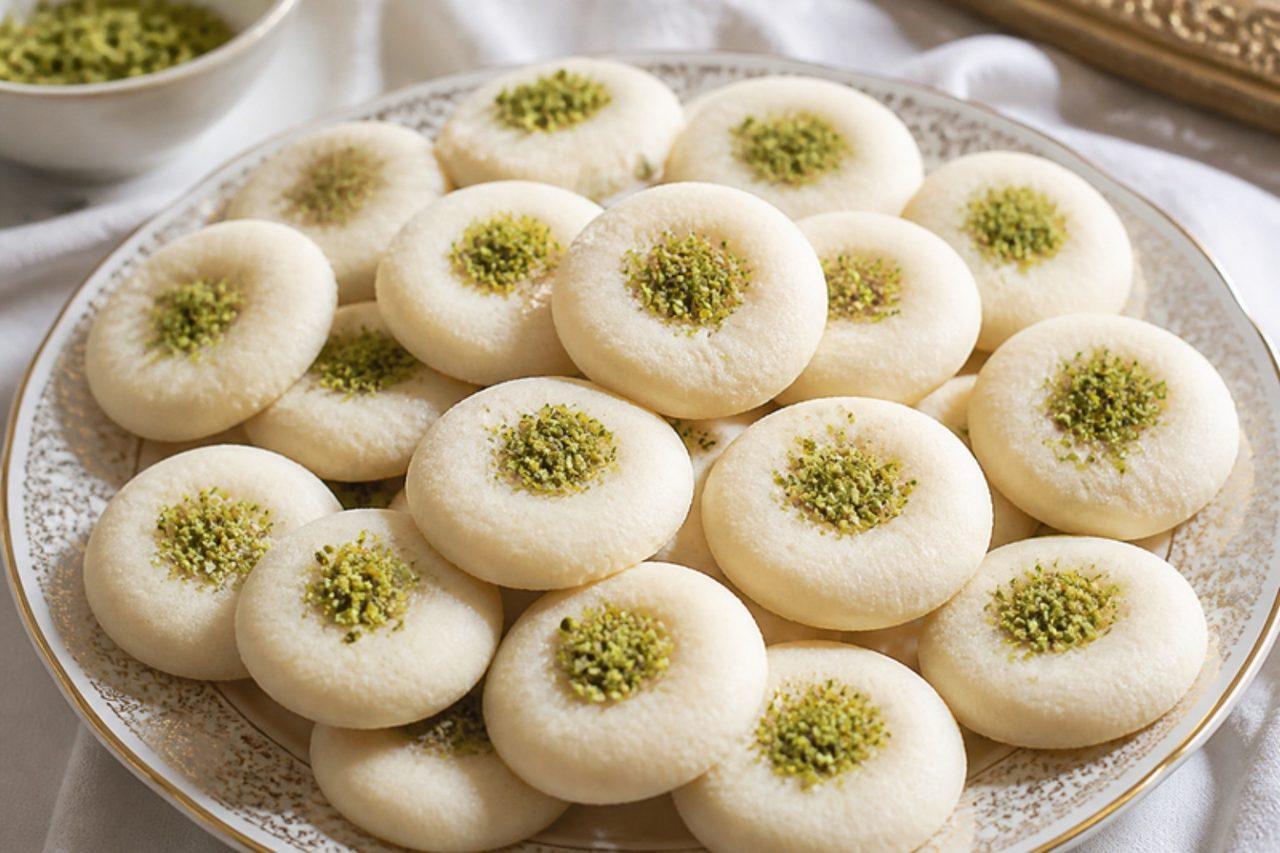
On the morning of Eid, or when Nowruz comes round in March, Afghan households set out a dish of kulche birinji next to the sugared almonds and dried fruit for every visitor. These small, snow-white rounds are made from rice flour, powdered sugar and ghee, scented with cardamom and sometimes rose water, and they dissolve on the tongue almost as soon as you bite. A pinch of ground pistachio pressed into the centre of each gives colour. Serve them with green tea, the way they are offered in Kabul. They are naturally gluten free and eggless. Browning is the common mistake: they should come out as pale as they went in, just firm on the base. Chef's tip: let the dough rest for 20 minutes after mixing so the rice flour drinks up the ghee; it becomes far easier to roll smooth, crack-free balls.

by KrazyBadal 0 views

Fideos con mantecaButtered noodles with cheese

Ask anyone from Buenos Aires to Córdoba what they ate when they came home late or felt poorly as a child, and the answer is often fideos con manteca: short pasta tossed with butter and a snowfall of grated queso rallado. It is the plainest dish in the Argentine home kitchen and the one people cook for themselves on a tired weeknight. The mistake that ruins it is draining the pasta bone-dry and adding cold cheese to a hot empty pan, which leaves greasy strands and clumps; a splash of cooking water makes a light, creamy coating instead. Argentine reggianito and Parmesan are made with animal rennet, so use a vegetarian hard cheese if needed. Chef's tip: grate the cheese very finely, like dust, so it melts on contact.

by KrazyBadal 0 views

Torta de ricotaLemon ricotta tart

Italian families brought ricotta tarts to Buenos Aires and Rosario, and torta de ricota is now as Argentinian as mate: every panadería has one in the window, with a lattice of sweet, crumbly masa frola over a pale, lemon-scented ricotta filling. It is cut into wedges for the merienda, the late-afternoon snack, or for a birthday where nobody wants a heavy cake. The texture is light and slightly grainy rather than silky, and the pastry tastes of butter and vanilla. Wet ricotta is the biggest risk, giving a weeping, soggy tart. Chef's tip: drain the ricotta overnight in the fridge in a sieve lined with a cloth, and add a few raisins only if they have been soaked, or they draw moisture from the filling.

by KrazyBadal 0 views

Showing 24 of 238 recipes

Show more recipes

Page 1 of 10