Skip to content
WhatToEat.Today

All recipes

337

Vegetarian, or something you can't eat? Set your diet once and we'll hide recipes that don't fit.

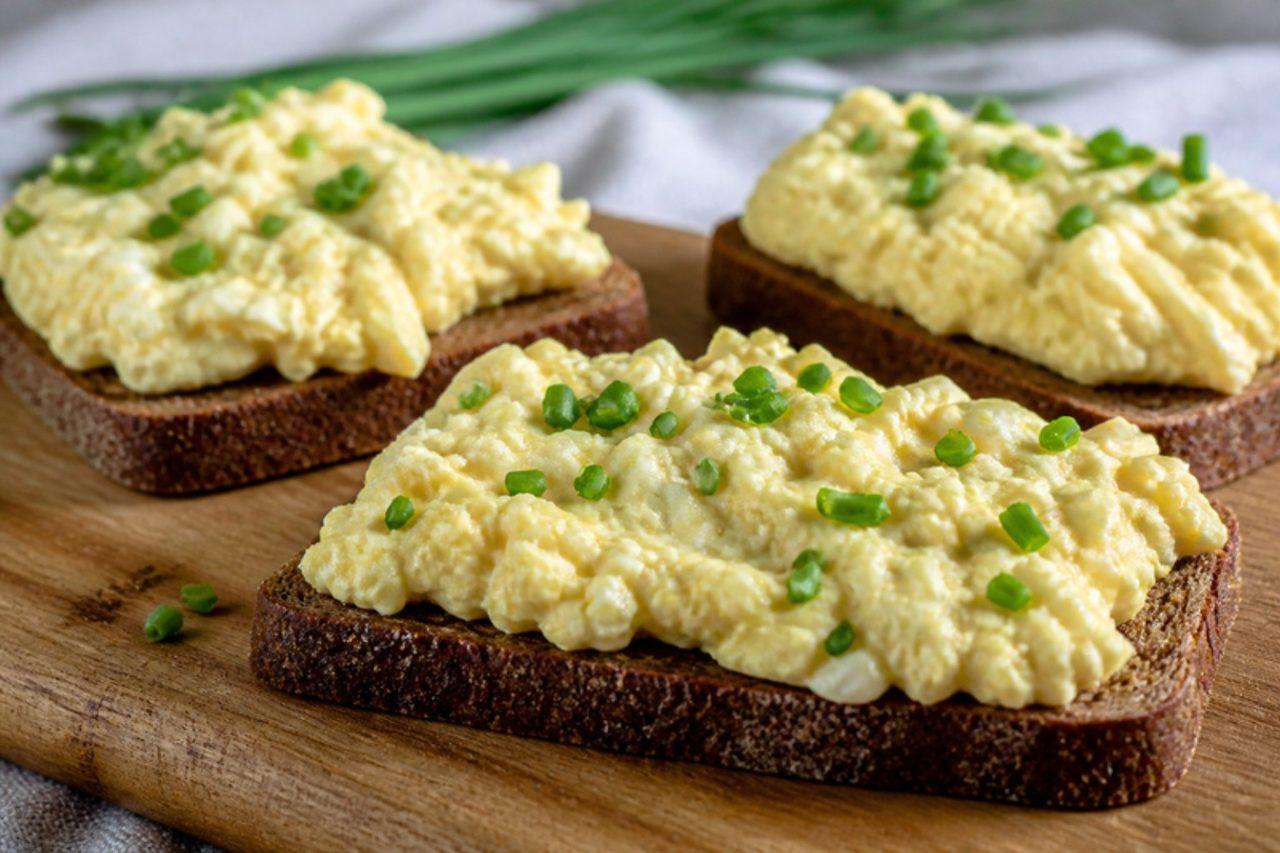
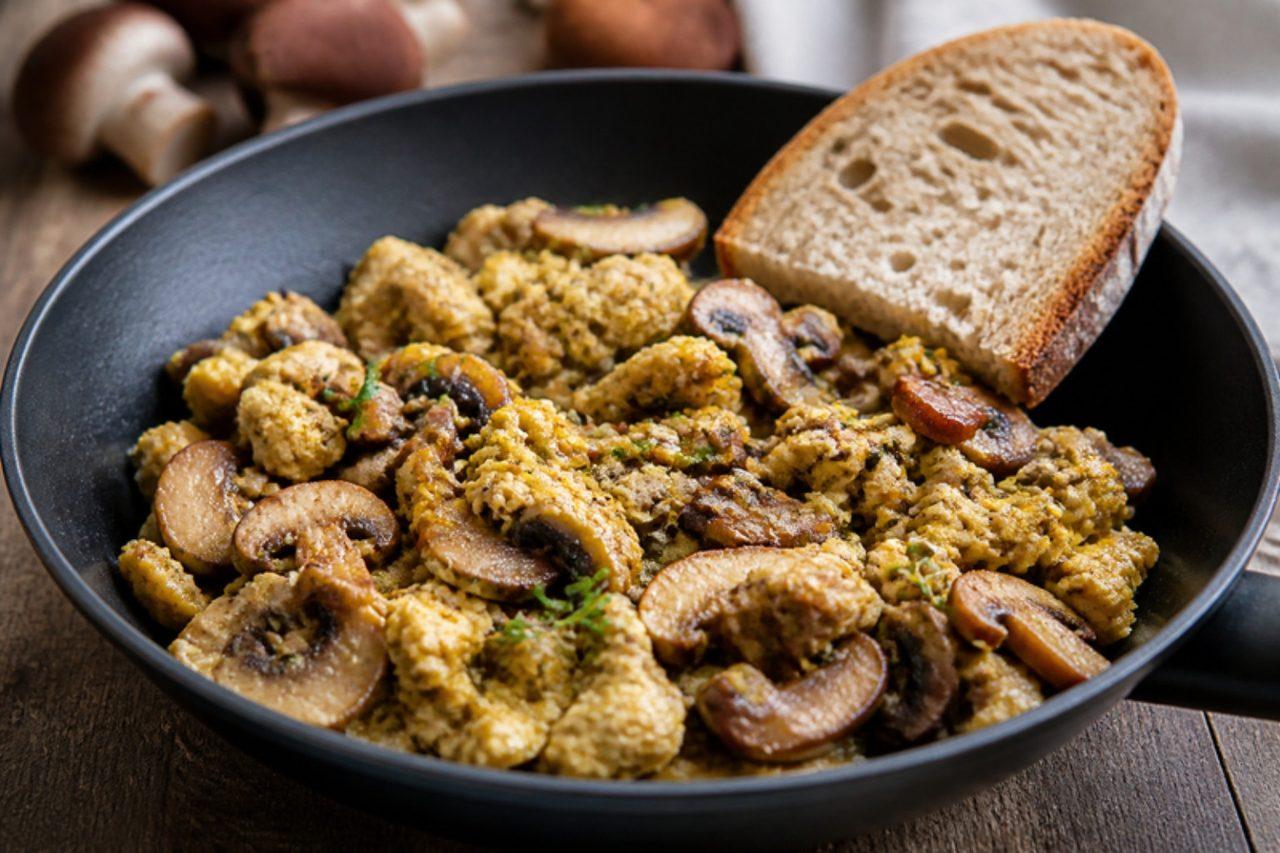
Houbová smaženiceMushrooms scrambled with egg

In late summer and autumn, when half of Czechia heads into the woods with baskets, houbová smaženice is what the day's finds become for supper: fresh mushrooms fried with onion and a pinch of caraway, then scrambled with eggs and eaten with rye bread. It tastes of the forest, and cultivated chestnut and oyster mushrooms make a very good version in any season. Only use wild mushrooms that an expert has identified. The common mistake is crowding the pan, so the mushrooms steam in their juice instead of frying golden. Chef's tip: salt the mushrooms only after they have browned; salt too early draws out water and stops them colouring.

by KrazyBadal 0 views

Vajíčková pomazánkaEgg spread

Vajíčková pomazánka is the egg spread found in every Czech and Slovak fridge, piled on rye bread for večeře, the simple bread-and-spread supper, as well as at birthday parties and on trains. Hard-boiled eggs are grated and mashed with soft butter or mayonnaise, mustard and chives into a creamy, savoury spread, finished with sliced gherkin or radish. The common mistake is mashing the eggs while still warm, which melts the butter and makes the spread greasy; cool them in cold water first. Chef's tip: grate the eggs on the fine side of a box grater for a smooth, fluffy spread with no chunks of white.

by KrazyBadal 0 views

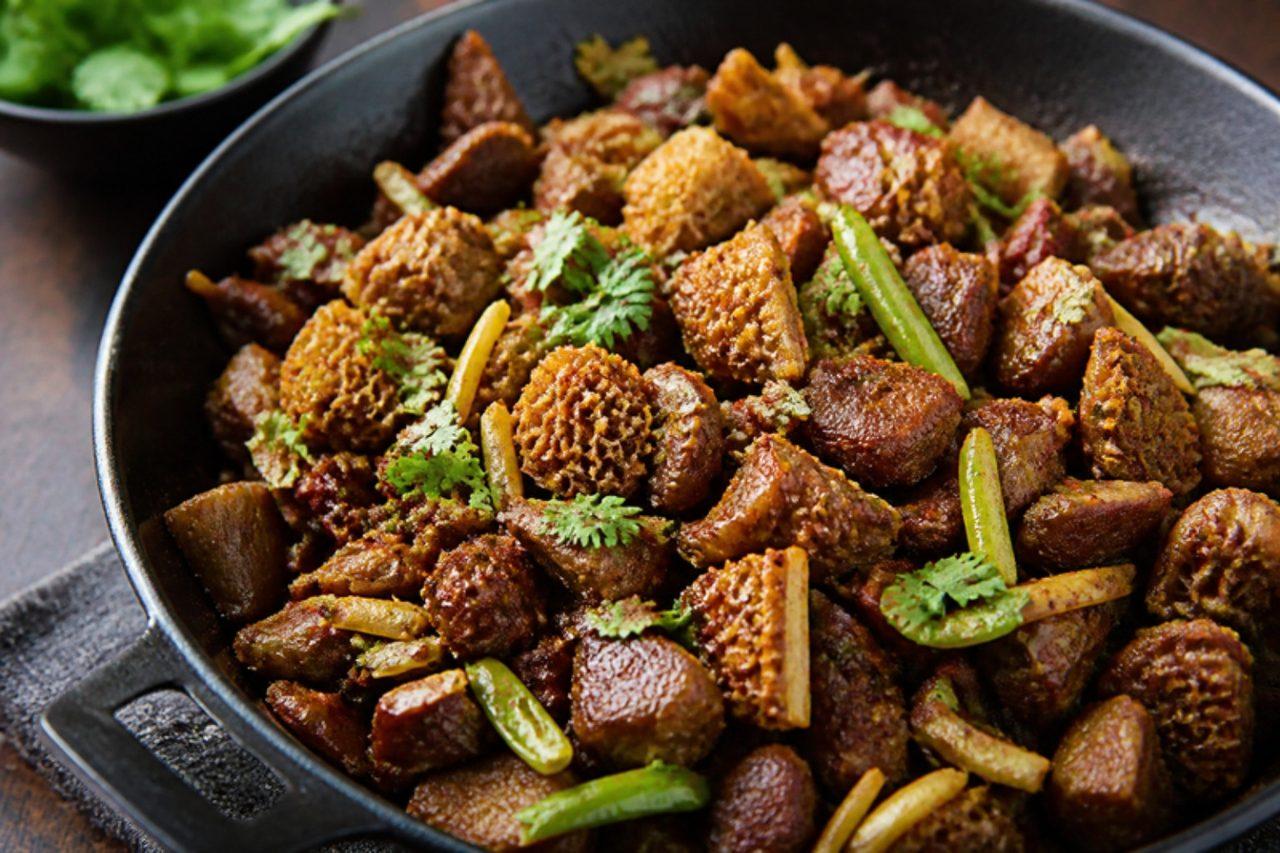
BhuttanFried goat tripe and offal

In Nepal, Dashain is the longest and most important festival of the year, and the meat dishes made in its days of family feasting use every part of the goat; bhuttan, made from the tripe, intestines and liver, is the snack that comes out first with a glass of something and a plate of beaten rice. This recipe uses offal bought ready cleaned from a butcher: the tripe and intestines are boiled until tender, then fried hard in mustard oil with fenugreek seeds, onion, garlic, ginger, cumin, coriander and chilli until browned and crisp at the edges, with the liver added only at the end. Common mistake: frying the tripe before it is tender, which makes it rubbery; boil it until a fork goes in easily, and cook the whole dish until the pieces are browned and the masala clings with the oil separating, at least 71 °C in the centre and the liver with no pink. Keep raw offal chilled and use within a day. Chef's tip: a pinch of crushed timur (Sichuan-style Nepali pepper) at the end gives the tingle Nepali cooks love.

80 minNepaliMeatGluten freeSpicy
by KrazyBadal 0 views

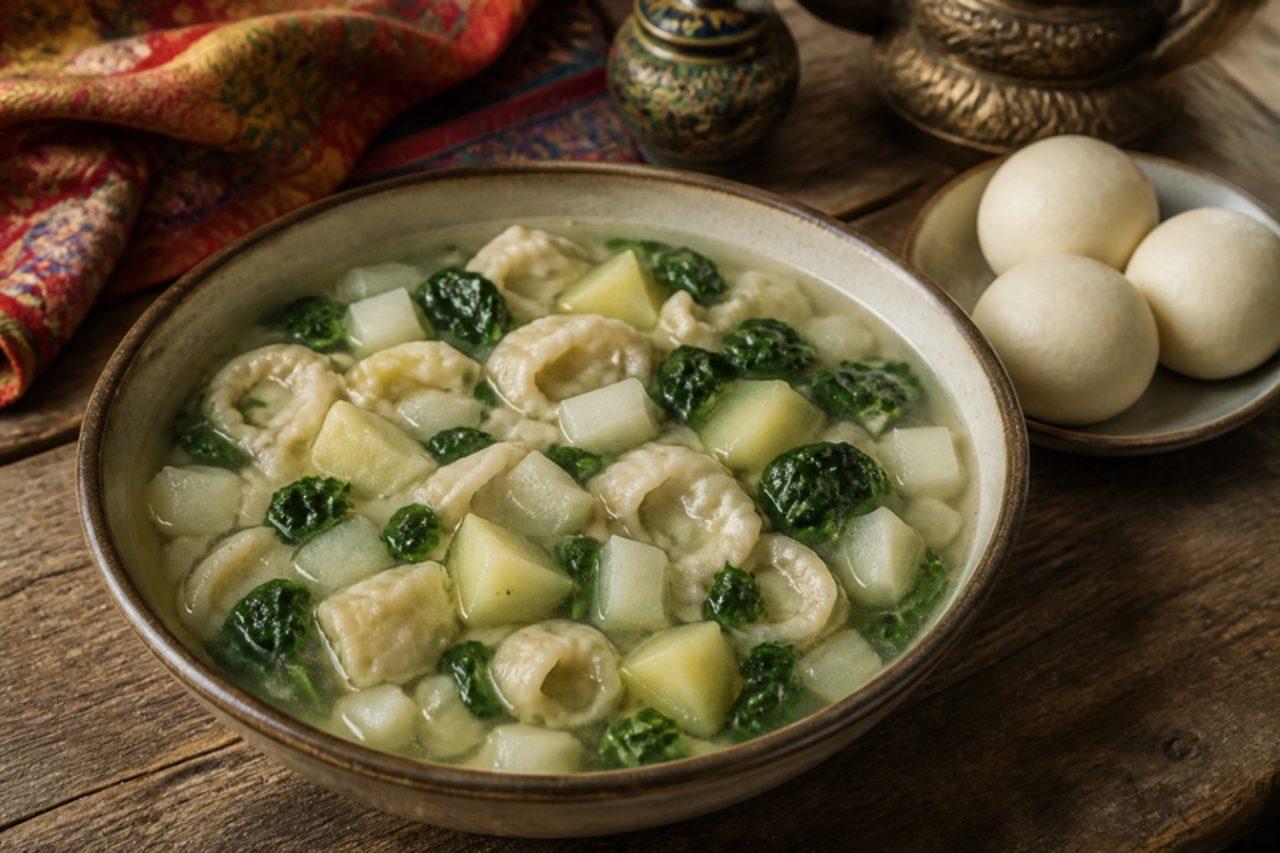
GuthukNine-ingredient noodle soup

Two nights before Losar, Sherpa and Tibetan families in the Himalaya and Kathmandu sit down to guthuk, a thick soup made with nine ingredients to clear away the old year's bad luck. Mixed among the little hand-pinched dough pieces are larger balls, each hiding a token: a chilli for a sharp tongue, salt for an easy-going nature, a peppercorn, a scrap of paper or white wool for a kind heart, and everyone laughs at what they find. A little soup is left in each bowl and carried out of the house with a dough figure to take misfortune away. This vegan version is gingery, peppery and hearty, with radish, greens, beans and rice. The common mistake is adding the dough pieces too early so they swell and go slimy; drop them in near the end and cook just until they float and turn glossy. Chef's tip: warn everyone about the tokens before they eat, use only large, unmistakable ones, and leave them out for small children.

by KrazyBadal 0 views

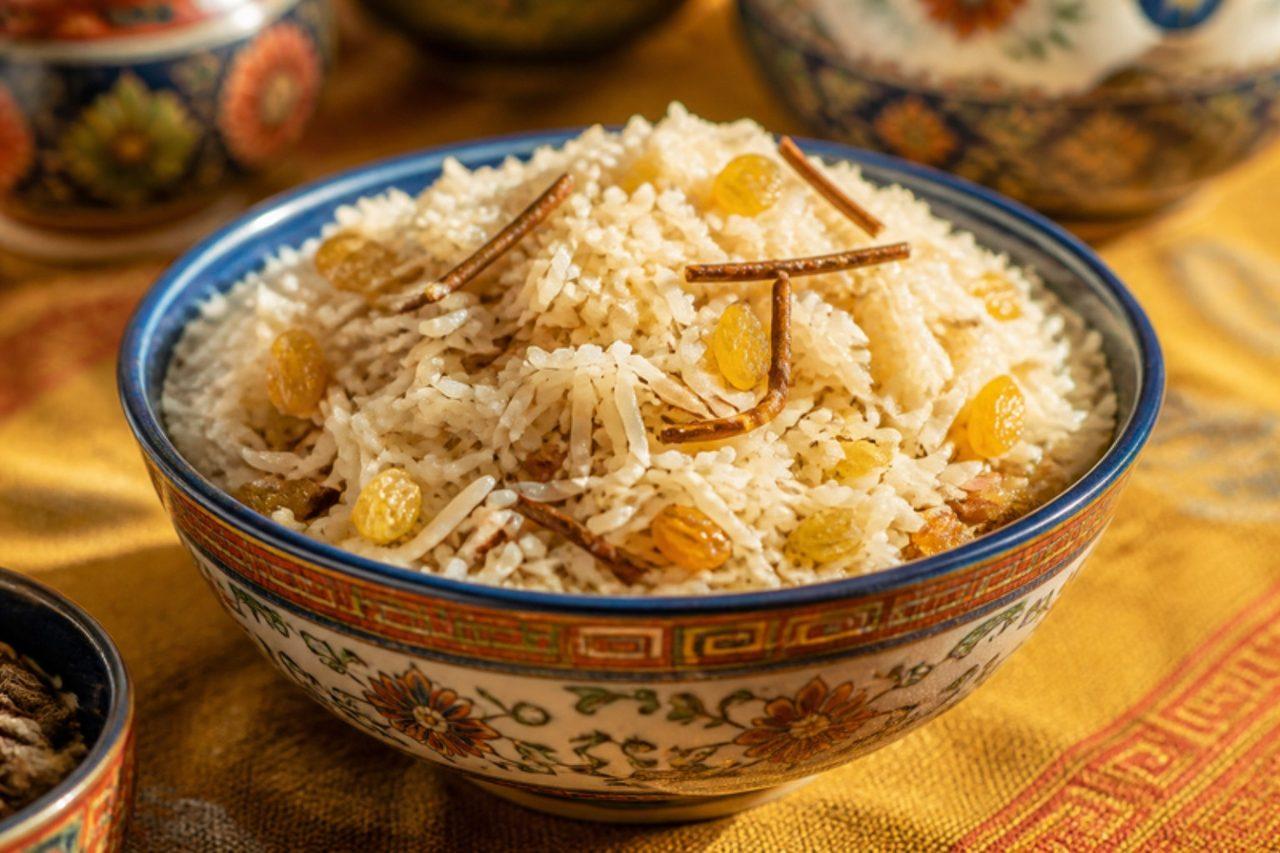
DresilSweet rice with butter and raisins

On the first morning of Losar, Tibetan and Sherpa households in the Himalaya and in Kathmandu greet the year with a bowl of dresil: rice tossed with melted butter, sugar, raisins and droma, the small sweet roots of a wild silverweed gathered on the high pastures. It is eaten with butter tea before visits begin, and a little is offered at the family shrine first. The rice is fluffy and glossy, gently sweet and buttery, with chewy bursts of fruit. The common mistake is cooking the sugar in with the rice, which makes it sticky and likely to catch; cook the rice plain, then fold everything in. It is ready when every grain is coated and separate and the raisins have plumped. Chef's tip: droma is hard to find outside Tibetan shops; chopped dried dates and a few toasted cashews give a similar sweet, earthy chew.

by KrazyBadal 0 views

Kapr na černoCarp in dark sweet-sour sauce

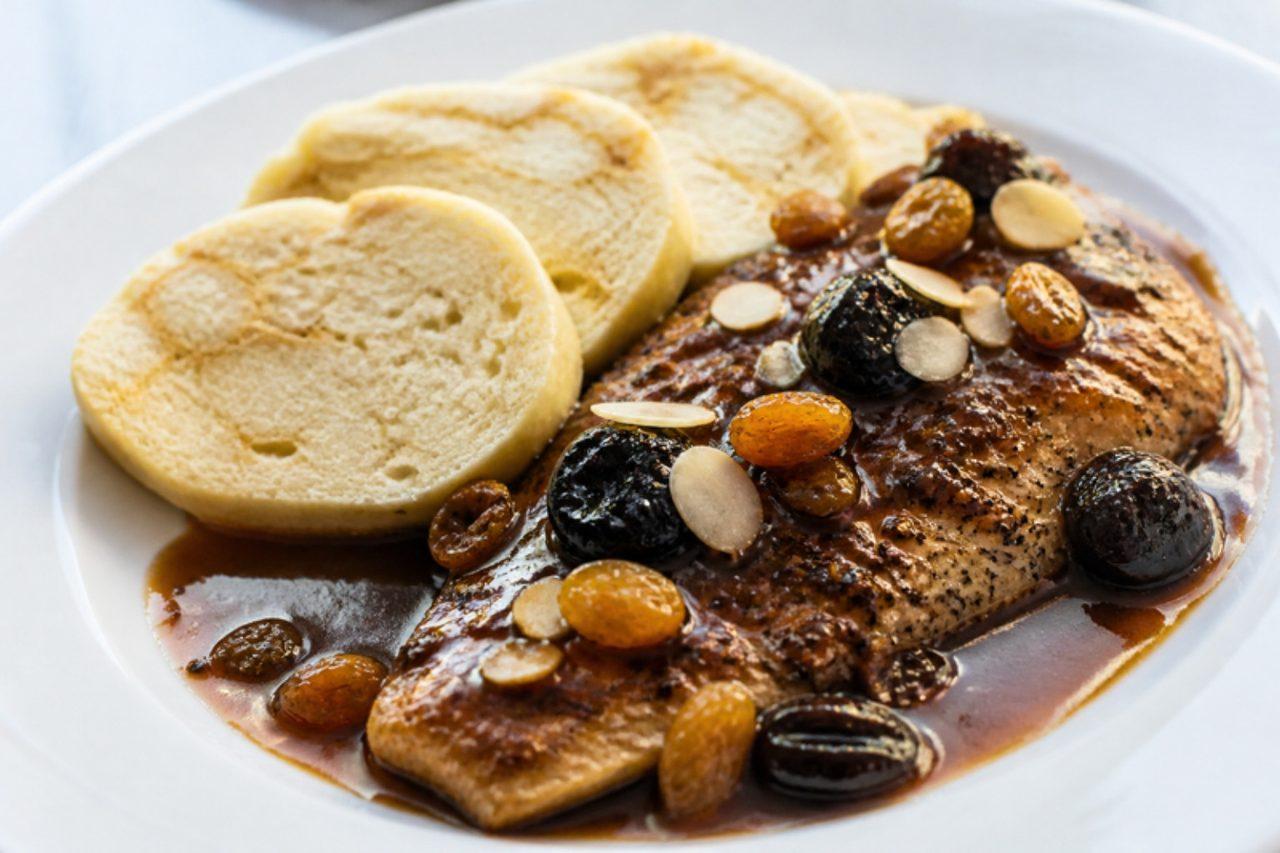
Before fried breaded carp took over the Czech Christmas Eve table, families in Bohemia served kapr na černo, 'black carp': fish simmered in a dark, glossy, sweet-sour sauce of root vegetables, gingerbread, prunes, nuts and dark beer. It is rich and spiced, closer to a medieval feast dish than to the modern menu, and served with bread dumplings or potatoes. This version uses a non-alcoholic dark malt drink so the sauce is alcohol-free; adults may use dark beer. Chef's tip: grate the gingerbread finely, so it melts into a smooth sauce rather than leaving soggy crumbs.

105 minCzechFish
by KrazyBadal 0 views

Rybí polévkaCarp soup

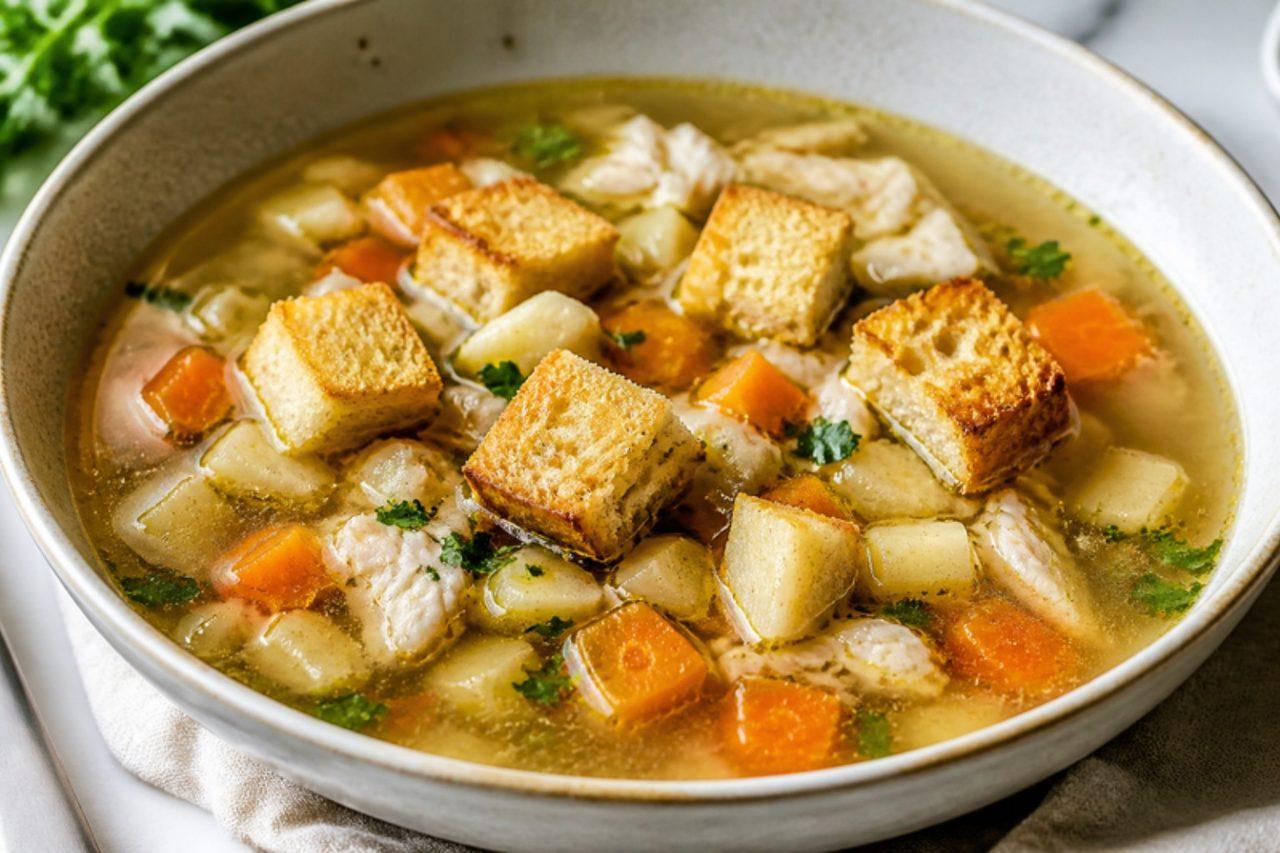
In Czechia the Christmas Eve supper begins with rybí polévka, a soup made from the trimmings of the Christmas carp, which is often bought live at street stalls in the days before; here you simply ask the fishmonger for prepared carp trimmings and a fillet. The bones and trimmings make a clear stock that is simmered with carrot, celeriac and parsley root, then filled with flakes of carp and served with croutons fried in butter. Many families add the carp roe. Chef's tip: strain the stock carefully through muslin, as carp has many fine bones.

105 minCzechSoups
by KrazyBadal 0 views

OsterpinzeEaster anise brioche

Osterpinze is the Easter bread of Styria, Carinthia and the area around Trieste, a soft, golden brioche dome with three deep cuts on top for the Holy Trinity, so that it opens into a crown as it bakes. The dough is rich with egg yolks and butter and flavoured with anise and lemon; old recipes add a splash of white wine, left out here. It is blessed in the Easter basket on Holy Saturday and eaten on Easter morning with ham, horseradish and eggs, or with butter and jam. Chef's tip: make the three cuts with scissors just before baking, deep enough to reach halfway down, so the crown opens wide.

by KrazyBadal 0 views

AllerheiligenstriezelBraided sweet loaf

In Bavaria and Austria, godparents give their godchildren an Allerheiligenstriezel on All Saints' Day, 1 November: a large braided loaf of sweet yeast dough, brushed with egg and scattered with almonds or pearl sugar. The braid is said to recall the old custom of cutting a plait of hair in mourning, and the size of the loaf once showed how generous the godparent was. It is lightly sweet, with lemon and vanilla, and is eaten sliced with butter or jam. Some recipes add rum-soaked raisins; these are soaked in warm water instead. Chef's tip: braid four strands for an impressive, high loaf.

by KrazyBadal 0 views

MazanecEaster raisin and almond bread

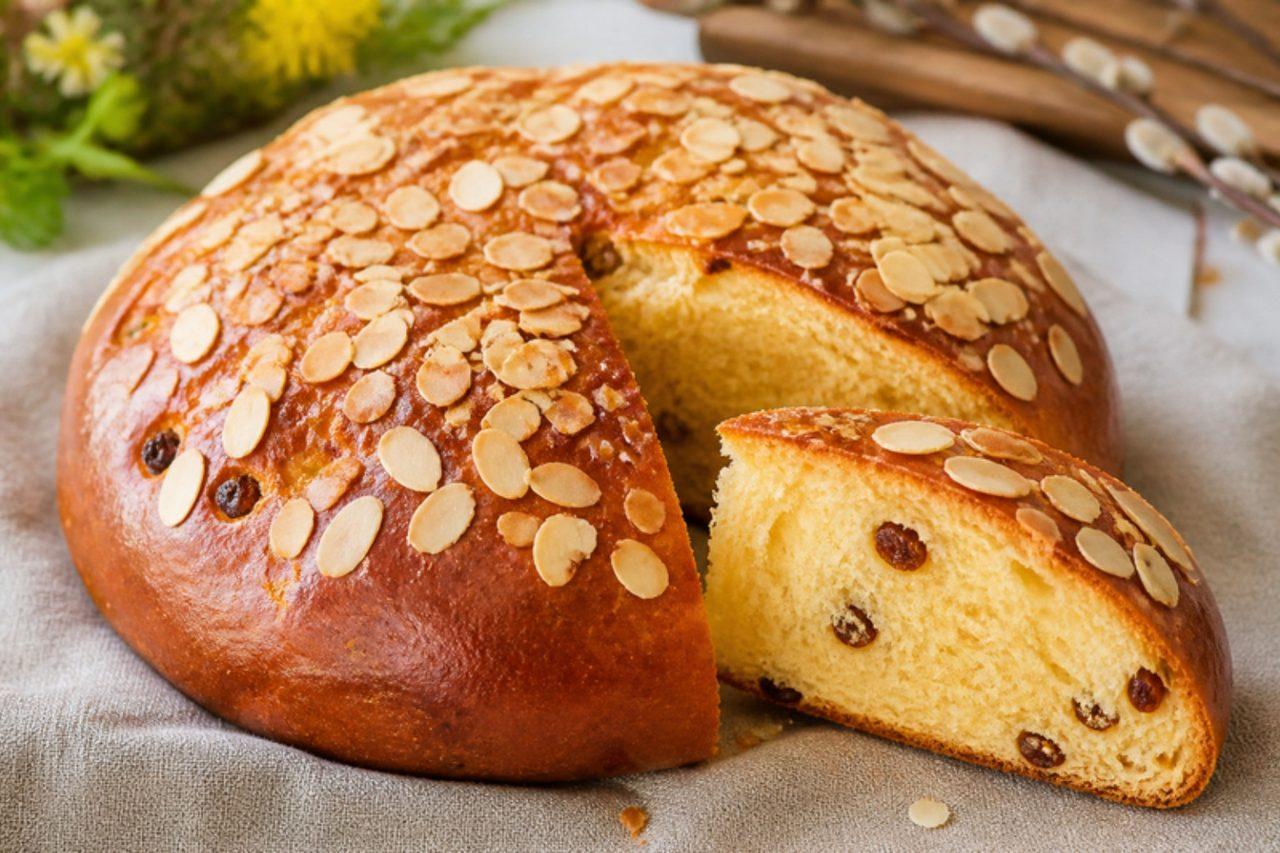
Mazanec is the round Easter bread of Bohemia, baked on Holy Saturday and eaten on Easter Sunday and Monday. The sweet yeast dough is rich with butter, egg yolks and lemon, studded with raisins and almonds, and scored with a deep cross before baking so it opens like a flower. Old recipes soak the raisins in rum; here they are soaked in warm tea, so the bread is alcohol-free. Slice it and spread with butter and honey. Chef's tip: give mazanec a long, slow bake at a moderate heat, because the rich dough browns quickly and the centre needs time.

by KrazyBadal 0 views

Marara (cooked version)Offal salad with peanut butter

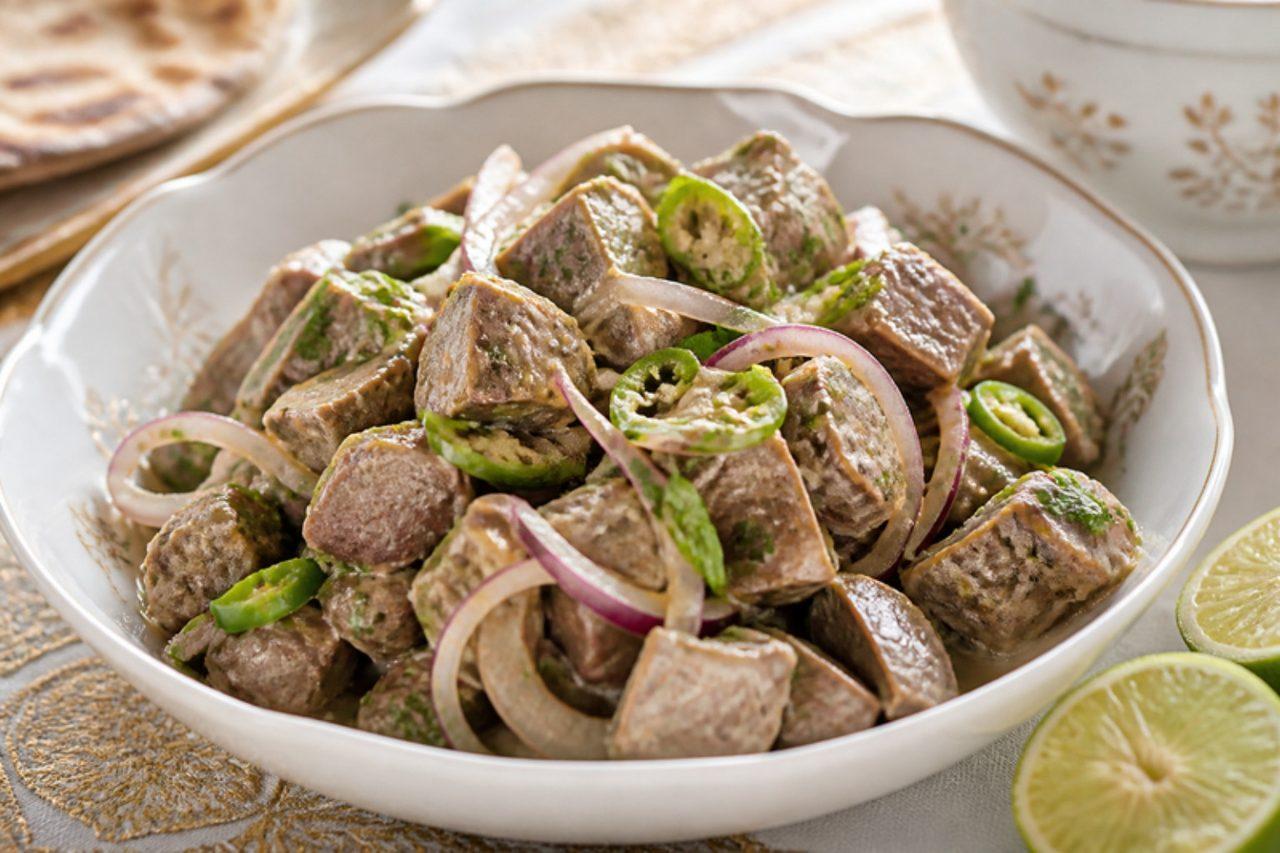
On the morning of Eid al-Adha in Sudan, the fresh liver, lung, tripe and kidney of the sacrificed lamb are chopped and dressed with onion, lime, hot chilli and peanut butter and eaten straight away as marara, traditionally raw. Raw offal can carry harmful bacteria and parasites, so this version briefly cooks the liver and kidney and uses pre-cooked tripe, then dresses them warm so the tangy, nutty, fiery flavours stay the same. The traditional raw dish is not for pregnant women, young children or anyone with a weakened immune system. Chef's tip: chop the cooked offal small and dress it while still warm so it soaks up the lime.

by KrazyBadal 0 views

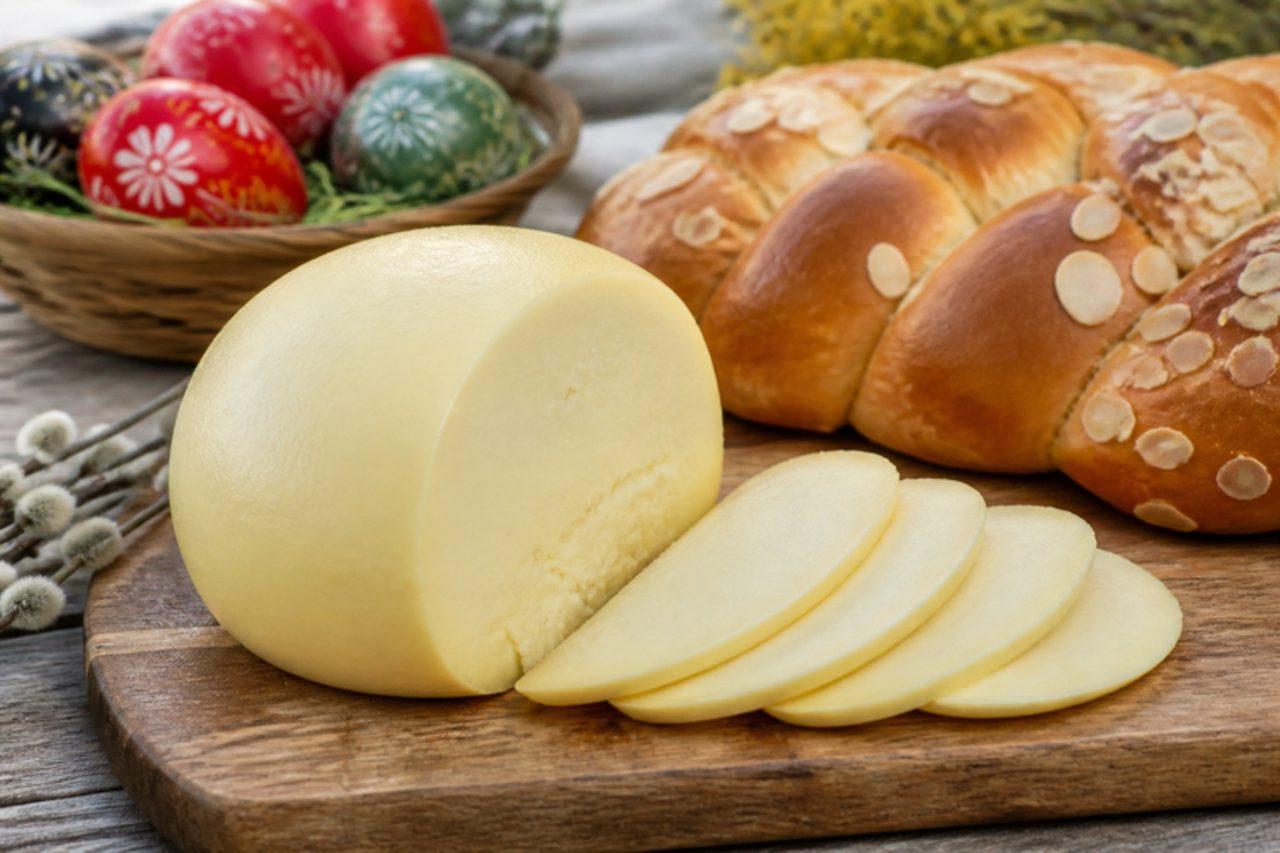
HrudkaEgg and milk cheese

Hrudka (also called sirok or egg cheese) is made in eastern Slovakia and among Rusyn and Slovak families abroad for Easter. Eggs and milk are stirred over a low heat until they separate into soft curds, then the curds are tied tightly in a cloth into a ball and hung to drain overnight. The pale-yellow, mild, slightly sweet 'cheese' is taken to church in the Easter basket on Holy Saturday and sliced at Easter breakfast with ham, bread and horseradish. It needs no rennet, so it is naturally vegetarian. Chef's tip: keep the heat low and stir constantly; high heat makes rubbery curds.

by KrazyBadal 0 views

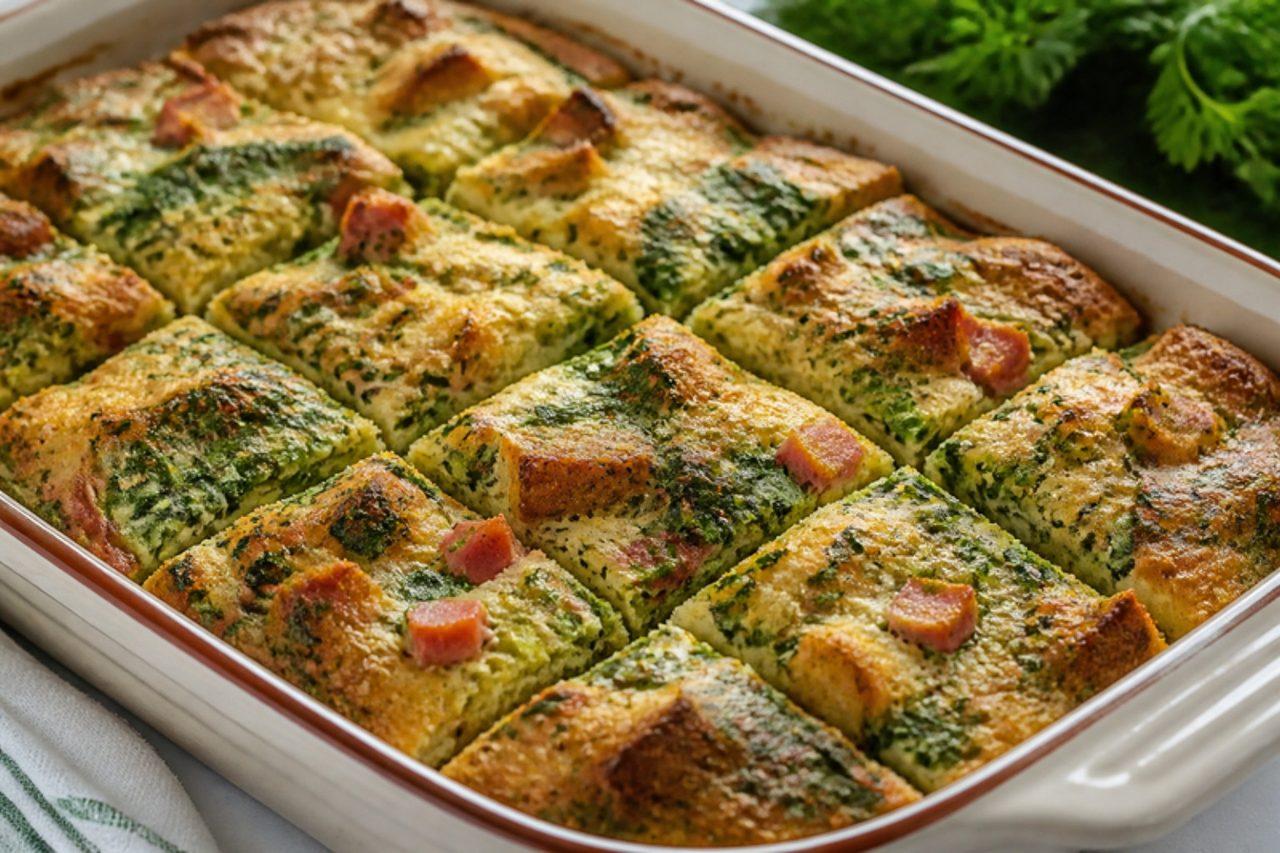
Velikonoční nádivkaBread, egg and smoked pork bake

Velikonoční nádivka ('Easter stuffing', also called hlavička) is a Czech and Moravian Easter dish, baked on Holy Saturday or Easter Sunday. Cubes of bread rolls are soaked in milk and eggs, then mixed with smoked pork and a big handful of young nettles, spinach or spring herbs, and baked until golden and puffy. It's eaten warm or cold, sliced, often beside roast lamb or chicken. For a vegetarian version, leave out the smoked pork and add 250 g fried mushrooms. Chef's tip: pick nettles wearing gloves and blanch them for 30 seconds, which takes away the sting.

75 minCzechMeat
by KrazyBadal 0 views

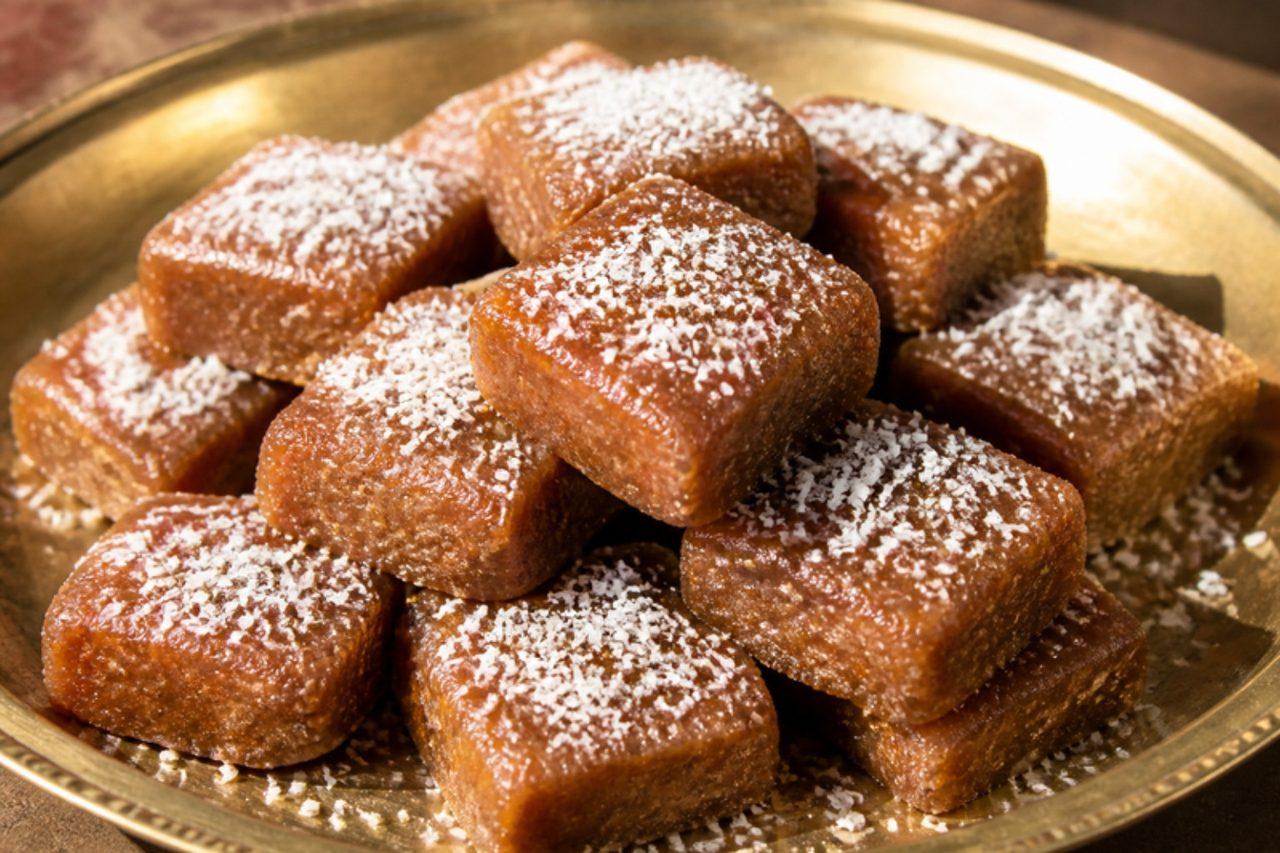
Pustakari (Newari khuwa and jaggery toffee)

Pustakari is the toffee of the Newar community in the Kathmandu Valley, sold in small squares in the old bazaars of Asan and Bhaktapur and made at home for festivals such as Tihar and Yomari Punhi, and on winter afternoons. Jaggery is cooked to a syrup, then khuwa and ghee are stirred in and cooked until the mixture turns into a thick, glossy, deep brown mass that sets into a chewy toffee. It tastes of caramel and milk, a little like fudge but with more chew. Serve a few pieces with tea or as a small sweet after a meal. It is naturally egg-free: the jaggery syrup, cooked to the firm-ball stage, sets the khuwa, so no other binder is needed. Chef's tip: watch the temperature of the syrup; cooking it past 125°C is the common mistake that makes the toffee hard enough to hurt your teeth.

by KrazyBadal 0 views

Khao niao daeng (Thai red sticky rice)

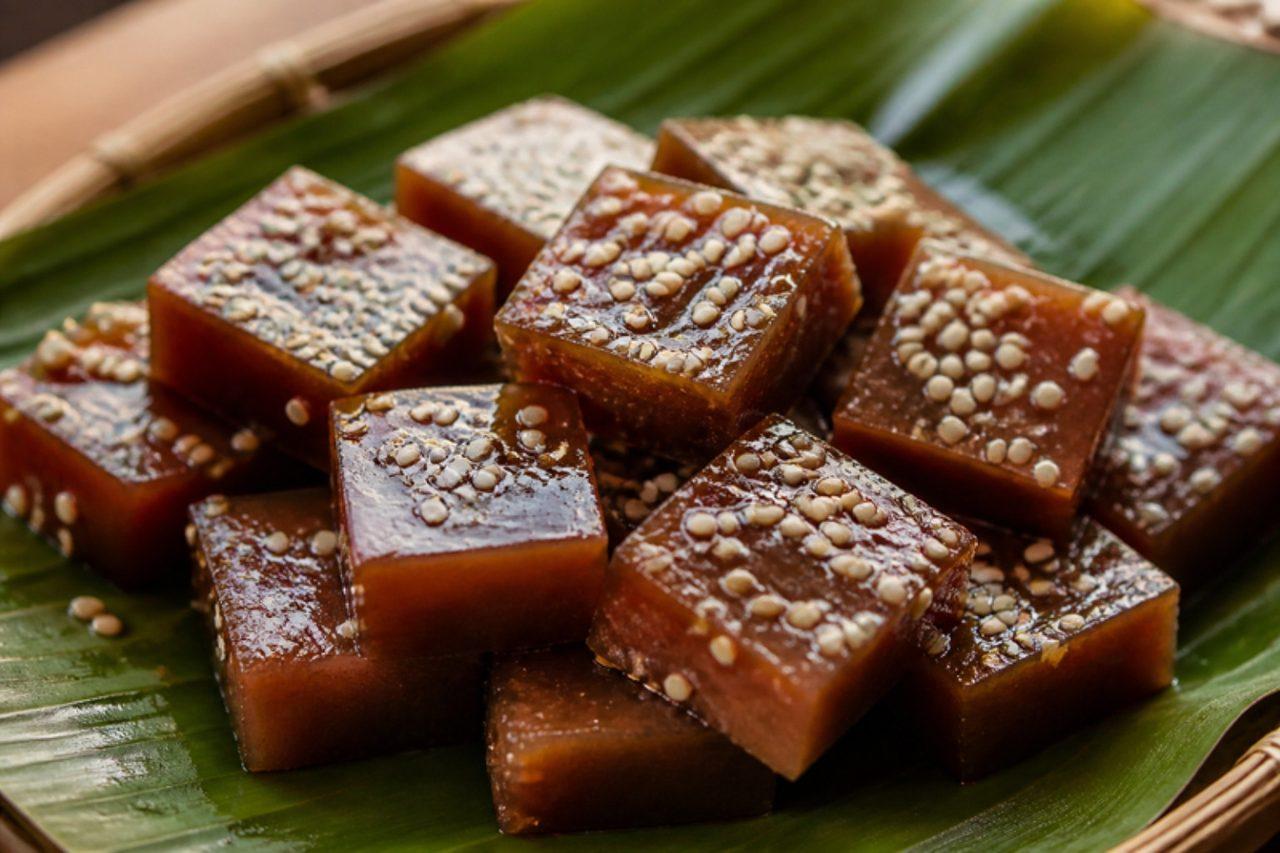
Khao niao daeng, "red sticky rice", is made in Central Thailand in the days before Songkran and carried to the temple as an offering, its sticky grains a wish that family ties hold fast through the year. The rice is steamed first, then folded into a long-reduced coconut and palm sugar caramel until it turns a glossy red-brown and every grain is sweet, chewy and fragrant. Pressed into a tray, it slices neatly and keeps for a few days, so it is a good make-ahead sweet for a crowd. Serve squares with a sprinkle of toasted sesame and a cup of tea. Chef's tip: reduce the caramel until it is thick and bubbling slowly before the rice goes in, or the rice turns mushy instead of chewy.

by KrazyBadal 0 views

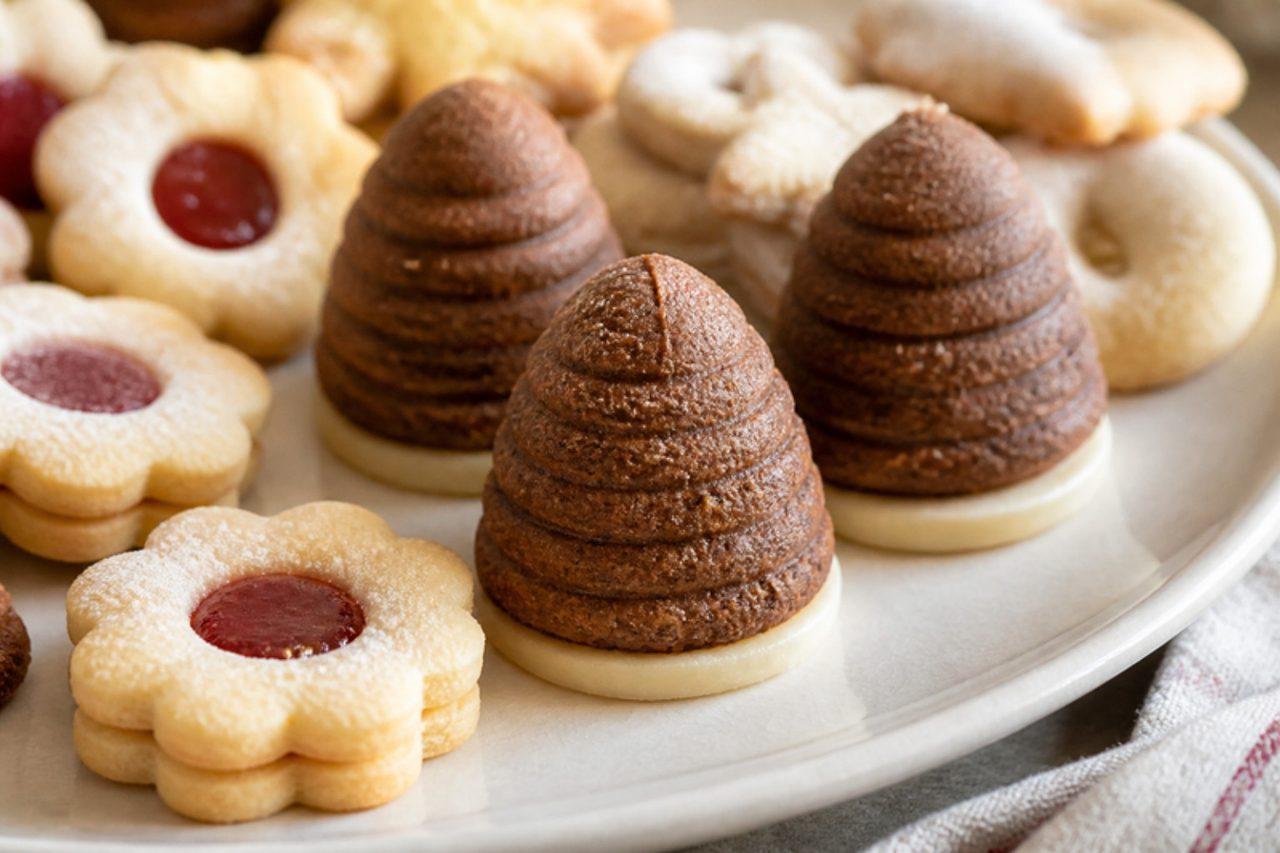
Včelí úlkyNo-bake beehive biscuits

Včelí úlky ('little beehives') are a classic of the Czech Christmas cookie plate (cukroví), which families build up through Advent with a dozen or more kinds. They need no oven: crushed biscuits, ground walnuts, cocoa and butter are pressed into beehive moulds, filled with a smooth egg-yolk cream and sealed with a disc of biscuit. Traditionally a little rum is added to the dough; this version uses milk, and adults may add 1 tbsp rum. The cream is cooked to 71 °C so the yolks are safe, though anyone pregnant or vulnerable may prefer pasteurised yolks. Chef's tip: chill the filled hives before unmoulding, or they collapse.

by KrazyBadal 0 views

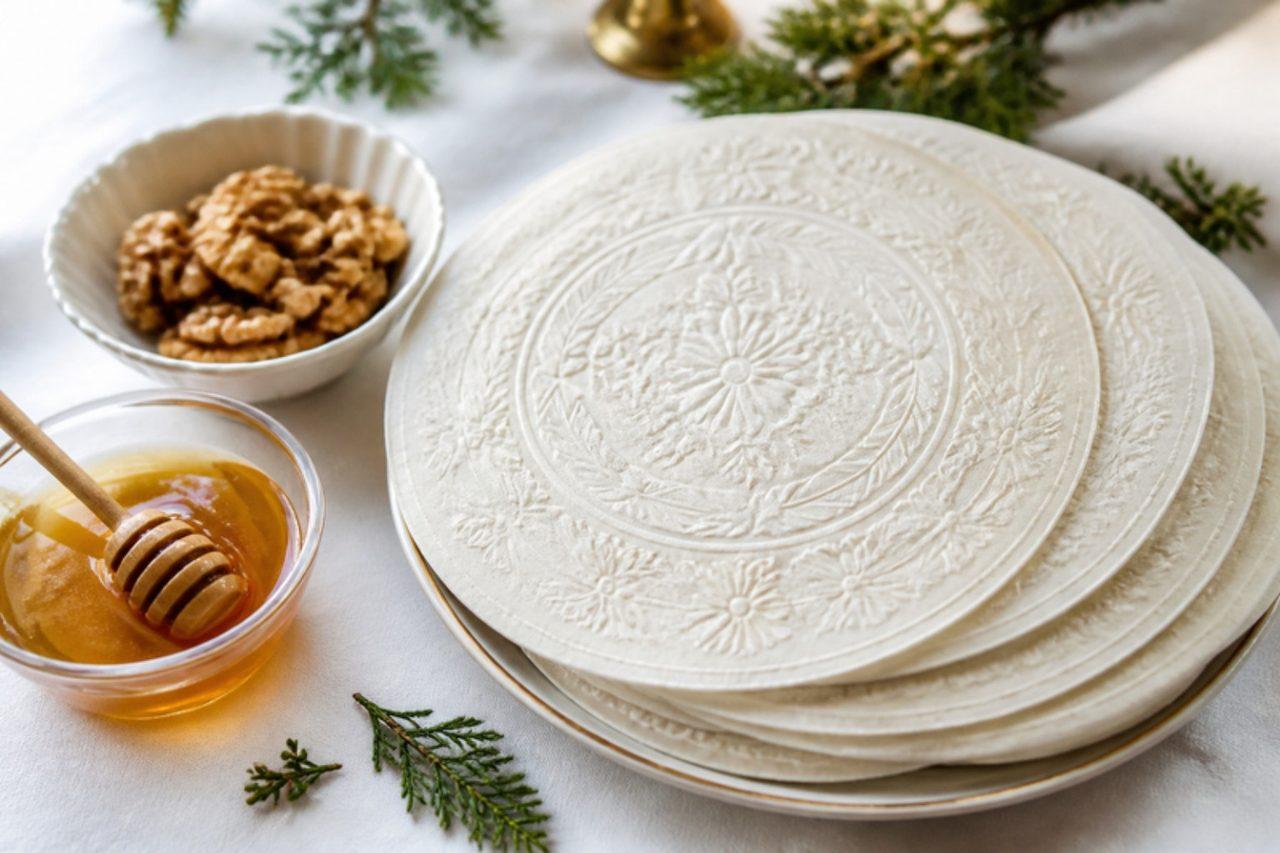
OblátkyChristmas wafers with honey

In Slovakia the Christmas Eve supper (Štedrá večera) opens with oblátky: large, paper-thin wafers stamped with a nativity pattern. The head of the household marks each person's forehead with a cross of honey, and everyone eats a wafer spread with honey, often with a sliver of garlic for health, before the cabbage soup. Families buy them from the church or bake them on a patterned wafer iron; this recipe also gives a pan method for thin, crisp wafers. Chef's tip: the batter must be thin like single cream, as a thicker batter gives a soft pancake instead of a wafer.

by KrazyBadal 0 views

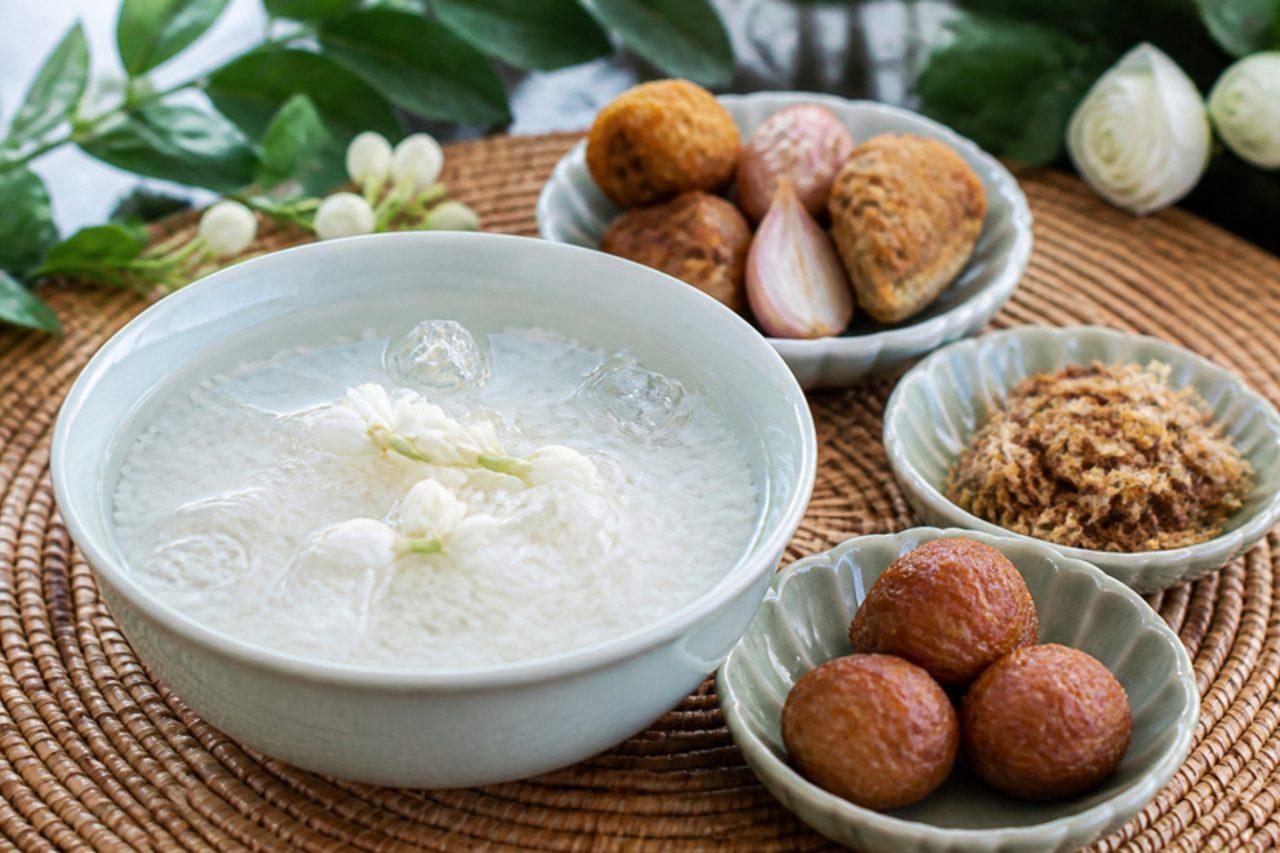
Khao chae (jasmine-scented chilled rice)

Khao chae came to Central Thailand with the Mon people and became the classic Songkran lunch for the hottest days of April: rice served in iced, flower-scented water to cool the body and honour the New Year with something cool and fresh. The rice sits in its fragrant water, surrounded by little savoury bites eaten in turn: fried shrimp-paste balls (luk kapi), battered stuffed shallots and moo foi, sweet shredded pork fried until it is dry and caramelised. Each mouthful is a bite of salty-sweet side followed by a spoon of cold, clean rice. Scent the water with food-safe, unsprayed jasmine flowers or a few drops of food-grade jasmine extract, never florist's flowers. Chef's tip: rinse the cooked rice to wash off its starch so the water stays clear and the grains stay firm.

by KrazyBadal 0 views

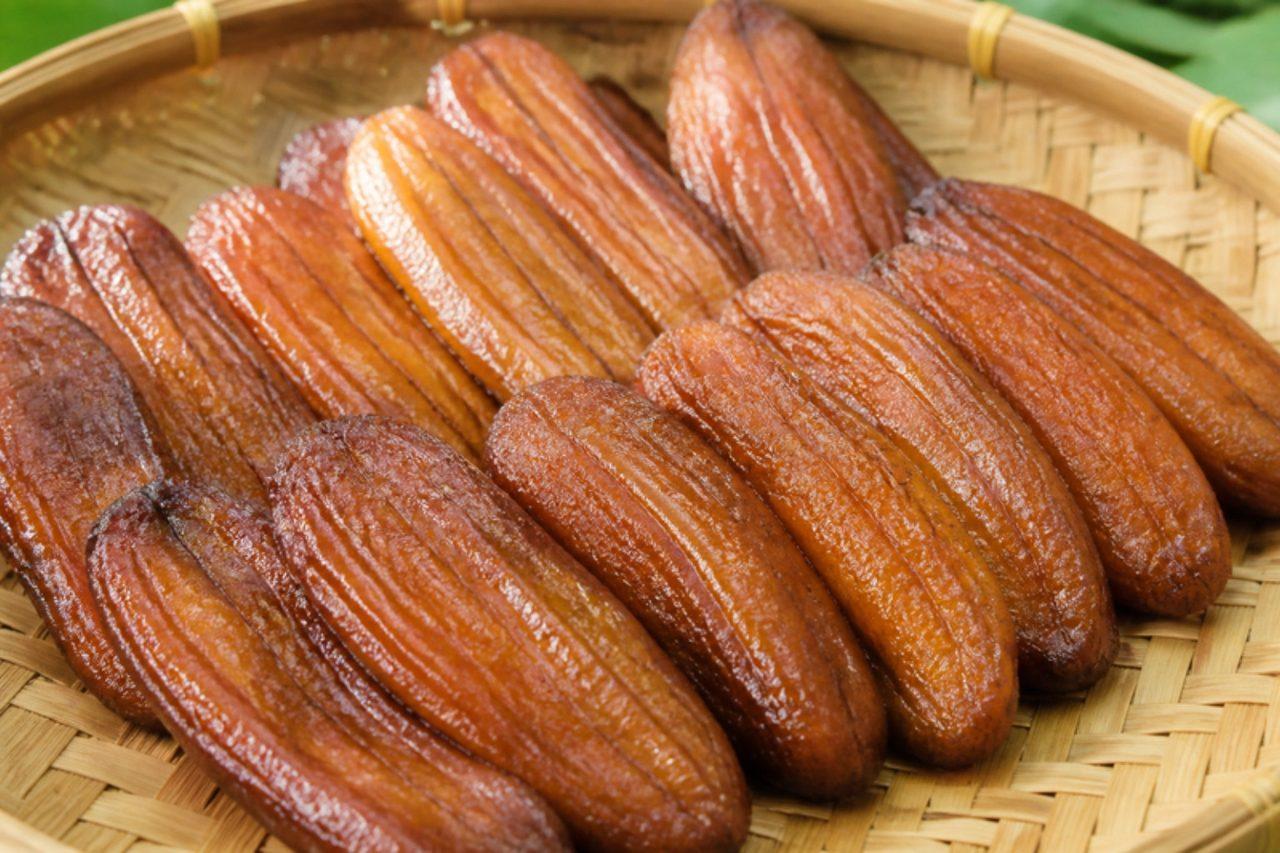
Kluay tak (Thai dried bananas, oven method)

In Bang Krathum, a district of Phitsanulok in lower northern Thailand, small nam wa bananas are peeled and laid out under the sun in glass-roofed drying boxes for several days, then pressed flat to make kluay tak. The district is famous for them, and bags are bought as a gift on the road home and nibbled with tea or coffee in the afternoon. They are dense and chewy like a soft toffee, dark amber, with a deep caramel and honey flavour that comes only from the fruit. As sun-drying takes days and needs steady heat, this version uses a very low oven overnight, then a rest in a jar so the moisture evens out. They are naturally egg-free and need nothing to bind them: the banana's own sugars concentrate and hold it together. Chef's tip: keep the oven low and prop the door open with a wooden spoon; the common mistake is a hot oven, which cooks and blackens the outside while the centre stays wet.

1340 minThaiDessertsVeganGluten free
by KrazyBadal 0 views

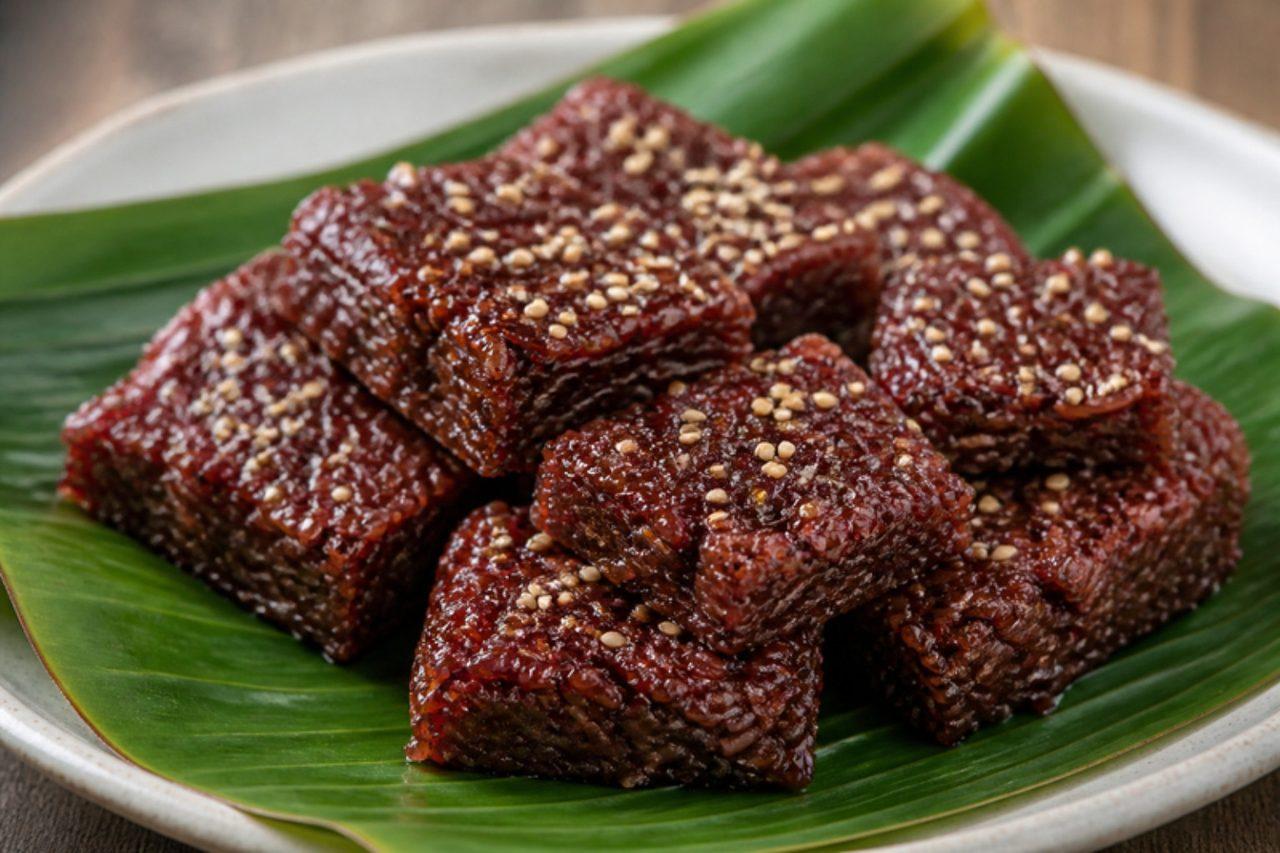
Kalamae (Thai coconut caramel sticky rice sweet)

Kalamae is the Songkran sweet of Central Thailand: in villages, neighbours take turns at a huge wok for hours, and the finished trays go to monks and elders at the New Year, the long shared stirring standing for a community pulling together and the sweetness for a sweet year ahead. Glutinous rice flour, coconut milk and palm sugar slowly turn from milky beige to a deep mahogany paste that is chewy, a little smoky and rich with coconut. Cut it into small squares and serve with jasmine tea, or wrap the pieces in banana leaf to give away. A home batch takes about two and a half hours at the stove, so put on some music and keep a wooden spoon moving. Chef's tip: use the widest heavy pan you own; more surface means faster thickening and less risk of scorching.

180 minThaiDessertsVeganGluten free
by KrazyBadal 0 views

Krathong thong (crispy golden cups with chicken)

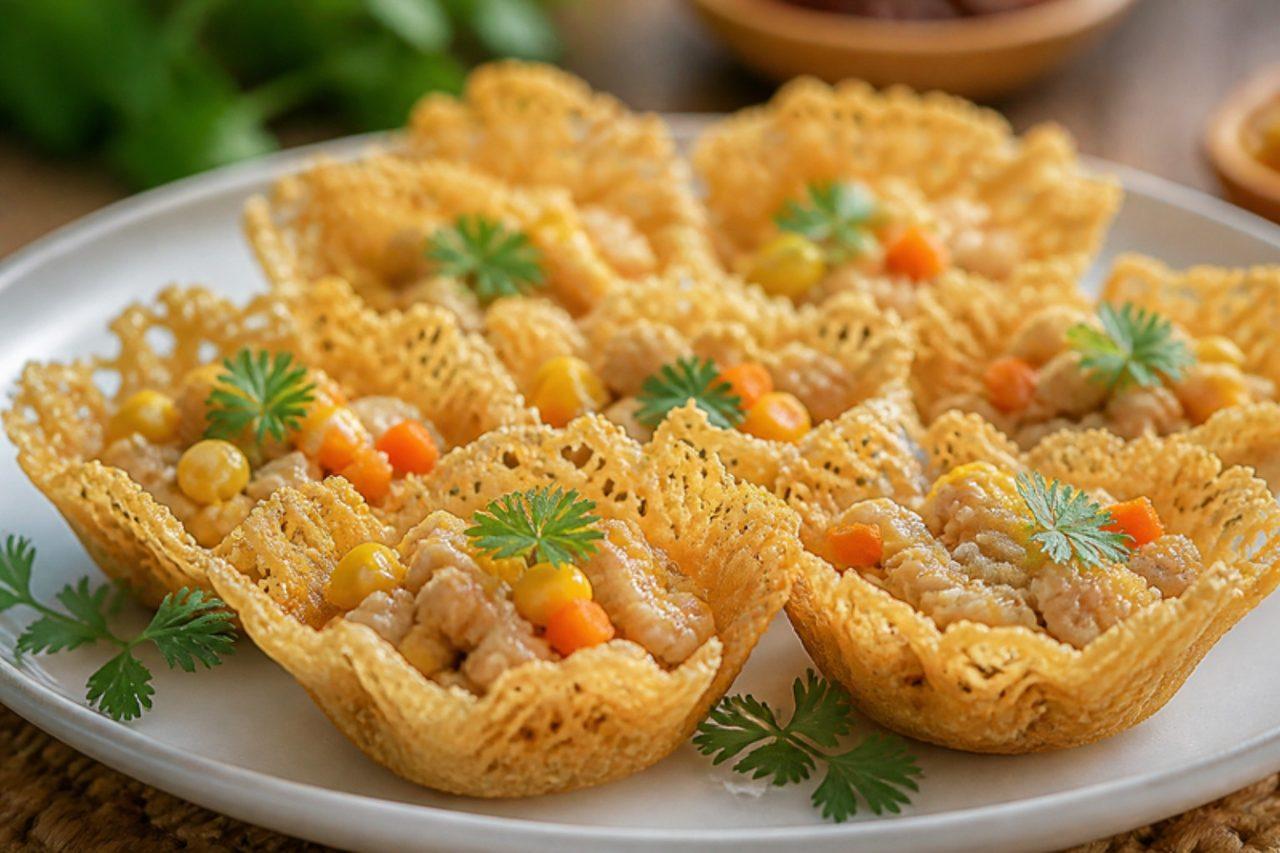
Krathong thong, "golden baskets", are named after the little floating krathong set on the rivers at Loy Krathong in Central Thailand, and their golden colour makes them a party bite for wishing wealth at festivals and New Year gatherings. A thin rice-flour batter is fried on a hot flower-shaped mould into crisp, delicate cups that shatter at the first bite. The filling is minced chicken cooked with sweetcorn, carrot, garlic and a little sugar, so it is gently sweet and savoury, which children love. Serve them as a starter with a sweet chilli dip, filling the cups just before serving so they stay crisp. Chef's tip: the cups keep for a week in an airtight tin, so fry them a day ahead and only cook the filling on the day.

by KrazyBadal 0 views

Gudpak (Nepali khuwa, gum and jaggery fudge)

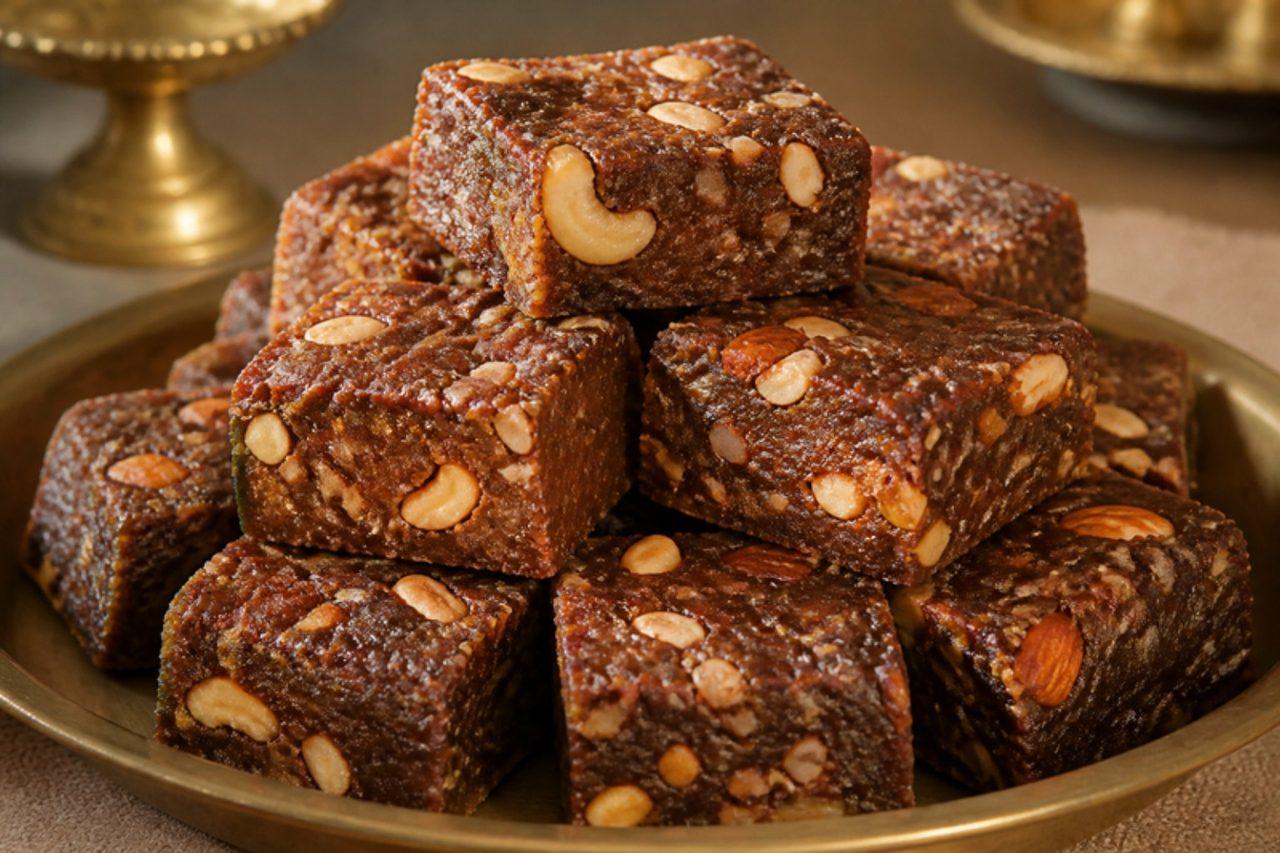
In the Kathmandu Valley, gudpak is the sweet of cold mornings, eaten in the depths of winter and around Maghe Sankranti, and given to new mothers to restore their strength after childbirth. Khuwa (milk solids) is roasted in ghee, sweetened with jaggery, and mixed with crunchy fried edible gum, nuts and coconut before being pressed into a tray and cut into squares. It's dense, rich and slightly chewy, with a warm caramel flavour and pops of crunch from the puffed gum. Eat a square with milky tea or as a small sweet after dinner. It is naturally egg-free: the khuwa and jaggery cooked together into a thick mass bind the fudge, and the edible gum (gond) gives it body. Chef's tip: fry the gum in small amounts over a low heat until it puffs up white; frying it too fast is the common mistake, which leaves it hard, glassy and unpleasant to chew.

by KrazyBadal 0 views

ไอติมกะทิ (Itim kathi, Thai coconut ice cream)

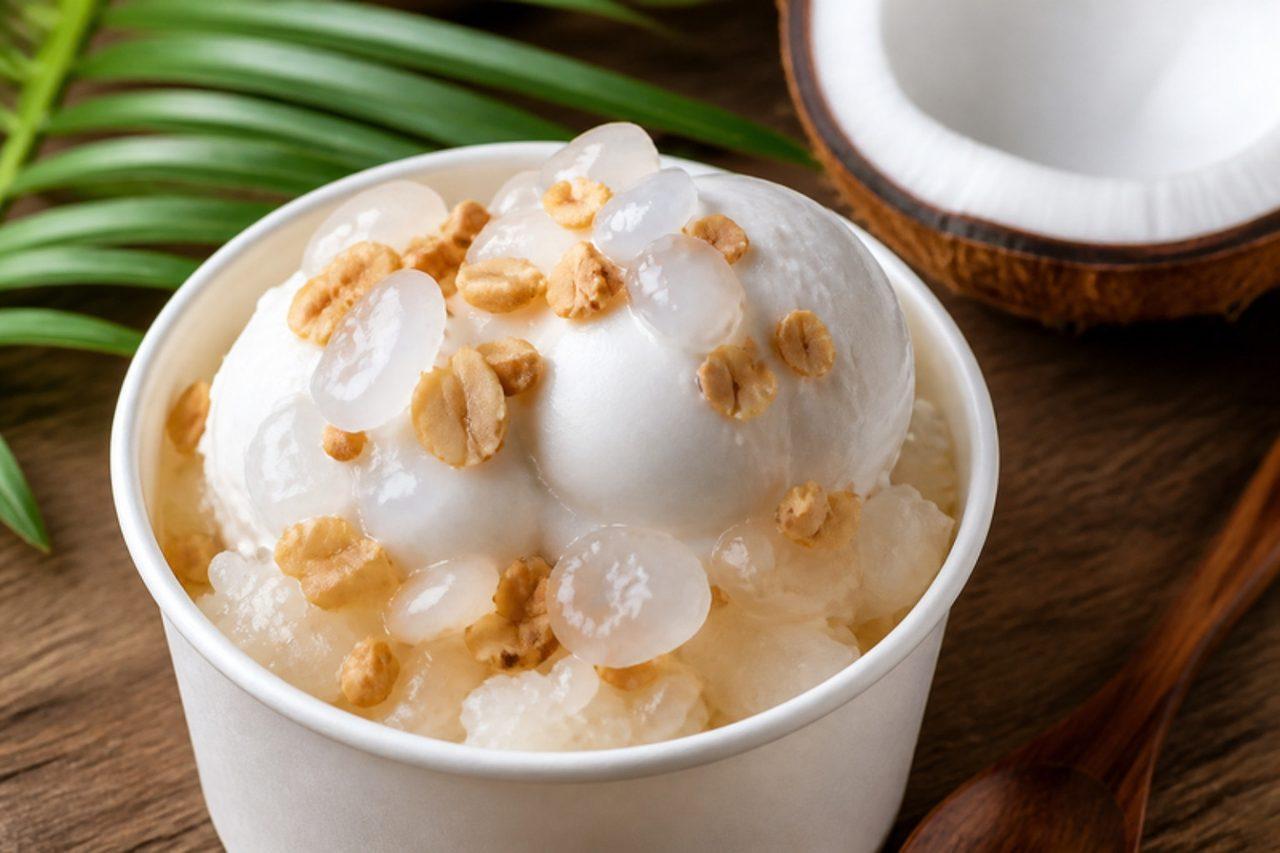
Itim kathi is the ice cream of Bangkok's pushcarts: a vendor lifts the lid of an insulated drum, scrapes up a scoop of snow-white coconut ice cream and piles it into a small cup over sticky rice, then adds whatever the customer points at, from roasted peanuts and sweet corn to chewy palm seeds. It is sold all afternoon in the hot months, outside schools and temples and in markets. Some vendors tuck the scoop into a soft bread roll; serve it in cups as here and it stays gluten free. It is naturally egg-free and dairy-free. Coconut milk carries the fat that makes it creamy, and a little cornflour cooked into it binds the water so crystals stay fine and the texture stays smooth without any custard, while a pinch of salt sharpens the coconut. Chef's tip: use full-fat coconut milk with no added water; the common mistake is using a light one, which freezes hard and icy.

300 minThaiDessertsVeganGluten free
by KrazyBadal 0 views

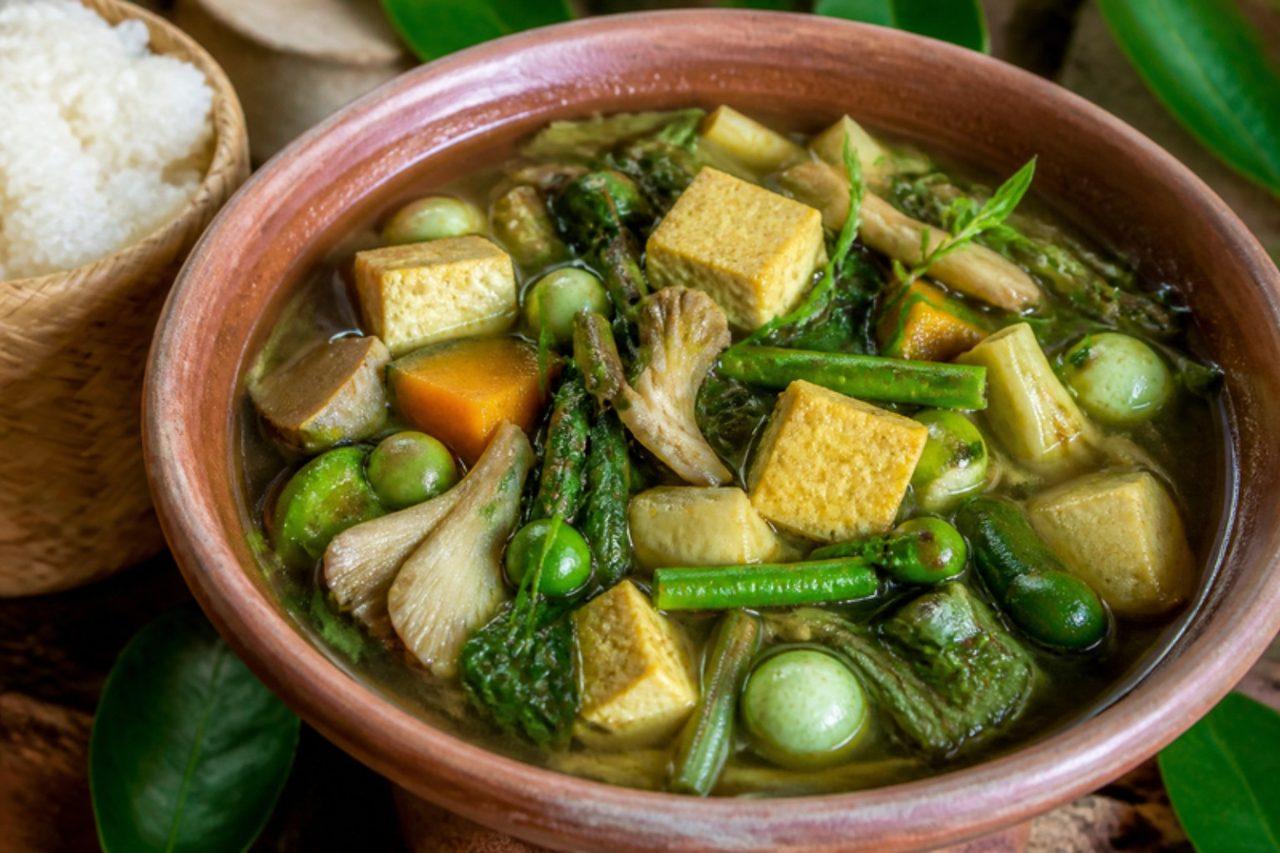
Kaeng khae with tofu and mushroomsHerb curry with tofu and mushrooms

Kaeng khae comes from the hills around Chiang Mai and Lampang, where it is cooked through the rainy season with whatever the garden and forest give: pea aubergines, long beans, pumpkin tips, acacia shoots and handfuls of leaves, in a brothy, coconut-free curry scented with lemongrass and the peppery prickly ash called makhwaen. In northern homes it is a lunch dish eaten with sticky rice. It is normally cooked with chicken, frog or fish and seasoned with fermented fish; this vegetarian version uses firm tofu, oyster mushrooms, soy sauce and a little salted soybean paste. With the tofu a portion has about 11 g of protein, so it is light rather than high protein. The common mistake is adding all the vegetables at once: the leaves are done in a minute while the beans and aubergines need five. Chef's tip: dry-fry the curry paste in a spoon of oil until it smells toasty before adding water; it gives the broth its depth without any fish.

by KrazyBadal 0 views

Showing 24 of 337 recipes

Show more recipes

Page 1 of 15