Skip to content
Recipes

All recipes

Vegetarian, or something you can't eat? Set your diet once and we'll hide recipes that don't fit.

Pine nut tea

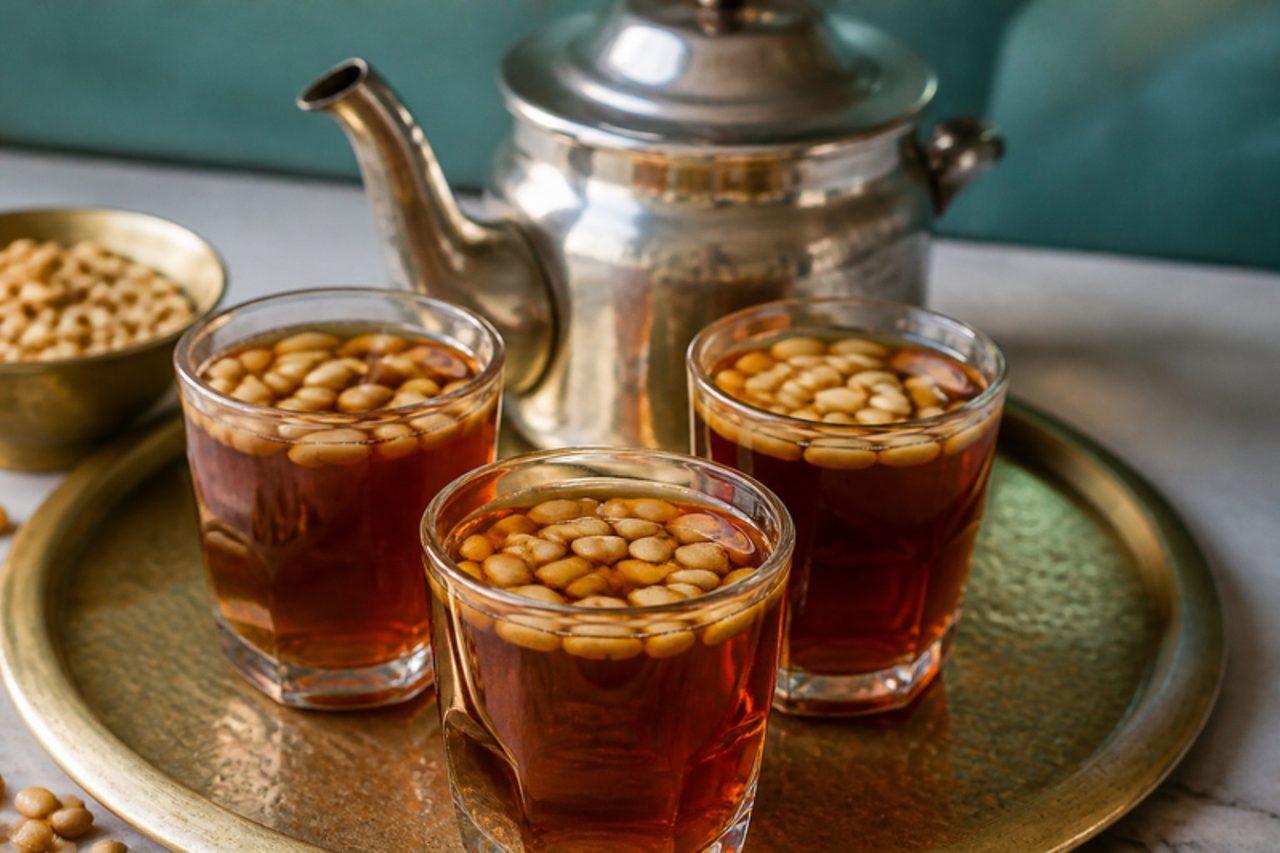
Order tea in a Tunis café, especially in the cafés of Sidi Bou Said overlooking the bay, and it often arrives with a spoonful of pale pine nuts bobbing on top. The tea itself is brewed strong and very sweet, green with mint or dark black tea boiled until syrupy, and poured from a height into small glasses so it froths. The nuts soften slightly in the heat and you eat them at the bottom of the glass, buttery against the bitter-sweet tea. It is drunk after meals and through the evening. Chef's tip: toast the pine nuts lightly in a dry pan; just a hint of colour brings out their butteriness without making them sink.

by KrazyBadal 0 views

Omek houria

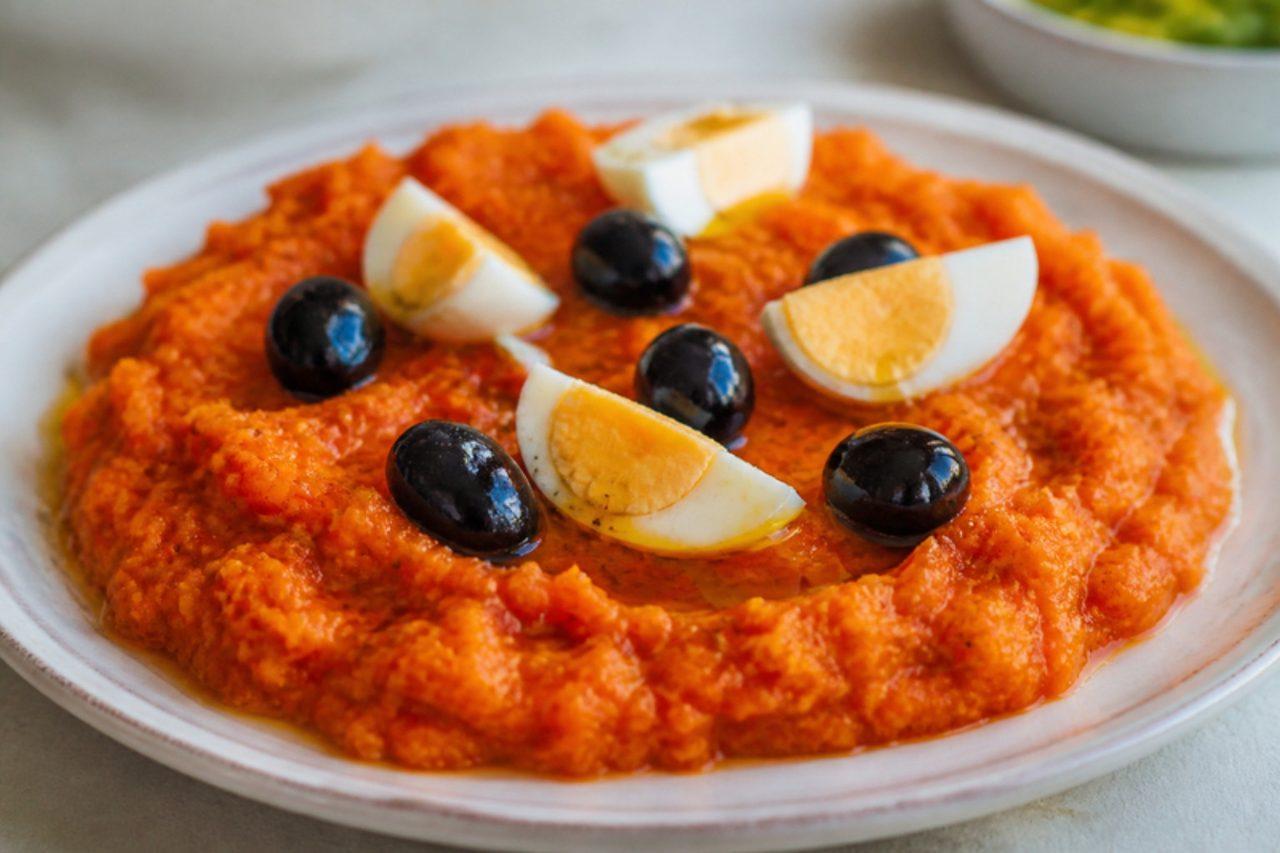
Nobody quite agrees why this salad is called mother of Houria, but every Tunis household knows it as one of the small dishes that open a meal, set out with bread, olives and brik during Ramadan or at a Sunday lunch. Carrots are boiled soft, crushed with a fork rather than puréed, and seasoned boldly with garlic, ground caraway, harissa, vinegar and good olive oil, so the sweetness of the carrot sits under a garlicky, warm heat. It is finished with black olives and wedges of hard-boiled egg and eaten at room temperature, scooped up with crusty bread. This version is vegetarian; some cooks add tuna on top. Chef's tip: dress the carrots while still warm; they soak up the oil and vinegar far better than cold ones.

by KrazyBadal 0 views

Bsissa

A tin of bsissa sits in many Tunisian kitchen cupboards, from Tunis flats to farmhouses in the south: a finely ground flour of roasted barley, roasted chickpeas and spices such as coriander, fennel and aniseed. In the morning a few spoonfuls are worked with olive oil and something sweet into a nutty, crumbly paste, or stirred with water into a thick drink, and it keeps you going until lunch. Travellers and pilgrims once carried it for the road. Roasting your own flour takes 15 minutes and makes a jar that lasts weeks. Sugar and dates keep it vegan; some families use honey. Chef's tip: roast the flours separately over a low heat and stir constantly; the moment they smell like toasted biscuits and turn light tan, tip them out of the pan.

by KrazyBadal 0 views

Citronnade

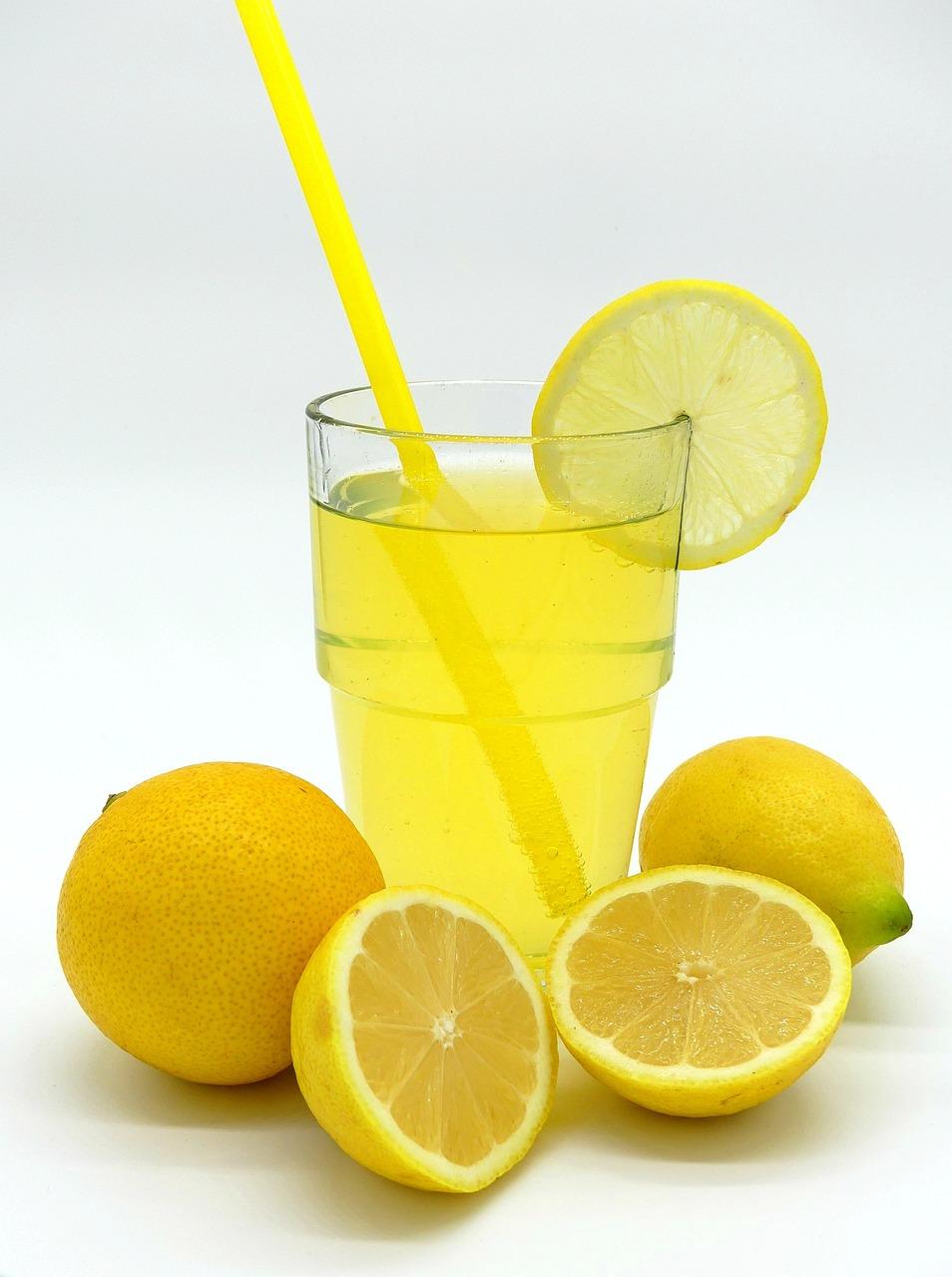
Café terraces in Tunis serve citronnade in tall glasses on hot afternoons and through Ramadan evenings, and it is nothing like clear lemonade: whole lemons, peel and all, are blended with sugar and water, then strained, giving a cloudy, pale-yellow drink that tastes of the zest as much as the juice. A drop of orange-flower water rounds it off. It should be sharp, sweet and very cold. Use unwaxed lemons with thin skins. Chef's tip: let the cut lemons sit with the sugar for 10 minutes before blending; the sugar draws out the fragrant oils from the peel.

by KrazyBadal 0 views

Kaak warka

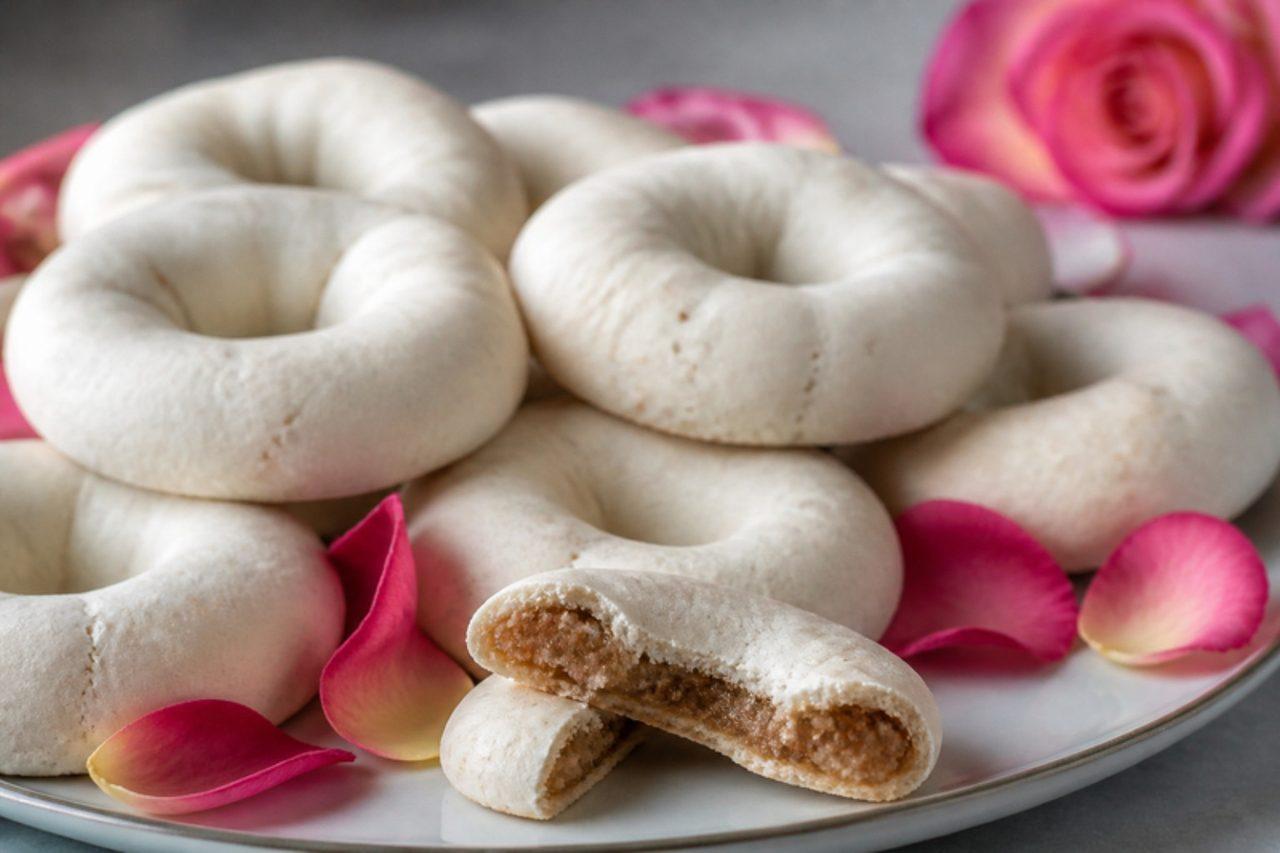
The hill town of Zaghouan, south of Tunis, is famous for two things: its Roman water temple and kaak warka, delicate rings of very thin, crumbly pastry wrapped around almond paste perfumed with rose geranium or rose water. They are a celebration sweet, bought in boxes for weddings, circumcisions and Eid, and should stay white when baked, with a fine sugary crumb and a soft, fragrant centre. Making them takes patience: the dough is rolled thin, wrapped around ropes of almond paste and shaped into rings. Chef's tip: bake low and short; the moment the bases colour, they are done, as any browning on top ruins their famous pale look.

by KrazyBadal 0 views

Zrir

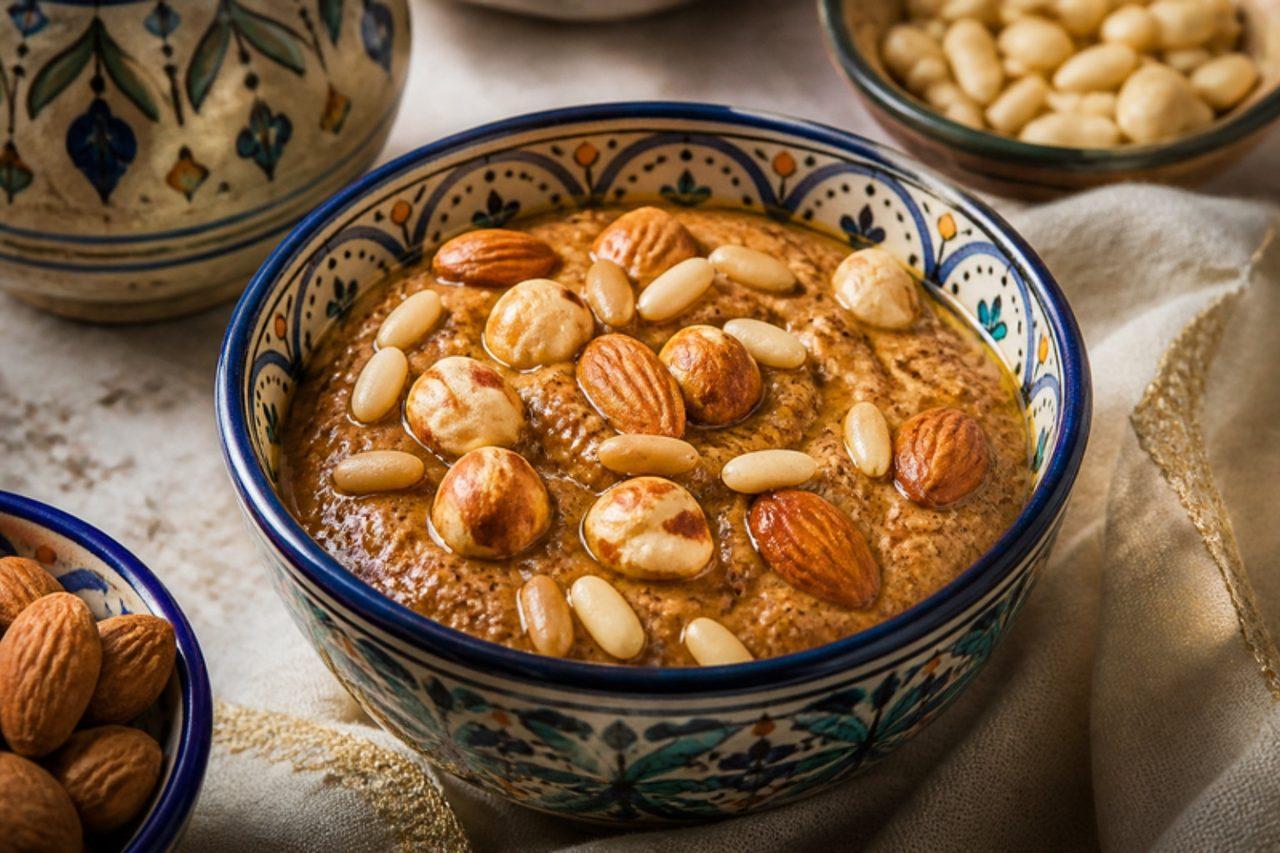
When a baby arrives in a Tunis family, visitors who come to see mother and child are offered zrir, a dense, glossy paste of toasted sesame, hazelnuts and almonds bound with butter and honey, believed to give strength to the new mother. It is served in tiny bowls or shaped into a mound and studded with nuts, and a spoonful is plenty. The taste is like a very rich halva with honey and toasted nuts. It keeps for a couple of weeks in a jar. Chef's tip: grind the sesame while it is still slightly warm; the oils release more easily and the paste turns smooth rather than sandy.

by KrazyBadal 0 views

Tunisian samsa

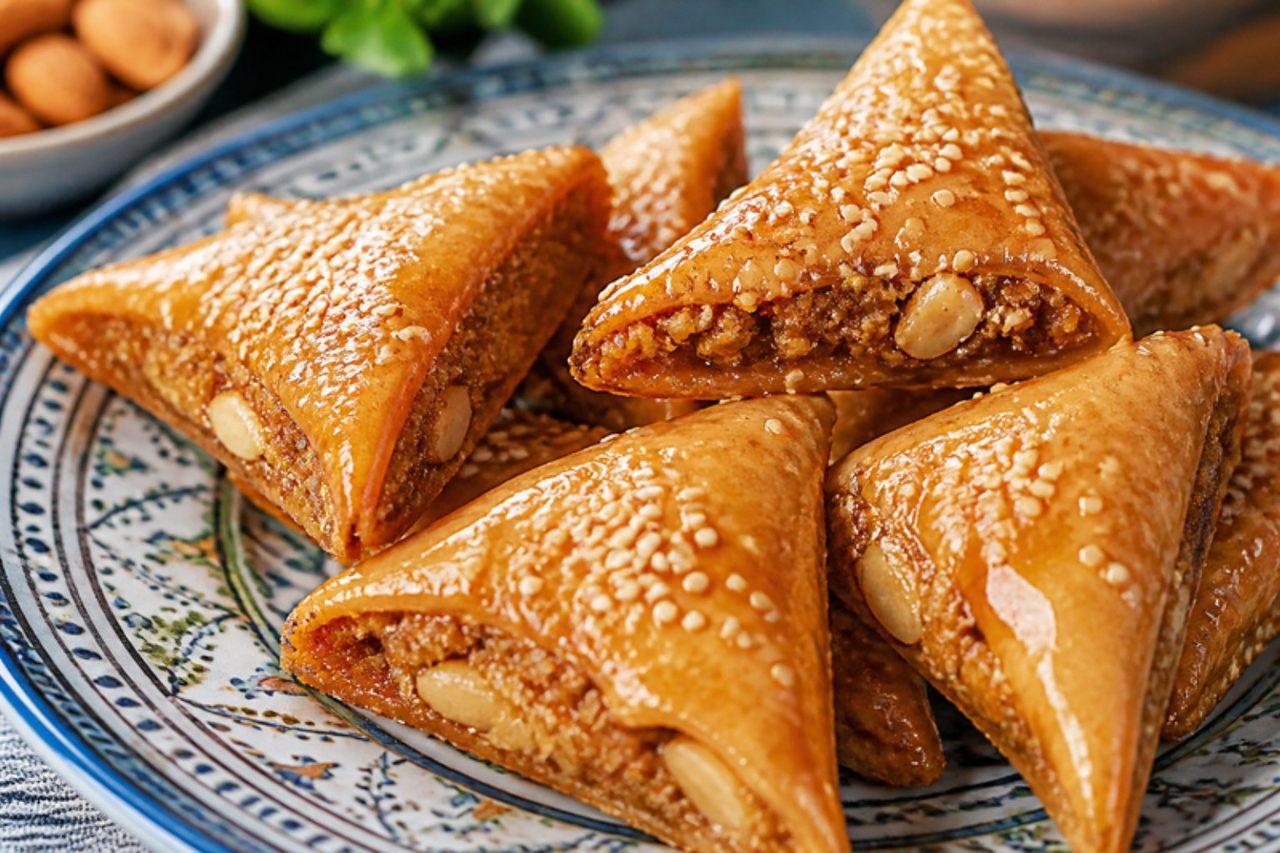
Tunisian pastry shops in the old medina stack samsa in neat pyramids at Eid and weddings, and families make trays of them at home before the feast. The triangles are folded from malsouka, a paper-thin pastry also used for brik, around a filling of ground almonds and toasted sesame scented with orange zest and orange-flower water, then baked or fried and dropped into a lemony syrup. They are shatteringly crisp at the corners, sticky and nutty in the middle, and go with a glass of mint or pine-nut tea. Spring roll pastry, brick pastry or filo can stand in for malsouka. Chef's tip: dip hot pastries into cool syrup, never hot into hot; that contrast keeps them crisp instead of soggy.

by KrazyBadal 0 views

Bouza

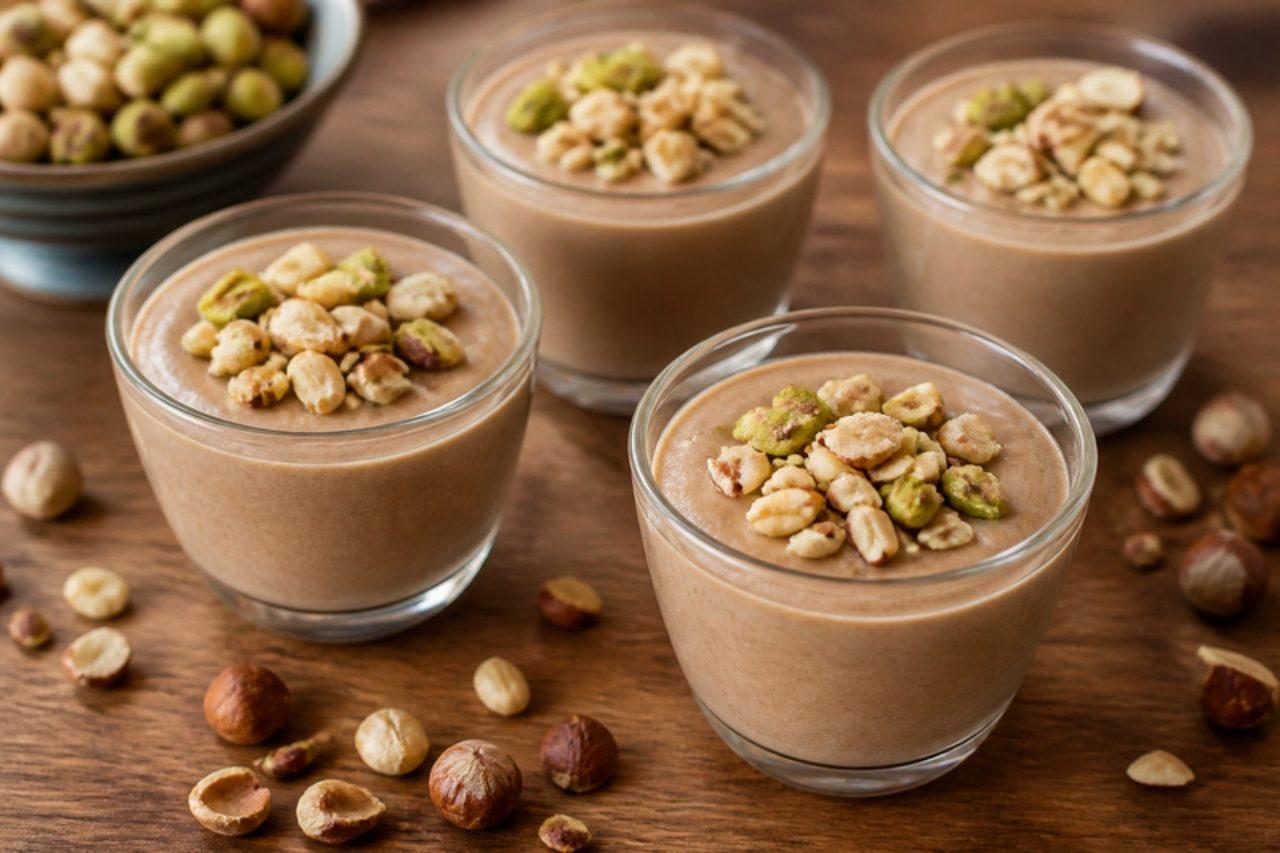
On the morning of Mawlid, the Prophet's birthday, Tunis families make large bowls of creamy pudding and send small ones to neighbours, and bouza made from sorghum flour with roasted hazelnut paste is one of the best loved. The sorghum gives a fine, slightly earthy cream; the hazelnuts make it taste almost like praline. It is poured into glasses, left to set and decorated with a thick layer of chopped nuts, pistachios and sometimes sugared almonds. Make it the day before so it chills firm. Chef's tip: whisk the sorghum flour into cold liquid before it goes near the heat, or it seizes into lumps you cannot whisk out.

by KrazyBadal 0 views

Schinkenfleckerl

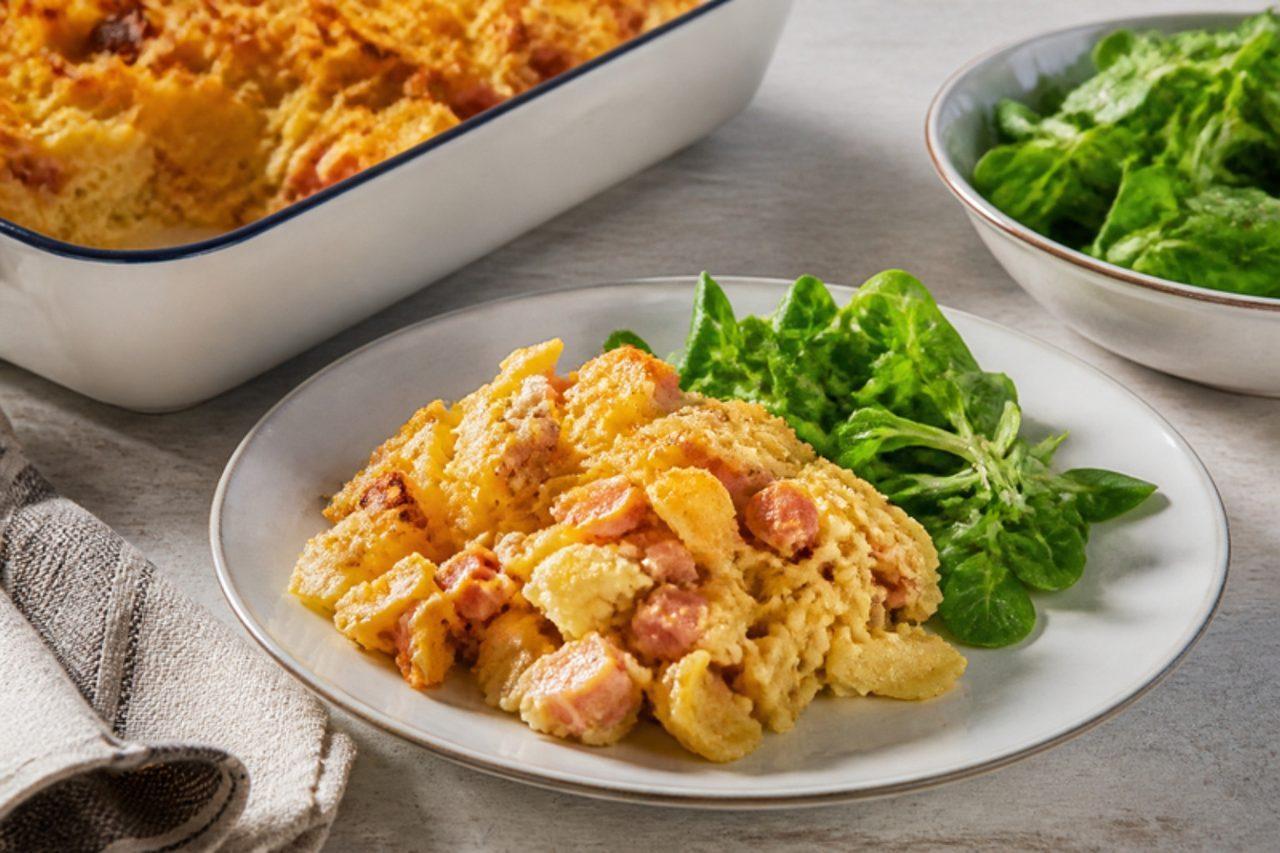
Schinkenfleckerl is the comfort bake of Viennese homes and school canteens, a simple dish that came to Vienna from Bohemian cooks in the days of the old empire. Small pasta squares are folded into a mix of butter, egg yolks, sour cream and diced cooked ham, lightened with whisked egg whites and baked until the top is golden and the edges crunchy. Swap the ham, which is pork, for 250 g fried mushrooms for a vegetarian version. Chef's tip: cook the pasta a minute short and rinse it cold, so it does not go soft in the oven.

by KrazyBadal 0 views

Linzer Torte

Linz, the Danube city in Upper Austria, has baked this tart for centuries, and it still fills bakery windows there all year, with extra demand in Advent. It is closer to a soft, crumbly nut biscuit than a pastry: ground hazelnuts, butter, cinnamon and cloves are pressed into the tin, filled with tart redcurrant jam and topped with a lattice. Serve a thin slice with coffee or tea. A common mistake is eating it on the day it is baked; it is much better after two or three days, when the jam soaks into the crumb. Chef's tip: chill the lattice strips on a tray before lifting them on, and they will not tear.

by KrazyBadal 0 views

Esterházytorte

Named after a Hungarian noble family and claimed by both Budapest and Vienna, this torte is a showpiece of Viennese pastry shops, where it sits in the glass counter beside richer chocolate cakes. Five or six crisp-chewy almond meringue layers are stacked with a vanilla custard buttercream, then topped with white icing and the famous feathered chocolate lines. It has no flour at all, so it suits gluten-free guests. A common mistake is baking the layers too pale; they should be light golden, or they go soft and sticky in the cream. Chef's tip: draw the circles on baking paper first and spread the meringue to the line with a palette knife, so every layer matches.

by KrazyBadal 0 views

Kardinalschnitten

Kardinalschnitten, 'cardinal slices', were created in Vienna with the colours of the Church in mind: white meringue and yellow sponge baked side by side in stripes. In Viennese cafés they are a light, summery choice with an afternoon coffee. Two baked sheets of alternating stripes sandwich a soft coffee cream, and the result is crisp, airy and cool at the same time. A common mistake is overfilling with cream that has not been stabilised; it squeezes out when you cut. Here a little mascarpone keeps the cream firm without gelatine. Chef's tip: pipe the meringue stripes first and the sponge in the gaps after, so the sponge does not spread flat.

by KrazyBadal 0 views

Punschkrapfen

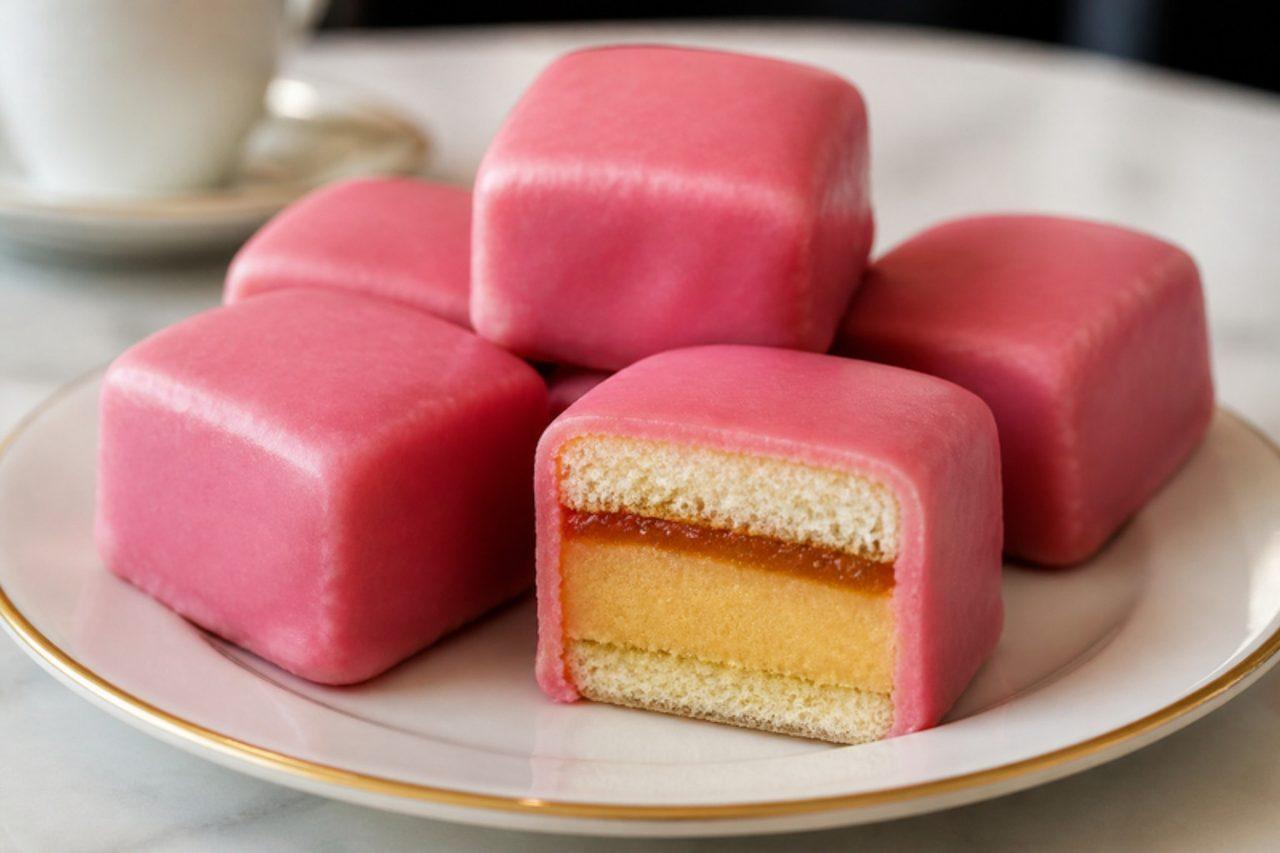
Punschkrapfen are the bright pink cubes that glow from every Viennese Konditorei counter, especially in winter. Traditionally the filling of sponge crumbs, jam and chocolate is soaked in rum punch, which gives the cake its name, so the classic version contains alcohol. This recipe makes the alcohol-free version with orange juice and strong black tea, which keeps the fruity, warming flavour that children can eat too; to make the traditional one, swap 40 ml of the orange juice for dark rum. The sponge is moist and dense, the icing sweet and crackly. A common mistake is skipping the overnight press; the cubes fall apart when cut. Many pink colourings use carmine, made from insects, so choose a plant-based one such as beetroot red. Chef's tip: cut with a knife dipped in hot water and wiped between each cut for clean edges.

by KrazyBadal 0 views

Malakofftorte

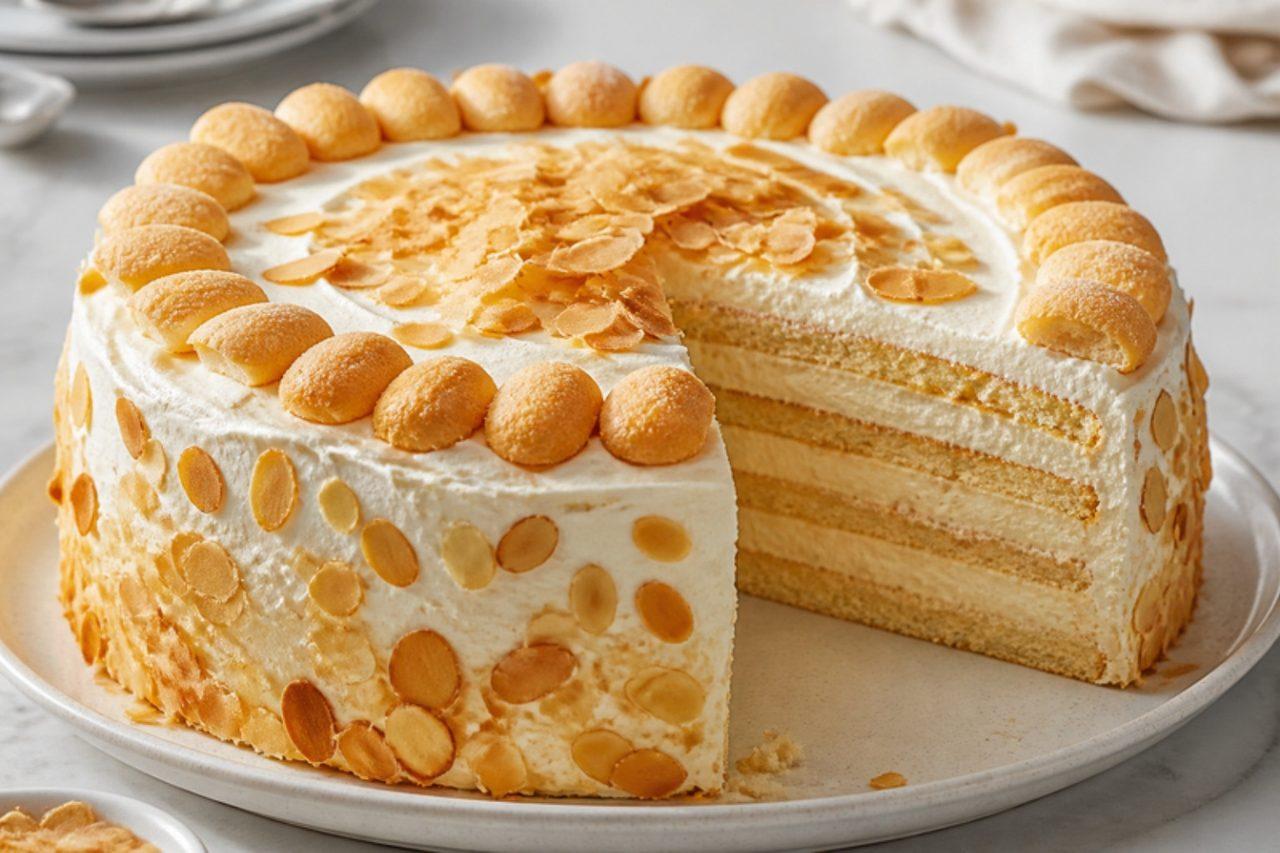
Malakofftorte is the cake Viennese families put together for name days and summer parties, because the oven stays off. Sponge fingers are dipped in milk and layered with a rich almond cream made from butter, cooked vanilla custard and whipped cream, then chilled until it slices like a soft mousse cake. In many Austrian homes the soaking milk is laced with rum or almond liqueur; this version is alcohol-free and uses vanilla milk, and you can add 2 tbsp dark rum to the milk if you want the traditional taste. A common mistake is soaking the biscuits too long, so they go soggy and the layers collapse; one quick dip is enough. Chef's tip: make it the day before; it needs at least 6 hours to set and tastes best the next day.

by KrazyBadal 0 views

Powidltascherl

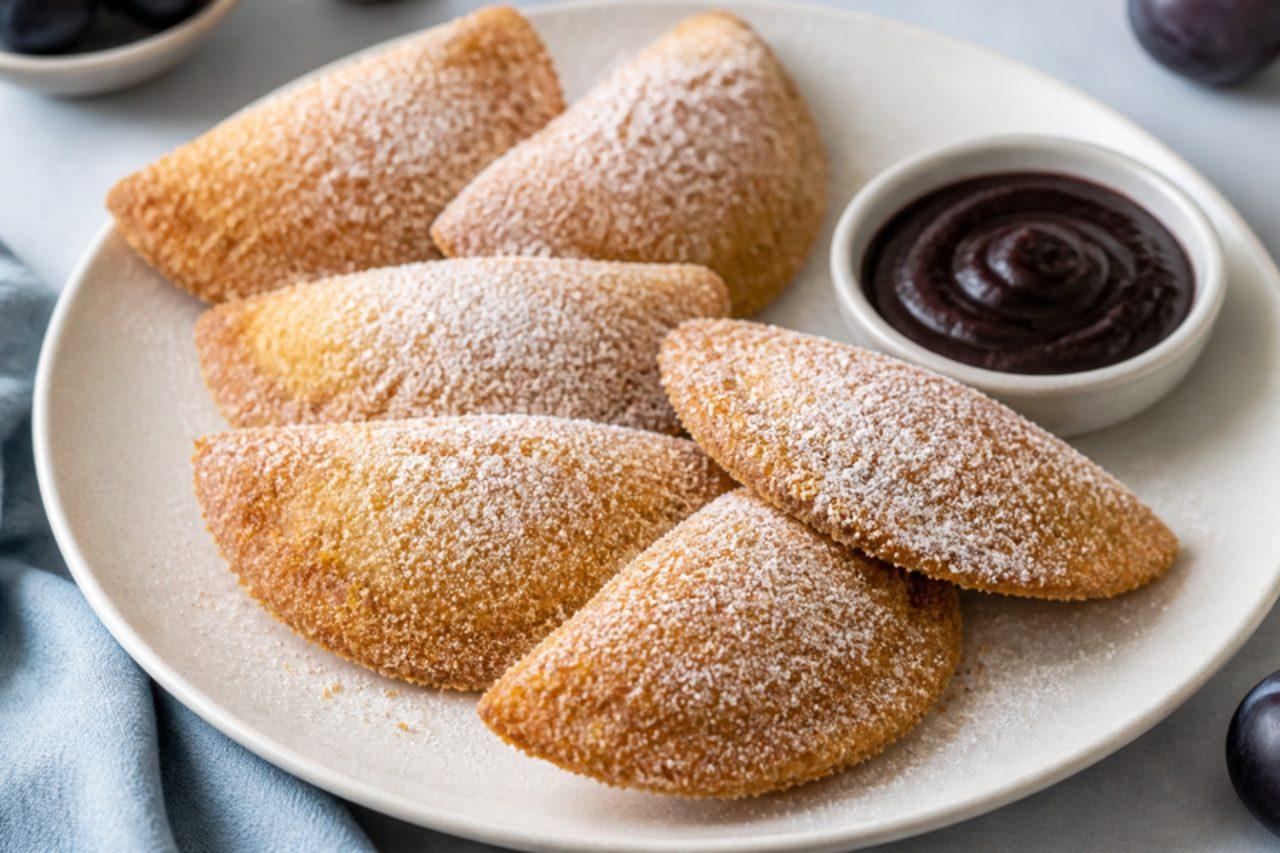
Powidl, a thick, dark plum butter cooked for hours without added sugar, came to Vienna from Bohemia, and these little pockets are one of its best uses. In Austrian homes they are a sweet lunch in late summer, when the new season's plums arrive, or a pudding after a bowl of soup. A tender potato dough is cut into squares, folded around a spoonful of spiced powidl, simmered, then tossed in golden butter crumbs and dusted with icing sugar. A common mistake is overworking the dough, which makes it tough and sticky; mix the potato and flour only until it comes together. Chef's tip: rice the potatoes while hot and spread them out to steam dry, so you need less flour and the dough stays light.

by KrazyBadal 0 views

Mohnnudeln

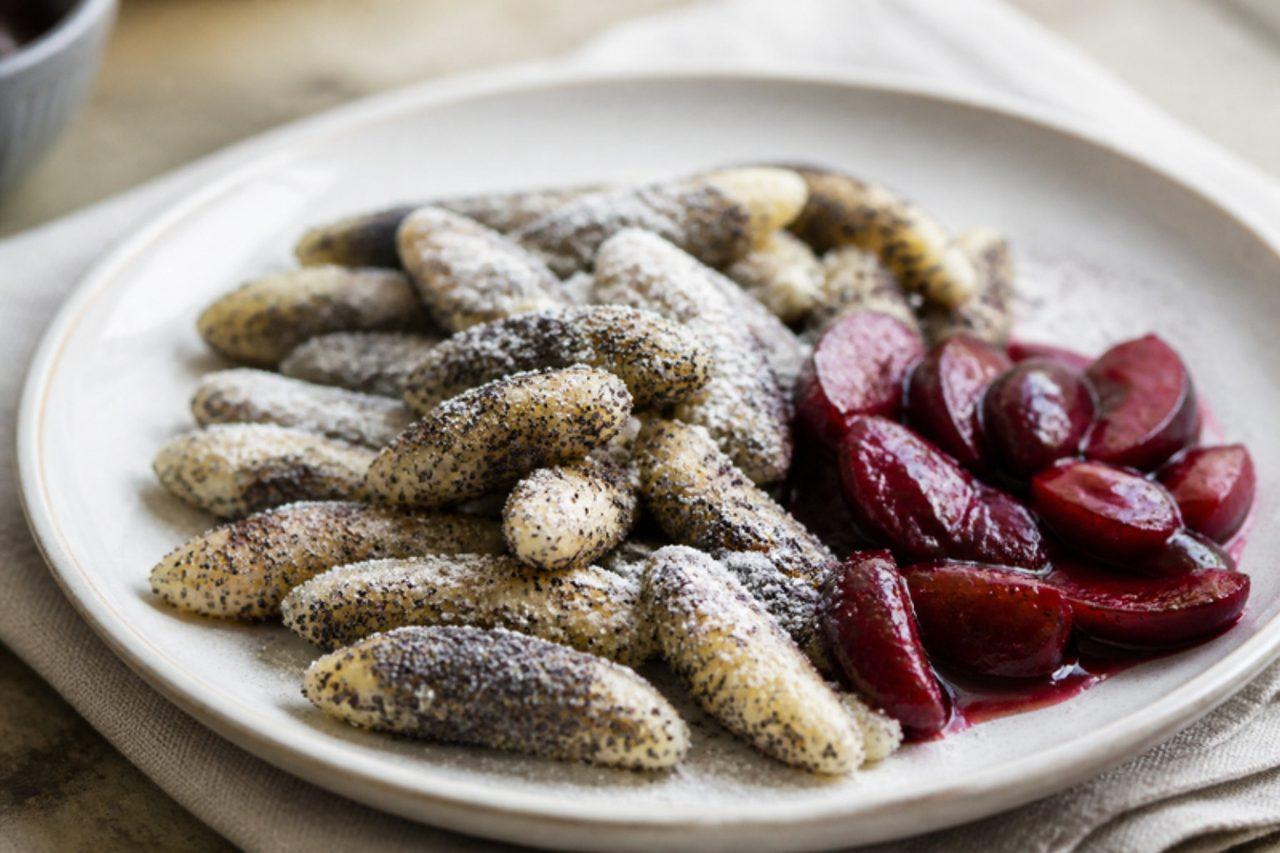
The Waldviertel, the cool, forested uplands of Lower Austria, is poppy country: in July its fields bloom white, pink and violet, and the grey poppy seed grown there has a protected name. Mohnnudeln are its favourite sweet dish, served as a main meal on meatless days or as dessert. Soft potato dough is rolled into little tapered noodles, boiled, then tossed in foaming butter with a generous amount of freshly ground poppy seed and icing sugar, so they taste nutty, buttery and gently sweet. A common mistake is using whole or stale poppy seeds; whole seeds give no flavour and old ground ones taste bitter. Chef's tip: grind the poppy seed yourself in a spice grinder just before using, in short bursts so it doesn't turn to paste.

by KrazyBadal 0 views

Salzburger Nockerl

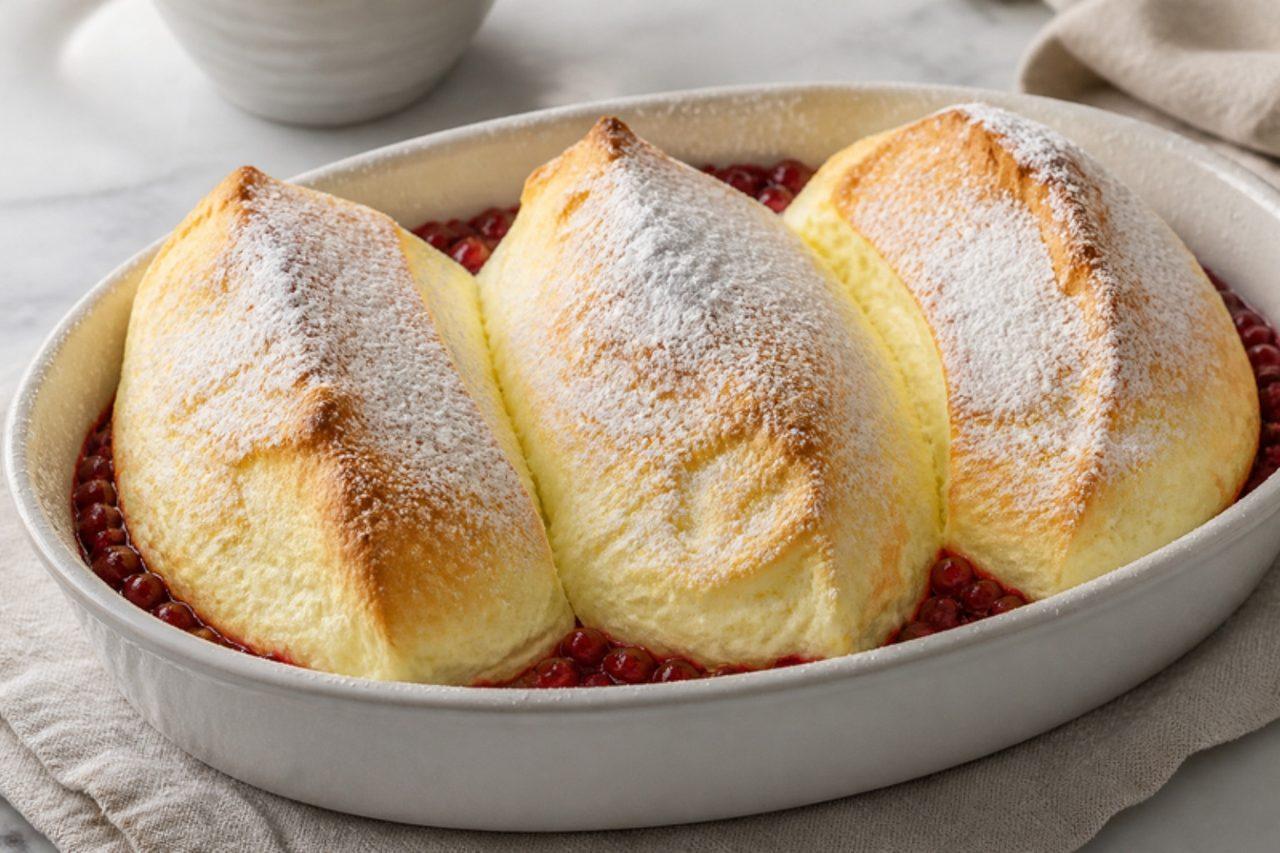
Salzburger Nockerl is the dessert Salzburg serves to visitors after a concert or a walk through the old town: three golden, sugar-dusted peaks said to stand for the hills around the city. Under the airy egg-white soufflé is a layer of tart lingonberries or redcurrants, warmed with vanilla milk in the baking dish. It is meant to be shared from the dish and eaten the moment it leaves the oven, before it sinks. This version uses cornflour instead of wheat flour, so it is gluten free. A common mistake is over-folding the yolks into the whites; streaks are fine, and too much stirring makes it collapse. Chef's tip: keep the oven door shut until the end; the peaks are ready when they are golden outside but still creamy inside.

by KrazyBadal 0 views

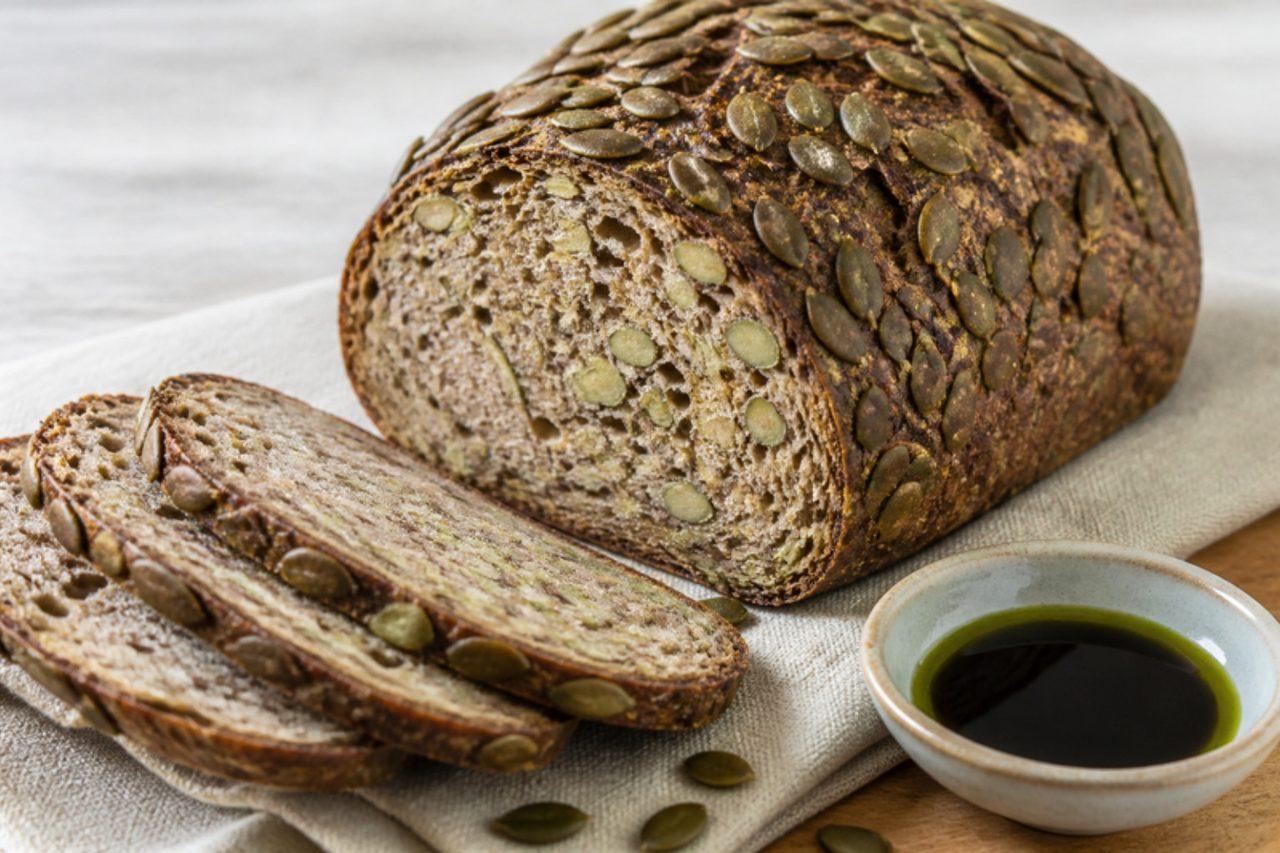
Styrian Kürbiskernbrot

In Styria, the south-eastern corner of Austria where the hulless Styrian pumpkin is grown for its dark green seeds and oil, every bakery sells a loaf crowded with those seeds. Kürbiskernbrot is a light rye-wheat bread, nutty and slightly sweet, with toasted seeds through the crumb and pressed all over the crust. Locals eat it at a Buschenschank, the farmhouse wine tavern, with Liptauer, cured meats or a drizzle of pumpkin seed oil. A common mistake is adding the seeds raw: toasting them first gives the bread its deep, roasted flavour. Chef's tip: soak half the toasted seeds in hot water while you make the dough, so they stay tender inside the bread and don't pull moisture from the crumb.

by KrazyBadal 0 views

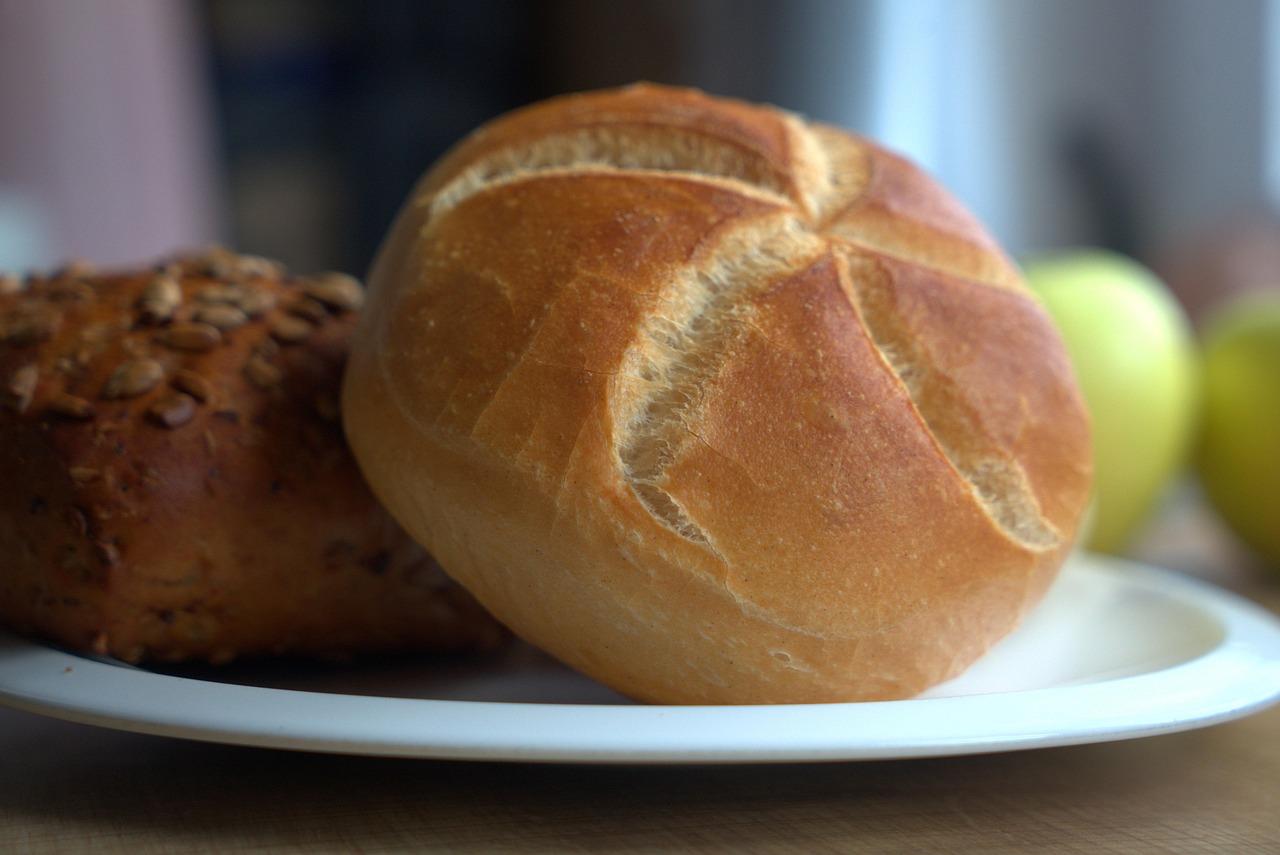
Viennese Kaisersemmel

No Viennese breakfast is complete without a Kaisersemmel: a light, hollow-crusted white roll with a pinwheel of five curved segments on top, split and spread with butter and apricot jam or filled with Leberkäse at a market stand. The crust should shatter and the inside be soft and airy. The star is traditionally knotted by hand, though a stamp works too. A common mistake is skipping the overnight cold dough, which leaves the rolls bland and pale. Chef's tip: prove the shaped rolls upside down, star side down, on a floured cloth, then flip them just before baking; the pattern stays sharp instead of puffing shut.

by KrazyBadal 0 views

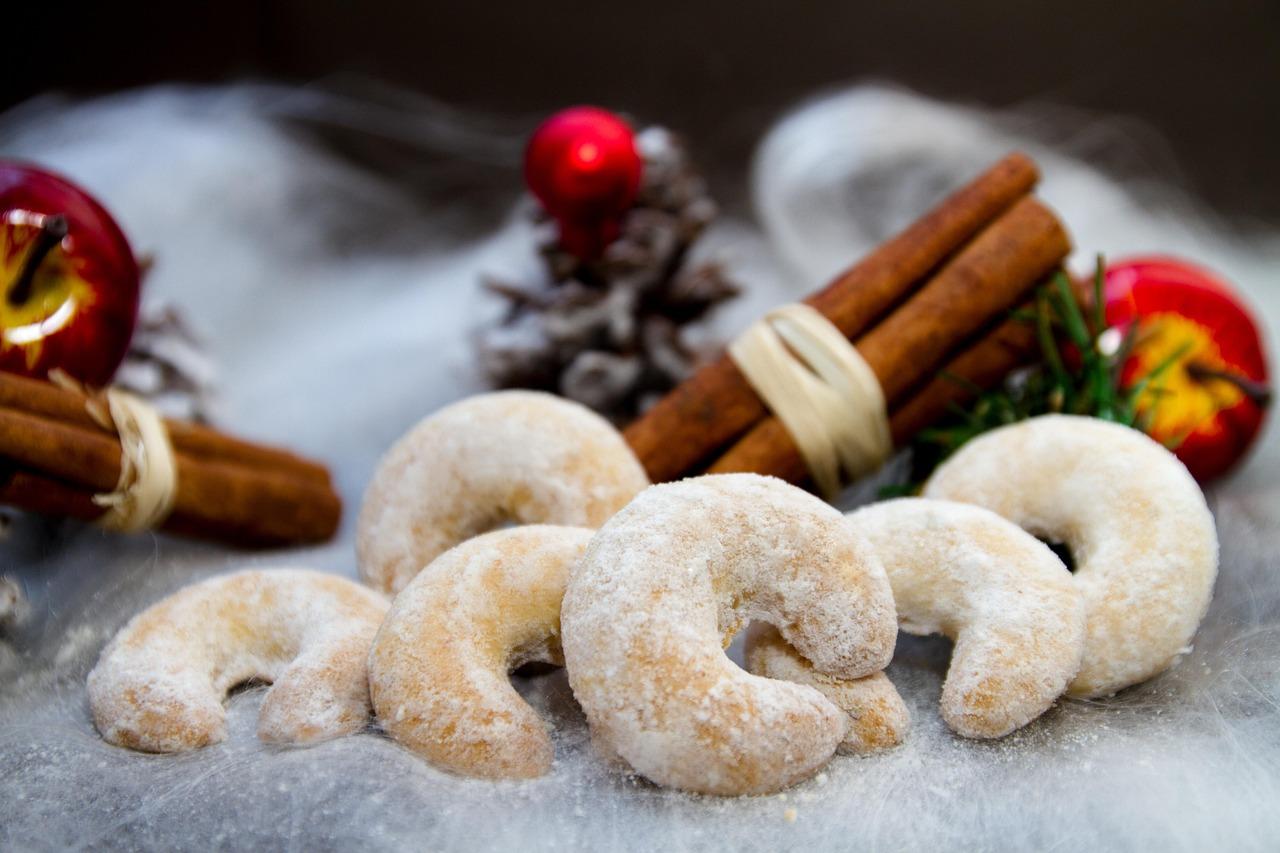
Vanillekipferl

No Austrian Christmas cookie tin is complete without Vanillekipferl, the pale little crescents that melt on the tongue; Viennese grandmothers bake them by the hundred in early December, and they are just as loved over the border in Bavaria. The dough is short and rich with butter and ground almonds, and the crescents are rolled in vanilla sugar while still warm so it sticks. The common mistake is overbaking: they should stay pale with only the tips turning golden, or they lose their tender, sandy texture. Chef's tip: chill the dough well and shape it with cool hands; warm dough cracks and the crescents spread in the oven.

by KrazyBadal 0 views

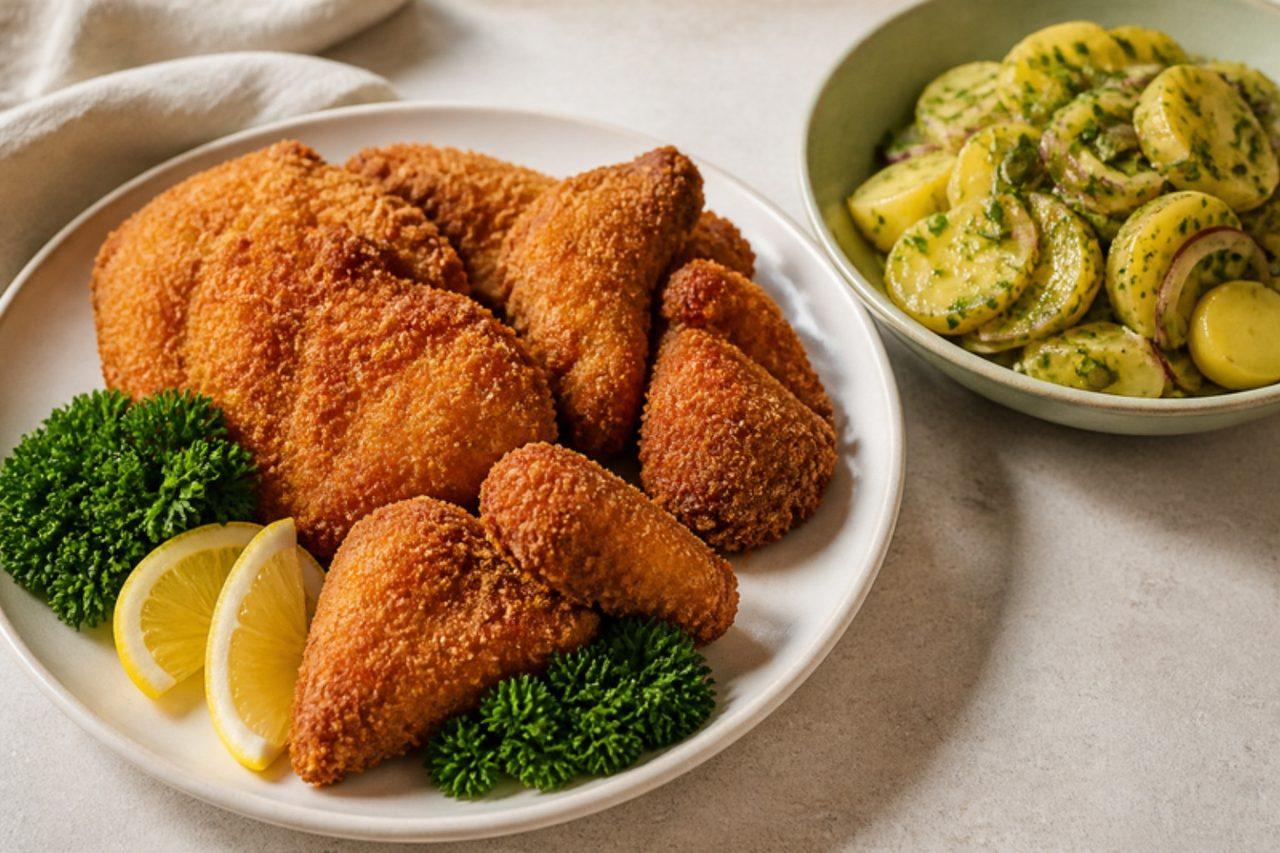
Backhendl

Backhendl, crumbed fried chicken, was the treat of 19th-century Viennese Sunday outings to the Prater and the wine villages, and it is still the star of Styrian taverns, served with lemon and a lukewarm potato salad glossy with pumpkin seed oil. Chicken pieces on the bone are seasoned with lemon, coated in flour, egg and fine breadcrumbs and fried slowly so the crust puffs and stays crisp while the meat cooks through. Chef's tip: fry at a moderate heat, not a fierce one; bone-in pieces need time for the centre to reach a safe temperature before the crumbs burn.

by KrazyBadal 0 views

Viennese Gugelhupf

In Vienna the Gugelhupf is the Sunday cake of home bakers, set out on the table for afternoon Jause with coffee, and every family has its own fluted copper or ceramic mould. Unlike the yeasted ring cakes of Alsace and southern Germany, the everyday Viennese one is a Rührgugelhupf, a buttery sponge lifted with whisked egg whites, scented with lemon and studded with plump raisins. It is tender, light and keeps moist for several days under a cake dome. A common mistake is a badly greased mould; every ridge needs butter and flour or the cake tears as it comes out. Chef's tip: soak the raisins in hot water for 15 minutes, dry them and toss them in a spoon of flour so they don't sink.

by KrazyBadal 0 views

Germknödel

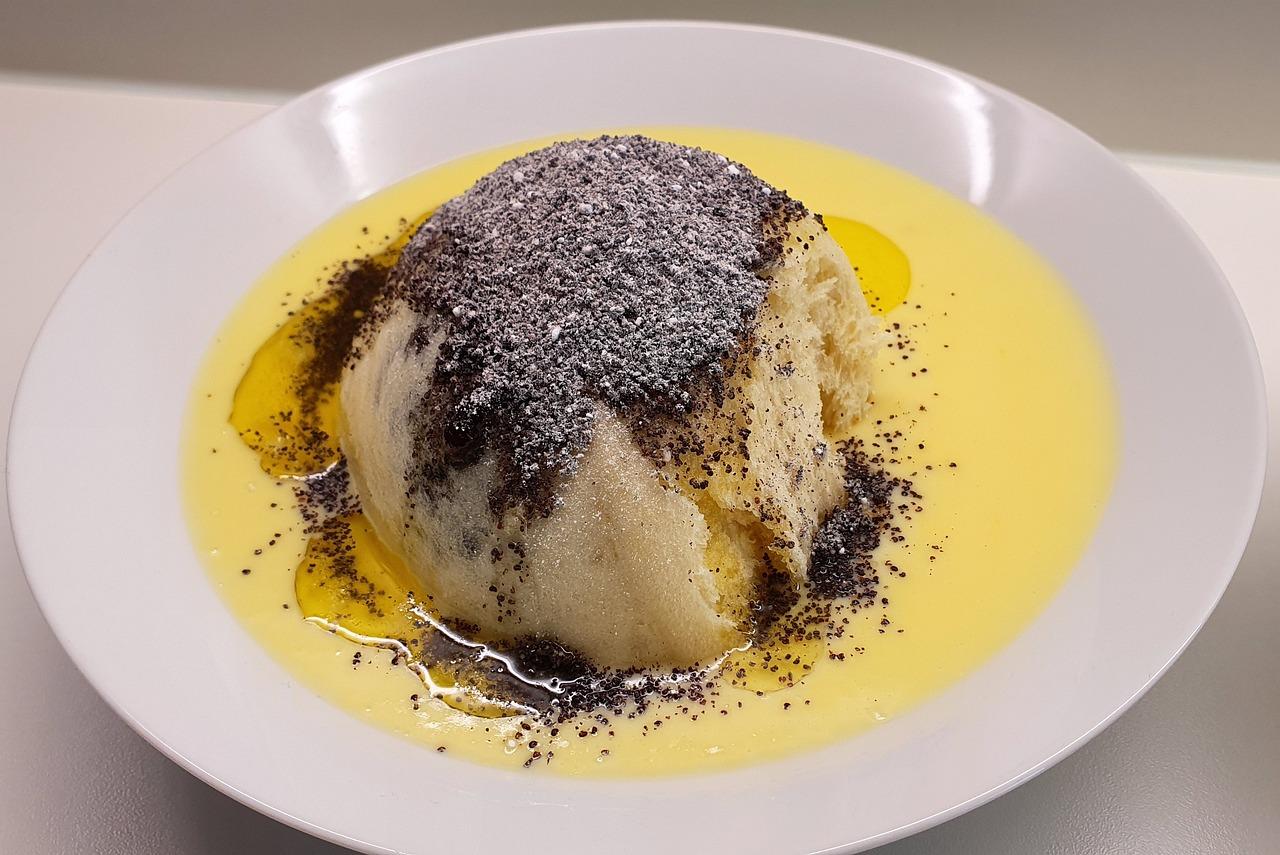
After a morning on the slopes, Austrians head into the mountain huts of Tyrol, Salzburg and Styria for one thing: a Germknödel the size of a fist, steamed until pillowy and split open to reveal dark plum butter. It comes drowned in melted butter, or in vanilla sauce, under a thick snow of ground poppy seeds and icing sugar, and it is eaten as a whole meal. The dough is soft and slightly sweet, and the powidl inside is tart and jammy. A common mistake is lifting the lid while they steam; the dumplings deflate and turn heavy. Chef's tip: seal each dumpling with the seam underneath and let them prove a second time on squares of baking paper, so you can move them without denting them.

by KrazyBadal 0 views

Grießnockerlsuppe

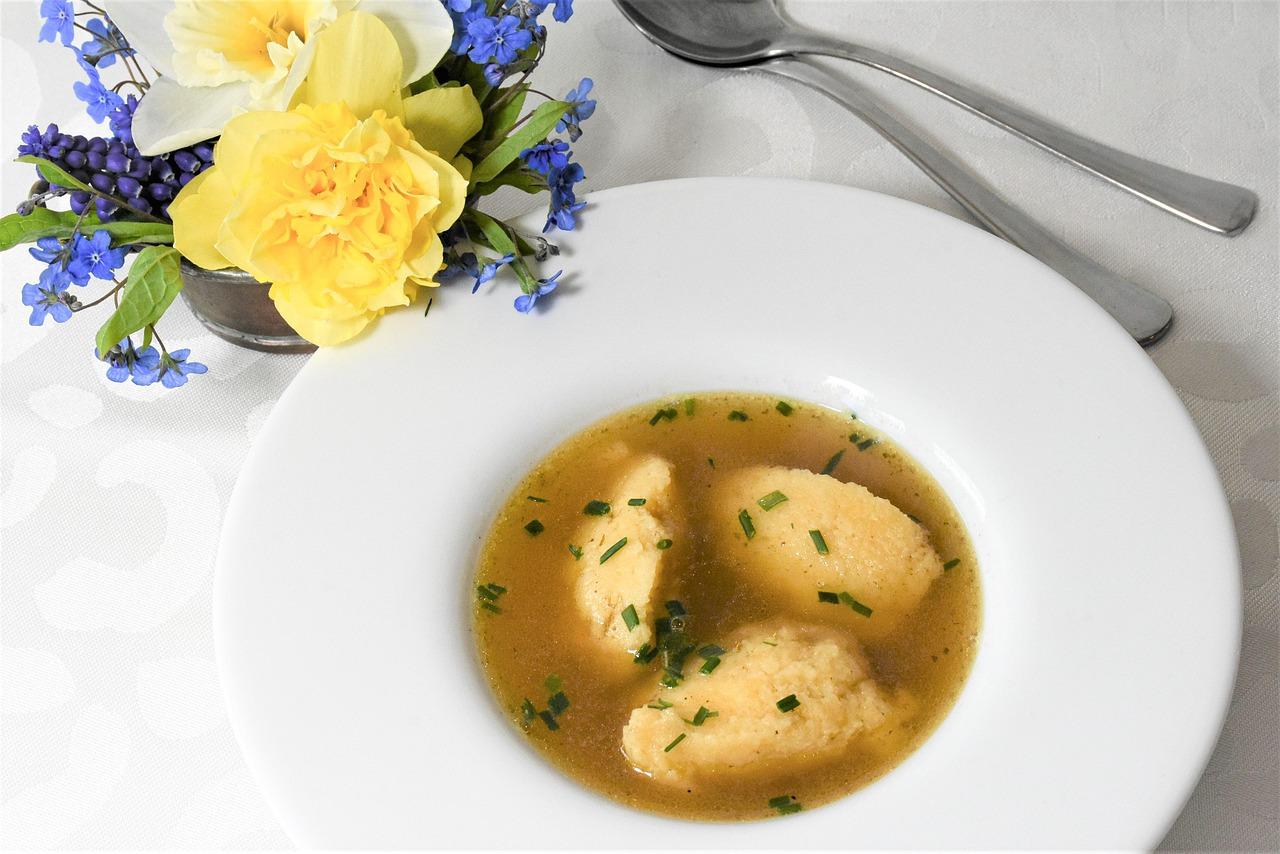
Grießnockerlsuppe is the soup that opens a proper Austrian Sunday lunch, from Viennese grandmothers' tables to village inns in Upper Austria: a clear, deeply savoury beef broth with three or four soft, oval semolina dumplings that should be fluffy enough to cut with a spoon. The broth is made from beef shin and bones, simmered slowly with charred onion; broth left over from Tafelspitz works perfectly too. Chef's tip: let the semolina mix rest for 15 minutes before shaping; the grains swell and the dumplings hold together without going heavy.

by KrazyBadal 0 views

Showing 24 of 47 recipes

Show more recipes

Page 1 of 2