Skip to content
WhatToEat.Today

All recipes

316

Vegetarian, or something you can't eat? Set your diet once and we'll hide recipes that don't fit.

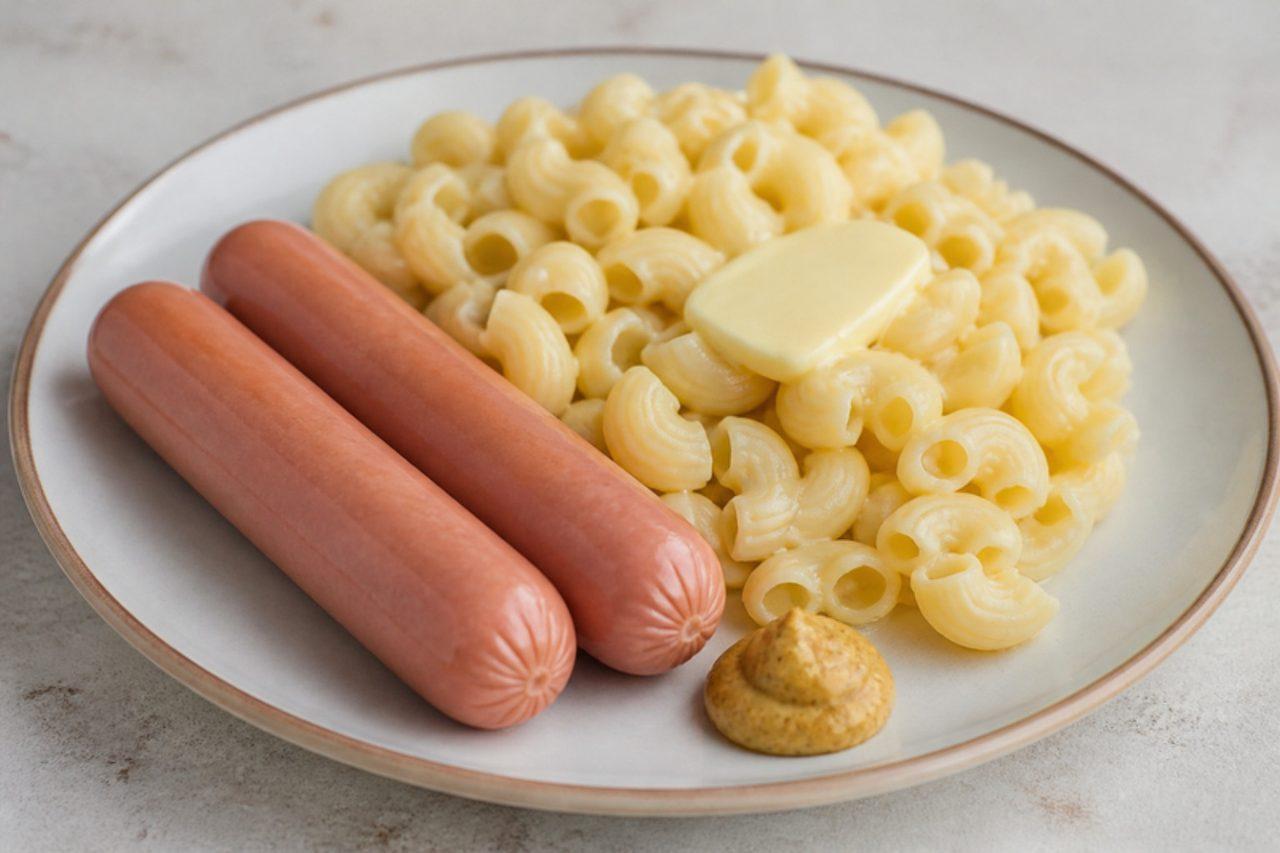
Sosiski s makaronamiFrankfurters with buttered pasta

Sosiski s makaronami is the dinner every Russian child knows, from Soviet school canteens to tired weeknights in Moscow flats today: plump boiled frankfurters, usually pork or pork and beef, beside a heap of buttered pasta with a squeeze of ketchup or a dab of sharp mustard. It is plain, warm and ready in a quarter of an hour. The common mistake is boiling the sausages hard, which splits the skins and washes out their flavour. Chef's tip: toss the drained pasta in the butter over a low heat for a minute so it turns glossy and slightly toasty, the way Russian grandmothers do it.

by KrazyBadal 0 views

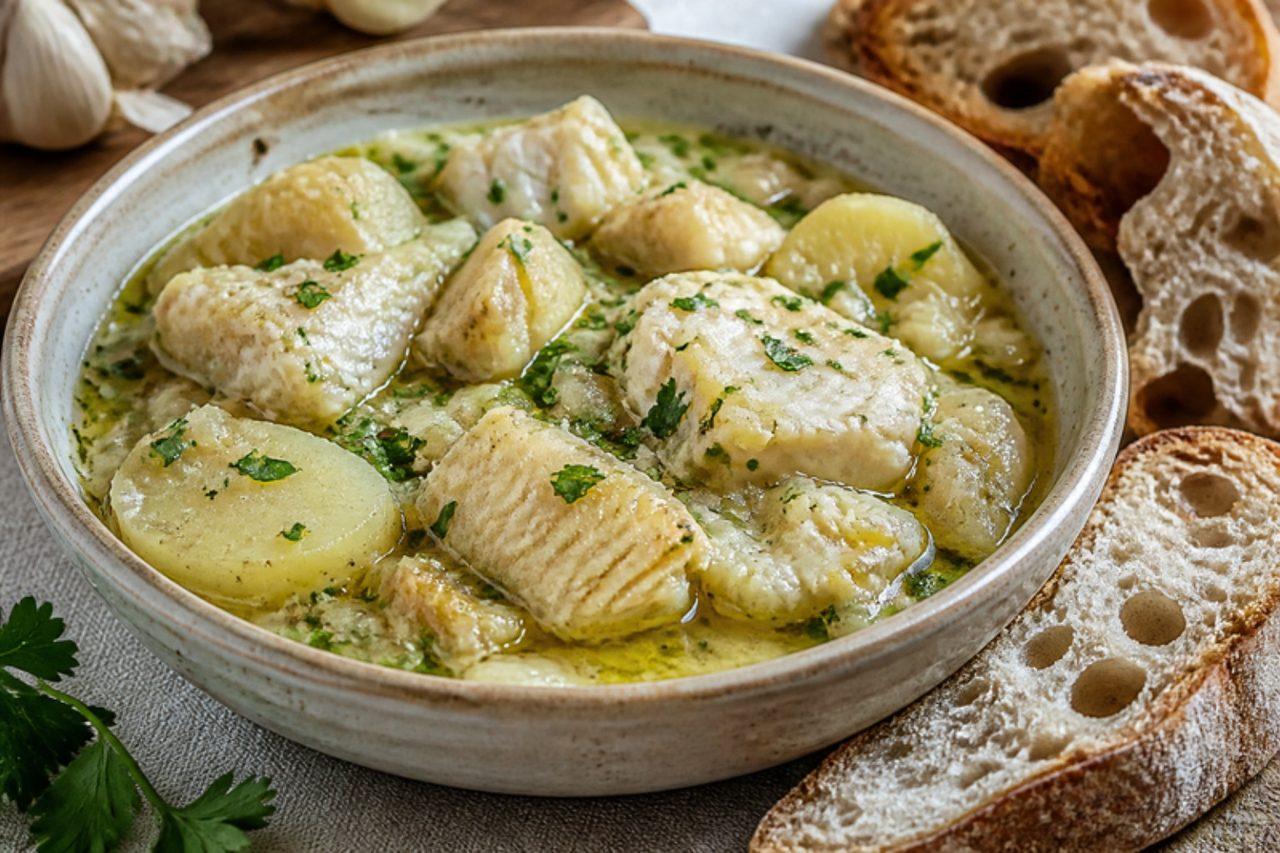
Bakalar na bijeloSalt cod with potatoes and garlic

On Badnjak, Christmas Eve, Croatian families in Dalmatia keep the meal meatless, and bakalar na bijelo ('white salt cod') is the dish that says Christmas. Salt cod is soaked for days, then cooked with potatoes, a lot of garlic, parsley and good olive oil and shaken in the pot until it turns into a creamy, almost spreadable mix. It is served warm with bread and a glass of wine for the adults. Chef's tip: shake the pot rather than stirring it, so the fish breaks into flakes and emulsifies with the oil and potato.

90 minBalkanFishGluten free
by KrazyBadal 0 views

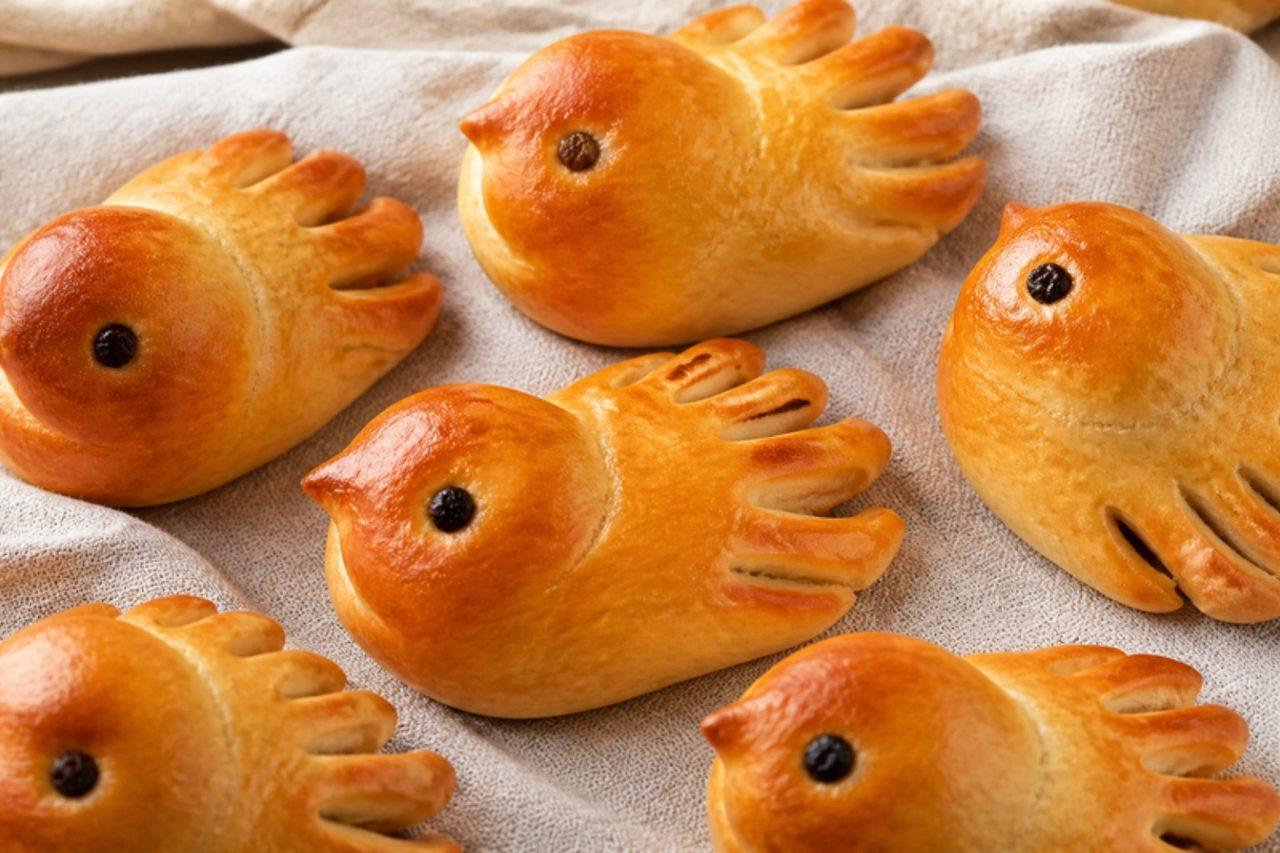
ZhavoronkiLark-shaped buns

On 22 March (9 March in the old calendar), the Orthodox feast of the Forty Martyrs of Sebaste falls during Lent, and in Russian villages it was the day the larks were said to return. Children were given zhavoronki, little bread larks, and ran outside to toss them in the air and call the spring. The dough is a lightly sweet yeast dough, and because it is Lent it was made without eggs or butter, so this version is vegan. Raisins or peppercorns make the eyes. Chef's tip: tie a simple knot from a dough rope for each bird and snip the tail; it is quicker than sculpting and keeps the shape.

by KrazyBadal 0 views

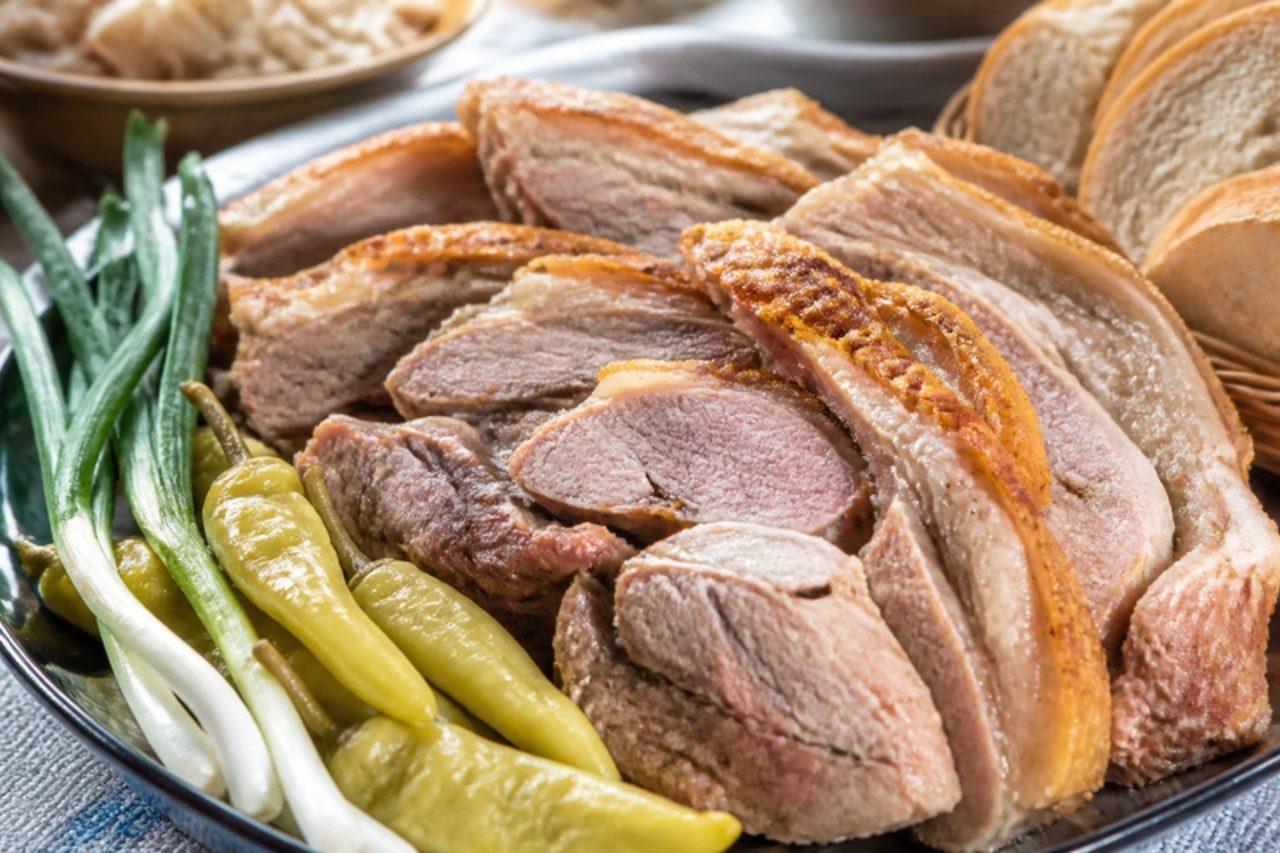
PečenicaRoast pork

Pečenica is the Christmas Day roast of Serbia and Montenegro: traditionally a whole young pig turned on a spit in the yard from early morning, so that it is ready when the family returns from church and greets each other with 'Hristos se rodi'. This home recipe follows our site's approach of using carved portions rather than a whole animal: bone-in pork shoulder pieces with the skin on are rubbed with salt and slow-roasted until the meat is tender and the skin crackles like the spit-roast. Serve with česnica bread, pickled vegetables and roasted potatoes. Chef's tip: baste the skin with beer, or with cold water for an alcohol-free version, near the end; it helps the crackling blister.

290 minBalkanMeatGluten free
by KrazyBadal 0 views

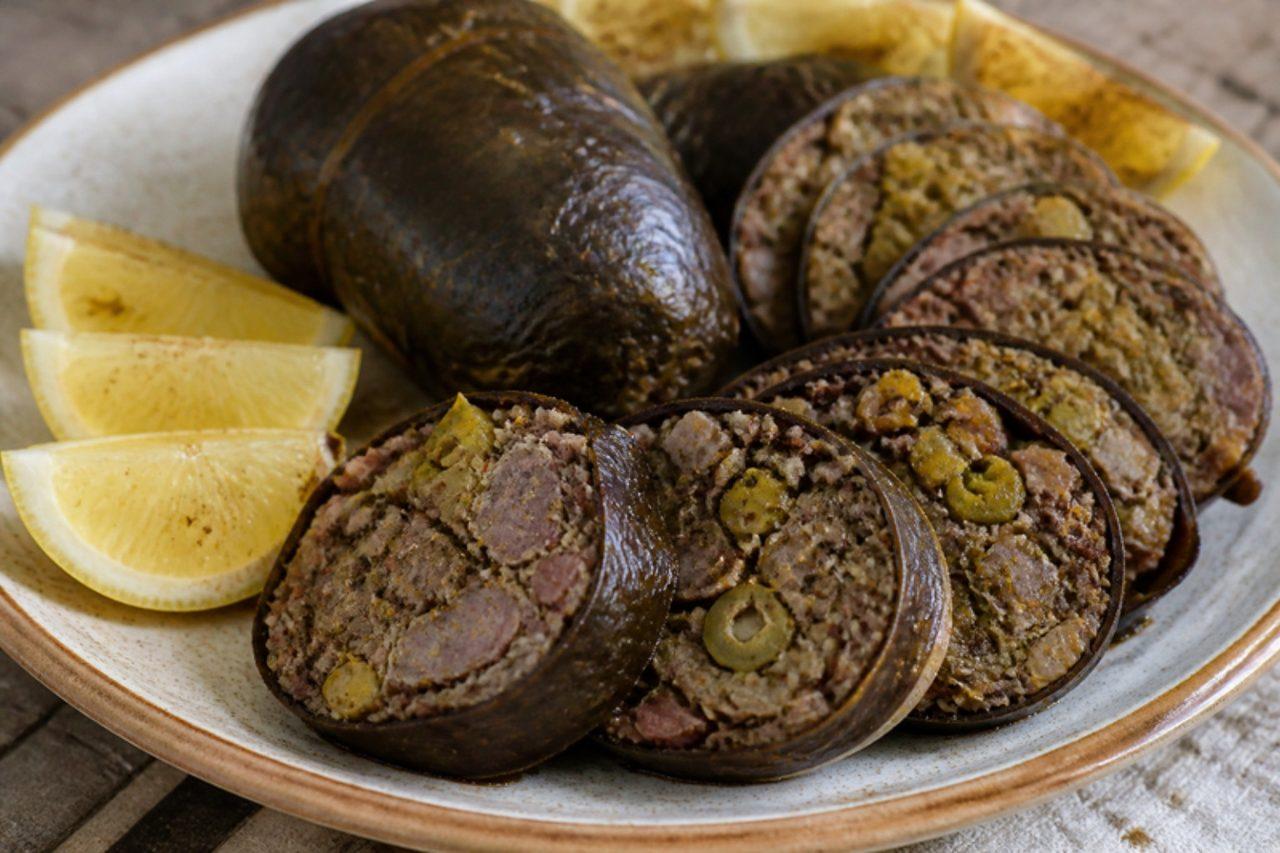
TihaneStuffed lamb spleen

Tihane, or tehal, is an old Eid al-Adha speciality from Moroccan towns such as Fez and Marrakech, made on the days after the sacrifice when the offal is shared out. The lamb's spleen is cut open into a pocket and stuffed with chopped liver and heart, a little fat, green olives, preserved lemon, garlic and cumin, then sewn shut, poached and roasted until browned. It is sliced thin and eaten warm or cold with bread. Ask a halal butcher for the spleen and offal. Chef's tip: prick the spleen with a fine needle before poaching so it doesn't burst in the pot.

130 minMoroccanMeatGluten free
by KrazyBadal 0 views

Slavski kolačDecorated ceremonial bread

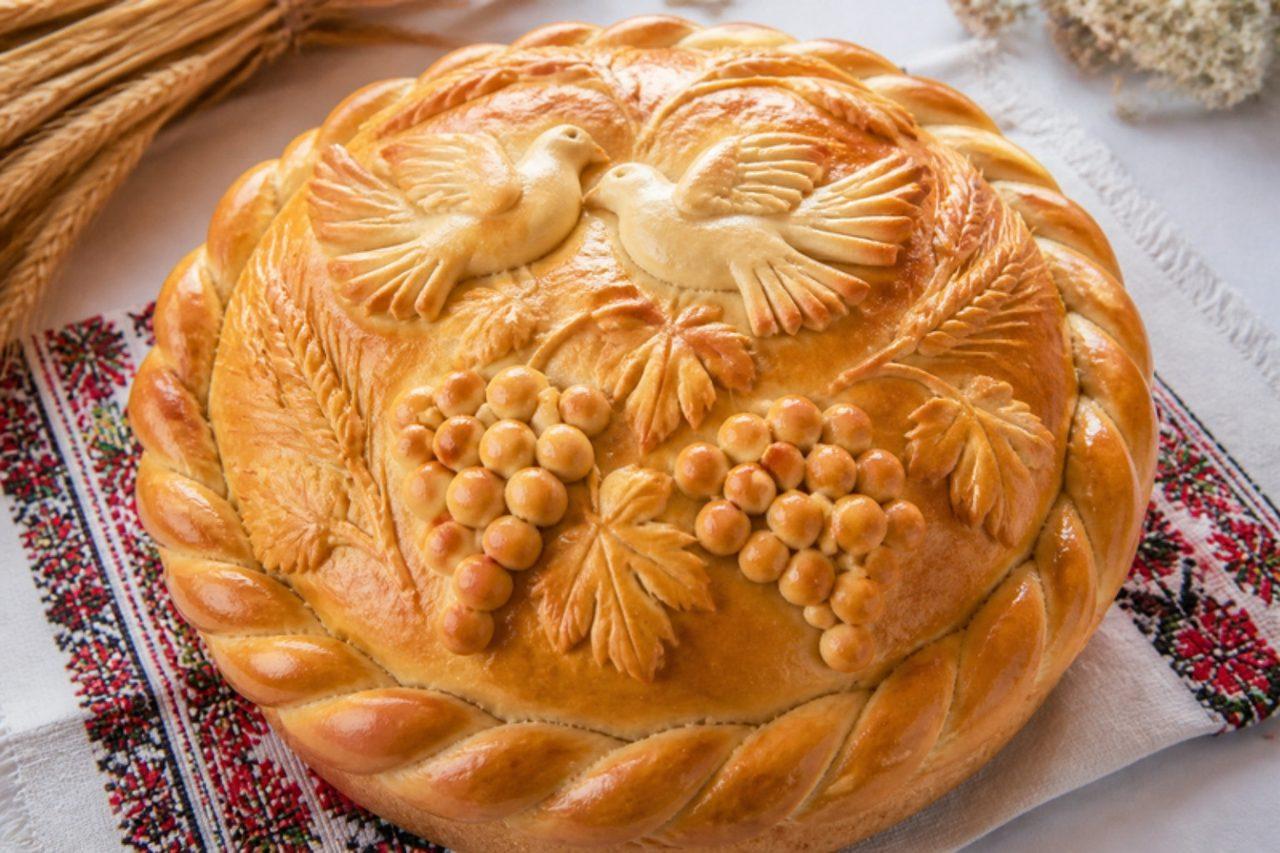
The slava is a uniquely Serbian Orthodox custom: each family honours its own patron saint on that saint's feast day, passed from father to son, with a lit candle, boiled wheat (žito) and the slavski kolač, a round, decorated bread. The priest blesses it; the family turns it, cuts a cross into its base, pours a little wine into the cuts, and breaks it together. It is decorated with dough crosses, the seal 'IC XC NI KA', doves, wheat ears and grapes. It is a plain, vegan bread. Chef's tip: keep the decorations' dough a little stiffer than the loaf, so they hold their shape.

110 minBalkanBakingVegan
by KrazyBadal 0 views

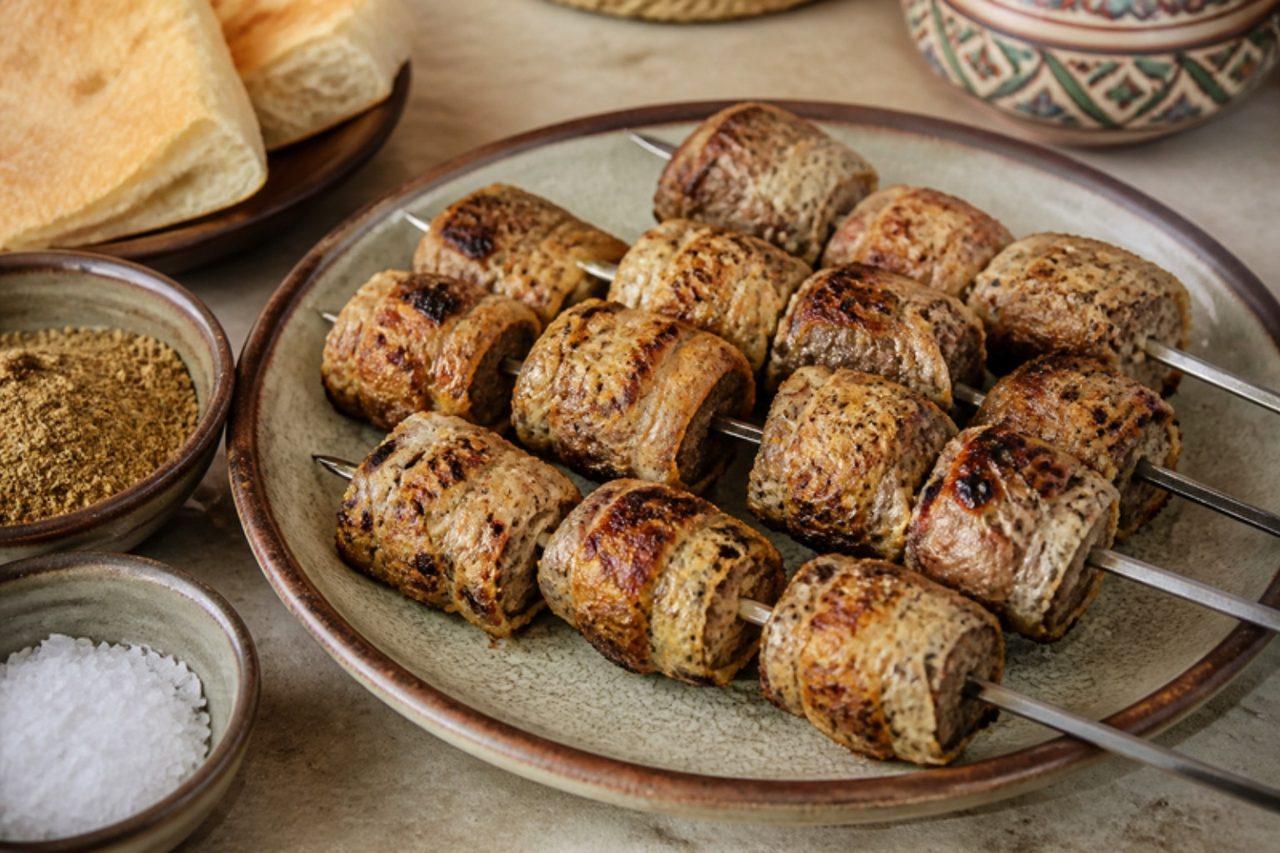
KourdassGrilled lamb liver bundles

After the sacrifice of Eid al-Adha, Moroccan families use every part of the lamb, and kourdass is one of the dishes made in the days that follow: pieces of tripe and liver rubbed with cumin and paprika, wrapped in caul fat and traditionally hung up to air-dry before grilling. This home version skips the drying, which is hard to do safely in a modern kitchen, and grills the bundles fresh over charcoal or under a grill until the fat crisps and the liver is cooked through. Buy cleaned, pre-cooked tripe and caul fat from a halal butcher. Chef's tip: wrap the bundles tightly so the caul fat bastes them as it melts.

by KrazyBadal 0 views

RužiceWalnut pastry roses in syrup

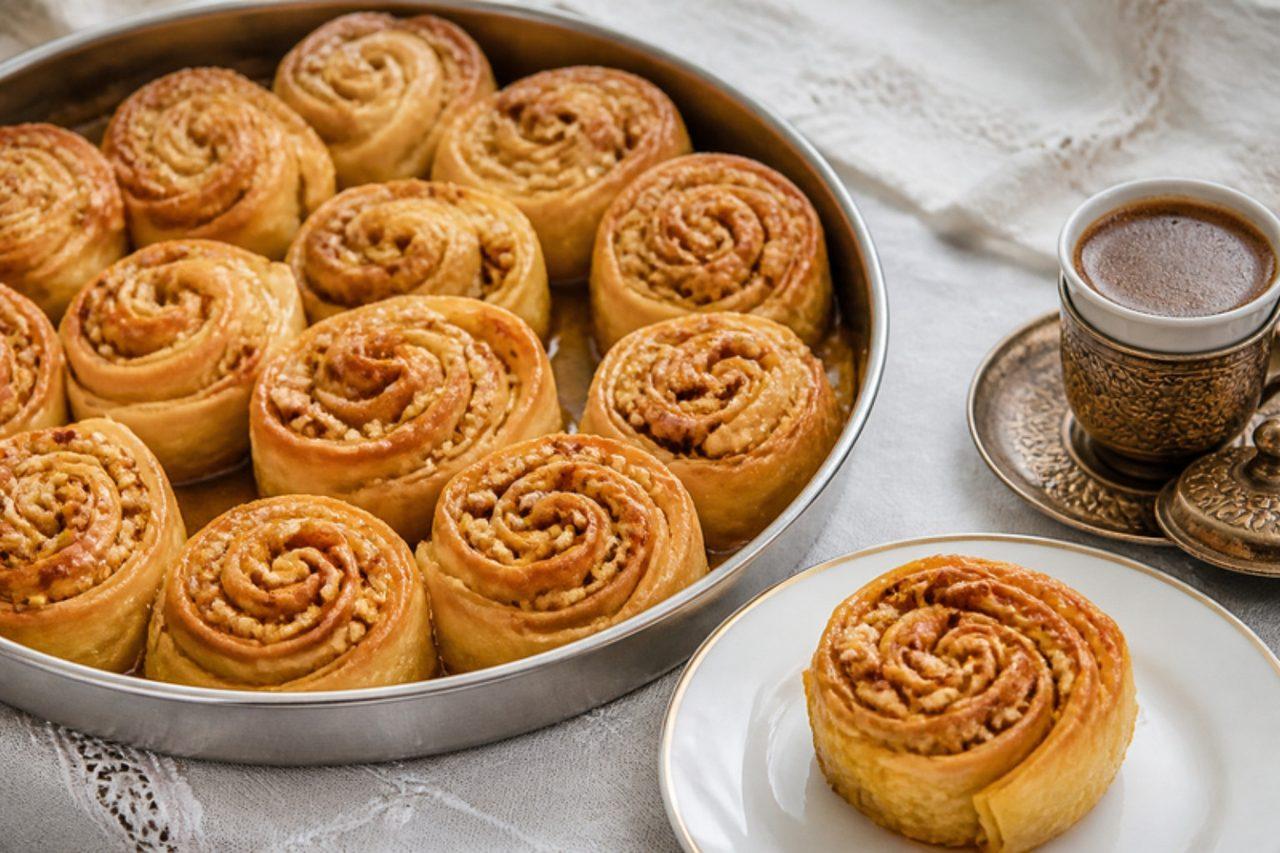
Ružice, meaning 'little roses', are baked for Bajram in Bosnia and Herzegovina, the Eid holidays when trays of syrup-soaked sweets are set out for every guest. Thin sheets of pastry are brushed with butter, scattered with walnuts and rolled up, then sliced so each piece opens like a rose in the oven. The baked roses drink up a cold lemon syrup and turn sticky, crisp on top and soft underneath. Chef's tip: pour cold syrup over hot pastry (or hot over cold), never both the same temperature, or the roses go soggy.

by KrazyBadal 0 views

PincaEaster sweet bread

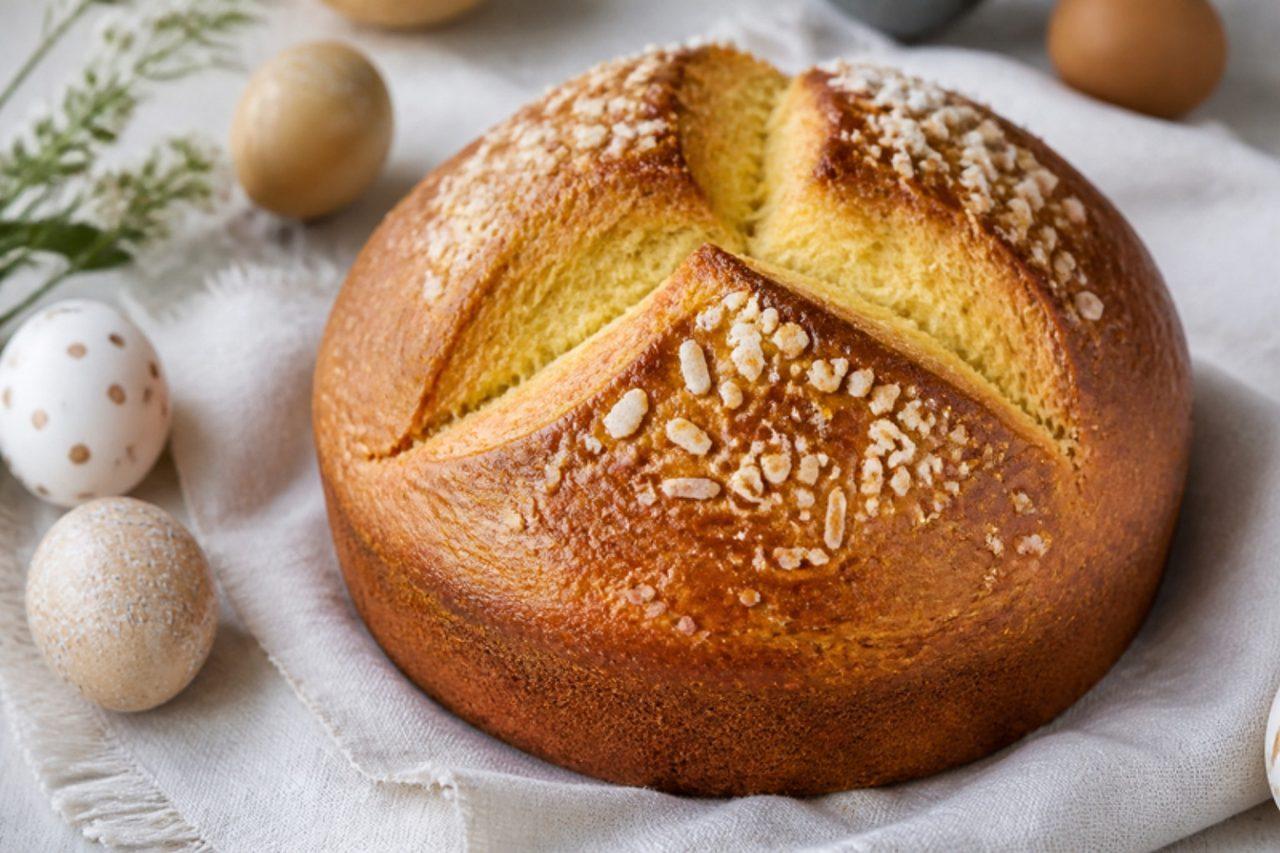
Pinca (or sirnica in Dubrovnik) is the Easter bread of Dalmatia and Istria in Croatia. It is a tall, golden round of rich yeast dough with egg yolks, butter, lemon and orange zest and vanilla, cut with three slashes on top before baking so it opens into a three-pointed cross. It is blessed at church on Holy Saturday with the Easter eggs and ham, and eaten at Easter breakfast. Old recipes add a spoon of rum or prošek wine; this one doesn't. Chef's tip: let the dough rise slowly, even overnight in the fridge, as pinca gets its tender, fragrant crumb from a long rise.

by KrazyBadal 0 views

Petushok na palochke (Russian rooster lollipops)

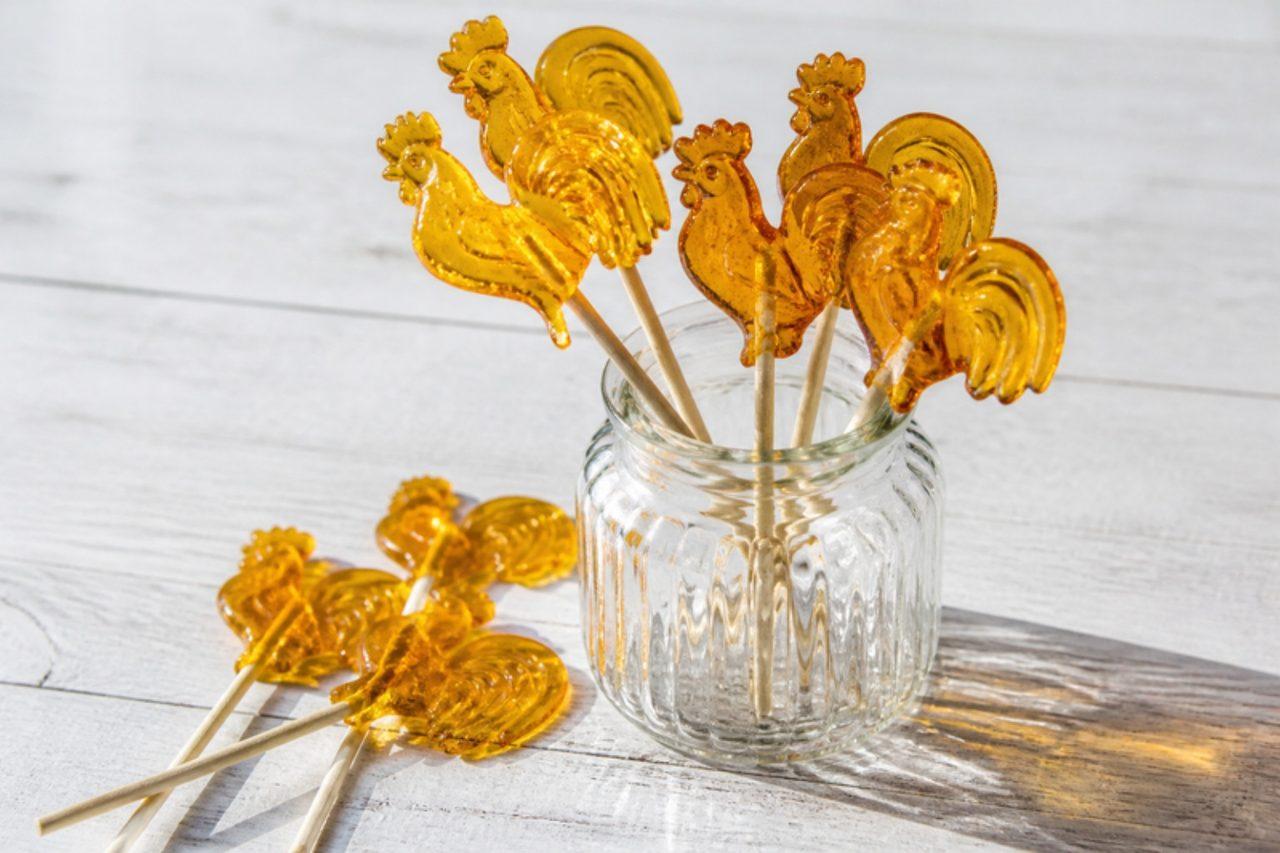
For generations of Russian children the 'little rooster on a stick' meant the fair: sellers at markets, Maslenitsa celebrations and seaside promenades held up bunches of the amber cockerels, and many families still own an old two-part metal mould and cast their own at home. The lollipop is hard and glassy, with a pale caramel colour and a clean, slightly tangy taste of cooked sugar, sometimes with a splash of fruit juice for colour. Serve them as a party treat or wrap them as small gifts. They are naturally egg-free: the only thing that sets them is sugar boiled to the hard-crack stage, while a little lemon juice stops it crystallising so the candy stays clear. Chef's tip: oil the mould lightly but thoroughly, then wipe away any pools; the common mistake is skipping this, and the cockerels then stick and snap at the tail when you open the mould.

by KrazyBadal 0 views

Podsolnechnaya khalva (sunflower seed halva)

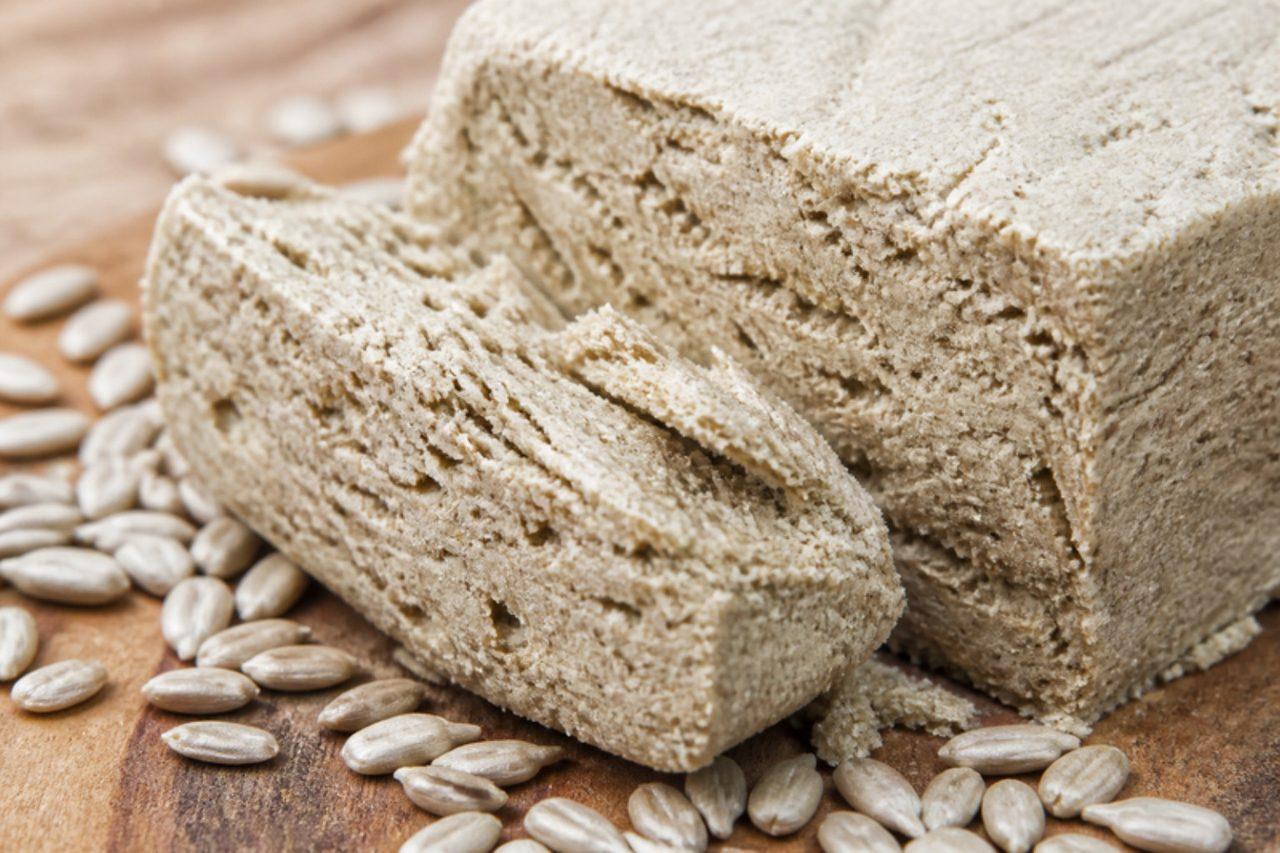
In Russia and Ukraine, where sunflowers cover the southern steppe, halva means sunflower halva rather than the sesame kind: grey-brown, crumbly slabs sold by weight at markets and eaten with tea at any time of day, especially through the long winter. It tastes deeply of toasted seeds, with a sandy, flaky texture that breaks into strands and melts on the tongue. Serve it in small pieces with black tea, crumble it over porridge, or eat it with fresh apple slices. Factory halva is lightened with a foam of soapwort root, and some old recipes use whipped egg white; this home version needs neither. Sugar syrup cooked to the firm-ball stage is beaten straight into warm, finely ground seeds, and as the syrup cools it crystallises and binds the oily seed paste into a sliceable block, naturally egg-free. Chef's tip: grind the seeds until they just start to clump and look oily, not into smooth butter; the common mistake is over-grinding, which gives a dense, fudgy slab instead of crumbly halva.

by KrazyBadal 0 views

Tmar mehchi (Moroccan almond-stuffed dates)

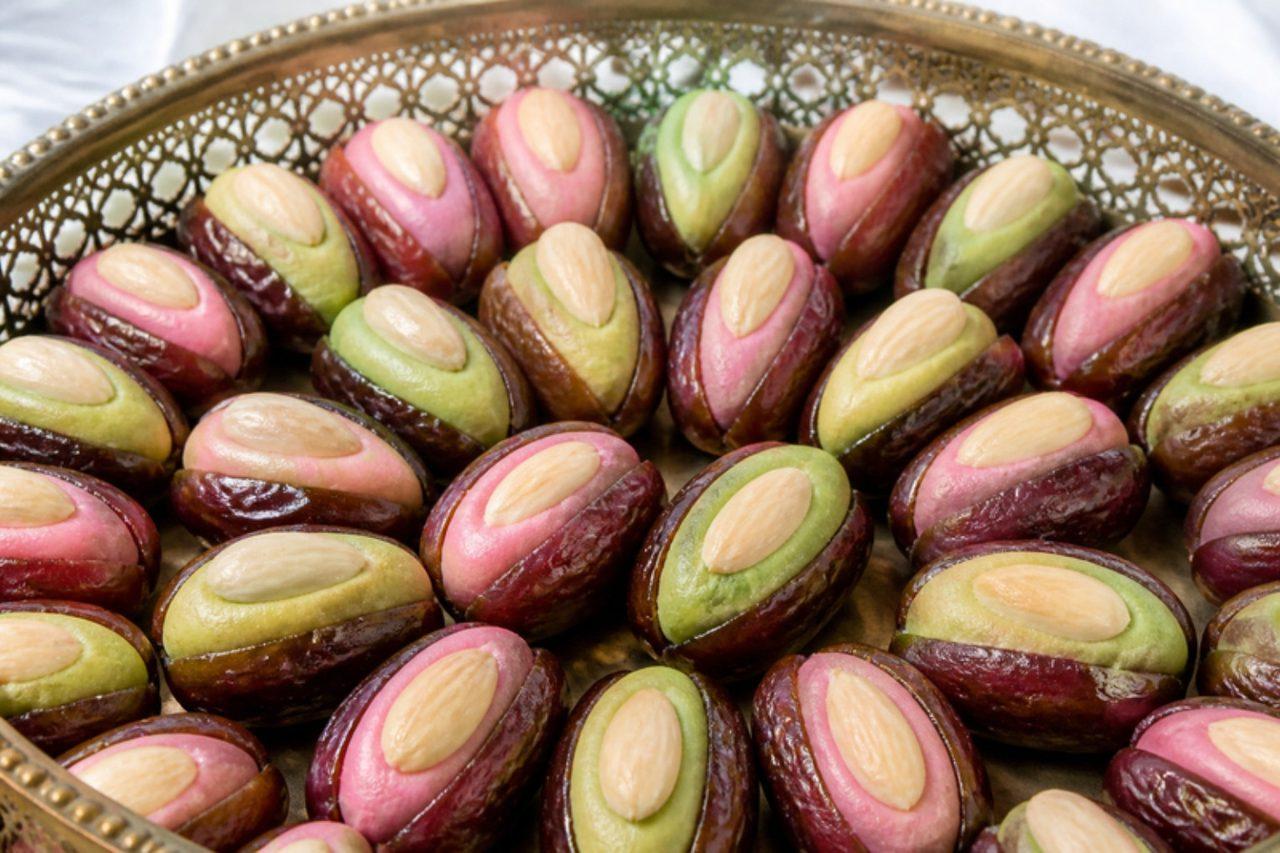
Tmar mehchi is the stuffed date of Fez and Marrakech, piled high on silver trays at weddings, engagements and Eid, and offered to guests with mint tea. Soft dates are filled with a homemade almond paste perfumed with orange-blossom water, often tinted pale green or pink to match the celebration, then scored with a knife so the filling shows. They are soft, rich and caramel-sweet, with a floral, nutty middle. The paste here is mixed from ground almonds and icing sugar, so there is no shop marzipan, which can contain egg white. It is naturally egg-free: the dates' sticky flesh and a few spoonfuls of orange-blossom water bind the almond filling. Chef's tip: add the orange-blossom water a little at a time and stop when the paste is firm like play dough. The common mistake is a wet paste, which oozes out and makes the dates slippery.

by KrazyBadal 0 views

Tvorozhnaya massa s izyumom (sweet tvorog cream with raisins)

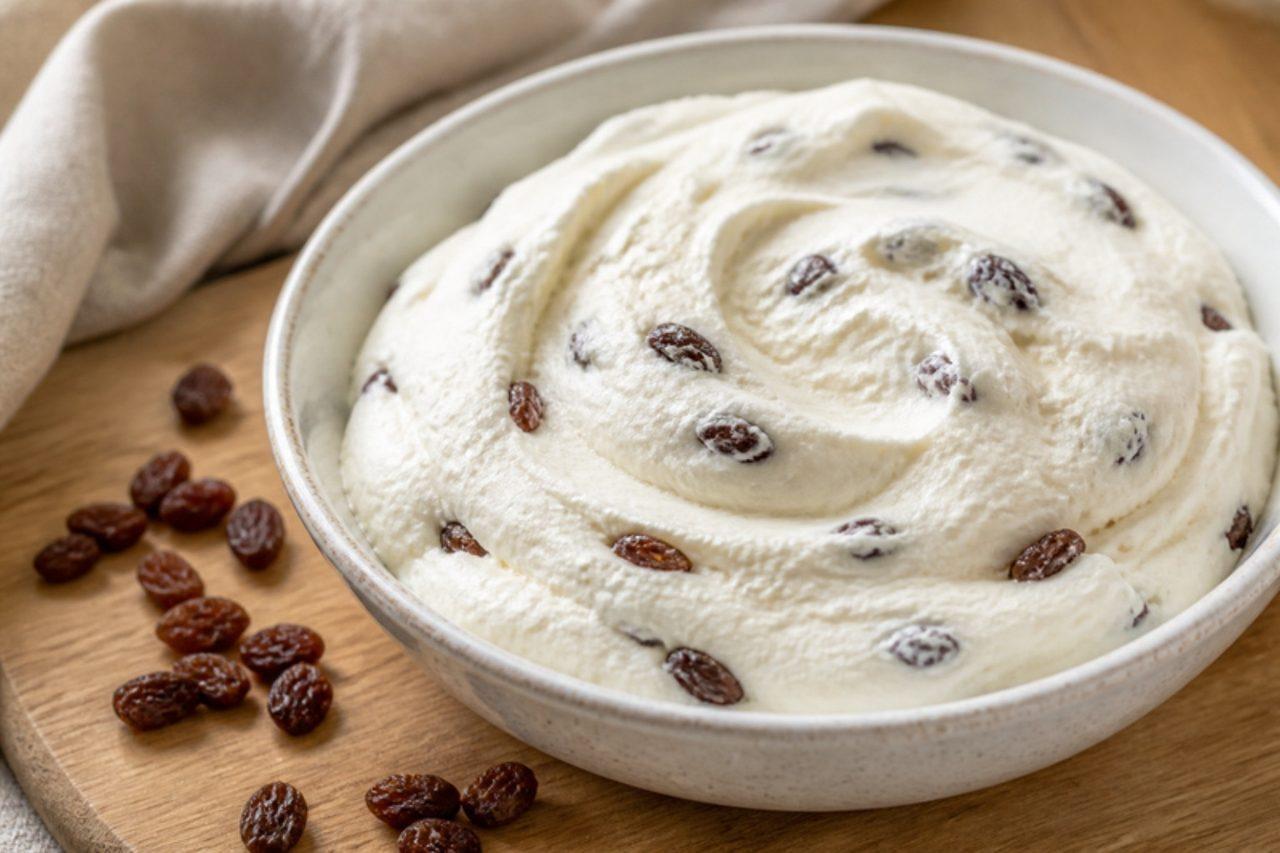
All over Russia, tvorozhnaya massa is the smooth, sweet curd cheese of childhood breakfasts and afternoon teas, and at Easter it is the base of paskha. Fresh tvorog is pressed through a sieve and beaten with soft butter, sugar and vanilla until it is pale and fluffy, then raisins are stirred in. It is creamy and tangy, sweet but light, and high in protein. Spread it on bread, spread it on rye toast or eat it from a bowl with tea and berries. Nothing is cooked and no egg goes in: beating the butter into the sieved curd gives it a mousse-like body, and it firms up nicely in the fridge, so nothing is needed to bind or set it. Chef's tip: soften the butter fully and sieve the tvorog first; the common mistake is beating cold butter into grainy curd, which leaves hard flecks and a lumpy, heavy cream.

by KrazyBadal 0 views

Tvorog so smetanoy (farmer's cheese with sour cream)

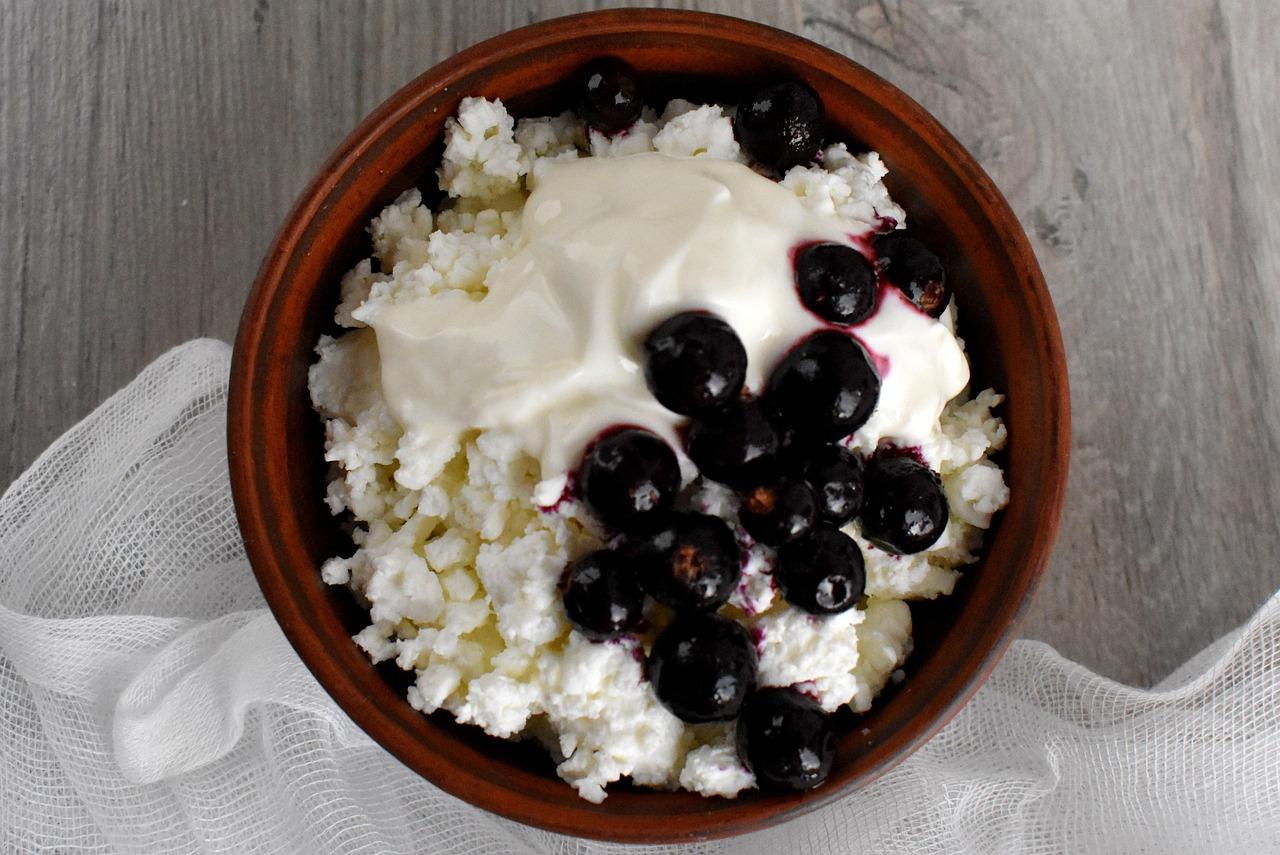
Across Russia, a bowl of soft tvorog with a spoon of smetana and a little sugar or jam is the breakfast grandmothers swear by and the supper students live on. The fresh, slightly sour curd and the cool cream make something like a rustic cheesecake you eat with a spoon, high in protein and ready in five minutes; add berries in summer. Tvorog, like quark and cottage cheese, is set with culture rather than rennet, so it suits vegetarians. The mistake is buying the driest block and serving it as it is, which feels chalky; break it up and loosen it with the smetana first. Chef's tip: mash the tvorog with the sugar and let it stand two minutes so the sugar dissolves before you add the cream.

by KrazyBadal 0 views

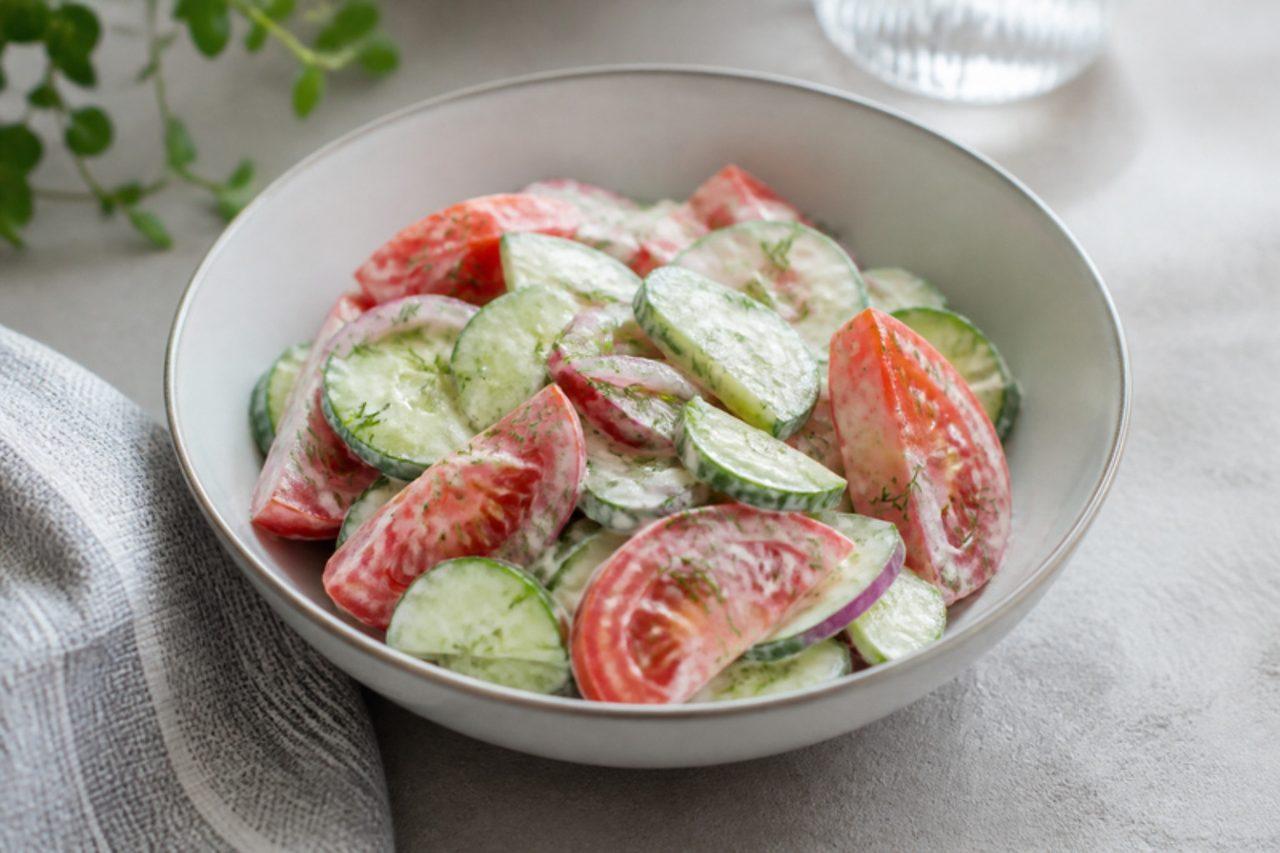
Salat iz ogurtsov i pomidorov (Russian cucumber and tomato salad)

From Moscow dachas to Siberian kitchens, this is the salad that sits on almost every summer table: cucumber, ripe tomato and onion chopped together with dill, dressed either with smetana for a creamy version or with unrefined sunflower oil, whose nutty taste is the flavour of the Russian countryside. It is eaten beside boiled potatoes, kasha or grilled food, and it is made minutes before the meal. The usual mistake is salting it early: the tomatoes and cucumbers release their juice and the salad turns into a watery soup. Chef's tip: if you can find it, use unrefined, cold-pressed sunflower oil; it tastes of toasted seeds and makes the plainest salad sing.

by KrazyBadal 0 views

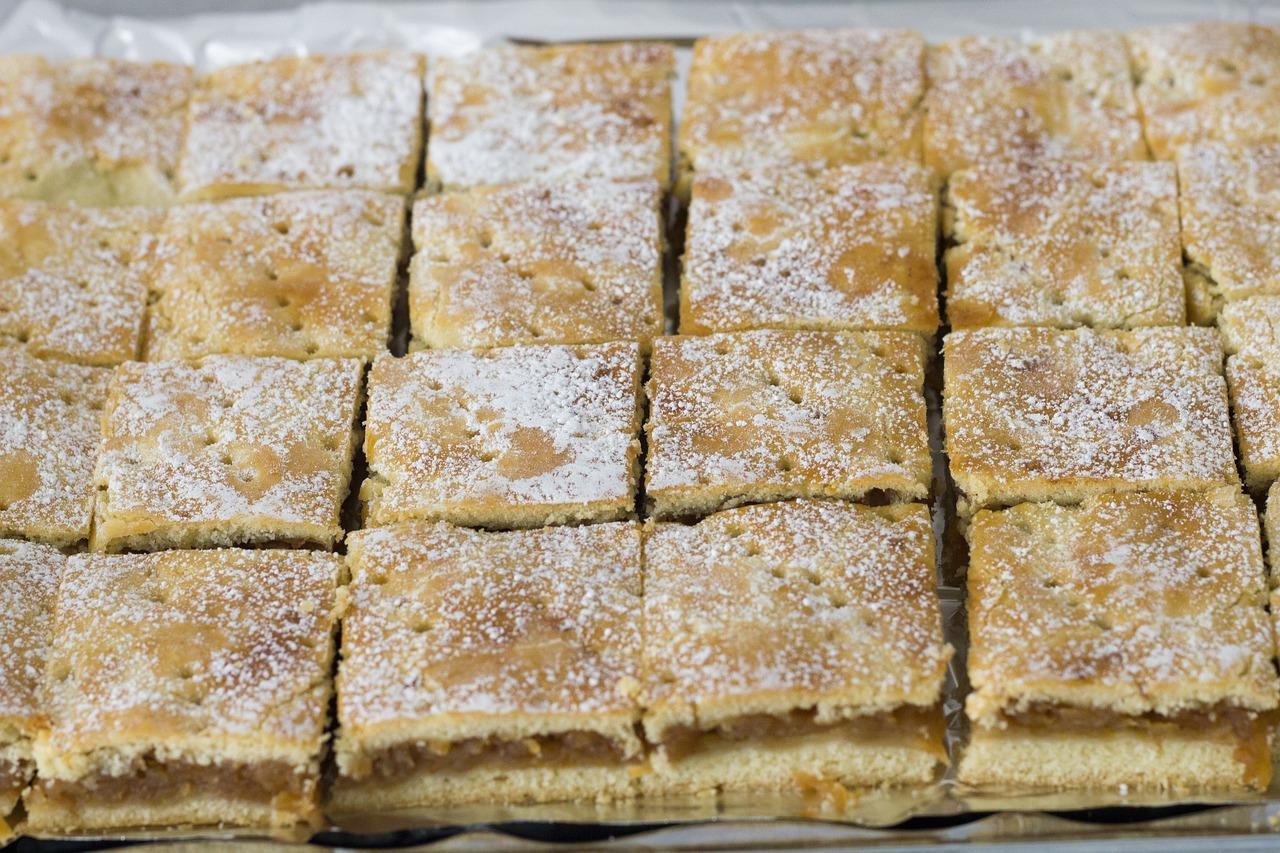
Lenja pitaGrated apple pie

The name means 'lazy pie', and that is the point: unlike the paper-thin pies of Serbia and Bosnia, lenja pita needs no stretching of filo, just two sheets of soft short pastry and a thick layer of grated apple with cinnamon. Home cooks in Belgrade and Sarajevo make a tray of it on autumn weekends, for name days and slava visits, and cut it into squares dusted with icing sugar to serve with Turkish-style coffee. The pastry is tender and crumbly, the apple soft, sweet and sharp. Putting the grated apple straight onto the pastry is the error to avoid: it floods the base, so squeeze it and cook it down first. Chef's tip: mix sour and sweet apples and leave the skins on a few of them for more flavour.

by KrazyBadal 0 views

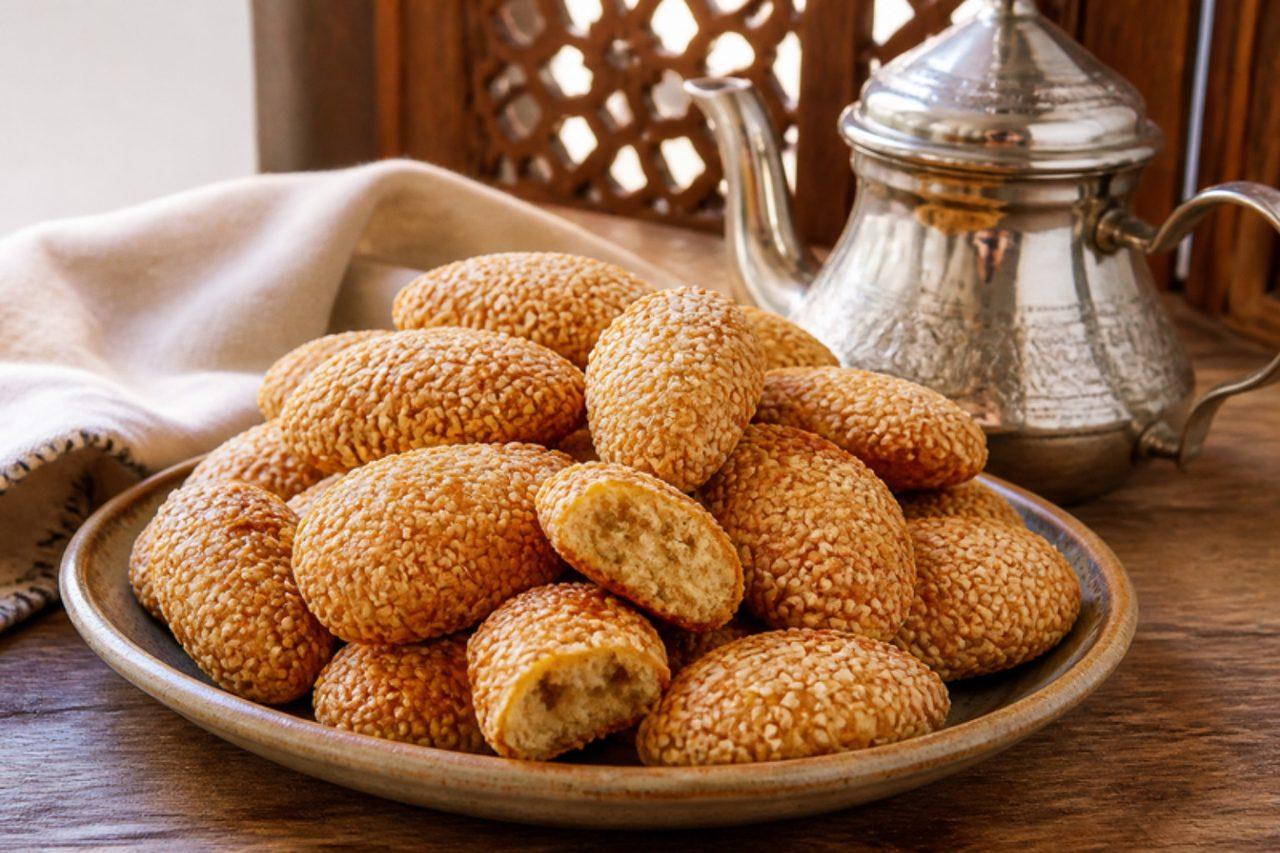
Moroccan bachkoutouOrange and sesame dunking biscuits
Moroccan grandmothers bake bachkoutou by the trayful and keep them in big tins for the afternoon glass of sweet mint tea, and neighbourhood ovens in Fes and Casablanca bake them for families who bring their dough. These are dry, crunchy little biscuits, not rich at all, made with eggs, sugar and oil rather than butter, with orange zest and a coating of toasted sesame; they are meant to be dunked until they soften slightly. Shapes vary from town to town: fingers, rings and rope twists are all common, and some cooks add aniseed. Too much flour is the easy mistake: the dough should stay soft and slightly sticky, or the biscuits bake heavy and hard rather than crisp and light. Chef's tip: once they are cold, put them back in a warm, switched-off oven for 20 minutes; that extra drying is what makes them keep their snap for weeks.

by KrazyBadal 0 views

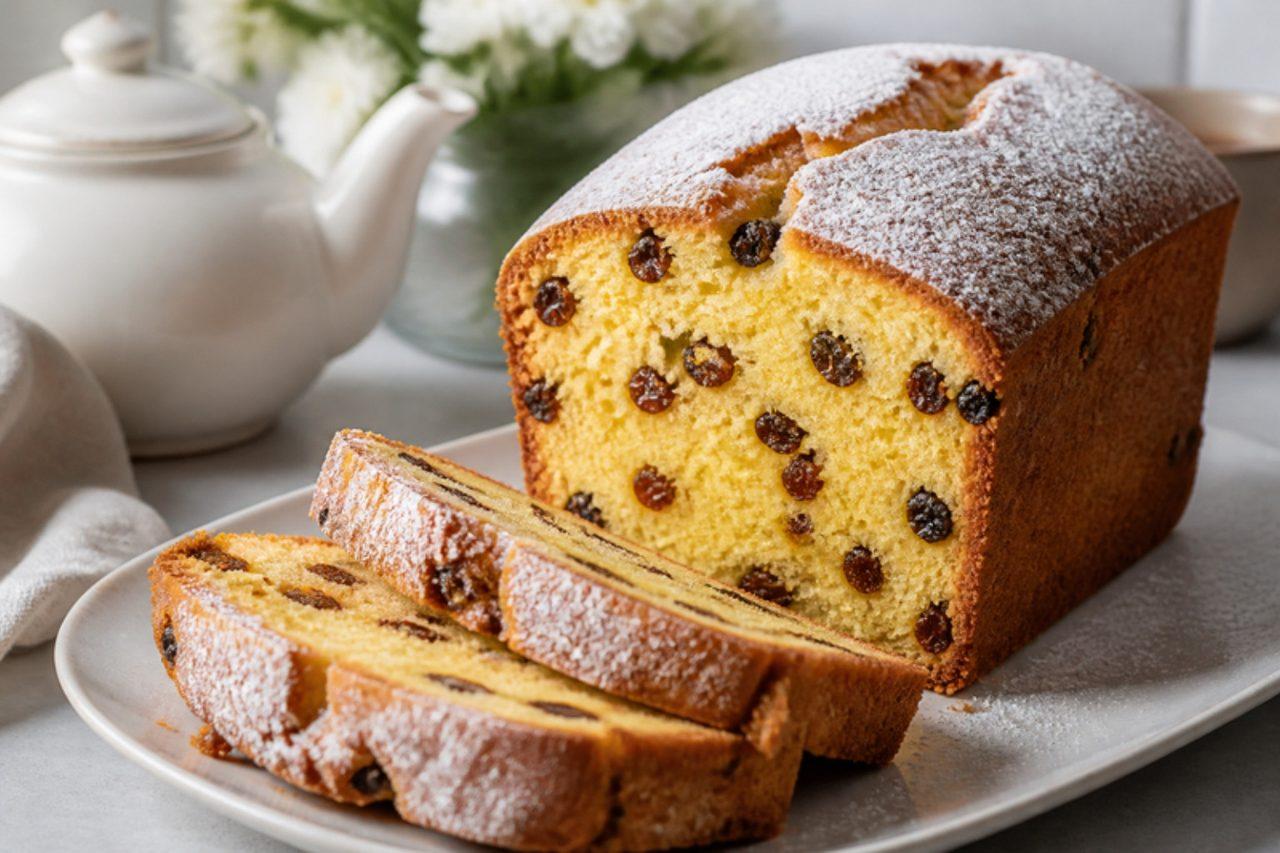
Stolichny keksRaisin loaf cake

Stolichny keks, the 'capital city' cake, was made to a fixed state recipe in Soviet bakeries and sold in waxed paper in every Moscow grocery: a tall, buttery loaf with a cracked top, a fine yellow crumb and so many raisins that each slice is studded with them. People still bake it at home for New Year and for guests, and it keeps well for a week, wrapped, next to the teapot. Some cooks plump the raisins in brandy or cognac; this recipe soaks them in hot water and lemon juice instead, and a spoonful of brandy can go into the soak if you like. Under-creamed butter is the usual problem: the cake comes out heavy and greasy, so beat the butter and icing sugar until really pale. Chef's tip: dry the soaked raisins on a towel and roll them in flour; wet raisins all sink to the bottom.

by KrazyBadal 0 views

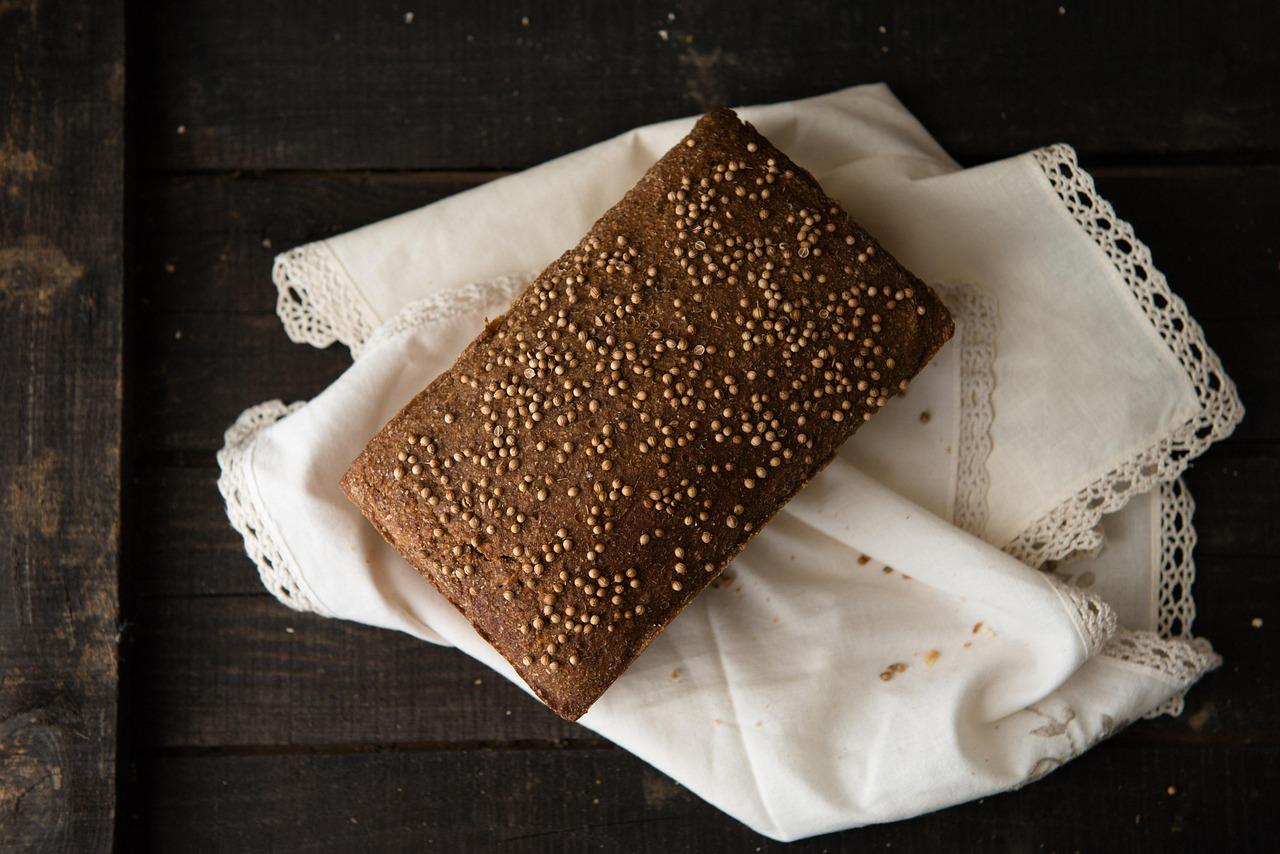
Borodinsky breadDark sourdough rye with coriander

Moscow's darkest everyday loaf is said to be named after the 1812 Battle of Borodino, though the recipe bakers follow today was fixed by the city's bread trust in 1933. Borodinsky (Бородинский хлеб) is a dense, moist sourdough rye, sweet-sour from molasses and red fermented rye malt, with whole coriander seeds crackling on the crust. Russians slice it thin for breakfast with butter and salted cucumbers, alongside borscht or herring for meat-eaters, or under a slice of cheese with strong tea. The method looks long, but most of it is the starter and the scald quietly working on their own. The usual mistake is cutting it on baking day: rye crumb needs a full day wrapped in a cloth to set, and a warm loaf is gummy right through. Chef's tip: red fermented rye malt gives the colour and the deep flavour; plain diastatic malt will not do the same job, so look for the reddish-brown 'fermented' kind in Eastern European shops.

by KrazyBadal 0 views

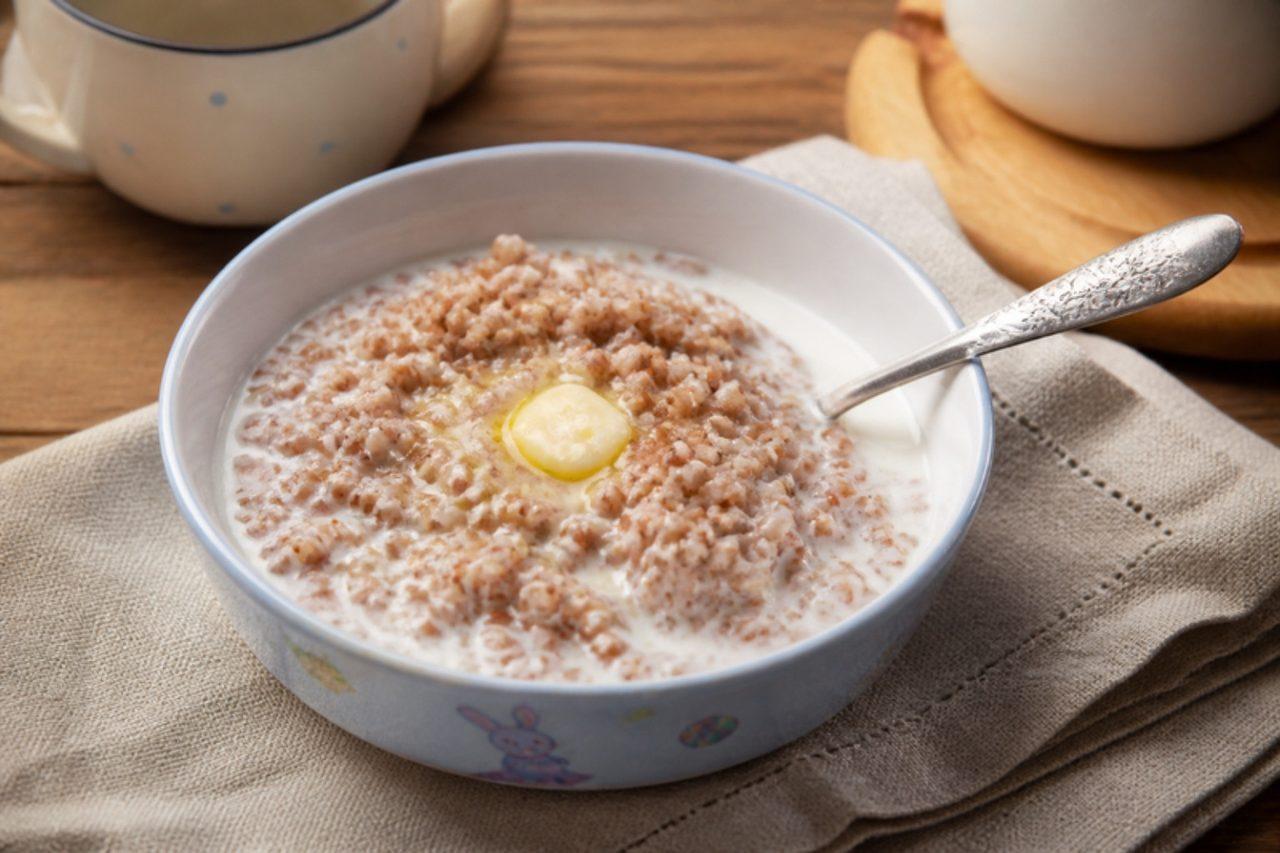
Grechka s molokom (buckwheat with milk)

Grechka s molokom, buckwheat groats cooked soft and served in a bowl of warm milk with a little butter, is the breakfast or light supper that generations of Russian children have eaten at home and in nursery school. The groats are earthy and nutty and the milk makes them gentle and sweet-tasting, without any sugar. Buckwheat is naturally gluten free (despite its name); the dish contains milk and has no egg, nuts, soya, sesame or fish. Chef's tip: use toasted buckwheat (the brown kind sold for kasha), which has the rounder, nuttier flavour.

by KrazyBadal 0 views

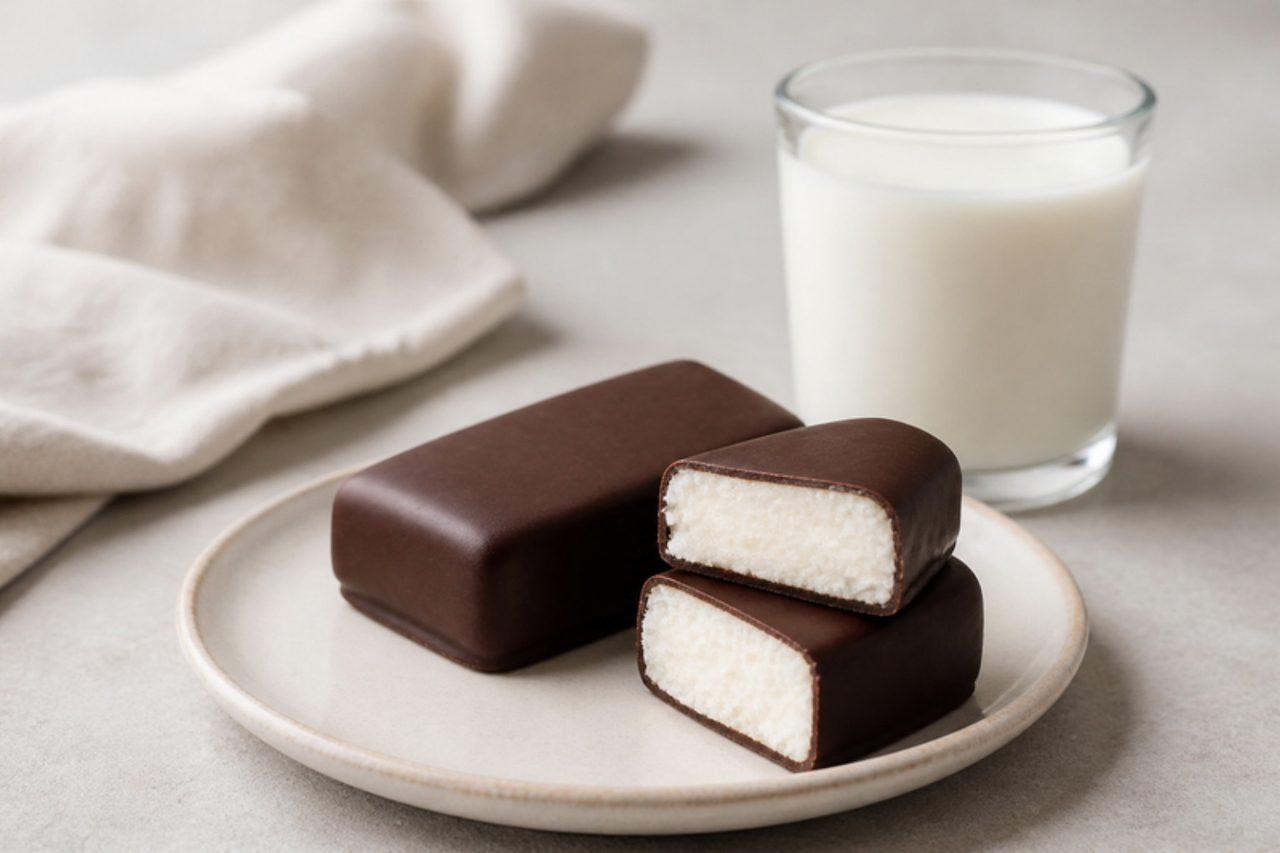
Glazirovanny syrok (chocolate-glazed curd bars)

Glazirovanny syrok, the chocolate-coated curd cheese bar, has been sold in Russian dairy aisles since Soviet times and is still what children across Russia, Ukraine and the Baltics grab after school. Made at home, it is a firm, creamy, gently sweet vanilla tvorog filling under a thin snap of dark chocolate, like a tiny cheesecake bar. This version uses less sugar than shop bars. It contains milk (and may contain soya in the chocolate). Chef's tip: press the tvorog through a sieve first; it is the only way to get the smooth, dense texture of a real syrok.

by KrazyBadal 0 views

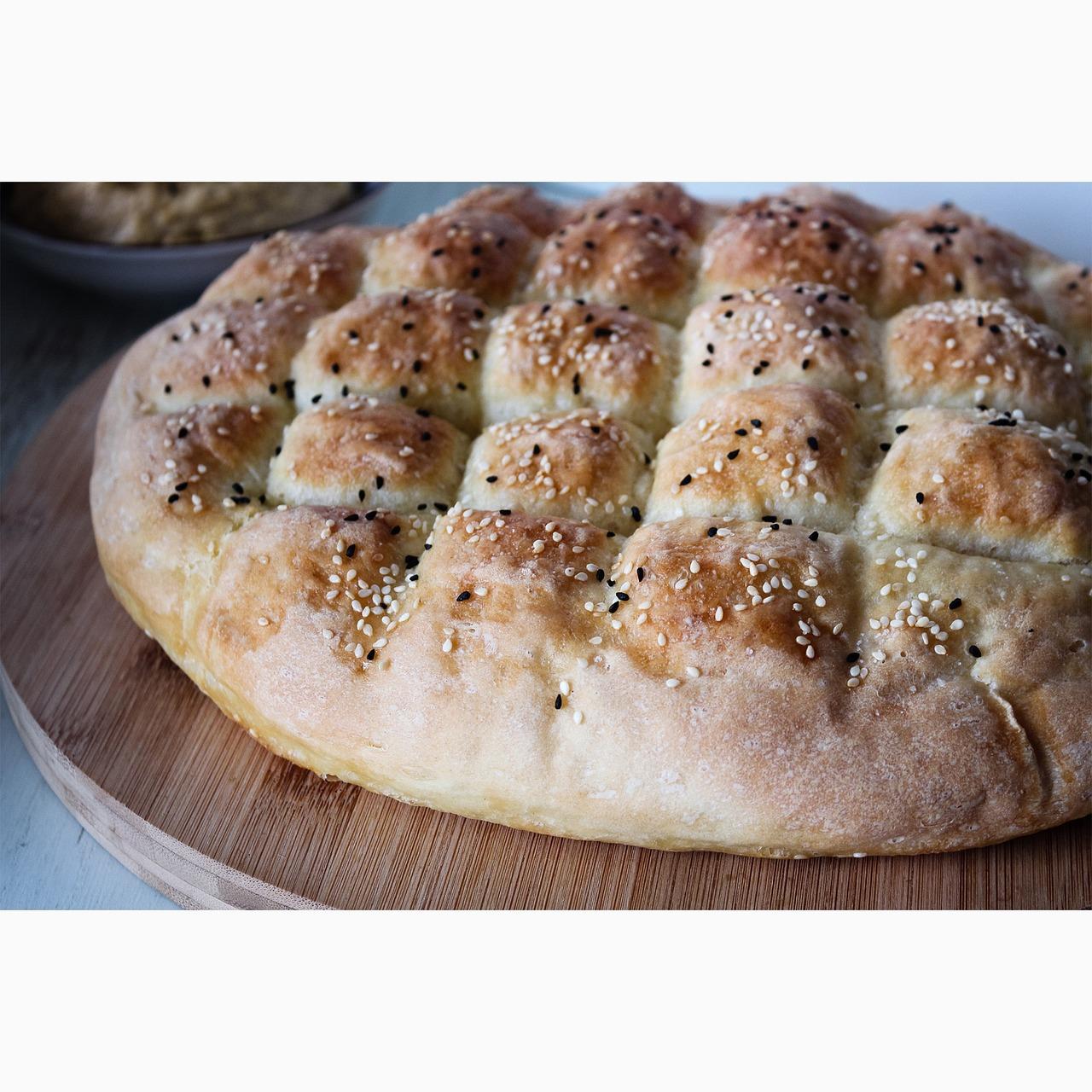
SomunDimpled flatbread

During Ramadan in Sarajevo, queues form outside the Baščaršija bakeries in the last hour before iftar, everyone waiting for somun still warm from the oven. It is a round, pale flatbread about three fingers thick, with a crust so thin it barely crackles and a soft, airy middle, and a criss-cross grid pressed into the top. All year it is split and stuffed with ćevapi and onions at the grill houses; for a meat-free plate, fill it with kajmak, roasted peppers and ajvar or grilled vegetables. Somun should stay pale: leave it in the oven until it is brown and the crust turns hard, which is the commonest mistake. Chef's tip: wrap the loaves in a clean tea towel the moment they come out; the trapped steam softens the crust to that typical pillowy finish.

by KrazyBadal 0 views

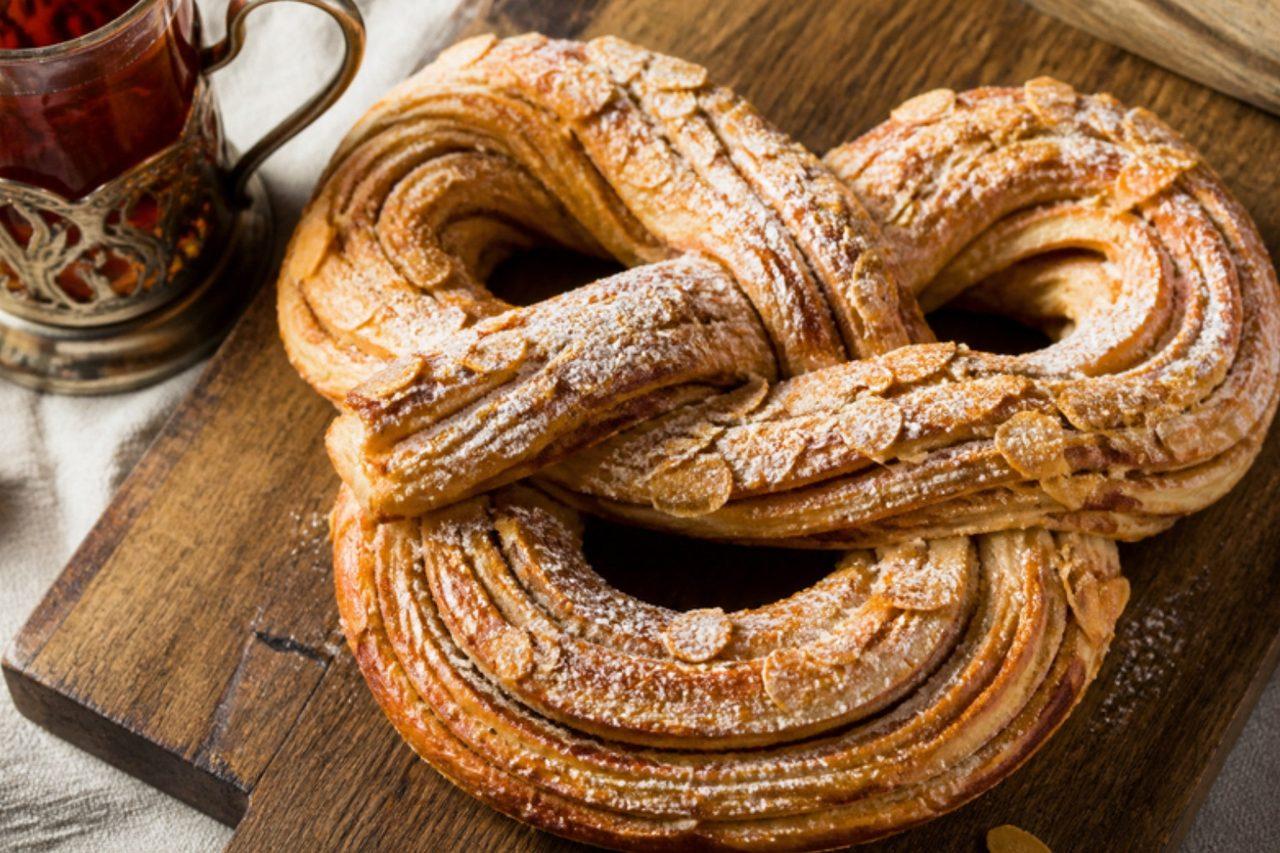
KrendelSweet pretzel-shaped bread

Name days and birthdays in old Russia called for a krendel: one huge pretzel-shaped sweet loaf, carried to the table whole and torn apart over tea from the samovar. The shape is said to come from Baltic and German bakers in St Petersburg, but the bread itself is very Russian, a buttery yeast dough rolled around cinnamon sugar so the crumb streaks with spice. Serve it with tea, jam or honey and a bowl of sour cream. The pretzel is made from one long filled roll, slit open down its length so the layers show; forgetting to chill the filled roll before slitting is what makes the filling smear and the shape slump. Chef's tip: shape it straight on the lined tray rather than lifting it afterwards, as a filled rope this long tears easily.

by KrazyBadal 0 views

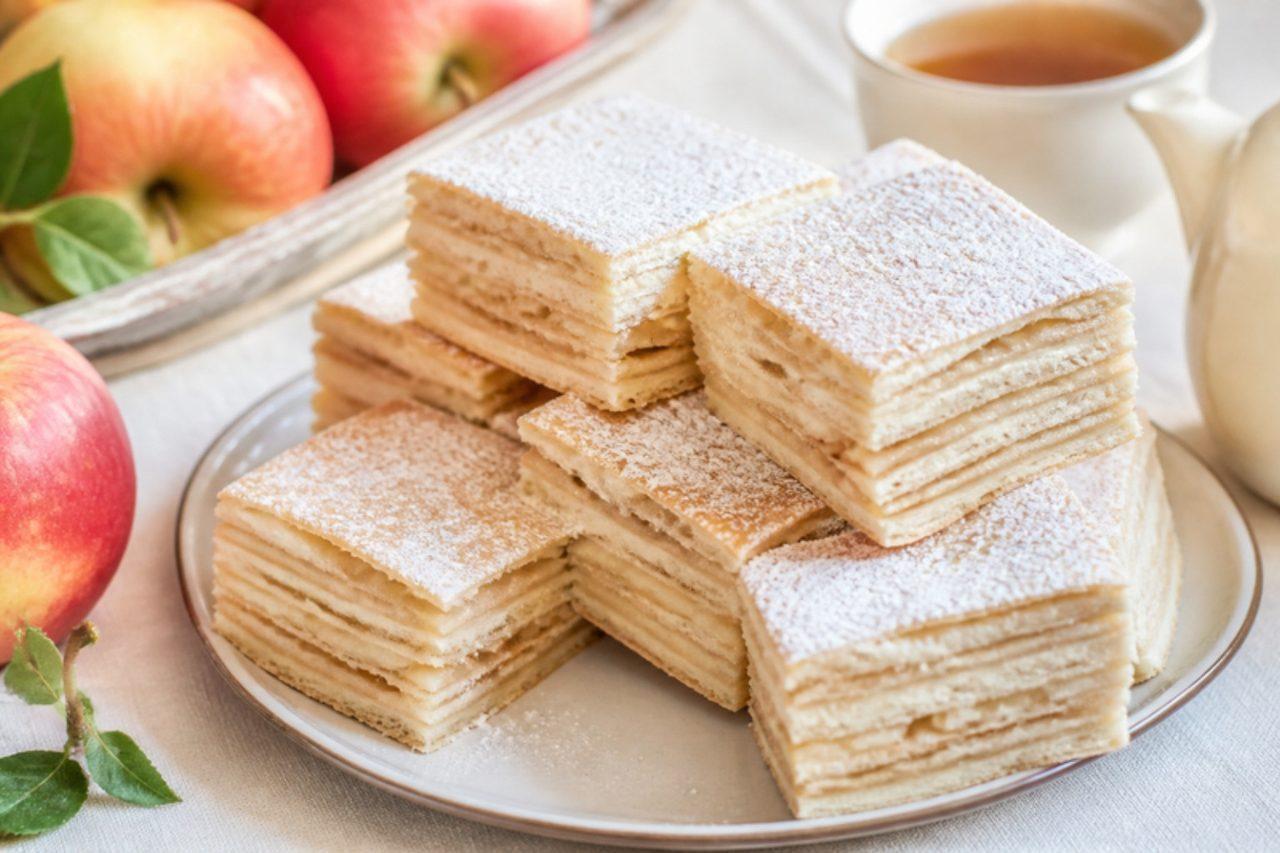
PastilaBaked apple sheets

Long before chocolate reached Russia, the merchants of Kolomna near Moscow and Belyov in the Tula region were drying whipped apple into thin, cloud-soft sheets in their stove ovens and selling them in tins at winter fairs. Today pastila is again a souvenir and a tea-table treat: whipped baked-apple purée is spread thin, dried slowly until leathery yet tender, then stacked in layers and cut into bars. It is fat-free and naturally gluten-free. The common mistake is too hot an oven, which browns and cracks the sheets. Chef's tip: dry it with the oven door wedged open with a wooden spoon; it needs gentle warmth and escaping steam, not baking.

by KrazyBadal 0 views

Showing 24 of 316 recipes

Show more recipes

Page 1 of 14