Skip to content
Recipes

All recipes

Vegetarian, or something you can't eat? Set your diet once and we'll hide recipes that don't fit.

Kisra

Kisra (kisra rahifa) is the daily bread of northern and central Sudan: a sorghum batter left to sour for a day, then wiped across a very hot iron plate in a single sweep so it cooks into a lacy sheet as thin as paper. In homes it is made early each morning and stacked in folded layers to eat with mullah stews, especially during Ramadan. A wide crêpe pan and a plastic scraper or spatula work at home. Chef's tip: the pan must be hot enough that the batter sets the moment it touches; if it is too cool the sheet sticks and tears.

by KrazyBadal 0 views

Salata aswad

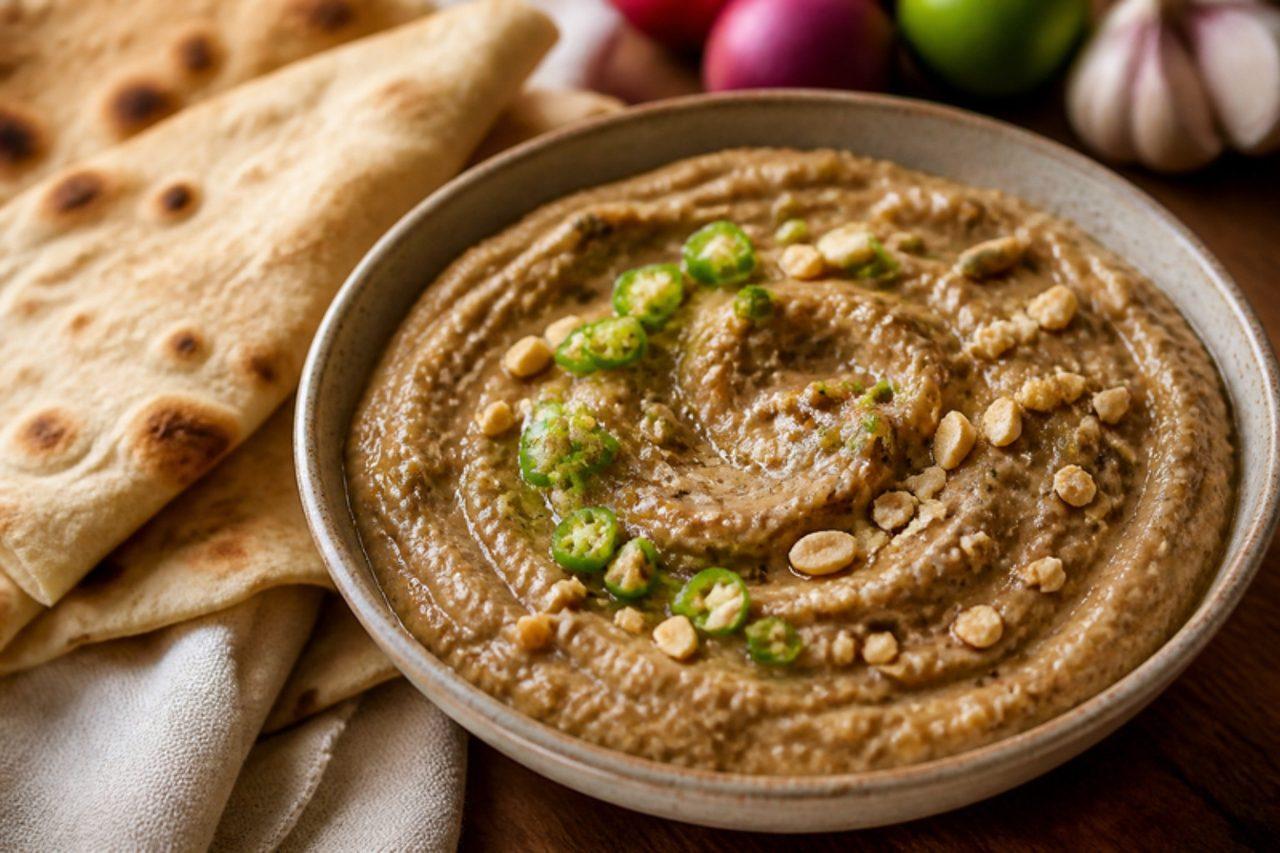
Salata aswad, the 'black salad', is a Khartoum favourite: aubergine fried until almost black and collapsing, then mashed with peanut butter, garlic, lime and a little chilli into a rich, smoky spread. It is served at Ramadan iftars and family lunches with kisra or bread, next to ful and fresh tomato salad. The peanut is what makes it Sudanese rather than a Levantine aubergine dip. Chef's tip: salt the aubergine and squeeze it dry before frying; it absorbs far less oil.

by KrazyBadal 0 views
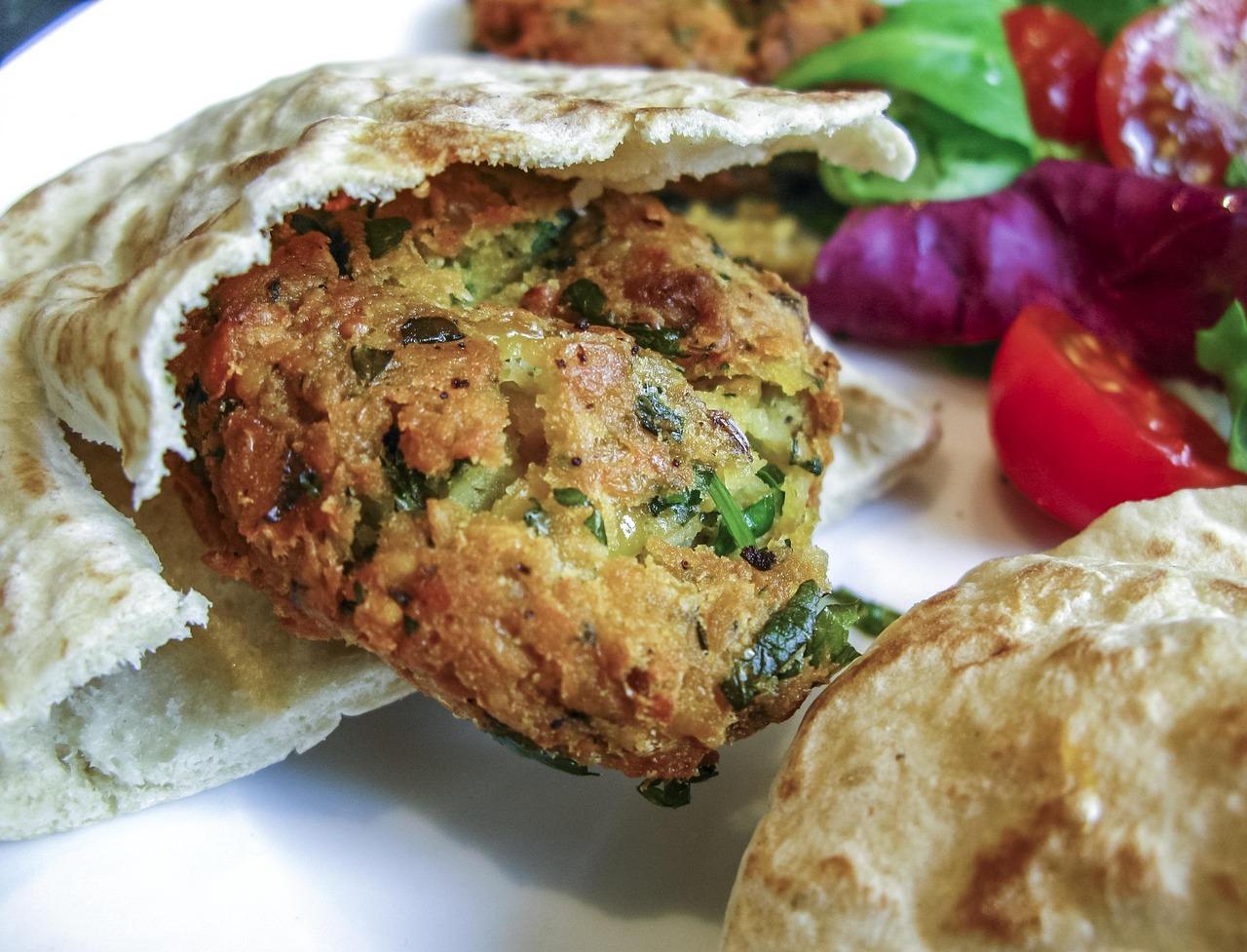
Mullah bamia

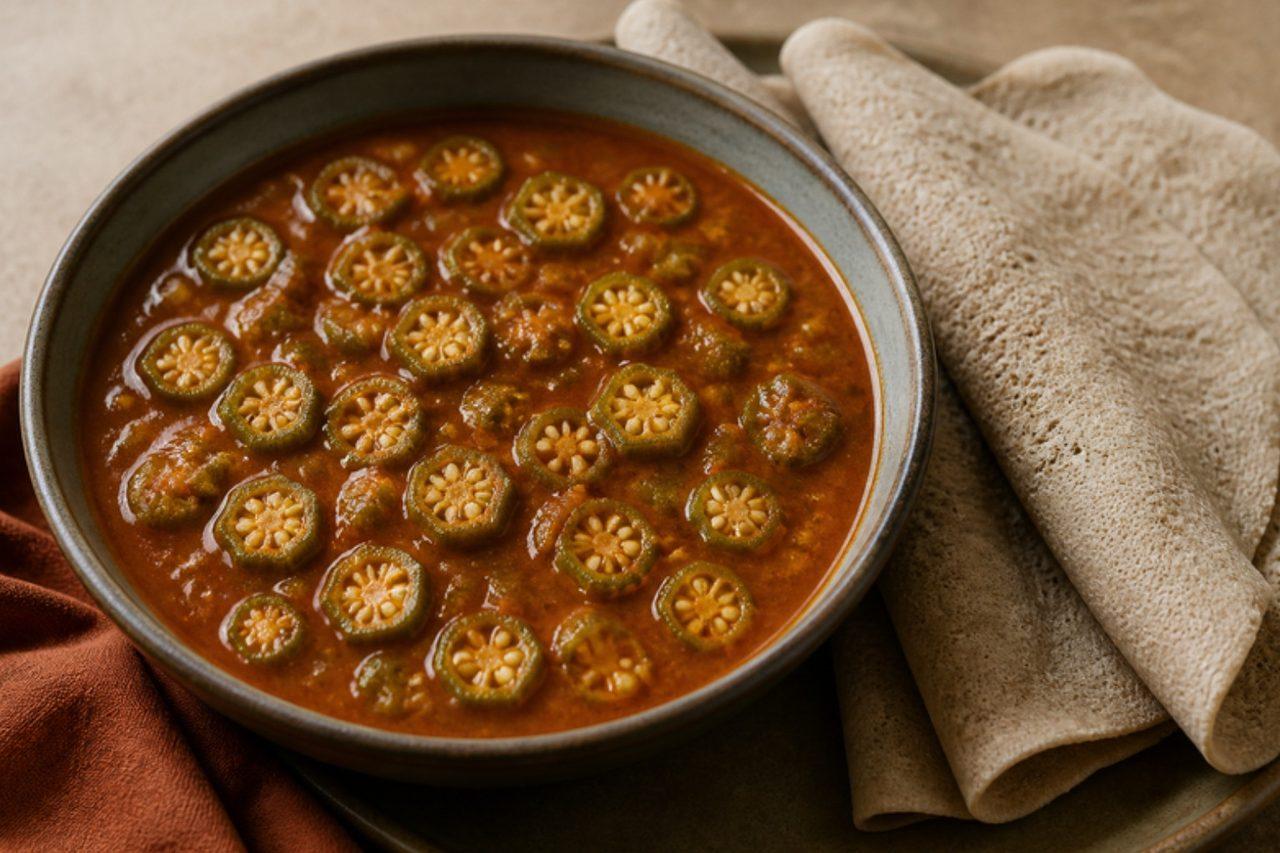
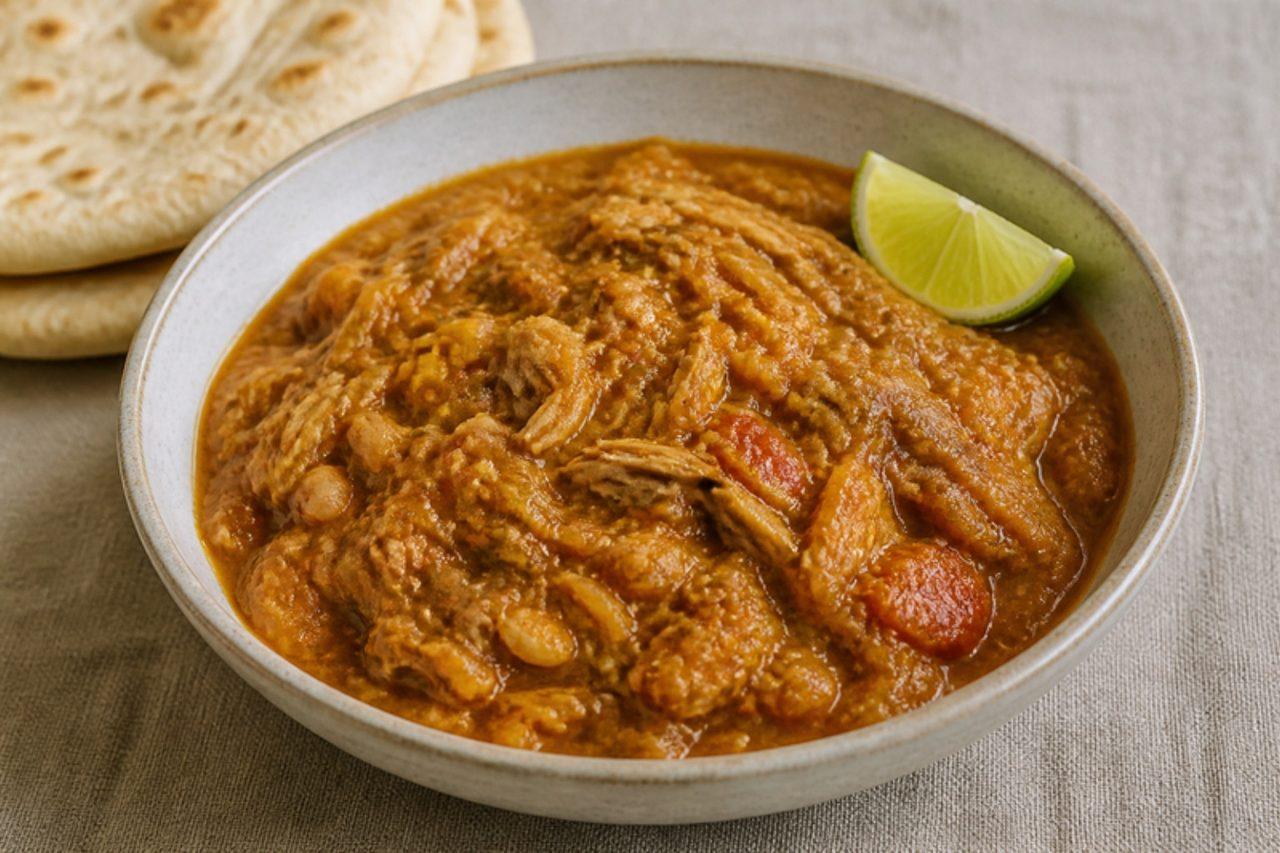
Mullah is the Sudanese word for the thick stews that go with kisra and aseeda, and mullah bamia, with okra, is one of the most loved, cooked in homes from Khartoum to Kassala. The base is a large amount of onion cooked very slowly until it melts, then tomato and garlic; the okra is left to soften until the sauce turns silky. Many households add dried ground okra (weika) for a thicker, earthier stew. It is normally made with meat; here it is all vegetable. Chef's tip: cook the onions until they collapse into a jam before adding anything else; that slow base is what gives mullah its depth.

by KrazyBadal 0 views
Salatat daqua

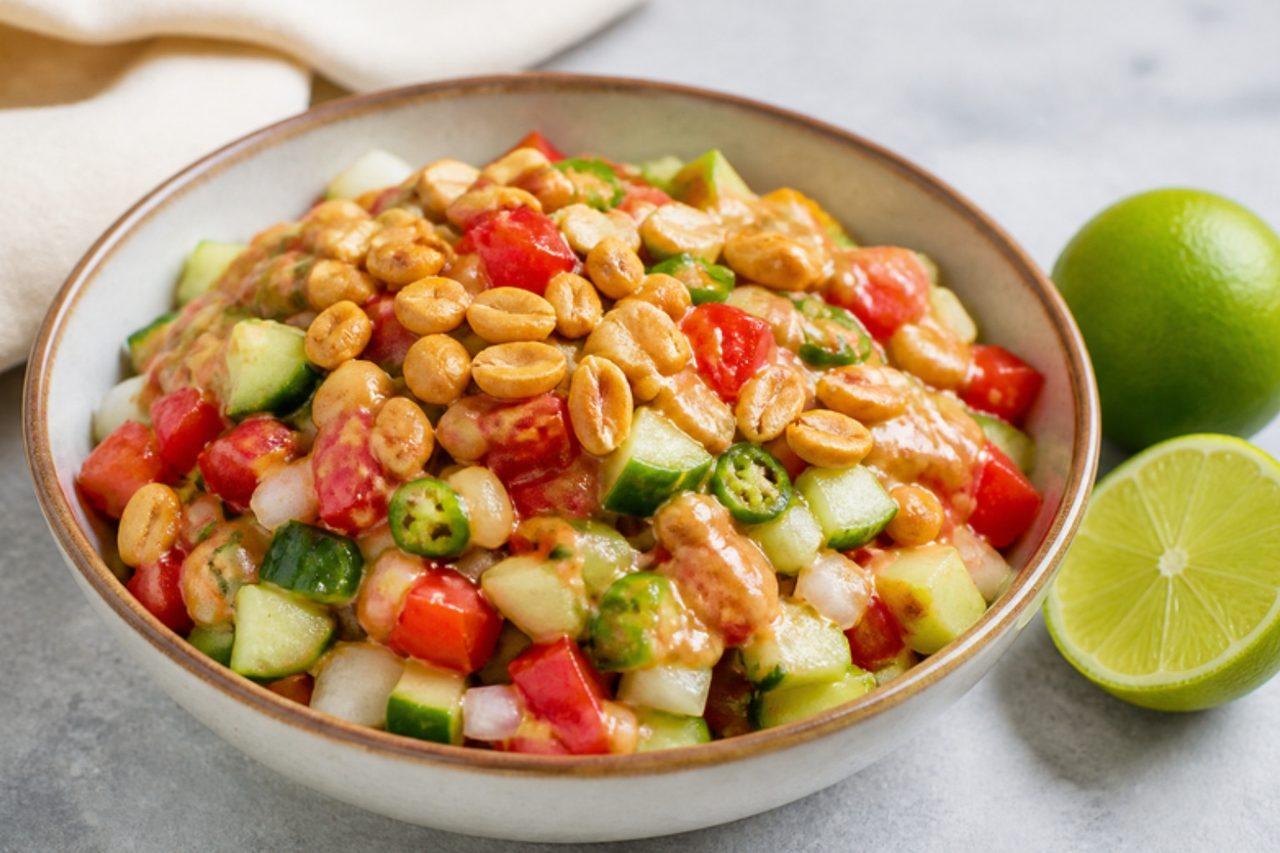
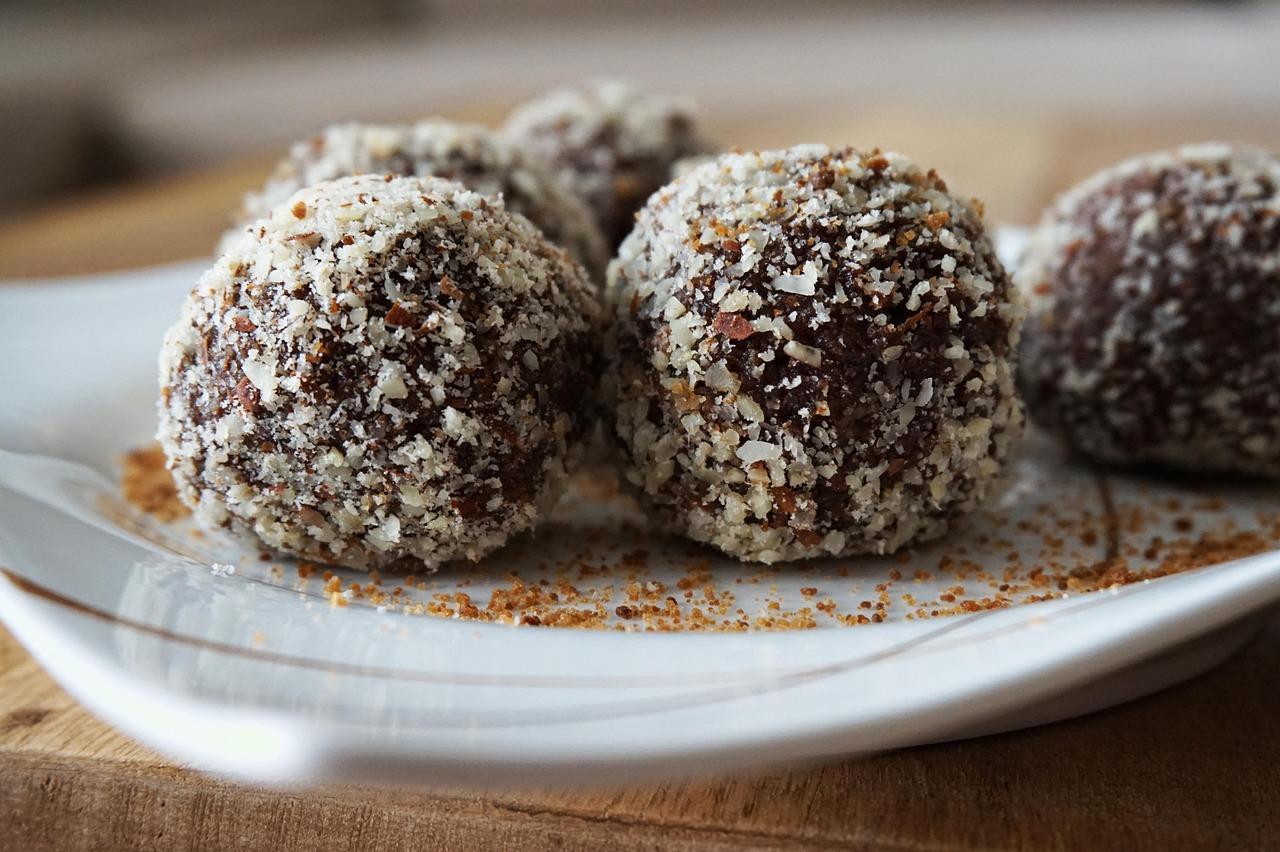
Daqua is the Sudanese name for peanut paste, and this everyday salad of tomato, cucumber, onion and green chilli dressed in thinned peanut butter and lime sits on the table at almost every meal in Omdurman and Khartoum, especially in the hot months. It is cooling, crunchy and creamy at once, and is eaten with ful medames, kisra or grilled food. Chef's tip: thin the peanut butter with water and lime before adding it to the vegetables; dolloped straight in, it clumps and never coats them.

by KrazyBadal 0 views
Shaiyah

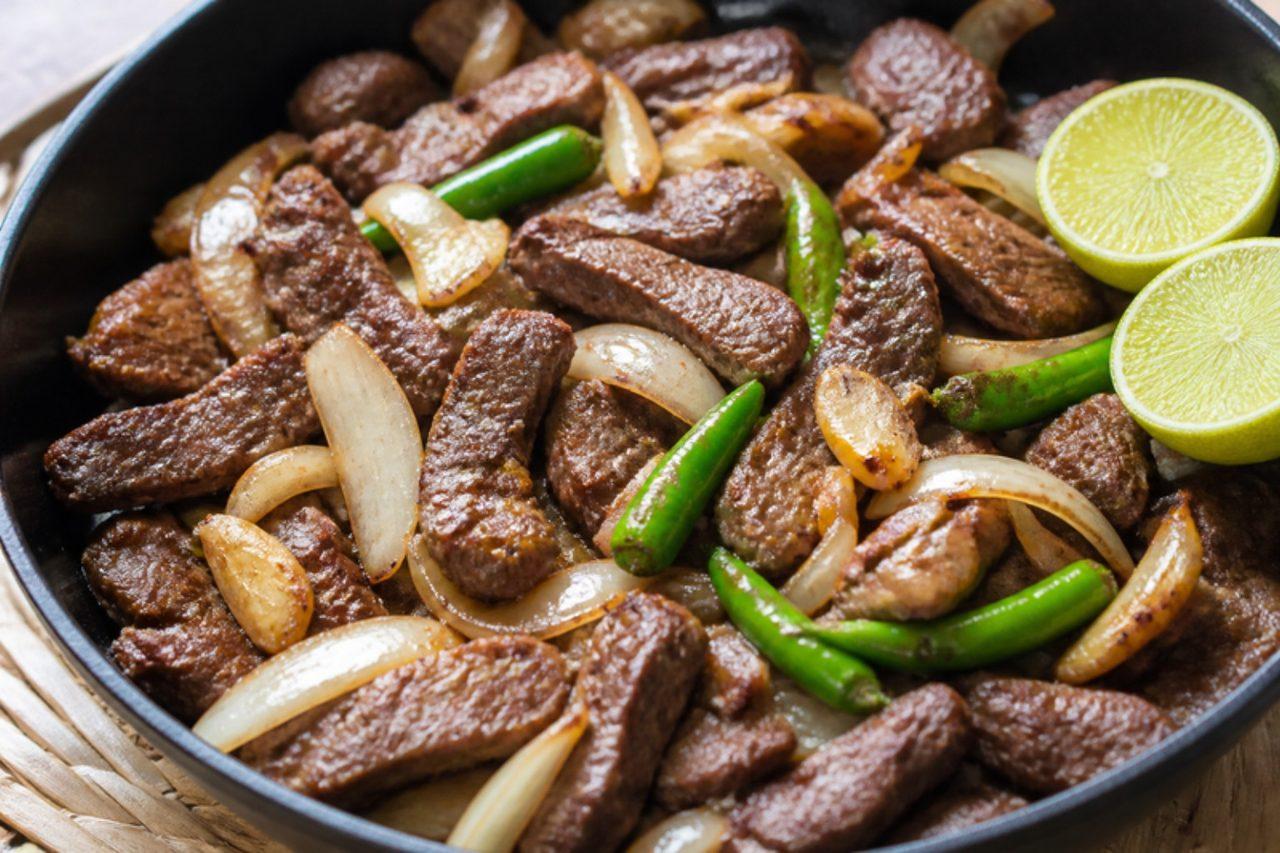
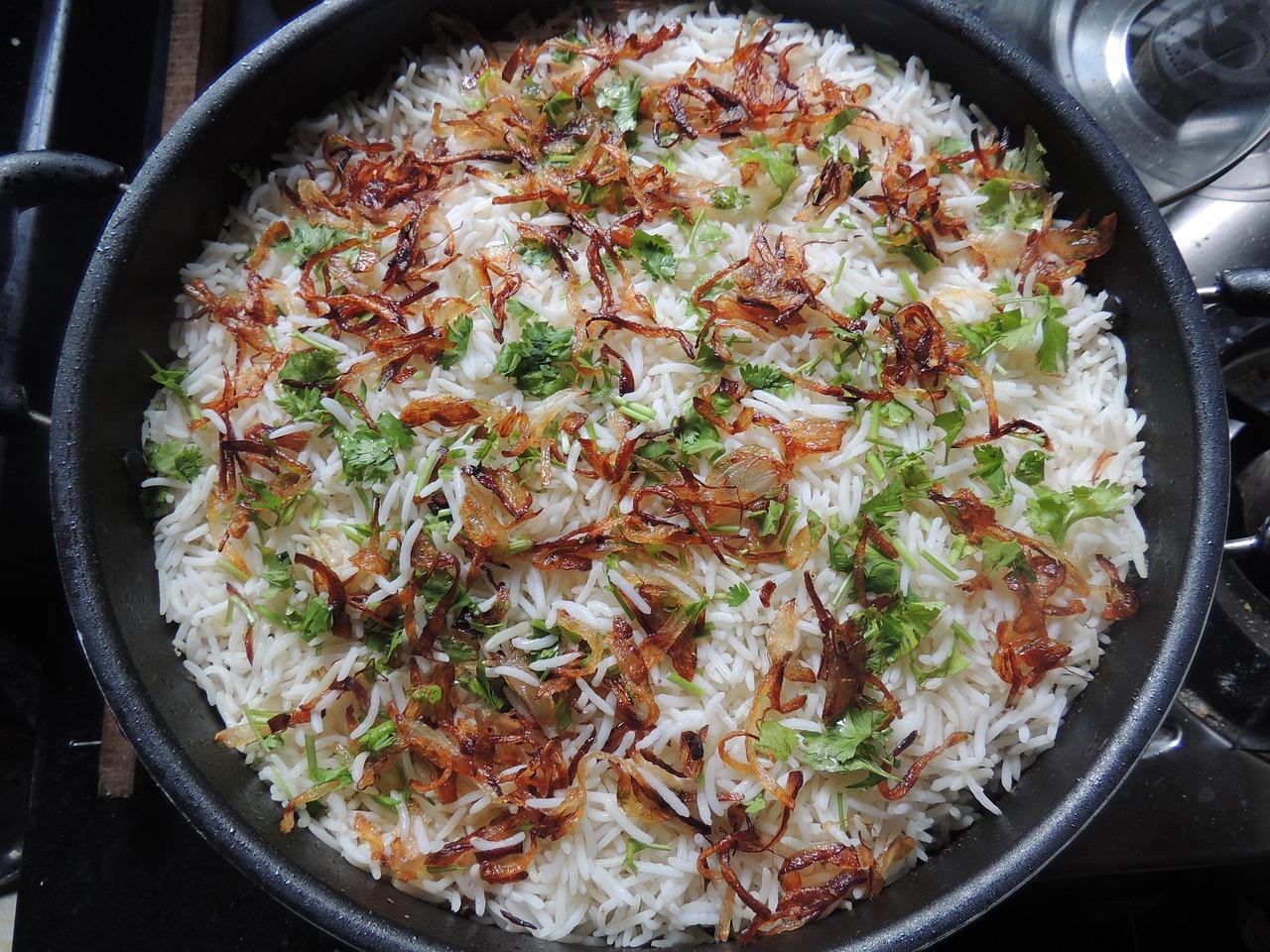
Shaiyah means "seared" and is what Khartoum families cook when guests drop in or for Eid breakfast after the sacrifice: small pieces of lamb thrown into a very hot pan with onion, garlic and green chilli and cooked fast until browned and sizzling. It is eaten with kisra flatbread or bread, a salad of tomato and onion, and a squeeze of lime. The mistake is crowding the pan, which stews the lamb grey instead of searing it; cook in two batches if needed. Chef's tip: use lamb with a little fat on it, such as shoulder or leg steaks, so it stays juicy over the high heat.

by KrazyBadal 0 views
Kajaik

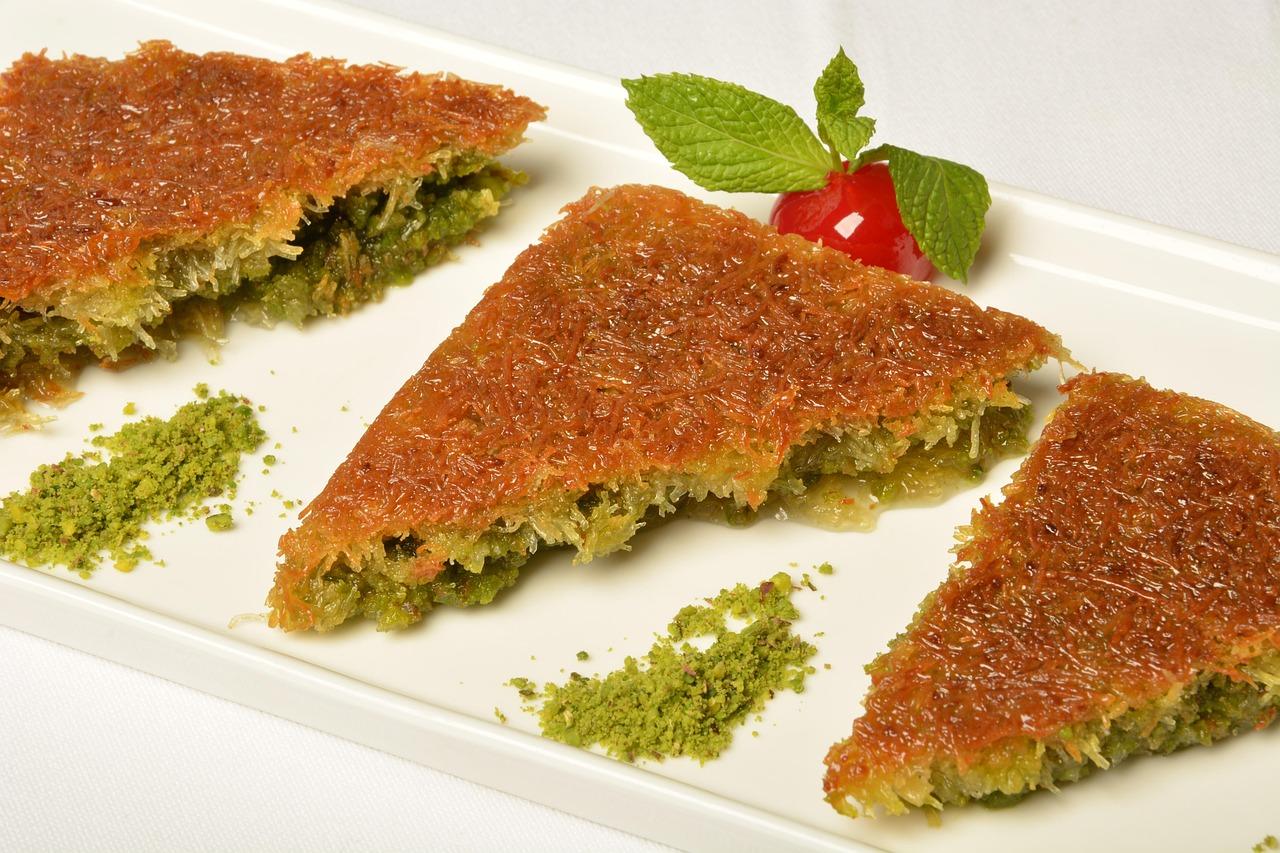
Kajaik is a stew from the Nile towns of northern Sudan, where fish from the river is salted and sun-dried to keep through the year; it is cooked with plenty of onion, tomato and a spoonful of peanut butter and eaten with aseeda (thick porridge) or kisra. The flavour is deep and savoury, a little like a rich fish curry without the heat. The mistake is not soaking the dried fish long enough, which makes the stew far too salty and the fish tough; soak it overnight and change the water twice. Chef's tip: if you can't find dried Nile fish, salted dried cod (bacalao) works well.

by KrazyBadal 0 views
Aseeda

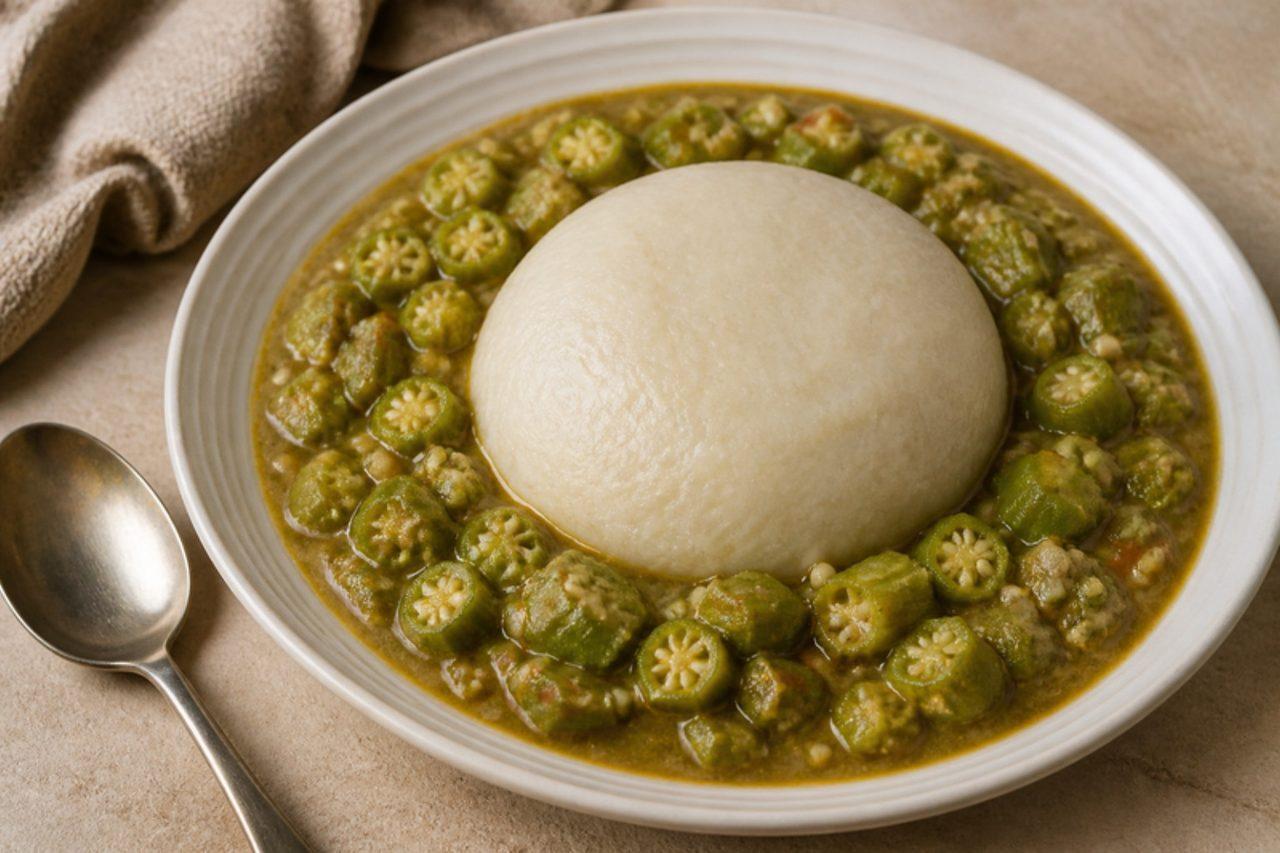
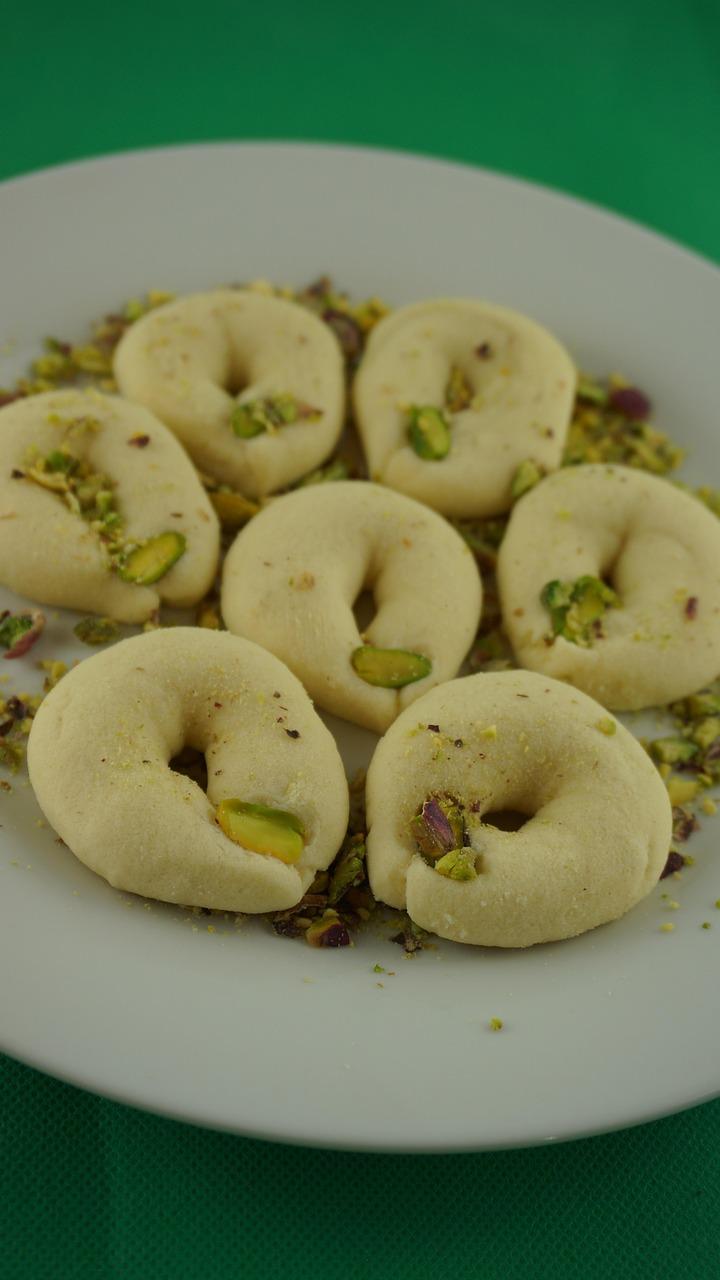
Aseeda (asida) is the stiff, slightly sour sorghum porridge eaten across Sudan, especially in Darfur, Kordofan and the countryside, where it is the daily staple. The batter is left to ferment before being cooked into a smooth, firm dough, shaped in a bowl into a dome, and turned out with mullah poured around it. During Ramadan it is a common iftar dish. Chef's tip: beat hard with a wooden spoon once the dough thickens; that beating is what makes aseeda smooth instead of lumpy.

by KrazyBadal 0 views
Gurasa

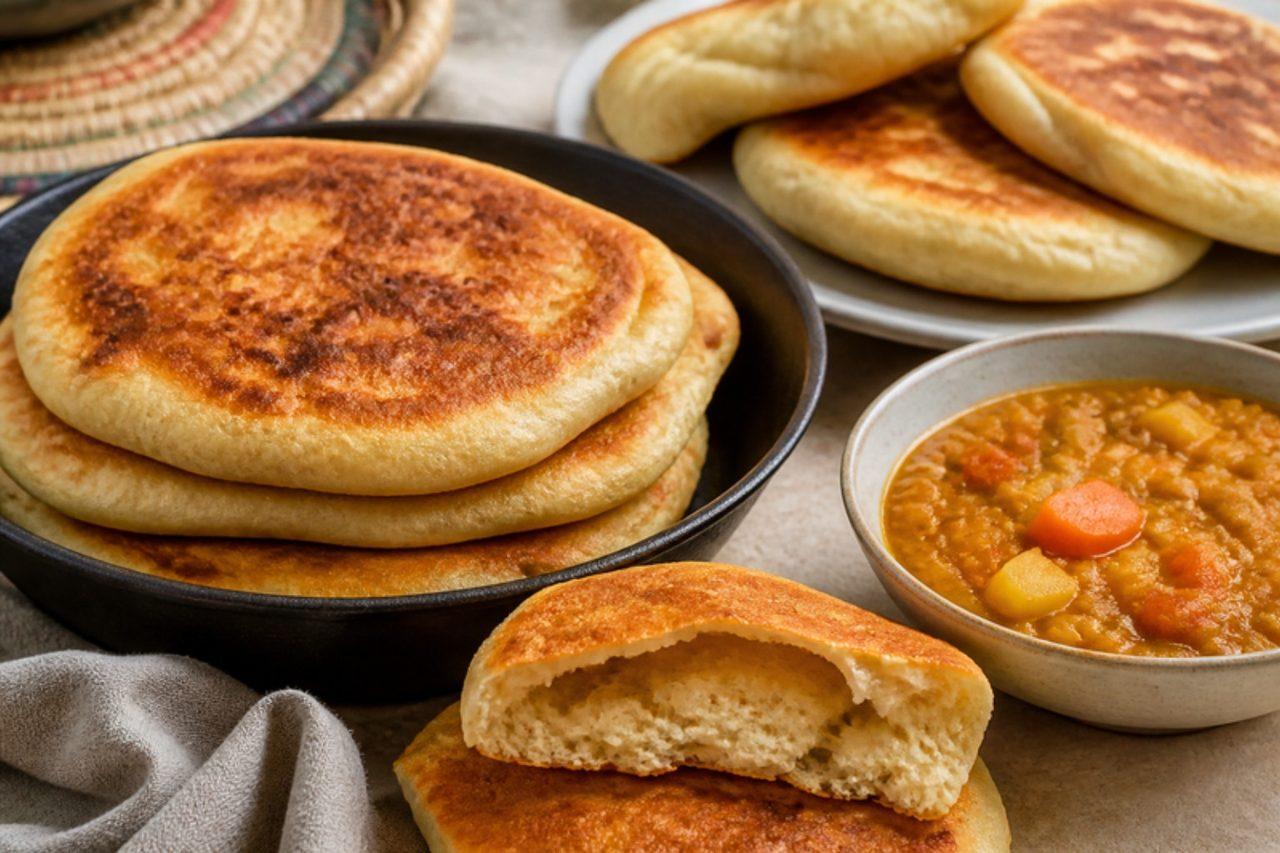
Gurasa is a thick, soft, round wheat bread from Sudan, especially the north and west (Darfur and Kordofan), cooked in a covered pan rather than an oven. It is torn and eaten with mullah, ful or salata aswad, and for breakfast with sugar and a little oil or butter. The dough is a loose, yeasted batter, closer to a giant crumpet than a flatbread. Chef's tip: cook it covered over a low heat; a hot open pan burns the base before the thick centre cooks.

by KrazyBadal 0 views
Arabian cigars

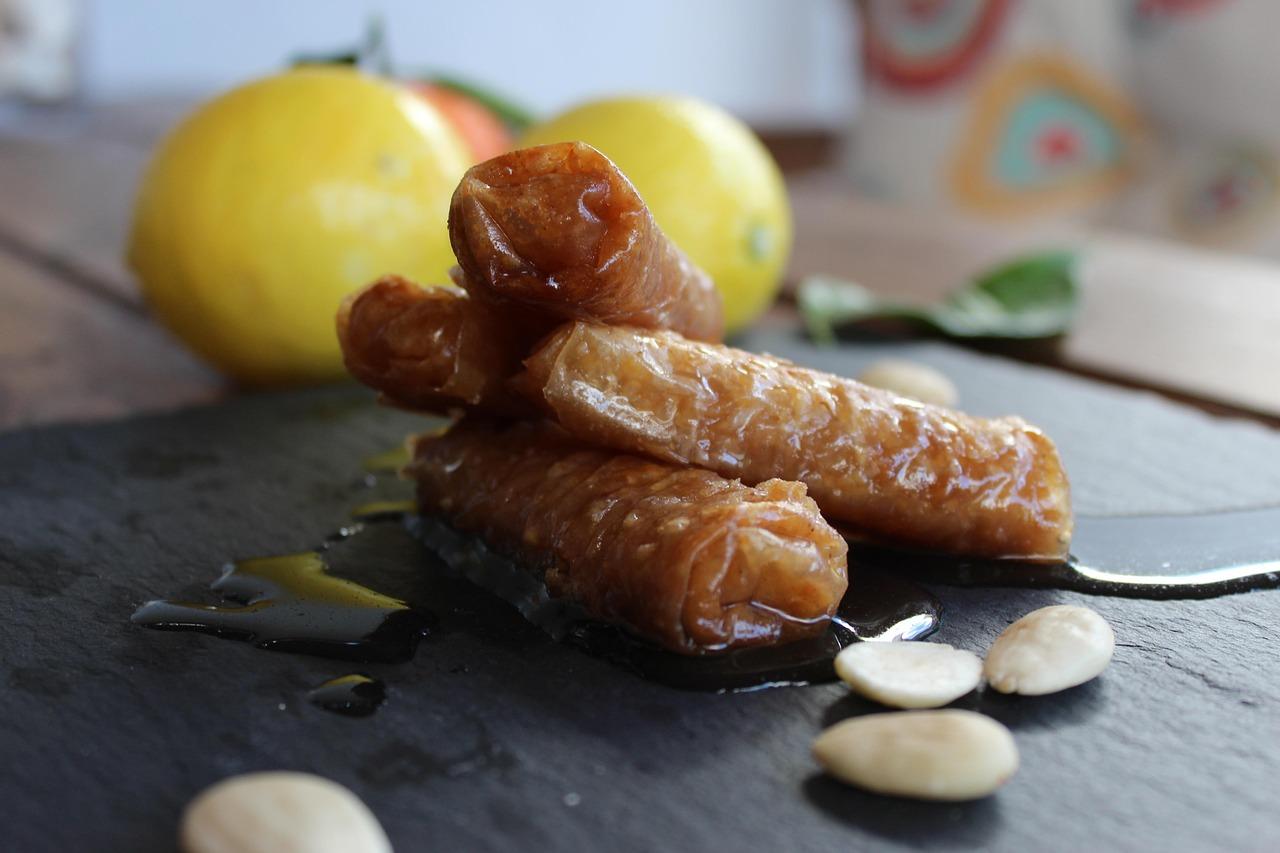
Thin, crackly rolls of buttered fillo pastry wrapped around a filling of walnuts, almonds, sugar, cinnamon and clove, baked until light golden and then bathed in a warm syrup scented with lemon rind, cinnamon and cloves. Like little baklava fingers, sweet and nutty. Serve with coffee or mint tea; they keep well for a few days.

by KrazyBadal 0 views

Um Ali (banana & bread dessert)

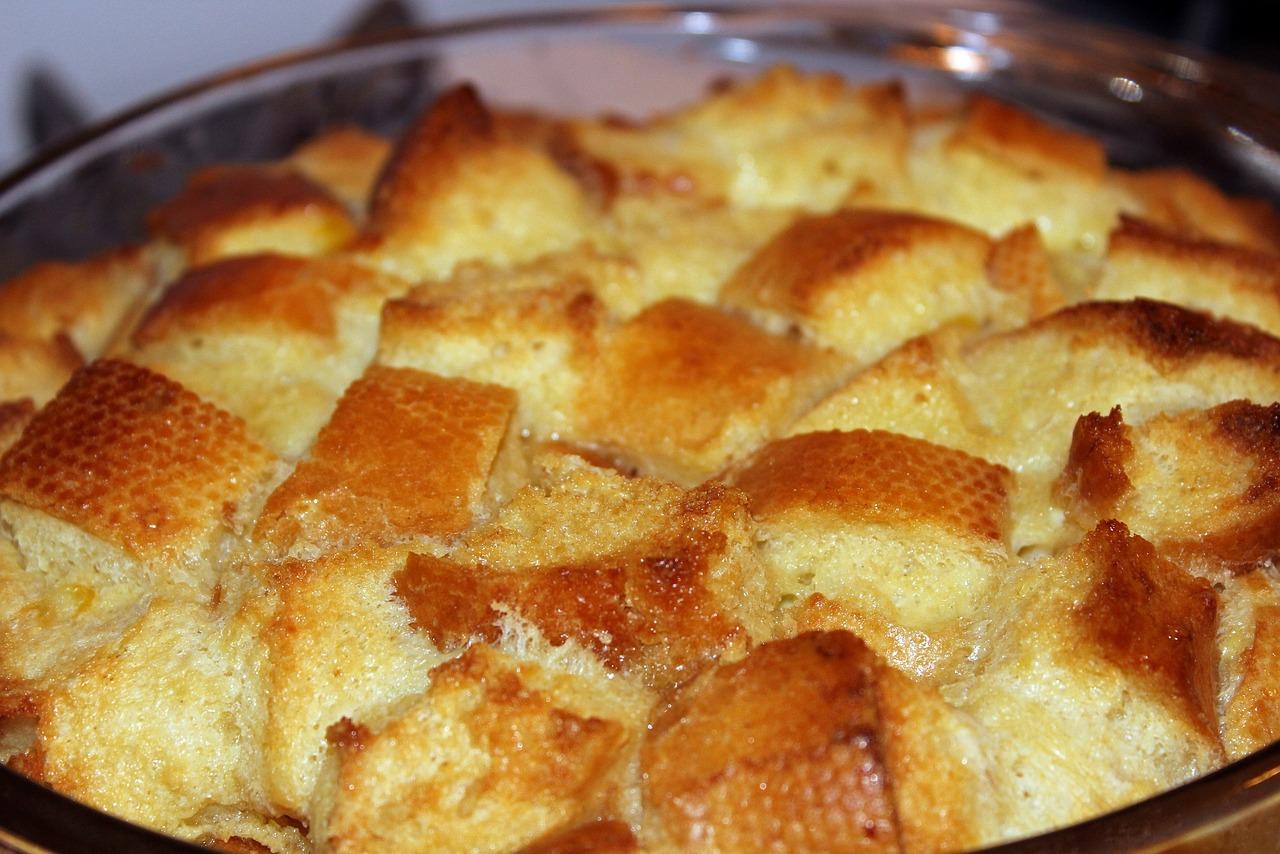
Um Ali is Egypt's much-loved warm bread pudding. Here toasted bread is layered with bananas, pistachios, almonds, walnuts and raisins, then covered with saffron and cardamom milk mixed with sweetened whipped cream and baked until bubbling and golden. Rich, creamy and comforting; serve warm.

by KrazyBadal 0 views

Cacık

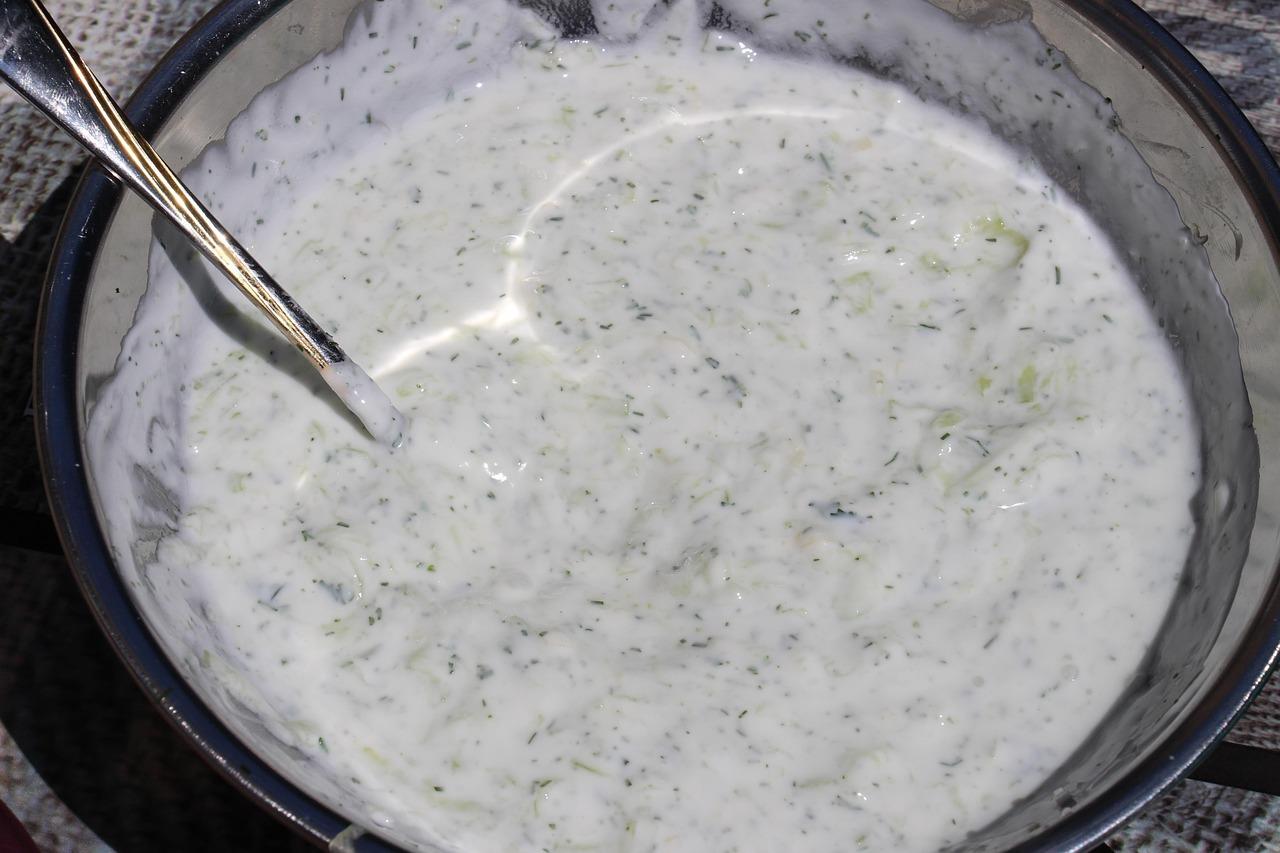
Cacık is the Turkish version of tzatziki: thick yogurt mixed with cucumber, onion, plenty of parsley, garlic and green chilli, seasoned with salt, white pepper and a pinch of sugar and finished with fresh mint. Cool and refreshing, ready in minutes. Serve with warm pitta bread, curries and rice dishes.

by KrazyBadal 0 views

Baklava

The famous layered pastry: crisp sheets of buttered fillo sandwich a filling of almonds, pistachios and cashews spiced with cinnamon, cardamom and saffron. After baking, the hot baklava is soaked in a syrup of sugar, honey, lemon, rose and cardamom and decorated with almond and pistachio flakes. Cut into 40 diamonds; serve with fresh cream or ice cream.

by KrazyBadal 1 views

Arabian coconut halwa

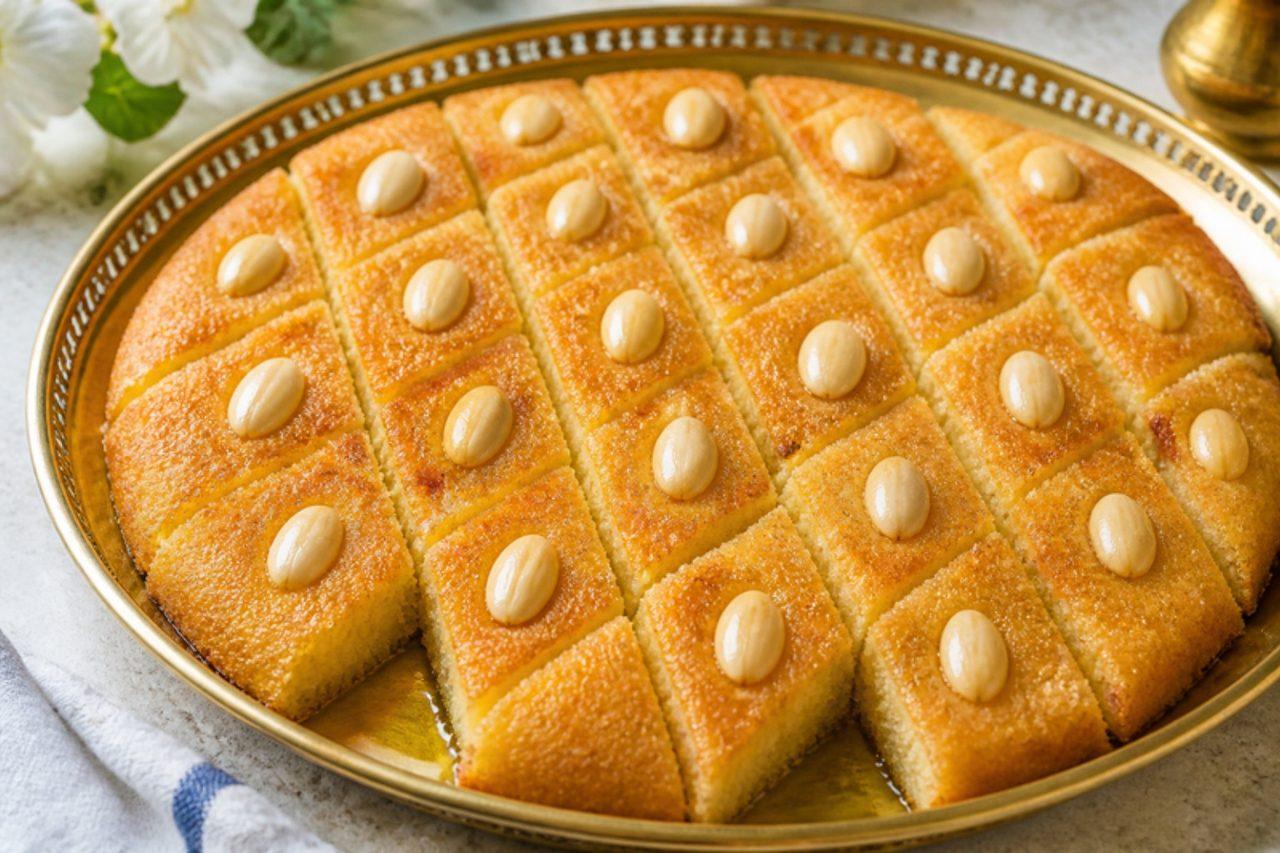
A soft, moist baked sweet in the style of basbousa: desiccated coconut, semolina and flour are mixed with melted butter, milk and vanilla, baked until golden, cut into diamonds and soaked in cold lemon syrup. Each piece is topped with an almond. Sweet, buttery and fragrant with coconut; serve at room temperature with tea or coffee.

by KrazyBadal 0 views

Tamia (Arabian fritters)

Tamia is the Egyptian cousin of falafel: soaked raw chickpeas are ground with dill, coriander, onion, garlic, chilli and cumin, shaped into small patties, coated with sesame seeds and deep-fried until crisp and golden outside and green and fluffy inside. Serve hot with coconut and tamarind chutneys, or tuck them into pitta with salad.

by KrazyBadal 0 views

Baba ganoush

A creamy, smoky dip of baked aubergine blended with tahini dip, yogurt, lemon juice, garlic, a touch of chilli and olive oil. Sprinkled with parsley, it is perfect with toasted pitta or a plate of vegetable sticks as a starter or part of a mezze spread.

by KrazyBadal 0 views

Lebanese date cake

A soft, moist cake made without eggs: self-raising flour and brown sugar are rubbed with butter, then mixed with milk and sour cream and studded with chopped dates, raisins and pistachios, with a warm hint of nutmeg and vanilla. Lovely with tea or served warm with cream.

by KrazyBadal 0 views

Arabian date pinwheels

Crumbly, buttery biscuit dough is rolled out, spread with a soft date filling flavoured with cinnamon and lemon, rolled into logs, sliced and baked into pretty pinwheels. They make a big batch of 50 and keep well in an airtight tin. Serve with tea, or with ice cream as a dessert.

by KrazyBadal 0 views

Falafel in pitta

A full falafel meal: crisp chickpea fritters flavoured with fenugreek, spinach, chilli and ginger are stuffed into pitta pockets spread with hummus and tahini, then packed with a crunchy cabbage, cucumber and carrot salad and a fiery home-made red chilli sauce. Serve with green, red and tamarind chutneys.

by KrazyBadal 0 views

Lebanese date and coconut balls

Soft dates cooked briefly in butter with cardamom, shaped around a fried almond and rolled in desiccated coconut. A simple no-bake sweet that is rich, chewy and naturally sweet, perfect for festive trays and with coffee. Makes about 40.

by KrazyBadal 0 views

Pilaf with pine nuts and vermicelli

A fragrant Middle Eastern rice pilaf: rice simmered in vegetable stock with onion, garlic, chilli and cumin, then finished with golden vermicelli and pine nuts toasted in butter, sweet currants and fresh parsley. Serve warm with cacık.

by KrazyBadal 0 views

Konafa (sweet pastry)

Konafa (kunafa) is a celebration sweet of shredded kataifi pastry tossed in butter and baked in two layers around a filling of coconut, almonds, pistachios and mixed peel with glacé cherries. The hot pastry is drenched in cold rose-water syrup and pressed so it holds together, then cut into squares. Crisp, syrupy and nutty; serve cold with fresh cream or ice cream.

by KrazyBadal 0 views

Ma'amoul

Ma'amoul are delicate shortbread-like pastries made for Eid and Easter across the Middle East. A soft, rose-scented butter dough is wrapped around a filling of dates, walnuts, almonds and pistachios cooked with cinnamon, marked with a fork, baked pale and dusted with icing sugar. Makes 35; they keep well in a tin.

by KrazyBadal 0 views

Imam bayildi

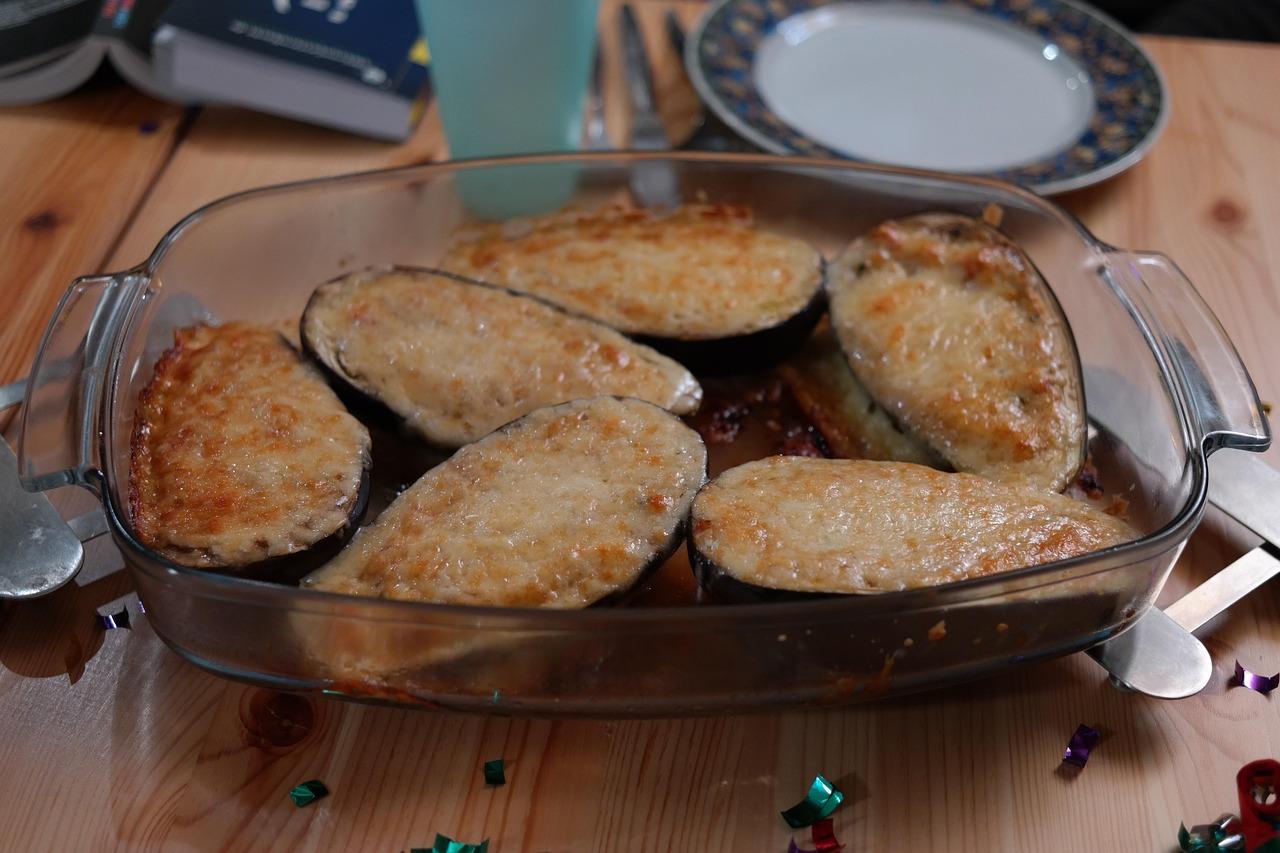
A classic Turkish dish whose name means 'the imam fainted', supposedly with delight. Aubergine shells are fried in olive oil and filled with their own flesh cooked with tomatoes, onion, red and green peppers, garlic and herbs, then baked until meltingly tender. Finished with lemon and parsley; good hot or cold with bread, salad and creamy garlic dip.

by KrazyBadal 0 views

Fattoush

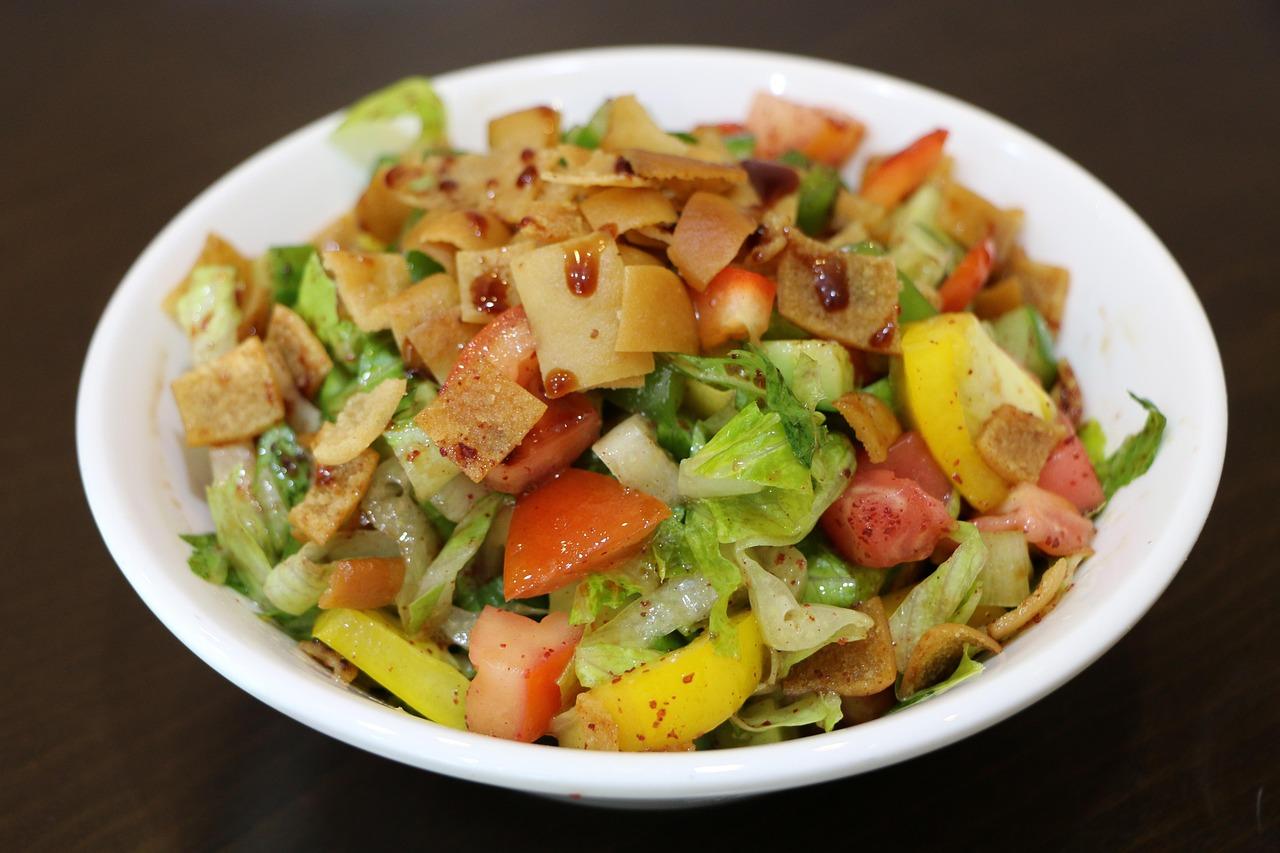
A fresh, crunchy Lebanese salad of tomatoes, cucumber, rocket, celery, spring onions and green pepper with lots of mint and parsley, tossed just before serving with crisp toasted pitta and a sharp lemon, garlic and olive oil dressing. Serve as a starter or alongside falafel and dips.

by KrazyBadal 0 views

Showing 24 of 29 recipes

Show more recipes

Page 1 of 2