Skip to content
WhatToEat.Today

All recipes

96

Vegetarian, or something you can't eat? Set your diet once and we'll hide recipes that don't fit.

Court-bouillon de poissonSnapper in tomato sauce

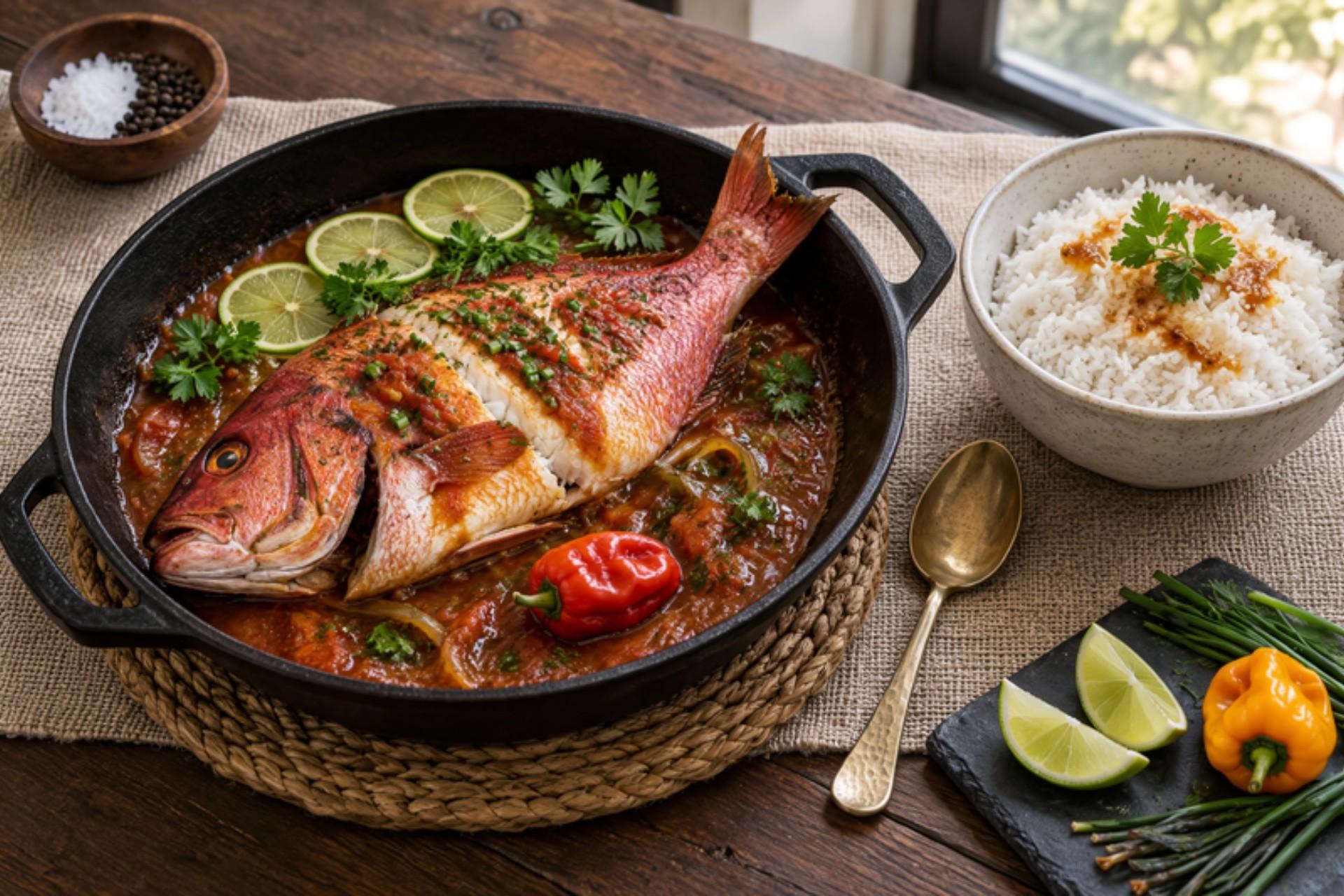
In Martinique court-bouillon is not a poaching liquid but a rich red fish stew, cooked for Sunday lunch in Le Robert or Le Vauclin and served with white rice, red beans and a slice of breadfruit or yam. Red snapper is marinated with lime, garlic and hot pepper, then simmered in a sauce of tomato, onion, garlic, chive and thyme coloured with a little roucou (annatto) oil. It contains fish. The usual mistake is stirring the pot once the fish is in, which breaks the pieces; shake the pan gently instead. It is done when the fish is opaque through and flakes at the bone and the sauce is thick enough to cling. Chef's tip: finish with a spoonful of uncooked garlic, chive and lime stirred in at the end, the way Martiniquais cooks do, for a fresh, sharp lift.

by KrazyBadal 0 views

Bahamian peas and rice

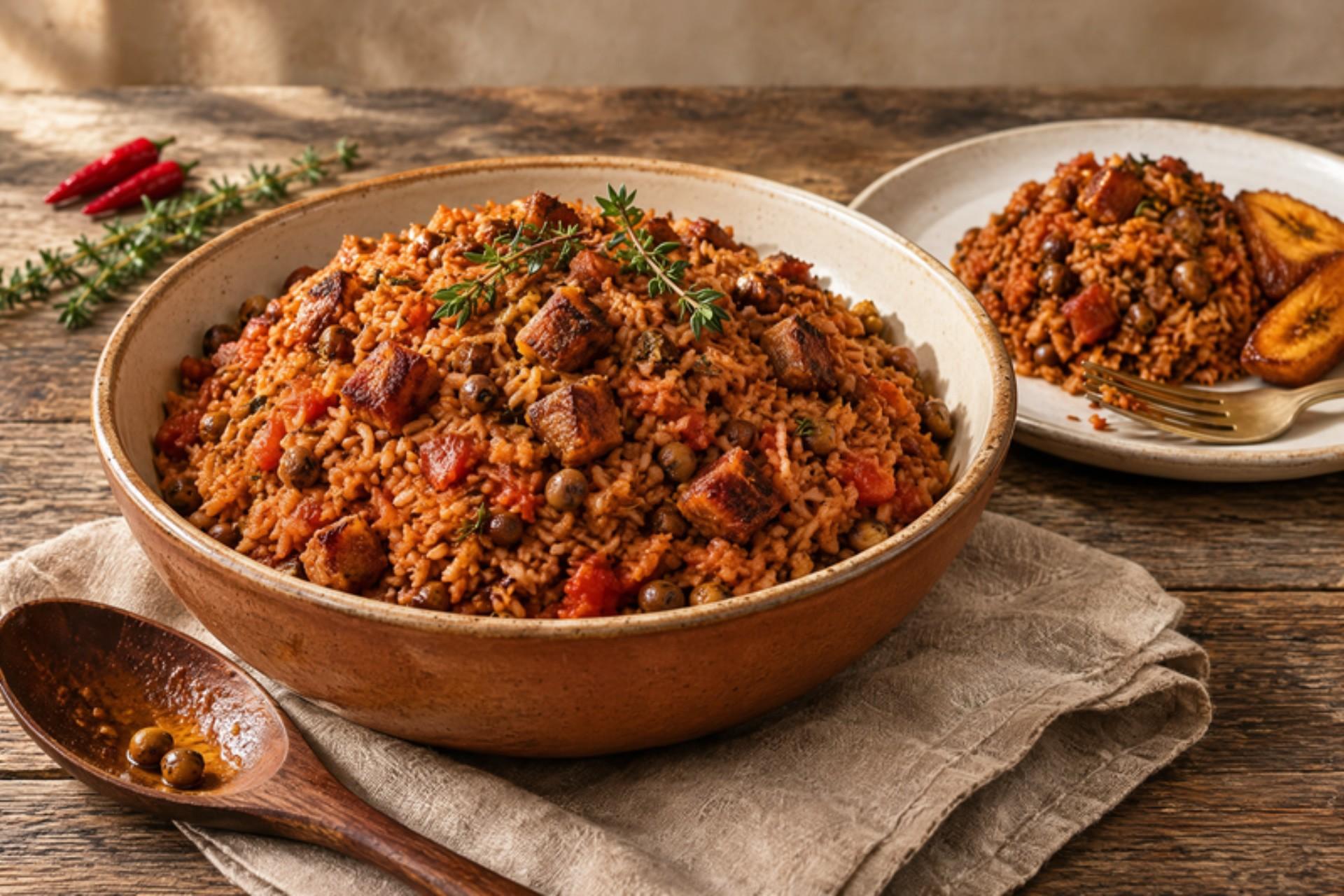
Peas 'n' rice is on almost every plate in the Bahamas, from Nassau fish fry shacks at Arawak Cay to Sunday dinner in Eleuthera, served with fried chicken, steamed fish or cracked conch. Unlike Jamaican rice and peas there is no coconut: pigeon peas and rice are cooked in a rich base of browned salt pork, onion, sweet pepper, tomato paste and thyme, which gives the rice its signature brown-red colour. This recipe contains pork (salt pork or bacon). The usual mistake is stirring once the rice is in, which breaks the grains and makes it gummy; cover tightly and leave it alone. It is done when the liquid has gone and the grains are tender and separate. Chef's tip: let the tomato paste fry in the pork fat until it darkens to brick red before adding water; that is where the colour and depth come from.

by KrazyBadal 0 views

Bokit morueFried bread with salt cod

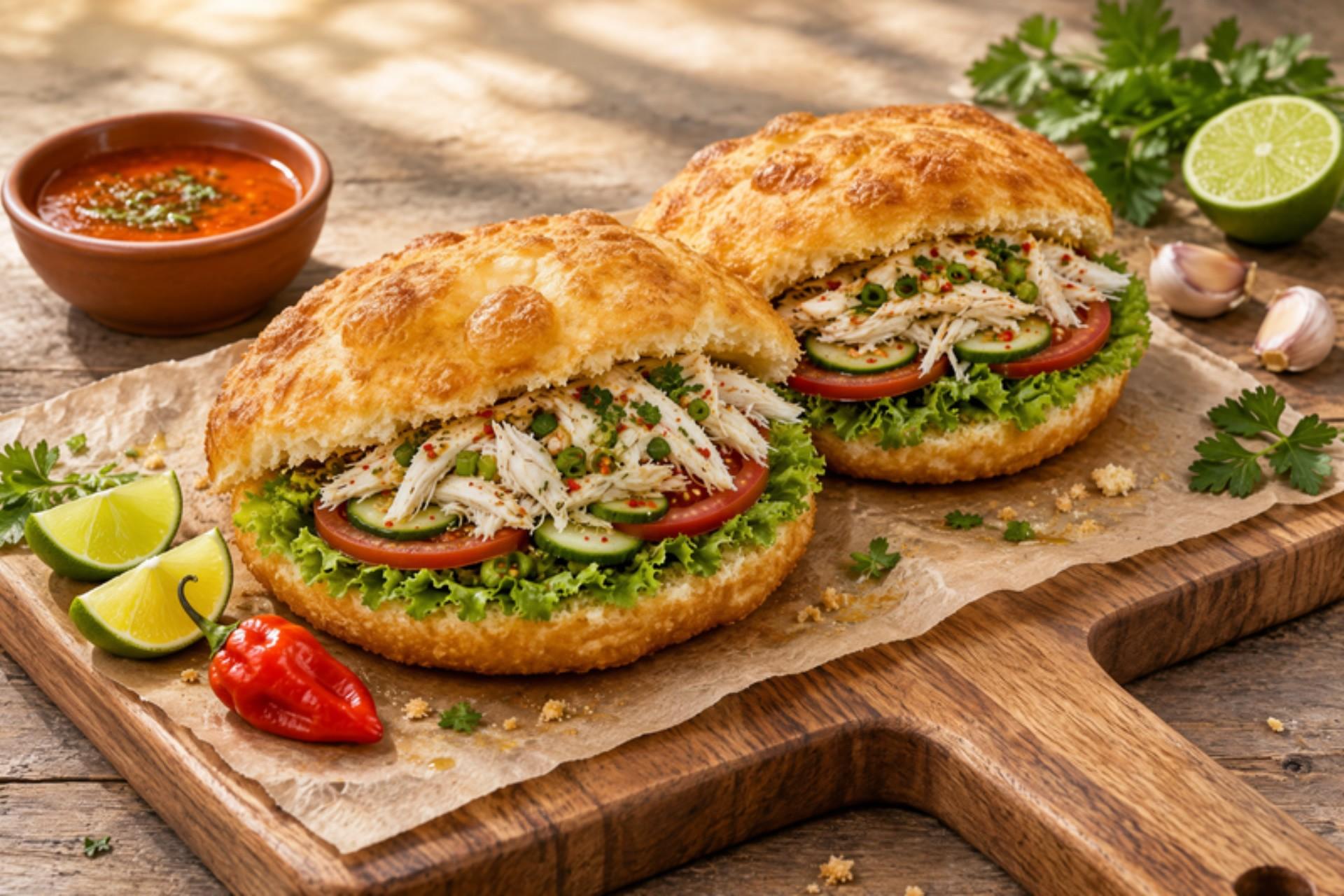
The bokit is Guadeloupe's street sandwich, fried to order at roadside vans in Pointe-à-Pitre, Le Gosier and Sainte-Rose, eaten late at night after a party or at the beach on a Sunday. A simple dough is rolled into rounds and deep-fried until it puffs like a pillow, then split and filled; the classic filling is chiquetaille de morue, shredded salt cod with lime, onion, garlic and hot pepper, with lettuce, tomato and cucumber. It contains fish and wheat. The common mistake is under-soaking the cod, which makes it harsh and salty: soak it in the fridge for 24 hours, changing the water three or four times. The bokit is done when puffed, golden on both sides and hollow-sounding, and the cod is poached until it flakes. Chef's tip: roll the dough thin and even, about 5 mm, so it balloons in the oil and opens neatly like a pitta.

by KrazyBadal 0 views

Accras de morueSalt cod fritters

No Christmas, christening or Sunday apéritif in Martinique or Guadeloupe starts without a bowl of accras de morue, the light, puffy salt-cod fritters sold hot from paper cones at Fort-de-France's markets. Desalted cod is flaked into a batter scented with chive, parsley, thyme, garlic and a little fiery piment, then dropped by the spoonful into hot oil. A vegetable version is already on the site; this is the classic with fish. It contains fish and wheat. The usual mistake is not soaking the cod long enough, which makes the accras painfully salty: soak it in the fridge for 24 hours, changing the water three or four times. They are done when puffed, deep golden all over and cooked through, with the fish piping hot. Chef's tip: let the batter rest for an hour so it thickens and the fritters puff into airy rounds.

by KrazyBadal 0 views

Sancocho dominicanoMeat and root vegetable stew

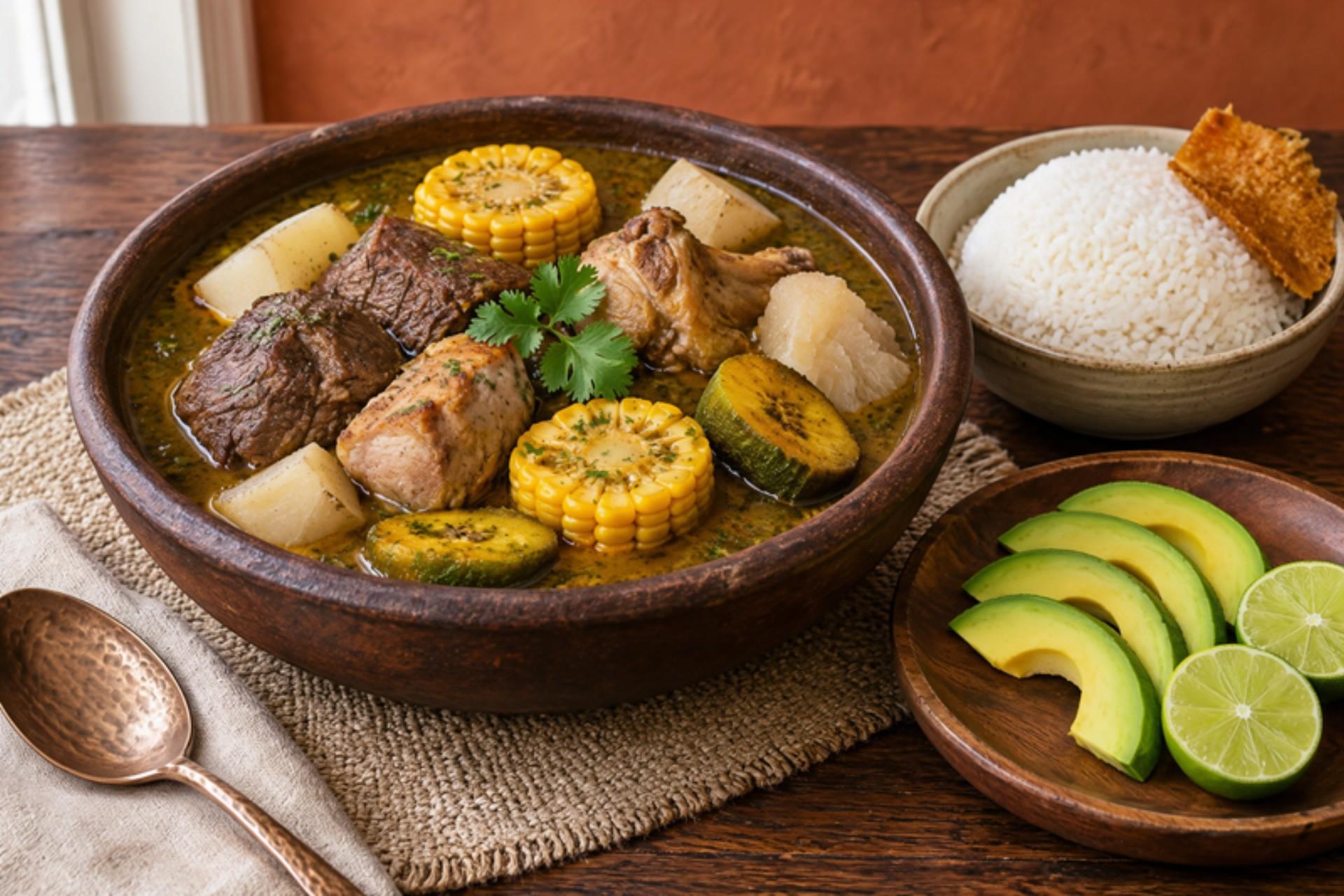
Sancocho is the dish Dominicans make for a crowd: birthdays, New Year's Eve, rainy Sundays and the morning after a party, from Santo Domingo to Washington Heights. Several meats (here beef, pork ribs and chicken; the festive sancocho de siete carnes uses seven) simmer with oregano, garlic and coriander, then cassava, yautía, green plantain, yam, squash and corn cook down until the broth turns thick and golden. This recipe contains pork. The common mistake is adding all the vegetables at once, so the squash melts while the plantain stays hard; add them in order of firmness. Cassava must always be peeled, cored and cooked until completely soft, never eaten raw. It is done when the meats are tender, the chicken has reached 74 °C and the pork 71 °C, and the broth coats a spoon. Serve with white rice and avocado. Chef's tip: let some of the squash dissolve completely; it is what thickens a real sancocho.

by KrazyBadal 0 views

Blaff de poissonFish in lime broth

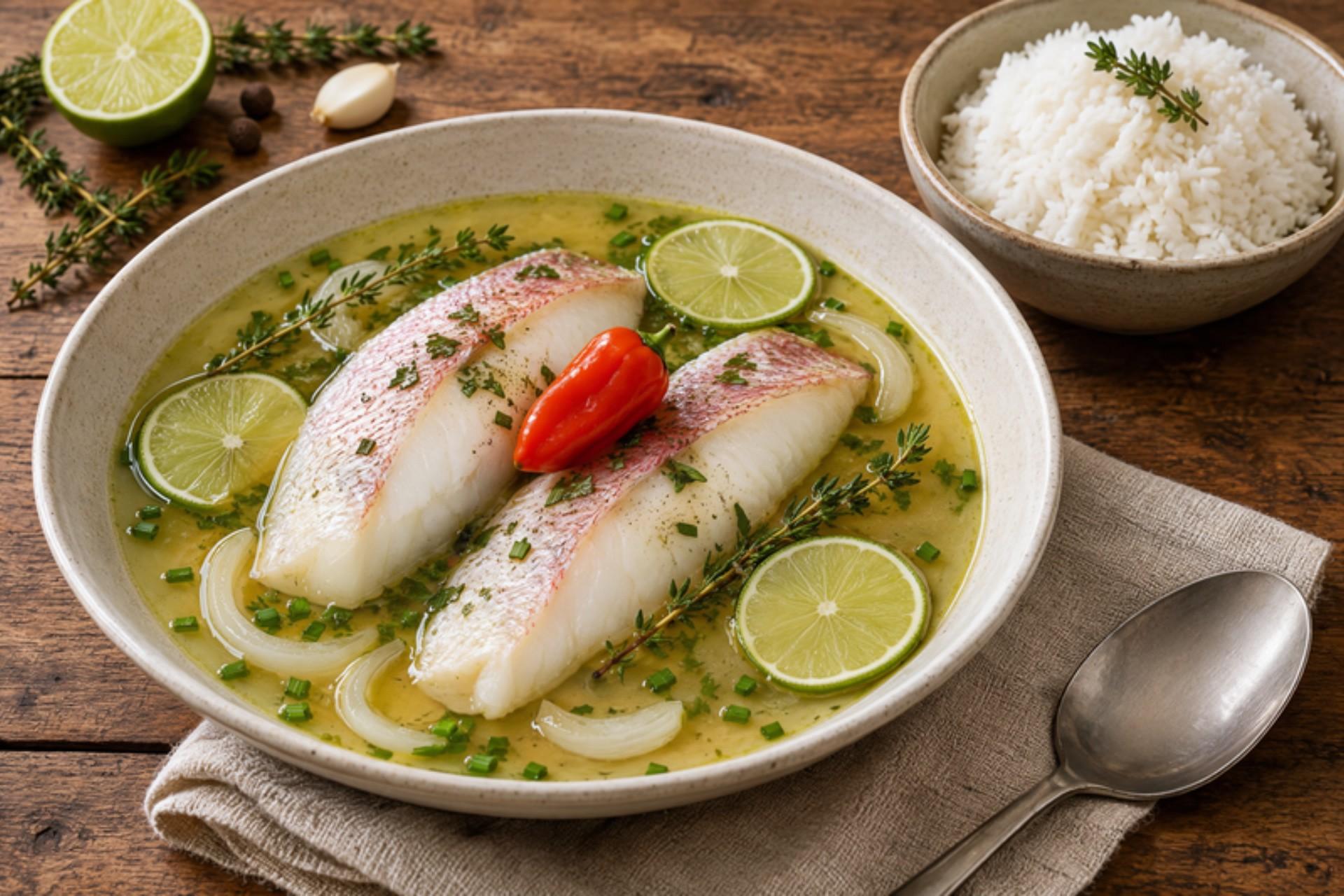
Blaff is the fisherman's breakfast and lunch of Martinique and Guadeloupe, cooked in Sainte-Anne or Deshaies with fish bought straight off the boats in the morning. The name is said to echo the splash the fish makes as it drops into the boiling broth. Red snapper steaks are marinated in lime, garlic and hot pepper, then poached briefly in a clear broth fragrant with bois d'Inde (allspice berries), thyme, chive and a whole hot pepper. It contains fish. The common mistake is boiling the fish hard or too long, so it falls apart and dries out; it needs only a gentle simmer. It is done when the flesh is opaque all the way through and flakes easily from the bone. Serve with white rice or boiled green bananas. Chef's tip: squeeze in fresh lime just before serving to wake up the broth.

by KrazyBadal 0 views

Bahamian johnnycake

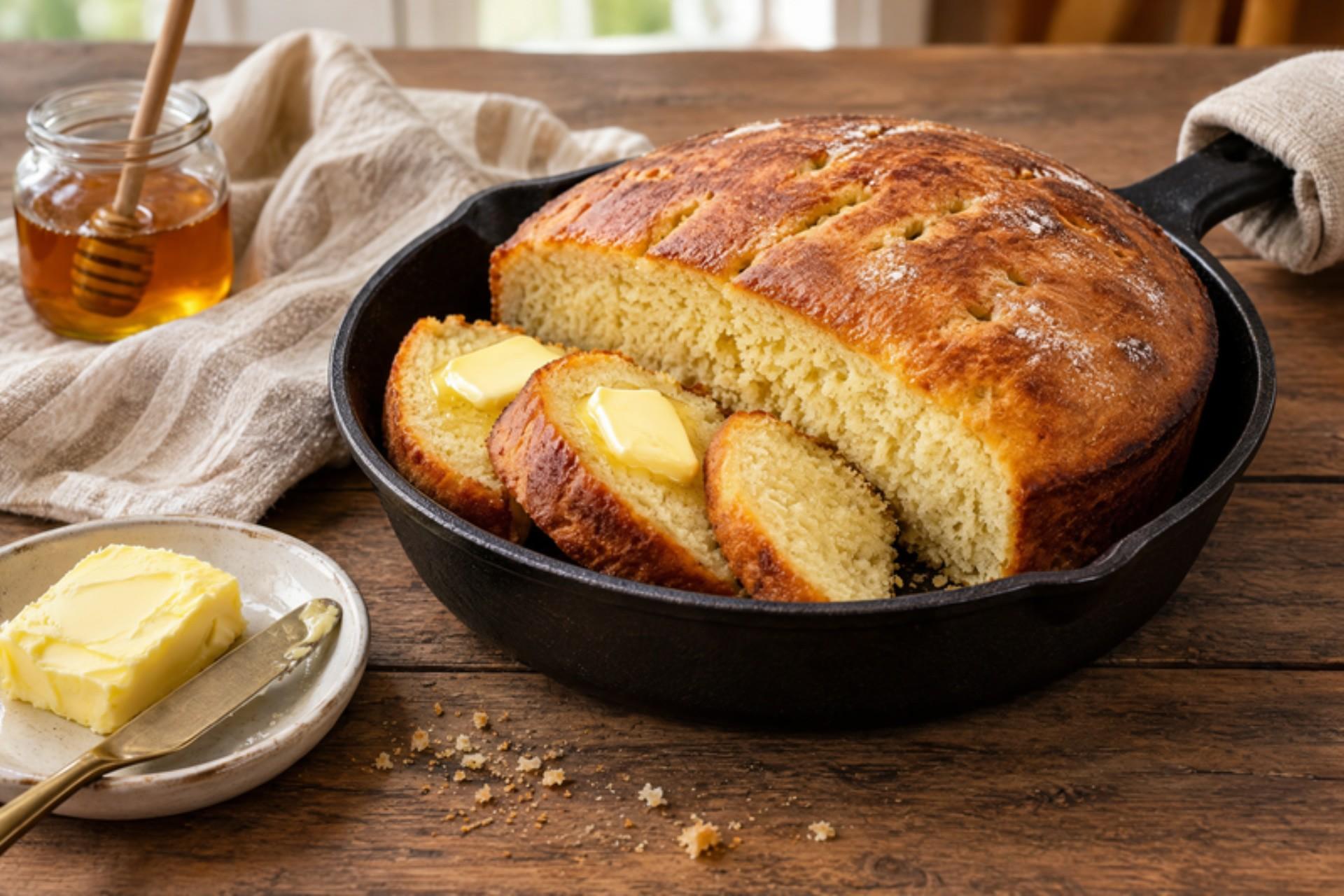
In the Bahamas johnnycake is not a pancake but a golden pan bread, baked in a skillet or tin and sliced warm in Nassau homes and Out Island kitchens, at breakfast with stew fish or alongside conch chowder and peas and rice. The dough is a rich, lightly sweet mix of flour, butter, milk and a little sugar, closer to a soft scone than a yeast bread. It contains wheat and milk. The common mistake is kneading it like bread, which makes it tough; mix just until it comes together. It is done when the top is deep golden and a skewer in the centre comes out clean, and the bottom sounds hollow when tapped. Chef's tip: brush the top with melted butter the moment it comes out of the oven for a soft, shiny crust.

by KrazyBadal 0 views

KalanehWild leek stuffed flatbread

In Kurdistan and Kermanshah, Newroz arrives with the first spring greens on the hillsides, and families gather wild leeks to fold into kalaneh, thin griddle breads cooked over a fire or a hot pan and soaked in melted butter. The dough is plain and soft, rolled very thin around a pile of chopped leek or chives with a little salt and pepper, so the greens steam inside as the bread blisters. Eat it hot, torn into strips, with yogurt and tea at a Newroz picnic. The common mistake is wet greens, which turn the dough soggy and make it tear; dry them well after washing. Chef's tip: brush the butter on the moment the bread leaves the pan so it soaks right in.

by KrazyBadal 0 views

Dowina (Kurdish yogurt soup)

Dowina, called ash-e doogh in Persian, is warming spring food in Kurdish homes around Newroz, when yogurt is plentiful and the first herbs are cut from the garden. Rice and chickpeas simmer in a tangy, lightly thickened yogurt broth, finished with fresh dill, coriander and a sizzle of dried mint in oil. It is eaten warm, never boiling hot, with flatbread. The common mistake is to heat the yogurt too fast without stirring, which makes it split into grainy curds. Chef's tip: whisk an egg yolk and a spoonful of rice flour into the yogurt before it goes on the heat; it holds the soup smooth all the way to the simmer.

by KrazyBadal 0 views

Khailmag (cream and raisin sweet)

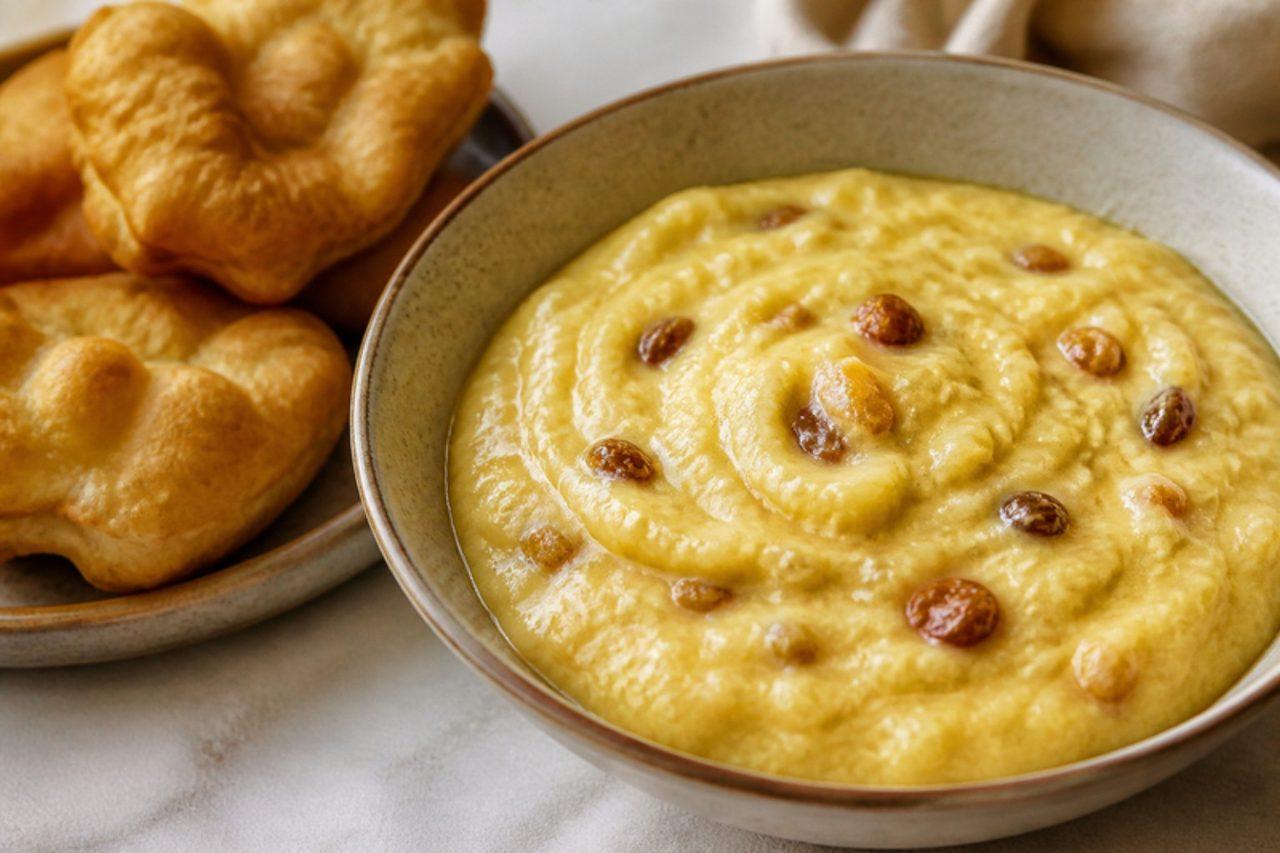
Tsagaan Sar, the Mongolian Lunar New Year, means 'White Month', and white dairy foods stand for purity, plenty and a clean start to the year, so homes across the country set out cream, curds and sweets beside the steaming buuz. Khailmag is one of the most luxurious: clotted cream (or Mongolian öröm, the thick skin skimmed from boiled milk) is cooked with butter-toasted flour, sugar and raisins until it turns into a golden, fudgy porridge. It is very rich, so serve small spoonfuls with salty milk tea, or alongside ul boov biscuits and boortsog. There is no alcohol in it. Chef's tip: toast the flour slowly until it smells nutty; that toasting gives khailmag its caramel flavour.

by KrazyBadal 0 views

Moro de guandules con cocoPigeon pea and coconut rice

No Dominican Christmas Eve (Nochebuena) table is without moro de guandules: rice cooked with green pigeon peas in a savoury sofrito, and in the Samaná and east-coast style with coconut milk. It arrives beside the roast pork or chicken and the Russian salad, but it is so full of flavour that it stands alone as a vegan main. The crust at the bottom of the pot, the concón, is the prize. Chef's tip: don't lift the lid while the rice steams; when the liquid drops to the level of the rice, cover tightly and leave it alone.

by KrazyBadal 0 views

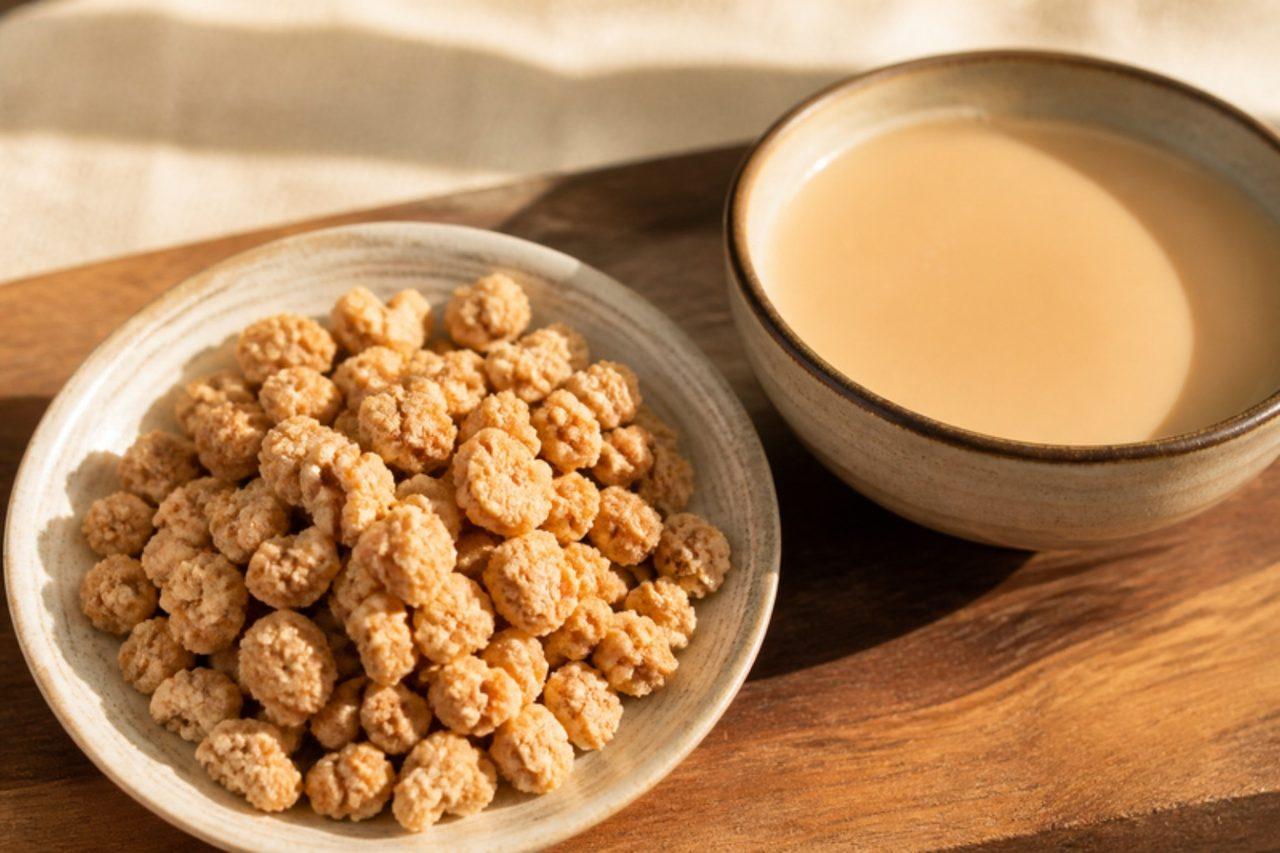
Mongolian salty milk tea

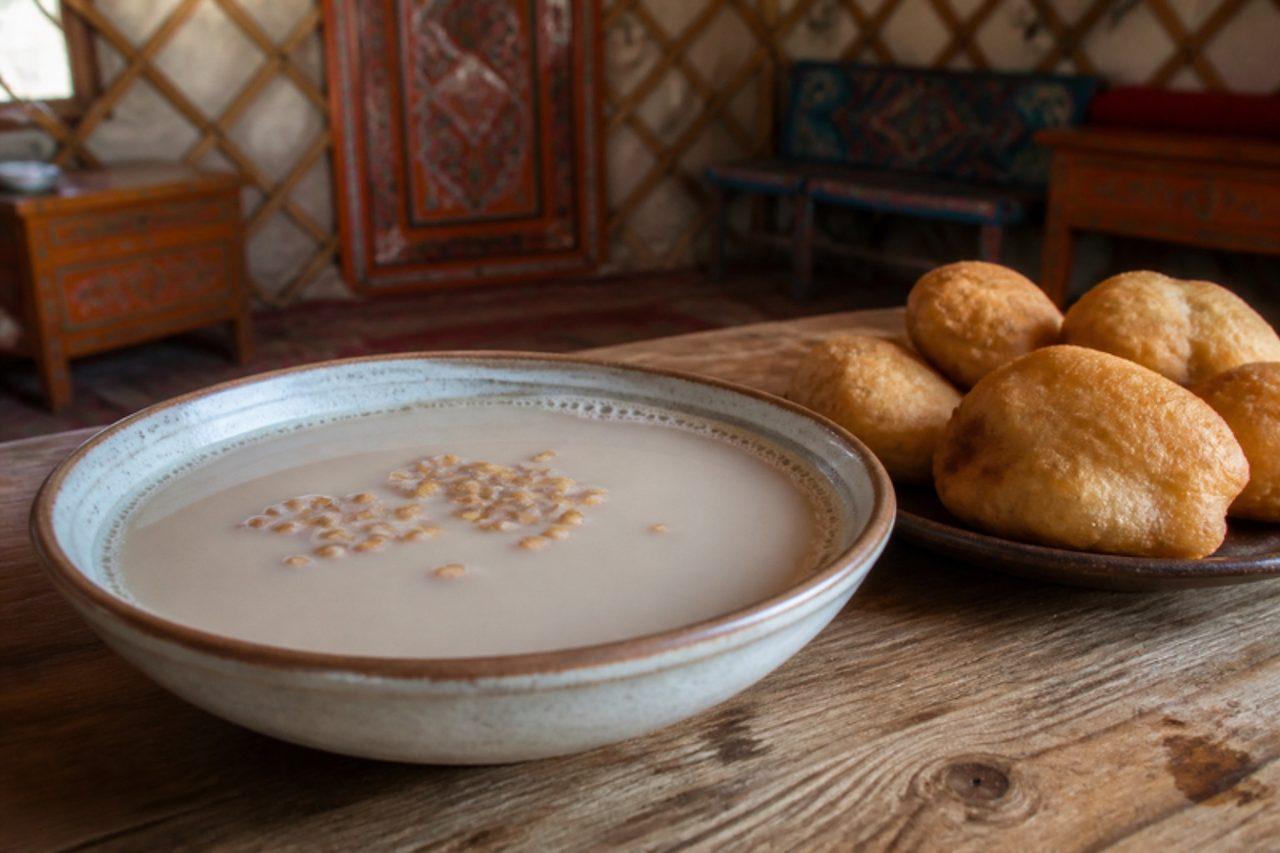
Süütei tsai is the first thing offered to anyone who steps into a ger on the Mongolian steppe, from Arkhangai to the Gobi, and families drink it all day long from wide bowls. Green brick tea is boiled in water, then milk and a pinch of salt go in, and the tea is ladled high and poured back again and again to aerate it. Some households add a knob of butter or a spoon of toasted millet for a richer, more filling bowl. It is savoury, not sweet, which surprises first-time visitors. A common mistake is using black tea leaves, which go bitter; use green brick tea or a mild green tea. Chef's tip: the ladling is not just ritual, it gives the tea a smooth, rounded taste.

by KrazyBadal 0 views

GambirButtered pan-fried flatbread

Gambir is a flaky, layered flatbread found in Ulaanbaatar canteens and family kitchens, rolled thin, brushed with butter, folded and pan-fried until crisp in spots and tender within. It is eaten for breakfast with milk tea, often with a sprinkle of sugar, or filled with a layer of thick cream called öröm. A common mistake is rolling the dough without resting it, so it springs back; give it 20 minutes. Chef's tip: roll the buttered dough up like a rope, coil it and roll flat again; that's where the layers come from.

by KrazyBadal 0 views

Boiled mutton

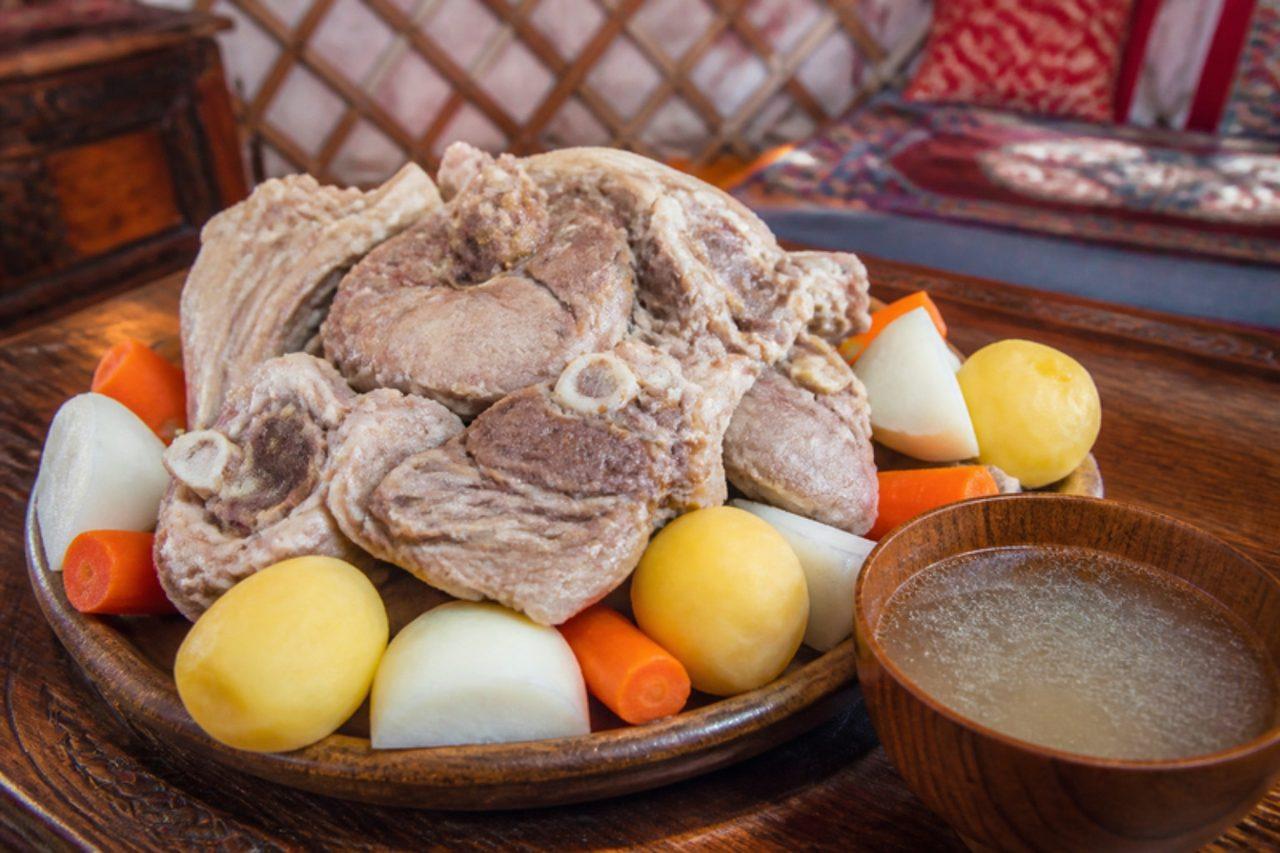
Chanasan makh is the simplest and most loved meal of the Mongolian countryside, boiled in a big pot on the ger stove in Övörkhangai or Khentii whenever guests arrive or a holiday comes round. Large bone-in pieces of mutton are simmered with nothing but salt and a little onion, then served steaming on a platter to be cut with a knife and eaten by hand, with the rich broth drunk from bowls alongside. Potato, carrot and turnip are often cooked in the same pot. A common mistake is boiling hard, which makes the meat tough and the broth cloudy; keep it at a lazy simmer and skim. Chef's tip: mutton or older lamb with some fat on it gives the deepest flavour.

by KrazyBadal 0 views

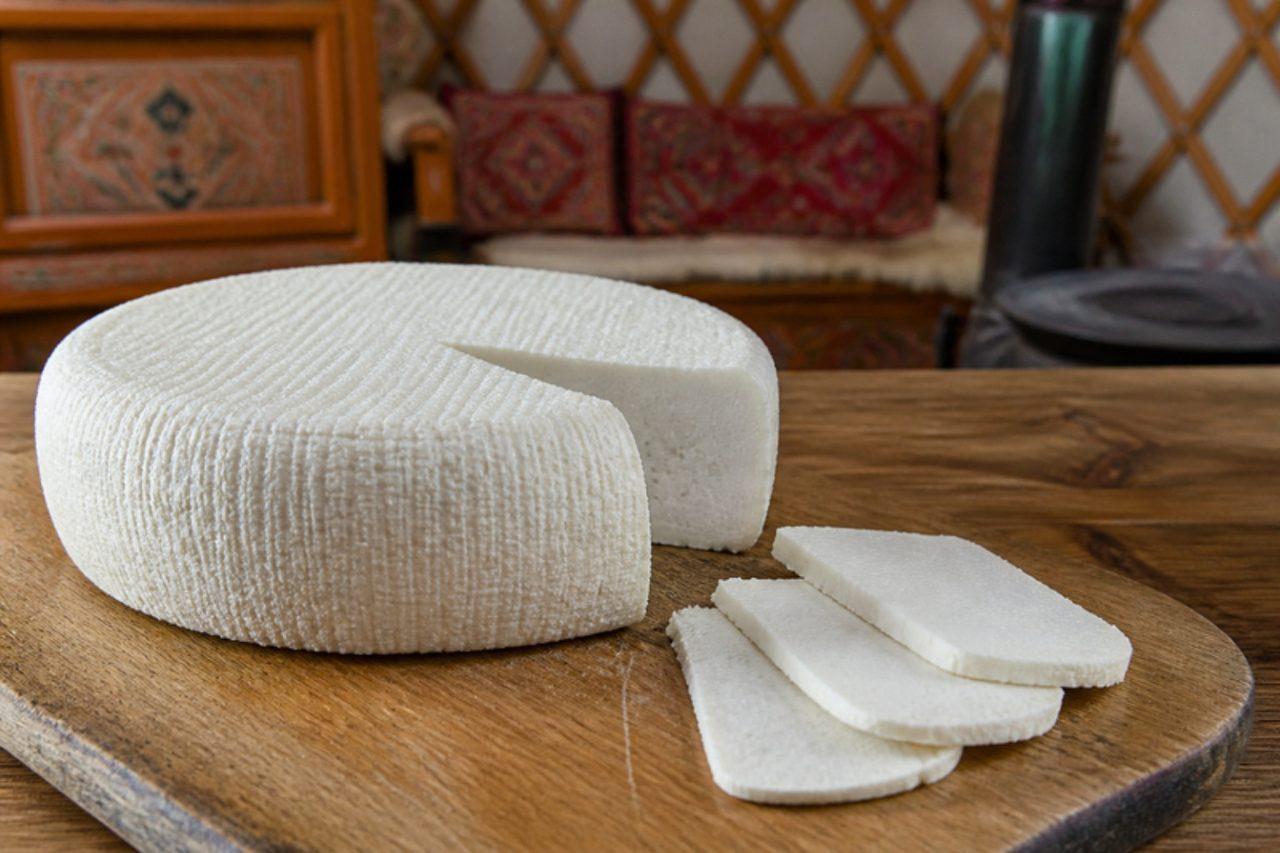
ByaslagPressed fresh cheese

Byaslag is the mild, springy fresh cheese of Mongolian herders, made in summer from cow's or yak's milk in Arkhangai and Khövsgöl, where yak herds graze the high valleys. Warm milk is curdled with soured milk, the curds pressed under a stone, and the finished cheese is sliced and eaten fresh, dried in the sun, or dropped into milk tea where it softens. No rennet is used, so it is vegetarian. A common mistake is boiling the milk hard after adding the sour milk, which makes the curd tough and rubbery. Chef's tip: press it overnight for a firmer cheese you can slice thinly.

by KrazyBadal 0 views

EezgiiCaramelised milk curd

Eezgii is a summer dairy food of the Mongolian countryside, made in herding families' gers when there is milk to spare: the milk is curdled with a little sour whey or yoghurt, then cooked down slowly over the stove for hours until the curds turn golden brown and caramelised in their own fat and sugar. The pieces are dried and eaten as a toasty, sweet-salty snack with milk tea through the winter. A common mistake is turning up the heat to speed it up, which burns the bottom; low heat and frequent stirring are key. Chef's tip: a heavy, wide pan gives the most even browning.

by KrazyBadal 0 views

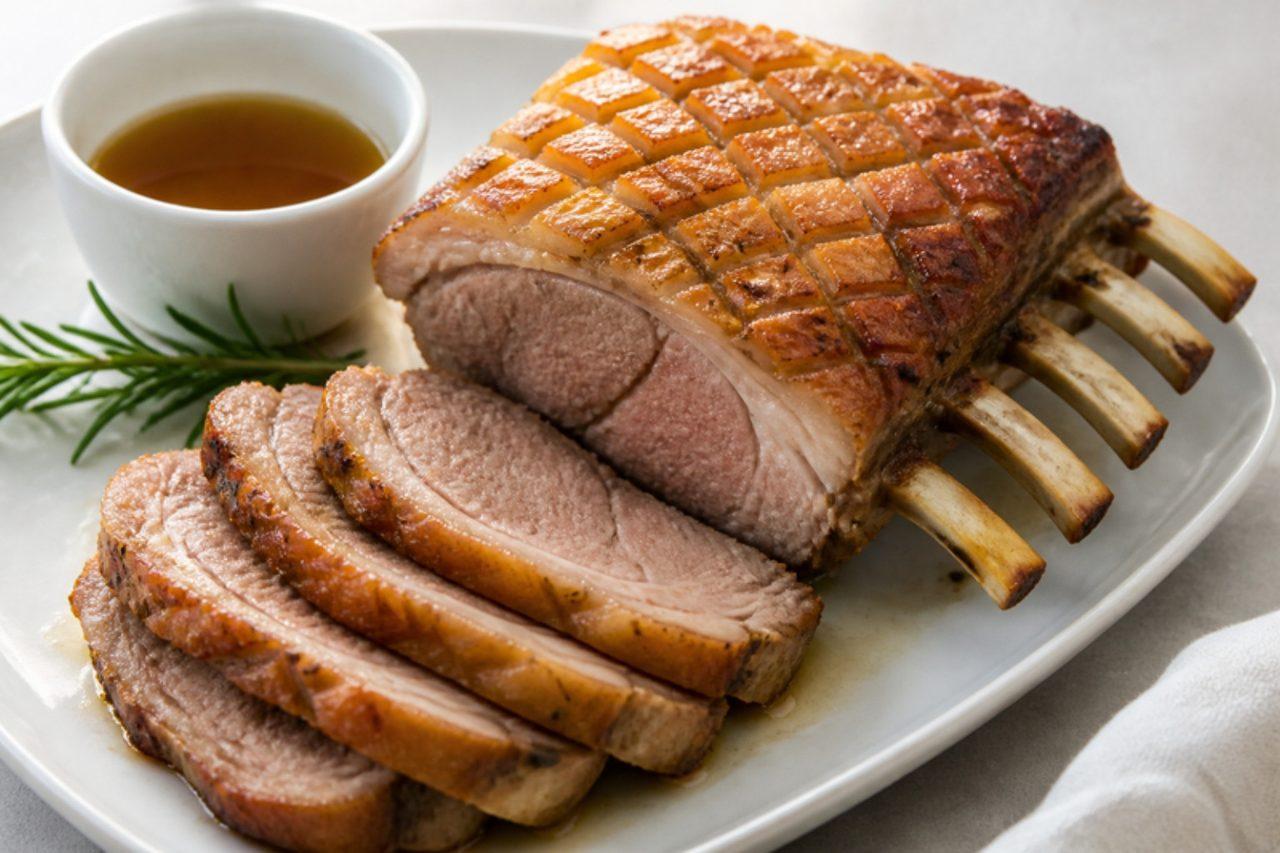
Uuts-style roast lamb saddle

Uuts, the whole back and fat tail of a sheep, is the grandest dish of Tsagaan Sar, the Mongolian Lunar New Year: boiled, then set in the centre of the table in every Ulaanbaatar and countryside home and carved for each visitor during the days of family visits. The real thing weighs many kilos and needs a huge pot, so this home version uses a bone-in saddle of lamb with its fat, simmered first and then roasted until the fat is crisp, keeping the uuts idea of a whole, impressive cut to carve at the table. A common mistake is trimming away all the fat; in Mongolia it is the most prized part. Chef's tip: score the fat in a criss-cross so it renders and crisps evenly.

by KrazyBadal 0 views

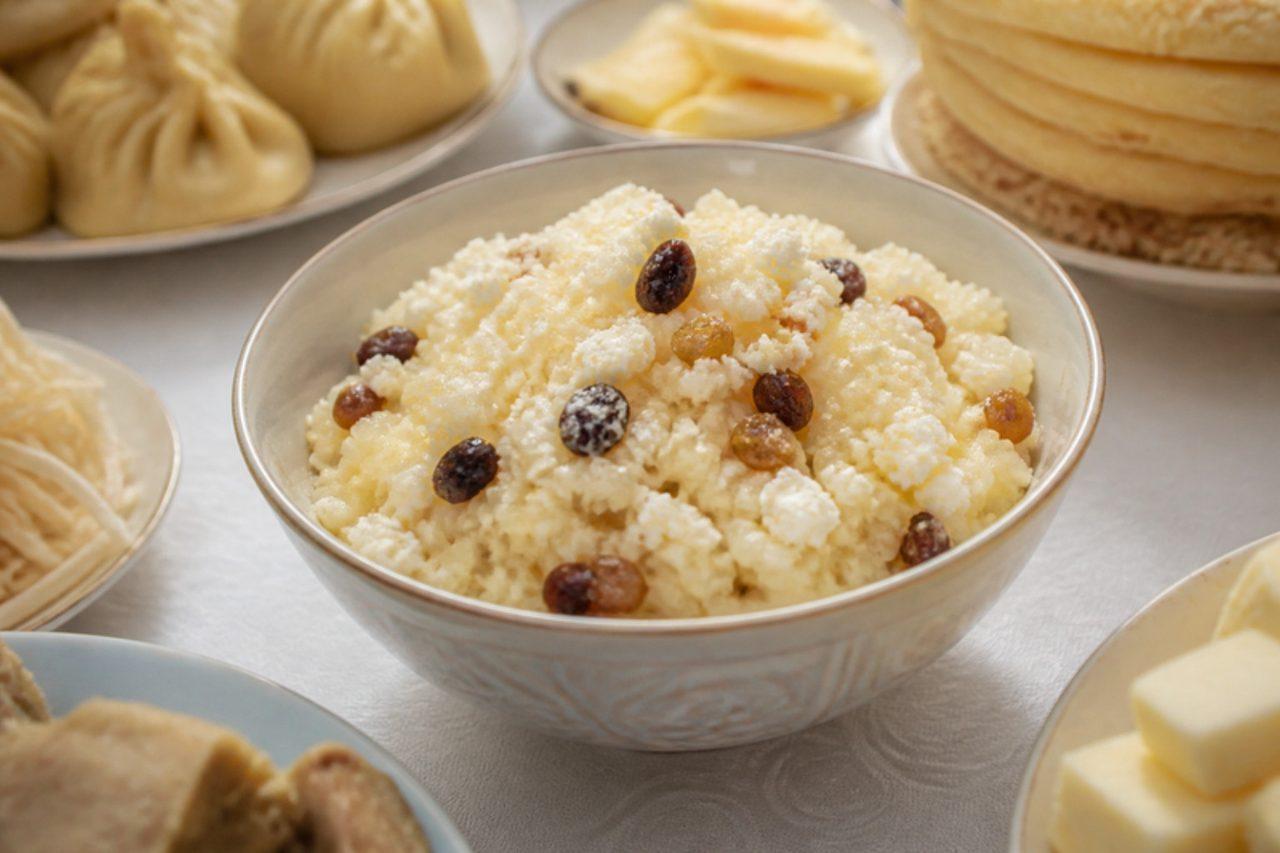
TsagaaSweet rice with raisins and curd

Tsagaa is a sweet, buttery rice dish served during Tsagaan Sar, the Mongolian Lunar New Year, when white foods (tsagaan idee) stand for purity and a good year ahead. Rice is cooked soft, then mixed with butter, sugar, raisins and crumbled aaruul or fresh curd, and served in small bowls to guests during the round of family visits. A common mistake is using long-grain rice, which won't turn creamy; use short-grain. Chef's tip: soak the raisins in hot water first so they're plump and juicy.

by KrazyBadal 0 views

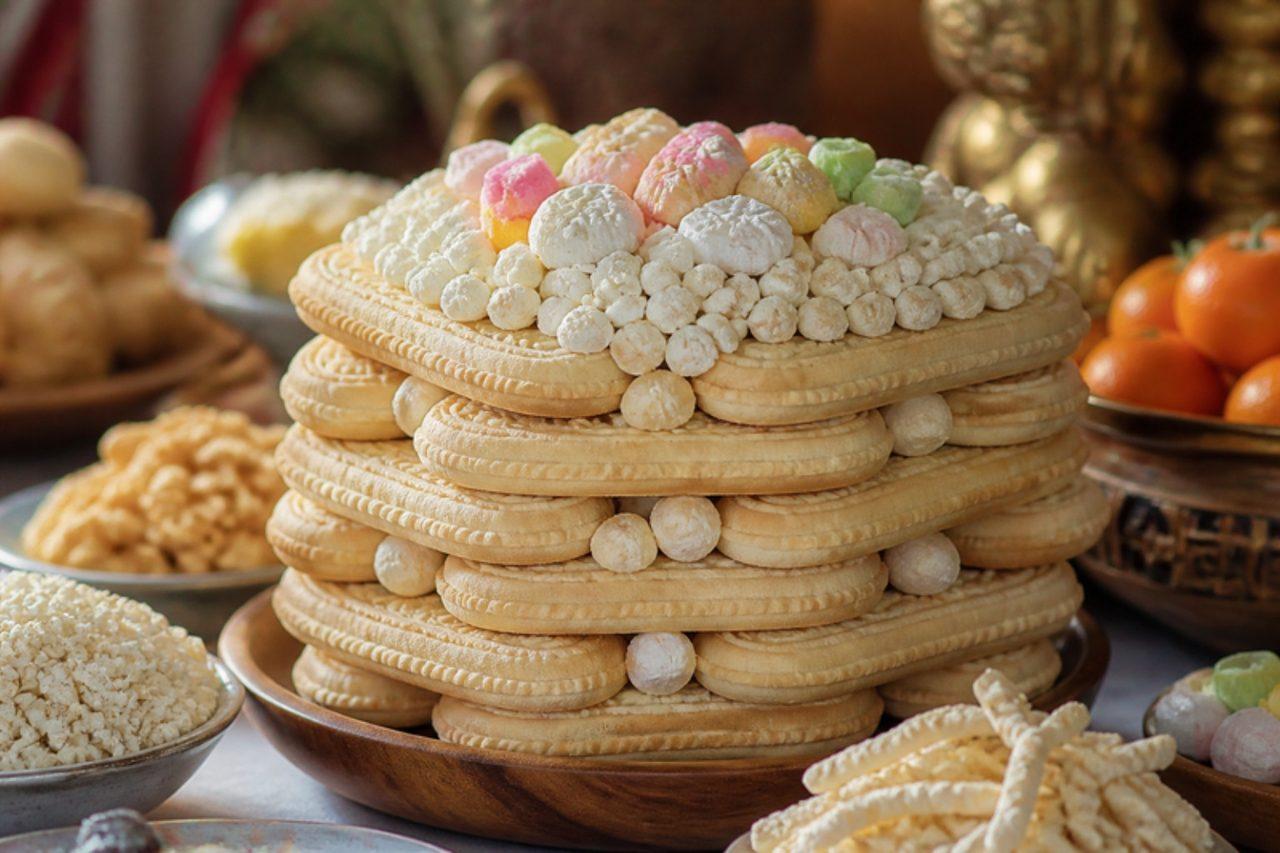
Ul boovNew Year shoe-sole pastries

Ul boov, "shoe-sole pastries", are the centrepiece of the Tsagaan Sar (Lunar New Year) table in every Mongolian home, stacked in an odd number of layers on a platter and crowned with aaruul, sugar cubes and sweets. Each oblong pastry is pressed with a carved wooden stamp and fried or baked. Families traditionally use rendered sheep's tail fat in the dough; this version uses butter. The stack is admired for the holiday, then broken up and eaten with milk tea. A common mistake is a soft dough that loses the stamped pattern; it should be firm and smooth. Chef's tip: if you don't have a stamp, press patterns with a fork or the end of a spoon.

by KrazyBadal 0 views

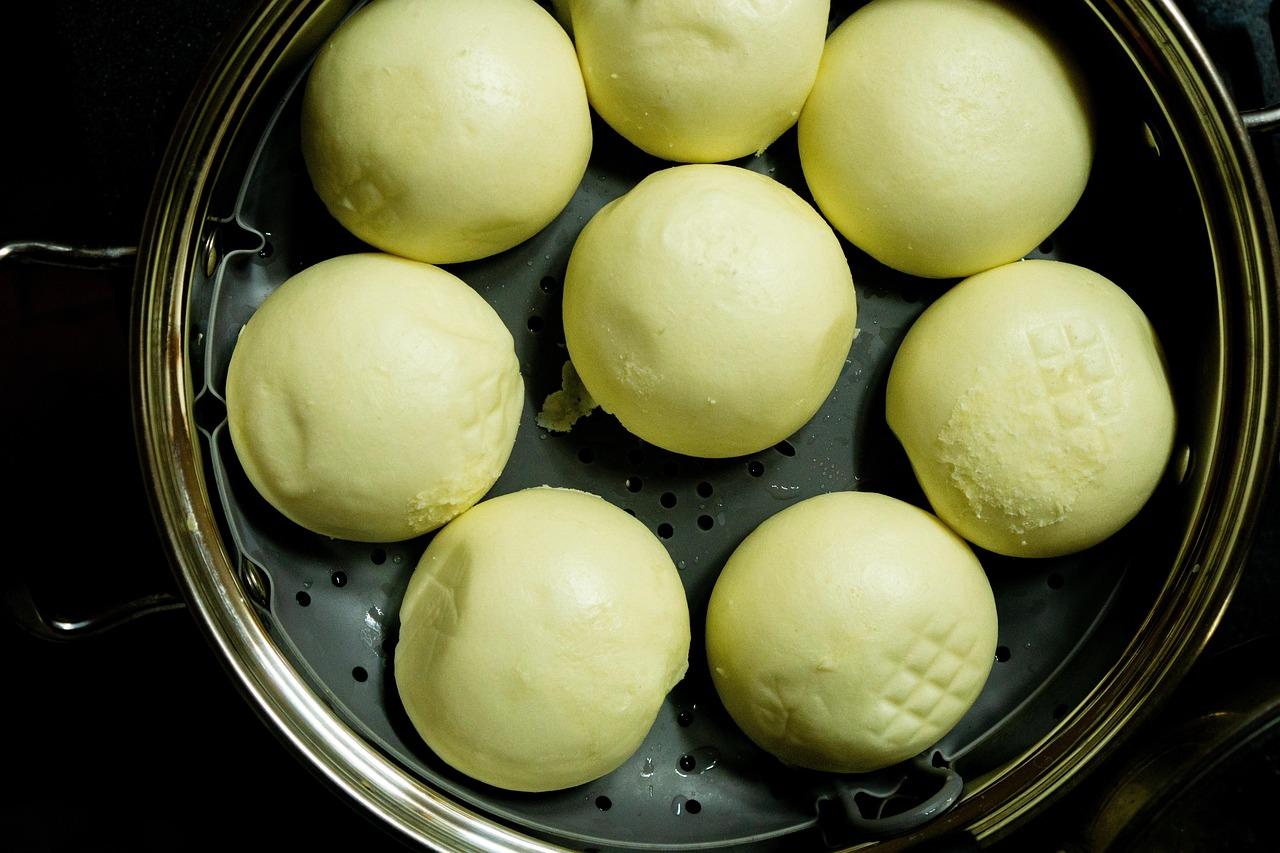
Mantuun buuzSteamed bread buns

Mantuun buuz are plain steamed buns, cousins of the Chinese mantou, served in Ulaanbaatar homes and canteens alongside meaty stews and stir-fries to soak up the sauce. The yeasted dough is shaped into rounds or rolls and steamed until pillowy and snow-white. They freeze well and reheat in minutes over steam. A common mistake is lifting the lid as soon as the timer goes; leave them 5 minutes off the heat so they don't collapse. Chef's tip: knead until really smooth, which gives a glossy, wrinkle-free surface.

by KrazyBadal 0 views

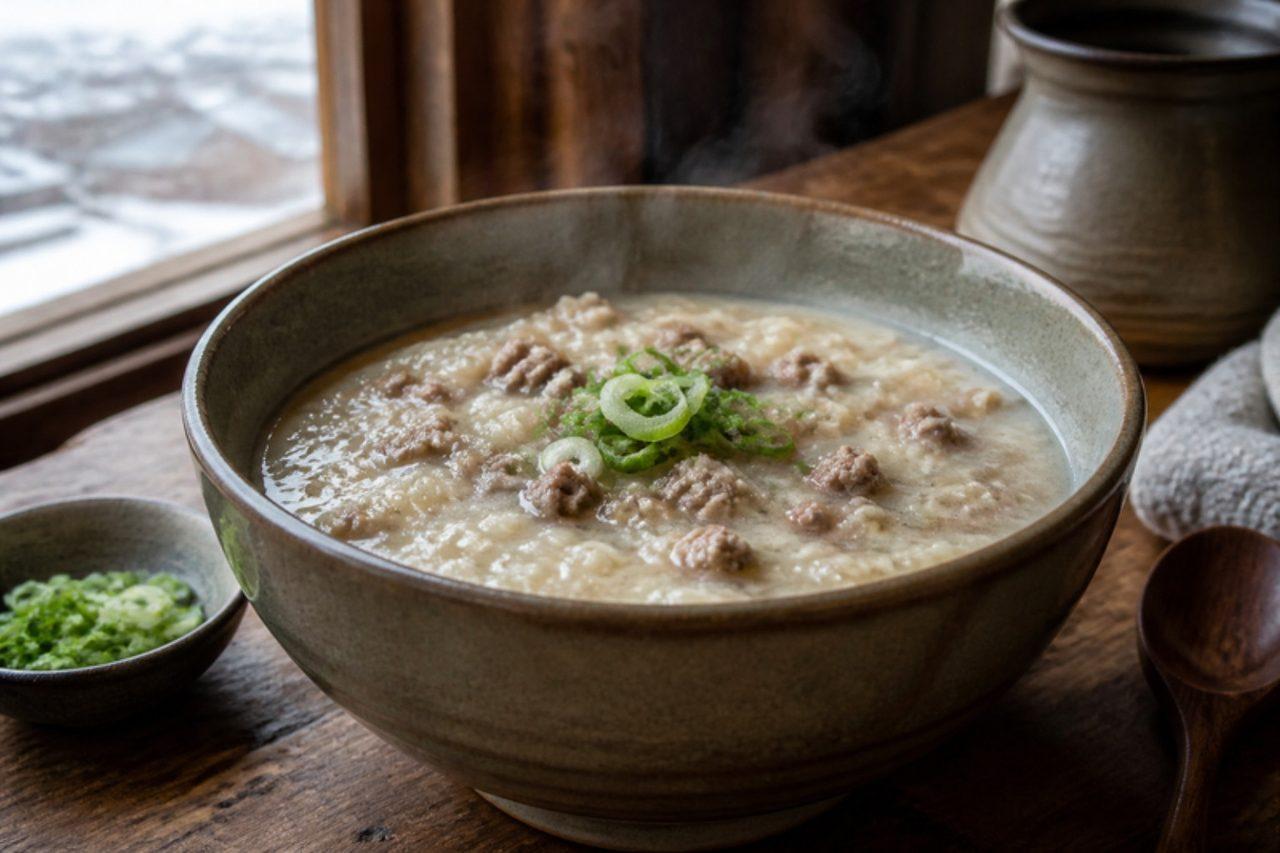
BantanMinced meat and flour crumb soup

Bantan is the Mongolian comfort soup, cooked in Ulaanbaatar homes on freezing winter mornings and given to anyone who's ill, tired or recovering from a long night out. Flour is rubbed with a little water into tiny crumbs, which thicken a broth of minced mutton or beef into a soft, porridge-like soup. It is plain, warming and ready in half an hour. A common mistake is dumping the crumbs in at once, which makes lumps; sprinkle them slowly while stirring. Chef's tip: rub the flour between your palms until the crumbs are the size of rice grains.

by KrazyBadal 0 views

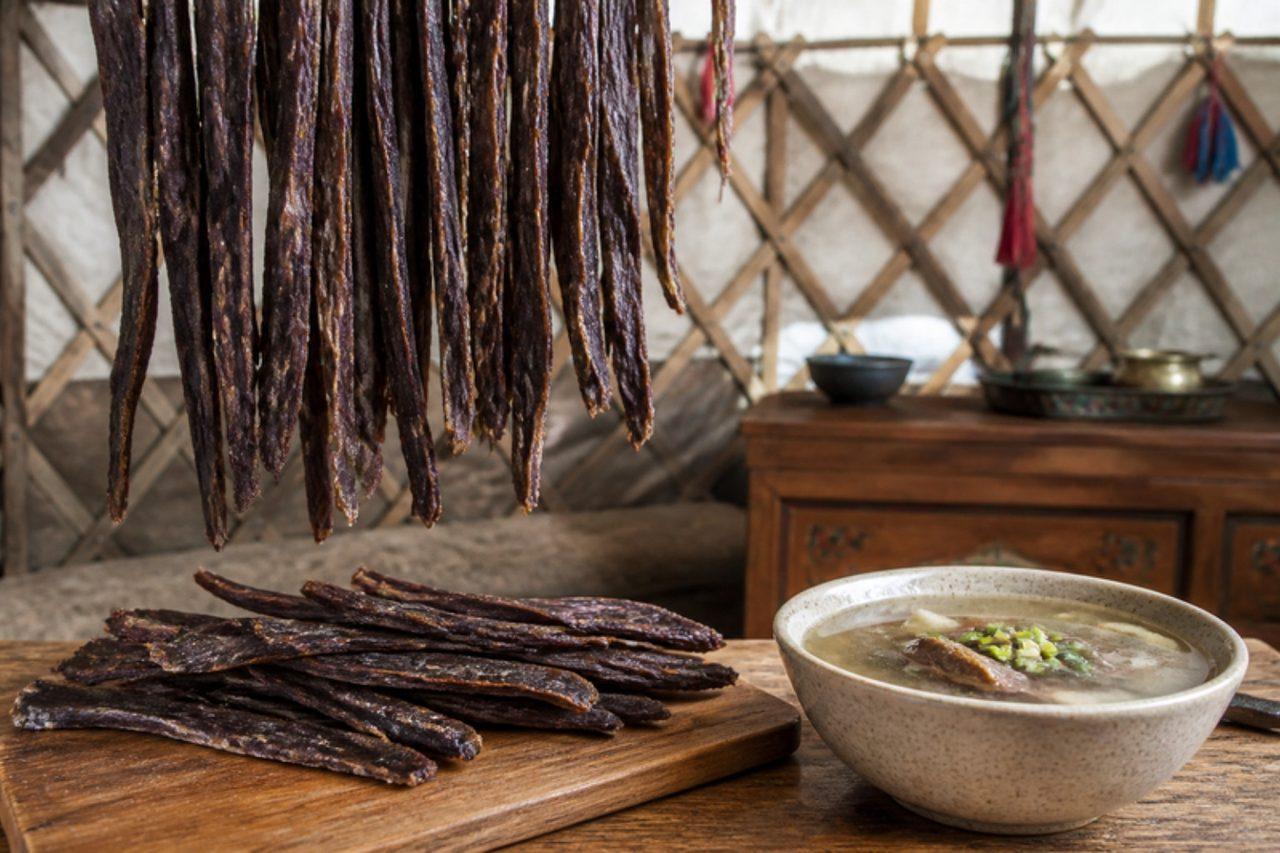
BortsAir-dried beef strips

Borts is the winter-dried meat of Mongolian herding families: in the cold, dry air of late autumn, strips of beef are hung inside the ger until they shrink to hard, dark sticks, then pounded and stored in a bag to last until spring. A handful of borts dropped into hot water makes an instant soup, and nomads carry it on long journeys. In Mongolia it is also made from horse or camel meat; this recipe uses beef. Home kitchens don't have the steppe's freezing dry air, so here the meat is heated to a safe temperature first and dried in a low oven. A common mistake is leaving fat on the strips; fat turns rancid, so trim it all. Chef's tip: slice the meat while half-frozen to get thin, even strips.

by KrazyBadal 0 views

AaruulDried milk curds

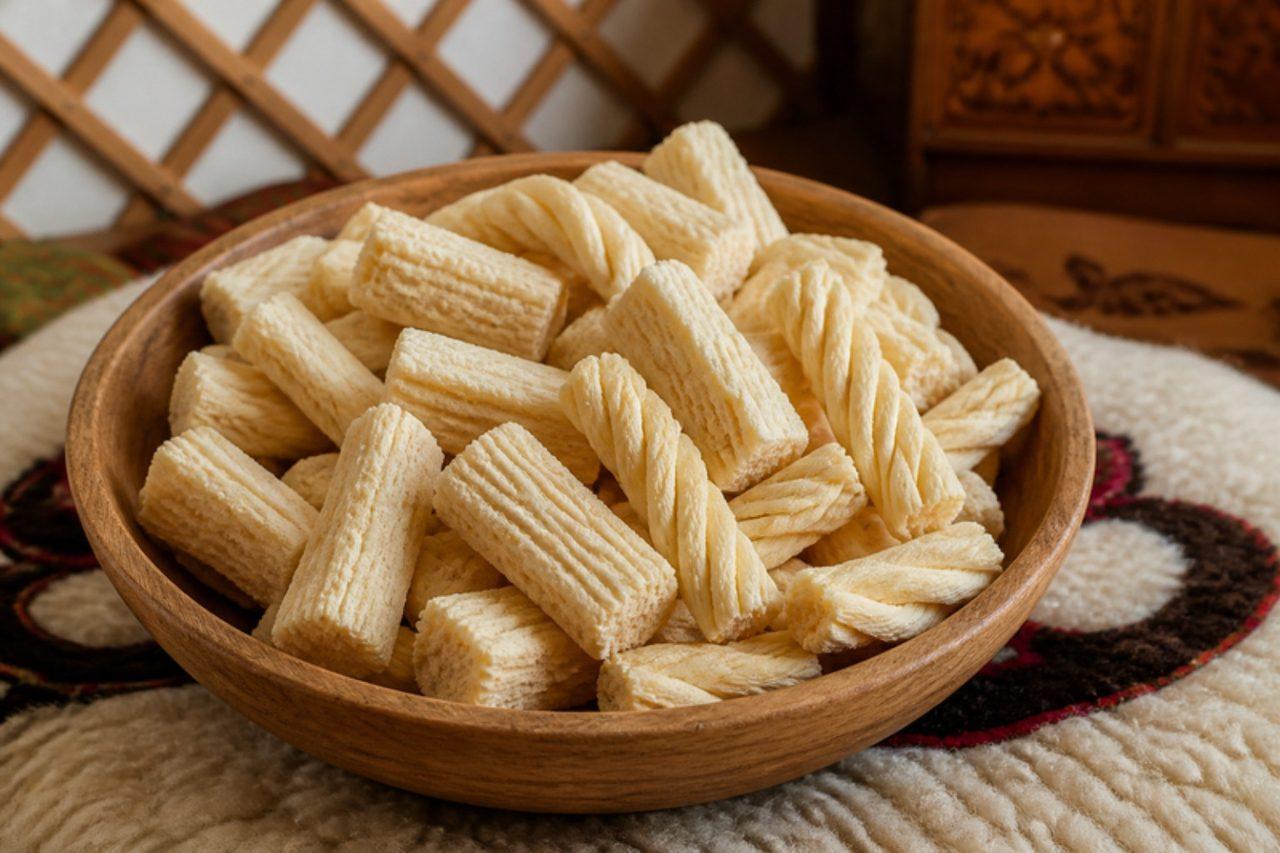
Aaruul are the hard, sour little curds that dry on the roofs of gers all over Mongolia in summer, when the herds give the most milk, and they are carried in pockets as a snack through the long winter. Milk is soured and boiled until the curds separate, then strained, pressed, cut into pieces and dried in the sun and wind for days. They are chewed slowly, almost like a sweet, and offered to guests. This home method dries them in a very low oven. A common mistake is under-drying; any moisture left lets mould grow. Chef's tip: stir a little sugar into the curd if you want the softer, sweeter style sold in Ulaanbaatar markets.

by KrazyBadal 0 views

BanshMutton dumplings in broth

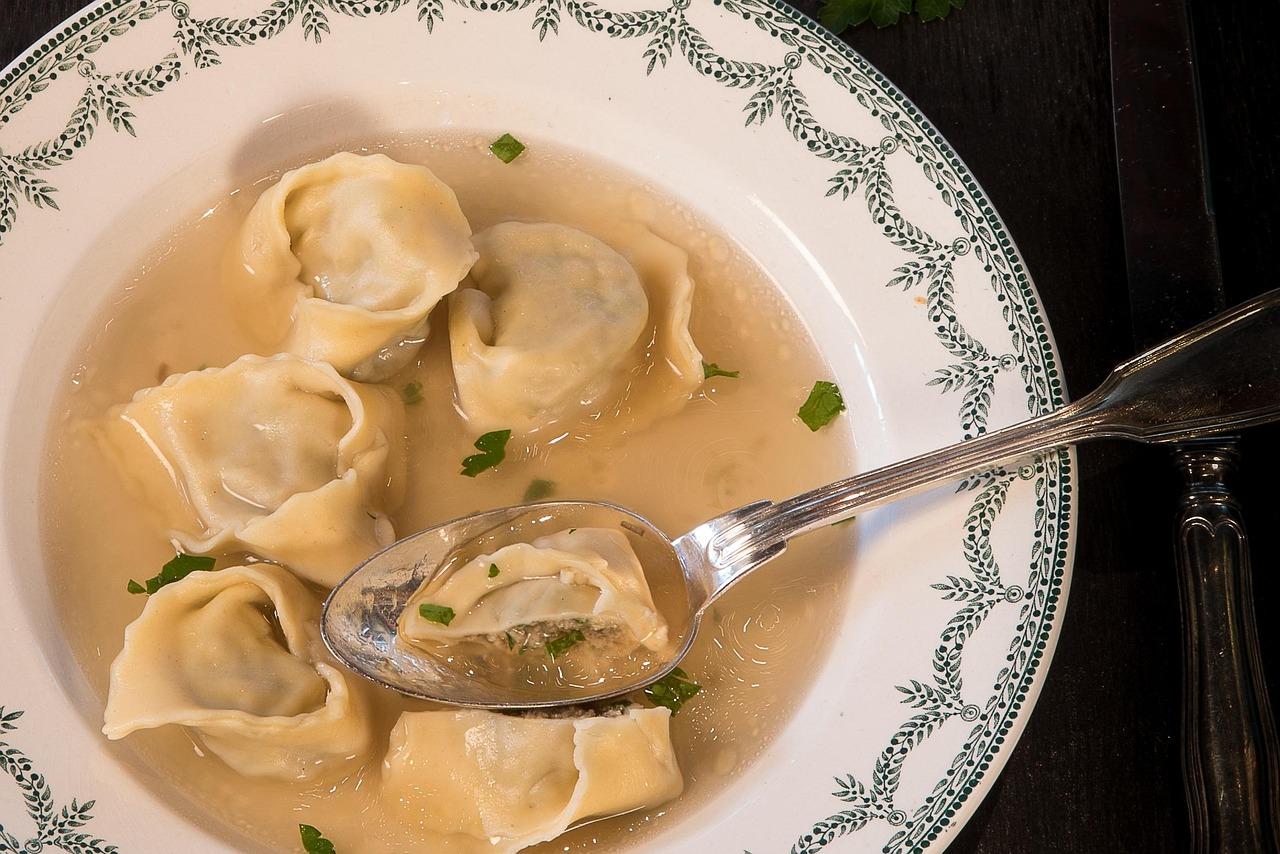
Bansh are the small, half-moon dumplings of Mongolia, smaller than buuz and boiled rather than steamed, made by the hundreds before Tsagaan Sar and frozen in Ulaanbaatar balconies through the winter. They're filled with minced mutton or beef, onion and garlic, then boiled in broth to make a filling soup, or simmered in salty milk tea in the countryside. A common mistake is a dry filling; a splash of water in the mince keeps them juicy. Chef's tip: freeze shaped bansh on a tray before bagging them so they don't stick together.

by KrazyBadal 0 views

Showing 24 of 96 recipes

Show more recipes

Page 1 of 4