Skip to content
Recipes

All recipes

Vegetarian, or something you can't eat? Set your diet once and we'll hide recipes that don't fit.

Kichiri quroot

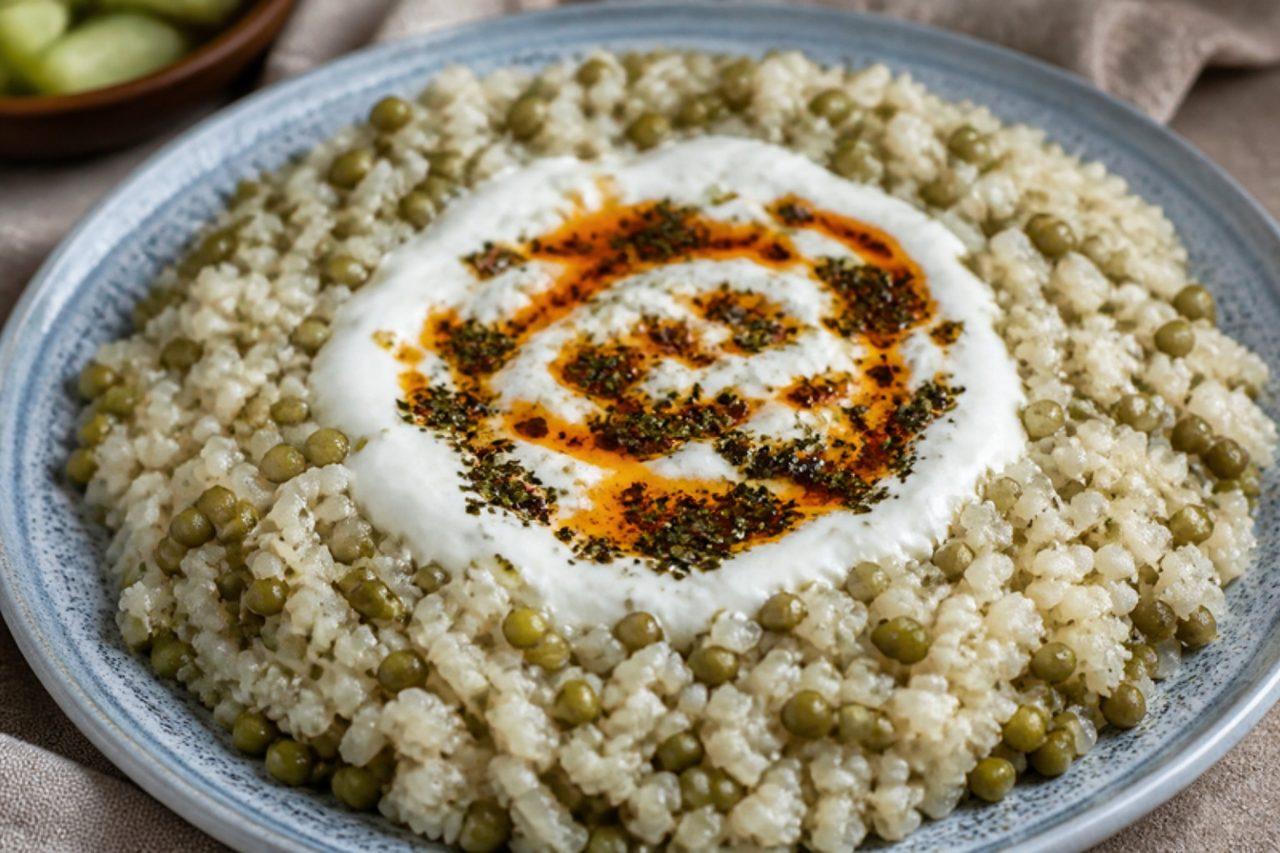
Ask Afghans what their grandmother cooked on cold winter evenings and kichiri quroot comes up again and again: a soft mound of short-grain rice and mung beans cooked until creamy and sticky, with a well pressed into the top and filled with qurut, the salty sauce made from dried yogurt balls. Hot oil with dried mint is poured over just before it reaches the table, and the rice is eaten with a spoon from a shared plate. Families in Kabul often serve it with a pan of meatballs in tomato sauce on the side; this is the meatless version, which is just as common on a quiet night. If you rinse all the starch away it will never turn sticky, so wash the rice only once. Chef's tip: if you can't find qurut, thick strained yogurt with a pinch of salt and garlic gives you something close.

by KrazyBadal 0 views

Khajur

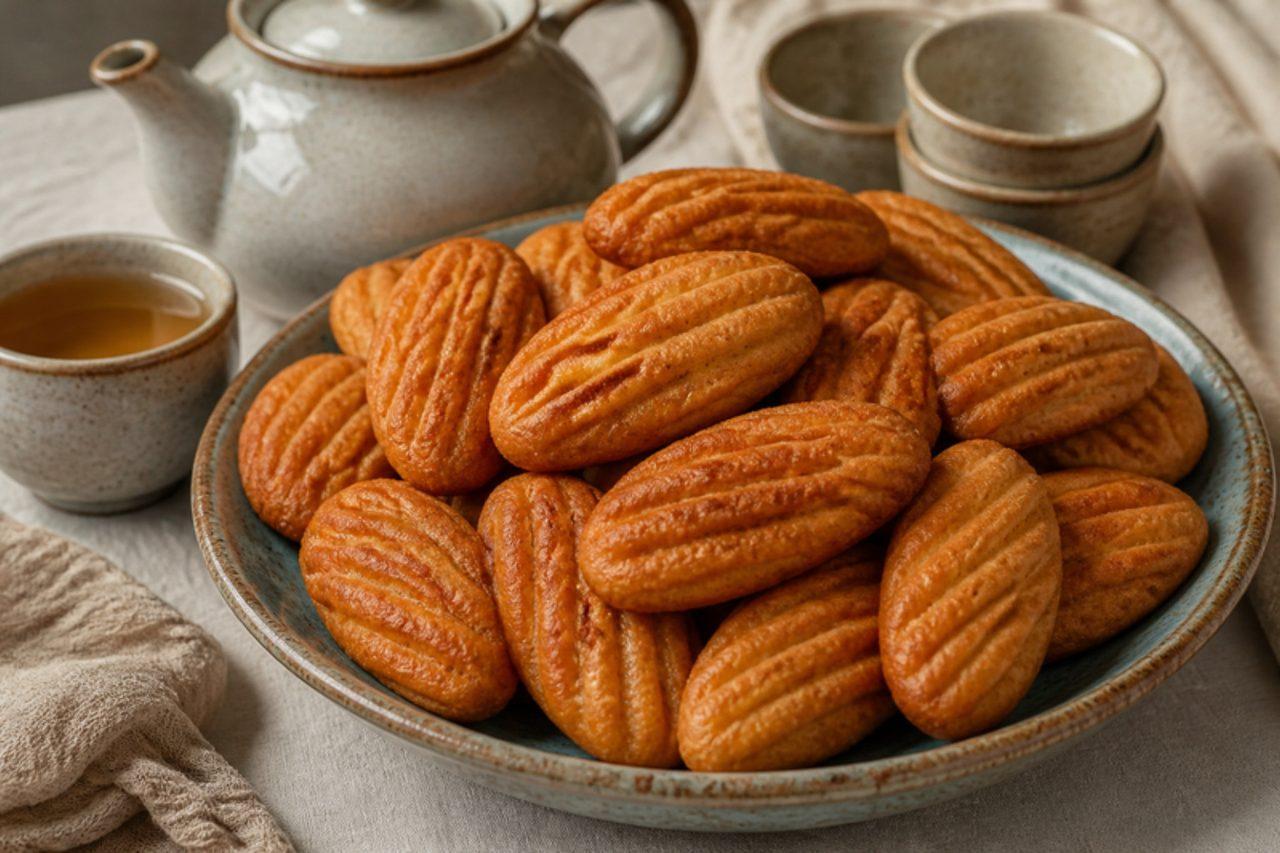
Khajur take their name from dates, which their plump oval shape resembles, but there is no fruit in them: they are little cardamom-scented dough cookies, pressed onto a sieve or the back of a grater for a ridged pattern and fried until deep gold. Afghan families fry great batches before Eid and Nowruz and pack them into tins to offer guests with tea, and Kabul bakeries sell them by the kilo. They are crunchy on the outside with a soft, cakey middle and only gently sweet. Oil that is too hot is the classic error, browning them in a minute while the centres stay raw and doughy; keep it moderate and patient. Chef's tip: fry one test khajur first and break it open, then adjust the heat before frying the rest.

by KrazyBadal 0 views

Sobat

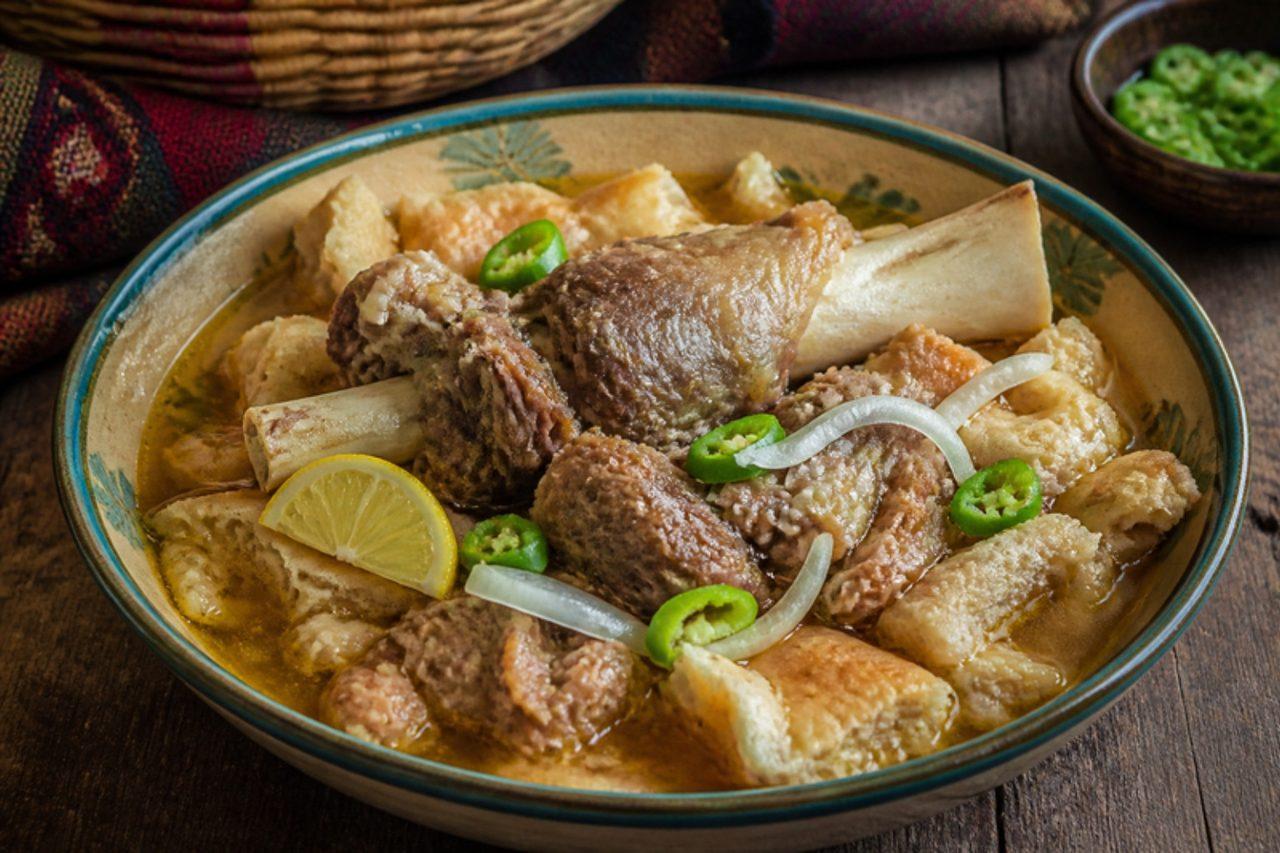
Sobat is guest food in the Pashtun south around Kandahar, made when a sheep has been slaughtered or a large family comes together: lamb on the bone is simmered for hours into a fragrant, golden broth, then poured over pieces of dry naan torn into a wide bowl, with the meat heaped on top. The bread swells and turns soft and juicy while the edges keep some chew, and everyone eats from the same bowl by hand, with raw onion, green chilli and a squeeze of lemon. It is plain, deeply savoury and comforting in the cold Kandahari winter. Fresh, soft bread dissolves into porridge, so use naan that is a day or two old. Chef's tip: skim the broth carefully in the first 10 minutes of simmering, which keeps it clear and clean-tasting.

125 minAfghanSoups
by KrazyBadal 0 views

Kishmish panir

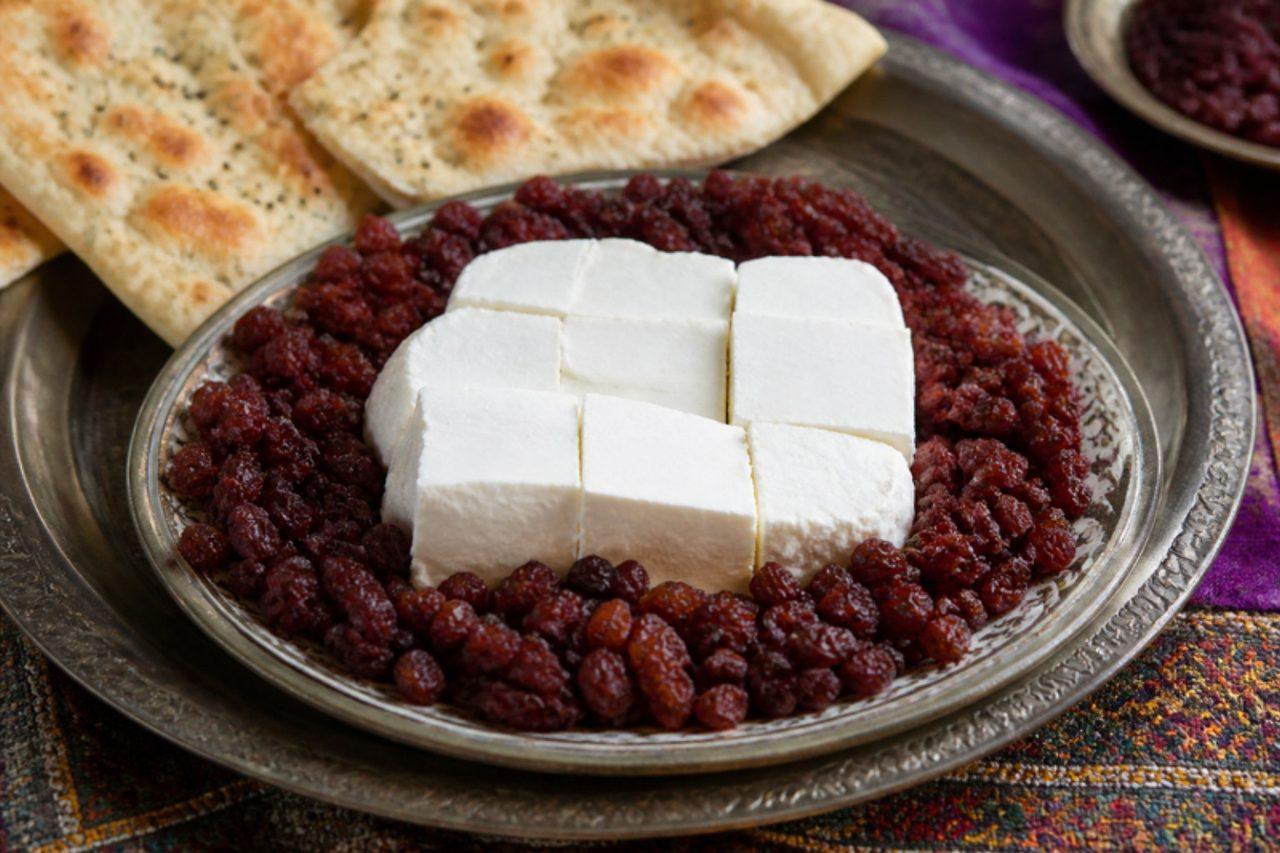
Spring in Kabul is announced by sellers who appear on street corners with trays of soft white panir laid on leaves and a heap of dark red raisins beside it, and kishmish panir becomes the snack of the season. The cheese is unripened and barely salted, milky and springy like a just-set curd, and the chewy, sweet-tart raisins are eaten alongside it in alternate mouthfuls, usually with a piece of naan and a glass of green tea. Afghan panir is set with rennet, traditionally animal rennet, so use a vegetarian (microbial) rennet to keep it vegetarian, and always start with pasteurised milk. The batch that refuses to set has nearly always been made with UHT or ultra-filtered milk, which will not curdle with rennet. Chef's tip: soak the raisins in cold water for half an hour first; they plump up and stop tasting dusty.

by KrazyBadal 0 views

Maleeda

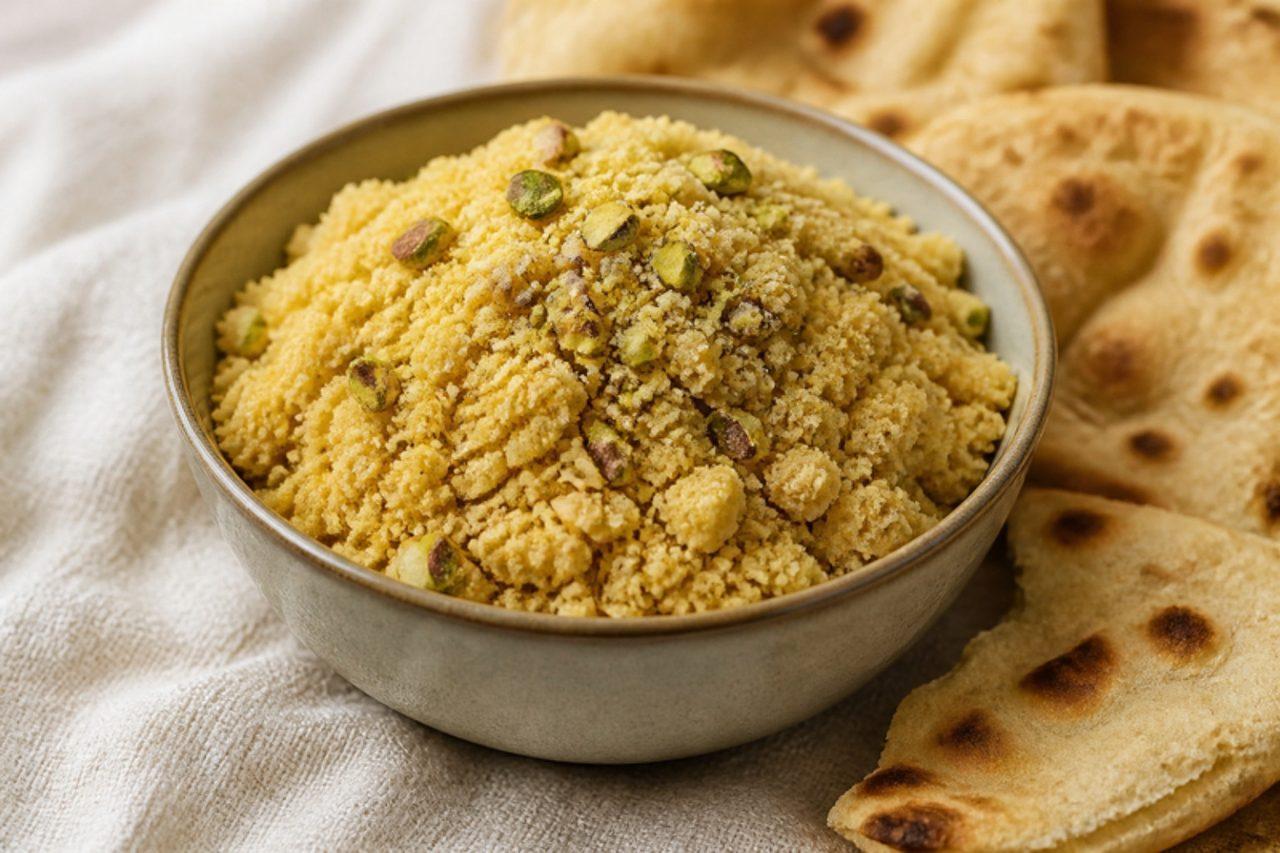
Maleeda is a sweet with a purpose: Afghan women make it as nazr, an offering promised when they pray for something, a recovery, a safe journey or a child's exam, and then share it out among neighbours or at a shrine on a Thursday evening. Thin breads are cooked on a griddle, torn up while still hot and rubbed between the palms with melted ghee, sugar and cardamom until they become soft, fragrant, golden crumbs, a bit like a warm, buttery crumble topping. It is eaten from the hand or with a spoon, sometimes with chopped pistachios. Letting the bread cool before rubbing is where it goes wrong, as cold bread will not soak up the ghee and stays in tough flakes. Chef's tip: a quick pulse in a food processor gives you even crumbs, but finish by rubbing with your fingers so the texture stays soft.

by KrazyBadal 0 views

Sheer pira

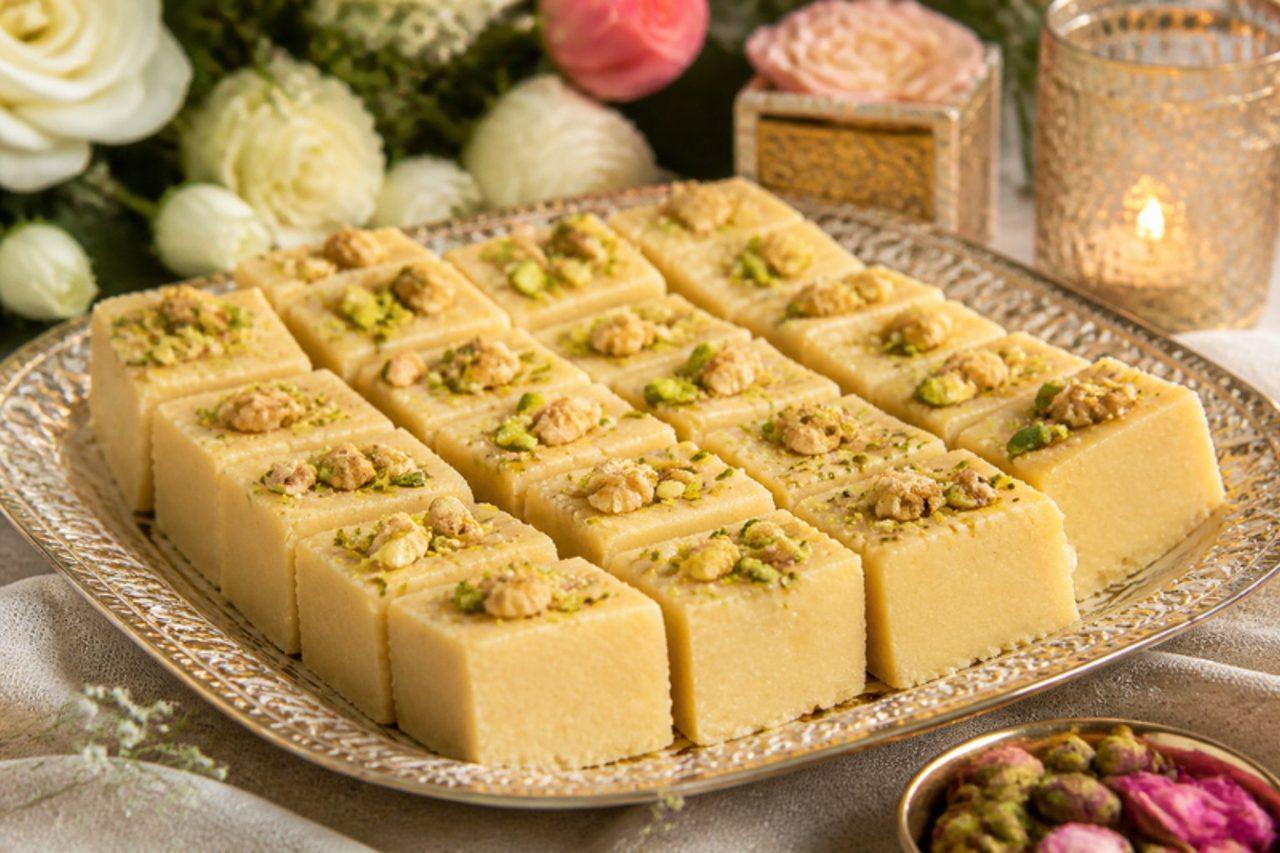
When an Afghan family agrees to a marriage proposal, the shirini-khori, literally the eating of sweets, follows, and trays of sheer pira are cut and handed round to mark that the deal is sealed; it also appears at Eid and Nowruz all over the country. It is a soft, dense milk fudge made in minutes from milk powder and syrup, perfumed with cardamom and rosewater and pressed with green pistachios and walnuts, and it melts slowly on the tongue like a creamy, not too sweet barfi. A syrup boiled too long is what turns it dry, crumbly and grainy, so take it off the heat as soon as it forms a single thread. Chef's tip: sift the milk powder and stir it in all at once, fast, while the syrup is still hot, or it sets in lumps before it is smooth.

by KrazyBadal 0 views

Kulcha-e-namaki

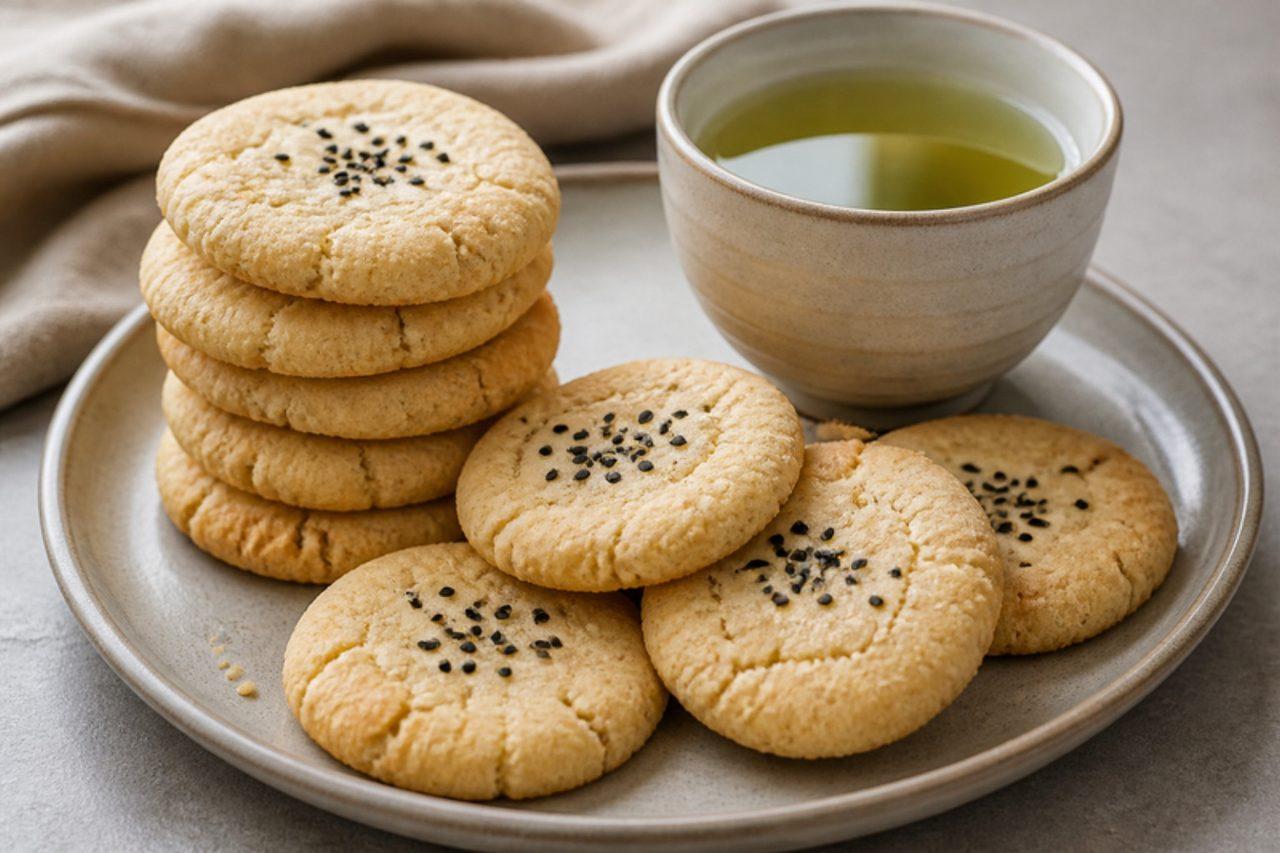
Kabul bakeries pile glass cases with kulcha, and alongside the sweet ones there are always the salty kulcha-e-namaki, pale little rounds flecked with black nigella that disappear by the handful with green or black tea. They are short and crumbly like shortbread but savoury, with a buttery richness and the oniony bite of the seeds, and at Eid and Nowruz a plate of them sits beside the sweets for guests who prefer something less sugary. They should stay pale, so the big mistake is baking them until brown, which makes the butter taste burnt and the biscuits hard. Chef's tip: chill the shaped biscuits for 15 minutes before baking so they hold their crisp edges.

by KrazyBadal 0 views

Kofta chalow

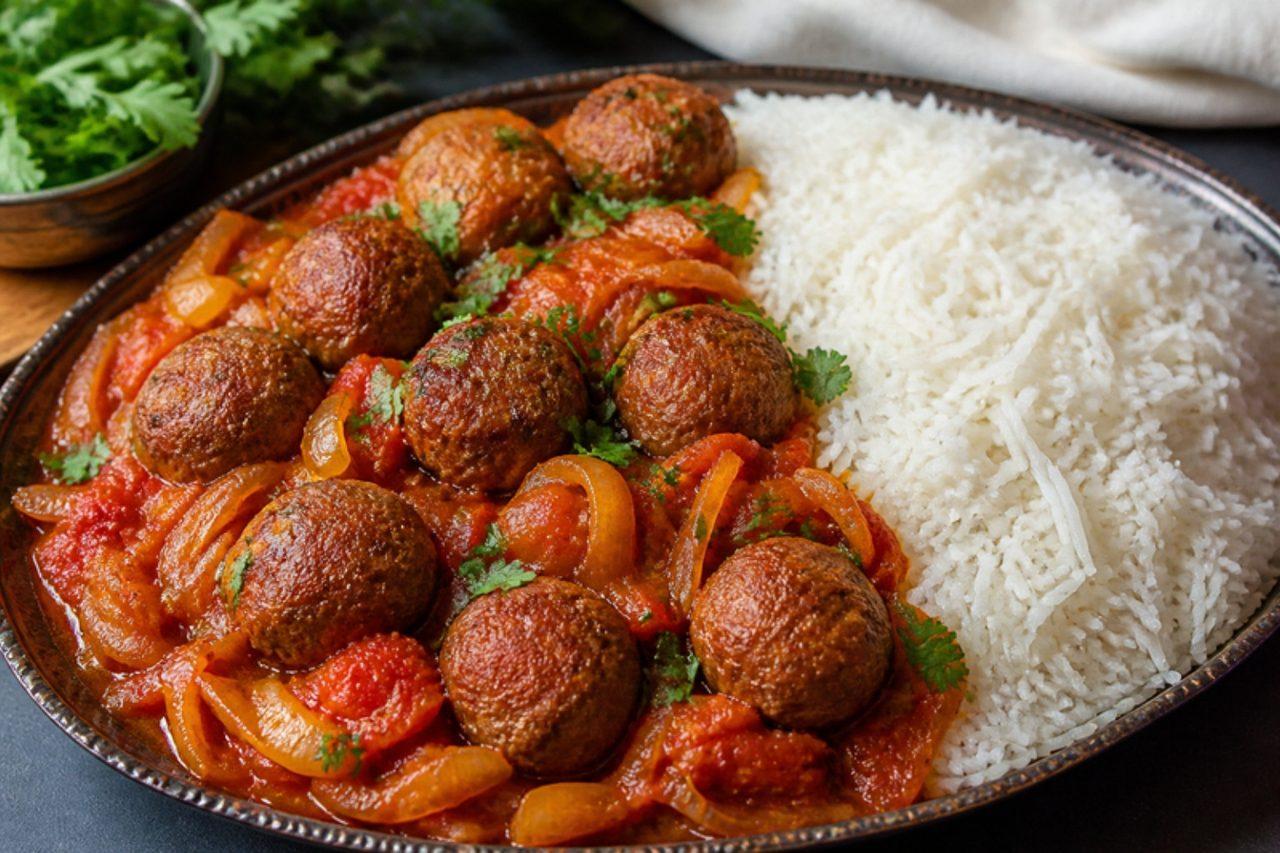
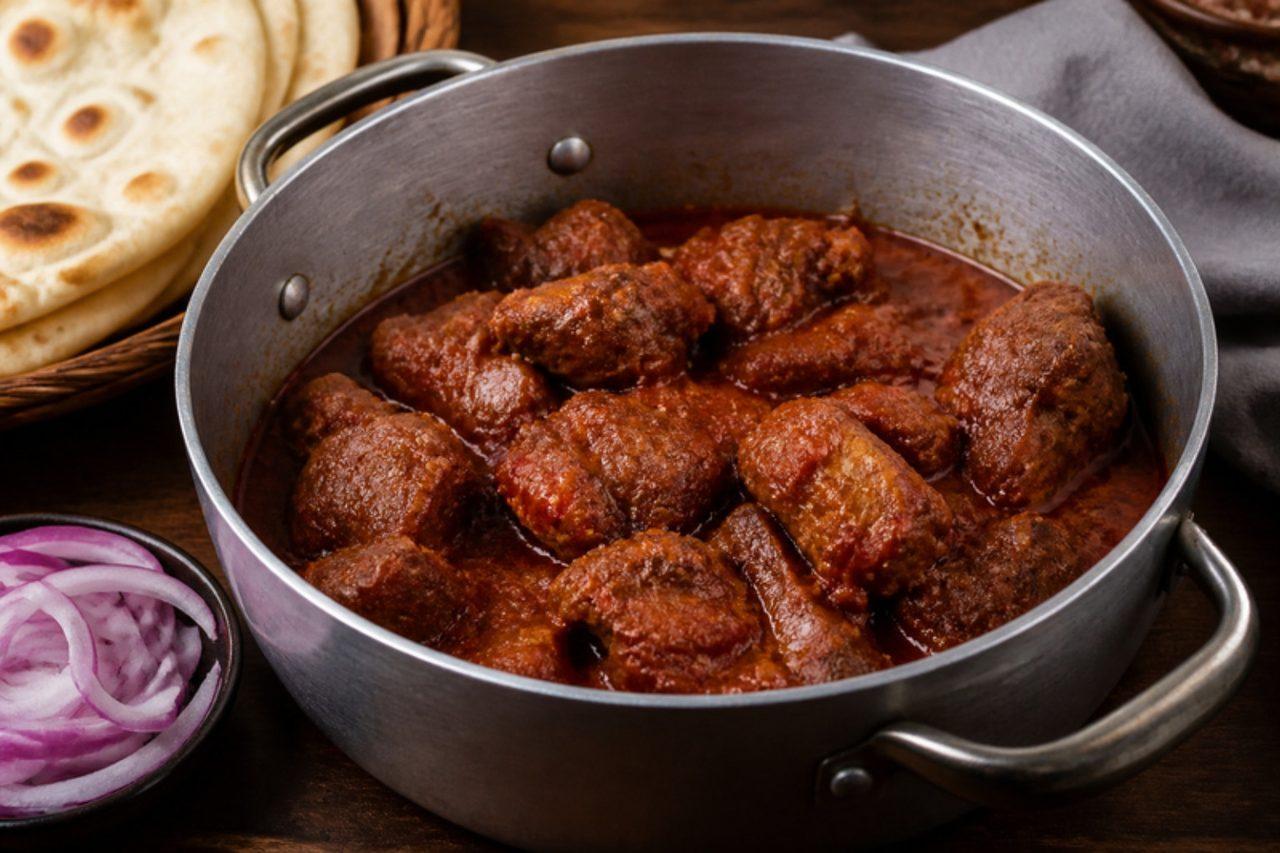
Kofta chalow is weekday comfort in Kabul homes: tender, coriander-flecked meatballs simmered in a brick-red sauce of onion and tomato, spooned over chalow, plain long-grain rice that is boiled, drained and then steamed with a little oil and cumin until each grain stands apart. The sauce soaks into the rice, the meatballs are soft enough to cut with a spoon, and the meal is finished with a salad of chopped tomato, cucumber and onion and a dab of green chutney. The meatballs fall apart in the pan when the grated onion goes in wet, so squeeze it hard in your fist first. Chef's tip: chill the shaped koftas for 20 minutes before they go into the sauce; they firm up and keep their round shape.

85 minAfghanMeatGluten free
by KrazyBadal 0 views

Kandahari pomegranate juice

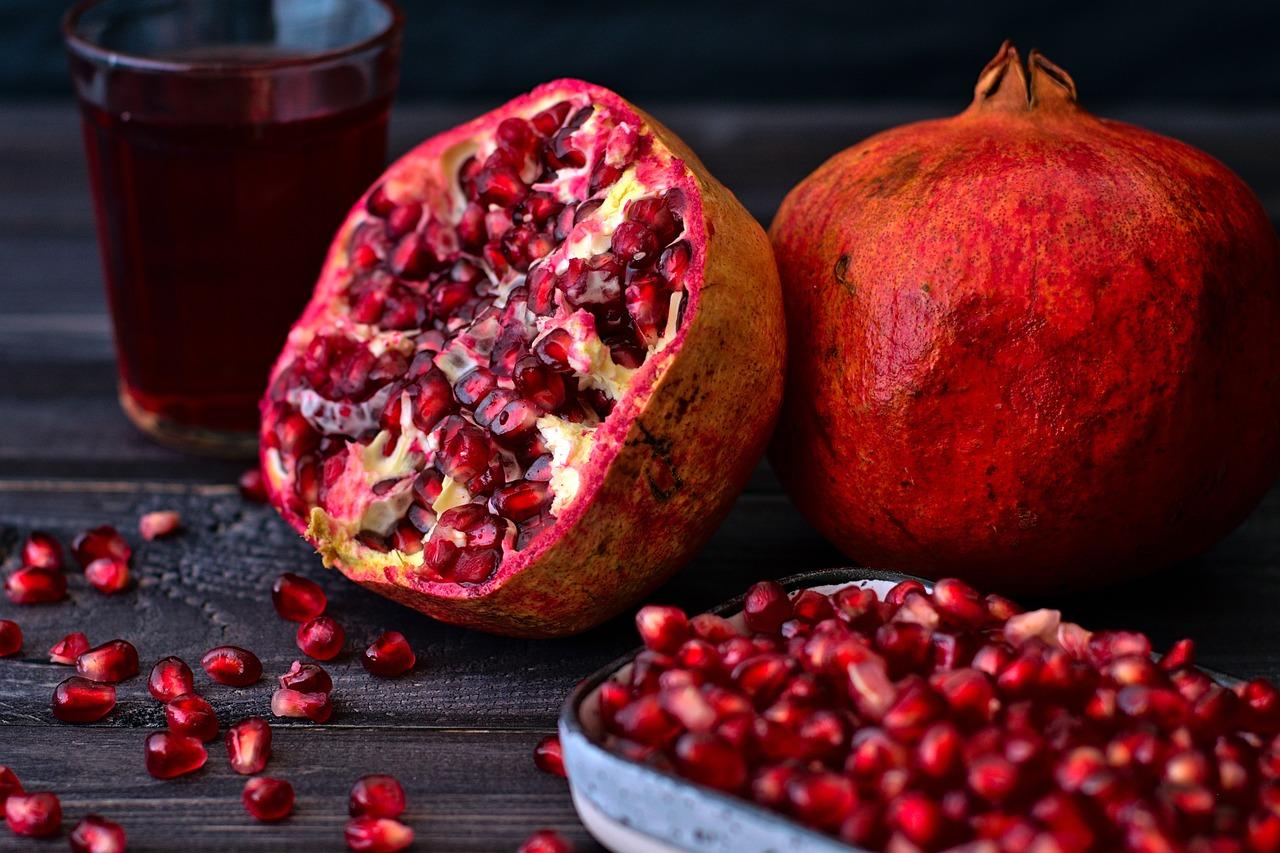
Kandahar's pomegranates, heavy fruits with dark ruby seeds and soft pips, are the pride of southern Afghanistan, and in October and November juice stalls in the city's bazaars press them to order in big iron hand presses. The juice is deep red, sweet with a clean sour finish and a faint tannic grip, drunk on its own in a tall glass, often with a pinch of salt. At home you can get almost the same thing with a citrus press or a blender. The bitterness that ruins many homemade glasses comes from crushing the white pith and hard pips, so blend the seeds only for a few seconds, or press the halves gently. Chef's tip: roll each whole pomegranate firmly on the worktop before cutting it, which bursts many of the seeds inside and makes juicing faster.

by KrazyBadal 0 views

Kabab-e-daygi

Daygi means from the pot, and this is the kebab Kabul families make when there is no grill or the weather is too cold for one: chunks of lamb browned hard, then left to cook slowly with onions, tomato, garlic and green chilli in a covered deg, with barely any water, until the meat is soft and coated in a thick, concentrated sauce. It is a Friday lunch and party dish, set out with stacks of naan, raw onion and radishes and a bowl of yogurt. The flavour is deep and meaty with black pepper and coriander seed. Adding water early to stop it sticking just boils the lamb; trust the onions and tomatoes to give up their juice and keep the heat low. Chef's tip: uncover for the final 10 minutes and let the sauce fry in the rendered fat, which gives the glossy finish that makes it a kebab rather than a stew.

120 minAfghanMeatGluten free
by KrazyBadal 0 views

Maush palaw

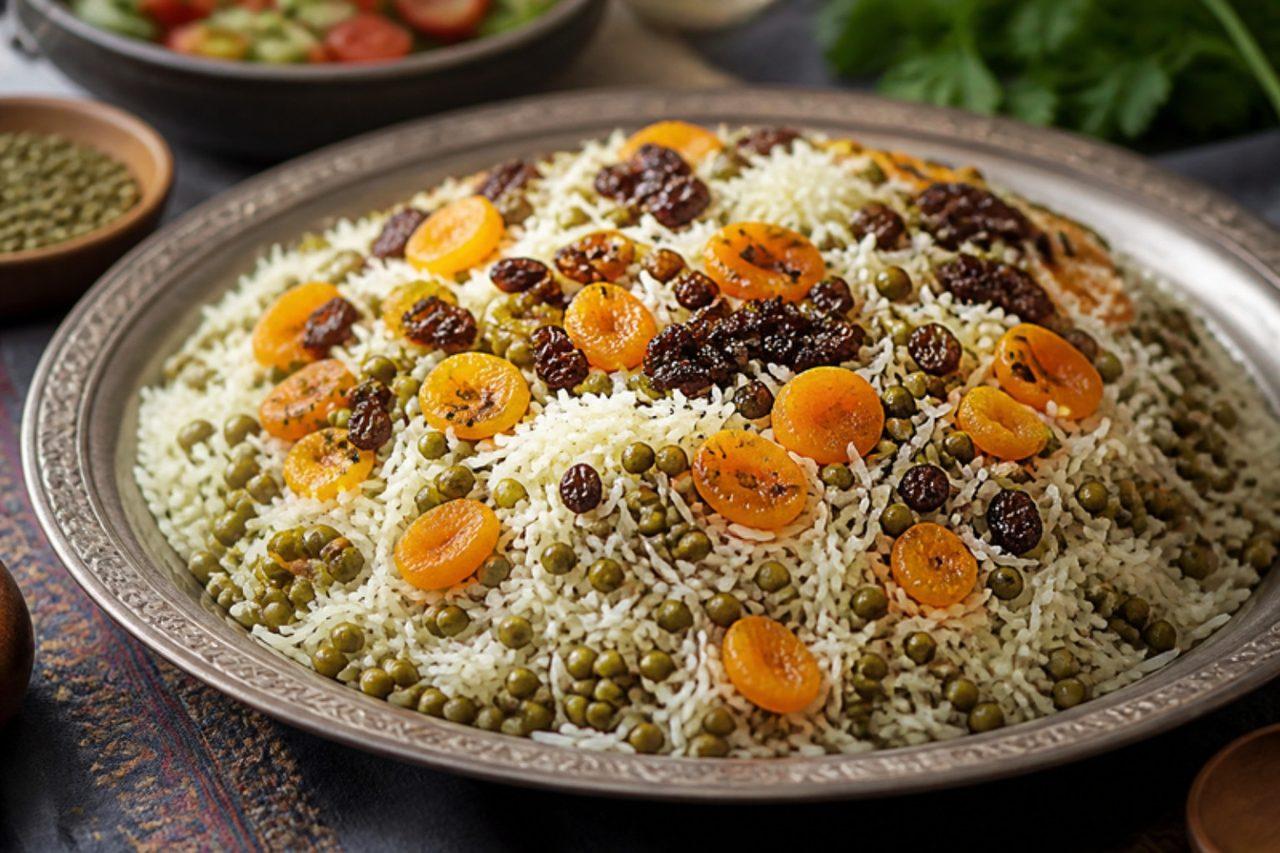
Maush palaw belongs to the frugal, generous side of Herati cooking, a rice that costs little but is brought to the table with the same care as a festive palaw. Long grains of rice are steamed with whole green mung beans in a broth coloured by deeply browned onion, then crowned with apricots and raisins softened in oil, so each spoonful is savoury and earthy with a sweet, chewy surprise. Some cooks bury pieces of lamb in the rice, but meatless versions are everyday food across western Afghanistan and Kabul, eaten with yogurt, a salad of tomato and onion and a spoonful of chutney. Overcooking the mung beans before they meet the rice is the trap here; stop when they are tender but still whole, or they turn to paste in the steaming. Chef's tip: let the onions go a really deep mahogany brown, because that colour is what tints the rice.

by KrazyBadal 0 views

Afghan green chutney

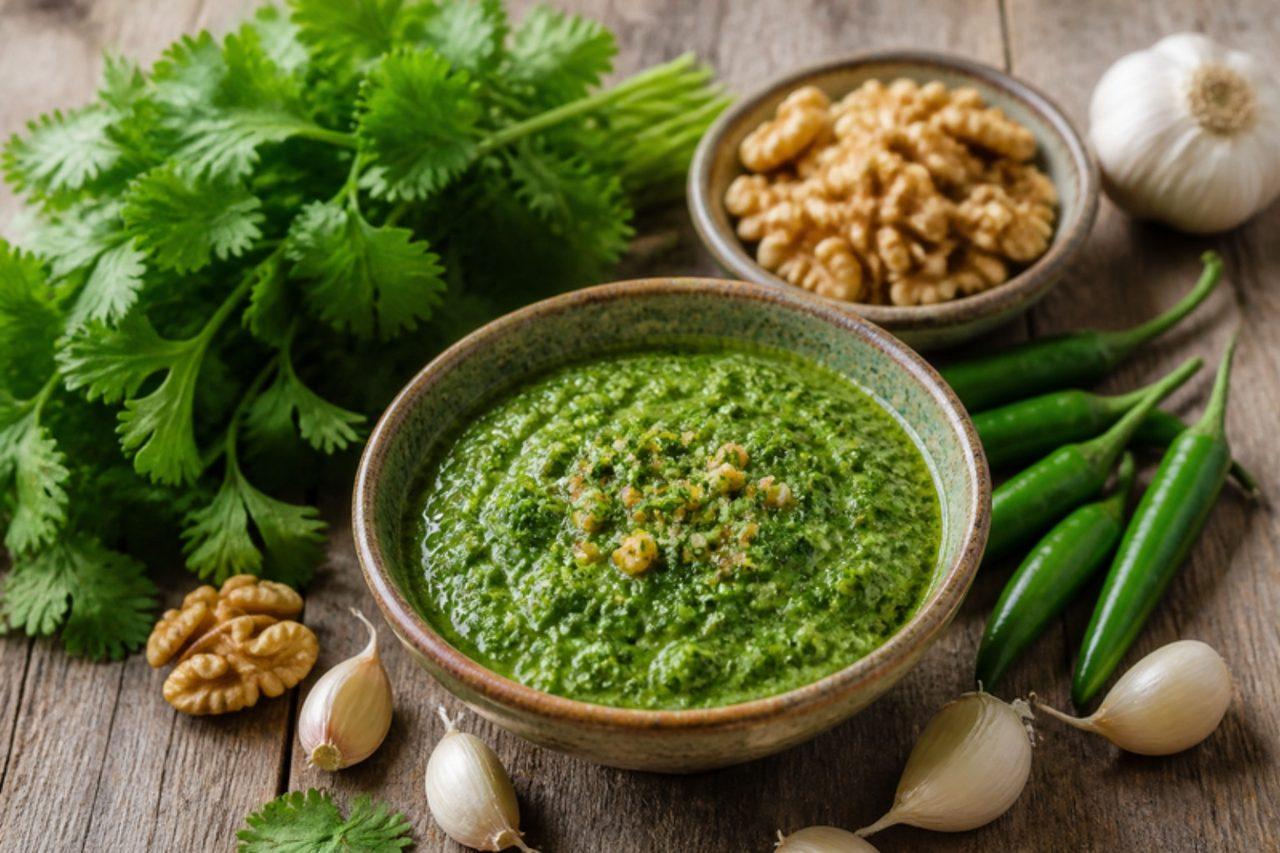
No Afghan table of kebab or palaw feels complete without a little bowl of green chutni, the sharp, fiery relish spooned beside the rice, onto bolani and over grilled meat from Kabul to Kandahar. Unlike many South Asian green chutneys, the Afghan one leans on vinegar rather than lime and is thickened with walnuts, so it is slightly creamy, bright green and properly hot, with a pungent hit of raw garlic. Households make a jar at a time and keep it in the fridge through the week. People often blitz it into a thin juice; pulse it instead so you can still see flecks of leaf and nut. Chef's tip: keep the coriander stalks in, as they have more flavour than the leaves and help the chutney stay green for days.

by KrazyBadal 0 views

Chainaki

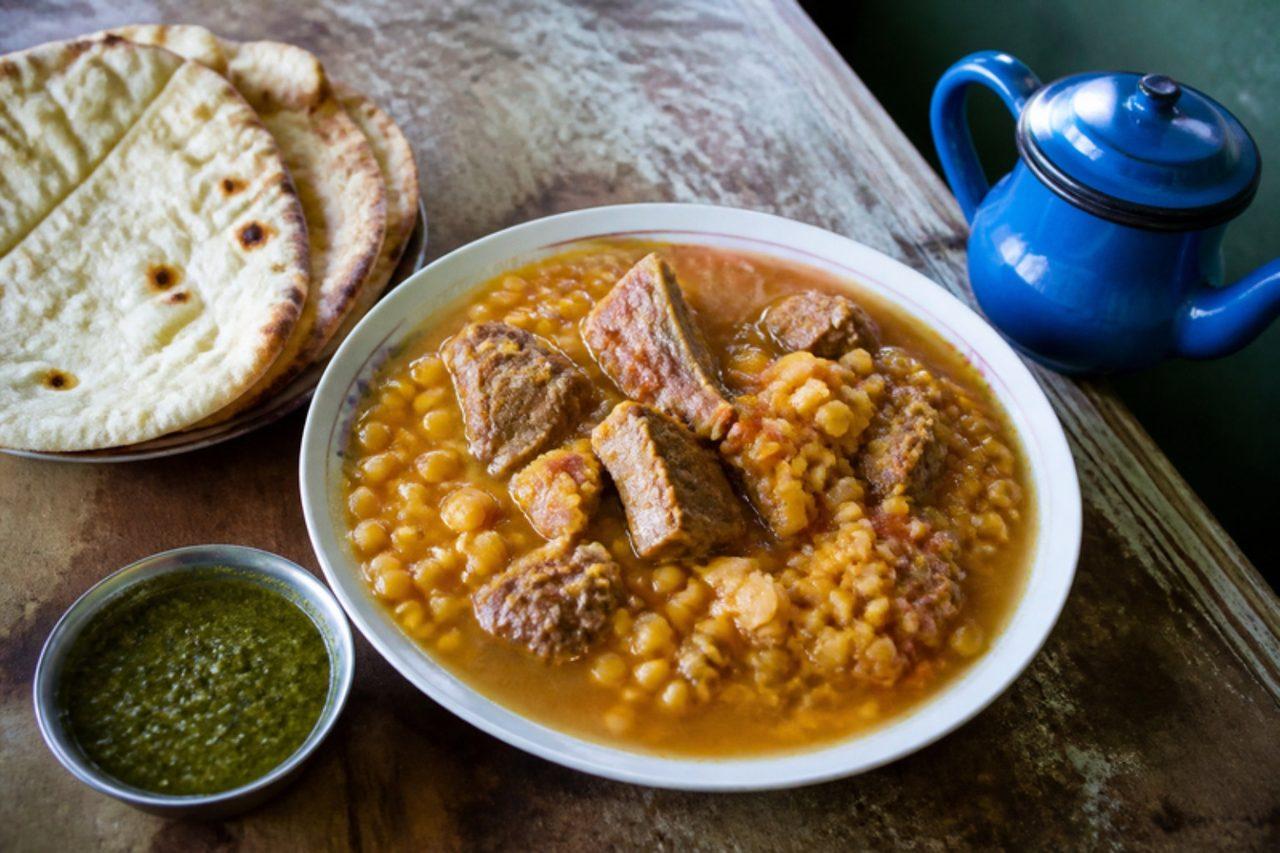
In the teahouses of northern and central Afghanistan, from Mazar to the Salang road, every traveller who orders chainaki gets his own small metal teapot packed with lamb, onion, split peas and water, set in the embers beside the samovar from morning until lunch. When it is ready, the broth is poured off over torn naan in a bowl and the soft meat eaten after, with raw onion and green chilli. The taste is simple and pure: clean lamb, sweet onion, a little turmeric and pepper. Rushing it on a high flame toughens the meat and boils the broth cloudy, so the heat should be so low that the liquid only trembles. Chef's tip: a small heavy lidded casserole in a low oven gives exactly the same result as the teapot, with no risk of it boiling dry.

165 minAfghanMeatGluten free
by KrazyBadal 0 views

Naan-e-afghani

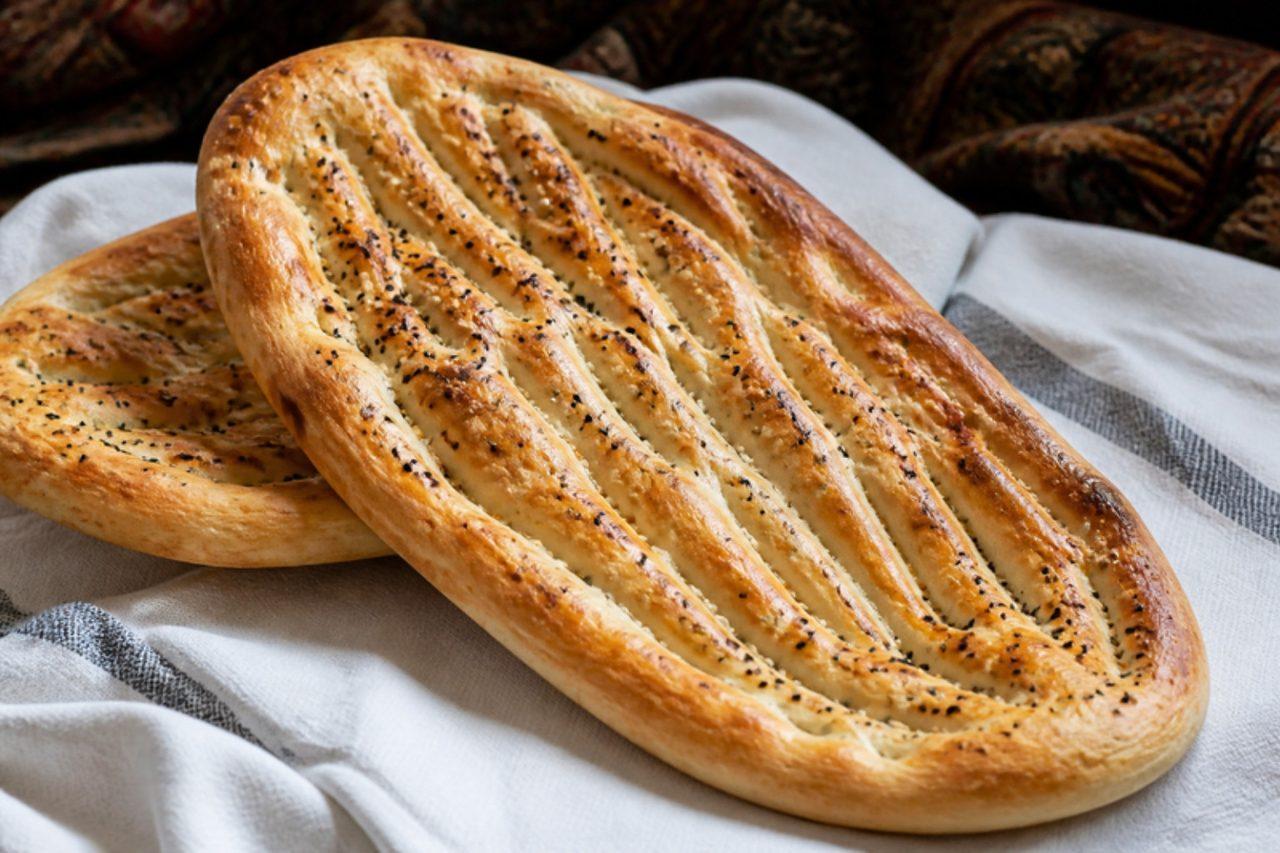
Every Afghan neighbourhood has its naanwai, the baker who slaps long ovals of dough onto the walls of a deep clay tandoor from before dawn, and families send a child to collect a stack of hot naan for breakfast and again for dinner. The loaf is chewy and lightly crisp, with deep finger-pressed grooves running along its length and nigella and sesame seeds baked into the top, and it is used as plate, spoon and napkin with kebab, qorma and soup. A home oven cannot match a tandoor, but a baking tray heated until it is scorching comes close. The bread comes out pale and dense when the oven or tray is not hot enough, so heat them for a full 30 minutes. Chef's tip: wet your fingers before pressing the grooves; the dough won't stick and the ridges stay sharp.

by KrazyBadal 0 views

Gulpi

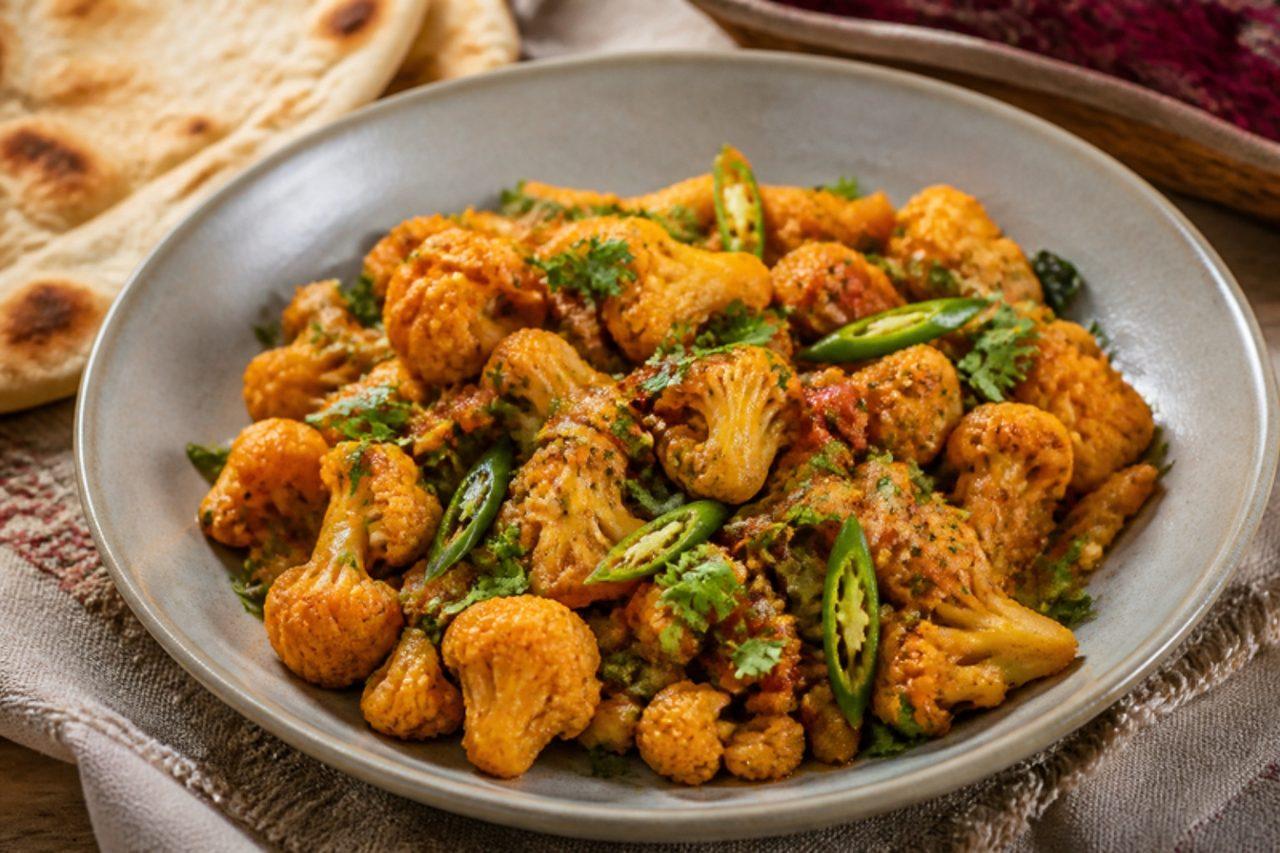
Gulpi is what an Afghan family cooks on an ordinary weeknight in Kabul or Jalalabad when cauliflower is cheap in the bazaar, and it is set on the dastarkhan, the cloth spread on the floor for meals, alongside rice or naan and a bowl of yogurt. The florets are fried until they catch a little colour, then simmered in a thick, turmeric-yellow sauce of onion, tomato, ginger and garlic until soft enough to break with the side of a spoon, with just a gentle heat from chilli. Many cooks stir in a few potatoes or peas, and some add a small piece of meat, but it is often fully vegetarian. Adding too much water is what spoils it: the cauliflower should steam in the tomato, not boil, so the sauce clings to every floret. Chef's tip: let the florets brown properly in the oil before anything else goes in, which gives the dish its nutty, slightly sweet depth.

by KrazyBadal 0 views

Shor nakhod

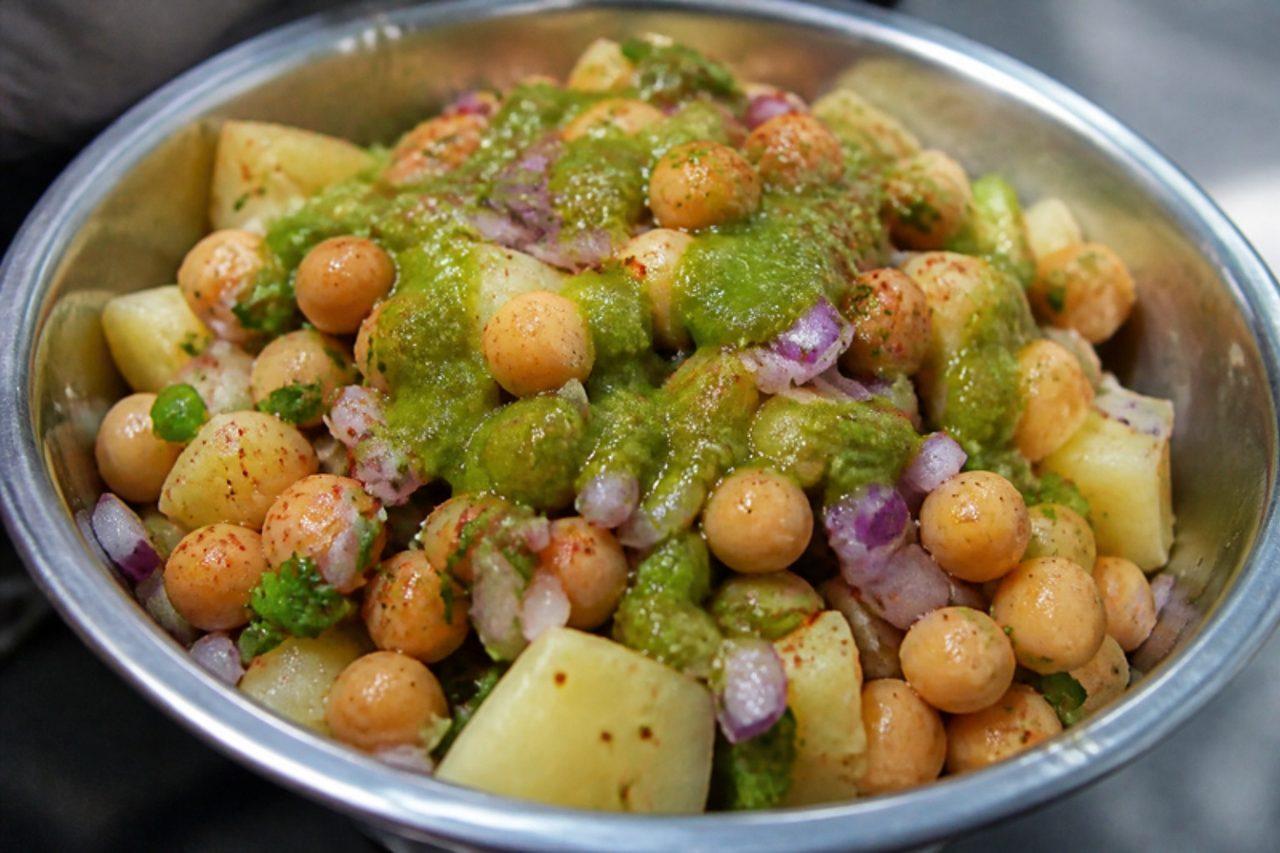
Push a wooden cart through the lanes around Kabul's Mandawi bazaar and you will find vendors ladling shor nakhod into small bowls for schoolchildren and shoppers, a snack that is half salad, half sour little soup. Soft chickpeas and cubes of boiled potato sit in a pool of vinegar sharpened with raw onion, green chilli and a fistful of coriander, so every spoonful is salty, tart and fresh at once. It is eaten on its own with a spoon, or beside naan, and it turns up at iftar during Ramadan because it is light after a day of fasting. Most home versions disappoint because the potatoes are dressed cold and the vinegar just slides off them, so toss them while they are still warm. Chef's tip: keep a spoonful of the chickpea cooking liquid or tin water in the dressing, which gives it the slightly cloudy body of the street version.

by KrazyBadal 0 views

Afghan dopiaza

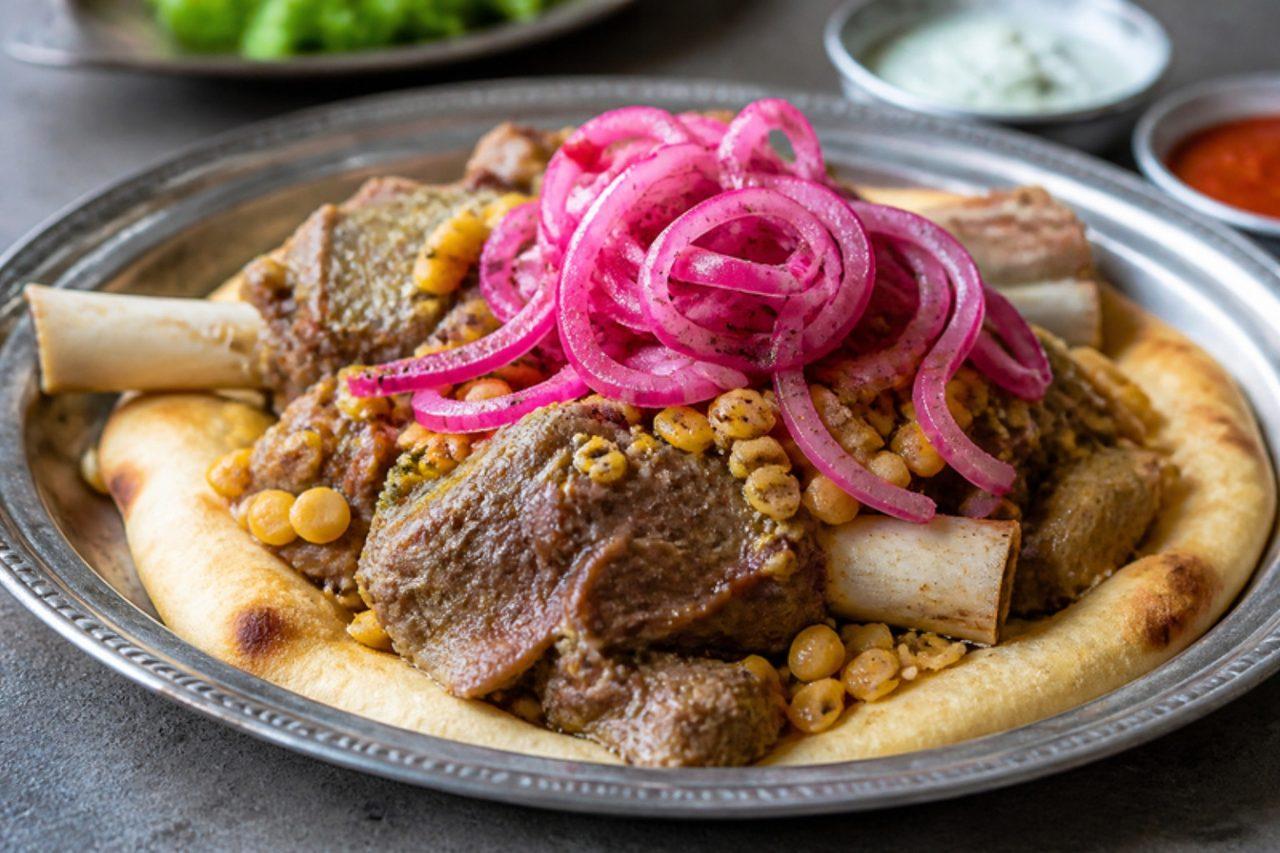
Afghan dopiaza has little in common with the Indian curry of the same name: in Kabul and Mazar it is a dish of chaikhanas and lunch restaurants, where a slab of naan is laid on the plate, covered with chunks of lamb braised with onion until soft, then topped with boiled yellow split peas and a tangle of red onions that have been sitting in vinegar until they turn pink. The juices soak into the bread, the onions are sharp and crunchy, the split peas earthy, and the whole thing is eaten with the fingers. Split peas cooked to mush ruin the contrast, so boil them only until just tender and drain at once. Chef's tip: soak the sliced onions in vinegar at least 30 minutes ahead; they lose their harshness and turn a beautiful bright pink.

120 minAfghanMeat
by KrazyBadal 0 views

Zamarod palaw

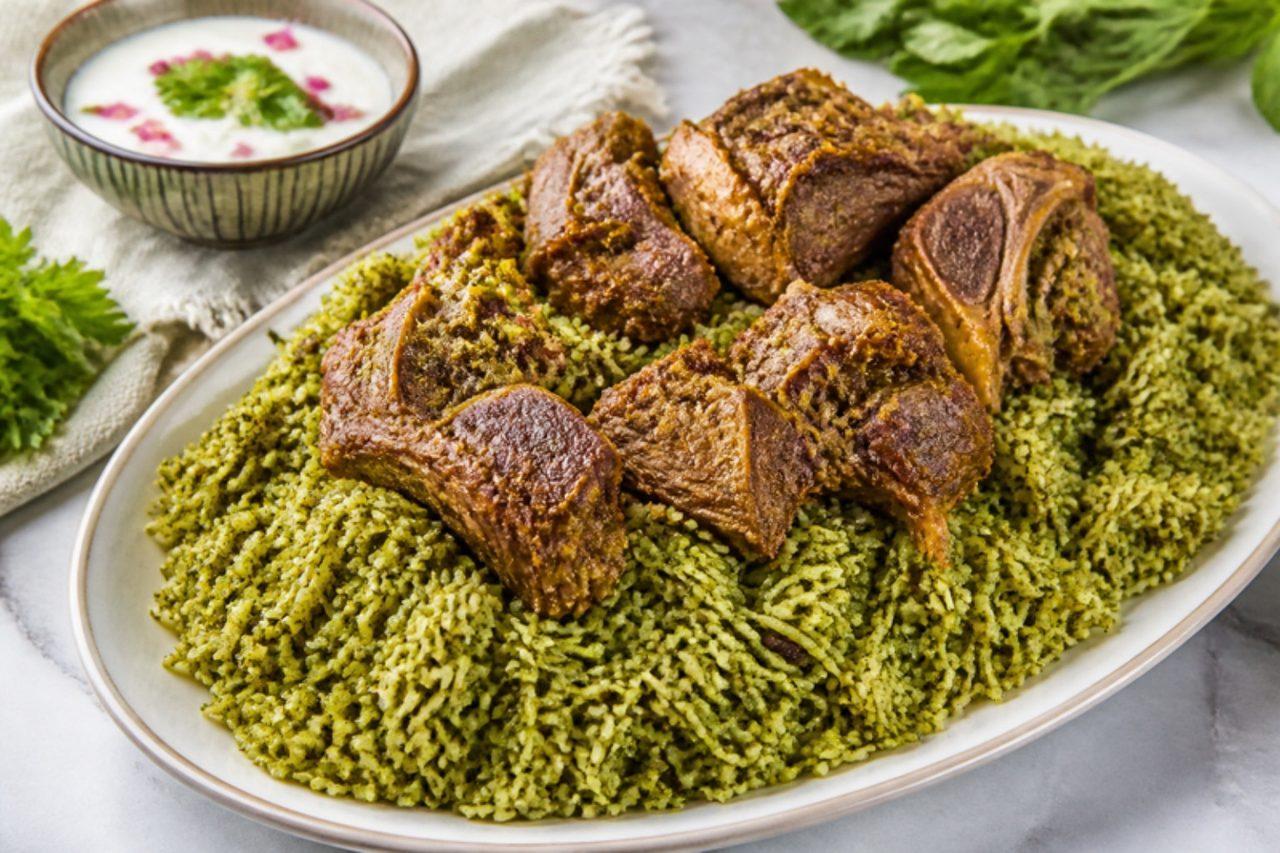
Herati cooks call this rice zamarod, emerald, for its colour: long-grain rice steamed with a purée of spinach and herbs so that every grain is tinted a soft green, with pieces of lamb tucked inside that have been braised until they fall from the bone. It is served at family gatherings and for guests in spring when spinach is sweet, piled on a platter with yogurt, salad and pickles on the side. The rice tastes gently grassy and savoury, rounded out by the lamb broth and a little cumin. Cooking the spinach too long dulls it to khaki, so wilt it briefly and blend it straight away. Chef's tip: use a generous handful of fresh coriander and dill with the spinach; they make the green brighter and the flavour more lively.

by KrazyBadal 0 views

Bichak

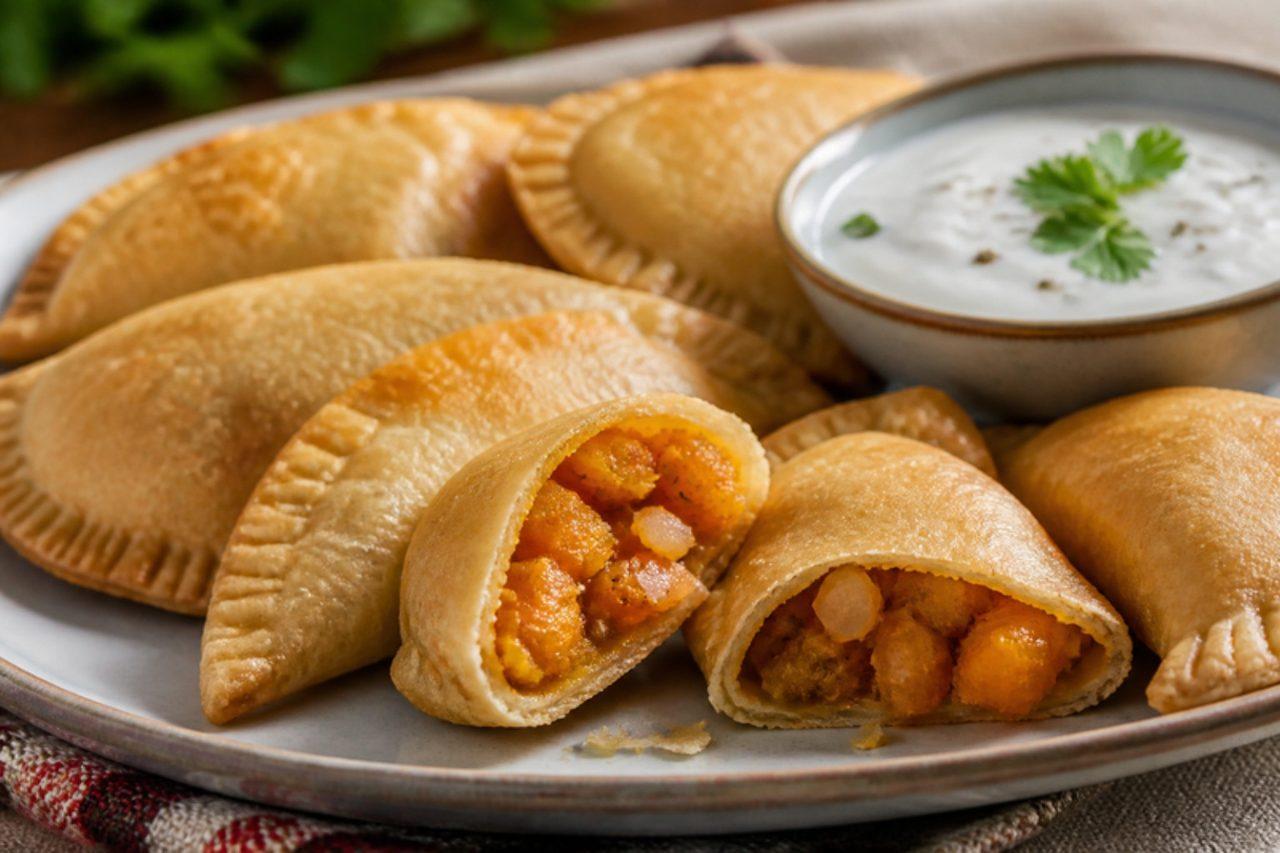
Across northern Afghanistan, around Mazar, Kunduz and Shibirghan, the autumn pumpkin harvest is turned into bichak, plump half-moon pastries that show the region's Uzbek and Turkmen neighbours in their name and shape. A soft, thin wheat dough wraps a filling of grated pumpkin and onion seasoned only with salt, black pepper and a little chilli, which bakes into something sweet, savoury and juicy, best eaten warm with a glass of tea or alongside a bowl of yogurt. Some families bake them, others fry them in a wok of oil; this version bakes them. The filling must not be wet, or the bottoms go soggy and the seams burst, so squeeze the grated pumpkin hard before mixing. Chef's tip: grate the onion finely too, so it melts into the pumpkin instead of staying in crunchy pieces.

by KrazyBadal 0 views

Bata

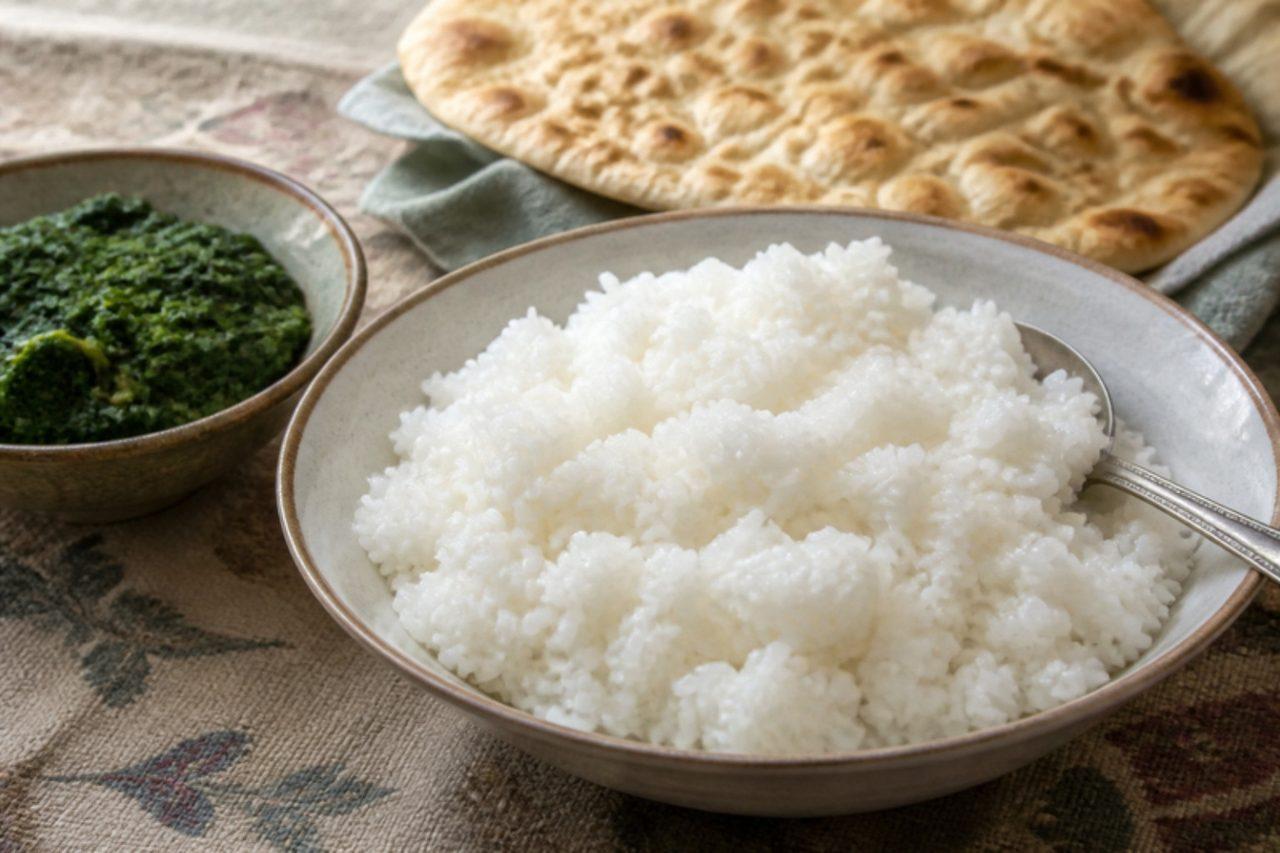
Long-grain palaw gets the glory at weddings, but on ordinary days in Herat and Kabul it is often bata that comes to the table: short-grain rice cooked until the grains burst and cling together in a glossy, gently salted mass. Its job is to sit beside something saucy, typically a qorma or sabzi, the dark, garlicky spinach, and to soak up every bit of it; children often eat it with just a spoonful of yogurt. It needs no spices at all. Rice that is drained or rinsed until the water runs clear will never go properly sticky, so rinse it once and cook it in a measured amount of water. Chef's tip: finish it under a lid wrapped in a tea towel on the lowest heat, which catches the drips of steam and keeps the top soft instead of wet.

by KrazyBadal 0 views

Aush

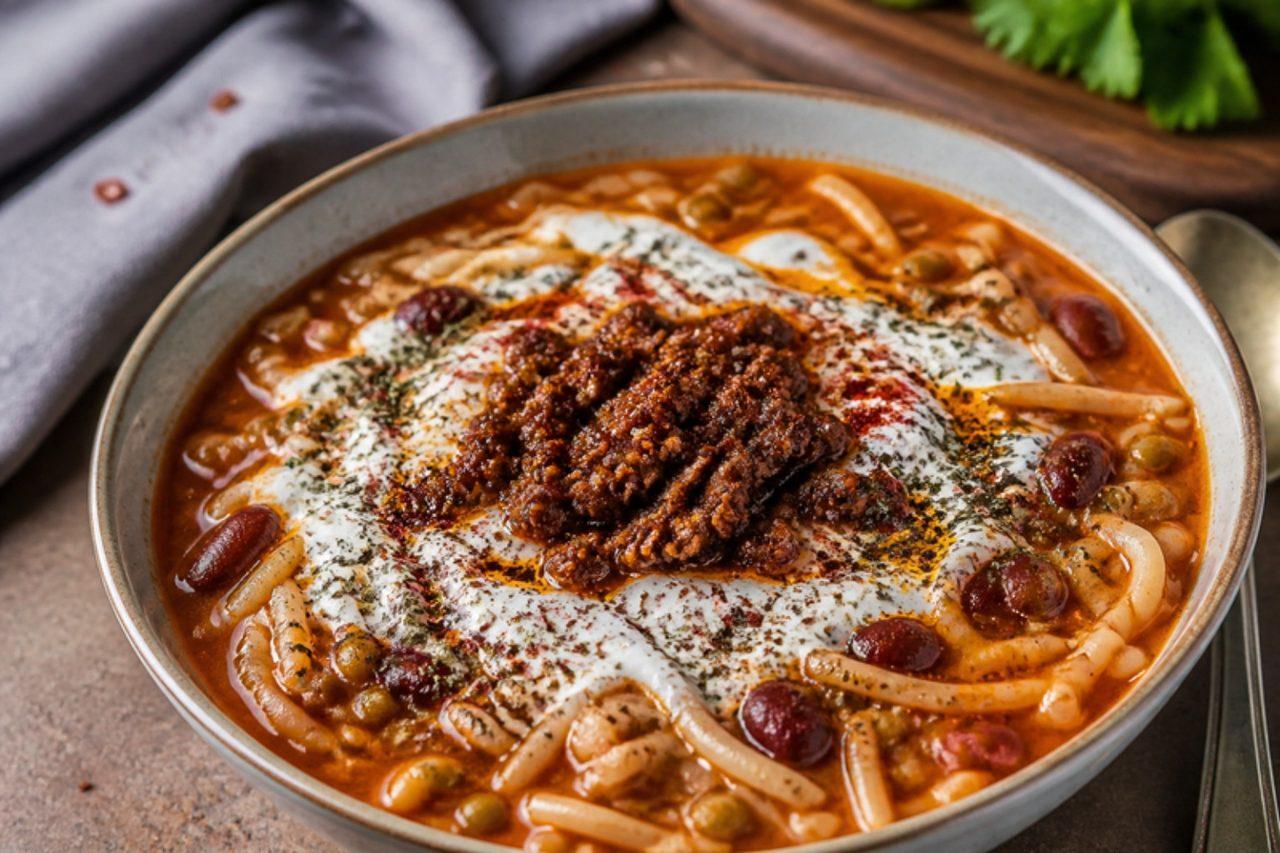
Aush is the bowl Afghan mothers make when someone in the house has a cold or the first snow falls on Kabul, a thick, tangy soup of hand-cut noodles, kidney beans and chickpeas, enriched with garlicky yogurt and finished with a spoonful of spiced minced meat and a heavy dusting of dried mint. The broth is slightly sour, creamy and warming with chilli, and the noodles are soft and a little slippery. It is a meal in itself, eaten with nothing more than naan and pickles. For a vegetarian version, leave out the meat sauce and add a handful of cooked mung beans. Noodles dropped into a soup that has gone off the boil stick together into a clump, so keep it bubbling as you add them a few at a time. Chef's tip: stir the yogurt in only after the pan is off the heat, so it turns the broth creamy without splitting.

by KrazyBadal 0 views

Kebab-e-murgh

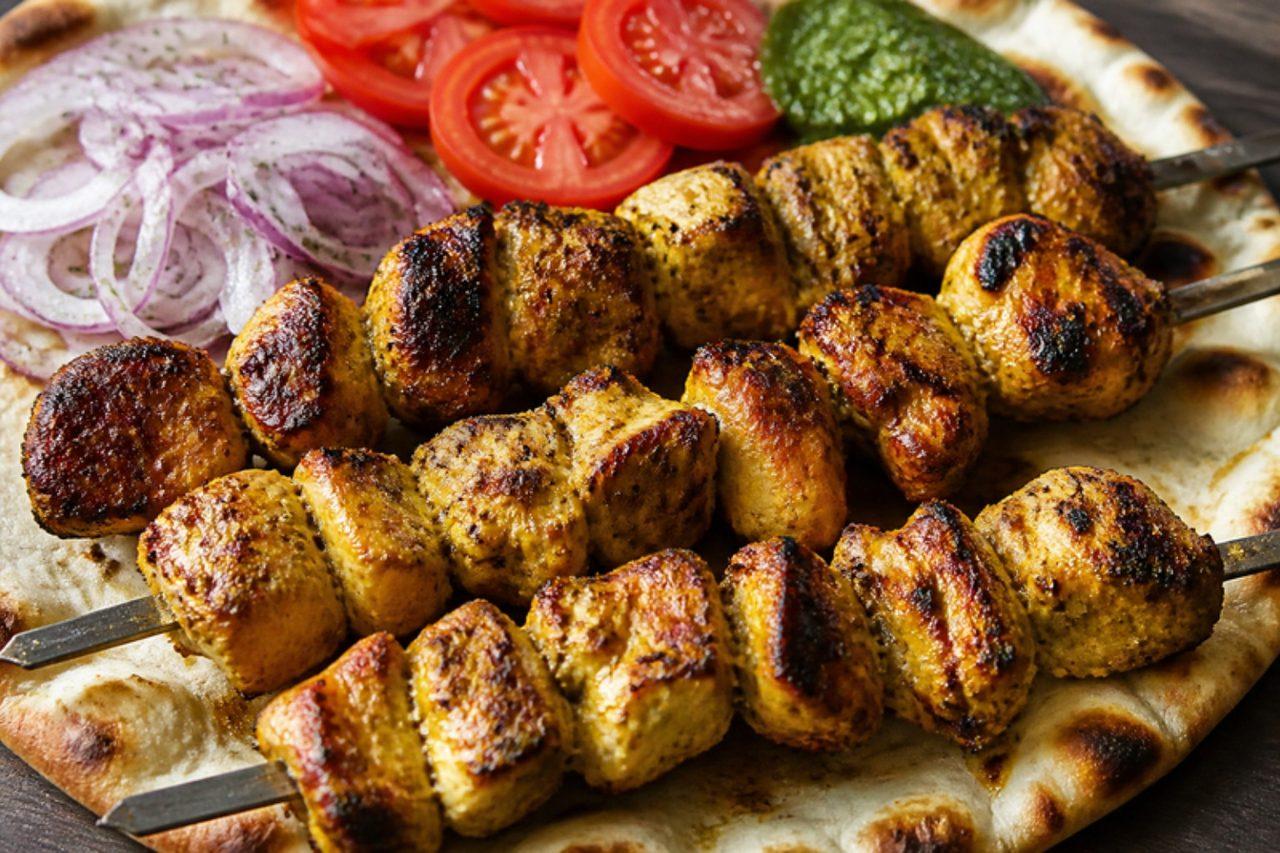
Along Kabul's kebab streets, cooks fan long rows of skewers over charcoal troughs, and chicken kebab-e-murgh has become as popular as lamb, especially with families. The meat is soaked in yogurt with a lot of garlic, lemon and chilli, which keeps it juicy and gives it a tangy, slightly charred crust; it is served on a sheet of naan that catches the drips, with sliced raw onion, tomato and green chutney. At home a hot grill pan or barbecue does the job well. Breast meat cut too small dries out before it chars, so use boneless thighs in generous chunks. Chef's tip: thread the pieces close together but not squashed, which keeps the centres moist while the edges blacken.

by KrazyBadal 0 views

Rawash

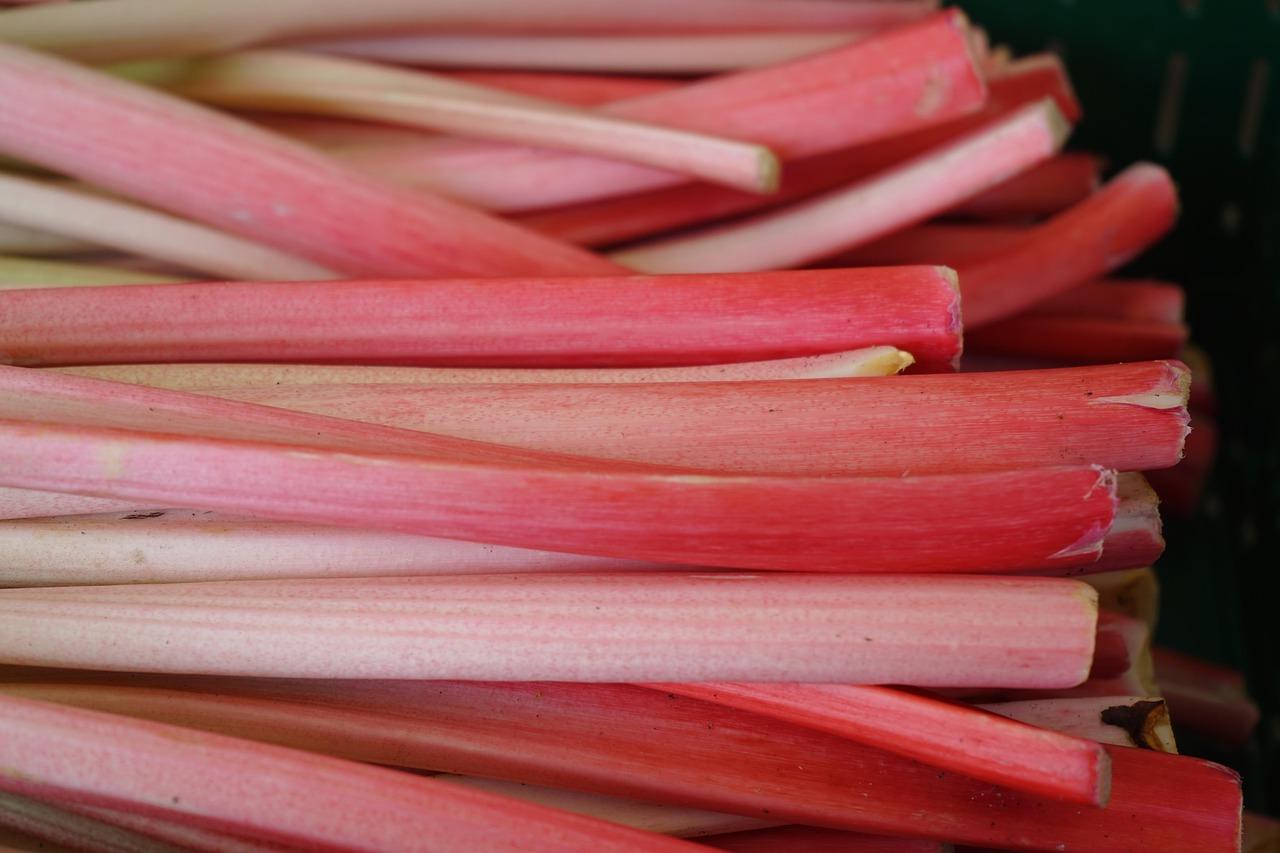
For a few weeks in spring, men walk down from the hills around Kabul and Paghman with bundles of rawash, wild mountain rhubarb, and sell the thick red-flecked stalks on the pavement, peeled to order and handed over with a twist of salt. It is a crunchy, juicy and mouth-puckeringly sour snack, a sign that winter is over, eaten while walking or at a picnic on the first warm Friday. Wild rhubarb is almost impossible to buy outside the region, so this home version uses young, slim forced or garden rhubarb stalks, which are close in sourness and crunch. Never eat any of the leaf: rhubarb leaves are poisonous, so cut them off and throw them away, and enjoy the stalks in modest amounts, as they are high in oxalic acid. Chef's tip: chill the stalks in iced water for 10 minutes first; the cold makes them snap and softens their sharp edge.

by KrazyBadal 0 views

Abrisham kebab

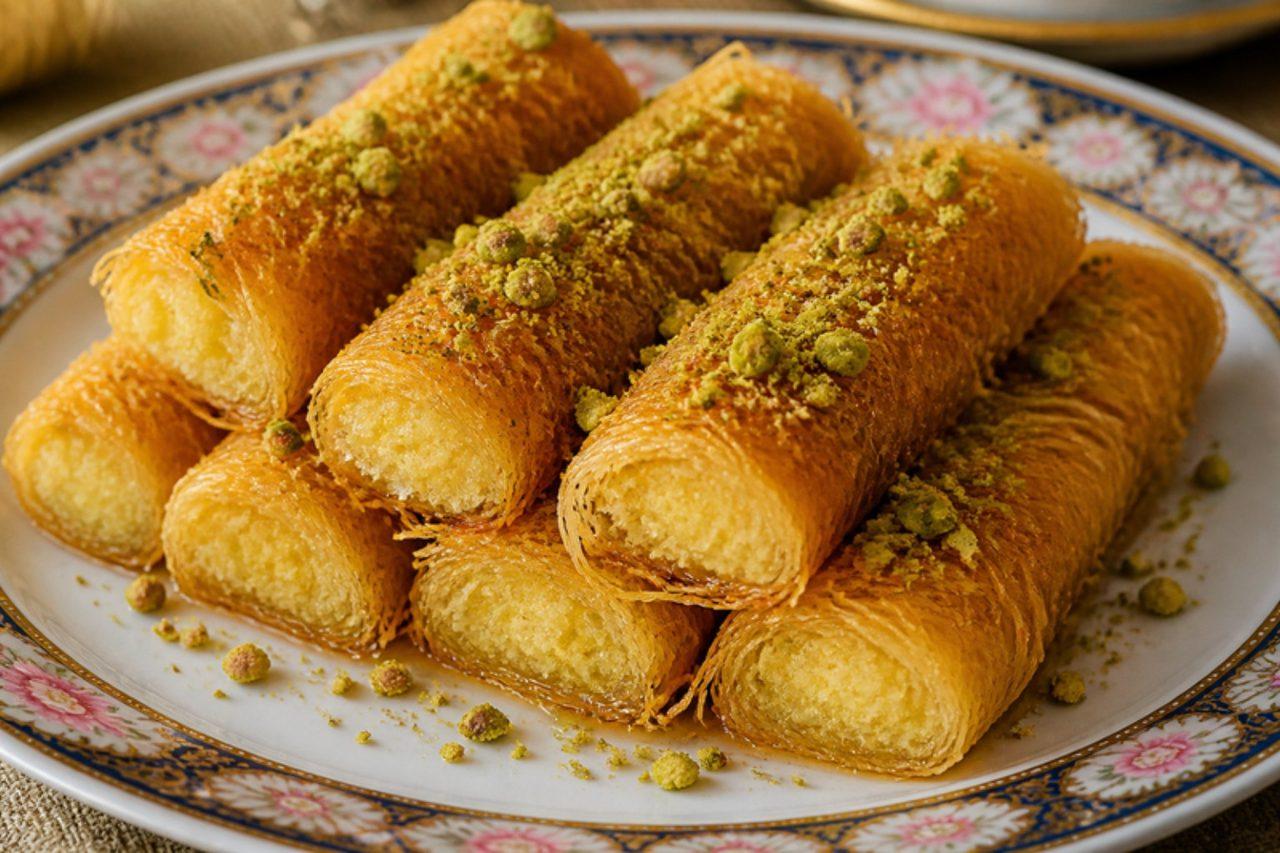
Despite the name there is no meat in abrisham kebab, the silk kebab: it is a show-off Kabul sweet made from nothing more than beaten egg drizzled in fine threads over hot oil until it sets into a lacy golden net, which is rolled up like a kebab on a skewer, dipped in syrup and dusted with ground pistachios. It is made for weddings, engagements and Eid, and the skill is in the wrist, so many families leave it to one aunt who has the knack. The texture is unusual and delightful, soft and springy, slightly chewy and soaked with cardamom-scented syrup. Pouring the egg too thickly gives you an omelette rather than silk; let it fall from your fingers in thin streams and keep moving. Chef's tip: strain the eggs first, as removing the stringy white makes the threads much finer and more even.

by KrazyBadal 0 views

Showing 24 of 328 recipes

Show more recipes

Page 1 of 14