Skip to content
Recipes

All recipes

Vegetarian, or something you can't eat? Set your diet once and we'll hide recipes that don't fit.

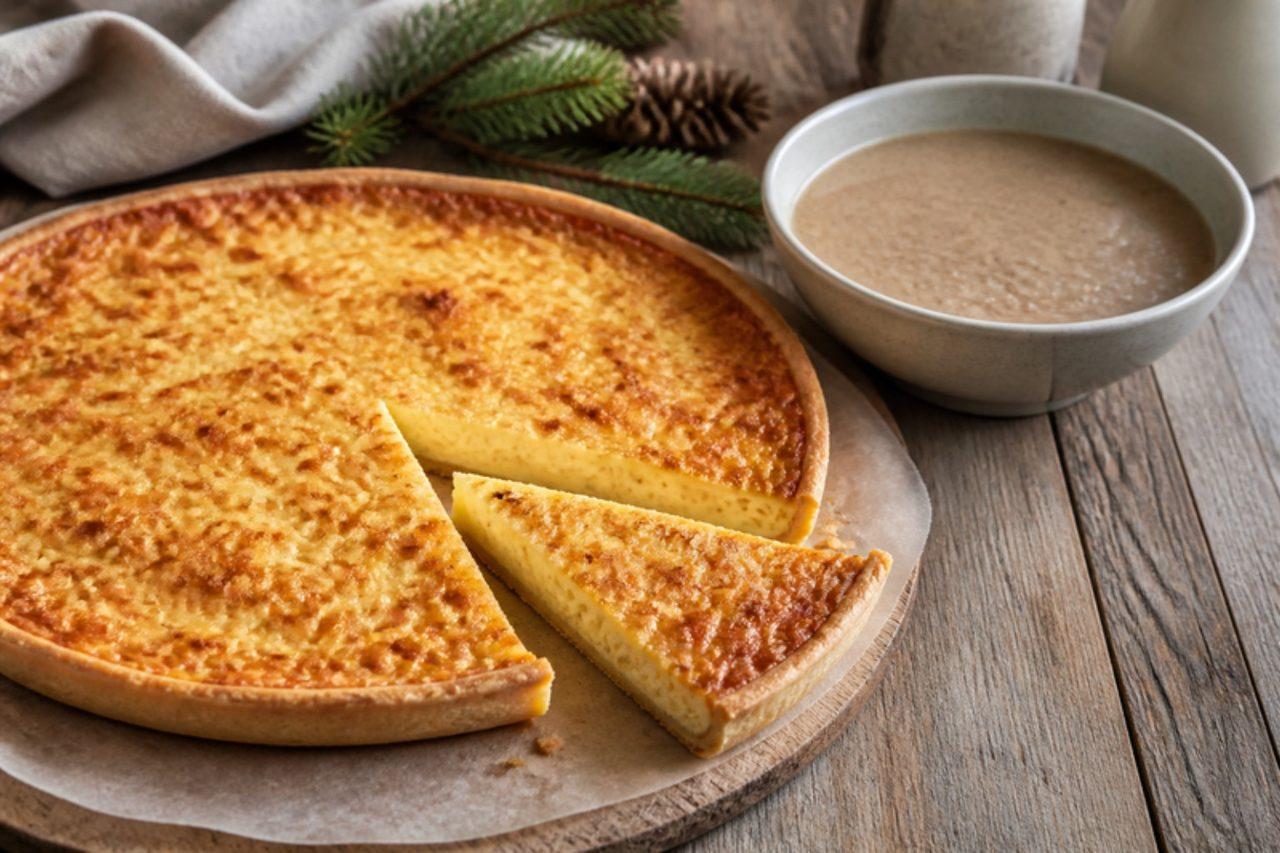
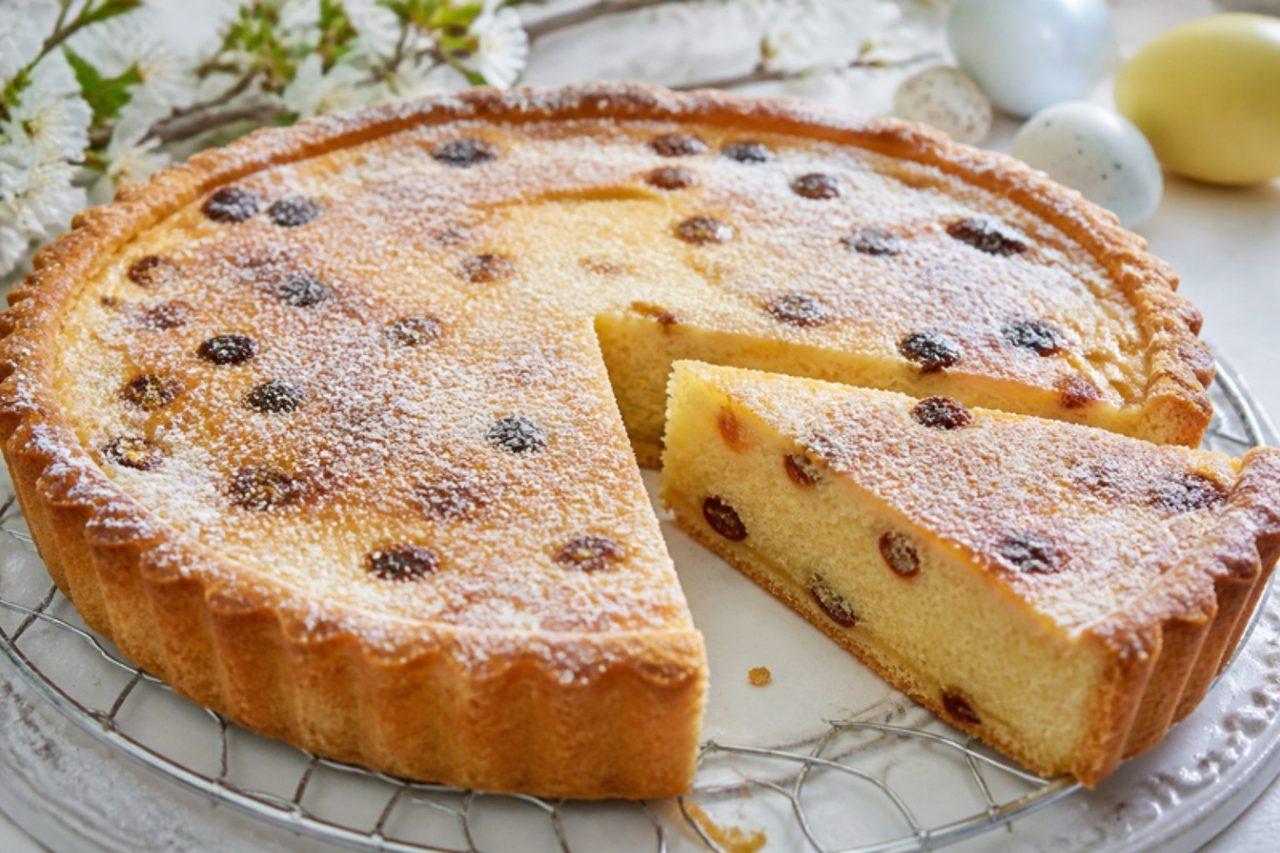
OsterfladenSemolina and almond Easter tart

Osterfladen is the Easter tart of Basel and northern Switzerland, baked on Holy Saturday and eaten on Easter Sunday. A shortcrust case holds a creamy filling of semolina (or rice) cooked in milk, folded with ground almonds, raisins, lemon zest and whipped egg white, which bakes into a light, sliceable custard under a dusting of icing sugar. Some bakers soak the raisins in kirsch; here they are soaked in warm water, so it is alcohol-free. Chef's tip: fold the egg whites in gently and last, as they are what makes the filling light.

by KrazyBadal 0 views

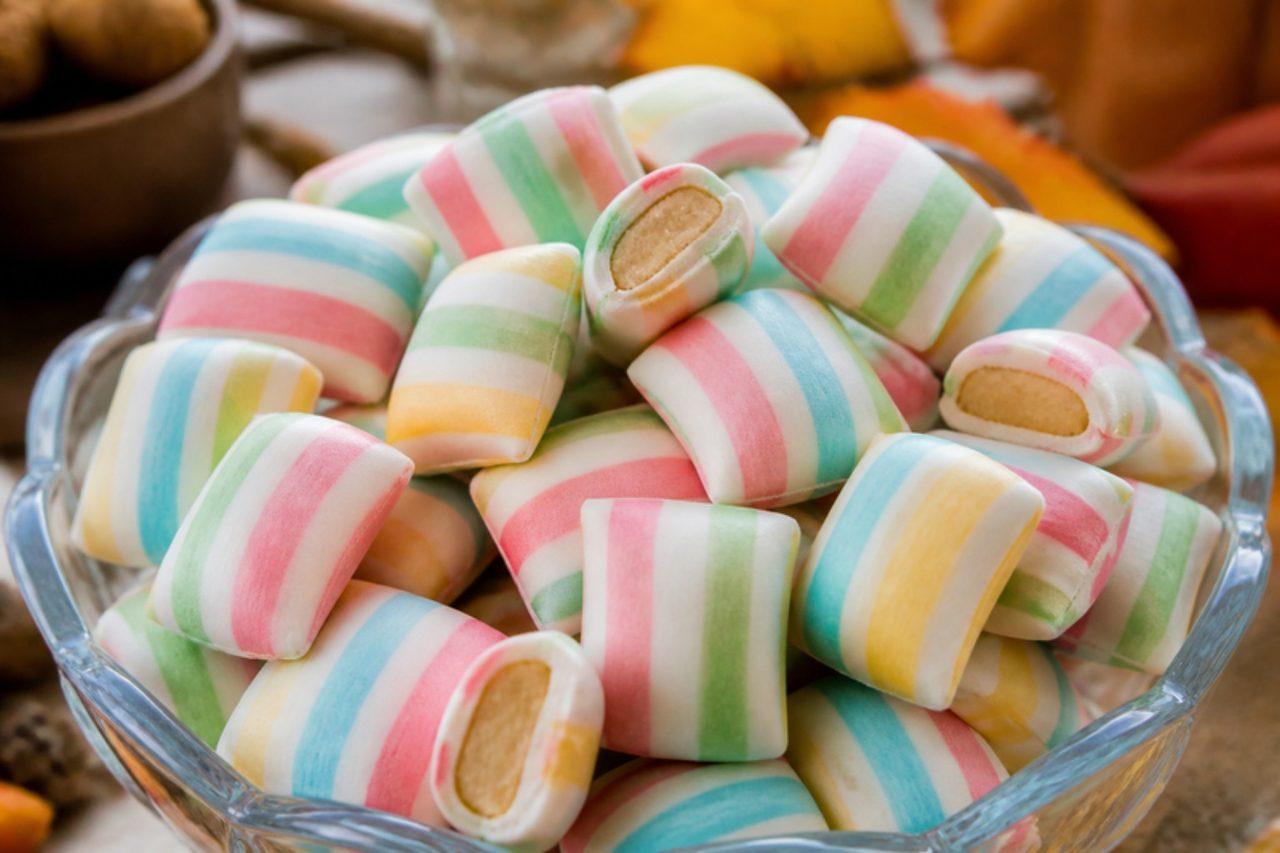
MässmoggeHazelnut-filled striped sweets

Every autumn the Basler Herbstmesse, Switzerland's oldest fair, fills the old town with rides and stalls, and the smell of boiling sugar from the stands selling Mässmogge, glossy striped sweets in bright colours with a soft chocolate-hazelnut centre. They are made by pulling hot sugar until it turns satiny, wrapping it round a rope of filling and snipping it into little pillows. It takes practice and a sugar thermometer, and adults should do all the hot work; children can help once the sweets are cool. Chef's tip: work on an oiled silicone mat near a low oven, so the sugar stays pliable for longer.

by KrazyBadal 0 views

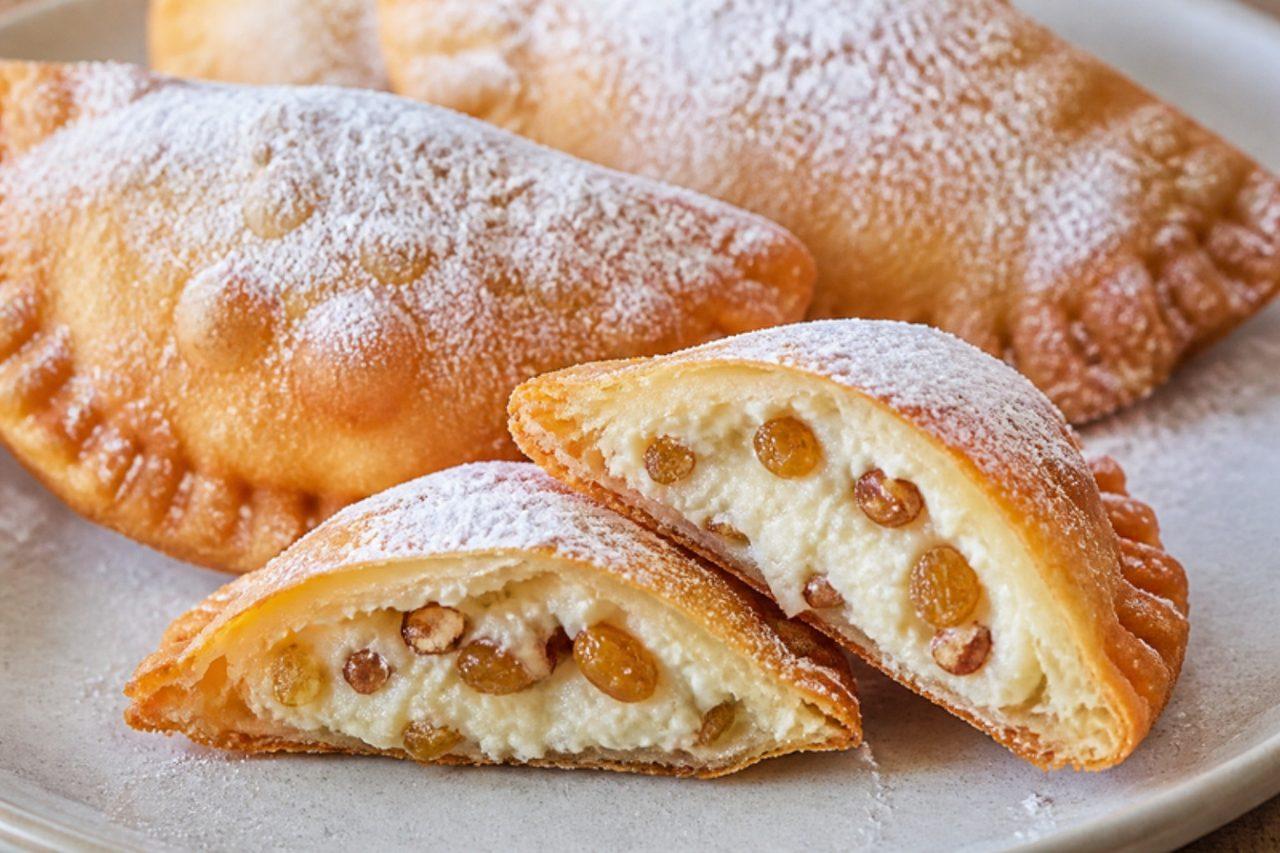
ZigerkrapfenSweet cheese and nut pastries

In the Glarus valleys, Fasnacht means Zigerkrapfen: half-moon pastry pockets filled with sweetened Ziger, a soft fresh whey cheese, mixed with ground hazelnuts, raisins, cinnamon and pear, then fried or baked. Ziger itself is set with acid rather than rennet, but if you use ricotta check the label, and choose one marked vegetarian if needed. The common mistake is a wet filling, which bursts the seams; drain the cheese well. Chef's tip: brush the edges with egg white before folding and press with a fork, so they stay sealed in the hot oil.

by KrazyBadal 0 views

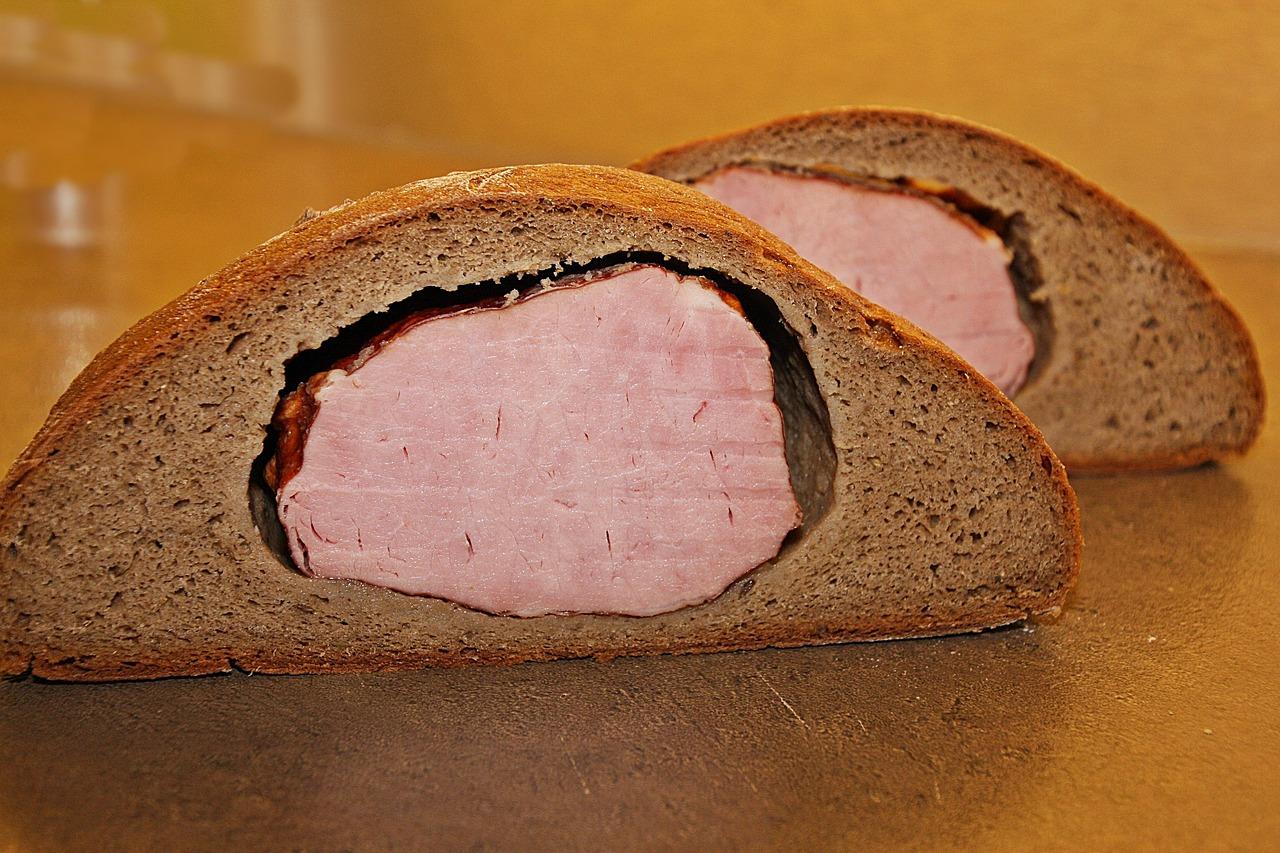
Schinkli im BrotteigHam baked in bread crust

Schinkli im Brotteig, a small smoked pork ham baked inside a bread crust, is a much-loved Christmas Eve dish in German-speaking Switzerland because it can be prepared ahead and goes into the oven while the family opens presents. The dough seals in the ham's juices and soaks them up as it bakes, and the ham is sliced with the crust and served with potato salad, mustard and pickles. Buy a ready-cooked smoked ham (Schüfeli or Schinkli) of about 1 kg. Chef's tip: dry the ham well before wrapping it, or the dough turns soggy inside.

120 minSwissMeat
by KrazyBadal 0 views

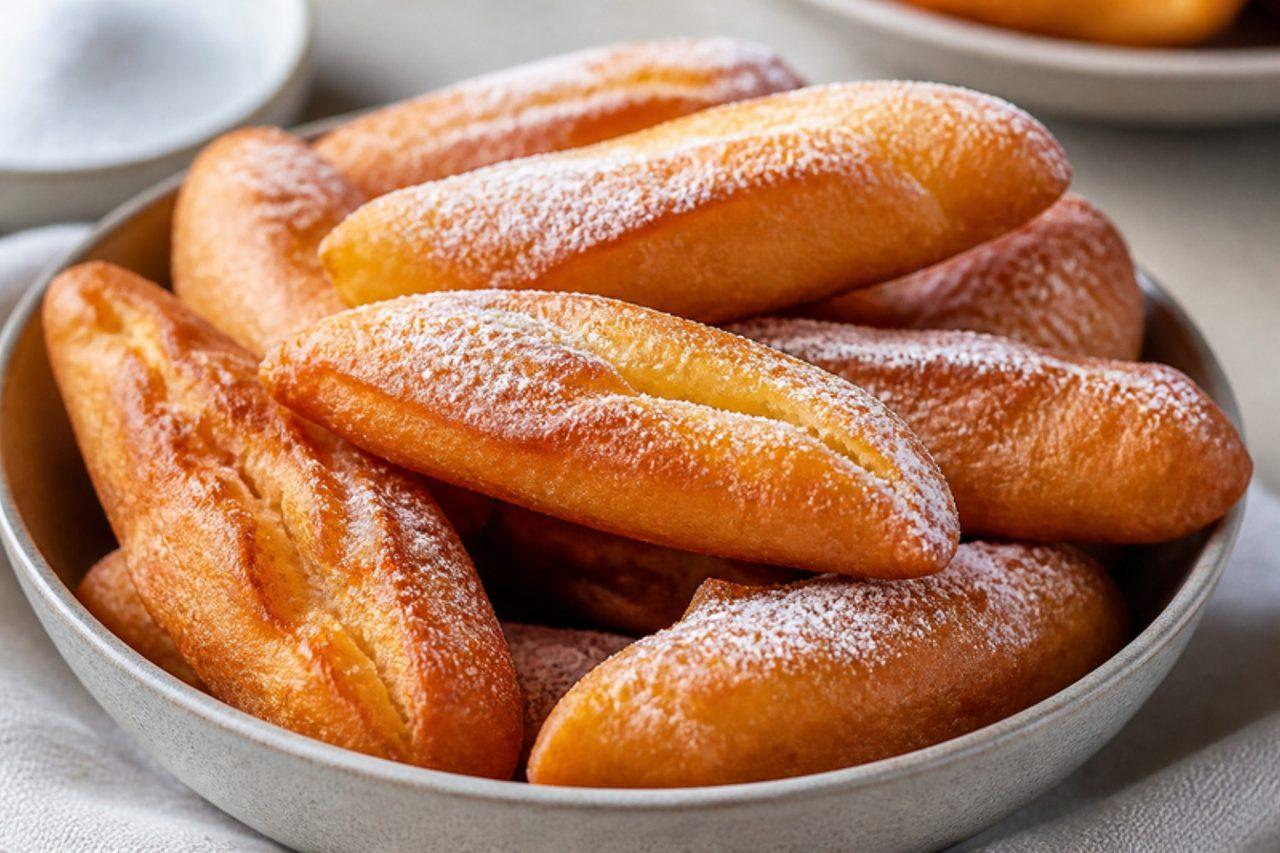
Fasnachts-SchenkeliFried lemon dough fingers

Schenkeli ('little thighs') are fried for Fasnacht, the Carnival weeks that lead up to Lent in Switzerland, when bakeries in Basel, Lucerne and Zurich sell them by the bagful beside Fasnachtschüechli. The dough is rich with butter, eggs and lemon zest, rolled into finger-length logs and fried until they have a crisp, cracked golden shell and a soft, cakey middle. Some recipes add a splash of kirsch to the dough; this one doesn't. Chef's tip: fry them at a moderate temperature, as they need time to cook through and the signature cracks form only if they aren't browned too fast.

by KrazyBadal 0 views

Kulche khetayeeCardamom pistachio shortbread

When guests come to an Afghan home over Nowruz or the days of Eid, they are poured green tea and offered a plate of kulche khetayee, crumbly round shortbreads that dissolve on the tongue. In Kabul the dough is made with clarified butter or oil, icing sugar and cardamom, and each biscuit is topped with a pinch of ground pistachio before baking very gently so they stay pale. The common mistake is baking too hot: the biscuits should be cream-coloured, not golden, or they lose their melting texture. Chef's tip: let them cool fully on the tray, because they are too fragile to move while warm.

by KrazyBadal 0 views

KäsewäheCheese tart

At four in the morning on Basel's Morgestraich, when the lanterns go out and Fasnacht begins, the restaurants fill with drummers and pipers eating Mehlsuppe and slices of hot Käsewähe. The tart is a thin buttery pastry base filled with grated Gruyère or Emmentaler set in a nutmeg-scented custard of egg and milk, baked until puffed and golden. Traditional Swiss hard cheeses are made with animal rennet; use a vegetarian Alpine-style hard cheese if you need to. The common mistake is a soggy base, so bake the pastry blind first. Chef's tip: toss the grated cheese with a spoon of flour, which stops it sinking into a rubbery layer.

by KrazyBadal 0 views

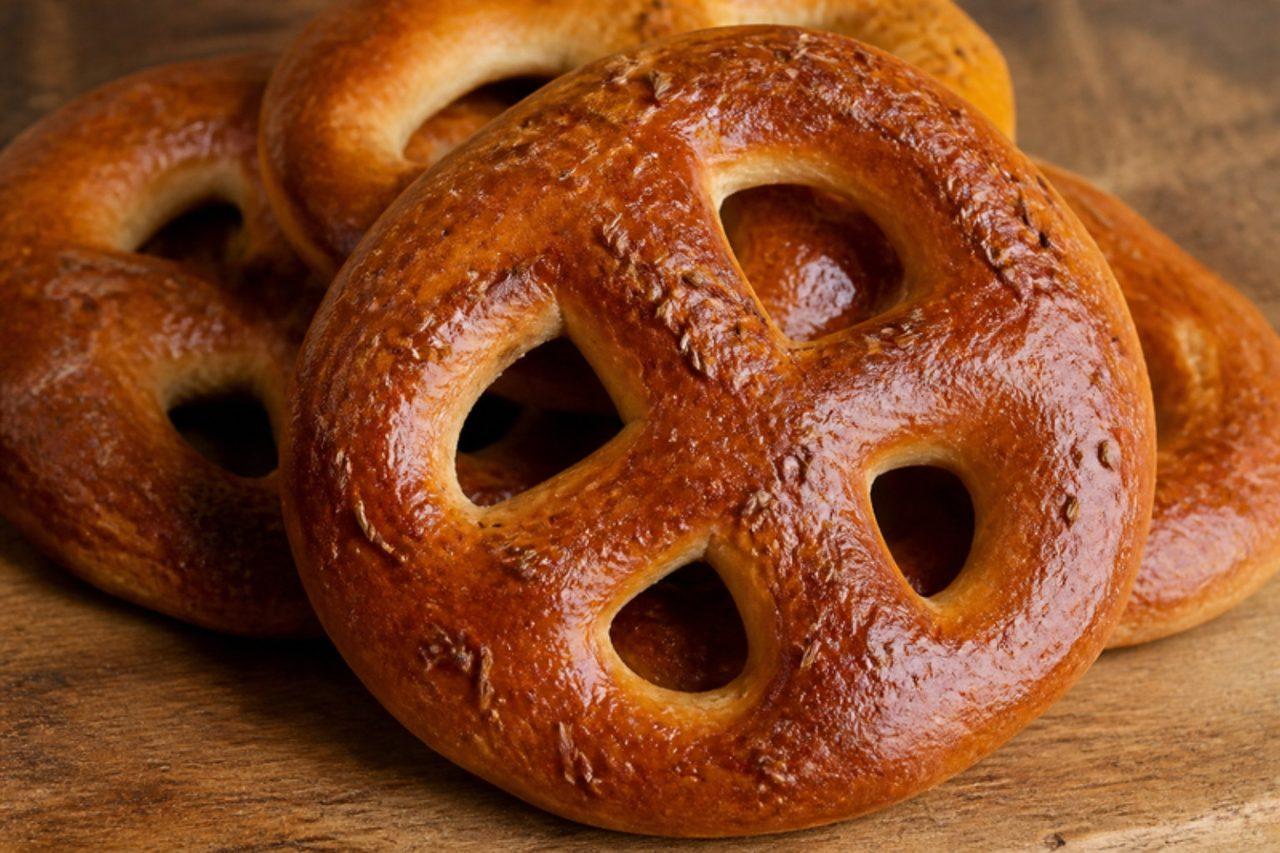
FastenwäheCaraway pretzel bread

Basel bakeries sell Fastenwähe only from the start of the new year until Easter, and through Fasnacht people buy them warm by the bagful. The flat, chewy yeast bread is shaped like a squashed pretzel with four slits, glazed with egg and scattered with caraway seeds, and is eaten plain or with cheese and Mehlsuppe. The common mistake is cutting the slits too short, so they close up as the dough rises. Chef's tip: a little lard or butter in the dough gives the soft bite of the bakery ones.

by KrazyBadal 0 views

Pajagua mascadaBeef and cassava patties

Pajagua mascada is a Paraguayan street-food classic that appears on every table for the San Juan festival on 24 June, when bonfires burn and the night is full of games and traditional food. Minced beef is mixed with mashed cassava, onion, garlic and a little egg and flour, shaped into flat patties and fried until crisp. The name comes from Guaraní and refers to the 'chewing' of old Paraguayan cooks, who made it from leftover meat. Chef's tip: dry the boiled cassava well and remove its woody core, which keeps the patties light and crunchy.

by KrazyBadal 0 views

KaguyjyWhite corn pudding

On the night of 23–24 June, Paraguayans celebrate San Juan with bonfires, games like walking over hot coals and the 'paso de fuego', and a table of traditional foods, and kaguyjy (also mazamorra) is one of them. It is a soft, creamy pudding of cracked white corn (locro) simmered slowly in water and then milk with sugar or honey, sometimes with orange peel. It is eaten warm or cold. It is gluten free. Chef's tip: soak the corn overnight and cook it until each kernel is tender before adding the milk, or it never turns creamy.

by KrazyBadal 0 views

Chipa so'oCheese bread with spiced beef

In Paraguay, families bake chipa in the clay tatakua ovens on Holy Wednesday so there is food for Thursday and Good Friday, when cooking stops. Chipa so'o ('chipa with meat') is a cassava-starch and cheese bread wrapped around a little filling of minced beef cooked with onion and egg, then baked until crisp outside and chewy within. It is naturally gluten free. Chef's tip: knead the dough until it no longer cracks at the edges when pressed; dry dough splits around the filling.

by KrazyBadal 0 views

Sopa teólogaTurkey broth with bread and cheese

Sopa teóloga ('the theologian's soup') goes back to colonial convents in Lima and Arequipa, where it was cooked for feast days, and it is still served at Holy Week and family celebrations. A rich turkey (or chicken) broth is thickened with soaked bread, milk and fresh cheese, with yellow potatoes and shreds of turkey, and finished with a little ají amarillo and chopped huacatay or parsley. It is thick, comforting and filling. Chef's tip: blend part of the soaked bread with broth before adding it, which gives the soup its creamy body without lumps.

by KrazyBadal 0 views

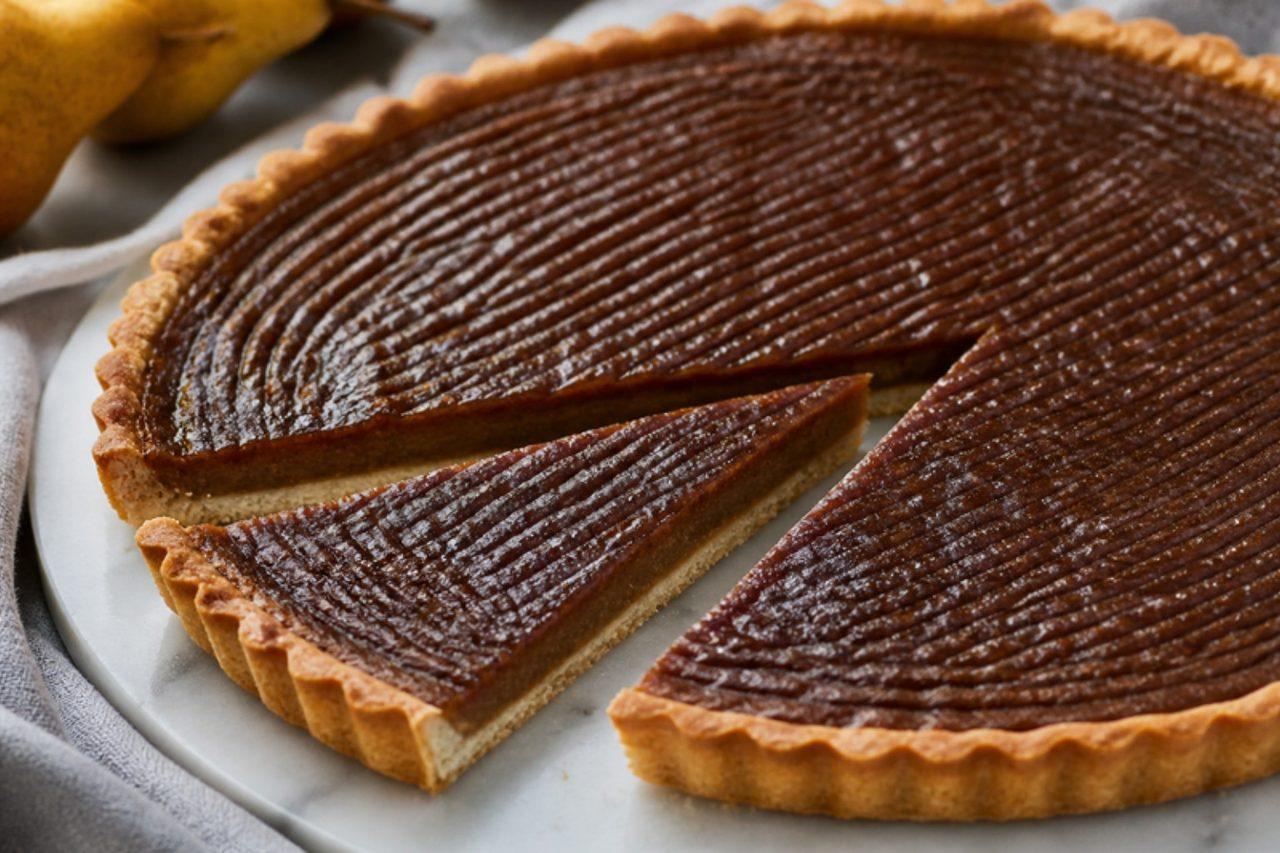
SchlorzifladenDried pear tart

Schlorzifladen comes from the Toggenburg valley in the canton of St Gallen in eastern Switzerland, where dried pears (schlorzi) were a winter staple. The thin, crisp tart is filled with a thick, dark purée of cooked dried pears spiced with cinnamon, and baked for Christmas and village feast days. Some versions have a rice or cream layer on top; this is the simple pear one. Pear brandy is sometimes added, but this version uses lemon juice instead and is alcohol-free. Chef's tip: cook the pear purée until it is stiff enough to hold a spoon upright, or it soaks the pastry.

120 minSwissBaking
by KrazyBadal 0 views

ParihuelaSpicy seafood soup

Parihuela is the big weekend seafood soup of Callao and the Peruvian coast, eaten at long Sunday lunches in cevicherías and praised as a cure for tiredness and late nights. A deep red broth of ají panca, ají amarillo, tomato and fish stock is loaded with chunks of fish, prawns, squid and mussels. A portion gives about 30 g of protein, from the fish and shellfish, for roughly 300 kcal. Some cooks add chicha de jora or beer; this version has none. The common mistake is adding all the seafood at once: squid and prawns turn rubbery while the fish cooks, so they go in last. Before cooking, discard any mussels that stay open when tapped, and after cooking discard any that stay shut. Chef's tip: fry the chilli pastes in the oil until they darken and smell sweet; that toasted ají is what gives parihuela its depth.

by KrazyBadal 0 views

Chilcano de pescadoClear fish broth

In the fishermen's terminals of Chorrillos and Callao, chilcano is what you drink on a Sunday morning after a long night: a clear, gingery broth made from the heads and bones left over from cleaning fish for ceviche, with chunks of fish, red onion, chilli and a squeeze of lime in the bowl. It is light and warming, around 160 kcal a bowl, and still gives about 24 g of protein from the fish fillet and the broth. The common mistake is squeezing the lime into the pot while it boils, which turns it bitter; add it to each bowl at the table. Don't boil the bones for more than 30 minutes either, or the broth turns cloudy and harsh. Chef's tip: ask the fishmonger for heads and frames from mild white fish like sea bass or cod, and leave out oily fish such as mackerel, which makes the broth strong and fishy.

by KrazyBadal 0 views

Aguadito de polloCoriander chicken rice soup

Aguadito is the soup Lima serves in the small hours: at the end of a wedding, after New Year's Eve and at weekend family lunches, it is ladled out thick and steaming to revive everyone. Rice simmers in chicken broth coloured deep green with blended coriander and warmed with yellow ají amarillo, along with peas, carrot, pepper, sweetcorn and potato. A portion gives about 24 g of protein, from the chicken with a little from the rice and peas, for around 480 kcal. The common mistake is adding the coriander purée too early: cooked for long it turns khaki and loses its fresh taste, so stir it in for the last 10 minutes. The chicken must reach 74 °C at the bone. Chef's tip: blend a handful of spinach with the coriander; it keeps the colour vivid green without changing the flavour.

by KrazyBadal 0 views

Chicharrón de pescadoCrisp fried fish chunks

Up and down the Peruvian coast, from Chorrillos in Lima to the beaches of Piura, chicharrón de pescado is the crunchy plate ordered alongside ceviche at a long seafood lunch: bite-size chunks of firm white fish marinated briefly in garlic and lime, dusted in flour and fried, then served with fried cassava, salsa criolla and tartar or rocoto sauce. Using frozen peeled cassava keeps it to half an hour. The common mistake is leaving the fish in the lime too long: after about ten minutes the acid starts to 'cook' the outside and the coating slips off. Chef's tip: toss the floured pieces in a sieve to shake off every bit of loose flour; a thin coat fries crisp, a thick one turns pasty.

by KrazyBadal 0 views

Tallarines rojosSpaghetti in red sauce with chicken

Tallarines rojos is the Sunday-lunch and weeknight pasta of homes all over Peru, from Lima to Arequipa: spaghetti in a sweet, deep-red sauce of blended tomato, onion and garlic with a little ají panca and oregano, often with pieces of chicken cooked right in it. Children love it, and it is served with a sprinkle of grated cheese and sometimes a spoon of huancaína on the side. The usual mistake is cooking the sauce too briefly, so it tastes of raw onion; let the blended tomato fry until it darkens and the oil shows at the edges. Chef's tip: a bay leaf and a spoon of ají panca paste give the sauce its Peruvian character; paprika will do if you can't find the paste.

by KrazyBadal 0 views

Pejerrey arrebozadoBattered fish fillets with onion salsa

Pejerrey arrebozado is a Lima classic from the cevicherías and home kitchens of the coast, eaten at lunch on a plate with white rice, a heap of sharp salsa criolla and sometimes boiled potato. The pejerrey, a small silverside, is opened into butterflied fillets, dipped in a light egg-and-flour batter and fried golden. Outside Peru, use small fillets of whiting, sole, haddock or tilapia. The batter here uses sparkling water, not beer, so it is alcohol free. The common mistake is frying in oil that isn't hot enough: the batter drinks the oil and turns greasy, so test with a drop of batter first. Chef's tip: make the salsa criolla first and let the onion sit in lime for ten minutes; it softens its bite and turns a pretty pink.

by KrazyBadal 0 views

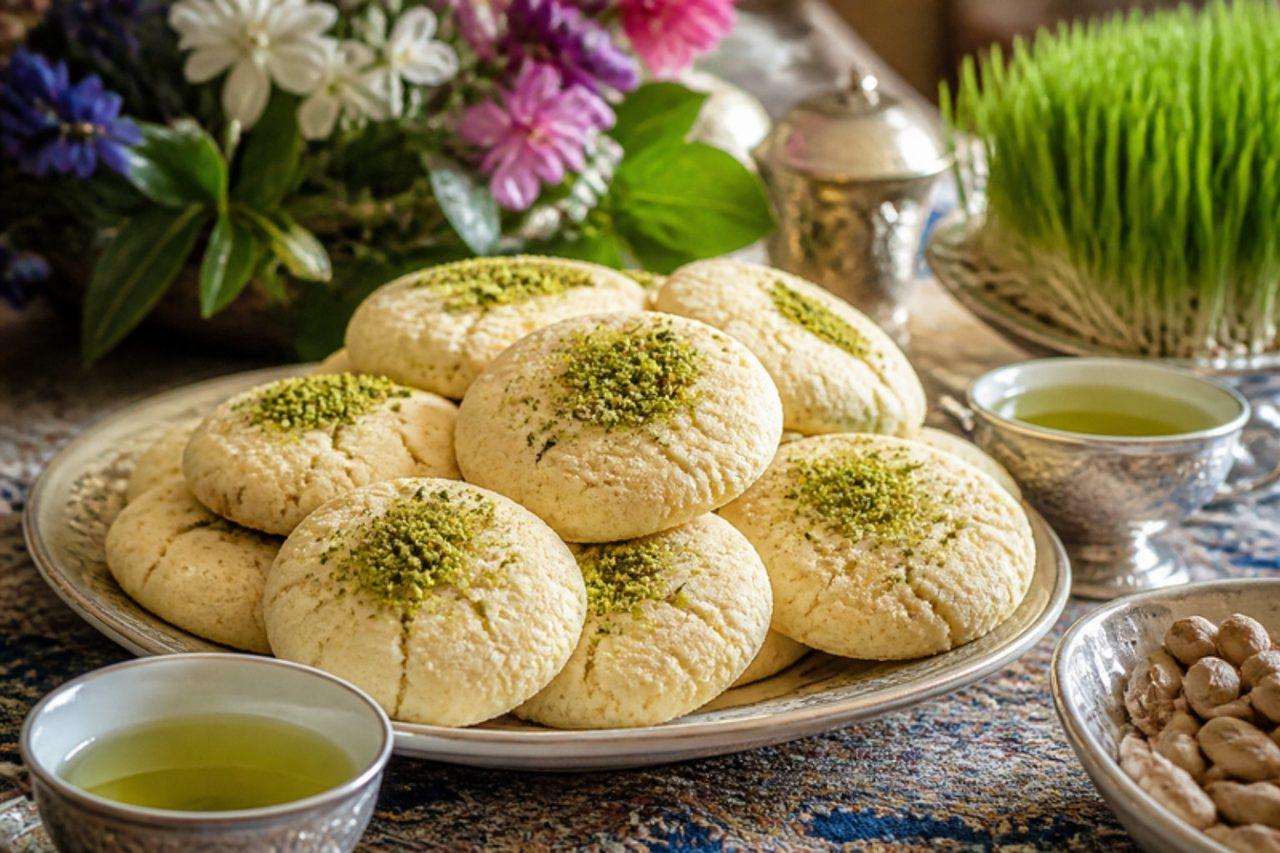
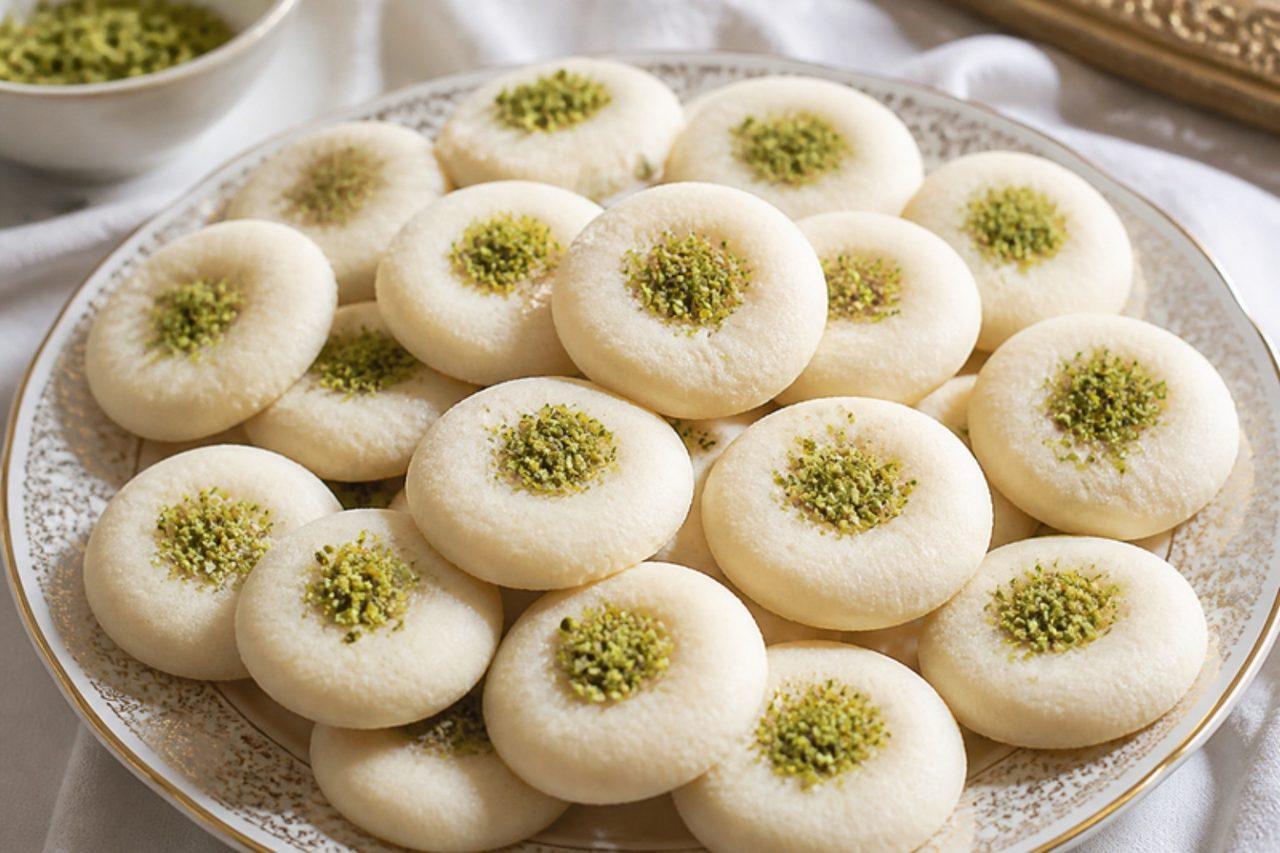
Kulche birinjiRice flour cardamom cookies

On the morning of Eid, or when Nowruz comes round in March, Afghan households set out a dish of kulche birinji next to the sugared almonds and dried fruit for every visitor. These small, snow-white rounds are made from rice flour, powdered sugar and ghee, scented with cardamom and sometimes rose water, and they dissolve on the tongue almost as soon as you bite. A pinch of ground pistachio pressed into the centre of each gives colour. Serve them with green tea, the way they are offered in Kabul. They are naturally gluten free and eggless. Browning is the common mistake: they should come out as pale as they went in, just firm on the base. Chef's tip: let the dough rest for 20 minutes after mixing so the rice flour drinks up the ghee; it becomes far easier to roll smooth, crack-free balls.

by KrazyBadal 0 views

Pan chutaAniseed round bread

The small town of Oropesa, half an hour from Cusco, calls itself Peru's bread capital, and its wood-fired bakeries are famous for chuta: big, flat, round loaves as wide as a dinner plate, glossy on top, with a faint sweetness and the warmth of aniseed. Travellers on the road to Puno and Bolivia stop to buy them by the bagful, and families bring them home for All Saints' Day and for sharing with hot coca tea or coffee, fresh cheese and butter. The bakeries traditionally use lard; this version uses vegetable shortening and butter, so it is vegetarian. The make-or-break moment is the proof: chuta is large and flat, and if it goes in under-risen it bakes dense and splits at the rim. Chef's tip: toast the aniseed for a minute in a dry pan and crush it lightly before adding, for a rounder, sweeter perfume.

by KrazyBadal 0 views

ChaplasHollow puffed Andean bread

Walk through Ayacucho's central market at seven in the morning and you will see women selling stacks of chaplas from cloth-lined baskets, still warm from the wood-fired ovens of the Andes. These round wheat breads puff up like pita in the fierce heat, leaving a hollow pocket inside a thin, soft, lightly floury crust. In Ayacucho and Huancavelica they are eaten with sweet coffee or hot emoliente for breakfast, or split and filled with queso fresco, avocado or a spoonful of rocoto sauce. Highland bakers traditionally work in a little lard; vegetable shortening gives the same tenderness and keeps the bread vegan. A cool baking tray is the reason chaplas stay flat, so preheat it thoroughly. Chef's tip: let the rolled rounds rest before baking and flip them upside down onto the tray, so the smooth, dry side meets the heat first and the pocket opens evenly.

by KrazyBadal 0 views

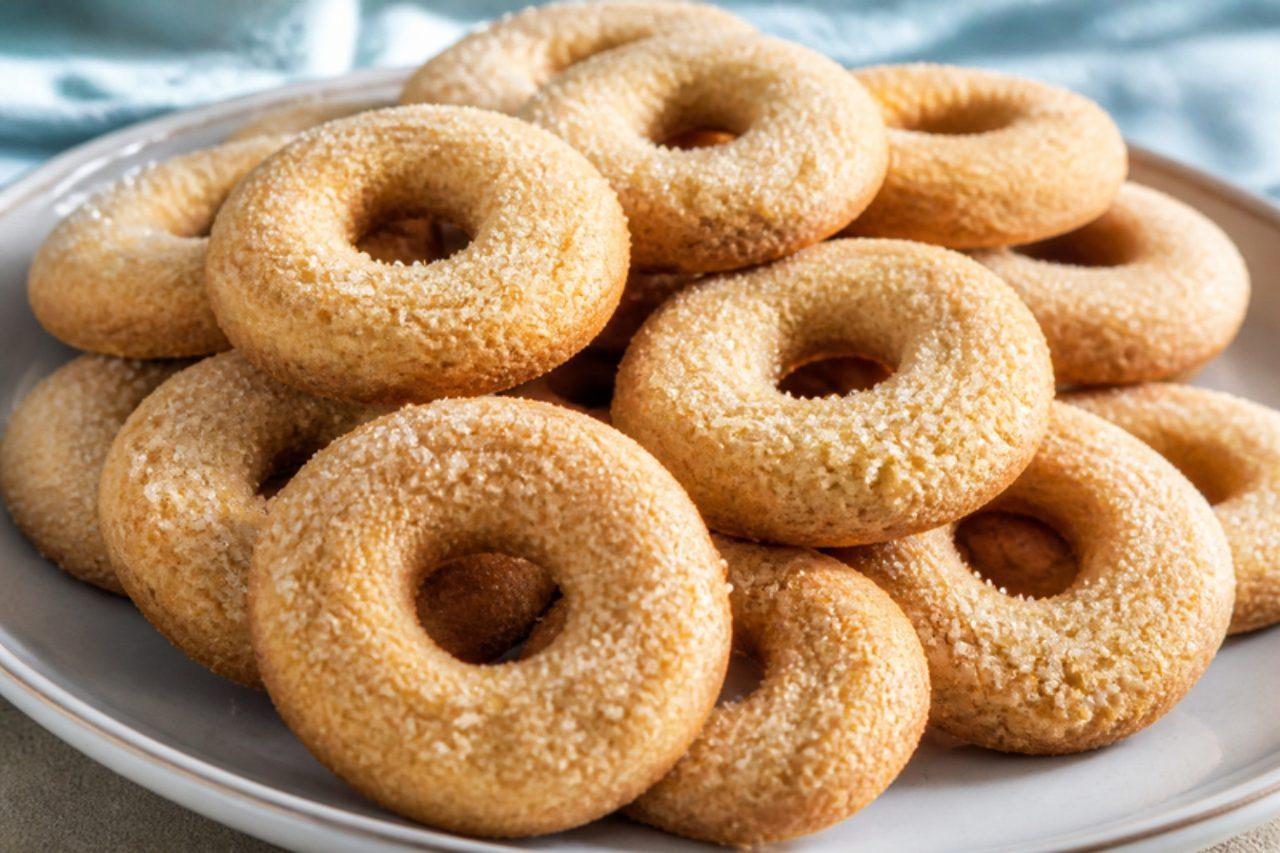
Willisauer RingliSugar ring biscuits

The little town of Willisau in the canton of Lucerne has been making these rock-hard sugar rings since the 1800s, and Swiss children have been nibbling them on hikes and car journeys ever since, sucking them slowly like sweets. They are made from little more than sugar, flour, egg and lemon, and dried before baking so they set with a smooth, pale, glassy crust. The bakery recipe is a well-kept secret; this home version gets the same snap. Chef's tip: don't skip the overnight drying, which forms the crust that gives Ringli their famous crunch.

by KrazyBadal 0 views

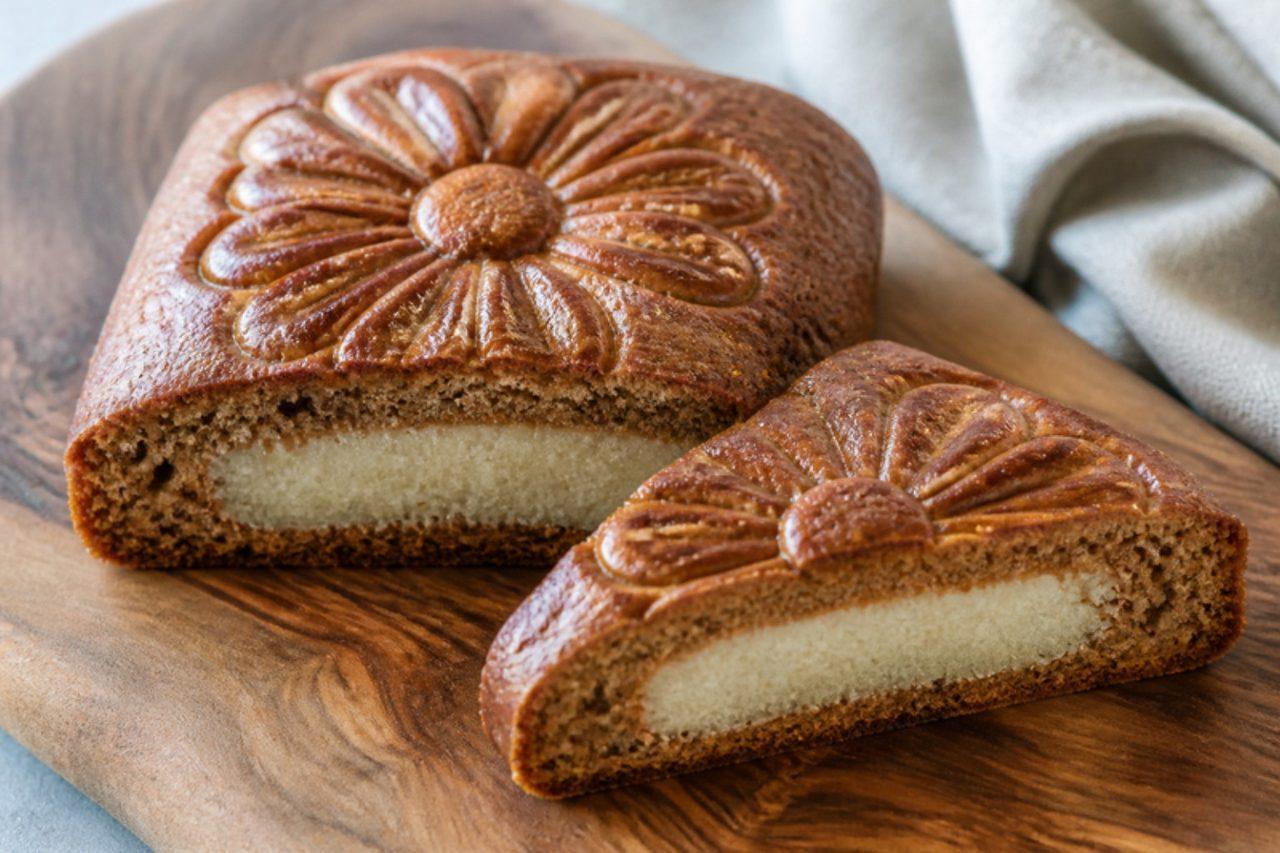
Appenzeller BiberAlmond-filled gingerbread

In the green hills of Appenzell, Biber are the sweet that marks Christmas, New Year and christenings, and bakers in Appenzell town stamp them with wooden moulds of cows, bears and the traditional alpine ascent. The dough is a dark, spicy honey gingerbread wrapped around a layer of almond paste, baked until it glows chestnut brown. They keep well and are sliced or eaten whole with coffee. Chef's tip: leave the dough to rest for at least a day if you can; honey doughs get smoother and spicier with time and crack less when stamped.

by KrazyBadal 0 views

Showing 24 of 290 recipes

Show more recipes

Page 1 of 13