Skip to content
Recipes

All recipes

Vegetarian, or something you can't eat? Set your diet once and we'll hide recipes that don't fit.

ErdäpfelstrudelSavoury potato strudel

Austrians, especially in the Mühlviertel of Upper Austria and the Waldviertel, make savoury strudels as often as sweet ones, and Erdäpfelstrudel is a farmhouse favourite for a meatless Friday or a cold evening. Thin pastry wraps a filling of potatoes, fried onion, sour cream, marjoram and parsley, baked until crisp and golden and sliced with a green salad or a dill and sour-cream dip. Bought filo makes it easy at home. The mistake to avoid is a wet filling, which turns the pastry soggy underneath. Chef's tip: cool the filling completely before rolling; warm filling makes the layers stick and tear.

by KrazyBadal 0 views

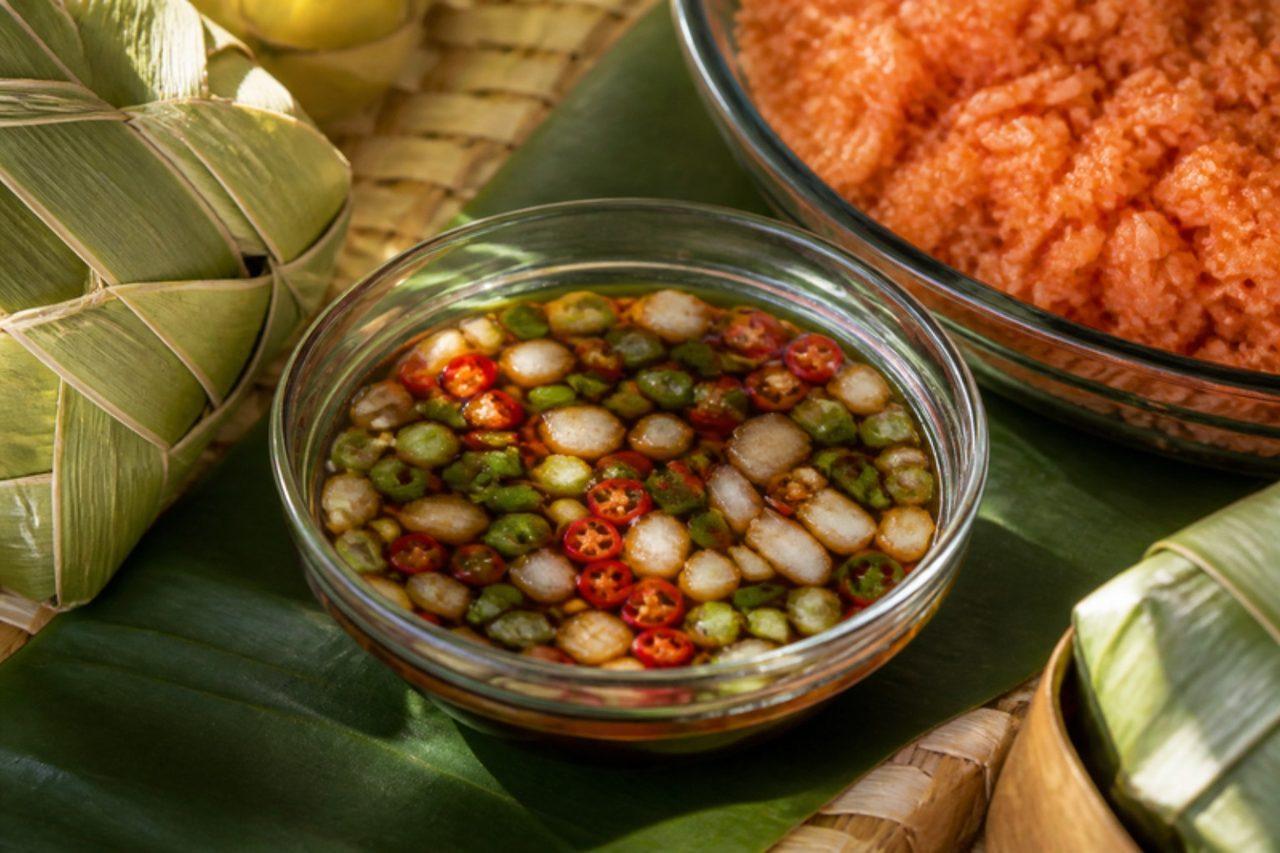
FinadeneSoy and lemon dipping sauce

Finadene is the sharp, salty, fiery sauce that every Chamorro family in Guam makes to spoon over grilled meat, fish, red rice and just about everything at a fiesta. Soy sauce is mixed with lemon juice or vinegar, chopped onion and the small, very hot local donne' peppers. There are many versions; this soy-lemon one is the most common. A common mistake is making it hours ahead; the onion is best still crunchy. Chef's tip: use Thai bird's-eye chillies if you can't find donne'.

by KrazyBadal 0 views

LampreadoCassava starch cheese fritters

Paraguayan grandmothers fry lampreado on Sunday evenings to eat with a mug of cocido, the toasted yerba mate drink: small pan-fried cakes of cassava starch, egg, milk and grated cheese with a little onion, crisp at the edges and stretchy inside. Some families also make it with leftover meat, but this version is all cheese. Queso Paraguay is set with animal rennet; a vegetarian Parmesan-style cheese plus mozzarella works well. The trap is a batter that is too thick, which gives heavy, gluey cakes. Chef's tip: the batter should drop slowly off a spoon like thick pancake batter; add milk a spoonful at a time until it does.

by KrazyBadal 0 views

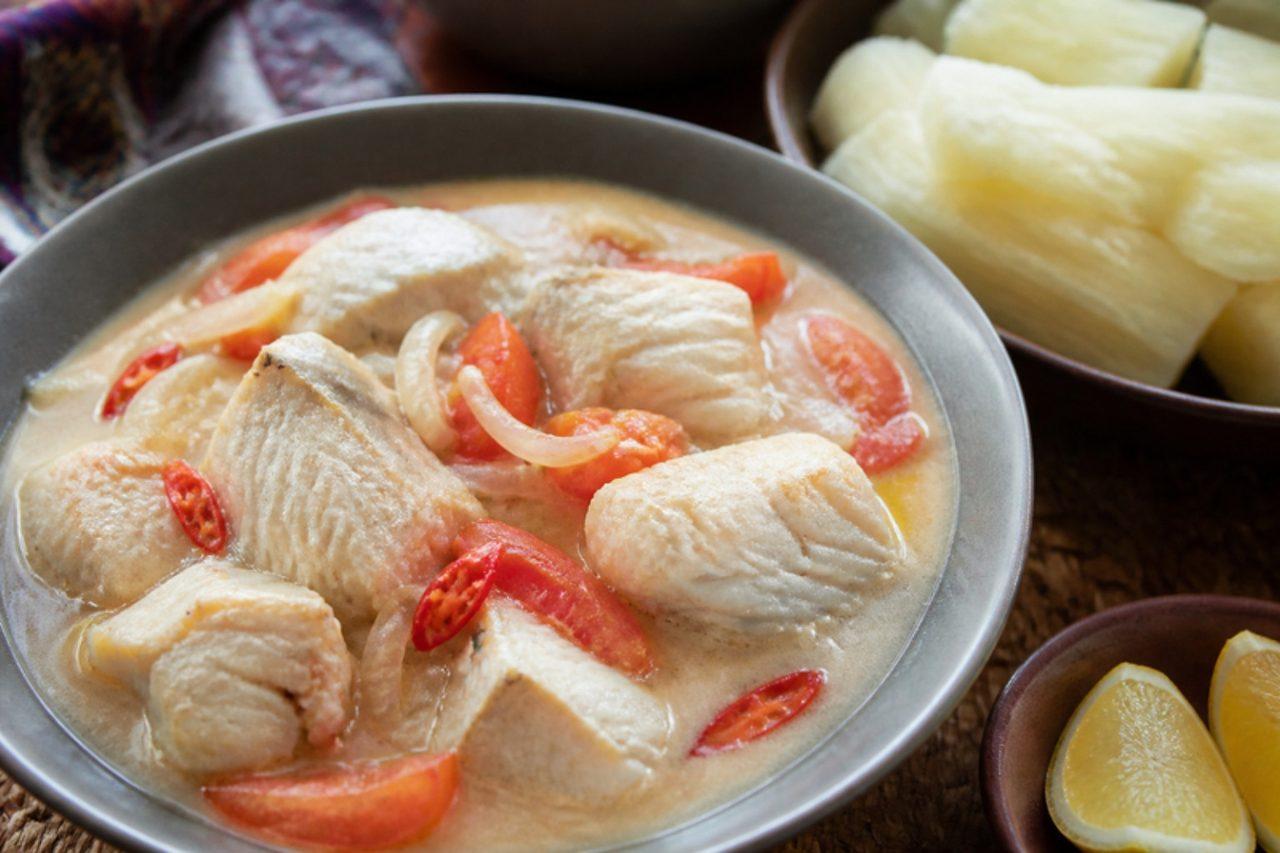
Fish in coconut milk

Ika vakalolo is the Sunday and everyday fish dish of iTaukei Fijian homes, from the fishing villages of the Coral Coast to the outer islands of Lau. Fresh reef fish is gently simmered in lolo, fresh coconut milk, with onion, tomato, chilli and a squeeze of lemon, then served with boiled cassava, taro or rice. It is mild, creamy and ready in half an hour. A common mistake is stirring once the fish is in, which breaks the fillets; just spoon the sauce over. Chef's tip: lemon goes in at the very end so the coconut milk doesn't split.

by KrazyBadal 0 views

Caldo de gallinaHen broth with noodles

In Lima's markets and the all-night caldo stalls of districts like La Victoria, a bowl of caldo de gallina is the dawn breakfast for market porters, taxi drivers and anyone coming home late: a deep, golden broth from a slow-simmered hen (a boiling fowl) with ginger and spring onion, ladled over thick noodles and yellow potato, with a boiled egg, lime and ají chilli on the side. The common mistake is boiling the broth hard, which clouds it and toughens the meat; keep it to a lazy simmer. The chicken must reach 74 °C, though after this long simmer it will be well past that. Chef's tip: cook the noodles separately, then put them in the bowls; cooked in the pot they drink the broth and turn it starchy.

by KrazyBadal 0 views

Bunelos agaBanana fritters

Bunelos aga are the banana fritters of Guam, sold at fiesta food tables and church fundraisers in Hagåtña and made at home whenever the bananas over-ripen. Mashed sweet bananas are mixed into a soft batter, fried in spoonfuls and rolled in sugar, so they're crisp outside and custardy within. A common mistake is frying at too low a temperature, which makes them greasy. Chef's tip: use the small, sweet local bananas or the ripest regular ones you can find.

by KrazyBadal 0 views

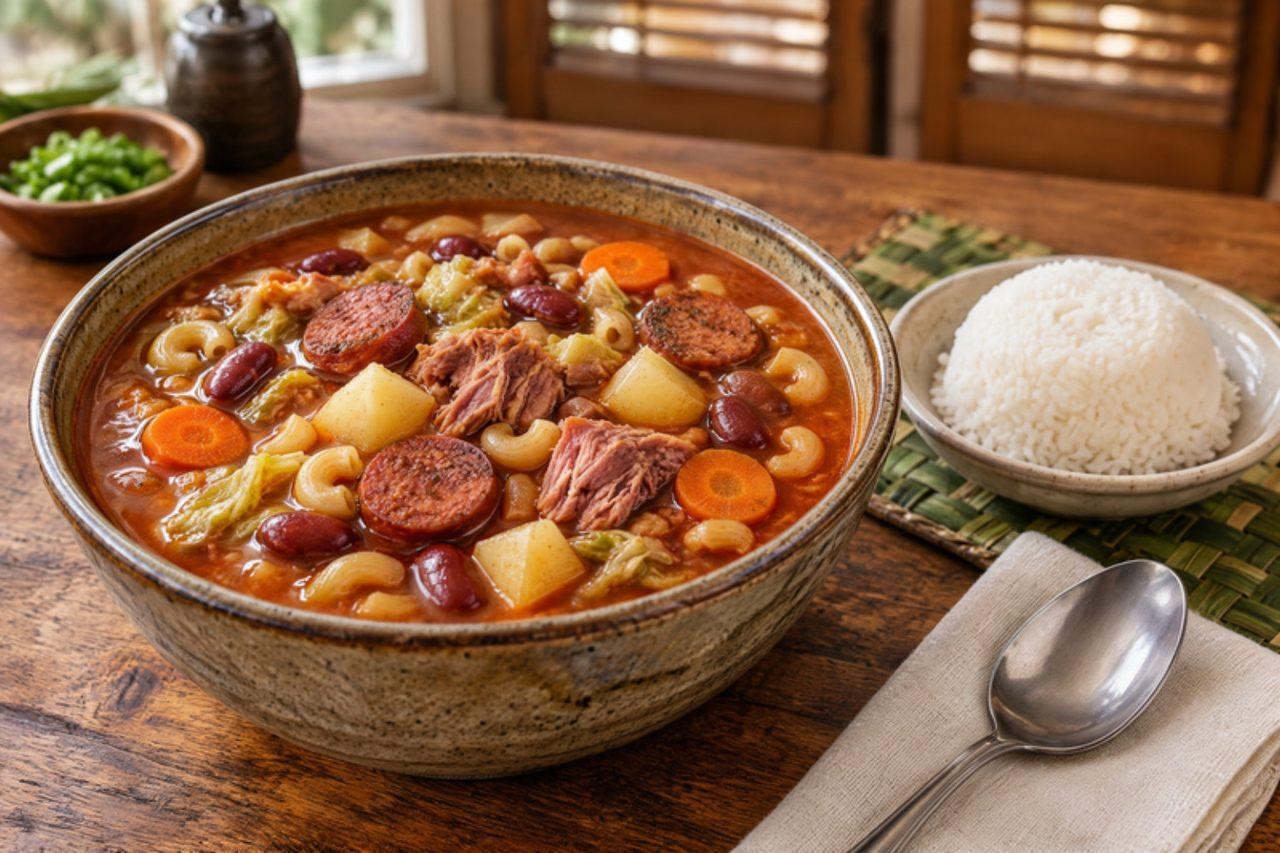
Portuguese bean soup

Portuguese bean soup came to Hawai'i with Madeiran and Azorean plantation workers in the late 1800s and is now an island staple, ladled out at church fundraisers, school lunch counters and Honolulu diners, especially when the trade winds turn cool. Kidney beans, a smoked pork ham hock and spicy Portuguese pork sausage (linguiça) simmer with potato, carrot, cabbage and tomato into a thick, smoky soup. Dried kidney beans must be soaked and then boiled hard for 10 minutes before the long simmer; never put them raw into a slow cooker. The usual mistake is adding the cabbage too early, so it turns grey; it goes in for the last 15 minutes. Slow-cooker option: after the hard boil, cook everything except the cabbage on low for 8 hours. Chef's tip: the soup thickens overnight, so make it a day ahead and loosen with a little water.

by KrazyBadal 0 views

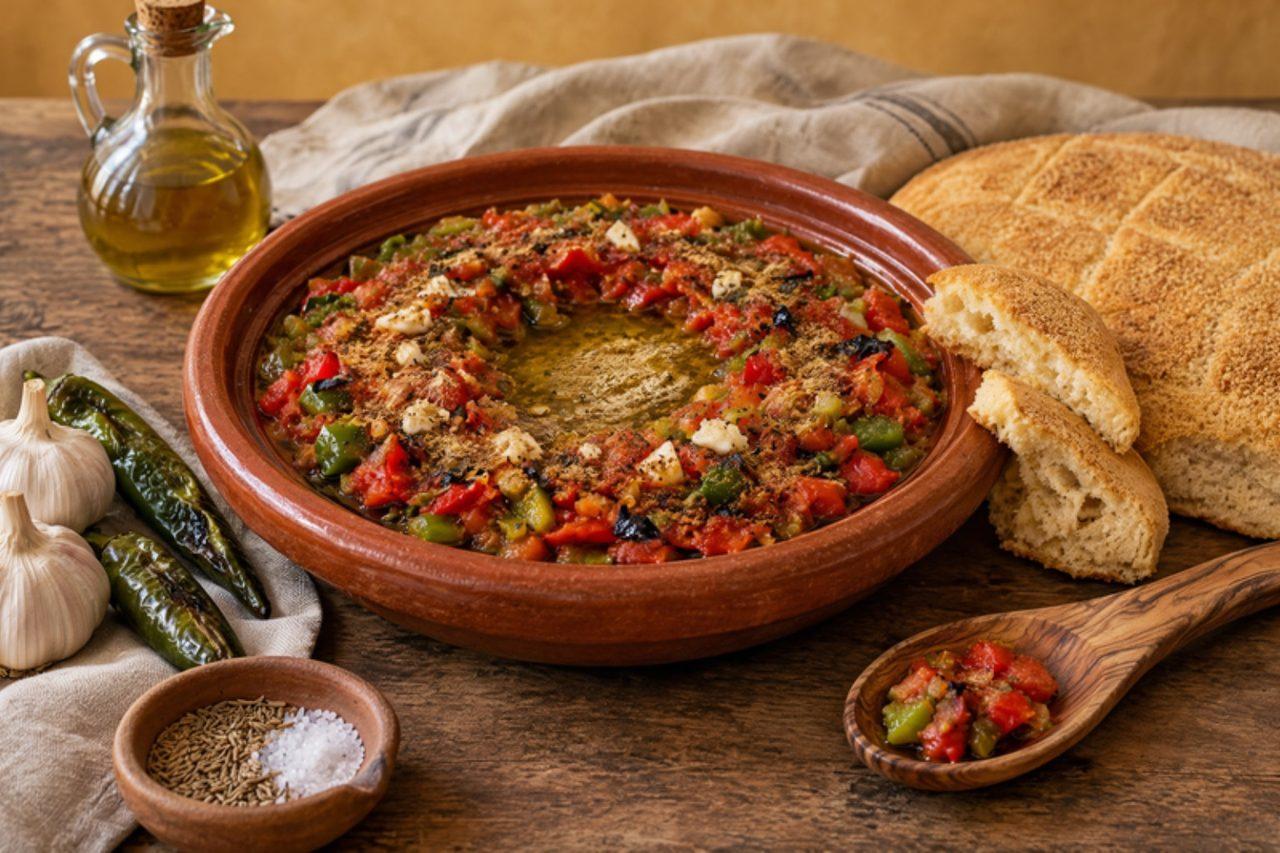
HmissGrilled pepper and tomato salad

Hmiss is an everyday cooked salad from Algiers, Oran and Constantine, made in summer when peppers are cheap, and it is set out with bread at the start of Ramadan iftars and family lunches. Green and red peppers and tomatoes are grilled until charred, peeled, chopped and then cooked briefly with garlic, cumin and plenty of olive oil, so it is smoky, soft and gently spicy. Serve it with bread, beside eggs, or with grilled fish. Suitable as part of a balanced diet. About 120 kcal and 10 g carbohydrate per portion. The usual mistake is chopping it to a purée in a blender: hmiss should keep some texture, so chop by hand. Chef's tip: grill a mild green chilli alongside the peppers for gentle heat without overpowering the sweetness.

by KrazyBadal 0 views

Cremolada (Lima passion fruit slush)

From January to March, when Lima's coast swelters, queues form at the cremolada counters of Barranco and along the Jirón de la Unión downtown for cups of this thick fruit ice. It sits between a granita and a sorbet: frozen fruit pulp scraped again and again until it is slushy and spoonable, with real bits of fruit through it. Passion fruit (maracuyá) gives a sharp, bright flavour; creamy lúcuma, with its maple and sweet potato taste, is the other favourite. Chef's tip: use a shallow metal tray; it freezes faster and evenly, so you get fine crystals rather than chunks.

by KrazyBadal 0 views

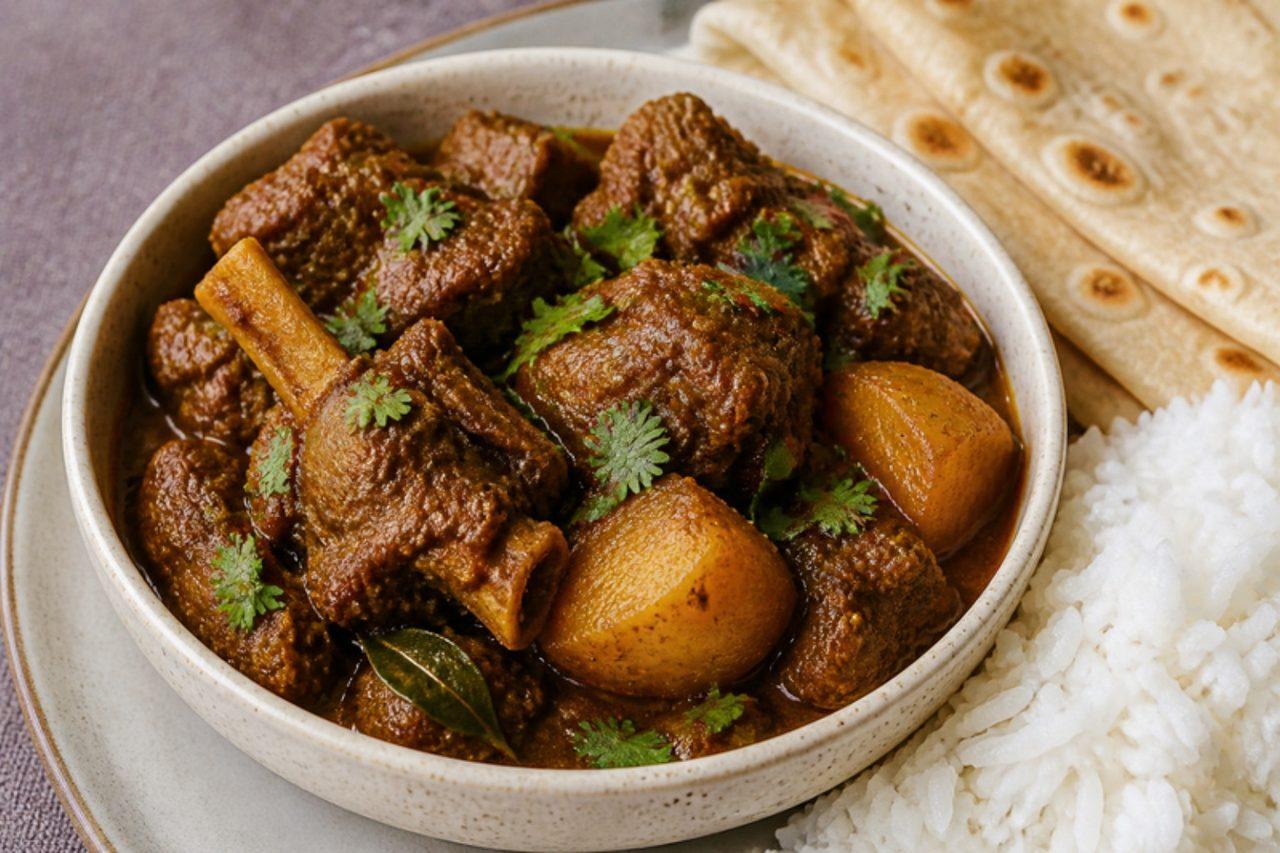
Fiji goat curry

Goat curry is the dish of Indo-Fijian weddings, Diwali gatherings and Sunday family lunches from Lautoka to Labasa, brought by indentured labourers from India in the 1800s and shaped by Fiji's own curry powder blend. Bone-in goat is browned with onion, garlic, ginger and masala, then braised slowly with potatoes until tender, and eaten with roti or rice and dhal. A common mistake is rushing the onion and masala; they need to fry until the oil separates. Chef's tip: marinate the goat overnight in the fridge with the masala for deeper flavour.

by KrazyBadal 0 views

Buñuelos de algasSea lettuce fritters

On the beaches of Rocha, from La Paloma to Punta del Diablo, vendors walk the sand with baskets of hot buñuelos de algas: puffy, salty fritters speckled green with sea lettuce, eaten with a squeeze of lemon. Use dried sea lettuce or mixed seaweed flakes from a shop, or fresh sea lettuce only from a seller who harvests clean water; never pick it from a harbour or near drains. The usual mistake is frying in oil that isn't hot enough, so the fritters soak it up and turn greasy. Chef's tip: rest the batter for 15 minutes so the seaweed softens and the fritters puff more.

by KrazyBadal 0 views

Ka'i ladrilloPeanut molasses bricks

Ka'i ladrillo — 'monkey brick' in Guaraní — is the sweet sold by vendors on Asunción buses and at country fiestas: roasted peanuts bound in boiled cane molasses and set in brick-shaped blocks, crunchy and dark with a slightly smoky toffee taste. It contains peanuts, so keep it away from anyone with a peanut allergy. The common mistake is taking the syrup off too soon, so the bricks stay sticky and never set. Chef's tip: test the syrup by dropping a little into cold water; it is ready when it sets into a brittle thread that snaps.

by KrazyBadal 0 views

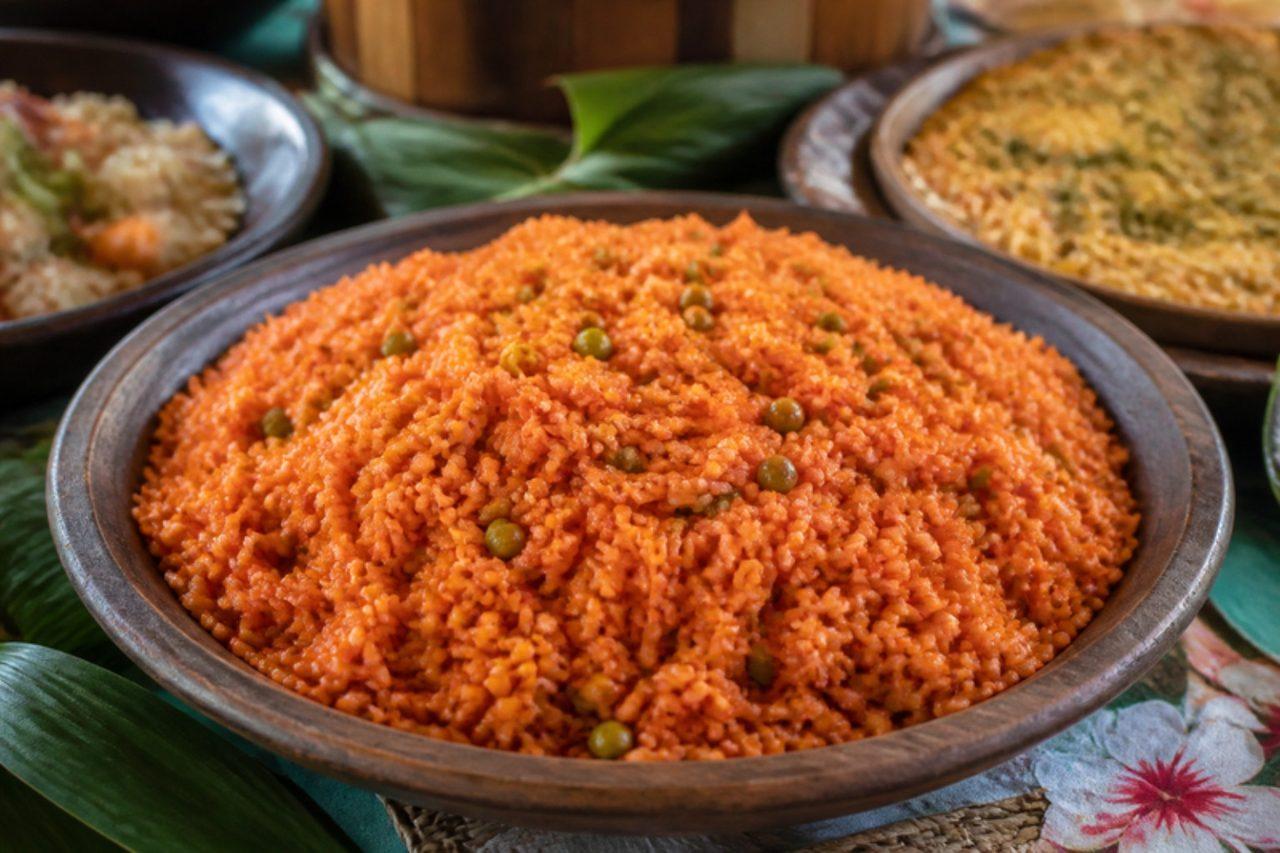
Chamorro red riceAchiote rice

Red rice, hineksa' agaga', is on the table at every Chamorro fiesta, christening and Sunday barbecue in Guam and the Northern Marianas, its sunset colour coming from achiote (annatto) seeds soaked in water. The rice is cooked with onion and garlic and sometimes peas; it is soft, savoury and mild, the perfect side for grilled chicken, kelaguen and finadene. A common mistake is leaving the seeds in the rice; they're tough and bitter, so soak and strain them. Chef's tip: rub the soaking seeds between your fingers to release more colour.

by KrazyBadal 0 views

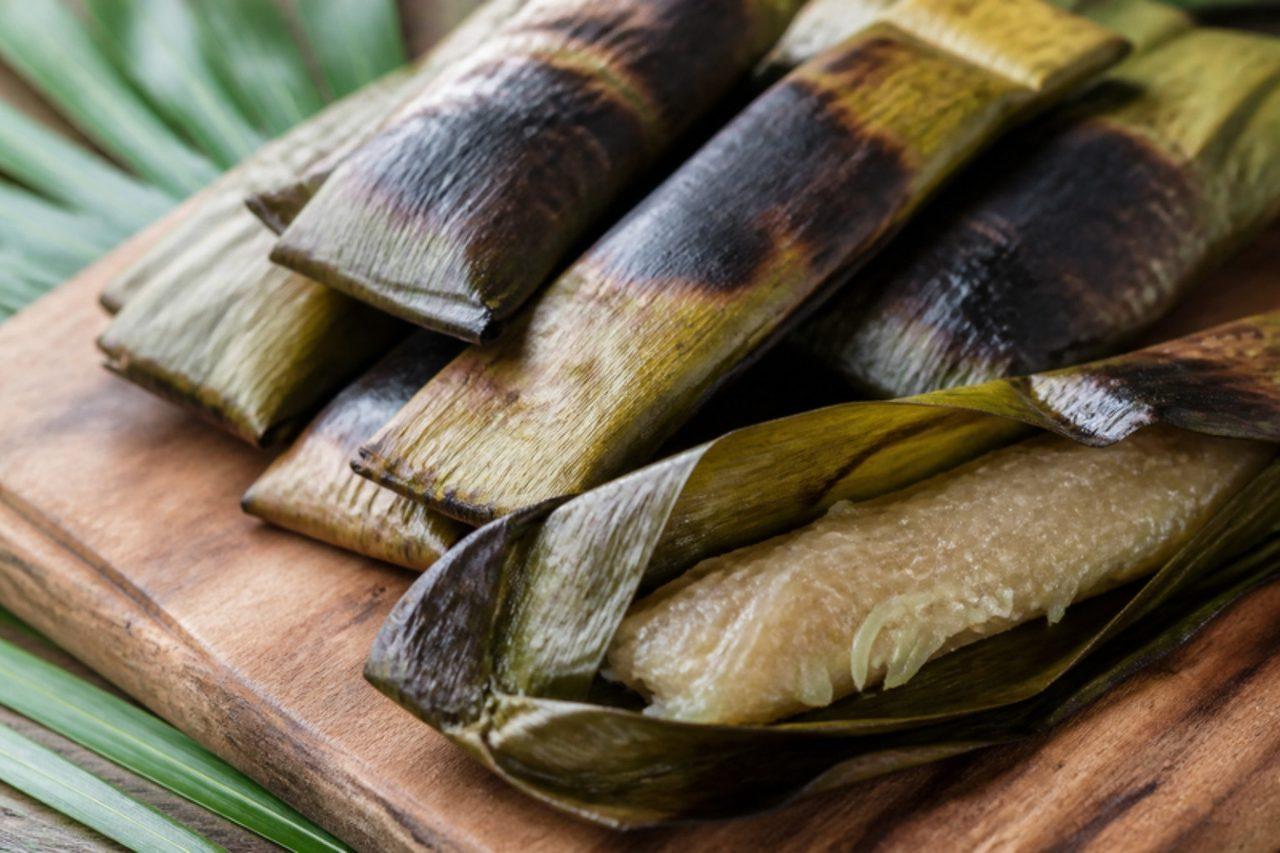
ApigigiGrilled coconut and tapioca parcels

Apigigi are an old Chamorro sweet from Guam and Saipan, made for fiestas and family gatherings: soft young coconut is grated and mixed with tapioca starch and sugar, wrapped in banana leaves and grilled over coals until chewy and lightly charred. They are sticky, mildly sweet and smoky. Grated frozen young coconut and tapioca starch from Asian shops make them easy at home. A common mistake is grilling over a fierce flame; the leaves burn before the centre sets. Chef's tip: steam them first for 15 minutes, then finish on the grill for flavour.

by KrazyBadal 0 views

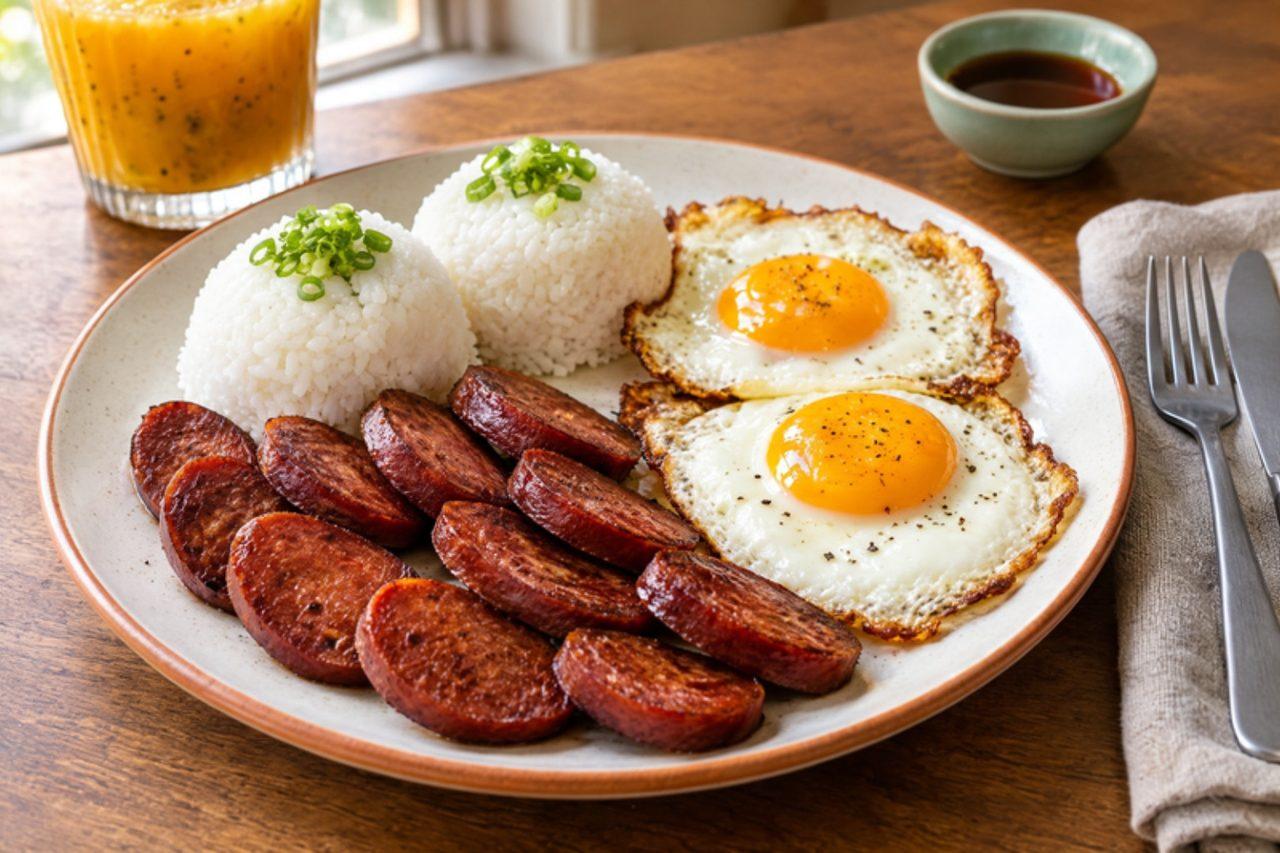
Portuguese sausage, eggs and rice

In Hawaii, a breakfast plate at a diner in Honolulu or Hilo, or at a drive-in on Maui, often means slices of smoky, garlicky, paprika-red Portuguese pork sausage (brought to the islands by Madeiran and Azorean immigrants in the 1800s) fried until caramelised, two eggs, and two scoops of short-grain rice. A splash of shoyu on the rice is optional. The common mistake is frying the sausage over a high heat so the sugar in it burns before it heats through; fry it steadily over a medium heat until sizzling and piping hot (71 °C if your sausage is uncooked rather than smoked). Cook the eggs fully set for pregnant people, young children, older or vulnerable people. Chef's tip: fry the eggs in the red fat the sausage leaves behind; they come out lacy and full of flavour.

by KrazyBadal 0 views

Mandi'o chyryryFried cassava with onion and egg

Mandi'o chyryry means 'fried cassava' in Guaraní, and it is what rural Paraguayan families make from yesterday's boiled mandi'o: chunks crushed and fried in a big pan with onion until crisp in places, then scrambled with eggs. It comes out for breakfast with cocido or for a quick supper, and costs next to nothing. Use sweet cassava, the kind sold in supermarkets. The mistake is stirring constantly, which turns it to mush; let the cassava sit and brown. Chef's tip: the best chyryry starts with cold, day-old boiled cassava, which fries crisper than freshly boiled.

by KrazyBadal 0 views

Ají amarillo pasteYellow chilli paste

In Lima's markets ají amarillo is sold fresh all year, and most Peruvian cooks keep a tub of this paste in the fridge the way others keep tomato purée: it is the golden base of causa limeña, ají de gallina, papa a la huancaína, chupe and the sauce for tiraditos. The chillies are seeded, de-veined and blanched in three changes of water, which tames the heat and the raw grassiness, then peeled and blended with oil into a thick, silky, saffron-orange paste. It tastes fruity and sunny, almost like apricot and passion fruit, with a rounded, medium heat. Abroad, buy whole frozen ají amarillo from Latin grocers; dried ají mirasol, soaked, gives a darker, earthier paste. Common mistake: skipping the peeling; the thin skins leave papery flecks and a bitter edge. It is ready when it is completely smooth and holds a soft peak like thick hummus. This is a low-acid paste: keep it in the fridge for a week or freeze it, never on the shelf. Chef's tip: freeze it in an ice-cube tray; one cube is about a tablespoon, just right for a pot of ají de gallina.

by KrazyBadal 0 views

BusecaTripe and white bean stew

Buseca arrived in Montevideo with Italian immigrants from Lombardy and became a classic winter dish of Uruguayan bodegones and family kitchens, eaten on cold June and July days. Honeycomb tripe is simmered until tender, then stewed with white beans, pork chorizo, bacon, peppers, tomato and paprika into a thick, warming stew served with crusty bread. Buy tripe that is already cleaned and blanched (dressed). The usual mistake is undercooking the tripe: it needs a full 2 hours, until it's soft enough to cut with a spoon. Slow-cooker option: after step 4, cook on low for 8 hours. Chef's tip: a little grated lemon zest and parsley stirred in at the end lifts the rich, gelatinous sauce.

by KrazyBadal 0 views

Pisco sour

Lima drinks its pisco sour as the aperitif before a long ceviche lunch, and celebrates it every year on the first Saturday of February; the recipe took shape in the city's bars in the 1920s. It is for adults only and stronger than its pillowy look suggests. Underneath a thick white foam you get sharp Peruvian lime, a clean sweetness and the floral, grapey warmth of quebranta pisco, with the bitters adding a spicy smell to every sip. The texture should be silky, almost creamy, never thin. The classic mistake is squeezing the limes too hard or too early: the oil from the pith turns the drink bitter within half an hour. Halve the limes, press each half gently by hand just before mixing and stop when the juice slows. The egg white is raw, so use pasteurised egg white for anyone pregnant, for babies, older people or anyone unwell, or swap in 30 ml aquafaba. It is ready when the foam stands about 1 cm high and is firm enough to hold the drops of bitters on its surface. Sip one slowly and drink responsibly. Chef's tip: shake once without ice first to whip the egg white, then again with ice; the foam will be twice as thick.

by KrazyBadal 0 views

Charbat (Algerian lemon drink)

During Ramadan, as the afternoon wears on, vendors in Algiers' Bab El Oued, in Blida and Boufarik and in the old streets of Constantine fill plastic bags and jugs with ice-cold charbat for families to carry home before the call to iftar. It is lemonade made with lemon zest rubbed into sugar, a good splash of orange blossom water and a little milk, which turns it pale, opaque and silky and takes the sharp edge off the lemon. Served with zlabia, qalb el louz or straight after the dates and chorba, it tastes like lemon sherbet with a floral finish. The common mistake is adding the milk to strong, undiluted lemon juice, which curdles it into flecks; dilute the lemon fully, chill it, and only then pour in cold milk slowly while stirring. It is ready when it looks like pale lemon cream, smells of orange blossom and tastes sweet first, then tart. Lemon-and-milk drinks do not keep well, so make it the afternoon you serve it. Chef's tip: let the zest sit in the sugar for a good 10 minutes before adding water; the oils give charbat its perfume, far more than the juice alone.

by KrazyBadal 0 views

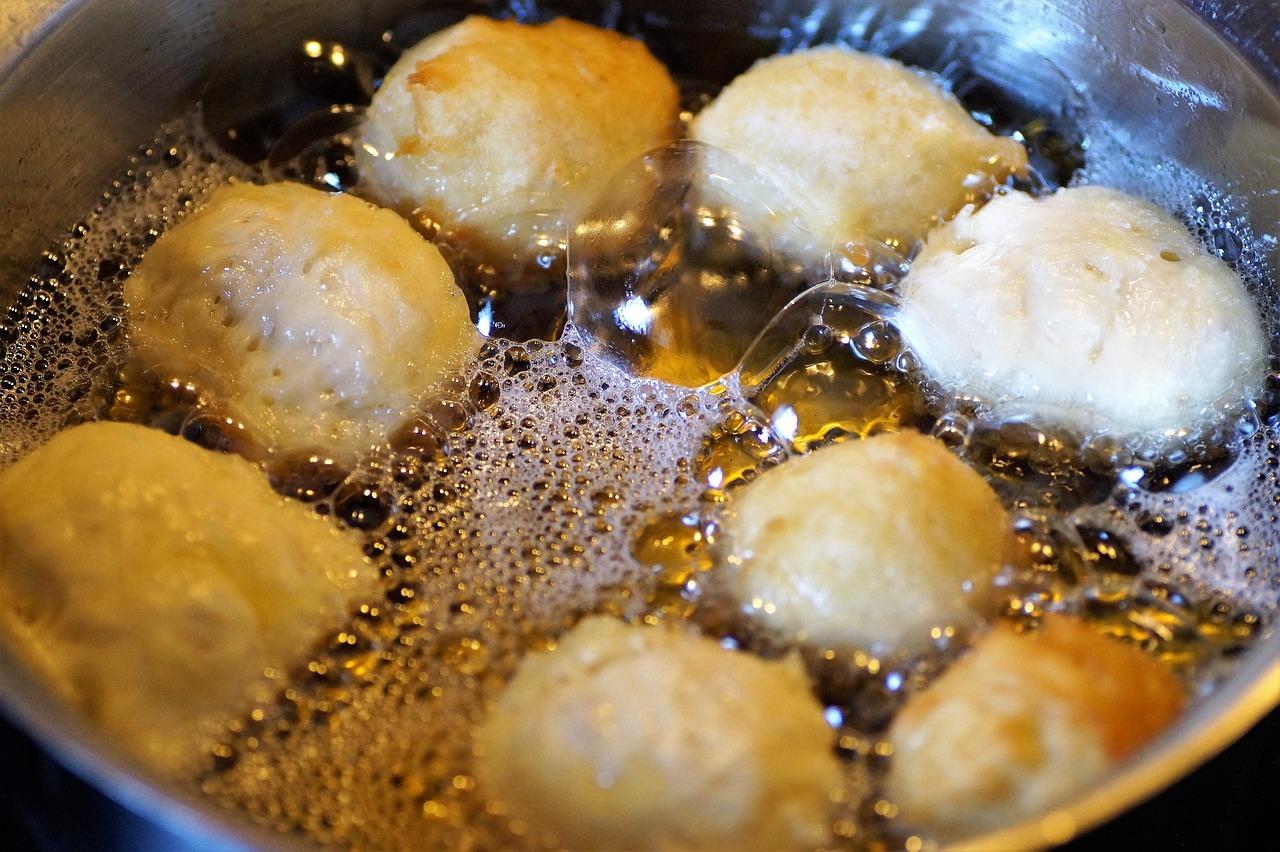
BabakauFried dough balls

Babakau are the fluffy fried dough balls sold at Fijian market stalls and village canteens at breakfast time, eaten with a mug of milky tea or hot koko before school or work in Suva and Nadi. The dough is lightly sweet and the balls puff up as they fry, golden outside and soft as a bun inside. A common mistake is oil that's too hot, which leaves raw centres; 170 °C is right. Chef's tip: wet your fingers to drop spoonfuls of dough into the oil so it slips off cleanly.

by KrazyBadal 0 views

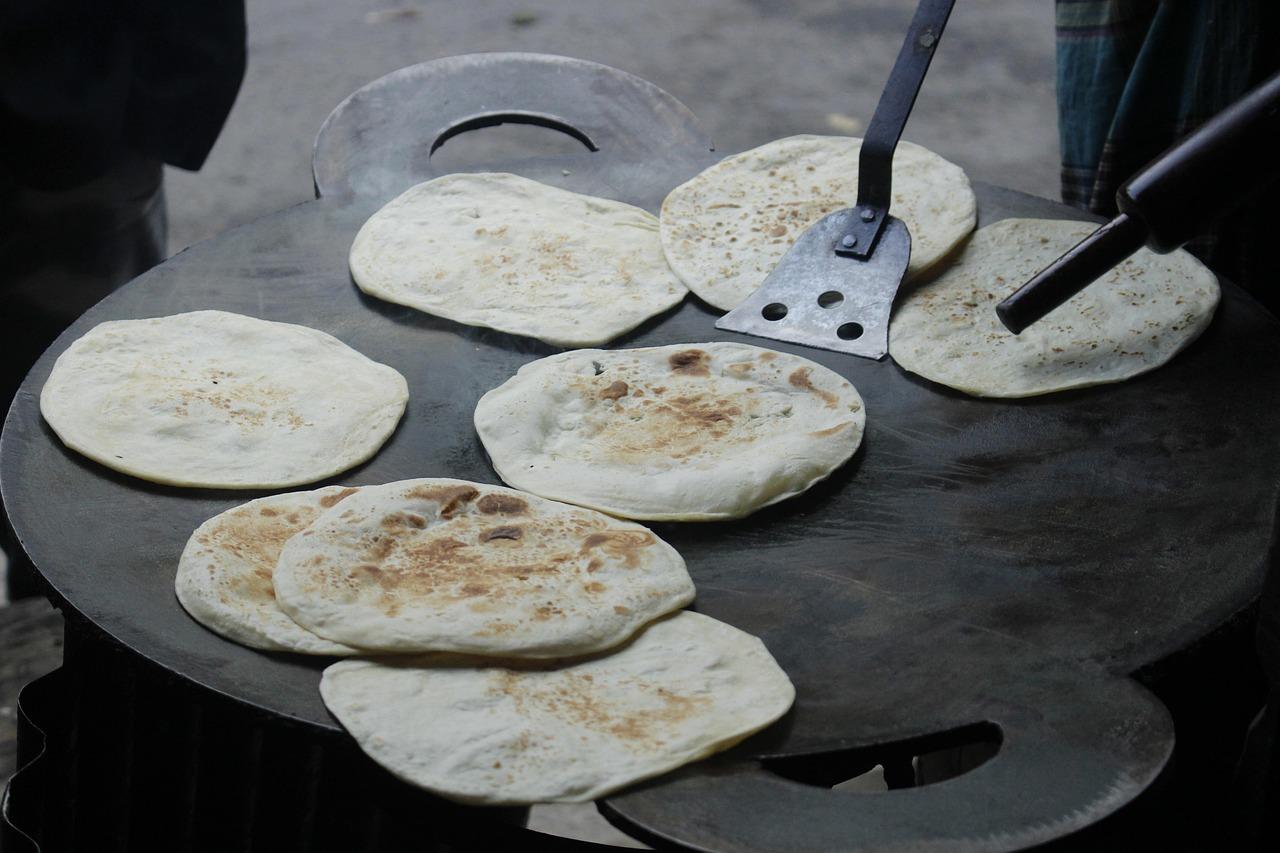
TitiyasCoconut milk flatbread

Titiyas are the soft, slightly sweet flatbreads of Guam and the Marianas, cooked on a griddle and eaten warm at breakfast, with fiesta food or rolled round a piece of grilled meat. Flour titiyas are made with coconut milk, which keeps them tender and gives a faint coconut taste; there is also a corn version (titiyas mai'es). A common mistake is rolling them too thick; 5 mm cooks through without burning. Chef's tip: cook on a dry, medium-hot pan and wrap each one in a towel as it comes off so they stay soft.

by KrazyBadal 0 views

Capeletis a la CarusoStuffed pasta in cream sauce

Capeletis a la Caruso were created in a Montevideo restaurant in the 1950s and named after the great tenor, and they are still a Sunday lunch favourite in Uruguayan homes: little stuffed pasta hats in a rich sauce of cream, cooked ham (pork), mushrooms and onion, finished with grated cheese. Buy good fresh capeletis or tortellini; the sauce is what you make. The usual mistake is boiling the cream sauce hard, which makes it oily and grainy. Chef's tip: cook the mushrooms in a dry hot pan first until they squeak and brown, before any butter goes in, for a deeper taste.

by KrazyBadal 0 views

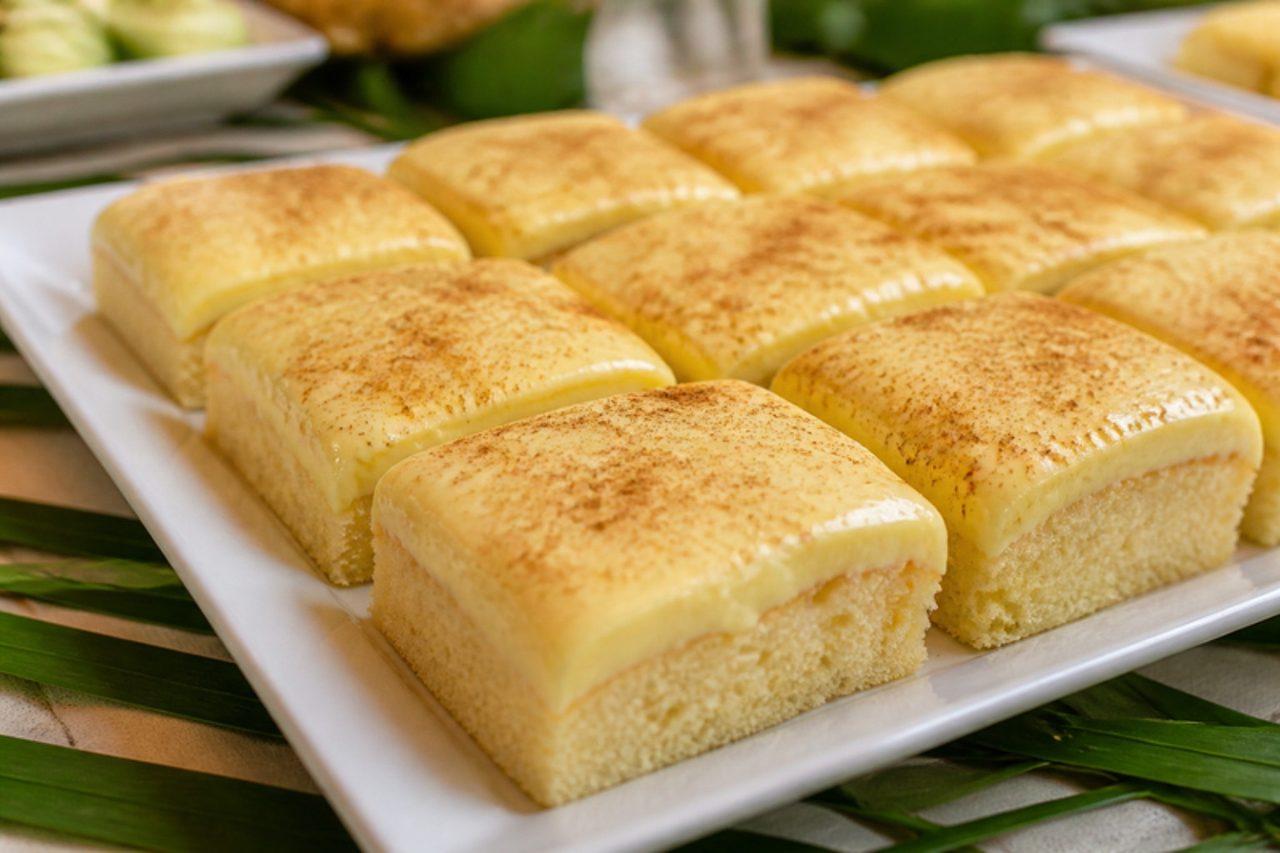
LatiyaSponge cake with custard

Latiya is the Chamorro custard cake found at every Guam fiesta and wedding, a legacy of Spanish rule: a light sponge in a tray is covered with a thick, silky vanilla custard and dusted with cinnamon, then chilled and cut into squares. It is cool, creamy and perfect after a hot-weather feast. A common mistake is pouring hot custard straight onto a hot sponge, which turns it soggy; cool the cake first. Chef's tip: lay cling film directly on the custard as it cools so no skin forms.

by KrazyBadal 0 views

Showing 24 of 445 recipes

Show more recipes

Page 1 of 19