Skip to content
WhatToEat.Today

All recipes

45

Vegetarian, or something you can't eat? Set your diet once and we'll hide recipes that don't fit.

Revuelto de zapallitosCourgettes scrambled with egg and cheese

Revuelto de zapallitos is a weeknight dinner in Buenos Aires homes and all over Argentina in summer, when the little round courgettes called zapallitos are cheap: diced courgette and onion cooked down in oil, scrambled with eggs and finished with grated cheese. It is eaten with bread or as a side to a salad. Grated hard cheese like reggianito or Parmesan is usually made with animal rennet, so use a vegetarian hard cheese for a vegetarian dinner. The common mistake is adding the eggs before the courgettes have given up their water, which turns the scramble wet and grey. Chef's tip: salt the courgettes as they go in, so they release their juice early and it cooks away.

by KrazyBadal 0 views

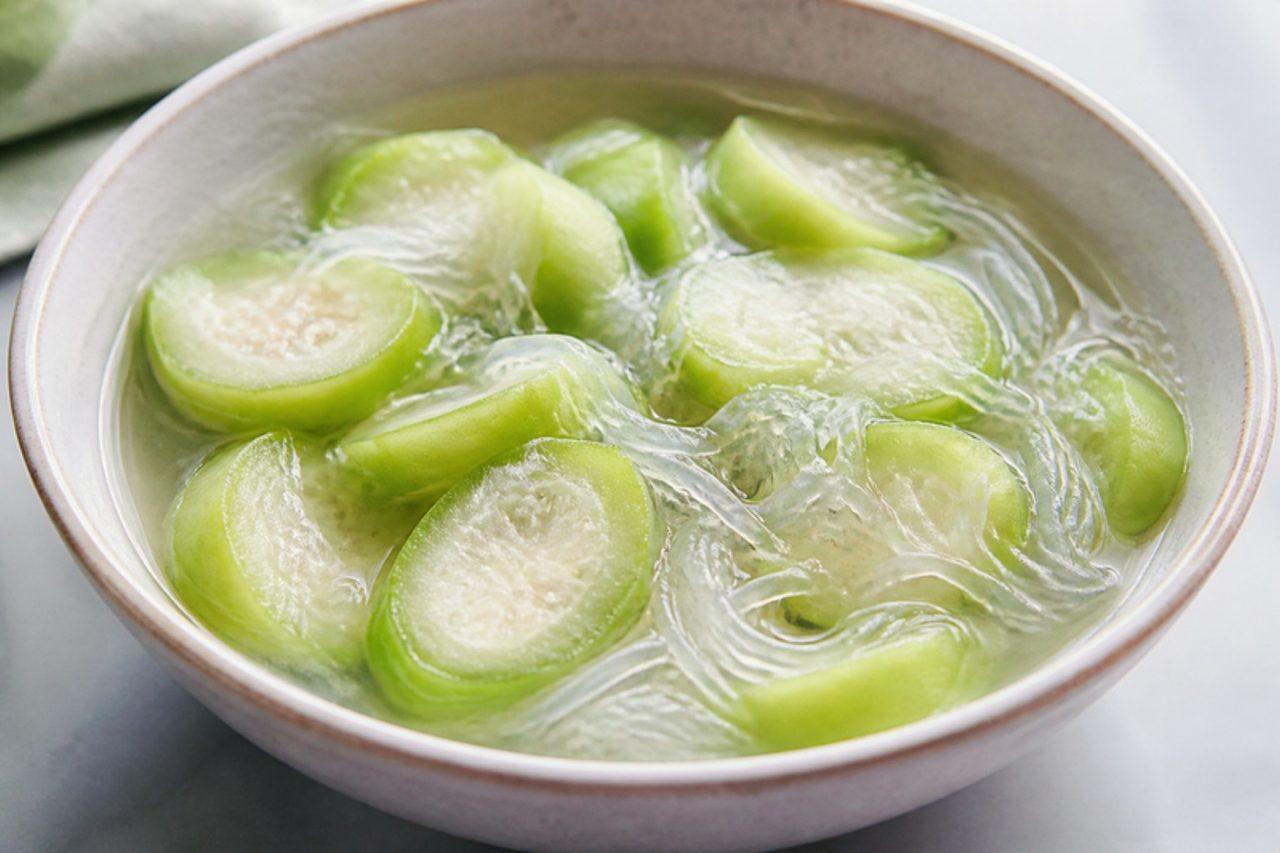
Sayur oyongLuffa and glass noodle soup

Sayur oyong is a mild home soup from Java, cooked for weekday lunches and suppers when angled luffa (oyong) is in the market: the gourd turns soft and silky in a light broth of garlic and shallot, and a handful of glass noodles makes it filling. Many cooks add dried shrimp or a few prawns; this version keeps it vegetarian. The common mistake is adding the glass noodles too early, which makes them swell and drink all the broth; they need only 2 minutes at the end. Chef's tip: fry the shallot and garlic until just golden before adding water, which gives a sweet, rounded flavour to a broth with only a few ingredients.

by KrazyBadal 0 views

Sayur beningClear spinach and corn soup

Sayur bening, 'clear vegetables', is the light soup that sits beside almost every everyday meal in Central and East Java, eaten at lunch and supper with rice, fried tempe and sambal. Spinach (or amaranth) and sweetcorn are simmered briefly in water scented with shallot, garlic and fingerroot, so the broth stays clear and tastes sweet and green. The common mistake is boiling the spinach for too long: add it last and take the pan off the heat as soon as the leaves collapse. Chef's tip: if you can find fingerroot (temu kunci) in an Asian grocer, bruise one finger into the pot; it gives the authentic peppery-citrus note, but the soup is still good without it.

by KrazyBadal 0 views

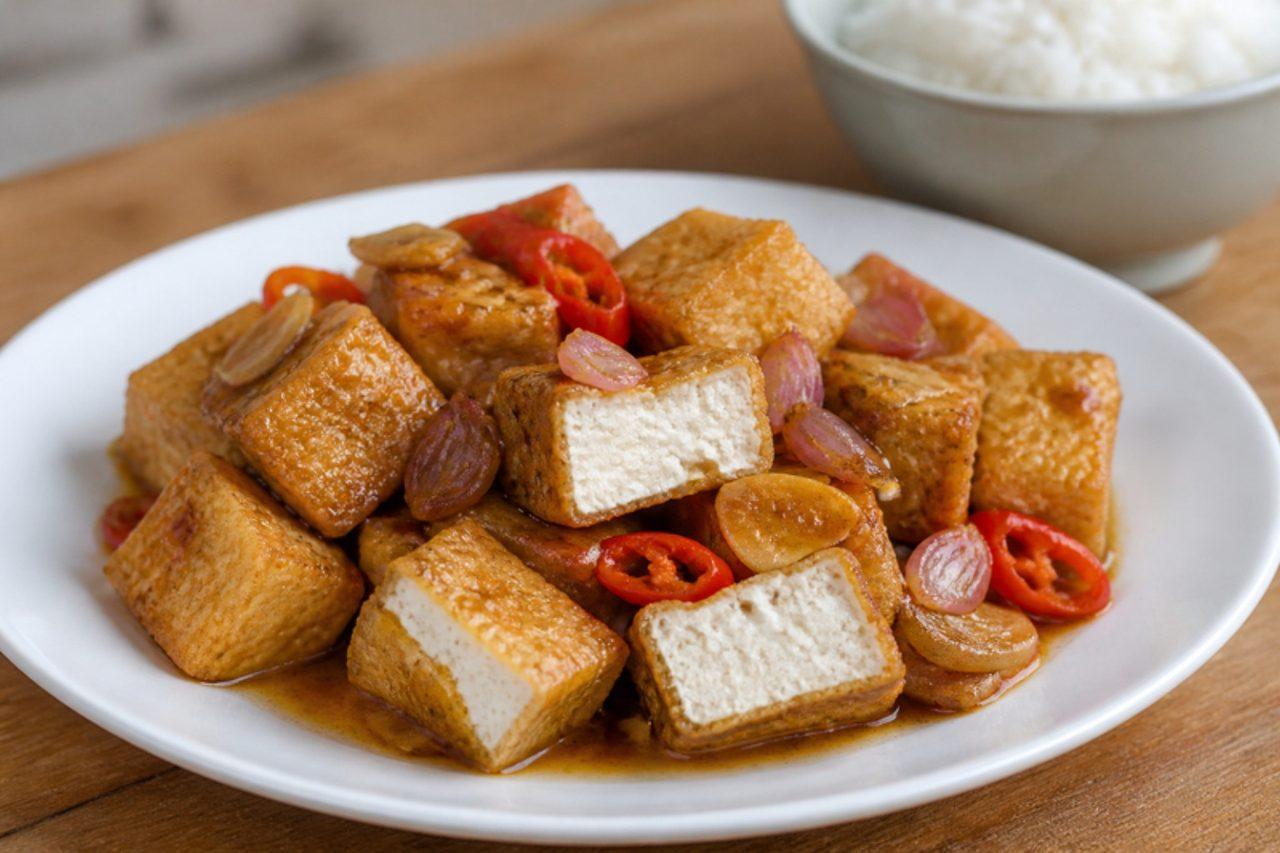
Tahu kecapFried tofu in sweet soy

Tahu kecap is everyday Javanese home cooking, made for supper from Yogyakarta to Surabaya and sold in warung trays by midday: cubes of tofu fried until golden, then tossed with sliced shallot, garlic and chilli in sticky, dark kecap manis. Sweet, salty and a little hot, it is eaten with rice and cucumber slices. The common mistake is frying wet tofu, which spits and never crisps; pat the cubes very dry first. Chef's tip: buy ready-fried tofu puffs or firm pre-pressed tofu if you're short of time; they need only a quick toss, and the hollow puffs soak up the sauce beautifully.

by KrazyBadal 0 views

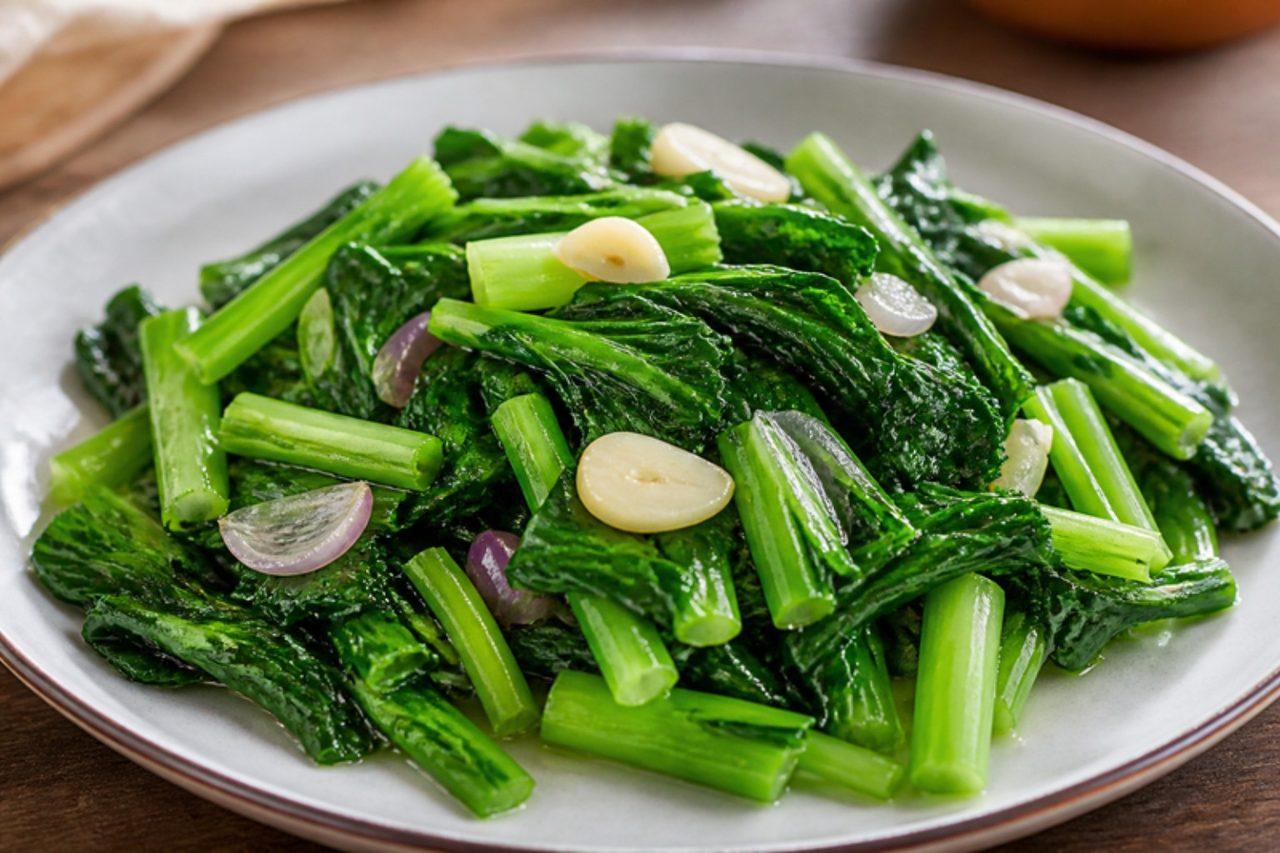
Tumis sawiStir-fried mustard greens

Tumis sawi is the green dish that turns up on Indonesian dinner tables nearly every day, from Jakarta homes to Padang-style warung: mustard greens (sawi hijau) or choy sum stir-fried with shallot, garlic and a splash of soy until just wilted. Many cooks add a few prawns or a spoon of oyster sauce; this version is vegan. The common mistake is throwing stems and leaves in together, so the leaves go to mush while the stems stay raw; give the stems a 1-minute head start. Chef's tip: a splash of water once the greens go in makes a little steam that cooks them evenly and keeps them glossy.

by KrazyBadal 0 views

Tostado de jamón y quesoPressed ham and cheese sandwich

The tostado is what Buenos Aires orders in a café at merienda or as a light late dinner, and what Uruguayan kids get made at home: thin crustless pan de miga layered with cooked pork ham and mild cheese, buttered outside and pressed until crisp and oozing. The common mistake is too much filling; this sandwich is meant to be thin, so the cheese melts before the bread burns. Chef's tip: if you have no sandwich press, weigh it down in the pan with a second heavy pan so it toasts flat and even.

by KrazyBadal 0 views

Fideos con mantecaButtered noodles with cheese

Ask anyone from Buenos Aires to Córdoba what they ate when they came home late or felt poorly as a child, and the answer is often fideos con manteca: short pasta tossed with butter and a snowfall of grated queso rallado. It is the plainest dish in the Argentine home kitchen and the one people cook for themselves on a tired weeknight. The mistake that ruins it is draining the pasta bone-dry and adding cold cheese to a hot empty pan, which leaves greasy strands and clumps; a splash of cooking water makes a light, creamy coating instead. Argentine reggianito and Parmesan are made with animal rennet, so use a vegetarian hard cheese if needed. Chef's tip: grate the cheese very finely, like dust, so it melts on contact.

by KrazyBadal 0 views

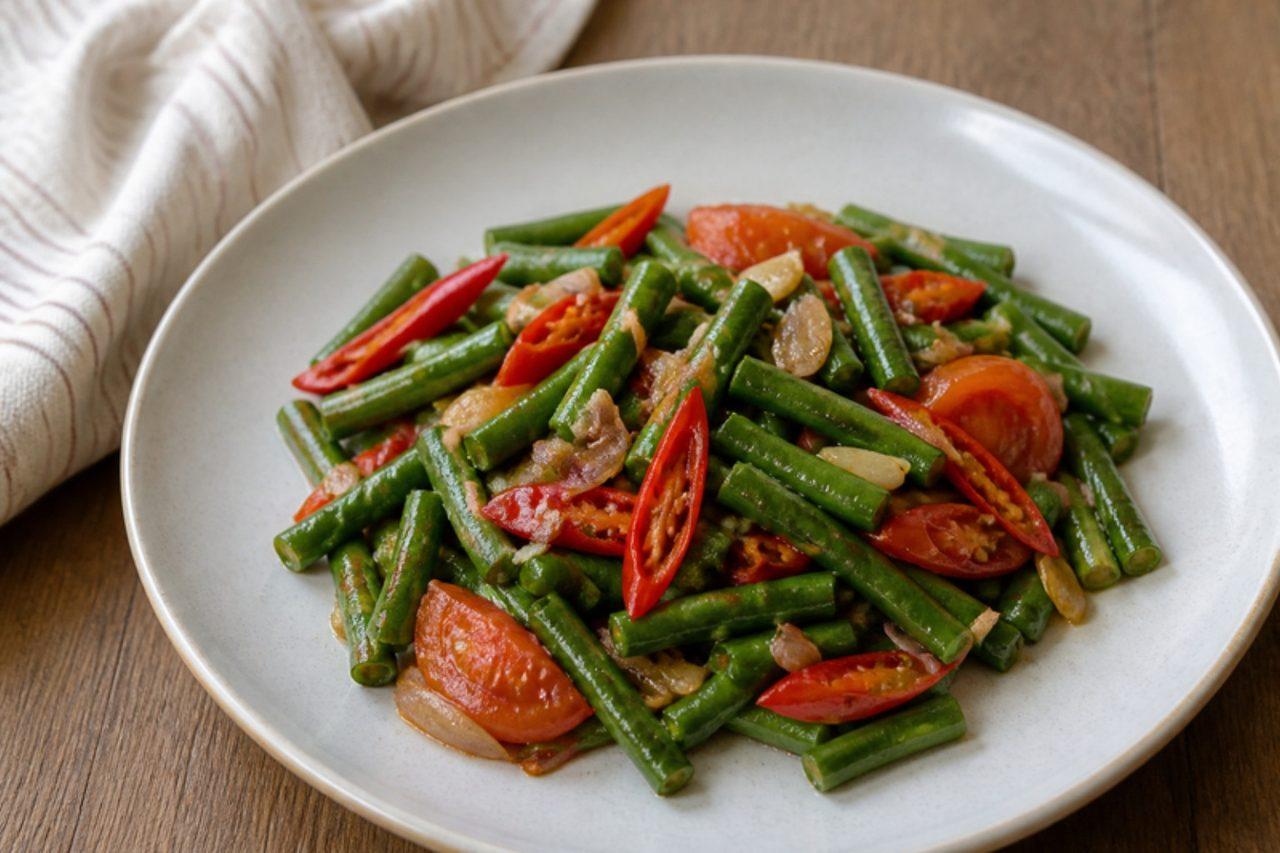
Tumis kacang panjang (Indonesian stir-fried long beans)

In Javanese homes and warungs, tumis kacang panjang is one of the quickest vegetable dishes on the table, cooked in minutes at dinner time and eaten with rice, fried tempeh and sambal. The beans keep a little bite, the tomato breaks down into a light, savoury gloss, and the chilli gives gentle heat. Plenty of cooks stir in a little terasi (shrimp paste); here it is left out to keep the dish vegan, with a pinch of sugar for balance. The common mistake is adding a lot of water and covering the pan, which boils the beans grey; a splash and a hot pan are enough. Chef's tip: cut the beans on a slant so more surface touches the pan and they cook faster.

by KrazyBadal 0 views

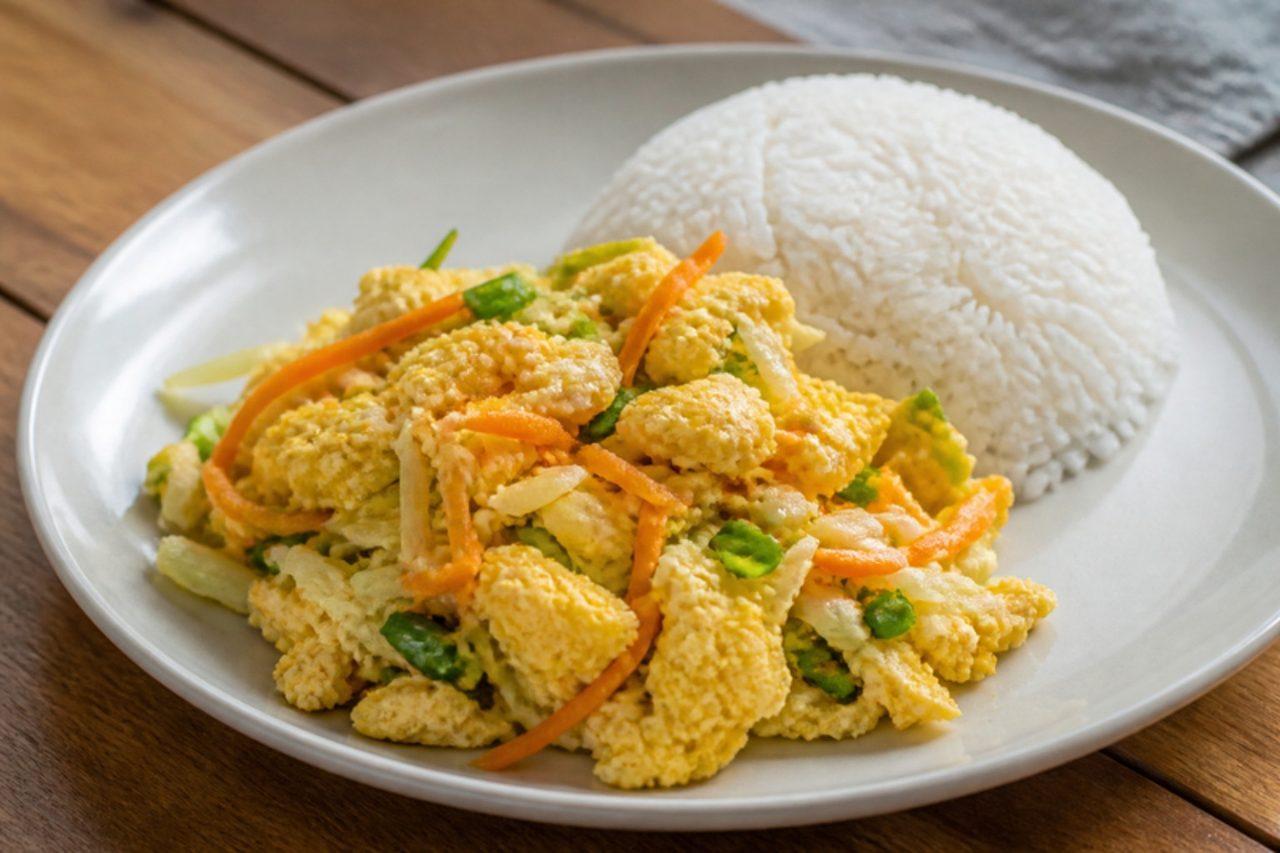
Orak-arik telur (Indonesian scrambled eggs with vegetables)

Orak-arik means roughly 'scrambled up', and this Javanese home dish is what students in Yogyakarta and families everywhere in Java make when the fridge is nearly empty: a cheap, filling plate of cabbage, carrot and egg to eat with rice at dinner or pack into a lunchbox. The vegetables stay sweet and slightly crunchy while the egg sets into soft, savoury curds around them. The common mistake is adding the eggs while the vegetables are still wet and watery, which gives a pale, soggy mess; cook the vegetables until the pan is dry first. Chef's tip: let the egg set for 20 seconds before you start stirring, so you get large curds rather than crumbs.

by KrazyBadal 0 views

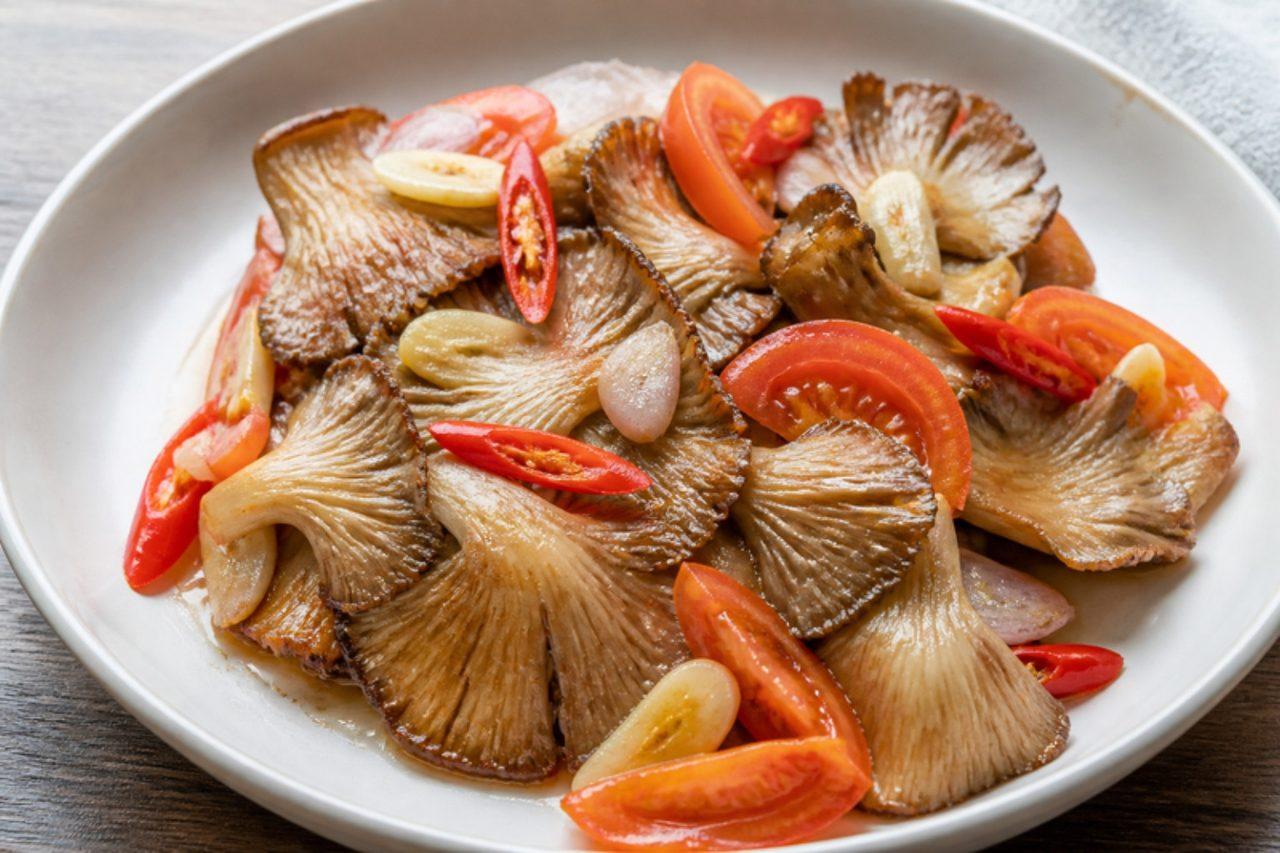
Tumis jamur (Indonesian stir-fried oyster mushrooms)

Tumis jamur tiram is a favourite in Javanese homes and cheap warung kitchens across Indonesia, where grey oyster mushrooms are grown locally and sold by the bag every morning. Cooked fast in a hot wok, the mushrooms turn meaty and juicy, picking up garlic, shallot, a little chilli and the sweetness of kecap manis and tomato. It is eaten with rice as part of an everyday dinner, often next to tempeh or tofu. The usual mistake is crowding the pan, which makes the mushrooms release water and stew instead of browning. Chef's tip: tear the mushrooms by hand along their natural lines rather than slicing them; the ragged edges catch the sauce.

by KrazyBadal 0 views

Telur gulung (Indonesian rolled egg skewers)

Telur gulung is a cheap, cheerful street snack sold from little carts outside primary schools across Java, where children watch the vendor pour beaten egg into hot oil and roll it onto a stick in seconds. The result is a puffy, golden, slightly crisp egg spiral, usually eaten with a squirt of chilli or tomato sauce. At home it is easy to make in a small pan with a little more care. It contains egg. Chef's tip: the oil must be hot enough that a drop of egg puffs up instantly; in cool oil the egg sinks and turns greasy.

by KrazyBadal 0 views

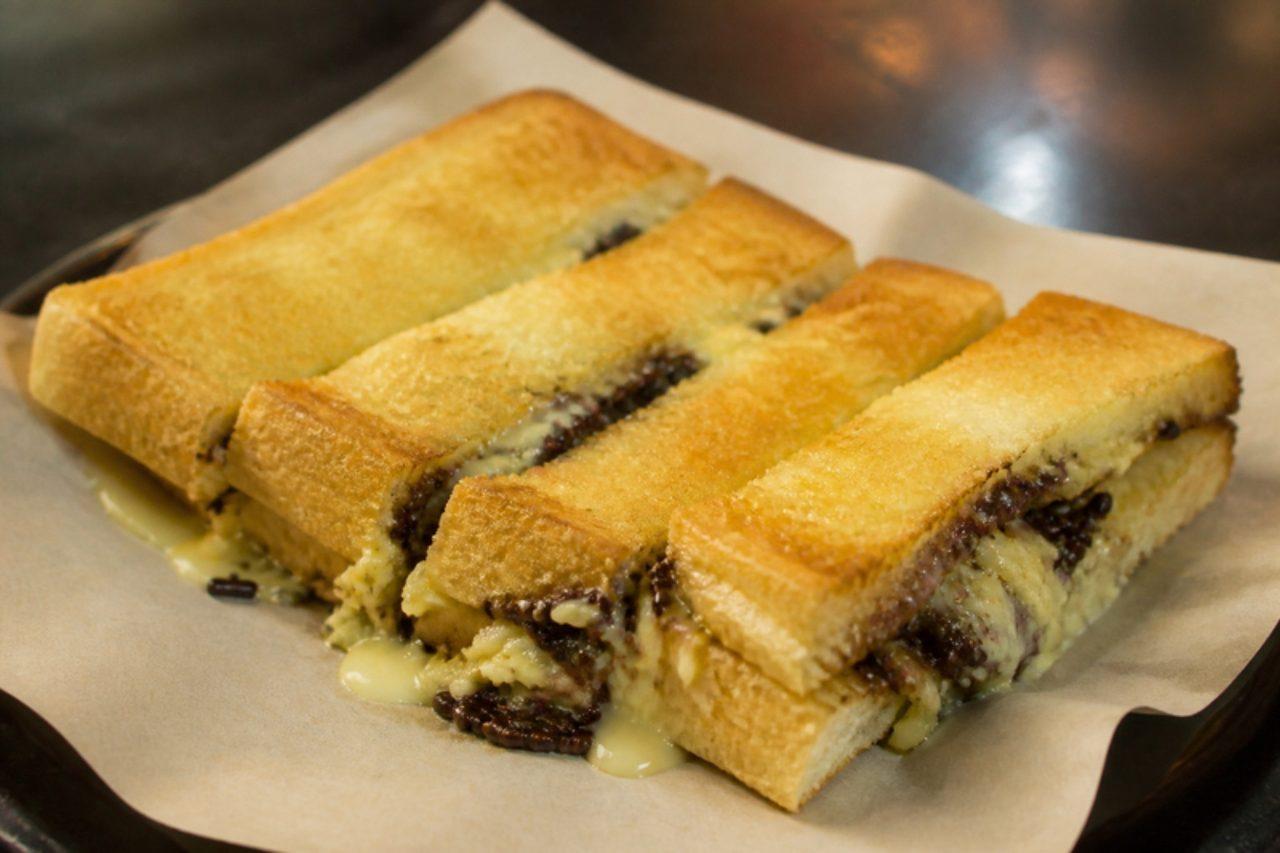
Roti bakar (Indonesian toasted bread)

Roti bakar stalls light up street corners all over Indonesia from late afternoon, and children from Jakarta to Surabaya beg for the classic filling of chocolate sprinkles with grated cheese, an unlikely pairing that works. Thick slices of soft bread are spread with butter, toasted on a hot plate until crisp and golden, filled and cut into fingers. Traditional versions add a lot of condensed milk; here it is an optional drizzle. It contains gluten and milk (and may contain soya in the chocolate). Chef's tip: press the bread flat with a spatula as it toasts so the filling melts into it.

by KrazyBadal 0 views

Es buahIced fruit cocktail

Ramadan evenings in Jakarta mean queues at the es buah carts, where melon, papaya, pineapple, jackfruit and nata de coco are scooped into glasses with swollen basil seeds, red rose syrup and a ribbon of condensed milk over crushed ice. It is drunk with a spoon at iftar, after dates, and it is just as welcome on any hot afternoon. Use whatever ripe fruit you have. Chef's tip: soak the basil seeds fully before adding them; dry seeds clump and stay gritty in the cold syrup.

by KrazyBadal 0 views

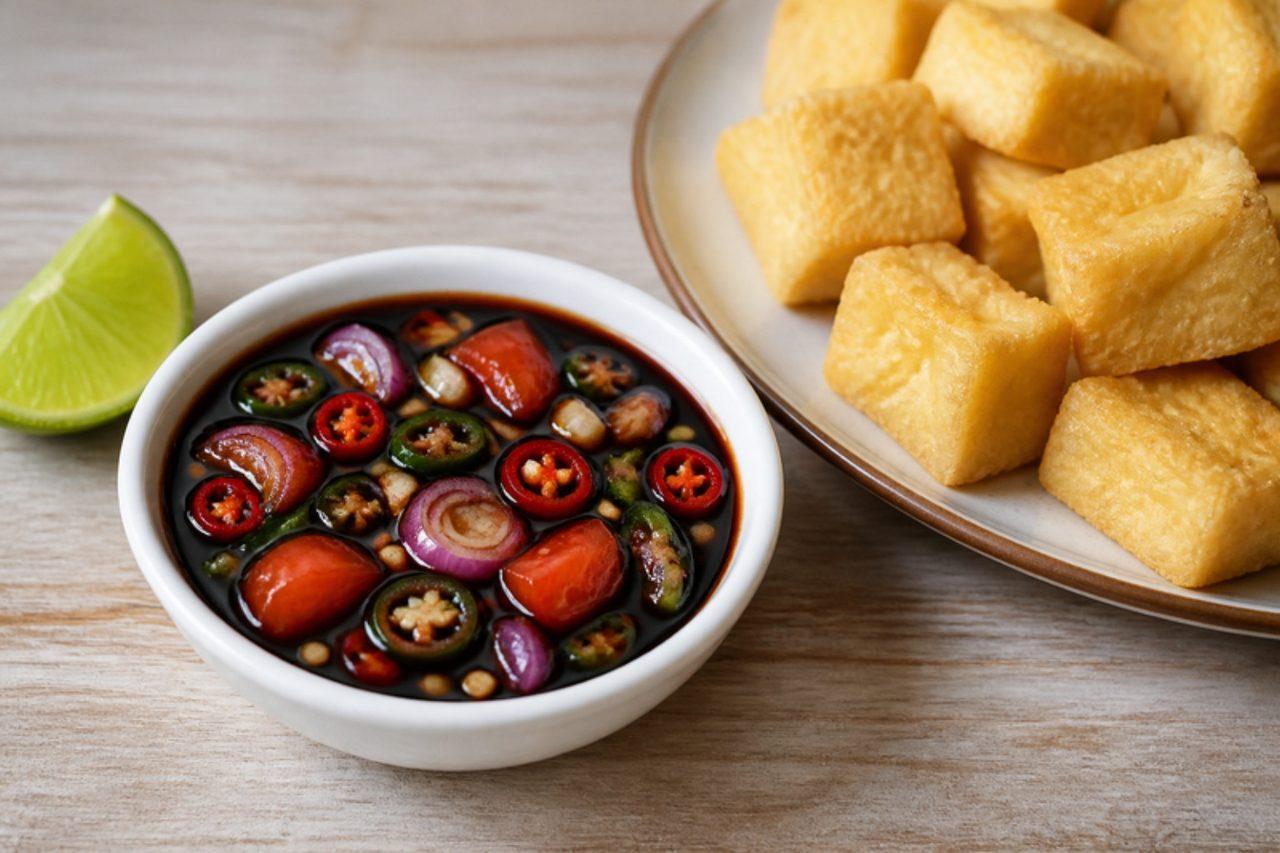
Sambal kecapChilli and shallot soy sambal

Satay sellers in Jakarta and Madura hand out sambal kecap in little saucers, and at home in Java it gets spooned over fried tofu, grilled corn or a bowl of soto when there's no time to pound a proper sambal. It takes five minutes: raw bird's-eye chillies, shallot and tomato are sliced into glossy, treacle-sweet kecap manis with a squeeze of lime. The result is sticky, sweet, sharp and very hot all at once. Chef's tip: don't make it hours ahead; the shallots wilt and the lime turns bitter, so slice everything just before the food comes off the grill.

by KrazyBadal 0 views

Wedang uwuhSpiced herbal infusion

The name means 'rubbish drink', because a glass looks like a jumble of twigs and leaves, but around the royal tombs at Imogiri, south of Yogyakarta, wedang uwuh is a point of pride. Chips of sappan wood stain hot water a deep ruby red, while ginger, clove, cinnamon, nutmeg leaf and rock sugar give a sweet, woody spice. It is sold by roadside warung as a dry pack to brew at home. Chef's tip: steep it, don't boil it for long; sappan wood turns from red to a muddy brown and tastes tannic if cooked hard.

by KrazyBadal 0 views

Sambal bawangGarlic chilli sambal

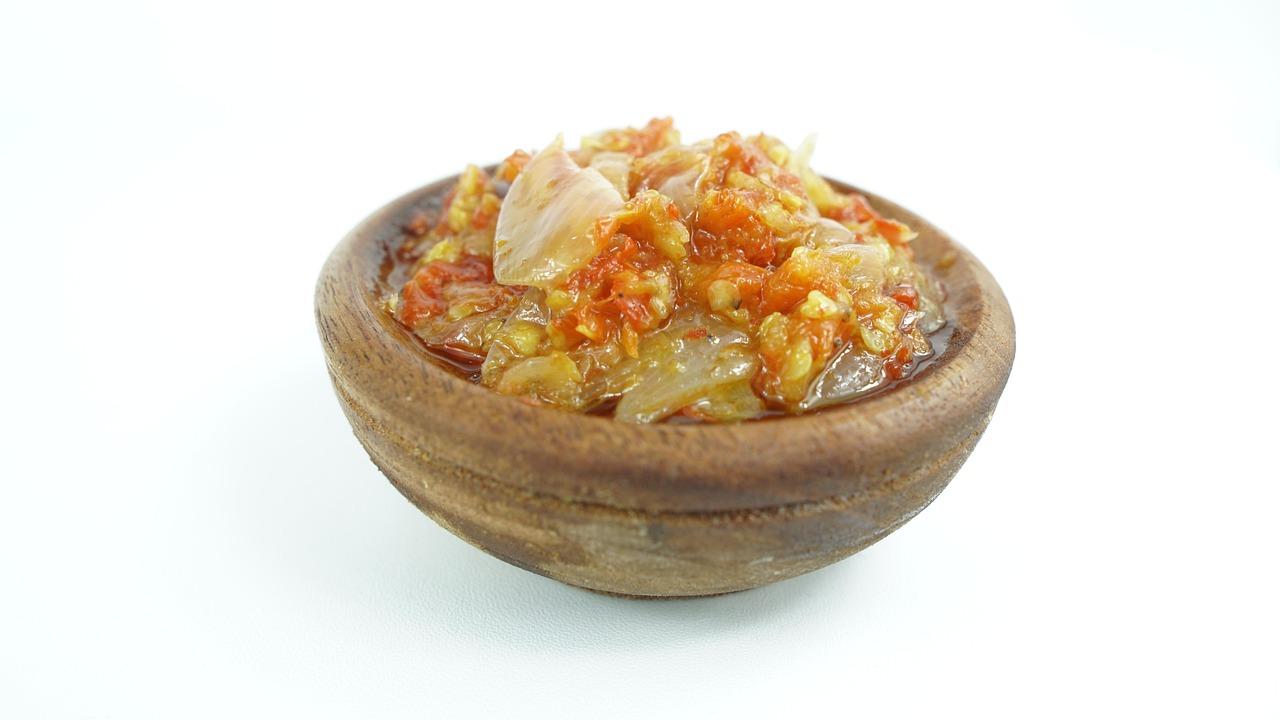
Surabaya's ayam penyet stalls and the pecel lele tents along East Javanese roads serve sambal bawang in the stone mortar it was pounded in, so diners can scrape it straight onto fried chicken, tempeh or catfish. Raw chillies and plenty of garlic are crushed with salt and a little sugar, then hot oil is poured over, which tames the garlic's bite and makes the whole mortar crackle and smell toasty. It is coarse, oily and brutally hot. Chef's tip: the oil must be properly hot, just beginning to smoke; lukewarm oil leaves the garlic raw and sharp instead of nutty.

by KrazyBadal 0 views

Wiener MelangeCoffee with milk and foam

In Vienna you never simply order 'a coffee'; you order by name, and the Melange is the one most Viennese ask for. It arrives in a large cup on a small silver tray with a glass of water and often a tiny chocolate, and you may sit over it for an hour with the newspapers at Café Prückel or Hawelka, mid-morning or after lunch. Traditionally it is a mild, longer espresso (a Verlängerter) with roughly equal hot milk and a soft cap of milk foam; it is gentler than a cappuccino and the foam is looser and creamier. Expect a round, nutty, slightly sweet cup with little bitterness. The common mistake is overheating the milk: once it passes about 70 °C it smells cooked and loses its sweetness and the foam turns big-bubbled and dry. Stop when the jug is too hot to hold for more than a second or two. It is ready when the foam sits in a smooth, glossy dome about a finger thick and the coffee shows as a brown ring at the edge. One cup has about the caffeine of a single espresso. Chef's tip: always serve the glass of water alongside, as Vienna does; it is drunk first to clear the palate.

by KrazyBadal 0 views

Teh talua (egg tea)

In the lapau coffee shops of Bukittinggi, Payakumbuh and Padang, the sound of a spoon or a small whisk clattering against a glass means someone has ordered teh talua. A raw egg yolk, traditionally from a free-range kampung hen or a duck, is whisked with sugar until thick and almost white, strong hot tea is poured on from a height, and a wedge of lime goes on the side. Minangkabau men drink it in the late afternoon or evening as a pick-me-up after work in the fields. It comes out with a creamy, caramel-coloured body under a deep layer of foam, rich like a light custard, with the lime cutting any eggy edge. The common mistake is whisking too little: the yolk stays yellow, the tea curdles it in strings and it smells of egg. Beat until the yolk has doubled in volume and falls in a thick ribbon. Use pasteurised eggs for anyone pregnant, babies and small children, older people or anyone unwell, as the yolk is only lightly warmed. Some lapau add condensed milk; this one is dairy-free. It contains caffeine. Chef's tip: pour the tea in a thin stream from high up while still stirring, to build the tallest foam.

by KrazyBadal 0 views

Kopi tubrukBoiled coffee with sugar

From the warung kopi of Yogyakarta and Solo to the night-shift stalls of Surabaya, kopi tubruk is the everyday coffee of Java: powder-fine robusta and sugar spooned into a glass, hit with boiling water, stirred once and left alone while the grounds sink. It comes out black, thick and strong, with a toasty, slightly chocolatey bitterness and often plenty of sugar, drunk early with fried snacks and again late at night over long talk. The grounds sit as a muddy layer at the bottom and stay there. The common mistake is drinking or stirring too soon: the cup is gritty and harsh. Wait four or five minutes, until the crust on top sinks and the surface turns clear and dark, then sip gently and stop before the sludge. It is ready when the foam has collapsed and a thin oily sheen shows on top. This is a strong, high-caffeine coffee; one glass is plenty, and it is not for children. Some sellers add a slice of ginger or a pinch of cardamom. Chef's tip: grind the beans as fine as for espresso or finer; coarse grounds float and never settle.

by KrazyBadal 0 views

Tumis buncisStir-fried green beans

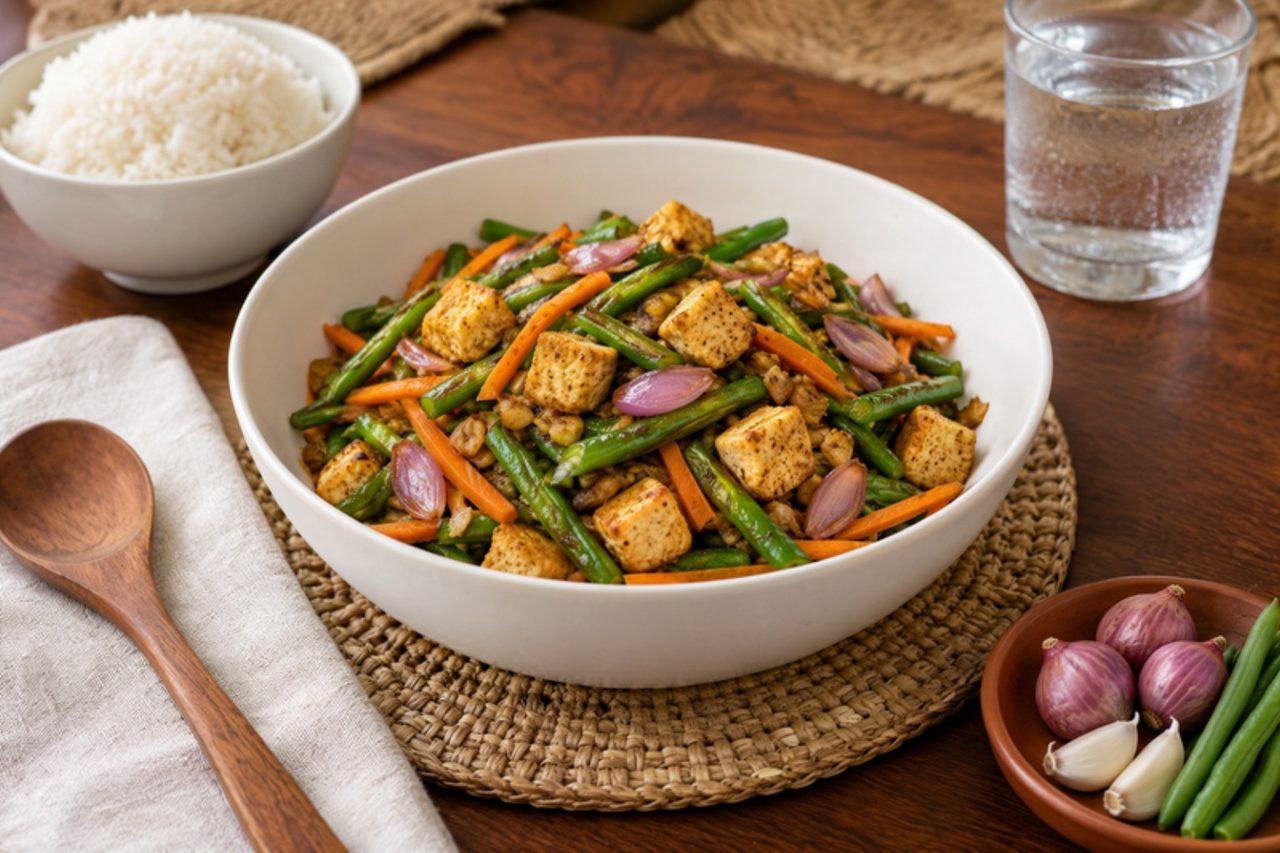
Every Indonesian warung and school bekal box has a vegetable tumis, a quick stir-fry, and green beans with carrot are the everyday favourite: crunchy, garlicky and slightly sweet, ready in a quarter of an hour. Cubes of tofu are often added to make it more filling. The common mistake is covering the wok, which steams the beans an army green; cook them uncovered with a splash of water so they stay bright. Chef's tip: slice the beans on a sharp diagonal so they cook in the same time as the thin carrot and pick up more of the seasoning.

by KrazyBadal 0 views

Charbat (Algerian lemon drink)

During Ramadan, as the afternoon wears on, vendors in Algiers' Bab El Oued, in Blida and Boufarik and in the old streets of Constantine fill plastic bags and jugs with ice-cold charbat for families to carry home before the call to iftar. It is lemonade made with lemon zest rubbed into sugar, a good splash of orange blossom water and a little milk, which turns it pale, opaque and silky and takes the sharp edge off the lemon. Served with zlabia, qalb el louz or straight after the dates and chorba, it tastes like lemon sherbet with a floral finish. The common mistake is adding the milk to strong, undiluted lemon juice, which curdles it into flecks; dilute the lemon fully, chill it, and only then pour in cold milk slowly while stirring. It is ready when it looks like pale lemon cream, smells of orange blossom and tastes sweet first, then tart. Lemon-and-milk drinks do not keep well, so make it the afternoon you serve it. Chef's tip: let the zest sit in the sugar for a good 10 minutes before adding water; the oils give charbat its perfume, far more than the juice alone.

by KrazyBadal 0 views

Cocido quemadoBurnt sugar mate drink

Cocido is how Paraguay starts the day: in Asunción, in the villages of Guairá and Itapúa, and in school kitchens, a pot of burnt yerba is brewed and poured into cups with chipa, the cheesy cassava bread, or with a hard galleta. The old way is to drop a glowing piece of charcoal into a pot with yerba and sugar and stir until the sugar burns. On a home stove you caramelise them together in a dry pan instead, which is safer and gives the same smoky, toffee-like taste. The drink is clear amber-brown, with roasted, slightly bitter mate notes over burnt-sugar sweetness; with milk added it becomes cocido con leche, creamy and coffee-coloured. Yerba mate contains caffeine, so treat it like a cup of coffee. The common mistake is letting the sugar go black: it turns acrid and bitter. Pull it off the heat when the caramel is deep amber and the yerba smells toasted, not burnt. It is ready when the liquid is a clear dark amber and tastes of toffee and smoke. Chef's tip: the water will spit fiercely when it hits the hot caramel, so pour it in from the side, at arm's length.

by KrazyBadal 0 views

Martín FierroCheese with quince paste

Ask for dessert in a Montevideo bodegón or a country parador and you may be offered a Martín Fierro: a thick slice of fresh, mild cheese laid with an equal slice of dense quince or sweet-potato paste, named after the gaucho of the epic poem. It's salty against sweet, soft against firm, and takes two minutes to assemble. Uruguayan fresh cheese is usually made with animal rennet, so choose one with vegetarian rennet if that matters to you. The mistake is serving it fridge-cold, which dulls both flavours. Chef's tip: cut the cheese and paste to exactly the same thickness, about 1 cm, so every bite has both.

by KrazyBadal 0 views

TereréIced yerba mate

In Asunción the hottest part of the day stops for tereré: a horn or cup packed with yerba mate, topped up again and again with ice water infused with crushed herbs, and passed round the group through a metal straw. It was recognised by UNESCO as part of Paraguay's cultural heritage, and the herbs (yuyos) change with the season and the drinker's mood. Yerba mate contains caffeine, so it isn't one for small children. The common mistake is pouring water straight into loose yerba, which then clogs the straw; tilt the yerba to one side first. Chef's tip: for tereré ruso, swap the water for cold orange or grapefruit juice.

by KrazyBadal 0 views

Showing 24 of 45 recipes

Show more recipes

Page 1 of 2