Skip to content
Recipes

All recipes

Vegetarian, or something you can't eat? Set your diet once and we'll hide recipes that don't fit.

Gongura pappuLentils with sour roselle leaves

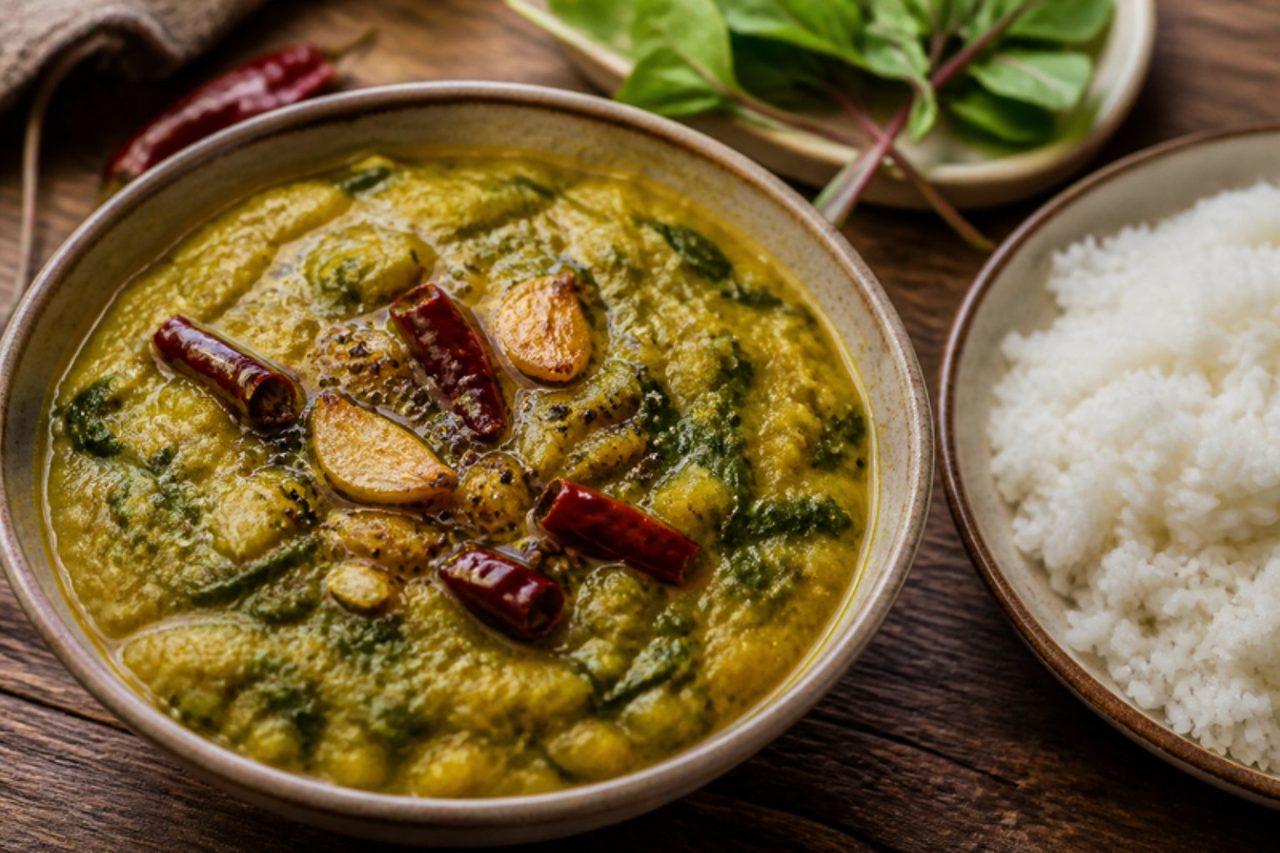
In Guntur, Vijayawada and across Telangana, gongura pappu is the everyday lunch dal that people who move away miss most: toor dal cooked soft with handfuls of sour roselle leaves, which melt into a tangy, olive-green purée, then finished with a sizzling tempering of garlic and dried red chillies. It is eaten mixed into hot rice with a spoon of ghee or oil and a crisp papad. A portion gives about 20 g of protein, almost all from the toor dal, and about 23 g with a plate of rice. Gongura is sold in Indian grocers in bunches; you need only the leaves. The most common mistake is cooking the leaves in an aluminium or iron pan: their acid reacts with the metal and the dal turns dark and tastes metallic, so use a steel or enamelled pot. Chef's tip: mash the dal and wilted leaves together hard with a whisk or wooden masher before tempering; a smooth, creamy pappu carries the sourness evenly instead of in stringy patches.

by KrazyBadal 0 views

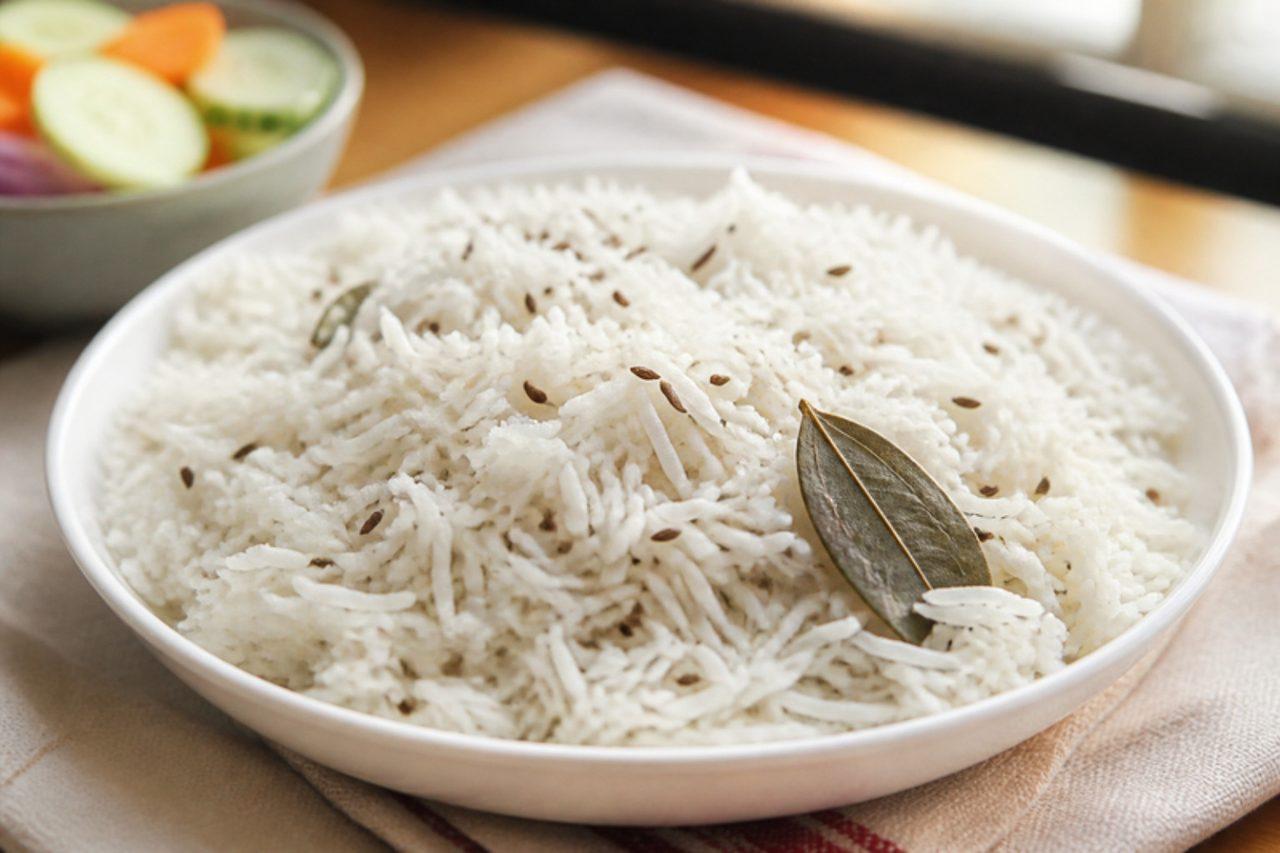
Jeera riceCumin rice

Jeera rice is the plain-but-not-plain rice of North Indian restaurants and homes, cooked on weeknights from Delhi to Lucknow to go with dal makhani, rajma, chole or any gravy curry. Cumin seeds are fried in ghee with a bay leaf, cardamom and cloves until they crackle, then rinsed basmati is cooked in the same pot, so every long grain is scented and separate. The usual mistake is stirring the rice while it cooks, which breaks the grains and makes it sticky. Chef's tip: if you have 20 minutes to spare, soak the rinsed rice first; the grains cook up longer and even fluffier (that pushes it past 30 minutes).

by KrazyBadal 0 views

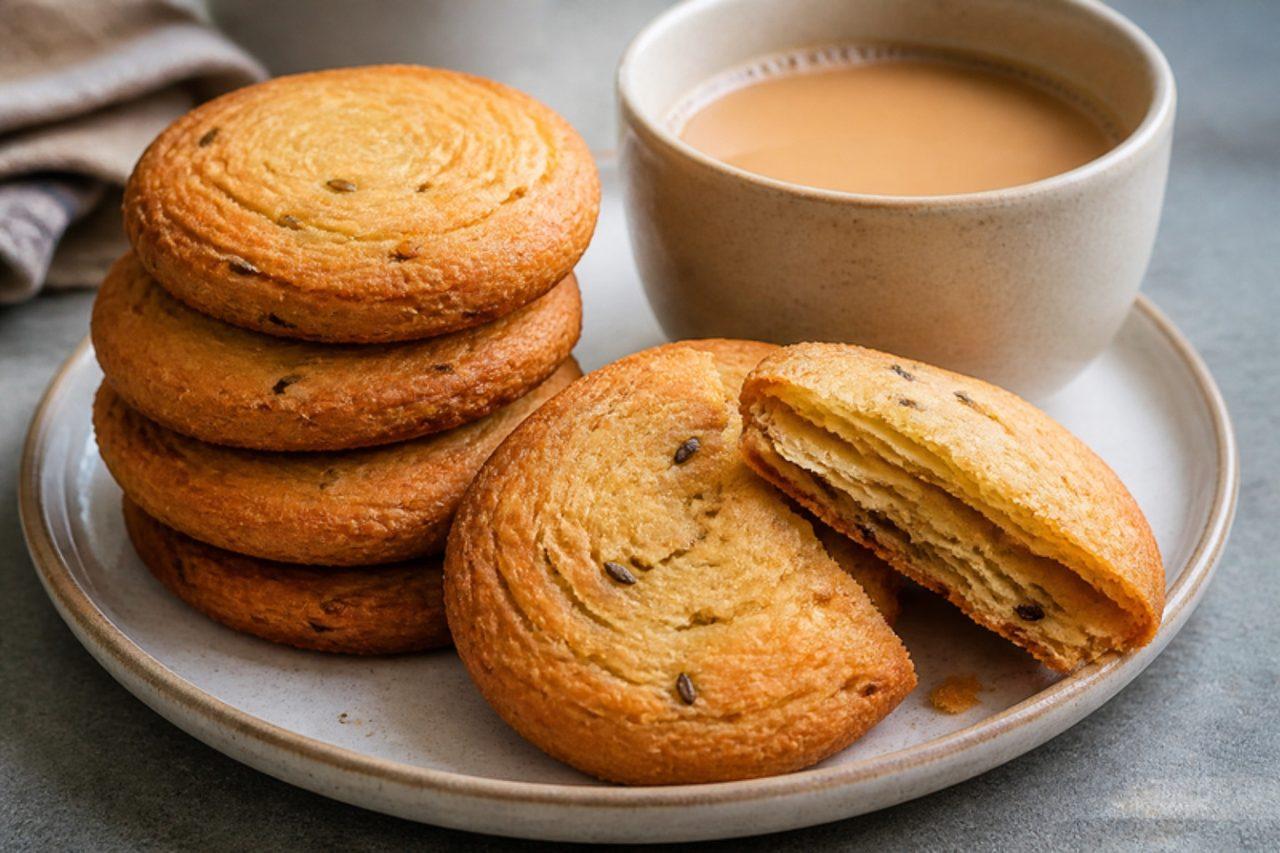
Surti jeera butter biscuitsCumin butter tea biscuits

Surat's old bakeries, some of them run by Parsi and Bohra families for a century, sell 'butter' by the kilo: round, crisp, flaky biscuits that crack into layers, and the jeera version is salted and freckled with cumin. Gujaratis eat them with morning tea, crushed into a saucer of chai or spread with a little butter. Unlike khari they start with a lightly yeasted dough that is spread with a ghee-and-flour paste and folded, then baked once until risen and again, low, until bone dry, which gives a crunch rather than a shatter. The mistake most people make is pulling them out after the first bake because they look done; they need the long, slow second bake or they turn chewy. Chef's tip: toast the cumin in a dry pan for a minute and crush half of it before it goes into the dough, so the flavour runs through every layer.

180 minIndianBaking
by KrazyBadal 0 views

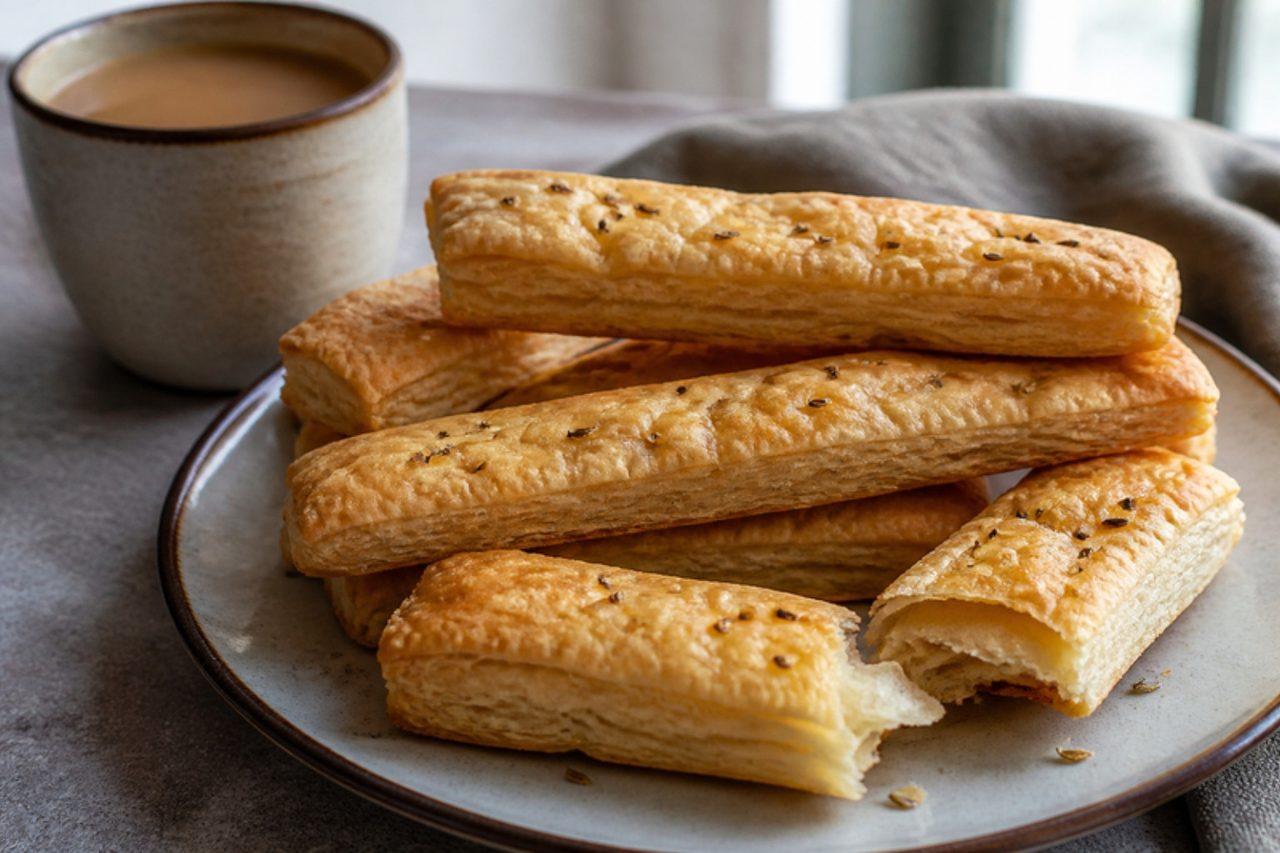
Khari biscuitsSalted puff pastry sticks

Chai in Mumbai's Irani cafés and Ahmedabad's corner bakeries comes with a glass jar of khari: long, shattering sticks of puff pastry, salty rather than sweet, that flake all over your lap. People dip them in sweet masala chai, which soaks into the layers in seconds, so the trick is a quick dunk. Bakeries usually laminate with margarine or vanaspati; butter gives a richer, cleaner taste, and this eggless home version uses a block of cold butter folded into a plain dough, with a scatter of cumin or crushed kasuri methi on some. The biggest mistake is letting the butter go soft between folds: it smears into the dough and the sticks bake up hard and bready instead of rising into dozens of leaves. Chef's tip: once the sticks have puffed and coloured, lower the oven and leave them in until the centres are dry; under-dried khari go soft in the jar within a day.

185 minIndianBaking
by KrazyBadal 0 views

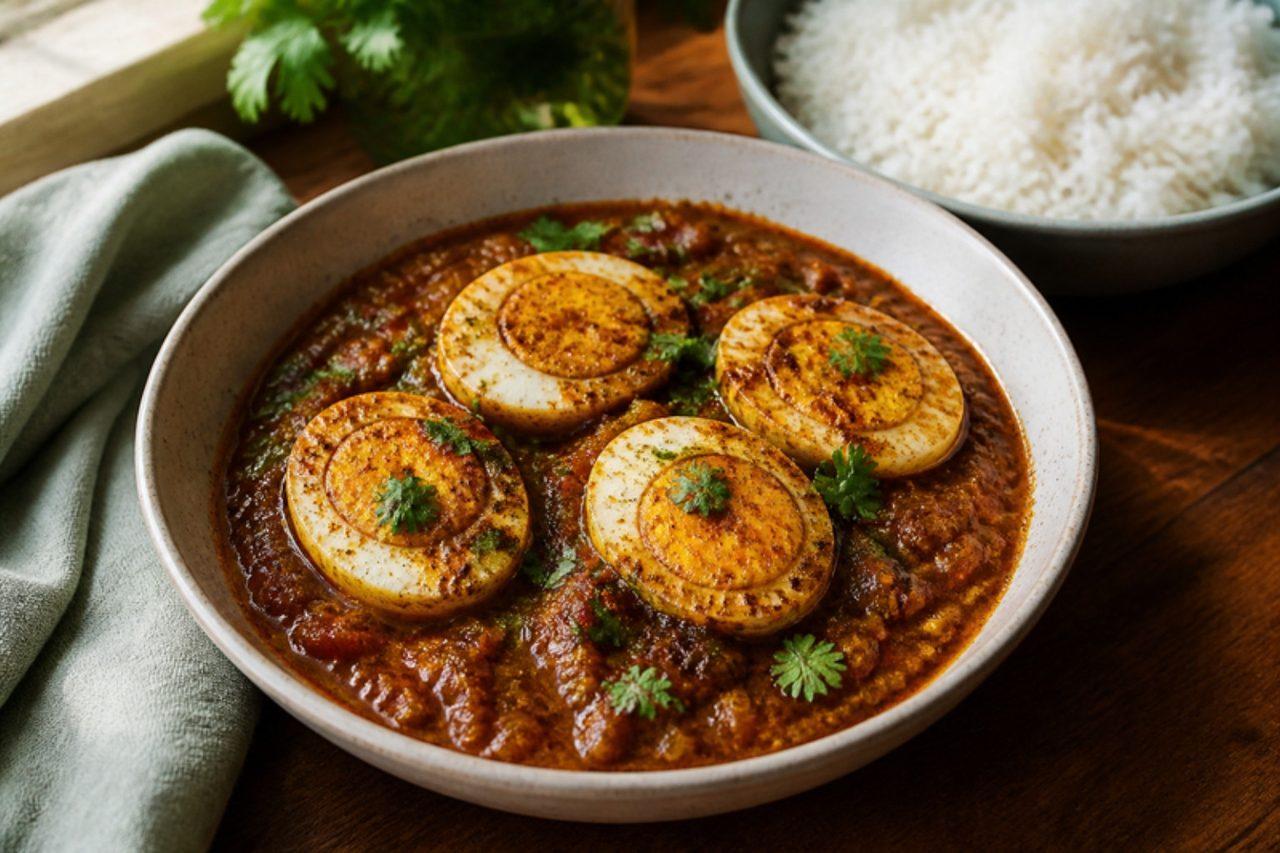
Anda curryEgg curry

Anda curry is the North Indian weeknight curry that comes together when the fridge holds little more than eggs, onions and tomatoes, served across Punjab and Uttar Pradesh with rotis, jeera rice or paratha. Hard-boiled eggs are scored and fried with turmeric and chilli so they get a speckled, golden skin, then simmered in a gravy of browned onion, ginger, garlic, tomato and garam masala. The common mistake is under-browning the onions: pale onions give a thin, raw-tasting gravy, so cook them until they are deep golden. Chef's tip: make shallow cuts in the boiled eggs before frying, so the masala seeps into the whites.

by KrazyBadal 0 views

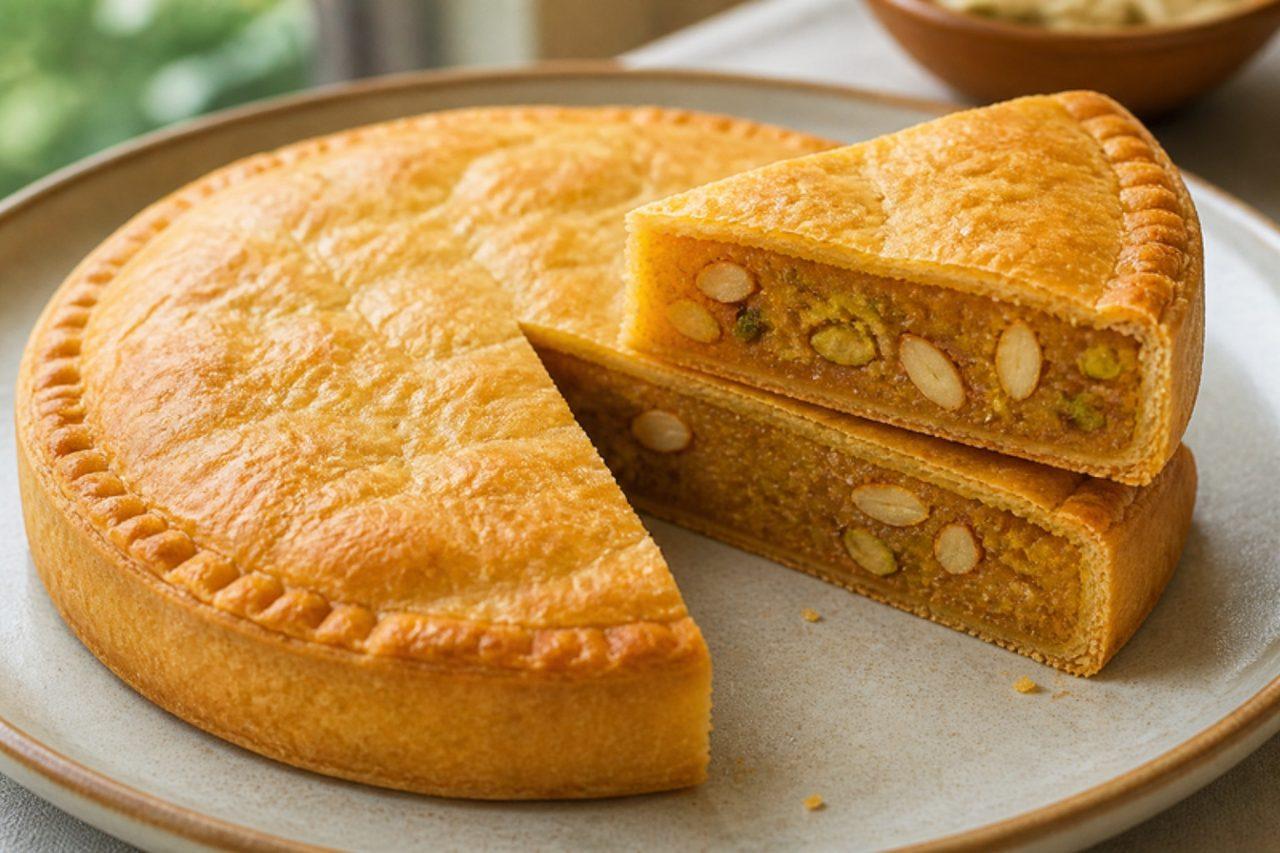
Dar ni poriSweet lentil pie with nuts

Parsi families in Mumbai and the small towns of south Gujarat order dar ni pori for Navroz, birthdays and the first day of a new job, when a sweet that keeps well is needed for visitors. A thin, flaky shortcrust holds a fudgy filling of toor dal cooked down with sugar and ghee, scented with cardamom, nutmeg and rose water and studded with almonds and pistachios. It tastes a little like a nutty halwa wrapped in pastry and is cut into small wedges, usually with a cup of milky tea. The usual mistake is stopping the filling too early: if it is still soft and wet it soaks the pastry and leaks through the seams. Chef's tip: the dal is ready when it pulls away from the pan as one mass and a spoonful holds a clean shape on a plate.

150 minIndianBaking
by KrazyBadal 0 views

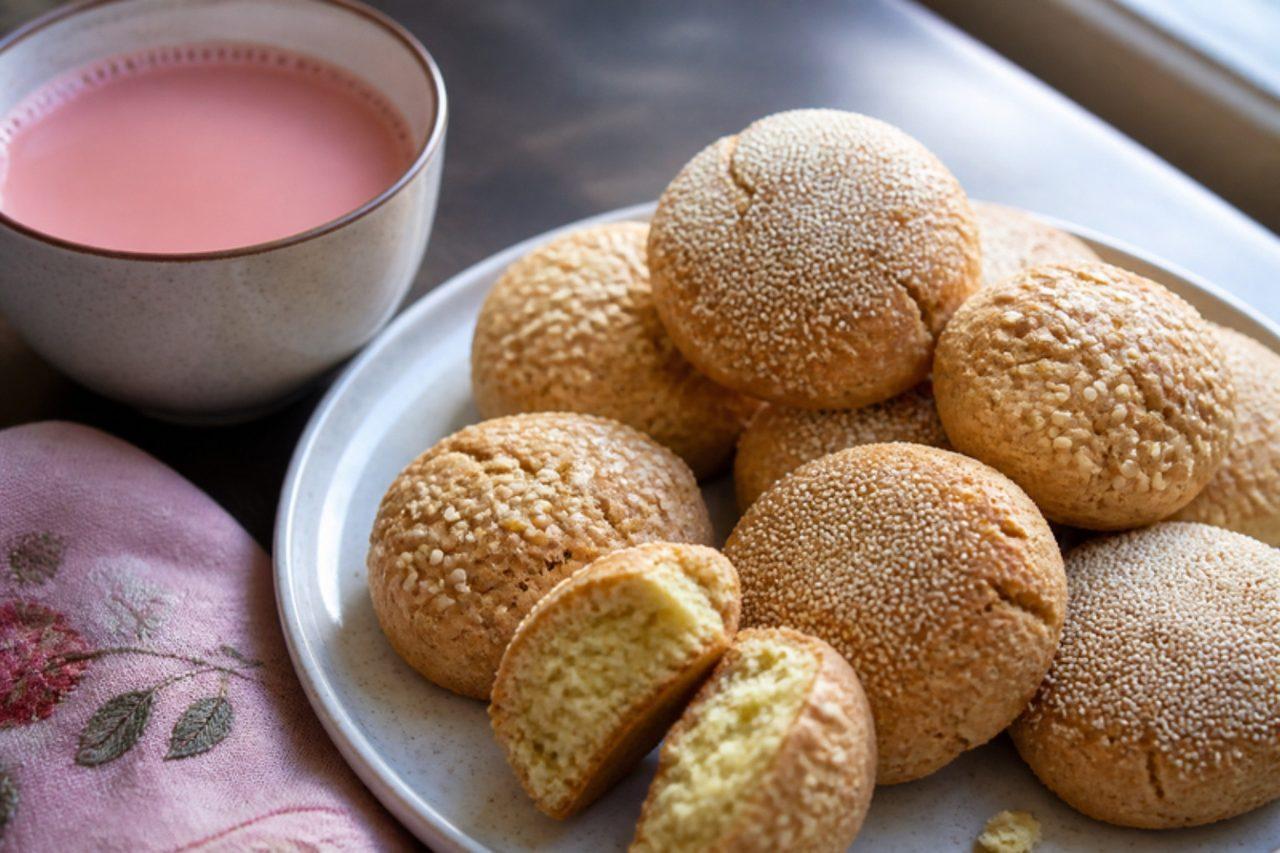
Kashmiri bakery kulchaPoppy seed or sesame tea biscuits

Before dawn the kandurwaan, Srinagar's neighbourhood baker, lights his clay oven, and by breakfast his shelf holds stacks of kulcha: small, thick, very crumbly rounds, some salted and crusted with poppy seeds, some sweet and dotted with sesame. They are nothing like the soft Punjabi bread of the same name. Kashmiris eat them with noon chai, the pink salted tea, breaking a kulcha into the cup or alternating bites and sips; they are also handed out at weddings and taken as gifts when visiting. This eggless home version makes both kinds from one ghee-rich dough. Do not overwork it: kneading develops gluten and you lose the sandy crumble that makes kulcha special. Chef's tip: bake them pale and low; a real Kashmiri kulcha is barely golden on top and crisp only on the base, so take them out while they still look a little underdone.

by KrazyBadal 0 views

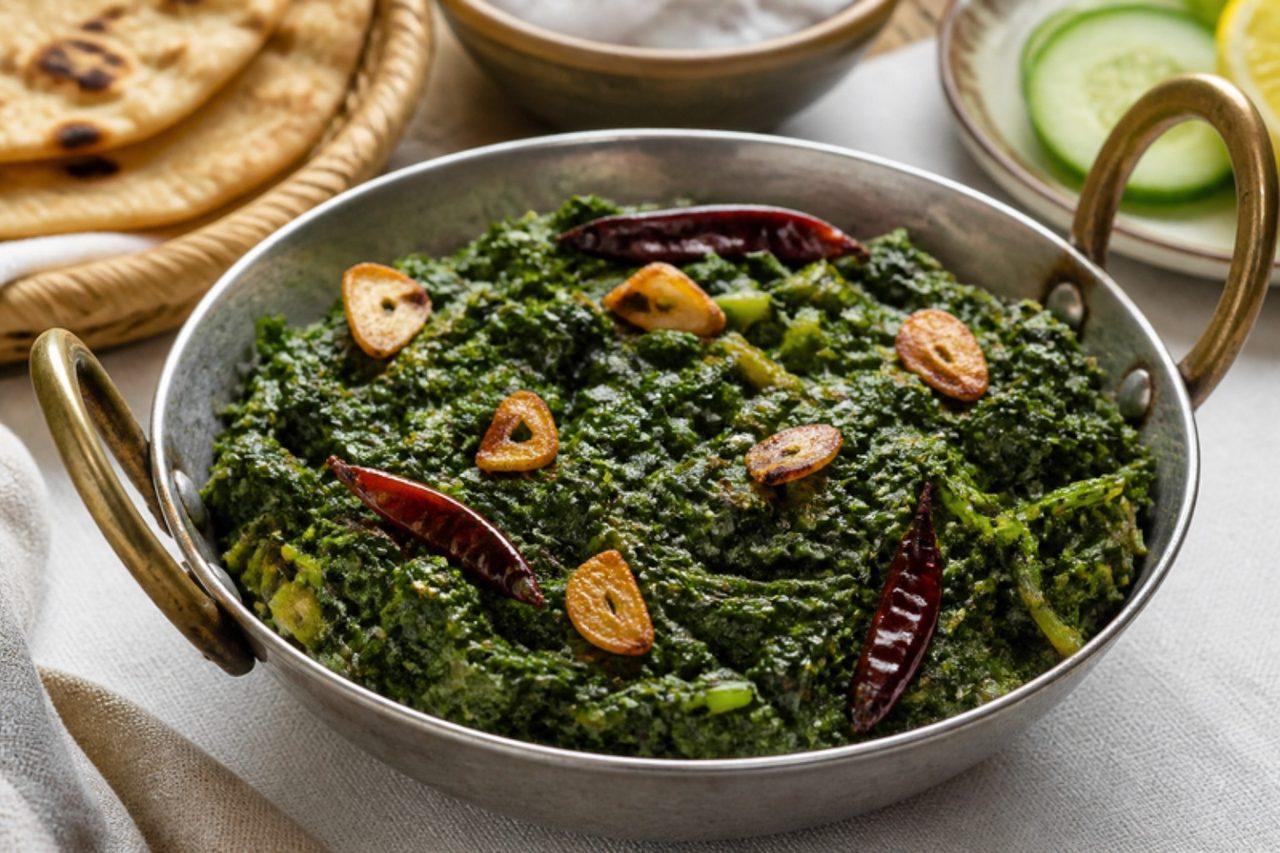
Lehsuni palakGarlic spinach

In Punjabi homes from Amritsar to Ludhiana, lehsuni palak is the green dish that lands on the table in winter when spinach is cheap and sweet, eaten with hot phulkas and a bowl of dal. It is not a purée like palak paneer: the leaves are chopped and wilted so they keep some body, then a second round of garlic fried golden in oil is poured over at the end, nutty and fragrant. The usual mistake is burning the garlic; dark brown garlic turns bitter and spoils the whole pan, so pull it off the heat when it is the colour of light toast. Chef's tip: squeeze the washed spinach lightly before it goes in, or the pan floods and the leaves stew instead of sautéing.

by KrazyBadal 0 views

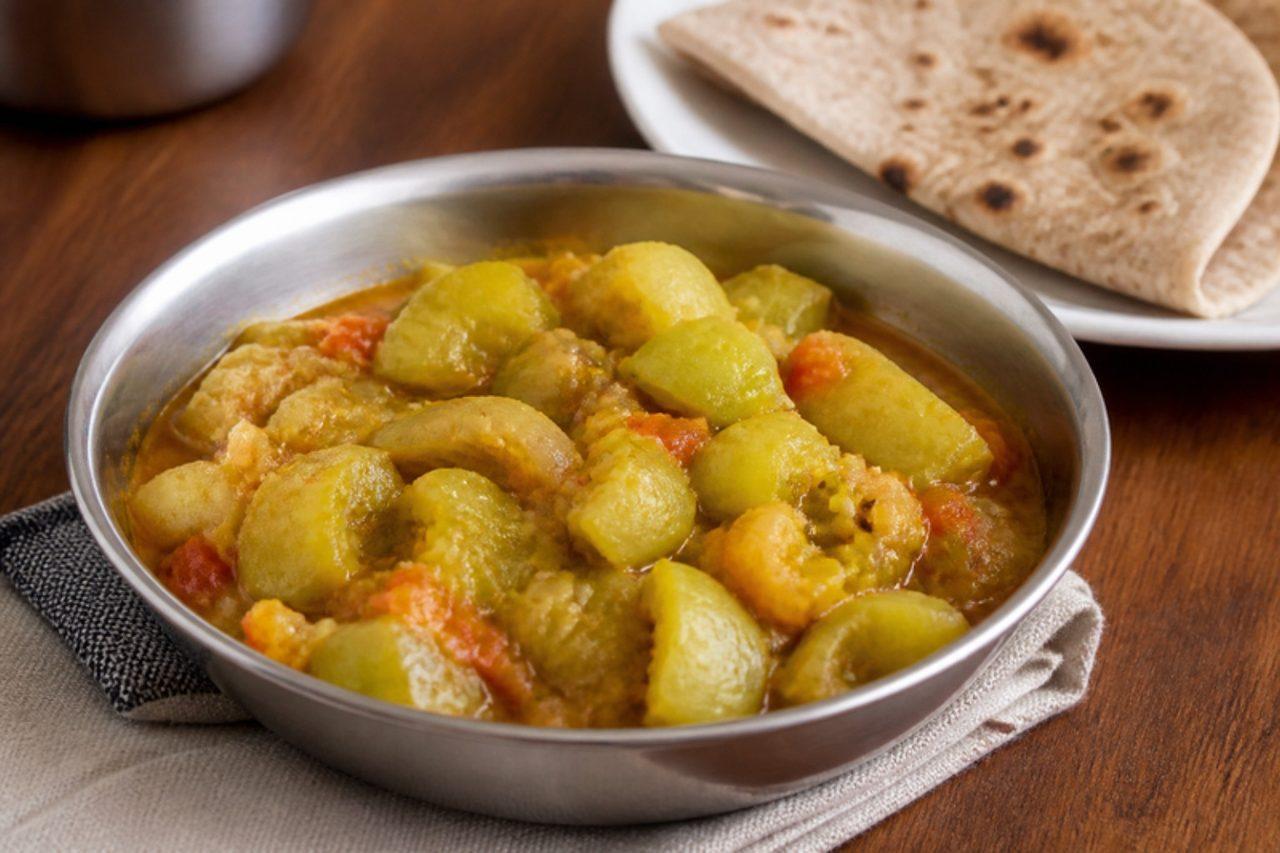
Turai ki sabziRidge gourd with tomato

In Uttar Pradesh, Bihar and across the North Indian plains, turai (ridge gourd) is the light monsoon vegetable that mothers cook for upset stomachs, hot evenings and anyone who wants a gentle dinner with roti and dal. Peeled and chopped, it releases its own water as it cooks, and with a little tomato and cumin it forms a soft, sweet, barely spicy gravy. The common mistake is adding water: the gourd is full of it, and extra water gives a bland, thin soup, so cover the pan and let it make its own. Chef's tip: taste a slice of raw gourd before cooking; very occasionally one is bitter, and a bitter gourd will spoil the whole pot.

by KrazyBadal 0 views

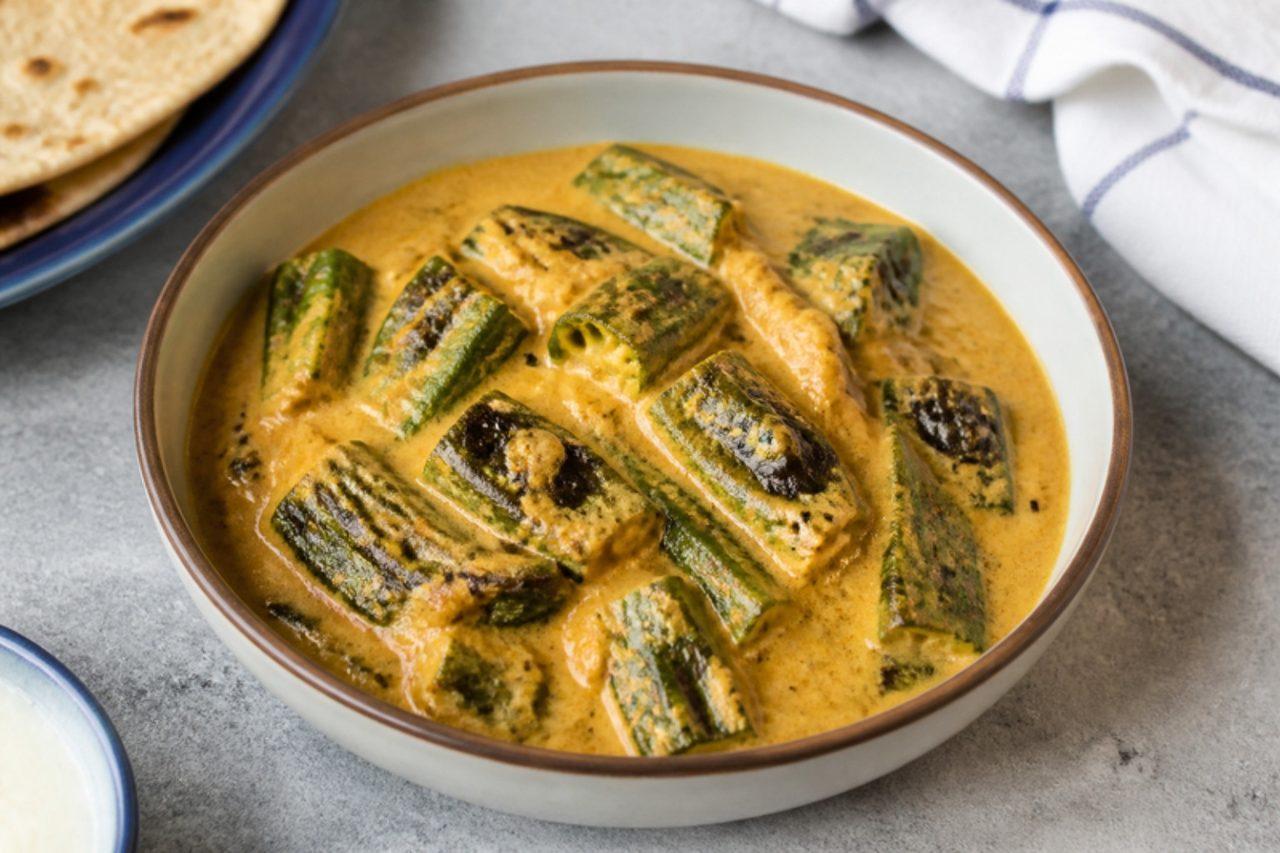
Dahi bhindiOkra in yogurt gravy

Dahi bhindi is how North Indian and Rajasthani cooks turn a plate of okra into a saucy curry for summer evenings, when the heat calls for something sour and cooling. The okra is fried first until it loses its stickiness, then folded into a thin yogurt gravy flavoured with fennel, cumin and a little chilli, good with rotis or plain rice. The usual mistake is pouring in the yogurt over a high flame, which curdles it; whisk it with the spices first, turn the heat right down, and stir until it simmers. Chef's tip: a pinch of crushed fennel seeds in the tempering brings out the sweetness of the okra.

by KrazyBadal 0 views

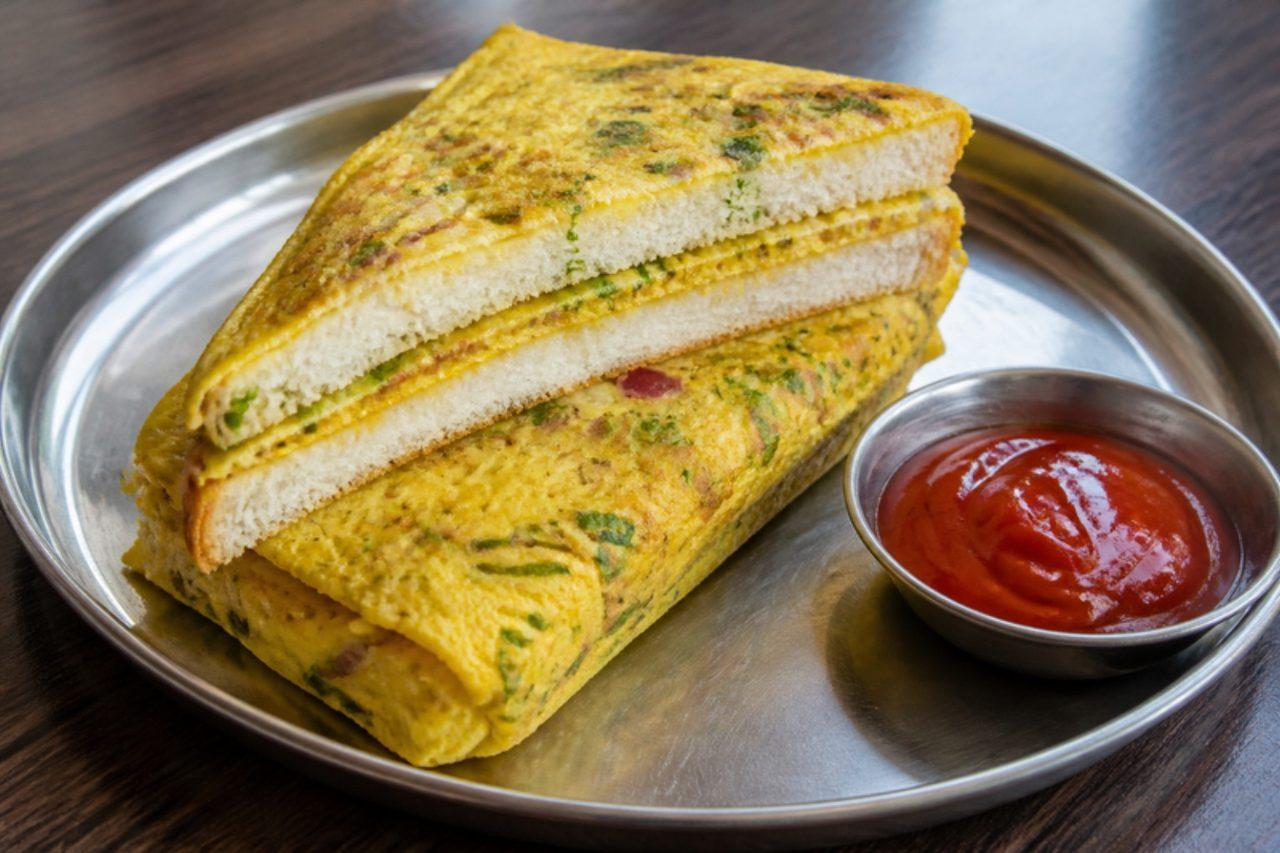
Bread omeletteOmelette sandwich

Every busy corner of Mumbai, and of most Indian cities, has an anda-pav cart where the bread omelette is made to order for breakfast, a college snack or a late-night bite. The trick is that the bread goes into the pan while the egg is still wet, so the egg glues itself onto the slices; the whole thing is then folded into a crisp-edged sandwich with ketchup and green chutney. Children love it, and it is on the plate in ten minutes. The common mistake is pouring the egg and waiting before adding the bread: by then the top has set and nothing sticks. Chef's tip: dip both slices in the raw egg first, then lay them on the omelette, so they soak up a little egg and crisp up like French toast.

by KrazyBadal 0 views

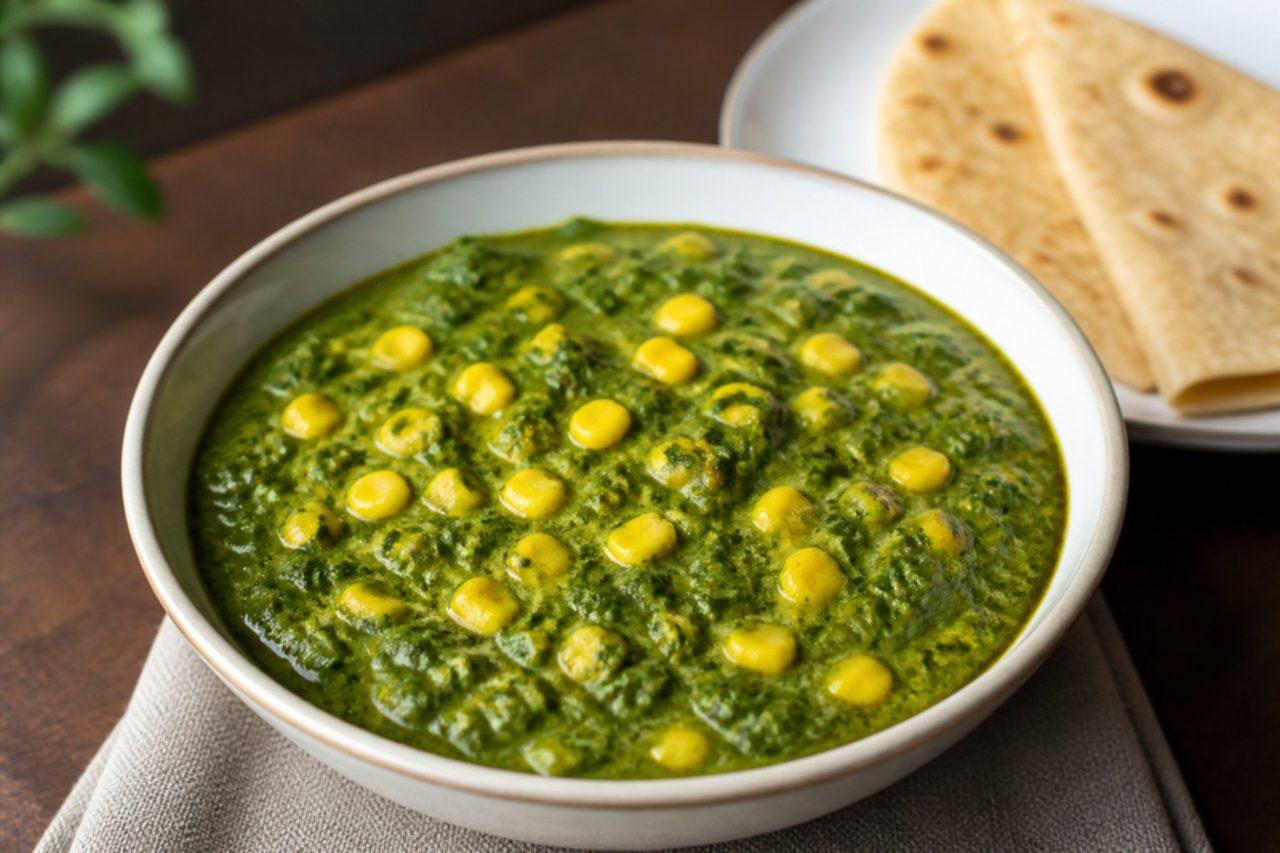
Corn palakSweetcorn in spinach gravy

Corn palak grew out of North Indian restaurant menus, where palak paneer met the sweetcorn that is now in every Delhi and Chandigarh market, and it has become a weeknight favourite for families with children who like the little bursts of sweetness. Blanched spinach is blended smooth and cooked into a light masala with garlic and cumin, then sweetcorn is simmered in and a spoon of cream rounds it off. The most common mistake is boiling the spinach too long before blending, which turns the gravy khaki and bitter; one minute in boiling water and straight into cold keeps it emerald. Chef's tip: a pinch of kasuri methi crumbled in at the end makes it taste like the restaurant version.

by KrazyBadal 0 views

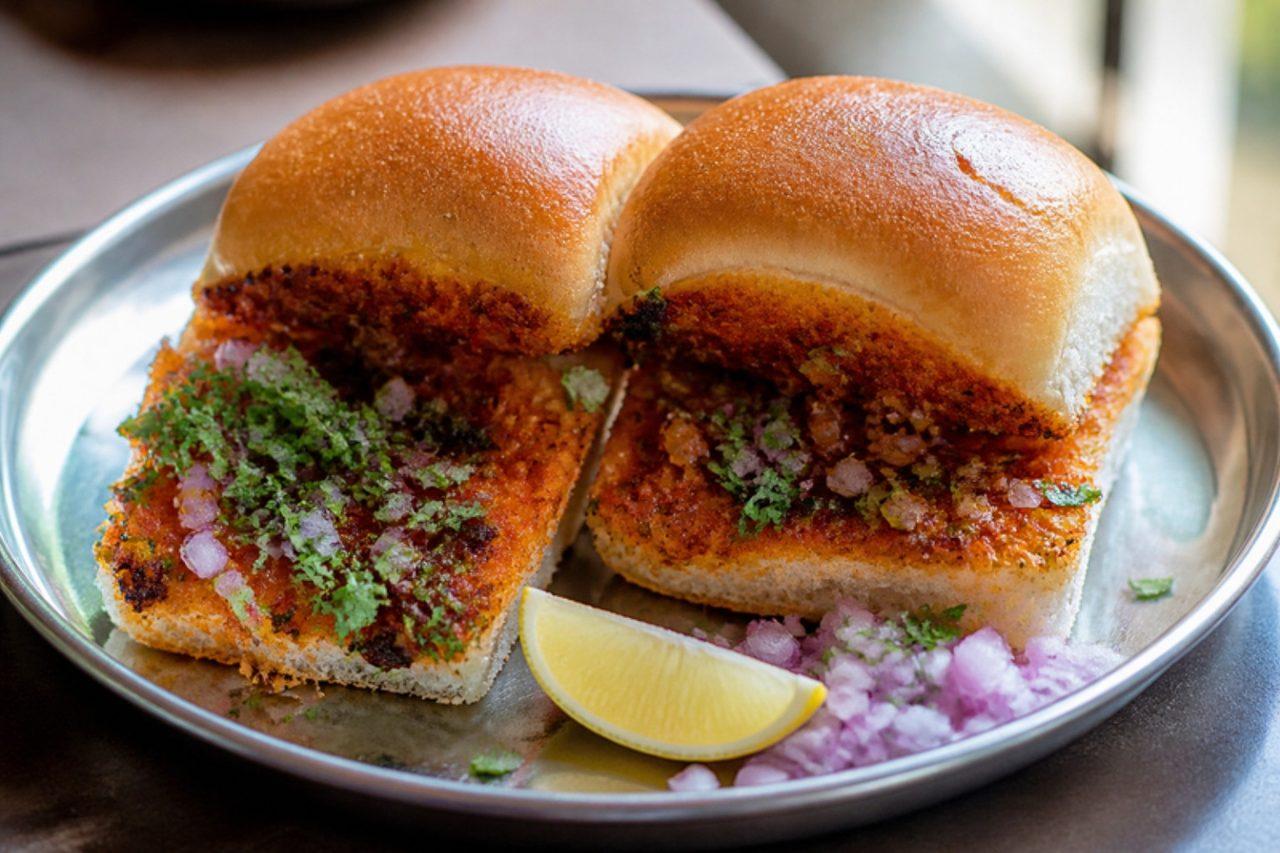
Masala pavSpiced buttered bread buns

Masala pav comes from the pav bhaji stalls of Mumbai, where cooks use the last of the spicy bhaji base to fry split buns on the tawa as a quick evening snack. Here the masala is made fresh: onion, pepper and tomato cooked down in butter with chilli, garlic and pav bhaji masala, then the buns are pressed into it until they soak it up and turn crisp at the edges. It is a fast tea-time snack and a children's favourite with a glass of buttermilk. The usual mistake is putting the buns into a wet, half-cooked masala, which makes them soggy instead of toasty. Chef's tip: cook the masala until it is jammy and clings to the spoon before you add the pav.

by KrazyBadal 0 views

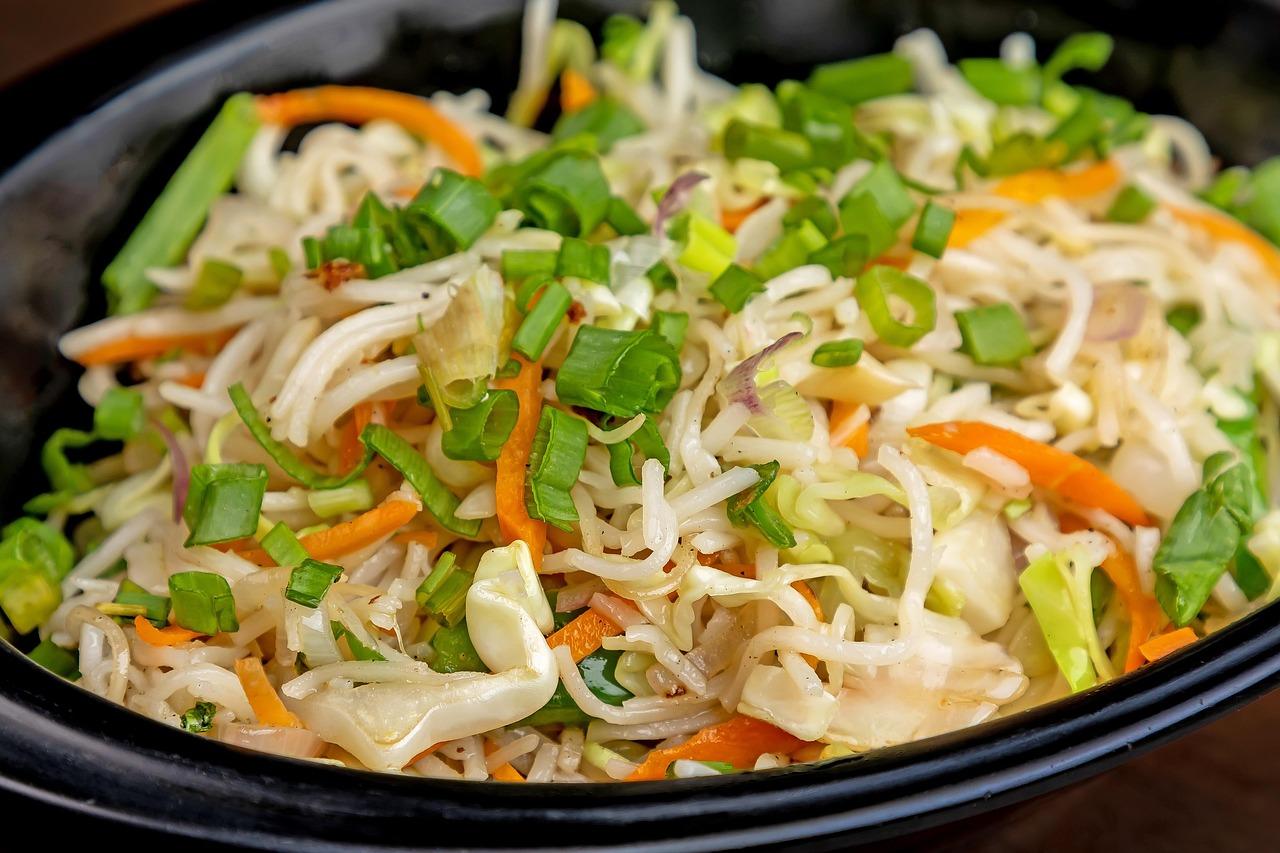
Veg Hakka noodlesVegetable stir-fried noodles

Hakka noodles are the street and restaurant staple of Kolkata's Chinese community, now sold from carts in every Indian city for a cheap evening meal and loved by children everywhere. Thin noodles are boiled, cooled, then tossed over the highest heat with shredded cabbage, carrot, peppers and spring onion, seasoned with soy, vinegar and white pepper. The mistake that ruins them is a crowded, lukewarm pan: the vegetables sweat and the noodles clump into a damp heap, so cook in a very hot wok and do two batches if yours is small. Chef's tip: toss the boiled noodles with a teaspoon of oil as soon as they are drained; they won't stick while you chop. Check the noodle packet: many Hakka noodles contain egg, so buy egg-free ones for a vegan dish.

by KrazyBadal 0 views

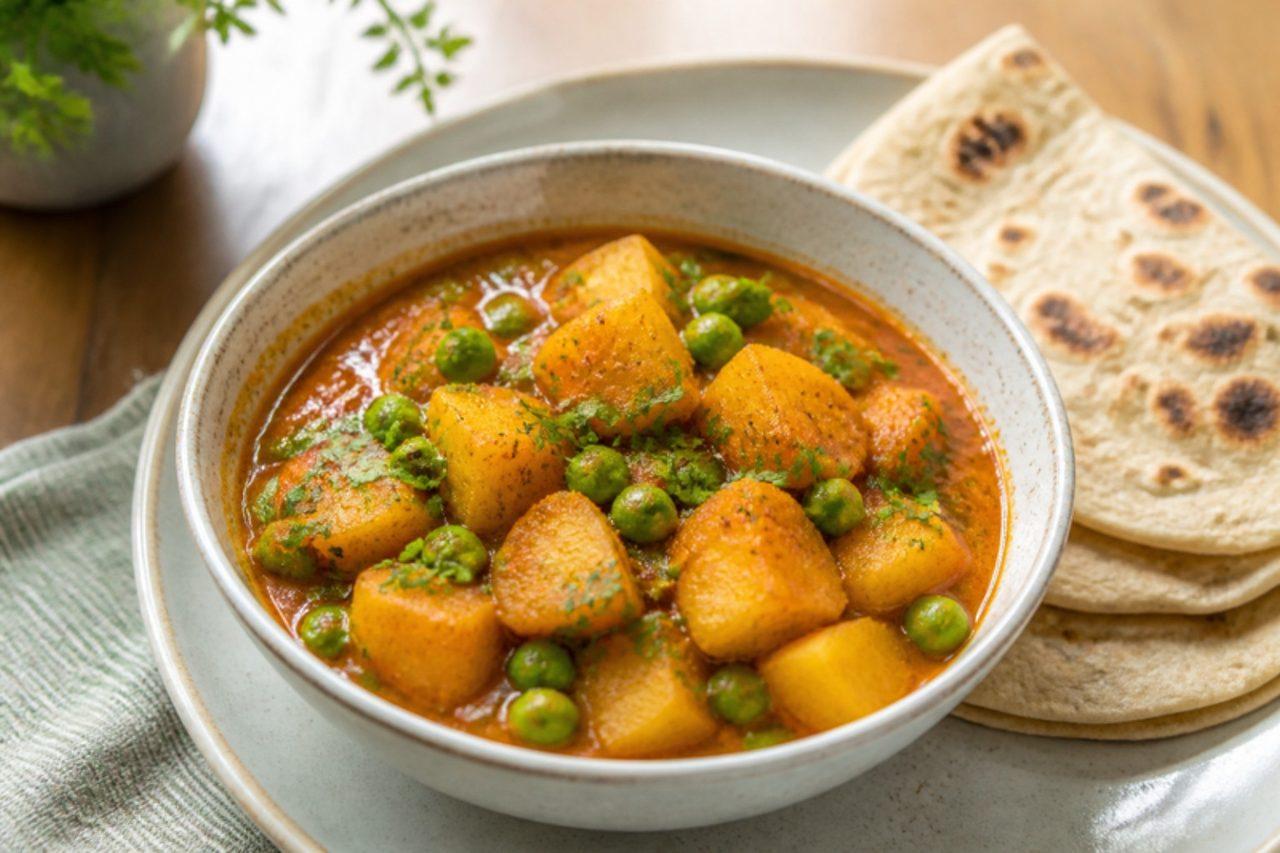
Aloo matarPotato and pea curry

Aloo matar is the everyday potato and pea curry of North Indian homes, cooked through the winter when fresh peas fill the markets of Delhi and Punjab, and eaten with hot phulkas or rice on a weeknight. Small cubes of potato and sweet peas simmer in a thin, bright tomato gravy with cumin, turmeric and coriander, so it is comforting rather than rich. The common mistake is cutting the potatoes too big: they take forever, the peas turn grey waiting for them, and the gravy reduces to nothing. Chef's tip: mash two or three potato cubes against the side of the pot near the end; it thickens the gravy naturally without cream.

by KrazyBadal 0 views

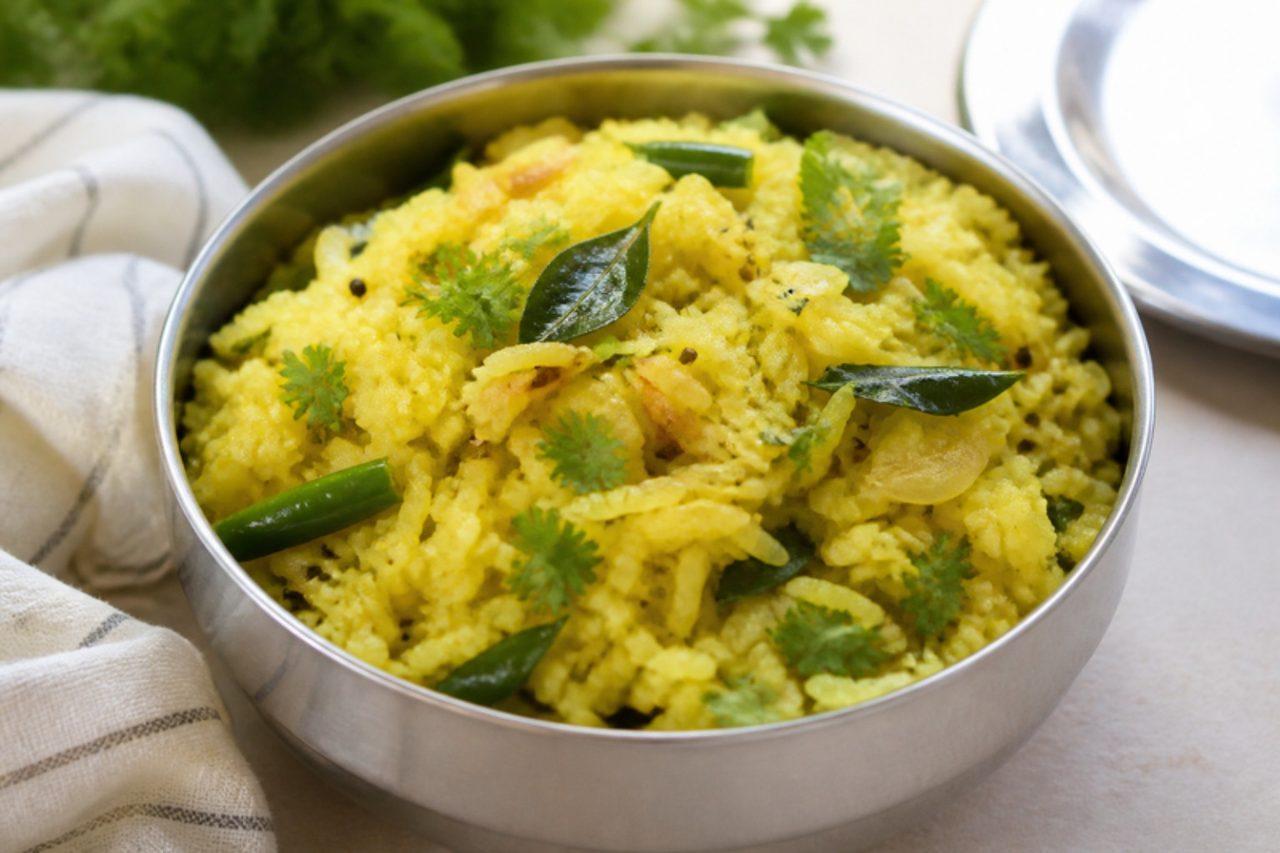
Vagharela bhaatTempered leftover rice

Vagharela bhaat is how Gujarati cooks rescue yesterday's rice: a quick vaghar (tempering) of mustard and cumin seeds, curry leaves, onion and green chilli, then the rice tossed through with turmeric and a squeeze of lemon. It is a one-pan lunch or late dinner, eaten with plain yogurt, a pickle or a bowl of kadhi. The common mistake is using freshly cooked, warm rice, which breaks and goes sticky; cold, fridge-firm rice keeps every grain separate. Food safety: cool leftover rice quickly, keep it in the fridge and use it within a day, and reheat it until piping hot all the way through. Chef's tip: crumble the cold rice with your fingers before it goes in the pan, so you never have to mash clumps in the pan.

by KrazyBadal 0 views

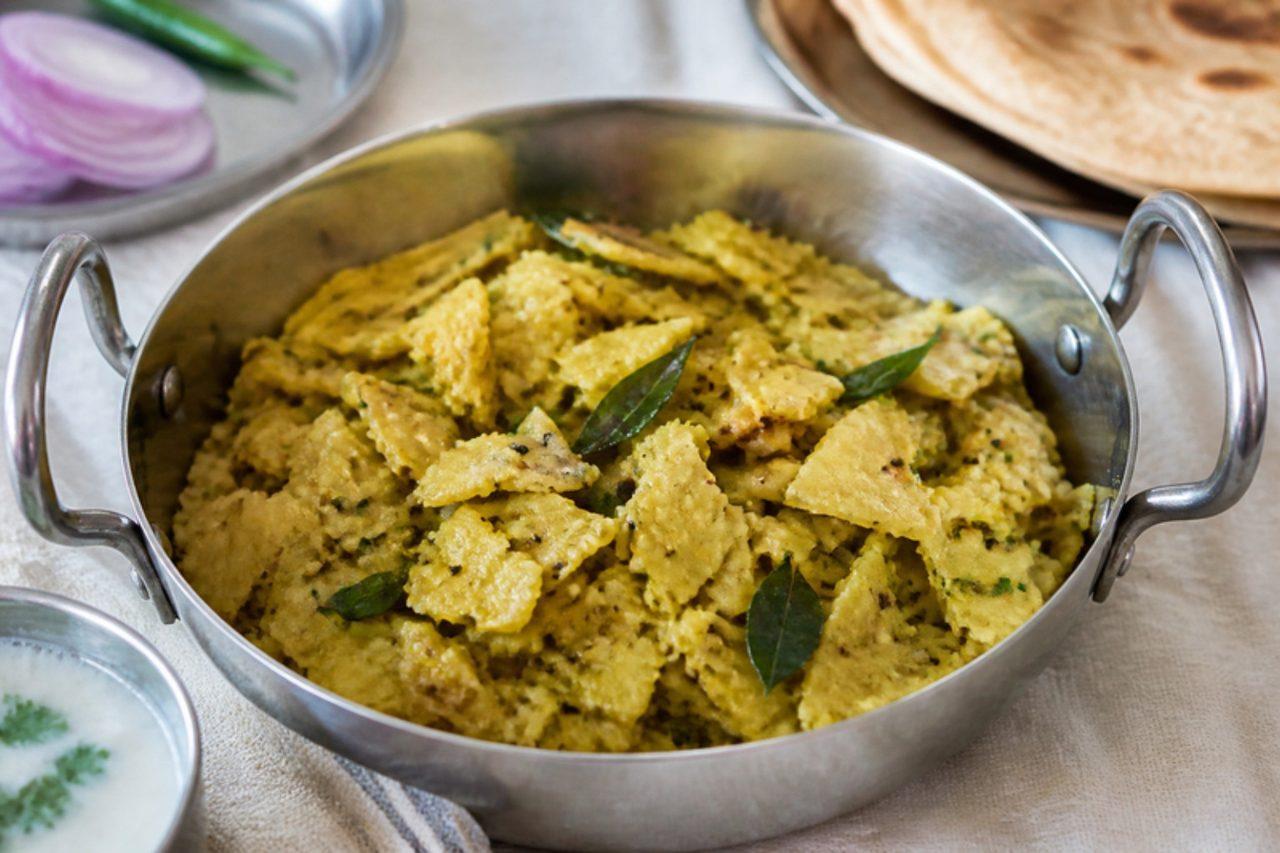
Vaghareli rotliStir-fried leftover flatbread

In Gujarati homes the last night's rotlis never go to waste: torn into pieces and tossed in a mustard-seed tempering with tangy yogurt, a little jaggery and green chilli, they become vaghareli rotli, a sweet-sour-hot breakfast or light supper on the table in fifteen minutes. The pieces soak up the seasoning and turn soft in the middle with a few crisp edges. Serve it with a cup of masala chai. The usual mistake is adding too much yogurt water, which turns the rotli into paste. Chef's tip: use rotlis that are a day old and slightly dry; fresh ones go gluey.

by KrazyBadal 0 views

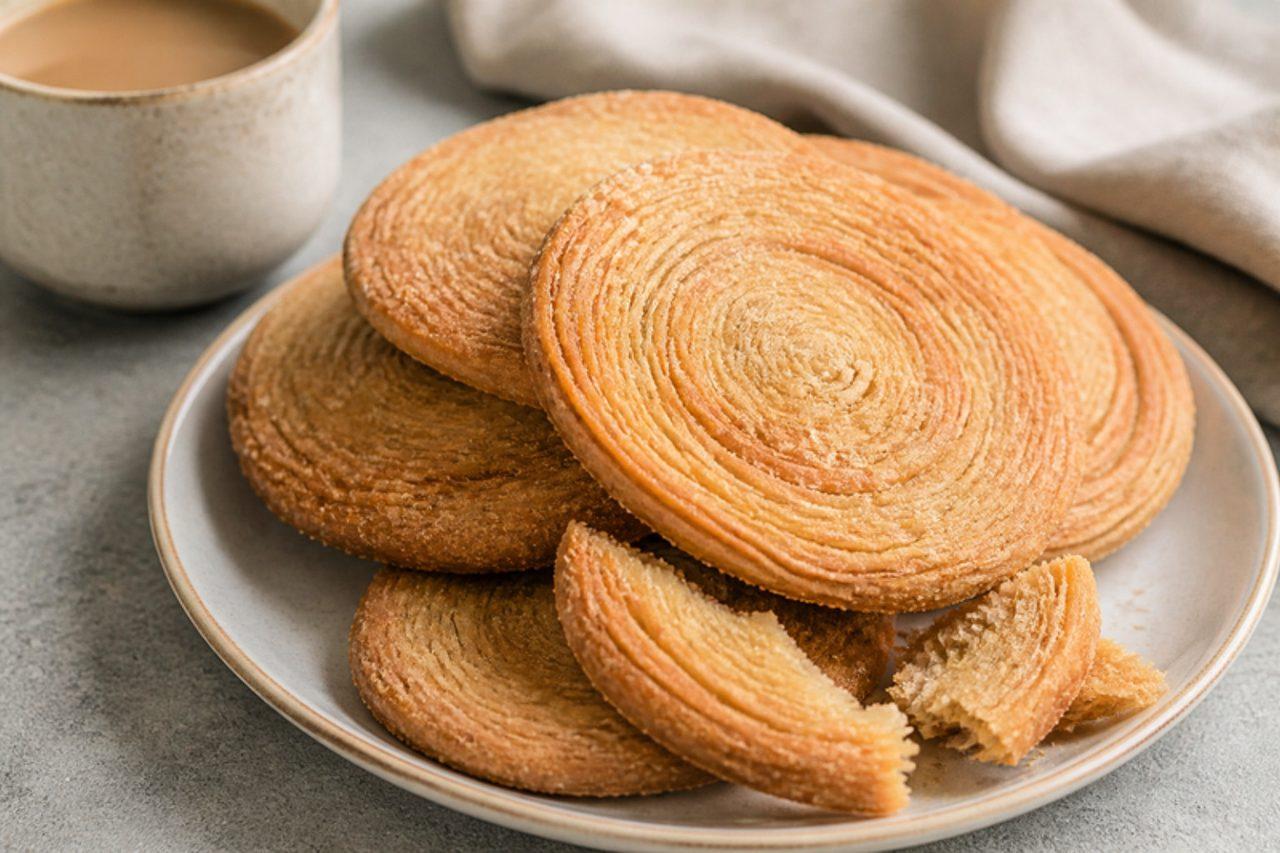
Ooty varkeyFlaky spiral tea biscuits

Up in the cool tea country of the Nilgiris, around Ooty and Coonoor, small bakeries turn out trays of varkey every morning, and tourists carry home bags of them alongside the estate tea. They are flat, golden and lightly sweet, with tight spiral layers that crunch and then melt, a texture the bakers get by rolling a sugared dough up around a fat paste and slicing it like a Swiss roll. Eat them with strong milky Nilgiri tea; locals also crumble them over hot milk. Bakeries traditionally use vanaspati for the paste; butter mixed with a little ghee gives a cleaner taste in this eggless home version. Watch the spiral: if you press the slices too hard when flattening, the layers fuse and the biscuit bakes dense. Chef's tip: chill the rolled log until it is firm enough to slice cleanly; a soft log squashes under the knife and you lose the swirl.

165 minIndianBaking
by KrazyBadal 0 views

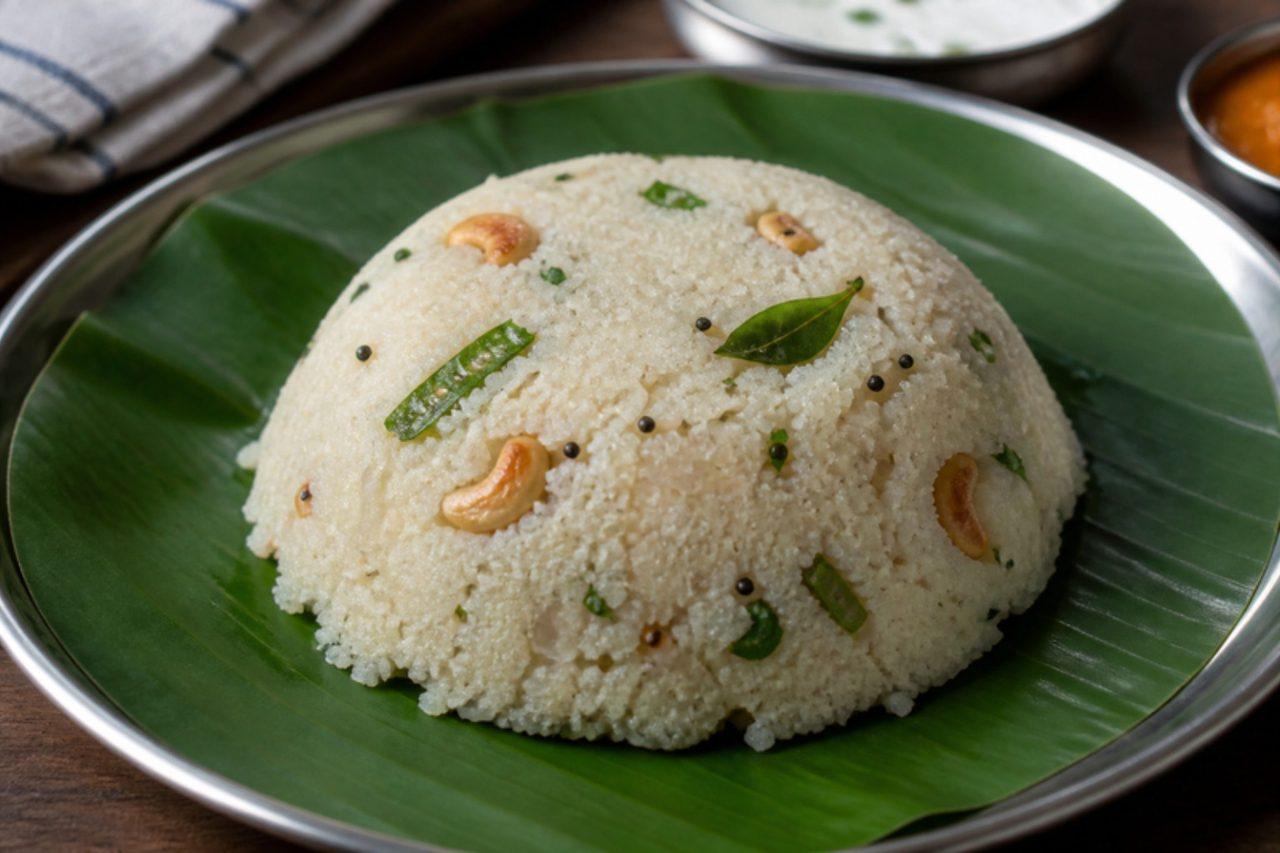
Rava upmaSavoury semolina porridge

Rava upma is breakfast in countless homes across Tamil Nadu, Karnataka, Andhra Pradesh and Kerala, and the dish every South Indian student learns to cook first. Semolina is roasted until it smells nutty, then stirred into boiling water flavoured with a tempering of mustard seeds, urad and chana dal, curry leaves, ginger and green chilli, so it swells into a soft, fluffy, savoury porridge. Serve it with coconut chutney, a little pickle or a banana. The classic mistake is pouring the rava into water that is not boiling, or all at once, which gives lumps. Chef's tip: roast the rava in advance and keep it in a jar; roasted rava makes lump-free upma in ten minutes on a busy morning.

by KrazyBadal 0 views

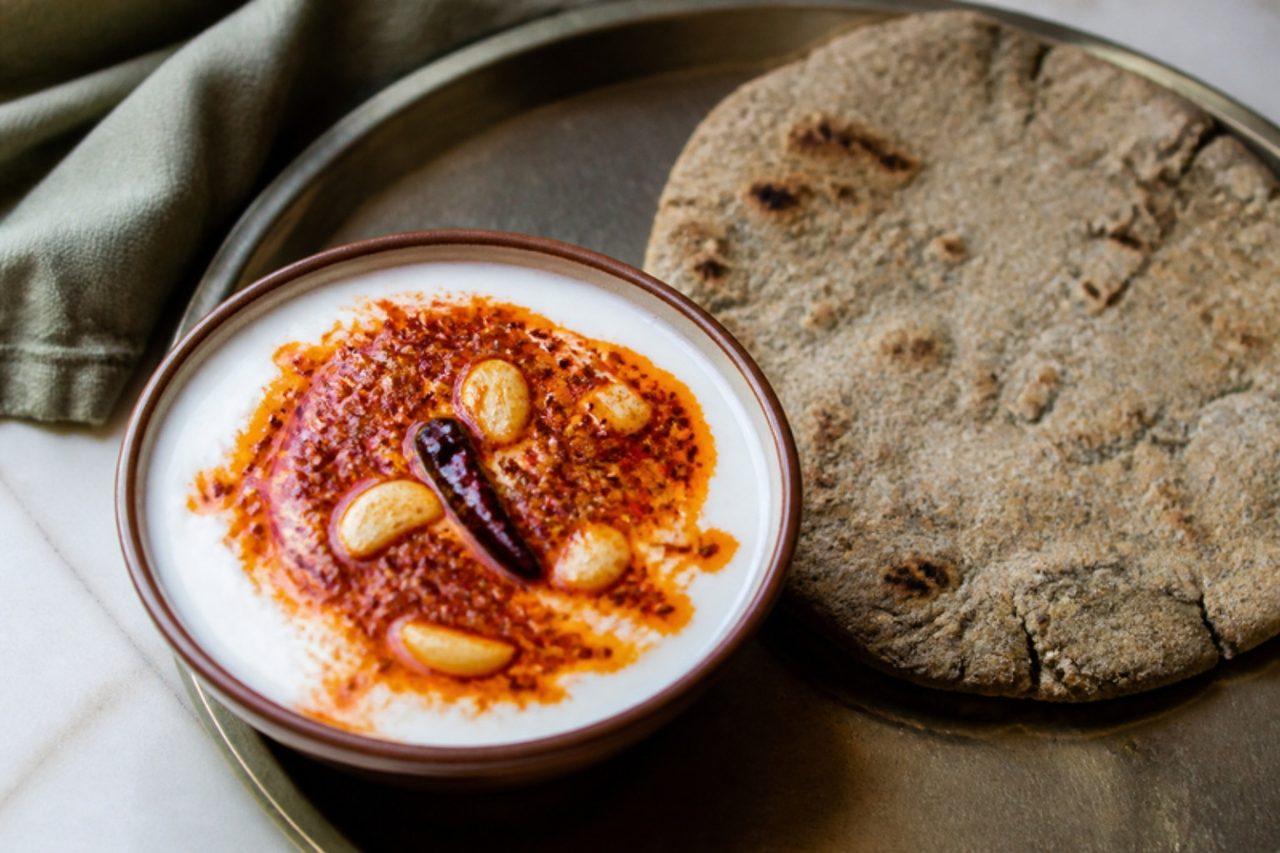
Dahi tikhariYogurt with garlic chilli tempering

Dahi tikhari is a fiery side from the farmhouses and highway dhabas of Kathiawad in Gujarat, where it is scooped up with thick bajra rotla, raw onion and jaggery at supper. Thick yogurt is seasoned with salt, then hot oil with crushed garlic, red chilli and cumin is poured over so it sizzles and streaks the bowl red. It takes ten minutes and cools down a spicy meal while adding its own heat. The common mistake is letting the garlic go dark brown, which makes the whole bowl bitter. Chef's tip: hang the yogurt in a sieve for a few minutes while you prepare the tempering; thicker yogurt holds the oil in pools instead of splitting.

by KrazyBadal 0 views

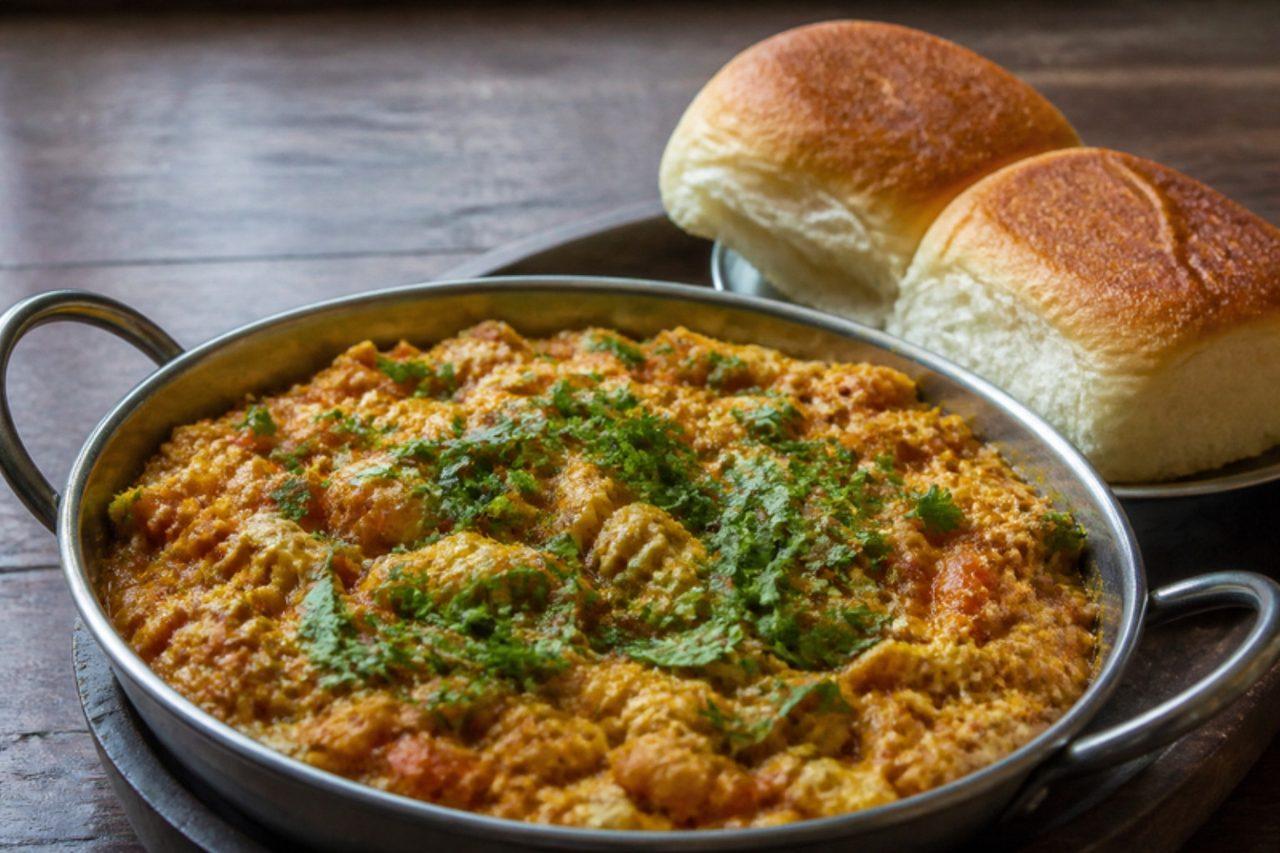
Egg ghotalaSpicy egg mash

Egg ghotala was born on the evening street stalls of Surat in Gujarat, where cooks on huge iron tawas mash boiled eggs and fresh eggs together into a rich, buttery masala and serve it with pav for dinner. 'Ghotala' means a muddle, and that is the point: half the eggs are grated, half are scrambled straight into the onion-tomato base, so you get creamy and chunky bites together. Some stalls finish it with grated cheese; if you add some, check the label, because many cheeses are made with animal rennet, and choose one marked vegetarian. The usual mistake is adding the raw eggs too early, before the masala is cooked down, which leaves the dish watery and pale. Chef's tip: keep the heat high and keep mashing with the back of the spatula, as the stall cooks do, so the eggs and masala blend into one thick mix.

by KrazyBadal 0 views

Tindora nu shaakIvy gourd stir-fry

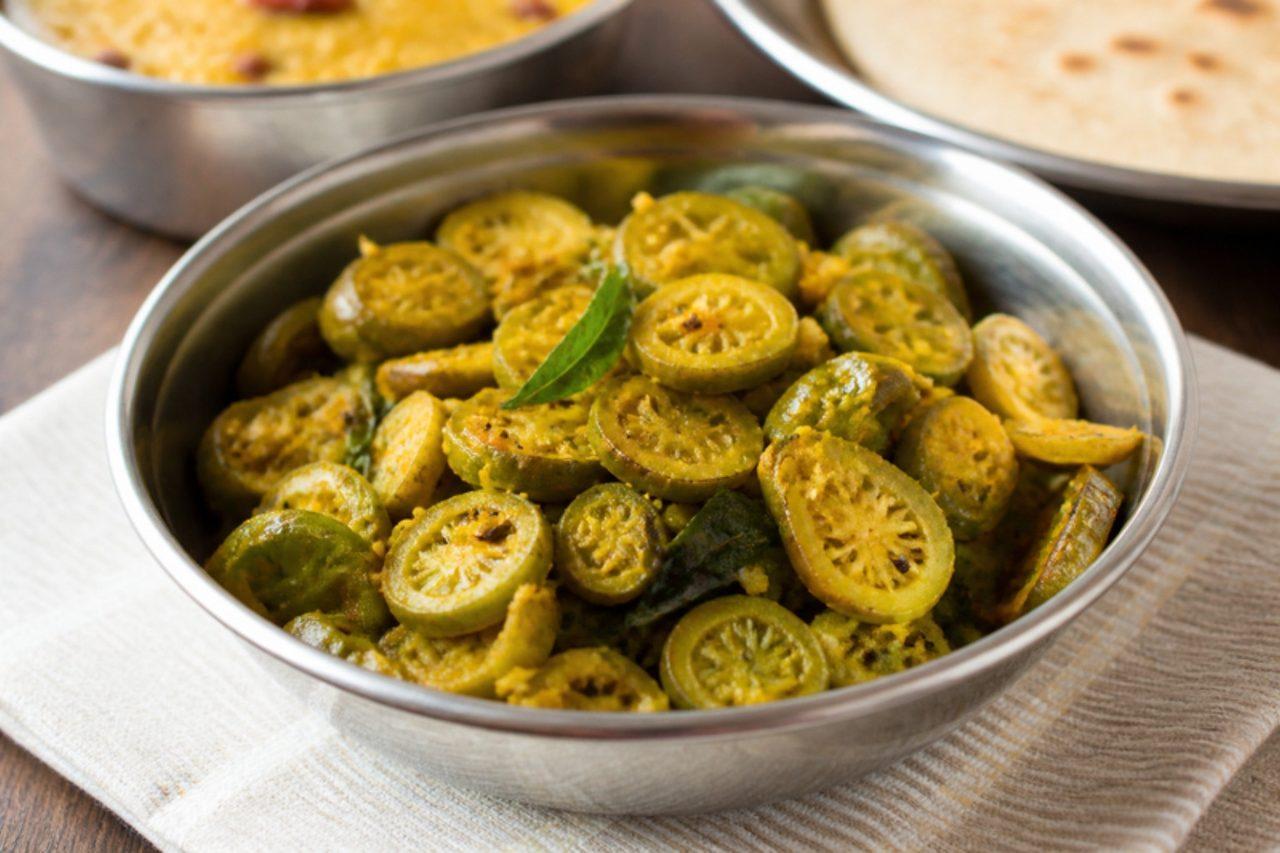
Tindora (ivy gourd) nu shaak is a lunch-box and dinner standby in Gujarat and Mumbai's Gujarati homes: thin rounds of the little gourd stir-fried with mustard seeds and turmeric until they are tender inside and lightly crisp at the edges. It is a dry shaak, eaten with dal-bhaat or rolled into a rotli, and children often like it best. The common mistake is slicing the tindora too thick, which means it either stays raw in the middle or needs water that makes it soggy; cut every round about 3 mm thick. Chef's tip: avoid tindora that is red or soft inside, which means it is overripe and will taste sour. Most hing contains wheat, so buy a gluten-free one if needed.

by KrazyBadal 0 views

AkuriSpiced scrambled eggs

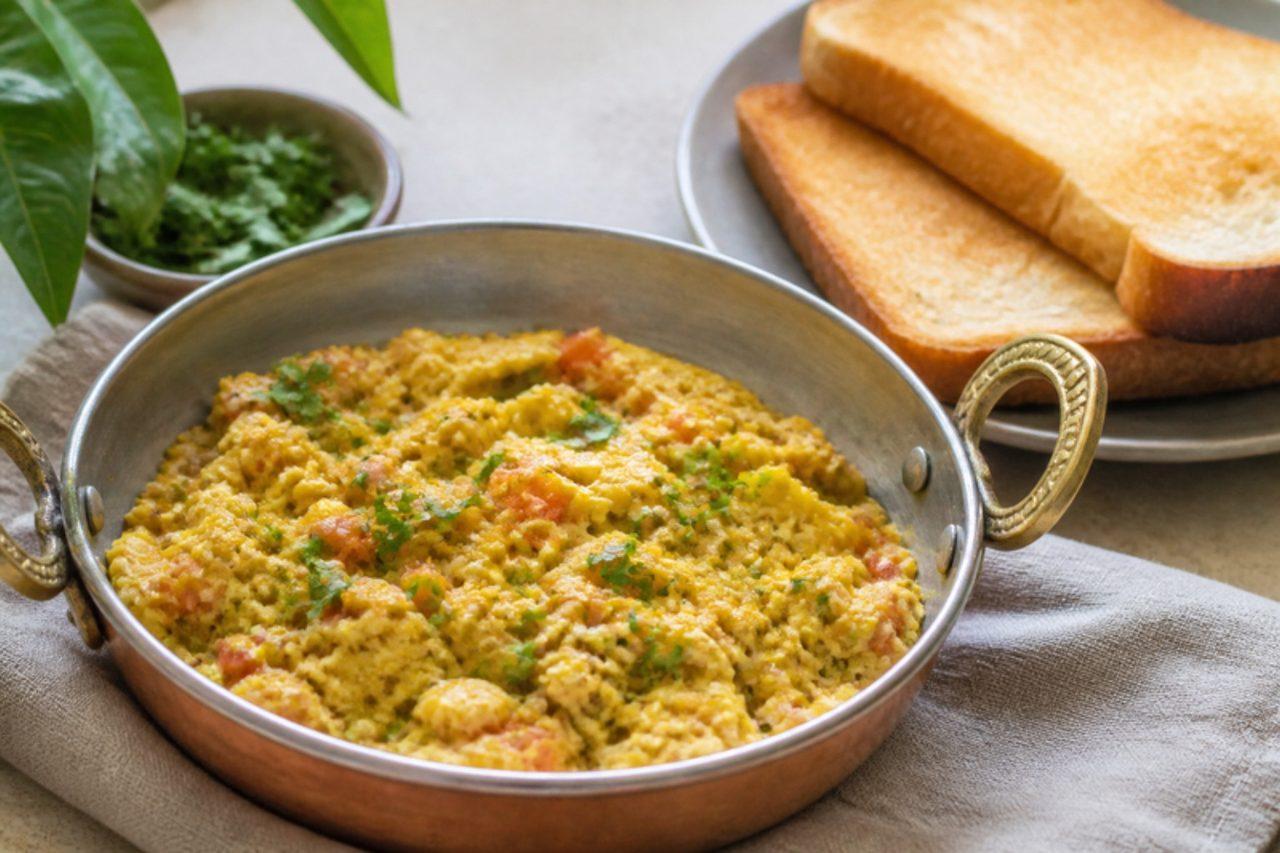
Akuri is the Parsi community's breakfast scramble, served in Mumbai's old Irani cafés and Parsi homes on Sunday mornings with soft pav or buttered toast. It is softer and wetter than an ordinary scramble, cooked slowly so the eggs stay creamy and barely set, with sweet fried onion, tomato, ginger, green chilli and plenty of coriander. A spoonful of milk keeps it silky. The common mistake is cooking it over high heat: the eggs seize into hard, rubbery curds and the masala catches. Chef's tip: take the pan off the heat while the eggs still look slightly underdone, because they keep cooking on the plate.

by KrazyBadal 0 views

Guvar nu shaakCluster beans with garlic and jaggery

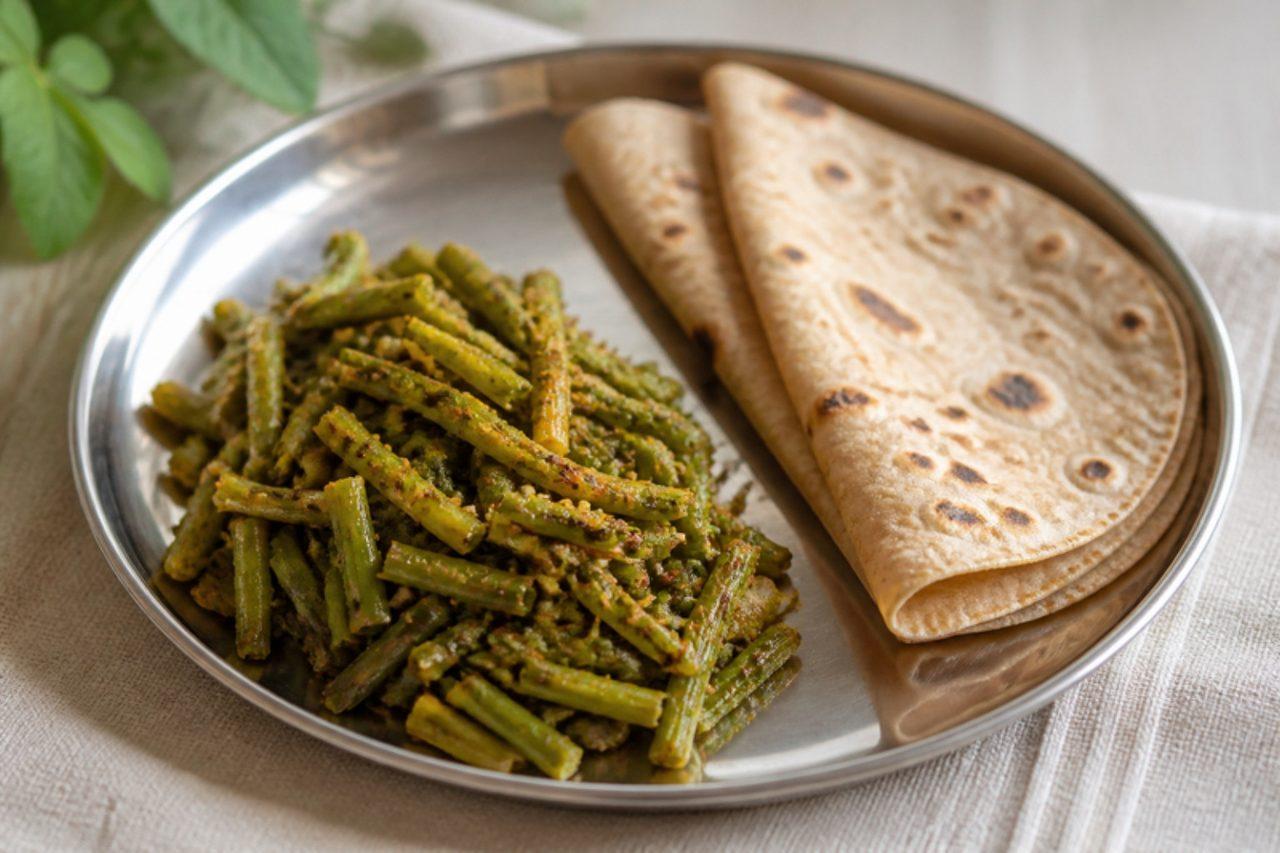
Guvar (cluster beans) is everyday Gujarati shaak, cooked in Kathiawad and Ahmedabad homes most weeks with bajra rotla or rotli and a bowl of khadhi. The flat, slightly bitter beans are steamed in their pan with ajwain and garlic, then balanced the Gujarati way with a little jaggery and a squeeze of lemon, so every mouthful is gently sweet, sour and spicy. The mistake to avoid is using old, thick guvar; the pods should snap cleanly, and tough ones stay stringy however long you cook them. Chef's tip: a pinch of bicarbonate of soda in the cooking water is an old trick for keeping guvar green, but it is not needed if you keep the lid off at the end. Most hing contains wheat, so buy a gluten-free one if needed.

by KrazyBadal 0 views

Showing 24 of 1,543 recipes

Show more recipes

Page 2 of 65