Skip to content
WhatToEat.Today

All recipes

171

Vegetarian, or something you can't eat? Set your diet once and we'll hide recipes that don't fit.

Pajagua mascadaBeef and cassava patties

Pajagua mascada is a Paraguayan street-food classic that appears on every table for the San Juan festival on 24 June, when bonfires burn and the night is full of games and traditional food. Minced beef is mixed with mashed cassava, onion, garlic and a little egg and flour, shaped into flat patties and fried until crisp. The name comes from Guaraní and refers to the 'chewing' of old Paraguayan cooks, who made it from leftover meat. Chef's tip: dry the boiled cassava well and remove its woody core, which keeps the patties light and crunchy.

by KrazyBadal 0 views

KesraSemolina pan bread

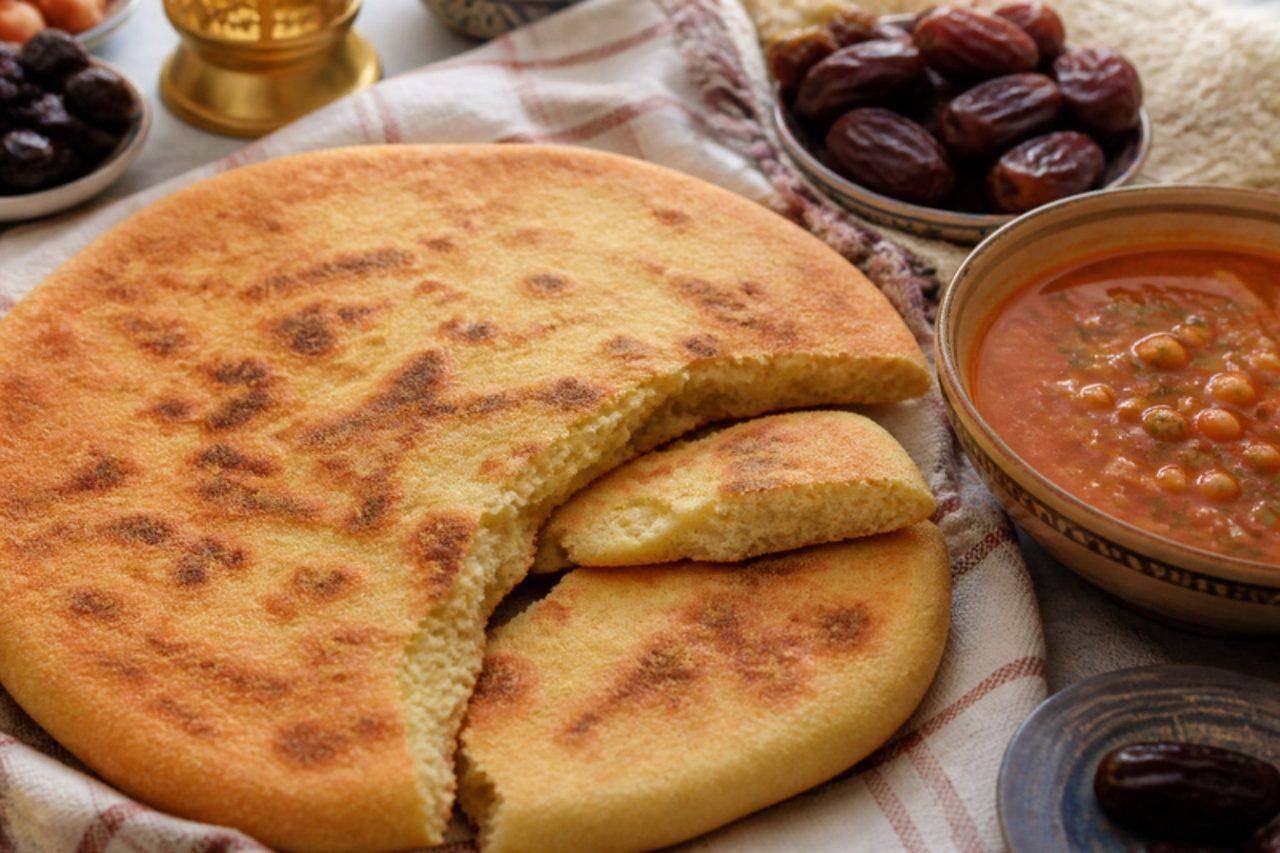
Kesra is the flat semolina bread of Algerian homes, and in Ramadan a fresh round sits on almost every iftar table, cooked on a clay tajine and torn into pieces to dip into hot chorba frik. This unleavened version is a thin, crumbly-edged galette, golden in patches and slightly chewy in the middle, with a nutty taste from the olive oil. It is made in minutes before sunset so it reaches the table still warm. Chef's tip: work the dough only until it holds together; kneading it like a yeast bread makes kesra tough instead of tender.

by KrazyBadal 0 views

KalanehWild leek stuffed flatbread

In Kurdistan and Kermanshah, Newroz arrives with the first spring greens on the hillsides, and families gather wild leeks to fold into kalaneh, thin griddle breads cooked over a fire or a hot pan and soaked in melted butter. The dough is plain and soft, rolled very thin around a pile of chopped leek or chives with a little salt and pepper, so the greens steam inside as the bread blisters. Eat it hot, torn into strips, with yogurt and tea at a Newroz picnic. The common mistake is wet greens, which turn the dough soggy and make it tear; dry them well after washing. Chef's tip: brush the butter on the moment the bread leaves the pan so it soaks right in.

by KrazyBadal 0 views

KaguyjyWhite corn pudding

On the night of 23–24 June, Paraguayans celebrate San Juan with bonfires, games like walking over hot coals and the 'paso de fuego', and a table of traditional foods, and kaguyjy (also mazamorra) is one of them. It is a soft, creamy pudding of cracked white corn (locro) simmered slowly in water and then milk with sugar or honey, sometimes with orange peel. It is eaten warm or cold. It is gluten free. Chef's tip: soak the corn overnight and cook it until each kernel is tender before adding the milk, or it never turns creamy.

by KrazyBadal 0 views

MosliClay-pot baked lamb and potatoes

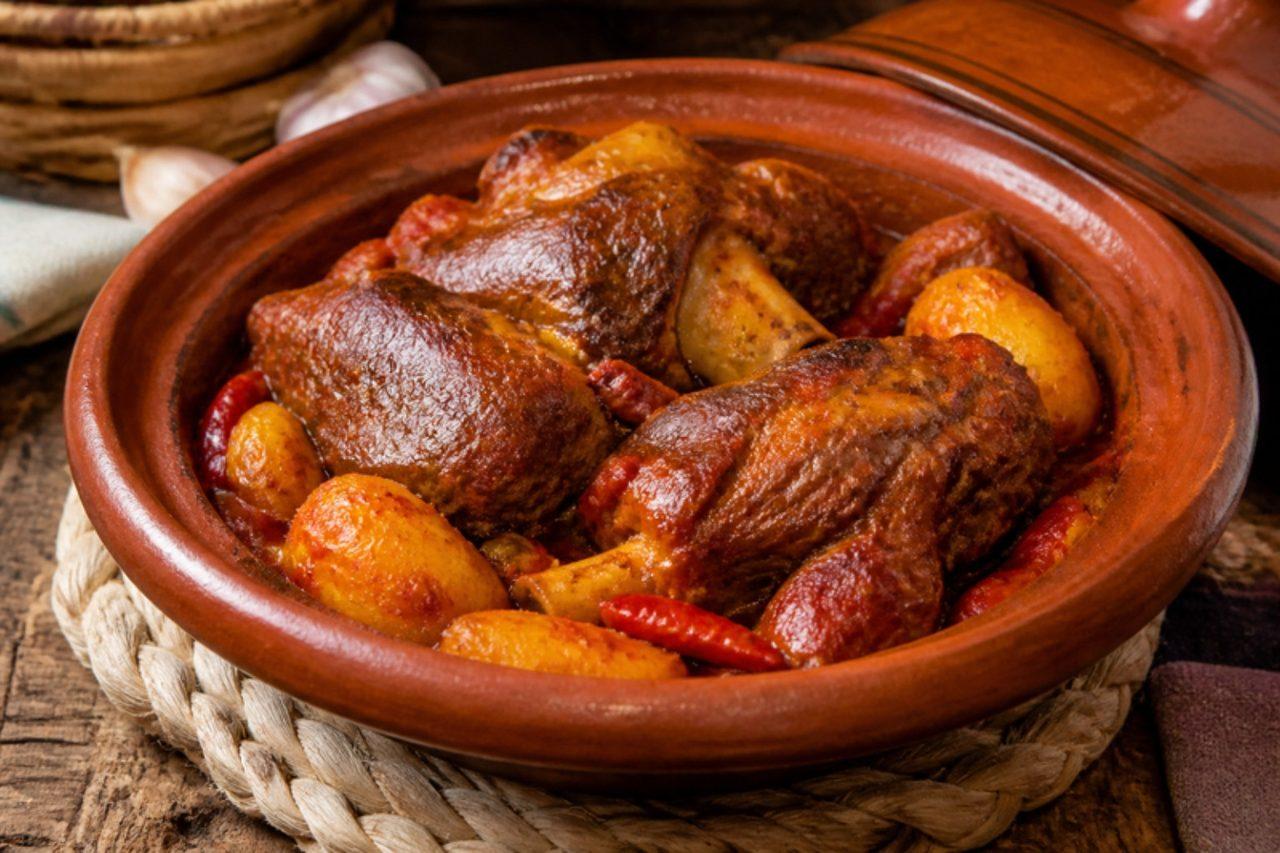
In Sfax and the south of Tunisia, mosli is a dish of Eid al-Adha: lamb shoulder rubbed with harissa, garlic and spices is packed into a clay pot with potatoes and tomato, the lid is sealed with dough, and it is sent to the bakery oven for hours. The lamb turns spoon-tender and the potatoes soak up the red, peppery juices. A lidded casserole or clay pot in a home oven works just as well. Chef's tip: seal the lid tightly with foil (or the traditional rope of flour-and-water dough) so no steam escapes; that trapped steam is what makes mosli so tender.

205 minTunisianMeatGluten freeSpicy
by KrazyBadal 0 views

DouaraLamb tripe and chickpea stew

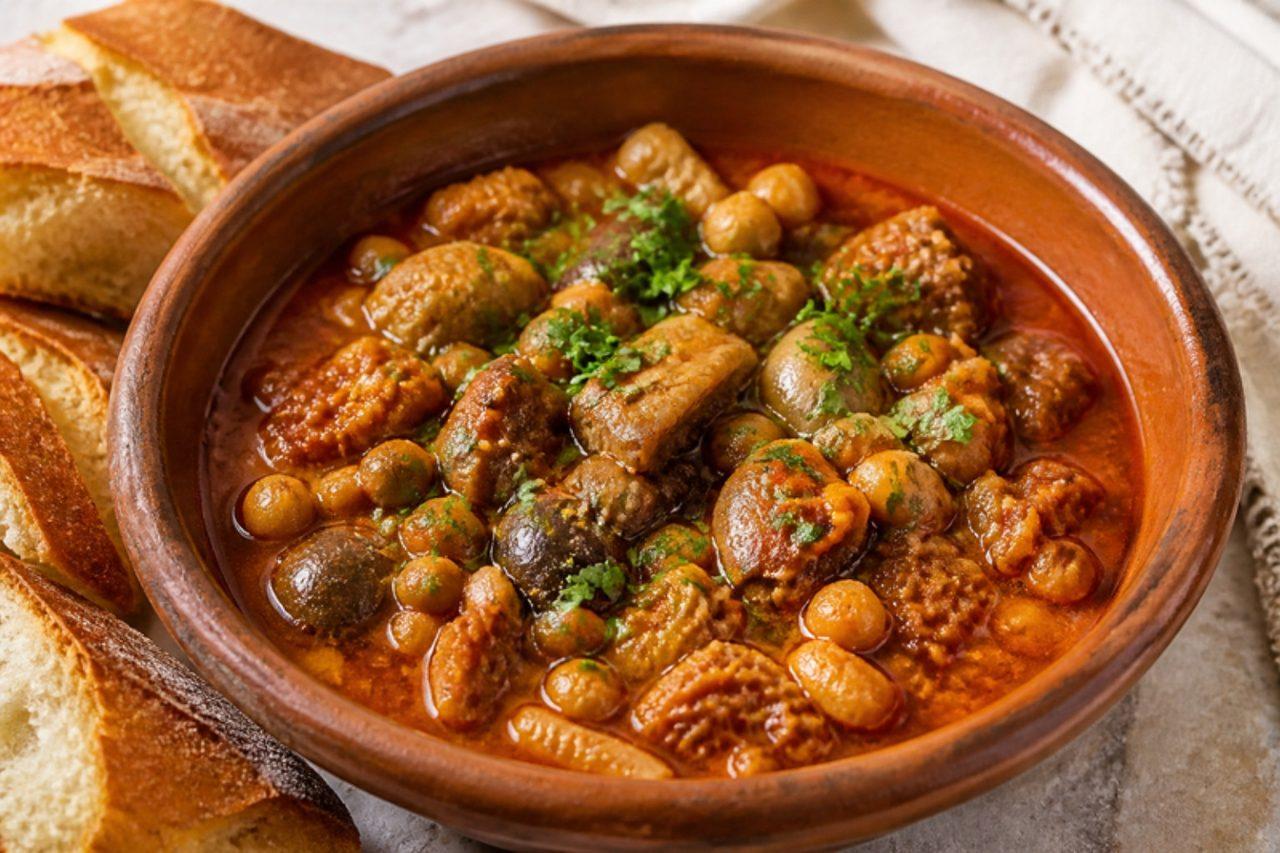
Douara is the dish that fills Algerian kitchens on the second day of Eid al-Adha, when the tripe, intestines and lung from the family's sacrifice are cleaned, cut small and stewed slowly with chickpeas, plenty of garlic, cumin and paprika. The sauce is deep red and peppery and the offal turns tender and rich. At home, cleaned lamb or beef tripe and lamb heart from a halal butcher make an easy start; lung can be added if your butcher sells it. Chef's tip: blanch the tripe first in water with a squeeze of lemon to freshen the flavour before it goes into the stew.

180 minAlgerianMeatGluten freeSpicy
by KrazyBadal 0 views

Dowina (Kurdish yogurt soup)

Dowina, called ash-e doogh in Persian, is warming spring food in Kurdish homes around Newroz, when yogurt is plentiful and the first herbs are cut from the garden. Rice and chickpeas simmer in a tangy, lightly thickened yogurt broth, finished with fresh dill, coriander and a sizzle of dried mint in oil. It is eaten warm, never boiling hot, with flatbread. The common mistake is to heat the yogurt too fast without stirring, which makes it split into grainy curds. Chef's tip: whisk an egg yolk and a spoonful of rice flour into the yogurt before it goes on the heat; it holds the soup smooth all the way to the simmer.

by KrazyBadal 0 views

Chipa so'oCheese bread with spiced beef

In Paraguay, families bake chipa in the clay tatakua ovens on Holy Wednesday so there is food for Thursday and Good Friday, when cooking stops. Chipa so'o ('chipa with meat') is a cassava-starch and cheese bread wrapped around a little filling of minced beef cooked with onion and egg, then baked until crisp outside and chewy within. It is naturally gluten free. Chef's tip: knead the dough until it no longer cracks at the edges when pressed; dry dough splits around the filling.

by KrazyBadal 0 views

Salade tunisienneDiced tomato and cucumber salad

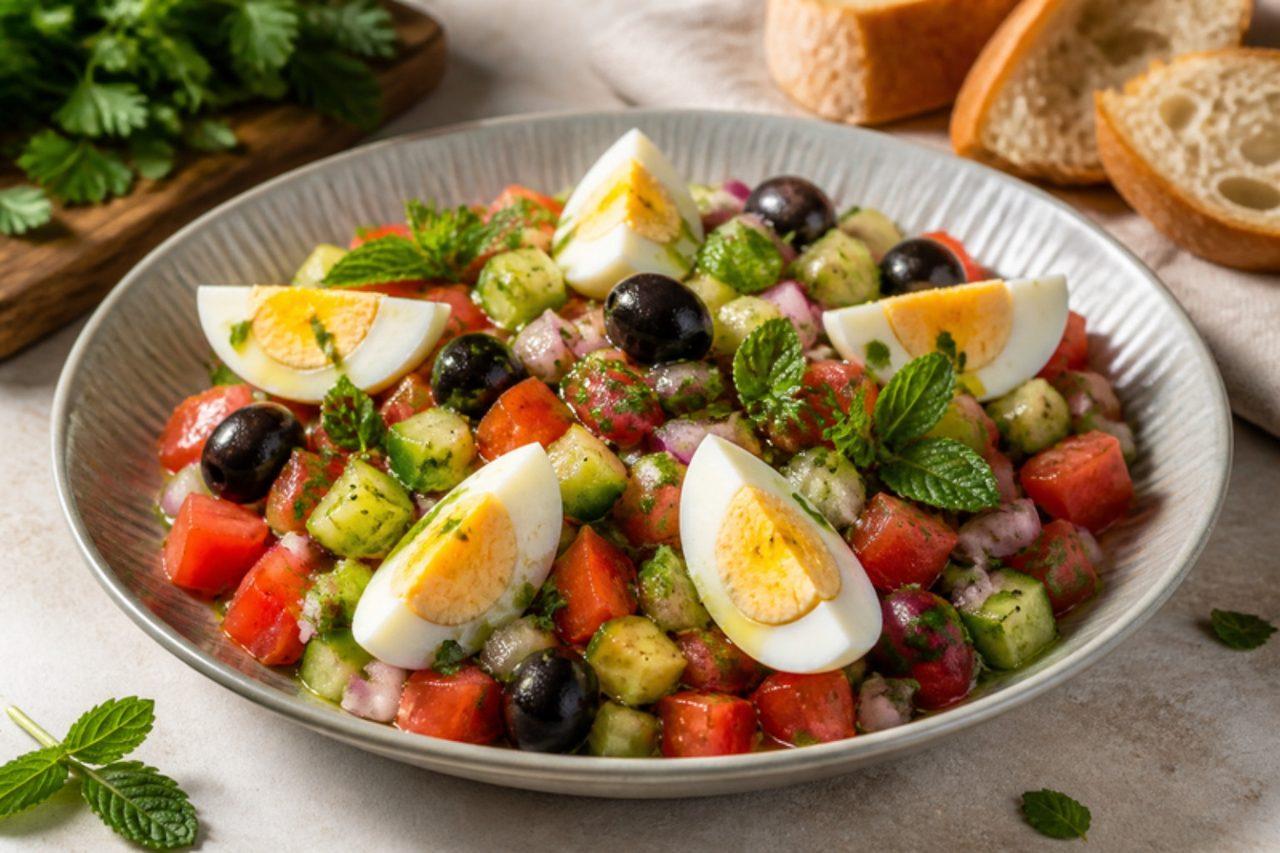
Every Tunisian table, from Tunis to Sfax, has a plate of slata tounsia on it, especially at lunch in summer and at iftar in Ramadan: tomato, cucumber, green pepper and onion cut into tiny, even dice and dressed with lemon, olive oil and dried mint. It is usually crowned with tuna and hard-boiled egg; this vegetarian version leaves out the tuna and uses a little more egg, plus olives and capers for the salty kick. A portion gives about 8 g of protein, so it is a side salad rather than a high-protein dish. The usual mistake is dressing it too early: the salt draws the juice out of the tomato and the salad swims, so dress it just before serving. Chef's tip: take the time to dice everything to the size of a chickpea; that fine, even cut is what makes it taste like Tunisia rather than a chopped salad.

by KrazyBadal 0 views

Tcharek el arianeAlmond crescents with orange blossom

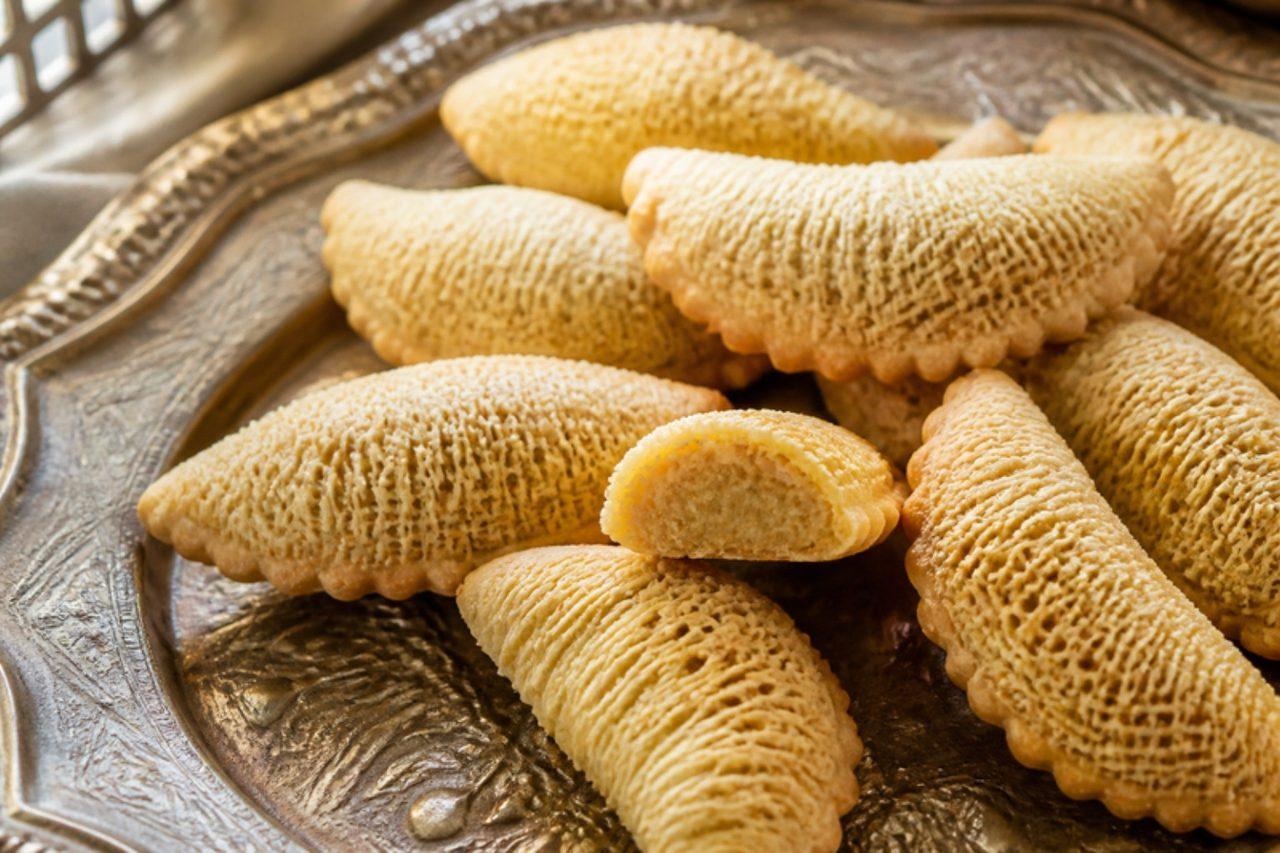
On the last nights of Ramadan, kitchens across Algiers and Constantine fill up with trays of tcharek el ariane, the 'naked' tcharek: crescents of thin, buttery dough wrapped around almond paste with cinnamon and orange-blossom water. Unlike their sugar-coated cousins they are left bare, so the fine dough with its pinched, lace-like pattern shows. Families give them to neighbours on Eid morning and set them out at weddings with mint tea and coffee. The dough is traditionally made with smen (aged butter); plain melted butter works well. Overbaking is the common slip, because they turn hard and dry; they should stay pale with only golden tips. Chef's tip: keep the dough under a damp cloth while you shape, as it dries in minutes and then cracks along the curve.

by KrazyBadal 0 views

Algerian mkhabezIced almond and lemon diamonds

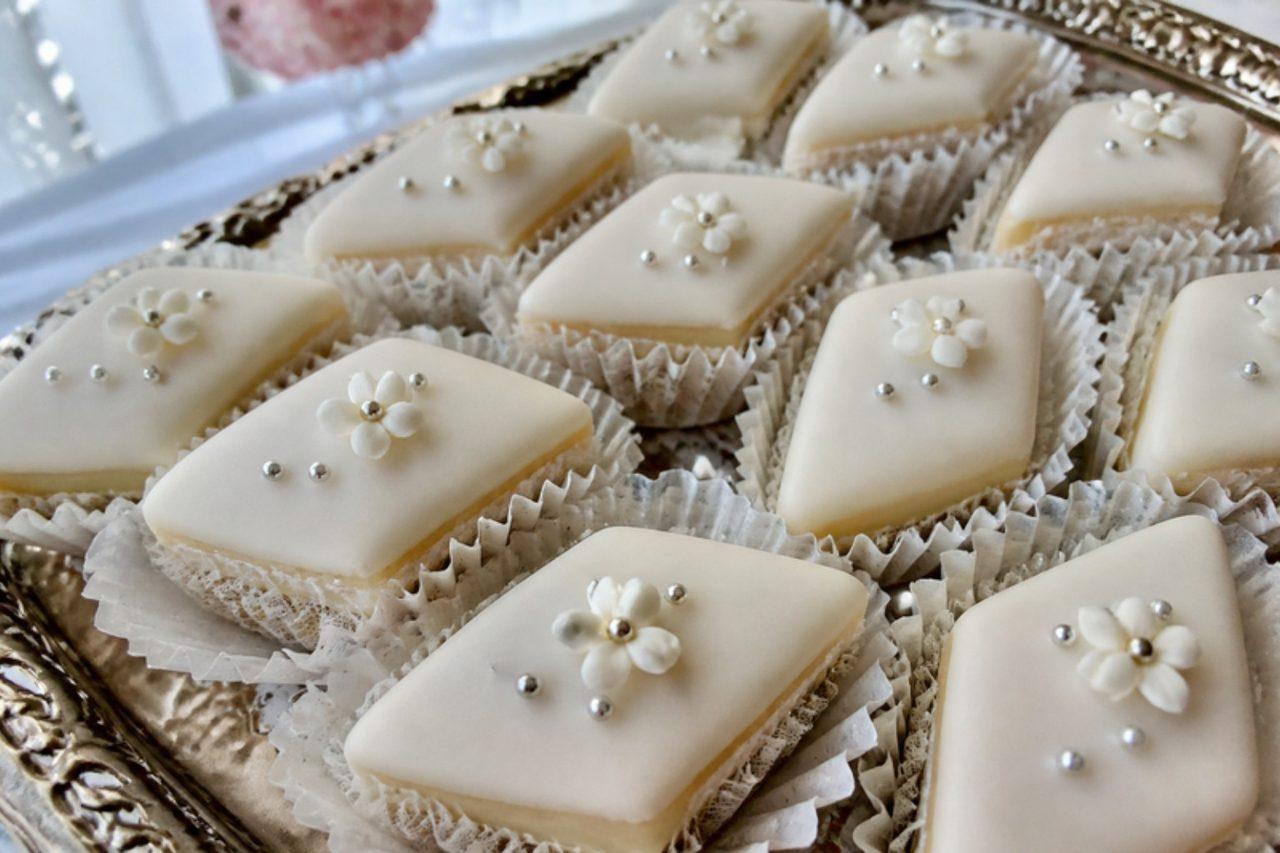
No Algerian wedding tray, and few Eid tables in Algiers or Constantine, is complete without mkhabez: soft, chewy diamonds of ground almond and lemon zest under a smooth white icing, each topped with a sugar flower or a silver ball and set in its own paper case. Making them is a social affair, with sisters and aunts icing and decorating hundreds the week before a celebration. The almond base is flourless and dairy free, sweet and lemony, and the icing sets to a thin shell; serve them with mint tea or strong coffee. Overbaking is the mistake to avoid: the diamonds should come out pale and soft, or they go dry and crumbly under the icing. Chef's tip: ice them when completely cold, and get the icing so thick it only just flows; runny icing slides off the sides and never sets glossy.

by KrazyBadal 0 views

Tabouna breadSemolina clay-oven flatbread

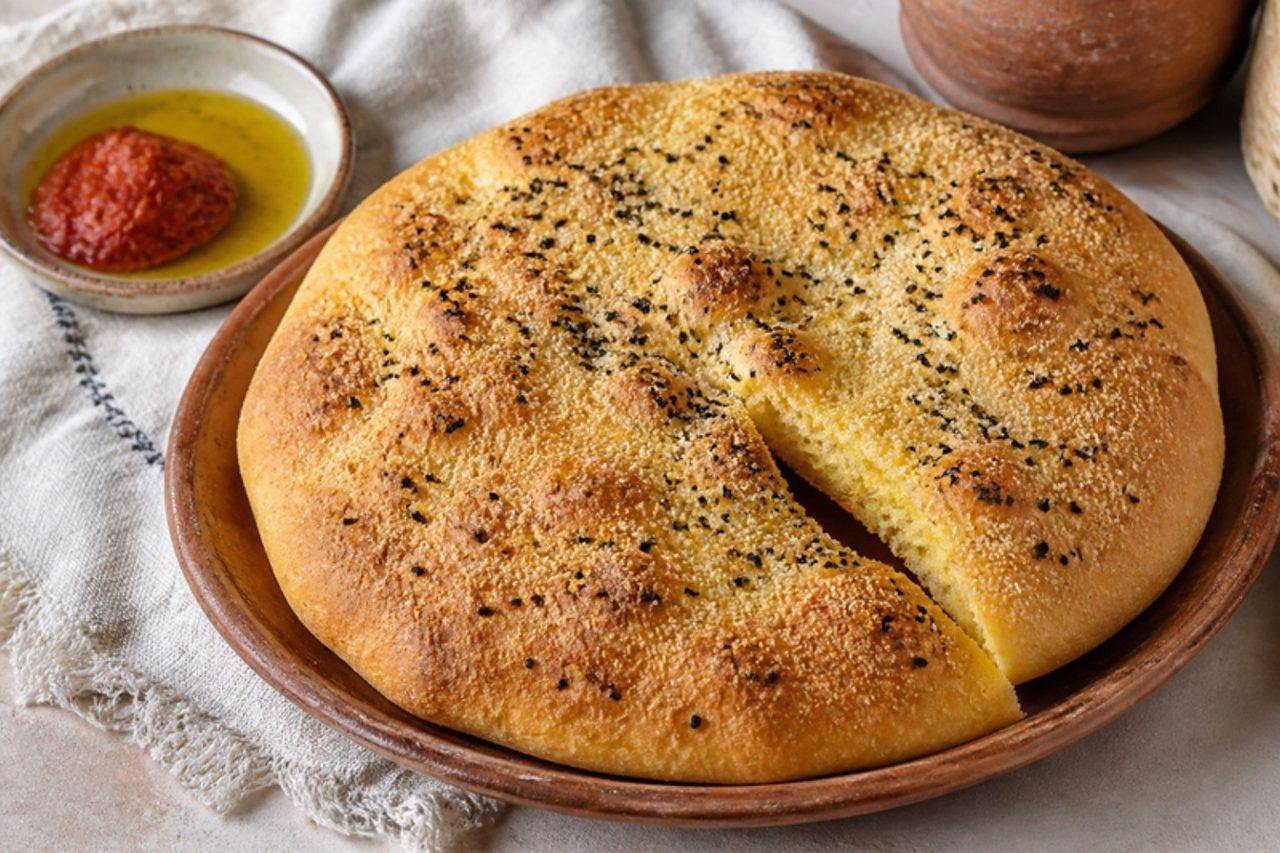
Named after the clay oven it is baked in, tabouna bread is slapped by Tunisian village women against the oven's hot inner wall, where it puffs and blisters in minutes. It is a round semolina bread, golden and slightly gritty outside, tender and yellowish within, with the sweet, nutty taste of durum wheat and a hint of olive oil. Roadside stalls from Kairouan to the Cap Bon sell it warm to wrap around harissa, olive oil and mechouia, the smoky grilled-pepper salad, or to tear into a bowl of lablabi, the garlicky chickpea soup. A hot baking tray does the oven's job at home. Semolina drinks water slowly, and adding extra flour because the dough feels wet at first is the mistake that makes a dry, heavy bread. Chef's tip: shape the rounds with wet hands rather than floury ones; it keeps the dough soft and gives the crust its blistered finish.

by KrazyBadal 0 views

Ka'i ladrilloPeanut molasses bricks

Ka'i ladrillo — 'monkey brick' in Guaraní — is the sweet sold by vendors on Asunción buses and at country fiestas: roasted peanuts bound in boiled cane molasses and set in brick-shaped blocks, crunchy and dark with a slightly smoky toffee taste. It contains peanuts, so keep it away from anyone with a peanut allergy. The common mistake is taking the syrup off too soon, so the bricks stay sticky and never set. Chef's tip: test the syrup by dropping a little into cold water; it is ready when it sets into a brittle thread that snaps.

by KrazyBadal 0 views

Cocido quemadoBurnt sugar mate drink

Cocido is how Paraguay starts the day: in Asunción, in the villages of Guairá and Itapúa, and in school kitchens, a pot of burnt yerba is brewed and poured into cups with chipa, the cheesy cassava bread, or with a hard galleta. The old way is to drop a glowing piece of charcoal into a pot with yerba and sugar and stir until the sugar burns. On a home stove you caramelise them together in a dry pan instead, which is safer and gives the same smoky, toffee-like taste. The drink is clear amber-brown, with roasted, slightly bitter mate notes over burnt-sugar sweetness; with milk added it becomes cocido con leche, creamy and coffee-coloured. Yerba mate contains caffeine, so treat it like a cup of coffee. The common mistake is letting the sugar go black: it turns acrid and bitter. Pull it off the heat when the caramel is deep amber and the yerba smells toasted, not burnt. It is ready when the liquid is a clear dark amber and tastes of toffee and smoke. Chef's tip: the water will spit fiercely when it hits the hot caramel, so pour it in from the side, at arm's length.

by KrazyBadal 0 views

Capeletis a la CarusoStuffed pasta in cream sauce

Capeletis a la Caruso were created in a Montevideo restaurant in the 1950s and named after the great tenor, and they are still a Sunday lunch favourite in Uruguayan homes: little stuffed pasta hats in a rich sauce of cream, cooked ham (pork), mushrooms and onion, finished with grated cheese. Buy good fresh capeletis or tortellini; the sauce is what you make. The usual mistake is boiling the cream sauce hard, which makes it oily and grainy. Chef's tip: cook the mushrooms in a dry hot pan first until they squeak and brown, before any butter goes in, for a deeper taste.

by KrazyBadal 0 views

Buñuelos de algasSea lettuce fritters

On the beaches of Rocha, from La Paloma to Punta del Diablo, vendors walk the sand with baskets of hot buñuelos de algas: puffy, salty fritters speckled green with sea lettuce, eaten with a squeeze of lemon. Use dried sea lettuce or mixed seaweed flakes from a shop, or fresh sea lettuce only from a seller who harvests clean water; never pick it from a harbour or near drains. The usual mistake is frying in oil that isn't hot enough, so the fritters soak it up and turn greasy. Chef's tip: rest the batter for 15 minutes so the seaweed softens and the fritters puff more.

by KrazyBadal 0 views

HrousFermented onion chilli paste

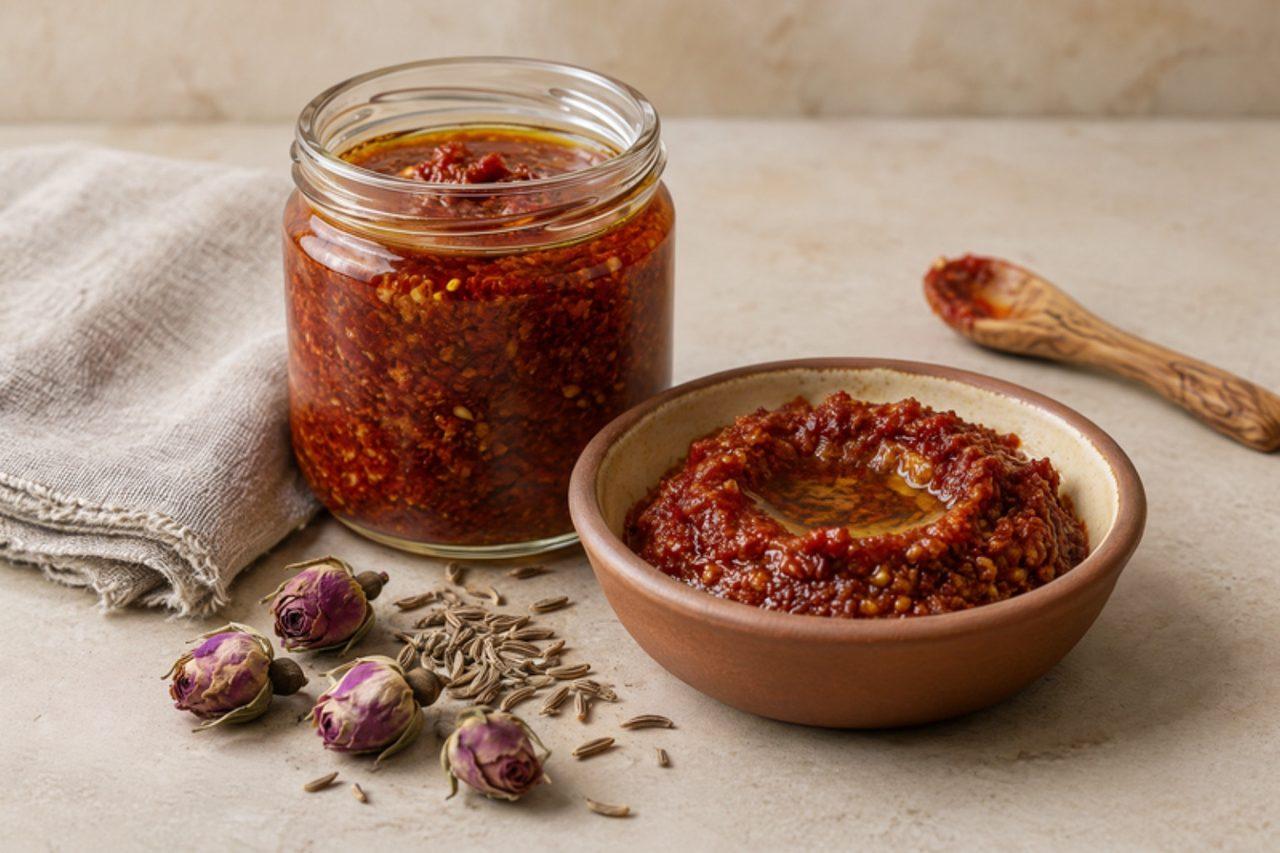
Hrous is the old pantry paste of Sfax and Djerba, made in late spring when the sweet onions come out of the ground and stored for months to season the year's fish couscous, stews, lablabi and simple saucers of olive oil for dipping bread. The onions are sliced, salted heavily and left for about a week to wilt and ferment, then squeezed dry and pounded with sweet and hot dried chilli, turmeric, caraway, coriander and crushed dried rosebuds, and packed into a jar under olive oil. A teaspoon goes a long way: it is brick red, salty, sour and fiery, with a funky onion sweetness and a perfumed finish from the roses, earthier and more complex than harissa. Sfaxi families stir it into fish dishes and spread it thinly on bread with olive oil at breakfast. The mistake to avoid is cutting the salt to make it milder, as the salt is what keeps the ferment safe; stick to 10% of the onion weight. The onions are ready when they are limp, smell pleasantly sour and pickled, and the paste turns glossy after a week under oil. Chef's tip: grind the rosebuds fresh, just before mixing, for the full perfume.

by KrazyBadal 0 views

LampreadoCassava starch cheese fritters

Paraguayan grandmothers fry lampreado on Sunday evenings to eat with a mug of cocido, the toasted yerba mate drink: small pan-fried cakes of cassava starch, egg, milk and grated cheese with a little onion, crisp at the edges and stretchy inside. Some families also make it with leftover meat, but this version is all cheese. Queso Paraguay is set with animal rennet; a vegetarian Parmesan-style cheese plus mozzarella works well. The trap is a batter that is too thick, which gives heavy, gluey cakes. Chef's tip: the batter should drop slowly off a spoon like thick pancake batter; add milk a spoonful at a time until it does.

by KrazyBadal 0 views

Mandi'o chyryryFried cassava with onion and egg

Mandi'o chyryry means 'fried cassava' in Guaraní, and it is what rural Paraguayan families make from yesterday's boiled mandi'o: chunks crushed and fried in a big pan with onion until crisp in places, then scrambled with eggs. It comes out for breakfast with cocido or for a quick supper, and costs next to nothing. Use sweet cassava, the kind sold in supermarkets. The mistake is stirring constantly, which turns it to mush; let the cassava sit and brown. Chef's tip: the best chyryry starts with cold, day-old boiled cassava, which fries crisper than freshly boiled.

by KrazyBadal 0 views

BusecaTripe and white bean stew

Buseca arrived in Montevideo with Italian immigrants from Lombardy and became a classic winter dish of Uruguayan bodegones and family kitchens, eaten on cold June and July days. Honeycomb tripe is simmered until tender, then stewed with white beans, pork chorizo, bacon, peppers, tomato and paprika into a thick, warming stew served with crusty bread. Buy tripe that is already cleaned and blanched (dressed). The usual mistake is undercooking the tripe: it needs a full 2 hours, until it's soft enough to cut with a spoon. Slow-cooker option: after step 4, cook on low for 8 hours. Chef's tip: a little grated lemon zest and parsley stirred in at the end lifts the rich, gelatinous sauce.

by KrazyBadal 0 views

HmissGrilled pepper and tomato salad

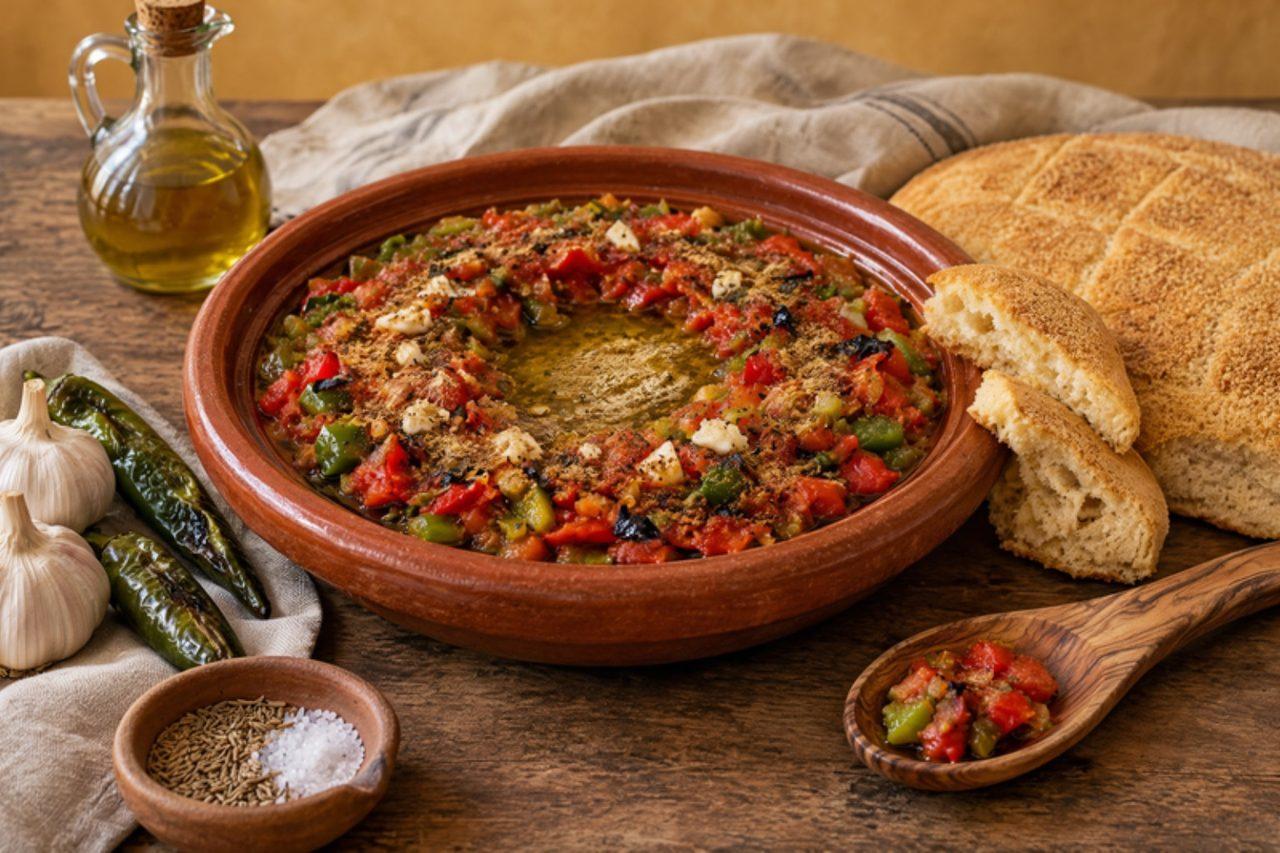
Hmiss is an everyday cooked salad from Algiers, Oran and Constantine, made in summer when peppers are cheap, and it is set out with bread at the start of Ramadan iftars and family lunches. Green and red peppers and tomatoes are grilled until charred, peeled, chopped and then cooked briefly with garlic, cumin and plenty of olive oil, so it is smoky, soft and gently spicy. Serve it with bread, beside eggs, or with grilled fish. Suitable as part of a balanced diet. About 120 kcal and 10 g carbohydrate per portion. The usual mistake is chopping it to a purée in a blender: hmiss should keep some texture, so chop by hand. Chef's tip: grill a mild green chilli alongside the peppers for gentle heat without overpowering the sweetness.

by KrazyBadal 0 views

Lagmi (fresh palm sap)

In the oases of the Tunisian south, in Gabès, Tozeur, Nefta, Kebili and on Djerba, palm climbers cut a small wound at the crown of an ageing date palm and hang a clay pot under it overnight. By sunrise it holds lagmi: cloudy, ivory-white sap, cool and sweet, with notes of coconut water and fresh dates. It is sold in recycled bottles at the roadside and drunk the same morning, because the wild yeasts in it begin to ferment almost at once. By afternoon it is fizzy and sour, and by the next day it has become an alcoholic palm wine, also called lagmi, which is a different drink altogether. The common mistake is buying more than you can drink by lunchtime or leaving it in the sun: keep it on ice from the moment you get it. Fresh lagmi is ready to drink when it is sweet, smells clean and milky, and only a few tiny bubbles rise; once it tastes sour or prickles on the tongue, it has started to turn. It is raw and unpasteurised, so pregnant people, babies, older people and anyone unwell should skip it. Outside the oases, fresh coconut water is the closest stand-in. Chef's tip: chill the glasses too; lagmi is at its best ice-cold.

by KrazyBadal 0 views

Charbat (Algerian lemon drink)

During Ramadan, as the afternoon wears on, vendors in Algiers' Bab El Oued, in Blida and Boufarik and in the old streets of Constantine fill plastic bags and jugs with ice-cold charbat for families to carry home before the call to iftar. It is lemonade made with lemon zest rubbed into sugar, a good splash of orange blossom water and a little milk, which turns it pale, opaque and silky and takes the sharp edge off the lemon. Served with zlabia, qalb el louz or straight after the dates and chorba, it tastes like lemon sherbet with a floral finish. The common mistake is adding the milk to strong, undiluted lemon juice, which curdles it into flecks; dilute the lemon fully, chill it, and only then pour in cold milk slowly while stirring. It is ready when it looks like pale lemon cream, smells of orange blossom and tastes sweet first, then tart. Lemon-and-milk drinks do not keep well, so make it the afternoon you serve it. Chef's tip: let the zest sit in the sugar for a good 10 minutes before adding water; the oils give charbat its perfume, far more than the juice alone.

by KrazyBadal 0 views

KoserevaCandied bitter orange peel

Kosereva is a Paraguayan home preserve from the days when nothing was wasted: thick strips of bitter-orange peel soaked and boiled to soften their bite, then cooked slowly in dark cane molasses until glossy and nearly black. In the countryside it is eaten after lunch with a slice of fresh cheese or simply on its own. Bitter oranges (Seville oranges) are in season in winter. The most common mistake is not changing the boiling water enough, which leaves the peel unpleasantly bitter. Chef's tip: taste a sliver of peel after the third boil; it should be gently bitter like marmalade, not harsh.

by KrazyBadal 0 views

Showing 24 of 171 recipes

Show more recipes

Page 1 of 8