Skip to content
WhatToEat.Today

All recipes

474

Vegetarian, or something you can't eat? Set your diet once and we'll hide recipes that don't fit.

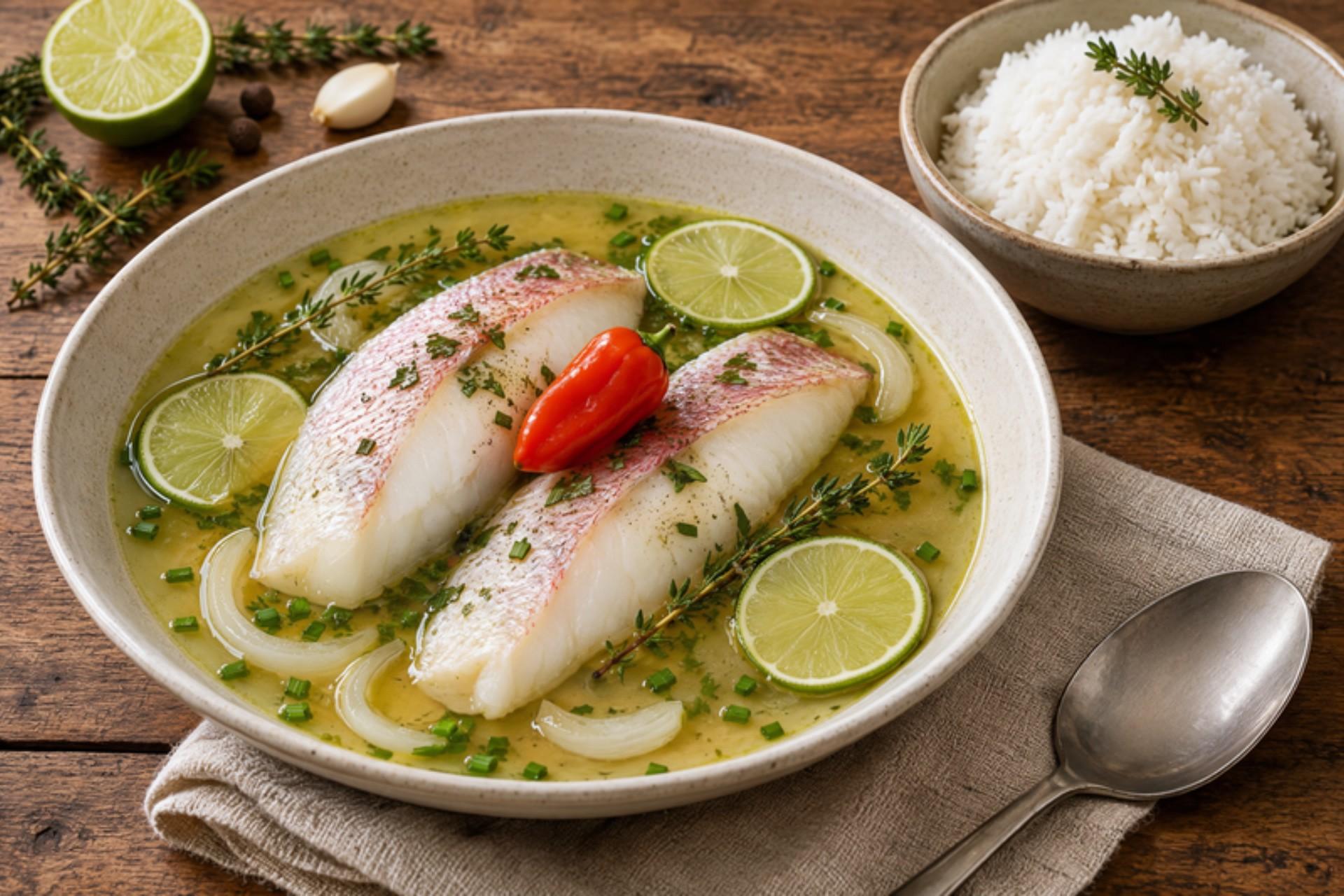
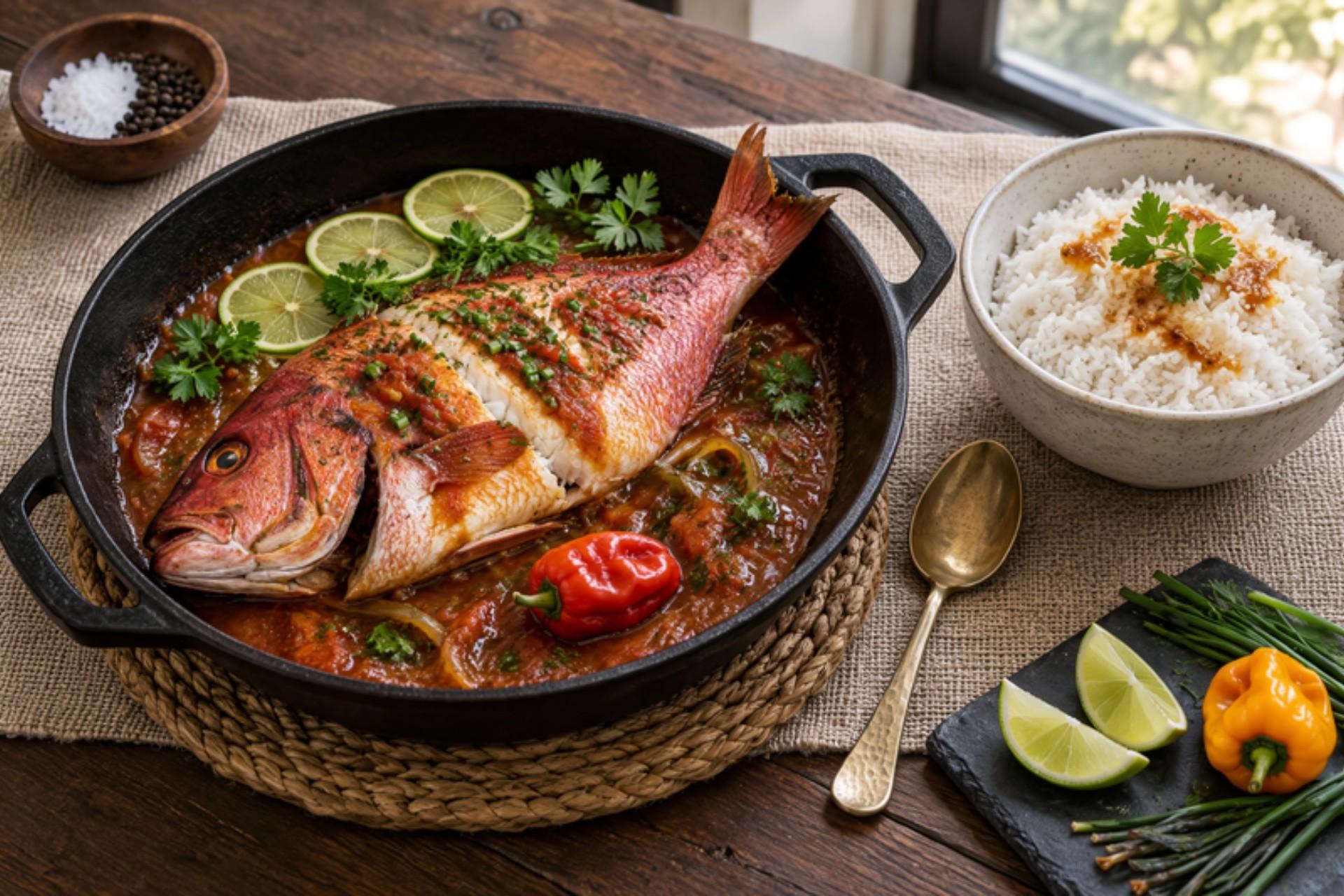
Court-bouillon de poissonSnapper in tomato sauce

In Martinique court-bouillon is not a poaching liquid but a rich red fish stew, cooked for Sunday lunch in Le Robert or Le Vauclin and served with white rice, red beans and a slice of breadfruit or yam. Red snapper is marinated with lime, garlic and hot pepper, then simmered in a sauce of tomato, onion, garlic, chive and thyme coloured with a little roucou (annatto) oil. It contains fish. The usual mistake is stirring the pot once the fish is in, which breaks the pieces; shake the pan gently instead. It is done when the fish is opaque through and flakes at the bone and the sauce is thick enough to cling. Chef's tip: finish with a spoonful of uncooked garlic, chive and lime stirred in at the end, the way Martiniquais cooks do, for a fresh, sharp lift.

by KrazyBadal 0 views

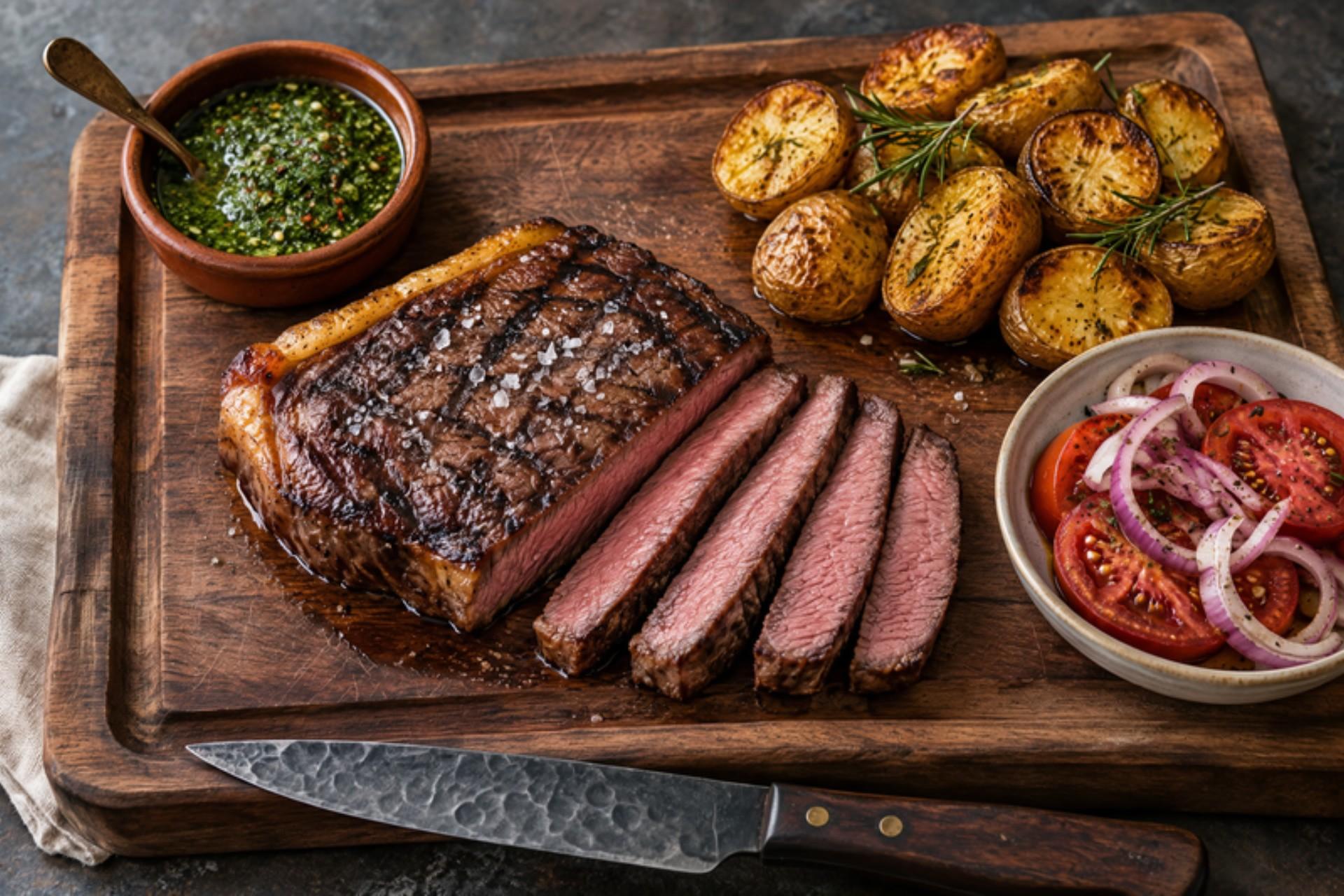
Bife de chorizoGrilled sirloin steak with chimichurri

Bife de chorizo, despite the name, has nothing to do with sausage: it is the thick sirloin (strip loin) steak that every parrilla in Buenos Aires grills, from the steakhouses of Palermo to the roadside grills of the pampas, and it is the Saturday-night order for anyone who wants beef and nothing else. It is cut at least 3 cm thick, seasoned only with coarse salt and grilled over hot embers, then served with chimichurri and a simple tomato and onion salad. The common mistake is cooking it straight from the fridge and turning it constantly; it greys outside and stays raw in the middle. Bring it to room temperature for 30 minutes and turn it only once. Chef's tip: salt the steak with coarse salt only just before it goes on the grill, and cut into it only after a 5-minute rest.

by KrazyBadal 0 views

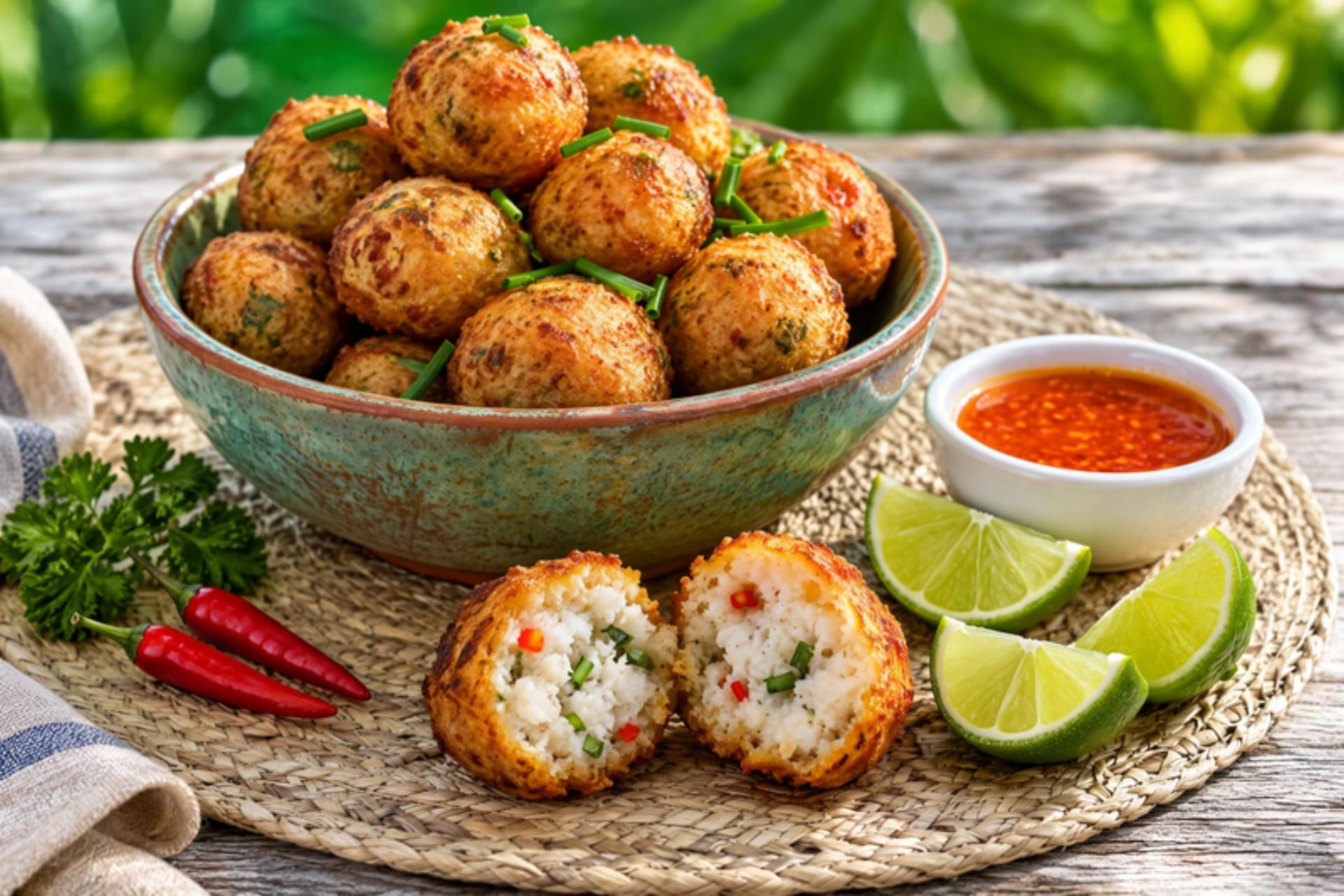
Accras de morueSalt cod fritters

No Christmas, christening or Sunday apéritif in Martinique or Guadeloupe starts without a bowl of accras de morue, the light, puffy salt-cod fritters sold hot from paper cones at Fort-de-France's markets. Desalted cod is flaked into a batter scented with chive, parsley, thyme, garlic and a little fiery piment, then dropped by the spoonful into hot oil. A vegetable version is already on the site; this is the classic with fish. It contains fish and wheat. The usual mistake is not soaking the cod long enough, which makes the accras painfully salty: soak it in the fridge for 24 hours, changing the water three or four times. They are done when puffed, deep golden all over and cooked through, with the fish piping hot. Chef's tip: let the batter rest for an hour so it thickens and the fritters puff into airy rounds.

by KrazyBadal 0 views

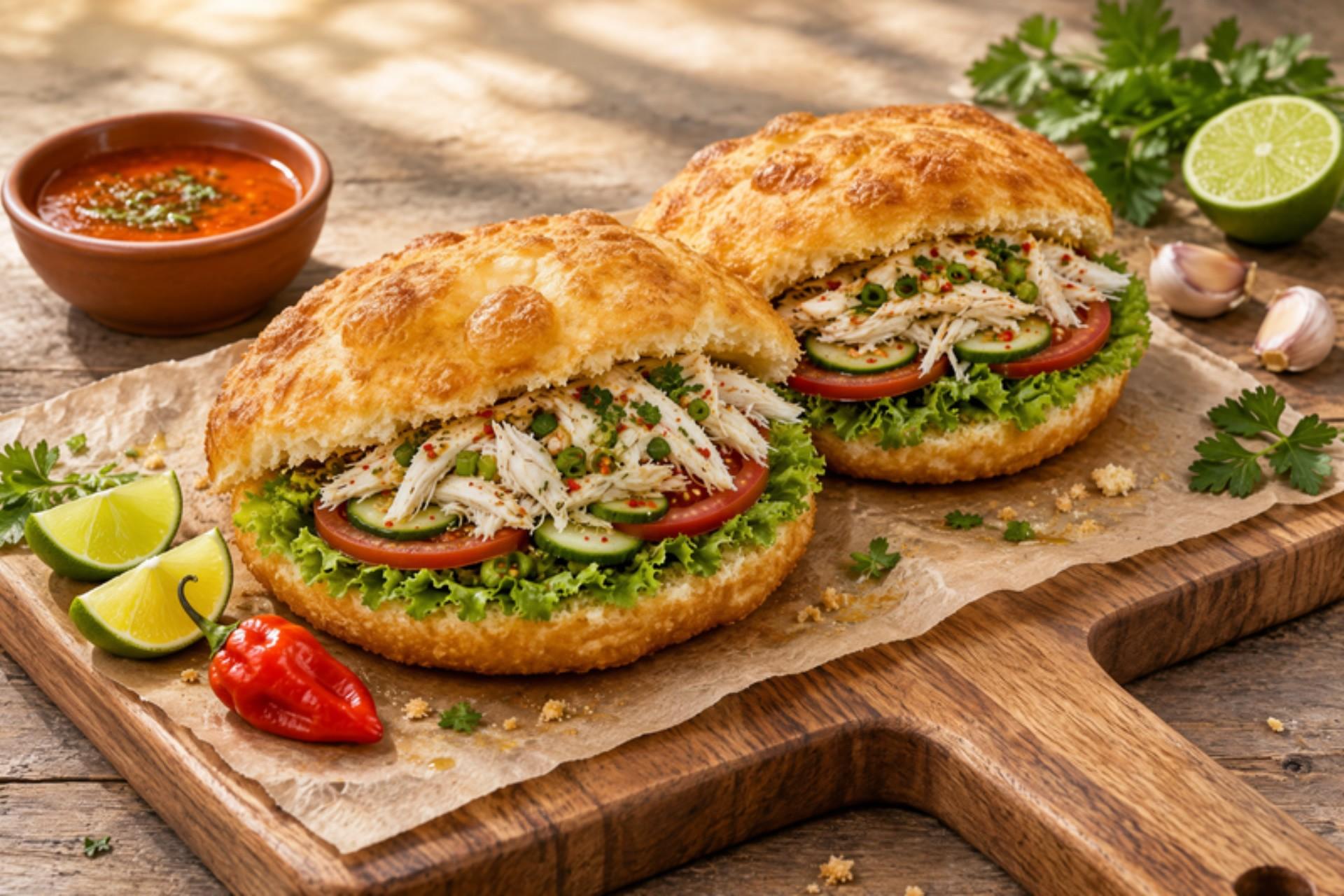
Bokit morueFried bread with salt cod

The bokit is Guadeloupe's street sandwich, fried to order at roadside vans in Pointe-à-Pitre, Le Gosier and Sainte-Rose, eaten late at night after a party or at the beach on a Sunday. A simple dough is rolled into rounds and deep-fried until it puffs like a pillow, then split and filled; the classic filling is chiquetaille de morue, shredded salt cod with lime, onion, garlic and hot pepper, with lettuce, tomato and cucumber. It contains fish and wheat. The common mistake is under-soaking the cod, which makes it harsh and salty: soak it in the fridge for 24 hours, changing the water three or four times. The bokit is done when puffed, golden on both sides and hollow-sounding, and the cod is poached until it flakes. Chef's tip: roll the dough thin and even, about 5 mm, so it balloons in the oil and opens neatly like a pitta.

by KrazyBadal 0 views

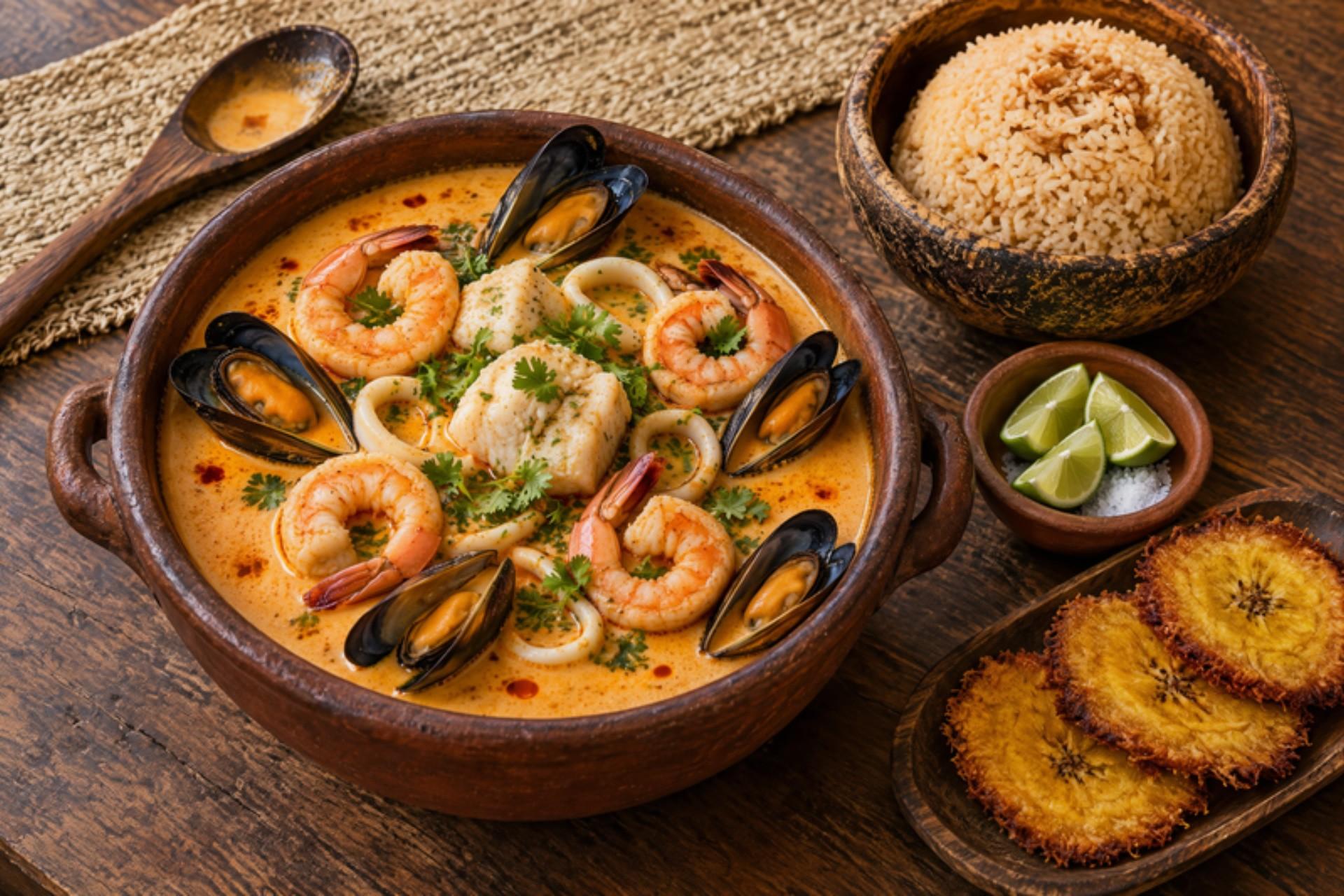
Cazuela de mariscosCoconut seafood stew

In Cartagena's old walled city and the beach kiosks of Bocagrande, cazuela de mariscos is the seafood dish to share on a hot afternoon: a rich stew of fish, prawns, squid and mussels in coconut milk and cream, coloured with a little tomato and served with coconut rice and fried green plantain (patacones). The common mistake is boiling the seafood in the sauce until it toughens. Build the sauce first, then add the seafood in order of cooking time for just a few minutes. Discard any mussels that are open and do not close when tapped, and any that stay shut after cooking. Chef's tip: a splash of the mussel cooking liquid stirred in at the end gives the cazuela its sea-salty depth without extra salt.

by KrazyBadal 0 views

Bahamian johnnycake

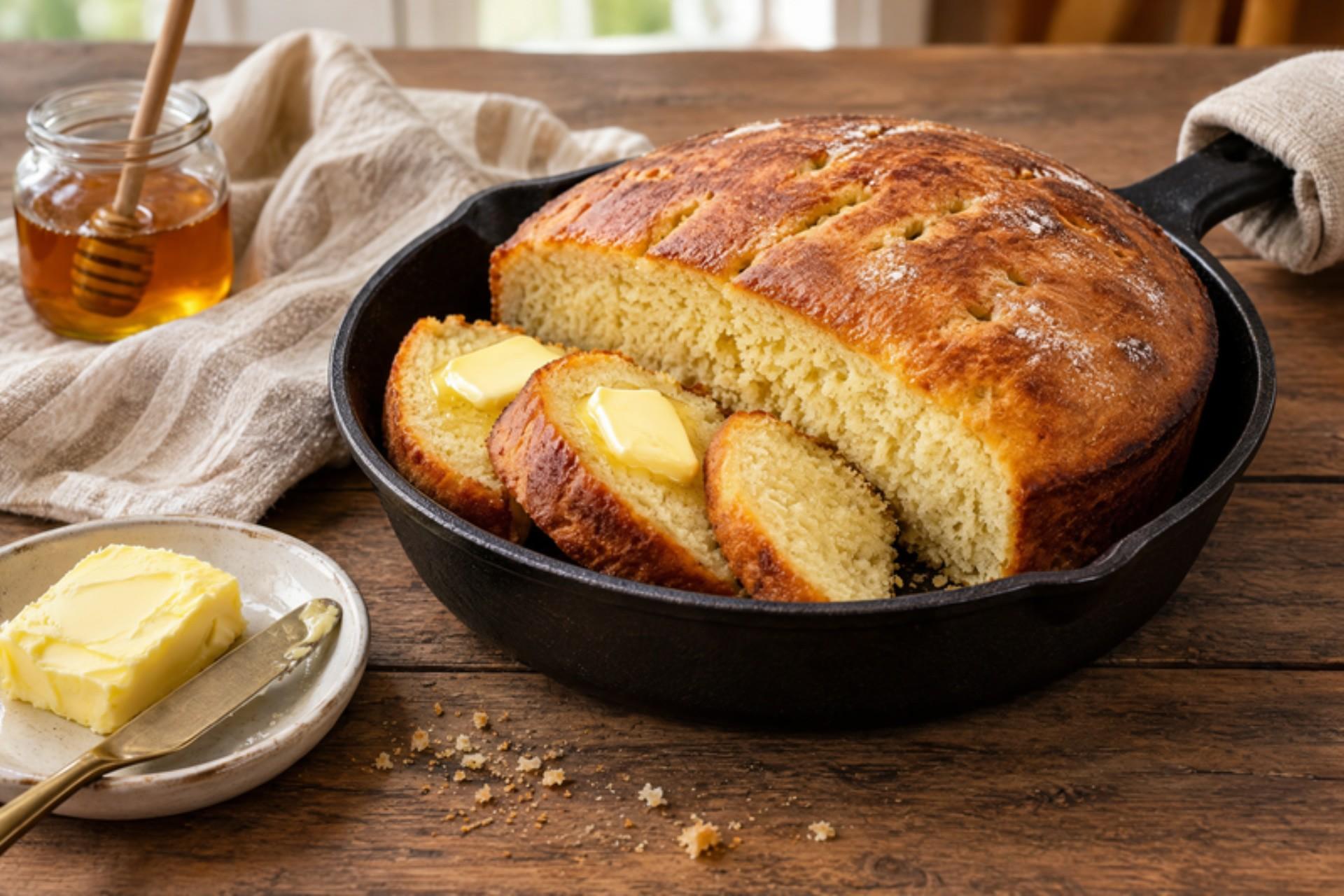
In the Bahamas johnnycake is not a pancake but a golden pan bread, baked in a skillet or tin and sliced warm in Nassau homes and Out Island kitchens, at breakfast with stew fish or alongside conch chowder and peas and rice. The dough is a rich, lightly sweet mix of flour, butter, milk and a little sugar, closer to a soft scone than a yeast bread. It contains wheat and milk. The common mistake is kneading it like bread, which makes it tough; mix just until it comes together. It is done when the top is deep golden and a skewer in the centre comes out clean, and the bottom sounds hollow when tapped. Chef's tip: brush the top with melted butter the moment it comes out of the oven for a soft, shiny crust.

by KrazyBadal 0 views

Bahamian peas and rice

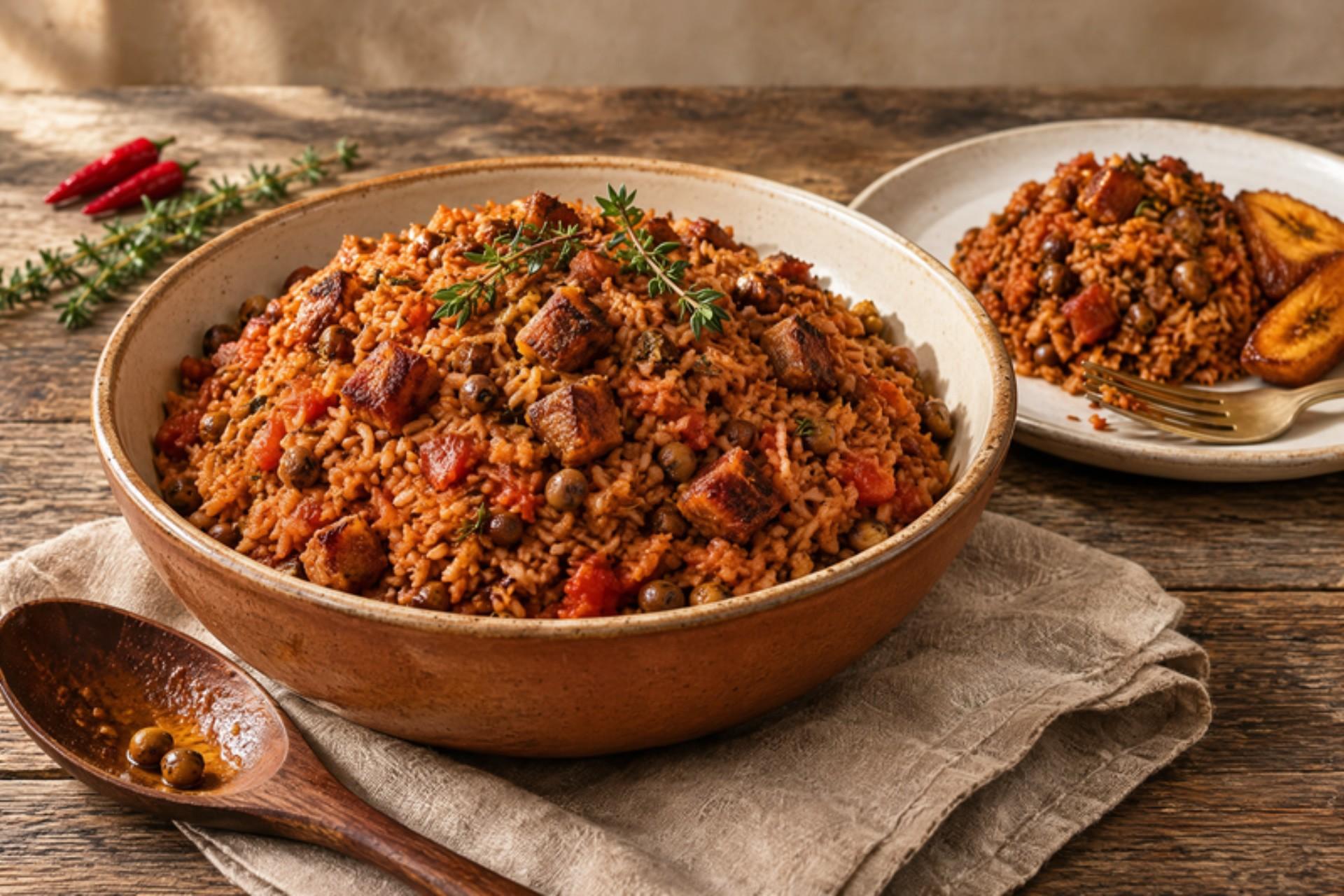
Peas 'n' rice is on almost every plate in the Bahamas, from Nassau fish fry shacks at Arawak Cay to Sunday dinner in Eleuthera, served with fried chicken, steamed fish or cracked conch. Unlike Jamaican rice and peas there is no coconut: pigeon peas and rice are cooked in a rich base of browned salt pork, onion, sweet pepper, tomato paste and thyme, which gives the rice its signature brown-red colour. This recipe contains pork (salt pork or bacon). The usual mistake is stirring once the rice is in, which breaks the grains and makes it gummy; cover tightly and leave it alone. It is done when the liquid has gone and the grains are tender and separate. Chef's tip: let the tomato paste fry in the pork fat until it darkens to brick red before adding water; that is where the colour and depth come from.

by KrazyBadal 0 views

Sancocho de gallinaChicken soup with yuca and plantain

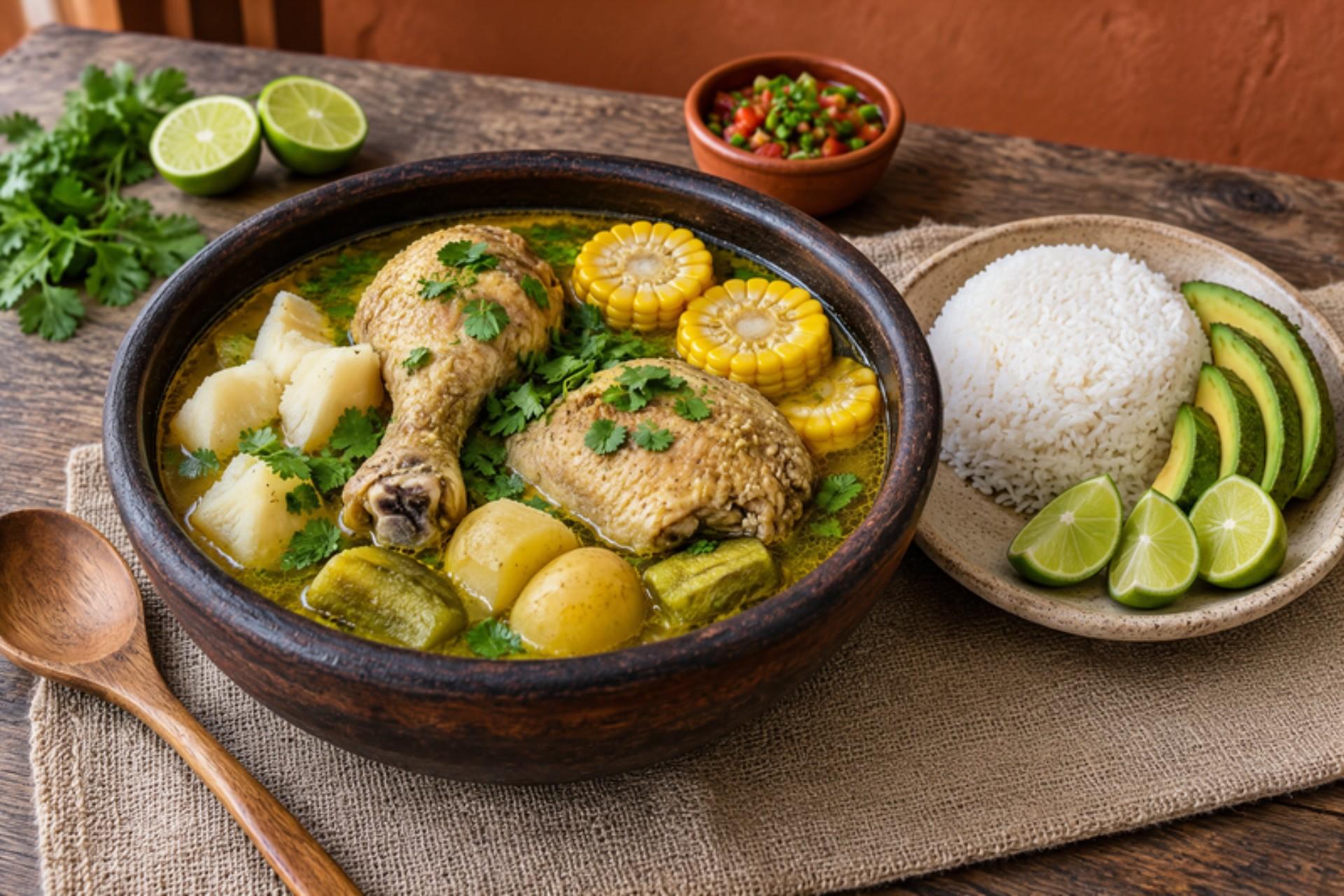
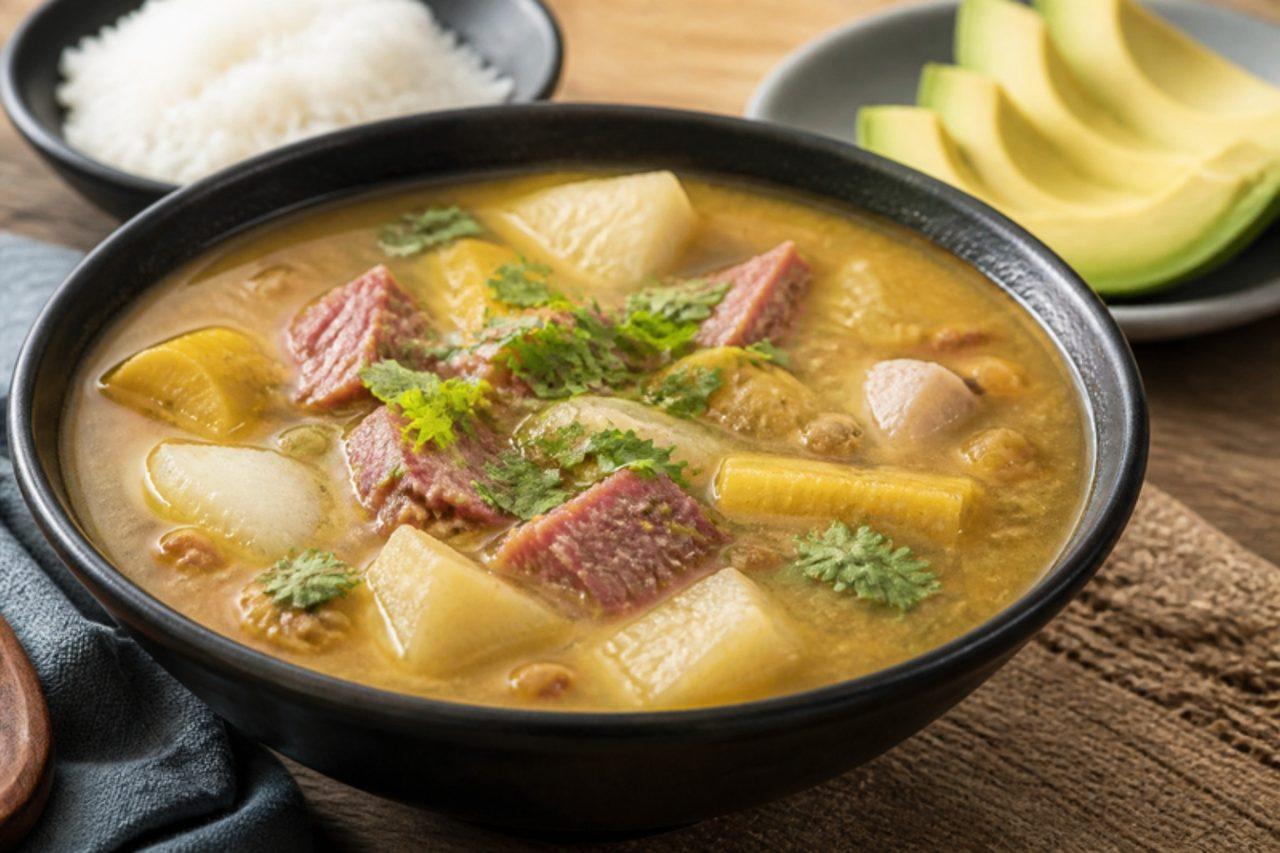
Sancocho de gallina is the soup Colombians cook in a huge pot for Sunday family gatherings, river outings in the Valle del Cauca and New Year's Day, often over a wood fire. A hen is simmered with corn on the cob, yuca, green plantain and potatoes until the starchy vegetables thicken the broth, then everything is served in deep bowls with rice, avocado and ají on the side. This version uses a whole chicken, which cooks faster than a laying hen. Yuca (cassava) must always be fully cooked until soft right through, never eaten raw or underdone. The common mistake is adding all the vegetables at once: the potato turns to mush before the yuca is tender. Add them in stages. Chef's tip: break the green plantain into chunks with your hands instead of cutting it; the rough edges release starch and give the broth its body.

by KrazyBadal 0 views

Sancocho dominicanoMeat and root vegetable stew

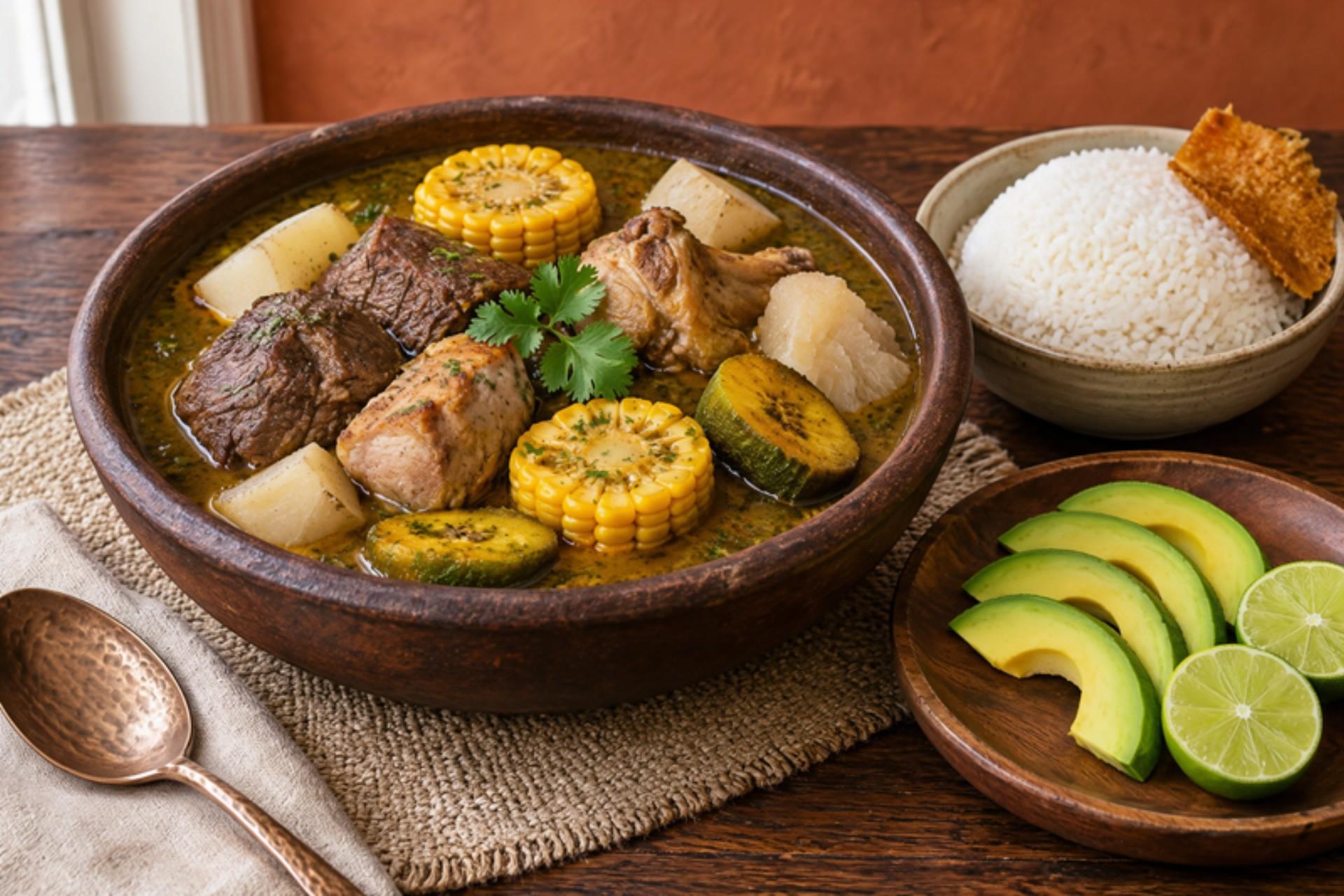
Sancocho is the dish Dominicans make for a crowd: birthdays, New Year's Eve, rainy Sundays and the morning after a party, from Santo Domingo to Washington Heights. Several meats (here beef, pork ribs and chicken; the festive sancocho de siete carnes uses seven) simmer with oregano, garlic and coriander, then cassava, yautía, green plantain, yam, squash and corn cook down until the broth turns thick and golden. This recipe contains pork. The common mistake is adding all the vegetables at once, so the squash melts while the plantain stays hard; add them in order of firmness. Cassava must always be peeled, cored and cooked until completely soft, never eaten raw. It is done when the meats are tender, the chicken has reached 74 °C and the pork 71 °C, and the broth coats a spoon. Serve with white rice and avocado. Chef's tip: let some of the squash dissolve completely; it is what thickens a real sancocho.

by KrazyBadal 0 views

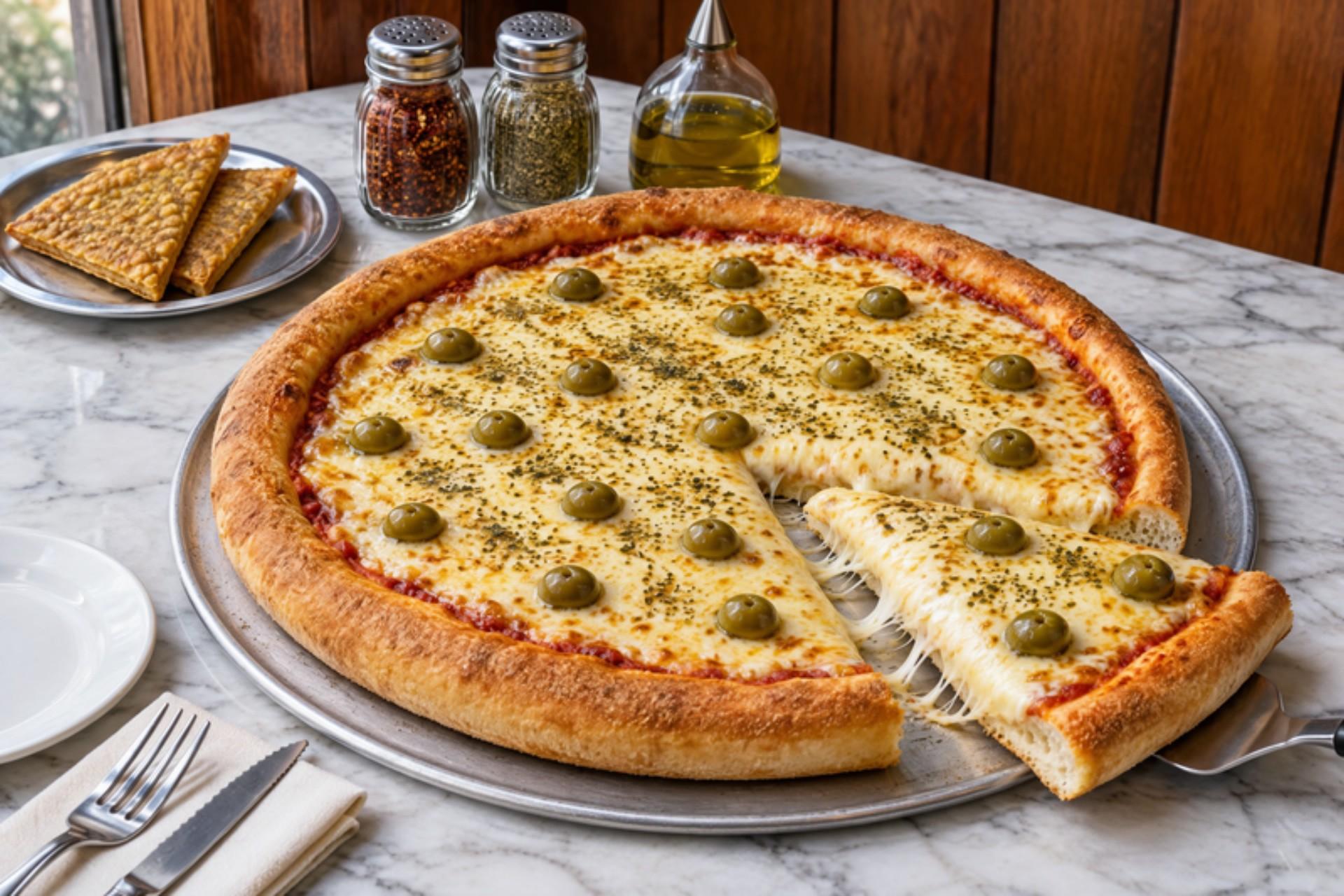
Pizza de muzzarellaThick-crust mozzarella pizza

The pizza de muzzarella, or simply muzza, is the pride of Buenos Aires' old pizzerías along Avenida Corrientes, eaten standing at the counter after the theatre, often with a slice of fainá on top. Unlike a Neapolitan pizza it has a thick, soft, bready base baked in a round metal pan, a thin smear of oregano tomato sauce and a deep layer of mozzarella that bubbles and browns, finished with green olives. The common mistake is using fresh mozzarella balls: they release water and the pizza swims. Use firm, low-moisture mozzarella grated or sliced thick. Many mozzarellas use animal rennet; choose a vegetarian one if you prefer. Chef's tip: give the dough a second rise in the oiled pan, so the base bakes airy inside and fried-crisp underneath.

by KrazyBadal 0 views

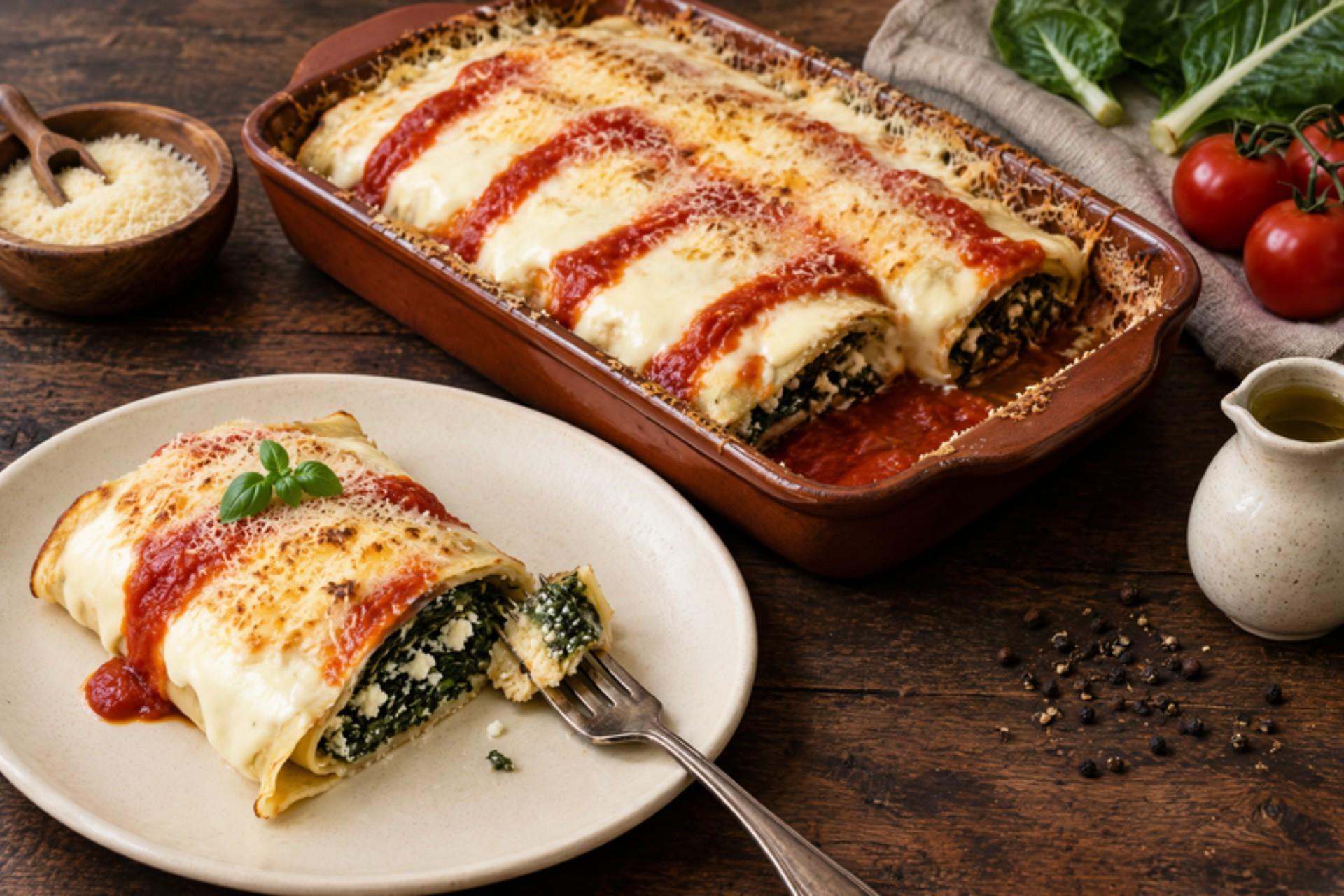
Canelones de verduraSpinach and ricotta crêpe cannelloni

In Argentina, Sunday lunch at the nonna's house in Rosario or Buenos Aires often means canelones, a legacy of Italian immigrants made the Río de la Plata way: thin crêpes instead of pasta tubes, rolled around chard and ricotta, then baked under tomato sauce and béchamel. They are often served on the 29th of the month or for Christmas too. The common mistake is thick crêpes: they turn stodgy. The batter should be as thin as single cream and the pancakes almost see-through. Hard cheeses are usually made with animal rennet; use a vegetarian hard cheese if you prefer. Chef's tip: roll the canelones and chill them for an hour before saucing; they hold their shape better in the oven.

by KrazyBadal 0 views

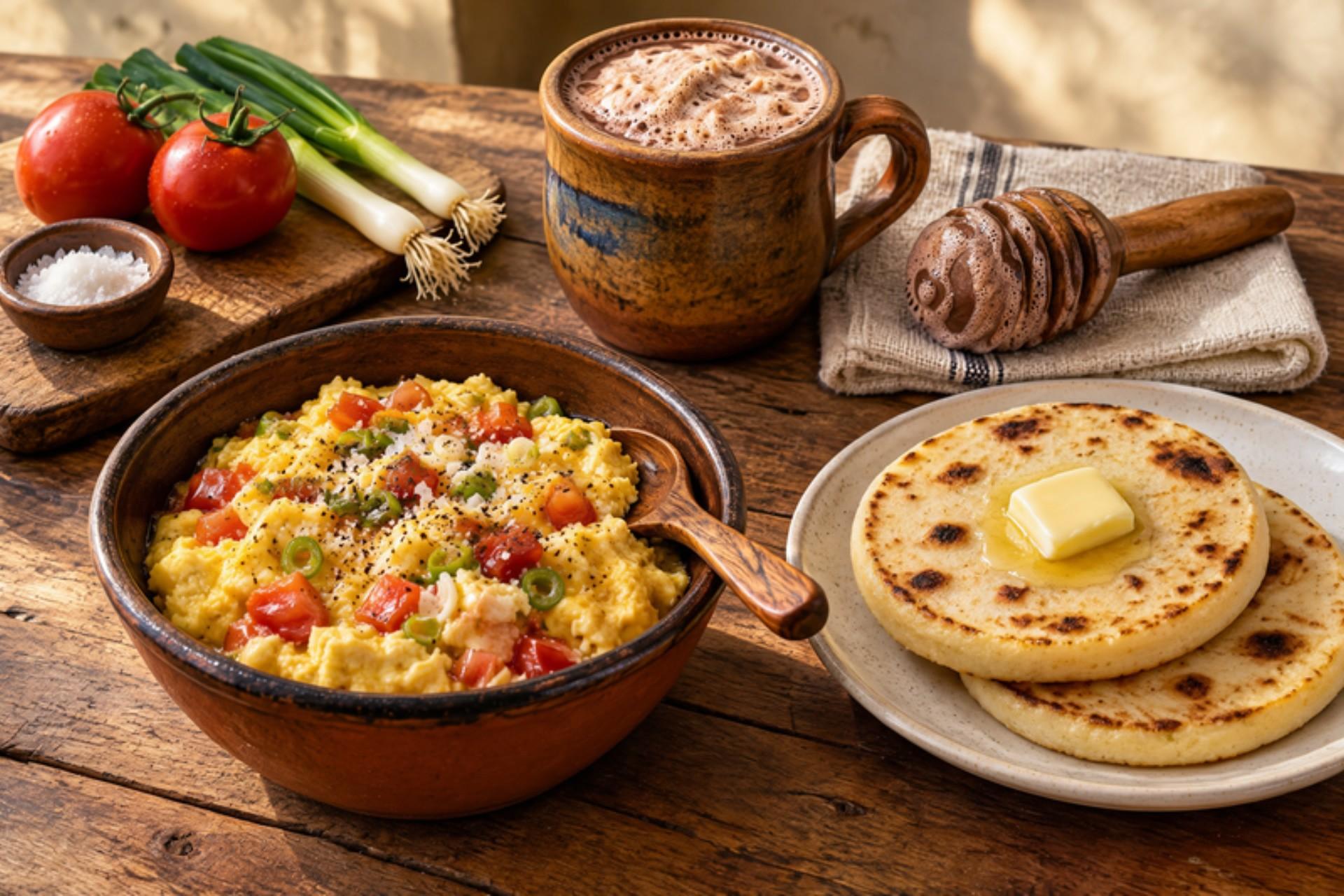
Huevos pericosScrambled eggs with tomato and onion

Huevos pericos are the everyday breakfast of Colombian homes from Medellín to Bogotá, made before school and work and eaten with a warm arepa and a cup of hot chocolate or tinto coffee. The name comes from the parakeet (perico), for the flecks of green spring onion and red tomato through the yellow egg. The secret is a quick hogao-style base: the onion and tomato are softened first, then the eggs are folded through over a low heat so they stay creamy. The common mistake is high heat, which turns the eggs dry and rubbery. Cook them slowly and take them off while still glossy. If you are cooking for anyone pregnant, a young child or an older person, cook until fully set. Chef's tip: use the long green tops of the spring onion as well as the white; Colombian cebolla larga is all about that mild green flavour.

by KrazyBadal 0 views

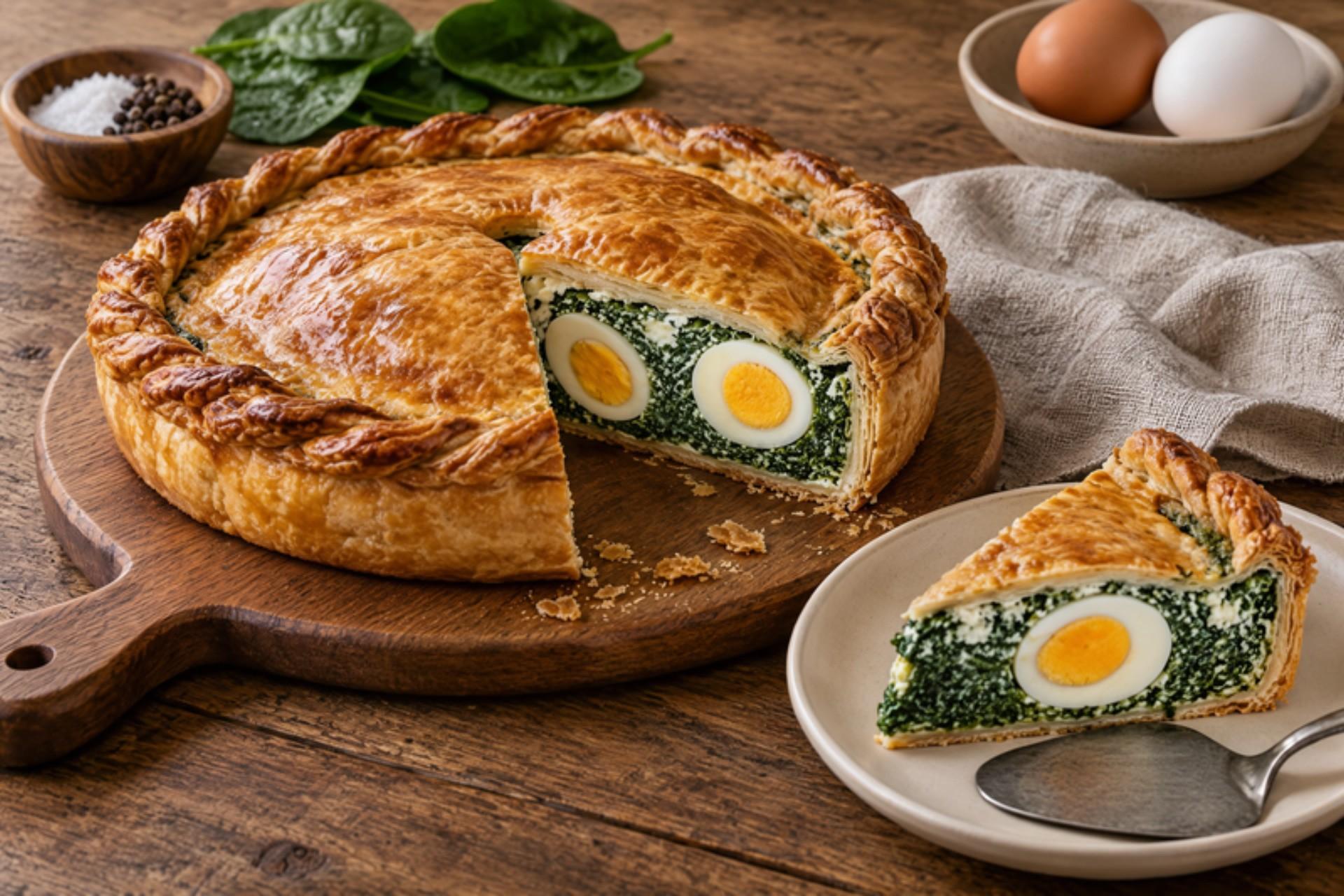
Tarta pascualinaSpinach and egg pie

Tarta pascualina came to Buenos Aires and Montevideo with Ligurian immigrants, and it is still baked for Easter (Pascua, hence the name), though most porteños now buy or make it any weekday for a light supper with a tomato salad. A crisp, olive-oil crust holds chard or spinach bound with ricotta and cheese, with whole eggs baked into hollows so every slice shows a ring of yolk. The usual mistake is not squeezing the greens: the filling floods and the base goes soggy. Wring them in a clean tea towel until no more water drips. Hard cheeses such as Parmesan are usually made with animal rennet; use a vegetarian hard cheese if you prefer. Chef's tip: bake the tart on the lowest shelf on a hot baking sheet so the bottom crust browns as well as the top.

by KrazyBadal 0 views

Blaff de poissonFish in lime broth

Blaff is the fisherman's breakfast and lunch of Martinique and Guadeloupe, cooked in Sainte-Anne or Deshaies with fish bought straight off the boats in the morning. The name is said to echo the splash the fish makes as it drops into the boiling broth. Red snapper steaks are marinated in lime, garlic and hot pepper, then poached briefly in a clear broth fragrant with bois d'Inde (allspice berries), thyme, chive and a whole hot pepper. It contains fish. The common mistake is boiling the fish hard or too long, so it falls apart and dries out; it needs only a gentle simmer. It is done when the flesh is opaque all the way through and flakes easily from the bone. Serve with white rice or boiled green bananas. Chef's tip: squeeze in fresh lime just before serving to wake up the broth.

by KrazyBadal 0 views

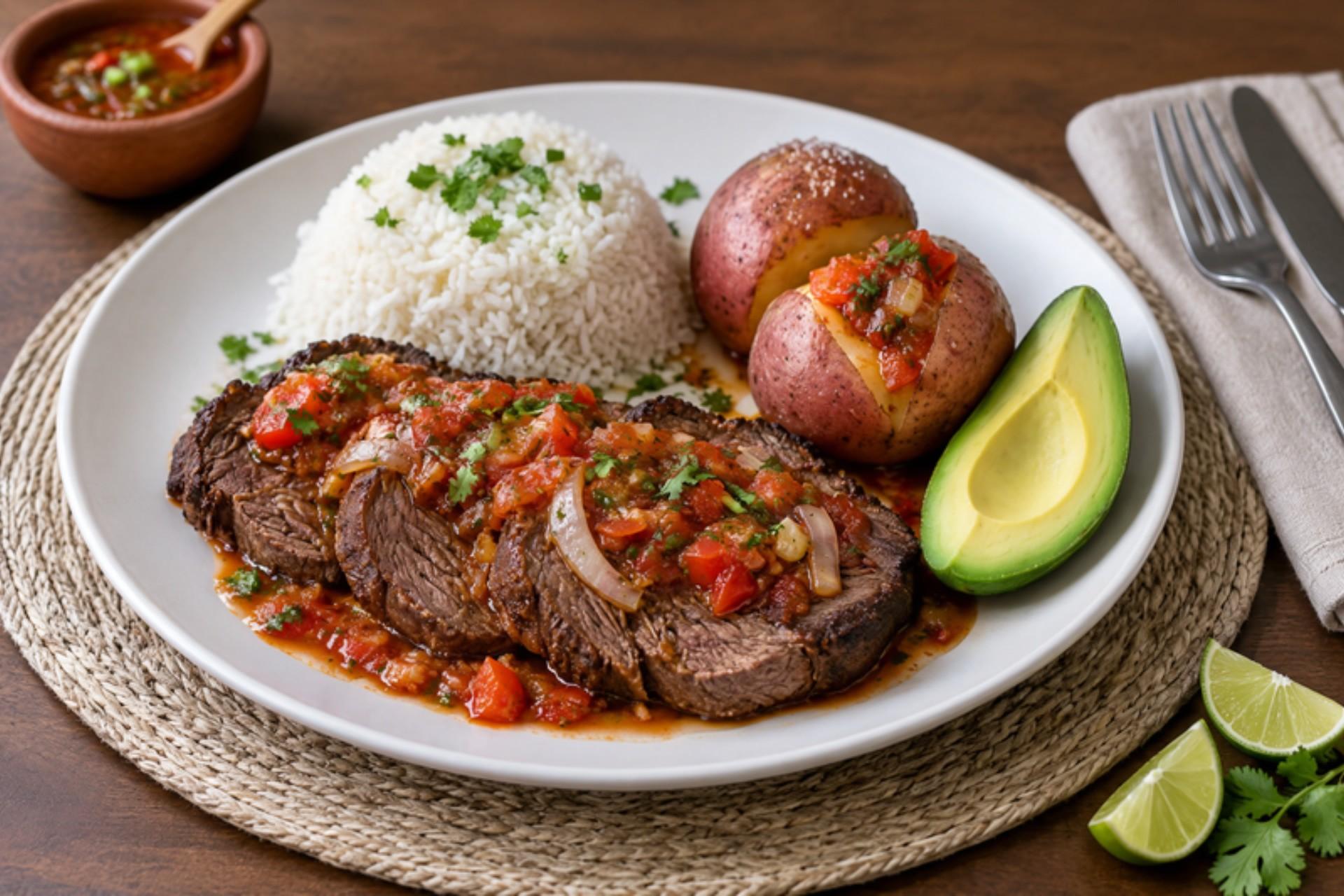
SobrebarrigaBraised beef flank in tomato sauce

Sobrebarriga is a Bogotá Sunday lunch: beef flank (the thin covering of the belly, which is what the name means) braised for hours with beer, onion and herbs until it can be cut with a spoon, then finished in a rich hogao of tomato and onion. Families in the Andean highlands serve it with salt potatoes, rice and a slice of avocado. The common mistake is hurrying the braise: flank stays stringy until it has cooked for at least two and a half hours. Simmer it gently until a fork slides in easily. The beer cooks for a long time, so most of the alcohol is driven off but not all; for an alcohol-free version use beef stock with 1 tbsp of brown sugar. Chef's tip: after braising, brush the meat with mustard and give it 15 minutes in a hot oven for a browned, slightly crisp top.

by KrazyBadal 0 views

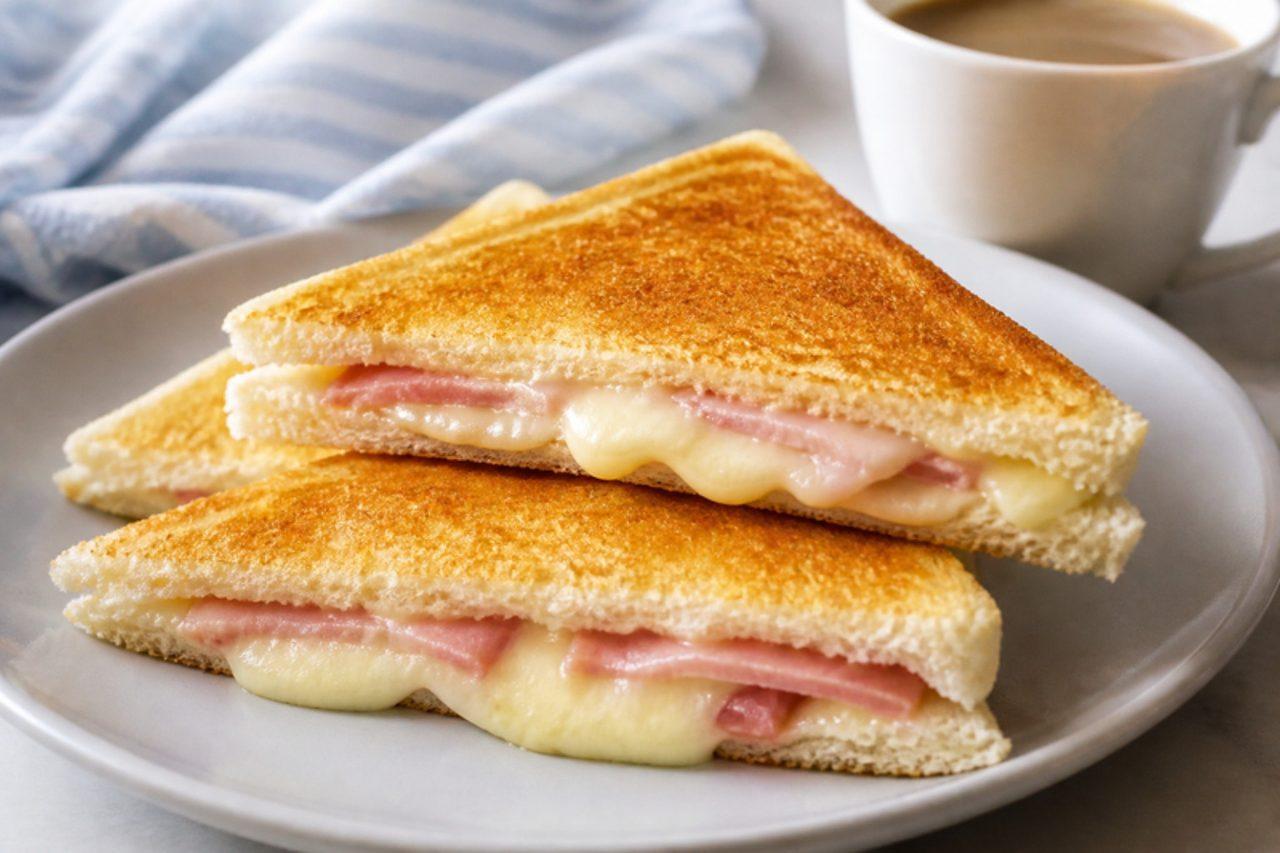
Tostado de jamón y quesoPressed ham and cheese sandwich

The tostado is what Buenos Aires orders in a café at merienda or as a light late dinner, and what Uruguayan kids get made at home: thin crustless pan de miga layered with cooked pork ham and mild cheese, buttered outside and pressed until crisp and oozing. The common mistake is too much filling; this sandwich is meant to be thin, so the cheese melts before the bread burns. Chef's tip: if you have no sandwich press, weigh it down in the pan with a second heavy pan so it toasts flat and even.

by KrazyBadal 0 views

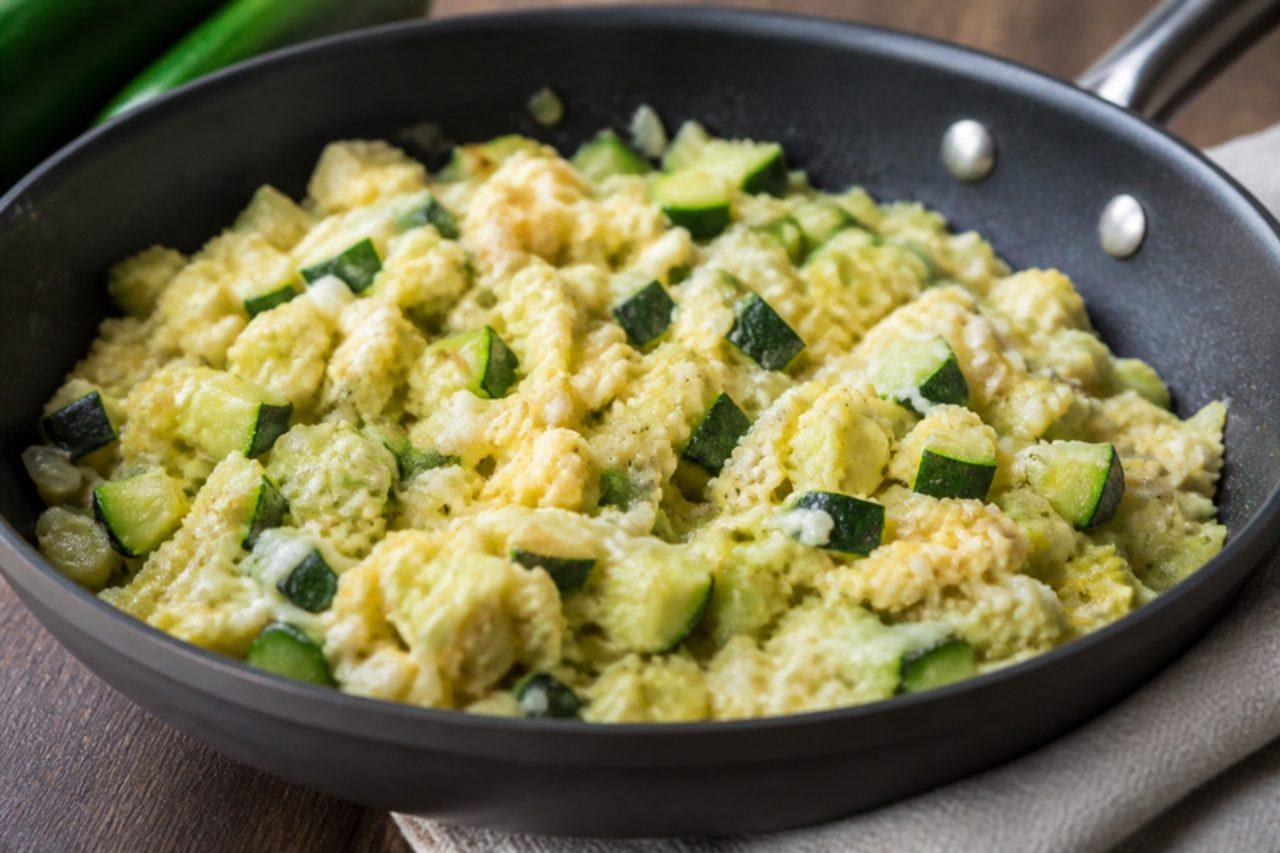
Revuelto de zapallitosCourgettes scrambled with egg and cheese

Revuelto de zapallitos is a weeknight dinner in Buenos Aires homes and all over Argentina in summer, when the little round courgettes called zapallitos are cheap: diced courgette and onion cooked down in oil, scrambled with eggs and finished with grated cheese. It is eaten with bread or as a side to a salad. Grated hard cheese like reggianito or Parmesan is usually made with animal rennet, so use a vegetarian hard cheese for a vegetarian dinner. The common mistake is adding the eggs before the courgettes have given up their water, which turns the scramble wet and grey. Chef's tip: salt the courgettes as they go in, so they release their juice early and it cooks away.

by KrazyBadal 0 views

Sopa de guandú con carne saladaPigeon pea soup with salted beef

On Colombia's Caribbean coast, and above all in Barranquilla around Carnival and Holy Week, families cook big pots of sopa de guandú, a hearty soup of pigeon peas and salted dried beef with yam, yuca and green plantain, flavoured with cumin, garlic and spring onion. It is eaten as a full meal with white rice, avocado and a little hot sauce, ideal to recover after the parades. The common mistake is not soaking the salted beef, which makes the whole pot far too salty. Chef's tip: grate a little of the green plantain into the broth; it thickens the soup naturally.

by KrazyBadal 0 views

Dowina (Kurdish yogurt soup)

Dowina, called ash-e doogh in Persian, is warming spring food in Kurdish homes around Newroz, when yogurt is plentiful and the first herbs are cut from the garden. Rice and chickpeas simmer in a tangy, lightly thickened yogurt broth, finished with fresh dill, coriander and a sizzle of dried mint in oil. It is eaten warm, never boiling hot, with flatbread. The common mistake is to heat the yogurt too fast without stirring, which makes it split into grainy curds. Chef's tip: whisk an egg yolk and a spoonful of rice flour into the yogurt before it goes on the heat; it holds the soup smooth all the way to the simmer.

by KrazyBadal 0 views

KourdassGrilled lamb liver bundles

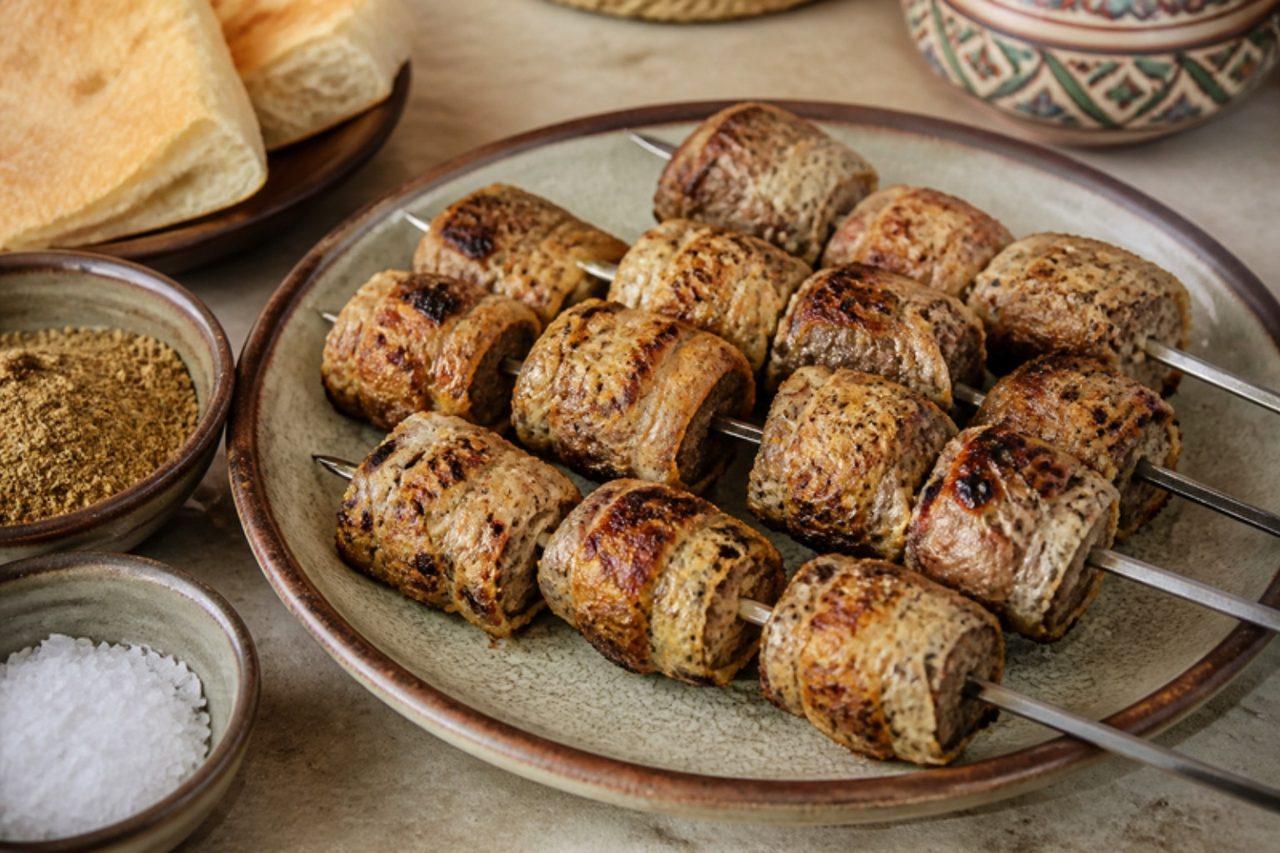
After the sacrifice of Eid al-Adha, Moroccan families use every part of the lamb, and kourdass is one of the dishes made in the days that follow: pieces of tripe and liver rubbed with cumin and paprika, wrapped in caul fat and traditionally hung up to air-dry before grilling. This home version skips the drying, which is hard to do safely in a modern kitchen, and grills the bundles fresh over charcoal or under a grill until the fat crisps and the liver is cooked through. Buy cleaned, pre-cooked tripe and caul fat from a halal butcher. Chef's tip: wrap the bundles tightly so the caul fat bastes them as it melts.

by KrazyBadal 0 views

Pajagua mascadaBeef and cassava patties

Pajagua mascada is a Paraguayan street-food classic that appears on every table for the San Juan festival on 24 June, when bonfires burn and the night is full of games and traditional food. Minced beef is mixed with mashed cassava, onion, garlic and a little egg and flour, shaped into flat patties and fried until crisp. The name comes from Guaraní and refers to the 'chewing' of old Paraguayan cooks, who made it from leftover meat. Chef's tip: dry the boiled cassava well and remove its woody core, which keeps the patties light and crunchy.

by KrazyBadal 0 views

Lengua a la vinagretaBeef tongue with vinaigrette

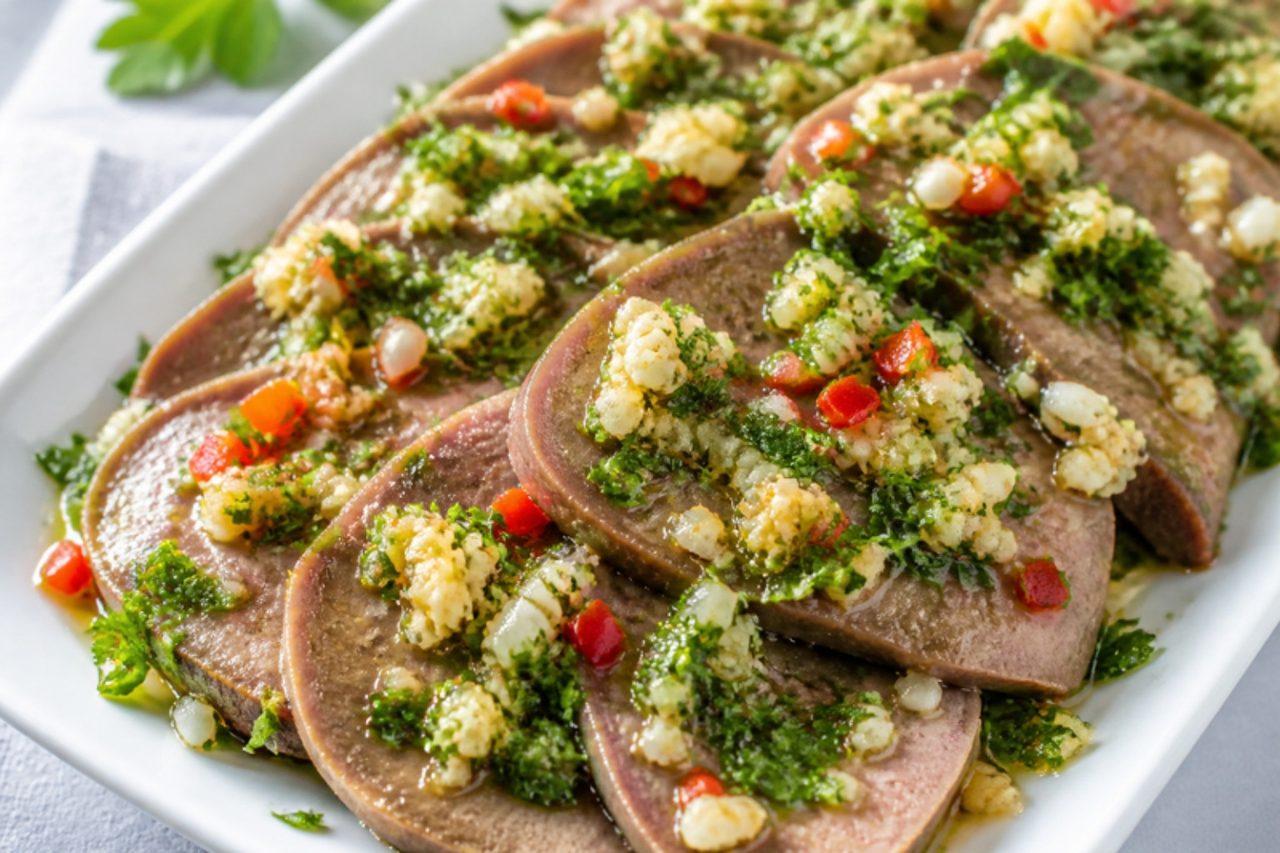
Argentina's Nochebuena is a hot summer night, so the table is full of cold dishes, and lengua a la vinagreta is one of the classics: beef tongue simmered until tender, peeled, sliced and covered with a sharp vinaigrette of parsley, garlic, red pepper, onion and chopped hard-boiled egg. It is made a day ahead and served chilled with vitel toné and Russian salad. Chef's tip: peel the tongue while it is still hot, as the skin comes away easily then and clings once it cools.

by KrazyBadal 0 views

Viudo de pescadoFish steamed in banana leaves

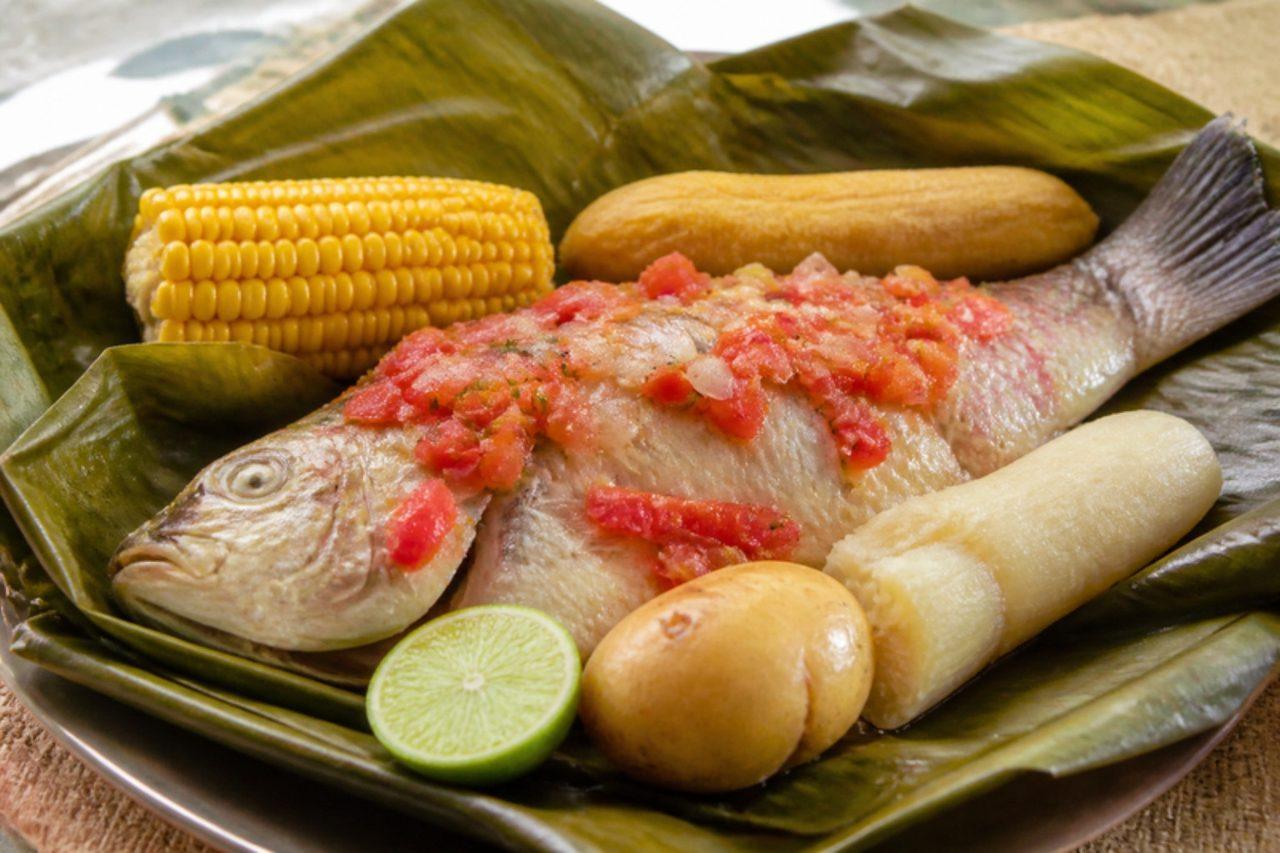
Along the Magdalena River and in Huila and Tolima, Colombian families make viudo de pescado for Semana Santa: river fish (bocachico, capaz or nicuro, here any firm white fish) seasoned with hogao, then steamed in banana leaves on top of a pot of cassava, green plantain, potato and corn, so the vegetables cook in the broth and the fish in the steam. It is served together in big bowls with lime and ají. Chef's tip: cut the vegetables into similar-sized chunks so they all cook in the same time.

by KrazyBadal 0 views

OsterpinzeEaster anise brioche

Osterpinze is the Easter bread of Styria, Carinthia and the area around Trieste, a soft, golden brioche dome with three deep cuts on top for the Holy Trinity, so that it opens into a crown as it bakes. The dough is rich with egg yolks and butter and flavoured with anise and lemon; old recipes add a splash of white wine, left out here. It is blessed in the Easter basket on Holy Saturday and eaten on Easter morning with ham, horseradish and eggs, or with butter and jam. Chef's tip: make the three cuts with scissors just before baking, deep enough to reach halfway down, so the crown opens wide.

by KrazyBadal 0 views

Showing 24 of 474 recipes

Show more recipes

Page 1 of 20