Skip to content
Recipes

All recipes

Vegetarian, or something you can't eat? Set your diet once and we'll hide recipes that don't fit.

Flamiche dinantaise

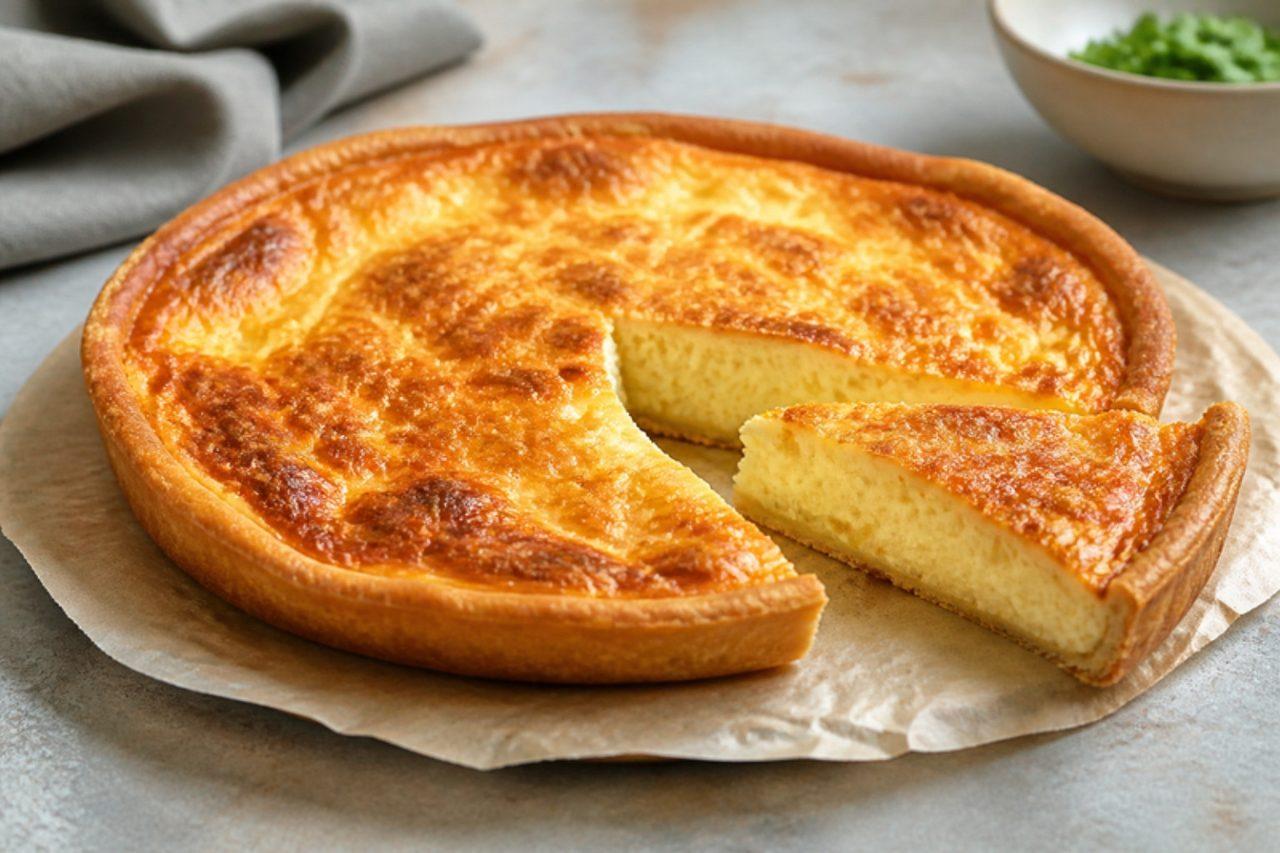
The flamiche of Dinant is eaten only one way: straight from the oven, so hot it burns the fingers, as the townspeople say. It is a rich, wobbly tart of strong fresh boulette or Herve-style cheese beaten with eggs and plenty of butter on a thin yeasted base, and Dinant's 'Confrérie de la Flamiche' still holds an annual tasting. Boulette and Herve cheeses are usually made with animal rennet; a strong vegetarian soft cheese mixed with fromage frais works. A common mistake is letting it cool; it sets and loses its creaminess. Chef's tip: serve it the moment the top puffs and turns golden.

by KrazyBadal 0 views
Filet américain

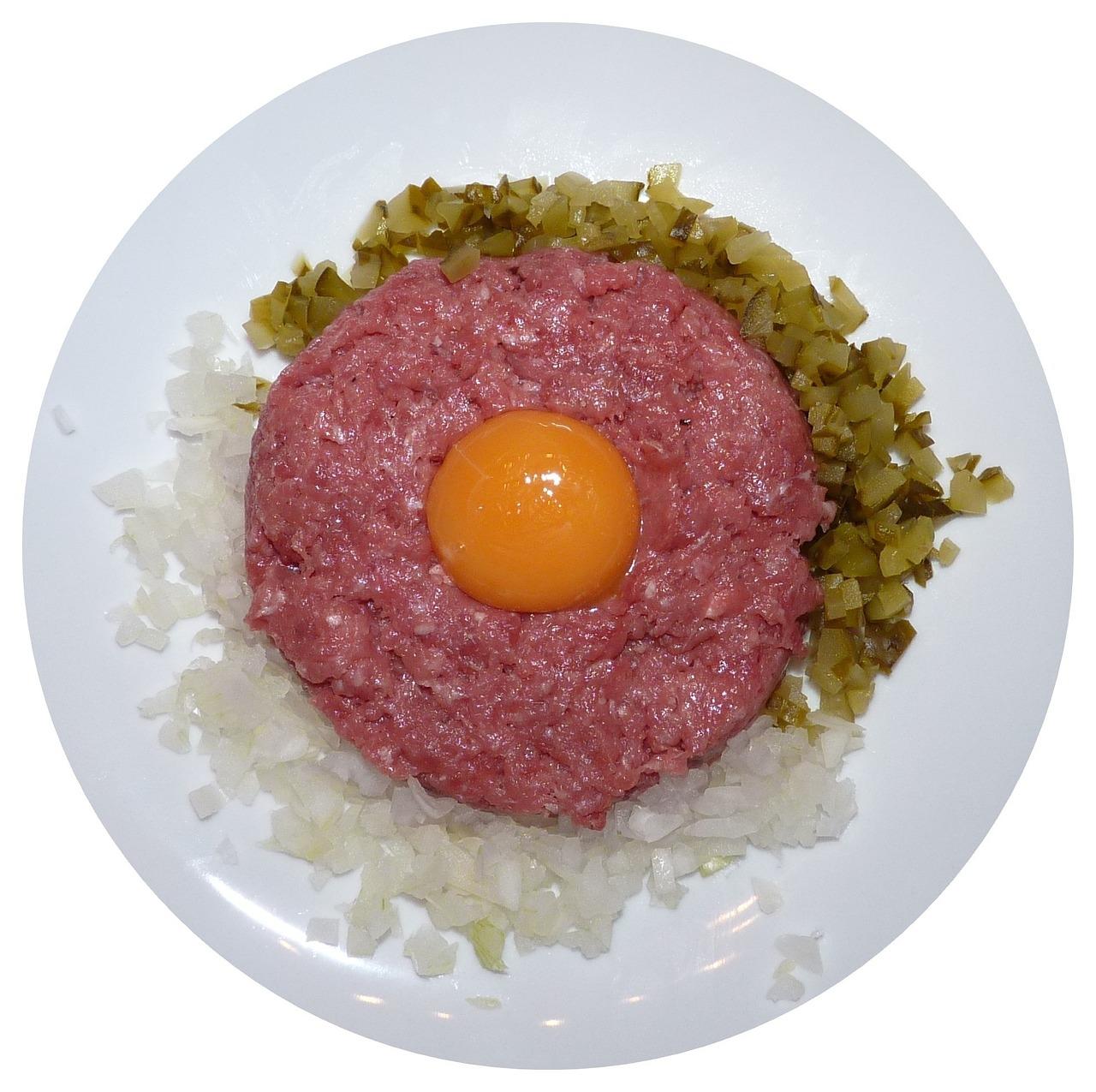
Despite its name, filet américain is a Belgian classic, served in Brussels brasseries with a mound of fries, or spread on a baguette as the famous 'broodje américain': very fresh lean beef, finely minced and mixed with mayonnaise, mustard, capers, chopped onion, parsley and a dash of Worcestershire sauce and Tabasco, so it is creamy and tangy. The beef is eaten raw, so it is not for pregnant women, young children or anyone with a weakened immune system. Buy a whole piece of the freshest steak from a trusted butcher, trim it and mince it yourself just before serving; never use ready-minced beef. A common mistake is preparing it in advance; make it and eat it at once. Chef's tip: chill the meat and the bowl well and mix with a fork, not a processor, so it stays loose. Use shop-bought mayonnaise, which is made with pasteurised egg.

by KrazyBadal 0 views
Cramique

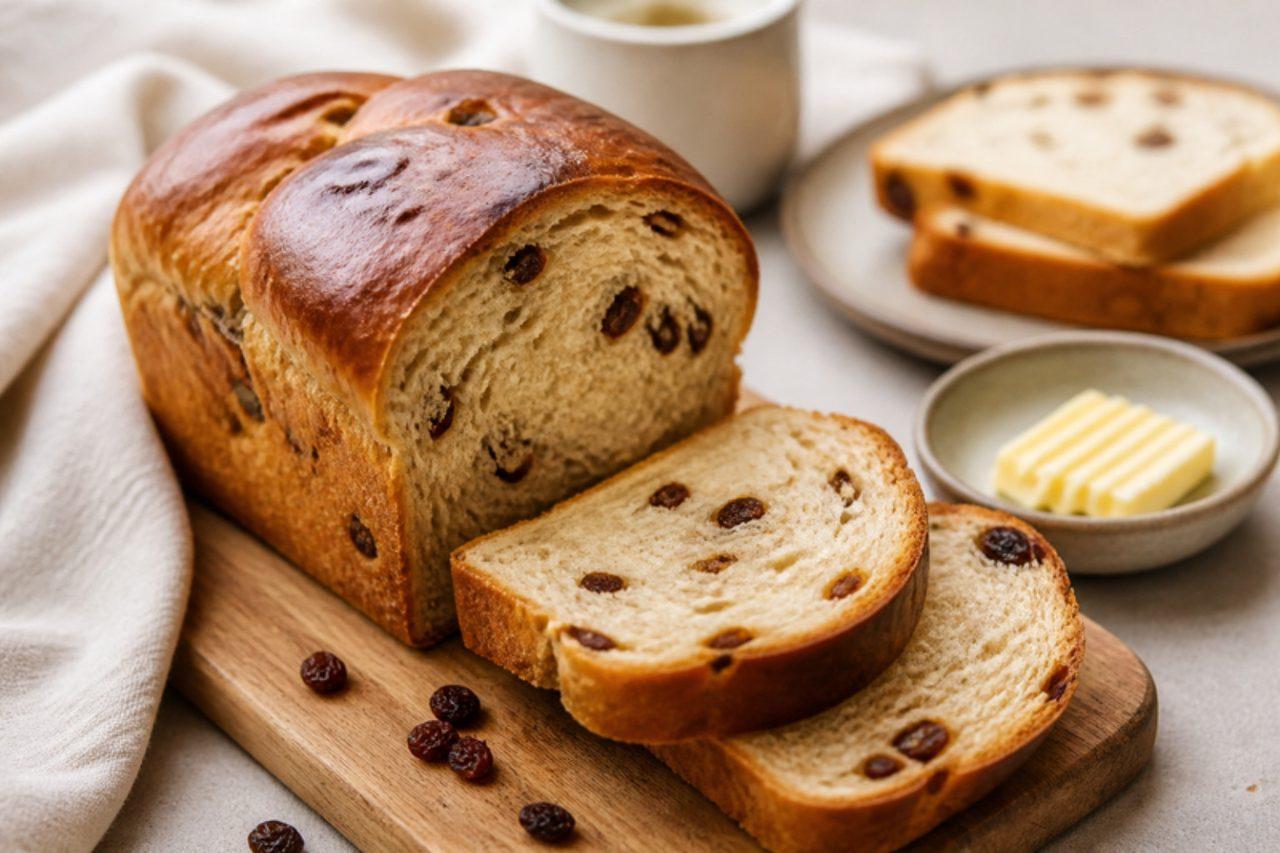
Cramique is the Sunday breakfast loaf of Brussels and Wallonia: a soft, golden brioche packed with raisins, bought from the bakery on Sunday morning and sliced thickly with salted butter. Its sister, craquelin, swaps the raisins for pearl sugar. A common mistake is adding the raisins at the start of kneading, which tears the gluten and turns the dough grey. Chef's tip: soak the raisins in warm tea for 20 minutes, then knead them in only at the end, gently.

by KrazyBadal 0 views
Bouquettes liégeoises

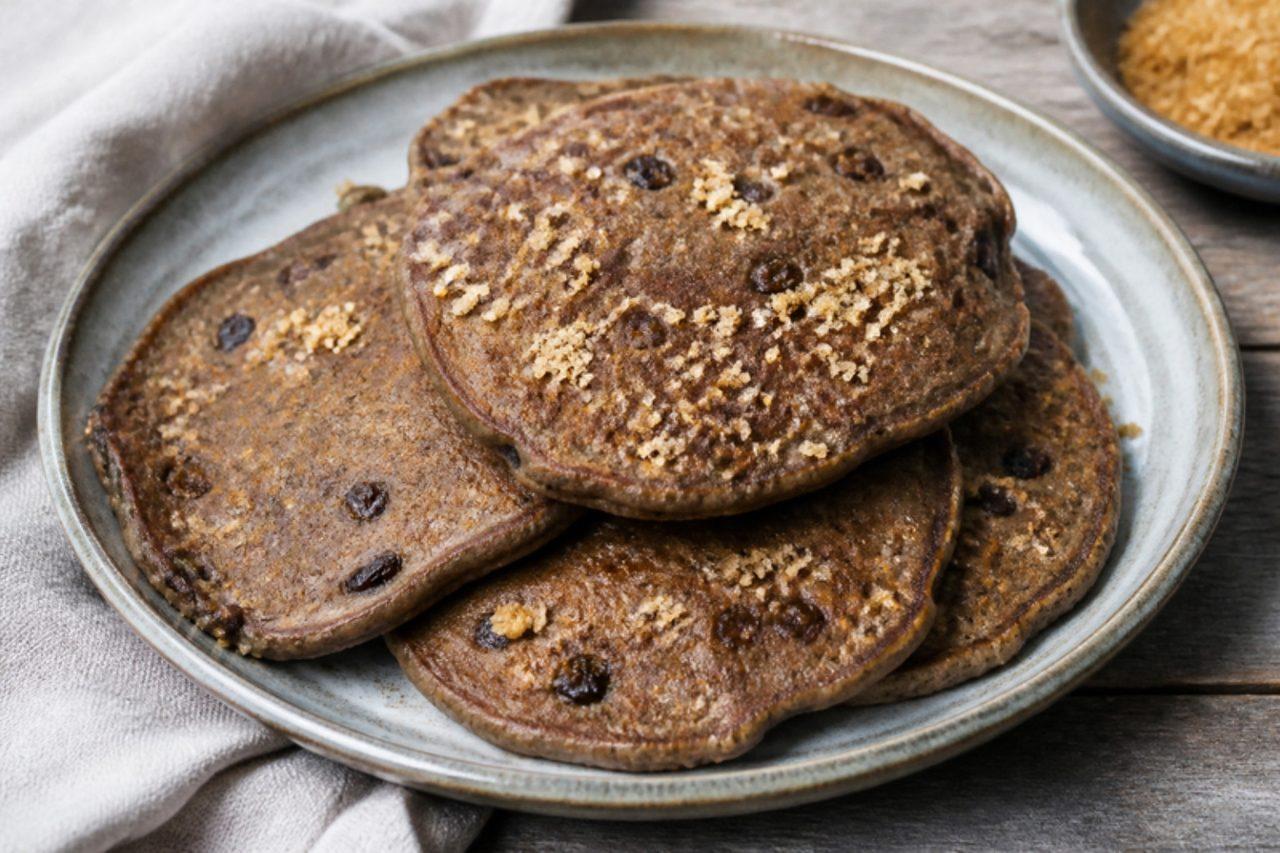
Boûkètes are the buckwheat pancakes of Liège, sold at the Christmas market and eaten at home on New Year's Day: a yeasted batter of buckwheat and wheat flour studded with raisins, fried in butter into thick, nutty little pancakes and served with brown sugar or sirop de Liège. A common mistake is a hot pan; the outside burns before the thick middle cooks. Chef's tip: let the batter rise for an hour until bubbly, then fry over a medium-low heat with plenty of butter.

by KrazyBadal 0 views
Paling in 't groen

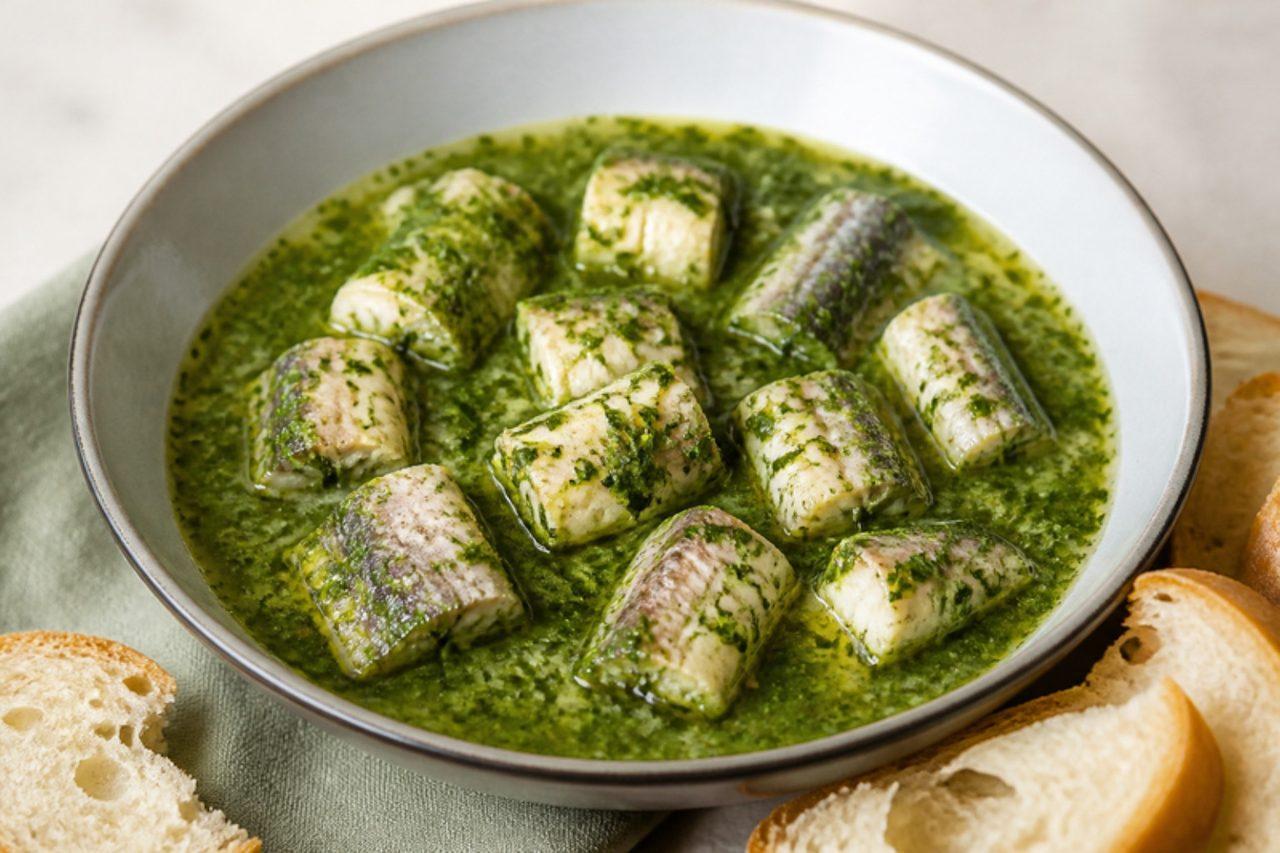
Paling in 't groen, 'eel in green', is the old riverside dish of the Scheldt valley between Antwerp and Ghent, served in summer in cafés along the river at places like Hamme and Lillo: pieces of eel cooked briefly in butter, then simmered in a vivid green sauce of sorrel, spinach, chervil, parsley, tarragon, mint and sage, thickened with egg yolk. It is eaten hot or cold with fries or bread. European eel is critically endangered, so buy only eel from a legal, responsibly managed source, cleaned and skinned by the fishmonger, or use thick pieces of another firm, oily fish such as mackerel. A common mistake is cooking the herbs for long, which turns the sauce khaki. Chef's tip: add the herbs only for the last 3 minutes, then bind with yolk off the heat. The fish is cooked when firm and opaque at the bone.

by KrazyBadal 0 views

Lukken

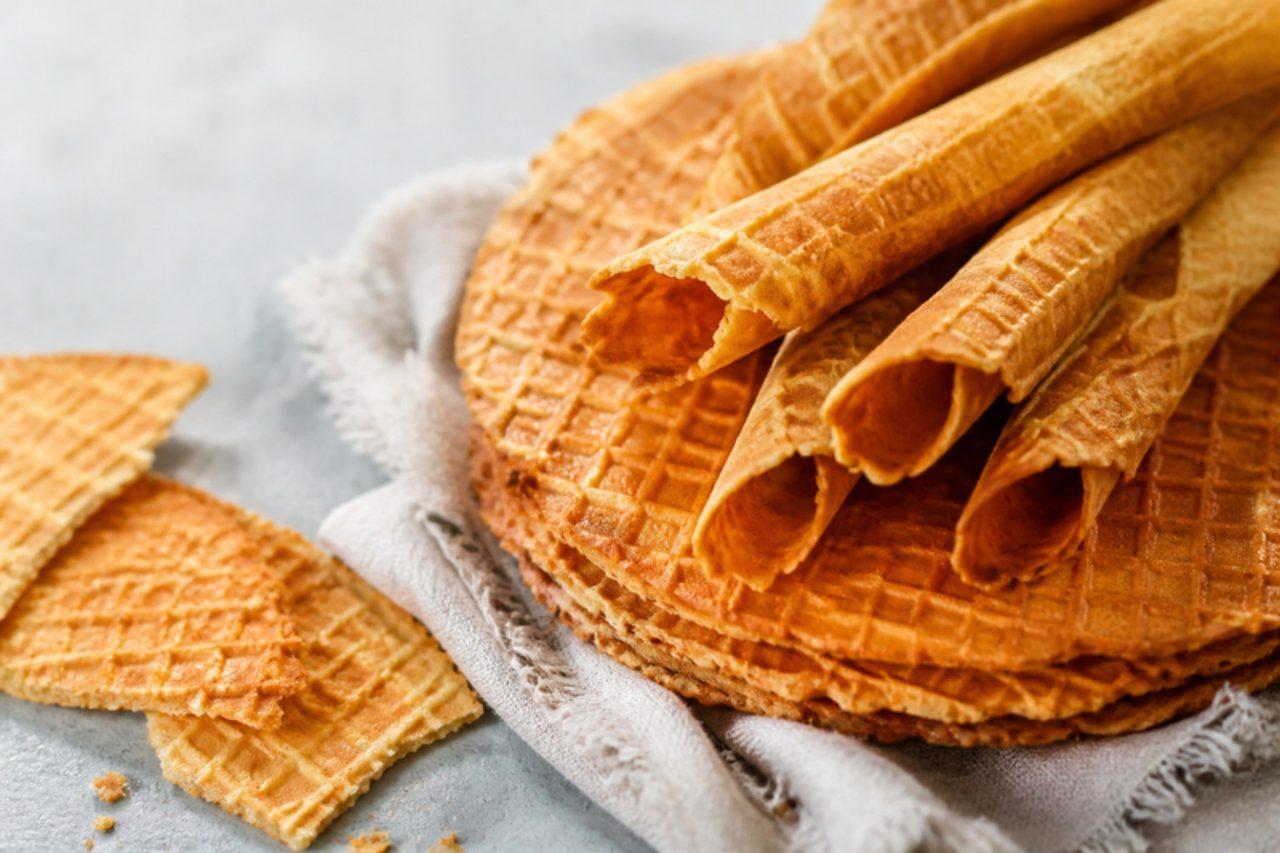
Lukken are paper-thin, crisp waffle biscuits baked in West Flanders, around Kortrijk and Roeselare, in the days before New Year, when children go from house to house wishing neighbours a happy new year and are rewarded with them. They are made in a special iron that presses a fine pattern; a pizzelle iron or a thin-waffle (gaufrette) iron works. A common mistake is using too much batter, which makes them thick and soft. Chef's tip: use only a teaspoon of dough per biscuit and roll them while warm if you like, for 'rolled lukken'.

by KrazyBadal 0 views

Escavèche

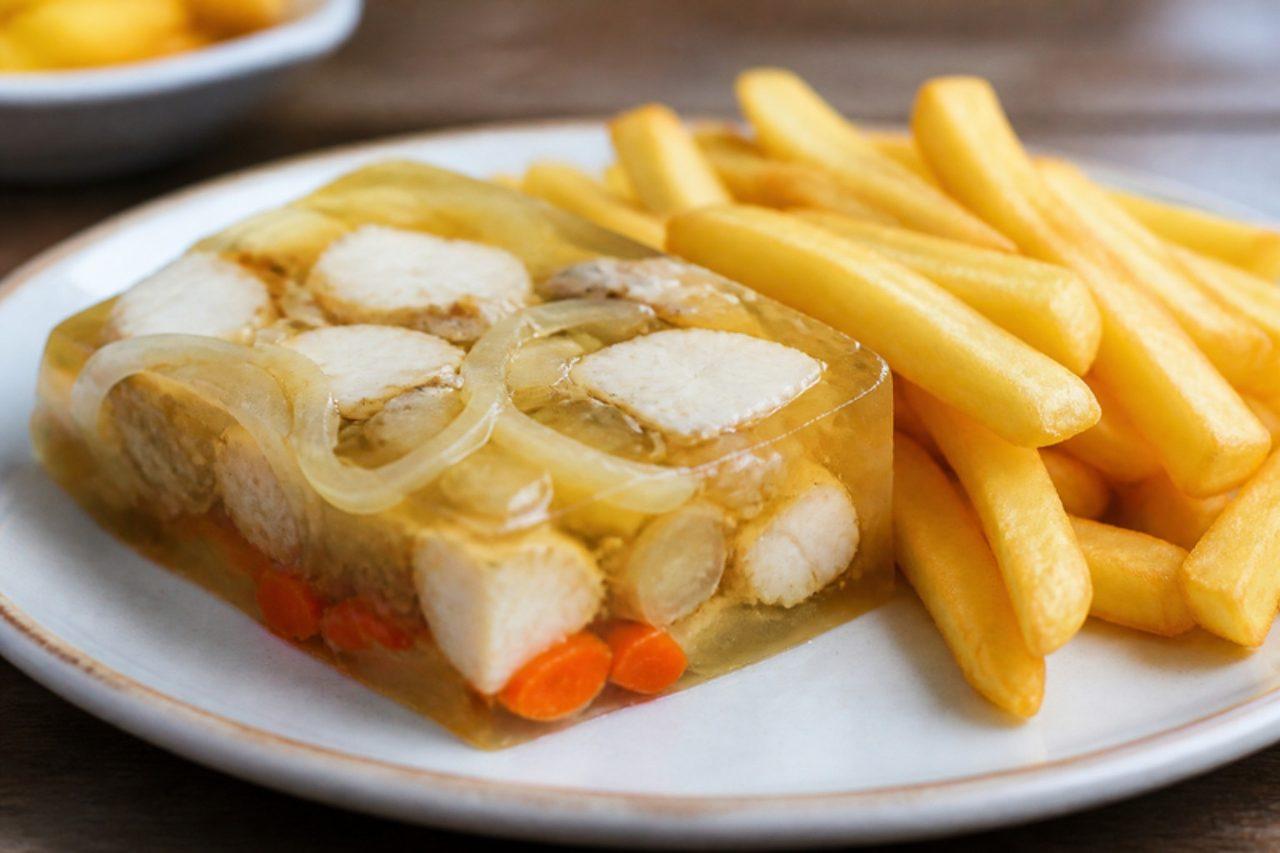
Escavèche is a speciality of the Chimay and Couvin area in southern Wallonia, a legacy of Spanish rule in the 16th century: fish fillets, traditionally eel or pike, fried and then covered with a hot marinade of vinegar, onion, thyme and bay that sets into a clear, tangy jelly as it cools. It is eaten cold, sliced, with crisp fries, in the brasseries of the Botte du Hainaut. A common mistake is not cooking the fish through before it goes into the marinade; cold marinade does not cook it. Chef's tip: let it set for at least 12 hours in the fridge; the vinegar mellows and the jelly firms. The fish should be opaque and flaking before marinating.

by KrazyBadal 0 views

Mitraillette

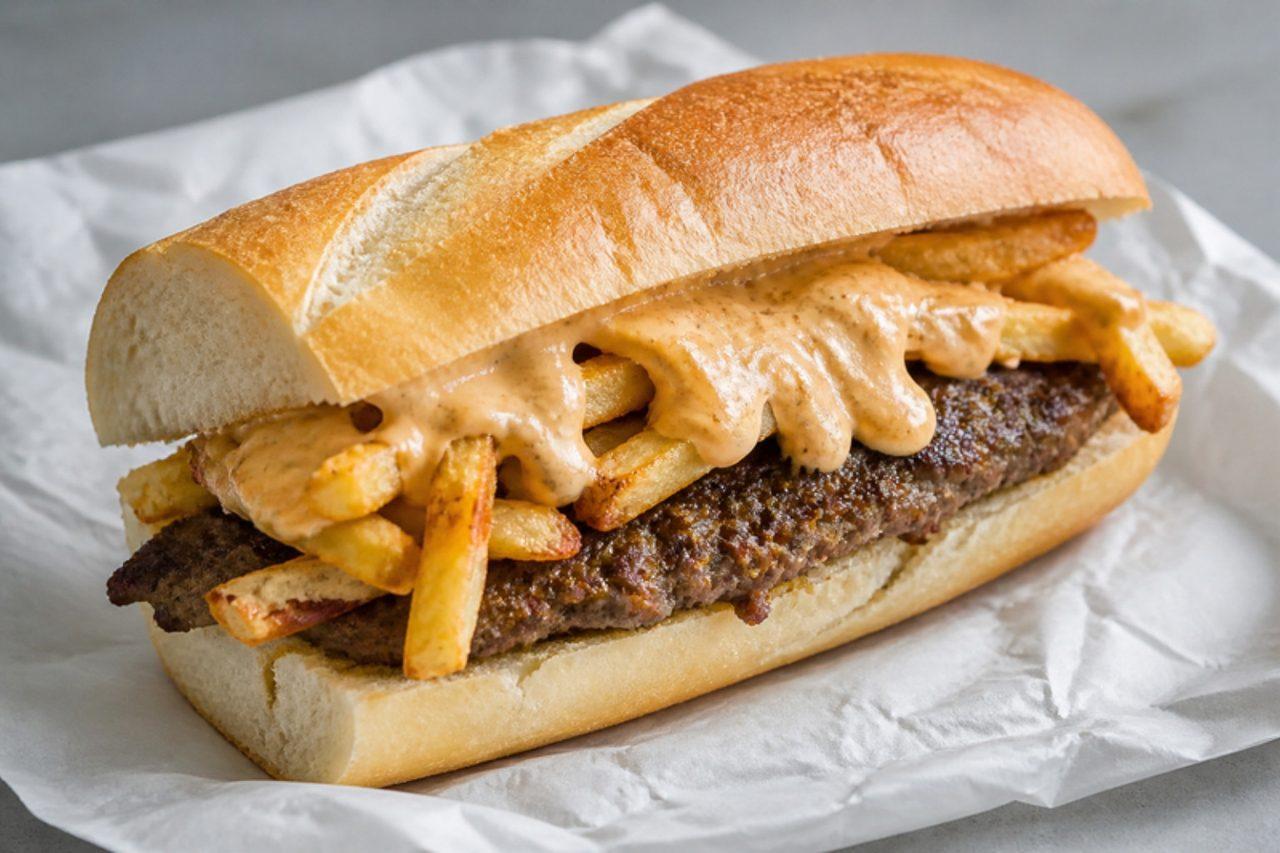
The mitraillette, 'submachine gun', is the overloaded sandwich of Brussels friteries, eaten after football or a night out: half a baguette split and stuffed with a hot meat patty or sausage, a heap of double-fried Belgian fries, lettuce and tomato, and a generous squeeze of sauce, usually andalouse, samurai or mayonnaise. It is messy and huge. This version uses a homemade beef burger. A common mistake is fries that are not crisp, which go soggy in the bread. Chef's tip: fry the chips twice, first at 160 °C until soft, then at 180 °C until golden, the Belgian way. Beef burgers must reach 71 °C in the middle.

by KrazyBadal 0 views

Couque de Dinant

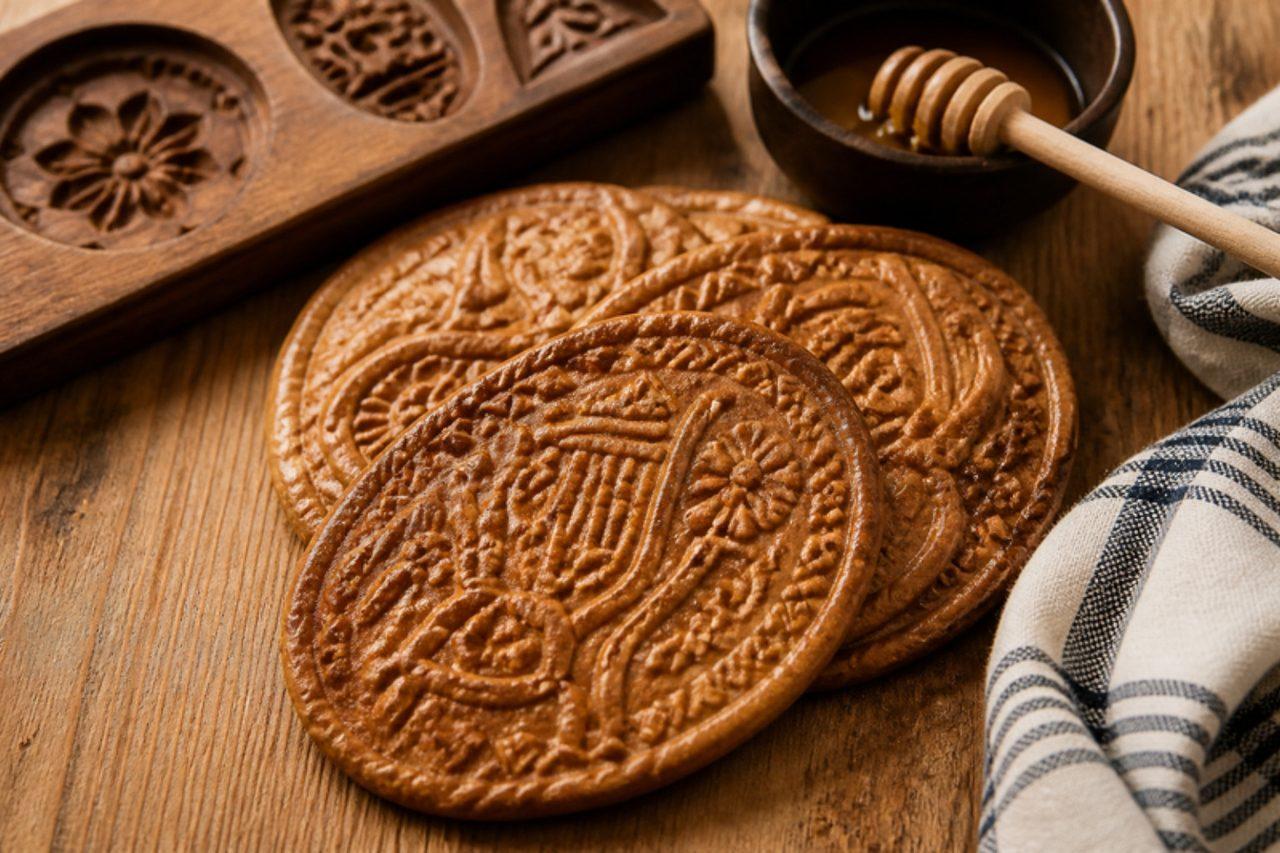
Couques de Dinant are the famously hard honey biscuits of Dinant on the Meuse, made only of flour and honey, pressed into carved wooden moulds showing castles, animals and the town's skyline, and baked so hot that the honey caramelises into a very hard, glossy biscuit. Dinant bakers say they keep for years; locals let a piece melt slowly in the mouth rather than biting. Honey is traditional; golden syrup makes a vegan version. A common mistake is a soft dough; it must be stiff enough to hold the mould's detail. Chef's tip: dust the mould with flour, press hard and tap the dough out sharply.

by KrazyBadal 0 views

Sirop de Liège

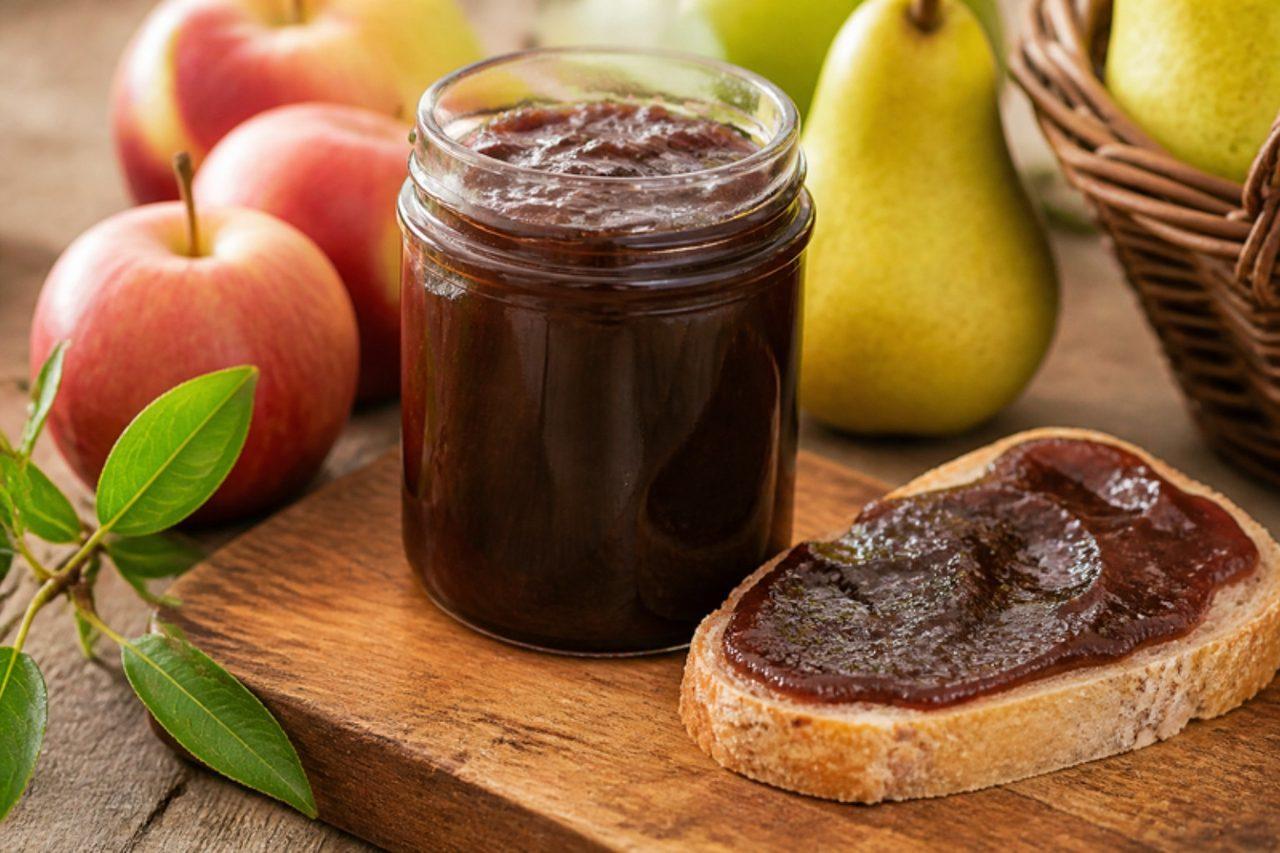
Sirop de Liège is the sticky, almost black fruit spread of the Pays de Herve and Liège, made each autumn by cooking apples, pears and dates for hours, pressing out the juice and boiling it down until it sets like soft liquorice. It is spread on bread with soft cheese, stirred into the sauce for boulets liégeois and served with cheese boards. A common mistake is stopping too soon; it should coat a spoon thickly and set firm when cooled. Chef's tip: cook it very slowly in a heavy pan in the last hour, stirring often, as it catches easily once thick.

by KrazyBadal 0 views

Konijn met pruimen

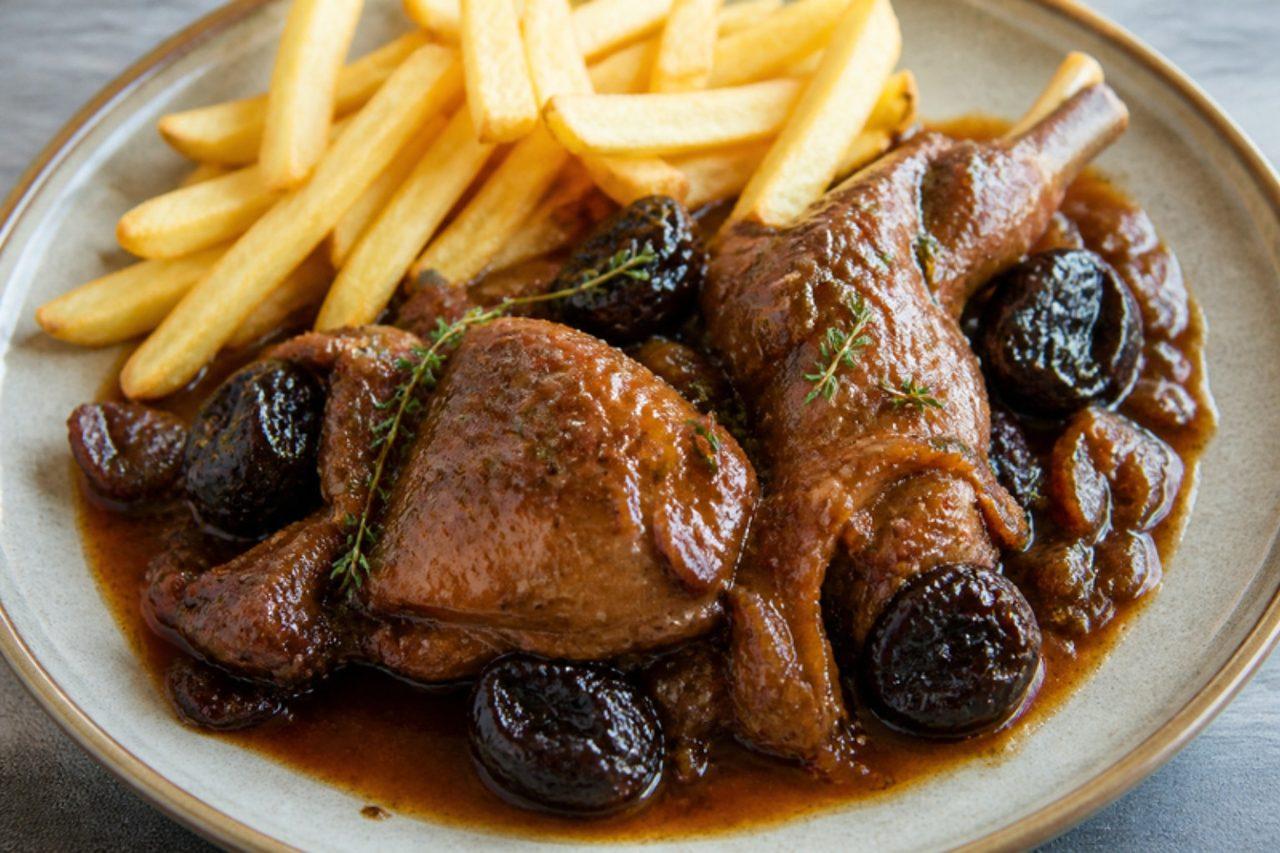
Rabbit with prunes is the Sunday dinner of Flemish grandmothers, from the Westhoek to the Kempen: rabbit joints browned in butter or oil, then braised slowly with onions, thyme, bay and a bottle of brown or abbey-style beer, with prunes added for sweetness and a spoon of mustard for bite. It is served with fries or boiled potatoes and apple sauce. This recipe is cooked with beer, as it traditionally is; for an alcohol-free dish, use the swap in the ingredient note. A common mistake is boiling the rabbit, which makes the lean meat dry and stringy. Chef's tip: keep it at a gentle simmer under a lid, and add the prunes in the last 30 minutes so they stay whole.

150 minBelgianMeat
by KrazyBadal 0 views

Truite à l'ardennaise

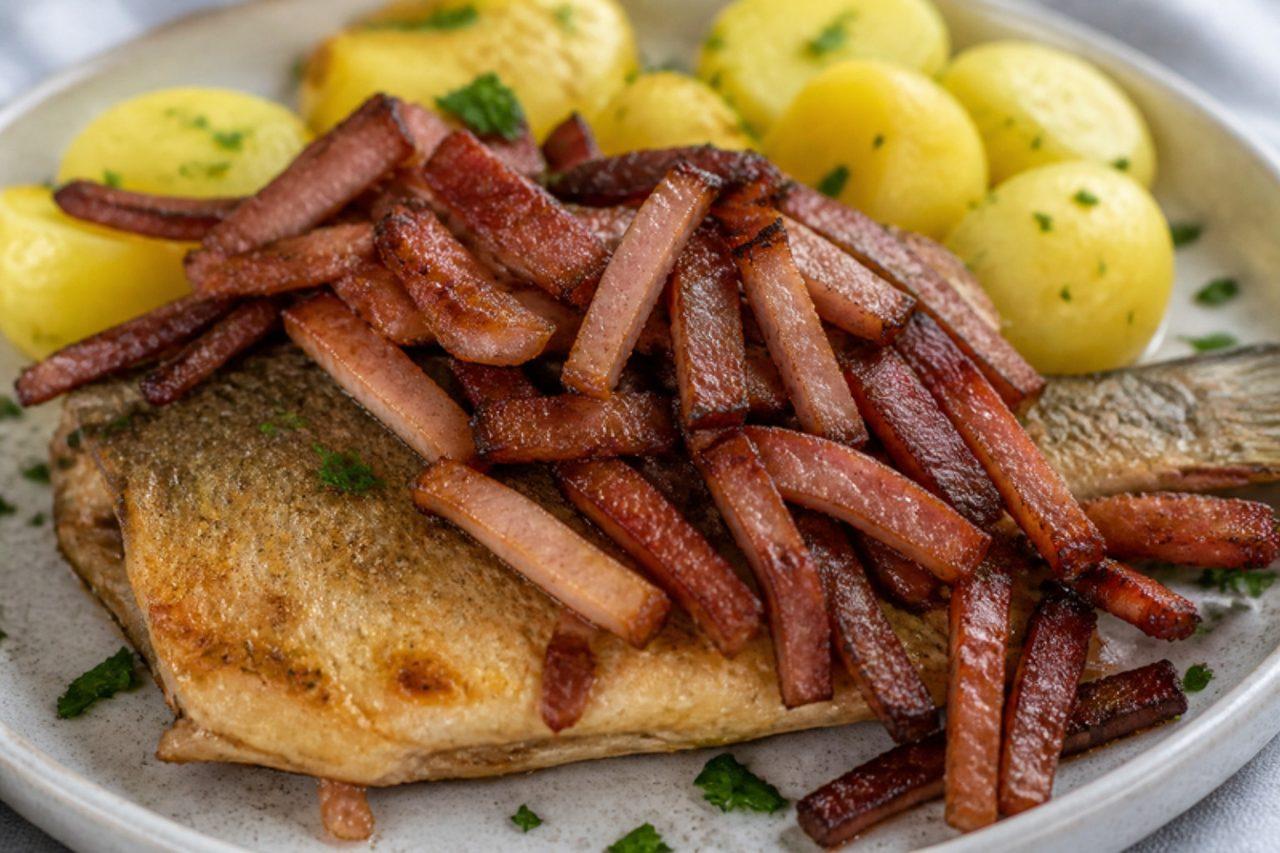
The rivers of the Belgian Ardennes, the Semois, the Ourthe and the Lesse, are trout country, and every inn in Bouillon and La Roche serves truite à l'ardennaise: a whole trout fried in butter until golden and finished with strips of jambon d'Ardenne, the smoked, cured pork ham of the region, crisped in the same pan. This dish contains pork. It is served with boiled potatoes or fries and a green salad. A common mistake is adding the ham at the start, which makes it hard and salty. Chef's tip: dust the trout with seasoned flour so the skin crisps, and add the ham only for the last 2 minutes. The trout is done when the flesh is opaque and lifts off the backbone.

by KrazyBadal 0 views

Caricoles

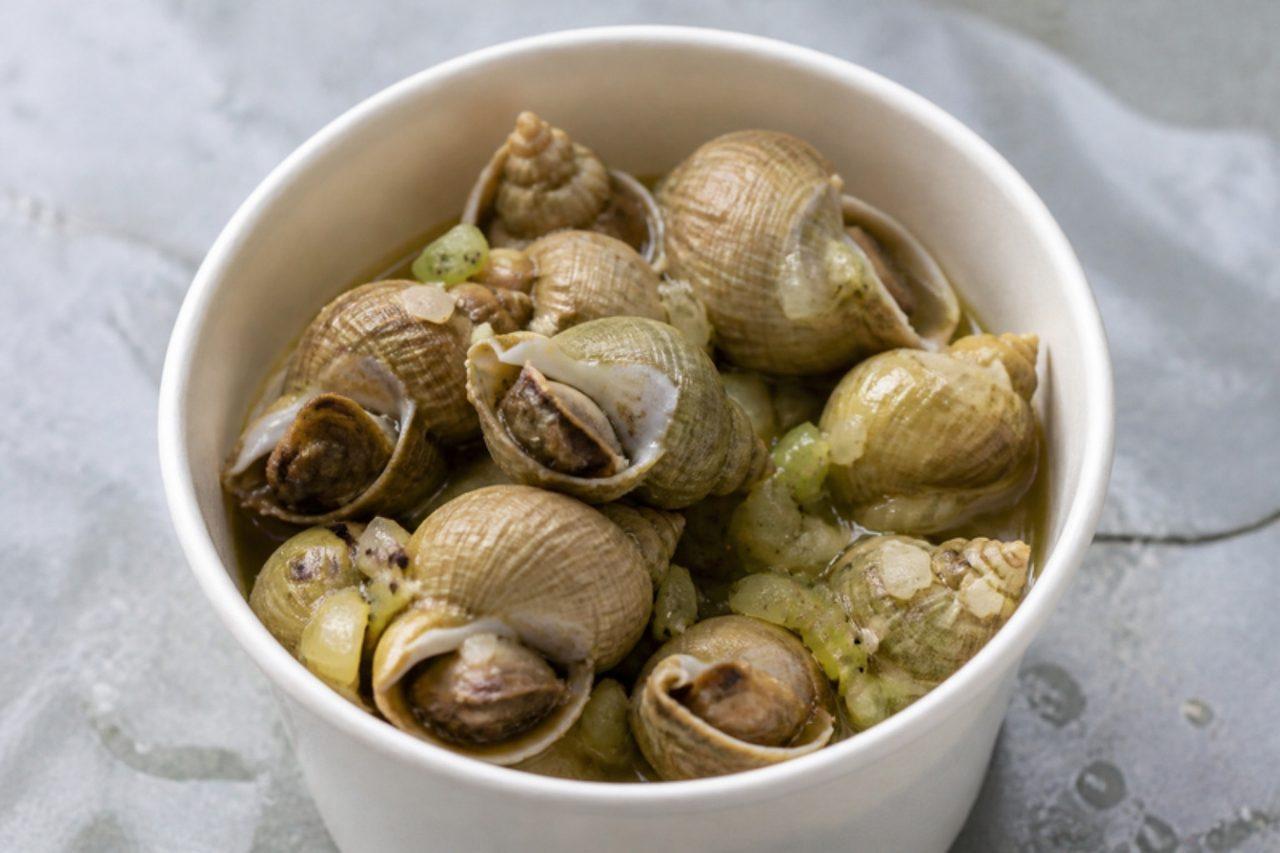
Caricoles are the whelks sold hot in paper cups from street carts in Brussels, at the Marolles flea market, the Place Sainte-Catherine and the Christmas market: the sea snails are simmered for an hour in a peppery broth with celery, onion, thyme, bay and a lot of black pepper and chilli, and you pick them out with a toothpick and drink the broth. Buy whelks live or freshly cooked from a fishmonger. Live whelks should be tightly closed inside their shells or retract when touched; throw away any that smell bad or have broken shells, and any that stay open and limp after cooking. A common mistake is skipping the purge, which leaves them gritty. Chef's tip: soak live whelks in salted cold water for an hour and rinse them several times, then start them in cold broth so they don't toughen.

by KrazyBadal 0 views

Salade liégeoise

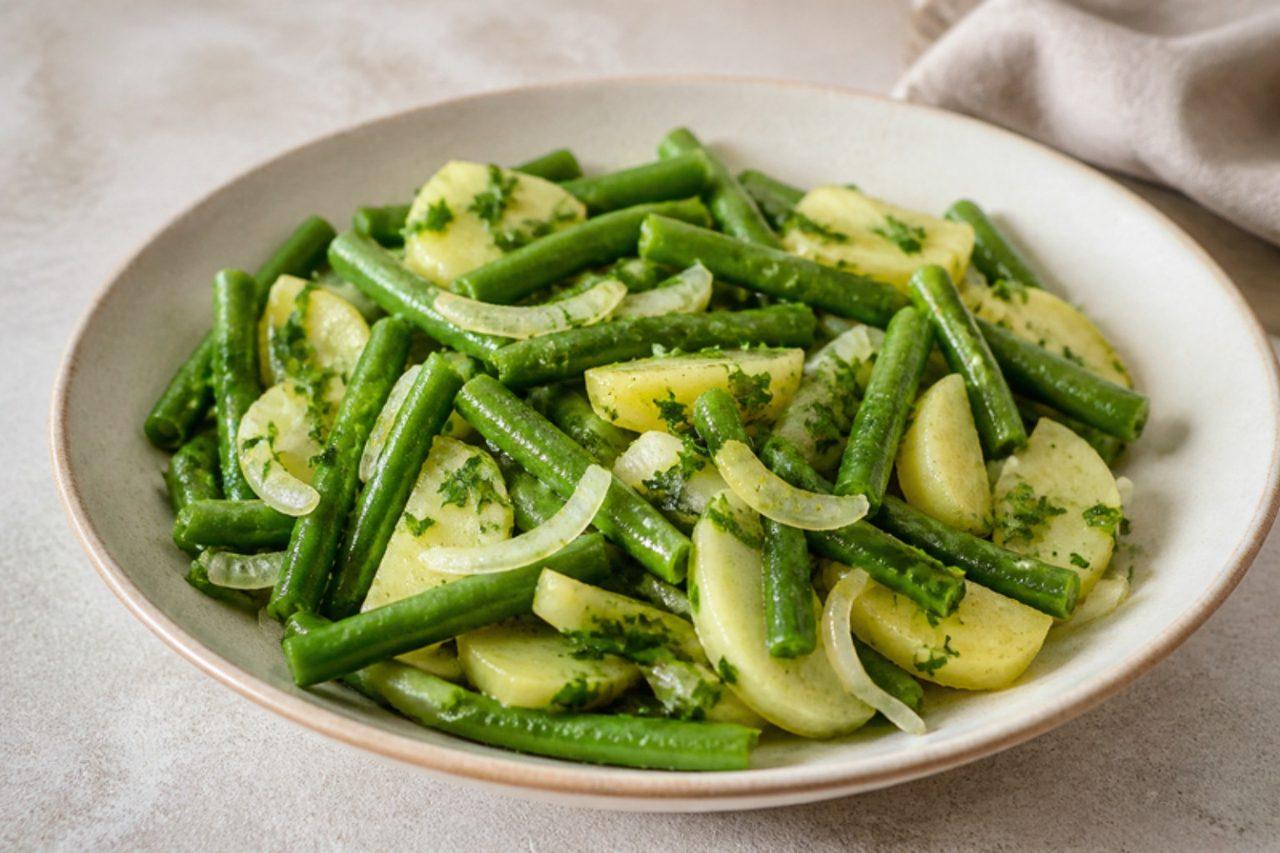
Salade liégeoise is the warm salad of Liège, eaten as a main course in the city's brasseries in summer when green beans are in season: just-cooked green beans and waxy potatoes tossed while warm with onion softened in butter and a sharp vinegar dressing, scattered with parsley. In Liège it is made with crisp bacon lardons; this version leaves them out and adds a fried egg on top for a fuller meal if you like. A common mistake is dressing cold vegetables, which don't absorb the vinegar. Chef's tip: deglaze the onion pan with the vinegar, then pour it straight over the hot beans and potatoes.

by KrazyBadal 0 views

Kletskoppen

Kletskoppen are the lacy, crackly biscuits of Bruges, sold in the old city's bakeries and served with coffee in the cafés around the Markt: brown sugar, butter and chopped almonds with very little flour (this version uses none), baked until they spread into thin, see-through, toffee-flavoured lace. A common mistake is putting them too close on the tray; they spread enormously and join up. Chef's tip: let them cool for a minute on the tray before lifting, and drape them over a rolling pin while still warm if you want curved tuiles.

by KrazyBadal 0 views

Garnaalkroketten

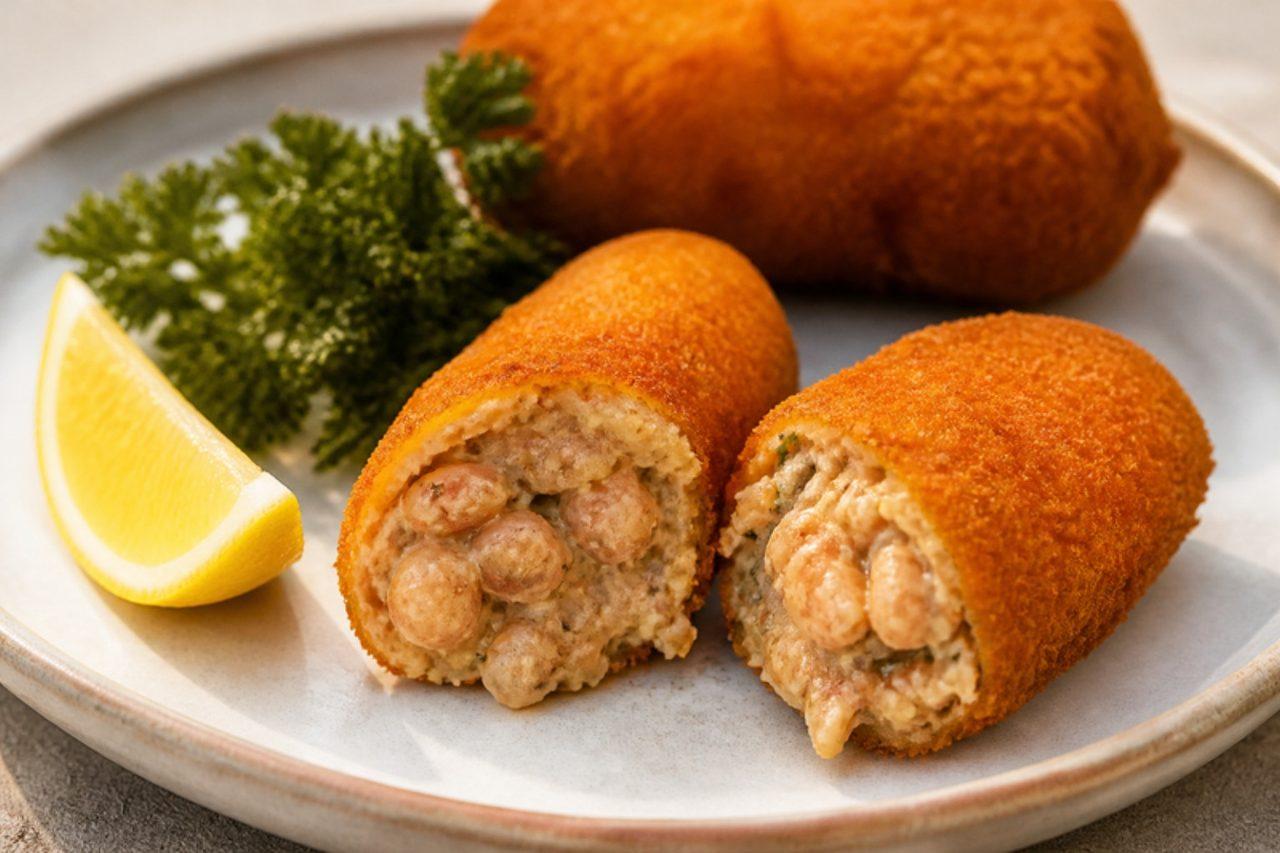
Along the Flemish coast, from De Panne to Knokke, the North Sea grey shrimp is king, and garnaalkroketten are the dish every seaside restaurant is judged by: a molten, creamy shrimp-flavoured béchamel packed with little brown shrimps, set firm, crumbed and fried until golden, served with fried parsley and lemon. In Oostduinkerke, shrimp fishers on horseback still drag their nets through the shallows. A common mistake is a béchamel that isn't thick enough, so the croquettes burst in the oil. Chef's tip: make a strong shrimp stock from the shells, if you have them, for the béchamel, and chill the mix overnight so it is firm to shape. The shrimp are already cooked; fry until golden and hot through.

by KrazyBadal 0 views

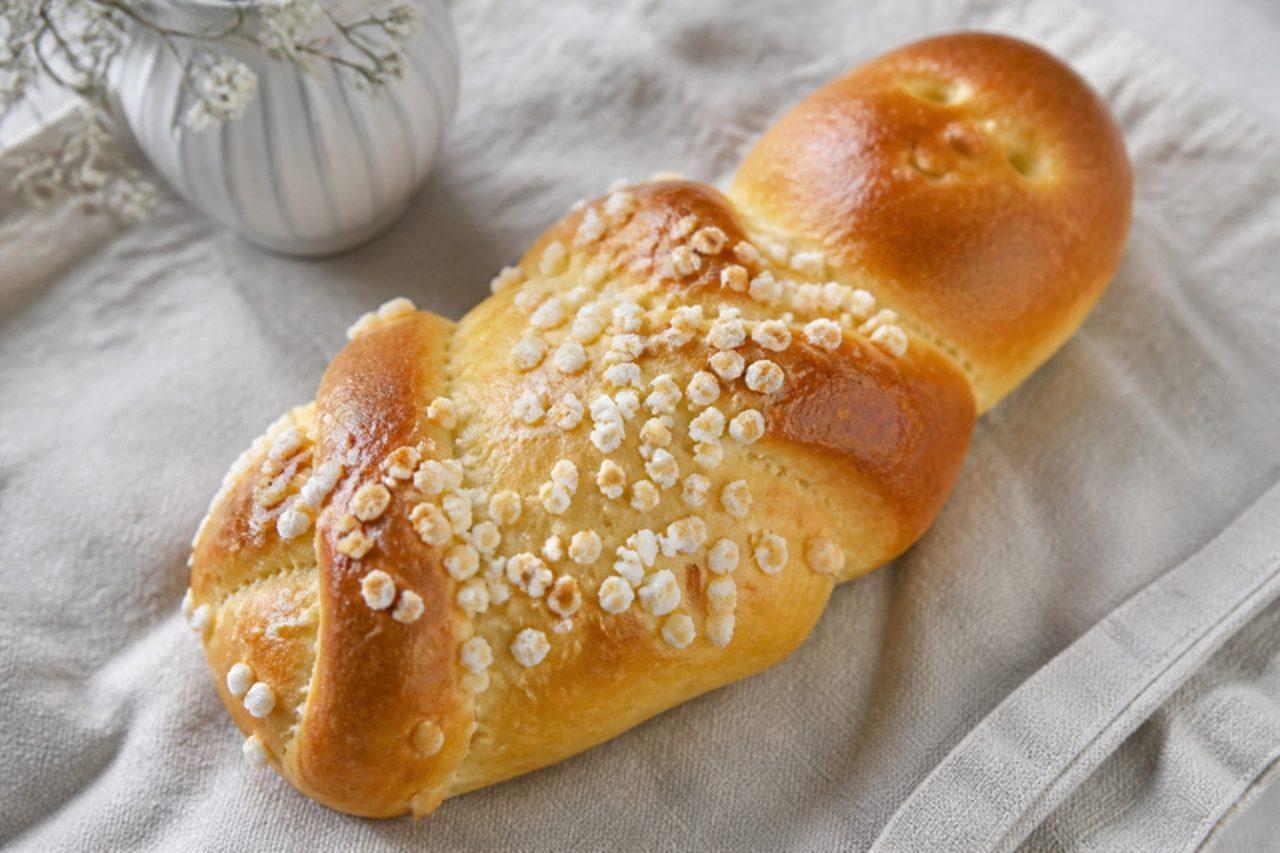
Cougnou

Cougnou, also called cougnolle or bommetje, is the Christmas bread of Wallonia, given to children on Christmas morning: a soft brioche shaped like the infant Jesus in swaddling clothes, with a little clay or sugar medallion pressed into the middle, eaten with hot chocolate. Bakeries in Namur and Charleroi make them from early December. A common mistake is shaping them too small, which dries them in the oven. Chef's tip: make three balls, one large for the body and two small for the head and feet, pressed together tightly so they bake as one.

by KrazyBadal 0 views

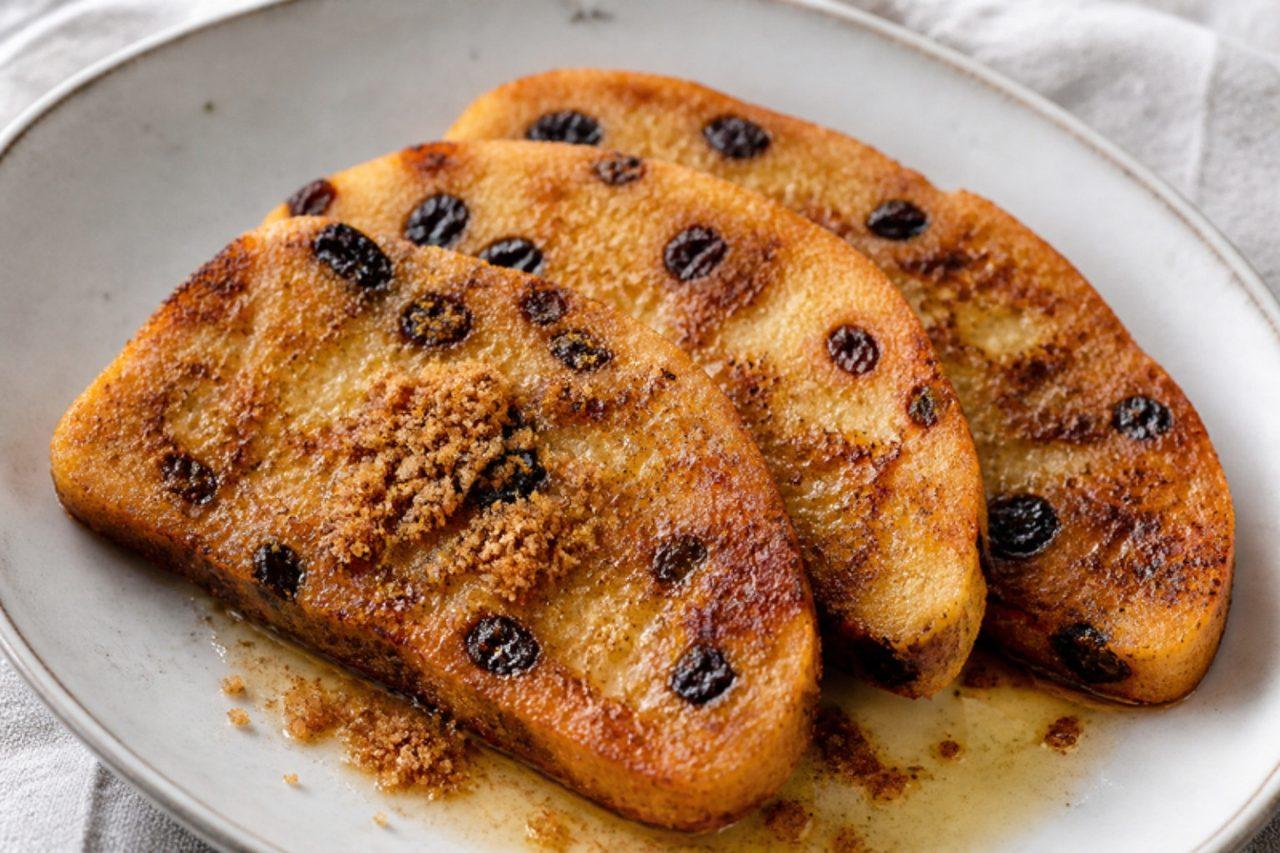
Jan in de zak

Jan in de zak, 'John in the bag', is the old Flemish farmhouse pudding cooked for Shrove Tuesday and winter Sundays in West and East Flanders: a soft yeasted dough with raisins and currants tied up in a floured cloth and boiled for hours, then sliced and fried in butter and eaten with brown sugar or treacle. It is the Flemish cousin of Dutch 'Jan in de zak'. A common mistake is tying the cloth tightly, which leaves no room for the pudding to swell and makes it dense. Chef's tip: tie the cloth loosely, leaving room for the dough to double, and keep the water at a steady simmer.

by KrazyBadal 0 views

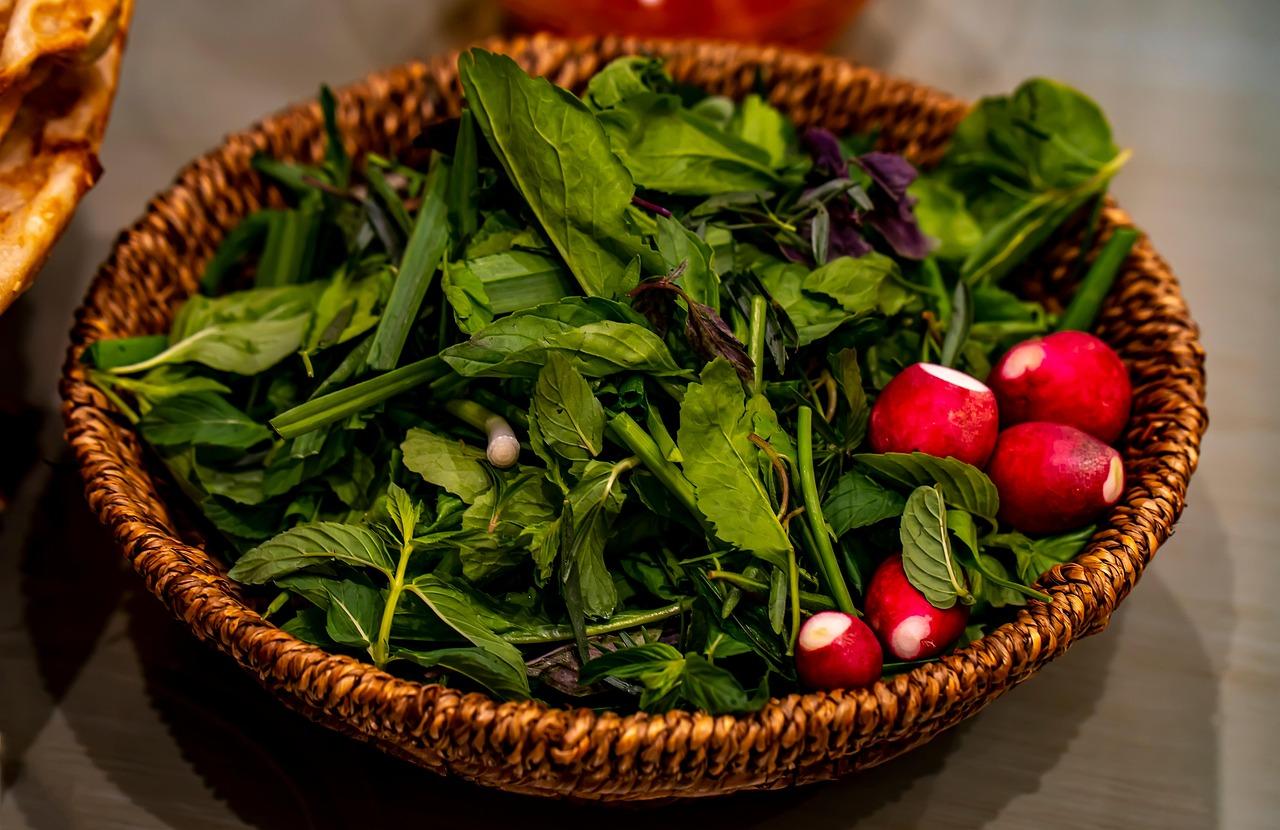
Sabzi khordan

No Tehran dinner table is complete without sabzi khordan, literally 'herbs for eating': a basket or plate of whole sprigs of basil, mint, tarragon, chives and coriander with radishes, spring onions, walnuts and a block of white cheese. People tear off bread, add a little cheese and a walnut, then stuff in a few leaves, eating between mouthfuls of stew or rice. The mistake most people make is serving the herbs wet or limp; they should be crisp, dry and cold. Traditional Iranian white cheese is set with animal rennet, so choose a feta labelled vegetarian (microbial rennet) if that matters to you. Chef's tip: wash the herbs an hour ahead, spin them dry and chill them wrapped in a damp tea towel so they stay perky on the table.

by KrazyBadal 0 views

Gondi

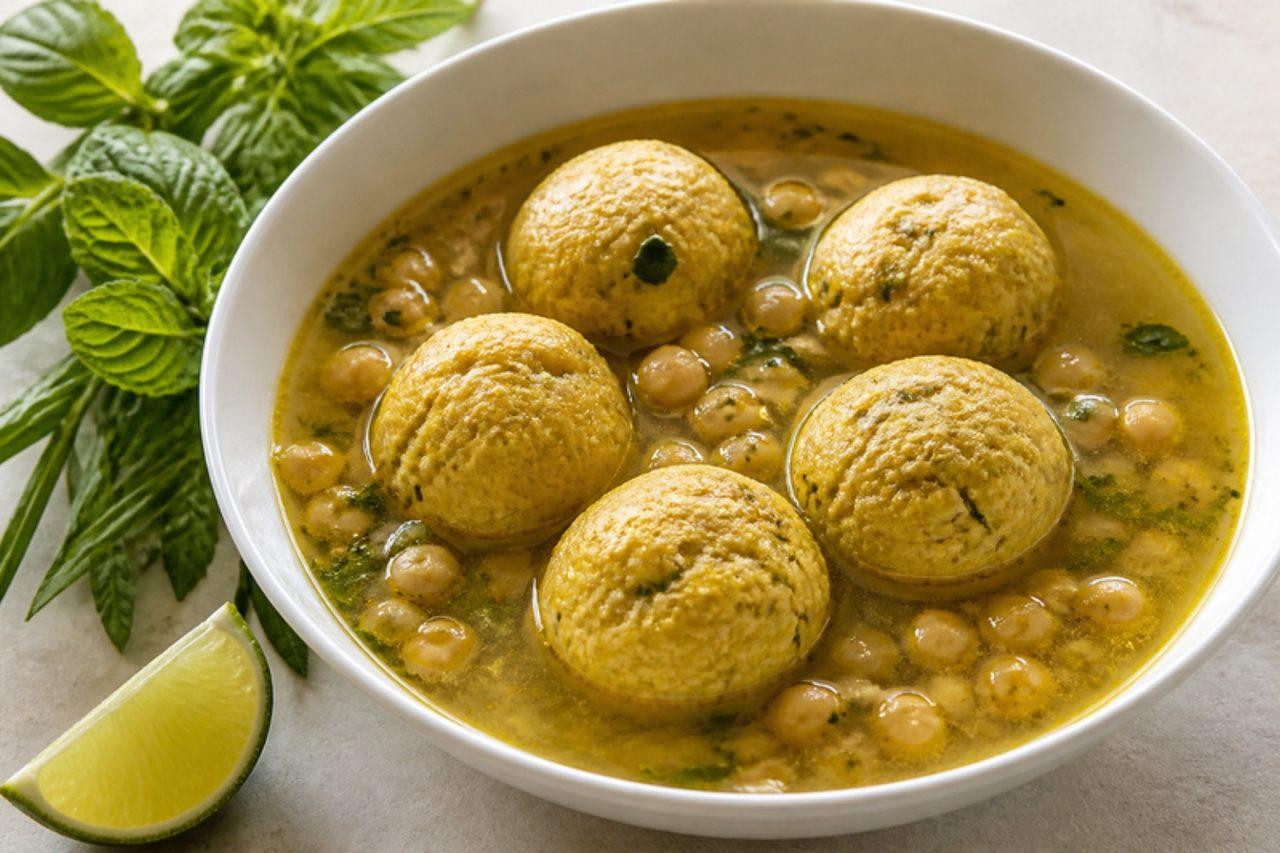
Gondi is the Friday-night dish of Tehran's Persian Jewish families, served at the Shabbat table before the main course or as a light lunch after. Big, soft dumplings of minced chicken, grated onion and roasted chickpea flour, scented with cardamom, are poached in a clear turmeric broth with chickpeas, and each bowl gets one or two with plenty of broth, fresh herbs and flatbread. The texture should be tender and slightly crumbly, a little like a dense matzo ball. A common mistake is using raw chickpea flour; buy roasted chickpea flour (nokhodchi flour) or dry-toast plain gram flour first, or the dumplings taste raw. Chef's tip: chill the mixture for 30 minutes before shaping so the dumplings hold their shape in the broth.

by KrazyBadal 0 views

Baghala ghatogh

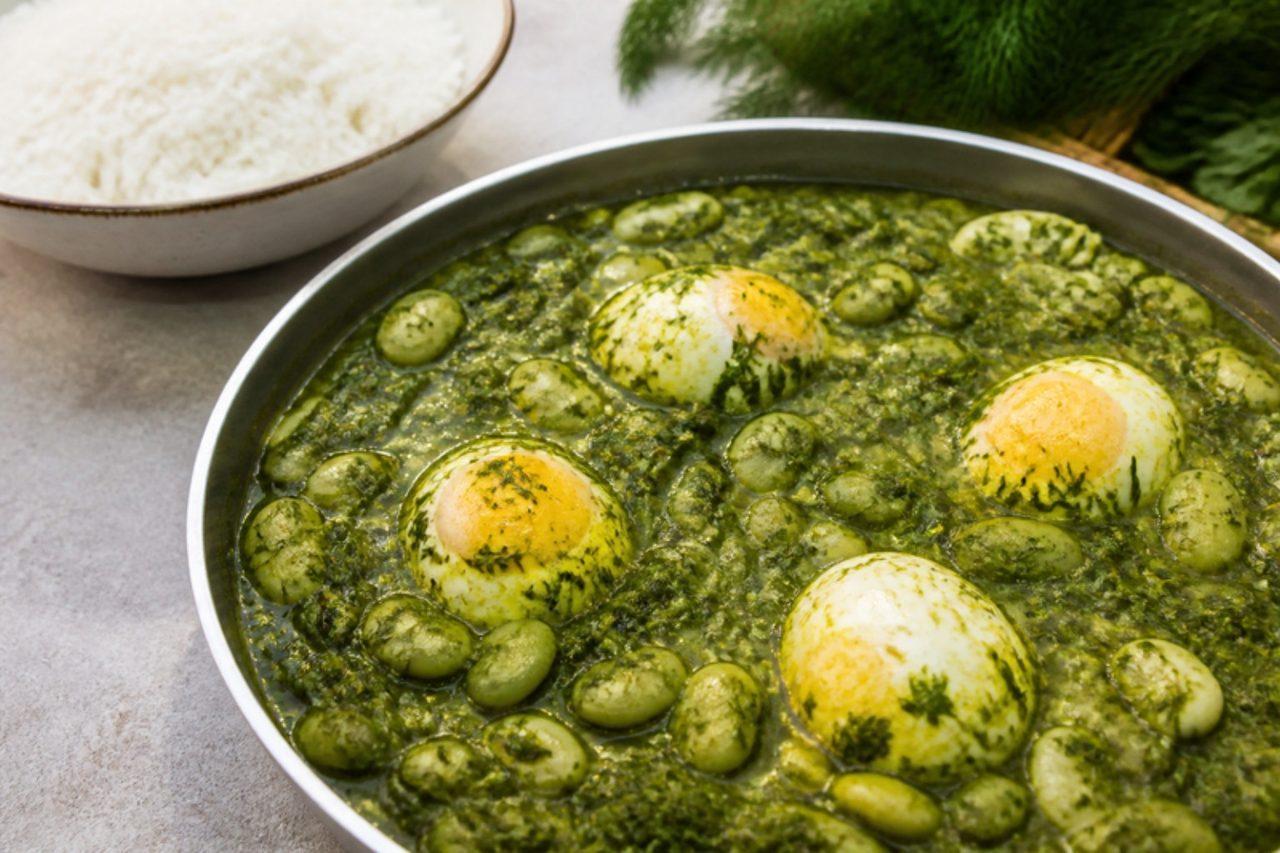
In Rasht and the villages of Gilan, baghala ghatogh is cooked in late spring when the slender local broad beans called pach baghala are in the markets, and later in the year with frozen ones. The beans are simmered in their thin skins with a great deal of garlic and dill, then eggs are cracked on top and left to set softly, and the whole pan is eaten with plain kateh rice and a few pickled garlic cloves. It is humble, green and fragrant. A common mistake is stirring the eggs right in, which turns the stew grey; leave them whole so the yolks stay just runny. Chef's tip: cook the dill in butter or oil before the water goes in; it blooms and tastes far deeper than dill added at the end.

by KrazyBadal 0 views

Kuku sibzamini

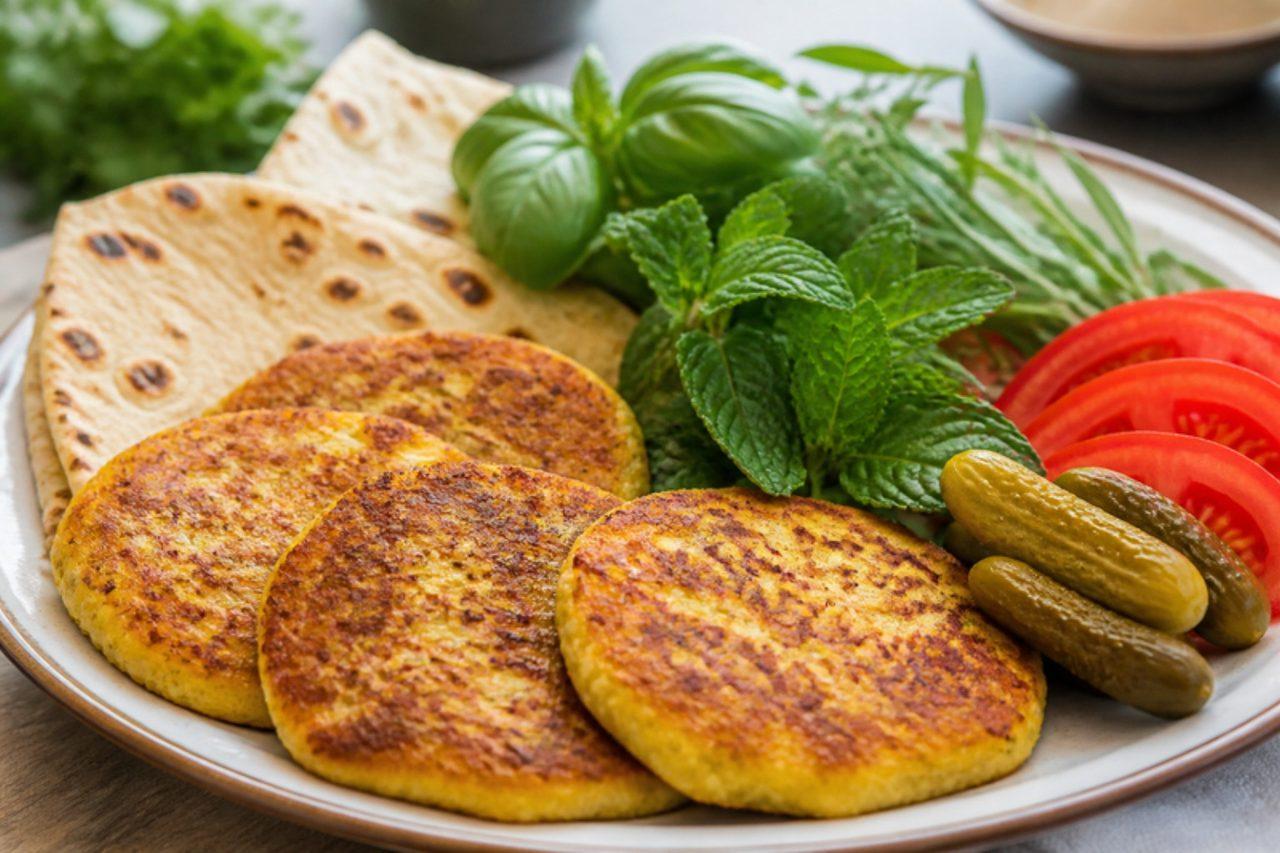
Kuku sibzamini is what Tehran schoolchildren unwrap at lunchtime: little golden patties of grated potato, egg and onion, eaten cold or warm, folded into lavash or sangak with herbs, tomato and a few slices of khiar shoor. They also turn up at picnics in the parks on Friday mornings, because they travel well and taste good at any temperature. Grated raw onion and turmeric give the flavour; a spoon of flour holds them together. The common mistake is leaving the grated potato wet, so the patties spit, soak up oil and fall apart. Chef's tip: squeeze the potato and onion hard in a tea towel; the drier the mix, the crisper the edges.

by KrazyBadal 0 views

Kabab torsh

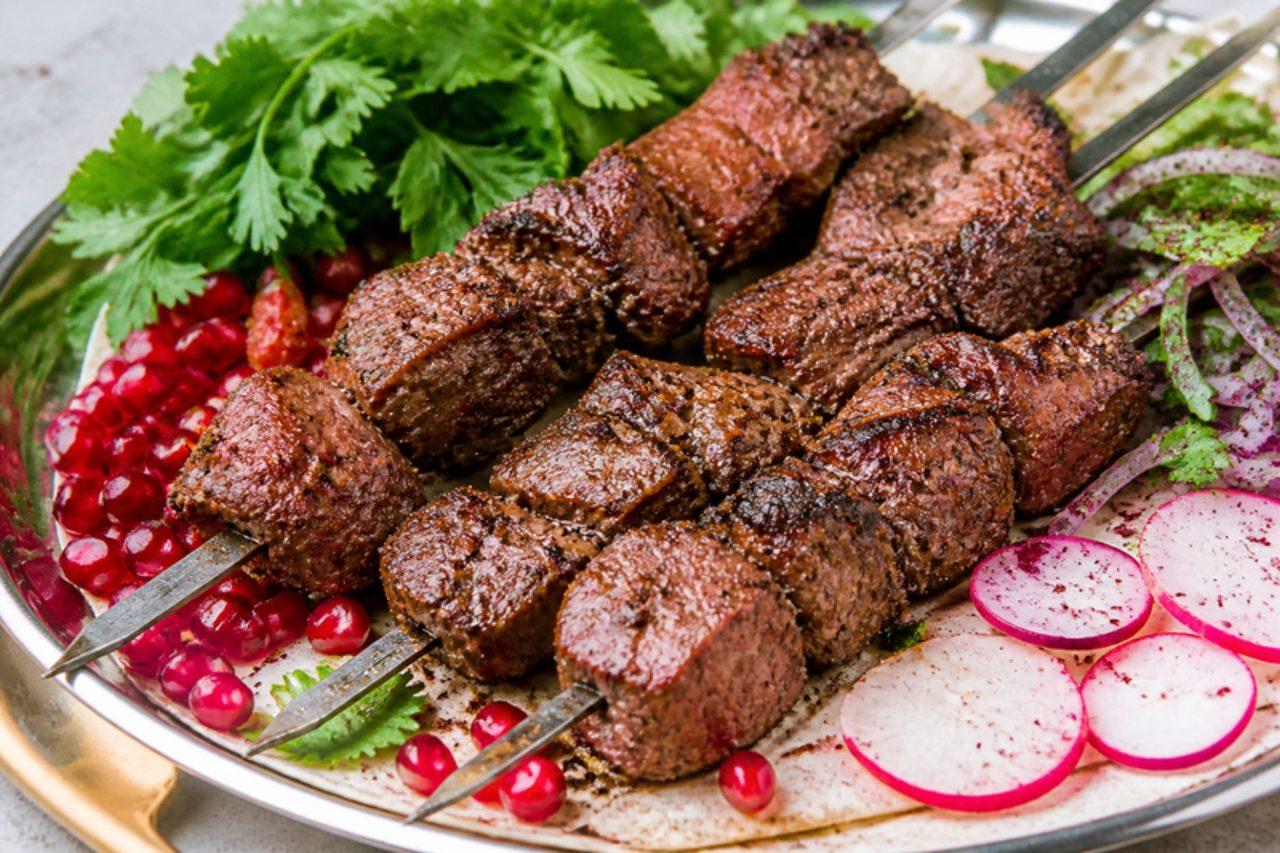
Kabab torsh, the 'sour kebab', comes from the green, rainy province of Gilan on the Caspian, where roadside grills around Rasht and Fuman sell it with smoky kateh rice and fresh herbs. Cubes of beef are rubbed with a thick paste of ground walnuts, pomegranate molasses, garlic and crushed dried mint or wild herbs, left overnight, then grilled until the paste turns into a dark, sticky crust. It is tangy, nutty and quite unlike the saffron kebabs of Tehran. A common mistake is grilling over fierce flames; the walnut paste scorches before the meat is done, so use steady medium coals. Chef's tip: keep back a few spoons of the paste and brush it on in the last minute for a fresh, glossy finish.

by KrazyBadal 0 views

Estamboli polo

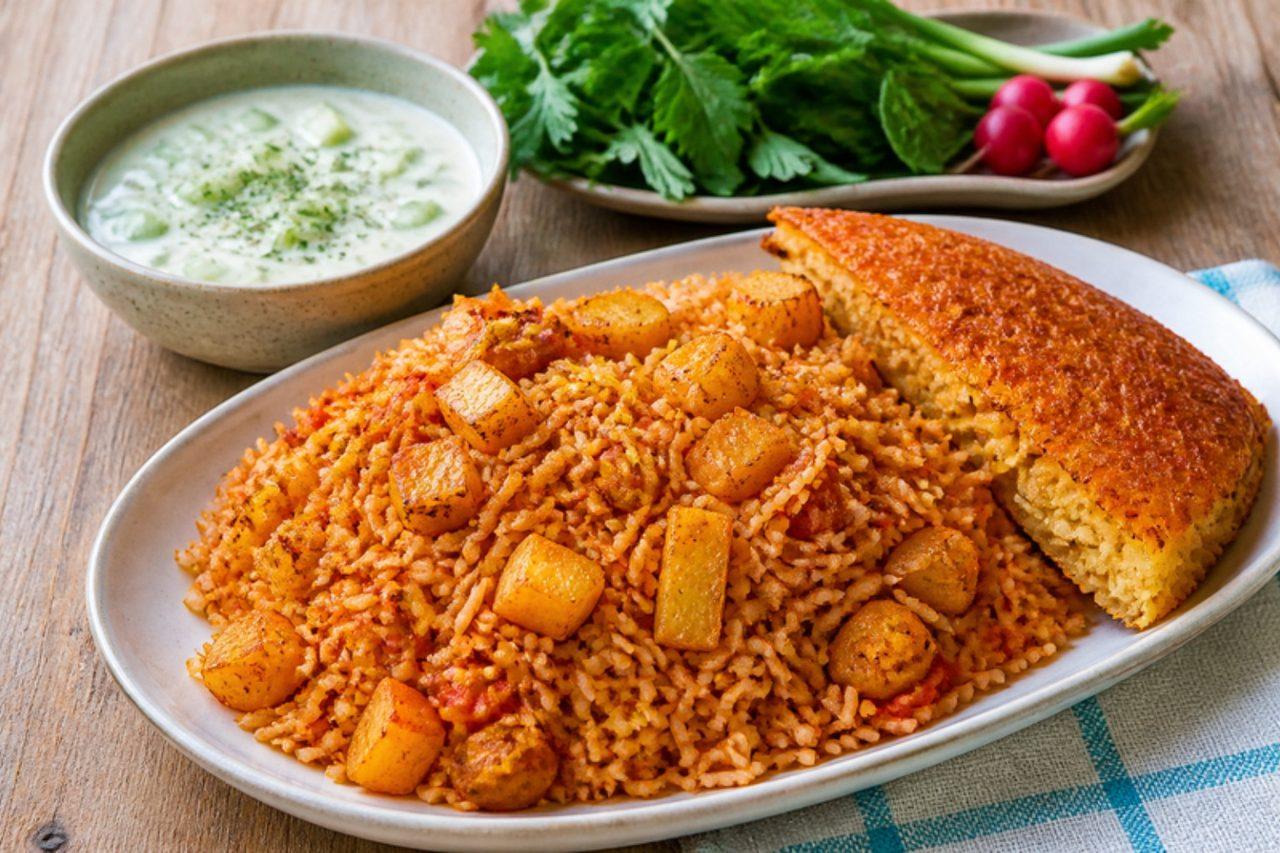
In Tehran flats, estamboli polo is the weeknight rice that turns up when the fridge holds little more than tomatoes and potatoes, and children ask for it by name. Basmati is par-boiled, then layered back into the pot with a turmeric-and-tomato sauce and cubes of fried potato, and steamed under a cloth-wrapped lid until each grain is separate and orange-tinged. The bottom turns into a golden, crunchy tahdig that everyone fights over. Serve it with mast-o khiar, a plate of fresh herbs and torshi. A common mistake is stirring the tomato sauce through boiling rice, which makes it sticky; layer it instead and let the steam do the work. Chef's tip: lay thin potato slices on the base of the pot for the tahdig; they crisp evenly and lift out in one piece.

by KrazyBadal 0 views

Showing 24 of 281 recipes

Show more recipes

Page 1 of 12