Skip to content
Recipes

All recipes

Vegetarian, or something you can't eat? Set your diet once and we'll hide recipes that don't fit.

Prú oriental

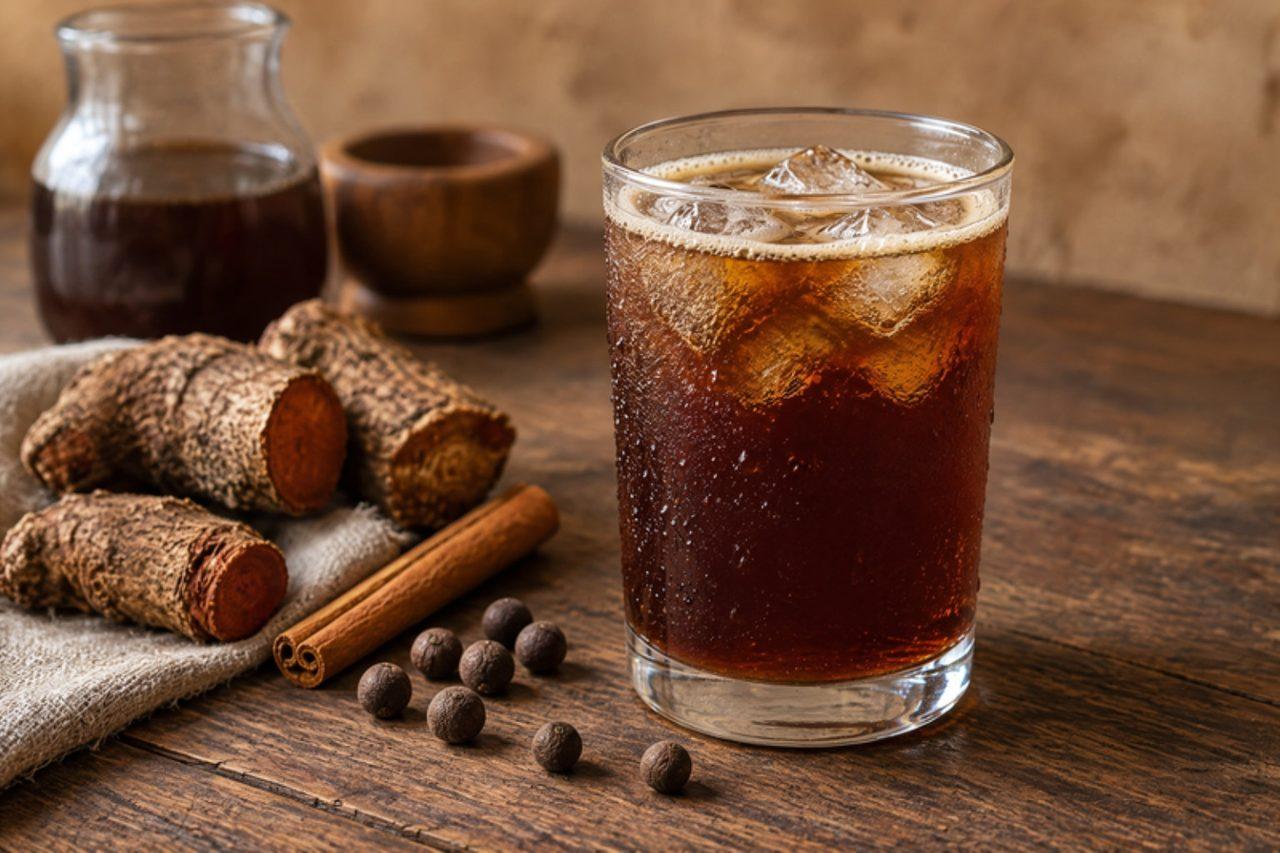
In Santiago de Cuba, Guantánamo and Baracoa, prú is sold from plastic bottles at the kitchen door and poured at every birthday, often next to a slab of cake. The recipe came from Haitian and French-Caribbean coffee planters who settled in the east, and families still keep a "madre", a starter jar from the last batch. Roots of raíz de China and bejuco ubí are boiled with pine, cinnamon and allspice, sweetened and left to ferment for a few days. It tastes like a wild, earthy root beer: woody, spiced, a little bitter, with a soft prickle. Fermentation makes a trace of alcohol, well under 1% if drunk young. Outside Cuba use dried sarsaparilla root, a close relative of China root. The common mistake is sealing bottles too early and leaving them warm, which builds dangerous pressure; use a plastic test bottle and chill once it is firm. It is ready when tiny bubbles rise and it smells sweet-sour, not yeasty. Throw it out if it grows fuzzy mould, turns slimy or smells rotten. Pregnant people should skip the pine needles, and anyone on medication should check with a doctor about herbal roots. Chef's tip: keep 250 ml back as the madre for your next batch.

by KrazyBadal 0 views

Canchánchara

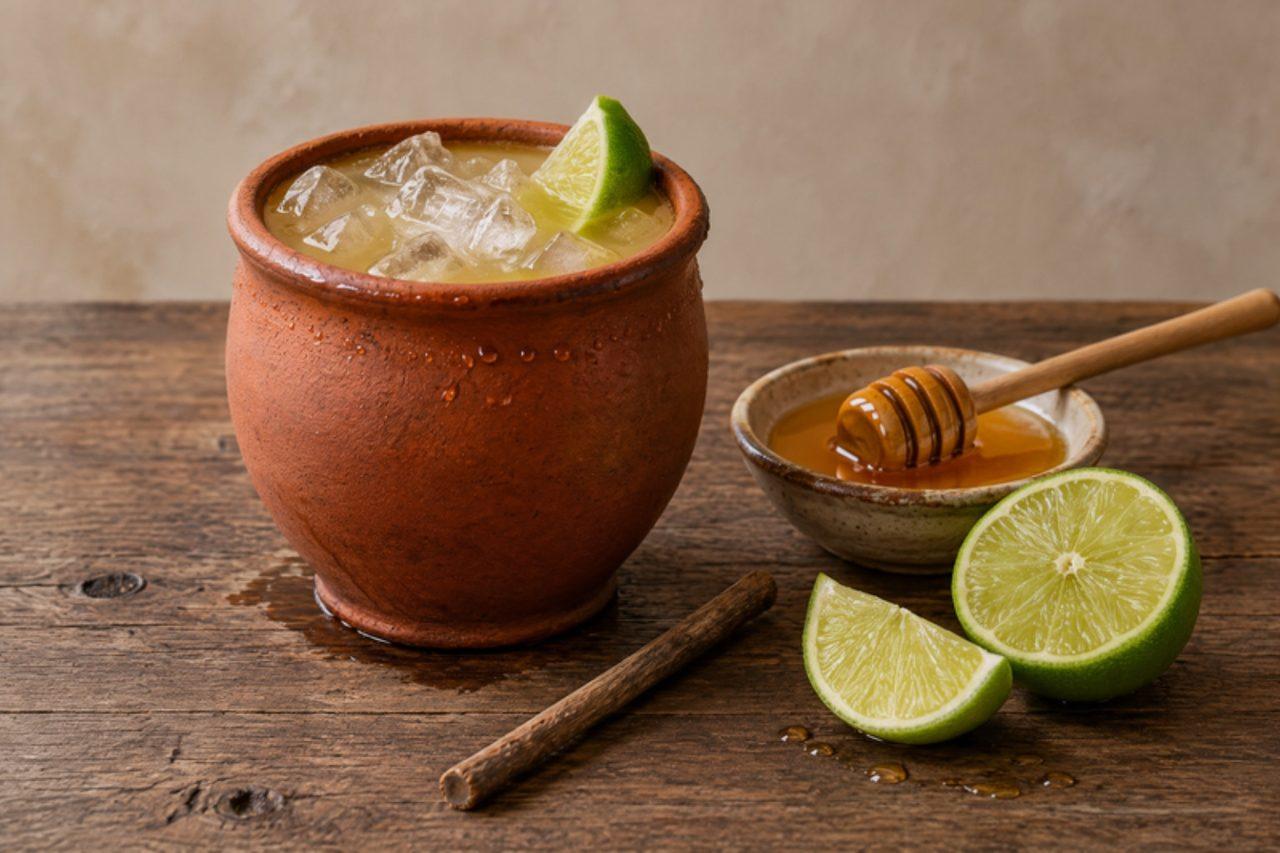
In the colonial town of Trinidad, in Sancti Spíritus province, the canchánchara is served in little clay cups to the sound of a son band in the late afternoon. Its roots are in the independence wars of the 1860s and 70s, when the mambí fighters drank cane aguardiente mixed with honey, lime and water, warm or at camp temperature. Today it comes with crushed ice, but it is still a drink for adults only, rustic and honest: floral honey, sharp lime and the raw, sugary heat of young cane spirit, cold and only slightly diluted. The classic mistake is pouring honey straight onto the ice, where it sets into a hard lump at the bottom and the drink tastes of nothing but sour spirit. Stir the honey into the lime and water first until no streaks remain, then add the ice and spirit. It is ready when the honey has disappeared into a cloudy, even mixture and the outside of the cup sweats with cold. Drink it slowly and responsibly. Outside Cuba, use unaged white rum or cachaça for the aguardiente; a short tumbler is fine if you have no clay cup. Chef's tip: soak the clay cup in cold water for ten minutes first; it keeps the drink cold for much longer.

by KrazyBadal 0 views

Kafae boran (old-style Thai coffee)

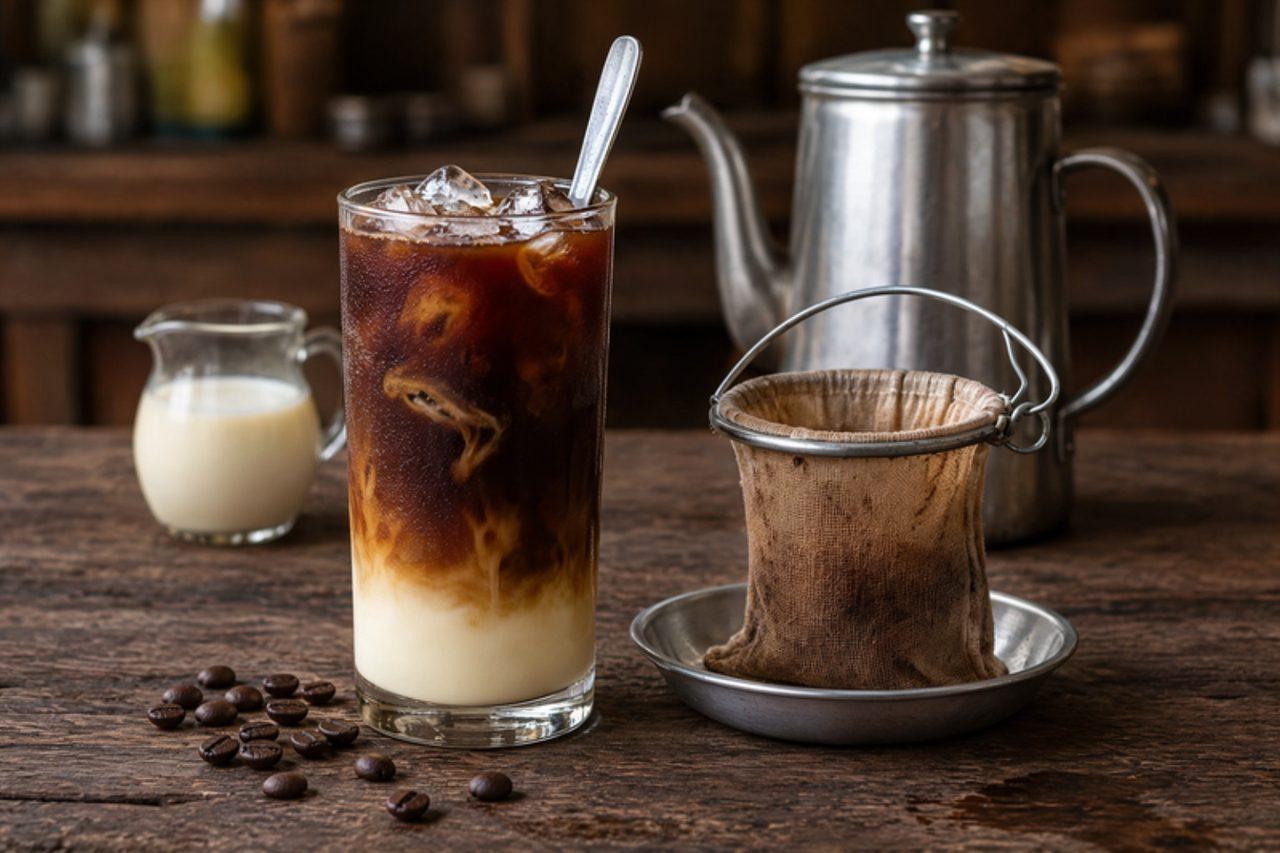
Before espresso bars reached Bangkok, coffee in Thailand meant kafae boran from Hainanese-Chinese shophouses and market carts: a dark robusta roast mixed with toasted grains, poured through a long cotton sock called a tung tom and stirred into thick sweetened condensed milk. Uncles still order it hot at 6 am with patongko dough sticks, and in the afternoon heat the same brew is poured over crushed ice and topped with evaporated milk as oliang or kafae yen. The taste is strong, roasty and slightly smoky, sweet and creamy, with a faint caramel-cereal edge from the grains; the iced version is silky and cold. The common mistake is brewing it like filter coffee with too little grounds: once milk and ice go in, it tastes thin. Use plenty, steep it in the sock and pour it through twice. The brew is ready when it is opaque, nearly black and leaves a brown film on a white spoon. It is high in caffeine, so not one for children or late evenings. Chef's tip: rinse the cloth sock in hot water only, never soap, and keep it in a jar of clean water in the fridge between uses so the coffee oils season it.

10 minThaiDrinksGluten free
by KrazyBadal 0 views

Yen ta fo

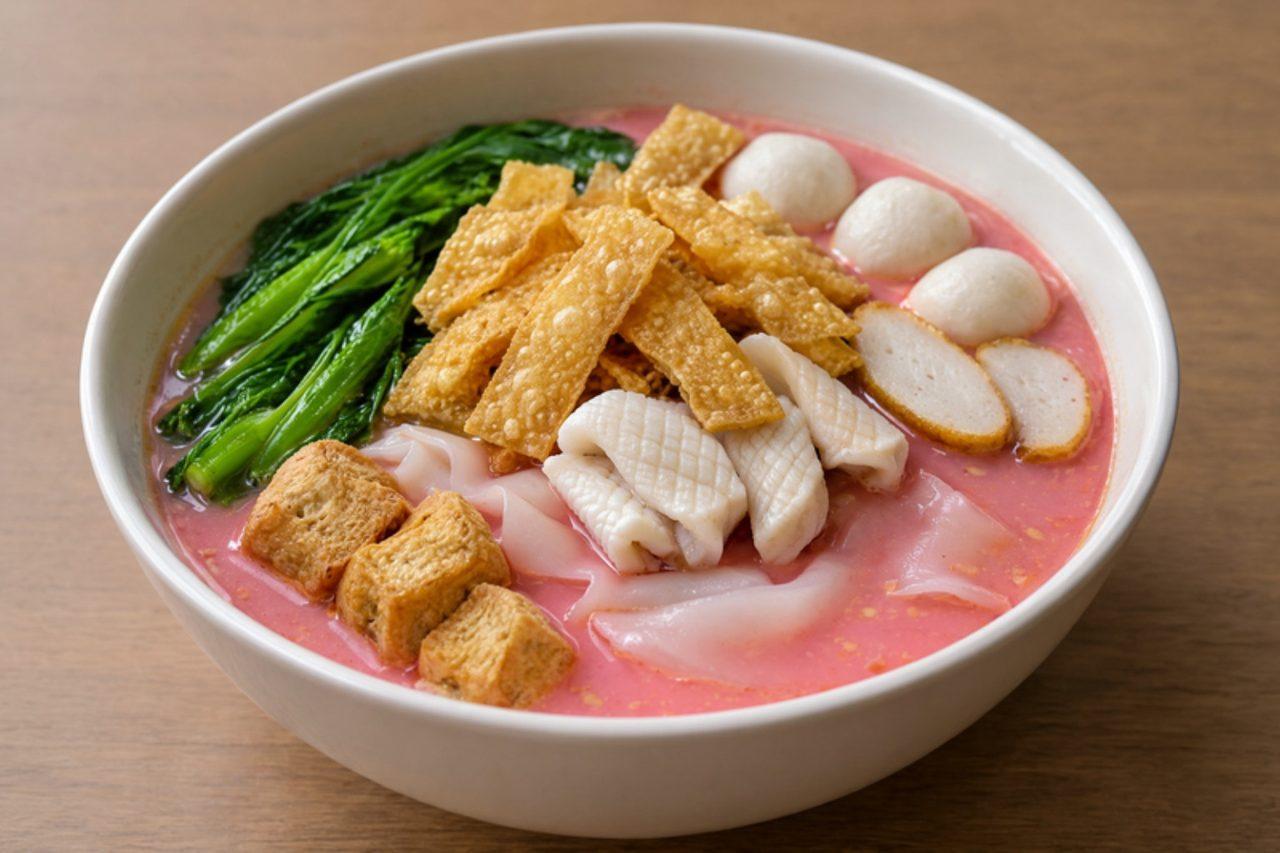
You recognise a bowl of yen ta fo across a Bangkok food court by its startling pink colour, which comes from fermented red bean curd stirred into the sauce. Around the soi off Sala Daeng it is a lunchtime favourite: wide rice noodles in clear stock with bouncy fish balls, tender squid, fried tofu puffs, blanched morning glory and a scattering of crunchy fried wonton skins, with a sweet, sour and gently funky flavour. Chef's tip: add the squid only in the last minute; overcooked squid turns as chewy as a rubber band.

by KrazyBadal 0 views

Batido de trigo

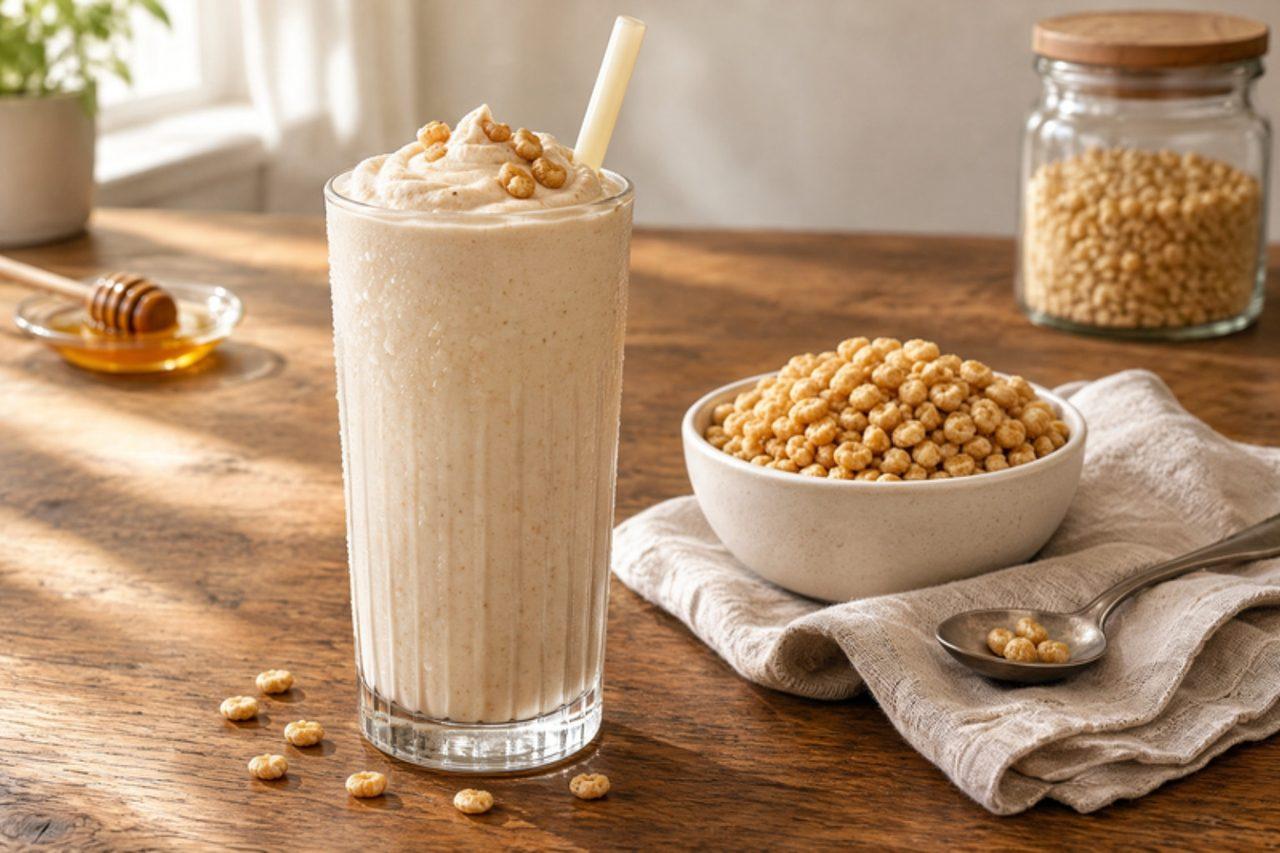
Havana cafeterías and Miami ventanitas blend this for breakfast on the run: puffed wheat, cold milk, sugar and ice whizzed into a thick, frothy shake that tastes like a malted milk with toasted cereal. It is one of the most loved Cuban batidos, and quick to make at home. The common mistake is using sweetened, honey-coated cereal, which makes it cloying; plain puffed wheat lets the toasty grain flavour come through. Chef's tip: blend the puffed wheat with half the milk first until completely smooth, then add the ice, so you don't get soggy flecks of cereal.

by KrazyBadal 0 views

Daiquiri

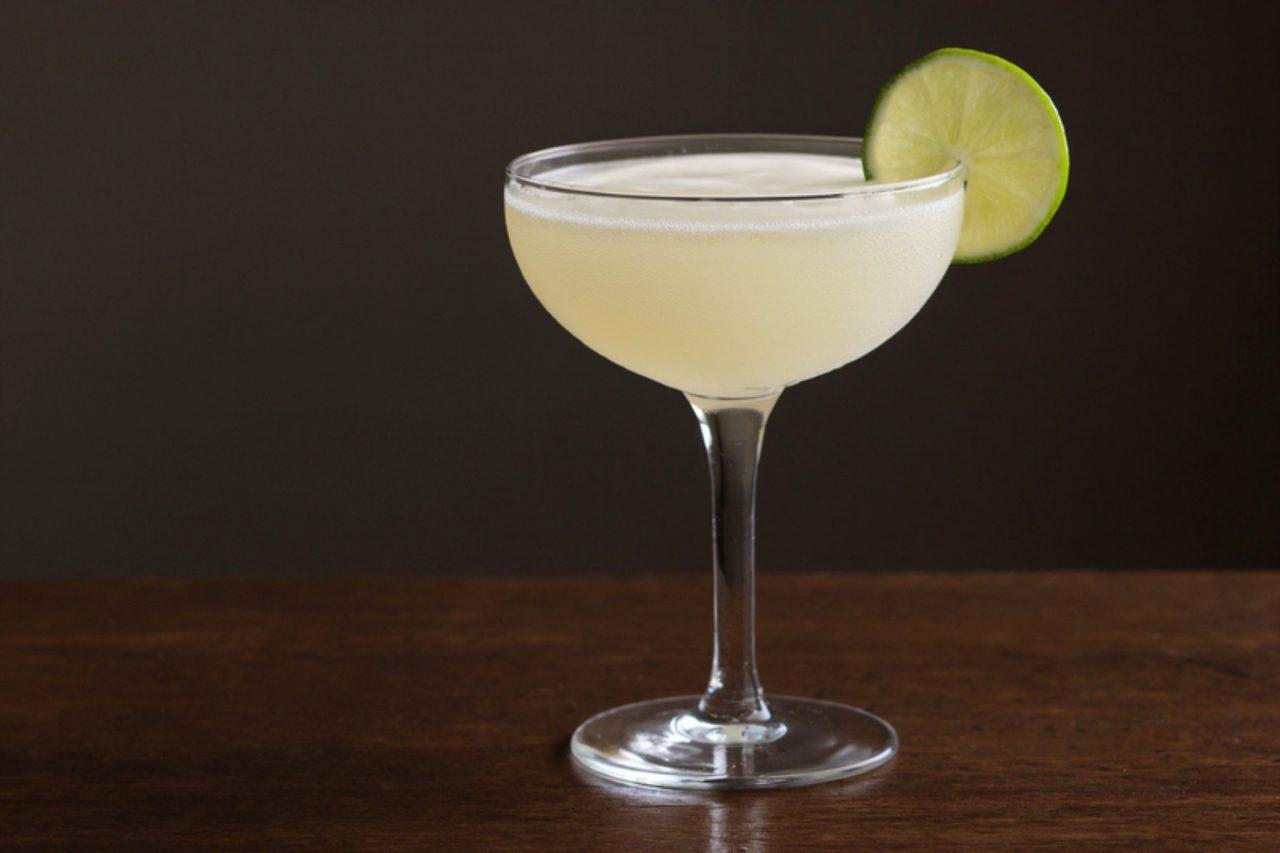
The daiquirí is named after a beach and the old iron mines east of Santiago de Cuba, where engineers and miners at the turn of the twentieth century mixed the local white rum with lime and sugar to cut the heat. Later Havana's bars turned it into a frozen blended drink, but in eastern Cuba it is still drunk the plain way, shaken, in the late afternoon or before a dinner of congrí and roast pork. It is a cocktail for adults only, short and clean: tart lime, a light touch of sugar and the soft, dry vanilla notes of light rum, served so cold it almost stings. The common mistake is a lazy shake, which leaves the drink warm, harsh and too strong. Fill the shaker with ice and shake hard for a full 12–15 seconds. It is ready when the tin is too cold to hold, there are tiny shards of ice on the surface and the drink has a fine foam at the rim. Have one and drink responsibly. Balance matters more than amounts: taste your limes, and add a little more syrup if they are very sour. Chef's tip: chill the coupe in the freezer first; a daiquirí loses its magic within minutes in a warm glass.

by KrazyBadal 0 views

Kluay ping

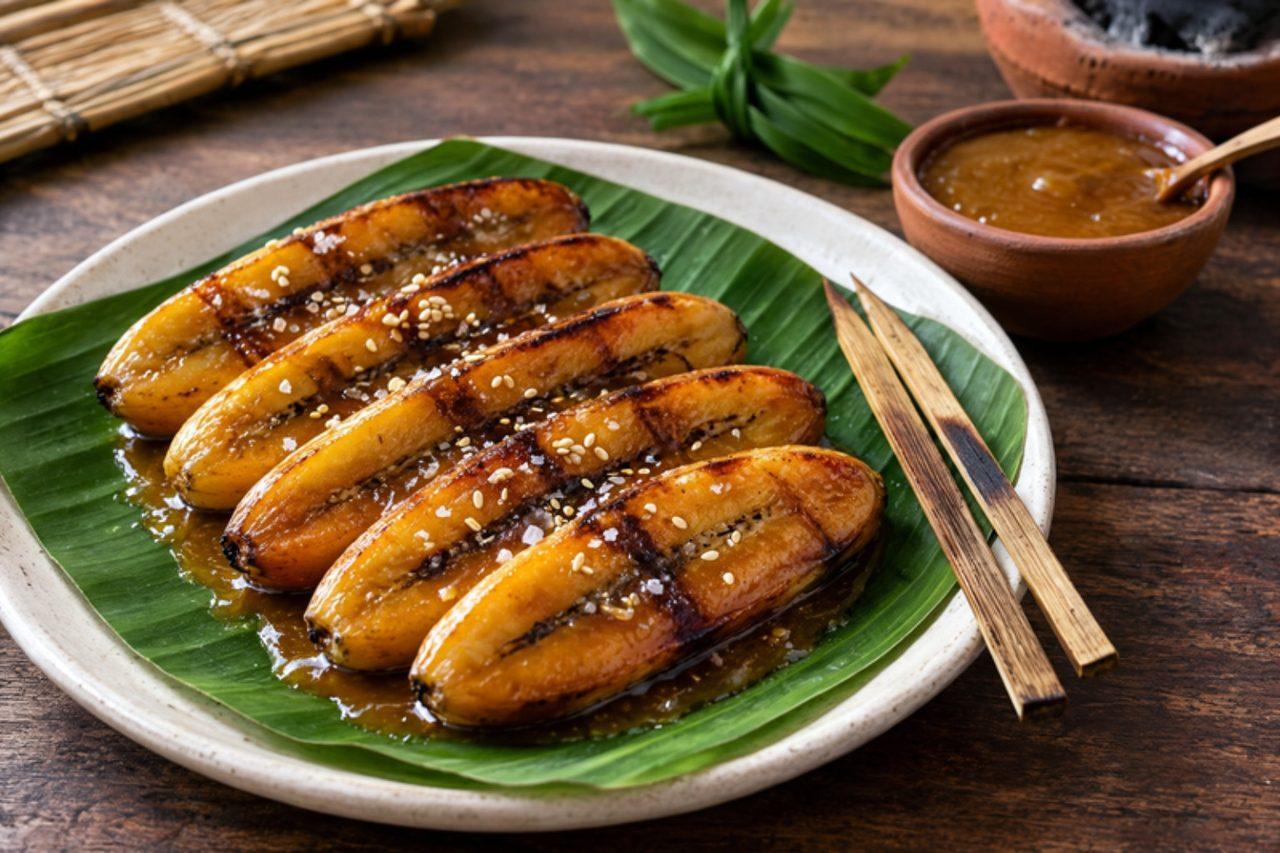
Kluay ping carts work the pavements of Silom and the lanes off Sukhumvit from mid-morning, when office workers want something sweet with their iced coffee. The vendor grills small, starchy nam wa bananas slowly over embers, presses each one flat with a wooden board and then brushes it with coconut cream cooked down with palm sugar and a pinch of salt. The outside turns sticky and smoky; the inside stays soft and fudgy. Ladyfinger bananas or firm, just-ripe small bananas work at home. Chef's tip: choose bananas that are yellow with no brown spots; overripe fruit turns to mush on the grill.

by KrazyBadal 0 views

Khanom pang sangkhaya

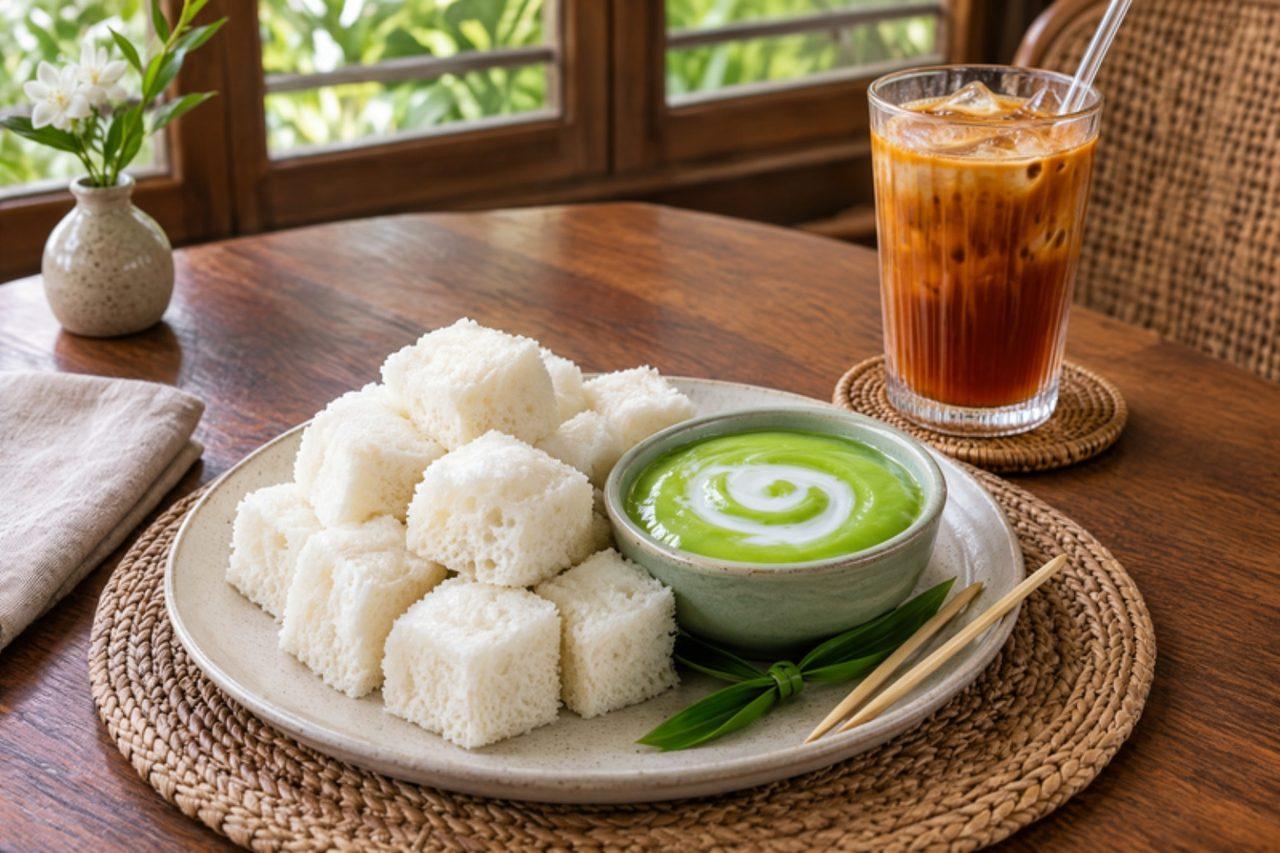
In Bangkok, from the old Chinese coffee shops of Yaowarat to night markets, khanom pang sangkhaya is soft steamed or toasted bread dunked into a bowl of bright green pandan custard made with coconut milk and egg. It is eaten in the morning with patongko dough sticks and strong iced coffee. The mistake is cooking the custard over high heat; the egg scrambles and it turns grainy, so stir it slowly over a gentle flame. Chef's tip: blitz fresh pandan leaves with a splash of water and squeeze the juice through a cloth; it gives a colour and fragrance that essence can't match.

by KrazyBadal 0 views

Kratiam dong

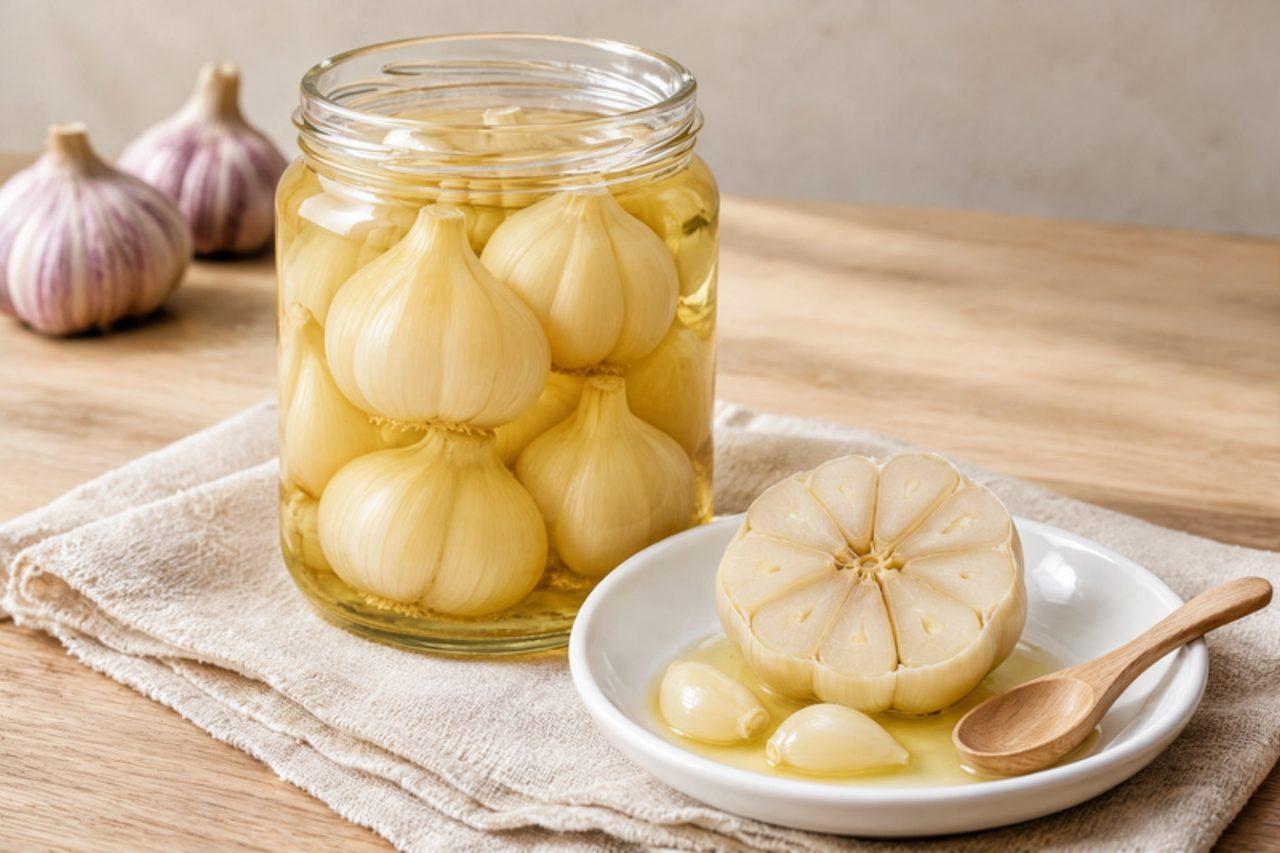
Order khao kha moo, the braised pork leg on rice sold from Bangkok shophouses to Chiang Mai night markets, and a few cloves of kratiam dong come on the side; they also sit in a bowl beside nam prik, congee, sai ua sausage and Isan-style sour pork. The garlic is picked young in the cool season, from December to February, when the heads are small, the skins thin and the cloves still tender, and it is cured whole so you nibble the cloves straight from the head. After about a month in brine the harshness is gone: the garlic is crunchy, sweet-sour and only faintly pungent, and the brine itself becomes a seasoning for stir-fries and dipping sauces. Common mistake: skipping the first salt-and-vinegar soak; it draws out the raw sting and some water, so the final brine stays strong. Do not worry if a few cloves turn blue-green; that is a harmless reaction between garlic and acid. They are ready when a clove bites through crisp and sweet with no burn. Chef's tip: look for small young heads at Asian grocers in early spring; large mature garlic works, but separate it into cloves and peel it.

by KrazyBadal 0 views

Luk chin ping

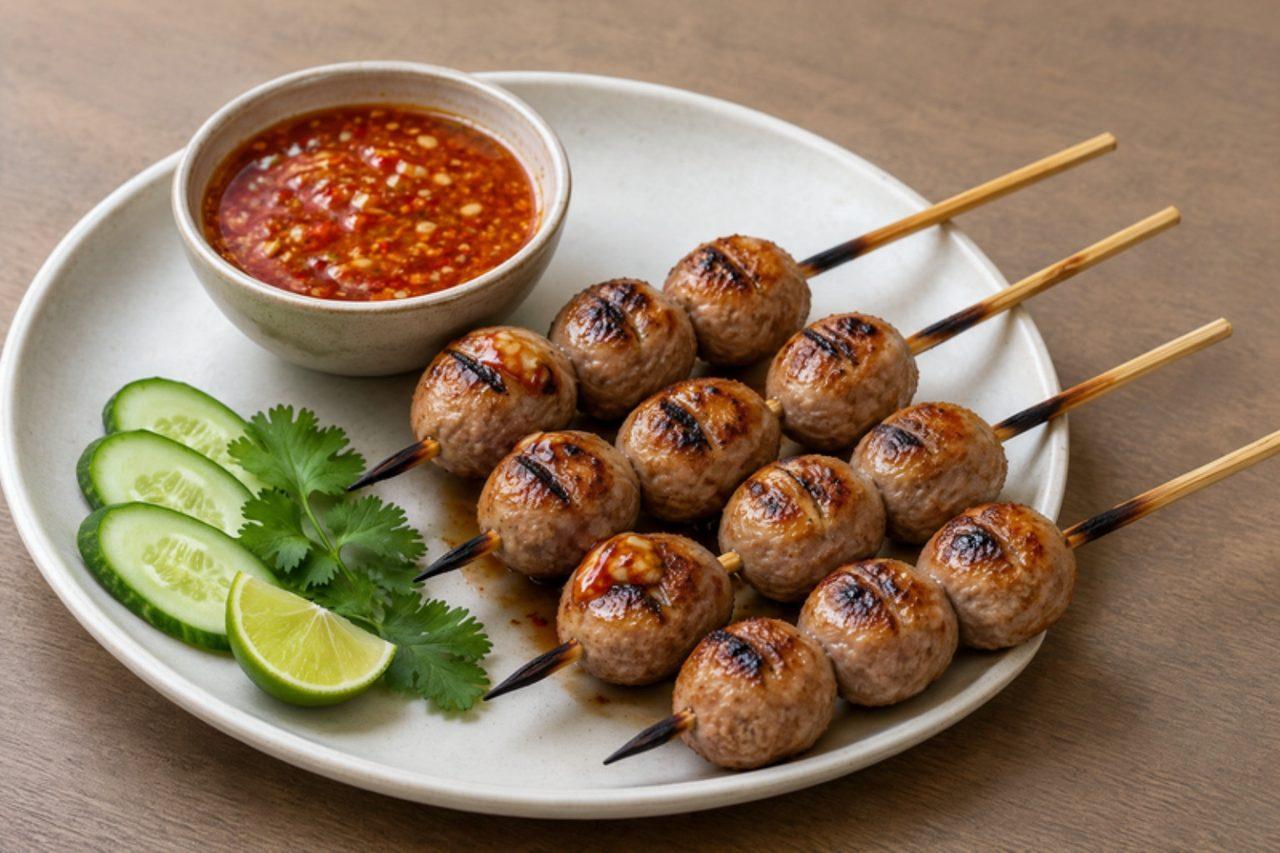
Outside Bangkok's schools at going-home time, and all evening around Victory Monument, vendors fan little charcoal grills lined with skewers of luk chin, bouncy meatballs that are pulled off the coals, dunked in a tub of sticky sweet chilli sauce and handed over in a plastic bag. This home version makes the springy pork balls from scratch, poaching them first so they cook through before they char. Children love them; leave the chillies out of a portion of sauce for little ones. Chef's tip: process the pork with iced water until it turns into a sticky paste; that is what gives the balls their famous bounce.

by KrazyBadal 0 views

Harina de maíz dulce

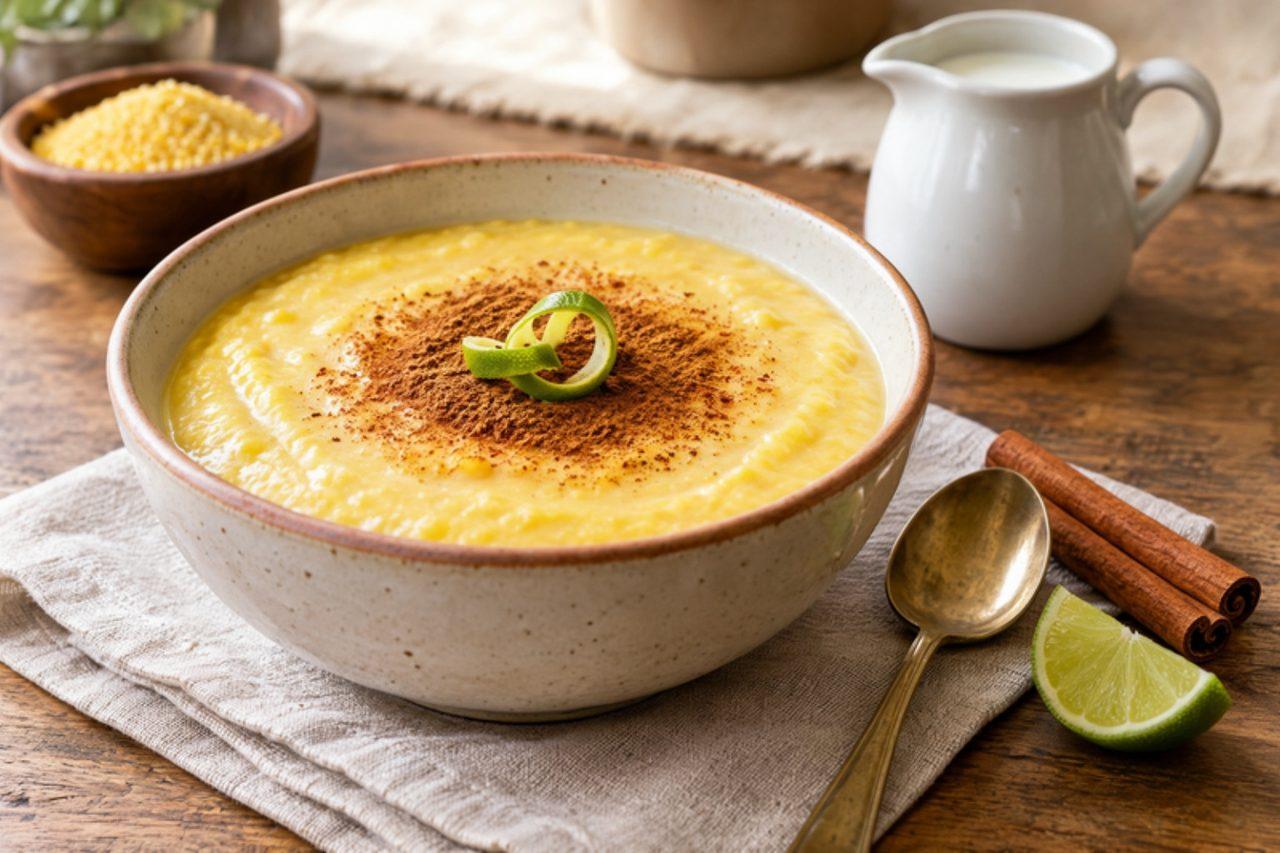
In Cuban homes "harina" means cornmeal, and harina dulce is the soft, sweet porridge that grandmothers in Havana and Santiago cooked for children before school, scented with cinnamon and a curl of lime peel the way rice pudding is. It should be smooth and spoonable, like a loose polenta. The usual mistake is pouring the cornmeal into boiling milk, which seizes into lumps at once: start it in cold liquid and whisk as it heats. Chef's tip: take the lime peel out once the porridge thickens, or its oils turn bitter as it sits.

by KrazyBadal 0 views

Café con leche

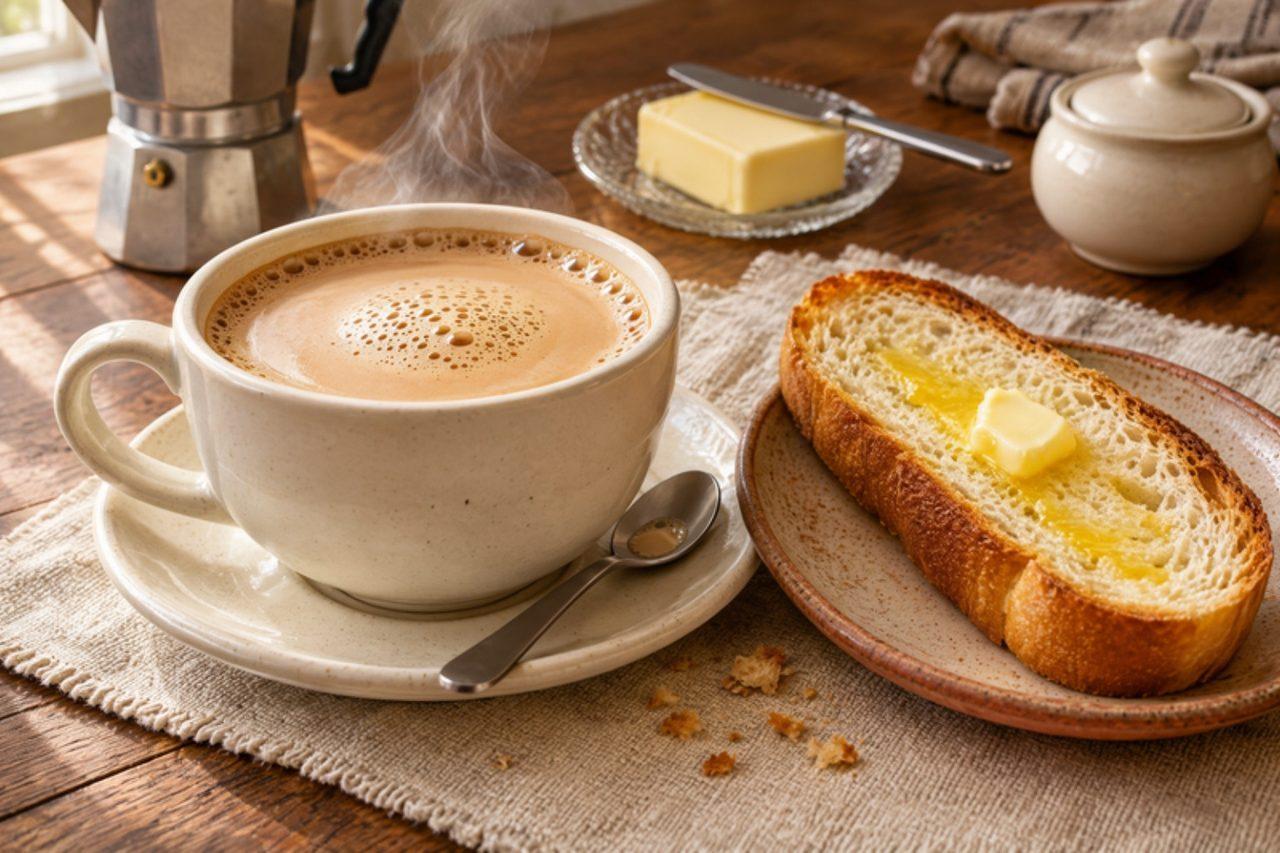
Every morning from Havana to Miami's Little Havana, breakfast is a big cup of café con leche with a length of buttered, pressed Cuban bread (tostada) to dunk in it. A moka pot of dark espresso-style coffee is whipped with sugar into a pale foam, the espumita, and poured into a mug of hot, lightly salted milk. The usual mistake is boiling the milk, which gives it a skin and a cooked taste; heat it only until it steams. Coffee contains caffeine, so this is a grown-up drink; children traditionally get a cup that is mostly milk. Chef's tip: whisk the first few drops of coffee hard with the sugar to a thick paste before adding the rest; that is what makes the creamy espumita on top.

by KrazyBadal 0 views

Cortadito

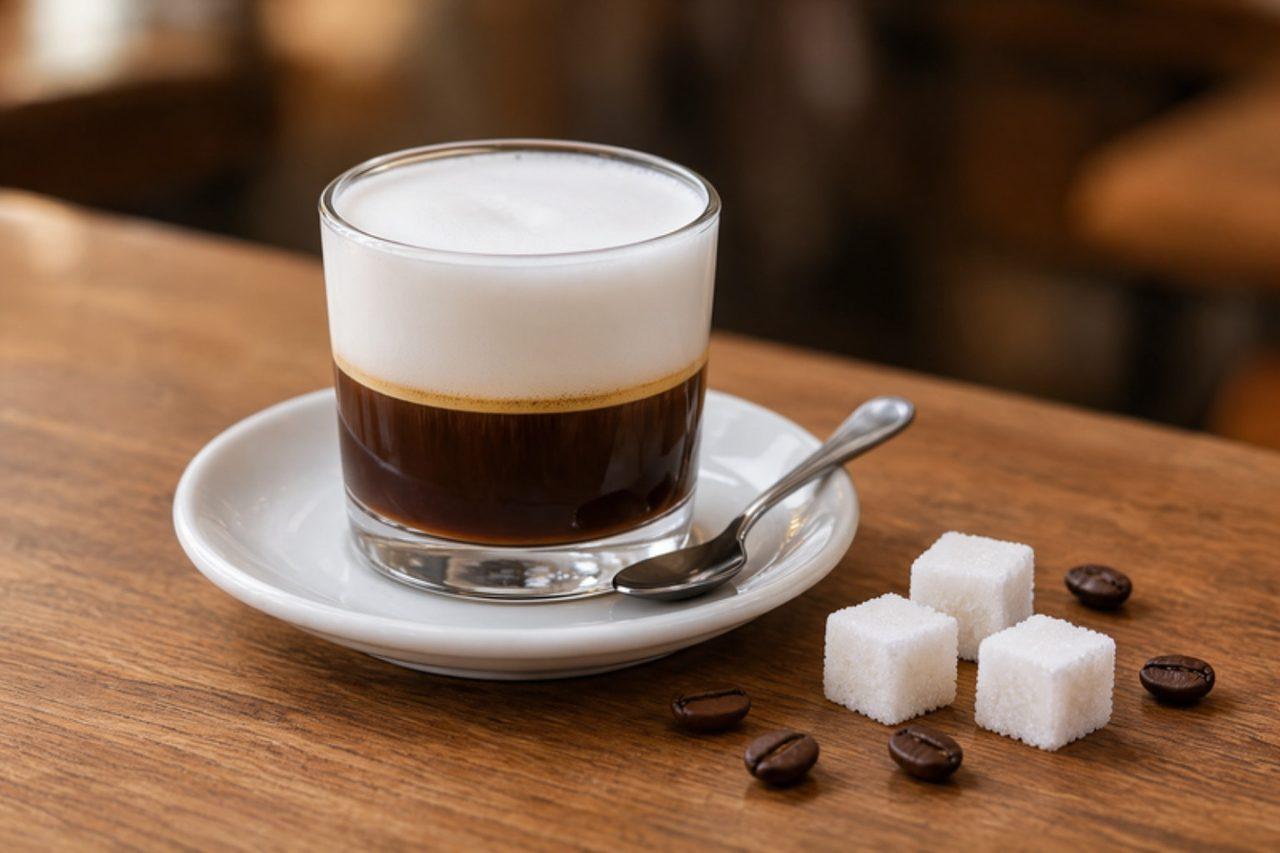
Havana runs on small cups of coffee: a cafecito standing at a ventanita, a colada shared in tiny plastic cups at work, and in the afternoon or with breakfast, a cortadito, which is Cuban coffee cut (cortado) with roughly as much hot milk. The coffee is brewed in a stovetop cafetera, and the first dark drops are whipped hard with sugar into a pale, thick espumita that floats on top of the cup. The result is rich, very sweet and caramel-like, with a velvety milk body and a strong, bitter edge underneath. It is high in caffeine, so it is not one for children. The common mistake is adding sugar to the pot or stirring it in at the end; without the espumita you get a thin, flat drink. Beat the first concentrated coffee with the sugar until it turns light tan and holds soft folds, then pour in the rest. It is ready when a pale foam floats on the cup and the milk has been heated until steaming, with small bubbles around the edge but not boiling. Chef's tip: catch only the first 2–3 teaspoons of coffee for the foam; later coffee is too thin to whip.

by KrazyBadal 0 views

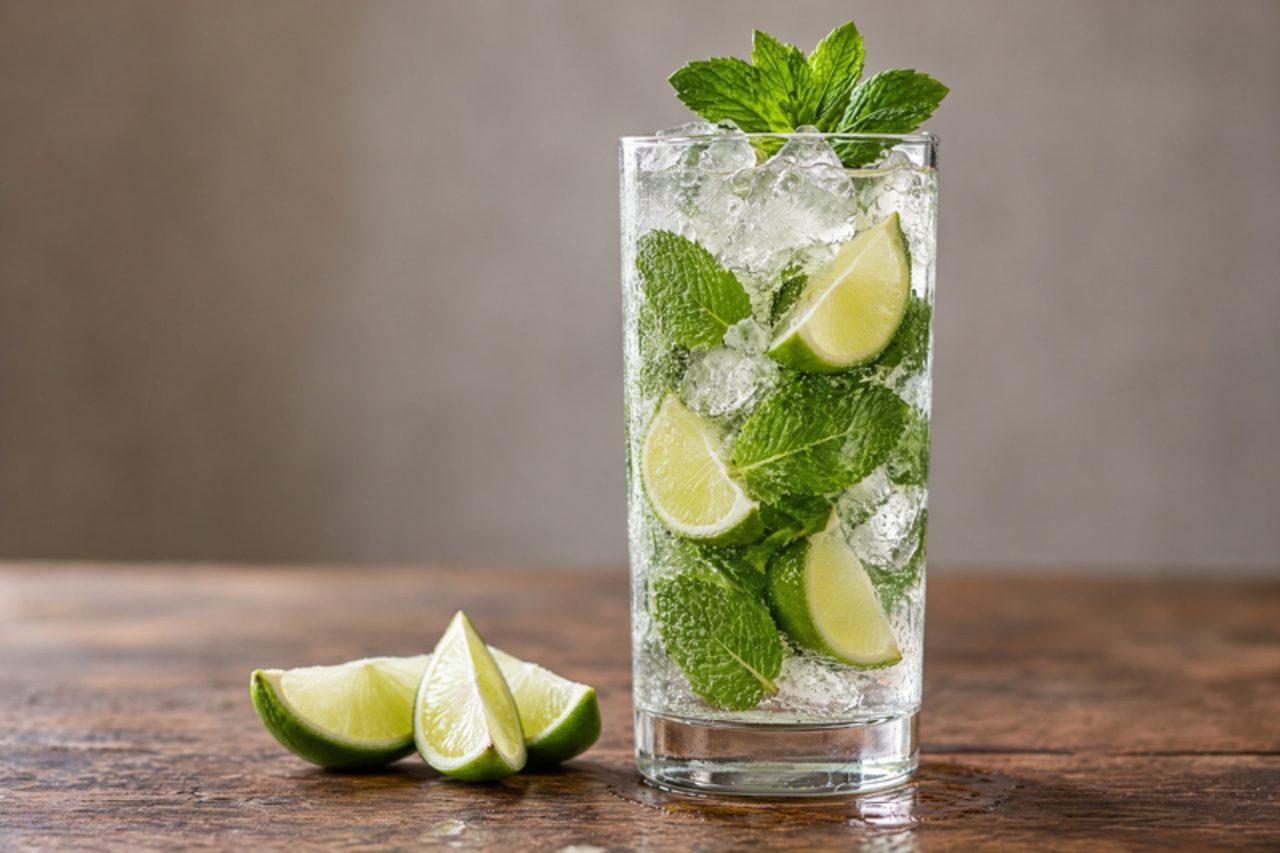
Mojito

In Old Havana the mojito is the answer to three o'clock heat: made at bar counters along Obispo Street, on the Malecón and at home on the patio, often with a plate of tostones or chicharritas on the side. It is a drink for adults only, though its cool, fresh taste can fool you; sip it slowly and drink responsibly. A real Cuban mojito is fragrant and grassy from hierbabuena, the mild local mint, sharp with lime, gently sweet and lightly sparkling, with the rum giving it backbone rather than burn. The common mistake is shredding the mint with heavy muddling: the leaves turn black, bitter and stick in your teeth. Press the leaves softly against the sugar and lime just until you can smell them strongly, then stop. It is ready when the sugar has dissolved, the glass is fully frosted and the mint leaves are scattered bright green through the ice. Outside Cuba, use spearmint; peppermint tastes like toothpaste here. Chef's tip: slap the garnish sprig between your palms before tucking it in beside the straw; every sip then comes with the smell of fresh mint.

by KrazyBadal 0 views

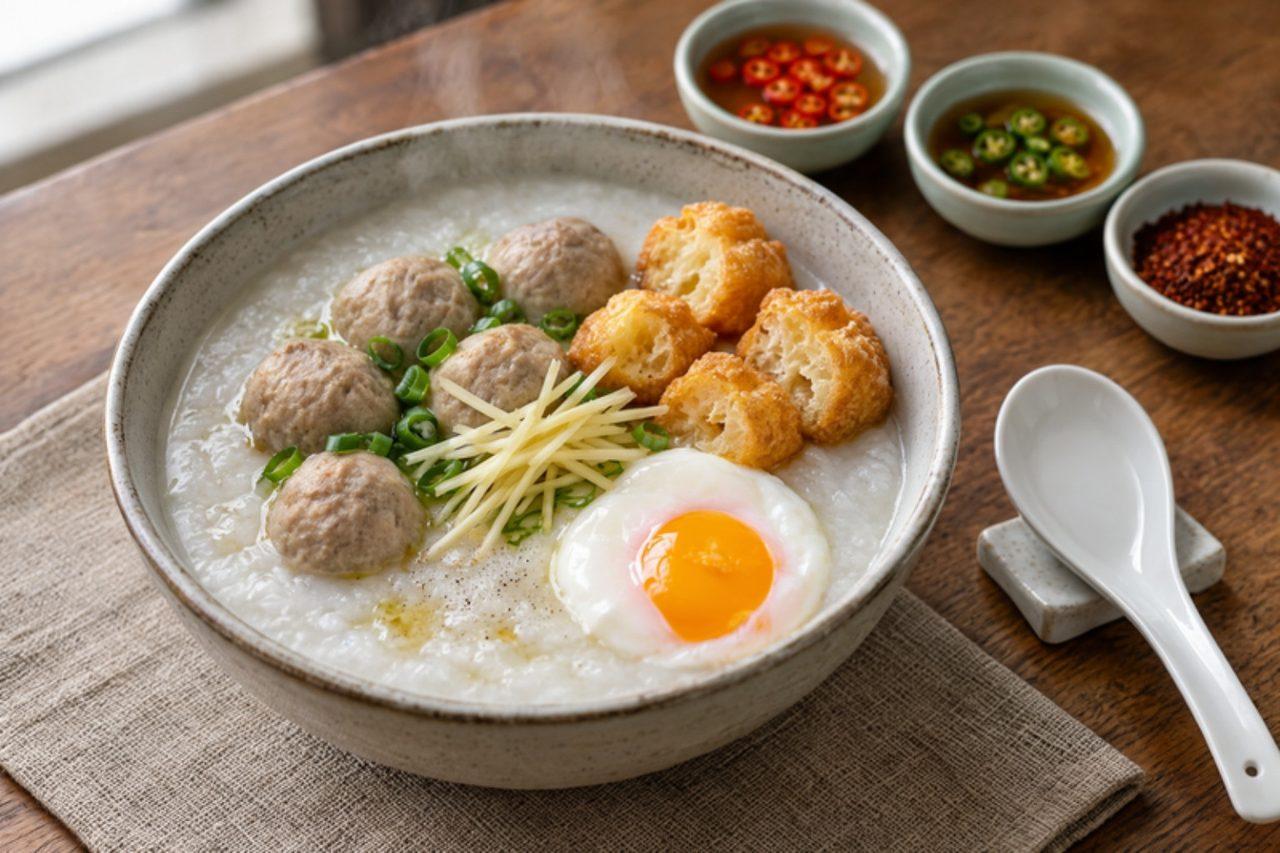
Jok moo

In Bangkok, jok is breakfast at a roadside stall or the market at 6 am: broken jasmine rice cooked until almost smooth, with tender pork balls, an egg cracked in at the last moment, and heaps of ginger, spring onion and crisp patongko or fried dough. Seasoning sits on the table, so everyone adds soy, white pepper and chilli vinegar to taste. For a meat-free bowl, swap the pork balls for shiitake mushrooms and cubes of silken tofu, and use soy instead of fish sauce. The common mistake is a thin, watery jok; keep simmering until it holds a soft ribbon. Chef's tip: whisk the cooked rice hard for a minute at the end; it breaks the last grains and makes the porridge creamy.

by KrazyBadal 0 views

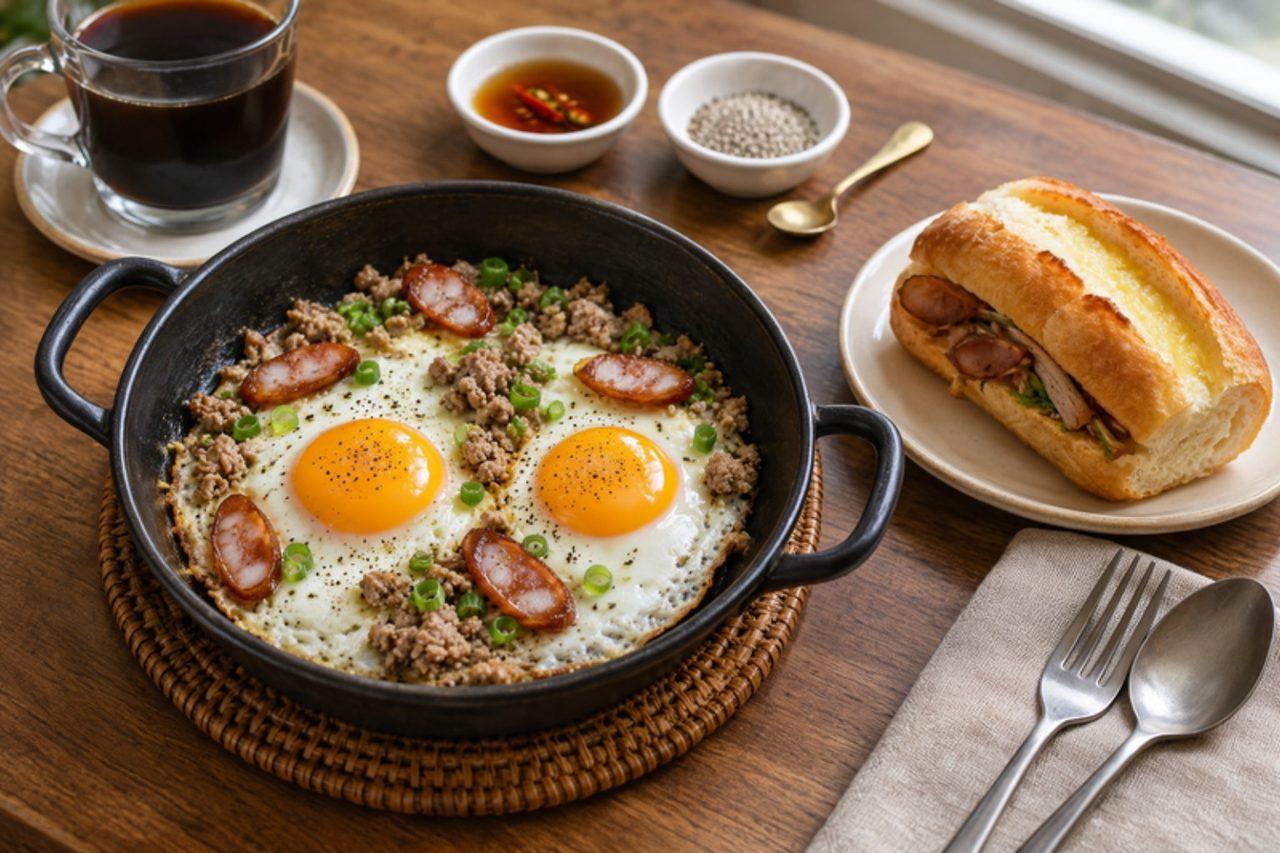
Khai kata

Khai kata, "pan eggs", came to Thailand through the Vietnamese communities of Isan, and in Udon Thani and Nong Khai, and now in Bangkok cafés too, it arrives sizzling in its own little metal pan with toppings of pork mince and sweet Chinese sausage, plus a crusty roll and a strong coffee. The eggs are cooked just until the whites set. The common mistake is cracking the eggs onto raw mince; cook the pork through first, then add the eggs. Chef's tip: heat the pan before the eggs go in, so the whites set at the edges with lacy, crisp frills.

by KrazyBadal 0 views

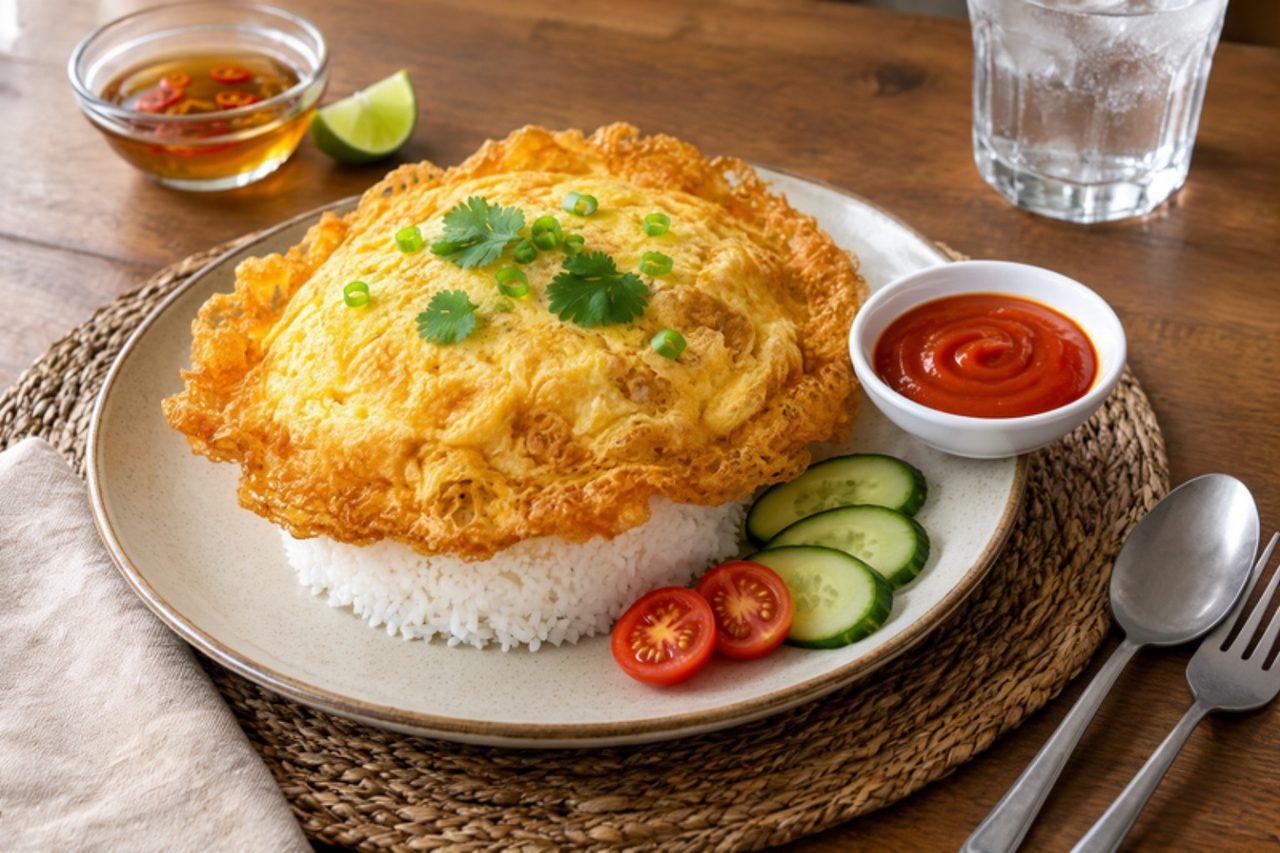
Khao kai jiao

When there is no time for anything else, Bangkok office workers, students and taxi drivers eat khao khai jiao: eggs beaten with fish sauce and poured into very hot oil so they puff into a lacy, golden, crisp-edged omelette, slid onto a mound of jasmine rice with a squirt of chilli sauce. It is also the omelette mothers put in school lunch boxes. The common mistake is oil that is not hot enough, so the egg sits flat and greasy instead of ballooning up. For a vegetarian version, season with light soy sauce instead of fish sauce. Chef's tip: beat in a squeeze of lime and a spoon of water until very frothy; the air and steam make it puff dramatically.

by KrazyBadal 0 views

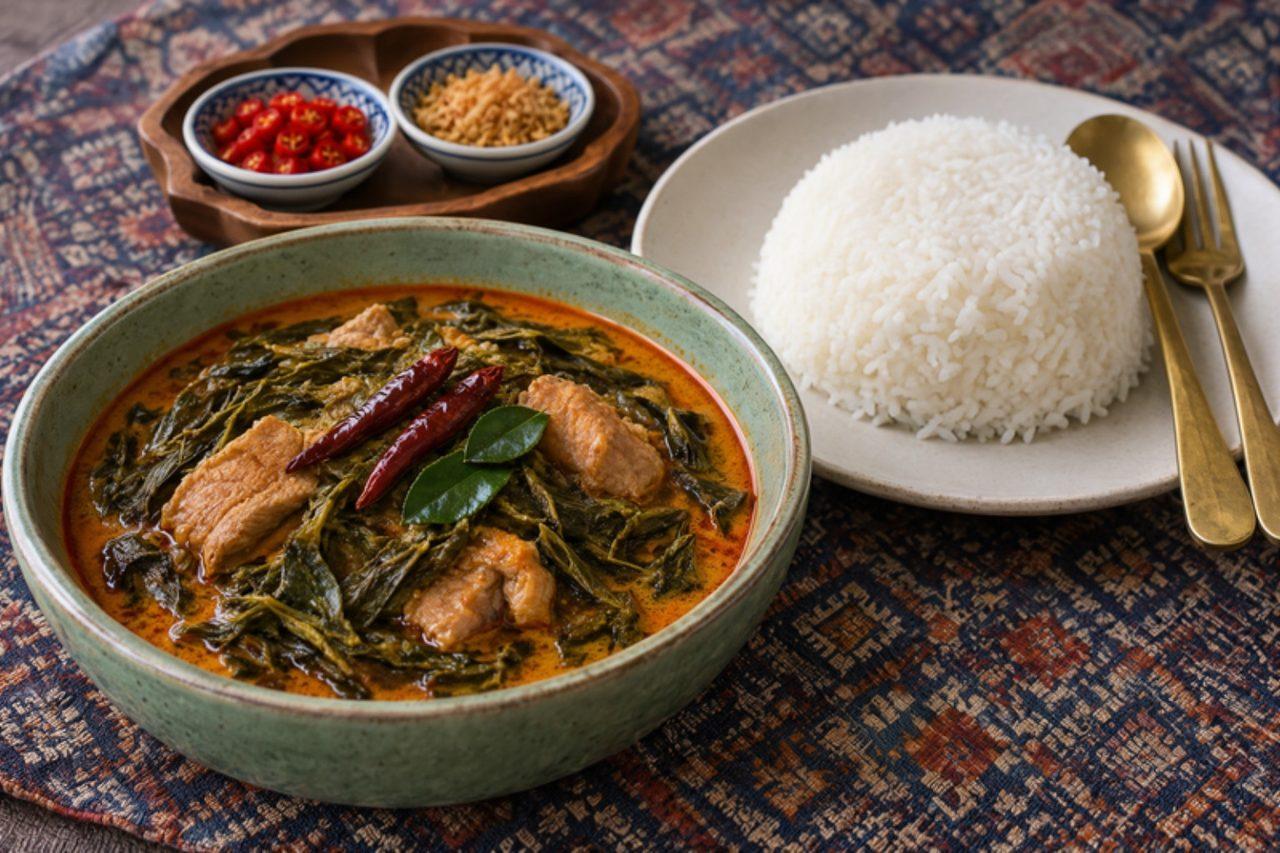
Kaeng khilek

Kaeng khilek is an old-fashioned country curry from central Thailand, cooked when the cassia (khilek) trees put out tender shoots after the rains and sold ready-boiled in bags at markets around Ratchaburi and Suphan Buri. The leaves are boiled and drained several times until their bitterness softens, then simmered with pork belly in coconut milk with red curry paste, leaving a dark green, pleasantly bitter, rich curry eaten with jasmine rice and salted egg. This recipe contains pork. The usual mistake is skipping the repeated boiling: cassia leaves must be boiled and drained at least three times, or they are harshly bitter and can upset the stomach. Frozen pre-boiled khilek from Thai shops saves work. Chef's tip: squeeze the boiled leaves firmly in a cloth so they soak up coconut milk instead of water.

by KrazyBadal 0 views

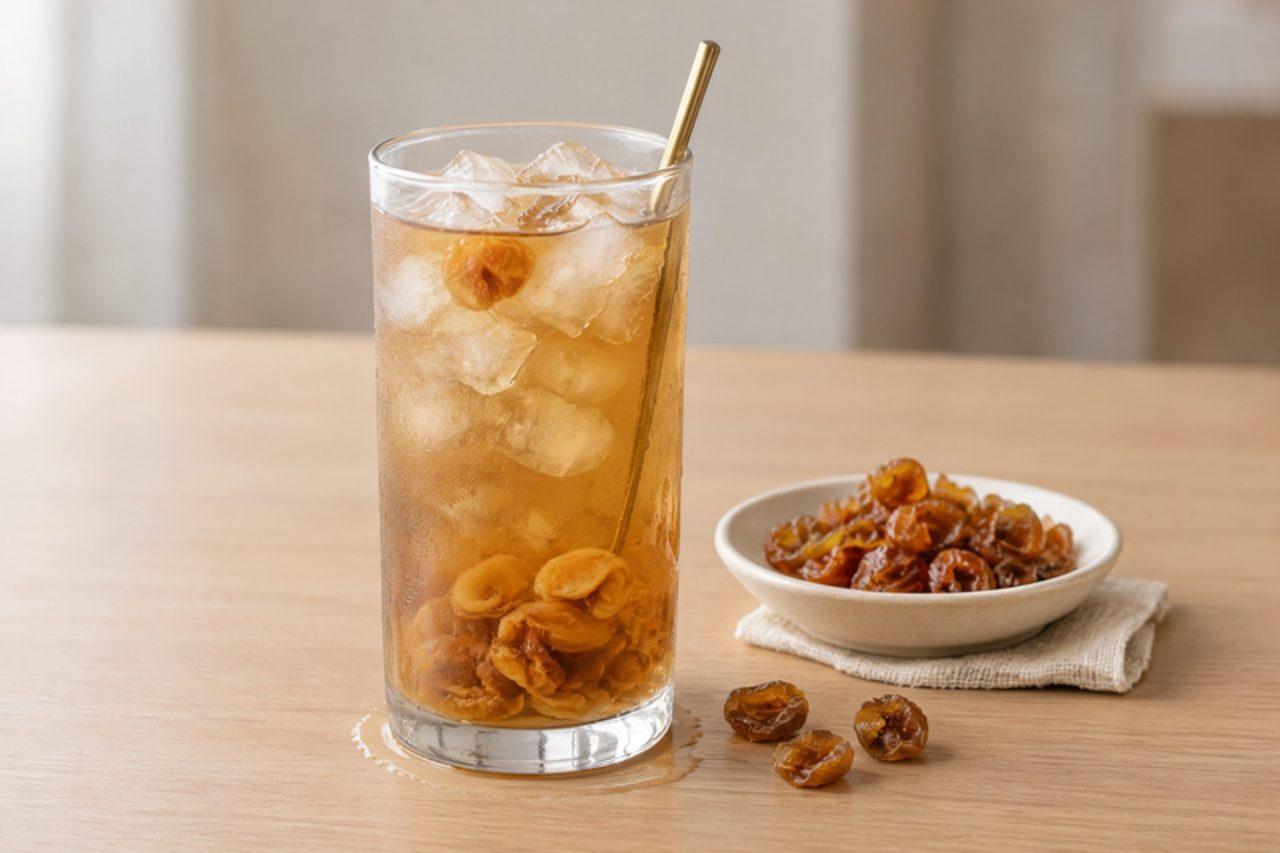
Nam lamyai (longan drink)

Longan orchards cover the valleys of Chiang Mai and Lamphun, and every August the harvest is smoked and dried in big brick ovens so the fruit lasts all year. That dried lamyai is the base of nam lamyai, sold in plastic bags with a straw at Warorot Market, at roadside stalls on the way to Doi Suthep and in school canteens across the north, especially in the hot season from March to May. It tastes like toffee and smoked honey with a light floral note, and each glass comes with a few plump, chewy longans at the bottom to fish out. The common mistake is boiling the fruit too long with all the sugar at the start: the drink turns syrupy and the longans go mushy. Simmer the fruit first, sweeten at the end and taste before adding everything. It is ready when the liquid is clear amber-brown, the longans have swollen back to roughly their fresh size and the kitchen smells of caramel. It keeps 4 days in a closed jug in the fridge. Chef's tip: a tiny pinch of salt is the street-vendor trick that makes the sweetness taste rounder and brings out the smoky edge.

30 minThaiDrinksVeganGluten free
by KrazyBadal 0 views

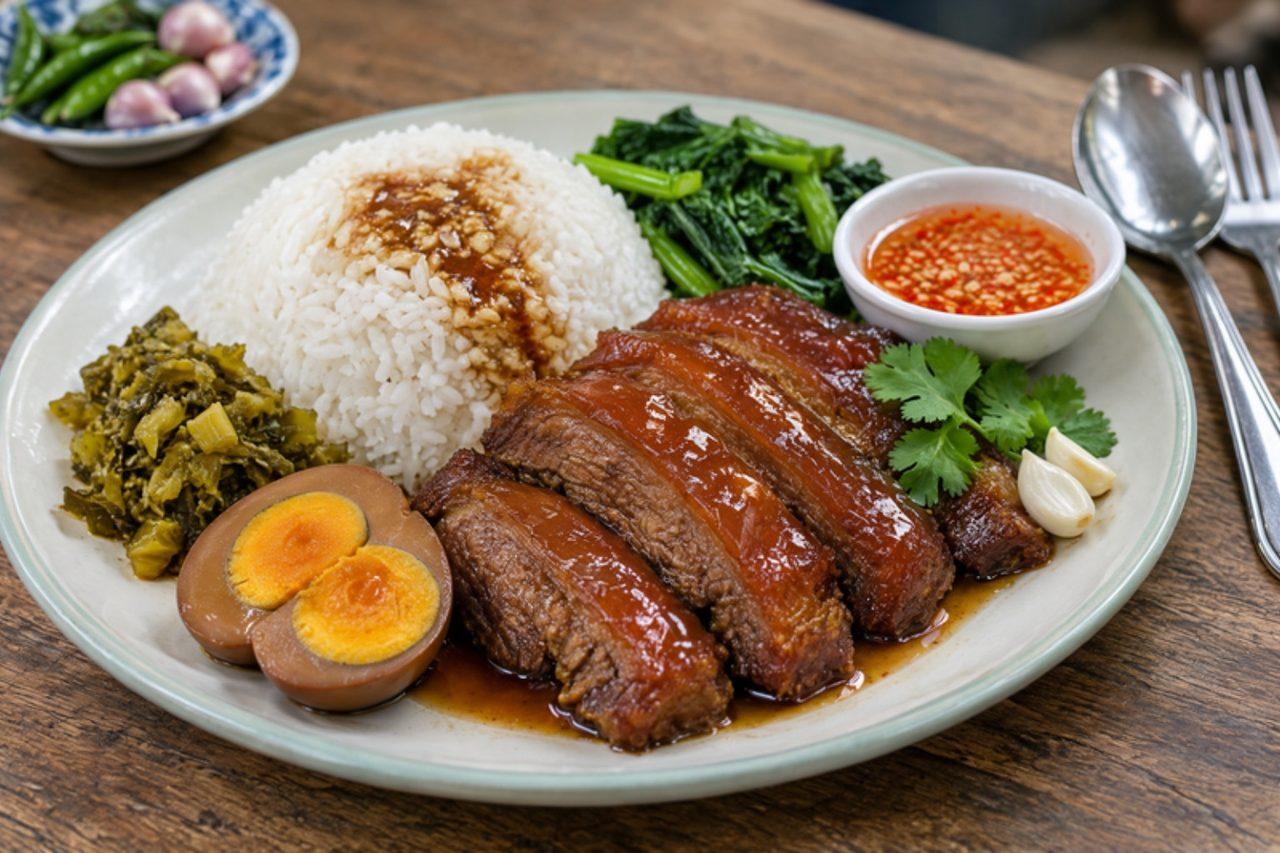
Khao kha moo

Khao kha moo is Bangkok's great one-plate lunch, and the shophouses along Charoen Krung Road in Bang Rak have been simmering pork leg in the same dark, star-anise-scented pots for decades. Fresh pork hock is braised in soy, palm sugar and five-spice until the skin turns glossy and gelatinous and the meat falls away in tender strands. It is sliced onto jasmine rice with a soy-stained boiled egg, pickled mustard greens, blanched Chinese kale and a fierce green chilli and garlic vinegar to cut the richness. Chef's tip: keep the braise at a lazy simmer; a hard boil tears the skin and turns the meat stringy.

185 minThaiMeat
by KrazyBadal 0 views

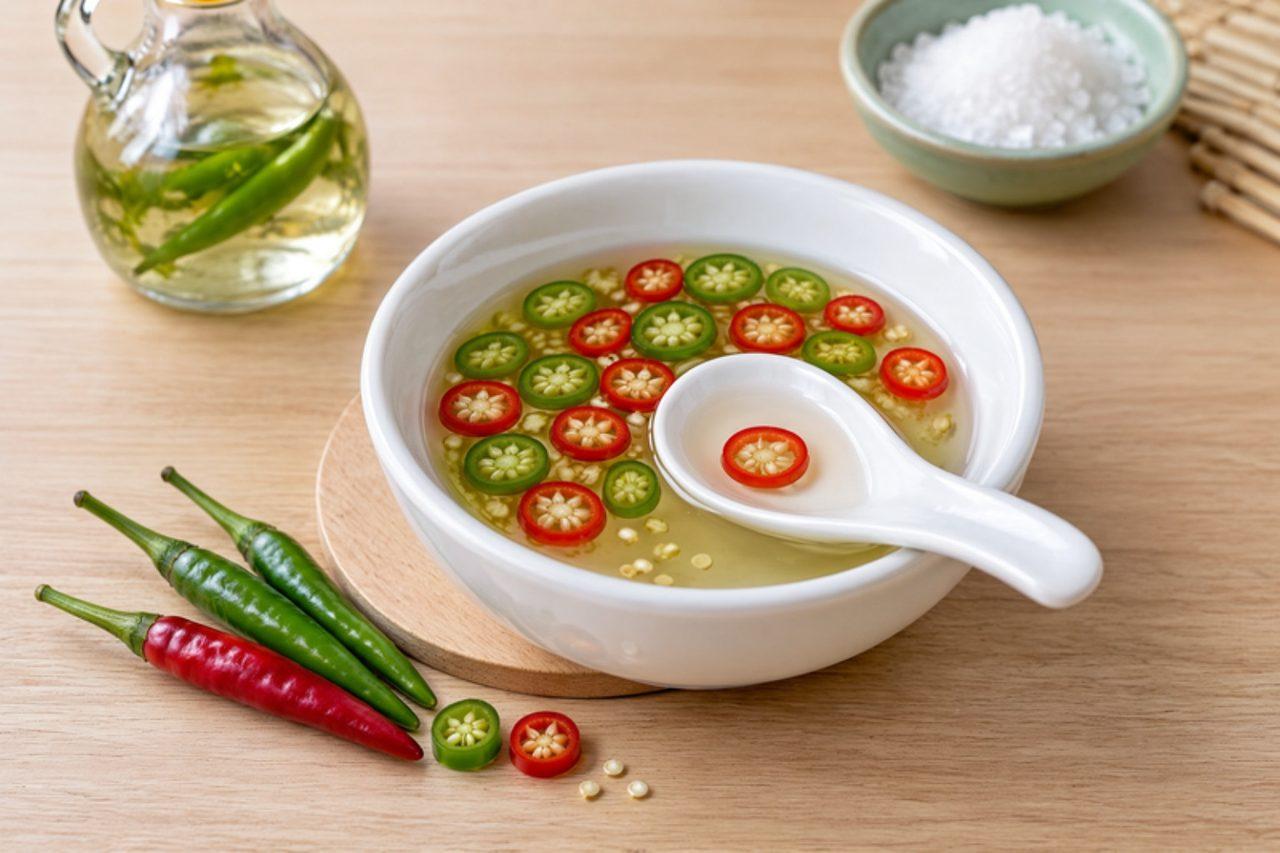
Prik nam som

On every noodle-shop table in Thailand, from Bangkok's boat-noodle stalls to small kuay teow shops in Hat Yai, there is a rack of four little jars: sugar, chilli flakes, fish sauce and prik nam som. A few drops of this sharp chilli vinegar wake up kuay teow nam, pad see ew, rad na and khao man gai at lunch or late at night, and the softened chilli slices are spooned on too. It is bright, clean and sour first, then hot, with a grassy chilli aroma; the slices stay crisp for a day or two and turn mellow after that. The Thai version uses long green or red chillies (prik chee fa) for colour and fragrance and just a few bird's-eye chillies for real heat. Common mistake: blending the chillies with the vinegar; it should be thin and clear with floating rings, so slice them by hand. It is ready after 15 minutes, once the vinegar turns faintly green-gold and smells of chilli. Chef's tip: a pinch of salt and a teaspoon of sugar round off harsh supermarket vinegar; leave them out if you have mild Thai coconut or rice vinegar.

by KrazyBadal 0 views

Pa thong ko

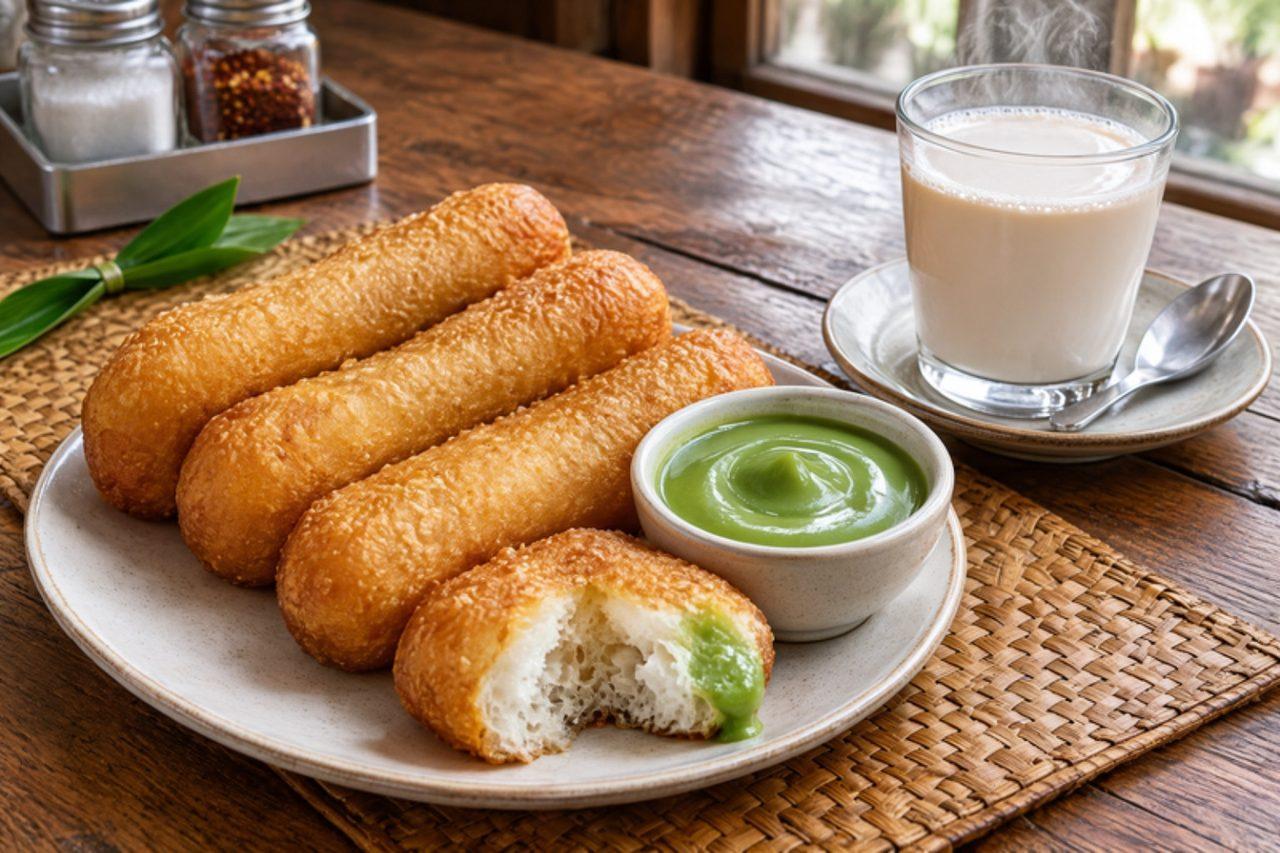
Before the shutters go up along Yaowarat Road in Bangkok's Chinatown, the pa thong ko vendors are already frying: two strips of dough pressed together, stretched and dropped into a wok of oil, where they swell into hollow, crackly sticks shaped a little like a pair of legs. Office workers buy a paper bag on the way to the skytrain and eat them with a cup of hot soy milk, or tear them into pieces and dip them in green pandan custard or condensed milk. This home version is egg-free and dairy-free and is served with sweetened soy milk. Chef's tip: let the dough rest for the full hour; a relaxed dough stretches without tearing and puffs far more in the oil.

by KrazyBadal 0 views

Batido de mamey

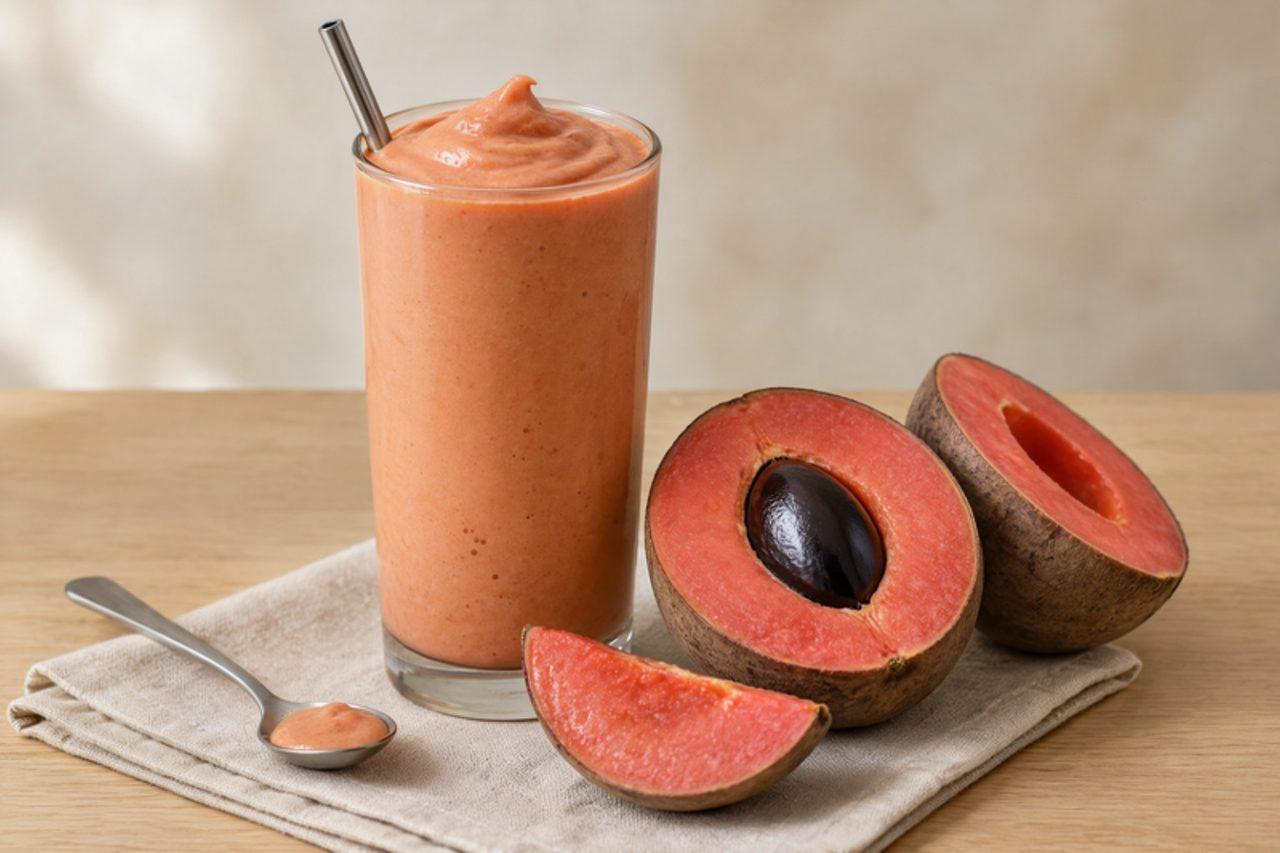
In Havana and all over the island, the cafeteria counter has a blender that never stops, turning out batidos of mango, guanábana, papaya and the favourite of all, mamey. The fruit has a rough brown skin and a soft, salmon-red flesh that tastes like sweet potato, pumpkin pie, almond and apricot at once, and blended with cold milk it makes a shake so thick it is almost a dessert. It is drunk mid-afternoon on hot days, at breakfast with toast, or at a kid's birthday party; Miami's Cuban cafés keep the tradition alive with frozen pulp. The common mistake is using a hard mamey, which tastes starchy and slightly bitter; the fruit must give like a ripe avocado when pressed and show deep red flesh when you scratch the skin with a fingernail. The batido is ready when it is smooth, pumpkin-orange and pours slowly in a thick ribbon. Frozen mamey pulp from Latin American shops is a good substitute; reduce the ice because the pulp is already cold. Chef's tip: a pinch of salt and a drop of vanilla bring out mamey's almond notes.

by KrazyBadal 0 views

Pan con minuta

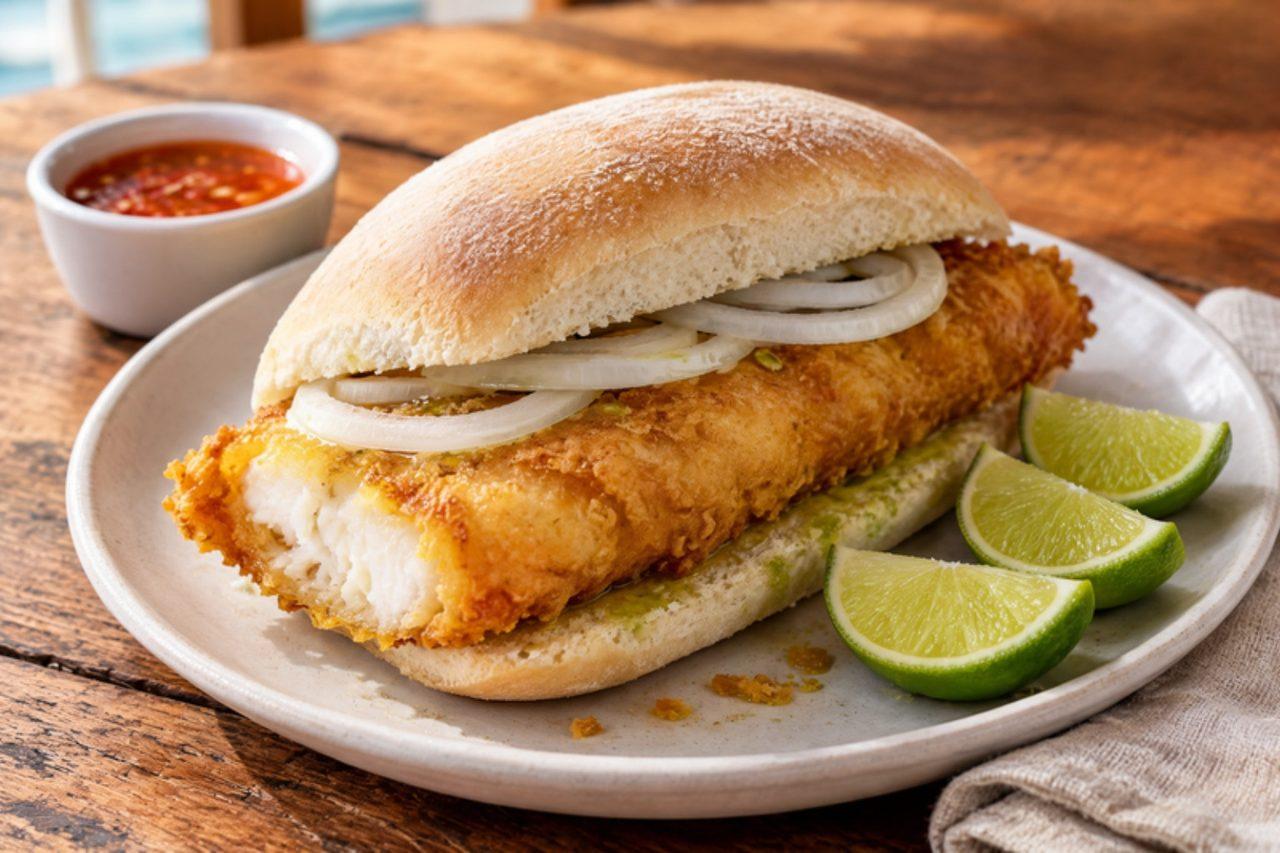
Minuta is what Cubans call a quick-fried fish fillet, cooked "in a minute" while you wait, and in a soft roll it becomes one of Havana's simplest street lunches. Look for it at kiosks along the Malecón near La Punta and in the fishing village of Cojímar, east of the city, where small boats bring in snapper. The fish is marinated briefly in lime and garlic, dipped in a light batter and fried until the crust crackles, then tucked into bread with sharp raw onion and another squeeze of lime. Chef's tip: keep the lime marinade short; after 15 minutes the acid starts to turn the fish chalky.

30 minCubanFish
by KrazyBadal 0 views

Showing 24 of 278 recipes

Show more recipes

Page 1 of 12