Skip to content
Recipes

All recipes

Vegetarian, or something you can't eat? Set your diet once and we'll hide recipes that don't fit.

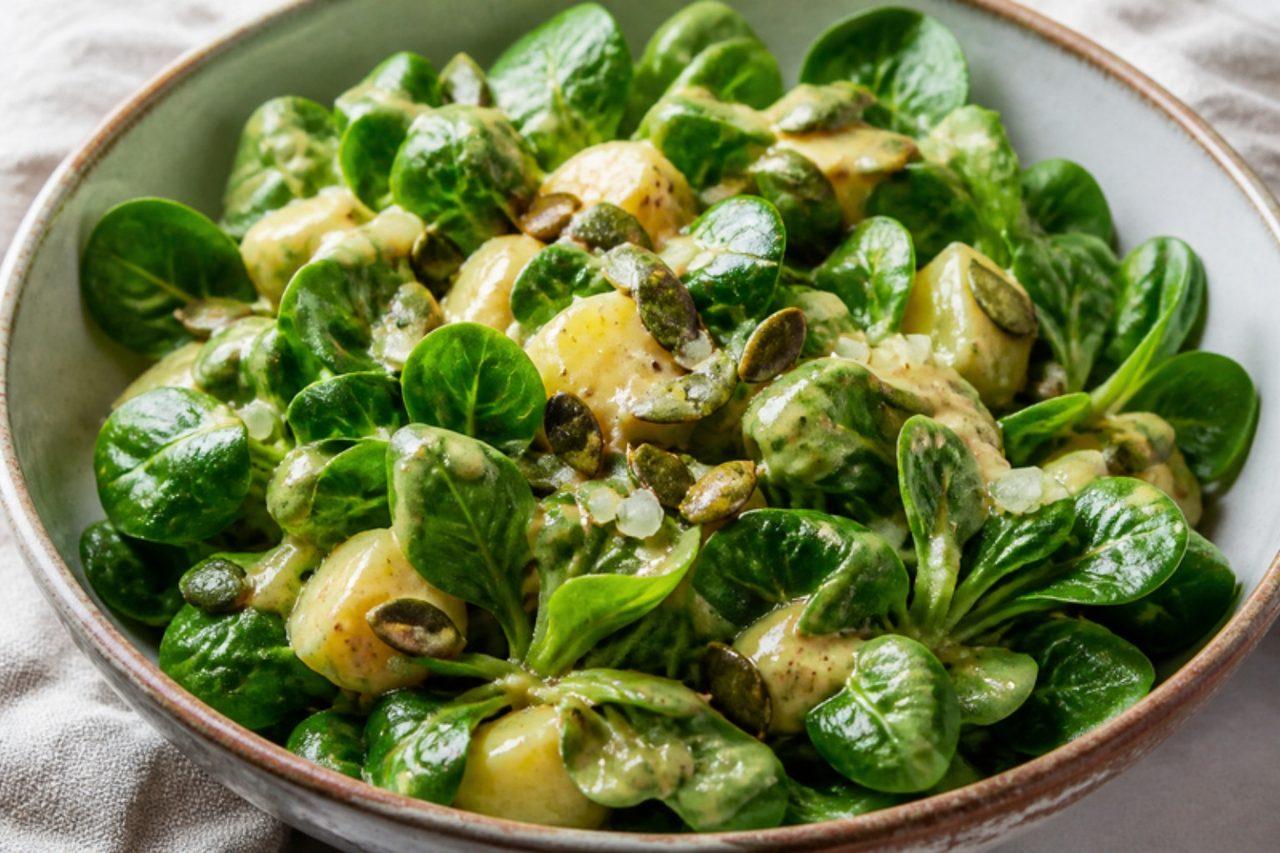
Feldsalat mit warmem KartoffeldressingLamb's lettuce with warm potato dressing

In Baden-Württemberg and Bavaria, Feldsalat (lamb's lettuce, also called Ackersalat or Nüsslisalat) is the winter salad, eaten from October to March as a starter or beside Spätzle and egg dishes. The small, tender rosettes are dressed in a warm, creamy Swabian dressing made from a boiled potato mashed with stock, mustard, vinegar and oil, which coats the leaves without weighing them down. Traditional versions use meat stock and bacon; this one uses vegetable stock and crisp fried onions, so it is vegan. It gives about 3 g of protein a portion, so it is a side; add toasted pumpkin seeds for more. The most common mistake is not washing the leaves well: grit hides deep inside the rosettes, so wash in two or three changes of water. Chef's tip: dress the leaves only at the table; the warm dressing wilts them within minutes.

by KrazyBadal 0 views

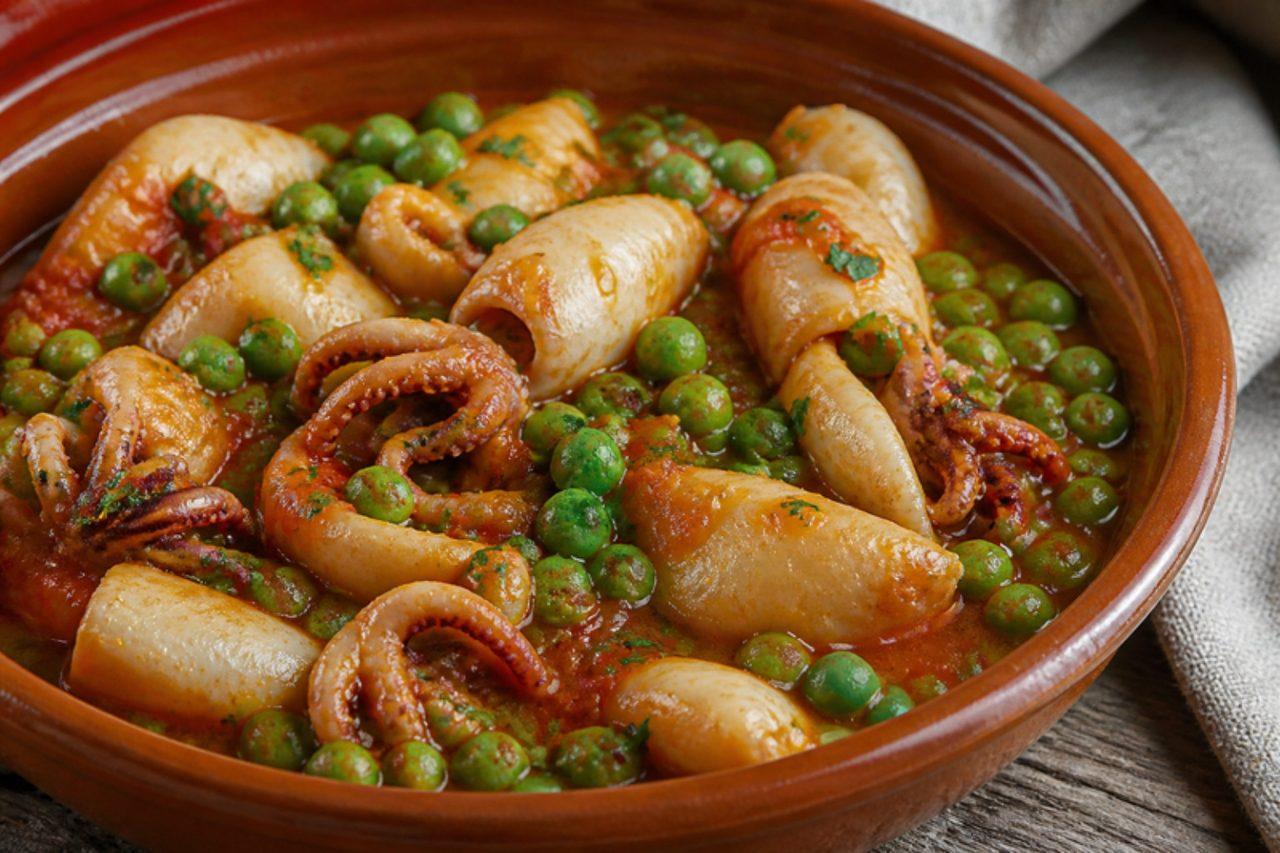
Seppie con piselliCuttlefish with peas

Seppie coi piselli is a Friday dish in Rome and across Lazio, eaten in spring when the first sweet peas arrive and on meatless days through the year. The cuttlefish braises slowly with onion, garlic and tomato until it is so tender a spoon cuts it, and the peas go in late so they stay bright and sweet in a thick, rosy sauce. A portion has about 34 g of protein, mainly from the cuttlefish with a little from the peas, for around 300 kcal. Romans add a splash of white wine; here a little stock sharpened with vinegar gives the same lift without alcohol. The common mistake is stopping halfway: cuttlefish is tender after 2 minutes or after 40, but rubbery anywhere in between, so keep braising until a knife slides straight through. Chef's tip: keep the cuttlefish ink sacs out of the sauce for this dish; a single burst one turns the peas grey.

by KrazyBadal 0 views

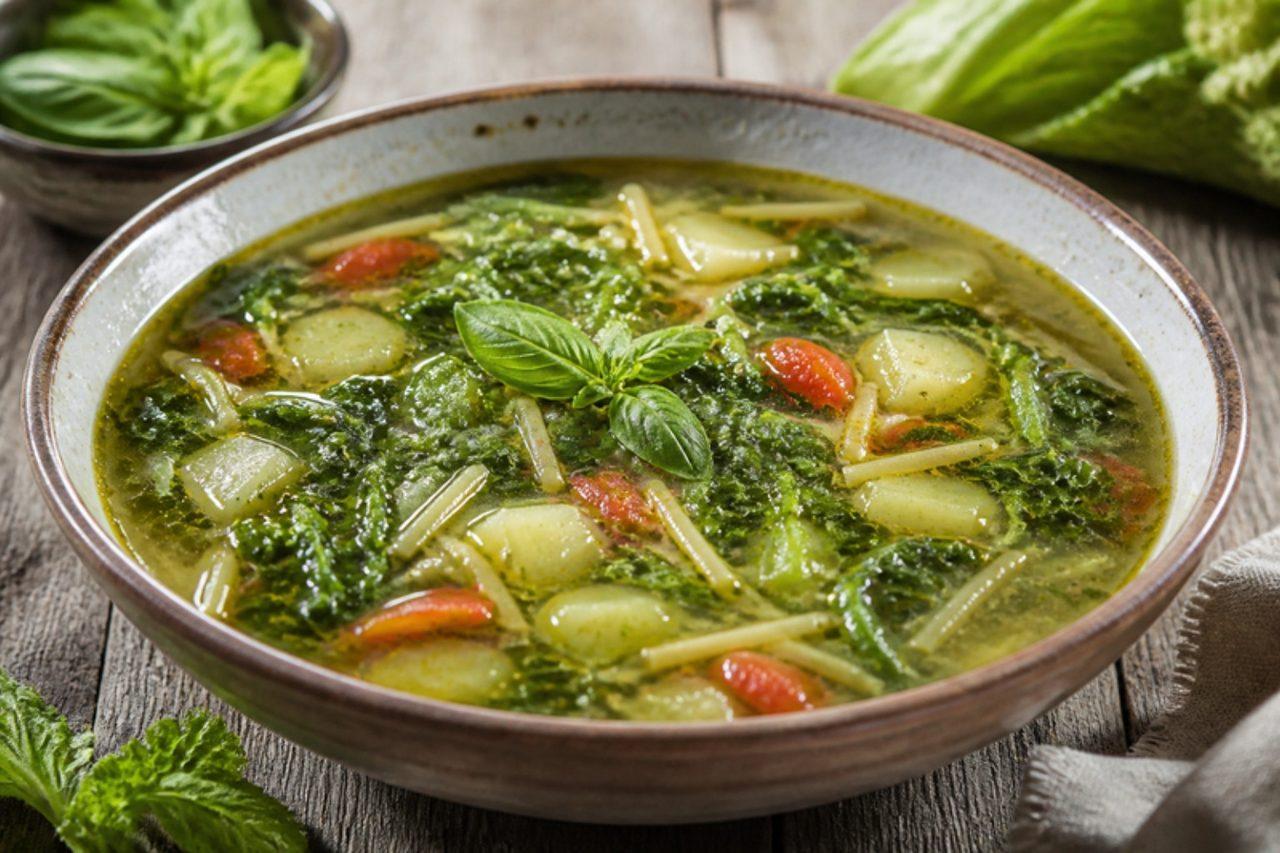
Minestra di tenerumiSquash leaf and spaghetti soup

In Palermo and across Sicily, July and August bring bunches of tenerumi, the soft leaves and shoots of the long cucuzza squash, to every market stall, and families turn them into this light, brothy minestra for supper, often eaten warm rather than hot. The leaves cook down with garlic, ripe tomato and a little potato, and broken spaghetti is cooked right in the pot. It tastes green, sweet and gently garlicky, with about 5 g of protein per portion from the pasta and greens; grate pecorino over the top if you are not cooking it vegan (traditional pecorino uses animal rennet, so choose a vegetarian hard cheese). The common mistake is using only the large, tough leaves: pick the tender tops and shoots and strip the stringy stems. Chef's tip: let it rest for 10 minutes off the heat before serving; Sicilians say the flavour comes together as it cools a little.

by KrazyBadal 0 views

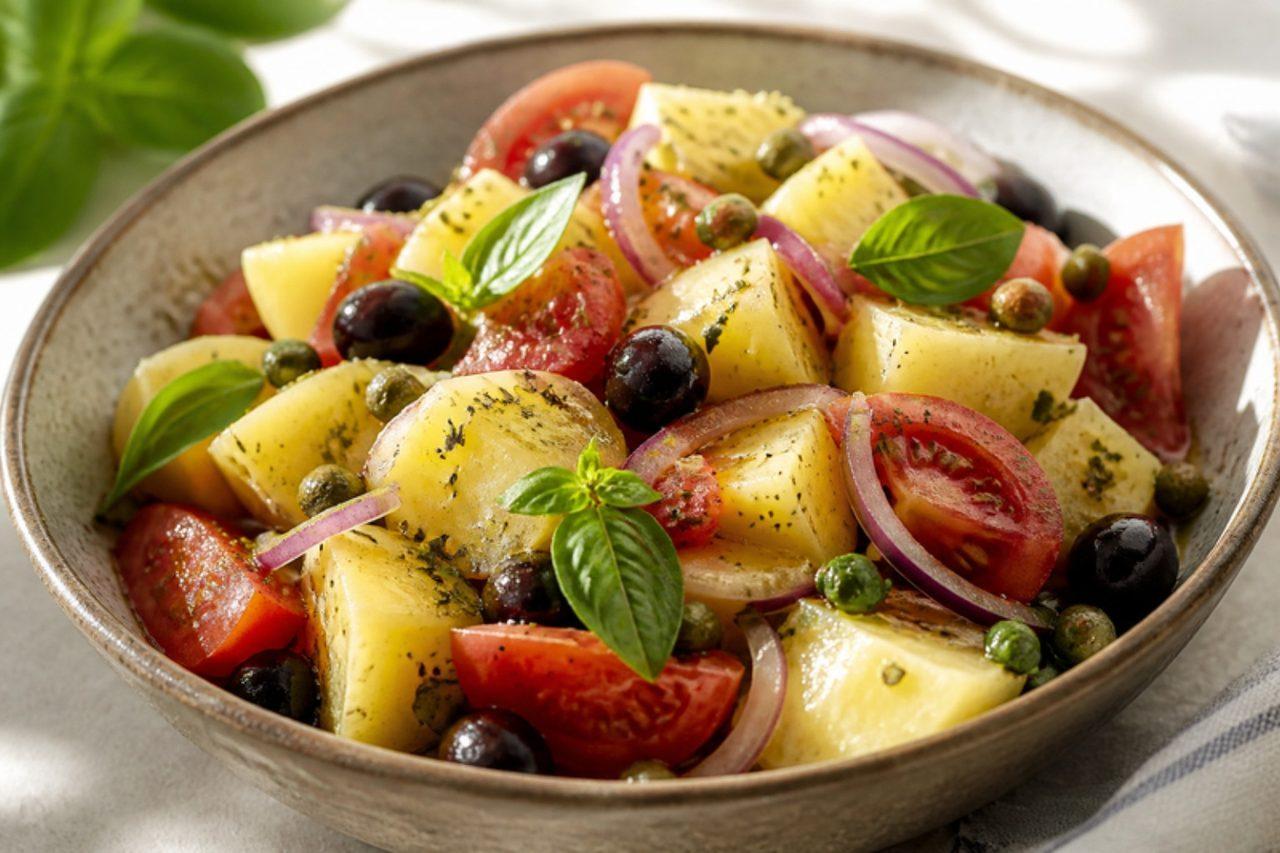
Insalata pantescaPotato, tomato and caper salad

Insalata pantesca comes from Pantelleria, the volcanic island between Sicily and Tunisia famous for its capers, and is eaten all over Sicily on hot summer days, at lunch or as a side to a frittata. Waxy potatoes are boiled and dressed while warm with ripe tomatoes, sliced red onion, the island's capers, black olives, oregano and plenty of olive oil, so the potatoes soak up all the juices. Island cooks sometimes add tuna; this version stays vegan. It gives about 5 g of protein a portion, so for a fuller meal serve it with hard-boiled eggs or a bean dish. The most common mistake is using floury potatoes, which crumble into mash; choose a waxy variety and cut it after cooking. Chef's tip: rinse salted capers well and soak the sliced onion in cold water for 10 minutes; both lose their harshness and the salad tastes sweeter.

by KrazyBadal 0 views

Chilcano de pescadoClear fish broth

In the fishermen's terminals of Chorrillos and Callao, chilcano is what you drink on a Sunday morning after a long night: a clear, gingery broth made from the heads and bones left over from cleaning fish for ceviche, with chunks of fish, red onion, chilli and a squeeze of lime in the bowl. It is light and warming, around 160 kcal a bowl, and still gives about 24 g of protein from the fish fillet and the broth. The common mistake is squeezing the lime into the pot while it boils, which turns it bitter; add it to each bowl at the table. Don't boil the bones for more than 30 minutes either, or the broth turns cloudy and harsh. Chef's tip: ask the fishmonger for heads and frames from mild white fish like sea bass or cod, and leave out oily fish such as mackerel, which makes the broth strong and fishy.

by KrazyBadal 0 views

Aguadito de polloCoriander chicken rice soup

Aguadito is the soup Lima serves in the small hours: at the end of a wedding, after New Year's Eve and at weekend family lunches, it is ladled out thick and steaming to revive everyone. Rice simmers in chicken broth coloured deep green with blended coriander and warmed with yellow ají amarillo, along with peas, carrot, pepper, sweetcorn and potato. A portion gives about 24 g of protein, from the chicken with a little from the rice and peas, for around 480 kcal. The common mistake is adding the coriander purée too early: cooked for long it turns khaki and loses its fresh taste, so stir it in for the last 10 minutes. The chicken must reach 74 °C at the bone. Chef's tip: blend a handful of spinach with the coriander; it keeps the colour vivid green without changing the flavour.

by KrazyBadal 0 views

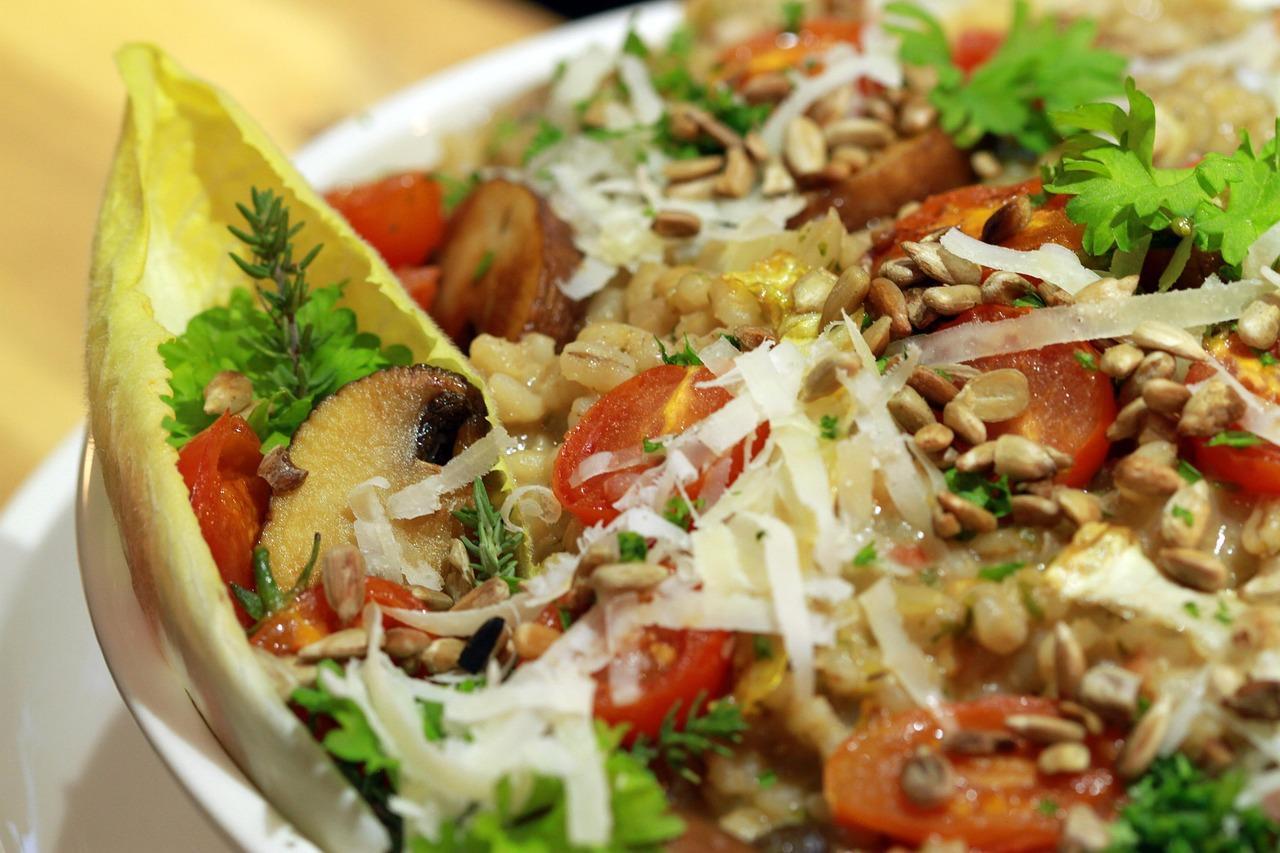
OrzottoBarley risotto

In Friuli-Venezia Giulia and Trentino, barley was the everyday grain of the mountains long before rice arrived, and orzotto is the dish cooks make when they treat it like risotto: toasted, then fed hot stock ladle by ladle and finished with butter and cheese. This spring version uses leek, asparagus and peas; in autumn swap in squash or mushrooms. A portion gives about 16 g of protein, from the barley, peas and cheese, so it is not high-protein. Traditional Parmigiano and Grana Padano are made with animal rennet; use a vegetarian Italian-style hard cheese to keep it vegetarian. The common mistake is expecting it to cook in risotto time: barley needs 35–40 minutes and stays slightly chewy even when done. Chef's tip: stir in cold cubes of butter and the cheese off the heat and beat hard for a minute; that mantecatura makes it creamy.

by KrazyBadal 0 views

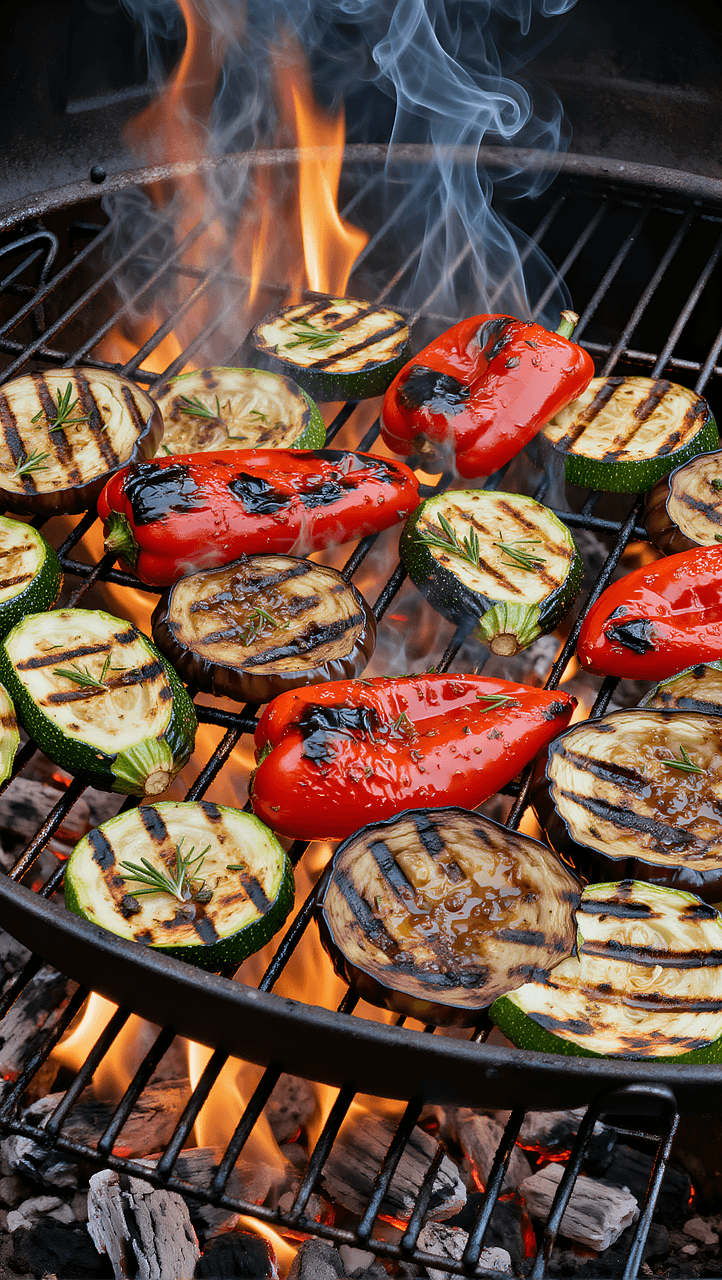
Verdure grigliateGrilled vegetables

Every Italian region has its plate of verdure grigliate, laid out on summer lunch tables from Puglia to Liguria as part of the antipasti, or eaten as a side to bread and cheese. Slices of aubergine, courgette and pepper are grilled dry until striped and soft, then dressed afterwards in good olive oil, garlic, parsley and a little vinegar so they soak it up as they cool. It is vegan and light, with about 3 g of protein per portion; add a ball of mozzarella or a can of white beans to make it a meal. The common mistake is oiling the vegetables before grilling: they smoke, burn and turn greasy. Chef's tip: make it a few hours ahead; the dressing works its way in and it tastes better at room temperature than hot.

by KrazyBadal 0 views

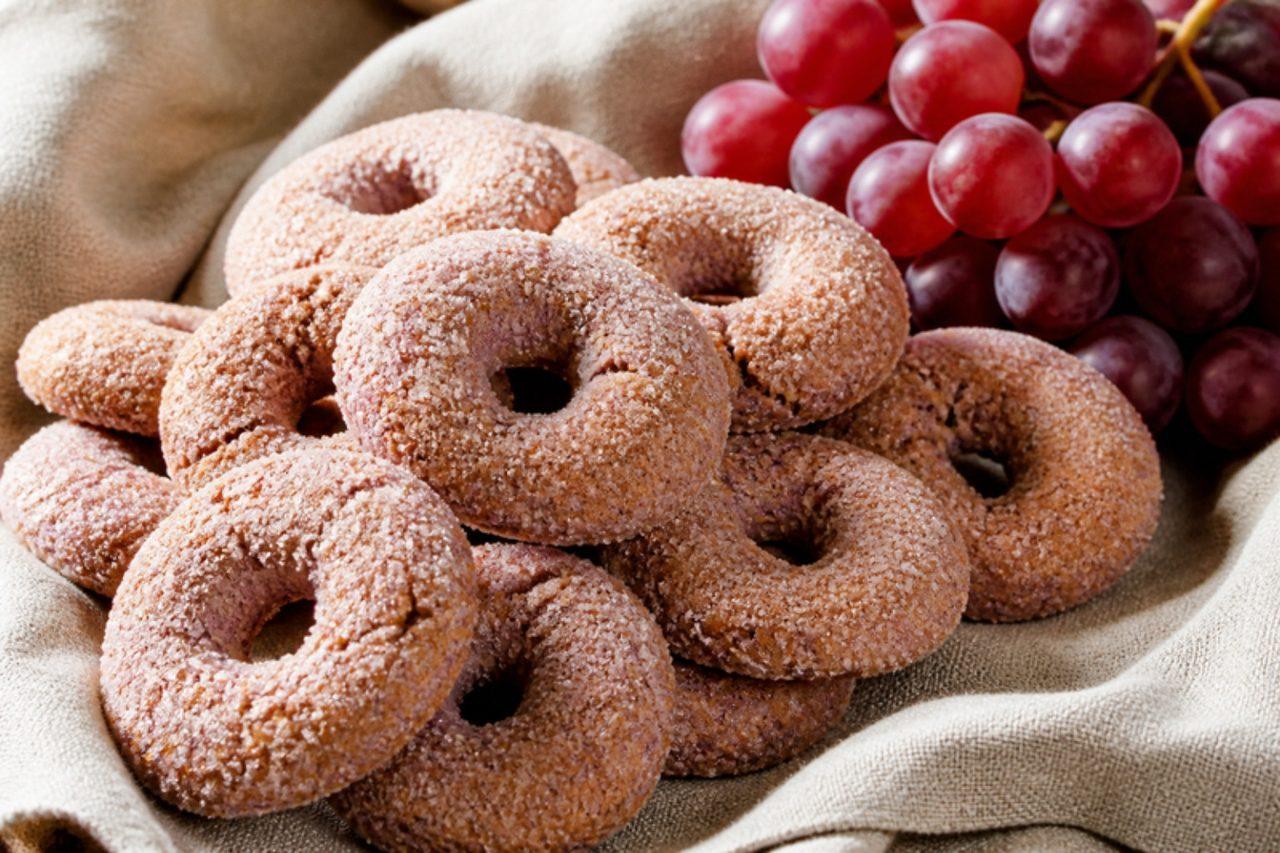
Ciambelline al mosto (alcohol-free ring biscuits)Grape juice ring biscuits

All over Lazio, from the Castelli Romani to the countryside around Rome, these sugar-crusted ring biscuits are put out at the end of a meal and at the autumn grape harvest, when they are dunked into a glass to soften. The classic dough is made with equal measures of liquid, olive oil and sugar; here the liquid is red grape juice, which is close to the fresh mosto of harvest time and gives the same pinkish crumb and fruity edge with no alcohol at all. The rings are crunchy and light, a little crumbly, with a crackly sugar coat and a hint of aniseed. Serve them with grape juice, coffee or a pot of tea for dunking. They are naturally egg-free: the olive oil and juice bind the flour into a smooth dough, and baking powder does the lifting that eggs might do elsewhere. Chef's tip: roll the ropes no thicker than a pencil and a half, about 1 cm; the common mistake is chunky ropes, which brown outside before the middle dries and leave the biscuits hard instead of crisp.

by KrazyBadal 0 views

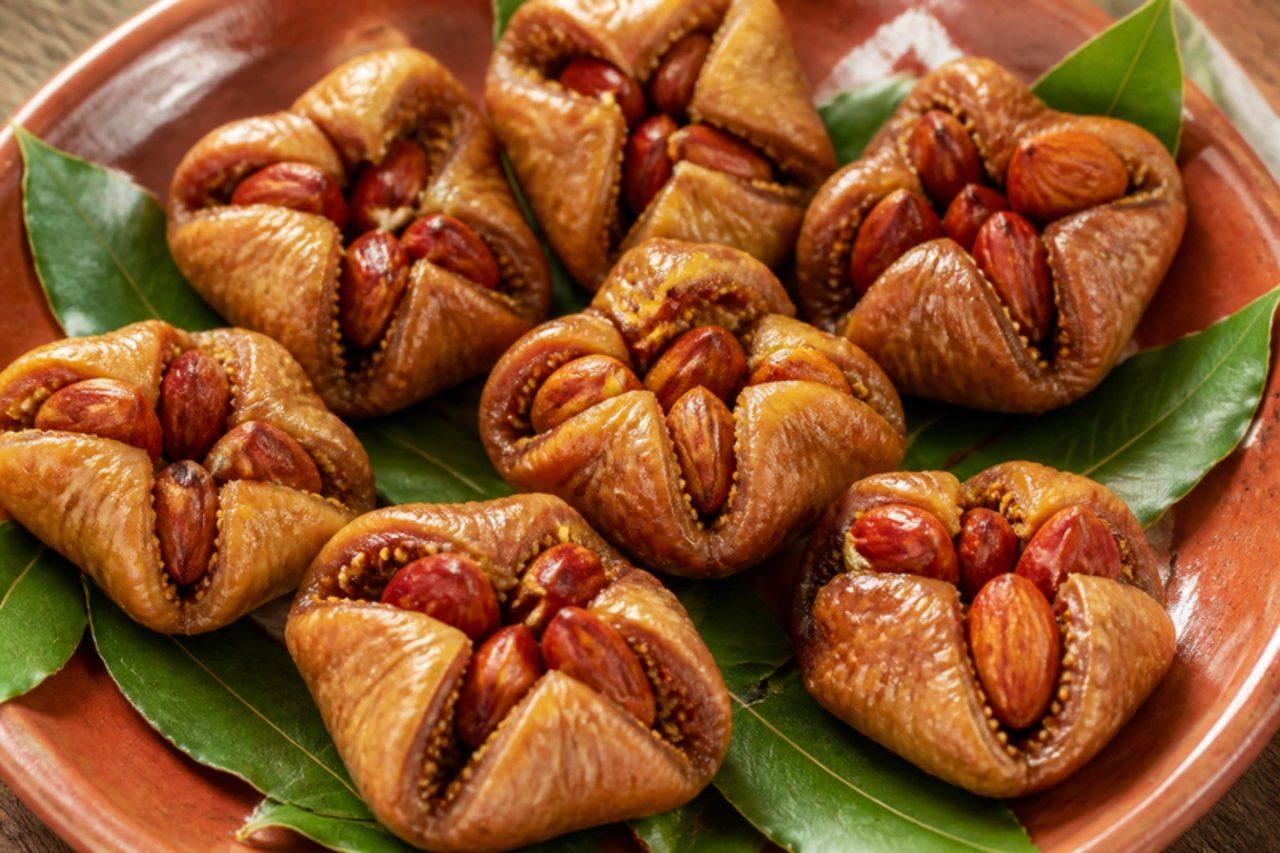
Crocette di fichi (Calabrian baked fig crosses)Almond-stuffed fig crosses

Around Cosenza in northern Calabria the late-summer fig crop is dried in the sun, and the best figs are kept for crocette: two figs split open, laid across each other, filled with a toasted almond and a few fennel seeds, then baked until they darken and caramelise. They come out at Christmas, often stored in tins between bay leaves, and are eaten after dinner with nuts and mandarins. Expect a soft, jammy, chewy bite with crunch from the almond and the bright, slightly liquorice note of fennel. They go well with a cup of strong coffee or a little hard cheese. There is no egg and nothing added to bind them: in the oven the figs' own sugars soften and turn sticky, and as they cool they glue the cross together. Chef's tip: pull them out when they look shiny and just a shade darker; the common mistake is baking too long, which makes the figs hard and bitter.

by KrazyBadal 0 views

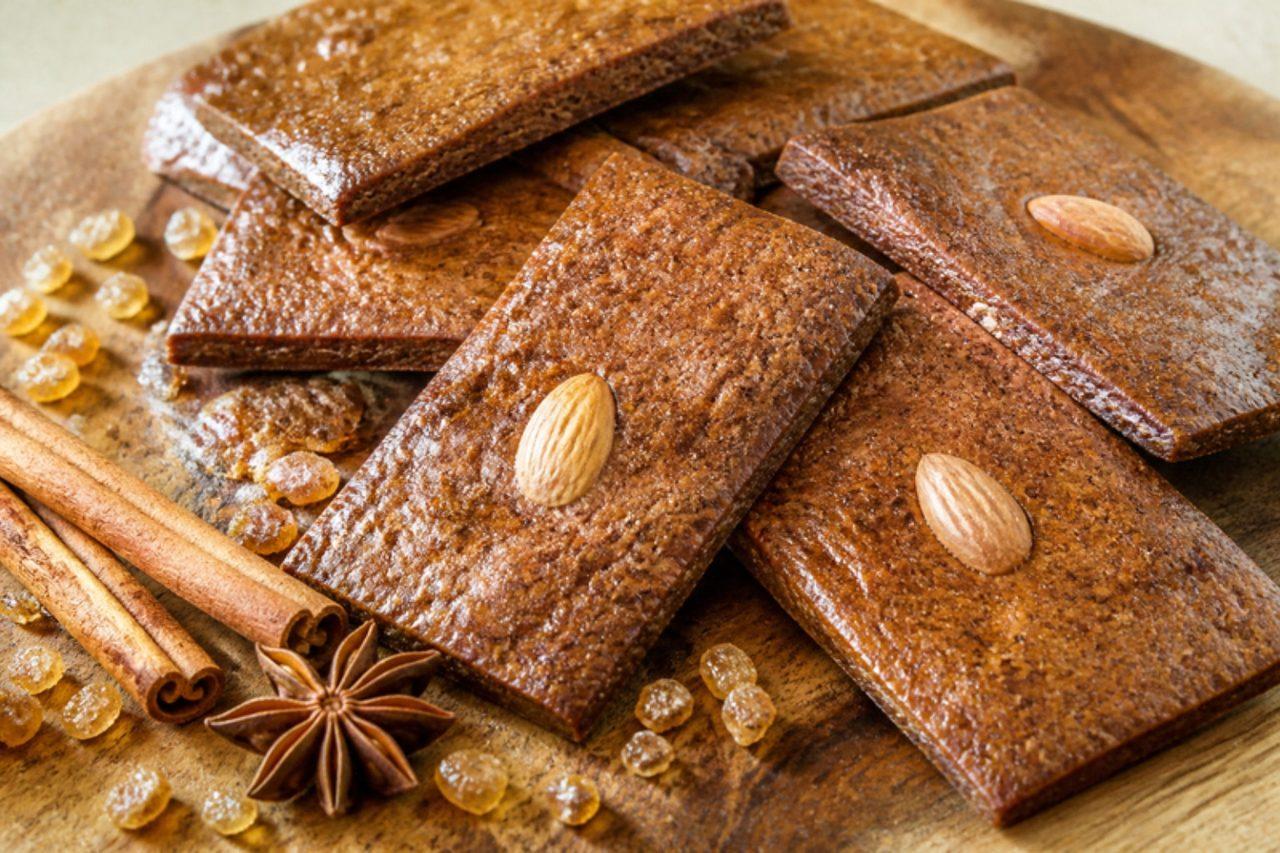
Aachener Printen (Aachen spiced gingerbread slabs)

The bakeries of Aachen have made Printen for centuries, and from late autumn through Christmas the city's shop windows fill with these narrow brown slabs. Unlike soft German Lebkuchen they are firm and snappy, sweetened with dark sugar-beet syrup and studded with little crunchy bits of rock sugar, and they carry a big blend of spices: cinnamon, aniseed, coriander, cloves, cardamom and allspice. The dough rests overnight to develop flavour, then is raised with potash, which gives the dense, crisp texture. Dunk them in coffee or tea, or serve with baked apples. Printen never contained egg: the thick beet syrup is both sweetener and binder, gluing the flour into a stiff dough that sets hard in the oven. Chef's tip: let the syrup cool to lukewarm before mixing in the flour; the common mistake is adding it hot, which starts cooking the flour and gives a tough, rubbery dough.

1465 minGermanBakingVegan
by KrazyBadal 0 views

Hutzelbrot (Swabian dried-pear Christmas loaf)

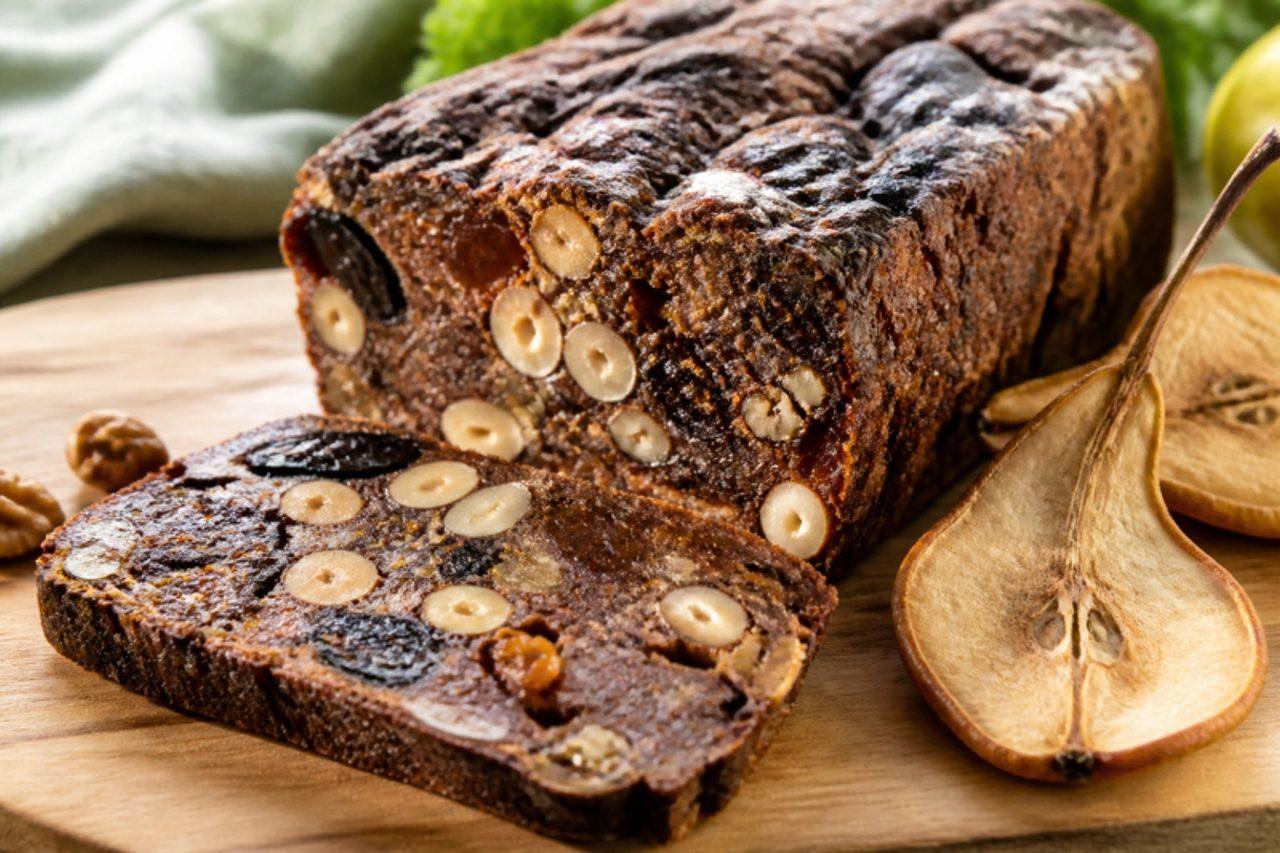
In Swabia and Franconia, Hutzelbrot is baked in early December and sliced through Advent and Christmas, traditionally on St Thomas's Day, 21 December. Hutzeln are dried pears, and they are the heart of the loaf: soaked overnight and simmered, then mixed with figs, prunes, raisins, hazelnuts, walnuts and candied peel, bound with only enough spiced yeast dough to hold everything together. The result is dark, moist and dense, closer to fruit than to bread, fragrant with cinnamon, aniseed and cloves. Slice it thin and eat it plain, spread with butter or a nut butter, with coffee or a hot fruit tea. The loaf is naturally egg-free: the yeast dough, made with the sweet pear soaking water, is the glue, and the sticky fruit holds it moist for weeks. Chef's tip: wrap the cooled loaves tightly and leave them for 3–4 days before slicing; the common mistake is cutting it on day one, when it crumbles and the flavours have not settled.

900 minGermanBakingVegan
by KrazyBadal 0 views

Necci (Tuscan chestnut-flour pancakes with ricotta)

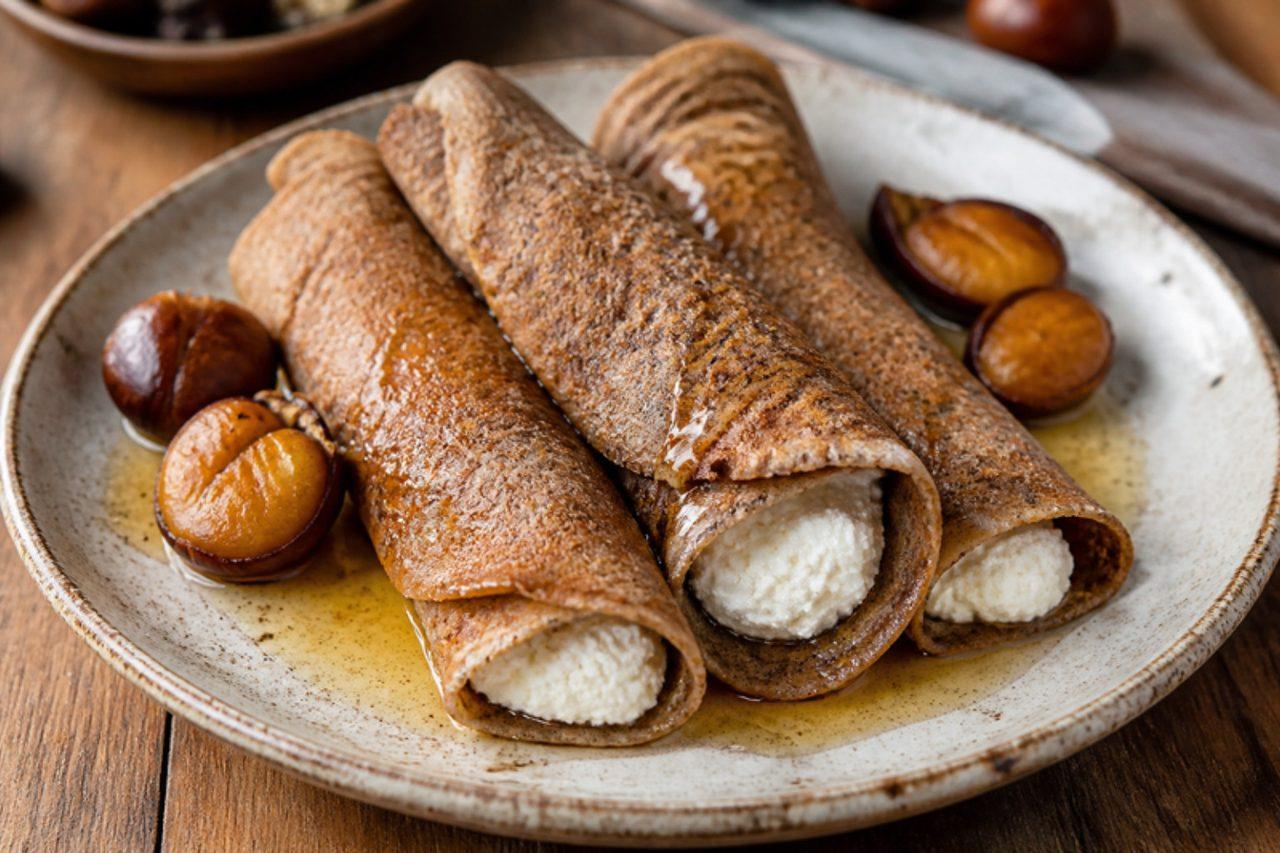
In the chestnut woods of the Garfagnana above Lucca and the hills around Pistoia, necci arrive with the new season's chestnut flour in late autumn and stay through winter, cooked at village fairs and at home as a sweet snack or a light supper. The batter is nothing but sweet chestnut flour, water and a pinch of salt; traditionally it was poured between pairs of hot iron or stone discs lined with chestnut leaves, but a non-stick crêpe pan does the job. The pancakes are soft, faintly smoky and naturally sweet, with an earthy taste, and are rolled around cold fresh ricotta. Serve two or three each, with a drizzle of honey or a cup of coffee alongside. They are naturally egg-free: the fine starch and sugar in chestnut flour set the batter on the heat by themselves, so it holds together without eggs. Chef's tip: sieve the flour and whisk the batter until it is as smooth and thin as single cream; the common mistake is a thick batter, which gives heavy, gummy necci that crack when rolled.

by KrazyBadal 0 views

Grüner BohnensalatGreen bean salad

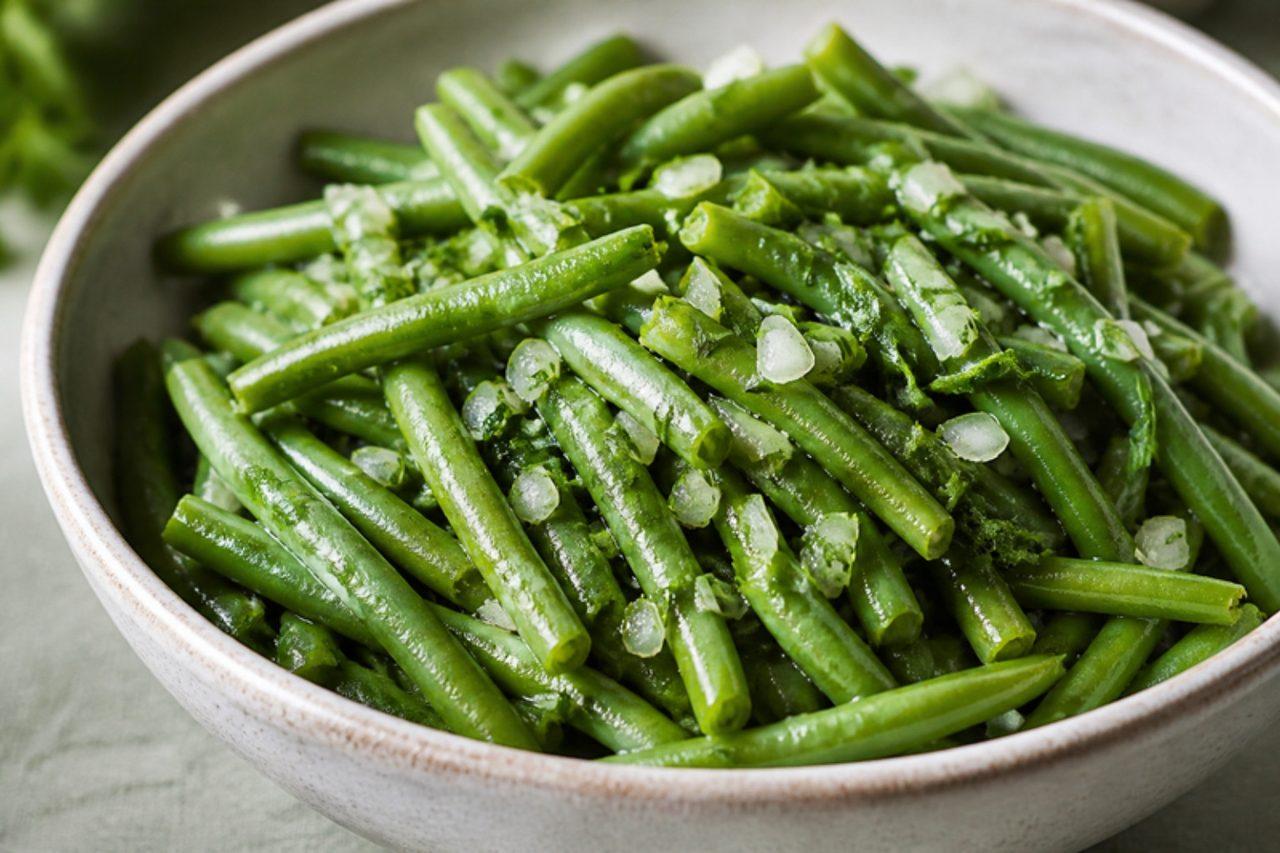
In German kitchens from Swabia to Westphalia, green bean salad comes out in high summer when beans are cheap and plentiful, as a side to fried eggs, potato salad or grilled food, and it travels well to picnics. The beans are cooked until just tender, then dressed warm with vinegar, oil, onion and Bohnenkraut (summer savory), the peppery herb Germans always pair with beans. Many cooks add bacon; this version is vegan. A portion gives about 3 g of protein, so it is a side; add a handful of white beans to make it more filling. The most common mistake is undercooking the beans so they squeak: German bean salad is meant to be tender, not crisp, so cook until a bean bends without snapping. Chef's tip: dress the beans while they are still warm and let them sit for 30 minutes; they absorb the vinegar and taste far better than freshly dressed.

by KrazyBadal 0 views

GrünkernbratlingeGreen spelt patties

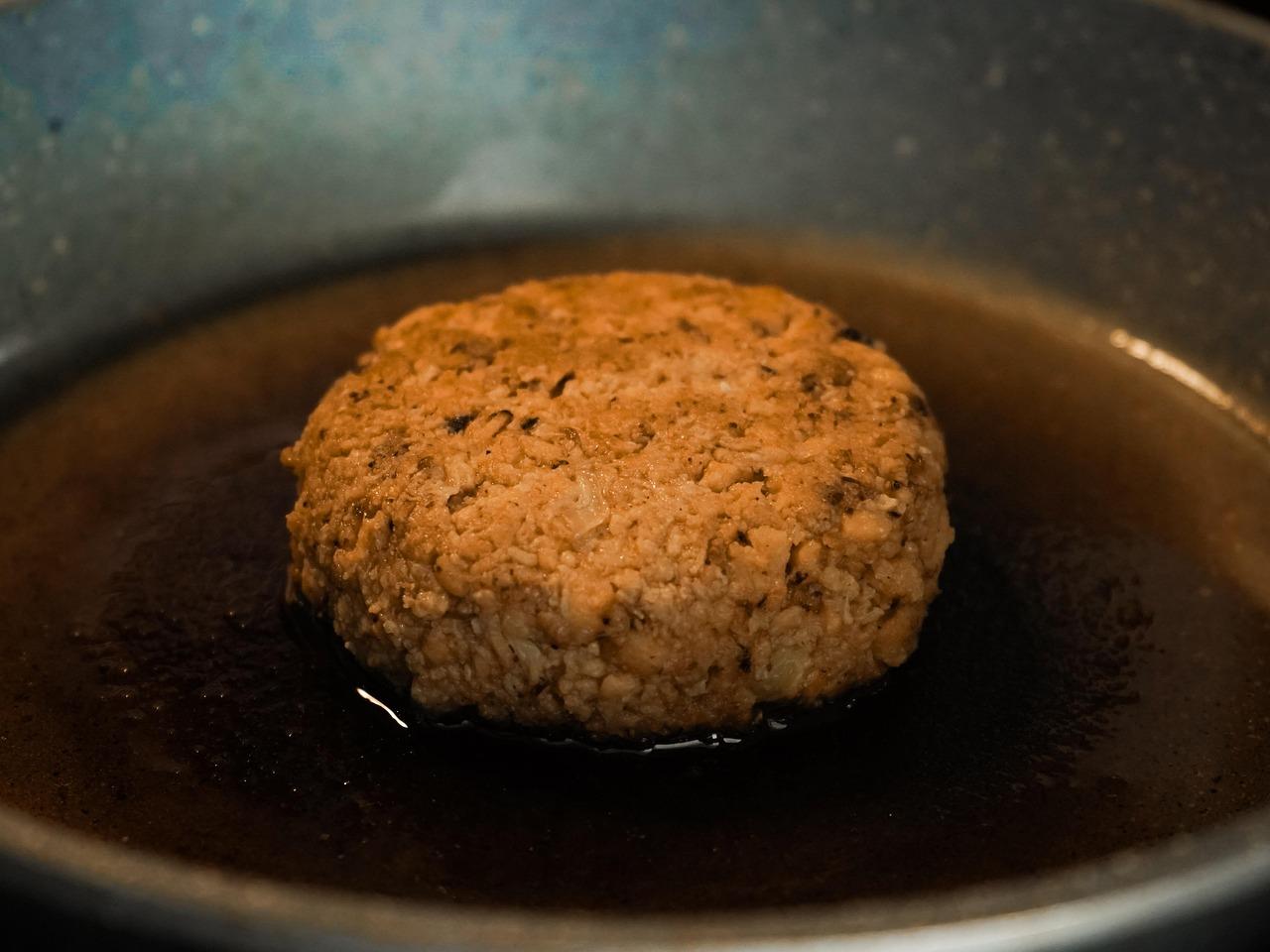
Grünkern is spelt picked while still green and dried over beech smoke, a speciality of the Bauland and Odenwald in northern Baden. Simmered and shaped into Bratlinge, it became the vegetarian patty of German wholefood kitchens and school canteens, eaten for a weekday lunch with potato salad or a crisp green salad. They are nutty and slightly smoky, crisp outside and soft within. With the herb quark, one portion of three patties gives about 23 g of protein, from the spelt, eggs, mountain cheese and quark. Hard mountain cheese is often made with animal rennet, so choose one labelled vegetarian if that matters to you. The usual mistake is frying the mixture while it is still warm and loose; it must cool and firm up first, or the patties fall apart in the pan. Chef's tip: use coarsely cracked green spelt rather than whole grains; it soaks up the stock evenly and binds without any extra flour.

by KrazyBadal 0 views

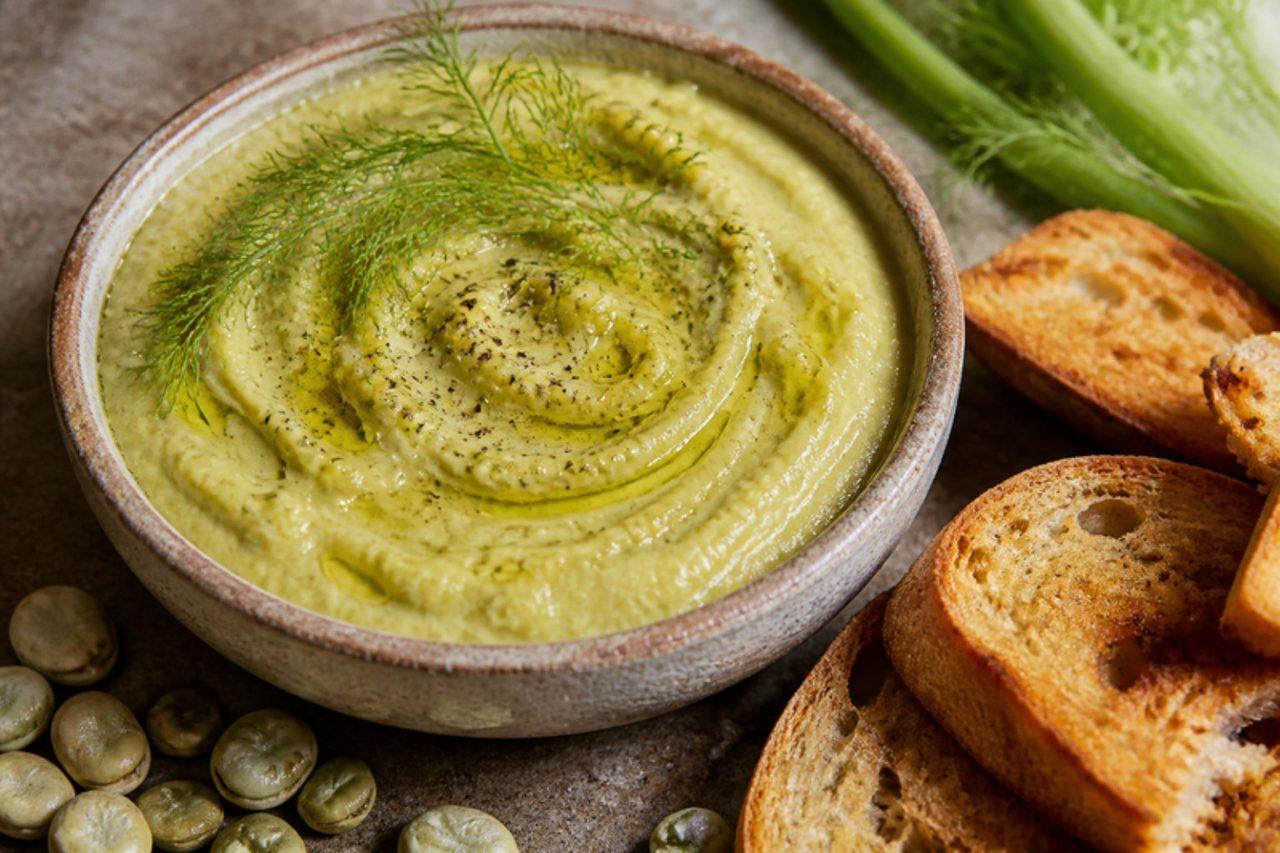
Macco di faveBroad bean purée

In Sicily, from the villages around Palermo to the hill towns of Ragusa, macco di fave is old peasant food that still appears every 19 March for the feast of San Giuseppe, and on cold evenings through the winter. Dried, peeled broad beans are cooked slowly until they fall into a thick, pale green-gold purée, scented with wild fennel and finished with a thread of peppery olive oil. It is eaten hot from the bowl with bread, or loosened with broken spaghetti; leftovers set firm and are sliced and fried. A bowl gives about 26 g of protein, almost all from the broad beans. Soak the split beans for 6–8 hours first; that time is not counted below. The most common mistake is walking away from the pot near the end: the purée thickens fast and catches on the base, which makes it taste scorched. Chef's tip: if you can't find wild fennel, use a bulb's feathery fronds plus a teaspoon of crushed fennel seeds for the same aniseed lift.

115 minItalianSoupsVeganGluten free
by KrazyBadal 0 views

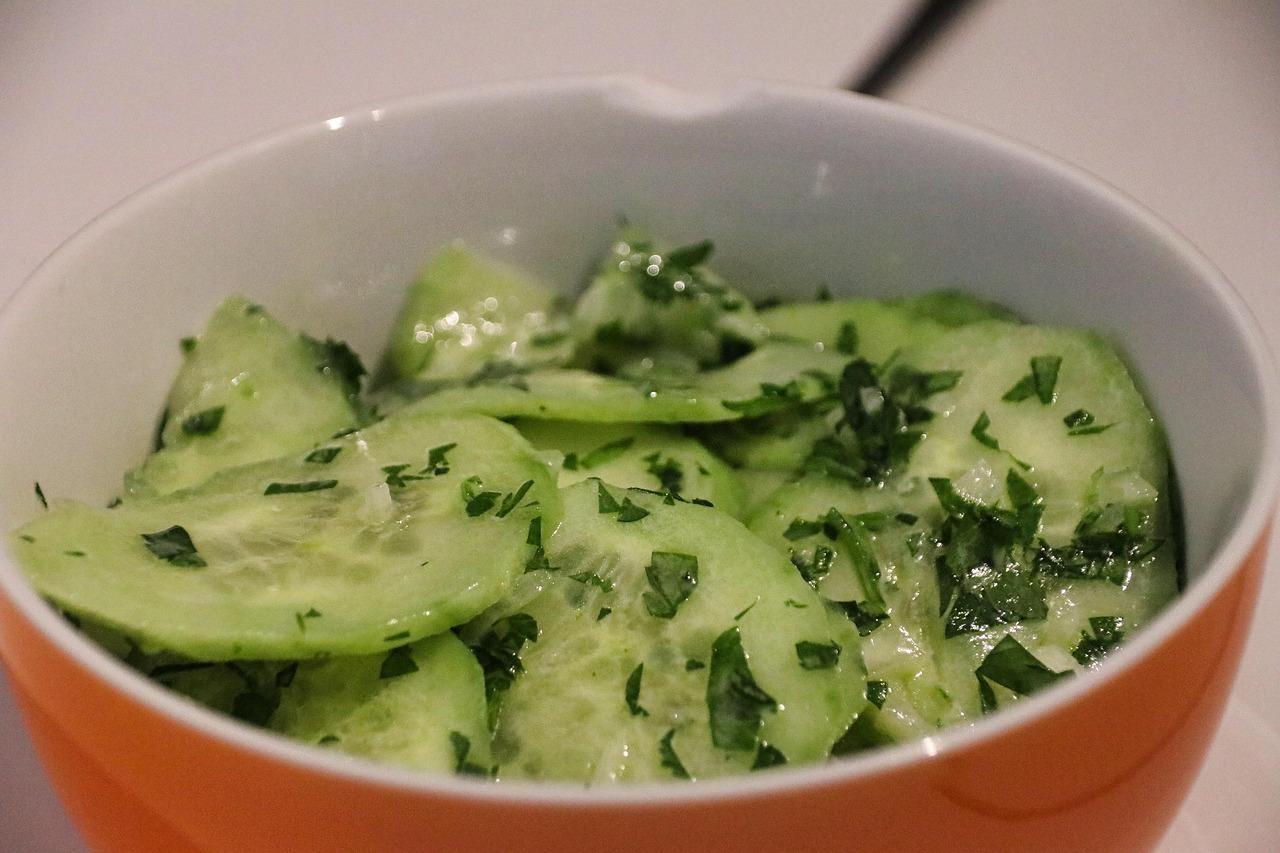
GurkensalatCucumber and dill salad

Gurkensalat is on German tables from Bavaria to Berlin all summer, served alongside potato pancakes, egg dishes or the Sunday roast, and it is just as common at a garden barbecue. Cucumber is sliced almost paper-thin, salted briefly, then dressed with a little vinegar, sugar, onion and lots of fresh dill, so it is cool, sharp and soft-crunchy. Some households stir in soured cream; this vinaigrette version is vegan. It is very light, with about 1 g of protein a portion, so it is purely a side. The most common mistake is skipping the salting: unsalted slices weep water into the bowl and dilute the dressing within minutes. Chef's tip: squeeze the salted slices gently in your hands before dressing; they bend like ribbons and take up the dill dressing much better.

by KrazyBadal 0 views

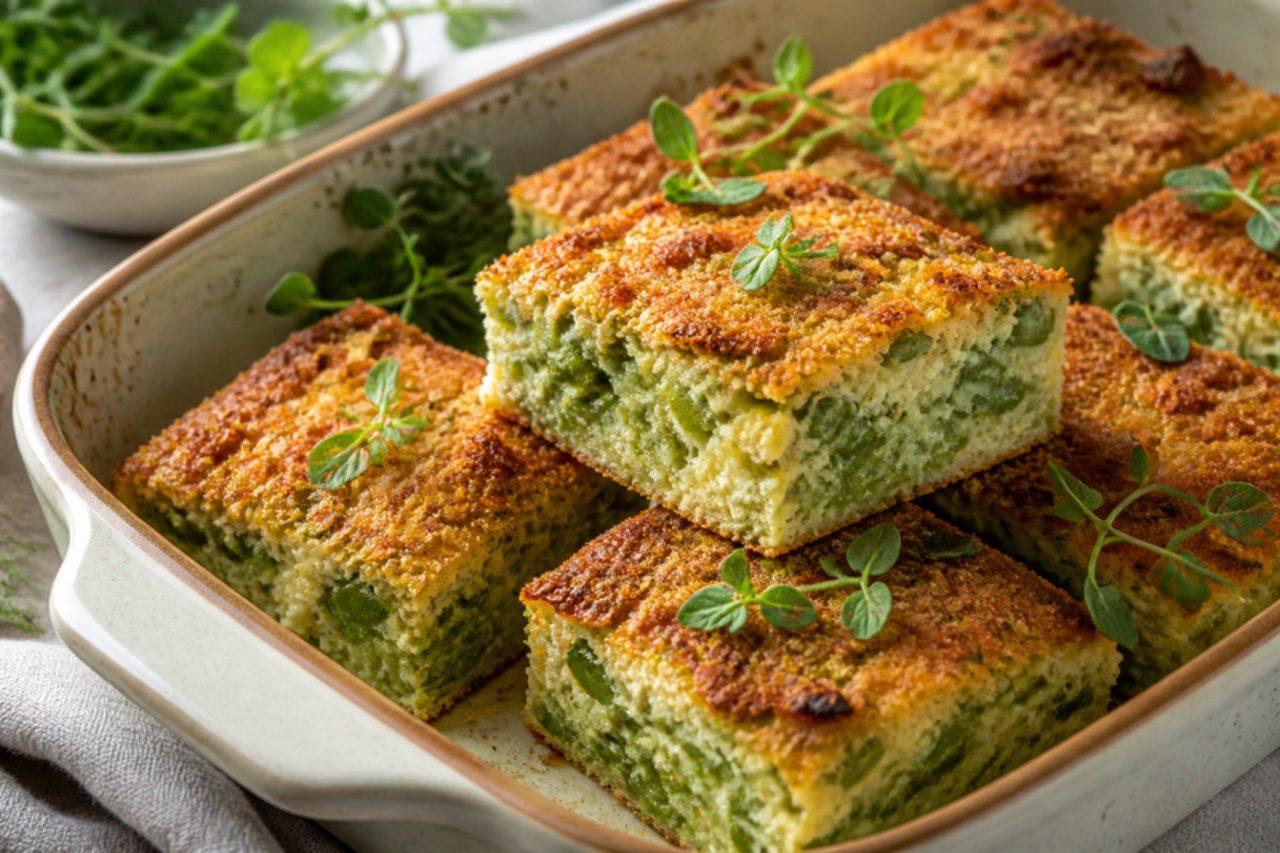
Polpettone di fagioliniGreen bean and potato loaf

In Genoa and along the Riviera di Levante, polpettone is the summer dish made when the green beans come in fast: beans and potatoes are boiled, chopped and bound with eggs, cheese and fresh marjoram, then baked flat in an oiled tin until the top is golden and crackly. It is eaten warm for supper or cold the next day, cut into squares for a picnic or a train journey. One portion gives about 24 g of protein, from the eggs, ricotta and Parmesan, with a little more from the beans and potato. Parmesan is made with animal rennet, so use a vegetarian Italian-style hard cheese if you need it to be strictly vegetarian. The most common mistake is leaving the vegetables wet: squeeze and drain them well, or the loaf stays soggy and will not slice cleanly. Chef's tip: scatter dry breadcrumbs, or fine polenta for a gluten-free loaf, over the oiled tin before you spread the mixture in; it gives the bottom a crisp crust, just like a Genoese grandmother's.

by KrazyBadal 0 views

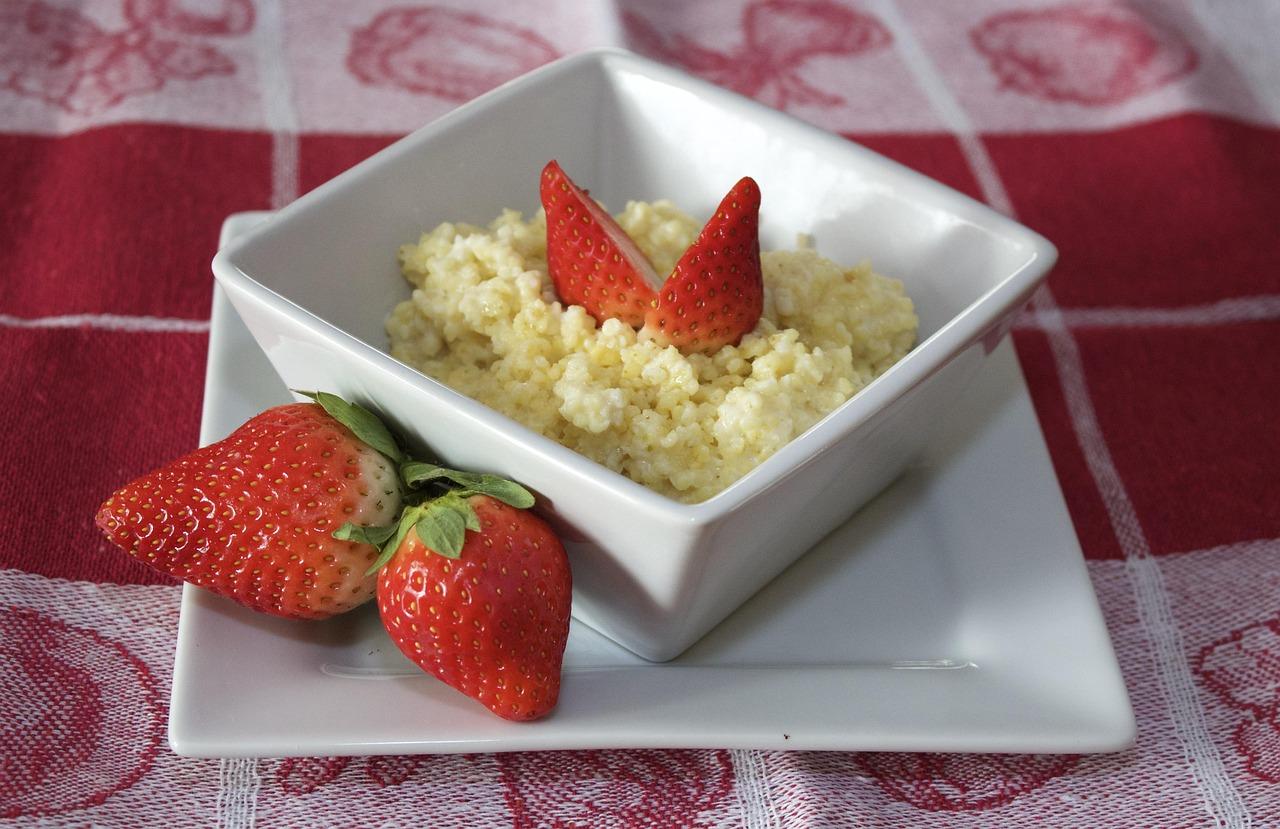
HirsebreiMillet porridge

Hirsebrei is one of the oldest dishes in German cooking, the millet porridge of fairy tales, and it is still made in homes across the country as a warm breakfast or a sweet supper for children on cold evenings. Golden millet is rinsed, then simmered in milk until creamy and soft, and served with stewed apple, berries and a dusting of cinnamon. A bowl gives about 12 g of protein from the milk and millet; stir in a spoon of quark or top with chopped almonds if you want more. The usual mistake is skipping the rinse: unrinsed millet tastes bitter and soapy, so rinse it in hot water until the water runs clear. Chef's tip: toast the rinsed millet in the dry pan for a minute before adding milk; it brings out a lovely nutty flavour.

by KrazyBadal 0 views

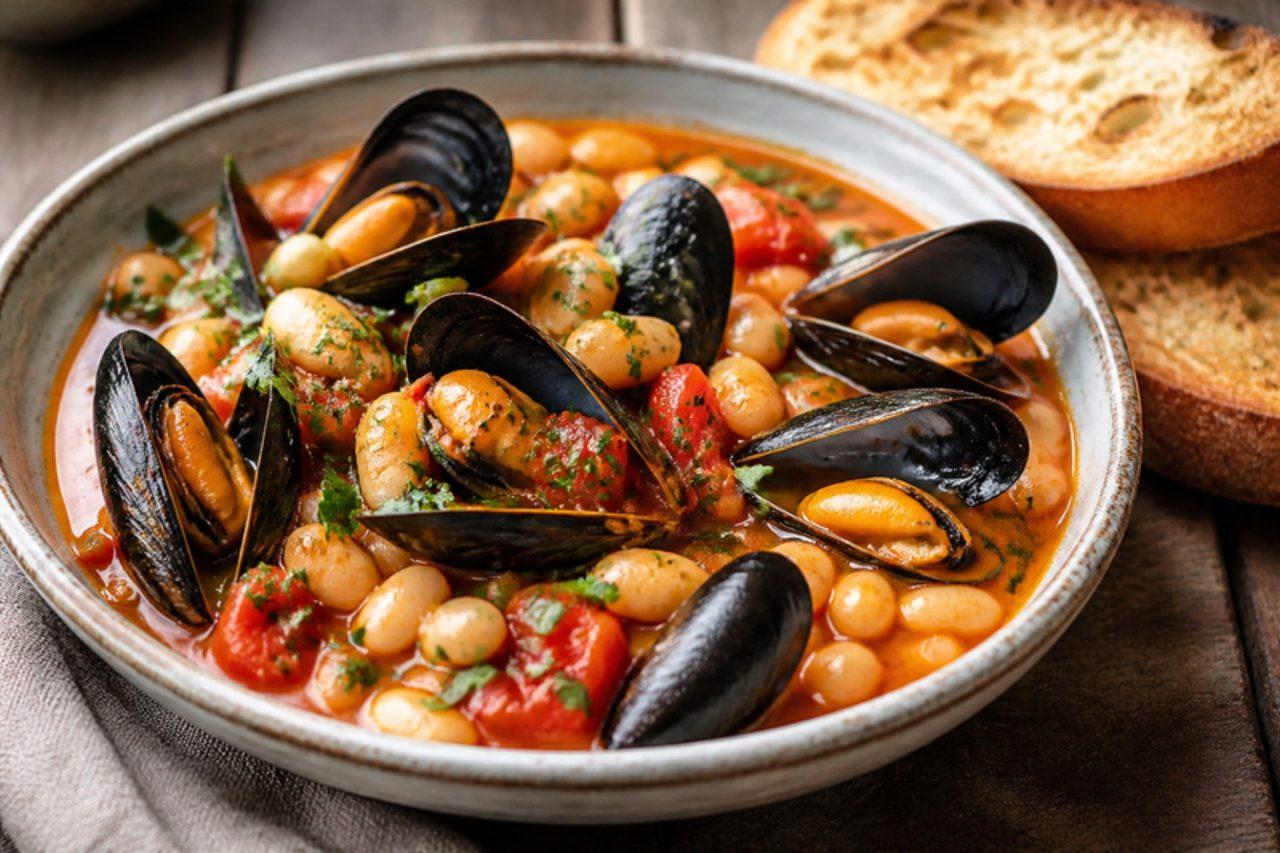
Fagioli e cozzeMussels and cannellini beans

In Naples, fagioli e cozze is the trattoria lunch of late spring and summer, when the mussels from the bay are plump and cheap, and it also turns up on the Christmas Eve table across Campania. Creamy cannellini and sweet mussels share one pan with garlic, chilli and a few cherry tomatoes, so the mussel juices turn the beans into a light, briny stew you mop up with toasted bread. A portion gives about 24 g of protein, from the mussels and the beans, for roughly 330 kcal. The common mistake is salting before the mussels open: their liquor is already salty, so taste only at the end. Before cooking, throw away any mussel with a cracked shell or one that stays open when tapped, and after cooking throw away any that stay shut. Chef's tip: crush a ladle of the beans against the side of the pan before the mussels go in; the starch thickens the broth so it clings to every shell.

by KrazyBadal 0 views

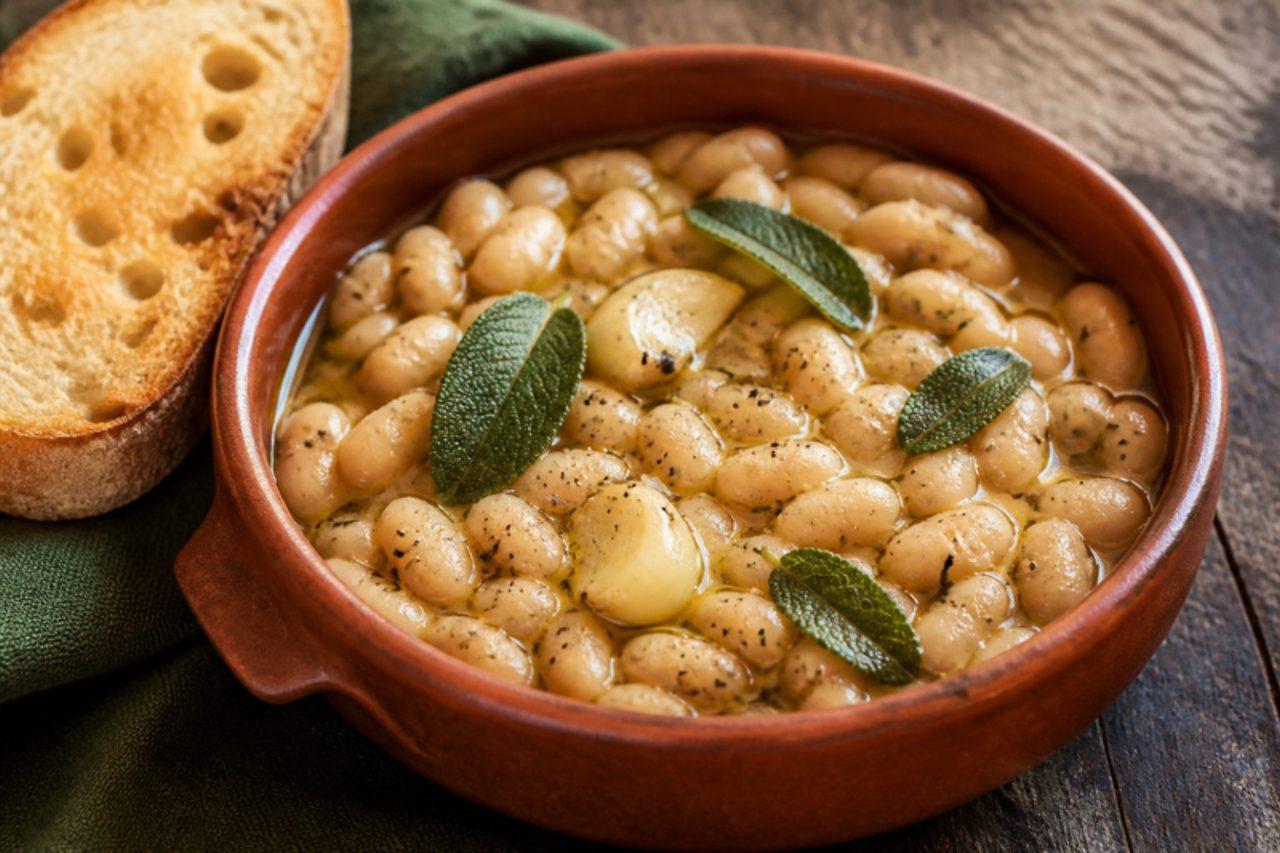
Fagioli al fiascoSlow-cooked cannellini beans with sage

In Tuscany, and above all in Florence and the Chianti hills, beans were once cooked overnight in an old glass wine flask set in the dying embers of the hearth, and fagioli al fiasco are still made in autumn when the new season's peppery olive oil arrives in November. Cannellini, sage, garlic and oil are sealed in a lidded pot and cooked very slowly, so the beans turn creamy and buttery inside while staying whole. At home a heavy casserole in a low oven does the job. Served as a side or a light main with toasted bread, a portion gives about 23 g of protein from the beans. Soak the beans for 12 hours first; that time is not counted below. The most common mistake is letting the liquid boil: fast bubbling splits the skins and turns the beans mealy. Chef's tip: salt only at the very end, and pour over your best oil at the table, not during cooking, where its fresh flavour is lost.

160 minItalianSidesVeganGluten free
by KrazyBadal 0 views

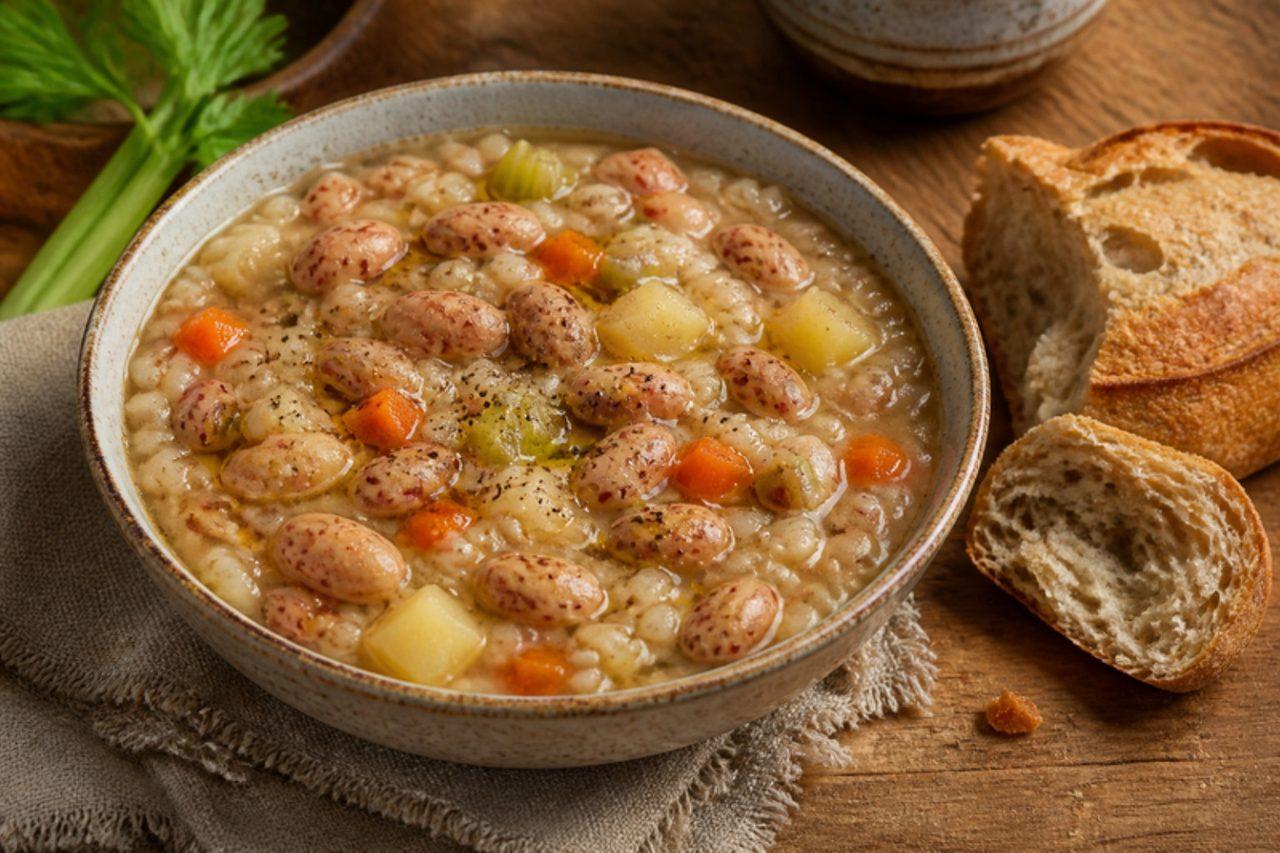
Orzo e fagioliBarley and borlotti bean soup

In Friuli-Venezia Giulia, around Udine and up into the Carnic Alps, orzo e fagioli is the thick bowl that warms people through the cold months, made in big pots and eaten for supper over several days. Borlotti beans and pearl barley simmer slowly with potato, carrot and celery until the soup turns creamy and dense enough for a spoon to stand in it. Many families add pork rind or a ham bone; this version is vegetarian and vegan, building depth instead with a slow soffritto, rosemary and a final swirl of good olive oil. A bowl gives about 20 g of protein from the beans and barley. Soak the beans for 12 hours first; that time is not counted below. The most common mistake is adding the barley at the start: by the time the beans are soft it has collapsed into glue. Chef's tip: mash a ladleful of the cooked beans and potato against the side of the pot and stir it back in; it thickens the soup without any flour.

130 minItalianSoupsVegan
by KrazyBadal 0 views

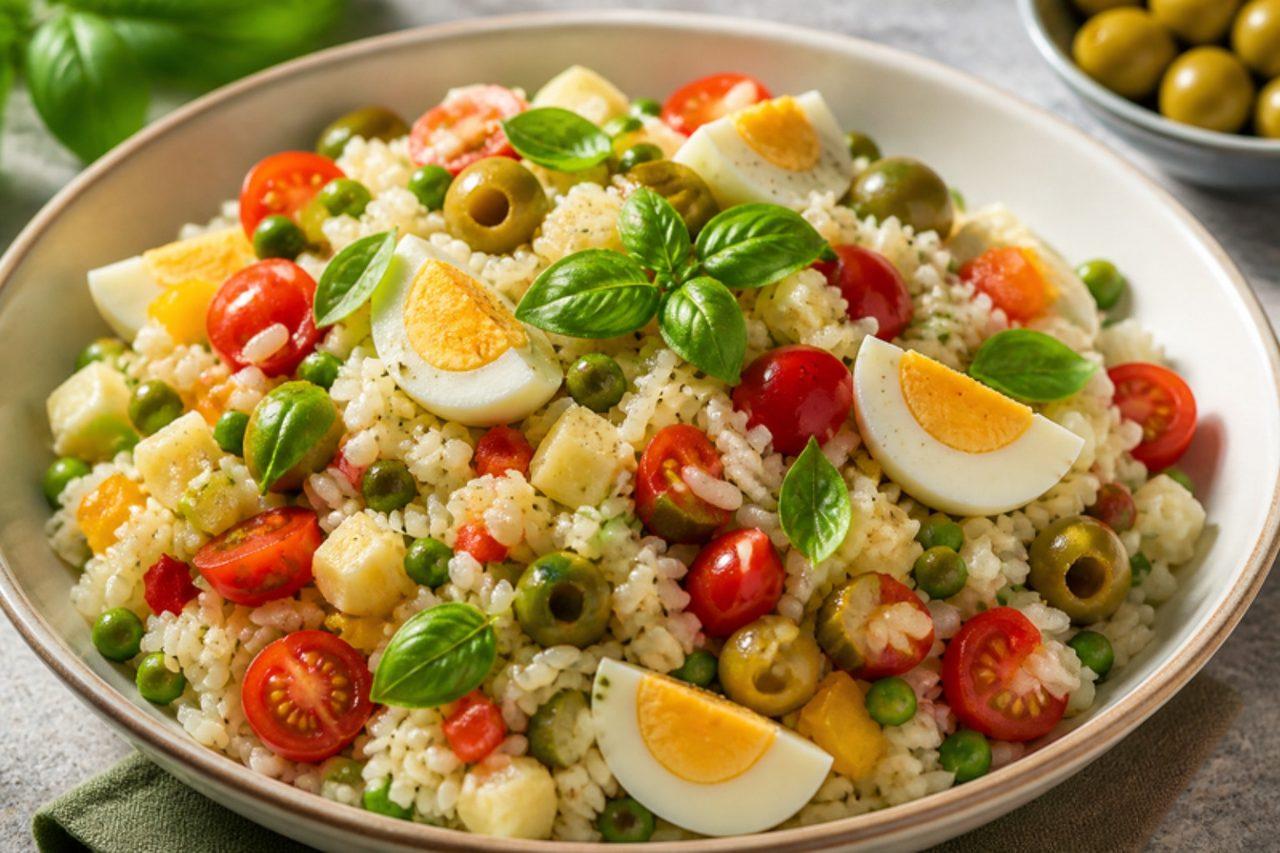
Insalata di risoRice salad

From July to the end of August, a big bowl of insalata di riso sits in Italian fridges ready for beach days, Ferragosto picnics and lazy suppers on the balcony. Firm, separate grains of rice are tossed with diced Emmental, hard-boiled egg, peas, sweet pepper, olives and the tangy chopped pickled vegetables called giardiniera, dressed only with olive oil. Many versions add ham, tuna or frankfurters; this one is vegetarian and gets its protein, about 23 g per portion, from the cheese, eggs, peas and rice. Emmental is usually made with animal rennet, so pick a vegetarian Swiss-style cheese if that matters. The classic mistake is overcooking the rice, which goes mushy and claggy as it cools; cook it just al dente and rinse it cold. Chef's tip: dress the rice with half the oil while it is still slightly warm so the grains stay separate, then add the rest when you mix in everything else.

by KrazyBadal 0 views

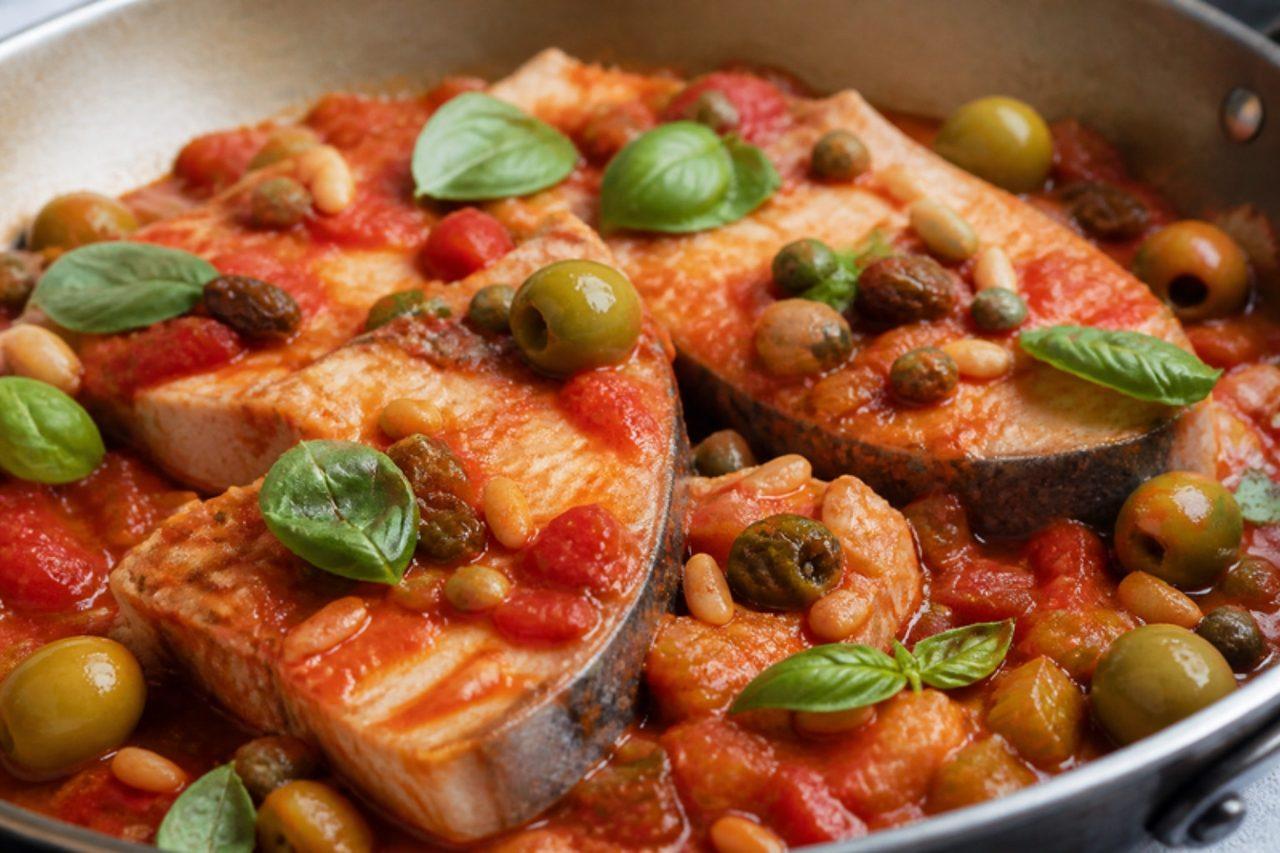
Pesce spada alla ghiottaSwordfish with tomato and capers

In Messina, where swordfish boats still work the Strait in early summer, a ghiotta is how a family cooks thick swordfish steaks for Sunday lunch: they simmer briefly in a sauce of tomato, celery, capers and green olives, sweet, salty and sharp at once. Some cooks add pine nuts and raisins, a reminder of Sicily's Arab past. A portion gives about 30 g of protein, almost all from the fish, for around 330 kcal. The usual mistake is overcooking: swordfish dries out fast, so it needs only 6–8 minutes in the sauce, until it is opaque right through and flakes at the centre (63 °C). Swordfish is high in mercury, so pregnant people and young children should choose another firm white fish such as monkfish or hake. Chef's tip: simmer the sauce for its full time before the fish goes in; the celery must be soft and the sauce thick, because the fish will not stay in long enough to cook it.

by KrazyBadal 0 views

Showing 24 of 945 recipes

Show more recipes

Page 1 of 40