Skip to content
Recipes

All recipes

Vegetarian, or something you can't eat? Set your diet once and we'll hide recipes that don't fit.

Buseca

Buseca arrived in Montevideo with Italian immigrants from Lombardy and became a classic winter dish of Uruguayan bodegones and family kitchens, eaten on cold June and July days. Honeycomb tripe is simmered until tender, then stewed with white beans, pork chorizo, bacon, peppers, tomato and paprika into a thick, warming stew served with crusty bread. Buy tripe that is already cleaned and blanched (dressed). The usual mistake is undercooking the tripe: it needs a full 2 hours, until it's soft enough to cut with a spoon. Slow-cooker option: after step 4, cook on low for 8 hours. Chef's tip: a little grated lemon zest and parsley stirred in at the end lifts the rich, gelatinous sauce.

by KrazyBadal 0 views

Ei im Glas

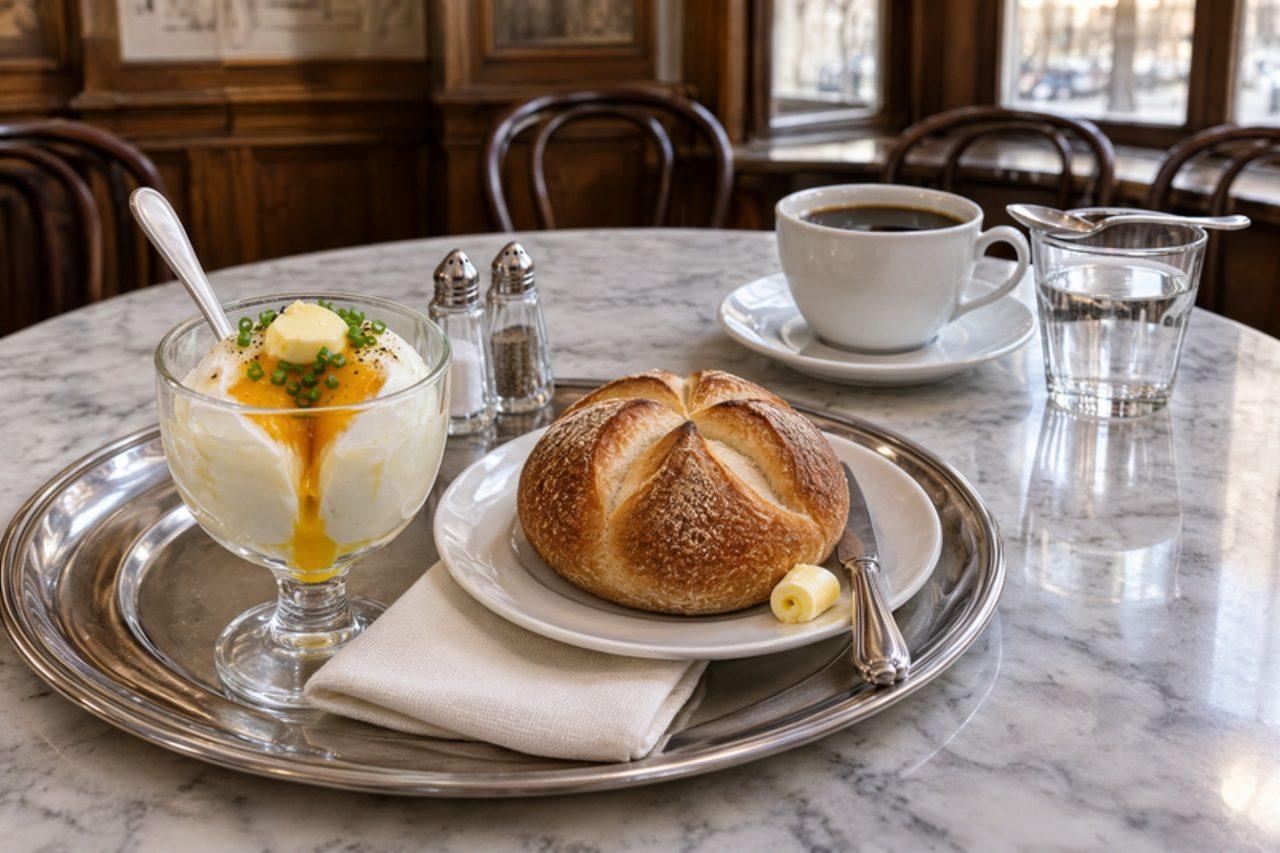
In the old coffee houses of Vienna, the breakfast menu still lists Ei im Glas: two very soft-boiled eggs, scooped warm from their shells into a small glass, with a knob of butter, chives, salt and pepper. You stir it into a golden, custardy mess and eat it with a crisp Semmel roll (gluten-free bread if you need it) and a Melange coffee. The mistake almost everyone makes is boiling the eggs a minute too long, so the yolk sets and the dish turns into plain egg salad. Chef's tip: warm the glass with hot water while the eggs cook, so the butter melts on contact and the eggs stay hot to the last spoonful.

by KrazyBadal 0 views

Tagine bil khorchef

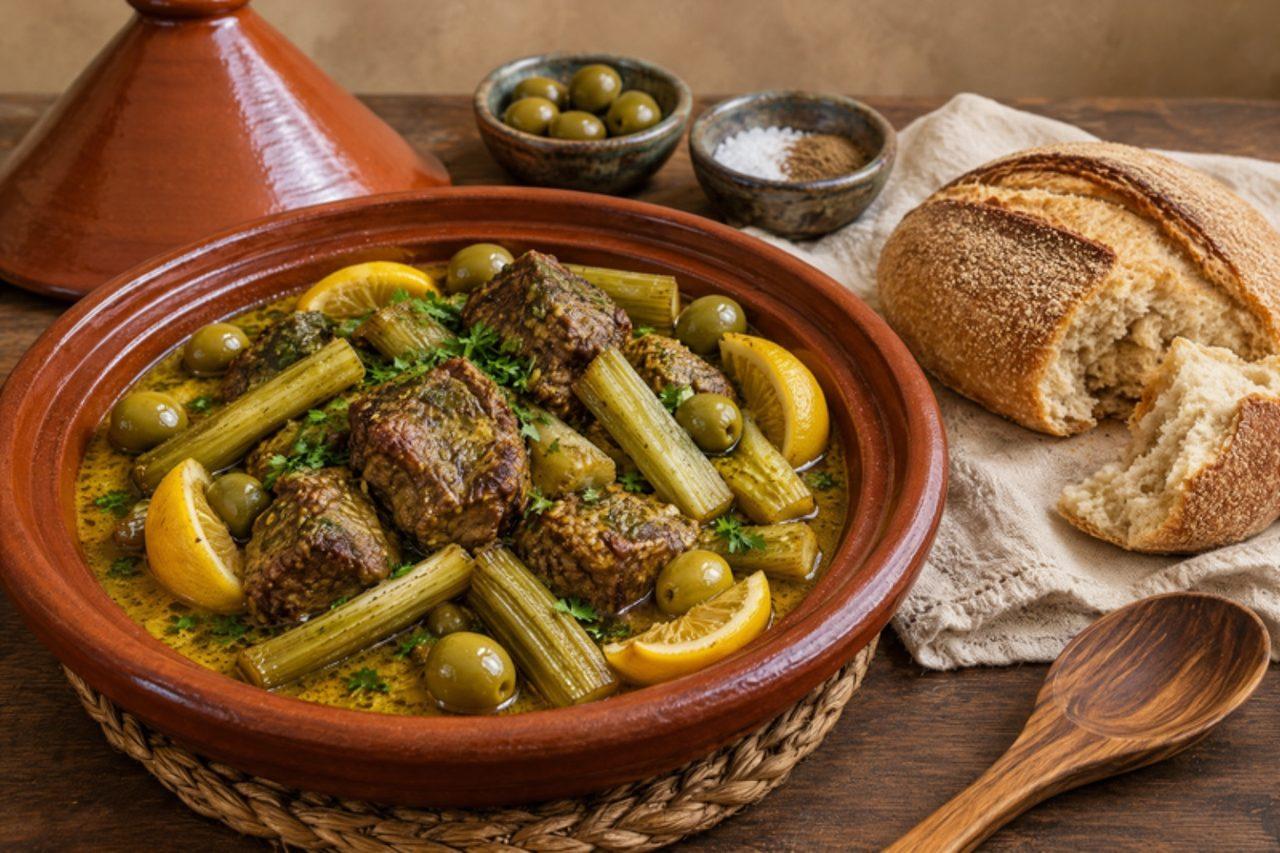
In late winter and spring, when wild cardoons (khorchef) appear in the markets of Fez, Meknes and Rabat, Moroccan families cook them into this lamb tagine for a family lunch, eaten with bread to mop up the sauce. Lamb shoulder is simmered slowly with onion, ginger, saffron and turmeric until tender, then the peeled cardoon stalks are added and finished with preserved lemon and green olives, giving a tangy, faintly bitter, artichoke-like sauce. The usual mistake is not peeling and soaking the cardoons properly: the stringy outside must come off and the stalks must sit in lemon water, or they go brown and taste harsh. Artichoke hearts are a good stand-in. Chef's tip: reduce the sauce uncovered at the end until it is thick and oily, the sign of a well-made tagine.

155 minMoroccanMeatGluten free
by KrazyBadal 0 views

Mandi'o chyryry

Mandi'o chyryry means 'fried cassava' in Guaraní, and it is what rural Paraguayan families make from yesterday's boiled mandi'o: chunks crushed and fried in a big pan with onion until crisp in places, then scrambled with eggs. It comes out for breakfast with cocido or for a quick supper, and costs next to nothing. Use sweet cassava, the kind sold in supermarkets. The mistake is stirring constantly, which turns it to mush; let the cassava sit and brown. Chef's tip: the best chyryry starts with cold, day-old boiled cassava, which fries crisper than freshly boiled.

by KrazyBadal 0 views

Agua de tuna (prickly pear drink)

Late summer is tuna season across the central highlands, from Hidalgo and the Estado de México down to Puebla's Teotihuacán valley, and that is when the big vitroleros in markets and taquerías turn shocking pink. Agua de tuna is just the cactus fruit blended with water, lime and a little sugar, strained, and poured over ice with lunch. Red tunas give a vivid colour and a taste between watermelon and pear; green ones make a paler, more herbal drink. It should be light and thirst-quenching, never syrupy. The commonest mistake is blending too long: the hard seeds crack and the agua turns gritty and slightly bitter. Pulse briefly, just enough to free the pulp, then strain well. It is ready when the liquid runs smooth through the sieve and tastes clearly of fruit with only a lift of lime. Handle unpeeled tunas with tongs or gloves: even 'cleaned' ones keep tiny glochids. Chef's tip: chill the peeled fruit before blending; cold pulp keeps its colour bright and needs less ice to dilute it.

by KrazyBadal 0 views

Agua de chilacayote

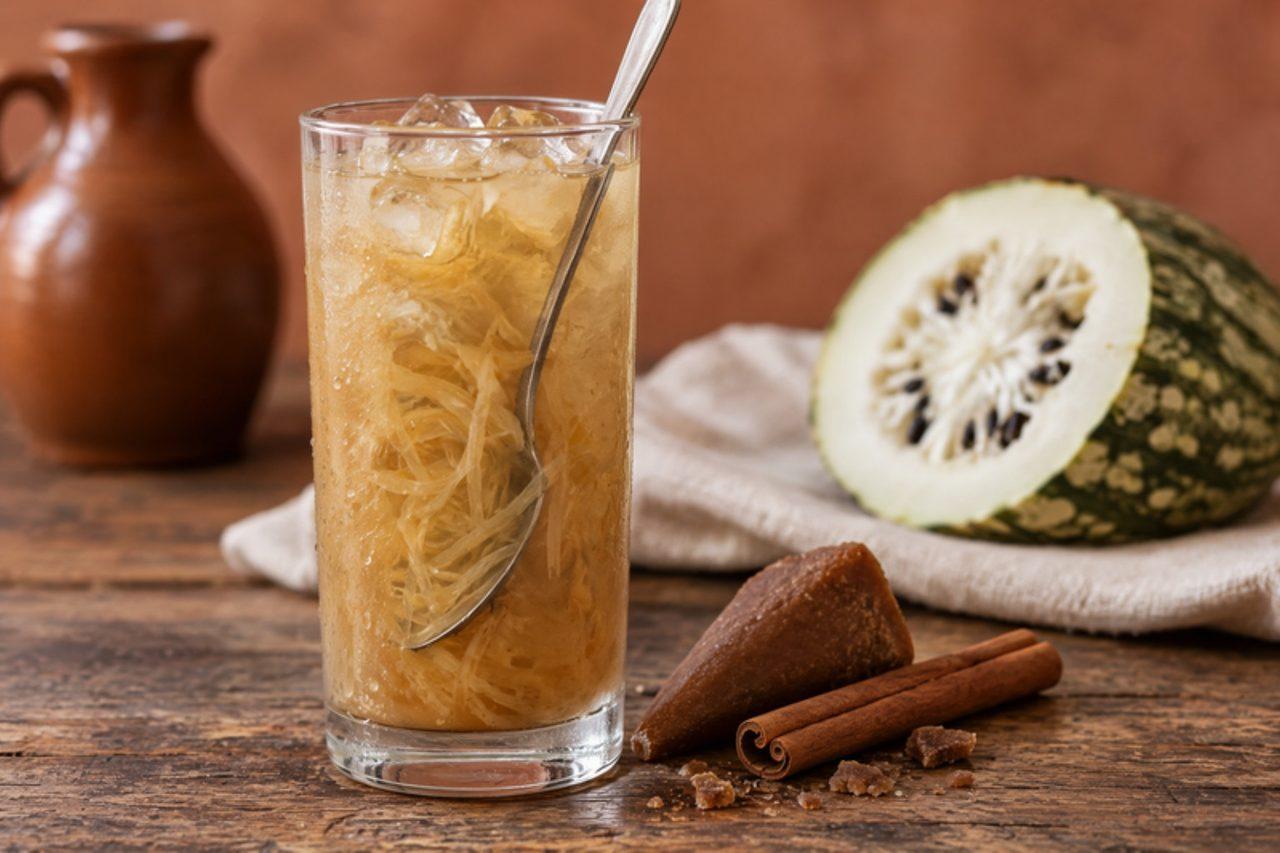
When the big, mottled chilacayote squashes ripen at the end of the rains, cooks in Oaxaca's valleys and the Mixteca of Puebla turn them into a drink you eat with a spoon. The flesh is cooked with dark piloncillo and cinnamon until it falls into translucent threads, then cooled and loosened with water; in Oaxaca it is ladled out of clay jars at fairs, weddings and the Day of the Dead, often with a little pineapple. It tastes like cinnamon-scented panela, with soft, slightly crunchy strands that slide up the straw. The usual mistake is boiling it to mush; overcooked flesh goes cloudy and the strands disappear. Simmer gently and stop when the threads separate easily with a fork but still have a little bite. It is ready when the syrup is amber and the strands look glassy. Chilacayote is hard to find outside Mexico; spaghetti squash is the best substitute and gives the same threads. Keeps 3 days in the fridge. Chef's tip: grate a little orange zest into the pot in the last minute to brighten the piloncillo.

by KrazyBadal 0 views

Estofado de pollo

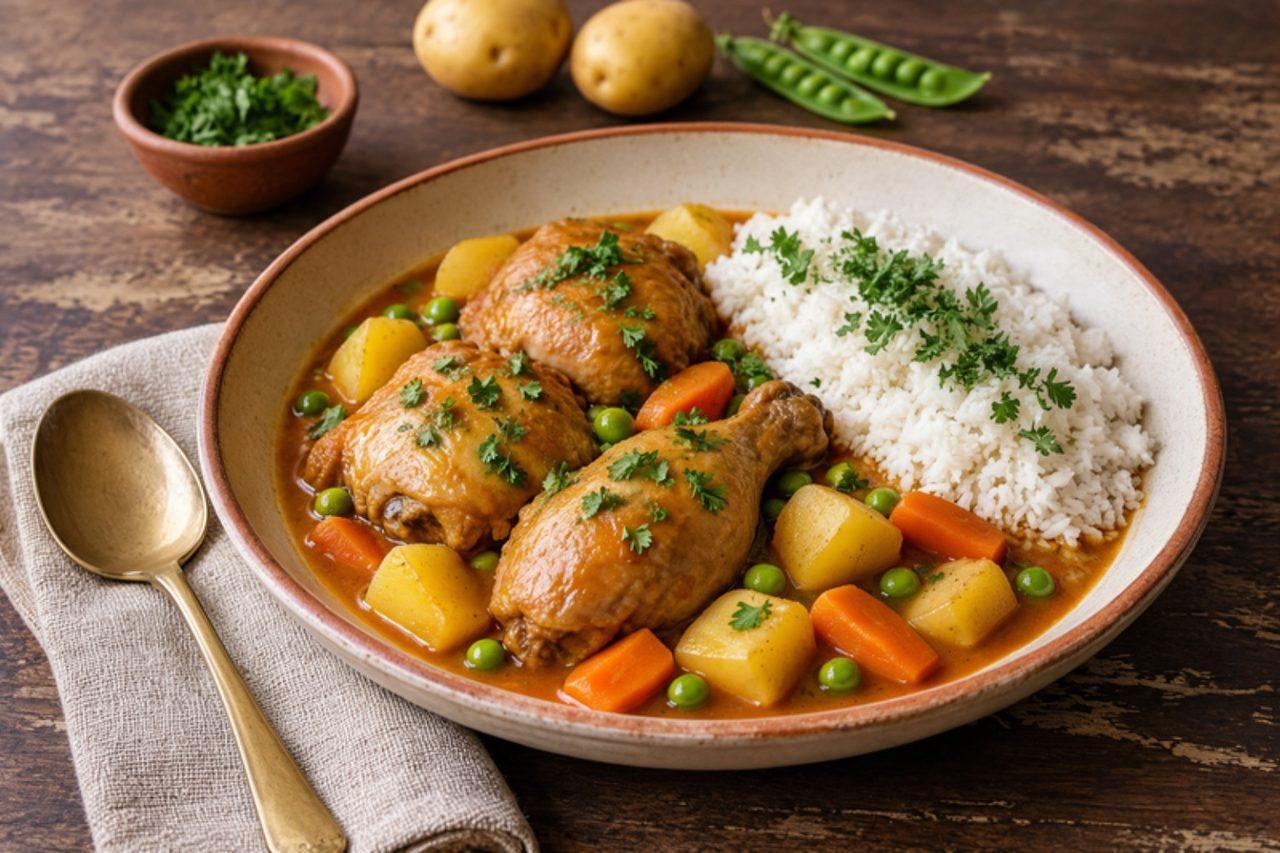
Estofado de pollo is the mild, homely chicken stew of Lima's family kitchens and school lunches, usually on the table on a weekday or a quiet Sunday with white rice. Chicken pieces are browned, then braised in a sauce of onion, garlic, tomato, a little ají panca paste and bay, with carrots, peas and yellow potatoes cooked right in the pot until the sauce is thick and orange. It is comforting rather than hot. The usual mistake is boiling it hard, which shreds the potatoes and dries the chicken; keep it at a lazy bubble. Chef's tip: use a few yellow potatoes along with waxy ones; they collapse slightly and thicken the sauce naturally.

by KrazyBadal 0 views

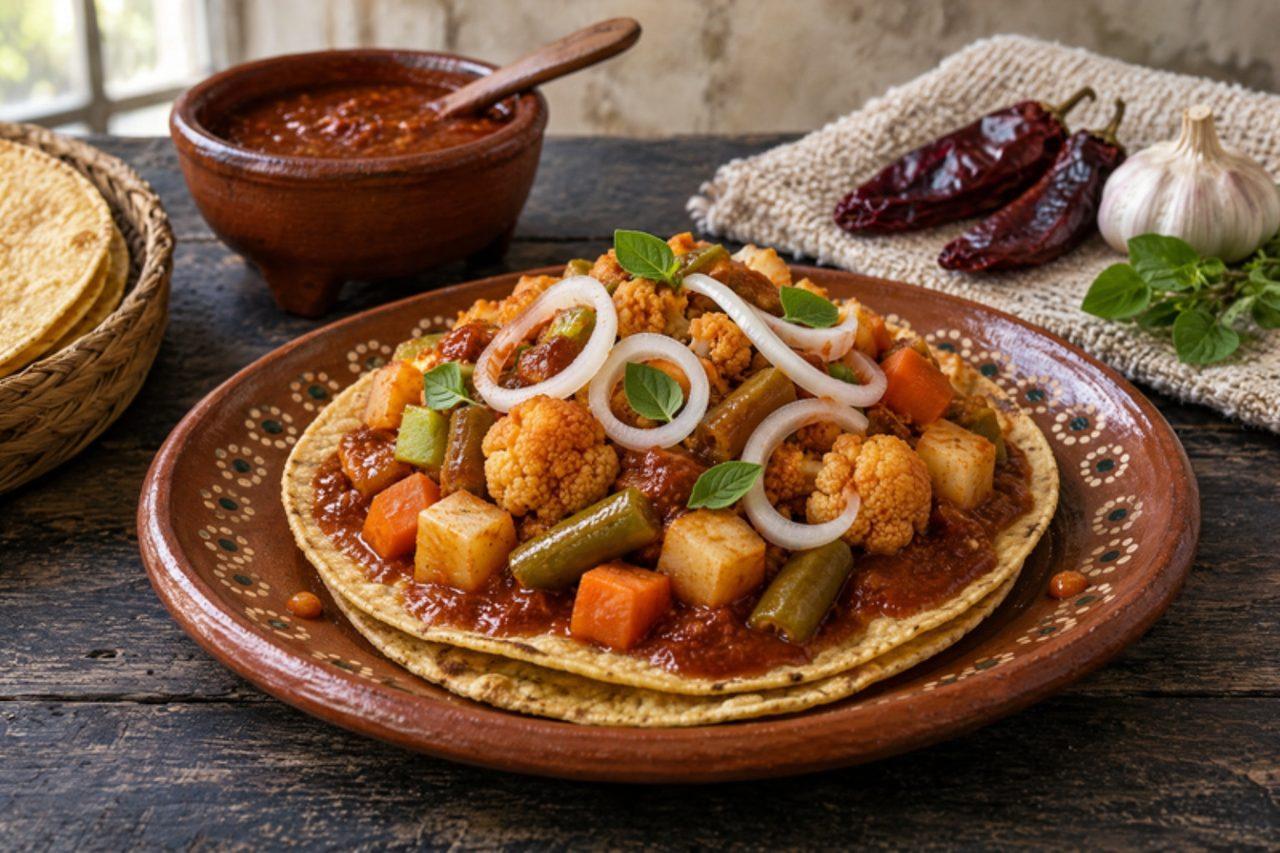
Chileajo de verduras

Chileajo is a cold dish of the Mixteca and the Oaxaca valley markets, sold from big clay bowls on Sundays and during Lent, and piled onto crisp tostadas at family fiestas. Potatoes, green beans, carrots, chayote, cauliflower and peas are cooked just tender and folded into a brick-red sauce of guajillo chiles, plenty of garlic, cloves and vinegar, then left to soak up its tangy, smoky heat. It keeps for days and improves as it sits. The usual mistake is overcooking the vegetables before they meet the sauce, so they turn mushy once mixed; they should still have a little bite. Chef's tip: toast the chiles only until they smell fragrant and blister, a few seconds a side; burnt chiles make the whole sauce bitter.

by KrazyBadal 0 views

Lampreado

Paraguayan grandmothers fry lampreado on Sunday evenings to eat with a mug of cocido, the toasted yerba mate drink: small pan-fried cakes of cassava starch, egg, milk and grated cheese with a little onion, crisp at the edges and stretchy inside. Some families also make it with leftover meat, but this version is all cheese. Queso Paraguay is set with animal rennet; a vegetarian Parmesan-style cheese plus mozzarella works well. The trap is a batter that is too thick, which gives heavy, gluey cakes. Chef's tip: the batter should drop slowly off a spoon like thick pancake batter; add milk a spoonful at a time until it does.

by KrazyBadal 0 views

Guiso de fideos

Guiso de fideos is the winter weeknight stew of Argentina, cooked in Buenos Aires flats and on estancias alike, and as loved by children as by grandparents. Beef, potatoes and vegetables simmer in a light tomato and sweet-paprika broth, then short pasta cooks straight in the pot and thickens it into something between a soup and a stew. Serve it in deep plates with crusty bread and grated cheese for those who want it. The usual mistake is adding the pasta too early, so it swells and turns mushy; it goes in only for the last 10–12 minutes. Chef's tip: cut the beef into small cubes, about 2 cm, so it is tender in under an hour.

by KrazyBadal 0 views

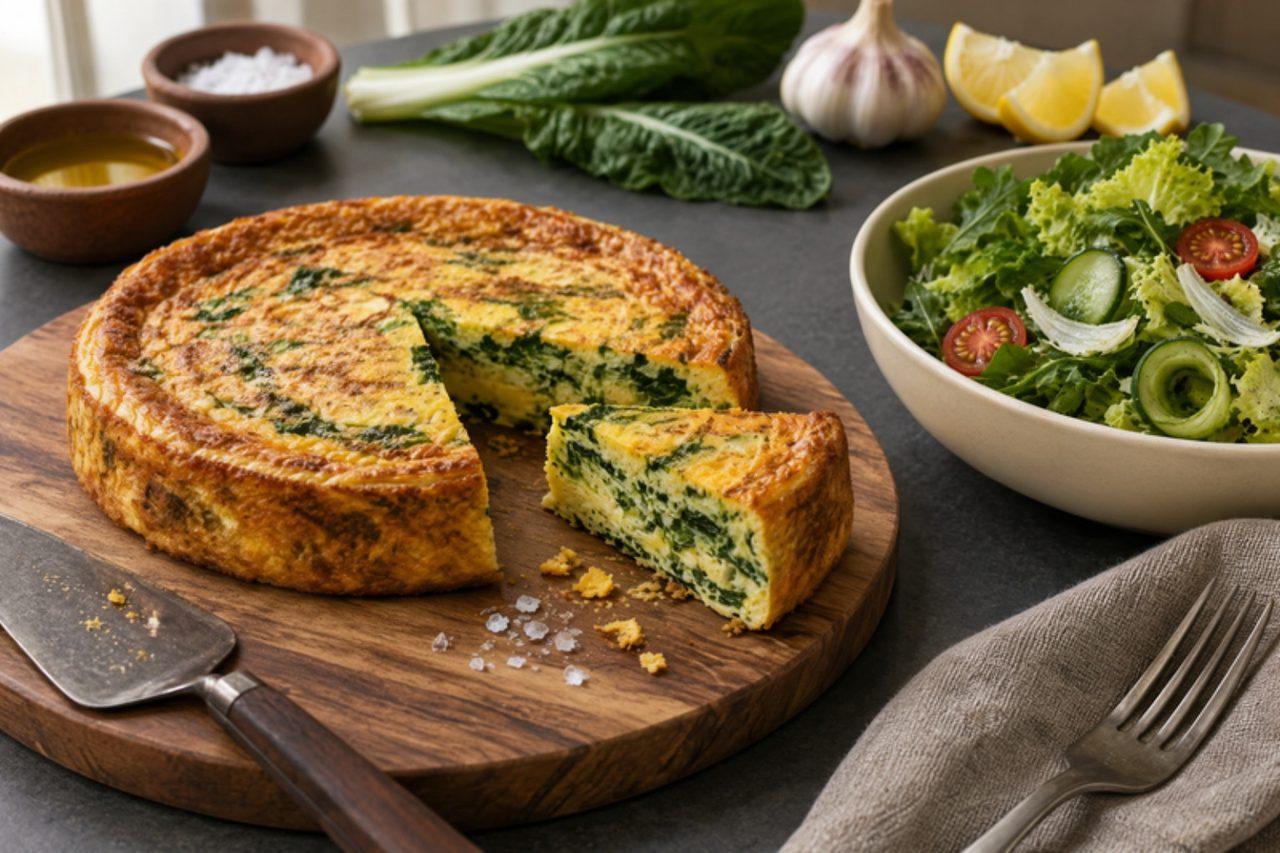
Tortilla de acelga

In Montevideo and Buenos Aires, tortilla de acelga is a homely supper or picnic dish, cut into wedges for a weekday dinner or packed for a Sunday at the beach, hot or cold. Plenty of chard is cooked down with onion and garlic, then bound with eggs into a thick, green, juicy omelette that is flipped in the pan like a Spanish tortilla. Serve it with a tomato salad. Suitable as part of a balanced diet. About 190 kcal and 7 g carbohydrate per portion. The usual mistake is leaving the chard wet: squeeze it well, or the tortilla weeps and won't set. If you're cooking for anyone pregnant, a young child or anyone with a weakened immune system, cook it until fully set in the middle. Chef's tip: cook it on a low heat with a lid on for the first side; it sets through without burning the base.

by KrazyBadal 0 views

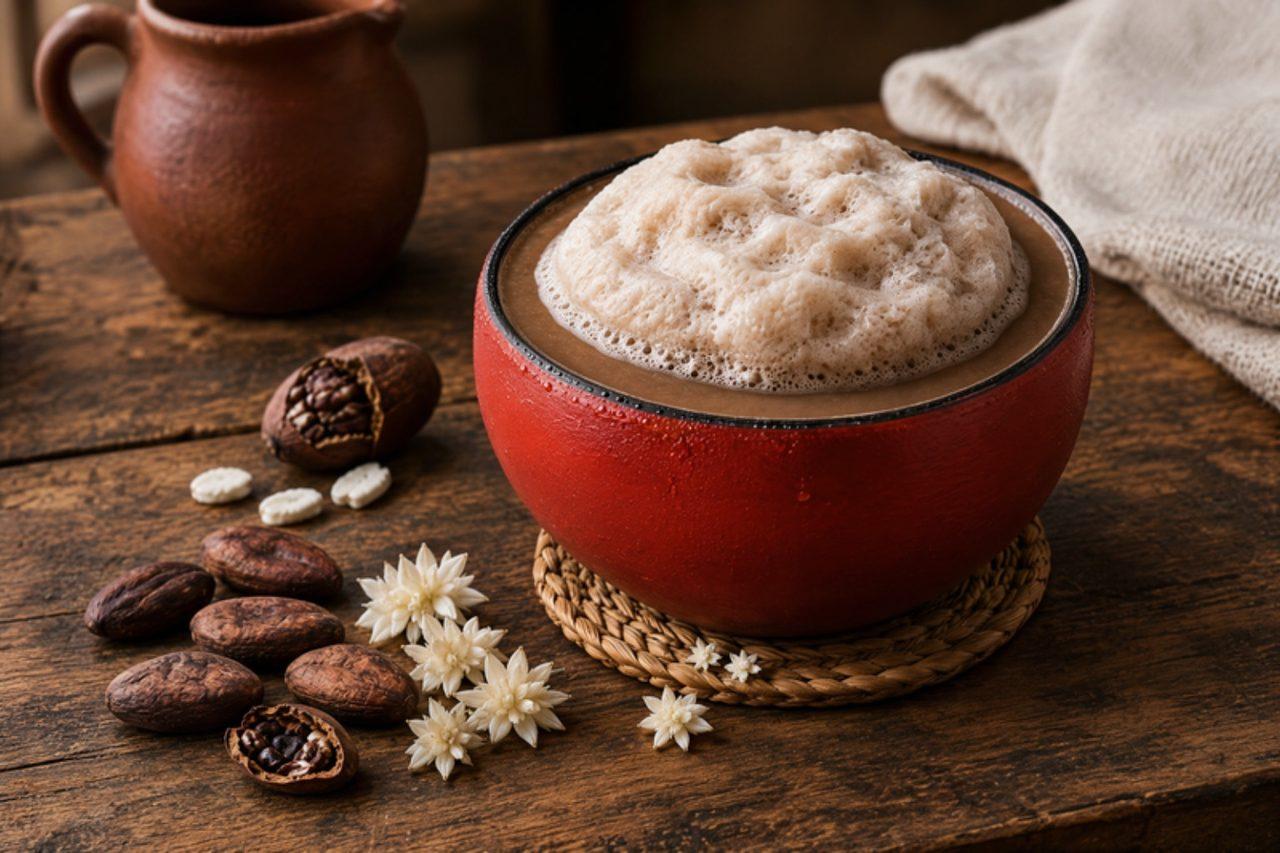
Tejate

In the markets of Oaxaca city and San Andrés Huayápam, women sit behind wide painted gourds of tejate, scooping it into jícaras for anyone who needs cooling down in the hot middle of the day; it turns up at Guelaguetza in July, at village fiestas and at every Sunday tianguis. The base is maize, cooked with wood ash, ground on a metate with toasted cacao beans, the roasted kernel of the mamey seed (pixtle) and dried rosita de cacao flowers. That paste is worked by hand into cold water until a thick, beige foam rises and floats. Each sip is cool, earthy and faintly bitter, like cocoa without milk, with grainy body below and the airy flor on top; you sweeten it to taste with a thin sugar syrup. The usual mistake is mixing too fast with lots of water at once: the paste never emulsifies and no foam forms. Add water a little at a time and keep lifting and dropping the paste with your hand. It is ready when a firm, creamy foam a finger thick sits on the surface. Pixtle must be thoroughly roasted and only used in the small amount given, as raw mamey seed is not safe to eat. Chef's tip: grind everything twice; the finer the paste, the taller and longer-lasting the flor.

by KrazyBadal 0 views

Capeletis a la Caruso

Capeletis a la Caruso were created in a Montevideo restaurant in the 1950s and named after the great tenor, and they are still a Sunday lunch favourite in Uruguayan homes: little stuffed pasta hats in a rich sauce of cream, cooked ham (pork), mushrooms and onion, finished with grated cheese. Buy good fresh capeletis or tortellini; the sauce is what you make. The usual mistake is boiling the cream sauce hard, which makes it oily and grainy. Chef's tip: cook the mushrooms in a dry hot pan first until they squeak and brown, before any butter goes in, for a deeper taste.

by KrazyBadal 0 views

Mate de muña

Muña is the minty shrub that grows wild on the slopes around Cusco, Puno and the Sacred Valley, and highland cooks reach for it after a heavy meal of chicharrón or when visitors are struggling with the altitude. Market herb sellers sell it in fresh bunches, and hotels and homes leave it in a flask for anyone coming in from the cold evenings. Steeped simply in hot water, it smells somewhere between spearmint, oregano and pennyroyal, with a cooling, slightly peppery taste and a pale green-gold colour. It is traditionally drunk to settle the stomach. The usual mistake is boiling the leaves hard for a long time, which turns the tea brown and bitter. Pour water just off the boil over the sprigs, cover, and let it steep. It is ready when the cup is pale gold and the aroma rises as soon as you lift the lid. Outside Peru, look for dried muña in Latin shops; failing that, use mostly spearmint with a little fresh oregano. Muña is strong: avoid large amounts in pregnancy, and check with a doctor if you take regular medication. Chef's tip: cover the cup while it steeps so the scented oils stay in the tea.

by KrazyBadal 0 views

Tarta de zapallitos

In Buenos Aires every rotisería sells tartas by the slice, and at home a tarta de zapallitos is baked on Sunday evening so that a wedge can go into the vianda (packed lunch) for school and work all week. Zapallitos are round green courgettes; ordinary courgettes work just as well. The common mistake is adding the courgette raw, which floods the pastry; sauté it until the liquid has cooked away. Argentine queso rallado and many hard cheeses are made with animal rennet, so use a vegetarian hard cheese. Chef's tip: bake the tart on a preheated baking tray so the base crisps before the filling soaks in.

by KrazyBadal 0 views

Ka'i ladrillo

Ka'i ladrillo — 'monkey brick' in Guaraní — is the sweet sold by vendors on Asunción buses and at country fiestas: roasted peanuts bound in boiled cane molasses and set in brick-shaped blocks, crunchy and dark with a slightly smoky toffee taste. It contains peanuts, so keep it away from anyone with a peanut allergy. The common mistake is taking the syrup off too soon, so the bricks stay sticky and never set. Chef's tip: test the syrup by dropping a little into cold water; it is ready when it sets into a brittle thread that snaps.

by KrazyBadal 0 views

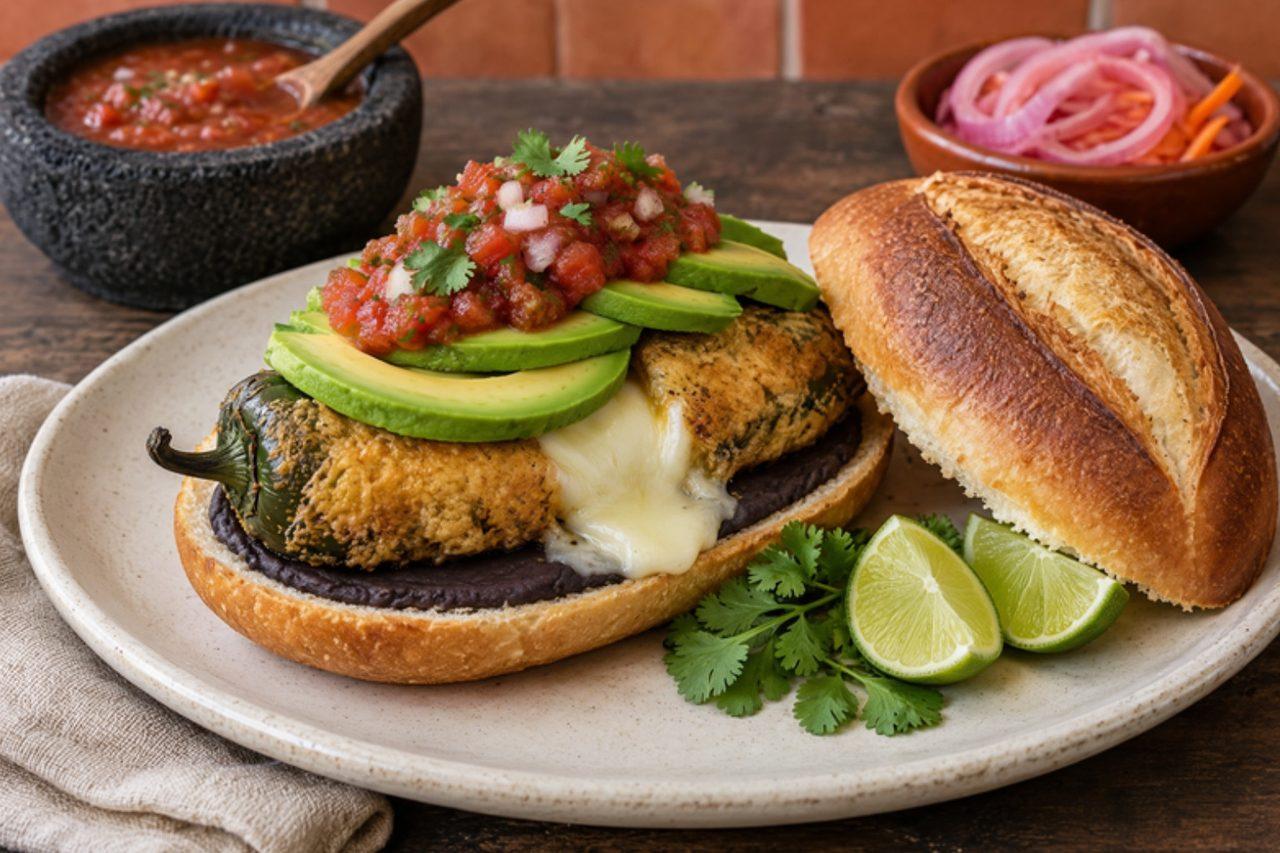
Torta de chile relleno

At Mexico City's torta stands and school gates, the chile relleno torta is the meat-free favourite: a whole poblano, roasted, peeled, stuffed with melting cheese, dipped in fluffy egg batter and fried, then pressed into a bolillo spread with refried beans and salsa. People buy them warm mid-morning or wrap them in foil for lunch. The common mistake is frying a wet chile: the batter slides off, so pat it dry and dust it with flour first. Oaxaca cheese and Monterey Jack are often made with animal rennet, so choose a vegetarian melting cheese, and check the refried beans are made without lard. Chef's tip: beat the egg whites to stiff peaks before folding in the yolks; that airy capeado is what makes it puff and stay crisp.

by KrazyBadal 0 views

Schnitzelsemmel

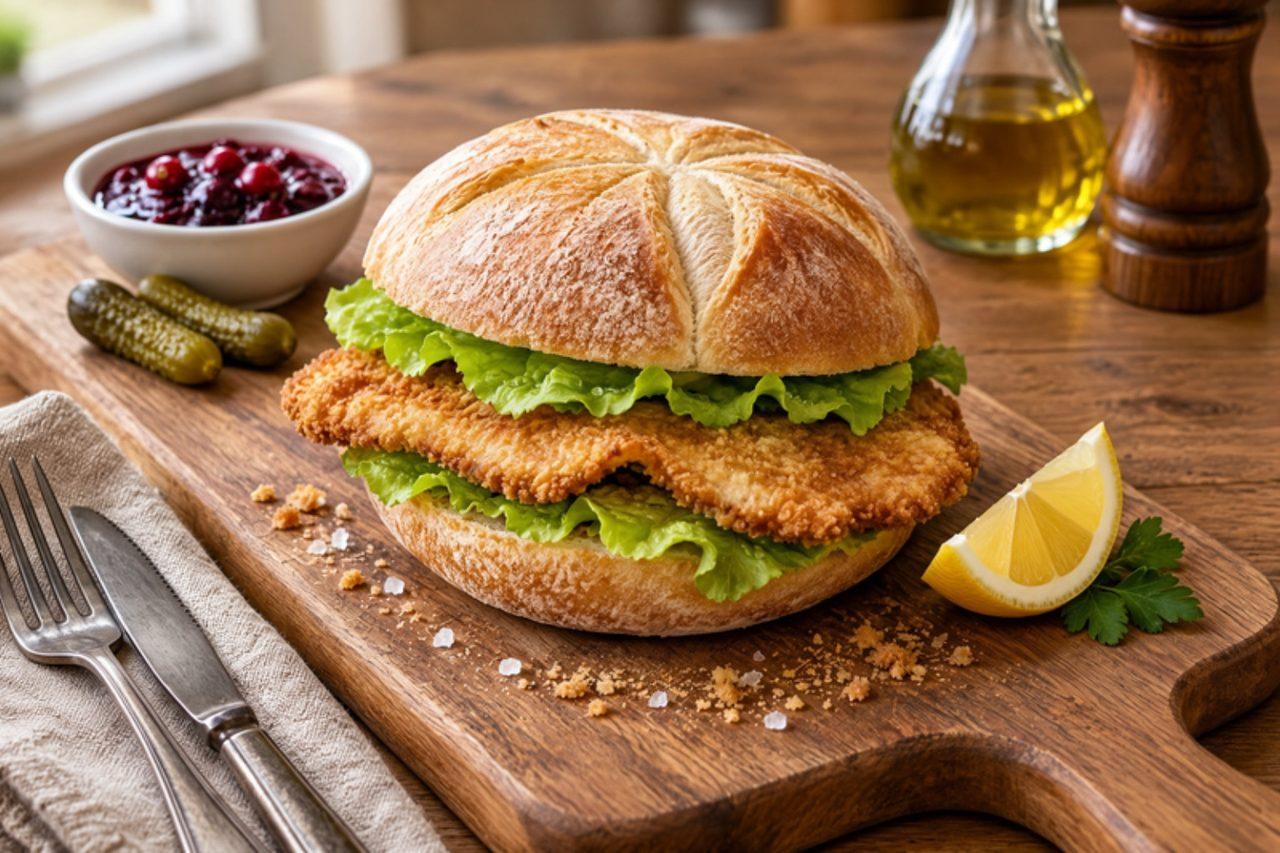
Austrians setting off on a train journey, a ski day or a building-site shift pack a Schnitzelsemmel: a crisp Kaisersemmel roll holding a cold, golden pork schnitzel (veal for special days), a leaf of lettuce and a squeeze of lemon, sometimes with a smear of mustard or a gherkin. Leftover Sunday schnitzels are made for it. The common mistake is pressing the breadcrumbs on hard; they should sit loosely so they puff up and ripple away from the meat as it fries. Chef's tip: shake the pan constantly while frying so hot fat washes over the top, and the crust soufflés into those famous waves.

by KrazyBadal 0 views

Frijoles colados

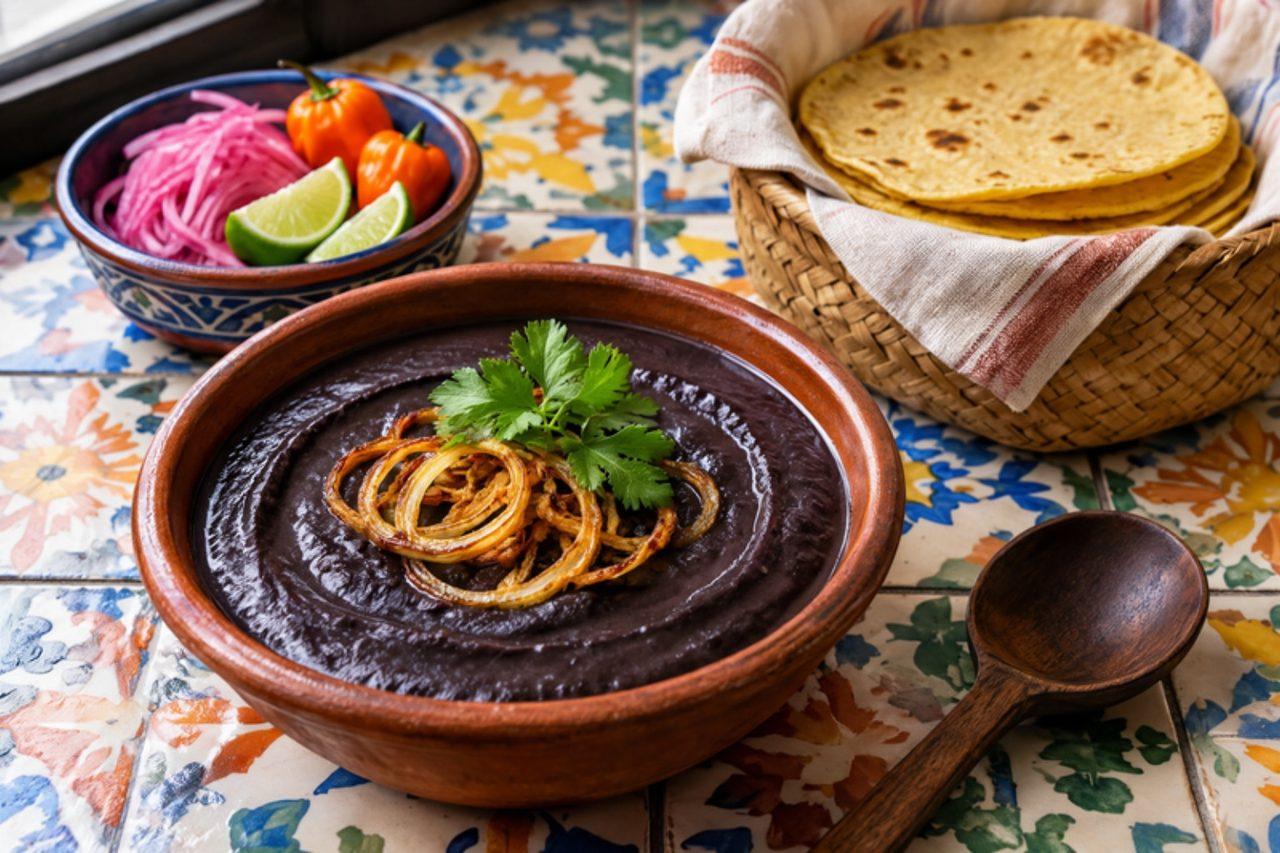
Every cocina económica and family kitchen in Mérida keeps a pot of frijoles colados for the midday meal, the smooth, almost soupy black beans that sit beside cochinita, poc chuc, eggs or simply rice and tortillas across the Yucatán. The beans are cooked soft with epazote, pushed through a sieve, then simmered with onion fried until sweet. Traditionally the onion is fried in pork lard; this version uses oil so it is vegan. The usual mistake is straining beans that are not fully cooked, which gives a gritty, floury purée, so cook them until they crush with no effort. Chef's tip: drop a whole habanero into the simmering purée for 5 minutes for perfume without much heat, then fish it out.

120 minMexicanSidesVeganGluten free
by KrazyBadal 0 views

Torta cubana

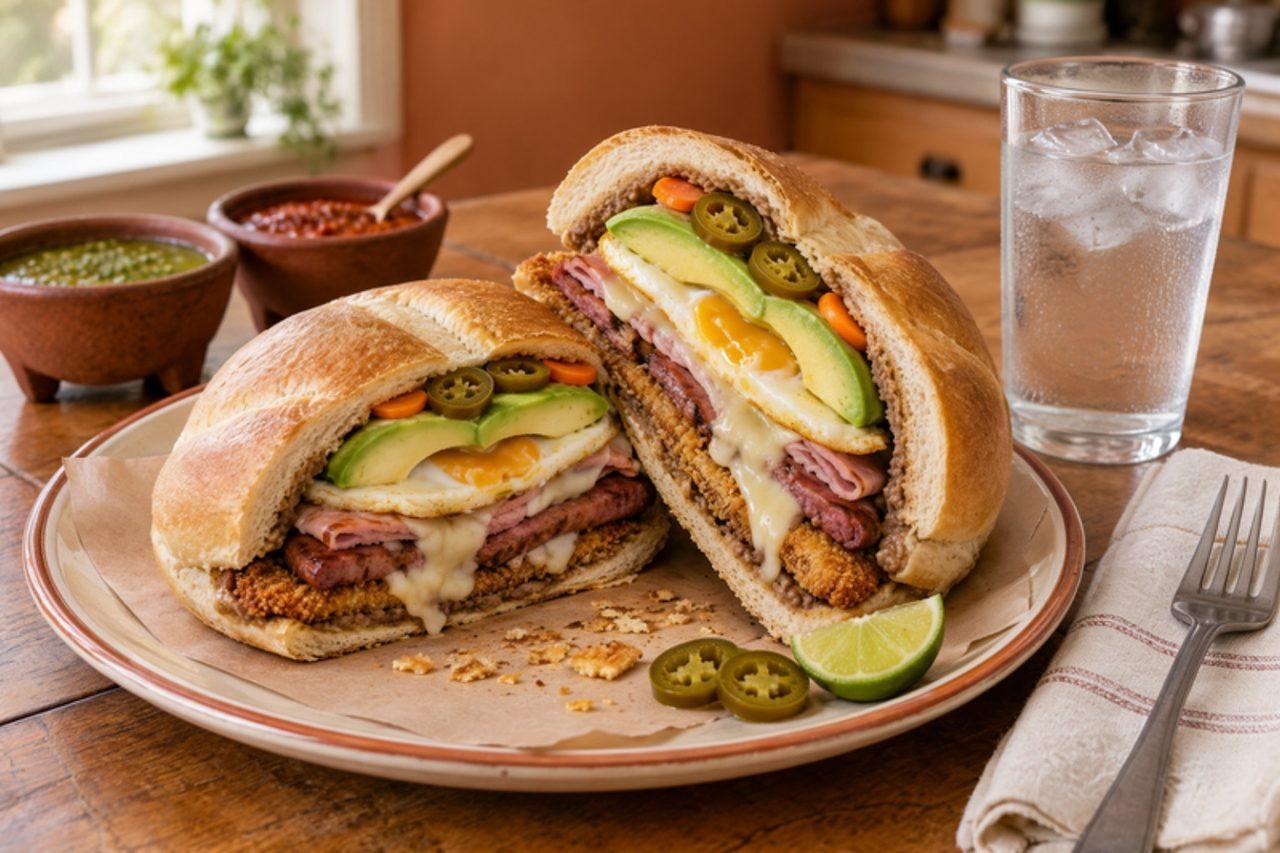
Despite the name, the torta cubana is pure Mexico City: a huge telera roll at a market torta stand, stacked with a thin breaded beef milanesa, pork ham, a split hot dog sausage, a fried egg, melted Oaxaca cheese, refried beans, avocado and pickled jalapeños. It is a lunch to share or a whole day's fuel for a builder. The common mistake is assembling it in a cold roll; toast the bread on the griddle in the meat juices so it holds everything together. Chef's tip: fry the egg and the sausage in the same pan right after the milanesa, so their fat seasons each layer.

by KrazyBadal 0 views

Frijoles maneados

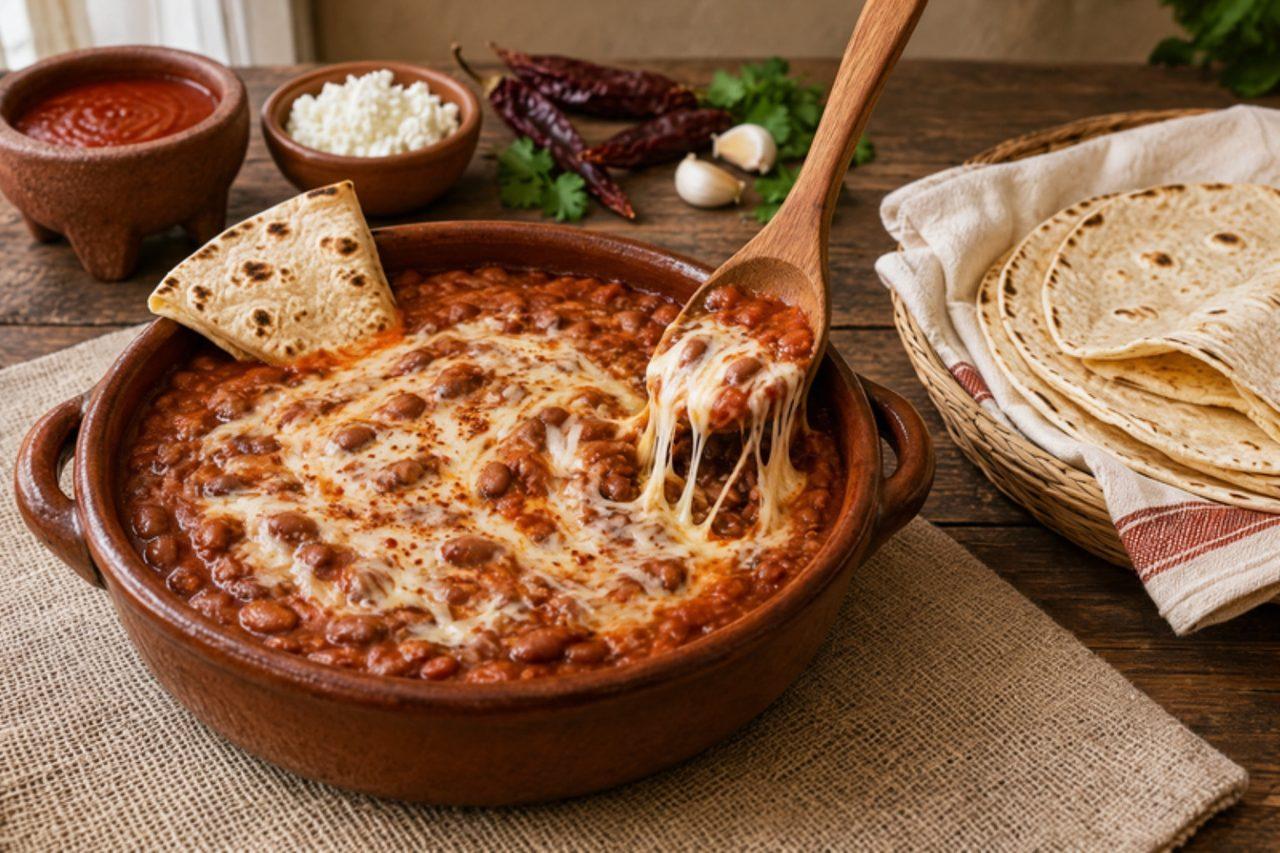
Frijoles maneados are the rich party beans of Sonora in northern Mexico, cooked for carne asada gatherings, weddings and Sunday lunch, and spooned onto flour tortillas. Soft pinto beans are mashed and beaten (maneados means stirred or worked) with dried red chile colorado, milk and so much melting cheese that the pot pulls into strings. Serve them with flour tortillas, grilled vegetables and a sharp salsa. The usual mistake is adding the cheese while the pot is boiling hard, which makes it go rubbery and oily; take the heat right down first. Chef's tip: Sonoran queso regional or Chihuahua cheese is often made with animal rennet, so for a vegetarian pot choose a vegetarian Monterey Jack-style or mild Cheddar cheese labelled suitable for vegetarians.

by KrazyBadal 0 views

Escabeche de pollo

Pollo en escabeche is a home classic in Córdoba and Buenos Aires, a legacy of Spanish preserving that Argentines make on a Saturday to eat cold all week. It comes out of the fridge for a picada before the asado, as a summer lunch with a green salad and crusty bread, or packed for a day in the sierras. Chicken is browned, then gently cooked in oil and vinegar with carrot, onion, red pepper, garlic, bay and black peppercorns, and left to rest at least a day. The meat turns tender and lightly tangy, the carrots keep a little crunch, and the oil carries the flavour of bay and pepper. Because garlic sits in oil, safety matters: the liquid is half strong vinegar (at least 5% acidity, never diluted beyond what the recipe says), and the jar always lives in the fridge, never on the shelf. Eat it within 5 days. The common mistake is letting it boil hard, which makes the chicken dry and stringy; it should barely tremble. It is ready the next day, when the chicken tastes seasoned right through and the oil has turned golden. Chef's tip: take it out 20 minutes before serving so the oil melts back to liquid.

by KrazyBadal 0 views

Pescado en hoja santa

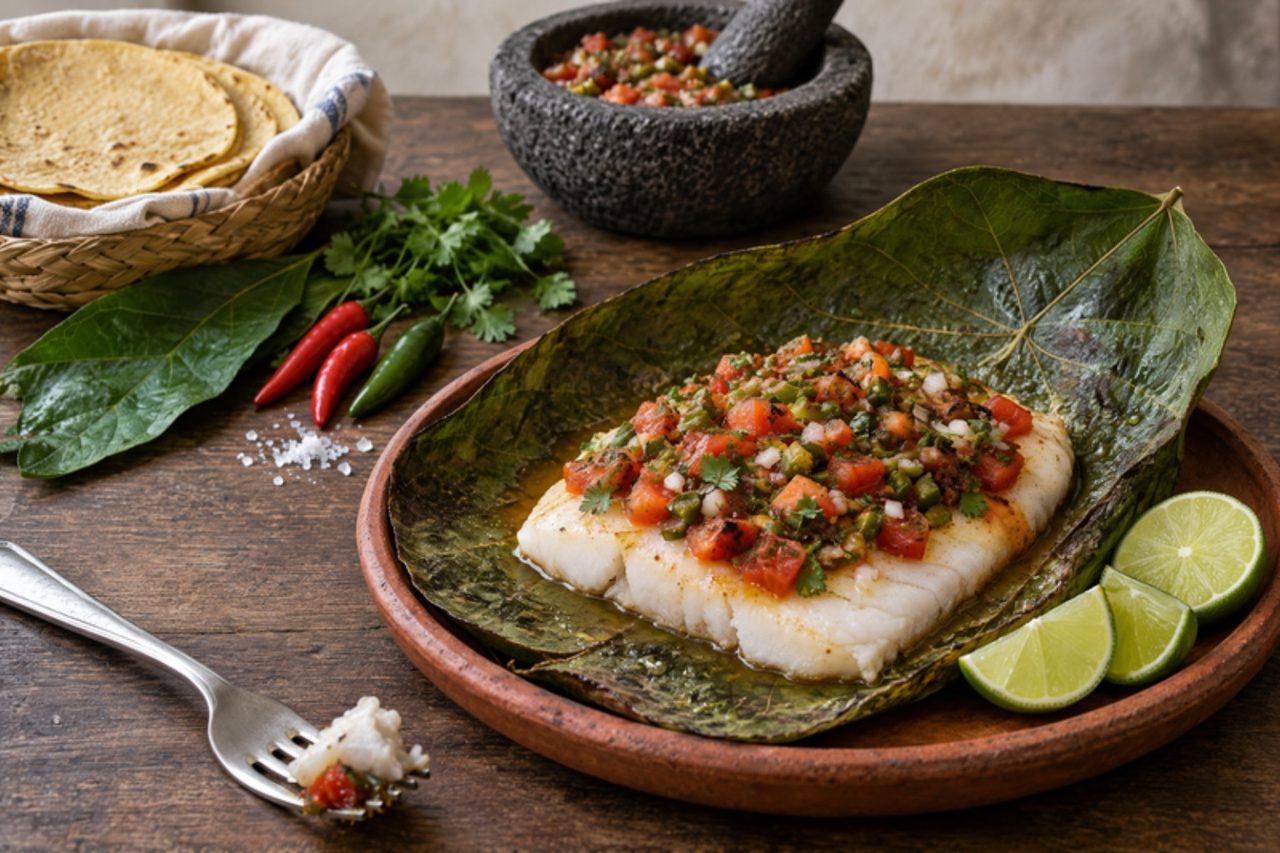
Hoja santa is a big, heart-shaped leaf with a sweet aniseed and pepper scent, and in Veracruz and Oaxaca cooks wrap fish in it for a weekday lunch or a Lenten Friday meal. Fillets are seasoned, topped with tomato, onion, jalapeño and garlic, folded into the leaves and baked or steamed so the fish takes on the perfume. Suitable as part of a balanced diet: lean, high-protein fish with vegetables and no flour. About 230 kcal and 7 g carbohydrate per portion; serve with salad or a couple of corn tortillas. The usual mistake is wrapping too loosely, so the juices run out and the fish dries. If you cannot find hoja santa, use banana leaf with a few fennel fronds or tarragon sprigs. Chef's tip: pass each leaf over a gas flame for a second; it softens and folds without tearing.

by KrazyBadal 0 views

Grießschmarrn

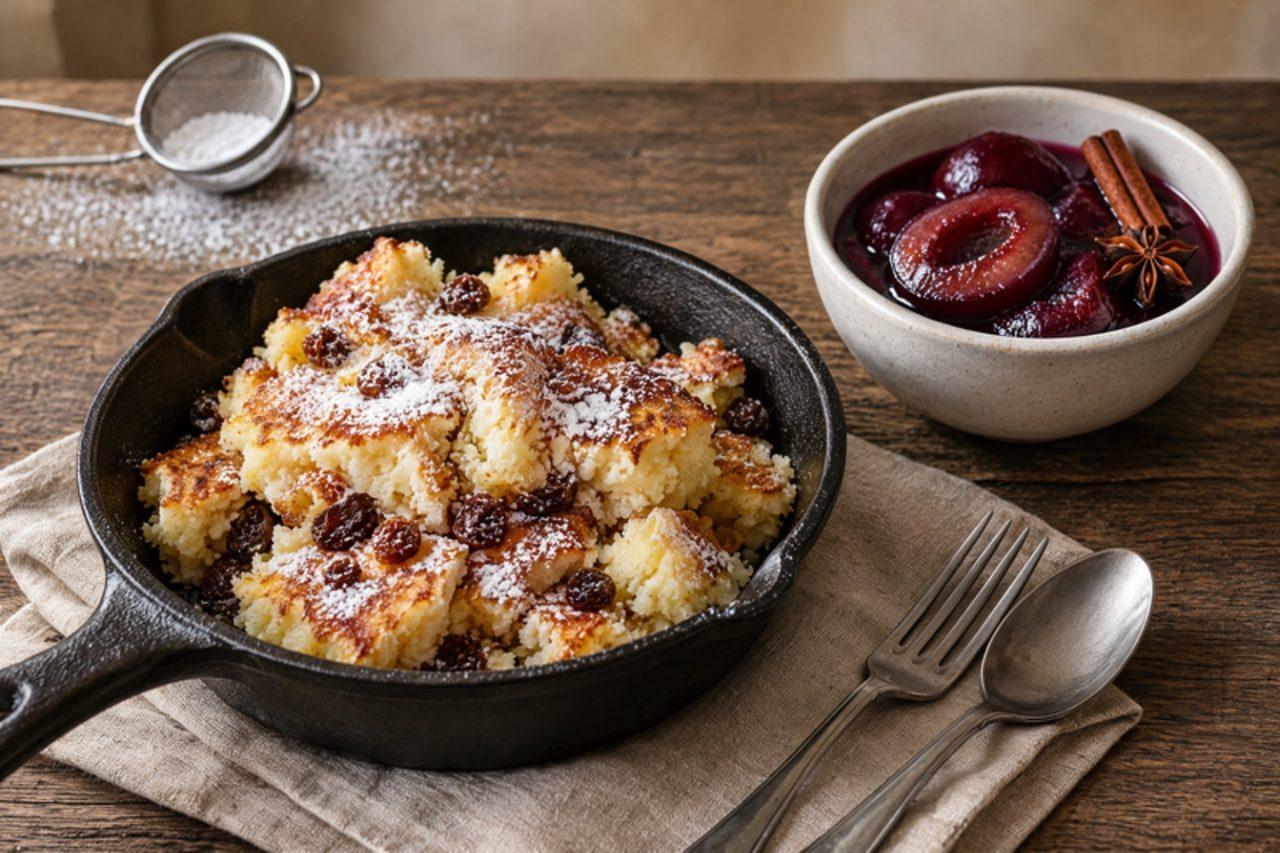
Across Austria and Bavaria, Grießschmarrn is the farmhouse breakfast or light Sunday lunch that grandmothers made from what was always in the larder: semolina, milk, eggs and butter. The semolina is soaked in hot milk until thick, then fried slowly and torn apart with two spatulas into buttery, crisp-edged crumbs, dusted with icing sugar and served with plum or apple compote. The common mistake is turning it too often over a high heat: the crumbs need time on a medium flame to form a golden crust, or they stay pale and pasty. Chef's tip: let the semolina mixture rest for 15 minutes before frying, so the grains swell fully and the Schmarrn crisps instead of sticking.

by KrazyBadal 0 views

Showing 24 of 532 recipes

Show more recipes

Page 1 of 23