Skip to content
Recipes

All recipes

Vegetarian, or something you can't eat? Set your diet once and we'll hide recipes that don't fit.

Kibinai

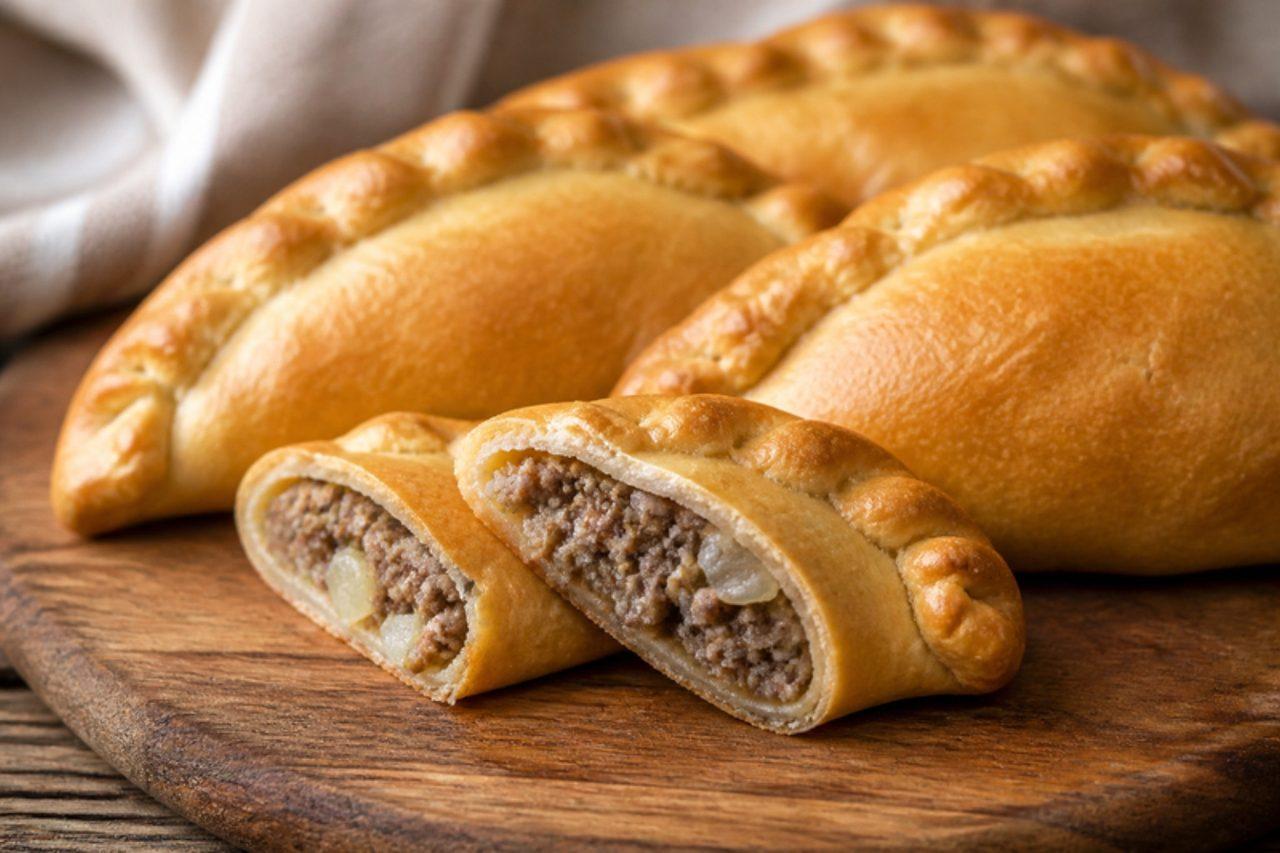
Kibinai are the pastries of the Karaim, a small Turkic community settled in Trakai, the lake-island castle town near Vilnius, since the 14th century. Every café along Karaimų street sells them hot from the oven: half-moon pastries of flaky, buttery dough with a juicy filling of chopped lamb and onion, crimped along the top. A common mistake is mincing the meat; the Karaim chop it into small cubes so the filling stays juicy. Chef's tip: use cold dough and bake hot, so the pastry flakes and the juices stay sealed inside. The filling must reach 71 °C.

by KrazyBadal 0 views
Couque de Dinant

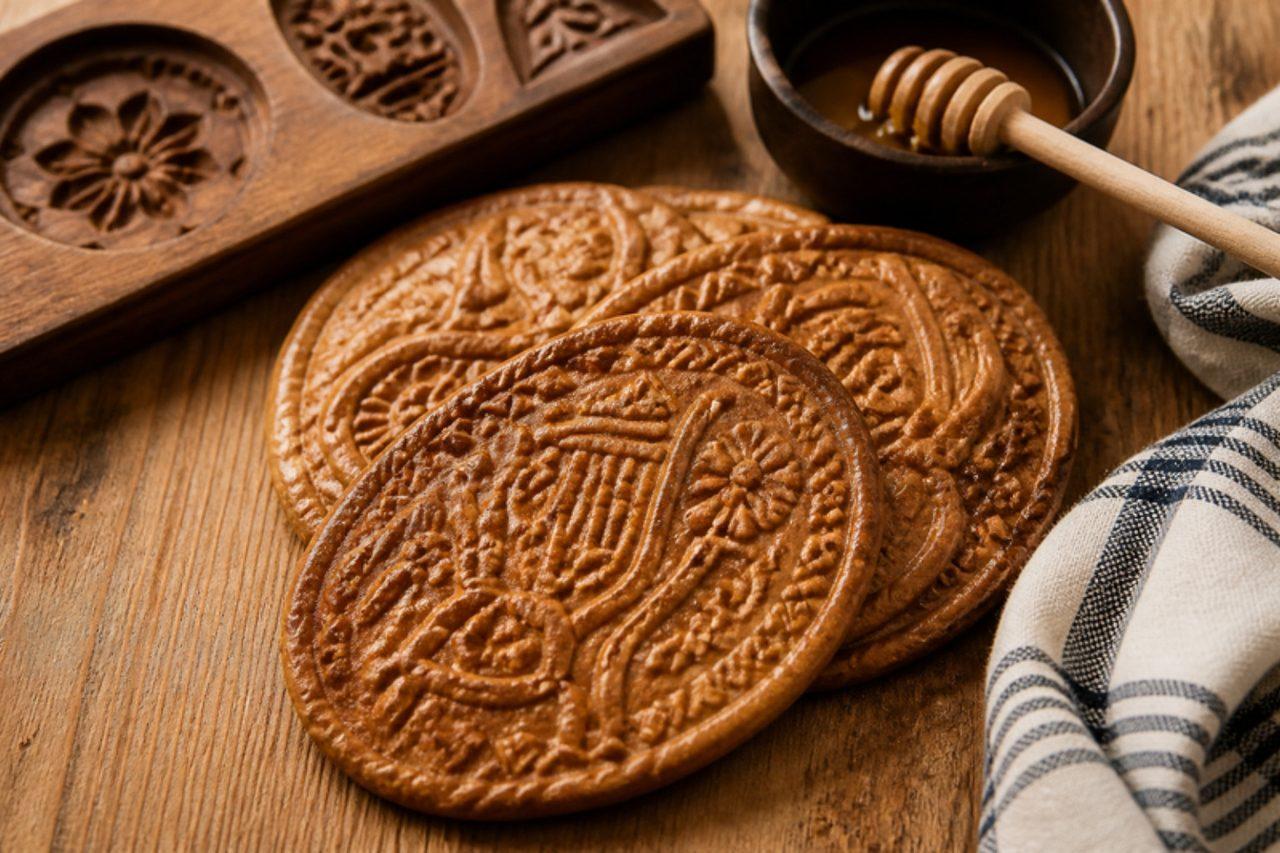
Couques de Dinant are the famously hard honey biscuits of Dinant on the Meuse, made only of flour and honey, pressed into carved wooden moulds showing castles, animals and the town's skyline, and baked so hot that the honey caramelises into a very hard, glossy biscuit. Dinant bakers say they keep for years; locals let a piece melt slowly in the mouth rather than biting. Honey is traditional; golden syrup makes a vegan version. A common mistake is a soft dough; it must be stiff enough to hold the mould's detail. Chef's tip: dust the mould with flour, press hard and tap the dough out sharply.

by KrazyBadal 0 views

Kama

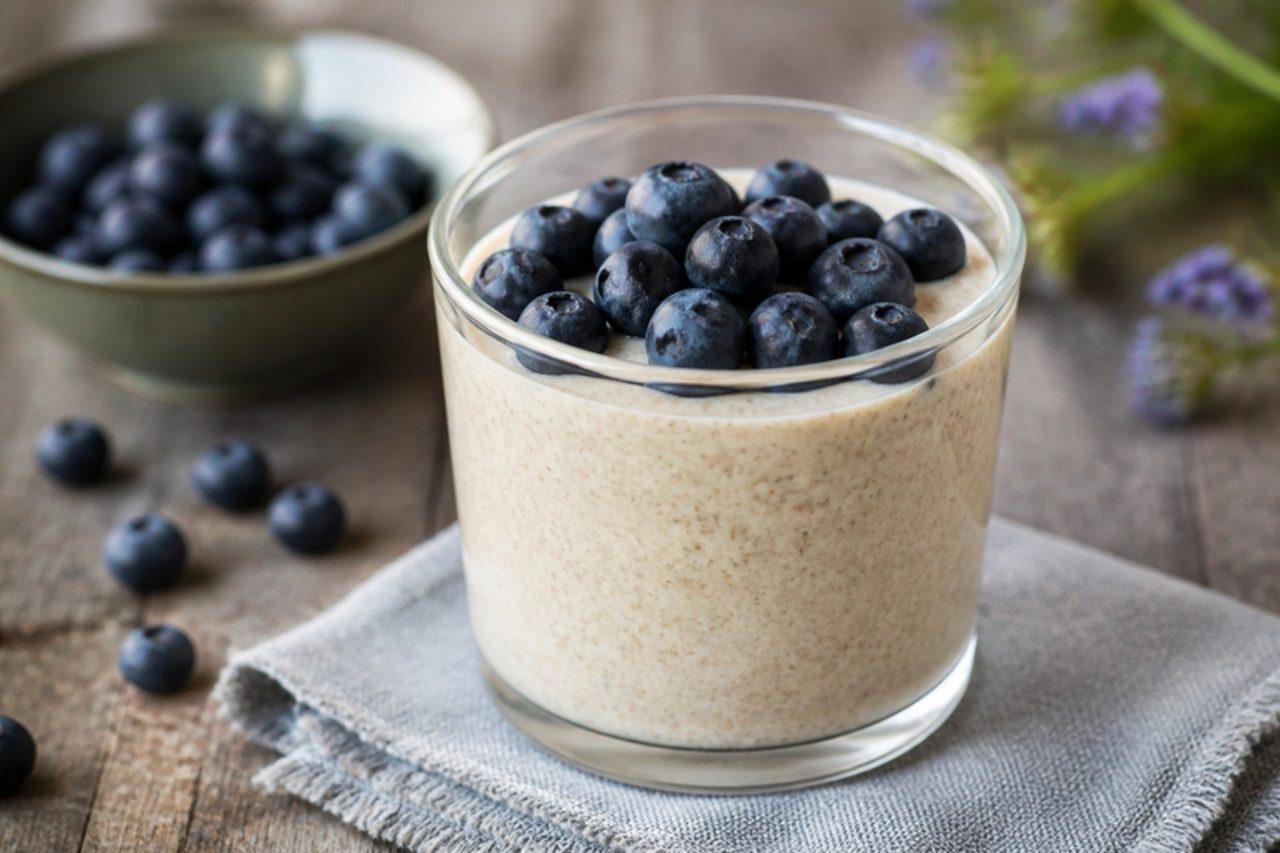
Kama is a uniquely Estonian food: a fine flour of roasted barley, rye, oats and peas, sold in every Tallinn supermarket, stirred into kefir, buttermilk or yogurt with a little sugar or honey and berries. It was once farmers' food for the fields; today it is a fast, filling breakfast and the flavour of Estonian ice creams and sweets. If you can't find kama, roast equal parts barley, rye and oat flour with a little pea flour in a dry pan until nutty. A common mistake is eating it at once; give it a few minutes to thicken. Chef's tip: stir in the kama, leave for 5 minutes, then add the berries, so it thickens like a mousse.

by KrazyBadal 0 views

Šakotis

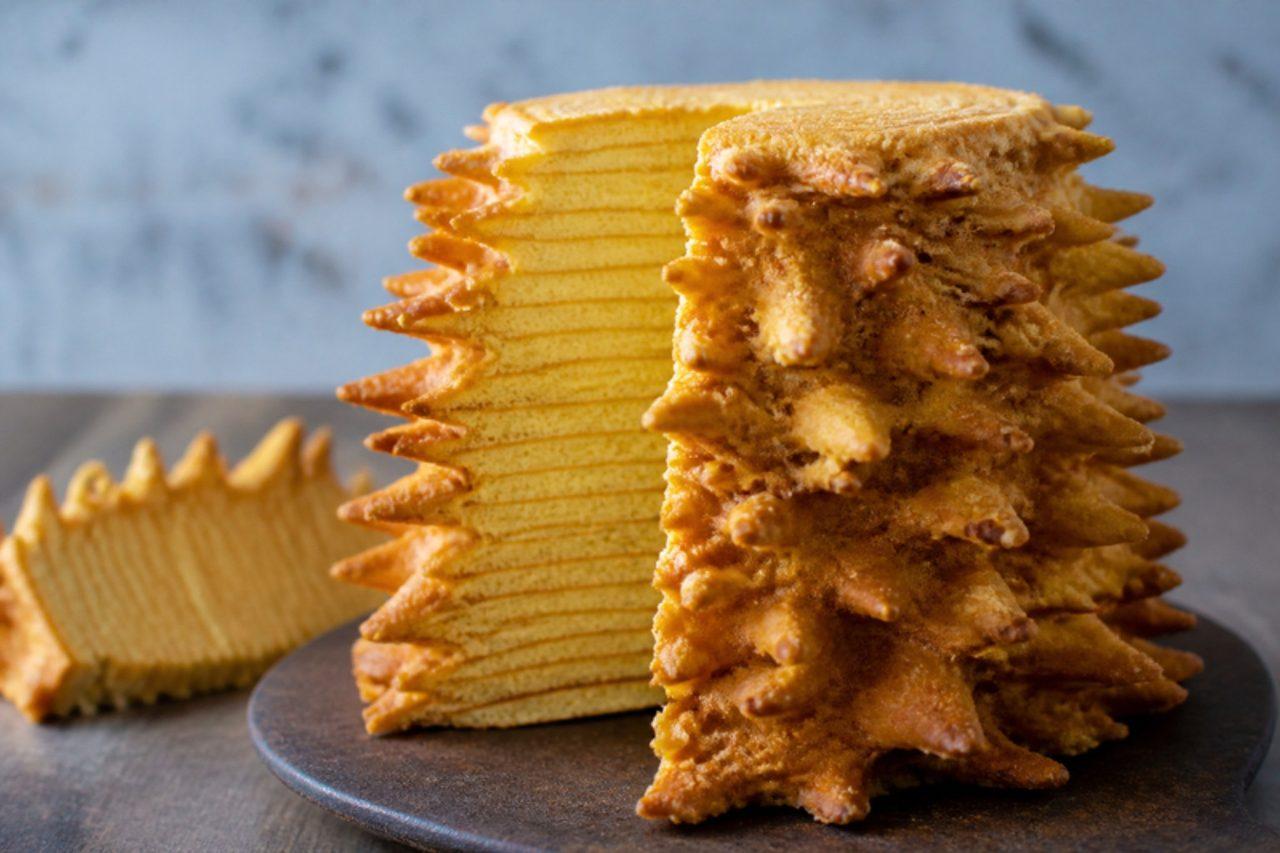
Šakotis, 'branched', is the tall, spiky cake that crowns Lithuanian weddings and christenings: a rich egg batter dripped over a turning spit in front of an open fire, layer after layer, so the drips harden into branches that stick out like a fir tree. Specialist bakers around Druskininkai and Vilnius make them to order. At home, a foil-wrapped rolling pin turned slowly under a hot grill builds a smaller version. A common mistake is a thin batter, which runs off instead of forming spikes. Chef's tip: turn the spit slowly as you ladle on each layer and let the drips set before the next coat; the spikes form where the batter drips and hardens.

280 minBalticBaking
by KrazyBadal 0 views

Mitraillette

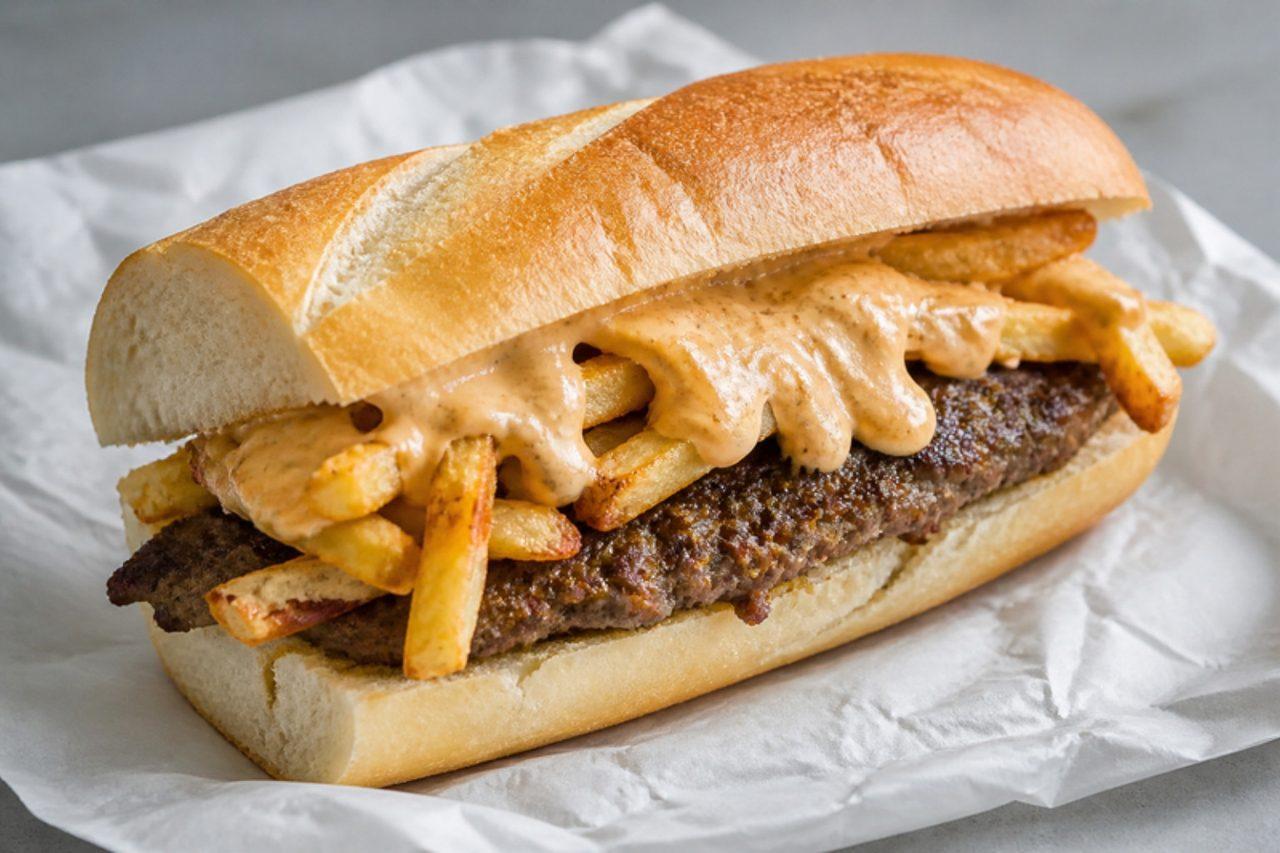
The mitraillette, 'submachine gun', is the overloaded sandwich of Brussels friteries, eaten after football or a night out: half a baguette split and stuffed with a hot meat patty or sausage, a heap of double-fried Belgian fries, lettuce and tomato, and a generous squeeze of sauce, usually andalouse, samurai or mayonnaise. It is messy and huge. This version uses a homemade beef burger. A common mistake is fries that are not crisp, which go soggy in the bread. Chef's tip: fry the chips twice, first at 160 °C until soft, then at 180 °C until golden, the Belgian way. Beef burgers must reach 71 °C in the middle.

by KrazyBadal 0 views

Lukken

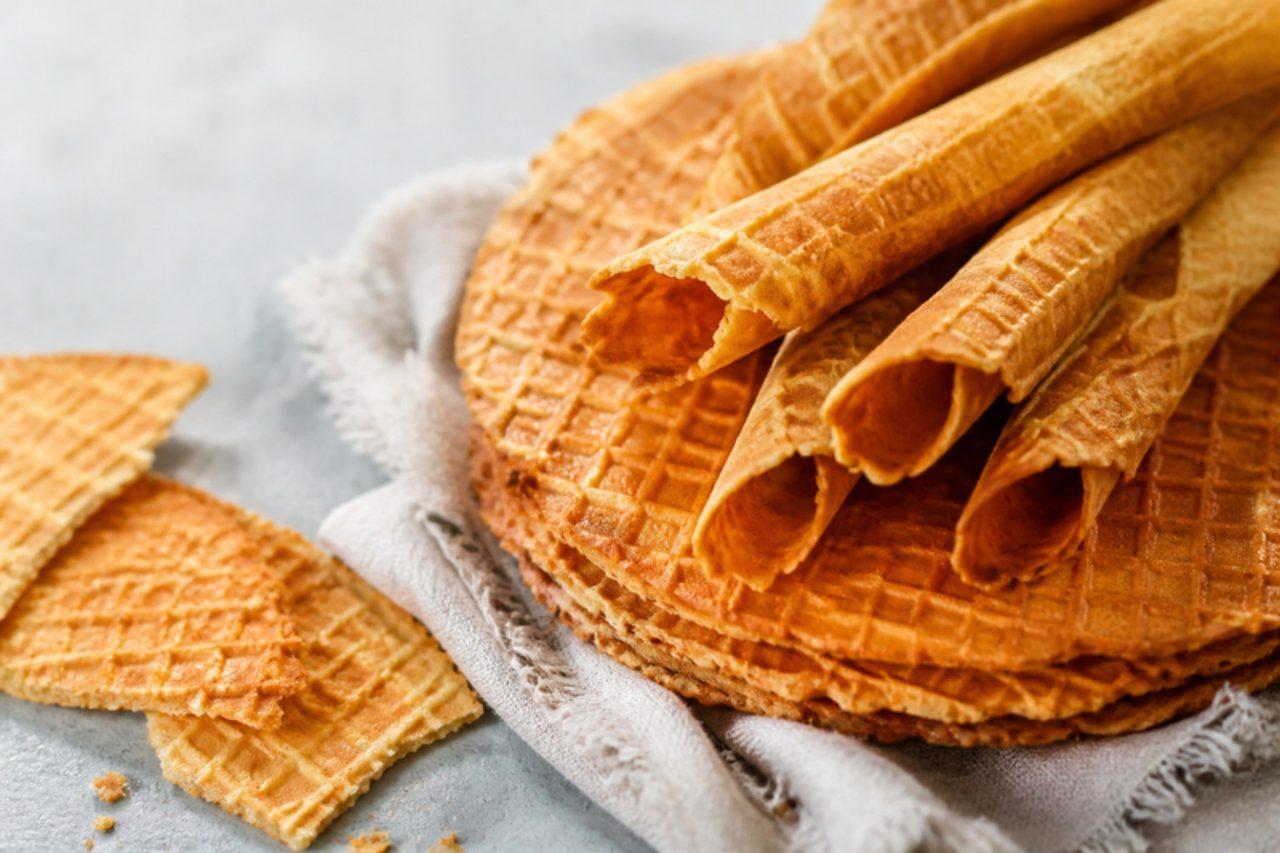
Lukken are paper-thin, crisp waffle biscuits baked in West Flanders, around Kortrijk and Roeselare, in the days before New Year, when children go from house to house wishing neighbours a happy new year and are rewarded with them. They are made in a special iron that presses a fine pattern; a pizzelle iron or a thin-waffle (gaufrette) iron works. A common mistake is using too much batter, which makes them thick and soft. Chef's tip: use only a teaspoon of dough per biscuit and roll them while warm if you like, for 'rolled lukken'.

by KrazyBadal 0 views

Sklandrausis

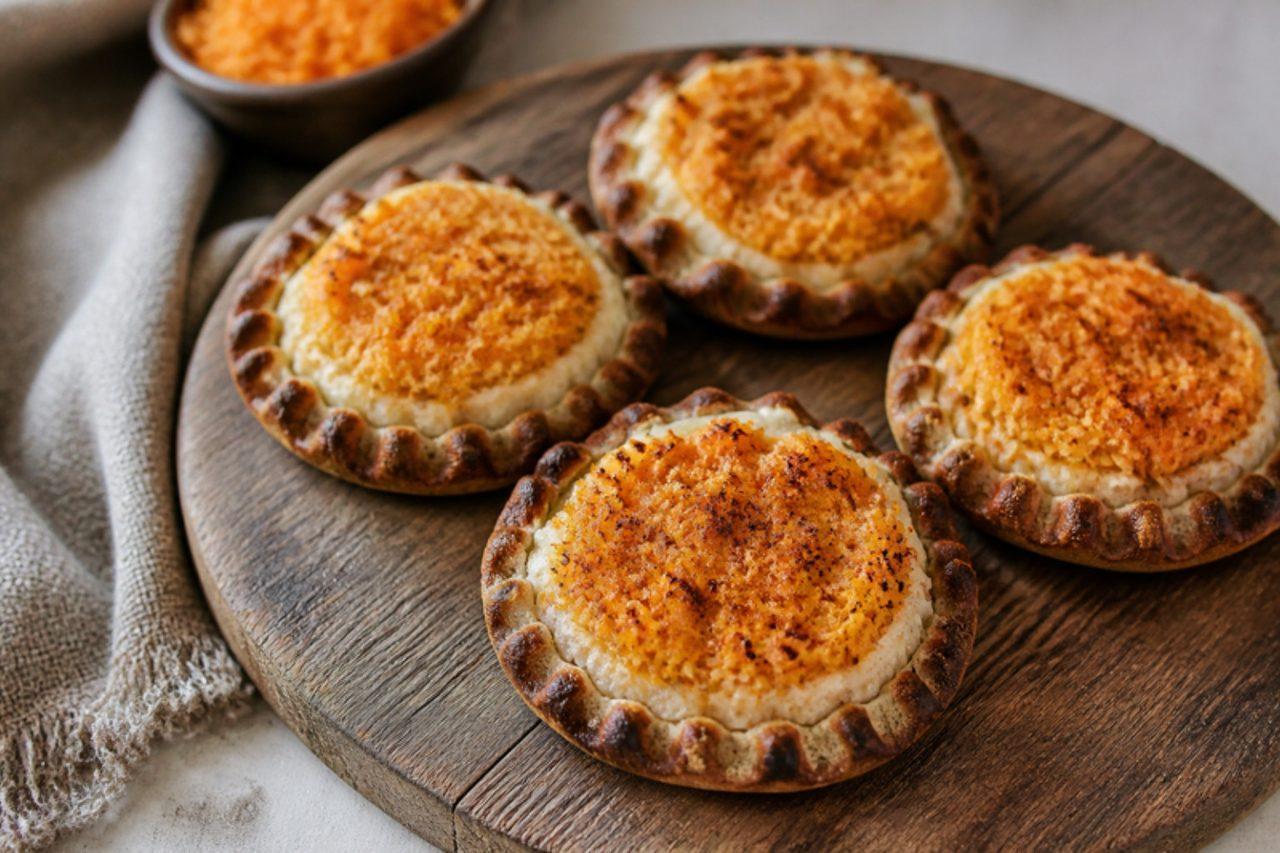
Sklandrausis is the ancient pie of Kurzeme in western Latvia, an EU-protected speciality: a thin, crisp shell of rye pastry filled with a layer of mashed potato and a second layer of sweetened carrot spiced with cinnamon, baked until the carrot caramelises at the edges. It is sweet, earthy and served at midsummer (Jāņi) and folk festivals. A common mistake is rolling the rye dough thick, which makes the shell hard and heavy. Chef's tip: work the dough while warm and roll it thin; rye pastry made with hot water is soft and easy to pinch up into a rim.

by KrazyBadal 0 views

Estonian kringle

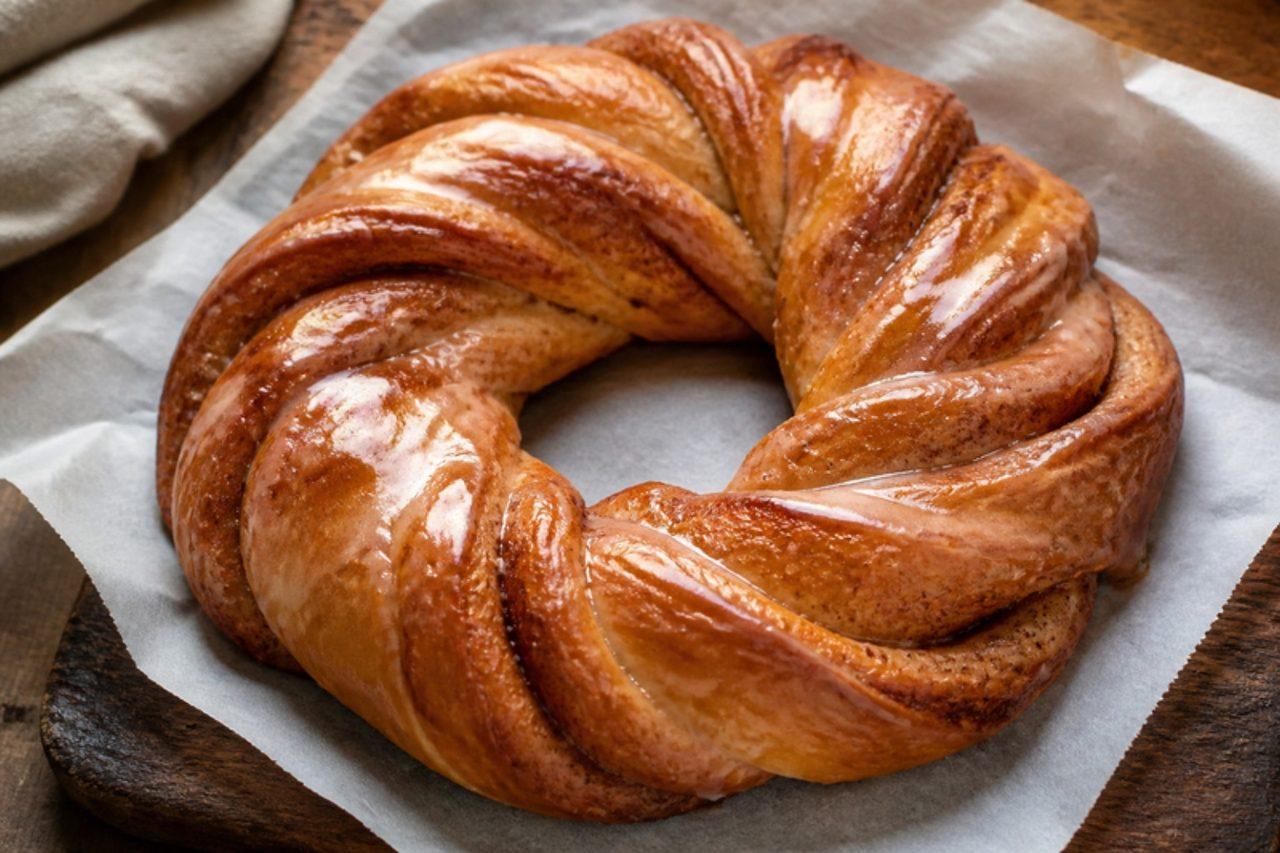
Kringel is the celebration bread of Estonia, baked for birthdays and name days and carried to every visit: a rich yeast dough rolled with cinnamon butter and sugar, sliced lengthways, twisted into a braided wreath so the layers show, and baked until golden. In Tallinn's old-town cafés it is sold by the slice with coffee. A common mistake is cutting the roll with a blunt knife, which squashes the layers. Chef's tip: chill the filled roll for 15 minutes before slicing; it cuts cleanly and twists without the filling escaping.

by KrazyBadal 0 views

Mulgipuder

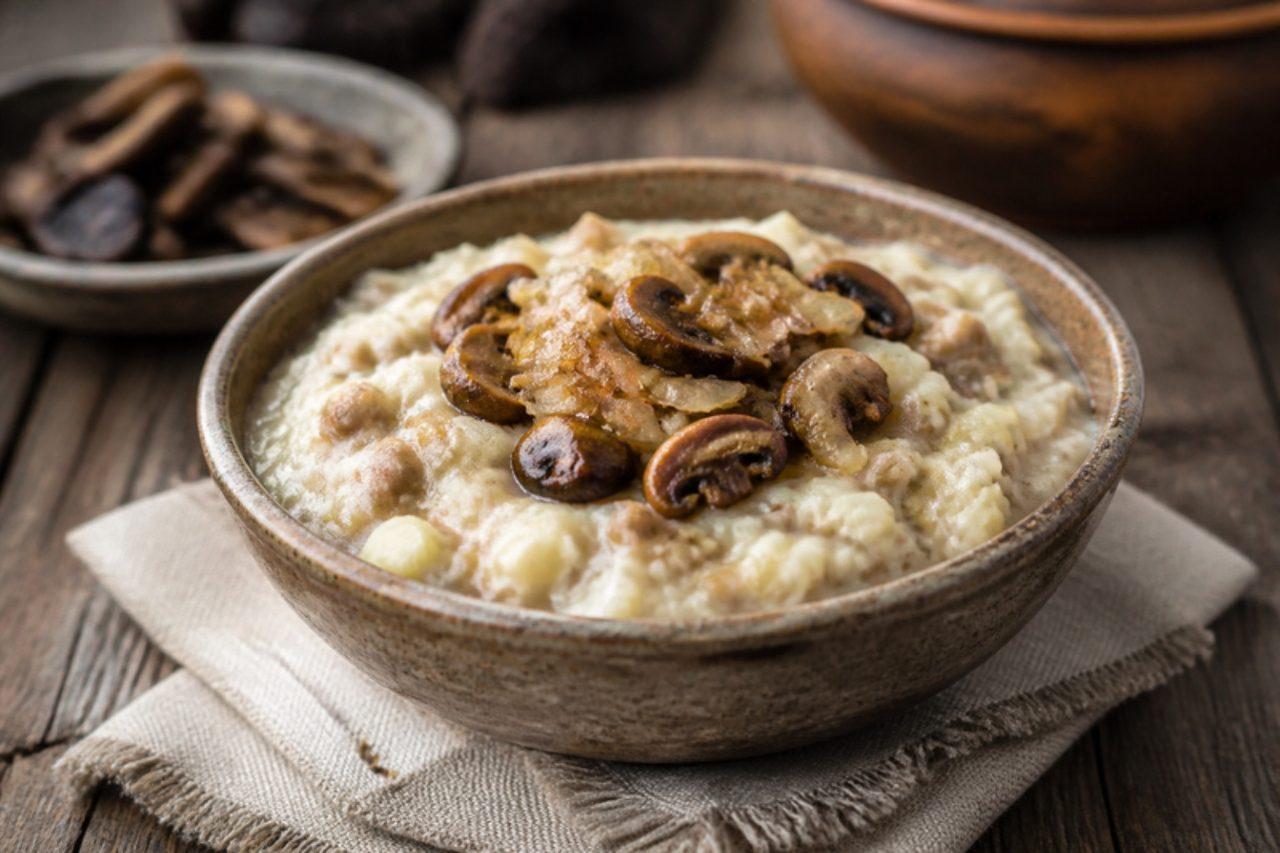
Mulgipuder comes from Mulgimaa, the old farming region of southern Estonia around Viljandi, and it has become one of the country's national dishes: potatoes and barley groats boiled together and mashed into a thick, nutty purée. It is normally topped with fried bacon and onion; this version uses mushrooms and onion fried in butter. It is eaten with sour milk or kefir and pickles. A common mistake is using too little water, so the barley stays hard while the potatoes are already soft. Chef's tip: start the barley first and add the potatoes after 20 minutes, so both are tender at the same moment.

by KrazyBadal 0 views

Šaltibarščiai

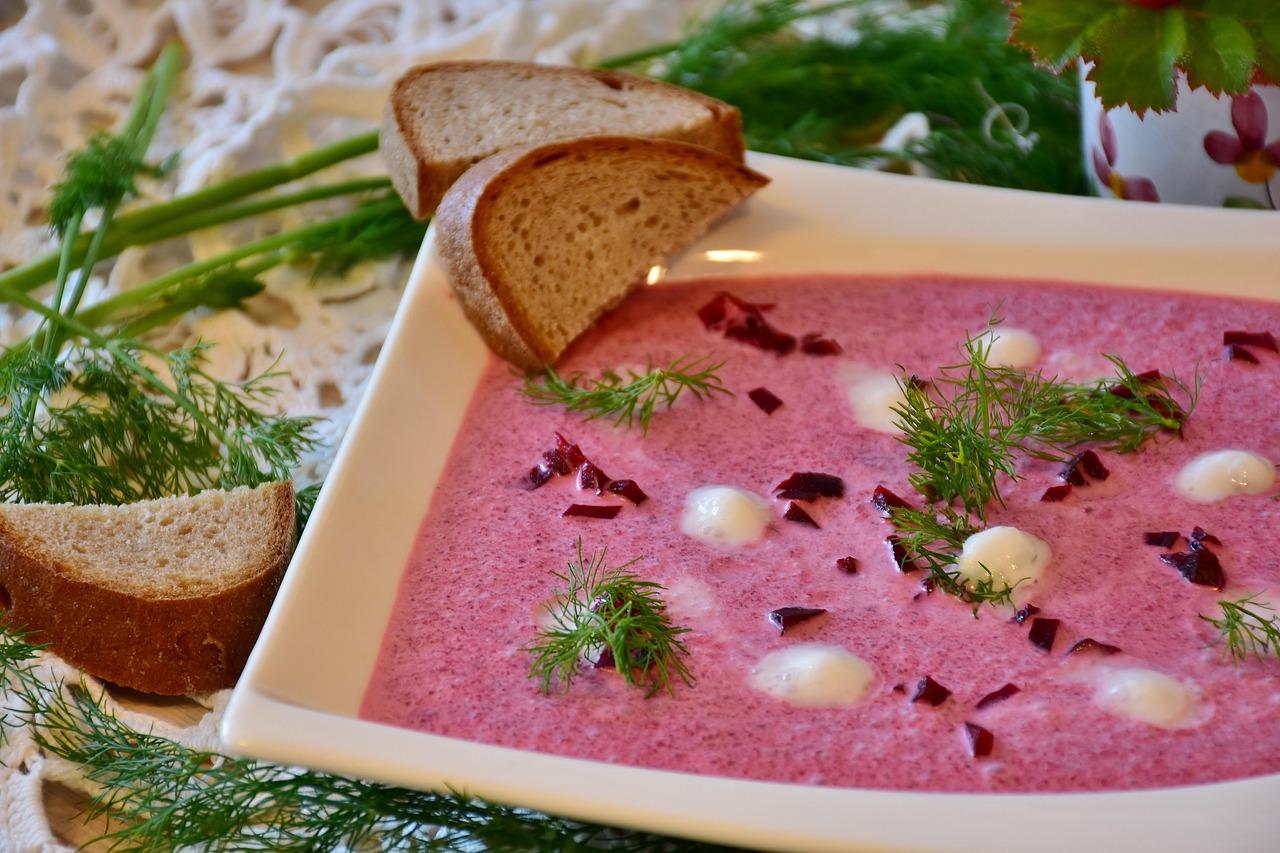
Šaltibarščiai is the shocking-pink soup of Lithuanian summers, so loved that Vilnius holds a pink soup festival every June: cooked or pickled beetroot grated into cold kefir with cucumber, dill, spring onion and boiled egg, served with a plate of hot boiled potatoes on the side. The contrast of icy soup and steaming potatoes is the point. A common mistake is using warm beetroot, which dulls the colour and warms the soup. Chef's tip: grate chilled beetroot into ice-cold kefir and let it stand for 10 minutes; the colour deepens to vivid fuchsia.

by KrazyBadal 0 views

Jan in de zak

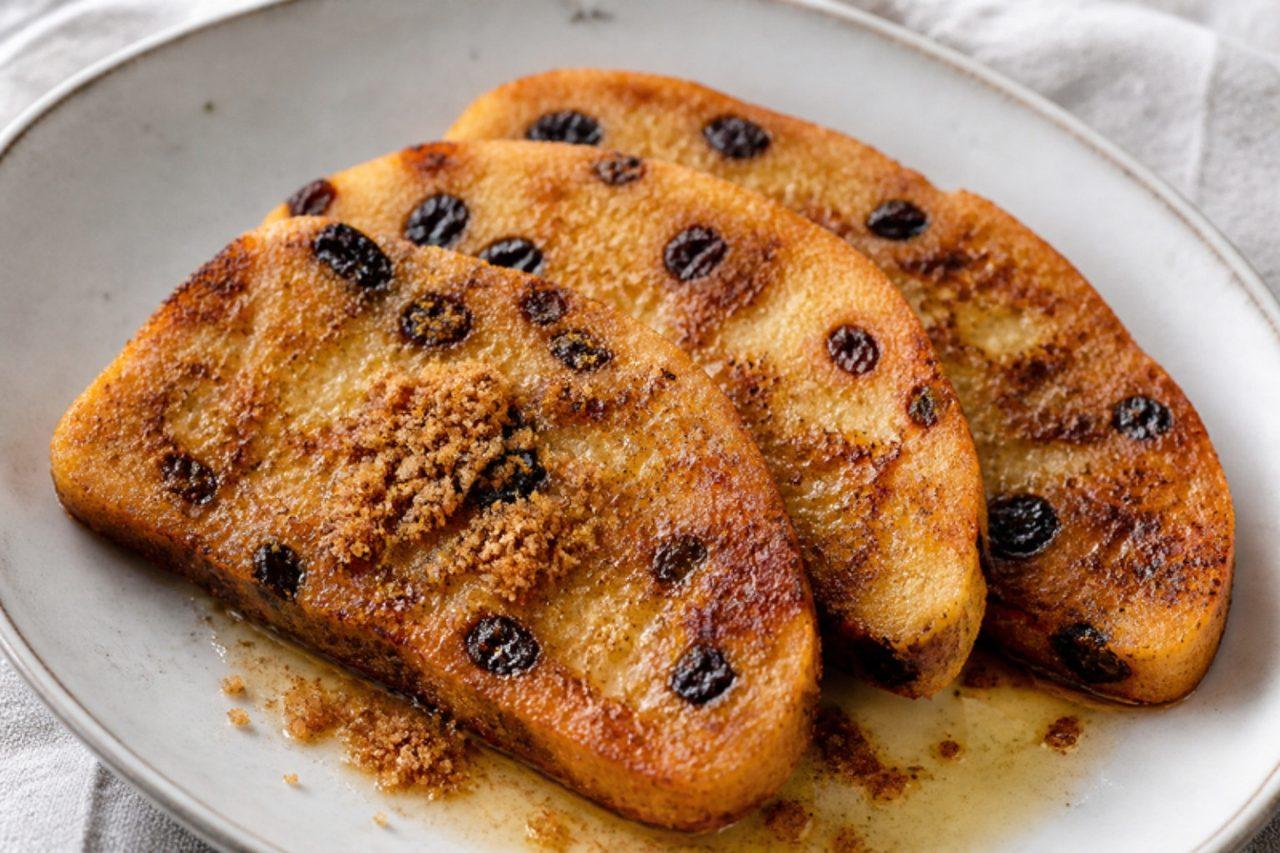
Jan in de zak, 'John in the bag', is the old Flemish farmhouse pudding cooked for Shrove Tuesday and winter Sundays in West and East Flanders: a soft yeasted dough with raisins and currants tied up in a floured cloth and boiled for hours, then sliced and fried in butter and eaten with brown sugar or treacle. It is the Flemish cousin of Dutch 'Jan in de zak'. A common mistake is tying the cloth tightly, which leaves no room for the pudding to swell and makes it dense. Chef's tip: tie the cloth loosely, leaving room for the dough to double, and keep the water at a steady simmer.

by KrazyBadal 0 views

Kletskoppen

Kletskoppen are the lacy, crackly biscuits of Bruges, sold in the old city's bakeries and served with coffee in the cafés around the Markt: brown sugar, butter and chopped almonds with very little flour (this version uses none), baked until they spread into thin, see-through, toffee-flavoured lace. A common mistake is putting them too close on the tray; they spread enormously and join up. Chef's tip: let them cool for a minute on the tray before lifting, and drape them over a rolling pin while still warm if you want curved tuiles.

by KrazyBadal 0 views

Cramique

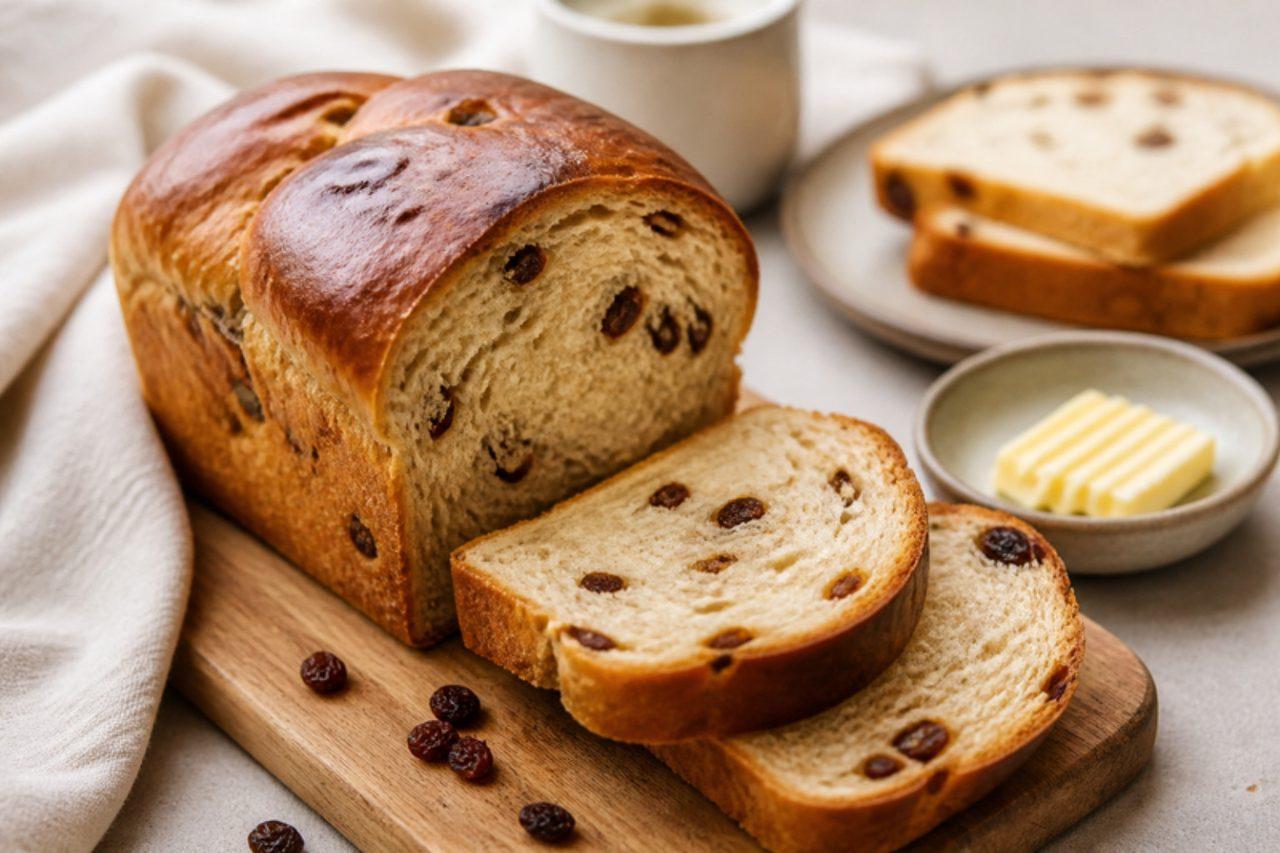
Cramique is the Sunday breakfast loaf of Brussels and Wallonia: a soft, golden brioche packed with raisins, bought from the bakery on Sunday morning and sliced thickly with salted butter. Its sister, craquelin, swaps the raisins for pearl sugar. A common mistake is adding the raisins at the start of kneading, which tears the gluten and turns the dough grey. Chef's tip: soak the raisins in warm tea for 20 minutes, then knead them in only at the end, gently.

by KrazyBadal 0 views

Filet américain

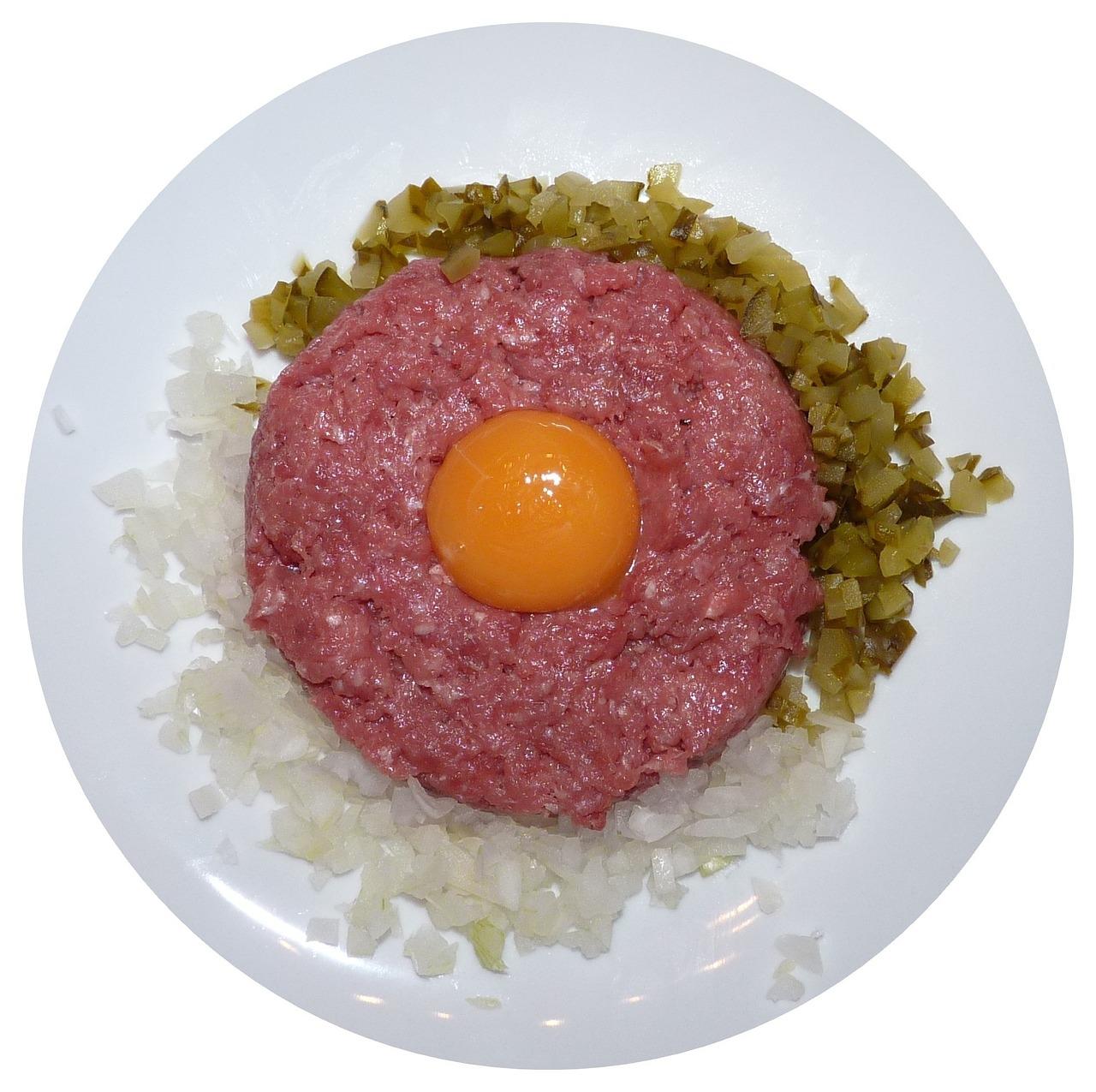
Despite its name, filet américain is a Belgian classic, served in Brussels brasseries with a mound of fries, or spread on a baguette as the famous 'broodje américain': very fresh lean beef, finely minced and mixed with mayonnaise, mustard, capers, chopped onion, parsley and a dash of Worcestershire sauce and Tabasco, so it is creamy and tangy. The beef is eaten raw, so it is not for pregnant women, young children or anyone with a weakened immune system. Buy a whole piece of the freshest steak from a trusted butcher, trim it and mince it yourself just before serving; never use ready-minced beef. A common mistake is preparing it in advance; make it and eat it at once. Chef's tip: chill the meat and the bowl well and mix with a fork, not a processor, so it stays loose. Use shop-bought mayonnaise, which is made with pasteurised egg.

by KrazyBadal 0 views

Garnaalkroketten

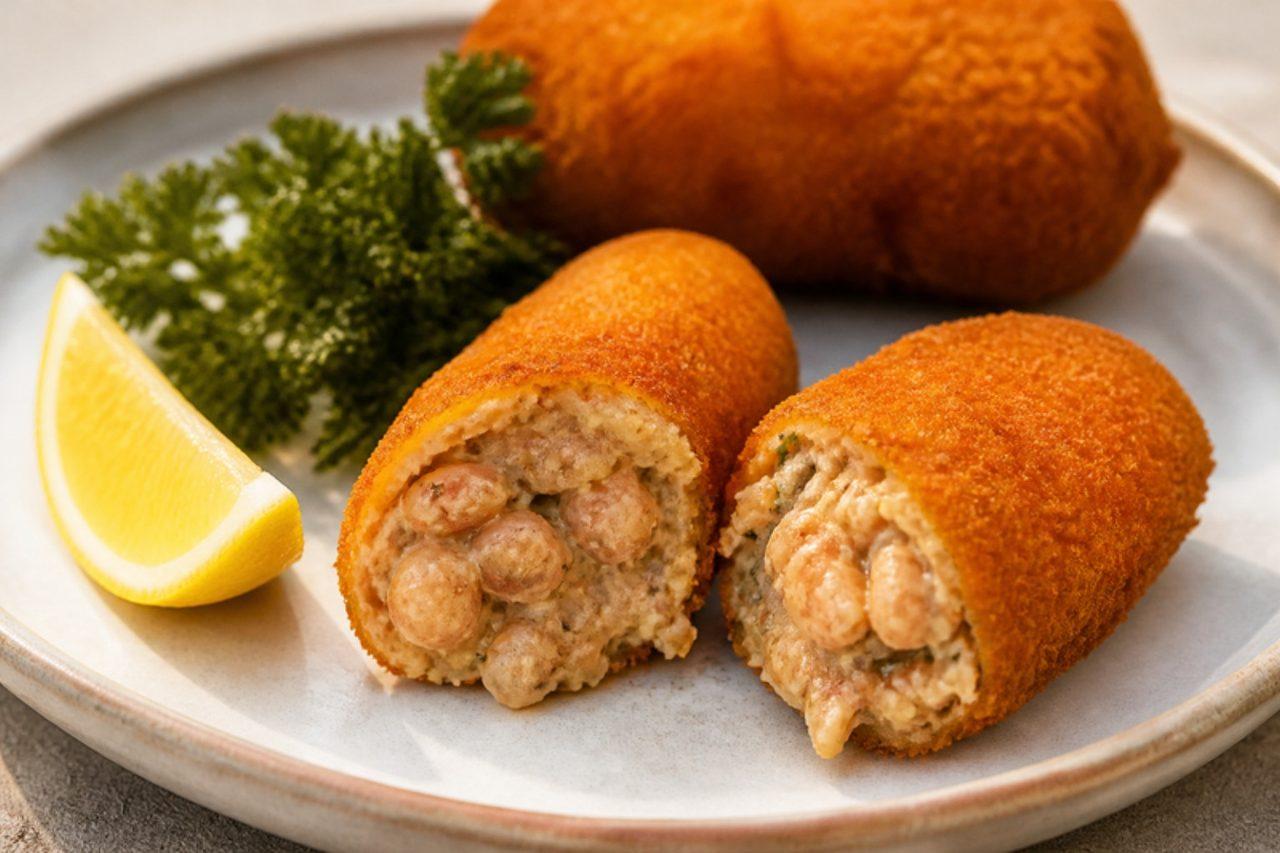
Along the Flemish coast, from De Panne to Knokke, the North Sea grey shrimp is king, and garnaalkroketten are the dish every seaside restaurant is judged by: a molten, creamy shrimp-flavoured béchamel packed with little brown shrimps, set firm, crumbed and fried until golden, served with fried parsley and lemon. In Oostduinkerke, shrimp fishers on horseback still drag their nets through the shallows. A common mistake is a béchamel that isn't thick enough, so the croquettes burst in the oil. Chef's tip: make a strong shrimp stock from the shells, if you have them, for the béchamel, and chill the mix overnight so it is firm to shape. The shrimp are already cooked; fry until golden and hot through.

by KrazyBadal 0 views

Escavèche

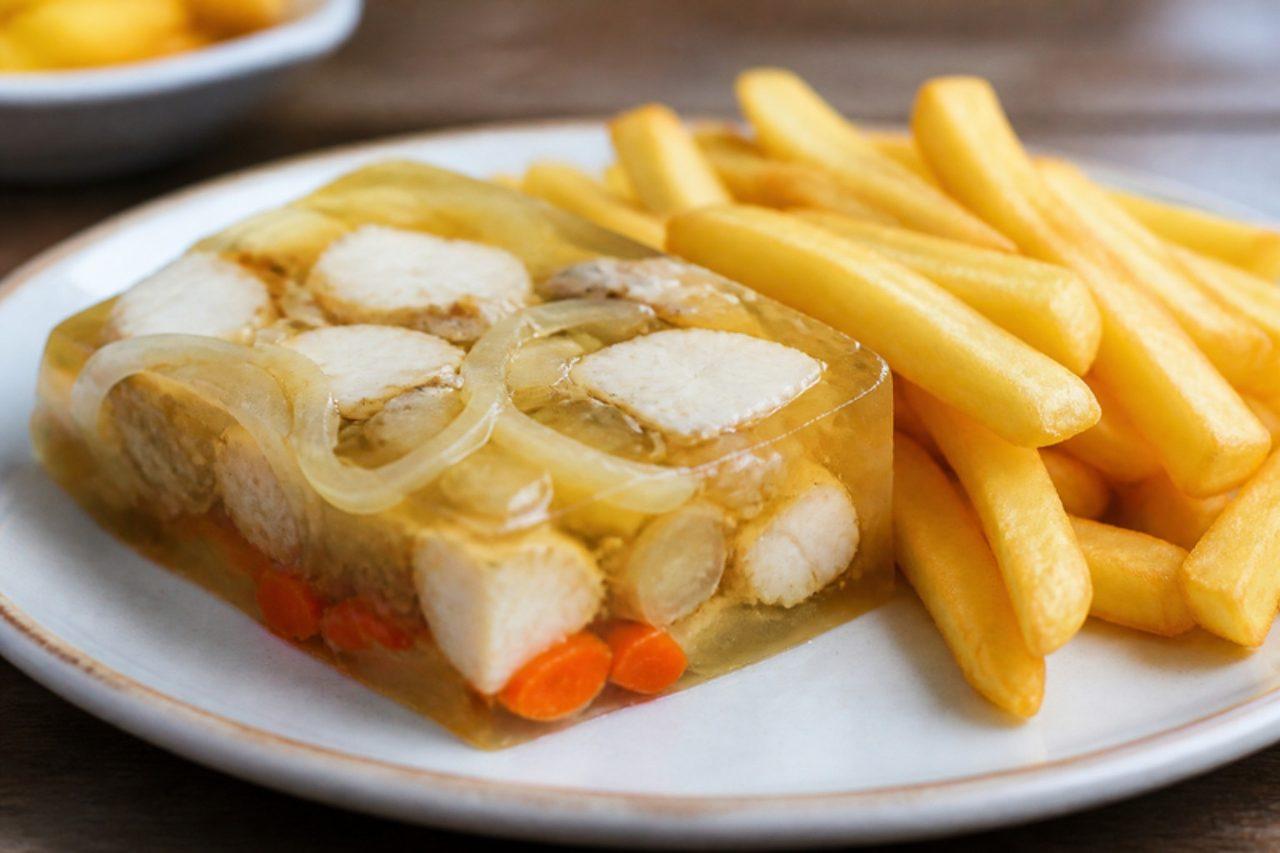
Escavèche is a speciality of the Chimay and Couvin area in southern Wallonia, a legacy of Spanish rule in the 16th century: fish fillets, traditionally eel or pike, fried and then covered with a hot marinade of vinegar, onion, thyme and bay that sets into a clear, tangy jelly as it cools. It is eaten cold, sliced, with crisp fries, in the brasseries of the Botte du Hainaut. A common mistake is not cooking the fish through before it goes into the marinade; cold marinade does not cook it. Chef's tip: let it set for at least 12 hours in the fridge; the vinegar mellows and the jelly firms. The fish should be opaque and flaking before marinating.

by KrazyBadal 0 views

Kugelis

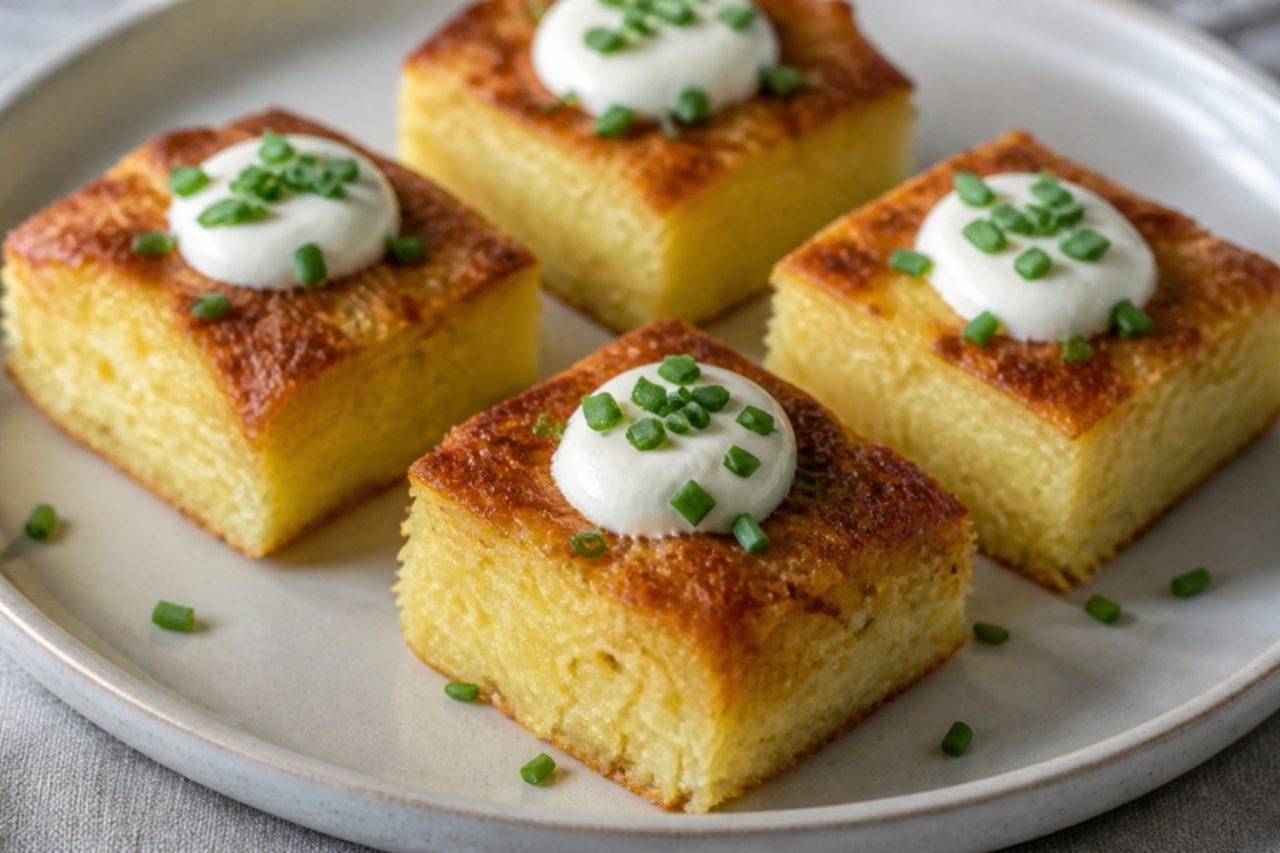
Kugelis is Sunday food all over Lithuania: raw potatoes grated very finely, mixed with eggs, hot milk and fried onion, then baked for over an hour in a deep tin until the top and edges are dark and crisp and the inside is dense and creamy. It is cut into squares and eaten with sour cream. Lithuanian families usually add bacon; this version uses plenty of onion fried in butter. A common mistake is leaving the grated potato to sit, which turns it grey. Chef's tip: pour hot milk over the potatoes as soon as they are grated; it stops them darkening and helps the pudding set.

by KrazyBadal 0 views

Cepelinai

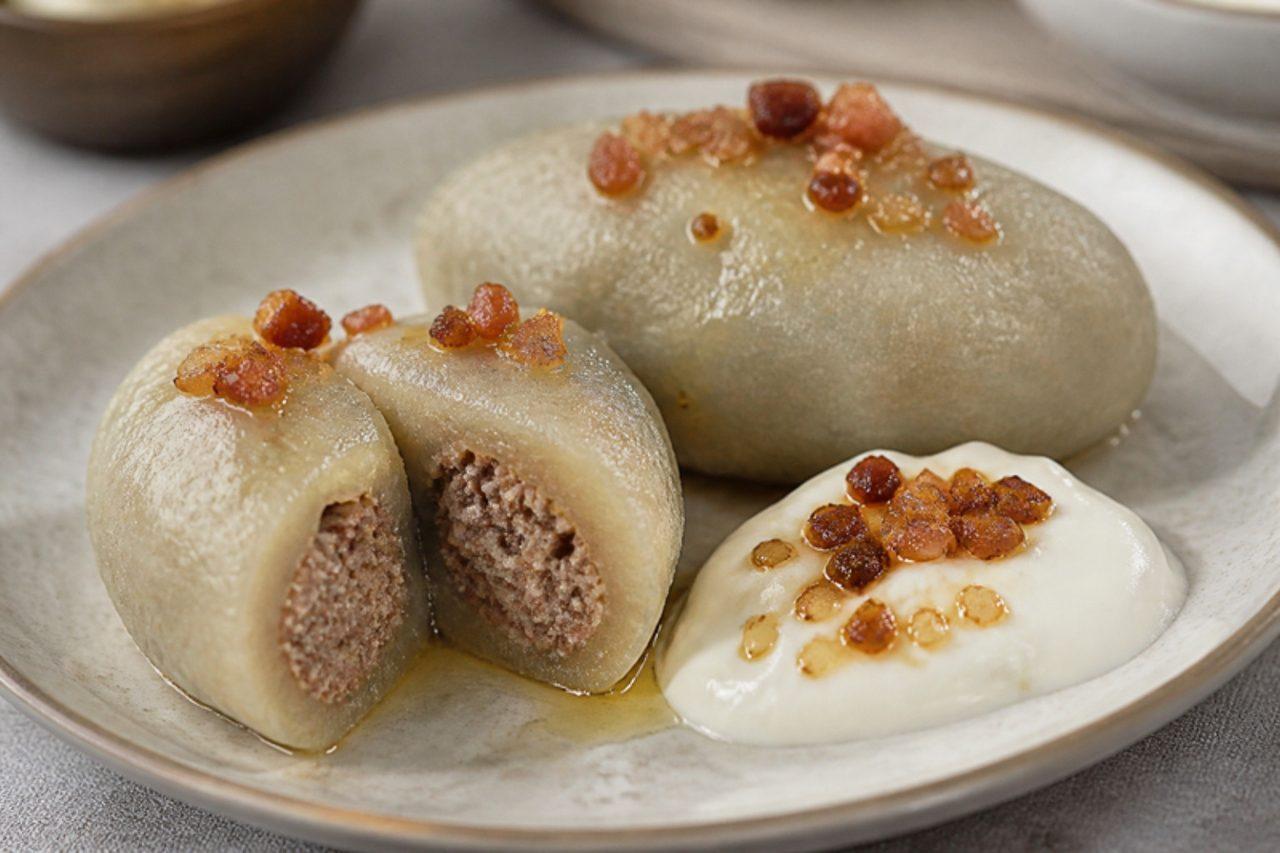
Cepelinai, named after the Zeppelin airships they resemble, are Lithuania's national dish: big oval dumplings of grated raw and boiled potato wrapped around seasoned minced pork, simmered until glossy and served with a sauce of sour cream and fried bacon bits and onion. This dish contains pork. Families in Kaunas and Vilnius make them on weekends and holidays; curd cheese or mushroom fillings are common vegetarian versions. A common mistake is skipping the potato starch; it is what holds the dumplings together. Chef's tip: squeeze the grated potato very dry and stir back the starch that settles from the liquid. Minced pork must reach 71 °C.

100 minBalticMeat
by KrazyBadal 0 views

Cougnou

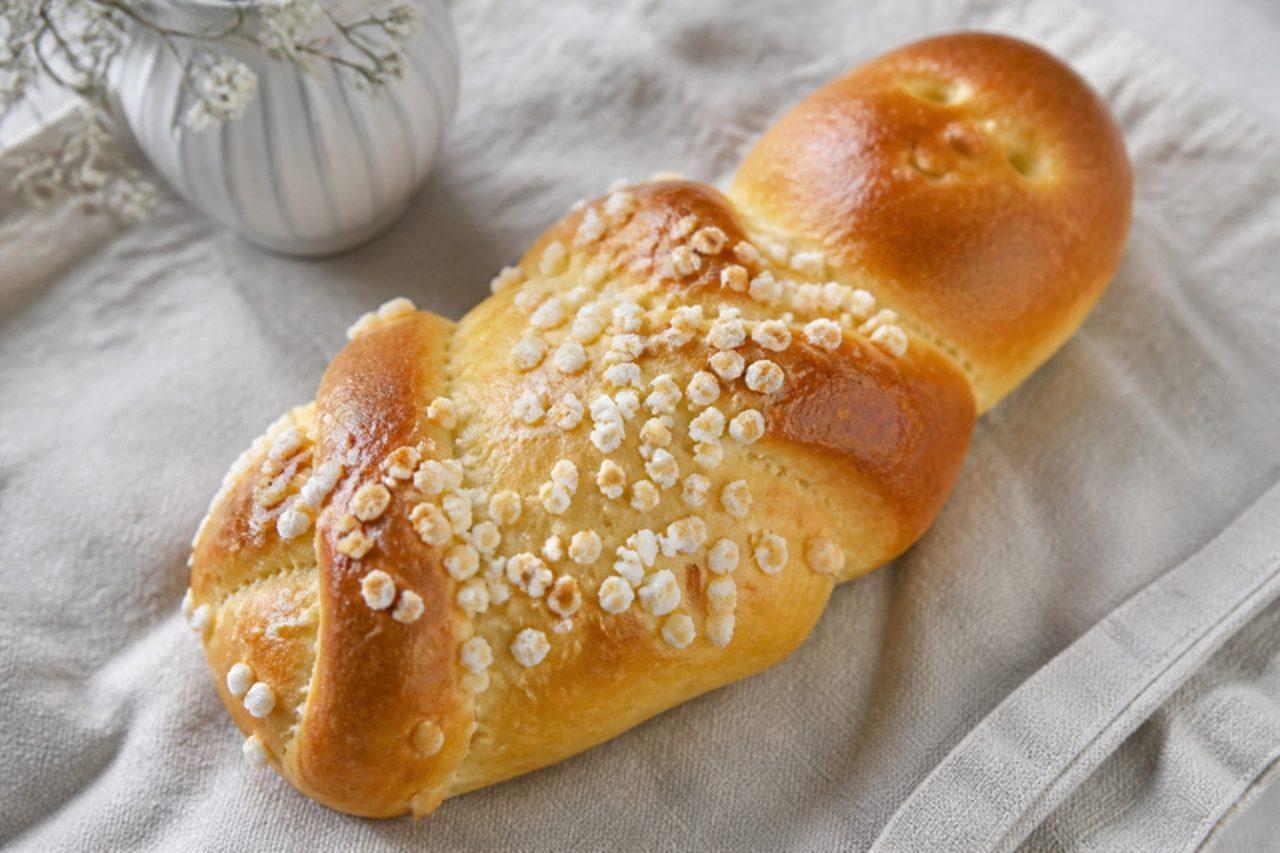
Cougnou, also called cougnolle or bommetje, is the Christmas bread of Wallonia, given to children on Christmas morning: a soft brioche shaped like the infant Jesus in swaddling clothes, with a little clay or sugar medallion pressed into the middle, eaten with hot chocolate. Bakeries in Namur and Charleroi make them from early December. A common mistake is shaping them too small, which dries them in the oven. Chef's tip: make three balls, one large for the body and two small for the head and feet, pressed together tightly so they bake as one.

by KrazyBadal 0 views

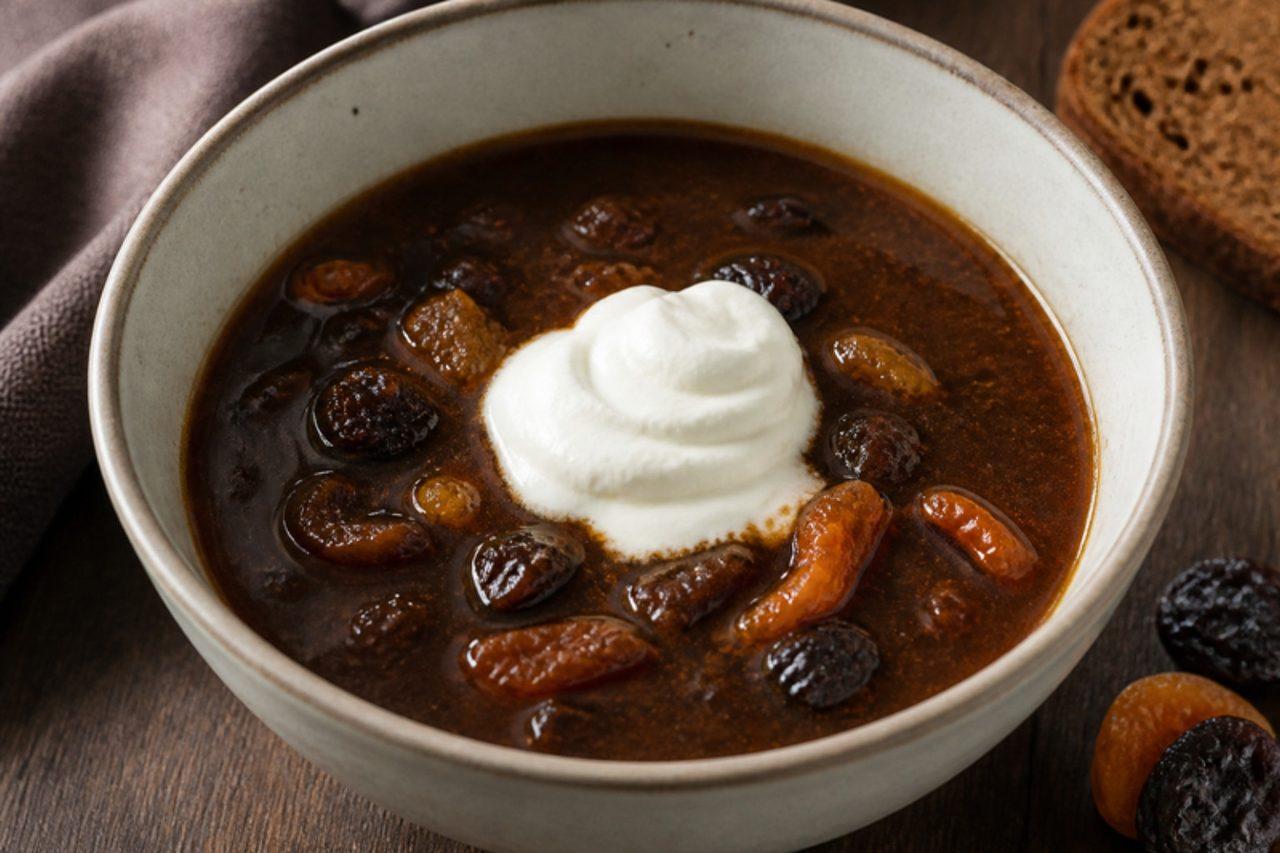
Maizes zupa

Maizes zupa, 'bread soup', is Latvia's way of using up dark rye bread: the bread is soaked and cooked down with dried fruit, sugar and cinnamon into a thick, sweet, deep-brown pudding, cooled and topped with whipped cream. It is on the menu in Riga's canteen-style restaurants and in school lunches, and every Latvian grandmother has her own version. A common mistake is using light rye; it needs dense, dark Latvian or German-style rye for its malty taste. Chef's tip: add a squeeze of lemon and a spoon of cranberries; their sharpness lifts the sweet, heavy soup.

by KrazyBadal 0 views

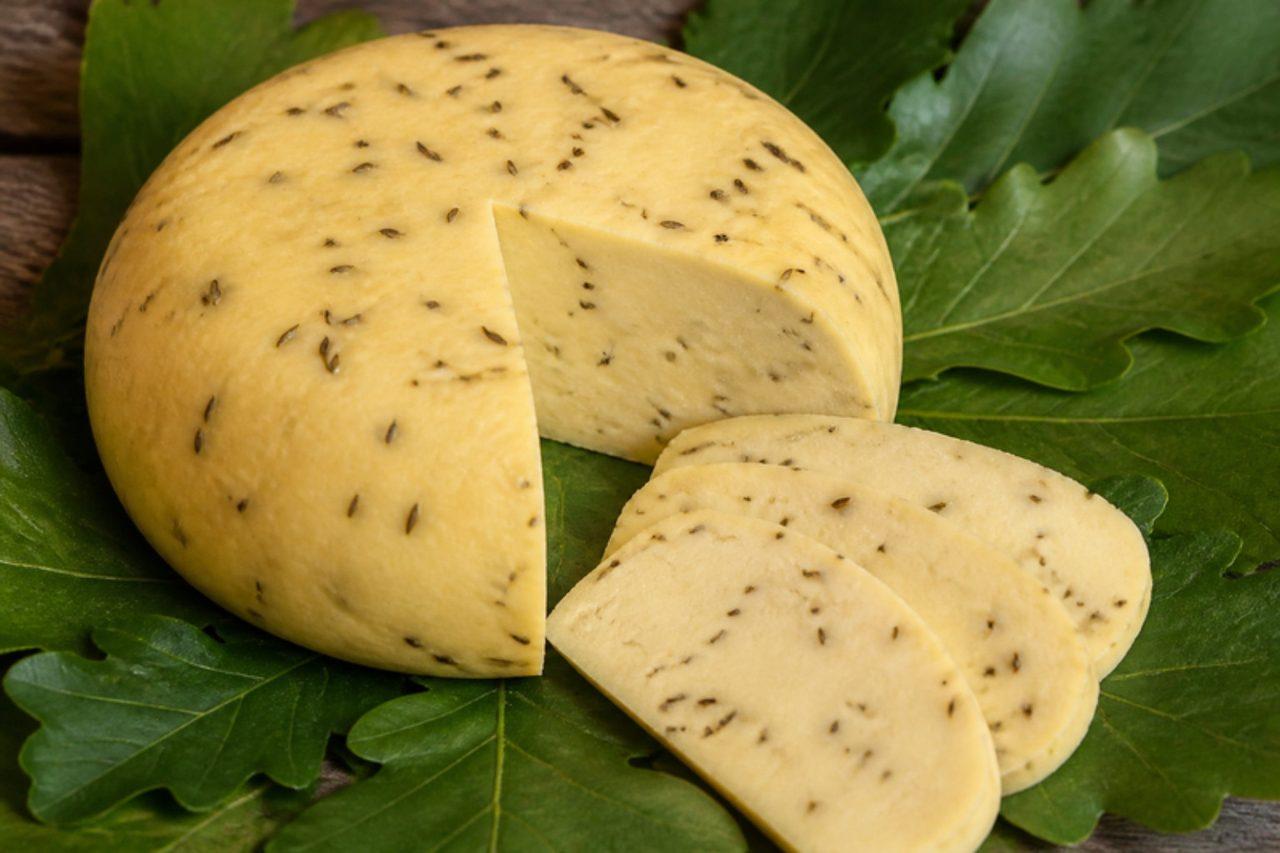
Jāņu siers

Jāņu siers is the round, golden caraway cheese that Latvians make for Jāņi, the midsummer festival on 23–24 June, when it is eaten with rye bread and honey, and songs, around bonfires. Unlike most cheeses it needs no rennet: fresh curd cheese is cooked with hot milk, eggs, butter and caraway into a smooth mass, then pressed in a cloth and left to set. Its round shape and golden colour stand for the sun. A common mistake is cooking it over a high heat, which makes it grainy and rubbery. Chef's tip: stir constantly over a low heat until it pulls away from the pan in one shiny ball, then press it straight away.

by KrazyBadal 0 views

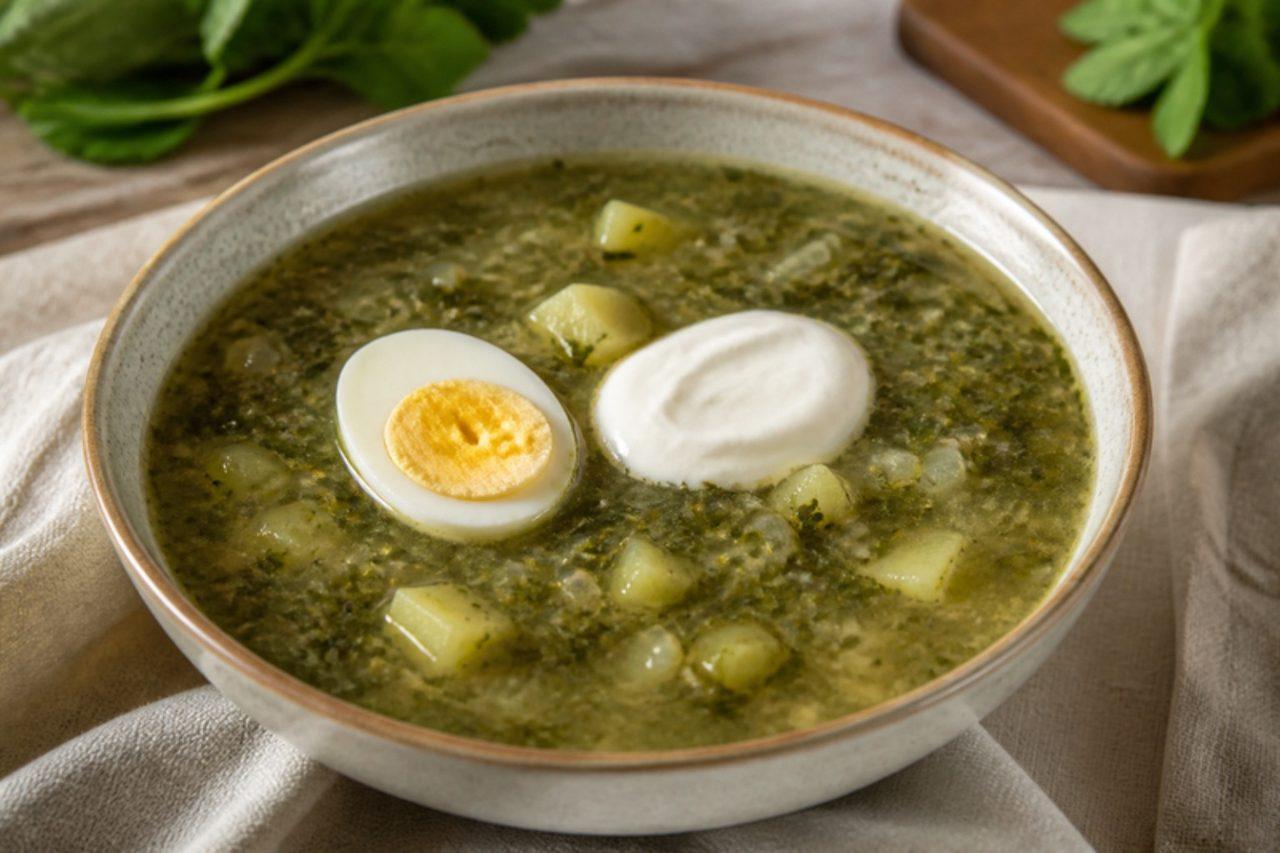
Skābeņu zupa

In late spring, Latvian gardens and meadows are full of sorrel, and skābeņu zupa is the first green soup of the year: potatoes simmered with onion and carrot, then a big handful of chopped sorrel added at the end, so the soup turns sour, bright and khaki-green. It is served hot or cold with a halved boiled egg and a spoon of sour cream. Use vegetable stock for a vegetarian soup. A common mistake is cooking the sorrel for long; it turns grey and loses its tang in a minute. Chef's tip: add half the sorrel at the end and the other half raw in the bowl for colour.

by KrazyBadal 0 views

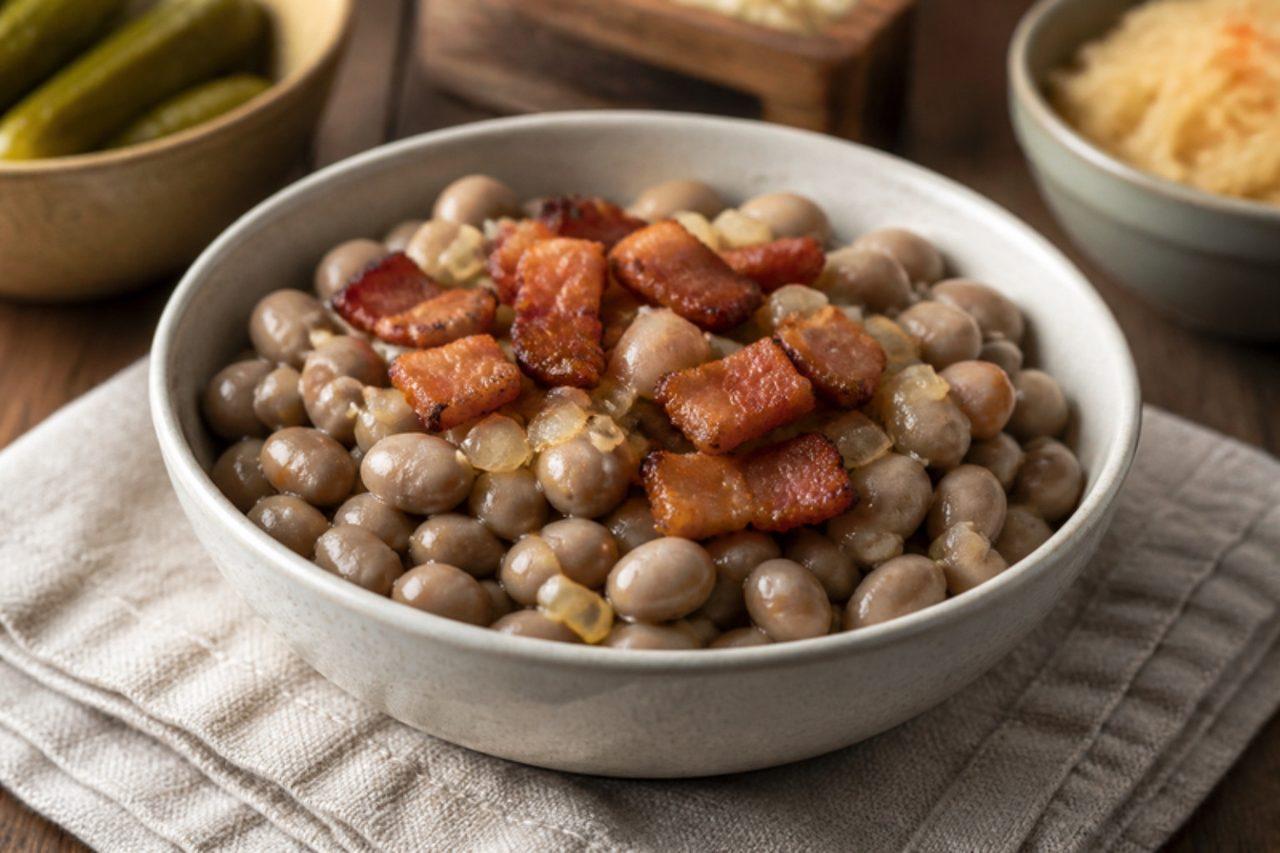
Pelēkie zirņi ar speķi

Grey peas with bacon is Latvia's national dish, eaten at Christmas and on the winter solstice and served in Riga's canteens all year: large, earthy grey peas soaked and boiled until soft but whole, then tossed with crisp pieces of fried smoked bacon and onion and served with a glass of cold kefir. This dish contains pork. Grey peas are sold in Baltic shops; carlin peas or brown chickpeas are close. A common mistake is overcooking the peas into mush. Chef's tip: fry the bacon slowly so its fat renders out, then fry the onion in that fat; it coats the peas with flavour.

by KrazyBadal 0 views

Salade liégeoise

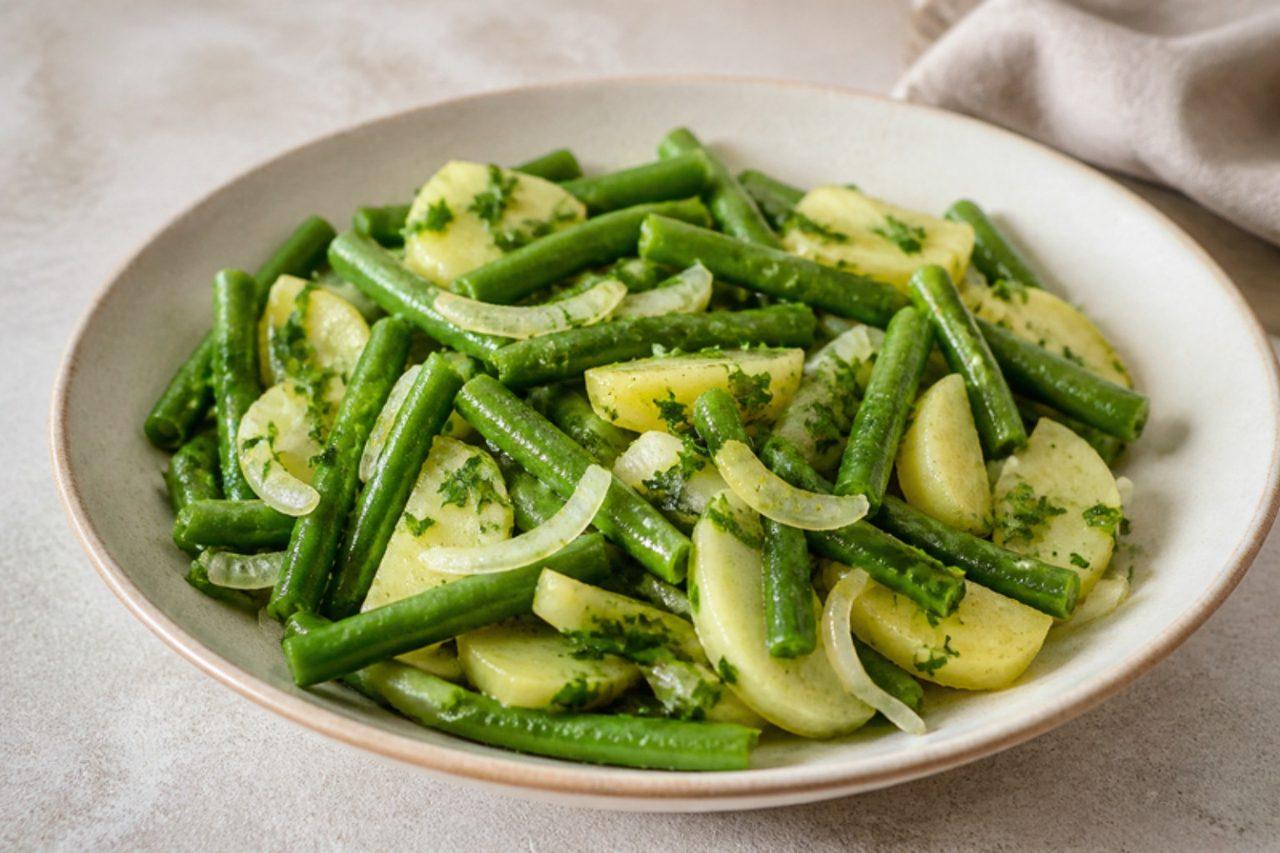
Salade liégeoise is the warm salad of Liège, eaten as a main course in the city's brasseries in summer when green beans are in season: just-cooked green beans and waxy potatoes tossed while warm with onion softened in butter and a sharp vinegar dressing, scattered with parsley. In Liège it is made with crisp bacon lardons; this version leaves them out and adds a fried egg on top for a fuller meal if you like. A common mistake is dressing cold vegetables, which don't absorb the vinegar. Chef's tip: deglaze the onion pan with the vinegar, then pour it straight over the hot beans and potatoes.

by KrazyBadal 0 views

Showing 24 of 266 recipes

Show more recipes

Page 1 of 12