Skip to content
Recipes

All recipes

Vegetarian, or something you can't eat? Set your diet once and we'll hide recipes that don't fit.

Steirische Kürbiscremesuppe

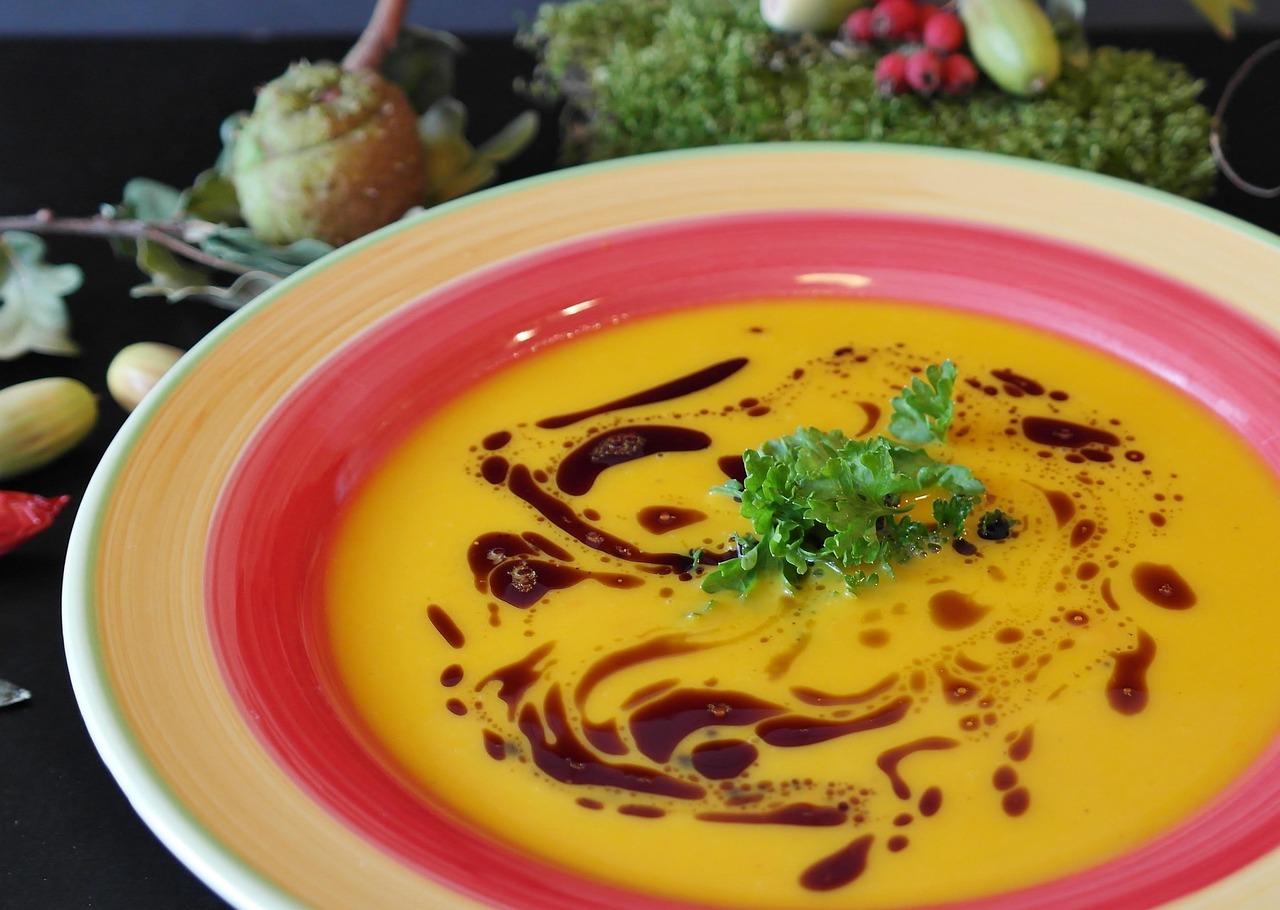
When the pumpkin fields of Styria turn orange in October, every inn from Graz to the Slovenian border puts this soup on the board. It is velvety and gently sweet, with a little nutmeg and a dash of vinegar for lift, and comes to the table with a swirl of almost black pumpkin seed oil and a scattering of toasted seeds. Serve it as a starter before a Sunday roast or with crusty bread for supper. A common mistake is boiling the soup hard after the cream goes in, which can split it and dull the colour. Check the stock if you need it gluten free. Chef's tip: toast the seeds dry in a pan until they puff and pop; it takes 3 minutes and doubles the nutty flavour.

by KrazyBadal 0 views

Punschkrapfen

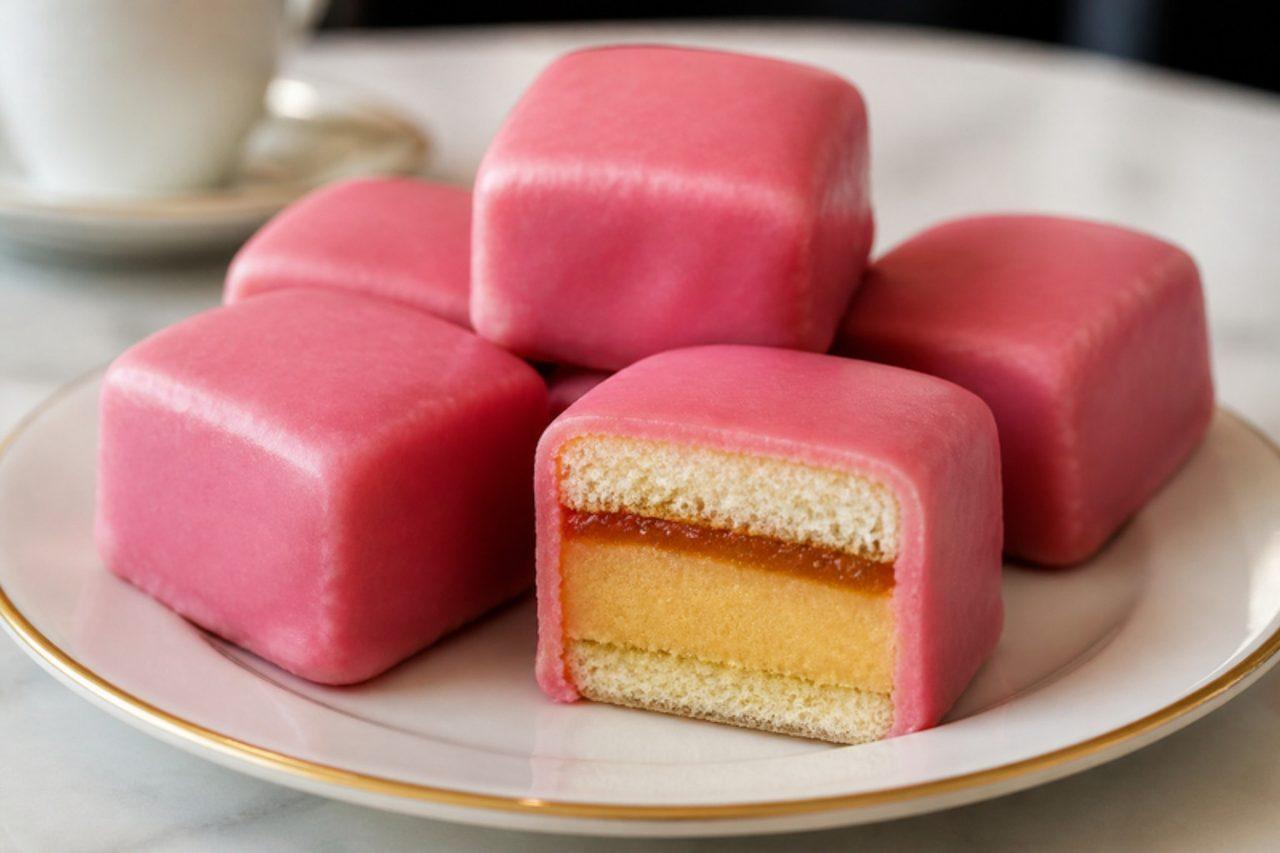
Punschkrapfen are the bright pink cubes that glow from every Viennese Konditorei counter, especially in winter. Traditionally the filling of sponge crumbs, jam and chocolate is soaked in rum punch, which gives the cake its name, so the classic version contains alcohol. This recipe makes the alcohol-free version with orange juice and strong black tea, which keeps the fruity, warming flavour that children can eat too; to make the traditional one, swap 40 ml of the orange juice for dark rum. The sponge is moist and dense, the icing sweet and crackly. A common mistake is skipping the overnight press; the cubes fall apart when cut. Many pink colourings use carmine, made from insects, so choose a plant-based one such as beetroot red. Chef's tip: cut with a knife dipped in hot water and wiped between each cut for clean edges.

by KrazyBadal 0 views

Liptauer

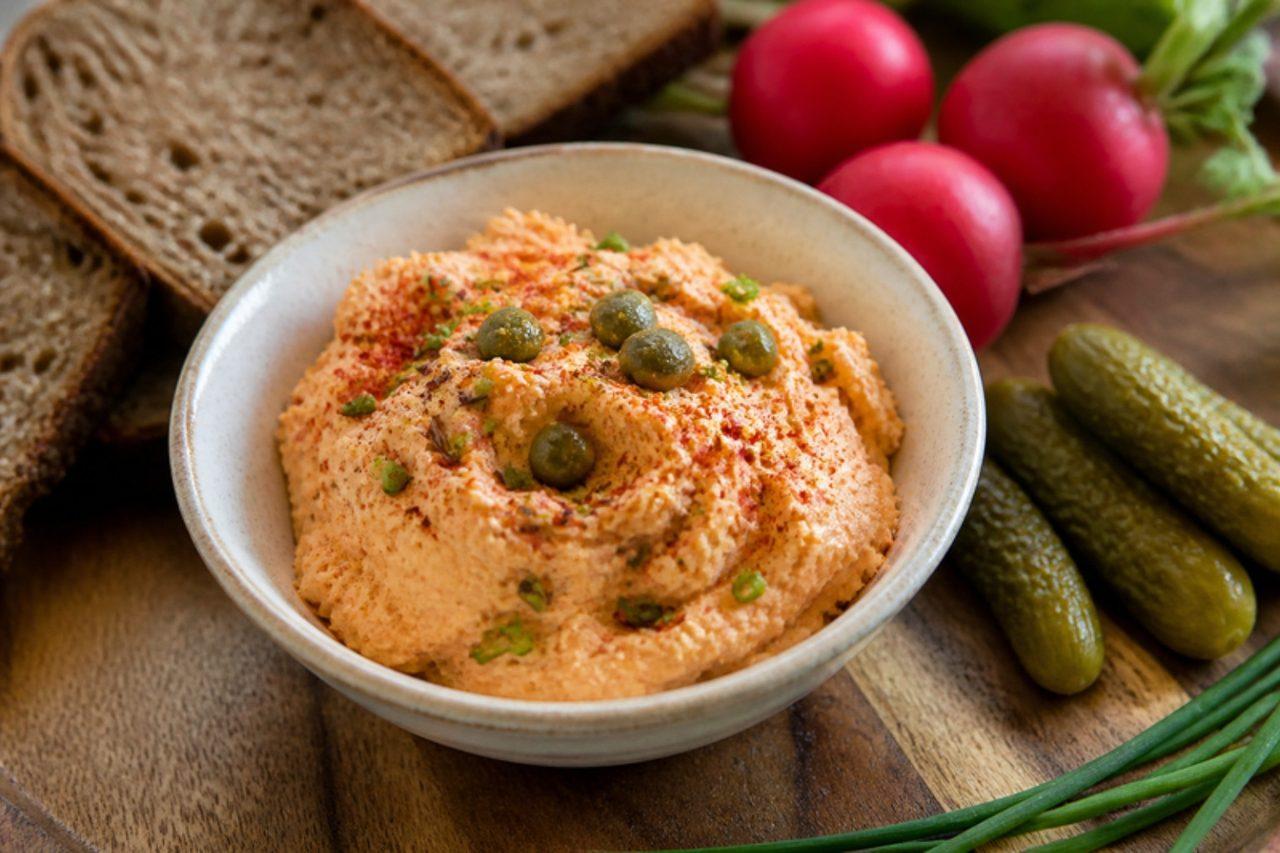
No Heuriger, the wine tavern on the vineyard slopes at the edge of Vienna, is complete without a bowl of rust-red Liptauer next to the bread basket. Quark and soft butter are beaten with sweet paprika, ground caraway, mustard, onion and capers into a spread that is creamy, tangy and gently warm. Spread it thick on dark rye bread with radishes and chives, or pipe it onto halved peppers for a snack board. A common mistake is using wet quark straight from the tub, which makes the spread runny; drain it in a sieve first. Most quark is set without rennet, but some brands use a little animal rennet, so pick one labelled vegetarian. Chef's tip: make it a few hours ahead; the paprika colour deepens and the caraway softens as it sits.

by KrazyBadal 0 views

Tiroler Gröstl

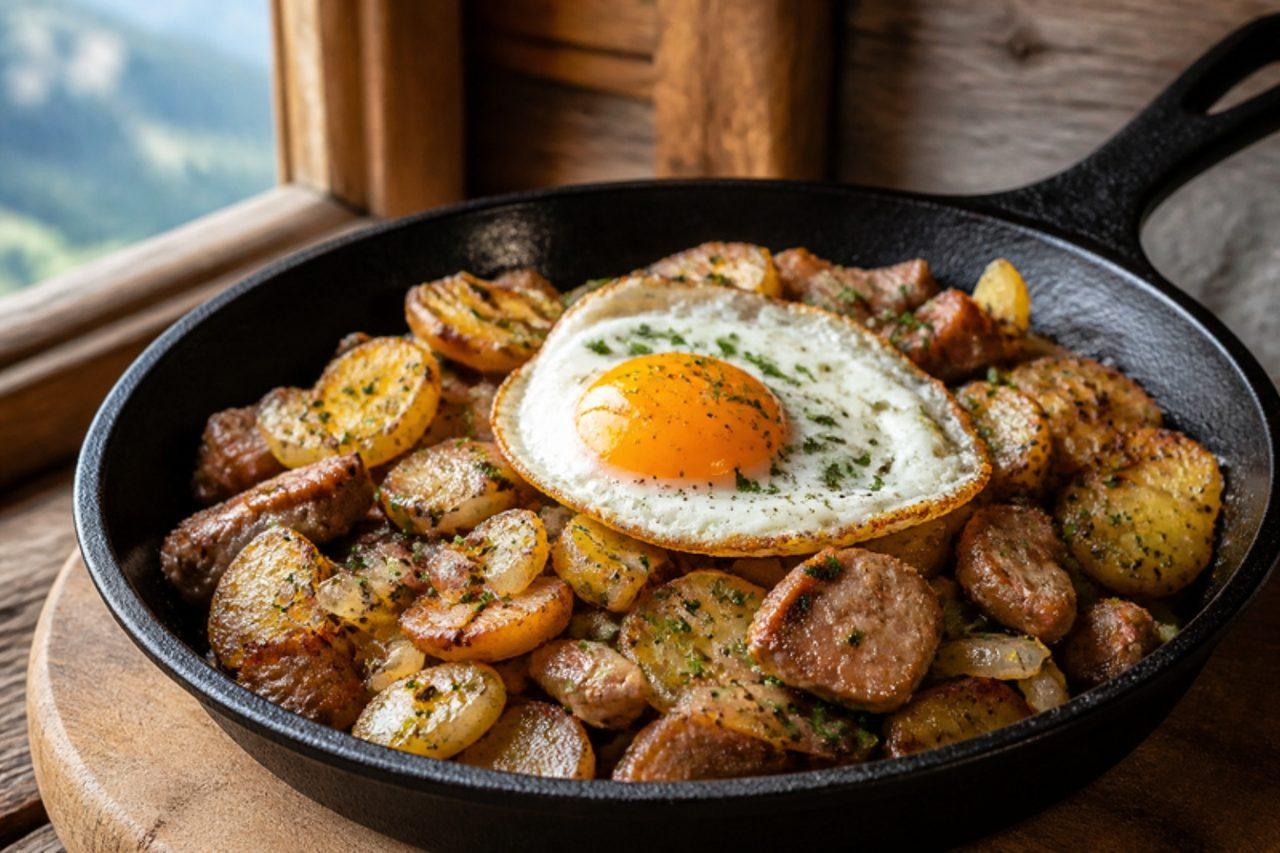
Tiroler Gröstl is what Tyrolean mountain huts serve to skiers and hikers coming in from the cold, and what farmhouse kitchens around Innsbruck make on Monday from Sunday's roast. Cold boiled potatoes are fried until crusty with onions, then tossed with cubes of leftover roast pork or smoked pork, caraway and marjoram, and crowned with a fried egg. It is made in one big pan and brought to the table in it. Chef's tip: let the potatoes fry undisturbed for the first few minutes; the brown crust is the whole dish.

by KrazyBadal 0 views

Linzer Torte

Linz, the Danube city in Upper Austria, has baked this tart for centuries, and it still fills bakery windows there all year, with extra demand in Advent. It is closer to a soft, crumbly nut biscuit than a pastry: ground hazelnuts, butter, cinnamon and cloves are pressed into the tin, filled with tart redcurrant jam and topped with a lattice. Serve a thin slice with coffee or tea. A common mistake is eating it on the day it is baked; it is much better after two or three days, when the jam soaks into the crumb. Chef's tip: chill the lattice strips on a tray before lifting them on, and they will not tear.

by KrazyBadal 0 views

Kardinalschnitten

Kardinalschnitten, 'cardinal slices', were created in Vienna with the colours of the Church in mind: white meringue and yellow sponge baked side by side in stripes. In Viennese cafés they are a light, summery choice with an afternoon coffee. Two baked sheets of alternating stripes sandwich a soft coffee cream, and the result is crisp, airy and cool at the same time. A common mistake is overfilling with cream that has not been stabilised; it squeezes out when you cut. Here a little mascarpone keeps the cream firm without gelatine. Chef's tip: pipe the meringue stripes first and the sponge in the gaps after, so the sponge does not spread flat.

by KrazyBadal 0 views

Grießnockerlsuppe

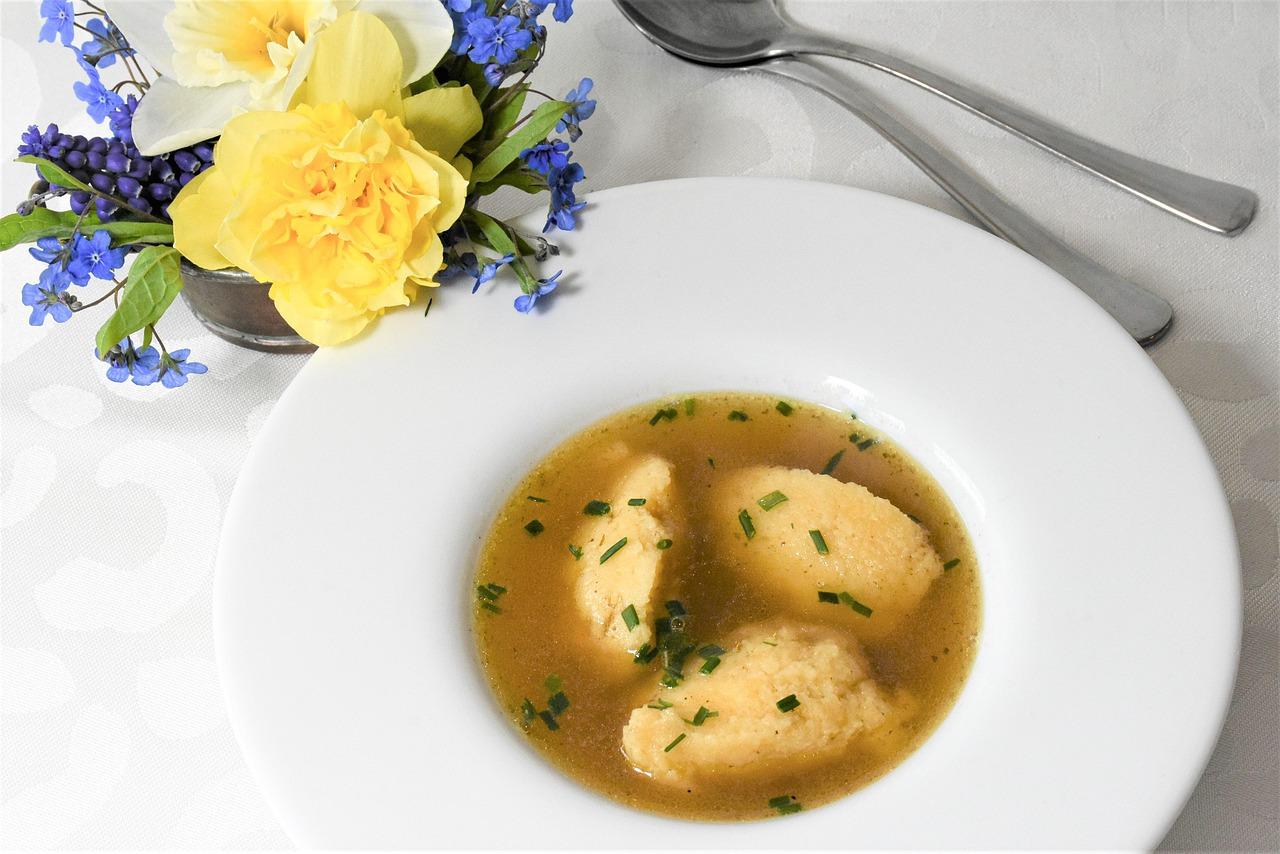
Grießnockerlsuppe is the soup that opens a proper Austrian Sunday lunch, from Viennese grandmothers' tables to village inns in Upper Austria: a clear, deeply savoury beef broth with three or four soft, oval semolina dumplings that should be fluffy enough to cut with a spoon. The broth is made from beef shin and bones, simmered slowly with charred onion; broth left over from Tafelspitz works perfectly too. Chef's tip: let the semolina mix rest for 15 minutes before shaping; the grains swell and the dumplings hold together without going heavy.

by KrazyBadal 0 views

Eiernockerl

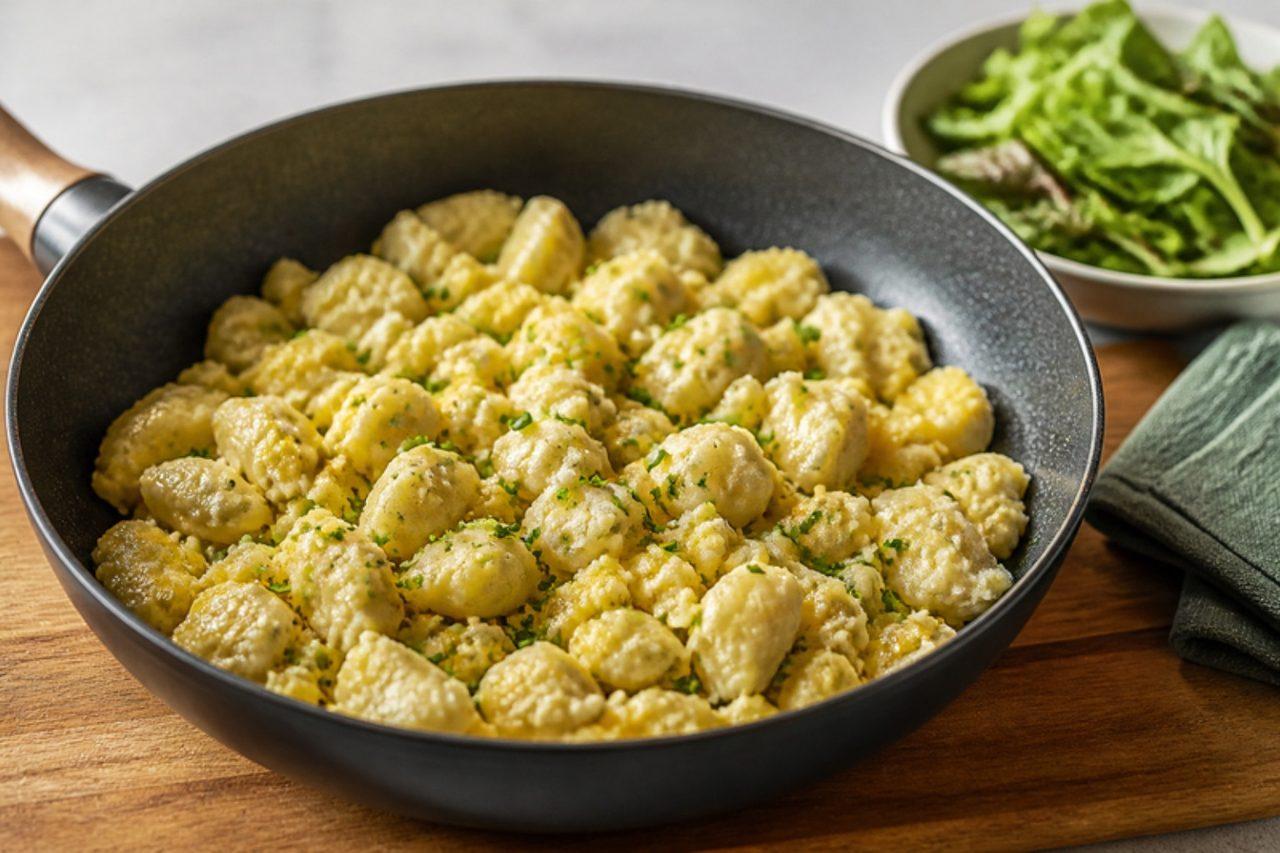
Eiernockerl is what Viennese grandmothers cook when the larder is nearly bare: a loose flour batter is scraped in little nubs into boiling water, then tossed in foaming butter and set with beaten eggs. In Vienna it turns up on weekday lunch tables and in old-fashioned Beisln, usually with a green salad in a sharp vinegar dressing on the side. The nockerl should be soft and slightly chewy, the egg just set and glossy, with lots of chives. A common mistake is cooking the eggs until dry and grainy; take the pan off the heat while they still look a little wet. Chef's tip: let the batter rest for 10 minutes before you cut it into the water, so the flour swells and the nockerl hold their shape.

by KrazyBadal 0 views

Steirischer Käferbohnensalat

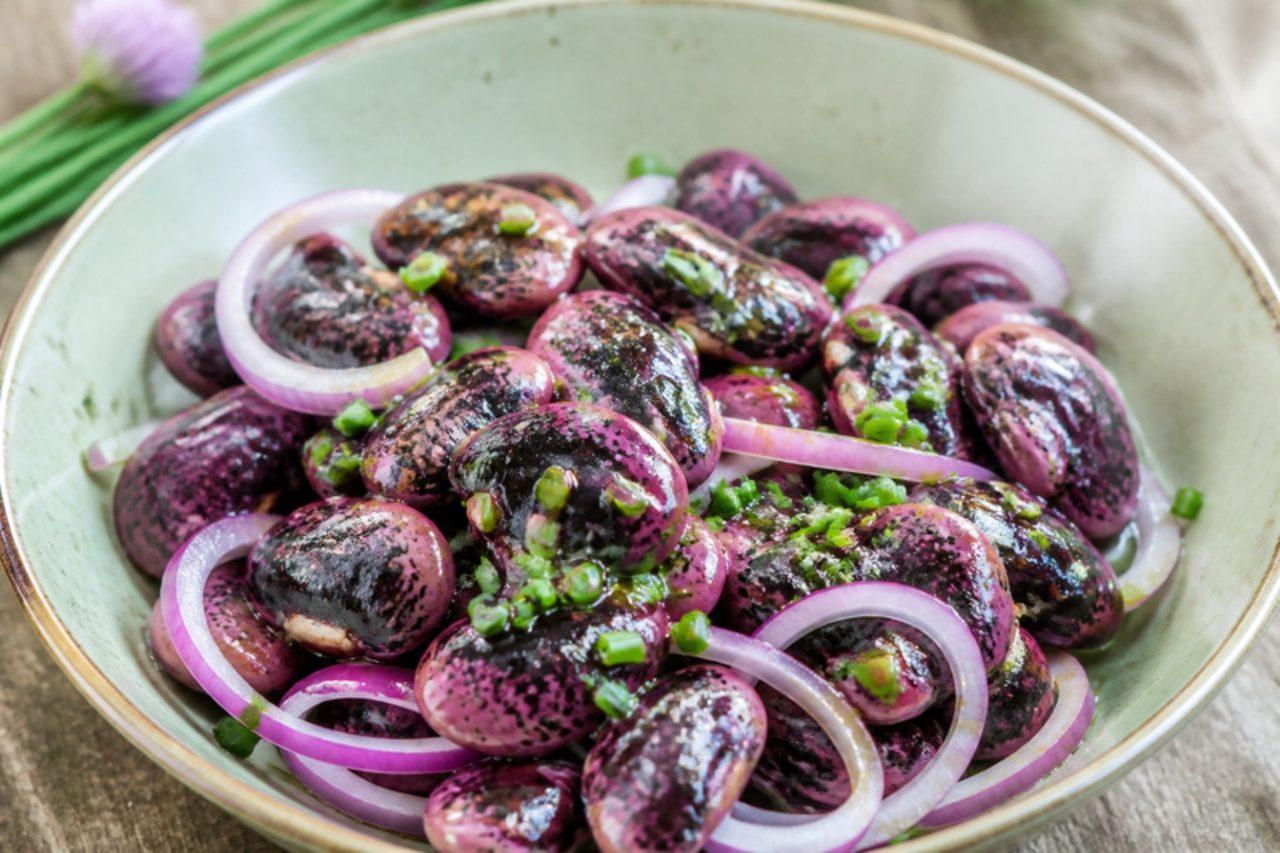
In the hills of south-east Styria, fat purple-speckled runner beans called Käferbohnen, 'beetle beans', are dried every autumn and turned into this simple salad. It is a fixture of the Buschenschank, the farm wine taverns where you sit outdoors with a board of bread, cheese and spreads. The beans are soft and creamy, the red onion and cider vinegar sharp, and the dark green pumpkin seed oil gives a deep, toasty, nutty flavour. A common mistake is dressing cold beans straight from the fridge; dress them lukewarm so they soak up the vinegar. Chef's tip: add the pumpkin seed oil last and do not heat it; it turns bitter when warm.

by KrazyBadal 0 views

Tafelspitz

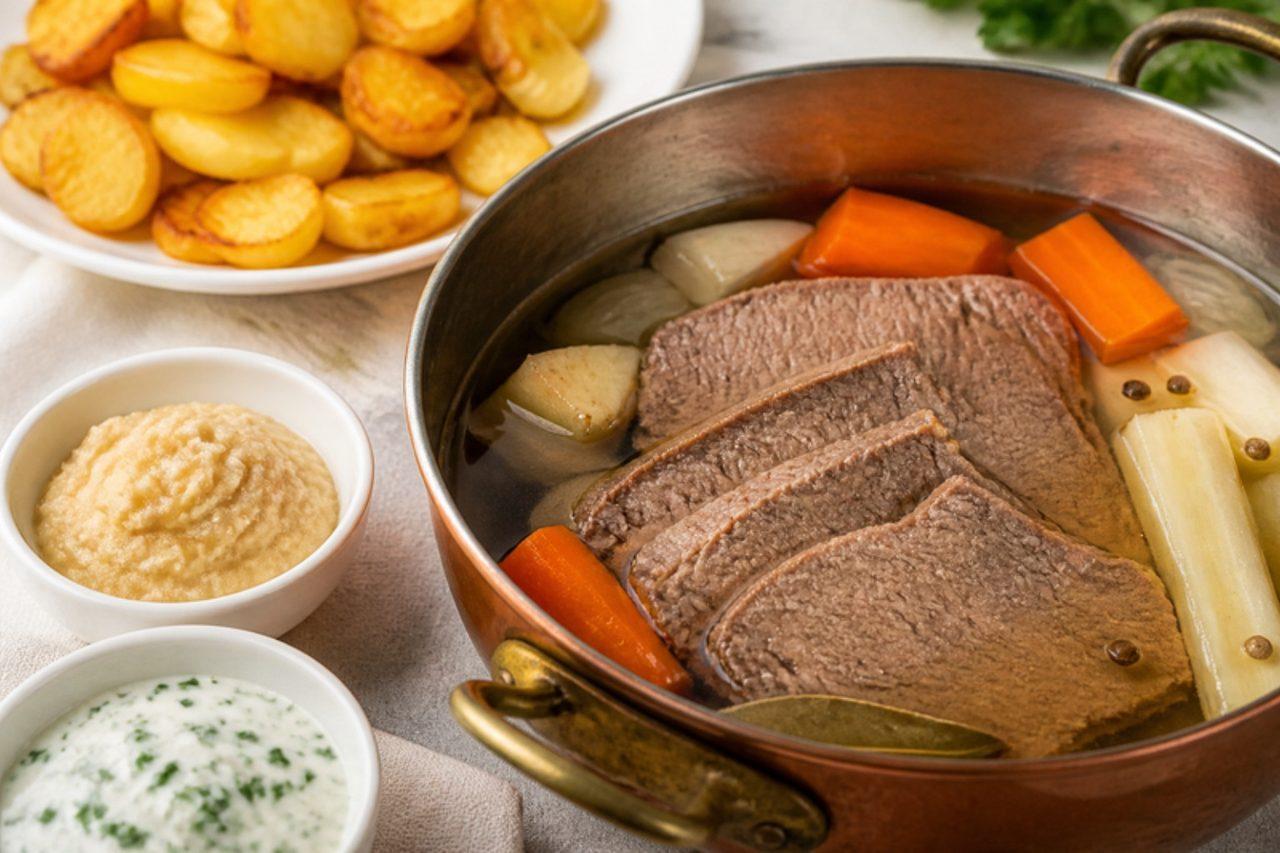
Tafelspitz is Vienna's grand Sunday lunch, the dish the old Beisl taverns and the city's famous beef restaurants built their names on. A whole piece of beef top rump is barely simmered with root vegetables for hours, then served in three acts: first the clear golden broth, then the sliced beef with crisp roast potatoes, sharp Apfelkren (grated apple and horseradish) and a cool chive sauce. Keep any leftover broth for Grießnockerlsuppe or Frittatensuppe. Chef's tip: never let the pot bubble; a slow tremble keeps the meat juicy and the broth clear.

210 minAustrianMeatGluten free
by KrazyBadal 0 views

Steirische Kernöl-Eierspeis

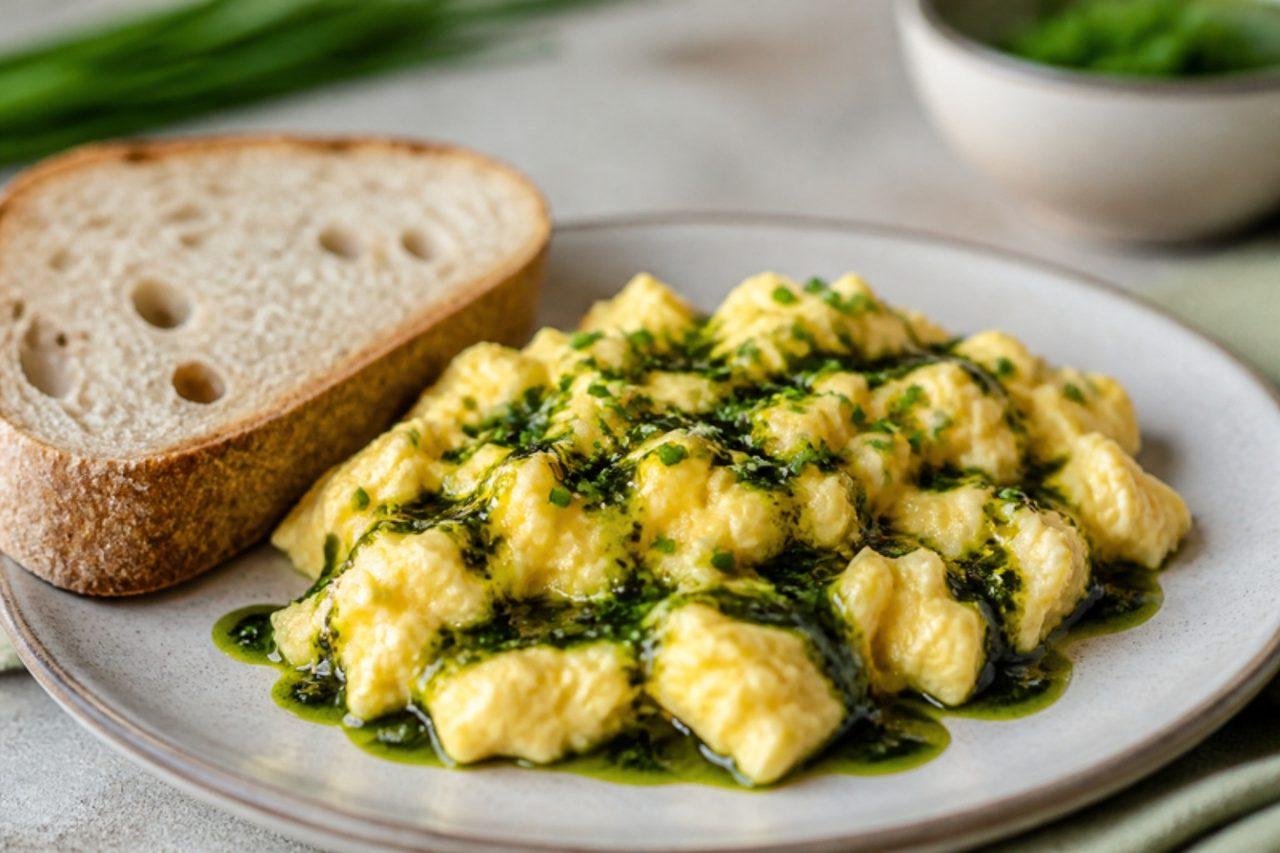
Eierspeis is the Austrian word for scrambled eggs, and in Styria they get a final drizzle of the region's dark green pumpkin seed oil. It is a farmhouse breakfast or a late-night snack after a long evening in a Graz wine bar, eaten straight from the small pan it was cooked in with a slice of rye bread. The eggs are soft and creamy in big folds, and the oil adds a toasted, nutty depth that tastes almost like brown butter. A common mistake is stirring too fast on a high heat, which gives small dry crumbs instead of soft curds. Chef's tip: salt the eggs a few minutes before cooking; it helps them set more tenderly.

by KrazyBadal 0 views

Sachertorte

This dense, dark chocolate torte is Vienna's most famous cake, eaten in coffee houses all over the city with a cup of Melange and, always, a cloud of unsweetened whipped cream on the side. The sponge is made with melted chocolate and whisked egg whites, so it is fine-crumbed and slightly dry by design; a thin layer of sharp apricot jam runs through the middle and over the top, under a shiny, snappy chocolate glaze. A common mistake is pouring the glaze too hot or too cold; too hot and it runs off thin, too cold and it sets dull and lumpy. It is a cake for birthdays and Sunday visits, and it keeps well for days. Chef's tip: bake it the day before and let it rest overnight wrapped; it cuts far more neatly and the crumb softens.

by KrazyBadal 0 views

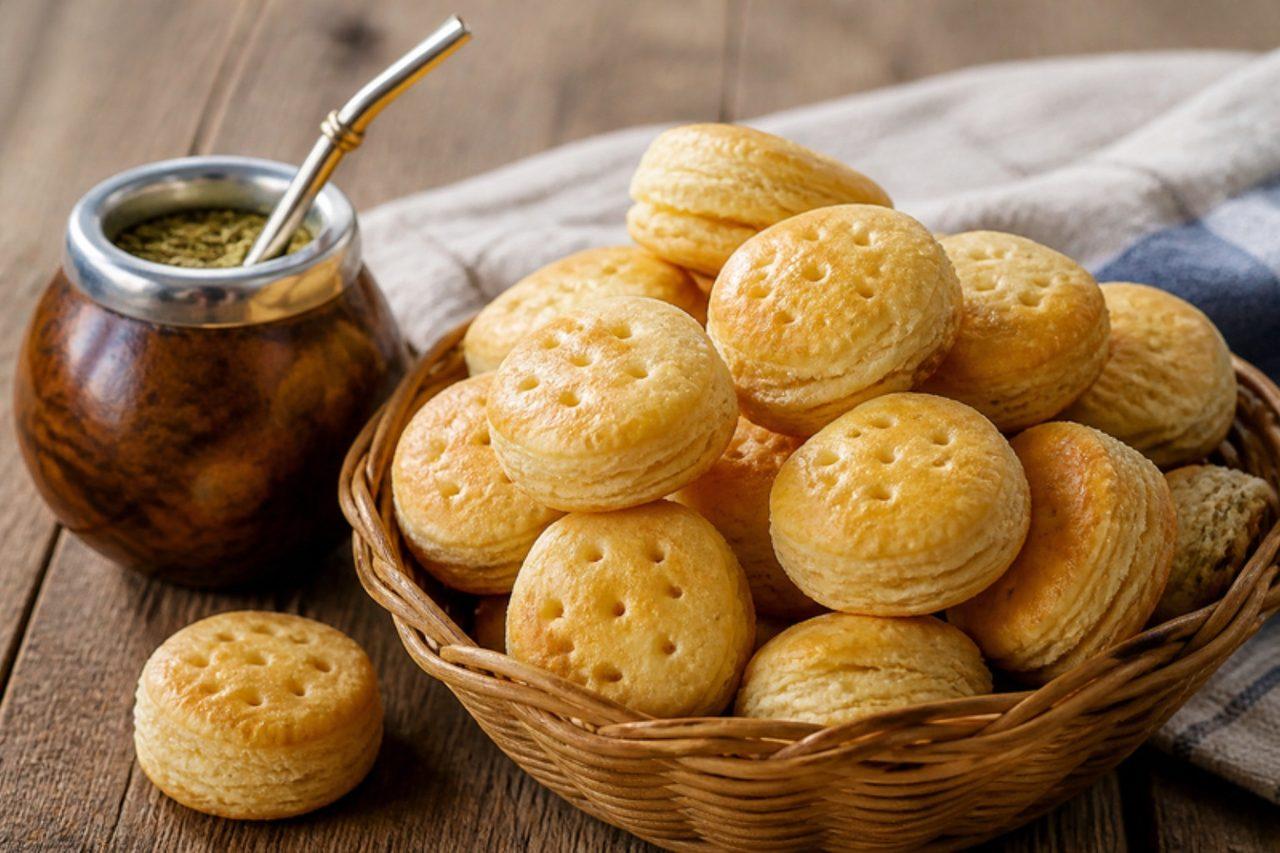
Bizcochitos de grasa

A paper bag of bizcochitos de grasa sits next to the mate gourd in kitchens, offices and roadside service stations across Argentina, from Buenos Aires to the Andes. These little rounds, a couple of bites each, are layered with beef fat, so they flake and crumble, salty and plain enough to eat by the dozen with bitter mate in the afternoon. The fat is rendered beef fat (grasa vacuna), so they are not vegetarian; ask your butcher for dripping or render suet yourself. A dough worked too warm is the mistake that robs them of their layers; the fat melts into it instead of staying in sheets. Chef's tip: chill the dough for 10 minutes between folds whenever it starts to feel greasy, and prick each round right through so it puffs in flakes rather than domes.

by KrazyBadal 0 views

Esterházytorte

Named after a Hungarian noble family and claimed by both Budapest and Vienna, this torte is a showpiece of Viennese pastry shops, where it sits in the glass counter beside richer chocolate cakes. Five or six crisp-chewy almond meringue layers are stacked with a vanilla custard buttercream, then topped with white icing and the famous feathered chocolate lines. It has no flour at all, so it suits gluten-free guests. A common mistake is baking the layers too pale; they should be light golden, or they go soft and sticky in the cream. Chef's tip: draw the circles on baking paper first and spread the meringue to the line with a palette knife, so every layer matches.

by KrazyBadal 0 views

Viennese Gugelhupf

In Vienna the Gugelhupf is the Sunday cake of home bakers, set out on the table for afternoon Jause with coffee, and every family has its own fluted copper or ceramic mould. Unlike the yeasted ring cakes of Alsace and southern Germany, the everyday Viennese one is a Rührgugelhupf, a buttery sponge lifted with whisked egg whites, scented with lemon and studded with plump raisins. It is tender, light and keeps moist for several days under a cake dome. A common mistake is a badly greased mould; every ridge needs butter and flour or the cake tears as it comes out. Chef's tip: soak the raisins in hot water for 15 minutes, dry them and toss them in a spoon of flour so they don't sink.

by KrazyBadal 0 views

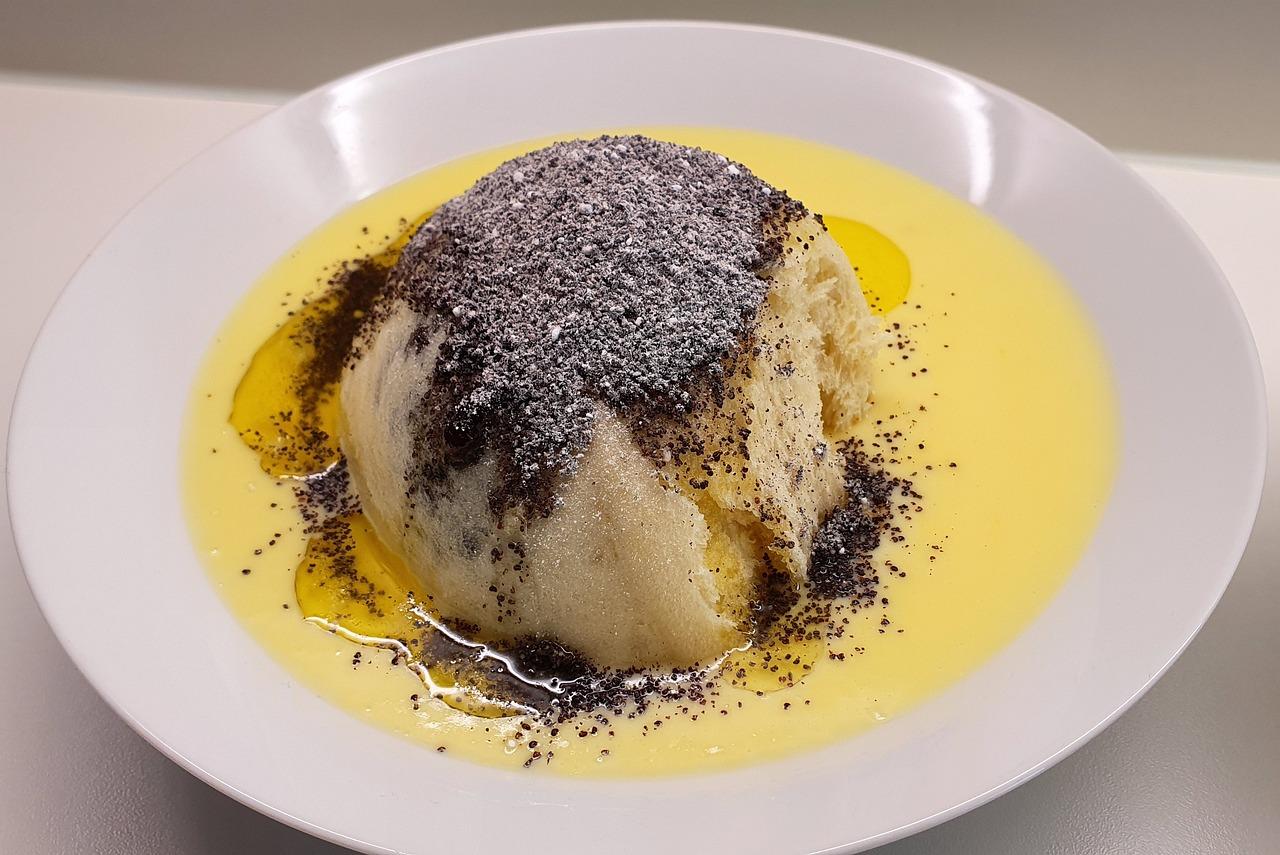
Germknödel

After a morning on the slopes, Austrians head into the mountain huts of Tyrol, Salzburg and Styria for one thing: a Germknödel the size of a fist, steamed until pillowy and split open to reveal dark plum butter. It comes drowned in melted butter, or in vanilla sauce, under a thick snow of ground poppy seeds and icing sugar, and it is eaten as a whole meal. The dough is soft and slightly sweet, and the powidl inside is tart and jammy. A common mistake is lifting the lid while they steam; the dumplings deflate and turn heavy. Chef's tip: seal each dumpling with the seam underneath and let them prove a second time on squares of baking paper, so you can move them without denting them.

by KrazyBadal 0 views

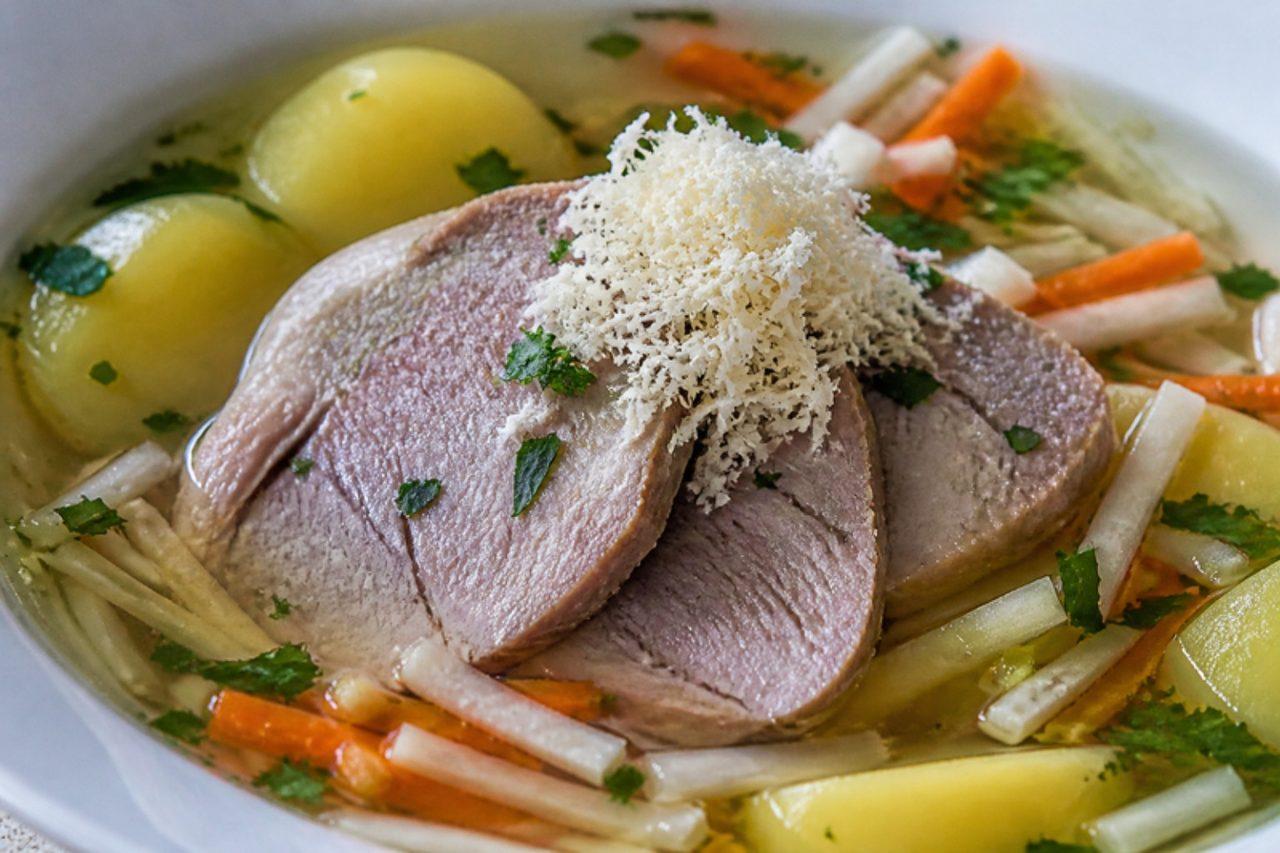
Steirisches Wurzelfleisch

Wurzelfleisch, 'root meat', is a winter dish from the farms of Styria in south-east Austria, cooked in November and December when pigs were killed and the cellar was full of carrots, celeriac and parsley root. Pork shoulder is simmered in a lightly sour broth, then served in deep plates with thin strips of root vegetables, boiled potatoes and a snowfall of freshly grated horseradish. It is a gentle, clean-tasting dish, quite unlike a roast. Chef's tip: grate the horseradish at the table; it loses its bite within minutes.

130 minAustrianMeatGluten free
by KrazyBadal 0 views

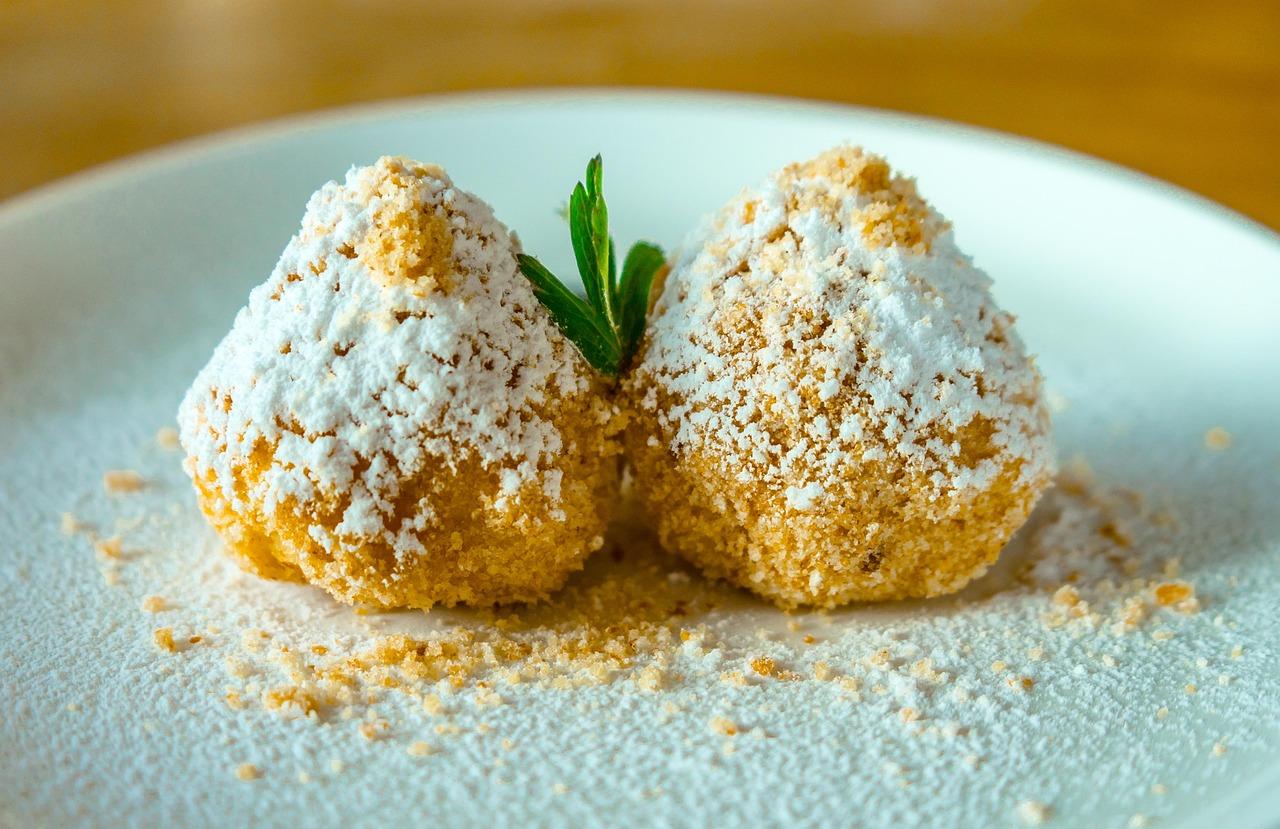
Topfenknödel

Topfenknödel belong to the long Austrian tradition of sweet main courses: in Viennese homes and Lower Austrian inns they are often served as a light Friday lunch, or as dessert after soup. Fresh quark, butter, egg and semolina make a dough that cooks into soft, tangy, almost cheesecake-like dumplings, which are rolled in breadcrumbs toasted in butter with cinnamon sugar and served with a warm fruit compote. A common mistake is boiling them hard; they puff, crack and fall apart, so keep the water just shivering. Most quark is made without animal rennet, but check the label and choose one marked vegetarian. Chef's tip: rest the dough for at least 30 minutes so the semolina can swell; it makes the dumplings hold together.

by KrazyBadal 0 views

Chinchulines

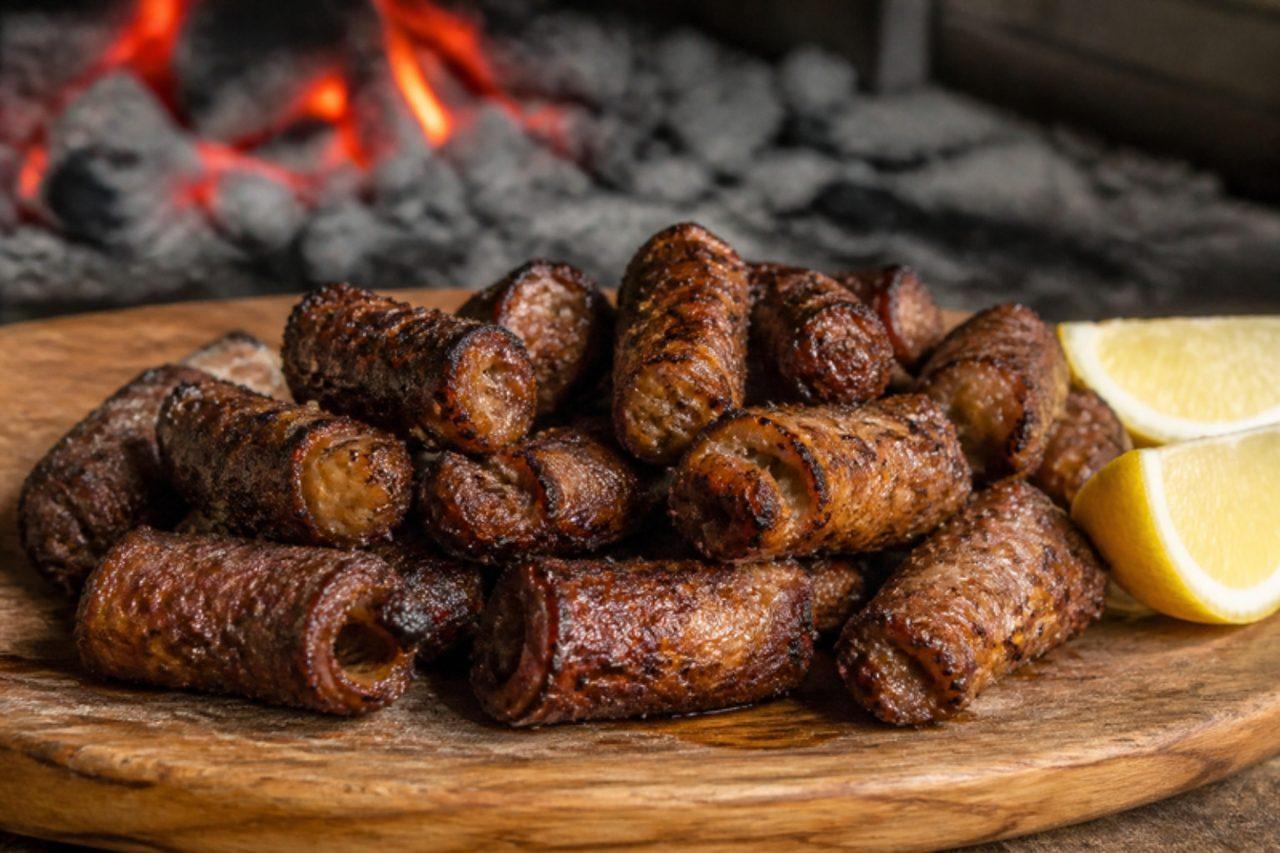
No proper Sunday asado in Buenos Aires province or the interior is complete without a round of achuras, and chinchulines are the boldest of them: beef small intestine, coiled on the grill and cooked slowly until the outside crackles like pork scratchings and the inside stays soft and rich with its own fat. Pass them round on a board with lemon and bread as a starter while the bigger cuts cook. Buy them already cleaned from a butcher or a Latin American meat counter, and rinse them again well at home. The usual mistake is too much heat: the outside burns long before the inside cooks. Offal must be cooked right through, with no soft, raw-looking parts. Chef's tip: simmer them briefly before grilling; it cleans them further, shortens the time on the coals and gives you a much more even crunch.

by KrazyBadal 0 views

Kärntner Kasnudeln

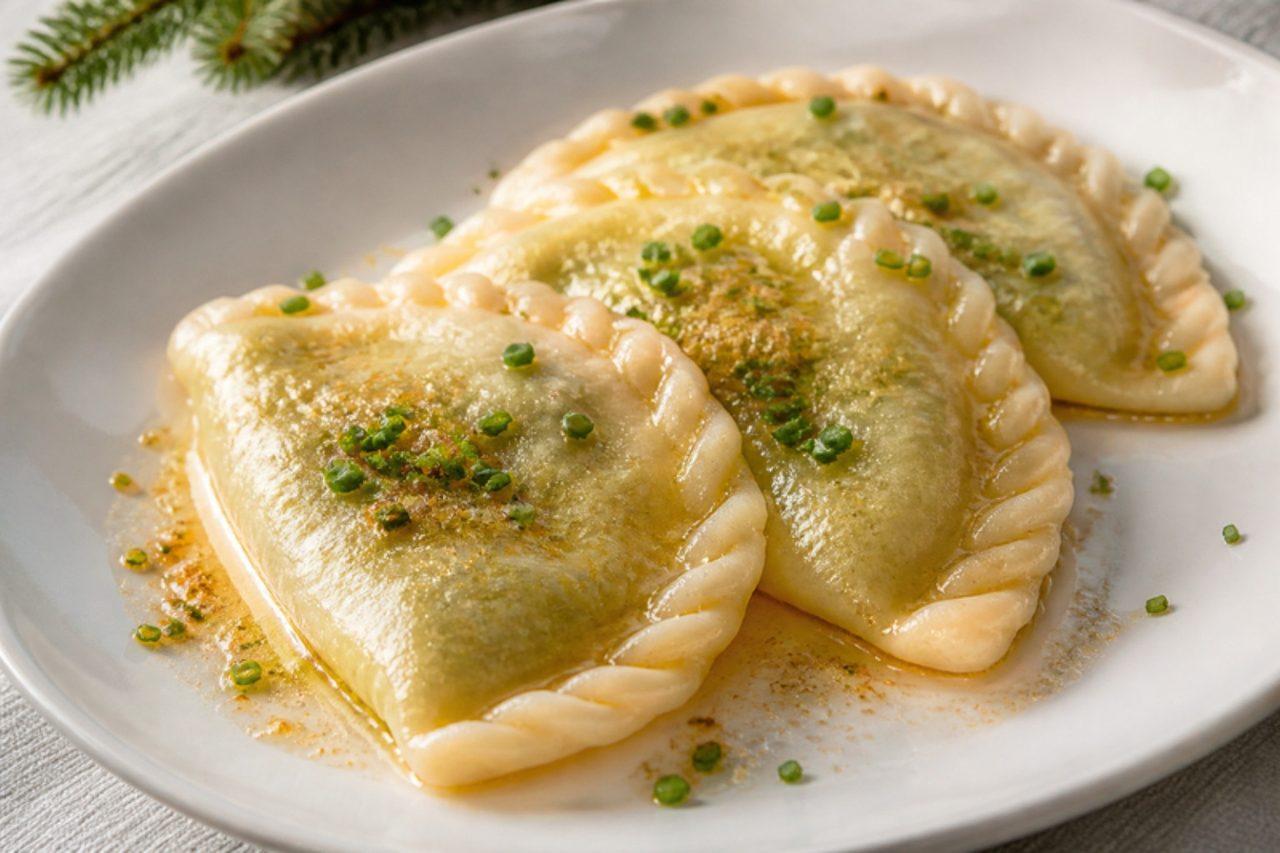
Kasnudeln are the pride of Carinthia in Austria's south, where every village claims the best filling and where they are eaten on Fridays and at church fairs. Big half-moons of thin noodle dough are stuffed with crumbly curd cheese, floury potato, onion and fresh mint, then sealed with a braided edge called 'krendeln' that keeps the filling in as they simmer. They are served with a generous pour of brown butter and chives, often with a green salad. A common mistake is rolling the dough too thick: it should be thin enough to see your hand through, or the folded edges turn stodgy. Carinthian Topfen is usually made without animal rennet, but check the label and pick a vegetarian quark. Chef's tip: if crimping feels tricky, press the edges with a fork first, then practise the braid on the last few.

by KrazyBadal 0 views

Trucha a la manteca

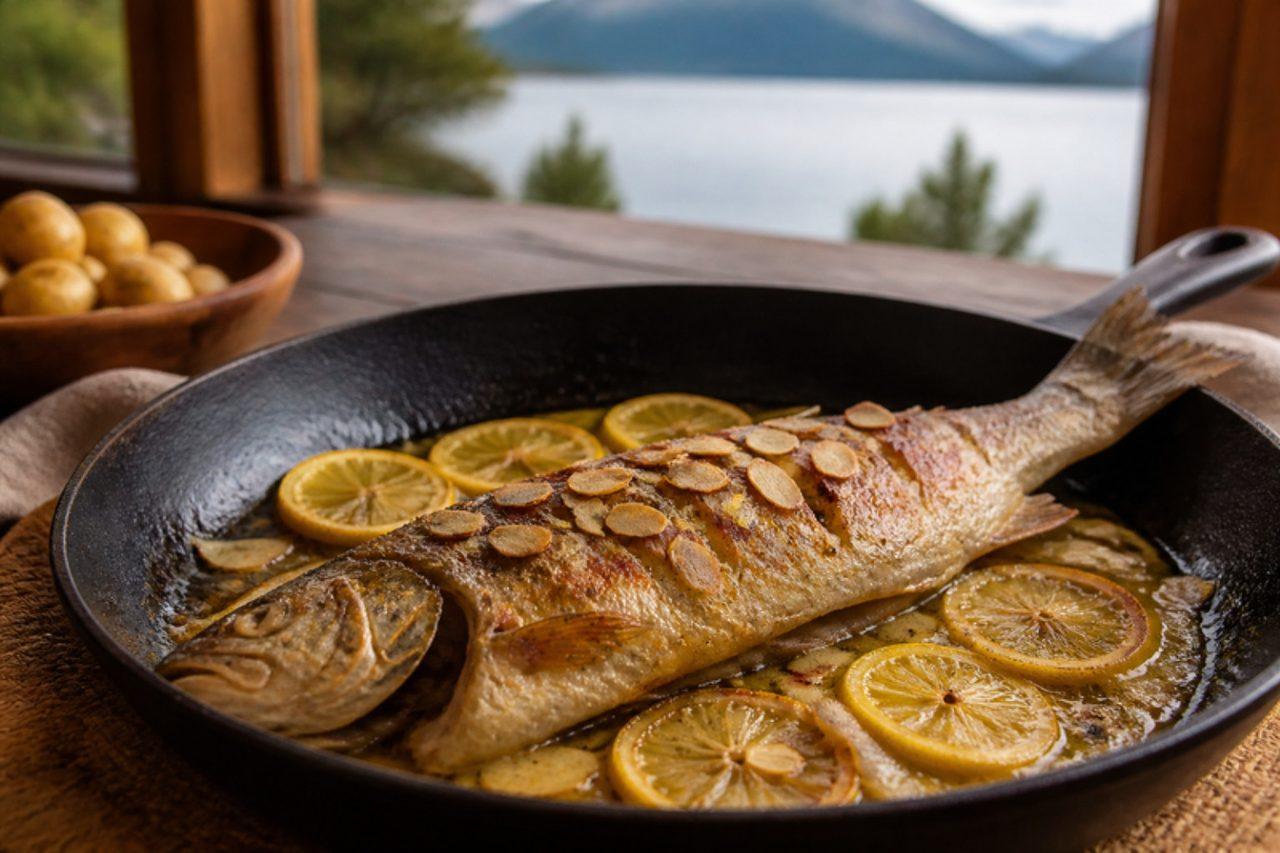
Restaurants on the shores of Nahuel Huapi, in Bariloche and Villa La Angostura, put rainbow trout from the cold Andean lakes on almost every menu, and this butter version is the one locals order most. Fillets are fried with crisp skin, then drenched in butter browned with flaked almonds and sharpened with lemon. Serve with boiled new potatoes and a green salad. Any trout or char works. People commonly start the fish in butter, which burns before the skin crisps; fry it in a film of oil and make the brown butter after. Chef's tip: dry the skin really well and dust it with rice flour; it gives a thin, glassy crust without any gluten.

by KrazyBadal 0 views

Centolla gratinada

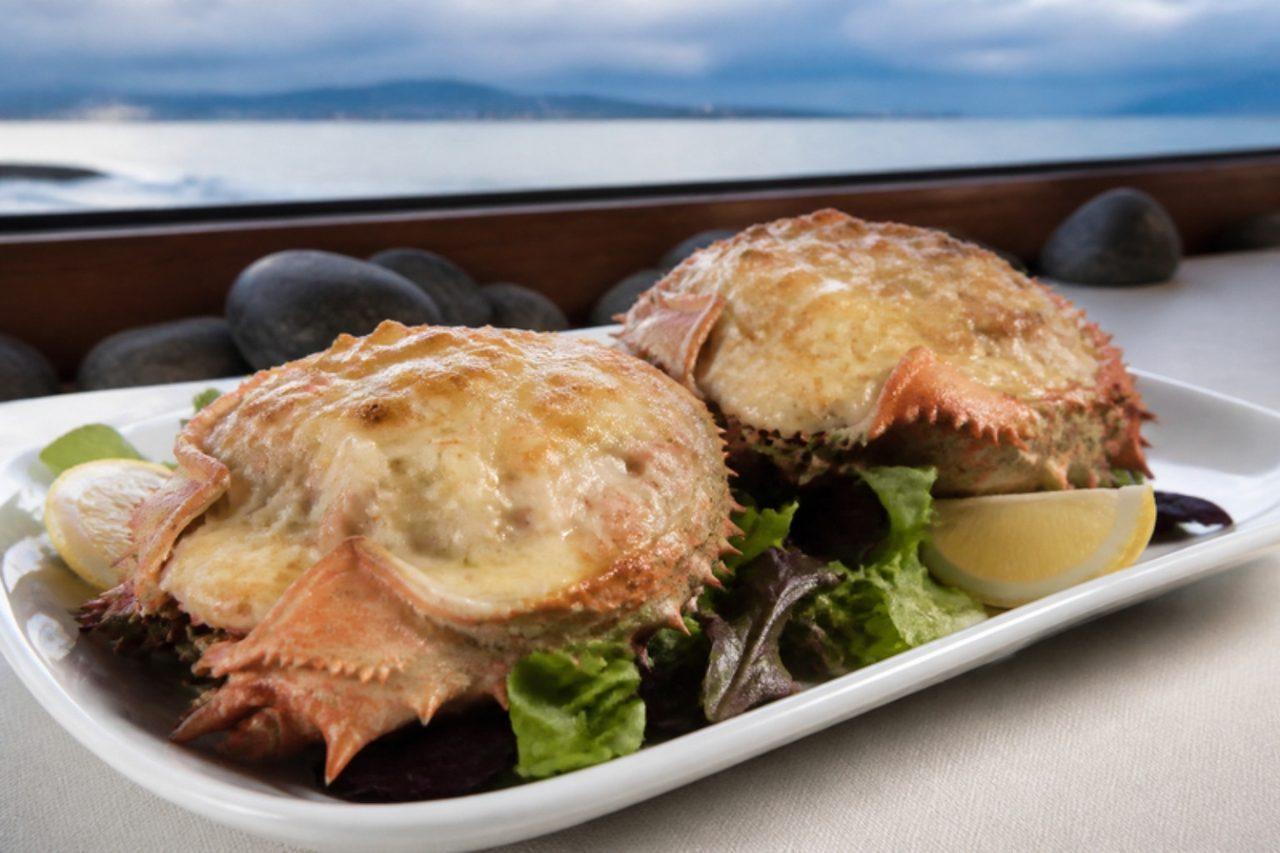
Centolla, the southern king crab hauled from the cold waters of the Beagle Channel, is Ushuaia's pride, and seafood restaurants along the harbour serve it gratinada: sweet chunks of leg meat in a light white sauce, crowned with cheese and browned under a fierce grill. It is rich, so serve it in small dishes as a starter with lemon and a green salad, plus crusty bread for anyone who can eat gluten. Buy cooked, frozen king crab legs or meat and thaw them in the fridge overnight; if you ever cook crab yourself, it must be alive when it goes into the pot. A frequent mistake is a sauce so thick and cheesy that the delicate crab disappears; keep it pourable and the cheese thin. Chef's tip: fold the crab in gently at the end, in big pieces, and let the oven only heat it; it is already cooked and turns stringy if it boils.

by KrazyBadal 0 views

Mejillones a la provenzal

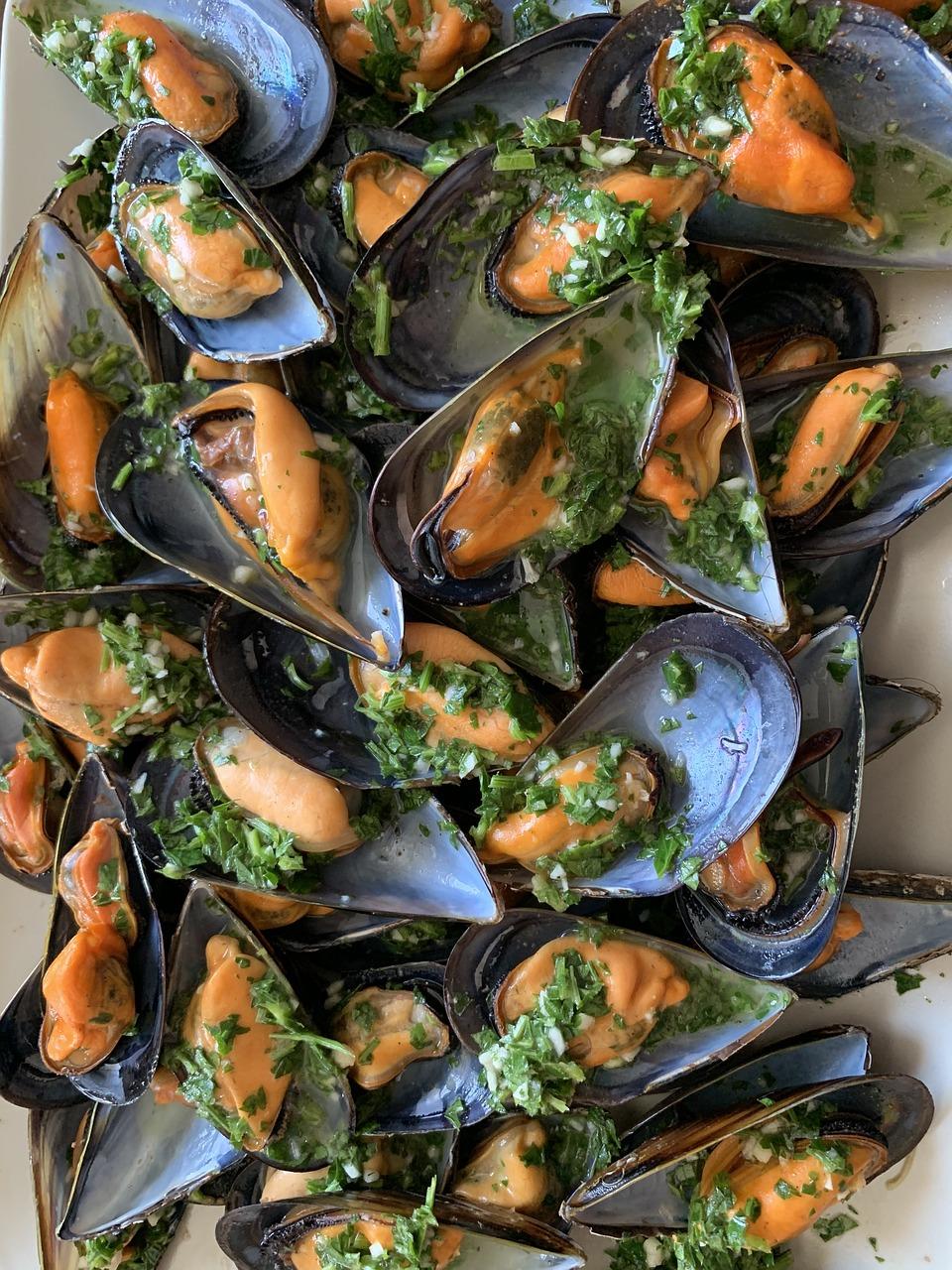
On the Atlantic coast around Puerto Madryn and the Golfo Nuevo, mussels from cold Patagonian waters are farmed and gathered in quantity, and seafood places along the rambla steam them a la provenzal, which in Argentina means lots of garlic and parsley. A splash of dry white wine goes into the pot; the alcohol mostly cooks off, but you can swap it for fish stock with a little lemon for an alcohol-free pot that tastes just as good. Serve with bread or chips to mop up the briny juices. Cooking mussels too long is the usual slip: they shrink and turn rubbery, so lift the lid as soon as most have opened. Before cooking, throw away any mussel with a broken shell or one that stays open when tapped; after cooking, discard any that stay shut. Chef's tip: keep the garlic in gently warm oil until it just smells sweet; brown garlic turns bitter and dominates the mussels.

by KrazyBadal 0 views

Malakofftorte

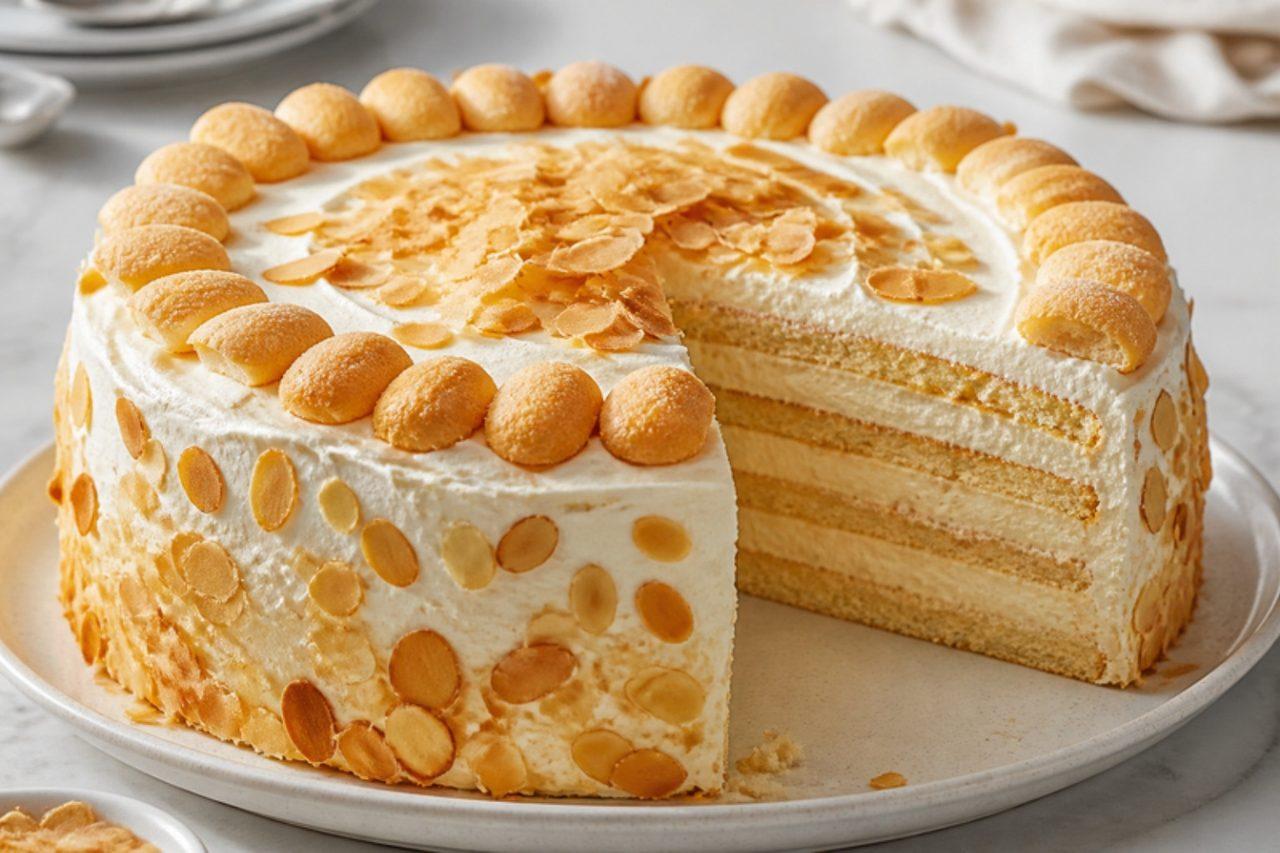
Malakofftorte is the cake Viennese families put together for name days and summer parties, because the oven stays off. Sponge fingers are dipped in milk and layered with a rich almond cream made from butter, cooked vanilla custard and whipped cream, then chilled until it slices like a soft mousse cake. In many Austrian homes the soaking milk is laced with rum or almond liqueur; this version is alcohol-free and uses vanilla milk, and you can add 2 tbsp dark rum to the milk if you want the traditional taste. A common mistake is soaking the biscuits too long, so they go soggy and the layers collapse; one quick dip is enough. Chef's tip: make it the day before; it needs at least 6 hours to set and tastes best the next day.

by KrazyBadal 0 views

Showing 24 of 251 recipes

Show more recipes

Page 1 of 11