Skip to content
Recipes

All recipes

Vegetarian, or something you can't eat? Set your diet once and we'll hide recipes that don't fit.

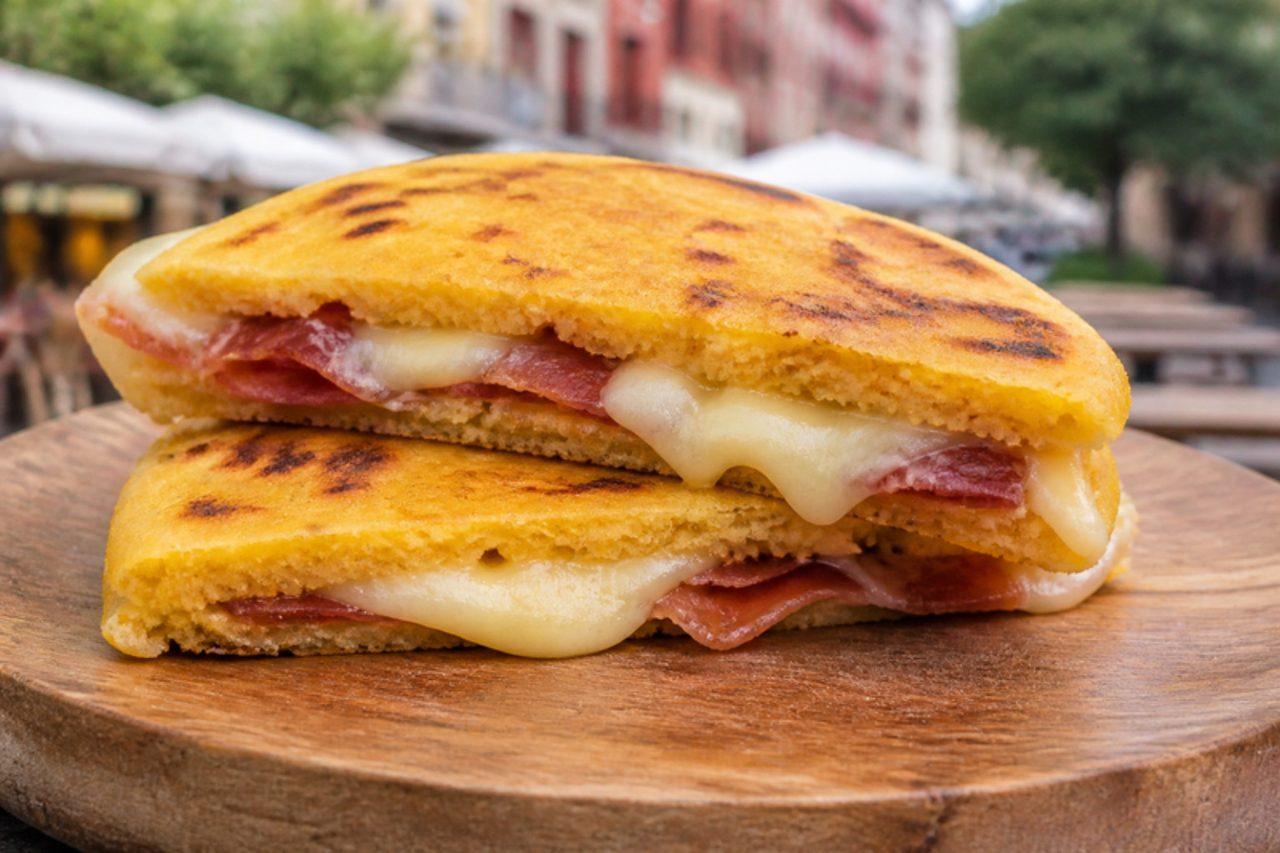
TaloaMaize flatbread with ham and cheese

During the Fêtes de Bayonne in July, when the whole town dresses in white with red scarves, stalls in the Pays Basque sell taloa: thick flatbreads of maize and wheat flour cooked on a hot griddle and folded around fillings. The classic is with jambon de Bayonne (a cured pork ham), with sheep's cheese or with ventrèche (cured pork belly), and it's eaten hot in the street. Cheese alone makes a good vegetarian version. Chef's tip: cook the taloa on a dry, very hot pan; it should blister and puff in patches like a tortilla.

by KrazyBadal 0 views

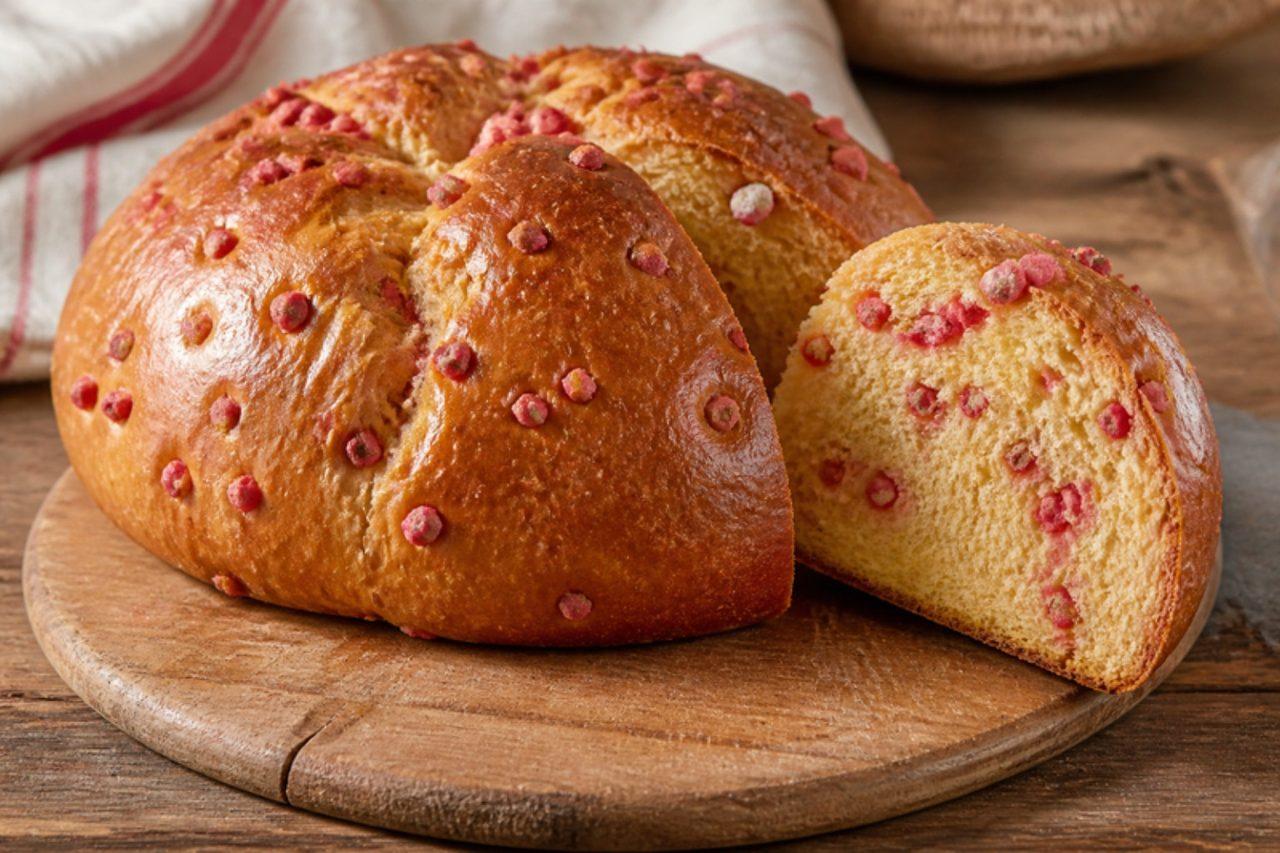
Brioche de Saint-GenixPink praline brioche

In Saint-Genix-sur-Guiers, in Savoie, this round brioche dotted with bright pink sugared almonds is baked for the feast of Saint Agatha on 5 February, and its shape is said to recall the saint's martyrdom. Today it is sold all year in the bakeries of the Savoie and Lyon, rich and buttery, with the pralines melting into sticky pink pockets. The dough rests overnight in the fridge, so start the day before. Chef's tip: crush the pralines roughly and fold them in at the very end, or they dissolve and stain the whole dough pink.

595 minFrenchBaking
by KrazyBadal 0 views

Lengua a la vinagretaBeef tongue with vinaigrette

Argentina's Nochebuena is a hot summer night, so the table is full of cold dishes, and lengua a la vinagreta is one of the classics: beef tongue simmered until tender, peeled, sliced and covered with a sharp vinaigrette of parsley, garlic, red pepper, onion and chopped hard-boiled egg. It is made a day ahead and served chilled with vitel toné and Russian salad. Chef's tip: peel the tongue while it is still hot, as the skin comes away easily then and clings once it cools.

by KrazyBadal 0 views

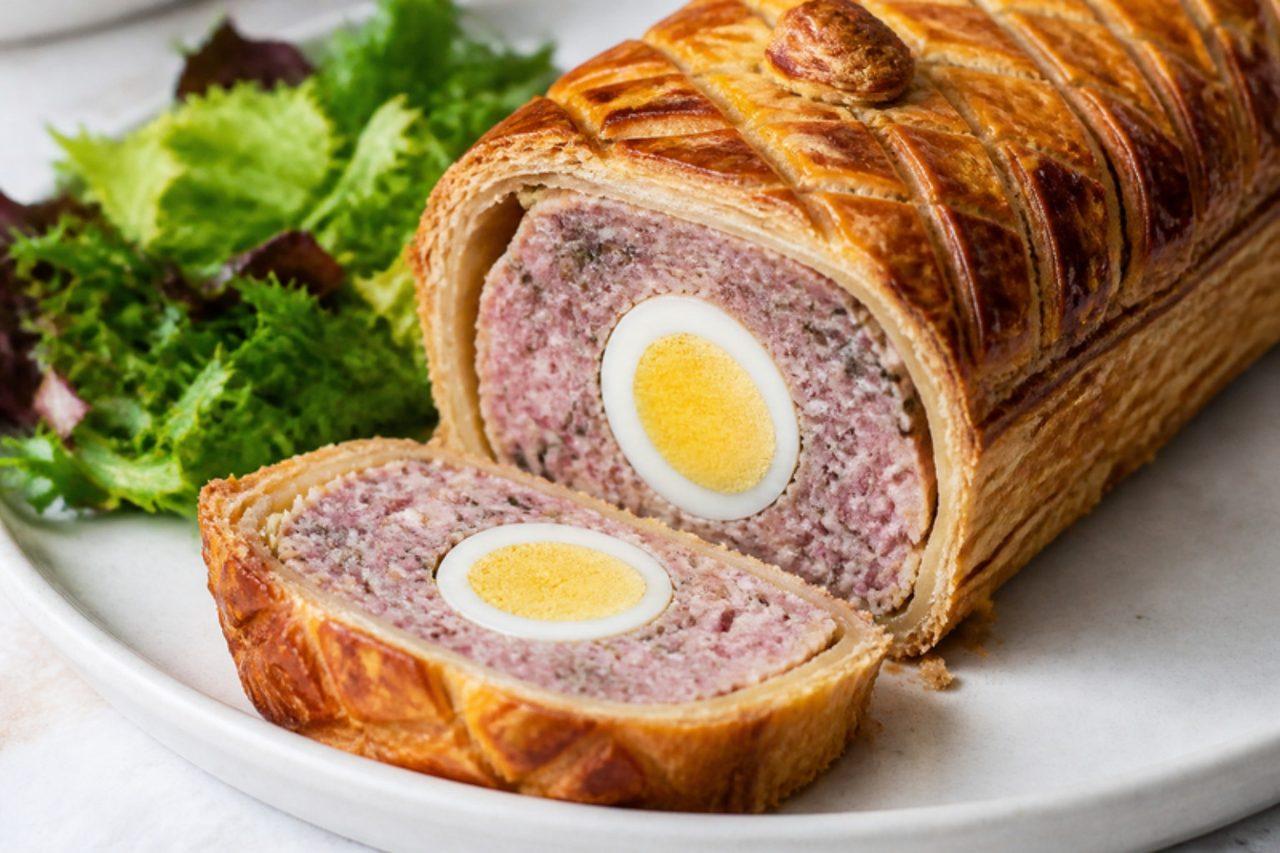
Pâté de Pâques berrichonPork, veal and egg pastry loaf

In the Berry region of central France (around Bourges and Châteauroux), Easter Sunday lunch begins with pâté de Pâques: a long loaf of puff pastry filled with seasoned minced pork and veal around a row of whole hard-boiled eggs, so every slice shows a golden yolk in the middle. It is eaten warm or cold with a green salad. Some cooks marinate the meat in white wine or Cognac; this recipe uses no alcohol. Chef's tip: cut a chimney in the top crust and keep it open with a roll of card, so steam escapes and the pastry stays crisp.

110 minFrenchMeat
by KrazyBadal 0 views

Chipa so'oCheese bread with spiced beef

In Paraguay, families bake chipa in the clay tatakua ovens on Holy Wednesday so there is food for Thursday and Good Friday, when cooking stops. Chipa so'o ('chipa with meat') is a cassava-starch and cheese bread wrapped around a little filling of minced beef cooked with onion and egg, then baked until crisp outside and chewy within. It is naturally gluten free. Chef's tip: knead the dough until it no longer cracks at the edges when pressed; dry dough splits around the filling.

by KrazyBadal 0 views

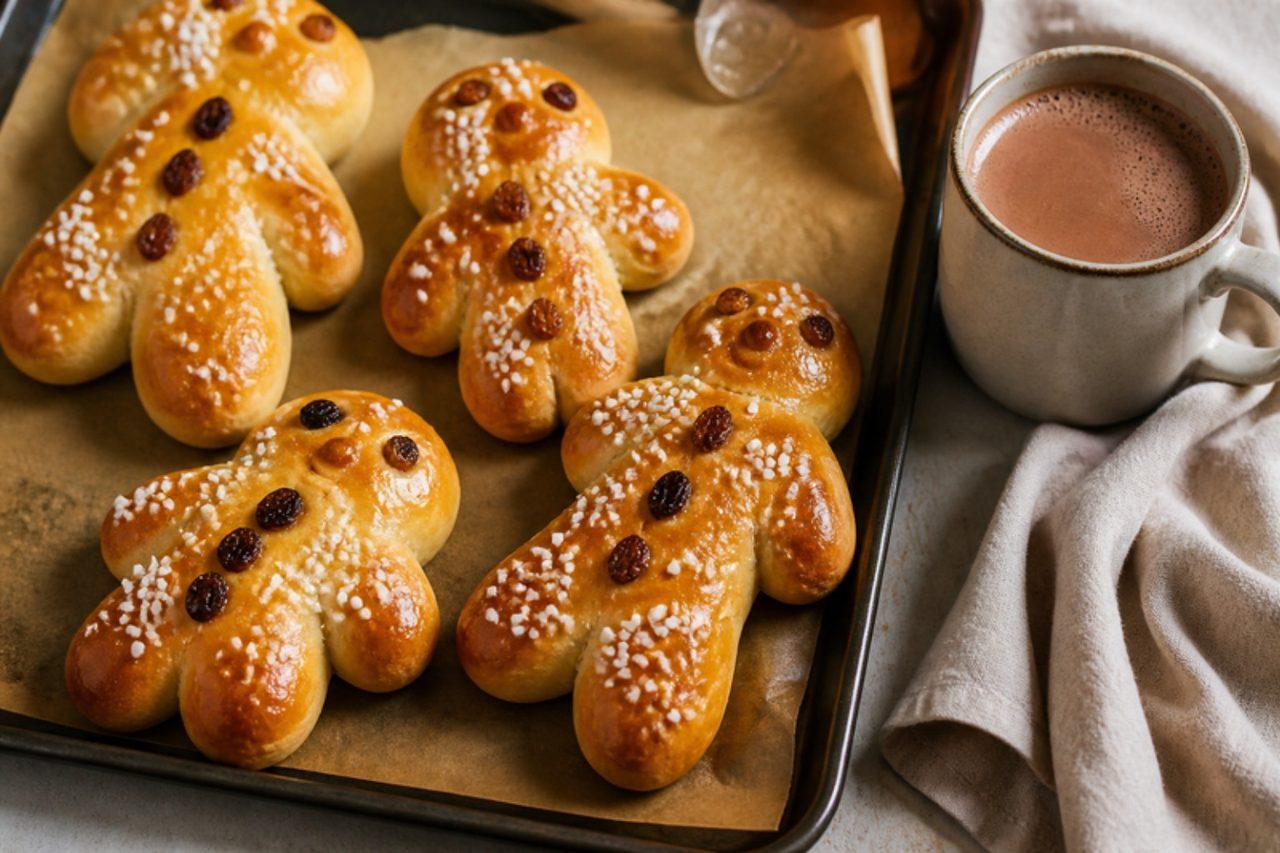
ManalaBrioche men

On 6 December, St Nicholas' Day, Alsatian bakeries fill with manala (also mannele): little brioche men with raisin eyes and buttons and a snipped belt, given to children by St Nicolas, who brings treats to good children. They are eaten for breakfast or an after-school snack, dipped in hot chocolate. The dough is a soft, buttery milk brioche. Chef's tip: shape the figures loosely and well apart, because they double as they rise and bake, and thin arms that touch become one blob.

by KrazyBadal 0 views

Pajagua mascadaBeef and cassava patties

Pajagua mascada is a Paraguayan street-food classic that appears on every table for the San Juan festival on 24 June, when bonfires burn and the night is full of games and traditional food. Minced beef is mixed with mashed cassava, onion, garlic and a little egg and flour, shaped into flat patties and fried until crisp. The name comes from Guaraní and refers to the 'chewing' of old Paraguayan cooks, who made it from leftover meat. Chef's tip: dry the boiled cassava well and remove its woody core, which keeps the patties light and crunchy.

by KrazyBadal 0 views

AllerheiligenstriezelBraided sweet loaf

In Bavaria and Austria, godparents give their godchildren an Allerheiligenstriezel on All Saints' Day, 1 November: a large braided loaf of sweet yeast dough, brushed with egg and scattered with almonds or pearl sugar. The braid is said to recall the old custom of cutting a plait of hair in mourning, and the size of the loaf once showed how generous the godparent was. It is lightly sweet, with lemon and vanilla, and is eaten sliced with butter or jam. Some recipes add rum-soaked raisins; these are soaked in warm water instead. Chef's tip: braid four strands for an impressive, high loaf.

by KrazyBadal 0 views

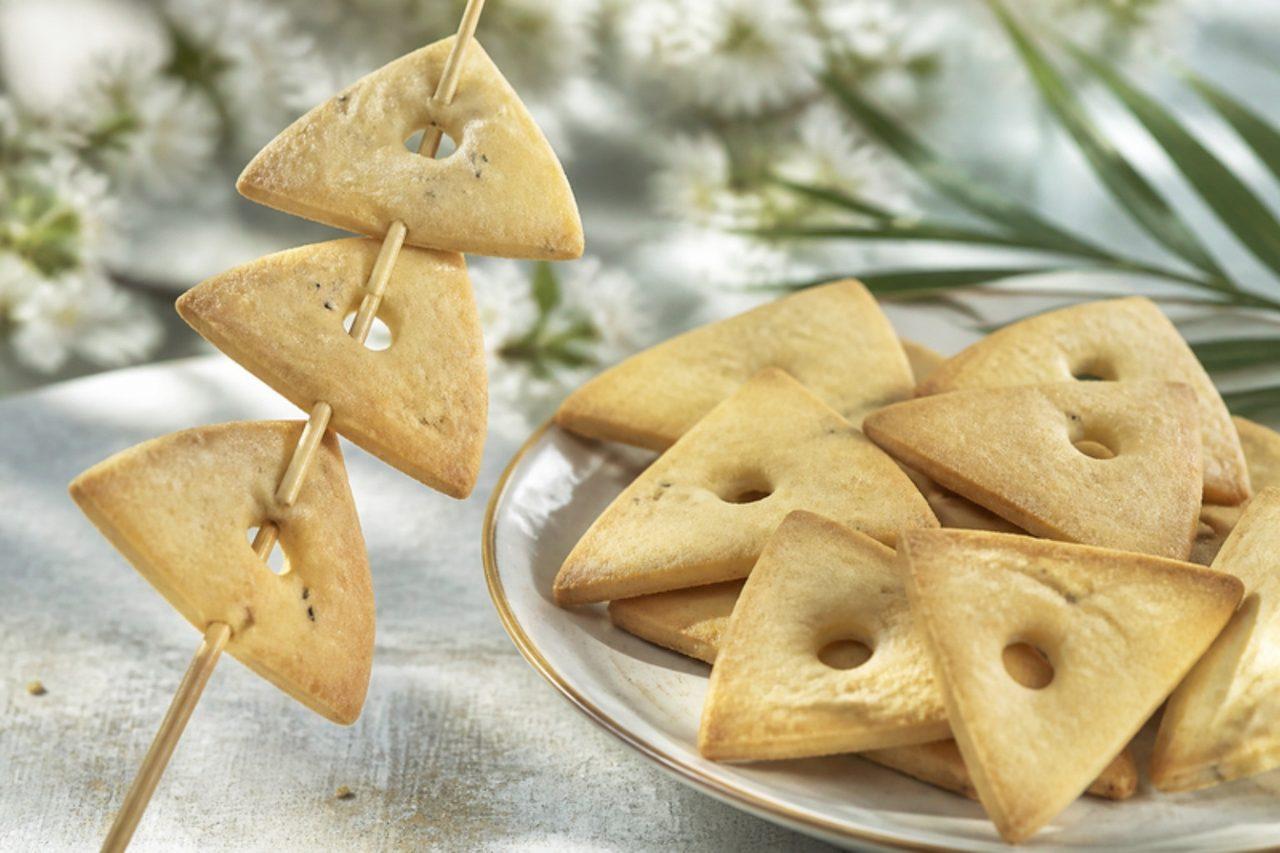
CornuellesAniseed biscuits

On Palm Sunday in Villebois-Lavalette, in Charente, stalls sell cornuelles, hard triangular biscuits with a hole in the middle, threaded onto a stick or a sprig of blessed box. The three points are said to stand for the Trinity, and children carry them home from church. They are crisp and scented with aniseed, glazed with a thin sugar icing. Chef's tip: roll the dough thin and even, about 5 mm, so every biscuit bakes through crisp without burning at the points.

by KrazyBadal 0 views

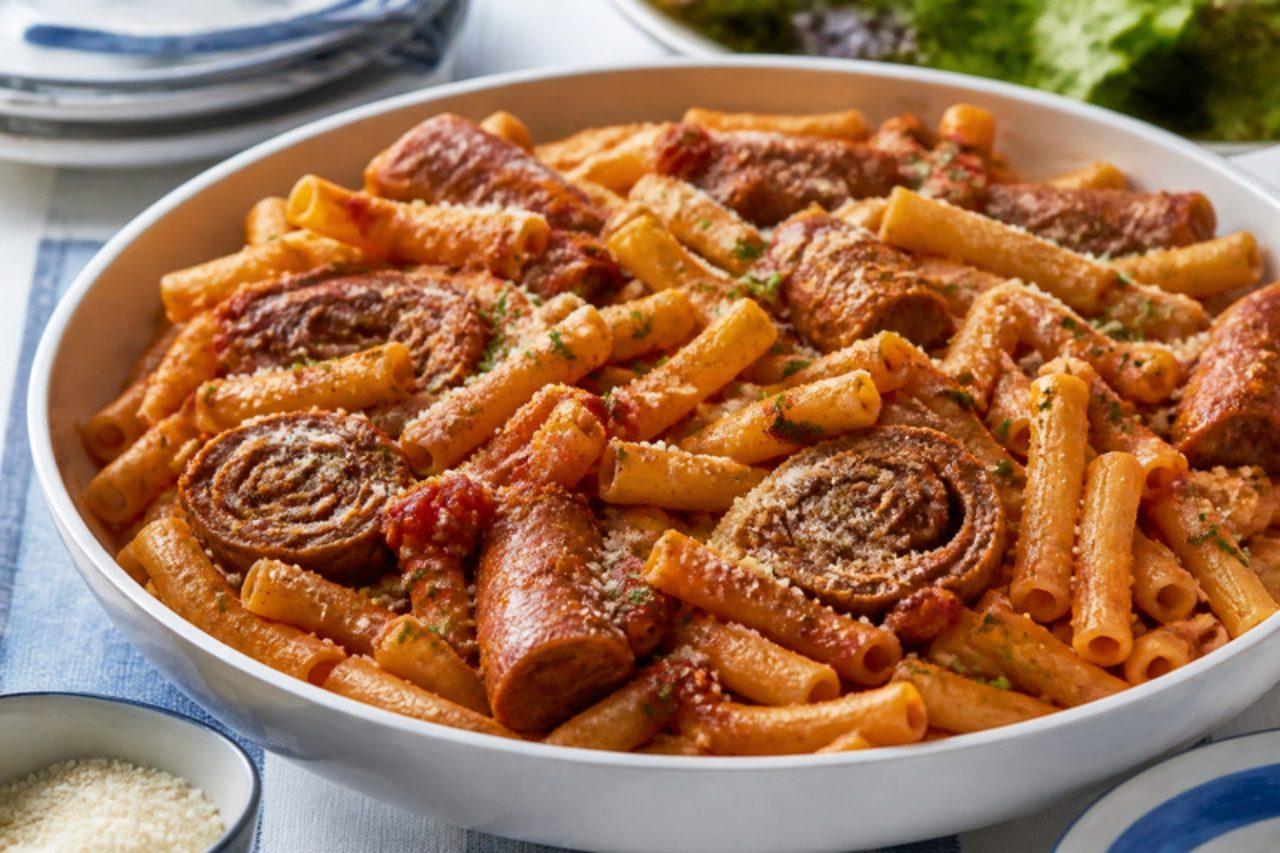
Macaronade sétoisePasta with beef rolls and sausage

In Sète, on the Languedoc coast, families of Italian origin cook macaronade for Sunday lunch and above all for the Saint-Louis festival in August, when the harbour hosts its famous water-jousting. Thin slices of beef are rolled around garlic and parsley (braciole), browned with Toulouse-style pork sausage and simmered for hours in a tomato sauce, which then dresses thick pasta. Traditionally a splash of white wine goes into the sauce; it is optional here, and stock works just as well. Chef's tip: simmer the sauce very gently, with the lid ajar; the beef rolls need time to turn tender, not fast boiling.

by KrazyBadal 0 views

Sopa teólogaTurkey broth with bread and cheese

Sopa teóloga ('the theologian's soup') goes back to colonial convents in Lima and Arequipa, where it was cooked for feast days, and it is still served at Holy Week and family celebrations. A rich turkey (or chicken) broth is thickened with soaked bread, milk and fresh cheese, with yellow potatoes and shreds of turkey, and finished with a little ají amarillo and chopped huacatay or parsley. It is thick, comforting and filling. Chef's tip: blend part of the soaked bread with broth before adding it, which gives the soup its creamy body without lumps.

by KrazyBadal 0 views

KaguyjyWhite corn pudding

On the night of 23–24 June, Paraguayans celebrate San Juan with bonfires, games like walking over hot coals and the 'paso de fuego', and a table of traditional foods, and kaguyjy (also mazamorra) is one of them. It is a soft, creamy pudding of cracked white corn (locro) simmered slowly in water and then milk with sugar or honey, sometimes with orange peel. It is eaten warm or cold. It is gluten free. Chef's tip: soak the corn overnight and cook it until each kernel is tender before adding the milk, or it never turns creamy.

by KrazyBadal 0 views

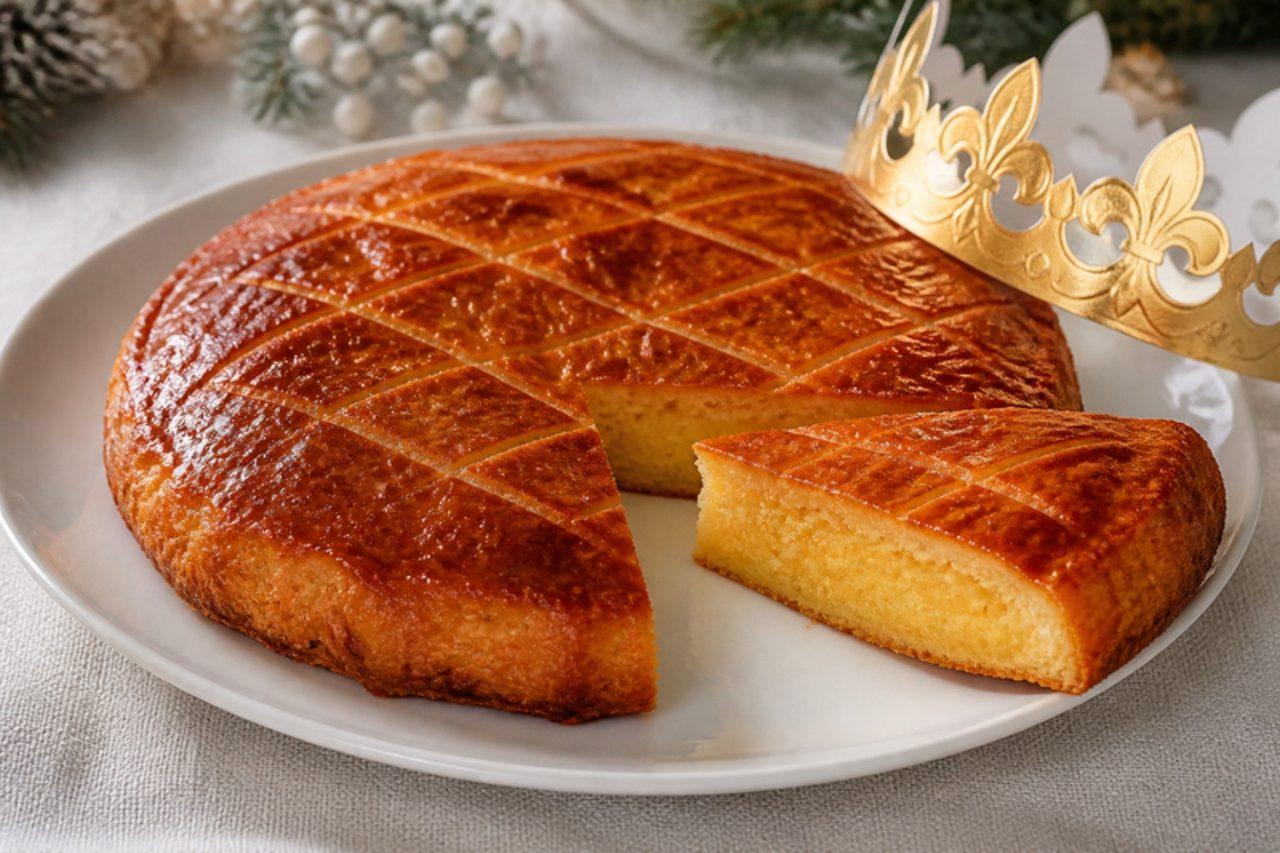
Galette comtoiseChoux king cake

While most of France eats a puff-pastry galette des rois at Epiphany in January, Franche-Comté has its own: a flat golden cake made from a choux-like dough, tender and slightly custardy inside and scented with orange-flower water. As elsewhere, a fève (a little charm or a dried bean) is hidden inside, the youngest child under the table calls out who gets each slice, and whoever finds the fève is crowned king or queen. Chef's tip: let the cooked paste cool for a few minutes before beating in the eggs, or they scramble.

by KrazyBadal 0 views

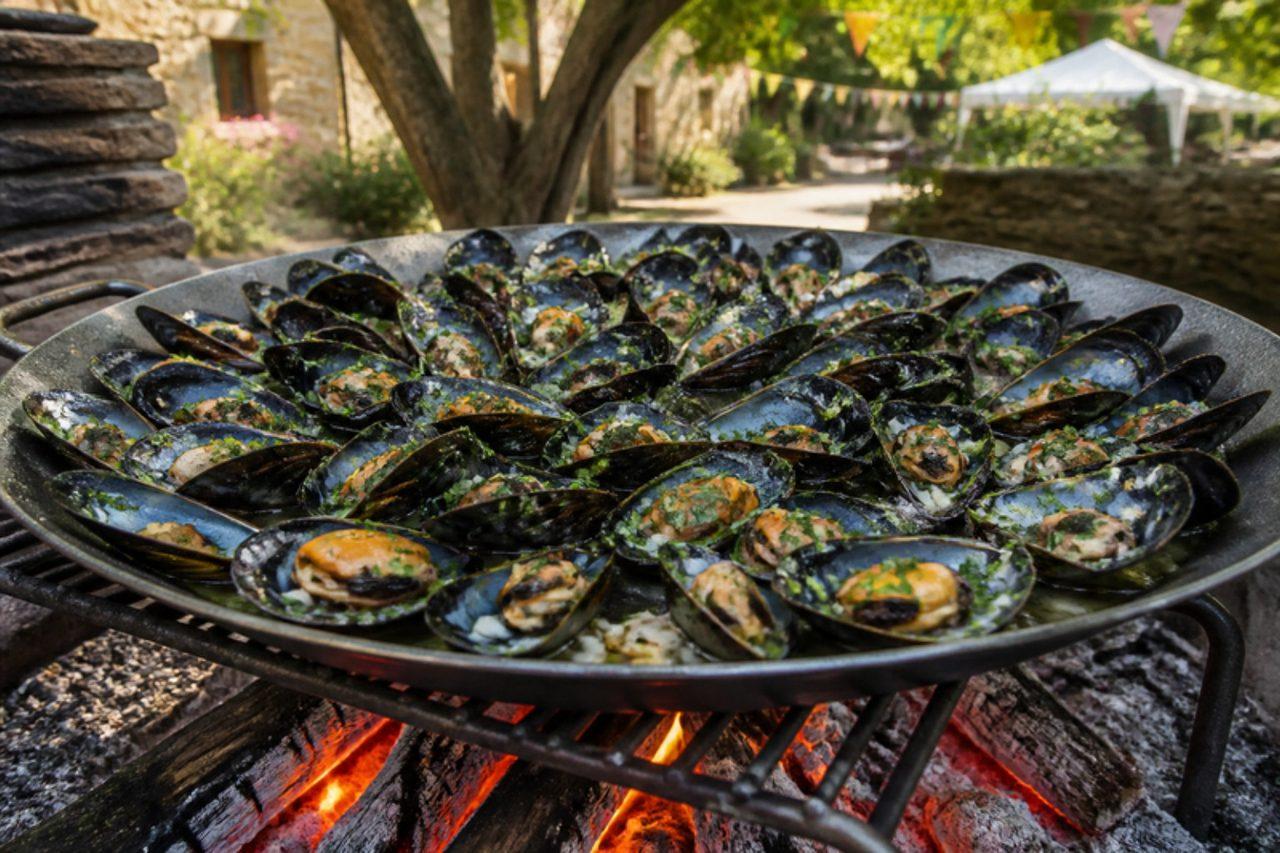
BrasucadeGrilled mussels with garlic and parsley

At village fêtes around the étang de Thau in Languedoc, and on beaches in summer, people gather round a brasucade: mussels piled into a large pierced pan over a fire of vine prunings until they open, then doused with a garlicky oil of parsley and a little chilli and tossed. It is smoky, juicy and eaten by hand with bread. A barbecue grill works at home. Chef's tip: use a lid or a sheet of foil over the pan; the trapped steam opens the mussels evenly while the fire adds smoke.

25 minFrenchFish
by KrazyBadal 0 views

KalanehWild leek stuffed flatbread

In Kurdistan and Kermanshah, Newroz arrives with the first spring greens on the hillsides, and families gather wild leeks to fold into kalaneh, thin griddle breads cooked over a fire or a hot pan and soaked in melted butter. The dough is plain and soft, rolled very thin around a pile of chopped leek or chives with a little salt and pepper, so the greens steam inside as the bread blisters. Eat it hot, torn into strips, with yogurt and tea at a Newroz picnic. The common mistake is wet greens, which turn the dough soggy and make it tear; dry them well after washing. Chef's tip: brush the butter on the moment the bread leaves the pan so it soaks right in.

by KrazyBadal 0 views

Dowina (Kurdish yogurt soup)

Dowina, called ash-e doogh in Persian, is warming spring food in Kurdish homes around Newroz, when yogurt is plentiful and the first herbs are cut from the garden. Rice and chickpeas simmer in a tangy, lightly thickened yogurt broth, finished with fresh dill, coriander and a sizzle of dried mint in oil. It is eaten warm, never boiling hot, with flatbread. The common mistake is to heat the yogurt too fast without stirring, which makes it split into grainy curds. Chef's tip: whisk an egg yolk and a spoonful of rice flour into the yogurt before it goes on the heat; it holds the soup smooth all the way to the simmer.

by KrazyBadal 0 views

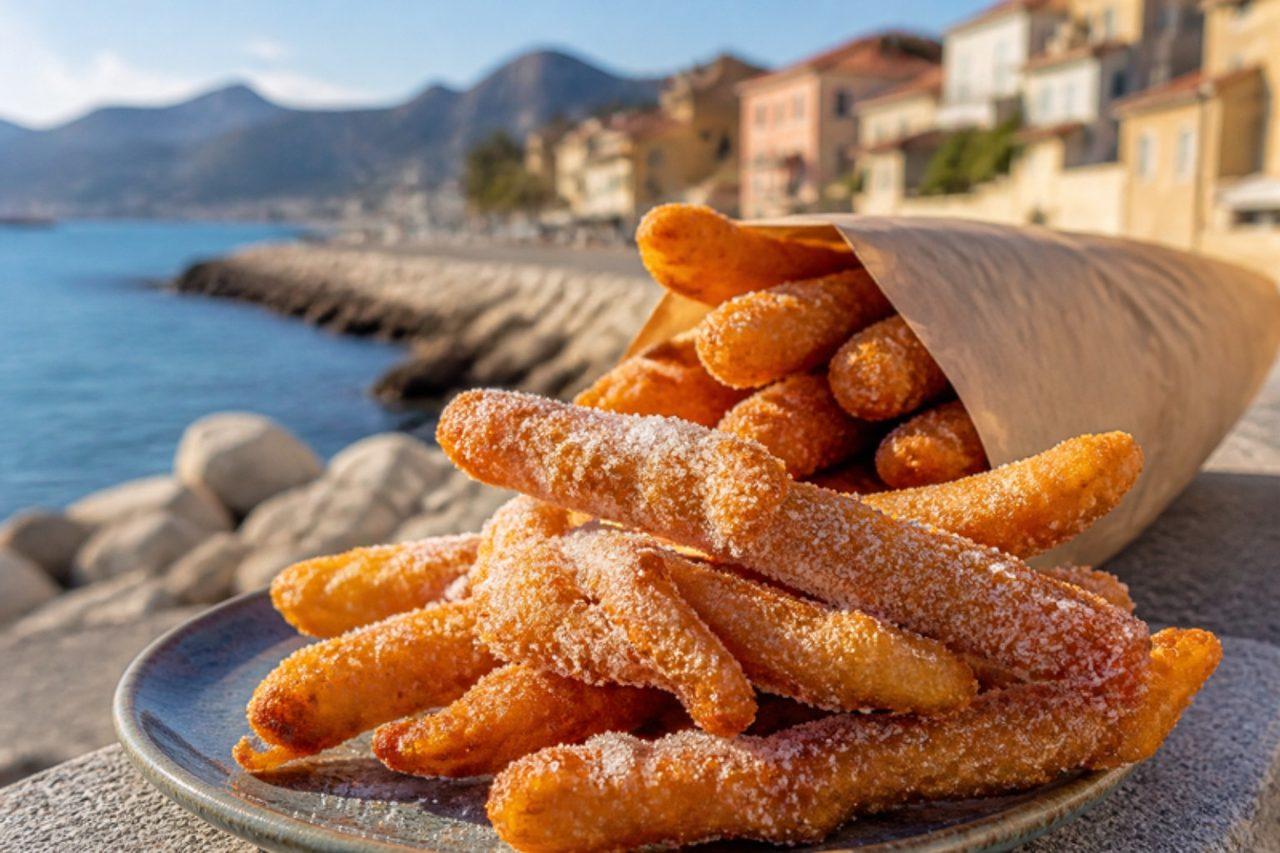
Chichi frégiChickpea flour fritters in sugar

On the seafront at L'Estaque, the old fishing quarter of Marseille, and at summer fêtes all along the coast, kiosks fry chichi frégi: long, ridged fritters of wheat and chickpea flour, rolled hot in sugar and eaten in a paper cone. The dough is a yeasted, egg-free batter piped straight into the oil, crisp outside and soft inside, with a faint nutty taste from the chickpea flour and a hint of orange flower. Chef's tip: keep the oil at 175 °C; cooler and the fritters soak up fat, hotter and they burn before the middle cooks.

by KrazyBadal 0 views

OsterpinzeEaster anise brioche

Osterpinze is the Easter bread of Styria, Carinthia and the area around Trieste, a soft, golden brioche dome with three deep cuts on top for the Holy Trinity, so that it opens into a crown as it bakes. The dough is rich with egg yolks and butter and flavoured with anise and lemon; old recipes add a splash of white wine, left out here. It is blessed in the Easter basket on Holy Saturday and eaten on Easter morning with ham, horseradish and eggs, or with butter and jam. Chef's tip: make the three cuts with scissors just before baking, deep enough to reach halfway down, so the crown opens wide.

by KrazyBadal 0 views

Gardianne de taureauBull beef braised in red wine

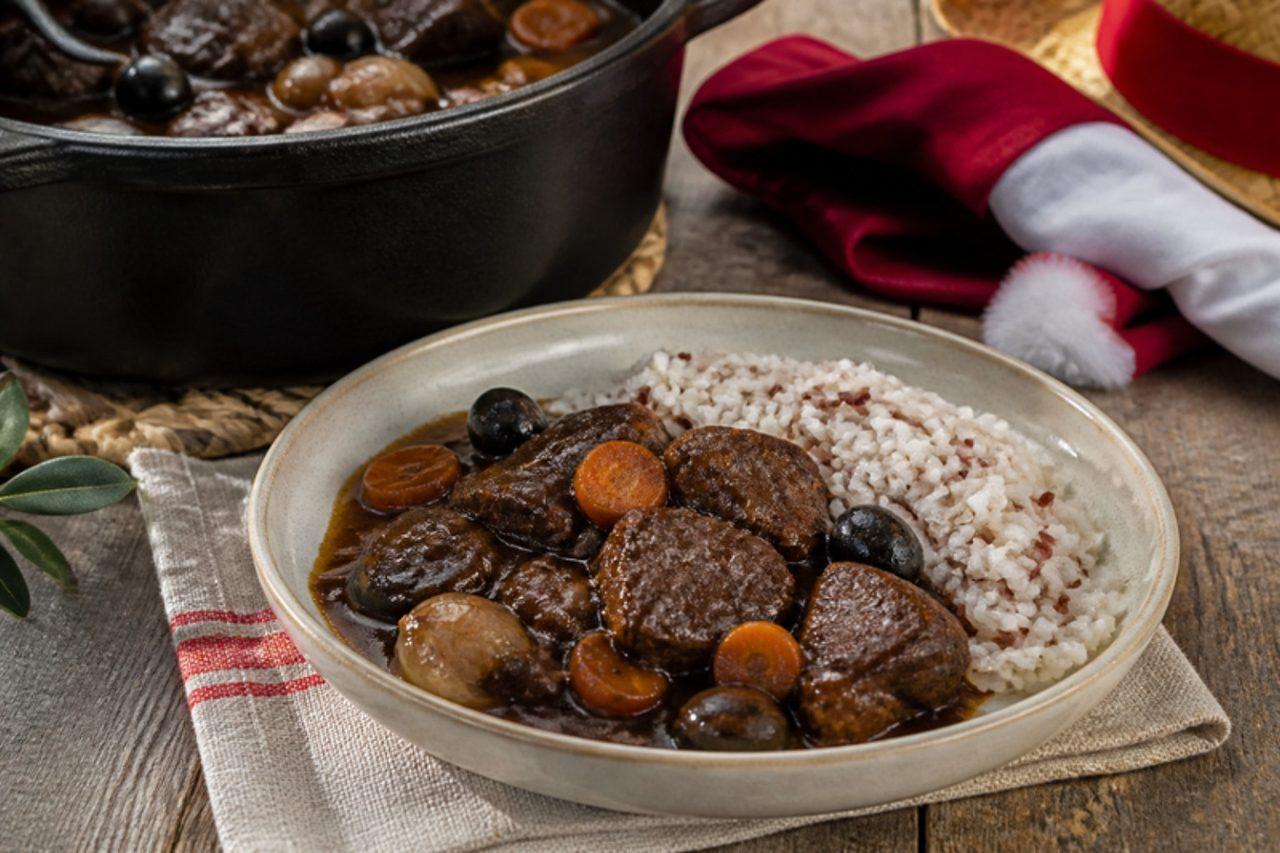
Gardianne is named after the gardians, the mounted herdsmen who raise black bulls on the marshes of the Camargue, and it is served at the summer ferias and village fêtes of Arles and Saintes-Maries-de-la-Mer with nutty Camargue red rice. Taureau (bull meat) is lean and deeply flavoured, braised slowly in red wine with onions, garlic, herbes de Provence and black olives until dark and tender; beef shin or chuck makes a fine substitute. This recipe contains alcohol: for an alcohol-free version, replace the wine with the same amount of beef stock plus 2 tbsp red wine vinegar and 1 tbsp grape juice. Chef's tip: marinate the meat overnight in the fridge for the deepest flavour.

235 minFrenchMeat
by KrazyBadal 0 views

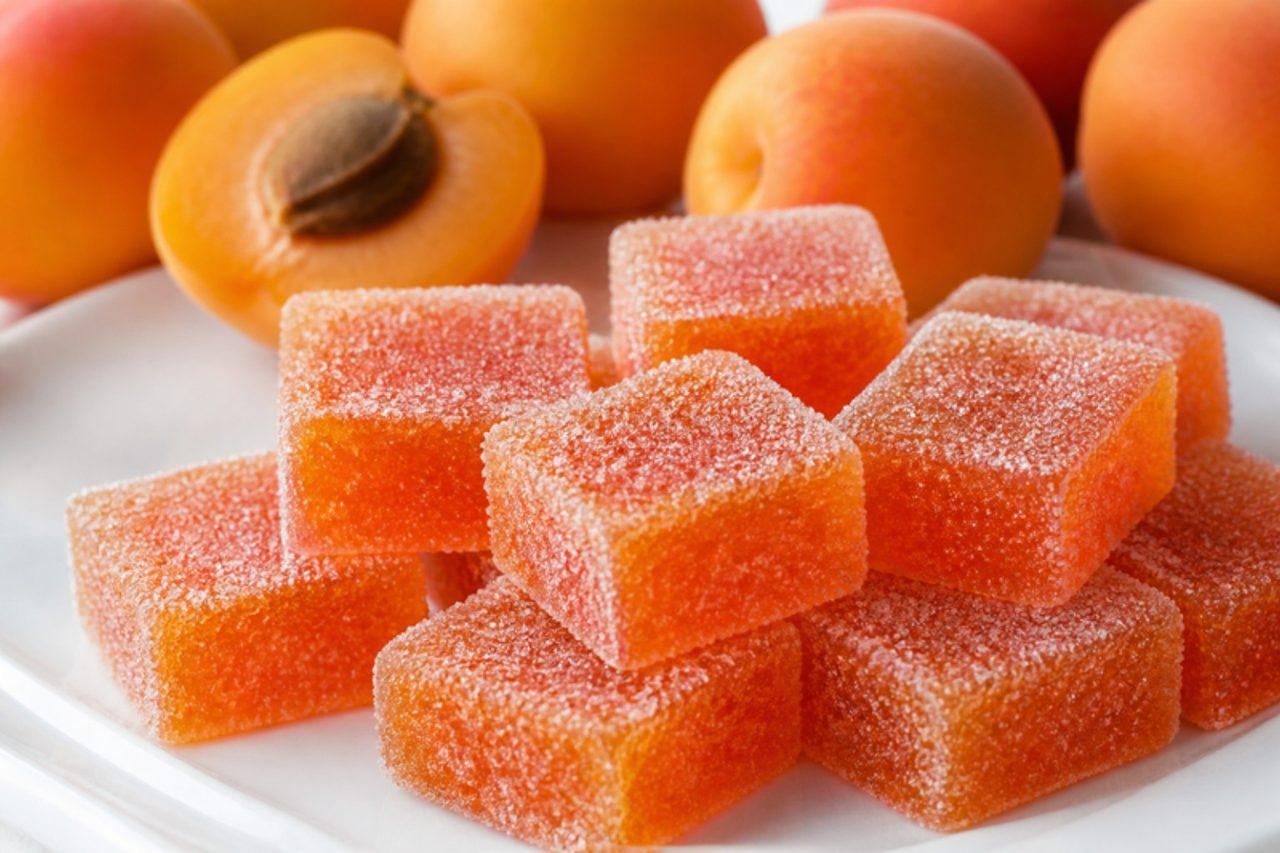
Pâte de fruits (Auvergne apricot fruit jellies)

Clermont-Ferrand, the capital of the Auvergne, built a name for pâtes de fruits in the nineteenth century using apricots from the Limagne plain, and the jewel-bright squares remain a favourite in Christmas boxes and with coffee at the end of a meal. Good pâte de fruits tastes more of fruit than of sugar: dense, tender and clean-cutting, with a sparkle of sugar crust and a sharp edge of acid. Serve them on a plate of petits fours, or pack them as a gift. They are naturally egg-free: pectin, the fruit's own setting agent, does all the work once the purée is boiled with sugar to 106°C and the acid is added. Use yellow pectin for pâte de fruits if you can find it; it sets slowly enough to pour. Chef's tip: stir in the citric acid only off the heat, right before pouring; the common mistake is adding it early, so the jelly sets in the pan.

by KrazyBadal 0 views

Quinotos en almíbar (Argentine kumquats in syrup)

In Buenos Aires and the river provinces of the Litoral, kumquat trees ripen in the middle of winter, between June and August, and the fruit goes straight into jars of syrup. Grandmothers' pantries held quinotos for the whole year, brought out for birthdays and long Sunday lunches. Each little fruit turns glossy orange and translucent, with a soft, bittersweet skin and a sharp, juicy centre. Spoon them over vanilla ice cream, serve them with a slice of fresh cheese in the style of postre vigilante, or eat them straight from the jar. Many bar menus offer them steeped in spirits; this version keeps only the syrup. Naturally egg-free, the quinotos rely on sugar syrup to preserve them, while pectin from the peel gives the syrup a light, jammy body. Chef's tip: blanch the fruit three times from cold water; the common mistake is skipping this, which leaves the skins tough and bitter.

by KrazyBadal 0 views

Turrón de maníPeanut nougat

On an Argentine Christmas Eve, after midnight toasts, the 'mesa dulce' appears with pan dulce, garrapiñadas and turrón de maní: a chewy white nougat of honey, sugar, whipped egg white and roasted peanuts, often set between two sheets of rice paper. Families make it in the days before Nochebuena. The egg white is cooked by the hot syrup. It is gluten free if you use gluten-free wafer paper or none. Chef's tip: work fast once the syrup is in, as the nougat stiffens as it cools and gets hard to spread.

by KrazyBadal 0 views

Pâte de coingsQuince paste

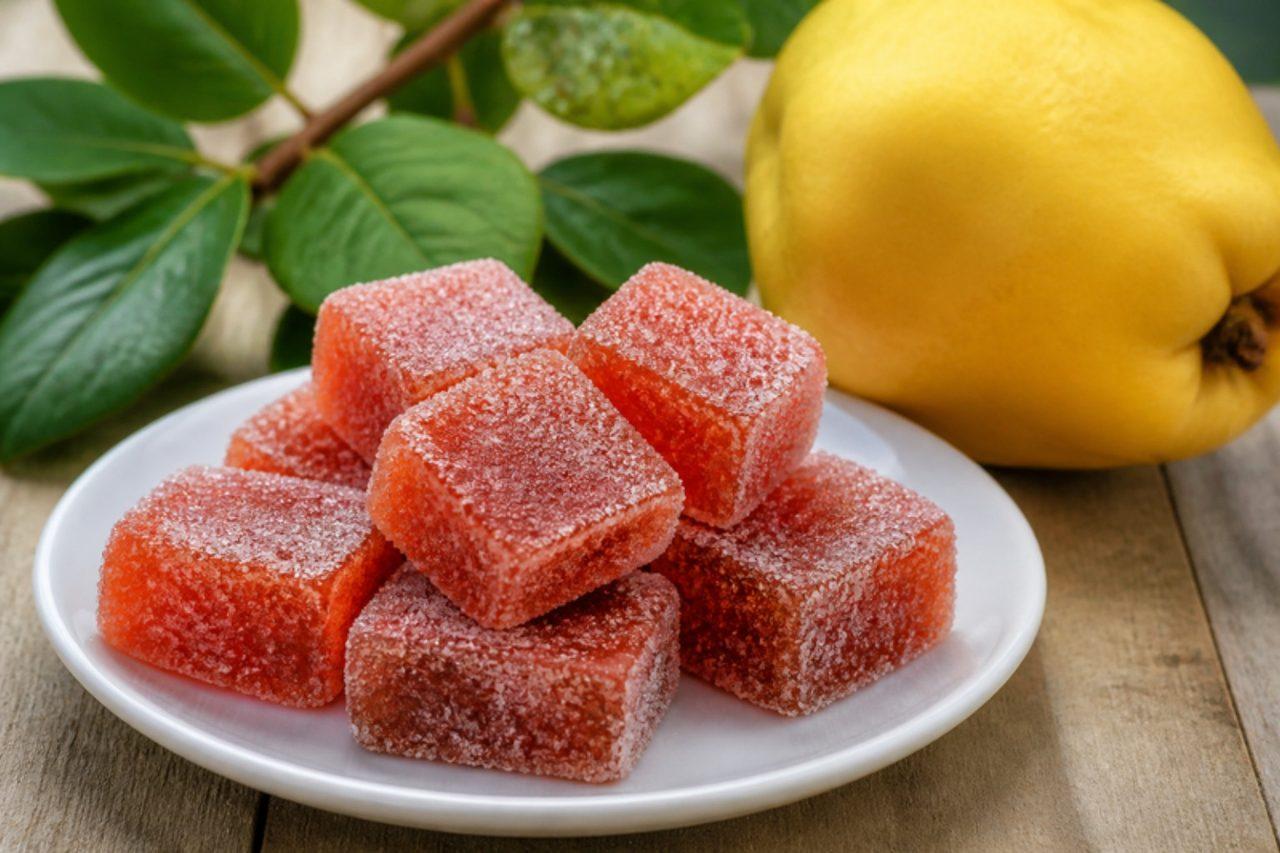
On Christmas Eve in Provence the gros souper ends with the treize desserts, thirteen small sweets set out together and left on the table until 27 December. Pâte de coings, a firm, glowing amber quince paste cut into squares and rolled in sugar, is nearly always among them, beside nougat, dried fruit and fougasse. It is simply quince pulp and sugar cooked down slowly until it pulls away from the pan, so it is vegan and gluten free, and it keeps for months. Serve it in small cubes, or with a sharp cheese. Chef's tip: cook the quinces whole with their skins and cores, which hold most of the natural pectin, and only sieve them afterwards.

by KrazyBadal 0 views

Coussin de Lyon (green almond-paste cushions with chocolate ganache)

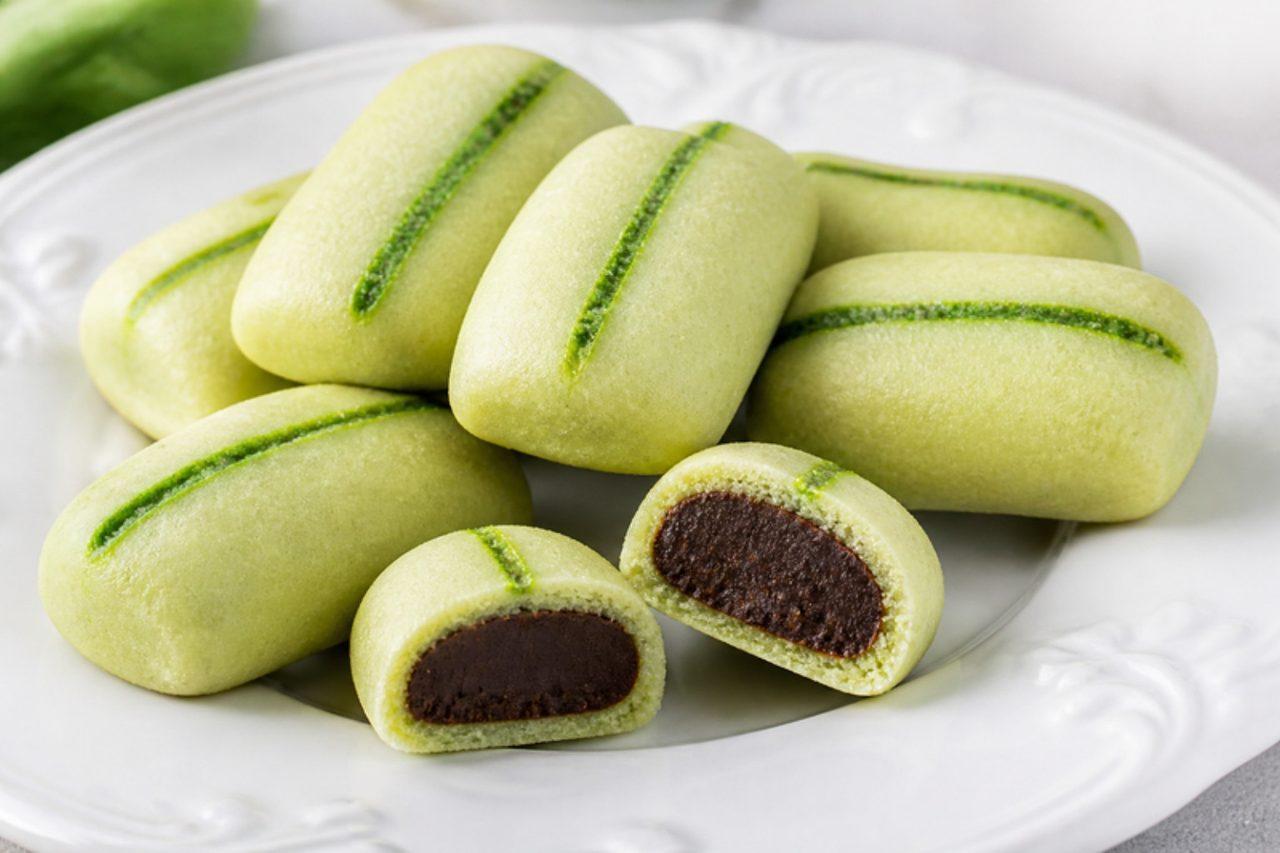
Lyon's sweet emblem recalls the city's plague vow of 1643, when the aldermen carried a candle and gold coins on a silk cushion to the chapel of Fourvière. Chocolatiers turned that cushion into a confection in the 1960s and it is now the gift Lyonnais bring at Christmas and New Year, or for a host on a Sunday visit. A soft, almond-sweet shell of pale green paste, marked with a darker green stripe, hides a melting dark chocolate ganache scented with orange. Serve two or three with coffee after dinner. The classic ganache is laced with orange liqueur; here fresh orange juice and zest give the flavour without alcohol. Shop marzipan is not always egg-free, so this almond paste is bound with sugar syrup cooked to the soft-ball stage, which coats the ground almonds and sets them firm as it cools. Chef's tip: chill the ganache until it holds a line before shaping; the common mistake is using it soft, so it squeezes out of the seams.

by KrazyBadal 0 views

Pruneaux d'Agen fourrés (stuffed Agen prunes)

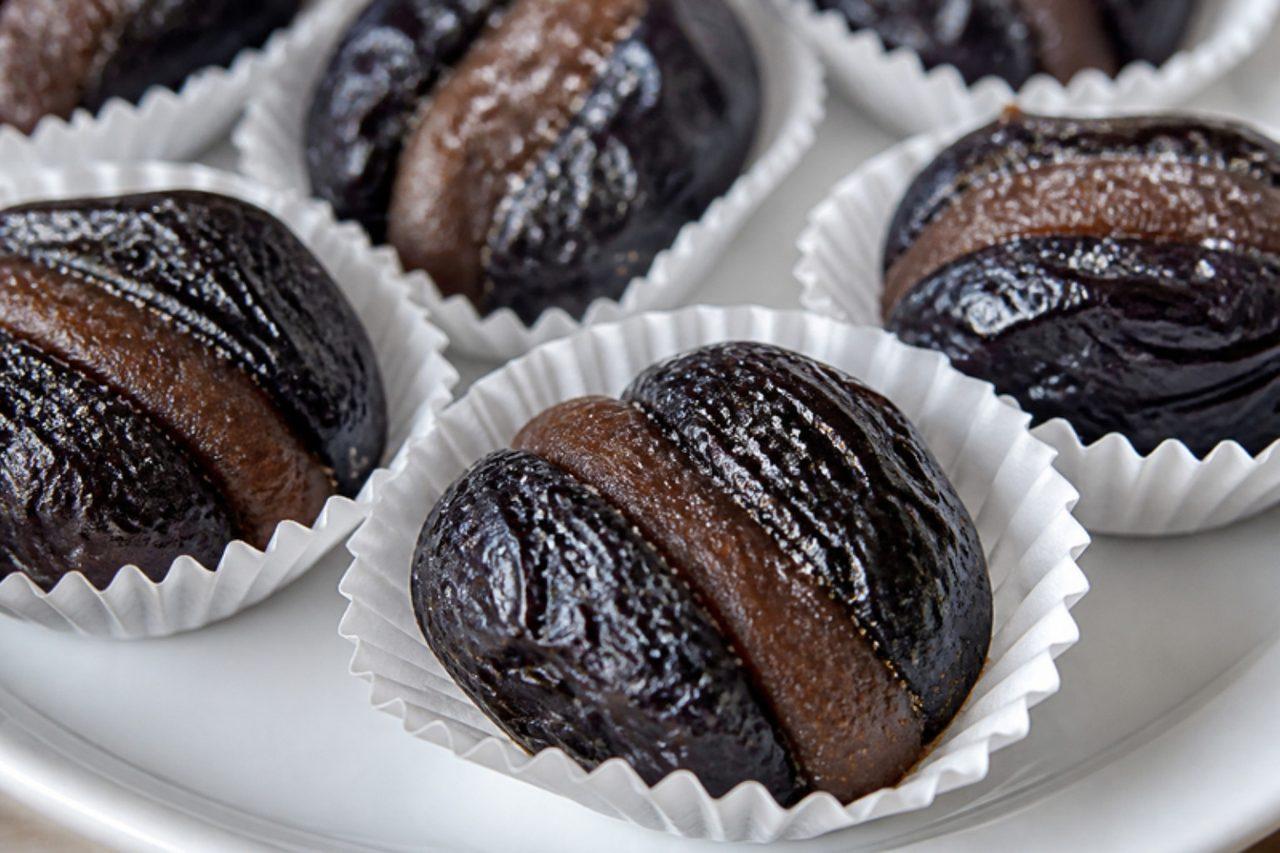
Agen, on the Garonne in south-west France, has dried its plums into prunes for centuries, and its confectioners stuff the best ones with a paste of more prunes and almonds. Boxes of pruneaux fourrés are a Christmas present across the south-west and a speciality of the town's prune festival at the end of August. Each one is glossy and plump, with a soft, sticky skin and a dense, mellow filling that tastes of fruit, almond and a little orange. Serve them with coffee or tea, or as part of a cheese plate. The filling is a kind of almond paste, held together by the sticky prune purée and sugar, so it is egg-free like the rest of the sweet; some versions add a little brandy, and orange juice takes its place here. Chef's tip: if the prunes are dry, steam them for 5 minutes first; the common mistake is forcing filling into stiff prunes, which split.

by KrazyBadal 0 views

Cotignac d'Orléans (clear quince jelly)

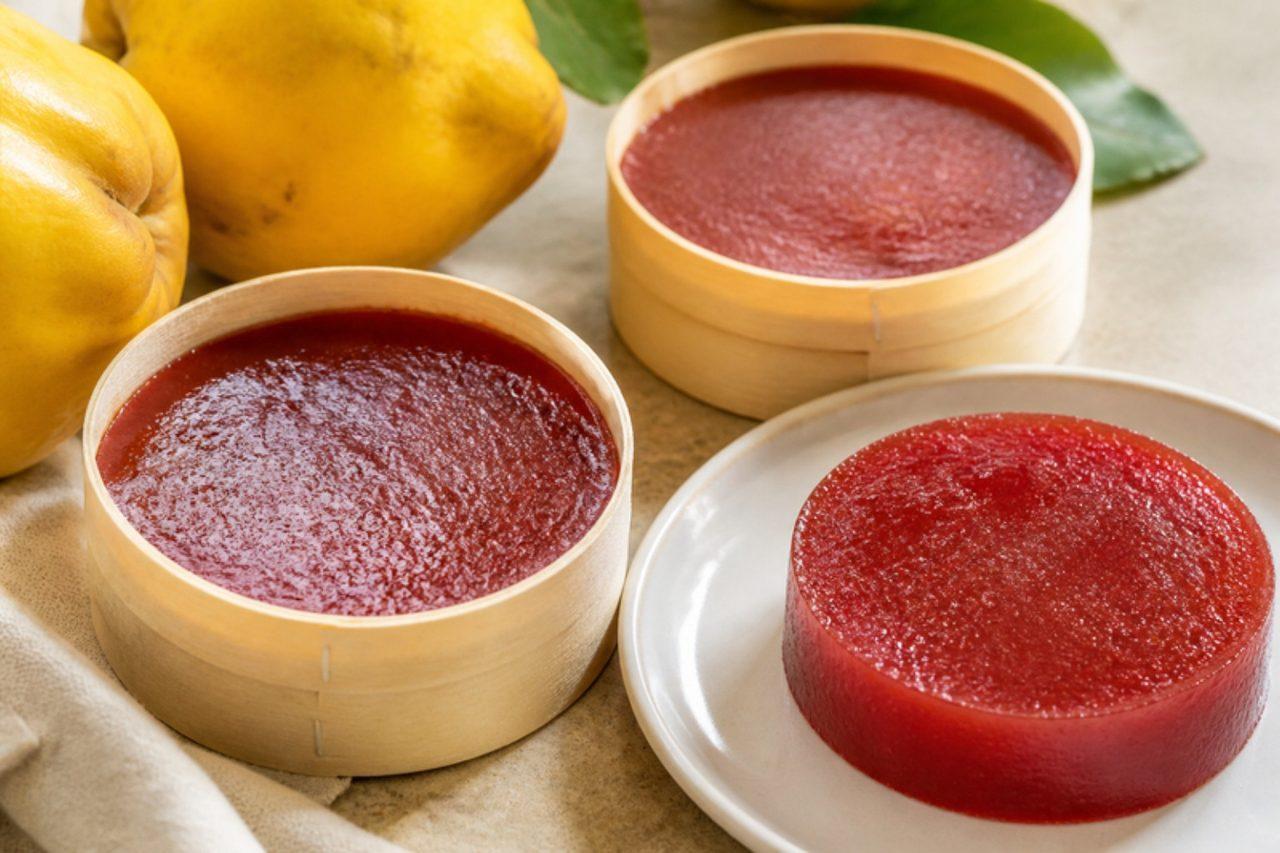
Orléans has made cotignac since the Middle Ages and offered it to visiting kings, and the town still sells it in small round wooden boxes, to be eaten by scraping the jelly out with the edge of the lid. It is a winter sweet, made when the autumn quinces come in and given at Christmas and New Year. The jelly is clear and ruby-red, firm enough to cut but tender on the tongue, with a scented, slightly tart quince flavour. Serve it after dinner with coffee, or with a mild cheese. Nothing but fruit and sugar sets it, so it is naturally egg-free: quinces are among the richest fruits in pectin, and boiling their juice with sugar to the setting point is all it takes. Small ramekins or silicone moulds lined with baking paper stand in for the wooden boxes. Chef's tip: let the cooked quince drip through the cloth without pressing; the common mistake is squeezing it, which clouds the jelly.

by KrazyBadal 0 views

Morue en raïtoSalt cod in tomato sauce

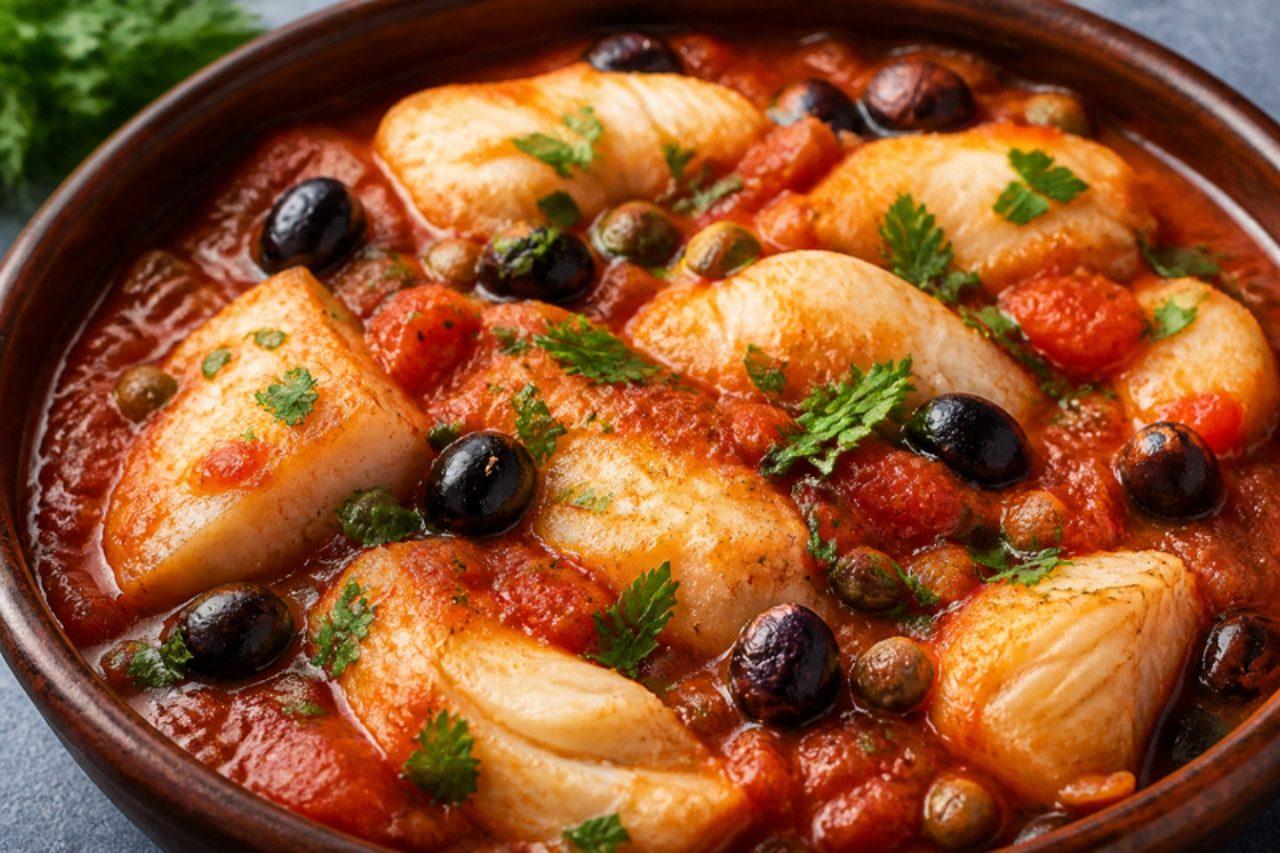
In Provence the gros souper on Christmas Eve is a lean but festive meal eaten before midnight Mass, with seven meatless dishes for the seven sorrows of Mary, and salt cod en raïto is often the centrepiece. Pieces of soaked cod are fried, then simmered in raïto, a dark sauce of tomato, onion, garlic, black olives and capers that is traditionally cooked with red wine. Here the wine is optional: use vegetable stock with a spoon of red wine vinegar for an alcohol-free sauce. Serve with boiled potatoes or crusty bread. Chef's tip: soak the salt cod in the fridge for 36 hours, changing the water often, and taste a flake before cooking; it should be pleasantly seasoned, not salty.

90 minFrenchFish
by KrazyBadal 0 views

Berlingots de Carpentras (striped Provençal hard candies)

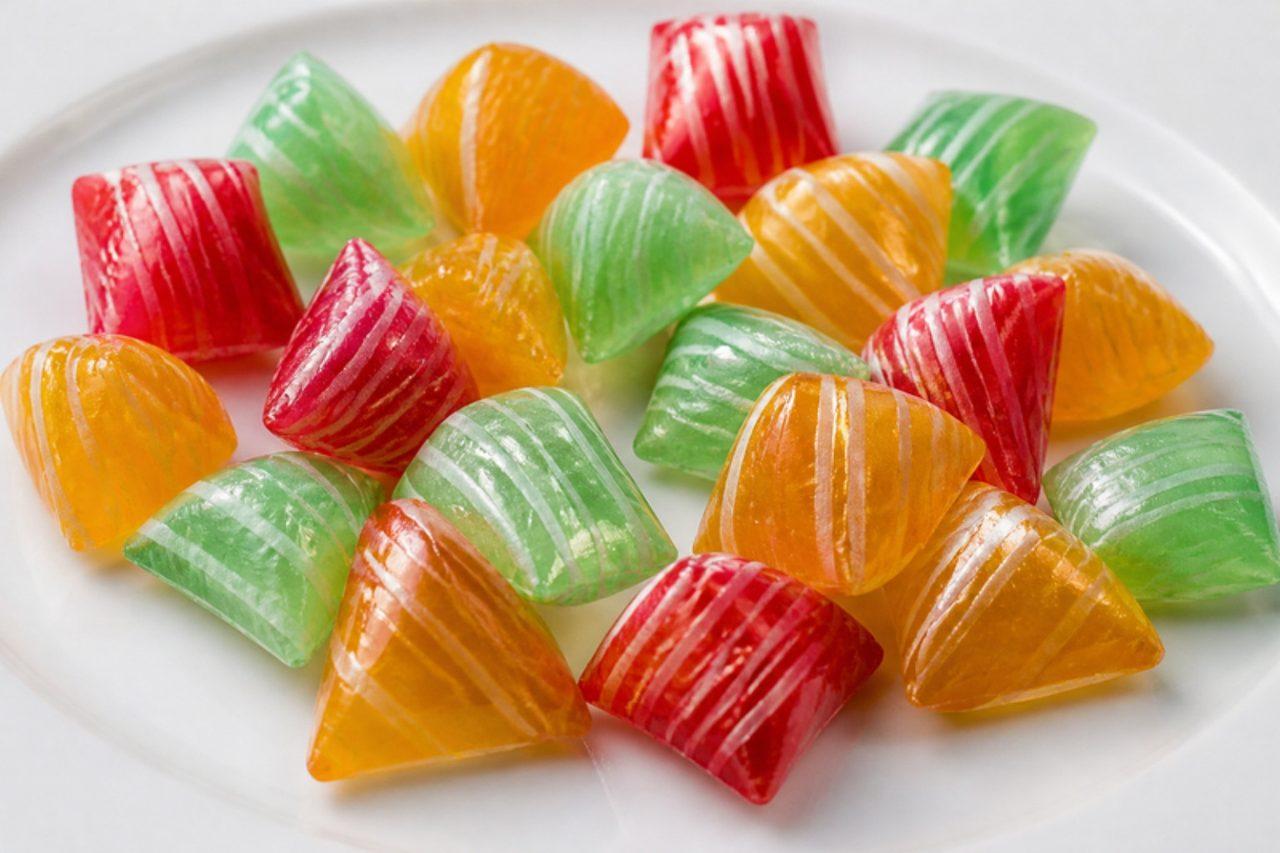
Carpentras, the market town below Mont Ventoux, has made berlingots since the nineteenth century, using the fruit syrups left over from its candied-fruit trade. The little four-sided pyramids are clear and glassy with fine white stripes, and they are sold year round at the Friday market and in paper cones for the Christmas sweet table. They crunch cleanly and dissolve slowly, here with a cool mint flavour; a fruit syrup can take its place. Offer them after a meal with coffee or herbal tea. Hard candy is naturally egg-free: the sugar, cooked to the hard-crack stage, sets glass-hard by itself, and glucose syrup keeps it clear instead of grainy. You will need heatproof gloves, oiled scissors and a warm place to keep the sugar soft while you shape it. Chef's tip: make these on a dry day; the common mistake is cooking sugar in a steamy kitchen, which leaves the berlingots sticky within hours.

by KrazyBadal 0 views

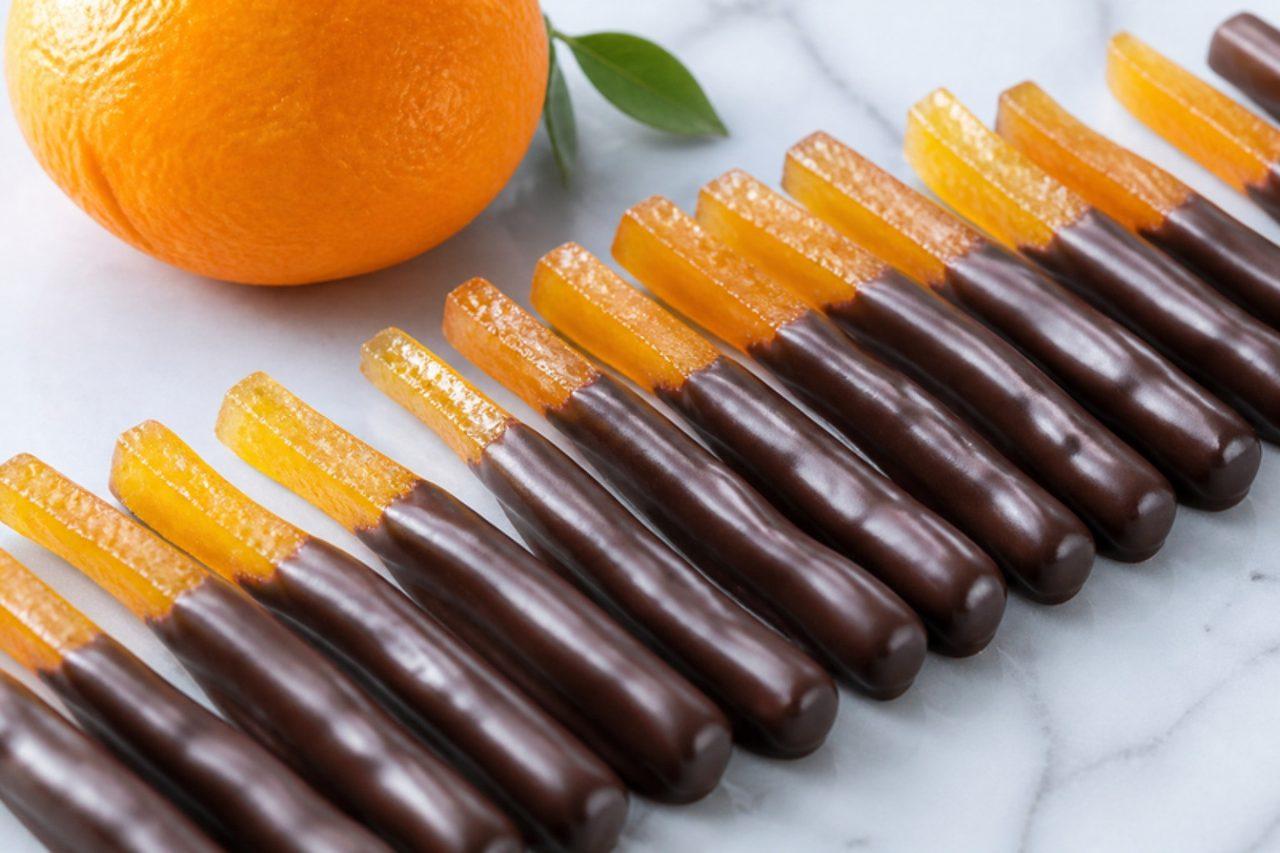
Orangettes (candied orange peel in dark chocolate)

All over France, from Paris chocolatiers to village pâtisseries, orangettes arrive in the shop windows as the days shorten and are a fixture of the Christmas and New Year sweet table. Long strips of orange peel are candied until tender and translucent, then dipped in dark chocolate: chewy and bittersweet inside, with a clean snap of chocolate and a long citrus finish. Serve them with an espresso after dinner, tie them up in a box as a gift, or offer them with a cheese course. They are naturally egg-free: the sugar syrup preserves the peel and stops it going tough, and the tempered chocolate sets into a firm, glossy shell with no other help. For a vegan batch, use a dark chocolate made without milk. Chef's tip: dry the candied peel well before dipping; the common mistake is dipping wet peel, which makes the chocolate seize and turn dull.

by KrazyBadal 0 views

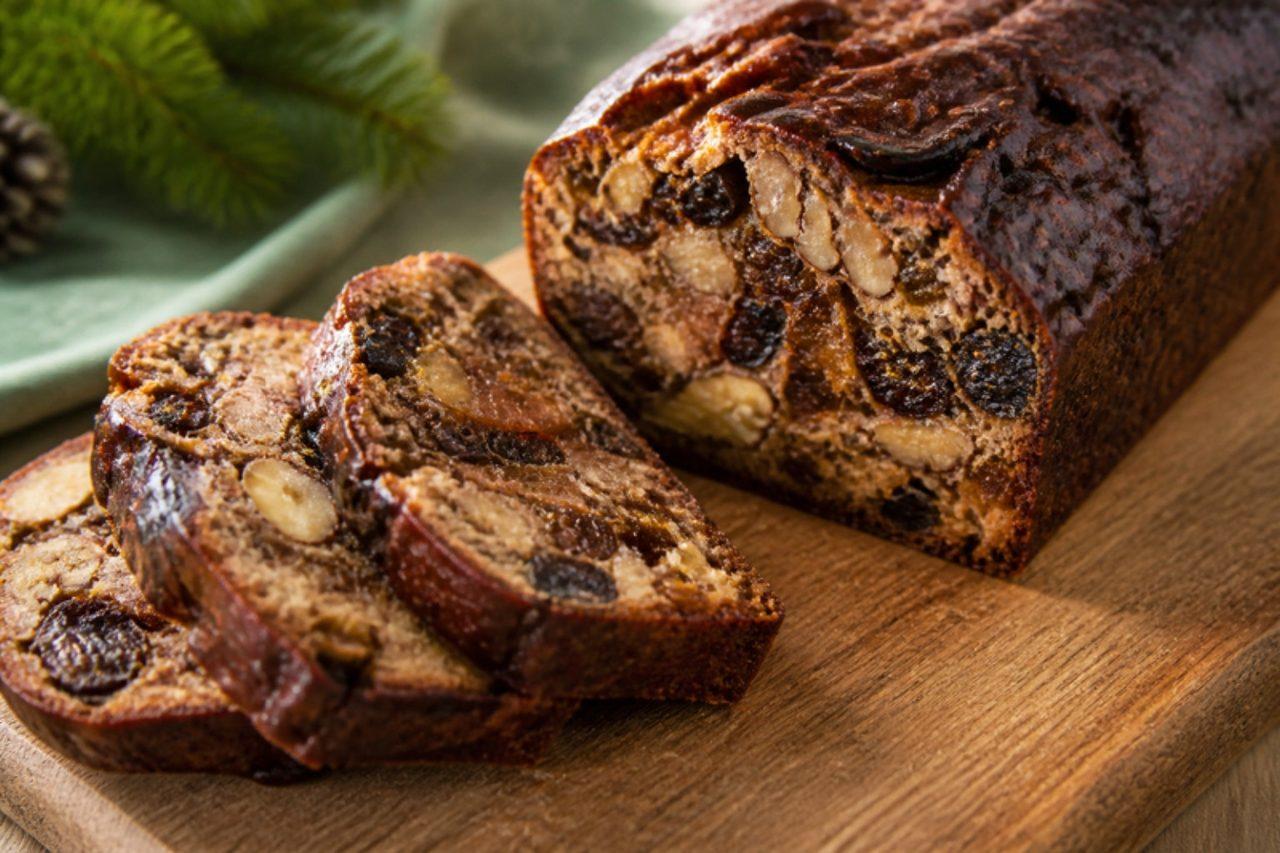
BeraweckaDried fruit and nut Christmas loaf

In Alsace, berawecka (the name means 'pear loaf') is baked in early December and sliced thinly through Advent, often handed to neighbours and godchildren. It is mostly fruit: dried pears, figs, prunes, raisins and walnuts held together with just enough bread dough, spiced with cinnamon, star anise and clove. Alsatian families soak the fruit in kirsch; this version uses strong black tea, which keeps the loaf moist and alcohol-free, and you can add 3 tbsp kirsch to the soak for adults if you like. It is vegan, keeps for weeks wrapped in foil, and is lovely buttered with a cup of tea. Chef's tip: cut the pears and figs the same size as the raisins, so every slice holds a mosaic of fruit instead of big lumps that tear the loaf.

100 minFrenchBakingVegan
by KrazyBadal 0 views

Chilcano de pescadoClear fish broth

In the fishermen's terminals of Chorrillos and Callao, chilcano is what you drink on a Sunday morning after a long night: a clear, gingery broth made from the heads and bones left over from cleaning fish for ceviche, with chunks of fish, red onion, chilli and a squeeze of lime in the bowl. It is light and warming, around 160 kcal a bowl, and still gives about 24 g of protein from the fish fillet and the broth. The common mistake is squeezing the lime into the pot while it boils, which turns it bitter; add it to each bowl at the table. Don't boil the bones for more than 30 minutes either, or the broth turns cloudy and harsh. Chef's tip: ask the fishmonger for heads and frames from mild white fish like sea bass or cod, and leave out oily fish such as mackerel, which makes the broth strong and fishy.

by KrazyBadal 0 views

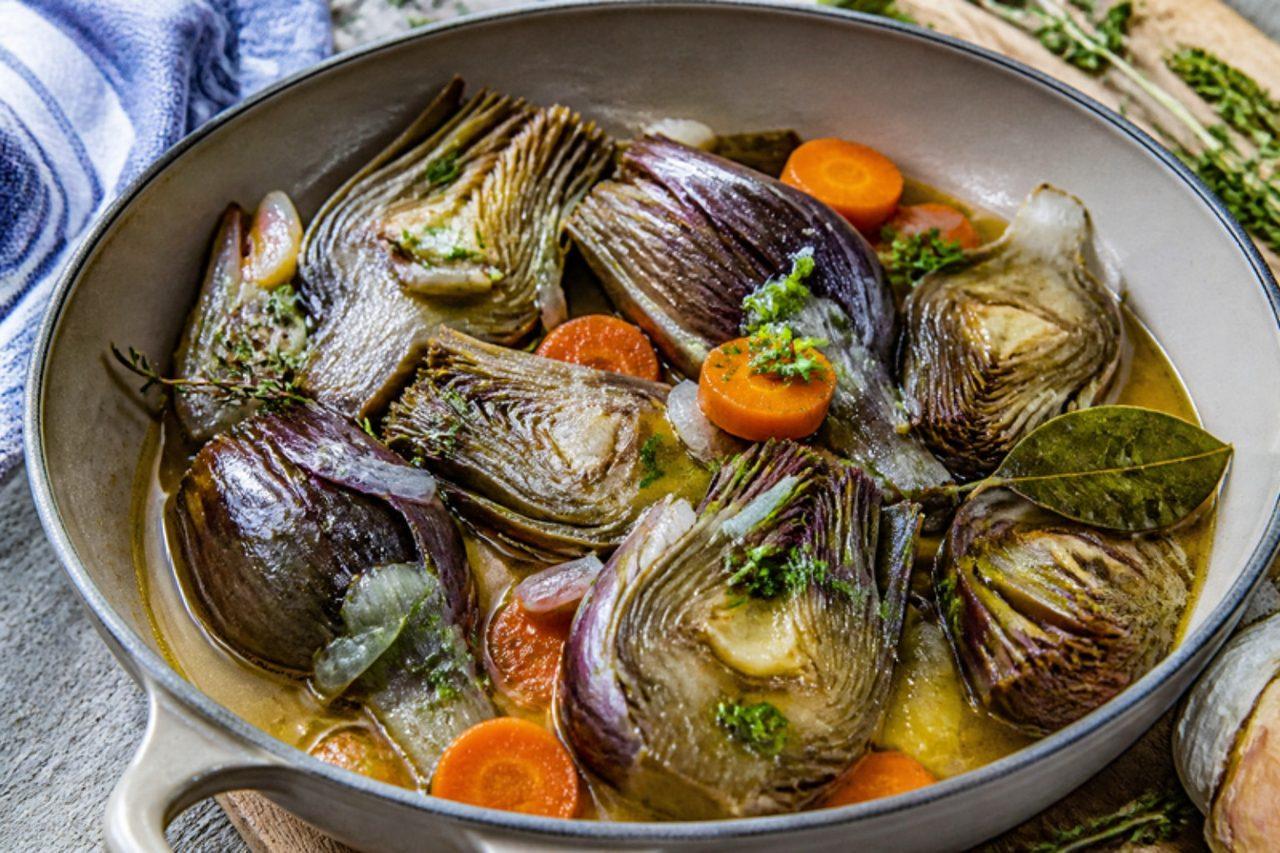
Artichauts à la barigouleBraised artichokes

In Provence, artichauts à la barigoule is cooked in spring when the small violet artichokes come into the markets of Aix, Avignon and Marseille, and it is served warm as a starter or as a light main with bread. The trimmed artichokes are braised in olive oil with carrot, onion, garlic and herbs until tender in a fragrant, slightly tart liquor. The traditional braise uses white wine; this version is alcohol-free, using vegetable stock sharpened with white wine vinegar and lemon. It is vegan, with about 5 g of protein per portion, from the artichokes. The common mistake is trimming too timidly: any dark green leaf left on stays tough and stringy, so keep going until only the pale, tender leaves remain. Chef's tip: rub each artichoke with lemon as you trim and drop it straight into lemon water, or it will go brown within minutes.

by KrazyBadal 0 views

Aguadito de polloCoriander chicken rice soup

Aguadito is the soup Lima serves in the small hours: at the end of a wedding, after New Year's Eve and at weekend family lunches, it is ladled out thick and steaming to revive everyone. Rice simmers in chicken broth coloured deep green with blended coriander and warmed with yellow ají amarillo, along with peas, carrot, pepper, sweetcorn and potato. A portion gives about 24 g of protein, from the chicken with a little from the rice and peas, for around 480 kcal. The common mistake is adding the coriander purée too early: cooked for long it turns khaki and loses its fresh taste, so stir it in for the last 10 minutes. The chicken must reach 74 °C at the bone. Chef's tip: blend a handful of spinach with the coriander; it keeps the colour vivid green without changing the flavour.

by KrazyBadal 0 views

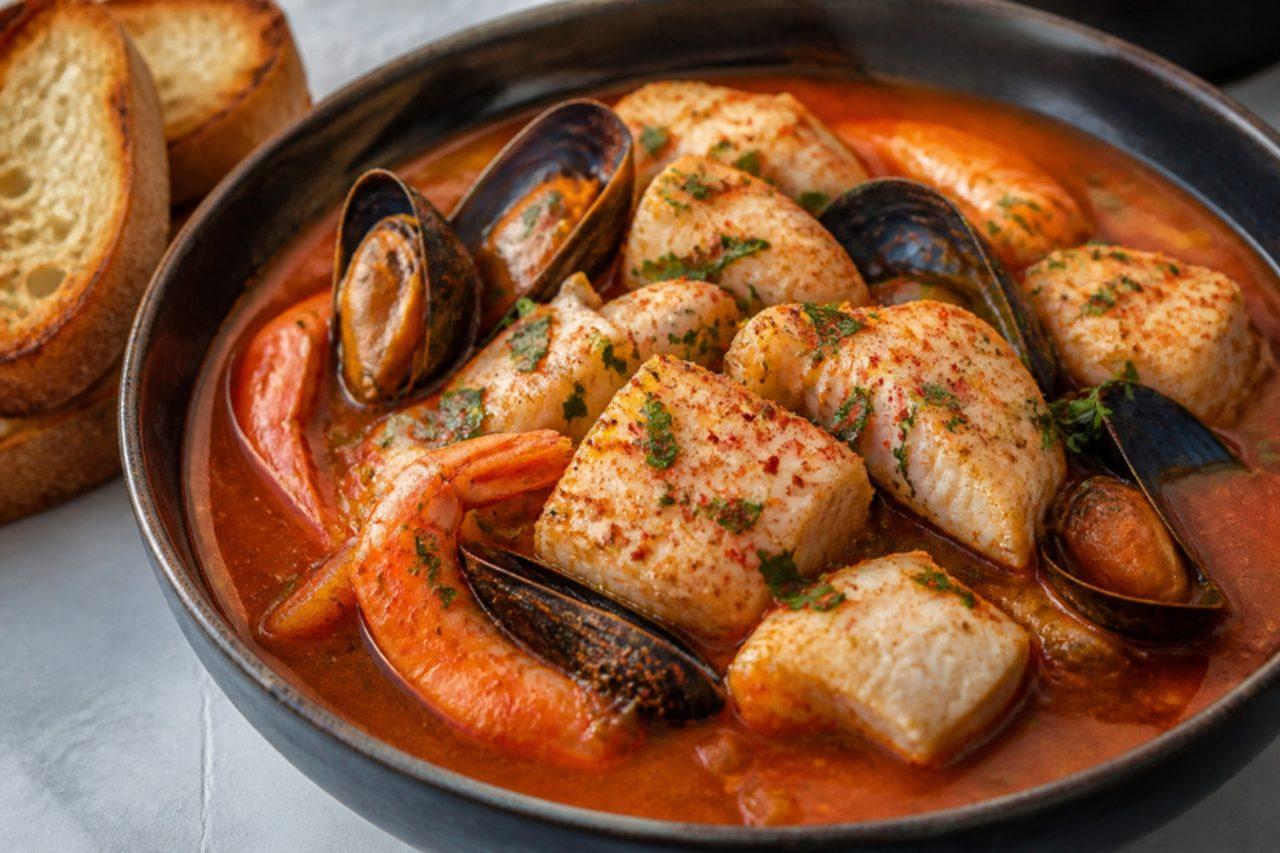
TtoroBasque fish soup

Ttoro was the meal Basque fishermen in Saint-Jean-de-Luz and Ciboure made from the part of the catch they couldn't sell, and the town still holds a ttoro festival every autumn. A deep red broth of peppers, tomato and Espelette pepper is poured over pieces of hake and monkfish, mussels and prawns, with garlic toast on the side for dunking (use gluten-free bread if needed). A portion gives about 32 g of protein, from the fish and shellfish, for around 360 kcal. The common mistake is boiling the fish in the broth: it breaks into flakes, so the pieces are seared first and then only poached gently on top for a few minutes. Discard any mussel that stays open when tapped before cooking or stays shut after. Chef's tip: dust the fish in rice flour before searing; the light crust protects the fish in the broth and thickens it slightly.

70 minFrenchFishGluten free
by KrazyBadal 0 views

Helado de dulce de leche (Buenos Aires dulce de leche ice cream)

Dulce de leche is the flavour Buenos Aires heladerías are judged by, and on a summer night the queues at neighbourhood ice-cream shops stretch out onto the pavement well after dinner. Locals order it plain, with a ripple of extra dulce de leche (dulce de leche granizado adds chocolate flakes), often by the kilo to take home. It is dense, chewy and deeply caramel. This home version is egg-free with no custard: a little cornflour cooked into the milk thickens it the way yolks would, and the dulce de leche itself is milk and sugar cooked down, its sugar and milk solids keeping crystals tiny so it stays smooth and scoopable. Churn it, or still-freeze and stir it every 45 minutes. Chef's tip: chill the extra dulce de leche before rippling it in; the common mistake is folding in a warm one, which melts into the ice cream instead of leaving ribbons.

by KrazyBadal 0 views

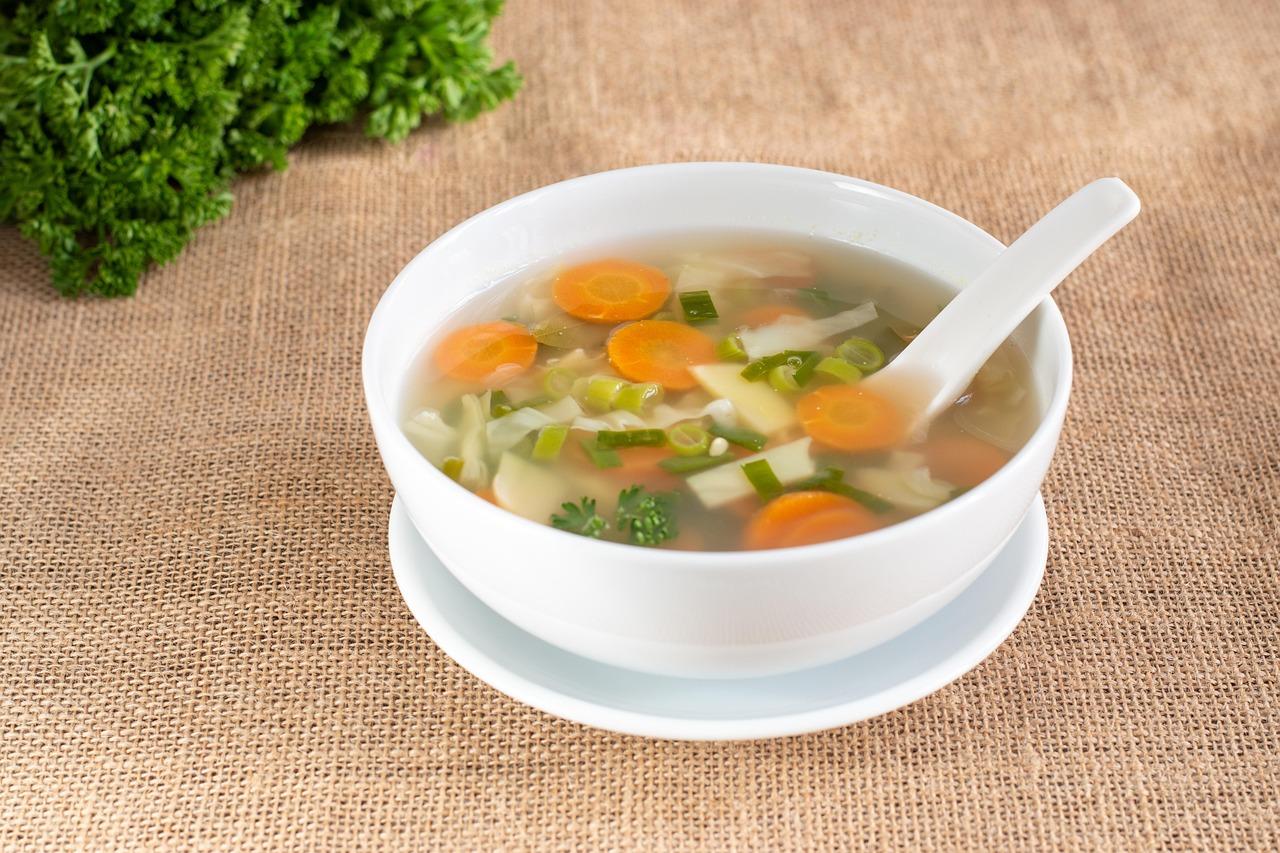
Potage cultivateurFarmer's vegetable soup

Potage cultivateur is the farmhouse soup of France, made in kitchens from Normandy to the Auvergne on cold evenings and eaten as a light supper with bread. The vegetables are cut into small, thin squares (the 'paysanne' cut), sweated slowly in butter, then simmered in water, so the broth stays clear and every spoonful has carrot, turnip, leek and potato. The old versions add bacon; this one is vegetarian. It is light, with about 4 g of protein per bowl; add a handful of white beans or serve with cheese on toast for more (choose a vegetarian cheese if you avoid animal rennet). The most common mistake is browning the vegetables: they should sweat gently until soft and shiny, never coloured. Chef's tip: cut every vegetable the same size, about 1 cm square and 3 mm thick, so they all cook in the same time.

by KrazyBadal 0 views

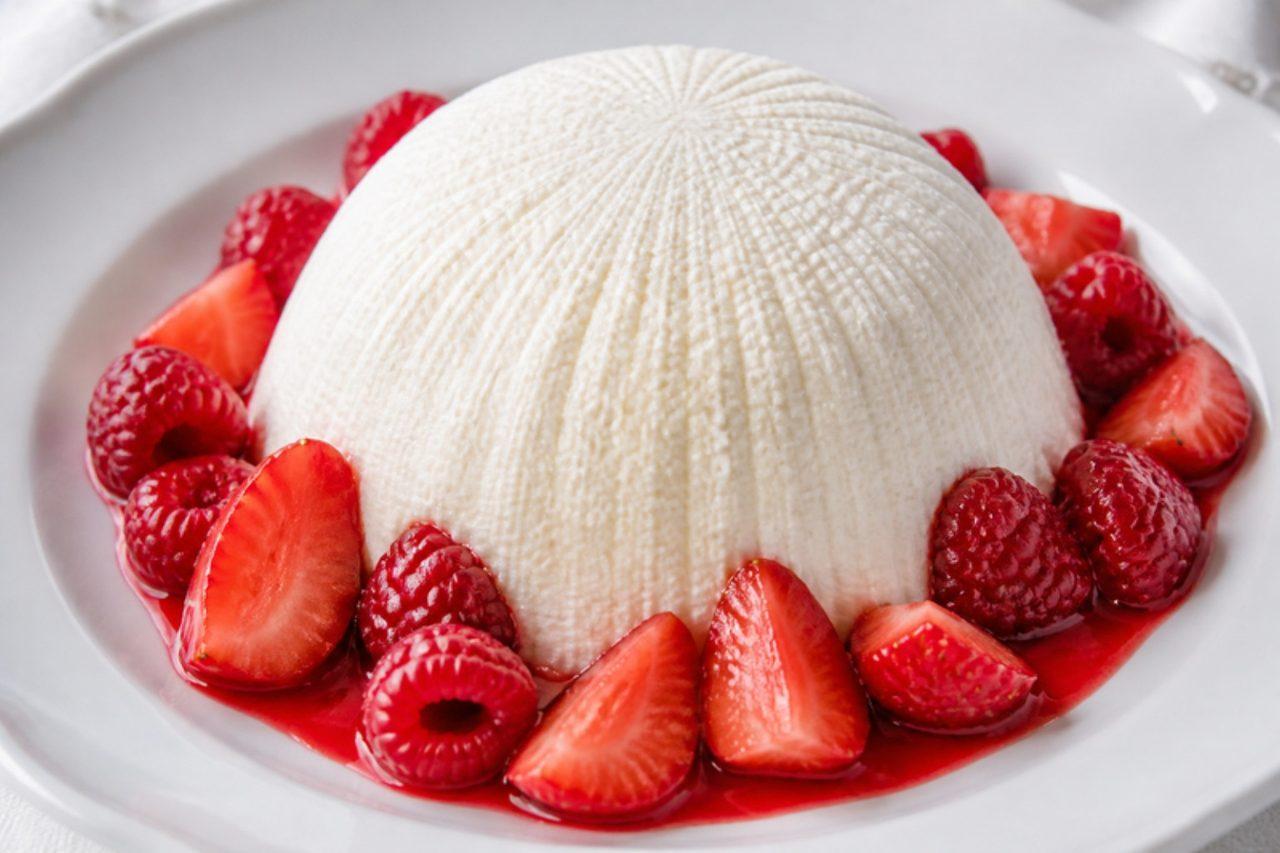
Fontainebleau (fromage blanc and whipped cream mousse)

Fontainebleau takes its name from the town south of Paris, whose cheese shops sold it in little muslin-wrapped pots for the weekend. It is a fresh-cheese dessert for late spring and summer, best when the first strawberries and raspberries arrive. Fromage blanc and whipped cream are folded together and left to drain in muslin, so the mousse firms up into a light, cloud-soft mound that tastes of fresh milk with a gentle tang. Serve it chilled with berries or a spoonful of red-fruit coulis, and a little extra sugar on the side. Some recipes fold in whisked whites; this one leaves them out entirely, because firmly whipped cream alone holds the air, and draining away the whey gives the mousse its shape. Chef's tip: drain the fromage blanc before you start; the common mistake is folding in a wet, runny cheese, which collapses the cream and leaves a puddle in the dish.

by KrazyBadal 0 views

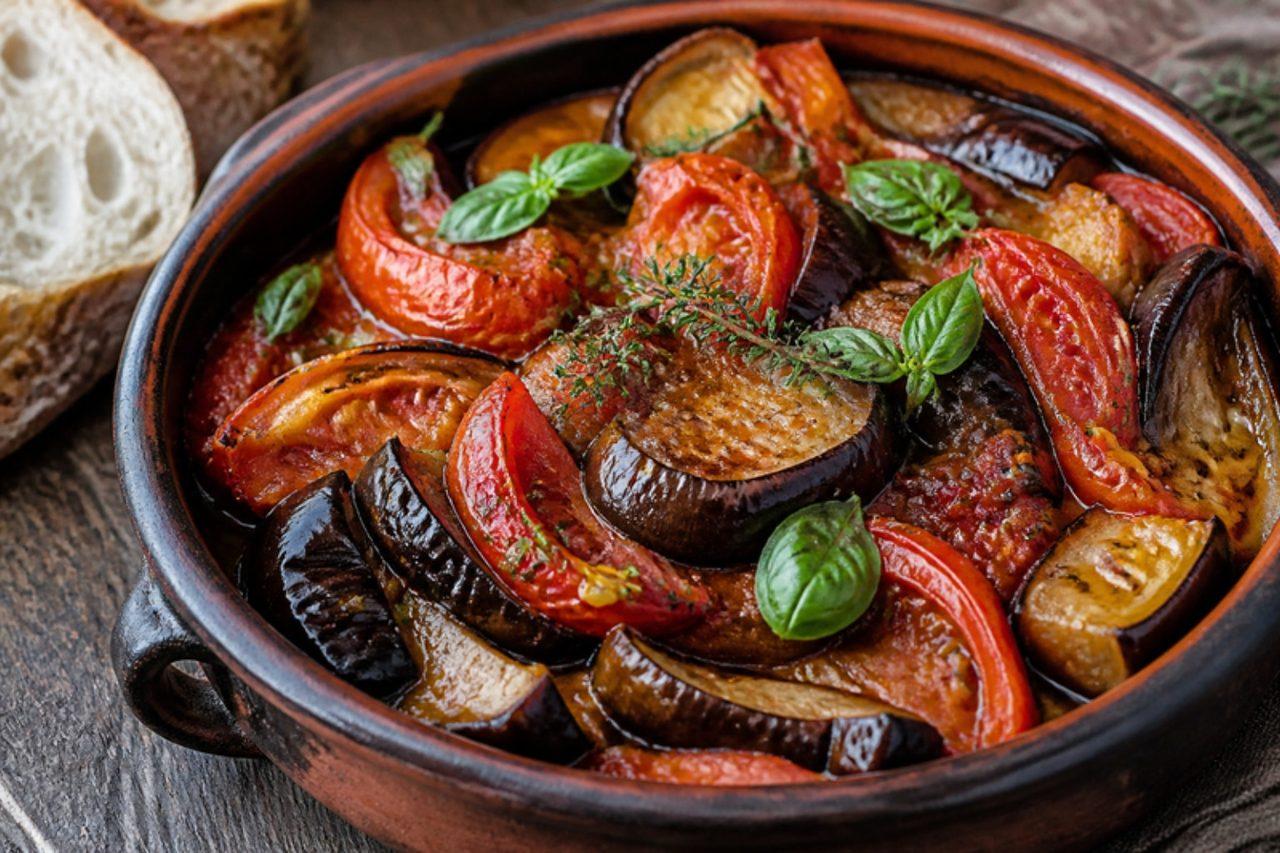
BohémienneAubergine and tomato stew

Bohémienne is the older, simpler cousin of ratatouille, cooked in Avignon and the Vaucluse villages at the end of summer when aubergines and tomatoes are cheap and ripe. Just those two vegetables, with onion, garlic and plenty of olive oil, are stewed slowly until they melt into a soft, jammy confit that is eaten warm with bread, cold on toast, or beside an omelette. It is vegan and light, with about 3 g of protein per portion. The common mistake is hurrying it over a high heat: the aubergine catches before it softens, so keep the heat low and stir gently. Chef's tip: salt the aubergine cubes for 20 minutes and pat them dry; they then take up less oil and keep a silky texture.

by KrazyBadal 0 views

ParihuelaSpicy seafood soup

Parihuela is the big weekend seafood soup of Callao and the Peruvian coast, eaten at long Sunday lunches in cevicherías and praised as a cure for tiredness and late nights. A deep red broth of ají panca, ají amarillo, tomato and fish stock is loaded with chunks of fish, prawns, squid and mussels. A portion gives about 30 g of protein, from the fish and shellfish, for roughly 300 kcal. Some cooks add chicha de jora or beer; this version has none. The common mistake is adding all the seafood at once: squid and prawns turn rubbery while the fish cooks, so they go in last. Before cooking, discard any mussels that stay open when tapped, and after cooking discard any that stay shut. Chef's tip: fry the chilli pastes in the oil until they darken and smell sweet; that toasted ají is what gives parihuela its depth.
by KrazyBadal 0 views

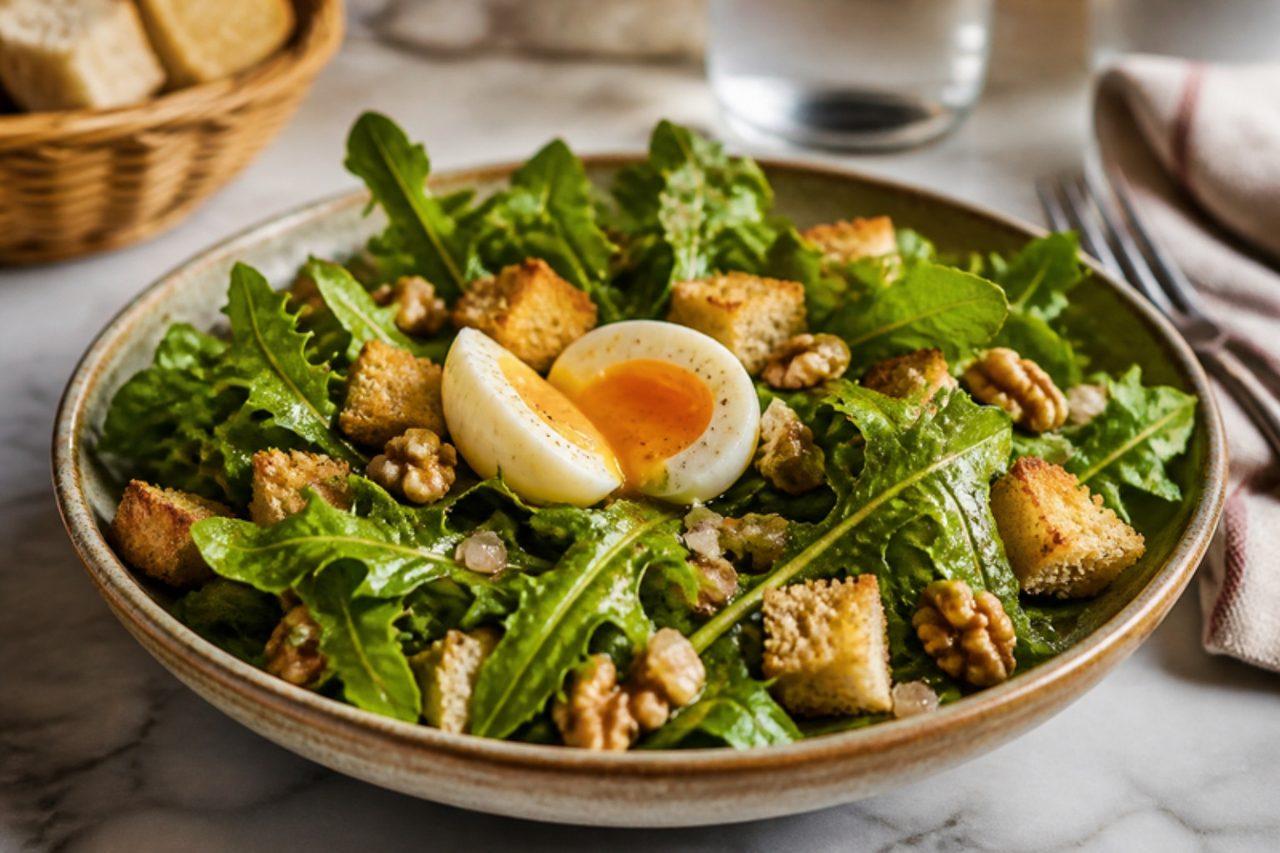
Salade de pissenlitsDandelion salad with warm vinaigrette

In Lorraine and around Lyon, the first tender dandelion leaves of March and April are gathered from meadows (or bought in bunches at the market) for a salad that marks the end of winter. The leaves are pleasantly bitter, and a hot vinaigrette poured over them wilts them slightly, with soft eggs to make it a light supper. The traditional version has crisp lardons; this vegetarian version uses toasted walnuts and a little of their oil for the same richness. A plate gives about 15 g of protein from the eggs and walnuts, so it is not a high-protein dish. The yolks stay runny, so use pasteurised eggs for anyone pregnant, very young, older or vulnerable, or boil the eggs for 10 minutes instead. The mistake to avoid is using big, old leaves from flowering plants; they are tough and harshly bitter. Chef's tip: soak the leaves in cold water for 30 minutes before drying them; it crisps them and tames some of the bitterness.
by KrazyBadal 0 views

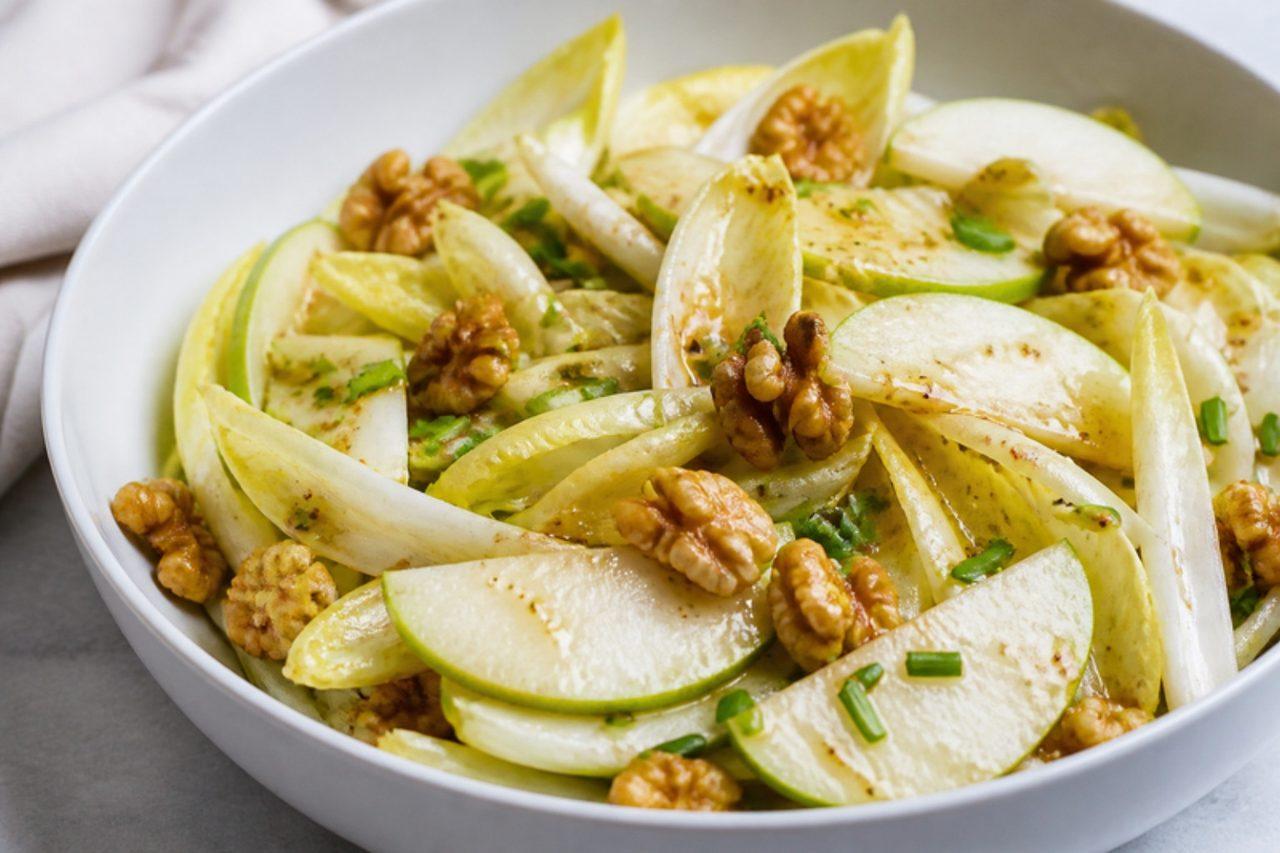
Salade d'endives aux noixChicory, walnut and apple salad

Across Picardy and the Nord, and over the border in Belgium, Belgian endive (chicory) is the winter salad, and this one appears after the main course at Sunday lunch or as a light supper from November to March. The pale, crisp leaves are cut into rings and tossed with sweet apple, toasted walnuts and a sharp mustard vinaigrette, so you get bitter, sweet and nutty in every mouthful. Many bistros add Roquefort; this version is vegan, and if you add cheese, note that Roquefort is made with animal rennet. A portion gives about 4 g of protein from the walnuts, so it is a side or starter. The most common mistake is slicing the endive too early: it browns at the cut edges, so dress it within 10 minutes of cutting. Chef's tip: cut out the small cone of core at the base of each endive; it holds most of the bitterness.
by KrazyBadal 0 views

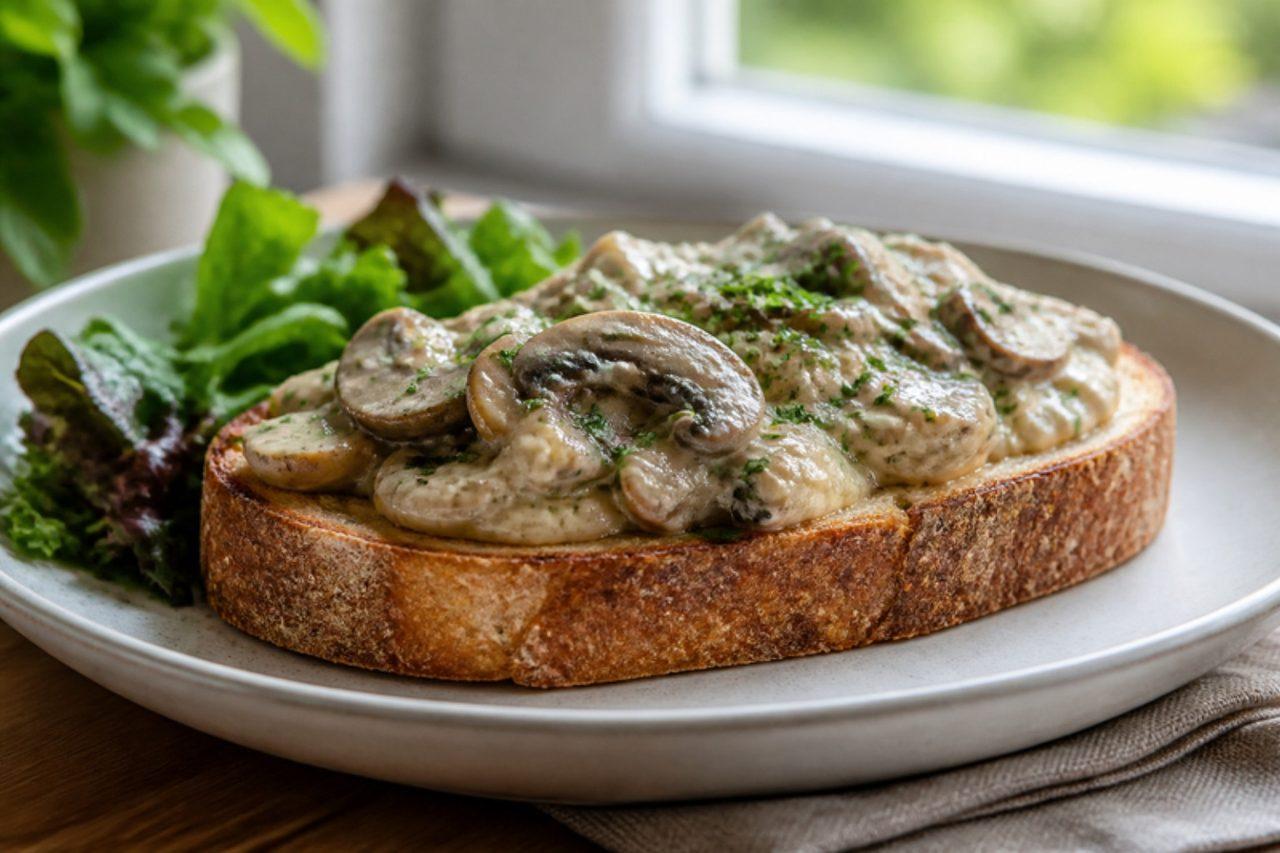
Croûte aux champignonsCreamy mushrooms on toast

In the mountain villages of Savoie and the Jura, croûte aux champignons is a quick supper in autumn and through ski season: thick toasted bread topped with mushrooms cooked down in butter, a splash of dry white wine and cream, sometimes with a little melted local cheese on top. It is rich and earthy, and a green salad alongside is all it needs. The recipe uses white wine, which mostly cooks off but not entirely; for an alcohol-free version use vegetable stock with a squeeze of lemon. The most common mistake is pouring in the cream before the mushrooms have browned and the wine has reduced, which gives a thin, grey sauce. Chef's tip: rub the hot toast with a cut garlic clove so every bite is fragrant.

by KrazyBadal 0 views

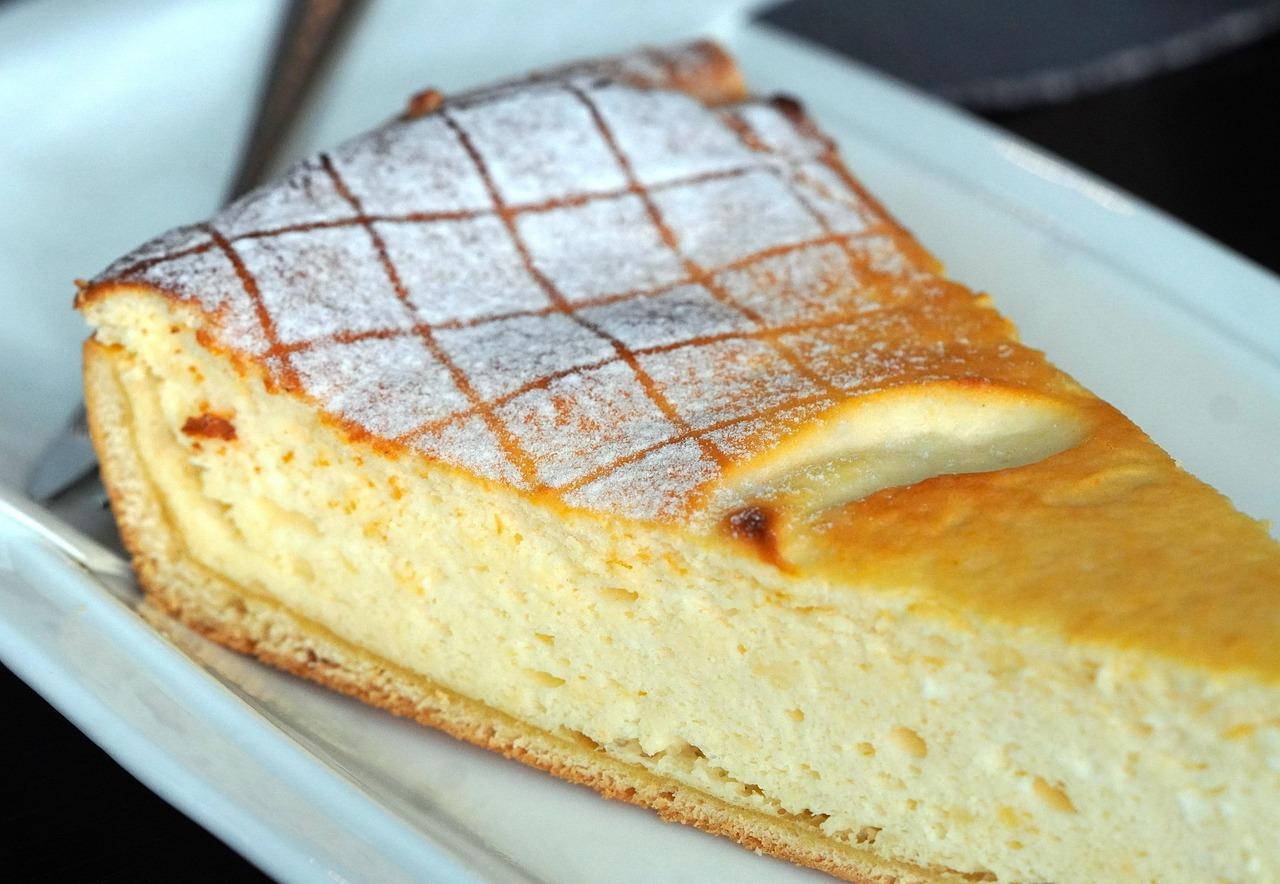
Tarte au fromage blancBaked cheesecake tart

Alsatians call it Käsküeche, and it is the cake their pâtisseries in Strasbourg and Colmar sell by the tall wedge on Sunday mornings, to take home for dessert after lunch. Fromage blanc, eggs and a little crème fraîche are baked in a high-sided pastry case until the filling puffs well above the rim like a soufflé, then settles into a light, creamy, gently lemony cheesecake. It is much less sweet than an American cheesecake and is eaten plain, maybe with a coffee or a glass of cold milk. Taking it out of a hot oven straight into a cold kitchen is what makes it crack and sink badly. Chef's tip: switch the oven off at the end, prop the door open with a wooden spoon and let the tart cool inside for an hour.

by KrazyBadal 0 views

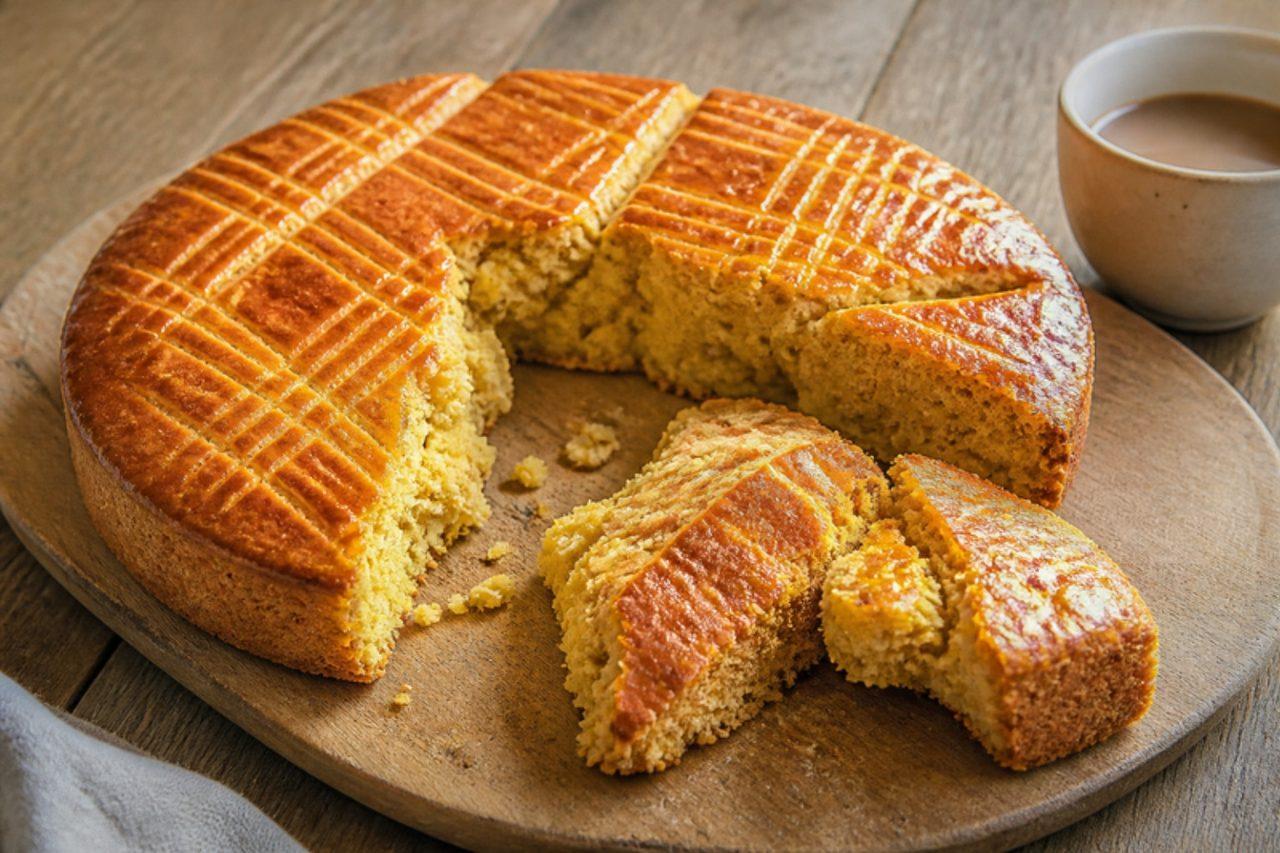
Broyé du PoitouGiant butter biscuit

From the Poitou-Charentes region of western France, broyé is one huge, thick butter biscuit baked in a round and carried whole to the table. Tradition says you break it in the middle with a firm blow of the fist, and everyone grabs a jagged piece; farmhouse cooks served it at weddings and family lunches, and it still ends meals there with coffee or a glass of local pineau. It is crisp at the edges, slightly tender in the middle and tastes of salted butter. Some families add chopped candied angelica from Niort. The top is glazed with egg yolk for its shine; milk gives a softer sheen if you prefer no egg wash. Chef's tip: mark the top with a fork in a diamond pattern and press quite deep, because the lines spread as it bakes; a pale broyé is the common mistake, so bake on until it is evenly golden all over.

by KrazyBadal 0 views

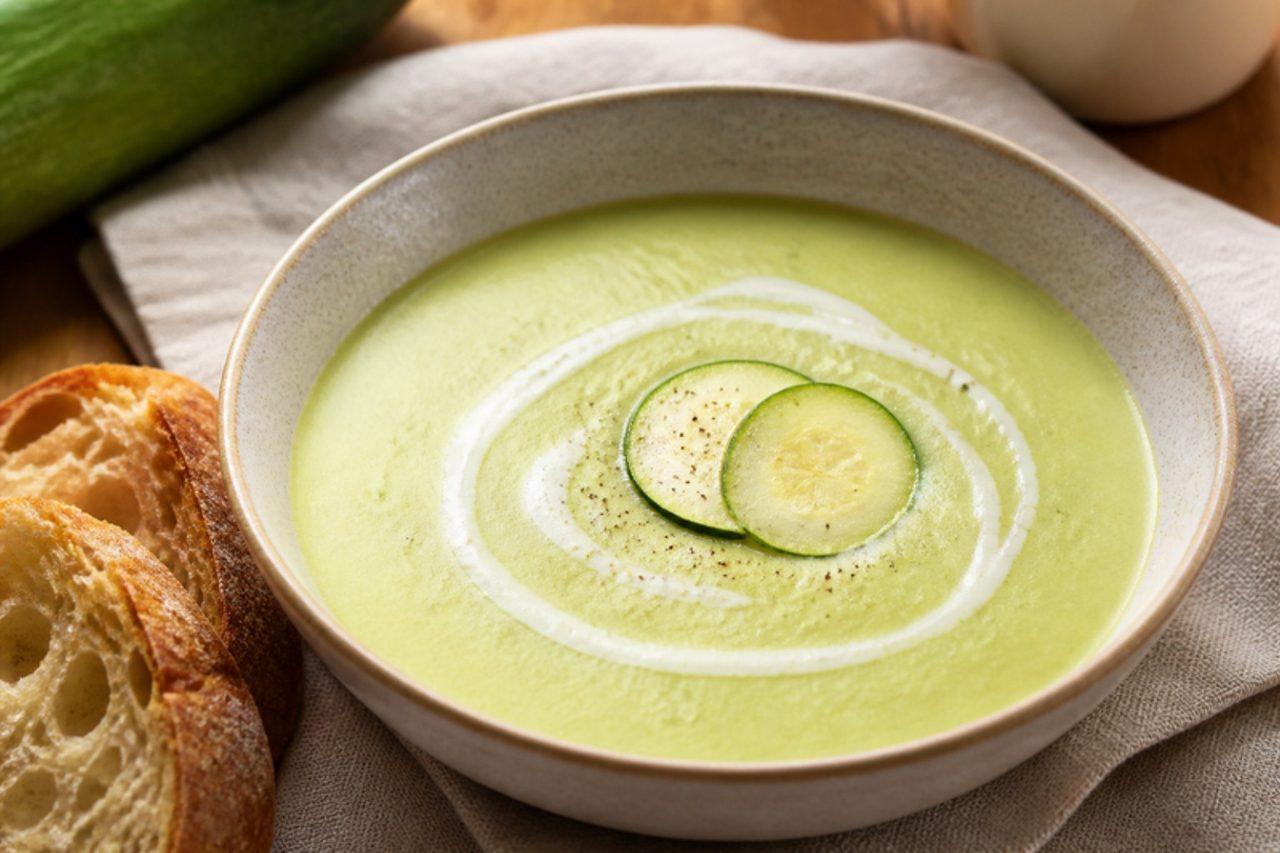
Velouté de courgettesSmooth courgette soup

French families make velouté de courgettes on summer and early-autumn evenings, when courgettes are cheap and plentiful, often blending in a few wedges of soft triangle cheese or a spoon of cream so children drink it happily. It is pale green, silky and mild, and ready in under half an hour; serve it with crusty bread and a piece of cheese. Some soft cheeses are made with animal rennet, so check the label or use a vegetarian cream cheese. The most common mistake is boiling the courgettes too long, which turns the soup a dull khaki; simmer only until just tender. Chef's tip: leave some of the green skin on but peel in stripes, so the colour stays bright without any bitterness.

by KrazyBadal 0 views

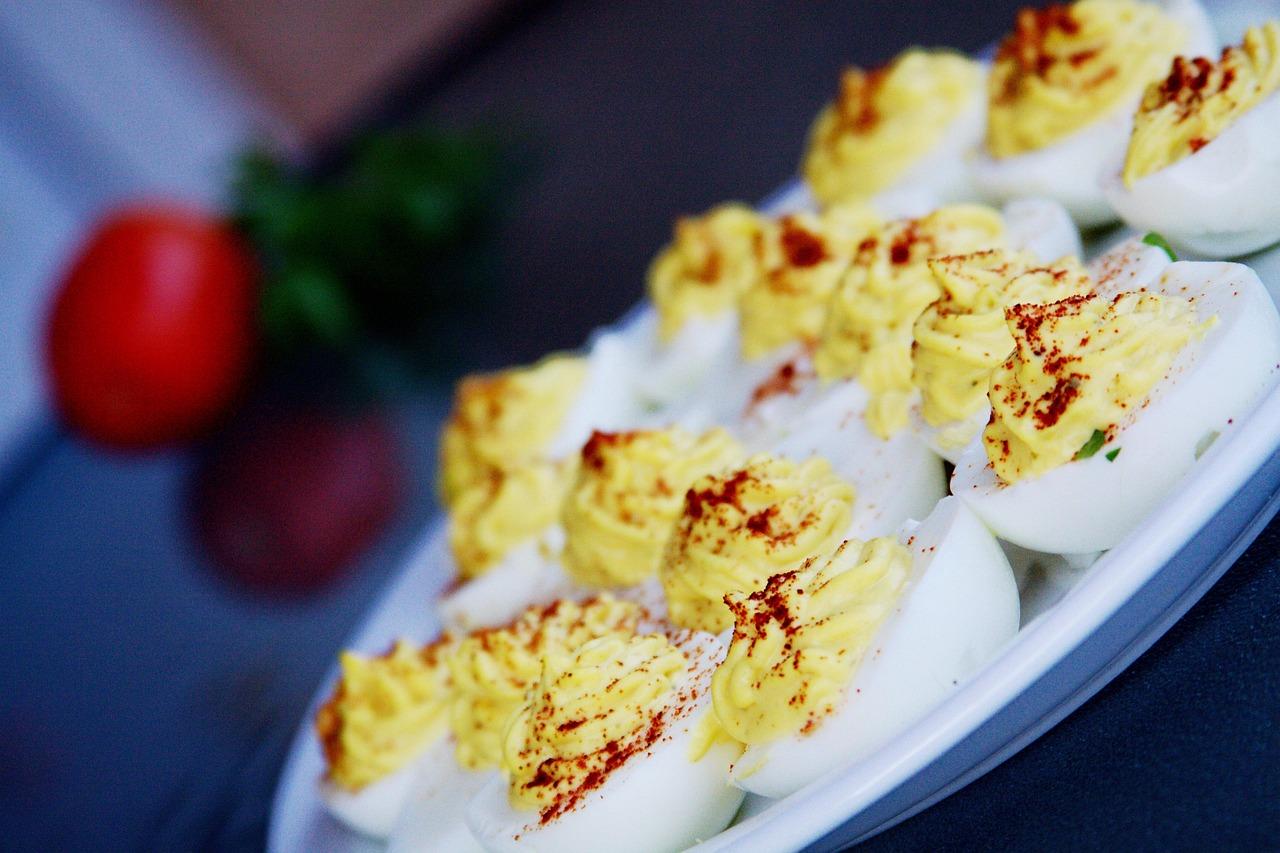
Œufs mimosaStuffed eggs with grated yolk

Œufs mimosa have been a starter in French bistros and on family tables for generations, served at Sunday lunch, on Easter platters and as a light supper with salad and bread. Hard-boiled eggs are halved, their yolks mashed with mayonnaise and mustard and piped back in, then a little yolk is grated over the top so it looks like the fluffy yellow flowers of the mimosa tree. They are naturally gluten free. The most common mistake is overboiling the eggs, which leaves a grey-green ring around the yolk and a sulphurous taste; 10 minutes and an ice bath is enough. Chef's tip: keep back one yolk just for grating, so the topping stays bright yellow and dry.

by KrazyBadal 0 views

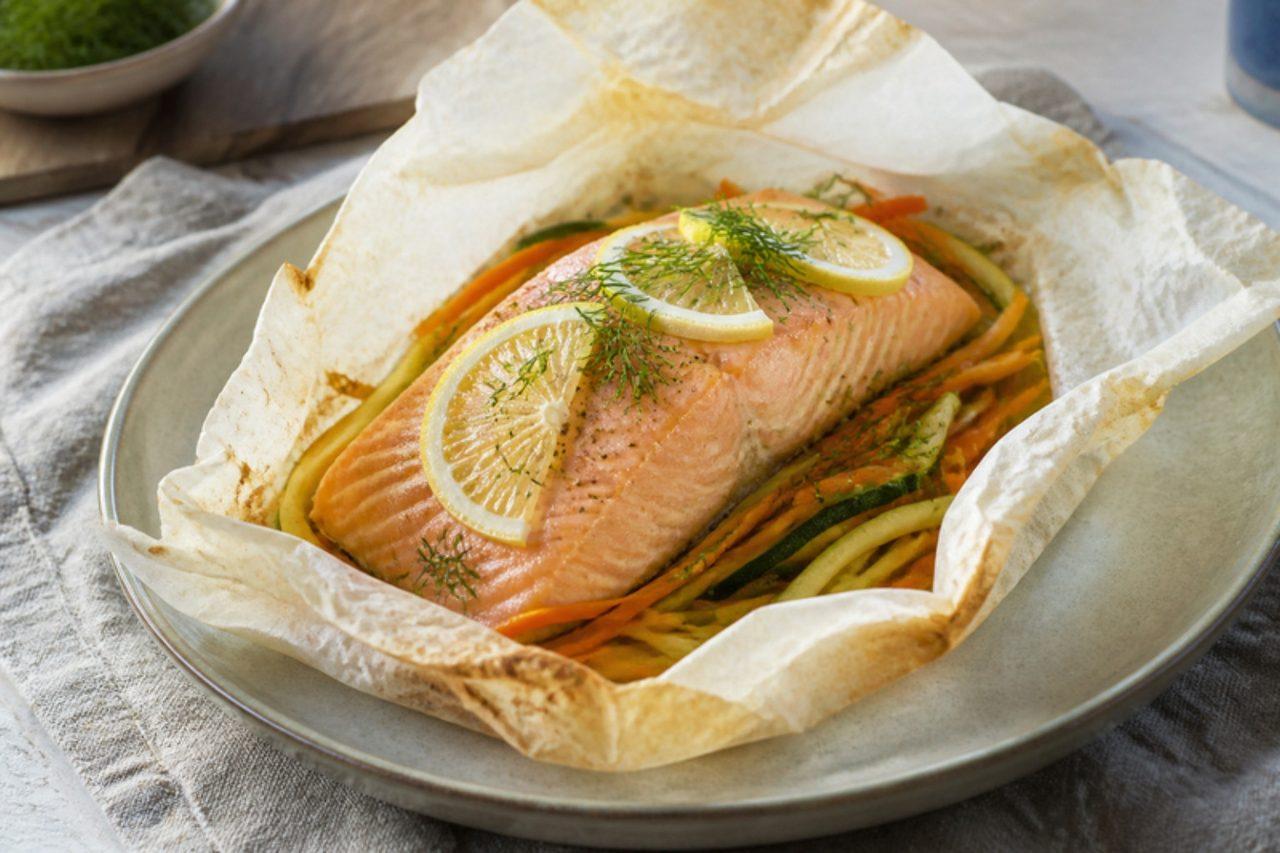
Saumon en papilloteSalmon baked in paper parcel

Saumon en papillote is everyday French home cooking at its lightest: a fillet of salmon sealed in baking paper with ribbons of courgette and carrot, lemon and dill, so it steams in its own juices in the oven. Across France it is a favourite midweek dinner because there is almost no washing-up, and each person opens their own fragrant parcel at the table, ideally with boiled new potatoes or rice. The usual mistake is cutting the vegetables too thick, so the fish overcooks while they stay raw; slice them very thin. Chef's tip: fold and crimp the paper edges tightly all the way round, or the steam escapes and the salmon dries out.

25 minFrenchFishGluten free
by KrazyBadal 0 views

Haricots verts persillésGreen beans with garlic and parsley

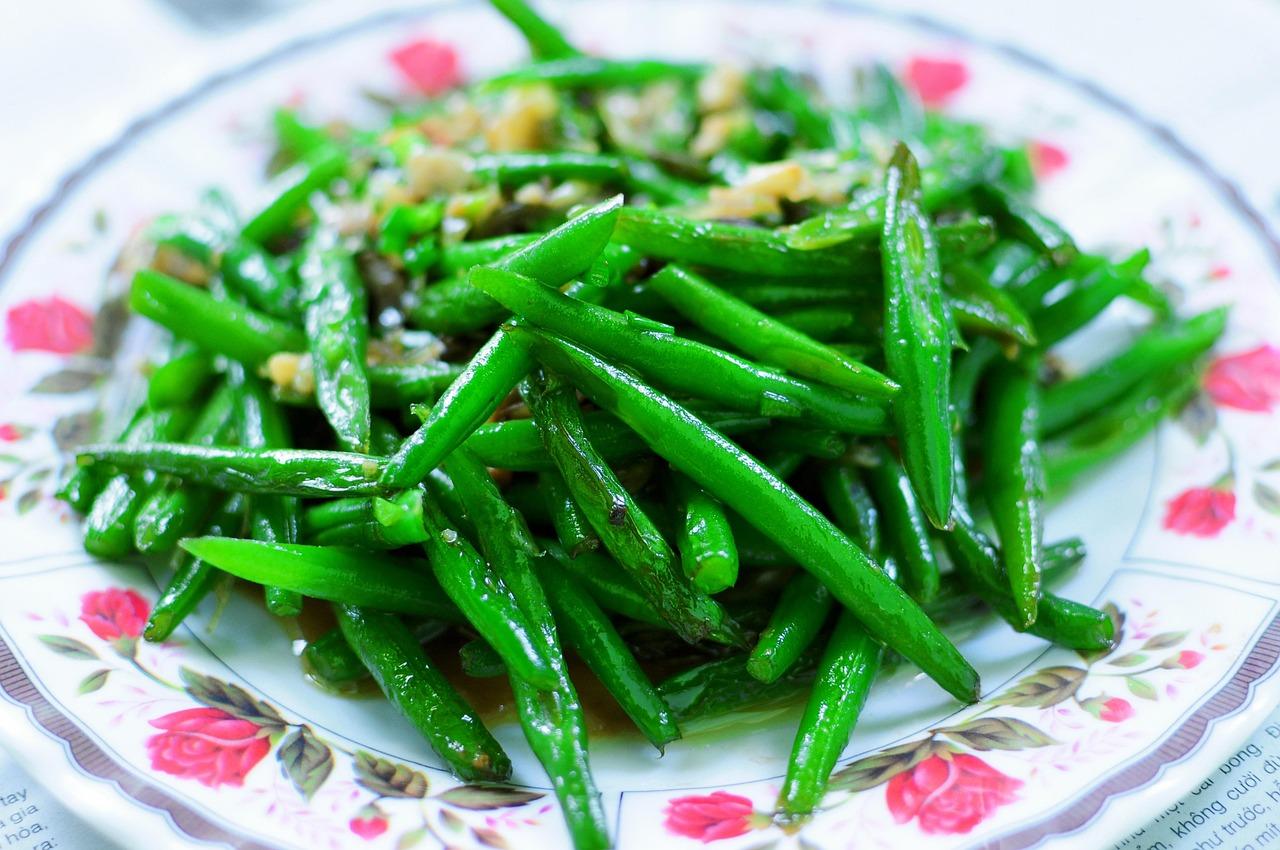
Haricots verts persillés are the green beans that sit beside roast chicken, an omelette or a plate of potatoes in homes all over France, especially in June and July when fine beans are at their best. They are blanched until just tender, then tossed in foaming butter with a little garlic and lots of chopped parsley, so they stay bright green with a slight snap. Using olive oil instead of butter makes them vegan. The most common mistake is cooking the beans in too little water, so it stops boiling and they turn olive-grey; use a big pot of well-salted water. Chef's tip: cool the beans in iced water after blanching if you want to make them ahead, then warm them in the butter just before serving.

by KrazyBadal 0 views

Showing 48 of 678 recipes

Show more recipes

Page 2 of 29