Skip to content
Recipes

All recipes

Vegetarian, or something you can't eat? Set your diet once and we'll hide recipes that don't fit.

Sinki ko jhol

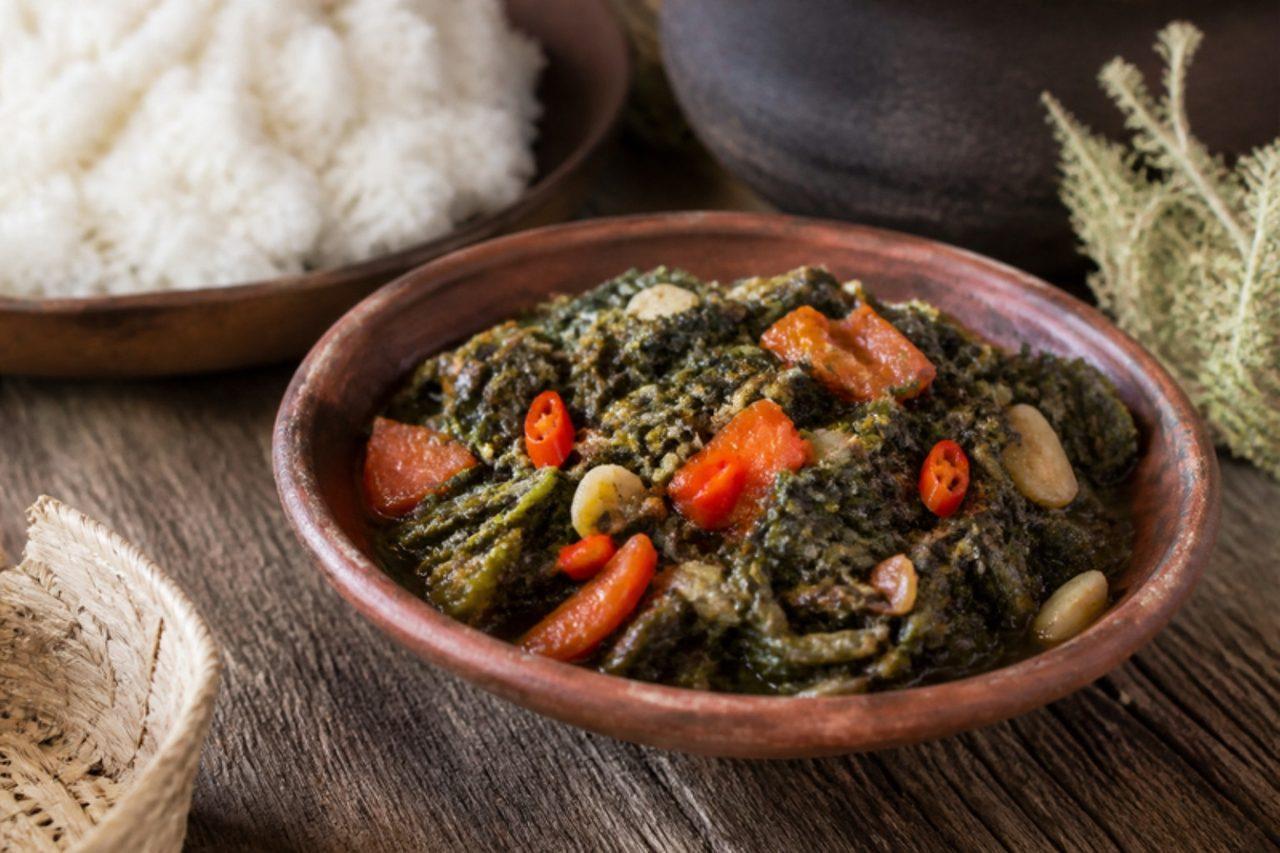
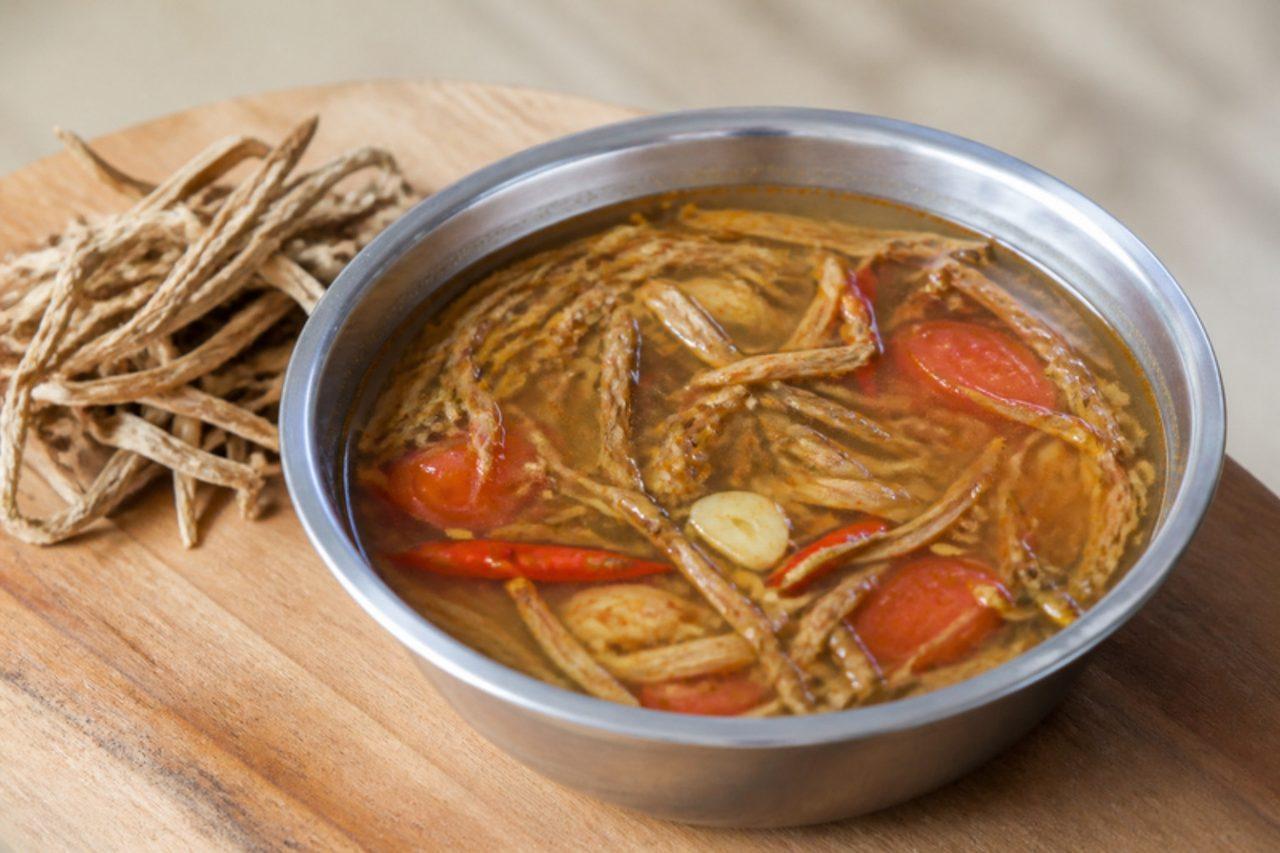
Sinki is the radish answer to gundruk: in late autumn, families in Ilam, Dhankuta and Terhathum pack chunks of radish root into pits lined with straw or into airtight jars, let them ferment for a few weeks, then cut and sun-dry the pieces into chewy, pungent strips that last all year. In winter and through the monsoon, a handful turns a pot of water, tomato, garlic and chilli into a thin, tangy, warming soup that is poured over rice or drunk from a bowl alongside dal bhat. It is light, sharp and savoury, and many people in the hills swear by it for a cold or a heavy stomach. It goes wrong if the sinki is not rinsed and soaked, so the soup tastes musty and gritty. Chef's tip: soak the strips in warm water for 10 minutes, squeeze them dry and fry them briefly in the oil before the water goes in, which mellows the funk and brings out a pleasant smokiness.

by KrazyBadal 0 views

Amala ko achar

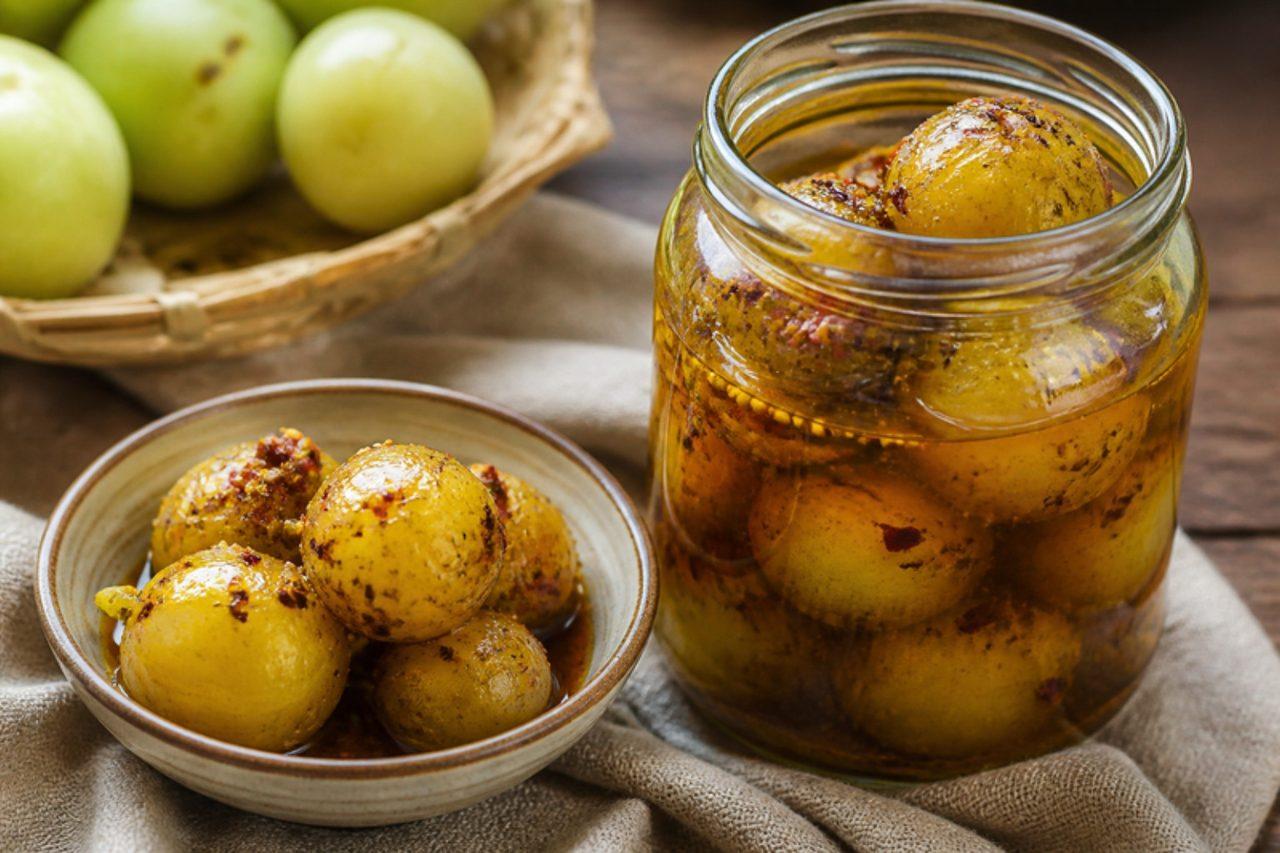
Amala trees grow wild across the Chure hills and the lower valleys of Nepal, and in winter the hard, translucent green gooseberries are piled high in vegetable markets in Kathmandu, Hetauda and Butwal, prized as a source of vitamin C during the cold months. Steamed until they split into neat segments, then mixed with chilli, turmeric, fenugreek and hot mustard oil, they make a pickle that is crunchy, astringent, sour and spicy all at once, with a lingering sweetness that comes up after each bite. A spoonful goes alongside dal bhat or with a plain bowl of rice porridge when someone is unwell. The trap to avoid is steaming the berries too long, which turns them mushy and dull. Chef's tip: stop as soon as the first cracks appear on the skins; the segments should pull off the stone easily but still have a firm bite.

by KrazyBadal 0 views

Kanchemba

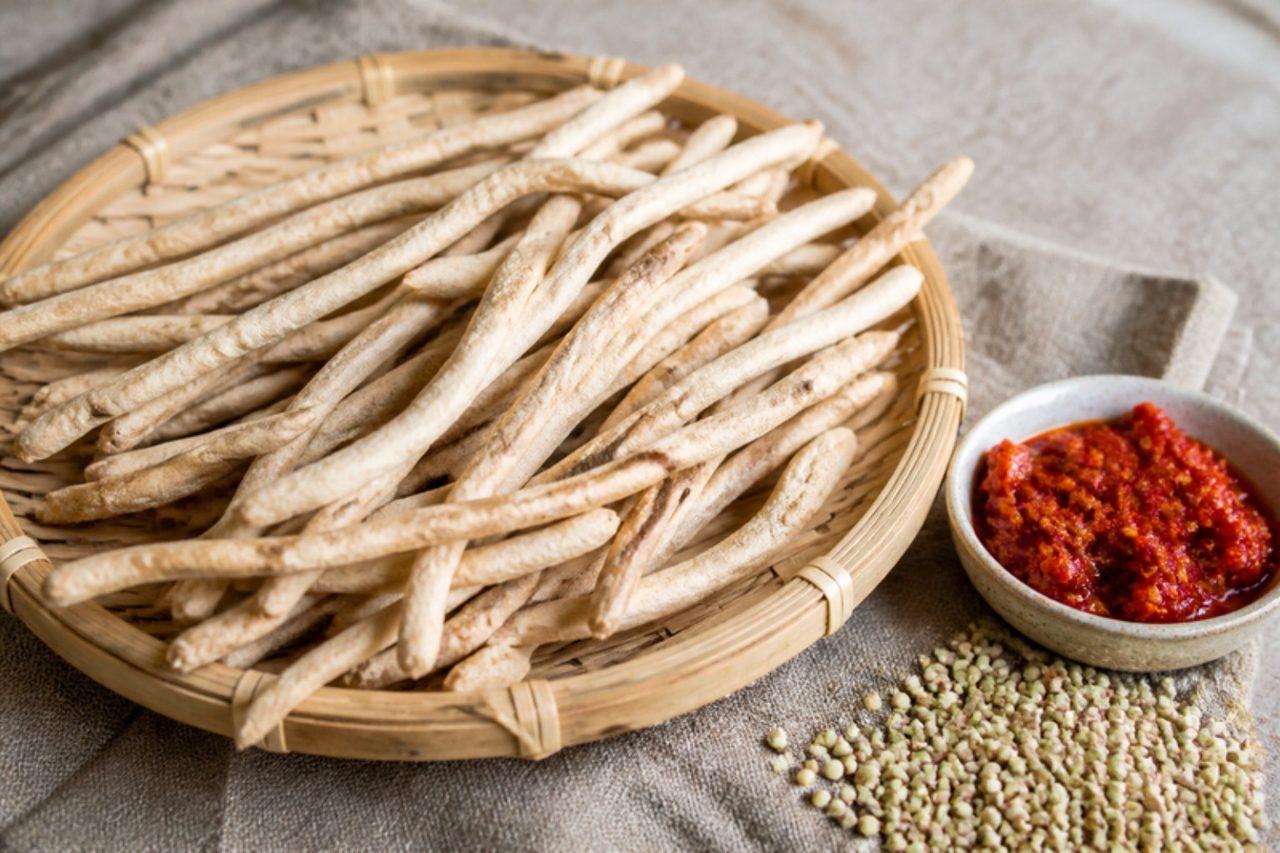
In the Thakali villages of Thak Khola, kanchemba is what is fried when visitors arrive in the afternoon or when the family gathers on a winter evening, and it has since become a favourite snack in Thakali restaurants in Pokhara and Kathmandu. The buckwheat dough is seasoned with turmeric, chilli and a little onion, rolled into thick fingers, then deep-fried until crunchy outside and soft and nutty in the centre. A punchy dipping achar of tomato, chilli, garlic and roasted timur comes alongside, and the pair is eaten with a bowl of salty butter tea or a glass of hot water. The trouble usually starts when the fingers are too thick, so the middle stays pasty while the outside darkens. Chef's tip: keep the fingers no thicker than your own, and fry at a moderate heat so they cook through before they brown.

by KrazyBadal 0 views

Yangben

High in the forests of Taplejung, Panchthar and Ilam, Limbu families gather yangben, a pale grey-green lichen that grows on oak and rhododendron trunks, dry it in the sun and keep it for winter, when it becomes one of the most prized dishes of Limbu cooking. It is cleaned, soaked and boiled to remove its bitterness, then fried with mustard oil, onion, tomato, garlic, ginger and chilli, and finished with timur; at feasts it is very often cooked with fatty pork, which soaks up the flavour, but this meat-free version is common too. The texture is springy and chewy, the flavour earthy and smoky, and it is eaten with rice or millet dhido. Outside eastern Nepal yangben is hard to buy, so for a stand-in use dried wood-ear mushrooms, which give a similar bite. The most common fault is not washing the lichen enough, which leaves grit and bitterness. Chef's tip: boil the lichen twice in fresh water and rinse it until the water runs clear.

by KrazyBadal 0 views

Mula ko achar

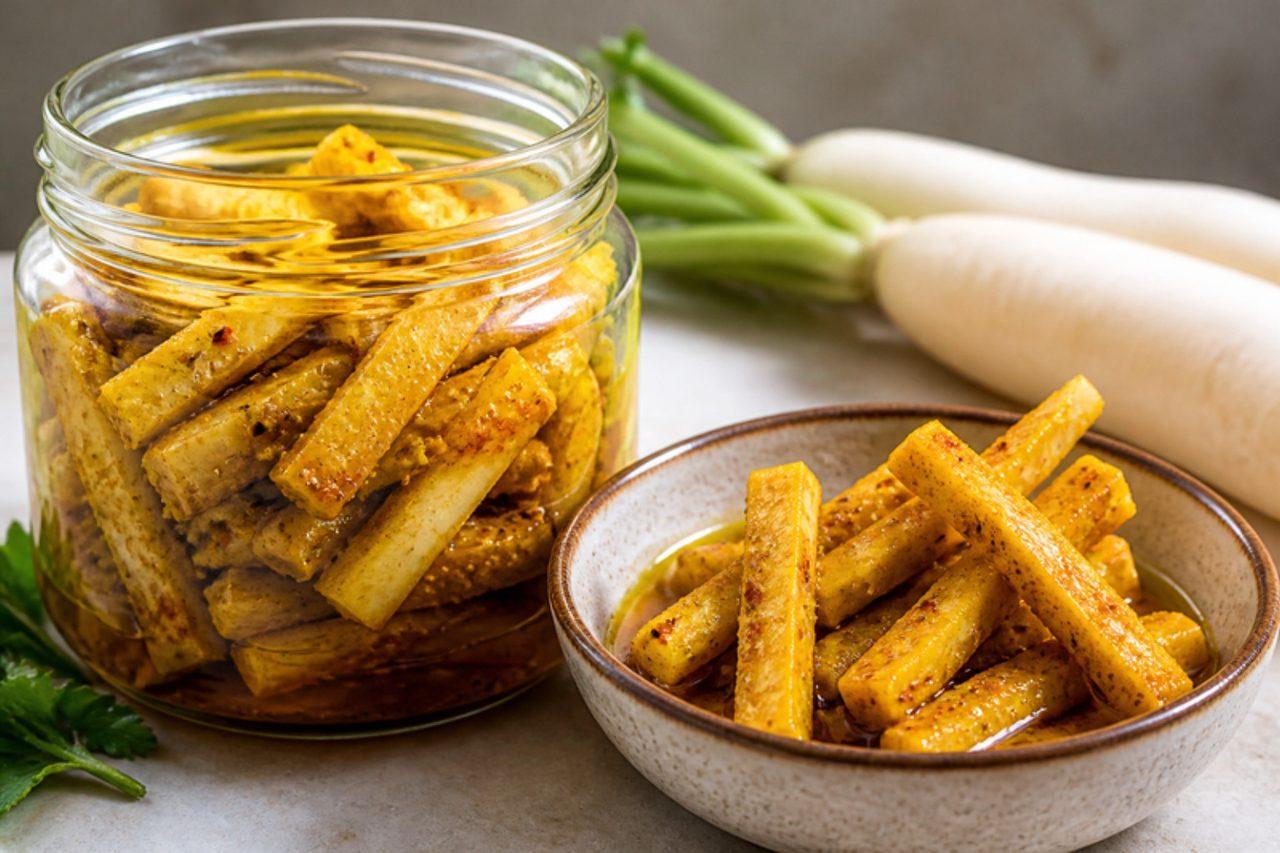
When the big white winter radishes come in after Dashain, Nepali households from Pokhara to Biratnagar cut them into sticks, spread them on trays on the roof to wilt in the sun, then pack them into glass jars with ground mustard, turmeric, chilli and smoking-hot mustard oil. The jars sit on a sunny windowsill for a few days while the radish turns sour, sharp and crunchy, and a spoonful of it then sits beside every plate of dal bhat until spring. It is pungent enough to make your eyes water, in the best way. Most spoiled batches come from damp radish or a wet jar, which lets mould take hold. Chef's tip: dry the radish sticks until they bend without snapping and feel leathery on the surface, about a day in strong sun or 2 hours in a very low oven, and use a jar dried in the oven.

by KrazyBadal 0 views

Til ko achar

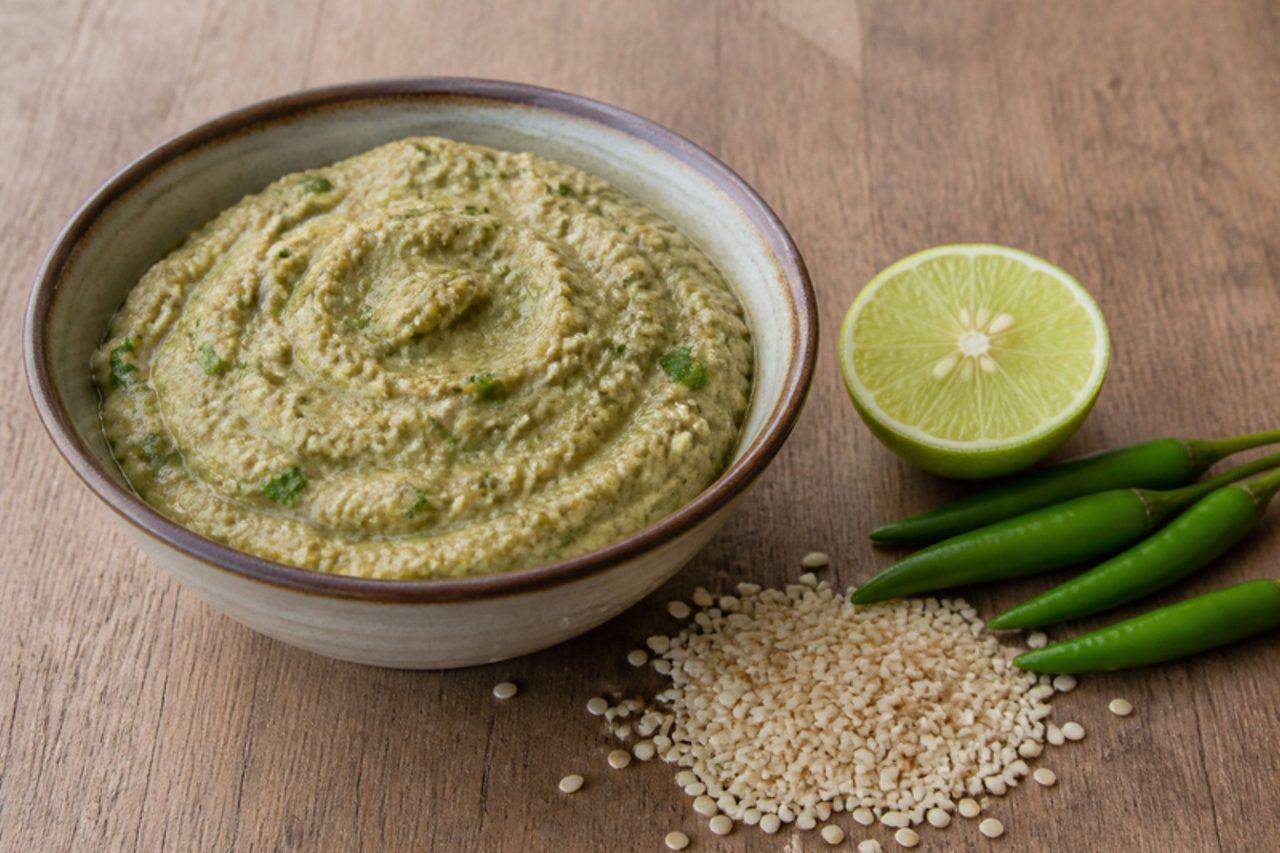
Walk into a dal bhat canteen in Thamel or a roadside bhojanalaya on the Prithvi Highway and a small saucer of til ko achar will be on the steel plate, a nutty, creamy, sharp paste of roasted sesame ground with green chilli, lime juice, coriander and a little turmeric. It is the most common achar in many homes because it takes ten minutes and needs nothing special, and it is equally good with momos, roti, boiled potatoes or as a dip for raw cucumber. The texture should be smooth and spoonable, a little like a loose tahini, with a bright sour finish. Bitterness is the risk if you take the sesame too dark, so stop roasting when the seeds are just golden. Chef's tip: finish with a tempering of fenugreek in smoking mustard oil poured over the top, which gives the restaurant-style aroma.

by KrazyBadal 0 views

Bhatmas sadeko

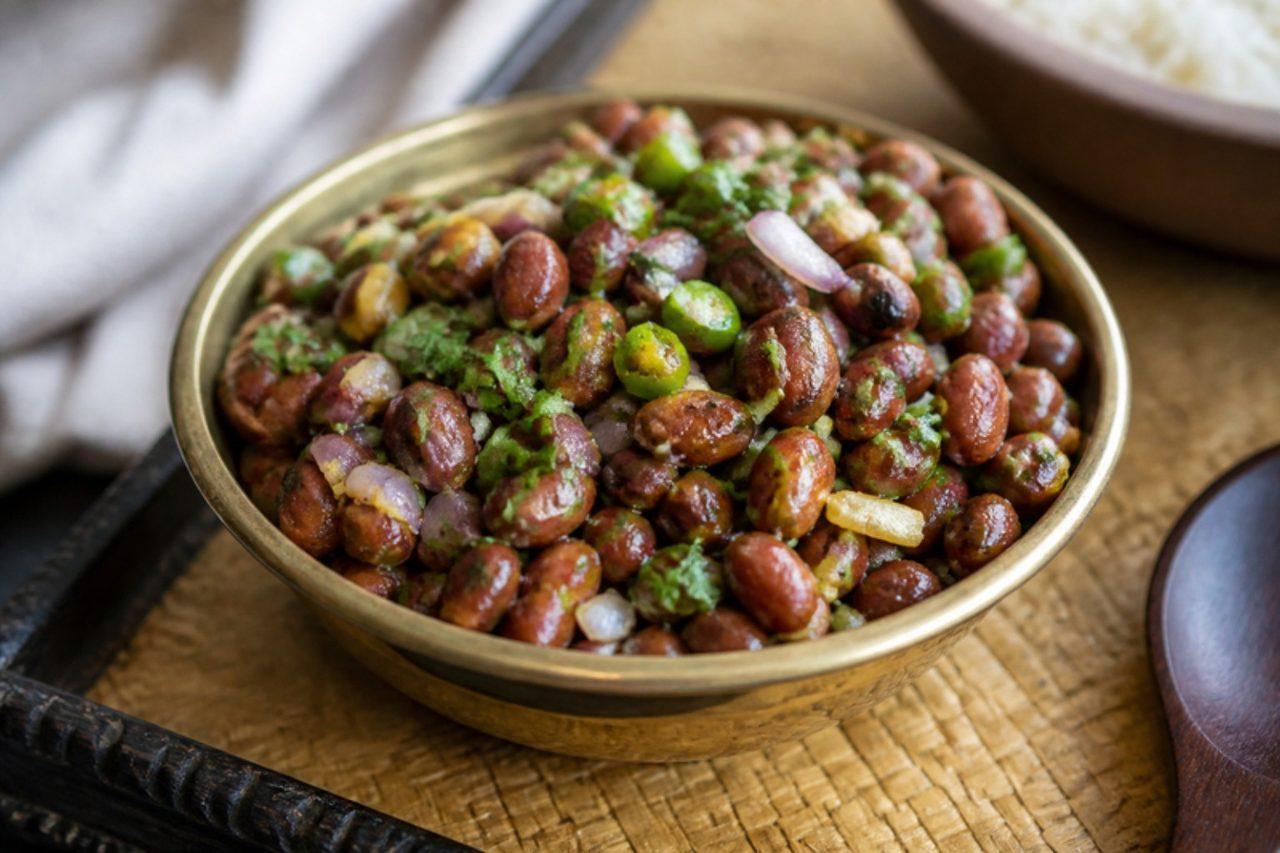
Sadeko means marinated, and in Kathmandu it is the word for the punchy little salads served in khaja ghar snack houses and at family gatherings during Dashain and Tihar card games. The soybean version is the cheapest and one of the best: dried soybeans roasted in a dry pan until they crack and turn nutty, then tossed while warm with red onion, green chilli, ginger, garlic, coriander, lemon and a spoonful of pungent raw mustard oil. It is crunchy, sharp and hot, eaten by the handful with beaten rice (chiura) or as a side to a dal bhat plate. The pitfall here is under-roasting the beans, which leaves them hard and grassy rather than crisp. Chef's tip: roast the beans until they split their skins and smell like popcorn, then rub off and blow away the loose skins before dressing them.

by KrazyBadal 0 views

Phapar ko roti

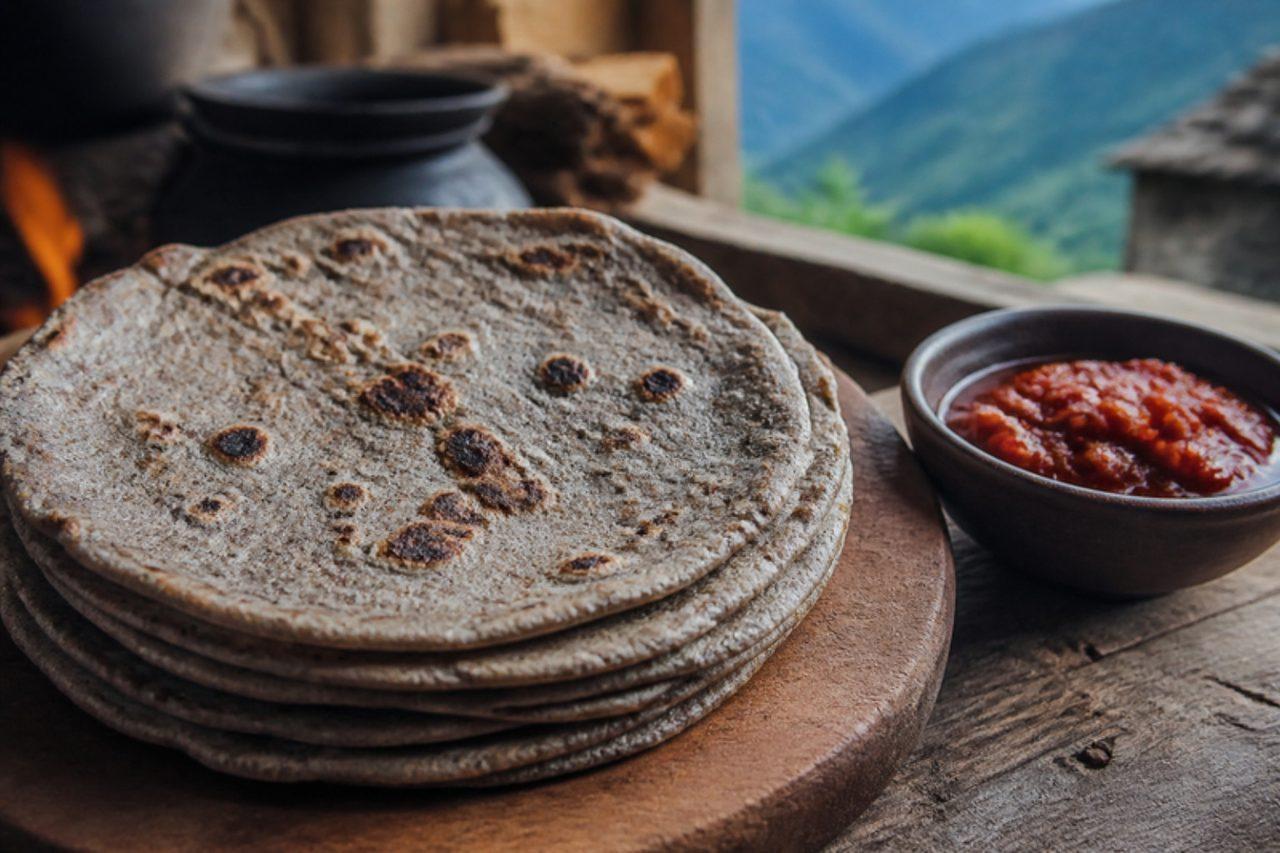
Buckwheat grows in terraced fields right up to the edges of the Kali Gandaki gorge, and in Mustang, Manang and Dolpa the morning bread is phapar ko roti, cooked on an iron griddle over the kitchen fire and eaten warm with salt tea. The dough is just buckwheat flour, water and salt, sometimes with grated ginger or a little chopped onion, patted thin and cooked until speckled, and it has a nutty, faintly bitter flavour and a soft, slightly crumbly bite. Lodges serve it with a chilli and tomato achar, with fried eggs for trekkers, or drizzled with local apple-blossom honey (which, of course, makes it no longer vegan). Expect trouble if you try to roll it like a wheat roti; without gluten it cracks and tears. Chef's tip: pat the dough out between two sheets of baking paper with your palm, peel off the top sheet and flip it straight onto the hot pan.

by KrazyBadal 0 views

Dhikri

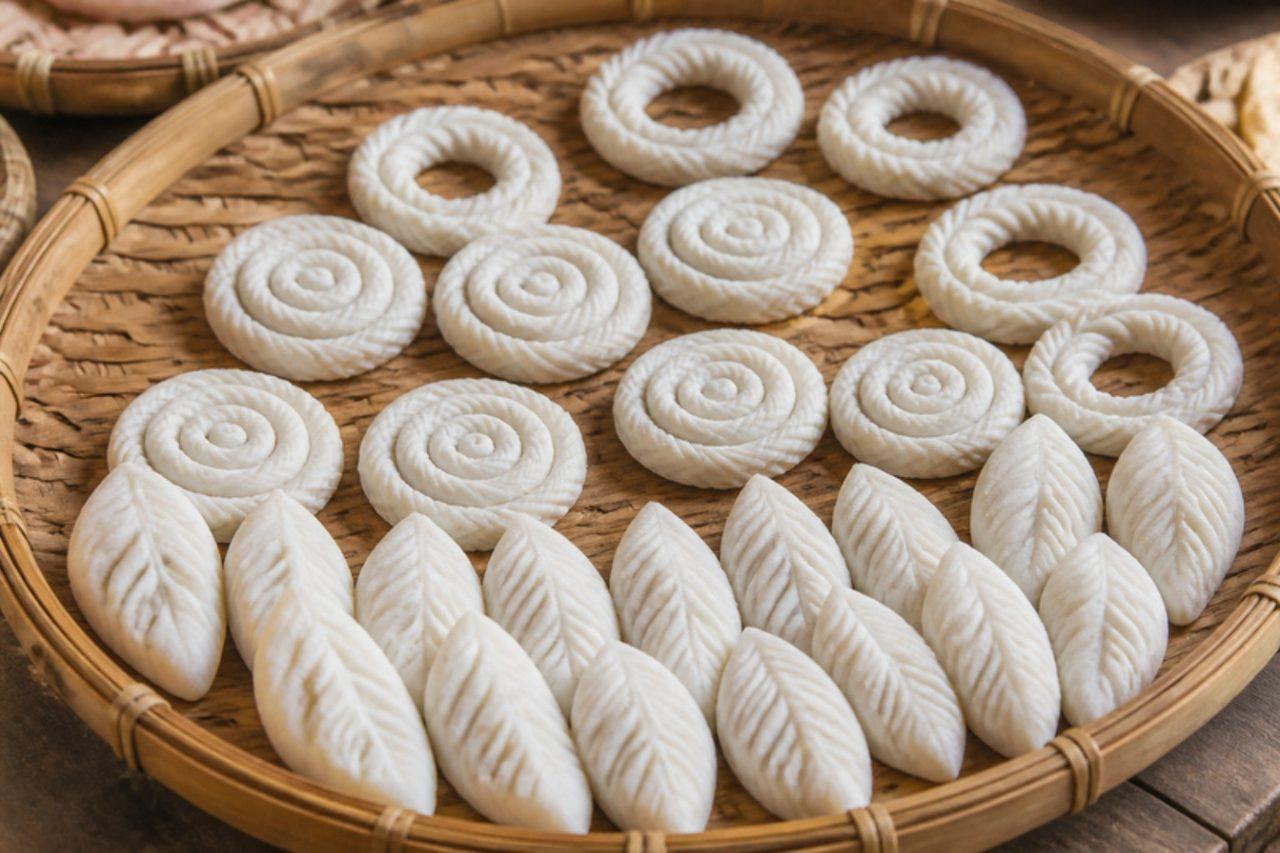
For Maghi, the Tharu new year in mid-January, and for Dashain and Atwari, families in Dang, Bardiya and Kailali sit together on the floor shaping dhikri, long pieces of rice-flour dough rolled and twisted into ropes, spirals, fish, birds and finger-marked ridges before they are steamed. The finished pieces are soft, smooth and chewy, with a clean, sweetish rice flavour that makes them a canvas for whatever is served alongside: a spicy tomato and sesame chutney, a lentil soup, a vegetable curry or, in many homes, a festive meat curry. Leftovers are sliced and fried the next day. The usual mistake is mixing the dough too dry, which cracks as you shape it and steams up hard. Chef's tip: keep the dough covered with a damp cloth while you shape, and dip your fingers in water if it starts to crack.

by KrazyBadal 0 views

Tilkut

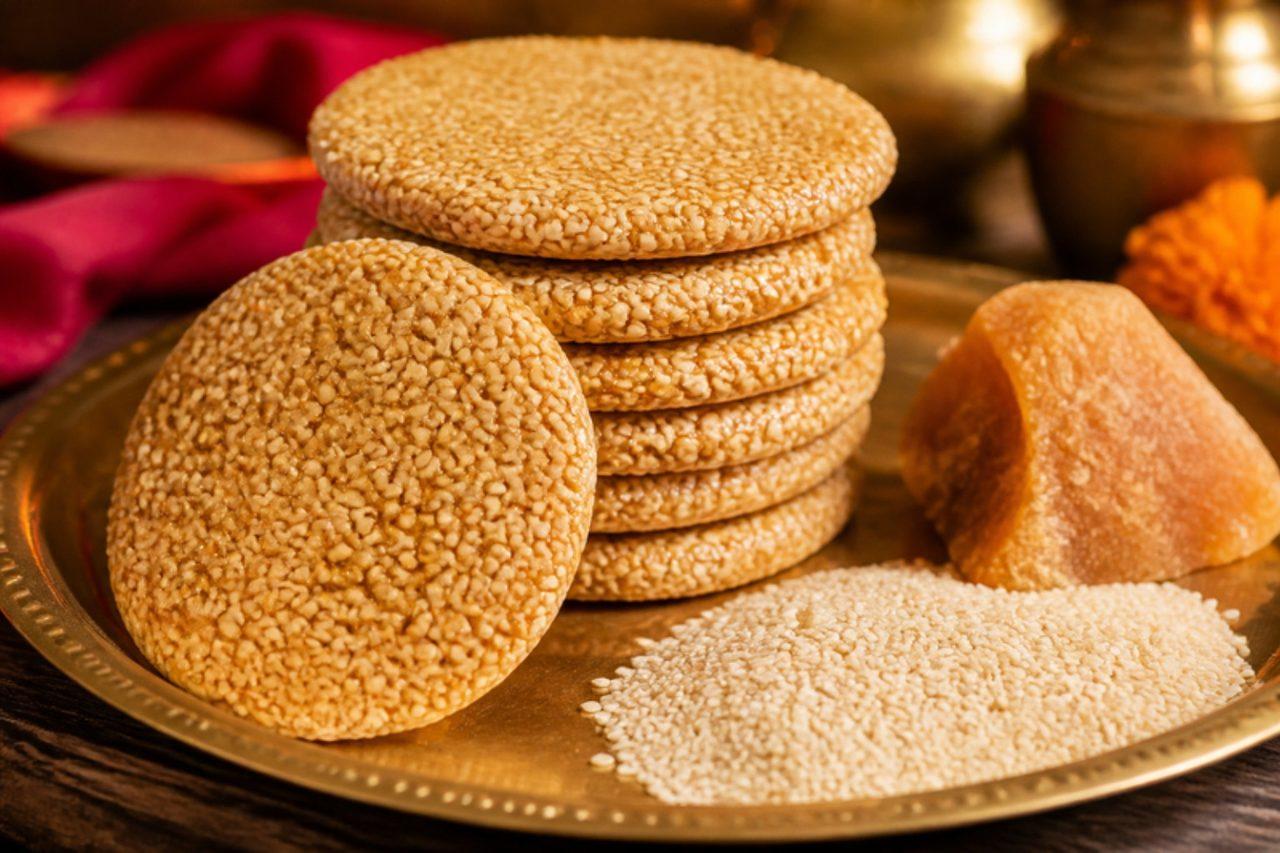
In the second week of January the sweet shops of Janakpur, Birgunj and Rajbiraj fill with the dull thud of wooden pestles, as tilkut makers pound roasted sesame into hot jaggery for Maghe Sankranti, the festival that marks the end of the coldest month. The result is a brittle, crumbly disc with a rich, toasty flavour and a melting, slightly chewy middle, and families give it to each other and eat it with yoghurt, beaten rice and sweet potatoes on the festival morning. Sesame is believed to warm the body in winter, so it is eaten all month. The thing that spoils it is burning the sesame, which turns the whole batch bitter. Chef's tip: roast the seeds only until they smell nutty and one crushes easily between your fingers; they keep darkening for a minute after they leave the pan.

by KrazyBadal 0 views

Rikikur

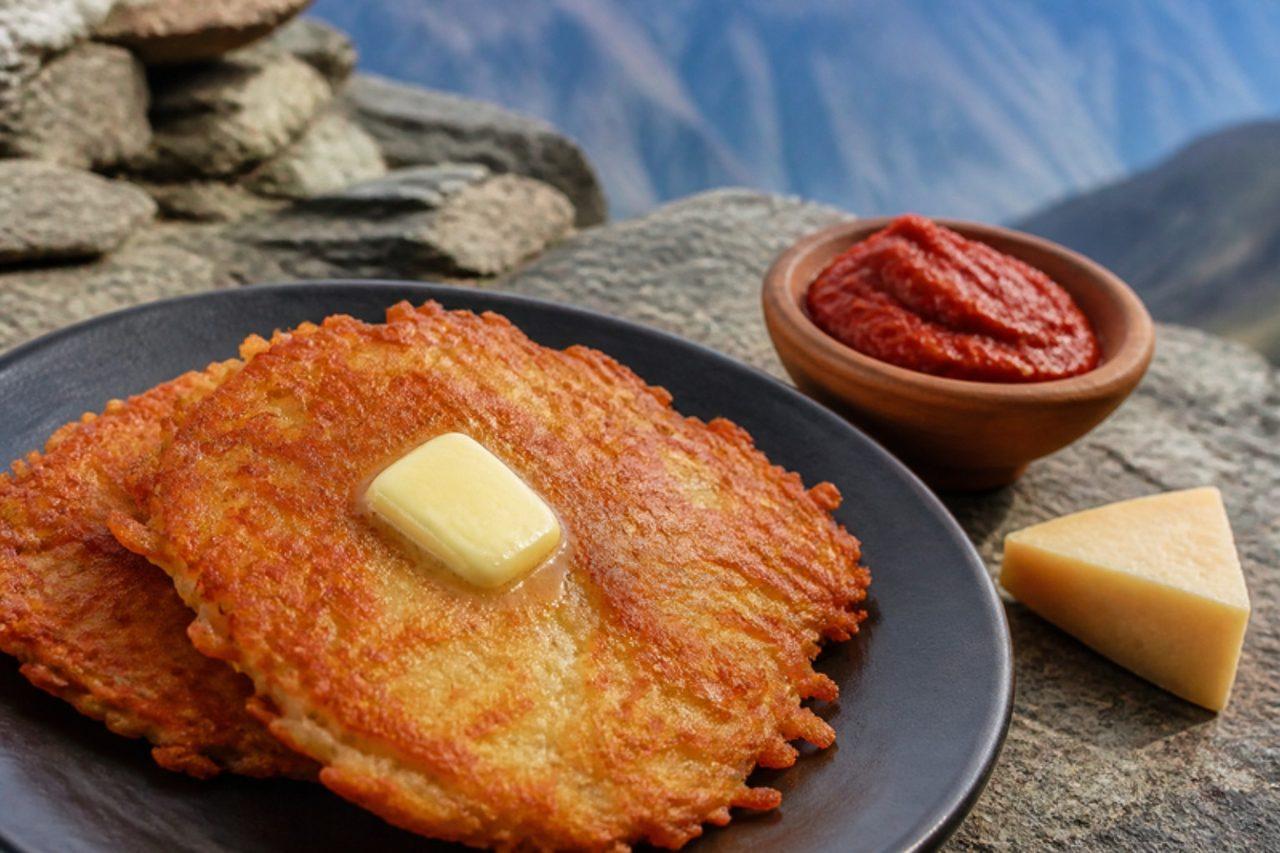
Potatoes are the backbone of Sherpa cooking in Solukhumbu, and in the kitchens of Namche Bazaar, Khumjung and Phaplu, rikikur is the treat: raw potatoes grated on a flat stone, seasoned with salt and cooked as thick, crisp-edged pancakes on a hot griddle or a heated slab of slate by the fire. They arrive smeared with yak butter and served with a crumble of tangy cheese and a fiery chilli paste, and trekking lodges now offer them for breakfast with tea. The outside is crunchy and golden, the inside soft and slightly chewy. Traditional Himalayan cheeses, and many hard cheeses sold elsewhere, are made with animal rennet, so choose one labelled vegetarian. Mushy, grey pancakes are what you get if you skip squeezing out the potato liquid. Chef's tip: let the squeezed liquid settle for a few minutes, pour off the water and stir the white starch at the bottom back into the potato, which binds the pancakes without any flour.

by KrazyBadal 0 views

Sisnu ko jhol

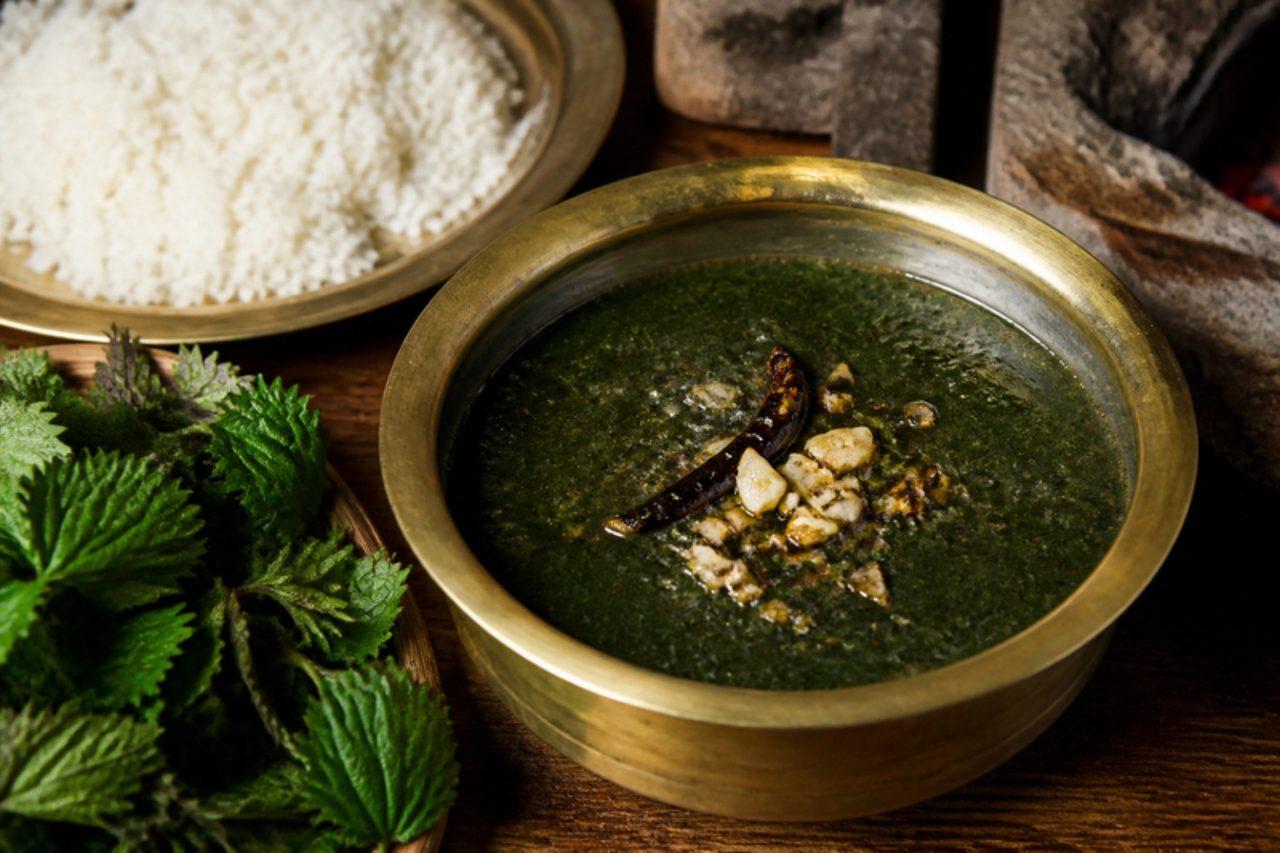
Sisnu grows wild along every terrace wall and trail in the middle hills, and before vegetables were easy to buy it was the green that kept villages going through the dry season; Rai and Magar families still pick the tender tips with tongs or with a cloth wrapped round the hand. Cooked, the sting disappears completely, leaving a deep green, silky soup that tastes somewhere between spinach and seaweed, thickened with a spoonful of cornmeal and seasoned with garlic, chilli, jimbu and timur. It is poured over rice or eaten with dhido, and many Kathmandu restaurants now serve it as a proud reminder of hill cooking. Never handle the raw leaves bare-handed; the sting lasts for hours. Chef's tip: wear rubber gloves until the nettles have been in boiling water for a minute, and pick only the top four to six leaves of each shoot.

by KrazyBadal 0 views

Timur ko chhop

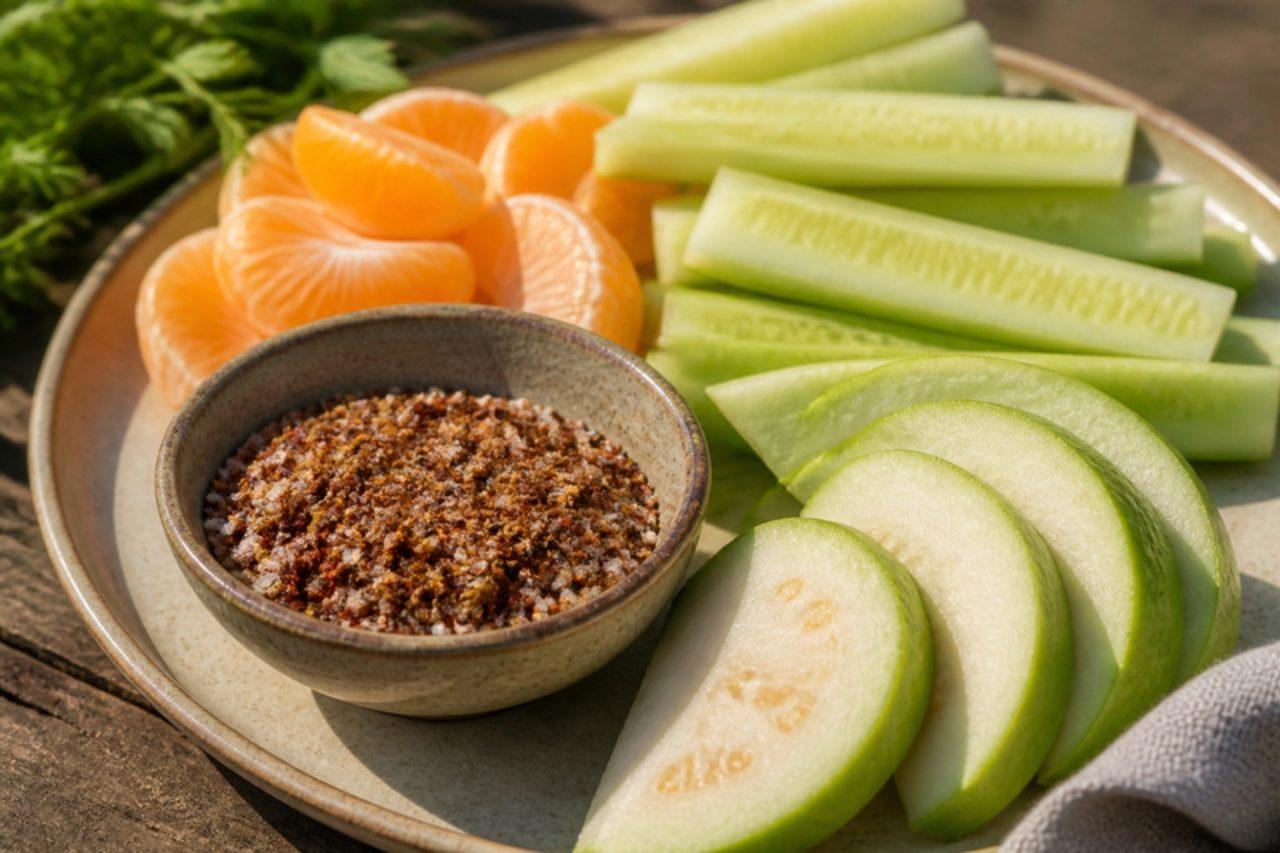
Outside every school gate in Kathmandu and on bus rides through the hills, someone is selling sliced cucumber, green guava, raw mango or boiled potato with a twist of paper full of chhop, the reddish-brown powder you dip each bite into. It is little more than toasted timur, dried chilli and salt, sometimes with a pinch of cumin, but the combination is electric: salty, fiery, and with the citrusy, mouth-numbing tingle that only Nepali Sichuan pepper gives. Families keep a jar of it to sprinkle on fried snacks, fruit, chiura and boiled eggs. Grinding the timur with its shiny black seeds still inside is a typical error that makes the powder gritty and bitter. Chef's tip: shake the toasted husks in a sieve and pick out the black seeds before grinding, keeping only the open, fragrant red-brown shells.

by KrazyBadal 0 views

Lapsi ko achar

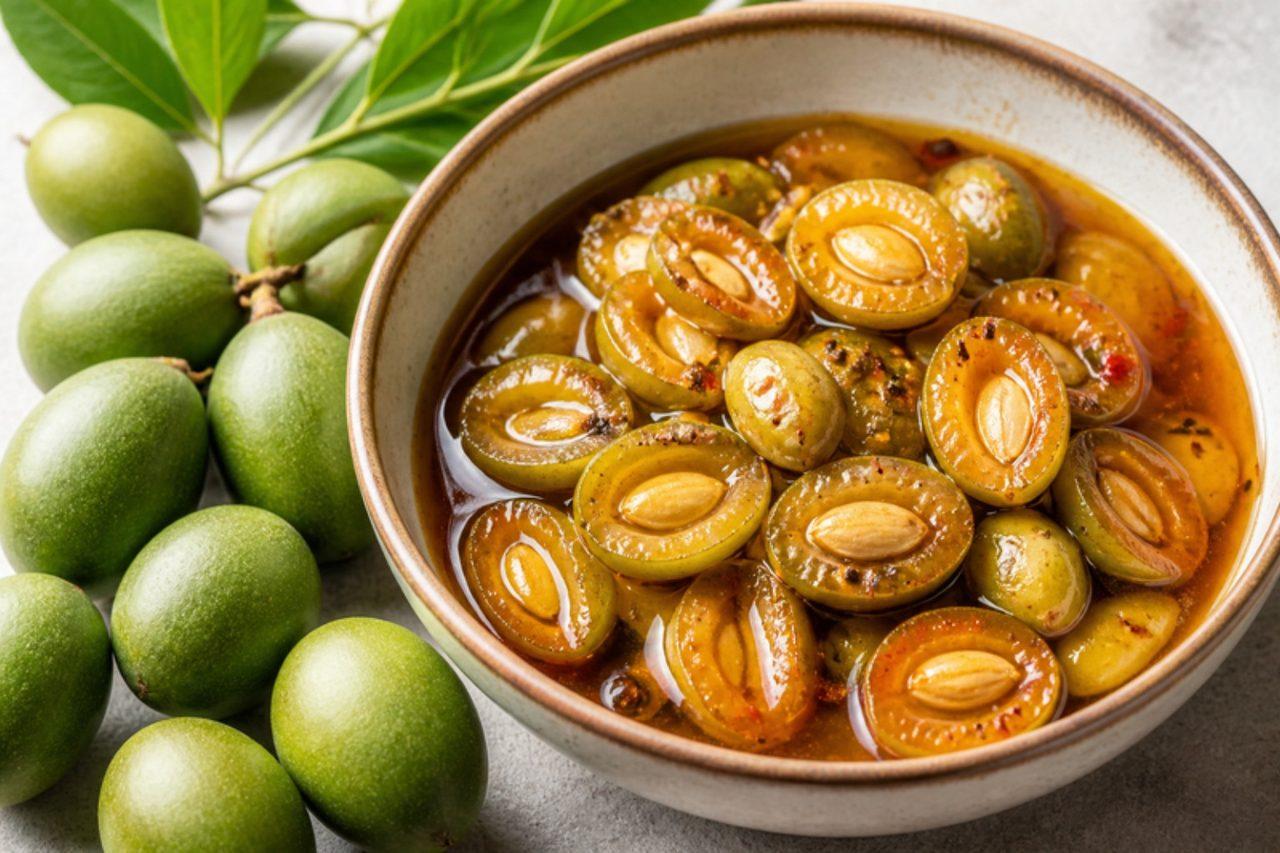
Lapsi, the Nepali hog plum, is a small, olive-green fruit with a huge stone, very little flesh and a sourness that makes your jaw ache, and in Kathmandu and the middle hills its arrival in the markets in late autumn means pickle-making season. Boiled, scraped from the stones and cooked down with jaggery, chilli, fenugreek and timur, it becomes a thick, glossy, dark brown achar that is tart, sweet and gently hot, eaten with dal bhat, spread on roti or served with sel roti during Tihar. It is also dried into candy called titaura. Look for fresh or frozen lapsi in Nepali grocers; tart, unripe green plums are the nearest substitute. The trouble usually starts when the jaggery goes in before the pulp has reduced, which leaves a runny pickle that can ferment. Chef's tip: cook the pulp until a spoon drawn through it leaves a clear trail before adding the sweetener.

by KrazyBadal 0 views

Gwaramari

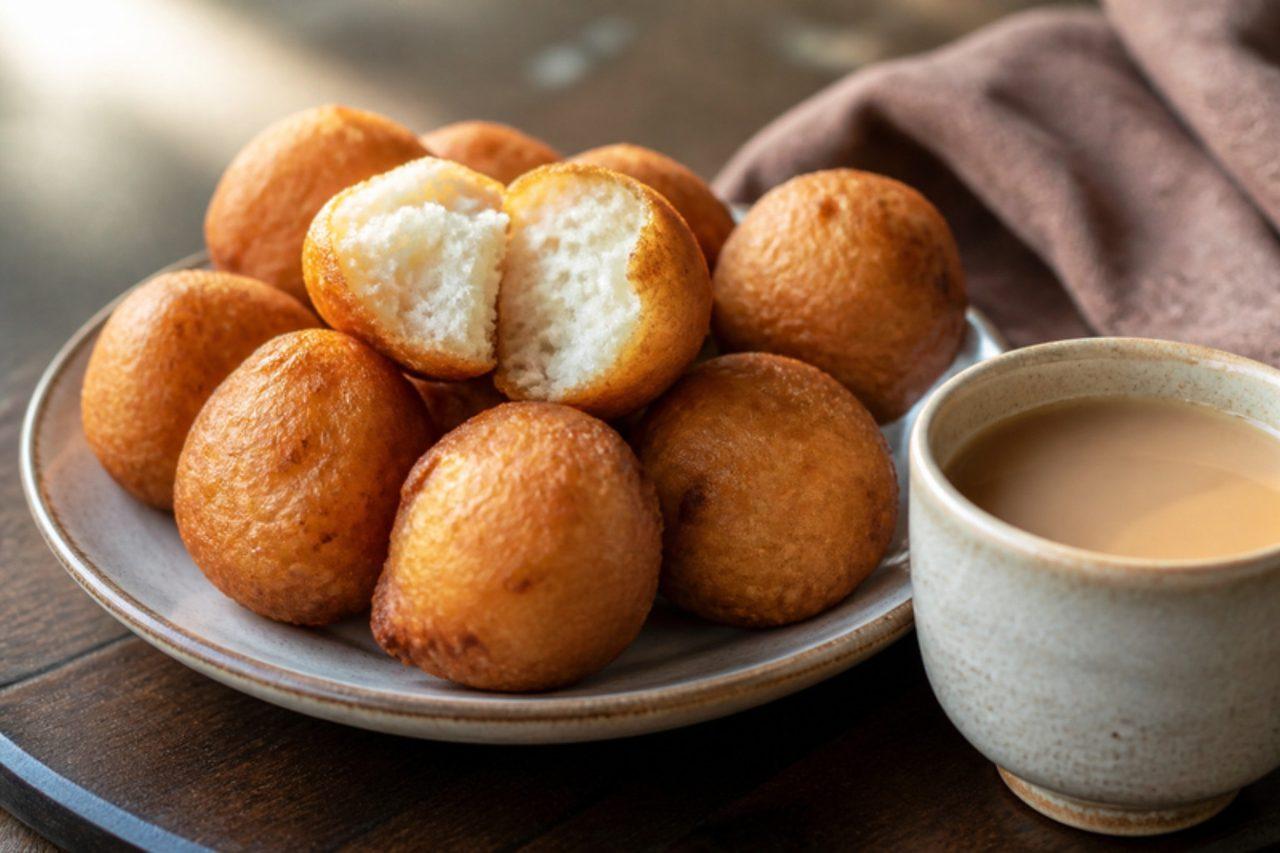
Early on a cold morning in the old lanes of Asan, Patan or Bhaktapur, small tea shops fry gwaramari in big iron pans, and office workers and schoolchildren stop for a paper twist of them with a glass of sweet milky chiya. They are round, golden puffs of wheat dough, about the size of a ping-pong ball, with a thin shattering crust and a soft, slightly chewy, airy centre lightly seasoned with turmeric, black pepper and a pinch of sugar. Newars also make them for bhoj feasts and to send to relatives after a festival. They fail most often when the dough is too stiff or not rested, which gives dense, oily lumps instead of light puffs. Chef's tip: the batter-like dough should be sticky enough to need wet fingers; pinch off pieces with oiled hands and drop them straight into oil that is hot but not smoking.

by KrazyBadal 0 views

Lakhamari

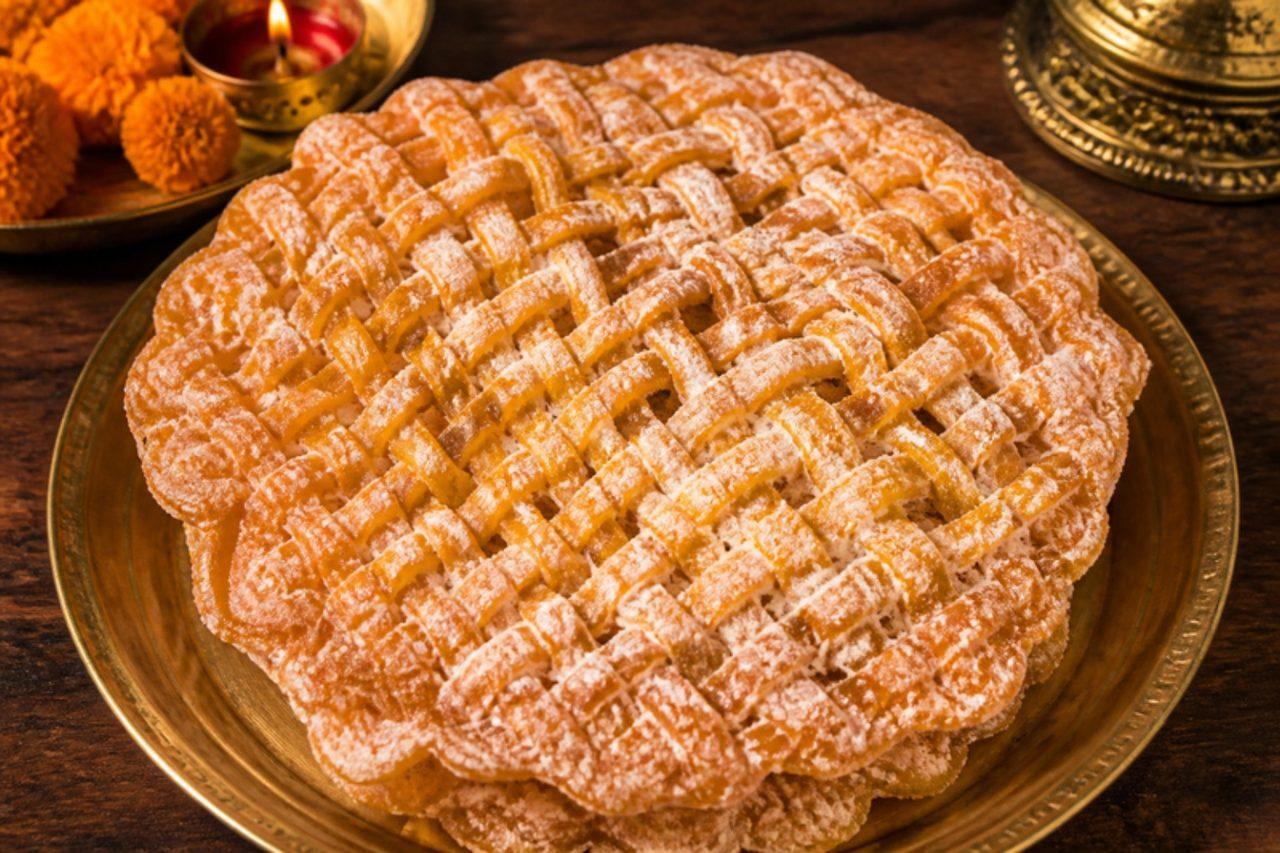
No Newar wedding in the Kathmandu Valley is complete without lakhamari, the large, crunchy, sugar-coated rounds that the groom's family carries to the bride's house in baskets as part of the ritual gifts, and which are then shared out among relatives for days. The dough is a mix of rice flour and wheat flour shortened with plenty of ghee, rolled into ropes and coiled into a lattice like a flat wheel, fried slowly until hard and pale gold, and glazed with a white sugar crust. It keeps for weeks in a tin and is broken into pieces to eat with tea. Where most cooks go wrong is frying too hot, which browns the outside while the thick lattice stays raw and soft inside. Chef's tip: keep the oil at a gentle 150 °C and fry each wheel for a good 8–10 minutes so it dries out and becomes crunchy right through.

by KrazyBadal 0 views

Dhido

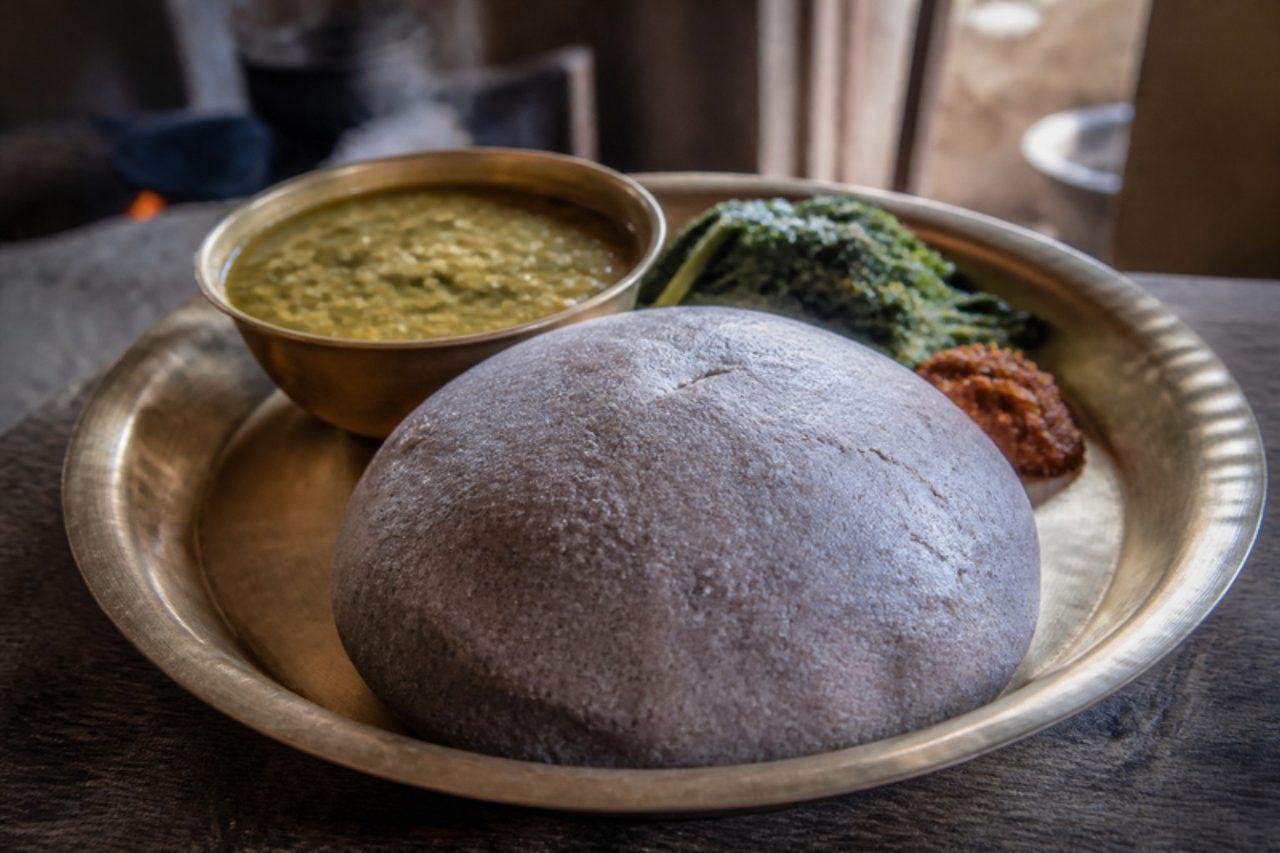
Before rice reached every corner of Nepal, dhido was what filled bellies in the high villages of Jumla, Dolpa, Mustang and the middle hills, and it is now enjoying a comeback in Kathmandu restaurants as a wholesome, gluten-free choice. Buckwheat or millet flour is rained into boiling water and stirred with a flat wooden paddle until it becomes a smooth, heavy, elastic mass, which is eaten with the fingers, pinched off and dipped into a sour vegetable soup, a bowl of lentils or a fiery tomato pickle. It has an earthy, slightly bitter flavour and a satisfying, sticky texture that is meant to be swallowed rather than chewed. Lumps are what ruin it most often, and they come from adding the flour too quickly. Chef's tip: add the flour in a thin stream with one hand while stirring hard with the other, and keep beating for a full 10 minutes once it is all in.

by KrazyBadal 0 views

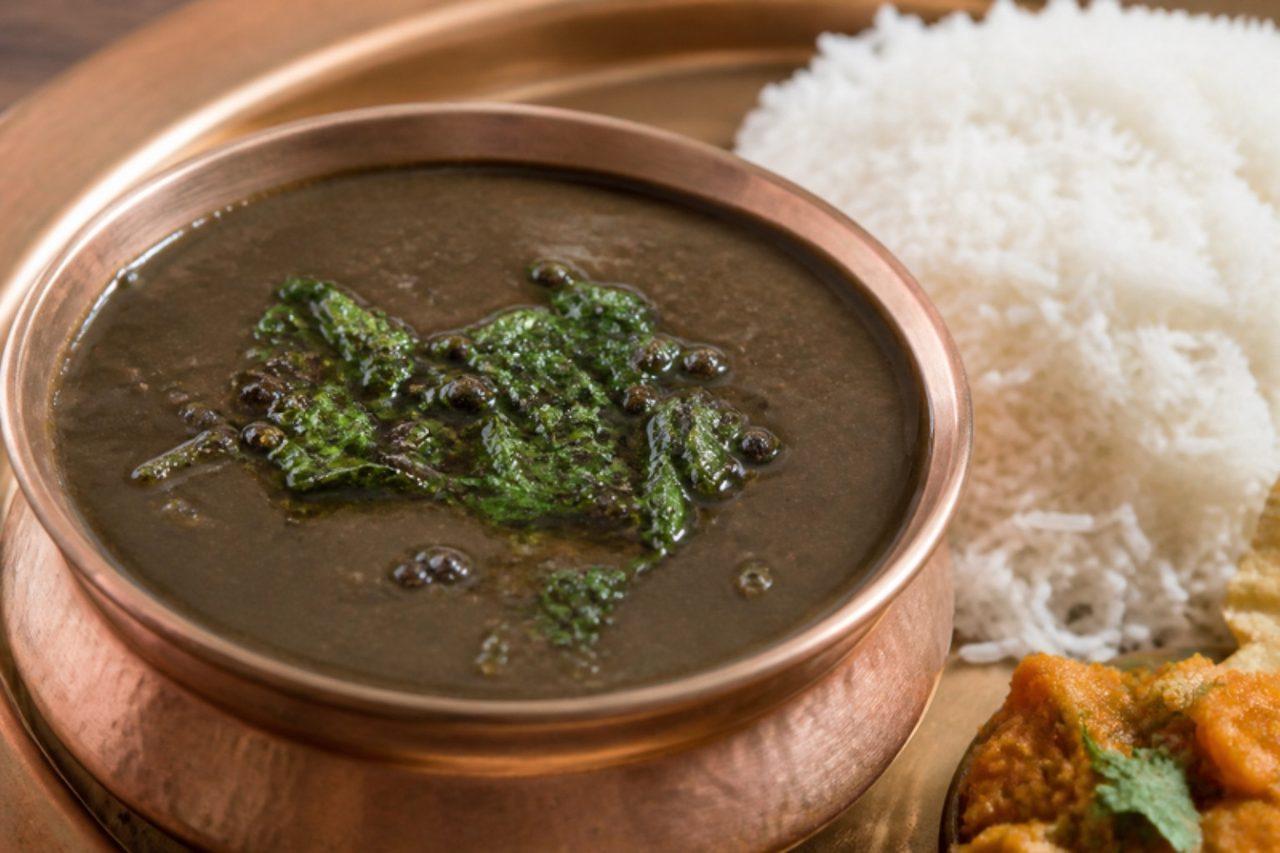
Thakali kalo dal

Trekkers on the Annapurna circuit meet Thakali food in the guesthouses of Marpha, Tukuche and Jomsom, and the dal on the brass Thakali plate is the dish they remember: whole black lentils simmered until creamy in a heavy iron pot, then finished with ghee crackling with jimbu, a dried Himalayan herb that tastes like a cross between chives and garlic. A pinch of timur adds a tingling citrus note. It is thick, smoky and deeply savoury, eaten with rice or buckwheat dhido, gundruk pickle, potatoes and a fresh tomato achar, and refilled until the guest says stop. Skip the overnight soak and you will taste it, because the lentils never turn creamy. Chef's tip: once the lentils are soft, mash about a quarter of them against the side of the pot with the back of a ladle, which gives body without any cream.

by KrazyBadal 0 views

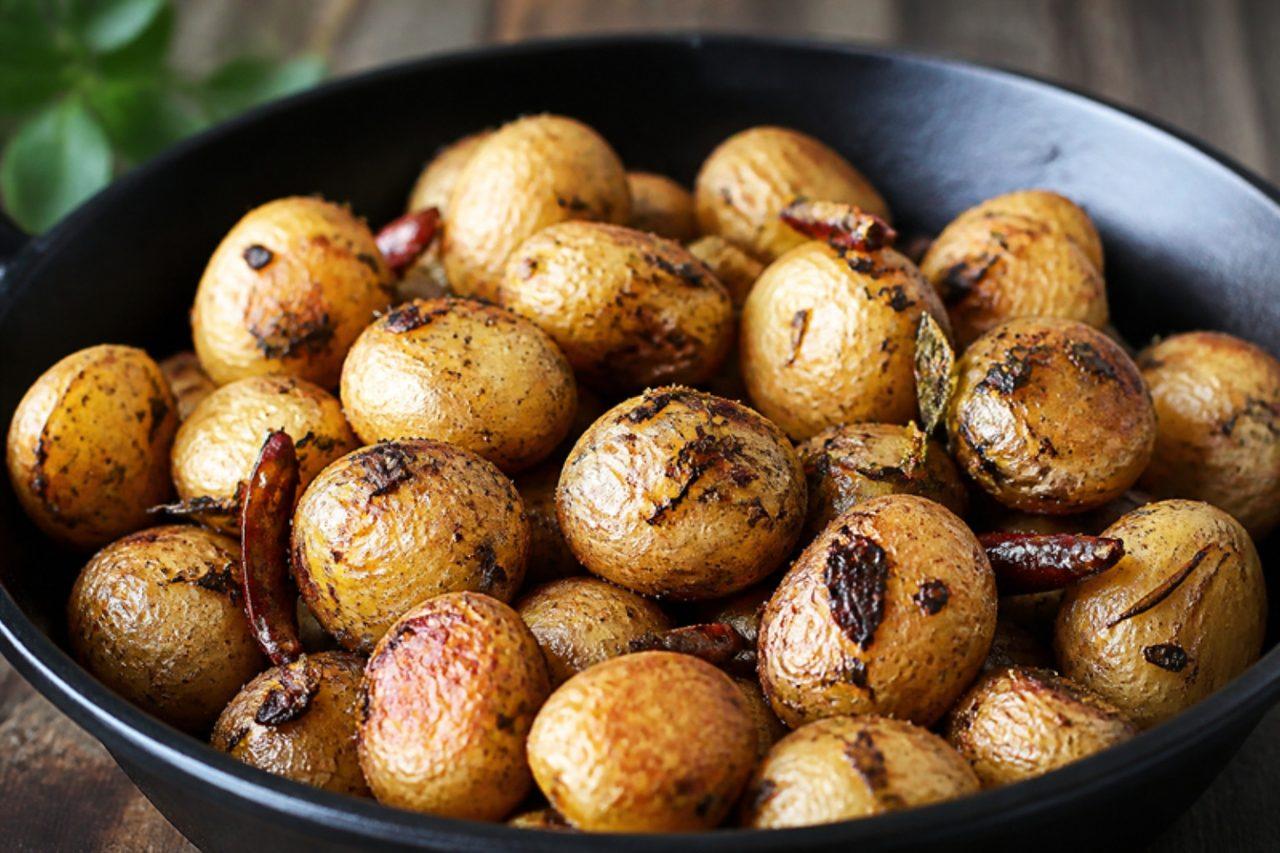
Mustang aloo

The potatoes grown in the thin, cold air of Upper Mustang around Lo Manthang and Kagbeni are small, waxy and famously sweet, and Thakali lodges along the trail serve them simply: boiled in their skins, squashed, then fried in hot mustard oil until crisp with dried chilli, jimbu and a generous crunch of timur. The dish arrives sizzling on a small plate, eaten as a snack with tea, as a starter, or as the potato side of a Thakali set. It is spicy, tingly and earthy, with soft, fluffy centres and crackling skins. Avoid crowding the pan, which stops the potatoes from browning and leaves them greasy. Chef's tip: let the boiled potatoes steam dry for a few minutes before frying, and press each one lightly so it cracks open and gives more crispy edges.

by KrazyBadal 0 views

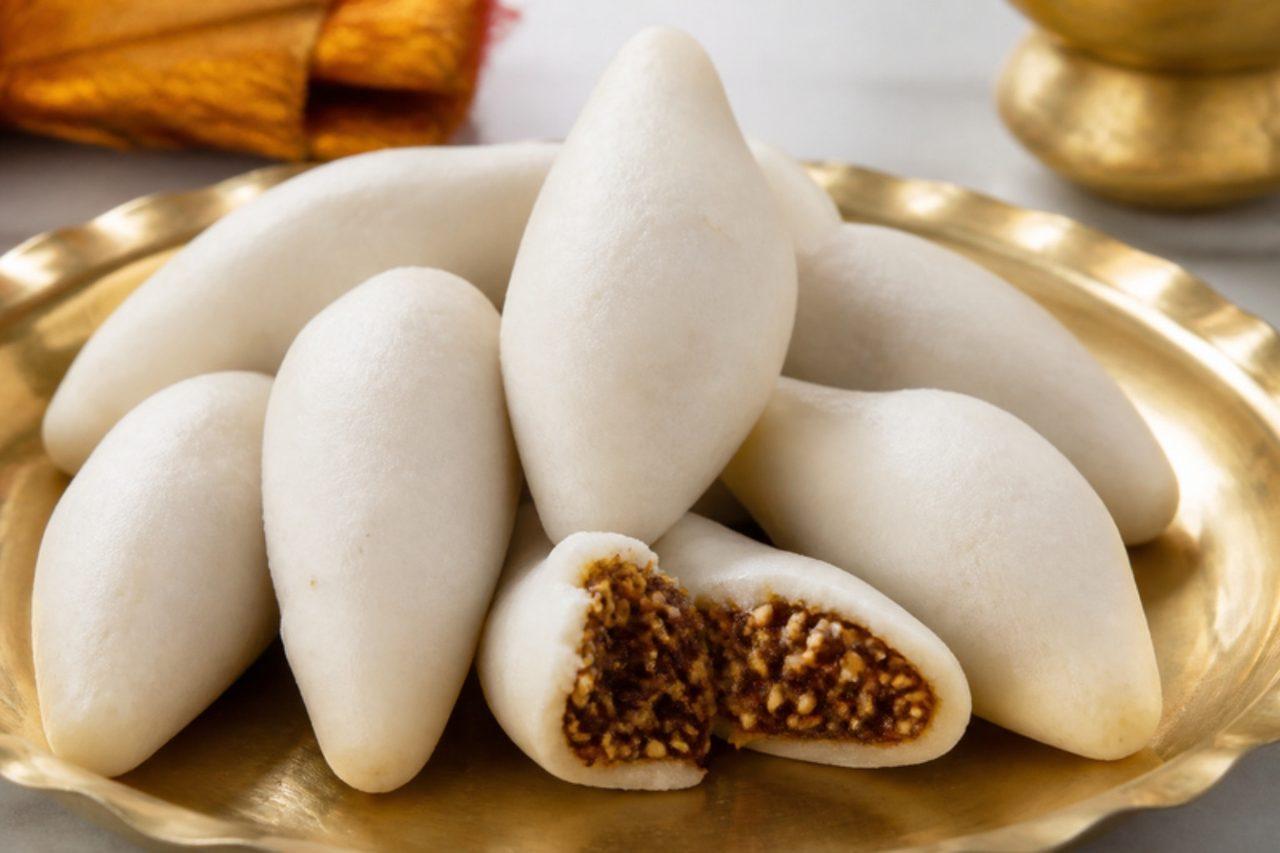
Bagiya

When the new rice is harvested in late autumn, Maithil households in Janakpur, Siraha and Saptari steam bagiya, plump spindle-shaped dumplings of rice-flour dough that are offered to the gods, given to married daughters visiting home and eaten warm on cold winter mornings. The smooth, chewy shell hides a sweet centre, here toasted sesame bound with melted jaggery and a pinch of cardamom, though some families use molasses toffee (chaku), grated coconut or sweetened milk solids instead. Plain bagiya are also made and eaten with chutney. A common slip is using cold water for the dough, which makes it crumble and split; it must be made with boiling water. Chef's tip: knead the dough while it is still as hot as your hands can bear, with a little oil on your palms, until it is as smooth as play dough.

by KrazyBadal 0 views

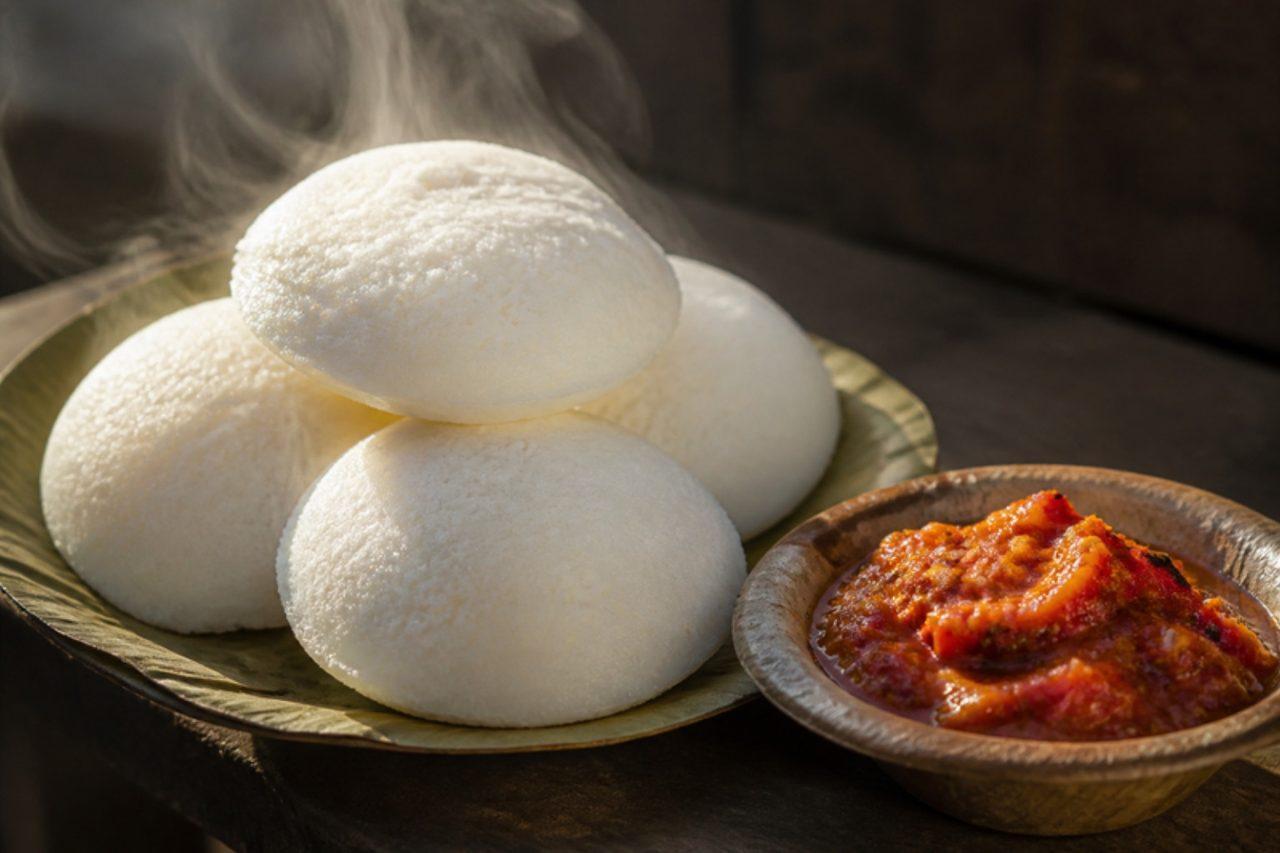
Bhakka

On foggy December mornings in Biratnagar, Itahari and the bazaars of Jhapa and Morang, street sellers sit behind a smoking clay pot turning out bhakka one at a time, little round cakes of damp, freshly ground rice flour steamed in a cloth-covered bowl over boiling water. Each one is light and crumbly, almost like a soft rice sponge, and slightly sweet, and it is eaten straight away, broken up and dipped into a hot, garlicky tomato achar. It is a Tharu and Madhesi winter favourite that has become everyone's breakfast in the eastern Terai. Many first attempts fail because the flour is too fine and dry, so it packs into a hard puck. Chef's tip: grind soaked rice coarsely at home and keep it just damp enough to clump when squeezed, then sprinkle it loosely into the bowl without pressing.

by KrazyBadal 0 views

Arikanchan

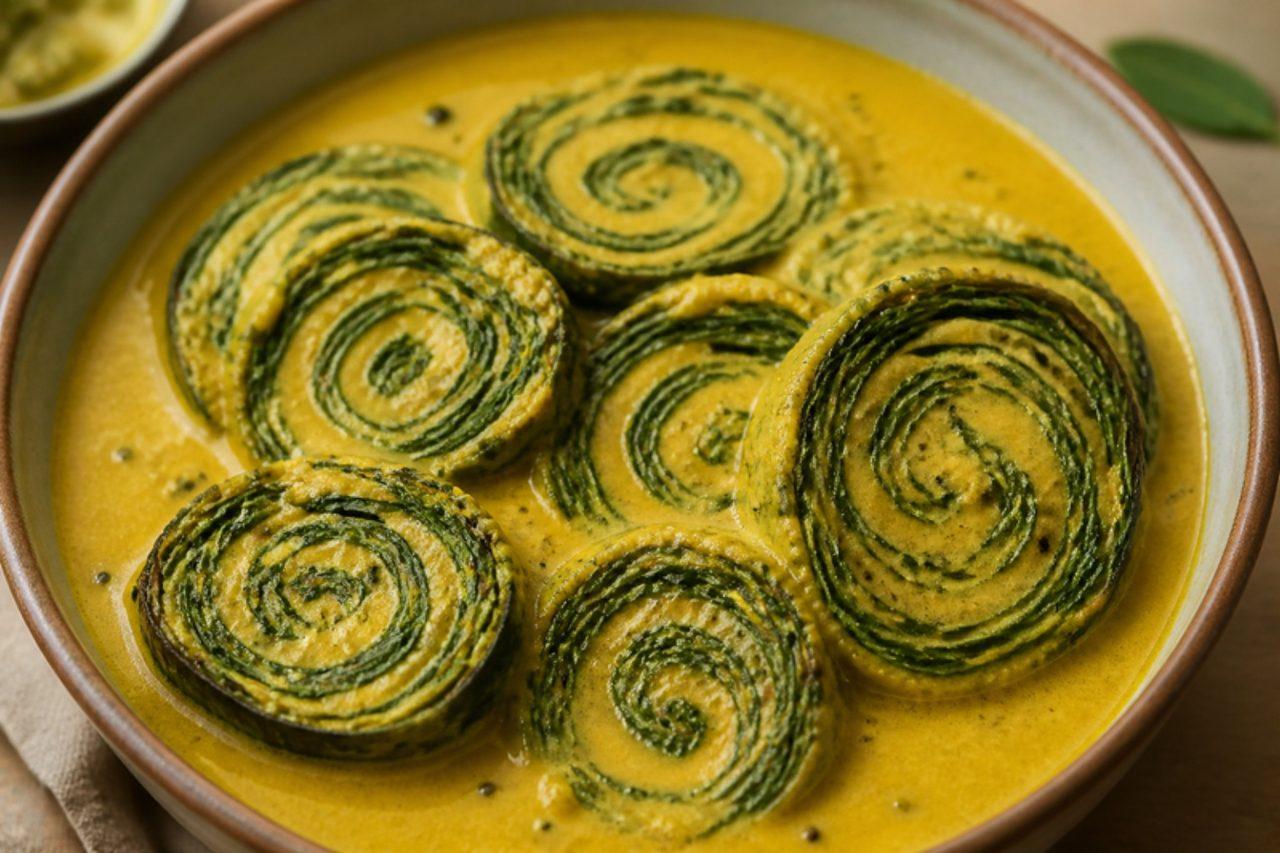
Arikanchan is a monsoon speciality of Maithil kitchens in Janakpur and the eastern Terai, cooked when the taro plants in the courtyard put out huge, tender leaves. A spiced chickpea-flour paste is spread over the leaves, which are rolled up tight like a Swiss roll and steamed, then the rolls are sliced into spirals, fried and simmered in a punchy gravy of ground mustard seed, garlic, chilli and tomato cooked in mustard oil. The result is soft and layered, with a gentle sourness and the nose-tingling heat of fresh mustard, eaten with rice and a dal. The biggest risk is undercooking the taro leaves, which can leave an itchy, scratchy feeling in the throat. Chef's tip: use only young leaves, strip the thick ribs, and always include the tamarind in the paste, because the sourness neutralises the irritant in the leaves.

by KrazyBadal 0 views

Iskus ko tarkari

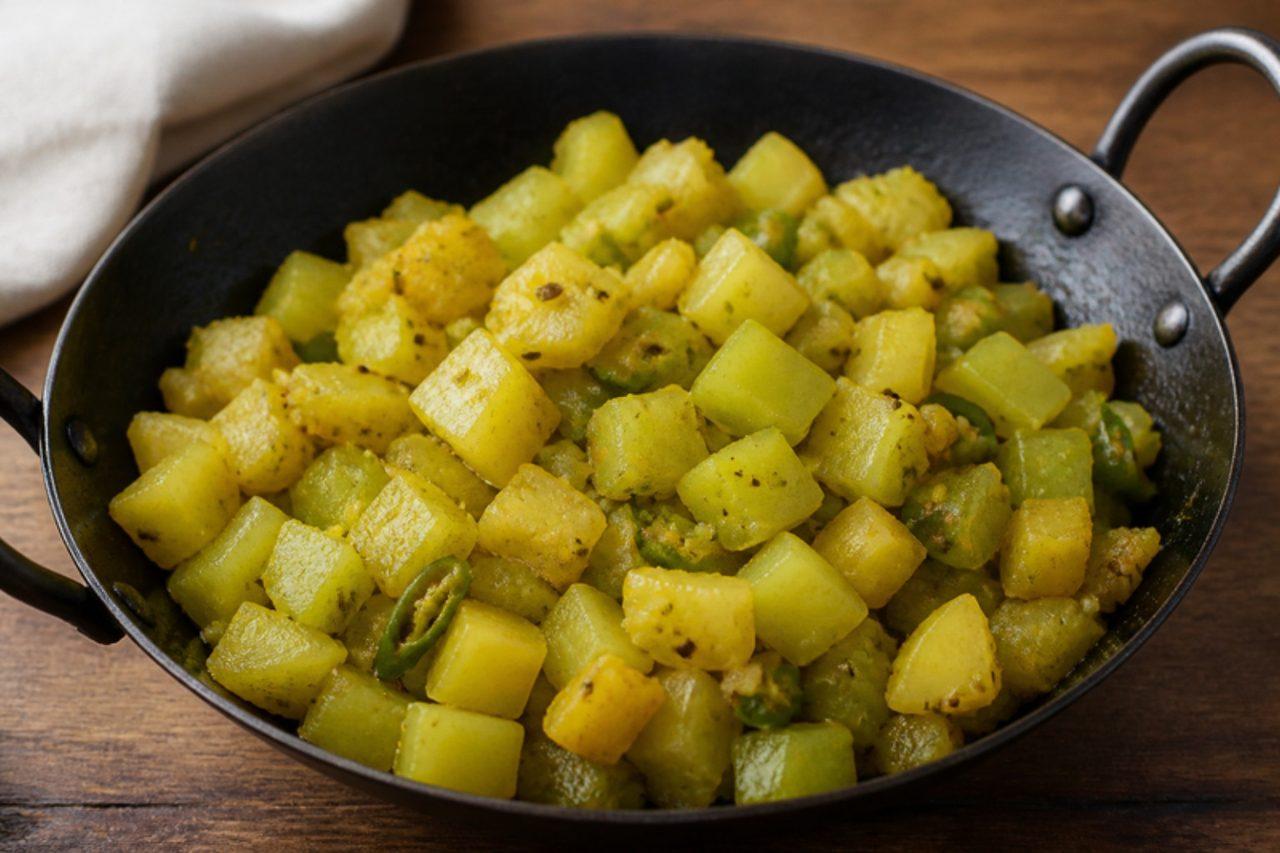
Every hillside garden in the eastern hills, from Dharan up to Bhojpur, has an iskus vine rambling over the roof or a bamboo frame, and from late summer the pale green chayotes hang down by the dozen, so this simple dry curry appears on the table almost every day. The chayote is peeled, cut into chunks with a little potato and cooked in mustard oil with fenugreek, cumin, garlic, turmeric and green chilli until tender but still holding a crisp edge, with a splash of tomato for colour. It is mild, juicy and slightly sweet, the everyday tarkari beside dal, rice and a sharp achar, and it packs well into a tiffin box. The usual mistake is adding water, which turns the chayote watery and bland, as it releases plenty of its own juice. Chef's tip: oil your hands before peeling, because raw chayote leaves a sticky, tight film on the skin.

by KrazyBadal 0 views

Fini roti

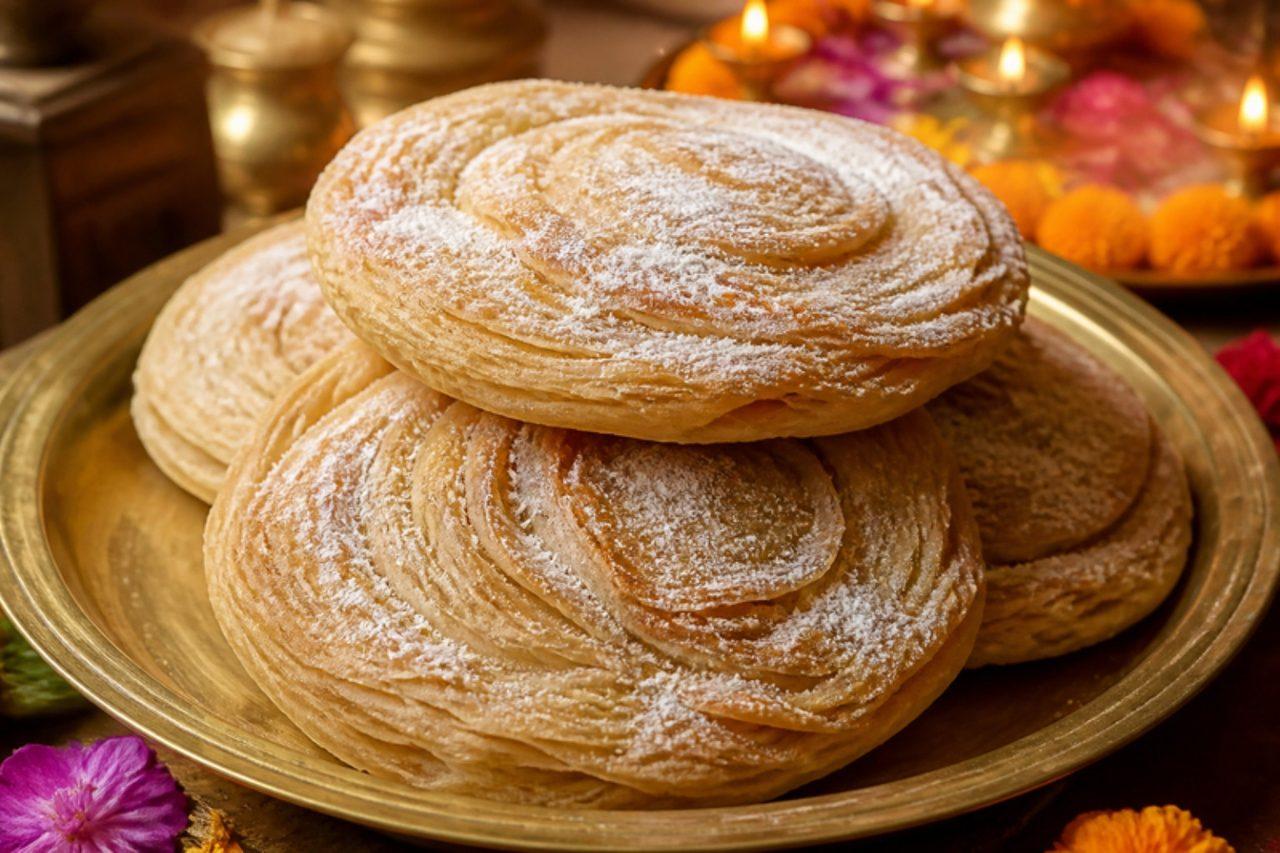
During Tihar, the five-day festival of lights in late autumn, sisters in Kathmandu and Pokhara prepare a basket of treats for Bhai Tika, and fini roti, a crisp round of fried bread made of dozens of paper-thin layers, sits in it beside sel roti, nuts and sweets. A simple dough of flour and ghee is rolled very thin, spread with a paste of ghee and rice flour, rolled into a log and cut, so that each piece fans out in the hot oil into a flaky spiral that shatters at the first bite. It is lightly dusted with sugar, lasts for days in a tin, and is eaten with tea or given to visiting relatives. The layers vanish if you make the paste with melted ghee, which seeps out instead of staying put. Chef's tip: beat the ghee and rice flour together until fluffy and pale like soft butter, and keep the dough cool so the layers stay distinct.

by KrazyBadal 0 views

Showing 24 of 208 recipes

Show more recipes

Page 1 of 9