Skip to content
Recipes

All recipes

Vegetarian, or something you can't eat? Set your diet once and we'll hide recipes that don't fit.

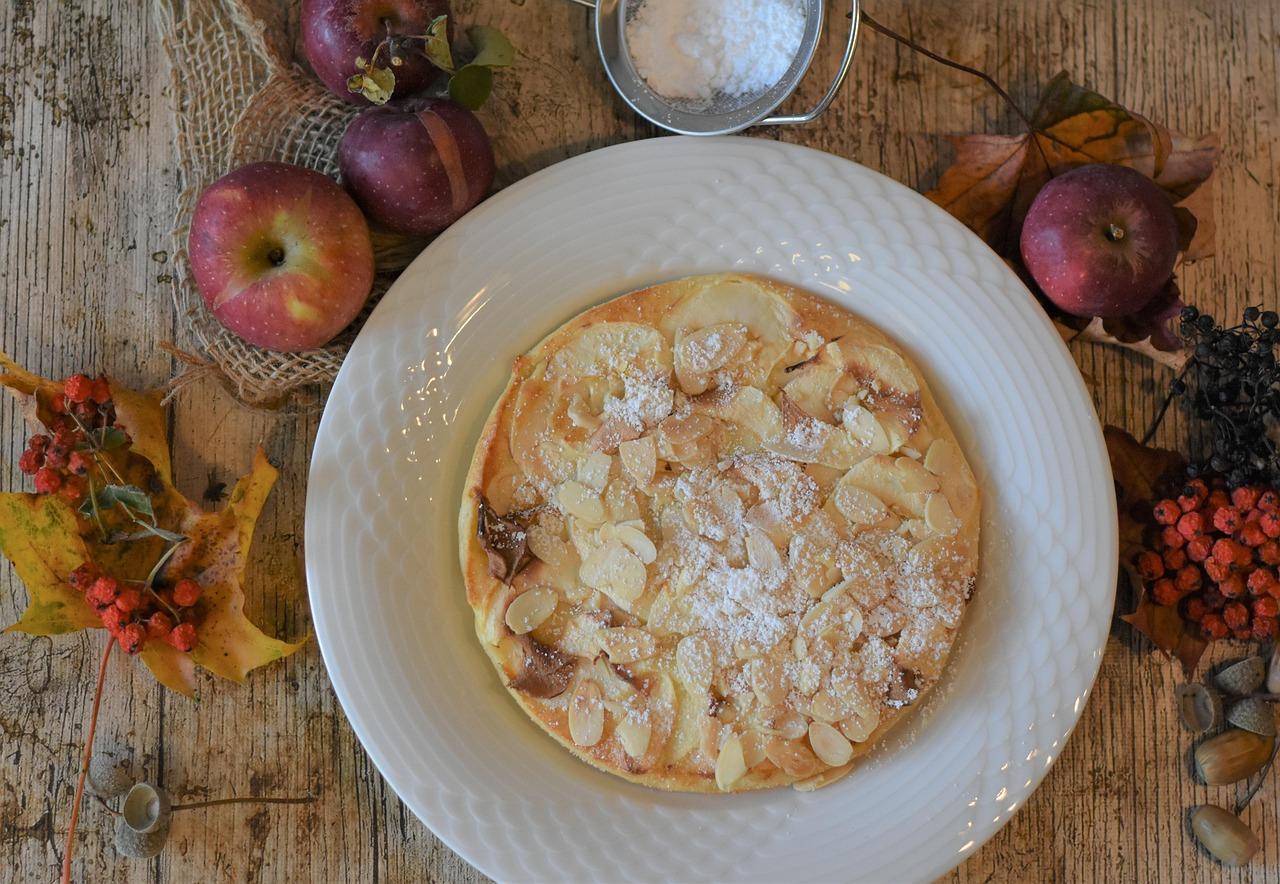
EierpfannkuchenEgg pancakes

Eierpfannkuchen are the thick, eggy pancakes German families fry for a quick Friday-night supper or a weekend lunch, thicker than a French crêpe but thinner than an American pancake. Children eat them rolled up with apple sauce, jam or sugar and cinnamon; grown-ups often fill them with mushrooms or cheese instead. The batter needs no resting, so they are on the table in 20 minutes. The most common mistake is a pan that is not hot enough, so the pancakes soak up fat and turn pale and greasy; wait until a drop of batter sizzles at once. Chef's tip: beat the egg whites separately and fold them in at the end if you want them especially light and fluffy.

by KrazyBadal 0 views

Bánh mì ốp la (Vietnamese fried eggs with baguette)

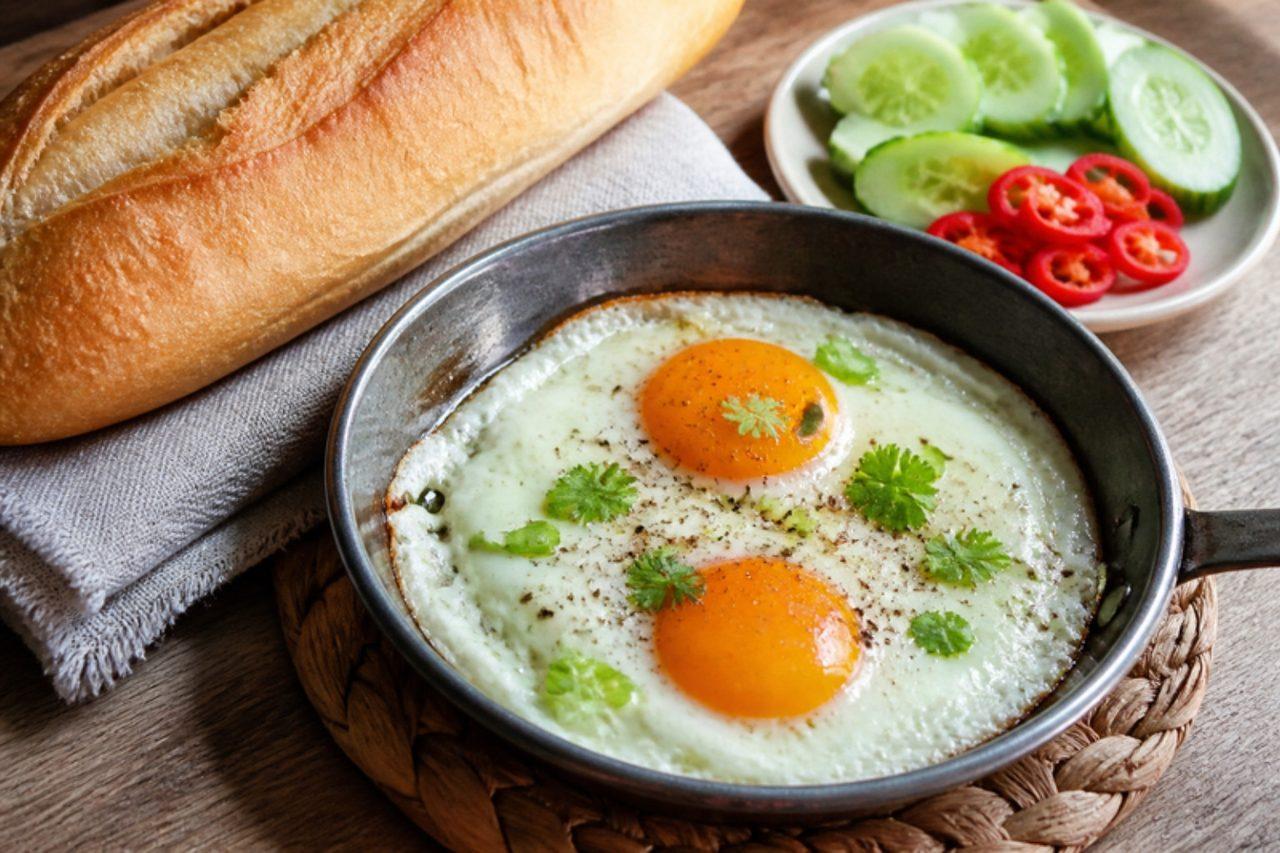
All over Saigon and Hanoi, street stalls serve bánh mì ốp la for breakfast: two or three eggs fried in a little iron pan, brought to the table sizzling, with a split baguette for scooping and a splash of dark seasoning sauce on top. The whites go lacy and crisp at the edges while the yolks stay soft, and the cucumber and chilli on the side keep it fresh. The usual mistake is frying the eggs on a fierce heat until the bottoms burn before the whites on top have set; a medium heat and a lid fix that. For pregnant people, young children, older or vulnerable people, cook the yolks until fully set. Chef's tip: warm the baguette in a hot oven for 3 minutes first so the crust shatters the way it does at the stall.

by KrazyBadal 0 views

HeidesandBrown butter slice-and-bake cookies

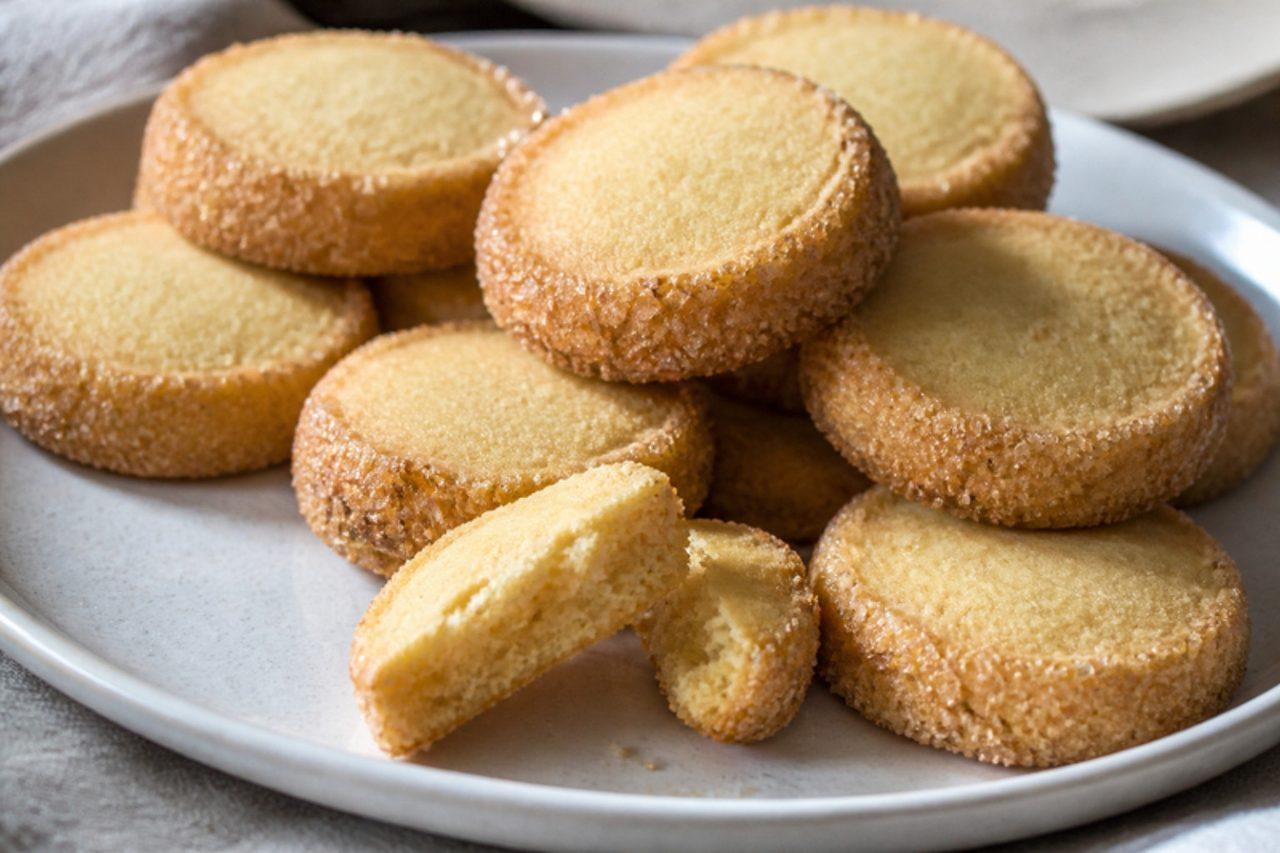
The name means 'heath sand', after the pale sandy soil of the Lüneburg Heath in Lower Saxony, and the texture lives up to it: these little rounds crumble the moment you bite. Browning the butter first gives them a nutty, toffee-ish flavour that plain shortbread lacks. German families bake them in Advent alongside Vanillekipferl and cinnamon stars, but they are just as good with afternoon coffee in any season. There is no egg in the dough, only butter, sugar, flour and a splash of milk, and the log is rolled in coarse sugar so every slice has a glittering edge. Chef's tip: let the browned butter set back to a soft, spreadable paste before you cream it; if you beat in butter that is still liquid, the dough turns greasy and the cookies flatten in the oven.

by KrazyBadal 0 views

BethmännchenMarzipan almond balls

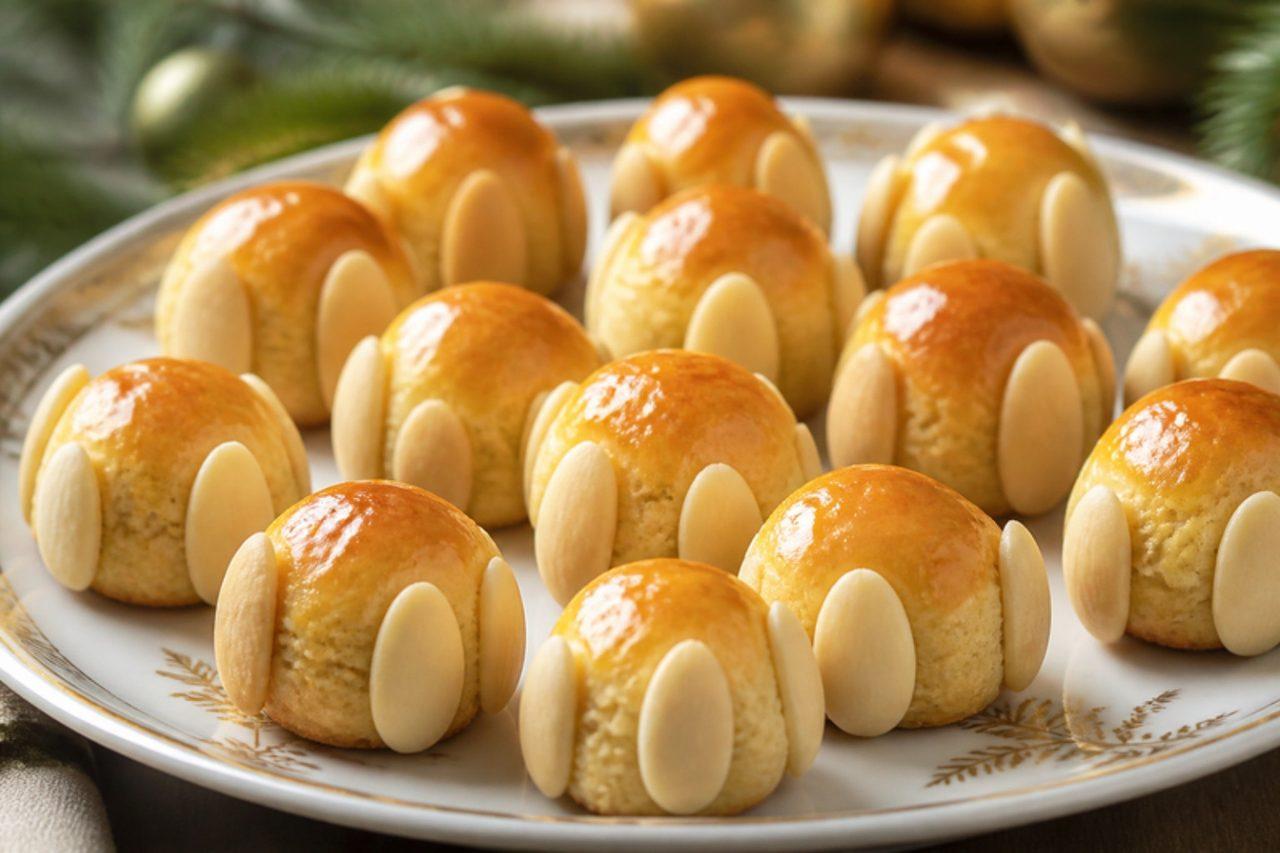
Frankfurt am Main claims these little domes as its own Christmas sweet, sold by the bag at the Römerberg Christmas market and in the city's cafés through Advent. The story goes that they were made for the banking family Bethmann, with four almonds for the four sons, and one was dropped when a son died; whatever the truth, they now carry three. The marzipan is mixed with a little rosewater and powdered sugar, then glazed with egg yolk so the tops bake golden while the inside stays soft. Serve them with tea or a mug of hot spiced apple juice. For an egg-free glaze, brush with a little cream or milk instead; the colour is paler but still pretty. Chef's tip: bake them on the middle shelf and watch from the 10-minute mark, because the almond tips scorch before the marzipan is golden if your oven runs hot.

by KrazyBadal 0 views

TopfengolatschenSweet quark puff pastry squares

A Topfengolatsche is what Viennese office workers grab from the bakery on the way in, and what grandparents order with a Melange in a coffee house on a Sunday afternoon. The corners of a puff pastry square are folded over a lemony, vanilla-scented filling of Topfen (Austrian quark) with plump raisins, and the top gets a thin white glaze. It is flaky, light and not too sweet. Raisins are sometimes soaked in rum; warm water or orange juice works just as well, and the recipe below is alcohol-free. Wet quark is the classic problem, because it turns the filling runny and it leaks out in the oven. Chef's tip: hang the quark in a sieve lined with a clean cloth for an hour, or squeeze it, until it is as thick as soft cream cheese.

by KrazyBadal 0 views

Chicharrón de pescadoCrisp fried fish chunks

Up and down the Peruvian coast, from Chorrillos in Lima to the beaches of Piura, chicharrón de pescado is the crunchy plate ordered alongside ceviche at a long seafood lunch: bite-size chunks of firm white fish marinated briefly in garlic and lime, dusted in flour and fried, then served with fried cassava, salsa criolla and tartar or rocoto sauce. Using frozen peeled cassava keeps it to half an hour. The common mistake is leaving the fish in the lime too long: after about ten minutes the acid starts to 'cook' the outside and the coating slips off. Chef's tip: toss the floured pieces in a sieve to shake off every bit of loose flour; a thin coat fries crisp, a thick one turns pasty.

by KrazyBadal 0 views

Rote-Bete-SalatBeetroot salad

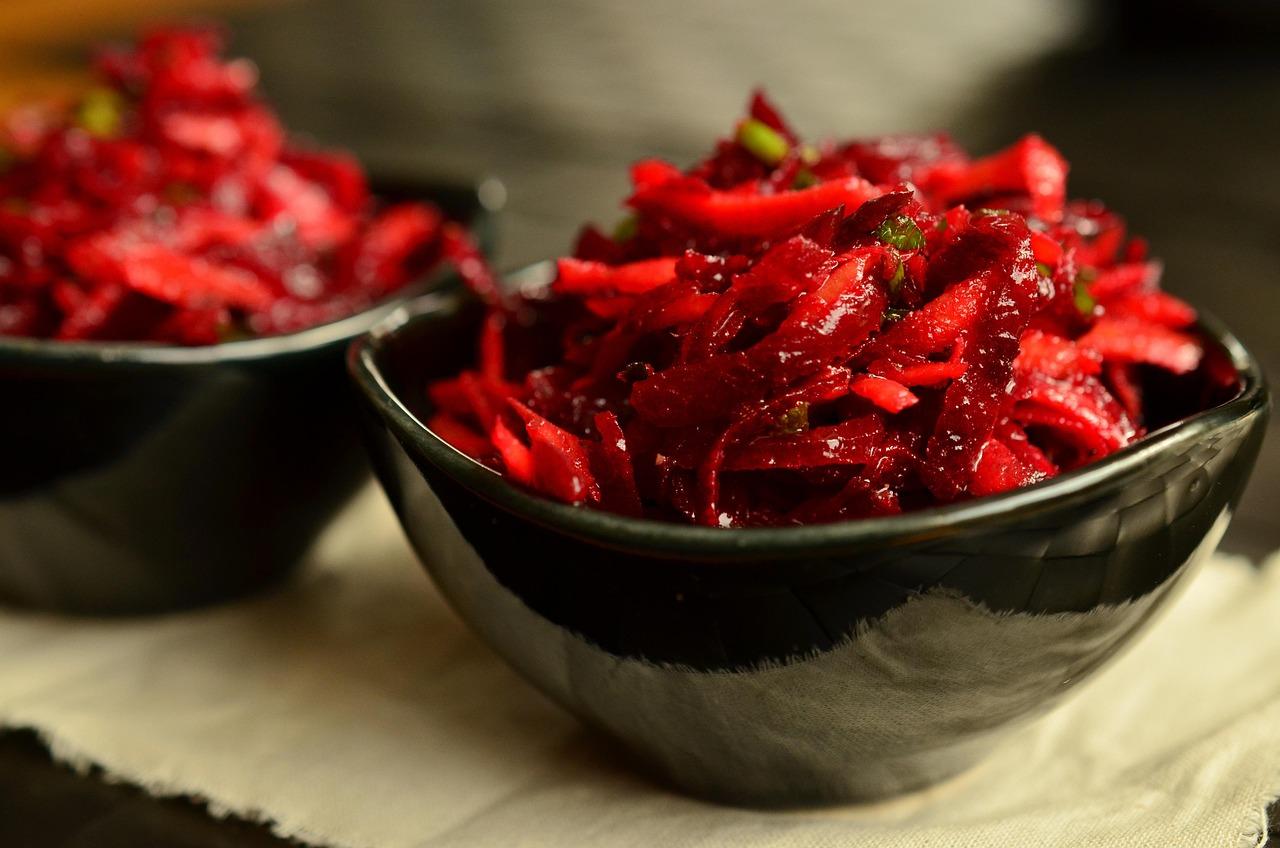
Rote-Bete-Salat is on the table in German homes through autumn and winter, beside potato pancakes, fried eggs or simply bread and butter. Cooked beetroot is cut into slices or batons and dressed with onion, vinegar, oil and a little caraway or grated horseradish, so it is sweet, earthy and sharp at once. It is vegan, gluten free and keeps for days in the fridge. The most common mistake is serving it straight after dressing: give it at least 10 minutes, or better an hour, so the beetroot soaks up the flavour. Chef's tip: wear gloves or rub your hands with lemon juice afterwards, as beetroot stains everything it touches.

by KrazyBadal 0 views

Bò xào cần tây (beef and celery stir-fry)

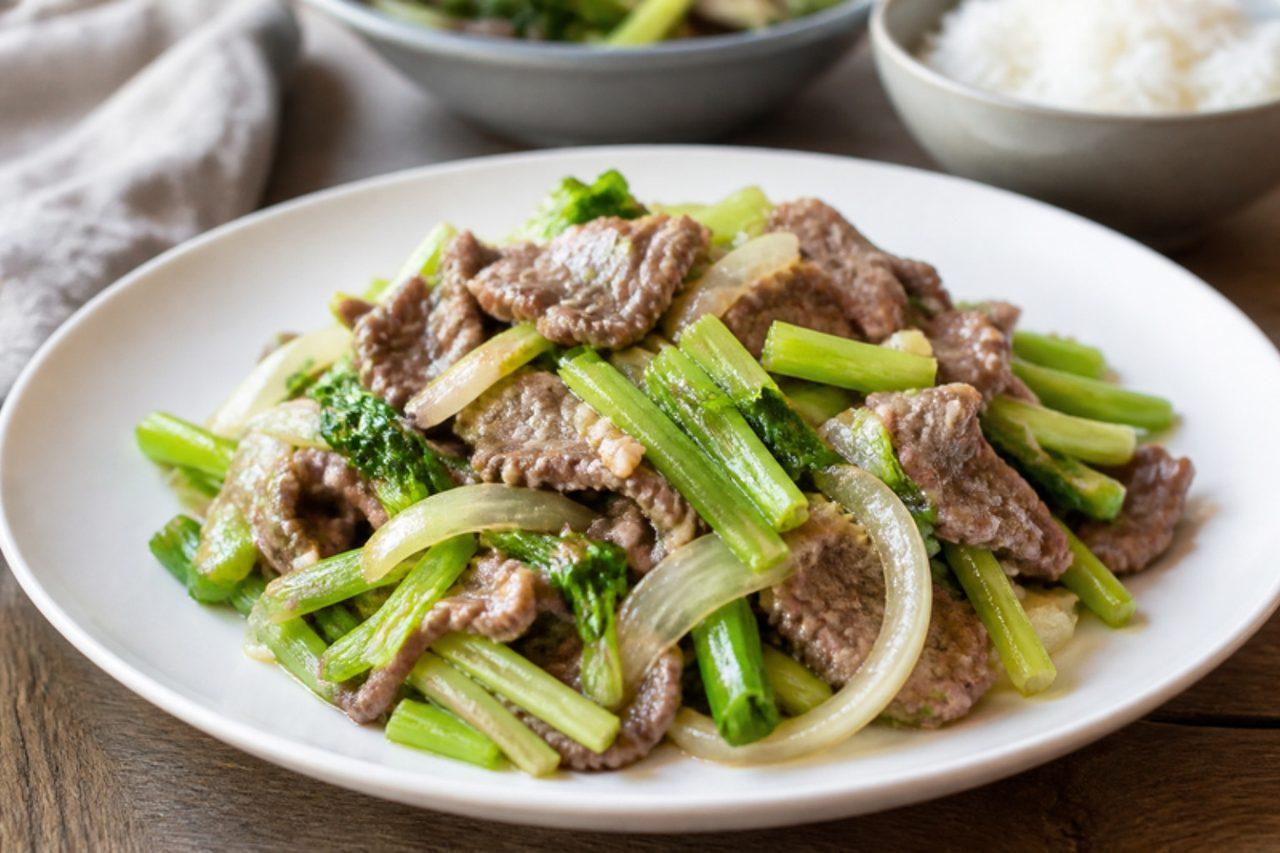
Bò xào cần tây is a weeknight stir-fry found on family tables all over Vietnam: thin slices of beef, seasoned with fish sauce and pepper, flashed in a hot wok with crunchy celery, onion and plenty of garlic, then eaten with rice. The usual mistake is cooking the beef and celery together from the start, so the beef stews while the celery softens; sear the beef first, take it out, and add it back at the end. Chef's tip: slice the beef across the grain and as thin as you can, so it is tender after only a minute in the pan.

by KrazyBadal 0 views

Tallarines rojosSpaghetti in red sauce with chicken

Tallarines rojos is the Sunday-lunch and weeknight pasta of homes all over Peru, from Lima to Arequipa: spaghetti in a sweet, deep-red sauce of blended tomato, onion and garlic with a little ají panca and oregano, often with pieces of chicken cooked right in it. Children love it, and it is served with a sprinkle of grated cheese and sometimes a spoon of huancaína on the side. The usual mistake is cooking the sauce too briefly, so it tastes of raw onion; let the blended tomato fry until it darkens and the oil shows at the edges. Chef's tip: a bay leaf and a spoon of ají panca paste give the sauce its Peruvian character; paprika will do if you can't find the paste.

by KrazyBadal 0 views

MandelhörnchenMarzipan almond crescents

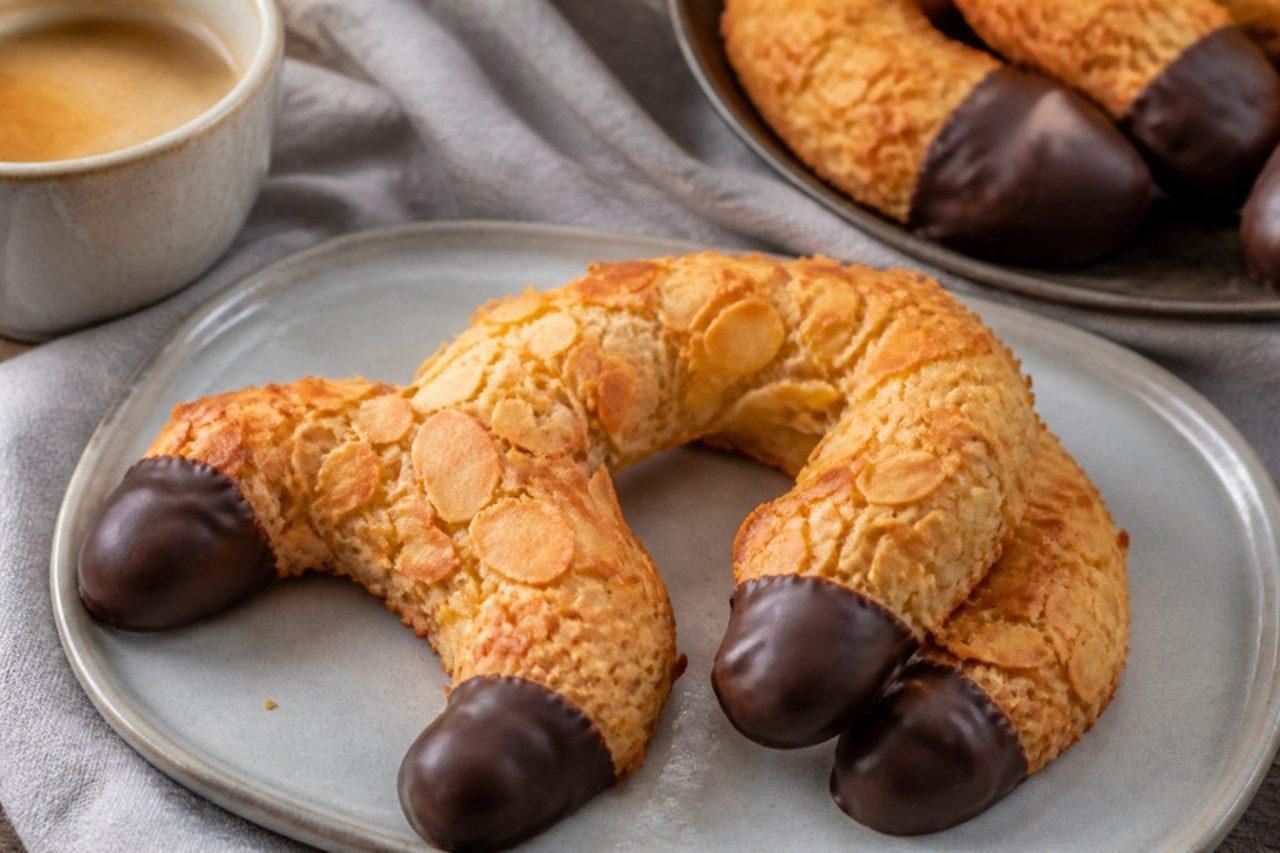
Look along the glass counter of almost any German bakery and you will find these: fat crescents of almond paste, crusted in toasted flaked almonds, with both horns dipped in dark chocolate. Inside they stay soft and chewy, almost like a macaroon, while the outside crunches. People buy one to eat with a coffee on the way home rather than keeping them for a festival, though they turn up on Christmas plates too. They need no flour, so they are naturally gluten free. Chef's tip: take them out when the almond flakes are golden but the crescents still feel soft; overbaking is the common mistake, and they set hard as they cool.

by KrazyBadal 0 views

Toast HawaiiHam, pineapple and cheese toast

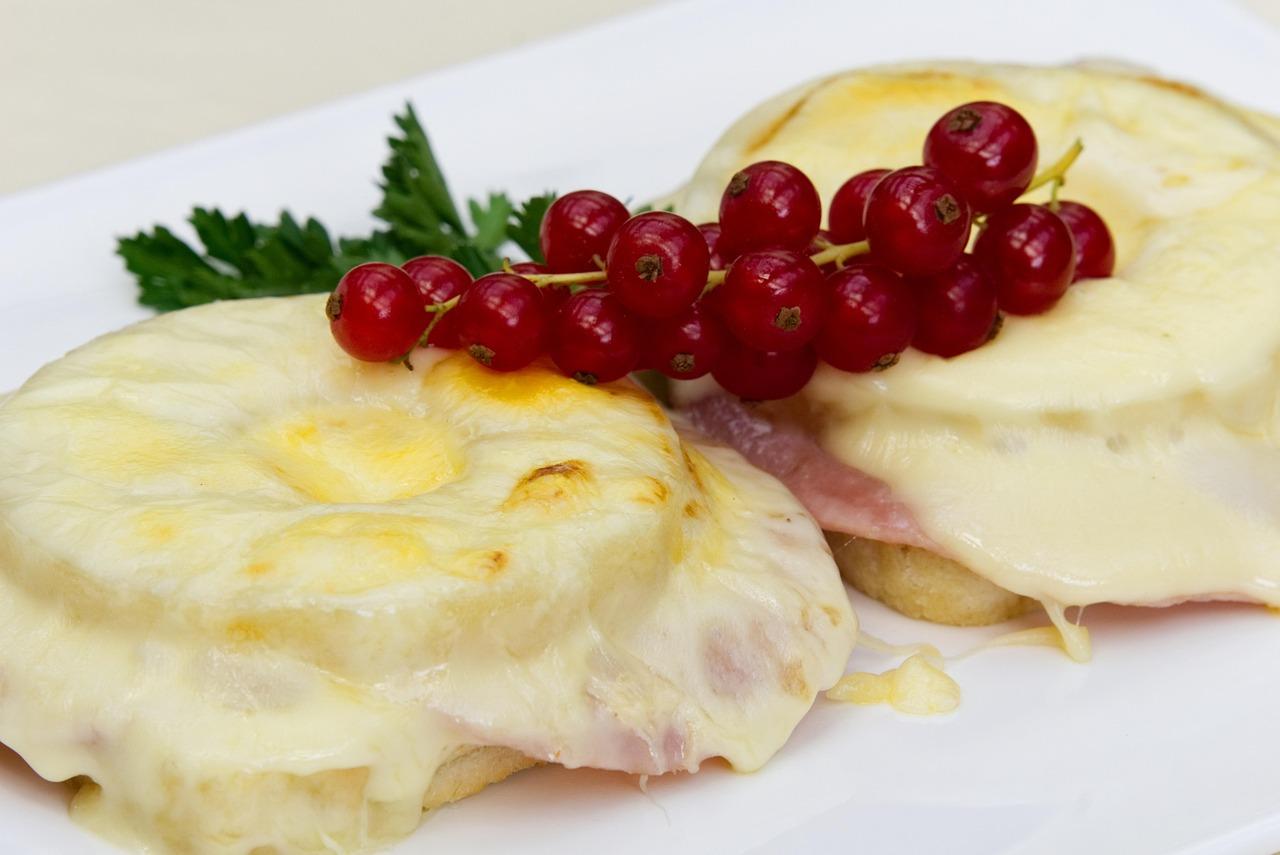
Toast Hawaii arrived in West German kitchens in the 1950s and never left: a slice of buttered toast layered with cooked ham (pork), a ring of pineapple and a slice of cheese, baked until the cheese melts down over the sides. It is still a nostalgic Saturday supper or party snack from Hamburg to Munich, often crowned with a cocktail cherry in the pineapple's hole. The mistake that ruins it is using pineapple straight from the tin, whose juice soaks the bread; drain the rings well and pat them dry. Chef's tip: toast the bread lightly before topping it, so the base stays crisp under the juicy layers.

by KrazyBadal 0 views

SaleuriCheese pastry sticks

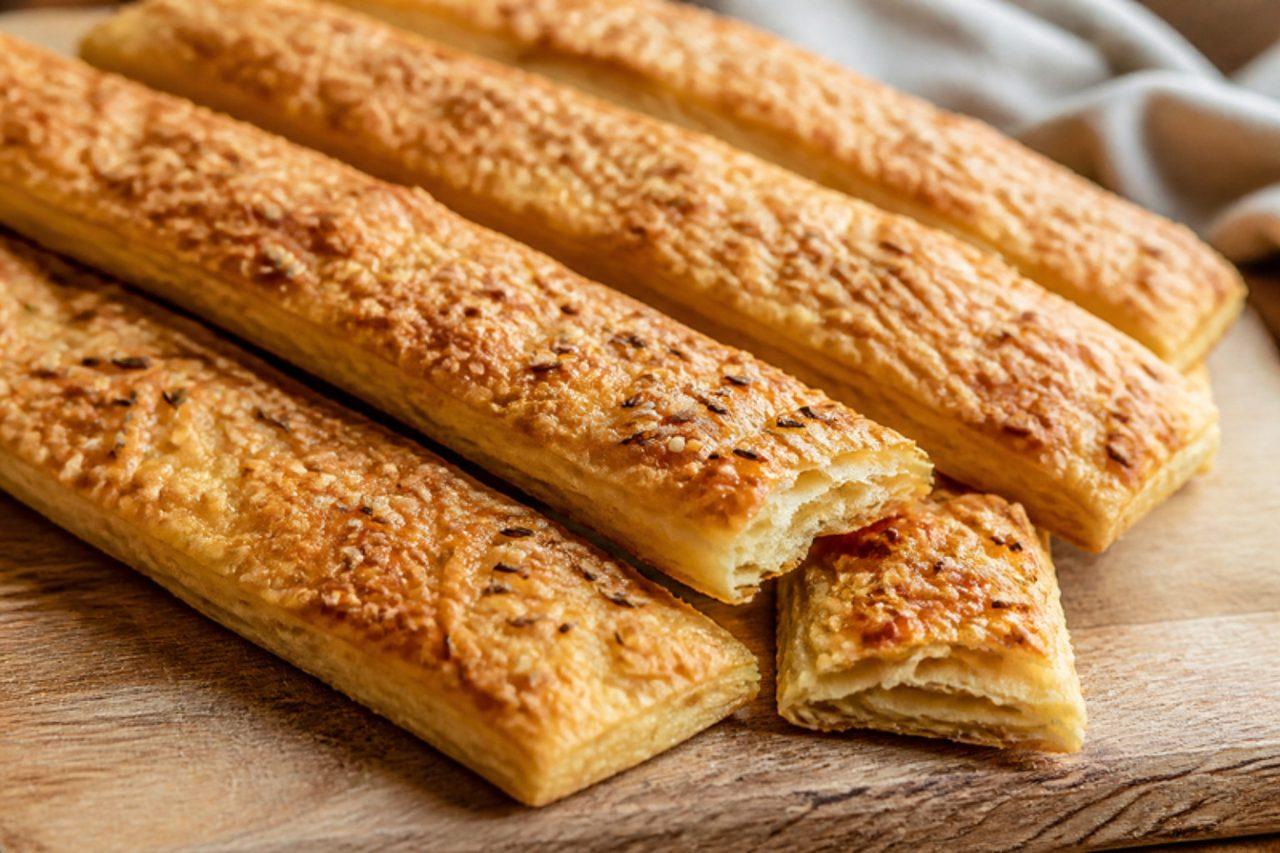
Set out on a platter at Romanian name-day parties, christenings and New Year's Eve, saleuri are the salty sticks people nibble with a glass of something before the sarmale arrive. The pastry is short and flaky from cold butter and sour cream, with grated cheese worked through it and more cheese, caraway and sesame pressed on top. Older village recipes were often made with lard; this version uses butter. They are best the day they are baked but keep crisp in a tin for three or four days, and they go well with a bowl of olives or a cold beer. The top is brushed with beaten egg; milk works instead if you want them egg-free on the outside. Chef's tip: cut the strips with a pizza wheel and leave them lying where they are on the tray, rather than lifting each one, so they stay straight; warm, overworked dough is the usual mistake, and it bakes up tough instead of flaky.

by KrazyBadal 0 views

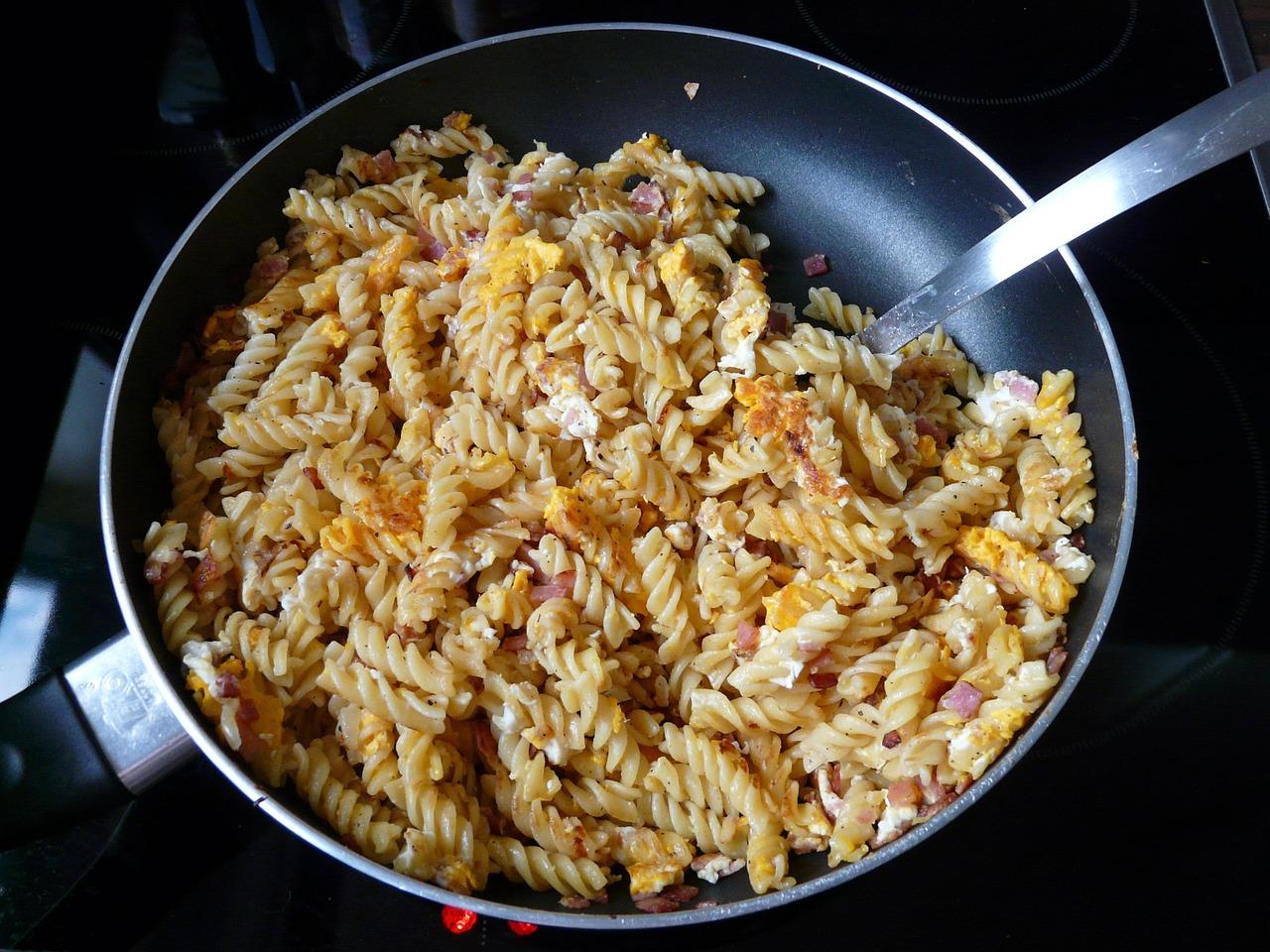
SchinkennudelnPan-fried noodles with ham and egg

Schinkennudeln is the frying-pan supper of Bavaria and Austria: yesterday's cooked noodles fried in butter with onion and diced cooked ham (pork) until crisp in places, then bound with beaten egg and finished with chives. It is not the same as the oven-baked Austrian Schinkenfleckerl; this one is made on the hob in 20 minutes, and children everywhere love it with a green salad or a spoon of ketchup. The common mistake is stirring the noodles constantly, which stops them browning, so leave them alone long enough to crisp. Keep leftover pasta in the fridge and use it within 2 days. Chef's tip: let the eggs set only until just creamy before you take the pan off the heat; they keep cooking on the plate.

by KrazyBadal 0 views

Pejerrey arrebozadoBattered fish fillets with onion salsa

Pejerrey arrebozado is a Lima classic from the cevicherías and home kitchens of the coast, eaten at lunch on a plate with white rice, a heap of sharp salsa criolla and sometimes boiled potato. The pejerrey, a small silverside, is opened into butterflied fillets, dipped in a light egg-and-flour batter and fried golden. Outside Peru, use small fillets of whiting, sole, haddock or tilapia. The batter here uses sparkling water, not beer, so it is alcohol free. The common mistake is frying in oil that isn't hot enough: the batter drinks the oil and turns greasy, so test with a drop of batter first. Chef's tip: make the salsa criolla first and let the onion sit in lime for ten minutes; it softens its bite and turns a pretty pink.

by KrazyBadal 0 views

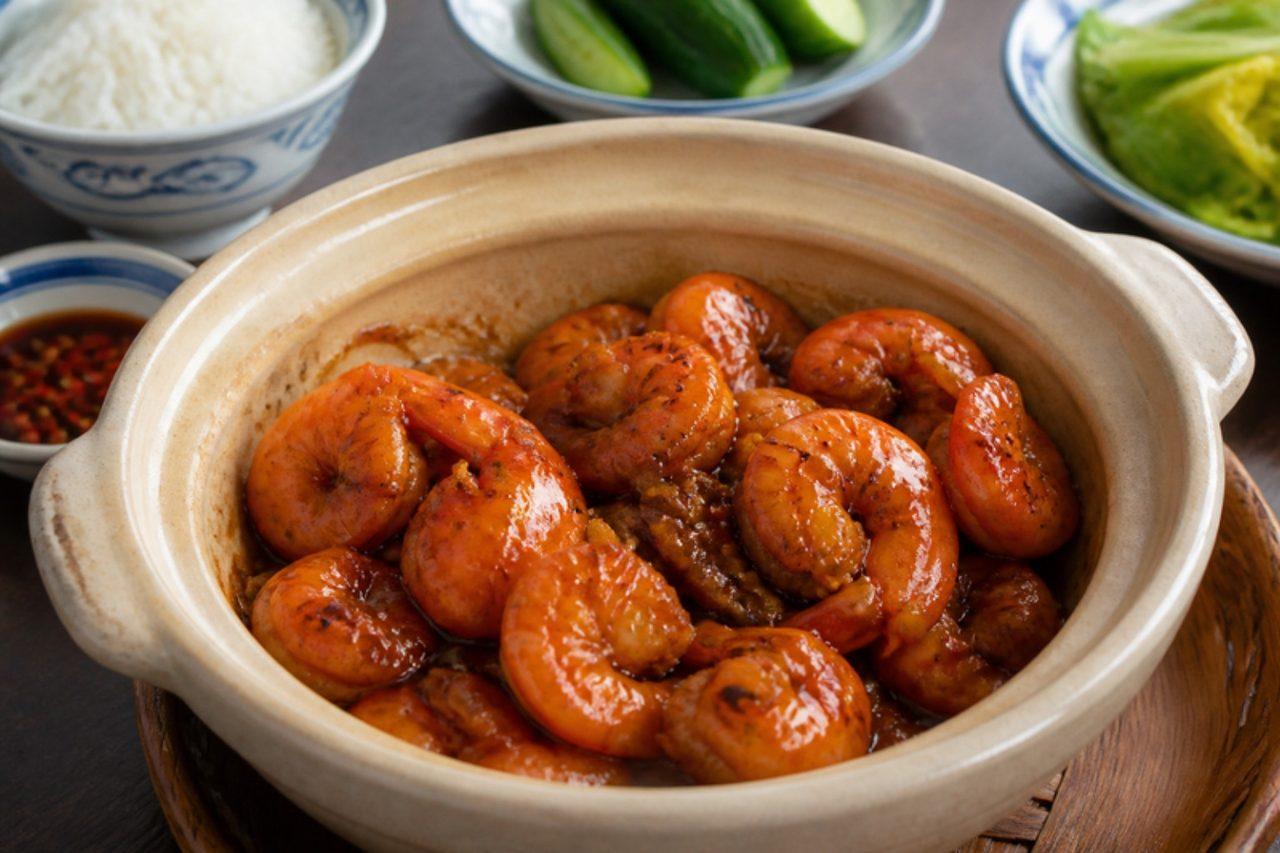
Tôm rim (caramelised prawns)

Tôm rim is a homely dish cooked in kitchens from Hanoi to the Mekong Delta and eaten at the family rice tray with boiled greens and a clear soup: prawns simmered down in fish sauce, sugar and shallot until the liquid turns to a sticky, salty-sweet glaze. The mistake is walking away in the last few minutes, when the sauce goes from glaze to burnt very quickly. Chef's tip: leave the shells on if your prawns are small, as many Vietnamese cooks do; they turn crisp and caramelised and add flavour.

by KrazyBadal 0 views

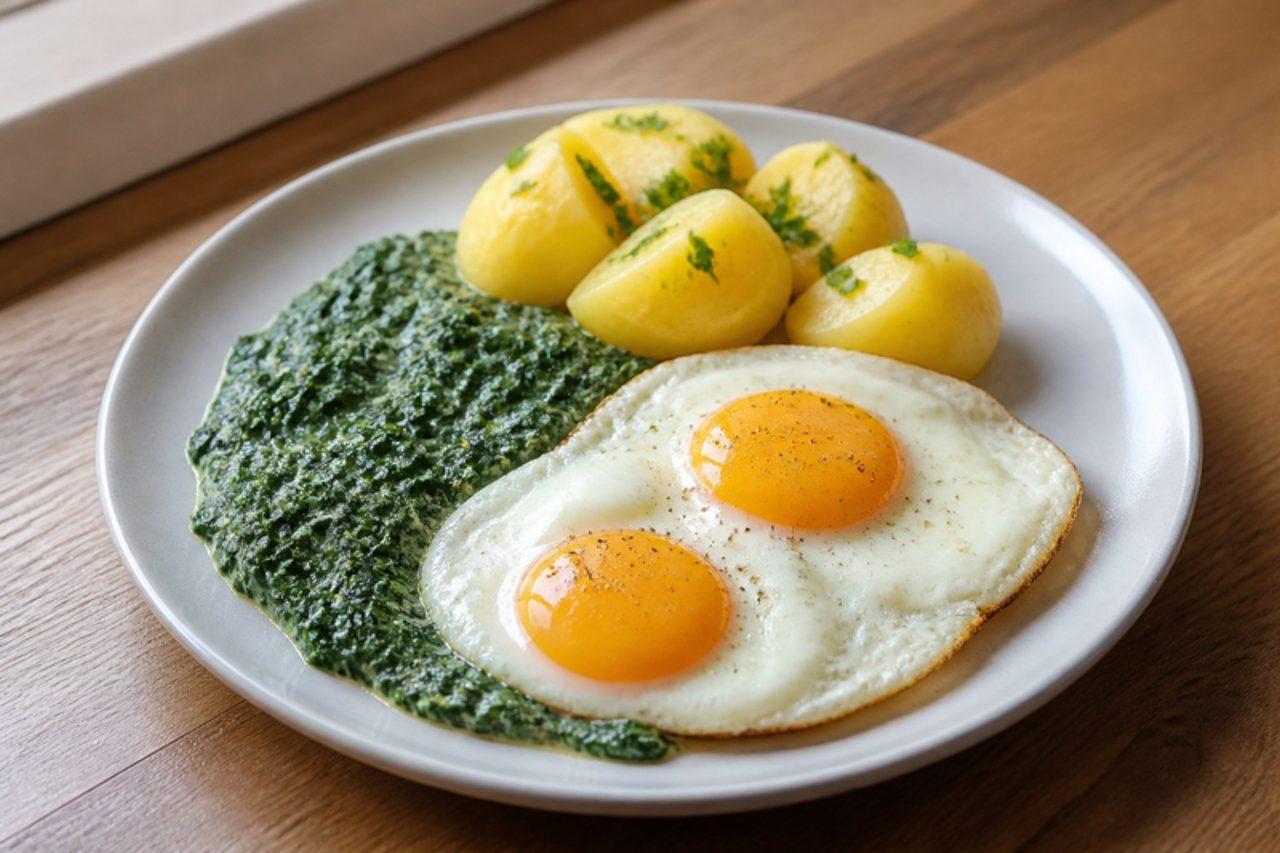
Spinat mit Spiegelei und KartoffelnCreamed spinach with fried egg

Spinat mit Spiegelei und Kartoffeln is the Thursday-night supper many Germans remember from childhood, and still a school-canteen favourite: soft creamed spinach, a sunny fried egg and boiled potatoes, with the yolk running into the green sauce. It is gentle, filling and cheap, and on Maundy Thursday (Gründonnerstag) many families eat it as their green meal. For pregnant people, young children, older or vulnerable people, fry the eggs until the yolks are firm. The most common mistake is adding raw spinach to the sauce without squeezing it, which floods it with water; wilt and squeeze it first. Chef's tip: start the potatoes in cold salted water so they cook evenly through to the centre.

by KrazyBadal 0 views

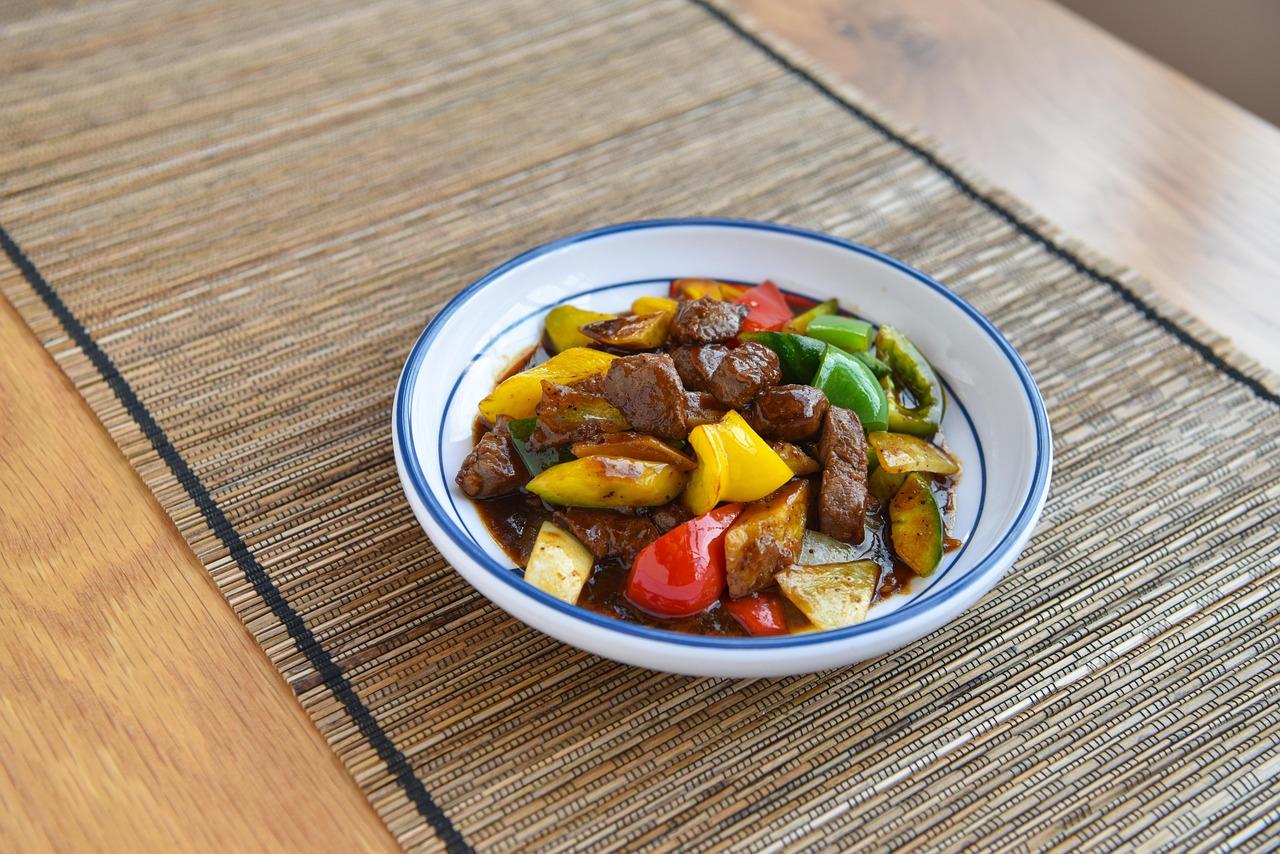
Bò lúc lắc (Vietnamese shaking beef)

Bò lúc lắc, shaking beef, is a Saigon dish from the French-influenced south, ordered at family dinners and celebrations: cubes of tender steak seared in a smoking pan and shaken with garlic and onion, then tipped over peppery watercress and tomato with a lime, salt and pepper dip. The mistake almost everyone makes is crowding the pan, which boils the meat grey instead of searing it; cook in two batches. Chef's tip: let the cubes sit untouched for a full minute before the first shake to build a dark crust.

by KrazyBadal 0 views

Mì xào rau (Vietnamese stir-fried noodles with vegetables)

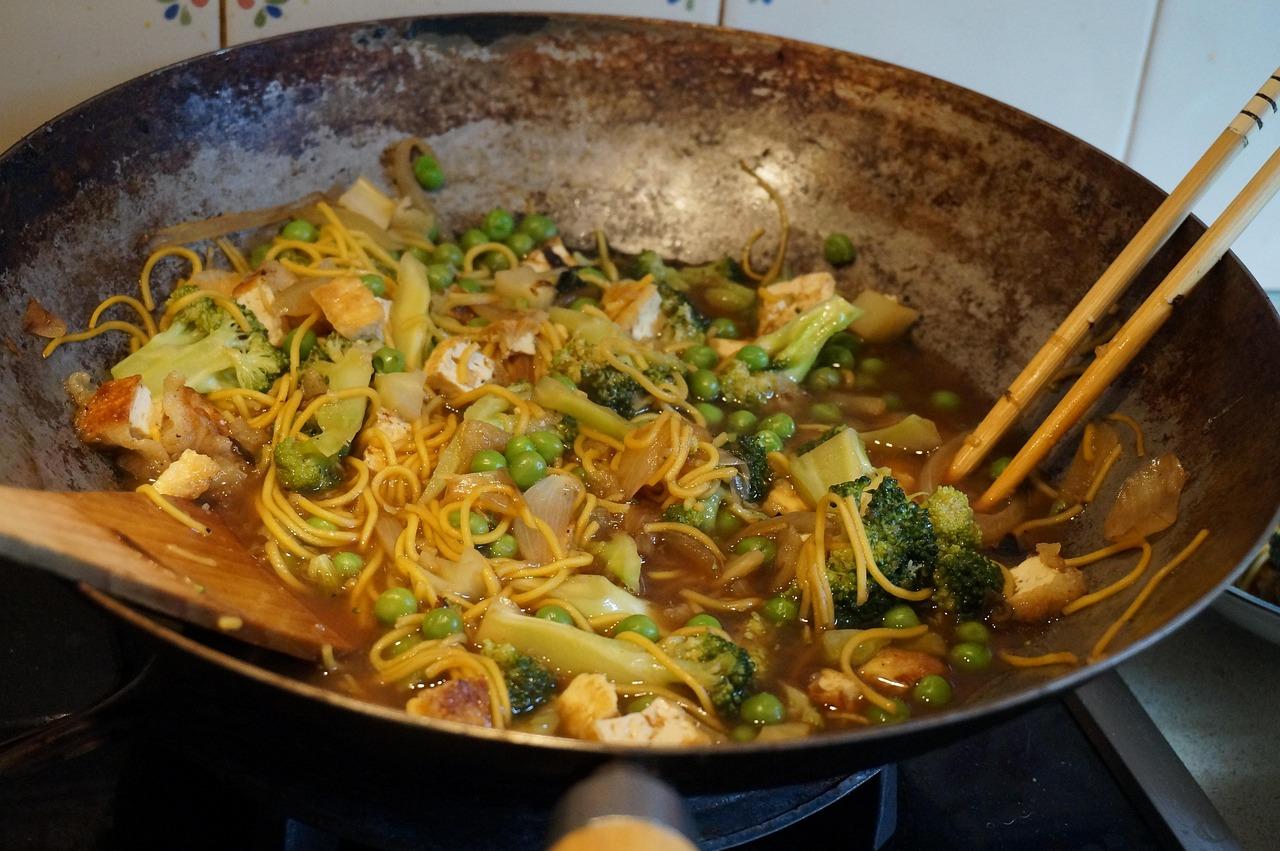
Mì xào rau is what Hanoi and Saigon households cook when there is a packet of egg noodles in the cupboard and a few greens in the fridge: a fast, smoky plate for a weeknight dinner or a late lunch. The noodles turn slightly crisp at the edges, the cabbage stays sweet and crunchy, and a light soy glaze holds it all together. The most common mistake is dumping everything into a lukewarm pan at once, which steams the vegetables and leaves the noodles soggy and clumped. Serve it with a dish of sliced chilli in soy sauce and a fried egg if you want more protein. Chef's tip: loosen the cooked noodles with a teaspoon of oil while they drain, so they hit the wok as separate strands instead of a block.

by KrazyBadal 0 views

Bánh patê sôPork puff pastries

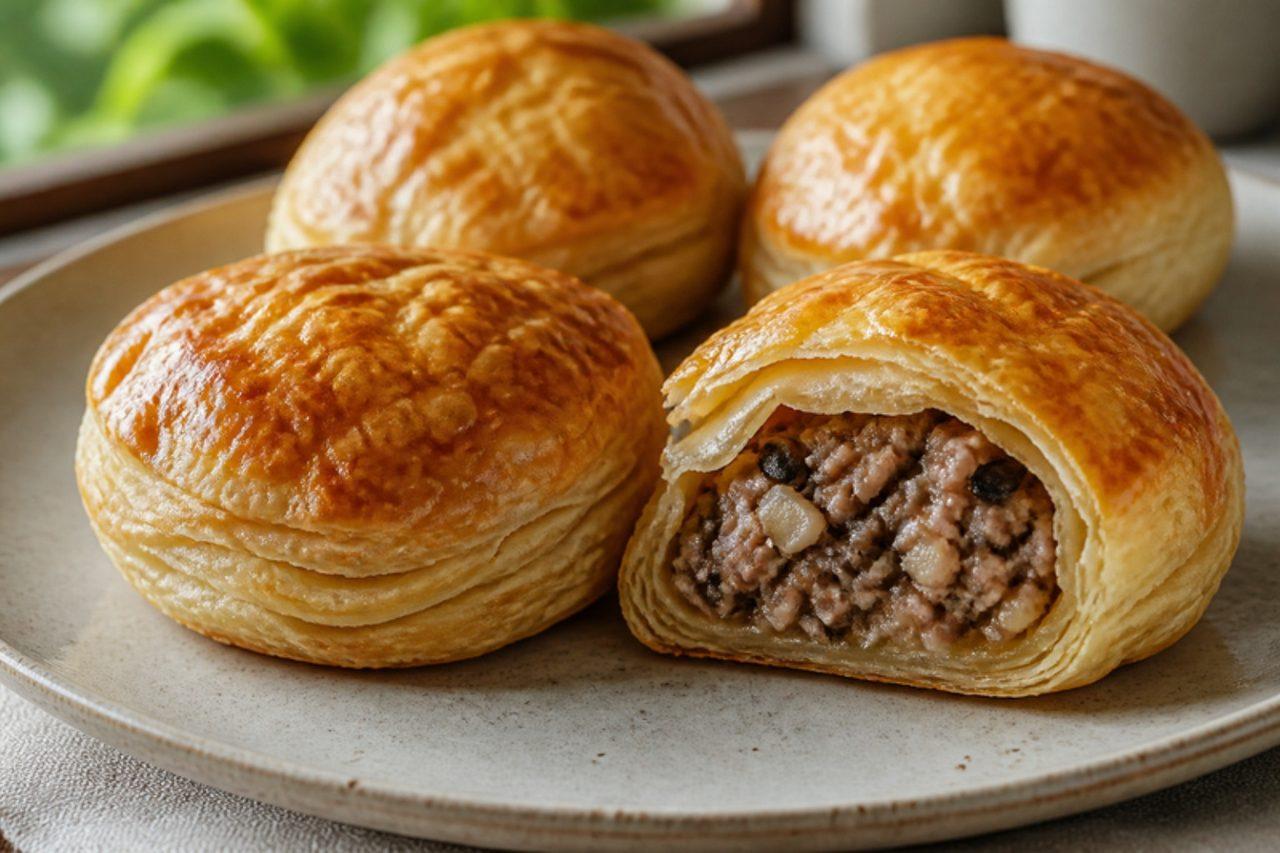
Bánh patê sô (from the French pâté chaud) are what Hanoi and Saigon bakeries pull out of the oven at dawn: round, flaky puff pastries with a juicy filling of seasoned pork mince, shallot, garlic, wood ear mushroom and plenty of black pepper. People eat them warm on the way to work with a glass of iced coffee, and boxes of them go to the family at Tết. The pastry shatters, the pork inside is savoury, slightly sweet and peppery. For a vegetarian version, swap the pork for crumbled firm tofu and chopped shiitake, seasoned with soy sauce instead of fish sauce. Warm pastry is the common mistake: it won't rise into layers, so keep the circles cold until they go in. Chef's tip: shape the filling into flattened balls a little smaller than you think, leaving a clear 1.5 cm rim to seal.

by KrazyBadal 0 views

AmerikanerIced soft cakes

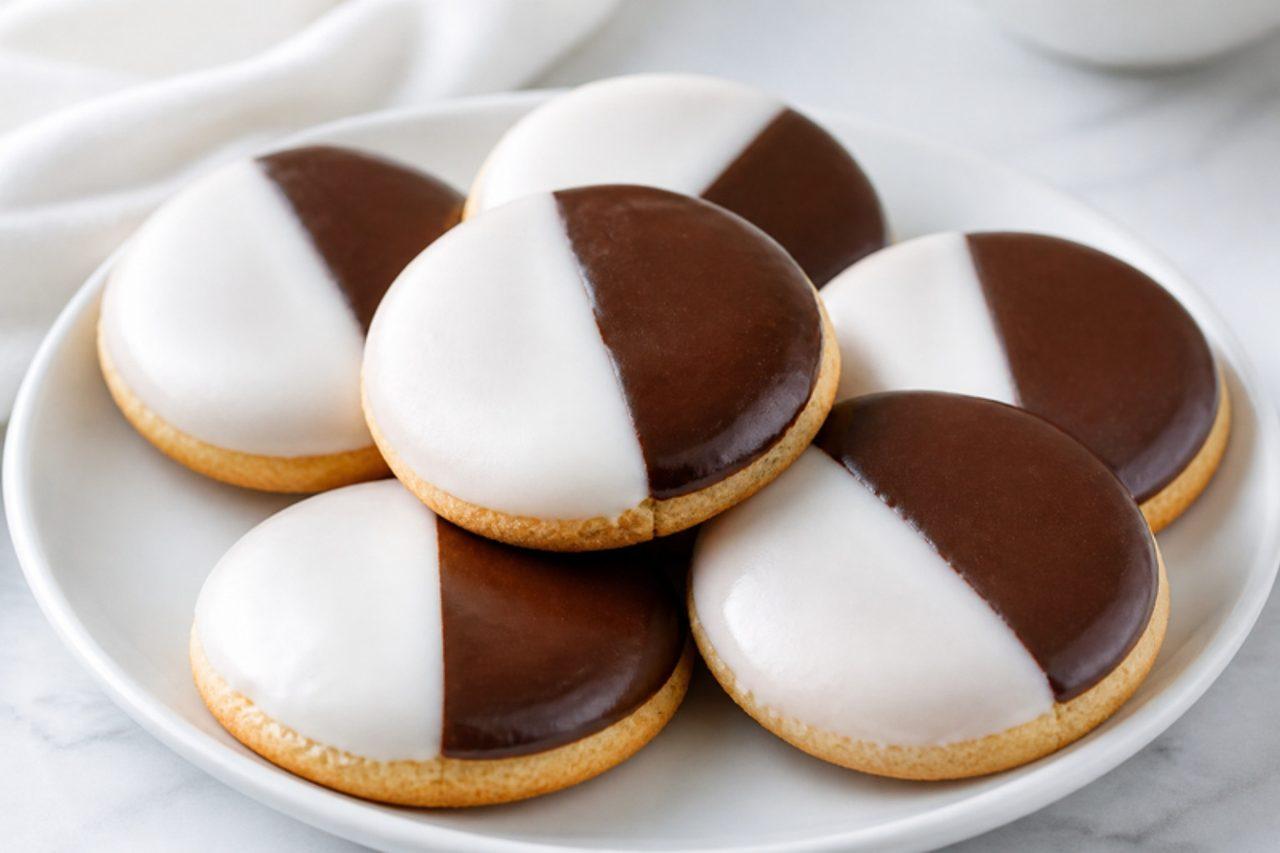
Amerikaner are a fixture of German bakery counters and children's birthday parties: soft, domed little cakes baked flat-side up, then turned over and iced on the smooth base, half in white lemon icing and half in chocolate. A pinch of custard powder in the dough gives their tender, slightly vanilla crumb. Children can ice them themselves at a party. They contain milk, egg and gluten. Chef's tip: ice the flat bottom of the cakes, not the domed tops; that's what gives the shiny, even finish.

by KrazyBadal 0 views

Bánh bò hấp (steamed honeycomb rice cake)

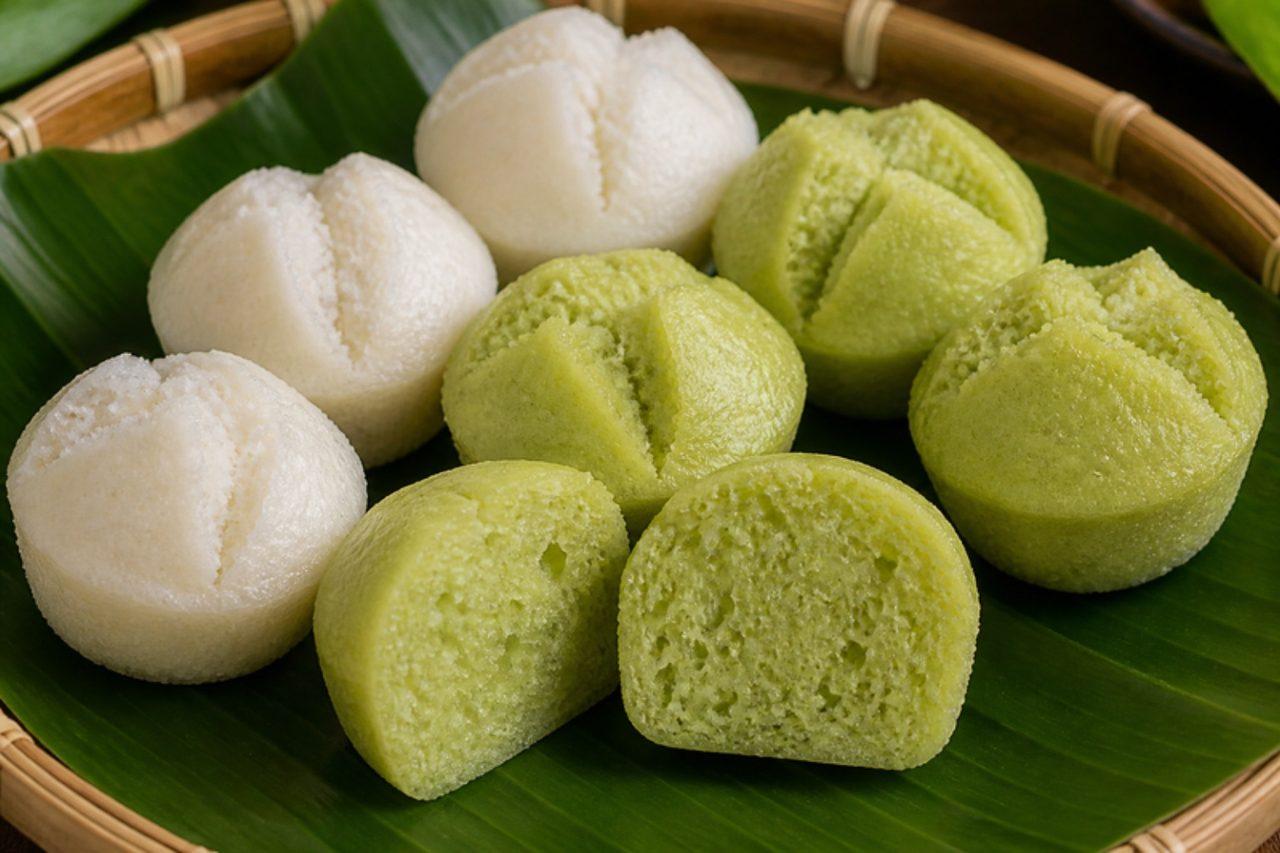
Bánh bò hấp are the soft, puffed rice cakes sold from glass-fronted carts in southern Vietnam, and children in the Mekong Delta pick them up in white, pink or pandan green on the way home from school. The yeasted rice-flour batter is steamed in small cups, so each cake splits open on top like a flower and is chewy and bouncy inside, with a gentle coconut flavour. The sugar here is a little lower than in market versions. None of the common allergens are in it. Chef's tip: steam over fierce, rolling boiling water; a gentle simmer gives flat, dense cakes that don't open.

by KrazyBadal 0 views

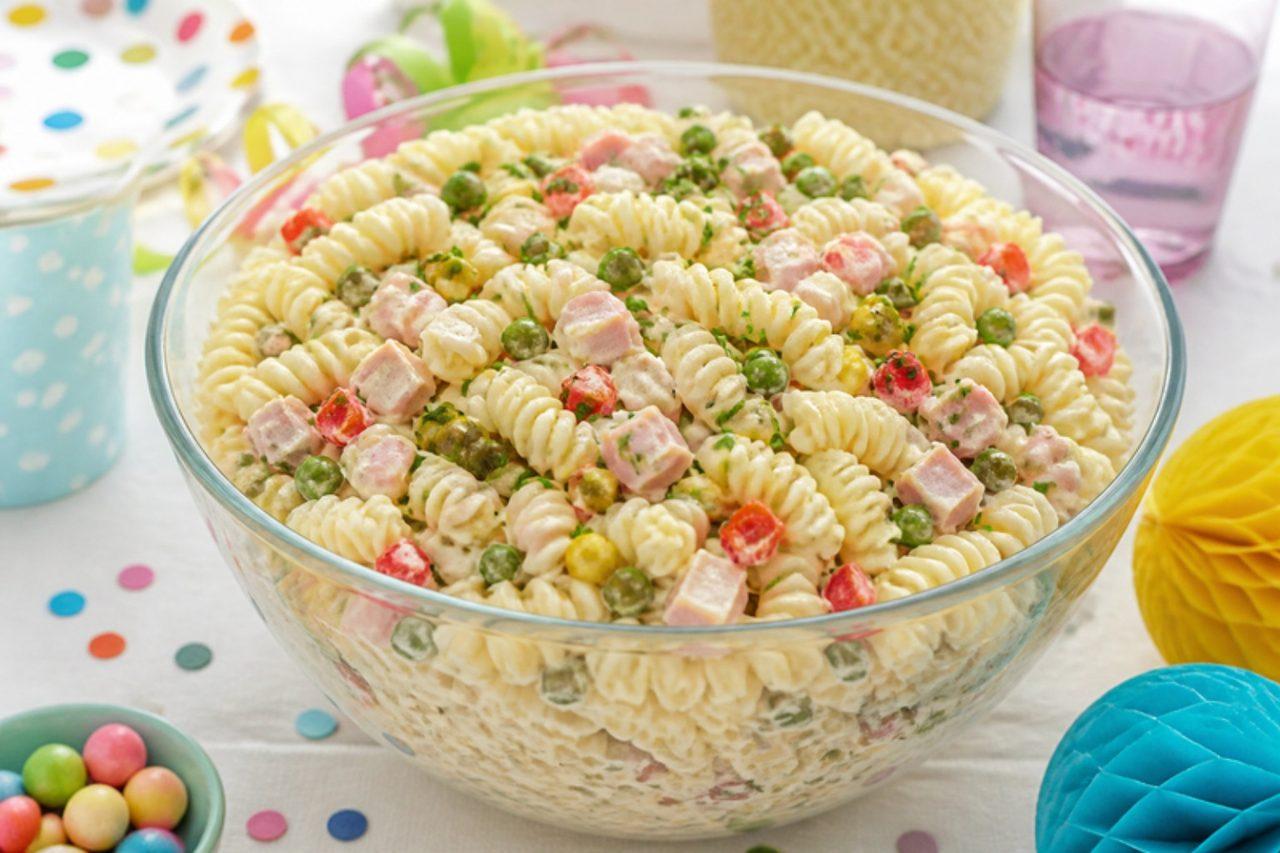
German party pasta salad (Nudelsalat)

In Germany a big bowl of Nudelsalat is the backbone of a Kindergeburtstag, a summer barbecue or a school outing: short pasta, ham, peas, sweetcorn and chopped gherkins bound in a mayonnaise and yoghurt dressing, made the evening before so the flavours settle. This version lightens the dressing with yoghurt and gherkin brine. It contains gluten, egg (mayonnaise) and milk. Chef's tip: dress the pasta while it is still slightly warm, then add a splash more dressing just before serving, because the pasta drinks it overnight.

by KrazyBadal 0 views

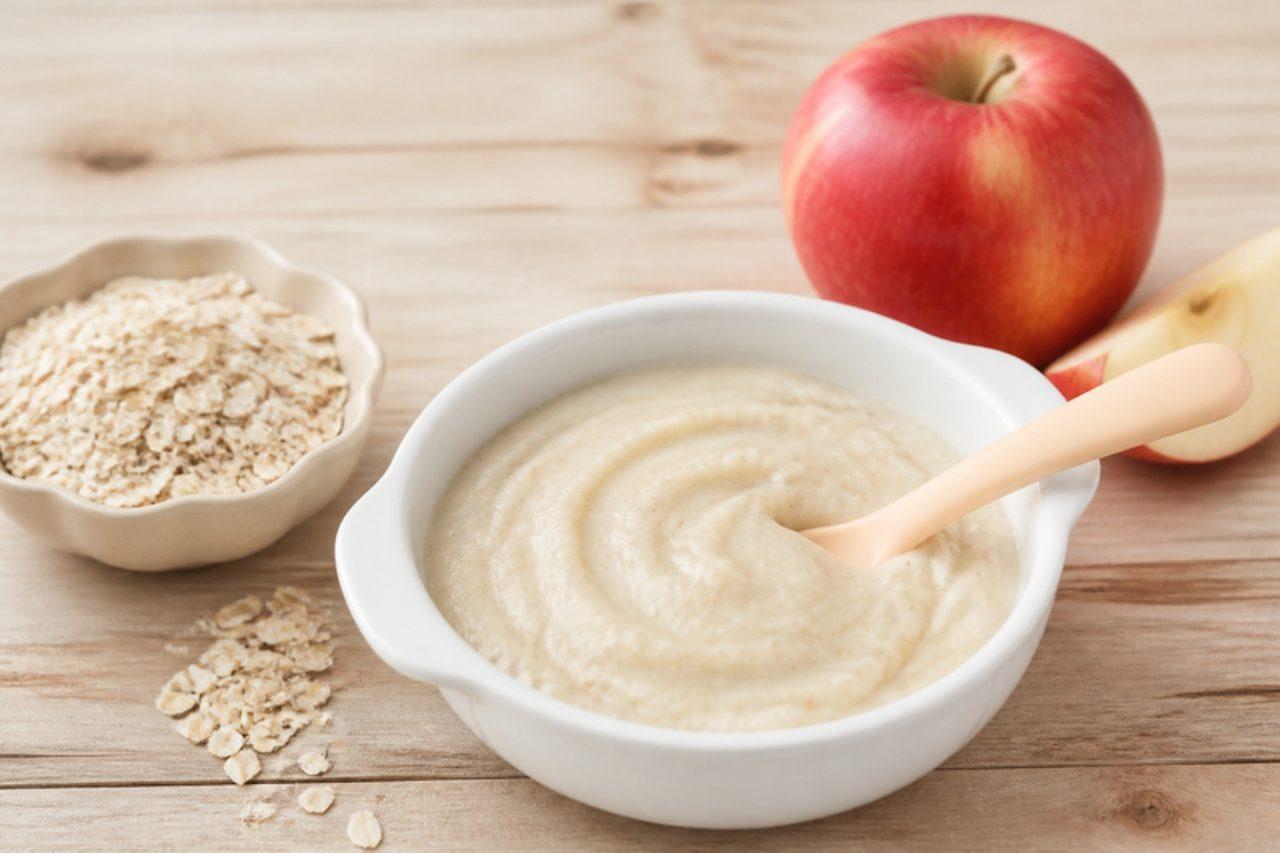
Fruit and cereal mash (Obst-Getreide-Brei)

German weaning follows a well-known plan: a vegetable lunch first, then a milk and cereal evening meal, and finally an afternoon Obst-Getreide-Brei, a dairy-free mash of cooked cereal flakes and fruit, usually from around seven months. Fine oat or millet flakes are simmered in water, then stirred into stewed apple or pear with a spoon of rapeseed oil, which German paediatric advice recommends for healthy fats. It is fruity, smooth and naturally sweet. It contains gluten if made with oats (use millet flakes for gluten free); there is no milk, egg, nuts, soya, sesame or fish. Chef's tip: stew the fruit in a little water rather than using juice, which adds sugar.

by KrazyBadal 0 views

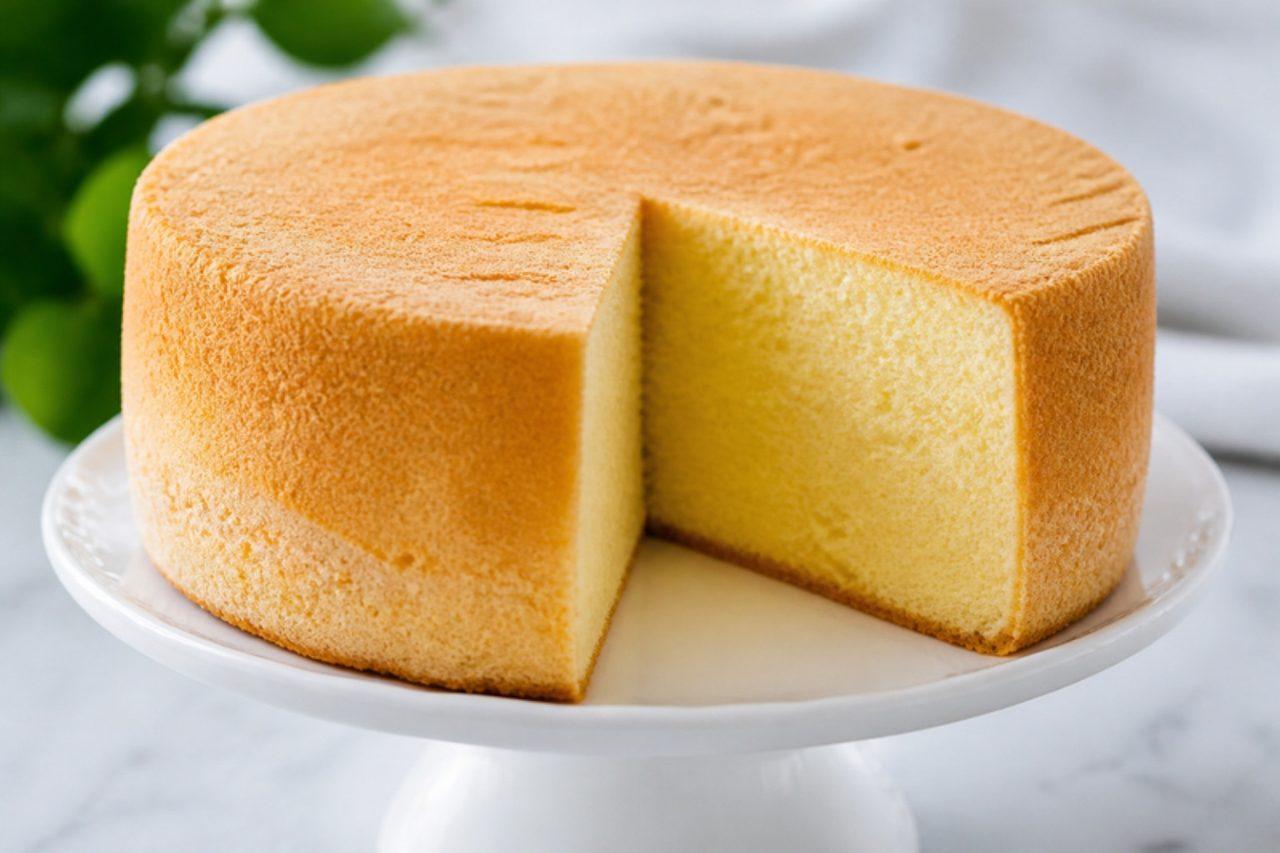
Bánh bông lan (Vietnamese sponge cake)

Bánh bông lan is the soft, golden sponge sold in every Vietnamese bakery, eaten with coffee or as an after-school snack, and it is also the cake under the cream and fruit at most children's birthdays from Hanoi to Saigon. Made with oil instead of butter, it stays moist and springy for days and is free of milk. It contains egg and gluten. Chef's tip: whisk the whites in a spotlessly clean bowl; a trace of yolk or grease stops them rising.

by KrazyBadal 0 views

Showing 24 of 545 recipes

Show more recipes

Page 1 of 23