
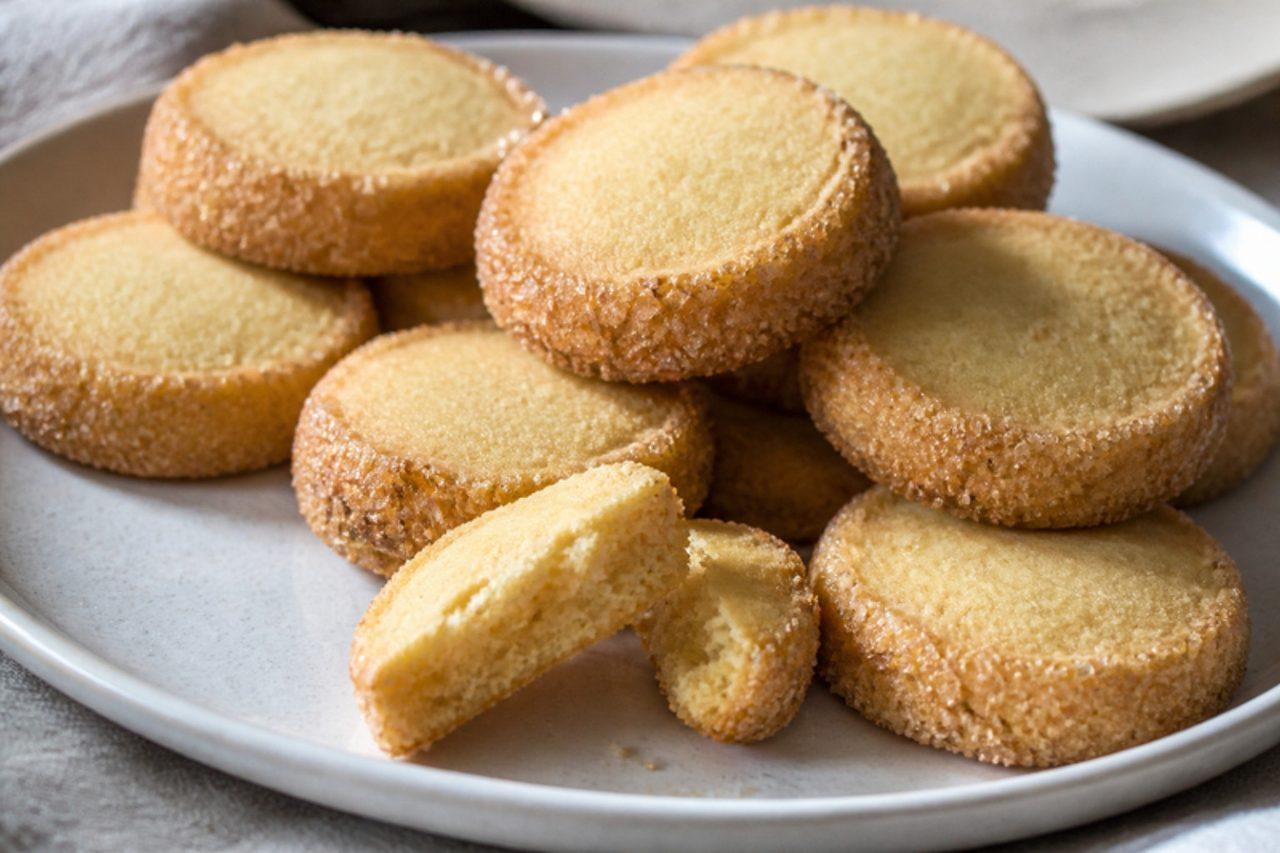
AI-generated image
Heidesand
Brown butter slice-and-bake cookies
Sandy brown-butter slice-and-bake cookies from Lower Saxony

The name means 'heath sand', after the pale sandy soil of the Lüneburg Heath in Lower Saxony, and the texture lives up to it: these little rounds crumble the moment you bite. Browning the butter first gives them a nutty, toffee-ish flavour that plain shortbread lacks. German families bake them in Advent alongside Vanillekipferl and cinnamon stars, but they are just as good with afternoon coffee in any season. There is no egg in the dough, only butter, sugar, flour and a splash of milk, and the log is rolled in coarse sugar so every slice has a glittering edge. Chef's tip: let the browned butter set back to a soft, spreadable paste before you cream it; if you beat in butter that is still liquid, the dough turns greasy and the cookies flatten in the oven.
- Total time
- 60 min
- Difficulty
- easy
- Serves
- 12
Ingredients
For the dough
- 9 oz unsalted butter
- 5 ½ oz caster sugar
- 1 tsp vanilla extract
- ¼ tsp salt
- 2 tbsp milk
- 12 ½ oz plain flour
To finish
- 1 ¾ oz demerara sugar
Shop this recipe on Amazon
Spices & pantry
Fresh ingredients (2)
Links open Amazon in a new tab. As an Amazon Associate, WhatToEat.Today earns from qualifying purchases.
Method
0/10 doneStep 1: Melt 9 oz unsalted butter in a light-coloured pan over medium heat. Let it foam and crackle, swirling, until the milk solids at the bottom turn hazelnut brown and it smells nutty, 5–7 minutes.
7 minStep 2: Pour into a bowl, scraping in the brown bits, and chill for about 25 minutes, stirring once or twice, until it has set to the texture of soft butter.
25 minStep 3: Beat the set brown butter with 5 ½ oz caster sugar, 1 tsp vanilla extract and ¼ tsp salt for 2 minutes until pale. Beat in 2 tbsp milk.
2 minStep 4: Add 12 ½ oz plain flour and mix on low, then with your hands, just until it holds together; it should feel like damp sand.
Step 5: Divide in two and roll each piece into a log about 4 cm across. Scatter 1 ¾ oz demerara sugar on the work surface and roll the logs in it until coated.
Step 6: Wrap and freeze for 15 minutes (or chill for 1 hour) until firm enough to slice cleanly.
15 minStep 7: Heat the oven to 350°F (325°F fan) and line two trays with baking paper.
Step 8: Slice the logs into 7 mm rounds and set them 2 cm apart on the trays.
Step 9: Bake for 12–14 minutes, until the edges are light golden and firm and the centres still look pale.
14 minStep 10: Leave on the trays for 10 minutes, because they are fragile when hot, then cool on a rack. They keep for two weeks in a tin.
Nutrition per serving
- Calories
- 300 kcal
- Protein
- 3 g
- Carbs
- 37 g
- Fat
- 16 g
- Fibre
- 1 g
Nutrition values are estimates.
KrazyBadal
Good to know
- How long does heidesand take?
- About 60 minutes in total: 46 minutes to prepare and 14 minutes to cook.
- How many people does it serve?
- 12 as written. Change the servings above the ingredients and every amount scales to match.
- Is it vegetarian?
- Yes. It has no meat or fish.
- Can I make it ahead?
- Yes. It keeps well, so you can cook it earlier in the day or the day before and reheat it.
- What can I use instead of unsalted butter?
- The same weight of ghee or coconut oil (for frying and most baking).
- What can I use instead of caster sugar?
- Caster sugar, same amount.
Reviews
No reviews yet. Be the first to cook it.
Rate this recipe
Sign in to rate and review this recipe.
You might also like
Pfälzer SaumagenStuffed pig's stomach
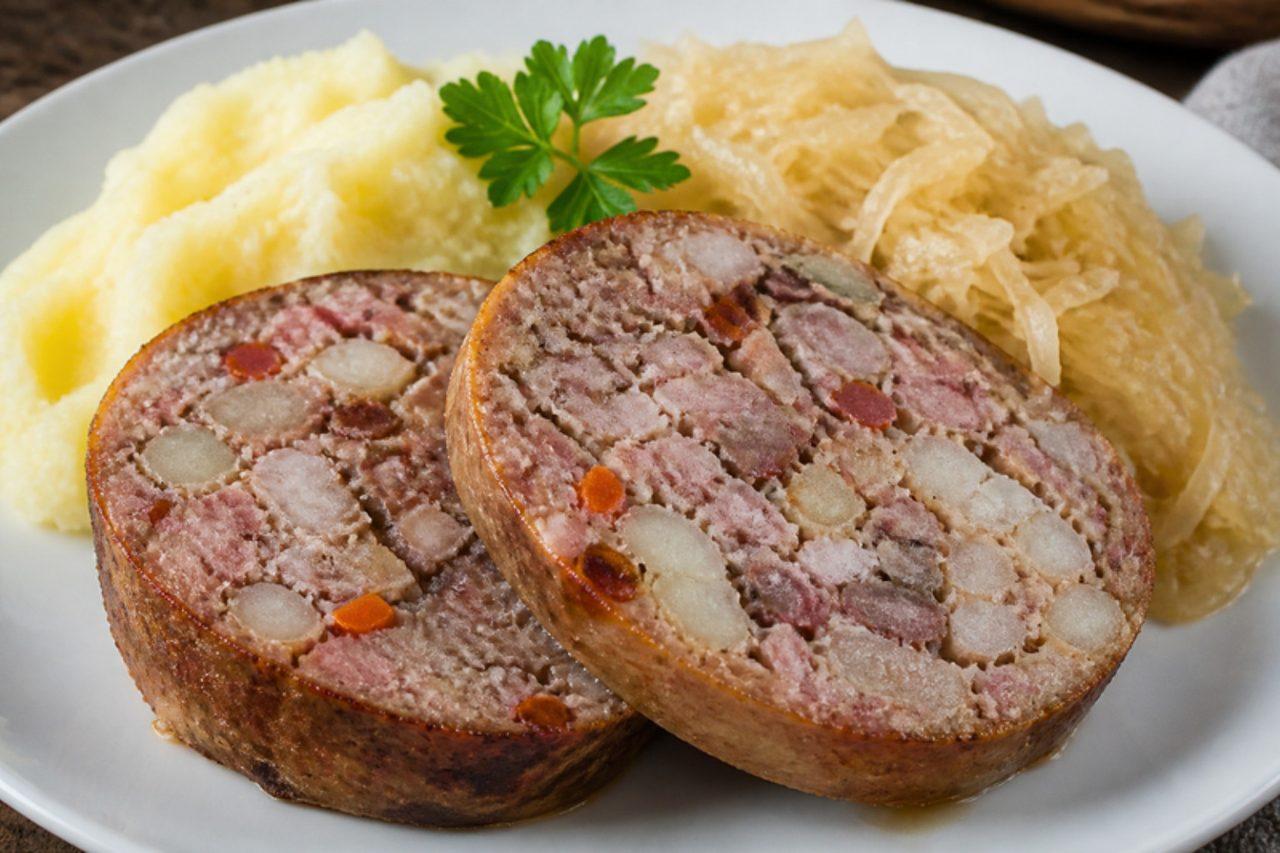
Saumagen is the pride of the Palatinate, served at wine-village festivals and family dinners from the Haardt hills to Ludwigshafen. A cleaned pig's stomach is stuffed with diced pork shoulder, pork sausage meat, potato and carrot seasoned with marjoram and nutmeg, poached slowly, then sliced thick and fried until crusty. The stomach works only as a casing and is ordered from a butcher; if you can't get one, bake the same filling in a covered terrine in a water bath. Serve with sauerkraut and mashed potato. Chef's tip: fill the stomach only three-quarters full, or it bursts as the potatoes swell.

Basque burnt cheesecake
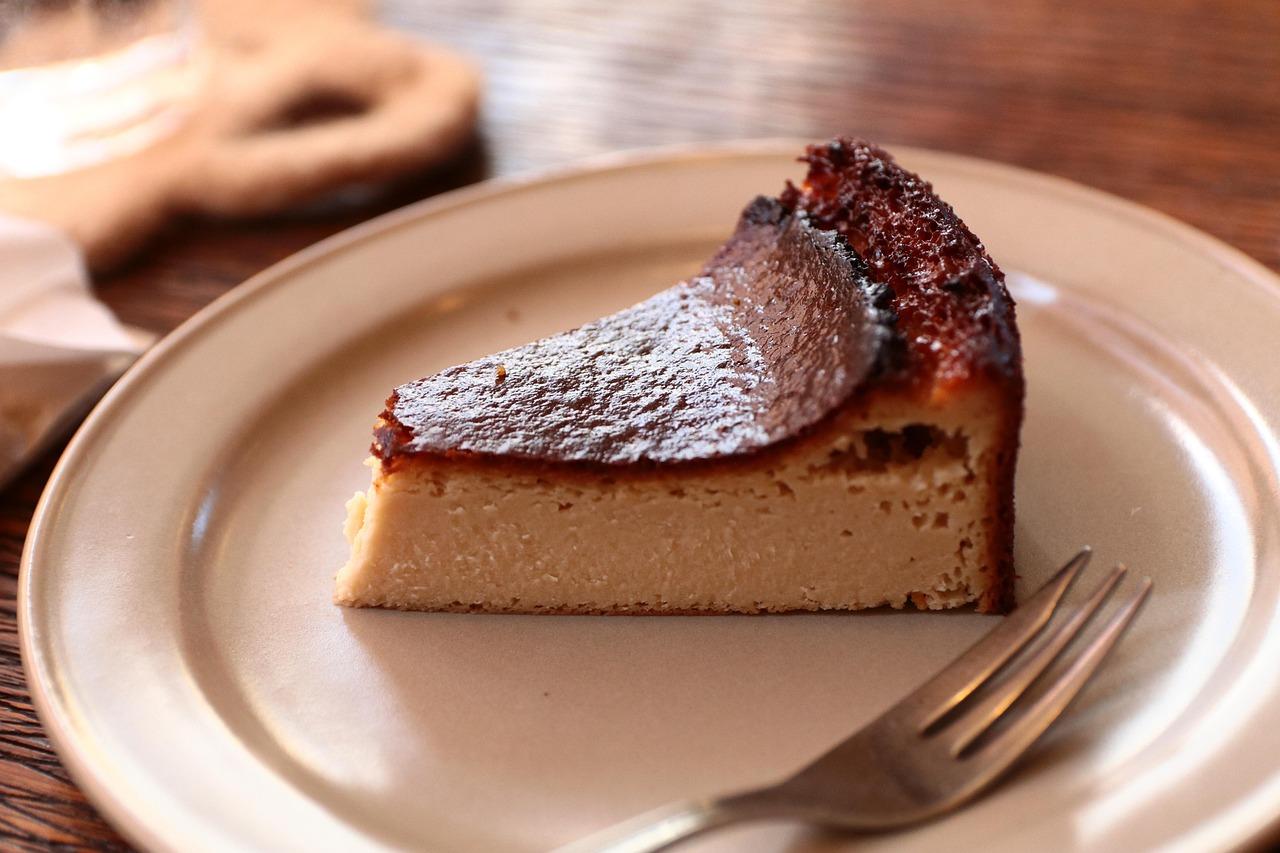
This crustless cheesecake was created in the early 1990s at La Viña, a pintxos bar in the old town of San Sebastián (Donostia) in the Basque Country, and is now famous around the world. It's baked very hot so the top caramelises almost black and the sides rise and crack, while the middle stays soft and creamy, almost runny. There's no base and no water bath, and the rough, rustic look is the point: it's lined with crumpled baking paper. La Viña uses a spoonful of wheat flour; cornflour does the same job and keeps it gluten free. Chef's tip: take it out of the oven while the centre still wobbles like a soft set custard; it firms up as it cools, and if it looks set in the oven, the middle will be dry instead of creamy.
 Spanish
Almond cookiesOat, coconut and almond cookies
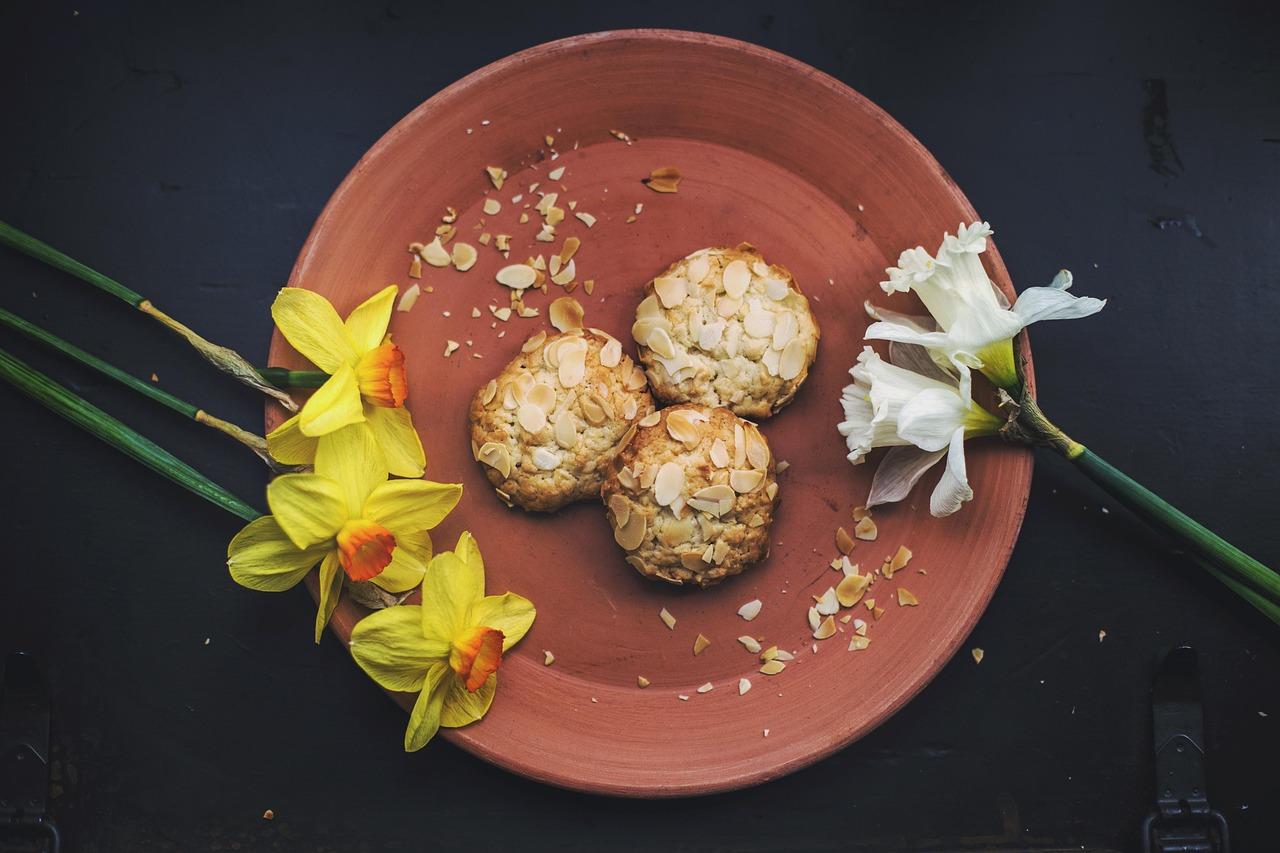
A big batch of crunchy cookies with rolled oats, coconut, chopped almonds and chunks of cooking chocolate. For a change, use cashew nuts instead of almonds.
Perfect for:Christmas